Calgary Is Growing. Build a Hospitality Business That Can Grow With It.
While growth creates opportunity, a growing market does not automatically create a profitable hospitality business.
Opening a restaurant, bar, or boutique hotel requires more than recognizing demand. It requires a distinctive concept, a defensible financial model, and the people, systems, and opening discipline to deliver.
Since 2009, KRG Hospitality has helped founders, operators, and investors transform hospitality visions into viable, open-ready businesses through connected strategy, practical coaching, and project-specific consulting.
Serving Calgary, Edmonton, Banff, Canmore plus all of Alberta and Saskatchewan.
Growth Creates Opportunity. Strategy Determines Who Benefits.
Calgary’s hospitality landscape reflects a combination of population growth, urban development, established neighbourhoods, business travel, destination tourism, and a strong calendar of events.
But opportunity looks different depending on where and what you are building.
A cocktail bar in the Beltline, neighbourhood restaurant in Inglewood, hospitality concept in a growing suburban community, and destination property in the Rocky Mountains will each depend on different guest behaviours, spending occasions, staffing models, and operating economics.
The same distinction applies across Edmonton, Lethbridge, Medicine Hat, Regina, and Saskatoon.
A growing population does not guarantee repeat guests. A busy tourism season does not guarantee year-round profitability. And an attractive location does not automatically justify its development and occupancy costs.
That is where KRG Hospitality begins.
Calgary Hospitality Market Intelligence
Growing Demand. Changing Markets. More Decisions to Get Right.
10.5M
Visitors to the City
4.52M
Visitors to Banff
1.58M
Population in Calgary
Before You Invest in Calgary, Resolve These Three Decisions.

Is Your Concept Built Around Real Demand or Market Momentum?
Population growth, major events, and tourism activity are encouraging indicators. None automatically validate a new hospitality concept.
Your business needs a defined target guest, an accessible market, a differentiated position, and reasons for people to choose it repeatedly.
A destination-led concept may depend on visitors, while a neighbourhood restaurant may require sufficient repeat spending from residents to remain viable.
The decision: Who will choose your business, how frequently will they return, and what evidence supports those expectations?
Does Your Location Support the Guest Experience and Financial Model?
A premium urban address, suburban commercial property, or mountain destination can each offer advantages. They also present different trade-offs.
Evaluate occupancy costs, accessibility, visibility, competitive supply, physical capacity, permitted uses, operational flow, and the investment needed to make the property functional.
The strongest-looking site is not always the strongest business decision.
The decision: Does the location improve the economics and experience of your concept, or does it introduce costs and limitations the business may struggle to overcome?

Can Your Business Perform Beyond Its Strongest Season?
A major event, busy patio season, tourism peak, or opening promotion can temporarily create exceptional demand.
A viable hospitality business must also account for slower periods, revenue fluctuations, maintenance, labour scheduling, inventory control, and working capital.
This is particularly important for event-driven, entertainment-led, and resort hospitality concepts.
The decision: Can the business protect cash flow and financial performance when demand returns to normal or falls below expectations?
Restaurant, Bar and Hotel Development Consulting in Calgary
Three Hospitality Sectors. One Connected Strategic Approach.
The strongest hospitality investments are not built on assumptions. They are built on connected, informed decisions and strategic clarity.
Whether you are planning your first location, developing a second concept, or entering hospitality through a property investment, KRG brings structure to the decisions that determine long-term performance.
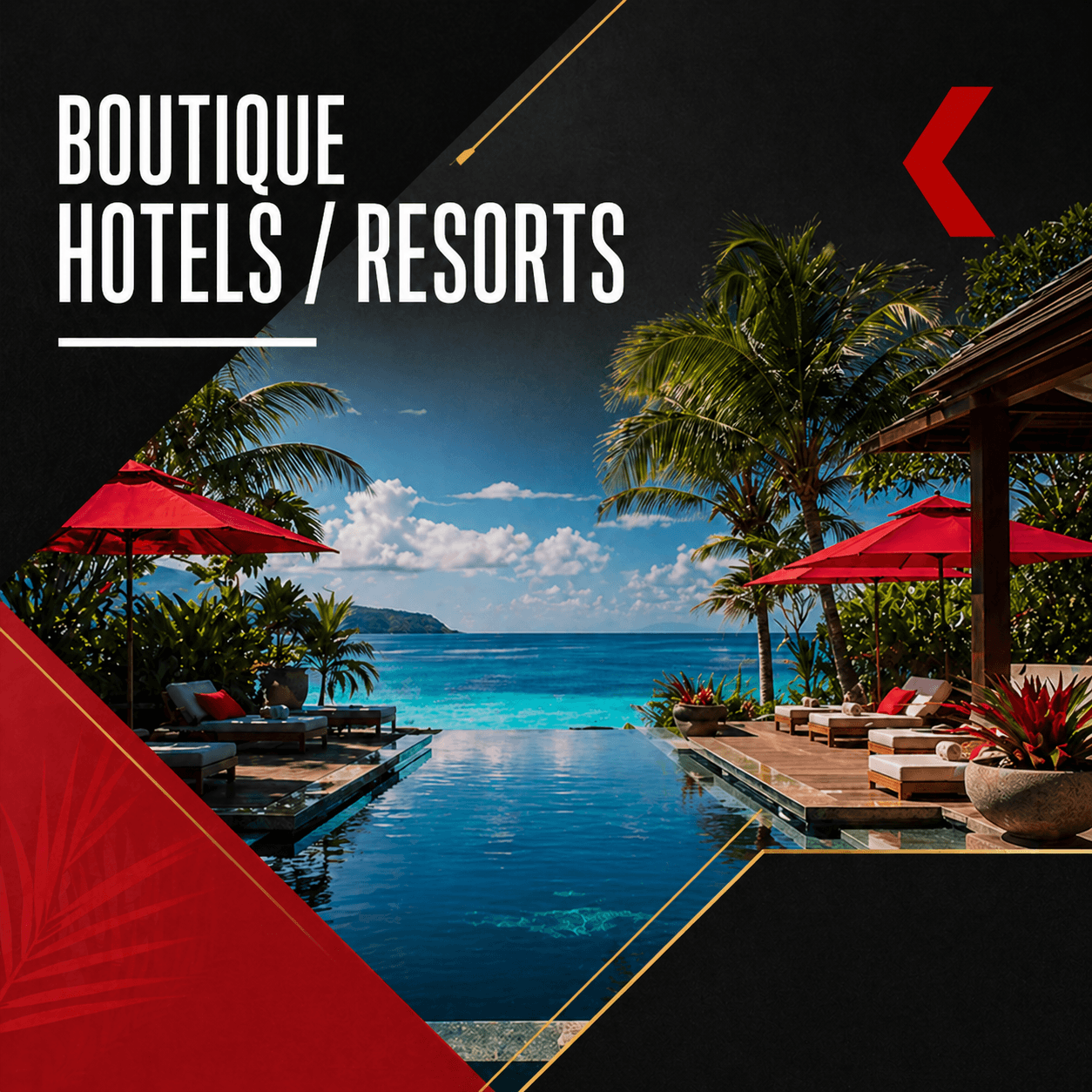
From independent urban hotels and extended-stay accommodations to boutique mountain properties, motels, and resorts, KRG helps developers evaluate the positioning, financial requirements, guest experience, and operating model behind their investment.

From cocktail bars and pubs to sports bars, entertainment venues, and nightlife concepts, KRG helps founders align beverage programming, guest experience, design functionality, staffing, inventory systems, financial controls, and leadership.
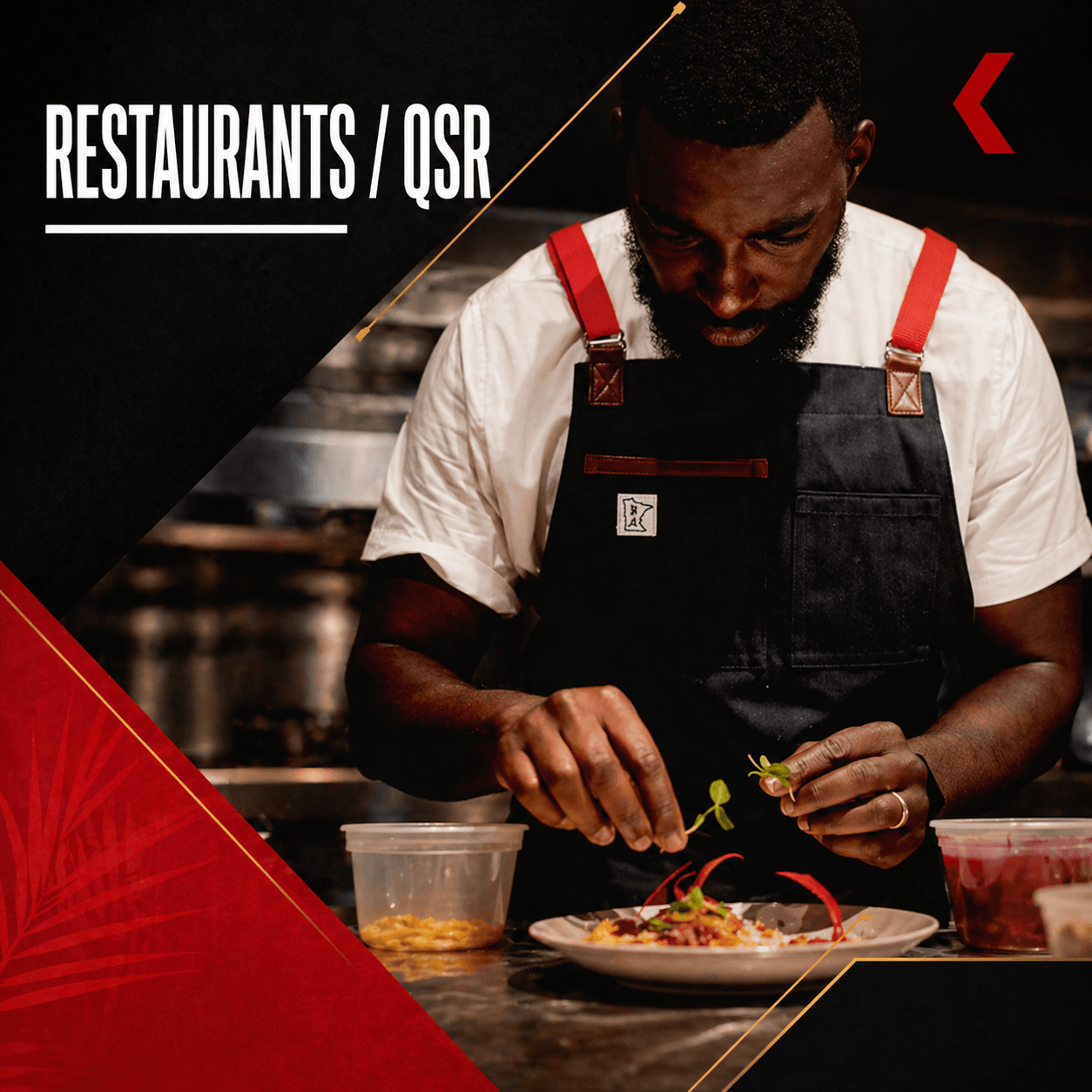
From neighbourhood restaurants and cafés to quick-service concepts, casual dining, upscale restaurants, and emerging multi-location brands, KRG helps founders develop clear positioning, viable financial models, and distinctive guest experiences.
Built on Experience. Measured Beyond Opening Day.
A Strategic Partner for Founders, Operators and Investors.
Founded in 2009, KRG Hospitality combines hospitality development experience with strategic coaching, operational expertise, financial discipline, and a network of specialist partners.
Our approach connects the decisions that are too often developed separately: concept, positioning, finances, brand, design, technology, people, systems, and opening execution.
2009
Year KRG Hospitality was established by Doug and Jennifer Radkey.
300+
Hospitality projects supported across KRG’s wider portfolio.
94.3%
Projects reported as delivered within their approved budgets.
98.2%
Among qualifying concepts tracked beyond five years, 98% remain operating, expanded, or successfully acquired.
Calgary Is Our Regional Anchor. Our Coverage Goes Further.
Hospitality Consulting Across Alberta and Saskatchewan.
KRG Hospitality supports restaurant, bar, and hotel founders throughout Alberta and Saskatchewan, from major urban centres to expanding residential communities, smaller cities, and destination hospitality markets.
Each opportunity requires market-specific assumptions, financial planning, and development strategy.
Calgary, Airdrie, Cochrane, Chestermere, Okotoks, High River, Strathmore, and surrounding areas.
Calgary’s hospitality opportunities vary significantly between established urban districts, growing suburbs, residential neighbourhoods, and destination-driven locations.
From the Beltline, Mission, Kensington, and Inglewood to emerging communities outside the downtown core, each trade area needs its own demand analysis, competitive positioning, and operating model. KRG helps founders connect those local realities with an investment strategy designed for their intended guests.
Banff, Canmore, Lake Louise, Kananaskis, and surrounding mountain destinations.
Destination hospitality presents distinct considerations around seasonal spending, visitor expectations, staffing, accommodation availability, development constraints, and revenue opportunities.
Whether planning a restaurant, bar, boutique hotel, or resort concept, founders must determine how the business will perform throughout the operating year rather than relying entirely on peak periods.
Edmonton, St. Albert, Sherwood Park, Red Deer, Fort McMurray, Grande Prairie, and surrounding communities.
These markets bring a different mix of residential, employment, institutional, business-travel, and regional hospitality demand.
The challenge is identifying the appropriate concept, capacity, pricing, staffing model, and capital requirements for each trade area. KRG supports development decisions grounded in local market conditions rather than assumptions imported from Calgary or other major cities.
Lethbridge, Medicine Hat, Brooks, Taber, and surrounding communities.
Regional cities and smaller markets can present compelling hospitality opportunities when the concept is correctly aligned with local demand, competitive alternatives, operating costs, and available investment capital.
A smaller population does not automatically mean a weaker opportunity. It does require disciplined analysis of guest frequency, spending potential, market capture, and financial feasibility.
Saskatoon, Regina, Lloydminster, Moose Jaw, Prince Albert, Swift Current, and surrounding communities.
Saskatchewan’s urban centres and regional markets offer opportunities across restaurants, bars, boutique accommodations, and other independent hospitality concepts.
Yet project economics, guest behaviours, staffing requirements, liquor regulations, and operating conditions vary by community and province.
KRG helps investors evaluate each business within its actual market, financial requirements, and development environment.
How We Work Across the Region
KRG Hospitality provides personalized remote coaching, strategic consulting, and project development advisory throughout Alberta and Saskatchewan. On-site assessments, market visits, project coordination, and additional involvement are available when appropriate to the engagement scope, travel arrangements, and project requirements.
Frequently Asked Questions
Yes. KRG supports restaurant, bar, hotel, and hospitality development projects throughout Calgary and surrounding communities. Services include early-stage validation, concept development, financial planning, business plans, strategic playbooks, implementation coaching, and project-specific consulting.
Absolutely. Engaging before a lease or property commitment creates greater flexibility. KRG helps assess the concept, market assumptions, location requirements, budget, operating model, and development readiness before more expensive commitments are made.
The investment varies considerably depending on location, square footage, concept, building condition, equipment, renovation requirements, capacity, staffing, and working capital.
A meaningful budget must connect the opening investment with realistic revenue assumptions and ongoing operating costs. KRG helps founders establish initial budget direction through the Roadmap and develop detailed project-specific financial plans through subsequent engagements.
Need a ballpark figure? Try one of our pre-open calculators.
KRG helps identify regulatory dependencies, structure development priorities, and coordinate with appropriate licensed professionals. Municipal planning, business licensing, Alberta Gaming, Liquor and Cannabis requirements, and Alberta Health Services approvals must be addressed by the responsible authorities and qualified specialists.
KRG does not replace legal, architectural, engineering, or regulatory professionals.
Yes. KRG can support early-stage evaluation, guest positioning, financial planning, operational strategy, and development coordination for independent accommodations and destination hospitality projects.
Site-specific planning, development restrictions, accommodation requirements, and regulatory approvals must be verified with the appropriate local and provincial authorities.
Yes. KRG works with clients throughout Alberta and Saskatchewan. Remote engagements allow founders and investors to access strategic coaching and consulting without requiring a permanent KRG office in their community. On-site involvement can be arranged where appropriate.
Your Next Investment Deserves a Stronger Decision.
You See the Opportunity. Now Establish What the Business Needs to Succeed.
Whether you are developing a restaurant in Calgary, a bar in Edmonton, a boutique hotel in Canmore, or another hospitality investment across Alberta and Saskatchewan, your opening is already being shaped by the decisions you make today.