In Chicago, Every Block Has Its Own Economics. Build a Business That Performs on Yours.
A remarkable hospitality concept can attract attention. A defensible business model determines whether it can compete, earn loyalty, and deliver sustainable financial performance.
Opening a restaurant, bar, or boutique hotel requires more than a compelling vision and the right address. It takes market validation, financial discipline, differentiated positioning, and the people and systems required to consistently deliver.
Since 2009, KRG Hospitality has helped founders, operators, and investors transform ambitious hospitality visions into viable, open-ready businesses through connected strategy, practical coaching, and project-specific consulting.
Serving Chicago, Chicagoland, Illinois, Wisconsin, Michigan, Indiana, Ohio, Minnesota, Iowa, Missouri, and surrounding Midwest communities.
Chicago Has No Shortage of Great Hospitality. What Will Make Yours Different?
Chicago has one of America’s most established and distinctive hospitality cultures.
From nationally recognized restaurants in the West Loop and Fulton Market to neighborhood bars in Logan Square, independent concepts in Pilsen, and boutique accommodations in the downtown core, the city offers an extraordinary range of guest experiences.
But Chicago is not one hospitality market.
A restaurant developed for the Loop’s business community requires a different approach from one serving residents in Lincoln Square, a cocktail lounge in River North, or a family dining concept in Naperville.
The same distinction applies throughout the Midwest.
An independent restaurant in Milwaukee, boutique hotel in Grand Rapids, neighborhood bar in Indianapolis, and hospitality development in Columbus cannot be evaluated using the same market assumptions.
Guest behaviors vary. Competitive environments change. Property economics differ. And an attractive location does not guarantee the business can generate enough revenue to support the investment.
A busy street does not automatically create paying guests. A recognizable neighborhood does not guarantee repeat visits. And a beautiful restaurant can become an expensive liability when the financial and operational model is not developed correctly.
The question is whether your specific concept, location, target guest, and financial structure justify the investment required to compete.
That is where KRG Hospitality begins.
Chicago + Midwest Hospitality Market Intelligence
Significant Consumer Demand. Established Competition. Different Economics on Every Block.
56.8M
Visitors to the City
11.9M
Hotel Room Nights
2.7M
Population in Chicago
Before You Invest in Chicago, Resolve These Three Decisions.

Does Your Concept Have a Defensible Place in the Market?
Chicago is known for distinctive restaurants, established neighborhood bars, culinary diversity, and sophisticated hospitality expectations.
Entering a recognizable dining district can create visibility. It can also mean competing against businesses that have already established strong identities, loyal guests, and operational advantages.
A new concept must demonstrate why its intended guests would choose it over the alternatives. That requires understanding the local trade area, competitive supply, guest demographics, purchasing behavior, market saturation, and the positioning the concept can realistically own.
It also requires recognizing that the same restaurant concept may perform very differently across Chicago’s neighborhoods or Midwest cities.
The decision: Is there a clearly defined guest market with a compelling reason to choose your business, or are you relying on location and general hospitality demand to generate customers?
Can the Location Support the Economics of the Business?
A busy intersection, recognizable neighborhood, or attractive existing restaurant space does not automatically represent a sound investment.
Rent, property condition, tenant improvements, accessibility, infrastructure, capacity, design limitations, and permitting requirements all affect financial viability.
A location with strong foot traffic may carry occupancy expenses that the concept cannot support. A lower-rent property may require substantial improvements or lack sufficient visibility, access, or market demand.
For hotels, acquisition costs, renovation requirements, room configuration, guest amenities, and operating infrastructure can dramatically affect the financial model.
The decision: Does the property strengthen the business opportunity, or will its cost and limitations require unrealistic revenue assumptions to make the investment work?
Are Your Development Decisions Protecting the Investment?
An exciting concept can become financially vulnerable when its development decisions are disconnected.
The architect may focus on the space. The designer may prioritize the visual environment. Equipment suppliers may recommend products based on capacity or specifications. But none of those decisions should be made independently from the business model.
Kitchen configuration influences staffing. Bar layout affects service productivity. Guest capacity influences revenue potential. Technology affects costs, reporting, and workflow. A change in construction scope can alter the financing requirement, timeline, and expected return.
The objective is to make these decisions work together before construction and procurement commitments become difficult to reverse.
The decision: Are you building a coordinated business supported by one financial and operating strategy, or allowing disconnected development decisions to shape the investment?
Restaurant, Bar and Hotel Development Consulting in Chicago
Three Hospitality Sectors. One Connected Strategic Approach.
KRG Hospitality supports independent founders, emerging hospitality groups, and investors preparing to develop restaurants, bars, boutique hotels, motels, and destination hospitality concepts throughout Chicago and the broader Midwest.
Our role is to connect the creative vision with the commercial strategy, financial planning, and operational systems required to bring it to market.
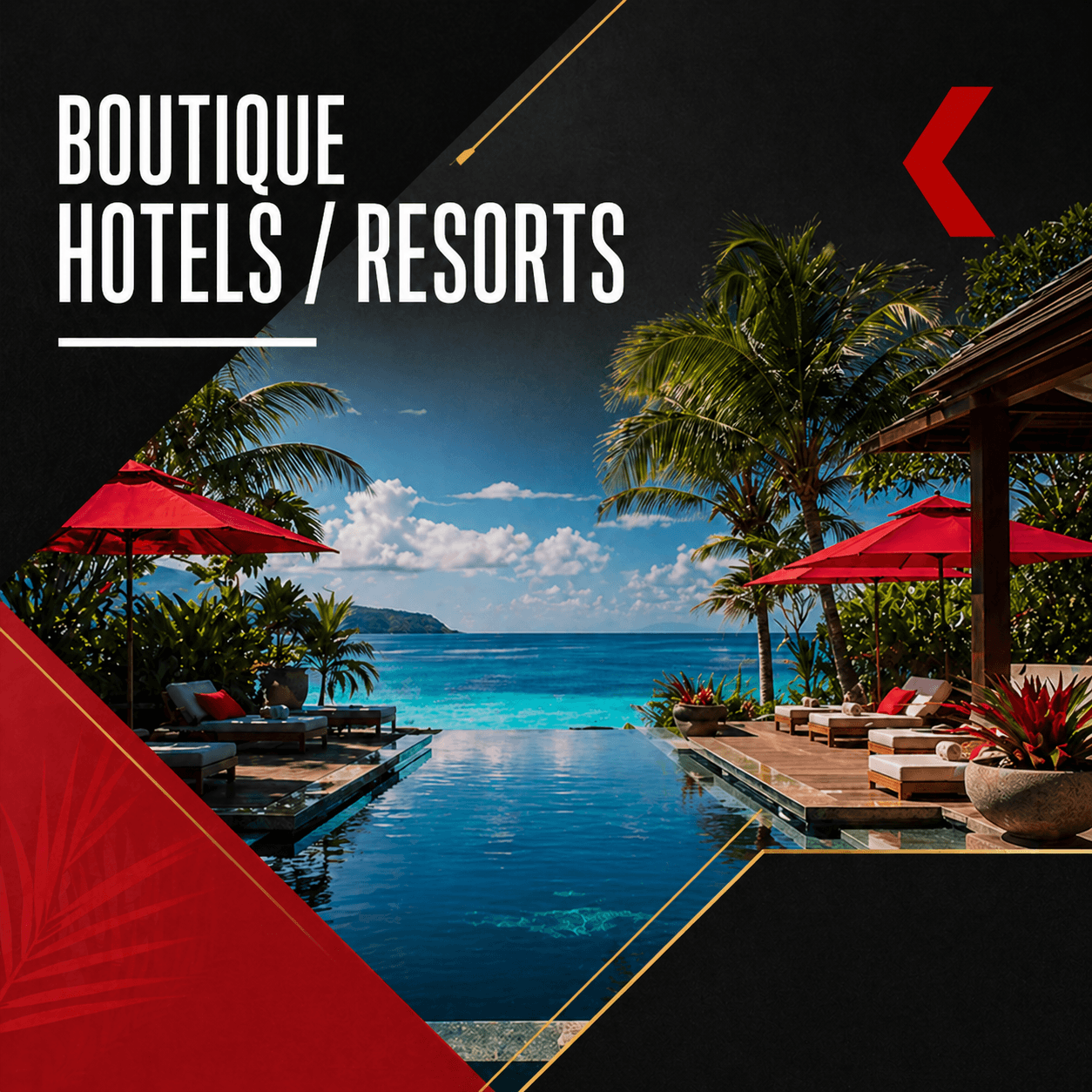
From boutique urban hotels and independent motels to adaptive reuse projects, extended-stay properties, and destination accommodations, KRG helps developers evaluate the commercial opportunity behind their hospitality vision.
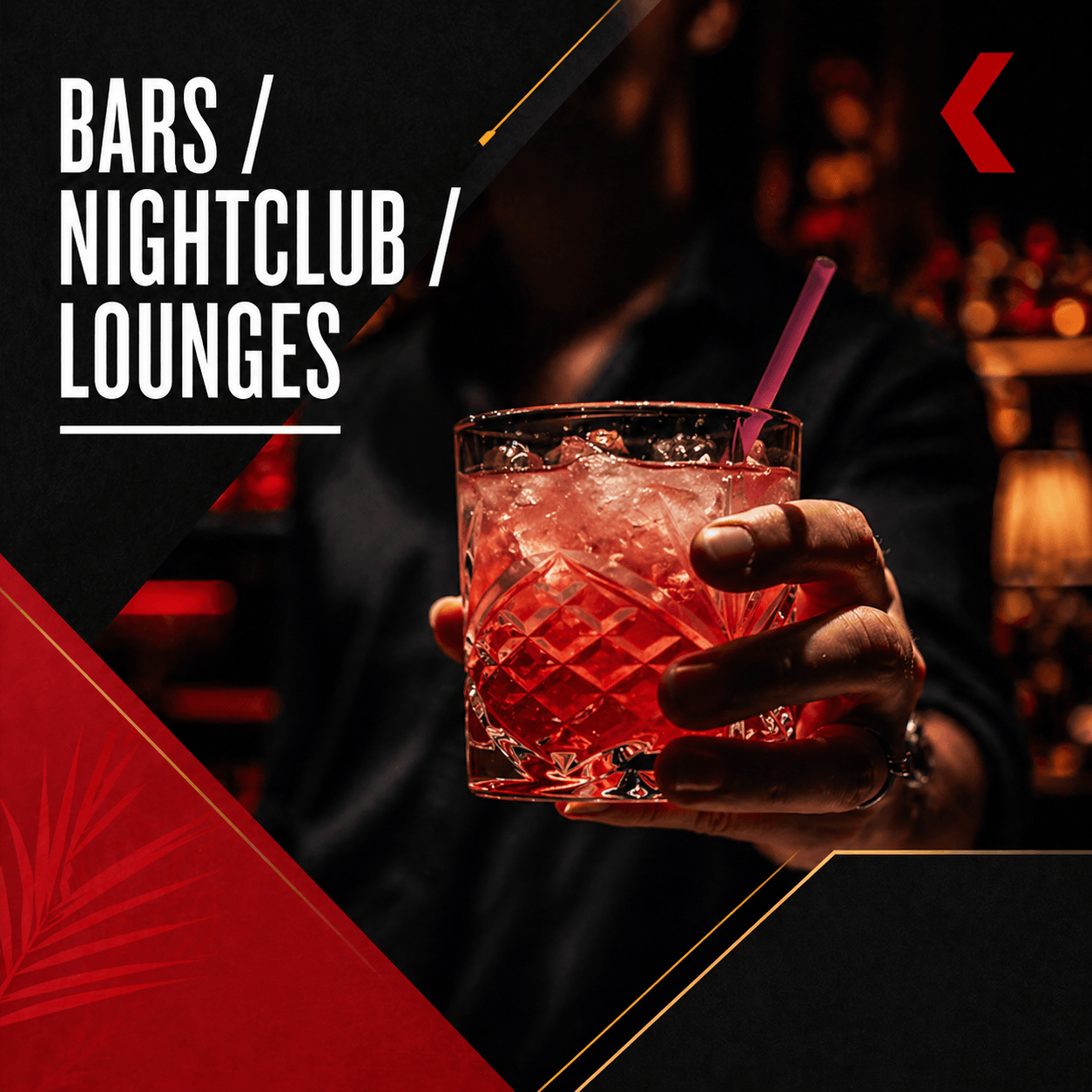
From neighborhood pubs and cocktail bars to sports bars, lounges, entertainment venues, and nightlife concepts, KRG helps founders develop memorable guest experiences supported by strong business fundamentals.
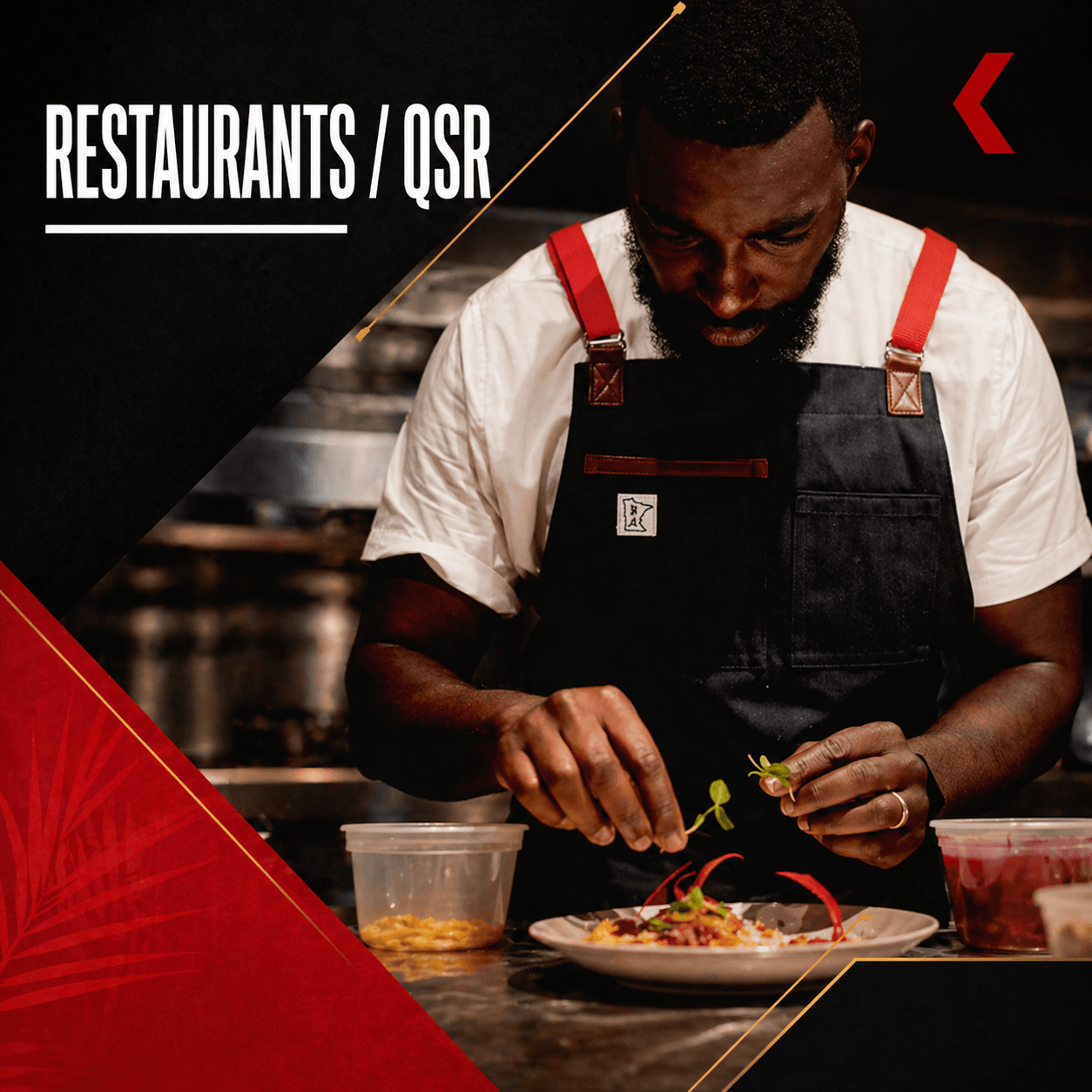
From neighborhood cafés and quick-service restaurants to casual dining, elevated concepts, independent restaurant groups, and destination dining, KRG helps founders connect concept differentiation with a financially viable operating model.
Built on Experience. Measured Beyond Opening Day.
A Strategic Partner for Founders, Operators and Investors.
Founded in 2009, KRG Hospitality brings together real-world hospitality experience, strategic coaching, financial discipline, operating systems, and a network of specialist partners.
Led by principal consultant Doug Radkey and mindset coach Jennifer Radkey, KRG connects the decisions that are too often developed independently: market feasibility, concept, brand, financial planning, design, technology, people, processes, and opening execution.
Our objective is to help founders protect invested capital, reduce avoidable mistakes, and create hospitality businesses with a stronger foundation for performance.
2009
Year KRG Hospitality was established by Doug and Jennifer Radkey.
300+
Hospitality projects supported across KRG’s wider portfolio.
94.3%
Projects reported as delivered within their approved budgets.
98.2%
Among qualifying concepts tracked beyond five years, 98% remain operating, expanded, or successfully acquired.
Chicago Is Our Regional Anchor. Our Coverage Goes Further.
Hospitality Consulting Across Illinois and the Midwest United States.
KRG Hospitality supports independent hospitality founders, developers, and investors across the Midwest, from major metropolitan markets and established urban neighborhoods to growing suburbs, regional communities, and destination hospitality locations.
Each opportunity requires a market-specific assessment of guest demand, competitive positioning, development requirements, operating costs, and financial potential.
The Loop, West Loop, Fulton Market, River North, Streeterville, Lincoln Park, Lakeview, Wicker Park, Bucktown, Logan Square, Pilsen, Hyde Park, Bridgeport, Andersonville, Lincoln Square, Bronzeville, and surrounding neighborhoods.
Chicago’s neighborhoods contain distinct restaurant, bar, and accommodation markets shaped by residential demographics, employment, cultural identity, accessibility, visitor activity, and established competition.
A concept developed for Fulton Market may require a different target guest, price position, operating model, and investment strategy from one serving Logan Square, Hyde Park, or Lincoln Square.
KRG helps founders determine how the concept, location, guest experience, and financial requirements should work together before significant capital is committed.
Evanston, Skokie, Oak Park, Schaumburg, Rosemont, Des Plaines, Arlington Heights, Park Ridge, Naperville, Aurora, Joliet, Elgin, St. Charles, Geneva, Batavia, Waukegan, Gurnee, Highland Park, Libertyville, and surrounding communities.
Chicagoland’s suburban markets offer a different combination of residential demand, employment activity, family spending, corporate travel, retail development, and hospitality opportunities.
An independent restaurant or bar in a suburban downtown may depend more heavily on repeat local spending than one developed for a major commercial corridor.
KRG helps founders connect trade-area demand, competitor positioning, accessibility, occupancy expenses, capital requirements, and operating systems to the proposed business model.
Rockford, DeKalb, Peoria, Bloomington, Normal, Champaign, Urbana, Springfield, Quincy, Galena, Belleville, Edwardsville, Collinsville, O’Fallon, and surrounding Illinois communities.
Beyond Chicago, Illinois offers opportunities in regional business centers, university communities, historic downtowns, growing suburbs, and destination markets.
The investment strategy must reflect local demographics, guest frequency, market size, employment patterns, competitive supply, and operating expenses.
A smaller market may support a compelling independent hospitality business, but only when the concept and financial model match the realities of that community.
Milwaukee, Waukesha, Brookfield, Kenosha, Racine, Madison, Middleton, Sun Prairie, Janesville, Green Bay, Appleton, Oshkosh, Fond du Lac, Lake Geneva, Wisconsin Dells, Eau Claire, La Crosse, and surrounding communities.
Wisconsin’s hospitality opportunities extend across metropolitan dining districts, suburban communities, regional employment centers, university markets, sporting events, and destination tourism.
A neighborhood restaurant in Milwaukee, boutique accommodation in Lake Geneva, or hospitality concept in Wisconsin Dells requires a distinct understanding of target guests, operating seasons, staffing, pricing, and financial potential.
KRG helps founders evaluate those conditions before committing to the investment and development process.
Detroit, Dearborn, Royal Oak, Ferndale, Birmingham, Troy, Novi, Southfield, Ann Arbor, Ypsilanti, Monroe, and surrounding communities.
Southeast Michigan offers a range of hospitality environments, including established urban neighborhoods, suburban commercial markets, university communities, and entertainment districts.
A restaurant in downtown Detroit may depend on a different balance of residents, events, workers, and visitors than a concept in Ann Arbor or Royal Oak.
KRG supports development strategies grounded in the actual trade area, competitive environment, investment requirements, and operating model.
Grand Rapids, Holland, Muskegon, Kalamazoo, Battle Creek, Lansing, East Lansing, Saugatuck, Traverse City, Petoskey, and surrounding communities.
Michigan’s regional markets offer opportunities across neighborhood restaurants, beverage-led hospitality, boutique accommodations, historic properties, and destination concepts.
Some locations depend on consistent residential demand. Others experience greater influence from seasonal tourism, universities, regional employment, and outdoor recreation.
KRG helps founders determine whether the proposed concept, location, operating structure, and financial model are appropriate for the market.
Indianapolis, Carmel, Fishers, Noblesville, Westfield, Greenwood, Bloomington, Lafayette, West Lafayette, Fort Wayne, South Bend, Mishawaka, Elkhart, Valparaiso, Michigan City, Hammond, Gary, and surrounding communities.
Indiana’s hospitality markets combine established metropolitan centers, expanding suburban communities, university populations, regional employment, sporting events, and business travel.
Opportunities exist for independent restaurants, bars, boutique hotels, extended-stay accommodations, and destination concepts. Each requires its own feasibility assessment, financial assumptions, guest positioning, and operational strategy.
KRG helps founders distinguish genuine commercial potential from general market growth or location appeal.
Columbus, Dublin, Westerville, Worthington, Cleveland, Lakewood, Ohio City, Akron, Canton, Cincinnati, Dayton, Toledo, Sandusky, and surrounding communities.
Ohio offers a variety of urban, suburban, regional, and destination hospitality markets.
Columbus, Cleveland, Cincinnati, and other major centers have distinctive combinations of residential demand, business activity, universities, cultural attractions, and visitor spending.
Regional communities may support different forms of hospitality based on market size, pricing expectations, guest frequency, and development requirements.
KRG helps connect concept differentiation, financial planning, operating discipline, and pre-opening preparation to the realities of the proposed location.
Minneapolis, St. Paul, Bloomington, Edina, Minnetonka, Maple Grove, Plymouth, Woodbury, Stillwater, Rochester, St. Cloud, Duluth, and surrounding communities.
The Twin Cities and surrounding Minnesota markets provide opportunities across urban dining, neighborhood bars, boutique hotels, corporate-oriented accommodations, and regional hospitality.
Business development requires an understanding of local guest behaviors, competitive positioning, seasonal conditions, labour costs, and financial feasibility.
KRG evaluates the proposed business within its actual market rather than applying assumptions from Chicago or another large metropolitan area.
Des Moines, West Des Moines, Ankeny, Ames, Cedar Rapids, Iowa City, Coralville, Davenport, Bettendorf, Dubuque, Waterloo, Cedar Falls, and surrounding communities.
Iowa’s metropolitan and regional markets offer opportunities across neighborhood hospitality, independent dining, beverage concepts, lodging, and businesses serving residential, university, and regional visitor demand.
Market size alone does not determine whether a hospitality investment deserves to proceed.
KRG helps founders evaluate target guests, business positioning, capital requirements, realistic revenue potential, operational needs, and the path toward financial sustainability.
How We Work Across the Region
KRG Hospitality provides personalized remote coaching, strategic consulting, and project development advisory throughout Chicago and the Midwest.
On-site assessments, property visits, strategic workshops, and project coordination are available when appropriate to the engagement scope, travel arrangements, and development requirements.
We collaborate with qualified local architects, engineers, contractors, legal professionals, licensing advisers, and other industry specialists where their expertise is needed.
Frequently Asked Questions
Yes. KRG supports restaurant, bar, boutique hotel, motel, and hospitality development projects throughout Chicago and the surrounding metropolitan area. Services include early-stage validation, concept development, feasibility planning, financial strategy, operational playbooks, implementation coaching, and project-specific consulting.
Absolutely. This is one of the most valuable stages to engage KRG. The Roadmap helps assess your concept, intended guests, preliminary investment requirements, site assumptions, operating model, and development readiness before financial commitments limit your flexibility.
Startup costs vary substantially depending on the neighborhood, property condition, square footage, tenant improvements, kitchen and bar equipment, licensing requirements, capacity, labour model, and working capital.
KRG helps founders establish preliminary investment direction and develop project-specific financial planning through its strategic programs. Need a ballpark figure? Try our free and interactive calculator today.
Yes. KRG can assist with concept and business-model assessment, preliminary financial viability, operating requirements, market positioning, and development priorities.
Where the physical property requires a detailed technical assessment, KRG works alongside the relevant qualified professionals. The objective is to establish whether the location is commercially appropriate before additional capital is committed.
Yes. KRG supports early-stage concept validation, market positioning, financial strategy, guest experience development, operational planning, and project coordination for independent accommodations throughout the region. Any adaptive reuse and historic properties may require additional evaluation of structural conditions, preservation obligations, accessibility, building systems, renovation scope, and development costs.
Ideally, before committing significant capital to a lease, property acquisition, construction, architectural design, equipment, or an unvalidated business plan. Early strategic clarity provides greater opportunity to challenge assumptions, identify risks, and establish a coordinated development process.
Your Next Investment Deserves a Stronger Decision.
You Have a Vision. Now Establish What the Business Needs to Succeed.
Whether you are developing a restaurant in Chicago, opening a neighborhood bar in Milwaukee, planning a boutique hotel in Detroit, or evaluating another hospitality investment across the Midwest, the decisions you make before opening will influence the business long after its first guests arrive.