Restaurant Operations

by krghospitality krghospitality No Comments

Collaborating w/ Local Chefs & Businesses

Collaborating w/ Local Chefs & Businesses – Even the Competition

Originally Posted on FoodableTV – By Doug Radkey 05/01/2017

The word “collaboration” stems from the process of two or more people or organizations working together to achieve something that is remarkably outstanding. Giving that some thought, shouldn’t all restaurants and bars alike be working toward achieving this goal and mindset?

The problem is not everyone has learned that even collaborating with the “enemy” (competition) is not necessarily a bad thing. Restaurants have an array of opportunities to collaborate with suppliers, their community, and yes, even the competition, while working towards a common goal; more awareness, traffic, and revenue.

The below suggestions all have two key components: ticketed events and/or message amplification.

Local Farms

Assuming your restaurant is sourcing product from local farms, fisheries, and other artisans; consider taking that relationship to another level.

Guests today are looking for one-of-a-kind experiences, along with food and beverage pairings that develop a perception that it is personalized or customized – just for them.

This is leaving an opportunity for restaurateurs and their culinary and bar-focused teams to work alongside local suppliers to generate not only unique recipes but also a series of educational events where a farmer, chef, and bartender, for example, can educate guests on the product throughout the meal.

The farming partnership can also be taken to an “expert level” by having your restaurant host a dinner at the farm itself — climate and locality permitting. This takes the educational component to a new level and allows a culinary team to execute in one of the most creative environments, all while guests get to enjoy a variety of sensory-related experiences.

Local Beverages

Similar to that of the local farm collaborations, restaurants and bars have an opportunity to further enhance awareness, revenue, and experiences by partnering with local breweries, wineries, and distilleries.

Beverages today are an important aspect to the overall dining experience, and what better way to drive that message than to create pre-fixe menu nights using a chosen local beverage? This will give your culinary team the creative ability to infuse this beverage and flavor in all of the dishes, while a representative of the company walks guests through the production, tasting techniques, and flavor profiles of their product, creating a fun night and memorable experience worth sharing.

Chefs

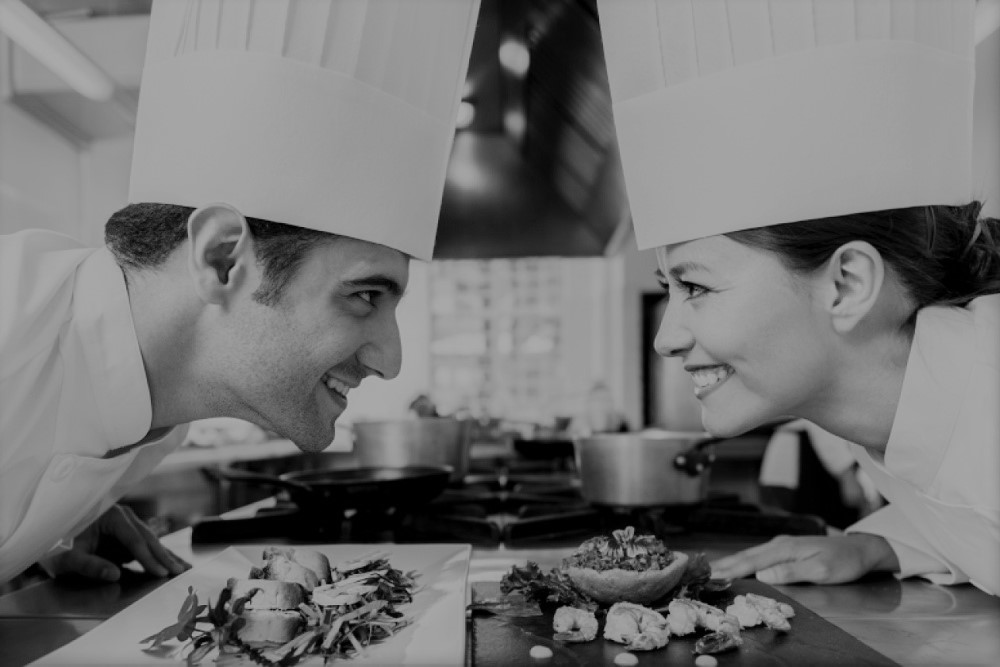
For a one-night-only type of event, consider collaborating with another local chef at either your restaurant or theirs (or ideally alternate the next month). Use this opportunity to put a unique, one-night-only menu together that fits within the confines of your concept and put together the creative minds of both chefs.

The “aha” moment is when you both get to expand awareness to each others’ market and close network of guests by promoting this exciting event. This also drives a perception that you’re community-minded and open to creativity. And developing an event that can generate additional revenue on what could be a slower night for your concept always helps.

Charity

Cause-related marketing has always been a crowd-pleaser and is very easy for restaurants to execute, especially with venue space, food, and beverage options already in-house. Take this opportunity to communicate among your staff to generate a list of causes you and your team would prefer to support within your community.

Reach out to them and collaborate on an event that will generate awareness, guest experiences, and minimal revenue for the restaurant to cover costs, at the same time generating a generous portion of revenue for the cause or nonprofit organization.

This type of collaboration will generally grab the attention of local media and dignitaries, further amplifying your reach and awareness, and again driving the perception you’re a valuable member to the local community.

Competition

A little friendly competition has never hurt anyone (that we know of) and collaborating with other local restaurants can be very beneficial for everyone. Consider partnering with your local business resource centers to generate a one-night-only or week-long “restaurant/bar crawl.”

You can even develop your own event with other similar restaurants in your area, for example, a battle of chef creations or bartender creations. Consider a “Caesar Battle,” meaning which restaurant/bar can create the most epic Caesar drink, with a reward going to guests who visit and try each location’s creation.

The ideas are truly endless, and really fun, for everyone involved. Whichever is decided on, ensure it is driving traffic into your location. At the end of the day, it’s about the guest and egos need to step aside.

Now find ways to creatively combine two or more of the above collaborative ideas for the most unforgettable experience and revenue-generating opportunity. All of the above options and events will enhance your social media strategy, amplify your messaging throughout the community, improve your community perception, increase staff morale, and generate revenue opportunities for you and your shareholders, while developing a destination, not just a restaurant.


by krghospitality krghospitality No Comments

Managing Restaurant Customer Emotions Using Touch Points

Managing Restaurant Customer Emotions Using Touch Points

Originally Posted on Resto Biz – By Doug Radkey 04/27/2017

The restaurant industry is driven by delivering exceptional (and memorable) customer experiences. As a restaurateur, you need to realize that you don’t just sell food and beverage, you sell emotions through experiences. Your concept, whether a restaurant, bar, cafe or food truck, lives or dies by the customer emotions it creates.

To create emotions and deliver on your promise for memorable customer experiences, a concept must think through its initial design while utilizing processes, maximizing communication and creating surprises through a multitude of ‘touch points.’

If you’re just starting out or if you’re already operating, there are areas you must audit – from the view of the customer, to ensure you’re driving these required positive emotions.

Design Points

From the planning stage, a variety of factors need to be carefully addressed. These three areas can make-or-break a brand’s perception in a matter in seconds by delivering a negative or positive emotional reaction.

First impressions count, and it all starts with your entrance. What reaction will customers have when they walk up to and into your establishment?

You need to ensure you’re creating a sense of hospitality with concept-driven decor, accessible doorways and a quick, warm welcome.

Next, over 70 per cent of customers equate restroom cleanliness with the cleanliness of the kitchen. Carefully consider the positioning and visibility of your restrooms in regards to waiting areas, dining areas and the kitchen.

You also need to invest in sound acoustics in addition to scent management systems, while implementing a restroom cleaning schedule throughout each working day.

Lastly, the lighting in your establishment cannot be overlooked. A carefully thought out lighting plan will increase security, boost sales (yes, that’s true), and set the overall mood that your brand is ultimately seeking.

Lighting will, in fact, dictate how long customers spend at your property so it is imperative your lighting choices match that of your brand strategy.

Process Points

Processes, or systems, are the backbone to a successful restaurant. Memorable design, impeccable flavours and a fantastic server is still not enough. Having the right processes in place will develop consistency, which is a key component in developing positive emotions and word-of-mouth marketing.

FOH (Front-of-House) and BOH (Back-of-House) systems take effort, training and accountability. You must ensure you have HR management, inventory management, financial systems, preparation lists, operational checklists, and quality control measures in place. A customer will quickly pick up on an unorganized restaurant which will generate negative word-of-mouth.

Next, walk through the typical service sequence at your restaurant. From walking in, to sitting down, to placing orders, to the delivery of food and beverage – what is the customer experiencing? What are they visualizing, touching, smelling and hearing throughout each touch point?

Lastly, once the meal or order is complete, what is the exit sequence and payment process like for the customer? How long are they waiting, what payment options are available to them (think modern technology), and how will they remember you as they leave?

Is there a thank-you or ‘exit strategy’ in place?

Communication Points

A smooth operating restaurant requires fluent communication from and between not only the management, host, bartender, server, cook and chef, but also the customer. How are the following touch points affecting your customer emotions?

Walk through the process of placing a phone call, placing an online order, making an online reservation, or leaving a comment on social media for example. What emotions are you generating? How long do the processes take? What information is gathered and where is it stored? How long until there is a confirmed reply? Are there areas you can improve to deliver a quick, positive emotion?

Secondly, team communication among your staff affects morale which ultimately affects the customer of your restaurant, and your bottom line. How is the communication between FOH and BOH at your restaurant? What is your in-house process to address a customer complaint or even a question regarding an ingredient while at the table with a customer? How long does it take to resolve and who needs to be involved? What measures can be put in place to expedite the communication process?

Lastly, what messages are you communicating through your marketing channels?

What type of brand image are you portraying on social media, within your menu, on your website, and other advertising? Are the messages consistent and is the copywriting professional on quality material or images? What type of emotion does your marketing effort develop? Does it match your intended brand identity?

Surprise Points

Everyone loves a surprise, right? What expectations are you creating for your customers? What type of events are you generating? Are these events leaving positive, memorable emotions? Consider these emotions the next time you’re planning an event.

Next, what type of reaction are you receiving when you deliver a dish or creative cocktail to a customer? Are you maximizing the wow factor by offering a surprisingly high-quality visual presentation and taste? What can you do with your menu items to stand out from similar concepts in your area?

Finally, consider testing all of your touch points through implementing a monthly or quarterly secret shopper program to receive unbiased reviews while holding the entire team accountable.

By creating positive emotions through design, systems, communication and training, you will undoubtedly increase spending and return visits – which is, of course, your day-to-day goal!

by krghospitality krghospitality No Comments

How to Lower & Control Labor Costs in Your Restaurant

How to Lower & Control Labor Costs in Your Restaurant

Originally Posted on Typsy – By Doug Radkey 04/25/2017

It’s no secret; the ‘average’ restaurant and bar has up to 70-80% of their costs tied up in three areas (food, labor, and rent). At the end of the day, it’s who controls these core costs the best that ultimately wins ‘the game’.

Outside of delivering memorable experiences, marketing, and customer service; developing systems to monitor quality, portions, and value in your food, drink, and entertainment options will help control your food and rent costs, while also developing repeat customers – resulting in consistent revenue, operating capital, profit margins, and engaged staff.

But what about labor costs? How can you lower them? The same way – through control!

This is the mindset you and your team need to have to be successful; every minute, every hour, and every day throughout the year.

Here are some tips to help you get started.

Refine Your Hiring Process

Ensure you have created a value, vision, mission, and culture statement first, to ensure you’re hiring team members that match the values and characteristics your concept needs to be successful.

At the end of the day, ‘values beat experiences when experience doesn’t work hard’. Hiring the right candidates from the start will immediately lower your long-term labor costs.

Balance Staff

Take into consideration (and be careful of) how many full-time versus part-time employees you have that are guaranteed a set amount of hours each and every week.

Ensure you’re leaving the flexibility of given hours in your control, not theirs, even though offering full-time positions may be more attractive during recruitment. With detailed forecasts and budgeting, you can strike the right balance.

Maintain Training Programs

Proper training programs are the backbone to the success of controlling labor costs. Make sure there is an advanced system in place and that it is being executed in a consistent manner within your establishment – by all team members.

There must be transparency and accountability within the program, with a set amount of time allocated for each training session in addition to a set criteria of goals for each new hire to achieve.

Training should also not stop after the first few shifts. A winning training program is one that constantly teaches and cross-trains staff months and years after hiring.

In summary, invest in your staff and they will invest in you.

Monitor Reports

It is imperative that an owner/operator reviews productivity reports each week and avoids overtime pay at all costs.

When creating staff schedules, it is ideal to create them based on current sales reports plus week-over-week and year-over-year trends. Equally, when reviewing sign-in and sign-out reports, ensure that staff members are not abusing the clock, by signing in too early for each shift (for example).

At the end of the day, adequate control starts with the owner/operator and there is plenty of affordable technology such as ‘7Shifts’ that can assist you along the way.

Have Proper HR Processes

Human resource management is much more than just the hiring and dismissal process.

A successful restaurant will have processes in place that not only engage, but reward staff for achieving growth milestones.

Ensure you have a transparent growth and pay scale strategy for each position, in addition to one-on-one quarterly meetings, that will keep individuals working towards a SMART personal goal at your establishment.

Create Experiences

Experiences shouldn’t stop at customers. A restaurant needs to make the job more than ‘just a paycheck’ for employees. What experiences can you deliver to your team that will make them excited to come to work every day and speak positively about the restaurant, with their friends and within the community?

If you take the opposite approach and begin by simply ‘cutting costs’ by offering low wages and fewer hours, there is no other way to say it – you will become a failing statistic within the industry.

When you look at it from a cost-cutting point of view, you will eventually run into less cash-flow. This will then result in late vendor payments, poor food/drink/entertainment quality, fewer guests, and negative staff, which will then lead to turnover costs, poor customer reviews, and an operator who makes irrational business decisions.

With the right mindset and programs, you can, and will, control labor costs along with your other key performance indicators.

by krghospitality krghospitality No Comments

Building Team Experiences

Building Team Experiences to Keep Staff Engaged

Originally Posted on FoodableTV – By Doug Radkey 04/17/2017

Within the industry, we always talk about “experiences” — and rightfully so. At the end of the day, experiences are what restaurants sell to customers. All of the emphasis, however, is on customer experiences; but what about staff experiences?

Desirable experiences don’t stop with just your customers. Your team craves experiences, too! As owners, operators, and managers; it is up to you to make your concept more than just a “job” or way for staff to “pay their bills”.

Ask yourself this. Does your team come to work excited each and every day? How do you think they speak about your restaurant with their friends and family off-duty? Is it a positive message?

Implementing the right culture statement and team-based strategy will assist in controlling your labor costs and reduce turnover, resulting in not only stronger consistency within your operations, but also a positive environment that will flow through to your customers and help amplify word-of-mouth marketing.

Here are some tips to help you get started.

Web Presence and Social Media

Restaurant consumers are seeking to learn and understand the culture of a restaurant when deciding on their eating destination. This is a great opportunity to showcase your team on your social media channels and on your website. Create a bio for your staff noting something unique about them, take a photo (or better yet, a video) of them, and share this content to your online community. This will equally make your staff feel like they’re a part of a team and the business development process.

Create a Stay Interview

Many have likely heard the term “exit interview,” but what about a “stay interview”? Take video to the next level by interviewing your staff and developing a series of testimonials as to why they love working for your restaurant. This tactic will create a sense of place and family among your team and also assist in your hiring process; positioning you to attain higher-quality candidates who seek a positive working environment.

Continuous Education

A great team member is one who craves learning and one who brings the same set of values as you do to the table. Depending on your concept and financial model, consider developing an educational program for your team. Think outside the box and create culinary/hospitality scholarships and/or consider sending your team to farms, breweries, wineries, etc., to learn about specific products you offer and their development processes. Continuous education will create a sense of appreciation, enticing your team to stay loyal to your establishment while benefiting not only their experience, but your customers experience as well.

Profit Sharing Programs

It’s safe to say that people enjoy working towards a common goal. Consider creating a realistic monthly revenue goal (slightly above your current average) for your establishment. Now share this goal with your staff and create a plan for the month on how to collectively obtain that goal. If you surpassed that goal (congratulations), distribute a percentage (5 percent, for example) of the monetary difference among your team. Repeating this process each month will not only increase your revenue and profit, but will develop a team-like working environment; reducing turnover and making your team feel important to the business and its success.

SMART Staff Reviews

Speaking of goals, there should be team-oriented goals (profit sharing) and also personal goals developed within an overall action plan. You should sit down with each individual teammate at least once every three months. During this meeting and using SMART (Specific. Measureable. Attainable. Realistic. Timely.) objectives – give each teammate something to work on over the next three months. This could be increasing revenue per transaction averages, providing accurate inventory counts, reducing waste levels, or having accurate end-of-day cash reports. Of course, reaching objectives should be rewarded, therefore create a reward program that works for your concept and financial model.

Creative Mindset

Don’t let your staff get complacent by having the same menu month-after-month and year-after-year. This will lead to boredom, which will eventually lead to turnover, especially in the kitchen. Allow your team to be creative by “creating” food or beverage options that fit within the confines of your concept. Consider holding an in-house contest each month to choose one featured food and beverage option created by a staff member. Highlight this on your social media and in-house marketing (effectively creating a story), while rewarding that individual with a commission on sales from the item during that month. If the product sells really well, consider adding that item to your everyday menu the next time you re-engineer your menu.

In summary, execute a marketing plan approach to your staff recruitment and staff development program. The time, resources, and effort spent on this will be well worth it in the long-run. Just ask your staff!

by krghospitality krghospitality No Comments

Restaurant Supply Chain Management

Restaurant Supply Chain Management

Originally Posted on FoodableTV – By Doug Radkey 04/03/2017

Depending on the size of your restaurant model and the size of your menu, the restaurant supply chain can be simple to some and complicated to others. With raw materials, food safety regulations, delivery logistics, best-before dates, and overall packaging to coincide with your often limited storage capacities, the system can become one that sticks together or untangles on you in the blink of an eye.

When it comes to restaurants, bars, cafes, and food trucks; the producers, manufacturers, delivery drivers, owners, managers, and servers ultimately share the responsibility to create a safe and enjoyable dining experience within your concept.

It is imperative that your food service business understands the supply chain of the product it serves, in addition to having an emergency plan in the case a link of the supply chain “breaks.” This is now more important than ever at the restaurant level, with the farm-to-table and garden-to-glass movement; plus the continuous growth of craft beers, local distilleries, and of course, wineries.

Transparency, traceability, and accountability must be a top concern when deciding on vendors to ensure all products (both food and beverage) entering your restaurant or other food service business, are not only safe for your customers, but for your community.

Consider what a food-borne illness or product recall will do to your image, productivity, margins, and overall bottom line. The challenge with an illness or recall is the unpredictability of when it will happen, but the solution is to be more proactive and understanding at the restaurant level.

Initial Planning

At a more local level, this is more easily managed, whereas at a corporate or chain restaurant level, planning can become much more difficult. The most ideal situation is to deal directly with certified growers, co-ops, or distributors as much as possible who meet a high level of government standards. You need to reduce your risk by eliminating as many third parties as possible. When planning your menu(s), keep them compact and look for ways to re-purpose ingredients as much as possible. This will allow you to list out a limited number of targeted suppliers, including data on their company history, any past recalls, their storage facilities, delivery logistics, and ethical working environment.

Multiple Vendors

Freshness and seasonality play a large part in many restaurants across the nation. Outside of just delivering quality product and rotating menus, it’s important to meet with your above noted vendors, tour their facilities (if possible), and implement a back-up plan. Be proactive by developing a relationship with a primary supplier and secondary supplier for each of your core food and beverage products and ingredients to reduce the risk of not only running out of fresh inventory, but being quickly prepared in the case of a recall from your primary supplier. Lastly, when meeting with them, discuss their traceability program. If they don’t have one, simply move onto the next!

Data and Software

Data continues to define restaurants and food service businesses, and data within the supply chain is no different. Many Point-of-Sale (POS) companies have come to understand the current need for better inventory and supply chain management software, which will better track shipments, local SKUs, and improve vendor communication.

Having transparency throughout the supply chain will not only position you and your concept to make solid business decisions, but it will also help protect you through deeper HACCP compliance and SKU tracking, from the day of ordering the product to the day your customer arrives to eat or drink the product.

Operation Manuals

Basic manuals will always create a sense of accountability — an effective manual will not only identify product specifications and supply chain information for each product, but will also provide solutions to quickly respond to a food safety crisis if one were to happen.

Safely managing food safety is an ongoing process that requires commitment, communication, correct processes, vigilance, and teamwork at a multitude of levels. Ensure your values meet the values of your supplier and that there is a programmed system of communication in the event of a crisis.

In most cases, the paying customer wants high-quality product at the lowest price possible. Rising food costs — and the known importance to keep these costs within a certain percentage of sales — can often lead to a link within the supply chain breaking through poor decision making and quality control.

It should be no surprise, however, that supply chain management is the means to enhancing food and beverage quality and safety, all while reducing and controlling your costs. At the end of the day, the right supply chain can actually be used as one of your best marketing tools and simply cannot become overlooked or cheated on.

by krghospitality krghospitality No Comments

Restaurant Start-Up SOS

Restaurant Start-Up SOS

Originally Posted on FoodableTV – By Doug Radkey 03/15/2017

Outside of preparing for hidden costs and understanding strategies to save time and money during start-up, there are many other factors that can make an aspiring restaurateur scream “SOS” on or before the day one opens their doors.

One word that cannot be stressed enough during this phase is, of course, planning. Sometimes, however, even with a high level of planning in place, things can unfortunately go sideways for some — and they can happen fast.

The good news is that you can try and stay ahead of the most common problems with these five SOS-related problems and solutions!

Property Surprises

Problem Area: One of the most frequent problems that arise is found within your property choice. New restaurateurs often find out after a lease is signed that their property may not be fully compatible for a restaurant and will need further upgrades to meet standards for energy, ventilation, and revised building and/or health codes.

Solution: Have a commercial inspector walk through the property with you before signing your lease, looking at common areas for mold and leaks (water and air), in addition to the most updated building codes and food-service-related health codes needed to operate. Secondly, within your concept development plan, list out your priority pieces of equipment and their specs, including the energy consumption they will use. This step will help you understand if you will need to upgrade electrical panels or gas lines, while not forgetting about your hood system and ventilation needs. Thirdly, if you have immediate neighbors, it’s ideal to understand their concept, operating hours, and the acoustics within the walls separating the units. Will interior noise levels affect either your business or theirs? Make sure this is planned and budgeted for, if upgrades are needed.

Inevitable Delays

Problem Area: Many start-up projects see at least one — or even a variety of — delays with building permits, material suppliers, and/or contractors. These delays will slowly eat away at your cash flow, create a heightened level of stress, and of course, extend your ideal opening day.

Solution: Mentally and physically prepare for it. Learn the average time for building permits to get approved in your area, and then add 1-2 weeks to that time frame. Meet with your flooring, lighting, and wall finishing supplier, as well as your hood system, kitchen equipment, mill-worker, and furniture suppliers before construction begins. This step will position you to find out their specific lead times required to produce, organize, deliver, and/or install. This all needs to be coordinated with your contractor and then laid out in an organized project management Gantt chart which shows activities (tasks or events) displayed against time.

Quitting Chefs

Problem Area: A scenario that, believe it or not, happens more often than it should is a chef who quits before opening day or shortly there-after. This situation will leave a restaurateur scrambling and leave a question of doubt among you and your other hired team members.

Solution: Before hiring your chef (if you’re not a chef inspired owner) or even before hiring your other team members, make sure your four key statements (Value, Vision, Mission, Culture) are completed. Equally, before hiring your chef, management, and other key staff, make sure your menu concept is completed and you show them the plans for the kitchen and bar space, the size of team they will lead, the wage structure, and overall growth plans. In summary, be 100 percent transparent so there are zero surprises, which is often the main reason a restaurant loses its key start-up staff.

Strapped Cash

Problem Area: Approximately 7 out of 10 start-ups face crucial financial decisions before opening their doors, sometimes (sadly) even leading to the doors not opening at all. Outside of possible delays strapping ones cash, some owners begin losing sight of their budget because they want the best of the best for the interior design of their concept.

Solution: Going hand-in-hand with preparing for hidden costs and delays, what can you do to avoid cash-flow problems? It’s imperative that concept development plans, business plans, and start-up budgets are in place and you’ve accounted for a variety of hidden costs. To reduce a significant portion of your start-up costs, consider leasing your equipment or taking over an existing foodservice space to leave further financial room. Secondly, as an owner, it is important to balance what is most critical to your concept and balance those interior element costs. Have your start-up budget updated on a weekly basis to hold yourself — and your supporting start-up team — financially on track and accountable.

No Customers?

Problem Area: Opening day has finally arrived! The renovations are complete, everyone is excited, and the hired team is trained and ready. You open your doors and only a few customers trickle in, leading to more questions and doubt. What happened?

Solution: The adage of “if you build it, they will come” sadly doesn’t exist in the restaurant industry. With a marketing and advertising plan, a startup needs to create buzz long before opening day. You must engage with the community prior to opening day through a launch day strategy plan. As a start-up restaurateur, you need to develop a strong budget for this category and keep it locked away and off to the side from your other expenses.

One of the main reasons this problem area occurs is that the startup needs to dive into the marketing category to pay for other equally important financial categories because of hidden costs in property surprises, inevitable delays, and re-hiring of staff.

Starting a restaurant, bar, or cafe takes a level head and plenty of research, organization, and financial planning. Use these startup SOS tips to stay ahead of the game!

by krghospitality krghospitality No Comments

Choosing the Correct Restaurant Equipment

Choosing the Correct Restaurant Equipment

Originally Posted on FoodableTV – By Doug Radkey 03/03/2017

A memorable, profitable, sustainable, and scalable restaurant arguably starts with the correct choice of equipment. When setting up your location, the kitchen and bar planning process can be one of the most exciting, exhausting, confusing, and detrimental aspects that will, in fact, determine the long-term success of your venue.

Much of the process comes down to research and truly understanding your concept and size of location. It would also be wise to work with a trusted supplier, consultant, chef, and/or experienced bar manager to develop a reliable and productive space that will maximize every available square foot available to you.

Choosing the wrong equipment or choosing the wrong placement of equipment can have a significant impact on both your start-up and operating cash-flow, in addition to productivity levels, staff morale, customer service, and overall food and beverage quality.

Let’s look at four key areas that can assist you in your equipment decision-making process.

Budgeting

A lot of your decisions can be made early on within both your business plan and your concept development plan. Everyone has a budget and equipment plays a large part, often 15-25 percent of the start-up costs. It’s important to first determine your wants versus needs, plus the style and size of kitchen or bar that you’re planning to develop, in comparison to your new and exciting menu.

When you know your budget, you will know if you can afford average or premium equipment, or new to refurbished equipment. Pro Tip: Determine your most vital pieces of equipment based on your menu and look for premium in these items, as they will be used the most.

Consider working with an accountant who can develop a plan to reduce capital gains while discussing other available options to aspiring restaurateurs. Alternatives should include leasing your kitchen and bar equipment during the start-up process.

Productive Capacity

With utility costs continuously on the rise, it would be ideal to locate more “green” equipment that will improve your cash flow — and essentially pay for itself through energy savings in the long-term. Measure this against your operating hours and meal-break strategy to determine how long specific pieces of equipment will be on for. This will assist in helping you determine your specific needs and the options most suitable to you.

Gas ranges, for example, will provide a variety of heating speeds dependent on the units BTUs. Take the time to research the unit through the available spec sheets. By doing so, you will learn just how long the range takes to heat up and the BTUs it will require to match your style of service.

Productivity doesn’t stop there. Ergonomics or “staff mobility” is equally as important. Consider the number of steps required by staff to reach fridges or other workstations, in addition to the height of tables and equipment stands, to reduce the amount your staff will need to bend to complete a task. A comfortable working environment will enhance your staff morale and there are numerous options available to you through today’s manufacturers.

If you know your location’s electrical, gas, and plumbing capacity, try to work within its parameters when choosing items, or expect utility upgrade costs with your contractor. Discuss these details with your property management and project engineer. Finally, always look for ways to reduce water and chemical use. Choose equipment that is also easy to maintain and clean for the most optimal productivity.

Choice of Supplier

When trying to decide on your main equipment supplier, look for vendors that have a large range of options for the same items (different price points), excellent customer service, showrooms, delivery and installation services, preventative maintenance programs, and financing options. Discuss new versus used, look for product or service “value adds,” product warranties, training programs, and future availability of parts. It is worth shopping around to 2-3 trusted suppliers in your region to make an educated decision based on experience, price, and their valuable options.

Balancing Menu

Before finalizing your equipment purchase, keep room for scalability and future flexibility within your menu. Understand your target market and proposed menu mix. How much fresh product will be used to execute your menu and concept? What is the delivery schedule going to be from the vendors in your area? How much fridge space is going to be required to keep the product fresh in comparison to the estimated sales and delivery schedule? How many ranges and deep fryers are you going to need, for example, to keep up with your seating capacity?

Once your equipment is purchased and you’re nearing the start of your operations, create a manual for all of your staff. This manual will help them understand the equipment pieces. Establish proper training and cleaning schedules, in addition to when each piece of equipment should be turned on and off, to ultimately reduce utility costs and unnecessary wear and tear.

You also want to keep a budget off to the side for kitchen and bar small-wares that seem inexpensive at first but add up quickly. These are just the starting points that need to be considered when choosing the correct equipment that will not only work hard for you, but ones that will also maximize your financial investment.

by krghospitality krghospitality No Comments

Effective FOH & BOH Systems

Developing Effective FOH & BOH Systems

Originally Posted on RestoBiz – By Doug Radkey (02/22/2017)

The more any restaurant depends on the owner’s day in-day out involvement in the operational details of the restaurant, the greater the risk of failure. Starting and operating a successful restaurant or bar relies heavily on having the right systems in place, allowing the venue and its hired team to work as a cohesive unit.

Having the correct systems in place will create consistency, develop operating capital, enhance your team morale, and build business value while positioning your concept for future growth opportunities.

Below are some basic systems each venue should have in place (and can easily implement if they don’t) to allow the owner some freedom to work on the business and not in the business.

Operating Systems

HR Management | Create a paper trail for all employees, be compliant with local laws, and keep your HR system organized in print form with a digital backup. This would include application forms, emergency contact information, warning notices, copies of any incident reports, plus any staff incentive programs and quarterly staff performance reviews – which should be recorded every three to four months.

Inventory Management | The average restaurant & bar can see three to four percent of revenue lost to theft or mismanagement of inventory, especially in high ticket items such as alcohol, proteins, and day-to-day supplies.

Ensure there is an auditable system in place (digital, app based, and/or paper) at your venue for all inventory in addition to what is referred to as a Top 10; your 10 most expensive items. These items must be recorded and accounted for each operating day to help monitor your bottom line.

Team Communications | How often are you holding individual reviews and team meetings? Do you hold pre-shift meetings? How do your employees communicate with one another, especially between front-of-house and back-of-house during service? Get into the habit of holding daily shift meetings, monthly team meetings, and quarterly staff reviews.

Take it up a notch and consider adding in special training days at a brewery, winery, or a local farm every couple of months, so they can learn, communicate with customers, and train new staff about your offered menu items first hand.

Financial Systems | How often do you review monthly, quarterly, or yearly budgets? How often do you complete a sales mix analysis and review your menu, suppliers, and costs? When you complete your staff schedules, do you complete a roster analysis that measures sales per labour hour, for example? This easily available data will ultimately save time, control your costs, and generate further gross profit!

FOH & BOH Systems

Chef/Mixologist Shift Checklist | This important checklist will keep the leader of the kitchen organized with what needs to be completed in the morning, afternoon, and evening. It should also provide an area to:

  • Project daily sales
  • Record the number of reservations
  • The day’s labour cost for the kitchen (and bar)
  • The previous day’s food waste
  • What needs to be ordered each day

Manager Checklist | Similar to the above checklist, general managers and bar managers should have a similar mindset and list of daily tasks, daily financial goals, and daily staff costs, etc.

If a chef, mixologist, manager, or supervisor is sick or on an extended leave, another team member can step in and understand exactly what needs to be completed, to ensure consistency in your operations.

Kitchen & Bar Prep List | This is a crucial system to ensure your venue minimizes waste. A daily prep list should include all required ingredients, the portion sizes, shelf life, quantity on-hand, and the amount to prep based on both the minimum and maximum you’ve produced and sold on that specific day of the week (in relation to any waste) over the past three months.

This must go hand-in-hand with printed sales reports to visualize trends, maximize efficiency, reduce waste, and improve production times.

Line Cook & Server Checklist | The lists don’t stop at management. All team member (FOH & BOH) positions should have a checklist to hold staff accountable, engaged, and working towards a series of set goals for each day of the week.

Quality Control Measures | It is important to track the number of occurrences related to food quality, service problems, and drink related issues. Find trends in temperatures, timing, presentation, and other forms of customer feedback. Put a dollar figure beside each occurrence, discuss with your team, and take immediate action.

It takes effort, honesty, training, reviews, and accountability by the entire team to ensure these basic systems work and are implemented on a daily basis. It may look like more ‘work’ up front, and there are many more systems to suggest, but these will provide the results you need to begin leading a successful operation, starting tomorrow!

by krghospitality krghospitality No Comments

Adapting to Market Changes

Adapting Your Restaurant to Market Changes

Originally Posted on FoodableTV – By Doug Radkey 02/16/2017

The word “sustainability” has been used often of late in various ways within the food and beverage industry, with sustainable energy and ingredients being in the forefront. The word sustainability can easily be defined as the capacity of something being maintained over a period of time, without jeopardizing its future needs.

The same can be said for your concept. It should be able to continue, for the foreseeable future, right?

With ever-changing demographics, the likely saturation of your hyper-local competition, the ever-changing wants and needs of customers, in addition to the changes in ingredient availability plus fluctuation in both food and beverage costs, how can your food service business be ‘sustainable’?

Nothing in life is ever guaranteed, but some aspects are in your control when it comes to your properties longevity — if you approach your restaurants conceptual planning, with the right mindset.

1. Be Scalable

The first thing, and arguably the most important, is ensuring the concept is scalable. This means providing the opportunity to pivot with market changes and position the concept to grow in a strategic manner through menu changes and pricing changes, all while quickly adapting to a newly-opened competitor without losing your overall vision. Introducing a restaurant business model that is based solely on a current food and beverage “trend” is not building a scalable concept.

The second aspect of scalability is engaging the local community. If you have or plan to have multiple locations in different markets, position your concept to operate in different size capacities in addition to having the ability to purchase product from local farms, breweries, and wineries, etc. specific to that market. And through it all, you must of course keep your core value, vision, mission, and culture statements consistent across the board.

2. Be Profitable

At the end of the day, we all need to make money. Can the concept continuously produce a profit for you and all of your shareholders (staff included) over a long period of time? For a long-term budget forecast, consider the rising food, energy, real estate, and wage costs over time for the most accurate projections.

In three years, can your restaurant withstand these increases based on its capacity for seating and production? Can your restaurant adjust prices and control costs in the future based on the current menu style, price mix, and target demographic? Or will your target market turn a blind eye to your brand if you were to raise prices too high? What would be your plan to deliver the perception of value now and in three years?

3. Be Memorable

We all know, or should know, we’re in the business of selling emotions and experiences, not just food and beverage. Delivering new, memorable experiences will keep your customers coming back, time and time again, over a longer period of time.

Can your concept also invest in improving society and the food system all at once? Every aspect of your concept needs to tell a story, explain your key statements, and resonate with your target market. As the market changes, adapt and scale with it.

Today’s industry news is filled with concerns surrounding food costs, energy costs, climate change, wage increases, nutritional factors, and numerous other social issues, which are (thankfully) forcing concepts to operate more socially-focused business. Each of these concerns, however, provide an opportunity for you to tell your story on how you’re adapting and addressing these concerns.

This is why telling the story of where your meat, fish, vegetable, and beverage ingredients come from is so important, as it also helps customers navigate past the notion that their favorite menu item has recently increased in price. To summarize, storytelling develops a lasting memory.

4. Be Consistent

The overall design of a sustainable restaurant starts with the menu and the types of food and beverage preparation that is required to support that menu in a consistent manner. Having the correct FOH and BOH systems in place will create a level of consistency within your restaurant.

The word consistent needs to start at the top, with the owner/operator, and work its way down with a systematic approach. Creating consistency will equally create a level of trust, anticipation, and eagerness to return for all of your customers.

Matching all of the above with the briefly mentioned sustainable energy and sustainable ingredients, in addition to finding solutions to reducing your level of waste, will ultimately position your overall concept to be ‘sustainable’ long-term and adapt to frequent market changes.

It starts with research, design, and multiple levels of planning plus an innovative, progressive mindset. Do you have it?

by krghospitality krghospitality No Comments

New Year’s Resolutions for Your Restaurant

New Year’s Resolutios for Your Restaurant

Originally Posted on FoodableTV – By Doug Radkey 01/06/2017

Another year has passed us by. It’s time to reflect and make even greater improvements. Whether you believe in developing resolutions or not, your mindset for the upcoming year needs to be about “doing.”

The restaurant industry is known to have its more quiet moments during the first 1-2 months of the calendar year, so this is the perfect time to plan your to-do list and set SMART goals. Let’s get started!

Team Meeting No. 1

A yearly review is not just about looking at the financial statements of the past year. Hold a team meeting and truly listen to your staff. Engage in a positive, organized conversation. What did they enjoy and maybe not enjoy about the past year? What did each department (front of house and back of house) learn? What challenges did they face? What strengths do you as an owner, operator, or manager possess moving forward in the New Year in terms of personnel and what areas need to be addressed?

Business Evaluation

Now is the time to review financials. Did you set budgets and goals last year for your venue (let’s hope you did, if not, get into the habit now)? Did you achieve your financial goals? If not, what threats (challenges) did you face that prevented you from delivering a positive result? Look at your food and beverage costs, gross margins, sales mix analysis, labor costs, inventory management, waste reports, RevPASH analysis, reservations, and other aspects of your business.

You also want to evaluate your restaurant from the point of view of the customer. What reviews did you receive, both offline and online? What types of experiences are your guests having and sharing within your community? Take notes and look for both positive and negative trends to help make future adjustments.

Explore Your Surroundings

What opportunities may present themselves during the upcoming year for you, your team, and your venue? What events are happening within not only your community but also regionally and nationally?

You want to take this time and review your competitive landscape. Which restaurants closed in the past year within your city and within your hyper-local area? Which restaurants are suddenly doing well or are preparing to open? Which weaknesses of theirs could you capitalize on?

Use this quiet time to walk around your establishment. What needs to be fixed, painted, or touched up, both inside and outside? Does anything need to be updated or upgraded? Look at your kitchen and bar equipment, as well as washrooms, tables, and chairs.

How much did you spend on repairs last year? Is it time to reinvest back into the business with some new equipment?

Develop SMART Plans

Using all of this collected data and begin to develop SMART plans for the upcoming year. If you’re unsure of what this might mean, SMART stands for Specific, Measurable, Attainable, Realistic, and Timely.

In order for goals to translate into motivation and improved operational performance, goals must be specific. Goals must also be measurable to be able to provide progressive feedback and to know when the goal is actually achieved.

A goal must also be attainable by an individual or team member, or properly delegated throughout the organization or by third parties. The goal must be challenging yet realistic. By setting goals unrealistically high, you will not see an increase in motivation or performance in yourself or your team.

In order for goals to positively affect motivation and performance, goals must also be time-related. However, a timeline of tomorrow may make achieving the goal unrealistic. Similarly, within three years may be a timeline so far into the future that it lacks urgency and motivation.

All of your financial budgets, marketing plans, and personal development reviews must meet this SMART acronym to be successful.

Example: “Reduce food costs by 1 percent over the next 60 days by implementing new inventory program, re-training staff on portion control, and meeting with vendors while reviewing our sales mix analysis every 10 days.”

List as many as you believe you and your team can realistically accomplish and ones that you believe, based on the data collected, are the most critical to the restaurant and its success.

List all of your available resources to make goals attainable and try to keep the goals in bite-sized breakdowns; easy for your staff to understand and remember. You also want to recognize the potential for any possible challenges for each set goal so you and your team are well prepared.

Team Meeting No. 2

Take these SMART goals and plans and discuss them with your entire team during a second (very important) team meeting. Agree to a timeline for each goal by signing it with your own signatures. Own your goals and include your entire team in the process.

Have meetings with your team on a scheduled, regular basis regarding performance and progress. Provide and receive ongoing feedback and align a reward system with desirable results.

It’s no secret — personal resolutions often fall apart. That’s why gym memberships soar in January, but facilities are empty come March. If you work as a cohesive unit, you can hold each other accountable to deliver the results you want this year – creating a successful benchmark for your restaurant!

by krghospitality krghospitality No Comments

How to Define Your Restaurant Value Statements

How to Define Your Restaurant Value Statements

Originally Posted on FoodableTV – By Doug Radkey 12/22/2016

The most influential decisions you will make for your restaurant will happen during the start-up phases. Before opening your restaurant startup, you need to determine your value, vision, mission, and culture. (Or if you’re a restaurant veteran, consider this if you need to amp up your already-existing value statements.)

Understanding your goals and being able to state them clearly is the first step toward making them happen.

The definition of value is “the regard that something is held to deserve; the importance, worth, or usefulness of something.” For your restaurant or bar, it is a statement that informs not only your customers, but also your staff, about the business’ goals and what its core beliefs are.

Values and company culture coincide with determining your brand identity. Creating a value statement and building the foundation for culture within your concept will create consistency, accountability, and room for growth.

It’s a four-step process. To survive this cut-throat industry, each statement should be clear, powerful, and broad enough to guide your decision-making and help explain your restaurant’s intentions to consumers.

Writing Your Value Statement

Most restaurants and businesses jump right to writing a vision and mission statement. What should come first, however, is a value statement. It will help you determine the rest of the statements and create a sense of consistency throughout.

Start by listing out the following:

  • List 10 key items that will make your concept competitive. Example: The customized decor and vibrant and energetic atmosphere.

  • List five key items you know your guests will talk about. Example: Knowledgeable and attentive staff with effective attention to detail.

  • List 10 key items that you dislike when you’re a guest at another restaurant. Example: Dirty dishware, floors, tables, menus, and washrooms. Make sure to turn these into positives for your restaurant or bar.

  • List five key ways you can recover from a poor customer service scenario. Example: Taking the corrective and fast action to resolve the situation.

  • List 3 key ways (for each) that your team can increase awareness, revenue per customer, and repeat business. Example: Being active within community, using suggestive selling techniques by understanding menu, and by creating consistency.

Now summarize your findings and create a top five list using short, powerful words on how you’re going to drive importance, worth, and usefulness. This should be used as your value statement. This is a great exercise to complete with your team or new hires to not only see their answers, but ensure there is cohesiveness between your values and theirs.

The Vision Statement

Now that you know your values, you can create a vision. What future do you want to create for your restaurant? What potential do you have? Why are you doing what you’re doing? Why are you building the concept you’re developing?  Write these answers out and choose positive, carefully crafted words to create a short — 20 words or less — summary that will also not hinder your future growth by being too specific.

The Mission Statement

Using your value and vision statement, you can develop a paragraph that will then build focus, service levels, experiences, and accountability. To assist, look at reviewing your strengths and weaknesses, your target customers, and your suppliers. How will you turn your vision into a promise? Keep it simple but actionable, and under 50 words.

The Culture Statement

Now that there is purpose and focus, who is going to deliver your vision and mission? What values and characteristics must they bring to your concept? How will they be compensated? How will they be rewarded? What kind of work environment are you going to build and sustain? Summarize your findings and create a top five list using short, powerful words, similar to your value statement.

Remember, you want to see the business through the eyes of both the customer and your staff. Creating these four statements should assist you in defining your restaurant’s positioning and should be reflective in all of your future hiring processes, day-to-day operations, marketing, and customer service sequences.

These four statements are only going to be successful if your entire team not only knows them, but also understands them and believes in them, and that rests on you as an owner, operator, manager, chef, and/or shift leader.

by krghospitality krghospitality No Comments

Analyzing Your Hyper-Local Competition

Analyzing Your Restaurants Hyper-Local Competition

Originally Posted on FoodableTV – By Doug Radkey 11/25/2016

In recent years, you may have come across an emerging term online or within the realm of marketing called ‘hyper-local’. Though the term was first introduced to the masses in the early 1990’s, it really started taking form with the development of mobile and GPS applications over the past 5-10 years. However, the idea surrounding hyper-local has been used for decades in terms of basic market research.

The definition of hyper-local describes it as delivering services to a town, village, county, postal code, or another small, defined community within your region. The term is nothing fancy. Just a combination of two words that essentially describes your local community and a term that can be used within a multitude of industries in various ways.

Within the restaurant industry, it is fundamentally important to understand your hyper-local market, especially when it comes to demographics and competition. It should be an important aspect to not only your start-up research, but also for the ongoing re-evaluations of your marketing plans.

A radius of 1-5 miles surrounding your location of choice can be referred to as your hyper-local area. Here are the questions you need to answer to properly analyze your hyper-local competition and give your restaurant or bar the advantages it needs to be successful today, tomorrow, and next year.

The Defining Factors

Take this opportunity to determine the exact size of your hyper-local market in terms of demographics and the number of competitors, while taking this data and measuring it against your targeted customers. Look for trends over the past 5-10 years in addition to projected growth patterns over the next 5-10 years. Determine how many food service providers there are within the specified area plus how many are chains versus independently owned, while not forgetting about grocery stores and their emerging to-go menus.

Sizing Them Up

Don’t just list your competitors, analyze them. With in-depth research, you can determine their longevity in the market, their estimated revenue, their community perception (online reviews), their employment structure (positions, quantity, salaries, turnover), and location-related advantages. Consider talking to residents and suppliers to gain as much relevant information as possible. This data is an underlying asset to your restaurant and its future.

Positioning Strategy

How is it that each of these competitors are marketing their restaurant in terms of promotions, price, experiences, and menu offerings? Do you believe they have strong brand recognition within the hyper-local area? Break down each competitor and follow it up with a summary of how you plan to position your restaurant or bar in comparison.

Filling a Gap

How are your competitors filling a gap within the market based on the hyper-local size, its demographics, and the other comparable competitors? Are they filling the demographic’s expectations in regards to food, drink, price, service, and experiences? Break down each competitor and follow it up with a summary of how your concept compares and will ultimately fit in to fill a gap.

Online Activity

With so much focus made towards online marketing, how does your competition measure up to today’s online expectations? How would you grade each of their websites, search engine results, online review site results, use of social media platforms, and online ordering or reservation-based tools? What strategies can you implement within your plans to create an opportunity and strengthen your brand, within your market?

Value Statement

How does each of your competitors deliver value to the market?  How are they informing the local demographics and their staff about the restaurant’s top priorities and what its core beliefs are? How are they connecting with their target customers and how will you add value in return? How do their value, vision, mission, and culture statements add up?

Anticipating Shifts

Does the competition have a concept that is scalable, profitable, memorable, consistent, and sustainable? Analyzing these five essential components will position you to anticipate your hyper-local competitor’s future moves and keep you a step-ahead of the game.

Equally, anticipating shifts within the industry and with growing food costs, with further in-depth research, will prepare you for changes in market demands — which should be highlighted in your restaurant’s business development plan.

In summary, you want to look for ways to gain an advantage with educated assessments, whether it is against your most direct or indirect competitors. Properly analyzing this data will assist you in developing your SWOT analysis, your marketing campaigns, customer experience strategies, and developing your core menu items; while providing a winning, memorable restaurant concept within your hyper-local community.

by krghospitality krghospitality No Comments

9 Ways to Build Your Restaurants Opening Day Team

9 Ways to Build Your Restaurants Opening Day Team

Originally Posted on FoodableTV – By Doug Radkey 09/06/2016

Your restaurant is only as strong as the team that operates it. It’s no secret — people are everything. They must get the vision and feel the passion for your concept to consistently execute on a day-to-day basis.

It’s best practice to begin interviewing and onboarding your opening day team 5-6 weeks prior to your restaurant’s official opening day so that you ensure having adequate time for administrative duties, orientation, training, and your soft opening.

Before you interview and hire your team, it’s ideal to have a strategy plan in place, along with a staff budget completed not only for training, but also for at least the first 6-12 months of operations.

This strategy plan will also help establish a positive reputation from the start.

Complete Your Value Statement

Walt Disney once said, “When your values are clear to you, making decisions becomes easier!” This couldn’t be more true during the onboarding process. What qualities and characteristics are you looking for in your team that speak to both your personal and business values? Define these values and look for them during the interviewing process to ensure you’re building a team that matches your vision.

Complete Your Culture Statement

Create a balance of education and experience within your team. Create an environment that fosters learning and being innovative. Create a system that involves your staff, rewards your staff, and creates loyalty among your staff. Define how you will recognize your team on a consistent basis and how you plan to be involved within your local community.

Design Your Staff Start-Up Kit

Save confusion, while consistently communicating the same message to all new staff, with an effective operations manual. Create expectations by outlining your training schedule, day-to-day standards, service expectations, and the restaurant’s disciplinary code.

Ensure they initial or sign each page to hold accountability in the future.

Within this kit, also include their staff performance review schedule, a copy of their application, tax forms, banking information, and a copy of any certificates, plus a signed uniform policy, social media policy, cellphone policy, and whatever else you deem necessary.

Know Your Staffing Requirements

Once you know your concept and menu, you need to outline your culinary, service, and mixology team. What positions do you need? What experience must each position hold? Does anyone in your team outline need specific education or training to execute certain product?

How many of each position will you need to deliver a consistent product throughout the week? How will you install a system for growth, innovation, and education? What will happen if someone is sick or on holidays?

Define these questions to build a fundamentally strong kitchen and front-of-house team.

Know Your Traffic Flow

Once you’ve outlined your values, understood your target market, and have defined your concept, you can begin determining your traffic needs. You need to analyze your seating capacity, take-out out-put, average transaction, and average length of stay or delivery time.

Each restaurant will be different, but analyzing your Revenue Per Available Transaction will allow you to determine how many servers, hosts, bartenders, counter staff, and/or other service staff you will need to deliver quick, friendly, consistent, and effective service.

(Note: This also applies to your kitchen team)

Complete Your Wage Structure

Now that you have identified the above, you need to determine wages for each position that correlates with your concept, menu, service style, and budget. Define what their starting wage is and their schedule for wage increments based on performance reviews. How does it correlate with your budget – do any adjustments need to be made to ensure you’re staying below industry benchmarks for staff costs.

Complete a Mock Schedule

Put together a schedule for an average week to determine how many team members you will need to hire to deliver on your service promise. Put each position’s wage into the schedule to calculate approximate staff costs.

Compare these numbers to your projected sales to determine if the percentage fits within the industry’s key performance indicators for staff.

Write Winning Ads

Making your ads stand out in a crowd of others will assist you in receiving the most qualified leads for employment. Tell a short story about the concept and the culture you’re building.

Outline the benefits of working with you and your concept. Be descriptive in the needs and requirements for specific positions. Write out an ad template for each specific position to use as a guideline now and for the future.

Bulletproof Questions

Now that you’re ready to interview, ensure you curate a list of bulletproof questions. Ask questions with meaningful answers. Don’t ask questions that the applicant is prepared for. For best results, conduct your interviews in a relaxed chat platform and look for position specifics in addition to your listed values. Take notes after each interview to cross reference, compare, and rate each applicant to build the strongest opening day team possible.

Completing this strategy plan will allow your restaurant to develop a winning culture and save on staff turnover, administrative costs, and financial hardship, all while protecting your brand from potentially negative reviews from customers.

by krghospitality krghospitality No Comments

Executing Your Rock-Solid Restaurant Soft Opening

Executing Your Rock-Solid Restaurant Soft Opening

Originally Posted on FoodableTV – By Doug Radkey 07/26/2016

Planning, execution, consistency, adjustments, training, and timing. These are all keywords you will hear during the start-up phase of your new restaurant.

There is no better way to test your restaurant or bar on these keywords prior to “officially” opening other than what is called a “soft opening.”

What is a soft opening? It is a series of fully operational shifts over the course of 1-2 weeks prior to ‘officially’ opening, in which only pre-selected guests can enjoy your new establishment. Soft openings are essential for many reasons and need to be viewed as an integral part of your start-up strategy.

It is an opportunity to review the fine details of your service standards, communication systems, and point-of-sale systems – along with your food & beverage timing and presentation standards (expediting).

A soft opening also gives you an opportunity to review lighting, sound, signage, and any possible confusion within your menu. It gives you an opportunity to make adjustments before it truly counts.

Skipping this stage is setting yourself, your staff, your suppliers, and your investors up for failure. Imagine adjusting the above after you’ve opened and after customers have left poor reviews? Here are some tips to consider for your soft opening to make it, and your restaurant, a success!

Goals.

As with anything you do in business, it’s best to have a predetermined set of goals. What do you want to achieve with your soft opening? For example, how many hours of practice do you want your service staff to accumulate, how many platings do you want your kitchen staff to prepare, or which stations may need the most attention before you open to the general public?

Remember that this is all about training, adjusting, and monitoring the systems you should have put in place.

Pro Tip: Create a soft opening checklist with a scoring chart and then go over these benchmarks with your management team and front-line employees. Communication is essential to ensure you’re all working towards the same set of goals.

Budget.

Ensure you have developed a budget for a soft opening in your start-up expenses. Spending money here will save spending double to triple the costs after you’ve opened in needing to fix potential mistakes. Consider food and beverage costs, staff costs, special invite costs, and/or special giveaways for your invited guests.

Pro Tip: Work with community partners and suppliers to receive samples and to reduce your soft opening costs. They are often willing to assist you because they want to build a long-term relationship with you and your restaurant.

Menu. 

There are a couple of ways to look at this. You could offer limited items to test on certain days of the soft opening, or you can offer your full menu each of the days. It also depends on the size of your menu. However, let’s hope you’re already following the need for smaller, more compact menus.

Pro Tip: It’s best to offer your full menu. This is what you will be offering your customers once you open, so get the practice now for service, timing, and point-of-sale use.

Pricing.

There is no winning price-point formula for soft openings, but generally, your food options and non-alcohol related beverages should be at least 50 percent off or free, and alcohol related beverages should be full price (which may be a requirement by law, depending on your region).

Pro Tip: If properly planned & budgeted for, offer your food menu for free. In return, ask guests to leave a donation to a pre-selected charity ‘to pay’ for their meal. Then during your grand opening week, present the local charity with a cheque. This creates an immediate community relationship plus an opportunity for free media exposure!

Guests. 

Consider privately inviting your close friends and family, plus any of your employees’ immediate family members and others who have helped you through this journey, for the first 1-2 soft opening shifts. They will be the least hard on you if there are early-stage mistakes. You should also consider inviting any contractors, suppliers, city officials, and public service workers throughout your soft opening period. It’s best to have a day off in between each shift to remedy any mistakes and allow for proper preparation.

Pro Tip: You want to slowly increase the number of invites. For example, if you have a 60-seat restaurant, on the first night, host 20 guests over two hours. The next night, 30 over three hours, and the next night, 50 over two hours. Gradually build it up to ease your service staff and kitchen into it. By the final night, your team should be prepared to consistently deliver a full house.

Team Meetings.

Before each soft opening shift, brief your staff on the specifics of what you’re looking for that shift, what they should work on, and the goals for the shift. After each soft opening shift, debrief with your staff and go through the checklist scores, plus any customer reviews from that shift.

Pro Tip: Engage with your staff; ask them what challenges and successes they each endured! They will offer a different point of view from that of yourself and your invited guests.

Bonus Pro Tips: Ensure all guests receive a way to leave feedback for you, whether through a comment card or special website link. Make adjustments as you see fit during the off days in between soft opening shifts. Try to deter guests from leaving social media reviews. (Unless of course, it’s 100% positive.) 

Lastly, have a social media-only night near the end of your soft opening period for a select number of guests, such as a contest through your Facebook page. This will help generate online buzz prior to officially opening.

Following these steps and maximizing these pro-tips will undoubtedly ensure you have a rock-solid soft opening that will leave your restaurant prepared for opening day and the many days after. Remember, you don’t get a second chance for a first impression. Make it count!

Top