Teamwork

by David Klemt David Klemt No Comments

The Real Cost of Business

The Real Cost of Business: What Independent Operators Must Do to Win

by Doug Radkey

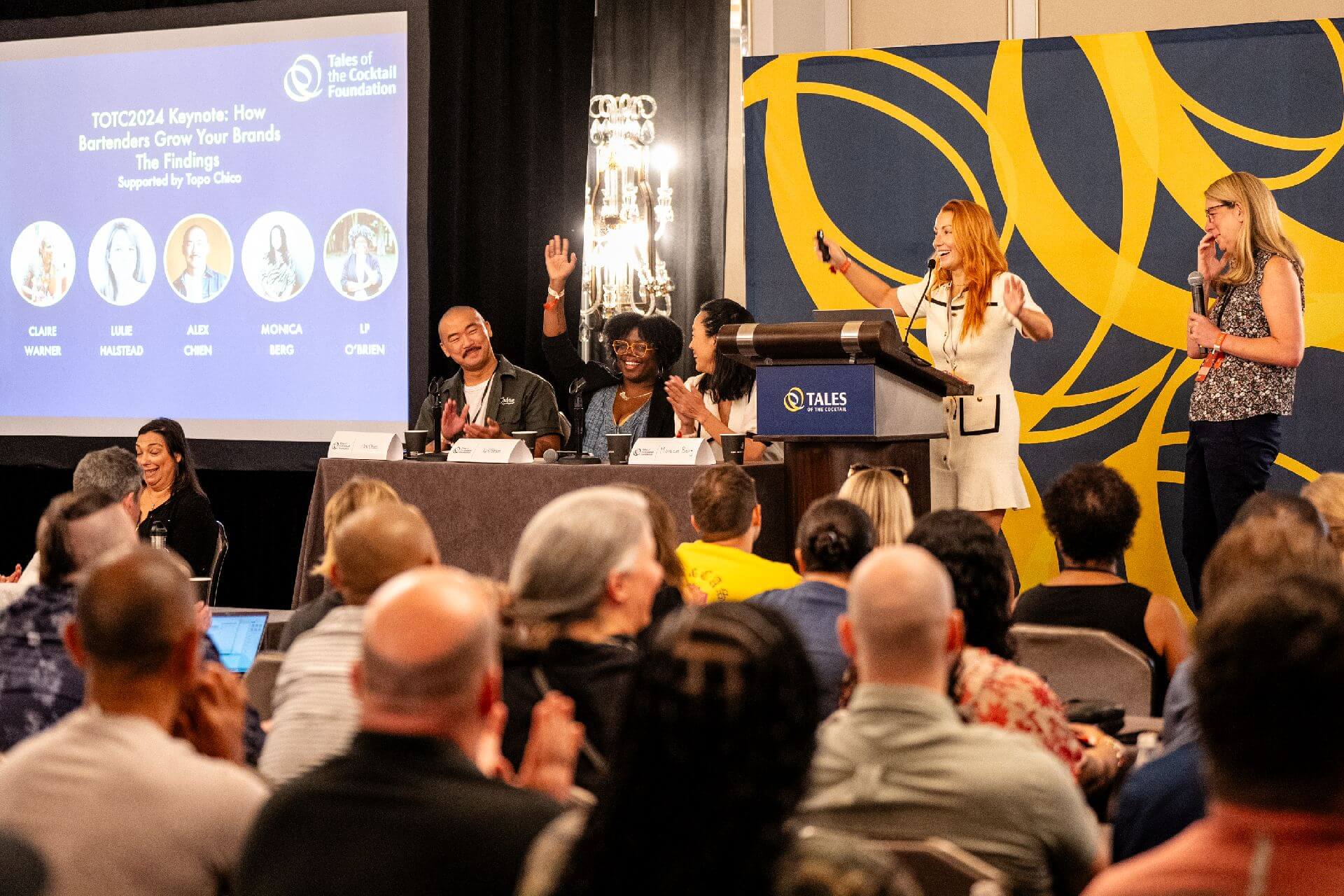
KRG Hospitality president and principal consultant Doug Radkey on stage with his fellow panelists at Bar & Restaurant Expo Denver 2025

On stage at BRE 2025 in Denver, Co.

We need to get much more comfortable having uncomfortable conversations about the reality of being a hospitality operator these days.

On a recent trip to Denver, I had the privilege of joining Ashley Bray, Chef Adrianne Calvo, and Lauren Barash on stage at The Hospitality Show and Bar & Restaurant Expo for a conversation that every operator needs to have.

The topic and panel title was “The Real Cost of Business: Economic Pressures & Policy Shocks for Independent Operators.”

This session wasn’t theory. It wasn’t sugar-coated optimism.

This session was raw, real, and filled with straight talk about what’s actually happening across the hospitality landscape right now.

And it was exactly the kind of conversation this industry needs more of, because let’s be honest: today’s operators aren’t just fighting one battle.

They’re fighting them all.

The Stacked Deck: What’s Hitting Operators Right Now

It’s no secret. Tariffs are up. Labor costs are up. Packaging and product costs are up. Rent is up.

And consumer spending? It’s currently on some shaky ground.

Margins continue to be thin for most operators, and while these operators are navigating inflation, interest rate hikes, and volatile supply chains, they’re also facing the human tolls: fatigue, burnout, and turnover at every level.

But here’s the thing: this industry is not broken. It may be bruised, and it may be tired. But it’s resilient.

The bigger problem? It’s too reactive. And reactivity is what often kills profitability.

Hospitality is built on anticipation, such as reading the room before the guest even realizes what they want. But too many owners have lost that skill.

Instead of leading, they fight fires. Rather than anticipate, they react.

To win in this era, you need a playbook supported by clarity, not chaos.

Back to the Fundamentals of Hospitality

Let’s start here, because it’s something I said on the panel. I’m going to keep saying it: Operators need to get back to the fundamentals of hospitality.

Hospitality is not a product, it’s a performance. It’s a feeling. Hospitality is how people are made to feel when they walk through your door.

This is a people-first business. This is a people-over-profits business.

That’s your anchor.

When operators start chasing trends instead of refining fundamentals, they lose sight of what this business is really about:connection.

The businesses that are navigating the challenges and winning right now aren’t necessarily the ones spending the most or cutting the deepest. They’re the ones doubling down on service, culture, and consistency.

Operators confronting today’s challenges successfully have strategic playbooks, onboarding systems, the right tech stack, SOPs, and leadership frameworks in place. Their well-developed systems turn daily operations into muscle memory.

That’s the foundation.

Lead with Strategy and Anticipation

One of the most powerful themes from our conversation was about mindset.

Operators who win in this climate are those who lead with strategy, not emotion.

They’re also the operators who anticipate challenges instead of just react to them.

It’s not strategic to wait for your accountant’s monthly report to tell you where you stand. By then, it’s too late.

You need to have real-time visibility into your numbers, your labor productivity, your inventory, and your guest behaviors.

That’s how you lead with anticipation rather than panic.

The right strategy doesn’t live on a whiteboard, it lives in your systems. It lives in your team meetings. It lives in the mindset you reinforce daily.

If your business only moves when you do, you don’t have a strategy, you have stress-induced operations.

Data is the New Cash

Here’s a truth that every operator should be repeating: Data is just as valuable as cash.

In a volatile market, your ability to make decisions quickly—based on evidence, not instinct—is your competitive edge.

You should know your key metrics at all times:

  • Guest frequency.
  • Average spend per guest.
  • Labor efficiency.
  • Food, beverage, and prime costs.
  • Revenue and profit per square foot.
  • Marketing conversion.

If you can’t track these easily, it’s time to upgrade your tech stack.

Technology shouldn’t stress you out, it should simplify your life. The tech you trust to help you run your business should help you see clearly.

It’s simple: When you understand your data, you control your business instead of being controlled by it.

Menus Built with Intention

Another powerful part of our discussion was about menus. During times of uncertainty, your menu is both your marketing strategy and your financial engine.

Here’s the shift: You need to develop your menu strategically. Focus on what sells, what tells your story, what aligns with your guest, and what aligns with your financial obligations.

Every menu item should have a purpose. Every ingredient should do double duty.

Have a menu of 12 to 15 items that are high-impact items.

Use storytelling to create perceived value. Guests don’t just buy what’s cheapest, they buy what feels meaningful to them.

That’s how you maintain profitability without discounting yourself into irrelevance.

As I said during the panel, “Focus on the guest experience first,” and “sales are a vanity metric. Profit tells your story.

Perception of Value Without Discounts

Discounting can become a slippery slope. It’s a tactic that has closed more restaurants than it has saved.

You don’t need to lower your price to drive traffic or raise perceived value. Instead of discounting, you need to improve your storytelling.

Bundle thoughtfully. Offer curated experiences. Create tiered packages. Add personalization.

A guest who feels understood will spend more, and return more often.

Discounts train guests to expect less from you; experiences train them to expect more of you.

That’s the difference between a transactional business and a memorable brand.

Build Around People, Processes, and Profit

It always comes back to this: Your people, your processes, and your profit.

If any one of those three is off-balance, your business becomes fragile.

Strong operators know how to hire for values, not just skill. They know how to train through systems, not emotion. They know how to communicate relentlessly and delegate with trust.

That’s not “soft leadership,” that’s a non-negotiable to win in this industry.

It’s also the reason some independent operators are scaling to multiple venues while others are still trapped in the trenches. The old adage remains: Work on your business, not in it.

Culture: Your Ultimate Competitive Advantage

Labor is expensive. Recruiting is hard. Retention is harder.

But the best operators aren’t competing on wage alone, they’re competing on culture.

If your business doesn’t feel purposeful to your team, you’ll never build staff loyalty.

You need to make your staff experience more than a paycheck. Your staff experience is just as important as your guest experience.

Show them the vision. Create career paths. Celebrate wins. Encourage ownership thinking.

And here’s something I say often: You don’t need a “family.” You need a champion team; people who want to win together.

Create stay interviews, not just exit interviews. Find out why your team loves working for you, and document their feedback. Build engagement before burnout.

When people feel seen and supported, they become your greatest marketing engine. In fact, they become your brand ambassadors.

Leadership in a Time of Pressure

Leadership today requires a new kind of stamina.

Stop trying to control people; empower them. Don’t bark orders in the kitchen or on the floor; build alignment. In an age where stress levels are high and margins are thin, empathy is not weakness, it’s strategy.

The best leaders know when to listen, when to decide, and when to step aside. They know that delegation isn’t a loss of control, it’s the gaining of stabilization and scale.

If you want to build a high-performing culture, communication and accountability must be daily habits, not quarterly goals.

Clarity is the Currency of the Future

When you strip everything back—the data, the menus, the systems, the tech—what this conversation in Denver really came down to was one word: clarity.

Clarity around who you are, and what you offer. Clarity around your numbers, your guests, your team, and your future.

Without clarity, you drift. With it, you build momentum.

The operators who have clarity are playing offense.

They’re not waiting for the next trend, policy, or economic shift to tell them what to do. They’re already five moves ahead.

Intentionality in Every Decision

Another phrase highlighted during the panel was “being intentional.”

Intentionality is everything.

Every decision you make, from menu design to hiring to marketing, should serve a clear purpose.

Don’t do things because “that’s what everyone else does,” or “this is how we’ve always done it.” Those mindsets keeps you average.

You need to differentiate.

Every single touchpoint should feel deliberate. Each and every staff and guest interaction should reflect your values. Every operational decision should move you closer to your vision.

Operators who just chase volume lose vision; operators who chase clarity create longevity.

The Operator’s Wellness: You Matter Too

Here’s something I made sure to say on stage, and something I’ll keep repeating until it sticks:

You, as the operator, matter too.

You can’t lead effectively when you’re depleted, and you can’t make smart decisions when you’re burnt out. Make time for yourself.

The energy of an independent business starts with its owner and operator. If your energy is chaos, your team feels it. If your energy is grounded, they follow.

Hospitality demands everything from us, but it doesn’t have to take everything from you.

Remember, structure, boundaries, and recovery are leadership traits, not weaknesses.

From Chaos to Clarity

When you zoom out, the message from our session in Denver was simple:

The independent operators who continue to win move from chaos to clarity.

They have systems and strategy.

They anticipate rather than feel anxious.

Their costs are controlled, not cut.

They understand that technology isn’t replacing hospitality, it’s refining it.

Their numbers are balanced with narrative.

They know their financials before their accountant does.

They lead from clarity, not fear.

The 45-Minute Reality Check

We covered all of this, and more, in just 45 minutes. It was so impactful.

Because conversations like this aren’t just about sharing ideas, they’re about sparking a mindset shift across the industry.

This business is tough. It always has been.

However, when you step back, create structure, and move forward with intention, it becomes something incredible.

We’ve survived prohibition, recessions, and a global pandemic. We’ll survive this era too.

But not by chance, by design.

The Final Challenge

I’ll leave you with you with two questions. First, are you running your business from clarity, or from chaos?

Because the truth is, your numbers won’t lie. Your systems won’t lie. Your team won’t lie.

If you’re still chasing hours instead of strategy, still reacting instead of leading, still trying to outwork the problems instead of out-thinking them, you’re not ready for what’s coming next.

But if you’re ready to anticipate, adapt, and lead with clarity, then your future isn’t just secure, it’s scalable. The operators who build systems and culture today will be the ones setting the standard tomorrow.

The second question is, which type of operator will you be?

Image: KRG Hospitality

Client Intake Form - KRG Hospitality

by David Klemt David Klemt No Comments

It’s Time to Perfect Your Moves

It’s Time to Perfect Your Moves

by David Klemt

AI-generated image of a bottle of Cognac, two Cognac snifters, and some mints on a silver platter on a restaurant table

This AI-generated image will make sense after you read this article.

Will Guidara doesn’t just believe in hospitality, he’s all in on the kind that goes beyond expectations and transforms into unreasonable hospitality.

I mean, it’s the title of his best-selling book, and the subject of a Guidara-hosted TED Talk. That should tell you all you need to know about his belief in taking hospitality to “unreasonable” levels.

At the 2025 Bar & Restaurant Expo in Las Vegas, Guidara delivered a keynote that was part challenge, part call to arms. His message was clear: the only true long-term competitive advantage in food and beverage isn’t the food, the drinks, or the space. It’s the hospitality.

The KRG Hospitality team also lives this approach to hospitality. At the end of the day, most concepts are selling the same items. Makes sense given the iron grip purveyors have on F&B, right?

So, a hugely important differentiator is how operators and their teams deliver on hospitality. To that end, Guidara has identified 130 touch points that influence the guest experience. That’s 130 in roads. Or, depending on which moments a team doesn’t leverage, 130 self-imposed obstacles or exits.

The Only Competitive Advantage

“Eventually, someone else is going to come around and create a better product,” Guidara told a packed room in Las Vegas. “The only competitive advantage that exists in the long term is your hospitality.”

That might sound like a line, but coming from Guidara, it’s a philosophy.

He urged operators to “throw [y]ourselves wholeheartedly at the pursuit of those relationships,” referring to the guest connections that drive loyalty, advocacy, and repeat visits.

These aren’t just transactions; these are opportunities to make people feel seen, valued, and appreciated.

Drilling all the way down, whether someone is tossing a few bucks at a quick bite or dropping tens of thousands for an experience, they want the same thing. Everyone wants to feel relevant. To feel important, and even cool.

You may not see the guests you make feel special every day. However, the chances of transforming them into repeat guests increases when you treat them like VIPs regardless of who they are, what they order, and how much they spend.

130 Moments

At Eleven Madison Park, Guidara and his team identified 130 distinct touch points in a guest’s dining experience.

The first moment is that guest researching your venue online, and the last is leaving their table. One of those touch points (or moments) is dropping the check.

And yet, said Guidara, most operators treat it like the end of the story, as nothing more than a transactional curtain call.

Guidara sees it as one last moment to connect. He referenced a study involving 2,000 restaurants: the 1,000 that dropped a mint with the check saw an 18-percent increase in tips. Call it a gimmick if you want, but it’s a small gesture that had a tangible impact. And all those teams had to do was include a mint that costs literally three to five cents.

A Better Ending

As I was sitting in the audience, Guidara’s thoughts on dropping the check reminded me of a Jim Gaffigan bit. Joking about the restaurant experience, he says getting the check can feel like a bit of a gut punch, particularly when the service has been so warm and friendly. Upon receiving the check in his standup bit, Gaffigan deadpans, “I thought we were friends.”

Surely, we can all do better than just walking up, dropping the check, and waiting for payment.

Guidara shared a personal example of turning this touch point into more of a moment. After delivering a particularly high check, he returned to the table with a full bottle of Cognac. He poured a splash into each guest’s glass, then simply left the bottle on the table. Rarely did anyone pour more—but that wasn’t the point. The gesture itself was the takeaway.

Do I expect operators to accompany checks with expensive spirits or wine? No, of course not. But I do want operators, their leaders, and their staff to consider what they can do to leverage the final moments of a guest’s experience.

Review, Rethink, Refresh

Guidara encouraged every operator in the room to review their own touch points.

“In the next month, identify one touch point you may not think about much, and get creative to enhance it,” he said.

This doesn’t mean swinging for the fences and transforming the moment you’ve selected into something needlessly grandiose. Instead, the key is intentionality.

Even a small change—if it’s thoughtful—can become unforgettable.

Further, taking on this exercise should help you fine-tune your service cadence. I recommend undergoing this exercise each month from now until the end of the year, choosing at least one touch point to elevate. More than likely, your steps of service will benefit from this intentionality and resulting refinement.

Team First, Always

Pre-meal, Guidara argued, is the most important time to rally your team.

It’s the moment to communicate the “why” behind your service. This is the time to set the tone, reinforce values, and spread passion.

Pre-meal also happens to be on Chef Brian Duffy’s non-negotiable daily checklist, in case you needed more proof to its importance.

“I believe passion is contagious,” Guidara said during his BRE keynote. “Energy begets energy. Passion begets passion.”

But operators have to be brave enough to go first. Too many are caught up in trying to look “cool,” when what’s actually needed is a little vulnerability and a lot of real talk.

He also reminded leaders to get their hands dirty.

Some people have a romanticized vision of restaurant, bar or nightclub ownership. They think they’ll be the cool person showing up to their hotspot in an expensive drop-top, fawned over by staff and guests alike. The reality is typically much further from that dream.

As an owner, you’ll be the one sprinting to the bathroom to unclog a toilet, or staring at an electrical panel, trying to figure out why half the kitchen went down suddenly.

When your team is in the weeds, the fastest way to earn their respect is to do the most menial task in the room: “Don’t ask them to do anything you wouldn’t do yourself.”

Perfect Your Moves

Guidara uses the word “moves” to describe signature gestures. These are moments that define your operation, steps within your service cadence that set it apart.

Before you start overthinking your cadence or second-guessing every step, your moves don’t have to be dramatic or expensive. What’s important is that they’re yours.

“Only do what you can do well,” said Guidara. “If you can only do one thing, do that one thing and stand out.”

But keep a simple mantra in mind: Complication is the enemy.

“Nothing will gain traction with your team if it’s too difficult to implement.” We take this to heart at KRG, encouraging operators to keep their menus to 12 to 15 items, prepared better than any competitor makes them.

Also, bear this in mind: When team members are invited into the creative process—when they get to contribute to the magic—engagement skyrockets. The back-of-house team should be part of the initial food menu development stage. For the bar menu, the bar team should be actively engaged.

When it’s time for seasonal or mid-year menu refreshes, encourage involvement from the entire team.

Turn Guests Into Ambassadors

This isn’t about over-delivering or giving everything away. Rather, it’s about being present.

When your team is empowered and your service is intentional, you create moments that guests talk about. Those moments turn guests into evangelists.

They come back. They bring others. Your regulars become a legion of ambassadors for your brand.

We live and run businesses in a world where the food, the drinks, and the vibe can all be copied. But that kind of guest loyalty? That’s the one thing that pretenders can’t replicate.

Image: Canva

Client Intake Form - KRG Hospitality

by David Klemt David Klemt No Comments

Privilege of Being a Coach & Consultant

The Privilege of Being a Coach & Consultant in the Hospitality Industry

by Doug Radkey

Doug Radkey, KRG Hospitality, Bar, Restaurant, Hotel, Coach, Consultant

I say this with gratitude and clarity: It’s not a right, it’s a privilege to be a coach and consultant in the hospitality industry.

And I don’t say that lightly.

To be trusted with someone’s vision—their dream of building a bar, restaurant, or hotel—is one of the greatest responsibilities I’ve ever carried. I’m not just strategizing, asking the right questions, or giving advice; I’m helping people make decisions that affect their livelihood, their families, their futures, and their legacy.

Every time a client says, “We want to work with you,” they’re inviting us into their world.

And that comes with an expectation to lead with clarity, honesty, and purpose.

It Isn’t Just Telling People What to Do

There’s a massive misconception about consulting. People think we saunter into a business, point out their flaws, hand over a plan, and walk away.

That’s not what we do. At least, that’s not what we do at KRG Hospitality.

We believe the most impactful results come from a hybrid approach, where coaching and consulting work together. Consulting gives you the strategy, the systems, the roadmaps. Coaching gives you the mindset, the accountability, the clarity to actually execute.

One without the other leaves a gap. That’s why we don’t just hand over a playbook and walk away, we look to walk alongside our clients, challenging their thinking while guiding their actions.

It’s not about telling people what to do; it’s about helping them become the kind of leaders who can start, stabilize, and scale truly remarkable hospitality businesses.

That balance is where transformation lives.

The Weight of Trust

When someone hires you as a consultant, they’re not just hiring your expertise. They’re hiring your integrity, your leadership, and your judgment.

They’re saying, “I’m willing to put my future in your hands.”

That’s not something I ever take for granted. Because with that trust comes an unspoken contract: To show up, be real, and deliver results.

The truth is, I’ve seen what happens when consultants don’t take that seriously. Cookie-cutter solutions. Generic strategies. Vague advice. And clients left more confused than when they started.

That’s not coaching or consulting; that’s just collecting a check. If you’re in this industry just to sell services, you’re in the wrong business.

But if you’re here to guide transformation, you understand the privilege this role holds.

The Real Role

Hospitality is different. We’re not selling widgets or other products. We’re creating experiences. More often than not, we’re building human connections.

And in this industry, every decision, from the lighting in the hallway to the type of salt on the rim of the glass, it all matters more than you think.

As a coach and consultant, our job is to:

  • Develop the strategies and details others overlook.
  • Ask the questions others are afraid to ask.
  • Challenge assumptions at the status quo.
  • Reinforce the standards of excellence.
  • Inspire bold, consistent, and strategic action.

This is where our playbooks come in. The eight playbooks we talk about all the time, they’re not just frameworksthey’re tools for clarity, accountability, and execution.

But the truth is, those playbooks are only as effective as the leadership behind them. And that’s what coaching is really about: bringing those plans to life with you. Because strategy without execution is just theory.

This is where our coaching framework activates the plan, through a combination of project task force support plus mindset and operational coaching. We step in as partners, not just planners, to help our clients start strong, stabilize with confidence, and scale with intention.

Whether it’s managing timelines, building culture, navigating change, or staying focused when things get hard, coaching ensures the strategy doesn’t just live on paper. Instead, it lives in the daily actions that drive real, measurable results.

This is where vision turns into reality. This is where momentum is built.

A Front-Row Seat to Transformation

One of the most rewarding parts of this work? Seeing the transformation happen in real time.

Watching a client go from idea to opening their doors. To go from stuck to clear. From chaotic to systematized. From dreaming to doing.

I remember working with a restaurant owner who came to us with a vague idea. She had heart but no direction. Through clarity sessions, a series of strategic playbooks, and post-open coaching, she found her confidence. She built a brand. She hired a team. She opened on time and on budget. And now, she’s highly profitable, and mentoring others within her community.

That’s building a legacy. That’s creating impact. That’s transformational.

The Humbling Truth

Here’s the humbling truth though: I don’t have all the answers. No one does.

But what I do have is perspective, experience, and a relentless commitment to seeing clients succeed. And that’s why we do the work. Not because it’s easy, but because it matters.

Being a coach and consultant in hospitality isn’t just about business. It’s about belief. It’s about believing in people’s ability to create something meaningful and by giving them the tools and support to do it.

So to every operator, entrepreneur, and leader who’s trusted us along the way, I have two words: Thank you. Thank you for giving us a front-row seat to your story.

And to every coach and consultant reading this: Never forget the privilege of what we get to do. Lead with clarity. Listen with empathy. Execute with excellence.

Because in this industry, the impact we make goes far beyond the glass, plate, or the check-in desk.

We help shape what hospitality looks and feels like for generations to come. And that right there is an absolute privilege.

Image: Microsoft Designer

Client Intake Form - KRG Hospitality

by David Klemt David Klemt No Comments

Who Really Owns the Kitchen?

Who Really Owns the Kitchen?

by David Klemt

AI-generated image of a clean, well-equipped restaurant kitchen

AI-generated image.

Who owns the kitchen? One of our favorites, Chef Brian Duffy, has some thoughts, and they boil down to taking ownership of the systems.

His 2025 Bar & Restaurant Expo session title, “Owners & Chefs: Who Owns the Kitchen?” sounded like Chef Duffy was teeing up a showdown: chef versus operator. But he had something else in mind.

During his session, Chef Duffy addressed ownership not as a title, but as an operating philosophy.

If you ask him who really owns the kitchen, his answer will be simple: Whoever takes responsibility for its systems.

Chef Duffy isn’t just theorizing from the pass. The chef and operator has opened more than 100 venues, and actively oversees ten restaurants each week. His experience and position in the business have helped him develop a uniquely sharp eye for what separates kitchen chaos from culinary consistency.

Spoiler alert: It’s not talent. It’s not even creativity.

What matters is taking ownership of systems, communication, and accountability. Are talent and creativity important in the kitchen? Absolutely. Will a restaurant survive (and thrive) without the development and strict adherence to effective systems? I think we all know the answer to that question.

Assumption Leads to Dysfunction

If you’ve ever attended a Duffified education session or demo, you know he jumps straight in. He’s passionate about this business. He loves talking about it, sharing his knowledge, sharing new ideas, and collaborating on ways to move the industry forward.

So, while I wasn’t fully expecting Chef Duffy’s opening provocation, it didn’t entirely surprise me that he kicked off his session with it: Restaurant owners are expecting too much without saying anything at all.

“They assume chefs and kitchen managers just know what to do,” he said. “Daily, weekly, monthly.”

That assumption is where dysfunction takes root.

Duffy plans six weeks out because that’s what it takes to run a kitchen like a business. With that proactive approach to lead time, he can lock in pricing with suppliers, ensure the products he needs are available, give teams time to plan events, schedule staff fairly and effectively, and control costs with precision.

When you don’t plan ahead (or don’t plan far enough ahead), your kitchen becomes reactive. Simply put, reactive kitchens are expensive.

Worse, they’re chaotic. And chaos burns people out.

Daily: Predictable Results

Chef Duffy doesn’t do ambiguity. Anyone who has spoken or worked with him can attest to this truth.

It should come as no surprise, then, that his expectations are decidedly unambiguous. They’re detailed, repeatable, and focused on communication, clarity, and control.

Here’s his daily checklist:

  • POS Counts: Know what you have. Open the line of communication with front-of-house.
  • Tasting: Everyone tastes the specials, cocktails, wines, and even a core menu item daily.
  • Pre-meal: Shift briefings with intention. Share what to sell, what’s 86ed, any kitchen concerns, etc.
  • Prep List: Created at the end of the shift, while everything’s fresh so nothing is missed.
  • Protein Counts: Same timing as the prep list to eliminate guessing on inventory.
  • Daily Recap: Communicate staffing, equipment, prep issues, and anything else those working the next shift should know.

You’ll notice none of these are flashy, and that’s the point: These rituals are how kitchens run efficiently, end of.

Chef Duffy’s clearly communicated expectations are how you reduce waste, avoid surprises, and build team alignment.

Crucially, he has tracked the results of his approach, and says a system like this can shave one to two percent off your costs. That’s a lot of dollars over the course of a year.

Know and Sell

One of Chef Duffy’s biggest irritants? Hearing a server say, “Let me go ask the chef.”

“If a guest asks if they can have a menu item without a certain ingredient, and the server doesn’t know the answer, it means the chef never had that conversation,” he said.

It’s a trust issue, an unforced service error. And it’s preventable.

Chef Duffy makes tasting part of the daily ritual. His teams rotate through core menu items so everyone understands the food. Therefore, they can talk about it like they believe in it.

The result? More confident service, better upsells, and fewer avoidable mistakes.

Let staff know the menu, and then step back and let them sell it.

Start with a Stretch, Not a Spiral

Culture isn’t built by luck or happenstance, it’s modeled. In some cases, it’s modeled physically.

Case in point: Chef Duffy uses pre-meal to reset the tone of the shift, not just brief the team. That includes a moment of breathing, and even light stretching.

“Don’t take last night’s negativity into today’s service,” he says when breathing and stretching with a team.

In high-stress environments, leaders don’t just direct traffic, they set the emotional baseline. That moment of reset might sound small, but it says something big: We show up intentionally.

Weekly: Breathing Room

Chef Duffy doesn’t stop at sharing day-to-day expectations.

Weekly deliverables create space for the kitchen to operate with their team, not against them.

  • Specials: Planned one to two weeks out.
  • Schedules: Also one to two weeks out. Give people time to plan and live their lives.
  • Inventory: Always on Mondays. It’s the cleanest window between Sunday close and Monday service.
  • Management Meeting: Review the past week, preview the next, and talk specials, events, holidays, and team concerns.

Chef Duffy also uses scheduling software that empowers the team to submit availability and day-off requests. Why? Because quality of life matters.

“Give your team a life,” he said.

People stay where they’re respected, and that absolutely, inarguably, non-negotiably includes considering their time.

Contests and Creativity

One of Duffy’s favorite ways to build buy-in? A little friendly competition.

He and I have talked about this on the Bar Hacks podcast, and I’ve shared this competitive approach of his in previous articles.

Like I said earlier, creativity is important; it just has its time and place.

“Go into the walk-in, come up with a special,” he’ll say to the kitchen team.

He’ll cost the special, price it out, and then add a dollar. For every special that sells (usually over a 30-day period), Chef Duffy gives that added dollar to the creator of the menu item.

It’s brilliant in its simplicity: The culinary team engages their creativity, the restaurant gets a low-risk special, and staff are rewarded directly.

That kind of engagement isn’t just fun, it’s a culture builder.

Monthly: Big Picture

Monthly meetings bring the business lens into focus.

For Chef Duffy, that includes:

  • Owner/Leadership Meetings: Discuss sales, budget, events, catering, and marketing.
  • Food & Labor Cost Reviews: Not just reporting numbers, but talking about them to ensure everyone understands the situation.
  • Marketing Roundtables: Let’s not forget that the kitchen is a core element of the brand experience.

There’s no mystery to what’s discussed. Everyone at the table knows what they’re accountable for, and what needs improvement.

Importantly, everyone must also be given the tools to improve. Otherwise, these big-picture sessions are essentially just performative.

The Common Thread

Chef Duffy flies more than 140,000 miles a year checking in on restaurant operations.

So, what’s the most persistent problem he encounters across his travels?

“Operators don’t talk to their teams,” he says.

That’s it. Not bad food (though that’s certainly a problem). Not weak concepts and uninspired menus (also issues, industry-wide). It’s poor communication.

To be honest, that’s such a mundane problem to have, and too many operators are letting it spiral out of control. Want to improve operations? Be clear about their expectations, and transparent about the business.

Communication fixes everything.

Clear communication is also a cost-controlling measure. Put yourself in the shoes of a back- or front-of-house team member. Which do you think inspires more confidence and buy-in, knowing exactly what’s expected of you every day, or having to figure things out as you go without direction? Clear communication is an effective retention tool.

It’s also a core element of consistency.

To that point, this is why Chef Duffy insists on daily, not weekly, prep lists. When lists are weekly, people feel like they’ve got time, and their urgency disappears. Tasks get pushed, and accountability drops.

Whenever a new chef joins one of his kitchens, Chef Duffy requires a manager to sign off on their prep tasks. This isn’t done to just check a box. Instead, this requirement confirms the food is tested, tasted, and good to go.

That’s ownership not in title but in action.

Heed Warning Signs

This is one of the quotes from Chef Duffy’s session that most resonated with me:

“If your head chef or kitchen manager has a problem with over-communication, that’s not your person.’

Too many operators ignore early warning signs in leadership. They tolerate resistance to systems, and avoid hard conversations.

To be blunt, that’s unacceptable. This is, at the end of the day, business. True leaders don’t run away from difficult discussions, they stride confidently toward them; it’s the job.

Red flags don’t get less red if they’re ignored; they start to glow. When left unaddressed, red flags just get more expensive.

Identifying issues is a leadership skill. Having the courage to address them immediately is a leadership skill. Taking ownership of systems is a leadership skill.

Last Bite: Ownership Is a Verb

This wasn’t a session about chefs versus owners; this session was about chefs and owners working together to own their restaurant’s systems.

It was a call to action for anyone leading a kitchen, hiring a chef, or trying to build a better back-of-house culture.

Ownership isn’t about who’s in charge, it’s about who’s committed to clarity, systems, and communication. Ownership is about who shows up consistently for the business: the team, the guests, and the bottom line.

Want to own your kitchen? Take ownership of your systems.

Image: Canva

Client Intake Form - KRG Hospitality

by David Klemt David Klemt No Comments

Superhuman Hospitality: A New Era

Superhuman Hospitality: Where People and AI Build the Future Together

by Doug Radkey

AI-generated image of an AI-themed superhero on a laptop

AI is here. We can adapt and learn to leverage it, or we can be left behind.

Let’s get one thing straight: artificial intelligence is not here to replace humans in hospitality, it’s here to make us better.

And let’s be honest, that’s not a bad thing.

We’re entering an era I like to call Superhuman Hospitality. This is where the fusion of artificial intelligence and human empathy creates something far more powerful than either could do alone.

The question can no longer be, “Does AI belong in this industry?” The question is, “How do we integrate AI with intention, without losing the heart and soul of hospitality?”

As we tell our clients, the brands that figure out the answer to the latter question? They’re going to be the ones leading the pack.

The Misconception: Humans vs. AI

There’s this myth floating around that AI will take away hospitality jobs (and jobs in many other industries as well). That it’s all about automation, chatbots, and robots replacing real people.

Let’s be clear. Hospitality is, and always will be, a people-first industry. I think we learned that lesson once again during the pandemic when a majority of people (not, however, the team here at KRG Hospitality) were screaming from the hills that ghost kitchens were the future of restaurants.

That didn’t quite pan out, now did it?

You can’t automate warmth, social community, and engagement.

But what you can do is leverage AI to eliminate friction points, streamline your operations, and free your people to focus on what they do best: creating memorable experiences.

This isn’t about choosing sides; this is about building a hybrid model of intelligence, where AI supports the brain, and humans lead with the heart.

What is Superhuman Hospitality?

Superhuman Hospitality is about building systems that are tech-enhanced, not tech-dependent.

There is a major difference between the two. It’s about amplifying human potential through technology.

Think about it like this:

  • AI can analyze thousands of data points to recommend menu pricing adjustments.
  • But your bartender still needs to remember a regular’s name and favorite drink.
  • AI can forecast booking trends based on seasonal data.
  • But your front desk still needs to offer a warm smile and solve problems in real time.
  • AI can power your CRM and tailor marketing messages.
  • But your server still needs to read a table’s mood, and deliver genuine hospitality.

It’s not about doing less human work; it’s about freeing humans up to do the most human work possible.

Where AI Can Shine (and Should Be Used)

We’ve come to learn that there are areas where AI absolutely dominates. Ignoring those opportunities means you’re leaving money and efficiency on the table.

  1. Predictive Analytics & Forecasting: AI can analyze past data to predict sales, foot traffic, and labor needs. This enables smarter scheduling, inventory ordering, and dynamic pricing.
  2. Smart Inventory Management: AI-driven systems can track usage patterns, expiry dates, and cost fluctuations in real time, reducing waste and theft.
  3. CRM & Guest Personalization: AI helps build personalized guest profiles, automating follow-ups, birthday messages, loyalty rewards, and upselling strategies.
  4. Marketing Automation: From email flows to social ad targeting, AI ensures you reach the right audience with the right message at the right time.
  5. Dynamic Menu & Room Pricing: Based on demand, time of day, weather, or major events, AI can help you optimize pricing for profitability.
  6. AI Assistants & Chatbots: Useful for basic inquiries, reservation confirmations, and upsells, particularly during off-hours.

And that’s just scraping the surface of the potential.

Where Humans Must Lead

AI however, can’t replace empathy, intuition, adaptability, or real-time judgment.

Hospitality thrives on emotional intelligence. You still need:

  • People who know how to defuse a tense moment.
  • Leaders who can motivate a struggling team.
  • Servers who sense when a table wants privacy or a little extra attention.
  • Front desk agents who turn a mistake into a positive, memorable moment.

No algorithm will ever replace that. That’s the core of Superhuman Hospitality: AI provides the information, and humans provide the impact.

Use Case: The Superhuman Hotel

Imagine checking into a hotel where:

  • Your room temperature, lighting, and playlist are set to your preferences automatically, and there is a bottle of your favorite red wine sitting on the table with a hand-written note addressed to you personally.
  • You’re greeted by name because AI flagged your repeat visit.
  • You then get a text offering a curated spa or dinner recommendation based on your past behavior.
  • A staff member (not a bot) walks you to your room, answers questions, and builds rapport.

AI enabled that experience but humans delivered it. That’s what we should be building.

What This Means for Leadership

As operators, your role is to create systems that empower people with the tools to exceed expectations. You need to:

  • Train your team on how to use AI tools confidently, not fearfully.
  • Design SOPs that integrate tech without replacing the human touch.
  • Foster a culture that values both efficiency and empathy.

Superhuman Hospitality doesn’t happen accidentally. It requires strategy, clarity, and intentional integration.

My Final Thoughts: The Best of Both Worlds

The future of hospitality isn’t robotic. It’s not emotionless or transactional (at least, it better not be).

The future is powered by data, and then delivered with heart.

Superhuman Hospitality is about recognizing that tech is here to support us, not replace us. The brands that win will be those that embrace AI to work smarter, not colder.

So ask yourself:

  • Are you embracing AI with purpose?
  • Are your people equipped and empowered to use it?
  • Are your systems designed to enhance, not eliminate, the human element?

Because the goal is not to remove people from hospitality; the goal is to make them superhuman.

Image: Canva

Client Intake Form - KRG Hospitality

by David Klemt David Klemt No Comments

5 Books to Read this Month: March 2025

5 Books to Read this Month: March 2025

by David Klemt

Flipping through an open book

Our March book selections focus on outdoor cooking, miniaturized cocktails, restaurant design, hotel design, and prioritizing the right things.

To review the book recommendations from February 2025, click here.

Let’s jump in!

Tiny Cocktails: The Art of Miniature Mixology

Several years ago, Tales of the Cocktail featured an event highlighting Mar-tiny’s, miniature serves of an array of Martinis. Over the years, I’ve come across mini drinks at bars and pop-up events, and people have always seemed to find the concept compelling. Couple this interesting way of serving with today’s apparent preference for imbibing less alcohol and we have a recipe for successful drinks.

From Amazon:Tiny Cocktails offers a unique and creative approach to mixology for those who want to savor delicious cocktails without overindulging. The recipes showcase smaller drinks with big flavors—an ideal way to explore new flavors and refine your mixology skills without making a full-drink commitment. Each drink comes in around 3-6 ounces, with about half the alcoholic punch of a full-sized cocktail.”

Order your copy here!

Symon’s Dinners Cooking Out: 100 Recipes That Redefine Outdoor Cooking

Funnily enough, this also reminds me of an awesome, engaging Tales of the Cocktail event. Not too many TOTCs ago, Kimpton Hotels hosted an event during which every food item (save for a couple of cheese boards) was prepared outside, over fire. The result was a fantastic dinner that showcased how the simplest form of cooking, when coupled with creativity, can produce something spectacular.

From Amazon: “In Symon’s Dinners Cooking Out, Michael Symon offers 100 recipes for outdoor cooking including desserts and drinks too. Featuring fan-favorite recipes from his popular Food Network show, Symon’s Dinners Cooking Out, and brand new recipes, this cookbook is sure to excite budding and expert grillers alike. From live-fire classics like Bacon-Cheddar Smash Burgers to unexpected dishes like Fettuccine with Smoked Tomato Sauce, cooks who take it outside will find all kinds of creative ways to use their grills year-round.”

Pick yours up today!

Tasteful: New Interiors for Restaurants and Cafés

I’ve had the opportunity to speak to multiple hospitality-focused interior designers on the KRG Hospitality-produced Bar Hacks podcast. In each case, I’ve asked about their process for helping clients share their vision for a restaurant, bar, or other concept and transform it into a tangible design.

To that end, I present Tasteful, which I hope will help spark creativity in anyone considering the interior design of their own concept, and explain what they’re visualizing to others.

From Amazon: “The ever-evolving landscape of the gastronomic industry never fails to surprise with new ideas and trends—and Tasteful is a testament to that. A follow-up on the earlier gestalten title Appetizer, this book is a curated selection of the most eye-catching interiors of new restaurants, cafes, bars and all kinds of food places. Featuring a variety styles from a host of diverse locations around the planet, Tasteful serves as both a travel guide for intrepid foodies and an inspiration for those passionate about design.”

Grab a copy now!

Design: The Leading Hotels of the World

On the most-recent episode of the Bar Hacks episode I speak with Michael Suomi, an award-winning architect and interior designer who specializes in unique and complex hotel projects (along with restaurant and bar designs). That episode, and this book, should inspire those opening a hotel to knock their design out of the ballpark, and create a narrative for their property.

From Amazon: “Embark on a stunning visual journey through The Leading Hotels of the World, a collection of the world’s most exclusive independent luxury hotels, which consistently dominates prestigious awards, securing top honors in Travel + Leisure’s World’s Best Awards and Condé Nast Traveler’s Readers’ Choice Awards.”

Click here to order your copy!

Undoing Urgency: Reclaim Your Time for the Things that Matter Most

One of our goals for KRG Hospitality clients sounds simple on the surface: spend less time on their business. Imagine having the ability to step away for multiple weeks throughout the year, to actually unplug and not even think about your bar, restaurant, cafe, nightclub, or hotel. We want that for all of our guests, because while we can help make brands, brick-and-mortar businesses, and menus, and make operations run more smoothly, none of us can make more time.

Undoing Urgency, likewise, is about time, and what we do with it.

From Amazon:Undoing Urgency…details the GAME Plan (Goals, Actions, Metrics, and Execution), which turns core values into high-priority goals and minimum effective dose actions for maximum impact. The GAME Plan works for all goals, having been used at the highest levels in business, health, life, and the most personal ambitions. It takes readers on a journey of personal discovery to identify what brings them value and joy. Ultimately, Reynolds wants to help people break free of urgency and start living a value-driven life dedicated to what is most important to them.”

Buy it now!

Image: Mikołaj on Unsplash

Client Intake Form - KRG Hospitality

by David Klemt David Klemt No Comments

5 Books to Read this Month: February 2025

5 Books to Read this Month: February 2025

by David Klemt

Flipping through an open book

Our February book selections focus on bartender techniques and cocktail balance, mushrooms, fusion, leadership, and mastering the fundamentals.

To review the book recommendations from January 2025, click here.

Let’s jump in!

Mushroom Gastronomy: The Art of Cooking with Mushrooms

On a recent episode of the Bar Hacks podcast, the topic of mushrooms in cocktails came up briefly. While mushrooms are somewhat divisive in the beverage space, they remain an important culinary staple. To that end, we want to put Mushroom Gastronomy on your radar.

Authored by culinary writer and mushroom specialist (seriously, don’t try foraging without expertise; consuming or serving the wrong mushrooms can severely, permanently harm or kill your, your team, and your guests) Krista Towns, this book shares just about everything you could hope to know about more than a dozen edible mushrooms, and features more than 100 recipes, along with fantastic photos.

From Amazon: “The book explores 25 of the most popular edible and delicious mushrooms. Stunning photographs introduce each variety, including their unique nutritional values, ideal cooking methods, culinary tips, and flavor pairings, making this book a go-to resource for anyone interested in cooking with mushrooms.”

Grab the hardcover today.

The Cocktail Balance 2.0

As the title of this book suggests, this is the followup to The Cocktail Balance, written by Stanislav Harcinik. The Cocktail Balance 2.0 dives even deeper into bartending and mixology, focusing on theory, practice (including infusion and carbonation), inspiration, and, of course, recipes. Nearly 300 pages are packed with knowledge, recipes, and beautiful photography. The first batch of books sold out quickly, but pre-orders are open for April of this year.

From the website: “Divided into three sections—theoretical, practical, and inspirational—the book provides in-depth knowledge on various aspects of bartending. The theoretical section includes detailed Excel sheets covering margins, cocktail costs, inventory management, and profitability, giving insights into the financial aspects of bartending. It also delves into advanced mixology techniques such as carbonation, clarification, and the use of enzymes, which have recently become more popular in bars.”

Pre-order yours here!

Give and Take: Why Helping Others Drives Our Success

We’ve recommended multiple books written by professor and researcher Adam Grant, including Think Again and Originals. Give and Take may be just over ten years old, but it’s lessons and message or no less relevant than they were in 2014.

From Amazon: “For generations, we have focused on the individual drivers of success: passion, hard work, talent, and luck. But in today’s dramatically reconfigured world, success is increasingly dependent on how we interact with others. In Give and Take, Adam Grant, an award-winning researcher and Wharton’s highest-rated professor, examines the surprising forces that shape why some people rise to the top of the success ladder while others sink to the bottom. Praised by social scientists, business theorists, and corporate leaders, Give and Take opens up an approach to work, interactions, and productivity that is nothing short of revolutionary.”

Order the paperback here.

Cutting Up in the Kitchen: Food and Fun from Southern National’s Chef Duane Nutter

I don’t usually include more than one pre-order in a monthly roundup. In fact, I try to avoid including them too often. However, this book came up on my radar, and I want to share it with you.

Cutting Up in the Kitchen is written by Chef Duane Nutter, known for fusing Southern food with other cuisines and flavors, whether regional or international. Further, Chef Nutter isn’t afraid to infuse his writing with humor. Those looking for culinary innovation and inspiration should pre-order this book today.

From Amazon: “This cookbook, full of sophisticated yet approachable recipes, is organized like a comedy act with chapter titles such as The Set Up (Cocktails), Stock Material (Sauces and Condiments), Open-Mikers (Appetizers, Salads, and Soups); Bit Parts (Side Dishes); The Hook (Fish and Seafood Main Courses); Headliners (Main Courses), and Curtain Calls (Desserts). You will find recipes for Spiced Rum Iced Coffee and Coconut Negroni to whet your whistle; Smoked Paprika Compound Butter and Mustard Green Chimichurri to flavor dishes; Arugula Salad with Golden Beets, Pickled Grapes, and Spiced Pecans along with Pimento Cheese Deviled Eggs to start the meal; Sautéed Royal Red Shrimp with Bourbon Maque Choux or Lamb Burger Helper for a main course, and Buttermilk and Honey Ice Cream, Citrus Bread Pudding, or Cheesecake Flan to close the show. A good time will be had by all!”

Pre-order here!

Bar Hacks: Developing The Fundamentals for an Epic Bar

If you haven’t read Bar Hacks yet, this is KRG president and principal consultant Doug Radkey’s first book. In his this book he explains the importance of nailing the fundamentals in order to:

  • start your operator journey in the best possible position;
  • stabilize your business; and
  • scale when the time comes, if that’s what you want.

From Amazon: “This informative and conversational book is the perfect read for aspiring or seasoned bar, pub, lounge, or even restaurant owners, operators, and managers looking for that competitive edge in operations! If you’re looking for both fundamental and in-depth planning methods, strategies, and industry focused insight to either start or grow a scalable, sustainable, memorable, profitable, and consistent venue in today’s cut-throat industry–Bar Hacks is written just for you!”

Click here to get your copy today!

Image: Mikołaj on Unsplash

Client Intake Form - KRG Hospitality

by David Klemt David Klemt No Comments

Top 10 Bar Hacks Episodes of 2024

Top 10 Bar Hacks Episodes of 2024

by David Klemt

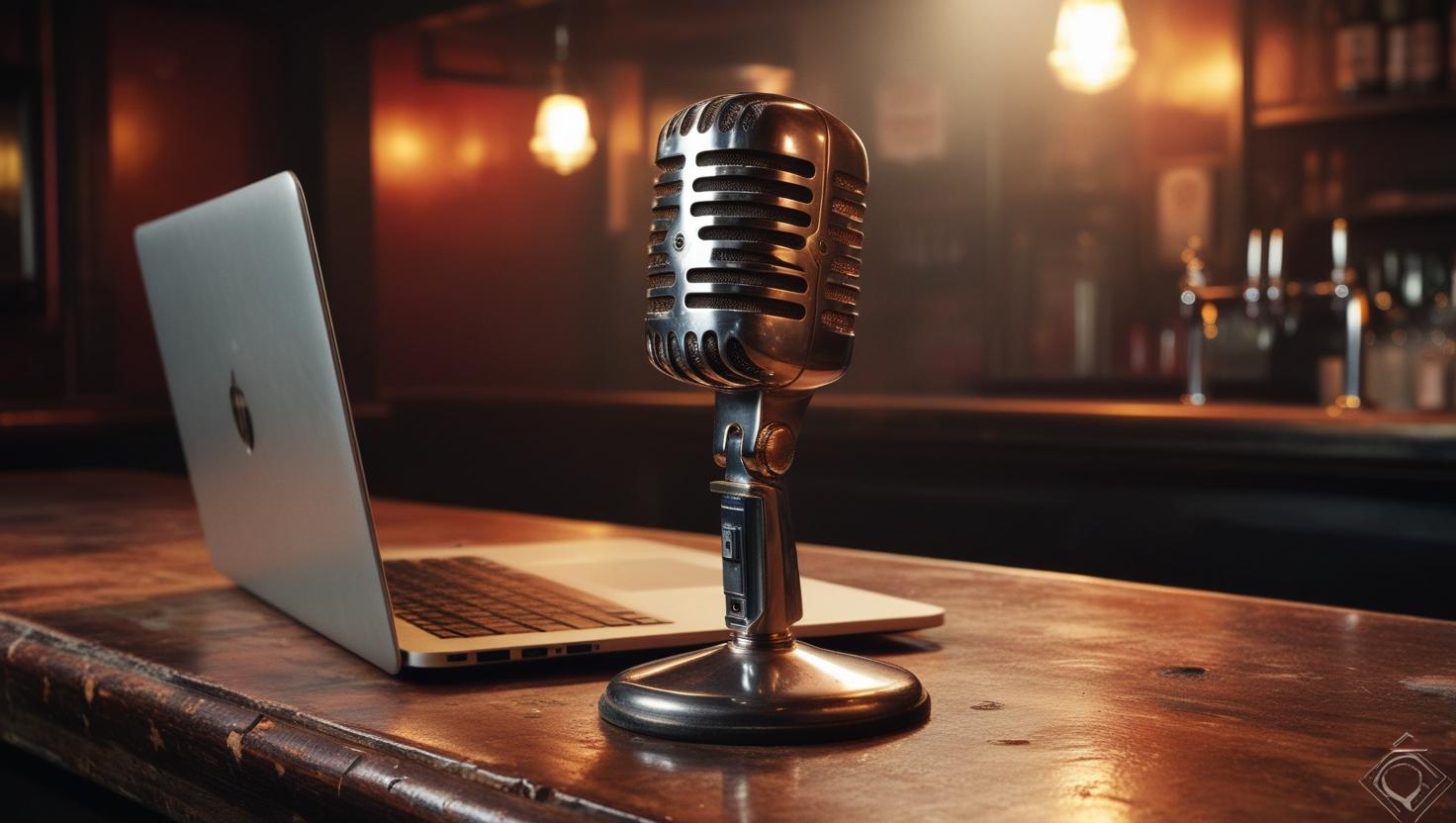
A classic, vintage microphone on top of a worn-in bar, next to a laptop

AI-generated image.

Bar Hacks has come a long way over the course of nearly five years and 130 episodes, including adding a new format toward the end of last year.

As we move forward, we’re taking a moment to look back at last year’s top ten episodes of Bar Hacks.

As with our other two KRG Hospitality-produced podcasts, Hospitality Reinvented and Turn this Way, the purpose of Bar Hacks has always been helping operators and hospitality professionals.

The original format focuses on sharing the stories of, and advice from, professionals throughout the industry: successful operators, brand founders and owners, chefs, bartenders, designers, brand ambassadors, and more. We encourage people to think differently, innovate in hospitality, and stay up to date about new ideas, new products, trends, and techniques.

ReFire‘s mission is similar in that I, along with my co-host Bradley Knebel of Empowered Hospitality, want listeners to think differently, and innovate while working on the fundamentals. On ReFire episodes, we analyze two to three real-life hospitality situations, and provide our thoughts on each matter.

Episode one kicked off ReFire by looking at second chances, onboarding, and pranking team members. On episode two, we talk about F&B influencers, reservation systems, and “firing” guests.

We’re excited to see where both formats go this year. This year is off to a great start, featuring conversations with designer Nancy Kuemper, and the founder of ITALICUS, SAVOIA, and ItalSpirits, Giuseppe Gallo. And Bradley and I have some awesome conversations coming up on ReFire.

Thank you for listening. Your support is humbling, and means everything to us. And, as always, thank you to our incredible guests for taking the time to chat with us. Cheers!

Bar Hacks Top 10: 2024

Episode 109 with Colin Asare-Appiah

Happy new year, and welcome to 2024! We wanted to kick off season five of the Bar Hacks podcast with an amazing guest.

Host David Klemt had the opportunity to chat with Colin Asare-Appiah, an industry icon he’s wanted to talk to for many years. Colin is Bacardí’s trade director of multiculture and lifestyle, and the brand’s LGBTQIA+ advocate. Not only does he spread the message of diversity, equity, and inclusion, he believes (as does KRG Hospitality and Bar Hacks) that diversity is necessary for our industry to thrive.

In this episode you’ll learn about Colin’s journey through hospitality, which includes saying he’d never be a bartender to becoming a bartender and creating a bartending school; his thoughts on what makes a successful operator and team; cocktail and spirits trends for 2024; the AJABU cocktail festival coming to South Africa in March of this year, spearheaded by Colin and his partner Mark Talbot Holmes; and more. Cheers!

Spotify

Apple Podcasts

Episode 110 with James Grant

James Grant, World Class Global Bartender of the Year 2021 and Canada’s 100 Best Bartender of the Year 2022, stops into the Bar Hacks podcast!

As the director of mixology at the Fairmont Royal York in Toronto, Ontario, Canada, James oversees three distinct concepts: CLOCKWORK, REIGN, and The Library Bar. As he explains, this role is quite a step up from bartending at and managing an 18-seat speakeasy in Edmonton, Alberta.

On this episode, James talks about his journey through hospitality to his current role; his approach to developing the Fairmont Royal York’s cocktail programs; tips for speakeasy operators; advice for new operators; what it means to have The Library Bar recognized by World’s 50 Best Bars; and more. Cheers!

Spotify

Apple Podcasts

Episode 111 with Michael Tipps

It has taken a while but it has finally happened! Michael Tipps, friend of KRG Hospitality and podcast host David Klemt, dropped by Bar Hacks.

The two kick this episode off by discussing the 2024 Bar & Restaurant Expo. Both Tipps and KRG Hospitality president Doug Radkey are speaking at this year’s show. In fact, they’re teaching back to back during a bootcamp on Monday, March 18. After the bootcamp, Tipps is presenting a workshop titled “Elevated Guest Experiences.”

Tipps also gives his thoughts on the state of the industry and consulting; speaks about creating cool concepts; makes a big announcement; and more. Cheers!

Spotify

Apple Podcasts

Episode 113 with Emma Sleight

Sponsored by Perrier, North America’s 50 Best Bars is returning to San Miguel de Allende, Mexico, on April 23. The 2024 ceremony represents the third edition of North America’s 50 Best Bars.

And who better to share details about the upcoming ranking than Emma Sleight, Head of Content: Bars & Hotels for World’s 50 Best? Emma dropped by the Bar Hacks podcast to talk about the 2024 ceremony, the Voting Academy, special awards, and more. In fact, listeners will get to learn a bit about Emma herself, including her being a sommelier and Associate of Cheese.

We’re looking forward to this year’s list! Be sure to stream the ceremony on YouTube or Facebook if you won’t be attending in person. Cheers!

Spotify

Apple Podcasts

Episode 114 with Anne Becerra

The fantastic Anne Becerra returns to the Bar Hacks podcast! Anne is also returning to the Food & Wine Classic in Aspen, Colorado, this year. That incredible event takes place from June 14 to June 16.

In addition to talking about the Food & Wine Classic, Anne and Bar Hacks host David Klemt chat about beer styles to check out and put on your menu now; service and turning non-beer drinkers on to beer; a few brewers you should have on your radar; whether 2024 is (finally) the Year of Lager; and more. Cheers!

Spotify

Apple Podcasts

Episode 117 with Pete Flores

We love a savvy operator here at Bar Hacks and KRG Hospitality. Juan Please Drink Company co-founder Pete Flores certainly falls into that category.

For several years, Flores was sure someone would bring a simple-but-delicious drink to the RTD space: lemonade and tea with a tequila base. Yet, that prediction never did come to pass. So, as Flores says, realizing that door was open, he stepped through it with a small team and brought the TLT (tequila, lemonade, tea) to market under the Juan Please Drink Company portfolio.

During this conversation you’ll learn about Flores’ experience in the hospitality world, how his vision for an RTD became reality, the challenges he and the team have faced and overcome, plans for future expressions, and much more. Cheers!

Spotify

Apple Podcasts

Episode 119 with Matthias Ingelmann

We’re excited to welcome Matthias Ingelmann, bars manager at KOL Mezcaleria in London, back to the Bar Hacks podcast! We first spoke to Matthias on episode 106, mostly about KOL, one of the World’s 50 Best Restaurants, and his role as the bars manager. This time, however, we’re learning about mezcal.

Matthias breaks down styles of mezcal, regions (including the fact that mezcal is made in countries other than Mexico), and producers. He also dispels a number of myths and misconceptions, shares his approach to introducing guests to mezcal (and sotol and raicilla), and suggests food pairings. Of course, there’s so much more, so make sure to give this episode a listen. Cheers!

Spotify

Apple Podcasts

Episode 121 with Marybeth Shaw

Marybeth Shaw is the chief creative officer at Wolf-Gordon, an American design company that provides wallcoverings, wall protection, upholstery, paint, and more. Shaw has achieved an MBA from NYU Stern, an M. Arch. from the Ecole d’Architecture de Paris-Belleville, an MCP from MIT, and, most recently, an MBA. Further, she earned the HiP Award for Creative Direction from Interior Design in 2017, and serves on the Board of the Wallcoverings Association.

For the past couple of years, Shaw has curated intriguing design installations for HD Expo, held in Las Vegas. It was the first installation, HI > AI, that grabbed Bar Hacks host David Klemt’s attention. Since then, he has wanted to have her stop by the podcast. Finally, the two made that happen!

Shaw stops by the discuss wallcoverings, wall protection, sustainability, finding and nurturing the careers of designers, her own journey through the worlds of hospitality and commercial design, design trends (some that she’d like see go away), and much more. Cheers!

Spotify

Apple Podcasts

Episode 123 with Roger Thomas

Real Las Vegas royalty stopped by the Bar Hacks podcast! That’s not hyperbole: Roger Thomas truly changed the face of Las Vegas and how people approaching gaming around the world over his 40-year career.

While Roger has made “cameo” appearances on projects for clients here and there, he really worked for a single client, building the Mirage, the Bellagio, and Wynn and Encore resorts and casinos in multiple markets across the globe.

During this conversation, Roger shares how he got his start in interior design in hospitality, his approach to luxury design, how he has mentored other designers, some of his favorite design features, his new book Resort Style: Spaces of Celebration, tips for hiring and working with interior designers, why designers flock to Las Vegas, and so much more. Cheers!

Spotify

Apple Podcasts

Episode 124 with Laura Louise Green

Psychotherapist, soon-to-be organizational psychologist, and former bartender Laura Louise Green drops by the Bar Hacks podcast to talk about a very important topic: burnout.

The hospitality industry has been taking strides to address many of the challenges that affect hospitality professionals’ physical, mental, and emotional health. Burnout is one of the many dangerous issues we all face, yet we don’t always acknowledge.

Among other important conversations we need to have that are long overdue, Green has been taking on burnout head-on. On this episode, she defines burnout, shares symptoms, explains the truth and myths about burnout, offers some ways to heal from it, and much more.

Spotify

Apple Podcasts

Image: Canva

KRG Hospitality Contact Request for Proposal 30 Minute Discovery Session

Book Below to Setup a 30-Minute Complimentary Discovery Call and Request for Proposal.


by David Klemt David Klemt No Comments

Critical Thinking: Unlocking Success

Critical Thinking: Unlocking Success in Hospitality

by Doug Radkey

Chessboard, representing the concept of critical thinking

In hospitality, where creativity meets both precision and guest expectations, the ability to think critically is not just an asset, it’s truly a non-negotiable.

Whether you’re starting a new bar, stabilizing a restaurant, or scaling a hotel operation, critical thinking forms the framework of every successful decision.

When working with clients, I always look to emphasize this mindset in everything we do together. Why? Because we’ve seen its transformative impact firsthand.

Critical Thinking: A Mindset, Not Just a Skill

Critical thinking isn’t a one-time effort; it’s a continuous state of mind.

It requires being open-minded, curious, and analytical while maintaining the discipline to question assumptions, consider diverse perspectives, get creative, and rely on evidence for decision-making.

It’s about asking some potentially tough questions:

  • Why is this the right choice?
  • What are the potential consequences?
  • How can we improve this process?

But more importantly, it’s about cultivating thinking skills such as interpretation, analysis, evaluation, explanation, and self-regulation to create strategic clarity.

Let’s explore how these skills directly impact the hospitality industry’s three critical phases: starting, stabilizing, and scaling.

Starting: Laying the Right Foundation

Starting a bar, restaurant, or hotel is an exciting venture. It’s also fueled by decisions that can make or break the business.

This is where critical thinking over the use of tools such as AI or templates becomes indispensable.

Interpretation Skills: Understanding the Market

Every business should begin with a feasibility study. This critical document is about analyzing market trends, target demographics, detailed sociographics, competitive landscapes, conceptual trends, and financial understanding.

For example, understanding your TAM, SAM, and SOM can clarify the concept’s alignment with market potential. Without proper interpretation of these data points, a great idea can fail to connect with its intended audience or market.

Analytical Skills: Evaluating Business Models

Many aspiring operators rely too heavily on emotion when choosing a concept or location. I talked about this recently on an episode of the Hospitality Reinvented podcast.

Critical thinking helps us step back, assess the market objectively, and analyze whether the chosen model can succeed.

It’s never about what “feels” right, or “I’ve lived here my whole life, I know what people want.” In reality, it’s about what I tell everyone who says either of those things: “It’s about what works based on data and evidence.”

Asking the Right Questions

  • Does this location align with my budget and target audience?
  • What assumptions am I making about guest behavior?
  • What if this concept needs to pivot?

Stabilizing: Building Consistency and Efficiency

Once a hospitality business is operational, stabilizing it requires balancing guest satisfaction with operational excellence.

Critical thinking becomes the tool to identify inefficiencies, and adapt to challenges.

Evaluation Skills: Assessing Operations

Stabilizing a restaurant or hotel often involves analyzing the flow of operations.

Are staff members supported by efficient systems? Is inventory managed effectively?

Evaluating these aspects (and others) ensures that the business runs smoothly, even during peak times.

Self-Regulation Skills: Overcoming Bias

Operators in this industry often struggle to let go of ideas that don’t work. Have you ever sat inside a bar or restaurant that used to be busy all of the time, but now you’re one of only a few guests?

They didn’t let go of the past.

Self-regulation allows leaders to examine their biases, question their own decisions, and pivot when necessary.

For example, if a signature dish that uses a family recipe isn’t selling, it’s time to evaluate why, and consider alternatives rather than holding onto it for sentimental reasons.

Key Questions

  • What operational processes are causing delays or errors?
  • Am I listening to both staff and guest feedback objectively?
  • How can we improve efficiency without compromising quality?

Scaling: Preparing for Sustainable Growth

Scaling a hospitality business requires both vision and precision. It’s about replicating success without diluting the brand, and critical thinking provides the roadmap.

Inference Skills: Predicting Outcomes

Scaling involves making assumptions about new markets, guest preferences, and operational challenges.

By questioning the evidence and forming well-founded hypotheses, operators can make informed decisions about where and how to grow.

Explanation Skills: Communicating Vision

Whether it’s presenting a pitch to investors or aligning staff with a new strategy, scaling requires clear communication.

Critical thinking ensures that every argument is backed by data and articulated with precision, thereby building trust and alignment among all stakeholders.

Key Questions

  • What do industry and market trends tell us about future opportunities?
  • How do we maintain brand consistency across multiple locations?
  • What risks should we prepare for between now and full expansion?

Critical Thinking at KRG Hospitality

At KRG Hospitality, we integrate critical thinking into every aspect of our work.

Here’s how:

  • Open-Minded Collaboration: We listen actively to our clients, and challenge conventional thinking to uncover innovative solutions or blue ocean opportunities.
  • Data Driven Decisions: By interpreting each client’s unique needs, we craft strategies that align with their vision while ensuring practicality and scalability. From feasibility studies to business plans, we rely on evidence to guide strategy, not assumptions.

We also encourage our clients to adopt a critical-thinking mindset as they navigate all of the phases of business development.

Below, a few habits we help clients develop.

Vet Information

  • Question the credibility of data sources.
  • Ask what evidence supports a specific claim, and whose perspective is missing.

Ask Questions

  • Channel curiosity by exploring deeper inquiries, such as why, how, and what happens if we encounter various situations.
  • Use follow-up questions to uncover insights and challenge assumptions.

Listen Actively

  • Understand before responding. Critical thinking requires deep listening to build well-rounded solutions. (Want to learn more about the act of listening? Check out this podcast episode on listening by Jennifer Radkey on her Turn This Way podcast.)
  • Engage with diverse perspectives to avoid groupthink that might set you back.

Seek Diversity

  • Surround yourself with diverse voices and viewpoints to gain fresh insights, and avoid echo chambers.

Action Items to Strengthen Your Critical Thinking

How can you practice critical thinking this week?

Consider taking on the two challenges below.

  1. Map the Guest Journey: Outline each touchpoint on your guest’s experience, from discovering your brand, booking or ordering, their arrival to your venue, their exit, and your follow-up with them. Identify potential gaps, and brainstorm ways to elevate guest satisfaction for each touchpoint.
  2. Challenge Your Own Assumptions: Pick one operational or strategic belief you hold about your business. If you’re just developing your concept, maybe you believe your idea is perfect for the market. If you’re operational already, perhaps you assume that your team loves working for you, or that you the systems in place to expand. Analyze the validity of your assumptions, seek alternative perspectives, and test whether they truly hold up under scrutiny.

The Hospitality Mindset: Why It Matters

Critical thinking isn’t just a business tool, it’s a way of life that empowers you to:

  • make informed decisions that align with your goals;
  • navigate challenges with confidence and clarity;
  • lead teams effectively by fostering open communication and collaboration; and
  • position your bar, restaurant, or hotel for long-term success.

In an industry where every detail matters, adopting a critical-thinking mindset ensures you can respond to challenges proactively, adapt to change, and create experiences that guests remember for a lifetime, thereby creating a true legacy.

Image: Canva

KRG Hospitality Contact Request for Proposal 30 Minute Discovery Session

Book Below to Setup a 30-Minute Complimentary Discovery Call and Request for Proposal.


by David Klemt David Klemt No Comments

5 Books to Read this Month: January 2025

5 Books to Read this Month: January 2025

by David Klemt

Flipping through an open book

Our January book selections focus on changing the way we approach hospitality, mastering the fundamentals, America cuisine, bourbon, and more.

To review the book recommendations from December 2024, click here.

Let’s jump in!

Hacking the New Normal

Doug Radkey‘s followup book to Bar Hacks! The world around us has changed. The food and beverage industry has changed. The hospitality industry has changed. But will some ways of life change for the better? Will perhaps the restaurant, bar, and hospitality industry come out even stronger? With the right changes to the previous status quo, it is possible. There’s no question, resets are major undertakings, but a major reset will provide us with a clean start and that’s what this industry needs.

From Amazon: “Whether or not you’re a hotelier, restaurateur, bar owner or a front-line staff memberthis book will position you for success in the new normal. With a spotlight on hybrid business models, real estate, profit margins, technology, guest experiences, culture, diversity, and mindset, Hacking the New Normal is the guidance you need.

Grab your copy here.

Bar Hacks: Developing The Fundamentals for an Epic Bar

It’s the last book roundup of the year and yes, I’m taking the opportunity to recommend KRG president and principal consultant Doug Radkey’s first book. In his this book he explains the importance of nailing the fundamentals in order to:

  • start your operator journey in the best possible position;
  • stabilize your business; and
  • scale when the time comes, if that’s what you want.

From Amazon: “This informative and conversational book is the perfect read for aspiring or seasoned bar, pub, lounge, or even restaurant owners, operators, and managers looking for that competitive edge in operations! If you’re looking for both fundamental and in-depth planning methods, strategies, and industry focused insight to either start or grow a scalable, sustainable, memorable, profitable, and consistent venue in today’s cut-throat industry–Bar Hacks is written just for you!”

Click here to get your copy today!

Let There Be Havens: An Invitation to Gentle Hospitality

We find inspiration everywhere at KRG Hospitality. As important to us is sharing that inspiration to help our clients, partners, and readers hone their vision for hospitality concepts. This book, Let There Be Havens, is a look at “gentle hospitality,” an approach to providing impactful hospitality to those who visit your home. Operators and front- and back-of-house teams welcome guests to their “other” home every shift, and this book can improve every professional’s approach to service and hospitality.

From Amazon: “When one person reaches for another, makes an offering, and believes we all hold such worth. No matter what we have in our pockets or where we’ve been up until now, we take care of each other―whether we’re strangers on a sidewalk or families around a table. Each day, we create trails of beauty and connection. One open door opens the next. And then it happens: our streets fill with lamplight, our lives lift with spirit, and our homes become circles of gold.”

Click here to order the hardcover.

Bourbon Land: A Spirited Love Letter to My Old Kentucky Whiskey

Chef Edward Lee’s favorite spirit is bourbon. While this book, Best New Cookbook of Spring 2024 by Eater, Epicurious, and Food & Wine, dives into bourbon’s history, how to taste it, and famous distilleries, there’s another key element that should motivate you to buy it. Namely, how to cook with bourbon, and 50 accompanying recipes.

From Amazon: “Knowledgeable, entertaining, and more than a little infatuated with his subject, award-winning food writer and chef Edward Lee gives us his insight into bourbon, telling us everything we should know about the mellow honey-brown treasure that’s put Kentucky on the global map: How bourbon is made. Its history. How to read a label. A look inside the famous distilleries. The influence of oak. Tours of Kentucky’s bourbon regions. How to taste bourbon like a professional.”

Get it here.

Buttermilk Graffiti

Oh, Chef Lee is also an award-winning writer. In 2019, his book Buttermilk Graffiti won the James Beard Award for Best Book of the Year in Writing. It was also nominated for other awards. Chef Lee traveled the US, learned the personal and food stories of the people he encountered, and shared more than a dozen of those stories in this book, which also includes 40 recipes.

From Amazon: “American food is the story of mash-ups. Immigrants arrive, cultures collide, and out of the push-pull come exciting new dishes and flavors. But for Edward Lee, who, like Anthony Bourdain or Gabrielle Hamilton, is as much a writer as he is a chef, that first surprising bite is just the beginning. What about the people behind the food? What about the traditions, the innovations, the memories?”

Follow this link to buy your copy.

Image: Mikołaj on Unsplash

KRG Hospitality Contact 60-Minute Impact Session

Looking to Start, Stabilize, or Scale? Book Below to Setup a 60-Minute Result-Driven Impact Session.


Top