Offer your guests something different for your St. Patrick’s Day promotion with Glendalough Distillery cocktail recipes.
Without a doubt, you should have plenty of the expected Irish whiskeys on hand. However, Glendalough Distillery Double Barrel, Pot Still, Wild Gin, and Rose Gin are extraordinary Irish whiskeys and gins.
Each spirit the distillery crafts honors the art of Irish distillation, a craft that stretches back centuries. What’s more, each whiskey Glendalough crafts is single malt—there are no light-bodied blends in their lineup.
To learn more, check out episode 71 of the Bar Hacks podcast with Glendalough Distillery co-founder and national brand ambassador Donal O’Gallachoir.
by David Klemt
8 Amazing Irish Whiskey and Gin Cocktails
Below, eight refreshing and sophisticated drink recipes made with Glendalough whiskeys and gins. Sláinte!
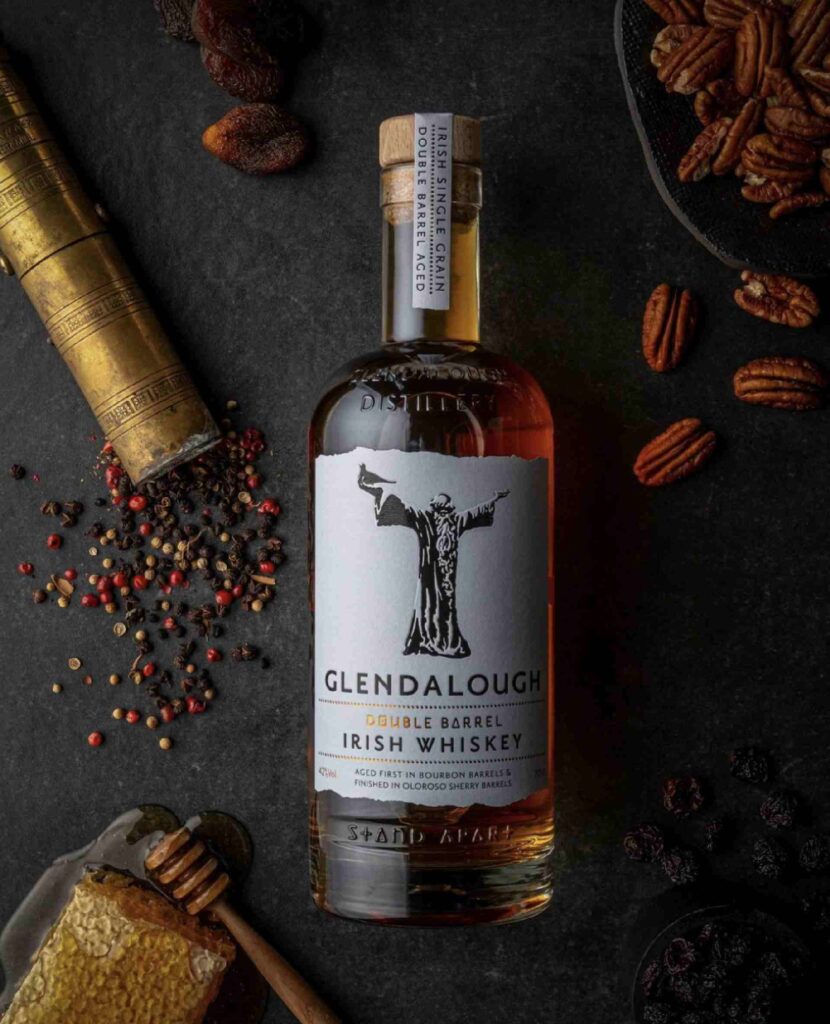
The Lough Inn
This highball is made with Glendalough Double Barrel, a single-grain Irish whiskey aged in ex-bourbon barrels before being finished in Oloroso sherry casks.
- 2 oz. Glendalough Double Barrel Single Grain Irish Whiskey
- 1 oz. Spiced honey syrup (see note)
- 1 oz. Fresh lemon juice
- Soda to top
- Lemon wheel or slice to garnish
- Mint leaf to garnish
- 1 cup Honey for spiced honey syrup
- 0.5 cup Water for spiced honey syrup
- 4 Cinnamon sticks for spiced honey syrup
- 1 pod Star anise for spiced honey syrup
Add ice to a highball glass, then add first three ingredients. Top with soda water. Garnish with lemon wheel or slice and freshly torn mint leaf.
For spiced honey syrup: Add honey, water, cinnamon sticks, and star anise to pot. Bring to a boil, then stir. Strain into container.
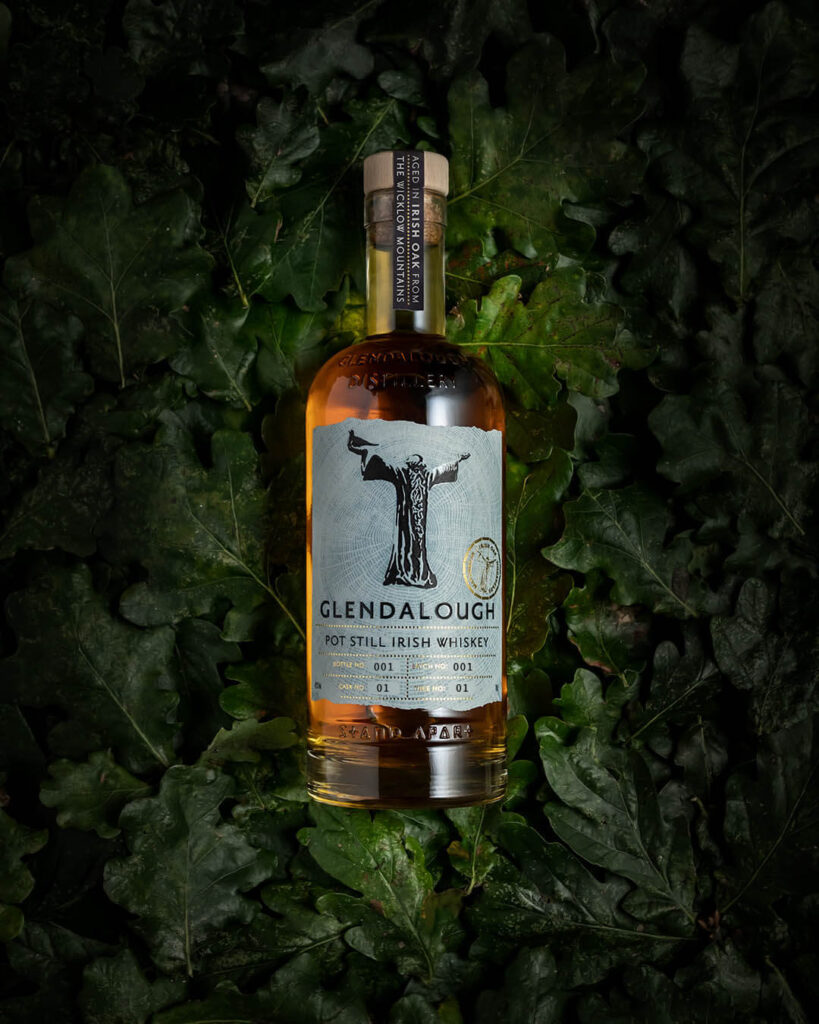
Pot Still Highball
Deceptively simple to build, this cocktail highlights the terroir of the land surrounding Glendalough Distillery.
- 1.5 oz. Glendalough Pot Still
- Soda to top
- Grapefruit peel to garnish
- Mint leaf to garnish (freshly torn and slapped, of course)
Prepare a highball glass with an ice shard, spear or cylinder. Pour in Glendalough Pot Still whiskey, then top with soda. Glendalough Distillery recommends a 1:2 ratio, Pot Still to soda. Garnish with mint leaf.
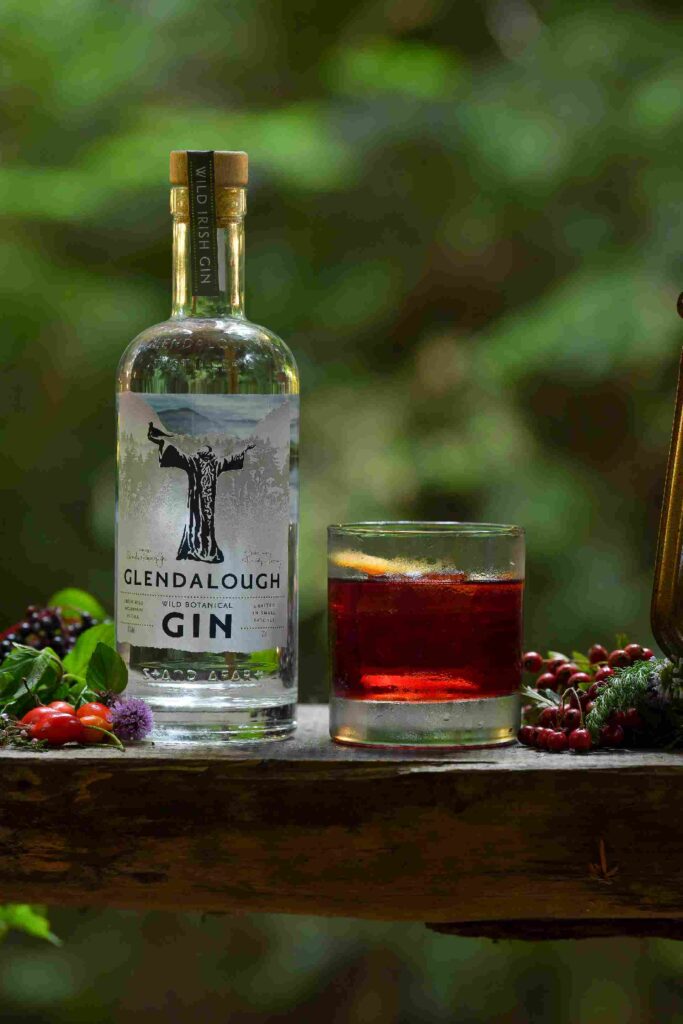
Glendalough Negroni
The foraged botanicals in Glendalough Wild Gin add even more complexity and depth to the classic Negroni. In fact, the flavors work so well this recipe maintains the Negroni’s crucial 1:1:1 ratio.
- 1 part Sweet vermouth
- 1 part Campari
- 1 part Glendalough Wild Gin
- Orange peel
Prepare an Old Fashioned with ice. Add first three ingredients to glass in the above order. Add more ice if necessary. Stir, express orange peel, and place as garnish.
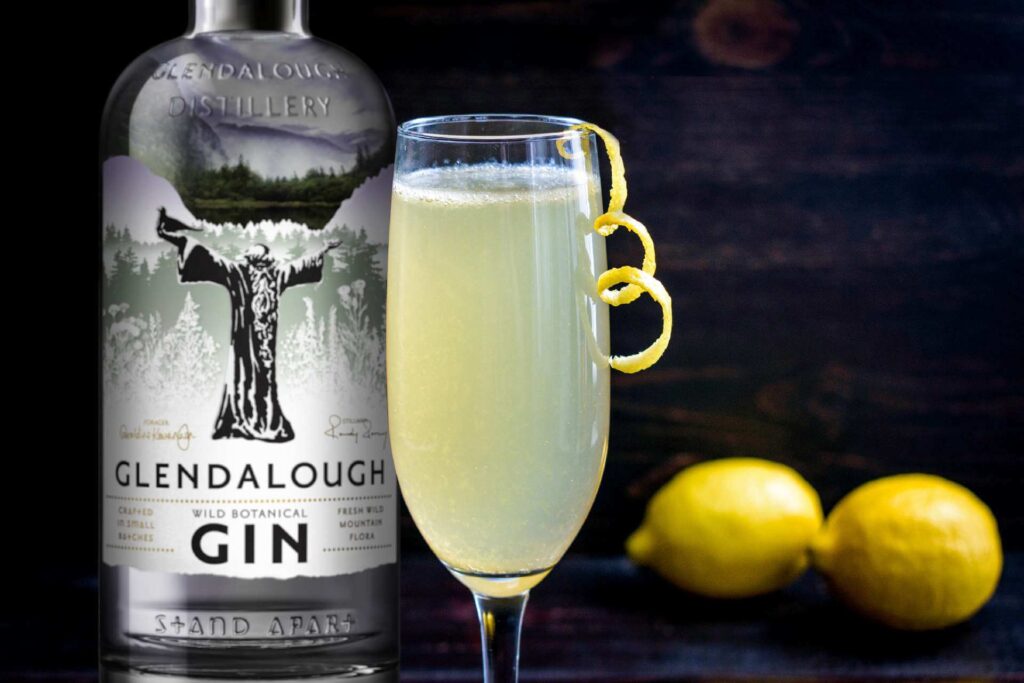
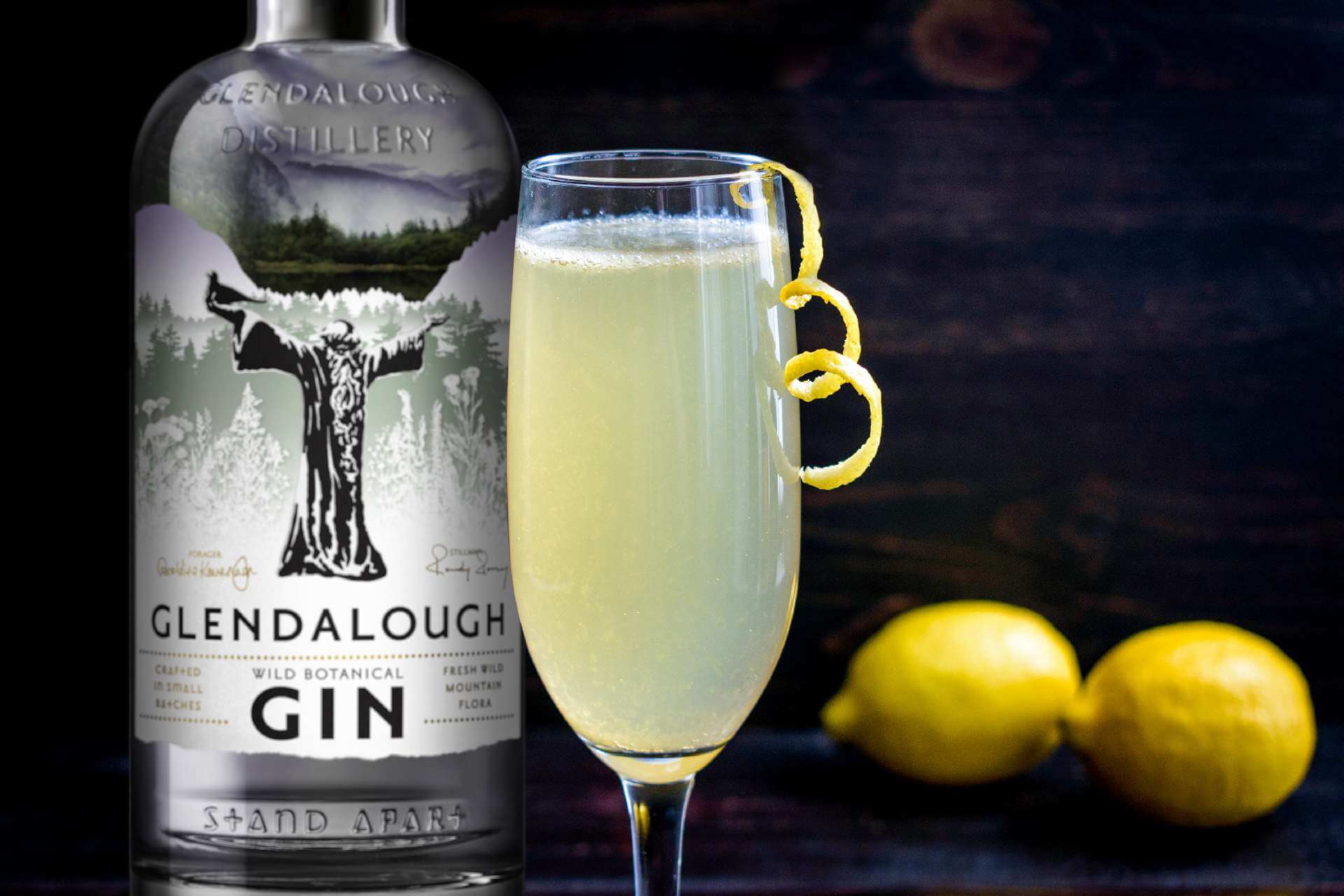
Glendalough Wicklow 75
Bubbles make everything better and everyone happier.
- 35.5 ml Glendalough Wild Gin
- 20 ml Lemon juice (fresh-squeezed, of course)
- 10 ml Sugar syrup
- Prosecco to top
- Lemon twist to garnish
Add all ingredients to shaker. Add ice and shake until well chilled. Strain into Champagne flute, top with Prosecco, and garnish with lemon twist.
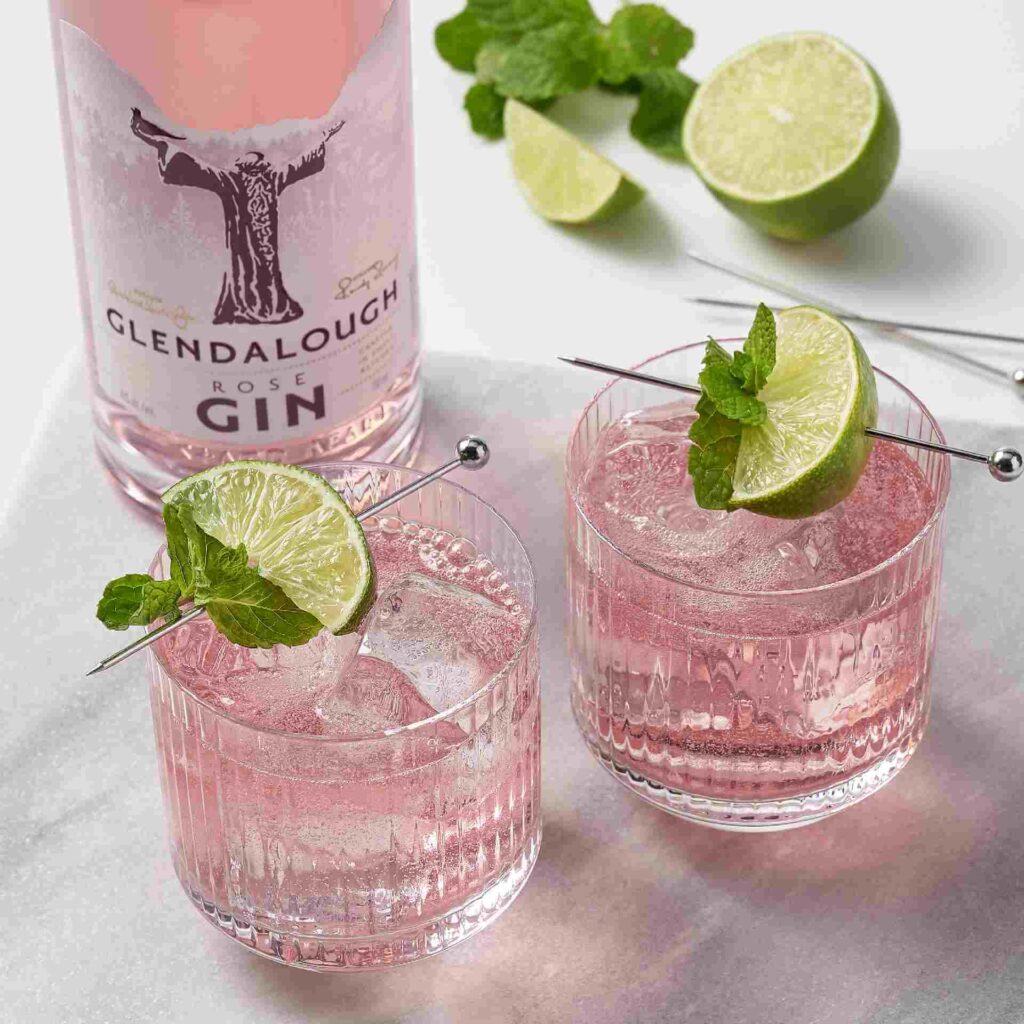
Glendalough Rose G&T
This simple classic receives a huge visual and aromatic boost from Glendalough Rose Gin.
- 2 oz. Glendalough Rose Gin
- Tonic to top (the higher the quality, the better)
- Lime slice
- Mint leaves
Add ice to glass, then add Rose Gin. Top with tonic, and garnish with lime slice and mint leaves.
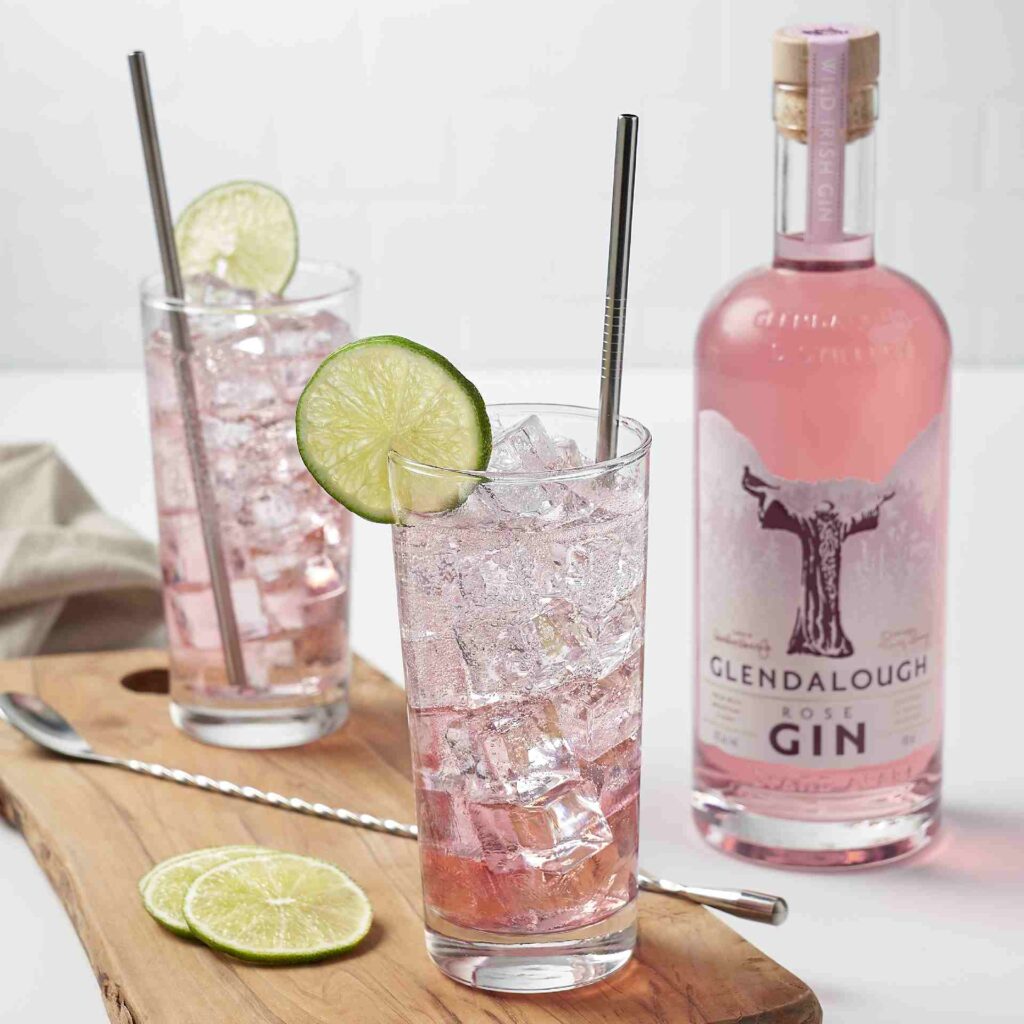
Glendalough Rose Gin Fizz
One way to elevate the highball is to use a striking pink-hued Irish gin.
- 1.5 oz. Glendalough Rose Gin
- 0.5 oz. Elderflower liqueur
- Raspberry & Lime sparkling water to top
- Lime wheel to garnish
Add ice (spear, shard or cylinder for impact), Rose Gin, and liqueur to highball glass. Stir, then add sparkling water to top. Garnish with lime wheel.
View this post on Instagram
Glendalough Rose Collins
Boost the classic Collins with Glendalough’s striking rose-petal gin.
- 1.5 oz. of Glendalough Rose Gin
- 1 oz. of Lemon juice (freshly squeezed)
- 0.5 oz. of Sugar syrup (1:1 ratio, hot water to sugar)
- Soda to top
- Lemon peel to garnish
- Cherry to garnish
Combine first three ingredients in a shaker with a cup of ice. Place an ice shard, spear or cylinder to a highball glass. Shake until well chilled, then strain into glass. Top with soda, and garnish with lemon peel and cherry.
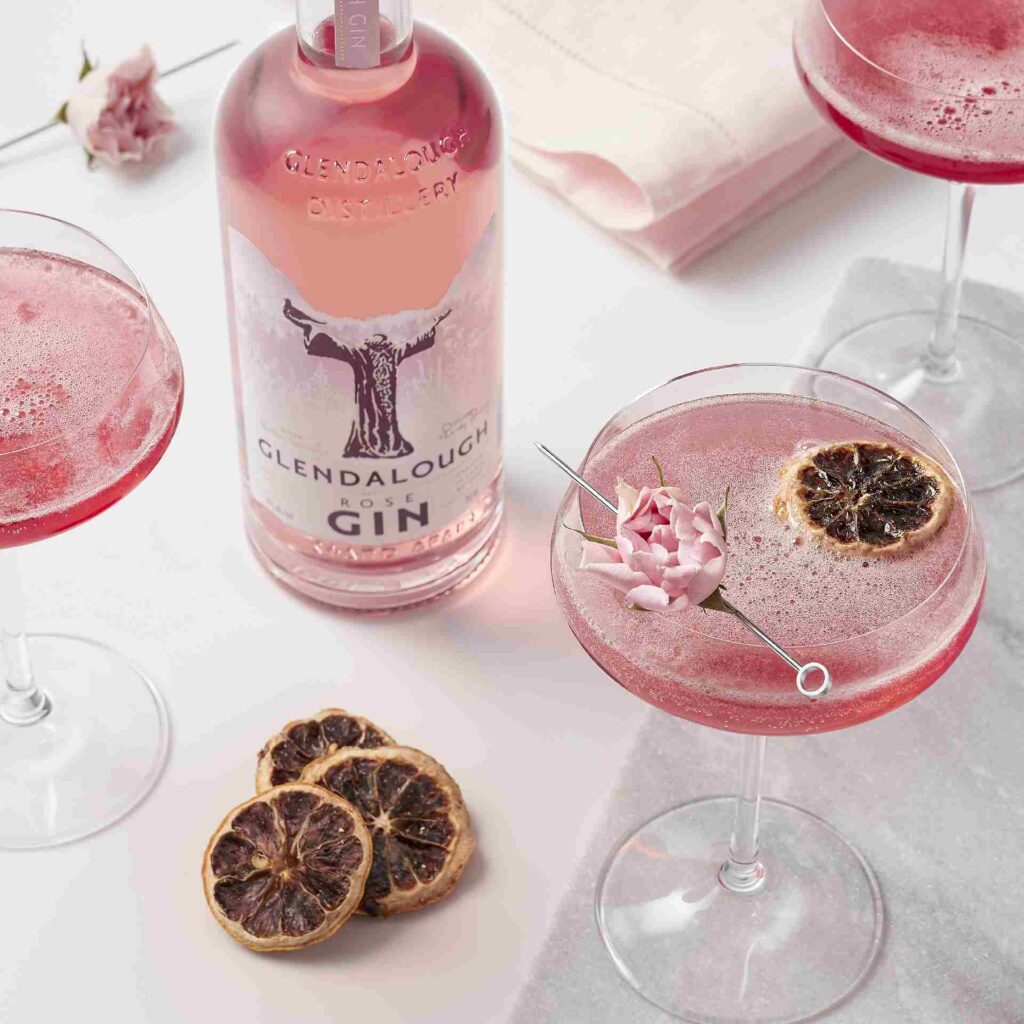
Glendalough Hibiscus Rose
Refreshing and flavorful, the hibiscus tea syrup plays incredibly well with Glendalough Rose Gin.
- 1.5 oz. Glendalough Rose Gin
- 0.5 oz. Hibiscus tea syrup (see note)
- 0.5 oz. Lemon juice (fresh squeezed)
- Prosecco to top
- Dehydrated lemon wheel to garnish
- Rose petals to garnish
- 33 oz. Water for hibiscus tea syrup
- 16 oz. Sugar for hibiscus tea syrup
Add first three ingredients and ice to a shaker. Shake until well chilled and double strain into a coupe. Top with Prosecco, and garnish with dehydrated lemon wheel and rose petals.
For the hibiscus tea syrup: Steep seven hibiscus tea bags in 33 ounces of water for 15 minutes. Add 16 ounces of sugar.
Images & Recipes: Glendalough Distillery
Related Reading
Work with Us
Click the image below to partner with us on your project.