Ultra lounge

by David Klemt David Klemt No Comments

Datassential’s State of the Operator 2022

Datassential’s State of the Operator 2022

by David Klemt

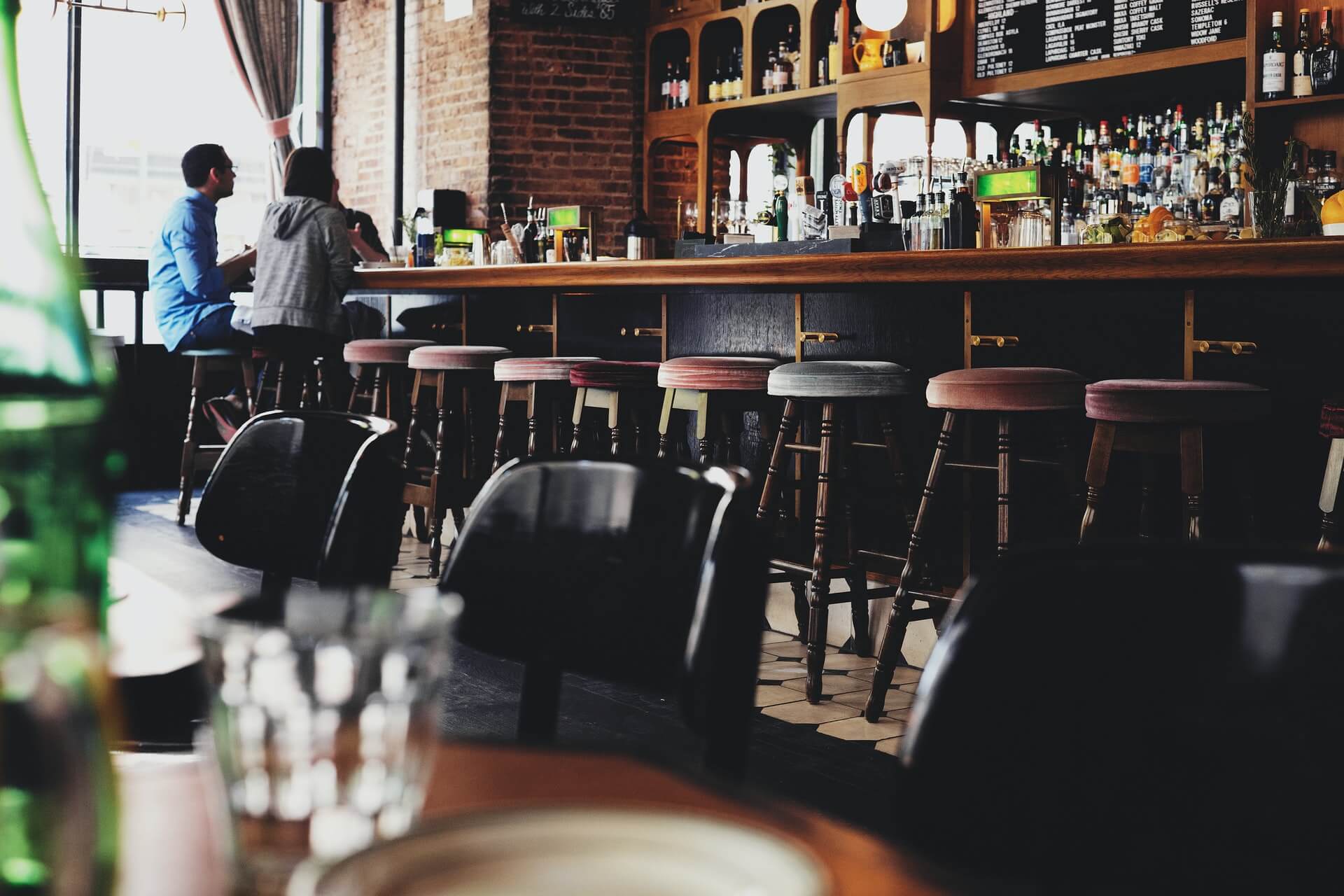
Guests sitting at the bar inside a restaurant

The latest addition to the Datassential FoodBytes research series shares insights into the top three challenges most—if not all—operators are facing.

Now, some of what the report reveals paints a bleak picture. Inflation, the labor shortage, and supply chain issues persist even past the midway point of 2022.

However, operators are a tenacious and innovative group of business owners. Of course, that tenacity seems to manifest in people thinking this industry can weather any storm. That perception can come at operators’ detriment. Exhibit A: The Inflation Reduction Act of 2022 not including replenishing of the RRF. But, I digress.

“The State of the Operator & the Road Ahead,” which you can download here, is helpful and informative. As you may be aware, we’re fans of Datassential and their FoodBytes reports. In fact, you can find our synopses of FoodBytes reports here and here.

Below are some key points that operators should be aware for consideration. I strongly urge you to download this free report today.

Operator Outlook

First, let’s take a look at traffic. As Datassential points out, some hospitality business segments are performing better than others currently.

In large part, this is due to two factors: People working from home, and people returning to travel. So, operators who rely heavily on commuters and in-person workers are struggling. On the other hand, operators inside or around hotels are, per Datassential, performing the strongest at the moment.

Interestingly, though, nearly half of operators (47 percent) are seeing an increase in traffic in comparison to pre-Covid levels. Fourteen percent of operators are reporting no change in traffic. Unfortunately, traffic is lower for 39 percent of operators.

Next, sales. In comparison to pre-Covid times, more than half (51 percent) of operators report an increase. Again, 14 percent of operators are experiencing no change. But 35 percent of operators are experiencing a decrease in sales.

Finally, profit margins. Half of operators may be seeing increases in traffic in sales, but profit margins are taking a hit. On average, the industry’s profit margin is now hovering at 13 percent. That’s an eight-percent drop in comparison to pre-Covid levels.

Segment Performance

The findings regarding profit margins are likely to be the most alarming to operators. Historically, our industry has operated on razor-thin margins for decades. Dropping from an average of 21 percent to 13 is concerning.

However, context is important. The segments seeing the lowest profit margins in 2022 are: Business & Industry (B&I), Healthcare, and Colleges & Universities (C&U). Again, remote work (and learning) are largely responsible for those particular segments watching their profit margins tumble.

The strongest performers are: Quick-Service Restaurants (QSR) at 17 percent; Fast Casual at 15 percent); and Midscale, Casual Dining, and Fine Dining, each at 13 percent. Lodging is just below the current average at 12 percent.

Operator Adaptation

Inflation, rising food costs, supply chain issues, labor shortages… Operators are finding ways to cope, and in some situation, thrive.

Unsurprisingly, the vast majority of operators are increasing menu prices. In the past 12 months, 77 percent of operators have raised menu prices at least once.

These increases range from one percent a staggering 30 percent. However, the majority have kept these increases to one to ten percent. Most (31 percent) have implemented increases of no more than five percent. Just one percent of operators boosted prices between 25 to 30 percent.

Of course, raising prices isn’t the only strategy operators have at their disposal. Forty percent of operators are streamlining their menu, reducing the sizes of their menus. However, it’s wise for operators to review their menus at least every three months to eliminate poor performers.

Other strategies include focusing on value for guests (27 percent); utilizing LTOs and launching new menu items (26 percent); eliminating a specific daypart or portion of the menu (25 percent); and making portion sizes small, or “shrinkflation” (18 percent).

There’s much more revealed in Datassential’s latest FoodBytes report. Download your copy today.

Image: Luca Bravo on Unsplash

by David Klemt David Klemt No Comments

Members of Congress Send Letter to SBA

Members of Congress Send Letter to SBA Regarding $180 Million

by David Klemt

United States Capitol Building and Capitol Grounds

More than 70 members of Congress are urging the Small Business Administration to act quickly to fund eligible RRF applicants.

This news comes on the heels of the findings of the Government Accountability Office’s investigation into the RRF. As you may recall, the GAO discovered $180 million in unobligated funds.

In response, 73 representatives and senators sent the SBA a letter. Sen. Catherine Cortez Masto (D-NV) and Rep. Earl Blumenauer (D-OR) are leading the effort to quickly and fairly distribute the $180 million.

At the start, members of Congress ask that the SBA take immediately action. Also, that the SBA give priority consideration to RRF applicants who didn’t receive funds even though they were awarded grants.

By the way, that’s about 7,000 applicants.

Unfortunately, the recently passed Inflation Reduction Act of 2022 doesn’t include funds to replenish the RRF. And while $180 million is nowhere near the $42-43 billion our industry needs and deserves, it’s something. In fact, it’s a reason to keep pushing Congress to do the right and responsible thing.

Interestingly, the letter sent to the SBA also urges the clawing back of funds for various reasons. One social media user, in response to the letter, suggested auditing the recipients. Presumably, this would also lead to a clawback and, in turn, the further awarding of grants.

Key Segments of the Letter

“Last month, the Government Accountability Office (GAO) released a report titled Restaurant Revitalization Fund: Opportunities Exist to Improve Oversight that stated that as of as of June 2022, $180 million of RRF funding was unobligated. As you know, about 177,000 restaurants that applied to the program did not receive awards. While we understand the remainder of the funding will not reach every business that applied, it is imperative that the SBA distribute every dollar to help as many struggling restaurants as is feasible.

“In addition to these actions, we are also urging that SBA take action to recover funds that have been awarded to ineligible applicants, were found to be accepted fraudulently, or could otherwise be returned. For example, the aforementioned GAO report states that SBA does not require recipients to report their operating status, despite the statute requiring that businesses that permanently close to return the unused funds to SBA. SBA has itself identified potentially ineligible recipients, such as clubs and hotels that failed to meet statutory eligibility criteria. Money recovered from fraudulent and ineligible businesses can subsequently be used to help
fund the many businesses who were unable to receive grants. We urge you to take action on this matter and provide us with detailed information on the amount of funding that may be recovered as well as SBA’s progress in doing so.”

Image: Francine Sreca from Pixabay

by David Klemt David Klemt No Comments

5 Self-serve Beverage Brands to Know

5 Self-serve Beverage Brands to Know

by David Klemt
Neon beer mug sign

If you’re an operator who wants to leverage the popularity of self-serve beverages, these are the brands you should consider.

There are several reasons to invest in self-serve beverage solutions:

  • Reducing costs
  • Reduction in waste
  • Guest convenience
  • Guest experience
  • System customization
  • Real-time system management and reports
  • Security

Truthfully, had I been told ten years ago that guests would want to serve themselves beer, wine, and other drinks, I would have raised an eyebrow. It’s possible, sure, but I would’ve been skeptical.

Well, it turns out that I would’ve been wrong. Indeed, today’s guest seems to enjoy pouring their own drinks from self-serve systems.

From convenience to control over their experience, these platforms are proving popular with consumers. An appealing factor appears to be the ability to sample a range of beverages to discover new favorites. And, of course, they can do so without having to purchase full drinks or asking a bartender or server for a sample.

So, below are some of the brands in the self-serve beverage world that operators need to know and consider.

Operator Benefits

In terms of P&L, your bottom line will thank you for embracing self-serve solutions.

First, the popularity of these systems increases sales. Guests can sample an array of drinks easily, choose a favorite or two, and serve themselves at their convenience. Additionally, guests tend to view self-serve systems in a positive light due to perceived value.

Second, an impressive self-serve beverage wall can be a sight to behold. There are venues with 100 self-serve taps and screens, which is an impressive sight. There are also all manner of designs not dependent on a wall. One great example is the rotating self-serve beer system at the Famous Foods Center Bar inside Resort World Las Vegas.

In other words, self-serve beverage systems help concepts stand out among competitors.

Third, self-serve systems allow operators to streamline operations and reduce costs. For example, labor costs can be reduced, as can waste.

And fourth, these solutions can lead to improvements in the guest experience. Not having to wait in line and being able to engage more with front-of-house staff aids in guest perception.

iPourIt

According to the brand itself, iPourIt installed the world’s very first beer wall. Since then, the platform has worked tirelessly to improve their solutions.

One way they’ve improved involves the security and usability of their system. As you’ll see with most self-serve brands that pour alcohol, guests are locked out of these systems without RFID access.

IPourIt offers several types of RFID solutions, from bracelets to fobs. Of course, other systems use similar tech. However, iPourIt prides themselves in offering touch-free RFID access and eschewing the need to leave cards in slots when pouring.

Another benefit is that as long as the beverage isn’t meant to be poured hot or doesn’t have pulp/sediment, iPourIt can handle it.

PourMyBeer

This company is iPourIt’s main rival. When you review how they can improve an operators’s bottom line, it’s not hard to see why.

PourMyBeer claims some impressive stats:

  • 45 percent sales increase
  • 50 percent increase in profits
  • 20 percent reduction to labor costs
  • Less than three percent waste

Like other systems, PourMyBeer can help operators leverage wall space. In addition, a single PourMyBeer screen can control four taps, so a wall doesn’t haven’t to be overloaded with screens.

Impressively, this platform also boasts the most POS integrations among the self-serve systems. Obviously, this is beneficial to the vast array of operators.

Table Tap

For operators looking for both a pioneer in the self-serve space, Table Tap may be the perfect partner. In particular, the use of “underage cards” by underage guests to access non-alcohol drinks is a nice feature. So, children up to early college-age students can get in on the fun.

Standing out from other platforms, Table Tap offers wall systems and table-mounted systems. Truly, offering a self-serve wall and a number of tables with the same tech is impressive.

In fact, if I were to install both solutions I would consider the tables a self-service take on VIP seating. And, I’d charge accordingly. Just something operators may want to consider.

Another cool feature relates to Table Tap’s software. While not the most mind-blowing functionality, guests can control an operator’s sound system via the TableTab ordering platform. Better yet, if an operator charges fees to select songs on their jukebox, TabelTab adds them to guest tabs.

To learn more about Table Tap, give episode 22 of Bar Hacks a listen.

Drink Command

“We do everything self pour, and more,” proclaims the Drink Command website.

Is an operator looking for a killer self-pour wall? Done. Table-mounted taps? Check. What about a self-serve tower, self-serve mobile kegerator, or a heavy-duty, mobile, self-serve counter? Drink Command has all three.

In other words, Drink Command makes it easy for operators to get creative and implement a range of self-pour solutions. Additionally, with mobile solutions, operators who want to expand into catering, pop-ups, and special events can do so easily.

For a list of other benefits—including foam-free beer pours, advertising interstitials, and consumption limits—click here.

Napa Technology

Makers of the TapStation, Napa Technology promises a boost to the guest experience. In part, this is because guests don’t have to wait in long lines at the bar.

Additionally, as stated prior, today’s guest enjoys using self-serve beverage systems.

Unlike other platforms, the Napa Technology TapStation doesn’t rely on wall installations. Instead, TapStation dispensers are available in two- and four-keg systems. These stations can be placed anywhere on the floor rather than a wall.

The TapStation can serve beer, wine, kombucha, and cold-brew coffee, ensuring it’s as versatile as the systems above.

Image: Brad on Unsplash
by David Klemt David Klemt No Comments

Top 10 States Attracting High Earners

Top 10 States Attracting High Earners

by David Klemt

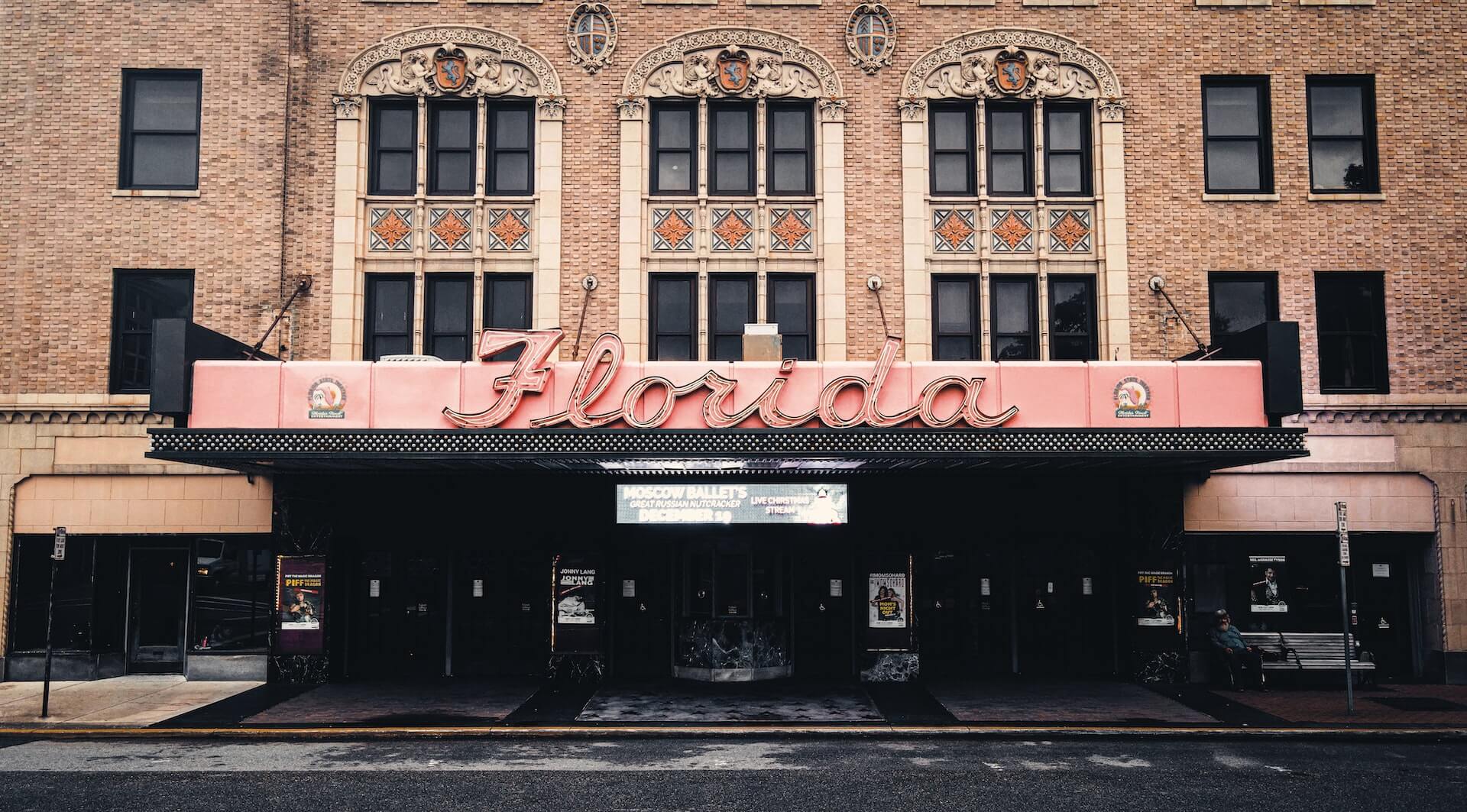
The Florida Theater in Jacksonville, Florida

Using the inflow and outflow data of tax filers earning $200,000 or more, SmartAsset identifies the top ten states attracting high earners.

When it comes to the number-one state, “it’s not even close,” says SmartAsset Advisors. Not surprisingly, several top inflow cities (according to Redfin data) line up with SmartAsset’s top inflow state list.

So, why should this information matter to operators? Plainly, it’s important market information. Population, household income, and age information are crucial considerations when opening any business.

In fact, KRG Hospitality includes such data (and much, much more) when conducting research for our proprietary feasibility, business, and concept plans. Among many elements of opening a restaurant, bar, hotel, or entertainment venue, the income of one’s target audience is crucial.

Knowing where high-income households are leaving and moving to can inform many operator decisions. Where should one open their first concept? Which markets should one consider for expansion? What type of concept will work in a market? What are the threshold price points for menu items? How will this information help inform design choices?

Operators need to recoup their outlay. The income of a concept’s ideal guest should be as important to an operator as knowing their costs.

Top Ten Inflow States

Interestingly, the top state on this list did experience significant outflow in 2020. In fact, the state lost 11,756 high-earning households in 2020.

However, the state also added 32,019 such households, netting 20,263 high earners.

  1. Utah
  2. Idaho
  3. Nevada
  4. Colorado
  5. Tennessee
  6. South Carolina
  7. North Carolina
  8. Arizona
  9. Texas
  10. Florida

Another compelling detail of the states on this list pertains to income tax. In short, three of the states don’t levy personal income tax.

Above, they’re the states in bold: Florida, Nevada, and Texas.

Top 10 Outflow States

So, above are the ten states are seeing the greatest an inflow of high-earning households. Which means, of course, there’s an inverse.

Below, the ten states experiencing the greatest outflow of high earners. Unsurprisingly, SmartAsset deems several entries on the list high-tax states. Also, Washington, DC, is a high-tax area.

Moreover, the list below includes five of the top ten high personal income tax jurisdictions (in bold).

  1. Ohio
  2. Minnesota
  3. Washington, DC
  4. Maryland
  5. New Jersey
  6. Virigina
  7. Massachusetts
  8. Illinois
  9. California
  10. New York

However, it’s not as though these states are seeing a massive exodus of high-earning households. In fact, per SmartAsset, these states have more high-income households than the national average.

Nationally, high-earning households account for less than seven percent of all tax filers. According to SmartAsset, nearly nine percent of tax filers are high-income households in the top ten outflow states.

Image: Trevor Neely on Unsplash

by David Klemt David Klemt No Comments

8 Glendalough Cocktail Recipes for St. Patrick’s Day and Beyond

Offer your guests something different for your St. Patrick’s Day promotion with Glendalough Distillery cocktail recipes.

Without a doubt, you should have plenty of the expected Irish whiskeys on hand. However, Glendalough Distillery Double Barrel, Pot Still, Wild Gin, and Rose Gin are extraordinary Irish whiskeys and gins.

Each spirit the distillery crafts honors the art of Irish distillation, a craft that stretches back centuries. What’s more, each whiskey Glendalough crafts is single malt—there are no light-bodied blends in their lineup.

To learn more, check out episode 71 of the Bar Hacks podcast with Glendalough Distillery co-founder and national brand ambassador Donal O’Gallachoir.

by David Klemt

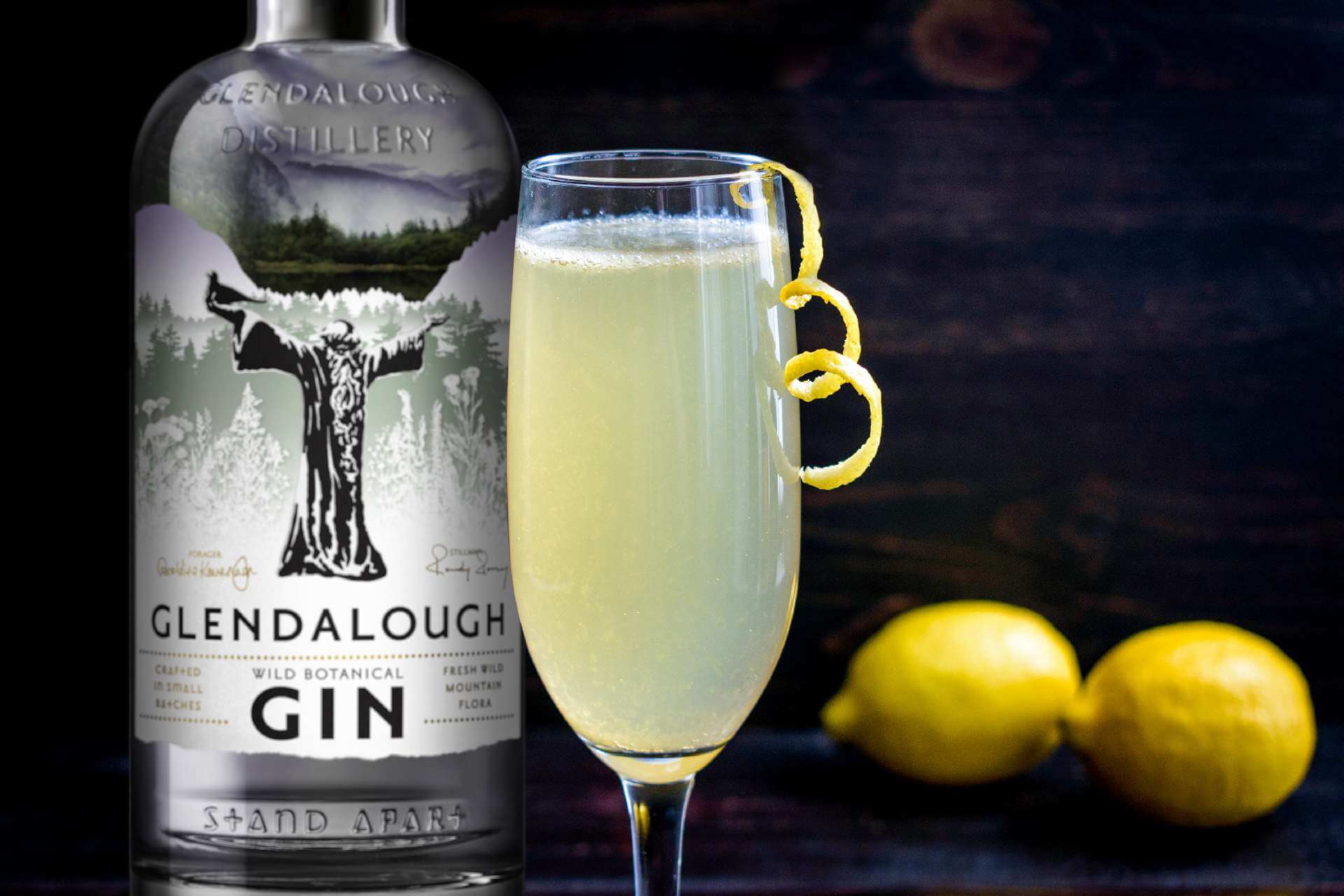
Glendalough Distillery Wild Gin Irish gin

8 Amazing Irish Whiskey and Gin Cocktails

Below, eight refreshing and sophisticated drink recipes made with Glendalough whiskeys and gins. Sláinte!

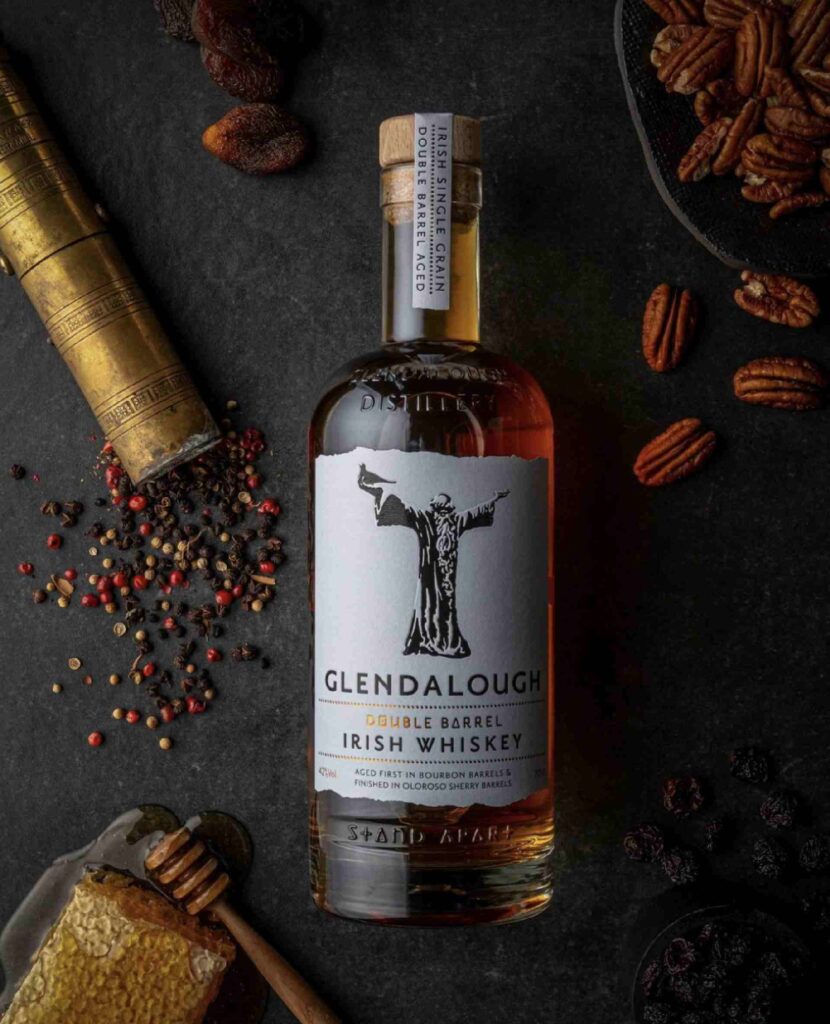
Glendalough Distillery Double Barrel Single Malt Irish Whiskey

The Lough Inn

This highball is made with Glendalough Double Barrel, a single-grain Irish whiskey aged in ex-bourbon barrels before being finished in Oloroso sherry casks.

  • 2 oz. Glendalough Double Barrel Single Grain Irish Whiskey
  • 1 oz. Spiced honey syrup (see note)
  • 1 oz. Fresh lemon juice
  • Soda to top
  • Lemon wheel or slice to garnish
  • Mint leaf to garnish
  • 1 cup Honey for spiced honey syrup
  • 0.5 cup Water for spiced honey syrup
  • 4 Cinnamon sticks for spiced honey syrup
  • 1 pod Star anise for spiced honey syrup

Add ice to a highball glass, then add first three ingredients. Top with soda water. Garnish with lemon wheel or slice and freshly torn mint leaf.

For spiced honey syrup: Add honey, water, cinnamon sticks, and star anise to pot. Bring to a boil, then stir. Strain into container.

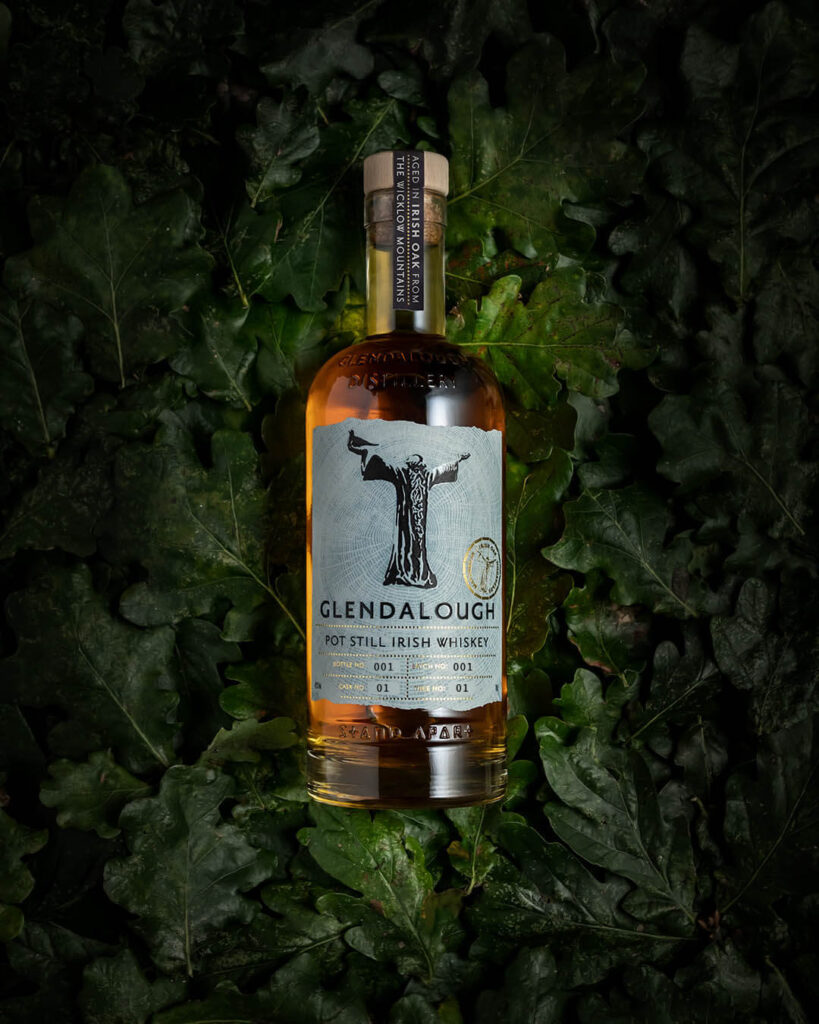
Glendalough Distillery Pot Still single malt Irish whiskey

Pot Still Highball

Deceptively simple to build, this cocktail highlights the terroir of the land surrounding Glendalough Distillery.

  • 1.5 oz. Glendalough Pot Still
  • Soda to top
  • Grapefruit peel to garnish
  • Mint leaf to garnish (freshly torn and slapped, of course)

Prepare a highball glass with an ice shard, spear or cylinder. Pour in Glendalough Pot Still whiskey, then top with soda. Glendalough Distillery recommends a 1:2 ratio, Pot Still to soda. Garnish with mint leaf.

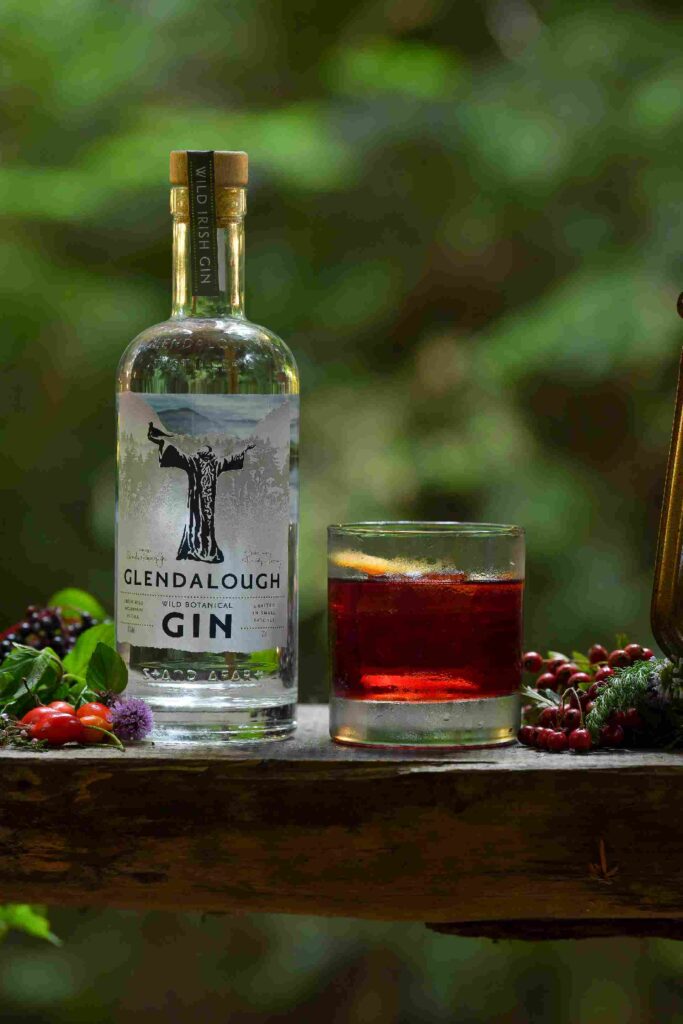
Glendalough Distillery Wild Gin Negroni cocktail

Glendalough Negroni

The foraged botanicals in Glendalough Wild Gin add even more complexity and depth to the classic Negroni. In fact, the flavors work so well this recipe maintains the Negroni’s crucial 1:1:1 ratio.

Prepare an Old Fashioned with ice. Add first three ingredients to glass in the above order. Add more ice if necessary. Stir, express orange peel, and place as garnish.

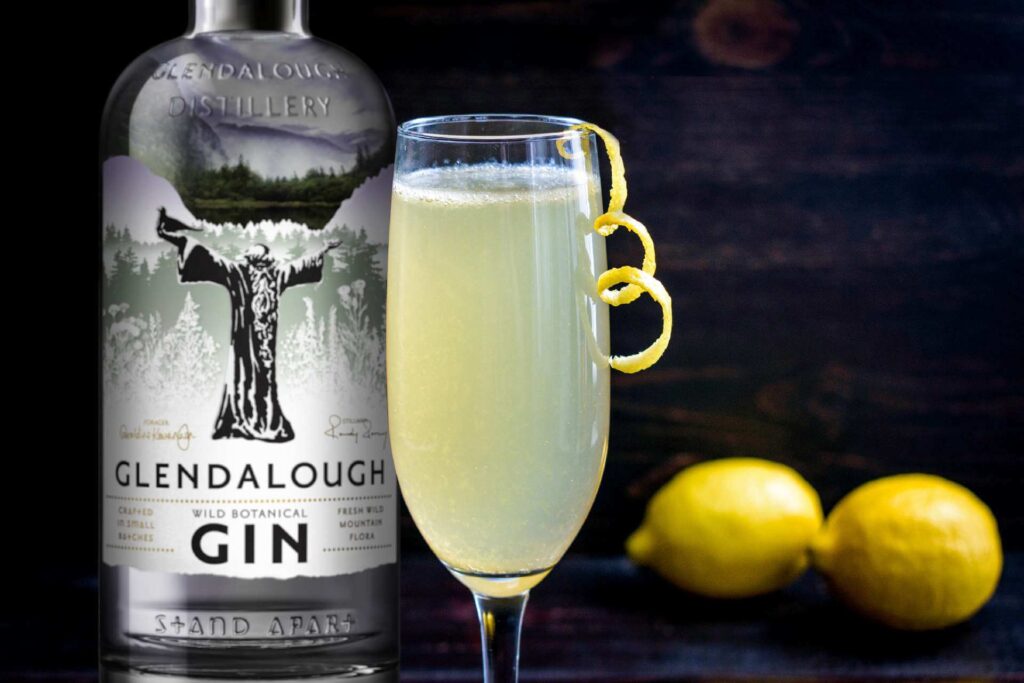
Glendalough Distillery Wild Gin Irish gin

Glendalough Wicklow 75

Bubbles make everything better and everyone happier.

Add all ingredients to shaker. Add ice and shake until well chilled. Strain into Champagne flute, top with Prosecco, and garnish with lemon twist.

Glendalough Distillery Rose Gin Irish gin and cocktails

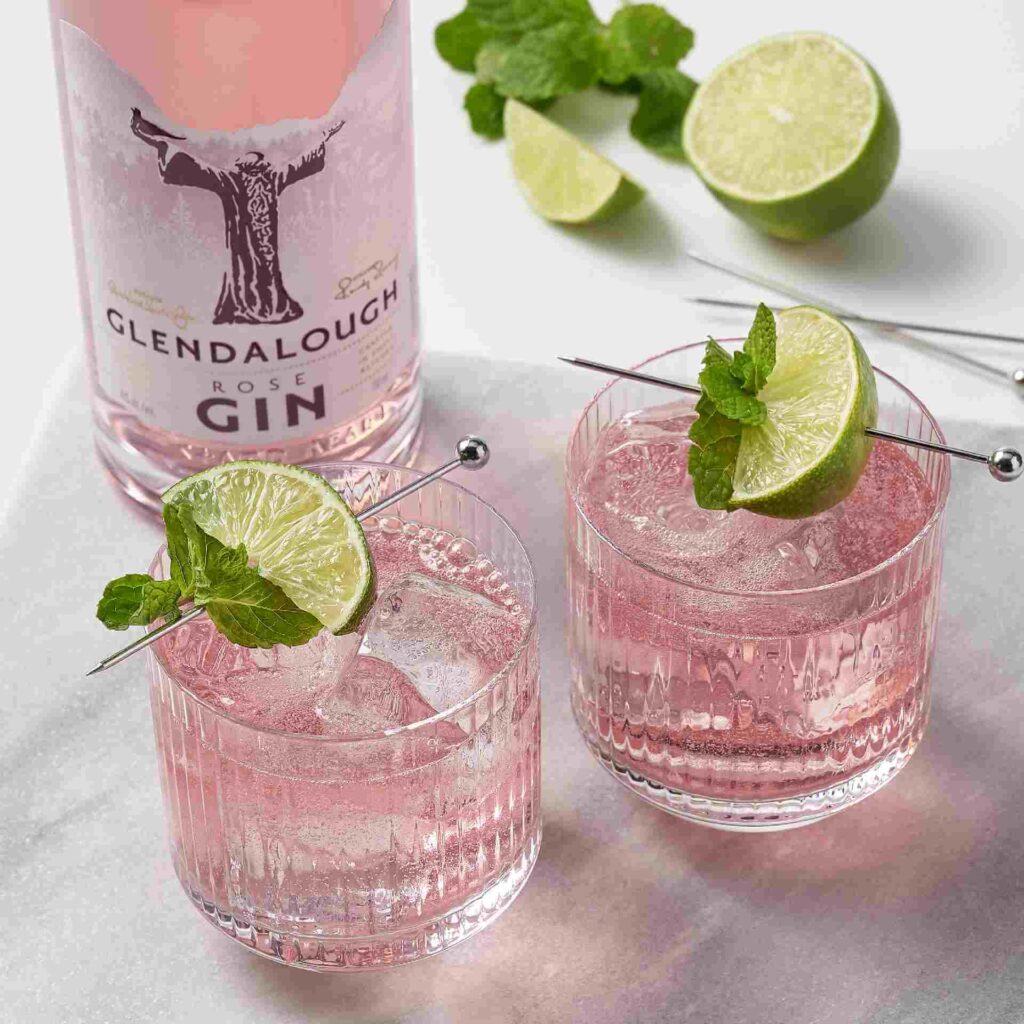
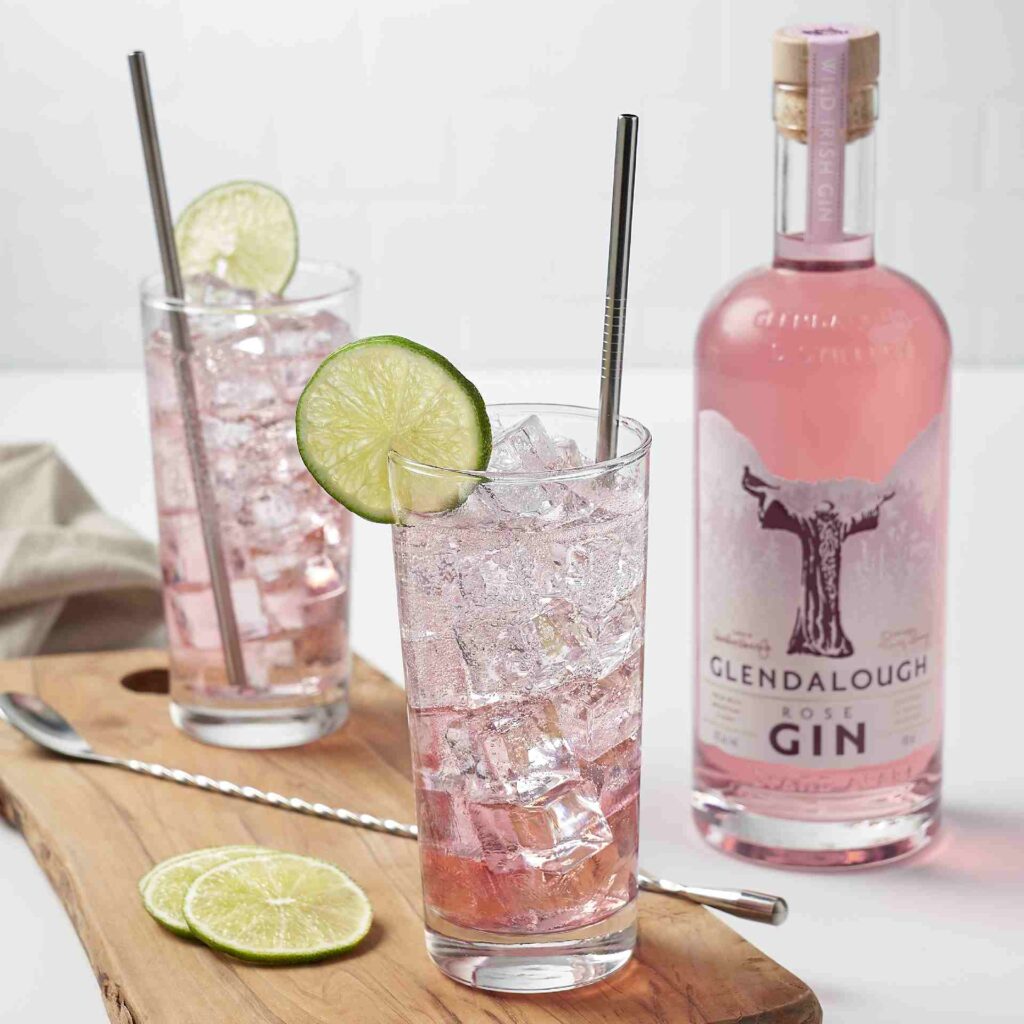
Glendalough Rose G&T

This simple classic receives a huge visual and aromatic boost from Glendalough Rose Gin.

  • 2 oz. Glendalough Rose Gin
  • Tonic to top (the higher the quality, the better)
  • Lime slice
  • Mint leaves

Add ice to glass, then add Rose Gin. Top with tonic, and garnish with lime slice and mint leaves.

Glendalough Distillery Rose Gin Fizz

Glendalough Rose Gin Fizz

One way to elevate the highball is to use a striking pink-hued Irish gin.

  • 1.5 oz. Glendalough Rose Gin
  • 0.5 oz. Elderflower liqueur
  • Raspberry & Lime sparkling water to top
  • Lime wheel to garnish

Add ice (spear, shard or cylinder for impact), Rose Gin, and liqueur to highball glass. Stir, then add sparkling water to top. Garnish with lime wheel.


View this post on Instagram


A post shared by Glendalough US (@glendaloughus)

Glendalough Rose Collins

Boost the classic Collins with Glendalough’s striking rose-petal gin.

  • 1.5 oz. of Glendalough Rose Gin
  • 1 oz. of Lemon juice (freshly squeezed)
  • 0.5 oz. of Sugar syrup (1:1 ratio, hot water to sugar)
  • Soda to top
  • Lemon peel to garnish
  • Cherry to garnish

Combine first three ingredients in a shaker with a cup of ice. Place an ice shard, spear or cylinder to a highball glass. Shake until well chilled, then strain into glass. Top with soda, and garnish with lemon peel and cherry.

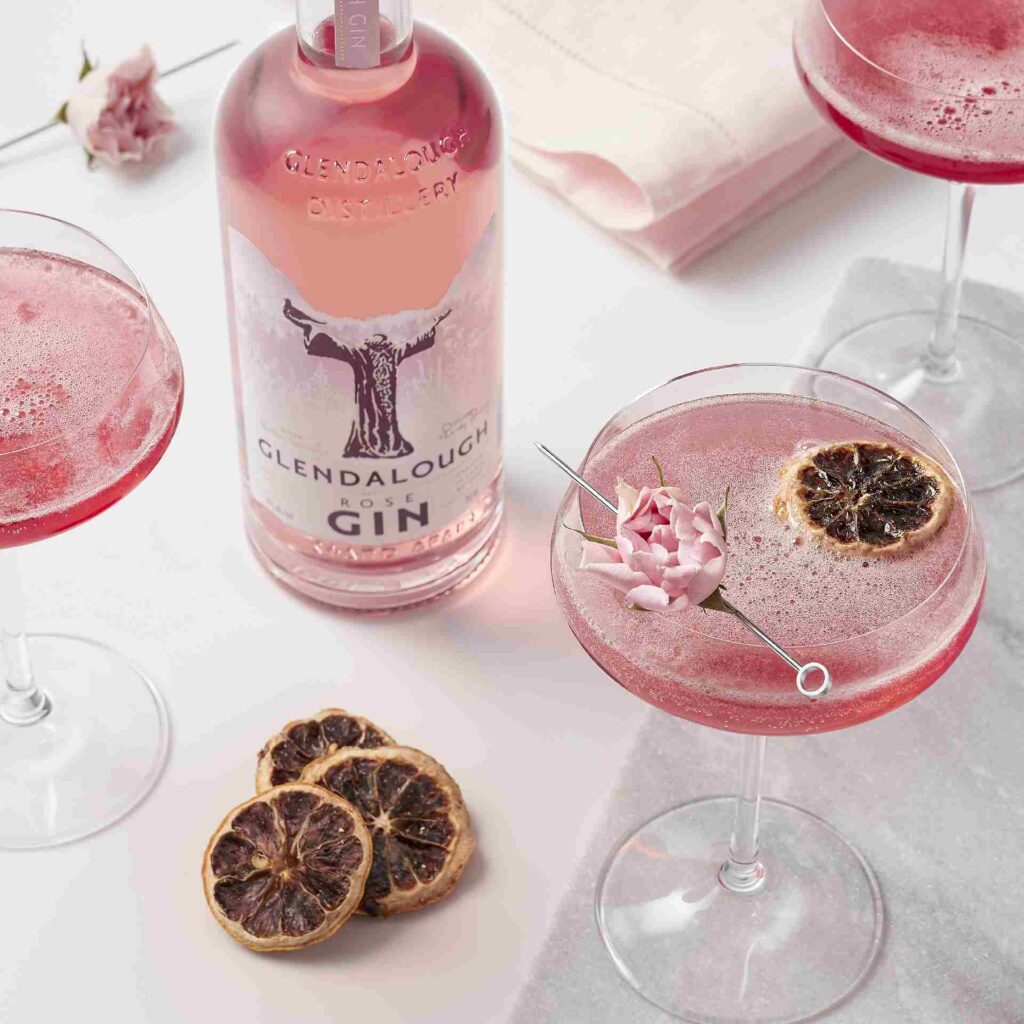
Glendalough Distillery Rose Gin Hibiscus Rose

Glendalough Hibiscus Rose

Refreshing and flavorful, the hibiscus tea syrup plays incredibly well with Glendalough Rose Gin.

  • 1.5 oz. Glendalough Rose Gin
  • 0.5 oz. Hibiscus tea syrup (see note)
  • 0.5 oz. Lemon juice (fresh squeezed)
  • Prosecco to top
  • Dehydrated lemon wheel to garnish
  • Rose petals to garnish
  • 33 oz. Water for hibiscus tea syrup
  • 16 oz. Sugar for hibiscus tea syrup

Add first three ingredients and ice to a shaker. Shake until well chilled and double strain into a coupe.  Top with Prosecco, and garnish with dehydrated lemon wheel and rose petals.

For the hibiscus tea syrup: Steep seven hibiscus tea bags in 33 ounces of water for 15 minutes. Add 16 ounces of sugar.

Images & Recipes: Glendalough Distillery

Related Reading

Work with Us

Click the image below to partner with us on your project.

Client Intake Form - KRG Hospitality

Top