Bar marketing

by David Klemt David Klemt No Comments

Program for Unique Holidays: February 2025

Program for Unique Holidays: February 2025

by David Klemt
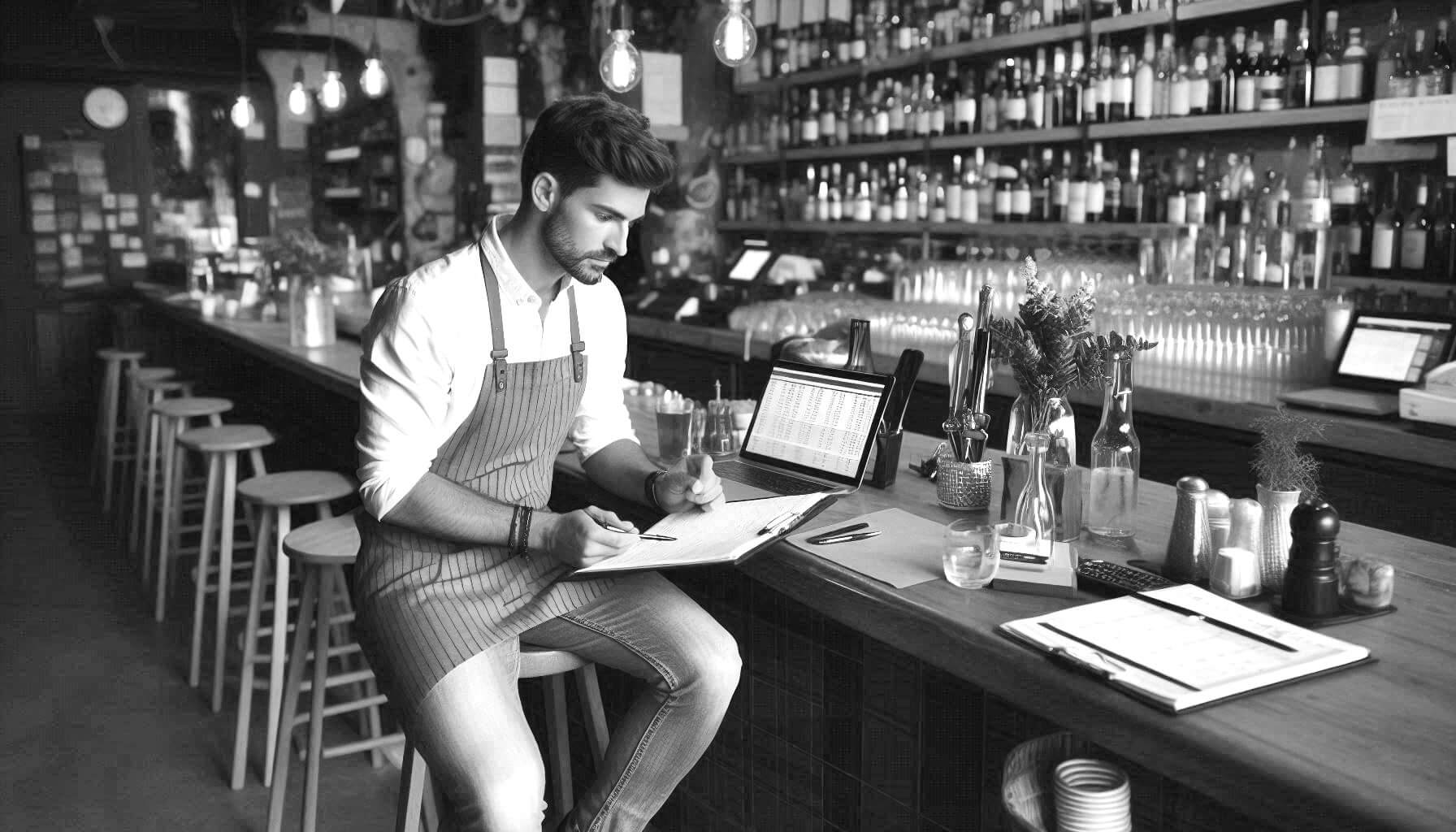
Restaurant or bar owner sitting at the bar, working on a schedule or calendar

AI-generated image.

Do you want to stand out from from other restaurants and bars in your area? Change how you think about your February 2025 holiday programming.

Several holidays are set against every date on the calendar, and this month is no exception. These holidays range from mainstream to esoteric.

Pay attention to the “weird” or unique holidays to raise eyebrows, carve out a niche for your restaurant or bar, and attract more guests. Why do what everyone else is already doing? Why program only around the same holidays as everyone else?

To provide a handful of examples, February boasts National Pizza Day, National Cheddar Day, and National Retro Day. Those are all things you can get creative and program around, and celebrate with your guests.

Of course, you shouldn’t try to celebrate every holiday, strange or otherwise. Focus on the days that are authentic to your brand; resonate with your guests; and help you grab attention on social media.

You’ll find suggestions for promotions below. However, the idea behind our monthly holiday promotions roundup is to inspire you and your team to get creative and come up with unique programming ideas.

For our January 2025 holidays list, click here.

February 7: Rose Day

Rose presents interesting flavor and scent profiles. It can also be difficult to perfect; too little and it likely won’t register, too much and it will overpower. Notably, it doesn’t take much for rose to go in either direction. However, if your kitchen and bar teams are up to the task, rose dishes and drinks can be quite intriguing for your guests.

Of course, you can also go a different direction and celebrate Rose Day as Rosé Day with all manner of wine, spirits, and beers.

February 8: National Kite Flying Day

As one would expect, there are several drinks with “kite” in the name. Cocktails (including zero-proof versions), beers, and wines. Further, there’s the similar paper airplane, so you can feature the Paper Plane, as well.

February 9: National Pizza Day

Is programming around pizza unusual, unexpected, or unique? On its face, no, of course not.

However, restaurant and bar operators can make National Pizza Day an unusual food holiday by featuring unique ingredients, and interesting pizza styles.

February 10: National Cream Cheese Brownie Day

Much like pizza, most brownies aren’t considered unique. That said, your culinary team’s interpretation can become a signature dessert (or appetizer

February 13: National Cheddar Day

Is everything better (or “beddar”) with cheddar? No, not everything. But there sure are a lot of menu items that are great with this hard cheese.

I’m confident that you and your kitchen team can find plenty of ways to feature cheddar on an LTO menu.

February 14: Start of Alzheimer’s and Dementia Care Education Week

This week is dedicated to Alzheimer’s and dementia awareness and education, along with raising funds for charitable organizations looking for a cure. If you think you can organize a charity drive, be it for one day or the entire week, go for it.

One way to execute is to donate proceeds from an LTO item or menu. If you have signature drink or dish, that item can lead the charge for raising charitable donations. This important week has a hashtag, so be sure to include it to spread the word: #AlzheimersDementiaCareEducationWeek.

February 20: National Comfy Day

Sure, operators can go for comfy dress to celebrate this holiday. It can be “cute” to have staff show up in comfy gear, or encourage guests to do so.

Or, operators can go a different direction: focusing on the comfort foods on their menus. Whether they’re traditional or creative takes on comfort classics, a comfort food LTO menu is perfect for February 20.

February 24: National Tortilla Chip Day

Who doesn’t love a tortilla chip, particularly when it’s carrying an array of delicious toppings? You know what to do: highlight your nachos (if you have them on your menu), and get creative with the presentation (we like to go sky high), proteins, and other ingredients.

February 27: National Retro Day

It seems like the phrase, “Everything old is new again,” is always relevant. National Retro Day is one of the best times to dive into vintage F&B recipe books and select classics that work with your theme and resonate with guests. Grasshoppers, anyone?

February 28: National Floral Design Day

Edible flowers are visually appealing, and can also enhance the dining and drinking experience. You know what to do!

Image: Microsoft Designer
Client Intake Form - KRG Hospitality

by David Klemt David Klemt No Comments

Text, Email & Social Media Marketing

Text, Email & Social Media Marketing: Which is Best?

by David Klemt

A woman wearing a black-and-white-striped top checking her smartphone

Text-message marketing versus email marketing: which is best for your business?

One of the key topics that SevenRooms addresses in the first of their annual trends report is how operators can make the most of their marketing efforts.

Today, the primary marketing channels are text/SMS, email, and social media. An operator needs to understand their guests to know which will be most effective for their business.

Or, more accurately, an understanding of one’s guests is the key to leveraging a mix of those channels effectively.

An operator must consider their target audiences, and how they tend to engage with brands. Further, consideration must be given to people’s relationships with their phones.

As a real-world example, one of our clients’ guest pools skews significantly toward Baby Boomers. When discussing marketing strategy, the client expressed a concern when text marketing came up. They stated that their older guests would likely push back against this form of marketing.

However, no generation is a monolith. Therefore, I’ll be speaking in generalities when it comes to generational cohorts and their behavior.

Marketing Channel Engagement

Generally speaking, younger generations don’t seem to find text marketing invasive. Younger consumers are also used to engaging with and discovering brands and businesses via social media.

In contrast, an operator may find that their older Gen X and Baby Boomer guests prefer email marketing. It’s important to bear in mind that older generations also consume social media content. For example, SevenRooms findings show that 24 percent of Gen X and Baby Boomers can be influenced to visit a restaurant via F&B posts. However, these generations appear to engage with menu posts from restaurants they already follow.

That last bit of information tells me that older guests follow restaurants they’re considering visiting or have visited previously. Per SevenRooms data, the same goes for Millennials. That said, 43 percent of this generation are influenced by posts that showcase a restaurant’s personality.

Interestingly, just over half of Gen Z is influenced via video content from businesses they don’t already follow. These accounts are pushed to them via a platform’s engagement and discovery algorithms.

With the caveat that I’m painting different generations with broad strokes, posts that show off the menu may work best to engage older consumers. Posts that illustrate the personality of a brand and its team may resonate best with Millennials, and video content is king for grabbing the attention of younger consumers.

Businesses targeting a mix of consumers will want to develop a varied social media strategy. Content should consist of still photos and video that show off menu items, team members, and what guests can expect during a visit. Engagement will show an operator which posts are resonating the most with their followers and guests.

So, which marketing channel is best? All of them, when combined strategically.

An Effective Mix

Speaking of developing an effective strategy, SevenRooms asked operators about their social media marketing results.

Since the point behind marketing is to increase bookings to boost traffic and revenue, SevenRooms looked into which social media content achieved the best results.

Nearly 40 percent of operators surveyed said that organic posts result in the most bookings. This is followed by paid social media advertising, at 33 percent. Just over a quarter of operators surveyed pointed to influencer content as driving the greatest number of bookings.

One percent of operators say they don’t track their social media marketing results. For obvious reasons, this isn’t part of a winning strategy. If the results of an operator’s marketing efforts can’t be tracked, how can they know what works, and if they need to change an element of their strategy (such that it is)?

Nuance

As SevenRooms makes clear in their 2024 Restaurant Trends and Diner Expectations report, a multi-channel marketing strategy is a key to success.

Results will boil down to more than texting younger consumers and emailing older consumers. SevenRooms suggests what we at KRG Hospitality would also recommend: nuance.

An actual strategy is necessary, and that means being intentional with each marketing channel.

For context, an operator is likely best served to keep marketing text messages short. So, think reservation availability due to cancellations or no-shows. Email is a marketing channel best suited to longer messages. When it comes to social media marketing, a restaurant or bar’s social accounts should be viewed as relationship-building avenues.

In closing, an operator’s multi-channel marketing strategy requires a multi-pronged approach. Each channel must be leveraged differently. Text marketing shouldn’t be used the same way as email marketing messages, and neither should be used in the same way as a brand’s social accounts. When it comes to those accounts, a mix of posts is most effective for reaching different types of consumers.

The real keys are for operators to know who they’re targeting, track their marketing efforts, and develop an understanding of their guests. Throwing things against the wall to see what sticks just creates a mess; operators must be intentional in their marketing and operations to convert guests and achieve long-term success.

Image: Andrea Piacquadio via Pexels

Bar Nightclub Pub Brewery Marketing Agency Team

by David Klemt David Klemt No Comments

Working with Local Influencers

Community Collaboration: Working with Local Influencers

by David Klemt

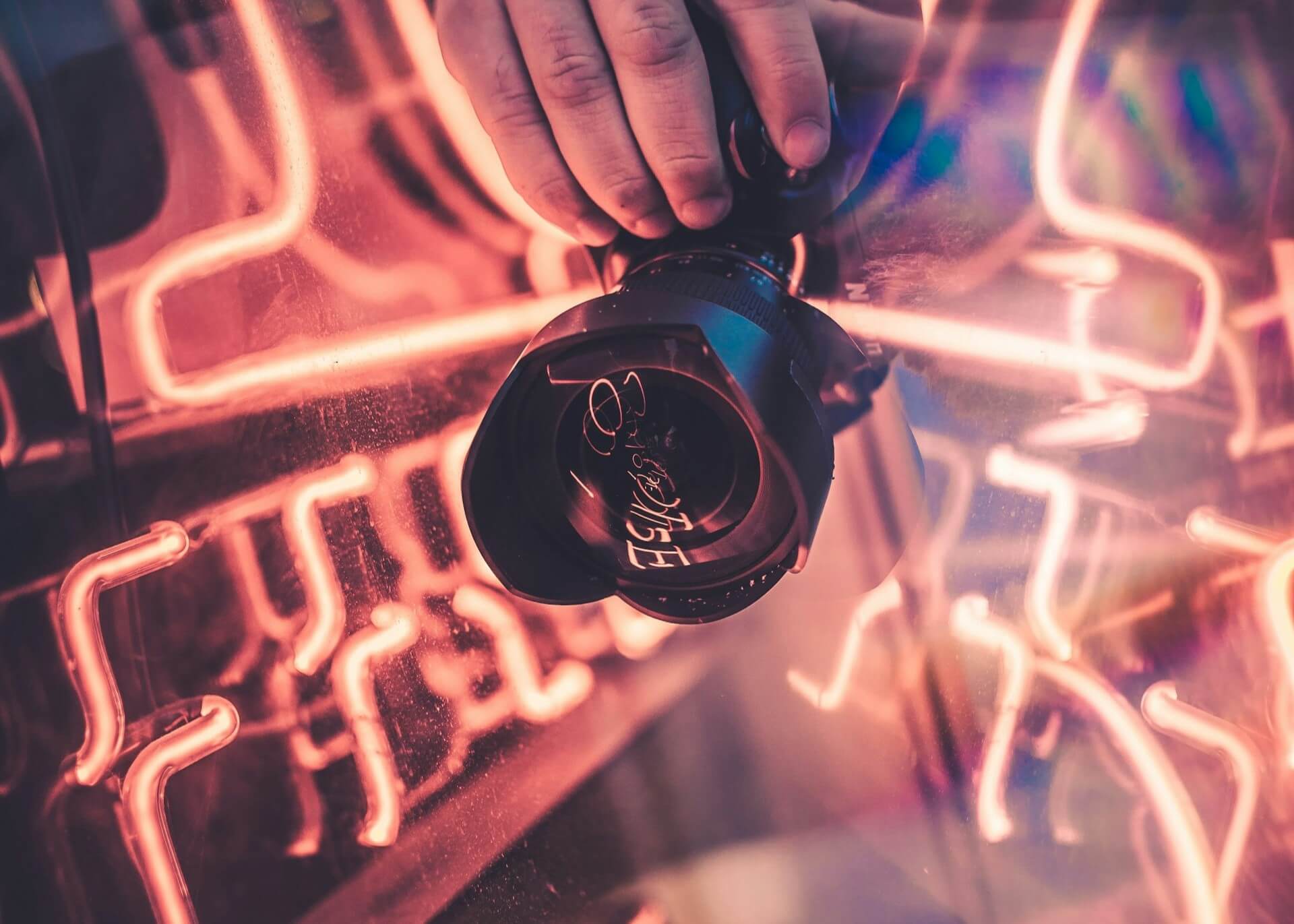
Photographer's hand holding DSLR camera by neon sign

One of the standout educational sessions from WSWA Access Live 2024 focused on finding and working with local influencers.

Natalie Migliarini, a.k.a. Beautiful Booze, and James Stevenson, a.k.a. Little Lane Media, presented “Successfully Engaging with Influential Content Creators in Your Community” in Las Vegas, Nevada, last week. The duo made the case for seeking to collaborate with influencers in your community.

“Local influencer” may give the impression of less popularity and less reach. After all, another designation for these people is “micro-influencer.”

However, there are several reasons why working with local or micro-influencers is a smart move for your bar, restaurant, nightclub, cafe, or hotel.

It helps to understand that some marketing experts categorize influencers by follower count:

  • Nano: 1,000 to 10,000 followers
  • Micro: 10,000 to 100,000 followers
  • Macro: 100,000 to 1,000,000 followers
  • Mega: 1,000,000-plus followers

I don’t know about you, but I think reaching a potential 10,000 followers local to my area of operation is an excellent value proposition. If you’re curious, Migliarini’s Beautiful Booze Instagram account falls into the macro category.

Of course, there are other appealing benefits as well.

Effective Marketing

What do You Want?

What are your goals when marketing your business? I’m willing to wager there are at least three:

  • To be discovered by new people.
  • Boosting traffic.
  • Increasing revenue.

And what’s one of your greatest concerns when it comes to your marketing efforts? I’ll bet that it’s budget.

Well, Migliarini and Stevenson believe local or micro-influencers (and I’d say nano-influencers, as well) can tick all of those boxes.

What do You Want to Spend?

Local influencers will likely be much more affordable than their macro or mega counterparts. There are celebrities—part of the mega-influencer category—that can make millions of dollars for a single promotional post. Macro-influencers can command five figures for just one post.

Now, think about social media. Depending on the platform (Migliarini and Stevenson favor Instagram), these pricey posts can have a lifespan as short as 15 minutes. That’s a lot of money to spend on marketing for just minutes or hours of relevancy.

Then consider engagement. According to Migliarini and Stevenson, engagement is more important than reach.

Who do You Want to Reach?

I’m sure the thought of people across the globe knowing your restaurant or bar is appealing. But would that really translate to more traffic and greater revenue?

Eventually, sure. But in the here and now, when building your brand and getting discovered, your local community is more important.

If you’re operating in the Chicago suburbs, will your revenue and margins improve because some social media users in Vancouver found your venue online? Or, would your business be better served by locals and people in the surrounding area visiting your spot on a regular basis?

I think you know the answer.

Well, this is where nano- and micro-influencers come into play. You want support from locals. Garnering that support via social media means you want influencers who are engaged with your community.

The partners you’re after are local influencers, not global (or national, until you’ve become a must-visit destination for tourists).

As Migliarini and Stevenson say, an influencer may be “micro” by follower count but “macro” in terms for their effectiveness in a particular market.

Effective Partnerships

How to Find Collaborators

The great news is that it’s not difficult to find local influencers. Let’s use Instagram as an example for finding collaborators.

When you pop open the app, you’ll see the search icon at the bottom of the screen. To make this very simple, it’s the magnifying glass to the right of the house icon.

Once you tap the magnifying glass icon, you’ll be able to search for basically anything in the search field. From this point, you’ll see several tabs to scroll through: For you, Accounts, Audio, Tags, Places, and Reels.

Of those fields, Tags will likely deliver some of the best results. Migliarini and Stevenson suggest following hashtags relevant to you and your business. From there, you’ll come across influencers local to your area of operation.

How to Select Collaborators

All engagement is not the same.

It’s going to be tempting to look for huge follower counts and tons of likes on posts. Well, Migliarini and Stevenson find a different metric far more effective in gauging an account’s engagement.

Instead of likes, look at comments. An influencer may have hundreds or thousands of posts. And those posts may have hundreds or thousands of likes.

Does that really mean much? If you use Instagram, think about your behavior on the app.

It’s likely that you scroll dozens of posts whenever you open Instagram. You probably hit the heart icon, liking a number of posts as you scroll.

Do you remember every post that you like? After liking posts, do you think about the account that posted it? Probably not.

Now, let’s say you liked a post so much that you felt compelled to take the extra steps of commenting on it. If that was a post about a dish or drink from a bar or restaurant, that comment may convert into a visit or delivery order.

When you’re looking for a local influencer and going through posts, look at the number of comments. Hundreds or thousands of likes with just a handful of comments may indicate there’s not much engagement. But dozens or hundreds of comments? That’s a great sign.

Of course, you should also sift through the comments. Doing so can show you if the posts are mostly attracting bots. Further, you want to make sure the comments are positive.

How to Engage Collaborators

It’s important to remember that this is going to be a professional relationship.

Stevenson says there’s nothing wrong with sliding into a potential marketing partner’s DMs. However, it’s wise to share your business email address when reaching out. This way, the conversation moves to a more professional platform, and important messages likely won’t get lost.

Once the conversation has turned to the business at hand, both sides need to be crystal clear regarding expectations. How many posts are expected? When will the influencer post them? What’s the budget? What will working on site look like?

Be as detailed as possible to avoid confusion, frustration, and disappointment; both sides will benefit when every expectation is understood.

There’s another key to these collaborations that Stevenson wants operators to understand. Social media influencers aren’t salespeople, they’re marketers. This is a marketing exercise; you’re paying them to communicate and help people discover your business.

Going deeper, there’s another difference. There are influencers, and there are content creators. An influencer is paid to influence, and a content creator is paid to create content for others.

Another way to look at it: Influencers are in front of the camera, content creators are behind the camera. The distinction is very important.

In their partnership, Migliarini is in front of the camera, operating Beautiful Booze. Stevenson is behind the camera, running Little Lane Media. Both partner with restaurants, bars, hotels, resorts, and brands. However, they do so in different ways.

Now that you know what to consider, go forth and find your local influencers.

Image: Max Bender on Unsplash

KRG Hospitality marketing support. Restaurant. Bar. Cafe. Lounge. Hotel. Resort.

by David Klemt David Klemt No Comments

Program for Unique Holidays: December 2023

Program for Unique Holidays: December 2023

by David Klemt

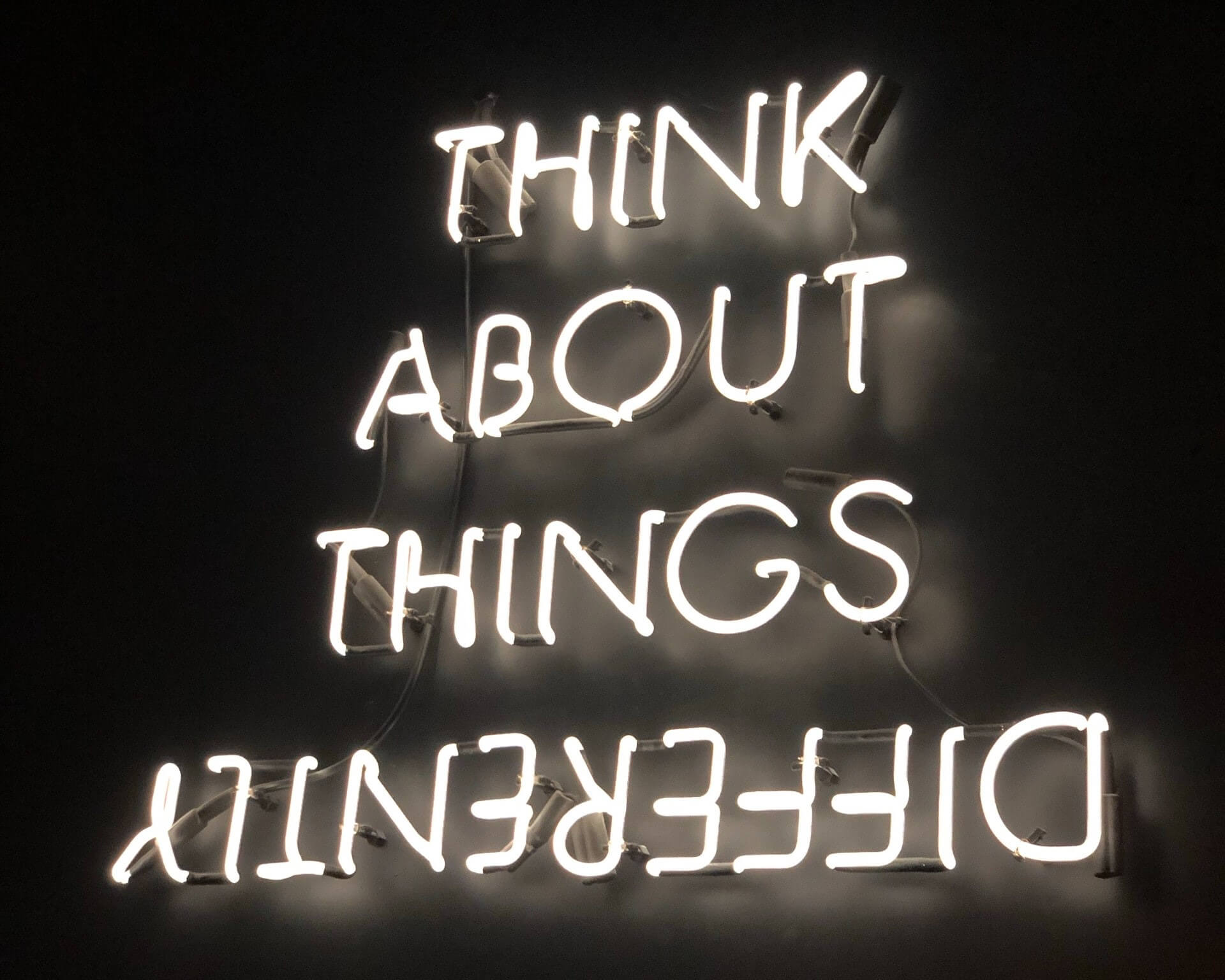
"Think about things differently" neon sign

Do you want to stand out from from other restaurants and bars in your area? Change how you think about your December holiday promotions.

Several holidays are set against every date on the calendar, and this month is no exception. These holidays range from mainstream to esoteric.

Pay attention to the “weird” or unique holidays to raise eyebrows, carve out a niche for your restaurant or bar, and attract more guests. Why do what everyone else is already doing? Why program only around the same holidays as everyone else?

Of course, you shouldn’t try to celebrate every holiday, strange or otherwise. Focus on the days that are authentic to your brand; resonate with your guests; and help you grab attention on social media.

You’ll find suggestions for promotions below. However, the idea behind our monthly holiday promotions roundup is to inspire you and your team to get creative and come up with unique programming ideas.

For our November 2023 holidays list, click here.

December 2: Global Fat Bike Day

For the unfamiliar, “fat bikes” are offroad bicycles with larger-than-normal tires. They’re fantastic for navigating sandy, snowy, muddy, and rocky terrain. Why? Because riders can run lower tire pressures to overcome obstacles smoothly.

Of course, plenty of riders also like to bop around town on fat bikes. So, whether you operate in a snowy area or you just happen to be in a market with a bunch of fat-bike riders, this would be the holiday to encourage them to group up and roll to your bar or restaurant.

December 4: National Dice Day

There’s a lot we can do with dice. One of the simplest ways to celebrate this holiday is to craft a food and/or beverage menu with numbered items/specials. Guests roll the dice and they’re served whatever they roll.

December 9: National Pastry Day

Hey, it’s holiday season—people are snacking a bit more than they would normally. Pastry, whether sweet or savory, is surely tempting and can make a holiday meal memorable.

December 11: National Noodle Ring Day

Do you know what a noodle ring is? More importantly, if you’re not the chef, does your kitchen team know about noodle rings?

They’re exactly what they sound like, and from everything I can find, they’re hundreds of years old. The premise is simple: a noodle dish is placed in a mold, then it’s baked. Bang—noodle ring.

Clearly, the noodle ring is a canvas for creativity and comfort food. So, see what your kitchen can come up with for National Noodle Ring Day, particularly if noodle dishes are already on your menu.

December 16: National Chocolate Covered Anything Day

Do you have food items that would taste and look great covered in chocolate? Guess what you should do on this day…

December 19: National Emo Day

You may have heard of the When We Were Young festival that took place in Las Vegas this year in October. The first version of this emo music festival was held in California in 2017.

A lot of people enjoy nostalgia, and during the holidays they get even more nostalgic. You can either hire a DJ for an emo set, hire a local emo band or two, or put together an emo playlist if you think it would draw guests through your doors.

December 20: Games Day

Board games, card games, tabletop games, video games, arcade games, bar games… If your bar or restaurant is set up for people to play games, design a promotion around it. After all, people are gathering for the holidays. Tempt them to gather at your place.

December 21: National Coquito Day

Ah, the Coquito. I’ll risk the pitchforks and say eggnog is not the move: the Coquito is the best winter cocktail. And the best version comes from bartender Giuseppe González.

You’ll find his recipe below, and you should give him a follow and thank him for being gracious enough to share it every year in December.

December 29: Tick Tock Day

No, not TikTok. This holiday is about accomplishing outstanding goals before the end of the year.

However, operators and their teams can take a different approach to this holiday. Are there any bottles you want to finally get rid of to make space in your inventory? Some rare drams guests can finish off? Create a promotion around them.

December 31: National Champagne Day

Sure, some people may know this day as New Year’s Eve. But really, this is National Champagne Day.

Luckily, it’s not difficult to create promotions around Champers. Whether focusing on dosage, grape varietals, vintage, color, or cocktails, there’s a lot to do with Champagne, and it’s not challenging to shine a spotlight on it on this day.

Image: Ivan Bertolazzi on Pexels

Bar Nightclub Pub Brewery Marketing Agency Team

by David Klemt David Klemt No Comments

5 Books to Read this Month: November 2023

5 Books to Read this Month: November 2023

by David Klemt

Flipping through an open book

Our inspiring and informative November book selections will help you and your team transform your operations and F&B programming.

This month, we look at a new branding and marketing book. We also dive into agave spirits and cuisine from the Canadian Prairies.

There’s an eye-opening exploration into the topic of technology, culture, and the “alignment problem,” as well.

To review the book recommendations from October 2023, click here.

Let’s jump in!

The Restaurant Marketing Mindset: A Comprehensive Guide to Establishing Your Restaurant’s Brand, from Concept to Launch and Beyond

If you haven’t had the opportunity to hear Chip Klose speak, look into his books. His latest The Restaurant Marketing Mindset, came out in early October. As the title suggests, this book is for anyone who’s struggling with branding and marketing, or who simply wants a fresh perspective on this crucial element of operations.

From Amazon: “Restaurants boast some of the highest failure rates of any industry, yet even worse is the sheer number of concepts that struggle just to break even. In The Restaurant Marketing Mindset, Chip Klose introduces a series of mindset shifts and actionable frameworks to help owners and operators finally take control of their marketing.

With more than twenty years of operational experience—plus an MBA in food marketing—Klose has the authority, experience, and track record needed to speak confidently on the subject. Each lesson stacks one on top of the other, giving the reader a step-by-step plan to attract more diners, retain those diners, and spark word of mouth with the ones who matter most.

This book is for any chef, owner, or operator who’s ever felt overwhelmed when it comes to marketing their restaurant. Each chapter is filled with powerful insights to help you build a more profitable (and sustainable) business.”

Pick it up today!

Prairie: Seasonal, Farm-Fresh Recipes Celebrating the Canadian Prairies

This engaging cookbook features 1oo traditional and creative recipes highlighting Canadian Prairie cuisine. These seasonal, farm-to-table recipes are sure to impress your guests.

From Amazon: “No matter the season, the Prairies are all about preserving every ounce of food, so of course there’s also tons of helpful tips and tricks on reducing food waste. There’s even a Staples chapter with recipes for stocking your pantry to keep you cooking all year long. Both a love letter to Canada’s grandest provinces and an indispensable collection of recipes, Prairie is as inviting and bountiful as the region it celebrates.”

Agave Spirits: The Past, Present, and Future of Mezcals

The authors of this informative book visited eight Mexican states to learn all they could about mezcal. By extension, they learned not only about traditional production but also where this hugely popular spirits category is headed for the future.

From Amazon: “The result of the authors’ fieldwork and on-the-ground interviews with mezcaleros in eight Mexican states, Agave Spirits shows how traditional methods of mezcal production are inspiring a new generation of individuals, including women, both in and beyond the industry. And as they reach back into a rich, centuries-long history, Nabhan and Suro Pinera make clear that understanding the story behind a bottle of mezcal, more than any other drink, will not only reveal what lies ahead for the tradition―including its ability to adapt in the face of the climate crisis―but will also enrich the drinking experience for readers.”

The Alignment Problem: Machine Learning and Human Values

When we build automated systems, we’re placing a lot of trust in our expertise. And because humans are fallible, the systems we build are far from perfect.

From Amazon: “Today’s ‘machine-learning’ systems, trained by data, are so effective that we’ve invited them to see and hear for us—and to make decisions on our behalf. But alarm bells are ringing. Recent years have seen an eruption of concern as the field of machine learning advances. When the systems we attempt to teach will not, in the end, do what we want or what we expect, ethical and potentially existential risks emerge. Researchers call this the alignment problem.”

Hacking the New Normal: Hitting the Reset Button on the Hospitality Industry

The world around us has changed. The food and beverage industry has changed. The hospitality industry has changed. But will some ways of life change for the better? Will perhaps the restaurant, bar, and hospitality industry come out even stronger? With the right changes to the previous status quo, it is possible. There’s no question, resets are major undertakings, but a major reset will provide us with a clean start and that’s what this industry needs.

Pick up KRG Hospitality president Doug Radkey’s second book today! Click here.

Image: Mikołaj on Unsplash

KRG Hospitality. Business Coach. Restaurant Coach. Hotel Coach. Hospitality Coach. Mindset Coach.

by David Klemt David Klemt No Comments

Program for Unique Holidays: November 2023

Program for Unique Holidays: November 2023

by David Klemt

"Think about things differently" neon sign

Do you want to stand out from from other restaurants and bars in your area? Change how you think about your November holiday promotions.

Several holidays are set against every date on the calendar, and this month is no exception. These holidays range from mainstream to esoteric.

Pay attention to the “weird” or unique holidays to raise eyebrows, carve out a niche for your restaurant or bar, and attract more guests. Why do what everyone else is already doing? Why program only around the same holidays as everyone else?

Of course, you shouldn’t try to celebrate every holiday, strange or otherwise. Focus on the days that are authentic to your brand; resonate with your guests; and help you grab attention on social media.

You’ll find suggestions for promotions below. However, the idea behind our monthly holiday promotions roundup is to inspire you and your team to get creative and come up with unique programming ideas.

For our October 2023 holidays list, click here.

November 3: National Jersey Day

This is an easy one. MLB, the NBA, NHL, NFL, NCAA Football… All of these and more are in regular season play at the moment.

Establish your bar as the place to watch and play fantasy sports to develop a loyal guest base. One way to really get your guests engaged is to get them to wear their jerseys, and this holiday is the “official” day for them to do so.

November 5: Zero Tasking Day

Sure, multi-tasking and the people who claim to have mastery over it are impressive. But you know what’s even more impressive? Taking the time to nothing but relax.

You know what’s an excellent place to check out, relax, and indulge? Your restaurant, bar, or nightclub.

November 6: National Nacho Day

No, nachos aren’t the world’s most unique food. However, your approach and presentation can certainly help you stand out from other operators.

Go highest. Go largest. Go most unusual ingredients. Go most premium toppings. Just go wild.

November 11: National Metal Day

Anyone who knows me knows that metal holds a special place in my life. In fact, I recently hit the Pearl Theater inside the Palms for the Dethklok + BABY METAL “BABYKLOK” tour stop in Las Vegas.

This is the day for you to encourage the metalheads among your guests to show up to your bar or restaurant. Create an LTO featuring metal spirit brands, like Slipknot Iowa Whiskey and Metallica’s Blackened Whiskey.

November 14: National Pickle Day

If your kitchen can pickle it, this is the holiday to have them create an LTO menu showing off their skills.

November 16: National Use Less Stuff Day

Sustainability and ethical business practices aren’t just trendy anymore. Many of today’s guests want to know they’re supporting businesses that have a plan to address waste.

If you’ve been developing a sustainability plan, this is the day to launch it. Look at your operations, look at your menu, and see where you can make small but impactful changes.

November 20: National Absurdity Day

Do you have an “absurd” idea for a promotion, menu item, design feature, or branding exercise? Tighten up that idea and execute it on National Absurdity Day.

You can also check out one of our KRG Concepts, Absurd! Kitchen Co., for a turn-key restaurant concept.

November 22: DrinksGiving

As operators know, the Wednesday before Thanksgiving has traditionally been the busiest bar night of the year. Whether you call it Thanksgiving Eve or DrinksGiving, this is your opportunity to pull out all the stops.

November 25: National Small Business Day

This is the perfect holiday to highlight all the small, craft, and independent F&B brands you work with at your restaurant or bar. Feature local artisans, spirits and beer producers, farmers, and more on your menu to help them and you generate more business.

November 30: National Mason Jar Day

I don’t know what it is but drinking from a mason jar, whether there’s a delicious cocktail, moonshine, or a soft drink inside it, is just a cool experience.

Of course, you can also get creative with starter, side, and dessert presentations inside mason jars.

Image: Ivan Bertolazzi on Pexels

Bar Nightclub Pub Brewery Marketing Agency Team

by David Klemt David Klemt No Comments

SEO Tips from AI: Hotels & Camps

SEO Tips from AI: Hotels, Camps & Lodges

by David Klemt

OpenAI logo on smartphone screen, resting on laptop keyboard

After asking ChatGPT to suggest SEO improvements for restaurants, bars, and nightclubs, we’ve done the same for the hotel space.

This is part two of our AI-generated SEO tips series. In part one, we focus on restaurants, bars, nightclubs, and eatertainment venues.

For this part, we ask ChatGPT about improving SEO for boutique hotels, independently owned hotels, boutique and luxury campgrounds, and boutique and luxury lodges.

The boutique and luxury outdoor experiential market is heating up. So, I was curious about what keywords and advice ChatGPT would recommend to help operators in this space stand out and improve their odds for discover.

Personally, I found some of the keyword suggestions helpful. However, these are terms we at KRG Hospitality already know to include in our brand identity and marketing plans.

Simply put, I don’t think AI rivals what humans can create when it comes to brand identity and marketing. But, you should read the following and decide for yourself.

What specific terms are the best for boutique or independently owned hotels to use for SEO ranking?

For boutique or independently owned hotels, it’s important to focus on specific terms that highlight the unique aspects of your property and appeal to your target audience. Here are some specific terms that can be beneficial for SEO ranking:

  1. Hotel Name: Ensure that your hotel’s name is prominently featured in your website’s content, meta tags, and URLs to associate your website with your hotel’s name.
  2. Location-Based Keywords: Include location-specific keywords throughout your website to target customers searching for hotels in your area. For example, use terms like “boutique hotels in [location],” “[location] luxury accommodations,” or “independent hotels near [landmark].”
  3. Unique Selling Points: Highlight the unique features and qualities of your boutique hotel. Optimize your website with keywords that reflect these selling points, such as “boutique hotel with rooftop pool,” “intimate luxury accommodations,” or “designer boutique hotel in [location].”
  4. Style and Theme: If your boutique hotel has a specific style or theme, incorporate relevant keywords. For example, use terms like “vintage-inspired boutique hotel,” “modern boutique accommodations,” or “bohemian chic hotel in [location].”
  5. Amenities and Services: Emphasize the distinctive amenities and services your boutique hotel offers. Optimize your website with keywords related to these offerings, such as “boutique hotel with spa,” “gourmet dining experiences,” or “personalized concierge services.”
  6. Local Attractions and Experiences: If your boutique hotel is close to popular local attractions or offers unique experiences, mention them on your website. Optimize with keywords related to these attractions and experiences to attract visitors searching for accommodations near specific landmarks or seeking specific activities.
  7. Sustainable or Eco-Friendly: If your boutique hotel has a focus on sustainability or eco-friendliness, incorporate related keywords. Use terms like “eco-friendly accommodations,” “green boutique hotel,” or “sustainable practices in [location].”
  8. Reviews and Testimonials: Encourage guests to leave reviews on platforms like Google My Business, Yelp, or TripAdvisor. Positive reviews can boost your hotel’s visibility in search results and attract more bookings.
  9. Local SEO: Implement local SEO strategies by optimizing your website for local search results. This includes creating and optimizing your Google My Business profile, ensuring consistent NAP (Name, Address, Phone) information across directories, and getting listed in local online directories.
  10. Social Media Integration: Integrate social media into your SEO strategy by linking your website to your hotel’s social media profiles. Engage with your audience, share updates about your hotel, and encourage user-generated content through social media channels.

Remember to conduct keyword research specific to your boutique hotel’s offerings, style, and target audience. Regularly monitor your website’s performance, track keyword rankings, and adapt your SEO strategy as needed to improve your hotel’s online visibility and attract more guests.

What specific terms are the best for boutique and luxury campgrounds and lodges to use for SEO ranking?

For boutique and luxury campgrounds and lodges, it’s important to use specific terms that highlight the unique features, amenities, and experiences your property offers. Here are some specific terms that can be beneficial for SEO ranking:

  1. Campground or Lodge Name: Ensure that your property’s name is prominently featured in your website’s content, meta tags, and URLs to associate your website with your campground or lodge’s name.
  2. Location-Based Keywords: Include location-specific keywords throughout your website to target customers searching for campgrounds or lodges in your area. For example, use terms like “luxury campground in [location],” “[location] glamping site,” or “boutique lodge near [landmark].”
  3. Nature and Outdoor Keywords: Emphasize the natural beauty and outdoor experiences available at your campground or lodge. Optimize your website with keywords related to activities like hiking, fishing, wildlife watching, or stargazing. Use terms like “nature retreat,” “wilderness campground,” or “outdoor adventure in [location].”
  4. Unique Accommodations: If your campground or lodge offers unique accommodations like glamping tents, treehouses, or luxury cabins, highlight them on your website. Optimize with keywords like “glamping experience,” “luxury safari tents,” or “secluded treehouse retreat.”
  5. Amenities and Services: Showcase the luxurious amenities and services your campground or lodge provides. Optimize your website with keywords related to these offerings, such as “heated swimming pool,” “private chef services,” “spa and wellness facilities,” or “concierge services.”
  6. Sustainable or Eco-Friendly: If your campground or lodge follows sustainable practices or has an eco-friendly focus, incorporate related keywords. Use terms like “eco-conscious accommodations,” “sustainable camping,” or “green lodge in [location].”
  7. Nearby Attractions and Activities: Highlight popular nearby attractions, landmarks, or outdoor activities that guests can enjoy during their stay. Optimize with keywords related to these attractions and activities to attract visitors searching for accommodations near specific points of interest.
  8. Reviews and Testimonials: Encourage guests to leave reviews on platforms like Google My Business, Yelp, or TripAdvisor. Positive reviews can boost your campground or lodge’s visibility in search results and attract more bookings.
  9. Local SEO: Implement local SEO strategies by optimizing your website for local search results. This includes creating and optimizing your Google My Business profile, ensuring consistent NAP (Name, Address, Phone) information across directories, and getting listed in local online directories.
  10. Social Media Integration: Integrate social media into your SEO strategy by linking your website to your campground or lodge’s social media profiles. Engage with your audience, share updates about your property, and encourage user-generated content through social media channels.

Remember to conduct keyword research specific to your campground or lodge’s offerings, location, and target audience. Regularly monitor your website’s performance, track keyword rankings, and adapt your SEO strategy as needed to improve your property’s online visibility and attract more guests.

Takeaway

Just like AI-generated tips for SEO and discovery for restaurants and bars, there needs to be a human element for hotels, campgrounds, and lodges.

Relying on AI to improve search engine ranking isn’t, at this point, the best strategy. Perhaps one day that will change, but today isn’t that day.

The answers to my questions do provide some good tips regarding specific keywords and SEO practices. However, I wouldn’t suggest that operators trust AI to write their listings or the pages on their websites.

As it stands, in my opinion, AI just can’t match what people can do when it comes to marketing, branding, and discovery.

Image: Levart_Photographer on Unsplash

KRG Hospitality marketing support. Restaurant. Bar. Cafe. Lounge. Hotel. Resort.

by David Klemt David Klemt No Comments

SEO Tips from AI: Restaurants & Bars

SEO Tips from AI: Restaurants, Bars & Nightclubs

by David Klemt

OpenAI ChatGPT logo against matching background

We aren’t fans of artificial intelligence “creating” marketing plans but can chatbots help improve SEO by offering keywords and making other suggestions?

Since AI tools such as ChatGPT can instantly crawl the depths of the Internet, we want to know if they can provide “insider” tips. Perhaps they have a leg up when it comes to parsing what helps and what hurts SEO ranking.

Restaurant, bar, and nightclub websites still matter. Consider the latest SevenRooms data in regards to how people discover new places to dine, drink, and socialize. Two-thirds of consumers rely on word-of-mouth recommendations from family and friends. A third use Google.

So, that should show how important it is to ensure your restaurant, bar, or nightclub is showing up right away when people are using search engines.

For the first part of our AI SEO series, I ask ChatGPT for suggestions for restaurants, bars, nightclubs, and eatertainment venues. In the follow-up article, I ask for assistance for hotels, campgrounds, and lodges.

Note: ChatGPT’s answers are provided below unedited. There’s some repetition, which is to be expected.

What specific terms are the best for restaurants to use for SEO ranking?

When it comes to specific terms for SEO ranking for restaurants, it’s important to consider keywords that are relevant to your restaurant’s niche, location, and target audience. Here are some specific terms that can be beneficial:

  1. Cuisine Keywords: Incorporate specific cuisine-related keywords that reflect the type of food your restaurant serves. For example, if you have an Italian restaurant, use terms like “Italian cuisine,” “authentic Italian dishes,” or “Italian restaurant [location].”
  2. Location-Based Keywords: Include location-specific keywords throughout your website to target customers searching for restaurants in your area. For instance, use terms like “best restaurants in [location],” “[location] dining,” or “[location] food scene.”
  3. Menu Items: Optimize your website for specific menu items that are popular or unique to your restaurant. Include descriptive keywords for these dishes, such as “signature seafood pasta,” “gourmet burger with truffle aioli,” or “vegan-friendly options.”
  4. Dining Experience Keywords: Highlight specific aspects of your restaurant’s dining experience. For example, if you have a rooftop terrace, mention it with keywords like “rooftop dining [location]” or “alfresco dining with city views.”
  5. Special Occasions: If your restaurant caters to special occasions like birthdays, anniversaries, or private events, optimize with related keywords. Use terms like “private event venue,” “birthday dinner reservations,” or “romantic anniversary restaurant.”
  6. Farm-to-Table or Sustainable Keywords: If your restaurant emphasizes locally sourced or sustainable ingredients, incorporate related keywords. Use terms like “farm-to-table dining,” “organic ingredients,” or “sustainable seafood.”
  7. Brunch or Breakfast Keywords: If your restaurant serves brunch or breakfast, optimize your website for keywords related to these meals. Use terms like “weekend brunch spot,” “best breakfast in [location],” or “bottomless mimosa brunch.”
  8. Online Ordering and Delivery: If your restaurant offers online ordering or food delivery services, optimize your website with related keywords. Use terms like “online food ordering,” “food delivery [location],” or “order food online.”
  9. Reviews and Testimonials: Encourage customers to leave reviews on platforms like Google My Business, Yelp, or TripAdvisor. Positive reviews can boost your restaurant’s visibility in search results and attract more customers.
  10. Local SEO: Implement local SEO strategies by optimizing your website for local search results. This includes creating and optimizing your Google My Business profile, ensuring consistent NAP (Name, Address, Phone) information across directories, and getting listed in local online directories.

Remember, it’s crucial to conduct keyword research specific to your restaurant’s offerings and target audience. Regularly monitor your website’s performance, track keyword rankings, and adapt your SEO strategy as needed to improve your restaurant’s online visibility and attract more diners.

What specific terms are the best for bars to use for SEO ranking?

When it comes to specific terms for SEO ranking for bars, it’s important to consider keywords that are relevant to your bar’s theme, location, and target audience. Here are some specific terms that can be beneficial:

  1. Bar Name: Ensure that your bar’s name is prominently featured in your website’s content, meta tags, and URLs to associate your website with your bar’s name.
  2. Location-Based Keywords: Include location-specific keywords throughout your website to target customers searching for bars in your area. For example, use terms like “best bars in [location],” “[location] nightlife,” or “bars near [landmark].”
  3. Bar Type or Theme: Incorporate specific keywords related to your bar’s type or theme. For instance, if you have a sports bar, use terms like “sports bar,” “sports pub,” or “sports viewing in [location].” If your bar has a specific theme like a speakeasy, mention keywords like “speakeasy bar,” “1920s-inspired bar,” or “craft cocktails in a hidden bar.”
  4. Drink Specialties: Highlight popular drinks or signature cocktails on your website and optimize the descriptions with relevant keywords. For example, use terms like “craft cocktails,” “mixology bar,” or “unique drink creations.”
  5. Happy Hour and Specials: If your bar offers happy hour specials or unique promotions, optimize your website with keywords related to these offerings. Use terms like “happy hour deals,” “drink specials,” or “late-night promotions.”
  6. Entertainment and Events: If your bar hosts live music, DJs, trivia nights, or other events, optimize your website with keywords related to these offerings. For instance, use terms like “live music bar,” “DJ nights,” or “weekly trivia at [bar name].”
  7. Reviews and Testimonials: Encourage customers to leave reviews on platforms like Google My Business, Yelp, or TripAdvisor. Positive reviews can boost your bar’s visibility in search results and attract more customers.
  8. Local SEO: Implement local SEO strategies by optimizing your website for local search results. This includes creating and optimizing your Google My Business profile, ensuring consistent NAP (Name, Address, Phone) information across directories, and getting listed in local online directories.
  9. Social Media Integration: Integrate social media into your SEO strategy by linking your website to your bar’s social media profiles. Engage with your audience, share updates about your bar, and encourage user-generated content through social media channels.
  10. Events Calendar: If your bar has a calendar of upcoming events, optimize it with keywords related to the types of events you host. For example, use terms like “live music schedule,” “karaoke nights,” or “themed parties at [bar name].”

Remember, it’s important to conduct keyword research specific to your bar’s offerings and target audience. Regularly monitor your website’s performance, track keyword rankings, and adapt your SEO strategy as needed to improve your bar’s online visibility and attract more customers.

What specific terms are the best for eatertainment venues similar to Topgolf or Punch Bowl Social to use for SEO ranking?

For eatertainment venues similar to Topgolf or Punch Bowl Social, it’s important to use specific terms that highlight the unique features, activities, and experiences your venue offers. Here are some specific terms that can be beneficial for SEO ranking:

  1. Venue Name: Ensure that your venue’s name is prominently featured in your website’s content, meta tags, and URLs to associate your website with your venue’s name.
  2. Location-Based Keywords: Include location-specific keywords throughout your website to target customers searching for similar venues in your area. For example, use terms like “Topgolf-style venue in [location],” “entertainment center in [location],” or “[location] eatertainment complex.”
  3. Interactive Games and Activities: Highlight the various interactive games and activities available at your venue. Optimize your website with keywords related to these offerings, such as “interactive golf games,” “arcade entertainment,” “bowling alley,” “virtual reality experiences,” or “multiplayer experiences.”
  4. Social Atmosphere: Emphasize the social and vibrant atmosphere of your venue. Use keywords that convey a fun and engaging experience, such as “socializing with friends,” “lively entertainment environment,” or “party and event destination.”
  5. Food and Drink: Highlight the dining and beverage options available at your eatertainment venue. Optimize your website with keywords related to your menu, such as “gourmet food and craft cocktails,” “full-service restaurant with a bar,” or “delicious bites and refreshing drinks.”
  6. Entertainment Variety: Showcase the variety of entertainment options available at your venue. Use keywords related to live performances, music, comedy shows, or special events. For example, “live music venue,” “comedy club,” or “special event space.”
  7. Private Events and Group Activities: If your venue caters to private events or offers group activities, optimize your website with keywords related to these offerings. Use terms like “private event venue,” “corporate team-building activities,” or “party room reservations.”
  8. Reviews and Testimonials: Encourage guests to leave reviews on platforms like Google My Business, Yelp, or TripAdvisor. Positive reviews can improve your venue’s visibility in search results and attract more visitors.
  9. Local SEO: Implement local SEO strategies by optimizing your website for local search results. This includes creating and optimizing your Google My Business profile, ensuring consistent NAP (Name, Address, Phone) information across directories, and getting listed in local online directories.
  10. Social Media Integration: Integrate social media into your SEO strategy by linking your website to your venue’s social media profiles. Engage with your audience, share updates about upcoming events or promotions, and encourage user-generated content through social media channels.

Remember to conduct keyword research specific to your eatertainment venue’s offerings, target audience, and location. Regularly monitor your website’s performance, track keyword rankings, and adapt your SEO strategy as needed to improve your venue’s online visibility and attract more visitors.

What specific terms are the best for nightclubs to use for SEO ranking?

When it comes to specific terms for SEO ranking for nightclubs, it’s crucial to consider keywords that are relevant to your nightclub’s niche, location, and target audience. Here are some specific terms that can be beneficial:

  1. Nightclub Name: Ensure that your nightclub’s name is prominently featured in your website’s content, meta tags, and URLs to associate your website with your nightclub’s name.
  2. Location-Based Keywords: Include location-specific keywords throughout your website to target customers searching for nightclubs in your area. For example, use terms like “nightclubs in [location],” “[location] nightlife,” or “dance clubs near [location].”
  3. Music Genre: Incorporate specific music genre-related keywords that reflect the type of music your nightclub specializes in. For instance, if you focus on electronic dance music, use terms like “EDM nightclub,” “electronic dance club,” or “techno parties in [location].” If you cater to hip-hop enthusiasts, include keywords like “hip-hop club,” “urban nightlife,” or “R&B parties in [location].”
  4. DJ Names: If your nightclub regularly hosts renowned DJs or has resident DJs, mention their names on your website. People often search for specific DJs, so including their names can increase your nightclub’s visibility.
  5. Event Themes: Highlight specific event themes or special nights that your nightclub offers. Optimize your website with keywords related to these offerings. For example, use terms like “themed parties,” “ladies’ night,” “Latin night,” or “80s retro dance party.”
  6. VIP Experience: If your nightclub offers VIP experiences, bottle service, or VIP table reservations, optimize your website with keywords related to these offerings. Use terms like “VIP nightclub experience,” “bottle service in [location],” or “VIP table bookings.”
  7. Dress Code: If your nightclub has a specific dress code policy, mention it on your website and optimize with relevant keywords like “nightclub dress code,” “dress to impress,” or “formal attire.”
  8. Reviews and Testimonials: Encourage customers to leave reviews on platforms like Google My Business, Yelp, or TripAdvisor. Positive reviews can improve your nightclub’s visibility in search results and attract more customers.
  9. Local SEO: Implement local SEO strategies by optimizing your website for local search results. This includes creating and optimizing your Google My Business profile, ensuring consistent NAP (Name, Address, Phone) information across directories, and getting listed in local online directories.
  10. Social Media Integration: Integrate social media into your SEO strategy by linking your website to your nightclub’s social media profiles. Engage with your audience, share updates about upcoming events, and encourage user-generated content through social media channels.

Remember to conduct keyword research specific to your nightclub’s offerings and target audience. Regularly monitor your website’s performance, track keyword rankings, and adapt your SEO strategy as needed to improve your nightclub’s online visibility and attract more attendees.

Takeaway

Operators need to pay attention to SEO ranking and discovery. They need to own their listings and make sure the information is accurate.

While AI can help with keywords and search terms, it doesn’t appear to be at the point where it can manage your SEO or marketing strategy. There are platforms like Toast, Restaurant365 and SevenRooms that can make marketing simpler. However, people still do the best job.

At KRG Hospitality, for instance, we create brand strategy plans. We also partner with restaurant marketing experts like Matt Plapp and America’s Best Restaurants.

Can AI streamline tasks? Yes, it can simplify and, in some cases, take over some tasks. Can it create effective, engaging marketing strategies that perform better than those created and executed by humans? In our experience and opinion, no.

I think the answers to my SEO questions above are helpful in terms of making suggestions that operators can use today to improve their odds of being discovered by guests. And I still don’t think operators can offload marketing responsibilities to AI.

Image: Mariia Shalabaieva on Unsplash

KRG Hospitality tech stack plan. Restaurant. Bar. Cafe. Lounge. Nightclub. Hotel. Resort.

by David Klemt David Klemt No Comments

Program for Unique Holidays: July 2023

Program for Unique Holidays: July 2023

by David Klemt

"Think about things differently" neon sign

Do you want to stand out from from other restaurants and bars in your area? Change how you think about your July holiday promotions.

Several holidays are set against every date on the calendar, and this month is no exception. These holidays range from mainstream to esoteric.

Pay attention to the “weird” or unique holidays to raise eyebrows, carve out a niche for your restaurant or bar, and attract more guests. Why do what everyone else is already doing? Why program only around the same holidays as everyone else?

Of course, you shouldn’t try to celebrate every holiday, strange or otherwise. Focus on the days that are authentic to your brand; resonate with your guests; and help you grab attention on social media.

You’ll find suggestions for promotions below. However, the idea behind our monthly holiday promotions roundup is to inspire you and your team to get creative and come up with unique programming ideas.

For our June 2023 holidays list, click here.

July 5: Workaholics Day

Great bars and restaurants offer escapes from the drudgery and negativity of the rest of the world. On this day, encourage those who can step away from work to actually do so.

Barring getting workaholics to play hooky, come up with an LTO menu that’ll inspire them to at least pop by to unwind after a hard day’s work.

July 6: World Kissing Day

There are quite a few cocktails with “kiss” in the title, and these are the drinks you should use to program for this holiday.

The Kiss cocktail, for example, is a gin cocktail with Dubonnet, sweet vermouth, and Luxardo maraschino liqueur. The Widow’s Kiss consists of apple brandy, Yellow Chartreuse, Bénédictine, and Angostura bitters. In other words, it’s not difficult to celebrate this holiday through your drink menu.

July 7: Dive Bar Day

It’s difficult to beat a dive or neighborhood bar when you’re looking for a great time with friends. If you’re a dive or neighborhood bar operator, this is your day.

July 11: National Cheer Up the Lonely Day

Look, the past few years have isolated far too many of us. People are lonely, and this isolation isn’t doing anyone’s mental health any favors.

Bars and restaurants are cornerstones of their communities, so this is an excellent day to encourage people to come in, grab a bite and a drink, and try to make some new friends.

July 13: National French Fry Day

When a French fry is done right, when it’s hot with a crunchy exterior and creamy interior, it’s a perfect food. If you think your team makes amazing French fries, brag about it on social and prove it to your guests.

Better yet, this is a great day to show off your French fry skills with signature loaded versions.

July 14: National Nude Day

Unless you’re running an incredibly niche concept with excellent community and guest support, please don’t celebrate National Nude Day with nudity.

Instead, draw guests in through an enticing LTO menu. You can, for example, highlight your bar team’s prowess for creating the Naked & Famous cocktail, a mezcal cocktail made with Aperol and Yellow Chartreuse. Of course, there’s also the Porn Star Martini, along with other cocktails with names that imply nudity.

July 20: National Moon Day

It may seem like this holiday is related to the previous one, but please behave. You and your guests can celebrate Earth’s sole natural satellite via cocktails.

Not only are there drinks like the Moon cocktail (made with gin and sherry), you can also offer blue, purple, and black cocktails served with large ice cubes.

July 25: Culinarians Day

Are you proud of your kitchen team? Proud of the culinarians that are working hard to make your restaurant a success? This is the day to highlight the mastery of their craft and your signature menu items.

Alternatively, if you can afford to do so, you can also go dark on this day to give your culinary team a break.

July 28: National Get Gnarly Day

If you have some “out there” menu items, this is the day to highlight them. Do you have a food challenge? Promote it! Have some “interesting” bottles in your inventory? Promote them!

Image: Ivan Bertolazzi on Pexels

KRG Hospitality menu development. Restaurant. Bar. Cafe. Lounge. Hotel. Resort. Food. Drinks.

by David Klemt David Klemt No Comments

Your Discovery Strategy Needs to Change

Your Discovery Strategy Needs to Change

by David Klemt

Black and white photo of person using laptop

A report by guest retention, reservation, and waitlist platform SevenRooms reveals that restaurant discovery is changing.

Per SevenRooms, many operators have looked toward third-party marketplaces to help people discover their restaurants, bars, or hotels. For context, online marketplaces include OpenTable, Resy, and GrubHub.

However, SevenRooms research is indicating a significant slowdown in this method of discovery. Per the platform, just a quarter of consumers still use marketplaces to find restaurants and bars.

So, how are people discovering the places where they want to spend their time and money on food and drinks? And how can you ensure your marketing and discovery strategy evolves alongside today’s consumer behavior? You’ll find out below.

For your own copy of Restaurant Discovery Has Changed: Adapt or Risk Becoming Obsolete by SevenRooms, click here.

Where are Your Guests?

It should come as no surprise that today’s consumer favors social media, influencers, Google, and even artificial intelligence for discovery.

Younger consumers in particular are more likely to discover a new restaurant, bar or hotel via social media.

Per SevenRooms, Gen Z:

  • is twice as likely as other generations to find a new restaurant via Instagram;
  • five times as likely to discover new restaurants on TikTok; and
  • is likely to visit a new restaurant due to an influencer recommending it.

In fact, 39 percent of consumers designated Gen Z have gone to a restaurant because an influencer has gone there.

When conducting this type of research, SevenRooms often works with YouGov. They did so again for their restaurant discovery report, commissioning YouGov to poll 1,185 consumers. Participants indicated they use the following methods or platforms to discover new places to dine and drink:

  • Google (27%)
  • Restaurant’s website (25%)
  • Referral (friends or family) (18%)
  • Facebook (12%)
  • Yelp (11%)
  • OpenTable (9%)
  • Instagram (8%)
  • TikTok (5%)
  • TripAdvisor (4%)
  • Resy (1%)

Three things jump out here: Organic search is crucial, websites still matter, and delivering top-notch service is paramount for word-of-mouth marketing.

Leverage Multiple Channels

If the data is accurate, operators who are relying exclusively or heavily on third-party marketplaces for discovery will be left behind. Instead, operators should seek to implement a multi- or omni-channel strategy.

What does omni-channel mean? In very simple terms, it’s not putting all of one’s eggs in one basket. Check out this article where I dive into omni-channel marketing and tactics for more information.

For their report, SevenRooms breaks omni-channel marketing and discovery thusly:

  • Owned reservation, waitlist, and ordering channels
  • Search and social engagment channels
  • Paid channels

It’s clear what SevenRooms is suggesting here: operators must adapt and meet guests where they are. Guests are relying on Google, a restaurant’s website, and social media for discovery.

The example that the platform gives in their report goes like this:

  • A consumer uses Google and finds a restaurant’s listing.
  • Next, they see a Facebook ad for that restaurant.
  • Finally, they decide to go to the restaurant’s website to learn more.

To that, I’ll add that some guests, those who prefer to order delivery, now seek an ordering widget. It’s wise, therefore, for operators to at least look into how they can implement direct delivery.

The Omni-channel Path

SevenRooms recommends a five-prong omni-channel strategy. Broken down into large chunks, the platform suggests:

  • Google integration;
  • social media engagement;
  • leveraging third-party marketplaces (with caveats);
  • owning direct channels; and
  • direct booking.

Again, this SevenRooms report can be downloaded here. However, I’ll share some details of this SevenRooms approach to discovery below.

Google Integration

SevenRooms isn’t the only one to say this: operators need to own and optimize their Google listing. In fact, they need to own all their listings, which I’ve said for years.

Owning listings boosts discoverability in several ways: SEO optimization, leveraging “near me” search functions, and ensuring guests are receiving accurate information before visiting.

Going further, operators who have marketing budgets can leverage Google ads. According to SevenRooms, Google search ads are also beneficial for becoming discoverable via third-party marketplaces.

Social Media

We’re fast approaching the day when at least half of consumers try a new restaurant or bar because they discovered it on social media. Right now, we’re at 45 percent of consumers finding new restaurants via these channels.

SevenRooms recommends having a presence on at least these channels: TikTok, Facebook, and Instagram. What’s more, they suggest using a direct reservation page and linking it to a “Reserve Now” button on a venue’s social profiles.

If an operator has the budget, they can pay for influencers to visit and talk about their restaurant, bar or hotel. However, this type of marketing can be very expensive.

Third-party Marketplace

This “prong” in SevenRooms’ recommended omni-channel strategy isn’t for every operator. As stated above, it’s use is nuanced.

Who should use marketplaces? New venues or venues that find themselves struggling to drive traffic.

Who shouldn’t use marketplaces? Venues seeing consistently strong traffic, and those that perform well via organic search because they’ve done the work to establish their brand.

Direct Channels

To explain this element, I’ll share the following “journey map” from the SevenRooms report:

Own and optimize the Google My Business listing > Ensure the website is user-friendly > Make sure there’s a reservation widget > Send a confirmation email when a guest has booked a reservation > Send a reminder SMS message > Nail the guest experience during their visit > Send a thank you email after the visit > Follow up with a personalized (keyword here) offer to encourage a repeat visit.

Remember, per Ovation CEO Zack Oates, 70 percent of first-time guests don’t come back. It’s more important than ever to invest in earning repeat visits.

Direct Booking

It’s arguable that this step is part of the overall discovery strategy, that it’s a four-prong plan, not five.

However, this step involves implementing its own strategy so that guests become aware of it. Put another way, some guests need to be taught that a restaurant or bar offers direct reservation booking.

For example, SevenRooms suggests printing menu inserts that let guests know they can book directly with the restaurant. Follow-up emails should also include a direct reservation link. Additionally, loyalty programs should encourage guests to book reservations directly.

Finally, here’s an excellent tip regarding direct booking: Operators can turn off listings or at least reduce reservation inventory on third-party marketplaces. This should be done during the busiest days and dayparts.

Operators need to make sure they keep up with shifting consumer behavior. The implementation of a modern discovery strategy is a crucial step toward long-term success.

Image: Sergey Zolkin on Unsplash

KRG Hospitality marketing support. Restaurant. Bar. Cafe. Lounge. Hotel. Resort.

by David Klemt David Klemt No Comments

Ocean’s Summertime Celebrations

Ocean Casino Resort Summertime Celebrations

by David Klemt

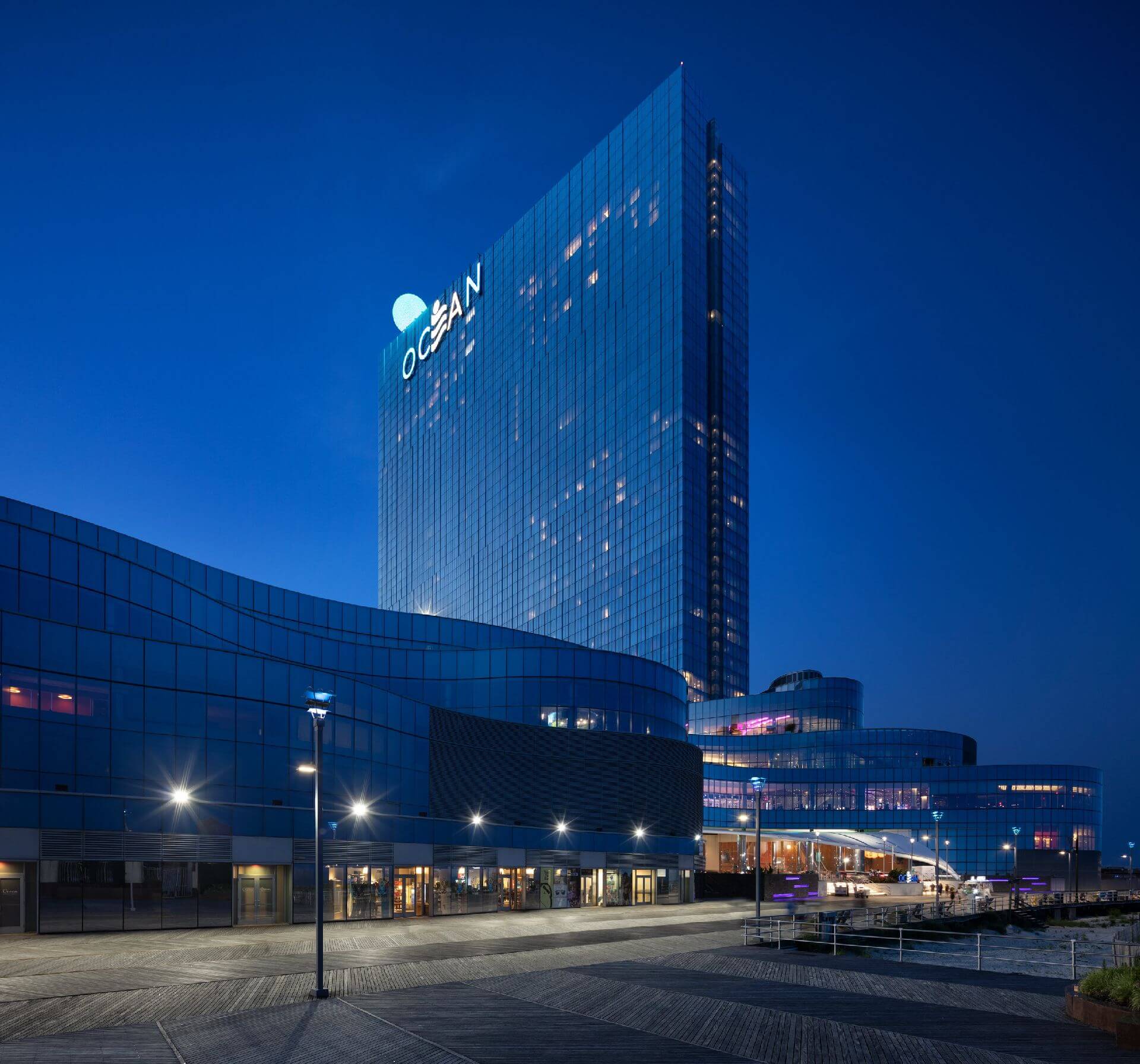
Exterior of Ocean Casino Resort at sunset

Ocean Casino Resort is celebrating an impressive milestone all summer long through creative local business partnerships.

This summer, the resort will reach its fifth anniversary. The festivities will begin May 26, a month before Ocean’s “birthday.”

However, rather than focus solely on the resort and casino, Ocean is choosing to celebrate the community it serves as well. These fifth birthday activations and initiatives are an excellent lesson for operators across all hospitality business categories.

I’m sure operators—all hospitality professionals, really—will agree that restaurants and bars are integral elements of any community’s bedrock. Increasingly, the same can be said of hotels. In fact, large hotel groups are investing in the development of smaller imprints that are tasked with the mission of serving locals and local businesses.

When a restaurant, bar, hotel, or nightclub reaches annual milestones, it’s largely due to community support. Sure, businesses in destination cities benefit greatly from tourist visits. However, for most markets, longevity is anything but assured without local backing and buy-in.

It’s clear that the importance of local support isn’t lost on Ocean. This summer’s celebrations include several local partnerships and community initiatives to pay that support back.

Local Partnerships

Last year, the Ocean leveraged the demise of the Choco Taco. So far in 2023, Ocean has supported Philly and KC during the Big Game, and gotten creative with cocktails that raised funds for the Girl Scout Troops of Southern and Central New Jersey.

Local partnerships are key to Ocean’s five-year celebration:

  • The Seed: Created Seeds of the Ocean for Ocean’s five-year anniversary.
  • Tennessee Avenue Beer Hall: Seeds of the Ocean lager will also be available at this local beer hall.
  • Rhythm & Spirits: Joining forces with Little Water Distillery to feature their gin in the Oceans 5 cocktail.
  • Little Water Distillery: Their Rusted Revolver Indigenous Gin is the star of the Oceans 5 cocktail, mentioned above. The distillery has also created the Chocolate Cake Martini, featuring Bar 32 chocolate shavings.
  • Hank Sauce: For those who prefer their celebrations spicy, Ocean and Hank Sauce have collaborated on Across the Boards. This hot sauce will accompany food items at restaurants inside Ocean.
  • Tony Boloney’s: They’ve created the High 5 pizza to celebrate Ocean’s birthday. This is another collaboration within a collaboration, as it features Seed of the Ocean lager and Across the Boards hot sauce.
  • Bar 32: What celebration is complete without something sweet? Bar 32 (a bean-to-bar chocolatier) and Ocean will be offering three commemorative chocolate bars: the Berry Pretzel Bar, Party Pretzel Bar, and Salty Peanut Butter Bar.
  • Mudgirl Studios: Ocean has commissioned several handmade, one-of-one pieces from this non-profit that will be featured not just in common areas on the property but also in some of the guest rooms.
  • Atlantic City Arts Foundation: To help celebrate its fifth birthday, Ocean has collaborated with the ACAF for a three-panel mural that will have a home at Tennessee Avenue Beer Hall.

Creative & Compelling

What I find most notable about these local partnerships is how several of them intertwine.

Not only did Ocean commission an exclusive beer, a local restaurant chain is using it for a pizza. That same restaurant chain is also using a hot sauce Ocean had created to celebrate their milestone. There are other collaborations that bring Rhythm & Spirits, Little Water Distillery, and Bar 32 together.

However, Ocean is doing more than just supporting a select group of local businesses. Mudgirl Studios employs and empowers at-risk, homeless and formerly incarcerated women. The ACAF, as one would imagine, inspires and empowers people to pursue the arts. Both support and strengthen communities throughout Atlantic City, and Ocean is giving back by supporting them.

In addition to all of that, the celebrations kick off on Memorial Day Weekend with a $300,000 sweepstakes. All in, there will be more than $5 million in promotions and giveaways in play over the course of this summer. From June 24 to July 4, Ocean is putting up one million dollars for a second sweepstakes.

Then there are Tesla giveaways, birthday fireworks, the Birthday Bar Pop-up Experience at 1927 Lounge inside Ocean Resort Casino, and Ocean’s sponsorship of the Atlantic City Beer and Music Festival.

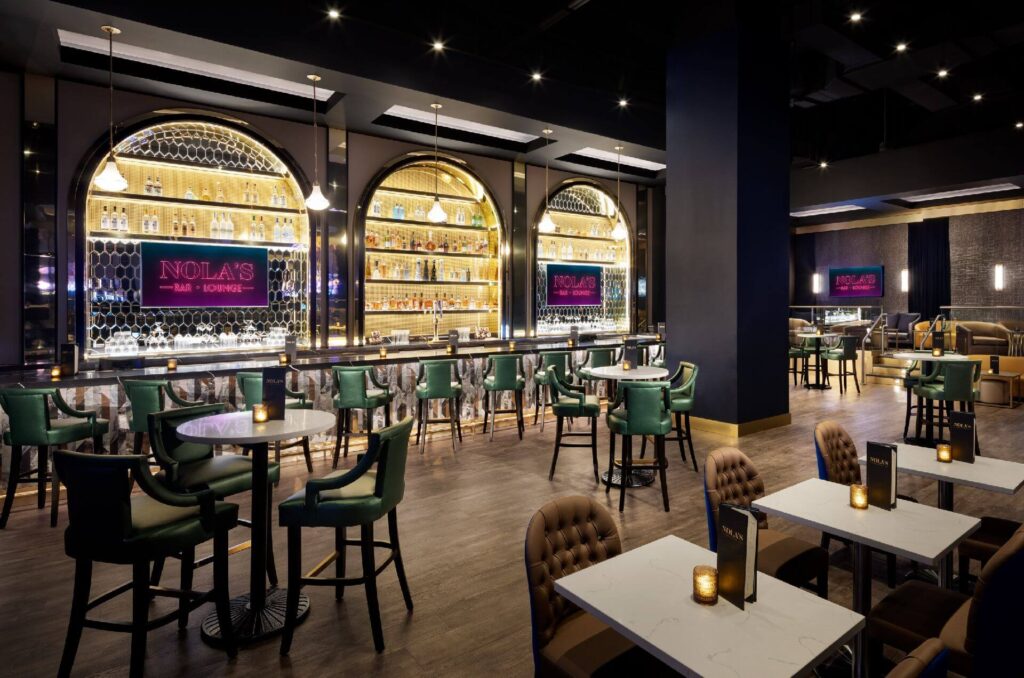
Nola's Bar & Lounge inside Ocean Casino Resort

Look for Ocean’s birthday drinks at property bars like Nola’s Bar & Lounge

Again, it would be easy for Ocean to have simply planned a celebratory weekend, week, or month, focusing solely on themselves. Instead, they’re involving several small businesses and community organizations.

Takeaways

Do I expect restaurant and bar operators to somehow offer $5 million in giveaways to celebrate a milestone? Or even $300,000? Perhaps a Tesla?

No, of course not.

However, I do think operators should really put thought into celebrating their annual milestones. Surviving the first 12 months is a huge achievement. Making it through the first 18 months and hitting the two-year anniversary is just as challenging.

So, operators should take four to six months to plan their celebrations. Additionally, they should view these events as a way to thank the community for supporting them. And, of course, that includes being grateful for beneficial business relationships.

When considering marking these achievements, it’s wise to include local businesses. Craft brewers and distillers, local farmers and vintners, non-profit organizations… All the better if the selected partners can collaborate with one another to make the celebration and partnerships that much more impactful.

Operators should take a page out of Ocean’s celebration handbook and look for creative, thoughtful collaborations. Doing so lifts up others and pays local support forward, in turn making the entire community stronger.

It’s perfectly acceptable for an operator to be proud and celebrate milestones. But it’s even better for operators to celebrate those who help them thrive.

Images courtesy of Ocean Casino Resort

KRG Hospitality. Boutique Hotels. Resorts. Properties. Consultant. Feasibility Study. Business Plan

by David Klemt David Klemt No Comments

3 Ways to Build Revenue on Mother’s Day

3 Ways Restaurants Can Build Revenue This Mother’s Day

by Austen Asadorian

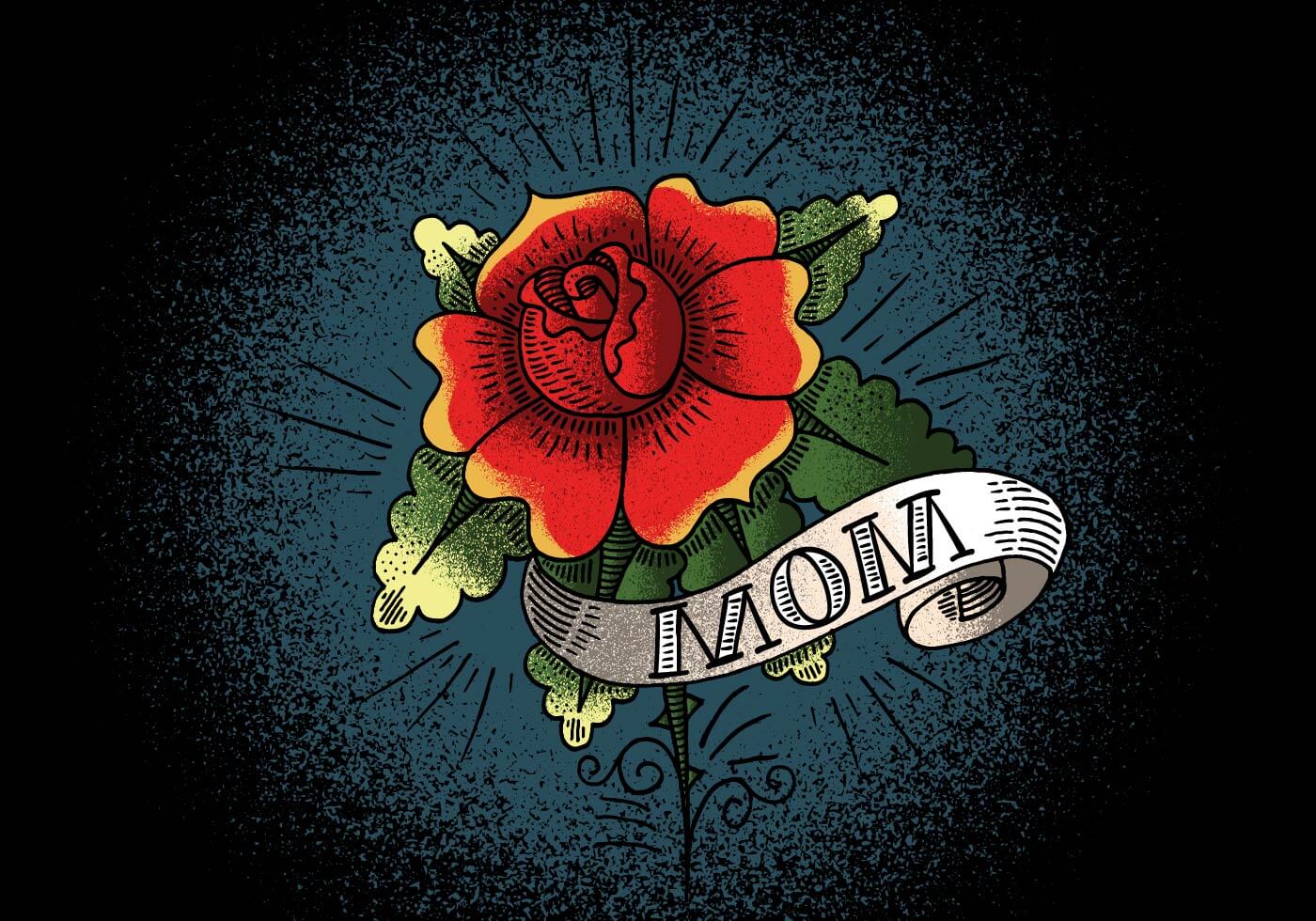
Tattoo-style rose with "Mom" ribbon

With Mother’s Day quickly approaching, there’s no doubt that operators across the country are preparing for the celebratory—yet extremely busy—day.

During their preparations, it’s important that operators find and incorporate new tools and innovative marketing tactics. Doing so will not only fill seats, it will ensure they capitalize on a key opportunity to drive incredible revenue.

Below are three simple but powerful ways operators can generate revenue and loyalty on—and beyond—this Mother’s Day.

Encourage Reservations & Offer Upgrades

An easy way to make this busy day seamless for guests—and, ultimately, staff—is to encourage and allow guests to make a reservation before they arrive. Reservations give operators insight into who will be dining with them, help optimize seatings and covers, and provide a idea of how much to order to eliminate food waste if a special menu is being offered.

Using a reservation system also provides operators with the opportunity to offer diners upgrades during the booking process, even including prepayment should they want to go that route. This not only allows operators to earn additional revenue before a guest even visits, but also a convenient way to offer guests peace of mind knowing they’ve handled that “something special” for Mom way before the big day.

These upgrades don’t have to be anything crazy or extreme (although that’s always an option). In fact, according to the National Restaurant Association, consumers want special touches and discounts over everything else. So, an upgrade can be something as simple as a beautiful flower arrangement waiting on the table to a special off-menu dessert brought out at the end of the meal.

Use Email & Social Media to Your Advantage

Properly promoting Mother’s Day offerings to guests is extremely important because if no one knows about it, who will come?

Operators should utilize tools like email marketing to send personalized communications to their guest database promoting the venue’s Mother’s Day reservation availability or special offerings. Better yet, these tools can be used to offer loyal guests reservations before they open to the general public, further creating a special experience for those faithful diners.

In the same vein, operators should harness the power of social media, too. Operators can target paid marketing efforts on social channels like Facebook and Instagram to drive even more awareness and revenue for their restaurant by creating an event, including the details of the activities, specials, or Mother’s Day promotions, and exporting the names of top guests and email data.

Surprise Them with a Second Visit

While Mother’s Day is the focus right now, it doesn’t stop there for operators. To drive the revenue they need, it’s important to turn these celebratory diners into repeat guests.

To do so, operators should consider offering Mother’s Day diners complimentary gift cards or discounts (even via email post-visit) to bring them back. This could be for an upcoming graduation, Father’s Day (so Dad can also get the love), or even for a future birthday.

This “surprise and delight” factor is one of the easiest strategies to capitalize on holiday traffic and get diners to return to a restaurant once again as a loyal guests.

Here’s to You, Mom

Moms should be celebrated every day, but especially on Mother’s Day, and it’s important to make sure they have the best experience when dining out.

By incorporating simple tactics like offering reservations and custom upgrades or even a special surprise at the end of the meal, operators not only succeed in making the day memorable, but create a guest who will return over and over again.

About Austen Asadorian

Austen Asadorian is the Vice President of Sales at SevenRooms, where he is tasked with supporting SevenRooms’ global expansion efforts and accelerating the company’s goal of being the best-in-class solution for hospitality operators globally. Prior to joining SevenRooms, Austen was Peloton’s Director of Sales, leading the company’s go-to-market strategy for retail growth and expansion. He started his career at Hillstone Restaurant Group where he cut his teeth learning how to run efficient and profitable restaurants at scale. Austen was ultimately promoted into an executive role where he oversaw the company’s Manager in Training Program and Back of House Operations. Austen graduated from the Culinary Institute of America (CIA).

Image: grumpymonstergroup via Vecteezy.com

KRG Hospitality marketing plan. Restaurant. Bar. Cafe. Lounge. Hotel. Resort.

by David Klemt David Klemt No Comments

Program for Unique Holidays: May 2023

Program for Unique Holidays: May 2023

by David Klemt

"Think about things differently" neon sign

Do you want to stand out from from other restaurants and bars in your area? Change how you think about your May holiday promotions.

Several holidays are set against every date on the calendar, and May is no exception. These holidays range from mainstream to esoteric.

Pay attention to the “weird” or unique holidays to raise eyebrows, carve out a niche for your restaurant or bar, and attract more guests. Why do what everyone else is already doing? Why program only around the same holidays as everyone else?

Of course, you shouldn’t try to celebrate every holiday, strange or otherwise. Focus on the days that are authentic to your brand; resonate with your guests; and help you grab attention on social media.

You’ll find suggestions for promotions below. However, the idea behind our monthly holiday promotions roundup is to inspire you and your team to get creative and come up with unique programming ideas.

For our April 2023 holidays list, click here.

May 5: National Silence The Shame Day

Much progress has been made when it comes to reducing the stigma around mental health issues. However, there’s still much more work to do.

The focus of this holiday is just that: removing that stigma. You can use this holiday to encourage the conversation, raise awareness for issues close to you and your team, or to raise funds for a charitable mental health organization.

May 6: World Naked Gardening Day

Okay, so, unless you own a very niche restaurant, bar, or resort, please don’t celebrate this holiday naked while at work. Instead, celebrate the spirit of this holiday: reconnecting with and honoring nature.

One easy way to do this is to feature cocktails made and garnished with fresh ingredients: rosemary, citrus, juices, etc. And again, you can raise money for any number of conservation organizations dedicated to safeguarding natural resources.

May 8: National Have a Coke Day

Rum and Coke. Bourbon and Coke. Jack and Coke. Whiskey and Coke. If you’re a Coke restaurant or bar, you know what to do on this holiday. If you’re not, well… I guess you can program against it and launch National Don’t Have a Coke Day.

May 10: National Third Shift Workers Day

Depending on your hours of operation, this is an easy holiday to program around. To offer up just a few ideas: healthy meal options; restorative beverages; third-shift-specific LTOs.

May 16: National Do Something Good For Your Neighbor Day

Restaurants, bars, and hotels are the heart and soul of communities around the world. Use this day to give back to those who support you.

May 17: National Pack Rat Day

I’m sure if we all look around our homes we’ll see that maybe we have too much stuff. This is another excellent holiday to give back to our communities.

One way to do this is to host a clothing, canned food, or other resource drive. Donations can be rewarded with LTO items to encourage participation.

May 20: National be a Millionaire Day

Well, you probably can’t turn your guests into millionaires. However, you can certainly help your guests drink like one. While you can shine a spotlight on your super- and ultra-premium spirits, there’s another way: the Millionaire cocktail.

  • 2 oz. Bourbon
  • 0.75 oz. Grand Marnier
  • 0.25 oz. Absinthe or pastis
  • 0.5 oz. Grenadine
  • 0.5 oz. Egg white
  • 0.5 oz. Lemon juice, freshly squeezed
  • Freshly grated nutmeg to garnish

Prepare a coupe by adding ice to chill it. Dry shake all the ingredients, minus the nutmeg. Add ice and shake again until well chilled, then double-strain the prepared coupe. Garnish by grating nutmeg over the top of the glass.

Want to kick things up a notch? Offer the Billionaire cocktail:

  • 2 oz. Baker’s 107-proof bourbon
  • 1 oz. Lemon juice, freshly squeezed
  • 0.5 oz. Grenadine
  • 0.5 oz. Simple syrup
  • 0.25 oz. Absinthe bitters
  • Lemon wheel to garnish

Prepare a cocktail glass by adding ice to chill it. Add all ingredients except lemon wheel to a shaker with ice. Shake until well chilled, then strain into the cocktail glass. Garnish with a lemon wheel.

May 25: Sing Out Day

I mean, if there was ever a day to promote karaoke, this is the one. Even better if you can design a competition around it to maximize engagement.

May 26: World Lindy Hop Day

Alright, I’m going to do it—I’m going to suggest you leverage TikTok and Instagram. The Lindy Hop is a dance, I can tell you right now that there’s at least a fair chance that people will be featuring this dance (or variations of it) on social media. So, time for you, your team, and guests who want to participate to learn the Lindy Hop.

May 30: National Mint Julep Day

There are a few easy ways to celebrate National Mint Julep Day. The first, of course, is to perfect your venue’s Mint Julep. The second? Offer a variety of Mint Julep riffs: chocolate, peach, tequila, mezcal, sage, basil… Come up with three or four and your LTO is all set.

A third way is to feature this year’s Kentucky Derby $1,000 Mint Julep Experience recipe, Secretariat’s Mint Julep:

Pack a Julep cup with crushed ice, making sure to make a dome over the lip of the cup. Add the whiskey and liqueur to a mixing glass and stir. Pour over the prepared cup. Garnish with one sprig of mint and one stalk of Virginia bluebells. ($1,000 price tag optional.)

Image: Ivan Bertolazzi on Pexels

Restaurant Cafe Strategy Plans Consultant Agency Starting a New

by David Klemt David Klemt No Comments

Chip Klose and the ABCDEs of Marketing

Chip Klose and the ABCDEs of Marketing

by David Klemt

Letters A through E on switches

Marketing strategist and restaurant coach Chip Klose knows that if a process is too complex, people will abandon it. Hence, his ABCDEs of Marketing.

At this year’s Bar & Restaurant Expo, Klose broke down his marketing process. Additionally, he explained his overall approach to his marketing strategy.

First, Klose makes clear that there definitely is a right way to market. Put simply, the correct way involves taking a results-oriented approach. Ask yourself what what result you want from your marketing. Then, measure the results.

Second, people need to differentiate marketing from marketing tools. SEO, social media, table toppers, digital presence—these are tools. Marketing is how people answer a number of key questions:

  • What’s the product?
  • Who’s the product for?
  • How can marketing reach the target (audience)?

When people come to the understanding that marketing is maximizing the use of marketing tools, they’ll implement far more effective campaigns.

A: Audience

According to Klose, most people create a product—in the context of this article, a restaurant, bar, hotel, etc.—and then look for an audience.

That approach makes it difficult to implement an effective marketing strategy. Why? Because it makes it more difficult to understand a concept’s category. Without that understanding, it’s challenging to segment the population to identify targets.

Instead, Klose recommends looking at a market and asking the following question: Who has a problem? The standard advice entrepreneurs receive is to identify a problem, create a solution, scale, and retire on an island.

Well, owners and operators in the hospitality space are entrepreneurs. So, Klose suggests looking at what a given market is missing in terms of a restaurant, bar or hotel. So, find an audience’s pain point. This will not only help narrow down a concept, it will reveal if a solution already exists.

The next step, of course, is conducting a feasibility study, one of KRG Hospitality’s core specialties.

B: Brand

Assuming a restaurant or bar concept is the solution to an audience’s problem (proven by a feasibility study, of course), the next step is communication.

The restaurant idea isn’t “just” a restaurant, the bar not “just” a bar, the hotel concept not “just” a concept. No, the concept coming to their market is a solution to the audience’s problem.

When crafting a marketing plan, the messaging should articulate what problem the concept solves, and how.

C: Competition

There are essentially a few ways to view other businesses in this industry. They’re competition to stay ahead of; not competitors at all; or operations that serve to validate an operator’s solution to an audience’s problem.

Klose falls into the validation camp. Is another concept trying to solve the same problem? That means an operator bringing their own solution to the same market is onto something.

“Competition validates your idea and gives you a category,” says Klose.

Identifying a concept’s category provides an operator with the opportunity to stay top of mind, to dominate that category.

Once again, however, this also points to the need for a feasibility study. One or two solutions to the same problem is one thing. Entering a market saturated with the same solution is quite another. A feasibility study exposes saturation.

D: Differentiation

So, an operator has their solution to an audience’s problem. They’re confident in the completion of their due diligence. They have a brand identity and it communicates how it solves a problem. The competition is identified and the operator is moving forward with their solution confidently.

What’s next?

Whether an operator subscribes to the idea that they have no competitors, want to crush the competition, or use competitors as a yardstick, they need to differentiate themselves.

Klose says answering the questions below can help:

  • How does the concept stand out in a given market?
  • Once that concept is firmly in a category, how does it separate itself from the competition?
  • What are the stories only this operator and brand can tell?

That last question should be circled, underlined, italicized, and bolded. In fact, Klose asks his clients to write down 20 stories only they can tell. The results give them plenty of marketing material and helps them differentiate their concept from others.

E: Everything

Yes, “E” is for “everything.” As in, everything that makes a brand, a brand.

The brand’s logos and colors. The steps of service, food, drinks, even the pricing… These and more are the elements—the everything—that give a brand an identity.

Understanding and applying Klose’s ABCDEs will help operators maximize the use of marketing tools for their marketing strategies. There are a lot of solutions to problems out there, and even more noise. An effective marketing strategy cuts through that noise to put an operator’s specific solution directly in front of their target audience.

Be sure to follow Klose on Instagram and check out his Restaurant Strategy podcast. And make sure to check out KRG’s Bar Hacks podcast if you aren’t a regular listener already.

Image: Diomari Madulara on Unsplash

KRG Hospitality marketing support. Restaurant. Bar. Cafe. Lounge. Hotel. Resort.

by David Klemt David Klemt No Comments

SevenRooms Email Marketing Integration

SevenRooms Introduces Email Marketing Integration

by David Klemt

Public red and blue mailbox

Today, SevenRooms announces a new marketing innovation that integrates with the platform’s Automated Email feature: Email Marketing.

This is more evidence of SevenRooms’ continued growth. The company began 2023 by adding their first-ever chief marketing officer. Just two months later, SevenRooms announced a new investor: Enlightened Hospitality Investments, spearheaded by Danny Meyer.

Additionally, offering this new tool to operators makes clear the platform’s intent to truly be an all-in-one operations solution. Email Marketing, for example, can replace third-party email services. Streamlining marketing makes it simpler for operators and their teams to ensure they keep guests engaged with their venue and brand.

And, of course, including effective tools within a single platform can lead to reduced costs and the relief of pain points. When systems are difficult to use, some operators are less inclined to want to actually use them. That’s a waste of valuable resources.

Combined with Automated Emails, SevenRooms Email Marketing gives more control over marketing to operators. Not only are emails triggered based on various tags, the emails can be customized fully. And, to ensure marketing runs smoothly for everyone, operators will have access to templates if customization isn’t necessarily in their wheelhouse.

You’ll find the SevenRooms Email Marketing press release in its entirety below.

SEVENROOMS EXPANDS MARKETING SUITE WITH INTEGRATED EMAIL MARKETING

New Email Marketing Tool Provides Key Data Insights and Revenue Potential for SevenRooms Clients

NEW YORK (March 14, 2023)—SevenRooms, a global guest experience and retention platform for the hospitality industry, has announced a new solution and expansion of its marketing suite for hospitality operators worldwide: Email Marketing. The product will work in conjunction with SevenRooms’ Automated Emails, a set of personalized, trigger-based emails sent to customers on behalf of the operator, to continue to engage guests once they’ve visited a venue.

Email Marketing enables SevenRooms customers to send one-time, customized marketing emails directly within the SevenRooms platform to give operators more control over the way they use their guest data. Having ownership of this guest data allows operators to build their brand through direct touchpoints with guests to drive loyalty and repeat visits. It also provides detailed insights into email performance with metrics that matter to their business, including showing the reservations, covers and revenue attributed to each email.

Email Marketing supports operators with a solution that is connected throughout a restaurant’s tech stack and removes the need to use third-party email service providers that create additional work for staff trying to manage email preferences across multiple systems. It is directly linked to the SevenRooms CRM and operating system giving operators full control over their messaging and who receives it by using Auto-tags or Client tags to segment marketing audiences. Additionally, operators using Email Marketing have the ability to create either fully customized emails with an easy-to-use visual editor or utilize curated templates.

The new product also enhances the experience for guests of SevenRooms customers by allowing them to stay in touch or up-to-date with their favorite venues, receive targeted messages and promotions, or simply control the venues from which they receive marketing. Leveraging Email Marketing, restaurants can use their guest data to tee up relevant, customized emails. For example, sending guests who have purchased wine at least five times an invite to a dinner with their sommelier, or excluding guests with shellfish allergies from an email about their annual clambake.

“SevenRooms Email Marketing product provides restaurants with functionality that simply does not exist in the email marketing platforms that restaurants traditionally use,” said Allison Page, Co-Founder and Chief Product Officer at SevenRooms. “We enable restaurant marketers to leverage their robust SevenRooms guest database to quickly and easily build targeted campaign segments, eliminating the need to manually export and import mailing lists between systems. While other email service providers promise revenue, SevenRooms can prove it with accurate data on the revenue generated by each campaign to truly measure email marketing performance.”

“The combination of SevenRooms’ Email Marketing and Automated Emails makes guests feel very connected with us,” said Alyssa Fenu, Sales & Marketing Manager at Mango’s Tropical Café. “Being able to choose who our emails are going to — a specific customer segment or broadcasting to our whole database — makes the process a lot simpler. And it’s super easy to understand how many people opened our emails, how many people actually made a reservation, and how much money we’re making because it’s all in one place.”

For more information about SevenRooms and its services, please visit www.sevenrooms.com.

About SevenRooms

SevenRooms is a guest experience and retention platform that helps hospitality operators create exceptional experiences that drive revenue and repeat business. Trusted by thousands of hospitality operators around the world, SevenRooms powers tens of millions of guest experiences each month across both on- and off-premises. From neighborhood restaurants and bars to international, multi-concept hospitality groups, SevenRooms is transforming the industry by empowering operators to take back control of their businesses to build direct guest relationships, deliver exceptional experiences and drive more visits and orders, more often. The full suite of products includes reservation, waitlist and table management, online ordering, mobile order & pay, review aggregation and marketing automation. Founded in 2011 and venture-backed by Amazon, Comcast Ventures, PSG and Highgate Ventures, SevenRooms has dining, hotel F&B, nightlife and entertainment clients globally, including: MGM Resorts International, Mandarin Oriental Hotel Group, The Cosmopolitan of Las Vegas, Wynn Resorts, Jumeirah Group, Wolfgang Puck, Michael Mina, Bloomin’ Brands, Giordano’s, LDV Hospitality, Zuma, Australian Venue Company, Altamarea Group, AELTC, The Wolseley Hospitality Group, Dishoom, Live Nation and Topgolf.  www.sevenrooms.com

Image: Brett Garwood on Unsplash

KRG Hospitality Planning Phase, 2023 icon

by David Klemt David Klemt No Comments

Program for Unique Holidays: February 2023

Program for Unique Holidays: February 2023

by David Klemt

"Think about things differently" neon sign

Do you want to stand out from from other restaurants and bars in your area? Change how you think about holiday promotions.

Several holidays are set against every date on the calendar, and February is no exception. These holidays range from mainstream to esoteric.

Pay attention to the “weird” or unique holidays to raise eyebrows, carve out a niche for your restaurant or bar, and attract more guests. Why do what everyone else is already doing? Why program only around the same holidays as everyone else?

Of course, you shouldn’t try to celebrate every holiday, strange or otherwise. Focus on the days that are authentic to your brand; resonate with your guests; and help you grab attention on social media.

You’ll find suggestions for promotions below. However, the idea behind our monthly holiday promotions roundup is to inspire you and your team to get creative and come up with unique programming ideas.

For our January 2023 holidays list, click here.

February 6: Pride In Foodservice Week

I’m not gonna lie: This is the first I’ve heard of this week-long celebration of foodservice. That’s fairly embarrassing given that this holiday dates back to 1991.

As you’re probably assuming, Pride in Foodservice Week celebrates foodservice professionals. So, highlight your team on social media (with their approval, of course); do something special to show your team you appreciate them; and find a way to celebrate the foodservice pros that visit your restaurant, bar, or hotel this week.

February 7: National Fettuccine Alfredo Day

Is this holiday unusual? No. Is Fettuccine Alfredo in any way bizarre? Of course not.

But you can certainly tap your kitchen team to do something unexpected with this classic dish. Stuff bao buns or dumplings with Fettuccine Alfredo. Create deep-fried Fettuccine Alfredo bites. Find a way to serve it on a stick. Just get creative and own this food holiday.

February 8: Kite Flying Day

Now, I’m not expecting you to somehow create a promotion around actually flying kites. Although, if you have the space and resources, go for it.

Instead, consider focusing on a particular cocktail, like the Plastic Kite or Paper Plane. Is a paper plane a kite? It can be if it’s designed as one, so the cocktail should be fair game on this holiday.

February 10: National Umbrella Day

North America has been slammed by freezing weather and brutal storms. Your guests can probably use an escape from the cold temperatures.

One excellent way for them to transport themselves elsewhere (at least in their minds) is tropical drinks. And tropical drinks tend to be served with the iconic cocktail umbrella. You know what to do: Perfect your tiki or nautical cocktail recipes, create an LTO menu, and draw in your guests.

February 15: National Flag of Canada Day

There’s nothing weird about the Canadian Flag. In fact, it’s one of the most iconic and instantly recognizable flags on the planet.

So, this is your day to celebrate Canadian spirits, beer, and food whether you operate in Canada or anywhere else. Tap your reps, get your hands on Canadian spirits and beer, focus on a few Canadian delicacies, and put together a mouth-watering LTO F&B menu.

February 18: National Crab Stuffed Flounder Day

To be clear, I’m including this holiday because it’s so specific. Obviously, this calls for an LTO or special based on one dish. I’ll give you one guess which dish it is.

February 20: Hoodie Hoo Day

If you’re somewhere it won’t bother too many people, I want you to do me a favor. I want you to yell, “Hoodie hoo!” Did you do it? Did it put a smile on your face?

It’s basically impossible to yell those two little words and not be happy afterward. Well, that’s the whole point of this holiday: happiness. We could all use a dose of happy these days, and this holiday can certainly provide it.

February 25: World Sword Swallowers Day

There are a couple ways to celebrate World Sword Swallowers Day. But for the love of your bottom line, don’t let any of your guests attempt to swallow any swords, cocktail or otherwise!

Instead, dig into the recipe books and find some classics just look right with garnishes skewered by cocktail swords. Or, serve up the Swinging Sword cocktail by Buchanan’s:

  • 1.5 oz. Buchanan’s 18-Year-Old Special Reserve Blended Scotch
  • 0.75 oz. Fresh squeezed orange juice
  • 0.5 oz. Fresh squeezed lemon juice
  • 0.5 oz. Grenadine
  • Fresh mint sprig for garnish

Add ice and all liquid ingredients to a shaker. Shake well, strain into a coupe, garnish, and serve.

February 27: Telecommuter Appreciation Week

This is another week-long holiday I didn’t know existed. And again, it’s not new—this holiday was first celebrated in 1993.

However, I think it’s more relevant than ever. Rather than encouraging people to work from home on this holiday, celebrate your WFH guests. If your WiFi can handle it, encourage your guests to work from your restaurant, bar, or hotel. And make sure to create LTO food and drink menus to incentivize to do so.

KRG Hospitality Project Add-ons, 2023 icon

Image: Ivan Bertolazzi on Pexels

by David Klemt David Klemt No Comments

Stand Out with Weird Holidays: June 2022

Stand Out with Weird Holidays: June 2022

by David Klemt

Stay Weird neon sign with purple background

Want to stand out from from other restaurants and bars in your area? Then commit to keeping it weird.

Several “holidays” are set against every date on the calendar, and June is no exception. These holidays range from mainstream to “weird.”

Pay attention to the latter to raise eyebrows, carve out a niche for your restaurant or bar, and attract more guests. Why do what everyone else is already doing?

Of course, you shouldn’t try to celebrate every holiday, weird or otherwise. And this month’s list in no way includes every odd holiday.

Focus on the days that are authentic to your brand; resonate with your guests; and help you grab attention on social media.

For last month’s list, click here.

June 4: National Bubbly Day

Fine, so maybe sparkling wines aren’t weird. Sometimes I just add holidays that have the potential to be fun while driving traffic and revenue to these lists.

As I’m sure you’re already guessing, National Bubbly Day is the perfect time to make your guests aware of your sparkling wines. Bubbly is even more attractive to guests as temperatures rise.

June 5: National Veggie Burger Day

There’s no question that plant-based food items are only growing more popular with consumers. This is the day to showcase your veggie burgers and other meat and dairy alternatives.

June 10: National Herbs and Spices Day

Without herbs and spices, where would F&B be? Task your kitchen and bar teams with creating dishes and drinks that are made better with herbs and spices. Tell your bartenders to break out the torches and light the rosemary!

June 13: International Axe Throwing Day

If you’re an eatertainment venue, bar, or restaurant with an axe-throwing setup, this is one-hundred-percent your day to shine.

June 14: International Bath Day

There are a few different ways to design a promotion around this holiday. One, you can feature distillers who specifically produce gin expressions labeled “Bathtub Gin.” Ableforth’s, for example, is one such producer. Two, you can purchase bathtub-shaped drinkware. Three, you can combine the first two for an LTO pour.

June 16: National Dump The Pump Day

It’s not exactly a secret that gas prices are rising across the nation. With that in mind, it shouldn’t be too difficult to encourage your guests to arrive at your business by bicycle, scooter, skateboard, foot, electric car, or other means of conveyance that doesn’t use gasoline or diesel for fuel.

June 20: American Eagle Day

Interested in a holiday that requires very specific planning? Try American Eagle Day.

One way to celebrate is to design a promotion around award-winning Eagle Rare bourbon. And no, they didn’t pay us to mention them. They just make really good whiskey that works great for this holiday.

June 25: National Leon Day

There’s an entire contingent of people who simply can’t wait for Christmas to come around each year. In fact, they don’t think it’s fair that they only get to celebrate it once a year.

National Leon Day is celebrated every June 25th because it’s the midway point to Christmas. So, forget Christmas in July—celebrate Christmas in June with your guests and specialty LTO menus.

June 29: National Waffle Iron Day

Your guests may be surprised to learn the number of foods that can be waffled. Create an LTO menu that showcases how creative your kitchen team can get with waffle irons. For bonus points, include your bar team with waffled garnishes.

June 30: National Social Media Day

I suppose it was only a matter of time from social media reaching ubiquity to this form of media having its own holiday. Mashable launched the first National Social Media Day in 2010.

Create post-worthy F&B items, come up with your own hashtags, and ask your guests to post pics using those tags to promote your business.

Image: Dan Parlante on Unsplash

Top