#coolness

by David Klemt David Klemt No Comments

Five Traits Quantify Admirability

5 Traits Quantify Admirability

by David Klemt
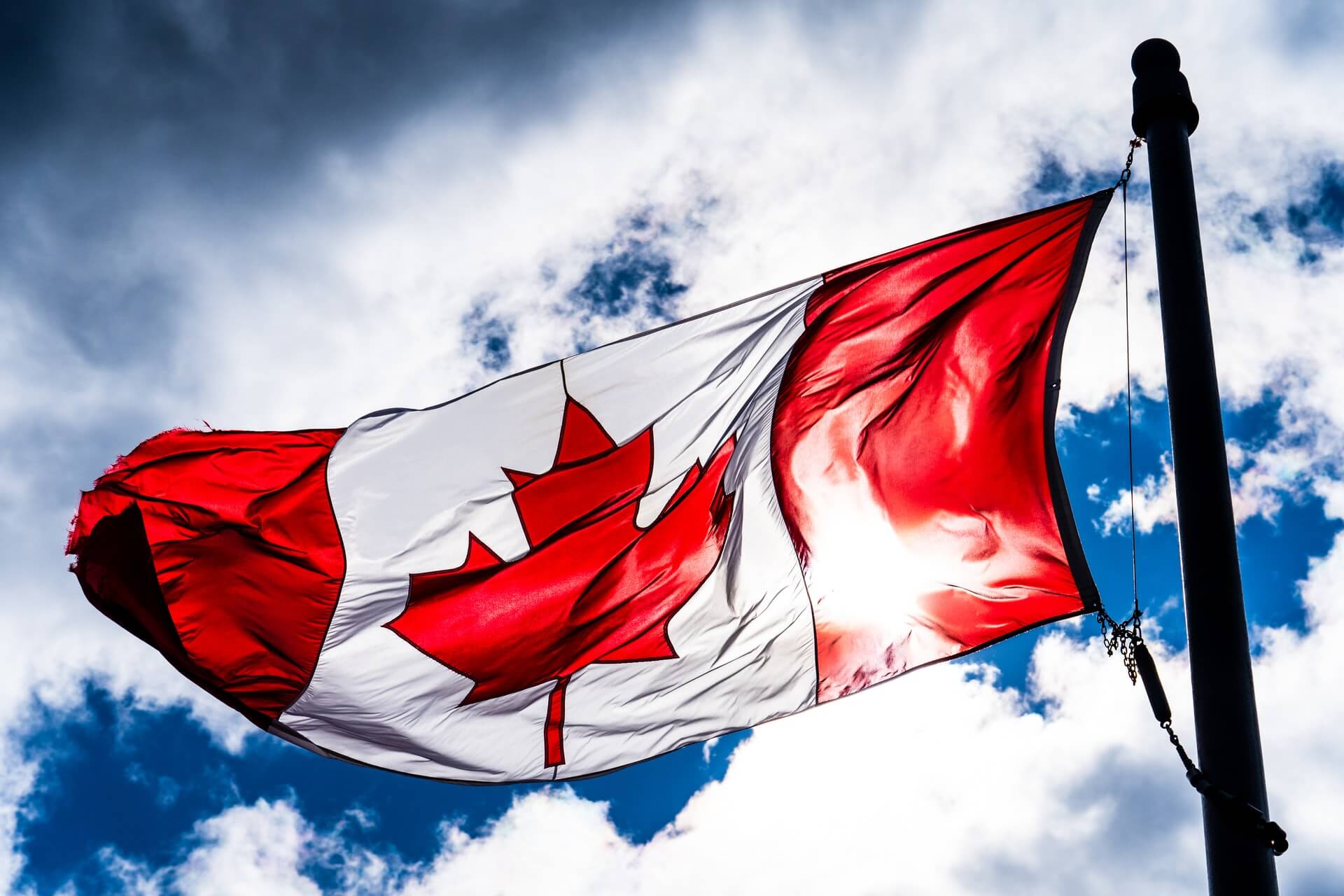
Canadian flag against blue sky and white clouds

In part three of this series, I look at what traits people find admirable in others, and apply them to hospitality concepts.

Some venues are effortlessly cool. Others are undeniably good.

In 2012, a team led by psychologist Ilan Dar-Nimrod published a study in the Journal of Individual Differences titled “Coolness: An Empirical Investigation.”

Researchers asked more than 1,000 Canadian survey respondents (hence the image up top) to define what “cool” meant to them. They were also asked to describe someone they believed fit the label.

Their findings? People tend to assign admirable traits to “cool” individuals. Specifically, attractiveness, competence, desirability, friendliness, and trendiness.

Admirability, to provide further context, “is the quality of being admirable, worthy of respect or approval due to excellent qualities or achievements. It’s a noun that describes something or someone deserving of admiration.”

Interestingly, these attributes, while appealing, don’t align with the “counter-cultural” or “edgy” factors that typically define “actual” coolness in subcultures or social identity theory, per the research team.

In short, people blur the lines between being cool and being appealing or admirable. In hospitality, we often do the same.

Let’s break these five traits down, and look at how they shape the way guests may perceive your brand. If you can set out to build a cool or good hospitality concept, can you build one that’s worthy of admiration?

Attractiveness

In the Dar-Nimrod study, physical and aesthetic attractiveness ranked high as a “cool” trait. That’s largely because many people conflate outer appeal with inner value.

We all know (or should, at least) that being deemed physically attractive doesn’t automatically equal cool. Still, in this particular study of coolness, being attractive was ranked high as an admirable trait.

However, that’s easy for guests to forget when they’re surrounded by sleek interiors, photogenic food, or staff who look like they belong in a luxury fashion brand’s campaign shoot.

In a hospitality setting, attractive design can make a strong first impression. Some bar, restaurant, and hotel operators throw a lot of resources toward making their space look and feel cool. And why not? It does make some sense to assume that an attractive space will attract attractive people.

But cool isn’t curated, it’s effortless. At least, it it should feel that way, from discovery and arrival, and from service to exit and followup. Every aspect of service should be as amazing as the interior and exterior design.

Operators and their teams should identify and remove pain points and deliver smooth, seamless service to help the guest relax and escape. That’s effortless cool.

If the concept lacks a cohesive vision beyond “make it look cool,” there’s a feeling of inauthenticity. The service feels far more like a business deal than experiential, and the experience lacks soul. Soon, guests will see through the attractive façade.

In other words, a stunning dining room or bar doesn’t compensate for transactional hospitality.

If you’re leaning heavily on looks, make sure there’s substance beneath the surface. Create moments. Don’t let the aesthetic do all the heavy lifting.

Competence

Guests love a restaurant or hotel that runs like a Swiss watch. Precision is admirable, and competence feels reliable.

And when things just work, it puts people at ease.

But let’s be honest—competence isn’t inherently cool. In fact, when a brand flaunts its expertise too much, it can come across as smug or inaccessible.

In the Dar-Nimrod study, competence was one of the most frequently mentioned traits in cool people. But being competent doesn’t mean you break rules, take risks, or build culture.

Further, many people today are less interested in your how than your what. It’s becoming nearly as important as your why.

If a guest comes to your bar, what should they expect? What does your restaurant have to offer them? Is there something about your hotel that guests should see and experience?

Focus much more on the why and what, and let them decide if they want to know your how.

It’s the difference between a chef who lets their food do the talking versus one who drills guests with the minutiae of each ingredient and every technique they use to create each dish. Sure, a handful of guests are interested; most just want to scan the menu, order, and eat.

For most concepts, operational excellence should support the experience, not be the experience. Let your team’s confidence come through in calm, collected moments.

Again, coolness seems like it takes very little, if any, effort. It’s a bit of paradox, but great operators put the hard work into analyzing and refining every step of service until it becomes so smooth that it seems to come off effortlessly.

Desirability

Exclusivity creates demand. Demand fuels the perception of coolness.

But here’s the trap: When people want in just because everyone else does (FOMO, anyone?), a concept or brand risks becoming nothing much more than a hype machine.

That can look like cool from the outside. It can even seem like the concept is printing money if seats or rooms are unavailable for weeks or months. However, if the guest experience is just average, all that has been built is a fragile house of cards.

In Dar-Nimrod’s research, social desirability—the idea that someone is wanted, valued, or sought after—was commonly linked to perceived coolness. But desire is contextual.

Just because a place is hard to get into doesn’t mean it’s good, or cool, or will be relevant six months after opening, let alone a year into operations.

Most concepts don’t need a velvet rope. And they don’t need reservations so exclusive that an entire black market industry sprouts up just to obtain one.

What operators, their teams, and their brand need are values, intention, and consistency. That’s what drives real brand loyalty.

Artificial scarcity, like superficial desirability, is fleeting; integrity and authenticity are enduring.

Friendliness

This one’s a bit of a curveball. Friendliness is thought to be one of the core tenets of hospitality. So, how could it not be cool?

In the study, friendliness was often linked with coolness, but not in a defining way. More often, it was background noise—something that made someone likable, not legendary.

Here’s the thing: being friendly is expected in our industry. Being cordial is our baseline; it’s our standard level of professionalism.

It’s warmth, however, that really draws in guests, makes an experience memorable, and inspires repeat visits. In fact, warmth is included in a list of attributes that people tend to equate with being good. You can find that and the rest of the “goodness” traits in the second article in this series.

When everything is pleasant but perceived as too polished, the experience can slide into forgettable territory. Worse, it can feel disingenuous, and easily become off-putting.

I’d argue that being warm and welcoming is a true tenet of hospitality. More so than friendliness, anyway.

To me, friendliness is a byproduct of being warm. It’s what really makes a guest feel welcome when stepping into a bar, restaurant, or hotel. A person really can’t be warm and welcoming without being friendly (unless they’re incredible actors).

Guest-facing staff should be warm, not robotic. They should build rapport, not routines.

Let your team’s personalities shine through, even if it breaks script now and then. Guests remember what’s real, and how staff made them feel.

Trendiness

Trendiness is the most deceptive trait on this list of five.

Dar-Nimrod’s participants often cited trendiness when describing cool people. But deeper analysis by the researchers revealed that trendiness is perceived cool, not authentic cool.

It’s difficult for any concept to seem authentic if its constantly chasing trends. What is the concept if there’s little to no consistency because the operators are just jumping on every shiny, new toy that comes across everyone’s social media feeds?

A venue that pursues every current trend—cocktail techniques, food items, cuisine mashups, design palettes, even vibes—might look cool (attractiveness). We need to keep in mind that fads are fleeting, and trends, however one may influence culture, tend to have short lives.

The authentically cool thing to do is be discerning. Sit back and let others chase fads or trends every time one pops up. It takes much more savvy, and therefore coolness, to wait to embrace a trend that seems organic to your concept.

Make sure you’re building something lasting. Integrate trends in ways that feel organic rather than opportunistic.

Don’t chase every trend; be the source of a trend. That’s a cooler move by nearly every measure.

Final Bite

So what do you do with all this?

Pursuing attractiveness, competence, desirability, friendliness, and trendiness to be cool isn’t necessarily a bad thing. Neither is perceiving these traits as admirable, and striving to develop a concept that has these attributes.

These traits can be cool, and can be admirable, and they do contribute to brand value.

But if you want to build a venue that feels cool in the way that draws a crowd without trying too hard, builds loyalty through authenticity, and sets the tone instead of following it, you’ll need to go deeper.

Cool can’t be faked, but it can be felt. At the end of the day, operators and their teams should strive to be hospitable, warm, and welcoming.

Image: Chris Robert via Unsplash

Client Intake Form - KRG Hospitality

by David Klemt David Klemt No Comments

Eight Traits Quantify Good

8 Traits Quantify Good

by David Klemt

A vertical hotel sign reading "GOOD" with glass buildings in the background.

Is this too on the nose? I feel like it’s too on the nose. At least it isn’t AI!

We took a look at what traits may make a bar, restaurant, or hotel cool. Now, we’re turning our focus to what would make one “good.”

Similarly to cool, it can be easier to identify good than to sit down and quantify it. That is to say, most of us sense goodness better than we describe goodness.

But what meaning of “good” am I using as a form of measurement? For this article, understand that I’m not using the words “good” or “goodness” in the context of rating a restaurant or bar, or its F&B items.

Rather, I’m going the direction of the article I based on the “Cool People” experiment. If we can quantify cool as a person, we can a bar, restaurant, or hotel’s coolness. Therefore, we should be able to do the same to measure a venue or brand’s goodness.

Drilling down further, I’m also not really looking at goodness to judge a brand’s ethics. I like restaurants and bars that implement SOPs that reduce waste. And I think it’s important for hotels to operate in sustainable manners.

However, we can all argue over responsible, ethical operations and whether that makes a brand good. Can a brand be performative but still good? If the result is the same, does it matter if the company doesn’t really care?

Instead, I’m using the “Cool People” experiment’s own attribute measurements, and looking at how they can apply to a hospitality business.

Agreeable

Three attributes scored in the “Cool People” experiment were part of a Big Five Personality Traits* list. This is one of them, along with being conscientious and calm.

If someone is agreeable, they’re sympathetic and warm. They’re perceived as compassionate, cooperative, and kind. People who are perceived as highly agreeable are regarded as empathetic, altruistic, and focused on maintaining positive relationships.

To me, that sounds a lot like a definition of hospitality. The spirit of hospitality is selflessness, kindness, helpfulness, and a devotion to welcoming all.

*Anyone curious to learn more can search for “A very brief measure of the Big-Five personality domains” by Samuel D. Gosling, Peter J. Rentfrow, and William B. Swann, Jr., published in the Journal of Research in Personality in 2003.

Calm

A calm person is emotionally stable. Perhaps the best way to look at this attribute is through its opposite: neuroticism.

If someone’s neurotic, they’re emotionally reactive. Stress and change are seen as threatening by neurotic people. Due to poor coping mechanisms, someone who’s neurotic may think less clearly about what they’re experiencing, and therefore make worse and worse decisions.

On the other hand, a calm person retains their composure, handling stressful situations rationally and gracefully. They’re able to make good, effective decisions in the midst of stress and tension.

So, a calm restaurant or bar doesn’t make its guests feel negative emotions. The vibe may be energetic rather than placid, but it doesn’t feel anxious or angry. Guests who visit a calm hospitality venue won’t be overcome with the desire to leave; they’ll feel comfortable and safe.

This is an attribute that’s certainly tied to culture. If leadership is reactive or emotionally unstable, the rest of the team will feel it, and that will be felt by guests. The same can be said for problematic staff that infect the team with their reactivity and negativity.

A stable, supportive leadership team that hires for and nurtures a positive, healthy team will create a calm atmosphere for guests.

Conforming

Let’s look at how the “Cool People” team presented this attribute to respondents.

  • This person believes that people should do what they are told.
  • He/she follows rules at all times, even when no one is watching.
  • It is important for this person to always behave properly.
  • He/she avoids doing anything people would say is wrong.

At first glance, this sounds like it’s describing an authoritarian: do as your told, and don’t deviate from the rules.

Now, let’s put “conforming” into the context of a well-run bar, restaurant, or hotel.

Ruling with an iron fist is poor leadership. Identifying a brand’s values and mission, and adhering to them every step of the way is real leadership.

Crafting a hiring and onboarding materials, including an employee manual that includes clear SOPs for every role, is the type of conformity that’s healthy for a hospitality business.

The benefit of everyone knowing what’s expected of them, and believing leadership walks the talk of values and mission, is consistency. And consistency is the key result of this form of conformity.

That said, leadership needs to strike a balance between conformity and adaptability. The team should adhere to SOPs without being robotic; empower them to adapt should they find themselves in a service recovery situation.

Conscientious

This is a slippery one. A person who’s perhaps too conscientious can be perceived as obstinate, refusing to change a course of action. People who have low conscientiousness may be viewed as unreliable and sloppy.

The ideal balance, then, is someone who’s reliable and organized, and wants to complete their tasks efficiently.

Were a restaurant or bar to be perceived as conscientious, the team would be known for its top-level service. That impeccable serviceincluding service recovery—would, of course, be linked directly to being conforming, calm, and agreeable.

In short, a conscientious restaurant would be known for its reliable service. A conscientious bar is led by an organized team. Such a hotel would be a well-oiled machine that develops and nurtures a team committed to efficiency.

Secure

There are a couple of ways to view a bar, restaurant, or hotel through the lens of security.

A hospitality venue perceived as secure makes guests and staff feel safe and comfortable. Even those in rougher locations can be secure if the operators do the work to make guests feel safe once they’ve stepped through their doors.

That feeling of security must also extend to staff. The team needs to know and feel that leadership sees their value, treats them fairly, has their back when guests are being difficult or making them feel uncomfortable, and enforces rules consistently.

Security can also take the form of reliability. Putting in the work to be a guest’s “safe” option can pay big dividends. There’s security and long-term success in becoming someone’s “third spot.”

It’s fun to innovate and be edgy. However, it’s also important to be familiar and approachable. Security as reliability and consistency is how a bar, restaurant, or hotel encourages a guest’s second visit, and then the all-too-important third visit that transforms them into a regular.

In either sense of the word, security is a key attribute for a good venue.

Traditional

I’m going to admit that I struggled with this one. The way it was presented to participants of the “Cool People” experiment doesn’t appear to translate directly to bars, restaurants, or hotels.

Half of the measures for this attribute focus on religion explicitly. It’s also presented as the antithesis to hedonism, an attribute associated with people perceived as cool.

Okay, so how can I relate religion to hospitality? Respectfully, I hope. As I view its essence, religion can be defined by community, guidance and belief, and practices.

Traditionally, hospitality is about building and serving communities. Hospitality workers are also a community in and of themselves.

As far as beliefs and guidance, hospitality is driven by service, generosity, and an authentic desire to welcome and accept others.

Those beliefs are reinforced by hospitality professionals who practice:

  • selflessness and sacrifice;
  • creating memories through kindness;
  • providing what guests want;
  • anticipating and honoring their needs; and
  • being respectful, friendly, and welcoming to everyone.

The way I see it, all hospitality venues that are welcoming and committed to hospitality are traditional.

Of course, there’s also the way we all perceive bars, restaurants, and hotels. Even the most innovative, experimental, and experiential concepts (The Aviary in Chicago, for example) are traditional in the sense that guests have an idea of what they should expect when they walk through the doors.

Universalistic

“This person thinks it is important that every person in the world be treated equally.” That’s how someone defined by this attribute could be measured, per the “Cool People” experiment team.

Let’s be honest, treating every guest as equal and equally important is the baseline for hospitality.

People can choose to spend their time and money at any bar or restaurant. Or they can decide against doing that at all, stay home, and make their own food and drinks. The same is true of lodging and accommodation: there are plenty of motels, hotels, and resorts someone can visit.

The question is: Why should they spend their time and money at your bar, restaurant, or hotel?

The answer is: Because you treat every guest with respect, and make them feel welcome and special.

Make someone feel cool and they’ll make return visits. They’ll tell their family, friends, coworkers, tourists, and people online to check out your spot. Make every guest feel relevant, seen, and heard.

It’s non-negotiable for a good restaurant, and that’s what makes a great hospitality brand and venue universalistic. If you’re not interested in welcoming everyone and treating them as equals, you’re in the wrong business.

Warm

Warmth is one of the core elements of hospitality. The people who conducted the “Cool Person” experiment may as well have been talking about a hospitality pro when they included the measures of this attribute:

  • it is important to this person to help people;
  • they care for other people;
  • they’re loyal to his/her friends; and
  • this person devotes himself/herself to people that are close to him/her.

With very few minor revisions, that could absolutely describe the ideal candidate in a bar, restaurant, or hotel job listing.

It’s crucial to hospitality, and it walks hand in hand with being welcoming and agreeable.

We can train just about anyone on the technical aspects of a given hospitality role. That’s what onboarding, training, and ongoing training is all about: developing and reinforcing skills.

That’s why the prevailing wisdom from successful hospitality operators and leaders is to hire for personality. Look for genuine warmth, extraversion, and the personality traits you need for your concept’s team.

Final Sip

Can a hospitality business be perceived as good in similar fashion to a person?

Perhaps. I’ll say that this has been a bit of an odd exercise.

Of course, finding out if I can attribute “goodness” to a bar, restaurant, or hotel has also been fun for me. I hope these two articlesone on quantifying cool, one on measuring goodhave been entertaining and compelling for you, as well.

As it stands, I’ve got one more in me. We’ve got a series! Cheers!

Image: Carson Masterson on Unsplash

Client Intake Form - KRG Hospitality

Top