5 Traits Quantify Admirability
by David Klemt
In part three of this series, I look at what traits people find admirable in others, and apply them to hospitality concepts.
Some venues are effortlessly cool. Others are undeniably good.
In 2012, a team led by psychologist Ilan Dar-Nimrod published a study in the Journal of Individual Differences titled “Coolness: An Empirical Investigation.”
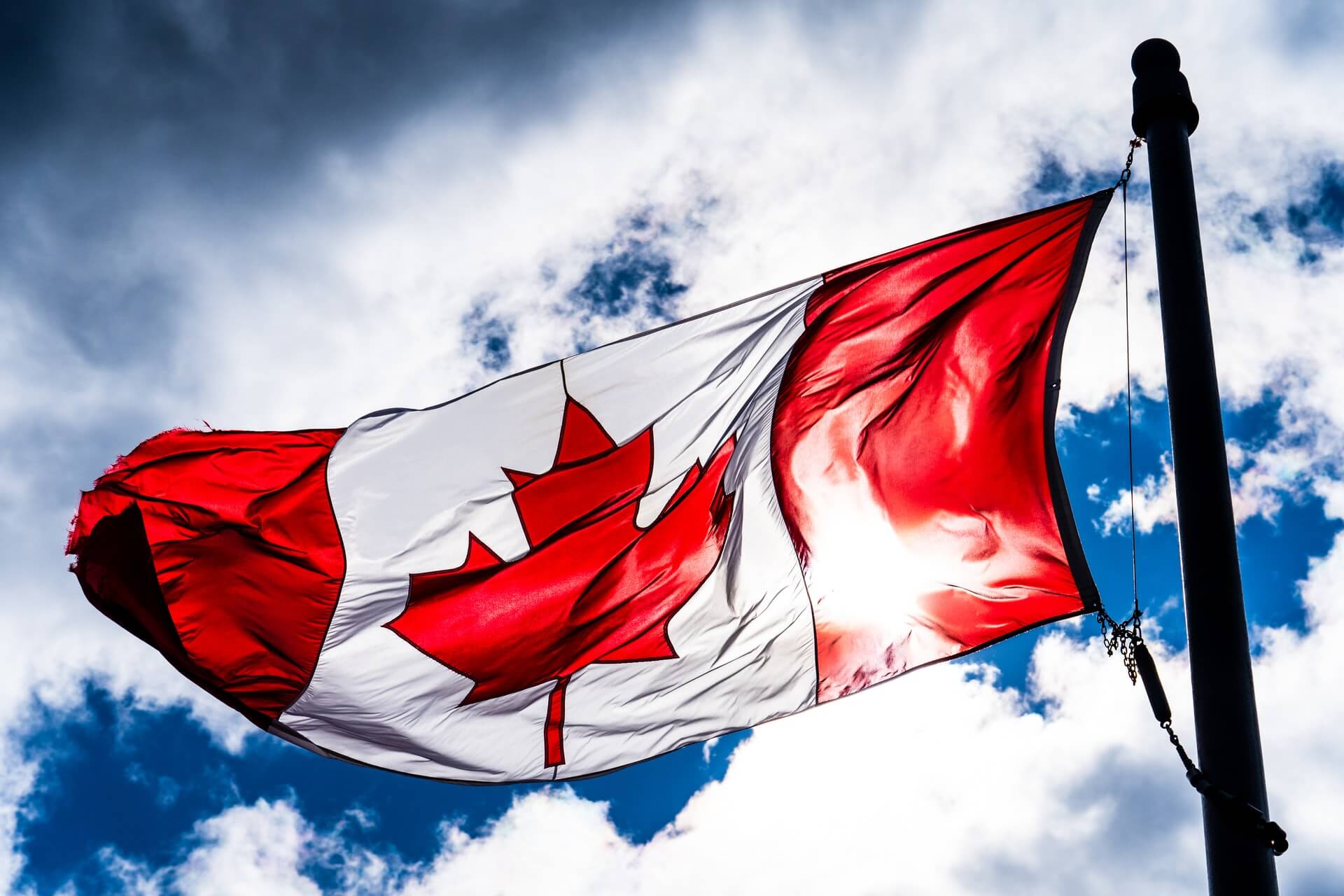
Researchers asked more than 1,000 Canadian survey respondents (hence the image up top) to define what “cool” meant to them. They were also asked to describe someone they believed fit the label.
Their findings? People tend to assign admirable traits to “cool” individuals. Specifically, attractiveness, competence, desirability, friendliness, and trendiness.
Admirability, to provide further context, “is the quality of being admirable, worthy of respect or approval due to excellent qualities or achievements. It’s a noun that describes something or someone deserving of admiration.”
Interestingly, these attributes, while appealing, don’t align with the “counter-cultural” or “edgy” factors that typically define “actual” coolness in subcultures or social identity theory, per the research team.
In short, people blur the lines between being cool and being appealing or admirable. In hospitality, we often do the same.
Let’s break these five traits down, and look at how they shape the way guests may perceive your brand. If you can set out to build a cool or good hospitality concept, can you build one that’s worthy of admiration?
Attractiveness
In the Dar-Nimrod study, physical and aesthetic attractiveness ranked high as a “cool” trait. That’s largely because many people conflate outer appeal with inner value.
We all know (or should, at least) that being deemed physically attractive doesn’t automatically equal cool. Still, in this particular study of coolness, being attractive was ranked high as an admirable trait.
However, that’s easy for guests to forget when they’re surrounded by sleek interiors, photogenic food, or staff who look like they belong in a luxury fashion brand’s campaign shoot.
In a hospitality setting, attractive design can make a strong first impression. Some bar, restaurant, and hotel operators throw a lot of resources toward making their space look and feel cool. And why not? It does make some sense to assume that an attractive space will attract attractive people.
But cool isn’t curated, it’s effortless. At least, it it should feel that way, from discovery and arrival, and from service to exit and followup. Every aspect of service should be as amazing as the interior and exterior design.
Operators and their teams should identify and remove pain points and deliver smooth, seamless service to help the guest relax and escape. That’s effortless cool.
If the concept lacks a cohesive vision beyond “make it look cool,” there’s a feeling of inauthenticity. The service feels far more like a business deal than experiential, and the experience lacks soul. Soon, guests will see through the attractive façade.
In other words, a stunning dining room or bar doesn’t compensate for transactional hospitality.
If you’re leaning heavily on looks, make sure there’s substance beneath the surface. Create moments. Don’t let the aesthetic do all the heavy lifting.
Competence
Guests love a restaurant or hotel that runs like a Swiss watch. Precision is admirable, and competence feels reliable.
And when things just work, it puts people at ease.
But let’s be honest—competence isn’t inherently cool. In fact, when a brand flaunts its expertise too much, it can come across as smug or inaccessible.
In the Dar-Nimrod study, competence was one of the most frequently mentioned traits in cool people. But being competent doesn’t mean you break rules, take risks, or build culture.
Further, many people today are less interested in your how than your what. It’s becoming nearly as important as your why.
If a guest comes to your bar, what should they expect? What does your restaurant have to offer them? Is there something about your hotel that guests should see and experience?
Focus much more on the why and what, and let them decide if they want to know your how.
It’s the difference between a chef who lets their food do the talking versus one who drills guests with the minutiae of each ingredient and every technique they use to create each dish. Sure, a handful of guests are interested; most just want to scan the menu, order, and eat.
For most concepts, operational excellence should support the experience, not be the experience. Let your team’s confidence come through in calm, collected moments.
Again, coolness seems like it takes very little, if any, effort. It’s a bit of paradox, but great operators put the hard work into analyzing and refining every step of service until it becomes so smooth that it seems to come off effortlessly.
Desirability
Exclusivity creates demand. Demand fuels the perception of coolness.
But here’s the trap: When people want in just because everyone else does (FOMO, anyone?), a concept or brand risks becoming nothing much more than a hype machine.
That can look like cool from the outside. It can even seem like the concept is printing money if seats or rooms are unavailable for weeks or months. However, if the guest experience is just average, all that has been built is a fragile house of cards.
In Dar-Nimrod’s research, social desirability—the idea that someone is wanted, valued, or sought after—was commonly linked to perceived coolness. But desire is contextual.
Just because a place is hard to get into doesn’t mean it’s good, or cool, or will be relevant six months after opening, let alone a year into operations.
Most concepts don’t need a velvet rope. And they don’t need reservations so exclusive that an entire black market industry sprouts up just to obtain one.
What operators, their teams, and their brand need are values, intention, and consistency. That’s what drives real brand loyalty.
Artificial scarcity, like superficial desirability, is fleeting; integrity and authenticity are enduring.
Friendliness
This one’s a bit of a curveball. Friendliness is thought to be one of the core tenets of hospitality. So, how could it not be cool?
In the study, friendliness was often linked with coolness, but not in a defining way. More often, it was background noise—something that made someone likable, not legendary.
Here’s the thing: being friendly is expected in our industry. Being cordial is our baseline; it’s our standard level of professionalism.
It’s warmth, however, that really draws in guests, makes an experience memorable, and inspires repeat visits. In fact, warmth is included in a list of attributes that people tend to equate with being good. You can find that and the rest of the “goodness” traits in the second article in this series.
When everything is pleasant but perceived as too polished, the experience can slide into forgettable territory. Worse, it can feel disingenuous, and easily become off-putting.
I’d argue that being warm and welcoming is a true tenet of hospitality. More so than friendliness, anyway.
To me, friendliness is a byproduct of being warm. It’s what really makes a guest feel welcome when stepping into a bar, restaurant, or hotel. A person really can’t be warm and welcoming without being friendly (unless they’re incredible actors).
Guest-facing staff should be warm, not robotic. They should build rapport, not routines.
Let your team’s personalities shine through, even if it breaks script now and then. Guests remember what’s real, and how staff made them feel.
Trendiness
Trendiness is the most deceptive trait on this list of five.
Dar-Nimrod’s participants often cited trendiness when describing cool people. But deeper analysis by the researchers revealed that trendiness is perceived cool, not authentic cool.
It’s difficult for any concept to seem authentic if its constantly chasing trends. What is the concept if there’s little to no consistency because the operators are just jumping on every shiny, new toy that comes across everyone’s social media feeds?
A venue that pursues every current trend—cocktail techniques, food items, cuisine mashups, design palettes, even vibes—might look cool (attractiveness). We need to keep in mind that fads are fleeting, and trends, however one may influence culture, tend to have short lives.
The authentically cool thing to do is be discerning. Sit back and let others chase fads or trends every time one pops up. It takes much more savvy, and therefore coolness, to wait to embrace a trend that seems organic to your concept.
Make sure you’re building something lasting. Integrate trends in ways that feel organic rather than opportunistic.
Don’t chase every trend; be the source of a trend. That’s a cooler move by nearly every measure.
Final Bite
So what do you do with all this?
Pursuing attractiveness, competence, desirability, friendliness, and trendiness to be cool isn’t necessarily a bad thing. Neither is perceiving these traits as admirable, and striving to develop a concept that has these attributes.
These traits can be cool, and can be admirable, and they do contribute to brand value.
But if you want to build a venue that feels cool in the way that draws a crowd without trying too hard, builds loyalty through authenticity, and sets the tone instead of following it, you’ll need to go deeper.
Cool can’t be faked, but it can be felt. At the end of the day, operators and their teams should strive to be hospitable, warm, and welcoming.
Image: Chris Robert via Unsplash