Is 2026 the Year of ‘Maxxing?
by David Klemt

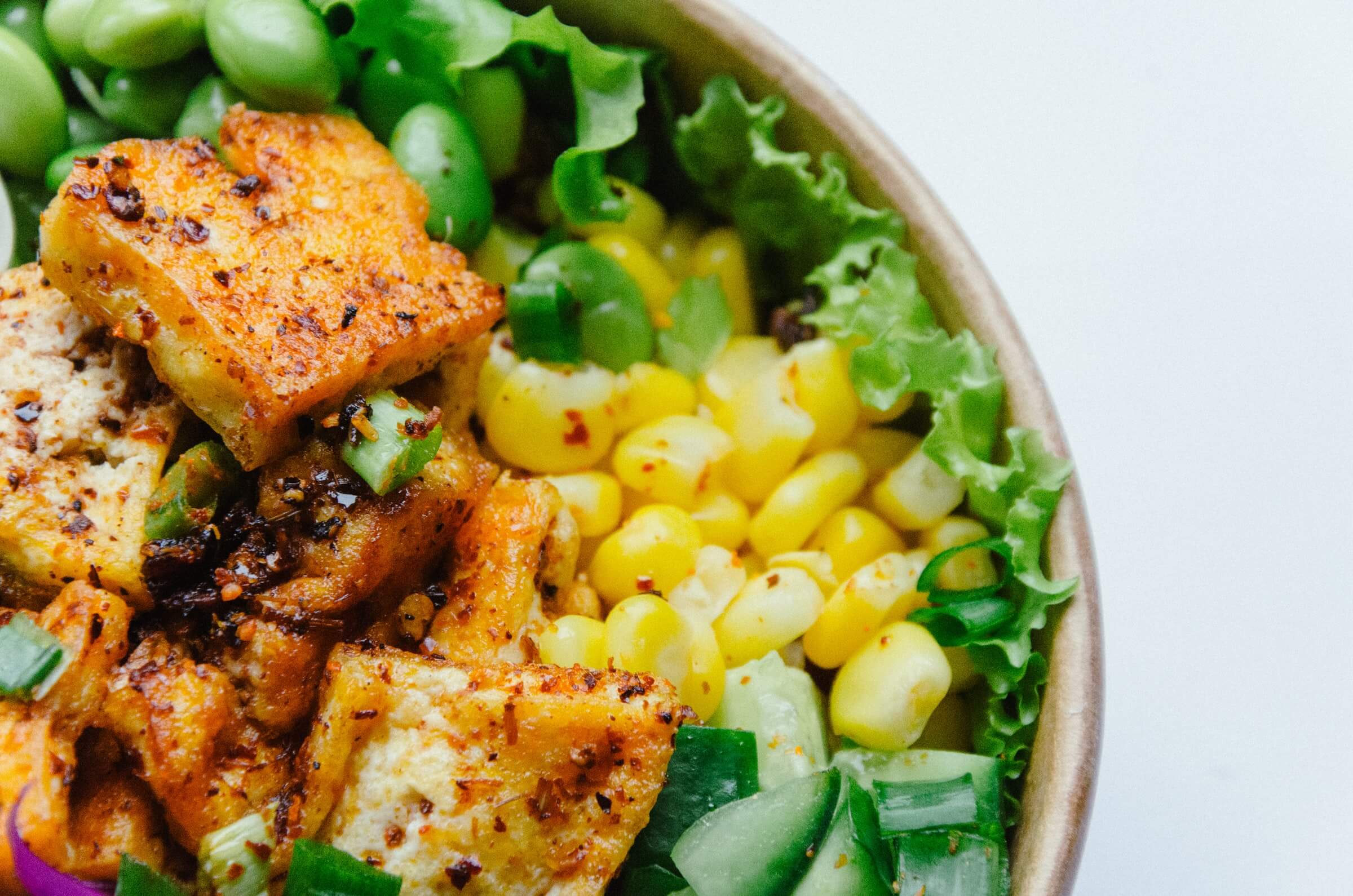
If we pretend this is referring to grams of fiber, that’s excellent fibermaxxing.
If recent reports and consumer behaviors are any indication, and I think they are, health-conscious “maxxing” trends are on the menu in 2026.
Currently, proteinmaxxing appears to be king of Diet Trend Hill.
In 2026, though, protein may face a realistic contender for the crown: fiber.
Look it up and you’ll see it’s not an entirely new trend, and has been on the upswing since at least the middle of 2025.
For operators, this is yet another consumer signal. The interest (some would say obsession) in high-protein diets has inspired menu changes across categories. Whether a QSR with global reach, a regional chain, or a local independent, restaurants have been responding to their guests’ desire to consume more protein.
Now, it’s possible an interest in a high-fiber diet may inspire more menu changes and additions.
What is GLP-1?
Would you like a healthy dose of pedantry? Fantastic.
“GLP-1” stands for “glucagon-like peptide 1,” which is a hormone found in our bodies. When we eat something, GLP-1 stimulates insulin secretion.
A GLP-1 drug is an “agonist.” That is, it mimics, in this case, a hormone to cause a response.
So, when we talk about GLP-1, it’s a hormone; when we talk about the drug, it’s a substance humans take predominantly via injection. Pedantry: complete.
It may seem as though these drugs came onto the market just before Covid ravaged the world. However, the hormone was discovered around 50 years ago, and the first GLP-1 medication was approved by the FDA just over 20 years back to treat type 2 diabetes. From 2018 to 2023, according to multiple analytics sources, interest in, and use of, GLP-1 drugs for weight loss exploded.
GLP-1 medications cause the body to delay emptying the stomach. Further, the drugs tell the brain to reduce the desire to eat. Both actions curb appetite, and tend to result in significant weight loss.
Of course, side effects have been reported widely. Those who experience rapid weight loss may experience “Ozempic face.” According to Harvard Health Publishing (2004), this appearance is characterized by:
- a hollowed look to the face
- changes in the size of the lips, cheeks, and chin
- wrinkles on the face
- sunken eyes
- sagging jowls around the jaw and neck.
There are also several gastrointestinal side effects one can experience, but I’ll let you use your imagination rather than list them.
What is Proteinmaxxing?
This one is quite a bit simpler to understand: It’s focusing on the consumption of protein, and “maxxing” it out. I assume there are two Xs to really drive home the point that something is being maximized.
Taken to the max (or “maxx,” I guess), there are proteinmaxxers who aim to consume 200 grams of protein per day. According to Cargill, a company that distributes high-protein products, there are “entire ‘social subcultures'” built around the consumption of high-protein diets. Essentially, for some proteinmaxxers, the diet is more like an ideology.
However, some doctors believe consuming that much protein can be harmful, not healthy.
Recognizing that there’s a range when it comes to protein consumption (age, activity level, etc.), there are some general guidelines one can follow.
Using the standard 2,000-calorie-per-day diet, common guidance is that 10 to 35 percent of calories should come from protein. For an “average” person, daily protein consumption can be calculated at 0.8 grams per kilogram of body weight. So, someone who weighs 150 pounds (68 kilograms) should consume 54 grams of protein per day.
People tend to face muscle loss in their 40s or 50s, and therefore should aim for 1.0 to 1.2 grams of protein per kilogram of body weight. On the high end, for that hypothetical person weighing 150 pounds, that’s an increase to 82 grams of protein.
Those who exercise regularly should increase protein consumption to 1.1 to 1.5 grams; that rises to 1.2 to 1.7 grams for people who lift weights or do other strenuous exercise on a regular basis. Using the high end, that’s 102 grams of protein per day for the former, and 115 to 116 grams for the latter.
Consuming 2.0 grams of protein per kilogram of body weight is considered “excessive” by some.
What is Fibermaxxing?
If you’re guessing that fibermaxxing is similar to proteinmaxxing, you’ve nailed it.
That said, the numbers are absolutely not the same in comparison to proteinmaxxing.
Unless something changes, the current definition of fibermaxxing appears to fall in line with current dietary recommendations: 25 to 38 grams of fiber per day.
Going deeper, nutrition guidelines state that the source of fiber should be food rather than supplements.
However, most Americans and Canadians consume just 14 to 15 grams of fiber per day. That’s a shortfall of 10 to 11 grams, every day.
It must be noted, however, that some people need to adhere to low-fiber diets for medical reasons. Further, while there’s some debate, some believe 50 grams of fiber is excessive; others feel that too much fiber is closer to 70 grams per day.
How does excessive fiber intake manifest? Again, that’s largely gastrointestinal, and, again, I’ll leave that to your imagination.
That’s all to say this: proceed with caution when trying out any diet, and try to find what’s best for you and your body.
Like protein, fiber can aid in weight loss. So, with the rise of GLP-1 medications, it’s unsurprising that some people trying to lose weight are focused on fiber while some have lasered in on protein.
What is the Point?
“David… Seriously, what the hell? Thanks for the dietary info, but what are we doing here?” I can hear some of you asking.
Simply put, operators need to be aware of large-scale consumer trends. They must consider how it can affect their people, processes, and profits.
Per Datassential, just 13 percent of operators are aware of fibermaxxing.
Borrowing from Datassential’s trend ranking system (Inception, Adoption, Proliferation, and Ubiquity), it’s fair to say fibermaxxing consumers are either on the cusp of moving on from inception to adoption or are already there.
As far as proteinmaxxing, that’s definitely in proliferation territory. What’s my evidence? A QSR, Arby’s, to be precise, introduced Steak Nuggets in Q4 of 2025. That’s an entirely different spin on nuggets in fast food, and even if it’s not stated explicitly, that certainly appears to be an appeal to proteinmaxxers looking for a snack.
There’s also the seeming addition or infusion of protein to all manner of food and drink items on menus across all categories of restaurants.
Protein-infused coffee drinks, protein-enhanced pastries, QSR meal combos for people leading a high-protein lifestyle… There are lists online of the top orders at various chains for consumers seeking protein. Of course, there are also lists online identifying high-fiber items offered by various well-known restaurants.
Then we can look to retail labeling. Unsurprisingly, food brands want to leverage increased consumer interest in protein, fiber, and other nutritional values. These companies are calling out their protein and fiber values to encourage purchases and brand loyalty.
Restaurants and bars can do the same. In some cases (more than you many think), a given menu already has high-protein and high-fiber options; it’s just not called out directly.
What is the Takeaway?
As we kick off 2026, let’s change the approach. If you want to appeal to health-conscious guests, tell them exactly what they want to know.
Review your menu, identify what falls in line with various diets, and call out those values or qualities in the descriptions.
Some consumers are proteinmaxxing. Others are fibermaxxing. Somehow, I expect balancemaxxing (maximizing the focus on a balanced diet; did I just coin a phrase?) to take hold in 2026 or 2027.
Similarly, operators need to focus on profitmaxxing for the financial health of their business, the financial stability of their hardworking teams, and longevity in serving their communities.
It all comes down to the Three Ps: People, Processes, and Profits. Serve the people (including your team members) and perfect your processes, thereby maxxing your profits.
Image: Erik Mclean via Pexels