Food stall

by David Klemt David Klemt No Comments

House Votes to Replenish RRF

House Votes to Replenish RRF

by David Klemt

United States Capitol Building dome in greyscale

Eleven months after the closure of the Restaurant Revitalization Fund application portal, Congress has voted on RRF replenishment.

Earlier today, the House voted “yes” on $42 billion for the RRF via the Relief for Restaurants and Other Hard Hit Small Businesses Act of 2022 (HR 3807).

To clarify, the intent is that funds go to original applicants who were left out when the portal closed.

Neither the $1.7 trillion Build Back Better Act nor the $1.5 trillion omnibus spending bill passed in March included the RRF Replenishment Act.

So, this news is obviously fantastic. However, it’s also long overdue.

We’ve waited nearly 11 months for movement on relief for our ravaged industry. In comparison to the hospitality industry, the legislative process often moves at a glacial pace.

For obvious reasons, the long delay in replenishing the RRF has been devastating.

Nearly a month ago, I wrote and published “Congress is Abandoning Us.” Some considered the article harsh, others agreed with what I wrote.

To be clear, I stand by what I said after ten months of inaction. However, I’m relieved—cautiously—that the House proved their support for our industry today.

$55 Billion Lifeline

In its current form, the House bill would provide $42 billion. This is the amount believed to be enough to award grants to the original applicants from May of 2021.

Additionally, there’s another $13 billion for businesses in other hard-hit industries. So, the House bill provides a total of $55 billion in relief.

Per bill co-author Rep. Earl Blumenauer (D-OR), those who applied last year for the first (and only) round of RRF relief won’t have to re-apply.

Rep. Blumenauer reportedly told Nation’s Restaurant News that “[t]he independent restaurant is the foundation of a livable community.”

Continuing, Rep. Blumenauer told NRN, “We need to have these institutions to provide a foundation for our neighborhoods.”

As far as the source of the $55 billion, the money is supposed to come from funds recovered from 2020 and 2021 pandemic relief programs. This includes billions of dollars stolen through fraudulent relief program claims.

In an effort to combat further fraud and show the public that the funds are indeed going to the correct recipients, the SBA will be required to be transparent about its process.

As it stands, grant recipients will need to spend the funds on eligible uses by March 11, 2023.

Bittersweet

While this is huge news for our industry, it’s somewhat difficult to let go of my frustration fully. The RRF portal opened May 3, 2021. It closed just 21 days later, shutting out an estimated 177,000 grant applicants.

In June of last year, Sens. Kyrsten Sinema (D-AZ) and Roger Wicker (R-MS), and Reps. Earl Blumenauer (D-PA) and Brian Fitzpatrick (R-PA) introduced a bill to replenish the RRF.

That was followed in July by the ENTREE Act, introduced by Rep. Blaine Luetkemeyer (R-MO).

Then, in August, Sen. Rand Paul (R-KY) objected to a unanimous consent motion to fund the RRF. Essentially, after that occurred, it was crickets.

As stated above, when the Build Back Better Act was passed in November, relief for our industry was nowhere to be found.

Given all of this, and the fact that the bill must now go before senators for debate and a vote, I find myself still uneasy about the fate of the RRF.

We often say hope isn’t a strategy. However, I hope our senators do the right thing and pass the relief our industry so desperately needs and deserves.

Image: Joshua Sukoff on Unsplash

by David Klemt David Klemt No Comments

8 Glendalough Cocktail Recipes for St. Patrick’s Day and Beyond

Offer your guests something different for your St. Patrick’s Day promotion with Glendalough Distillery cocktail recipes.

Without a doubt, you should have plenty of the expected Irish whiskeys on hand. However, Glendalough Distillery Double Barrel, Pot Still, Wild Gin, and Rose Gin are extraordinary Irish whiskeys and gins.

Each spirit the distillery crafts honors the art of Irish distillation, a craft that stretches back centuries. What’s more, each whiskey Glendalough crafts is single malt—there are no light-bodied blends in their lineup.

To learn more, check out episode 71 of the Bar Hacks podcast with Glendalough Distillery co-founder and national brand ambassador Donal O’Gallachoir.

by David Klemt

Glendalough Distillery Wild Gin Irish gin

8 Amazing Irish Whiskey and Gin Cocktails

Below, eight refreshing and sophisticated drink recipes made with Glendalough whiskeys and gins. Sláinte!

Glendalough Distillery Double Barrel Single Malt Irish Whiskey

The Lough Inn

This highball is made with Glendalough Double Barrel, a single-grain Irish whiskey aged in ex-bourbon barrels before being finished in Oloroso sherry casks.

  • 2 oz. Glendalough Double Barrel Single Grain Irish Whiskey
  • 1 oz. Spiced honey syrup (see note)
  • 1 oz. Fresh lemon juice
  • Soda to top
  • Lemon wheel or slice to garnish
  • Mint leaf to garnish
  • 1 cup Honey for spiced honey syrup
  • 0.5 cup Water for spiced honey syrup
  • 4 Cinnamon sticks for spiced honey syrup
  • 1 pod Star anise for spiced honey syrup

Add ice to a highball glass, then add first three ingredients. Top with soda water. Garnish with lemon wheel or slice and freshly torn mint leaf.

For spiced honey syrup: Add honey, water, cinnamon sticks, and star anise to pot. Bring to a boil, then stir. Strain into container.

Glendalough Distillery Pot Still single malt Irish whiskey

Pot Still Highball

Deceptively simple to build, this cocktail highlights the terroir of the land surrounding Glendalough Distillery.

  • 1.5 oz. Glendalough Pot Still
  • Soda to top
  • Grapefruit peel to garnish
  • Mint leaf to garnish (freshly torn and slapped, of course)

Prepare a highball glass with an ice shard, spear or cylinder. Pour in Glendalough Pot Still whiskey, then top with soda. Glendalough Distillery recommends a 1:2 ratio, Pot Still to soda. Garnish with mint leaf.

Glendalough Distillery Wild Gin Negroni cocktail

Glendalough Negroni

The foraged botanicals in Glendalough Wild Gin add even more complexity and depth to the classic Negroni. In fact, the flavors work so well this recipe maintains the Negroni’s crucial 1:1:1 ratio.

Prepare an Old Fashioned with ice. Add first three ingredients to glass in the above order. Add more ice if necessary. Stir, express orange peel, and place as garnish.

Glendalough Distillery Wild Gin Irish gin

Glendalough Wicklow 75

Bubbles make everything better and everyone happier.

Add all ingredients to shaker. Add ice and shake until well chilled. Strain into Champagne flute, top with Prosecco, and garnish with lemon twist.

Glendalough Distillery Rose Gin Irish gin and cocktails

Glendalough Rose G&T

This simple classic receives a huge visual and aromatic boost from Glendalough Rose Gin.

  • 2 oz. Glendalough Rose Gin
  • Tonic to top (the higher the quality, the better)
  • Lime slice
  • Mint leaves

Add ice to glass, then add Rose Gin. Top with tonic, and garnish with lime slice and mint leaves.

Glendalough Distillery Rose Gin Fizz

Glendalough Rose Gin Fizz

One way to elevate the highball is to use a striking pink-hued Irish gin.

  • 1.5 oz. Glendalough Rose Gin
  • 0.5 oz. Elderflower liqueur
  • Raspberry & Lime sparkling water to top
  • Lime wheel to garnish

Add ice (spear, shard or cylinder for impact), Rose Gin, and liqueur to highball glass. Stir, then add sparkling water to top. Garnish with lime wheel.


View this post on Instagram


A post shared by Glendalough US (@glendaloughus)

Glendalough Rose Collins

Boost the classic Collins with Glendalough’s striking rose-petal gin.

  • 1.5 oz. of Glendalough Rose Gin
  • 1 oz. of Lemon juice (freshly squeezed)
  • 0.5 oz. of Sugar syrup (1:1 ratio, hot water to sugar)
  • Soda to top
  • Lemon peel to garnish
  • Cherry to garnish

Combine first three ingredients in a shaker with a cup of ice. Place an ice shard, spear or cylinder to a highball glass. Shake until well chilled, then strain into glass. Top with soda, and garnish with lemon peel and cherry.

Glendalough Distillery Rose Gin Hibiscus Rose

Glendalough Hibiscus Rose

Refreshing and flavorful, the hibiscus tea syrup plays incredibly well with Glendalough Rose Gin.

  • 1.5 oz. Glendalough Rose Gin
  • 0.5 oz. Hibiscus tea syrup (see note)
  • 0.5 oz. Lemon juice (fresh squeezed)
  • Prosecco to top
  • Dehydrated lemon wheel to garnish
  • Rose petals to garnish
  • 33 oz. Water for hibiscus tea syrup
  • 16 oz. Sugar for hibiscus tea syrup

Add first three ingredients and ice to a shaker. Shake until well chilled and double strain into a coupe.  Top with Prosecco, and garnish with dehydrated lemon wheel and rose petals.

For the hibiscus tea syrup: Steep seven hibiscus tea bags in 33 ounces of water for 15 minutes. Add 16 ounces of sugar.

Images & Recipes: Glendalough Distillery

Related Reading

Work with Us

Click the image below to partner with us on your project.

Client Intake Form - KRG Hospitality

by David Klemt David Klemt No Comments

Build Back Better…Without Restaurants?

Build Back Better…Without Restaurants or Bars?

by David Klemt

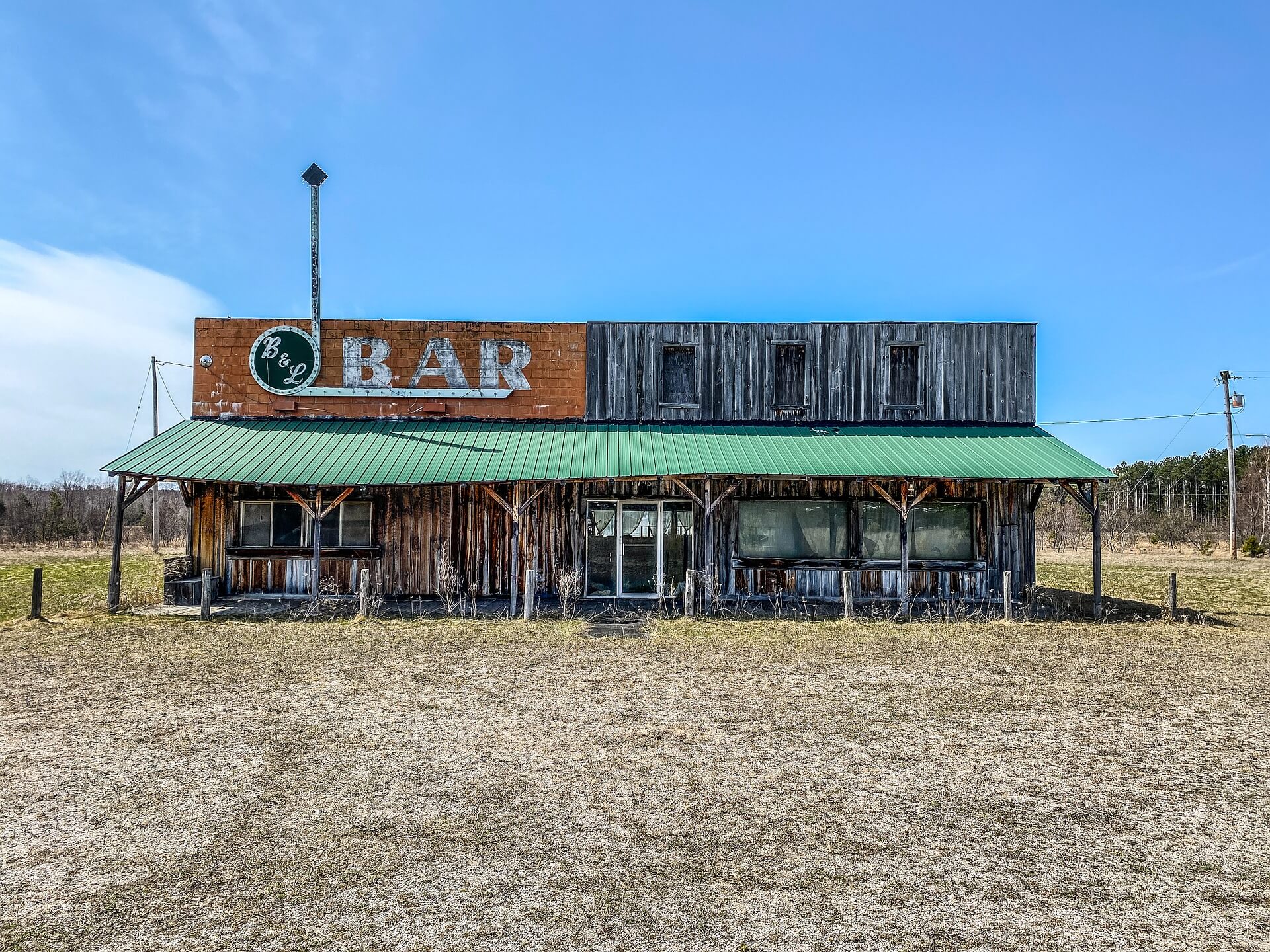
Abandoned bar or restaurant

The Build Back Better Act was passed by the House last Friday without the inclusion of the Restaurant Revitalization Fund Replenishment Act.

For those keeping count—me, for instance—the RRF Replenishment Act has seen zero movement since June.

We’re now six months without RRF Replenishment progress. The RRF application portal closed on May, 24.

To put it bluntly, the House once again failed our industry.

Of the $1.7 trillion dollars in the Build Back Better Act, zero are earmarked to replenish the RRF.

Applicants in Limbo

According to the National Restaurant Association, there are at least 177,000 RRF applicants awaiting grants.

Unless the RRF is replenished, those applicants will receive nothing.

For six months now, two bills seeking $60 billion to replenish the RRF have languished. Those bills are the aforementioned RRF Replenishment Act and the ENTREE Act.

The former was introduced by a bipartisan group of representatives and senators. Rep. Blaine Luetkemeyer (R-MO) introduced the latter.

Unfortunately, the chance to replenish the RRF via a unanimous consent motion was shot down in August. Sen. Rand Paul (R-KY) objected to $43 billion in emergency funding, killing the RRF.

At this point, it’s difficult to take any statement of support for our industry from members of Congress seriously.

NRA Speaks Out

The same day that the Build Back Better Act passed, NRA vice president Sean Kennedy released a statement.

“We are disappointed that the House passed the Build Back Better Act without including the Restaurant Revitalization Fund Replenishment Act… Passing this bill without including RRF replenishment leaves thousands of small business restaurants teetering on the brink of closure,” reads Kennedy’s statement.

Kennedy also points to specific elements of the Build Back Better Act that can cause further harm to operators and our industry.

In particular, Kennedy states that the NRA “specifically asked Congress to not pass any legislation that would harm restaurants as they rebuild.” Instead, the Build Back Better Act imposes new taxes on small businesses, including restaurants and bars.

Per Kennedy, “this bill newly applies the net investment income tax (NIIT) to active business income for pass-through businesses.”

Read Kennedy’s statement in full here.

It’s possible that the Senate will make changes to the bill. And it’s possible that replenishing the RRF will be among those changes. If that happens, the bill will be sent back to the House, further delaying the crucial assistance our industry needs.

Oh, and the deadline to avoid a government shutdown is December 3.

To tell your lawmakers to replenish the RRF, click here. I know I’ve asked you to do this several times. As frustrating as it’s getting, we need to stick together and keep up the pressure.

Image: Wokandapix from Pixabay

by David Klemt David Klemt No Comments

Months Pass, RRF Still not Replenished

Months Pass, RRF Replenishment Remains Uncertain

by David Klemt

Time has run out hourglass, black and white

If you’re wondering if the RRF Replenishment Act of 2021 or ENTREE Acts are making progress, you’re not alone.

Unfortunately, it appears far too many politicians on all sides are focusing on anything but our industry.

Indeed, it’s apparently more important that they score political “points” for sniping at each other on social media; engage in hyperbole and histrionics; and overall engage in brinksmanship instead of doing anything meaningful for their constituents.

Meanwhile, the industry has lost more than $300 billion in revenue over 19 months. Additionally, we’re short at least one million jobs.

So, it’s not hyperbolic to state this: It’s no longer time for Congress to act, time has very much run out.

It’s up for owners and operators, their teams, and their teams’ families.

Replenish RRF Act

As people familiar with the Restaurant Revitalization Fund will recall, the fund launched with $28.6 billion. Obviously, that was nowhere near enough funding to meet the demand for grants.

The National Restaurant Association estimates that 177,000 grant applicants are still waiting for assistance. Those applications total more than $43 billion.

Essentially, $60 billion would be printed to replenish the RRF. That’s according to the language in the RRF Replenishment Act bill.

In June, Sens. Kyrsten Sinema (D-AZ) and Roger Wicker (R-MS), and Reps. Earl Blumenauer (D-PA) and Brian Fitzpatrick (R-PA) introduced the bill.

It’s now the middle of October.

ENTREE Act

Toward the end of July, Rep. Blaine Luetkemeyer (R-MO) introduced an alternative bill.

A ranking member of the House Committee on Small Business, Rep. Luetkemeyer proposed the Entrepreneurs Need Timely Replenishment for Eating Establishments Act on July 20.

Again, that was in July and it’s now October 25.

Known as the ENTREE Act (acronyms are fun, eh?), this bill wouldn’t just create $60 billion out of thin air.

Instead, per the text of the bill, the ENTREE Act would use unspent funds from the American Rescue Plan and Economic Injury Disaster Loans.

Now What?

In early August, there was an attempt made to replenish the RRF with $48 billion of emergency funding.

Sen. Ben Cardin (D-MD), along with a bipartisan group of senators, sought unanimous consent to authorize the funds.

Unfortunately, Sen. Rand Paul (R-KY) objected to the unanimous consent motion. The measure was blocked due to Sen. Paul’s objection and the RRF didn’t receive any emergency funds.

So, now what? In August, political insiders expressed their opinion that the ENTREE Act wasn’t likely to be passed.

Meanwhile, the RRF Replenishment Act hasn’t made significant progress since it was first introduced in June.

Most recently, members of the Independent Restaurant Coalition held a press conference with Rep. Blumenauer and Rep. Dean Phillips (D-MN). During the press conference, it was pointed out that Congress was voting on infrastructure bills that didn’t contain the RRF Replenishment or ENTREE Acts.

The most that can be said currently about any “progress” is that House Speaker Nancy Pelosi has made a promise that relief for the industry is coming, somehow, during some unknown timeframe.

Great. In the meantime, you, your family members, your friends, and your guests can contact their reps to put more pressure on them to replenish the RRF. You can also click here for more ideas from the IRC on how to get the message across that our representatives need to act now.

Perhaps reminders that every House seat and 34 Senate seats are up for re-election next year will help spur some action.

Image: Eduin Escobar from Pixabay

by David Klemt David Klemt No Comments

What’s the RRF Replenishment Act?

What’s the RRF Replenishment Act?

by David Klemt

The United States Capitol Building with cloudy sky in background

The ENTREE Act isn’t the only bill seeking to replenish the Restaurant Revitalization Fund. In fact, a bipartisan bill predates the ENTREE Act by a month.

So, what’s the difference between that bill and the Restaurant Revitalization Fund Replenishment Act of 2021?

Let’s take a look.

Additional Funding

Clearly, the biggest similarity between the two bills is the amount of money both are after.

Both the RRF Replenishment Act and ENTREE Act seek $60 billion.

As people familiar with the RRF will recall, the fund launched with $28.6 billion. Obviously, that was nowhere near enough funding to meet the demand for grants.

The RRF Replenishment Act was introduced in June by the same bipartisan group that first introduced the RRF. Sens. Kyrsten Sinema (D-AZ) and Roger Wicker (R-MS), and Reps. Earl Blumenauer (D-PA) and Brian Fitzpatrick (R-PA) introduced the bill on June 3.

Per a press release, nearly $50 billion in grant applications were left outstanding. The RRF application portal was closed just 21 days after launching.

$60 Billion

The biggest difference between the RRF Replenishment and ENTREE acts? Sourcing the $60 billion to replenish the RRF.

Per the text of the bill, the ENTREE Act would use unspent funds from the American Rescue Plan and Economic Injury Disaster Loans.

As for the RRF Replenishment Act, the funding would essentially come from “printing” an additional $60 billion.

Clearly, Americans will have differing opinions when it comes how the RRF is funded. However, using unspent, previously allocated funds does seem like a more logical approach.

So far, there’s no word on how these two bills may impact one another. There’s no news about the bills working in conjunction, just as there’s no news yet about a preference for one over the other.

With all eyes on the Senate and the progress of the infrastructure bill, we’re still awaiting answers on the RRF Replenishment and ENTREE acts.

Image: oljamu from Pixabay

by David Klemt David Klemt No Comments

What is the ENTREE Act?

What is the ENTREE Act?

by David Klemt

United States Capitol Building on fifty dollar bill

Foodservice and hospitality operators are waiting for Congress to act and replenish the Restaurant Revitalization Fund.

Well, that replenishment may come in the form of a bill from Rep. Blaine Luetkemeyer (R-MO).

Congressman Luetkemeyer is a ranking member of the House Committee on Small Business.

Restaurant Revitalization Fund Empty

As operators know, it didn’t take long for the RRF to be depleted entirely.

The Small Business Administration opened the RRF application portal on May 3. Just 21 days later, the portal was closed to new applicants.

More than 60 percent of eligible applicants in need were not awarded grants from the $28.6 billion fund.

Clearly, that amount was nowhere near enough to meet the needs of our industry.

People have been calling for Congress to #replenishRRF ever since the RRF portal was closed on May 24.

Entrepreneurs Need Timely Replenishment for Eating Establishments Act

To be fair, Congress acted quickly to at least address the SBA’s shortcomings in handling the RRF.

Early in June, a bipartisan group introduced Restaurant Revitalization Fund Replenishment Act of 2021. Sens. Kyrsten Sinema (D-AZ) and Roger Wicker (R-MS), and Reps. Earl Blumenauer (D-PA) and Brian Fitzpatrick (R-PA) introduced the bill on June 3.

The bill seeks $60 billion to replenish the RRF and the funds would essentially come from “printing more money.”

However, Rep. Luetkemeyer introduced the Entrepreneurs Need Timely Replenishment for Eating Establishments Act on July 20.

The aptly (if unwieldy) named bill is also proposing $60 billion. However, the funds would come from a combination of sources.

ENTREE Act Funding

Both sources would pour unspent, previously allocated funds into the ENTREE Act.

Rep. Luetkemeyer’s bill proposes using state and local funds from the $1.9 trillion American Rescue Plan.

The ENTREE Act would also secure funds from Economic Injury Disaster Loans that have yet to be spent.

Currently, there’s no indication if Congress intends for these bills to somehow work together. Also, no date has been put forth regarding voting on either the Restaurant Revitalization Fund Replenishment Act or ENTREE Act.

However, we can put pressure on Congress by asking them to act quickly on these bills. So, let’s come together and contact our representatives—it can take just 30 seconds.

Image: Karolina Grabowska from Pexels

by David Klemt David Klemt No Comments

We Need to Join Forces on the RRF

We Need to Join Forces on the RRF

by David Klemt

The United States Capitol Building with blue sky and white clouds in the background

It’s time for all hospitality professionals to come together and tell Congress to replenish the Restaurant Revitalization Fund.

Honestly, it’s well beyond time for us to all join forces and send our message to Congress.

Owners, operators, managers, and team members need to contact their representatives. Additionally, they need to encourage their friends and family members to do the same.

If we’re going to stop the damage to our industry, this needs to be done.

State of the RRF

Per this download from the National Restaurant Association, 455,304 eligible restaurants applied for RRF grants.

In total, 278,304 restaurants were awarded grants.

To be fair, that’s excellent news. And the Small Business Administration should be applauded for providing lifelines to nearly 280,000 restaurants.

However, the $28.6 billion the fund was seeded with was never going to be enough. Also, the SBA’s RRF portal was open nowhere near long enough.

Toward the end of May, Republican members of Congress sent a letter to the SBA. In it, they criticize the SBA for closing the portal so quickly.

To provide context, the RRF application portal was open a mere 21 days. Further context: the SBA made it clear before the RRF portal was opened that only priority applications would be processed for the first 21 days.

Replenish the RRF

According to the NRA, 177,000 eligible RRF applicants were not awarded grants.

That number represents a total of $43.6 billion in grants that haven’t been awarded.

So, not only does the SBA need to reopen the RRF, they need to replenish it with at least $43.6 billion. The NRA is asking that Congress refill the RRF with $50 billion.

We all know that the situation is dire. Per the NRA, 1.3 million jobs have been lost. Since the first 14 months of the Covid-19 pandemic, restaurants have lost $290 billion in sales. Obviously, that number has grown. At least 90,000 restaurants have either closed their doors long-term or forever.

However, this isn’t only about our industry. As the NRA shows, every dollar spent on this industry generates $2 for farming, baking, fishing, and other industries.

Looking at the numbers makes it clear: We all need to carve out the few minutes it will take to tell our representatives what we want.

What do we want? For the RRF to be replenished. Click here to tell Congress to replenish the RRF with at least $50 billion, and make sure to spread this message on social by using #ReplishRRF.

There are millions and millions of us in this industry. Now more than ever, we need to join forces and pull in the same direction.

Image: Louis Velazquez on Unsplash

by David Klemt David Klemt No Comments

State of the RRF: By the Numbers

State of the RRF: By the Numbers

by David Klemt

Wad of dollar bills with red rubber band

The “tale of the tape” of the Restaurant Revitalization Fund tells a clear story: the RRF needs an injection of tens of billions of dollars.

Clearly, $28.6 was nowhere near enough to award every eligible restaurant and bar with a grant.

In fact, the RRF would need at least another $50 billion to serve all eligible applicants.

The Numbers

First, the Small Business Administration is to be commended for setting up the RRF portal, making the application process clear, and handling applications well.

However, there’s one glaring issue with the RRF and the review and awards process. I’ll get to that in the next section.

Per the National Restaurant Association, more than 362,000 applications were submitted via the RRF portal.

In total, the applications add up to $75 billion in grant requests. Again, the RRF was funded by the government with $28.6 billion. It doesn’t take a mathematician to see that the fund was severely underfunded.

Controversy

Last week, a number of Republican members of Congress sent a letter to the SBA. The gist of their message was that the RRF’s closure was premature. Therefore, the group concluded, non-priority applicants wouldn’t receive grants or even have the opportunity to apply for grants.

In the letter, which can be reviewed here, the authors also took shots at Democrats, the Biden Administration, and undocumented immigrants.

Setting politics aside, the announcement of the RRF’s portal closure was inarguably premature. The application process was first opened on Monday, May 3. For the first 21 days, the SBA announced that while all eligible entities could apply, only priority applicants would be processed and awarded grants.

However, the RRF portal closed to applications on Monday, May 24…21 days after it first opened. The members of Congress who penned the letter to the SBA have a point: the SBA closed the RRF portal after only operating within the priority window.

Now What?

There’s no other way to put this: The RRF needs more funding.

Essentially, it needs twice the funding it had when it was first seeded. There’s zero guarantee that Congress will address this matter, but at least a handful of lawmakers are aware of the dire situation.

Two weeks ago, the NRA launched a petition urging the government to replenish the RRF. Of course, the RRF also needs to be reopened for applications, and the application process needs to be open to all eligible applicants.

There’s no promise the petition will achieve the desired result but we must do something. Click here to sign the petition and tell Congress the RRF needs to be replenished and reopened.

Image: Karolina Grabowska from Pexels

by David Klemt David Klemt No Comments

Canadian Hospitality Needs Real Help

Canadian Hospitality Needs Real Help

by David Klemt

Man in empty restaurant and bar in Ottawa, Ontario, Canada

Restaurants, bars and other foodservice establishments throughout Canada need specific relief to survive, replace lost jobs, and return to profitability.

The seemingly endless and severe provincial restrictions is putting far too much strain on a struggling industry.

Yes, there are some federal provisions in place. No, they’re not enough.

Relief Efforts

Currently, the federal budget promises extensions for wage and rent subsidies. Those subsidies would extend to September 25, 2021.

However, most Canadians, per a Restaurants Canada survey, agree that the industry needs more help.

If additional industry-specific relief faces significant delays or doesn’t come at all, operators, employees, and their families will suffer.

No wonder, then, that 90 percent of Canadians (according to the Restaurants Canada survey) feel restaurants and bars need federal support to remain in business and continue paying staff.

Support Proposals

Of the approximately 98,000 foodservice establishments throughout Canada, about 10,000 are out of business. As of last month, 319,000 lost foodservice jobs had yet to be filled.

No other industry in Canada is facing such startling numbers. Add to that the fact that the industry contributes to four percent of Canada’s GDP, restaurants are the first employers for most Canadians, women comprise nearly 60 percent of the restaurant workforce, and visible minorities comprise over 30 percent of ownership and labor, and the situation grows even starker.

Clearly, industry-specific relief is necessary.

Restaurants Canada is campaigning for the following measures:

  • Extend the wage and rent subsidies through April 2022.
  • Develop subsidy requirements that more closely match the dire reality the industry continues to face.
  • Implement an employee retention and retraining credit to defray Covid-19 protocol costs.
  • Partial forgiveness for all government-backed loans.
  • Removal of merchant fees from the tax portion of restaurant bills.
  • Restore the meals and expenses to 100 percent on a temporary basis.
  • Develop and implement a culinary tourism incentive for the 2020 and 2021 tax years, using New Brunswick as a model.
  • Implement a rebate program that provides government reimbursement of $15 per person, per meal.
  • Freeze the Excise Act, including Excise Act 2021.

Act Now

It took more than a year but the industry and its supporters in America helped bring about meaningful change for restaurants, bars, and other hospitality venues.

The same can be done in Canada, and time is of the essence.

For example, the Restaurant Revival Working Group is a good start for effecting change. The group consists of government and industry representatives.

Click here to review the list of Restaurant Revival Working Group members, particularly those in government, so you can contact them.

Image: Tyler Farmer on Unsplash

by David Klemt David Klemt No Comments

RRF Applications Open Monday

RRF Applications Open Monday

by David Klemt

Modern neon sign hanging in window

In long overdue but very welcome news, the Small Business Administration’s RRF portal opens to accept applications on Monday.

Operators and business owners will be able to register this Friday, April 30.

We definitely recommend doing so to make the application process simpler and (hopefully) less frustrating on Monday, May 3.

What You Need to Know

Mainly, the following: The SBA’s RRF portal link is https://restaurants.sba.gov. It would probably be a good idea to go ahead and bookmark that site now.

Alternately, operators using an SBA POS partner to apply. Partner systems include Clover, NCR, Square, and Toast.

Per the SBA, operators will be able to register via the website beginning at 9:00 AM EST on Friday. Again, it would be wise to plan on doing exactly that.

Anything that can be done to speed up the application process opening Monday should be done.

According to the SBA website, certain eligible entities will be given priority. For the first 21 days the application process is open, priority will be granted to small businesses with a minimum of 51 percent ownership by women, veterans or socially disadvantaged people.

However, all eligible owners and operators should register on Friday and apply on Monday. Doing should, in theory, help applicants secure their grants in a more timely manner.

RRF Preparation

The SBA’s Restaurant Revitalization Fund portal opens at noon ET on Monday. It’s best to prepare as much as possible as it’s likely applicants may find themselves in a queue depending upon traffic.

Operators can calculate their grant amounts with the following equations for applicants:

  • in operation prior to or on January 1, 2019: 2019 gross receipts minus 2020 gross receipts minus PPP loan amounts.
  • that began operations partially through 2019: (Average 2019 monthly gross receipts x 12) minus 2020 gross receipts minus PPP loan amounts.
  • who began operations on or between January 1, 2020 and March 10, 2021: Amount spent on eligible expenses between February 15, 2020 and March 11, 2021 minus 2020 gross receipts minus 2021 gross receipts (through March 11, 2021) minus PPP loan amounts
  • not yet opened but have incurred eligible expenses: Amount spent on eligible expenses between February 15, 2020 and March 11, 2021 minus 2020 gross receipts minus 2021 gross receipts (through March 11, 2021) minus PPP loan amounts

Note: Entities who began operations partially through 2019 may elect, at their own discretion, to use either calculation two, three or four above.

For further guidance and to prepare as much as possible, please click here for the SBA’s RRF guide, and click here to review the sample application.

The Independent Restaurant Coalition also has a handy checklist posted to Instagram:

Good luck!

Image: Prateek Katyal on Unsplash

by krghospitality krghospitality No Comments

House Passes $1.9B Covid Relief Bill, RRF

House Passes $1.9B Covid Relief Bill, RRF

by David Klemt

US Capitol Building Dome

The Senate version of the American Rescue Plan Act of 2021 is through the House, awaiting the signature of President Joe Biden.

Once the bill is signed by the president, it will be the law of the land.

That means our industry is finally receiving at least a portion of the relief it so desperately needs. After nearly a year of campaigning and fighting, the Restaurant Revitalization Fund (RRF) is a reality.

Restaurant Revitalization Fund

Managed by the Small Business Administration properly, the RRF is a critical lifeline for small- and mid-sized operators.

The SBA will prioritize women- and veteran-owned and operated businesses for the first 21 days. Economically and socially disadvantaged businesses will also receive priority.

Maximum grant amounts are $5 million per individual restaurant or $10 million per restaurant group.

Eligible Expenses

Importantly, eligible expenses fall between February 15, 2020 through December 31, 2021.

Eligible expenses include but are not limited to:

  • payroll and benefits;
  • mortgage (no prepayment);
  • rent (no prepayment);
  • utilities, maintenance;
  • supplies (including PPE and cleaning materials);
  • food;
  • operational expenses;
  • covered supplier costs (as defined by the SBA under the PPP program); and
  • sick leave.

American Rescue Plan Provisions

Of course, the RRF is just a small portion of the American Rescue Plan. The bill includes many provisions for national Covid-19 testing and vaccine distribution.

States and local governments receive $20 billion to assist low-income households with rent, utility bills, and back rent. There’s an increase to benefits of 15 percent through September for those on food stamps.

Also, the Emergency Injury Disaster Loan (EIDL) program receives $15 billion, which will help small business owners.

The $300-per-week federal boost to unemployment benefits remains the same rather than climbing to $400 per week.

Crucially, the bill waives the first $10,200 of unemployment benefits from 2020. That amount rises to $20,400 for married couples. To receive the waiver, a household must have an adjusted gross income of $150,000. That AGI is the same for individual and combined households.

Individuals with an AGI of up to $75,000 will receive stimulus payments of $1,400. That amount phases out completely at $80,000 for individuals, $160,000 for couples.

What’s Next

The SBA is responsible creating and implementing the RRF application process.

For now, it’s wise for operators to calculate their grant amounts:

  • Open prior to 2019: 2019 revenue minus 2020 revenue minus PPP loans.
  • 2019 opening: Average of 2019 monthly revenues times 12 minus 2020 revenues.
  • 2020 opening: Eligible to receive funding equal to eligible expenses incurred.

Since the SBA is the agency overseeing the $28.5 billion RRF, it’s a good idea to monitor their site for pertinent dates, details and requirements.

Image: Joshua Sukoff on Unsplash

Top