
Orlando Attracts Millions. Your Business Still Needs a Reason to Be Chosen.
Significant visitor demand creates opportunity. But demand alone does not create a financially viable hospitality business.
Opening a restaurant, bar, or boutique hotel requires more than an attractive concept and a promising location. It takes market validation, financial discipline, a distinctive guest experience, and the people and systems needed to consistently deliver.
Since 2009, KRG Hospitality has helped founders, operators, and investors turn ambitious hospitality visions into viable, open-ready businesses through connected strategy, practical coaching, and project-specific consulting.
Serving Orlando, Central Florida, Tampa Bay, South Florida, Georgia, North Carolina, South Carolina, and surrounding communities.
Millions Visit the Region. That Does Not Mean They Will Visit You.
Orlando is one of the world’s most recognizable hospitality destinations.
Its economy is supported by theme parks, resorts, conventions, sporting events, international travel, family vacations, and a growing collection of residential communities.
But Orlando is not one hospitality market.
An independent restaurant near International Drive, neighbourhood cocktail bar in Winter Park, family dining concept in Kissimmee, and boutique hotel in downtown Orlando each depend on different guests, spending patterns, operating costs, and competitive advantages.
The same applies throughout Florida and the wider Southeast.
A resort in Fort Myers, restaurant in Savannah, cocktail bar in Charleston, and independent hotel in Charlotte cannot be evaluated using the same financial assumptions.
High visitor volumes do not guarantee accessible customers. A busy tourism season does not prove year-round profitability. And a remarkable location can become an expensive liability when the capital and operating costs are not supported by the business model.
The question is whether your specific concept, location, financial structure, and operating model can earn their business and retain sufficient value.
That is where KRG Hospitality begins.
Orlando and Southeast Hospitality Market Intelligence
Extraordinary Tourism Demand. Different Markets. Different Financial Realities.
76.7M
Visitors to the City
71.4%
Hotel Occupancy Rate
2.05M
Convention Attendees
Before You Invest in Orlando, Resolve These Three Decisions.
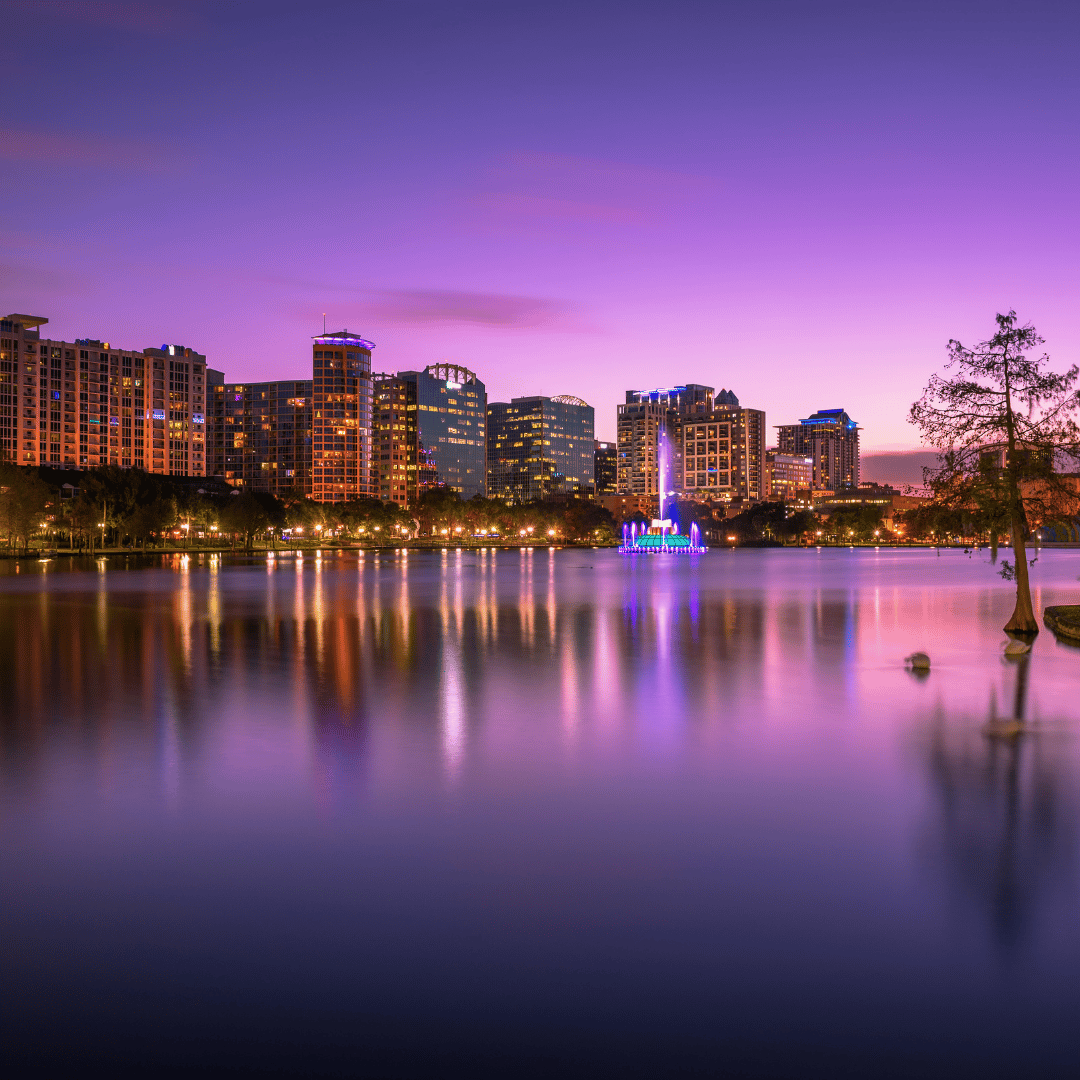
Are You Building for Visitors, Residents, or Both?
Tourism and residential hospitality are not interchangeable markets.
A restaurant positioned near a resort corridor may depend on vacationers, convenience, and destination awareness. A neighborhood concept may depend on repeat visits, community loyalty, and everyday purchasing occasions.
A venue serving convention delegates may have strong opportunities for group bookings but very different revenue patterns from one serving residents.
The business must establish who its guests are, why they will choose it, how they discover it, and what will motivate them to return.
The decision: Is your concept supported by an identifiable, accessible guest market, or are you assuming that overall regional demand will translate into guests?
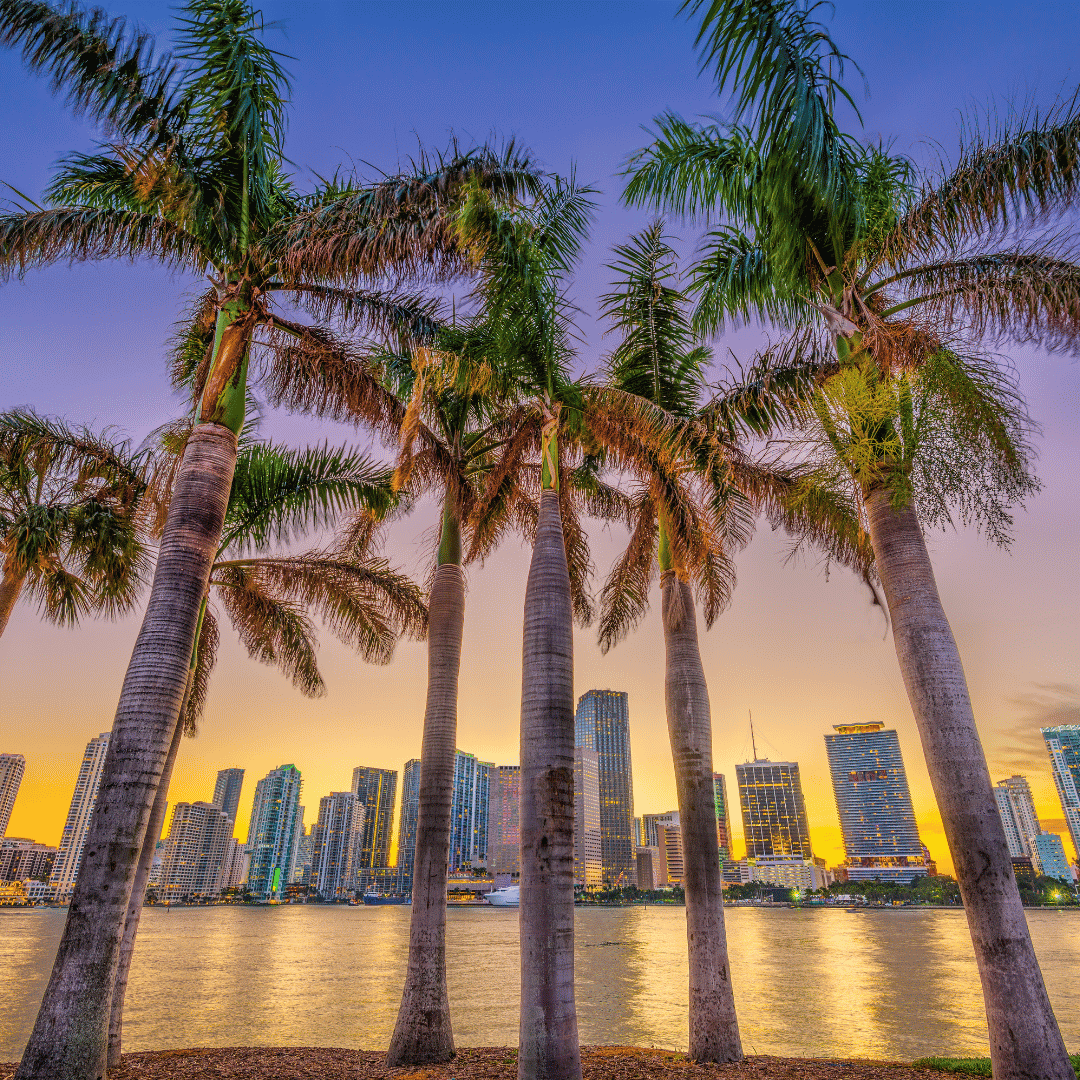
Does the Property Strengthen the Financial Model?
An attractive address, existing restaurant space, or potential hotel conversion may appear to shorten the path to opening. But property decisions influence far more than the purchase price or rent.
Existing infrastructure, permitted uses, renovation requirements, access, parking, capacity, kitchen and bar functionality, accessibility, fire protection, and the relationship between productive and non-productive space can materially influence the investment.
For hotels, room mix, public areas, amenities, service spaces, and the cost of maintaining the property must be connected to achievable revenue.
The decision: Does the property support the business you intend to operate, or will the concept require expensive compromises to make the location work?
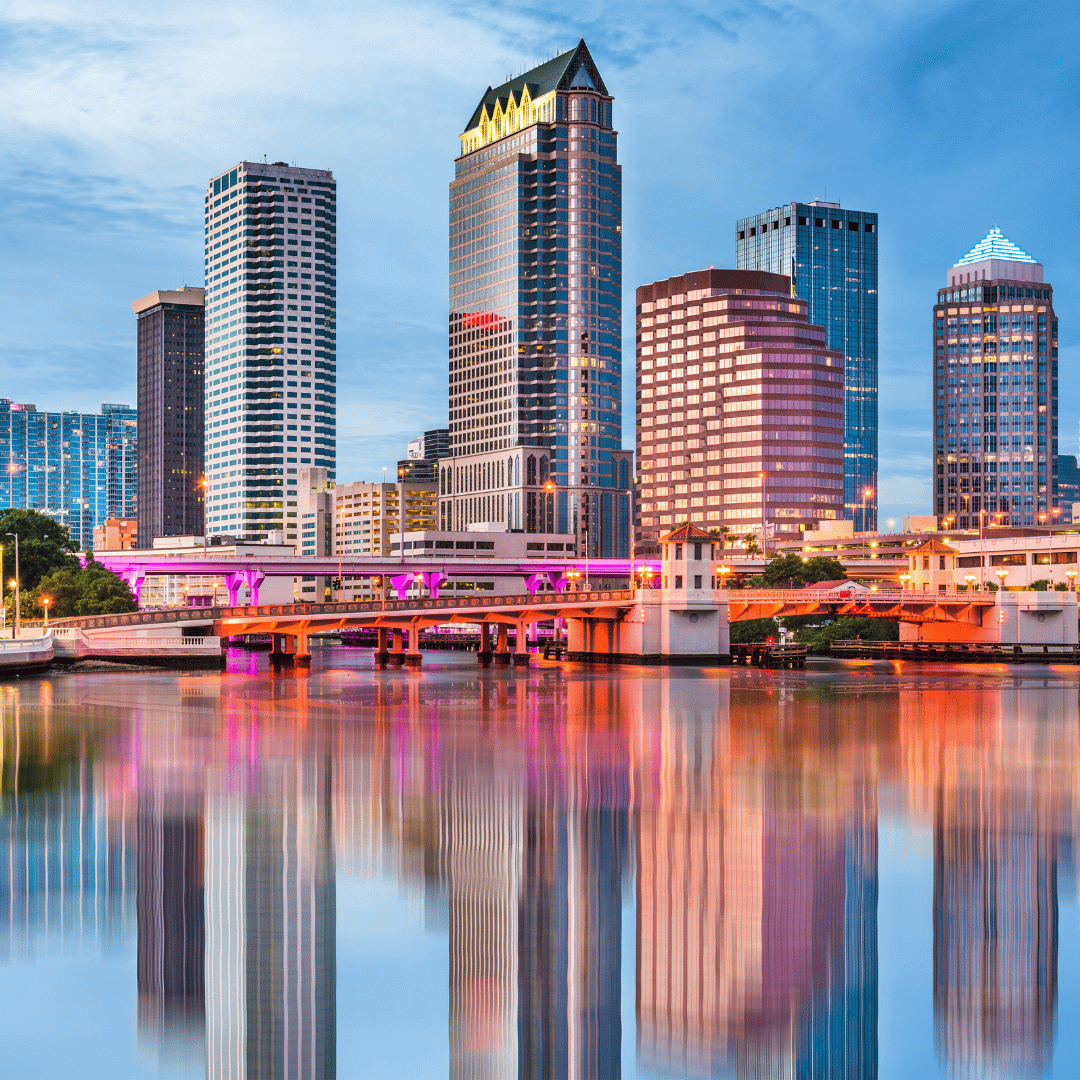
Can the Business Withstand Seasonal and Unexpected Pressure?
A successful peak season can conceal an unsustainable operating model.
Tourism activity fluctuates. Demand can shift between school holidays, convention periods, winter travel, summer vacations, and ordinary weekdays.
Severe weather can interrupt operations, reduce bookings, affect staffing, disrupt supply chains, and create unexpected capital requirements.
Insurance, maintenance, contingency reserves, and business continuity planning must be considered alongside normal operating expenses.
These are not concerns to address after the business opens.
The decision: Can your financial model protect cash flow and operating performance when revenue falls below expectations or unexpected expenses arise?
Restaurant, Bar and Hotel Development Consulting in Orlando
Three Hospitality Sectors. One Connected Strategic Approach.
KRG Hospitality supports independent founders, emerging hospitality groups, and investors preparing to develop new restaurants, bars, boutique hotels, motels, and destination properties throughout Florida, Georgia, and the Carolinas.
Our role is to connect the creative vision with the commercial and operational strategy required to bring it to market.

From independent urban hotels and extended-stay properties to coastal motels, boutique resorts, and destination accommodations, KRG helps developers evaluate the commercial opportunity behind their vision.

From neighborhood pubs and cocktail lounges to sports bars, rooftop concepts, entertainment venues, and nightlife businesses, KRG helps founders develop memorable guest experiences supported by disciplined operational systems.

From neighborhood cafés and quick-service restaurants to casual dining, elevated concepts, family restaurants, and destination dining, KRG helps founders connect their guest positioning with a viable financial and operating model.
Built on Experience. Measured Beyond Opening Day.
A Strategic Partner for Founders, Operators and Investors.
Founded in 2009, KRG Hospitality brings together hospitality development experience, financial discipline, strategic coaching, operating systems, and a network of specialist partners.
Led by principal consultant Doug Radkey and mindset coach Jennifer Radkey, KRG connects the decisions that are too often developed independently: feasibility, concept, brand, financial planning, design, technology, people, processes, and opening execution.
Our objective is to help founders protect capital, reduce avoidable mistakes, and build hospitality businesses with a stronger foundation for performance.
2009
Year KRG Hospitality was established by Doug and Jennifer Radkey.
300+
Hospitality projects supported across KRG’s wider portfolio.
94.3%
Projects reported as delivered within their approved budgets.
98.2%
Among qualifying concepts tracked beyond five years, 98% remain operating, expanded, or successfully acquired.
Orlando Is Our Regional Anchor. Our Coverage Goes Further.
Hospitality Consulting Across Florida, Georgia, North Carolina and South Carolina.
KRG Hospitality supports independent hospitality founders, developers, and investors across the Southeastern United States, from major metropolitan markets to growing residential communities, coastal destinations, tourism corridors, and regional hospitality centres.
Each market requires its own evaluation of demand, guest behaviours, development expenses, operating requirements, and investment potential.
Orlando, Kissimmee, Lake Buena Vista, Celebration, Winter Park, Winter Garden, Lake Nona, Dr. Phillips, Windermere, Clermont, Davenport, Sanford, Altamonte Springs, and surrounding communities.
Central Florida offers a diverse range of hospitality opportunities.
The International Drive corridor and resort-adjacent communities are influenced heavily by visitors, conventions, and family travel.
Downtown Orlando, Winter Park, and established residential neighborhoods bring different opportunities for dining, beverage experiences, and independent hospitality.
Growing communities surrounding the metropolitan area introduce further considerations around guest frequency, purchasing occasions, neighborhood identity, and long-term demand.
KRG helps founders evaluate those distinctions before selecting a location, building the concept, or committing significant capital.
Tampa, St. Petersburg, Clearwater, Brandon, Lakeland, Sarasota, Bradenton, Venice, Fort Myers, Cape Coral, Naples, Marco Island, and surrounding communities.
The Gulf Coast contains established urban markets, growing residential communities, retirement destinations, waterfront tourism, and resort-oriented hospitality.
A restaurant serving regular local guests has different requirements from a waterfront bar or coastal boutique hotel.
Market-specific considerations may include seasonal residents, visitor spending, storm exposure, property costs, staffing availability, and operating expenses.
KRG helps connect those realities with concept positioning, feasibility, financial planning, and development strategy.
Daytona Beach, New Smyrna Beach, Port Orange, Palm Coast, Cocoa Beach, Melbourne, Titusville, Vero Beach, Port St. Lucie, and surrounding communities.
These markets combine residential hospitality demand with beach tourism, recreation, regional events, and coastal travel.
Hospitality opportunities vary between historic downtown districts, suburban growth areas, resort communities, and smaller coastal centres.
The appropriate investment strategy depends on the specific trade area, guest market, property, and operating model.
West Palm Beach, Palm Beach Gardens, Boca Raton, Delray Beach, Fort Lauderdale, Hollywood, Miami, Miami Beach, Coral Gables, Key Largo, Islamorada, Marathon, Key West, and surrounding communities.
South Florida contains some of the country’s most distinctive restaurant, nightlife, boutique hotel, and destination hospitality markets.
But substantial visitor spending and high guest expectations often come with complex development requirements, competitive staffing conditions, significant occupancy expenses, and demanding operating economics.
KRG helps founders connect creative differentiation with realistic financial assumptions, market positioning, and systems that support performance.
Jacksonville, St. Augustine, Gainesville, Ocala, Tallahassee, Pensacola, Destin, Fort Walton Beach, Panama City Beach, and surrounding communities.
North Florida and the Panhandle offer opportunities in established cities, regional destinations, college communities, and coastal tourism markets.
Independent restaurants, bars, motels, and boutique accommodations must account for their specific guest base, competitive conditions, property requirements, and seasonal patterns.
KRG supports feasibility-led development decisions grounded in the actual economics of the proposed business.
Atlanta, Sandy Springs, Alpharetta, Decatur, Marietta, Augusta, Savannah, Athens, Macon, Columbus, Brunswick, St. Simons Island, and surrounding communities.
Georgia offers diverse hospitality opportunities across metropolitan Atlanta, historic destinations, regional cities, business travel markets, and coastal communities.
An urban restaurant, neighborhood bar, destination boutique hotel, and independent lodging property require different development approaches.
KRG evaluates each opportunity through its market conditions, guest positioning, investment requirements, operating model, and long-term performance potential.
Charleston, North Charleston, Myrtle Beach, North Myrtle Beach, Hilton Head Island, Beaufort, Greenville, Columbia, Florence, Rock Hill, and surrounding communities.
South Carolina’s hospitality opportunities span coastal tourism, historic cities, growing suburban markets, and established regional centres.
Seasonal demand, event activity, local spending, labor requirements, property conditions, and weather-related exposure can materially influence project feasibility.
KRG helps investors determine whether the concept, location, capital structure, and operating strategy are aligned with the opportunity.
Charlotte, Raleigh, Durham, Chapel Hill, Greensboro, Winston-Salem, Asheville, Wilmington, Fayetteville, the Outer Banks, and surrounding communities.
North Carolina combines growing metropolitan communities with established business districts, mountain destinations, coastal accommodations, and independent hospitality markets.
A restaurant in Charlotte, cocktail bar in Raleigh, boutique hotel in Asheville, or coastal lodging development near Wilmington requires a distinct market and financial strategy.
KRG helps connect concept differentiation, market feasibility, capital requirements, guest experience, and operational readiness before major commitments are made.
How We Work Across the Region
KRG Hospitality provides personalized remote coaching, strategic consulting, and project development advisory throughout Florida, Georgia, North Carolina, and South Carolina.
On-site assessments, strategic workshops, property visits, and project coordination are available when appropriate to the scope of engagement, travel requirements, and development needs.
We collaborate with qualified local architects, engineers, contractors, licensing professionals, and other industry specialists when their expertise is required.
Frequently Asked Questions
Yes. KRG supports restaurant, bar, boutique hotel, motel, and hospitality development projects throughout Orlando and Central Florida. Services include early-stage validation, concept development, feasibility planning, business plans, operational playbooks, implementation coaching, and project-specific consulting.
Absolutely. This is one of the most valuable times to engage KRG. The Roadmap helps evaluate your concept, market assumptions, location requirements, financial outlook, development readiness, and potential risks before major commitments limit your flexibility.
Opening costs vary significantly based on location, square footage, existing building condition, kitchen and bar requirements, design scope, licensing, seating capacity, construction, staffing, and working capital.
A neighborhood restaurant in Winter Park and a larger entertainment-oriented venue near International Drive may have very different capital requirements.
KRG helps founders establish preliminary investment direction and develop project-specific financial plans through its strategic programs. Need a quick ballpark figure? Try our interactive start-up calculators.
KRG helps identify regulatory dependencies, sequence development activities, and coordinate with the appropriate qualified professionals. Zoning, business licensing, food service permits, liquor authorizations, building approvals, and health requirements must be confirmed with the relevant municipal, county, and state authorities.
KRG does not replace licensed legal, architectural, engineering, or regulatory specialists.
Yes. KRG supports market validation, guest positioning, financial strategy, operating models, development planning, and project coordination for independent hotels, motels, and resort concepts.
Coastal projects also require careful consideration of property condition, storm exposure, insurance, capital expenditure, seasonality, and ongoing maintenance requirements.
Yes. KRG supports hospitality founders and investors throughout Georgia, North Carolina, and South Carolina through remote coaching, strategic consulting, and project-specific advisory. On-site involvement can be arranged when appropriate to the scope and development requirements.
Yes. KRG can assist with evaluating a proposed new location, business model, feasibility, operational readiness, financial requirements, and the strategic planning behind expansion. Existing businesses seeking broader performance improvements can also be directed toward the relevant KRG Collective specialist practice that we offer.
Your Next Investment Deserves a Stronger Decision.
You Have a Vision. Now Establish What the Business Needs to Succeed.
Whether you are opening a restaurant in Orlando, developing a bar in Tampa, planning a boutique hotel in Savannah, or evaluating another hospitality investment across Florida and the Carolinas, the decisions you make before opening will shape the performance of the business long after its first guests arrive.