
Las Vegas Knows How to Attract Attention. Build a Hospitality Business That Knows How to Retain Value.
In markets built around entertainment, experiences, and competition, an exciting concept is only the beginning.
Opening a restaurant, bar, or boutique hotel takes more than a compelling vision and an attractive location. It requires market validation, financial discipline, operational readiness, and a business model capable of performing beyond the initial excitement.
Since 2009, KRG Hospitality has helped founders, operators, and investors transform ambitious hospitality visions into viable, open-ready businesses through connected strategy, practical coaching, and project-specific consulting.
Serving Las Vegas, Southern Nevada, Arizona, California, and surrounding communities.
In a Market Built Around Experiences, What Makes Yours Worth Choosing?
Las Vegas has established a global reputation for entertainment, hospitality, dining, and unforgettable guest experiences.
Few markets demonstrate the relationship between hospitality, brand positioning, and consumer expectations as clearly.
Yet the opportunities extend well beyond the world-famous Strip.
Downtown Las Vegas, the Arts District, Henderson, Summerlin, North Las Vegas, and surrounding communities offer distinct opportunities for independent restaurants, cocktail bars, neighbourhood hospitality, experiential concepts, and boutique accommodations.
And the broader region introduces entirely different considerations.
A cocktail lounge near the Strip, neighbourhood restaurant in Henderson, boutique resort in Scottsdale, or independent hotel in Palm Springs cannot be developed using the same assumptions.
The target guests are different. So are the property economics, operating requirements, development costs, and competitive environments.
A busy entertainment district does not guarantee sufficient spending at your business. A spectacular design cannot compensate for an unsustainable lease. And a premium guest experience does not automatically translate into premium profits.
The question is whether the market, location, financial structure, and operating model can turn that attention into sustainable performance.
That is where KRG Hospitality begins.
Las Vegas and Southwest Hospitality Market Intelligence
Significant Visitor Demand. Changing Consumer Behavior. Greater Pressure to Perform.
Las Vegas plus the rest of Nevada, Arizona, and California offer some of North America’s most recognizable hospitality destinations.
But the size of a tourism economy does not determine the viability of an individual business. Understanding the differences between visitor demand, local spending, major events, destination travel, and operating economics is essential before committing significant capital.
38.5M
Annual Visitors to Las Vegas
$6.8B
In F&B Spend in Arizona
$158.9M
Travel Spend in California
Before You Invest in Las Vegas or The Surrounding Region, Resolve These Three Decisions.
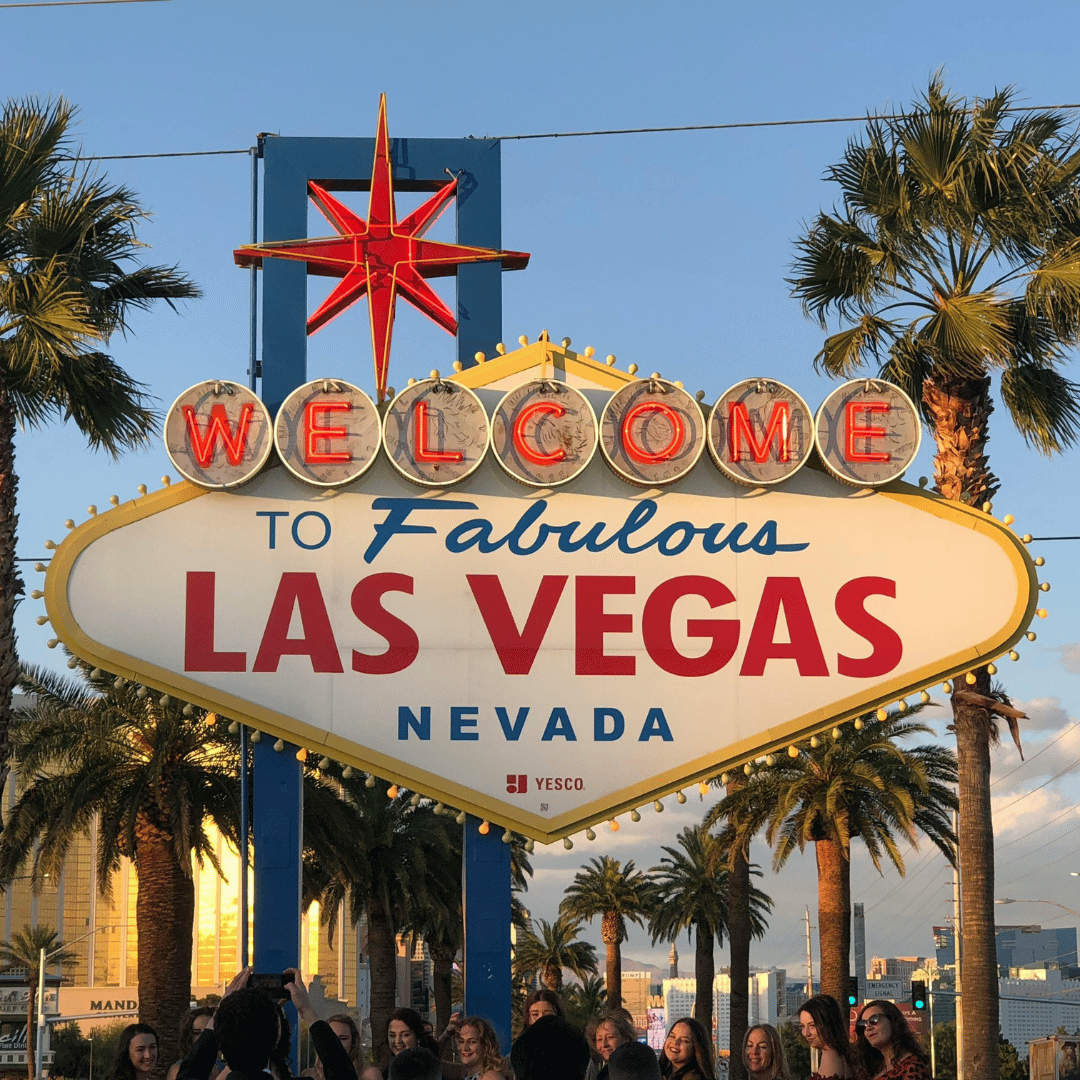
Are You Building for Visitors, Residents, or Both?
Las Vegas contains multiple hospitality markets operating alongside one another. A concept serving convention delegates will face different spending patterns from a neighbourhood restaurant dependent on regular local visits.
A tourist-oriented beverage experience may benefit from high visitor spending but need constant customer acquisition. A neighbourhood establishment may generate lower individual transactions but greater purchase frequency.
Arizona and California present similar distinctions between destination demand and residential markets.
The decision: Who will choose your business, what motivates their spending, and how consistently can you reach them?
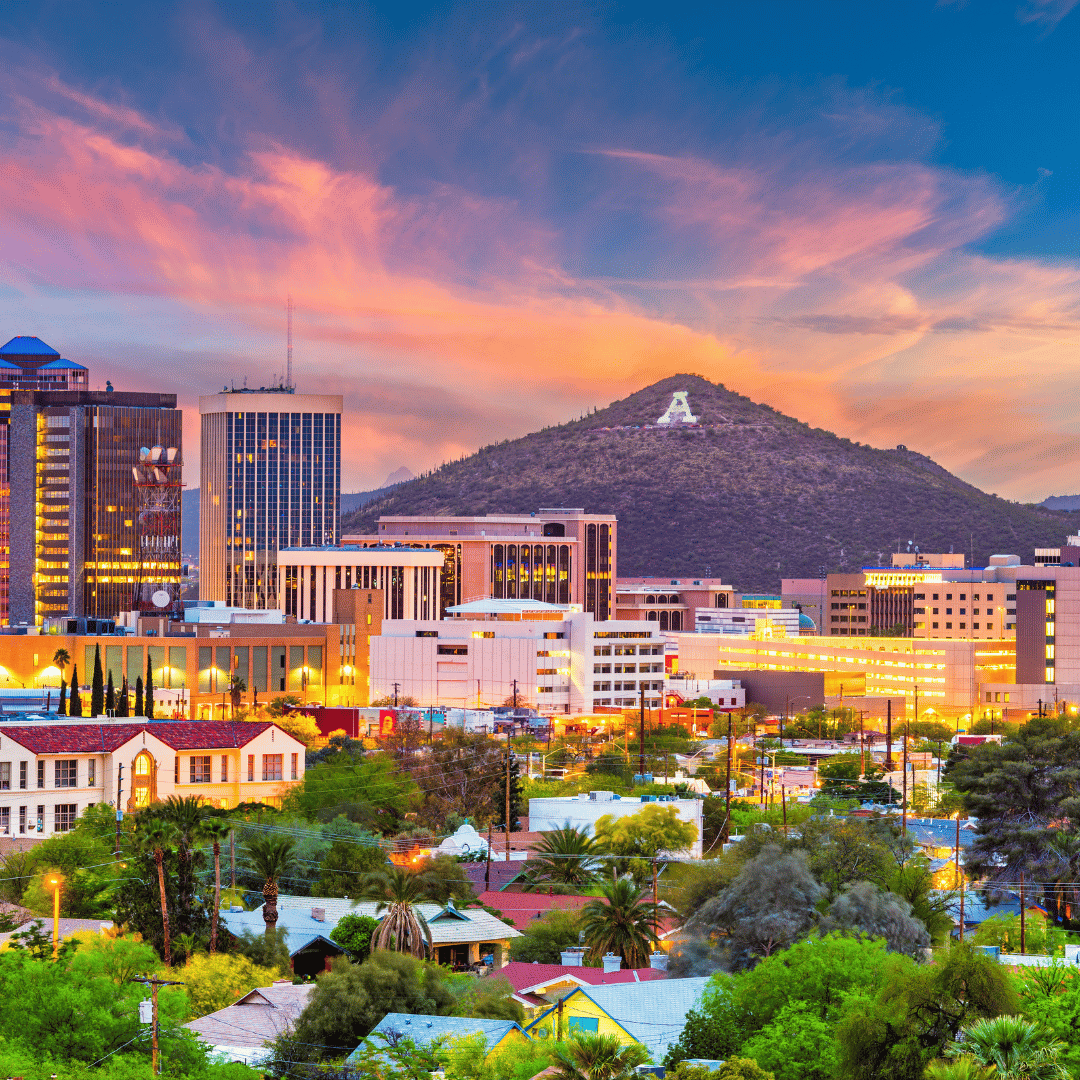
Can the Business Perform When the Spotlight Moves Elsewhere?
Major events, conventions, holidays, entertainment programming, and peak tourism periods can produce significant demand. They can also create misleading financial expectations.
A business built around exceptional weekends may struggle during normal weekdays. A destination hotel that performs during peak travel periods may face financial pressure when occupancy and rates decline.
Revenue forecasts should reflect realistic day-part demand, seasonality, local competition, operating hours, and the cost of generating each sale.
The decision: Can your business protect profitability during ordinary operating periods, not simply when the market is at its busiest?
Are You Building an Experience or a Business That Can Sustain It?
A memorable concept can generate excitement before opening. But a successful opening is not evidence that the business has the financial and operational structure to perform over time.
Menu engineering, beverage cost, inventory management, labour productivity, technology, service standards, leadership accountability, and operating systems must all be considered during development.
Design decisions influence staffing. Programming affects security and operating expenses. Pricing determines what the business must deliver to justify the guest’s investment.
These decisions need to be connected before opening.
The decision: Are you developing a business capable of consistently delivering the experience, protecting margins, and operating without constant dependence on ownership?
Restaurant, Bar and Hotel Development Consulting in Las Vegas
Three Hospitality Sectors. One Connected Strategic Approach.
KRG Hospitality supports independent founders, emerging hospitality groups, and investors developing restaurants, bars, boutique hotels, and experiential hospitality concepts throughout Nevada, Arizona, and California.
Our role is to connect the vision with the market strategy, financial requirements, and operational systems needed to bring it to life.

From independent boutique hotels and extended-stay accommodations to desert resorts, urban hotels, and destination properties, KRG helps developers establish the commercial opportunity behind their hospitality investment.

From cocktail lounges and neighborhood bars to sports bars, entertainment venues, rooftop concepts, and nightclubs, KRG helps founders connect experience design with commercial performance.

From neighborhood restaurants and quick-service concepts to elevated casual dining, destination restaurants, experiential dining, and fine dining, KRG helps founders establish a clear market position and a financially viable model.
Built on Experience. Measured Beyond Opening Day.
A Strategic Partner for Founders, Operators and Investors.
Led by principal consultant Doug Radkey and mindset coach Jennifer Radkey, KRG connects the decisions that are too often developed independently: market feasibility, concept, brand, financial planning, design, technology, people, processes, and opening execution.
The objective is to protect invested capital, reduce avoidable mistakes, and develop hospitality businesses with a stronger foundation for performance.
2009
Year KRG Hospitality was established by Doug and Jennifer Radkey.
300+
Hospitality projects supported across KRG’s wider portfolio.
94.3%
Projects reported as delivered within their approved budgets.
98.2%
Among qualifying concepts tracked beyond five years, 98% remain operating, expanded, or successfully acquired.
Las Vegas Is Our Regional Anchor. Our Coverage Goes Further.
Hospitality Consulting Across Nevada, Arizona and California.
KRG Hospitality supports independent hospitality founders, developers, and investors across the Southwest and West Coast, from established entertainment destinations to emerging residential communities, metropolitan centres, and resort markets.
Each location requires its own assessment of guest demand, competition, development expenses, operational requirements, and financial potential.
Las Vegas, the Strip corridor, Paradise, Winchester, Summerlin, Henderson, North Las Vegas, Spring Valley, Enterprise, Whitney, Boulder City, and surrounding communities.
The greater Las Vegas market contains distinct hospitality environments.
The Strip corridor is driven heavily by destination spending, accommodations, events, and entertainment. Downtown Las Vegas and the Arts District offer different opportunities for independent restaurants, bars, and experiential concepts.
Summerlin, Henderson, and surrounding residential communities introduce different considerations around neighbourhood demographics, repeat visits, accessibility, and local purchasing behavior.
KRG helps founders determine whether the concept, location, guest market, and financial model are aligned before committing development capital.
Reno, Sparks, Carson City, Lake Tahoe’s Nevada communities, Mesquite, Laughlin, Pahrump, Elko, and surrounding areas.
Nevada’s hospitality opportunities extend beyond Las Vegas. Regional cities, casino-adjacent markets, mountain destinations, and smaller communities can present opportunities for independent dining, beverage concepts, hotels, and experience-led hospitality.
Yet market size, seasonal demand, employment patterns, development costs, and guest behavior vary significantly. KRG helps founders evaluate each opportunity on its own commercial merits rather than applying assumptions based on Las Vegas.
Phoenix, Scottsdale, Mesa, Tempe, Chandler, Gilbert, Glendale, Peoria, Surprise, and surrounding communities.
Greater Phoenix offers diverse hospitality markets supported by residential communities, business activity, events, seasonal visitors, and destination travel.
A neighborhood restaurant in Chandler, an experience-driven bar in downtown Phoenix, and a boutique resort in Scottsdale depend on very different guest behaviours and financial assumptions.
KRG helps connect concept positioning, trade-area demand, occupancy expenses, staffing, revenue potential, and development requirements to one coordinated business strategy.
Tucson, Oro Valley, Marana, Sedona, Flagstaff, Prescott, Cottonwood, Payson, Sierra Vista, Yuma, and surrounding communities.
Arizona’s regional hospitality markets combine residential demand, outdoor recreation, destination travel, cultural experiences, and seasonal tourism.
For independent restaurants, bars, boutique accommodations, and resorts, important considerations can include extreme temperatures, visitor seasonality, staffing, access, development requirements, and operating costs.
The objective is to create a business that reflects the realities of its specific market rather than relying on destination appeal alone.
Los Angeles, West Hollywood, Santa Monica, Pasadena, Long Beach, Anaheim, Irvine, Newport Beach, Huntington Beach, Riverside, Palm Springs, and surrounding communities.
Southern California contains a wide range of independent hospitality markets, from established urban dining districts to coastal destinations, suburban communities, entertainment centres, and desert resorts.
Each market requires its own assessment of competition, guest demographics, development costs, labor requirements, permitted uses, and financial feasibility.
For founders, the challenge is balancing creative differentiation and guest expectations with the investment and operating discipline necessary to compete.
San Diego, La Jolla, Carlsbad, Oceanside, Encinitas, and surrounding coastal communities.
Coastal hospitality opportunities can combine residential demand, tourism, outdoor recreation, corporate activity, and destination experiences.
Restaurants, bars, hotels, and resorts must evaluate their ability to capture demand consistently while managing property expenses, labor requirements, operating capacity, and seasonal patterns.
KRG helps founders connect those conditions with a viable concept and development strategy.
San Francisco, Oakland, Berkeley, San Jose, Palo Alto, San Mateo, Marin County, Sacramento, and surrounding communities.
Northern California’s hospitality markets include diverse neighborhoods, technology-oriented business districts, established culinary destinations, and regional visitor economies.
Market conditions differ considerably between individual cities and neighborhoods.
KRG helps founders evaluate local demand, competitive positioning, financial requirements, guest experience, and operating systems before major investment commitments are made.
Santa Barbara, Ventura, San Luis Obispo, Monterey, Carmel, Santa Cruz, Napa, Sonoma, Lake Tahoe’s California communities, Fresno, Bakersfield, and surrounding areas.
Beyond California’s largest metropolitan markets, independent hospitality opportunities exist in wine regions, coastal communities, mountain destinations, and regional centres.
A restaurant serving repeat local guests requires a different operating model from a destination hotel or tourism-driven beverage concept.
KRG helps founders account for those differences through market validation, concept development, financial planning, and coordinated operational strategy.
How We Work Across the Region
KRG Hospitality supports hospitality founders and investors throughout Nevada, Arizona, and California through personalized remote coaching, strategic consulting, and project development advisory.
On-site assessments, property visits, strategic workshops, and project coordination are available when appropriate to the scope, travel arrangements, and development requirements.
We work alongside qualified local architects, engineers, legal professionals, contractors, and other industry specialists where the project requires their expertise.
Frequently Asked Questions
Yes. KRG supports independent restaurant, bar, boutique hotel, and hospitality development projects throughout the Las Vegas metropolitan area and surrounding Nevada communities. Services include initial validation, concept development, feasibility planning, business plans, operational playbooks, implementation coaching, and project-specific consulting.
Absolutely. Engaging before a major financial commitment creates greater opportunity to evaluate the concept, location requirements, business model, development budget, and operational assumptions. The KRG Roadmap helps identify risks and establish the next decisions before commitments limit flexibility.
Startup costs vary significantly based on the property, location, square footage, development condition, concept, equipment, liquor requirements, construction scope, seating capacity, and working capital.
A restaurant in a residential neighborhood and an entertainment-focused venue near the Strip can have significantly different capital and operating requirements. KRG helps founders establish preliminary budget direction and develop project-specific financial plans through its strategic programs.
Want a ballpark figure? Try our interactive pre-open cost calculators.
KRG helps identify regulatory dependencies, develop planning priorities, and coordinate with appropriate qualified professionals.
Business licensing, zoning, liquor authorizations, gaming permissions, entertainment approvals, and health requirements must be confirmed with the applicable municipal, county, state, or federal authorities.
KRG does not replace licensed legal, architectural, engineering, or regulatory professionals.
Yes. KRG can support concept positioning, market validation, preliminary feasibility, financial planning, guest experience strategy, operational development, and project coordination for independent boutique hotels, motels, and resorts.
The proposed property’s location, demand, development requirements, and operating economics determine the appropriate strategic approach.
Yes. KRG works with both first-time founders and experienced developers.
For entrepreneurs entering the industry, the Roadmap helps evaluate business readiness, financial assumptions, risk exposure, and the decisions needed before proceeding into more detailed development. For those with experience, our advisory and coaching helps guide you through the variety of decisions.
Yes. KRG provides remote coaching, strategic consulting, and project advisory across all three states, with on-site involvement available for applicable engagements. Each project is assessed according to its local conditions and development requirements.
Your Next Investment Deserves a Stronger Decision.
You Have a Vision. Now Establish What the Business Needs to Succeed.
Whether you are developing a restaurant in Las Vegas, a cocktail bar in Scottsdale, a boutique hotel in Palm Springs, or another hospitality investment across Nevada, Arizona, or California, the decisions you make before opening will shape the performance of the business long after the initial excitement fades.