Philadelphia Has Character. Build a Hospitality Business With a Defensible Future.
A great location can create opportunity. A distinctive concept can attract attention. But neither guarantees a financially viable hospitality business.
Opening a restaurant, bar, or boutique hotel requires more than recognizing an attractive market or property. It takes strategic clarity, financial discipline, differentiated positioning, and the people and systems required to consistently deliver.
Since 2009, KRG Hospitality has helped founders, operators, and investors transform ambitious hospitality visions into viable, open-ready businesses through connected strategy, practical coaching, and project-specific consulting.
Serving Philadelphia, Pennsylvania, New Jersey, New York City, Upstate New York, and surrounding Northeast and Mid-Atlantic communities.
An Established Market Does Not Guarantee a Place for Another Business.
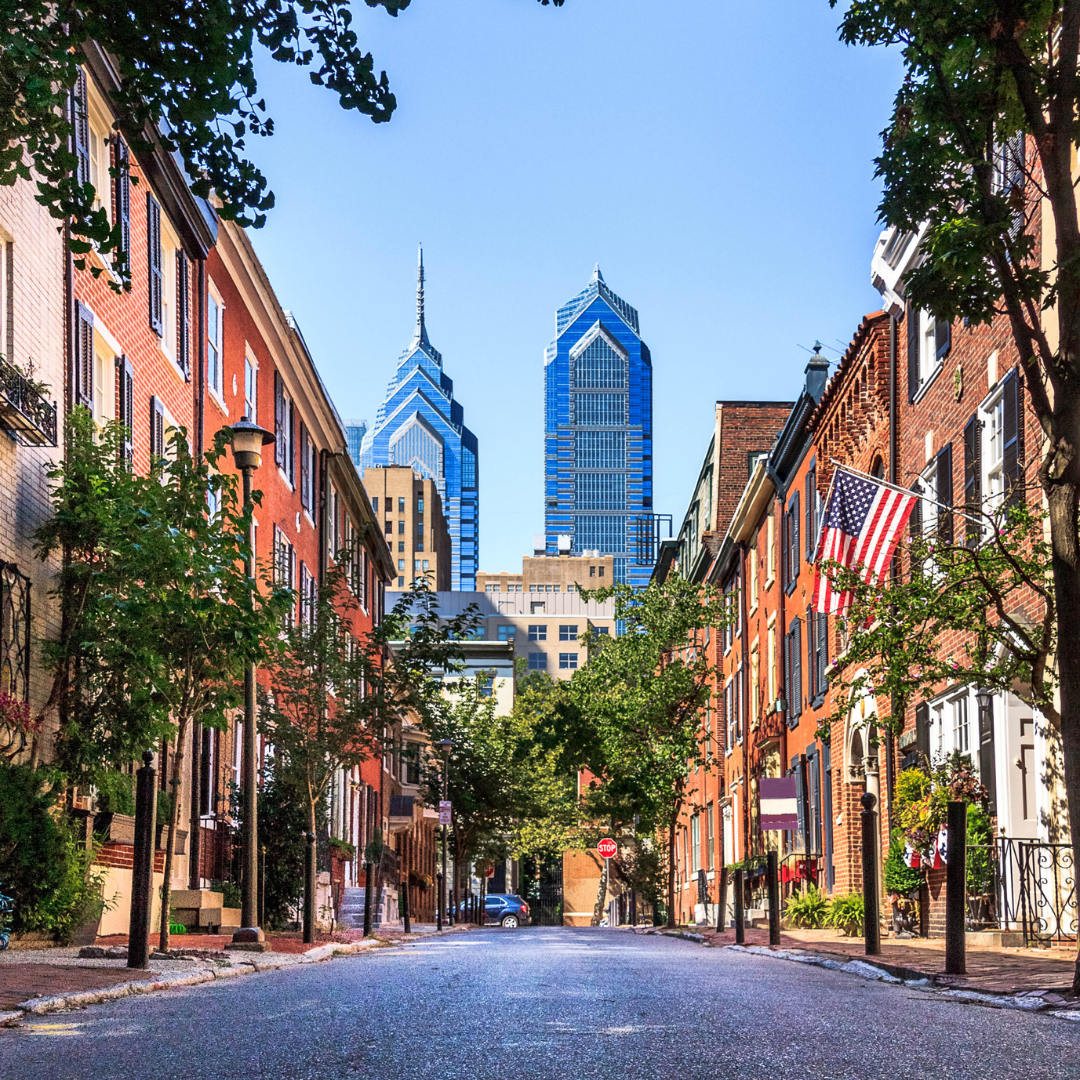
Philadelphia and the broader Northeast offer some of America’s most distinctive hospitality environments.
Historic neighborhoods, established culinary destinations, mixed-use developments, cultural attractions, and evolving residential communities create opportunities for independent restaurants, bars, boutique hotels, and experiential hospitality.
But an attractive market is not automatically an attractive investment.
A neighborhood restaurant in Fishtown, cocktail bar in Rittenhouse Square, boutique hotel in Old City, or dining concept in the Main Line will each depend on different guests, operating requirements, and financial assumptions.
The same principle extends across the Northeast.
A restaurant in Manhattan, bar in Brooklyn, boutique hotel in Hudson, and resort property in the Finger Lakes cannot succeed by following identical development models.
The market may be established. The building may have character. The neighborhood may be recognizable. None of those factors guarantees sufficient guest demand, a sustainable lease, or the financial return required to justify the investment.
Historic buildings can also introduce expensive complications. Existing restaurant spaces may conceal outdated infrastructure. Premium locations may come with financial expectations the business cannot realistically support.
The question is whether your specific market, location, financial structure, and operating model justify the investment required to compete.
That is where KRG Hospitality begins.
Philadelphia + Region Hospitality Market Intelligence
Established Hospitality Markets. Distinct Demand Patterns. Significant Investment Decisions.
43.9M
Visitors to the City
13.8%
Decline in International Visits
1.57M
Population in Philadelphia
Before You Invest in Philadelphia, Resolve These Three Decisions.

Does Your Concept Have a Reason to Exist in an Established Market?
Philadelphia, New York City, and much of the Northeast already offer an extensive selection of restaurants, bars, and hospitality experiences.
Established businesses may have recognizable brands, loyal guests, proven operating systems, and years of market familiarity. A new business needs a compelling reason for guests to change their habits or add another hospitality experience to their spending.
That requires more than an attractive menu, interior, or location. Your concept must identify its intended guests, competitive alternatives, positioning, price expectations, and the value it can deliver consistently.
In regional destinations, the question may be different. A boutique hotel in the Catskills or independent restaurant in the Finger Lakes might need to balance local spending with tourism demand and seasonal travel.
The decision: Is there a clearly identifiable, accessible guest market with a compelling reason to choose your business over the existing alternatives?

Does the Property Strengthen the Investment or Introduce Hidden Exposure?
The Northeast contains a significant collection of historic buildings, established commercial corridors, former restaurant locations, and adaptive reuse opportunities.
These properties can provide character, brand differentiation, and valuable locations. They can also introduce unexpected costs.
Outdated electrical infrastructure, ventilation, plumbing, grease handling, fire protection, accessibility, building code requirements, and preservation restrictions can dramatically influence the capital required.
For restaurants and bars, inefficient layouts may increase staffing expenses or restrict guest capacity. For hotels, room configuration, back-of-house limitations, mechanical systems, and amenity planning can affect both development costs and long-term operating efficiency.
An attractive acquisition price or lease rate does not necessarily represent an attractive business opportunity.
The decision: Does the physical property support the guest experience and financial model, or are you inheriting expensive limitations that could undermine profitability?
Can the Business Perform Beyond Peak Demand?
A restaurant that depends on weekend traffic may struggle with weekday operating costs.
A hotel that benefits from major events may face inconsistent occupancy during ordinary periods.
A destination property in Upstate New York may experience significant differences between summer, fall, winter, and shoulder-season demand.
The business model must account for those realities.
Revenue forecasts should consider the actual mix of local residents, business travellers, regional visitors, destination guests, and repeat customers.
Operating plans must connect staffing, inventory, pricing, marketing, programming, working capital, and fixed expenses to realistic demand patterns.
The decision: Can the business support its financial obligations throughout a normal operating year, or does the investment depend on exceptional sales periods to work?
Restaurant, Bar and Hotel Development Consulting in Philadelphia
Three Hospitality Sectors. One Connected Strategic Approach.
KRG Hospitality supports independent founders, emerging operators, and investors developing restaurants, bars, boutique hotels, motels, and destination hospitality properties throughout Pennsylvania, New Jersey, New York, and the broader Northeast.
Our role is to connect the creative vision with the commercial strategy and operating requirements needed to bring it to market.

From independent urban hotels and historic building conversions to boutique accommodations, regional motels, waterfront properties, and destination resorts, KRG helps developers evaluate the commercial opportunity behind their hospitality vision.

From neighborhood bars and cocktail lounges to pubs, sports bars, entertainment venues, and nightlife concepts, KRG helps founders connect the guest experience with commercial discipline.

From neighborhood cafés and quick-service restaurants to casual dining, elevated concepts, destination restaurants, and emerging restaurant groups, KRG helps founders establish a distinctive market position and financially viable operating model.
Built on Experience. Measured Beyond Opening Day.
A Strategic Partner for Founders, Operators and Investors.
Founded in 2009, KRG Hospitality brings together real-world hospitality experience, strategic coaching, financial discipline, operating systems, and a network of specialist partners.
Led by principal consultant Doug Radkey and mindset coach Jennifer Radkey, KRG connects the decisions that are too often developed independently: feasibility, concept, brand, financial planning, design, technology, people, processes, and opening execution.
Our objective is to help founders protect invested capital, reduce avoidable mistakes, and build hospitality businesses with a stronger foundation for performance.
2009
Year KRG Hospitality was established by Doug and Jennifer Radkey.
300+
Hospitality projects supported across KRG’s wider portfolio.
94.3%
Projects reported as delivered within their approved budgets.
98.2%
Among qualifying concepts tracked beyond five years, 98% remain operating, expanded, or successfully acquired.
Philadelphia Is Our Regional Anchor. Our Coverage Goes Further.
Hospitality Consulting Across Pennsylvania, New Jersey, New York and the Northeast.
KRG Hospitality supports independent hospitality founders, developers, and investors across the Northeast and Mid-Atlantic, from established metropolitan markets to suburban communities, historic downtowns, waterfront destinations, and regional tourism markets.
Each opportunity requires a location-specific understanding of guest demand, competitive conditions, property requirements, investment costs, and financial potential.
Center City, Rittenhouse Square, Old City, Society Hill, Washington Square West, Midtown Village, Fishtown, Northern Liberties, East Passyunk, South Philadelphia, University City, Fairmount, Brewerytown, Manayunk, Germantown, Chestnut Hill, and surrounding neighborhoods.
Philadelphia contains distinctive hospitality environments shaped by residential communities, universities, cultural destinations, employment centers, historic architecture, and visitor activity.
A restaurant developed for Center City may depend on a different combination of guests, revenue periods, and pricing expectations from a concept in Fishtown, Manayunk, or East Passyunk.
KRG helps founders connect those differences to concept positioning, financial planning, property requirements, and operational strategy before committing significant capital.
King of Prussia, Conshohocken, Plymouth Meeting, Ardmore, Bryn Mawr, Wayne, Villanova, West Chester, Media, Newtown Square, Doylestown, New Hope, Yardley, Bensalem, Phoenixville, and surrounding communities.
Greater Philadelphia’s suburban markets offer different opportunities around residential spending, business activity, shopping districts, historic towns, and regional destinations.
An independent restaurant in a walkable suburban downtown may have different demand patterns from one developed in a major commercial corridor.
KRG helps founders evaluate trade-area demand, accessibility, competitive supply, occupancy expenses, guest expectations, and the financial requirements of the concept.
Allentown, Bethlehem, Easton, Reading, Lancaster, Harrisburg, Hershey, York, Gettysburg, Scranton, Wilkes-Barre, Stroudsburg, East Stroudsburg, and surrounding communities.
These markets include established urban centers, regional business districts, universities, tourism destinations, historic communities, and outdoor recreation areas.
Independent restaurants, bars, boutique accommodations, and destination properties must consider their actual local and visitor demand, market size, operating season, staffing conditions, and development requirements.
KRG helps founders evaluate the commercial opportunity based on the proposed market rather than assumptions from Philadelphia or New York City.
Pittsburgh, Cranberry Township, Wexford, Monroeville, Washington, Greensburg, Butler, Johnstown, Altoona, State College, Erie, and surrounding Pennsylvania communities.
Western Pennsylvania offers opportunities across established neighborhoods, university markets, regional employment centers, historic redevelopment districts, and visitor destinations.
A neighborhood restaurant in Pittsburgh, bar in State College, or boutique hotel in a regional tourism market requires its own competitive position and operating model.
KRG supports development decisions connecting market feasibility, location economics, capital planning, guest experience, and financial performance.
Camden, Cherry Hill, Collingswood, Haddonfield, Haddon Township, Voorhees, Marlton, Mount Laurel, Moorestown, Deptford, Glassboro, Atlantic City, Ventnor, Margate, Ocean City, Wildwood, Cape May, and surrounding communities.
South Jersey offers hospitality opportunities across communities connected to Philadelphia, established residential markets, shore destinations, and entertainment-driven areas.
The financial model behind an independent restaurant in Collingswood differs from that of a seasonal coastal bar, boutique hotel in Cape May, or hospitality concept in Atlantic City.
KRG helps founders connect guest positioning, local and visitor demand, seasonal conditions, licensing requirements, capital investment, and operational systems to the proposed opportunity.
Trenton, Princeton, New Brunswick, Edison, Red Bank, Asbury Park, Long Branch, Toms River, Freehold, Newark, Jersey City, Hoboken, Montclair, Morristown, Hackensack, Fort Lee, Ridgewood, and surrounding communities.
Central and Northern New Jersey combine residential markets, commuter-oriented communities, business travel, coastal hospitality, established downtowns, and close connections to New York City.
An independent restaurant, neighborhood bar, or boutique accommodation property must be developed for its specific location and intended guests.
KRG evaluates trade-area demand, competitive positioning, property economics, operating requirements, and financial viability before major investment commitments are made.
Manhattan, Brooklyn, Queens, the Bronx, Staten Island, and surrounding metropolitan communities.
New York City is one of the world’s most established and competitive hospitality markets. Within Manhattan, a concept developed for Midtown, the Financial District, Chelsea, Greenwich Village, or the Lower East Side may depend on very different guest behaviors and operating assumptions. Brooklyn and Queens contain their own diverse restaurant, beverage, neighborhood, and destination hospitality markets.
Development costs, labor requirements, limited space, permitted uses, licensing, and competitive positioning can materially influence financial viability.
KRG helps founders determine whether the concept, guest experience, location, and financial model are sufficiently differentiated and commercially defensible.
Rochester, Canandaigua, Geneva, Seneca Falls, Auburn, Skaneateles, Ithaca, Watkins Glen, Corning, Penn Yan, Hammondsport, and surrounding communities.
The Finger Lakes region presents opportunities across independent restaurants, beverage experiences, boutique accommodations, waterfront properties, wineries, and destination hospitality.
Guest demand may reflect a combination of residents, university-related activity, regional travel, and tourism. Seasonality, property access, staffing, operating capacity, and guest expectations can materially influence the financial model.
KRG helps founders determine whether the concept, location, investment requirements, and operating systems support the proposed opportunity.
Buffalo, Niagara Falls, Lockport, Batavia, Syracuse, Liverpool, Fayetteville, Baldwinsville, Utica, Rome, New Hartford, Binghamton, Endicott, Elmira, and surrounding communities.
Central and Western New York offer hospitality opportunities across established neighborhoods, regional business centers, universities, redevelopment districts, and visitor destinations.
A restaurant in Buffalo may depend heavily on local repeat spending, while a hospitality concept near Niagara Falls may serve a more destination-oriented audience. KRG evaluates each opportunity through market demand, competition, capital requirements, financial projections, and operational readiness.
How We Work Across the Region
KRG Hospitality provides personalized remote coaching, strategic consulting, and project development advisory throughout Pennsylvania, New Jersey, New York, and the surrounding Northeast and Mid-Atlantic markets.
On-site assessments, property visits, strategic workshops, and project coordination are available when appropriate to the engagement scope, travel requirements, and development needs.
We collaborate with qualified local architects, engineers, contractors, attorneys, licensing specialists, and other industry professionals when their expertise is required.
Frequently Asked Questions
Yes. KRG supports restaurant, bar, boutique hotel, motel, and hospitality development projects throughout Philadelphia and surrounding Pennsylvania and New Jersey communities. Services include early-stage validation, concept development, feasibility planning, financial strategy, operational playbooks, implementation coaching, and project-specific consulting.
Absolutely. This is one of the most valuable times to engage KRG. The Roadmap helps assess your concept, capital requirements, operating assumptions, and development readiness before additional commitments limit your options.
Yes. KRG supports early-stage concept validation, market positioning, financial planning, operating strategy, and pre-opening development for hospitality projects throughout New York City.
Yes. While these two markets are not identified above, we have worked in these areas. KRG supports suitable hospitality development projects in Boston, Washington, D.C., and surrounding Northeast and Mid-Atlantic communities through remote consulting, strategic coaching, and project-specific advisory.
Yes. KRG can help assess the proposed market, capital requirements, concept positioning, operating model, and readiness for another location or the development of a hospitality group or portfolio. The goal is to establish whether the additional investment can create meaningful business value rather than simply increase your organizational complexity.
Costs vary significantly by concept, location, property condition, square footage, equipment requirements, construction scope, capacity, and operating model. A credible budget must account for both opening investment and the working capital required after launch. KRG helps founders develop project-specific budget assumptions and financial planning through its programs. Try our free calculators.
Your Next Investment Deserves a Stronger Decision.
You Have a Vision. Now Establish What the Business Needs to Succeed.
Whether you are opening a restaurant in Philadelphia, developing a cocktail bar in Brooklyn, planning a boutique hotel in the Manhattan, or evaluating another hospitality investment across Pennsylvania, New Jersey, or Upstate New York, the decisions you make before opening will influence the business long after its first guests arrive.