Bar Hacks

by David Klemt David Klemt No Comments

Bar Hacks 2025: Top Episodes

Bar Hacks 2025: Top Episodes

by David Klemt

Bar Hacks Spotify for Creators Wrapped 2025 cover

Thank you to every one of our incredible guests and our amazing audience for listening to Bar Hacks and Bar Hacks: ReFire this year!

Season six, which spanned 2025, was another fantastic year for insightful and fun conversations.

Among our informative and engaging guests were Hayden Lambert, who shared his “simplexity” philosophy. Michael Suomi, the creative mind behind several award-winning designs, dropped by for a great chat.

Matty Rangel popped in to chat tending bar, dive and neighborhood bars, crafting engaging content, and more. KRG Hospitality design partner Nancy Kuemper of Mabel Design Co. shared her journey in hospitality design, and her tips for maximizing the client-designer relationship.

Bar Hacks host David Klemt addressed real-world hospitality business situations with Bradley Knebel over the course of several Bar Hacks: ReFire episodes.

Of course, that’s just a handful of the guests and topics from 2025. We’re grateful for everyone who takes the time to stop by and chat with us, and for everyone who listens, subscribes, likes, and shares.

Thank you all so much!

Below, the top episodes of 2025. We’ll see you in 2026! Cheers!

Episode 136 with Hayden Lambert

Our number one episode of 2025! Hayden Lambert, co-founder of the unique and award-winning Above Board bar in Melbourne, Australia, pops by for an incredible chat.

When Lambert would explain the reductionist philosophy behind the concept for Above Board to others in the industry, he was told it wouldn’t work. Well, nearly ten years of operation, a few appearances on the World’s 50 Best Bars list, and other accolades later, Above Board continues to prove that its unique approach works.

On this episode of the Bar Hacks podcast, Lamber discusses his journey through hospitality, traveling the world, still being tested as a bartender, “simplexity,” how brands can succeed in a bar without a back bar, the magic that is making guests feel like their experience was easy, and much, much more.

Lambert drops a ton of useful information and experience in this episode that veteran, new, and hopeful bar owners need to hear and consider.

Spotify

Apple Podcasts

Episode 141: Brand Authenticity: Robert Minucci of Talkhouse Encore

On this episode of Bar Hacks, host David Klemt sits down with Rob Minucci, CEO and co-founder of Talkhouse Encore, a premium RTD brand inspired by the legendary dive bar Stephen Talkhouse in the Hamptons. Together, they delve into the story behind the brand’s inception during the pandemic, discussing how Rob’s business partner Ruby Honerkamp (whose family owns the iconic bar), sought to bring the spirit of the Talkhouse to the masses through gluten-free vodka and tequila seltzers. Or, as Rob explains, dive bar classics in RTD form.

Rob shares insights into the challenges of launching a new beverage brand, from navigating distributor relationships to the importance of creating a standout product that resonates with consumers. He emphasizes the significance of authenticity and flavor, particularly for the Gen Z demographic, who are looking for more than just a drink;they want a story and a connection to the brand.

You’ll learn about the strategic decisions that shaped Talkhouse Encore, including its unique approach to market research and branding. Rob explains how they focused on building a strong local presence before considering expansion, ensuring that they meet consumer demands with quality ingredients and an engaging brand narrative.

Spotify

Apple Podcasts

Episode 134 with William Brooks

On this episode, host David Klemt sits down with William Brooks, the Global Brand Ambassador for Tequila Herradura. With a background from Johnson & Wales University and extensive experience in the spirits industry, William shares his fascinating journey from whiskey to agave.

Discover the unique qualities of tequila, as William dispels common myths and misconceptions. He dives into the importance of terroir, the differences between lowland and highland agave, and how these factors influence flavor profiles. The conversation also covers the innovative practices at Tequila Herradura, including sustainability efforts, and the creation of the reposado category.

Plus, William shares his favorite tequila cocktails, perfect food pairings, and tips on how to properly taste tequila (hint: replace the lime). Whether you’re a seasoned agave enthusiast or just starting to explore, this episode is packed with valuable insights and delicious ideas.

Spotify

Apple Podcasts

ReFire: Brilliant Burgers, Sloppy Service & Persnickety Perception

Guest experience drives perception, and perception shapes value. As you may have already learned, perception can be impacted on what may feel trivial to operators and their teams but is incredibly important from guest to guest.

On this episode of Bar Hacks: Refire, David Klemt, partner at KRG Hospitality, and co-host Bradley Knebel of Empowered Hospitality break down a real-world story of two restaurants offering the same menu and pricing, but with vastly different outcomes. One felt like a letdown because of disorganization and sloppy service; the other delivered a memorable experience simply by getting the fundamentals right.

The duo dig into why poor guest experience makes food and drinks taste worse; why discounting without strategy sends the wrong message; and why every detail—from lighting and music volume to greetings and check drop—matters. If your guests don’t feel good about the experience, they won’t feel good about the value. And if they don’t see value, they won’t see a point in returning for more visits.

Tune in to rethink what you’re really selling.

Spotify

Apple Podcasts

Episode 133 with Michael Suomi

Suomi Design Works is an award-winning hotel design studio dedicated to approaching every hospitality project with an exceptional level of creativity. In fact, Michael Suomi, president of the studio, actively seeks out unique, challenging projects.

On this episode of the Bar Hacks podcast, host David Klemt chats with Michael about a number of these extraordinary projects. Further, Michael shares his approach to onboarding clients, building unique teams for exceptional projects, trends he thinks may stand out in 2025 (and which he’d like to see disappear), and more.

Spotify

Apple Podcasts

Episode 139 with Matthew Rangel

We sit down with real-life bartender, actor, and social media creator Matthew Rangel (@therealmattyrangel) an hour before he needed to open one of the three bars at which he works in Wisconsin to talk neighborhood bars, dive bars, mental health, social media, and the Midwest.

For those who haven’t yet come across Matty’s bartending videos, they’re quick, funny, and relatable to anyone who has worked behind the stick, or worked at a bar or restaurant. Matty breaks down his approach to creating his videos, which is a quicker process than most would likely expect. He also explains that people don’t need to buy the most expensive recording gear or spend hours editing to make impactful videos.

Matty also discusses mental health and the hospitality space, in particular bartending. He hosts Mental Health Mondays each week, hoping for people to reach out, share, connect, and work through their struggles.

Spotify

Apple Podcasts

Episode 140 with Finian Sedgwick

Long-time listeners know we love it when previous guests return! On this episode, Finian Sedgwick, chief growth officer at BAXUS, comes back onto the podcast.

Finian and David chat about the growth of BAXUS and the BoozApp, including new features for the peer-to-peer marketplace, popular bottles and spirits categories, and the rabbit hole members can go down when searching for items to purchase and trade. They also talk about bottles that have grabbed Finian’s attention, why he’s bullish on wine, and how alcohol-free cocktail menus are more important than some operators may think.

Speaking of operators, the two also discuss the doom-and-gloom articles blaming Millennials and Gen Z for “killing” or otherwise “ruining” alcohol consumption and sales. Is that really the state of booze, or are people rage-baiting for clicks, and are some operators failing to meet their guests where they are?

Spotify

Apple Podcasts

Episode 130 with Giuseppe Gallo

Giuseppe Gallo has accomplished a lot in his two decades-plus in the hospitality and beverage spaces: he’s a respected vermouth and amaro expert, the winner of the 2014 Spirited Award for Best International Brand Ambassador, an educator and drinks historian, and a bartender’s bartender.

Among other topics, this episode explores the creation of SAVOIA Americano (and ITALICUS). Giuseppe introduces SAVOIA Orancio, an innovative new aperitivo made with natural orange wine. Throughout the conversation, Gallo
emphasizes the importance of bartender insights in shaping successful beverage brands, and the guest experience.

Spotify

Apple Podcasts

ReFire: Bad Behavior & Ridiculous Regulars

Hosts David Klemt and Bradley Knebel tackle two real-life restaurant and bar situations in the first ReFire of 2025.

The two tackle the topic of an operator who’s hesitant to believe it when multiple employees claim a culinary team member is rude, hostile, and abusive…but believes that team member when they make the same accusation against a quiet but hard-working back-of-house peer. Don’t worry – it gets worse!

Then, David and Bradley take a look at a stunning, on-the-spot termination of a bartender who had been in role since day one. The restaurant was busy, the bar was slammed, and the word of a regular got the bartender of five years fired instantly. Something doesn’t add up!

Look, firing someone is never pleasant. However, it’s going to happen. Operators and leadership team members need to have standards in place and communicated clearly, a process for terminations, and the understanding that how they fire people speaks to their credibility and reputation.

Spotify

Apple Podcasts

ReFire: “We’re Having DinnerYou’re Not”

We managed to squeeze three real-world hospitality situations into episode five of ReFire!

On the last episode, David and Bradley talked about guest perception, and how the “little” things can have a big impact. This time, they discuss brand perception, and how quickly a misstep can turn into a catastrophe.

Then, they talk about “skunking,” and how it impacts your team.

Finally, David and Bradley take a look at a restaurant’s new SOPs shared by a team member, and why they’re a problem.

Spotify

Apple Podcasts

Image: Spotify

Client Intake Form - KRG Hospitality

by David Klemt David Klemt No Comments

Bar Hacks: ReFire: Episode 1, Part 1

Bar Hacks: ReFire: Episode 1, Part 1

by David Klemt
Bar Hacks: ReFire podcast "black paper" background cover

In the latest episode of the Bar Hacks podcast, I introduce an innovative format called Bar Hacks: Refire, tackling real-world hospitality scenarios.

Joined by Bradley Knebel, client services director at Empowered Hospitality, the first episode offers a fresh perspective on managing bar and restaurant challenges.

The discussion kicks off with a focus on staff management, addressing the question of rehiring former employees. What may seem like a simple question proves to be anything but when Bradley and I break down the interplay of labor shortages, cultural fit within a team, and other key elements.

Our goal, as it will be with every episode of ReFire, is for listeners to gain valuable insights into the decision-making process behind giving second chances, and the impact of such decisions on team dynamics.

Whether you’re a bar owner, manager, or aspiring hospitality professional, this episode offers a wealth of knowledge and strategies to navigate the challenges of running a successful bar or restaurant.

Below, a transcript of the first part of the first episode of Bar Hacks: ReFire. Bradley and I jump into each scenario cold (for the most part), so the tone is conversational rather than formal. Cheers!

Transcript: Bar Hacks: ReFire: Episode One

David: Hey, welcome back to the Bar Hacks podcast… We’re gonna try something a little different today with the format, and I’m kind of playing around with it. I think I’m gonna call it Bar Hacks: ReFire because we’re giving people a second bite of the apple for a situation that maybe we read about that we don’t agree with, or that we can study and kind of revisit as a way to give some advice.

But my guest today is Bradley Knebel. He is the client services director at Empowered Hospitality. He worked for, I wanna say a decade, for Danny Meyer’s Union Square Hospitality Group until a couple years ago. He was the GM of Tatiana, and he helped bring that restaurant to, I believe, a three-star review in The New York Times. It has also been recognized as the number one restaurant in New York City during its tenure. And we met at this year’s Flyover Conference, me and Bradley, and we were hanging out with the founders of that show, Sarah Engstrand and Greg Newman. (And just a little drive-by on Dave Kaplan, as well, was hanging out with us, of Death & Co.)

We just had some really great conversations, and some good drinks, and really good pizzas at that one spot. They were, I think, wood-fired out of a food truck. Really good. So, I was doing my second ever public speaking engagement, which was still nerve wracking for me. I know I do a podcast, but this is completely different than talking to a room full of industry experts and industry newbies who are hoping I can tell them something good. And I think, Bradley, it was your first public speaking since Empowered Hospitality and doing your thing over there, and you and Kaplan were nice enough to sit in on my session and actually ask me questions that were helpful for everyone else, and yourselves.

So, I had this idea bopping around in my head about a different podcast format, because I was like, “Well, I do interviews, but I don’t always get the chance to address, you know, operator topics and server topics, and bartender and chef topics, because I want the audience to learn from the expert that I’ve got on.” That’s my very long-winded way of saying, welcome, Bradley, and let’s try this new podcast format.

Bradley: Hi, Dave, thanks for having me. I’m super excited about this. I think it’s going to be a really fun format, and I like the Bar Hacks: ReFire because we’ve all had to refire something that didn’t come out right. Or you accidentally overcooked something because something else comes up in the moment, and you just totally forget that you have something cooking. So, I love the name. And also, for your second public speaking, I thought you did incredibly well. I certainly enjoyed your conversation, and it was also so relevant to what you do, and kind of what you and I have talked about in the past of like, how do you build successful restaurants from the ground up and where do you start? And we’ve even joked about how many people we’ve met who just say, “I have money, I want to open a restaurant. Let’s do this,” and don’t realize how hard it is. So, really excited to dive in on some of these questions we have today, and thank you so much for having me on the show today.

David: Absolutely. And hopefully we do many more of these.

The ReFire Format

David: So, for the audience, what happened is, I sifted through… I’m basically going through online—there’s subreddits that, basically, everybody knows there’s a subreddit for everything. Good or bad, there’s a subreddit for it. Servers have a subreddit. Bartenders, chefs, bar owners, restaurant owners, hotel owners… I mean, they all have subreddits. And then there’s just, you know, forums all over the internet. You can find pretty much any topic. And so, I’m kind of sifting through these for real-world situations. And the caveat there is we’re gonna take these at face value, for the most part. Unless someone is like, “I’m just kidding,” like, “I got you all like in the comments…”

But we’re going to accept that these are really happening, because anyone in the industry knows if you’ve been in there, you know, for a few years, everything happens in this industry. So, a lot of this stuff is believable, even as outlandish as it might sound. The only thing I’m going to do, really, and Bradley’s going to do when we bring these topics up, is we’re not going to read them verbatim. We’re going to summarize. And the reason for this is I don’t want people to get doxxed. I don’t want them to, you know, get review bombed because someone decided, “I’m going to side with the server on this and let’s review bomb this operator.” You know, things like that.

So, we’re trying to be general but still get to the crux of the situation, and I’m sure they’ll get more specific as we go. I chose three to start with; hopefully, we get to all three. If we have a great conversation on, like, the first one or two, we’ll save the third one, or you know, however it works, for the next one. But that’s how this is gonna work. I’m sure it’ll evolve, ‘cause I’m not, like, a strict, like, “Oh, this is how it’s going to be” ‘cause it’s quote-unquote “my podcast,” because I’m not like that. We’re going to have fun with this.

Situation 1: Second Chances? Hire Hard, and Manage Harder

David: Situation one is interesting. So, this is written ostensibly by a bar and restaurant owner, and we can all relate to this, you know, the past couple years. This one said the past year or so he’s had trouble—actually, I don’t know if it’s a he or she, I shouldn’t even say that—they have had trouble finding and keeping staff, and when they do keep them, keeping them happy.

So, the kitchen has two or three cooks. It’s a relatively small team. When it’s busy in the restaurant there are, from what I can interpret, there are two cooks on. And when it’s slow, one cook is doing everything. Pretty standard for a small operation, I would say. (These days, you’re trying to control labor costs. My business partner Doug will say, “We don’t cut costs, we control them.” You start cutting things and it can get ugly, and it’s a whole other can of worms. I’m sure Bradley would agree with that.)

They had a new hire, seemed perfect. From what I understand, they were a good fit because everybody relies on one another. Like, “Hey, I need to take this day off. Can you take this?” It’s very…it seems informal. They can just talk to each other and get things done. But because It’s a small team, they need someone reliable, which is what they thought they had. This is a part-time worker; they had another job.

Within that first month, just a slew of, just, unfortunate events struck this new hire, and they could not, they couldn’t sustain it. And so, they gave no notice—they just quit. The operator didn’t freak out in the, in the post, was just like, “That’s really disappointing that they didn’t even, you know, text me like, ‘Oh, I can’t do this for another two weeks.’” But it does seem like real life got in the way, and this person wouldn’t probably have been able to reliably give, you know, two weeks or a week.

However, a couple weeks after that happened, the person came to get, I assume, their first paycheck. Their last, but I’m assuming their only, paycheck. And I don’t think the operator was there. They talked to the lead chef, and they apologized, and they expressed that they had stabilized everything, and just a bad time all at once, basically. And they would really love to come back. And, in fact, they would like to come back full time. So, I don’t know if that means that, the job they lost, they couldn’t get that back, or they were just like, “You know what? I actually like this place. I would like to be here full time.”

And so, the whole point of the post was, do you give second chances? Or would you give second chances to someone who just quit and then shows up for their paycheck? So, because of what Empowered does, specializing in HR and things like that for this industry, I figure we’ll go with you first on this topic and see what your initial thoughts are.

Tornado People

Bradley: Yeah, I think some things that are really interesting about this question, and thanks for passing it over, is it was a really short tenure before the person left. Right? So, this cook in question was there for, I think it sounded like a month. And then because of life… And I think it’s important in this instance to state that the incidents that led to this employee leaving were outside of the workplace, and I think that’s an important distinction here. So, there were things that happened in this employee’s personal life. It was losing a job and some other pretty unfortunate situations that led to them basically leaving with no notice, which is never a great sign. That feels really terrible. As an operator, you’re now scrambling. You thought you had your plans in place. And for such a small team, as you mentioned earlier, if it’s a team of three or four people, losing one is a massive part of that labor force.

So, I think the flag here is: Do you think it’s repeatable? Do you think that that one blip and moment was a really unfortunate circumstance? We’ve all met—I like to call them tornado people, where for good or for bad, things just spiral around them. Things are just never going well. There’s always: breaking this lease; I had to leave; I had to move out of this apartment; I just lost this job; you know, my partner just said this. And so, if it’s somebody who is just a tornado person, it’s going to kind of keep revolving back. So, I would be really worried with this employee and with this hire. Is this a pattern? Just a pattern you saw a single piece of that becomes unreliable?

And also, can you trust this person again? Especially because the kitchen is run on a singular body during, I’m assuming, lunches, Sunday, Monday, Tuesdays… You know, if this person is working a Monday dinner, how confident are you now that they’re going to show up? Labor is hard right now. You’re seeing a massive labor shortage, especially in the culinary world. There’s a huge disparity in the back of house right now, and it’s real. But you also need to make sure you’re hiring the right thing. And you mentioned earlier, I worked for Union Square Hospitality Group for Danny for a long time, and one of our big tenets, when it came to talent and came to people, was “hire hard, and manage harder.” It’s finding the right fit, and sometimes it can be really challenging. That does mean having to jump in. And as anybody who’s worked in this industry long enough knows, that sometimes mean you’re washing dishes by yourself at 1 am because your dishwasher stormed out, or your dishwasher is now covering a prep station, or, you know, one of the other crazy things that just happens in this industry.

So, my big thing to question here is, do you think this is a pattern? Is this something that’s going to happen again? Do you think you can trust this employee again? And then my biggest question also was, what was it about this employee that made them, quote-unquote, a perfect fit? Was it because they just didn’t complain and did their job well, or were they adding to the culture? So, if they were adding to the culture, if they were adding to the standards, if they were really building themselves in the space, then I, I think a second chance could be warranted, knowing all the life circumstances that went into it. But if this person was a good fit just because they came in usually on time, usually did what they were supposed to do, and left the station usually clean, I just… The risk of having another month spiral out to me is a really big concern, especially for a team that small, and for a team who has to operate on their own pretty consistently.

Two Minds

David: And then the other question is, so you, let’s say now we’re, we’ll bring you back. And then the question becomes, what kind of limitations do you put on this? Because I’m of two minds.

Okay, well, the apology does go a long way, I appreciate that. Maybe the owner wasn’t on property when the person came. And then the question in the back of my head would be, did you plan that so you don’t have to deal with the owner, and you apologize to the cook because maybe you respect other chefs, but you don’t really respect the owner, or you just didn’t wanna deal with the owner, or they just happen to not be there and you want to apologize to everybody who you affected. That’s possible.

But then you start doing the, you know, okay, well, we need to do, like, a 60-day probationary period, or a 90-day. And while I do agree with those, sometimes, I do think they do affect the culture, and they affect your employees. Like, “Right, I have this constant, like, just spotlight on me. I’m afraid to make any mistake.” Or what if legitimately something just happens? Like, okay, so their car broke down, and then they went to get the bus, and that’s running late, or it’s just stuck in traffic. They try to get there and they’re still late. Are you going to listen to them and not ding them? Or is it, “Okay, well, I don’t want to hear it again. You’re out of here.”

So, I do think probationary periods make sense, but not when you are laser-focused on them. You made a huge mistake and now we’re going to put these limitations on you. That’s not healthy, I don’t think, for either side. So, I maybe would do it like, hey, you can come back, but we’re going to go part-time first, and then I really don’t want…I’m not going to give you a lone shift; you’ll always be with another one of their cooks, and hopefully they show up for every shift.

But then it’s, you know, do the cooks get input? Does the owner get to go, “Okay, look, this is going to affect you directly. This is your team, essentially. Do you want this person back?” Because I do think that these are conversations you need to have with the team affected. And it does affect the entire team, but the direct team first. And then if you wanna ask the front-of-house manager, “What do you think of the situation? Like, do you trust the kitchen if this person’s here?”

So, I don’t think there’s, a silver bullet. I think it really is going to come down to a culture. And like you said, was this person a good fit because of culture, or were they a good-

Bradley: Fit because they were a body?

David: That’s…yeah, that’s the answer. If it’s because “I need this person here,” then if there’s only a month, I think you can survive another month looking for somebody, and hopefully they work out better. And I hate saying “hopefully,” ‘cause that’s so not strategic. Like, “Oh, I hope they work out.” But that really is part of it. Like you said, you hire hard.

But still, I mean, one of our industry peers thought they hired the right general manager for a restaurant once, and turned out they were doing drugs in the office, and stealing money. And I’m not vilifying the drug part, to be honest; that’s an issue that we need to address with a lot more compassion. But they were stealing money, and committing crimes on the property, and that was the issue. And none of that had even occurred to them because the interviews were so good, and the in-person interactions were so good when they were on site. So, it didn’t even occur to them until they didn’t show up and they’d been arrested, and the cops like, “Hey, does this person work for you? ‘Cause check all this.”

There’s always the X factor, and we have to put a lot of trust in people when we hire them. But that is also why I don’t know about you, but I don’t like the standard interview questions. Like, let’s just rubber stamp this. We ask these questions, we pencil-whip the answers, they got them, alright? Most people know how to answer an interview question to get, you know, a thumbs up from somebody.

So, I think a lot of the approach of, “Let’s hang out for a shift.” (And we have to pay them for the shift.) But like, are, they a good fit? Do I want to spend 13 hours with this person a day, or am I like, “Oh, get out of here”? Like, I can’t stand you already. Or—because we can train skills, we all know that—like you said, is it a body? And if it’s a body, I think you move on. Like, I appreciate the apology, but I don’t think it’s worth the headache if that’s the case.

“Probationary Periods are Fake”

Bradley: I agree. We, at Empowered Hospitality, advise clients that probationary periods are fake. And I think there are a few things that probationary periods always worry me because, especially depending on your jurisdiction, depending on where you are in the country, they may or may not be legal, they may or may not be enforceable. Empowered Hospitality operates mostly in New York City, but we have clients all over the country. But we advise all of our New York clients that probationary periods are fake. You know, you might say that you have a 30-day probationary period that you try to terminate somebody, but if you terminate without documentation, they can still go to unemployment court. And if you’re in a very pro-labor state like New York, in a pro-labor city like New York City—which isn’t a bad thing, I think this is a great thing; like labor needs protection—but you’re going to lose that case. Even if they’re on a 30-day probationary period, even if you put it in a handbook, even if you had them sign something… Probationary periods, I think, don’t work, in my personal, professional opinion. I think it just, it’s stage shifts, it’s having trails that should be paid, and in some places need to be paid, but, like, seeing them in action.

And, I also… One of the big flags here, too, is the first three months that somebody is in a job, not only is it when they’re learning the job, they’re learning the culture, they’re learning how to be successful, but it’s also when they’re on their best behavior. So, in this first 90-day cycle when this person is supposed to be on their best behavior, and it’s usually when you get the least amount of complaints and the most amount of, I don’t want to say production, but kind of, like, positive enforcement into the company, they’ve already come in, spiraled out, left with no notice, come back and apologize, and then tried to change the initial condition of their employment, which was part-time, into full-time. So, they’re basically coming back during the window that you’re really evaluating them as a long-term employee. They have basically said, “No, I want to change what I’m doing.”

And then I also have this, like, needle in the back that’s saying are they coming back full-time because they lost their other job that they can’t get back, and they just need something, and you’re the easy target? And all of this to say, if you get along with this person really, really well, you believe that it was an unfortunate event, they’ve shown track record either through resumes or through word of mouth that, like, it was just a blip, and you’re willing to take that risk? Absolutely. There’s so much risk in our industry. Every hire is a risk. Every time you buy a new product from a new vendor, it’s a risk. There’s so much risk in this industry outside of just financial. And so, if you’re willing to take that risk, then that’s a risk you’re willing to take. But it is a risk.

You know, it’s because also, what’s one thing we say all the time? It’s not the shining employee, and it’s not the employee that’s the worst, it’s the employee that just coasts. That’s the biggest detriment to your business. The biggest detriment to your business is the person who just does enough, but doesn’t do enough to actually, like, get anywhere, either probationary or excelling. And so, if you hire this person in and then they end up being one of these tornado people, but they don’t do anything like quit again on the spot, it’s gonna be really challenging to exit this person successfully without risks of the business. And right now, you’re at a moment that there is no risk to not hire them.

The Verdict

David: I probably wouldn’t hire back. And, not to sound like I’m not compassionate, because my gut reaction, personally, with no business involved, is, yeah, they apologized. It was a month. Like, they had a string of things that did not directly involve the company go wrong. Like, let’s try it again.

But on the business side, the operator side, I’m like, what probably wasn’t even a full month of work, you already survived without this person after this all happens. So, I would just keep looking. And as far as probationary periods, you’ll never see it listed in one of our manuals. We do onboarding manuals. We do training manuals. We do checklists. We do a ton of documents for our clients when they ask us to. We have never talked about a probationary period. It’s just like, nope: this is what we expect from you, we’re gonna document it if you don’t do it, and corrective action. It’s gonna start with, “Hey, just don’t do that again,” and then it escalates. So, we don’t do probationary: it’s just, “Please don’t break the standards. If you do, we can talk about it, ‘cause maybe the standard should change.” I mean that does happen, but it’s mostly just don’t do that. And then we’re gonna keep having to escalate this if you keep doing this.

Bradley: And you mentioned something that I think is really important: the day the employee starts, they’re your employee. And by all intents and purposes they’re the same. They need to be treated the same as somebody who’s been there for five years, right?

So, yes, they’re taking more coaching, and there’s more training. They’re taking more time as you’re adapting them to your culture. But that doesn’t mean that there’s any different standard that you can hold them to because they’re new in terms of, like, paperwork, termination process if you have a disciplinary process laid out within your handbook or laid out within any sort of documents or policies, especially if they sign off on them. So, making sure that every hire is a commitment, and you should be willing to put the time and investment into them, but you also have to hold all of them accountable in the same way.

Because I also worry—and kind of diatribing on this a little bit—I worry what message is to sending to the rest of your team, right? If he would have, I’m assuming this person’s a he, but if this person would have quit and said, “I can’t give you notice because of all of these things. I can try and pick up a shift here, but right now this isn’t working,” that’s one thing. But that’s not what happened in this case, you know? This person had a bunch of unfortunate situations happen to them outside of work. But then instead of trying to work with their employer to say, “Hey, I’m working through these things, can I take two weeks to figure this out? I know I just started.” But it was, “I’m gone.” And then a month later like, “Hey, I’m back. Can I get a job?” And so, if it was one of my clients, I would be hard pressed to advise “Yes.”

David: And it was a “he.” When they wrote it, it was a “he.”

“You have to protect your entire team”

Bradley: If it was a tough labor market, I could see there were definitely extenuating circumstances that could sway one way or the other. But just at face value, this feels like a really challenging rehire. Not because they don’t care about the person. I don’t think anybody gets into this industry because they don’t care about people. And I’m super empathetic, but I’ve been in restaurants for 20 years. It’s very transient. We’ve seen people come and go.

And just the risk that I would have taken 20 years ago… And on people, I take less now. I think maybe I’ve been burned too many times, or seeing too many patterns come through, but… At the end of the day, you feel bad for this one person, but you have to protect your entire team. And so when you’re the employer, sometimes the good of the whole team makes you make some tough choices, or makes you make choices that maybe you personally don’t agree with or personally make you feel, “Hey, I feel like I might be a bad person, but I can’t do this because I have 16 other people that work for me that show up every day that have been there consistently, and they need to have a team that shows up as well.”

I’m going to go back to the biggest flag here for me is that it was only one month of, like, good behavior. If this had been somebody who had been there for, like, three months, six months, a year and then had to quit, no notice, all these things happened in their personal life, and then came back and was like, “Look, I am so sorry life spiraled.” You also have a little bit more judgment on that person’s character. One month in, you don’t know who that person is.

David: Excellent point. Yeah. There’s no way that they—well, not no way—but it’s very low odds they knew exactly who this person is after, I think they said they worked like two or three shifts a week, part-time. So, you just don’t know.

So, yeah, I think both of us are agreeing that you just move on from this, not because you’re cold-hearted, but because it is the best decision for the company, and the team. Like I said, if you really have that culture where you have a meeting, like, “Hey, this is what happened, you all have a vote.” I mean, I’ve seen that happen; it does happen. If that’s the kind of culture, maybe it’s a different answer. But I don’t think the market is so bad that you can’t do without, you know, finding another, waiting another month, two months to hire another person who will fit the same role part-time with the possibility of going full-time. I don’t think it’s that dire.

Pass them On?

Bradley: If you, if a few heartstrings pulled out for this man and you, I still don’t know if I bring him in for the culture. But nobody in restaurants also doesn’t know anybody. It’s, “Hey, I don’t think it’s a good look to bring you back here. It doesn’t set a good precedent for the team. You know, I also am not sure this is, like, going to be a great long-term fit. But if you’d like, I’m happy to talk to somebody else, and see other places in the industry that you might be able to go.”

But that’d be a risk because then you’re putting your reputation on this person’s shoulders.

David: True.

Bradley: But if you trust that they’re good… I still don’t know that bringing them back on sets the right precedent for the company. You could help them in other ways instead of just bringing them back into your space, into your business.

David: That’s a good point. Yeah. You could definitely pass them on. But like you said, now you get the phone call from the person you passed them on, like, “What did you do?!”

Bradley: After a month, they’re like, “They just quit.” Exactly, yeah. I’d say history always repeats itself. And that is long-term and short-term. So, that would be my biggest concern here, outside a few others.

Listen to Bar Hacks: Refire, episode one on Spotify, Apple Podcasts, or wherever you listen to podcasts.

Note: Transcript provided by Eddy by Headliner, edited by author for clarity.

Image: Canva
KRG Hospitality Contact 60-Minute Impact Session

Looking to Start, Stabilize, or Scale? Book Below to Setup a 60-Minute Result-Driven Impact Session.



by David Klemt David Klemt No Comments

Meet Your Next Love: Amante 1530

Meet Your Next Love: Amante 1530

by David Klemt

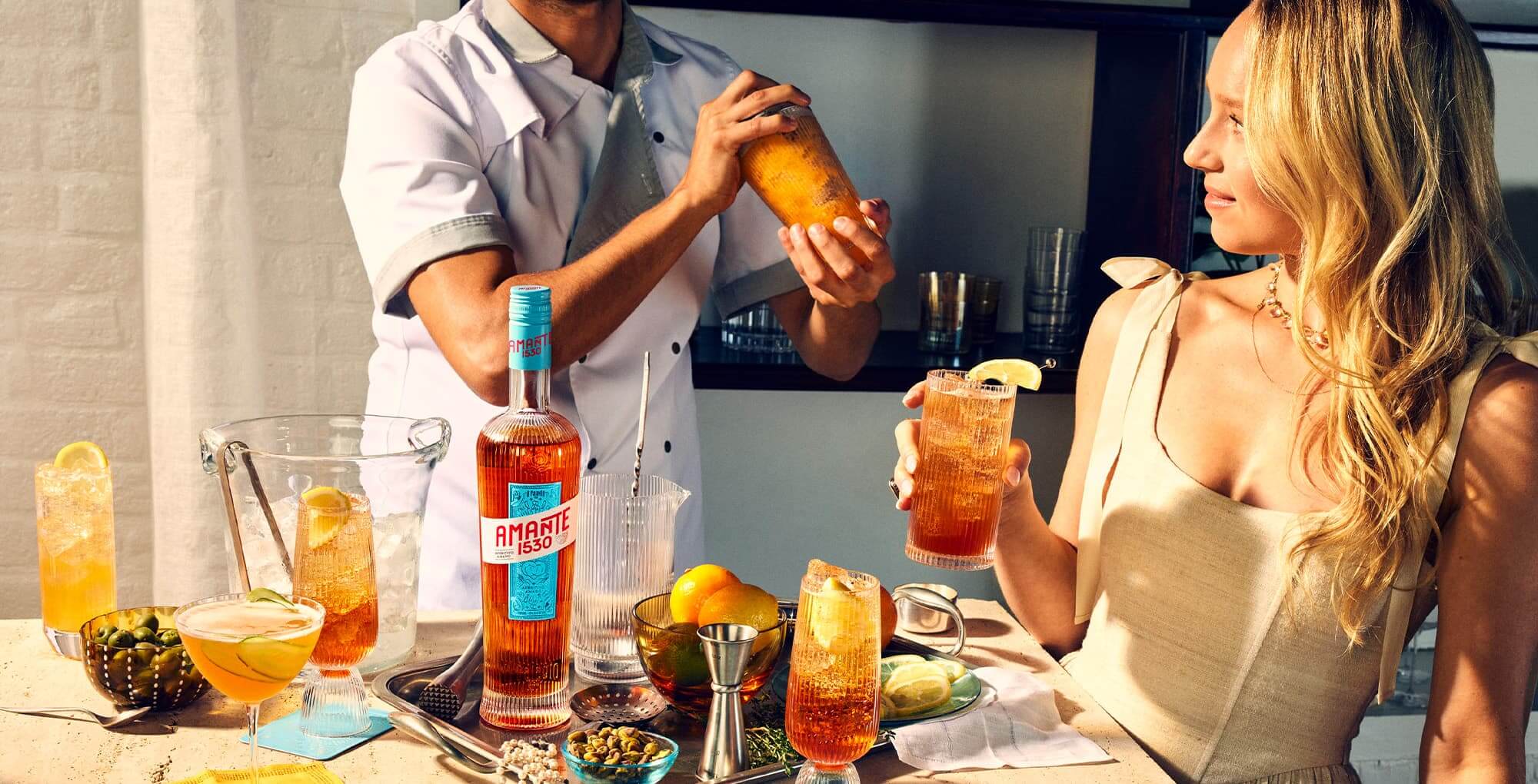
Ana Rosenstein at a table watching a bartender shake up an Amante 1530 cocktail

A beautiful new luxury amaro from Italy is committing to becoming your nextand bestlover, whether you enjoy it straight up or in a fabulous cocktail.

Produced in Tuscany, Italy, at the Il Palagio 1530 estate, Amante 1530 hits a multitude of sweet spots.

Whereas Aperol comes in at 11-percent ABV and Campari hits between 24- and 29-percent ABV, Amante 1530 rings in at 15 percent. Further, this amaro has less sweetness than the former and less bitterness than the latter.

I sat down with Ana Rosenstein, the brand’s CEO, for an episode of the Bar Hacks podcast. Declaring herself a nerd, she explains that Amante 1530 falls in between Aperol and Campari, and can serve as an aperitivo or a digestivo.

Notably, the team behind Amante 1530 isn’t out to replace Aperol, Campari, or other well-established amari on the market. During our conversation, Rosenstein shares that she believes the brand speaks to an amaro consumer that hasn’t, until now, found the product that truly speaks to them. (You’ll also gain some invaluable insight into succeeding with investors during this episode.)

Below, four recipes that highlight Amante 1530’s key flavor notes of citrus, ginger, and honeysuckle. That said, I think you’ll find that Rosenstein’s recommendation of enjoying it neat or on the rocks with a slice of Amalfi lemon delivers an elegant and refreshing experience. Cheers!


View this post on Instagram


A post shared by Amante 1530 (@amante_1530)

The Last Lover

  • 1.5 oz. Amante 1530
  • 1 oz. Blanco tequila
  • 0.5 oz. Fresh lime juice
  • 2 oz. Quality soda water
  • 4 cucumber rounds
  • 1 barspoon Agave nectar (optional)

Muddle the cucumber rounds in a shaker, then add ice and the first three ingredients. As an option, you can add a barspoon of agave nectar. Shake, then strain into a Collins or highball glass. Top with soda water.

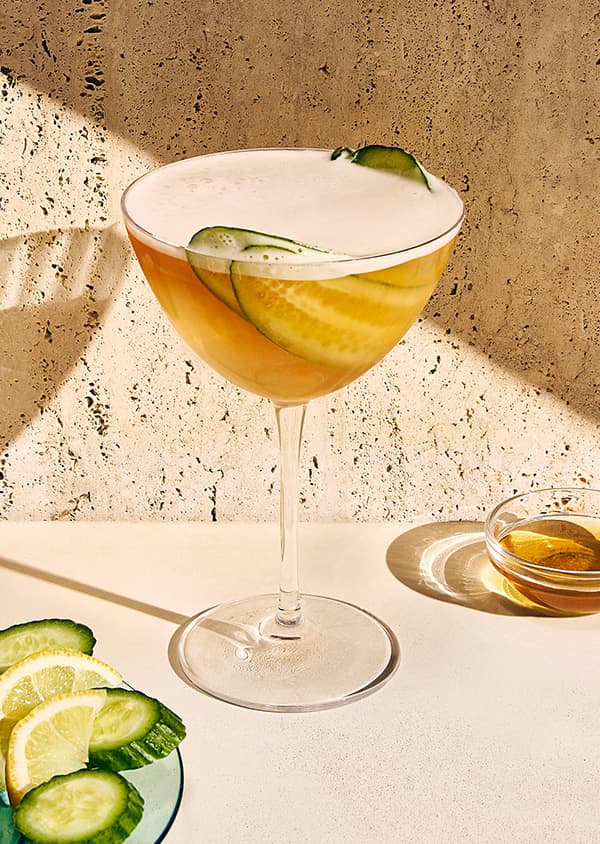
Moonraker

  • 1.5 oz. Gin
  • 0.75 oz. Amante 1530
  • 0.75 oz. Fresh lemon juice
  • 0.5 oz. Green tea simple syrup
  • 3 Cucumber rounds
  • 2 Cucumber ribbons to garnish

Muddle the cucumber rounds in a shaker. Fill shaker with ice. Add gin, Amante 1530, lemon juice, and green tea simple syrup. Shake well, then double-strain into cocktail coupe. Garnish with ribbons/lengthwise slices of cucumber, and serve.

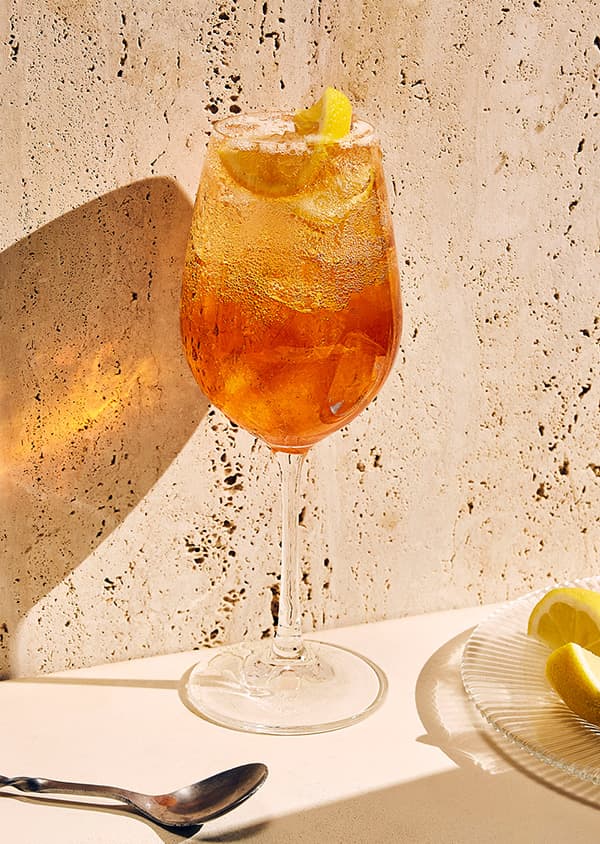
Amante 1530 Amante Spritz cocktail

Amante Spritz

  • 2 parts Amante 1530
  • 3 parts Prosecco
  • 1 part High-quality soda water
  • 1 Amalfi lemon wedge to garnish

Prepare a stemmed balloon glass or goblet by adding ice. Next, add the Prosecco to the glass, followed by Amante 1530. Top with soda water, then squeeze the juice from the Amalfi lemon and drop in the wedge to garnish.

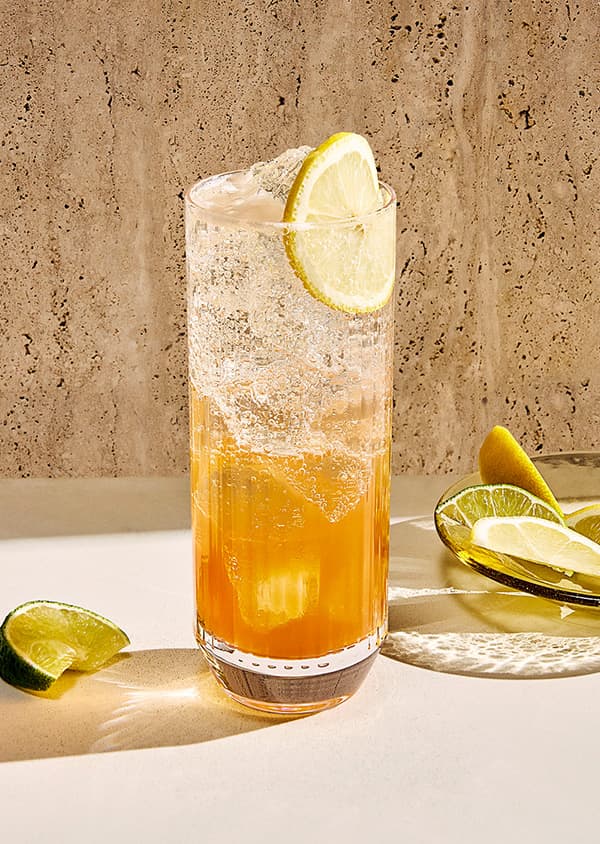
Amante 1530 Palombo tequila cocktail

Palombo

  • 1.5 oz. Reposado tequila
  • 0.75 oz. Amante 1530
  • 0.25 oz. Fresh lemon juice
  • 0.25 oz. Fresh lime juice
  • 0.5 oz. Simple syrup
  • 3 oz. Soda water
  • Lemon wheel to garnish

Prepare a Collins or highball glass by adding quality ice. To a shaker filled with ice add all the liquid ingredients except the soda water. Shake, then strain into the prepared glass. Top with the soda water, then garnish with the lemon wheel and serve.

Disclaimer: Neither the author nor KRG Hospitality received compensation, monetary or otherwise, in exchange for this post or podcast appearance.

Images: Amante 1530

KRG Hospitality Start-Up Restaurant Bar Hotel Consulting Consultant Solutions Plans Services

by David Klemt David Klemt No Comments

3rd Annual TAG Awards Hit Las Vegas

3rd Annual TAG Global Spirits Awards Hit Las Vegas

by David Klemt

The third annual TAG Global Spirits Awards, created by industry icon Tony Abou-Ganim, is about more than ranking spirits and handing out awards.

Clearly, the awards are the main focus. However, the multi-day happening hosts an important event: the Pink Tie Gala.

We had the honor of attending the Gala this year. Each year, the party brings industry professionals together to socialize, taste awards entrants in creative cocktails, and support the Helen David Relief Fund. You’ll find more information about the Fund below.


View this post on Instagram


A post shared by HENDRICK’S GIN (@hendricksgin)

One of the standout spirits we sampled at the Pink Tie Gala was Hendrick’s Gin’s latest expression. Bold but bright, Grand Cabaret is my favorite Hendrick’s to date. Along with delivering stone fruit notes, I detected complex aromas and flavors of Cabernet Sauvignon and other bold red wines.

Walking the floor, we also ran into and saw several Bar Hacks podcast guests. You’ll find descriptions and links to episodes with Tony Abou-Ganim, Lynn House, Vance Henderson, and Tim Rita toward the end of this article.

In case you’re wondering, yes, consumers can purchase tickets to attend select events, like the Pink Tie Gala. Something for people to consider for 2025.

Cheers!

TAG Global Spirits Awards

While these awards are the brainchild of Tony Abou-Ganim, he doesn’t go it alone. Julio Bermejo, David Graphsi, and Sean Ludford help execute TAG each year, along with a panel of judges.

Speaking of judges, they included Dale DeGroff, Lynn House, Charlotte Voisey, and Francesco Lafranconi this year.


View this post on Instagram


A post shared by Tony Abou Ganim (@mdrnmixologist)

It’s no small feat to be a TAG judge, as they’re tasked with evaluating entrants across more than 100 spirits categories. Luckily, the judges are up to the challenge.

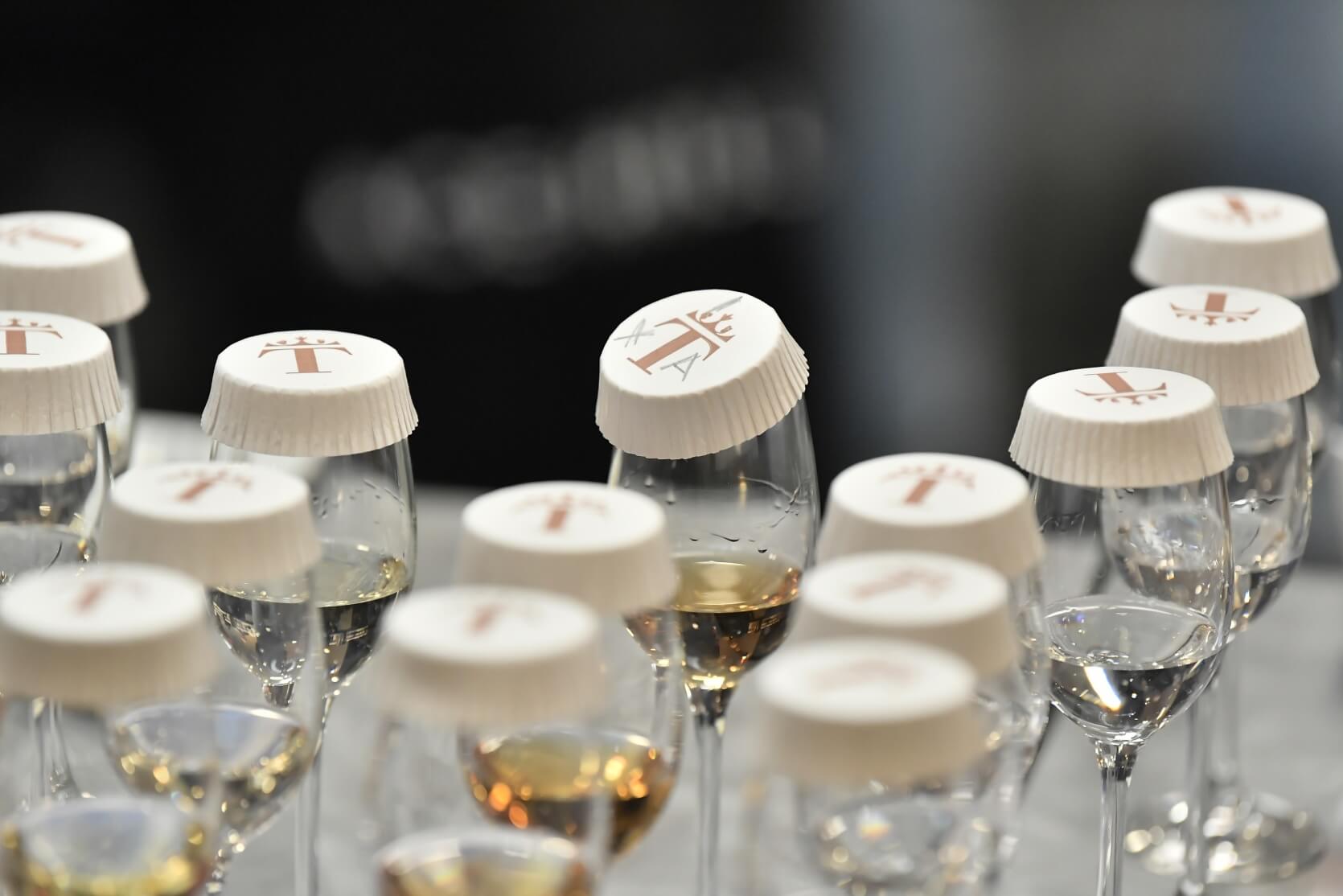
Interestingly, they have some assistance in the form of specialized glassware. TAG has partnered with Steelite International and RONA to create the Ultimate Universal Spirits Glass. Not only is the glass exclusive to TAG, its usage ensures fair judging for every entrant.

Helen David Relief Fund

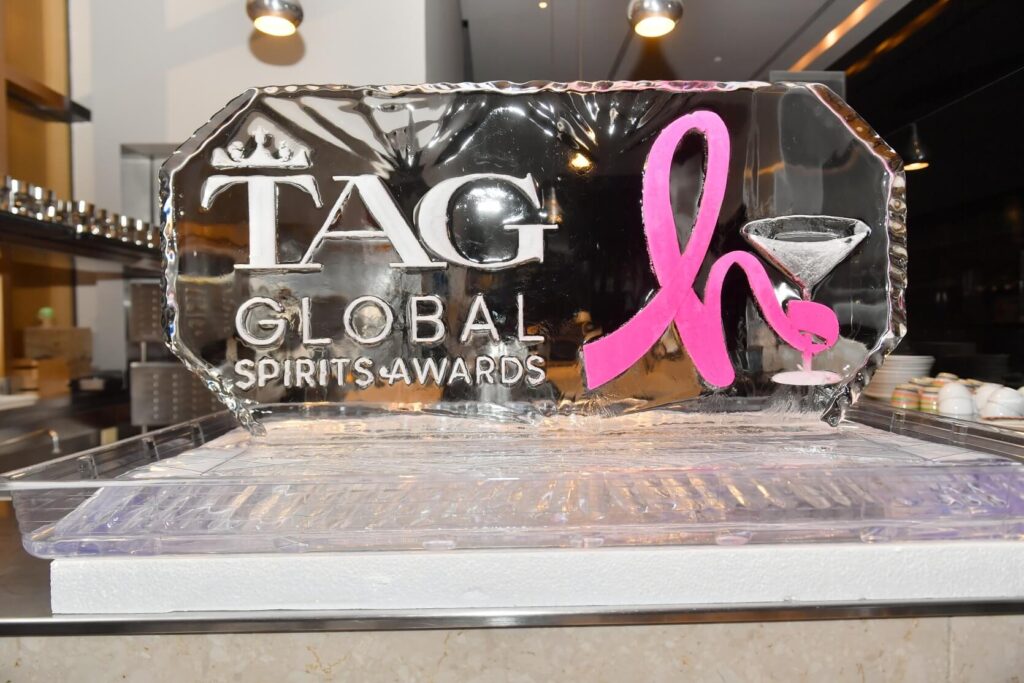
TAG Global Spirits Awards Pink Tie Gala ice sculpture

If any party needs an ice sculpture…

Named for Abou-Ganim’s cousin, the Helen David Relief Fund pays homage to its namesake while serving bartenders who need help.

Helen and her mother opened the Brass Rail in Port Huron, Michigan, in the 1930s. As women owning and operating a bar in the ’30s, the duo were true pioneers in the industry. Abou-Ganim credits Helen with teaching him the spirit of hospitality.

To celebrate Helen and give back to the industry, Abou-Ganim created the HDRF. The Fund provides assistance via grants to bartenders fighting breast cancer, or other forms of cancer.

In just the first two years of operation, the TAG Global Spirits Awards and its partners have raised tens of thousands of dollars for the HDRF. To learn more about the Fund, donate, or apply for a grant, click here.

Episode 47 with Tony Abou-Ganim

The legend, the icon, the one and only Tony Abou-Ganim stops by Bar Hacks to chat with co-host David Klemt. The two discuss this year’s Helen David Relief Fund at the USBG Foundation fundraising events, Helen David and the Brass Rail’s legacy, current drink trends, and more. On September 13, Bally’s Atlantic City is hosting a 25-mile bike ride to benefit the Helen David Relief Fund that culminates in a complimentary Team Negroni Lunch and happy hour at Bally’s Beach Bar.

Spotify link

Apple Podcasts link

Episode 52 with Lynn House

Lynn House, national spirits specialist and portfolio mixologist for Heaven Hill, drops by Bar Hacks to speak with host David Klemt about the second annual Old Fashioned Week. Elijah Craig is seeking to raise at least $100,000 for the Restaurant Workers’ Community Foundation, an advocacy and action nonprofit created by and for restaurant workers.

Lynn and David also discuss bourbon, rye, hospitality, building balanced cocktails, and how trust plays a role in educating guests so you and your team can introduce them to new drinks and experiences.

Spotify link

Apple Podcasts link

Episode 28 with Tim Rita

Lyre’s Spirits crafts alcohol-free spirits that masterfully mimic their full-proof counterparts. Host David Klemt sits down with Lyre’s brand ambassador, bartender and buddy Tim Rita to chat about the brand. In this episode you’ll learn about one of the fastest-growing brands in one of the fastest-growing beverage categories.

Spotify link

Apple Podcasts link

Episode 20 with Vance Henderson

Host David Klemt kicks back and talks with Vance Henderson, national brand ambassador for Hendrick’s Gin. Before joining William Grant & Sons, Vance tended, managed and operated bars for several years. He proved himself at WG&S with Drambuie and then moved to Monkey Shoulder before taking on his role at Hendrick’s. He shares details of the brand-new Hendrick’s Lunar, his thoughts on branding, his best tips for hiring, and much more.

Spotify link

Apple Podcasts link

Images provided by CURICH|WEISS

KRG Hospitality Start-Up Restaurant Bar Hotel Consulting Consultant Solutions Plans Services

by David Klemt David Klemt No Comments

Bar Hacks Celebrates World Bartender Day

35 Bar Hacks Podcast Episodes for World Bartender Day

by David Klemt

Black microphone and pop filter with purple light

This Saturday, February 24, we celebrate World Bartender Day, so here are 35 Bar Hacks episodes featuring some of our favorite people in the bar business.

We’ve had the honor of speaking with incredibly talented, humble, and generous bartenders. Below you’ll find the Spotify and Apple Podcasts links to nearly three-dozen of these informative and entertainment conversations.

Please join us in thanking your bartenders on Saturday. And if you’re an operator, we encourage you to come up with a way to celebrate your bar team to show them your appreciation.

Cheers!

Episode 109 with Colin Asare-Appiah

Host David Klemt had the opportunity to chat with Colin Asare-Appiah, an industry icon he’s wanted to talk to for many years. Colin is Bacardí’s trade director of multiculture and lifestyle, and the brand’s LGBTQIA+ advocate. Not only does he spread the message of diversity, equity, and inclusion, he believes (as does KRG Hospitality and Bar Hacks) that diversity is necessary for our industry to thrive.

In this episode you’ll learn about Colin Asare-Appiah’s journey through hospitality, which includes saying he’d never be a bartender to becoming a bartender and creating a bartending school; his thoughts on what makes a successful operator and team; cocktail and spirits trends for 2024; the AJABU cocktail festival coming to South Africa in March of this year, spearheaded by Colin and his partner Mark Talbot Holmes; and more.

Spotify link

Apple Podcasts link

Episode 107 with Anne Becerra

Anne Becerra is the first female Certified Cicerone in New York City and has been working in beer for more than a decade. More importantly, however, she’s as passionate as she is educated about beer. Anne’s also passionate about hospitality, which comes across in this conversation. Truly, she loves hospitality, the beverage world, and how the two pair to make people feel amazing.

On this episode Anne talks introducing guests to beer; serving beer aficionados, beer neophytes, and the beer wary; how to make guests feel comfortable in a beer-centric concept; what she’s excited about in the beer world; tips for operators who want to succeed with a beer-forward venue; and much, much more. Cheers!

Spotify link

Apple Podcasts link

Episode 106 with Matthias Ingelmann

Since opening their doors, KOL Restaurant has found its way onto the World’s 50 Best Restaurants list, and Kol Mezcaleria can be found on the World’s 50 Best Disovery tool. The upscale Mexican restaurant and bar, co-owned by Chef Santiago Lastra, celebrates Mexican culture and traditions hand in hand with British ingredients. They’re also currently participating in the 14th annual London Cocktail Week.

KOL bar manager Matthias Ingelmann dropped by the Bar Hacks podcast while he and the team prepared for service. On this episode, Matthias talks agave spirits; introducing guests to artisanal and ancestral agave spirits along with Mexican rum, gin, and whiskey; planning for seasonality and menu changes; maintaining the familiar while offering new menu items; honoring Mexican culture with this fusion concept; what he looks for in team members; and more.

Spotify link

Apple Podcasts link

Episode 104 with Simone Caporale

Simone Caporale, an internationally renowned bartender and operator, swings by the Bar Hacks podcast to talk spirits, branding, the guest experience, and operations.

Noticing a gap in the industry and seeing a way to lend his expertise to help grow spirits brands, Simone and Luca Missagli founded Cocktail Concierge, a brand-building agency focusing on craft spirits brands. One of the most recent brands Cocktail Concierge has helped introduce to the world is Amaro Santoni.

Of course, Simone is also one of forces behind SIPS Drinkery House, number three on the World’s 50 Best Bars list, and the World’s Best Bar according to Tales of the Cocktail. Simone shares his thoughts on what he thinks makes SIPS so successful, why he views service as a privilege, three tips operators can implement today to plant the seeds for long-term success, and more!

Spotify link

Apple Podcasts link

Episode 103 with Ryan Chetiyawardana, aka Mr. Lyan, part 2

Ryan Chetiyawardana, also known as Mr. Lyan, returns to the Bar Hacks podcast! Ten years ago, Ryan opened the first bar in what would become the Mr. Lyan empire, White Lyan. This innovative venue set the tone for Ryan and the team’s approach to creating bars.

On this episode of the Bar Hacks podcast, Ryan shares details of the ten-year celebrations; what it means to him to have reached the ten-year operator milestone; lessons learned over the course of more than ten years running bars; what people can expect from the re-release of his book Good Things to Drink with Mr Lyan and Friends, now with brand-new content and a new title, Mr Lyan’s Cocktails at Home: Good Things to Drink with Friends; and more!

Spotify link

Apple Podcasts link

Episode 102 with Jordan Bushell

Global Hennessy brand ambassador Jordan Bushell returns to the Bar Hacks podcast. While Jordan may know people with more Cognac knowledge, we don’t know anyone who knows more about this spirit category. More importantly, he’s as generous with his time as he is knowledgeable about Cognac. If you have a question about the spirit of Hennessy you can reach out to him and he’ll answer you.

On this episode of Bar Hacks, Jordan talks about special Hennessy releases, initiatives, collaborations, and what sets the maison apart from others in the Cognac region of France. He also talks about how operators can introduce guests to Cognac and Hennessy, including paying attention how they price their menus. Cheers!

Spotify link

Apple Podcasts link

Episode 101 with Ryan Chetiyawardana, aka Mr. Lyan

Ryan Chetiyawardana, also known as Mr. Lyan, is one of the bar world’s true visionaries. He opened his first bar, White Lyan, in 2013 and the venue immediately achieved its intended purpose. Beyond being an award-winning bar and one of London’s best places to grab a drink, White Lyan started a much-needed conversation about sustainability in the industry.

Dandelyan, Lyaness, Super Lyan, Cub, and Silver Lyan would follow shortly after, making an even bigger splash not only in London but also Amsterdam and Washington, DC. All Mr. Lyan venues, while showcasing incredible innovation, accomplish something just as important: each bar is a place people to want to spend their time and money, and where professionals want to work.

During this fantastic conversation, Ryan shares insights into the menu programming processes at each venue; discusses seasonality; provides a look into hiring and engaging each team; the reissue of his book and his foray into the RTD cocktail space; and much more.

Spotify link

Apple Podcasts link

Episode 99 with Michele Mariotti

Bartender Michele Mariotti leads an illustrious career. He has worked behind the bars at some of the best hotels around the world, including the Savoy in London and Mandarin Oriental in Singapore.

As of 2020, Michele has held the title head of bars at the Gleneagles Hotel in Perthshire, Scotland. In this role, he heads the programs at 11 F&B venues on the property, overseeing dozens of bar professionals.

On this episode, Michele and Bar Hacks podcast host David Klemt talk about mentorship, interviewing potential bartenders, menu development, using a flavor map when assigning new cocktail builds to bar team members, finding inspiration, interesting hotel guests, bespoke glassware, investing in platforms and programs that boost staff retention, and more.

Spotify link

Apple Podcasts link

Episode 96 with Lynnette Marrero

You know about RTDs, but what about RTEs? Lynnette Marrero returns to the Bar Hacks podcast, dialing in from a very cool hybrid restaurant-work concept in Cincinnati to talk about Delola, the recently launched premium ready-to-enjoy cocktail brand.

The House of Delola was founded by Jennifer Lopez with the mission of launching premium, sophisticated RTE cocktails. The core lineup consists of three spritzes crafted in collaboration with bartending, mixology, and hospitality icon Lynnette Marrero. A truly collaborative effort, Lynnette created bold yet refreshing spritzes that resonate with JLo’s party personality, Lola.

Spotify link

Apple Podcasts link

Episode 95 with Bob Peters

Bob Peters has big news to share, and you can hear in his voice how excited he is to share it with everyone. He’s taking on the perfect role. In fact, he calls it his dream job during this episode. Cocktails and cuisine are about to get even better in North Carolina and South Carolina…

But it doesn’t stop there! Bob also shares his approach to bar training to make sure everyone is engaged; his assessment of the Charlotte dining and drinking scene; a simple step all restaurants and bars can take today to improve operations, team engagement, and the guest experience; a very cool project he’s taking on; and more.

Spotify link

Apple Podcasts link

Episode 93 with Adrián Michalčík

Adrián Michalčík is the director of mixology at the award-winning Pier 42 inside the Amerikalinjen hotel in Oslo, Norway. The bar has been recognized by the World’s 50 Best and has won Best Bar of Norway twice. In addition to taking home the title of 2022 Diageo World Class Global Bartender of the Year, Adrián has won several bartending competitions throughout the years.

He popped by the Bar Hacks podcast to chat with host David Klemt about his bartender journey. Adrián has worked in several types of bars and each helped him develop the skills that allowed him to elevate his skills behind the bar. Mentors, his endless quest for knowledge, his passion for hosting others, and his focus on empathy have informed his approach to team building, delivering top-level hospitality, and tapping into his creativity to develop Pier 42’s cocktail menus.

Adrián shares the three pillars he believes great bars are built upon, what he looks for in bar team members, transforming people from guests to friends, the importance of storytelling, and much more.

Spotify link

Apple Podcasts link

Episode 91 with Charles Joly

Industry icon, bar educator, entrepreneur, and bartender Charles Joly drops by the Bar Hacks podcast to chat with host David Klemt. The two discuss Charles’ start and his journey from the trenches to opening Chicago’s Drawing Room, and also his role at the city’s legendary Aviary. Charles also talks about Crafthouse Cocktails, the premium ready-to-serve brand, and his barware label Crafthouse by Fortessa. Interestingly, his love of bar history and vintage barware design not only informs his own designs, it manifests in Telltail Vintage, his Instagram shop. Not one to sit still for long, Charles is also involved in craft ice startup Abstract Ice.

The conversation also touches on spirits categories that appear to be dominating or otherwise seeing a big lift; advice for aspiring career bartenders; and advice for operators who want to succeed in today’s restaurant and bar world.

Spotify link

Apple Podcasts link

Episode 84 with Roberta Mariani

Bar Hacks host David Klemt sits down with Roberta Mariani, Global Brand Ambassador for MARTINI. The two discuss a range of topics, including Roberta’s journey through hospitality, lessons learned working at some of the best hotels in London and opening Bar Tremini in Soho, the guest experience, aperitivo culture, and more. Roberta and David also discuss why now might be the best time to introduce guests to Aperitivo Hour as an alternative to Happy Hour, the Negroni Sbagliato “controversy,” MARTINI’s Non-Alcoholic range, and the cocktails need to put on their menus to bring aperitivo culture into their restaurants, bars, and hotels.

Spotify link

Apple Podcasts link

Episode 81 with Paul Mathew

Paul Mathew, bartender, bar owner, and founder of Everleaf, sits down with Bar Hacks podcast co-host David Klemt. In this fun and informative episode, Paul shares his journey through bartending and bar ownership, and his entry into the drinks business. Non-alcoholic aperitif brand Everleaf is the culmination of Paul’s many years as a conservationist botanist, knowledge of plants, and nearly 30 years in the bar business.

Spotify link

Apple Podcasts link

Episode 59 with Theo Rutherford

Whiskey expert, spirits judge, and sommelier Theo Rutherford stops by the Bar Hacks podcast to talk about Bib & Tucker Small Batch Bourbon, a prominent addition to the Deutsch Family of wine and spirits. Theo shares the Bib & Tucker brand story, what sets the brand apart from other bourbons, and why the 6 Year expression appeals to all categories of whiskey drinkers. He also shares tips for tasting bourbon, including how easily Bib & Tucker wins over non-whiskey drinkers. Listen now to learn why Theo wants you to smell everything and stop swirling your whiskey at tastings.

Spotify link

Apple Podcasts link

Episode 58 with Ivy Mix and Conor McKee

Ivy Mix returns to the Bar Hacks podcast with Conor McKee, a partner in her off-premise endeavor FIASCO Wine and Spirits. Mix, McKee and third partner Piper Kristensen signed FIASCO’s lease a month before the pandemic halted life as we knew it in its tracks. So, they spent the next several months doing demolition and renovation. This conversation highlights the importance of partnering with the right people, even if that means having different partners for different projects; setting aside ego to ask partners who may know more about your new business than you; and leveraging your shared experience to deliver the best service possible to your clientele. If you’ve wondered about taking your on-premise experience to the off-premise space, this is a can’t-miss episode!

Spotify link

Apple Podcasts link

Episode 57 with Collin De Laval

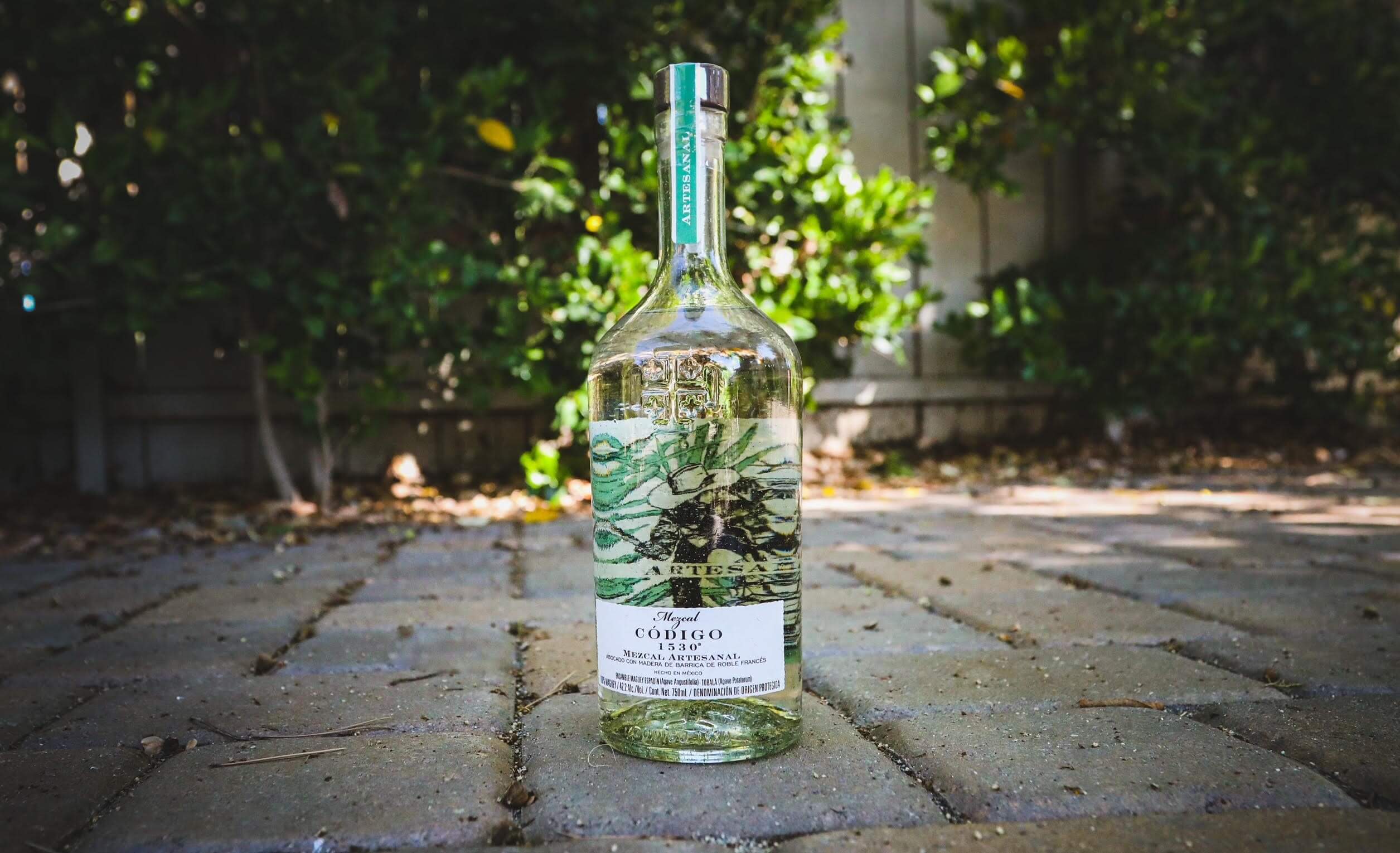
Código 1530 not only has an intriguing story, the brand values authenticity and heritage. Company mixologist Collin De Laval stops by the Bar Hacks podcast to share the Código 1530 story with co-host David Klemt. The two discuss Código’s notable past, handmade approach to their entire production process, innovative products, unique foray into mezcal, shooting high-end spirits, and more.

Spotify link

Apple Podcasts link

Episode 54 with Ivy Mix and Lynnette Marrero

Speed Rack co-founders Ivy Mix and Lynnette Marrero come on the podcast to talk about breast cancer awareness and the role the all-female high-speed bartending competition plays in raising money for breast cancer research. Mix and Marrero also share their thoughts on nurturing work cultures that promote women, creating venues that are safe for female guests and staff, how to approach mentorship, their favorite spirits, and more.

Spotify link

Apple Podcasts link

Episode 52 with Lynn House

Lynn House, national spirits specialist and portfolio mixologist for Heaven Hill, drops by Bar Hacks to speak with host David Klemt about the second annual Old Fashioned Week. Elijah Craig is seeking to raise at least $100,000 for the Restaurant Workers’ Community Foundation, an advocacy and action nonprofit created by and for restaurant workers.

Lynn and David also discuss bourbon, rye, hospitality, building balanced cocktails, and how trust plays a role in educating guests so you and your team can introduce them to new drinks and experiences.

Spotify link

Apple Podcasts link

Episode 50 with Travis Tober

Episode 50! The only way to celebrate such a big milestone is with an incredible guest. We’re excited to bring you Travis Tober of Nickel City and Old Pal. Travis and his partners opened the first Nickel City in Austin in 2017. The Forth Worth location opened its doors during the pandemic in October 2020. Travis then opened Old Pal in Lockhart, TX, just a few months ago.

In our 50th episode, Travis explains the difference between a dive bar and a neighborhood bar, and notes that both Nickel City locations are “anytime bars” that welcome everyone. He also shares his hospitality journey, which saw him go from Buffalo, NY, to Florida, Las Vegas, and ultimately Texas; tips for staying on brand; hiring and retaining team members; how the hospitality industry is the entertainment industry; supporting the community during a crazy winter storm; location scouting; how there’s no better time to open a bar or restaurant than right now; and much more.

Spotify link

Apple Podcasts link

Episode 47 with Tony Abou-Ganim

The legend, the icon, the one and only Tony Abou-Ganim stops by Bar Hacks to chat with co-host David Klemt. The two discuss this year’s Helen David Relief Fund at the USBG Foundation fundraising events, Helen David and the Brass Rail’s legacy, current drink trends, and more.

Spotify link

Apple Podcasts link

Episode 45 with Bob Peters

Revered bar pro Bob Peters swings by the Bar Hacks podcast to chat with co-host David Klemt about a wide array of topics: his love-hate relationship with the words “pivot” and “layered”; lessons learned over more than two decades behind the bar; hiring and training bar staff; how he always seems to have the coolest new bar equipment, including the new Ripples 2.0 and Stündenglass gravity smoker; Bob’s current go-to cocktail, spirit, beer and wine; and so much more. You’ll also learn about Bob’s exciting new endeavor, CocktailClass.com. You don’t want to miss this episode. Strap in—this is a fun one!

Spotify link

Apple Podcasts link

Episode 40 with Trevor Schneider

We’re excited to present episode 40! For the big four-oh we speak with Trevor Schneider, the United States Reyka Vodka brand ambassador. Trevor shares what sets Reyka apart from other vodkas and brands, lessons learned during a career in which he worked at several types of bars throughout New York City, surviving the weeds with the Bartender Ballet, his preferred Espresso Martini recipe, vodka infusions, and more!

Spotify link

Apple Podcasts link

Episode 39 with Anthony “Terry” Bohlinger

Anthony “Terry” Bohlinger, national brand ambassador for new William Grant & Sons whiskey brand Fistful of Bourbon, drops by Bar Hacks. Terry talks with podcast co-host David Klemt about launching a brand during a pandemic, representing an irreverent brand that doesn’t take itself too seriously, the hilarious videos Fistful of Bourbon created to introduce the brand, lessons learned during his journey in hospitality, and more.

Spotify link

Apple Podcasts link

Episode 36 with Jordan Bushell

Global Ambassador and engaging educator for storied brand Hennessy, Jordan Bushell, swings by Bar Hacks to chat with host David Klemt. When he attended a bartending class with a buddy he had no idea it would lead to celebrating three major Hennessy milestones over the course of a decade. The two talk about Master Blender’s Selection No. 4, how to share Cognac knowledge with bar teams and consumers, menu tricks, and much, much more.

Spotify link

Apple Podcasts link

Episode 32 with Michael Toscano

Woodford Reserve brand ambassador Michael Toscano stops by to talk about the Kentucky Derby, crafting the perfect Mint Julep, maximizing the operator-brand-rep relationship, and more.

Spotify link

Apple Podcasts link

Episode 28 with Tim Rita

Lyre’s Spirits crafts alcohol-free spirits that masterfully mimic their full-proof counterparts. Host David Klemt sits down with Lyre’s brand ambassador, bartender and buddy Tim Rita to chat about the brand. In this episode you’ll learn about one of the fastest-growing brands in one of the fastest-growing beverage categories.

Spotify link

Apple Podcasts link

Episode 27 with Armon Noori

It’s tax season and hospitality industry professionals have unique needs. Luckily, we have unique industry friends! Host David Klemt speaks with Armon Noori, an incredible Las Vegas bartender who also has a finance degree and an entrepreneurial spirit. Armon opened a tax preparation and financial services company called Industry Financial Services this with the mission of helping his fellow industry peers.

Spotify link

Apple Podcasts link

Episode 26 with Katie Stryjewski a.k.a. Garnish Girl

The Garnish Girl herself, Katie Stryjewski, dropped by the Bar Hacks podcast to talk with host David Klemt. Katie talks about her new book Cocktails, Mocktails, and Garnishes from the Garden, available today! This book is loaded with delicious recipes along with helpful information to elevate your drinks and grow your own ingredients and garnishes. Katie shares some of her favorite drinks, photography and social media tips, edible flowers, and more!

Spotify link

Apple Podcasts link

Episode 25 with Megan Breier

Happy International Women’s Day! One of our favorite people in the industry—and in life in general—popped by to speak with Bar Hacks host David Klemt. Megan Breier is one of the most engaging, entertaining and knowledgeable educators in the hospitality and spirits industries. In this episode, Megan explains what sets Maker’s Mark apart from other bourbons, some of the amazing activations she’s executed, Private Selection, Maker’s 101, Margie Samuels’ contributions to the brand and industry, and more.

Spotify link

Apple Podcasts link

Episode 20 with Vance Henderson

Host David Klemt kicks back and talks with Vance Henderson, national brand ambassador for Hendrick’s Gin. Before joining William Grant & Sons, Vance tended, managed and operated bars for several years. He proved himself at WG&S with Drambuie and then moved to Monkey Shoulder before taking on his role at Hendrick’s. He shares details of the brand-new Hendrick’s Lunar, his thoughts on branding, his best tips for hiring, and much more.

Spotify link

Apple Podcasts link

Episode 17 with 86 Politicians, part 2

Part two of host David Klemt’s talk with bar operator Yan Agaev and bartender Holly Tripp, founders of 86 Politicians.

Spotify link

Apple Podcasts link

Episode 16 with 86 Politicians, part 1

Part one of host David Klemt’s conversation with bar operator Yan Agaev and bartender Holly Tripp. Yan, fed up with how elected officials have continually damaged the hospitality industry throughout the Covid-19 pandemic, posted a video shot and edited by Holly that spread across social media like wildfire. The duo founded 86 Politicians, a peaceful grassroots movement intended to hold politicians accountable for the harm they’ve caused the industry and their inaction on targeted financial relief.

Spotify link

Apple Podcasts link

Episode 14 with Joann Spiegel

In this episode, host David Klemt speaks with Joann Spiegel to dive deep into the global phenomenon that is Miracle, the annual Christmas-themed cocktail pop-up event. Back in 2014, nobody predicted how successful or expansive this event would become. Miracle has transformed into a juggernaut that involves months of careful planning, cocktail creation, logistics, partner liaisons, and much more behind-the-scenes preparation. The end result is a profitable and memorable pop-up that runs for 35 to 40 days.

Spotify link

Apple Podcasts link

Episode 12 with Jared Boller

The new host of the Bar Hacks podcast chats with Jared Boller, Canadian National Whiskey Ambassador at Proximo Spirits. Tending bar gave him the opportunity to live, work and travel around the world. Currently, he represents brands like Bushmills and Proper No. Twelve at Proximo Spirits in Canada. Jared discusses his journey through the world of hospitality and how operators can benefit more from working with brand ambassadors.

Spotify link

Apple Podcasts link

Cheers to the bartenders across the world!

Image: Los Muertos Crew on Pexels

Bar Nightclub Pub Brewery Winery Staff Talent Consulting

by David Klemt David Klemt No Comments

5 Books to Read this Month: February 2024

5 Books to Read this Month: February 2024

by David Klemt

Flipping through an open book

Our inspiring and informative February book selections will help you and your team transform your operations, business acumen, and F&B programming.

This month, we look at books covering an array of topics: design; learning to negotiate better; learning cocktail balance and build techniques; and finding your inner chef.

To review the book recommendations from January 2024, click here.

Let’s jump in!

Biophilic Design: The Theory, Science and Practice of Bringing Buildings to Life

This book was co-authored by the late Stephen R. Kellert, one of the developers of the biophilic design methodology. To learn more about biophilic design, click here. Then, pick up this book.

From Amazon: “This book offers a paradigm shift in how we design and build our buildings and our communities, one that recognizes that the positive experience of natural systems and processes in our buildings and constructed landscapes is critical to human health, performance, and well-being. Biophilic design is about humanity’s place in nature and the natural world’s place in human society, where mutuality, respect, and enriching relationships can and should exist at all levels and should emerge as the norm rather than the exception.”

The Cocktail Balance

Written by Stanislav Harcinik, The Cocktail Balance is about more than building cocktails. Readers will learn about the role senses play in cocktails and balance, along with presentation and service.

From thecocktailbalance.com: “My work isn’t focused solely on experienced bartenders, students are part of the target group. By including potential new bartenders, this book wishes to push the upcoming students into a broader, more creative mindset. The book itself is divided into 3 main sections – theory, practical part and legacy from the best bartenders in Slovakia. Theory, contains the basics and building blocks that allow the development of a professional approach, it also focuses on how to present yourself and how to take care of guests. Whereas in the practical section, readers will be able to learn to price a cocktail and to effectively go through a structured creative process. Other chapters also include gastrophysics and neurogastronomy. In other words how an aroma, a physical characteristics, a sound as well as visual stimulation affect the final flavour of a cocktail, and create a comprehensive and unforgettable experience for guests.”

Pick up your copy today.

Craft Cocktails at Home: Offbeat Techniques, Contemporary Crowd-Pleasers, and Classics Hacked with Science

Some bar professionals and guests like to understand the “why” behind what they consume. Why does this taste good? Why and how do certain processes affect spirits? Kevin Liu’s book answers these questions, and more. On top of that, there are 65 recipes to try.

From Amazon: “In Craft Cocktails at Home, you’ll embark upon a one-of-a-kind journey as you learn how to make some of the world’s most innovative, unique, and delicious cocktails. Taste scientists, engineers, and talented bartenders with decades of experience all contributed their expertise to create this must-have guide for novices and professionals alike. Ever wondered what makes water taste good? Curious about what really happens during the barrel-aging process? Interested in which “molecular” ingredients have the best texture? These questions and more, answered inside.”

Order the paperback here.

The Forgotten Chef

Simply put, this book is intended to inspire younger generations to pursue cooking as a career. If you know someone who has an interest in cooking but hasn’t taken steps to become a chef, this is the book you should gift them.

From Amazon: “The book moves quickly through food stories, tips and techniques to inspire and ignite the passion of its targeted reader. Through anecdotal food related stories, the book covers important topics such as the right mindset for cooking success, quality over quantity, kitchen organization (mise en place), kitchen tools (the Dirty Thirty), the celebrity chef conundrum (why people get discouraged in their cooking journey), introduction to knife skills/care, cookbook basics, food preservation and safety and other fun chapters such as saving Grandma’s recipes from extinction, the lost art of sharing (food), and the new-old method of cooking, sous vide.”

Click here to order the paperback.

Getting to Yes: Negotiating Agreement Without Giving In

Everyone needs to know how to negotiate. It’s a valuable skill not just for business but for life in general. Getting to Yes is a how-to manual that teaches you the art of negotiation, a skill you’ll need to develop if you’re an entrepreneur, aspiring business owner, or professional looking to progress in their career. And, as I’ve already said, it will help you in situations you’ll find yourself in outside of business.

From Amazon: “Getting to Yes offers a proven, step-by-step strategy for coming to mutually acceptable agreements in every sort of conflict. Thoroughly updated and revised, it offers readers a straight- forward, universally applicable method for negotiating personal and professional disputes without getting angry-or getting taken.”

Get it today.

Image: Mikołaj on Unsplash

Bar Nightclub Pub Brewery Operations Standard Operating Procedures SOP

by David Klemt David Klemt No Comments

5 Books to Read this Month: January 2024

5 Books to Read this Month: January 2024

by David Klemt

Flipping through an open book

Our inspiring and informative January book selections will help you and your team transform your operations and F&B programming.

This month, we look at books covering an array of topics: becoming a great boss; gaining perspective when analyzing your business; and more.

To review the book recommendations from December 2023, click here.

Let’s jump in!

Single AF Cocktails: Drinks for Bad B*tches

You may roll your eyes at the title of this cocktail book but there’s no denying it has your attention. In that way, it’s much like a well-curated, themed cocktail menu split into cleverly named sections. In fact, this book is separated into sections that match its overall theme. For example, Honeymoon Phase, Betrayal, Devastation, and Resilience. If you have reality show fans among your guests, they’ll likely know author Ariana Madix from Vanderpump Rules and Dancing with the Stars. So, they’ll probably dig these drinks.

From Amazon: “The newly solo Ariana serves up her own recipes and perspective in a unique exploration of the stages of a doomed relationship. In her own words, Ariana takes back the narrative of her very public breakup while inspiring others to find inner strength in their own troubles. Each drink tells part of the story from her point of view, from when she first met her ex, through the insidious affair and its painful aftermath, and to her present state, coming out the other side, stronger than before.”

Grab it today!

How to Be a Great Boss

Entrepreneurs, when working with a team, need to be leaders. That means being a great boss. However, that doesn’t mean being a tyrant. If you want to earn buy-in from your team, if you want to get the most out of each person, you need to get them excited and engaged.

From Amazon: “Studies have repeatedly shown that the majority of employees are disengaged at work. But it doesn’t have to be this way. Often, the difference between a group of indifferent employees and a fully engaged team comes down to one simple thing: —a great boss.

“In How to Be a Great Boss, Gino Wickman and René Boer present a straightforward, practical approach to help bosses at all levels of an organization get the most from their people. They share time-tested tools that have worked for more than 30,000 bosses in every industry. You can learn to be a great boss—and dramatically improve both your organization’s performance and your team’s excitement about their work.”

Pick up the hardcover today.

Same as Ever: A Guide to What Never Changes

As a business owner, it’s smart to see what’s changing. However, it’s also crucial to identify what’s not changing to gain perspective and understand the whole picture.

From Amazon: “With his usual elan, Morgan Housel presents a master class on optimizing risk, seizing opportunity, and living your best life. Through a sequence of engaging stories and pithy examples, he shows how we can use our newfound grasp of the unchanging to see around corners, not by squinting harder through the uncertain landscape of the future, but by looking backwards, being more broad-sighted, and focusing instead on what is permanently true.

“By doing so, we may better anticipate the big stuff, and achieve the greatest success, not merely financial comforts, but most importantly, a life well lived.”

Click here for the hardcover, or here for the paperback.

Bar Hacks: Developing The Fundamentals for an Epic Bar

This informative and conversational book written by KRG Hospitality president Doug Radkey is the perfect read for aspiring or seasoned bar, pub, lounge, or even restaurant owners, operators, and managers looking for that competitive edge in operations! If you’re looking for both fundamental and in-depth planning methods, strategies, and industry focused insight to either start or grow a scalable, sustainable, memorable, profitable, and consistent venue in today’s cut-throat industry, Bar Hacks is written just for you.

Pick up the paperback from Amazon today!

Hacking the New Normal: Hitting the Reset Button on the Hospitality Industry

Doug’s followup book to Bar Hacks! The world around us has changed. The food and beverage industry has changed. The hospitality industry has changed. But will some ways of life change for the better? Will perhaps the restaurant, bar, and hospitality industry come out even stronger? With the right changes to the previous status quo, it is possible. There’s no question, resets are major undertakings, but a major reset will provide us with a clean start and that’s what this industry needs.

Pick up KRG Hospitality president Doug Radkey’s second book today! Click here.

Image: Mikołaj on Unsplash

Business Plan for Boutique Hotel Motel Resort Property

by David Klemt David Klemt No Comments

5 Books to Read this Month: October 2023

5 Books to Read this Month: October 2023

by David Klemt

Flipping through an open book

Our inspiring and informative October book selections will help you and your team transform your vision for your business into a successful story.

This month, we’re taking a good look at independent hotel operations, including checking out the wonderful guest experience a rustic lodge can deliver. We also dive into operations and brand strategy.

Oh, and we get inspiration from a company founder who turned $50 into a $30 billion-per-year, globally recognized brand.

To review the book recommendations from September 2023, click here.

Let’s jump in!

INDIE HOTEL: Why Hoteliers Are Breaking Free from Chains and Choosing Independence

I picked up INDIE HOTEL just a day or two after it was released. Written by Jeremy Wells, one of the brilliant minds behind the recently opened Ozarker Lodge, this book examines the shifting hospitality landscape.

From Amazon: “The hospitality industry is exciting and always evolving. One of the most exciting shifts in recent years is the growing popularity of independent, boutique hotels. While chains are here to stay, I believe the days of franchise domination are numbered. Traveler preferences are changing, and technology, once available only to chains, is becoming more accessible. As a result, more and more hoteliers will continue to make the leap into independence—breaking free from chains and enjoying a newfound freedom.”

Order your copy today!

Lodge: An Indoorsy Tour of America’s National Parks

We’re firm believers of looking everywhere for inspiration. Lodge may not be a how-to book for hoteliers but it speaks to the importance of the guest experience. Moreover, it shows that while midscale and luxury hotels and resorts seem to popping up all over, a rustic lodge that encourages disconnecting and recharging definitely still has its place in hospitality.

From Amazon: “Max Humphrey shines a light on 10 rustic National Park lodges in all their airy, timeworn splendor. No historic photos here; the images of the architecture and interiors are as they look today, highlighting these storied places in a fresh, alluring way. Sure, the lobbies are the main stage, but Humphrey touches on grand dining rooms, guest rooms, and rustic canteens alike. He writes about the buildings themselves in terms of the historical goings-on at the time, why they were built, and the players involved, highlighting notable architectural moments and period-specific furnishings. A smattering of pop culture history adds extra bursts of levity throughout.”

Grab it today.

Future Hospitality: Impactful Brand Experiences that Drive Sustainable Growth, Happier Guests, and Inspired Staff

Since the latest Jeremy Wells book kicks off this list, let’s take a look at his first book.

Future Hospitality drives home a simple but powerful principle that KRG shares. Put simply, hospitality is a mindset. This book also explains how an operator’s brand strategy plays a significant role in embodying that important principle.

From Amazon: “The purpose of this book is to help you understand the significance of making people feel good, and how the principles of strategic brand development can dramatically influence how you go about doing it.

“Without the core foundational component of a brand strategy in place at your business, I believe that you’ll be fighting an uphill battle that you don’t need to fight. If your business means anything to you, then you need to make it mean something to others.”

Order your copy here.

Shoe Dog: A Memoir by the Creator of NIKE

Again, we don’t always have to look at the hospitality industry for inspiration or lessons. We can learn from businesses that appear to have nothing to do with our own.

There are several lessons we can learn from Phil Knight and his leadership of Nike. For example, the following quotes are attributed to Knight:

  • “Don’t tell people how to do things, tell them what to do and let them surprise you with their results.”
  • “Let everyone else call your idea crazy; just keep going. Don’t stop. Don’t even think about stopping until you get there, and don’t give much thought to where ‘there’ is. Whatever comes, just don’t stop.”

From Amazon: “In 1962, fresh out of business school, Phil Knight borrowed $50 from his father and created a company with a simple mission: import high-quality, low-cost athletic shoes from Japan. Selling the shoes from the boot of his Plymouth, Knight grossed $8000 in his first year. Today, Nike’s annual sales top $30 billion. In an age of start-ups, Nike is the ne plus ultra of all start-ups, and the swoosh has become a revolutionary, globe-spanning icon, one of the most ubiquitous and recognisable symbols in the world today.”

Pick up your copy.

Bar Hacks: Developing The Fundamentals for an Epic Bar

If you have yet to read Bar Hacks, written by KRG Hospitality president and Bar Hacks podcast creator Doug Radkey, you need to pick your copy up today.

Without an understanding and appreciation of the fundamentals, long-term success is essentially an impossibility.

Image: Mikołaj on Unsplash

KRG Hospitality. Boutique Hotels. Resorts. Properties. Consultant. Feasibility Study. Business Plan

by David Klemt David Klemt No Comments

Summer 2022 is the Summer of Mezcal

Summer 2022 is the Summer of Mezcal

by David Klemt

Código 1530 Mezcal bottle

Move over tequila, rum and gin, because this year the drink of the summer is something different.

Summer 2022 is the Summer of Mezcal.

Traditionally, sure, we’re led to believe that lighter spirits (white rum, gin) are best for the hotter months. Of course, dark rum is another route people often take during the summer.

However, mezcal is on fire at the moment. In fact, it has been for the past few years now. So, why not feature it on your summer drink menu?

Mezcal adds depth and complexity to classic cocktails, engaging guests by offering new flavors. And, of course, mezcal is also a fantastic starting point for modern drinks.

Below you’ll find six summer mezcal recipes from Collin De Laval, company mixologist for Código 1530. He turned his attention to Código 1530 Mezcal Artesanal for the Summer of Mezcal.

To learn more about Código 1530 and De Laval, check out Bar Hacks episode 57. Cheers!

Código 1530 La Palomita

La Palomita

  • 1.5 oz Código 1530 Mezcal Artesanal
  • 0.75 oz Lime juice (fresh, of course)
  • 0.25 oz Aperol
  • 4 oz Yuzu-lime soda
  • 0.25 oz Simple syrup
  • Lime wheel or wedge to garnish

Prepare a cocktail glass with fresh ice. In a shaker, combine Código 1530 Mezcal, lime, Aperol and simple syrup. Shake well, pour into cocktail glass, top with yuzu-lime soda, and garnish with lime wheel or wedge.

Código 1530 Tropicana

Tropicana

Combine all ingredients in a shaker and prepare a cocktail glass with fresh ice. Shake vigorously, pour, and garnish with a pineapple wedge.

Código 1530 Mezcal Margarita

Mezcal Margarita

Prepare a cocktail or Margarita glass with fresh ice, then combine all ingredients in a shaker (also with ice). Shake, pour, and garnish with a lime.

Código 1530 Mezcal Ranch Water

Mezcal Ranch Water

Combine Código 1530 Mezcal, lime juice, and agave nectar in a cocktail or highball glass with ice, top with soda water, and stir.

Código 1530 Mango Mezcal Paloma

Mango Mezcal Paloma

In a shaker with ice, combine Código 1530 Mezcal and all three juices. Shake vigorously, strain into a highball glass with fresh ice, top with soda water, and garnish with grapefruit peel.

Código 1530 Mezcal Espresso Martini

Mezcal Espresso Martini

If you own, operate or are on the leadership team at a bar—or if you’re a bartender or server—you know the Espresso Martini has once again found itself having a moment. So, while you’re building out your summer mezcal menu, don’t forget this trendy drink.

Add all the liquid ingredients to a shaker with ice. Shake vigorously until well chilled. Pour into a Martini glass (consider preparing by chilling if you don’t already) and garnish with coffee beans.

Images courtesy of Código 1530

by David Klemt David Klemt No Comments

Volley RTD: Clean, Lean & Green

Volley Tequila Seltzer: Clean, Lean & Green

by David Klemt

Chris Wirth and Camila Soriano, founders of Volley Tequila Seltzer holding cans of Volley

The founders of the world’s first clean tequila RTD, Volley Tequila Seltzer, are on a mission that values transparency and giving back to the planet.

Dynamic entrepreneurial duo Chris Wirth and Camila Soriano are the guests on episode 66 of the Bar Hacks podcast.

The two share the Volley story, including what drove them to create the brand and their mission.
Transparency is Challenging

It turns out that being transparent on your labeling isn’t as easy as it sounds. When it comes to beverage alcohol in the US, there are limits on what a brand can include.

You see, alcohol labeling isn’t the FDA’s purview. Rather, it falls under the authority of the Alcohol and Tobacco Tax and Trade Bureau, or TTB.

A little bit of digging reveals that when the Alcohol Administration Act was passed in 1935—two years after prohibition was repealed—the Federal Alcohol Administration was created.

This federal body replaced the Federal Alcohol Control Administration. The Federal Alcohol Administration had statutory powers and, as the name implies, had authority over the alcohol industry.

Seventy years later, the TTB was created and is the federal agency tasked with alcohol industry regulation. That means they control alcohol labeling.

So, when the FDA implemented nutrition labels, alcohol was unaffected. As far as the TTB is concerned currently, there’s no requirement for the labeling of alcohol similar to what’s required for packaged food.

But David, I bet you’re not asking, just because it’s not required doesn’t mean I couldn’t choose to include transparent nutrition labeling for my bottle of spirits or ready-to-drink canned cocktail, right?

Apparently, no—that’s incorrect. As you’ll hear in episode 66 with Soriano and Wirth, it’s not that simple. In fact, the TTB may reject your information-laden packaging for being too transparent.

Without policy changes, there’s no incentive for alcohol producers to be more transparent—and they may be prohibited from doing so.

Simple Changes are Impactful

All that said, Soriano and Wirth were able to introduce new packaging after just launching in 2020.

You may have seen people wipe off the tops of cans before opening and drinking from them. In fact, you may be one of these people. If so, great—you know why Volley now has foil covering the tops of their cans.

As Soriano explains on the Bar Hacks podcast, the tops of canned drinks are horrifyingly unsanitary. And as far she and Wirth are aware, Volley is the only canned beverage other than San Pellegrino with foil caps (in the US, anyway).

Volley Tequila Seltzer RTD can lineup with new foil packaging

This simple packaging change carries a big impact. Likewise, it fits with the brand’s identity and mission. The brand is driven to be healthier, more thoughtful, and more transparent.
A single 12-ounce can comes in at just 100 or 110 calories, depending on expression (there are four). All Volley RTDs are gluten-free and free of added sugars. You won’t find fermented cane sugar, corn syrup, fake sugars, essences, or “natural” flavors.

In fact, there are just three ingredients in a can of Volley: 100-percent blue agave tequila, 100-percent organic fruit juices (never from concentrate), and sparkling water. And yes, Soriano and Wirth can tell you exactly who their sources are for each ingredient.

Win-Win-Win Mission

That brings us to their drive to give back and be responsible stewards of the planet. Volley is in a partnership with Leave No Trace, a non-profit committed to caring for the outdoors.

If some industry experts are proven correct, 2022 will be the year that tequila dethrones vodka as the top-selling spirit throughout North America. Not only does Volley resonate with tequila lovers, the brand is also at the forefront of other trends popular with today’s consumer: sustainability, ethical business practices, active lifestyles, transparency, and healthier options.

Add the facts that RTDs make for excellent delivery order add-ons and can be served as quickly as a beer and you’ve got a no-brainer for your restaurant, bar, hotel or resort.

We love a brand that offers upside in droves. Volley is a win for consumers, a win for operators, a winning brand, and a win for the planet.

Disclaimer: Neither the author nor KRG Hospitality received compensation, monetary or otherwise, from Volley or any other entity in exchange for this post.

Image: Volley Tequila Seltzer

by David Klemt David Klemt No Comments

Bring the Heat: It’s Spicy Margarita Day!

Bring the Heat: It’s Spicy Margarita Day!

by David Klemt

Tanteo Tequila Jalapeño Margarita made with Tanteo Jalapeño Tequila

Today is the day to dial up the heat and deliver some fiery flavors to your guests with spicy Margaritas.

Why? Because it’s the second annual National Spicy Margarita Day!

Originally known as Founder’s Day, this bar holiday comes to us from Tanteo Tequila.

Participation is easy enough, and even easier if you have Tanteo Jalapeño, Habanero, and Chipotle bottles.

Tanteo CEO and Master Blender Neil Grosscup explains the signature cocktail holiday on the Bar Hacks podcast. During episode 64, Grosscup shares that the inaugural celebration honored late Tanteo founder Jonathan Rojewski. The holiday also highlights the brand’s mission: Crafting a tequila that makes the world’s best spicy Margarita.

However, it’s not just about promoting the brand and their favorite cocktail. Rather, Tanteo leverages this holiday to encourage people to give back.

Sustainability Initiatives

As Grosscup explains on Bar Hacks, he and the Tanteo team value three forms of sustainability:

  • Economic
  • Social
  • Environmental

The Tanteo distillery’s ownership spans 84 agave-farming families. Tanteo Tequila is the 85th owner. This business model—the only distillery owned by a co-op of agave farmers—is an example of economic sustainability.

There are a few reasons for this approach. One of those is that it helps the farmers weather market swings. Indeed, agave is acutely susceptible to shifts in market value. When there’s too much agave, the value of a kilo of agave can plummet quickly. Another reason for the Tanteo co-op is transparency.

About 150 bars are participating in this year’s National Spicy Margarita Day. For every spicy Margarita made with Tanteo Tequila sold at these venues through January 30, $1 will go to a variety of waterway cleanup charities:

  • Chattahoochee Riverkeeper
  • Friends of the Chicago River
  • Friends of the LA River
  • Keep the TN River Beautiful
  • Ohio River Foundation
  • Orange County Coastkeeper
  • San Diego River Park Foundation
  • Trinity River Audubon Center
  • Un Salto Con Destino. This organization is cleaning up the Rio Santiago. The Tanteo distillery is in Juanacatlán, Jalisco, Mexico, and the Rio Santiago is crucial the surrounding community.

How to Participate

It’s a little late to join officially as a bar partner with Tanteo. However, that doesn’t mean you shouldn’t celebrate the holiday.

Serving up spicy Margaritas is always a great idea. One simple way to leverage National Spicy Margarita Day is to create a small specialty menu. With at least three Margaritas, you can boost the heat level of each version to appeal to different guest’s spice preferences. You can alter heat levels using different Tanteo expressions, infusions, bitters, syrups, etc.

Or, you can simply perfect your restaurant or bar’s signature spicy Margarita. Either way, promote your participation on across your social platforms.

Speaking of social, snap a pic of your Margarita(s) and use the tag #NationalSpicyMargDay. Notice the spelling: the hashtag uses “Marg,” not “Margarita.” For every social media post tagged #NationalSpicyMargDay, Tanteo will donate $1.

See below for three Tanteo spicy Margarita recipes. ¡Salud!

Tanteo Jalapeño Margarita

Tanteo Jalapeño Margarita cocktail and bottle of tequila

  • 2 oz. Tanteo Jalapeño Tequila

  • 1 oz. Fresh lime juice

  • ¾ oz. Agave nectar

Prepare a rocks glass by adding ice. Optionally, rim glass with Tanteo Jalapeño Salt or your signature blend. Add all ingredients to a shaker with ice. Shake well and strain into prepared rocks glass. Garnish with a lime wedge or jalapeño slice (or both).

Tanteo Habanero Margarita

Tanteo Habanero Margarita on a board with habanero peppers with tequila bottle in background


  • 2 oz. Tanteo Habanero Tequila

  • 1 oz. Fresh Lime Juice

  • ¾ oz. Agave Nectar

Prepare a rocks glass by adding ice. Optionally, rim glass with Tanteo Jalapeño Salt or your signature blend. Add all ingredients to a shaker with ice. Shake well and strain into prepared rocks glass. Garnish with a habanero pepper.

Tanteo Chipotle Margarita

Tanteo Chipotle Margarita in garnished rocks glass next to tequila bottle

  • 2 oz. Tanteo Chipotle Tequila

  • 1 oz. Fresh Lime Juice

  • 1/2 oz. Agave Nectar

Prepare a rocks glass by adding ice. Add all ingredients to a shaker with ice. Shake well and strain into prepared rocks glass. Garnish with a chipotle pepper, orange slice, or lime wedge.

Image: Tanteo Tequila

by David Klemt David Klemt No Comments

Top 10 Bar Hacks Bonus Episodes: Goals

Top 10 Bar Hacks Bonus Episodes for Setting and Achieving Goals

by David Klemt

We’ve rounded up the ten best bonus episodes of Bar Hacks that feature KRG Hospitality president Doug Radkey offering goal-setting guidance.

Obviously, we all want to succeed. However, it’s not always obvious where we should start. This has been proven all the more true the past two years.

Doug has a way of cutting a path through the overwhelming noise and distractions operators face each day. The Bar Hacks bonus episodes below can help listeners take a deep breath, reset, and take the necessary steps to identify, measure, and achieve their 2022 goals.

Bonus #1: Strategic Clarity

Doug explains strategic clarity as the understanding of who we are, what we’re working toward, and how we’re going to get where we want to go. Click here to listen.

Bonus #3: Simplification

In this episode, Doug asks listeners a simple question: “Is your vision for your restaurant or bar’s systems complex or simplified?”

Bonus #4: Acceptance

We can’t really make achievable goals if we don’t understand the current situation we’re facing. In this bonus episode, Doug explains why it’s important to be able to accept change and differences.

Bonus #6: Decision Making

We make thousands of decisions every day, from the simple to the complex and everything in between. Doug shares his insights into clearly and confidently making decisions for your business. Click here to learn more.

Bonus #7: Innovative Leadership

What is innovative leadership? It’s confidence in your abilities and your team, knowing when to get out of the way, and the culmination of a few other key concepts. To listen, click here.

Bonus #9: Flexibility

For this bonus episode, Doug explains why success in this era of hospitality requires owning the entire guest journey, frictionless omni-channel experiences, and other elements of a flexible approach to business.

Bonus #12: Self Care

Doug shares his thoughts on one of the most crucial elements of operating a business in the hospitality industry. Hint: He’s not talking about menus, marketing or making money in this episode.

Bonus #13: Confidence

Do you think you have a growth-based mindset or a fixed mindset? Doug discusses confidence and the impact it has on your ability to lead effectively in Bar Hacks Bonus #13.

Bonus #14: Self Learning

Knowing that you don’t know it all opens up your world and makes you a better leader. Doug explains how seeking out knowledge, experiences and opportunities to learn makes you a better operator, keeps you sharp, helps you better relate to and mentor others, and improves your business in every way. Listen now!

Bonus #17: The Seven Cs

Doug explains each of the Seven Cs and how they’ll help you build a winning team. Without the right people on staff, you don’t have much of a chance to achieve your goals. Click here to listen to this important episode.

To listen to the first five bonus episodes in this list in one convenient episode, please click here for today’s Bar Hacks podcast episode. Cheers!

Image: Mikołaj on Unsplash

by David Klemt David Klemt No Comments

New Operators Can Reject the Old Models

New Operators Can Reject the Old Models

by David Klemt

Thinking differently planning concept with light bulb on chalkboard

There’s no reason new hospitality business owners and operators have to do what’s always been done.

In fact, new owners and operators are in a prime position to create entirely new business models.

If we’re going to change things and set the industry up for success in the future, we need to pursue different ways of doing business.

Industry Pioneer and Icon

Lynnette Marrero, widely known as a pioneer in this industry, is enjoying a career that should inspire all hospitality professionals.

After getting her start as a cocktail waitress at New York City’s storied Flatiron Lounge, she transitioned to bartender. In that role, Marrero was able to learn under Flatiron Lounge co-owner and bartending sage Julie Reiner.

She has created and consulted on world-class, award-winning cocktail programs. If you find yourself in New York City, plan to stop into Llama Inn and Llama San to experience Marrero’s menu programming.

Marrero is a James Beard Award and Spirited Award winner, a Dame Hall of Fame inductee, and the co-founder of high-speed all-female bartending competition Speed Rack.

Perhaps most importantly, she’s a mentor and an innovator helping to shape the career’s of new bartenders and hospitality pros.

And on episode 54 of the Bar Hacks podcast, Marrero encourages new operators to think differently about how they run their businesses.

New Models

Specifically, Marrero explains that new owners and operators are in a position to run things differently from the start.

“I think it’s a lot about changing your structures from the beginning. Don’t feel pressure to have to go into models that already exist,” says Marrero. “You can build new models and you can think about new ways.”

Making impactful change from the very beginning requires a change in how we think about running restaurants, bars, hotels, and other hospitality businesses.

“What does ownership look like?” asks Marrero, providing examples of new approaches to ownership. “Can you start a place that’s more profit sharing for staff? Can you build that in from the beginning?”

Offering further considerations, Marrero suggests that new owners and operators consider operational elements such as earned equity and co-op-style ownership.

In theory, such structures, which are certainly far from the norm, may lead to significant reductions in turnover, boosts to staff morale and engagement, and a more dynamic team. Putting different structures in place rather relying on the old models can lead to building teams invested in helping owners grow their businesses for the long term.

Change is Necessary

While established operators can certainly make changes to their existing operations, Marrero says that it’s easier for new businesses to do so.

In part, this is because investors know going in what the labor structure is, for example. They therefore also understand how the payback structure will work.

And that’s just on the investment side of the equation. On the labor side, new structures make it easier to recruit, hire, and retain staff.
Solving labor shortages leads to operating at full strength for full days rather than relying on shortened hours. Staff are less overwhelmed and costly turnover is reduced.

It’s easier to do things the way they’ve always been done. But rejecting the old ways can be far more fulfilling and profitable for everyone involved.

Image: Pixabay on Pexels

by krghospitality krghospitality No Comments

Turning Crisis into Confidence

Articles Submitted To Media Partners During Covid-19 Pandemic

By Doug Radkey (March 2020-July 2020)

Take Time to Recharge: Self-Care During a Crisis

During times of crisis, everyone feels something: sadness, confusion, fear, anxiety, or anger.

It can be easy for many within the industry to become overwhelmed with the amount of decisions that need to be made not only for their business, but for their family, staff, and community.

One area that often gets overlooked, particularly among business and community leaders, is their own self care.

From watching the news every hour to making tough decisions, to hours of volunteering, to scrolling through your social media a little too much, it’s easy to get lost in the noise of what’s going on around us in the time of crisis.

And you’re not alone in this……Continue Reading Here on Nightclub & Bar

Every Red Light Eventually Turns Green

When faced with a lengthy business shutdown, it can be a roller coaster of emotions when you learn it’s time to re-open. While it is understandable that you want to open your doors as quickly as possible, you also want to ensure you’re doing it correctly and in a way that will not cause further damage to your brand, bottom line, staff, or guests.

The truth is, as a variety of government bodies have indicated; you’re likely going to have to open your venue in a series of phases. Are you financially & mindfully prepared for that?

You are also going to have to pivot (are you tired of that word yet?) if you haven’t already in addition to diversifying your menu and offerings.

You are going to have to build a high level of trust with guests like never before….Continue Reading on Nightclub & Bar

Adapting to Change; Seating (Part 1)

Understanding flexibility and a willingness to embrace change will make you a valuable leader — one who can reliably deal with many different opportunities and scenarios. You will then find change is not something to fear, but something to welcome and turn into an advantage. For restaurants with a large on-premise business model, change is happening and you need to prepare – now!

The biggest fear factors for many with a significant dining room are the new seating recommendations and capacity levels for dine-in restaurants. Everyone reading this will be in a slightly different scenario, pending the size of venue, location, and style of concept, so it is hard to create a cookie-cutter solution.

However, there are some new strategies and standards to consider that will help you adapt, pivot, and embrace these changes. Continue Reading on Resto Biz

Adapting to Change; Seating (Part 2)

To maximize your seating, encourage guests to make reservations, preferably online. Your guests will want to pick their spots, their proximity to others, and their proximity to high-traffic areas. Your new seating arrangement should ideally be online to review and should also be flexible.

Having a reservation system will also allow your staff the appropriate time to fully sanitize and prepare each area for the next number of guests in a reserved party.

With reservations, it may be wise to also consider time restrictions; guests who are used to travelling to tourism hot spots will be accustomed to these types of rules. Don’t be scared to put a 60- or 90-minute timestamp on reservations to encourage more table flips, which you’ll want to do as many times as possible within safety guidelines. Continue Reading on Resto Biz

Maintaining Financial Health During Pandemic

You already know the majority of restaurants run their business on extremely thin margins, and in the the time of COVID-19, the financial health of the industry has become all the more precarious. In fact, a recent (U.S.) National Bureau of Economic Research paper gave restaurants a 30 per cent chance of reopening if the pandemic lasts four months; this estimate drops to 15 per cent if it lasts six months.

The average restaurant, it found, had enough cash on hand to last approximately two weeks. Why such little time? Because the 3- to 5-per cent profit margin of the average restaurant or bar simply can’t cut it in this environment.

Here’s the thing – we can’t continue down this doom and gloom route. The industry will prevail, and some will come out even stronger – if they push forward now. Restaurants must operate with the mindset of achieving 12- to 15-per cent profit margins – and the secret is, it is possible. Continue Reading on Resto Biz

Hotel F&B in a Post-Pandemic Landscape

early all of our favorite and most popular travel destinations around the world have been impacted by the Covid-19 pandemic, resulting in a horrendous financial loss for hotels, resorts, and the entire hospitality industry alike.

Research by the American Hotel & Lodging Institution suggests that hotel recovery to pre-COVID-19 levels could take until the year 2023—or perhaps even later with the expected ‘long-term’ loss of business travel and international leisure travellers.

There are numerous strategies and alterations to consider moving forward for the operation of a hotel property post-pandemic; but one area that can help properties regain their guests’ trust plus revenue and profits is that of the food & beverage program. Continue Reading on KRG Hospitality

by krghospitality krghospitality No Comments

Bar Concepts w/ Sensory Experiences

Developing a Bar Concept w/ Sensory Experiences

By Doug Radkey – 09/23/2019

Once your idea has been researched and the market, location, technical, business, and financial viability of the idea has passed a series of reviews throughout a feasibility study, a concept development plan can then be started.

Remember, outside of being scalable, you want to build a concept that is sustainable, profitable, memorable, and consistent.

Bar concepts over the years have gone from being tame (or lame) or overplayed, like tiki bars or sports bars, to concepts that push the boundaries of what a bar can be. One of the best ways to build a customer base is to go off the beaten path to create a bold and fresh new bar concept.

A concept plan will focus on ‘chapters’ and visual storyboards that include an overall:

  • Concept Summary (a one page summarization similar to that of an Executive Summary)
  • Statement Overview (Value, Vision, Mission, Culture)
  • Architectural Design (characteristics, features, costs)
  • Bar/Kitchen Production (your equipment specs)
  • Entertainment & Guest Experience Summary
  • Menu Design Attributes (food & beverage)

Owning a bar is a dream for most that must be met with the right research, planning, and mind-set.

One’s market will, and must, define the concept. To be successful, you must be open to building a venue the market both wants and needs.

Concept development is giving your ‘idea’, both soul and character. A bar’s concept is the lifeline of its brand and longevity in the market. It makes your venue stand apart from the competition, and it’s ultimately your bar’s unique selling proposition.
Have you ever walked into a bar and been confused about its identity? The interior doesn’t match the beverage offerings, the social media experience doesn’t reflect the actual experience, and even the music doesn’t seem to match the vibe of the bar.
This is what happens when there isn’t a clear and detailed concept development plan in place, and it is a sure fire way to be just average at best.

It’s More Than Just a Drink

Most conceptual ideas start at the food & beverage level. A bar however, needs to remember that they don’t just sell food & beverage; they sell experiences through the enhancement of guest emotions.

When planning a concept, it’s imperative to have a focus on the style of menu and niche of entertainment – but a winning concept will elevate a guest’s variety of senses. Here’s how:

Visual: Use the mindset of a traditional bar meeting on-trend beverage effects. Consider the style of beverage vessels, the use of unique ice cubes or even dry ice, the garnishes used, and potentially a variety of ‘smoking’ techniques within a variety of your signature cocktails, providing a visual effect that grabs every guest’s attention.

Plus, it will be hard to find a guest who is not taking a photo and sharing it on social media – an easy promotional tool to make each of their individual networks feel as if they’re missing out (FOMO) on the best experience in town.

Auditory: Music, drinks, and food share an intimate connection. From the beginning, this should be a focus. Every day, every weeknight, and every weekend must be filled with strategic decisions around sound.

From your day-part strategies, to the sound of cocktail shakers, to live music calendars and even proper speaker placement – your venue must see why 76 percent of bar customers surveyed believe they stay longer due to the sound of the environment.

Olfactory (smell) System: Like sound, a pleasant and subtle fragrance can lead to an improved perceived quality of the environment and can enhance the mood of guests, causing them to stay longer. Our sense of smell is after all, directly linked to the part of the brain responsible for memory and emotion – two things bars need to strive for.

For example; consider a Smoked Cedar Plank Whiskey around the Christmas season. The scent of the smoked cedar will fill the bar area with a subtle Christmas tree aroma, prompting the guests attention and need to spend more money.

Gustatory (taste) System: Food & beverage pairings have never been more important, and it isn’t just for wine. Consider appetizers (snacks) within your food & beverage program that pair with miniature versions of your signature beverages (beers, wines, and even cocktails) that could be served on flight boards; elevating all flavor profiles.

Your remaining food & beverage menu should be small, balanced, and targeted around flavor profiles that your ideal guests desire.

Summary; When you combine these efforts, it’s easy to see how a successful brand can build a community around thousands of fans – within 30 days of opening.

This is something you can easily replicate if you focus your decisions on layout, design, food, beverage, training, and events around the above sensories.

by krghospitality krghospitality No Comments

Enhancing Your Bartenders Experience

Enhancing Your Bartenders Experience

By Doug Radkey – 09/17/2019

We Have a Problem – There’s No Team Spirit in Many Bars

Within the industry, we always talk about ‘experiences’ – and rightfully so. At the end of the day, experiences are what bars and restaurants sell to customers. All of the emphasis however, is on customer or guest experiences; but what about staff experiences?

Do your staff show up, do their job, and go home? Is there any sense of ‘family’ in your establishment? Is there laughter, or just silence, or even worse…complaining?

Time to Hit the Reset Button!

Desirable experiences shouldn’t stop with just your customers – your team craves experiences too! As owners, operators, and managers, it is up to you to make your concept more than just a ‘job’ or way for staff to ‘pay their bills’.

Implementing the right culture statement and team-based strategy, will assist in controlling your labor costs and reduce turnover – resulting in not only stronger consistency within your operations, but a positive environment that will flow to your customers and help amplify word-of-mouth marketing.

Here are some #BarHacks to help you get started:

Web Presence & Social Media

Bar enthusiasts are seeking to learn and understand the culture of a bar when deciding on their eating, drinking, patio, or party destination.

This is a great opportunity to showcase your team on your social media channels and on your website. Create a bio for your staff noting something unique about them, take a photo (or better yet, a video) of them and share this content to your ‘community’.

This will equally make your staff feel like they’re a part of a team and the business development process.

Create That Stay Interview

Many of you have likely heard the term ‘exit interview’, but what about a ‘stay interview’? Take video to the next level by interviewing your staff and developing a series of testimonials as to why they love working for your bar.

This tactic will create a sense of place and family among your team and also assist in your hiring process; positioning you to attain higher quality candidates who seek a positive working environment.

Continuous Education

A great team member is one who craves learning and one who brings the same set of values as you do to the table. Keep in mind …

“A bar is only as good as its worst bartender”

Every bartender must be of the same quality at your bar. If not, guests may become a fan of one bartender (and not the bar itself) – leading them to follow the bartender if he/she were to leave for another bar.

Take the time to invest in further training and education for your entire team.

Depending on your overall bar concept and financial model, consider developing an educational program for your team.

Think outside the box and create culinary/hospitality scholarships and/or consider sending your team to farms, breweries, wineries etc. to learn about specific products you offer and their development processes.

Continuous education will create a sense of appreciation, enticing your team to stay loyal to your establishment while benefiting not only their experience, but your customers’ experience as well.

Profit Sharing Programs

It’s safe to say, everyone enjoys working towards a common goal. Consider creating a realistic monthly revenue goal (slightly above your current average) for your bar. Now share this goal with your staff and create a SMART plan for the month on how to collectively obtain that goal.

If you surpassed that goal (congratulations), distribute a percentage (5% for example) of the monetary difference among your team.

Repeating this process each month will not only increase your revenue and profit, but will develop a team working environment, reduce turnover, and make your team feel important to the business and its success.

SMART Staff Reviews

Speaking of goals, there should be team oriented goals (profit sharing) and also personal goals developed within an overall action plan.

You should sit down with each individual teammate at least once every three months.

During this meeting and using SMART (Specific. Measureable. Attainable. Realistic. Timely) objectives, give each teammate something to work on over the next three months.

This could be increasing revenue per transaction averages, providing accurate inventory counts, reducing waste levels, or having accurate end-of-day cash out reports.

Of course, reaching objectives should be rewarded; therefore create a reward program that works for your concept and financial model.

Creative Mindset

Don’t let your staff get complacent behind the bar by having the same menu month-after-month and year-after-year.

This will lead to boredom, which will eventually lead to turnover. Allow your team to be creative by ‘creating’ food or beverage options that fit within the confines of your concept.

Consider holding an in-house contest each month to choose one featured food and one featured beverage option created by a staff member.

Highlight this on your social media and in-house marketing (effectively creating a story) while rewarding that individual with a commission on sales from that item for the remainder of the month.

If the product sells really well, consider adding that item to your everyday menu the next time you re-engineer your food & beverage menu.

In summary, execute a marketing plan approach to your staff recruitment and staff development program.

The time, resources, and effort spent on this will be well worth it in the long-run.

Just ask your staff!

by krghospitality krghospitality No Comments

Building a Sustainable Cocktail Program

Building a Sustainable Cocktail Program

By Doug Radkey – 04/05/2019

Let’s be honest, the traditional bar setting serving cocktails is an environmental nightmare.

Let’s think about it; there is high use of energy within ice machines, refrigeration, and glass cleaning appliances. There is enormous waste in garnishes, straws, bottles, and napkins (to name a few). And finally, there are corporate wineries, distilleries, and breweries producing a large carbon footprint delivering spirits to the bar.

When it comes to bars; (or any other food & beverage service provider) the producers, manufacturers, delivery drivers, owners, managers, and servers ultimately share the responsibility to create an enjoyable guest experience within ones concept. As we have seen with restaurant kitchens over the past 3-5 years, there is now also a ‘movement’ towards eco-friendly and sustainable bars, something many guests are seeking as part of their desired experience.

On the surface, it may sound like an easy change, but creating cocktails in particular that are ‘sustainable’ (zero waste), is in-fact difficult to produce while maintaining the required quality, speed, and profit margins both operators and guests, look for.

So how can independent bars make a simple impact within this craft-cocktail ‘movement’? Let’s begin to have a look at some strategies (#barhacks) that one can implement starting today:

Re-Purposed Ingredients – How can you use 100% of an ingredient? Start by looking at the beverage menu. How large is it? Does it have focus? What ingredients are used in each and every drink that’s made? Which ones are used for infused flavour versus visual appeal? Which ingredients are only partially used with the remaining components discarded into compost, for example fruit scraps? Review each drink and look for ways to re-purpose ingredients and their counter-parts, within both the bar and/or kitchen.

Edible Garnishes – Obviously, cocktail garnishes are decorative ‘ornaments’ that often add character or style to a cocktail. They are often used to complement and enhance the flavours in a drink by stimulating the special nerve cells in our nose and mouth. The days of plastic straws, festive umbrellas, plastic skewers, and other non-edibles however, need to stop. Instead, use fresh fruits, flavour infused salts, edible stir sticks, edible flowers, house-made flavor-infused lollipops on candy sticks (yes), and steel skewers for olives and other edible garnishes, if so desired.

Energy Conservation – Take a close look at your glassware and how it is washed. Are you using over-sized glasses (ie. martini glasses) that are taking up too much space on the wash-rack, leading to unnecessary additional washes (which costs money and uses more detergents)? How many glasses could you fit if you changed glassware sizes?

How much ice are you using in each drink? Does the beverage really need ice or could the glass be simply pre-chilled? Take a look at your menu, glassware, fridge space, freezer space, and use of ice machine. Is there a way to reduce used energy within the bar itself to help create sustainable cocktails?

Supply Chain Management – Transparency, traceability, and accountability must be a top concern when deciding on vendors to ensure all products (both food and beverage) entering your bar or other food service business, are not only safe & sustainable for your customers, but for your community. Work with beer, wine, and spirit makers who are equally trying to make a difference. With the growth of local distilleries, breweries, wineries, and produce suppliers; supporting local and reducing the carbon footprint within a bar, is so much easier! Collaborate and work together to make a difference.

In summary, don’t start a goal of 100% zero waste or sustainability – it’s likely not going to happen overnight. Instead, set SMART realistic goals to reduce waste by 15 or 30% over the next 6 to 12 months to begin building a sustainable cocktail and/or bar venue. Once that goal is obtained – double down on that goal for the next 6 to 12 months. You and your customers will notice a positive difference!

by krghospitality krghospitality No Comments

Bar Design 101

Bar Design 101

By Doug Radkey – 07/26/2018

There is truly a science to the design and layout of a winning bar. Outside of implementing a timeless interior, a bar needs to consider many factors including but not limited to; efficiency, hyper-local competition, and overall guest experiences – within its design elements.

Completing a bars ‘concept plan’ should be one of the first steps any aspiring bar owner should take. A concept plan will outline vision, value, mission, and culture statements plus its initial architectural, entertainment, and menu development characteristics (wishlist).

Once you’ve defined your concept, you can begin adding more heart and soul to the design and overall guest experience strategies; the back-bone to a memorable bar. Every component of the bars interior design, entertainment plan, and menu development process should enhance the guests’ overall senses (also known as emotions).

Here are items you can work on for your vision, prior to delivering a presentation to any designer, consultant, and/or architect.

Energizing the Space

Consider ways to not only maximize the space, but energize the space. What experiences can you deliver? Use this time to consider adding space for sound engineering, live music and/or DJ’s, interactive games, mix of televisions, and the right mix of socializing and networking opportunities.

Social Space

In today’s market-space, it is imperative that all newly designed bars (and restaurants) take into account social media, guest photos, and guest videos. Keeping the energized space in mind, how can you add space with the right lighting for taking group photos (with your branding in the background) in addition to taking videos and photos of cocktails and/or food.

Bar-Back

The next focus needs to be on bar efficiency. Consider the size of establishment, guest capacity, and your point-of-sale requirements. Then add multiple bartender stations while choosing the correct equipment, bottle display, overhead glass racks (less breakage), and under-bar space plus the number of speed rails, ice stations, garnish stations, cutting boards, and sinks within a one pivot movement for each bartender. This will then determine the size of ‘bar’ required, which will assist in developing your budget (and beverage menu).

Kitchen Space

A winning bar will also have a memorable food program. Offering premium food and focused, high-quality beer, wine, & spirits is a recipe for maximum revenue potential in today’s market space. Ensure there is space for grills, flat-tops, deep fryers, burners, and a convection oven (or combi-oven) plus space for prep areas, freezers, and refrigeration to provide a quick (and profitable) food program.

Seating and Lighting

This will entirely depend on the chosen concept. Your choice of lighting and seating will determine length of stay, the amount of money a guest will spend, and how they will interact with guests in their party plus other guests at your bar. Every seat and light fixture must have a purpose. This is just as important as laying out the actual back-bar itself and should be discussed with designers, architects, and consultants.

Branding

Consistency through all design elements (interior, exterior, menus, website, social media, and other marketing collateral) is the final consideration piece. Look for ways to incorporate subtle additions of logo colors and branding throughout the venue. Where ever the guests will take the most pictures and videos, make sure there is a way that people will know they’re at your bar!

There are numerous other variables and details required, but starting with this will make you look like a pro when you meet with a designer by having a concept plan completed and a true vision of how you want your bar to be laid out. A professional designer should be able to then take your vision, tweak it to professional standards, and implement it into drawings that will ensure it meets local codes and your overall budget!

by krghospitality krghospitality No Comments

Creating Adult Playgrounds in Your Bar

Creating Adult Playgrounds in Your Bar

By Doug Radkey 11/09/2017

Traditional darts, billiards, and even dance floors are starting to take a back seat in today’s fast-paced bar segment. To be current, playful, and competitive, today’s bars are required to step up their ‘game’; where having a great time must be a guarantee!

It’s no secret, that keeping guests in a venue for as long as possible creates more revenue generating opportunities. By providing a variety of interactive games and maximizing the square footage (creating an adult playground), venues can provide the energy needed to attract guests, amplify their brand messaging, and generate revenue throughout the many parts of a day or evening.

To do this successfully, bars need to first create unique value, vision, mission, and culture statements while understanding their true target market. This will ensure that the right mix of interactive games, music, food, and beverages are provided – creating an atmosphere that will resonate with the guest.

Here are five #barhacks to keep in mind when developing your venues interactive strategy plan:

Create Energy

After reviewing your target market and the available square footage, what interactive games would generate positive energy and a memorable experience? Which day-parts are lacking revenue and what can you add to fill in the gaps and maximize on each operating moment?

Hot trends for new builds: If you’re just starting out, look at the feasibility of a business model that revolves around an adult driven bowling alley, shuffle board layout, axe throwing cages, and/or indoor golf simulation that pairs well with unique food, craft beer, cocktails, and music.

Hot trends for operating bars: If you’re already operating and don’t want to plan for a major renovation, analyze your current square footage and consider adding in the likes of bocce ball, adult arcades, ping pong, beer pong, foosball, life-size connect four or skee-ball for example; either indoors or outside on the patio. If you have multiple large screens, consider hosting sport tournaments using an x-box (as one example). Maximize each minute and feel free to rotate a variety of games in-and-out, to keep it fresh.

Collaborate

Providing this type of atmosphere and energy is what suppliers like to see. This opens up an opportunity to collaborate with your suppliers to step-up promotions and offer unique, highly valued prizes and theme nights that will be a win-win for everyone involved, including your customers.

Food & Drink

Once you know the interactive route you’re taking, it opens a large opportunity for unique menu items. Outside of traditional speciality menus, consider adding self serve food or drink stations. With fun, interactive adult games comes the notion to reflect on your youth. For example, a fill your own candy bowl station or build your own ice cream sundae station. Or perhaps consider adding in a ‘create your own’ Caesar (Bloody Mary) bar stocked with different flavour infused ingredients.

Revenue Packages

Adding in all of the above tactics will position your bar to create ‘stay & play’ type packages or revenue generating membership cards, which will also create long-term loyalty. With the right marketing plan, this ‘value-add’ approach will win with both the younger and older generations.

Amplification

When finalizing your strategy plan and mix of interactive games, music, food, and beverages, always think social media. Design everything so it is social media worthy meaning guests will want to take photos, take live video, or simply check-in at the hottest spot in town – creating an inevitable fear of missing out (FOMO) among their network.

Pairing all of this with a fun, secure atmosphere will undoubtedly create brand ambassadors and long-term success for your bar. It’s time to think outside the box and up your game to create memorable guest experiences!


by krghospitality krghospitality No Comments

Security Strategies for Your Bar

Security Strategies for Your Bar

By Doug Radkey – 10/25/2017

Slips and falls, over-serving, theft, and violence are the most common reasons a bar needs very strict safety and security strategies. Bars, pubs, lounges, and clubs in particular, must continuously look at opportunities to reduce risk and liability.

The bar industry is built upon reputation and that reputation can be altered in the blink of an eye. In reality, it only takes a short moment of ‘looking the other way’ to create an unwanted atmosphere that encourages theft and an opportunity for violence, in particular.

As a bar owner, operator, manager, bartender, cook, server, or security personnel, it is your cohesive duty to create and maintain a safe environment and positive experience, not only for your customers, but your other team members as well.

How can we reduce risk and liability while creating a positive, memorable guest experience?

Bar Characteristics

The first thing to consider, is the bar concept. What brand messages are being portrayed? What type of environment has been created? Characteristics that often relate to violence and liability issues include darkness, crowded areas, noise level, competitive games (example pool tables), aggressive bouncers, and temperature/ventilation issues. How would you define your characteristics and what can be changed to improve them?

Drink Safety Policies

Guest harassment and potential danger, often comes with either the quantity of drinks consumed and/or the consumption of ‘spiked drinks’. Ensure that all bar staff have been highly trained (and have ongoing training) on proper serving protocols, signs of intoxication, and potential elements that can lead to ‘spiked drinks’ by other guests. In addition, it’s important to have a ‘safety drink’ that female guests can ask for if they feel they’re in danger, which should be posted in the female washroom indicating what to do if they feel they’re in a dangerous situation.

Install Strategic Cameras

There is plenty of new (affordable) technology that can assist in bar security, theft, and the protection of overall liability. Consider installing night & day 360 degree cameras to capture every moment as it happens. Cover the bar, liquor shelves, dance floors, cash registers, storage areas, hallways, patios, and all doorways with proper indoor or outdoor monitors. With digital storage space, you can now keep hours and months worth of data, to protect your brand from potential litigation.

Lighting Strategies

Dark areas are perceived as an area to start fights, to steal, to spike drinks, or to handle drugs. Ensure that washrooms are bright and that each light bulb both inside and outside the venue, has a true purpose. Is it to create atmosphere, create a sense of security, or a blend of both? Think through each light placement for a better sense of security and to protect both staff and customers.

Staying Alert

Sounds simple, but as time goes on, people often put their guard down and become complacent in their day-to-day activities. Absent-minded owners, managers, and staff can lead to danger for everyone. Provide a known presence, remember there is safety in numbers, and have ongoing meetings regarding theft, security, and guest experiences to keep everyone on the top of their game.

Bouncers

Are they still needed? Yes, they are an important part of a bars security plan, especially in larger establishments or venues with competitive gaming, live music or DJ’s, and dance floors. However, aggressive bouncers can actually lead to violence and security issues. Hire properly trained bouncers, have a security plan in place, and enforce your rules of conduct (which you hopefully have). Also, ensure your bouncers have a positive and transparent relationship with local police in addition to an effective communication plan, if there are multiple bouncers.

Bars can even step up their game by also hiring ‘guest experience officers’ who are visible on the floor both enhancing the guest experience and communicating with security staff of potential issues before they escalate. This is a less aggressive approach and is known to work, in both security elements and an increase in sales through brand perception.

Bars that target younger, less agreeable and more impulsive drinkers are the most at risk. Know your concept, know your target market, and know the consequences of having a poor security strategy. Your reputation and long-term success ultimately depends on it!

by krghospitality krghospitality No Comments

Sound Engineering for Your Bar or Restaurant

Sound Engineering for Your Restaurant or Bar

By Doug Radkey – 09/26/2017

In the bar (and restaurant) industry, emotions and experiences are paramount. Without delivering positive emotions and memorable experiences, you will not have a long lasting business. Outside of food, drink, seating, video, and decor – properly engineered sound (music) can enhance those much needed feelings that guests’ ever so often, desire.

Music has the authority to deliver the right ambiance based on one’s brand and based on one’s target demographic while increasing overall profits. No matter the concept, guests are known to enjoy their food, drink, and inner-circle company more so when music is playing; which ultimately makes them stay longer and of course, spend more of their hard earned dollars at one’s venue.

We sat down with our friends at Playdio Inc., a new platform labelled ‘handcrafted radio for your business’ to ask them a few key questions regarding the importance of sound engineering in bars today. Here’s what they had to say!

Bar Start-Ups

If you’re in the start-up phase of your food & beverage business, don’t overlook the importance of music and sound. As Mat Lunnen of Playdio tells us “a new bar is like a luxury cruise liner – it’s not a speed boat. Erratic music creates erratic guest behaviour. Changes in your music should be subtle turns like a large ship, not swerving in and out of the water like a jet ski.”

To accomplish this is no easy task. It takes the correct sound system, the correct speakers, the correct speaker placement, and the correct level of sound paired with sound management (song choices and playlists) to make it work like the noted luxury cruise liner.

“You’ve taken the time to surround yourself with professionals in your business. From designers and architects, to bookkeepers and chef/bar consultants, you rely on experts to craft these parts of your business. Music is equally as important and cannot be overlooked.”

Working with a sound or music professional “allows you to dive deeper into understanding your day parts and demographics while creating memorable and meaningful experiences for all your customers.”

In summary, make the right choice and invest in proper sound engineering and sound management, right from the start.

Psychology of Day-Parts

Whether it’s pre-game drinks at a bar, or a fine dining experience at a restaurant, crafting the perfect playlist is an art form. “Using professionals can help increase customer engagement, and impact customer behaviour & spending patterns, while allowing you to focus on the more pressing day to day issues of your business.”

Mat’s advice “is to take a good look at your day parts, understand them and who is in your business at that time, and create appropriate playlists for each day part”.

For example, during lunch hour, consider upping the tempo and energy of the music being played to encourage guests to eat their food faster, opening up tables for additional customers.  Analyze each hour of the day and the type of guests you’re typically serving. Subtle tweaks to music selection can play a large part in duration of stay, money spent, and guest satisfaction.

Four-Walls Marketing

Marketing events through sound & music is also an excellent way to drive emotion and memorable experiences. Does your bar show the hockey game every Saturday night? It would be ideal then to “play stadium songs that we would normally hear at the hockey arena, as if we were really there, to get your customers in the mood”. Don’t want guests heading to the exits after the game? Consider “crafting a high energy, familiar playlist and then crank the volume to keep the party going” which is a great option to pair with late night food & drink menus.

———-

When you “take songs that are connected to our memories and times in our lives where music and sound had more of an impact on us – we increase social experiences, social activity, and often connect those feelings back to a specific venue where the song was played”.

Music builds brand perception, creates an atmosphere, influences guest behaviour, attracts & prolongs guest visits, increases staff productivity, and boosts staff morale. Who wouldn’t want all of that!?

by krghospitality krghospitality No Comments

Developing a Profitable Beer Program

Developing a Profitable Beer Program

By Doug Radkey – 07/28/2017

You could try and make everyone happy by offering hundreds of beers at your bar, but for many, that’s likely not going to happen due to space restraints.

A bar needs to carefully consider their beer program and offer one that is balanced, targeted, and one that fits their concept to maximize its potential.

A great beer program should have the same respect as a carefully drafted wine or cocktail program. Don’t build a beer program based solely on the recommendations of a brewery sales representative.

Outside of advanced bar design, adequate refrigeration, and proper draught lines etc., here are some helpful tips for you to consider, when designing a new or revised beer program.

Market Research

Assuming you know the targeted demographics of your bar and the hyper-local area surrounding your bar, you first need to develop a program that speaks to them and your concept.

  • Is the beer intended to compliment a meal or simply promote a refreshing, good time?
  • What are the age brackets, income levels, and number of men vs. women?
  • How long are your guests intended to stay?

There is a difference between a sports bar and a neighbourhood pub or a bar & grill. Knowing this data will help determine the next steps.

Craft vs. Big Brand

Once you know the above, you can then focus on styles and not necessarily brand names. We can all agree that the craft beer ‘movement’ isn’t going anywhere, but don’t just create a craft beer program because everyone else is. Know the market, know your customers, know your flavour profiles, and create a mix of known brand names and local craft beers, with the right balance of styles.

Beer Balance

As it’s noted, focus on styles and flavour profiles. If you have an excellent food program (let’s hope you do), you can effectively pair beer with your food menu just as you would with wine and cocktails to create a full sensory experience. You can also step up your beer program by offering seasonal beers that rotate while keeping your program fresh and exciting. If each beer program has at least one of the following, there should be enough options for proper pairings; Pilsner, Amber, IPA, Farmhouse, Wheat, Pale Ale, and Stout.

Product Consistency

When it’s time to choose your preferred breweries for the beer program, remember that quality must be kept top priority. Not only in taste, but the breweries customer service and delivery logistics. This is especially important with craft beers and how quickly they’re emerging. Visit the brewery and have a tour while you discuss their product, their recall program, delivery schedules, pricing, and emergency calls (example, you’ve ran out of beer before the next delivery).

Beer Education

Once that is all solidified, all of the service staff and bartenders need to be educated on each of the beers. They should know the beers history, ingredients, flavour profile, and correct pouring methods and its required glassware. This will go a long way in the overall guest experience and up-selling of the product.

by krghospitality krghospitality No Comments

4 Ways a Bar & Grill Can Win Back Guests

4 Ways a Bar & Grill Can Win Back Guests

By Doug Radkey – 07/24/2017

Over the past couple of years, we have collectively seen the ‘bar & grill’ segment on a continuous decline. Nearly every market across Canada and the US is over-saturated with the traditional bar & grill concept and most have become complacent in their own operations; offering similar menus and guest experiences while not adapting to industry changes.

Furthermore, this segment has been losing to other fast casuals and specialty eateries (plus food halls); ones that specifically target millennial demographics. The bar & grill however, has an opportunity to regain customer share in this cut-throat industry.

When targeting the millennial demographic, it’s imperative to plan around the fact that this group will pay more to go to a venue that offers premium food, high-quality beer & cocktails, and that cater to social engagements (ie unique experiences).

Here are 4 quick ways (#BarHacks) that the traditional ‘bar & grill’ can win back customers, starting today!

Innovation

Traditional burgers, wings, nachos, and beer can no longer be the norm to ‘attract’ guests to a bar & grill. Concepts that are driving innovation within both the kitchen and the bar, are the ones currently leading this segment. Fresh ingredients, hand-crafted drinks, cocktail pairings, unique plating, and innovative (or at least) new takes on traditional bar-fare, need to be considered during your next engineered menu.

Trend Management

Trends come and go, but bar owners must adapt to local market changes and demands. This is not only in food & beverage offerings, but overall guest experiences. What trends are driving guest energy, guest spending, and guest duration? Find the need in your hyper-local area and simply adapt it to your concept!

Back-Bar Strategies

When is the last time you took a careful look behind your bar? Realizing the necessary return on your alcohol investment is also partially a question of cost control. Create a niche in your bar & grill by re-focusing and minimizing the beverage menu offerings to develop signature, fun, social, and targeted drink menus your guests will want; ultimately reducing the dust on your bottles and wasted overhead.

Off-Premise

The bar & grill segment most definitely survives off of alcohol consumption, but many bar owners have been left behind and have not adapted to the off-premise dining option that many demographics are now seeking, leading to a loss in revenue opportunity. With the right menu mix, margins, promotions, and even online ordering methods, a bar & grill can attract and take part in this revenue generating platform without necessarily reducing overall on-premise revenue.

The adage ‘innovate or die trying’ is evident in today’s bar & grill. What will you do to stand out and remain relevent? Start here with these ‘bar hacks’.

Top