Beverage menu

by David Klemt David Klemt No Comments

Blasphemy! National Scotch Day Cocktails

Blasphemy! National Scotch Day Cocktails

by David Klemt
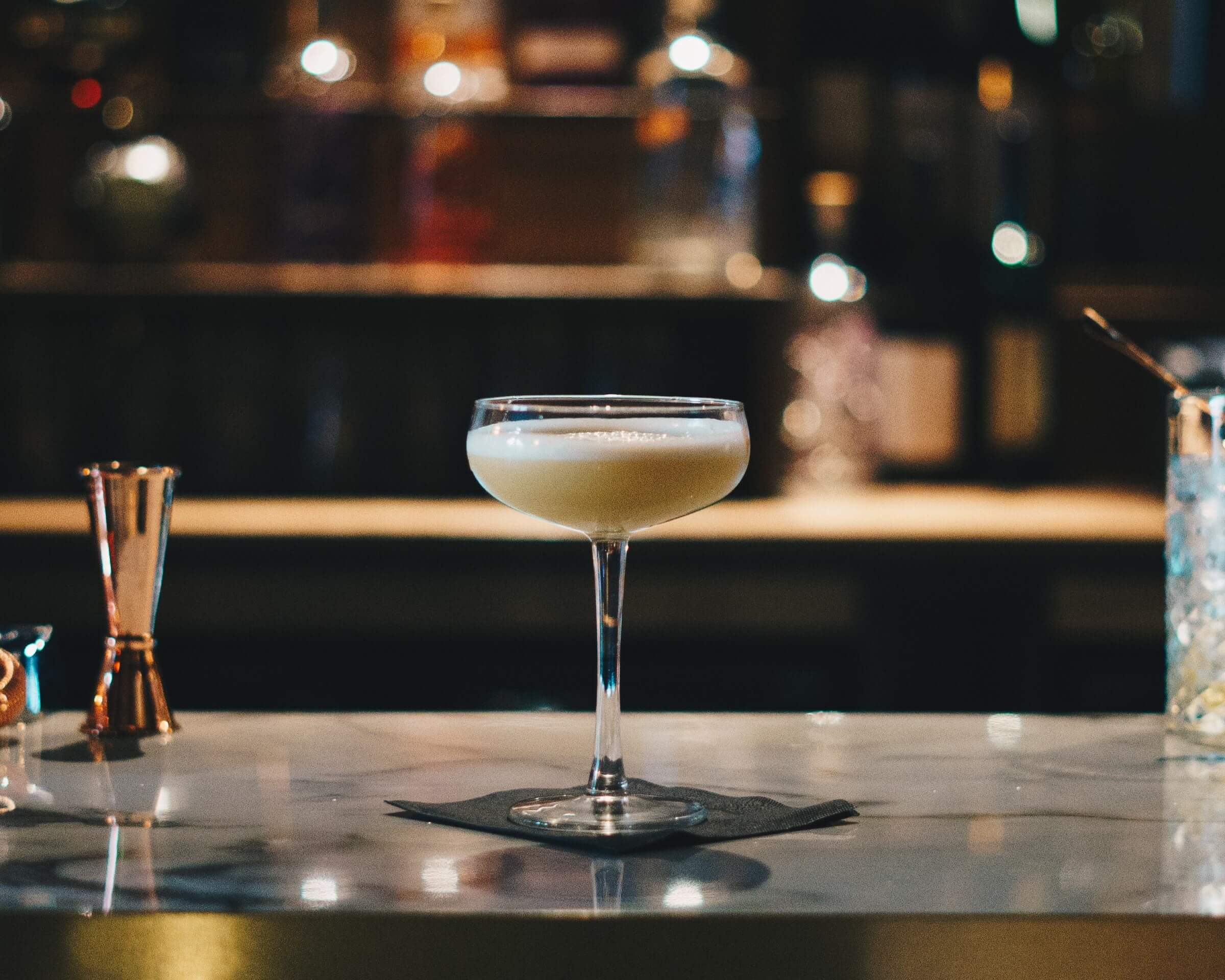
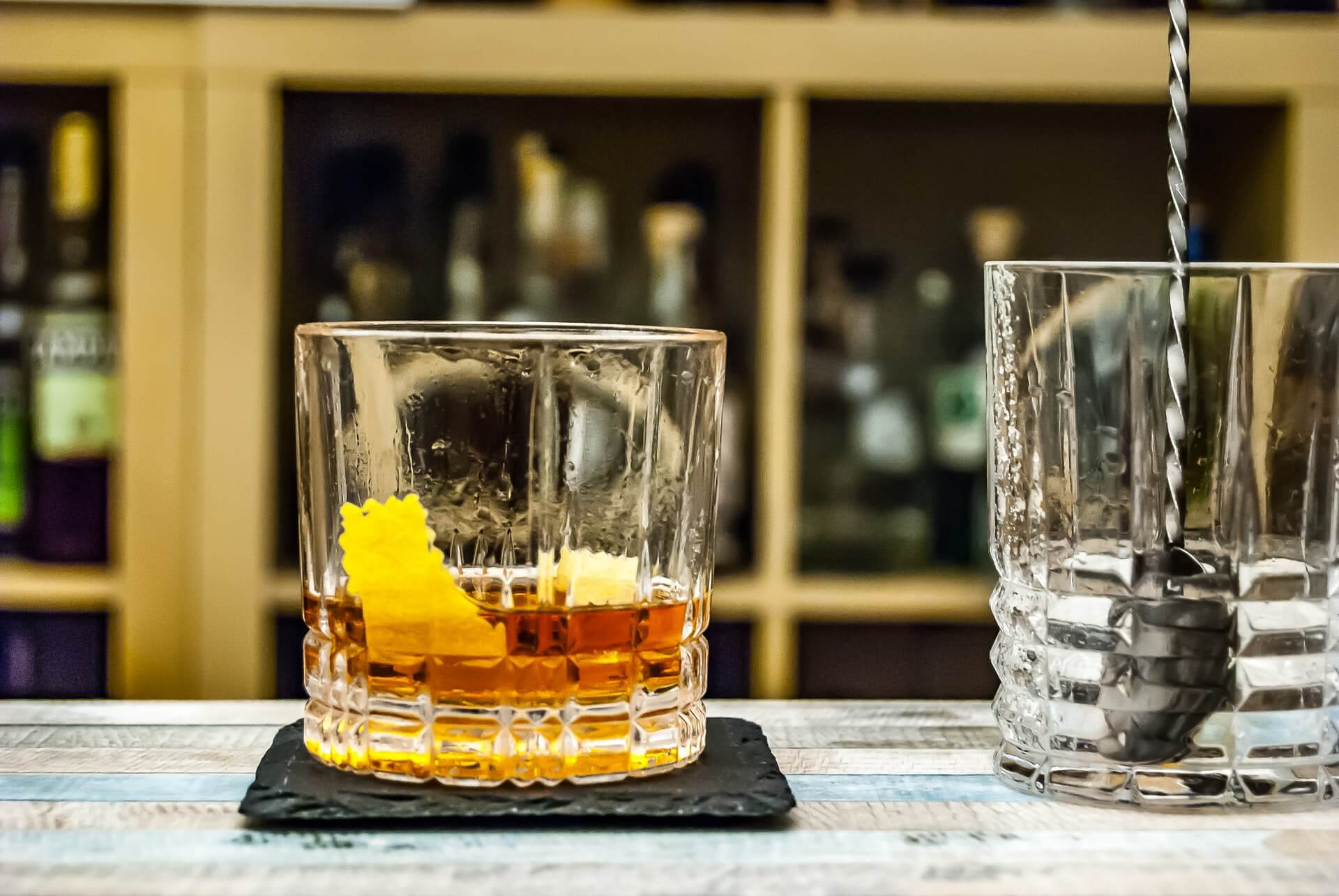
Craft cocktail in upscale bar

Psst! Don’t tell the purists but this article encourages the adulteration of Scotch by combining it with other ingredients to make *gasp!* cocktails.

Now, I jest…mostly. To be fair, I don’t often encounter purists who scoff or outright lost their minds if someone doesn’t enjoy their favorite spirit neat. However, it does happen every now and again. Seriously, it shouldn’t really matter how someone decides to order and enjoy their drinks. Want to order Johnnie Walker Blue Label with soda? Go for it.

So, below you’ll find cocktails rather than bottles for National Scotch Day. Sure, you can contact your reps, incur costs, and bring in some boast-worthy bottles. However, you can also spotlight what you already have on hand with revenue-generating Scotch cocktails.

No, you won’t find Scoch & Soda or the Rusty Nail among the recipes below. I would hope you and your bar team already have those down since they’re essentially two-ingredient drinks.

Also, I’ll award bonus points to anyone who locks eyes with a Scotch snob as they gulp down a Glenmorangie Signet Penicillin. Sure, that’s petty of me; it’s also fun. What are the bonus points good for? Hey, why are you asking so many questions?

A quick note: If you’d rather go with food on this holiday, check out our Scotch and cheese pairing article.

Penicillin

So, I’m going to start with my personal favorite Scotch cocktail. If you’re a KRG Hospitality regular, you already know this is one of my favorite drinks in general.

This is a modern-day classic—the Penicillin dates all the way back to the early 2000s. Operator, bartender, and cocktail creator calls for two types of Scotch to make this delectable drink.

  • 2 oz. Blended Scotch
  • 0.75 oz. Lemon juice, freshly squeezed
  • 0.75 oz. Honey-ginger syrup (1 cup honey, 1 cup water, 1 6-inch bit of peeled and thin-sliced ginger)
  • 0.25 oz. Peaty Islay Scotch to float
  • Candied ginger to garnish

Prepare a rocks glass with ice. Add first three ingredients to a shaker with ice, and shake until well chilled. Strain into the rocks glass and float Islay Scotch on top. Then, garnish and present.

For the syrup: Combine syrup ingredients in a saucepan and bring to boil. Reduce, simmer for five minutes, and set aside overnight in refrigerator. The next day, strain through cheesecloth.

Rob Roy

If you want to be flippant about it, the Rob Roy is a Scotch Manhattan. Of course, it’s easy to make that argument as cocktail historians believe the Rob Roy is an homage. At any rate, both are true classics, dating back to the late 1800s.

One of the fun elements of the Rob Roy is creating a signature version. Obviously, the Scotch and vermouth selection will impact the flavors of this drink. So, come up with a combination all your own to make this one of your bar’s specialties.

  • 2 oz. Scotch
  • 0.75 oz. Vermouth (equal parts sweet and dry vermouths to make a Perfect Rob Roy)
  • 0.75 oz. Angostura Bitters
  • Brandied cherries to garnish

You’ll want to ensure you have chilled cocktail or Nick & Nora glasses on hand before starting this build. Combine the first three ingredients in a mixing glass with ice. Stir unti well chilled and strain into chilled glass. Spear cherries, garnish, and serve.

Bobby Burns

Interestingly, some believe this cocktail is a riff on the Rob Roy. So, why not have Rob and Bobby on your National Scotch Day drink menu?

Now, the drinks are similar, but the flavor profiles are vastly different. After all, the ratio of Scotch to vermouth is 1:1, and the recipe uses Bénédictine rather than bitters.

  • 1 oz. Blended Scotch (supposedly, this should be at least 12 years old)
  • 1 oz. Sweet vermouth
  • 0.5 oz. Bénédictine
  • Lemon peel to garnish

Of course, this is where the argument that the Bobby Burns is a version of the Rob Roy gets stronger. See the build instructions for the Rob Roy above? Do the same, but garnish with a lemon peel.

Blood & Sand

Oddly enough, we don’t know the creator of this drink. We do know it appears in Harry Craddock’s The Savoy Cocktail Book, published in 1930. However, we don’t know for certain that he’s the inventor.

At any rate, we do know this 1:1:1:1 cocktail is delicious and a hit with whiskey fans.

  • 0.75 oz. Scotch
  • 0.75 oz. Cherry Heering
  • 0.75 oz. Orange juice, freshly squeezed
  • 0.75 oz. Sweet vermouth
  • Orange peel to garnish

Again, make sure you have chilled glassware to build this cocktail. In this case, coupes and cocktails. Combine all ingredients but the garnish in a cocktail shaker with ice and shake well. Next, strain into the glass, then garnish and present.

Rusty Compass

So, this build is a bit different from the others in that it calls for a particular Scotch and two specific liqueurs. Also, this one is bold as the Scotch you’ll use is rather powerful.

Obviously, this is a bit like a Rusty Nail, so you shouldn’t have any trouble with the recipe.

  • 2 oz. Compass Box The Peat Monster
  • 01.75 oz. Drambuie (for making Rusty Nails, too)
  • 0.5 oz. Cherry Heering (which you have on hand for making Blood & Sands)
  • Orange twist to garnish

As you’re probably already guessing, you combine all the ingredients but the garnish in a shaker with ice for this build. Shake it, strain it, and garnish it. Oh, and you’ll want to present this in a coupe.

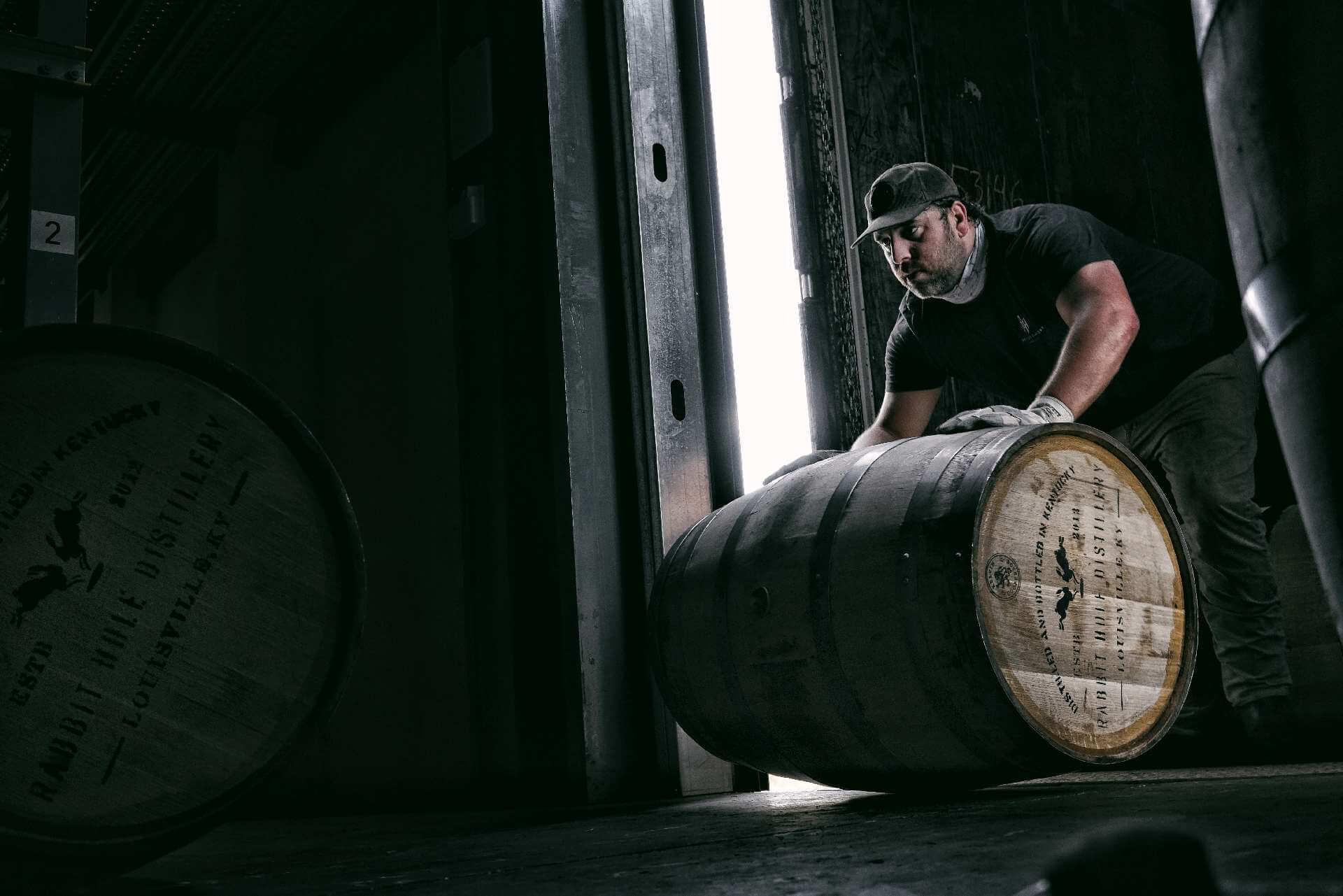
Image: Ambitious Creative Co. – Rick Barrett on Unsplash

by David Klemt David Klemt No Comments

Rabbit Hole Resources: Bourbon 101

Rabbit Hole Resources: Bourbon 101

by David Klemt


Bunny painting or graffiti

Those who want to learn about bourbon can access free resources from a credible and knowledgeable source: Rabbit Hole Distillery.

When it comes to learning about a particular spirit, those producing them tend to know the most. So, seeking education straight from the source is a smart move.

Now, hospitality professionals have a reliable, informative resource to add to their toolbox. Learn About Bourbon is Rabbit Hole’s ever-growing bourbon resource.

Bourbon Basics

If your restaurant or bar has bourbon on the menu, you’re likely at least familiar with the basics:

  • To carry the “bourbon” designation, one must produce the liquid in America.
  • The mashbill must consist of at least 51 percent corn.
  • It’s not permissible to use any additive except water.

Similarly, you are likely aware of some bourbon myths:

  • Only distilleries in the state of Kentucky can produce bourbon.
  • The name “bourbon” comes from Bourbon County.
  • The whiskey must be at least two years old to be bourbon.

As you can see from the first bullet point at the start of this segment, bourbon can come from any state in America. As far as the second myth, the origin of the name “bourbon” is a bit murky.

Interestingly, the third myth is somewhat true. To include “straight bourbon” on the label, the bourbon must be a minimum of two years old. Otherwise, once new-make whiskey comes into contact with the oak barrel in which it’s going age, it’s bourbon.

Rabbit Hole bourbon barrel rolling into rickhouse

Learn About Bourbon

Rabbit Hole goes far beyond simple definitions on their Learn About Bourbon page.

Instead, the distillery dives deep into every element of bourbon production. As important, this page receives regular updates. In other words, much like bourbon itself, this resource gets better with age.

To give you an idea of how in-depth Rabbit Hole gets, let’s look at the Bourbon Barrel Char / Charring section. It’s essentially an article in and of itself at nearly 400 words. Additionally, there’s a link within this section that leads to an even deeper dive into toasting and charring barrels.

Elsewhere on the Learn About Bourbon page you can learn about esters. In fact, there’s a list of over a dozen esters for you to—yep, I’m gonna make the pun—go down the rabbit hole.

Rabbit Hole Blog

Now, it turns out that the distillery isn’t content with offering one bourbon education resource. There’s also the Rabbit Hole Blog.

Looking for bourbon cocktail recipes? Check out the brand’s blog. Currently, the top recipe posts feature the Golden Ponzu and Strawberry Bourbon Lemonade.

Curious about cooking with bourbon? How about a recipe for nasi goreng with a Rabbit Hole bourbon ginger sauce? As a bonus, this recipe should perform well with guests looking for plant-forward dishes with small amounts of animal protein.

Of course, there are also Bourbon 101 articles. For example, this link will take you to an article about wheated bourbons.

If you want to boost your bourbon knowledge and update your food and cocktail menus, check out Rabbit Hole’s blog and Learn About Bourbon page today.

Image: Vincent Pelletier

by David Klemt David Klemt No Comments

2022 World’s 50 Best Restaurants: 1-50

2022 World’s 50 Best Restaurants: 1-50

by David Klemt

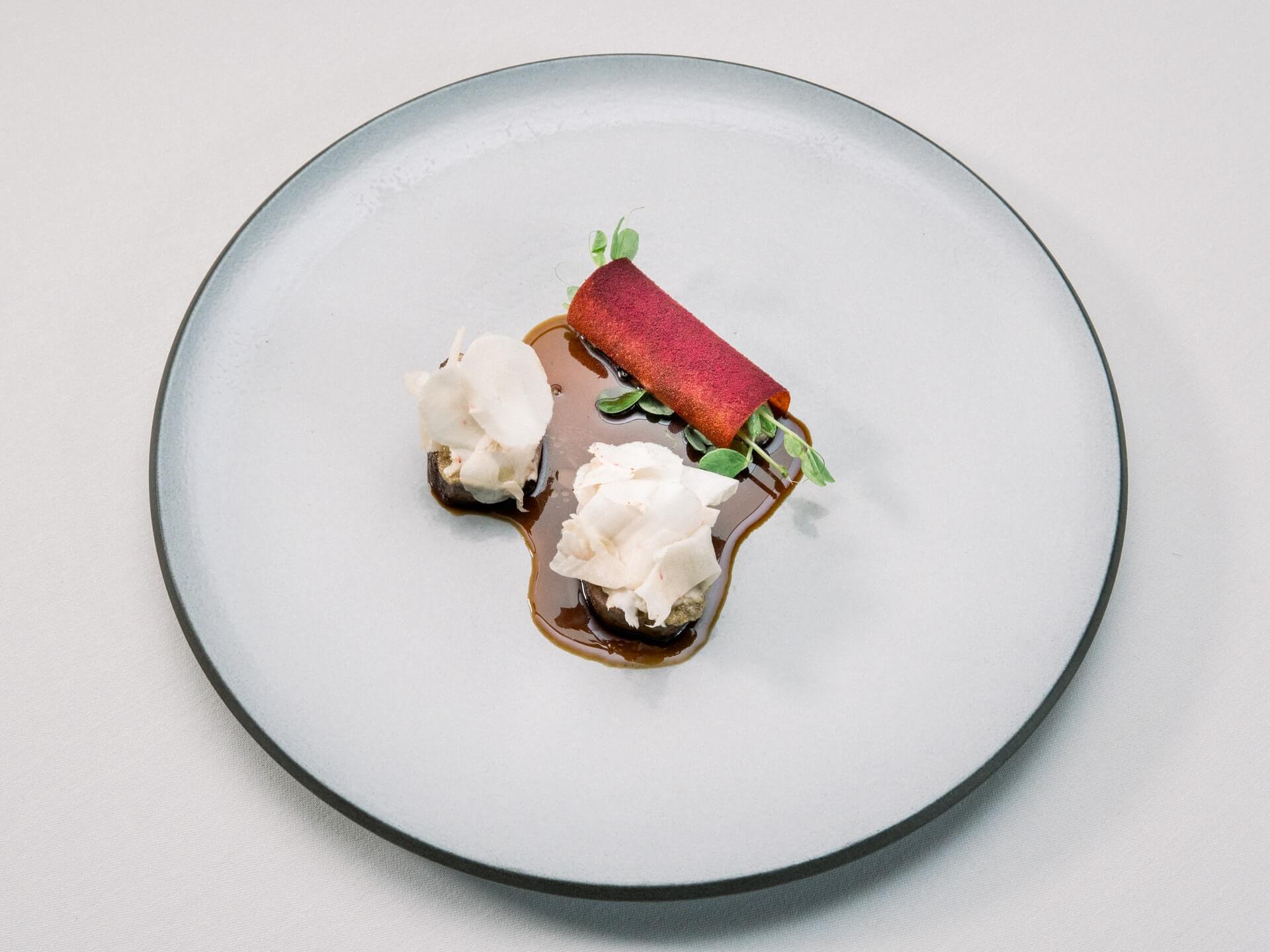
Gourmet dish on white background

Finally, the World’s 50 Best announces the World’s 50 Best Restaurants, an impressive list of the finest places to dine across the globe.

Of course, this highly anticipated news comes on the heels of the World’s 50 Best Restaurants, 51 to 100. Last night, host Stanley Tucci and special guest co-hosts announced the winners in London.

Perhaps not too surprisingly, only three American restaurants are among this year’s top fifty. Of those three, one is in Healdsburg, California, which is the wine-producing region of Sonoma County. The other two American restaurants are in New York City, which isn’t exactly a surprise. And of those two restaurants, one, number 33 on this year’s list, is the winner of the Gin Mre Art of Hospitality Award.

Unfortunately, there are no Canadian restaurants on the World’s 50 Best Restaurants 2022 list. That applies to the back half of the list, numbers 51 to 100, as well.

Interestingly, the restaurant taking home the title of World’s Best Restaurant 2022 took the number two spot in 2021. Another hint: This year’s number one, by clinching the top slot, is also the Best Restaurant in Europe 2022.

So, do you think you know what restaurant is the best in the world? Scroll down to see if you’re right.

The World’s 50 Best Restaurants 2022: 50 to 1

  1. Single Thread (Healdsburg, California, USA)
  2. Ikoyi (London, England)
  3. Leo (Bogotá, Colombia)
  4. Oteque (Rio de Janeiro, Brazil)
  5. Belcanto (Lisbon, Portugal)
  6. Narisawa (Tokyo, Japan)
  7. Le Bernardin (New York, New York, USA)
  8. Boragó (Santiago, Chile)
  9. Quique Dacosta (Dénia, Spain)
  10. La Cime (Osaka, Japan)
  11. Schloss Schauenstein (Fürstenau, Switzerland)
  12. Sorn (Bangkok, Thailand)
  13. Jordnær (Copenhagen, Denmark)
  14. Fyn (Cape Town, South Africa)
  15. Odette (Singapore)
  16. The Clove Club (London, England)
  17. Hiša Franko (Kobarid, Slovenia)
  18. Atomix (New York, New York, USA)(Gin Mare Art of Hospitality Award 2022)
  19. Mayta (Lima, Peru)
  20. Arpège (Paris, France)
  21. Florilège (Tokyo, Japan)
  22. St. Hubertus (San Cassiano, Italy)
  23. Le Clarence (Paris, France)
  24. Hof Van Cleve (Kruishoutem, Belgium)
  25. Restaurant Tim Raue (Berlin, Germany)
  26. Frantzén (Stockholm, Sweden)
  27. The Chairman (Hong Kong)
  28. The Jane (Antwerp, Belgium)
  29. Septime (Paris, France)
  30. Mugaritz (San Sebastian, Spain)
  31. Den (Tokyo, Japan)
  32. Piazza Duomo (Alba, Italy)
  33. The Alchemist (Copenhagen, Denmark)
  34. Nobelhart & Schmutzig (Berlin, Germany)(Villa Massa Highest Climber Award 2022)
  35. Elkano (Getaria, Spain)
  36. Reale (Castel di Sangro, Italy)
  37. Don Julio (Buenos Aires, Argentina)
  38. Steirereck (Vienna, Austria)
  39. Uliassi (Senigallia, Italy)(Highest New Entry Award 2022)
  40. Maido (Lima, Peru)
  41. Le Calandre (Rubano, Italy)
  42. Quintonil (Ciudad de México, México)(Estrella Damm Chef’s Choice Award: Chef Jorge Vallejo)
  43. Lido 84 (Gardone Riviera, Italy)
  44.  A Casa do Porco (São Paulo, Brazil)
  45. Asador Etxebarri (Atxondo, Spain)
  46. Pujol (Ciudad de México, México)
  47. Diverxo (Madrid, Spain)
  48. Disfrutar (Barcelona, Spain)
  49. Central (Lima, Peru)
  50. Geranium (Copenhagen, Denmark)

Image: Delightin Dee on Unsplash

by David Klemt David Klemt No Comments

Brutal: These Drinks are Heavy

Brutal: These Drinks are Heavy

by David Klemt

Marshall amplifier closeup

Several legendary and iconic heavy metal bands are stepping into the arena of the drinks industry, from beer to whiskey, and more.

You won’t find a celebrity rosé wine or mezcal on this list. Instead, you’ll find bourbon and rye blends, unique processes, full beer lineups, and small-batch releases.

Most importantly, these are products that deserve a place on your menus. These aren’t spirits and beers that rely on band names and their global recognition. Each of these can stand on their own.

In fact, one whiskey from Slipknot and an Iowa distillery won an award from Fred Minnick in 2019.

Metallica

You may familiar with Blackened, a rye and bourbon blend that finishes in brandy casks. This limited-edition, super-premium whiskey is also subjected to the proprietary Black Noise process.

In short, each batch of Blackened is enhanced by the frequencies of curated Metallica playlists. This whiskey is a true collaboration. Legendary Master Distiller Dave Pickerell partnered with Metallica and Meyer Sound for the recipe and process.

However, Master Distiller and Blender Rob Dietrich has crafted a rye expression. Rye the Lightning is, as you can likely tell from the name, a rye whiskey. This expression also undergoes a very specific Black Noise process.

To craft Rye the Lightning, the live recording of Ride the Lightning in its entirety from Metallica’s Orion Music + More set is played to enhance the liquid. Taking things a step further, Rye the Lightning is finished in Madeira and rum casks.

Not content with just two expressions, there are also the Master of Whiskey Series and limited edition whiskeys available.

Iron Maiden

Iconic English heavy metal band Iron Maiden has steered heavily into the beer business. You won’t find a limited-release Lager here and a Pilsner there. No, Iron Maiden has a full lineup of beers in several styles.

Trooper, named for their song “The Trooper,” is the name under which the band crafts their beers in partnership with brewers like Bodebrown and Robinsons. You’ll find many beer styles under the Trooper label: Strong Bitter, English Extra Special, Porter, Golden, IPA, and more.


View this post on Instagram


A post shared by Trooper (@ironmaidenbeer)

Of course, there are limited editions. And why shouldn’t there be? Iron Maiden and there brewer partners want to have rock out, like they did with the Number of the Beast, a Bitter.

Motörhead

Since there’s a bourbon and a beer carrying the Motörhead name, you can create a Boilermaker honoring the heavy band. And as you may imagine, one-half of the Boilermaker is named after the song “Ace of Spades.”

In this case, Ace of Spades is a bourbon crafted in Fargo, North Dakota, by Proof Artisan Distillers. This distillery produced North Dakota’s first-ever bourbon, Crooked Furrow. Ace of Spades is a full-bodied, 90-proof high-rye bourbon with warm, sweet notes and a cinnamon finish.

For the beer, Motörhead tapped Madison, Wisconsin, brewers Ale Asylum. Röad Crew is a crisp, hoppy American Pale Ale with citrus notes.

Cannibal Corpse

This whiskey, Golden Blood, is actually the inspiration for this article and product roundup. Golden Blood by Cannibal Corpse, one of the heaviest bands on this list, is crafted in collaboration with Three Floyds Distilling.

Since opening their doors in 2017, Three Floyds has been known for doing things differently. In fact, the distillery itself says their approach is “not normal.” So, this collaboration with Cannibal Corpse makes a lot of sense.

According to Three Floyds, the band itself selected the liquid. A single barrel straight malt whiskey, Golden Blood was aged four years in new, charred oak. And the label is sure to draw attention on your back bar.

GWAR

As the story goes, GWAR is not of this planet. Rather, GWAR is an intergalactic rock band that arrived on Earth via comet.

Well, when you have an origin mythology that incredible, you can’t phone in products tied to your name. I promise that you’ve never encountered a whiskey-crafting process like the one that produces Catoctin Creek Ragnarök Rye:

“The mad scientists at Catoctin Creek conducted experiments on aging the blood of GWAR in barrels made from the different types of wood scorched by the comet’s blast. They used the rarest of grains and watered their mash bill with the melted Antarctic ice to create a 92 strength rye whisky, pot stilled and then aged in charred new white oak. Members of GWAR then hurled the whiskey barrels into the orbit of the moon, causing contraction to take place as the barrels spun under the influence of the deathly coldness of space and the life-giving heat of the sun.”

Well, that’s different.

Slipknot

Cedar Creek Distillery in Iowa crafts two whiskey expressions for Slipknot. The first expression is Slipknot No.9, a four-year-old blend of straight bourbon and straight rye whiskeys.

Then there’s Slipknot No. 9 Reserve. For this special release, award-winning Cedar Creek bottles the same bourbon and rye blend at 99 proof. Fred Minnick named Slipknot No. 9 Reserve the Best Celebrity Whiskey in 2019. That’s no small feat.


View this post on Instagram


A post shared by Slipknot Whiskey (@slipknotwhiskey)

An equally daunting feat? Getting your hands on Slipknot co-founder and percussionist Clown’s Iowa Shine. If you can find it, this bottle is Clown’s very own moonshine.

Honorable Mentions

The Deftones have partnered with Belching Beaver to craft an IPA called Deftones Phantom Bride. This IPA, a collaboration between head brewer Thomas Peters and the Deftones’ Chino Moreno, is made using Amarillo, Citra, Simcoe and Mosaic hops.

And then there’s Bay Shore, New York’s Great South Bay Brewery. The brewery has honored Pantera with a limited edition beer called Vulgar Display of Lager. Obviously, this is intended to honor the 30th anniversary of the thrash metal band’s brutal 1992 Vulgar Display of Power album.

Image: Alexander Kampmann from Pixabay

by David Klemt David Klemt No Comments

Datassential IDs LTO Keys

Datassential Identifies Limited-time-offer Keys

by David Klemt

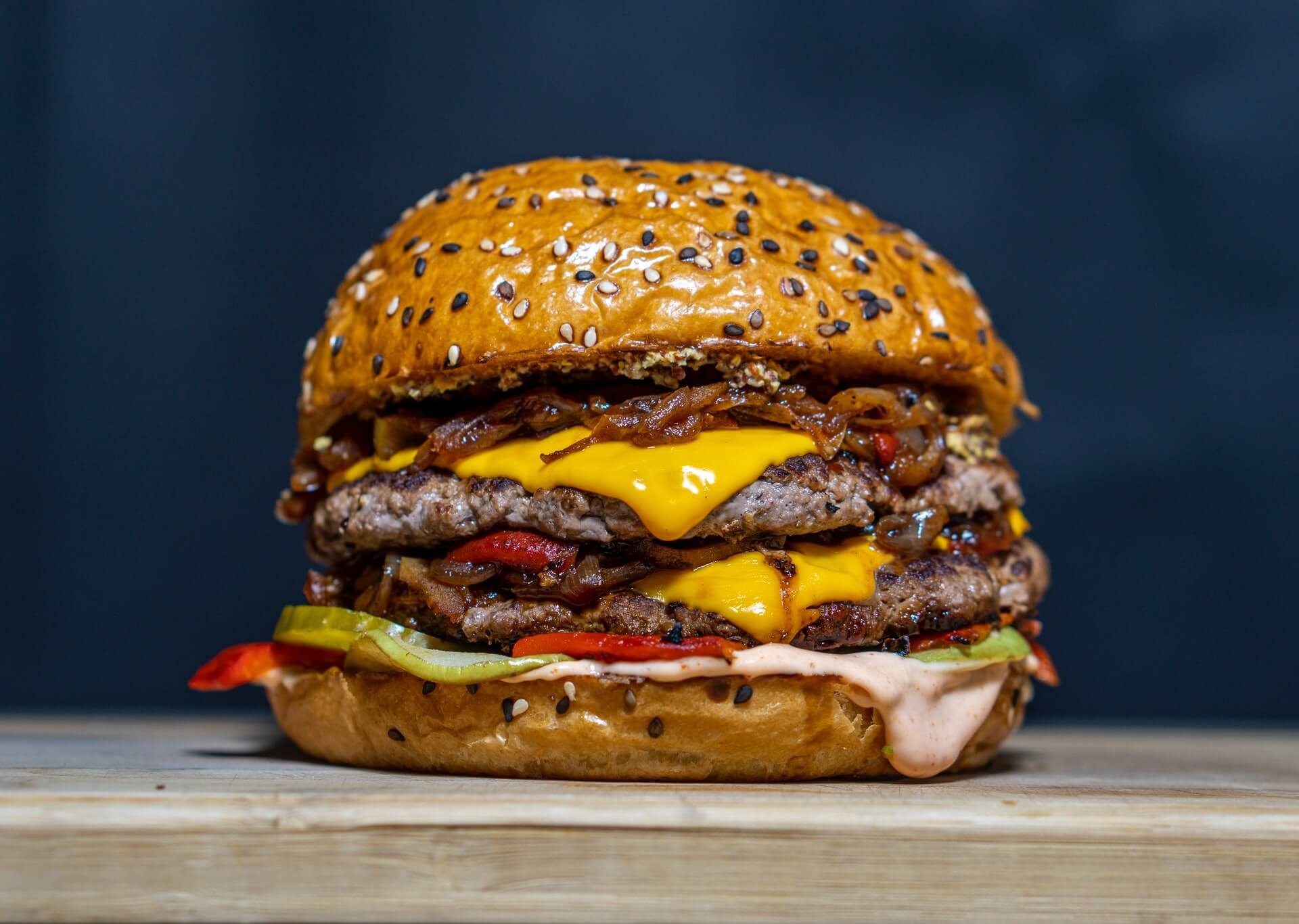
Double cheeseburger on sesame bun

Food and beverage market research firm Datassential turns their attention to limited-time offers in one of their latest reports.

Part of the FoodBytes series of resources, “A Look at Limited-time Offers” is a free Datassential trend report. If you have yet to do so, sign up for Datassential FoodBytes reports.

There are several ways for savvy operators to drive traffic. Loyalty programs and subscriptions are two popular modern-day solutions.

However, the LTO is tried, true, and can boost traffic, engagement, loyalty, sales, and revenue.

Of course, there are different ways to execute LTOs. There’s the recurring, anticipation-driving item: McDonald’s McRib. Then there’s the seasonal offering: Starbucks Peppermint Mocha. And the return of a popular item eliminated years prior: Taco Bell Mexican Pizza and Wendy’s Spicy Chicken Nuggets.

Some LTOs have been going strong for years, others are leveraging a sense of nostalgia. In fact, some appear to be a direct response to Internet chatter.

Which LTO?

Per Datassential, 63 percent of LTOs most recently purchased by consumers were impulse decisions. And when the firm dives into LTOs in general, they find that one product stands above the others.

The top-performing LTO food item in terms of order frequency is the burger.

Now, does that mean you have to menu an LTO burger to succeed with this type of promotion? Of course not.

A successful LTO is one that’s authentic to your brand. And, clearly, it needs to be one that interests your guests. If you’ve been reading KRG Hospitality articles for a while, you know what I’m going to say next.

But for those who are new around here, I’m going to tell you to review your consumer data. What items are performing best? What flavors are resonating with your guests?

Now, look at the industry. What flavors and items are trending? How can you leverage them—in an authentic way—into an LTO?

If a burger may not work, will a different type of sandwich do the job? How about nuggets, breakfast items, a dessert, or a beverage?

Know your brand, know your guest, know what’s bringing the heat.

How Long?

Once you know what you’re offering, the next question should be obvious. How long are you going to make it available?

Every concept is different. What works for one may not work for another. However, analyzing what others do in terms of LTO duration and frequency can help inform you.

And as it turns out, Datassential’s latest FoodBytes report addresses “LTO cadence.”

The majority of operators—43 percent—run an LTO once every one to three months. Considering the popularity of seasonal LTOs, this frequency makes sense.

Interestingly, a quarter of operators offer an LTO more than once per month. Just about as many execute one every three to six months.

Far, far less common is running an LTO once every six to 12 months. In fact, this is the approach of just seven percent of operators. A mere two percent of operators run an LTO less than once every 12 months.

Again, there’s no “right” answer here. Some operations can succeed with multiple LTOs each month, some find success rarely offering one at all.

Takeaway

Operators know their brands best. They should know their guests equally as well, or at least strive to do so. As such, an operator should have an idea of what to offer in terms of LTO food or beverage items.

And, of course, operators should data-obsessive. That’s the only real way to have an idea of what LTOs will work, how often they should run, and how frequently one should be available.

But there’s more to know. Datassential also reveals challenges that deserve serious consideration before executing any LTO:

  • Do you have time to train staff on the new item?
  • Is your staff strong when it comes to upselling?
  • Will your guests complain when the new product is no longer available?
  • Do you have to source one or more ingredients for this item?
  • Is/Are the ingredient(s) necessary readily available?

The LTO is a proven marketing and promotion tool when done well. Challenging, yes, but worth the effort.

Image: amirali mirhashemian on Unsplash

by David Klemt David Klemt No Comments

5 Books to Read this Month: July 2022

5 Books to Read this Month: July 2022

by David Klemt

Flipping through an open book

This month’s engaging and informative book selections will help you develop next-level beverage techniques and drink menus throughout 2022.

To review June’s book recommendations, click here.

Let’s jump in!

The Bartender’s Manifesto

Spirits, cocktail and industry author Emma Janzen partners with Toby Maloney and the bar team at the Violet Hour. Since 2007, the Violet Hour has not only been serving incredible cocktails in Chicago, the bar has also been leading the way in cocktail training.

So, who better to learn from to nail the fundamentals, tap into your creativity, and understand every element of crafting cocktails? Pick up The Bartender’s Manifesto today. As of publication of this article, Amazon is offering $2.70 off the hardcover.

Black Mixcellence: A Comprehensive Guide to Black Mixology

Marketing strategist and award-winning author Tamika Hall collaborates with one of my favorite industry people, Colin Asare-Appiah, to bring us this awesome book.

Black Mixcellence delves into the impact of Black entrepreneurs, educators, and mixologists on the hospitality, spirits, and cocktail spaces. Along with the incredible stories, there are 70 cocktail recipes included in Black Mixcellence. Place your pre-order today!

Smoked Cocktails: From Mixology To Smoking Techniques

You and your bar team may have noticed that smoking cocktails is once again “on trend.” To be fair, I don’t think this cocktail build and presentation technique ever became unpopular.

In Smoked Cocktails you’ll learn not only how smoke plays with and enhances other flavors and aromas, author Benji O’Day also covers cocktail history, bartending techniques, and much more. Grab the paperback from Amazon today.

Cocktail Chemistry

Leveraging nostalgia and pop culture can be a lucrative way of boosting traffic, generating revenue, and increasing social media engagement. Written and curated by Nick Fisher, Cocktail Chemistry features cocktail recipes from iconic and beloved movies and television shows.

In addition, this informative cocktail book includes how-tos spanning a range of important bar techniques, from making clear ice to creating your own infusions. Pick up this hardcover now.

The Concise Guide to Wine and Blind Tasting: Volume 1

Do you have a robust wine program? Are you interested in demystifying wine and enhancing your front-of-house team’s knowledge of wine? Do you just not want your bar team or servers to answer guests’ wine questions with a frustrating “I don’t know”?

This guide, according to The Times Literary Supplement, delivers a “comprehensive education in wine.” Included in The Concise Guide to Wine and Blind Tasting: Volume 1 are the philosophy and history of wine, the distinctive characteristics of several wine regions, the science and art behind blind wine tasting, and more.

Image: Mikołaj on Unsplash

by David Klemt David Klemt No Comments

Stand Out with Weird Holidays: July 2022

Stand Out with Weird Holidays: July 2022

by David Klemt

Stay Weird neon sign with purple background

Want to stand out from from other restaurants and bars in your area? Then commit to keeping it weird.

Several “holidays” are set against every date on the calendar, and July is no exception. These holidays range from mainstream to “weird.”

Pay attention to the latter to raise eyebrows, carve out a niche for your restaurant or bar, and attract more guests. Why do what everyone else is already doing?

Of course, you shouldn’t try to celebrate every holiday, weird or otherwise. And this month’s list in no way includes every odd holiday.

Focus on the days that are authentic to your brand; resonate with your guests; and help you grab attention on social media.

For June’s list, click here.

July 5: Workaholics Day

We may be in the midst of the Great Resignation but people are still working too hard. They’re too busy and experiencing too much stress.

So, this Workaholics Day, encourage your overworked, workaholic guests to unwind with your and your staff. They need to sign out, unplug, and escape.

July 7: National Dive Bar Day

Ah, the dive bar. Whether you consider this hospitality institution a dive, neighborhood bar, or local watering hole, it’s worthy of celebration.

If you’re a dive or neighborhood bar owner, this is your day to pull out all the stops. You run a cornerstone of your community—time to party with the neighborhood!

July 8: Video Games Day

Okay, video games in and of themselves aren’t weird. Well, the weird games are weird but you know what I mean.

Have TVs and consoles? Arcade games? Put them front and center with your marketing. Come up with a tournament and get your guests playing. And, of course, a limited-time, themed cocktail menu also works.

July 12: National Simplicity Day

We all know what KISS (not the band) stands for: Keep It Simple, Stupid. Quick note: I’m not calling you stupid.

Simple, of course, tends to be quicker, and people appreciate fast service when they’re thirsty. This is definitely the day to perfect highballs and two- or three-ingredient cocktails.

July 13: Embrace Your Geekness Day

Look, we’re all geeks about something. A geek doesn’t have to conjure stereotypical images of so-called nerds. Certainly, the term shouldn’t mean someone’s an outcast.

A geek is passionate and that should be admired. You should know what your guests are into and how to engage with them about their passions.

July 17: World Emoji Day

Hey, want to create a creative LTO that will be fun for guests to decipher? Come up with ways to name and, if you really want to get into it, describe your F&B with emoji.

July 20: National Moon Day

You and your team can celebrate this day a couple of ways. Of course, the obvious way is to craft a moon, space-, sci-fi, and/or astronaut-themed LTO.

Or, for a more outside-the-box promotion, you can always look up moon-based conspiracy theories and make that your theme.

July 23: National Hot Dog Day

It’s obvious that hot dogs aren’t inherently weird. However, you can encourage your kitchen team to put their heads together and come up with truly “weird” or unusual (but enticing) LTO hot dogs.

July 29: National Get Gnarly Day

Eager to engage your bar team? Looking to push them to come up with some unique cocktails and beer-and-shot combos? This is the holiday to get them to get gnarly and creative.

July 31: National Mutt Day

If your bar or restaurant is dog friendly, this holiday is your time to shine! Encourage your guests to bring their adorable mutts. Bonus points for offering an LTO menu featuring dog-safe F&B.

Image: Dan Parlante on Unsplash

by David Klemt David Klemt No Comments

This Year’s Big Trend: Moderation

This Year’s Big Trend: Moderation

by David Klemt

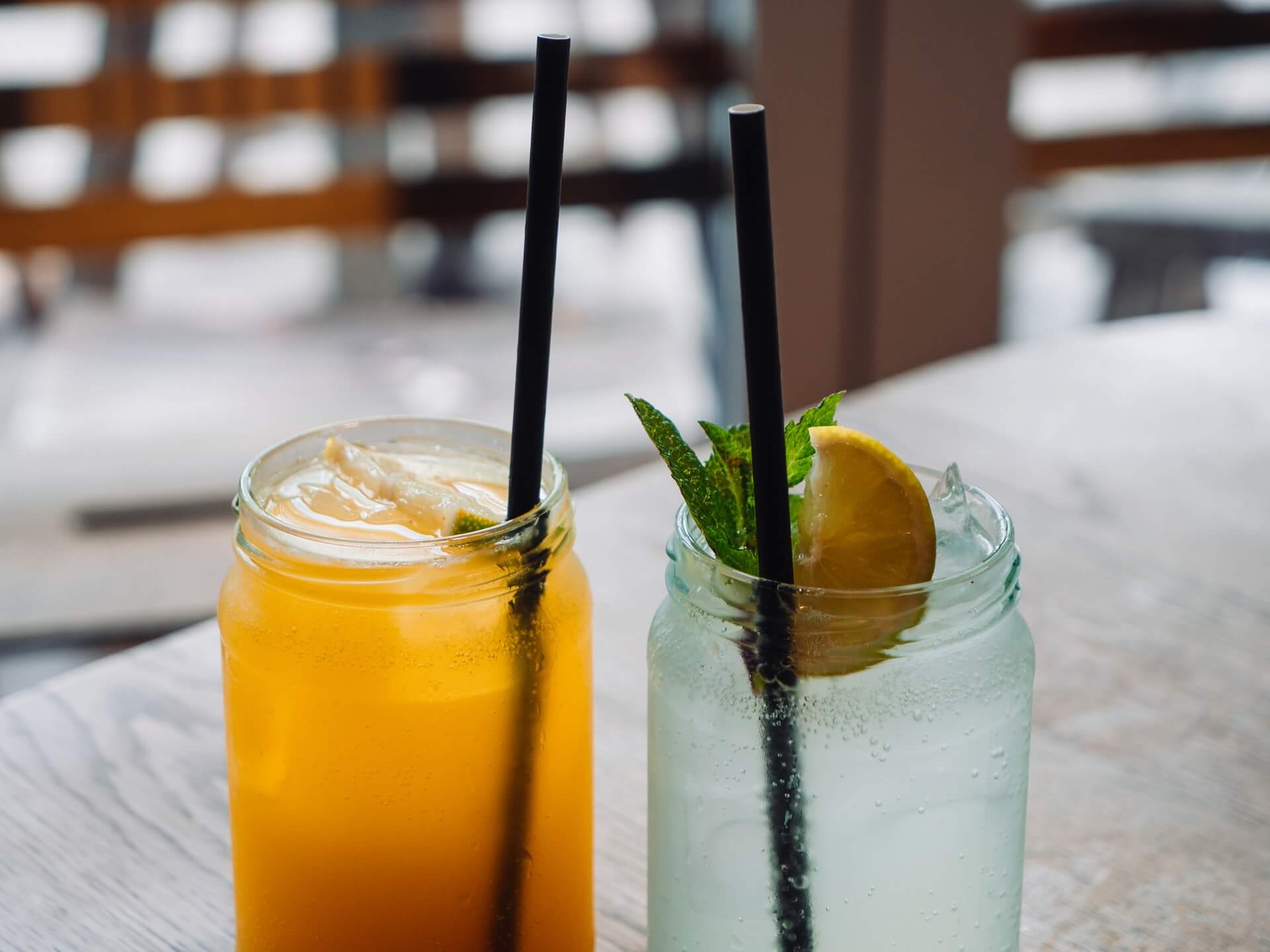
Two drinks in mason jars

Beverage-top media platform Ripples is reporting 2022’s big drink trend, focusing heavily on Gen Z imbibing habits.

The unique company produces devices that make it possible to print images atop drinks. With beverages of all types as their focus, the company is a great position to study drink trends.

Interestingly, Ripples focuses primarily on Gen Z drinking habits. However, the company’s data identifies an intriguing trend that transcends a single generation.

Let’s jump in.

Zero-proof Beverage Growth

At KRG Hospitality, we appreciate numbers; we’re a data-driven agency. Well, amongst all the stats Ripples latest findings reveal, two are massive.

First, in comparison to 2019, zero-alcohol products are up 166 percent. Second, the non-alcohol category is growing four times faster than its low-ABV counterpart.

Another impressive number? Non-alcohol spirits have grown by over 113 percent since 2020.

Per Ripples, Gen Z is driving the growth in the no-alcohol space. According to the beverage-tech company, this is likely due to social media presence.

I’m sure you read articles at least from time to time about Gen Z social media habits. Those written by their older counterparts make it seem like Gen Z doesn’t understand the risks of recording their every action.

Well, it’s highly likely that much of Gen Z would rather not have their drunken shenanigans on display on every social platform.

Values Drive Purchase Decisions

Beyond risk aversion, Ripples identifies values as key to Gen Z purchase and consumption decisions.

Generally speaking, members of Gen Z value transparency and authenticity. Brands that share those values are more likely to succeed with Gen Z.

And, again, speaking broadly, smaller, independent brands are often perceived as more transparent, authentic, and responsible. Large, mainstream brands are often seen as anything but green and responsible, never mind transparent or authentic.

Ripples posits that small indies aren’t encountering daunting barriers to entry. So, small-batch, craft non-alcohol brands are apt to find Gen Z support.

Craft sodas, RTDs offering health benefits, and zero-proof cocktails in cans or bottles are flooding the market. And they’re finding success. In fact, according to Ripples, RTD sales are up 400 percent on Drizly since 2019.

The Big Trend

If you’re a listener of our Bar Hacks podcast you’ve likely heard our episodes with David Allison. If you haven’t heard them, they’re episode 46 and episode 67.

As the founder of the Valuegraphics Project, Allison isn’t a fan of focusing on demographic stereotypes. Instead, he recommends a focus on values in conjunction with demographic and psychographic data.

In part, the Valuegraphics Project approach encourages business owners and operators to identify and target their customers’ values. This is, according to Allison, far more powerful than focusing on age and sex. As important is the fact that demographics tend to divide us, and stereotypes are dangerous.

So, he and the Valuegraphics Project team probably wouldn’t like all the focus on a single generation in this article and Ripples’ findings. Well, there’s some good news and it pertains to what’s likely this year’s biggest drinking trend.

Across all generations, one drinking trend is common: Moderation. An interest in no- and low-alcohol beverages is shared among all generations.

In fact, according to Ripples, 78 percent of consumers purchasing zero-proof drinks aren’t doing so exclusively. These consumers are still buying they’re favorite full-alcohol beverages.

Takeaway

Leveraging the moderation trend is fairly simple. The growth of all zero-proof categories means operators can succeed with alcohol-free spirits, beer, and wine.

RTD cocktails—full-, low- and zero-proof—are selling very well and work in restaurants and bars.

In short, ensure you have low-ABV and zero-alcohol versions of your full-ABV drinks on your menu. Include these in a dedicated non-alcohol section.

Operators don’t need to be afraid of guests drinking more moderately. The stereotype that guests who choose zero- or low-proof drinks are bad for the bottom line simply isn’t true.

Image: Chris Curry on Unsplash

by David Klemt David Klemt No Comments

Summer 2022 is the Summer of Mezcal

Summer 2022 is the Summer of Mezcal

by David Klemt

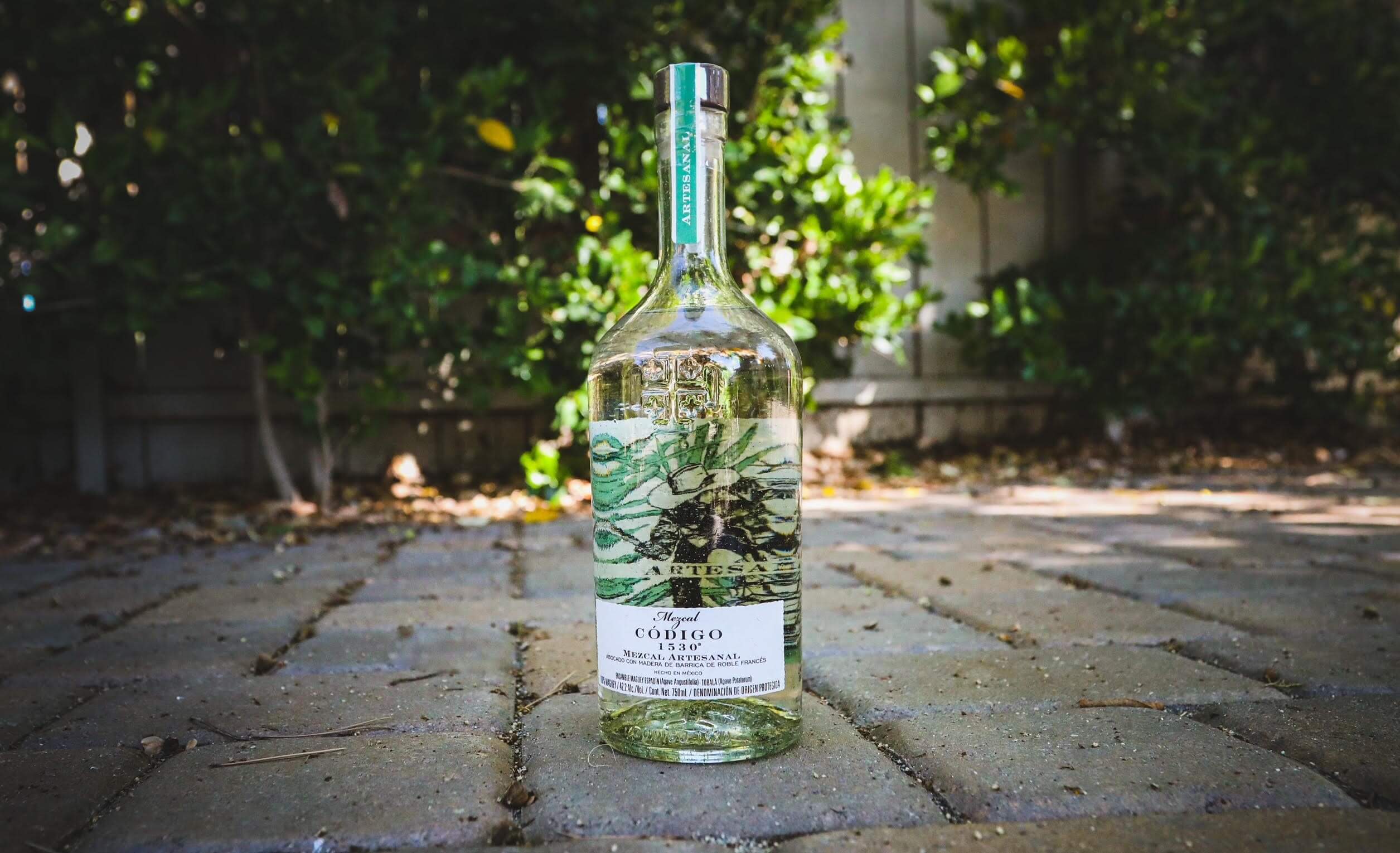
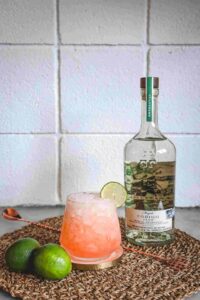
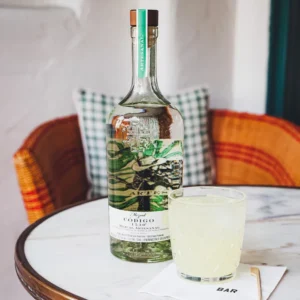
Código 1530 Mezcal bottle

Move over tequila, rum and gin, because this year the drink of the summer is something different.

Summer 2022 is the Summer of Mezcal.

Traditionally, sure, we’re led to believe that lighter spirits (white rum, gin) are best for the hotter months. Of course, dark rum is another route people often take during the summer.

However, mezcal is on fire at the moment. In fact, it has been for the past few years now. So, why not feature it on your summer drink menu?

Mezcal adds depth and complexity to classic cocktails, engaging guests by offering new flavors. And, of course, mezcal is also a fantastic starting point for modern drinks.

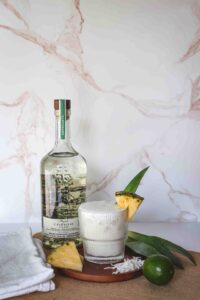
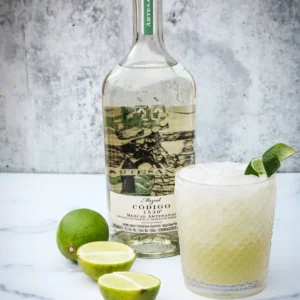
Below you’ll find six summer mezcal recipes from Collin De Laval, company mixologist for Código 1530. He turned his attention to Código 1530 Mezcal Artesanal for the Summer of Mezcal.

To learn more about Código 1530 and De Laval, check out Bar Hacks episode 57. Cheers!

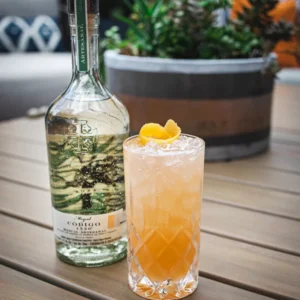
Código 1530 La Palomita

La Palomita

  • 1.5 oz Código 1530 Mezcal Artesanal
  • 0.75 oz Lime juice (fresh, of course)
  • 0.25 oz Aperol
  • 4 oz Yuzu-lime soda
  • 0.25 oz Simple syrup
  • Lime wheel or wedge to garnish

Prepare a cocktail glass with fresh ice. In a shaker, combine Código 1530 Mezcal, lime, Aperol and simple syrup. Shake well, pour into cocktail glass, top with yuzu-lime soda, and garnish with lime wheel or wedge.

Código 1530 Tropicana

Tropicana

Combine all ingredients in a shaker and prepare a cocktail glass with fresh ice. Shake vigorously, pour, and garnish with a pineapple wedge.

Código 1530 Mezcal Margarita

Mezcal Margarita

Prepare a cocktail or Margarita glass with fresh ice, then combine all ingredients in a shaker (also with ice). Shake, pour, and garnish with a lime.

Código 1530 Mezcal Ranch Water

Mezcal Ranch Water

Combine Código 1530 Mezcal, lime juice, and agave nectar in a cocktail or highball glass with ice, top with soda water, and stir.

Código 1530 Mango Mezcal Paloma

Mango Mezcal Paloma

In a shaker with ice, combine Código 1530 Mezcal and all three juices. Shake vigorously, strain into a highball glass with fresh ice, top with soda water, and garnish with grapefruit peel.

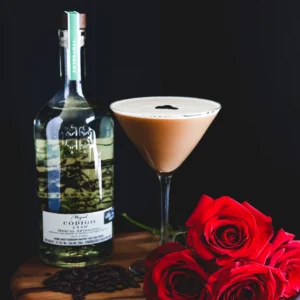
Código 1530 Mezcal Espresso Martini

Mezcal Espresso Martini

If you own, operate or are on the leadership team at a bar—or if you’re a bartender or server—you know the Espresso Martini has once again found itself having a moment. So, while you’re building out your summer mezcal menu, don’t forget this trendy drink.

Add all the liquid ingredients to a shaker with ice. Shake vigorously until well chilled. Pour into a Martini glass (consider preparing by chilling if you don’t already) and garnish with coffee beans.

Images courtesy of Código 1530

by David Klemt David Klemt No Comments

Drinks for Your World Whisky Day Menu

Drinks for Your World Whisky Day Menu

by David Klemt

Whiskey in Fine & Rare NYC glass

This Saturday is the eleventh annual celebration of World Whisky Day, the perfect day to highlight your whisky and cocktail menus.

One revenue-generating method of drawing in guests is a promotion showcasing popular, lesser-known, or rare whiskies. Operators can also create a whisky and beer combo promotion.

Of course, there’s also the specialty cocktail menu. There are a few different approaches to this promotion.

An operator and their bar team can focus on one specific cocktail, offering three or four “takes” on it. Another way to make this work is to take the same cocktail and feature a different whisky in each one.

A different approach is to create a World Whisky Day menu consisting of three or more of the most popular whisky cocktails. To help you identify which drinks to feature we looked into the top whisky drinks. Check them out below.

Old Fashioned

C’mon—you knew this was going to be on the list before you read past the title of this article. Drinks Digest ranked the Old Fashioned the number-one cocktail of 2021.

VinePair‘s list didn’t rank their most-popular cocktails overtly but this classic got its expected mention.

Manhattan

Just like the Old Fashioned, you expected this drink to make this list. While it can certainly be made with bourbon or an array of single malt American whiskies, the Manhattan shines when made with rye.

Whisky Sour

As Drinks International points out, the Whisky Sour may not be the top drink in most bars. In fact, it may not make it into their top three.

However, the simple but refreshing Whisky Sour is at least in the top ten of several bars, making it a solid choice for your specialty menu.

Boulevardier

Want to get some of the cocktail aficionados among your guests to flip out? Tell them loudly and confidently that the Boulevardier is better than the Negroni. That’ll certainly get them talking.

Or, hey, don’t do that. Just perfect this bourbon cocktail, a cousin of the Negroni, and highlight your build for World Whisky Day.

Mint Julep

The Kentucky Derby may be over but summer is just around the corner. People are still craving this centuries-old cocktail and VinePair called it “essential” last year.

Sazerac

Like many classics, the Sazerac was “medicinal” when it was first created in the 1830s. In 2008, this drink was made the official cocktail of New Orleans by the Louisiana state legislature.

The Sazerac is another cocktail recipe that VinePair said was an essential one for bars in 2021.

Vieux Carré

It’s difficult to overstate the important role New Orleans has played and continues to play in American cocktail culture.

The recipe, created about 100 years after the Sazerac, combines American whisky (rye, traditionally), Cognac, Bénédictine, sweet vermouth, and Peychaud’s bitters.

Penicillin

Created by Sam Ross when he was behind the stick at Milk & Honey, this is my favorite whisky cocktail. The recipe was one of Punch’s most popular last year, and it was on Drinks International’s top 50 list for 2021.

On a personal note, this is one of my all-time favorite whisky cocktails. In fact, the Penicillin is one of my favorite cocktails in general.

Honorable Mentions

These may not be top sellers for most bars (if any) but they’re worth consideration for World Whisky Day.

The Chauncey is a 1:1:1:1 combination of rye whisky, Cognac, gin, and sweet vermouth plus two dashes of orange bitters, served up.

Of course, there’s also the Mule, which lends itself to an incredible number of riffs. Select a whisky or two to come up with specialty Mules of your own.

Irish whisky stands out in an Irish coffee, which can be served iced/frozen when it’s hot outside.

And then we have the Rob Roy. If you want to be glib about it, this is a Manhattan made with Scotch rather than rye whisky.

Your Own Data

There’s an excellent resource for determining what drinks to feature at your restaurant or bar. It’s quite literally at your fingertips: your POS.

If you want to know what your guests are drinking and what they want, run a report.

How deep you get into the data is up to you, of course. Monthly, quarterly, seasonally, annually… There are myriad methods to determine your World Whisky Day’s best options.

Sure, you can probably safely assume that your top whisky cocktails are the same as those above. But why not be absolutely certain with your own data? You invest money and time into your POS—wring everything you can out of it.

Also, your bar team and servers. Ask them what whiskies guests have been asking for that you don’t have.

Use your POS to identify the whiskies gathering dust in your stockroom, then find a way to move them quickly (a well-priced LTO should work) and replace them with what guests want.

Image: YesMore Content on Unsplash

by David Klemt David Klemt No Comments

5 Books to Read this Month: May 2022

5 Books to Read this Month: May 2022

by David Klemt

Flipping through an open book

These engaging and informative book selections will help you develop next-level beverage skills and motivate you throughout May, 2022.

To review April’s book recommendations, click here.

Let’s jump in!

Rum Rebels: A Celebration of Women Revolutionizing the Spirits Industry

Written by authors Martyna Halas and René van Hoven, Rum Rebels raises a glass to women in the rum world. Readers will learn the inspiring stories of Lorena Vasquez from Zacapa, Joy Spence of Appleton, and more women driving rum forward and shaping this iconic spirit’s flavors, aromas, and textures.

In addition, this book serves as a masterclass in rum production, from tasting to aging. And since that’s enough for these incredible and ambitious authors, Rum Rebels also contains rum cocktail recipes.

Drink Lightly: A Lighter Take on Serious Cocktails

Operators, bar managers, and bartenders should see value in the driving ethos behind this cocktail book. Drink Lightly, authored by Nitecap bartender Natasha David, pairs precision drink-building techniques with a relaxed drinking experience.

Drinking lightly doesn’t mean sipping drinks bereft of complexity and depth. Along with 100 recipes, readers will enjoy a foreword by Alex Day of Proprietors LLC, whose concepts include Death & Co. and Nitecap.

Call Me Chef, Dammit!: A Veteran’s Journey from the Rural South to the White House

Hospitality is rooted in sacrifice and a commitment to serving others. Chef Andre Rush and his story embody service. Call Me Chef, Dammit! is the inspiring story of Chef Rush.

The storied chef has led an incredible life which includes a career in the US Army that spanned 24 years, advocating for military personnel and veterans, and winning multiple awards as a chef. Oh, and Chef Rush and his 24-inch biceps have also worked in the White House for four US presidents.

While there are no recipes in this book, there is one hell of an inspiring story in these pages.

The New Kindred Spirits: Over 2,000 All-New Reviews of Whiskeys, Brandies, Liqueurs, Gins, Vodkas, Tequilas, Mezcal & Rums from F. Paul Pacult’s Spirit Journal

Anyone looking for a spirits bible need search no further. F. Paul Pacult’s The New Kindred Spirits includes over 2,400 in-depth reviews spanning a wide range of spirits. This tome evaluates a massive number of brandies, gins, liqueurs, rums, tequilas, vodkas, and whiskeys.

This all-encompassing compilation of spirit evaluations doesn’t just cover the usual suspects. The New Kindred Spirits also takes a deep dive into the craft side of the beverage industry.

Drinking & Knowing Things

Author and certified sommelier Michael Amon would like to know a couple things from those considering picking up Drinking & Knowing Things. “Do you want to uncork a bottle of whoop-ass on every winedouche and uppity sommelier?” And, “are you too lazy to spend any time whatsoever learning things?”

Anyone who answered “yes” to either or both questions needs this book. Amon says that readers who commit to spending five minutes reading the weekly wine recommendations found in Drinking & Knowing Things will give sommeliers a run for their wine-knowledge money. Wine intimidation? Not after reading this book.

Image: Mikołaj on Unsplash

by David Klemt David Klemt No Comments

Forward Progress: Trends by Venue Type

Forward Progress: Trends by Venue Type

by David Klemt

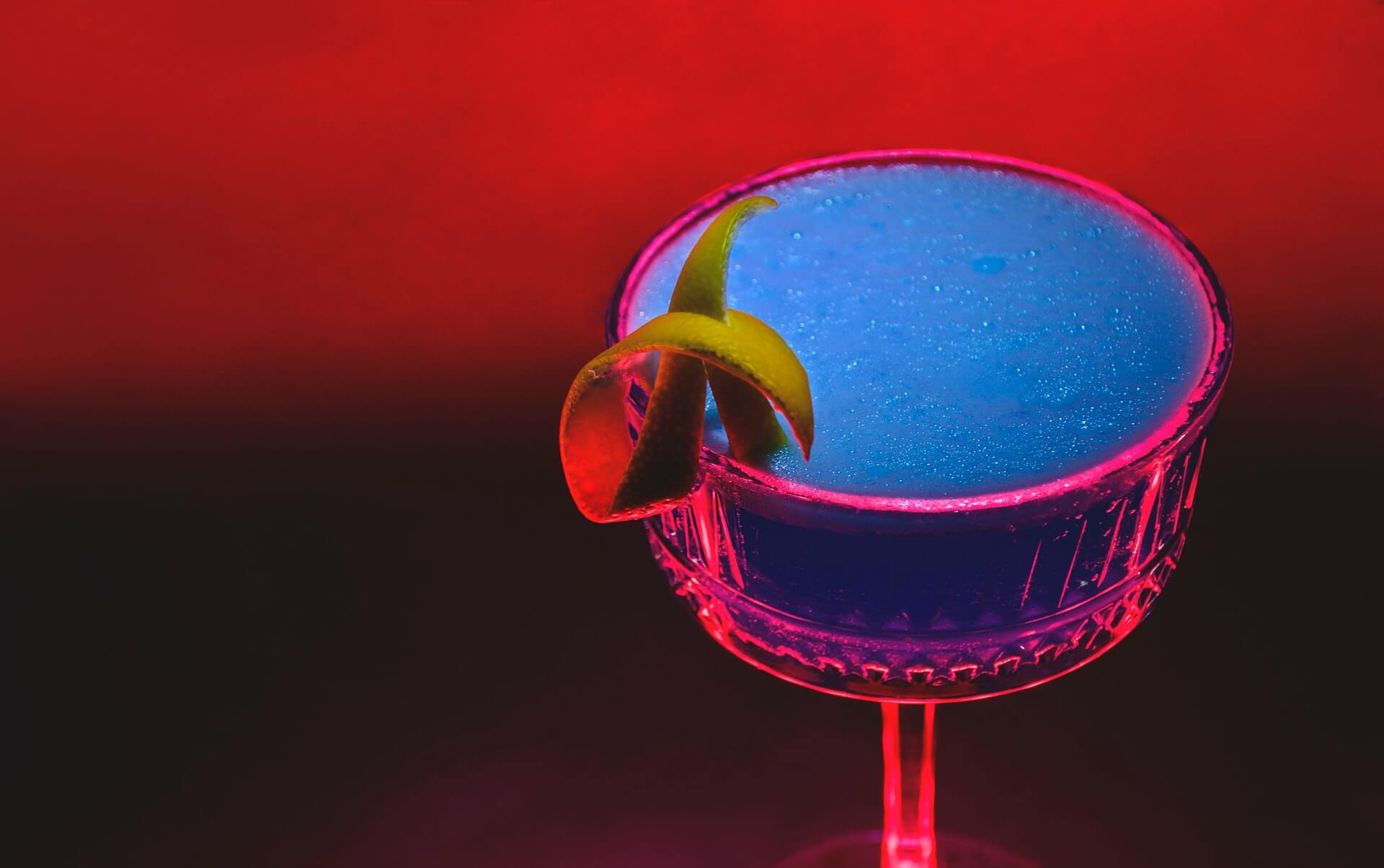
High contrast image of blue cocktail with lemon zest

One notable difficulty with considering new trends is that they’re not all necessarily a universal fit for all venue types.

For example, what may work well in an upscale restaurant perhaps won’t perform as well in a sports bar. Pursuing a trend that isn’t a good fit, obviously.

As any operator with experience knows, chasing fads and trends just to chase them can be costly. Doing so costs money (inventory, training, labor hours) and time deserving of better allocation.

However, failing to embrace any trends can also be costly. Watching a lucrative trend pass by can cost an operator guest engagement, perception, and traffic.

Take, for instance, the success of White Claw. Plenty of operators and consumers scoffed at the hard seltzer category as a whole at first.

Then, some people decided it was a drink category “for women.” As it exploded in popularity, hard seltzers proved immensely popular with men.

Basically, it’s an incredibly strong beverage alcohol category that resonates with a wide range of consumers. On some menus, hard seltzers are listed alongside beers.

So, hard seltzer, led largely by White Claw, showed itself to be a worthwhile trend to adopt.

Clearly, however, hard seltzer doesn’t resonate with all guests on all occasions in all types of hospitality venue types. For instance, generally speaking, a bucket of White Claws likely to be a top seller in a high-end restaurant specializing in seven- to nine-course meals.

Drink Trends by Venue

During Bar & Restaurant Expo in March of this year, Amanda Torgerson of Datassential presented 2022 drink trends operators should know.

One trend has essentially proliferated the industry. Really, it’s likely wise for us to all view this trend—hard seltzer—as mainstream now.

In the context of Torgerson’s presentation, Datassential is saying that hard seltzers are here to stay.

Among other trends, Torgerson shared Datassential’s data-backed view of drink trends segmented by venue category.

While every venue is unique and not every trend will work for every bar or restaurant in a given category, the results are no less intriguing.

Pubs: Dry-hopped beers, pastry stouts, and hard or spiked coffee.

Sports Bars: Mini-beers, hard seltzer, and reusable growlers.

Casual Bars: Seltzers with unique flavors, hard tea, hard lemonade, and drinks featuring local ingredients.

Upscale Bars: Negroni, wine-barrel-aged spirits, and flaming cocktails.

Nightclubs: Hard seltzers served with spirits, cocktails and punch bowls served with dry ice, and flaming cocktails.

Casual Restaurants: Wine cocktails, elevated brunch cocktails, and tea-based alcohol beverages.

Upscale Restaurants: Flaming cocktails (smoked may be better), all-natural wines, and made-to-order cocktail cart presentations.

Hotels, Resorts and Casinos: Made-to-order cocktail carts, alcohol vending machines, and drinks made with cold-pressed juices.

Interestingly, a few of the above trends identified by Datassential appear in multiple venue types.

The main things for an operator to keep in mind is what will resonate with their guests and what’s authentic to their brand. When it comes to trends, one size doesn’t fit all and an individual venue’s mileage will vary.

However, the above list should at least show operators what Datassential sees resonating with guests in an array of venues.

Image: Ozge Karabal on Pexels

by David Klemt David Klemt No Comments

Forward Progress: 2022 Drink Trends

Forward Progress: 2022 Drink Trends

by David Klemt

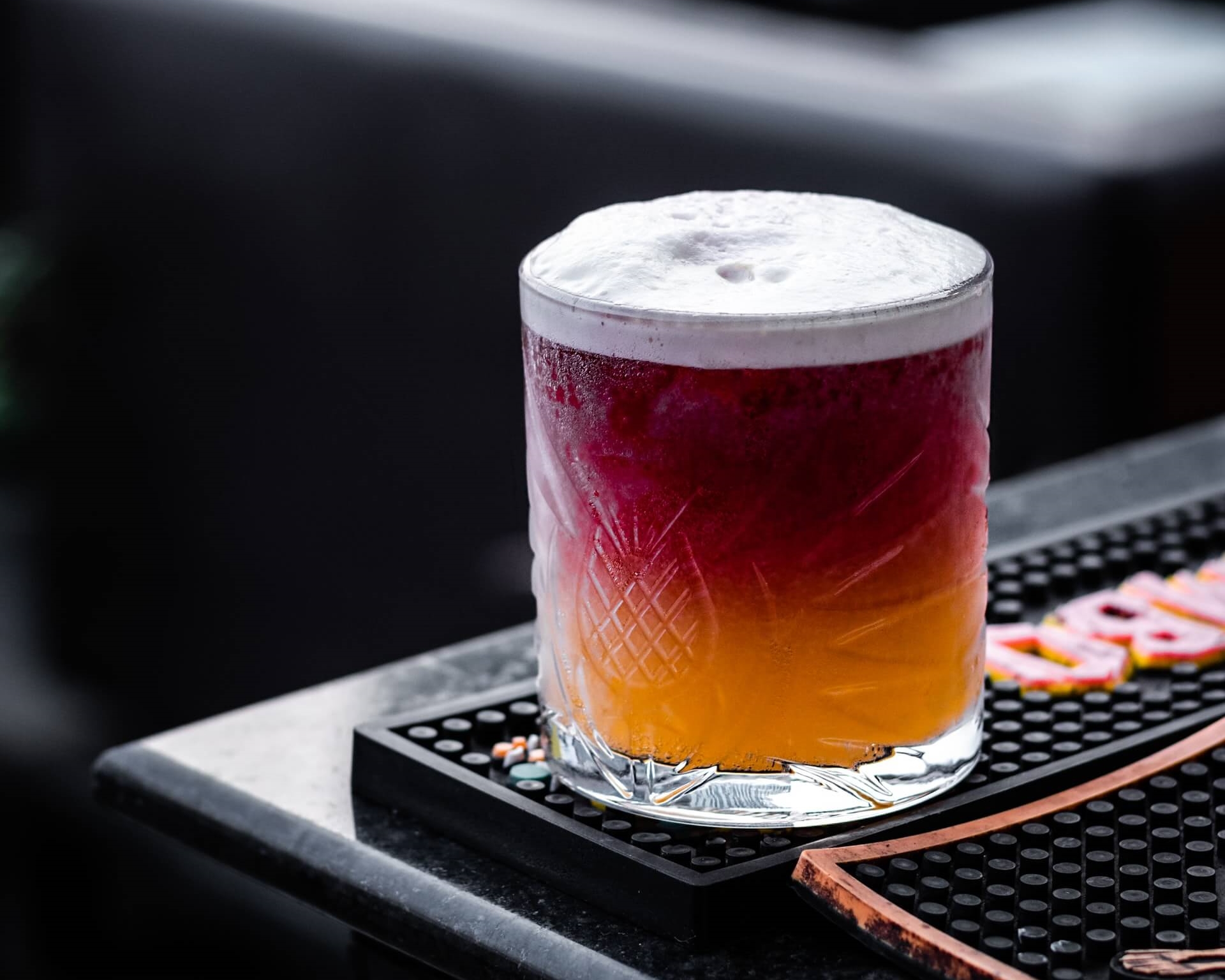
Cocktail on bar mat behind bar

Curious about what drink trends to leverage throughout 2022 to fulfill guest desires and expectations? Datassential has answers.

Of course, nobody has a crystal ball. However, as their name suggests, Datassential has something similar: data.

A trove of their valuable data was shared during Bar & Restaurant Expo 2022. Amanda Torgerson, senior account manager at Datassential, revealed the trends operators should be aware of this year.

Datassential MegaTrends

During this informative session, Torgerson shared what Datassential has identified as three “megatrends.” In other words, two trends that are particularly noteworthy.

First up, self-service. Whether beer, wine, or cocktails, Datassential thinks today’s guest wants more control.

Self-service beverage alcohol taps offer control in multiple ways, pour size and customization among them.

In addition, guests don’t have to wait for servers or bartenders when serving themselves. And, of course, self-service cuts down on front-of-house labor costs.

Second, experiential imbibing. In this context, this doesn’t simply relate to occasion, service, location, and ambiance.

Rather, the drink itself is an experience. Experiential cocktails engage multiple senses and include:

  • color-changing cocktails (those using butterfly pea powder, for example);
  • cocktail carts (similar to tableside guacamole preparations, tableside cocktail prep and service);
  • fire and smoke: smoked, charred, and burnt cocktails;
  • drinks that invoke nostalgia and guests’ childhoods;
  • frozen drinks; and
  • beer, wine, spirit, and cocktail flights.

Finally, botanicals. As we know, scent is a crucial component of taste. Botanicals, obviously, activate one’s olfactory sense.

Additionally, botanicals can affect a drink’s appearance and taste. So, break out the Chartreuse, Lillet, and elderflower liqueurs.

And while your team is at it, consider how else scent can be used to entice guests and enhance the drinking experience.

Best of the Rest

Treating this as more of a speed round, let’s review Datassential’s trend predictions in four major categories.

Seltzer/Beer

When it comes to hard seltzer, Datassential has (re)confirmed what we all know: This category has staying power. And as many operators found out during the pandemic, seltzers can boost to-go and delivery sales.

Beer cocktails are also trending up, per Datassential. Mini-bottles of beer also having a moment, and can easily tie into the beer cocktail trend.

Finally, heirloom beers—those made with heirloom grains—are proving popular with consumers.

Wine

According to Torgerson, wine seltzer is poised for a moment. Relating it to the hard seltzer trend, consider this Wine Cooler 2.0, as Torgerson said.

Other key wine trends are frizzante and red sparkling wines, orange wines, and canned sake.

Then there’s fruit wines, which means any wine not made from grapes. During her session, Torgerson suggested using these in cocktails.

Cocktail

In addition to cocktails on tap, Datassential sees the following as cocktail trends to watch:

  • Drinks made with genever.
  • Hybrid rums, blends of light and dark rums.
  • Ranch Water (typically a highball made with tequila and lime juice, topped with Topo Chico).
  • Single-serve, premade cocktails such as RTDs. These are great for off-premise sales.
  • Boozy frozen desserts.

Global

Focusing first on increasingly popular spirits, Datassential’s data shows that pisco, mezcal, and Japanese whisky are trending up.

In terms of wine, operators should look into regions that are perhaps “lesser known” in North America. Some examples from Torgerson’s presentation are Georgian and Hungarian wines.

And finally, what Datassential identifies as “drinking for a cause.” Such causes and beverage activations can be local or global as the world is so much more connected.

Image: ABHISHEK HAJARE on Unsplash


by David Klemt David Klemt No Comments

XDar Vodka Resumes Ukraine Production

XDar Vodka Resumes Production in Ukraine

by David Klemt

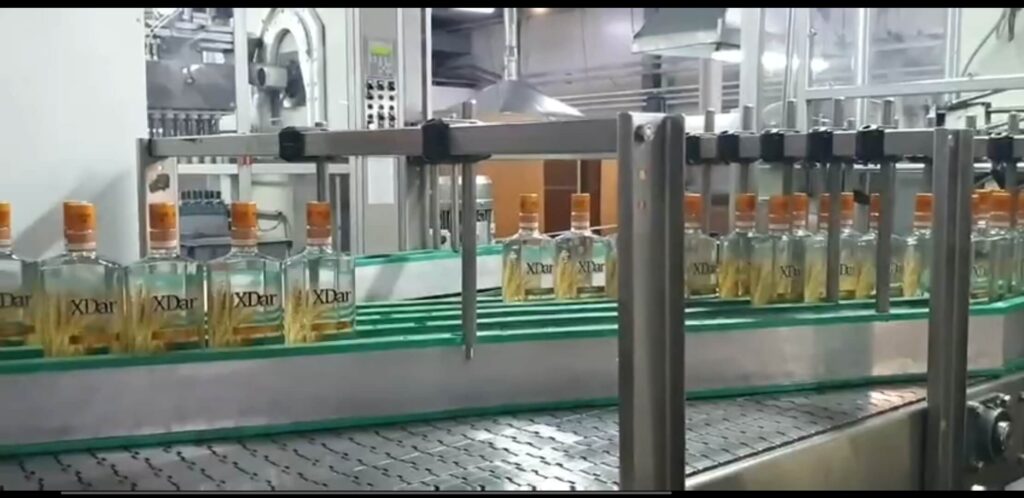
XDar Vodka distillery in Ukraine

Over the past several weeks, the people of Ukraine have shown the world their resilience, tenacity, and refusal to submit to Russia.

The sovereign European nation has endured attacks and atrocities that began on February 24 of this year. Nearly six weeks since the invasion, Ukraine has resisted and repelled the vaunted Russian military.

There’s no end in sight. The world is learning daily about the atrocities and possible war crimes being perpetrated in Ukraine.

Because of this, any good news coming from Ukraine is welcome.

“Gift of Grain”

Incredibly, Ukrainian distiller XDar Vodka is resuming production. The brand, whose name translates to “gift of grain,” is reopening their distillery.

Now, this is all no small feat: XDar Vodka’s distillery is in the Cherkassy region of Ukraine. So, when I say XDar Vodka is a Ukrainian product, I mean they distill their spirits in Ukraine.

This wheat vodka is made using the region’s artesian water. Impressively, the result is a clean vodka that scored 92 points in the 2016 Ultimate Spirits Challenge.

Further, XDar Vodka flies in the face of the “definition” of vodka. Supposedly, vodka is meant to be odorless, colorless, and flavorless. Not XDar.

Instead, tasting notes include wet sand, floral notes, vanilla, cotton candy, burnt sugar, and a touch of sweetness.

And yes, XDar does have distribution in North America via Liquorum Imports, Inc. In addition, XDar can be purchased through Royal Wine Merchants.

Those who want to try XDar Vodka as well as support this tenacious Ukrainian brand can also place orders through Drizly.

Bittersweet Anniversary

2022 marks XDar’s 20th anniversary. Obviously, this is bittersweet for the brand and its 4,400 employees.

To that point, XDar stopped production when Russia attacked Ukraine. However, the distillery continued to pay its workers.

“The people at XDar are committed to their employees,” says Natalya Kolosok of Liquorum Imports, Inc. “They are some of the strongest people in the world.”

XDar Vodka production line

Now, the brand is resuming production. According to the distillery, XDar is doing so safely. According to a statement from Kolosok, this is in part due to the desires of the distillery’s team.

“The employees, while grateful for the assistance, don’t just want a check, they want purpose,” says Kolosok. “They want to work, which is why, as safely as possible, XDar opened up their facility to resume production.”

That’s resilience. That’s tenacity. And those characteristics exemplify the people of Ukraine.

Images provided by KLG Public Relations

by David Klemt David Klemt No Comments

Who Was the Legendary King Gambrinus?

Who Was the Legendary King Gambrinus?

by David Klemt

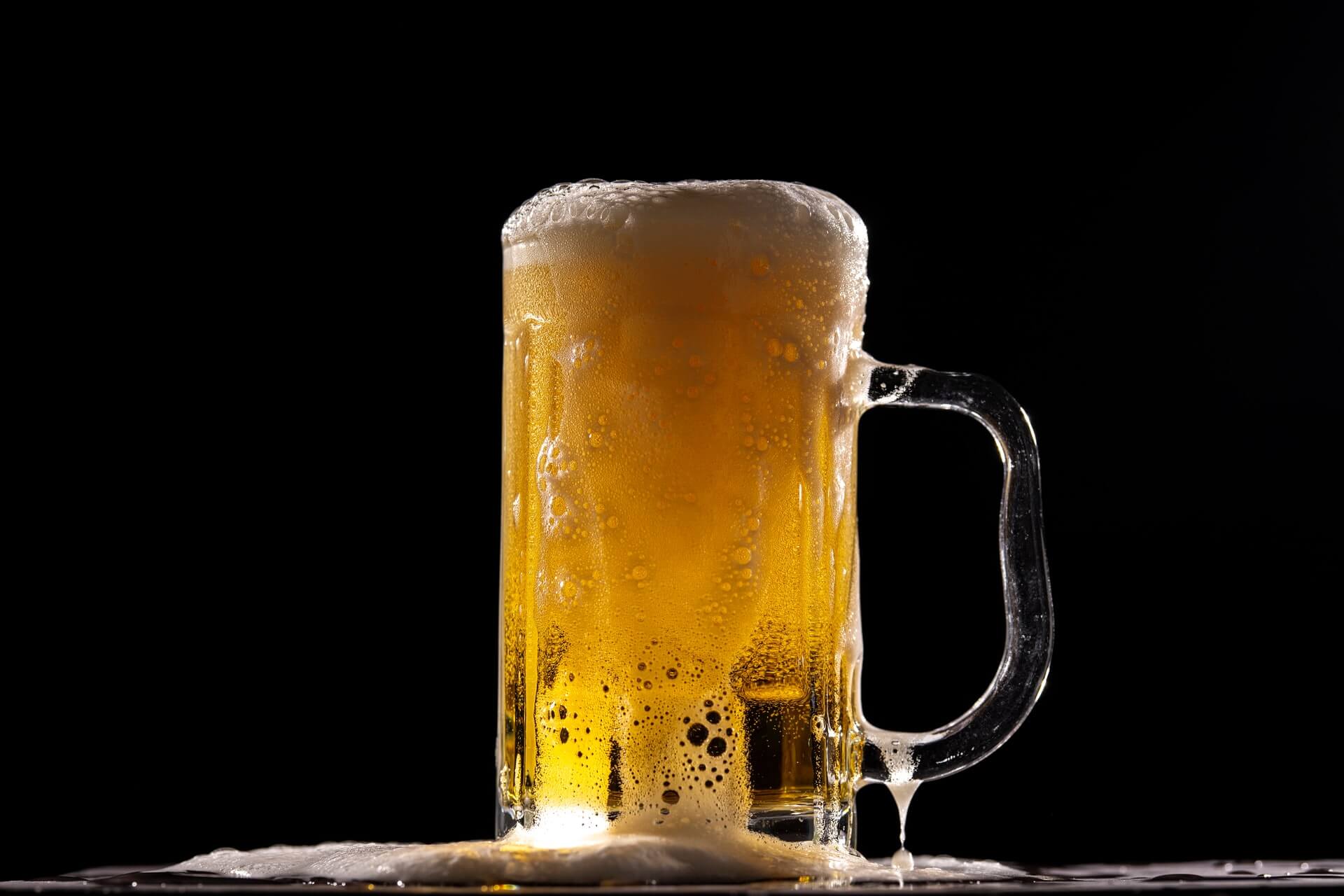
Beer mug overflowing with foam and beer

Just who is Gambrinus, the cultural icon beer lovers honor and celebrate on April 11, King Gambrinus Day?

Most simply, he’s an excellent excuse to enjoy a pint. More importantly, he’s a fantastic reason for operators to execute a beer promotion to drive traffic and revenue.

But who was Gambrinus? And was he actually a king?

Let’s dive in!

A King?

Gambrinus may want a word with Budweiser. After all, they’ve claimed the title “King of Beers” since around the 1950s.

If one runs a search for Gambrinus and scans the results quickly, he was a king. Although, other sources identify him as a duke. Or maybe he was a count.

Intriguingly, he’s often referred to as the inventor of beer. Sometimes, he’s lauded as the patron saint of beer.

Gambrinus is also known as the embodiment of joviality, conviviality, and incredible feats of drinking. Legend has it, he could put away 144 beers in a single sitting.

And how did he become credited with this most magnificent of creations? In a completely natural way, of course.

As the totally reasonable story goes, Gambrinus was taught the secret to brewing beer over 500 years ago by the Egyptian gods Osiris and Isis.

However, a German historian has said this character was based on another mythical character: Gambrivius. This German king, who may also have been named Gampar, also learned beer brewing by Isis and Osiris.

In other words…Gambrinus very likely never existed.

Gambrinus, Cultural Icon

Real or (most likely) not, Gambrinus is deeply embedded in beer and brewing culture.

There are breweries, restaurants, and bars that feature Gambrinus—as a king, of course—around the world.

In fact, if one takes a look at a can of Victoria beer, they may find the fabled king in the logo. He’s wearing regal finery and holding a beer aloft, admiring it.

And should anyone find themselves in Porte Alegre, Brazil, they’ll find Restaurante Gambrinus. Guess who the restaurant’s name pays homage to.

Of course, the king has made it America. Reportedly, Pabst Brewing has commissioned at least three Gambrinus statues. The first iteration was crafted in 1967 and is named King Gambrinus, Legendary Patron of Brewing.

So, fine—King Gambrinus Day doesn’t honor a “real” king. Is that such a bad thing? What we’re really celebrating on April 11 is beer itself.

We’re paying homage to brewers, breweries, and beer lovers across the globe. There’s nothing wrong with celebrating what some call the nectar of the gods, and others call the drink of kings.

Before April 11, take a look at your beer menu and program. Review how your bar team pulls and serves a pint. Make certain you know what beer-loving guests want to drink, and have plenty on hand.

Let’s all raise a pint to Gambrinus, king, duke, count, or mythical figure. Cheers!

Image: engin akyurt on Unsplash

by David Klemt David Klemt No Comments

National Cocktails: Canada & America

National Cocktails: Canada & America

by David Klemt

Sazerac cocktail and mixing glass on bar

We’re taking a look at two cocktails that can trace their roots to America and Canada for this year’s National Cocktail Day.

Further, KRG Hospitality has a headquarters in each country. So, we’ll be focusing on the cocktails for which Canada and America are known.

Celebrate National Cocktail Day, March 24, with the recipes below. Cheers!

Canada’s Official Cocktail

Let’s kick things off with Canada. There’s no cocktail with as close an association to the Great White North as the Caesar.

In fact, it’s Canada’s national cocktail. So ubiquitous, it’s woven into the fabric of Canadian pop culture.

Consider this Letterkenny exchange as exhibit A:

Darryl: “I’d have a Bloody Caesar.”

Wayne: “Do you wanna know what? I’d have a Caesar, too.”

Squirrely Dan: “I could have a Caesar if you guys are havin’ Caesars.”

Darryl: “Hard to see a Caesar and not want a Caesar.”

Wayne: “That’s actually how they market Caesars.”

According to cocktail lore, the city of Calgary and province of Alberta get to call themselves the home of the Caesar.

Disputed Origins

As the story goes, Walter Chell invented the cocktail in 1969. Chell was a restaurant manager at the Calgary Inn, now a Westin property.

Oh, wait. There’s also Walter Winchell and the Smirnoff Smiler cocktail. Tracing mentions back to 1953, this drink is made with vodka, tomato juice, clam juice, and Worcestershire sauce.

Hang on… In 1959, Charles Addams—y’know, the creator of the Addams Family—said he created the Gravel Gertie in Manhattan, New York. This cocktail calls for vodka to be mixed with tomato juice, clam juice, and Tabasco sauce.

Well, Chell was onto something when he combined every ingredient in the Smiler and Gertie. To me, this an original that stands far above any perceived predecessors.

Chell also crafted the recipe using a “rule of four”:

  • one shot of vodka;
  • two dashes of hot sauce;
  • three dashes of salt and pepper; and
  • four dashes of Worcestershire sauce

Prepare a glass with a celery salt or salt and pepper rim. Add ice, then add the above ingredients. Top with Caesar mix (Clamato juice, these days), and garnish with a celery stock and lime.

America’s Unofficial Cocktail

Now, onward to America. So, we don’t have an official national cocktail here. Clearly, our neighbors to the north know how to have more fun.

We have a native spirit—bourbon—but that’s where it ends.

However, we do have New Orleans. And in New Orleans we have the birthplace of American hospitality.

We have something else in New Orleans. In 2008, the Louisiana state senate passed a bill that named an official cocktail for the city.

That cocktail? The Sazerac.

Two Bases, One Drink

Cocktail historians will tell you that there are essentially two recipes for the Sazerac. They’ll also tell you that the origins of this cocktail are under dispute.

Are you beginning to see a pattern with cocktail history? It’s never clear, is it?

First, let’s address the original, assuming it’s America’s first (or at least oldest known) cocktail. From the 1850s to 1870s, it was made with Cognac. And not just any Cognac, Sazerac de Forge et Fils.

Depending on who you ask, either bar owner Aaron Bird or Antoine Amedie Peychaud invented the Sazerac. The cocktail recipe includes two dashes of Peychaud’s Bitters, so it’s easy to understand why some credit Peychaud with creating this drink.

Then, there’s the version that took off in the 1870s. Again, depending on the source, either American tastes changed or a phylloxera outbreak affected Cognac production. Perhaps both are true, converging to alter the Sazerac recipe.

Either way, rye whiskey replaced absinthe, and Herbsaint replaced the absinthe. Some bartenders also substitute bourbon for the rye.

The Recipe

It’s not difficult to make a Sazerac, just like it isn’t difficult to find one in New Orleans.

You’ll need two Old Fashioned (aka rocks) glasses, or one Old Fashioned and a mixing glass.

Rinse a chilled glass with absinthe or Herbsaint, and add ice. In the mixing glass or second glass, add ice, two ounces of Cognac, rye whiskey or bourbon, a half-ounce of simply syrup, and three dashes of Peychaud’s Bitters. Stir until well chilled.

Before straining, discard the ice and any excess absinthe or Hersaint from the prepared glass. Now, strain into prepared glass, express a lemon peel, and use that peel as garnish.

Alternatively, you can split the base and do Cognac and rye or bourbon, paying homage to each version of the Sazerac.

Image: Johann Trasch on Unsplash

by David Klemt David Klemt No Comments

Share These Vermouth Facts with Guests

Share These Vermouth Facts with Guests

by David Klemt

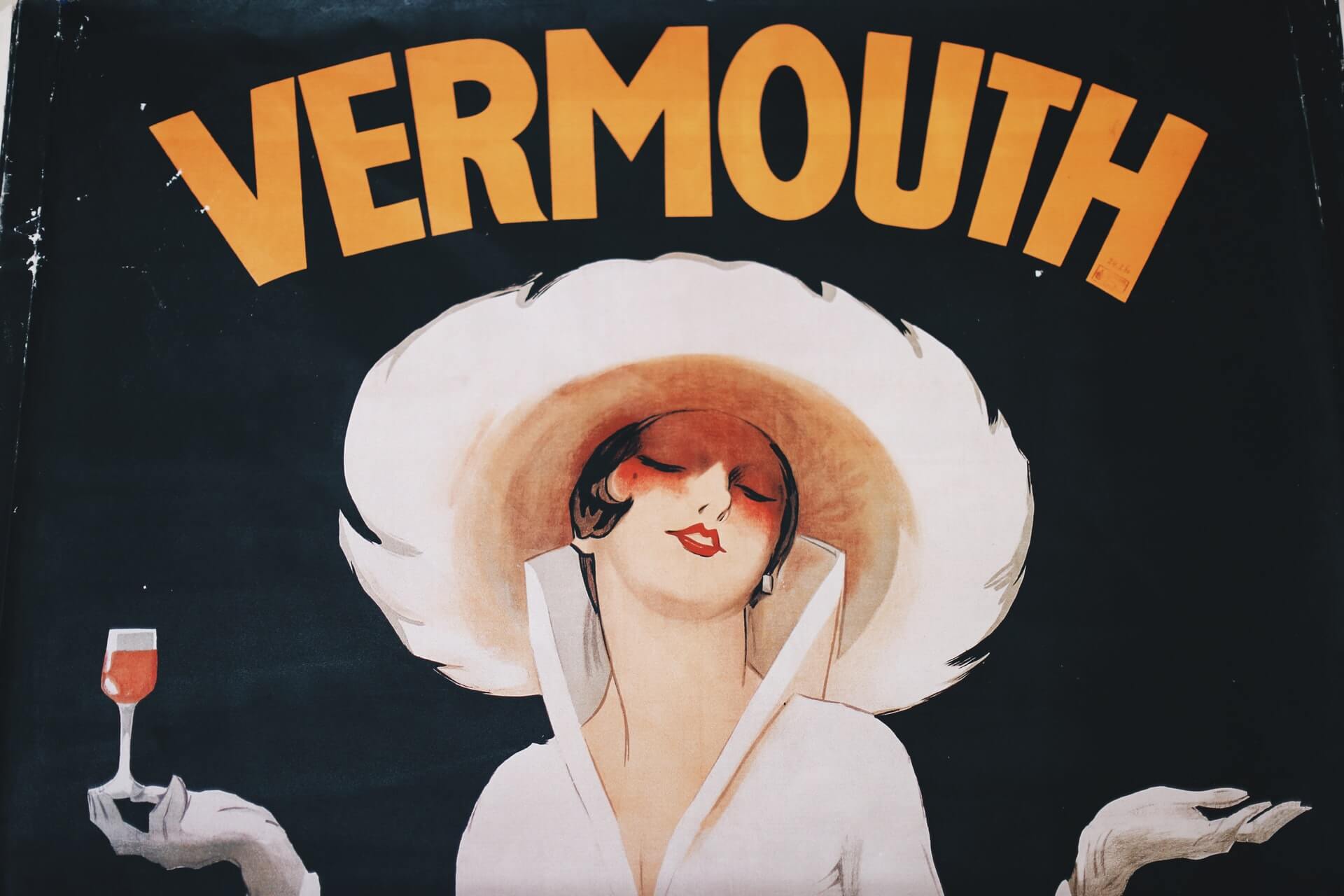
Vintage vermouth print

Today is World Vermouth Day, so here are some interesting facts you and your bar team can share to engage with guests.

Before we dive in, a few vermouth basics.

First, contrary to what some believe, vermouth isn’t a spirit. Rather, vermouth is a fortified wine.

In most cases, vermouth producers boost—or fortify—alcohol content with a neutral grape spirit.

Centuries of History

Vermouth can trace its history back to at least the 16th century. However, it’s possible it goes as far back as 12th century China.

Like so many products behind the bar, the exact origins are in dispute. Some say vermouth is a Chinese creation, some say its home is Greece, crediting Hippocrates with its creation. Still others attribute its invention to Germany.

Regardless, many believe that vermouth is one of the oldest types of beverage alcohol.

Doctor’s Orders

As is the case with plenty of intoxicants, this fortified wine has roots in medicine.

From the 16th century until about midway through the 18th century, Italian vermouth was recommended by doctors to settle upset stomachs.

This makes sense given its makeup: Vermouth is a wine combined with a spirit, infused by roots, herbs, and spices. The array of botanicals found in vermouth can certainly aid in digestion.

In fact, offering vermouth on your menu as an aperitif or digestif is a smart move.

Booze Relatives

You, your bar team, and guests may find this connection interesting. Vermouth and absinthe are family members.

According to some alcohol historians, “vermouth” is a French pronunciation of the German word “wermut.” Wermut translates from German to English as “wormwood.”

Centuries ago, German and Hungarian fortified wines contained wormwood.

An argument can be made that amaro is also a relative of vermouth. While not a requirement, amaro can contain wine. If an amaro has that component, it can technically be a vermouth.

Modern Vermouth

Toward the end of the 18th century, Antonio Benedetto Carpano created what’s now considered modern vermouth.

As the story goes, Carpano was studying to be an herbalist. In 1786, in Turin, Italy, he blended a white muscatel with herbs and spices. Modern vermouth was born.

Owing to modernization and commercialization, some paint vermouth with two broad brushes.

There are those who refer to all red vermouths as Italian vermouths. They then categorize all white vermouths as French. This is, in part, due to the French overwhelmingly producing dry, white vermouths.

Even More Modern

Well, maybe not exactly more modern. Perhaps it would be more accurate to refer to a particular style as “more recently recognized.”

During Prohibition, American producers made vermouth. According to my research, these were not looked upon favorably. In fact, they were considered cheap and poorly made.

That’s not the style I’m talking about here. Starting in the 1990s, and initially attributed to Californian producers, American vermouth production came out swinging with Western Dry.

In general, this style of vermouth leans heavier on the wine and uses different botanicals.

Not Just a Clever Shirt

You have probably seen bartenders or other hospitality professionals wearing this Mover & Shaker shirt:


View this post on Instagram


A post shared by Mover & Shaker (@moverandshakerco)

In case it doesn’t load for you, it says, “If you’re reading this put vermouth in the fridge.” That’s not a joke—keep it in the refrigerator.

Perhaps due the misconception that vermouth is a spirit, some people treat it as such. In other words, they just leave their vermouths out.

Being a fortified wine, vermouth can go bad in just a few months once open. So, this World Vermouth Day, if you haven’t already, put vermouth in the fridge.

Image: Giorgio Trovato on Unsplash

by David Klemt David Klemt No Comments

8 Glendalough Cocktail Recipes for St. Patrick’s Day and Beyond

Offer your guests something different for your St. Patrick’s Day promotion with Glendalough Distillery cocktail recipes.

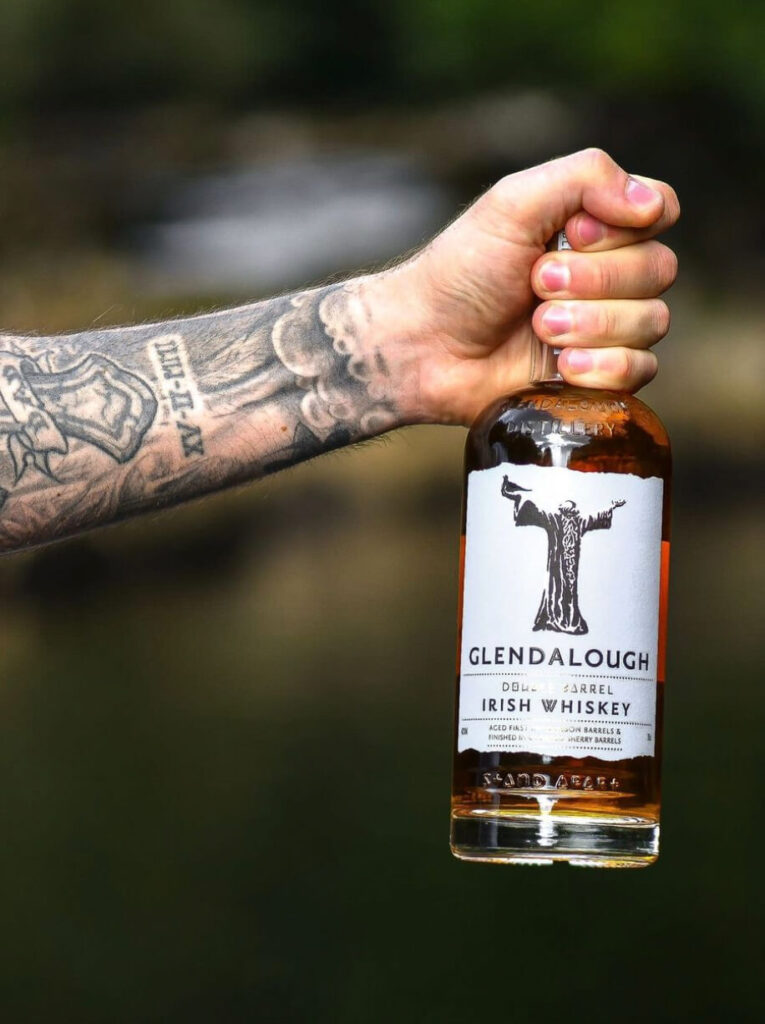
Without a doubt, you should have plenty of the expected Irish whiskeys on hand. However, Glendalough Distillery Double Barrel, Pot Still, Wild Gin, and Rose Gin are extraordinary Irish whiskeys and gins.

Each spirit the distillery crafts honors the art of Irish distillation, a craft that stretches back centuries. What’s more, each whiskey Glendalough crafts is single malt—there are no light-bodied blends in their lineup.

To learn more, check out episode 71 of the Bar Hacks podcast with Glendalough Distillery co-founder and national brand ambassador Donal O’Gallachoir.

by David Klemt

Glendalough Distillery Wild Gin Irish gin

8 Amazing Irish Whiskey and Gin Cocktails

Below, eight refreshing and sophisticated drink recipes made with Glendalough whiskeys and gins. Sláinte!

Glendalough Distillery Double Barrel Single Malt Irish Whiskey

The Lough Inn

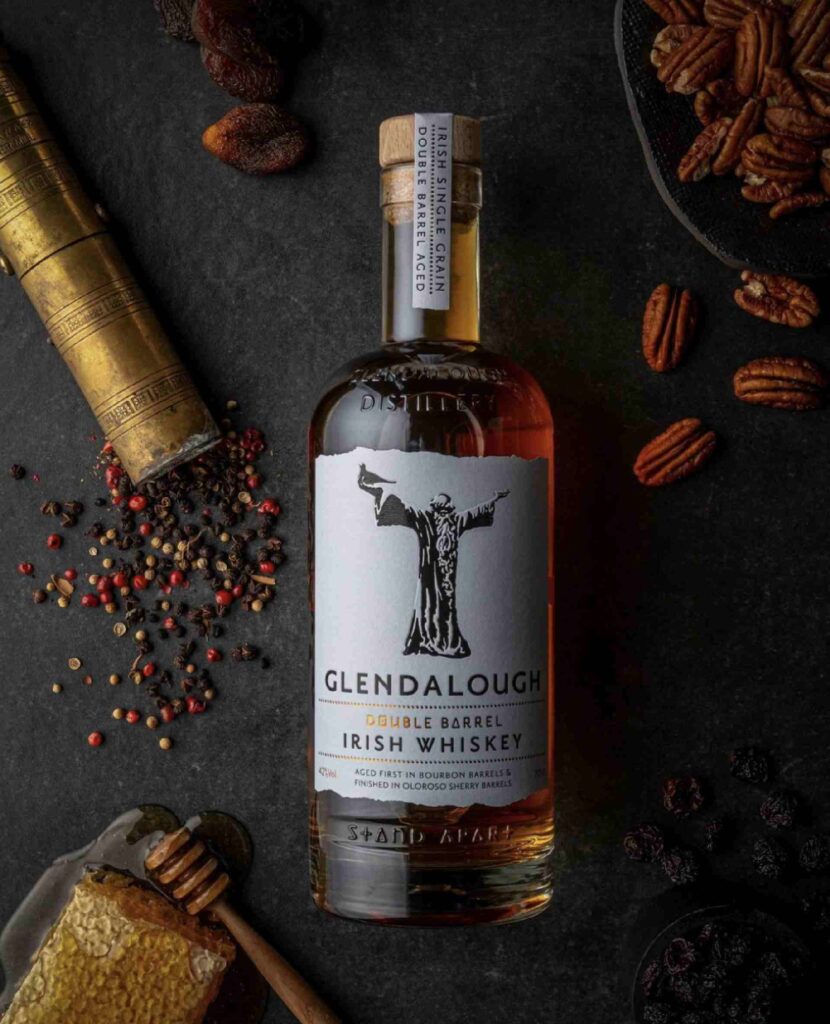
This highball is made with Glendalough Double Barrel, a single-grain Irish whiskey aged in ex-bourbon barrels before being finished in Oloroso sherry casks.

  • 2 oz. Glendalough Double Barrel Single Grain Irish Whiskey
  • 1 oz. Spiced honey syrup (see note)
  • 1 oz. Fresh lemon juice
  • Soda to top
  • Lemon wheel or slice to garnish
  • Mint leaf to garnish
  • 1 cup Honey for spiced honey syrup
  • 0.5 cup Water for spiced honey syrup
  • 4 Cinnamon sticks for spiced honey syrup
  • 1 pod Star anise for spiced honey syrup

Add ice to a highball glass, then add first three ingredients. Top with soda water. Garnish with lemon wheel or slice and freshly torn mint leaf.

For spiced honey syrup: Add honey, water, cinnamon sticks, and star anise to pot. Bring to a boil, then stir. Strain into container.

Glendalough Distillery Pot Still single malt Irish whiskey

Pot Still Highball

Deceptively simple to build, this cocktail highlights the terroir of the land surrounding Glendalough Distillery.

  • 1.5 oz. Glendalough Pot Still
  • Soda to top
  • Grapefruit peel to garnish
  • Mint leaf to garnish (freshly torn and slapped, of course)

Prepare a highball glass with an ice shard, spear or cylinder. Pour in Glendalough Pot Still whiskey, then top with soda. Glendalough Distillery recommends a 1:2 ratio, Pot Still to soda. Garnish with mint leaf.

Glendalough Distillery Wild Gin Negroni cocktail

Glendalough Negroni

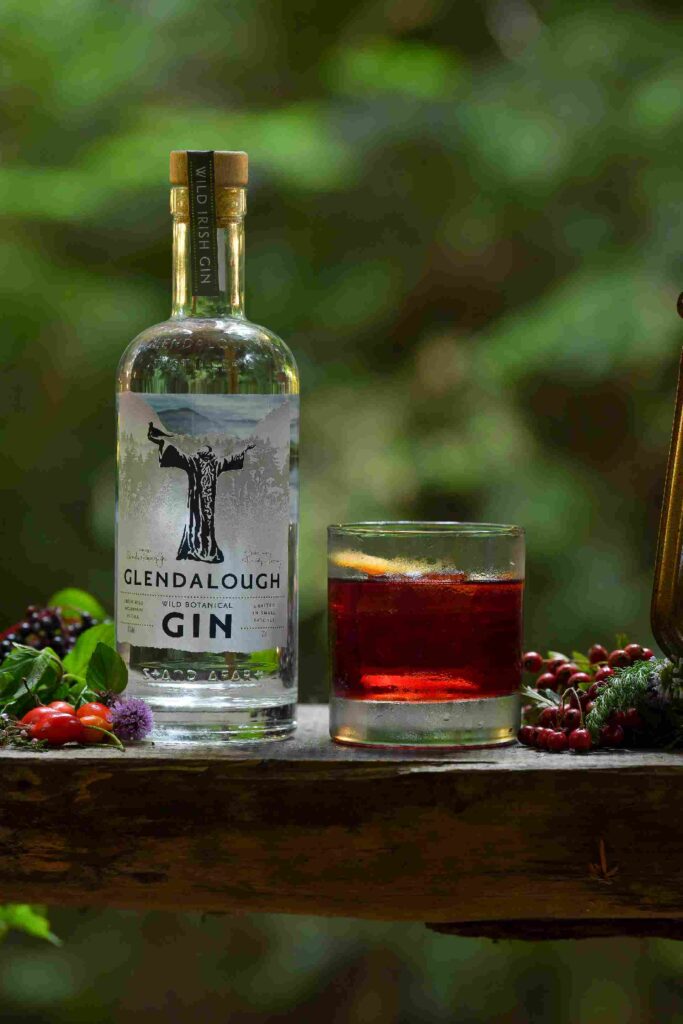
The foraged botanicals in Glendalough Wild Gin add even more complexity and depth to the classic Negroni. In fact, the flavors work so well this recipe maintains the Negroni’s crucial 1:1:1 ratio.

Prepare an Old Fashioned with ice. Add first three ingredients to glass in the above order. Add more ice if necessary. Stir, express orange peel, and place as garnish.

Glendalough Distillery Wild Gin Irish gin

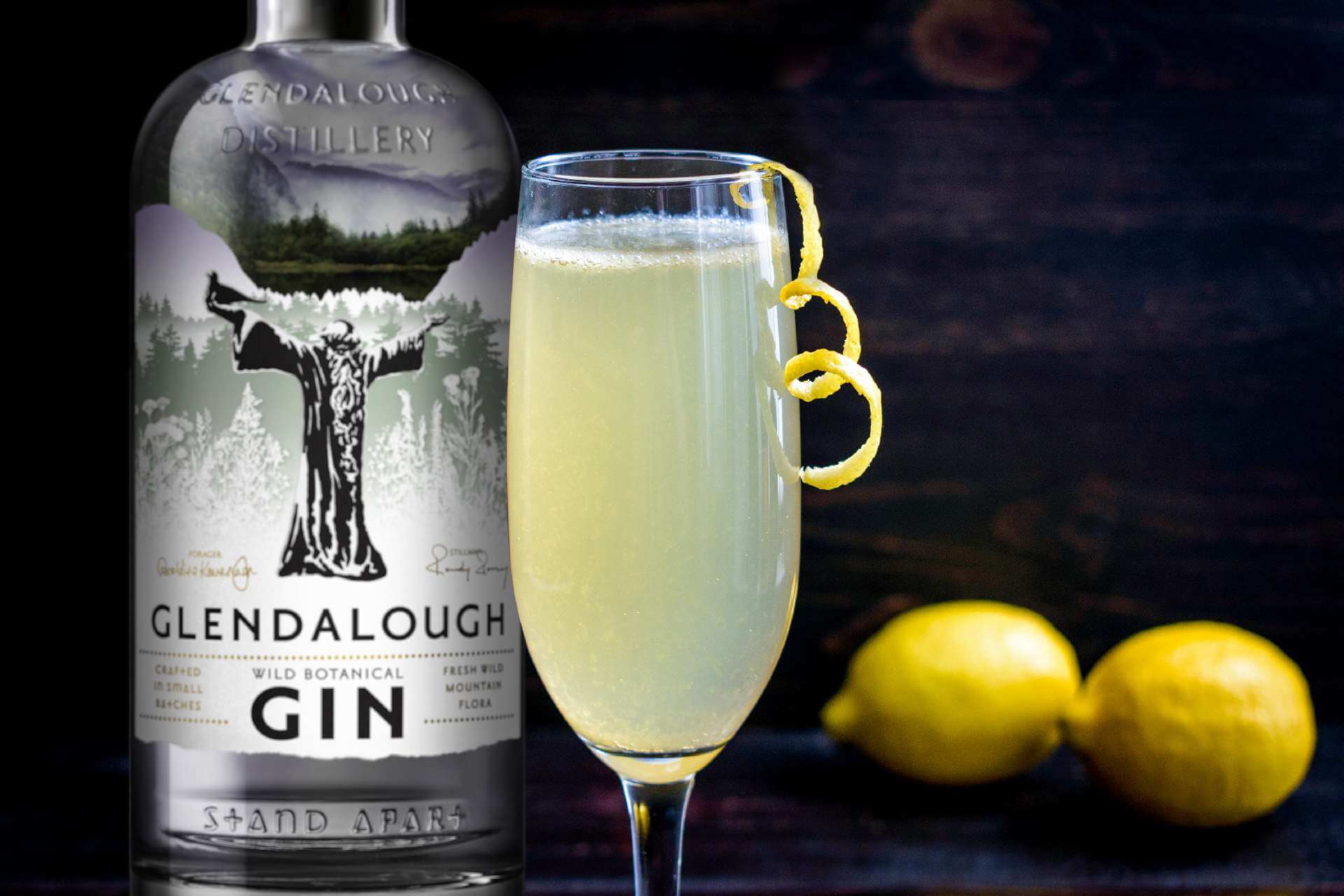
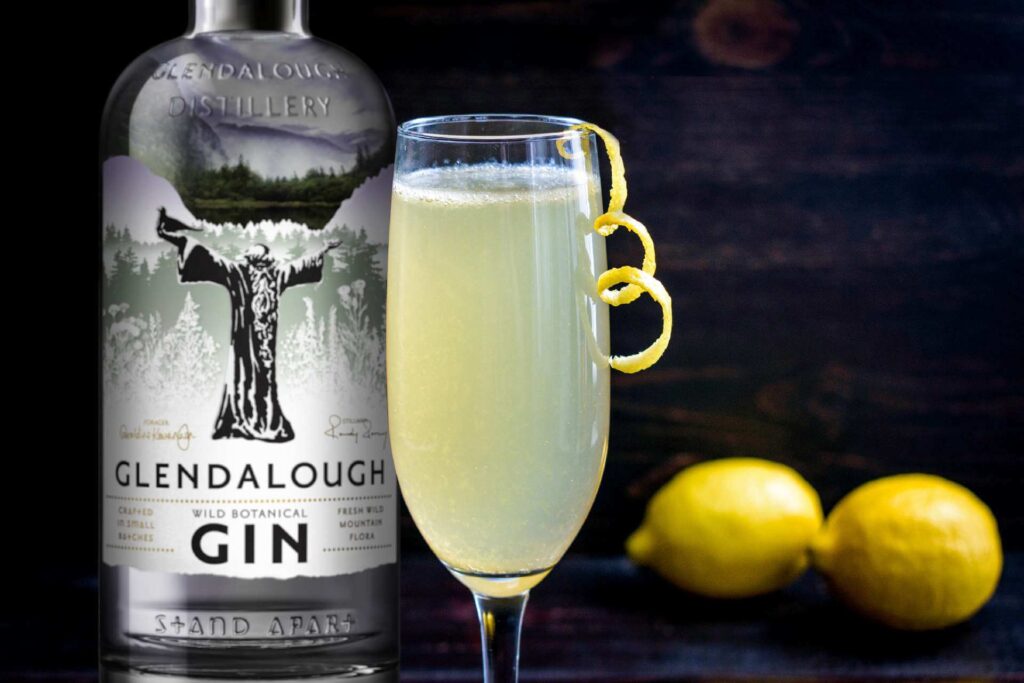
Glendalough Wicklow 75

Bubbles make everything better and everyone happier.

Add all ingredients to shaker. Add ice and shake until well chilled. Strain into Champagne flute, top with Prosecco, and garnish with lemon twist.

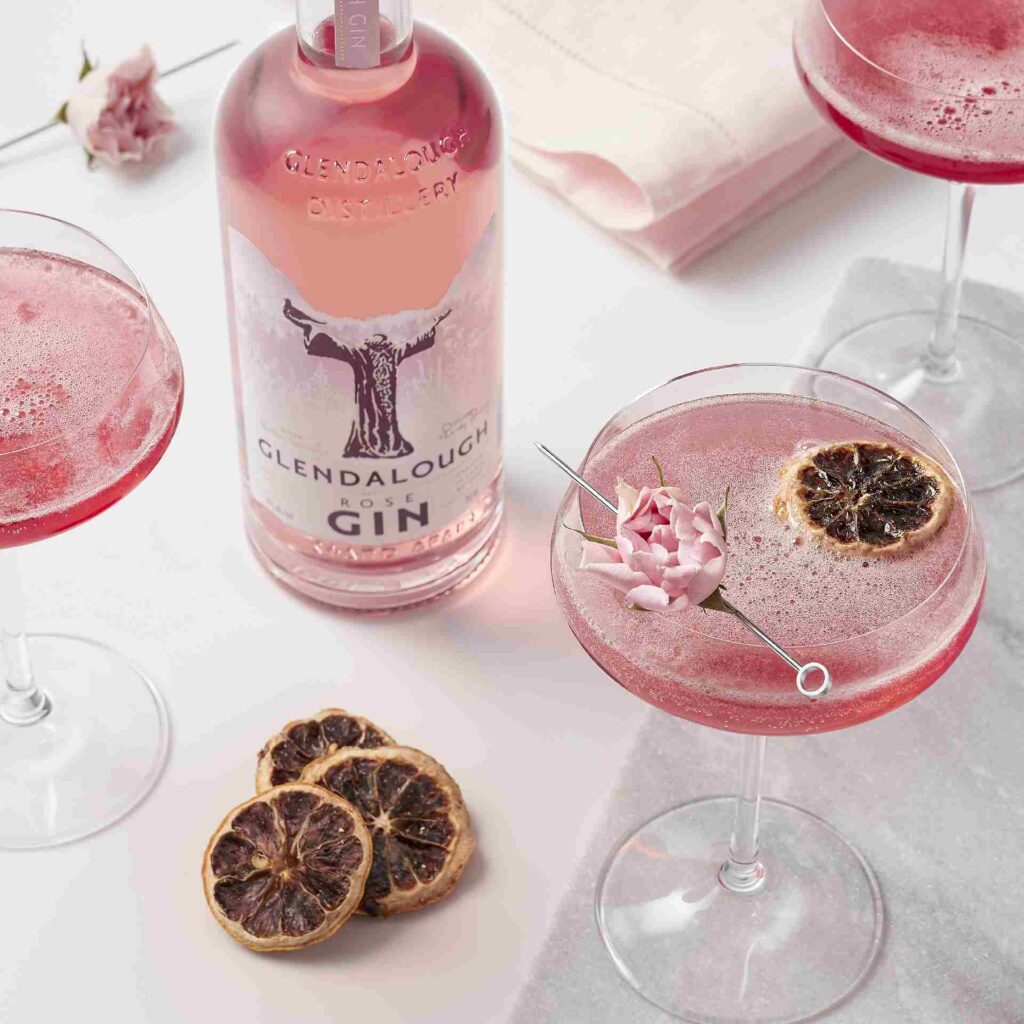
Glendalough Distillery Rose Gin Irish gin and cocktails

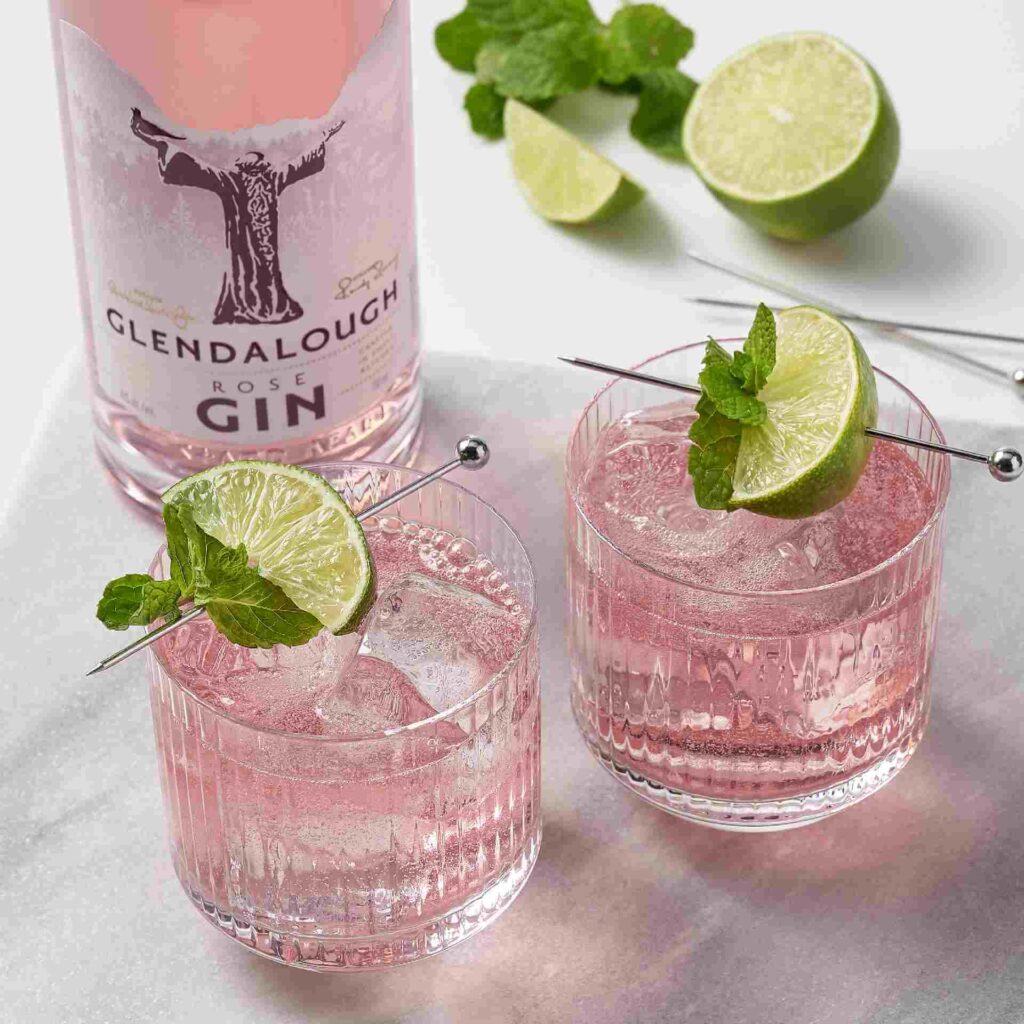
Glendalough Rose G&T

This simple classic receives a huge visual and aromatic boost from Glendalough Rose Gin.

  • 2 oz. Glendalough Rose Gin
  • Tonic to top (the higher the quality, the better)
  • Lime slice
  • Mint leaves

Add ice to glass, then add Rose Gin. Top with tonic, and garnish with lime slice and mint leaves.

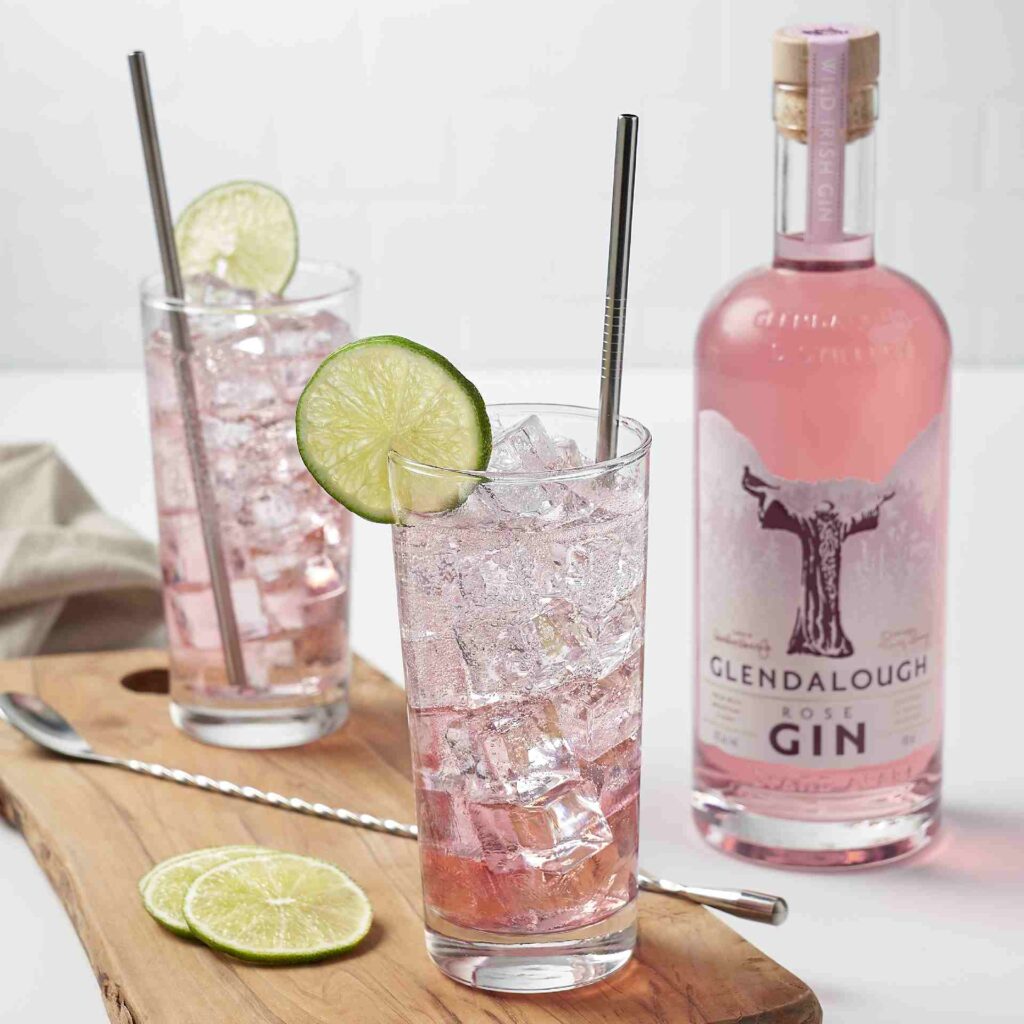
Glendalough Distillery Rose Gin Fizz

Glendalough Rose Gin Fizz

One way to elevate the highball is to use a striking pink-hued Irish gin.

  • 1.5 oz. Glendalough Rose Gin
  • 0.5 oz. Elderflower liqueur
  • Raspberry & Lime sparkling water to top
  • Lime wheel to garnish

Add ice (spear, shard or cylinder for impact), Rose Gin, and liqueur to highball glass. Stir, then add sparkling water to top. Garnish with lime wheel.


View this post on Instagram


A post shared by Glendalough US (@glendaloughus)

Glendalough Rose Collins

Boost the classic Collins with Glendalough’s striking rose-petal gin.

  • 1.5 oz. of Glendalough Rose Gin
  • 1 oz. of Lemon juice (freshly squeezed)
  • 0.5 oz. of Sugar syrup (1:1 ratio, hot water to sugar)
  • Soda to top
  • Lemon peel to garnish
  • Cherry to garnish

Combine first three ingredients in a shaker with a cup of ice. Place an ice shard, spear or cylinder to a highball glass. Shake until well chilled, then strain into glass. Top with soda, and garnish with lemon peel and cherry.

Glendalough Distillery Rose Gin Hibiscus Rose

Glendalough Hibiscus Rose

Refreshing and flavorful, the hibiscus tea syrup plays incredibly well with Glendalough Rose Gin.

  • 1.5 oz. Glendalough Rose Gin
  • 0.5 oz. Hibiscus tea syrup (see note)
  • 0.5 oz. Lemon juice (fresh squeezed)
  • Prosecco to top
  • Dehydrated lemon wheel to garnish
  • Rose petals to garnish
  • 33 oz. Water for hibiscus tea syrup
  • 16 oz. Sugar for hibiscus tea syrup

Add first three ingredients and ice to a shaker. Shake until well chilled and double strain into a coupe.  Top with Prosecco, and garnish with dehydrated lemon wheel and rose petals.
For the hibiscus tea syrup: Steep seven hibiscus tea bags in 33 ounces of water for 15 minutes. Add 16 ounces of sugar.

Images & Recipes: Glendalough Distillery

Related Reading

Work with Us

Click the image below to partner with us on your project.

Client Intake Form - KRG Hospitality

by David Klemt David Klemt No Comments

Heritage & Innovation: Glendalough

Heritage & Innovation: Glendalough Distillery

by David Klemt

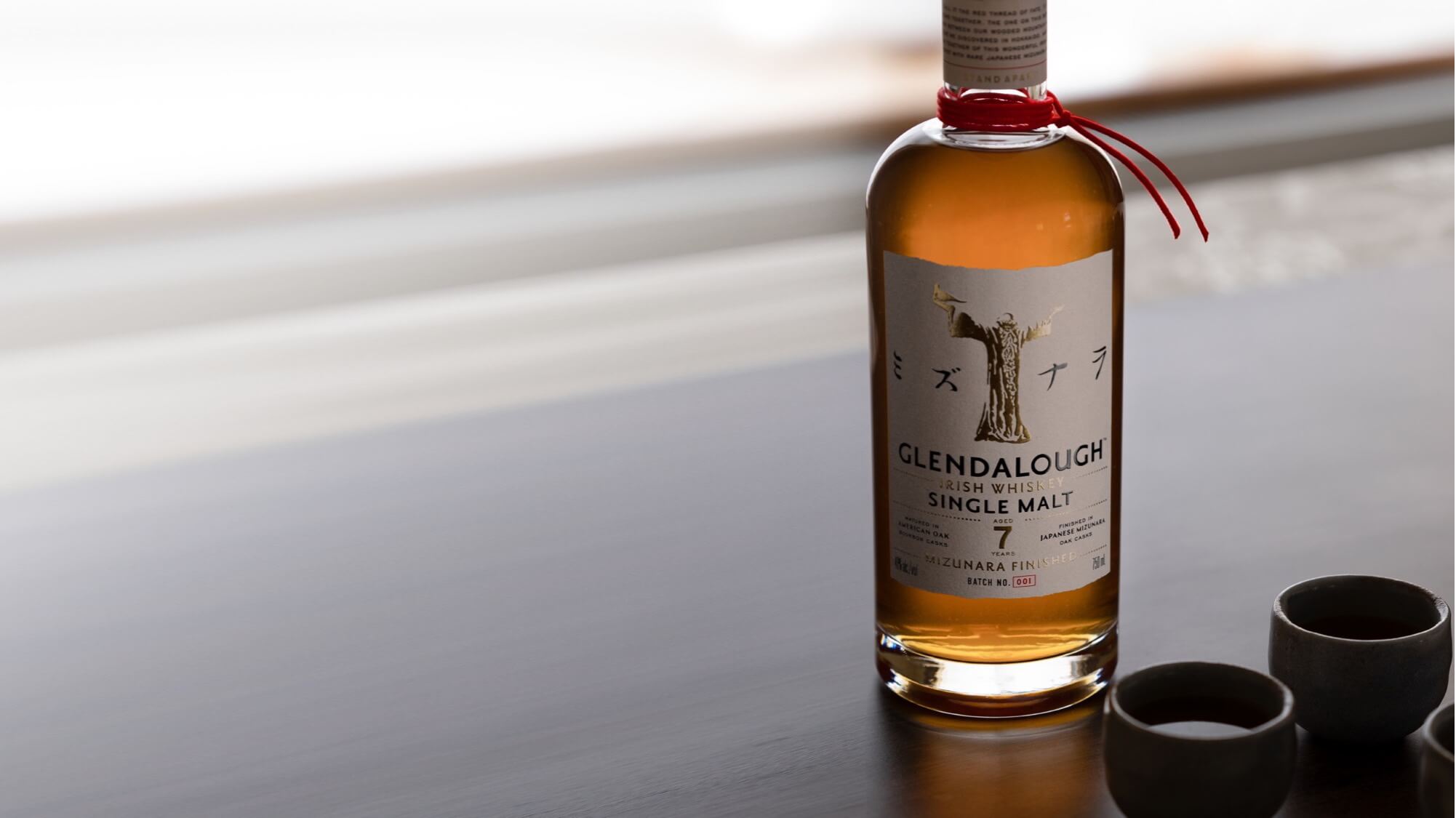
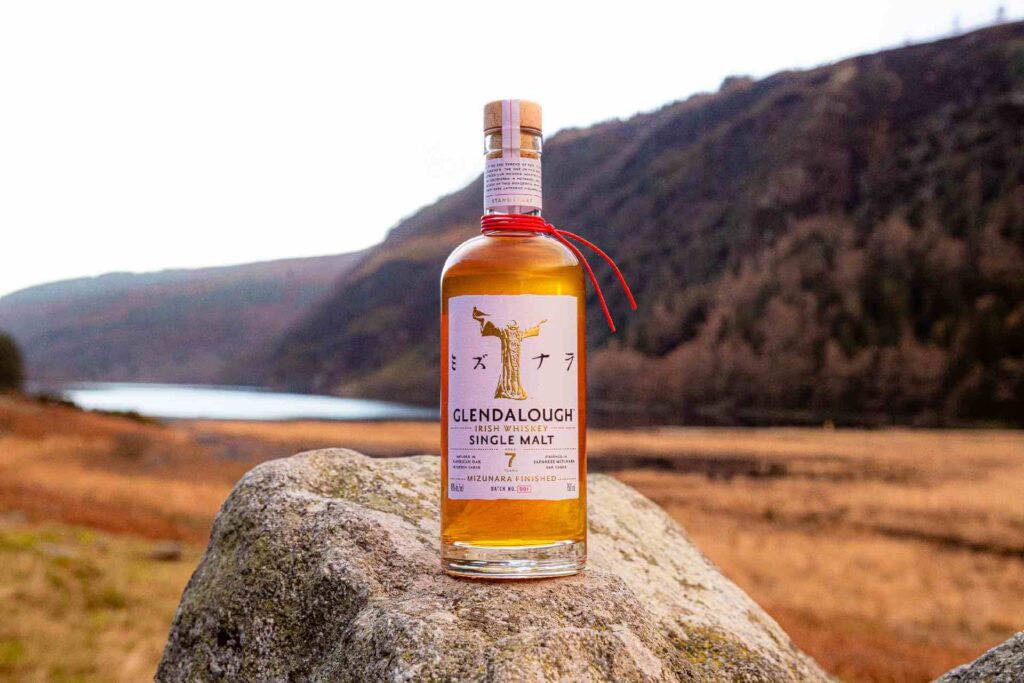
Glendalough Distillery 7 Years Mizunara single malt Irish whiskey and glasses

Glendalough Distillery’s five founders are on a mission to honor Ireland’s rich distilling history and heritage.
As Bar Hacks guest Donal O’Gallachoir describes them, the whiskeys Glendalough crafts are remarkably different. O’Gallachoir, co-founder, national brand ambassador, and cheeky bottlewasher, aims to elevate Irish spirits.

More accurately, Glendalough’s founders want to return Irish whiskey to its rightful, historic place. That place? Among the top whiskeys in the world.

As you’ll learn, Glendalough will elevate your St. Patrick’s Day menu. In fact, these whiskeys and gins will elevate your entire menu, period.

Centuries of History

On episode 71 of Bar Hacks, O’Gallachoir briefly but compellingly shares Irish whiskey’s story. As he tells it, it was once estimated Irish whiskey accounted for up to 90 percent of world whiskey consumption.

That’s easy to believe when you factor in how Irish whiskey production can be traced back to at least the sixth century. There’s also the fact that Irish distillers were crafting, as O’Gallachoir puts it, “a wealth of styles.”

Unfortunately, a terrible string of wars—literal and economic—all but eradicated Ireland’s distilleries. When I say eradicated, I mean that when Glendalough Distillery opened in 2011, it became the fourth or fifth distillery in the country.

There used to be 200 licensed distilleries in the country, along with around 1,800 unlicensed distilleries. For decades of the 20th century, there were only two to three licensed distilleries in operation.

So, it makes sense that consumers outside of Ireland think the country produces only one style of whiskey: Irish. Meaning, light-bodied, sweet, and meant to be thrown back as a shot.

O’Gallachoir is well aware of the compelling paradox of modern Irish distillation. If the blended style of Irish whiskey most people know today hadn’t kept the industry alive, Glendalough and its expressions may not exist today.

Distillation Innovation

All Glendalough whiskeys are single malt and chill filtered. This stands in stark contrast to blended Irish whiskeys, the current dominant (modern) style.

Glendalough is, to oversimplify it, honoring centuries of Irish whiskey production. Single-malt Irish whiskey was what we would now label super- or ultra-premium. The difference between Irish and Scotch whiskey was the latter’s smoked, peated profile. The former was once preferred worldwide.

Glendalough is dedicated to crafting super-premium Irish whiskey. Doing so means they don’t make things easy on themselves.

Glendalough Distillery Double Barrel single grain Irish whiskey

Let’s start with Glendalough’s Double Barrel expression.

As the name suggests, this whiskey is finished twice. First, it’s aged in ex-bourbon barrels. Second, it’s matured in Oloroso sherry casks. Eschewing blends, Glendalough studies the science of different types of barrels to craft its styles.

Glendalough Distillery Pot Still single malt Irish whiskey

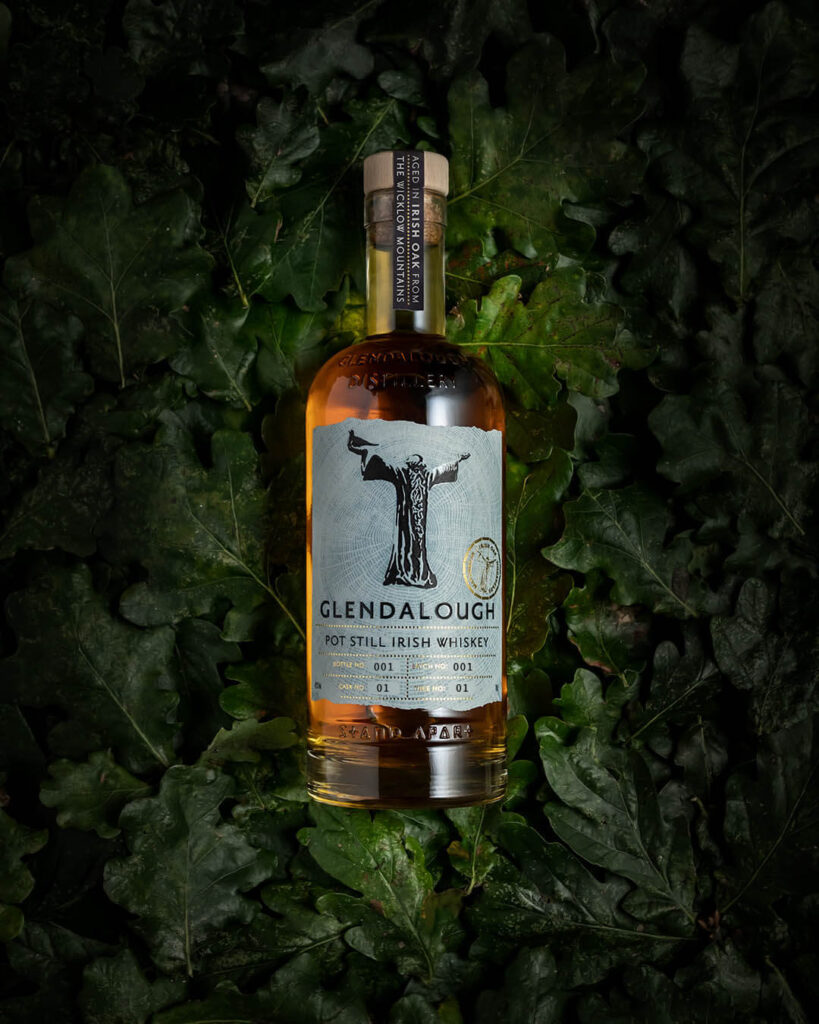
Of course, they also honor Irish distilling heritage through another expression: Glendalough Pot Still. To say no other style of whiskey embodies Irish production like pot still doesn’t do this distillation method justice.

In fact, Irish pot still whiskey is geographically protected; it can only be crafted in Ireland. However, when it comes to honoring Ireland, Pot Still doesn’t end there.

Glendalough initially ages Pot Still in ex-bourbon barrels. However, it’s finished in Irish oak. Truly, this expression captures the terroir of the mountainous region Glendalough calls home.

In other words, Pot Still is a super-premium taste of Ireland in a bottle.

And then there’s the distillery’s newest expression.

The Red String of Fate

About two weeks ago, Glendalough released their latest innovation: 7-Year-Old Single Malt Mizunara Finish.

7-Year-Old Single Malt Mizunara Finish in Wicklow, Ireland

Whiskey aficionados will recognize mizunara instantly and begin scheming to add this bottle to their collections.

Mizunara, Japanese oak, is renowned for several reasons. The wood imparts incredible flavors unlike those from other barrels. But, like all things rare and magical, mizunara is also incredibly challenging.

The challenges begin with the trees themselves, which can take hundreds of years to grow fully. This oak doesn’t grow straight, so crafting even one stave can be difficult.

Then there’s the water content. Mizunara translates to “water oak,” and it’s not an ironic nickname. The water content of mizunara is sky high, and it’s also highly porous.

It takes fantastic skill and experience for coopers to craft mizunara barrels that don’t crack or leak. To learn more, please click here to hear O’Gallachoir tell the story of Glendalough traveling to Hokkaido in Japan to form a relationship with an independent cooperage to craft Mizunara Finish casks.

Incredibly, the latest Glendalough expression isn’t a limited-edition release. Rather, this joins the core lineup and will be released twice per year. Be on the lookout for batch 001.

It seems that Glendalough whiskey and mizunara barrel coopers were fated to find one another. In fact, the red thread on each bottle of Mizunara Finish pays homage to the Japanese legend of the red thread of fate.

An invisible red thread connects those who are destined to find one another. It grows shorter and shorter as their paths collide.

Going Wild

You may recall that I said Glendalough doesn’t make things easy on themselves. This is evidenced by their gin.

Unlike other distilleries, Glendalough started with whiskey distillation and later pursued gin production.

Glendalough Distillery Wild Gin Irish gin

They also forage for the ingredients used to craft their Wild Gin. If it’s not within ten miles of the distillery and growing wild, it’s not in the bottle.

According to O’Gallachoir, it takes a year to produce one bottle of this gin. Rejecting easier methods of production like automation, each batch of Wild Gin is crafted by taste and aroma.

Glendalough Distillery Rose Gin Irish gin and cocktails

Then there’s the visually and aromatically impactful Rose Gin. Crafted to honor Glendalough’s head distiller’s mother Rose, this is a rose-petal gin.

Now, you may assume it’s like drinking a bottle of decades-old, overpowering, rose-scented perfume. However, O’Gallachoir assures me this is absolutely not the case.

Instead, this striking bottle is intensely floral but balanced, and undeniably unique. O’Gallachoir suggests trying it in a Bee’s Knees.

In just over a decade, Glendalough has elevated Irish craft spirits. There are more innovations to come and I can’t wait to try them.

To learn more about O’Gallachoir and Glendalough Distillery, please listen to episode 71 of the Bar Hacks podcast.

Image: Glendalough Distillery

by David Klemt David Klemt No Comments

Hang On: That Drink Probably Isn’t Russian

Hang On: That Drink Probably Isn’t Russian

by David Klemt

Three clear vodka or gin cocktails

In response to the invasion of Ukraine, some restaurants and bars are pouring out spirits or renaming cocktails they believe are Russian.

Doing so is one way some operators are showing support for Ukraine.

However, people may want to do some research before they pour out a bottle or rewrite their menus. The reason is simple: That bottle or drink may not be Russian.

White or Black Russian

This classic cocktail has zero Russian roots. It was created by a Belgian bartender. Further, the bartender, Gustave Tops, created the drink at a hotel in Brussels.

Unfortunately, that hotel operated for 125 years before closing in 2020.

According to cocktail historians, the drink only has “Russian” in the name because it’s made with vodka.

In fact, people have created riffs on the White/Black Russian just by replacing a single ingredient. Variants include the White Belgian, White Cuban, and White Canadian.

Moscow Mule

The Moscow Mule is 81 years old. And it was born in…Santa Monica. One of the most notable things about Santa Monica is that it’s located in California, which is in America.

As the story goes, a salesman representing Smirnoff strolled into the Cock ‘n Bull Pub. The owner of the pub had purchased a bunch of ginger beer he was having trouble moving.

In the 1940s, supposedly, it was difficult to sell vodka or ginger beer. But what about vodka and ginger beer? According to legend, the two men created the Moscow Mule in a mutually beneficial sales move. The rest is cocktail history.

Obviously, the name has Russian roots. Smirnoff vodka was at one time a Russian vodka (more on that below). But no, the cocktail isn’t a Russian cocktail in so far as it was invented in America.

There are companies that have made copyright claims but they’ve largely gone nowhere.

Smirnoff Vodka

Pouring out bottles of Smirnoff isn’t going to stick it to any Russians. The brand is now owned by Diageo, a British company.

The vodka itself is produced in several countries, including Canada, Ireland, and the US. Not a drop is made in Russia.

Originally, the vodka was produced in Moscow. Pyotr Arsenyevitch Smirnov founded the distillery in 1864. However, Smirnov had to sell the brand in 1904 after Tsar Nicholas II nationalized the Russian vodka industry.

Smirnov and his family fled Russia in 1917 in response to the October Revolution.

In reality, with the exception of very specialized bars and off-premise shops, it’s not common to come across authentic Russian vodka. Beluga, Jewel of Russia, Mamont, Russian Standard, and Zyr are some of the few people may come across at a restaurant, bar, or liquor store.

The Problem

It may seem like a middle finger to Russian president Vladimir Putin to erase the country from menus. Renaming cocktails or removing Russian brands feels like a show of solidarity, on the surface.

In reality, doing so is dangerous. It’s a vilification of all Russian people, even if it doesn’t feel like it. Pulling certain brands may put a dent in someone’s bottom line. However, “sanitizing” a menu by removing everything Russian may send an irresponsible, unintended message: Russian people are bad.

We don’t have to look far back into history at all to see what can happen when we vilify an entire group of people. Violence, harassment, discrimination… In these tense, divisive times, it’s all too easy for people to become desensitized and even engage in truly horrible behavior.

I’m appalled by what’s happening in Ukraine. Everyone at KRG Hospitality is horrified by Putin’s invasion. A single drop of blood spilled is too much; Putin’s hands are covered in innocent blood.

But I’m not going to show my support by declaring or otherwise acting like all Russians are bad people. One person—and his complicit inner circle—is responsible for the ongoing attack on Ukraine.

Let’s not forget that, and let’s not forget that words and actions have consequences. It’s all too easy for people to take things too far and for innocent people to get hurt.

Image: Vinicius “amnx” Amano on Unsplash

by David Klemt David Klemt No Comments

A Lesson in Guest Perception

A Lesson in Guest Perception

by David Klemt

Broadway-style McDonald's sign in Chicago, Illinois

At this point, it’s becoming more of a surprise to not be told that the ice cream machine isn’t working at a McDonald’s restaurant.

Per a report from earlier this year, 25 percent of their machines are broken at any time. In fact, the brand made a joke about it in 2020.

Interestingly, with all the road trips and flights I’ve taken, I had never encountered a nonfunctional ice cream at a McDonald’s. Until last week.

Feeling nostalgic, I drove to a McDonald’s near my home for a Shamrock Shake. Growing up, my father always enjoyed the Shamrock Shake LTO. I’ve had maybe one or two in my entire life.

So, I drove over, got in line, and confidently asked for a Shamrock Shake and a Mint Oreo Shamrock McFlurry. And then I heard the words I’d never heard before:

“I’m so sorry, our machine isn’t working.”

Devastated, I did what any well-adjusted adult would do: I ordered a double cheeseburger and a 10-piece Chicken McNuggets combo. Same thing as a shake and McFlurry, right?

Guest Perception

I won’t dive too far into the minutiae of the longstanding McDonald’s ice cream machine saga. By now, we’re all familiar:

  • These machines break so often there’s a website dedicated to the problem. McBroken shows people where ice cream machines are working and where they’re broken. (If only I had used that before my ill-fated visit…)
  • The machines reportedly take four hours per day to clean.
  • There are claims that Taylor, the manufacturer of the machines, makes 25 percent of their revenue from performing repairs.
  • Outlets have reported the FTC is investigating the situatithe machine’s manufacturer, Taylor.
  • The latest news is that Kytch is suing McDonald’s for $900 million.

I’m not a McDonald’s board member, nor am I a franchisee. So, I’m not privy to any discussions swirling around the ice cream machines in use currently.

However, I do find it surprising that a brand as massive as McDonald’s would allow this issue to continue. For a brand that claims nothing is more important than delivering a high-standard of quality food, this joke is no longer funny.

What’s more, the issue is an opening for their competitors.

Leave an Opening and a Competitor will Take it

Jack in the Box has roasted McDonald’s for their ice cream machines in the past. This month, however, they’ve amped up their trolling.

Now that the Shamrock Shake has returned, Jack in the Box has pounced.

It would’ve been enough for Jack to mock McDonald’s on Twitter during Shamrock Shake season. But nope—Jack is dragging McDonald’s even harder.

Head over to McBroken and you’ll see a huge banner that reads, “DON’T GET McSHAMMED.” You’ll notice that the map is now also populated with Jack in the Box locations.

Click the aforementioned banner and you’ll find yourself on the Jack in the Box website. More specifically, it’s a page promoting their mobile app.

Taking it further, there’s currently a promotion encouraging the download: using the code “McSHAMMED” scores the user a $2 shake.

Since we’re in Shamrock Shake season, Jack is offering their new Oreo Cookie Mint Shake. And yes, it’s green.

Innovation and Problem Solving are Crucial

Look, I’m in no position to tell McDonald’s how to run their business. If they’re comfortable with negative guest perception and experiences, that’s on them.

It’s also on them if they want to show their guests and competitors a failure to innovate, solve problems, and be agile.

The ice cream machine debacle should be a lesson for all operators. Leave an opening and your competition will take it, slamming it shut behind them.

At best, maybe you’ll be able to adapt and overcome. At worst, they’ll be social media and marketing savvy, and roast you publicly. Once a brand’s perception slips, it can be incredibly difficult to get it back to where it once was.

As an operator, you’re an entrepreneur. Entrepreneurs innovate and solve problems.

Image: Joshua Austin on Unsplash

by David Klemt David Klemt No Comments

7 Coffee Liqueurs You Need to Know

7 Coffee Liqueurs You Need to Know

by David Klemt

White Russian cocktail made with Mr. Black Coffee Liqueur

Whether you and your bar team are making Espresso Martinis, riffing on classics or creating something new, consider these coffee liqueurs.

National Espresso Martini Day takes place on Tuesday, March 15. Leading up to this bar holiday, the cocktail is experiencing yet another resurgence.

In fact, this cocktail more than any other seems to maintain an enviable rate of “surging back” in popularity. Maybe it’s time to just admit that it’s a modern classic people love to hate…but still order and enjoy.

Below are seven coffee liqueurs that shine in an Espresso Martini, Old Fashioned, Negroni, Irish Coffee, or any number of rich, flavorful cocktails. Cheers!

Mr. Black

Most of the reviews out there place Mr. Black at the top when it comes to coffee liqueurs. Once you’ve sipped it neat, you understand why. The coffee flavor is outstanding, and that should come as no surprise. After all, Mr. Black is crafted in Australia, a country with a rich coffee culture.

Additionally, Mr. Black occasionally releases special batches. In the past, the brand has produced Single Origin Ethiopia, Single Origin Colombia, and collaborations with WhistlePig and St. Ali Coffee Roasters. They also have a coffee amaro available.

Grind Espresso Shot

You really can’t go wrong making an Espresso Martini with an espresso liqueur. Grind Espresso Shot gives Mr. Black a run for their money in the coffee liqueur showdown.

This blend of Caribbean rum, espresso, coffee, and coffee extract that shines in just about any cocktail.

Kahlúa

As the saying goes, respect your elders. Kahlúa is a coffee liqueur that dates back to 1936 and there’s a reason the brand is still so visible.

Not only does the brand claim it takes seven years to produce a bottle of Kahlúa, their range is deep is flavorful. The current lineup consists of more than just the original Kahlúa expression. There’s also Blonde Roast Style, Vanilla, Mint Mocha, Chili Chocolate, Salted Caramel, and Especial currently.

Jägermeister Cold Brew

We can argue back and forth about whether Jägermeister is a schnapps or an amaro. Either way, it serves as a fantastic base for a rich coffee liqueur.

Jägermeister Cold Brew blends the original herbal liqueur with arabica coffee and a touch of cacao. There’s a Dark Matter coffee available produced by washing Guatemalan coffee beans in Jägermeister’s coffee liqueur.

Caffè Borghetti

Who among us is unfamiliar with Fratelli Branca’s products? From Fernet-Branca and Brancamenta, to Antica Formula, Punt e Mes, and Carpano, it’s difficult to imagine a bar that doesn’t have at least one Branca product in their inventory.

So, when it comes to coffee liqueur, you can’t really go wrong with another of Fratelli Branca’s bottles: Caffè Borghetti. Sweet and imbued with the rich taste of Italian espresso, this is a liqueur that deserves a place behind your bar.

Flor de Caña Spresso

Produced in Nicaragua, is not just a highly sought-after and awarded rum, Flor de Caña is also the world’s first spirit to be fair trade and carbon neutral certified.

Their coffee liqueur, Flor de Caña Spresso, is made with the producer’s 7 Year Gran Reserva rum expression. You guests will know their enjoying a premium rum-based liqueur that’s sustainably and responsibly crafted.

Jameson Cold Brew

Combine world-famous Jameson Irish whiskey with arabica coffee beans from Brazil and Colombia and you get Jameson Cold Brew.

Not only do you get intense coffee aroma and flavor, you’ll also discover notes of toasted oak. So, your guests won’t have to worry that the coffee overpowers the whiskey or vice versa.

And c’mon—if you’re going to make an Irish Coffee, why not do it with a liqueur crafted with Irish whiskey? Interestingly, Jameson Cold Brew also pairs well with cream soda or cola.

Image: YesMore Content on Unsplash

by David Klemt David Klemt No Comments

5 Books to Read this Month: March 2022

5 Books to Read this Month: March 2022

by David Klemt

Flipping through an open book

This month’s engaging and informative book selections will help you develop next-level culinary, beverage and marketing skills throughout 2022.

To review February’s book recommendations, click here.

Let’s jump in!

We Are All the Same Age Now: Valuegraphics, The End of Demographic Stereotypes

David Allison, founder of the Valuegraphics Project and author of this book, has been a guest on the Bar Hacks podcast twice. First, on episode 46, and again on episode 67. During both appearances, David explained the power of understanding people based on their values. What people have in common is far more powerful and effective than focusing on what divides us. Rather than continuing to point to harmful demographic stereotypes, the Valuegraphics Project focuses on values, psychographics, and standard demographics.

Pick up We Are All the Same Age Now to learn more and change your mindset.

Rodney Scott’s World of BBQ

When I visited South Carolina last year, I had a short list of restaurants I wanted to visit. Bar Hacks guest Brooks Quinn recommended pitmaster Rodney Scott’s Whole Hog BBQ in Charleston so I could try South Carolina barbecue. I’m glad I asked Brooks because the food was incredible. So incredible, in fact, that I overate and had to to do my best to walk off my resulting food coma.

Those who want to learn the art of South Carolina barbecue—or just great barbecue in general—need Rodney Scott’s World of BBQ book in their lives.

Smoked Cocktails

Beyond imparting wonderful flavor, we all know one of the greatest benefits of smoking a cocktail: Everyone who sees and smells the process is going to want to order one. While Smoked Cocktails is aimed at the home bartender, there’s plenty of useful information for operators, managers, and bar staff. Author Frank Marino shares the steps for smoking cocktails; identifies “cocktail families”; details more than 100 recipes; and more.

Everyone’s Table: Global Recipes for Modern Health

Chef Gregory Gourdet is the chef/owner behind Kann, a restaurant in Portland, OR, set to open its doors this year. The live-fire concept marries Haitian cuisine, ingredients sourced in Oregon, seasonality, and sustainability. When the Top Chef finalist went sober, he sought a healthier lifestyle. As a chef, he pursued that lifestyle in part through cooking. Everyone’s Table focuses on global cuisine that feature superfoods and high nutrient density while delivering delicious, decadent flavors. The 200 recipes in this book may not contain gluten, dairy, soy, legumes or grains but they’re still mouthwatering.

Rum Curious: The Indispensable Tasting Guide to the World’s Spirit

For the past several years now, several spirits experts and rum aficionados have made the same hopeful claim: This will be rum’s year. Finally, they say, rum will get the respect its due and topple vodka, tequila, and whiskey to grab the top spot. However, that has yet to happen. Well, yet to happen in North America, anyway.

Rum was once the world’s spirit, and maybe this year will be its year. In Rum Curious, revered spirits author Fred Minnick shares not only the story of rum but also his tips for conducting an effective rum tasting. With guests more curious than ever, engaging rum tastings may help springboard rum to the top of the spirits list.

Image: Mikołaj on Unsplash

by David Klemt David Klemt No Comments

Stand Out with Weird Holidays: March 2022

Stand Out with Weird Holidays: March 2022

by David Klemt

Stay Weird neon sign with purple background

Want to stand out from from other restaurants and bars in your area? Then commit to keeping it weird.

Several “holidays” are set against every date on the calendar, and March is no exception. These holidays range from mainstream—it’s almost St. Patrick’s Day!—to “weird.”

Pay attention to the latter to raise eyebrows, carve out a niche for your restaurant or bar, and attract more guests. Why do what everyone else is already doing?

Of course, you shouldn’t try to celebrate every holiday, weird or otherwise. And this month’s list in no way includes every odd holiday.

Focus on the days that are authentic to your brand; resonate with your guests; and help you grab attention on social media.

For last month’s list, click here.

March 2: National Old Stuff Day

There are a couple of ways to celebrate this holiday. Both require a bit of tact. On the one hand, you could showcase your big age-statement spirits. But on the other, you could lean into this holiday and try to move dead-stock spirits.

March 3: National Cold Cuts Day

People like to joke that packaged cold cuts and cheese singles make for a more “basic” form of charcuterie. This could be a great day to steer into that joke and build a simple, fun, and affordable charcuterie plate.

March 5: Cinco de Marcho

Now, we don’t support overserving. It’s not safe, it’s not responsible, and it can result in severe legal ramifications for operators and their teams. That said, Cinco de Marcho occurs just shy of two weeks before St. Patrick’s Day. The point behind the holiday is to get ready for St. Patrick’s Day. So, it could be a good idea to highlight your Irish whiskeys, gins, and beers in the lead-up to St. Patrick’s Day to leverage the interest in them for longer.

March 14: National Potato Chip Day

I really shouldn’t have to tell you what to do on this day. If you have the ability, show off your house-made potato chips. Other than that, if you sell chips by the bag, build a drink-and-chip LTO around them.

March 15: National Everything You Think is Wrong Day

Whew! That’s a bold statement, one that’s sure to get some blood boiling and arguments started. This probably isn’t the time to talk politics with guests. If you’re bold enough to tackle this holiday, maybe create a trivia night around the facts that most people tend to get wrong about different spirits, beers, and wines.

March 18: National Awkward Moments Day

Life is full of awkward moments. You probably witness quite a few each week within your four walls. For this holiday, encourage people in your area to treat themselves to a good meal and/or drink to try and forget their latest awkward moments.

March 22: (Inter)National Goof Off Day

It’s unfortunate that simply trying to have a good time is considered “goofing off.” But, that’s where we are, apparently. This is the perfect holiday to encourage your guests to enjoy an afternoon, evening or night at your place to escape their stressful lives, if only for an hour or two.

March 25: Waffle Day

You may be surprised to learn the sheer number of foods you can waffle. Well, this is the holiday for you and your kitchen team to build a specialty waffle menu to blow your guests minds. Interestingly, this is the day Sweden celebrates Waffle Day. So, if you can’t do it this year or simply want to repeat it, National Waffle Day is celebrated August 24.

March 28: National Something on a Stick Day

You can waffle a lot of foods but I’m willing to bet you can put way more foods on a stick. I smell an LTO menu…

March 31: National Tater Day

Roasted, fried, air fried, mashed, smashed, baked, twice baked, riced, totted (I dunno, I’m hungry writing this and want tater tots)… Celebrate everything a potato can do on this holiday dedicated to the humble spud.

Image: Dan Parlante on Unsplash

Top