Food & Beverage

by David Klemt David Klemt No Comments

National Cocktails: Canada & America

National Cocktails: Canada & America

by David Klemt
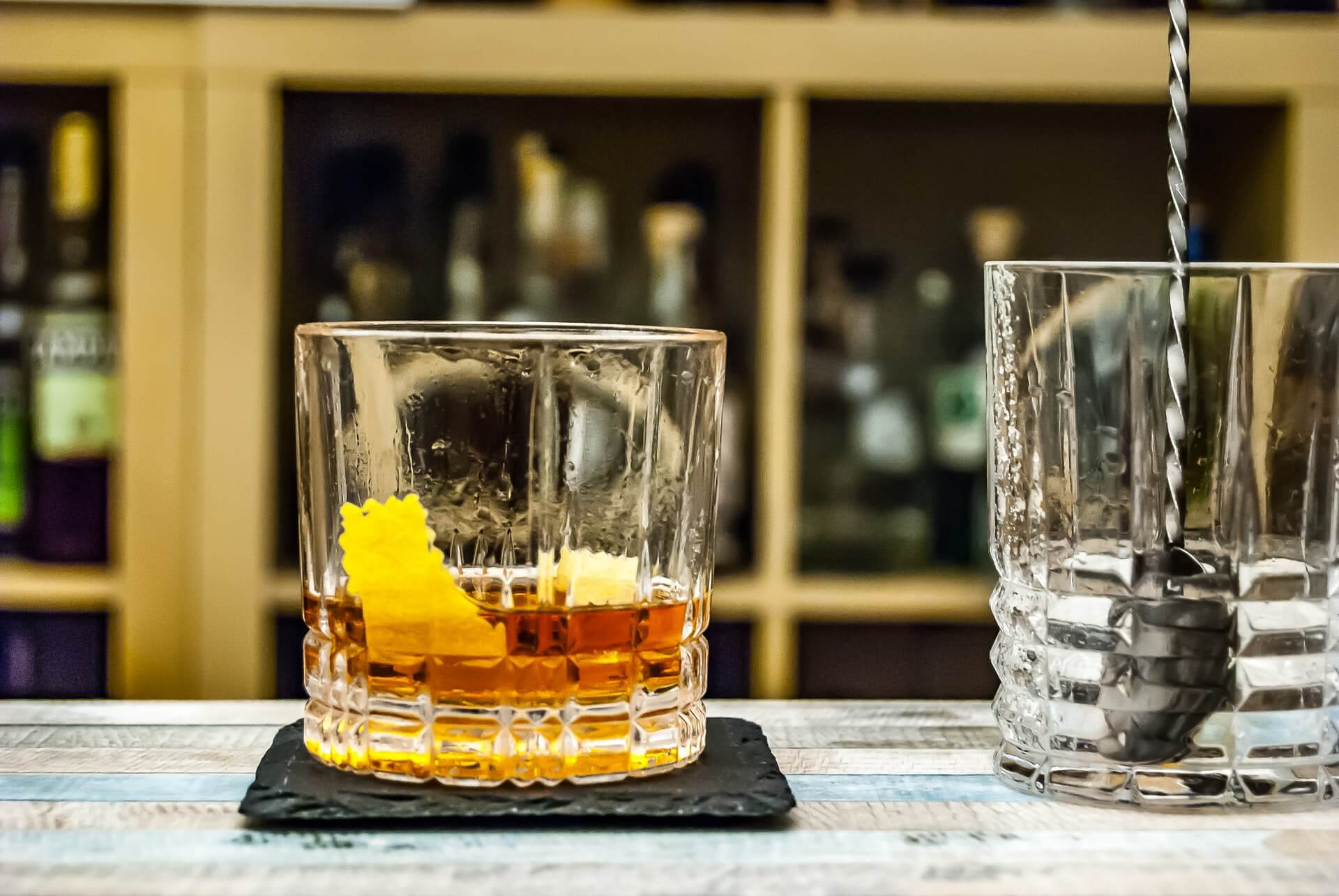
Sazerac cocktail and mixing glass on bar

We’re taking a look at two cocktails that can trace their roots to America and Canada for this year’s National Cocktail Day.

Further, KRG Hospitality has a headquarters in each country. So, we’ll be focusing on the cocktails for which Canada and America are known.

Celebrate National Cocktail Day, March 24, with the recipes below. Cheers!

Canada’s Official Cocktail

Let’s kick things off with Canada. There’s no cocktail with as close an association to the Great White North as the Caesar.

In fact, it’s Canada’s national cocktail. So ubiquitous, it’s woven into the fabric of Canadian pop culture.

Consider this Letterkenny exchange as exhibit A:

Darryl: “I’d have a Bloody Caesar.”

Wayne: “Do you wanna know what? I’d have a Caesar, too.”

Squirrely Dan: “I could have a Caesar if you guys are havin’ Caesars.”

Darryl: “Hard to see a Caesar and not want a Caesar.”

Wayne: “That’s actually how they market Caesars.”

According to cocktail lore, the city of Calgary and province of Alberta get to call themselves the home of the Caesar.

Disputed Origins

As the story goes, Walter Chell invented the cocktail in 1969. Chell was a restaurant manager at the Calgary Inn, now a Westin property.

Oh, wait. There’s also Walter Winchell and the Smirnoff Smiler cocktail. Tracing mentions back to 1953, this drink is made with vodka, tomato juice, clam juice, and Worcestershire sauce.

Hang on… In 1959, Charles Addams—y’know, the creator of the Addams Family—said he created the Gravel Gertie in Manhattan, New York. This cocktail calls for vodka to be mixed with tomato juice, clam juice, and Tabasco sauce.

Well, Chell was onto something when he combined every ingredient in the Smiler and Gertie. To me, this an original that stands far above any perceived predecessors.

Chell also crafted the recipe using a “rule of four”:

  • one shot of vodka;
  • two dashes of hot sauce;
  • three dashes of salt and pepper; and
  • four dashes of Worcestershire sauce

Prepare a glass with a celery salt or salt and pepper rim. Add ice, then add the above ingredients. Top with Caesar mix (Clamato juice, these days), and garnish with a celery stock and lime.

America’s Unofficial Cocktail

Now, onward to America. So, we don’t have an official national cocktail here. Clearly, our neighbors to the north know how to have more fun.

We have a native spirit—bourbon—but that’s where it ends.

However, we do have New Orleans. And in New Orleans we have the birthplace of American hospitality.

We have something else in New Orleans. In 2008, the Louisiana state senate passed a bill that named an official cocktail for the city.

That cocktail? The Sazerac.

Two Bases, One Drink

Cocktail historians will tell you that there are essentially two recipes for the Sazerac. They’ll also tell you that the origins of this cocktail are under dispute.

Are you beginning to see a pattern with cocktail history? It’s never clear, is it?

First, let’s address the original, assuming it’s America’s first (or at least oldest known) cocktail. From the 1850s to 1870s, it was made with Cognac. And not just any Cognac, Sazerac de Forge et Fils.

Depending on who you ask, either bar owner Aaron Bird or Antoine Amedie Peychaud invented the Sazerac. The cocktail recipe includes two dashes of Peychaud’s Bitters, so it’s easy to understand why some credit Peychaud with creating this drink.

Then, there’s the version that took off in the 1870s. Again, depending on the source, either American tastes changed or a phylloxera outbreak affected Cognac production. Perhaps both are true, converging to alter the Sazerac recipe.

Either way, rye whiskey replaced absinthe, and Herbsaint replaced the absinthe. Some bartenders also substitute bourbon for the rye.

The Recipe

It’s not difficult to make a Sazerac, just like it isn’t difficult to find one in New Orleans.

You’ll need two Old Fashioned (aka rocks) glasses, or one Old Fashioned and a mixing glass.

Rinse a chilled glass with absinthe or Herbsaint, and add ice. In the mixing glass or second glass, add ice, two ounces of Cognac, rye whiskey or bourbon, a half-ounce of simply syrup, and three dashes of Peychaud’s Bitters. Stir until well chilled.

Before straining, discard the ice and any excess absinthe or Hersaint from the prepared glass. Now, strain into prepared glass, express a lemon peel, and use that peel as garnish.

Alternatively, you can split the base and do Cognac and rye or bourbon, paying homage to each version of the Sazerac.

Image: Johann Trasch on Unsplash
by David Klemt David Klemt No Comments

Share These Vermouth Facts with Guests

Share These Vermouth Facts with Guests

by David Klemt

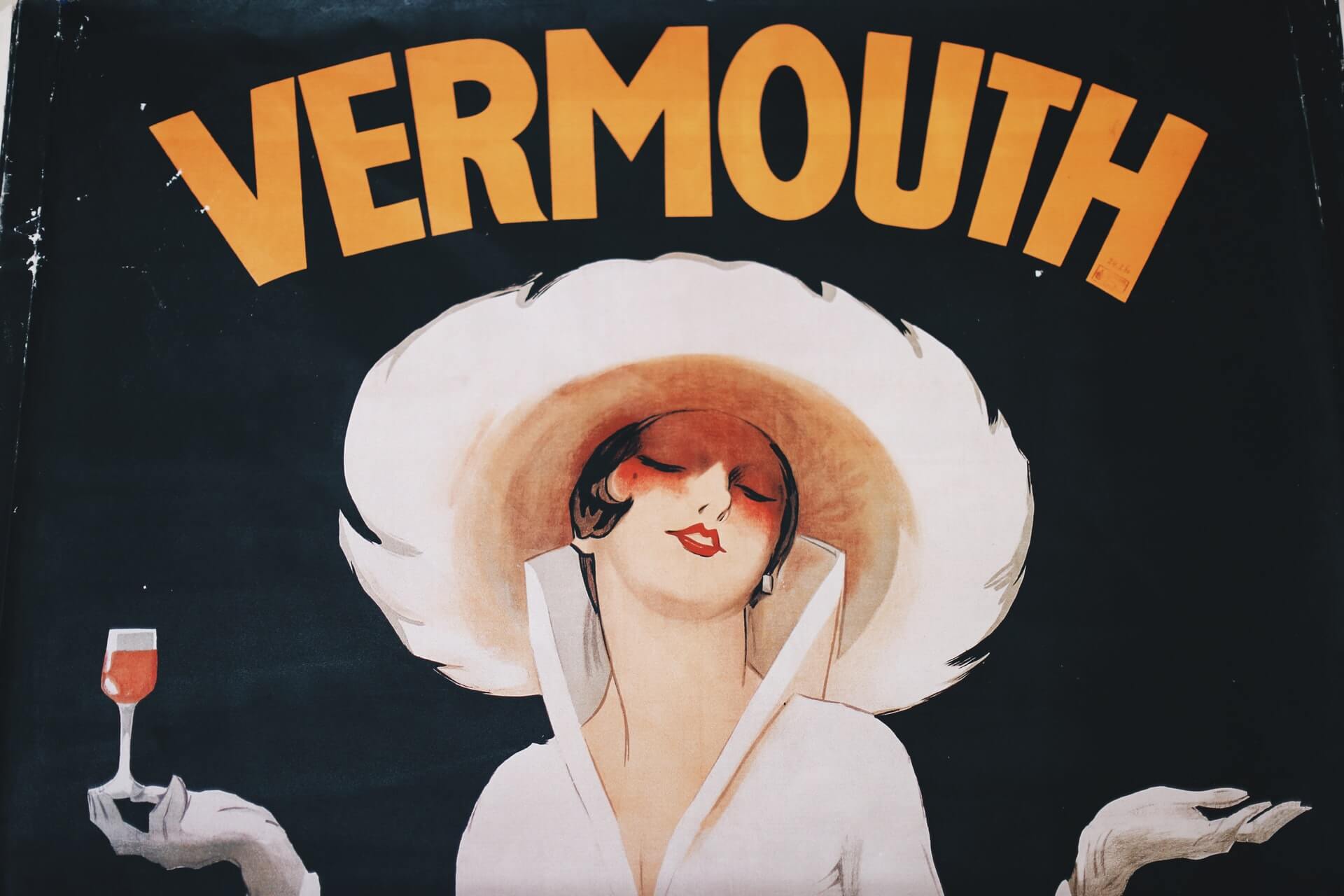
Vintage vermouth print

Today is World Vermouth Day, so here are some interesting facts you and your bar team can share to engage with guests.

Before we dive in, a few vermouth basics.

First, contrary to what some believe, vermouth isn’t a spirit. Rather, vermouth is a fortified wine.

In most cases, vermouth producers boost—or fortify—alcohol content with a neutral grape spirit.

Centuries of History

Vermouth can trace its history back to at least the 16th century. However, it’s possible it goes as far back as 12th century China.

Like so many products behind the bar, the exact origins are in dispute. Some say vermouth is a Chinese creation, some say its home is Greece, crediting Hippocrates with its creation. Still others attribute its invention to Germany.

Regardless, many believe that vermouth is one of the oldest types of beverage alcohol.

Doctor’s Orders

As is the case with plenty of intoxicants, this fortified wine has roots in medicine.

From the 16th century until about midway through the 18th century, Italian vermouth was recommended by doctors to settle upset stomachs.

This makes sense given its makeup: Vermouth is a wine combined with a spirit, infused by roots, herbs, and spices. The array of botanicals found in vermouth can certainly aid in digestion.

In fact, offering vermouth on your menu as an aperitif or digestif is a smart move.

Booze Relatives

You, your bar team, and guests may find this connection interesting. Vermouth and absinthe are family members.

According to some alcohol historians, “vermouth” is a French pronunciation of the German word “wermut.” Wermut translates from German to English as “wormwood.”

Centuries ago, German and Hungarian fortified wines contained wormwood.

An argument can be made that amaro is also a relative of vermouth. While not a requirement, amaro can contain wine. If an amaro has that component, it can technically be a vermouth.

Modern Vermouth

Toward the end of the 18th century, Antonio Benedetto Carpano created what’s now considered modern vermouth.

As the story goes, Carpano was studying to be an herbalist. In 1786, in Turin, Italy, he blended a white muscatel with herbs and spices. Modern vermouth was born.

Owing to modernization and commercialization, some paint vermouth with two broad brushes.

There are those who refer to all red vermouths as Italian vermouths. They then categorize all white vermouths as French. This is, in part, due to the French overwhelmingly producing dry, white vermouths.

Even More Modern

Well, maybe not exactly more modern. Perhaps it would be more accurate to refer to a particular style as “more recently recognized.”

During Prohibition, American producers made vermouth. According to my research, these were not looked upon favorably. In fact, they were considered cheap and poorly made.

That’s not the style I’m talking about here. Starting in the 1990s, and initially attributed to Californian producers, American vermouth production came out swinging with Western Dry.

In general, this style of vermouth leans heavier on the wine and uses different botanicals.

Not Just a Clever Shirt

You have probably seen bartenders or other hospitality professionals wearing this Mover & Shaker shirt:


View this post on Instagram


A post shared by Mover & Shaker (@moverandshakerco)

In case it doesn’t load for you, it says, “If you’re reading this put vermouth in the fridge.” That’s not a joke—keep it in the refrigerator.

Perhaps due the misconception that vermouth is a spirit, some people treat it as such. In other words, they just leave their vermouths out.

Being a fortified wine, vermouth can go bad in just a few months once open. So, this World Vermouth Day, if you haven’t already, put vermouth in the fridge.

Image: Giorgio Trovato on Unsplash
by David Klemt David Klemt No Comments

8 Glendalough Cocktail Recipes for St. Patrick’s Day and Beyond

Offer your guests something different for your St. Patrick’s Day promotion with Glendalough Distillery cocktail recipes.

Without a doubt, you should have plenty of the expected Irish whiskeys on hand. However, Glendalough Distillery Double Barrel, Pot Still, Wild Gin, and Rose Gin are extraordinary Irish whiskeys and gins.

Each spirit the distillery crafts honors the art of Irish distillation, a craft that stretches back centuries. What’s more, each whiskey Glendalough crafts is single malt—there are no light-bodied blends in their lineup.

To learn more, check out episode 71 of the Bar Hacks podcast with Glendalough Distillery co-founder and national brand ambassador Donal O’Gallachoir.

by David Klemt

Glendalough Distillery Wild Gin Irish gin

8 Amazing Irish Whiskey and Gin Cocktails

Below, eight refreshing and sophisticated drink recipes made with Glendalough whiskeys and gins. Sláinte!

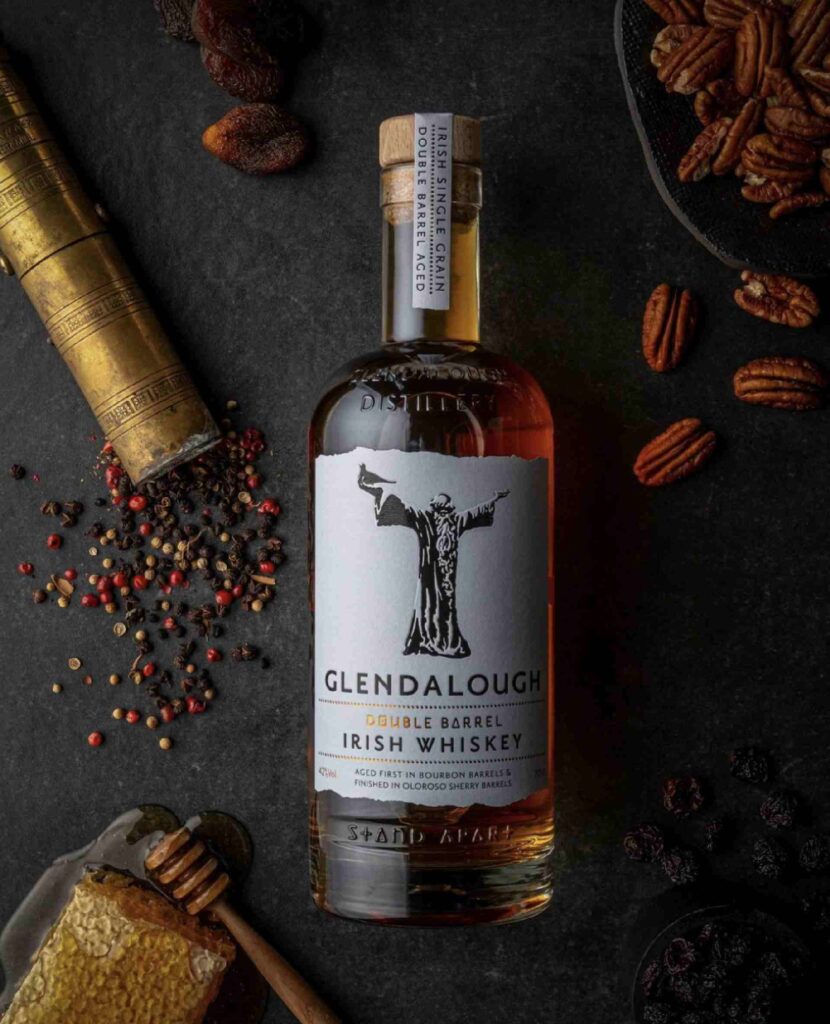
Glendalough Distillery Double Barrel Single Malt Irish Whiskey

The Lough Inn

This highball is made with Glendalough Double Barrel, a single-grain Irish whiskey aged in ex-bourbon barrels before being finished in Oloroso sherry casks.

  • 2 oz. Glendalough Double Barrel Single Grain Irish Whiskey
  • 1 oz. Spiced honey syrup (see note)
  • 1 oz. Fresh lemon juice
  • Soda to top
  • Lemon wheel or slice to garnish
  • Mint leaf to garnish
  • 1 cup Honey for spiced honey syrup
  • 0.5 cup Water for spiced honey syrup
  • 4 Cinnamon sticks for spiced honey syrup
  • 1 pod Star anise for spiced honey syrup

Add ice to a highball glass, then add first three ingredients. Top with soda water. Garnish with lemon wheel or slice and freshly torn mint leaf.

For spiced honey syrup: Add honey, water, cinnamon sticks, and star anise to pot. Bring to a boil, then stir. Strain into container.

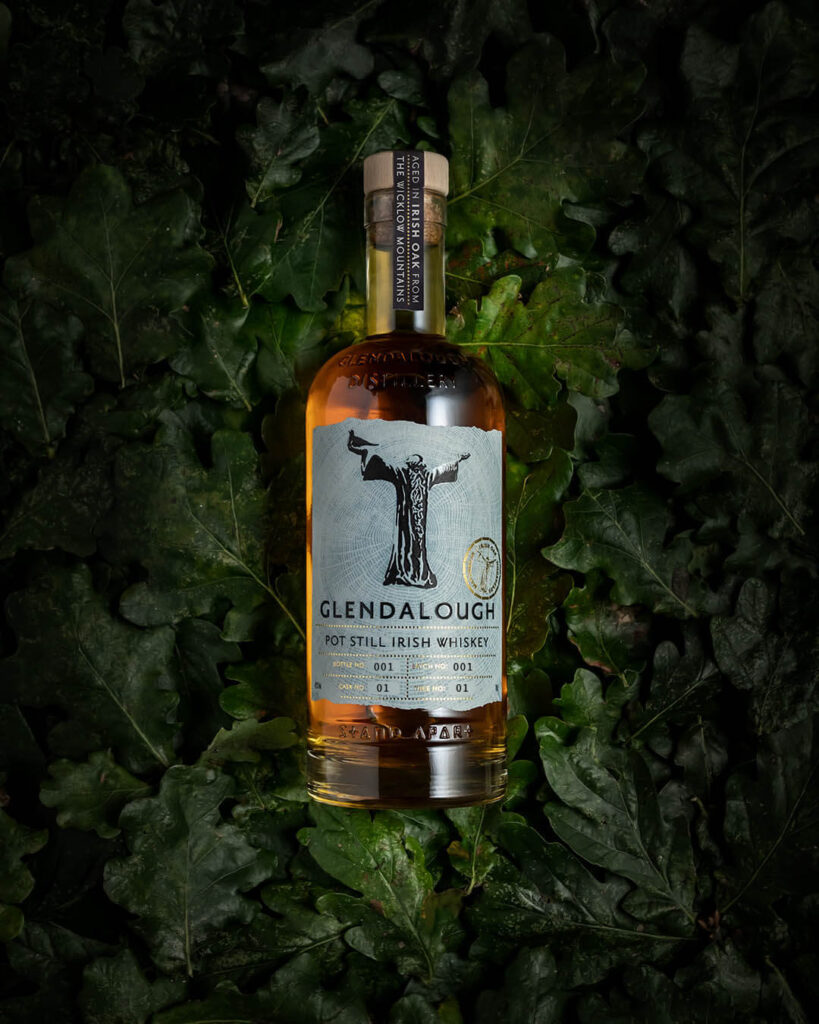
Glendalough Distillery Pot Still single malt Irish whiskey

Pot Still Highball

Deceptively simple to build, this cocktail highlights the terroir of the land surrounding Glendalough Distillery.

  • 1.5 oz. Glendalough Pot Still
  • Soda to top
  • Grapefruit peel to garnish
  • Mint leaf to garnish (freshly torn and slapped, of course)

Prepare a highball glass with an ice shard, spear or cylinder. Pour in Glendalough Pot Still whiskey, then top with soda. Glendalough Distillery recommends a 1:2 ratio, Pot Still to soda. Garnish with mint leaf.

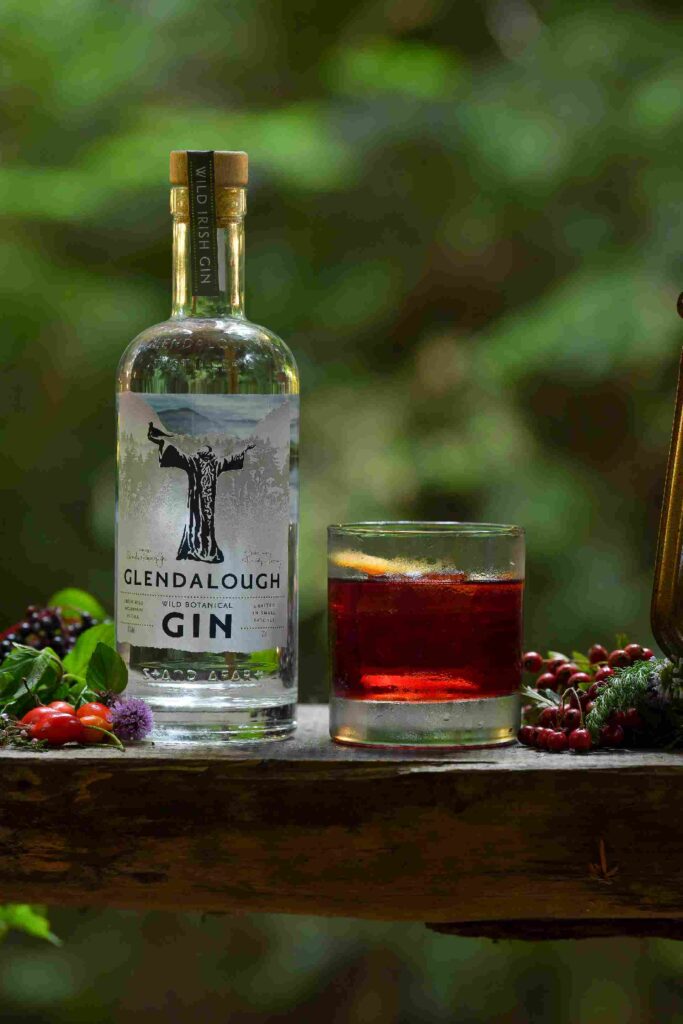
Glendalough Distillery Wild Gin Negroni cocktail

Glendalough Negroni

The foraged botanicals in Glendalough Wild Gin add even more complexity and depth to the classic Negroni. In fact, the flavors work so well this recipe maintains the Negroni’s crucial 1:1:1 ratio.

Prepare an Old Fashioned with ice. Add first three ingredients to glass in the above order. Add more ice if necessary. Stir, express orange peel, and place as garnish.

Glendalough Distillery Wild Gin Irish gin

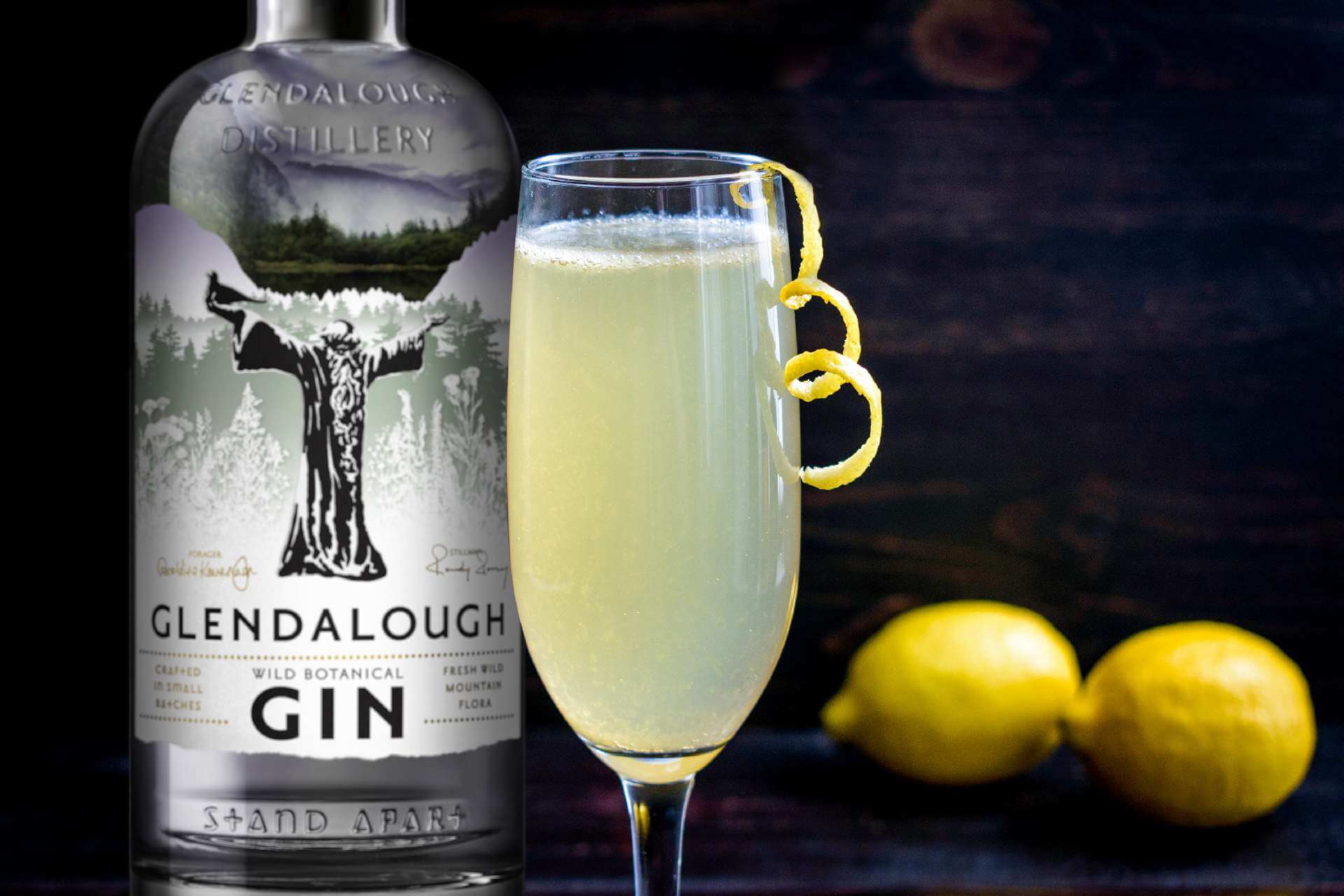
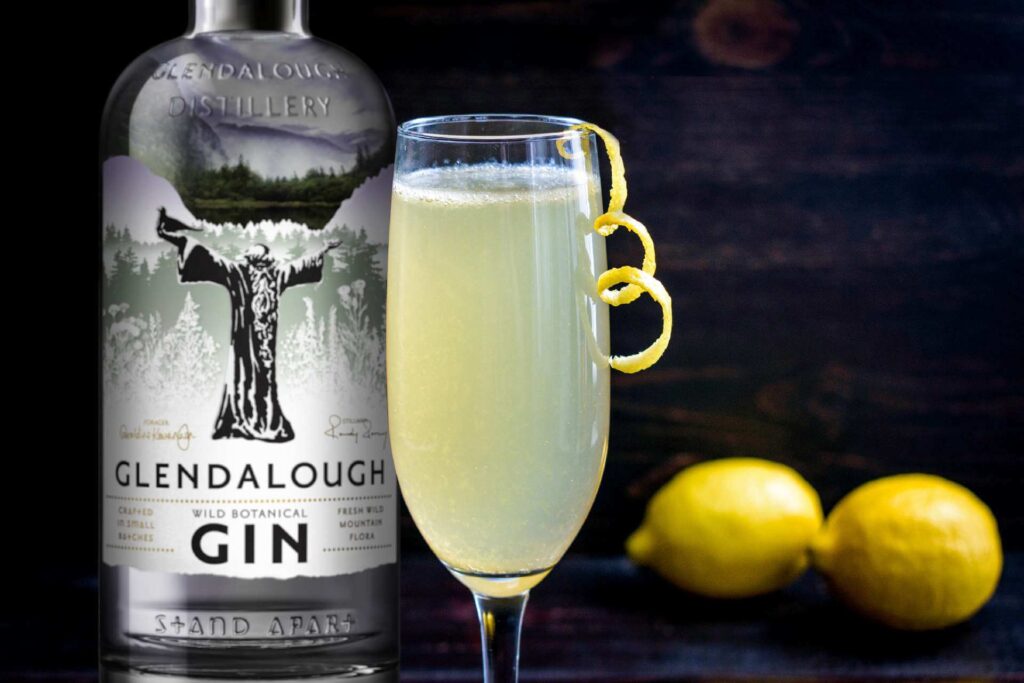
Glendalough Wicklow 75

Bubbles make everything better and everyone happier.

Add all ingredients to shaker. Add ice and shake until well chilled. Strain into Champagne flute, top with Prosecco, and garnish with lemon twist.

Glendalough Distillery Rose Gin Irish gin and cocktails

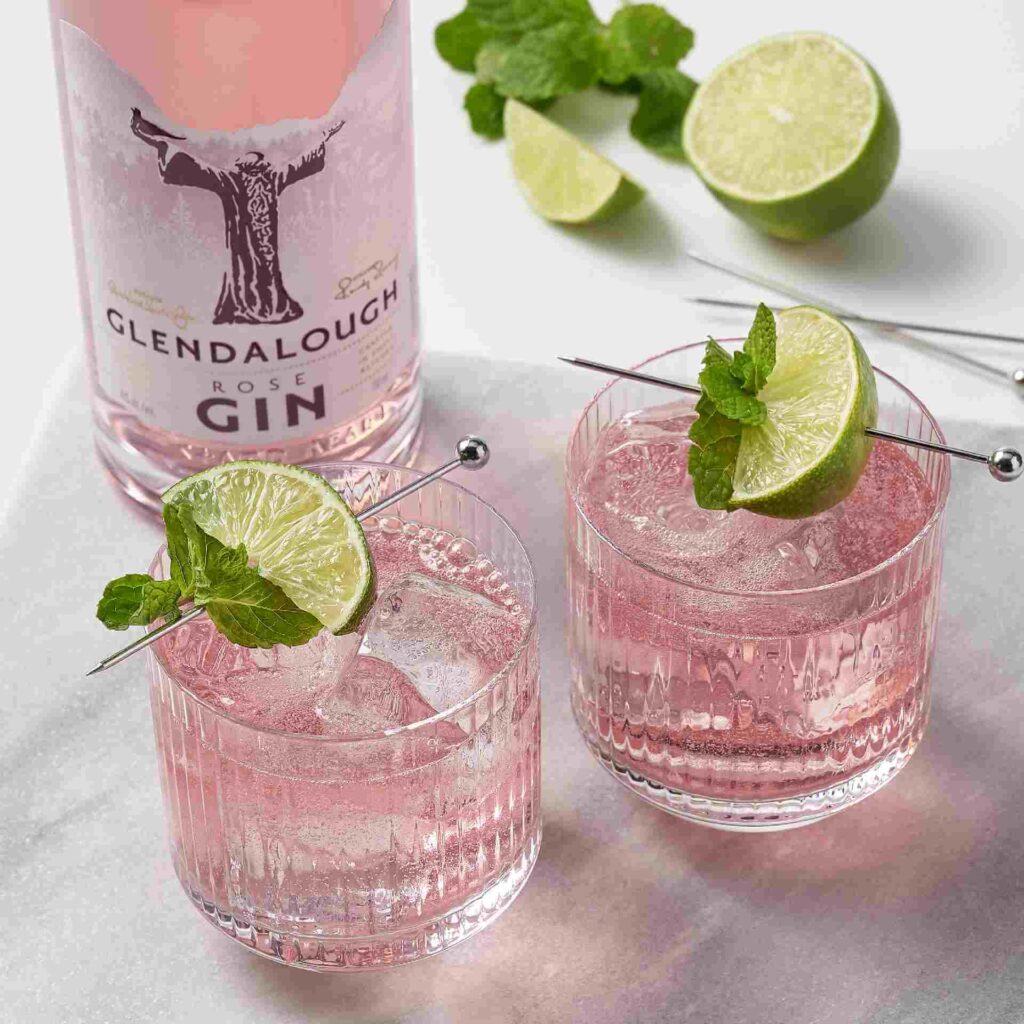
Glendalough Rose G&T

This simple classic receives a huge visual and aromatic boost from Glendalough Rose Gin.

  • 2 oz. Glendalough Rose Gin
  • Tonic to top (the higher the quality, the better)
  • Lime slice
  • Mint leaves

Add ice to glass, then add Rose Gin. Top with tonic, and garnish with lime slice and mint leaves.

Glendalough Distillery Rose Gin Fizz

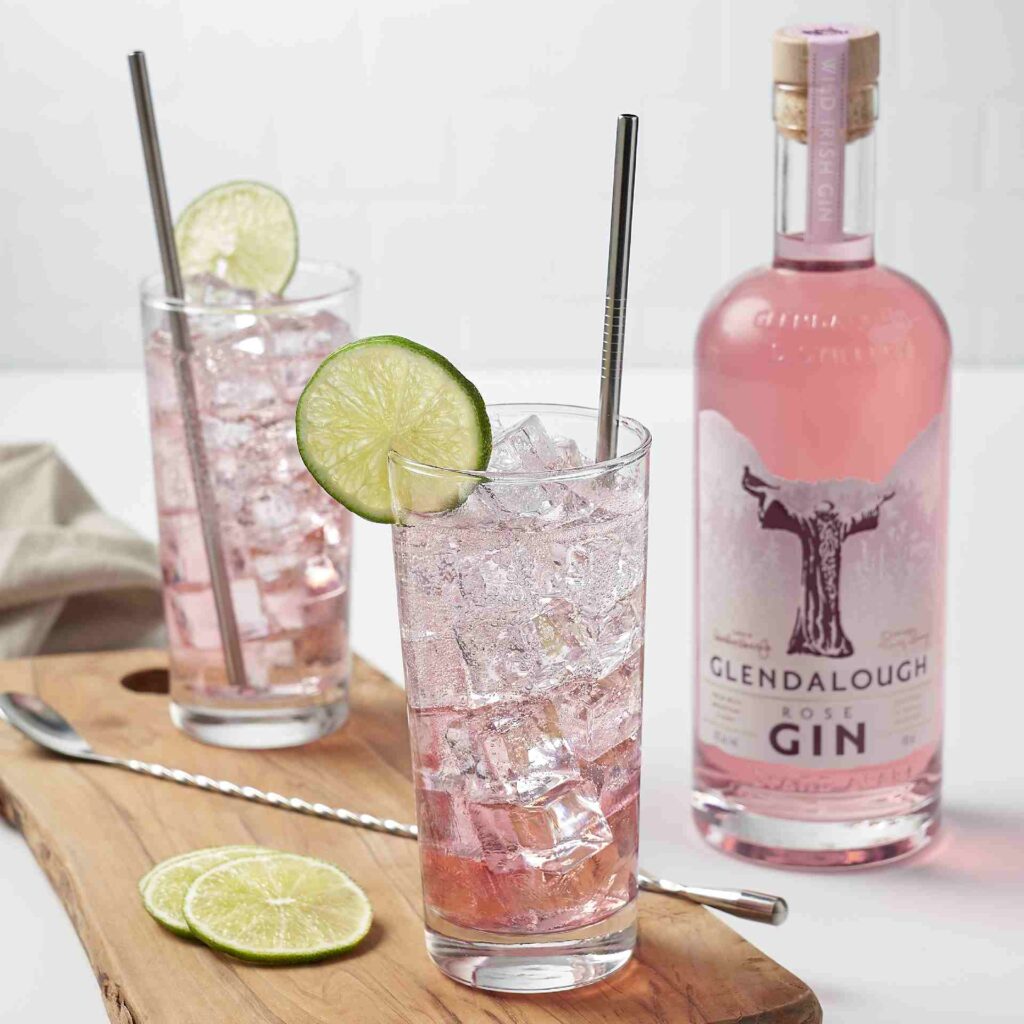
Glendalough Rose Gin Fizz

One way to elevate the highball is to use a striking pink-hued Irish gin.

  • 1.5 oz. Glendalough Rose Gin
  • 0.5 oz. Elderflower liqueur
  • Raspberry & Lime sparkling water to top
  • Lime wheel to garnish

Add ice (spear, shard or cylinder for impact), Rose Gin, and liqueur to highball glass. Stir, then add sparkling water to top. Garnish with lime wheel.


View this post on Instagram


A post shared by Glendalough US (@glendaloughus)

Glendalough Rose Collins

Boost the classic Collins with Glendalough’s striking rose-petal gin.

  • 1.5 oz. of Glendalough Rose Gin
  • 1 oz. of Lemon juice (freshly squeezed)
  • 0.5 oz. of Sugar syrup (1:1 ratio, hot water to sugar)
  • Soda to top
  • Lemon peel to garnish
  • Cherry to garnish

Combine first three ingredients in a shaker with a cup of ice. Place an ice shard, spear or cylinder to a highball glass. Shake until well chilled, then strain into glass. Top with soda, and garnish with lemon peel and cherry.

Glendalough Distillery Rose Gin Hibiscus Rose

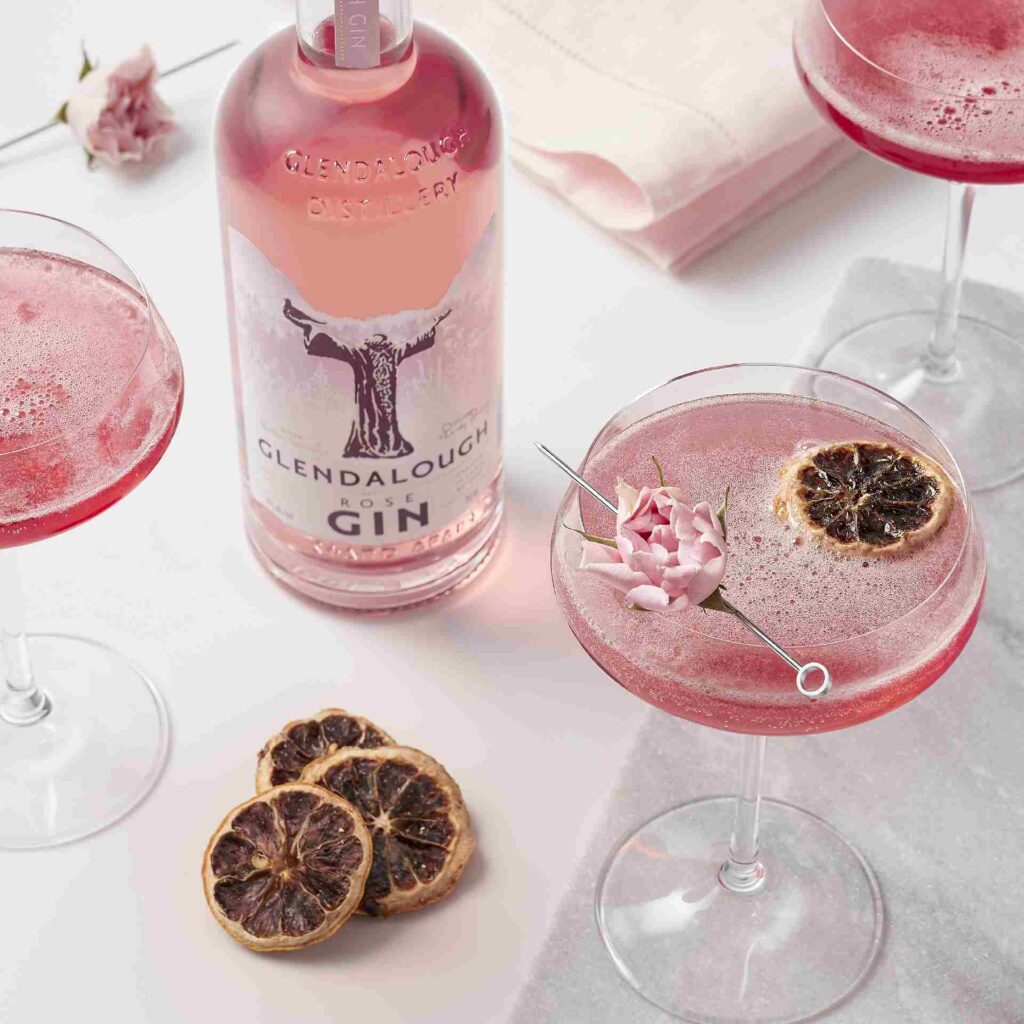
Glendalough Hibiscus Rose

Refreshing and flavorful, the hibiscus tea syrup plays incredibly well with Glendalough Rose Gin.

  • 1.5 oz. Glendalough Rose Gin
  • 0.5 oz. Hibiscus tea syrup (see note)
  • 0.5 oz. Lemon juice (fresh squeezed)
  • Prosecco to top
  • Dehydrated lemon wheel to garnish
  • Rose petals to garnish
  • 33 oz. Water for hibiscus tea syrup
  • 16 oz. Sugar for hibiscus tea syrup

Add first three ingredients and ice to a shaker. Shake until well chilled and double strain into a coupe.  Top with Prosecco, and garnish with dehydrated lemon wheel and rose petals.

For the hibiscus tea syrup: Steep seven hibiscus tea bags in 33 ounces of water for 15 minutes. Add 16 ounces of sugar.

Images & Recipes: Glendalough Distillery

Related Reading

Work with Us

Click the image below to partner with us on your project.

Client Intake Form - KRG Hospitality

by David Klemt David Klemt No Comments

Heritage & Innovation: Glendalough

Heritage & Innovation: Glendalough Distillery

by David Klemt

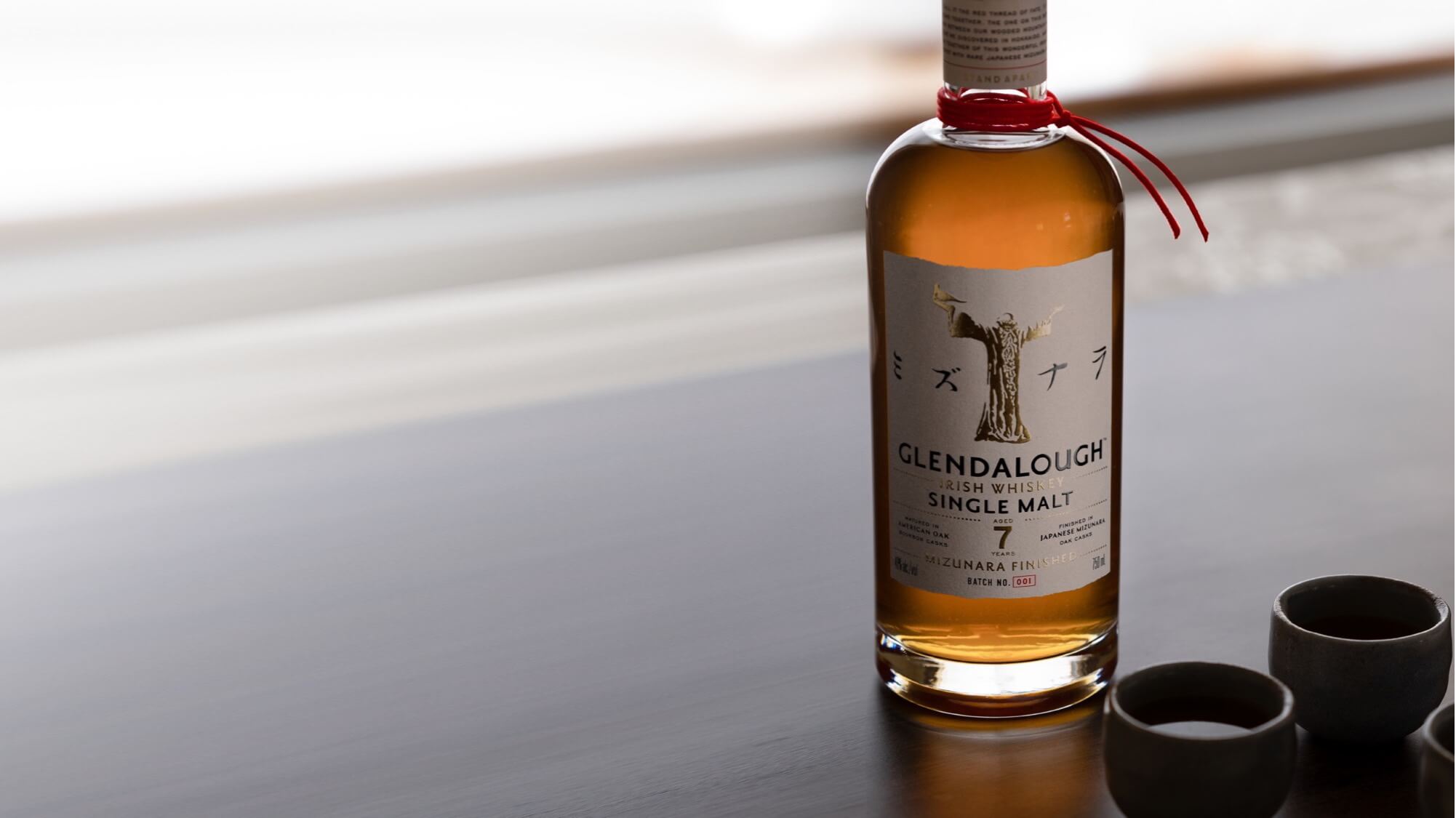
Glendalough Distillery 7 Years Mizunara single malt Irish whiskey and glasses

Glendalough Distillery’s five founders are on a mission to honor Ireland’s rich distilling history and heritage.

As Bar Hacks guest Donal O’Gallachoir describes them, the whiskeys Glendalough crafts are remarkably different. O’Gallachoir, co-founder, national brand ambassador, and cheeky bottlewasher, aims to elevate Irish spirits.

More accurately, Glendalough’s founders want to return Irish whiskey to its rightful, historic place. That place? Among the top whiskeys in the world.

As you’ll learn, Glendalough will elevate your St. Patrick’s Day menu. In fact, these whiskeys and gins will elevate your entire menu, period.

Centuries of History

On episode 71 of Bar Hacks, O’Gallachoir briefly but compellingly shares Irish whiskey’s story. As he tells it, it was once estimated Irish whiskey accounted for up to 90 percent of world whiskey consumption.

That’s easy to believe when you factor in how Irish whiskey production can be traced back to at least the sixth century. There’s also the fact that Irish distillers were crafting, as O’Gallachoir puts it, “a wealth of styles.”

Unfortunately, a terrible string of wars—literal and economic—all but eradicated Ireland’s distilleries. When I say eradicated, I mean that when Glendalough Distillery opened in 2011, it became the fourth or fifth distillery in the country.

There used to be 200 licensed distilleries in the country, along with around 1,800 unlicensed distilleries. For decades of the 20th century, there were only two to three licensed distilleries in operation.

So, it makes sense that consumers outside of Ireland think the country produces only one style of whiskey: Irish. Meaning, light-bodied, sweet, and meant to be thrown back as a shot.

O’Gallachoir is well aware of the compelling paradox of modern Irish distillation. If the blended style of Irish whiskey most people know today hadn’t kept the industry alive, Glendalough and its expressions may not exist today.

Distillation Innovation

All Glendalough whiskeys are single malt and chill filtered. This stands in stark contrast to blended Irish whiskeys, the current dominant (modern) style.

Glendalough is, to oversimplify it, honoring centuries of Irish whiskey production. Single-malt Irish whiskey was what we would now label super- or ultra-premium. The difference between Irish and Scotch whiskey was the latter’s smoked, peated profile. The former was once preferred worldwide.

Glendalough is dedicated to crafting super-premium Irish whiskey. Doing so means they don’t make things easy on themselves.

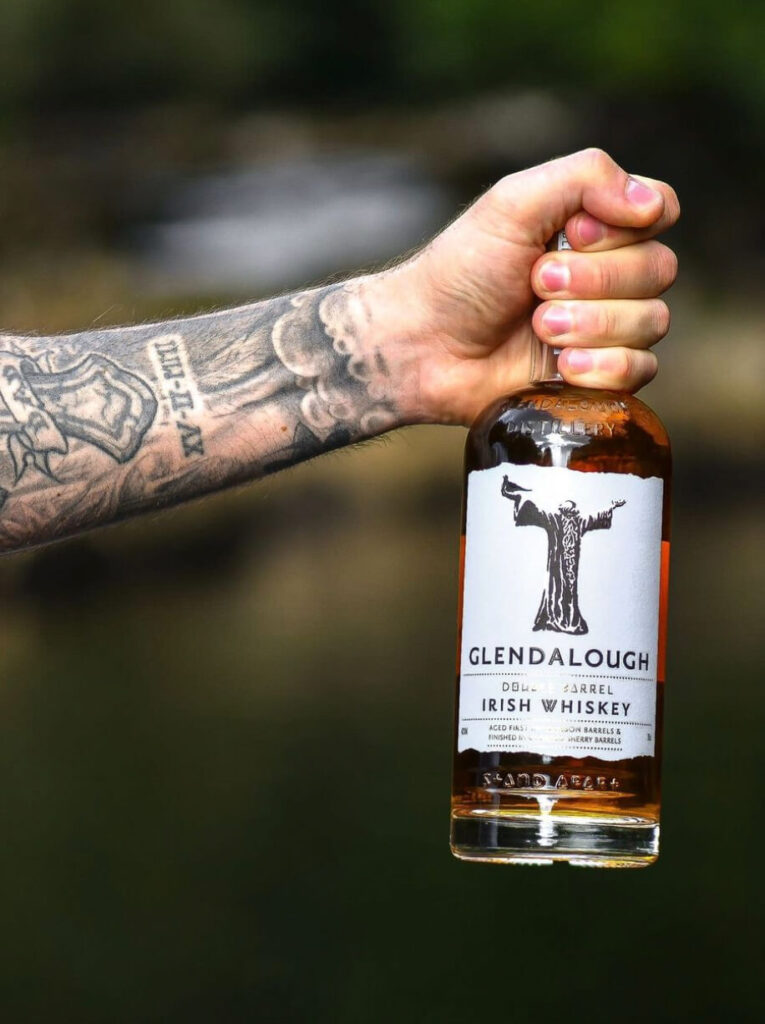
Glendalough Distillery Double Barrel single grain Irish whiskey

Let’s start with Glendalough’s Double Barrel expression.

As the name suggests, this whiskey is finished twice. First, it’s aged in ex-bourbon barrels. Second, it’s matured in Oloroso sherry casks. Eschewing blends, Glendalough studies the science of different types of barrels to craft its styles.

Glendalough Distillery Pot Still single malt Irish whiskey

Of course, they also honor Irish distilling heritage through another expression: Glendalough Pot Still. To say no other style of whiskey embodies Irish production like pot still doesn’t do this distillation method justice.

In fact, Irish pot still whiskey is geographically protected; it can only be crafted in Ireland. However, when it comes to honoring Ireland, Pot Still doesn’t end there.

Glendalough initially ages Pot Still in ex-bourbon barrels. However, it’s finished in Irish oak. Truly, this expression captures the terroir of the mountainous region Glendalough calls home.

In other words, Pot Still is a super-premium taste of Ireland in a bottle.

And then there’s the distillery’s newest expression.

The Red String of Fate

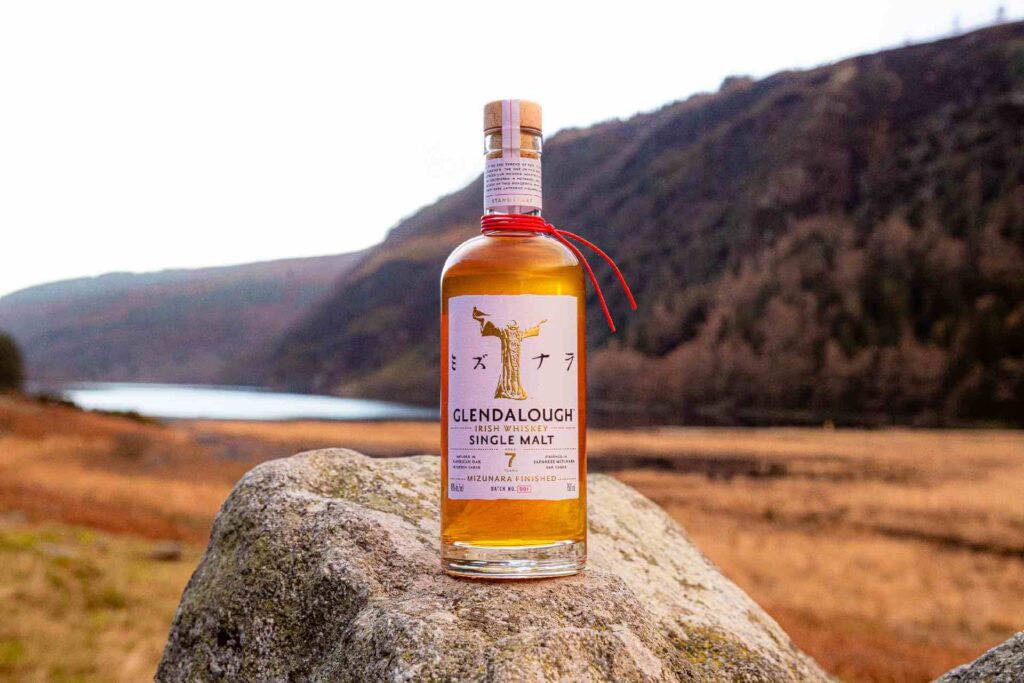
About two weeks ago, Glendalough released their latest innovation: 7-Year-Old Single Malt Mizunara Finish.

7-Year-Old Single Malt Mizunara Finish in Wicklow, Ireland

Whiskey aficionados will recognize mizunara instantly and begin scheming to add this bottle to their collections.

Mizunara, Japanese oak, is renowned for several reasons. The wood imparts incredible flavors unlike those from other barrels. But, like all things rare and magical, mizunara is also incredibly challenging.

The challenges begin with the trees themselves, which can take hundreds of years to grow fully. This oak doesn’t grow straight, so crafting even one stave can be difficult.

Then there’s the water content. Mizunara translates to “water oak,” and it’s not an ironic nickname. The water content of mizunara is sky high, and it’s also highly porous.

It takes fantastic skill and experience for coopers to craft mizunara barrels that don’t crack or leak. To learn more, please click here to hear O’Gallachoir tell the story of Glendalough traveling to Hokkaido in Japan to form a relationship with an independent cooperage to craft Mizunara Finish casks.

Incredibly, the latest Glendalough expression isn’t a limited-edition release. Rather, this joins the core lineup and will be released twice per year. Be on the lookout for batch 001.

It seems that Glendalough whiskey and mizunara barrel coopers were fated to find one another. In fact, the red thread on each bottle of Mizunara Finish pays homage to the Japanese legend of the red thread of fate.

An invisible red thread connects those who are destined to find one another. It grows shorter and shorter as their paths collide.

Going Wild

You may recall that I said Glendalough doesn’t make things easy on themselves. This is evidenced by their gin.

Unlike other distilleries, Glendalough started with whiskey distillation and later pursued gin production.

Glendalough Distillery Wild Gin Irish gin

They also forage for the ingredients used to craft their Wild Gin. If it’s not within ten miles of the distillery and growing wild, it’s not in the bottle.

According to O’Gallachoir, it takes a year to produce one bottle of this gin. Rejecting easier methods of production like automation, each batch of Wild Gin is crafted by taste and aroma.

Glendalough Distillery Rose Gin Irish gin and cocktails

Then there’s the visually and aromatically impactful Rose Gin. Crafted to honor Glendalough’s head distiller’s mother Rose, this is a rose-petal gin.

Now, you may assume it’s like drinking a bottle of decades-old, overpowering, rose-scented perfume. However, O’Gallachoir assures me this is absolutely not the case.

Instead, this striking bottle is intensely floral but balanced, and undeniably unique. O’Gallachoir suggests trying it in a Bee’s Knees.

In just over a decade, Glendalough has elevated Irish craft spirits. There are more innovations to come and I can’t wait to try them.

To learn more about O’Gallachoir and Glendalough Distillery, please listen to episode 71 of the Bar Hacks podcast.

Image: Glendalough Distillery

by David Klemt David Klemt No Comments

Hang On: That Drink Probably Isn’t Russian

Hang On: That Drink Probably Isn’t Russian

by David Klemt

Three clear vodka or gin cocktails

In response to the invasion of Ukraine, some restaurants and bars are pouring out spirits or renaming cocktails they believe are Russian.

Doing so is one way some operators are showing support for Ukraine.

However, people may want to do some research before they pour out a bottle or rewrite their menus. The reason is simple: That bottle or drink may not be Russian.

White or Black Russian

This classic cocktail has zero Russian roots. It was created by a Belgian bartender. Further, the bartender, Gustave Tops, created the drink at a hotel in Brussels.

Unfortunately, that hotel operated for 125 years before closing in 2020.

According to cocktail historians, the drink only has “Russian” in the name because it’s made with vodka.

In fact, people have created riffs on the White/Black Russian just by replacing a single ingredient. Variants include the White Belgian, White Cuban, and White Canadian.

Moscow Mule

The Moscow Mule is 81 years old. And it was born in…Santa Monica. One of the most notable things about Santa Monica is that it’s located in California, which is in America.

As the story goes, a salesman representing Smirnoff strolled into the Cock ‘n Bull Pub. The owner of the pub had purchased a bunch of ginger beer he was having trouble moving.

In the 1940s, supposedly, it was difficult to sell vodka or ginger beer. But what about vodka and ginger beer? According to legend, the two men created the Moscow Mule in a mutually beneficial sales move. The rest is cocktail history.

Obviously, the name has Russian roots. Smirnoff vodka was at one time a Russian vodka (more on that below). But no, the cocktail isn’t a Russian cocktail in so far as it was invented in America.

There are companies that have made copyright claims but they’ve largely gone nowhere.

Smirnoff Vodka

Pouring out bottles of Smirnoff isn’t going to stick it to any Russians. The brand is now owned by Diageo, a British company.

The vodka itself is produced in several countries, including Canada, Ireland, and the US. Not a drop is made in Russia.

Originally, the vodka was produced in Moscow. Pyotr Arsenyevitch Smirnov founded the distillery in 1864. However, Smirnov had to sell the brand in 1904 after Tsar Nicholas II nationalized the Russian vodka industry.

Smirnov and his family fled Russia in 1917 in response to the October Revolution.

In reality, with the exception of very specialized bars and off-premise shops, it’s not common to come across authentic Russian vodka. Beluga, Jewel of Russia, Mamont, Russian Standard, and Zyr are some of the few people may come across at a restaurant, bar, or liquor store.

The Problem

It may seem like a middle finger to Russian president Vladimir Putin to erase the country from menus. Renaming cocktails or removing Russian brands feels like a show of solidarity, on the surface.

In reality, doing so is dangerous. It’s a vilification of all Russian people, even if it doesn’t feel like it. Pulling certain brands may put a dent in someone’s bottom line. However, “sanitizing” a menu by removing everything Russian may send an irresponsible, unintended message: Russian people are bad.

We don’t have to look far back into history at all to see what can happen when we vilify an entire group of people. Violence, harassment, discrimination… In these tense, divisive times, it’s all too easy for people to become desensitized and even engage in truly horrible behavior.

I’m appalled by what’s happening in Ukraine. Everyone at KRG Hospitality is horrified by Putin’s invasion. A single drop of blood spilled is too much; Putin’s hands are covered in innocent blood.

But I’m not going to show my support by declaring or otherwise acting like all Russians are bad people. One person—and his complicit inner circle—is responsible for the ongoing attack on Ukraine.

Let’s not forget that, and let’s not forget that words and actions have consequences. It’s all too easy for people to take things too far and for innocent people to get hurt.

Image: Vinicius “amnx” Amano on Unsplash
by David Klemt David Klemt No Comments

A Lesson in Guest Perception

A Lesson in Guest Perception

by David Klemt

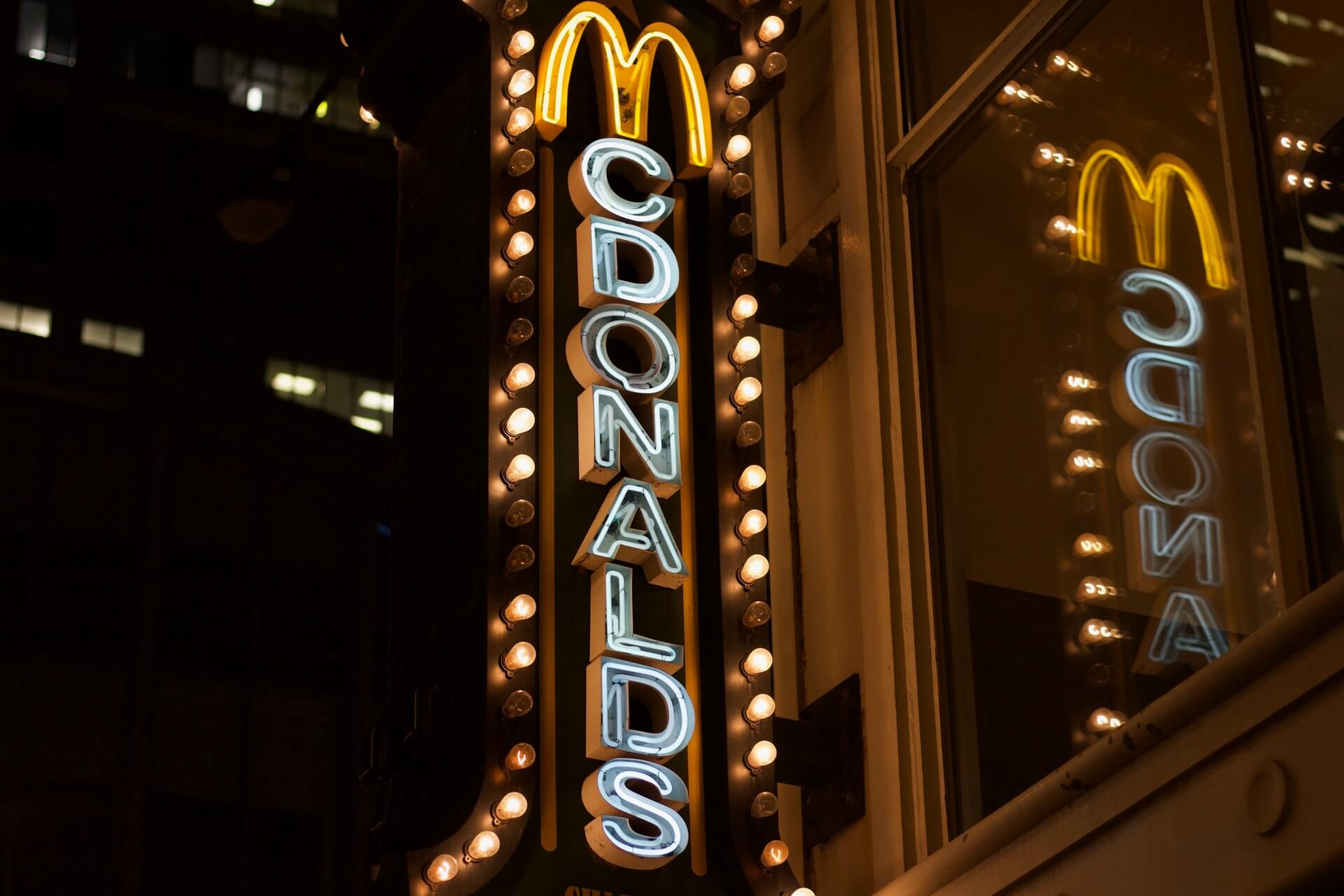
Broadway-style McDonald's sign in Chicago, Illinois

At this point, it’s becoming more of a surprise to not be told that the ice cream machine isn’t working at a McDonald’s restaurant.

Per a report from earlier this year, 25 percent of their machines are broken at any time. In fact, the brand made a joke about it in 2020.

Interestingly, with all the road trips and flights I’ve taken, I had never encountered a nonfunctional ice cream at a McDonald’s. Until last week.

Feeling nostalgic, I drove to a McDonald’s near my home for a Shamrock Shake. Growing up, my father always enjoyed the Shamrock Shake LTO. I’ve had maybe one or two in my entire life.

So, I drove over, got in line, and confidently asked for a Shamrock Shake and a Mint Oreo Shamrock McFlurry. And then I heard the words I’d never heard before:

“I’m so sorry, our machine isn’t working.”

Devastated, I did what any well-adjusted adult would do: I ordered a double cheeseburger and a 10-piece Chicken McNuggets combo. Same thing as a shake and McFlurry, right?

Guest Perception

I won’t dive too far into the minutiae of the longstanding McDonald’s ice cream machine saga. By now, we’re all familiar:

  • These machines break so often there’s a website dedicated to the problem. McBroken shows people where ice cream machines are working and where they’re broken. (If only I had used that before my ill-fated visit…)
  • The machines reportedly take four hours per day to clean.
  • There are claims that Taylor, the manufacturer of the machines, makes 25 percent of their revenue from performing repairs.
  • Outlets have reported the FTC is investigating the situatithe machine’s manufacturer, Taylor.
  • The latest news is that Kytch is suing McDonald’s for $900 million.

I’m not a McDonald’s board member, nor am I a franchisee. So, I’m not privy to any discussions swirling around the ice cream machines in use currently.

However, I do find it surprising that a brand as massive as McDonald’s would allow this issue to continue. For a brand that claims nothing is more important than delivering a high-standard of quality food, this joke is no longer funny.

What’s more, the issue is an opening for their competitors.

Leave an Opening and a Competitor will Take it

Jack in the Box has roasted McDonald’s for their ice cream machines in the past. This month, however, they’ve amped up their trolling.

Now that the Shamrock Shake has returned, Jack in the Box has pounced.

It would’ve been enough for Jack to mock McDonald’s on Twitter during Shamrock Shake season. But nope—Jack is dragging McDonald’s even harder.

Head over to McBroken and you’ll see a huge banner that reads, “DON’T GET McSHAMMED.” You’ll notice that the map is now also populated with Jack in the Box locations.

Click the aforementioned banner and you’ll find yourself on the Jack in the Box website. More specifically, it’s a page promoting their mobile app.

Taking it further, there’s currently a promotion encouraging the download: using the code “McSHAMMED” scores the user a $2 shake.

Since we’re in Shamrock Shake season, Jack is offering their new Oreo Cookie Mint Shake. And yes, it’s green.

Innovation and Problem Solving are Crucial

Look, I’m in no position to tell McDonald’s how to run their business. If they’re comfortable with negative guest perception and experiences, that’s on them.

It’s also on them if they want to show their guests and competitors a failure to innovate, solve problems, and be agile.

The ice cream machine debacle should be a lesson for all operators. Leave an opening and your competition will take it, slamming it shut behind them.

At best, maybe you’ll be able to adapt and overcome. At worst, they’ll be social media and marketing savvy, and roast you publicly. Once a brand’s perception slips, it can be incredibly difficult to get it back to where it once was.

As an operator, you’re an entrepreneur. Entrepreneurs innovate and solve problems.

Image: Joshua Austin on Unsplash
by David Klemt David Klemt No Comments

7 Coffee Liqueurs You Need to Know

7 Coffee Liqueurs You Need to Know

by David Klemt

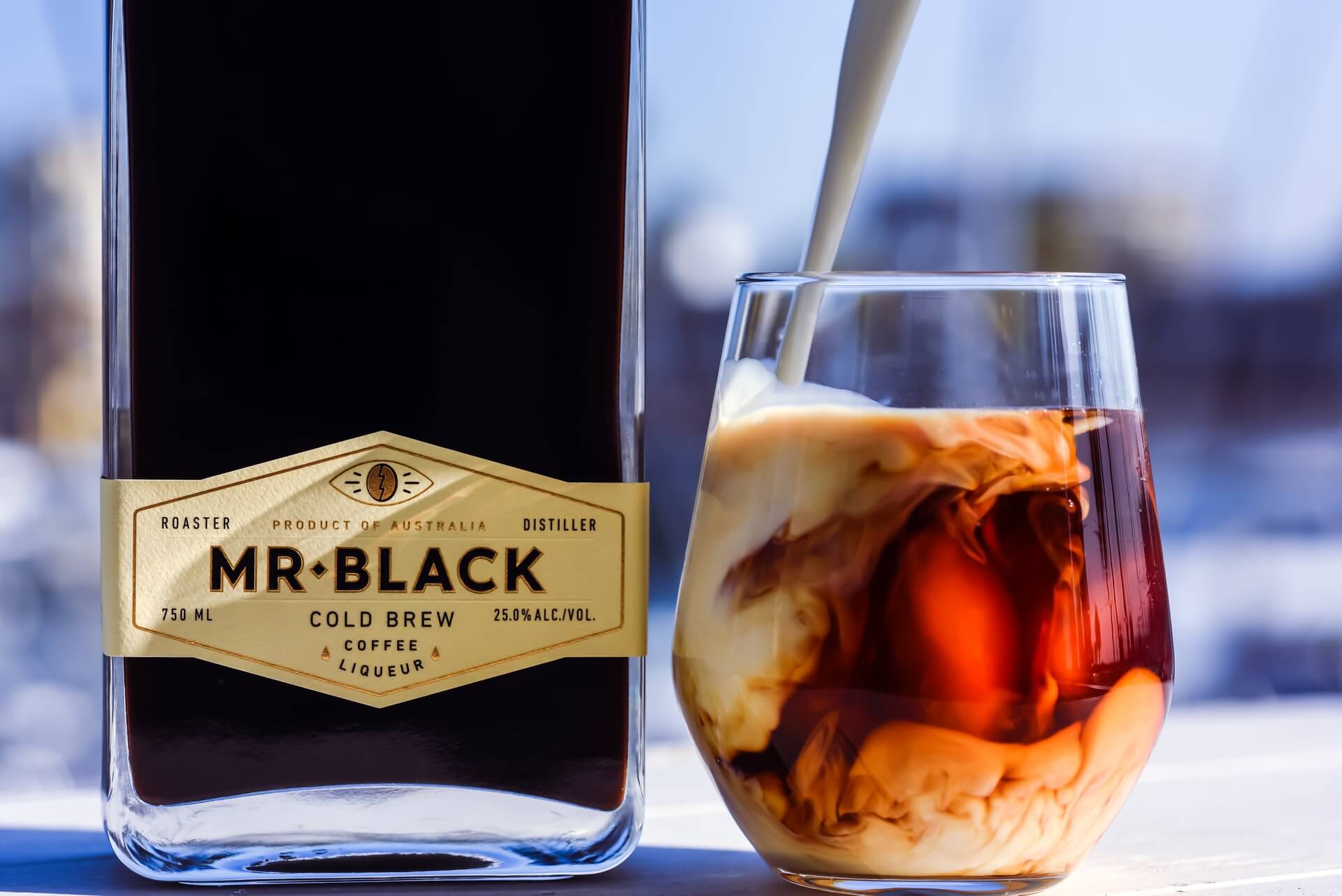
White Russian cocktail made with Mr. Black Coffee Liqueur

Whether you and your bar team are making Espresso Martinis, riffing on classics or creating something new, consider these coffee liqueurs.

National Espresso Martini Day takes place on Tuesday, March 15. Leading up to this bar holiday, the cocktail is experiencing yet another resurgence.

In fact, this cocktail more than any other seems to maintain an enviable rate of “surging back” in popularity. Maybe it’s time to just admit that it’s a modern classic people love to hate…but still order and enjoy.

Below are seven coffee liqueurs that shine in an Espresso Martini, Old Fashioned, Negroni, Irish Coffee, or any number of rich, flavorful cocktails. Cheers!

Mr. Black

Most of the reviews out there place Mr. Black at the top when it comes to coffee liqueurs. Once you’ve sipped it neat, you understand why. The coffee flavor is outstanding, and that should come as no surprise. After all, Mr. Black is crafted in Australia, a country with a rich coffee culture.

Additionally, Mr. Black occasionally releases special batches. In the past, the brand has produced Single Origin Ethiopia, Single Origin Colombia, and collaborations with WhistlePig and St. Ali Coffee Roasters. They also have a coffee amaro available.

Grind Espresso Shot

You really can’t go wrong making an Espresso Martini with an espresso liqueur. Grind Espresso Shot gives Mr. Black a run for their money in the coffee liqueur showdown.

This blend of Caribbean rum, espresso, coffee, and coffee extract that shines in just about any cocktail.

Kahlúa

As the saying goes, respect your elders. Kahlúa is a coffee liqueur that dates back to 1936 and there’s a reason the brand is still so visible.

Not only does the brand claim it takes seven years to produce a bottle of Kahlúa, their range is deep is flavorful. The current lineup consists of more than just the original Kahlúa expression. There’s also Blonde Roast Style, Vanilla, Mint Mocha, Chili Chocolate, Salted Caramel, and Especial currently.

Jägermeister Cold Brew

We can argue back and forth about whether Jägermeister is a schnapps or an amaro. Either way, it serves as a fantastic base for a rich coffee liqueur.

Jägermeister Cold Brew blends the original herbal liqueur with arabica coffee and a touch of cacao. There’s a Dark Matter coffee available produced by washing Guatemalan coffee beans in Jägermeister’s coffee liqueur.

Caffè Borghetti

Who among us is unfamiliar with Fratelli Branca’s products? From Fernet-Branca and Brancamenta, to Antica Formula, Punt e Mes, and Carpano, it’s difficult to imagine a bar that doesn’t have at least one Branca product in their inventory.

So, when it comes to coffee liqueur, you can’t really go wrong with another of Fratelli Branca’s bottles: Caffè Borghetti. Sweet and imbued with the rich taste of Italian espresso, this is a liqueur that deserves a place behind your bar.

Flor de Caña Spresso

Produced in Nicaragua, is not just a highly sought-after and awarded rum, Flor de Caña is also the world’s first spirit to be fair trade and carbon neutral certified.

Their coffee liqueur, Flor de Caña Spresso, is made with the producer’s 7 Year Gran Reserva rum expression. You guests will know their enjoying a premium rum-based liqueur that’s sustainably and responsibly crafted.

Jameson Cold Brew

Combine world-famous Jameson Irish whiskey with arabica coffee beans from Brazil and Colombia and you get Jameson Cold Brew.

Not only do you get intense coffee aroma and flavor, you’ll also discover notes of toasted oak. So, your guests won’t have to worry that the coffee overpowers the whiskey or vice versa.

And c’mon—if you’re going to make an Irish Coffee, why not do it with a liqueur crafted with Irish whiskey? Interestingly, Jameson Cold Brew also pairs well with cream soda or cola.

Image: YesMore Content on Unsplash
by David Klemt David Klemt No Comments

5 Books to Read this Month: March 2022

5 Books to Read this Month: March 2022

by David Klemt

Flipping through an open book

This month’s engaging and informative book selections will help you develop next-level culinary, beverage and marketing skills throughout 2022.

To review February’s book recommendations, click here.

Let’s jump in!

We Are All the Same Age Now: Valuegraphics, The End of Demographic Stereotypes

David Allison, founder of the Valuegraphics Project and author of this book, has been a guest on the Bar Hacks podcast twice. First, on episode 46, and again on episode 67. During both appearances, David explained the power of understanding people based on their values. What people have in common is far more powerful and effective than focusing on what divides us. Rather than continuing to point to harmful demographic stereotypes, the Valuegraphics Project focuses on values, psychographics, and standard demographics.

Pick up We Are All the Same Age Now to learn more and change your mindset.

Rodney Scott’s World of BBQ

When I visited South Carolina last year, I had a short list of restaurants I wanted to visit. Bar Hacks guest Brooks Quinn recommended pitmaster Rodney Scott’s Whole Hog BBQ in Charleston so I could try South Carolina barbecue. I’m glad I asked Brooks because the food was incredible. So incredible, in fact, that I overate and had to to do my best to walk off my resulting food coma.

Those who want to learn the art of South Carolina barbecue—or just great barbecue in general—need Rodney Scott’s World of BBQ book in their lives.

Smoked Cocktails

Beyond imparting wonderful flavor, we all know one of the greatest benefits of smoking a cocktail: Everyone who sees and smells the process is going to want to order one. While Smoked Cocktails is aimed at the home bartender, there’s plenty of useful information for operators, managers, and bar staff. Author Frank Marino shares the steps for smoking cocktails; identifies “cocktail families”; details more than 100 recipes; and more.

Everyone’s Table: Global Recipes for Modern Health

Chef Gregory Gourdet is the chef/owner behind Kann, a restaurant in Portland, OR, set to open its doors this year. The live-fire concept marries Haitian cuisine, ingredients sourced in Oregon, seasonality, and sustainability. When the Top Chef finalist went sober, he sought a healthier lifestyle. As a chef, he pursued that lifestyle in part through cooking. Everyone’s Table focuses on global cuisine that feature superfoods and high nutrient density while delivering delicious, decadent flavors. The 200 recipes in this book may not contain gluten, dairy, soy, legumes or grains but they’re still mouthwatering.

Rum Curious: The Indispensable Tasting Guide to the World’s Spirit

For the past several years now, several spirits experts and rum aficionados have made the same hopeful claim: This will be rum’s year. Finally, they say, rum will get the respect its due and topple vodka, tequila, and whiskey to grab the top spot. However, that has yet to happen. Well, yet to happen in North America, anyway.

Rum was once the world’s spirit, and maybe this year will be its year. In Rum Curious, revered spirits author Fred Minnick shares not only the story of rum but also his tips for conducting an effective rum tasting. With guests more curious than ever, engaging rum tastings may help springboard rum to the top of the spirits list.

Image: Mikołaj on Unsplash
by David Klemt David Klemt No Comments

Stand Out with Weird Holidays: March 2022

Stand Out with Weird Holidays: March 2022

by David Klemt

Stay Weird neon sign with purple background

Want to stand out from from other restaurants and bars in your area? Then commit to keeping it weird.

Several “holidays” are set against every date on the calendar, and March is no exception. These holidays range from mainstream—it’s almost St. Patrick’s Day!—to “weird.”

Pay attention to the latter to raise eyebrows, carve out a niche for your restaurant or bar, and attract more guests. Why do what everyone else is already doing?

Of course, you shouldn’t try to celebrate every holiday, weird or otherwise. And this month’s list in no way includes every odd holiday.

Focus on the days that are authentic to your brand; resonate with your guests; and help you grab attention on social media.

For last month’s list, click here.

March 2: National Old Stuff Day

There are a couple of ways to celebrate this holiday. Both require a bit of tact. On the one hand, you could showcase your big age-statement spirits. But on the other, you could lean into this holiday and try to move dead-stock spirits.

March 3: National Cold Cuts Day

People like to joke that packaged cold cuts and cheese singles make for a more “basic” form of charcuterie. This could be a great day to steer into that joke and build a simple, fun, and affordable charcuterie plate.

March 5: Cinco de Marcho

Now, we don’t support overserving. It’s not safe, it’s not responsible, and it can result in severe legal ramifications for operators and their teams. That said, Cinco de Marcho occurs just shy of two weeks before St. Patrick’s Day. The point behind the holiday is to get ready for St. Patrick’s Day. So, it could be a good idea to highlight your Irish whiskeys, gins, and beers in the lead-up to St. Patrick’s Day to leverage the interest in them for longer.

March 14: National Potato Chip Day

I really shouldn’t have to tell you what to do on this day. If you have the ability, show off your house-made potato chips. Other than that, if you sell chips by the bag, build a drink-and-chip LTO around them.

March 15: National Everything You Think is Wrong Day

Whew! That’s a bold statement, one that’s sure to get some blood boiling and arguments started. This probably isn’t the time to talk politics with guests. If you’re bold enough to tackle this holiday, maybe create a trivia night around the facts that most people tend to get wrong about different spirits, beers, and wines.

March 18: National Awkward Moments Day

Life is full of awkward moments. You probably witness quite a few each week within your four walls. For this holiday, encourage people in your area to treat themselves to a good meal and/or drink to try and forget their latest awkward moments.

March 22: (Inter)National Goof Off Day

It’s unfortunate that simply trying to have a good time is considered “goofing off.” But, that’s where we are, apparently. This is the perfect holiday to encourage your guests to enjoy an afternoon, evening or night at your place to escape their stressful lives, if only for an hour or two.

March 25: Waffle Day

You may be surprised to learn the sheer number of foods you can waffle. Well, this is the holiday for you and your kitchen team to build a specialty waffle menu to blow your guests minds. Interestingly, this is the day Sweden celebrates Waffle Day. So, if you can’t do it this year or simply want to repeat it, National Waffle Day is celebrated August 24.

March 28: National Something on a Stick Day

You can waffle a lot of foods but I’m willing to bet you can put way more foods on a stick. I smell an LTO menu…

March 31: National Tater Day

Roasted, fried, air fried, mashed, smashed, baked, twice baked, riced, totted (I dunno, I’m hungry writing this and want tater tots)… Celebrate everything a potato can do on this holiday dedicated to the humble spud.

Image: Dan Parlante on Unsplash
by David Klemt David Klemt No Comments

5 Premium Recipes for Margarita Day

5 Premium Recipes for National Margarita Day

by David Klemt

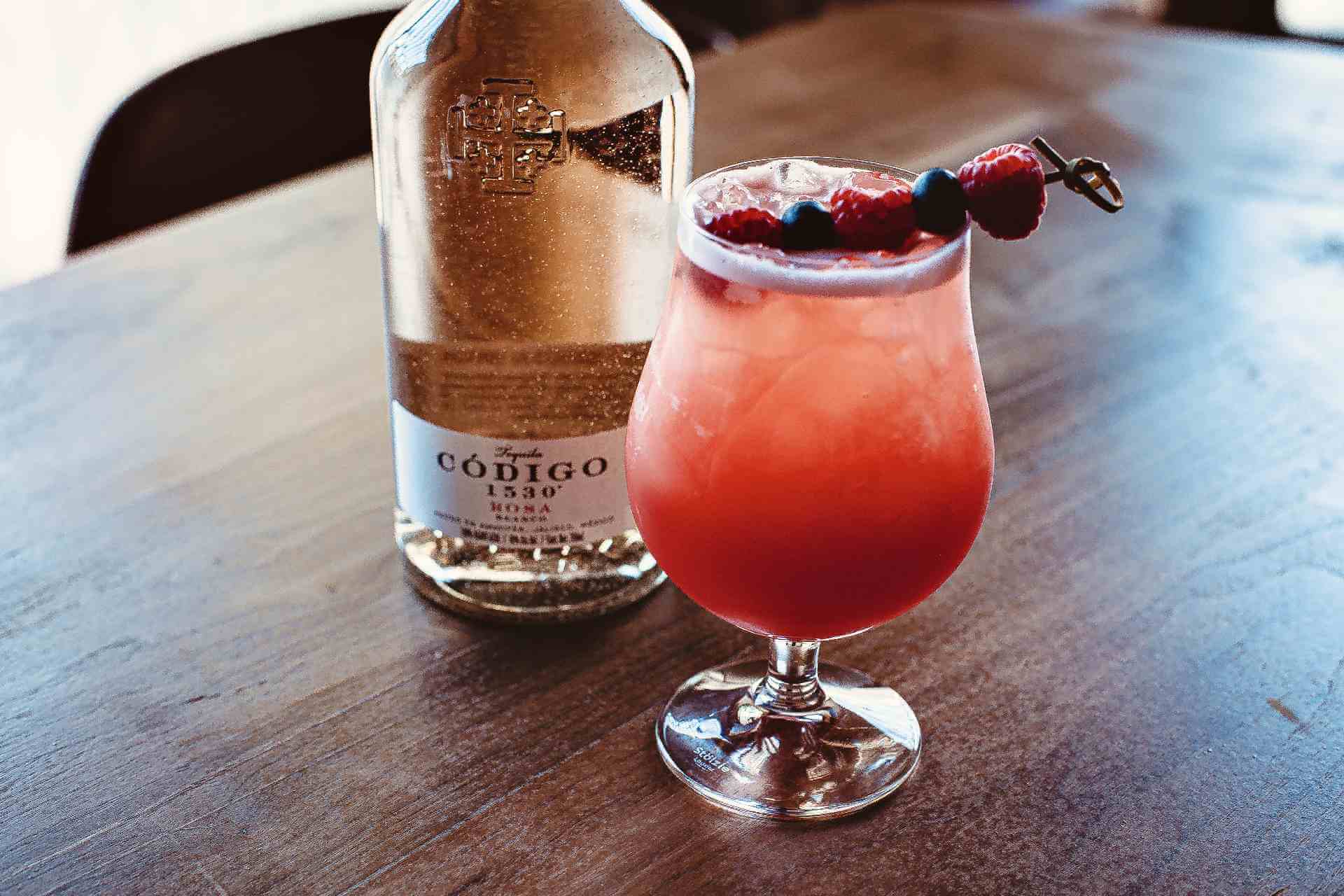
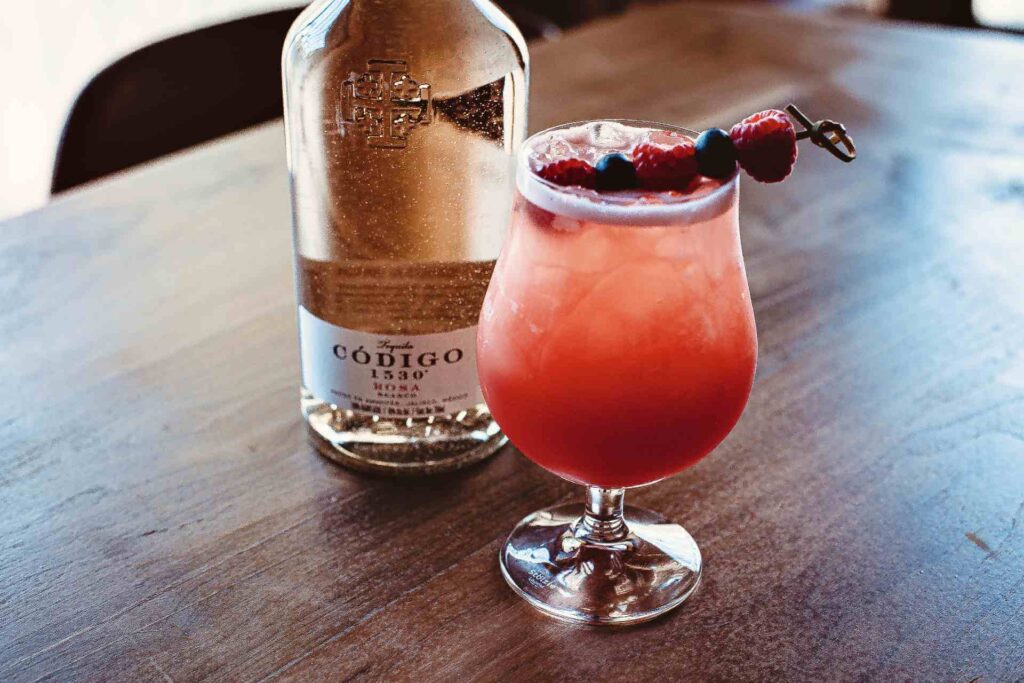
Código 1530 Tequila Rosa Blasberry Margarita

National Margarita Day is just around the corner and our friends at Código 1530 Tequila sent us five recipes for your cocktail menu.

For years, the Margarita has reigned supreme, steadily claiming the number-one spot on most-popular cocktail lists around the world. While this cocktail is now seeing its grip on the crown loosened by the Negroni and Old Fashioned, it’s hard to ignore the lure of a well-made Marg.

That’s even more true when its made with incredible tequila.

Each delicious, refreshing recipe below is made with super-premium Código 1530 Blanco or Rosa. However, you and your bar team should certainly experiment with other expressions in the range.

Considering the quality of Código 1530, operators can boost revenue by charging a premium for these magnificent Margs.

To learn more about Código 1530 Tequila and the creator of these recipes, company mixologist Collin De Laval, check out Bar Hacks episode 57.

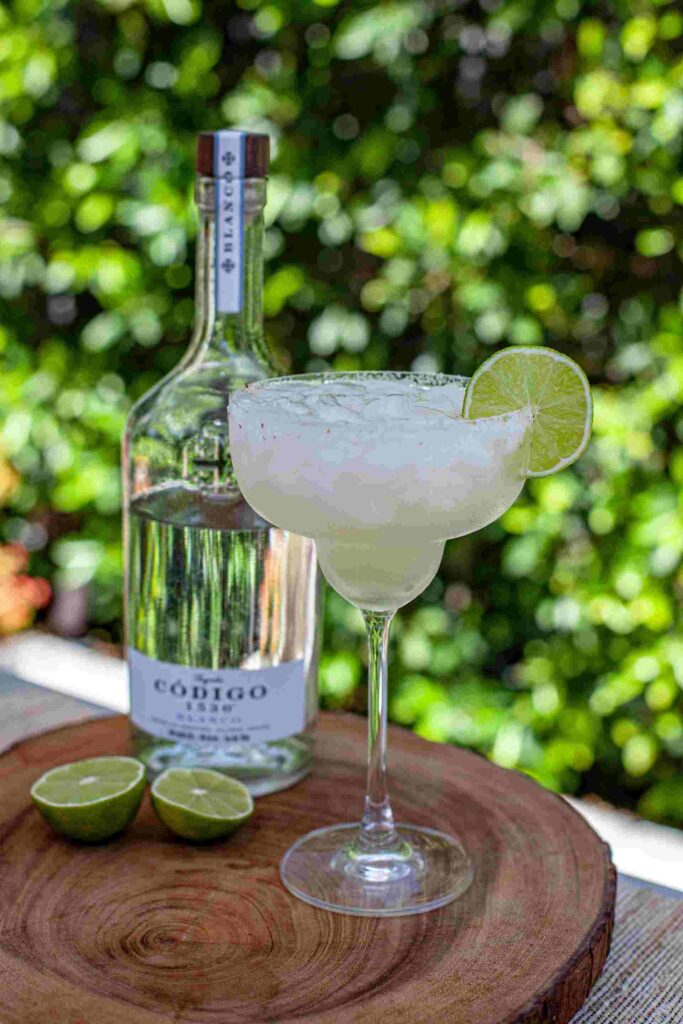
Código 1530 Tequila Blanco Margarita

Blanco Margarita

  • 2 oz. Código 1530 Blanco Tequila
  • 1 oz. Triple sec
  • 1.5 oz. Lemon juice (freshly squeezed, preferably)
  • 0.5 oz. Agave nectar
  • Lime wedge or wheel for garnish

Prepare a rocks glass by rimming it with salt. Combine all ingredients in a shaker with ice. Shake, pour into the prepared rocks glass with ice, and garnish with a lime.

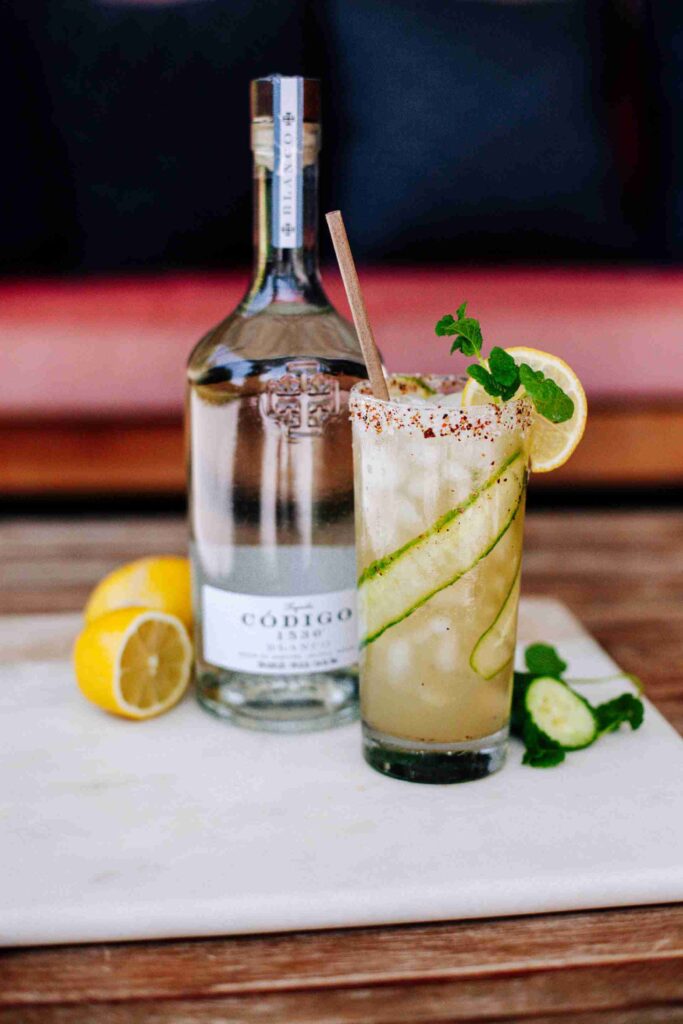
Código 1530 Tequila Cucumber Mint Margarita

Cucumber Mint Margarita

  • 1.5 oz. Código 1530 Blanco Tequila
  • 1 oz. Cucumber juice (freshly pressed, preferably)
  • 1 oz. Lemon juice (freshly squeezed, preferably)
  • 0.25 oz. Agave nectar
  • Mint leaves, some to garnish
  • Salt and Tajín (50/50 mixture for rim)
  • Cucumber ribbons to garnish
  • Lemon wheel to garnish

To build, prepare a glass by rimming with lemon and rolling in salt and Tajín mixture and adding crushed ice. Add Código 1530 Blanco, cucumber and lemon juices, agave nectar, and mint leaves to a shaker with ice. Shake, strain into prepared glass, and garnish with cucumber ribbons, lemon wheel, and mint leaves.

Código 1530 Tequila Rosa Blasberry Margarita

Rosa Blasberry Margarita

  • 2 oz. Código 1530 Rosa Tequila
  • 1.5 oz. Lime juice (freshly squeezed, preferably)
  • 0.5 oz. Agave nectar
  • Handful of raspberries, some to garnish
  • Handful of blueberries, some to garnish
  • Soda water to top

Add berries and lime juice to shaker, and muddle. Next, fill shaker with ice and add Código 1530 Rosa and agave nectar. Shake, strain, and garnish with berries.

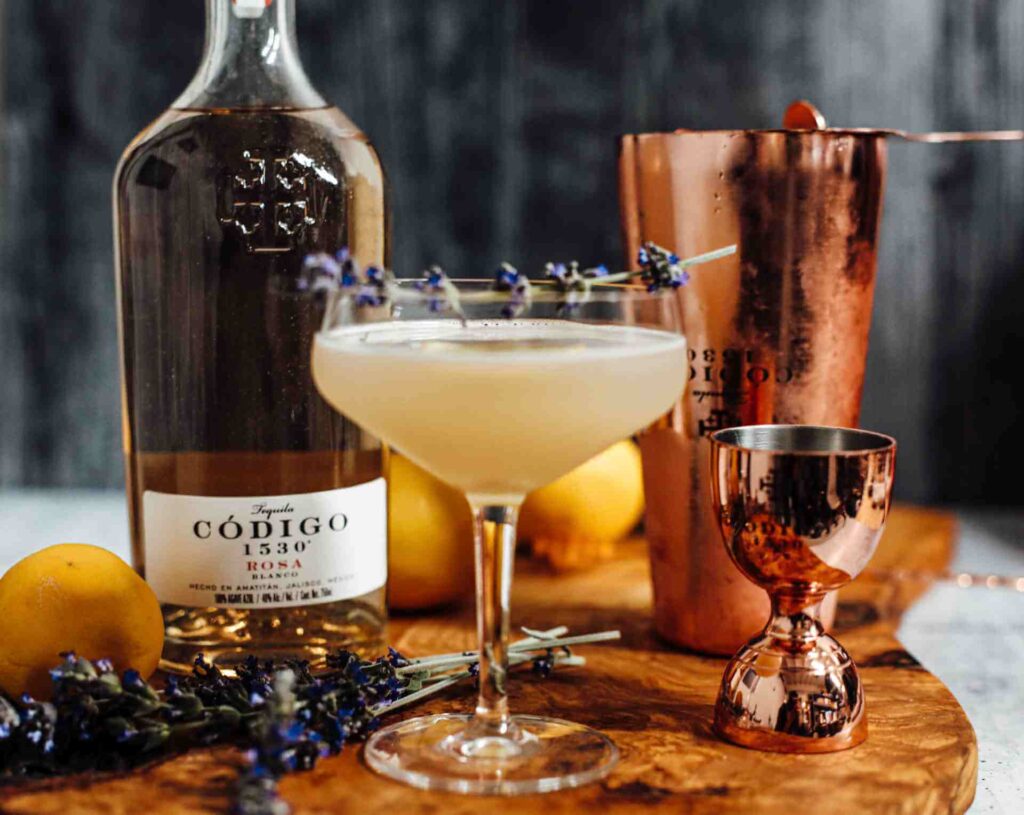
Código 1530 Tequila Rosa Skinny Margarita with lavender garnish

Rosa Skinny Margarita with Lavender

  • 2 oz. Código 1530 Rosa Tequila
  • 1 oz. Lime juice (freshly pressed, preferably)
  • 1 oz. Agave nectar
  • Lime wedge or wheel to garnish
  • Lavender to garnish (optional)

For this simple but refreshing Margarita, add the first three ingredients to a shaker with ice. Shake, strain, and garnish with lime wedge or wheel and lavender.

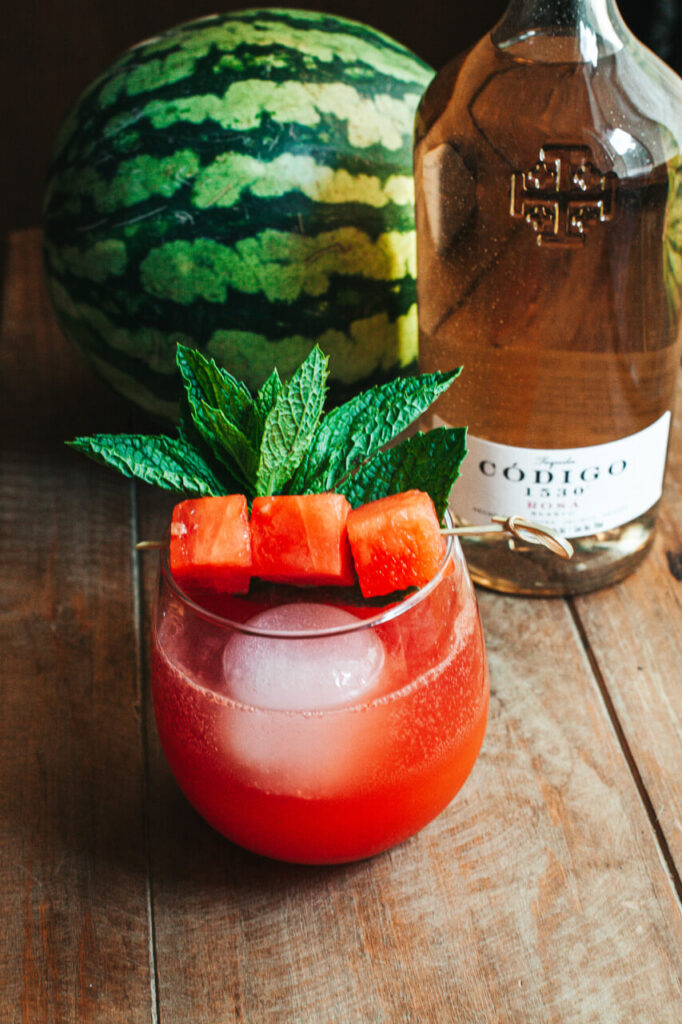
Código 1530 Tequila Watermelon Mint Margarita

Watermelon Mint Margarita

  • 2 oz. Código 1530 Rosa Tequila
  • 3 oz. Pressed watermelon juice (freshly pressed, preferably)
  • 0.75 oz. Lime juice (freshly squeezed, preferably)
  • 0.25 oz. Agave nectar
  • Watermelon slices to garnish

Fill a shaker with ice and add Código 1530 Rosa, juices, and nectar. Shake for 30 seconds, pour into glass, and garnish with watermelon slices.

Images: Código 1530 Tequila

by David Klemt David Klemt No Comments

Yes, Some Tequilas Have Additives

Yes, Some Tequilas Have Additives

by David Klemt

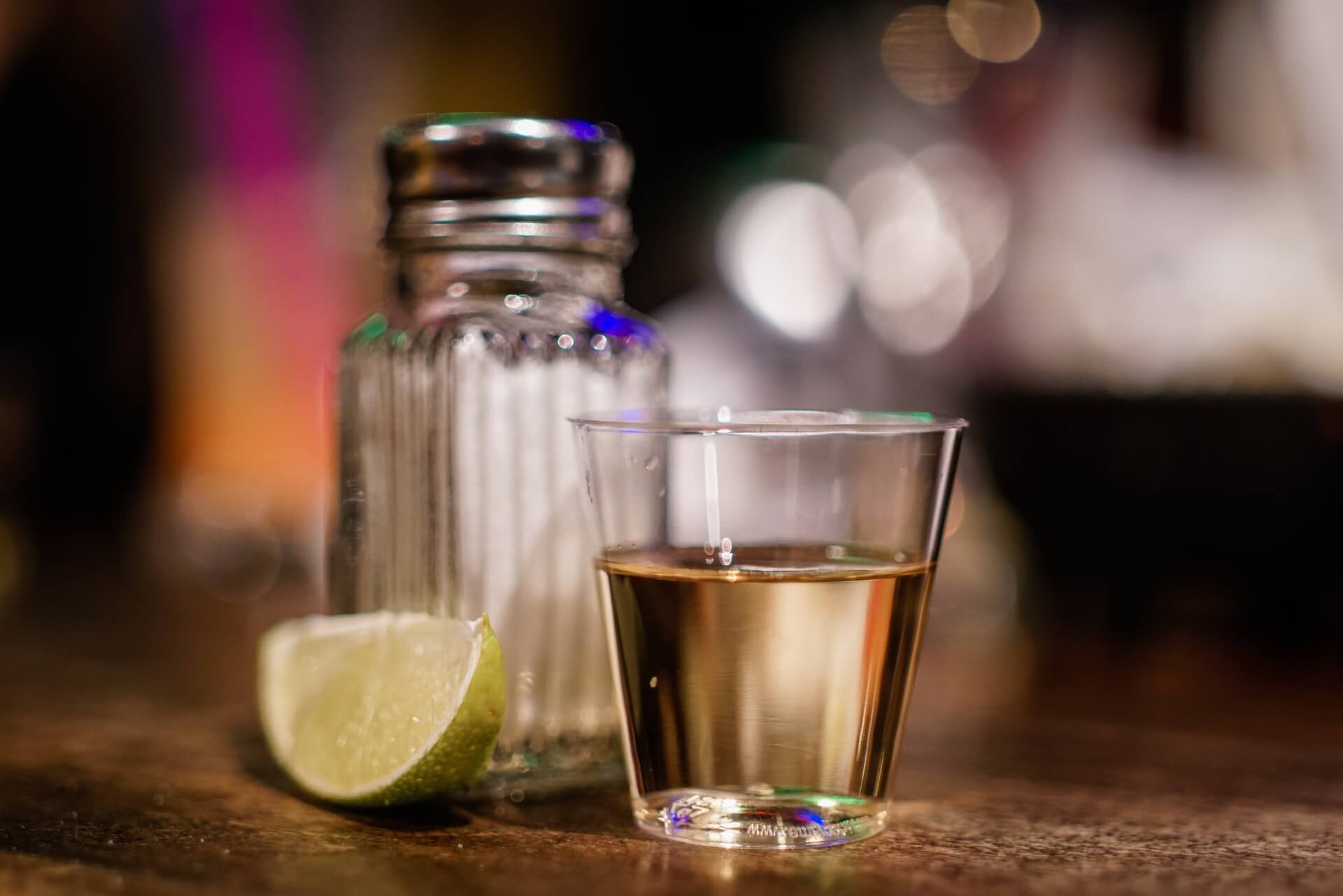
A shot of tequila served with salt shaker and lime wedge

The subject of additives in tequila—and lack of transparency on labels—isn’t new but recent social media posts are shining a light on the topic.

In particular, there are posts circulating about tequila producers using vanilla flavoring. Doing so, it turns out, is well within the Norma Oficial Mexicana (NOM) rules.

However, revealing it on labels? With some caveats, it’s also well within the rules not to mention additives.

Understandably, people want to know what they’re putting in their bodies. Increasingly, this has grown to include alcohol.

So, there are bar owners, bar managers, bartenders, and bar guests who want to avoid serving and consuming additives whenever possible. Of course, there are also guests out there who don’t care about additives in the spirits they drink.

Interestingly, though, there’s a collective of tequila distilleries committed to producing clean spirits. They have no interest in using additives.

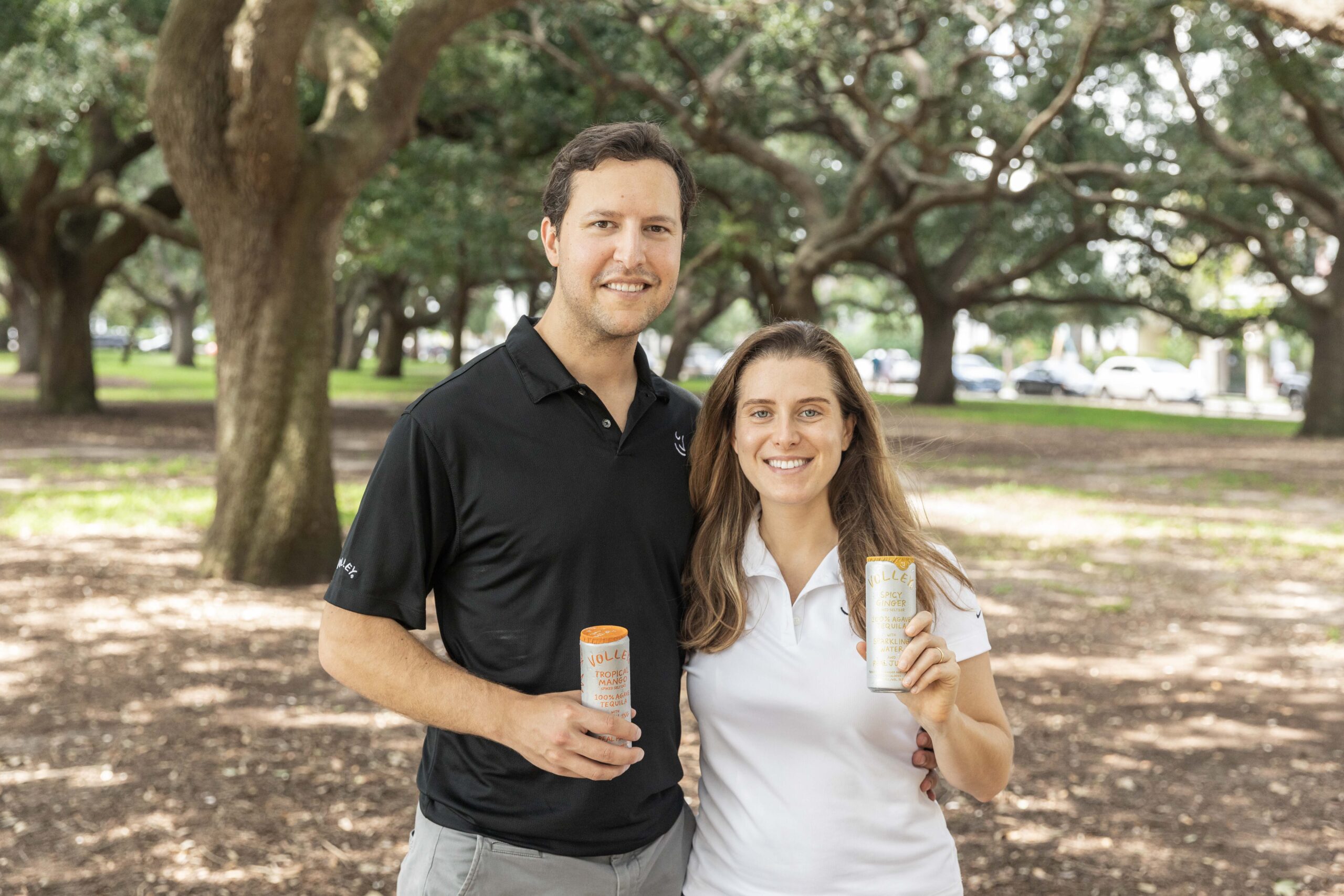
Chris Wirth alludes to these producers on episode 66 of the Bar Hacks podcast. He and wife Camila Soriano produce world-first clean tequila seltzer Volley.

Are There Additives in Tequila?

First, let’s be clear: Several categories of spirit permit the use of additives. Labeling transparency falls under the jurisdiction of different governing bodies.

So, it’s not like the use of additives is a scandal or exclusive to tequila. And, again, some consumers and hospitality professionals care, some don’t.

Additives become a problem when producers who use additives choose language on their labels and in marketing that suggest otherwise.

You see, tequila producers aren’t required to include additives on their labels if they don’t exceed one percent of total volume. NOM permits the use of glycerin, caramel coloring, “sugar-based” syrups, and oak extract in all tequilas except blanco.

However, there appears to be a loophole in NOM rules showing the use of additives in blancos is indeed permitted.

For those who don’t want to consume tequilas that use additives, brands that claim to be additive-free in their labeling and marketing present a problem. That’s because at best they’re just following the rules, but at worst they’re using the rules to be deceptive.

Why Does this Matter?

According to some in the industry, tequila may just kick vodka off its throne this year. In America, anyway.

Undeniably, that indicates increased consumer focus on tequila. It follows that a number of restaurant, bar, and nightclub guests will come across the topic of additives.

Some will want to know which brands are additive-free. This is where this topic should matter to operators and their bar teams: Guests don’t want to hear, “I don’t know.”

Luckily, there’s a resource out there that will help: Tequila Matchmaker. Hit that link, click the “Types” tab, and select “– Additive Free” from the dropdown.

As of this writing, you’ll find 266 bottles of additive-free tequila. Some of the brands you’ll find on this page are Código 1530, Tanteo, Fortaleza, El Tesoro, ArteNOM, Tears of Llorona, and Patrón.

Once more, this isn’t a scandal. Rather, this is an opportunity for operators to ensure they have some tequilas on their menu that are additive-free.

It’s likely the topic will come up and being prepared with a few recommendations will improve the guest experience.

Image: Francisco Galarza on Unsplash
by David Klemt David Klemt No Comments

The Cocktail that Won’t Die

The Cocktail that Won’t Die (Hint: It’s not the Zombie)

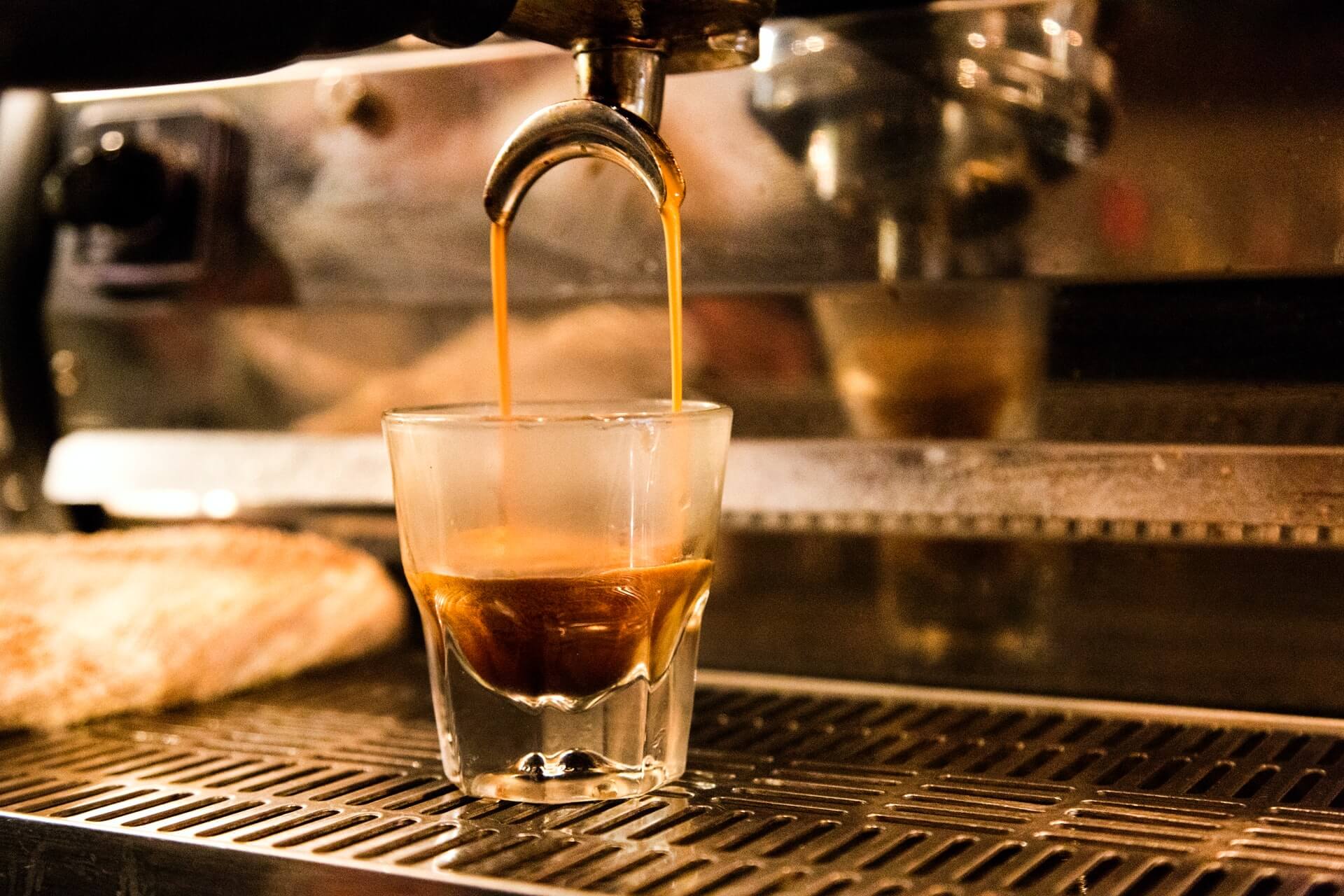
Brewing a shot of espresso

With Cafe Au Lait Day coming up toward the end of this week, let’s revisit a coffee cocktail that seems to see a resurgence every year.

When it comes to this drink, it seems to experience massive popularity for several weeks. Then, people seem to get sick of hearing about (and making) it.

From there, its popularity seems to fade, waiting for guests and bartenders to revive it once more.

And no, I’m not talking about the Zombie or a Corpse Reviver. I’m talking about the Espresso Martini.

Resilient, Revered, Reviled

Of course the Espresso Martini isn’t the only cocktail that can cause a bartender’s eyes to roll toward the back of their skull completely.

The Mojito, layered shots and cocktails, the infamous AMF, the Vodka Martini regularly find themselves on most-hated cocktail lists.

However, with its resurgence in 2021, the Espresso Martini is once again getting attention. Obviously, not all of it is positive.

While the origins of this drink are debatable, it sprang from the mind of a bartender in the ’80s. The caffeinated cocktail saw a spike in popularity in the ’90s. And at various points throughout the 2000s, people have “brought it back.”

Looking back at just the last few years, the Espresso Martini was woken from its slumber in 2018. Then, it rose like a phoenix in 2019. And last year it saw yet another surge.

So, is it a trendy cocktail? A mainstream drink? Are bartenders “bringing it back” every year or two now to rickroll the industry?

Or is this just a tasty cocktail that appeals to a wide range of guests, a modern classic that deserves its place on menus? Perhaps it doesn’t deserve all the hate it receives.

Why the Hate?

Of course, it’s possible that some of the hate aimed toward the Espresso Martini is clickbait fodder that won’t die. Maybe people just expect to find it on most-reviled lists, and it’s no more complex than that.

However, it’s possible that the Espresso Martini has earned a bit of the negativity thrown at it. When it makes any list, the ingredients themselves and build time are cited as reasons why bartenders dislike it.

According to these lists, bartenders also dislike having to shake hot espresso. Still others, supposedly, are offended that coffee flavor dominates and covers up the vodka, Kahlúa, Tia Maria, or other coffee liqueur.

Moreover, the Espresso Martini isn’t really a Martini: there’s no vermouth, no gin. So, it’s possible the negativity emanates from that technicality.

At any rate, you may want to dial in your Espresso Martini for Cafe Au Lait Day (Thursday, February 17).

No, there’s no milk in a traditional Espresso Martini build. But, as I stated just a moment ago, there’s no vermouth or gin in this cocktail either. Why not play fast and loose with yet another technicality on this bar holiday?

Image: Drew Beamer on Unsplash
by David Klemt David Klemt No Comments

Offbeat Bubbles for Valentine’s & Beyond

Offbeat Bubbles for Valentine’s Day & Beyond

by David Klemt

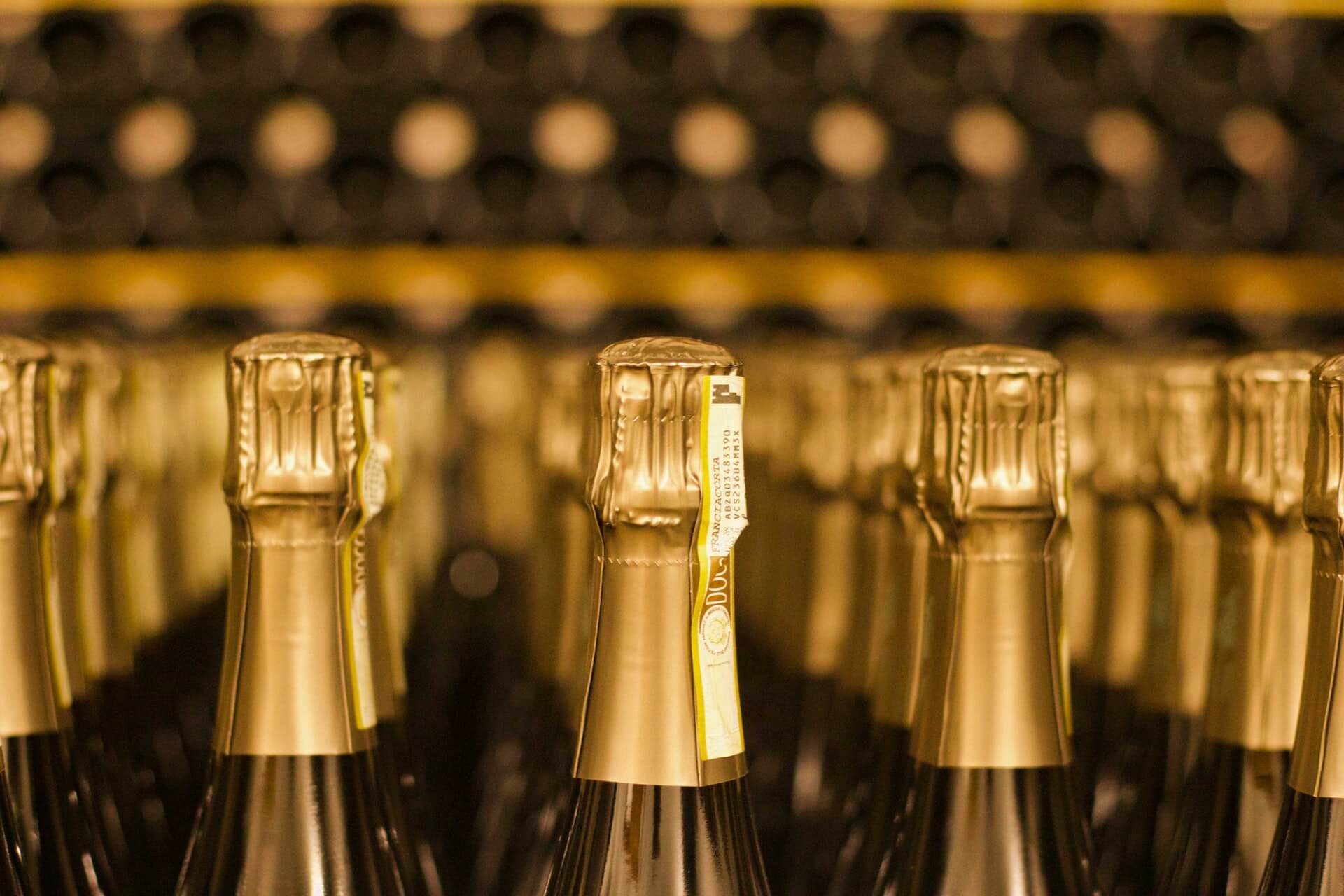
Bottles of Franciacorta sparkling wine in cellar

Why not add some eclectic bottles of bubbly that will grab your guests’ attention as they’re reading through your menu and electrify their senses?

Sure, Champagne still reigns supreme among sparkling wines. And operators should absolutely have bottles of champers on their menus.

However, offering the unusual can pay off big, boosting guest engagement and loyalty, in turn increasing visits and revenue.

So, let’s take a look into the unexpectedly wide world of sparkling wines.

Crémant

Want to make a Champagne producer or lover apoplectic? Tell them that the world’s most-famous monk, Dom Pérignon, stole the process of making sparkling wine.

That’s what some French sparkling wine producers outside of Champagne will tell you, anyway.

To be honest, there’s no way to know if Dom Pérignon learned the process in Limoux, a wine region in the Languedoc region of France, and “borrowed” it. However, we do know there’s evidence showing winemakers in Limoux were producing sparkling wine a century before winemakers in Champagne.

At any rate, Crémant and Champagne are made using the same method. Interestingly, though, Crémant tends to be creamier, brighter, and more refreshing. These wines are also usually less expensive than their Champagne counterparts. Sometimes, significantly so.

Also, Crémant is produced in eight regions throughout France and uses a wider variety of grapes. Think of it this way: Champagne must be produced in a specific region, Champagne. Crémant is methode traditionelle (a.k.a. méthode champenoise) sparkling wine made outside of Champagne.

Aussie Sparklers

To be sure, Australian winemakers produce a vast array of incredible wines. Their approach to sparkling wines is no exception.

Even more incredible is the wide range of prices these bottles command. You can find fantastic bubbly for as little as $5 (seriously), and of course there are bottles priced well over $100.

Some of the mostly highly sought-after and highest-rated bubbly comes from Tasmania. House of Arras is one example, and Jansz is another. The latter claims to be the first Tasmanian producer to use the méthode champenoise.

Another interesting detail about Australian sparkling wine? The number of bottles with “Prosecco” on the label. Many producers who make Australian Prosecco use the Charmat production method, just like the vast majority of Italian Prosecco producers.

When looking into these bottles you find some unique flavor notes like coconut and nougat. These should appeal to mora adventurous guests looking to try something different. On the other hand, these wines aren’t so different as to be unfamiliar and polarizing.

Franciacorta

This Italian sparkler is by no means a “new” type of bubbly. However, it is lesser known to many in North America.

If you have a guest seeking an alternative to Champagne that tastes similar, you would do well to steer them toward Franciacorta.

Made in the Lombardy region of Italy, these wines are produced utilizing the methode traditionelle, which is also known as methode classico in Italy. Three grape varietals are used to make Franciacorta: Chardonnay, Pinot Noir, and Pinot Blanc.

Looking at the grapes above, you can see why Franciacorta tastes similar to Champagne.

Brachetto d’Acqui

Another great methode traditionelle sparkler from Italy is Brachetto d’Acqui, produced in the Piedmont wine region of Italy.

One of its most prominent characteristics is its deep red color. Brachetto d’Acqui, you see, is made from one grape: Brachetto.

While made using the methode traditionelle, this wine is a frizzante rather than a spumante. The former is a semi-sparkling wine while the latter is a full sparkler.

These bottles will appeal to guests seeking a sweeter, less bubbly sparkling wine. And, as mentioned prior, the color can be quite striking.

Be Different

Adding lesser-known sparkling wines can help your restaurant or bar’s wine program stand out from the competition.

And since they tend to taste similar to Champagne, Prosecco, Cava, and Lambrusco to most North American palates, they’re not so unusual that guests will be afraid to try them.

So, this Valentine’s Day and the rest of the year, seek out eclectic bottles of bubbly. Doing so now will set you up nicely for the summer, patio weather, and brunch season.

Stocking up on different sparkling wines will also provide opportunities to improve your food experience. Remember, bubbles go great with chicken wings, burgers, pizza, and other bar foods.

Image: paola capelletto on Unsplash
by David Klemt David Klemt No Comments

Volley RTD: Clean, Lean & Green

Volley Tequila Seltzer: Clean, Lean & Green

by David Klemt

Chris Wirth and Camila Soriano, founders of Volley Tequila Seltzer holding cans of Volley

The founders of the world’s first clean tequila RTD, Volley Tequila Seltzer, are on a mission that values transparency and giving back to the planet.

Dynamic entrepreneurial duo Chris Wirth and Camila Soriano are the guests on episode 66 of the Bar Hacks podcast.

The two share the Volley story, including what drove them to create the brand and their mission.

Transparency is Challenging

It turns out that being transparent on your labeling isn’t as easy as it sounds. When it comes to beverage alcohol in the US, there are limits on what a brand can include.

You see, alcohol labeling isn’t the FDA’s purview. Rather, it falls under the authority of the Alcohol and Tobacco Tax and Trade Bureau, or TTB.

A little bit of digging reveals that when the Alcohol Administration Act was passed in 1935—two years after prohibition was repealed—the Federal Alcohol Administration was created.

This federal body replaced the Federal Alcohol Control Administration. The Federal Alcohol Administration had statutory powers and, as the name implies, had authority over the alcohol industry.

Seventy years later, the TTB was created and is the federal agency tasked with alcohol industry regulation. That means they control alcohol labeling.

So, when the FDA implemented nutrition labels, alcohol was unaffected. As far as the TTB is concerned currently, there’s no requirement for the labeling of alcohol similar to what’s required for packaged food.

But David, I bet you’re not asking, just because it’s not required doesn’t mean I couldn’t choose to include transparent nutrition labeling for my bottle of spirits or ready-to-drink canned cocktail, right?

Apparently, no—that’s incorrect. As you’ll hear in episode 66 with Soriano and Wirth, it’s not that simple. In fact, the TTB may reject your information-laden packaging for being too transparent.

Without policy changes, there’s no incentive for alcohol producers to be more transparent—and they may be prohibited from doing so.

Simple Changes are Impactful

All that said, Soriano and Wirth were able to introduce new packaging after just launching in 2020.

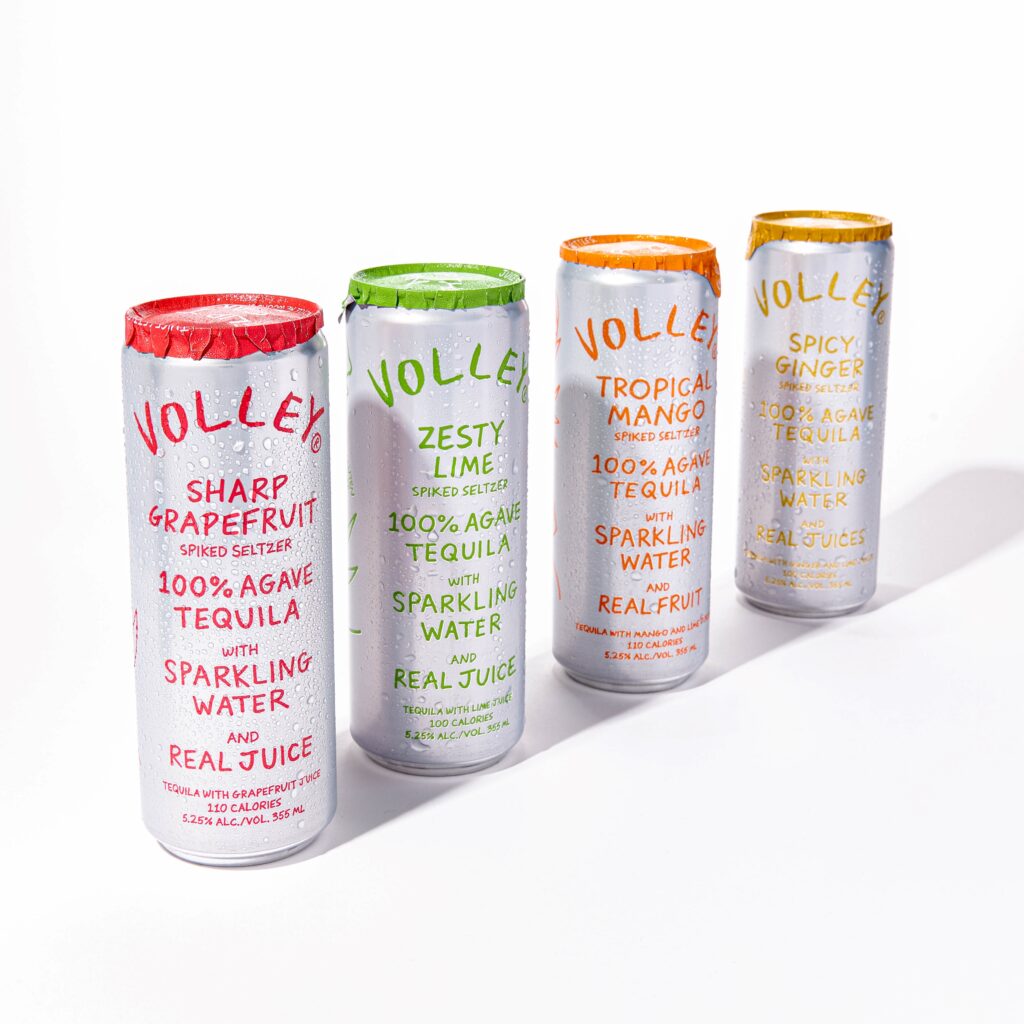
You may have seen people wipe off the tops of cans before opening and drinking from them. In fact, you may be one of these people. If so, great—you know why Volley now has foil covering the tops of their cans.

As Soriano explains on the Bar Hacks podcast, the tops of canned drinks are horrifyingly unsanitary. And as far she and Wirth are aware, Volley is the only canned beverage other than San Pellegrino with foil caps (in the US, anyway).

Volley Tequila Seltzer RTD can lineup with new foil packaging

This simple packaging change carries a big impact. Likewise, it fits with the brand’s identity and mission. The brand is driven to be healthier, more thoughtful, and more transparent.

A single 12-ounce can comes in at just 100 or 110 calories, depending on expression (there are four). All Volley RTDs are gluten-free and free of added sugars. You won’t find fermented cane sugar, corn syrup, fake sugars, essences, or “natural” flavors.

In fact, there are just three ingredients in a can of Volley: 100-percent blue agave tequila, 100-percent organic fruit juices (never from concentrate), and sparkling water. And yes, Soriano and Wirth can tell you exactly who their sources are for each ingredient.

Win-Win-Win Mission

That brings us to their drive to give back and be responsible stewards of the planet. Volley is in a partnership with Leave No Trace, a non-profit committed to caring for the outdoors.

If some industry experts are proven correct, 2022 will be the year that tequila dethrones vodka as the top-selling spirit throughout North America. Not only does Volley resonate with tequila lovers, the brand is also at the forefront of other trends popular with today’s consumer: sustainability, ethical business practices, active lifestyles, transparency, and healthier options.

Add the facts that RTDs make for excellent delivery order add-ons and can be served as quickly as a beer and you’ve got a no-brainer for your restaurant, bar, hotel or resort.

We love a brand that offers upside in droves. Volley is a win for consumers, a win for operators, a winning brand, and a win for the planet.

Disclaimer: Neither the author nor KRG Hospitality received compensation, monetary or otherwise, from Volley or any other entity in exchange for this post.

Image: Volley Tequila Seltzer

by David Klemt David Klemt No Comments

Stand Out with Weird Holidays: Feb. ’22

Stand Out with Weird Holidays: February ’22

by David Klemt

Stay Weird neon sign with purple background

Want to stand out from from other restaurants and bars in your area? Then commit to keeping it weird.

Several “holidays” are set against every date on the calendar, and February is no exception. These holidays range from mainstream to food-centric to weird.

Pay attention to the latter to raise eyebrows, carve out a niche for your restaurant or bar, and attract more guests. Why do what everyone else is already doing?

Of course, you shouldn’t try to celebrate every holiday, weird or otherwise. And this month’s list in no way includes every odd holiday.

Focus on the days that are authentic to your brand; resonate with your guests; and help you grab attention on social media.

For last month’s list, click here.

February 1: Work Naked Day

Actually, ignore this holiday. But wow, February is coming out swinging.

February 2: Play Your Ukulele Day

Does anyone on your staff play the ukulele? What about your guests? If you think you can handle it, encourage them to bring their ukuleles and throw down at your restaurant or bar. Live entertainment has never sounded so tropical.

February 7: E-Day

This holiday, contrary to what you may be thinking, isn’t about celebrating electronics, email, or vaping. Rather, E-Day is dedicated to honoring the mathematical constant e. Your Pi Day fans will likely appreciate you celebrating E-Day, which you can do by offering F&B items that begin with the letter “E.”

February 8: Laughy and Get Rich Day

If only it were that easy, eh? This holiday is all about having fun, having some laughs, and appreciating simple pleasures. If any holiday is about the pursuit of happiness and enriching our lives with fun and laughter, this is it.

February 15: National Gumdrop Day

With all the candies out there, do people still know about gumdrops? They can be traced back to the 17th century and were first written about in the 1850s. Talk about a throwback! If you can get your hands on some, they make great garnishes for the right cocktails.

February 18:  National Crab Stuffed Flounder Day

Do you have flounder? Do you have crab? And do you have a kitchen staff that can stuff the latter into the former? Then you have everything you need to celebrate but this simple, seafood-focused holiday.

February 22: National Cook a Sweet Potato Day

Of course, if you’re operating a restaurant—or a bar with a kitchen—you can cook more than one sweet potato. Rich in nutrition and flavor, sweet potatoes can be the star or an incredible co-star in a wide range of dishes. Come up with a sweet potato-focused holiday menu and promote it on social media.

February 24: National Toast Day

This holiday is great for featuring breakfast all day, breakfast for dinner, toasted sandwiches… You can also plan and execute an event during which you host a group toast with a specific drink. Cheers!

February 26: National No Brainer Day

Knowing your guests and community will really help you celebrate this holiday. If there’s a food or beverage item or a local custom or event you know your guests love, this is the day to create a promotion around it.

February 28: National Floral Design Day

It’s interesting that this holiday takes place two weeks after Valentine’s Day, a holiday that has traditionally involved giving or receiving flowers. Intended to celebrate the art of floral design, you can celebrate this holiday with edible flower garnishes. Such garnishes just happen to photograph very well for social media, so your guests can help promote your venue.

Image: Dan Parlante on Unsplash

by David Klemt David Klemt No Comments

Plant-based Performance is Nuanced

Plant-based Performance is Nuanced

by David Klemt

LikeMeat plant-based burgers in skillet with onions

The World Resources Institute is making the case that the success of plant-based products on-premise will require menu changes.

In particular, changes need to be made menu item descriptions. Drilling down even further, the language we use in descriptions is crucial to performance.

Simply put, just offering recognizable plant-based brands and their products isn’t enough.

Speaking to Guests

When it comes to plant-based food items, there are multiple consumer segments to consider.

For example, there are those who are all-in on plant-based. Targeting this group is easy—promote the fact that you have the products they want.

There’s also the previous group’s counterpart: uninterested in these food items. It’s likely you’re simply never going to convince them to even try plant-based menu items.

Of course, there are the consumers in between. If succeeding with plant-based menu items will translate to more guests engaging with your business, increasing traffic and revenue, speaks to your brand in an authentic way, and matters to the community you serve, these are the guests you need to win over.

But as stated above, simply putting Impossible, Beyond, LikeMeat, or other brands on your menu likely isn’t enough. This is something some fast-casual brands are experiencing. Plant-based performance, as evidence and anecdotes appears to show, is nuanced.

Announcing plant-based alternatives seems to result in a quick rise in sales. However, that initial interest doesn’t appear to last long. And when sales slow an operator either finds themselves sitting on stock, lowering prices, or both.

Again, if succeeding with plant-based items is good for your brand, you’ll need to do some work.

Language Matters

The World Resources Institute (WRI) addressed this topic last week via video presentation. Titled “Messaging that Works: Engaging Diners in Climate Action,” the nearly hour-long video states that language matters for plant-based buy-in.

A study conducted by the WRI found that “nudging” guests with the right messaging boosted plant-based sales. The institute tested ten “framing themes” with ten associated themes.

Two types of messages “came out on top by a long way,” according to presentation host Edwina Hughes:

  • Small change, big impact
  • Joining a movement

Per the WRI’s study, those two themes resulted in around double the demand for plant-based items as other themes.

The first theme speaks to a person’s personal agency, or their actions and the impact they can have on their own lives.

Joining a movement relates to social norms. In particular, suggesting something is a movement tells someone that there are like-minded people already engaged with this concept, product, lifestyle, etc.

Putting this to Use

Menu descriptions, table talkers, POS messaging, and social media can all play a role. Again, this is only if this is important to your brand and guests. If plant-based menu items aren’t authentic to your business, the “Small change, big impact” messaging may not be of interest to you.

For operators who want to succeed with plant-based items, the WRI presentation suggests a “nudge.” In relation to the first theme from above, the process would be:

  • Personal empowerment statement: A person can have a positive impact on the environment.
  • Easily attainable action: Substitute one meat-based meal for a plant-based one.
  • Easily understood personal outcome: A positive result that can come from their purchase.

When it comes to the movement theme, operators can use the following nudge, provided by the WRI as an example during their presentation:

“Ninety percent of Americans [size and/or relevance of group] making the change to eat less meat [group’s behavior] choose plant-based dishes that have less impact [call to action].”

Plant-based menu items aren’t really a trend anymore, but they’re also not quite mainstream. If they’re going to perform stronger in the QSR and other segments, they’ll need better messaging.

Additional Takeaway

The lessons learned from WRI’s presentation aren’t limited to the performance of plant-based menu items. Nudges can work for all manner of products in all types of concepts.

When you look at your menu with a truly critical eye, ask yourself:

  • Does it have attention-grabbing descriptions?
  • Do the descriptions accurately describe the items?
  • Would you be swayed by your descriptions?
  • Are there any calls to action?

If you can’t answer yes to most or all of those, your menu would likely benefit from revisions.

Your menu isn’t just a catalogue of food, drinks, and prices. Rather, it’s a powerful sales and marketing tool. Take the time to leverage it accordingly.

Image: LikeMeat on Unsplash
by David Klemt David Klemt No Comments

Bring the Heat: It’s Spicy Margarita Day!

Bring the Heat: It’s Spicy Margarita Day!

by David Klemt

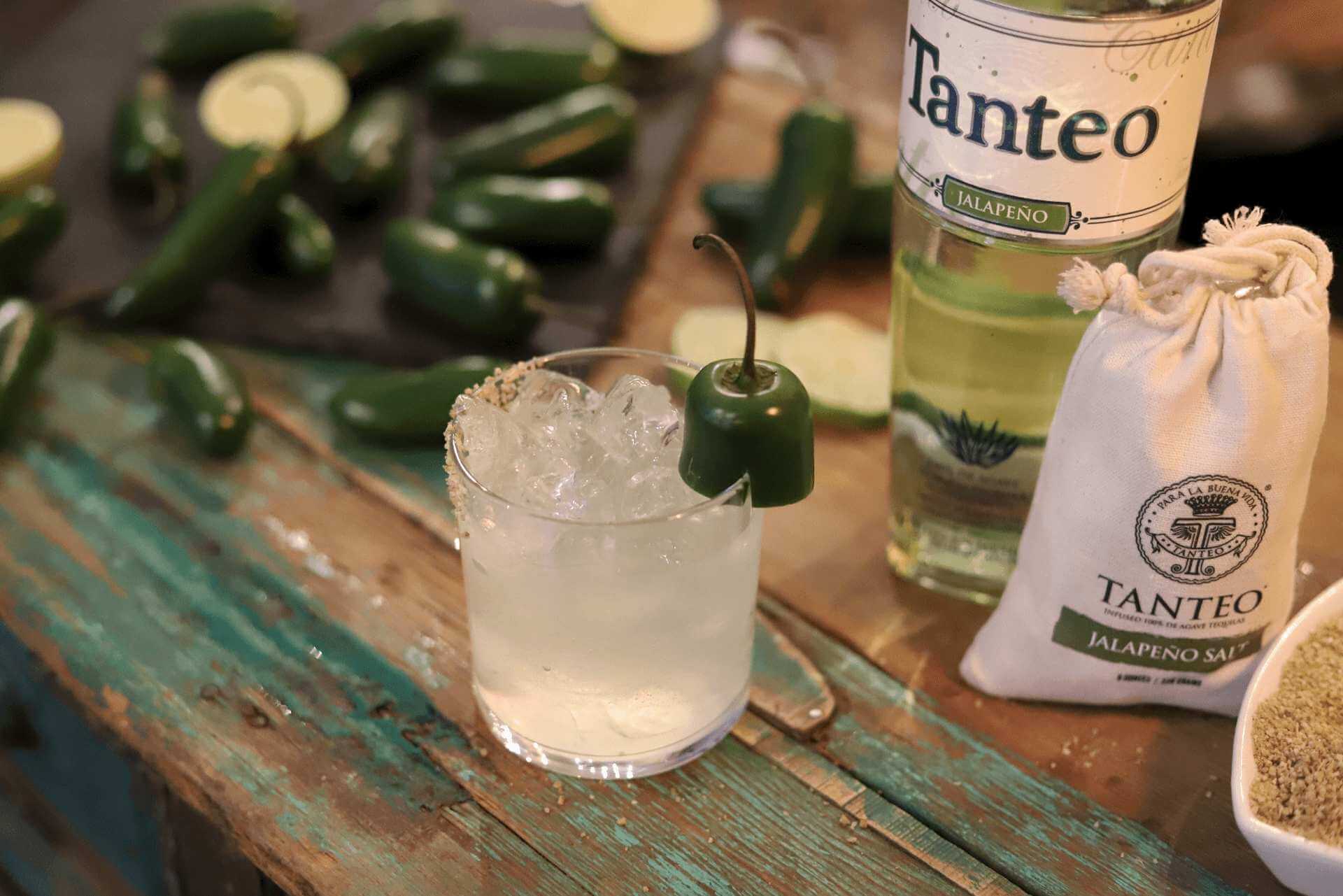
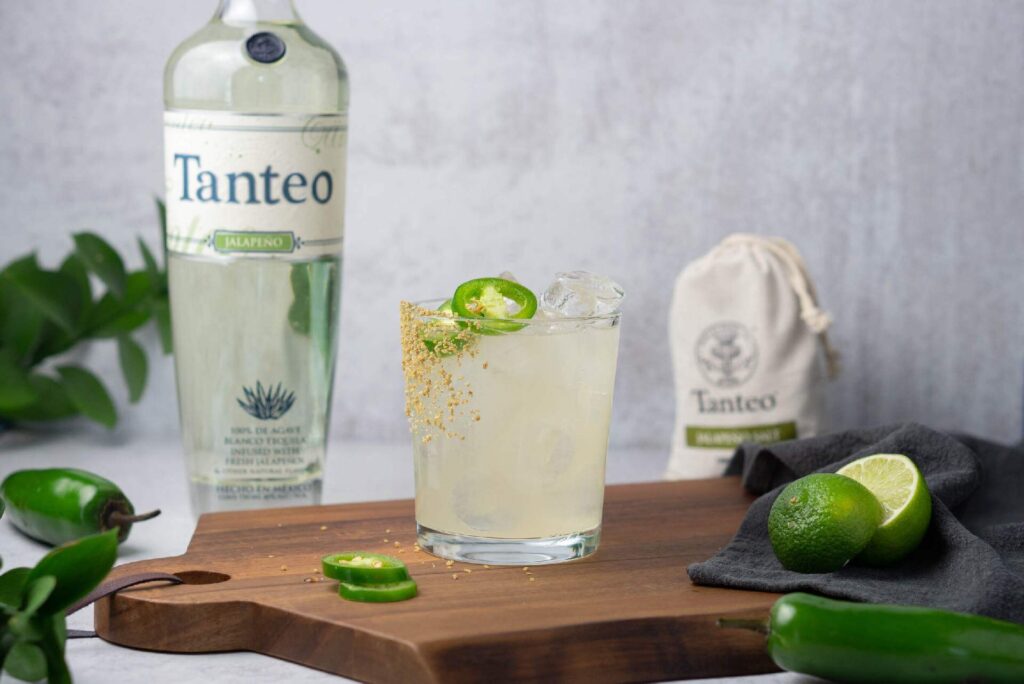
Tanteo Tequila Jalapeño Margarita made with Tanteo Jalapeño Tequila
Today is the day to dial up the heat and deliver some fiery flavors to your guests with spicy Margaritas.

Why? Because it’s the second annual National Spicy Margarita Day!

Originally known as Founder’s Day, this bar holiday comes to us from Tanteo Tequila.

Participation is easy enough, and even easier if you have Tanteo Jalapeño, Habanero, and Chipotle bottles.

Tanteo CEO and Master Blender Neil Grosscup explains the signature cocktail holiday on the Bar Hacks podcast. During episode 64, Grosscup shares that the inaugural celebration honored late Tanteo founder Jonathan Rojewski. The holiday also highlights the brand’s mission: Crafting a tequila that makes the world’s best spicy Margarita.

However, it’s not just about promoting the brand and their favorite cocktail. Rather, Tanteo leverages this holiday to encourage people to give back.

Sustainability Initiatives

As Grosscup explains on Bar Hacks, he and the Tanteo team value three forms of sustainability:

  • Economic
  • Social
  • Environmental

The Tanteo distillery’s ownership spans 84 agave-farming families. Tanteo Tequila is the 85th owner. This business model—the only distillery owned by a co-op of agave farmers—is an example of economic sustainability.

There are a few reasons for this approach. One of those is that it helps the farmers weather market swings. Indeed, agave is acutely susceptible to shifts in market value. When there’s too much agave, the value of a kilo of agave can plummet quickly. Another reason for the Tanteo co-op is transparency.

About 150 bars are participating in this year’s National Spicy Margarita Day. For every spicy Margarita made with Tanteo Tequila sold at these venues through January 30, $1 will go to a variety of waterway cleanup charities:

  • Chattahoochee Riverkeeper
  • Friends of the Chicago River
  • Friends of the LA River
  • Keep the TN River Beautiful
  • Ohio River Foundation
  • Orange County Coastkeeper
  • San Diego River Park Foundation
  • Trinity River Audubon Center
  • Un Salto Con Destino. This organization is cleaning up the Rio Santiago. The Tanteo distillery is in Juanacatlán, Jalisco, Mexico, and the Rio Santiago is crucial the surrounding community.

How to Participate

It’s a little late to join officially as a bar partner with Tanteo. However, that doesn’t mean you shouldn’t celebrate the holiday.

Serving up spicy Margaritas is always a great idea. One simple way to leverage National Spicy Margarita Day is to create a small specialty menu. With at least three Margaritas, you can boost the heat level of each version to appeal to different guest’s spice preferences. You can alter heat levels using different Tanteo expressions, infusions, bitters, syrups, etc.

Or, you can simply perfect your restaurant or bar’s signature spicy Margarita. Either way, promote your participation on across your social platforms.

Speaking of social, snap a pic of your Margarita(s) and use the tag #NationalSpicyMargDay. Notice the spelling: the hashtag uses “Marg,” not “Margarita.” For every social media post tagged #NationalSpicyMargDay, Tanteo will donate $1.

See below for three Tanteo spicy Margarita recipes. ¡Salud!

Tanteo Jalapeño Margarita

Tanteo Jalapeño Margarita cocktail and bottle of tequila

  • 2 oz. Tanteo Jalapeño Tequila

  • 1 oz. Fresh lime juice

  • ¾ oz. Agave nectar

Prepare a rocks glass by adding ice. Optionally, rim glass with Tanteo Jalapeño Salt or your signature blend. Add all ingredients to a shaker with ice. Shake well and strain into prepared rocks glass. Garnish with a lime wedge or jalapeño slice (or both).

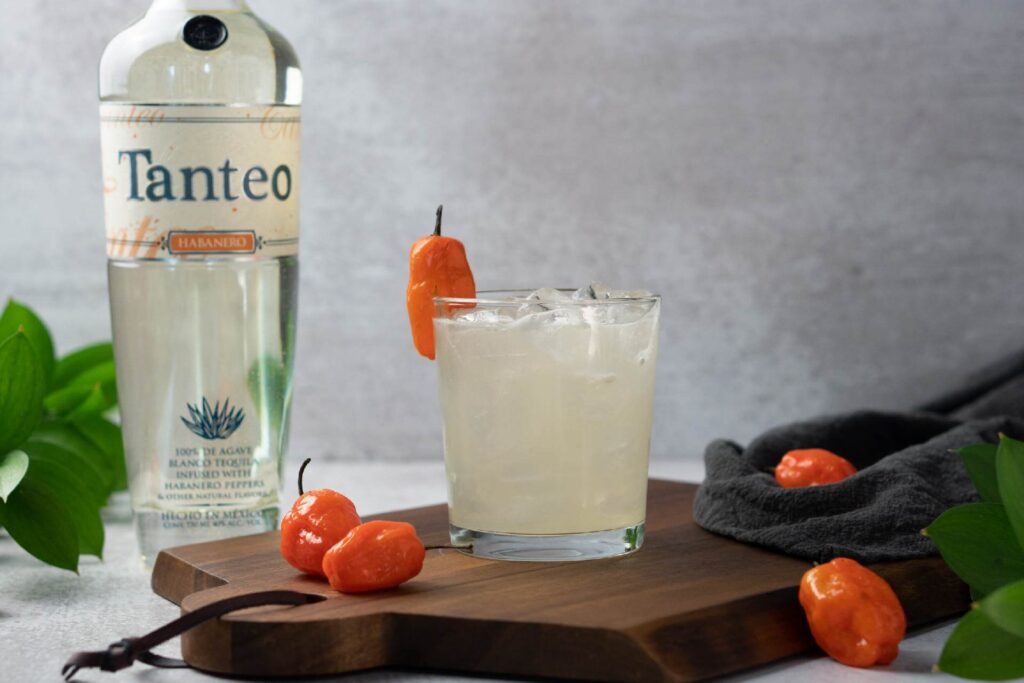
Tanteo Habanero Margarita

Tanteo Habanero Margarita on a board with habanero peppers with tequila bottle in background


  • 2 oz. Tanteo Habanero Tequila

  • 1 oz. Fresh Lime Juice

  • ¾ oz. Agave Nectar

Prepare a rocks glass by adding ice. Optionally, rim glass with Tanteo Jalapeño Salt or your signature blend. Add all ingredients to a shaker with ice. Shake well and strain into prepared rocks glass. Garnish with a habanero pepper.

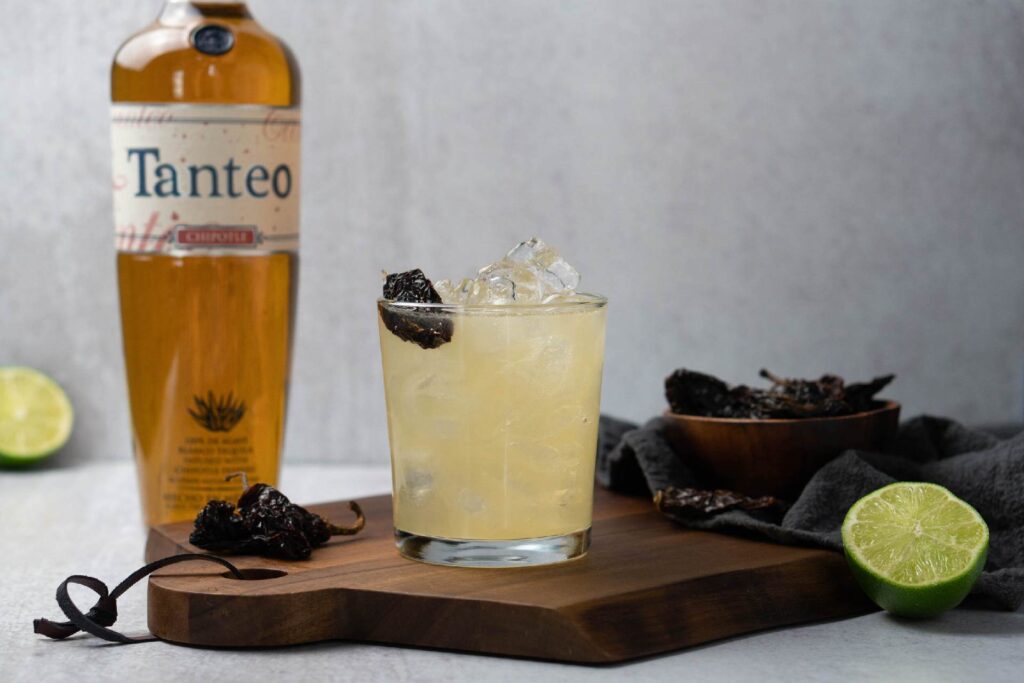
Tanteo Chipotle Margarita

Tanteo Chipotle Margarita in garnished rocks glass next to tequila bottle

  • 2 oz. Tanteo Chipotle Tequila

  • 1 oz. Fresh Lime Juice

  • 1/2 oz. Agave Nectar

Prepare a rocks glass by adding ice. Add all ingredients to a shaker with ice. Shake well and strain into prepared rocks glass. Garnish with a chipotle pepper, orange slice, or lime wedge.

Image: Tanteo Tequila

by David Klemt David Klemt No Comments

Launch of the Irish: Whiskeys You Want

Launch of the Irish: Whiskeys You Want in 2022

by David Klemt

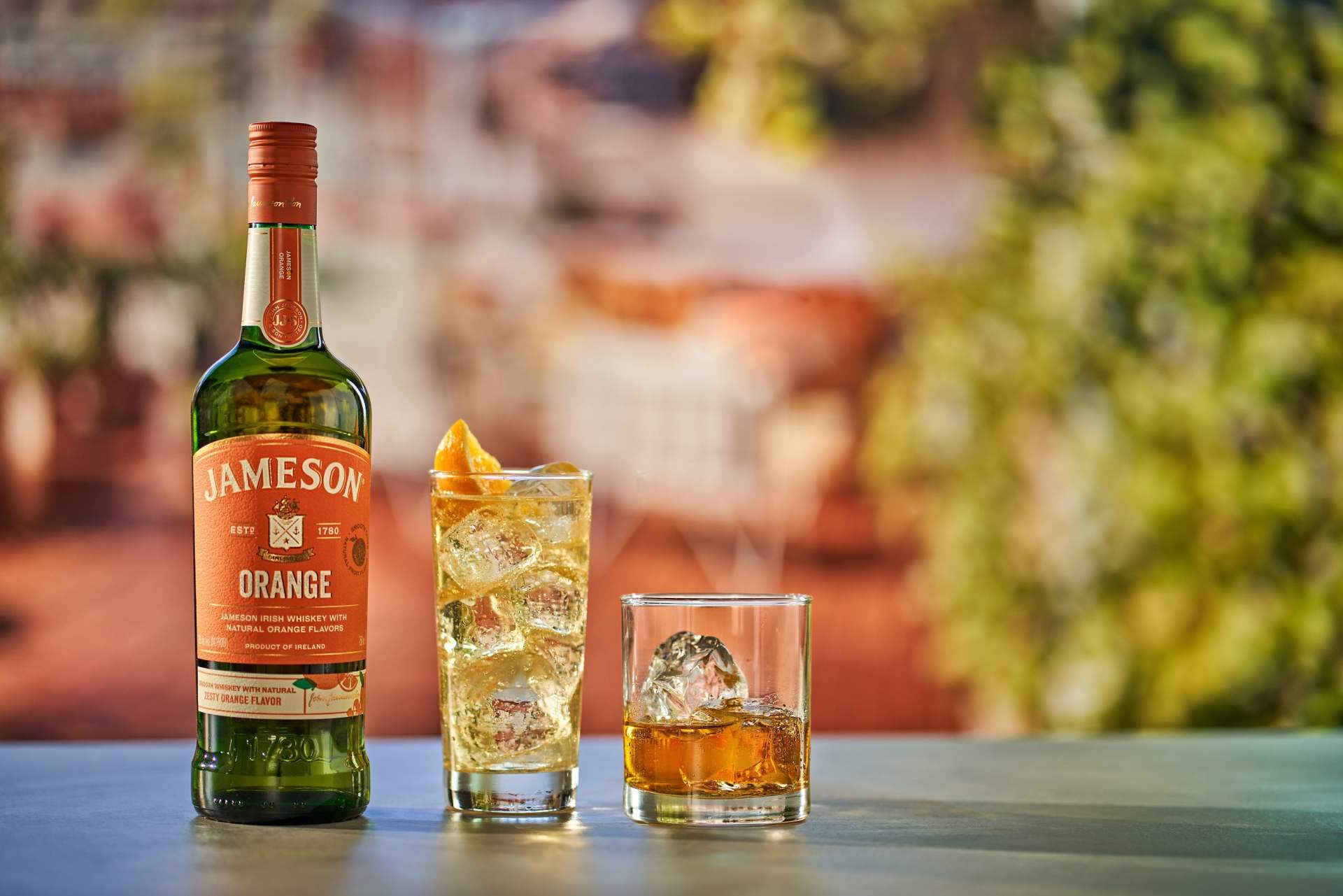
Jameson Orange Irish Whiskey bottle and cocktails

Tomorrow is National Irish Coffee Day. What better time to take a look at the Irish distilleries and releases to look out for in 2022?

From the looks of things, Ireland’s distillers are set to unleash a flood of enticing whiskeys this year. This bodes well for whiskey lovers, Irish coffee and St. Patrick’s Day fans, and your menu.

Below you’ll find ten bottles to update the Irish whiskey section of your menu. Sláinte!

Jameson Orange ($24.99 SRP)

From arguably the most recognizable name in Irish whiskey comes Jameson Orange . You can check out the bottle in the image above. With natural orange flavor, Jameson says Orange works well neat, on the rocks, and in cocktails. In particular, simple drinks like Jameson Orange and Cranberry.

Bushmills Causeway Collection 27-Year-Old Bourbon Cask ($745 SRP)

You can take two things away from this Bushmills bottle’s name. First, this ultra-premium Irish whiskey comes with hefty price tag. Second, the maturation process involves bourbon barrels. In fact, the first 21 years of maturing takes place in first-fill bourbon casks from Kentucky.

Tullamore DEW XO Caribbean Rum Cask Finish ($39.99 SRP)

Looking to switch things up with your tiki or nautical bar menu? Want to offer a new take on tropical drinks? Replace the rum with Tullamore DEW XO Caribbean Rum Cask Finish. To craft this unique expression, Tullamore DEW finishes their whiskey in former demerara rum casks, which impart notes of bananas, dates, and raisins.

Midleton Very Rare Dair Ghaelach Kylebeg Wood, Tree No. 2 ($352 SRP)

An important element of the whiskey experience—all spirits, ideally—is getting a taste of the region from which originates. With Dair Ghaelach, which translates to “Irish oak” in Irish or Scottish Gaelic, Midleton aims to deliver a taste of the heart of Ireland. They do this by finishing this expression in casks made from virgin Irish oak from, of course, Kylebeg Wood.

Method And Madness Single Malt ($95 SRP)

Micro Distillery in Midleton, Ireland, which you’ll find in County Cork, first laid this whiskey down in 2002. The liquid matures in bourbon casks before finishing in Fresnch Limousin Oak barrels. Expect cereal malt notes on the nose; barley, ice cream cone and cinnamon stick on the palate; and bon-bons on the finish.

The Pogues Single Malt ($24.99 SRP) and Blended ($28.99 SRP)

Yep—the Pogues. The Celtic band teamed up with Master Distiller Frank McHardy to craft two Irish whiskeys. Single Malt, packaged in a bold red bottle, offers a smooth sip with notes of chocolate, cinnamon, marshmallow, nougat, wood, and spice. The Pogues Blended Irish Whiskey combines grain and malt whiskeys, delivering dark chocolate, citrus, dark fruit, and spice on the nose and palate.

Roe & Co. ($29.99 SRP)

Straight out of Dublin, Roe & Co. produces creamy smooth, warm and inviting blended Irish whiskey. This bottle just may become a favorite among your guests on St. Patrick’s Day this year.

Micil Inverin Small Batch ($51.99 SRP)

This bottle comes from the first distillery to open legally in Galway, a coastal town on the west side of Ireland. Founder Pádraic Ó Griallais is a sixth-generation poitín (very generally speaking, “Irish moonshine”) distiller. The Scotch drinkers among your guests will appreciate the charred wood and peat characteristics of Iverin Small Batch. I would definitely try this in a Penicillin.

Sailor’s Home The Journey ($51.99 SRP)

Hailing from Limerick, Ireland, Sailor’s Home crafts four expressions of Irish whiskey. For this roundup, I’m sharing The Journey, a Gold Medal winner at the 2021 International Spirits Challenge. As the distillery suggests, this may become your guests’ new go-to Irish whiskey, and likely in short order. First, whiskey is aged in virgin American oak casks. The liquid is then moved to American bourbon barrels. Finally, that liquid is combined with malt Irish whiskey that was matured in American bourbon barrels and finished in Jamaican rum casks. As the distillery says, “No other Irish whiskey is made like this.”

Shanky’s Whip ($24.99 SRP)

Fine, this isn’t strictly an Irish whiskey. Shanky’s Whip is a blend of liqueur and Black Irish whiskey. Perfect for shooting, in a highball with cola, or dropped into a pint of stout.

Prices in USD. Image: Jameson 

by David Klemt David Klemt No Comments

Stories Sell: Whiskey Maturing and Aging

Stories Sell: Whiskey Maturing and Aging

Glass of whiskey neat against black background

The whiskey emoji in real life.

When it comes to tempting a guest out of their comfort zone or introducing someone to a new spirit, telling a compelling story is key.

Now, when we’re talking about whiskey, there are several directions the relevant stories can take.

We can focus on a distillery’s heritage and legacy. There are the histories of master distillers and master blenders. And there are innovations that pertain to maturing and aging.

Look, it’s been a heavy week. The National Day of Action to Save Restaurants took place on Tuesday. Half of this week’s KRG Hospitality were focused on that crucial campaign.

So, I think we need to end this week with something fun. Remember, when your guests are having fun at your venue, they’re more apt to order that second or third drink. Of course, a fun experience also encourages first-time guests to convert to loyal, repeat guests.

You know what’s fun? Checking out how distillers are innovating and crafting special releases. Many limited-run expressions leverage attention-grabbing maturing and aging techniques to stand out.

Below are a few unique expressions. Sometimes, short and snappy is the best sales approach. Quickly sharing how a particular bottle was matured or aged can sell a dram quickly and effectively.

Jefferson’s Ocean

This bottle, a “very small batch” blend of straight bourbon whiskeys, goes on journey before arriving in your guest’s glass.

How great a journey? According to Jefferson’s Bourbon, Jefferson’s Ocean barrels travel on the deck of a ship 25 ports across five continents. During this aging process, the barrels also cross the equator twice.

The result is a unique bourbon with hints of salted caramel popcorn, tropical fruit, and brine. In short, the salt air of the sea is captured in each barrel that takes this impressive trip.

Starward Two-Fold, Nova, and Solera

David Vitale, the founder of Starward Whisky, is the guest on episode 63 of the Bar Hacks podcast.

During his episode, Vitale explains that Starward matures in Australian wine barrels. And to make sure the Australian distillery gets the most out of these barrels, Starward sources them from wineries that are within a day’s drive.

Vitale calls Two-Fold the “Swiss Army knife of whiskies.” Working well neat, on the rocks, in cocktails (like a Two-Fold & Tonic, says Vitale), and with food. Nova, also matures in barrels once filled with Australian red wine. The result is a whisky that Vitale says makes the world’s best Manhattan.

For Solera, Starward takes a slightly different approach. The distillery utilizes the Spanish Solera method for this expression, as the name implies. However, to really deliver a dram that embodies its home, Solera is matured in former Apera barrels. Apera, an Australian fortified wine, is similar to sherry.

Starward Ginger Beer Cask

If ocean aging and wine barrel maturation doesn’t grab your attention, this bottle may at least get an eyebrow raise out of your and your guests.

Now, before I proceed, this is a highly allocated Starward expression. During his podcast interview, Vitale told me even he, the founder, only gets one of these bottles when they come up for release.

The 2022 Starward Ginger Beer Cask is the seventh bottling of this experimental expression. To craft this rare spirit, Starward brews alcoholic ginger beer (Vitale comes from the craft beer brewing world in Australia) and finishes their single malt whisky in those ex-ginger beer casks.

Expect strong, spicy, warm notes of ginger, along with candied citrus, dark chocolate, vanilla, and pineapple.

American Highway Bourbon

When country music superstar Brad Paisley went on tour in 2019, he brought along something unique. That special something? A world first: 90 barrels of whiskey inside a 53-foot trailer.

That “rolling rickhouse” traveled coast to coast across 25 states. The 90 barrels toured and aged with Brad Paisley for more than 7,300 miles.

When the tour concluded, the trailered whiskey was blended with three Kentucky bourbons to create Batch One: one three year, one 13 year, and one 15 year. American Highway Reserve, in collaboration with Bardstown Bourbon Company, was born.

Batch Two is coming in 2022. For this expression, the rolling rickhouse followed Paisley’s 2021 tour.

Each of the bottles above tell a unique, tempting story. Better yet, these stories can be told to guests quickly. Upselling is an art, and these bottles make it easier.

Image: Mathew Schwartz on Unsplash

by David Klemt David Klemt No Comments

Top 2021 KRG Hospitality Articles

Top 2021 KRG Hospitality Articles

by David Klemt

Page in Olympia typewriter with "2021" typed onto it

We’ve gathered the top KRG Hospitality articles from 2021 and separated them into five distinct categories: Food, Beverage, Operations, Marketing & Promotions, and Industry News

Food

Delivery and Takeout Food Trends for 2021: Canada

It should come as no surprise that interest in what food items Canadian consumers wanted to order for delivery and takeout skyrocketed last year. (link)

Delivery and Takeout Food Trends for 2021: United States

Obviously, owners, operators and management wanted to stay current on consumer food trends in the USA as well. (link)

Have a Slice of Nostalgia: The Return of Viennetta

Never underestimate the marketing, promotions, and profitability power of nostalgia. This is particularly true when people are seeking comfort. (link)

Beverage

Uncorked: 2021 Wine Trends to Watch

Understanding what wines are trending is an effective way to boost profits and overcome wine intimidation. (link)

Fever-Tree Cola: Set Aside Your Soda Gun

Outright eliminating soda guns may be a long shot. However, cocktails crafted using bottled craft ingredients can justify premium prices. (link)

These are the Drinking Trends to Watch in 2021

We may not have a crystal ball but we have the next best thing: Data. (link)

Operations

Container Kitchens: The New Footprint

Several industry experts and intelligence agencies predict smaller restaurant footprints moving forward. Container kitchens are certainly a viable method to shrink venue sizes. (link)

The Reality of Hiring Right Now

It really doesn’t need to be said but I’ll do it anyway: The labor shortage and “Great Resignation” are real. (link)

The 5 Ds of Bystander Intervention

Sure, great food and beverage are crucial to luring people in, wowing them, and converting them to repeat guests. However, so is the experience. A key element of a positive memorable experience is ensuring guests feel safe. (link)

SevenRooms Reveals Third Party Delivery Impact

The high-tech reservation platform shows what many suspected to be true: Direct delivery is better for operators than third-party delivery. (link)

Marketing & Promotions

How SevenRooms Improves Operations

Not only does SevenRooms make handling reservations easier, it also makes setting up marketing campaigns simple and effective. (link)

This Generation is Most Likely to Dine In

If you want to know who to market in-person dining to, here’s your answer. (link)

0.0 to 0.5 Beers to Know for Dry January and Beyond

Dry January (along with Damp January) is here to stay. This is a sampling of alcohol-free and low-ABV craft beers to offer Dry and Damp January guests. (link)

Industry News

I Tried the Mask Made for & by Hospitality

None of us enjoy wearing face masks. This mask is comfortable to wear and amplifies the wearer’s voice. (link)

What’s the RRF Replenishment Act?

Well, here’s one take on an answer to this question: It’s the bill to replenish the RRF that has made zero progress since June of 2021. (link)

Build Back Better…Without Restaurants or Bars?

The BBB Act was passed in November. Of course, it didn’t include the Replenish RRF or ENTREE acts. It’s much easier for politicians and lawmakers to say they care about and support our industry than actually prove it. (link)

Image: Markus Winkler on Unsplash

by David Klemt David Klemt No Comments

Moderation Movement: Damp January

Moderation Movement: Damp January

by David Klemt

Cocktail resting on a ledge in front of a window

Move over, Dry January, there’s yet another alternative to “traditional” alcohol consumption at the start of a new year.

As we know, Dry January consists of abstaining from drinking any alcohol for 31 days. Also known by the awkward name Dryuary, this annual practice continues to gain popularity.

However, not everyone is comfortable with this all-or-nothing approach. Instead, there are those who want to try Damp January.

What is It?

You’re likely already guessing how Damp January works. Rather than abstinence, participants practice moderation.

Generally speaking, that’s it—it isn’t a complex concept. However, there are many approaches to Damp January.

Some people set hard limits for themselves. For example, a wine drinker may resolve to only consume three glasses of wine per week. A beer drinker may choose to only have two beers from Monday through Friday.

Another approach is to determine how many full alcohol drinks one consumes on a weekend. Then, they decide to reduce that consumption by 50 or 75 percent.

However one chooses to participate in Damp January, the goal is reduction and moderation.

Is this a Fad?

In a word, no. Whatever label is put on it—moderation, sober curious, reduction—many consumers are looking to drink less alcohol.

Dry January was once seen as a fad. Instead, it’s safe to say it’s much closer to being mainstream.

Of course, time will tell if Damp January will earn as much buy-in as its abstinence-focused counterpart.

However, it’s easy to see how Damp January may become long-term behavior for some consumers.

What Does this Mean for Operators?

There are those who simply want to be more mindful of their alcohol consumption. Their goal isn’t to stop drinking alcohol, it’s to make lifestyle changes and reduce their drinking.

Sift through social media, forum and blog posts, and articles on the subject, and you’ll come across interesting motivations for moderation. In many cases, people point to alcohol playing a role in their social lives.

Of course, that means drinking with friends, coworkers, and family members at restaurants, bars, and nightclubs. They simply want to consume less alcohol per visit.

This doesn’t have to present as a threat to operators. The increasing popularity of alcohol-free beers, zero-proof spirits, and low-ABV options can prove profitable for a restaurant or bar’s bottom line.

Guests who making the decision to not consume alcohol or seek out low-proof options still want to socialize. They still want to visit bars and restaurants. More importantly, they want to feel comfortable in their choice.

So, it’s up to operators to ensure Damp and Dry January guests don’t feel alienated or mocked for reducing or abstaining from drinking. Providing low- and zero-proof drinks—and highlighting them on menus—shows these guests they’re welcome and supported.

Additionally, it’s crucial that these guests receive the same level of service and presentation as other people at your bar or restaurant. A little thought to make sure they’re treated the same will go a long way.

Image: Mathew MacQuarrie on Unsplash

by David Klemt David Klemt No Comments

5 Books to Read this Month: January ’22

5 Books to Read this Month: January ’22

by David Klemt

Flipping through an open book

This month’s fun and informative book selections will help you develop next-level culinary, beverage and leadership skills as we kick off 2022.

To review December 2021’s book recommendations, click here.

Let’s jump in!

Try Dry: The Official Guide to a Month Off Booze

For those who want to learn more about Dry January, Try Dry is an insightful resource. Of course, this book is also informative beyond the first month of the year. As living alcohol-free movement becomes more mainstream, it’s important for operators to understand the movement. Whether permanent or temporary, there are myriad reasons some guests decide against drinking alcohol.

Of Peats and Putts: A Whisky and Golf Tour of Scotland

During the pandemic, interest in golf skyrocketed. In part, this has led to increased interest in golf simulators, driving ranges, and nine-hole rounds of golf rather than full, 18-hole outings. Of Peats and Putts tells the story of golf and whisky in Scotland. A compelling read for operators looking to bring golf into their businesses.

The Way of the Cocktail: Japanese Traditions, Techniques, and Recipes

Not even two months on the market and already causing quite the buzz! The Way of the Cocktail comes from Julia Momosé, one of the minds behind Chicago cocktail destination Kumiko. From classics to new riffs, the recipes in this book are based on 24 micro-seasons.

Bourbon [Boxed Book & Ephemera Set]: The Story of Kentucky Whiskey

Clay Risen is considered an authority on spirits. In particular, he’s lauded as an expert on whiskey. Bourbon lovers will appreciate the Bourbon: The Story of Kentucky Whiskey box set for what it is: a definitive history of America’s native spirit. Along with profiles of Kentucky distillers, Risen has included interviews and photographs to tell the story of bourbon.

Amaro: The Spirited World of Bittersweet, Herbal Liqueurs, with Cocktails, Recipes, and Formulas

There are many reasons to love amaro. Bitter and bittersweet notes, complex flavor profiles, and their utility when it comes to crafting low-ABV cocktails are among those reasons. Amaro by Brad Thomas Parsons explores the rich history of amaro and includes over 100 recipes.

Image: Mikołaj on Unsplash

by David Klemt David Klemt No Comments

Stand Out with Weird Holidays: January ’22

Stand Out with Weird Holidays: January ’22

by David Klemt

Stay Weird neon sign with purple background

Want to stand out from from other restaurants and bars in your area? Then commit to keeping it weird.

Several “holidays” are set against every date on the calendar, and January is no exception. These holidays range from mainstream to food-centric to weird.

Pay attention to the latter to raise eyebrows, carve out a niche for your restaurant or bar, and attract more guests. Why do what everyone else is already doing?

Of course, you shouldn’t try to celebrate every holiday, weird or otherwise. And this month’s list in no way includes every odd holiday.

Focus on the days that are authentic to your brand; resonate with your guests; and help you grab attention on social media.

For last month’s list, click here.

January 5: National Bird Day

The Jungle Bird. Grey Goose. Famous Grouse. Redbreast. Eagle Rare. Wild Turkey. Kentucky Owl. Chicken wings. Duck fat. Use this holiday to feature your bird-themed cocktails, spirits, beers, and foods.

January 7: National Tempura Day

When it comes to 2022 trend predictions, comfort food is right at the top of many experts’ lists. And when it comes to comfort foods, battering and frying is always a winner. If you can batter and fry it, put it on your menu and promote it.

January 11: National Milk Day

This is the day to perfect and promote your milk cocktails. The Coquito, Bourbon Milk Punch, the Grasshopper, the Mudslide… National Milk Day is easy and fun to celebrate.

January 14: National Dress Up Your Pet Day

Does your business permit guests to bring their dogs or other pets to tag along when they visit? Encourage them to dress up their pets, and make sure you document the results on your venue’s social media channels.

January 19: National Popcorn Day

Is popcorn weird? No, of course not. Is tricking out your popcorn with seasonings weird? That depends on how creative you and your back of house can be. Think outside the popcorn tub, craft some intriguing popcorn flavors, and get your guests talking on social media.

January 20: National Get to Know Your Customers Day

Yep, I’m gonna encourage your strongly to collect the data of every guest who visits and spends money at your business. This would be a great holiday to launch or heavily promote your loyalty program.

January 24: National Beer Can Appreciation Day

Creative beer can design goes hand in hand with craft beer brewing. A lot of thought goes into beer can design and particularly eye-catching labels deserve more than a passing glance. Feature the most creative and attention-grabbing beers on your menu on National Beer Can Appreciation Day. And yes, you should definitely feature them on your social media channels.

January 29: National Corn Chip Day

Ah, the corn chip, a perfect vessel for hearty dips. They’re also ideal for walking tacos, a.k.a. tacos-in-a-bag. If you have corn chips and taco fixin’s, you can offer your guests walking tacos on National Corn Chip Day.

January 31: National Backward Day

There are several ways you can celebrate this day with your guests and staff. One simple but fun way to do so is to encourage your guests to dine in backwards order: dessert first, entrée, and then appetizer. Of course, you could print a specialty menu backwards but that runs the risk of annoying your guests. But still…interesting idea.

Image: Dan Parlante on Unsplash

by David Klemt David Klemt No Comments

Current Restrictions: Canada

Current Restaurant Restrictions: Canada

by David Klemt

Four disposable medical face masks in a pile

KRG Hospitality’s headquarters is in Toronto but we operate in three major Canadian markets: Alberta, British Columbia, and Ontario.

I was visiting the Toronto office, traveling from Las Vegas, when new restrictions were announced due to Omicron.

By the time I landed, I knew each province in which we operate would be at least discussing possible restrictions.

Alberta

The following restrictions apply to restaurants, bars, nightclubs, cafes, and pubs participating in the Restrictions Exemption Program (REP):

  • No more than ten people may be sat at one table.
  • Alcohol service must terminate by 11:00 PM.
  • These businesses must close by 12:30 AM.
  • Billiards, dancing, darts, and other “interactive” activities are prohibited.

As a refresher, the REP program requires operators to require patrons age 12 and above to:

  • provide proof of vaccination, negative results from a test taken within 72 hours of service, or medical exemption; and
  • comply with mandatory masking.

Alternatively, operators can comply with all restrictions as outlined in Alberta’s public health orders.

However, businesses not participating in REP face the restrictions below:

  • Indoor dining is prohibited.
  • Outdoor dining is permitted. No more than six people may sit at the same table.
  • Groups are restricted to one household or two close contacts (for those living alone).
  • Alcohol service must terminate by 10:oo PM. Consumption must conclude by 11:00 PM.

British Columbia

At the time of publication, restaurants, cafes, and pubs can still offer both indoor and outdoor dining.

However, there are restrictions in British Columbia:

  1. No more than six people may be sat at one table.
  2. When not seated, guests must wear face masks.
  3. Guests may not move to between tables, visit other tables, or dance.
  4. Indoor gatherings are limited to 10 people (down from 25).
  5. Outdoor gatherings are limited to 25 people (down from 100).
  6. Operators must maintain physical distancing or barriers between tables.
  7. Alcohol can be served during normal service hours.

Unfortunately, bars, nightclubs, and lounges aren’t facing restrictions, they’ve been forced to close.

These restrictions and closures will remain in place until January 18, 2022. Exceptions include bullet points 2 and 3, which are expected to remain until January 31, 2022.

Ontario

As of December 19, 2021, restrictions that impact restaurants, bars, strip clubs, and other food or beverage venues went into effect:

  • Capacity reduced to 50 percent.
  • No more than 10 people may sit at one table.
  • Guests must remain seated. Only performers or workers may dance.
  • Venues must close for indoor and outdoor dining and drinking by 11:00 PM. However, businesses may offer delivery and takeout past that time.
  • On-premise alcohol sales are prohibited after 10:00 PM. Consumption of alcohol on-premises is restricted after 11:00 PM.

It’s crucial that operators and leadership teams remain up to date on their province’s (and city’s) restrictions. At the start, 2022 will be challenging but opportunities for recovery will present themselves

Image: Markus Winkler on Unsplash

Top