Lodging

by David Klemt David Klemt No Comments

Seemingly Simple: The French Fry

Seemingly Simple: The French Fry

by David Klemt

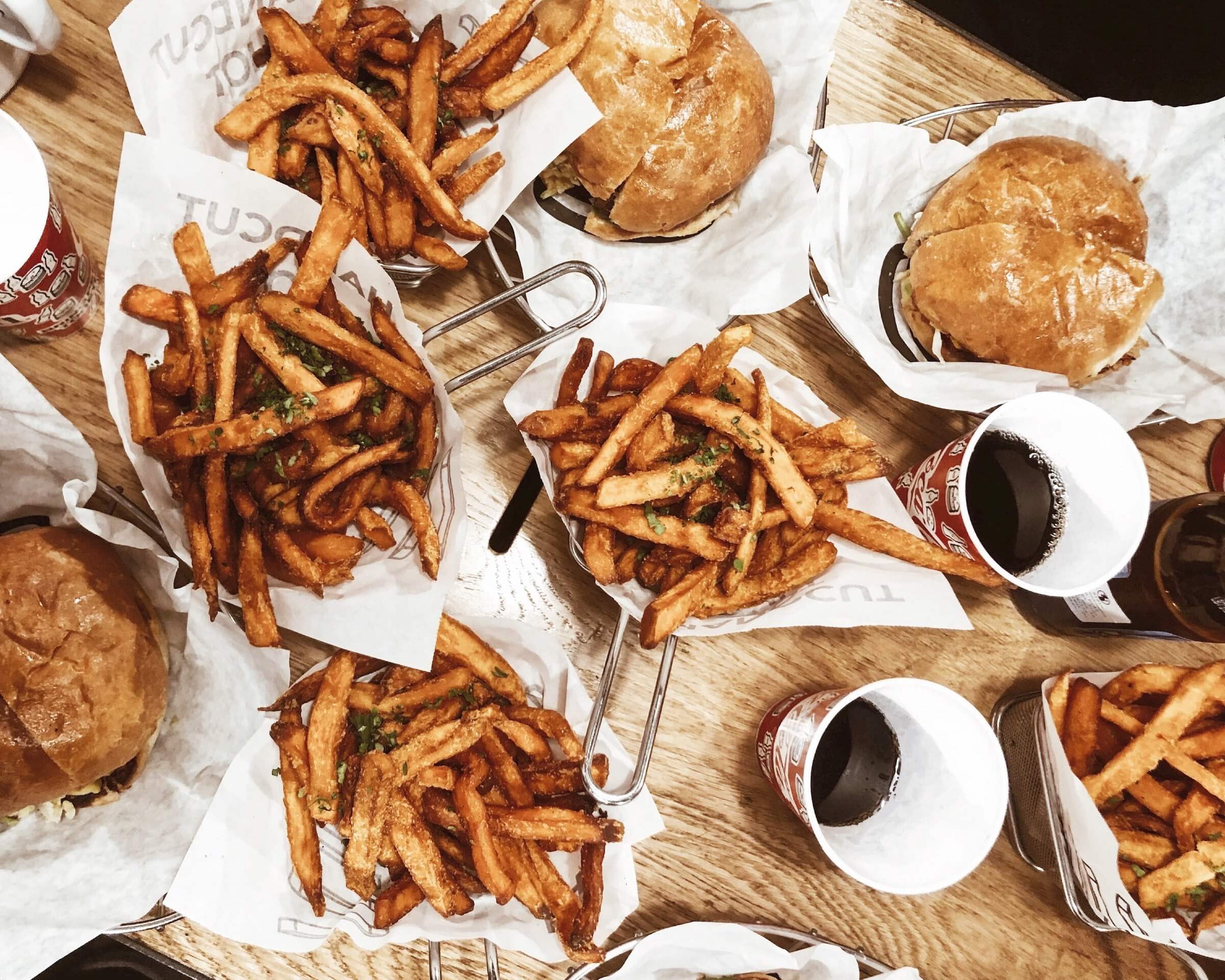
French fries and sandwiches in baskets

We celebrate the humble French fryat once a living legend and deceptively simple sideon Thursday, July 13, National French Fry Day.

Now, I know I tend to dive into the history, disputed or not, of a given item when a holiday comes around. However, that’s not the point of this article.

Of course, I could easily point out that this iconic item’s origins aren’t settled history. That Belgium claims ownership as of 1680. Or that Chile may have beaten Belgium by 61 years. And that France gets credit because the recipe for “modern” French fries appear in the cookbook La Cuisinière Républicaine from 1775. I’m not even going to get into the debacle that was 2003’s Freedom Fries…

Again, that’s not the point. Whether you call them French fried potatoes, French fries, fries, pomme frites, or chips, they’ve been around for anywhere from 400-plus to almost 250 years in some form.

And still they manage to confound many a cook.

We’ve all gotten an order of flaccid, cold, mushy or otherwise cheerless chips. And we’ve all managed to muscle down at least a handful of those dismal, forlorn fries, each soggy bite driving us deeper into despair.

Okay, that may be the tiniest bit dramatic. My point is, French fries are deceptively simple to get just right. And a subpar fry canlet’s face it, will—ruin a guest’s perception of a restaurant. They may return, but they’ll be apprehensive.

Fry Infatuation

If you thought maybe I’d try to create a portmanteau like “infrytuation,” I did think about it. But that would be far too silly, even for me. I wouldn’t even type such a thing out loud.

Anyway, we may not know the origin of fries or chips for a fact. But we do know that for the most part, people love a fry. Those who don’t, well, they’re not to be trusted. Should you come across such a person, grab a handful of friesor the entire basketand run away. You don’t need that kind of negativity in your life.

But why? Why do we love a fry?

Perhaps it’s the versatility. They complete many a limited-service restaurant or QSR meal. At this point, the “bag fry” is almost its own varietal.

They’re at home at a dive or neighborhood bar. But they’ll also step up and accompany a steak at a French bistro or steakhouse. Fish house, shack or upscale seafood restaurant? Pleasefish and chips are a power couple comfortable in any environment.

Speaking of versatility, chips are also happy to indulge a chef or cook’s most debaucherous thoughts. A vessel to carry short rib, cheeses, and an array of seasonings? They’re down.

Of course, it’s likely that fry popularity comes down to comfort. A hit of salt, fat, heat, crispness, and creaminess? That’s at the bare minimum. Toss on some parmesan or pecorino romano and that hit of dopamine doubles, at least.

Chip Tips

One professional, personality, and purveyor who knows his way around a French fry is Chef Brian Duffy.

Indeed, he takes fries seriously. So seriously, in fact, that he has promoted Lamb Weston for several years. For the unfamiliar, America-based Lamb Weston is on of the biggest producers of French fries in the world.

One of their products, the Extra Crispy series of fries, retains crispness for 30 minutes.

Chef Duffy also understands the importance of fries. They can, as stated above, make or break a guest’s visit.

Additionally, as you can see in the Instagram post below, Chef Duffy certainly sees the humble fry as a blank canvas for experimentation.


View this post on Instagram


A post shared by Chef Brian Duffy (@chefbriduff)

Given his strongly held views on fries, I reached out for his thoughts. And, of course, Chef Duffy didn’t disappoint. If you want to master your fries, take the Duffified approach.

Make sure you’re following Chef on Instagram, Facebook, Twitter, and Pinterest. From knife skills to thoughts on seasonings and techniques, you’ll gain helpful culinary insights. Oh, and he’s funny, too.

Duffified Fries

Elevate your French fries. Realize that they’re not “just” a side dish and therefore an afterthought.

For many brands, their fry is a calling card. That “card” can either tempt people through your doors or warn them to stay away.

Are they seasoned well?

Fries are seasoned perfectly when seasoned within 3-5 seconds of being removed from the fryer. Create a fry seasoning that has a good salt-to-seasoning ratio. My Fry base is 1 cup sea salt, 1/8 cup fresh ground black pepper, 1/2 cup onion powder, 1/4 cup garlic powder, 1/8 cup dark chili powder.

Are they crispy?

A good quality fry holds its crispiness for 10 to 15 minutes, unless it’s designed with a coating like a Crispy on Deliveryfry from Lamb Weston that can stay crispy for up to 30 minutes. There’s nothing worse that taking that first bite and having a cold, soggy fry.

Are they hot?

A hot fry has a creaminess in the center that enhances the ultimate experience of the fry. Having that crispy exterior and creamy interior ensures a perfect fry!

Hand-cut fries.

Let’s be real: They’re amazing within the first few minutes. But anything longer than that is a soggy fry, rarely cooked perfectly due to the labor involved and the variations between the type of potato, the time of the year, and the starch to sugar content. It’s just a super inconsistent product unless it’s a huge focus for your concept. I’d stay away.

What are your sauces?

Just ketchup? Just ranch? Make up a few new dipping sauces that will assist you in creating a fry program that isn’t just as a side. Three different fry cuts and three different sauces are now a $14 appetizer that will make people happy.

Choose a fry or a fry program that matches your concept!

Is it a wedge, a concertina, a waffle, a dipper or a steak…? Choose wisely because the wrong fry can take your menu from great to, “Well, that sucked.”

Takeaway

Speaking of featuring fries as a premium appetizer that justifies a premium price, Chef Duffy has a couple of ideas.

One, a fry board. We’ve seen cheese boards, meat boards, pretzel boards… Why not fries?

Sift through Instagram and you’ll also find a Chef Duffy take on build-your-own nacho fries.

Get creative. Don’t just have fries, engage your kitchen and have them build a fry program. Innovation draws people in and converts them to loyal, repeat guests while justifying premium pricing.

Image: Vincent Rivaud on Pexels

Disclaimer: Neither the author nor KRG Hospitality received compensation, monetary or otherwise, from Lamb Weston or any other entity in exchange for this post.

KRG Hospitality menu development. Restaurant. Bar. Cafe. Lounge. Hotel. Resort. Food. Drinks.

by David Klemt David Klemt No Comments

The 2023 HD Award Finalists and Winners

The 2023 HD Award Finalists and Winners

by David Klemt

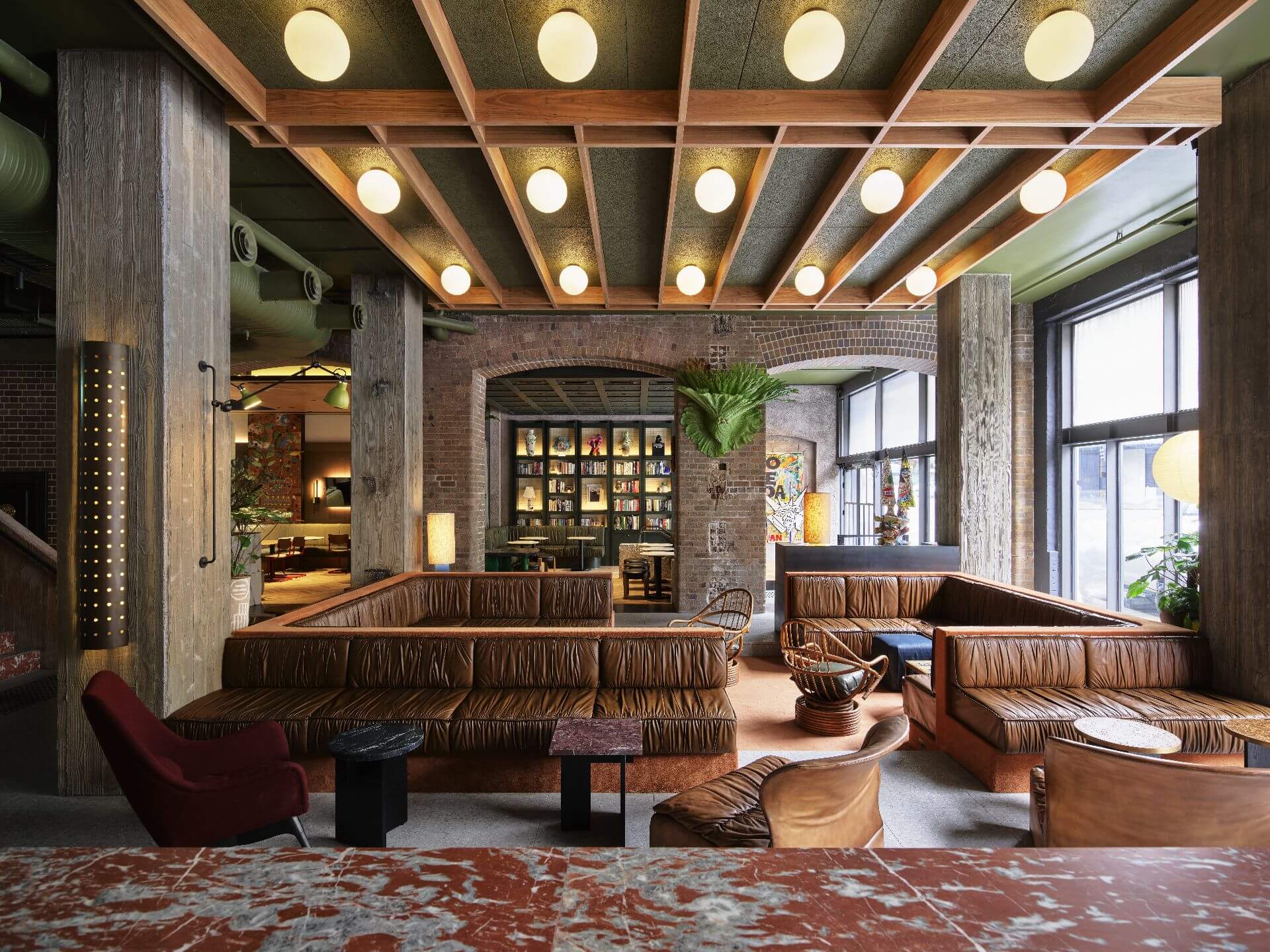
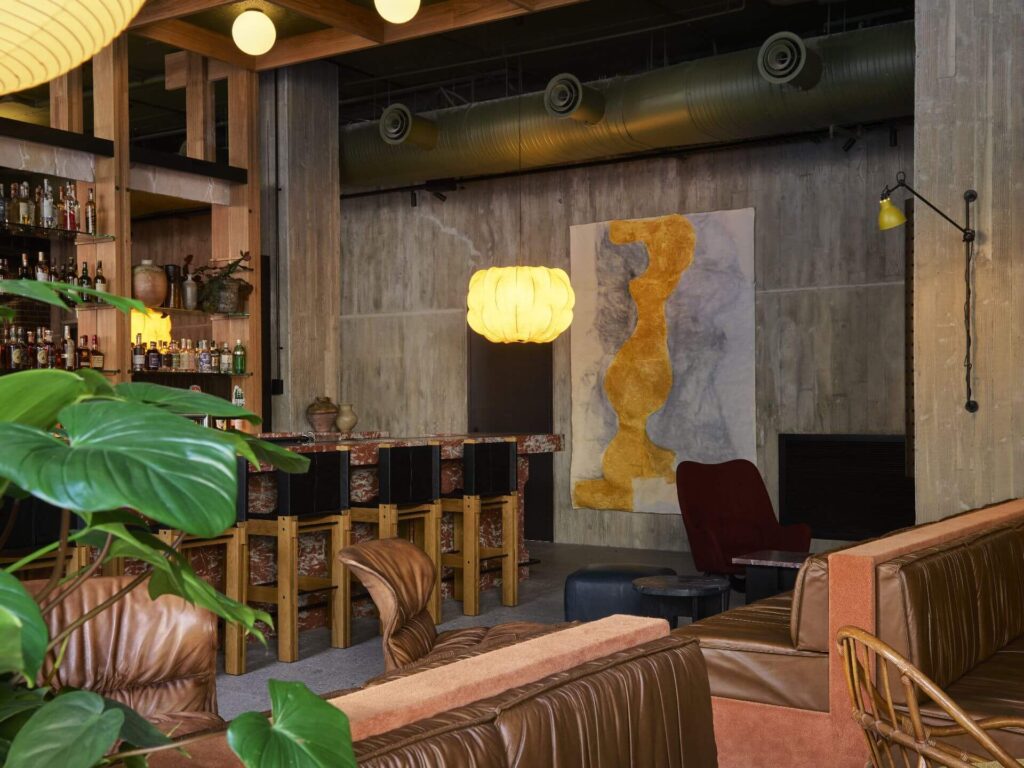
The lobby of ACE Hotel Sydney

As one would expect, the finalists and winners of the 2023 Hospitality Design Awards are a stunning collection of brands from which operators should pull inspiration.

Anyone looking for cutting-edge hospitality design would do well to look into each of the winners and finalists below.

The full list of award finalists and winners, and the architecture, interior design, and purchasing firms (along with owners and operators) can be found on the Hospitality Design website. Just click this link for the full details.

For our past coverage of the HD Expo, please click here.

View into The Lobby inside ACE Hotel Sydney

View into The Lobby inside ACE Hotel Sydney, which offers craft cocktails and small plates.

Lifestyle Hotel

Winner

Ace Hotel Sydney (Sydney, New South Wales, Australia)

  • Architecture Firm: Bates Smart, Melbourne
  • Interior Design Firm: Flack Studio (hotel), Melbourne
  • Owner: Golden Age Group
  • Operator: Ace Hotel Group
  • Purchasing Firm: Marques Interior Services

Finalists

Canoe Place Inn & Cottages (Hampton Bays, New York)

Our Habitas San Miguel (San Miguel de Allende, Guanajuato, Mexico)

Sisan·Shuanglang Hotel (DaLi, YunNan, China)

Fan Woods Hotel (Zhangjiakou City, Hebei Province, China)

Lifestyle Hotel Public Space

Winner

The Tampa EDITION

  • Architecture and Interior Design Firms: Morris Adjmi Architects, and ISC Design Studio, New York
  • Owner: Strategic Property Partners
  • Operator: Marriott International
  • Purchasing Firm: The Parker Company

Finalists

Ace Hotel Sydney (Sydney, New South Wales, Australia)

The Standard (Hua Hin, Thailand)

Luxury Hotel

Winner

The Londoner (London, England) United Kingdom)

  • Architecture Firm: Woods Bagot, London
  • Interior Design Firm: Yabu Pushelberg, New York and Toronto
  • Owner and Operator: Edwardian Hotels London

Finalists

Wildflower Farms, Auberge Resorts Collection (Gardiner, New York)

Kimpton Bamboo Grove Suzhou (Suzhou, Jiangsu, China)

Luxury Hotel Public Space

Winner

The Madrona (Healdsburg, California)

  • Architecture Firm: Strening Architects, Santa Rosa, California
  • Interior Design Firm: Jay Jeffers, San Francisco
  • Owners: Jay Jeffers, Kyle Jeffers, and investors
  • Operator: Mosaic Hotel Group
  • Purchasing Firm: Summa International

Finalists

The Madrid EDITION (Madrid, Spain)

Pillows Maurits at the Park (Amsterdam, Netherlands)

Wildflower Farms, Auberge Resorts Collection (Gardiner, New York)

Upscale Hotel

Winner

Six Senses Rome (Rome, Italy)

  • Architecture and Interior Design Firm: Patricia Urquiola Design, Milan
  • Owner: Six Senses

Finalists

HAY boutique hotel & SPA by Edem Family (Bukovel, Ukraine)

The Standard, Bangkok Mahanakhon (Bangkok, Thailand)

Belmonte Hotel Krynica Zdrój (Krynica-Zdrój, Poland)

Upscale Hotel Public Space

Winner

The Standard, Bangkok Mahanakhon (Bangkok, Thailand)

  • Architecture Firm: Buro Ole Scheeren, Bangkok
  • Interior Design Firms: The Standard in-house design team, New York; Hayon Studio, Valencia, Spain; and Studio Freehand, Bangkok
  • Owner and Purchasing Firm: King Power
  • Operator: Standard International

Finalists

Thompson Buckhead (Atlanta, Georgia, USA)

The Royal (Picton, Ontario, Canada)

Midscale Hotel

Winner

Ace Hotel Toronto (Toronto, Ontario, Canada)

  • Architecture Firm: Shim-Sutcliffe Architects, Toronto
  • Interior Design Firm: Atelier Ace, New York
  • Owners: Alterra, B-right, Finer Space Corporation, Prowinko, and Zinc Developments
  • Operator: Ace Hotel Group
  • Purchasing Firm: Benjamin West

Finalists

High Country Motor Lodge (Flagstaff, Arizona, USA)

Albor San Miguel de Allende, Tapestry Collection by Hilton (San Miguel de Allende, Guanajuato, Mexico)

Hotel Indigo Jiuzhai (Sichuan, China)

Midscale Hotel Public Space

Winner

Ace Hotel Toronto (Toronto, Ontario, Canada)

  • Architecture Firm: Shim-Sutcliffe Architects, Toronto
  • Interior Design Firm: Atelier Ace, New York
  • Owners: Alterra, B-right, Finer Space Corporation, Prowinko, and Zinc Developments
  • Operator: Ace Hotel Group
  • Purchasing Firm: Benjamin West

Finalists

Albor San Miguel de Allende, Tapestry Collection by Hilton (San Miguel de Allende, Guanajuato, Mexico)

Crystal Orange Hotel Shanghai Pudong Lujiazui (Shanghai, China)

High Country Motor Lodge (Flagstaff, Arizona, USA)

Select Service Hotel

Winner

The Beach Motel (Southampton, Ontario, Canada)

  • Architecture, Interior Design, and Purchasing Firm: Common Good Studio, Toronto
  • Owner: DASA Properties

Finalists

Hotel Tupelo (Tupelo, Mississippi, USA)

The Shàng | Artyzen Qiantan Shanghai (Shanghai, China)

Select Service Hotel Public Space

Winner

Hotel Tupelo (Tupelo, Mississippi, USA)

  • Architecture Firm: Sarah Newton Architect, Hattiesburg, Mississippi
  • Owner and Interior Design Firm: The Thrash Group, Dallas
  • Operator: Tandem Hospitality Management
  • Purchasing Firm: J Desterbecq & Associates

Finalist

The Beach Motel (Southampton, Ontario, Canada)

Resort

Winner

Naviva, A Four Seasons Resort (Punta Mita, Nayarit, Mexico)

  • Architecture and Interior Design Firm: Luxury Frontiers
  • Owner: Four Seasons Hotels and Resorts

Finalists

Etéreo, Auberge Resorts Collection (Riviera Maya, Quintana Roo, Mexico)

Centara Reserve Samui (Koh Samui, Thailand)

Lodges + Camps

Winner

AutoCamp Joshua Tree (Joshua Tree, California, USA)

  • Architecture Firm: HKS, San Francisco
  • Interior Design Firm: Narrative Design Studio, San Francisco
  • Owner and Operator: AutoCamp
  • Purchasing Firm: Benjamin West

Finalists

AutoCamp Catskills (Saugerties, New York)

Getaway Outdoor Suites (Ottawa, Illinois)

Restorations, Transformations + Conversions

Winner

Tin Building by Jean-Georges (New York, New York)

  • Architecture Firm: Cass Calder Smith, New York
  • Interior Design Firm: Roman and Williams Buildings and Interiors, New York
  • Owner: Howard Hughes Corporation
  • Purchasing Firm: Summa International

Finalists

Aman New York (New York, New York)

Virgin Hotels Edinburgh (Edinburgh, Scotland, United Kingdom)

Casa Cody (Palm Springs, California, USA)

Ace Hotel Sydney (Sydney, New South Wales, Australia)

New Brand Launch

Winner

Blue Iris by Life House (Nantucket, Massachusetts, USA)

  • Architecture Firm: Emeritus, Austin
  • Owner: Blue Flag Partners
  • Operator, Interior Design, and Purchasing Firm: Life House

Finalists

Revo Munich (München, Germany)

The Julius (Prague, Czech Republic)

Sweetbee Café + Bar (Brooklyn, New York, USA)

Event Space

Winner

Seattle Convention Center Summit Building (Seattle, Washington, USA)

  • Architecture and Interior Design Firm: LMN Architects, Seattle
  • Owner: Seattle Convention Center

Finalists

The Madrona (Healdsburg, California)

The Standard, Bangkok Mahanakhon (Bangkok, Thailand)

Hybrid Hospitality

Winner

Little Banchan Shop / Meju (Queens, New York, USA)

  • Architecture Firm: David K. UH, New York
  • Interior Design Firm: CRÈME, Brooklyn, New York
  • Owner: Chef Hooni Kim

Finalists

Capital One Hybrid Bank and Café (New York, New York, USA)

Changsha Fundolandπ (Changsha, Hunan, China)

Beyond Hospitality

Winner

The Water Drop Library (Shuangyue Bay, Huizhou City, Guangdong, China)

  • Architecture and Interior Design Firm: 3andwich Design / He Wei Studio, Beijing
  • Owner: Huizhou Shuangyue Bay Real Estate Investment and Development Co., Ltd.

Finalists

The Africa Centre (London, England, United Kingdom)

Aqua Foro Pool Club at Piazza Alta (Philadelphia, Pennsylvania, USA)

Wellness + Wellbeing

Winner

Paste Dental (Toronto, Ontario, Canada)

  • Interior Design Firm: Studio Author, Toronto
  • Owner: Dr Derek Chung

Finalists

Naviva, A Four Seasons Resort (Punta Mita, Nayarit, Mexico)

Dundas Square Barbers (Toronto, Ontario, Canada)

Sustainable

Winners

Chleo (Kingston, New York, USA)

  • Interior Design Firm: Islyn Studio, Brooklyn, New York
  • Owners: Hope and Charles Mathews
  • Purchasing Firm: Wagner Hamill

Six Senses Rome (Rome, Italy)

  • Architecture and Interior Design Firm: Patricia Urquiola Design, Milan
  • Owner: Six Senses

Finalists

Villa Le Blanc Gran Meliá (Sant Tomàs, Illes Balears, Spain)

1 Hotel Nashville (Nashville, Tennessee, USA)

Guestrooms

Winner

Centara Reserve Samui (Koh Samui, Thailand)

  • Architecture Firm: Begray, Bangkok
  • Interior Design Firm: AvroKO, Bangkok
  • Owner, Operator, and Purchasing Firm: Centara Hotels & Resorts

Finalists

Central Hotel Macau (Macau, China)

Albor San Miguel de Allende, Tapestry Collection by Hilton (San Miguel de Allende, Guanajuato, Mexico)

Wildflower Farms, Auberge Resorts Collection (Gardiner, New York)

Suites

Winner

Venice Simplon Orient Express (Vienna, Austria; Budapest, Hungary; and Prague, Czech Republic)

  • Interior Design Firm: Wimberly Interiors, London
  • Owner: Belmond

Finalists

The Standard, Bangkok Mahanakhon (Bangkok, Thailand)

Sands Premier Suite, Marina Bay Sands (Singapore)

Casual Restaurant

Winner

Great White – Melrose (West Hollywood, California, USA)

  • Architecture Firm: Natalie Kazanjian Architect, Los Angeles
  • Interior Design Firm: Great White Partners in partnership with Buca Studios, Los Angeles
  • Owner, Operator, and Purchasing Firm: Great White Partners

Finalists

Marcus at Baha Mar (Nassau, Bahamas)

MOVA (Dnipro, Ukraine)

Good Ground Tavern at Canoe Place Inn & Cottages (Hampton Bays, New York, USA)

Shikigiku Japanese Restaurant (IFC Mall) – Café & Bar Area (Hong Kong)

Upscale Restaurant

Winner

Oiji Mi (New York, New York, USA)

  • Architecture Firm: David Bucovy Architect, New York
  • Interior Design Firm: AvroKO, New York
  • Owner: Oiji Hospitality

Finalists

Amal (Miami, Florida, USA)

53 (New York, New York, USA)

Terra (Lviv, Ukraine)

Bar, Club + Lounge

Winner

Andra Hem (Philadelphia, Pennsylvania, USA)

  • Architecture Firm: Stokes Architecture + Design, Philadelphia
  • Interior Design Firm: Ghislaine Viñas, New York
  • Owner: Paige West

Finalists

Punch Room (Tampa, Florida, USA)

Ritz Bar (Paris, France)

Bar Cima (New York, New York, USA)

Gair (Brooklyn, New York, USA)

Equipment Room (Austin, Texas, USA)

Visual Identity

Winner

Saint June at the Ritz-Carlton, Grand Cayman (Grand Cayman, Cayman Islands, Greater Antilles)

  • Branding and Interior Design Firm: Goodrich, New York
  • Owner: Dart
  • Operator: The Ritz-Carlton Hotel Company
  • Purchasing Firm: The Parker Company

Finalists

Zou Zou’s and Chez Zou (New York, New York, USA)

Uniforms at the Standard, Bangkok Mahanakhon (Bangkok, Thailand)

Orto (Belfast, Ireland, United Kingdom)

Student

Winner

Sarah Choudhary, New York School of Interior Design: Hotel Cirque (Montréal, Québec, Canada)

Finalists

Bryann Brophy, Brittany Noble, Olivia Fletcher, and Hannah Randall, Iowa State University: Hotel Rina (Rome, Italy)

Hsiang-Ting Huang, School of Visual Arts, New York: A Transitional Place of Love (New York, New York, USA)

Images courtesy of ACE Hotel Sydney

KRG Hospitality. Boutique Hotels. Resorts. Properties. Consultant. Feasibility Study. Business Plan

by David Klemt David Klemt No Comments

2023 Reveal: The World’s 50 Best Hotels

2023 Reveal: The World’s 50 Best Hotels

by David Klemt

Waves crashing on beach

The World’s 50 Best Hotels launches this year, completing the hospitality puzzle as it joins the World’s 50 Best Bars and the World’s 50 Best Restaurants.

Mark Sansom, content director for the World’s 50 Best Bars, shares details of the new list on episode 90 of the Bar Hacks podcast. To learn more about Mark and the World’s 50 Best Bars, you can also listen to episode 82 of Bar Hacks.

This is huge news for the hospitality, travel, and accommodation sectors. Sansom and the team go to great lengths when it comes to every detail of the World’s 50 Best Bars. Indeed, the awards ceremony is truly the Oscars of the bar world. Just take a look at the video below:

In fact, it’s likely a bit more fun than the Oscars. A room full of the best bar teams and industry professionals? You know it’s a nonstop party.

I say to say this: I expect the Oscars of the hotel world for the inaugural 50 Best Hotels ceremony. And I’m confident the team will deliver on that expectation.

To see the World’s 50 Best Bars for 2022, click here. For the World’s 50 Best Restaurants of 2022, follow this link.

Who Decides?

You’re probably wondering how all of this “works.” Just who decides, among all the hotels throughout the world, which are the 50 best?

As Sansom explains on the Bar Hacks podcast, hundreds of people decide.

For 2023, the World’s 50 Best Hotels is split into nine regions. That’s likely to grow (50 Best Bars and Restaurants each have 28 regions) but for now, that’s the breakdown.

Each of those regions is headed by an Academy Chair. The global Academy Chairs hand select voters. In this case, a mix of 580 travel journalists, educators, hospitality professionals, hoteliers, and luxury travelers. The voters are tasked with highlighting their top seven hotel experiences from the past two years.

A small board of directors isn’t deciding which hotels will make the list. There’s no small group choosing the ranking. Instead, hundreds of industry pros and hotel guests will determine the best of the best.

How do They Decide?

This is one of my favorite details. When it comes to criteria…there isn’t any.

I like this for several reasons, one of which is that nothing arbitrary is limiting these awards. Don’t have a pool? That’s fine. No steam shower in the en suite? Okay.

By eschewing criteria, no concept is left out—no property is excluded. As Sansom says on episode 90 of Bar Hacks, imposing criteria means people could miss out on experiencing stunning twelve-room boutique hotel.

Therefore, this list isn’t the exclusive domain of multi-unit, multi-concept hotel groups. Certainly there will be chain properties up for consideration. However, they’ll be mixing it up with boutique and solo, independent hotels.

Sansom also reveals what’s driving them to launch the World’s 50 Best Hotels. Far from a vanity project, this list is about helping the industry.

Like hospitality, travel and accommodation are recovering from a global pandemic. Highlighting the best hotels in the world should inspire people to get back to leisure travel.

The list will be revealed in September of this year. Make sure to watch this space and connect with the World’s 50 Best Hotels for more details, including the awards ceremony host city.

Follow the 50 Best Hotels on Instagram, Facebook, Twitter, and YouTube. To learn more, visit their website.

Image: Shifaaz shamoon on Unsplash

KRG Hospitality Boutique Hotels, 2023 icon

by David Klemt David Klemt No Comments

Restaurants Canada Reveals Pandemic Impact

Two Years On, Restaurants Canada Reveals Pandemic Impact

by David Klemt

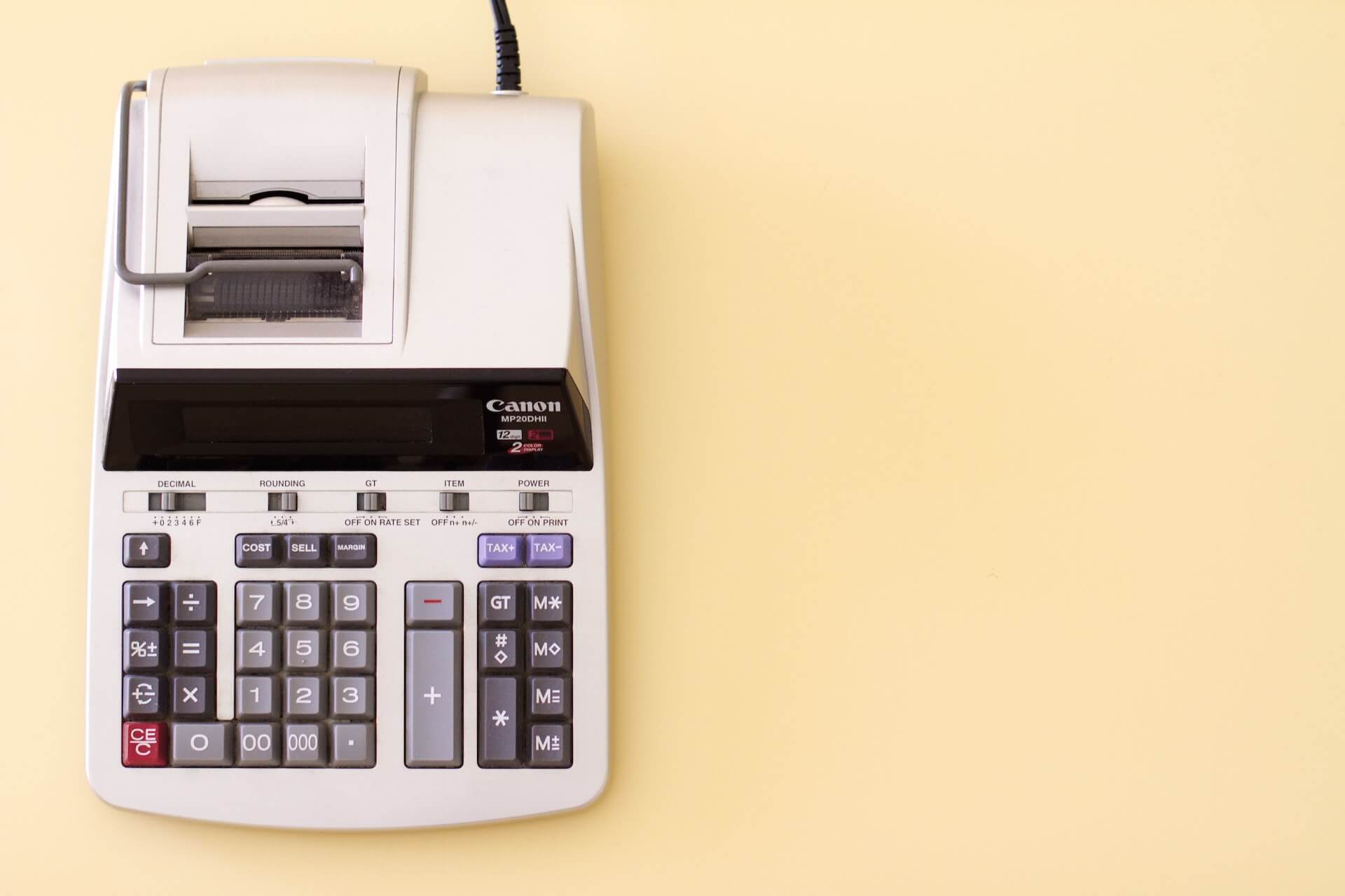
Canon accounting calculator

Restaurants Canada looks at the impact of the pandemic on the foodservice industry in their latest Foodservice Facts report.

Canada’s foodservice industry research and advocacy non-profit sees a return to pre-pandemic operations. However, the path forward toward pre-pandemic traffic and sales levels won’t be without its challenges.

“While nominal sales are expected to return to pre-pandemic levels before the end of the year, traffic still remains below what it was before,” says Restaurants Canada president and CEO Christian Buhagiar.

To access your own copy of 2022 Foodservice Facts, click here.

Industry Still Struggling

As an owner, operator, or foodservice professional, you probably have the answer to a specific question in mind.

When will we be “back to normal?” And, of course, the natural followup to that question. Will the industry surpass 2019 traffic and sales?

Restaurants and bars throughout Canada have survived six waves of Covid-19 over the course of two-plus years. There have been an inordinate amount of lockdowns that inarguably forced the permanent closure of far too many businesses.

As Restaurants Canada states (and the rest of us know all too well), there’s no telling if another Covid-19 variant will rear its ugly head. It’s conceivable (but with any luck unlikely) that Canada could face future lockdowns.

At the moment, according to Restaurants Canada, foodservice sales are currently 11 percent below 2019 levels. And yes, that’s after adjustment for inflation. Speaking of which, one reason traffic and sales remain below those of 2019 is consumer confidence. Many Canadians are concerned about a possible recession.

In addition, operators in Canada continue to face a labor shortage.

News Not All Bad

Now, anyone who read the previous section would be justified in lacking confidence in the industry. However, there is good news.

First, let’s compare Q1 of 2022 to Q2. Per Restaurants Canada, just 15 percent of restaurants were able to seat guests with zero restrictions. By April, though, approximately 90 percent of restaurants in Canada could serve in-person guests restriction-free.

Second, Q2 had more positivity in store for operators. According to Restaurants Canada, the FSR segment endured an 18-month decline in traffic when Covid-19 took hold. When restrictions were lifted, the floodgates of consumer demand burst. By Q2, traffic was a mere one percent lower in comparison to 2019.

Going a bit granular, QSR performance also improved in Q2. Per Restaurants Canada, QSR traffic lagged eight percent behind pre-pandemic levels. However, that number improved to just two percent under pre-pandemic levels by Q2.

Compellingly, Q2 still wasn’t done with foodservice industry positivity. While QSRs outpaced FSRs three-fold in terms of traffic, their numbers combined bring the industry back to 2019 Q2 levels.

Restaurant Canada’s positive outlook predicts that the industry will return to pre-pandemic levels by Q4.

Image: StellrWeb on Unsplash

by David Klemt David Klemt No Comments

Datassential’s State of the Operator 2022

Datassential’s State of the Operator 2022

by David Klemt

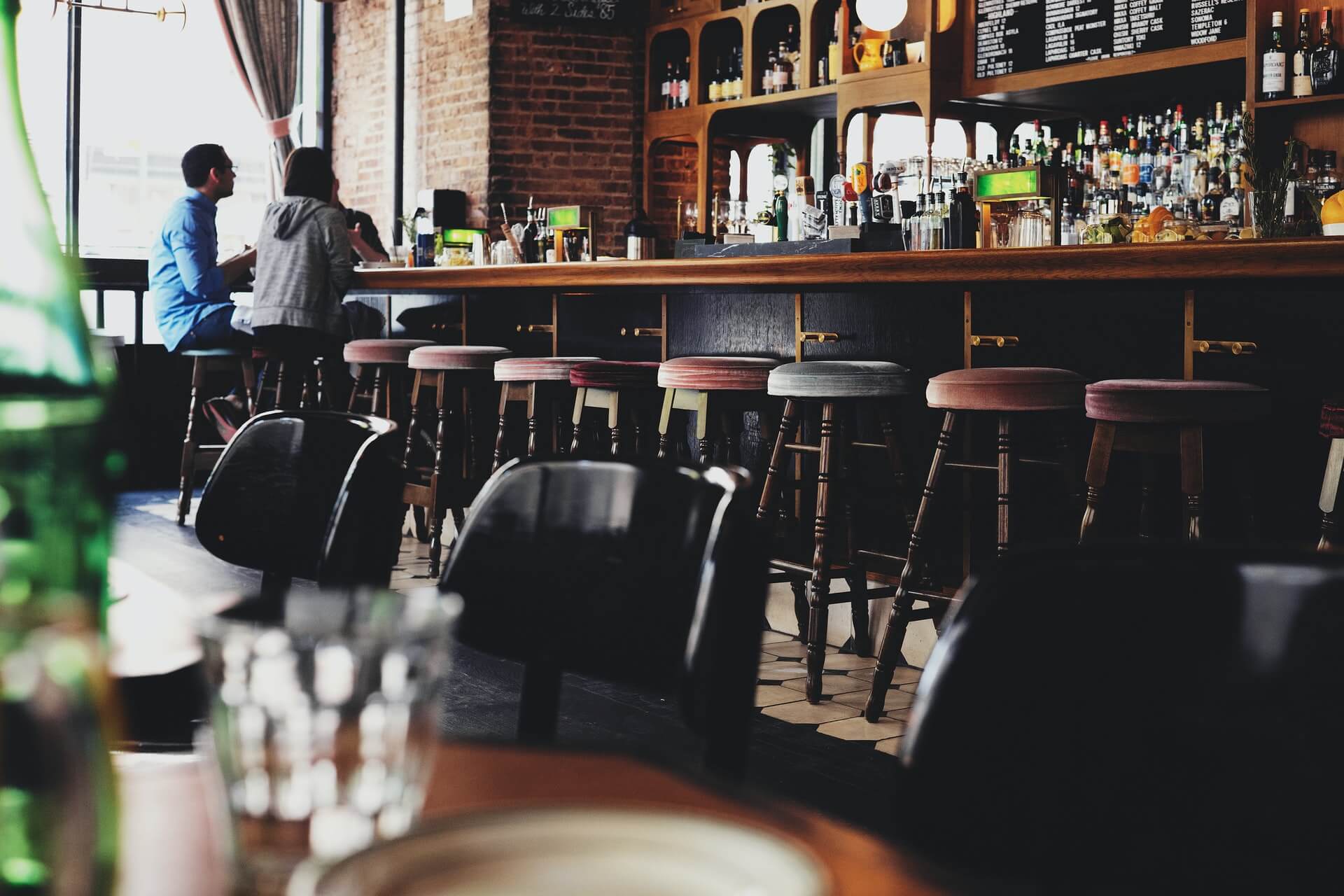
Guests sitting at the bar inside a restaurant

The latest addition to the Datassential FoodBytes research series shares insights into the top three challenges most—if not all—operators are facing.

Now, some of what the report reveals paints a bleak picture. Inflation, the labor shortage, and supply chain issues persist even past the midway point of 2022.

However, operators are a tenacious and innovative group of business owners. Of course, that tenacity seems to manifest in people thinking this industry can weather any storm. That perception can come at operators’ detriment. Exhibit A: The Inflation Reduction Act of 2022 not including replenishing of the RRF. But, I digress.

“The State of the Operator & the Road Ahead,” which you can download here, is helpful and informative. As you may be aware, we’re fans of Datassential and their FoodBytes reports. In fact, you can find our synopses of FoodBytes reports here and here.

Below are some key points that operators should be aware for consideration. I strongly urge you to download this free report today.

Operator Outlook

First, let’s take a look at traffic. As Datassential points out, some hospitality business segments are performing better than others currently.

In large part, this is due to two factors: People working from home, and people returning to travel. So, operators who rely heavily on commuters and in-person workers are struggling. On the other hand, operators inside or around hotels are, per Datassential, performing the strongest at the moment.

Interestingly, though, nearly half of operators (47 percent) are seeing an increase in traffic in comparison to pre-Covid levels. Fourteen percent of operators are reporting no change in traffic. Unfortunately, traffic is lower for 39 percent of operators.

Next, sales. In comparison to pre-Covid times, more than half (51 percent) of operators report an increase. Again, 14 percent of operators are experiencing no change. But 35 percent of operators are experiencing a decrease in sales.

Finally, profit margins. Half of operators may be seeing increases in traffic in sales, but profit margins are taking a hit. On average, the industry’s profit margin is now hovering at 13 percent. That’s an eight-percent drop in comparison to pre-Covid levels.

Segment Performance

The findings regarding profit margins are likely to be the most alarming to operators. Historically, our industry has operated on razor-thin margins for decades. Dropping from an average of 21 percent to 13 is concerning.

However, context is important. The segments seeing the lowest profit margins in 2022 are: Business & Industry (B&I), Healthcare, and Colleges & Universities (C&U). Again, remote work (and learning) are largely responsible for those particular segments watching their profit margins tumble.

The strongest performers are: Quick-Service Restaurants (QSR) at 17 percent; Fast Casual at 15 percent); and Midscale, Casual Dining, and Fine Dining, each at 13 percent. Lodging is just below the current average at 12 percent.

Operator Adaptation

Inflation, rising food costs, supply chain issues, labor shortages… Operators are finding ways to cope, and in some situation, thrive.

Unsurprisingly, the vast majority of operators are increasing menu prices. In the past 12 months, 77 percent of operators have raised menu prices at least once.

These increases range from one percent a staggering 30 percent. However, the majority have kept these increases to one to ten percent. Most (31 percent) have implemented increases of no more than five percent. Just one percent of operators boosted prices between 25 to 30 percent.

Of course, raising prices isn’t the only strategy operators have at their disposal. Forty percent of operators are streamlining their menu, reducing the sizes of their menus. However, it’s wise for operators to review their menus at least every three months to eliminate poor performers.

Other strategies include focusing on value for guests (27 percent); utilizing LTOs and launching new menu items (26 percent); eliminating a specific daypart or portion of the menu (25 percent); and making portion sizes small, or “shrinkflation” (18 percent).

There’s much more revealed in Datassential’s latest FoodBytes report. Download your copy today.

Image: Luca Bravo on Unsplash

by David Klemt David Klemt No Comments

SevenRooms Reveals Hotel Guest Study

SevenRooms Reveals Hotel Guest Study Results

by David Klemt

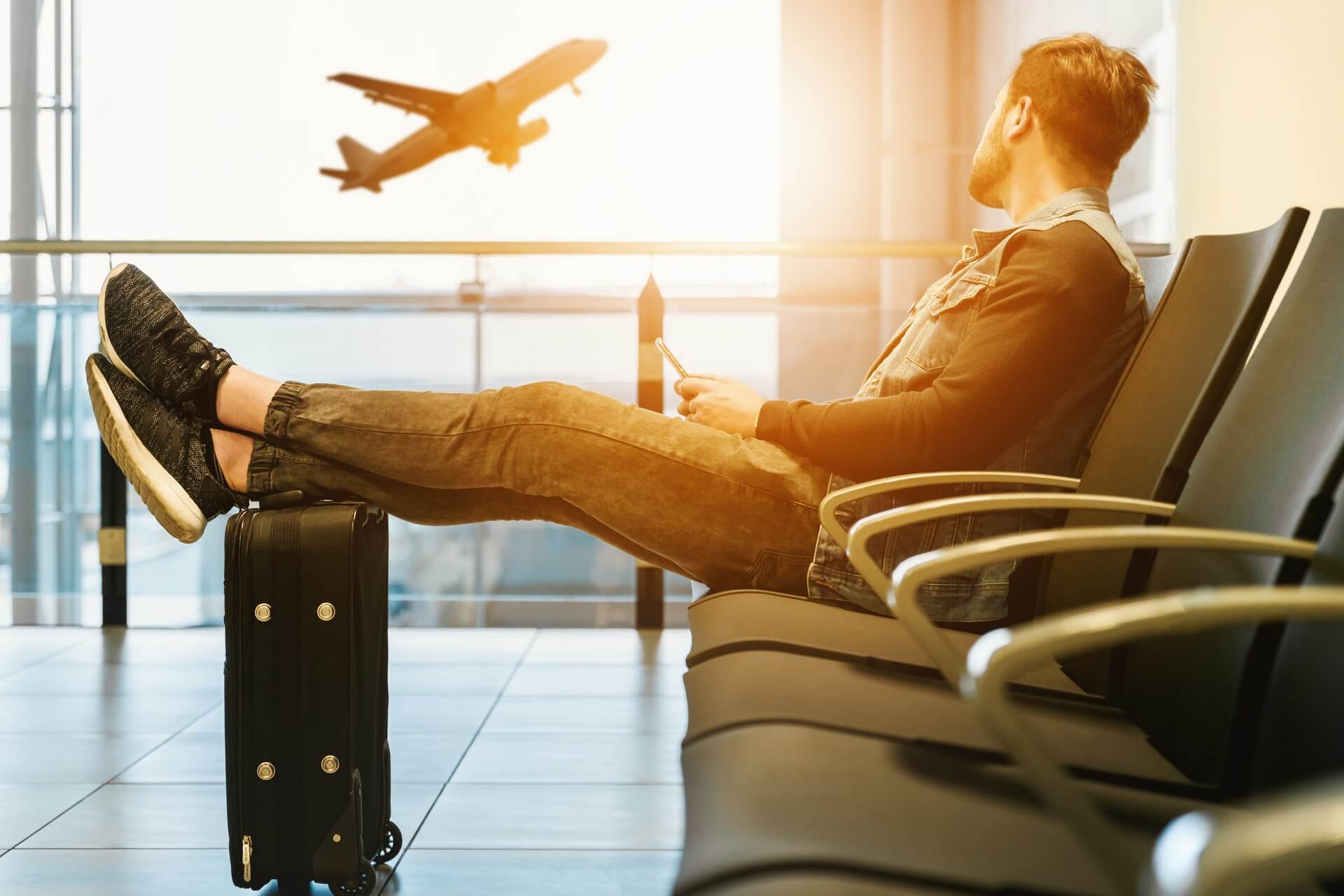
Male passenger with suitcase at airport

Americans eager to get back to normal and make up for lost time are traveling in droves, and hotels will have to adapt in order to earn their business.

To give hotel and resort operators an edge, SevenRooms today reveals the results of their latest study.

“Booking Behaviors: Exploring Hotel Guest Loyalty,” contains datapoints all hotel operators should know.

The report, a collaboration with YouGov, focuses on two types of travelers.

Competitive Incentives

Before I address the who, let’s take a look at data that highlights the what.

According to the SevenRooms and YouGov report, nearly half of consumers say that loyalty programs are important. Per SevenRooms, loyalty programs influence hotel choice for 44 percent of guests.

Regarding American hotel guests specifically, 34 percent of guests will consider rebooking if their loyalty status receives recognition upon check-in.

However, loyalty status recognition isn’t enough for guests to book a hotel again. To understand what will influence that decision we need to take a look at SevenRooms’ traveler types.

Leisure

SevenRooms and YouGov look at two travelers for their report. There’s the Personal Patron and the Business Traveler.

Let’s focus on the former first. Per SevenRooms, to say the Personal Patron is eager to return to travel is an understatement.

The Personal Patron is a leisure traveler who has been climbing their walls for more than two years. They’re planning to travel “with a vengeance” this summer.

Diving deeper, the Personal Patron is most probably a female over the age of 35.

While recognizing this traveler for their loyalty program membership is smart, it’s not enough to influence a rebook. Rather, the Personal Patron places greater value on:

  • receiving more loyalty program points in exchange for dining and drinking at property-operated restaurants and bars;
  • enhanced credit card rewards; and
  • earning dining credits upon reaching a new loyalty program tier.

However, there’s a problem inherent to the Personal Patron and loyalty programs. Just 45 percent—so nearly half—of this traveler type are loyalty program members.

The reason for that low program buy-in? Almost 60 percent don’t think they travel enough to benefit from hotel loyalty programs.

Per SevenRooms, there’s a rather simple solution: local benefits. Tempt Personal Patrons with staycations and access to amenities at hotels in their home markets. Another idea is to offer points exclusively for dining that this traveler can use where they live.

Business

Obviously, the business traveler is now different. In fact, SevenRooms considers two versions of the Business Traveler.

On the one hand, there’s the extended-stay version traveling all over the country. And on the second hand, there’s the long-distance Business Traveler who’s seeking a midweek “home base” hotel.

Either way, the Business Traveler is most likely a male aged 18 to 34.

Per SevenRooms—and as most hotel operators likely know—this traveler probably doesn’t have time (or interest) in exploring off property. Therefore, the Business Traveler can be influenced to rebook through incentives that make their stays better.

These include:

  • receiving more loyalty program points in exchange for dining and drinking at property-operated restaurants and bars (like the Personal Patron);
  • receiving recognition for being a loyalty program member; and
  • getting a complimentary drink on check-in; or
  • being given a choice of an F&B amenity on arrival.

Unsurprisingly, the Business Traveler is more likely than the Personal Patron to join a hotel loyalty program. Per SevenRooms, 55 percent of Business Travelers say that the ability to participate in such a program influences their hotel choice.

Focusing on perks that “reward” the Business Traveler for their hard work can convert a Business Traveler to become a loyal guest for a particular hotel or hotel group.

SevenRooms suggests priority reservations for the lunch daypart at restaurants on property. Also, providing their favorite drink (wine, cocktail, beer, etc.) with their room service orders can be influential.

Takeaway

Travel is gaining steam, restaurants and bars are seeing an influx of reservations, and hotel operators need to prepare for summer travelers.

As a reservation, guest experience, and guest retention platform, SevenRooms can ensure operators can easily collect guest data. Guest data, for example, like F&B and room preferences.

More importantly, the platform makes it simple to use that data responsibly, effectively, and simply.

To learn more about SevenRooms, click here.

Image: JESHOOTS.COM on Unsplash

by David Klemt David Klemt No Comments

8 Glendalough Cocktail Recipes for St. Patrick’s Day and Beyond

Offer your guests something different for your St. Patrick’s Day promotion with Glendalough Distillery cocktail recipes.

Without a doubt, you should have plenty of the expected Irish whiskeys on hand. However, Glendalough Distillery Double Barrel, Pot Still, Wild Gin, and Rose Gin are extraordinary Irish whiskeys and gins.

Each spirit the distillery crafts honors the art of Irish distillation, a craft that stretches back centuries. What’s more, each whiskey Glendalough crafts is single malt—there are no light-bodied blends in their lineup.

To learn more, check out episode 71 of the Bar Hacks podcast with Glendalough Distillery co-founder and national brand ambassador Donal O’Gallachoir.

by David Klemt

Glendalough Distillery Wild Gin Irish gin

8 Amazing Irish Whiskey and Gin Cocktails

Below, eight refreshing and sophisticated drink recipes made with Glendalough whiskeys and gins. Sláinte!

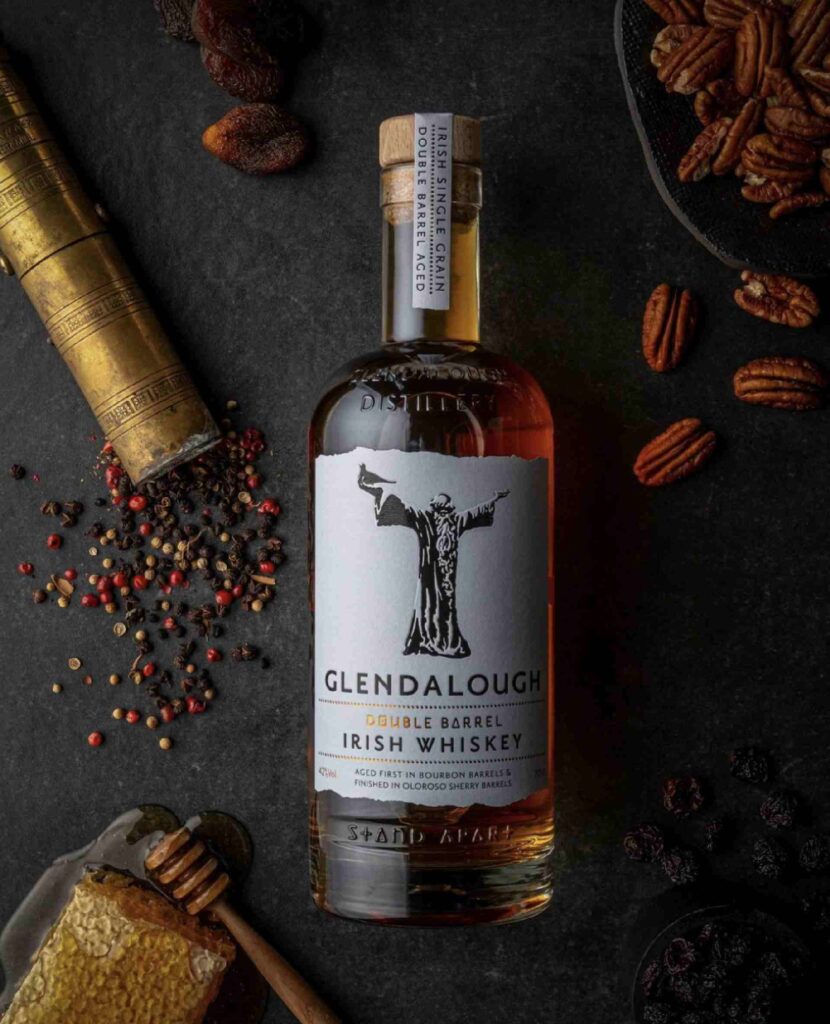
Glendalough Distillery Double Barrel Single Malt Irish Whiskey

The Lough Inn

This highball is made with Glendalough Double Barrel, a single-grain Irish whiskey aged in ex-bourbon barrels before being finished in Oloroso sherry casks.

  • 2 oz. Glendalough Double Barrel Single Grain Irish Whiskey
  • 1 oz. Spiced honey syrup (see note)
  • 1 oz. Fresh lemon juice
  • Soda to top
  • Lemon wheel or slice to garnish
  • Mint leaf to garnish
  • 1 cup Honey for spiced honey syrup
  • 0.5 cup Water for spiced honey syrup
  • 4 Cinnamon sticks for spiced honey syrup
  • 1 pod Star anise for spiced honey syrup

Add ice to a highball glass, then add first three ingredients. Top with soda water. Garnish with lemon wheel or slice and freshly torn mint leaf.

For spiced honey syrup: Add honey, water, cinnamon sticks, and star anise to pot. Bring to a boil, then stir. Strain into container.

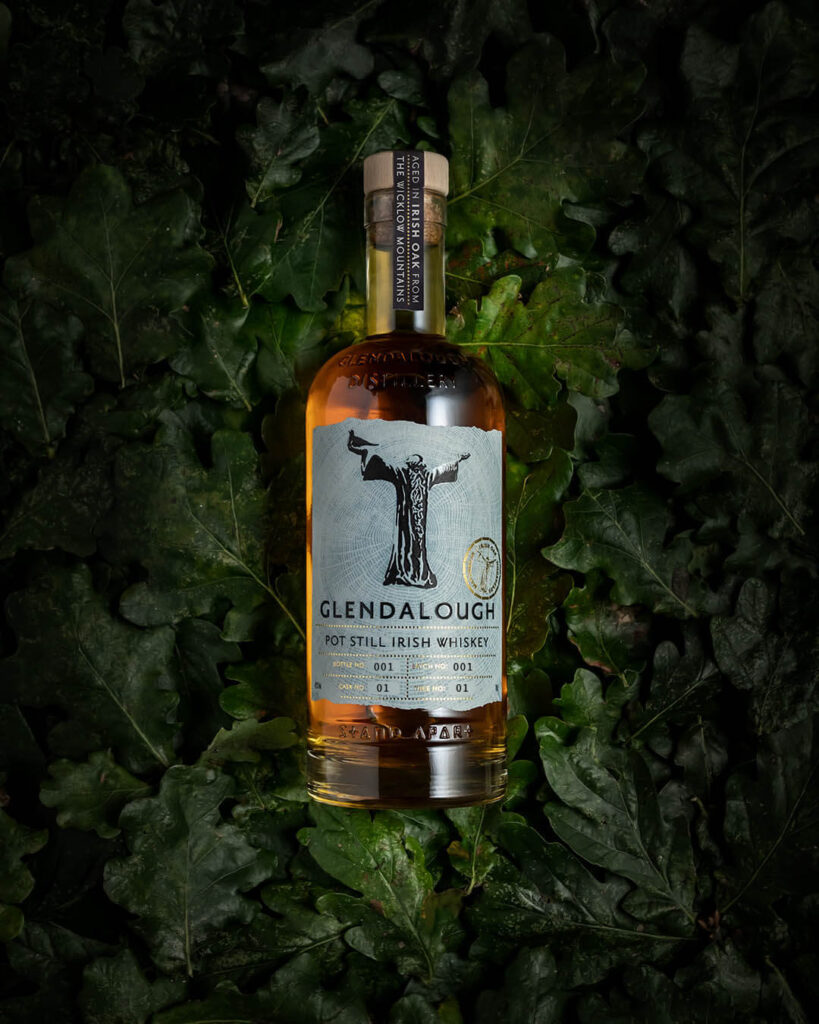
Glendalough Distillery Pot Still single malt Irish whiskey

Pot Still Highball

Deceptively simple to build, this cocktail highlights the terroir of the land surrounding Glendalough Distillery.

  • 1.5 oz. Glendalough Pot Still
  • Soda to top
  • Grapefruit peel to garnish
  • Mint leaf to garnish (freshly torn and slapped, of course)

Prepare a highball glass with an ice shard, spear or cylinder. Pour in Glendalough Pot Still whiskey, then top with soda. Glendalough Distillery recommends a 1:2 ratio, Pot Still to soda. Garnish with mint leaf.

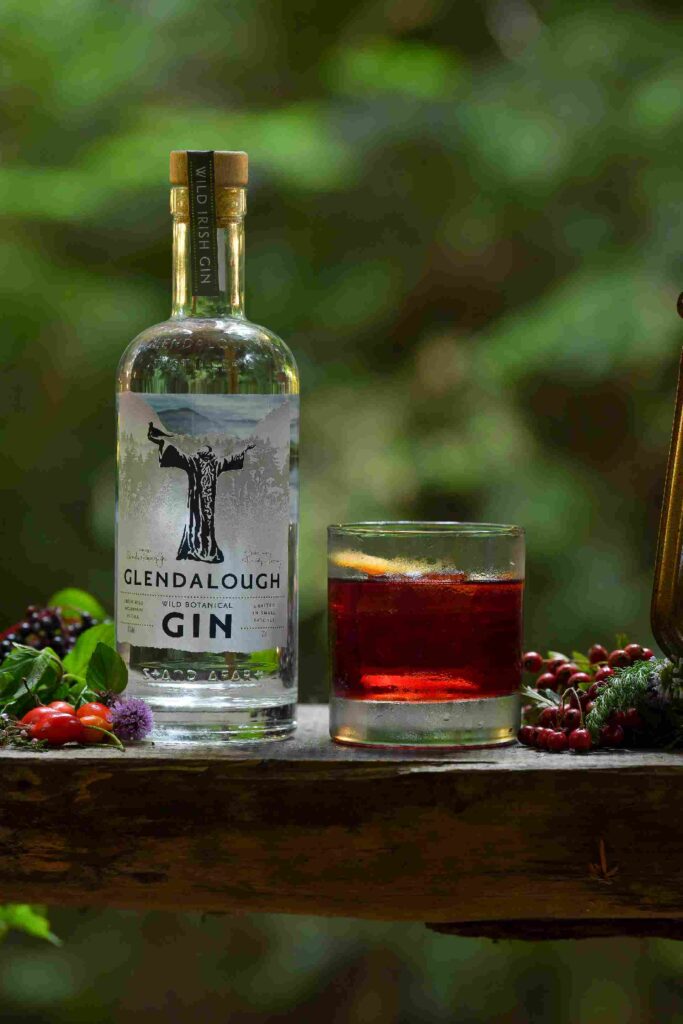
Glendalough Distillery Wild Gin Negroni cocktail

Glendalough Negroni

The foraged botanicals in Glendalough Wild Gin add even more complexity and depth to the classic Negroni. In fact, the flavors work so well this recipe maintains the Negroni’s crucial 1:1:1 ratio.

Prepare an Old Fashioned with ice. Add first three ingredients to glass in the above order. Add more ice if necessary. Stir, express orange peel, and place as garnish.

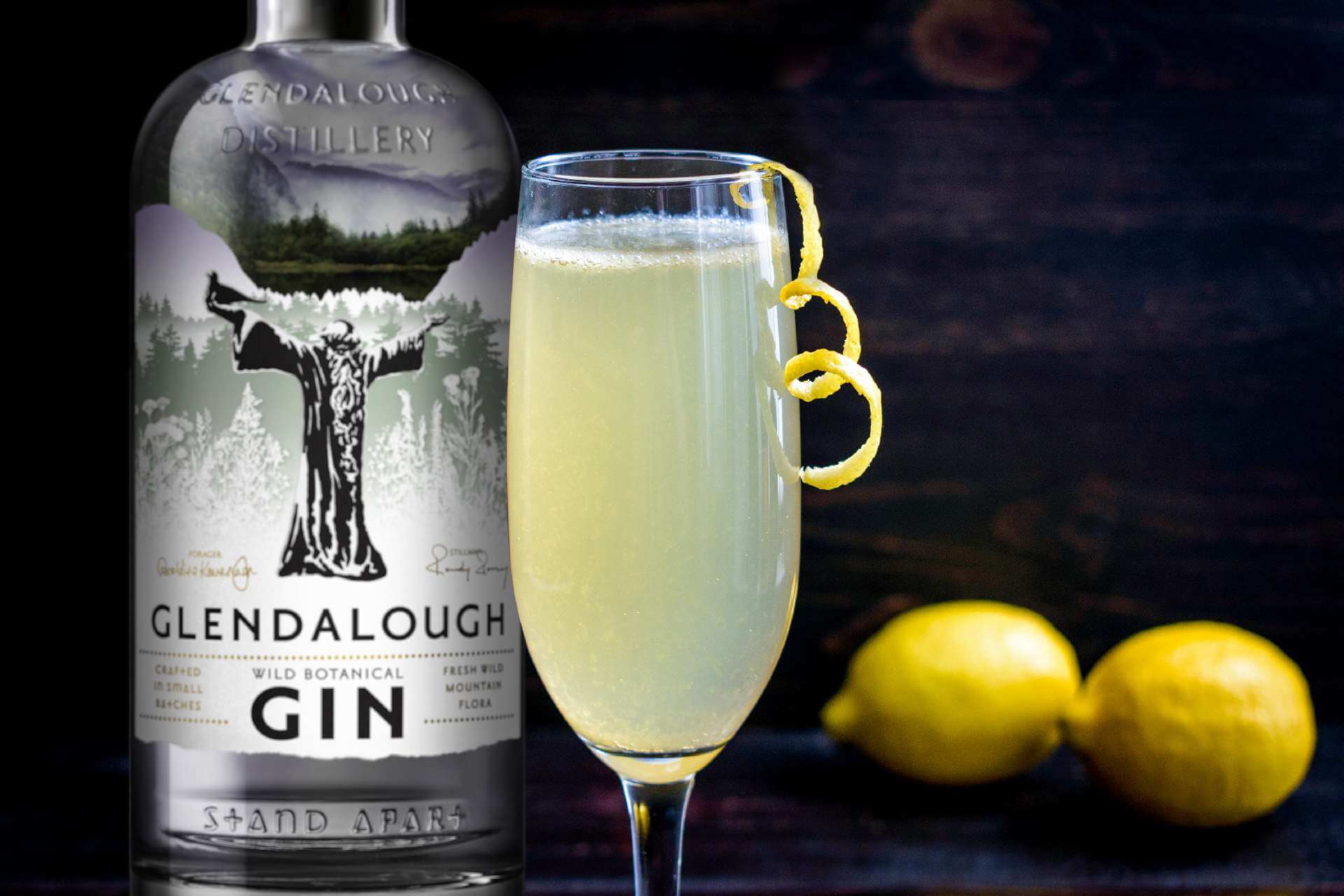
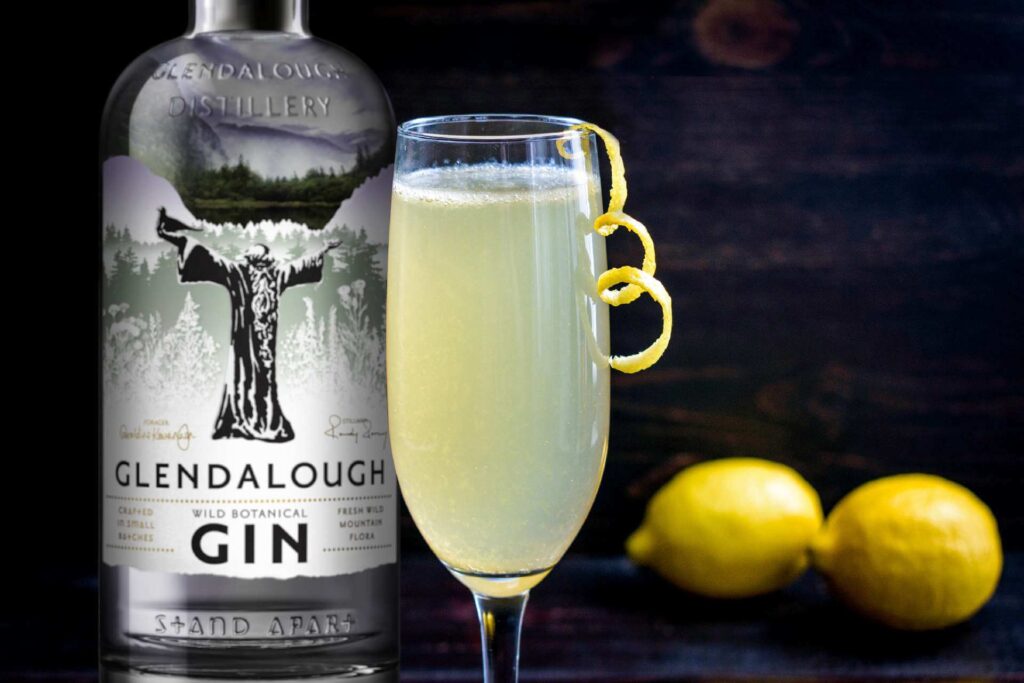
Glendalough Distillery Wild Gin Irish gin

Glendalough Wicklow 75

Bubbles make everything better and everyone happier.

Add all ingredients to shaker. Add ice and shake until well chilled. Strain into Champagne flute, top with Prosecco, and garnish with lemon twist.

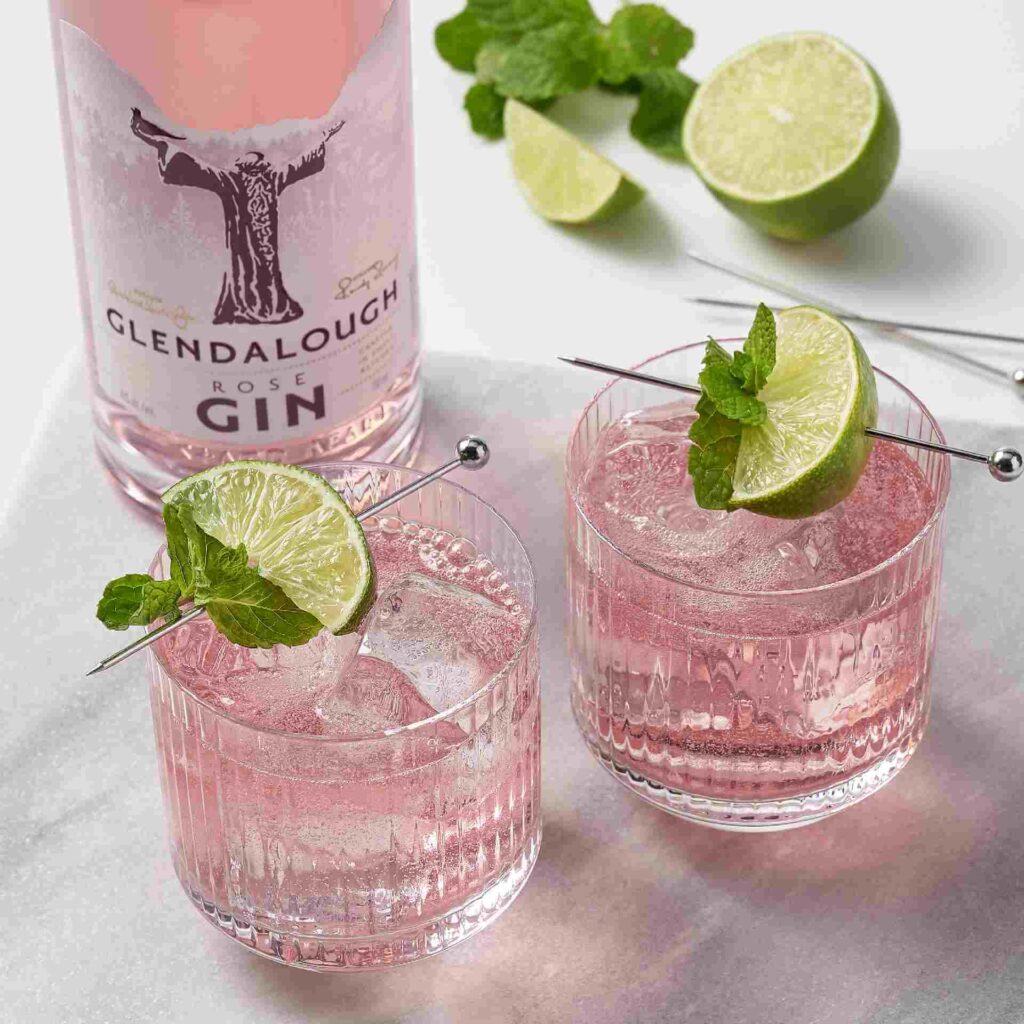
Glendalough Distillery Rose Gin Irish gin and cocktails

Glendalough Rose G&T

This simple classic receives a huge visual and aromatic boost from Glendalough Rose Gin.

  • 2 oz. Glendalough Rose Gin
  • Tonic to top (the higher the quality, the better)
  • Lime slice
  • Mint leaves

Add ice to glass, then add Rose Gin. Top with tonic, and garnish with lime slice and mint leaves.

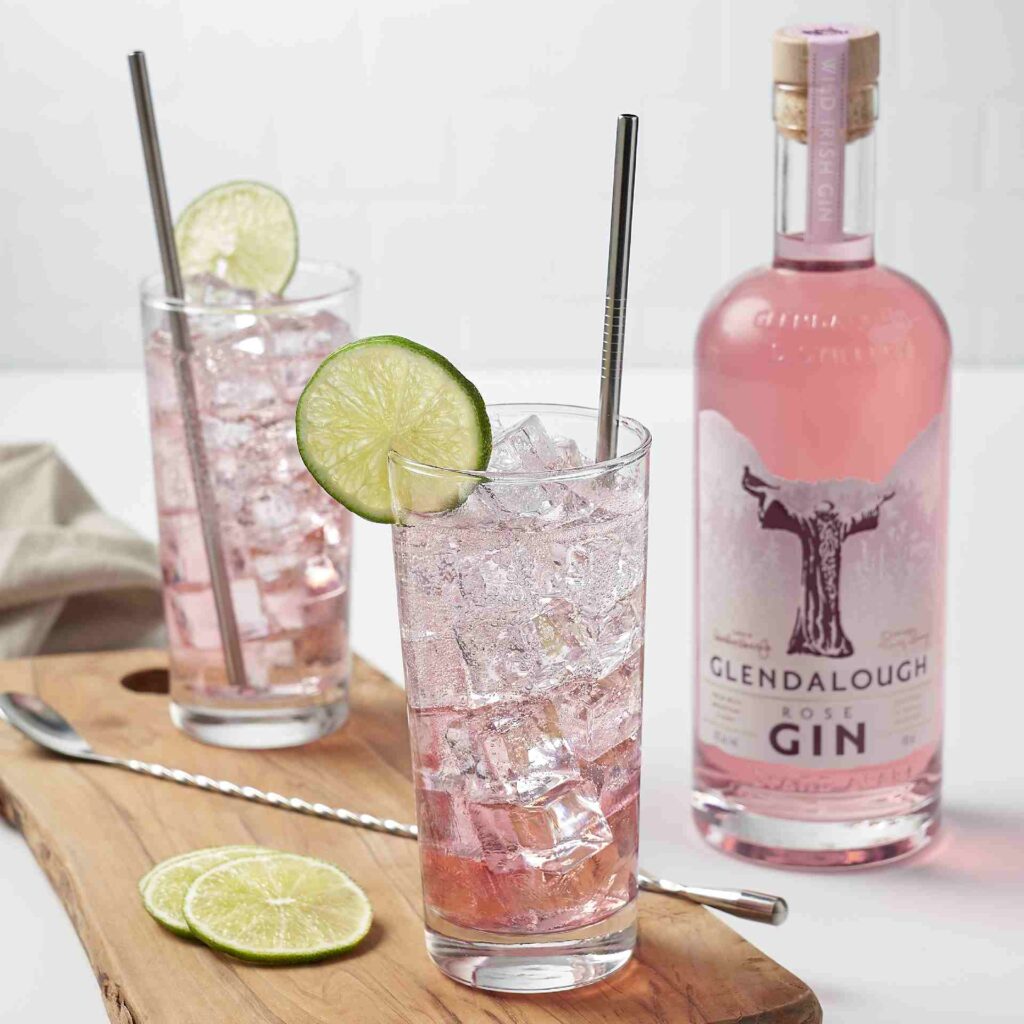
Glendalough Distillery Rose Gin Fizz

Glendalough Rose Gin Fizz

One way to elevate the highball is to use a striking pink-hued Irish gin.

  • 1.5 oz. Glendalough Rose Gin
  • 0.5 oz. Elderflower liqueur
  • Raspberry & Lime sparkling water to top
  • Lime wheel to garnish

Add ice (spear, shard or cylinder for impact), Rose Gin, and liqueur to highball glass. Stir, then add sparkling water to top. Garnish with lime wheel.


View this post on Instagram


A post shared by Glendalough US (@glendaloughus)

Glendalough Rose Collins

Boost the classic Collins with Glendalough’s striking rose-petal gin.

  • 1.5 oz. of Glendalough Rose Gin
  • 1 oz. of Lemon juice (freshly squeezed)
  • 0.5 oz. of Sugar syrup (1:1 ratio, hot water to sugar)
  • Soda to top
  • Lemon peel to garnish
  • Cherry to garnish

Combine first three ingredients in a shaker with a cup of ice. Place an ice shard, spear or cylinder to a highball glass. Shake until well chilled, then strain into glass. Top with soda, and garnish with lemon peel and cherry.

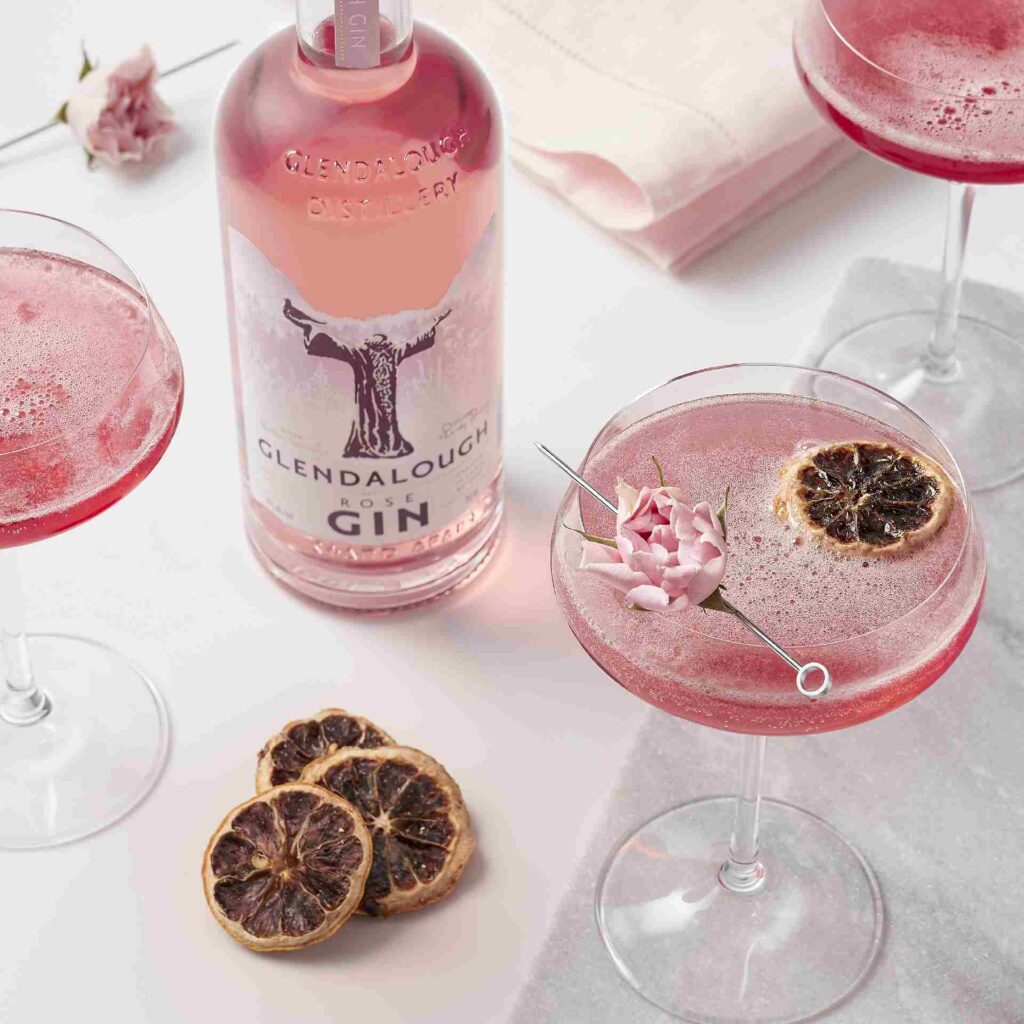
Glendalough Distillery Rose Gin Hibiscus Rose

Glendalough Hibiscus Rose

Refreshing and flavorful, the hibiscus tea syrup plays incredibly well with Glendalough Rose Gin.

  • 1.5 oz. Glendalough Rose Gin
  • 0.5 oz. Hibiscus tea syrup (see note)
  • 0.5 oz. Lemon juice (fresh squeezed)
  • Prosecco to top
  • Dehydrated lemon wheel to garnish
  • Rose petals to garnish
  • 33 oz. Water for hibiscus tea syrup
  • 16 oz. Sugar for hibiscus tea syrup

Add first three ingredients and ice to a shaker. Shake until well chilled and double strain into a coupe.  Top with Prosecco, and garnish with dehydrated lemon wheel and rose petals.

For the hibiscus tea syrup: Steep seven hibiscus tea bags in 33 ounces of water for 15 minutes. Add 16 ounces of sugar.

Images & Recipes: Glendalough Distillery

Related Reading

Work with Us

Click the image below to partner with us on your project.

Client Intake Form - KRG Hospitality

by David Klemt David Klemt No Comments

Hotel Trends to Watch in 2022

Hotel Trends to Watch in 2022

by David Klemt

Unlit hotel sign against blue sky background

Partially driven by the pandemic, in part driven by the march of innovation, these are the hotel (and motel) trends to watch in 2022.

As is the case with restaurant and bar trends from the last two years, these trends are likely to quickly evolve into industry standards.

Once slower on the uptake in comparison to other industries, hospitality is now embracing tech innovations rapidly.

Of course, not every 2022 and beyond trend relies on tech. However, most of the big changes involve tech in some way.

Below are the trends (soon to be standards) to watch and adopt next year.

Digital Room Keys

We do everything on our phones. So, why shouldn’t we access hotel and motel room keys via the devices always in our hands or pockets?

Many tech-forward hotel properties have made it possible to unlock hotel rooms via phone apps. As consumers feel more comfortable that it’s safe, secure and reliable, we can expect physical room keys to become obsolete.

One can also make the argument that doing away with millions of plastic keycards is a more sustainable practice.

Your Face is Your Passport

Points* to anyone who gets the movie I just referenced. (*Points have no value and are not redeemable for anything. But we think you’re cool for racking them up regardless.)

Some properties will make it possible to access a hotel room via biometrics. CLEAR travelers will already be familiar with this tech process.

In short, a guest will be able to unlock their room with their face. In terms of personalization—a guest expectation that’s only growing—facial recognition tech can instantly deliver on a guest’s temp, lighting, and other preferences.

I can also see this technology permitting guests to access clubs; club levels; health centers; pool areas; and order and pay for everything from food and beverage to their entire visit.

Of course, this form of tech relies heavily on people’s comfort levels concerning privacy. So, operators will need to prove themselves responsible with guest data.

Touchless Everything

Convenience works both ways. Guests want frustration-free visits. Operators and managers want to eliminate pain points wherever possible.

Guests are becoming familiar and comfortable with checking in via their phones or kiosks. In some hotels, guests navigate the lobby without ever engaging with an employee.

With the proliferation of digital assistants in homes, guests are already comfortable with voice-based functionality. Ordering room service, turning on the TV and streaming, playing music, drawing automated shades, adjust room temperatures and lights… Digital assistants eliminate several more touchpoints.

AI tech also means hotels can operate with smaller teams effectively. So, hotel design is likely to keep evolving: lobbies will look different, as will rooms, restaurants, bars, and other amenities.

Virtual Room Selection

Speaking of AI, what about VR?

Tech-savvy guests will appreciate being able to “tour” different room options in the virtual space. Such a feature can start a guest’s visit off on the right foot before they ever step onto property.

They’ll know they’re getting the features and views they want, setting up a positive experience. It’s likely VR room tours and selection will also help hotels upsell guests on rooms and features.

Cryptocurrency

There are already hotels and resorts out there accepting crypto. There’s no reason to believe this will fall out of favor any time soon.

In fact, it’s likely guests who prefer to pay via digital currency will be able to pay for every element of their visit with crypto. For these guests, a tech-heavy experience will be appealing:

  • Check out room options via virtual reality before booking;
  • Book their room in the VR space.
  • Utilize digital check-in, then unlocking their room via phone or facial scan.
  • Paying for premium amenities and F&B via crypto ties to biometrics.
  • Contactless check-out.

Guest Who

Unsurprisingly, business travelers were the first to return to hotels during the pandemic. A percentage of these guests sought out hotels that could offer them a work-from-anywhere option.

For the most part, these guests simply needed a fast, reliable WiFI connection. Of course, many of them chose properties for more leisure-focused amenities. This led to the coining of a new industry term: bleisure, a portmanteau of “business” and “leisure” travelers.

It’s likely hotels, motels and resorts will see more traffic from bleisure, solo, and staycation guests in 2022 and beyond.

Many guests will also make property selections based on a brand or group’s sustainability efforts. So, operators will need to ensure they’re being provably sustainable and not just green-washing to attract these guests.

As we can see, technology will feature heavily in the changing hospitality landscape. Initial outlay may be pricy, but as innovations become more commonplace, costs will be driven down. But offering the features that will increase traffic and guest spend? A healthy bottom line is worth it.

Image: NeONBRAND on Unsplash

by David Klemt David Klemt No Comments

US Opening Border to Vaccinated Travelers

US Opening Border to Vaccinated Travelers

by David Klemt

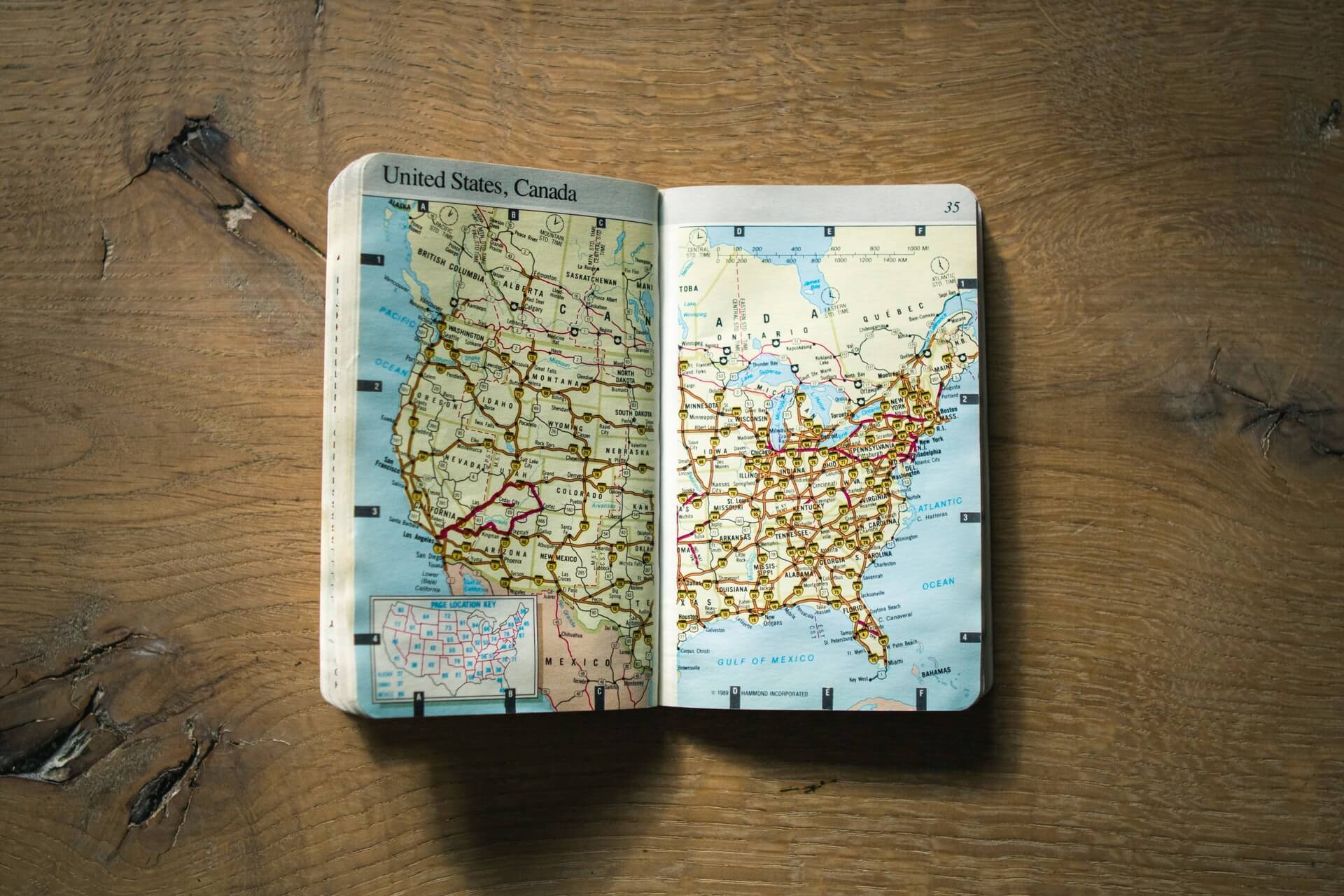
Roadmap showing United States of America, Canada, and Mexico borders

There will be more good news for the hospitality, travel, lodging, and tourism industries on Monday, November 8.

That’s the day that the US will open its borders to international travelers.

Guidance to enter the country applies to travelers arriving by land and air.

Neighbors to the North and South

This welcome news comes nearly three months after Canada opened its border to the US.

And like that border reopening, international travelers will have to prove their vaccination status. In fact, while not all the details are yet known, only fully vaccinated travelers will be permitted to cross American borders. The borders will remain closed to unvaccinated travelers.

The details for non-US travelers seeking to enter the country are as follows:

  • Non-essential travel is permitted.
  • Those entering via air travel will have to show proof of full vaccination before boarding their flight. They will also need to show proof of a “recent” negative Covid-19 test.
  • Travelers entering via Canadian or Mexican land borders will need to show proof of full vaccination. The negative test requirement is not, as of yet, required.
  • For now, Americans and non-US travelers will not have to quarantine after crossing a border.

Initial reporting stated that travel restrictions would be implemented via a phased approach. Land borders would be opened on November. However, air travel would remain restricted until the start of January 2022.

That doesn’t, at this moment, appear to be accurate.

Dozens of Countries Gain Access to US

Foreign travelers from the following countries who meet US requirements for entry will be able to enter:

  • Austria
  • Belgium
  • Brazil
  • Canada
  • China
  • Czech Republic
  • Denmark
  • England
  • Estonia
  • Finland
  • France
  • Germany
  • Greece
  • Hungary
  • Iceland
  • India
  • Iran
  • Italy
  • Latvia
  • Liechtenstein
  • Lithuania
  • Luxembourg
  • Malta
  • Mexico
  • Netherlands
  • Northern Ireland
  • Norway
  • Poland
  • Portugal
  • Scotland
  • Slovakia
  • Slovenia
  • South Africa
  • Spain
  • Sweden
  • Switzerland
  • Wales

Of course, this list is subject to updating, additions, and other changes.

Great News

Obviously, the US opening its borders to dozens of countries is great news for operators in several industries. Additionally, opening borders to economic partner countries should have a positive impact.

If it’s great for tourism, it’s great for hospitality, travel, and lodging and accommodation businesses. In turn, it should be a boon for the US economy.

Airlines should see a spike in travel, much of which will be tourism-based. That means hotels, restaurants, bars, lounges, nightclubs, breweries, distilleries, wineries, entertainment venues, stadiums, and more will benefit.

Operators will need to plan and execute to attract international travelers to leverage demand and increase revenue. Moving forward, forming partnerships with supportive partners (local restaurant with boutique hotel, for example) and working with domestic marketing organizations (DMOs) could pay dividends for savvy operators.

Image: REVOLT on Unsplash

by David Klemt David Klemt No Comments

Vax Passports? Here Come Vax Kiosks

Vaccine Passports? Here Come Vaccine Kiosks

by David Klemt

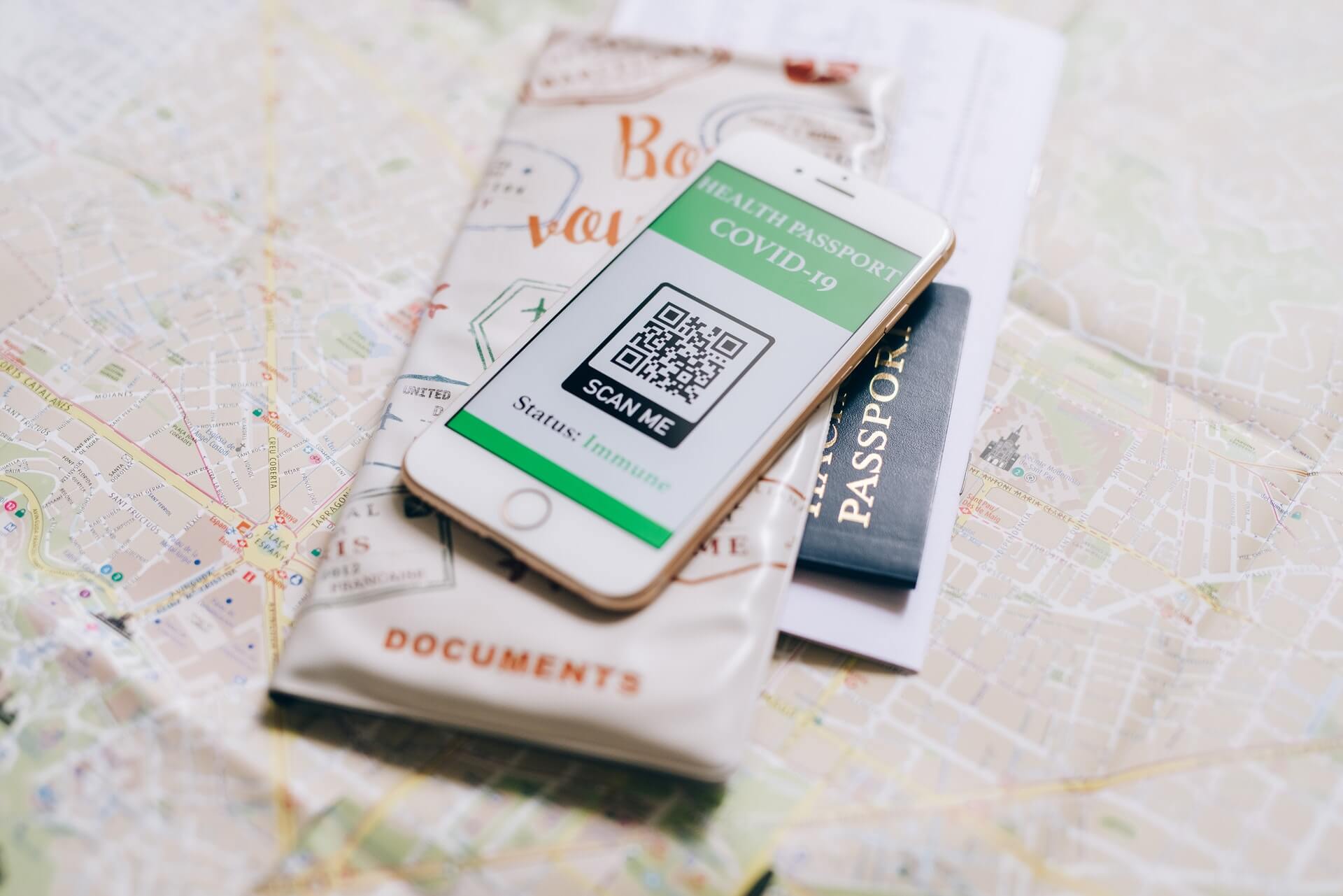
Vaccine passport on phone sitting on map and passport

Some airports and hotels are already leveraging kiosk technology to confirm a person’s vaccine status.

It’s only a matter of time before we see this technology expand to hospitality venues like restaurants, bars and nightclubs.

The question is, what will the confirmation process look like?

CLEAR Example

One of the simplest ways to imagine how these kiosks will work is via CLEAR.

The company uses a person’s unique biometrics to “transform your eyes and face into a touchless ID.” CLEAR can also use fingerprints.

Currently, you can find the service in more than 50 airports, stadiums and other locations. A person walks up to a CLEAR kiosk, it scans their eyes, face and/or fingerprints, and their identity is confirmed.

The company’s website shows a message explaining that CLEAR users can link their vaccine status to their account. At the moment, this appears to be one of the most seamless integrations in terms of tech and an individual’s identity.

One real-world example of how CLEAR works to prove vaccination status comes from the Las Vegas Raiders. To attend home games without wearing masks, people will have to download the free CLEAR mobile app. Using the Health Pass feature, they’ll be able to prove their vaccination status to go maskless at Allegiant Stadium.

Privacy Concerns

So, how else could these kiosks work? First, it’s incredibly unlikely that every major market will install such kiosks. The exception may be airports, of course.

However, some hotel and large restaurant groups may decide to use them, likely in cities like New York that already have vaccine passport apps.

In theory, using a platform like Google API, businesses could install kiosks that scan an app via QR code or other method to confirm a person’s vaccination status.

One glaring issue comes down to privacy.

Loyal CLEAR users trust the company or they wouldn’t use it. However, who would program apps that confirm vaccination status for kiosks? And who would own the data? How secure can that very personal data be?

Millions of people already believe being asked to wear a mask is an infringement on their freedoms. Millions also believe being asked to confirm their vaccination status is a violation of their privacy.

So, how will they respond to vaccine passports at hotels, restaurants, entertainment venues, stadiums, etc.? Whatever side of the debate you’re on, it’s clear that the divide between the vaccinated and unvaccinated is widening by the day.

As has been the case since 2020, lawmakers are punting on taking responsibility for how mandates and “recommendations” are enforced by businesses. As has been the case for well over a year, it’s the guest-facing workers who will bear the brunt of hostile encounters over mask and vaccine rules.

Image: Olya Kobruseva from Pexels

by David Klemt David Klemt No Comments

Canada to Reopen Border

Canada to Reopen Border

by David Klemt

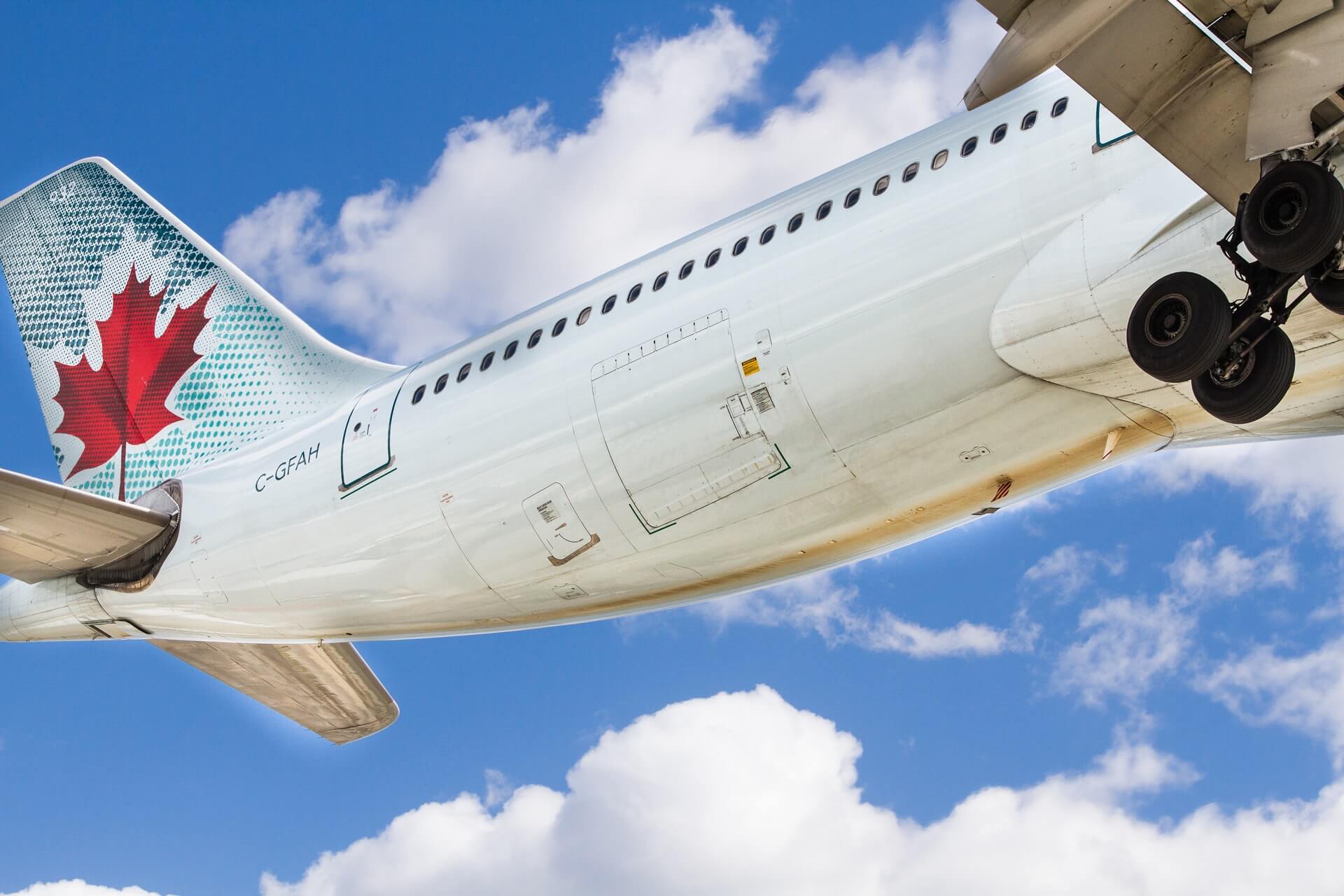
Canadian airplane with maple leaf on tail

In a move months in the making, Canadian Prime Minister Justin Trudeau is opening the border to Americans.

Remarkably, this loosening of Canada-America border restrictions doesn’t pertain solely to essential travel.

Rather, the border will open on August 9 for non-essential travel to American travelers (and permanent residents) who can prove their vaccine status.

Great News

Obviously, this is fantastic news for Canadian hospitality operators (and other business owners, of course).

Really, it’s great news for all Canadians and Americans: people can finally visit family and friends, and the economy should see a boost.

This news comes on the heels of other positive developments for Canada, such as the country’s vaccination rate now surpassing that of America’s. There’s also the province of Ontario bringing back indoor dining.

According to media reports, Canadian officials are in communication with American President Joe Biden’s administration about opening the border the other way.

However, there is no information yet about when that will happen. When asked about Canada’s announcement regarding the border, White House press secretary Jen Paski said the following:

“Any decisions about reopening travel will be guided by our public health and medical experts. We take this incredibly seriously. We look and are guided by our own medical experts. I wouldn’t look at it through a reciprocal intention.”

Should all to plan, Canada will open the border to travelers from other countries on September 7.

The Details

Of course, Americans can’t just flash their passport and cross the border. People eager to enter to Canada need to plan ahead a few days.

This is due to the requirement that Americans—with few exceptions—need to submit travel information 72 hours before arriving at the border. For example, if an American would like to cross the border the day it reopens to them, August 9, they’ll need to begin the process no later than August 6.

So, those travelers will need to use the ArriveCAN website, iOS app, or Android app.

ArriveCAN users using the website will show Canadian border agents a printout. App users will show them their screen.

Also, travelers will need to complete a Covid-19 test within the same 72 hours and be asymptomatic upon arriving at the border.

To review eligibility requirements—including lists of eligible and ineligible vaccines—click here. Full details are here.

The Opportunity

Clearly, the plan to open the border to American travelers and Canadians who found themselves stuck in America due to the pandemic presents a terrific opportunity for business owners.

In particular, in terms of our industry, bar, restaurant and hotel operators must see this development as excellent news.

Family members and friends will be eager for long-overdue reunions. That means hotel stays and restaurant and bar visits. There are also opportunities that relate to weddings, such as rehearsal dinners.

Obviously, operators must prepare for an influx of guests. So, they need to schedule accordingly, prepare staff for possibly overwhelming amounts of traffic, and ensure precautions are in place that reassure team members their health and safety are being considered.

In terms of those who waiting for the “right time” to open their restaurant or bar, this news could be a signal that the hospitality industry is on its way toward recovery in Canada.

It’s crucial that operators and management balance guest and employee comfort levels. Doing so will aid in boosting traffic, increasing revenue, and recruiting, hiring, and employee retention efforts.

Image: John McArthur on Unsplash

by David Klemt David Klemt No Comments

Hospitality Labor Shortage not Improving

Hospitality Labor Shortage not Improving

by David Klemt

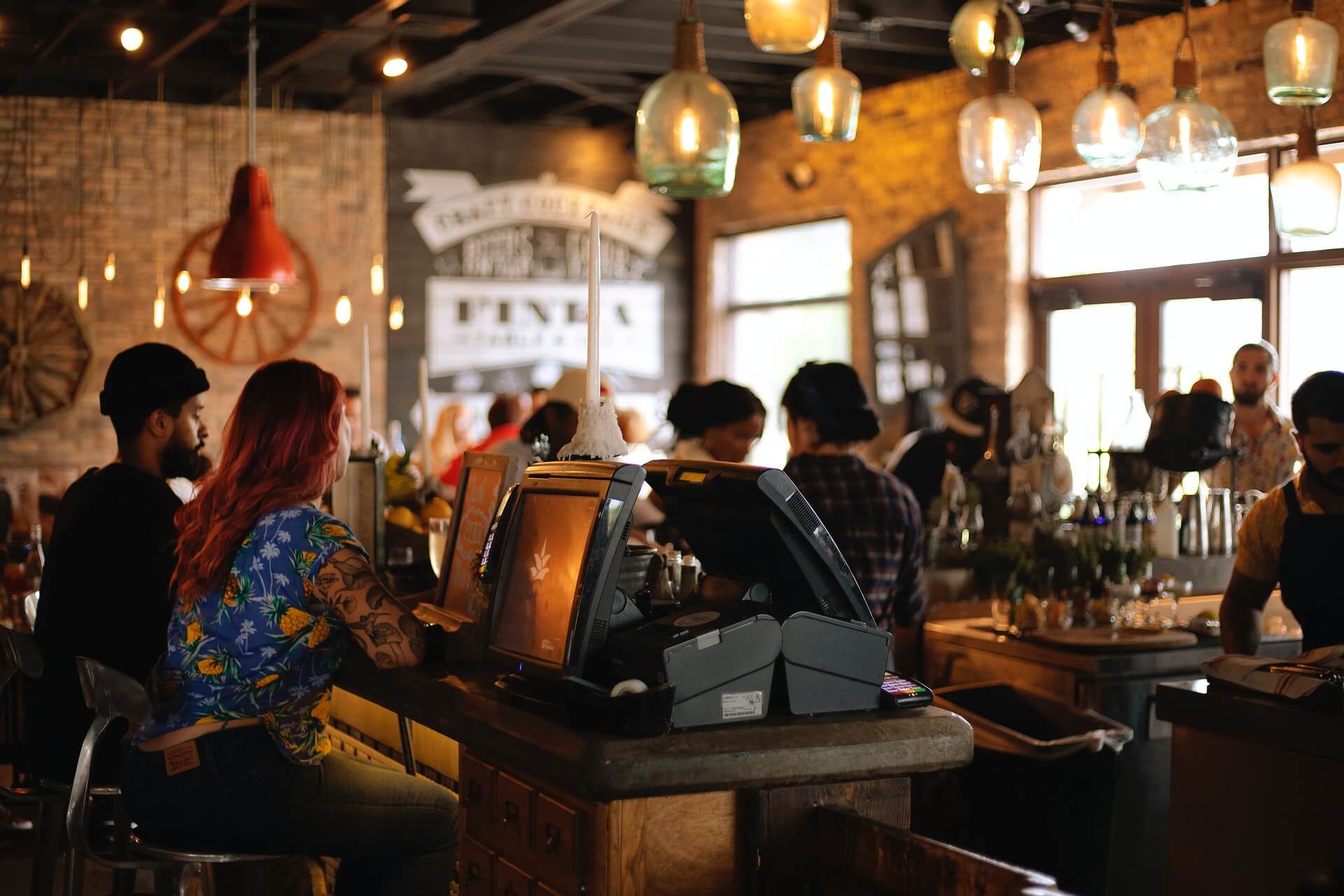
Wait station to side of busy bar

Surveys and data focusing on the restaurant and hotel employment situation paint a stark picture.

The sobering reality is that operators can’t simply point to the pandemic as the reason they’re failing to fill available positions.

Instead, we need to focus on the problems hospitality workers continue to face.

It’s not going to be easy. However, it can lead to positive change. That change can help the hospitality industry recover and thrive long into the future.

Culture is Crucial

Per several sources, millions of hospitality professionals are washing their hands of the industry.

Unfortunately, foodservice and lodging workers are citing several reasons for the exodus:

  • Lack of livable wages.
  • Inconsistent wages.
  • Stress levels not worth level of monetary compensation.
  • Lack of benefits.
  • Lack of mentoring and/or career progress.
  • Industry volatility, particularly devastating as a result of the pandemic.
  • Unhealthy lifestyle: Long shifts, late nights, and alcohol and drug abuse.
  • Cultures of harassment and discrimination.

Obviously, it’s easier to blame labor shortages on the workers. Well, being easier doesn’t make it true.

Industry and workplace culture matters. Employee turnover rates were high long before the pandemic ravaged the planet.

Rather than make excuses, operators need to look at their restaurant, bar or hotel’s culture.

Barking orders and feeling infallible isn’t leadership. Admitting failures and shortcomings—and learning from them and implementing positive changes—is how successful operators lead.

Generic Job Listings

Last week, KRG Hospitality president Doug Radkey asked a simple but poignant question on LinkedIn: Are your job listings just like everybody else’s?

He suggests knocking it off with the old standards:

  • “Are you friendly, energetic, and highly motivated?”
  • “Are you an experienced and enthusiastic [insert position]?”
  • “The ideal candidate must work well in a fast-paced environment and be a team player.”
  • List of basic job tasks.

What’s appealing about such basic, generic ads? Why would rock star talent be moved to work for operators who post these types of ads?

Instead, Doug suggests the following:

  • Hire for values, not experience. Training can address systems and standards, not personality and drive.
  • Operators should be transparent about their core values, company culture, and potential for growth.
  • Showcase the approach to inclusivity, diversity, acceptance, and flexibility. That is, if that’s authentic. If not, that’s a flashing, neon red flag that requires addressing.
  • Offer a living wage, benefits, potential for personal growth, and education.
  • Produce a video of team members sharing why they work at the company. This must be genuine and honest.

A unique approach to ads, hiring and onboarding can lead to an increase in employee retention.

Yes, it’s more comfortable to avoid looking internally for the roots of problems. It’s more comfortable to avoid blame. And it’s more comfortable to point fingers anywhere but at ourselves.

That’s not leadership. And it certainly won’t improve any operator’s situation, nor will it improve the hospitality industry and its opportunity to thrive.

Image: One Shot from Pexels

by krghospitality krghospitality No Comments

SBA Releases RRF Guide and Forms

SBA Releases RRF Guide and Forms

by David Klemt

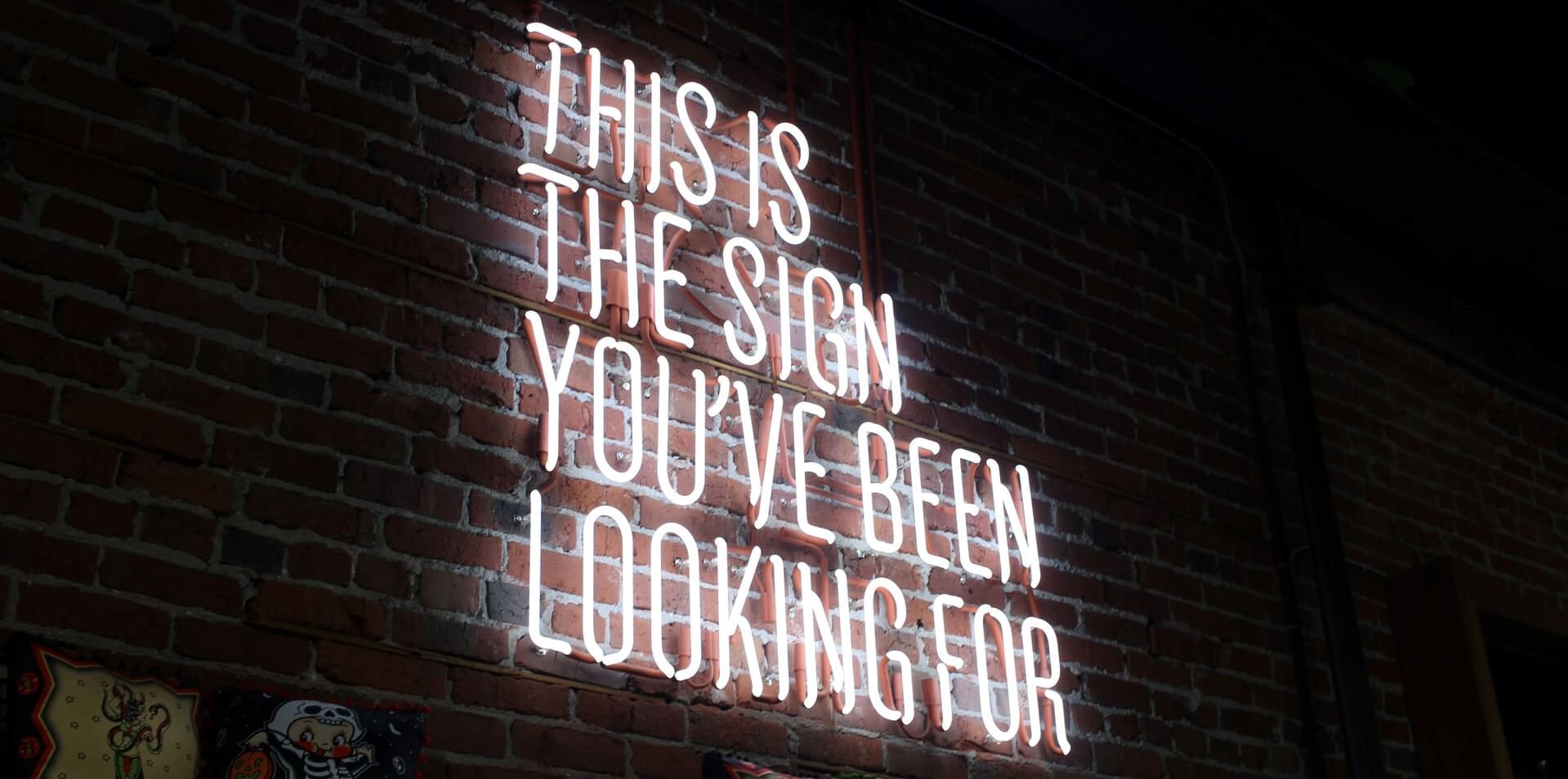
"This is the sign you've been looking for" white neon sign on brick wall

Operators in the United States are nearing the opening of the Restaurant Revitalization Fund application process.

The Small Business Administration’s RRF program guide and sample application are now available.

Let’s jump in!

RRF at a Glance

In simple terms, the RRF is the most targeted relief the industry in America has received since the pandemic took hold.

Eligible entities apply for a tax-free grant equal to the amount of a their pandemic-related revenue losses.

To calculate a grant amount, an applicant subtracts 2020 gross receipts from 2019 gross receipts. Applicants must deduct first-draw PPP and second-draw PPP loans, even if they’re paid back or forgiven. Any economic disaster loans—Economic Injury Disaster Loans, for example—are not RRF deductions.

Per the SBA, operators do not need to register for a System for Award Management (SAM.gov) account, meaning they no longer need to acquire a DUNS number.

RRF Eligibility

As the SBA’s RRF program guide states, eligible businesses A) must not be closed permanently, and B) are places where customers gather primarily to consume food or drink. Such entities include:

  • restaurants;
  • bars;
  • saloons;
  • lounges;
  • taverns;
  • food trucks, carts and stands;
  • snack and non-alcoholic beverage bars;
  • licensed facilities or premises of a beverage alcohol producer where the public may taste, sample, or purchase product; and
  • other similar places of business in which the public or patrons assemble for the primary purpose of being served food or drink.

However, that’s in no way the entire list of eligible businesses. Bakeries, breweries, microbreweries, brewpubs, taprooms, distilleries, wineries, and tasting rooms are eligible if they can provide documentation (which must accompany their application) that:

  • on-site sales to the public comprised at least 33% of gross receipts in 2019; or
  • original business model should have contemplated at least 33% of gross receipts in on-site sales to the public if they’ve yet to open or opened in 2020.

Interestingly, it’s possible for an inn to be eligible for the RRF. Such a business is subject to the same eligibility requirements as bakeries, breweries, etc.

Eligible Expenses

Businesses that receive an RRF grant may use the funds for eligible expenses during their covered period. That timeframe is the “period beginning on February 15, 2020 and ending on March 11, 2023.” Should the business close permanently, that period will end when the business permanently closes or on March 11, 2023, whichever occurs sooner.”

A grant recipient must return any funds to the Treasury if they’re unable to use for eligible expenses by the end of the covered period.

So, which expenses are eligible per the SBA for the RRF program? Below is a short list of eligible expenses:

  • Payroll costs (sick leave, costs for group health care, life, disability, vision, or dental benefits during periods of paid sick, medical, or family leave, and group health care, life, disability, vision, or dental insurance premiums).
  • Payments on any business mortgage obligation, both principal and interest (Note: Excludes any prepayment of principal on a mortgage obligation).
  • Business rent payments, including rent under a lease agreement (Note: Excludes any prepayment of rent).
  • Construction of outdoor seating.
  • Business supplies (including protective equipment and cleaning materials).

For the full list of eligible expenses and many more RRF details, please click here to download and view the entire SBA RRF program guide. To view the sample application and prepare for the process to begin, click here.

Disclaimer

This content is for informational purposes only, and should not be used as legal, tax, investment, financial, or other advice. This article does not constitute professional and/or financial advice, nor does any information constitute a comprehensive or complete statement of the matters discussed or the law. This information is of a general nature and does not address the circumstances of a specific individual or entity. The reader of this information alone assumes the sole responsibility of evaluating the merits and risks associated with the use of any information before making any decisions based on such information.

Image: Austin Chan on Unsplash 

by David Klemt David Klemt No Comments

Las Vegas CEO Offers Vaccination Bonus

Las Vegas CEO Offers Vaccination Bonus

by David Klemt

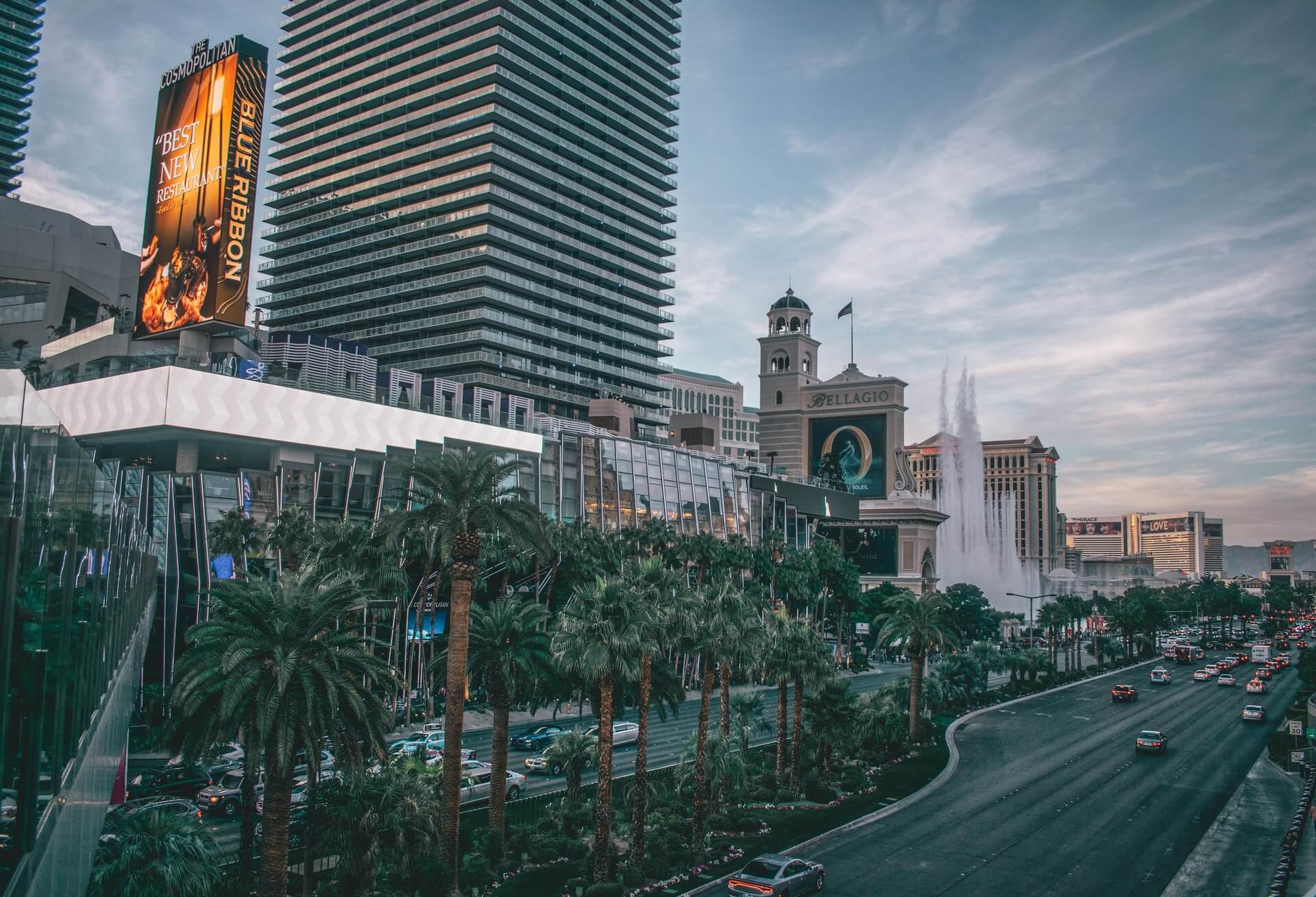
The Cosmopolitan on the Las Vegas Strip

One CEO in the hospitality and lodging industries is offering employees a bonus for getting the Covid-19 vaccine.

William McBeath, president and CEO of The Cosmopolitan of Las Vegas, is incentivizing the resort’s staff with cash bonuses.

Conversely, workers who decline inoculation must take weekly Covid-19 tests.

Cash Incentive

Per the Review-Journal, the largest daily newspaper in Nevada, McBeath is using a tiered approach to the bonuses.

If the resort meets the vaccination goal, the property could pay $1 million to staff.

According to reporting, The Cosmo is pushing for at least 80 percent of staff to receive first doses of a Covid-19 vaccine by the first of May.

The tiered system works as follows:

  • 60 Percent Vaccination Rate: $50
  • 70 Percent Vaccination Rate: $100
  • 80 Percent Vaccination Rate: $250
  • 90 Percent Vaccination Rate: $350
  • 100 Percent Vaccination Rate: $500

The most an employee stands to make is a one-time bonus of $500. Clearly, the 80 percent vaccination rate bonus is an amount the resort finds motivational and a reasonable cost.

Weekly Tests

There are a number of reasons someone may decide against a vaccine. Operators must understand that vaccination is a personal choice.

Requiring staff receive vaccinations is a slippery slope. Setting aside legal ramifications, doing so will likely result in staff attrition, awful PR, and long-term damage to a business.

That’s to say nothing of the failure in emotional intelligence that forcing vaccinations on employees would highlight.

Instead, McBeath’s approach respects an individual worker’s autonomy. The president and CEO isn’t forcing The Cosmo’s staff to receive vaccines. Rather, he’s incentivizing workers to reach the goal set for the resort.

There are no credible reports of Cosmopolitan employees facing termination for refusing vaccination. I was also unable to find any reports of retaliation.

According to Review-Journal reporting, unvaccinated workers will undergo Covid-19 testing. Starting May 1, Cosmo employees who work a maximum of three days per week will be given a test once per week. Those who work four or more days per week will be tested twice per week.

Nevada Seeks to Increase Occupancy Limits, Reopen State

McBeath’s May 1 deadline makes even more sense when one considers current occupancy limits and reopening plans.

Currently, casinos in the Silver State are operating at 50-percent capacity. On May 1, the Nevada Gaming Control Board will be responsible for deciding gaming floor occupancy. In preparation, the NGC wants more of Nevada’s hospitality workers to receive vaccinations.

Additionally, Governor Steve Sisolak has set a June 1 date against reaching 100-percent occupancy statewide. So, The Cosmo’s goal of 80-percent staff inoculation by May 1 makes a lot of sense.

Operators in hospitality and lodging can use McBeath’s incentive program in their own businesses. If it’s crucial to them and their businesses, operators should set a staff vaccination rate goal and implement a bonus schedule that appeals to workers while remaining realistic.

Image: Zachary DeBottis from Pexels