Nightlife

by David Klemt David Klemt No Comments

Spectacle ROI vs Scene Retention: The Two Financial Logics of Nightlife

One of the biggest misunderstandings in modern nightlife is assuming the business runs on a single economic system. It doesn’t.

A sold-out Saturday doesn’t mean your model works, it just means your event worked.

What looks like one category from the outside is actually operating on two fundamentally different financial logics. Some venues run on Spectacle ROI, monetizing attention in spikes through high-impact nights. Others run on Scene Retention, monetizing repeat behavior through habit, identity, and belonging.

Both models can succeed. However, they require different strategies, risk tolerance, and expectations.

Nightlife hasn’t just split culturally, it has split economically.

by David Klemt

A DJ performing from an elevated both, with lights and fog going off over the crowd

Spectacle ROI: The Event Model

Spectacle-driven venues operate like live events.

Revenue is concentrated into big nights, big bookings, and big production. Talent becomes a headliner rather than background. Lighting, visuals, and room energy are core parts of the product. VIP sales function as a structured access economy.

The goal isn’t consistency, it’s impact.

Spectacle venues are built to answer one question: How big can this night be?

When this model hits, it hits hard; a single night can outperform several average weeks. The upside per activation is significant.

The trade-off is structural. Spectacle relies on novelty, meaning programming must refresh constantly, and attention fades faster than loyalty. Without momentum, gravity weakens quickly.

Scene Retention: The Habit Model

Scene-driven venues operate more like cultural infrastructure.

Revenue comes from repeat behavior, not single-night spikes. Guests return because the space feels familiar, aligned, and socially meaningful. Programming cadence matters more than headliner scale, and identity and community replace spectacle as the primary draw.

The question here isn’t how big the night can be, it’s how often the same guests return.

The Scene model builds more slowly than its Spectacle counterpart. This model rarely produces explosive revenue peaks. The retention that the Scene model generates compounds: loyalty stabilizes revenue, and acquisition pressure drops. The venue becomes part of a guest’s social routine, not just an occasional destination.

Scene doesn’t monetize moments, it monetizes habits.

The Revenue Split in Plain View

Spectacle operates on ROE, return-on-event; Scene operates on retention.

One monetizes attention in spikes; the other builds gravity that compounds over time.

That difference shows up everywhere operationally.

The Nightlife Revenue Split

Dimension Spectacle ROI Model Scene Retention Model
Core Goal Maximize revenue per night Maximize guest lifetime value
Economic Engine Event spikes Habit formation
Revenue Pattern Volatile, high peaks Stable, compounding
Guest Motivation Occasion, visibility Belonging, familiarity
Programming Strategy Big moments Consistent rhythm
Marketing Focus Reach, hype Relationship, trust
Risk Profile High Moderate to low
Talent Dependency High Moderate
Growth Style Fast, unstable Slow, durable
Gravity Source Novelty Habit

Neither model is “better” than the other. They’re built for different environments, capital structures, and operator skill sets.

Where Operators Get Into Trouble

Most struggling venues aren’t failing nightlife, they’re failing model and strategic clarity.

Examples show up everywhere:

  • Spectacle-scale buildout with mid-tier programming.

  • Big DJ nights layered onto a space that lacks identity.

  • Strong community concept buried under overhead designed for event economics.

These are structural mismatches.

You can’t run event economics on retention demand. You can’t expect habit behavior in a room designed for episodic spectacle. And you can’t out-market a model mismatch forever.

Diagnostic: Which Business Are You Actually Running?

Operators often think they’re running as one model while their numbers say they’re operating under another. The checklist below is a reality check.

Spectacle ROI Signals

  • ☐ Our biggest nights drive a disproportionate share of revenue

  • ☐ Talent bookings influence weekly performance heavily

  • ☐ Marketing cycles revolve around specific dates or headliners

  • ☐ Guest traffic varies dramatically week to week

  • ☐ VIP/Table sales are a primary profit engine

  • ☐ Production value is central to guest expectations

  • ☐ Without programming refresh, attendance drops fast

  • ☐ We rely heavily on new guest acquisition

  • ☐ Guests talk about specific nights more than our actual venue/brand

  • ☐ Our revenue model depends on scale and volume

If you’ve checked six or more boxes, you’re operating a Spectacle ROI model.

Scene Retention Signals

  • ☐ Regular guests attend multiple times per month

  • ☐ Staff recognize frequent guests

  • ☐ Programming cadence matters more than individual bookings

  • ☐ Week-to-week revenue is relatively stable

  • ☐ Word-of-mouth outperforms paid promotion

  • ☐ Guests describe our venue as their “spot”

  • ☐ Community identity matters (music, culture, subculture)

  • ☐ Nights feel familiar but still engaging

  • ☐ Loyalty drives traffic more than hype

  • ☐ The business could survive a week without headline talent

You’re operating a Scene Retention model if you’ve checked six or more boxes.

The Red Zone

If both sections score high, you may be trying to operate two incompatible economic systems in one space. That’s where identity confusion, overhead mismatches, programming inconsistency, and marketing inefficiency tend to show up.

This is a red flag, and your reality check, particularly if you feel like you’re working hard but not gaining traction. The issue likely isn’t effort, it’s alignment.

Where Gravity Lives

Spectacle captures attention, Scene builds gravity.

Gravity reduces acquisition pressure. It stabilizes revenue and increases guest lifetime value. Without it, venues remain stuck in perpetual re-acquisition mode, always chasing the next spike and new, first-time guests.

That doesn’t make Spectacle wrong or a “bad” model; it means Spectacle is a different business.

The Decision That Shapes Everything

Before programming calendars, deciding on talent budgets, or developing marketing plans, operators need to answer one question: Are we built to maximize nights or years?

The answer shapes staffing structure, pricing strategy, programming cadence, capital planning, and growth expectations.

Clarity here doesn’t limit a concept, it lays it a stable operating foundation on which a successful legacy brand can be built.

Nightlife hasn’t just fragmented socially; it has separated into two financial logics. Operators who understand which model they’re actually running and stop trying to be both are the leaders positioned to build nightlife brands with real staying power.

Related Reading

Image: Matty Adame via Unsplash

Work with Us

Click the image below to partner with KRG Hospitality on your nightlife project.

Client Intake Form - KRG Hospitality

by David Klemt David Klemt No Comments

When Nightlife Becomes an Industry: Spectacle Economics in the U.S.

The U.S. shows what happens when Spectacle Nightlife reaches full maturity: the category shifts from subculture to structured entertainment economy.

Over the past several years, nightlife hasn’t just gotten bigger in the U.S., it has become an industry all its own.

In cities like Las Vegas, a club night can carry the economics of a touring concert, the sales structure of luxury hospitality, and the marketing engine of a major event.

This isn’t nightlife as Scene, it’s nightlife as Spectacle infrastructure. DJ bookings become headline acts, VIP ecosystems become core revenue engines, and venues function less like local scenes and more like recurring live-event platforms.

Understanding this shift isn’t about monitoring trends, it’s recognizing how scale changes the economics, risks, and operating realities of going out.

by David Klemt

Female DJ on the decks, overlooking a nightclub crowd bathed in red light

There was a time when nightlife was primarily a cultural business with entertainment layered into operations and programming.

In the U.S., that equation has flipped.

Today, top-tier Spectacle Nightlife operates at the intersection of three systems:

  • Live-event economics: headliner-style bookings, one-night performance stakes

  • Luxury hospitality mechanics: tiered access, service levels, status signaling

  • Entertainment production logic: lighting, staging, sound, and visuals as core product

This reality goes beyond just running a “busy club.” These venues are now functioning as recurring event platforms.

The DJ is no longer in the background, they’re the headliner. Production is no longer atmosphere, it’s the expectation. VIP is no longer a side offering, it’s the revenue engine.

That is industrialization.

Las Vegas: The Fully Realized Spectacle Model

If you want to see the Spectacle model built out fully, you look to Las Vegas.

Vegas has proven something the rest of the industry now studies and tries to emulate at varying scales: nightlife can be engineered like a large-scale entertainment product when tourism volume, capital investment, and talent pipelines align.

Here, a single night can resemble a festival set compressed into a room (or pool deck, or rooftop, or…):

  • internationally known DJs

  • large-format LED installations

  • choreographed lighting and visual sequences

  • host-driven VIP ecosystems functioning like parallel sales forces

Guest segmentation isn’t incidental, it’s strategic. General admission, elevated GA, table service, VVIP… Each tier represents a different product, not just a different price.

Vegas didn’t simply grow its clubs, it has built a repeatable Spectacle machine.

Spectacle Beyond Vegas: Markets Scaling the Model Differently

While Las Vegas is the clearest example of industrialized Spectacle Nightlife, it isn’t alone.

Other U.S. cities have developed variations of the model. Some may operate at a slightly reduced scale but they’re still built around visibility, production, and high-value guest segmentation.

Miami: Spectacle as Lifestyle Infrastructure

In Miami, nightlife merges with tourism, luxury culture, and 24-hour energy.

Venues like E11EVEN Miami demonstrate how Spectacle logic travels outside Vegas: performance-driven environments, celebrity DJs, VIP ecosystems, and branding that positions the club as a destination in itself. The club even has its own lifestyle clothing brand, with its own dedicated website.

Miami’s version of Spectacle is less about mega-scale venues and more about allure, visibility, and proximity. That said, the economics still revolve around tiered access, production value, and guest perception of status.

Lesson: Spectacle doesn’t need Vegas volume if the city already functions as a global playground.

New York: Spectacle Under Density Pressure

New York City supports both Scene ecosystems and Spectacle venues, but its Spectacle model operates under different constraints: real estate costs, licensing limits, and neighborhood density.

Large-format nights still exist, but the economics require sharper programming, faster turnover of what’s “hot,” and stronger marketing engines. In NYC, Spectacle must fight harder for attention because the city’s overall entertainment field is so crowded.

Lesson: Spectacle in dense urban markets becomes a momentum business: constant refresh, constant visibility.

San Francisco: Spectacle Facing Structural Headwinds

San Francisco shows what happens when Spectacle-style nightlife meets demographic and economic pressure.

Large, generalized club formats have struggled as population patterns and social habits shift. The result isn’t the disappearance of nightlife, but a reduction in the viability of broad, mainstream Spectacle venues.

Markets like this expose a key truth: Spectacle requires the right ecosystem (population flow, tourism, and nightlife culture density) to remain sustainable.

Lesson: Without structural support, Spectacle struggles to maintain gravity.

What Scale Changes

When Spectacle scales to this level, the rules of nightlife shift.

1. Programming Becomes High Stakes

In smaller scenes, a soft lineup might dent a week. At industrial Spectacle scale, one weak booking can impact staffing efficiency, beverage forecasts, and margin performance in a single night.

Talent becomes a cost center that must perform like an asset.

2. Operating Costs Reshape Risk

Between talent fees, production crews, technical systems, security, and host teams, the cost structure resembles event production more than traditional bar operations.

Profitability depends on volume, pricing power, and consistent demand. This model rewards scale, and punishes inconsistency.

3. Marketing Becomes Infrastructure

Promotion is no longer a tactic, it’s a crucial system.

Hosts, promoters, influencer networks, partnerships, and digital campaigns function as a distributed sales and awareness engine. Without it, the machine stalls.

4. The Middle Gets Squeezed

At this scale, the market tends to split into true Spectacle venues, and everything else.

Mid-sized concepts that borrow the look without the engine and gravity often struggle to justify their position.

The Trade-Off of Spectacle at Scale

Industrial Spectacle Nightlife delivers destination pull, global brand visibility, massive revenue potential, and talent relationships that feed future programming.

However, this scale also compresses cultural cycles.

When production value rises everywhere, differentiation must move faster. Trend lifespans shorten, talent dependence deepens, and fatigue sets in more quickly if the experience feels interchangeable.

The more nightlife behaves like industry, the less room there is for cultural ecosystems that are slower to grow to define the mainstream.

The Counterweight: Scene Nightlife in the U.S.

Even in the U.S., Spectacle isn’t the whole story. If Spectacle represents nightlife as industry, Scene represents nightlife as cultural infrastructure.

Further, Scene nightlife isn’t limited to “small” or “secondary” markets, it’s simply the counterweight.

In places like Brooklyn, Chicago, and Detroit, Scene Nightlife operates on a different economic model. The model is defined by lower production arms races, deeper musical or cultural identity, and repeat behavior driven by belonging rather than visibility.

However, these spaces aren’t anti-Spectacle. Instead, they simply monetize a different currency: loyalty rather than volume.

This is the same structural split visible in Canada (and elsewhere), just with greater economic extremes on the Spectacle side in the U.S.

Chicago: Scene as Heritage and Habit

Chicago operates on deep musical lineage and neighborhood ecosystems. House music culture, live music venues, and genre-driven nights create repeat behavior grounded in identity, not production scale.

Chicago’s nightlife isn’t built around Spectacle-motivated spikes, it’s built around weekly rhythms that feel owned by the community.

This is where I first experienced nightlife, from the city’s biggest and most (in)famous nightclubs to goth and industrial bars, and everything in between. Chicago’s Scene Nightlife shaped a significant portion of who I am today.

Detroit: Culture Over Flash

Detroit remains one of the clearest examples of Scene logic. Techno heritage, intimate venues, and music-first environments make nightlife feel participatory rather than performative.

The value isn’t in flashy visual production. In Detroit, the value is in credibility.

Brooklyn: Scene at Urban Scale

Brooklyn demonstrates how Scene can operate at significant size without losing identity. Music-driven venues, warehouse-style events, and culturally specific nights build followings based on trust and consistency.

Brooklyn shows Scene doesn’t mean small. The reality is that Scene Nightlife in Brooklyn is anchored in culture first, scale second.

Portland: Micro-Scene Density

Portland thrives on personality-driven nightlife: themed venues, alternative events, and subculture-specific programming. These rooms rarely compete on spectacle; they compete on character.

This is nightlife designed for people who already know why they’re there, who want to be present, and who value experience over exposure.

Denver: Experience Reframed

Denver shows how Scene evolves with guest behavior. Social events, live music, and alternative nightlife formats emphasize connection, pacing, and community over traditional late-night spectacle.

Here, nightlife behaves less like a production and more like shared experience infrastructure.

What This Means for Operators

When considering starting a nightlife venue, the most important decision by operators isn’t design style, it’s business model identity.

The Spectacle Nightlife model operates on ROE: return on event. Scene Nightlife operates on retention. One monetizes attention in spikes, the other builds gravity that compounds over time.

Dimension Spectacle Nightlife Scene Nightlife
Economic Driver Event revenue spikes Repeat visit frequency
Financial Logic Return on event Retention/Lifetime value
Guest Motivation Visibility, energy, occasion Belonging, familiarity, identity
Programming Model Big nights, headline draws Consistent cadence, trusted rhythm
Risk Profile High volatility Lower volatility, slower growth
Marketing Focus Momentum and reach Community and trust
Gravity Source Hype cycles Habit formation

If You’re Playing Spectacle at Scale:

You are in several businesses at once: the event business, the talent business, and the luxury access business.

To ensure you succeed in Spectacle Nightlife, you need capital depth, programming pipelines, partnerships, and risk tolerance.

This is a high-reward, high-volatility model.

If You’re Not:

Attempting to replicate Spectacle aesthetics without Spectacle economics is incredibly dangerous.

Most markets can’t support industrial-scale nightlife infrastructure. Therefore, following the logic, many are better suited to Scene logic: identity, community, programming cadence, and repeat behavior.

Clarity on how to execute the Scene Nightlife model will help an operator create gravity (the invisible force that pulls the right guests back, again and again).

The Bigger Picture

The U.S. demonstrates what happens when Spectacle Nightlife reaches full economic maturity.

It’s impressive, there’s no doubt it. I’ve witnessed the evolution and industrialization of nightlife in Las Vegas firsthand for nearly two decades.

It’s engineered. Successful Spectacle Nightlife venues are systemized fully, with ruthless precision; nothing is left to chance.

Importantly, it’s also profitable. There are venues that boast nine-figure revenue generation annually.

However, it also makes the defining divide clearer than ever: nightlife today is built either for scale and visibility or depth and belonging.

Operators who understand which business they’re really in—and stop pretending they’re in both—are the industry leaders positioned for longevity as the economics of going out continue to evolve.

Related Reading

Image: Kemal Can via Pexels

Work with Us

Click the image below to partner with KRG Hospitality on your nightlife project.

Client Intake Form - KRG Hospitality

by David Klemt David Klemt No Comments

Canada’s Nightlife Split: Spectacle vs. Scene, and What it Means for Operators

Closures don’t kill nightlife, sameness does. Across Canada’s major cities, nightlife isn’t disappearing, it’s sorting itself.

What used to be a broad middle ground of bars and clubs for everyone is fragmenting into two distinct operating models.

A recent cultural critique described nightlife as splitting between highly visible, algorithm-feeding spectacle and darker, more immersive underground spaces built for experience over exposure. (Indeed, a number of nightclubs and nightlife venues have dance floor phone bans in place to protect at least one element of the guest experience, and keep people present.) It’s a sharp observation.

For operators, this isn’t about aesthetics or vibes. Nightlife operators need to understand how attention works now, how guests behave inside venues, and what really drives repeat behavior. What we’re seeing is a structural divide: Spectacle Nightlife vs. Scene Nightlife.

This split isn’t uniquely Canadian. It’s visible in major nightlife markets across the U.S. and globally. However, Canada’s cities offer a particularly clear view of how the two models compete and coexist.

Canada’s nightlife markets are a live case study on how these two models, Spectacle and Scene, compete, coexist, and succeed differently.

by David Klemt

DJs performing in tandem or back-to-back inside dark a nightclub.

The Structural Split: Spectacle vs Scene

Spectacle Nightlife

Spectacle nightlife is built for visibility.

These are high-energy, high-production environments designed to deliver moments, visually, socially, and culturally. They thrive on:

  • scale

  • lighting and production

  • social media momentum

  • “who’s hot tonight?” dynamics

Guests don’t just attend these venues and curated events. They perform in their own right, for friends, strangers, and, undeniably and increasingly, for the feed. The room is part dance floor, part stage.

From an operator standpoint, Spectacle Nightlife typically means:

  • higher buildout and operating costs

  • constant programming refresh to avoid fatigue

  • strong marketing engines

  • volatile relevance curves (big spikes, fast drop-offs)

When it works, it prints. When it fades, it fades fast.

Scene Nightlife

Scene nightlife is built for immersion.

These spaces are less about being seen and more about being there, and being present in the moment. The focus is on:

  • music or cultural identity

  • community and familiarity

  • programming depth over production scale

  • nights that feel specific rather than interchangeable

The goal isn’t to create a moment for a camera, it’s to create a night people remember. Importantly, they remember the night (or day; I haven’t forgotten about you, daylife operators and programmers) because they were present in it, not documenting it.

Operationally, Scene Nightlife tends to mean:

  • programming-driven differentiation

  • slower growth but deeper loyalty

  • lower hype volatility

  • stronger long-term cultural positioning

The energy isn’t just explosive, it’s sticky.

Why This Split is Happening: Sameness Fatigue

Guests aren’t just more price-sensitive, they’ve become experience-sensitive.

This has been true for several years now. A significant percentage of consumers make it clear they’re more interested in paying for experience than just buying things.

When nightlife starts to feel like the same playlist in the same room with the same crowd posting the same photos and videos, people pull back. They’re not rejecting nightlife entirely but they see no value in buying into interchangeable nights.

Spectacle formats that don’t evolve quickly enough collapse into noise. Scene formats, when done well, stand out because they feel specific to a sound, a community, a neighborhood, a subculture.

This is the backdrop against which Canada’s nightlife markets are operating.

How Canada’s Markets Reflect the Split

Vancouver: The Rise of the Intentional Night

Vancouver behaves increasingly like a Scene-leaning market.

Instead of broad, mainstream club ecosystems, the traction is in curated parties, themed nights, listening-bar energy, and ticketed or semi-ticketed events.

Discovery often happens through community networks, not just mass promotion. Nights with a clear identity (sonic, cultural, or thematic) outperform generic formats.

Operator lesson: Vancouver rewards clarity over scale. Being for someone beats trying to be for everyone.

Toronto: Big Enough for Both, Brutal to the Weak

Toronto can support Spectacle Nightlife. It has the population, tourism flow, and density to sustain high-visibility formats.

However, Toronto also punishes mediocrity, and it does so quickly.

At the same time, Toronto’s neighborhood ecosystems and niche venues show strong Scene dynamics. There are music-first rooms, culturally anchored spaces, and smaller venues with loyal followings.

Operator lesson: Toronto isn’t anti-spectacle, it’s anti-average. If you’re running Spectacle logic, it has to be sharp. On the other hand, if you’re Scene-driven, it has to be real.

Calgary: Social Infrastructure Over Spectacle

Calgary leans naturally toward Scene Nightlife.

The strength of its after-dark culture often lives in live music, approachable social bars, neighborhood movement, and nights built around connection, not performance.

This is nightlife as habit, not event. The room is a place to gather, not a place to stage a moment.

Operator lesson: Not every market wants a stage; some just want a room. Concepts that feel like community infrastructure rather than Spectacle venues hold traction.

Montreal: Culture as Competitive Advantage

Montreal’s nightlife behaves most like culture, not just entertainment.

Its advantage isn’t just venue count, it’s in neighborhood identity, programming depth, and scenes with history and credibility.

Even when venues scale, they often retain a Scene backbone: a sense that guests are stepping into a space that has context and character.

Operator lesson: You can’t manufacture Montreal-style nightlife with capital alone. Culture compounds, but only if it’s protected.

What This Means for Operators

The biggest mistake right now is trying to sit in the middle. Borrowing the look of Spectacle Nightlife without the engine or trying to co-opt the vibe of Scene Nightlife without the depth are failing “strategies.”

Positioning Question: Which model are you building?

This choice shapes a number of crucial operating elements, such as:

  • marketing strategy

  • staffing profile

  • programming cadence

  • revenue rhythm

  • risk tolerance

If You’re Spectacle-Leaning:

You need a strong visual and production identity, constant programming evolution, social momentum, and a content strategy.

Further, you’ll need to maintain operational precision under pressure.

If you choose to operate in the space of Spectacle Nightlife, you’re in the attention business; stagnation is your enemy.

If You’re Scene-Leaning:

You need consistent, credible programming. You’ll also need to build a team who understands culture, not just service.

Scene Nightlife operators must commit to community integration. Community in the sense of the immediate neighborhood, the town or city, and the subcultures targeted in the programming.

Crucially, if you’re a Scene Nightlife operator, you’ll need patience. Your brand will build more slowly but will also last longer.

You’re in the belonging business, and authenticity is your currency.

The New Competitive Advantage

Neither Spectacle nor Scene Nightlife concepts can rely on buildout alone for an advantage. Similarly, they can’t rely on table and bottle sales, nor will they succeed simply because of their talent bookings.

The new, clear competitive advantage in nightlife, regardless of how the concept leans, is clarity of experience design. Clarity is what creates gravity, the invisible force that pulls the right guests back, again and again.

Nightlife operators need to ask key questions about their experience design and programming:

  • What kind of night is this?

  • Who is this night for?

  • Why should a guest return after this night, not just once but habitually?

The markets that will thrive aren’t the ones with “more nightlife.” They’re the markets with clearer nightlife: concepts that understand whether they’re building spectacle or building scene, and align every decision accordingly.

It’s important to understand that nightlife hasn’t split because guests have stopped going out. The reality is that nightlife has split because because guest attention has changed.

Operators who understand this shift aren’t just surviving this era, they’re the leaders who will define what going out looks like next.

Related Reading

Image: Phat Doan via Pexels

Work with Us

Click the image below to work with KRG Hospitality on your nightlife concept. Cheers!

Client Intake Form - KRG Hospitality

by David Klemt David Klemt No Comments

Indies: Which Cities Lead the Way?

Independents: Which Cities Lead the Way?

by David Klemt

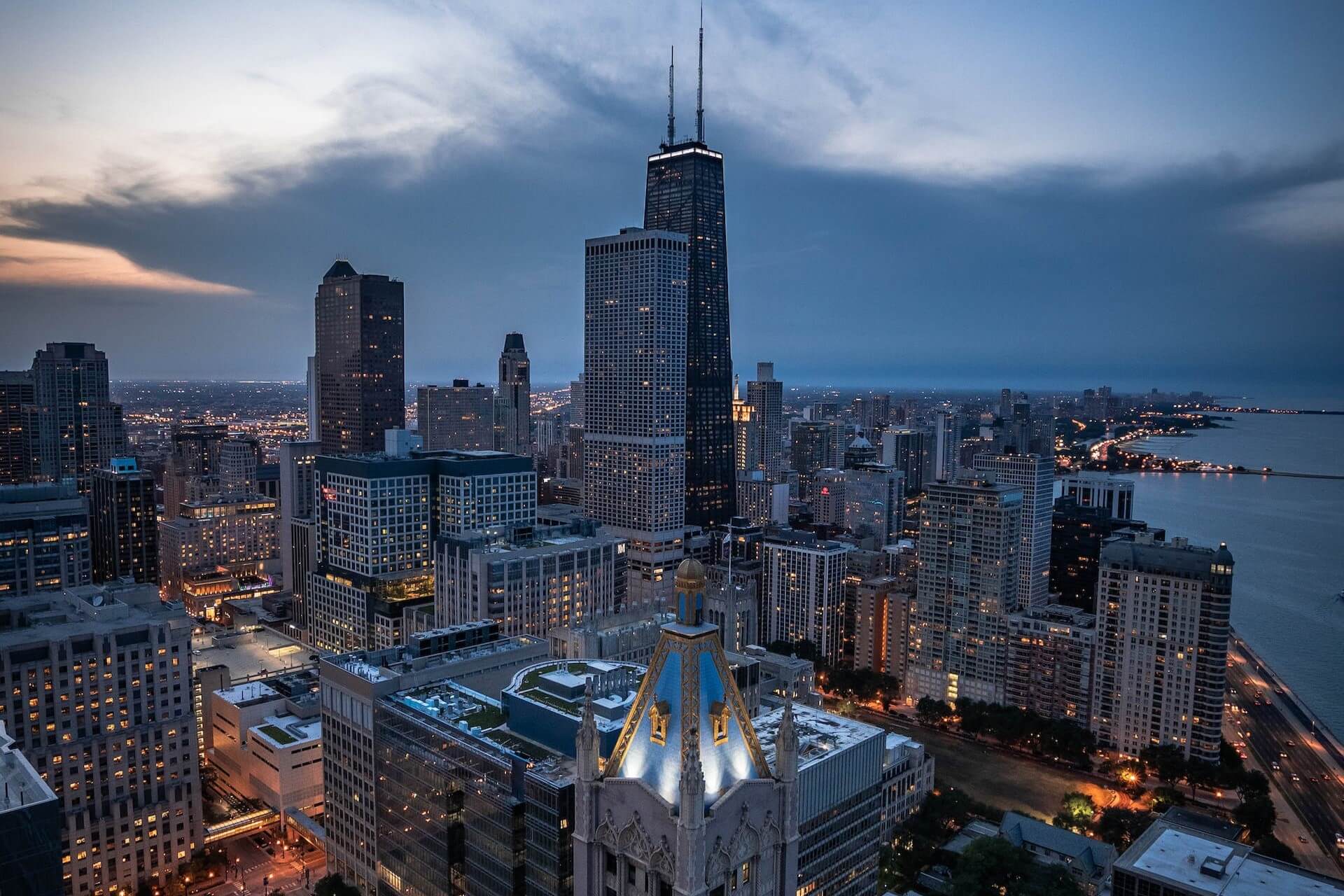
Aerial view of Chicago skyline and Lake Michigan coastline

The majority of the top ten indie restaurants on the Restaurant Business Top 100 Independents ranking are in two American cities.

Those two cities are Miami Beach, Florida, and Chicago, Illinois. While Miami Beach claims two spots among the top three, Chicago has the most restaurants in the top ten. However, the top three indies are all in Florida, with number two being the Boathouse in Orlando.

So, Florida and Illinois are home to nearly the entire top ten of Restaurant Business’ Top 100 Independents. That’s impressive.

What’s even more impressive is the combined annual sales figure of the top ten: $333.4 million. Now, let’s separate Miami Beach. The three indies in the Florida city generated nearly $114 million themselves. Chicago’s four indies among the top ten generated $118 million.

Taken together, the top 100 indies generated $1.95 billion.

All told, 14 of the top 100 indies as ranked by Restaurant Business are in Chicago. Five are in Miami Beach, and five are in Miami. Before I move on, no, Miami Beach and Miami aren’t the same city; they’re entirely separate municipalities. In total, 16 restaurants on this list are in Florida.

New York boasts 15 restaurants on the list. Four are in San Francisco, and just two are in Los Angeles. However, California claims 15 restaurants in total.

However, as you’ll see below, this Restaurant Business list consists of more than just the usual big cities.

Restaurant Business Top 100 Independents: The Top Ten

Below, the top ten independent restaurants, per Restaurant Business.

  1. Joe’s Stone Crab Restaurant (Miami Beach, Florida)
  2. The Boathouse (Orlando, Florida)
  3. Komodo Miami (Miami Beach, Florida)
  4. Maple & Ash Chicago (Chicago, Illinois)
  5. Mila (Miami Beach, Florida)
  6. Sierra Mar (Big Sur, California)
  7. Gibsons Bar & Steakhouse (Chicago, Illinois)
  8. Gibsons Italia (Chicago, Illinois)
  9. Alexxa’s (Las Vegas, Nevada)
  10. Alinea (Chicago, Illinois)

Alinea commands the highest average check among the top ten, at $650. The most reasonable is the Boathouse, averaging $45.

Interestinglyand perhaps logicallythese two restaurants find themselves in the inverse when it comes to annual meals served. The Boathouse serves the most: just over one million. And Alinea, among the top ten indies, serves the least: nearly 45,700.

Notably, when we move on to numbers 11 to 20, Las Vegas, Miami, and New York account for six restaurants.

However, it’s also notable that it’s not just the usual big cities with restaurants on this list. Smaller cities, such as Frankenmuth in Michigan, are home to some of America’s top-performing independent restaurants.

For some context, Frankenmuth has a population of less than 5,200 people. However, Michigan’s “Little Bavaria” draws three million tourists per year. So, it’s no surprise that Zehnder’s Restaurant generates more than $19 million in annual sales.

Restaurant Business Top 100 Independents: The Bottom Ten

Just for fun, let’s take a look at the bottom ten on the Restaurant Business list.

  1. Siena Tavern (Chicago, Illinois)
  2. Fleet Landing Restaurant & Bar (Charleston, South Carolina)
  3. Electric Lemon NY (New York, New York)
  4. Bar Siena (Chicago, Illinois)
  5. El Vez (Philadelphia, Pennsylvania)
  6. Mi Vida (Washington, DC)
  7. Scoma’s Restaurant (San Francisco, California)
  8. Mexican Sugar (Las Colinas, Texas)
  9. The Shed Barbecue & Blues Joint (Ocean Springs, Mississippi)
  10. Chef Adrianne’s Vineyard Restaurant and Bar (Miami, Florida)

Adding context, these ten restaurants have generated $114.6 million in annual sales. That’s roughly the same amount of annual sales as the three restaurants in Miami Beach in the top ten.

Each of the “bottom” ten has annual sales ranging from $11.2 million to $11.9 million.

Takeaway

We all know the following axiom: “Location, location, location.”

It’s tempting to assume this means a business must be in a major city. That’s a woeful oversimplification. Myriad considerations must be made when looking at a market, whether the population is in the hundreds or millions. Assuming a concept will drive traffic and generate millions of dollars solely because it’s in a major city is foolish.

Let’s take another look at Zehnder’s in Frankenmuth. The restaurant, number 47 on the list, generated $19.2 million in annual sales. Moreover, it’s in a town with a population under 5,200.

Number 46 generated $19.3 million and is in (on?) Waimea in Hawaii. Number 48 boasted annual sales of $19 million and is in a city with a population of almost 2.7 million: Chicago.

Clearly, tourism a key contributing factor to the success of Zehnder’s. Not population, not the demographics of the permanent residents, not big-city status.

So, what about check average? Alinea, number ten, has the highest at $650 and generated $28.3 million in sales. However, the Spot, number 85, has an average check of $18 and generated $12.3 million.

The success of any restaurant, bar, nightlife or eatertainment concept doesn’t come down to a single element. What sets a concept apart is a deep understanding of a specific market, the surrounding markets, “sister” sites and competitors, guest desires and expectations, and so much more.

How does an operator come to understand their operation and their market? A feasibility study to start. Then comes a thorough, coherent concept plan and a complete business plan, and an obsession with data.

Operators who put in the work to attain strategic clarity have the potential to earn their way onto the Top 100 Independents list.

Image: Cameron Casey on Pexels

Bar Pub Brewery Nightclub Club Nightlife Business Plan

by David Klemt David Klemt No Comments

Two New Review Platforms You Need to Know

Two New Review Platforms You Need to Know

by David Klemt

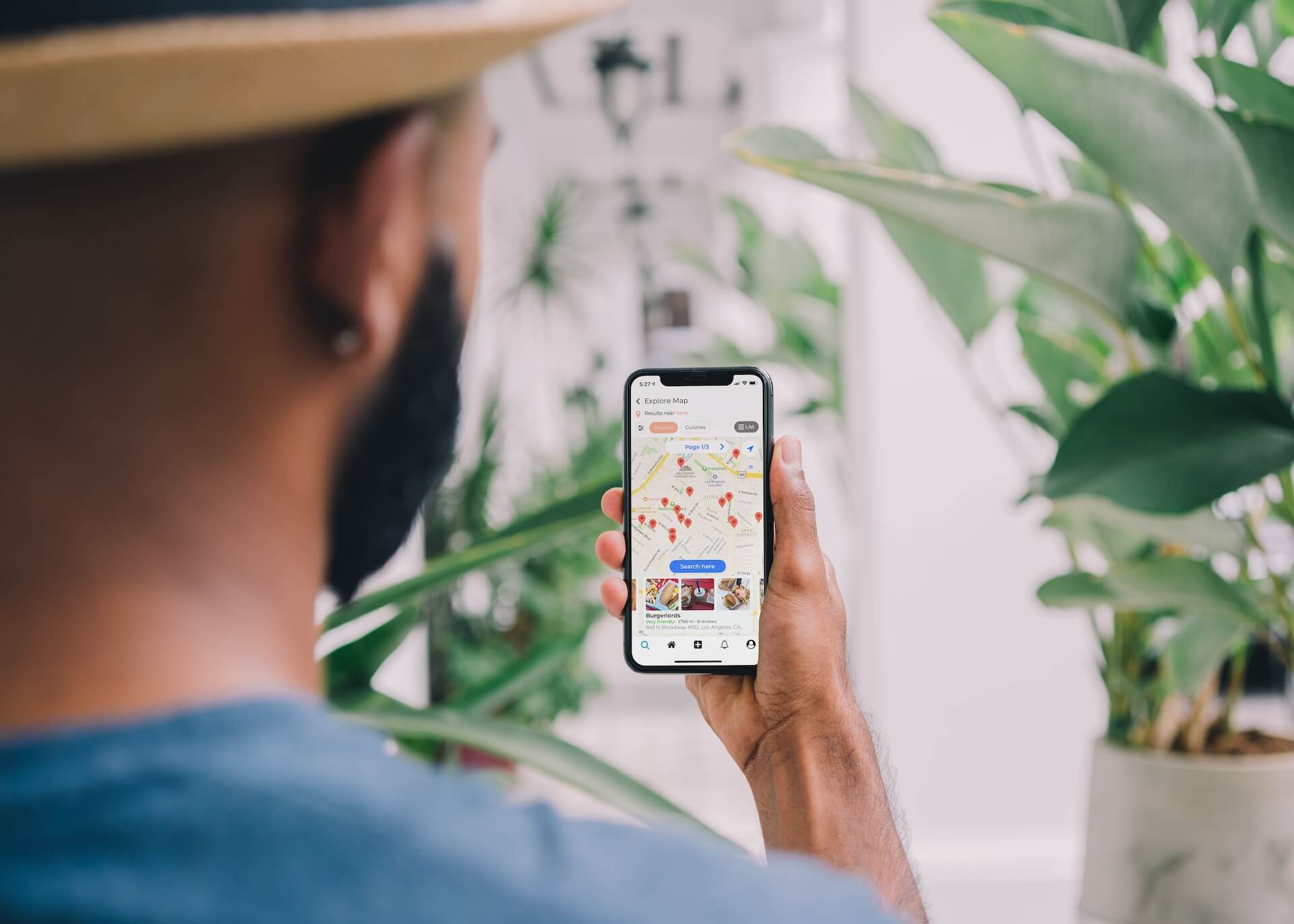
Person looking at restaurants on a map on their phone

Operators should be aware of two new review platforms that will help people discover their restaurant, bar, nightclub, or eatertainment venue.

At this point, we’re all aware of the mainstream review sites. Google, Yelp, OpenTable, Tripadvisor… Whether viewed as a helpful discovery tool or nuisance, each is a well-known player.

Well, there are new platforms on the scene. Importantly, each one is putting their own stamp on how people review venues and discover new experiences.

For example, I wrote about a new platform that rejects negative reviews a few weeks ago. It’s Good “believe[s] a restaurant rec from 1 trusted friend is more valuable than recs from 10,000 strangers.”

The founders, including Kevin Auerbach (former Apple), Meghan Raab (former Snap), director and photographer Mike Rosenthal, and songwriter and performer John Legend, have also eschewed the standard star rating.

So, that’s one modern-day take on the review platform. Now, two others.

Atmosfy

By now, most people are aware that video content outperforms static photography on social media. In other words, people engage more with video.

That’s not to say that static photography is obsolete. Rather, when it comes to discovery, video appears to be king at the moment.

Enter: Atmosfy.

This platform is all about video reviews. In fact, their website reads, “A video is worth a thousand pictures.” Restaurant, bar, nightlife, and eatertainment operators should see the value in users showing off their experiences via video.

In addition, users get access to a personal map. They can bookmark places they’ve been and want to go, and share their experiences so others can discover them.

And with $12 million in seed funding from Redpoint Ventures and other venture capital firms, operators can be certain this is no flash in the pan. In fact, Atmosfy supports in excess of one million businesses in over 10,000 cities in more than 150 countries.

Recs

First, the T-rex mascot of this platform is pretty cool.

Second, Recs takes a similar approach to It’s Good. However, the founders, Jesse Berns and Sean Conrad, have put their own spin on review platforms.

Like It’s Good, Recs sees far more value in recommendations from friends than strangers. Also, there’s no star rating system, nor will users find negative reviews.


View this post on Instagram


A post shared by Recs (@getrecs)

Another interesting detail: Users aren’t able to leave anonymous reviews. This is because Recs is built for recommendations among friends. Were a user to be anonymous, they wouldn’t be discoverable to friends, and therefore they’d be leaving recommendations to…nobody.

However, the most important element of Recs (arguably) is that users either recommend a place or they don’t.

So, in theory, if a business is blowing the guest experience, they won’t even be discoverable on Recs because nobody will be recommending it. At least to a specific core of users, that business won’t exist in their world on Recs.

As far as the Recs user experience, people save venues as “recommend” or “wanna go.” Users find their friends, share their lists, and discover new places to try by checking out their friends’ lists. A simple, straightforward way for people to eat, drink, and hang out together throughout a city.

Takeaway

Simply put, an operator needs to know how people are discovering their business. Operators need to meet guests where they are, which means online.

So, operators need to know about new platforms. When sending a post-visit surveyit doesn’t need to be lengthy—operators should ask how guests learned about their venue. This is one way to stay up to date on social media and review sites.

A comprehensive and effective marketing strategy includes review and discovery platforms. Certainly, operators ignore discovery tools at their peril.

Image: abillion on Unsplash

Bar Pub Brewery Nightclub Club Nightlife Brand Identity

by David Klemt David Klemt No Comments

5 Books to Read this Month: November 2023

5 Books to Read this Month: November 2023

by David Klemt

Flipping through an open book

Our inspiring and informative November book selections will help you and your team transform your operations and F&B programming.

This month, we look at a new branding and marketing book. We also dive into agave spirits and cuisine from the Canadian Prairies.

There’s an eye-opening exploration into the topic of technology, culture, and the “alignment problem,” as well.

To review the book recommendations from October 2023, click here.

Let’s jump in!

The Restaurant Marketing Mindset: A Comprehensive Guide to Establishing Your Restaurant’s Brand, from Concept to Launch and Beyond

If you haven’t had the opportunity to hear Chip Klose speak, look into his books. His latest The Restaurant Marketing Mindset, came out in early October. As the title suggests, this book is for anyone who’s struggling with branding and marketing, or who simply wants a fresh perspective on this crucial element of operations.

From Amazon: “Restaurants boast some of the highest failure rates of any industry, yet even worse is the sheer number of concepts that struggle just to break even. In The Restaurant Marketing Mindset, Chip Klose introduces a series of mindset shifts and actionable frameworks to help owners and operators finally take control of their marketing.

With more than twenty years of operational experience—plus an MBA in food marketing—Klose has the authority, experience, and track record needed to speak confidently on the subject. Each lesson stacks one on top of the other, giving the reader a step-by-step plan to attract more diners, retain those diners, and spark word of mouth with the ones who matter most.

This book is for any chef, owner, or operator who’s ever felt overwhelmed when it comes to marketing their restaurant. Each chapter is filled with powerful insights to help you build a more profitable (and sustainable) business.”

Pick it up today!

Prairie: Seasonal, Farm-Fresh Recipes Celebrating the Canadian Prairies

This engaging cookbook features 1oo traditional and creative recipes highlighting Canadian Prairie cuisine. These seasonal, farm-to-table recipes are sure to impress your guests.

From Amazon: “No matter the season, the Prairies are all about preserving every ounce of food, so of course there’s also tons of helpful tips and tricks on reducing food waste. There’s even a Staples chapter with recipes for stocking your pantry to keep you cooking all year long. Both a love letter to Canada’s grandest provinces and an indispensable collection of recipes, Prairie is as inviting and bountiful as the region it celebrates.”

Agave Spirits: The Past, Present, and Future of Mezcals

The authors of this informative book visited eight Mexican states to learn all they could about mezcal. By extension, they learned not only about traditional production but also where this hugely popular spirits category is headed for the future.

From Amazon: “The result of the authors’ fieldwork and on-the-ground interviews with mezcaleros in eight Mexican states, Agave Spirits shows how traditional methods of mezcal production are inspiring a new generation of individuals, including women, both in and beyond the industry. And as they reach back into a rich, centuries-long history, Nabhan and Suro Pinera make clear that understanding the story behind a bottle of mezcal, more than any other drink, will not only reveal what lies ahead for the tradition―including its ability to adapt in the face of the climate crisis―but will also enrich the drinking experience for readers.”

The Alignment Problem: Machine Learning and Human Values

When we build automated systems, we’re placing a lot of trust in our expertise. And because humans are fallible, the systems we build are far from perfect.

From Amazon: “Today’s ‘machine-learning’ systems, trained by data, are so effective that we’ve invited them to see and hear for us—and to make decisions on our behalf. But alarm bells are ringing. Recent years have seen an eruption of concern as the field of machine learning advances. When the systems we attempt to teach will not, in the end, do what we want or what we expect, ethical and potentially existential risks emerge. Researchers call this the alignment problem.”

Hacking the New Normal: Hitting the Reset Button on the Hospitality Industry

The world around us has changed. The food and beverage industry has changed. The hospitality industry has changed. But will some ways of life change for the better? Will perhaps the restaurant, bar, and hospitality industry come out even stronger? With the right changes to the previous status quo, it is possible. There’s no question, resets are major undertakings, but a major reset will provide us with a clean start and that’s what this industry needs.

Pick up KRG Hospitality president Doug Radkey’s second book today! Click here.

Image: Mikołaj on Unsplash

KRG Hospitality. Business Coach. Restaurant Coach. Hotel Coach. Hospitality Coach. Mindset Coach.

by David Klemt David Klemt No Comments

TOTCF Names 2023 Spirited Award Honorees

TOTCF Names 2023 Spirited Award Honorees

by David Klemt

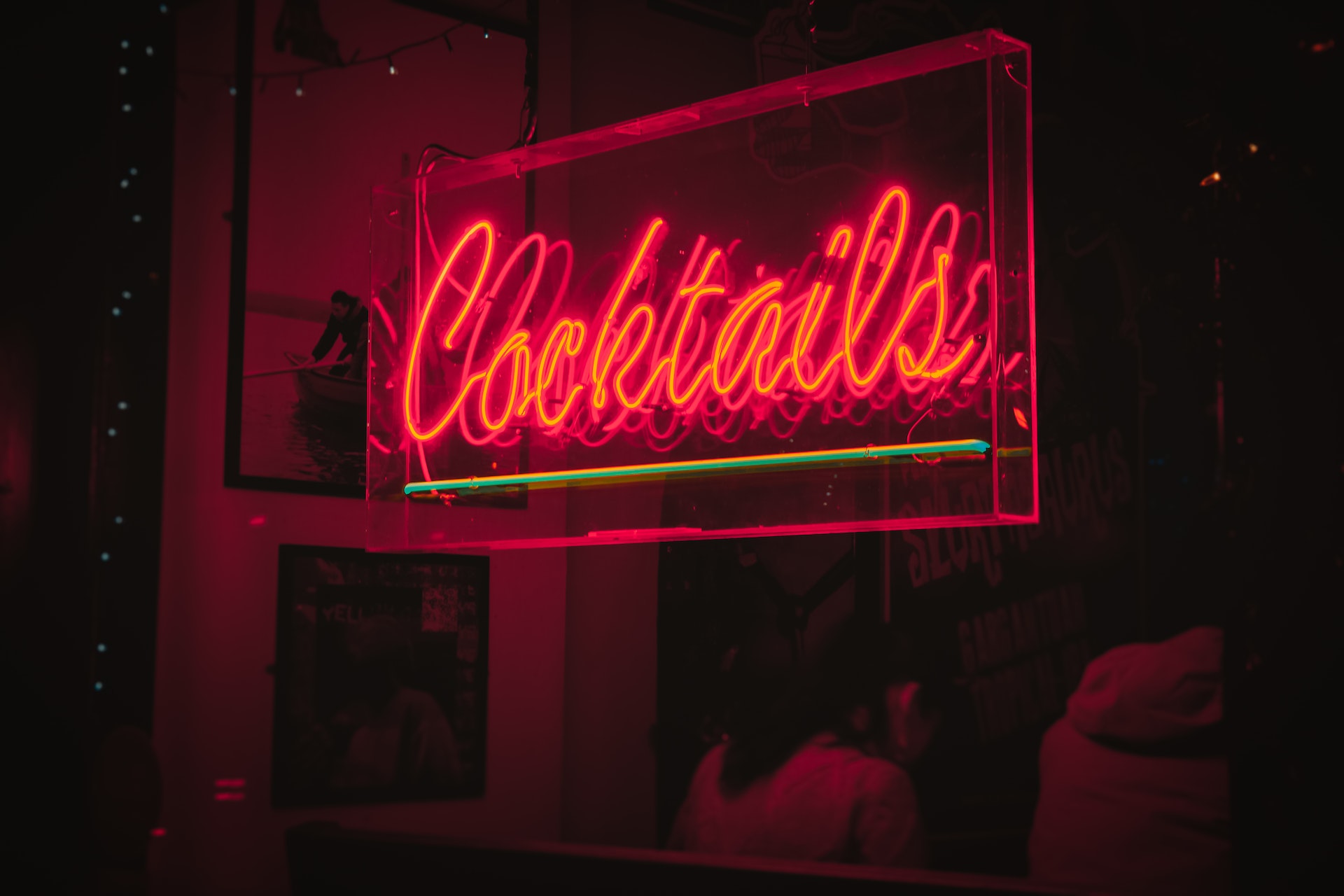
Neon sign in red that reads "Cocktails"

The Tales of the Cocktail Foundation has announced the 17th annual Spirited Awards honorees, organized into several regions.

Unless otherwise noted, each award category recognizes ten honorees. Categories include best cocktail bar, best restaurant bar, best hotel bar, best new bar, and best bar team.

Additionally, I have to say that I’m impressed by how the TOTCF further recognized several global regions. There’s the United States, of course, separated into three regions of its own. Then there’s Asia Pacific, Canada, Europe, Latin America and the Caribbean, and Middle East and Africa.

I’m focusing on three specific regions for this article: the US, Canada, and Latin America and the Caribbean. This decision comes from that fact those are KRG Hospitality’s three main areas of operation. But don’t worry, Asia Pacific, Europe, and Middle East and Africa: we’re coming for you, too.

To review the list in its entirety, please click here.

Unsurprisingly, Austin, Chicago, Las Vegas (our US headquarters), Nashville, New Orleans, New York, Phoenix, San Francisco, and Washington, DC are well represented. However, it’s refreshing to see other markets recognized, such as Portland, Maine, and Brookline, Massachusetts. Montreal, Toronto (our Canadian headquarters), Vancouver do Canada proud, of course.

Congratulations to this year’s honorees! Cheers!

Best US Cocktail Bar: US Central

  • Bordel (Chicago, Illinois)
  • DrinkWell (Austin, Texas)
  • Estereo (Chicago, Illinois)
  • Julep (Houston, Texas)
  • Kiesling (Detroit, Michigan)
  • Manolito (New Orleans, Louisiana)
  • Nickel City (Austin, Texas)
  • Sparrow (Chicago, Illinois)
  • Sportsman’s Club (Chicago, Illinois)
  • The Roosevelt Room (Austin, Texas)

Best US Cocktail Bar: US East

  • Bar Goto (New York, New York)
  • barmini by José Andrés (Washington, DC)
  • Dear Irving Gramercy (New York, New York)
  • Double Chicken Please (New York, New York)
  • Old Glory (Nashville, Tennessee)
  • Overstory (New York, New York)
  • Pearl Diver (Nashville, Tennessee)
  • Portland Hunt + Alpine Club (Portland, Maine)
  • Serenata (Washington, DC)
  • Service Bar (Washington, DC)
  • Sunken Harbor Club (Brooklyn, New York)

Best U.S. Cocktail Bar: US West

  • Bitter & Twisted Cocktail Parlour (Phoenix, Arizona)
  • Century Grand (Phoenix, Arizona)
  • Foreign National (Seattle, Washington)
  • Navy Strength (Seattle, Washington)
  • Raised by Wolves (San Diego, California)
  • Rum Club (Portland, Oregon)
  • Thunderbolt (Los Angeles, California)
  • Trick Dog (San Francisco, California)
  • True Laurel (San Francisco, California)
  • Wildhawk (San Francisco, California)
  • Yacht Club (Denver, Colorado)

Best US Restaurant Bar: US Central

  • Arnaud’s French 75 Bar (New Orleans, Louisiana)
  • Bakery Bar (New Orleans, Louisiana)
  • Grey Ghost (Detroit, Michigan)
  • Kumiko (Chicago, Illinois)
  • Lengua Madre (New Orleans, Louisiana)
  • Maple and Ash (Chicago, Illinois)
  • Margot’s (New Orleans, Louisiana)
  • Mister Mao (New Orleans, Louisiana)
  • Monteverde (Chicago, Illinois)
  • Spoon and Stable (Minneapolis, Minnesota)
  • The Hope Farm (Fairhope, Alabama)
  • The Lounge at MARCH (Houston, Texas)

Best US Restaurant Bar: US East

  • Blossom Bar (Brookline, Massachusetts)
  • Bresca (Washington, DC)
  • Café La Trova (Miami, Florida)
  • COTE Korean Steakhouse (New York, New York)
  • Crown Shy (New York, New York)
  • Gramercy Tavern (New York, New York)
  • Jaguar Sun (Miami, Florida)
  • Macchialina (Miami, Florida)
  • Manhatta (New York, New York)
  • The Grey (Savannah, Georgia)

Best US Restaurant Bar: US West

  • Accomplice Bar (Los Angeles, California)
  • Bar Agricole (San Francisco, California)
  • Bicyclette (Los Angeles, California)
  • Cleaver: Butchered Meats, Seafood & Classic Cocktails (Las Vegas, Nevada)
  • L’Oursin (Seattle, Washington)
  • Lolo (San Francisco, California)
  • Palomar (Portland, Oregon)
  • Redbird (Las Vegas, Nevada)
  • Valentine (Phoenix, Arizona)
  • Viridian (Oakland, California)

Best US Hotel Bar: US Central

  • Bar Marilou at the Maison de la Luz (New Orleans, Louisiana)
  • Catbird at the Thompson Hotel (Dallas, Texas)
  • Chandelier Bar at the Four Seasons New Orleans (New Orleans, Louisiana)
  • Hot Tin at the Pontchartrain Hotel (New Orleans, Louisiana)
  • Lazy Bird at The Hoxton (Chicago, Illinois)
  • loa at the International House (New Orleans, Louisiana)
  • Midnight Rambler at The Joule (Dallas, Texas)
  • The Bar at Hotel Zachary (Chicago, Illinois)
  • The Elysian Bar at the Hotel Peter and Paul (New Orleans, Louisiana)
  • Vol. 39 at The Kimpton Gray Hotel (Chicago, Illinois)

Best US Hotel Bar: US East

  • Allegory at the Eaton Hotel (Washington, DC)
  • Champagne Bar at The Surf Club Miami (Miami, Florida)
  • Dear Irving on Hudson at the Aliz Hotel (New York, New York)
  • El Quijote at Hotel Chelsea (New York, New York)
  • Minibar at The Meridian Hotel (Miami, Florida)
  • Orilla Bar & Grill at the Urbanica the Euclid Hotel (Miami Beach, Florida)
  • Panorama Room at Graduate Hotel Roosevelt Island (New York, New York)
  • Raines Law Room at the William (New York, New York)
  • White Limozeen at The Graduate (Nashville, Tennessee)
  • Zou Zou’s at the Pendry Manhattan West (New York, New York)

Best US Hotel Bar: US West

  • Anasazi Bar and Lounge at the Rosewood Inn of the Anasazi (Santa Fe, New Mexico)
  • ARDOR at The West Hollywood EDITION (West Hollywood, California)
  • Del Rey at Villa Royale (Palm Springs, California)
  • Hey Love at The Jupiter (Portland, Oregon)
  • Legacy Club at Circa (Las Vegas, Nevada)
  • Libertine Social at the Mandalay Bay (Las Vegas, Nevada)
  • Little Rituals at the Residence Inn/Courtyard by Marriott (Phoenix, Arizona)
  • Mountaineering Club at the Graduate Seattle Hotel (Seattle, Washington)
  • Overlook Lounge, Aperitifs & Spirits at the Wynn (Las Vegas, Nevada)
  • Ski Lodge at The Cosmopolitan (Las Vegas, Nevada)

Best New US Cocktail Bar: US Central

  • Adiós Bar (Birmingham, Alabama)
  • Bandista at the Four Seasons (Houston, Texas)
  • Dovetail Bar at the Schaeffer Hotel (New Orleans, Louisiana)
  • EZ’s Liquor Lounge (Houston, Texas)
  • In Plain Sight (Austin, Texas)
  • Nine Bar (Chicago, Illinois)
  • Penny Drip (Fort Wayne, Indiana)
  • Refuge (Houston, Texas)
  • The Elm (Bloomington, Indiana)
  • The Meadowlark (Chicago, Illinois)

Best New US Cocktail Bar: US East

  • Amazonia (Washington DC)
  • Chez Zou (New York, New York)
  • Church (Baltimore, Maryland)
  • Lobby Bar at The Hotel Chelsea (New York, New York)
  • Martiny’s (New York, New York)
  • Marygold’s Brasserie at the Arlo Wynwood (Miami, Florida)
  • Milady’s (New York, New York)
  • Nubeluz at The Ritz-Carlton New York, NoMad (New York, New York)
  • Swan Room at Nine Orchard (New York, New York)
  • The Danforth (Portland, Maine)
  • The Gibson Room (Miami, Florida)

Best New US Cocktail Bar: US West

  • Baby Gee (Long Beach, California)
  • Capri Club (Los Angeles, California)
  • Dalva (San Francisco, California)
  • For The Record (San Francisco, California)
  • Here Today Brewery & Kitchen (Seattle, Washington)
  • Khla (Phoenix, Arizona)
  • Pacific Standard + The Sunset Room at the KEX Portland (Portland, Oregon)
  • The Butterscotch Den (Sacramento, California)
  • The Let’s Go Disco and Cocktail Club (Los Angeles, California)
  • UnderTow (Gilbert, Arizona)

Best International Cocktail Bar: Canada

  • Atwater Cocktail Club (Montreal, Québec)
  • Bar Mordecai (Toronto, Ontario)
  • Bar Pompette (Toronto, Ontario)
  • Civil Liberties (Toronto, Ontario)
  • Cry Baby Gallery (Toronto, Ontario)
  • El Pequeño Bar (Montreal, Québec)
  • Milky Way Cocktail Bar (Montreal, Québec)
  • Mother Cocktail Bar (Toronto, Ontario)
  • The Cloakroom Bar (Montreal, Québec)
  • The Keefer Bar (Vancouver, British Columbia)

Best International Cocktail Bar: Latin America & Caribbean (LATAM&C)

  • ALQUÍMICO (Cartagena, Colombia)
  • Baltra Bar (Mexico City, Mexico)
  • Café de Nadie (Mexico City, Mexico)
  • Chintoneria (Buenos Aires, Argentina)
  • El Barón Cafe & Cocktail Bar (Cartagena, Colombia)
  • El Gallo Altanero (Guadalajara, Mexico)
  • Handshake Speakeasy (Mexico City, Mexico)
  • Las Brujas (Mexico City, Mexico)
  • Pocket (San Jose, Costa Rica)
  • Tres Monos (Buenos Aires, Argentina)

Best International Restaurant Bar: Canada

  • Aloette (Toronto, Ontario)
  • Bar Kismet (Halifax, Nova Scotia)
  • Highwayman Restaurant & Bar (Halifax, Nova Scotia)
  • Honō Izakaya (Québec City, Québec)
  • Kissa Tanto (Vancouver, British Columbia)
  • Le Majestique (Montreal, Québec)
  • Le Swan French Diner (Toronto, Ontario)
  • Published on Main (Vancouver, British Columbia)
  • The Ostrich Club (Halifax, Nova Scotia)
  • Wind Cries Mary (Victoria, British Columbia)

Best International Restaurant Bar: Latin America & Caribbean (LATAM&C)

  • ARCA Tulum (Tulum, Mexico)
  • Aruba Day Drinking Bar (Tijuana, Mexico)
  • Casa Prunes (Mexico City, Mexico)
  • COCHINCHINA (Buenos Aires, Argentina)
  • Huset Cocina de Campo (Mexico City, Mexico)
  • Lady Bee (Lima, Peru)
  • La Sala de Laura (Bogotá, Colombia)
  • Mesa Franca (Bogotá, Colombia)
  • SubAstor (São Paolo, Brazil)
  • Tan Tan (São Paolo, Brazil)

Best International Hotel Bar: Canada

  • 1927 Lobby Lounge at the Rosewood Hotel Georgia (Vancouver, British Columbia)
  • Bar Artéfact at Auberge Saint-Antoine Hotel (Québec City, Québec)
  • Botanist at the Fairmont Pacific Rim Hotel (Vancouver, British Columbia)
  • Clive’s Classic Lounge at the Chateau Victoria Hotel (Victoria, British Columbia)
  • Clockwork Champagne & Cocktails at the Fairmont Royal York Hotel (Toronto, Ontario)
  • Library Bar at the Fairmont Royal York (Toronto, Ontario)
  • Lobby Lounge and RawBar at Fairmont Pacific Rim (Vancouver, British Columbia)
  • Marcus Restaurant + Terrace at the Four Seasons Hotel (Montreal, Québec)
  • Rundle Bar at the Fairmont Banff Springs (Banff, Alberta)
  • The Courtney Room at the Magnolia Hotel (Victoria, British Columbia)

Best International Hotel Bar: Latin America & Caribbean (LATAM&C)

  • BEKEB at the Hotel Casa Hoyos (San Miguel de Allende, Mexico)
  • Celajes Lounge Bar at Hotel Belmar (Monteverde, Costa Rica)
  • Fifty Mils at the Four Seasons Hotel (Mexico City, Mexico)
  • Hotel B Relais & Châteaux (Lima, Peru)
  • Mi Amor Bar at the Mi Amor Hotel (Tulum, Mexico)
  • Mezcaleria Gota Gorda at the Boutique Hotel Soiree (Playa Zipolite, Mexico)
  • Mulberry Project at La Zebra Hotel (Tulum, Mexico)
  • Nobu at the Nobu Hotel Los Cabos (Cabo San Lucas, Mexico)
  • Rum Room at Rosewood Little Dix Bay (British Virgin Islands)
  • Zapote Bar at the Rosewood Mayakoba (Playa del Carmen, Mexico)

Best New International Cocktail Bar: Canada*

  • Bagheera (Vancouver, British Columbia)
  • Bar Banane (Toronto, Ontario)
  • Friendlies Bar (Vancouver, British Columbia)
  • Mount Pleasant Vintage & Provision (Vancouver, British Columbia)
  • Sidecar (Ottawa, Ontario)
  • Simpl Things (Toronto, Ontario)
  • Stolen Goods (Ottawa, Ontario)
  • The Stock Room (Vancouver, British Columbia)
*8 nominees due to the number of nominations received.

Best New International Cocktail Bar: Latin America & Caribbean (LATAM&C)

  • CATA Agave Bar (Tamarindo, Costa Rica)
  • Comeré (Oaxaca, Mexico)
  • Door No.4 (Georgetown, Cayman Islands)
  • Jardín Tragos y Pasteles (Bogotá, Colombia)
  • Juliana (Guayaquil, Ecuador)
  • Library by the Sea at The Kimpton Seafire Resort (Seven Mile Beach, Cayman Islands)
  • Mamba Negra (Medellín, Colombia)
  • Mulberry Project at Tribu Hostel (Holbox, Mexico)
  • Rayo Cocktail Bar (Mexico City, Mexico)
  • Sastreria Martinez (Lima, Peru)

Best US Bar Team: US Central

  • Arnaud’s French 75 Bar (New Orleans, Louisiana)
  • DrinkWell (Austin, Texas)
  • Grey Ghost (Detroit, Michigan)
  • Half Step (Austin, Texas)
  • Lazy Bird at The Hoxton (Chicago, Illinois)
  • Nickel City (Austin, Texas)
  • Porco Lounge & Tiki Bar (Cleveland, Ohio)
  • Standby (Detroit, Michigan)
  • The Roosevelt Room (Austin, Texas)
  • Three Dots and a Dash & The Bamboo Room (Chicago, Illinois)

Best US Bar Team: US East

  • Allegory at the Eaton Hotel (Washington, DC)
  • Attaboy Nashville (Nashville, Tennessee)
  • Bar Belly (New York, New York)
  • Clover Club (Brooklyn, New York)
  • Double Chicken Please (New York, New York)
  • Hawksmoor (New York, New York)
  • LPM Restaurant & Bar Miami (Miami, Florida)
  • Overstory (New York, New York)
  • Service Bar (Washington, DC)
  • The Fox Bar & Cocktail Club (Nashville, Tennessee)

Best US Bar Team: US West

  • Century Grand (Phoenix, Arizona)
  • Happy Accidents (Albuquerque, New Mexico)
  • Highball Cocktail Bar (Phoenix, Arizona)
  • Pacific Cocktail Haven (San Francisco, California)
  • Paper Plane (San Jose, California)
  • The Snug (Sacramento, California)
  • True Laurel (San Francisco, California)
  • UnderTow (Phoenix, Arizona)
  • Viridian Bar (Oakland, California)
  • Williams & Graham (Denver, Colorado)
  • Yacht Club (Denver, Colorado)

Best International Bar Team: Canada

  • Atwater Cocktail Club (Montreal, Québec)
  • BarChef (Toronto, Ontario)
  • Civil Liberties (Toronto, Ontario)
  • Clive’s Classic Lounge at the Chateau Victoria Hotel (Victoria, British Columbia)
  • Dear Friend Bar (Dartmouth, Nova Scotia)
  • Laowai (Vancouver, British Columbia)
  • Lobby Lounge and RawBar at Fairmont Pacific Rim (Vancouver, British Columbia)
  • Published on Main (Vancouver, British Columbia)
  • The Cloakroom Bar (Montreal, Québec)
  • The Keefer Bar (Vancouver, British Columbia)

Best International Bar Team: Latin America & Caribbean (LATAM&C)

  • ALQUÍMICO (Cartagena, Colombia)
  • Café de Nadie (Mexico City, Mexico)
  • Chintoneria (Buenos Aires, Argentina)
  • El Barón Cafe & Cocktail Bar (Cartagena, Colombia)
  • Handshake Speakeasy (Mexico City, Mexico)
  • Hanky Panky (Mexico City, Mexico)
  • Las Brujas (Mexico City, Mexico)
  • La Factoria (San Juan, Puerto Rico)
  • La Uat (Buenos Aires, Argentina)
  • Tres Monos (Buenos Aires, Argentina)

Image: Luciann Photography on Pexels

by David Klemt David Klemt No Comments

Is Your Business in a Top Time Out City?

Is Your Business in a Top Time Out City?

by David Klemt

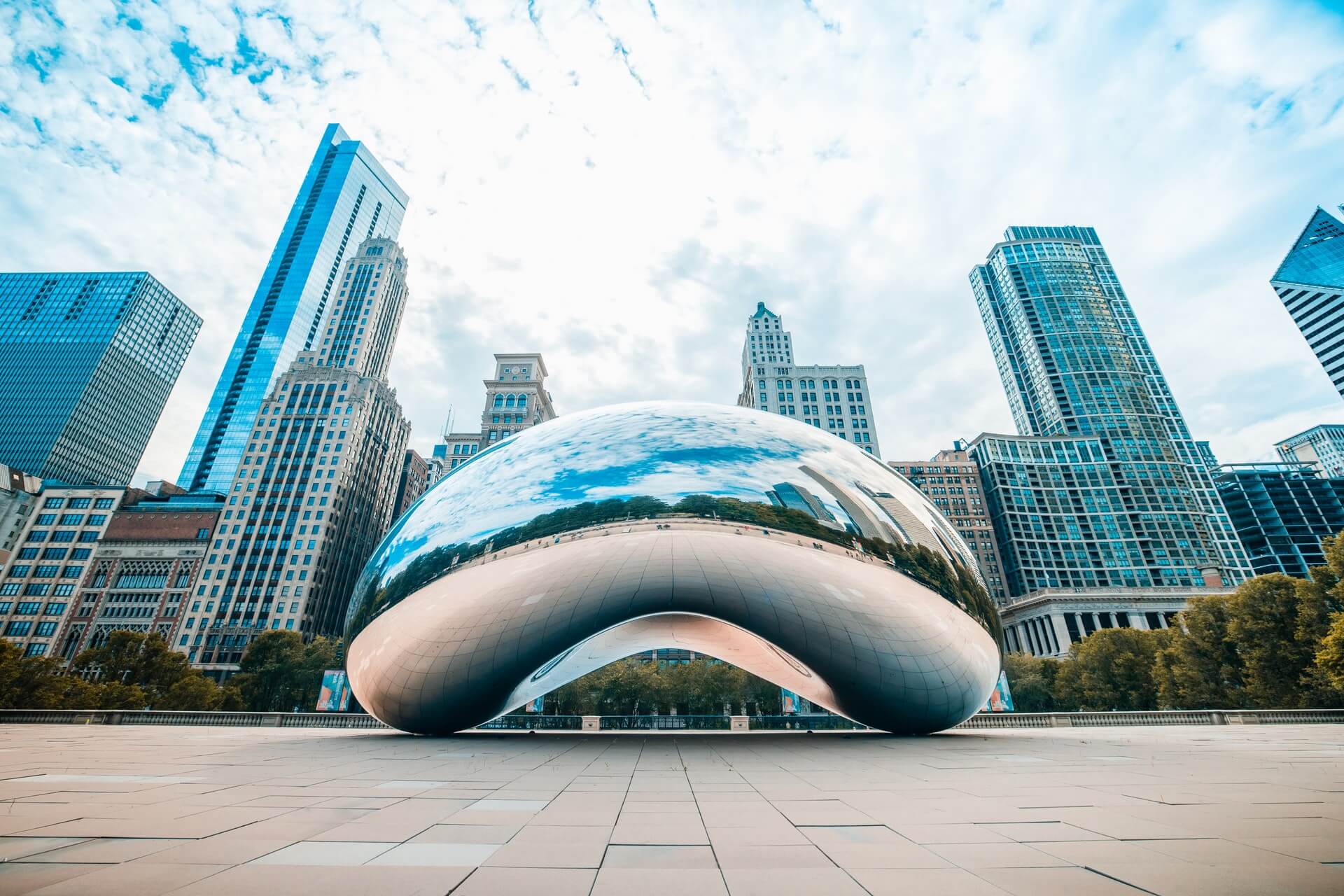
The Bean aka Cloud Gate in Chicago

Hot off the presses, Time Out is now revealing the results of their Time Out Index 2022, an annual list identifying the world’s top cities.

The global publication, founded in the late 1960s, surveyed 20,000 “city dwellers.” Time Out focuses on cities’ restaurant, bar, nightlife, entertainment, and art scenes.

For 2020 and 2021, Time Out put emphasis on the pandemic and how cities maintained resiliency and kept communities together. In 2022, priority is given to flourishing nightlife, dining, and drinking, along with culture.

Additionally, Time Out gives weight to a city’s sustainability, safety, walkability, and affordability. To learn more about how Time Out analyzes data, click here.

Compelling Rankings

Below, you’ll find Time Out’s ranking of the best 53 cities in the world for 2022. I’ve broken the list into sections: 53 to 11, and ten to number one.

Interestingly, the 20,000 survey respondents note the dining, drinking, and nightlife of the top five cities. In fact, the nightlife scene of number three is “the world’s best.”

And city number two? Survey takers think it’s the most fun—”funnest,” according to Time Out—in the world.

Now, I know our audience is largely American and Canadian, so I’ll get to how both rank. Six cities—the usual suspects, basically—in the US are on the list. Only one American city is in the top ten, and it’s likely not the one you think. As for Canada, one city claims the 27 spot, another is number nine.

You’ll find the Canadian and American cities in bold below. Champing at the bit to see the results? Scroll down!

Time Out Cities 53 to 11

  1. Doha, Qatar
  2. Hong Kong
  3. Bangkok, Thailand
  4. Istanbul, Turkey
  5. Johannesburg, South Africa
  6. Rio de Janeiro, Brazil
  7. Auckland, New Zealand
  8. Sydney, Australia
  9. Abu Dhabi, United Arab Emirates
  10. Singapore
  11. Accra, Ghana
  12. Los Angeles, California, USA
  13. Rome, Italy
  14. Dubai, United Arab Emirates
  15. Barcelona, Spain
  16. Miami, Florida, USA
  17. São Paulo, Brazil
  18. Dublin, Ireland
  19. Athens, Greece
  20. Manila, Philippines
  21. Kuala Lumpur, Malaysia
  22. Paris, France
  23. Tel Aviv, Israel
  24. Mexico City, Mexico
  25. Boston, Massachusetts, USA
  26. Lisbon, Portugal
  27. Toronto, Ontario, Canada
  28. Delhi, India
  29. San Francisco, California, USA
  30. Tokyo, Japan
  31. Stockholm, Sweden
  32. Birmingham, England
  33. Buenos Aires, Argentina
  34. New York, New York, USA
  35. Lyon, France
  36. Porto, Portugal
  37. London, England
  38. Taipei, Taiwan
  39. Melbourne, Victoria, Australia
  40. Mumbai, India
  41. Manchester, England
  42. Madrid, Spain
  43. Cape Town, South Africa

The Top Ten Time Out Cities

  1. Copenhagen, Denmark
  2. Montréal, Québec, Canada
  3. Berlin, Germany
  4. Marrakech, Morocco
  5. Prague, Czech Republic
  6. Amsterdam, Netherlands
  7. Glasgow, Scotland
  8. Medellín, Colombia
  9. Chicago, Illinois, USA
  10. Edinburgh, Scotland

Congratulations to the top 53 cities in the world! We expect big things from their dining, drinking, and nightlife moving forward.

Image: Christopher Alvarenga on Unsplash

by David Klemt David Klemt No Comments

New York City Mandates Escalate

New York City Mandates Escalate

by David Klemt

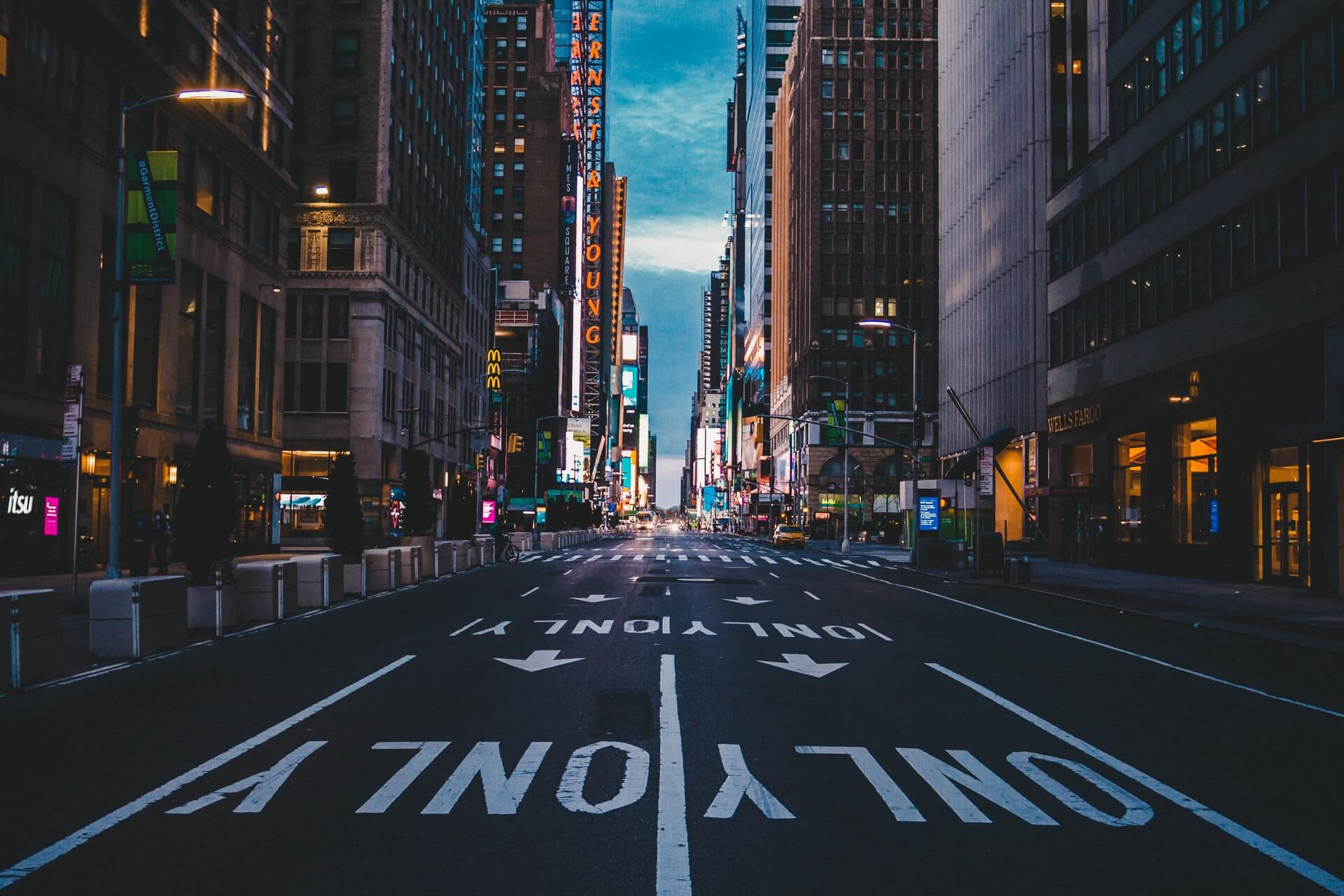
Times Square empty in New York City during Covid-19 pandemic

Mandates requiring people to wear masks and maintain social distance indoors aren’t new.

However, a mandate requiring proof of vaccination status to dine and drink inside a restaurant or bar is a new development.

This week, Mayor Bill de Blasio is escalating Covid-19 mandates in New York City.

Restaurants and Gyms

To date, New York City is nearing a 70-percent full vaccination rate.

The latest pandemic mandate is likely intended to boost the city’s vaccination rate. Per reporting, the Delta variant of Covid-19 accounts for more than 70 percent of new cases in New York City.

Interestingly, the new mandate requires workers, not just customers, to prove their vaccination status. It also makes New York the first major city to implement such a requirement.

So far, the requirement pertains to indoor restaurants, bars, nightclubs, performances, and gyms.

Per Mayor de Blasio’s announcement, the vaccine mandate, referred to as “the Key to NYC Pass,” will begin with a transition period that starts August 16. Beginning September 13, full enforcement of the mandate via New York State’s Excelsior Pass app; the NYC COVID SAFE app; or paper vaccination card is expected.

Union Square

Predictably, the response to this mandate comes in three flavors: supportive, hostility, and apathetic.

So, those who support the requirement are applauding it, saying they’ll feel safer when dining out. Conversely, those who oppose the new mandate believe this is glaring government overreach and an infringement on their freedoms.

In a way, however, this mandate isn’t completely new. Some operators throughout the United States already require proof of vaccination to enter their venues.

Currently, several media outlets are focusing on Danny Meyer and his Union Square Hospitality Group.

Several days before Mayor de Blasio’s announcement, Meyer said guests who want to dine and drink in his NYC restaurants will need to prove vaccination status starting September 7.

Additionally, Meyer announced current and new employees would have to prove they’ve been vaccinated.

At the moment, it doesn’t appear Shake Shack, of which Meyer is founder and chairman, will follow suit.

Not the First

However, Meyer is not the first operator to implement and enforce strict Covid-19 protocols to protect their teams, guests and communities.

Perhaps some of the focus on Meyer is intended to draw eyes and ears, and ultimately encourage more people to get vaccinated fully. After all, celebrity chefs and operators have nationwide and global influence.

Cynically, however, it’s to not dismiss the focus on Meyer as a ploy for ratings, clicks, and engagement.

At any rate, many operators across the country require proof of vaccination to work and dine at their restaurants, bars, nightclubs, and hotels. And many were doing so before Meyer made his announcement.

One such chef-operator is Eric Rivera, who operates ADDO in Seattle. He has required proof of vaccination for employees and guests since May of this year.

In fact, Chef Rivera has been strict in his handling of Covid-19 health and safety measures since last year.

A visit to Chef Rivera’s website finds the following disclaimer, attributed to him:

“All of our experiences are for vaccinated guests only. That will remain permanent. If that’s a problem for you then there are plenty of restaurants that will reward you for doing nothing, this isn’t one of them.”

During an NPR interview, Chef Rivera explained his stance succinctly: “I don’t want to be somebody’s last meal. Whatever I’m doing food-wise and restaurant-wise isn’t worth that.”

He’s active on Twitter, where he makes his position and policies clear.

Takeaway

If you think I’m going to point out that New York City’s new mandate increases the likelihood of hostile confrontations with guests, you’re correct. I’ve said it before and I’ll say it again.

Also, if you’re guessing that I’m going to point out that guest-facing team members must receive support from leadership when policing guest behavior, you’re two for two.

However, policies like those put in place by Chef Rivera and others throughout the industry highlight something else: They’re showing the fallacy of the maxim “the customer is always right.”

Why should operators tolerate aggression toward their employees from disrespectful, angry customers—for any reason—if the employee is remaining professional and respectful?

It certainly seems that a growing number of operators are tired of capitulating to everyone who walks through their doors. The days of bowing to customers and failing to support and defend employees look to be ending.

Personally, I’m in favor of putting that outdated adage to rest. Continuing to reward guest behaviors we find objectionable—which has been the industry’s stance for decades—ultimately motivates good employees to quit. Again, this isn’t a pandemic-driven phenomenon—it has been going on for generations.

Of course, each operator must do what they think is best for their business. Just about every decision made in this industry is risky, but risk is something all operators understand inherently. Watching dollars walk out the doors never to return can be a frightening proposition. So is the prospect of losing good workers and incurring the associated costs.

The need to balance the comfort and safety of their team members and guests is paramount—an absence of either will shut a business down. Today, however, choosing guest dollars over employee dignity, safety and mental health is inexcusable and evidence of a problematic company culture.

If we’re truly in the midst of a Great Resignation, I can’t fault operators for deciding to keep their employees safe. Even if we weren’t facing a labor shortage, I’d support operators who support their workers.

Image: Paulo Silva on Unsplash

by David Klemt David Klemt No Comments

Canada to Reopen Border

Canada to Reopen Border

by David Klemt

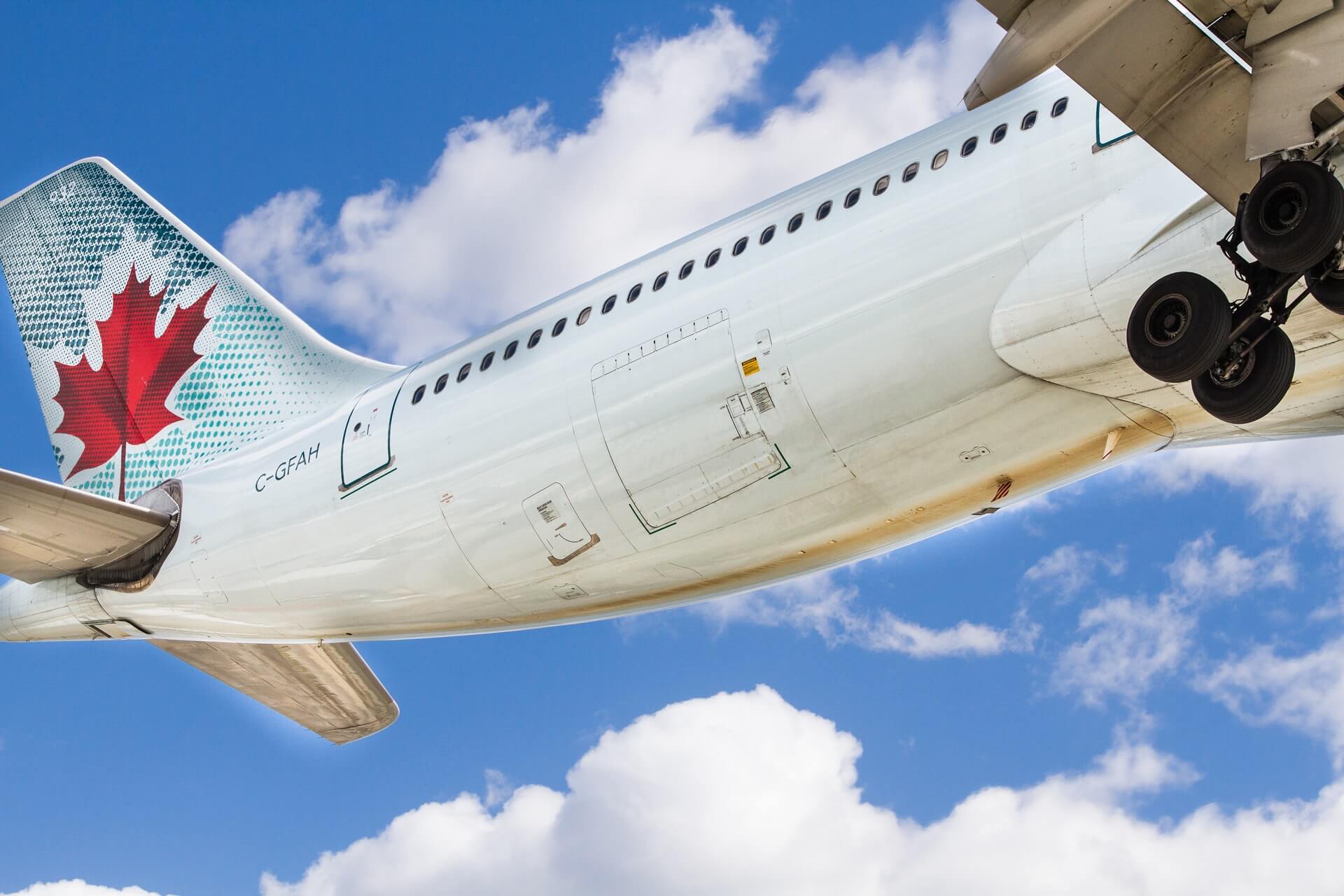
Canadian airplane with maple leaf on tail

In a move months in the making, Canadian Prime Minister Justin Trudeau is opening the border to Americans.

Remarkably, this loosening of Canada-America border restrictions doesn’t pertain solely to essential travel.

Rather, the border will open on August 9 for non-essential travel to American travelers (and permanent residents) who can prove their vaccine status.

Great News

Obviously, this is fantastic news for Canadian hospitality operators (and other business owners, of course).

Really, it’s great news for all Canadians and Americans: people can finally visit family and friends, and the economy should see a boost.

This news comes on the heels of other positive developments for Canada, such as the country’s vaccination rate now surpassing that of America’s. There’s also the province of Ontario bringing back indoor dining.

According to media reports, Canadian officials are in communication with American President Joe Biden’s administration about opening the border the other way.

However, there is no information yet about when that will happen. When asked about Canada’s announcement regarding the border, White House press secretary Jen Paski said the following:

“Any decisions about reopening travel will be guided by our public health and medical experts. We take this incredibly seriously. We look and are guided by our own medical experts. I wouldn’t look at it through a reciprocal intention.”

Should all to plan, Canada will open the border to travelers from other countries on September 7.

The Details

Of course, Americans can’t just flash their passport and cross the border. People eager to enter to Canada need to plan ahead a few days.

This is due to the requirement that Americans—with few exceptions—need to submit travel information 72 hours before arriving at the border. For example, if an American would like to cross the border the day it reopens to them, August 9, they’ll need to begin the process no later than August 6.

So, those travelers will need to use the ArriveCAN website, iOS app, or Android app.

ArriveCAN users using the website will show Canadian border agents a printout. App users will show them their screen.

Also, travelers will need to complete a Covid-19 test within the same 72 hours and be asymptomatic upon arriving at the border.

To review eligibility requirements—including lists of eligible and ineligible vaccines—click here. Full details are here.

The Opportunity

Clearly, the plan to open the border to American travelers and Canadians who found themselves stuck in America due to the pandemic presents a terrific opportunity for business owners.

In particular, in terms of our industry, bar, restaurant and hotel operators must see this development as excellent news.

Family members and friends will be eager for long-overdue reunions. That means hotel stays and restaurant and bar visits. There are also opportunities that relate to weddings, such as rehearsal dinners.

Obviously, operators must prepare for an influx of guests. So, they need to schedule accordingly, prepare staff for possibly overwhelming amounts of traffic, and ensure precautions are in place that reassure team members their health and safety are being considered.

In terms of those who waiting for the “right time” to open their restaurant or bar, this news could be a signal that the hospitality industry is on its way toward recovery in Canada.

It’s crucial that operators and management balance guest and employee comfort levels. Doing so will aid in boosting traffic, increasing revenue, and recruiting, hiring, and employee retention efforts.

Image: John McArthur on Unsplash

by David Klemt David Klemt No Comments

Update Your Business Info Now!

Update Your Business Info Now!

by David Klemt

"Yes, we're open" sign in restaurant or bar window

Restrictions are relaxing and people are returning to at least a form of their pre-pandemic lives. Operators need to review and update their information.

People face a flood of confusing or vague information every day—restaurants and bars don’t need to add to it.

In other words, operators need to make sure guests are getting accurate information when they search for their businesses.

This is particularly relevant right now with summer upon us and Father’s Day in two days.

Are You Open?

Cities, states and provinces are opening things up throughout North America.

In Canada, British Columbia, Ontario, and other provinces are in the midst of reopening plans and. Some provinces are also reopening their borders to their Canadian neighboris. Some restrictions remain and provinces aren’t fully open, but they’re on their way.

And in America, more than half of states are considered open fully: Alabama, Alaska, Arizona, Arkansas, Florida, Georgia, Idaho, Illinois, Indiana, Iowa, Kentucky, Louisiana, Minnesota, Mississippi, Missouri, Montana, Nebraska, New Hampshire, New Jersey, North Carolina, North Dakota, Ohio, Oklahoma, South Carolina, South Dakota, Tennessee, Texas, Utah, Virginia, Wisconsin.

Restrictions that remain in place in some provinces and states relate to dining. For example, outdoor dining returned to Ontario, Canada, a few days ahead of schedule. Unsurprisingly, people flocked to restaurants and bars with outdoor dining areas.

Of course, that’s a long-overdue and welcome development. However, such relaxing of restrictions exposes an issue: People aren’t sure if businesses are open, what hours they’re open, and what menu items are available.

Update Your Information

It should go without saying but I’ll say it anyway: The past 15 months have been a horror show for operators.

So, it’s understandable that some operational discipline has slipped. Now’s the time to fix that and focus on the details.

Guests want to know what restaurants and bars are open. They want to know when they’re open. And they don’t want any surprises about menu item availability.

Of course, operators can manually review and update or edit their online listings. An operator can also task a manager or worker with that responsibility.

There are also platforms out there that make updating pertinent business information a much less overwhelming job.

Marqii, a paid service with three pricing tiers, manages several important details quickly and easily. Operators can use Marqii to update their menus across more than 75 sites; manage their location data, including hours of operation; and review and respond to reviews across several platforms, depending on the tier chosen.

Packages are priced per location and a business is charged monthly. There are similar solutions out there but Marqii is a great place to start.

We live and operate in the Convenience Era. Make it easy for your guests to visit and spend their money with you.

Image: Tim Mossholder on Unsplash

by David Klemt David Klemt No Comments

Las Vegas Ushers in Next Nightlife Era

Las Vegas Ushers in Next Nightlife Era

by David Klemt

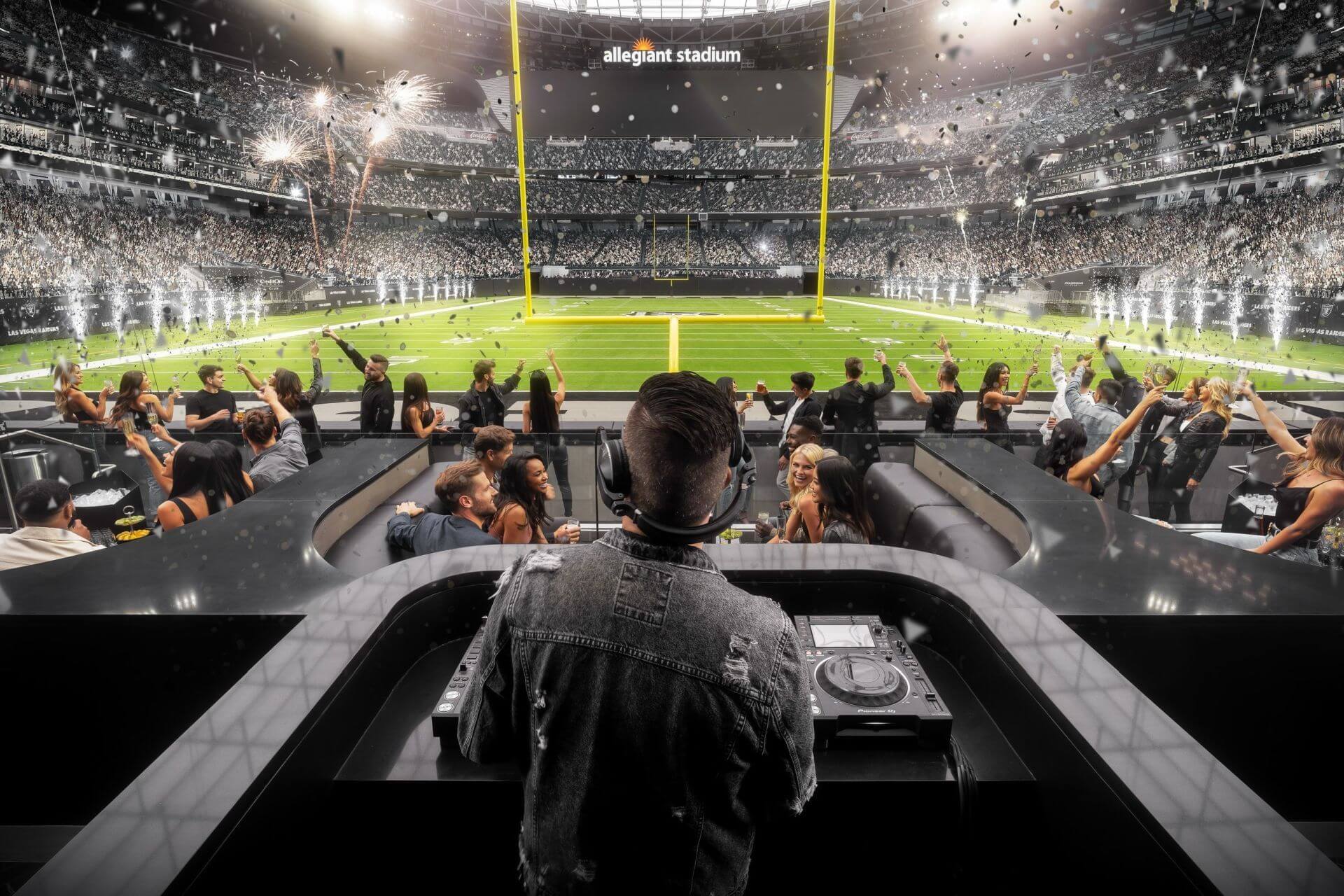
Wynn Field Club at Allegiant Stadium in Las Vegas

After more than a year of shut downs and severe restrictions, Las Vegas nightlife groups are planning an epic comeback.

Between a recent nightlife group acquisition and a very Vegas approach to sports, the city is preparing to go full send for Summer 2021.

Add to that Governor Steve Sisolak’s plan to reopen Nevada on June 1 and things are finally looking up in America’s Playground.

Only in Vegas

It took more than seven decades for “modern” Las Vegas to get the city’s first major sports team.

No, I’m not counting the AFL, CFL, UFL or XFL teams as “major” in comparison to the NFL or other professional leagues.

First came the Vegas Golden Knights in 2018. The Las Vegas Aces followed a year later, and last year the city became the home of the Las Vegas Raiders.

Because Las Vegas can’t quite bring itself to do things like other cities, two of our arenas feature nightlife elements.

Golden (K)Nights

T-Mobile Arena, home of the Golden Knights, offers the 18,000 square-foot Hyde Lounge.

Run by SBE, the international hospitality and hotel group, Hyde sits atop the general seating area. Not only do guests get an amazing view of sports action, the venue is also open during concerts.

There are private “living rooms” and four bars inside Hyde at T-Mobile Arena. Also, being a Vegas nightlife venue, Hyde offers table service and drives the experience with DJs.

And, of course, there are views of the iconic Las Vegas Strip.

The Death Star

That brings us to Allegiant Stadium, the home of the Las Vegas Raiders, also known as the Death Star among locals.

Wynn Nightlife (two points for anyone who guesses which casino group they represent) is the Official Nightlife Partner and Official Gaming Partner of the Raiders.


View this post on Instagram


A post shared by Wynn Nightlife (@wynnnightlife)

The Vegas nightlife group is bringing Wynn Field Club to Allegiant’s north end zone—the entirety of the length of the north end zone. Wynn Field Club is an 11,000 square-foot nightlife “venue” that features 42 TVs, a 45,000-watt sound system, two DJ booths and—what else?—exclusivity, bottle service, and Wynn Nightlife DJs.

Also, I hear a Raiders game may break out during DJ sets and bottle popping…

TAO vs. Hakkasan?

Not anymore. Moving forward, it will be TAO plus Hakkasan.

One of the biggest nightlife battles is over as one titan, TAO Group, acquires another, Hakkasan Group.

The result isn’t just news for Las Vegas, though the two nightclub, dayclub and restaurant giants are most closely associated with the city.

TAO Group’s acquisition expands their incredible portfolio to an astounding 61 venues located in nearly two-dozen markets in five continents. Nine of the venues call Las Vegas home: TAO (of course), LAVO, OMNIA, JEWEL, Hakkasan, Marquee, Wet Republic, Beauty & Essex, and Casa Calavera.

Hakkasan Group will continue to operate Hakkasan, OMNIA, JEWEL, Wet Republic and Casa Calavera under the supervision of TAO Group.

Interestingly, Madison Square Garden Entertainment, the group constructing the MSG Sphere, acquired controlling interest in TAO Group in 2017. MSGE paid a reported $181 million for a 62.5 percent stake.

Back to Normal?

If anything, these developments seem to indicate that Las Vegas is on track to come back better than ever. Normal? Las Vegas can do better than that.

Las Vegas is set to re-establish its status as the world leader in nightlife in a post-pandemic world. Hyde Lounge and Wynn Field Club are perfect examples of how Vegas nightlife innovations redefine and then become the standards.

The nation—and the world—has a long way to go to recover from the pandemic. All glimmers of light near the end of a dark and twisted tunnel are welcome. It looks like the Strip’s legendary lights are shining brighter already.

Image: Anthony Mair

by David Klemt David Klemt No Comments

Restaurant or Bar Dream? Make Your Move

Restaurant or Bar Dream? Make Your Move

by David Klemt

Chess pieces on a chessboard

If your dream is to open a restaurant, bar or nightclub, you’re not doing yourself any favors by waiting to make it a reality.

The same goes for starting up any other type of hospitality business.

We’re in uncharted territory and things seem unstable. But waiting to move forward with your concept is setting you back.

Industry Challenges

We can all agree that the destruction wrought upon the hospitality industry in 2020 continues to be felt today.

Tens of thousands of business closures. Millions of jobs and hundreds of billions of dollars in revenue lost.

Some experts say the veteran operators and workers won’t be back. The financial damage and psychological trauma will drive them out of the industry. Others disagree, myself included, saying those operators won’t stay down for long. This industry works its way into people’s blood.

The pandemic is responsible for the permanent or long-term closure of nearly 20 percent of restaurants in America. Most of the restaurants lost were well-established operations. The industry is down 2.5 million jobs that it will take years to recover.

Since March of last year, Canada has seen the closure of 10,000 restaurants. The country is facing the loss of 800,000 industry jobs.

Waiting to open a restaurant or bar, therefore, seems to make sense. Only no, it doesn’t.

Don’t Wait

Time is rarely on anyone’s side. And I’m not the first to say that perfection is an illusion. Our industry would be a fraction of what it is if people chose to wait for the “perfect time” to open.

That doesn’t mean it’s great to throw caution—and hundreds of thousands of dollars—to the wind.

Rather, those with a vision for a business in this industry owe it to themselves to move forward.

Let me put it this way: If you have an idea but you’re waiting for “the right time,” you’re already behind.

Forward Progress

The key is being strategic, making calculated decisions.

There are operators who successfully opened new concepts in the midst of the pandemic. We’re going to see new entrants in this industry this year as well. Will you be among them?

Maybe you’re not ready to break ground or sign a lease. Perhaps you’re not ready to send in a crew to renovate a space.

However, there are crucial moves you can make so that when you’re ready ready, you can move quickly. Think agility.

Will you be applying for a grant to fund part of your business? Complete the paperwork and submit it now.

Do you need a consultant? Do your research now and schedule those conversations.

You need demographic, feasibility and other studies done. Will you do them? Will you retain the services of an industry researcher?

If you’re not yet ready, take meaningful steps today because your future competitors are making their moves. It takes longer than you think for each crucial step to be completed, and there are dozens.

Your concept won’t become a reality if it only lives in your head. Don’t watch your opportunity to thrive in this industry pass you by.

Image: Kei Scampa from Pexels

by David Klemt David Klemt No Comments

Hakkasan Group Announces Reopenings

Hakkasan Group Announces Reopenings

by David Klemt

OMNIA Nightclub Las Vegas Terrace

In a positive sign for Las Vegas nightlife, daylife and tourism, Hakkasan Group has set dates against the reopening of three major venues in its portfolio.

The announcement came less than a week after Governor Steve Sisolak unveiled Nevada’s Roadmap to Recovery Safe Reopening Plan.

Two Hakkasan Group properties will reopen on March 5. A third will resume business a week later on March 12.

OMNIA

Two years after Hakkasan ushered in a new era of nightlife in 2013, OMNIA opened its doors inside Caesars Palace. Known for its “dancing” chandelier (click here for images) and opulence, OMNIA quickly established itself as a nightlife bucket list destination, attracting guests from all over the globe. The nightclub gives Hakkasan’s namesake venue a run for the title of portfolio flagship.

OMNIA is scheduled to reopen the property’s terrace area as a lounge on Friday, March 5. Restrictions mandated by the State of Nevada include reservations for nightclubs and dayclubs. In terms of health and safety protocols, a statement on the OMNIA website reads: “With health and safety protocols at the forefront: the venue has moved to touchless menu system via a scannable QR code from cell phones; VIP sections will be separated to allow for physical distancing; and rigorous cleaning plans will also be implemented.

Wet Republic

The dayclub that redefined the category, Wet Republic opened in 2008. If Rehab at the Hard Rock was the pioneer in the dayclub space, ultra-pool Wet Republic is the undisputed heir to the throne. There are no plans to relinquish that crown any time soon, either.

Just before the pandemic forced Las Vegas nightclubs to close, Wet Republic unveiled renovations made to the 54,000-square-foot property. The venue was able to operate in a limited capacity midway through 2020 but it wasn’t quite the same.

On Friday, March 5, more guests will finally be able to see the refreshed dayclub, located at MGM Grand. General admission is prohibited; reservations are required and the venue is following the same health and safety protocols as OMNIA.

Liquid Pool

Located at Aria Las Vegas, Liquid Pool is an upscale adults-only venue designed to pamper guests and provide a luxe pool experience. At 16,000 square feet, Liquid is less than a third the size of Wet Republic, delivering a more relaxed and intimate vibe than its larger sibling.

There are eight cabanas, several daybeds, multiple dipping pools, and upscale F&B programming at Liquid Pool. On Friday, March 12, Liquid Pool will welcome the start of Las Vegas pool season in reserved-but-elevated style. Like OMNIA and Wet Republic, Liquid Pool requires reservations.

Image: Hakkasan Group

Top