Outflow

by David Klemt David Klemt No Comments

Where Americans are Moving

Where Americans are Moving

by David Klemt

An AI-generated image of a highly modified semi-truck and trailer in red, white, and blue livery, with a matching sportbike next to it.

If you’re going to move, move with some style. (AI-generated image. Shocking, I know.)

Migration has always reshaped the American hospitality landscape, and every wave of movement creates new winners, gaps, and demand curves.

The last several years have accelerated that reality.

People aren’t just moving for work anymore. While that’s still definitely happening, people are moving for many other reasons.

Affordability. Opportunity. Lifestyle. Emotional, mental, and physical safety. Sense of community.

Unsurprisingly, when people move, a market’s hospitality scene also changes.

Operators who understand where (and why) population is flowing hold an advantage. They can get a jump on emerging nightlife pockets, establish their brand, fill gaps in experiential demand, and shape the competitive landscape before it’s saturated.

I’ve addressed this topic a couple of times in the past, and I’ll say now what I’ve said then: Proceed with caution. Don’t move into an entirely new (to you and your business) market just because you see it on a list. Do your due diligence, collect data, and make an informed decision.

One source used for this article, the 2025 PODS Moving Trends dataset, gives us compelling insights. It identifies the top 20 move-in (inflow) markets and top 20 move-out (outflow) markets across the US.

Below is a breakdown of the cities Americans appear to be running toward, and the ones they may be running from, along with my thoughts on what this all may mean for operators who want to look toward the near and distant future.

Top 20 U.S. Inflow Cities/Regions (Operator-Focused Table)

Rank Market / Region Key Drivers Hospitality & Nightlife Opportunities
1 Myrtle Beach, SC/Wilmington, NC Cost, coastal lifestyle Strong tourist and transplant mix. Experiential nightlife.
2 Ocala, FL Affordability, space Upside for casual dining, sports bars, and entertainment hybrids.
3 Raleigh, NC Tech growth, livability Elevated cocktail, chef-driven concepts, and late-night growth.
4 Greenville–Spartanburg, SC Manufacturing boom Fast-growing bar scene. Needs mid-tier nightlife.
5 Dallas–Fort Worth, TX Jobs, affordability One of the hottest nightlife expansions in the US.
6 Charlotte, NC Banking/tech migration Strong brunch, rooftop, and upscale/ultra lounge demand.
7 Boise, ID Outdoor lifestyle Craft spirits, brewery culture, and boutique venues.
8 Knoxville, TN Affordability Venue conversions, and approachable F&B concepts.
9 Nashville, TN Cultural magnet Hyper-competitive but high upside for differentiated concepts.
10 Jacksonville, FL Space, weather Large-format nightlife, and beach-driven experiences.
11 Chattanooga, TN Quality of life Cocktail bars, and neighborhood venues.
12 Huntsville, AL STEM growth Upscale casual. Modern nightlife remains underrepresented.
13 Portland, ME Coastal lifestyle Elevated F&B, and small-format high-end bars.
14 Johnson City, TN Rising affordability Mid-market restaurants, and breweries and brewpubs.
15 Spokane, WA Outdoor migration Coffee/café culture. Need for mid-tier nightlife.
16 Atlanta, GA Urban migration High-volume nightlife, and premium dining.
17 Greensboro, NC Cost Local-driven, neighborhood-first hospitality.
18 Asheville, NC Tourism, creativity Craft-forward bars, chef-driven restaurants, and experiential concepts.
19 San Antonio, TX Population boom High-energy nightlife, and experiential, fusion-driven dining.
20 Dover, DE Cost, proximity Community-focused F&B concepts.

Top 20 U.S. Outflow Cities/Regions (Operator-Focused Table)

Rank Market / Region Key Push Factors Hospitality & Nightlife Challenges
1 Los Angeles, CA Cost of living Talent and guests disperse. Local nightlife softening in mid-tier venues.
2 Northern CA (SF Bay) Cost, taxes Dining scene polarizing: very high-end on one end, budget on the other.
3 South Florida (Miami) Cost spike High-end clubs thrive. Aid-market operators squeezed.
4 Long Island, NY Affordability Retention issues, and older venues struggle.
5 San Diego, CA Housing cost Neighborhood bars lose regulars.
6 Central Jersey Tax + cost Casual dining loses volume.
7 Chicago, IL Crime perception, taxes Migration draining mid-market dining spend.
8 Boston, MA Cost + limited housing Strong tourism but locals moving out.
9 Hudson Valley, NY Rising prices Saturation in small-town dining.
10 Denver, CO Cost, congestion High competition, and nightlife plateauing.
11 Santa Barbara, CA High cost Smaller venues face labor pressure.
12 Seattle, WA Cost + policy fatigue Operators shifting to suburbs.
13 Stockton–Modesto, CA Spillover cost Limited nightlife growth.
14 Washington, DC Cost + remote work Lunch and after-work traffic decline.
15 Hartford, CT Stagnant wages Weak nightlife demand.
16 Tampa Bay, FL Overheating housing Volume-driven nightlife cooling.
17 Fresno, CA Low wage growth Margins get even tighter for restaurants.
18 Austin, TX Cost spike Boomtown-to-bust warning signs.
19 Bakersfield, CA Cost stresses Entry-level dining shrinking.
20 Philadelphia, PA Cost + crime narrative Suburban shift in nightlife spend.

The Story the Data Tells

1. The Southeast: America’s New Nightlife Frontier

Both Carolinas, Tennessee, Florida (particularly the northern region), and parts of Georgia are capturing massive lifestyle-driven migration.

Importantly, these states are luring more than retirees.

These markets reward:

  • approachable, high-vibe nightlife;

  • chef-driven but not overly precious dining;

  • hybrid concepts (sports lounges, social-gaming eatertainment, music-forward bars); and

  • suburban entertainment anchored in community.

I’m confident in saying that the southeastern US is where the next wave of innovative, experiential F&B will emerge.

2. High-Cost Coastal Metros: Bleeding Residents

It’s not like Chicago, Boston, Los Angeles, San Francisco, and Seattle are ghost towns. When it comes to hospitality, they’re destination cities with bars, restaurants, clubs, and hotels that are recognized on national and global stages routinely.

But the magnetic, tourist-attracting, accolade-winning concepts tend to be in the premium tier. Those concepts are winning (at least on the surface), but the middle in these destination cities is thinning out.

Mid-tier concepts in outflow cities are feeling the exodus. Operators firmly in the $25–$55 check average zone are exposed.

Meanwhile, comparatively, their high-end and budget peers are seeing healthier traffic and revenue.

3. Talent Migration: Reshaping Labor Markets

This may come as a shock but…hospitality professionals are also among those migrating in the US.

Chefs, bartenders, servers, bar backs, managers and other leaders… A not-insignificant number of our hospitality peers are also moving inland and south. They’re applying for roles when they arrive in inflow cities, changing up the labor pool.

Looking at outflow cities, the employment landscape in formerly top-tier markets becomes more competitive, and can become more expensive.

This is to say nothing of what migration does to demand. Emerging markets can suddenly support more concepts, particularly those that are innovative.

Some people who leave major markets may do so for a change in lifestyle. However, many still want access to a wide variety of restaurants, bars, and clubs. In some cases, they make investments in F&B concepts, reshaping the hospitality landscape of inflow cities.

On the other hand, hospitality groups see where populations are spiking, study those cities and the surrounding areas, and make their moves. Some will see an opportunity to move into a “new” market early, establishing themselves there before their competitors. Others will remain in a market in which they enjoy a strong position, planning to strengthen it even further as others leave.

4. The Mid-Sized City: Now the Sweet Spot?

Are you laser-focused on meeting guests where they are?

If you really believe in your concept, would you move to make it happen?

Would you strategize around an emerging market if a feasibility supported its viability?

Markets like Greenville, Chattanooga, Raleigh, and Huntsville are offering:

  • lower operating costs;

  • strong transplant populations; and

  • rapidly evolving taste profiles.

I think it’s safe to refer to some of these markets as the “next” Austins. They’re hot, but not so hot (yet) that they come with bloated startup costs.

Emerging markets can often offer very attractive startup positioning. This comes not only in the form of lower startup capital needs but also in the ability to stand out from already established offerings.

Key Takeaways for Operators

  • Consider following affordability trends rather than hype cycles.

  • Act early in mid-sized southeast and inland markets before saturation hits.

  • Expect tighter margins and slower traffic in coastal outflow markets, and in cities traditionally seen as premium, top-tier destination markets.

  • Anchor new concepts to emotional safety, community, and consistency. Each of those factors is contributing, at least in part, to today’s migration decisions.

  • Data > Vibes. Predicting the next market requires data—intelligence, facts, evidence—not vibes. There’s a reason KRG Hospitality starts with a feasibility study and follows it up with six other playbooks before completing the business plan, the final playbook in a set of eight.

Main source: PODS 2025 Moving Trends Report

Image: Microsoft Designer

Client Intake Form - KRG Hospitality

by David Klemt David Klemt No Comments

Where Canadians are Moving

Where Canadians are Moving

by David Klemt

An AI-generated image of a highly modified tuner car turned into a moving truck, with a long trailer adorned with Canadian maple leaves.

I don’t think anyone understands how much I need this “moving truck” to be real, and how much I want to drive it.

Data relating to inflow and outflow throughout Canada point to implications for major metros, mid-size markets, and hospitality.

On one side of the coin, there appears to be affordability-driven migration (mainly to Alberta). Flip that coin over and we see lifestyle-oriented shifts into smaller Ontario and BC markets.

U-Haul’s 2024 Growth Index gives us the cleanest nationwide list of the top inflow cities across Canada. For outbound trends, I’m analyzing StatsCan’s inter-provincial migration data, which shows where Canadians are exiting.

Most notably, Montréal, Toronto, and Vancouver appear to be experiencing the greatest outflow. And when people move, hospitality follows.

The hospitality implications of significant migration are enormous. Talent pools shift, concept viability changes, new nightlife pockets emerge, and major metros face softened demand outside tourist cores.

Before I get any further, a word of caution: As I’ve said countless times in articles, on podcasts, and in conversations, don’t move to a new-to-you (and your brand) market without data supporting that decision. (Scaling within a market in which you already operate also requires data.)

Below, the top inflow and outflow cities across Canada. Both charts also include possible opportunities and impacts.

Top 20 Canadian Inflow Cities (Operator-Focused Table)

Rank Market Key Drivers Hospitality & Nightlife Opportunities
1 Calgary, AB Affordability, jobs Massive opportunity for mid- to high-energy nightlife, and modern dining.
2 Edmonton, AB Jobs, cost Strong demand for new concepts; large population of younger guests and workers.
3 Belleville, ON Affordability Community-focused dining, pubs, and breweries.
4 Trenton, ON Military, cost Family dining and approachable bars.
5 Pembroke, ON Affordability Neighborhood restaurants, and pubs.
6 Brantford, ON Growth corridor Casual dining, lounges, and modern pubs.
7 Medicine Hat, AB Affordability Simple, approachable concepts.
8 Collingwood, ON Lifestyle, tourism High-end dining, wine bars, and boutique nightlife.
9 Parry Sound, ON Outdoor lifestyle Seasonal F&B and experiential venues.
10 Chatham–Kent, ON Affordability Family and value-driven dining.
11 Innisfil, ON GTA spillover Suburban nightlife.
12 St. Thomas, ON Industrial growth Mid-market restaurants.
13 Barrie, ON Boom-town status Strong bar and nightlife demand.
14 Woodstock, ON Growth hub Casual dining and social eateries.
15 Lindsay, ON Cost-driven migration Local-first hospitality.
16 Chilliwack, BC Less expensive than Vancouver Breweries and modern-casual concepts.
17 Owen Sound–Meaford, ON Lifestyle Seasonal and local-driven experiences.
18 Peterborough, ON Education and affordability Bars and casual dining.
19 Sydney, NS Cost, lifestyle Pubs and maritime-inspired dining.
20 Sidney, BC Vancouver Island draw Café culture and upscale casual concepts.

Top 15 Canadian Outbound Cities (Operator-Focused Table)

Rank Market (CMA) Key Push Factors Hospitality & Nightlife Challenges
1 Toronto, ON Housing cost, density Outflow of both talent and spend; mid-tier F&B softens.
2 Montréal, QC Wages vs. cost of living Growth slowing; nightlife remains strong but barbell-shaped.
3 Vancouver, BC Extreme housing cost Smaller venues under pressure; locals priced out.
4 Ottawa–Gatineau Cost and limited housing Restaurant scene stabilizing, slower growth.
5 Hamilton, ON Spillover cost Casual restaurants feel the squeeze.
6 Mississauga/Brampton Rising costs Suburban nightlife flattening.
7 Winnipeg, MB Slow wage growth Low spend-per-guest challenges.
8 London, ON Cost pressures Hospitality demand shifting outside city core.
9 Québec City, QC Aging population Limited nightlife expansion.
10 Kitchener–Waterloo Tech slowdown Bars and casual dining face softer demand.
11 Halifax, NS Post-COVID cost spike Tight labor, and slower local traffic.
12 Laval, QC Cost, suburban stagnation Dining segmentation increases.
13 Surrey, BC Cost pressures Strong immigration, but inter-provincial losses.
14 Burnaby, BC Housing strain Small-format restaurant pressure.
15 Richmond, BC Cost and saturation High competition, and tough margins.

The Story the Data Tells

1. New Growth Engine: Alberta

Calgary and Edmonton are growing. And with that growth both cities are also redefining Canadian hospitality demand.

Younger populations, strong wages, and realistic housing costs mean:

  • nightlife is expanding;

  • new F&B concepts can find traction quickly; and

  • talent is more readily available than in major coastal cities.

This signals, at least to me, that Alberta is on track to become Canada’s hospitality growth engine.

2. Booming: Smaller Ontario Cities

From Collingwood to Barrie to Belleville, these markets reward:

  • neighborhood-first hospitality;

  • experiential dining at accessible price points; and

  • venues with strong community roots.

Quality-of-life migration is strengthening the hospitality scene outside of larger markets.

It’s important for operators from major markets looking at such areas to keep in mind that they can’t simply swan in and expect success. They need data to support their move, and they need to prove themselves as supportive, beneficial members of the community.

3. Major Metros: Tourism Takes the Lead

Let me be clear: Montréal, Toronto, and Vancouver aren’t failing cities. They’re not about to look like locations in an I Am Legend sequel or reboot.

However, Canada’s major markets are no longer “automatic wins” for operators. That is to say, metros that were once no-brainer target markets for starting or scaling must be approached with more caution.

It’s quite likely that the secondary markets surrounding major metros are now the superior choice in many instances for restaurants and bars just starting out. They’re also likely the more logical choice for brands looking to expand (particularly those operating in major metros already).

That said, primary locations like Montréal, Toronto, and Vancouver can (and should) leverage tourist traffic. Tourism is crucial to their downtowns, as is the case for essentially every destination city.

Tourists will become even more valuable to operators in major metros as locals continue to exit to more affordable, smaller cities.

However, this also highlights the importance of operators pulling every operational and guest experience thread tighter.

Support from locals remains paramount. Locals spend their money where their needs are met. They reward operators and teams for excellence, their coolness factor, goodness, and consistency.

Increasing the focus on tourists is wise; decreasing focus on locals would be foolish.

4. Risky Business: Labor and Cost Stacking

Operators are fighting:

  • high rents;

  • labor shortages; and

  • declining local spending.

This is the combination that closes otherwise good venues.

Operators experiencing this cost stack must pursue strategic clarity, and be more intentional with every detail.

Each element of the guest experience needs review, from discovery and stepping through the doors for the first time, to the exit and follow-up. Entertain your guests like you mean it, because you do mean it.

Actual processes for hiring, onboarding, and ongoing training must be carefully considered, implemented, and non-negotiable.

Costs must be controlled, not simply cut. Discounting isn’t strategic, it’s reactive.

Key Takeaways for Canadian Operators

  • Alberta and mid-sized Ontario markets look to be the near-term winners.

  • Large metros require precise, high-margin, experience-forward concepts. Generic offerings are going to close doors.

  • Lifestyle locales are emerging hot spots for elevated, boutique hospitality.

  • Follow the talent. Staff movement is often the earliest signal of a market shift.

Before making any move into a new market, remember that data is superior to vibes. Conduct a feasibility study, create a concept plan and the other playbooks you need to make an informed decision, and then craft your business plan. Your business plan does not come first; it’s informed by the seven playbooks that precede it.

Main sources: U-Haul 2024 Growth Index (Canada) and StatsCan inter-provincial migration deficits (2023–24)

Image: Microsoft Designer

Client Intake Form - KRG Hospitality

by David Klemt David Klemt No Comments

Top 10 US Metro Areas by Inflow, Q3 2022

US Metro Areas with Greatest Outflow and Inflow, Q3 2022

by David Klemt

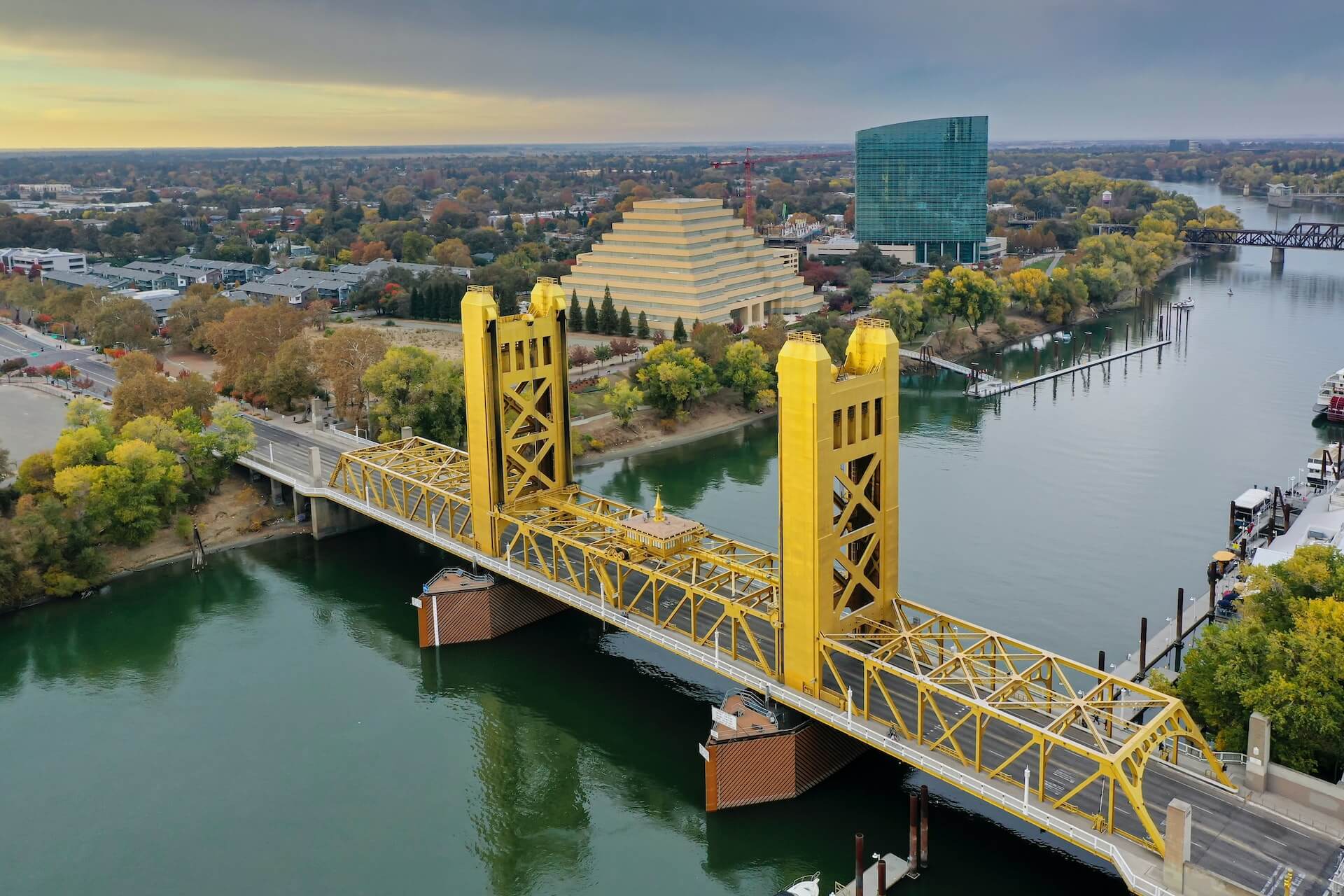
Tower Bridge in Sacramento, California

Real estate brokerage Redfin identifies the top ten American cities in terms of inflow and outflow, according to Q3 data.

Interestingly, a quarter of people appear to be searching for homes in cities different from where they currently live. Also compelling: one state, per the brokerage’s data ending in the month of October, is a clear favorite.

Obviously, this is important data for operators to have. When it comes to labor and guest pool changes, inflow and outflow information can be quite useful.

Top Inflow Cities: August to October 2022

Review the list below to see the metro areas experiencing the greatest inflow.

  1. Orlando, Florida
  2. Dallas, Texas
  3. North Port, Florida
  4. Cape Coral, Florida
  5. Phoenix, Arizona
  6. Tampa, Florida
  7. San Diego, California
  8. Miami, Florida
  9. Las Vegas, Nevada
  10. Sacramento, California

Did you spot the big trend? The state of Florida represents 50 percent of the list. Per Redfin‘s interpretation of the data, home buyers want leave expensive coastal cities behind.

Interesting to us in particular, two cities—Las Vegas and Orlando—are key KRG Hospitality markets. Also interesting is that Nevada and Florida are on the back half of Forbes’ best cities for starting a business in 2023.

However, we’ve seen strong hospitality industry recovery in Las Vegas this year. In fact, even the entertainment industry in Las Vegas is exploding. Additionally, we continue to gain clients in Orlando.

Top Outlow Cities: August to October 2022

Below are the metro areas seeing the greatest outflow.

  1. Philadelphia, Pennsylvania
  2. Seattle, Washington
  3. Denver, Colorado
  4. Detroit, Michigan
  5. Chicago, Illinois
  6. Boston, Massachusetts
  7. Washington, DC
  8. New York, New York
  9. Los Angeles, California
  10. San Francisco, California

If we compare Redfin’s Q2 data to the list above, it’s mostly the same. In fact, the top four outflow cities are identical. Spots five through nine are simply a reshuffling of Q2 and Q3 data.

However, Minneapolis, number ten in Q2, is replaced by Philadelphia in Q3. According to Redfin data, those Philly residents searching for homes elsewhere are showing interest in Salisbury, Maryland.

Consider how expensive it can be to move to and live in LA and San Francisco. It makes sense that California is the only state with two cities on the list above, doesn’t it?

Per Redfin, San Francisco residents are searching Sacramento and Seattle. Those in LA are looking at San Diego and Las Vegas.

Takeaway

It’s important to know where people are moving to and what cities they’re leaving behind. And it’s interesting to get a data-driven view of which states may be best for starting a business.

However, it’s far more useful to know how feasible a given ZIP code may be for a specific concept. So, while these types of lists are helpful, they’re not as practical as a targeted feasibility study.

Moreover, the dust doesn’t appear to have settled when it comes to migratory patterns of home buyers. It’s quite possible that Redfin’s 2023 inflow and outflow data will change once again in Q1 and Q2.

Image: Stephen Leonardi on Unsplash

Top