Podcast

by David Klemt David Klemt No Comments

Tales Announces Top Four Awards Finalists

Tales Announces Top Four Spirited Awards Finalists

by David Klemt

The number four inside a circle

It’s official: The Tales of the Cocktail Foundation announces the top four finalists in each of the 2022 Spirited Awards categories.

I don’t envy the judges who have to narrow down the top ten nominees to the top four finalists. Equally as daunting: deciding on the winner of each award in each category.

We’ll know who’s taking home each Spirited Award in just over a month. The ceremony will take place on Thursday, July 28 at the Ritz-Carlton, New Orleans. For those attending the 20th anniversary Tales of the Cocktail, the Ritz-Carlton is this year’s headquarters hotel.

Purchase Spirited Awards tickets here, and check out the digital playbill here.

See you at Tales, y’all! Cheers.

US Categories

US Bartender of the Year presented by Del Maguey

  • Josh Davis (16th Street Bar, Chicago, IL)
  • Chris Hannah (Jewel of the South, New Orleans, LA)
  • Masahiro “Masa” Urushido (Katana Kitten, New York, NY)
  • Christine Wiseman (BarLab Hospitality Group, Miami, FL)

Best US Bar Mentor presented by BarSmarts

  • Meaghan Dorman
  • Sean Kenyon
  • Nectaly Mendoza
  • Jeffrey Morgenthaler

Best US Brand Ambassador presented by Libbey Glass

  • Chris Cabrera (Bacardí USA)
  • Tad Carducci (Gruppo Montenegro)
  • Vance Henderson (Hendrick’s Gin)
  • Lynn House (Heaven Hill)

Best US Bar Team presented by William Grant & Sons

  • Half Step (Austin, TX)
  • Jewel of the South (New Orleans, LA)
  • Katana Kitten (New York, NY)
  • The Roosevelt Room (Austin, TX)

Best US Cocktail Bar presented by Absolut Vodka

  • Bar Goto (New York, NY)
  • Katana Kitten (New York, NY)
  • The Roosevelt Room (Austin, TX)
  • Thunderbolt (Los Angeles, CA)

Best US Hotel Bar presented by Grey Goose

  • Dear Irving on Hudson at the Aliz Hotel (New York, NY)
  • Hey Love at The Jupiter (Portland, OR)
  • Little Rituals at the Residence Inn/Courtyard by Marriott (Phoenix, AZ)
  • Silver Lyan at the Riggs Washington DC (Washington, DC)

Best US Restaurant Bar presented by Maison Ferrand

  • Café La Trova (Miami, FL)
  • Cleaver: Butchered Meats, Seafood & Classic Cocktails (Las Vegas, NV)
  • Jewel of the South (New Orleans, LA)
  • Kumiko (Chicago, IL)

Best New US Cocktail Bar presented by Aviation Gin

  • Double Chicken Please (New York, NY)
  • Happy Accidents (Albuquerque, NM)
  • Temple Bar (New York, NY)
  • Yacht Club (Denver, CO)

International Categories

International Bartender of the Year presented by Patrón

  • Lorenzo Antinori (ARGO / Four Seasons Hotel & Resorts, Hong Kong, China)
  • Keith Motsi (Charles H. Seoul at the Four Seasons Hotel, Seoul, South Korea)
  • Rémy Savage (🔶🟥🔵 A Bar with Shapes for a Name, London, UK)
  • Matt Whiley (RE, Sydney, Australia)

Best International Bar Mentor presented by Lyre’s Non-Alcoholic

  • Monica Berg
  • Renato “Tato” Giovannoni
  • Lauren Mote
  • Agostino Perrone

Best International Brand Ambassador presented by Lyre’s Non-Alcoholic

  • Martin Hudák (Mr. Black Spirits)
  • Daniyel Jones (House of Angostura)
  • Ricardo Nava (Bacardí Latin America)
  • Nicola Riske (The Macallan)

Best International Bar Team presented by House of Angostura

  • ALQUÍMICO (Cartagena, Colombia)
  • MAYBE SAMMY (Sydney, Australia)
  • The Clumsies (Athens, Greece)
  • Two Schmucks (Barcelona, Spain)

Best International Cocktail Bar presented by Tequila Fortaleza

  • MAYBE SAMMY (Sydney, Australia)
  • Satan’s Whiskers (London, UK)
  • Tayēr + Elementary (London, UK)
  • Two Schmucks (Barcelona, Spain)

Best International Hotel Bar presented by Perrier

  • Charles H. Seoul at the Four Seasons Hotel (Seoul, South Korea)
  • Fifty Mils at the Four Seasons Hotel (Mexico City, Mexico)
  • Lyaness at Sea Containers London (London, UK)
  • The American Bar at The Stafford London (London, UK)

Best International Restaurant Bar presented by Tales of the Cocktail Foundation

  • Danico (Paris, France)
  • Le Mary Celeste (Paris, France)
  • Pujol (Mexico City, Mexico)
  • Sexy Fish (London, UK)

Best New International Cocktail Bar presented by Stranger & Sons

  • 🔶🟥🔵 A Bar with Shapes for a Name (London, UK)
  • ARGO (Hong Kong, China)
  • Schofield’s Bar (Manchester, UK)
  • SIPS (Barcelona, Spain)

Global Categories

Best New Spirit or Cocktail Ingredient presented by Tales of the Cocktail Foundation

  • Abasolo Ancestral Corn Whisky
  • Citadelle Gin Jardin d’été
  • Lyre’s Non-Alcoholic – Italian Orange
  • Nixta Licor de Elote

World’s Best Cocktail Menu presented by Diageo Bar Academy

  • Little Red Door (Paris, France)
  • Lyaness at Sea Containers London (London, UK)
  • Swift Soho (London, UK)
  • Tayēr + Elementary (London, UK)

World’s Best Spirits Selection presented by Beam Suntory

  • In-Situ Mezcaleria (Oaxaca City, Mexico)
  • Jack Rose Dining Saloon (Washington, DC)
  • Sexy Fish (London, UK)
  • Swift Soho (London, UK)

Writing and Media Categories

Best Cocktail & Spirits Publication presented by Diageo Bar Academy

  • CLASS magazine
  • Discard the Zine
  • VinePair
  • Whisky Magazine

Best Broadcast, Podcast, or Online Video Series presented by Diageo Bar Academy

  • Radio Imbibe
  • Shōshin Art Club
  • The Cocktail Lovers Podcast
  • The Speakeasy Podcast

Best Cocktail & Spirits Writing presented by Diageo Bar Academy

  • “Get Real: The bar world looks beyond feel-good measures on sustainability and climate change” by Max Falkowitz, for Imbibe Magazine
  • “Has the Coronavirus Pandemic Destroyed American Bar Culture?” by Jeffrey Morgenthaler, for Daily Beast
  • “Meet the Eco-Packaging Innovations Transforming the Drinks Industry” by Betsy Andrews, for SevenFifty Daily
  • “The Greatest Drinking Contest in History” by David Wondrich, for Daily Beast

Best New Cocktail or Bartending Book presented by Lyre’s Non-Alcoholic

  • Death & Co: Welcome Home by Alex Day, Nick Fauchald, and David Kaplan
  • The Cocktail Seminars by Brian D. Hoefling
  • The Japanese Art of the Cocktail by Masahiro Urushido and Michael Anstendig
  • The Way of the Cocktail: Japanese Traditions, Techniques, and Recipes by Julia Momosé with Emma Janzen

Best New Book on Drinks Culture, History, or Spirits presented by Diageo Bar Academy

  • Bourbon: The Story of Kentucky Whiskey by Clay Risen
  • Drunk: How We Sipped, Danced, and Stumbled Our Way to Civilization by Edward Slingerland
  • Girly Drinks: A World History of Women and Alcohol by Mallory O’Meara
  • The Oxford Companion to Spirits and Cocktails edited by David Wondrich with Noah Rothbaum

Image: Tim Hüfner on Unsplash
by David Klemt David Klemt No Comments

Top 10 2022 Spirited Award Finalists

Top 10 2022 Spirited Award Finalists

by David Klemt

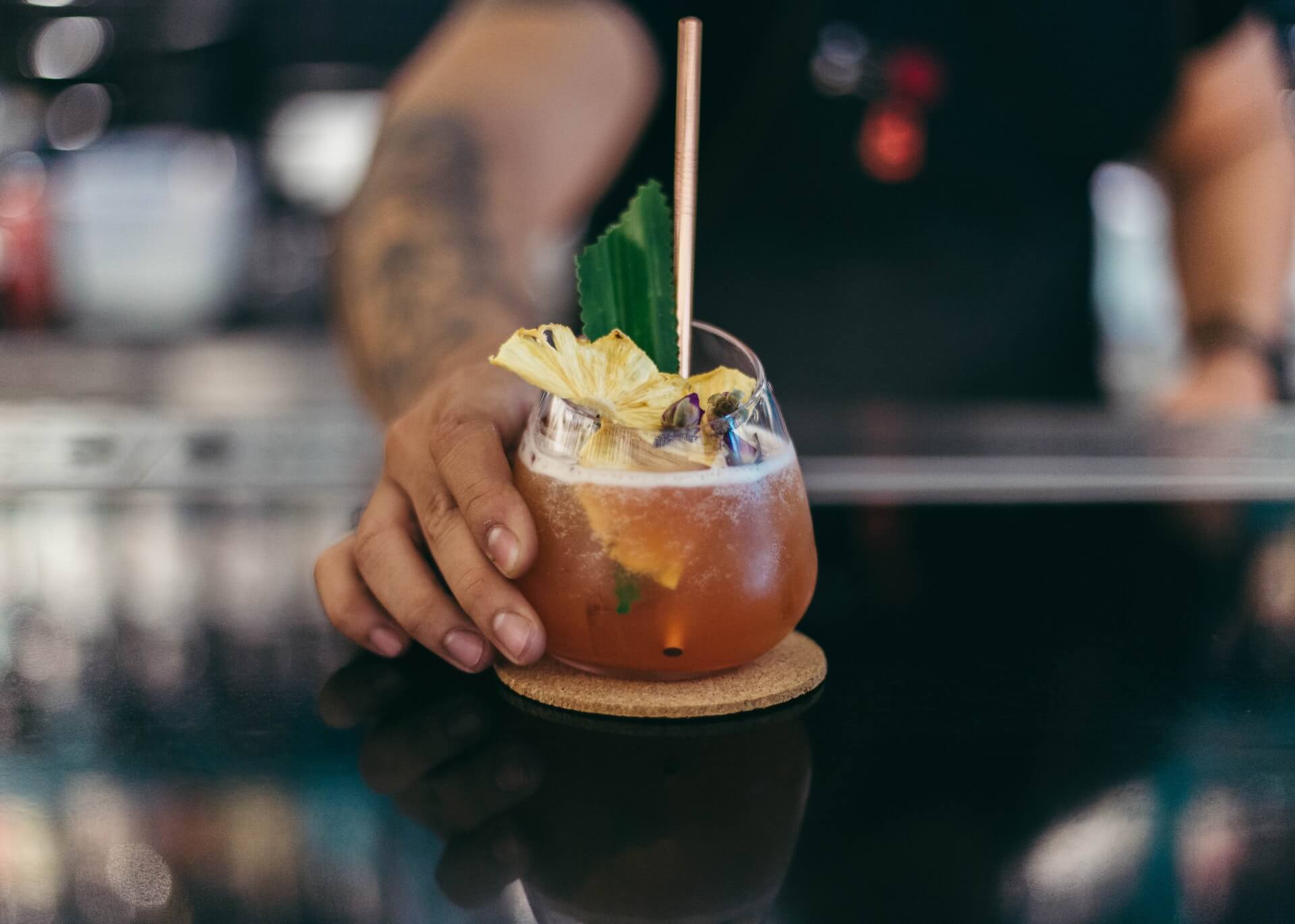
Bartender presenting cocktail

With just six weeks to go until the 20th anniversary of Tales of the Cocktail, the foundation announces their Spirited Award finalists.

Unsurprisingly, a number of the nominees can also be found on the North America’s 50 Best Bars list.

However, the Spirited Awards honor more than bars. The awards span four categories: US, International, Global, and Writing & Media.

Along with bar nominees, you’ll find mentors, bar teams, brand ambassadors, spirits, cocktail ingredients, books, articles, podcasts, videos, and publications in the list below.

Congratulations to the Spirited Awards’ top ten nominees! We’ll see you in New Orleans.

Cheers!

US Categories

US Bartender of the Year presented by Del Maguey

  • Josh Davis (16th Street Bar, Chicago, IL)
  • Chris Elford (Trade Winds Tavern, Navy Strength, Rob Roy, Here Today Brewing, Seattle, WA)
  • Chris Hannah (Jewel of the South, New Orleans, LA)
  • Caer Maiko Ferguson (DrinkWell, Austin, TX)
  • Chris McMillian (Revel Bar & Cafe, New Orleans, LA)
  • Shauna O’Neil (Sweet Liberty, Miami, FL)
  • Kapri Robinson (Allegory, Washington, DC)
  • Christian Suzuki-Orellana (Wildhawk, San Francisco, CA)
  • Masahiro “Masa” Urushido (Katana Kitten, New York, NY)
  • Christine Wiseman (BarLab Hospitality Group, Miami, FL)

Best US Bar Mentor presented by BarSmarts

  • Colin Asare-Appiah
  • Julio Cabrera
  • Kevin Diedrich
  • Meaghan Dorman
  • Alba Huerta
  • Alex Jump
  • Sean Kenyon
  • ms franky marshall
  • Nectaly Mendoza
  • Jeffrey Morgenthaler

Best US Brand Ambassador presented by Libbey Glass

  • Kiowa Bryan (Spiribam)
  • Chris Cabrera (Bacardí USA)
  • Tad Carducci (Gruppo Montenegro)
  • Cameron George (Ardbeg)
  • Vance Henderson (Hendrick’s Gin)
  • Lynn House (Heaven Hill)
  • Jenna Murray (The Glenlivet)
  • Natasha Sofia Velez (Davos Brands)
  • Ryan Wainwright (Bombay Sapphire)
  • Daniel Warrilow (Campari America)

Best US Bar Team presented by William Grant & Sons

  • Attaboy (New York, NY)
  • Cleaver: Butchered Meats, Seafood & Classic Cocktails (Las Vegas, NV)
  • Half Step (Austin, TX)
  • Jaguar Sun (Miami, FL)
  • Jewel of the South (New Orleans, LA)
  • Katana Kitten (New York, NY)
  • The Long Island Bar (Brooklyn, NY)
  • The Roosevelt Room (Austin, TX)
  • The Snug (Sacramento, CA)
  • Thunderbolt (Los Angeles, CA)

Best US Cocktail Bar presented by Absolut Vodka

  • Bar Goto (New York, NY)
  • Beachbum Berry’s Latitude 29 (New Orleans, LA)
  • Bitter & Twisted Cocktail Parlour (Phoenix, AZ)
  • DrinkWell (Austin, TX)
  • Julep (Houston, TX)
  • Katana Kitten (New York, NY)
  • Occidental (Denver, CO)
  • Pearl Diver (Nashville, TN)
  • The Roosevelt Room (Austin, TX)
  • Thunderbolt (Los Angeles, CA)

Best US Hotel Bar presented by Grey Goose

  • Bar Marilou at Maison de la Luz (New Orleans, LA)
  • Champagne Bar at The Surf Club Miami (Miami, FL)
  • Dear Irving on Hudson at the Aliz Hotel (New York, NY)
  • Hey Love at The Jupiter (Portland, OR)
  • King Cole Bar at The St. Regis New York (New York, NY)
  • Libertine Social at the Mandalay Bay (Las Vegas, NV)
  • Little Rituals at the Residence Inn/Courtyard by Marriott (Phoenix, AZ)
  • Midnight Rambler at the Joule (Dallas, TX)
  • Mountaineering Club at the Graduate Seattle Hotel (Seattle, WA)
  • Silver Lyan at the Riggs Washington DC (Washington, DC)

Best US Restaurant Bar presented by Maison Ferrand

  • Café La Trova (Miami, FL
  • Cleaver: Butchered Meats, Seafood & Classic Cocktails (Las Vegas, NV)
  • Crown Shy (New York, NY)
  • Gramercy Tavern (New York, NY)
  • Jewel of the South (New Orleans, LA)
  • Kimball House (Decatur, GA)
  • Kumiko (Chicago, IL)
  • L’Oursin (Seattle, WA)
  • Republique (Los Angeles, CA)
  • Spoon and Stable (Minneapolis, MN)

Best New US Cocktail Bar presented by Aviation Gin

  • Double Chicken Please (New York, NY)
  • Happy Accidents (Albuquerque, NM)
  • Kona’s Street Market (San Francisco, CA)
  • Law Bird (Columbus, OH)
  • Overstory (New York, NY)
  • Palmetto (Oakland, CA)
  • Temple Bar (New York, NY)
  • Tiki Tatsu-Ya (Austin, TX)
  • Trade Winds Tavern (Seattle, WA)
  • Yacht Club (Denver, CO)

International Categories

International Bartender of the Year presented by Patrón

  • Moe Aljaff (Two Schmucks, Barcelona, Spain)
  • Lorenzo Antinori (ARGO / Four Seasons Hotel & Resorts, Hong Kong, China)
  • Giorgio Bargiani (The Connaught Bar, London, UK)
  • Kate Boushel (Atwater Cocktail Club / Milky Way Cocktail Bar, Montréal, Québec, Canada)
  • James Grant (Little HK, Edmonton, Canada)
  • Keith Motsi (Charles H. Seoul at the Four Seasons Hotel, Seoul, South Korea)
  • Rémy Savage (🔶🟥🔵 A Bar with Shapes for a Name, London, UK)
  • Daniel Schofield (SCHOFIELD’S BAR, Manchester, UK)
  • Ezra Star (Mostly Harmless, Hong Kong, China)
  • Luke Whearty (BYRDI, Melbourne, Australia)
  • Matt Whiley (RE, Sydney, Australia)

Best International Bar Mentor presented by Lyre’s Non-Alcoholic

  • Monica Berg
  • Arijit Bose
  • Simone Caporale
  • Renato “Tato” Giovannoni
  • Tim Etherington Judge
  • Trevor Kallies
  • Dre Masso
  • Lauren Mote
  • Danil Nevsky
  • Agostino Perrone
  • Christina Veira
  • Camille Vidal

*Includes 12 nominees due to a tie

Best International Brand Ambassador presented by Lyre’s Non-Alcoholic

  • Jenna Ba (Diageo)
  • Claudia Cabrera (Fratelli Branca)
  • Irene Díaz (Ron Diplomático)
  • Martin Hudák (Mr. Black Spirits)
  • Daniyel Jones (House of Angostura)
  • Ally Martin (Hendrick’s Gin)
  • Dave Mitton (Lot No. 40 / JP Wiser’s)
  • Ricardo Nava (Bacardí Latin America)
  • Tim Phillips-Johansson (Johnnie Walker)
  • Nicola Riske (The Macallan)

Best International Bar Team presented by House of Angostura

  • ALQUÍMICO (Cartagena, Colombia)
  • Atwater Cocktail Club (Montréal, Québec, Canada)
  • Jigger & Pony at the Amara Hotel (Singapore)
  • La Factoría (San Juan, Puerto Rico)
  • MAYBE SAMMY (Sydney, Australia)
  • Salmon Guru (Madrid, Spain)
  • Tayēr + Elementary (London, UK)
  • The Clumsies (Athens, Greece)
  • Tres Monos (Buenos Aires, Argentina)
  • Two Schmucks (Barcelona, Spain)

Best International Cocktail Bar presented by Tequila Fortaleza

  • ALQUIMICO (Cartagena, Colombia)
  • Atwater Cocktail Club (Montréal, Québec, Canada)
  • Cause Effect Cocktail Kitchen & Cape Brandy Bar (Cape Town, South Africa)
  • COA (Hong Kong, China)
  • Florería Atlántico (Buenos Aires, Argentina)
  • MAYBE SAMMY (Sydney, Australia)
  • Paradiso (Barcelona, Spain)
  • Salmon Guru (Madrid, Spain)
  • Satan’s Whiskers (London, UK)
  • Tayēr + Elementary (London, UK)
  • Three Sheets (London, UK)
  • Two Schmucks (Barcelona, Spain)

*Includes 12 nominees due to a tie

Best International Hotel Bar presented by Perrier

  • Bar Trigona at the Four Seasons Hotel (Kuala Lumpur, Malaysia)
  • Botanist at the Fairmont Pacific Rim Hotel (Vancouver, BC, Canada)
  • Bulgari Bar at The Bvlgari Resort (Dubai, UAE)
  • Charles H. Seoul at the Four Seasons Hotel (Seoul, South Korea)
  • Fifty Mils at the Four Seasons Hotel (Mexico City, Mexico)
  • Jigger & Pony at the Amara Hotel (Singapore)
  • Lyaness at Sea Containers London (London, UK)
  • MO BAR at the Mandarin Oriental (Singapore)
  • Origin Bar at The Shangri-La Hotel (Singapore)
  • The American Bar at The Stafford London (London, UK)
  • The Donovan Bar at the Brown’s Hotel (London, UK)

*Includes 11 nominees due to a tie

Best International Restaurant Bar presented by Tales of the Cocktail Foundation

  • Bar Kismet (Halifax, Nova Scotia, Canada)
  • Caffe Fernet (Singapore)
  • Danico (Paris, France)
  • Le Mary Celeste (Paris, France)
  • Locale Firenze (Florence, Italy)
  • LPM Restaurant & Bar (Dubai, UAE)
  • Pujol (Mexico City, Mexico)
  • Sexy Fish (London, UK)
  • The Continental Deli (Newtown, Australia)
  • Tjoget (Stockholm, Sweden)
  • Zuma Dubai — Dubai, UAE)

*Includes 11 nominees due to a tie

Best New International Cocktail Bar presented by Stranger & Sons

  • 🔶🟥🔵 A Bar with Shapes for a Name (London, UK)
  • Amaro Bar (London, UK)
  • ARGO (Hong Kong, China)
  • Dead End Paradise (Beirut, Lebanon)
  • DEAN & NANCY (Sydney, Australia)
  • RE (Sydney, Australia)
  • Schofield’s Bar (Manchester, UK)
  • Side Hustle at the NoMad (London, UK)
  • SIPS (Barcelona, Spain)
  • Wax On (Berlin, Germany)

Global Categories

Best New Spirit or Cocktail Ingredient presented by Tales of the Cocktail Foundation

  • Abasolo Ancestral Corn Whisky
  • ANGOSTURA® cocoa bitters
  • Citadelle Gin Jardin d’été
  • Del Maguey Single Village Mezcal Vida de Muertos
  • Equiano Light Rum
  • Fever-Tree Sparkling Lime & Yuzu
  • Fever-Tree Sparkling Pink Grapefruit
  • Hendrick’s Lunar Gin
  • Lyre’s Non-Alcoholic – Italian Orange
  • Nixta Licor de Elote
  • Lost Irish
  • Ojo de Tigre Mezcal Artesanal
  • SAVOIA Americano

*Includes 13 nominees due to a tie

World’s Best Cocktail Menu presented by Diageo Bar Academy

  • ALQUÍMICO (Cartagena de Indias, Colombia)
  • Dante NYC (New York, NY)
  • Himkok (Oslo, Norway)
  • Little Red Door (Paris, France)
  • Lyaness at Sea Containers London (London, UK)
  • Mace Bar (New York, NY)
  • Paradiso (Barcelona, Spain)
  • Scarfes Bar at the Rosewood London (London, UK)
  • Swift Soho (London, UK)
  • Tayēr + Elementary (London, UK)

World’s Best Spirits Selection presented by Beam Suntory

  • ATLA (New York, NY)
  • Brandy Library (New York, NY)
  • In-Situ Mezcaleria (Oaxaca City, Mexico)
  • Jack Rose Dining Saloon (Washington, DC)
  • Origin Bar at The Shangri-La Hotel (Singapore)
  • Rumba (Seattle, WA)
  • Sexy Fish (London, UK)
  • Swift Soho (London, UK)
  • The Bamboo Room at Three Dots and a Dash (Chicago, IL)
  • The Doctor’s Office (Seattle, WA)

Writing and Media Categories

Best Cocktail & Spirits Publication presented by Diageo Bar Academy

  • CLASS magazine
  • Difford’s Guide
  • Discard the Zine
  • DRiNK Magazine Asia
  • Drinks International
  • Liquor.com
  • The Cocktail Lovers magazine
  • The Spirits Business
  • VinePair
  • Whisky Magazine

Best Broadcast, Podcast, or Online Video Series presented by Diageo Bar Academy

  • A Life In Whisky: The Dennis Malcolm Story (A documentary by Whisky Magazine)
  • Behind the Bar with Cara Devine
  • El Club de los Cantineros (Documentary)
  • Freepour
  • Happy Hour History
  • Hospitality Forward Podcast by Hanna Lee Communications
  • Radio Imbibe
  • Shōshin Art Club
  • The Cocktail Lovers Podcast
  • The Speakeasy Podcast

Best Cocktail & Spirits Writing presented by Diageo Bar Academy

  • “Get Real: The bar world looks beyond feel-good measures on sustainability and climate change” by Max Falkowitz, for Imbibe Magazine
  • “Getting high from a new supply: a revolutionary flavour extraction method for cocktails is being pioneered in South Africa” by Leah van Deventer, for TheWorlds50Best.com
  • “Has the Coronavirus Pandemic Destroyed American Bar Culture?” by Jeffrey Morgenthaler, for Daily Beast
  • “Making it Through: How a Bar’s Regulars Helped During a Pandemic,” by Rebecca Cate as told to Paul Clarke, Imbibe
  • “Marc Farrell Wants to Change the Way You Think About Rum” by Yolanda Evans, for Food & Wine
  • “Meet the Eco-Packaging Innovations Transforming the Drinks Industry” by Betsy Andrews, for SevenFifty Daily
  • “Mexican Terroir” by Liza Weisstuch, for Whisky Magazine
  • “The Greatest Drinking Contest in History” by David Wondrich, for Daily Beast
  • “The Hard Reset – Creating a New Hospitality Culture” by Anna Sebastian, for CLASS
  • “Turns Out Rye Whiskey Isn’t an American Creation After All” by Lew Bryson, for Daily Beast

Best New Cocktail or Bartending Book presented by Lyre’s Non-Alcoholic

  • Claridge’s The Cocktail Book by Denis Broci and Nathan McCarley-O’Neill
  • COCKTAIL DIVE BAR: Real Drinks, Fake History, and Questionable Advice from New Orleans’s Twelve Mile Limit by T. Cole Newton
  • Death & Co: Welcome Home by Alex Day, Nick Fauchald, and David Kaplan
  • Difford’s Guide to Cocktails Sixteenth Edition by Simon Difford
  • Mezcal and Tequila Cocktails by Robert Simonson
  • The Cocktail Seminars by Brian D. Hoefling
  • The Japanese Art of the Cocktail by Masahiro Urushido and Michael Anstendig
  • The Way of the Cocktail: Japanese Traditions, Techniques, and Recipes by Julia Momosé with Emma Janzen
  • Tokyo Cocktails by Nicholas Coldicott
  • Zero Proof: 90 Non-Alcoholic Recipes for Mindful Drinking by Elva Ramirez

Best New Book on Drinks Culture, History, or Spirits presented by Diageo Bar Academy

  • A Good Drink: In Pursuit of Sustainable Spirits by Shanna Farrell
  • Bourbon: The Story of Kentucky Whiskey by Clay Risen
  • Drunk: How We Sipped, Danced, and Stumbled Our Way to Civilization by Edward Slingerland
  • Girly Drinks: A World History of Women and Alcohol by Mallory O’Meara
  • L’Ora dell’Americano by Mauro Mahjoub & Lucio Tucci
  • Something & Tonic by Nick Kokonas
  • The Big Book of Amaro by Matteo Zed
  • The New Kindred Spirits by F. Paul Pacult
  • The Oxford Companion to Spirits and Cocktails edited by David Wondrich with Noah Rothbaum
  • The Spirit of Rye by Carlo DeVito

Image: Jia Jia Shum on Unsplash

by David Klemt David Klemt No Comments

Alright, Seriously—WTF, Grubhub?

Alright, Seriously—WTF, Grubhub?

by David Klemt

Or, more to the point, stop working with “partners” who exploit our industry rather than support it.

In spectacular and entirely predictable fashion, Grubhub’s “free lunch” further reveals that third-party delivery platforms don’t care about restaurants.

Of course, they all say they support restaurant owners and operators. And, of course, they’re quick to pat themselves on their backs for being a pandemic lifeline.

But…no. Time and time again, mainly through their exorbitant and exploitative fees, they prove the opposite is true.

Restaurants and bars aren’t third-party delivery partners. Rather, these relationships are adversarial and detrimental. So much so, in fact, that some states passed laws to limit third-party delivery fees.

In Nevada, for example, Clark County Commissioners passed an emergency ordinance in August 2020 capping those fees at 15 percent. Clearly, we need to stop enriching companies that prove they don’t support the hospitality industry but cause it significant harm.

Free Lunch?

They say there’s no such thing as a free lunch. Apparently, Grubhub really wants to prove that maxim true.

That’s one of the takeaways from their disastrous promotion. Last Tuesday, in what’s being reported as an attempt to claim the delivery throne in New York City, Grubhub offered “free” lunch to anyone who placed an order for delivery.

The requirements for this promotion? Place an order for delivery through Grubhub on May 17 between 11:00 AM and 2:00 PM and use the code “freelunch.”

Of course, customer orders weren’t entirely free. Rather, the code was good for a $15 discount. Still, a wildly attractive offer as the ensuing debacle reveals.

Unsurprisingly, the promotion made for some eye-grabbing and eye-rolling headlines. Buzzfeed News published the most attention-grabbing one: “GrubHub Was Getting 6000 Orders A Minute During Its Promo Today That Left Restaurant Workers Stressed And Customers Hangry.”

Six thousand orders per minute during a promotion with a three-hour window in a single market.

In addition, the outlet reported that one unsatisfied customer was number 3,630 in the Grubhub customer service queue. Apparently—and who can blame him—he hung up before he could speak with a Grubhub rep about his missing order.

Duh

Who could’ve seen this coming? Any of the restaurant owners, operators, or team members Grubhub “serves,” that’s who.

In fact, anyone who works in this industry with on-premise experience knew this was going to happen. So, too, any journalist who specializes in hospitality.

The fact that whoever came up with this promotion didn’t see this coming is revealing. Unless the creators of these apps and services have real-world restaurant experience, they don’t understand the business.

How can one effectively and properly serve an industry without an understanding of how it operates? Hospitality is about service. Shouldn’t the companies attempting to work within our industry work hard to serve alongside us?

Let’s be clear—this promotion was in no way designed to help struggling restaurants. It wasn’t intended to boost their traffic and revenue. Rather, it was solely created to serve Grubhub’s desire to be number one.

As we all know, we’re experiencing major staff shortages. There are also supply shortages making it difficult for operators to obtain product reliably. Grubhub made those problems exponentially worse.

Some restaurants stopped taking delivery orders. Others canceled orders. There were operators who closed in an effort to catch up with orders and prevent the situation from worsening.

According to news stories, some social media users posted that they planned to stop ordering through third-party platforms.

Negative Impact

If you’re new to KRG Hospitality, welcome. You’re likely realizing that we’re not fans of third-party delivery.

Those of you who are familiar with us have known for quite some time that we support direct delivery. That is, delivery controlled and executed by the restaurant itself.

It’s not that we’re against innovation. Rather, our dislike of these platforms, generally speaking, comes from our perception of their behavior.

In our opinion, they take control away from operators and cost them money. Again, speaking generally, they collect customer data that operators should control. Their fees are ridiculous in most cases. And when it comes to the customer experience, their inconsistencies and shortcomings reflect poorly on the operators far too often.

Studies show that customers who have issues with third-party deliveries often place the blame on the restaurant. Food the wrong temperature? Order arrive late? Packages in less-than-ideal condition? While those issues and others can be the fault of the driver, the restaurant often takes the brunt of a customer’s dissatisfaction.

Of course, there’s also the financial impact of third-party delivery on restaurants. A SevenRooms report from last year reveals how these platforms harm operators and their bottom lines.

The Solution

Look, we know operators have a ton on their plates. But protecting and boosting the bottom line is a non-negotiable element of this business.

Yes, it’ll take some time, effort, and money to set up direct delivery. However, it’s the best solution.

Direct delivery means the operator collects and control valuable data. Likewise, the operator can ensure consistency. Through direct delivery, the operator shapes and controls the experience.

Control. Inherently, third-party delivery takes some control away from operators. That’s not a good thing, and neither is their financial impact.

Look into setting up direct delivery, take control, and protect your revenue ASAP. Friend of KRG “Rev” Ciancio and SevenRooms CEO Joel Montaniel each address delivery on the Bar Hacks podcast. Listen to episode 13 with Rev and episode 24 with Joel to learn more about delivery.

We need to stop rewarding companies that exploit our industry and take advantage of our owners, operators, and hard-working staff members.

Direct delivery is the answer. Take steps to implement it today.

Image: Rosie Kerr on Unsplash

by David Klemt David Klemt No Comments

Top Whisky-centric Bar Hacks Episodes

Top Whisky-centric Bar Hacks Episodes

by David Klemt

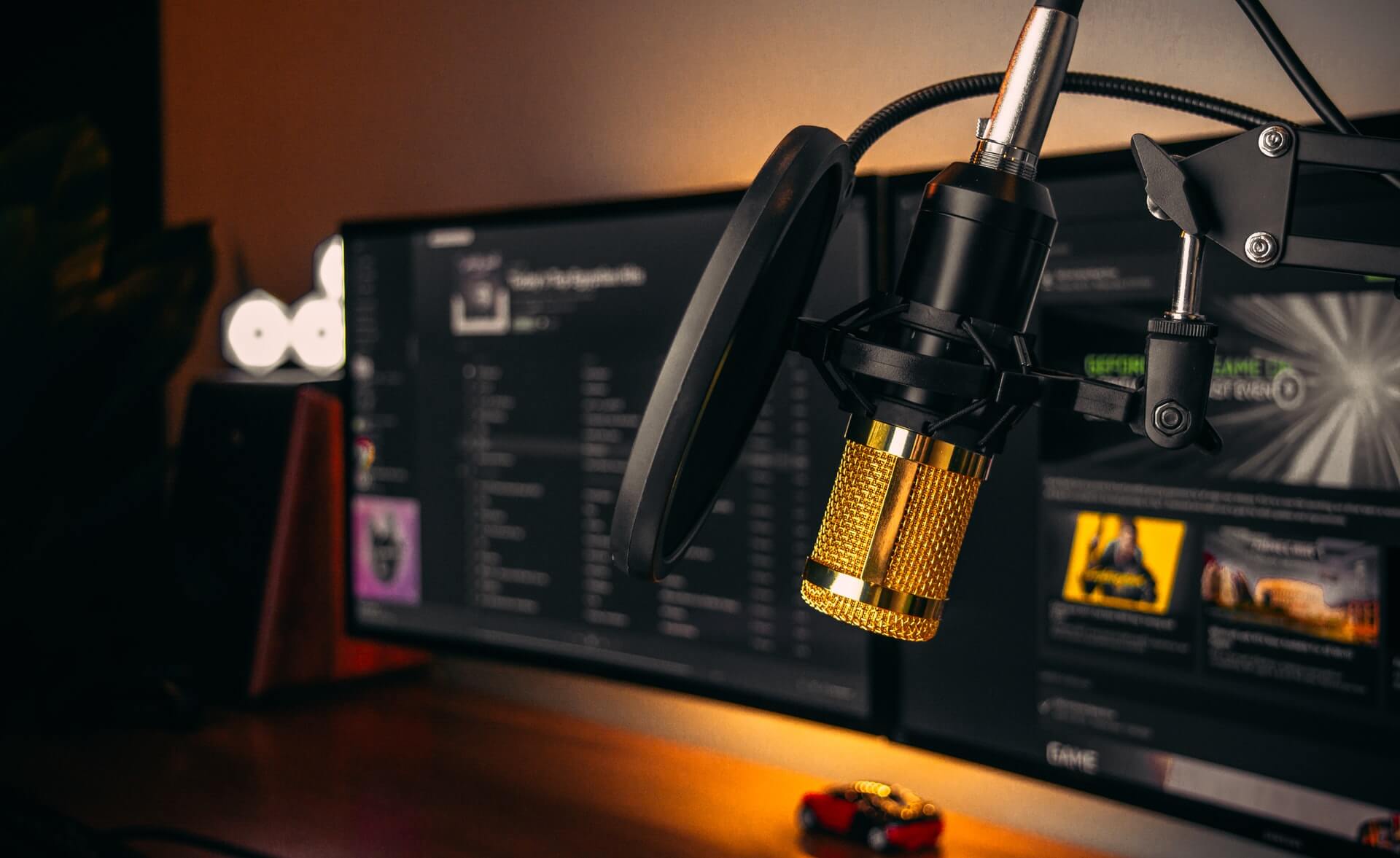
Golden podcast microphone

We’ve had the privilege of speaking with dozens of industry experts on the Bar Hacks podcast, including whisky distillers, brand reps, and bartenders.

So, to inspire you to pull out all the stops for your World Whisky Day promotion, we’ve rounded up twelve whisky-centric Bar Hacks episodes for your listening delight.

Cheers!

Episode 12

Co-host David Klemt (that’s me) of the Bar Hacks podcast chats with Jared Boller, Canadian National Whiskey Ambassador at Proximo Spirits. Tending bar gave him the opportunity to live, work and travel around the world.

At the time of this podcast, Boller represented brands like Bushmills and Proper No. Twelve at Proximo Spirits in Canada. On episode 12, Jared discusses his journey through the world of hospitality and how operators can benefit more from working with brand ambassadors.

Episode 25

One of our favorite people in the industry—and in life in general—popped by to speak with Bar Hacks. Megan Breier is one of the most engaging, entertaining and knowledgeable educators in the hospitality and spirits industries.

In this episode, Megan explains what sets Maker’s Mark apart from other bourbons, some of the amazing activations she’s executed, Private Selection, Maker’s 101, Margie Samuels’ contributions to the brand and industry, and more. Listen now!

Episode 28

Lyre’s Spirits crafts alcohol-free spirits that masterfully mimic their full-proof counterparts. Bar Hacks co-host David Klemt sits down with Lyre’s brand ambassador, bartender and buddy Tim Rita to chat about the brand.

On episode 28 you’ll learn about one of the fastest-growing brands in one of the fastest-growing beverage categories. How is an alcohol-free brand relevant on World Whisky Day? Lyre’s makes American Malt, a zero-proof take on bourbon.

Episode 31

Ted Fleming, entrepreneur and CEO and founder of Partake Brewing, stops by to discuss the founding of the alcohol-free beer brand, the importance and growth of the non-alcohol beer category, how operators can succeed with non-alc, advice for entrepreneurs, and more.

Given the importance of low- and no-proof drink options to bar operations, Partake Brewing pairs well with brands like Lyre’s to make sober-friendly Boilermakers. Listen to this episode here.

Episode 32

Woodford Reserve brand ambassador Michael Toscano stops by to talk about the Kentucky Derby, crafting the perfect Mint Julep, maximizing the operator-brand-rep relationship, and more. Check it out now!

Episode 39

Anthony “Terry” Bohlinger, national brand ambassador for new William Grant & Sons whiskey brand Fistful of Bourbon, drops by Bar Hacks. Terry talks about launching a brand during a pandemic, representing an irreverent brand that doesn’t take itself too seriously, the hilarious videos Fistful of Bourbon created to introduce the brand, lessons learned during his journey in hospitality, and more. Listen here!

Episode 50

In our 50th episode, Travis explains the difference between a dive bar and a neighborhood bar, and notes that both Nickel City locations are “anytime bars” that welcome everyone. He also shares his hospitality journey, which saw him go from Buffalo, NY, to Florida, Las Vegas, and ultimately Texas; tips for staying on brand; hiring and retaining team members; how the hospitality industry is the entertainment industry; supporting the community during a crazy winter storm; location scouting; how there’s no better time to open a bar or restaurant than right now; and much more.

Nickel City is known for an incredible range of whiskeys, monthly whiskey specials, and specialty Boilermaker combinations. Listen to episode 50 now.

Episode 52

Lynn House, national spirits specialist and portfolio mixologist for Heaven Hill, drops by Bar Hacks to speak with host David Klemt about the second annual Old Fashioned Week.

Lynn and David also discuss bourbon, rye, hospitality, building balanced cocktails, and how trust plays a role in educating guests so you and your team can introduce them to new drinks and experiences. Listen now!

Episode 59

Whiskey expert, spirits judge, and sommelier Theo Rutherford stops by the Bar Hacks podcast to talk about Bib & Tucker Small Batch Bourbon, a prominent addition to the Deutsch Family of wine and spirits. Rutherford shares the Bib & Tucker brand story, what sets the brand apart from other bourbons, and why the 6 Year expression appeals to all categories of whiskey drinkers. He also shares tips for tasting bourbon, including how easily Bib & Tucker wins over non-whiskey drinkers.

Listen now to learn why Theo wants you to smell everything and stop swirling your whiskey at tastings.

Episode 63

David Vitale, founder of Starward Whisky, shares his journey into whisky distillation and how craft beer brewing plays a significant role. The two also discuss Australian whisky, making inroads throughout North America, and why Starward expressions work so well with food and food programs.

In this episode you’ll also find out which Starward whisky David Vitale calls the “Swiss Army knife of whiskies,” which makes the perfect Manhattan, Starward Solera, and more.

Episode 71

Glendalough Distillery co-founder, national brand ambassador, and bottlewasher Donal O’Gallachoir comes on the podcast to explain what makes the distillery’s whiskey and gin “remarkably different.” Ever since they opened their doors, Glendalough has been on a mission to honor Irish distilling heritage and returning Irish whiskey and gin to the top of their respective spirits categories.

Donal also shares the details of Glendalough’s newest release: batch number one of 7 Years Mizunara Finish. Listen now!

Episode 74

David Vitale, founder of Starward Whisky, returns from Australia and returns to the Bar Hacks podcast! The Australian whisky producer took home an incredible amount of medals from the 2022 San Francisco World Spirits Competition. David tells host David Klemt what it was like to see the final award tally, how the Starward team reacted, and dove into the mission and vision of Starward Whisky.

The two also discuss the award-winning expressions that are either already available in the US or on their way to American shores. David shares the details of the Fortis, Octave Barrels, Unexpeated, and Dolce expressions. And for the single-barrel lovers out there, David also dives into the magic behind single barrel bottlings Nos. 684, 3278, and 4539. It’s exciting to learn about the expressions joining Two-Fold, Nova, Solera, and Ginger Beer Cask #6. Listen to episode 74 here!

Image: Amr Taha™ on Unsplash
by David Klemt David Klemt No Comments

TOTC 2022 Agenda and Tickets Now Live

Tales of the Cocktail 2022 Conference Agenda and Tickets Now Available

by David Klemt

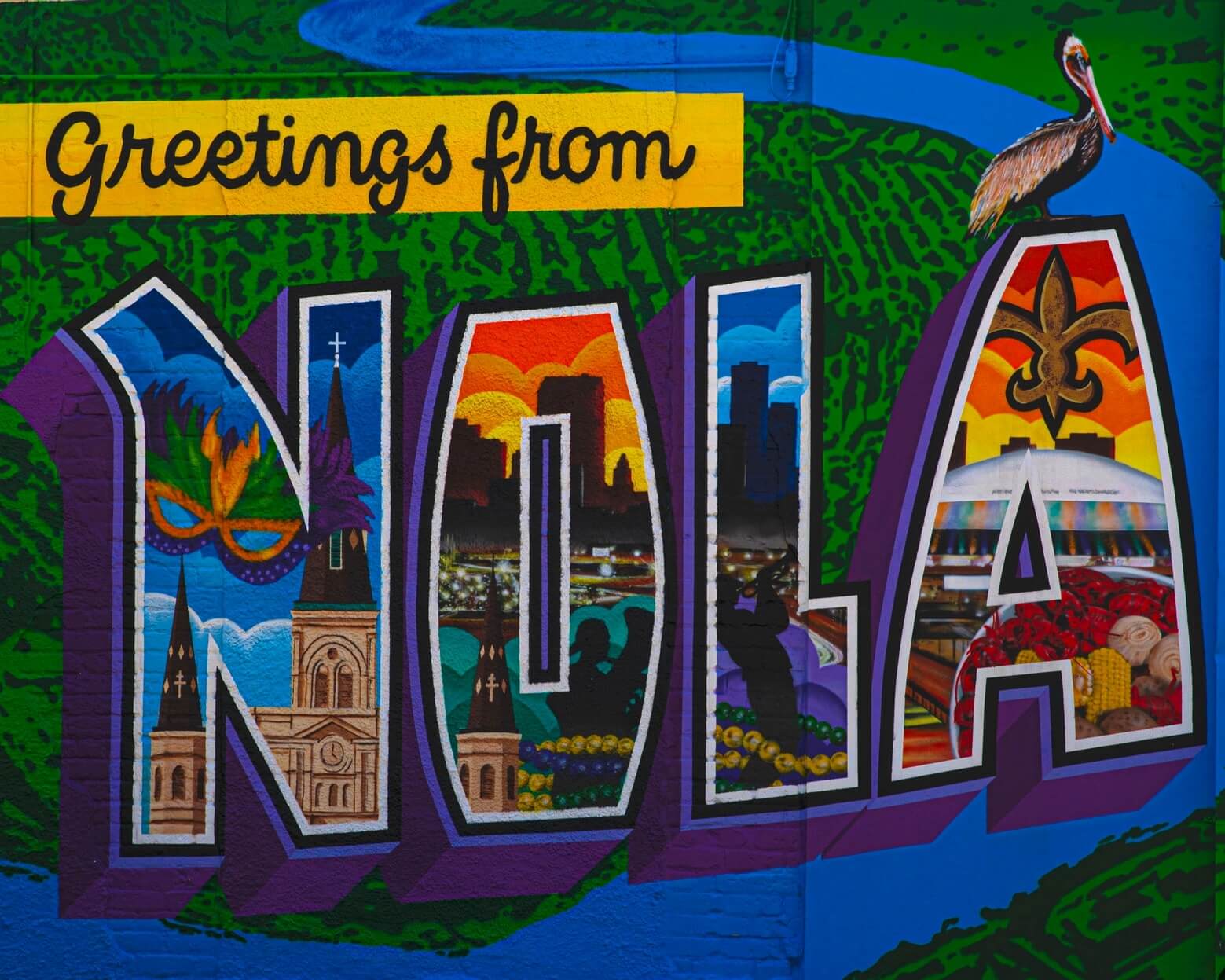
Greetings from NOLA artwork

The time is now to grab your Tales of the Cocktail tickets and plan your trip to New Orleans for the last week of July.

Not only are tickets available for purchase via this link right now, you can also check out the schedule here.

Of particular note is the amount of complimentary programming available to 20th anniversary TOTC attendees.

Free to Attend

Attendees will have access to several activations and workshops that are free to attend.

Beginning Sunday, complimentary programming is available throughout the week. For example, the Day of Service on Sunday, July 24 is free attend and a way to give back.

Also on Sunday, the 11th annual Pig & Punch Volunteer Day of Service. This is another opportunity for those in the industry to do some good in the NOLA community.

The return of Pig & Punch was mentioned by an excited Lola Thomas on episode 72 of the Bar Hacks podcast.

On Monday, all attendees can attend the keynote address; Diversity Distilled Career Fair; the Welcome to Wellness! therapeutic stretch and self-massage session; and “#FromTheBarToTheFarm” sustainability workshop.

There are several more workshops—such as “Safe Bars: Crafting a New Culture of Safety and Respect” and the immersive “Mind Full” experience—that are free to attend on Tuesday and Wednesday.

Incredible Activations

More reasons to plan your trip around an action-packed Sunday? Speed Rack Redemption, the National Tequila Day Pool Party at the Royal Sonesta, and Ode to the Bowl.

The rest of the week is absolutely packed. From workshops to seminars, cocktail tours to tasting rooms, and all manner of activations, parties, and events in between, the 20th anniversary celebration of Tales of the Cocktail will be an experience to remember.

On the subject of cocktail tours, there are eight such experiences available during this year’s Tales. For example, attendees can register and secure tickets for Hunting Down the Sazerac, Downriver: Bars Beyond the French Quarter, the Big Gay Bar Tour, and Bourbon Street and How it Got that Way.

Learn More

To be honest, there’s simply too much going on at this year’s TOTC to list here. The sheer number of workshops, seminars, and activations must be checked out online.

And that’s to say nothing of the industry icons that will be presenting seminars and workshops, and hosting activations and special events.

Simply put, there’s programming for everyone. Health and wellness? Yes. Furthering your career? Absolutely. Perfecting technique and tasting new products? Of course. Business, culture, advocacy, diversity, inclusion, equity… Check, check, check, check, check, check!

We hope to see you at Tales of the Cocktail 2022! Be sure to check out the agenda and grab your tickets today.

Image: mana5280 on Unsplash
by David Klemt David Klemt No Comments

Código 1530 Pursuing Low-waste Initiatives

Código 1530 Pursuing Low-waste Initiatives

by David Klemt

Blue Weber agave plant in Tequila, Mexico

Tequila Código 1530 is making the upcycling of the agave they use a cornerstone of the brand’s sustainability efforts.

Some agave growers and tequila producers the plant as mulch, fertilizer, and biofuel. Bagasse, the fibrous material distillers separate from agave piñas, along with the leaves, is composted and used to fertilize agave fields.

While not common, some distillers will even take other producers’ agave bagasse and leaves to compost it.

However, Código 1530 is now doing even more with their agave.

Agave Sustainability

According to some in the spirits and hospitality industries, tequila may end vodka’s dominance in the US this year. Obviously, this would be the result of an increase in consumer demand.

Well, that necessitates an increase in production. So, it follows that agave growers have motivation to grow and harvest as much mature agave as possible.

However, it takes about eight years for some agave plants to mature. Others take more than ten years. For some rarer species, maturation takes twelve years or more.

Of course, production leads to waste. In simple terms, that’s the problem producers must solve.

One definition of “sustainability” is striking an ecological balance that preserves natural resources. For tequila production in particular, this means finding ways to meet consumer demand while harvesting agave reponsibly.

While composting and mulching is a great idea, Código 1530 sees the need to take things further.

More than Mulch

We’ve probably all been given at least one drink served with a paper straw. Unfortunately, that means most of us know how quickly that experience can become less than enjoyable.

Even some of the best-made paper straws can turn soggy long before a drink is finished. On the operator side, that’s not great for the guest experience, to say nothing of the costs associated with stocking paper straws.

However, some operators and their guests are willing to stick with paper straws to be sustainable. That’s admirable but there may be a better way, and it involves agave.

“We quickly realized that after harvesting agave to distill Código 1530 Tequila, the remaining agave was only being used as mulch to top our soil for future plants or burned as a fuel source,” explains George Strait. “We are still using some of the excess agave fiber as mulch, and now have begun producing straws and cups in a sustainable and eco-friendly manner.”

Strait, as some may know, is an investor in Código 1530. A lesser-known fact is that Strait graduated Texas State University (formerly known as Southwest Texas State University) with a degree in agriculture.

“This is a lifesaving program for sea life affected by plastic pollution,” says Strait of Código 1530’s new agave sustainability efforts.

Unlike paper straws, agave straws don’t get soggy or deform. Additionally, they can be thrown out in normal trash after use as they’re biodegradable.

However, this agave initiative doesn’t end with straws. Código 1530 is also making agave fiber cups, coffee cups, cocktail shakers, and shot glasses.

Tea-quila

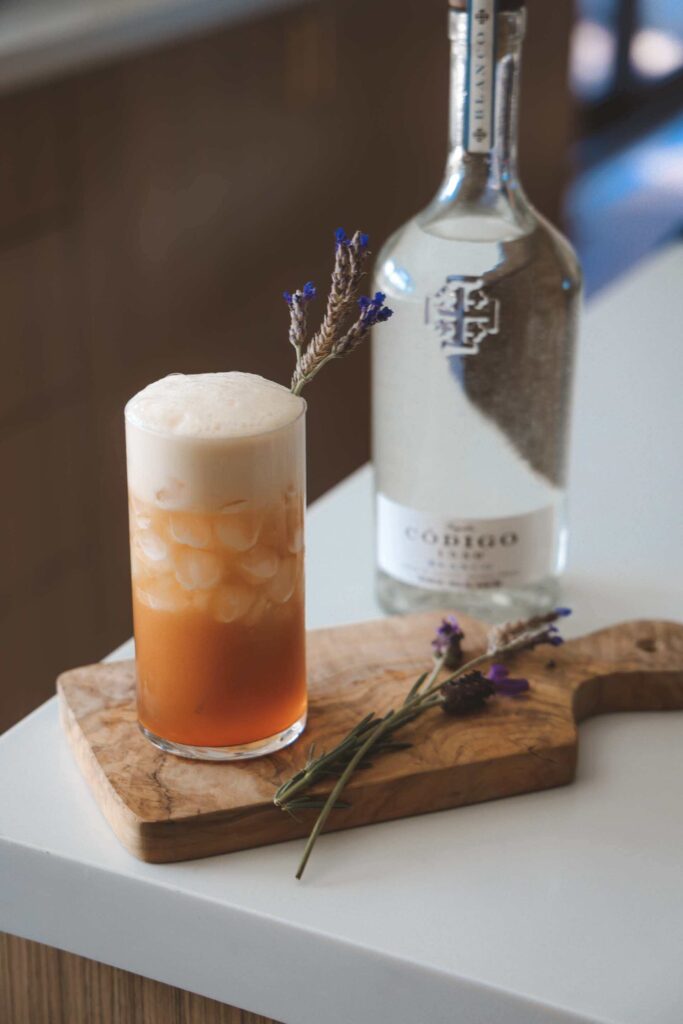
To celebrate Earth Day and their sustainability efforts, Código 1530 has created the drink below.

Codigo 1530 low waste tequila cocktail

Image: Amir Shafii, Código 1530

  • 1.5 oz. Código 1530 Blanco
  • 3 oz. Bergamot tea
  • 0.75 oz. Lemon juice
  • 0.5 oz. Lavender simple syrup
  • Lavender sprig to garnish

Housemade simple cuts down on the waste associated with producing and shipping bottles of syrup. To make the lavender simple syrup, bring one cup of water and one cup of sugar to a boil. Add ten sprigs of lavender while water and sugar are boiling, let cool, then strain. For this low-waste cocktail build, add all ingredients and ice to a shaker. Shake, then strain into a Collins glass with ice. Garnish with a sprig of lavender.

Image: BRUNO EMMANUELLE on Unsplash

by David Klemt David Klemt No Comments

Single Malts for International Whiskey Day

5 Single Malts for International Whiskey Day

by David Klemt

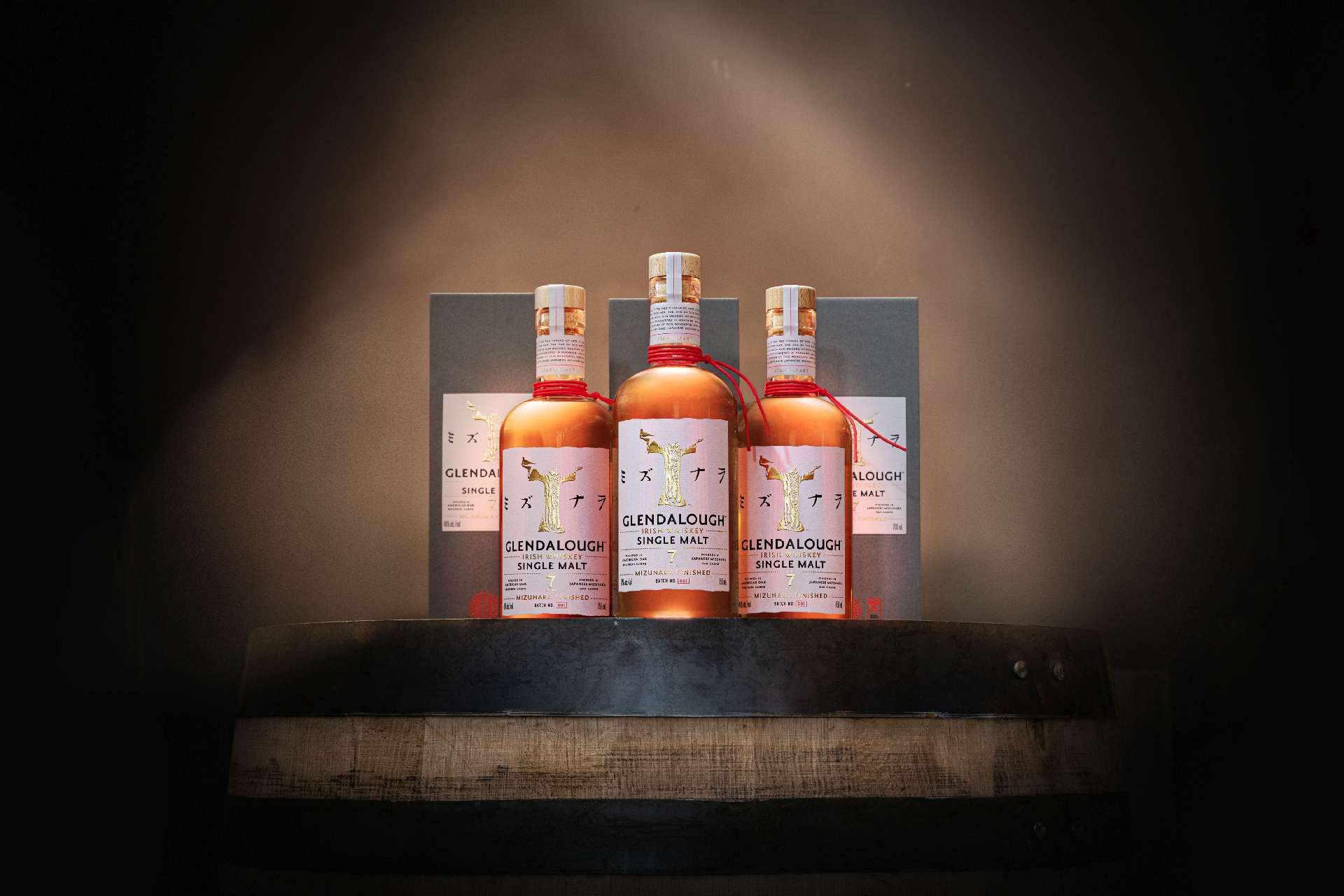
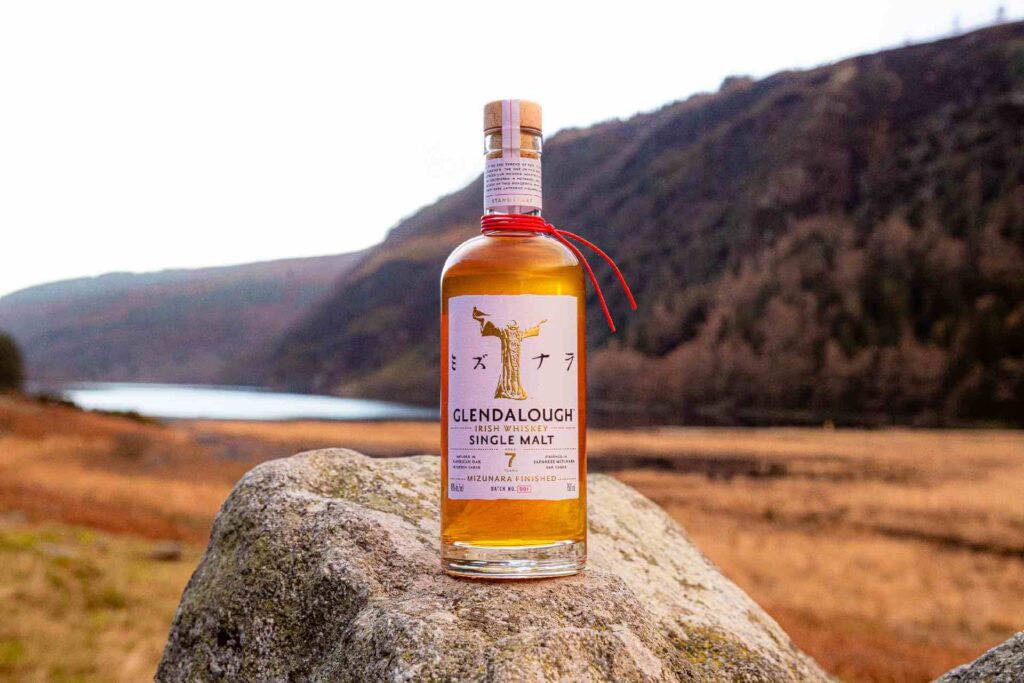
Bottles of Glendalough Distillery 7 Year Old Mizunara Finish on top of a barrel

In case it isn’t yet obvious, March is full of an array of wonderful cocktail and spirits holidays perfect for restaurants and bar promotions.

So, it’s pretty impressive that we can end this month with International Whiskey Day. Or, if you prefer, International Whisky Day.

Wondering which you should use, “whiskey” or “whisky”? Well, there’s a (mostly) accepted method for distinguishing the two.

As some spirits aficionados and historians explain it, if a country has the letter “E” in its name, so should the word “whiskey.” No “E”? Then it’s “whisky.”

Or, and this may be controversial, you can just use whichever you prefer. Or perhaps use the spelling that’s on your favorite label. Alternately, if executing a promotion with a sponsor, ask their preference and use it.

At any rate, we all get to celebrate uisce beatha (Irish) or uisge beatha (Scottish) on Sunday, March 27.

Below you’ll find some suggestions for bottles to showcase on International Whisk(e)y Day. Cheers!

American Whiskey

Obviously, there’s a glaring issue with trying to choose a single bottle of whiskey to represent the US. In short, there are dozens (at a minimum) of bottles from which to choose.

So, to make things easier (on me, I suppose), I’m limiting this list to single malts. Look, I had to draw a line somewhere.

Honestly, this doesn’t make things incredibly simple. You may find it surprising to learn that the US has the American Single Malt Whiskey Commission (ASMWC). Not only that, but the commission has nearly 100 members.

To promote and protect American single malt, the ASMWC defines this whiskey as:

  • made from 100-percent malted barley;
  • produced at one distillery;
  • mashed, distilled and matured in the US;
  • matured in 700-liter or smaller oak casks;
  • distilled to no more than 160 proof (80-percent ABV); and
  • bottled at 80 proof or more (40-percent ABV).

There are, thankfully, several dozen bottles to choose from to represent American single malt whiskey. For my list, I’m selecting Westward American Single Malt Whiskey Cask Strength.

Produced in Portland, OR, this double-gold winner is the 125-proof version of Westward’s original single malt whiskey. Bold, assertive, rich, and complex, this bottle embodies this American whiskey category.

Canadian Whisky

When it comes to whisky, Canada is known for its blends. Canada’s whiskey world is also known for bold but smooth rye.

However, there are distillers paying homage to their Scottish roots and traditions. These masters of their craft are working hard to put single-malt Canadian whiskies on the map.

In particular, craft distillers in Vancouver are producing single malts that deserve the world’s time and attention.

Now, when it comes to Canadian single malt, I’m a neophyte. However, I believe you and your guests will appreciate my selection.

Commodore Canadian Single Malt Whisky is crafted by Odd Society Spirits. The distillery is located in Vancouver, British Columbia.

Compellingly, Commodore is produced with malted barley grown in BC. Weighing in at 92 proof, expect pepper and tobacco on the palate, balanced with dark fruit and sweetness.

Irish Whiskey

Another country known for its blends is Ireland. Jameson, Bushmills, Red Breast, Powers… Each distillery produces world-famous, revered blends.

However, Ireland crafted several styles of whiskey over the course of many centuries. Single malts were certainly among them.

Of course, that style fell to wayside as the thousands of distilleries in Ireland shut down decades ago. Luckily, some modern-era distilleries are tapping into centuries of Irish distillation history.

Among these is Glendalough Distillery, our guest for episode 71 of the Bar Hacks podcast. Co-founder Donal O’Gallachoir reveals their latest expression, an Irish single malt finished in exceedingly rare Japanese mizunara casks.

So, for my Irish single malt selection, I choose Glendalough 7-Year-Old Mizunara Finished. You can learn more about this bottle and Glendalough listening to the podcast linked above or reading this article.

Scottish Whisky

If it’s difficult to choose just one American single malt whiskey, it’s nearly impossible to land on only a single single malt Scotch.

Do I choose the highest age statement (and an immense price tag)? Is the smart move the “most accessible” bottle? A peat monster?

What about the most traditional bottle? The most experimental? In the end, I opted for a single malt whisky that falls into the latter category.

At this point, we expect to see Oloroso sherry, port, and bourbon cask finishes. What’s a bit more unusual is a rum cask finish.

So, I’m going with the Balvenie Caribbean Cask. This 14-year-old single malt spends 14 years maturing in American oak casks. Then, it’s finished in ex-rum barrels.

The result is a unique and compelling whisky with notes of banana, cocoa, brown sugar, fresh fruit, and toffee.

Australian Whisky

When he started Starward, founder David Vitale had one mission: Craft the whisky that would come to define the entire category. No pressure.

To accomplish this mission, Vitale and company aim to capture Australia’s terroir in every bottle of every expression.

Their barley is sourced in Australian. Local malt masters (malters? maltsters?) malt said barley. The yeast comes from local Australian brewers.

And it doesn’t stop there. Any ingredient used to craft Starward Whisky must be within one day’s drive of the distillery. That distillery is located in Melbourne.

Why Melbourne? Because it’s the Foodie Capital of Australia. Why does that matter? Because Starward is also meant to be enjoyed with food.

You can learn more about Starward and David Vitale on episode 63 of Bar Hacks.

So, which bottle did I choose? Starward’s very first whisky, the single malt Starward Solera. If you and your guests want to experience Australian single malt, this is where to start.

You really can’t go wrong with any of these bottles. If you’re celebrating International Whiskey Day, life is great. Enjoy!

Image: Glendalough Distillery

by David Klemt David Klemt No Comments

Heritage & Innovation: Glendalough

Heritage & Innovation: Glendalough Distillery

by David Klemt

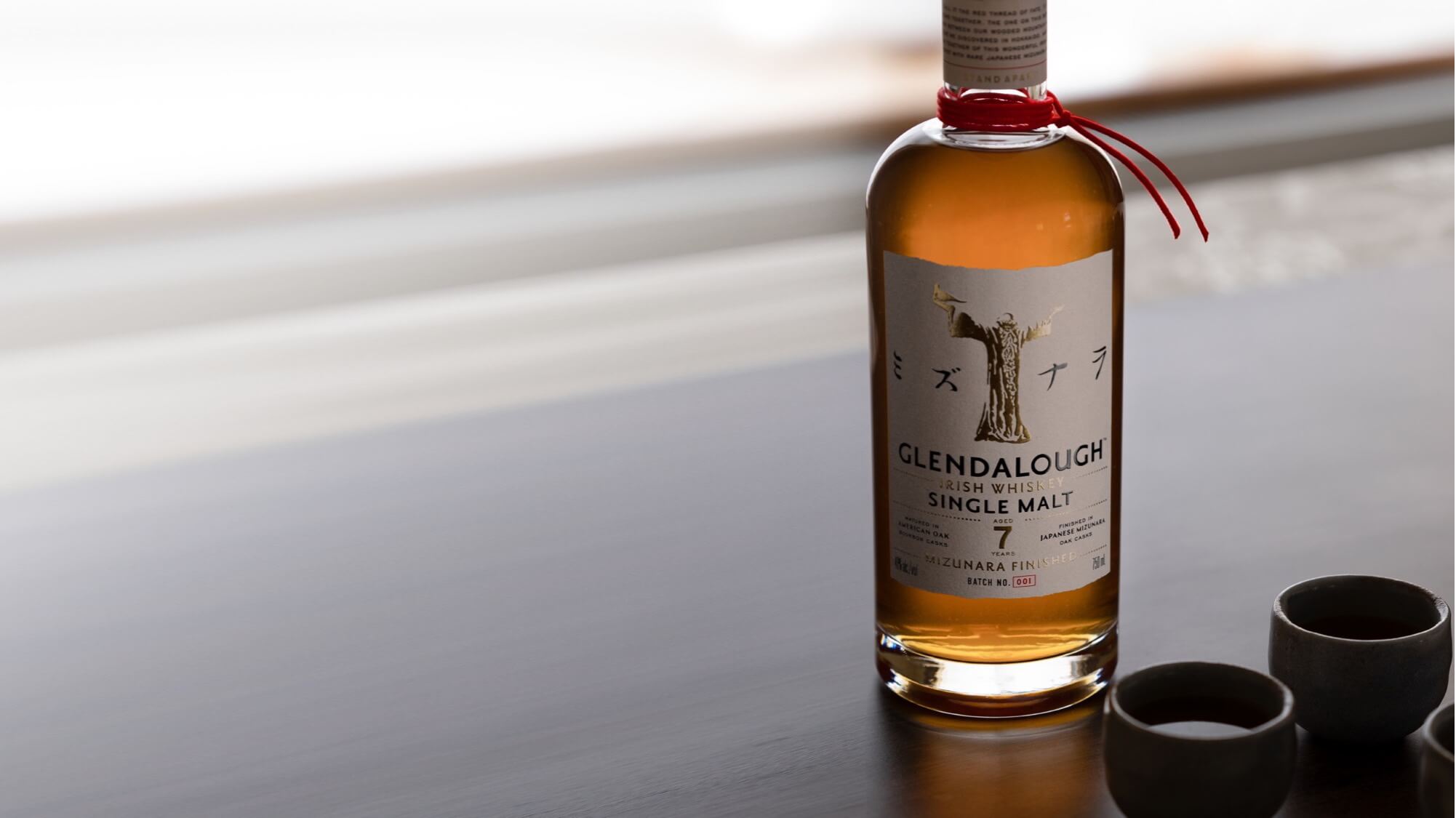
Glendalough Distillery 7 Years Mizunara single malt Irish whiskey and glasses

Glendalough Distillery’s five founders are on a mission to honor Ireland’s rich distilling history and heritage.

As Bar Hacks guest Donal O’Gallachoir describes them, the whiskeys Glendalough crafts are remarkably different. O’Gallachoir, co-founder, national brand ambassador, and cheeky bottlewasher, aims to elevate Irish spirits.

More accurately, Glendalough’s founders want to return Irish whiskey to its rightful, historic place. That place? Among the top whiskeys in the world.

As you’ll learn, Glendalough will elevate your St. Patrick’s Day menu. In fact, these whiskeys and gins will elevate your entire menu, period.

Centuries of History

On episode 71 of Bar Hacks, O’Gallachoir briefly but compellingly shares Irish whiskey’s story. As he tells it, it was once estimated Irish whiskey accounted for up to 90 percent of world whiskey consumption.

That’s easy to believe when you factor in how Irish whiskey production can be traced back to at least the sixth century. There’s also the fact that Irish distillers were crafting, as O’Gallachoir puts it, “a wealth of styles.”

Unfortunately, a terrible string of wars—literal and economic—all but eradicated Ireland’s distilleries. When I say eradicated, I mean that when Glendalough Distillery opened in 2011, it became the fourth or fifth distillery in the country.

There used to be 200 licensed distilleries in the country, along with around 1,800 unlicensed distilleries. For decades of the 20th century, there were only two to three licensed distilleries in operation.

So, it makes sense that consumers outside of Ireland think the country produces only one style of whiskey: Irish. Meaning, light-bodied, sweet, and meant to be thrown back as a shot.

O’Gallachoir is well aware of the compelling paradox of modern Irish distillation. If the blended style of Irish whiskey most people know today hadn’t kept the industry alive, Glendalough and its expressions may not exist today.

Distillation Innovation

All Glendalough whiskeys are single malt and chill filtered. This stands in stark contrast to blended Irish whiskeys, the current dominant (modern) style.

Glendalough is, to oversimplify it, honoring centuries of Irish whiskey production. Single-malt Irish whiskey was what we would now label super- or ultra-premium. The difference between Irish and Scotch whiskey was the latter’s smoked, peated profile. The former was once preferred worldwide.

Glendalough is dedicated to crafting super-premium Irish whiskey. Doing so means they don’t make things easy on themselves.

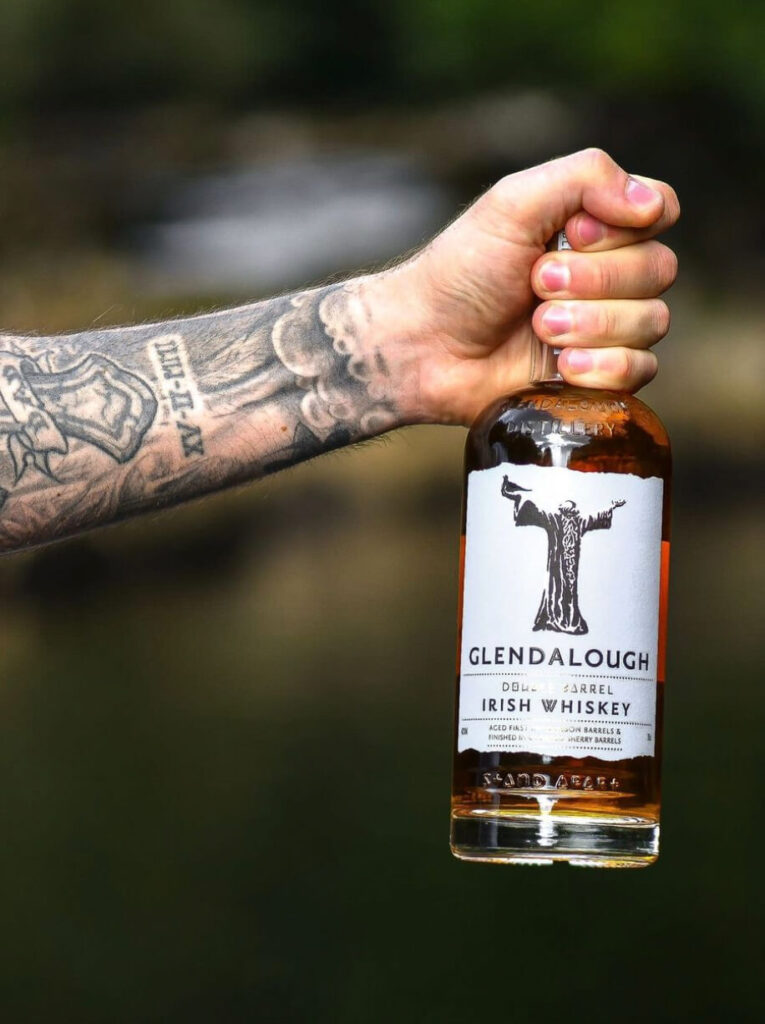
Glendalough Distillery Double Barrel single grain Irish whiskey

Let’s start with Glendalough’s Double Barrel expression.

As the name suggests, this whiskey is finished twice. First, it’s aged in ex-bourbon barrels. Second, it’s matured in Oloroso sherry casks. Eschewing blends, Glendalough studies the science of different types of barrels to craft its styles.

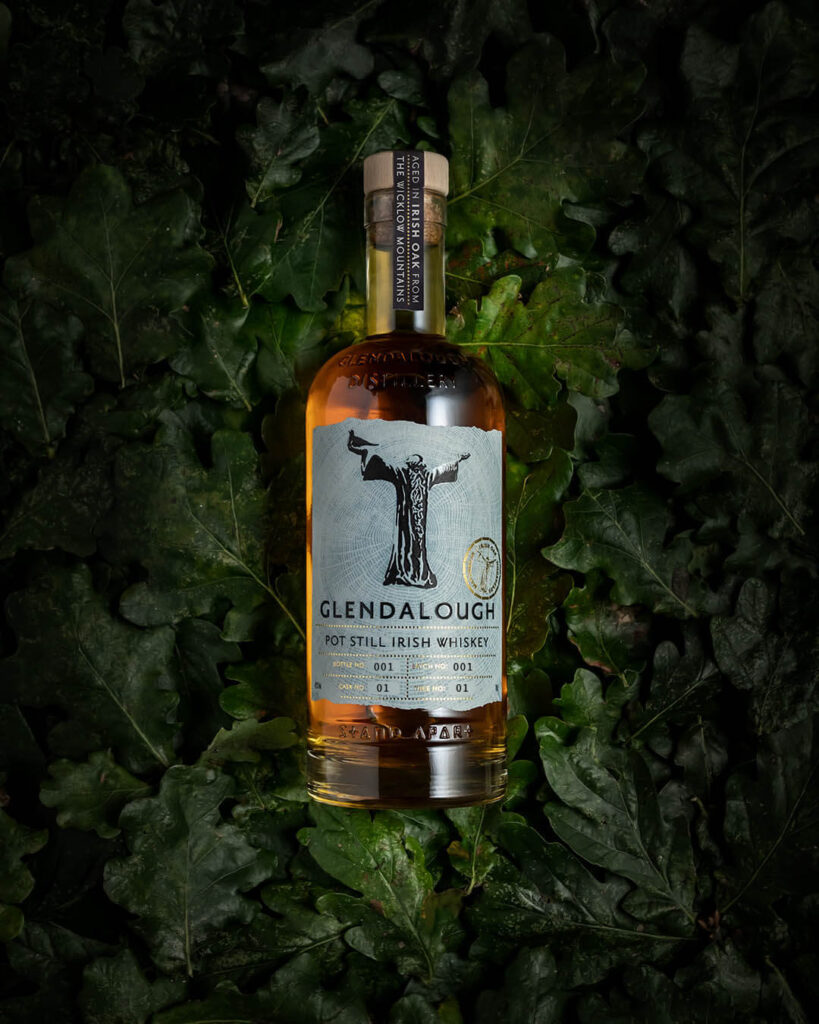
Glendalough Distillery Pot Still single malt Irish whiskey

Of course, they also honor Irish distilling heritage through another expression: Glendalough Pot Still. To say no other style of whiskey embodies Irish production like pot still doesn’t do this distillation method justice.

In fact, Irish pot still whiskey is geographically protected; it can only be crafted in Ireland. However, when it comes to honoring Ireland, Pot Still doesn’t end there.

Glendalough initially ages Pot Still in ex-bourbon barrels. However, it’s finished in Irish oak. Truly, this expression captures the terroir of the mountainous region Glendalough calls home.

In other words, Pot Still is a super-premium taste of Ireland in a bottle.

And then there’s the distillery’s newest expression.

The Red String of Fate

About two weeks ago, Glendalough released their latest innovation: 7-Year-Old Single Malt Mizunara Finish.

7-Year-Old Single Malt Mizunara Finish in Wicklow, Ireland

Whiskey aficionados will recognize mizunara instantly and begin scheming to add this bottle to their collections.

Mizunara, Japanese oak, is renowned for several reasons. The wood imparts incredible flavors unlike those from other barrels. But, like all things rare and magical, mizunara is also incredibly challenging.

The challenges begin with the trees themselves, which can take hundreds of years to grow fully. This oak doesn’t grow straight, so crafting even one stave can be difficult.

Then there’s the water content. Mizunara translates to “water oak,” and it’s not an ironic nickname. The water content of mizunara is sky high, and it’s also highly porous.

It takes fantastic skill and experience for coopers to craft mizunara barrels that don’t crack or leak. To learn more, please click here to hear O’Gallachoir tell the story of Glendalough traveling to Hokkaido in Japan to form a relationship with an independent cooperage to craft Mizunara Finish casks.

Incredibly, the latest Glendalough expression isn’t a limited-edition release. Rather, this joins the core lineup and will be released twice per year. Be on the lookout for batch 001.

It seems that Glendalough whiskey and mizunara barrel coopers were fated to find one another. In fact, the red thread on each bottle of Mizunara Finish pays homage to the Japanese legend of the red thread of fate.

An invisible red thread connects those who are destined to find one another. It grows shorter and shorter as their paths collide.

Going Wild

You may recall that I said Glendalough doesn’t make things easy on themselves. This is evidenced by their gin.

Unlike other distilleries, Glendalough started with whiskey distillation and later pursued gin production.

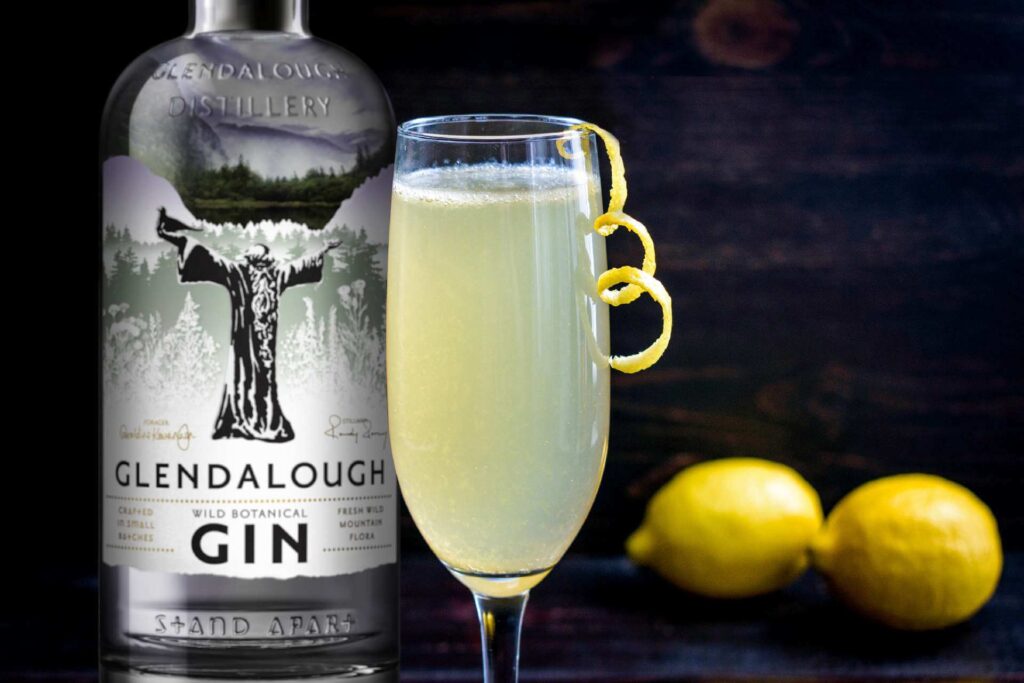
Glendalough Distillery Wild Gin Irish gin

They also forage for the ingredients used to craft their Wild Gin. If it’s not within ten miles of the distillery and growing wild, it’s not in the bottle.

According to O’Gallachoir, it takes a year to produce one bottle of this gin. Rejecting easier methods of production like automation, each batch of Wild Gin is crafted by taste and aroma.

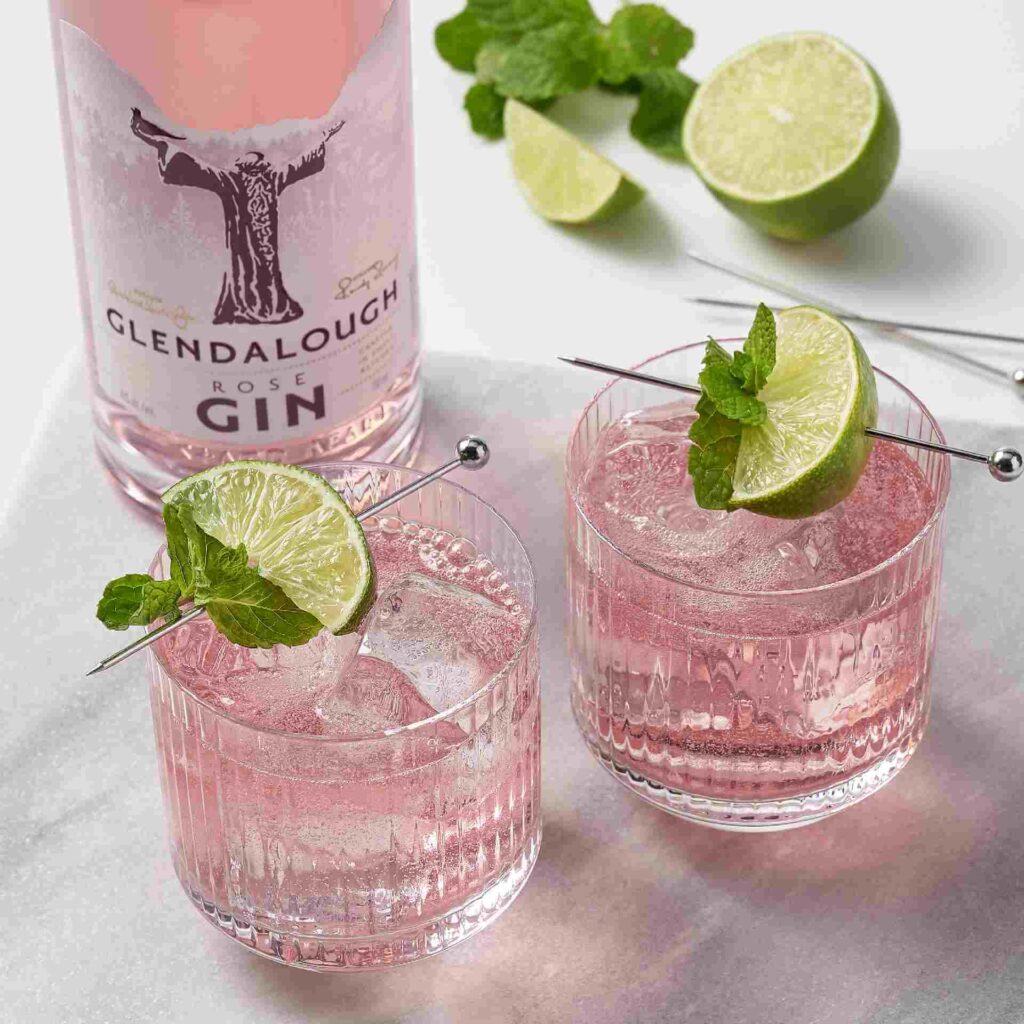
Glendalough Distillery Rose Gin Irish gin and cocktails

Then there’s the visually and aromatically impactful Rose Gin. Crafted to honor Glendalough’s head distiller’s mother Rose, this is a rose-petal gin.

Now, you may assume it’s like drinking a bottle of decades-old, overpowering, rose-scented perfume. However, O’Gallachoir assures me this is absolutely not the case.

Instead, this striking bottle is intensely floral but balanced, and undeniably unique. O’Gallachoir suggests trying it in a Bee’s Knees.

In just over a decade, Glendalough has elevated Irish craft spirits. There are more innovations to come and I can’t wait to try them.

To learn more about O’Gallachoir and Glendalough Distillery, please listen to episode 71 of the Bar Hacks podcast.

Image: Glendalough Distillery

by David Klemt David Klemt No Comments

Volley RTD: Clean, Lean & Green

Volley Tequila Seltzer: Clean, Lean & Green

by David Klemt

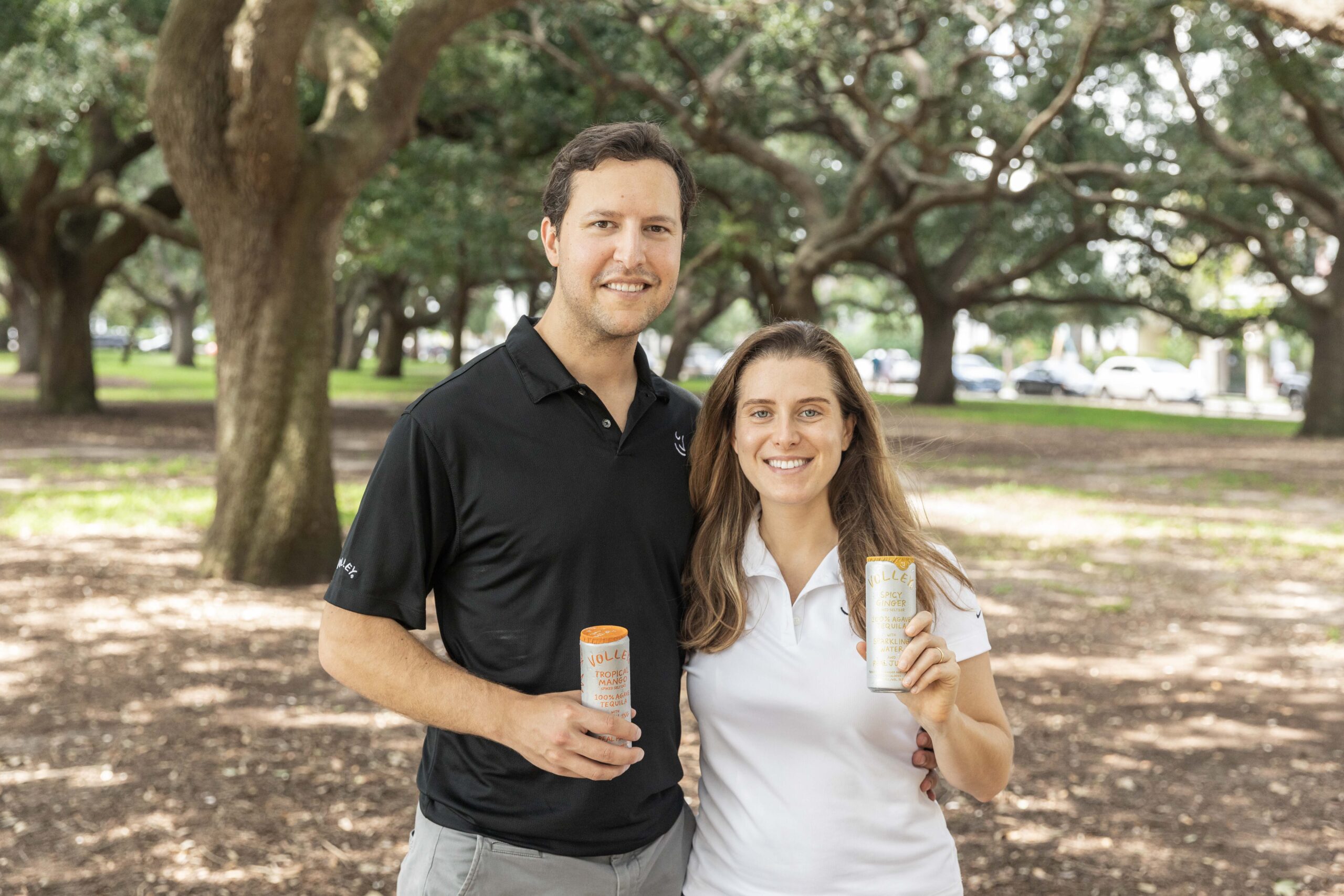
Chris Wirth and Camila Soriano, founders of Volley Tequila Seltzer holding cans of Volley

The founders of the world’s first clean tequila RTD, Volley Tequila Seltzer, are on a mission that values transparency and giving back to the planet.

Dynamic entrepreneurial duo Chris Wirth and Camila Soriano are the guests on episode 66 of the Bar Hacks podcast.

The two share the Volley story, including what drove them to create the brand and their mission.

Transparency is Challenging

It turns out that being transparent on your labeling isn’t as easy as it sounds. When it comes to beverage alcohol in the US, there are limits on what a brand can include.

You see, alcohol labeling isn’t the FDA’s purview. Rather, it falls under the authority of the Alcohol and Tobacco Tax and Trade Bureau, or TTB.

A little bit of digging reveals that when the Alcohol Administration Act was passed in 1935—two years after prohibition was repealed—the Federal Alcohol Administration was created.

This federal body replaced the Federal Alcohol Control Administration. The Federal Alcohol Administration had statutory powers and, as the name implies, had authority over the alcohol industry.

Seventy years later, the TTB was created and is the federal agency tasked with alcohol industry regulation. That means they control alcohol labeling.

So, when the FDA implemented nutrition labels, alcohol was unaffected. As far as the TTB is concerned currently, there’s no requirement for the labeling of alcohol similar to what’s required for packaged food.

But David, I bet you’re not asking, just because it’s not required doesn’t mean I couldn’t choose to include transparent nutrition labeling for my bottle of spirits or ready-to-drink canned cocktail, right?

Apparently, no—that’s incorrect. As you’ll hear in episode 66 with Soriano and Wirth, it’s not that simple. In fact, the TTB may reject your information-laden packaging for being too transparent.

Without policy changes, there’s no incentive for alcohol producers to be more transparent—and they may be prohibited from doing so.

Simple Changes are Impactful

All that said, Soriano and Wirth were able to introduce new packaging after just launching in 2020.

You may have seen people wipe off the tops of cans before opening and drinking from them. In fact, you may be one of these people. If so, great—you know why Volley now has foil covering the tops of their cans.

As Soriano explains on the Bar Hacks podcast, the tops of canned drinks are horrifyingly unsanitary. And as far she and Wirth are aware, Volley is the only canned beverage other than San Pellegrino with foil caps (in the US, anyway).

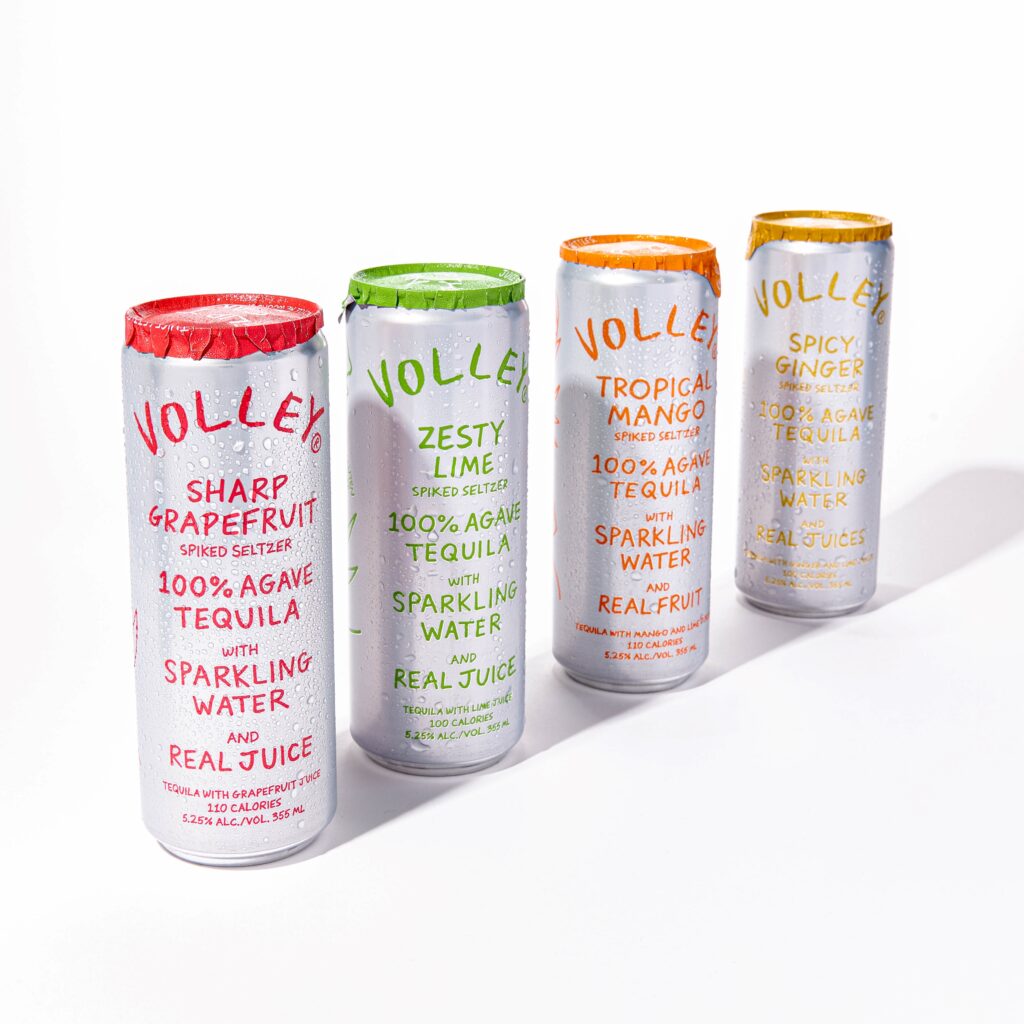
Volley Tequila Seltzer RTD can lineup with new foil packaging

This simple packaging change carries a big impact. Likewise, it fits with the brand’s identity and mission. The brand is driven to be healthier, more thoughtful, and more transparent.

A single 12-ounce can comes in at just 100 or 110 calories, depending on expression (there are four). All Volley RTDs are gluten-free and free of added sugars. You won’t find fermented cane sugar, corn syrup, fake sugars, essences, or “natural” flavors.

In fact, there are just three ingredients in a can of Volley: 100-percent blue agave tequila, 100-percent organic fruit juices (never from concentrate), and sparkling water. And yes, Soriano and Wirth can tell you exactly who their sources are for each ingredient.

Win-Win-Win Mission

That brings us to their drive to give back and be responsible stewards of the planet. Volley is in a partnership with Leave No Trace, a non-profit committed to caring for the outdoors.

If some industry experts are proven correct, 2022 will be the year that tequila dethrones vodka as the top-selling spirit throughout North America. Not only does Volley resonate with tequila lovers, the brand is also at the forefront of other trends popular with today’s consumer: sustainability, ethical business practices, active lifestyles, transparency, and healthier options.

Add the facts that RTDs make for excellent delivery order add-ons and can be served as quickly as a beer and you’ve got a no-brainer for your restaurant, bar, hotel or resort.

We love a brand that offers upside in droves. Volley is a win for consumers, a win for operators, a winning brand, and a win for the planet.

Disclaimer: Neither the author nor KRG Hospitality received compensation, monetary or otherwise, from Volley or any other entity in exchange for this post.

Image: Volley Tequila Seltzer

by David Klemt David Klemt No Comments

Bring the Heat: It’s Spicy Margarita Day!

Bring the Heat: It’s Spicy Margarita Day!

by David Klemt

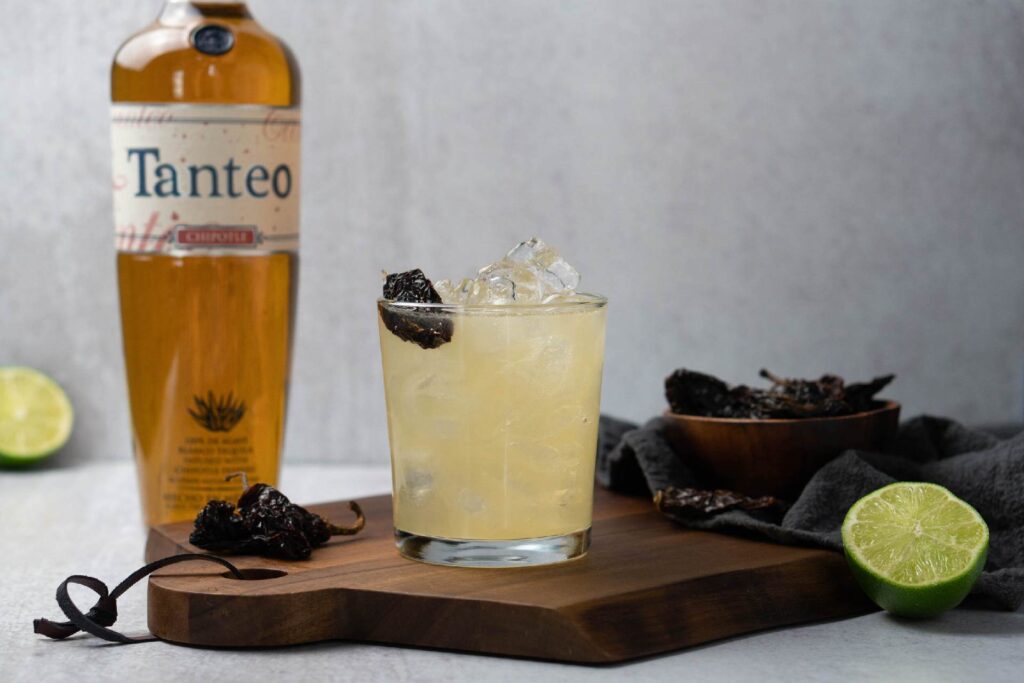
Tanteo Tequila Jalapeño Margarita made with Tanteo Jalapeño Tequila

Today is the day to dial up the heat and deliver some fiery flavors to your guests with spicy Margaritas.

Why? Because it’s the second annual National Spicy Margarita Day!

Originally known as Founder’s Day, this bar holiday comes to us from Tanteo Tequila.

Participation is easy enough, and even easier if you have Tanteo Jalapeño, Habanero, and Chipotle bottles.

Tanteo CEO and Master Blender Neil Grosscup explains the signature cocktail holiday on the Bar Hacks podcast. During episode 64, Grosscup shares that the inaugural celebration honored late Tanteo founder Jonathan Rojewski. The holiday also highlights the brand’s mission: Crafting a tequila that makes the world’s best spicy Margarita.

However, it’s not just about promoting the brand and their favorite cocktail. Rather, Tanteo leverages this holiday to encourage people to give back.

Sustainability Initiatives

As Grosscup explains on Bar Hacks, he and the Tanteo team value three forms of sustainability:

  • Economic
  • Social
  • Environmental

The Tanteo distillery’s ownership spans 84 agave-farming families. Tanteo Tequila is the 85th owner. This business model—the only distillery owned by a co-op of agave farmers—is an example of economic sustainability.

There are a few reasons for this approach. One of those is that it helps the farmers weather market swings. Indeed, agave is acutely susceptible to shifts in market value. When there’s too much agave, the value of a kilo of agave can plummet quickly. Another reason for the Tanteo co-op is transparency.

About 150 bars are participating in this year’s National Spicy Margarita Day. For every spicy Margarita made with Tanteo Tequila sold at these venues through January 30, $1 will go to a variety of waterway cleanup charities:

  • Chattahoochee Riverkeeper
  • Friends of the Chicago River
  • Friends of the LA River
  • Keep the TN River Beautiful
  • Ohio River Foundation
  • Orange County Coastkeeper
  • San Diego River Park Foundation
  • Trinity River Audubon Center
  • Un Salto Con Destino. This organization is cleaning up the Rio Santiago. The Tanteo distillery is in Juanacatlán, Jalisco, Mexico, and the Rio Santiago is crucial the surrounding community.

How to Participate

It’s a little late to join officially as a bar partner with Tanteo. However, that doesn’t mean you shouldn’t celebrate the holiday.

Serving up spicy Margaritas is always a great idea. One simple way to leverage National Spicy Margarita Day is to create a small specialty menu. With at least three Margaritas, you can boost the heat level of each version to appeal to different guest’s spice preferences. You can alter heat levels using different Tanteo expressions, infusions, bitters, syrups, etc.

Or, you can simply perfect your restaurant or bar’s signature spicy Margarita. Either way, promote your participation on across your social platforms.

Speaking of social, snap a pic of your Margarita(s) and use the tag #NationalSpicyMargDay. Notice the spelling: the hashtag uses “Marg,” not “Margarita.” For every social media post tagged #NationalSpicyMargDay, Tanteo will donate $1.

See below for three Tanteo spicy Margarita recipes. ¡Salud!

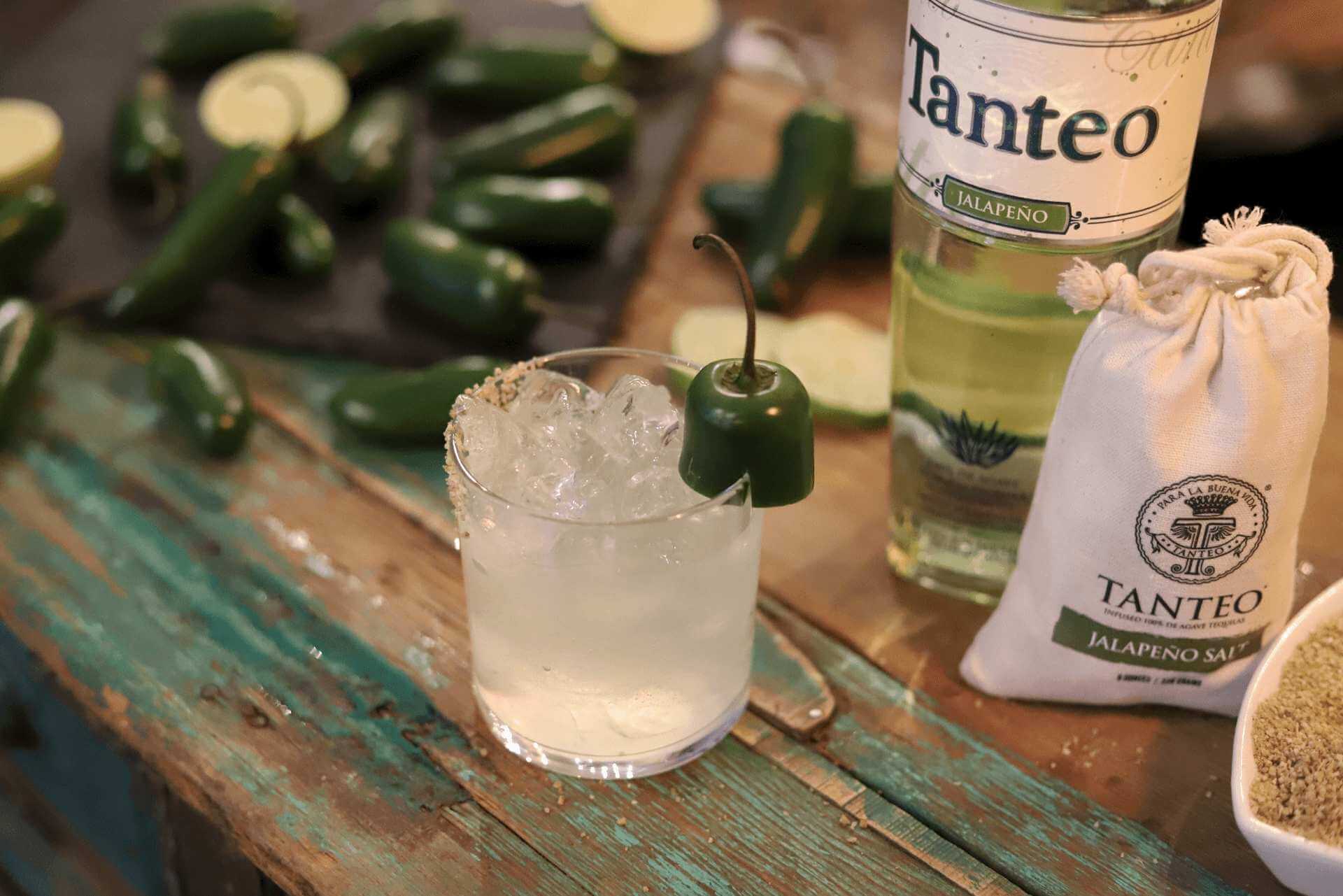
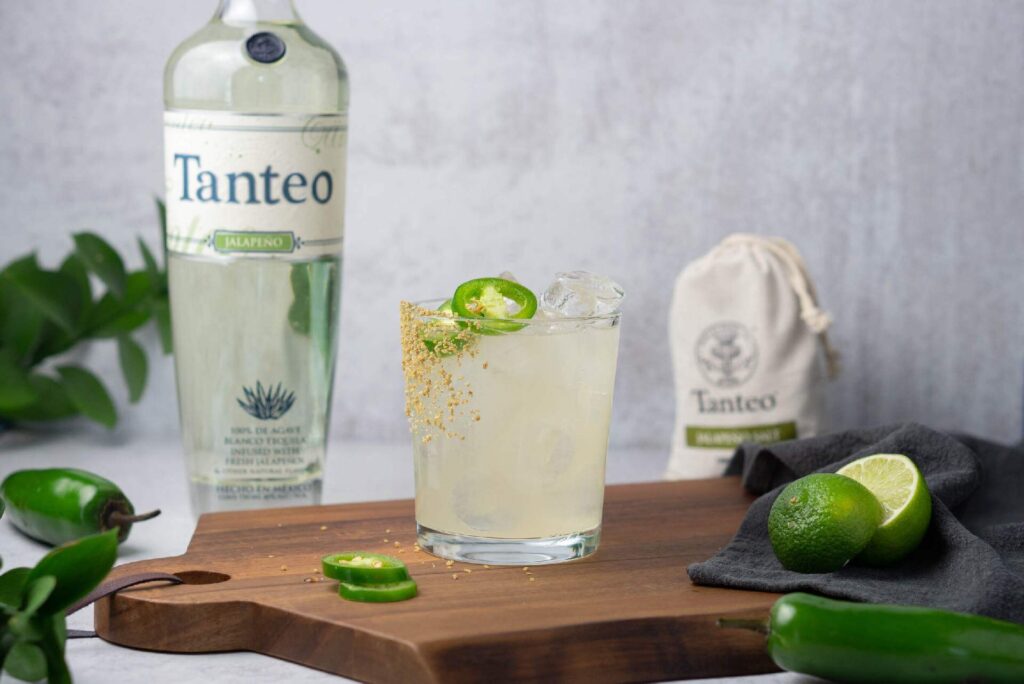
Tanteo Jalapeño Margarita

Tanteo Jalapeño Margarita cocktail and bottle of tequila

  • 2 oz. Tanteo Jalapeño Tequila

  • 1 oz. Fresh lime juice

  • ¾ oz. Agave nectar

Prepare a rocks glass by adding ice. Optionally, rim glass with Tanteo Jalapeño Salt or your signature blend. Add all ingredients to a shaker with ice. Shake well and strain into prepared rocks glass. Garnish with a lime wedge or jalapeño slice (or both).

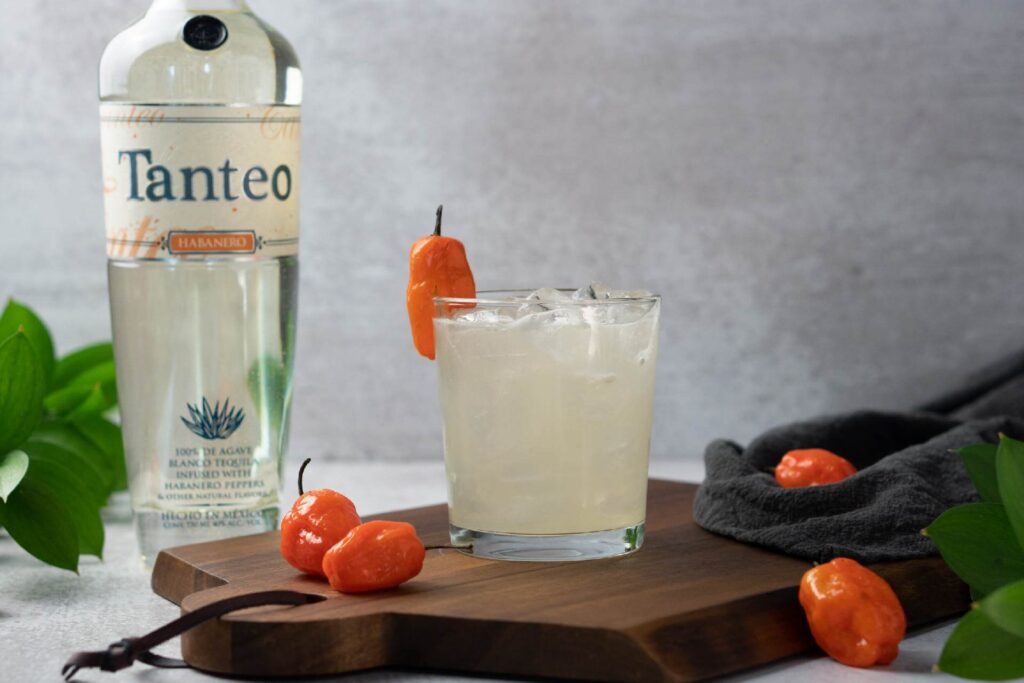
Tanteo Habanero Margarita

Tanteo Habanero Margarita on a board with habanero peppers with tequila bottle in background


  • 2 oz. Tanteo Habanero Tequila

  • 1 oz. Fresh Lime Juice

  • ¾ oz. Agave Nectar

Prepare a rocks glass by adding ice. Optionally, rim glass with Tanteo Jalapeño Salt or your signature blend. Add all ingredients to a shaker with ice. Shake well and strain into prepared rocks glass. Garnish with a habanero pepper.

Tanteo Chipotle Margarita

Tanteo Chipotle Margarita in garnished rocks glass next to tequila bottle

  • 2 oz. Tanteo Chipotle Tequila

  • 1 oz. Fresh Lime Juice

  • 1/2 oz. Agave Nectar

Prepare a rocks glass by adding ice. Add all ingredients to a shaker with ice. Shake well and strain into prepared rocks glass. Garnish with a chipotle pepper, orange slice, or lime wedge.

Image: Tanteo Tequila

by David Klemt David Klemt No Comments

Top 10 Bar Hacks Bonus Episodes: Goals

Top 10 Bar Hacks Bonus Episodes for Setting and Achieving Goals

by David Klemt

We’ve rounded up the ten best bonus episodes of Bar Hacks that feature KRG Hospitality president Doug Radkey offering goal-setting guidance.

Obviously, we all want to succeed. However, it’s not always obvious where we should start. This has been proven all the more true the past two years.

Doug has a way of cutting a path through the overwhelming noise and distractions operators face each day. The Bar Hacks bonus episodes below can help listeners take a deep breath, reset, and take the necessary steps to identify, measure, and achieve their 2022 goals.

Bonus #1: Strategic Clarity

Doug explains strategic clarity as the understanding of who we are, what we’re working toward, and how we’re going to get where we want to go. Click here to listen.

Bonus #3: Simplification

In this episode, Doug asks listeners a simple question: “Is your vision for your restaurant or bar’s systems complex or simplified?”

Bonus #4: Acceptance

We can’t really make achievable goals if we don’t understand the current situation we’re facing. In this bonus episode, Doug explains why it’s important to be able to accept change and differences.

Bonus #6: Decision Making

We make thousands of decisions every day, from the simple to the complex and everything in between. Doug shares his insights into clearly and confidently making decisions for your business. Click here to learn more.

Bonus #7: Innovative Leadership

What is innovative leadership? It’s confidence in your abilities and your team, knowing when to get out of the way, and the culmination of a few other key concepts. To listen, click here.

Bonus #9: Flexibility

For this bonus episode, Doug explains why success in this era of hospitality requires owning the entire guest journey, frictionless omni-channel experiences, and other elements of a flexible approach to business.

Bonus #12: Self Care

Doug shares his thoughts on one of the most crucial elements of operating a business in the hospitality industry. Hint: He’s not talking about menus, marketing or making money in this episode.

Bonus #13: Confidence

Do you think you have a growth-based mindset or a fixed mindset? Doug discusses confidence and the impact it has on your ability to lead effectively in Bar Hacks Bonus #13.

Bonus #14: Self Learning

Knowing that you don’t know it all opens up your world and makes you a better leader. Doug explains how seeking out knowledge, experiences and opportunities to learn makes you a better operator, keeps you sharp, helps you better relate to and mentor others, and improves your business in every way. Listen now!

Bonus #17: The Seven Cs

Doug explains each of the Seven Cs and how they’ll help you build a winning team. Without the right people on staff, you don’t have much of a chance to achieve your goals. Click here to listen to this important episode.

To listen to the first five bonus episodes in this list in one convenient episode, please click here for today’s Bar Hacks podcast episode. Cheers!

Image: Mikołaj on Unsplash

by David Klemt David Klemt No Comments

Stir Up This Authentic Mexican Cocktail

Stir Up This Authentic Mexican Cocktail

by David Klemt

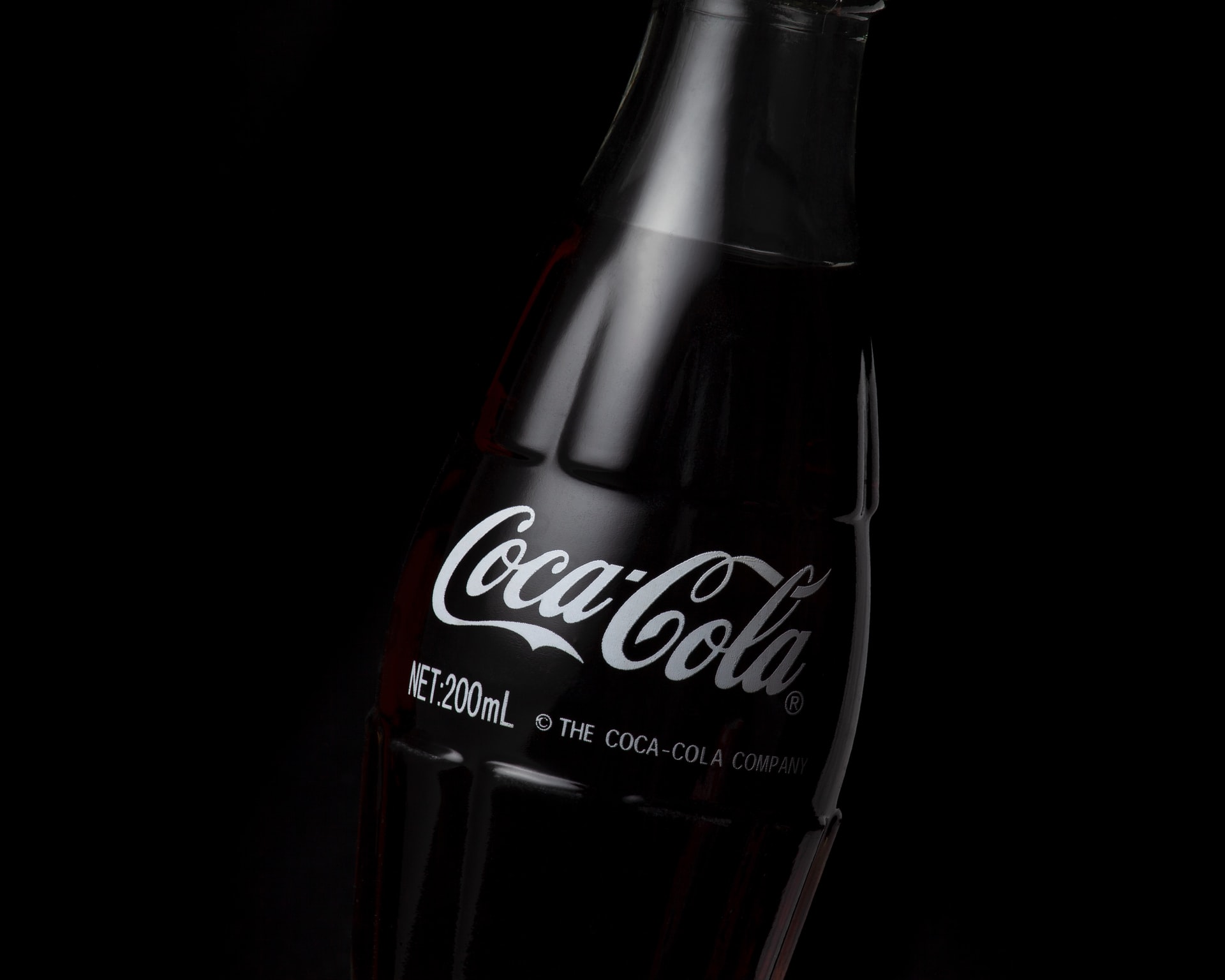
Black glass Coca-Cola bottle with black background

A simple, three-ingredient cocktail can make a big impact on guests when it’s authentic and the build is part of the presentation.

A perfect example of authenticity and a wow-factor cocktail build is the Batanga.

During episode 57 of Bar Hacks, Collin De Laval recommends this deceptively simple drink.

La Batanga

When De Laval is creating, it’s important to him that he remains faithful to a particular country, region or town.

As the company mixologist for Código 1530, that means honoring tequila in an authentic way.

Not only is De Laval a “blanco drinker, through and through,” he’s also unafraid of things getting “rowdy.”

So, while he isn’t the creator of the Batanga, he is a big fan.

One reason, as he mentions on Bar Hacks, is that the drink seems like it shouldn’t work. After all, the recipe combines tequila blanco, lime juice, and Coca-Cola.

Now, one could say that this is “just” a Cuba Libre with tequila stepping in for rum. However, that’s far too dismissive; the flavor profiles are vastly different.

In fact, I’m fairly certain that nobody has raised an eyebrow at a Cuba Libre and said the ingredients shouldn’t work together.

Impactful Build

You may find yourself wondering how this simple cocktail can possibly wow guests. Really, what’s impressive about combining tequila, juice and cola, and stirring?

Well, it’s the stirring that’s the secret.

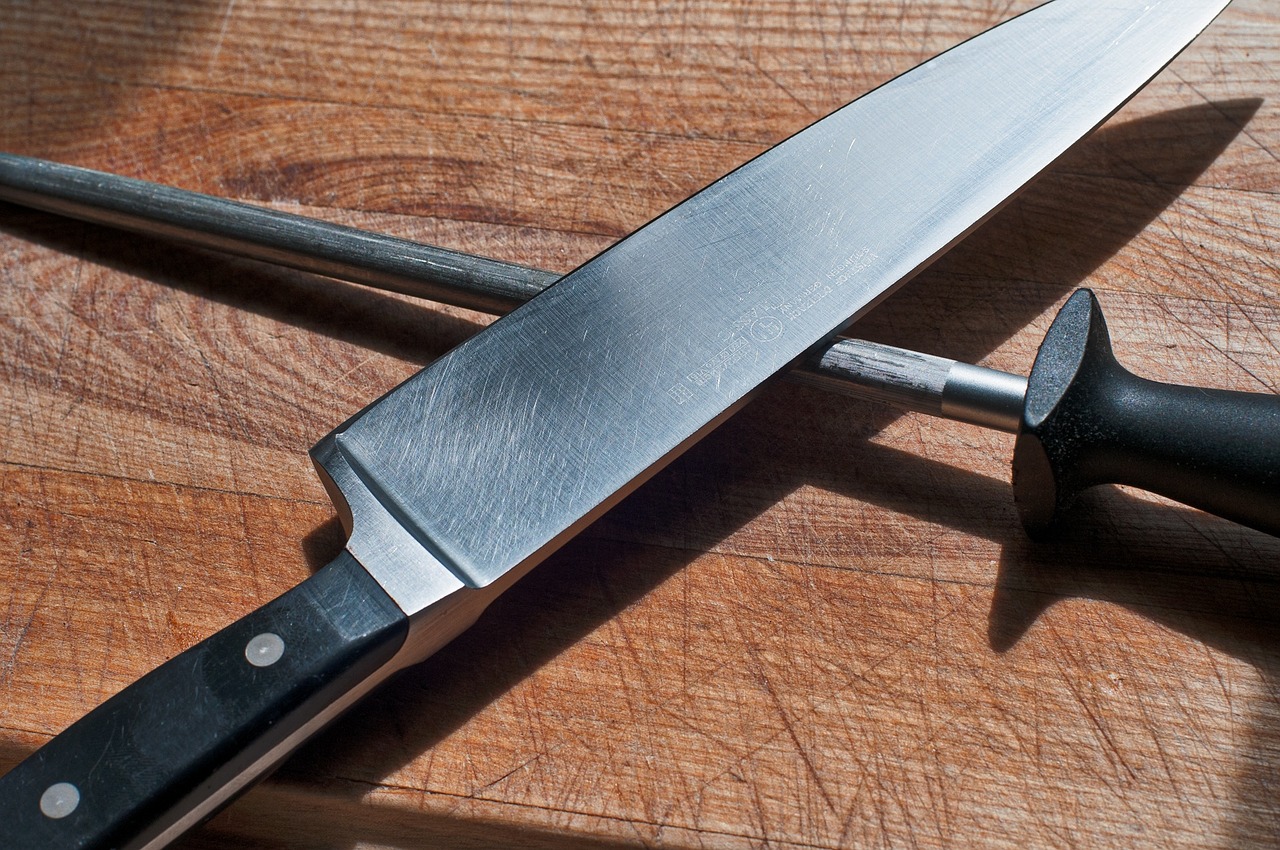
Per several sources, the Batanga’s creator had a trick up his sleeve when he came up with the recipe. And that trick was a big knife with a wood handle.

Don Javier Delgado Corona created the Batanga in 1961 at La Capilla, his bar in Tequila, Mexico. When it came time to finish his build, he stirred the drink with the aforementioned wood-handled knife.

Even better, Don Javier is reported to have explained, if that knife has been used to cut limes, salsa ingredients, or ingredients for guacamole.

I’m going to go out on a limb here and assume that unless they’ve had a Batanga made in Mexico, not many guests have watched a bartender stir their drink with a big knife.

Of course, not just any knife will have real impact, so I recommend using the biggest knife your highball or specialty glassware will accommodate.

The Recipe and Technique

Obviously, you can decide which of your tequilas to use when adding the Batanga to your menu.

Of course, you can also build it with whatever tequila your guest requests.

However, we’re going to use Código 1530 tequila for this recipe. After all, the brand certainly speaks to authenticity.

Additionally, Código 1530 also speaks to consumer desire to drink better and seek out ultra-premium spirits. Tequila is one of the luxury spirits categories benefitting most from this consumer trend, with sales volume increasing 30.7 percent annually since 2015.

La Batanga

Recipe created by Don Javier Delgado Corona at La Capilla

  • 2 oz. Código 1530 Blanco
  • 0.5 oz. Fresh-squeezed lime juice
  • Coca-Cola to top (per De Laval, only Mexican Coke in the glass bottle will do)
  • Salt for rim

Salt rim of highball glass or other tall glassware with decent width. Add ice to glass. Combine Código 1530 Blanco and lime juice. Top with cola. Most importantly, stir with a big knife and serve to wowed guest.

Image: Jeanson Wong on Unsplash

by David Klemt David Klemt No Comments

Extend Your Reach with a Loyalty Program

Extend Your Reach with a Loyalty Program

by David Klemt

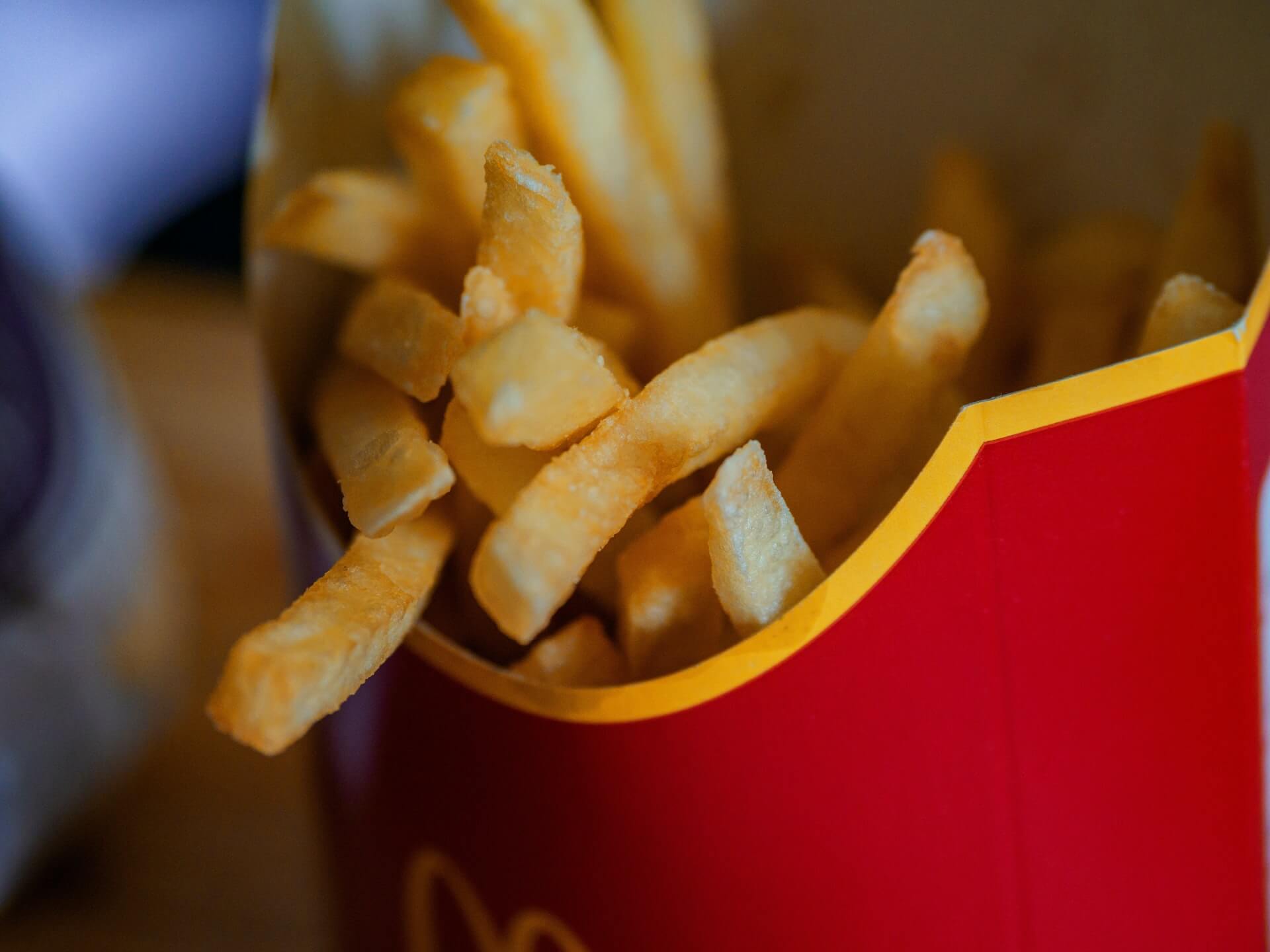
McDonald's French fries close up in package

It’s increasingly important to stay top of mind with your guests. Now more than ever, that means finding yourself on their screens.

For likely the one-billionth time, allow me to point out something we should all know by now: We’re all on our phones and tablets all the time.

From texts and emails to app notifications and social scrolling, there’s always a reason to check screens.

So, how can operators invade people’s devices? By collecting guest data via a loyalty program.

Fluctuating Support

Not so long ago, industry experts bristled against the mention of rewards and discounts.

Guests, the thought was, had zero interest in signing up for loyalty programs. People would soon frantically seek out “unsubscribe” links after receiving one too many marketing emails.

However, people are quickly thawing, warming to the idea of loyalty programs. Once thought of as too invasive, now marketing experts believe “too intrusive” doesn’t exist.

After all, businesses need to ensure they’re highly visible. Operators must meet guests where they are. Where are they? Their devices.

Rewarding Loyalty

Your staff aren’t the only people engaging with the incentive economy.

Today, it appears that a guest liking your brand isn’t good enough to ensure their loyalty. They want rewards beyond experience, consistency, and delicious food and beverage.

With so many brands competing for your guests’ dollars, you have to stand out to keep them coming back.

Now, there are still industry experts and operators who will tell you to avoid discounting at all costs. Offering a discount, they argue, starts you down the road of devaluing your brand.

Well, the great news is that when creating your own loyalty program, you can offer whatever you see fit. If you fall into the Never Discount camp, none of your rewards have to be discounts.

Free is Better than a Discount

So, let’s remain in the Never Discount realm. What else will encourage guests to sign up for your loyalty program—and actually engage with it?

We can use the loyalty program launched in July by a global fast-food juggernaut as a great example.

Over the summer, McDonald’s launched MyMcDonald’s Rewards. How successful was the launch? More than 12 million people opted into the program.

In exchange for signing up, agreeing to receive alerts, and handing over their data, guests received a free medium French fry.

McDonald’s selected 66 loyalty program members to receive one million MyMcDonald’s Rewards points. One lucky member also received free French fries for life.

Create Your Program

“But David,” I hear some of you arguing, “isn’t free even worse than a discount?”

The short answer is no. A discount can devalue a brand because guests get used to paying less for select items or entire visits. Over time, they perceive the lower price as the standard price. Soon, they’ll wonder when the next discount is coming. You’ll have to either further discount your food and beverage or work harder to re-engage your guests some other way.

If a rewards program is structured correctly, members will have paid for any free item they earn several times over. Most commonly, guests receive points in exchange for dollars spent. They can then exchange those points for a free menu item. This doesn’t devalue the brand, it incentivizes program members to become loyal, repeat guests.

Operators not quite ready to build their own apps can utilize text messages and emails. Of course, the former is the most intrusive (in a good way). Texts can inform members of promotions and encourage them to visit or place an order online. Emails can let members know their current balance and what incentive their close to earning.

Additionally, be generous. Don’t exclude your guests’ favorite items from the program. Why would a loyalty program member remain loyal if they can’t exchange their points for “the good stuff”?

Structure your program correctly and you’ll increase visits per guest and spends per visit. Couple your guest data collection with a platform like SevenRooms and you’ll truly supercharge your revenue.

Image: Brett Jordan on Unsplash

by David Klemt David Klemt No Comments

New Operators Can Reject the Old Models

New Operators Can Reject the Old Models

by David Klemt

Thinking differently planning concept with light bulb on chalkboard

There’s no reason new hospitality business owners and operators have to do what’s always been done.

In fact, new owners and operators are in a prime position to create entirely new business models.

If we’re going to change things and set the industry up for success in the future, we need to pursue different ways of doing business.

Industry Pioneer and Icon

Lynnette Marrero, widely known as a pioneer in this industry, is enjoying a career that should inspire all hospitality professionals.

After getting her start as a cocktail waitress at New York City’s storied Flatiron Lounge, she transitioned to bartender. In that role, Marrero was able to learn under Flatiron Lounge co-owner and bartending sage Julie Reiner.

She has created and consulted on world-class, award-winning cocktail programs. If you find yourself in New York City, plan to stop into Llama Inn and Llama San to experience Marrero’s menu programming.

Marrero is a James Beard Award and Spirited Award winner, a Dame Hall of Fame inductee, and the co-founder of high-speed all-female bartending competition Speed Rack.

Perhaps most importantly, she’s a mentor and an innovator helping to shape the career’s of new bartenders and hospitality pros.

And on episode 54 of the Bar Hacks podcast, Marrero encourages new operators to think differently about how they run their businesses.

New Models

Specifically, Marrero explains that new owners and operators are in a position to run things differently from the start.

“I think it’s a lot about changing your structures from the beginning. Don’t feel pressure to have to go into models that already exist,” says Marrero. “You can build new models and you can think about new ways.”

Making impactful change from the very beginning requires a change in how we think about running restaurants, bars, hotels, and other hospitality businesses.

“What does ownership look like?” asks Marrero, providing examples of new approaches to ownership. “Can you start a place that’s more profit sharing for staff? Can you build that in from the beginning?”

Offering further considerations, Marrero suggests that new owners and operators consider operational elements such as earned equity and co-op-style ownership.

In theory, such structures, which are certainly far from the norm, may lead to significant reductions in turnover, boosts to staff morale and engagement, and a more dynamic team. Putting different structures in place rather relying on the old models can lead to building teams invested in helping owners grow their businesses for the long term.

Change is Necessary

While established operators can certainly make changes to their existing operations, Marrero says that it’s easier for new businesses to do so.

In part, this is because investors know going in what the labor structure is, for example. They therefore also understand how the payback structure will work.

And that’s just on the investment side of the equation. On the labor side, new structures make it easier to recruit, hire, and retain staff.

Solving labor shortages leads to operating at full strength for full days rather than relying on shortened hours. Staff are less overwhelmed and costly turnover is reduced.

It’s easier to do things the way they’ve always been done. But rejecting the old ways can be far more fulfilling and profitable for everyone involved.

Image: Pixabay on Pexels

by David Klemt David Klemt No Comments

Incentive Economy: What are You Offering?

The Incentive Economy: What are You Offering?

by David Klemt

Chef's knife and honing rod crossed on cutting board

You know about the gig economy but are you familiar with the incentive economy?

It’s quite simple, and there are myriad ways for operators to engage with it. In fact, you likely already participate in the incentive economy in some way.

To put it succinctly, the incentive economy is all about the perks of a job beyond a paycheck.

The Old Ways are Out

On episode 53 of our Bar Hacks podcast, Chef Brian Duffy addresses the need for changes in our industry directly.

First, he tackles the lack of transparency in leadership by some operators. As Chef Duffy says, “That’s an old school way of doing it. That was an old school way, that was the Eighties.”

According to the chef, and we wholeheartedly agree, we now find ourselves in a “different phase” in the industry.

Then, Chef Duffy takes on how leadership in the industry treats staff.

One effective recruiting and hiring incentive Chef Duffy offers on the podcast deals with scheduling. None of his cooks close both nights of a weekend. He also posts schedules two weeks in advance so there are, A) no surprises, and B) if staff need to swap or drop, they have time to do so without impacting the business.

This simple scheduling incentive is attractive to new hires and existing staff. Why? Because working unpredictable, erratic hours is stressful.

“That ruins your life,” explains Chef Duffy.

If operators want to attract new hires, keep their team together, and reduce turnover, listening to staff about scheduling is crucial.

Things Need to Change

Chef Duffy shares a story on the podcast about his daughter and her experience working at a restaurant operated by a hospitality group.

No, he doesn’t name the group or the concept. The who isn’t the point here, it’s the what.

That what is how leadership bungled not only a scheduling issue but also how they botched Chef Duffy’s daughter’s two-week notice, her final shifts, and her final pay.

For more context, his daughter wasn’t a new hire who bailed after perceiving she had been treated poorly. She had worked at that restaurant for a year, there were ongoing issues, and she finally left.

As we all know, we’re down about a million jobs in this industry. That loss isn’t simply because of the pandemic. Our industry is undergoing a seismic cultural shift and we’re losing people who won’t return to hospitality.

Things need to change if we’re going to reverse this trend and strengthen the industry. KRG Hospitality president Doug Radkey addresses the change we need in his latest book, Hacking the New Normal. Chef Duffy addresses some of the necessary changes on our podcast as well.

“We can complain as much as we want, but we created it,” Chef Duffy says. “We as owners and operators and managers, we created what’s happening right now.”

Get Creative

The only limits to incentivizing your staff are your imagination, staying consistent with policies and procedures, being respectful of your staff and guests, and the law. Remain in those confines and get creative.

An incentive doesn’t need to be a grand gesture or prize. In many instances, something that makes a shift more fun and breaks up the monotony is enough to energize the staff.

“I want my staff, I want my front-of-house staff, to know what my sales goal is for the day,” says Chef Duffy. “And then I want to run a contest with that.”

One of the chef’s favorite contests is simple and highly motivating: Follow the Twenty.

Chef Duffy puts a twenty-dollar bill into play against a particular item or menu category. For example, either a specific dessert or any dessert.

Whenever a team member sells a dessert, they get the $20 that’s in play. If a different person sells another dessert, they get the twenty. Follow the Twenty incentivizes the first person to sell more of an item to hang onto the money, and the game motivates the rest of the staff to outperform their coworker to get the prize.

The last member of staff to sell a dessert that shift or day keeps the money.

Offering another creative incentive he’s seen, Chef Duffy shares that there’s a restaurant out there offering a free tattoo to kitchen staff that stays for at least 30 days. Will some staff leave after they get their tattoo? Possibly. Hiring wisely, implementing training policies and procedures, treating staff with respect, making scheduling easier and more flexible, ensuring clear communication is embedded in the fabric of your brand’s culture, and offering further incentives can prevent that turnover.

Offer Ongoing Education

“We live in an incentive world now,” says Chef Duffy. Explaining that he doesn’t operate large kitchens, large bars, or employ large teams, he admits he can only do so much in terms of incentives.

However, his approach to incentivizing staff to stay starts with this example of true leadership: “The one thing I can do is treat my employees well.”

With decades of experience in the industry, Chef Duffy’s knowledge is something he can offer his staff. A big believer in education, passing down information that can enrich team members’ careers and lives is an incredibly valuable incentive.

During a recent training session with a very young kitchen staff, the chef started with the very basics of education.

“Hey, guys, here’s a knife. This is a knife,” he said to the kitchen staff. “There’s seven different parts to a knife. Here’s the most powerful part, here’s the most precise part. This is how you hold it, this is what we do…”

Just reading that, it may seem like Chef Duffy was being condescending. That’s not the case. He wants to share as much of what he’s learned over the years to pass on his collected knowledge.

“I want people to feel as if they’re gaining something from me and the knowledge that I have rather than, ‘Go cut those onions and I’m gonna yell at you if you do it the wrong way,'” says Chef Duff.

Make Meaningful Change Today

Making impactful change can feel overwhelming. Let’s face it, it’s easier to just stay the course. But these days, staying the course can cost you your staff, then your guests, and then your business.

One way to start making change is to look inward at yourself, and at your leadership team.

Are your staff gaining anything from you beyond a job and paycheck? Is your leadership team mentoring and incentivizing staff? Are you, your leaders, and your team happy at work?

If the answer to those questions is “no,” do what’s reasonable to improve your brand’s work culture.

As Chef Duffy says, “The whole dynamic of it has to change and we have to take better care of our employees.”

Image: Steve Raubenstine from Pixabay

by David Klemt David Klemt No Comments

Get Ready for Old Fashioned Week

Get Ready for Old Fashioned Week

by David Klemt

Old Fashioned Cocktail on bar

Old Fashioned Week is returning for its second year to raise money for the Restaurant Workers’ Community Foundation.

The RWCF is a non-profit restaurant and bar worker advocacy and action organization.

In its inaugural year, Old Fashioned Week set and met a goal of raising $100,000. This year, the goal and mission are the same: Raise $100,000 to help hospitality workers financially.

How to Participate

Lynn House, national spirits specialist and portfolio mixologist for Heaven Hill, shares the details of Old Fashioned Week on episode 52 of the Bar Hacks podcast.

Over the course of nine days, October 15 through 24, Elijah Craig is celebrating the bourbon cocktail they feel best showcases America’s native spirit.

Old Fashioned Week is another win-win-win restaurant and bar promotion. Operators can drive in-person and to-go (where legal) traffic, consumers enjoy an iconic cocktail while supporting the industry, and struggling hospitality workers can receive financial assistance.

Luckily, participating in this philanthropic campaign is simple. First, operators can use their social media channels and guest database to let people know they’re celebrating Old Fashioned Week. Publish posts, send emails, and send out marketing texts.

Second, operators can use the “contact us” form on the Old Fashioned week website. From there, they can ask to have their venue included in the ZIP code search function.

Third, anyone can post pictures of their Old Fashioned to social media. Simply include #OldFashionedWeek and tag Elijah Craig. The brand will donate $5 to the RWCF for every properly hashtagged and tagged photo.

Like I said, it’s simple to participate and raise money for those in need.

Elijah Craig Old Fashioned

Hey, you can make your Old Fashioned however you want. However, if you want to make the signature Elijah Craig Old Fashioned, see below:

Elijah Craig signature Old Fashioned cocktail

Add bitters, simple syrup, Elijah Craig Small Batch, and ice to a mixing glass. Stir—do not shake!—until well chilled. Strain cocktail over a large ice cube in a double old-fashioned glass. Garnish with a swath of orange and a brandied cherry.

If you’d like to make this classic how Lynn House does, add four dashes of bitters instead of three. Two dashes of Angostura bitters, two dashes of Regan’s orange bitters.

Image: Paige Ledford on Unsplash

by David Klemt David Klemt No Comments

2021 Spirited Awards Winners

Congratulations to the 2021 Spirited Awards Winners

by David Klemt

15th annual Tales of the Cocktail Spirited Awards winners 2021

The Tales of the Cocktail Foundation and Forbes, this year’s Spirited Awards official media partner, have announced the 2021 winners.

Due to the incredible difficulty of the past 18 months, Tales felt it was necessary to acknowledge the hospitality industry’s innovation, determination, and drive to survive.

To that end, this year’s Spirited Awards are different than years’ prior, honoring select categories the foundation felt could be judged fairly.

“We always knew we were a truly determined, tenacious community, but the way in which we’ve seen our peers navigate this year with such grace and grit has been nothing short of incredible,” says Eileen Wayner, CEO of the  Tales of the Cocktail Foundation. “Tales of the Cocktail Foundation is proud to recognize the winners of the 15th Annual Spirited Awards, and we thank them for their outstanding contributions that are advancing the beverage industry.”

2021 Spirited Awards®  Winners

Helen David Lifetime Achievement Award presented by William Grant & Sons

Pioneer Award presented by The Blend

Timeless International Award presented by Perrier

Timeless U.S. Award presented by Q Mixers

2021 Writing and Media Spirited Awards® Winners

Best Cocktail & Spirits Publication presented by Diageo Bar Academy

Best Broadcast, Podcast, or Online Video Series presented by Diageo Bar Academy

Best Cocktail & Spirits Writing presented by Tales of the Cocktail Foundation

Best New Cocktail or Bartending Book presented by Diageo Bar Academy

Best New Book on Drinks Culture, History, or Spirits presented by Diageo Bar Academy

Image: Tales of the Cocktail Foundation

by David Klemt David Klemt No Comments

Bar Hacks: Tales of the Cocktail

Bar Hacks: Tales of the Cocktail

by David Klemt

Bartender pouring cocktails on bar

Tales of the Cocktail returns next month not only in a new format but with all-new features for 2021 and beyond.

Running from September 20 through 23, Tales of the Cocktail 2021 will be a hybrid event. The digital/in-person industry show is free for attendees this year.

Eileen Wayner, CEO of Tales of the Cocktail, and Neal Bodenheimer (a board member and operator) drop by the Bar Hacks podcast for this week’s episode to talk about the 2021 event.

Learn more below.

Hybrid Format

The 19th annual Tales of the Cocktail will offer something for everyone in the industry.

So, those who wish to visit New Orleans for Tales can do so. Also, the show will be accessible to attendees more comfortable with a digital experience this time around.

Anyone attending in person needs to know two things: First, Tales will adhere to New Orleans mask and vaccine mandates and policies.

Second, Hurricane Ida made landfall this past Sunday, knocking out power to more than a million people. In-person attendees should monitor the situation and be sensitive to what people in New Orleans are experiencing.

Intriguingly, Tales 2021 will feature brand activations not just in New Orleans but in other cities as well. Pop-ups are on the schedule for New York City and London. Tales will announce more as details emerge.

Tales Evolves

For obvious reasons, Tales will be different this year. However, that isn’t a negative—the event is evolving.

For instance, the Spirited Awards will take place this month. Acknowledging that it’s simply not fair or possible “to honor every award category for 2021,” this years awards will be different.

At this year’s event, the following categories will be awarded:

  • Helen David Lifetime Achievement Award
  • Pioneer Award
  • Timeless U.S. Award
  • Timeless International Award
  • Best: Cocktail & Spirits Publication; Cocktail & Spirits Writing; New Cocktail or Bartending Book; New Book on Drinks Culture, History or Spirits; and Broadcast, Podcast or Online Video Series

Of course, there are other new event features. On Sunday, September 19, Tales will host the Diversity Distilled Career Fair. A direct response to so many in the industry losing jobs and the current labor shortage, employers will post job listings; review resumes; and more.

Listen Today

Wayner and Bodenheimer share more details in this week’s Bar Hacks episode.

So, to find out what to expect about this year’s Tales of the Cocktail (and a bit about the future of the event), listen to episode 48 today.

Listen on Spotify, Apple Podcasts, Anchor.fm, or wherever you listen to podcasts. Cheers!

Image: Adam Jaime on Unsplash

by David Klemt David Klemt No Comments

Is Texas the Model for Restaurant Operation During the Pandemic?

Is Texas the Model for Restaurant Operation During the Pandemic?

by David Klemt

The mass exodus to Texas has been all over the news lately.

Many new Texas residents moved to the Lone Star State moved from California. Some moved to escape exorbitant rent, home prices, and taxes. But others have left California due to what some deem over-reaching Covid-19 restrictions.

On December 5, a regional stay-at-home order took effect in five California regions. Included in that order was a restriction on “nonessential trips” between the hours of 10:00 P.M. and 5:00 A.M. Some California lawmakers disagreed with labeling the restriction a “curfew” but it certainly seemed like one to Californians.

Also included in the order was a full shutdown of businesses categorized as bars, while restaurants were restricted to delivery and takeout only. In response, a group of operators in Orange County formed the #OPENSAFE movement and made it known they intended to defy the order, which is expected to remain in place through at least Christmas.

It’s likely that some former Californians flocked to Texas due to Governor Gavin Newsom’s restrictive stay-at-home order and “Covid fatigue.”

But is Texas less restrictive than California?

Some counties in Texas did implement curfews. For example, a 10:00 P.M. to 5:00 A.M. curfew took effect in Bexar, El Paso and San Antonio Counties over the Thanksgiving holiday. However, they were short-lived and ended November 30.

According to reports, El Paso County Judge Ricardo Samaniego is mulling the idea of a “partial curfew” for the period between the Christmas holiday and New Year’s Eve.

One major difference between the orders implemented in California and those that were issued in Texas is that the latter weren’t blanket, statewide restrictions.

Another difference regards bars. Drinking establishments are closed throughout California. In Texas, according to this document located on the Texas Alcoholic Beverage Commission website, “[b]ars or similar establishments located in counties that have opted in may operate for in-person service up to 50% of the total listed occupancy inside the bar or similar establishment,” and guests must remained seated if they’re drinking or eating.

Interestingly, no occupancy limit exists for a bar’s (or “similar establishment’s”) outdoor area. Another interesting detail: “the County Judge of each county may choose to opt in with the Texas Alcoholic Beverage Commission (TABC) to allow bars or similar establishments to operate with in-person service.”

That statement relates to Texas’ GA-32 executive order. In counties where Covid-19-related hospitalization rates and case counts meet state requirements, county judges can opt-in to reopen bars. In fact, the TABC features a map—updated daily at 3:00 P.M. CST—that displays the counties in which bars are permitted to open their doors.

Bars are required to stop serving alcohol at 11:00 P.M. but don’t have to close for business or send guests away at that time.

Restrictions are different for Texas restaurants. According to the TABC’s website, “Restaurants may operate for dine-in service up to 75% of the total listed occupancy inside the restaurant; outdoor dining is not subject to an occupancy limit; and restaurant employees and contractors are not counted towards the occupancy limitation. This applies only to restaurants that have less than 51% of their gross sales from alcoholic beverages.”

Per news coverage, the cutoff rule Texas bars operate under doesn’t apply to restaurants, motivating the decision of thousands of bar owners to reopen their businesses as restaurants.

One of the highest-profile ex-Californians who made the move to Texas recently is Joe Rogan. Rogan speaks with Texas native and entrepreneur Richard Rawlings on the most recent episode of The Joe Rogan Experience podcast on Spotify. The subject of California comes up roughly 23 minutes into the discussion, with Rogan calling out California and saying that Californians “are recognizing” that “California itself doesn’t exist as everybody thought of it.”

Rogan goes on to say that California’s government is to blame for the exodus to Texas, saying, “Literally, it’s a case of now we know that if you have poor government, the government can ruin a state.”

He praises Texas Governor Greg Abbott and his approach to Covid-19. In particular, Rogan lauds Gov. Abbott for shutting down the state for a short period of time but allowing businesses to remain open. He mentions that while businesses are still struggling—capacity restrictions, social distancing protocols, mask requirements—at least they’re able to operate.

At around the 24-minute mark, the conversation shifts to restaurants in particular.

You can’t even go eat outside. There’s a 10:00 P.M. curfew in Los Angeles. It’s insane. There’s no science behind it, either. There’s no science that shows that if you get people to stay home after 10:00 P.M. that there’s less transmission,” says Rogan.” There’s no science, nothing. It’s arbitrary decisions that are made by politicians. And that’s the minimum: The outdoor dining thing is the most egregious because you have all these people that spent so much money to try to convert their restaurants and make these outdoor dining [spaces]—spent thousands of dollars that they didn’t even fucking have. They just wanted to stay open, and then they just get shut down.”

Rawlings then references the owner of Pineapple Hill Saloon & Grill, Angela Marsden, and the emotional, viral video she posted in response to Los Angeles restaurants being prohibited from offering outdoor dining.

Marsden claimed to have spent $80,000 to comply with L.A. County health requirements and create an outdoor dining area before the restriction was put in place. In the video, she shows a television production crew dining under tents set up next to her outdoor dining area. Ultimately, Marsden had to shut down after running out of funds.

I was pretty pissed off at that one because, you know, we shut down Gas Monkey Bar & Grill for the winter,” says Rawlings. “We’re just hanging out, see what happens.”

Texas hasn’t fully reopened and some may still view some of the state’s Covid-19 rules as arbitrary. However, capacity limitations for bars (up to 50 percent) and restaurants (up to 75 percent) are much more viable for operators.

There are other questions to consider regarding Covid-19 protocols and restrictions. If state lawmakers implement rules that ultimately encourage their residents to flee to other states, does that increase the risk of infection rates, hospitalizations and deaths rising in those states? Is America capable of setting aside our divisions and pulling in the same direction to flatten curves nationwide? Are our lawmakers capable of abandoning the arbitrary for the targeted and logical to provide relief and increase the survivability rates of restaurants, bars and other small businesses?

Covid-19 protocols can change in any state at any time, but for now, Texas may serve as the best model for restricted restaurant and bar operations in the United States.

Image: Thomas Park on Unsplash

Top