Protein

by David Klemt David Klemt No Comments

Is 2026 the Year of ‘Maxxing?

Is 2026 the Year of ‘Maxxing?

by David Klemt

Stark image of a speed limit sign that reads "MAXIMUM 30"

If we pretend this is referring to grams of fiber, that’s excellent fibermaxxing.

If recent reports and consumer behaviors are any indication, and I think they are, health-conscious “maxxing” trends are on the menu in 2026.

Currently, proteinmaxxing appears to be king of Diet Trend Hill.

In 2026, though, protein may face a realistic contender for the crown: fiber.

Look it up and you’ll see it’s not an entirely new trend, and has been on the upswing since at least the middle of 2025.

For operators, this is yet another consumer signal. The interest (some would say obsession) in high-protein diets has inspired menu changes across categories. Whether a QSR with global reach, a regional chain, or a local independent, restaurants have been responding to their guests’ desire to consume more protein.

Now, it’s possible an interest in a high-fiber diet may inspire more menu changes and additions.

What is GLP-1?

Would you like a healthy dose of pedantry? Fantastic.

“GLP-1” stands for “glucagon-like peptide 1,” which is a hormone found in our bodies. When we eat something, GLP-1 stimulates insulin secretion.

A GLP-1 drug is an “agonist.” That is, it mimics, in this case, a hormone to cause a response.

So, when we talk about GLP-1, it’s a hormone; when we talk about the drug, it’s a substance humans take predominantly via injection. Pedantry: complete.

It may seem as though these drugs came onto the market just before Covid ravaged the world. However, the hormone was discovered around 50 years ago, and the first GLP-1 medication was approved by the FDA just over 20 years back to treat type 2 diabetes. From 2018 to 2023, according to multiple analytics sources, interest in, and use of, GLP-1 drugs for weight loss exploded.

GLP-1 medications cause the body to delay emptying the stomach. Further, the drugs tell the brain to reduce the desire to eat. Both actions curb appetite, and tend to result in significant weight loss.

Of course, side effects have been reported widely. Those who experience rapid weight loss may experience “Ozempic face.” According to Harvard Health Publishing (2004), this appearance is characterized by:

  • a hollowed look to the face
  • changes in the size of the lips, cheeks, and chin
  • wrinkles on the face
  • sunken eyes
  • sagging jowls around the jaw and neck.

There are also several gastrointestinal side effects one can experience, but I’ll let you use your imagination rather than list them.

What is Proteinmaxxing?

This one is quite a bit simpler to understand: It’s focusing on the consumption of protein, and “maxxing” it out. I assume there are two Xs to really drive home the point that something is being maximized.

Taken to the max (or “maxx,” I guess), there are proteinmaxxers who aim to consume 200 grams of protein per day. According to Cargill, a company that distributes high-protein products, there are “entire ‘social subcultures'” built around the consumption of high-protein diets. Essentially, for some proteinmaxxers, the diet is more like an ideology.

However, some doctors believe consuming that much protein can be harmful, not healthy.

Recognizing that there’s a range when it comes to protein consumption (age, activity level, etc.), there are some general guidelines one can follow.

Using the standard 2,000-calorie-per-day diet, common guidance is that 10 to 35 percent of calories should come from protein. For an “average” person, daily protein consumption can be calculated at 0.8 grams per kilogram of body weight. So, someone who weighs 150 pounds (68 kilograms) should consume 54 grams of protein per day.

People tend to face muscle loss in their 40s or 50s, and therefore should aim for 1.0 to 1.2 grams of protein per kilogram of body weight. On the high end, for that hypothetical person weighing 150 pounds, that’s an increase to 82 grams of protein.

Those who exercise regularly should increase protein consumption to 1.1 to 1.5 grams; that rises to 1.2 to 1.7 grams for people who lift weights or do other strenuous exercise on a regular basis. Using the high end, that’s 102 grams of protein per day for the former, and 115 to 116 grams for the latter.

Consuming 2.0 grams of protein per kilogram of body weight is considered “excessive” by some.

What is Fibermaxxing?

If you’re guessing that fibermaxxing is similar to proteinmaxxing, you’ve nailed it.

That said, the numbers are absolutely not the same in comparison to proteinmaxxing.

Unless something changes, the current definition of fibermaxxing appears to fall in line with current dietary recommendations: 25 to 38 grams of fiber per day.

Going deeper, nutrition guidelines state that the source of fiber should be food rather than supplements.

However, most Americans and Canadians consume just 14 to 15 grams of fiber per day. That’s a shortfall of 10 to 11 grams, every day.

It must be noted, however, that some people need to adhere to low-fiber diets for medical reasons. Further, while there’s some debate, some believe 50 grams of fiber is excessive; others feel that too much fiber is closer to 70 grams per day.

How does excessive fiber intake manifest? Again, that’s largely gastrointestinal, and, again, I’ll leave that to your imagination.

That’s all to say this: proceed with caution when trying out any diet, and try to find what’s best for you and your body.

Like protein, fiber can aid in weight loss. So, with the rise of GLP-1 medications, it’s unsurprising that some people trying to lose weight are focused on fiber while some have lasered in on protein.

What is the Point?

“David… Seriously, what the hell? Thanks for the dietary info, but what are we doing here?” I can hear some of you asking.

Simply put, operators need to be aware of large-scale consumer trends. They must consider how it can affect their people, processes, and profits.

Per Datassential, just 13 percent of operators are aware of fibermaxxing.

Borrowing from Datassential’s trend ranking system (Inception, Adoption, Proliferation, and Ubiquity), it’s fair to say fibermaxxing consumers are either on the cusp of moving on from inception to adoption or are already there.

As far as proteinmaxxing, that’s definitely in proliferation territory. What’s my evidence? A QSR, Arby’s, to be precise, introduced Steak Nuggets in Q4 of 2025. That’s an entirely different spin on nuggets in fast food, and even if it’s not stated explicitly, that certainly appears to be an appeal to proteinmaxxers looking for a snack.

There’s also the seeming addition or infusion of protein to all manner of food and drink items on menus across all categories of restaurants.

Protein-infused coffee drinks, protein-enhanced pastries, QSR meal combos for people leading a high-protein lifestyle… There are lists online of the top orders at various chains for consumers seeking protein. Of course, there are also lists online identifying high-fiber items offered by various well-known restaurants.

Then we can look to retail labeling. Unsurprisingly, food brands want to leverage increased consumer interest in protein, fiber, and other nutritional values. These companies are calling out their protein and fiber values to encourage purchases and brand loyalty.

Restaurants and bars can do the same. In some cases (more than you many think), a given menu already has high-protein and high-fiber options; it’s just not called out directly.

What is the Takeaway?

As we kick off 2026, let’s change the approach. If you want to appeal to health-conscious guests, tell them exactly what they want to know.

Review your menu, identify what falls in line with various diets, and call out those values or qualities in the descriptions.

Some consumers are proteinmaxxing. Others are fibermaxxing. Somehow, I expect balancemaxxing (maximizing the focus on a balanced diet; did I just coin a phrase?) to take hold in 2026 or 2027.

Similarly, operators need to focus on profitmaxxing for the financial health of their business, the financial stability of their hardworking teams, and longevity in serving their communities.

It all comes down to the Three Ps: People, Processes, and Profits. Serve the people (including your team members) and perfect your processes, thereby maxxing your profits.

Image: Erik Mclean via Pexels

Client Intake Form - KRG Hospitality

by David Klemt David Klemt No Comments

Are Snacks Right for Your Menu?

Are Snacks Right for Your Menu?

by David Klemt

A trio of protein shake bowls on a wooden plank, resting on a bar top

Wow, AI-generated food that actually looks like food!

The latest “-ification” to take root in food and beverage centers around people favoring consuming several meals throughout the day.

The “snackification” of F&B menus across the industry is joining “gamification” in moving from trend to standard.

So, what is snackification, and is it right for your concept, brand, and menus?

Let’s start by tackling the first part of that question.

What is Snackification?

Looking at this word from the consumer side, snackification is the replacement of full-size meals with multiple snacks.

There are several factors to which one can point to explain how this behavior went from trend to mainstay. One prevailing theory posits that people snacked more often throughout the day during the pandemic. That particular behavior simply hasn’t fallen to the wayside.

Another driver may be cost. A percentage of consumers perceive “traditional” daypart dining as more expensive than opting for smaller items whenever they feel hungry. Whether true, false, or somewhere in between, this perception exists, and it’s strengthening snacks as a viable menu category.

Of course, there’s also the treat factor. Some people simply like to treat themselves, and a snack several times a week helps them fulfill this desire.

On the operator side, snackification is the embracing of snacks as a revenue generator.

Several restaurants have created snack sections on their F&B menus. Indeed, more than a mere handful of quick-service and fast-casual concepts are leaning into snacks.

However, the creation of QSR brands that focus on snacks truly illustrates the strength of snackification.

Should You Snackify Your Menu?

Making changes to your concept and menu requires careful consideration.

Jumping on any trend should also be done with caution; the same goes for changing an element of operations to embrace a new standard.

There are several questions that need answers before deciding to snackify your menu.

  • What items will you offer as snacks? With the rise in usage of GLP-1 drugs, protein-rich snacks are growing in popularity. A focus on wellness is also motivating consumers to seek out snacks that are lower in sugar and calories. However, sweet treats are still sought after. Again, careful consideration is key.
  • How well do you know your guests? Using data, can you say with confidence that you can leverage snacks successfully? Do you know what types of snacks will resonate with guests? Are the snacks you’re considering in alignment with your brand and concept, or will the change confuse guests?
  • Will offering snacks increase your costs? You need to know know with certainty how snack items will affect labor and food costs.
  • Will the change to snacking impact other dayparts? It’s possible the shift can cannibalize dayparts, which will affect your costs, traffic, and revenue.
  • Can you transform items already on your menu into snacks? Doing so could keep your costs under control, and help you make the shift quickly. What on your menu is high in protein, craveable, and able to be produced in smaller portions easily?

It’s quite likely that snacks will resonate with your guests. However, you need to know, not guess. What does your data tell you about traffic, item sales, and guest preferences?

As I’ve said before, success in this business comes down to math, not magic.

Image: Microsoft Designer

Client Intake Form - KRG Hospitality

by David Klemt David Klemt No Comments

What’s Up with Meat, Poultry and Seafood?

What’s Up with Meat, Poultry and Seafood?

by David Klemt

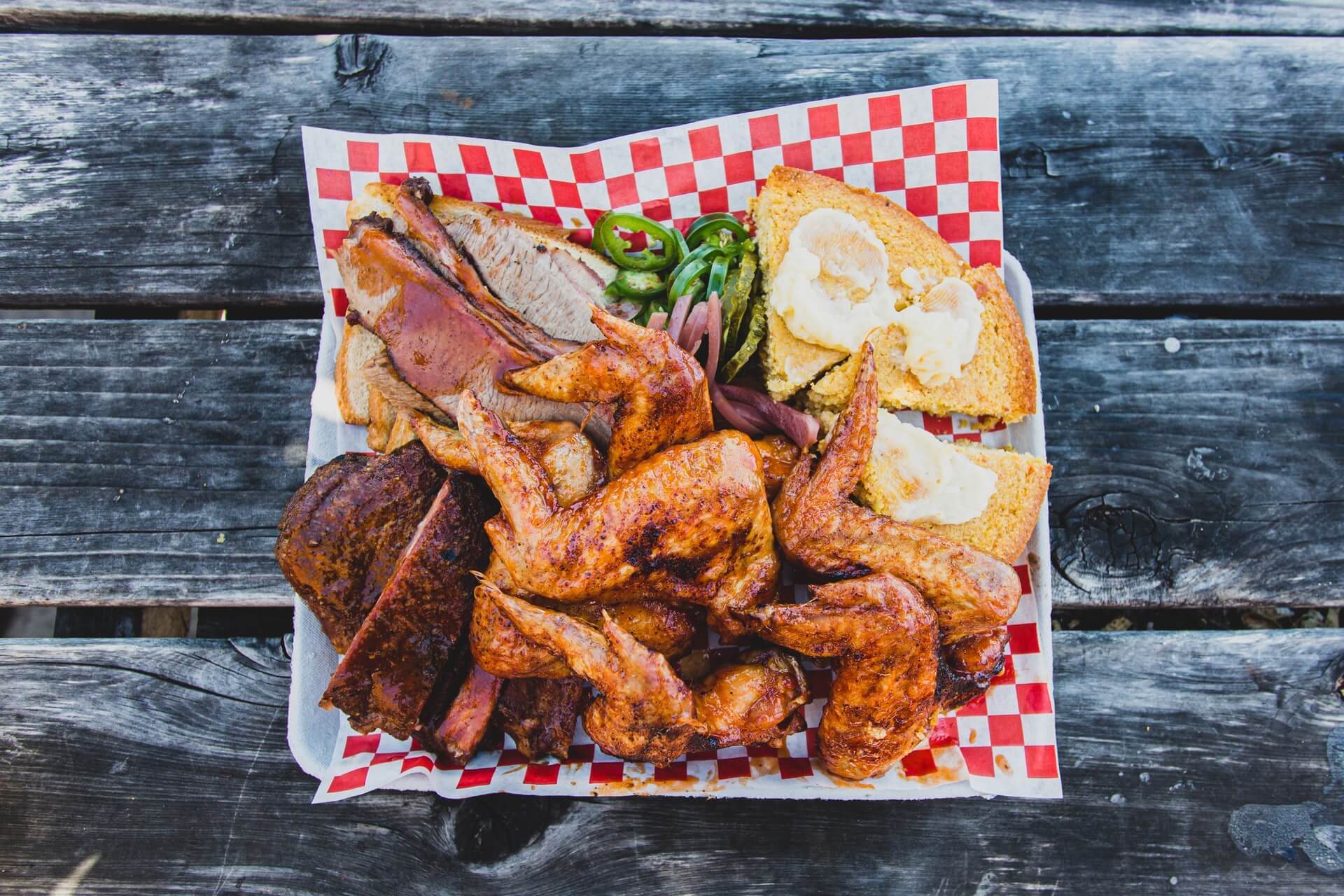
Barbecue food plate on wooden table

We know how plant proteins are performing with consumers but what do we know about how meat, poultry, and seafood are doing?

Well, because of a recent report from Datassential, we know many consumers are “meat-limiters.” And research from the World Resources Institute shows that plant-based performance is nuanced.

Interestingly, the performance of animal proteins on-premise appears to be following a beverage trend: Moderation. According to Datassential, more consumers are reducing their consumption of meat and poultry than increasing it in comparison with 2021.

So, meat-limiters may be indicative of the future of meat consumption.

Consumer Shifts

As the name implies, meat-limiters are limiting or otherwise reducing their consumption of animal proteins. Importantly, it doesn’t appear that a significant percentage of consumers are eliminating animal proteins from their diets.

Rather, many people are simply increasing the amount of plant-based items they’re eating. However, that increase is more aspirational than real in some cases.

Per Datassential’s survey of 1,500 consumers in the US, just over 70 percent of people are meat eaters. In contrast, nearly 25 percent are “flexitarian.” Just two percent are vegan or pescatarian, and only three percent are vegetarian.

So, the vast majority of Americans are still consuming meat, poultry, and seafood. We just now have reason to believe that more consumers may be leaning toward a flexitarian diet.

A bit over a quarter of consumers consume meat every day. Still, many people aspire to eat more vegetables, fruits, and whole grains, per Datassential.

However, there are more pescatarians, vegans, and vegetarians among Gen Z than the overall population. According to Datassential, this could indicate a shift away from animal proteins in the future.

Meat Performance is Nuanced

Just like plant-based performance, meat performance is nuanced. There are many factors at play.

Shifts in what consumers value are driving changes to the performance of proteins. Health, sustainability, the climate, taste, and affordability have an effect on all proteins, animal and plant.

Undeniably, inflation and shaken consumer confidence are impacting protein performance. Everything, it seems, is more expensive at the moment. Generally speaking, animal proteins are pricier than plant-based items.

It makes sense, then, that some consumers are reducing their intake of animal proteins and filling that void with fruits, veggies, and legumes.

Of particular note are shifts in daily and weekly consumption of animal proteins in 2022. Meat consumption once or more per week—beef, lamb, pork, veal—is up three percent. However, there’s a ten-percent increase in consumers eating poultry once or more per week.

Interestingly, daily poultry consumption is down seven percent in comparison with 2021. Likewise, daily consumption of seafood is also down seven percent, and fewer people are consuming it less than once per week.

Plant-based is Down

Despite what some would think, meat-limiters don’t appear to be driving up plant proteins significantly.

In fact, according to Datassential, the daily consumption of plant-based proteins is down. Per the research firm, seitan, tempeh, and tofu are the experiencing the greatest drop in daily consumption.

The fact is that across generations, more consumers eat animal proteins on a daily basis than their plant-based counterparts. Gen Z, per Datassential, consumes more animal proteins on a daily basis than other generations.

So, how does it make sense that people are reducing their meat intake but plant-based isn’t seeing a sizable jump in consumption?

In part, the answer is the growing popularity of plant-forward dishes. These are items, like bowls, that offer a small amount of meat, poultry, seafood or dairy. The majority of these menu items consists of plants but are not free of animal proteins completely.

The path forward may indeed be a plant-forward menu. Of course, this is heavily reliant on a specific concept or brand. Still, it’s likely many restaurants can do well offering mixed dishes, those heavier on plant proteins than animal proteins.

Image: Peter Pham on Unsplash

Note: This article is based on information from Datassential’s “2022 Plant-Forward Opportunity” report. To access a number of free reports, sign up with Datassential today.

by David Klemt David Klemt No Comments

Meat-limiters Driving Change

Meat-limiters Driving Change

by David Klemt

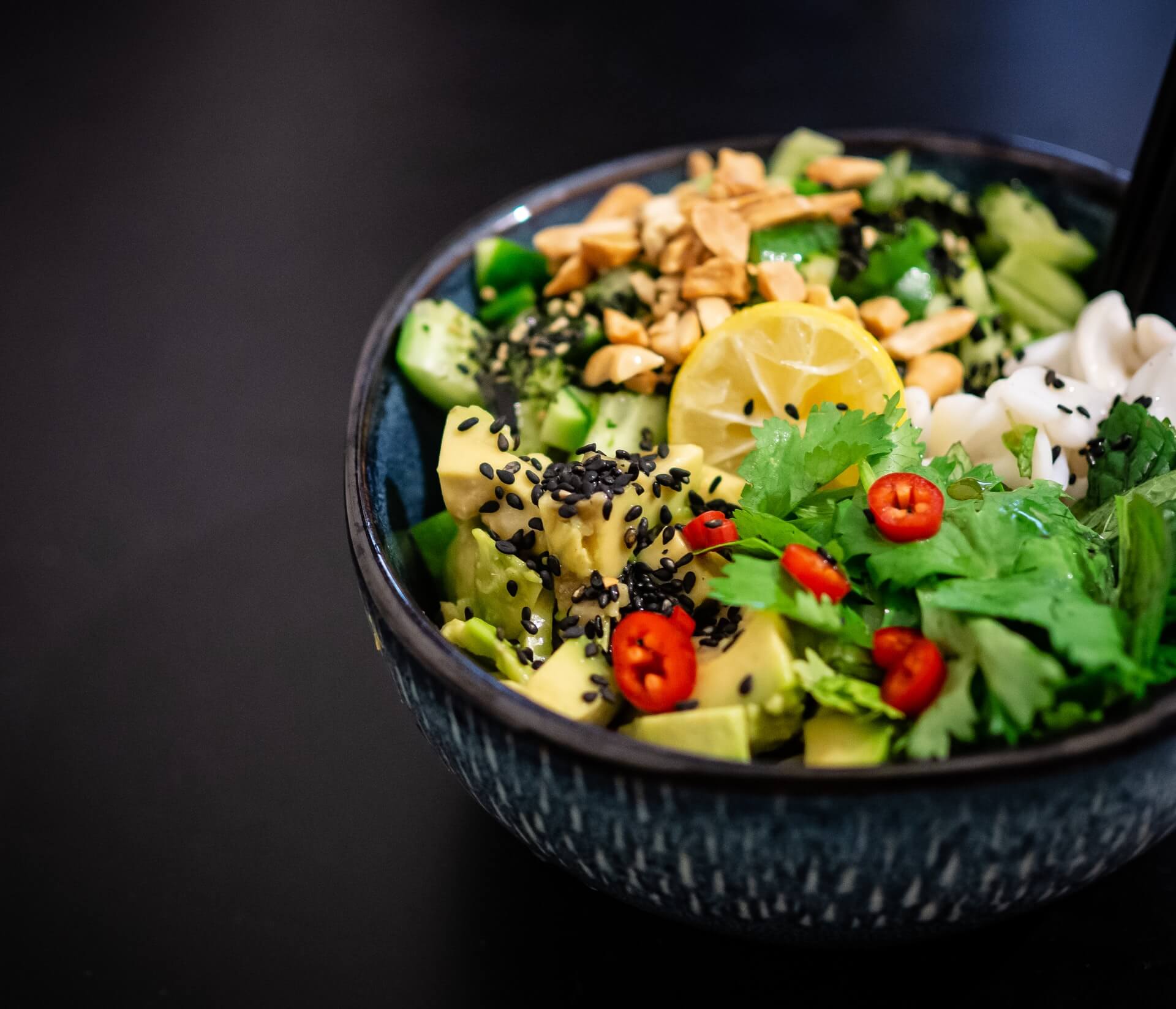
Plant-based food bowl

You’re likely familiar with dietary terms like vegetarian, vegan, pescatarian, and even flexitarian, but what about meat-limiter?

As the name implies, a meat-limiter is a person actively choosing to reduce their meat intake. It’s also an umbrella term that includes vegan, vegetarian, pescatarian, or flexitarian diets.

Earlier this year, Datassential took a look at plant-based opportunities. Over the course of a week, 1,500 Americans ages 18 to 88 were surveyed online.

Datassential conducted their research with three partners:

  • The Culinary Institute of America
  • Food for Climate League
  • Menus of Change University Research Collaborative

The results are revealed within Datassential’s “2022 Plant-Forward Opportunity” report. To access a number of free reports, sign up with Datassential today.

Meat-limiter Guests

Just over a quarter of Americans—29 percent—are meat-limiters in some way. That number climbs to 36 percent for Gen Z, per this Datassential survey.

Of four major diets (vegetarian, vegan, pescatarian, flexitarian), vegetarian and vegan are the least common. The overall US population consists overwhelmingly of meat eaters (71 percent). Nearly a quarter, 22 percent, are flexitarian.

For Gen Z, those same numbers are 65 percent and 19 percent, respectively. Interestingly, Gen Z has more vegetarians and vegans than other generations.

But then there’s this: When it comes to the daily consumption of animal proteins, Gen Z is at the top. It’s Millennials who consume the most plant-based proteins on a daily basis.

Animal proteins are still at the top across generations. However, people are consciously reducing their meat intake and seeking plant-based alternatives.

What’s Driving Meat-limiters?

In comparison to 2021, Datassential hit on a compelling finding. A mere six percent of the US population was actively reducing meat intake last year.

That number has skyrocketed in 2022. This year, per Datassential, 21 percent of consumers can be considered meat-limiters.

Given the pandemic, it makes sense to assume this dietary change is due to personal health. However, climate change is a major driver.

Overall, 55 percent of consumers feel climate change is important. That number climbs to 71 percent for meat-limiters, 69 percent of students.

Half of consumers also feel that plant-based foods, in general, are better for the planet. Nearly half (47 percent) feel these foods are also more sustainable. Again, the number increases for meat-limiters and students (and Millennials, as well).

Interestingly, two-thirds of consumers feel traditional plant-based food items are healthier than new plant-based meat alternatives. However, a little over 60 percent of consumers find both plant-based food categories healthy.

Takeaway

Before proceeding, it’s important to recognize that a survey of just 1,500 people comes with a margin of error.

Still, the results are compelling and provide insight into today’s consumer. Among the top insights:

  • Consumers are trying more plant-based menu items.
  • Climate change and sustainability are driving consumer decisions.
  • More consumers are concerned with their health.

Per Datassential, one way to appeal to a wide range of guests is offering “mixed dishes.” These are menu items that combine animal and plant proteins. Another way forward is menuing plant-forward dishes that include a small amount of meat, poultry, fish, or dairy.

If we accept that only a tiny fraction of the US population is vegetarian or vegan, targeting flexitarians and daily meat eaters in this way makes sense.

Image: Yoav Aziz on Unsplash

Top