Wine

by David Klemt David Klemt No Comments

Go Big and Bold on National Zinfandel Day

Go Big and Bold on National Zinfandel Day

by David Klemt
Black photo concept of red wine glass and bottle

Cabernet Sauvignon may be King of Grapes but Zinfandel certainly isn’t the court jester when it comes to wine.

No, it’s not one of the five Noble Grapes from Bordeaux. And yes, in Italy Zinfandel’s name is Primitivo, which translates to “primitive.”

But just because this red wine is often described as rustic doesn’t mean it’s basic.

National Zinfandel Day, which takes place Wednesday, November 17, is the perfect time to introduce Zin to your guests.

Zinfandel 101

While there are a few reasons Bordeaux doesn’t consider Zinfandel to be a Noble Grape, there’s one in particular that stands out: Zinfandel is an Italian grape. Well, sort of.

Basically, Zinfandel is grown in Italy and America. Intriguingly, however, the grape originates from Croatia. It’s original name is Tribidrag.

Another interesting note: Red Zinfandel only accounts for about 15 percent of overall Zin production. You’re probably already guessing which style accounts for the lion’s share: White Zinfandel.

Now, you can promote both styles of Zinfandel—that’s a decision you have to make. But for this article, I’m talking exclusively about Red Zinfandel.

This is for three reasons. First, White Zinfandel is best as a beginner wine. It’s light, it’s usually low in alcohol, and it’s not very complex.

Second, you can sell Red Zinfandel as a worthwhile alternative to Cabernet Sauvignon, the most popular wine in the world. Third, it’s delicious, full-bodied, and the ABV is often quite high.

A great Red Zin is jammy (like a big Cab), bold (like a big Cab), and velvety (like a big Cab). So, many of the Cab Sauv drinkers among your guests will be willing to try a medium- to full-bodied Red Zin.

This “rustic” wine also pairs well with pizza and barbecue. How can that ever be a bad thing?

Bottles of Note

Orin Swift 8 Years in the Desert (15.8% ABV), $50 SRP

It’s arguable that Red Zinfandel’s rise in popularity is due to it showing up in many red wine blends. Another factor? Winemaker Dave Phinney in particular utilizing this grape in his red blends. 8 Years in the Desert round in the mouth, providing drinkers with a decadent, lush wine drinking experience.

Bedrock Old Vine Zinfandel (14.4% ABV), $22 SRP

The 2019 vintage of Bedrock’s Old Vine Zin receives top marks from experts across the board. When it comes to American Zins, wine aficionados consider this Zin to be the gold standard.

Opolo Mountain Zinfandel (15.7% ABV), $30 SRP

For those guests who want to taste a straight-up, 100-percent Zinfandel. Opolo is one of the finest producers of American Zin. The 2019 vintage is velvety smooth even with it’s big alcohol content and bold, jammy flavors.

The Prisoner Wine Company Saldo (15.5% ABV), $32 SRP

You don’t have to be a wine aficionado to be familiar with The Prisoner Wine Company. In fact, The Prisoner, undoubtedly one of those most famous red wine blends in the world, helped shine a spotlight on Red Zinfandel. Saldo is a three-wine blend of Zinfandel, Petite Sirah, and Syrah.

Seghesio Old Vines Zinfandel (15.6% ABV), $36 SRP

Like Opolo, Seghesio produces big Zins that offer the drinker a balanced experience. Yes, the alcohol content is high but the mouthfeel is smooth and plush while delivering bold flavors. The mouthfeel may be soft but it’s certainly not shy on the palate.

Turley Old Vines Zinfandel (15.5% ABV), $40 SRP

So, there’s a debate over whether “Old Vine” or “Old Vines” has any official definition. In general, a grapevine matures some time between 12 and 25 years old. Some say that “Old Vine” is a designation that means more than 25 years old, at least 40 years old, or at least 50 or 60 years old. Well, it’s fair to say that Turley offers true “Old Vine” Zinfandel given that the producer’s grapevines range in age from 40-plus to nearly 130 years old.
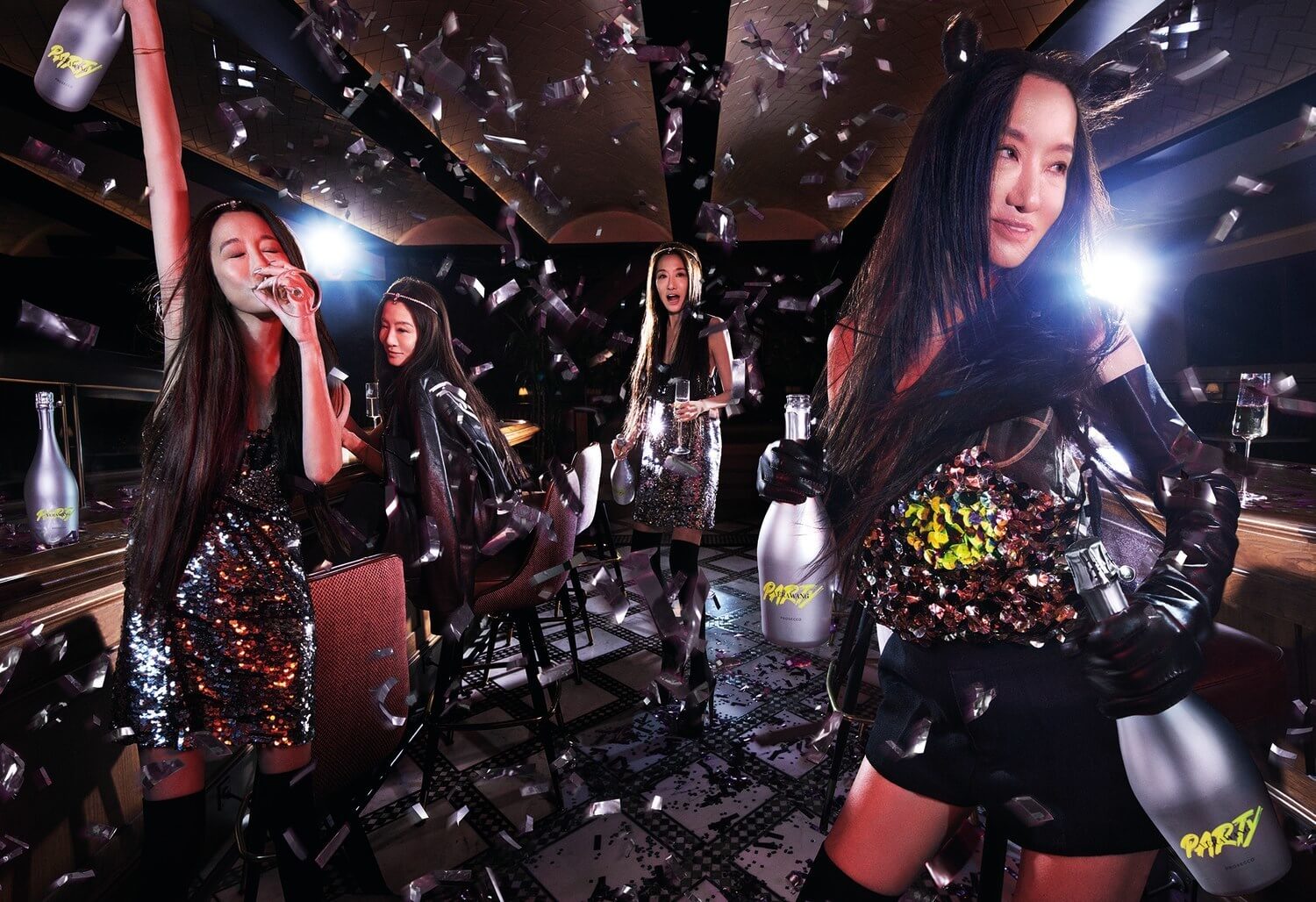
Image: Mae Mu on Unsplash

by David Klemt David Klemt No Comments

As Guests Learn More, Luxury Grows

As Guests Learn More, Luxury Grows

by David Klemt

Luxury concept featuring Champagne coupes on silver tray

Consumers are drinking better and the luxury categories of several spirits, wine and Champagne are benefitting.

Interestingly, this growth no longer appears to be driven solely by a desire to stand out and be seen.

Instead, according to one Bar Hacks podcast guest, consumers seem to be more carefully allocating their dollars.

Luxury Continues to Rise

The word “luxury” tends to conjure thoughts of expensive, high-end items.

Indeed, that’s certainly still a part of luxury. However, the concept of luxury as unattainable to most people is seemingly falling to the wayside.

Maxime Lecocq, Prestige sales manager in Las Vegas for Pernod-Ricard, shares a similar thought on episode 56 of Bar Hacks.

“The consumption style started to change during the pandemic,” says Lecocq. “So, people are more careful on what they’re drinking, where they’re spending their money.”

Intriguingly, Lecocq doesn’t mean that people were looking to spend as little as possible. Rather, they wanted higher quality for their dollars.

“Instead of having just any Scotch, they’re gonna research more,” Lecocq says. “Instead of spending, like, $25, they’re gonna be like, ‘Oh, I’m gonna spend $40 but I’m gonna be more careful about what I’m gonna drink.'”

As far as Lecocq is concerned, consumers doing more research is benefiting the luxury segment.

Why does he think that? Because it appears that research is leading consumers to spend more on luxury spirits and wine.

Numbers Support Luxury Growth

Early last month, Distilled Spirits Council of the United States (DISCUS) shared their research into luxury spirits.

DISCUS data shows that during the period from 2015 to 2020, luxury spirits brands saw sales growth of 125 percent. Further, looking at the first half of 2021, luxury spirits volume is up 25 percent.

For the curious, DISCUS considers any brand that sells 750mL bottles at retail for $50 or more to fall within the luxury segment. So, $10 more than the example Lecocq provides during his Bar Hacks appearance.

There are six luxury categories tracked by DISCUS: American whiskey, Cognac, Irish whiskey, Japanese whisky, Single Malt Scotch, and Tequila.

On his podcast episode, Lecocq discussed three of those categories: Cognac, Single Malt Scotch, and Tequila.

Growth Categories

Per DISCUS, American whiskey has seen annual growth since 2015 of 41 percent. For Japanese whisky, that rate of growth is 42 percent.

Irish whiskey and Single Malt Scotch are also healthy annual growth. However, Irish whiskey’s annual growth is only a third of that of its Japanese counterpart at 14-plus percent.

Single Malt Scotch, in the first half of 2021, is up 5.6 percent.

According to DISCUS, Cognac’s annual growth is nearly 16 percent. Lecocq posits that this rise in interest in Cognac is down to shifting consumer perception.

Once thought of as “your grandparents’ drink,” younger consumers are now more eager to explore this type of brandy.

It’s perhaps tequila that sees the most interesting growth. Given its explosive and seemingly unwavering popularity, I thought the luxury tequila category would see growth in excess of 42 percent.

However, per DISCUS, luxury tequila brands are up 30.7 percent annually since 2015. Obviously, that’s impressive growth, and the category represents 28 million bottles sold.

That’s more than American, Irish, Japanese and Single Malt Scotch whiskeys combined.

Of course, this doesn’t mean that operators should abandon their less expensive spirits and wines. It does, however, show that consumers are willing to pay more for what they perceive to be higher quality brands.

Image: Billy Huynh on Unsplash

by David Klemt David Klemt No Comments

New Sparklers for Summer Celebrations

New Sparklers for Summer Celebrations

by David Klemt

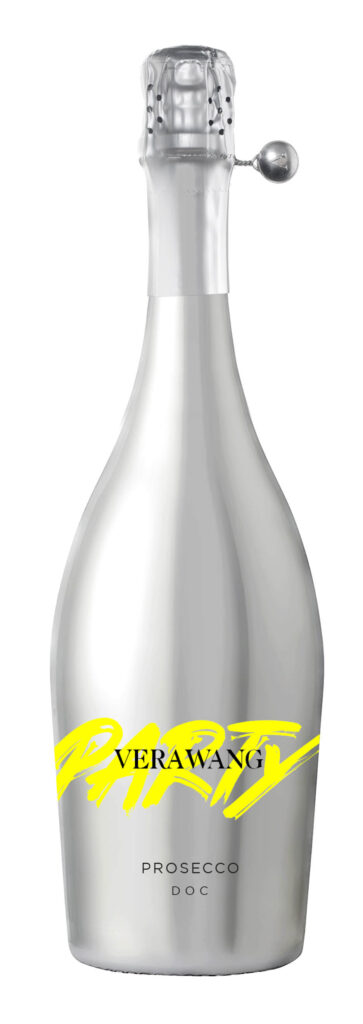
Vera Wang launches Vera Wang PARTY Prosecco

Operators can expect a massive amount of weddings to take place this summer and should angle to land rehearsal dinners and receptions.

After all, one driving element of pent-up consumer demand in Summer 2021 comes from 2020 weddings.

For many, weddings and other big celebrations call for bubbles. Well, just in time for summer celebrations come the releases of three challengers to Champagne’s throne.

Time for a PARTY

There is, perhaps, no designer or brand name more closely associated with weddings than Vera Wang.

The designer behind the eponymous label is largely credited with revolutionizing the bridal industry in the ’90s. Her bespoke wedding dresses remain the top choice for brides around the world. Of course, she also makes couture bridesmaid dresses.

Expanding ever since first dominating the bridal space, a bride can rock a Vera Wang ring and fragrance while wearing her Vera Wang wedding dress, standing across from a groom in a Vera Wang tuxedo and next to her bridal party in Vera Wang bridesmaid dresses.

And now, they can sip a Vera Wang sparkler at their rehearsal dinner and wedding reception.


View this post on Instagram


A post shared by VERA WANG (@verawanggang)

Earlier this year, the designer announced a limited release collaboration with Chopin Vodka. Now, she’s launching Vera Wang PARTY, a premium Prosecco.

So, you may be done with this phrase at this point, but we tend to drink with our eyes first. PARTY’s matte silver bottle and bright neon yellow lettering are a chic and modern take on sparkling wine presentation. I can already imagine plenty of fashionable brides wanting PARTY bottles on their rehearsal dinner and reception tables.

Vera Wang PARTY Prosecco matte silver and neon yellow bottle

And while the designer could likely justify pricing her Prosecco in the same range as the best-known Champagne houses, she has instead chosen restraint: the SRP for a 750ml of PARTY is just $25.

The label’s press release sums PARTY up thusly: “It’s what we could all use right now—a little bit of fun, a little bit of joy, and a new way to commemorate life’s meaningful moments.”

Half-size Heavy Hitter

To some, the only thing better than drinking bubbles is drinking rosé bubbles. For them, the pink hue screams, “We’re celebrating!”

Whether that means celebrating nuptials or a return to gathering and socializing this summer, Avaline is ready.


View this post on Instagram


A post shared by AVALINE (@avaline)

The clean, vegan-friendly wine brand is offering Avaline Sparkling Rosé, sold in 375ml bottles. This brand-new, small-run sparkler is just $25 per bottle.

Sparkling Rosé joins original Avaline labelmates Red and White, along with more recent releases Rosé and Sparkling.

Interestingly, it isn’t just Avaline’s focus on transparency building their deeply loyal fanbase. The Cameron Diaz and Katherine Power brand listens to their consumers to learn what to release next. After the release of Avaline Sparkling, the label’s community requested a sparkling rosé expression.

Avaline says people can expect rose petals, stone fruit and a hint of pomegranate on the nose and berry lemonade, tart peaches, and floral flavors.

Along with the rest of the Avaline lineup, Sparkling Rosé is sure to be popular during Summer 2021 weddings and other celebrations.

Vintage Vino

For vintage-loving sparkler fans, the latest Sonoma-Cutrer special release is the sip of this summer.

Sonoma Cutrer Grand Cuvée Late Disgorge 2014 Sparkling Chardonnay is a 60-40 blend of Chardonnay and Pinot Noir.

Per Sonoma-Cutrer, drinkers Grand Cuvée Late Disgorge features red apple and pear most prominently on the nose. However, that aroma is complimented by notes of hazelnut, brioche bread, mineral, and Meyer lemon.

On the palate, expect apple fruit, nut, and light strawberry flavors balanced by Sonoma-Cutrer’s hallmark high acidity. Rich and complex without overwhelming the palate, Grand Cuvée Late Disgorge pairs well with light summer fare such as oysters, salmon caviar, and fruit tarts.

This stunning bottle of California sparkling carries an SRP of $43 per bottle ($34.40 for Club Cutrer members).

Big Event Business

In America, the wedding industry generates around $60 billion annually. That number doesn’t even include honeymoons, an industry in and of itself that can be worth up to $8 billion per year.

Obviously, restaurant, bar, hotel and event space operators should find those values compelling.

Operators capable of delivering on special events should be angling to land rehearsal dinners, wedding receptions, and even engagement celebrations, bachelor, and bachelorette parties.

However, doing so means running a tight ship that pays attention to the details and delivers top-level service; developing relationships with wedding and event planners, and concierges; and keeping on top of current wedding and wedding-related trends.

Generating revenue after the horror show of 2020 and the first half of 2021 requires adapting operations. Moving into the event space—weddings, for example—can prove very lucrative.

Image: Vera Wang

by David Klemt David Klemt No Comments

5 Bottles for June 21, World Lambrusco Day

5 Bottles for June 21, World Lambrusco Day

by David Klemt

Sparkling red wine in wine glass with condensation

On June 21, the world celebrates one of Italy’s most-famous wines, the oft-misunderstood and maligned Lambrusco.

Now, some people of a certain age chuckle and roll their eyes when someone mentions Lambrusco. After all, the most (in)famous example throughout North America was Riunite.

Of course, I mean no disrespect to that particular producer. It’s just that the world is aware of other Lambrusco labels.

People also now know much more about wine in general and Lambrusco specifically. And they know it’s not always a sweet, sparkling wine.

Lambrusco 101

Much like many, many other wines, Lambrusco is a protected designation. Think Champagne, Prosecco or Châteauneuf-du-Pape.

Lambrusco comes from five regions in Northern Italy: four in Emilia-Romagna and one in Lombardy. Cheese fans may know Emilia-Romagna for its Parmigiano Reggiano cheese production.

The five denominazione di origine controllata (DOC) regions each produce distinct styles of Lambrusco with their own unique characteristics.

For example, Lambrusco Grasparossa di Castelvetro from Modena are the most-tannic of these wines. They also tend to be dark purple in color.

In contrast, some Lambrusco Reggiano wines are lighter in color. These Lambruscos also tend to be sweeter on the palate and more floral on the nose.

Lambrusco di Sorbara produces perhaps the most unique Lambrusco, such as rosè.

Most Lambrusco is semi-sparkling, or frizzante, owing to winemakers using the ancestral, traditional or Charmat methods of production.

Modern Outlook

For decades, most North Americans were only aware of Lambrusco from Riunite. Therefore, North Americans only knew Lambrusco as a cloyingly sweet, fizzy Italian wine.

Of course, many people love sweet. So many, in fact, that the term “sweet sells” is well-known among beverage managers.

However, today’s consumer doesn’t necessarily want to drink what their parents or grandparents drink. And while they may not dislike sweet outright, they want to experience different flavor profiles.

For these consumers, bartenders, bar managers, servers, and floor managers should be aware of a few important Lambrusco label terms:

  • Dolce: This is the sweetest Lambrusco.
  • Amabile: Medium-sweet wines not quite as sweet as dolce.
  • Semisecco: The most common Lambrusco, off-dry wines that aren’t as sweet as amabile or dolce.
  • Secco: Dry Lambrusco with balance and savory notes in addition to fruit on the palate.

Lambrusco is a great alternative to Champagne, Prosecco and other sparkling wines in the summer. In particular, those with patios should push their guests to try it.

Where to Start

Like I said, I’m not bashing Riunite—the label has been around for quite some time.

But for those who want to fill out their wine menus, these bottles are worth a look. I’ve chosen one bottle from each of Italy’s five Lambrusco DOCs.

Fondo Bozzole ‘Incantabiss’ Lambrusco Mantovano

From the Lombardy region. A soft wine with mineral notes balance the fruit (strawberry in particular).

Vigneto SaettiRosso Viola 2019

From the Lambrusco Salamino di Santa Croce region. This bottle would definitely draw some eyes as it’s brought to a table. Dry with smoothness balanced by assertive tannins. Black cherry, red berries, and violet.

Lini 910 Lambrusco Rosso Labrusca Reggiano (non-vintage)

91 points from Vinous. Blueberry and strawberry on the nose and palate. I have to say, the label is pretty cool.

Cleto Chiarli Lambrusco Grasparossa di Castelvetro Amabile Centenario (non-vintage)

Speaking of labels, I can see where this bottle would be mistaken for Champagne. Semi-sweet and smooth with lots of fruit on the nose and palate.

Paltrinieri “Radice” Lambrusco di Sorbara (non-vintage)

High acid lends itself to this wine’s significant brightness. Along with strawberry, expect grapefruit and watermelon notes.

Image: Dirk Wohlrabe from Pixabay

by David Klemt David Klemt No Comments

Just Add Champagne: Spring Cocktails

Just Add Champagne: Spring Cocktails

by David Klemt

We love it when our friends do cool stuff.

Two of our friends teamed up recently for what is certainly something very cool.

Both of these awesome women have been on our Bar Hacks podcast and we’re eager to share their collaboration with you.

Even better, this collaboration can help you elevate your beverage program.

Susie O.

You can hear from our friend Susie on episode 19 of the Bar Hacks podcast.

Susie is a dynamic and engaging social media influencer, photographer, and marketer. She also happens to be one of the most prolific travelers we know.

In fact, she’s traveling right now and enjoying the cocktail life. Follow her on Instagram at SusieDrinks to connect, get photography and social media tips, and follow along with her on adventures.

And while you’re on Instagram, make to follow us as well: KRG Hospitality and Bar Hacks.

Elise Cordell

Looking to learn about all things Champagne and luxury? Give episode 23 of Bar Hacks a listen to hear from Elise Cordell.

Elise is the National Manager of Trade Engagement and Events for Champagne at Pernod-Ricard. That means that outside of the Perrier-Jouët and G.H. Mumm houses, nobody knows more about Champagne than Elise.

Click this link to subscribe to the Just Add Champagne YouTube channel and scroll through the videos. You’ll find guests like sommeliers, winemakers, cocktailians, influencers, and more. Make sure to follow Elise on Instagram to stay up to date on upcoming Just Add Champagne events.

Just Add Champagne

Elise invites special guests to join her on the Just Add Champagne webcast. Together, she and her guest dive into an element of Champagne and hospitality.

In the above video, Elise and Susie team up to discuss Champagne cocktails perfect for springtime.

Like we said, we love it when our friends do cool things. All the better if there cool stuff can help you do great things too.

Cheers!

Image: Pexels from Pixabay

by David Klemt David Klemt No Comments

Uncorked: 2021 Wine Trends to Watch

Uncorked: 2021 Wine Trends to Watch

by David Klemt

Glass of red wine

What’s up with wine in 2021? We reviewed multiple sources to find out.

One great thing about hunting for wine trends is that it’s easy—there’s no shortage of sources willing to make predictions.

Common Wine Trends

The IWSR, without a doubt a reputable source for information about all things beverage, expects wine consumption to “bounce back” this year.

Along with Forbes, Wine Intelligence, just-drinks, and bar inventory platform Backbar, the IWSR expects e-commerce to be crucial for wine sales. Continuing with tech influence, the IWSR and Wine Intelligence expect wine producers and sellers to engage more with consumers online. Forbes pointed to orange wine benefiting from Instagram posts as a specific example of digital engagement.

Forbes, the IWSR, and Wine Intelligence predict alternative packaging to really take off in 2021. Canned wines are well positioned but other options—wine-in-box and “letterbox” bottles, for example—will perform well this year.

Forbes, the IWSR, and WineMemoir expect sustainability to be even more important in 2021. The IWSR mentioned organic and low-intervention wine, and they pointed to biodynamic wine, as did WineMemoir. Zero-waste winemaking was mentioned by Forbes.

The IWSR and Forbes expect sparkling wine—Prosecco specifically—to have a moment this year. Drinking occasions, per the IWSR, have come to include Prosecco more often; sparkling is no longer just for celebrating.

Breakout Wine Trends

Speaking of moments, rosé Champagne will have on in 2021, according to Forbes. The publication also expects the wealthy to continue “drinking richly,” so operators with rare, exclusive and high-dollar bottles should consider promoting them.

With the explosive growth of hard seltzer that has taken place over the past few years, Wine Intelligence predicts 2021 to be the year the wine seltzer market is established.

People will choose “safe” wine options, meaning they’ll be less likely to experiment and move out of their comfort zones, according to just-drinks. The magazine is also more cautious about the category’s growth this year, pointing to slowed economies and rises in alcohol duty rates.

Backbar, explaining that wine dollar value slipped but sales volume rose in 2020, predicts restaurants will offer more affordable wines. Along with that trend, they predict restaurants will hold less inventory to reduce costs, meaning wine lists will shrink.

Specific varietals Backbar predicts will perform well due to a turn toward affordable wines: South American Cabernet Sauvignon, Chardonnay and Malbec; South African Chenin Blanc; Portuguese reds; red blends; and American wines in general.

2021 will be the Year of Cabernet Franc, according to WineMemoir. Bordeaux will see a resurgence in popularity, and wines from Abruzzo and Jura will see a lift.

Image: Carson Masterson on Unsplash

Top