Wine

by David Klemt David Klemt No Comments

Top 10 Bar Hacks Episodes of 2024

Top 10 Bar Hacks Episodes of 2024

by David Klemt
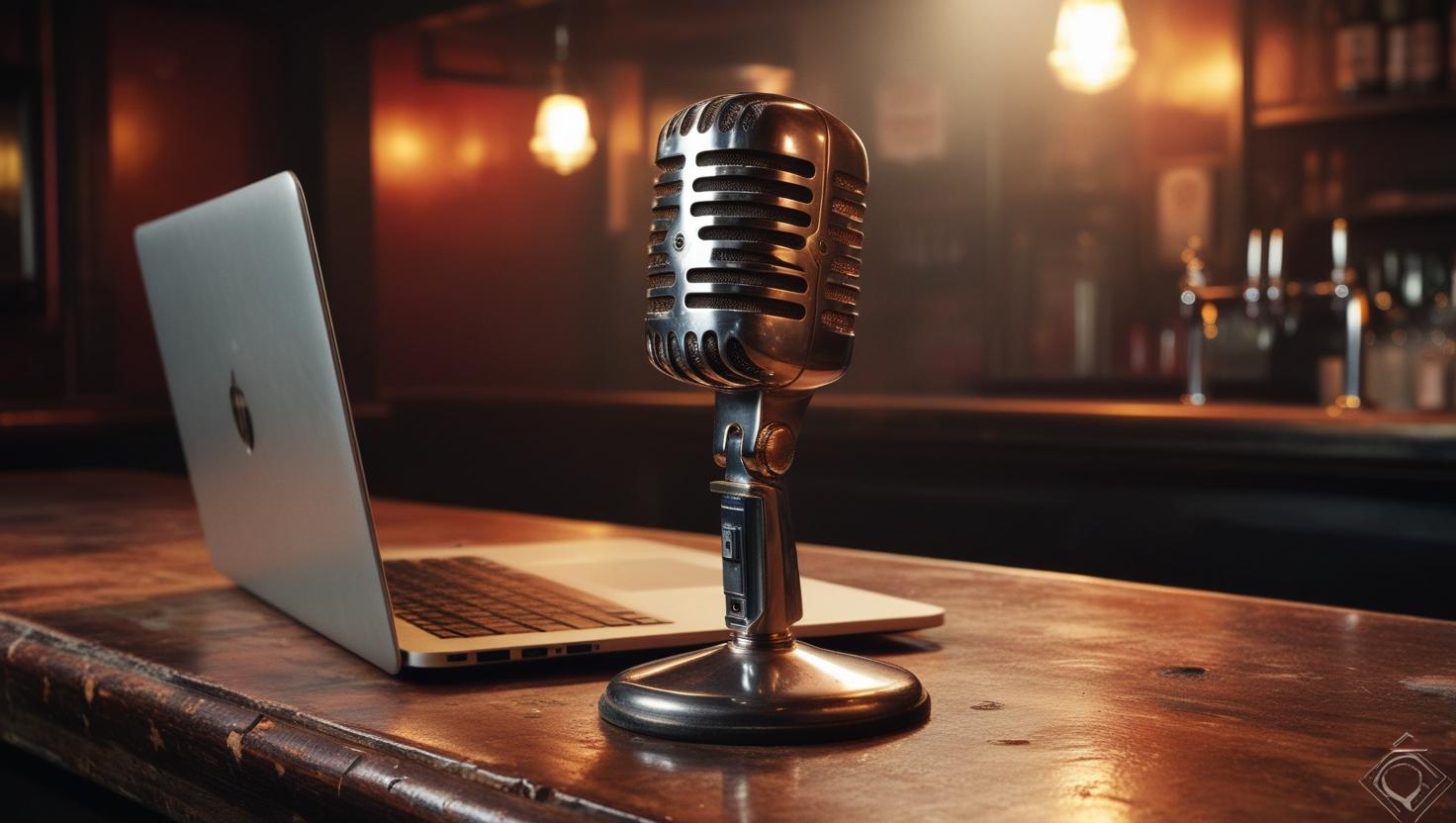
A classic, vintage microphone on top of a worn-in bar, next to a laptop

AI-generated image.

Bar Hacks has come a long way over the course of nearly five years and 130 episodes, including adding a new format toward the end of last year.

As we move forward, we’re taking a moment to look back at last year’s top ten episodes of Bar Hacks.

As with our other two KRG Hospitality-produced podcasts, Hospitality Reinvented and Turn this Way, the purpose of Bar Hacks has always been helping operators and hospitality professionals.

The original format focuses on sharing the stories of, and advice from, professionals throughout the industry: successful operators, brand founders and owners, chefs, bartenders, designers, brand ambassadors, and more. We encourage people to think differently, innovate in hospitality, and stay up to date about new ideas, new products, trends, and techniques.

ReFire‘s mission is similar in that I, along with my co-host Bradley Knebel of Empowered Hospitality, want listeners to think differently, and innovate while working on the fundamentals. On ReFire episodes, we analyze two to three real-life hospitality situations, and provide our thoughts on each matter.

Episode one kicked off ReFire by looking at second chances, onboarding, and pranking team members. On episode two, we talk about F&B influencers, reservation systems, and “firing” guests.

We’re excited to see where both formats go this year. This year is off to a great start, featuring conversations with designer Nancy Kuemper, and the founder of ITALICUS, SAVOIA, and ItalSpirits, Giuseppe Gallo. And Bradley and I have some awesome conversations coming up on ReFire.

Thank you for listening. Your support is humbling, and means everything to us. And, as always, thank you to our incredible guests for taking the time to chat with us. Cheers!

Bar Hacks Top 10: 2024

Episode 109 with Colin Asare-Appiah

Happy new year, and welcome to 2024! We wanted to kick off season five of the Bar Hacks podcast with an amazing guest.

Host David Klemt had the opportunity to chat with Colin Asare-Appiah, an industry icon he’s wanted to talk to for many years. Colin is Bacardí’s trade director of multiculture and lifestyle, and the brand’s LGBTQIA+ advocate. Not only does he spread the message of diversity, equity, and inclusion, he believes (as does KRG Hospitality and Bar Hacks) that diversity is necessary for our industry to thrive.

In this episode you’ll learn about Colin’s journey through hospitality, which includes saying he’d never be a bartender to becoming a bartender and creating a bartending school; his thoughts on what makes a successful operator and team; cocktail and spirits trends for 2024; the AJABU cocktail festival coming to South Africa in March of this year, spearheaded by Colin and his partner Mark Talbot Holmes; and more. Cheers!

Spotify

Apple Podcasts

Episode 110 with James Grant

James Grant, World Class Global Bartender of the Year 2021 and Canada’s 100 Best Bartender of the Year 2022, stops into the Bar Hacks podcast!

As the director of mixology at the Fairmont Royal York in Toronto, Ontario, Canada, James oversees three distinct concepts: CLOCKWORK, REIGN, and The Library Bar. As he explains, this role is quite a step up from bartending at and managing an 18-seat speakeasy in Edmonton, Alberta.

On this episode, James talks about his journey through hospitality to his current role; his approach to developing the Fairmont Royal York’s cocktail programs; tips for speakeasy operators; advice for new operators; what it means to have The Library Bar recognized by World’s 50 Best Bars; and more. Cheers!

Spotify

Apple Podcasts

Episode 111 with Michael Tipps

It has taken a while but it has finally happened! Michael Tipps, friend of KRG Hospitality and podcast host David Klemt, dropped by Bar Hacks.

The two kick this episode off by discussing the 2024 Bar & Restaurant Expo. Both Tipps and KRG Hospitality president Doug Radkey are speaking at this year’s show. In fact, they’re teaching back to back during a bootcamp on Monday, March 18. After the bootcamp, Tipps is presenting a workshop titled “Elevated Guest Experiences.”

Tipps also gives his thoughts on the state of the industry and consulting; speaks about creating cool concepts; makes a big announcement; and more. Cheers!

Spotify

Apple Podcasts

Episode 113 with Emma Sleight

Sponsored by Perrier, North America’s 50 Best Bars is returning to San Miguel de Allende, Mexico, on April 23. The 2024 ceremony represents the third edition of North America’s 50 Best Bars.

And who better to share details about the upcoming ranking than Emma Sleight, Head of Content: Bars & Hotels for World’s 50 Best? Emma dropped by the Bar Hacks podcast to talk about the 2024 ceremony, the Voting Academy, special awards, and more. In fact, listeners will get to learn a bit about Emma herself, including her being a sommelier and Associate of Cheese.

We’re looking forward to this year’s list! Be sure to stream the ceremony on YouTube or Facebook if you won’t be attending in person. Cheers!

Spotify

Apple Podcasts

Episode 114 with Anne Becerra

The fantastic Anne Becerra returns to the Bar Hacks podcast! Anne is also returning to the Food & Wine Classic in Aspen, Colorado, this year. That incredible event takes place from June 14 to June 16.

In addition to talking about the Food & Wine Classic, Anne and Bar Hacks host David Klemt chat about beer styles to check out and put on your menu now; service and turning non-beer drinkers on to beer; a few brewers you should have on your radar; whether 2024 is (finally) the Year of Lager; and more. Cheers!

Spotify

Apple Podcasts

Episode 117 with Pete Flores

We love a savvy operator here at Bar Hacks and KRG Hospitality. Juan Please Drink Company co-founder Pete Flores certainly falls into that category.

For several years, Flores was sure someone would bring a simple-but-delicious drink to the RTD space: lemonade and tea with a tequila base. Yet, that prediction never did come to pass. So, as Flores says, realizing that door was open, he stepped through it with a small team and brought the TLT (tequila, lemonade, tea) to market under the Juan Please Drink Company portfolio.

During this conversation you’ll learn about Flores’ experience in the hospitality world, how his vision for an RTD became reality, the challenges he and the team have faced and overcome, plans for future expressions, and much more. Cheers!

Spotify

Apple Podcasts

Episode 119 with Matthias Ingelmann

We’re excited to welcome Matthias Ingelmann, bars manager at KOL Mezcaleria in London, back to the Bar Hacks podcast! We first spoke to Matthias on episode 106, mostly about KOL, one of the World’s 50 Best Restaurants, and his role as the bars manager. This time, however, we’re learning about mezcal.

Matthias breaks down styles of mezcal, regions (including the fact that mezcal is made in countries other than Mexico), and producers. He also dispels a number of myths and misconceptions, shares his approach to introducing guests to mezcal (and sotol and raicilla), and suggests food pairings. Of course, there’s so much more, so make sure to give this episode a listen. Cheers!

Spotify

Apple Podcasts

Episode 121 with Marybeth Shaw

Marybeth Shaw is the chief creative officer at Wolf-Gordon, an American design company that provides wallcoverings, wall protection, upholstery, paint, and more. Shaw has achieved an MBA from NYU Stern, an M. Arch. from the Ecole d’Architecture de Paris-Belleville, an MCP from MIT, and, most recently, an MBA. Further, she earned the HiP Award for Creative Direction from Interior Design in 2017, and serves on the Board of the Wallcoverings Association.

For the past couple of years, Shaw has curated intriguing design installations for HD Expo, held in Las Vegas. It was the first installation, HI > AI, that grabbed Bar Hacks host David Klemt’s attention. Since then, he has wanted to have her stop by the podcast. Finally, the two made that happen!

Shaw stops by the discuss wallcoverings, wall protection, sustainability, finding and nurturing the careers of designers, her own journey through the worlds of hospitality and commercial design, design trends (some that she’d like see go away), and much more. Cheers!

Spotify

Apple Podcasts

Episode 123 with Roger Thomas

Real Las Vegas royalty stopped by the Bar Hacks podcast! That’s not hyperbole: Roger Thomas truly changed the face of Las Vegas and how people approaching gaming around the world over his 40-year career.

While Roger has made “cameo” appearances on projects for clients here and there, he really worked for a single client, building the Mirage, the Bellagio, and Wynn and Encore resorts and casinos in multiple markets across the globe.

During this conversation, Roger shares how he got his start in interior design in hospitality, his approach to luxury design, how he has mentored other designers, some of his favorite design features, his new book Resort Style: Spaces of Celebration, tips for hiring and working with interior designers, why designers flock to Las Vegas, and so much more. Cheers!

Spotify

Apple Podcasts

Episode 124 with Laura Louise Green

Psychotherapist, soon-to-be organizational psychologist, and former bartender Laura Louise Green drops by the Bar Hacks podcast to talk about a very important topic: burnout.

The hospitality industry has been taking strides to address many of the challenges that affect hospitality professionals’ physical, mental, and emotional health. Burnout is one of the many dangerous issues we all face, yet we don’t always acknowledge.

Among other important conversations we need to have that are long overdue, Green has been taking on burnout head-on. On this episode, she defines burnout, shares symptoms, explains the truth and myths about burnout, offers some ways to heal from it, and much more.

Spotify

Apple Podcasts

Image: Canva

KRG Hospitality Contact Request for Proposal 30 Minute Discovery Session

Book Below to Setup a 30-Minute Complimentary Discovery Call and Request for Proposal.

by David Klemt David Klemt No Comments

iPourIt Releases Their 2023 Pour Report

iPourIt Releases Their 2023 Pour Report

by David Klemt

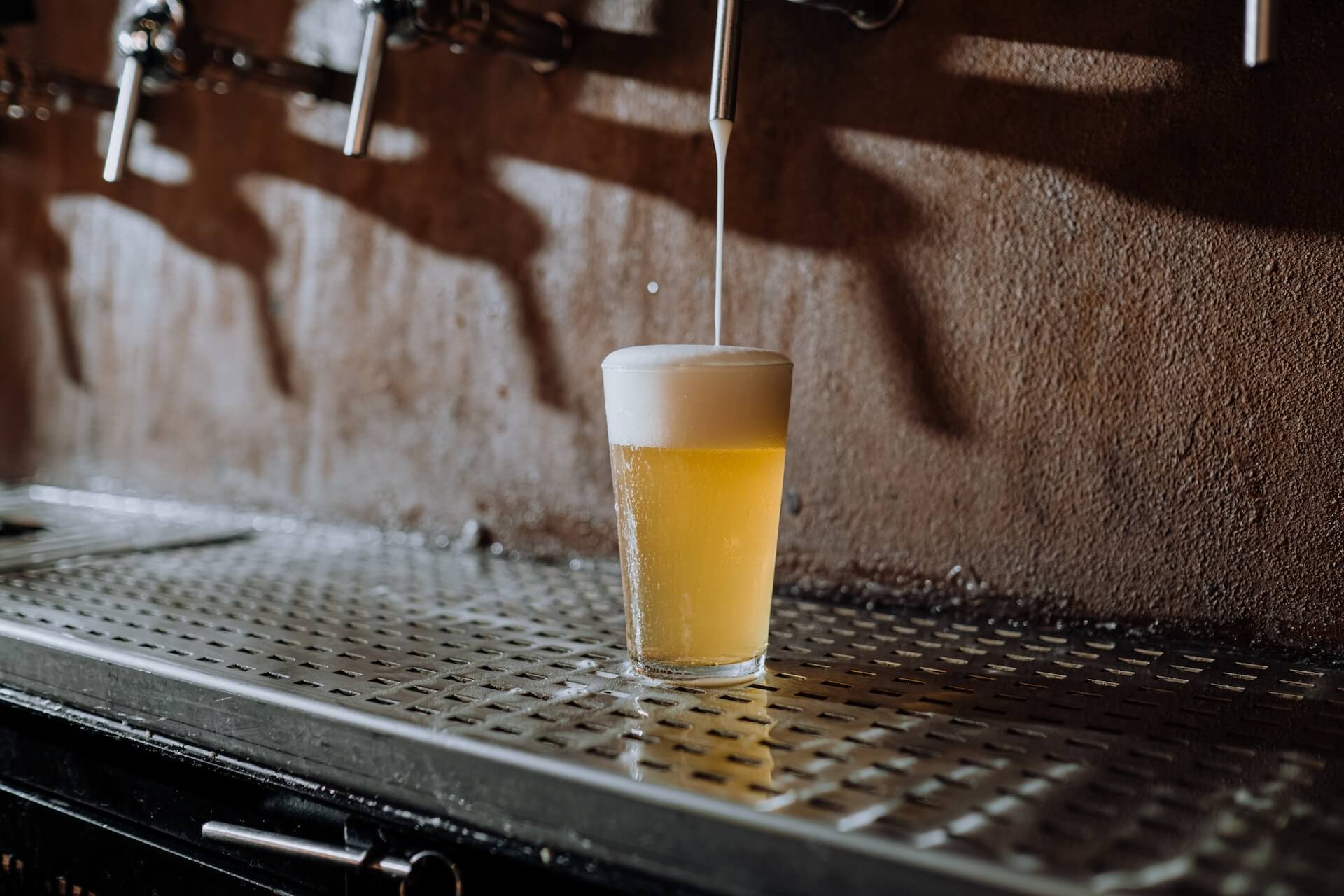
Beer pouring into glass from tap

Interactive self-serve beer experience platform iPourIt‘s latest report, the 2023 Pour Report, is now available for download and review.

iPourIt is a pioneer in the self-serve beverage space. While it may seem counter-intuitive to some, many guests have shown time and again that they enjoy using self-serve walls. For these guests, a not in any way insignificant number, iPourIt installations enhance the guest experience, increase loyalty, and boost revenue.

And while many people associate iPourIt and self-serve programs with beer, these systems can also pour wine, cocktails on tap, spirits, non-alcohol beverages, and soft drinks.


View this post on Instagram


A post shared by Matt Plapp (@mattplapp)

Another benefit from iPourIt? Transparency and sharing of data. The company doesn’t limit providing valuable guest behavior insight to their clients. Rather, they make the data they collect available to anyone. Simply head to their website, fill out a few fields, and gain important beverage insights.

Anyone curious can choose between a standard report and a “pro” version. Both are free to download and peruse. People can also read our article that dives into their fourth-annual report via this link.

Below you’ll find key takeaways from their 2023 report. I strongly urge operators to download and review either report.

The Who

We agree that demographics are a metric that people and businesses often misuse. Valuegraphics can be far more effective for businesses looking to build loyalty and boost revenue.

Still, demographics can provide beneficial insights.

First, let’s look at how men and women used iPourIt systems in 2022. Men poured 20,477,288 ounces last year, whereas women poured 10,848,435 ounces. The average per pour for men was 6.4 ounces in comparison to 5.3 ounces per pour from women. On average, men spent $14.72 per visit to an iPourIt-equipped location; women spent $12.24.

Next, the generational breakdown. IPA was the number-one style poured for Baby Boomers, Generation X, and Millennials. For legal-drinking-age Generation Z drinkers, IPA came in second; their top pour style was cider. Likewise, Lager claimed second place for Boomers, Gen X, and Millennials. Second was IPA for Gen Z, and Lager was third. Wheat beer was third place for Boomers, fourth for Gen X and Millennials, and fifth for Gen Z. Sour came in fifth for Gen X and Millennials fourth for Gen Z; for Boomers, the style didn’t rank among the top five. Stout clinched the fifth spot for Boomers.

Finally, in terms of traffic, men of every age group poured more ounces than their female counterparts.

The What

Below, the top 10 styles of beer poured by men:

  1. Fruit beer
  2. Pale Ale
  3. Blonde
  4. Pilsner
  5. Stout
  6. Sour
  7. Wheat beer
  8. Cider
  9. Lager
  10. IPA

In descending order, the top five (download the report for the top ten) products poured by men were Michelob Ultra, Bud Light, Golden Road Brewing Mango Cart, Coors Light, and Modelo Especial.

And now the top styles of beer or category of beverage poured by women:

  1. Stout
  2. Fruit beer
  3. Blonde
  4. White wine
  5. Hard seltzer
  6. Wheat beer
  7. Sour
  8. Lager
  9. IPA
  10. Cider

Also in descending order, the top products poured by women were Michelob Ultra, Mango Cart by Golden Road Brewing, Bud Light, Ace Pineapple Cider, and Coors Light.

The Where

The 2023 Pour Report by iPourIt breaks the US down into five regions: West, Southwest, Midwest, Southeast, and Northeast.

Because our American head office is in Las Vegas and our hotel consultant is in Pennsylvania, we’ll look at the West and Northeast.

The top-five pours for the West in 2022 were:

  1. Bud Light
  2. Firestone Walker Brewing Co. 805
  3. Golden Road Brewing Mango Cart
  4. Coors Light
  5. Modelo Especial

While the top-five pours in the Northeast were:

  1. Blue Moon Brewing Co. Belgian White
  2. Allagash Brewing Co. White
  3. Lord Hobo Brewing Co. Boom Sauce
  4. Sloop Brewing Co. Juice Bomb
  5. Stella Artois

For the curious, Bud Light and Coors Light are categorized as American-style Light Lagers, 805 is a Blonde Ale, Mango Cart is a Wheat Ale, and Modelo Especial is a Mexican-style Pilsner. Blue Moon and Allagash White are both Belgian-style wheat beers (or Witbiers), Boom Sauce is a Double IPA, Juice Bomb is a Northeastern IPA, and Stella Artois is a Lager.

For further insights, please download this year’s iPourIt report here.

Image: cottonbro studio on Pexels

KRG Hospitality Beverage Programming

by David Klemt David Klemt No Comments

The Year of Pineau des Charentes?

The Year of Pineau des Charentes?

by David Klemt

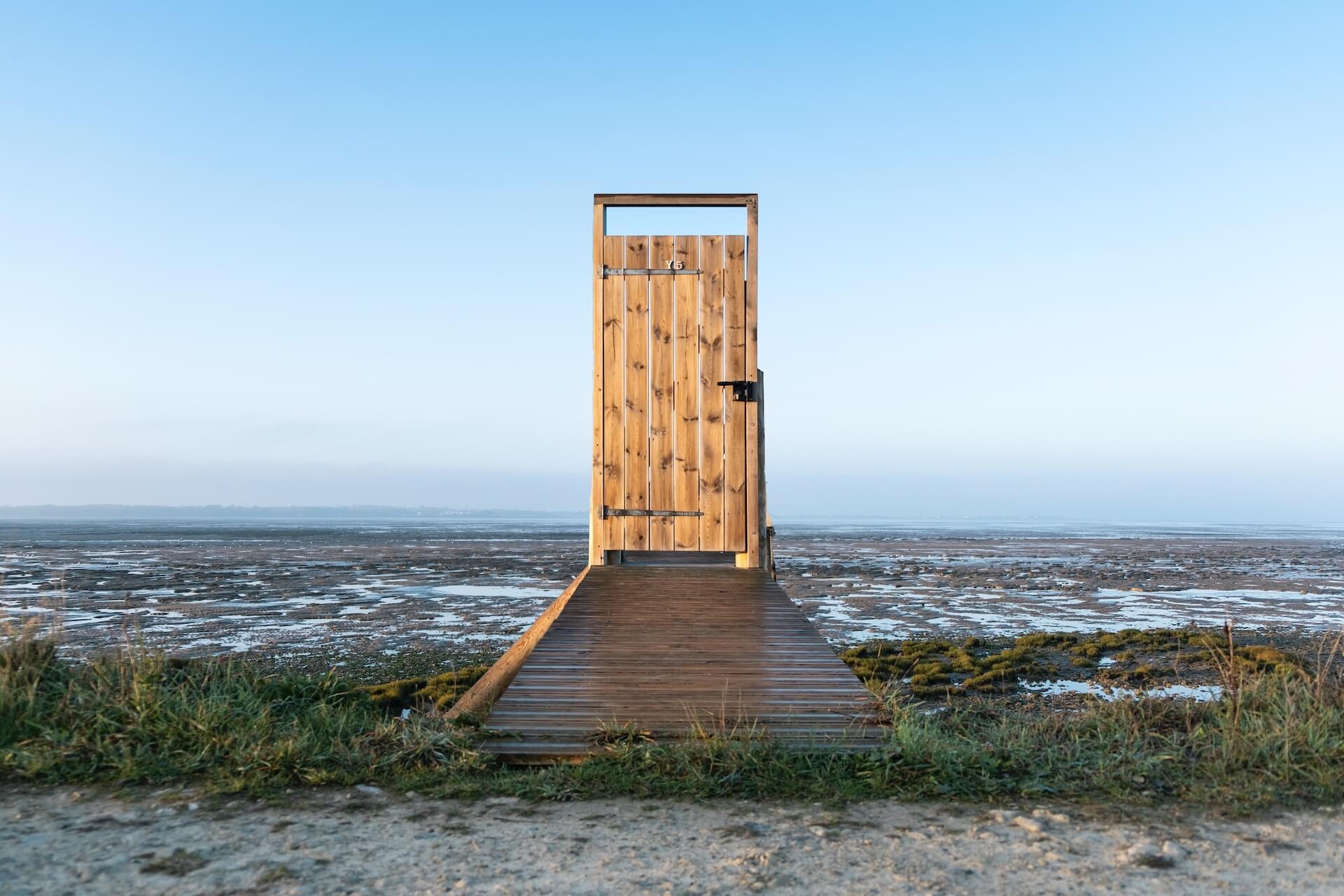
A dock and door in the Charente-Maritime department of France

A pier and door in the Charente-Maritime department of France, home of Pineau des Charentes.

Take Cognac’s eponymous and legendary brandy, add grape juice or grape must, mature the blend, and you get Pineau des Charentes.

Pineau, a less unwieldy name for this vin de liqueur, comes in white, red, and rosé styles. Unfortunately, owing to Pineau not being as famous as Cognac, these fortified wines aren’t very well known to the general public.

However, bartenders and bar owners are trying to turn that around. In fact, the iconic Ivy Mix theorized last week that 2023 could become the Year of Pineau.


View this post on Instagram


A post shared by Ivy Mix (@ivymix)

Toward the bottom of her post, Mix says it’s “[t]time to [p]lay with Pineau!” She also includes a recipe for a Pineau-led version of the Saturn cocktail.

Pineau is excellent for hot summer days, and it plays well in tiki or nautical drinks and other cocktails.

Of course, Mix’s post got me thinking: Do enough people know about Pineau to help guide their guests in discovering it and adding it to their beverage rotation?

So, below you’ll get a crash course in Pineau des Charentes, your and your guests’ new favorite fortified wine.

Mix has been a guest of the Bar Hacks podcast, featuring on episode 54 and episode 58 if you’d like to learn more about her approach to hospitality.

A Happy Accident?

If you know anything about me, you know I love a good drink origin story. This is mainly due to the fact that there are either disputes or we’re simply perpetuating a guess or theory.

Well, Pineau des Charentes has a bit of a “foggy” origin itself.

From what I can find, this vin de liqueur traces its roots back to a winemaker in the late 1500s—supposedly. Rumor has it that he put grape must—freshly crushed grape juice—into what he mistook for an empty barrel. In reality, the barrel, which was put to rest for a few years, contained Cognac.

Bippity, boppity, booze, Pineau was born. In 1921, a winemaker in Burie, a commune in Charente-Maritime, commercialized Pineau.

How it’s Made

Production, while controlled, is straightforward.

In most cases, a single house handles production on their own. They grow the grapes that become brandy, they make the juice by pressing more grapes, and they add the juice to the eau de vie.

For the curious, the grapes most often used in the production of Pineau are:

  • Cabernet Franc
  • Cabernet Sauvignon
  • Colombard
  • Folle Blanche
  • Jurancon
  • Merlot
  • Merlot Blanc
  • Meslier St Francois
  • Montils
  • Sauvignon Blanc
  • Semillon
  • Ugni Blanc

Many people are probably familiar with the term for blending eau de vie with juice: assemblage. However, they may be less familiar with the result of assemblage: mutage. This step simply stops the fermentation process.

With assemblage completed—the ratios are highly controlled—the blend is matured. A white Pineau must spend 18 months maturing, 12 of those months in an oak barrel. For a red Pineau, those numbers are 12 months and eight months.

Then, the Pineau is bottled. As mentioned at the start of this section, Pineau is controlled; it’s subject to the rules of the vin de liqueur Appellation d’Origine Contrôlée, or AOC. So, Pineau must be bottled within its AOC region.

Types of Pineau des Charentes

At the top of this article I mention that there are white, red, and rosé Pineaus. In other words, there will be a familiarity with Pineau from the wine drinkers amongst guests. This can, of course, make it easier to introduce it to them.

White Pineau, the most widely known style, is broken down into:

  • blanc, minimum aging (18 months, 12 in oak barrels);
  • vieux blanc, spending at least five years in oak casks; and
  • très vieux blanc, resting for at least 10 years in oak.

That brings us to red Pineau and its age breakdown:

  • rouge, minimum aging (12 months, eight in oak casks);
  • vieux rouge, resting for a minimum of five years in oak; and
  • très vieux rouge, spending at least 10 years in oak barrels.

Red is the most popular style of Pineau in its home region.

Now, when it comes to rosé Pineau, the aging is very similar to red or rouge. However, the line of separation, based upon maceration time, is quite thin.

Speaking of familiarity, by the way, many well-known Cognac houses also produce Pineau. This means guests should recognize names like Rémy Martin, Pierre Ferrand, and Hardy.

How it Tastes

All of this leads us to the big question that will be on your bar team and guests’ minds: What does Pineau taste like?

Generally speaking, Pineau is sweet. However, it’s not sweet in an overwhelming way. Rather, your guest-facing team members can explain that Pineau is described as having a natural sweetness. Older styles also tend to deliver more complex profiles, including flavors such as honey and nuts.

Of course, the best way to know how to describe a given Pineau in your inventory is to taste your team on each expression.

Pineau is most often enjoyed chilled and served in a tulip-shaped glass. However, as Mix and other bartenders will tell you, Pineau performs very well as a base or modifier in cocktails.

And at 16- to 22-percent ABV (most often 17 percent), Pineau is similar in proof to Sherry and Port. In fact, I recommend creating a fortified wine flight (premium price for premium products and a premium experience) that allows guests to compare Sherry, Port, and Pineau.

To get things started, Mix’s Pineau-based Saturn recipe is below. Cheers!

Venus’s Point

  • 1.5 oz. Pineau de Charentes White ​(Mix uses Pierre Ferrand in the Instagram post above)
  • 0.5 oz Agricole Rhum (Mix uses JM in the Instagram post above)​
  • 0.75 oz. Fresh lemon juice​
  • 0.25 oz. Passionfruit syrup​
  • 0.25 oz. Orgeat​
  • Lemon wheel​ to garnish

Simply shake, strain, serve up, and garnish.

Image: Les Argonautes on Unsplash

KRG Hospitality. Bar Consultant. Nightclub. Lounge. Mixology. Cocktails.

by David Klemt David Klemt No Comments

Own Your Team’s Excellence

Own Your Team’s Excellence

by David Klemt


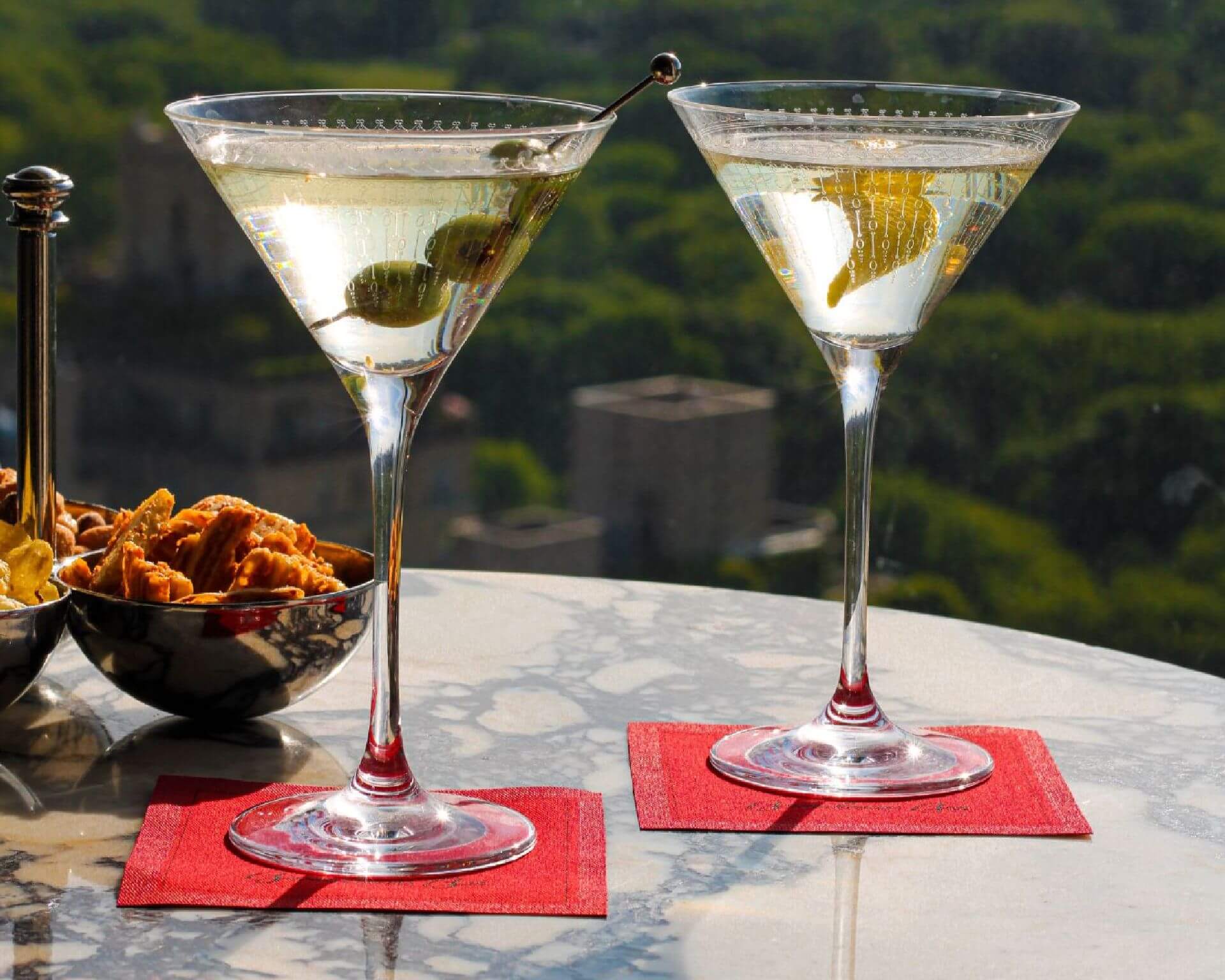
Martinis at Bemelmans Bar inside the Carlyle hotel in New York City

If you and your team are producing an incredible food or drink item, don’t just be proud—make it your signature and own it.

As Chef Brian Duffy says during his demos and speaking engagements, people can eat and drink anywhere. Further, with just a handful of major food suppliers operating throughout North America, operators are using much of the same ingredients.

With that in mind, then, it’s crucial that operators and their teams innovate. Doing so ensures that hospitality professionals are staying current on consumer demands and trends; constantly seeking be educated and share information; and making sure their business stands out from others.

A commitment to standing out can also motivate a team to elevate their techniques. In turn, they can truly “own” an item. Creating something incredible—and replicating it order after order consistently—can become a brand and team’s calling card.

Does your kitchen team turn out a fantastic signature burger? Has your business become known as the place for chicken wings because of your kitchen team?

Has your bar team perfected the Margarita? Are they so good at crafting Frozen Irish Coffees that your bar is on Glendalough Distillery‘s radar?

When you identify what your team is producing at an extraordinary level, you need to make certain you loudly own it.

A Real-world Example

For a high-level example of what I’m talking about, we can look at the Carlyle in New York City.

This landmark Rosewood Hotel is known for delivering peerless service. However, a venue inside this sophisticated resort is known for a specific item.

Bemelmans Bar, an escape from the hectic streets of New York, is known for the Martinis the bar team produces. (They’re also known for their red jackets, but those aren’t for sale.)

It may be a bold statement considering the level of bars and cocktails in the city, but Bemelmans Bar (and therefore the Carlyle) owns the Martini in NYC. In fact, the bar serves a staggering 1,000 Martinis a night. More often than not, the Martinis that cross the bar or leave the service well are dirty or extra dirty. This has been the case since at least 2021.

So famous are the Bemelmans’ Martinis that the Carlyle sells an at-home kit, yours for just $395. It’s their latest promotion, though, that makes it evident Bemelmans and the Carlyle are taking ownership of the Martini.

Guests of the Carlyle can now book their Martini Retreat, a two-day experience that centers around their signature cocktail. If, perhaps, you think that $400 is a bit steep for their Martini Box, prepare for true sticker shock. The Martini Retreat experience starts at $4,895 for two guests.

However, the package is rather impressive and encapsulates the Carlyle’s ownership of the Martini. The Carlyle Martini Retreat includes:

  • a two-night stay in a Madison Room or Premier Suite;
  • a Bemelmans Bar Martini Box;
  • enrollment in the Bemelmans Master Martini Class (valued at $495), a 45-minute experience during which guests learn how the bar team crafts multiple variations of vodka and gin Martinis, and their new Madeline’s Vesper cocktail;
  • a two-course Martini lunch at Dowling’s at The Carlyle; and
  • a curated list of where to go to try other great Martinis throughout NYC, put together by Dimitrios Michalopoulos, bar manager at Bemelmans.

Takeaway

So, am I suggesting that operators create an experience that costs thousands of dollars? Well…I mean, if your concept can succeed with such a promotion, absolutely. If doing so would resonate with enough guests to make it feasible and become a steady (and impressive) revenue stream, go for it.

However, what I’m really attempting to drive home here is the power of becoming known for even a single signature item. And, hey—your item, in your market, may be the Martini.

Owning an item means screaming from the rooftops and hills that it’s yours. That your team’s version is the one to have; the one people in the know have to have. Taking ownership of your team’s excellence translates to becoming a destination for it, to driving repeat visits once people have experienced it.

Of course, with that ownership comes the responsibility to elevate all other elements of your business. Every other item on the menu must be produced and served at the highest level. This ensures the entire guest experience wows the guests, and the signature item is essentially a driver and the cherry on top.

It’s time to review what your team produces so well that your brand owns it. Should this introspection yield no results, it’s then time to see what other operators are known for and discover what item or items you and your team can improve upon. What’s something that works with your brand that you feel confident you and your team can own?

There’s power, money, and long-term success in something on your menu. It’s time to uncover it and take ownership.

Image: The Carlyle

KRG Hospitality. Boutique Hotels. Resorts. Properties. Consultant. Feasibility Study. Business Plan

by David Klemt David Klemt No Comments

5 Books to Read this Month: January 2023

5 Books to Read this Month: January 2023

by David Klemt

Flipping through an open book

This month’s engaging and informative book selections will help you hone your culinary, beverage, and operational skills to dial in your business.

To review the book recommendations from December 2022, click here.

Let’s jump in!

The Vegan Chinese Kitchen

Today, people have certain ideas that flash before them when they hear or read “plant based.” For many, it’s a phrase that indicates a food item is an impossible meat alternative that attempts to go beyond it’s animal counterpart, hint hint.

However, plant-based also means…plants. Just plants, that’s all. The Vegan Chinese Kitchen, Chef Hannah Che’s plant-based cookbook, dives into traditional and modern Chinese vegan cuisine. Remember, plant-based doesn’t only mean “meat alternative made with plants.” Buy here.

Tea: Wine’s Sober Sibling

Have you ever considered drinking tea as an alternative to consuming wine? I know I hadn’t until I came across this book.

There are more than 70 recipes in Tea: Wine’s Sober Sibling, several of which are Dry January-friendly. Along with best practices for restaurant operators, there are also pairings, like tea and cheese, and tea and chocolate. Grab this book and consider using tea in different ways at your restaurant or bar.

Conversations Behind the Kitchen Door: 50 American Chefs Chart Today’s Food Culture

Where is the culinary world headed in 2023? Chef Emmanuel Laroche and his colleagues have some thoughts.

From Amazon: “Emmanuel’s podcast Flavors Unknown, as well as his worldwide search for new foods and flavors, are at the core of Conversations Behind the Kitchen Door. Scores of chefs offer essential insights and entertaining observations about the food scene today—information that will be of interest to new and aspiring chefs, as well as foodies and home cooks who follow trends in restaurants and recipes. Readers will walk away from Conversations Behind the Kitchen Door with a deeper understanding ofthe minds and creative practices of famous chefs, as well as a map to begin to create sensational dishes of their own.”

Pick up Conversations Behind the Kitchen Door from Amazon.

Build: An Unorthodox Guide to Making Things Worth Making

I’m willing to bet that you’ve heard of the following products: the iPod, the iPhone, and Nest thermostat. And I’m certain you realize an entire team of people was the behind the creation of those devices. Tony Fadell, the person who ran those teams is the author of Build.

You don’t have to be in tech to benefit from this book. Really, Build is about leadership, decision making, mentorship, bouncing back from failure, and more. Essentially, this helpful and informative book is “a mentor in a box.” One of the key takeaways of this book should motivate you to read it: “You don’t have to reinvent how you lead and manage.”

Your Table Is Ready: Tales of a New York City Maître D

Author Michael Cecchi-Azzolina was the maître d’ at several of New York’s hottest restaurants for decades. Scoring reservations for some of these destinations was viewed as more important than landing a table at one of NYC’s top-tier nightclubs.

Cecchi-Azzolina tells stories of a (mostly) bygone era while also providing his take on the restaurant industry. For some, this book will be amusing and relatable. Others will find this representative of an era best left behind as we move the industry forward. Order Your Table is Ready today.

Image: Mikołaj on Unsplash

by David Klemt David Klemt No Comments

Is There Demand for Non-alcohol?

As the Holidays Approach, is There Demand for Non-alcohol?

by David Klemt

Friends toasting with pink drinks

There’s no denying that non-alcohol is a growing beverage category, but does the data support the hype and operator consideration?

A report by behavioral research firm Veylinx offers compelling insight into non-alcohol and consumers.

By now, there’s really no excuse for failing to give non-alc serious consideration. When planning menus, operators should treat non-alc as much more than an afterthought.

Admitting fully that I’m repeating myself, giving alcohol-free beverages the same attention as their full-proof counterparts is crucial. Doing so is smart business; non-alc is capable of driving traffic and revenue.

And then there’s the guest experience element of the non-alc equation. Hospitality is about service, about ensuring every guest is comfortable. Giving guests who are abstaining from alcohol consumption a different experience than others isn’t hospitality—it’s alienation. Not only is that the antithesis of hospitality, it’s bad business.

Reviewing Veylinx data shows that non-alc is worthy of operators’ time and consideration. In my opinion, it’s even more important that non-alc menus and offerings be dialed in now. After all, the end-of-year holidays on our doorsteps.

The infamous Busiest Bar Night of the Year is nearly here. From November 23 through New Year’s Eve, people will be meeting up with family and friends. Many will also be seeking an escape from the stress of those gathering and the holidays.

Non-alcohol by the Numbers

One of the most important points made by Veylinx is this: Abstinence from alcohol isn’t limited to “social media” events like Dry January and Sober October.

Rather, consumers are choosing to abstain from alcohol throughout the year for myriad reasons. Specifically, Veylinx data reveals that more than 75 percent of Americans have abstained from alcohol consumption at some point for at least one moment.

Further, 46 percent of Americans plan to reduce their consumption of alcohol “right now.” As in, the holidays may be upon us but they’re actively working on a plan to drink less, not more.

Two major factors motivating this behavioral change are mental well-being and physical health. In service of those factors, more than half of LDA drinkers in America plan to replace beverage alcohol with non-alc beverages.

Interestingly, Veylinx finds that these consumers will pay more for non-alc alternatives in comparison to the general population.

Drilling down further, this shift in consumer behavior appears to be driven by a handful of consumer types:

  • 21- to 35-year-old consumers;
  • “light” drinkers; and
  • consumers who have set aside alcohol consumption for one month or more.

Speaking of the first group, demand for RTDs is 48 percent greater in comparison to those aged 35 or older. Add CBD to RTD and the demand among the 21 to 35 cohort grows by 18 percent.

However, not all non-alc growth comes from the 21-to-35 group. Non-alc beverages with mood boosters see an increase in demand from the 35-plus group of 29 percent.

In short, if an operator is ignoring the non-alc consumer, they’re harming their own business and reputation. Alcohol-free RTDs, cocktails, beer, and wine are growing.

Savvy operators will leverage that growth.

Image: Helena Yankovska via Unsplash

by David Klemt David Klemt No Comments

Get to Know Grenache and Garnacha

Get to Know Grenache and Garnacha

by David Klemt

Red wine on table at a restaurant

There aren’t as many wine holidays in September as there are in August but this month we celebrate International Grenache Day.

This year, International Grenacha Day falls on September 16, a Friday. That’s excellent for operators: You can lure guests in with a wine promotion to kick off their weekend.

Of course, it will help you and your front-of-house team to know about Grenache ahead of this holiday. After all, the best way to remove wine-timidation and upsell guests is by sharing interesting information.

To that end you’ll find pertinent information about Grenache that will help you and your team succeed with this red wine.

Grenache 101

Reiterating a crucial detail from above, Grenache is a red wine varietal. Additionally, it’s one of the most widely grown grapes in the world.

You’ll find vineyards growing Grenache in:

  • Spain
  • France
  • Italy
  • Australia
  • USA
  • Rumors indicate a presence in China as well.

Now, you may be more familiar with another name for this varietal: Garnacha. Interestingly, it’s also known as Garnatxa in Spain. As an aside, many experts believe that’s Grenache’s country of origin.

For the most part, Grenache is a still red. However, you can find rosé and sparkling bottles as well. Grenache (or Garnacha) also has a tendency to find its way into red wine blends. Most often this is to add body and sweeten a blend’s flavor profile. There’s also Grenache Blanc, and there are fortified wines that use Grenache for sweetness.

In short, Grenache’s defining characteristics are:

  • Medium body and acidity.
  • Medium to high ABV.
  • Lighter in color than some other reds.
  • Smoke, tobacco and herbal notes in Old World versions.
  • Candied fruit, strawberry, raspberry, and black cherry in New World versions.
  • Some people detect a note of blood orange.

Succeeding with Grenache

Now, you and I both know that it won’t be enough to just throw some Grenache or Garnacha on your menu. You’ll have to make more of an effort than than.

However, it is wise to add or otherwise bottles to your menu. Equally as smart is creating a specialty LTO menu with three to four Grenache wines by the glass. Of course, bottle purchase prices should be listed as well.

With your by-the-glass and bottle LTO done, you can move to food. As you know, guests love a pairing, particularly with wine.

Below are some of the best Grenache and Garnacha food pairings:

  • Grilled meats
  • Roasted potatoes
  • Roasted vegetables
  • Garlic and herb French fries
  • Spicy dishes
  • Goat, Emmental, Camembert, Gruyère, and Colby Jack cheeses
  • Pastas in a red sauce with cheese

So, this is an excellent holiday to wow with barbecue foods or hearty Italian dishes. Oh, and never forget the cheese on a wine holiday.

Happy International Grenache Day!

Image: Helena Lopes on Unsplash

by David Klemt David Klemt No Comments

Stand Out with Weird Holidays: Sept. 2022

Stand Out with Weird Holidays: September 2022

by David Klemt

Stay Weird neon sign with purple background

Want to stand out from from other restaurants and bars in your area? Then commit to keeping it weird.

Several “holidays” are set against every date on the calendar, and September is no exception. These holidays range from mainstream to “weird.”

Pay attention to the latter to raise eyebrows, carve out a niche for your restaurant or bar, and attract more guests. Why do what everyone else is already doing?

Of course, you shouldn’t try to celebrate every holiday, weird or otherwise. And this month’s list in no way includes every odd holiday.

Focus on the days that are authentic to your brand; resonate with your guests; and help you grab attention on social media.

For August’s list, click here.

September 5: Be Late for Something Day

You know what’s a great reason to be late from something? Enjoying an awesome meal or some great drinks with friends. Your bar or restaurant can provide that awesome meal and great drinks.

September 6: National Read a Book Day

As you know if you’ve been visiting KRG Hospitality throughout the week or subscribe to our newsletter, we love recommending good books. Cookbooks, cocktail books, hospitality industry history books, leadership books… We’re all about learning.

This is an excellent day to promote swapping books, recommending books, sharing books, etc.

September 8: National Ampersand Day

If there was ever a day that demands food/and or drink combos, it’s National Ampersand Day. For example, this is the perfect bar holiday to create a beer and shot limited-time offer menu.

September 13: National Positive Thinking Day

Restaurants and bars are the cornerstsones of their communities. One way operators and their teams can support their community is by ensuring they provide a positive experience.

On this day, encourage your community to stop in for a bite, a drink, a chat, and an overall happy, healthy time.

September 14: National Eat a Hoagie Day

No, hoagies aren’t weird…in Philadelphia. Everywhere else, it can sometimes be a “weird” thing to call a submarine sandwich. At any rate, guess what food you should create an LTO around on this holiday.

September 17: National Monte Cristo Day

You don’t have to agree with me, but this weird sandwich is my favorite. Sure, burgers are cool. But have you ever dipped a ham’n’cheese or turkey’n’cheese in egg, fried it, then dusted it with powdered sugar? Even weirder, have you used corn flakes as breading and then fried it? Put a few Monte Cristos on your menu to celebrate this glorious sandwich holiday.

September 22: Car Free Day

This one’s pretty simple: Encourage and incentivize your guests to use any mode of travel that isn’t a car/truck/SUV to come to your restaurant or bar. I, for one, will be opting for my motorcycle, which I don’t need to mention here but I’m going to anyway because I love it.

September 24: Innergize Day

First, a disclaimer: This isn’t a day celebrating a “performance” drink brand. Rather, Innergize Day is about relaxing and recouping. I’m sure you can see where your restaurant, bar or hotel fits in with this holiday.

September 25: National One-hit Wonder Day

This one’s simple: Commit to playing only one-hit wonders. People love nostalgia, particularly when it comes to music. Either create a playlist or hire a DJ, and if you’re feeling creative, put some themed drinks on your menu.

September 27: National Crush a Can Day

You don’t have to encourage your guests to literally crush cans to celebrate this day. Really, this is a great way to make people aware of your craft beers, RTDs, canned wines, and other canned beverages on your menu.

Image: Dan Parlante on Unsplash

by David Klemt David Klemt No Comments

iPourIt Releases Fourth Annual Pour Report

iPourIt Releases Fourth Annual Pour Report

by David Klemt

Black and white beer taps

Self-serve beverage platform iPourIt’s informative fourth annual Pour Report identifies their top beer and wine pours from 2021.

iPourIt is a pioneer in the self-serve space, enhancing the guest experience and boosting revenue. However, their annual reports are another key reason operators should consider this platform.

Unlike other industry platforms, iPourIt doesn’t limit their resources to clients. Nor do they place resources like their annual Pour Report behind a pay wall. So, this is a transparent company that clearly views their relationships with clients as partnerships.

You can check out their resources for yourself by following this link. To download a copy of the 2021 Annual Pour Report, click here.

Below you’ll find key datapoints from the latest iPourIt report. I encourage you to download and review the report in its entirety.

Key Demographic Information

When it comes to men and women using iPourIt self-serve systems, men are respsonsible for 64 percent of total ounces poured.

On average, men served themselves 6.4 ounces per pour and spent $14.21 on iPourIt per visit. For men, the top pours were IPA, Lager, Cider, Hefeweizen, and Sour.

Conversely, women served themselves nearly 11 million ounces via iPourIt systems. That’s 36 percent of total ounces poured.

On average, women served themselves 5.3 ounces per pour and spent $11.95 per visit. For women, the top pours were Cider, IPA, Sour, Lager, and Hefeweizen.

Interestingly, the top pour for both men and women was Michelob Ultra.

Key Beer Takeaways

The 2021 Pour Report analyzes data from more than 300 iPourIt systems, over 8,800 taps, and 49 million total ounces of beer and wine poured.

In total, patrons consumed nearly 14,600 total products. Further, the data above represents 1.9 million guests served 3.1 million pints. Compellingly, that’s $26.2 million in revenue generated by iPourIt systems.

In terms of iPourIt systems and patrons, cider claimed the number two slot for the top 15 poured beer styles. Perhaps unsurprisingly, IPA claims the top spot. In fact, iPourIt systems served more than 10 million ounces of IPA.

As far as beer styles that are growing in popularity, three styles are on the rise. These climbers are Belgian, Cream Ale, and fruit beer. Conversely, Lager, Red Ale, and Witbier slipped down the list. Interestingly, Witbier slid four slots on iPourIt’s top 15 beer styles list. For the first time since iPourIt has been releasing reports, Seltzer made it onto the list, claiming the 11 spot.

Another interesting bit of data concerns consumer preferences. IPA may be the beer style seeing the most pours but domestic Lagers and light Ales are the top-selling products across iPourIt systems. The platforms interprets this as consumers trying small samples of IPA but going with Lagers and Ales for full serves.

Top Beer Pours by Category

Helpfully, iPourIt breaks down their Pour Report into several categories. So, let’s take a look at the top five from several of their lists.

As for the top products poured overall, Michelob Ultra claims the top spot. In descending order, it’s followed by Bud Light, Golden Road Mango Cart, Ace Pineapple Cider, and Modelo Especial.

For domestic pours, numbers one and two are the same as above. However, Coors Light, Miller Lite, and Pabst Blue Ribbon. The top five import products are Modelo Especial, Delirium Tremens, Rekorderlig Strawberry-Lime, Stella Artois, and Dos Equis Lager Especial.

Switching gears to craft and microbrew, Mango Cart claims the number one spot. Numbers two through five are Space Dust, 805, Kona Big Wave, and Big Storm Oak & Stone Snowbird Pilsner.

Of course, the report goes much deeper than just those four categories. There’s also the top 25 IPAs, and the top 15 Lagers, Ciders, Hefeweizens, Sours, Stouts, Blonde Ales, Pilsners, and Pale Ales.

New for the annual Pour Report are the top 15 fruit beers and Seltzers.

Key Wine Takeaways

Before we proceed, iPourIt systems aren’t limited to beer and wine. If it’s a beverage without pulp or sediment intended to be poured cold, iPourIt can handle it.

So, cold brew coffee, kombucha, sodas…these are all revenue-generating serves to pour alongside beer and wine.

Now, onto the 2021 report. The key wine takeaway focuses on sparkling wine. In short, sparking wines have proven popular with iPourIt patrons. So, the platform suggests using their systems to offer guests build-your-own Mimosas, as well as promoting self-serve as an enhancement to brunch.

Addressing the top-performing wines for iPourIt systems, the top five overall in descending order are:

  1. Boca Barrel Boca Frizzante
  2. Starborough Sauvignon Blanc
  3. Carletto Prosecco (up two spots)
  4. Stemmari Pinot Grigio
  5. Archer Roose Bubbly

Boca Frizzante is a “Prosecco-style” white wine sparkler. Archer Roose Bubbly is also a Prosecco-style white. An actual Prosecco climbed the top 10 to reach spot number three. Essentially, three Proseccos are among the top five most-poured wine products for iPourIt patrons.

Interestingly, the top five are all white wines. In fact, there are only two reds among the top ten, both of them Cabernet Sauvignons.

Image: Josh Olalde on Unsplash

by David Klemt David Klemt No Comments

5 Self-serve Beverage Brands to Know

5 Self-serve Beverage Brands to Know

by David Klemt

Neon beer mug sign

If you’re an operator who wants to leverage the popularity of self-serve beverages, these are the brands you should consider.

There are several reasons to invest in self-serve beverage solutions:

  • Reducing costs
  • Reduction in waste
  • Guest convenience
  • Guest experience
  • System customization
  • Real-time system management and reports
  • Security

Truthfully, had I been told ten years ago that guests would want to serve themselves beer, wine, and other drinks, I would have raised an eyebrow. It’s possible, sure, but I would’ve been skeptical.

Well, it turns out that I would’ve been wrong. Indeed, today’s guest seems to enjoy pouring their own drinks from self-serve systems.

From convenience to control over their experience, these platforms are proving popular with consumers. An appealing factor appears to be the ability to sample a range of beverages to discover new favorites. And, of course, they can do so without having to purchase full drinks or asking a bartender or server for a sample.

So, below are some of the brands in the self-serve beverage world that operators need to know and consider.

Operator Benefits

In terms of P&L, your bottom line will thank you for embracing self-serve solutions.

First, the popularity of these systems increases sales. Guests can sample an array of drinks easily, choose a favorite or two, and serve themselves at their convenience. Additionally, guests tend to view self-serve systems in a positive light due to perceived value.

Second, an impressive self-serve beverage wall can be a sight to behold. There are venues with 100 self-serve taps and screens, which is an impressive sight. There are also all manner of designs not dependent on a wall. One great example is the rotating self-serve beer system at the Famous Foods Center Bar inside Resort World Las Vegas.

In other words, self-serve beverage systems help concepts stand out among competitors.

Third, self-serve systems allow operators to streamline operations and reduce costs. For example, labor costs can be reduced, as can waste.

And fourth, these solutions can lead to improvements in the guest experience. Not having to wait in line and being able to engage more with front-of-house staff aids in guest perception.

iPourIt

According to the brand itself, iPourIt installed the world’s very first beer wall. Since then, the platform has worked tirelessly to improve their solutions.

One way they’ve improved involves the security and usability of their system. As you’ll see with most self-serve brands that pour alcohol, guests are locked out of these systems without RFID access.

IPourIt offers several types of RFID solutions, from bracelets to fobs. Of course, other systems use similar tech. However, iPourIt prides themselves in offering touch-free RFID access and eschewing the need to leave cards in slots when pouring.

Another benefit is that as long as the beverage isn’t meant to be poured hot or doesn’t have pulp/sediment, iPourIt can handle it.

PourMyBeer

This company is iPourIt’s main rival. When you review how they can improve an operators’s bottom line, it’s not hard to see why.

PourMyBeer claims some impressive stats:

  • 45 percent sales increase
  • 50 percent increase in profits
  • 20 percent reduction to labor costs
  • Less than three percent waste

Like other systems, PourMyBeer can help operators leverage wall space. In addition, a single PourMyBeer screen can control four taps, so a wall doesn’t haven’t to be overloaded with screens.

Impressively, this platform also boasts the most POS integrations among the self-serve systems. Obviously, this is beneficial to the vast array of operators.

Table Tap

For operators looking for both a pioneer in the self-serve space, Table Tap may be the perfect partner. In particular, the use of “underage cards” by underage guests to access non-alcohol drinks is a nice feature. So, children up to early college-age students can get in on the fun.

Standing out from other platforms, Table Tap offers wall systems and table-mounted systems. Truly, offering a self-serve wall and a number of tables with the same tech is impressive.

In fact, if I were to install both solutions I would consider the tables a self-service take on VIP seating. And, I’d charge accordingly. Just something operators may want to consider.

Another cool feature relates to Table Tap’s software. While not the most mind-blowing functionality, guests can control an operator’s sound system via the TableTab ordering platform. Better yet, if an operator charges fees to select songs on their jukebox, TabelTab adds them to guest tabs.

To learn more about Table Tap, give episode 22 of Bar Hacks a listen.

Drink Command

“We do everything self pour, and more,” proclaims the Drink Command website.

Is an operator looking for a killer self-pour wall? Done. Table-mounted taps? Check. What about a self-serve tower, self-serve mobile kegerator, or a heavy-duty, mobile, self-serve counter? Drink Command has all three.

In other words, Drink Command makes it easy for operators to get creative and implement a range of self-pour solutions. Additionally, with mobile solutions, operators who want to expand into catering, pop-ups, and special events can do so easily.

For a list of other benefits—including foam-free beer pours, advertising interstitials, and consumption limits—click here.

Napa Technology

Makers of the TapStation, Napa Technology promises a boost to the guest experience. In part, this is because guests don’t have to wait in long lines at the bar.

Additionally, as stated prior, today’s guest enjoys using self-serve beverage systems.

Unlike other platforms, the Napa Technology TapStation doesn’t rely on wall installations. Instead, TapStation dispensers are available in two- and four-keg systems. These stations can be placed anywhere on the floor rather than a wall.

The TapStation can serve beer, wine, kombucha, and cold-brew coffee, ensuring it’s as versatile as the systems above.

Image: Brad on Unsplash

by David Klemt David Klemt No Comments

August: Attack of the Wine Holidays

August: Attack of the Wine Holidays

by David Klemt

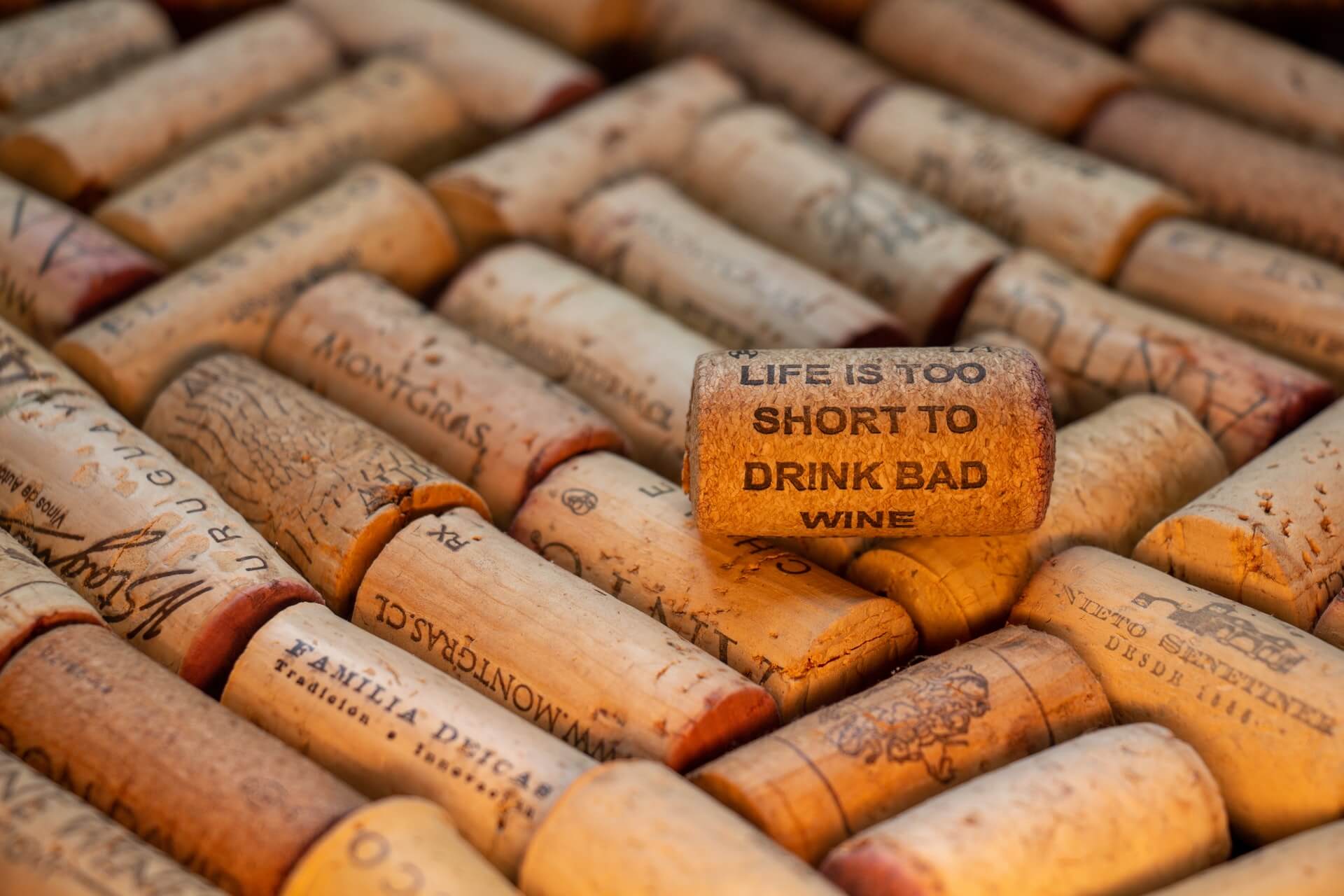
"Life's too short to drink bad wine" cork

August doesn’t claim just one or two or even three wine holidays, there are actually six such holidays during this month.

Kicking off August are International Albariño Day and National White Wine Day. Obviously, those days have come and gone.

However, there are still four more wine holidays you can leverage:

  • National Prosecco Day on Saturday, August 13;
  • Thursday, August 18 is National Pinot Noir Day;
  • National Red Wine Day takes place on Sunday, August 28; and
  • Monday, August 29 is International Cabernet Sauvignon Day.

So, that’s just over two weeks to draw in guests, move some inventory, and generate revenue. Below you’ll find crash courses in three varietals so you and your team can speak with guests in a way that reduces or outright eliminates wine intimidation.

As a cool bit of trivia, two of the varietals we celebrate this month are among the six “original” Noble Grapes: Pinot Noir and Cabernet Sauvignon. The other four, for the curious, are Merlot, Chardonnay, Riesling, and Sauvignon Blanc.

Prosecco 101

First, yes, like Champagne, Prosecco is a sparkling wine. However, despite all the comparisons made between Prosecco and Champagne, the bubbles and production methods are just about the only similiarities between the two.

Champagne, of course, is French. Prosecco hails from Italy and is the country’s top sparkling wine. Like Champagne, Prosecco is protected and must be produced in a specific region.

To be Prosecco, the wine must consist of 85 percent Glera. There are two other grapes producers may use: Chardonnay and Pinot Noir.

Until recently, Prosecco (a.k.a. as you now know, Glera) has been treated as “lesser than” Champagne, commanding much lower prices. However, producers are now making bottles that range from inexpensive to higher end. In fact, you’ll find Prosecco holding its own against its French counterpart on many fine-dining menus.

To impress with Prosecco food pairings, go with cheese, cured meats, and pizza. Pizza and Prosecco? You can’t go wrong there!

Pinot Noir 101

Given that Pinot Noir finds itself in blends, Champagne, Prosecco, and other sparkling wine, you can get creative when celebrating National Pinot Noir Day.

For American operators, two of the top Pinot Noir-producing states are California and Oregon.

In Oregon, Willamette (rhymes with “damn it”) Valley produces incredible Pinot Noir. When it comes to California, look for bottles from Russian Rivery Valley, Sonoma, and the Saint Lucia Highlands.

For Canada, the top production regions are Ontario, British Columbia, Québec, and Nova Scotia. In particular, look for bottles from Prince Edward County, the Niagara Peninsula, and Okanagan County.

Generally speaking, Pinot Noir tends to be light or medium in body. So, if conducting a tasting, you may want to taste people on Pinot Noir before bolder red wines.

When it comes to food pairings, remember that this is a more “delicate” varietal. So, you’ll want to avoid dishes and food items with big, bold, rich flavors. This is a wine that pairs wonderfully with a variety of cheeses.

Cabernet Sauvignon 101

Ah, Cab Sauv. For both America and Canada, Cabernet Sauvignon is among the most popular varietals. It’s so popular in the US that it’s called the King of Grapes.

As you likely can guess, California is the top Cab Sauv-producing state in America. In particular, Napa Valley is known for world-class Cabs.

While most people think of California, Bordeaux, and Tuscany, Canada also produces fantastic Cabernet Sauvignon. Interestingly, the grape grows well (as do many varietals we associate with Bordeaux) throughout Canada.

However, Prince Edward County and the Niagara Peninsula are two of the best regions for Canadian Cab Sauv.

A bigger and bolder wine than Pinot Noir, Cabernet Sauvignon pairs well with rich, bold foods. If it’s grilled, smoky, peppery or otherwise assertive, Cab Sauv will likely play well with it.

So, there you have it. Two weeks of wine holidays for you to showcase your wine inventory and pairing skills. Cheers!

Image: D A V I D S O N L U N A on Unsplash

by David Klemt David Klemt No Comments

One White Wine, Two Wine Holidays

One White Wine, Two Wine Holidays

by David Klemt

World of Wine Porto grape wall relief

In August, operators and their front- and back-of house teams can celebrate two restaurant and bar holidays with one white wine.

Obviously, that means two bites at the apple—or grape (my apologies, I’ll see myself out)—in the same week. In turn, that generates revenue and move wine inventory.

Okay, so what wine does double duty in August? Albariño, a popular white wine with origins in Portugal. In fact, there are two countries that dominate Albariño production, Portugal and Spain.

On Monday, August 1, your guests have the opportunity to celebrate International Albariño Day. Just three days later, August 4, we have National White Wine Day. How convenient!

As we know, while many of today’s guests have their favorites and stick to them, they like to try new things. This August, add Albariño to your Chardonnay, Moscato, Pinot Grigio, and Sauvignon Blanc lineup.

So, what do you need to know about Albariño? Let’s take a look at this refreshing white wine below.

The Wine Nerd Stuff

As I say above, Albariño traces its origins to Portugal. In its home country, this varietal’s name is Alvarinho.

Most people who are familiar with Albariño are familiar with bottles from Spain. So, Albariño is the same grape as Alvarinho.

Call it by either name, this white wine is an Old World wine. In fact, some of these vines are a few hundred years old. For those wondering, Old World wines come from Europe, speaking generally. And New World wines? Well, they come from anywhere not in Europe.

However, there is indeed New World Albariño. Also, if you happen to operate a restaurant or bar in North America, these New World versions can be easy to acquire.

Unsurprisingly yet conveniently, there are wineries producing Albariño in California. Of course, these California Albariños are different than their Portuguese and Spanish counterparts. California’s Central Coast wine region is warmer than Spain’s cool Galicia region.

The Flavors and Aromas

Alright, so what’s Albariño like on the nose and palate, and how does it finish? To answer these questions, let’s look at the Old World wine first.

Again, I’m speaking about this white wine in broad strokes. You and your staff will need to taste a few bottles to understand their nuances.

So, Portuguese and Spanish Albariño tends to be light-bodied and dry, with high acidity. On the nose, expect peach and citrus like grapefruit, lemon, and lime. You may also detect a hint of wet stone, owing to its minerality.

On the palate, there’s usually a touch of salinity, plenty of acid, and notes of grapefruit, honeysuckle, nectarine, honeydew, and granite. Expect a long, dry finish.

Now, since Old World versions tend to be grown in cool climates, they tend to be light-bodied. Since Californian Albariño grows in a warmer climate, its characteristics are different.

Generally speaking, California Albariño is medium-bodied in comparison to its Old World counterparts. The Californian wines tend to have both floral and tropical notes on the nose. Along with the notes one would expect from Spanish and Portuguese wines, California Albariño can also feature orange and elderberry flavors.

Don’t Forget the Food

Obviously, wine pairs well with food—that should go without saying. And it would have too, but I said it.

Anyway, maximize guest spend by including your back-of-house team for your International Albariño Day and National White Wine Day promotions.

For this varietal, think lighter foods. Seafood, freshwater fishes, chicken, tofu, salads, grilled vegetables, and fruits pair well with Albariño.

Of course, you’ll also want to consider cheese pairings. So, try your Albariños with Chèvre, Manchego, Burrata, Feta, Gruyère, and Brie.

You have time to add some crisp, delicious Albariños from multiple regions to your menu. Create two promotions that showcase these wines and lure in your guests with irresistible pairings.

Cheers!

Image: World of Wine Porto, Portugal (Hayffield L on Unsplash)

by David Klemt David Klemt No Comments

Cheese Pairings: Wine, Beer, Spirits

Cheese Pairings: Wine, Beer, Spirits

by David Klemt

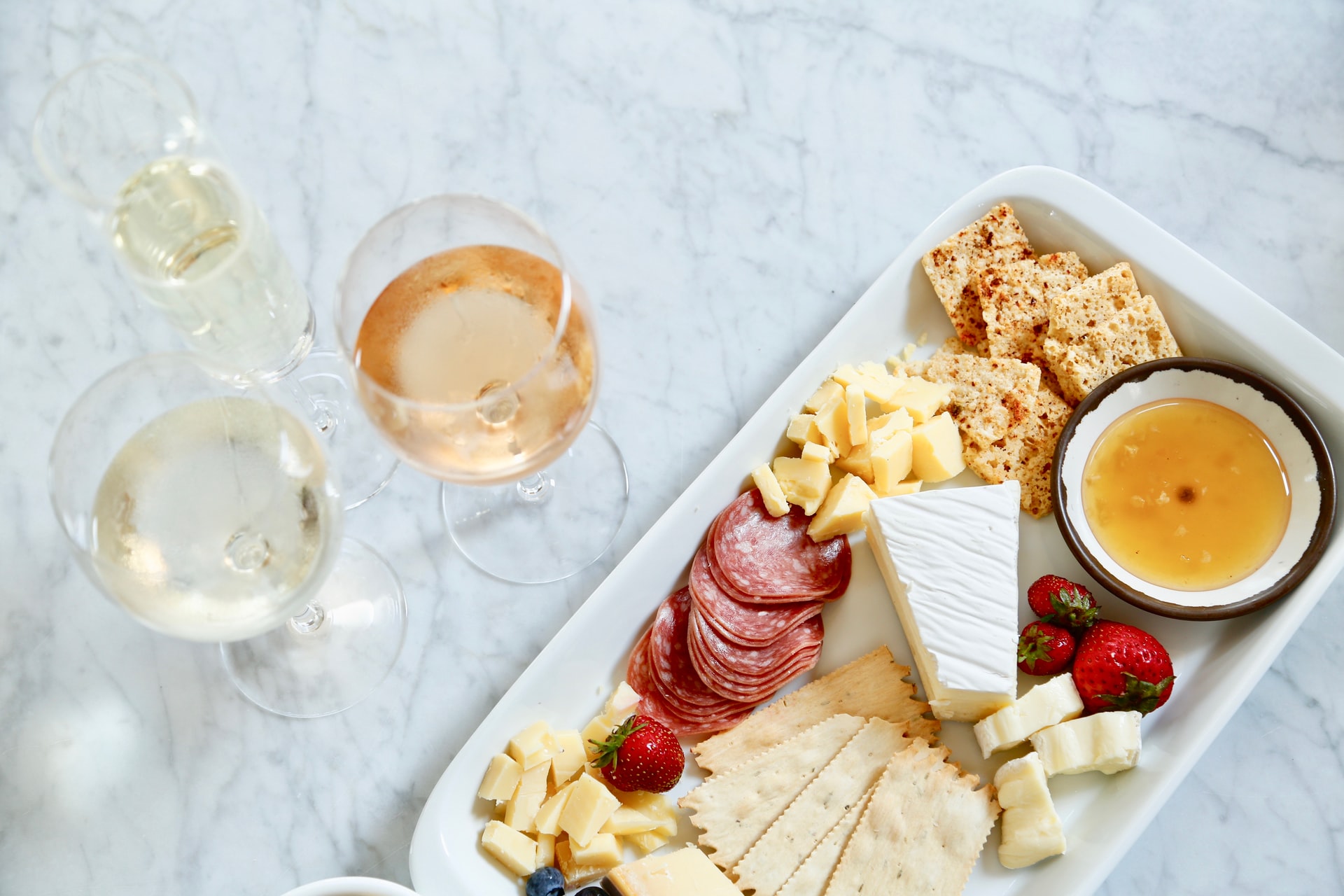
Wine glasses and cheese board

National Wine and Cheese Day is Monday, July 25, so let’s take a look at pairings that will get mouths watering.

According to historians, people have been pairing wine with cheese for several centuries. And per scientists, this legendary pairing makes a lot of sense.

Cheese is, obviously, fatty. Further, fat is oily. Then we have alcohol, which is astringement. When we eat cheese or other fatty/oily foods, they coat the mouth. As we also know, alcohol tends to dry out our mouths.

So, the theory as to why pairing cheese with wine works comes down to balance. Of course, there’s a term for this balance you likely know: mouthfeel.

However, science has an additional theory about wine and cheese. For this theory, we look at the “flavor spectrum.” Flavors that are far apart from one another are often pleasant to us.

As an example, not many of us would appreciate a slice of cheddar cheese on top of a cheddar cheese-flavored cracker dipped in cheddar cheese sauce. That would be monotonous and boring.

Wine Pairings

  • Chardonnay and Camembert
  • Riesling and Raclette
  • Gewürztraminer and Edam
  • Pinot Grigio/Gris and Parmigiano Reggiano
  • Chenin Blanc and Chèvre
  • Sauvignon Blanc and Gouda
  • Champagne and Brie
  • Prosecco and Asiago
  • Rosé and Havarti or Fontina
  • Pinot Noir and Gruyère
  • Merlot and Camembert or Gorgonzola
  • Shiraz (Australian-style varietal) and sharp Cheddar or smoked Gouda
  • Syrah (French-style varietal) and Pecorino or Roquefort
  • Malbec and Manchego
  • Sangiovese and Fontina or Parmigiano Reggiano

Beer Pairings

Perhaps your guests would prefer to celebrate National Wine and Cheese Day with a substitution. Like, for instance, swapping out wine for beer.

Well, it turns out cheese goes great with many styles of beer.

  • American Pale Ale and American Cheddar
  • Amber Ale and Gouda or Brie
  • Witbier and goat cheese
  • Hefeweisen and Feta
  • American Lager and Mozzarella
  • American Pilsner and Chèvre
  • IPA and Parmigiano Reggiano or Blue Cheese
  • Brown Ale and Gouda
  • Porter and Muenster or Gruyère
  • Stout and Blue Cheese

Spirits Pairings

Hey, beer isn’t the only beverage that we can swap with wine. Interestingly, several categories of spirit pair well with cheese.

As with wine and beer, it’s crucial to try pairings with specific spirits before offering them to guests.

  • Vodka and Cheddar or Blue Cheese
  • Gin: London Dry and Pecorino; Genever and Triple Cream Brie; Plymouth and Époisses de Bourgogne
  • Brandy and Butterkäse
  • Rum and Fontina
  • Mezcal and aged Cheddar or Pecorino
  • Tequila: Blanco and Brie or Feta; Reposado and Manchego; Añejo and Parmigiano Reggiano
  • Bourbon and Parmigiano Reggiano
  • Rye and Gouda
  • Irish whiskey and Brie or Camembert
  • Scotch: Light-bodied and Comté; Full-bodied and Stilton. For a deeper dive into pairing Scotch with cheese, click here.

Image: Allison Kettlety on Unsplash

by David Klemt David Klemt No Comments

5 Books to Read this Month: July 2022

5 Books to Read this Month: July 2022

by David Klemt

Flipping through an open book

This month’s engaging and informative book selections will help you develop next-level beverage techniques and drink menus throughout 2022.

To review June’s book recommendations, click here.

Let’s jump in!

The Bartender’s Manifesto

Spirits, cocktail and industry author Emma Janzen partners with Toby Maloney and the bar team at the Violet Hour. Since 2007, the Violet Hour has not only been serving incredible cocktails in Chicago, the bar has also been leading the way in cocktail training.

So, who better to learn from to nail the fundamentals, tap into your creativity, and understand every element of crafting cocktails? Pick up The Bartender’s Manifesto today. As of publication of this article, Amazon is offering $2.70 off the hardcover.

Black Mixcellence: A Comprehensive Guide to Black Mixology

Marketing strategist and award-winning author Tamika Hall collaborates with one of my favorite industry people, Colin Asare-Appiah, to bring us this awesome book.

Black Mixcellence delves into the impact of Black entrepreneurs, educators, and mixologists on the hospitality, spirits, and cocktail spaces. Along with the incredible stories, there are 70 cocktail recipes included in Black Mixcellence. Place your pre-order today!

Smoked Cocktails: From Mixology To Smoking Techniques

You and your bar team may have noticed that smoking cocktails is once again “on trend.” To be fair, I don’t think this cocktail build and presentation technique ever became unpopular.

In Smoked Cocktails you’ll learn not only how smoke plays with and enhances other flavors and aromas, author Benji O’Day also covers cocktail history, bartending techniques, and much more. Grab the paperback from Amazon today.

Cocktail Chemistry

Leveraging nostalgia and pop culture can be a lucrative way of boosting traffic, generating revenue, and increasing social media engagement. Written and curated by Nick Fisher, Cocktail Chemistry features cocktail recipes from iconic and beloved movies and television shows.

In addition, this informative cocktail book includes how-tos spanning a range of important bar techniques, from making clear ice to creating your own infusions. Pick up this hardcover now.

The Concise Guide to Wine and Blind Tasting: Volume 1

Do you have a robust wine program? Are you interested in demystifying wine and enhancing your front-of-house team’s knowledge of wine? Do you just not want your bar team or servers to answer guests’ wine questions with a frustrating “I don’t know”?

This guide, according to The Times Literary Supplement, delivers a “comprehensive education in wine.” Included in The Concise Guide to Wine and Blind Tasting: Volume 1 are the philosophy and history of wine, the distinctive characteristics of several wine regions, the science and art behind blind wine tasting, and more.

Image: Mikołaj on Unsplash

by David Klemt David Klemt No Comments

TOTC 2022 Agenda and Tickets Now Live

Tales of the Cocktail 2022 Conference Agenda and Tickets Now Available

by David Klemt

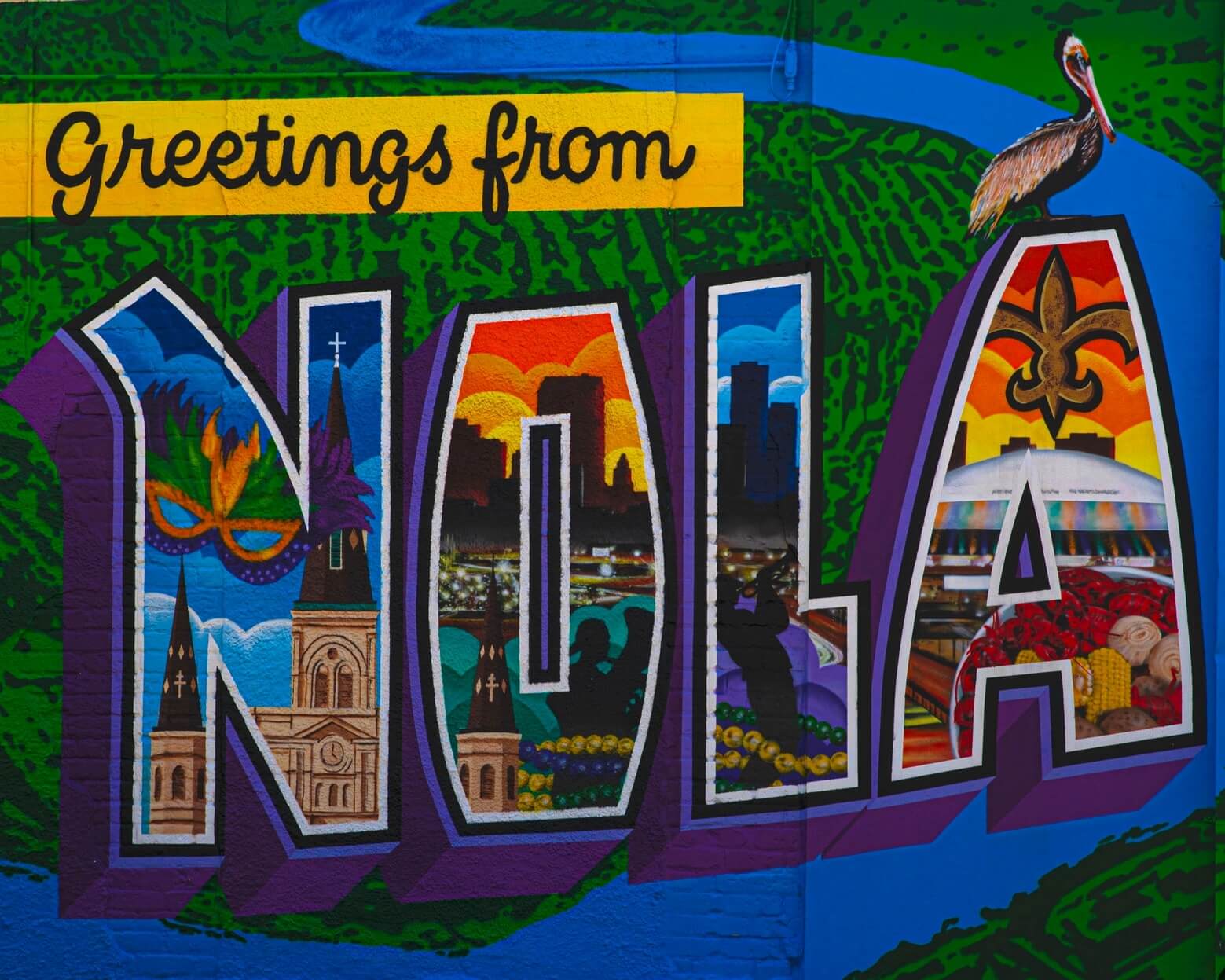
Greetings from NOLA artwork

The time is now to grab your Tales of the Cocktail tickets and plan your trip to New Orleans for the last week of July.

Not only are tickets available for purchase via this link right now, you can also check out the schedule here.

Of particular note is the amount of complimentary programming available to 20th anniversary TOTC attendees.

Free to Attend

Attendees will have access to several activations and workshops that are free to attend.

Beginning Sunday, complimentary programming is available throughout the week. For example, the Day of Service on Sunday, July 24 is free attend and a way to give back.

Also on Sunday, the 11th annual Pig & Punch Volunteer Day of Service. This is another opportunity for those in the industry to do some good in the NOLA community.

The return of Pig & Punch was mentioned by an excited Lola Thomas on episode 72 of the Bar Hacks podcast.

On Monday, all attendees can attend the keynote address; Diversity Distilled Career Fair; the Welcome to Wellness! therapeutic stretch and self-massage session; and “#FromTheBarToTheFarm” sustainability workshop.

There are several more workshops—such as “Safe Bars: Crafting a New Culture of Safety and Respect” and the immersive “Mind Full” experience—that are free to attend on Tuesday and Wednesday.

Incredible Activations

More reasons to plan your trip around an action-packed Sunday? Speed Rack Redemption, the National Tequila Day Pool Party at the Royal Sonesta, and Ode to the Bowl.

The rest of the week is absolutely packed. From workshops to seminars, cocktail tours to tasting rooms, and all manner of activations, parties, and events in between, the 20th anniversary celebration of Tales of the Cocktail will be an experience to remember.

On the subject of cocktail tours, there are eight such experiences available during this year’s Tales. For example, attendees can register and secure tickets for Hunting Down the Sazerac, Downriver: Bars Beyond the French Quarter, the Big Gay Bar Tour, and Bourbon Street and How it Got that Way.

Learn More

To be honest, there’s simply too much going on at this year’s TOTC to list here. The sheer number of workshops, seminars, and activations must be checked out online.

And that’s to say nothing of the industry icons that will be presenting seminars and workshops, and hosting activations and special events.

Simply put, there’s programming for everyone. Health and wellness? Yes. Furthering your career? Absolutely. Perfecting technique and tasting new products? Of course. Business, culture, advocacy, diversity, inclusion, equity… Check, check, check, check, check, check!

We hope to see you at Tales of the Cocktail 2022! Be sure to check out the agenda and grab your tickets today.

Image: mana5280 on Unsplash

by David Klemt David Klemt No Comments

5 Books to Read this Month: May 2022

5 Books to Read this Month: May 2022

by David Klemt

Flipping through an open book

These engaging and informative book selections will help you develop next-level beverage skills and motivate you throughout May, 2022.

To review April’s book recommendations, click here.

Let’s jump in!

Rum Rebels: A Celebration of Women Revolutionizing the Spirits Industry

Written by authors Martyna Halas and René van Hoven, Rum Rebels raises a glass to women in the rum world. Readers will learn the inspiring stories of Lorena Vasquez from Zacapa, Joy Spence of Appleton, and more women driving rum forward and shaping this iconic spirit’s flavors, aromas, and textures.

In addition, this book serves as a masterclass in rum production, from tasting to aging. And since that’s enough for these incredible and ambitious authors, Rum Rebels also contains rum cocktail recipes.

Drink Lightly: A Lighter Take on Serious Cocktails

Operators, bar managers, and bartenders should see value in the driving ethos behind this cocktail book. Drink Lightly, authored by Nitecap bartender Natasha David, pairs precision drink-building techniques with a relaxed drinking experience.

Drinking lightly doesn’t mean sipping drinks bereft of complexity and depth. Along with 100 recipes, readers will enjoy a foreword by Alex Day of Proprietors LLC, whose concepts include Death & Co. and Nitecap.

Call Me Chef, Dammit!: A Veteran’s Journey from the Rural South to the White House

Hospitality is rooted in sacrifice and a commitment to serving others. Chef Andre Rush and his story embody service. Call Me Chef, Dammit! is the inspiring story of Chef Rush.

The storied chef has led an incredible life which includes a career in the US Army that spanned 24 years, advocating for military personnel and veterans, and winning multiple awards as a chef. Oh, and Chef Rush and his 24-inch biceps have also worked in the White House for four US presidents.

While there are no recipes in this book, there is one hell of an inspiring story in these pages.

The New Kindred Spirits: Over 2,000 All-New Reviews of Whiskeys, Brandies, Liqueurs, Gins, Vodkas, Tequilas, Mezcal & Rums from F. Paul Pacult’s Spirit Journal

Anyone looking for a spirits bible need search no further. F. Paul Pacult’s The New Kindred Spirits includes over 2,400 in-depth reviews spanning a wide range of spirits. This tome evaluates a massive number of brandies, gins, liqueurs, rums, tequilas, vodkas, and whiskeys.

This all-encompassing compilation of spirit evaluations doesn’t just cover the usual suspects. The New Kindred Spirits also takes a deep dive into the craft side of the beverage industry.

Drinking & Knowing Things

Author and certified sommelier Michael Amon would like to know a couple things from those considering picking up Drinking & Knowing Things. “Do you want to uncork a bottle of whoop-ass on every winedouche and uppity sommelier?” And, “are you too lazy to spend any time whatsoever learning things?”

Anyone who answered “yes” to either or both questions needs this book. Amon says that readers who commit to spending five minutes reading the weekly wine recommendations found in Drinking & Knowing Things will give sommeliers a run for their wine-knowledge money. Wine intimidation? Not after reading this book.

Image: Mikołaj on Unsplash

by David Klemt David Klemt No Comments

Forward Progress: Trends by Venue Type

Forward Progress: Trends by Venue Type

by David Klemt

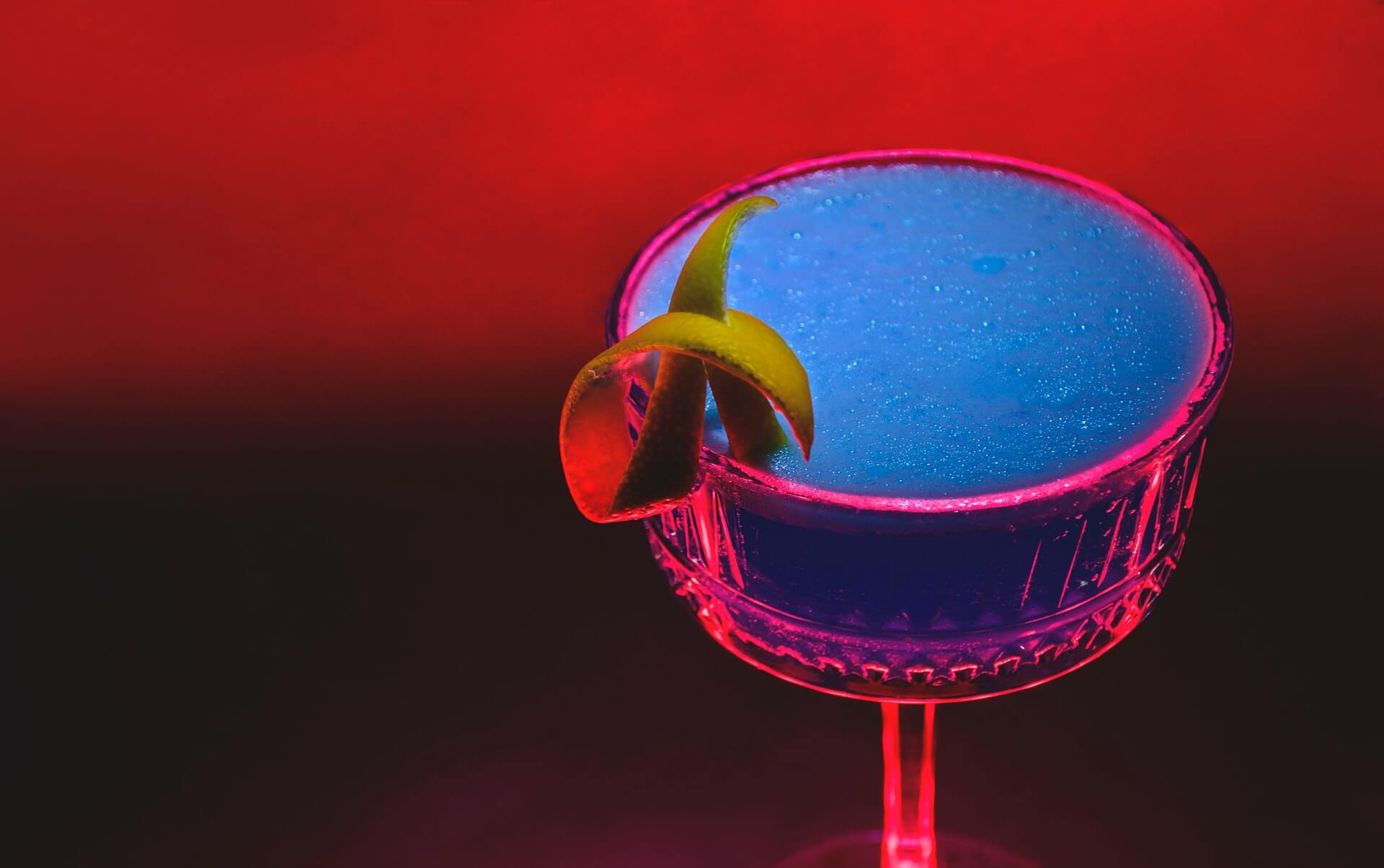
High contrast image of blue cocktail with lemon zest

One notable difficulty with considering new trends is that they’re not all necessarily a universal fit for all venue types.

For example, what may work well in an upscale restaurant perhaps won’t perform as well in a sports bar. Pursuing a trend that isn’t a good fit, obviously.

As any operator with experience knows, chasing fads and trends just to chase them can be costly. Doing so costs money (inventory, training, labor hours) and time deserving of better allocation.

However, failing to embrace any trends can also be costly. Watching a lucrative trend pass by can cost an operator guest engagement, perception, and traffic.

Take, for instance, the success of White Claw. Plenty of operators and consumers scoffed at the hard seltzer category as a whole at first.

Then, some people decided it was a drink category “for women.” As it exploded in popularity, hard seltzers proved immensely popular with men.

Basically, it’s an incredibly strong beverage alcohol category that resonates with a wide range of consumers. On some menus, hard seltzers are listed alongside beers.

So, hard seltzer, led largely by White Claw, showed itself to be a worthwhile trend to adopt.

Clearly, however, hard seltzer doesn’t resonate with all guests on all occasions in all types of hospitality venue types. For instance, generally speaking, a bucket of White Claws likely to be a top seller in a high-end restaurant specializing in seven- to nine-course meals.

Drink Trends by Venue

During Bar & Restaurant Expo in March of this year, Amanda Torgerson of Datassential presented 2022 drink trends operators should know.

One trend has essentially proliferated the industry. Really, it’s likely wise for us to all view this trend—hard seltzer—as mainstream now.

In the context of Torgerson’s presentation, Datassential is saying that hard seltzers are here to stay.

Among other trends, Torgerson shared Datassential’s data-backed view of drink trends segmented by venue category.

While every venue is unique and not every trend will work for every bar or restaurant in a given category, the results are no less intriguing.

Pubs: Dry-hopped beers, pastry stouts, and hard or spiked coffee.

Sports Bars: Mini-beers, hard seltzer, and reusable growlers.

Casual Bars: Seltzers with unique flavors, hard tea, hard lemonade, and drinks featuring local ingredients.

Upscale Bars: Negroni, wine-barrel-aged spirits, and flaming cocktails.

Nightclubs: Hard seltzers served with spirits, cocktails and punch bowls served with dry ice, and flaming cocktails.

Casual Restaurants: Wine cocktails, elevated brunch cocktails, and tea-based alcohol beverages.

Upscale Restaurants: Flaming cocktails (smoked may be better), all-natural wines, and made-to-order cocktail cart presentations.

Hotels, Resorts and Casinos: Made-to-order cocktail carts, alcohol vending machines, and drinks made with cold-pressed juices.

Interestingly, a few of the above trends identified by Datassential appear in multiple venue types.

The main things for an operator to keep in mind is what will resonate with their guests and what’s authentic to their brand. When it comes to trends, one size doesn’t fit all and an individual venue’s mileage will vary.

However, the above list should at least show operators what Datassential sees resonating with guests in an array of venues.

Image: Ozge Karabal on Pexels

by David Klemt David Klemt No Comments

Share These Vermouth Facts with Guests

Share These Vermouth Facts with Guests

by David Klemt

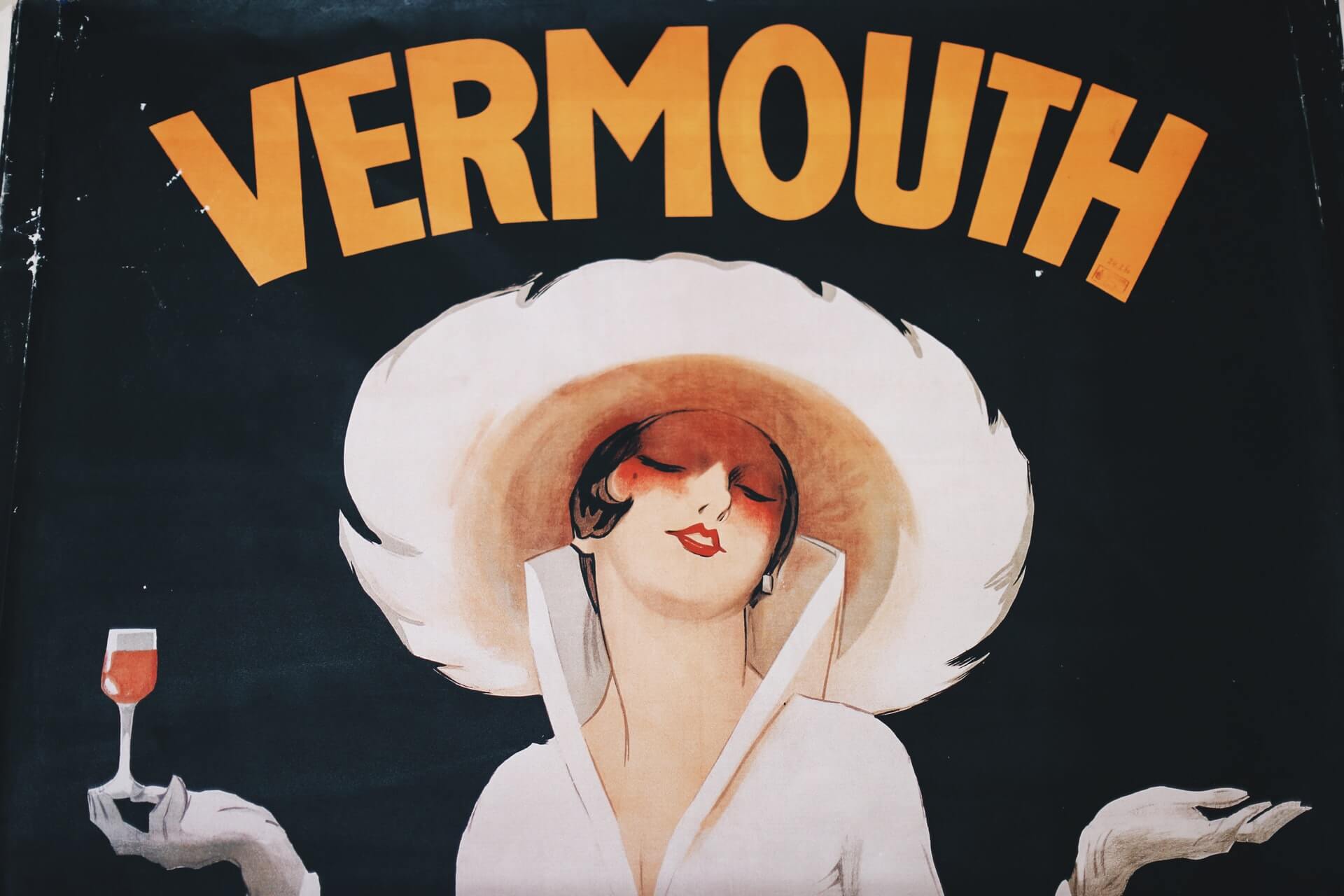
Vintage vermouth print

Today is World Vermouth Day, so here are some interesting facts you and your bar team can share to engage with guests.

Before we dive in, a few vermouth basics.

First, contrary to what some believe, vermouth isn’t a spirit. Rather, vermouth is a fortified wine.

In most cases, vermouth producers boost—or fortify—alcohol content with a neutral grape spirit.

Centuries of History

Vermouth can trace its history back to at least the 16th century. However, it’s possible it goes as far back as 12th century China.

Like so many products behind the bar, the exact origins are in dispute. Some say vermouth is a Chinese creation, some say its home is Greece, crediting Hippocrates with its creation. Still others attribute its invention to Germany.

Regardless, many believe that vermouth is one of the oldest types of beverage alcohol.

Doctor’s Orders

As is the case with plenty of intoxicants, this fortified wine has roots in medicine.

From the 16th century until about midway through the 18th century, Italian vermouth was recommended by doctors to settle upset stomachs.

This makes sense given its makeup: Vermouth is a wine combined with a spirit, infused by roots, herbs, and spices. The array of botanicals found in vermouth can certainly aid in digestion.

In fact, offering vermouth on your menu as an aperitif or digestif is a smart move.

Booze Relatives

You, your bar team, and guests may find this connection interesting. Vermouth and absinthe are family members.

According to some alcohol historians, “vermouth” is a French pronunciation of the German word “wermut.” Wermut translates from German to English as “wormwood.”

Centuries ago, German and Hungarian fortified wines contained wormwood.

An argument can be made that amaro is also a relative of vermouth. While not a requirement, amaro can contain wine. If an amaro has that component, it can technically be a vermouth.

Modern Vermouth

Toward the end of the 18th century, Antonio Benedetto Carpano created what’s now considered modern vermouth.

As the story goes, Carpano was studying to be an herbalist. In 1786, in Turin, Italy, he blended a white muscatel with herbs and spices. Modern vermouth was born.

Owing to modernization and commercialization, some paint vermouth with two broad brushes.

There are those who refer to all red vermouths as Italian vermouths. They then categorize all white vermouths as French. This is, in part, due to the French overwhelmingly producing dry, white vermouths.

Even More Modern

Well, maybe not exactly more modern. Perhaps it would be more accurate to refer to a particular style as “more recently recognized.”

During Prohibition, American producers made vermouth. According to my research, these were not looked upon favorably. In fact, they were considered cheap and poorly made.

That’s not the style I’m talking about here. Starting in the 1990s, and initially attributed to Californian producers, American vermouth production came out swinging with Western Dry.

In general, this style of vermouth leans heavier on the wine and uses different botanicals.

Not Just a Clever Shirt

You have probably seen bartenders or other hospitality professionals wearing this Mover & Shaker shirt:


View this post on Instagram


A post shared by Mover & Shaker (@moverandshakerco)

In case it doesn’t load for you, it says, “If you’re reading this put vermouth in the fridge.” That’s not a joke—keep it in the refrigerator.

Perhaps due the misconception that vermouth is a spirit, some people treat it as such. In other words, they just leave their vermouths out.

Being a fortified wine, vermouth can go bad in just a few months once open. So, this World Vermouth Day, if you haven’t already, put vermouth in the fridge.

Image: Giorgio Trovato on Unsplash

by David Klemt David Klemt No Comments

Dame Hall of Fame Nominations Open!

Dame Hall of Fame Nominations Now Open!

by David Klemt

Tales of the Cocktail Foundation Dame Hall of Fame luncheon

Now in its tenth year, nominations are open for the Dame Hall of Fame, honoring individuals who have a positive impact on hospitality.

In particular, the Dame Hall of Fame recognizes people who move accessibility and intersectionality forward.

The Tales of the Cocktail Foundation (TOTCF) and Ladies United for the Preservation of Endangered Cocktails (LUPEC) are accepting nominations until March 30. Currently, there are 42 DHOF members.

On July 29, three inspirational and influential Dames will join their peers. These three individuals will be inducted into the DHOF at the Ritz-Carlton New Orleans.

To nominate a potential inductee, please complete this form.

“We are so proud to be entering our tenth year of Dame Hall of Fame, which has become one of the most revered recognitions of Tales of the Cocktail Foundation,” says TOTCF CEO Eileen Wayner. “The collective magnitude of the Dames is unparalleled, and it is truly our honor to gather such a talented group of individuals, while inducting newcomers who are making a lasting impact on the hospitality community.”

Co-chairs Overseeing Process

The Dame Hall of Fame was first established in 2012. Since then, nearly four dozen of the most influential individuals have been inducted.

More than just an honor, the DHOF encourages continued mentorship. DHOF members seek to further diversity, inclusivity, and equity within the cocktail and hospitality communities.

In 2022, for the first time, two members will co-chair the DHOF. They will each take on this role for a two-term, effective immediately.

Additionally, the co-chairs will oversee this year’s DHOF nomination process. Learn more about each co-chair below.

Kirsten “Kitty” Amann

Kitty has more than fifteen years of experience in the beverage industry as a brand ambassador, cocktail book author, podcaster, publicist, bartender, and spirits writer. She is the New England Market Manager for Uncle Nearest Premium Whiskey and author of Drinking Like Ladies: 75 Modern Cocktails from the World’s Leading Female Bartenders.
In her roles, she is honored to share untold stories of greatness and help the truth find the light. Kitty is a founding member of the Boston chapters of Ladies United for the Preservation of Endangered Cocktails (LUPEC Boston) and the U.S. Bartenders Guild. As a frequent speaker on the history of women behind the bar and in the spirits industry, and has presented at Tales of the Cocktail, The Manhattan Cocktail Classic, Portland Cocktail Week, San Antonio Cocktail Conference, San Francisco Cocktail Week, Speed Rack Academy, and at the Smithsonian. 
Kitty has taught yoga in Boston and around the world since 2010. She was among the first in the industry to introduce movement and breathwork to fellow bartenders, servers, and brand ambassadors to support their careers, and has presented at Tales of the Cocktail, The Manhattan Cocktail Classic, Portland Cocktail Week, and for local restaurants and USBG chapters.

Tiffanie Barriere

The bartender’s bartender, Barriere is an influencer and educator who has been awarded some of the beverage industry’s highest honors. The Bar Smart graduate, she is a Tastemakers of the South award-winner who spent seven years as the beverage director of One Flew South, the “Best Airport Bar in the World.”
As an independent bartender, she is known for creative and innovative cocktail menus for pop-dinners and bar consultancy clients, hosting mixology classes around the nation, and connecting culinary and farm culture with spirits. As a leader, she is a member of the Tales of the Cocktail Grants Committee, the James Beard Beverage Advisory Board, and a member of the Atlanta chapter of Les Dames d’Escoffier.
Barriere and her cocktails have been featured in such publications as Imbibe Magazine (print and online), Forbes, Essence, The Bitter Southerner, Cherry Bomb Magazine, Washington Post, Eater, VinePair, Food Republic, and Garden & Gun.
In 2020, Tiffanie was featured on Food Network’s The Kitchen, honored as the Tales of the Cocktail Foundation’s Dame Hall of Fame U.S. Inductee, along with the cover photo of Imbibe Magazine for the “Top 75” issue. The Louisiana-Texas native is the trustworthy mentor of some of the best bartenders and mixologists in the world. Tiffanie’s main goal is education, service and fun with every pour.

Nomination Criteria

In 2022, the three inductees will receive individual awards. There will be a United States inductee, an international inductee, and a Pioneer Award inductee.

Woodford Reserve will present the first two inductees, while The Blend will present the Pioneer Award.

The criteria for nominations is below, provided by the TOTCF:

DHOF US and International Inductees Presented by Woodford Reserve:

In addition to being a woman, non-binary or trans individual, to be considered to be inducted into the US DHOF, nominees must:

  • be a person whose professional and personal accomplishments have shaped the beverage landscape and provide visible models of achievement for tomorrow’s leaders;
  • serve as a leader and mentor; and
  • reside in the United States of America.

In addition to being a woman, non-binary or trans individual, to be considered to be inducted into the International DHOF, nominees must:

  • be a person whose professional and personal accomplishments have shaped the beverage landscape and provide visible models of achievement for tomorrow’s leaders;
  • serve as a leader and mentor; and
  • reside outside of the United States of America.

The Pioneer Award by The Blend:

This award recognizes an individual who has encouraged mentorship and contributed to making the hospitality industry equitable and inclusive by working to remove barriers as it pertains to gender identity, race, religion, and socioeconomic status.

The Pioneer Award, which was named for hospitality trailblazer and New Orleanian Ruth Fertel, will be announced on June 21 in conjunction with the TOTCF Spirited Awards. The recipient of the Pioneer Award will also be inducted into the DHOF during the July 29 Induction Ceremony.

Click here to nominate an individual today!

Image: Corey James Photo

by David Klemt David Klemt No Comments

Offbeat Bubbles for Valentine’s & Beyond

Offbeat Bubbles for Valentine’s Day & Beyond

by David Klemt

Bottles of Franciacorta sparkling wine in cellar

Why not add some eclectic bottles of bubbly that will grab your guests’ attention as they’re reading through your menu and electrify their senses?

Sure, Champagne still reigns supreme among sparkling wines. And operators should absolutely have bottles of champers on their menus.

However, offering the unusual can pay off big, boosting guest engagement and loyalty, in turn increasing visits and revenue.

So, let’s take a look into the unexpectedly wide world of sparkling wines.

Crémant

Want to make a Champagne producer or lover apoplectic? Tell them that the world’s most-famous monk, Dom Pérignon, stole the process of making sparkling wine.

That’s what some French sparkling wine producers outside of Champagne will tell you, anyway.

To be honest, there’s no way to know if Dom Pérignon learned the process in Limoux, a wine region in the Languedoc region of France, and “borrowed” it. However, we do know there’s evidence showing winemakers in Limoux were producing sparkling wine a century before winemakers in Champagne.

At any rate, Crémant and Champagne are made using the same method. Interestingly, though, Crémant tends to be creamier, brighter, and more refreshing. These wines are also usually less expensive than their Champagne counterparts. Sometimes, significantly so.

Also, Crémant is produced in eight regions throughout France and uses a wider variety of grapes. Think of it this way: Champagne must be produced in a specific region, Champagne. Crémant is methode traditionelle (a.k.a. méthode champenoise) sparkling wine made outside of Champagne.

Aussie Sparklers

To be sure, Australian winemakers produce a vast array of incredible wines. Their approach to sparkling wines is no exception.

Even more incredible is the wide range of prices these bottles command. You can find fantastic bubbly for as little as $5 (seriously), and of course there are bottles priced well over $100.

Some of the mostly highly sought-after and highest-rated bubbly comes from Tasmania. House of Arras is one example, and Jansz is another. The latter claims to be the first Tasmanian producer to use the méthode champenoise.

Another interesting detail about Australian sparkling wine? The number of bottles with “Prosecco” on the label. Many producers who make Australian Prosecco use the Charmat production method, just like the vast majority of Italian Prosecco producers.

When looking into these bottles you find some unique flavor notes like coconut and nougat. These should appeal to mora adventurous guests looking to try something different. On the other hand, these wines aren’t so different as to be unfamiliar and polarizing.

Franciacorta

This Italian sparkler is by no means a “new” type of bubbly. However, it is lesser known to many in North America.

If you have a guest seeking an alternative to Champagne that tastes similar, you would do well to steer them toward Franciacorta.

Made in the Lombardy region of Italy, these wines are produced utilizing the methode traditionelle, which is also known as methode classico in Italy. Three grape varietals are used to make Franciacorta: Chardonnay, Pinot Noir, and Pinot Blanc.

Looking at the grapes above, you can see why Franciacorta tastes similar to Champagne.

Brachetto d’Acqui

Another great methode traditionelle sparkler from Italy is Brachetto d’Acqui, produced in the Piedmont wine region of Italy.

One of its most prominent characteristics is its deep red color. Brachetto d’Acqui, you see, is made from one grape: Brachetto.

While made using the methode traditionelle, this wine is a frizzante rather than a spumante. The former is a semi-sparkling wine while the latter is a full sparkler.

These bottles will appeal to guests seeking a sweeter, less bubbly sparkling wine. And, as mentioned prior, the color can be quite striking.

Be Different

Adding lesser-known sparkling wines can help your restaurant or bar’s wine program stand out from the competition.

And since they tend to taste similar to Champagne, Prosecco, Cava, and Lambrusco to most North American palates, they’re not so unusual that guests will be afraid to try them.

So, this Valentine’s Day and the rest of the year, seek out eclectic bottles of bubbly. Doing so now will set you up nicely for the summer, patio weather, and brunch season.

Stocking up on different sparkling wines will also provide opportunities to improve your food experience. Remember, bubbles go great with chicken wings, burgers, pizza, and other bar foods.

Image: paola capelletto on Unsplash

by David Klemt David Klemt No Comments

Be Different this Valentine’s Day

Be Different this Valentine’s Day

by David Klemt

Red graffiti heart with black outline on weathered, worn wall

When people are considering spending time and money on a holiday two years into a pandemic, they’re seeking unique experiences.

This is particularly true of holidays that traditionally involve an evening out at a restaurant or bar.

Sure, the tried and true will still probably work. After all, the pandemic has driven comfort and comfort foods to perform well.

However, a significant percentage of guests want to experience something new when they leave their homes. Below you’ll find two Valentine’s Day drink recipes and an example of entertaining programming.

When it comes to beverage programming, most people expect bubbles or rosé wines. And of course pink wines, Champagne, Prosecco, Cava, and other sparkling wines should be on hand.

But offering a Valentine’s Day cocktail that isn’t a French 75 can help your holiday menu stand out. One recipe leverages a spirit that may knock vodka off its throne this year. The other showcases a spirt that various industry experts have been hoping claim the number one spot for years.

Kiss from a Rosa

Tequila, particularly premium and ultra-premium expressions, is crushing it as a category. This Valentine’s Day cocktail is made with Código 1530 Rosa, an ultra-premium blanco tequila.

Rested for one month in uncharred French white oak barrels formerly filled with Napa Valley Cab, this unique tequila is characterized by a rosé hue.

Kiss from a Rosa tequila cocktail from Codigo 1530 for Valentine's Day

  • 1.5 oz. Código 1530 Rosa tequila
  • 0.5 oz. Cointreau
  • 0.5 oz. Raspberry syrup
  • 0.5 oz. Lemon juice
  • 1 Egg white
  • Pink sugar or raspberries to garnish
Build it: Combine all ingredients in a cocktail shaker without ice. Shake hard for roughly 30 seconds, until the ingredients form a foam. Add ice to the shaker and shake until chilled. Strain into a rocks glass. Garnish with pink sugar or raspberries on a cocktail pick.

Bacardí Old Cuban

I’ve lost track of the number of people who have predicted (hoped is probably more accurate) that rum will “finally have its year.” With tequila projected to potentially crush vodka and Irish whiskey performing so well, it’s unlikely rum will dominate 2022.

However, the category may still experience even more growth this year. Reserva Ocho is based on the Bacardí family’s reserve rum.

The eight-year-old premium rum’s dried fruit, spice, and vanilla notes play well with Prosecco. This cocktail also features a pairing that many guests wouldn’t expect to work: rum and Prosecco.

Bacardí Old Cuban rum cocktail made with Bacardí Reserva Ocho Rum

  • 2 oz. Bacardí Reserva Ocho Rum
  • 2.5 oz. Martini & Rossi Prosecco
  • 4 Mint leaves
  • 1 oz. Simple syrup
  • 1 oz. Lime juice
  • 2 dashes of Bitters

Build it: Combine all the ingredients except Prosecco in a cocktail shaker with ice. Shake vigorously, then double-strain into a coupe. Top with Prosecco and garnish with a mint leaf float.

Both cocktails above can easily justify premium pricing.

Dueling Axes Las Vegas Valentine’s Day

Featured on episode 41 of Bar Hacks, Dueling Axes offers an upscale axe-throwing experience. Of course, being upscale doesn’t mean the venue is stuffy.

Rather, Dueling Axes emphasizes fun and unique experiences. Their Valentine’s Day programming is an example of balancing the familiar with the unexpected.

From February 13 through February 15, couples will be treated to two free glasses of Champagne. Groups of four or more will receive a bottle of Champagne for free.

On February 13, however, Dueling Axes is offering an attention-grabbing promotion.

Targeting Galentine’s Day guests, the venue is encouraging people to bring in photos of their exes. The staff will hang the picture on the bullseye to motivate throwers to ace their tosses.

A bit aggressive? Sure. A tad dark? Yep. Memorable? Absolutely.

The recipes and programming above illustrate that simple deviations from the expected can help your venue stand out. This Valentine’s Day, strike a balance between the expected and unique.

Image: Tengyart on Unsplash

by David Klemt David Klemt No Comments

Winter Sangria for the Holidays

Winter Sangria for the Holidays

by David Klemt

Sangria in a pitcher on a bar

Most people may associate Sangria with summer months and tropical locales.

However, Sangria can certainly shine during the winter months and holiday parties.

All you really need is a rich and perhaps somewhat sweet red wine and seasonal spices.

What is Sangria?

We celebrate National Sangria Day on December 20. That may seem strange to people who view it as a summer drink.

However, with the right wines and spices, Sangria easily transforms into a season-specific libation.

At its core, Sangria is a punch. It’s commonly accepted that this wine-based drink was created during the 18th century. Supposedly, the predecessor to Sangria (“bloodletting” in Spanish) was served cold or hot.

However, the cold version found its way onto American shores in the 1940s. There are stories that claim Sangria took off in the mid-1960s because of the 1964 World’s Fair.

So, what are the basics? Traditionally, Sangria consists of:

  • Red wine (Rioja is most traditional)
  • Chopped fruit (local fruits are most traditional)
  • Fruit juices (in place of some or all chopped fruits)
  • Sweeteners (orange juice and/or sugar)
  • An alcohol boost (brandy or liqueur)
  • Sparkling water or soda (for texture)

There are also Sangria recipes that use white wine, sparkling wine, and even combinations of red and white wine.

Winter Red Wines

Since you’ll be using seasonal fruits and spices to flavor your Sangria, the case can be made that the red wine base doesn’t matter.

However, your housemade recipe will benefit from careful consideration. Also, your guests will appreciate you putting some thought into your recipe.

The following red wines are excellent during the winter:

  • Red Zinfandel
  • Malbec
  • Petite Sirah
  • Petit Verdot
  • Merlot
  • Cabernet Sauvignon
  • Shiraz
  • Sirah/Syrah
  • Sangiovese
  • Grenache/Garnacha
  • Tempranillo

These varietals tend to have warming flavors and aromas, along with medium to full bodies.

Of particular note are Grenache, Garnacha and Tempranillo. Those varietals, along with red Riojas, are commonly used to make Sangria in Spain. By the way, Grenache and Garnacha are the same grape; it’s called Garnacha in Spain, Grenache anywhere else.

Winter Fruits and Spices

This is where you really make your winter Sangria stand out.

First, select your wine. Obviously, you don’t need to use one of your pricier wines. Get to know it, tasting it with your bar team. Consider what fruit notes and body characterize the wine. Note its level of sweetness.

Next, consider the spices that define the holiday and winter season. Cinnamon, nutmeg, star anise, clove, ginger, and allspice all come to my mind.

Now, the fruits. Pears, pomegranates, cranberries, kiwis, oranges, grapefruits, Meyer lemons, kumquats, persimmons, and tangerines are all in season in the winter.

After that, decide if you want to add a modifier like Gran Marnier, brandy, ginger ale, or just sugar.

Then, experiment with your wine choice, spices, and fruits until your housemade Sangria is to your liking and authentic to your brand.

The final step? Costing and pricing. This will be a seasonal item or LTO, so you can probably get away with charging a bit more for it than you would for a standard cocktail.

Make sure to jot down your recipe. That’s not only so it remains consistent. Doing so will also help you create new Sangria recipes for each season.

And there you have it. Not only will you be able to wow your guests on National Sangria Day, you now have a Sangria recipe you can modify on a seasonal basis.

Image: Ralph (Ravi) Kayden on Unsplash

by David Klemt David Klemt No Comments

2021 KRG Holiday Bottle & Can Guide

2021 KRG Holiday Bottle & Can Guide

by David Klemt

Red and black gift boxes and bows on black background

We’re bringing you new products and gift ideas for the 2021 holiday season for your specialty menus, raffles, and employee incentives.

Whether because they’re unique or leverages eye-catching bottling, labeling and packaging, you can’t go wrong with the bottles below.

In fact, you should probably consider adding some of these to your inventory and seasonal menu. A number of these bottles will attract attention from guests when they spot them on your back bar.

And, hey, we won’t tell anyone if you decide to treat yourself to one of these gifts. You’ve earned it.

Brandy

Few spirits shine more during the holiday season and winter months than brandy.

Château de Breuil Réserve Du Château 8 Year

This is the first entry in Château de Breuil’s “Hors d’Age” range, which means this Calvados is older than six years. The youngest Calvados in this release is eight years old, and there’s plenty of warming, comforting apple on the nose, palate and finish.

Hennessy V.S.O.P Privilège x Julien Colombier Cognac

Hennessy V.S.O.P Privilège x Julien Colombier 

This striking bottle, adorned with an original design by Julien Colombier, definitely stands out from the standard V.S.O.P Privilège.

Hine Cigar Reserve XO

This blend of 20 eau-de-vie is intended specifically to be enjoyed with a fine cigar. In particular, a fine Cuban cigar. A Cognac meant to help unplug, slow down, and enjoy the moment.

Gin

There is an incredible array of gins available that can sway even the staunchest “I don’t drink gin” drinkers out there.

Glendalough Rose Gin

The Glendalough distillery operates via three mantras: Wild foraged. Fresh distilled. Stand apart. Glendalough Rose Gin hits all those marks, particularly standing apart from other gins.

Hardshore Original Gin

There are a few ways to approach crafting a gin. Hardshore Distilling Company’s approach is to be simple in order to be complex. Just five botanicals are used in the production of Hardshore Original Gin: Tuscan juniper, coriander, rosemary, mint, and orris root.

New Junipero Gin bottle

Junipero Gin

With it’s striking new appearance, Junipero Gin’s bottle is now as bold as the liquid inside.

Mezcal & Tequila

The growth of the agave spirit category doesn’t seem like it will stop anytime soon. In particular, luxury mezcals and tequilas seem to be benefitting from consumers interested in spending more to drink higher-quality spirits.

Código 1530 Artesanal & Ancestral

As discussed on episode 57 of Bar Hacks with Collin De Laval, Código 1530 recently released two mezcals, super-premium Artesanal and ultra-premium Ancestral.

Sombra Reposé mezcal reposado bottle and cocktails

Sombra Reposé

This unique mezcal represents a world first: A mezcal aged in Bordeaux wine casks. It doesn’t hurt that the bottle is also attractive.

Tanteo Navidad

There are just 5,000 bottles of Tanteo Navidad, an ultra-premium añejo tequila infused with the flavors of the holiday season: cinnamon, clove, nutmeg, cocoa beans, ginger, and pequin chilis.

RTD

With so many hard seltzer and canned cocktail brands hitting the market, it’s difficult picking just a few standout RTDs.

Karbach Brewing Ranch Water hard seltzers in cans

Karbach Brewing

When it comes to RTDs, Ranch Water was basically destined to end up in cans. As a blend of Topo Chico, tequila and lime, Ranch Water has a legitimate claim to the hard seltzer throne. Karbach Ranch Water is available in Original, Grapefruit, Meyer Lemon, Prickly Pear, and Watermelon. It’s also produced by a brewery in a state that knows a little somethin’ about Ranch Water: Texas.

Speaking of Texas…

Shiner Tall ‘Tails

Texas’ famous brewer has entered the hard seltzer space with four expressions based on classic cocktails: Texas Mule, Mexican Martini, Watermelon Margarita, and Ruby Red Paloma.

WESAKE

Given how easily drinkable sake is, I’m surprised there aren’t more RTD sakes on the market. Four cans of Junmai Ginjo WESAKE equal one bottle.

Rum

It’s always exciting to come across something new in any spirit category. The two selections below are from countries people don’t often think of when the topic of rum arises.

Kasama

How about small-batch rum from the Philippines, aged seven years and produced by Alexandra Dorda. If that last name sounds familiar it’s likely because Alexandra is the daughter of Tad Dorda, co-founder of Belvedere and Chopin vodkas.

Phraya Deep Matured Gold Rum

When’s the last time you sipped a rum from Thailand? The answer is most likely never. A beautiful bottle of Phraya Deep Matured Gold Rum—aged seven to 12 years—can certainly fix that.

Zanj Rum Ak Zanj "with angels" Haitian rum

Zanj Rum Ak Zanj

The name of this expression of Haitian rum translates to “with angels” in Haitian Creole. Made using only pure sugarcane juice (no sugar added) and aged exclusively in Limousin oak barrels, Ak Zanj is characterized by caramel, fruit, vanilla and honey notes. The bottle also looks great on a back bar or home bar.

Vodka

All eyes may seem to be on tequila, mezcal and whiskey, but the vodka category isn’t resting on its laurels. There have been a lot of innovations in this space, such as revisiting traditional processes, playing with flavoring, and even sourcing very specific grapes for production.

Belvedere Heritage 176 vodka

Belvedere Heritage 176

As the name suggests, Heritage 176 is an homage to the old ways of producing vodka. To that end, this expression makes use of malting or kiln-drying rye for deeper, more complex flavors.

Hangar 1 Smoke Point

Produced in partnership with Crimson Wine Group, Hangar 1 used smoke-tinged grapes affected by Norther California’s disastrous Glass Fire to create Smoke Point vodka.

Wild Roots Vodka

This corn-based vodka is made in the Pacific Northwest and infused with more than a pound of real fruit. There are several flavors available in addition to the neutral expression, such as winter-friendly Apple & Cinnamon and Cranberry.

Whiskey

This category isn’t just immensely popular, it’s immense in and of itself. It was difficult to narrow it down to just three selections, particularly when it came to bourbon.

Glenmorangie A Tale of Winter Scotch bottle

Glenmorangie A Tale of Winter

Your guests, staff, family and friends aren’t the only people who wear Christmas sweaters. A Tale of Winter grabs the eye during the holiday season with a label that looks like it’s ready for your restaurant, bar, nightclub or hotel’s holiday party. This Scotch encapsulates the season with notes of cocoa powder, orange toffee, clover, ginger, and cinnamon.

High West High Country Single Malt

It may be an oversimplification to call High Country Single Malt an homage to single malt Scotch but it’s still an accurate summation. When producing the distillery’s latest release, High West uses “on-the-grain” distillation, along with fresh-charred and second-use barrels during maturation.

Redemption Cognac Cask Finish

Bottled at 99 proof, this high-rye bourbon is aged in Pierre Ferrand Cognac barrels. Expect bold but elegant flavors with baking spices, rye and sweetness on the palate.

Woodford Reserve 2021 Holiday Bottle

Woodford Reserve 2021 Holiday Bottle

Every holiday and Kentucky special edition bottle of Woodford Reserve has been a winner. However, I find the artwork on this year’s holiday bottle by Nick Hirst to the best yet.

Wine

Well, in particular, sparkling wine. When it comes to celebrating, it’s hard to beat the craving for bubbles.

Dom Maria

You can’t go wrong with Dom Maria Brazilian Sparkling Brut or Rosé. The packaging is sleek, modern and makes a statement. Both DM expressions are 60 percent Chardonnay, 40 percent Pinot Noir.


View this post on Instagram


A post shared by Perrier-Jouët (@perrierjouet)

Perrier-Jouët Blanc de Blancs

It’s fair to say that most people are most familiar with Perrier-Jouët’s Belle Époque bottles, adorned as they are with Japanese anemone flowers outlined in gold. However, on episode 56 of Bar Hacks, Maxime Lecocq says that when he sees someone order a bottle of Perrier-Jouët Blanc de Blancs, “they know what they’re doing.”

Yarden Blanc de Blancs

Looking for a Kosher blanc de blancs option for the holiday season? Look no further than Yarden Blanc de Blancs produced by the Golan Heights Winery, currently releasing their 2012 vintage.

Low- and Zero-proof

There are a number of high-quality alcohol-free spirts, beers and other beverages out there. With that number growing, the biggest challenge is deciding which brands and expressions to pick as gifts and add to your menu.

The County Soda Co.

Much attention is paid to the spirits in cocktails, and for obvious reasons. However, crafting the best possible cocktail requires using the best possible ingredients. The County Soda Co. crafts “soda pop for adults” by using real cane sugar and juice concentrates, and by eschewing artificial sweeteners. Proudly produced in small batches in Prince Edward County, Ontario, Canada, County Soda includes flavors such as Root Beer, Cola, Ginger Ale, Blackcurrant Lime, and Orange Cream Soda.

Lyre’s

This innovative brand is named for a bird famous for it’s accurate mimicry of its avian peers, and for good reason. Lyre’s crafts zero-proof expressions that taste like their full-proof counterparts, including sparkling wine and RTDs. You can even purchase cocktail kits that provide everything necessary to make alcohol-free Negronis, Espresso Martinis, and more.

To learn more, fire up episode 28 of Bar Hacks with Tim Rita.

Partake Radler

Ted Fleming started Partake Brewing partially out of frustration. He made the choice to live sober but had no intention of giving up socializing in bars with friends. Unfortunately, the options for alcohol-free beer were incredibly slim. So, he founded Partake Brewing to produce 0.3-percent craft beer. The highly sought-after Partake Radler is back just in time for the holidays!

Learn more from Ted Fleming on Bar Hacks episode 31.

Q Tropical Ginger Beer

How does a tropical take on ginger beer sound? To me, it sounds refreshingly different. I’m a big ginger beer fan, so Q Tropical Ginger Beer, with its agave, mango, passion fruit, and pineapple notes, is intriguing.

Image: Tamanna Rumee on Unsplash

by David Klemt David Klemt No Comments

Thanksgiving Eve by the Numbers

Thanksgiving Eve by the Numbers

by David Klemt

Two shot glasses garnished with salt rim and lemon wedges

Tonight, guests will be looking to celebrate a bar holiday that’s traditionally lucrative for operators: Thanksgiving Eve, a.k.a. Drinksgiving.

It’s difficult to imagine that any operator or hospitality worker is unaware of Thanksgiving Eve’s status.

Sure, some mark the start of end-of-year celebrations with Halloween or Thanksgiving. However, I feel Thanksgiving Eve truly ushers in the holiday season.

I’d also argue that while retailers have Black Friday and Cyber Monday, operators have the night before Thanksgiving. Yes, New Year’s Eve is also huge, but Thanksgiving Eve is considered the busiest night of the year for bars.

Interestingly, this is a holiday that benefits bars across the nation. In fact, it’s not exclusive to destination cities.

After all, the reason it’s so big, traditionally, is that people are traveling back to their hometowns. And while Thanksgiving is for their families, Thanksgiving Eve is for catching up with childhood and high school friends.

Obviously, there are fantastic bars located in cities outside of their destination counterparts. Hot take, I know.

So, does Thanksgiving Eve deserve its hype ?

The Evidence

Unfortunately, data from 2020 isn’t readily available, for obvious reasons.

However, we do have some data, largely thanks to restaurant management and POS platform Upserve.

One of the simplest ways to analyze Thanksgiving Eve’s impact is to compare it to the previous Wednesday.

Per Upserve, guest counts rose 23 percent in 2018 when compared to the Wednesday prior to Thanksgiving Eve.

Looking at data from more than 10,000 restaurants and bars, Upserve found that guest count totaled 496,883 on November 14, 2018. One week later, that number rose to 643,637.

As Upserve content marketing coordinator Stephanie Resendes says in her Thanksgiving Eve article, “More people = more money.”

Of the 10,000-plus Upserve clients whose data was analyzed, net sales were $17.250 million on the Wednesday preceding Thanksgiving Eve 2018. That number jumped to $22.296 million.

So, looking just at a relatively small sample size from 2018, Thanksgiving Eve’s impact doesn’t seem overblown.

The Drinks

According to Upserve, beer was the year-over-year winner through 2018. It saw the most growth by far on Thanksgiving Eve 2018 when compared to the Wednesday prior and the same period in 2017.

Spirits and wine, at least for Thanksgiving Eve 2018, were nearly tied for second place.

Now, looking at the data for Thanksgiving Eve 2019, spirits saw the most growth overall. Resendes shared that shot sales increased 173 percent on Thanksgiving Eve 2019 when compared to the Wednesday prior.

Tequila led the charge for spirits, rising 156 percent. Vodka saw a 144-percent boost, rum increased 120 percent, whiskey went up 65 percent, and gin saw a lift of 47 percent. For its part, beer sales rose 65 percent.

Not content to simply look at traffic and sales numbers, Upserve also split their clients into four regions. In this way, they identified who parties hardest on Thanksgiving Eve and who needs to ramp things up.

The four regions and their net sales growth from Thanksgiving Eve 2019 compared to the Wednesday prior are below:

  • Midwest: 34 percent
  • Northeast: 34 percent
  • South: 33 percent
  • West: 22 percent

Clearly, there was still growth in the Western region. However, the Midwest and Northeast led the way, with the South just behind them.

We’ll have to wait to see how Thanksgiving Eve 2021 plays out. We’re still waiting on the numbers from 2020. However, Upserve’s data shows that Thanksgiving Eve remains crucial to restaurants and bars throughout America.

Image: Alena Plotnikova on Unsplash

Top