Bar Operations

by David Klemt David Klemt No Comments

Hard Numbers for the Holidays

Hard Numbers for the Holidays

by David Klemt

Classic vintage Dodge pickup truck with winter wreath on grille

From comfort foods and specific seasonal flavors to LTOs and traditional tastes, data reveal what consumers want this holiday season.

As we reported last week, there’s reason to be optimistic about this year’s holiday season.

According to Datassential, consumers are eager to visit sit-down restaurants this month. One of their key findings was that the average group size will likely be smaller than normal.

Specifically, most groups will probably consist of seven to 12 guests. Crucially, Datassential sees potential from people eager to gather with family and friends for the holidays. Even better, of all options, sit-down restaurants are the top choice for gatherings outside of homes.

But drilling down deeper, what do guests want from restaurants during the holidays?

The Numbers

So, when it comes to the holidays, Datassential wants operators to remember that December includes more than Christmas and New Year’s Eve.

To that end, the first numbers I’m presenting are dates:

  • Hanukkah: November 28 to December 6 (ends this evening!)
  • Soyal: December 21
  • Christmas: December 25
  • Boxing Day: December 26
  • Kwanzaa: December 26 to January 1
  • New Year’s Eve: December 31
  • New Year’s Day: January 1

Those dates reveal something compelling: Plenty of opportunity to get creative and ramp up limited-time offers. Per Datassential, nearly half (44 percent) of consumers look forward to seasonal, holiday-themed LTOs.

In fact, roughly two out of five consumers find seasonality to be an important factor in their decisions to order LTOS and new menu items.

However, it’s important to know your audience and brand when coming up with special menu items. That’s because according to Datassential, 62 percent of consumers, at least for 2021, want classics and comfort food this season.

So, Datassential cautions operators against veering “too far” from traditional seasonal menu items and comfort foods. That said, you should know how far outside the box you can push your guests.

The Flavors

We’re not technically out of the fall just yet. The start of winter is December 21.

It can be smart to begin transitioning from fall to winter flavors over the next week or so. However, it may not be wise to toss fall flavors out entirely.

Datassential identifies the following as key fall flavors:

  • Apple cranberry
  • Butternut squash
  • Chestnut
  • Duck
  • Pumpkin pie
  • Stuffing

And these are important winter flavors, per Datassential:

  • Chocolate almond
  • Candy cane
  • Lobster cream
  • Lox
  • Red velvet
  • Toasted coconut

Those are by no means the only fall and winter flavors that will appeal to your guests. However, Datassential identifies them as top fall and winter flavors.

Something to think about when finalizing your winter LTO food and beverage menus.

Another thing to think about? Updating your listings to include holiday hours, LTOs, and other menu changes.

Image: Ryan Wallace on Unsplash

by David Klemt David Klemt No Comments

5 Books to Read this Month: December

5 Books to Read this Month: December

by David Klemt

Flipping through an open book

This month’s fun and informative book selections will help you develop next-level culinary, beverage and leadership skills this December.

To review November’s book recommendations, click here.

Let’s dive in!

Can I Mix You a Drink?

Superstar T-Pain partners with mixologist Maxwell Britten, formerly the bar director for James Beard Award winner Maison Premier. The fifty recipes in Can I Mix You a Drink? match up with a lyric or sentiment from T-Pain songs. There are amusing and insightful anecdotes from T-Pain, and the high-end, glossy photography in the book match the high-end recipes. Overall, this book is a vibe, much like a great cocktail bar.

The Oxford Companion to Spirits & Cocktails

David Wondrich and Noah Rothbaum team up for likely the deepest dive into the role alcohol plays in human history. The Oxford Companion to Spirits and Cocktails is everything you ever wanted to know about fermentation, distillation, aging, cocktails, cocktail bars, and more. In addition to global techniques and processes, readers will be treated to illustrations, a guide to making drinks, and even a timeline of distillation and spirits.

The Alchemist Cocktail Book: Master the Dark Arts of Mixology

When one thinks of chains, they tend to think of global fast-food and fast-casual brands. However, The Alchemist stands in stark contrast to that thinking. The Alchemist is a chain of stunning, experimental cocktail “theaters.” These cocktail bar and restaurant venues elevate the cocktail to new heights, paying just as much attention to experiential and atmosphere details as drink build details. The Alchemist Cocktail Book shares 100 original Alchemist recipes, including low- and no-alcohol drinks.

Market Fresh Mixology Presents Life, Love, Happiness & Cocktails

If you’ve ever wondered what inspired someone when they were creating a now-famous cocktail, this is the book you want. Not only does mixologist Bridget Albert, senior national director of education for Beam Suntory and founder of the Academy of Spirits and Fine Service, tell the stories behind 40 cocktail recipes, she invites others to join her. Life, Love, Happiness & Cocktails features Tony Abou-Ganim, Julie Reiner, and more telling the personal stories behind their recipes.

Hacking the New Normal

Are you ready to take your restaurant, bar, lounge, hotel or resort from concept to reality in 2022? Treat yourself this holiday season to a gift that will help you achieve your goal and dream of operating a successful hospitality venue. Do you know someone who has been talking about opening a restaurant, bar or hotel but hasn’t made their move yet? Hacking the New Normal is the perfect gift for them this holiday season.

Image: Mikołaj on Unsplash

by David Klemt David Klemt No Comments

Stand Out with Weird Holidays: December

Stand Out with Weird Holidays: December

by David Klemt

Stay Weird neon sign with purple background

Want to stand out from from other restaurants and bars in your area? Then commit to keeping it weird.

Several “holidays” are set against every date on the calendar, and December is no exception. These holidays range from mainstream—Thanksgiving Eve and Thanksgiving, anyone?—to food-centric to weird.

Pay attention to the latter to raise eyebrows, carve out a niche for your restaurant or bar, and attract more guests. Why do what everyone else is already doing?

Of course, you shouldn’t try to celebrate every holiday, weird or otherwise. And this month’s list in no way includes every odd holiday.

Focus on the days that are authentic to your brand; resonate with your guests; and help you grab attention on social media.

For November’s list, click here.

December 4: National Dice Day

I’m not including this holiday simply because I live in Las Vegas. Dice are for far more than just craps. Board games, role-playing games, making life decisions in a very strange manner… We need dice and they deserve a day of celebration.

One of the simplest ways to celebrate National Dice Day with your guests is to create a small beer, wine, spirits and/or cocktail menu. Then, put numbers against each offering and have guests roll the dice. Whatever number comes up, they’re getting the correlating drink. Easy.

December 5: Bathtub Party Day

Okay, let me be clear. I’m not encouraging events that involve people coming to your restaurant or bar to party in bathtubs. Rather, I’m suggesting celebrating Repeal Day (these holidays share the same date) with a cheeky nod to homemade booze made infamous during Prohibition.

Of course, you should absolutely not celebrate Bathtub Party Day by offering illicit alcohol. Instead, feature an array of gins and gin-based cocktails. You can also feature a brand like Ole Smoky Moonshine.

December 8: Pretend to Be a Time Traveler Day

This is a list of weird holidays, so how could I possibly pass up this gem? If you think one day of dress-up and pretending isn’t enough (looking at you, Halloween), here’s a very specific holiday just for you. Just make sure you prepare your front-of-house staff because wow—this could get weird (read: annoying).

You can also get a little more creative and put together a tasting for a spirit or brand with a history that spans several decades or centuries.

December 9: Weary Willie Day

Hey—get your mind out of the gutter. This is another holiday that there was no way I could ignore. Weary Willie Day is a celebration of clowns. In particular, it celebrates a character created by Emmett Kelly, Weary Willie. Why do we celebrate this unique holiday on this specific date? Emmett Kelly was born on December 9, 1898.

If you’ve got a plug, this is a fantastic holiday to feature Clown Shoes beers, distributed via Mass Bay Brewing Co.

December 11: National Noodle Ring Day

What? You don’t know what a noodle ring is? Well, neither did I until very recently. If you have a kitchen and, more importantly, a kitchen staff that loves to experiment and make new items, this is an awesome holiday.

A noodle ring is essentially what it sounds like. Noodle rings tend to be savory bites inspired by pasta dishes. Set noodles and other ingredients in a mold, bake, finish, and serve. Perfect for guests who want to try something new. And comforting on a winter’s day.

December 12: National Ding-a-Ling Day

This holiday isn’t about hurling a pretty innocuous insult at people. Yeah, sorry to burst your bubble. Instead, this day is all about reconnecting with people. The idea is to give someone a ring and rekindle that relationship. Now, I’m not telling anyone what to do…but please don’t use this holiday to annoy your ex. Please. Don’t do.

Anyway, you know where’s a great place to meet up after reconnecting? A restaurant or bar, of course! So, encourage people who have reconnected with someone during the holiday season to meet up at your venue.

December 13: Green Monday

Black Friday. Cyber Monday. Yes, those are the two busiest shopping days of the year. Do you know the third? It’s Green Monday, which takes place on the second Monday of December.

Green Monday 2021 is the 15th annual celebration of this holiday. How can a restaurant or bar participate in what’s generally a retail holiday? By offering gift cards, gift card deals (spend $100, get an additional $25, for example), and then promote the hell out of your gift card promotions. Start a week or a few days before Green Monday, and then really promote them via social, your email lists, and your text lists on the day itself.

December 17: National Ugly Christmas Sweater Day

Fine, this isn’t exactly a weird holiday anymore. At this point, ugly sweaters are basically a requirement for any holiday gathering taking place during December. However, it’s important to note that there’s an official holiday in December that calls for people to wear their ugly Christmas sweaters. Leveraging this holiday is easy, obviously. You know what to do.

December 23: National Pfeffernüsse Day

Would you like a pepper nut? Well, what about a pfeffernüsse? The name of this German gingerbread cookie translates to “pepper nut” in English. What sets this gingerbread cookie apart from the type we’re all most familiar with is that they’re rolled into balls before being baked, and then finished with confectioner’s sugar.

This tasty German cookie (also popular in Denmark and the Netherlands) certainly fits with the holiday season. And I bet you can think of a few beers, wines, spirits, and cocktails that pair well these cookies, which are made with all-spice, anise, black pepper, cardamom, cinnamon, cloves, ginger, mace, and nutmeg.

Image: Dan Parlante on Unsplash

by David Klemt David Klemt No Comments

Global Cuisine Performance

Global Cuisine Performance

by David Klemt

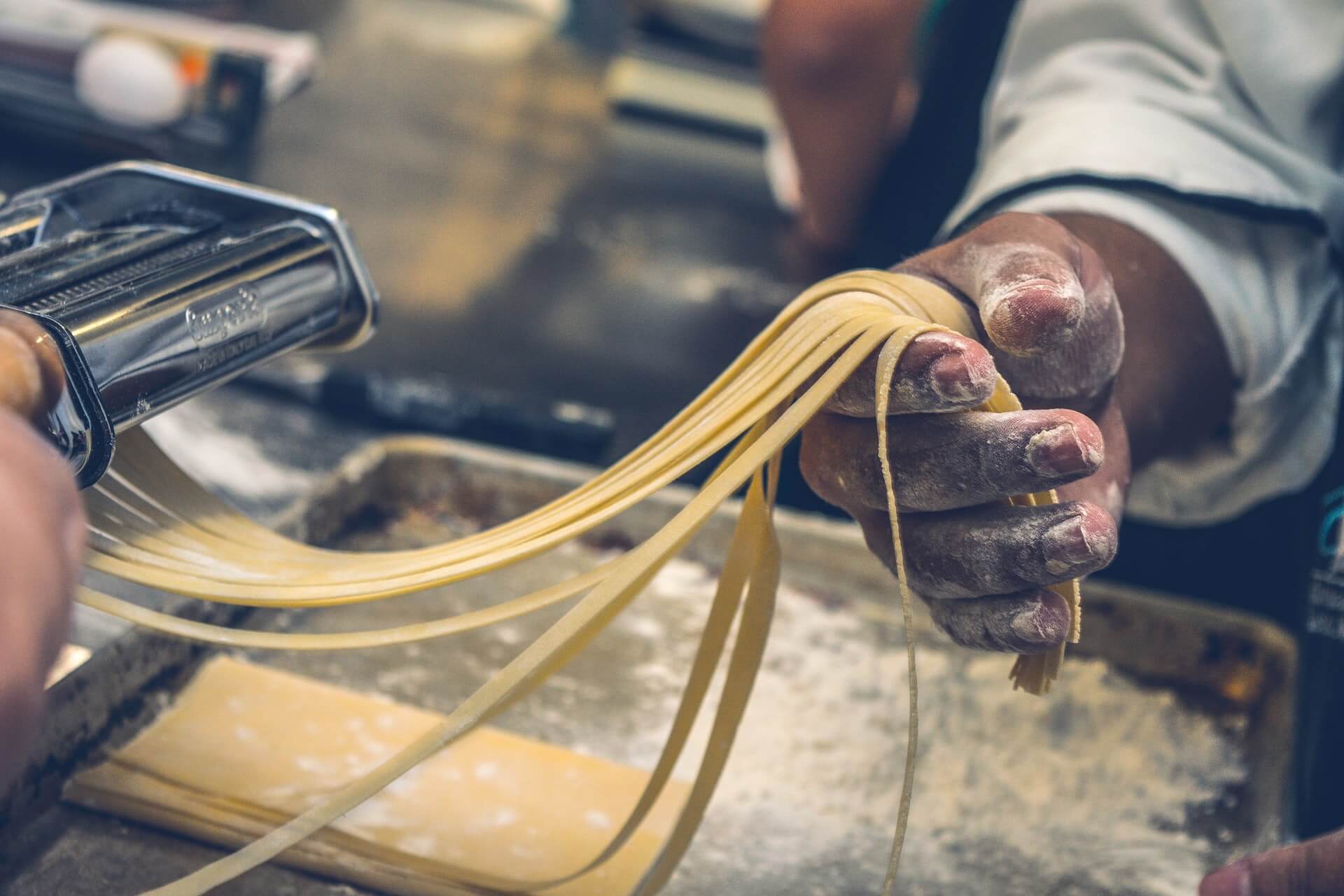
Cook making handmade pasta noodles

We don’t have a crystal ball to help us see which cuisines will be most popular. Obviously, the same holds true for knowing which are just now getting recognition.

However, we do have the next-best thing: data from Datassential.

Recently, the food and beverage analytics firm ranked dozens of global cuisines according to their current state of popularity among diners.

Then, they shared that information in October during their “Around the World in 80 Trends” webinar.

“Ubiquity”

When analyzing food and beverage trends, Datassential funnels them into four distinct designations: Inception, Adoption, Proliferation, and Ubiquity.

Arguably, once a trend reaches Proliferation and Ubiquity it becomes a mainstay. So, we can more than likely stop referring to it as a trend.

Now, the two most precarious stages for a trend are Inception and Adoption. Plenty of trends die on the Inception vine. Several won’t make it out of Adoption.

When you see Datassential’s list of global cuisines that fly under the Ubiquity banner, I doubt there will be much surprise:

  • Italian
  • Southern
  • Mexican
  • Creole/Cajun
  • Tex Mex
  • Chinese

So, any shocks to your system there? Most likely not.

“Proliferation”

Another to label this Datassential designation is “second most popular.” Each of these cuisines has a clear shot at reaching Ubiquity.

In fact, I find one of the global cuisines in this category surprising. It’s the first one in this list:

  • Japanese
  • Regional Italian
  • Regional Mexican
  • Greek
  • Mediterranean
  • Regional US
  • Southwestern
  • Cuban

As you’ll see, the lists grow longer steadily as we move down from Ubiquity.

“Adoption”

For me, it’ll be interesting to review follow-up data from Datassential regarding global cuisines.

As such, I’m eager to learn which cuisine from the list below reaches Proliferation in 2022:

  • Caribbean
  • Indian
  • French
  • Regional Chinese
  • Oaxacan
  • German
  • Middle Eastern
  • Korean
  • Ashkenazi
  • Hawaiian
  • Vietnamese
  • Venezuelan
  • Spanish
  • Sicilian
  • Jamaican
  • Israeli
  • Thai
  • British

To be honest, my first reaction to seeing French cuisine under the Adoption banner was surprise. Of course, I then thought back to how many French restaurants we have here in Las Vegas.

Sure, this little city in the desert is a foodie destination. However, French restaurants don’t dot the landscape like those that focus on other cuisines.

“Inception”

That brings us to the first stage of any trend: Inception.

Now, the first thing you’ll notice is that this category contains the most global cuisines. Whereas Adoption features 18, Proliferation lists eight, and a mere six have reached Ubiquity, Inception identifies two dozen.

They are as follows:

  • Brazilian
  • Mizrahi
  • Russian
  • Malaysian
  • Croatian
  • Moroccan
  • Lebanese
  • South African
  • Native American
  • Central American
  • Argentinian
  • Peruvian
  • Filipino
  • Appalachian
  • Sephardic
  • Ethiopian
  • Senegalese
  • Scandinavian
  • Sonoran
  • Nigerian
  • Iranian
  • Persian
  • Turkish
  • Polish

Again, there are some surprises here, at least for me. For example, I expected Ethiopian cuisine to have reached Adoption by now.

Takeaways

Of course, there are multiple ways to interpret this data.

First, you can embrace Ubiquity, leveraging their incredible popularity. However, standing out and building traffic will be challenging.

Second, you can feature Proliferation cuisine. Sure, these have yet to reach the Ubiquity stage. But they’re close to doing so, and you’ll also face stiff competition.

Third, focusing on cuisine from the Adoption designation involves taking a risk but mitigating it somewhat. These cuisines are developing a following and guest demand.

Finally, the riskiest move, depending on location: featuring Inception cuisines. But with risk comes reward. Identify a gap in a certain area—something we can do with our signature feasibility studies—and you may realize staggering success.

So, what do you think? Did you find any of Datassential’s designations surprising for certain cuisines? Let us know on our Instagram, Facebook, Twitter or LinkedIn pages!

Image: Jorge Zapata on Unsplash

by David Klemt David Klemt No Comments

Things Looking Up For December

Things Looking Up For December

by David Klemt

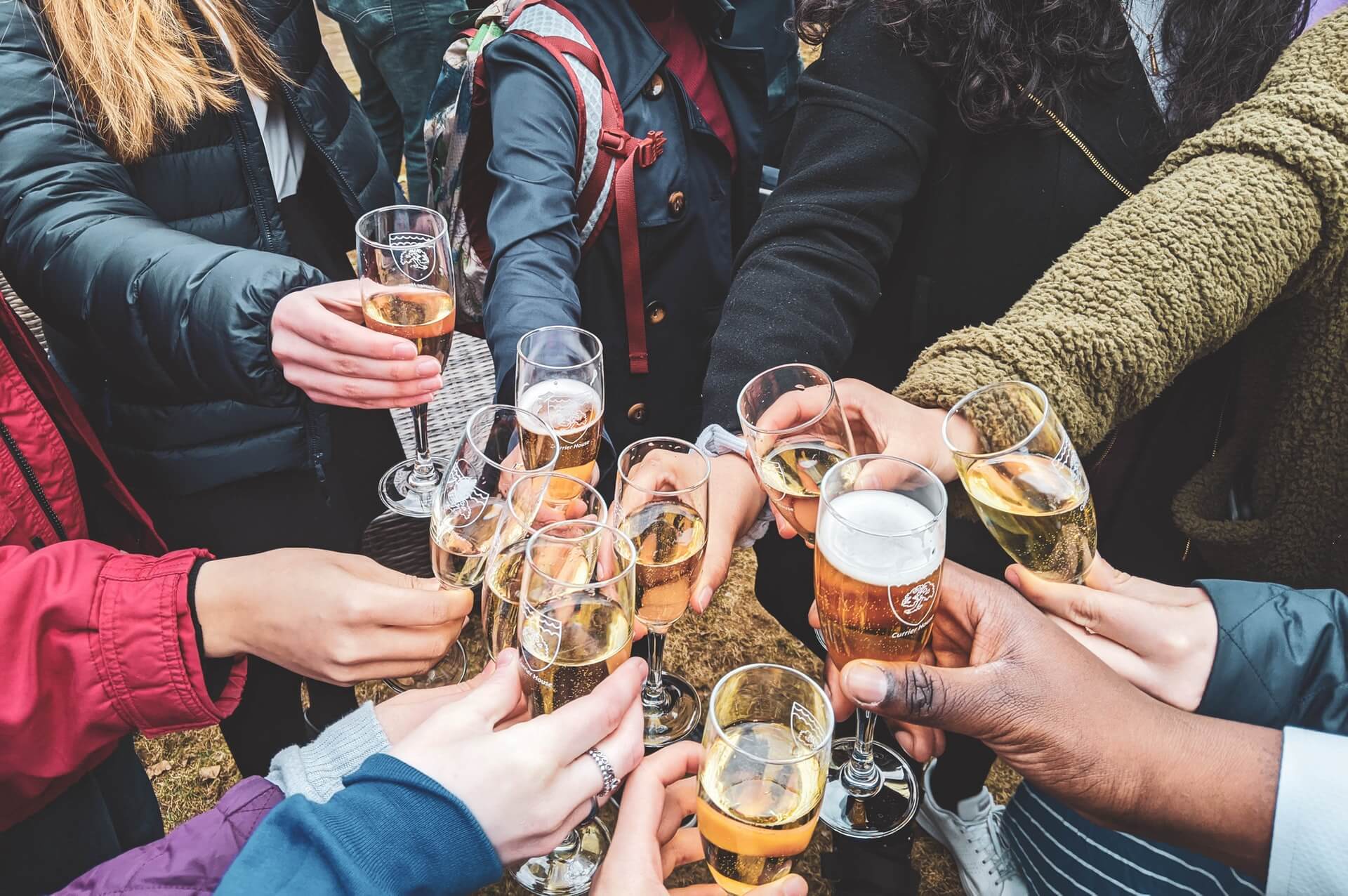
Friends toasting with Champagne outside during the winter

Food and beverage research and analytics firm Datassential’s end-of-year insights point to a positive outlook for restaurants in December.

While many consumers still have reservations about spending time in public, others are eager to return to “normal.”

Restaurants and bars are expected to play an important role in reaching normalcy this holiday season.

Let’s take a look at Datassential’s 2021 Holiday Issue statistics.

Hesitancy Waning?

Let’s get the less-promising data out of the way first. Some consumers still find the idea of in-person restaurant visits uncomfortable.

Nearly half of Boomers surveyed by Datassential (46 percent) said they’re “significantly less likely” to visit a fast-casual or fast-food restaurant in December.

And, interestingly, 42 percent of men gave the same answer for visiting traditional sit-down restaurants.

However, of all the in-person options presented to participants by Datassential, restaurants performed the best.

More than half of all respondents—men, women, Gen Z, Millennials, Gen X, Boomers—plan to visit fast-casual, fast-food, and sit-down restaurants more in December than they have in recent months.

It’s most likely that anticipation for restaurant visits is driven by the desire to gather and celebrate the holidays.

Overall, 57 percent of respondents plan to visit fast-casual and fast-food restaurants more. And 47 percent expect to visit sit-down restaurants more.

That makes those two options the top answers.

Only 16 percent of respondents indicated they don’t plan on visiting any on-site foodservice venues.

Regarding bars, sports bars, lounges, and nightclubs, men are “significantly more likely” (23 percent) to visit those types of venues in December.

Holiday Opportunity

According to Datassential’s report, the opportunity for holiday bookings is out there.

More than likely, gatherings will simply be smaller than they were prior to the pandemic.

Asked about plans to gather at restaurants in December, get-togethers are expected to be “moderately sized.”

Almost half of survey respondents (44 percent) plan on gathering at restaurants in parties of seven to twelve.

Just over a quarter (29 percent) plan on get-togethers of six or fewer of people. Only 18 percent of respondents are planning large (13 to 18 people) gatherings at restaurants in December.

As far as parties of 19 or more, just nine percent of respondents plan “very large” gatherings.

Of course, individual operations’ results will vary. However, this information gives us an idea of what traffic may look like for many operators.

2021 Spending

This is where the news looks even better for restaurants, bars and nightclubs in December.

When asked about spending money on going out to eat and for drinks, just 18 percent of respondents said they planned to spend less this year than in 2020.

Very nearly half (49 percent) plan to spend the same as they did last year. However, 32 percent said they think they’ll increase their spending.

When it comes to New Year’s Eve, the numbers shift a bit. However, 50 percent of respondents plan to spend the same on NYE in 2021 as they did in 2020.

Twenty-six percent plan to spend more on NYE in 2021. Just 24 percent plan to spend less this year on NYE.

Per Datassential, Millennials are most likely to splash out for NYE this year.

So, things won’t be returning to pre-pandemic normalcy by 2021’s end. However, if Datassentials findings prove accurate, things are looking healthier for December.

Image: Christine Jou on Unsplash

by David Klemt David Klemt No Comments

How is Plant-based Performing?

How is Plant-based Performing On-premise?

by David Klemt

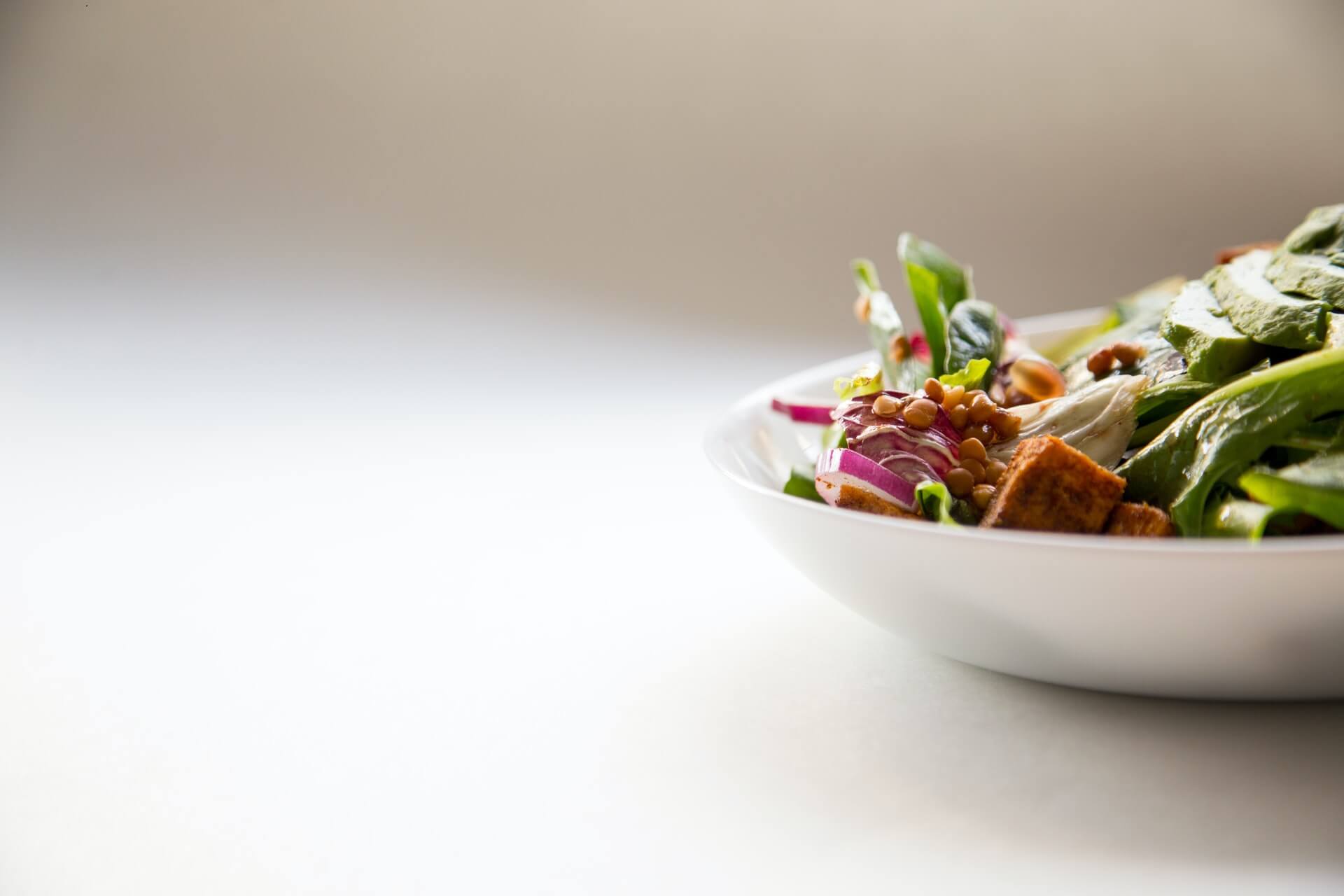
Plant-based food bowl

With plant-based food options making their way to global fast food chains, it’s clear the category is continuing to heat up.

In fact, it’s likely time to stop referring to plant-based menu items as a trend. Obviously, they’re here to stay.

But how are these items actually performing on-premise? Is the category experiencing real growth or barely noticeable?

“Proliferation”

We’re full throttle into the holiday season. People are focusing on spending time with family and friends.

And what does that mean? Gathering for meals.

So, if restaurant traffic is going to tick up, it makes sense to see if plant-based should be more prevalent on menus.

To that end, Datassential revealed data on this category two weeks ago during their “Holidays Ahead!” webinar. Of four trend-tracking designations—Inception, Adoption, Proliferation, Ubiquity—Datassential notes plant-based menu items are in the Proliferation stage on-premise.

Analyzing data from 2011 to 2021, Datassential showed that the category started growing in terms of menu placement in 2018. As of this year, plant-based items are on nearly five percent of restaurant menus.

That may not seem like impressive growth. However, there was zero-point-zero-percent growth between 2011 and 2014. In 2015 and 2016, Datassential shows that only 0.1 percent of restaurants offered plant-based menu items. That growth doubled in 2017 (0.2 percent), then doubled again in 2018 (0.4 percent).

In 2019, the category quadrupled to inclusion on 1.6 percent of restaurant menus. Last year, that growth more than doubled to 3.5 percent.

According to Datassential, 28 percent of consumers like or love plant-based menu items. Interestingly, the research agency finds that all types of consumers like plant-based items, not just vegetarians or vegans.

The Datassential breakdown of plant-based menu proliferation by restaurant category is as follows:

  • Fast Casual: 11.5%
  • Casual Dining: 5.4%
  • Midscale: 3.9%
  • Quick Service: 3.4%
  • Fine Dining: 1.8%

Chains are more likely, at this time, to feature plant-based menu items.

Upscale Options

Wanting to include plant-based options and knowing where to start are two different things.

As it happens, Datassential featured a timely real-world menu to that should inspire operators this season.

Watercourse Foods in Denver, Colorado, offers mains and sides that will resonate with holiday diners:

  • Seitan Roast (wheat, soy, blend of herbs) which stands in for roast turkey.
  • Pot Pie consisting of carrots, celery, onions and mushroom.
  • Root Vegetable Stuffing made with root veggies (obviously), savory herbs, and housemade bread.
  • Mac and Cheese featuring shells tossed in cheese fondue and topped with shiitake “bacon” bits and breadcrumbs.

As you’ll notice, you don’t need to limit your menu to products from Beyond or Impossible. Obviously, you can leverage their brand recognition but you can also utilize your current plant-based inventory to create housemade menu items.

If you’re ready to embrace plants at your restaurant or bar, activate your kitchen team. With a bit of creativity you can take advantage on the rise in popularity of everything plant-based.

Image: Hermes Rivera on Unsplash

by David Klemt David Klemt No Comments

Thanksgiving Eve by the Numbers

Thanksgiving Eve by the Numbers

by David Klemt

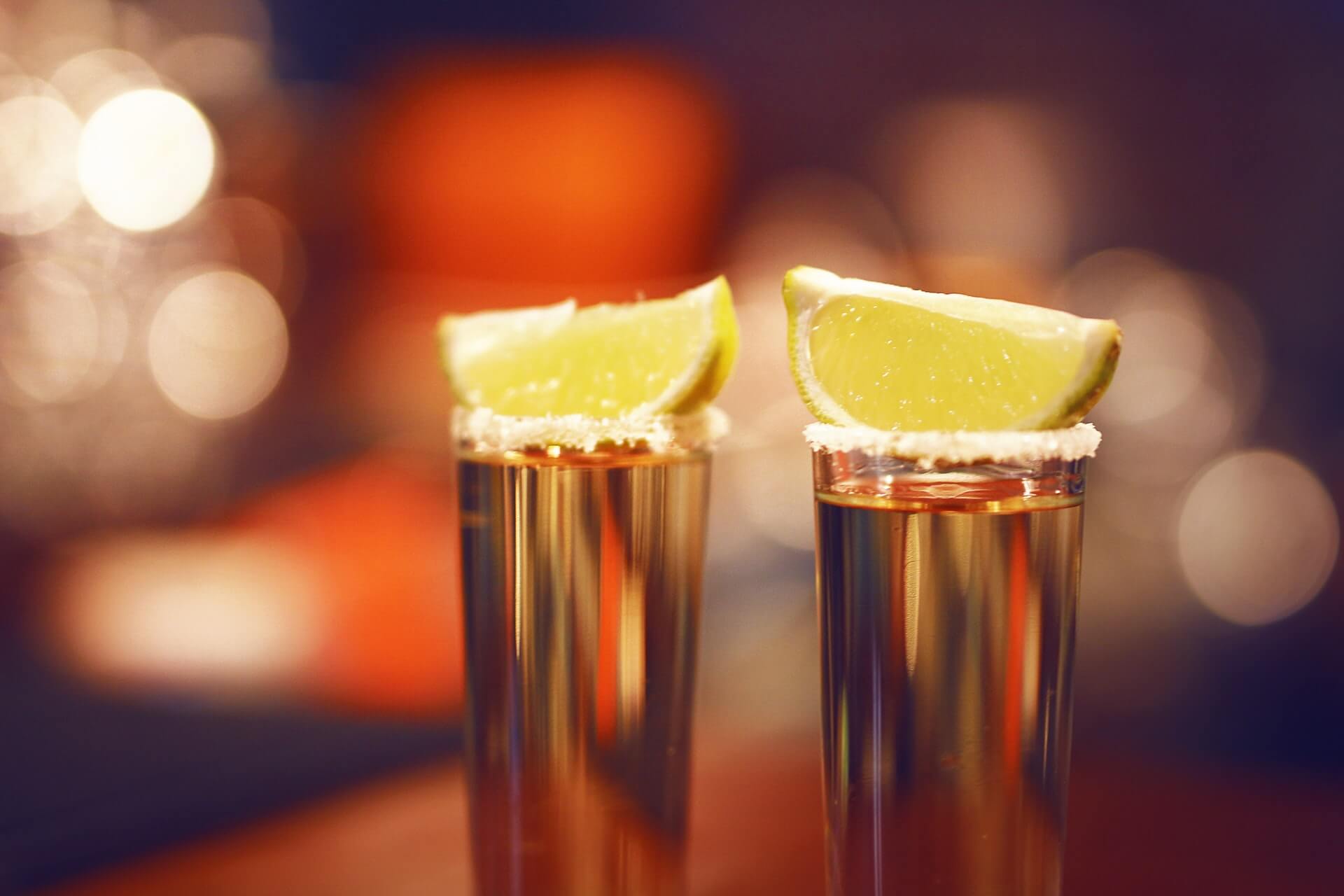
Two shot glasses garnished with salt rim and lemon wedges

Tonight, guests will be looking to celebrate a bar holiday that’s traditionally lucrative for operators: Thanksgiving Eve, a.k.a. Drinksgiving.

It’s difficult to imagine that any operator or hospitality worker is unaware of Thanksgiving Eve’s status.

Sure, some mark the start of end-of-year celebrations with Halloween or Thanksgiving. However, I feel Thanksgiving Eve truly ushers in the holiday season.

I’d also argue that while retailers have Black Friday and Cyber Monday, operators have the night before Thanksgiving. Yes, New Year’s Eve is also huge, but Thanksgiving Eve is considered the busiest night of the year for bars.

Interestingly, this is a holiday that benefits bars across the nation. In fact, it’s not exclusive to destination cities.

After all, the reason it’s so big, traditionally, is that people are traveling back to their hometowns. And while Thanksgiving is for their families, Thanksgiving Eve is for catching up with childhood and high school friends.

Obviously, there are fantastic bars located in cities outside of their destination counterparts. Hot take, I know.

So, does Thanksgiving Eve deserve its hype ?

The Evidence

Unfortunately, data from 2020 isn’t readily available, for obvious reasons.

However, we do have some data, largely thanks to restaurant management and POS platform Upserve.

One of the simplest ways to analyze Thanksgiving Eve’s impact is to compare it to the previous Wednesday.

Per Upserve, guest counts rose 23 percent in 2018 when compared to the Wednesday prior to Thanksgiving Eve.

Looking at data from more than 10,000 restaurants and bars, Upserve found that guest count totaled 496,883 on November 14, 2018. One week later, that number rose to 643,637.

As Upserve content marketing coordinator Stephanie Resendes says in her Thanksgiving Eve article, “More people = more money.”

Of the 10,000-plus Upserve clients whose data was analyzed, net sales were $17.250 million on the Wednesday preceding Thanksgiving Eve 2018. That number jumped to $22.296 million.

So, looking just at a relatively small sample size from 2018, Thanksgiving Eve’s impact doesn’t seem overblown.

The Drinks

According to Upserve, beer was the year-over-year winner through 2018. It saw the most growth by far on Thanksgiving Eve 2018 when compared to the Wednesday prior and the same period in 2017.

Spirits and wine, at least for Thanksgiving Eve 2018, were nearly tied for second place.

Now, looking at the data for Thanksgiving Eve 2019, spirits saw the most growth overall. Resendes shared that shot sales increased 173 percent on Thanksgiving Eve 2019 when compared to the Wednesday prior.

Tequila led the charge for spirits, rising 156 percent. Vodka saw a 144-percent boost, rum increased 120 percent, whiskey went up 65 percent, and gin saw a lift of 47 percent. For its part, beer sales rose 65 percent.

Not content to simply look at traffic and sales numbers, Upserve also split their clients into four regions. In this way, they identified who parties hardest on Thanksgiving Eve and who needs to ramp things up.

The four regions and their net sales growth from Thanksgiving Eve 2019 compared to the Wednesday prior are below:

  • Midwest: 34 percent
  • Northeast: 34 percent
  • South: 33 percent
  • West: 22 percent

Clearly, there was still growth in the Western region. However, the Midwest and Northeast led the way, with the South just behind them.

We’ll have to wait to see how Thanksgiving Eve 2021 plays out. We’re still waiting on the numbers from 2020. However, Upserve’s data shows that Thanksgiving Eve remains crucial to restaurants and bars throughout America.

Image: Alena Plotnikova on Unsplash

by David Klemt David Klemt No Comments

Giving Tuesday: World Central Kitchen

Giving Tuesday: World Central Kitchen

by David Klemt

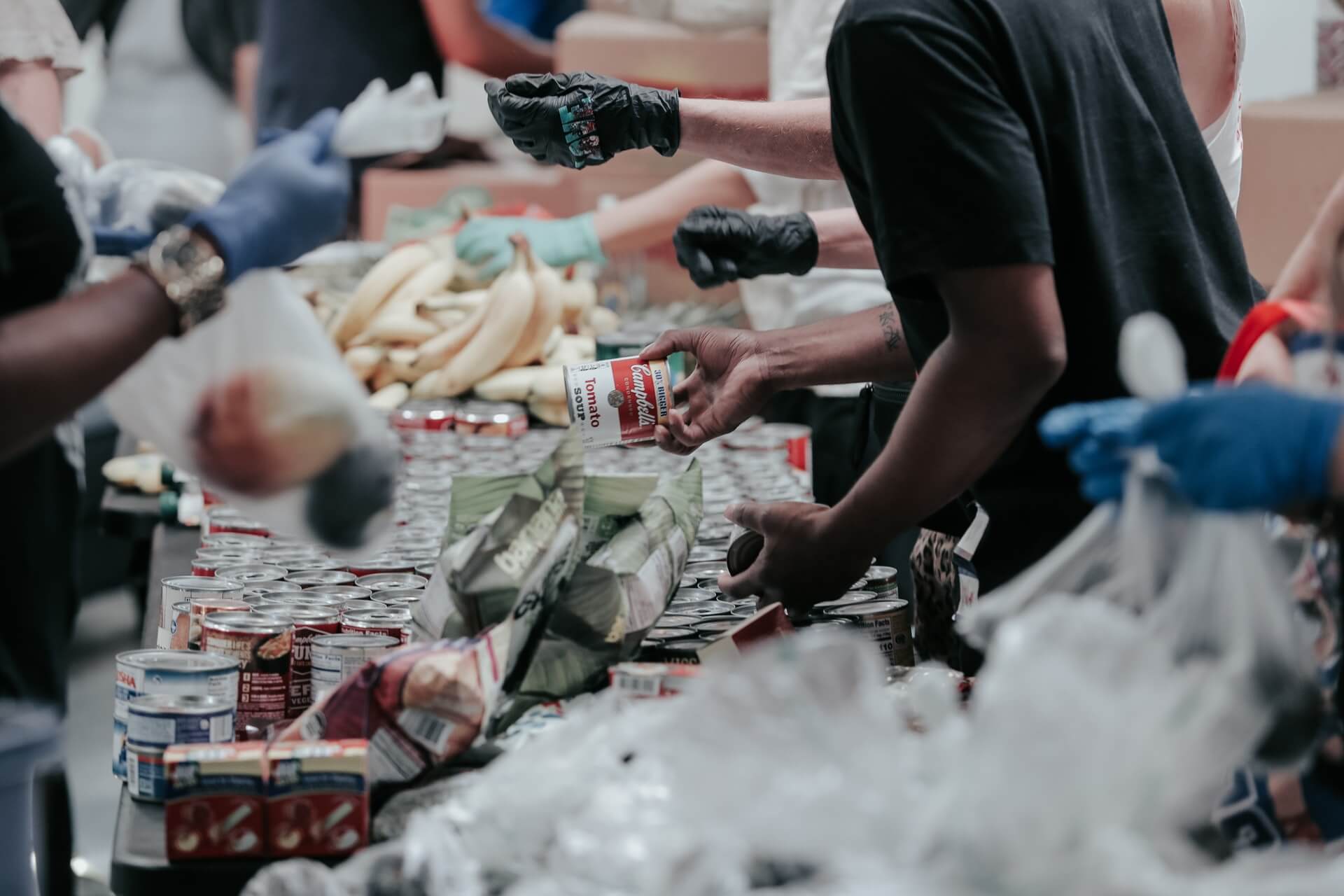
Food bank charity donations

November 30 is Giving Tuesday, “a global generosity movement” that focuses on all acts of kindness and giving, large and small.

KRG Hospitality vice president Jennifer Radkey explains Giving Tuesday in-depth in her article from last week.

In her article, Jennifer puts forth ways to involve your business and staff in acts of kindness.

She also explains that November 30 is an opportunity for operators to give back. After all, communities supported restaurants and bars during the pandemic. Now’s the time to provide support for those communities.

All acts of kindness and generosity are encouraged on Giving Tuesday. Monetary donations, volunteering time, hosting charitable organizations free of charge… There are endless ways to participate in Giving Tuesday.

“In other words, it doesn’t matter how you give,” says Jennifer. It just matters that you take part.

World Central Kitchen

At KRG Hospitality, we support World Central Kitchen. Founded in 2010 by Chef José Andrés and his wife Patricia, WCK has been fighting food insecurity for nearly 12 years.

One reason we give to WCK is exemplified in an announcement from earlier this month.

World Central Kitchen is committing to providing $1 billion over the next ten years via their Climate Disaster Fund.

Another reason we give to World Central Kitchen? The 501(c)(3) non-profit gave more than $250 million in 2020 to feed communities around the world.

However, it’s WCK’s overall approach to fighting food insecurity is what we find compelling. The charitable organization doesn’t just show up to a community, hand out food, and leave.

Rather, WCK commits to long-term, local solutions. They create food programs to improve a community’s overall health; offer culinary training and provide jobs; and work to build food security.

If you have the means, please consider following this link to make a donation to World Central Kitchen. Per Charity Navigator, WCK enjoys the highest rating for a charity: four out of four stars.

Donations can be one-time or monthly, for any amount, and in someone’s honor or memory.

Image: Joel Muniz on Unsplash

by David Klemt David Klemt No Comments

Build Back Better…Without Restaurants?

Build Back Better…Without Restaurants or Bars?

by David Klemt

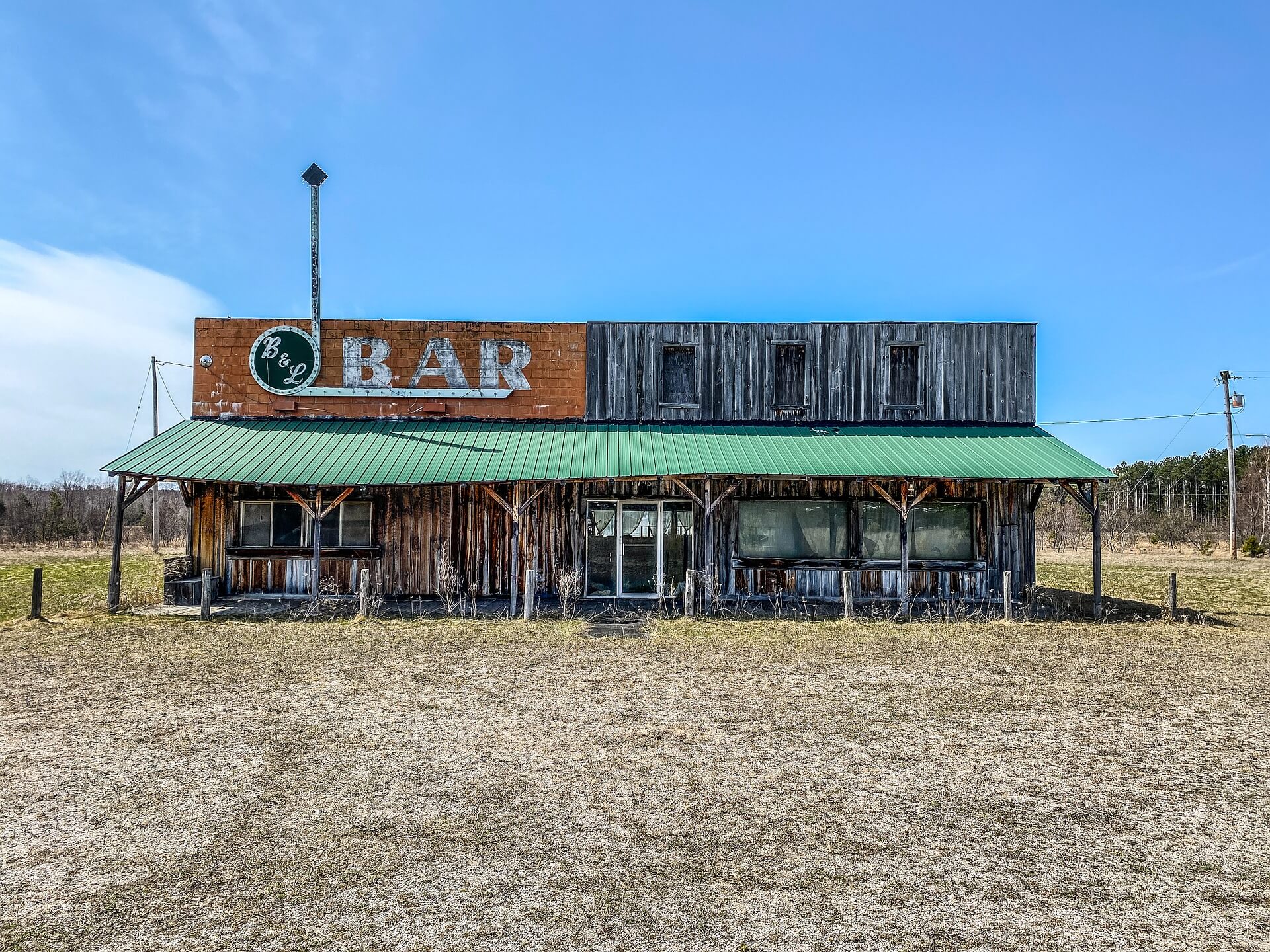
Abandoned bar or restaurant

The Build Back Better Act was passed by the House last Friday without the inclusion of the Restaurant Revitalization Fund Replenishment Act.

For those keeping count—me, for instance—the RRF Replenishment Act has seen zero movement since June.

We’re now six months without RRF Replenishment progress. The RRF application portal closed on May, 24.

To put it bluntly, the House once again failed our industry.

Of the $1.7 trillion dollars in the Build Back Better Act, zero are earmarked to replenish the RRF.

Applicants in Limbo

According to the National Restaurant Association, there are at least 177,000 RRF applicants awaiting grants.

Unless the RRF is replenished, those applicants will receive nothing.

For six months now, two bills seeking $60 billion to replenish the RRF have languished. Those bills are the aforementioned RRF Replenishment Act and the ENTREE Act.

The former was introduced by a bipartisan group of representatives and senators. Rep. Blaine Luetkemeyer (R-MO) introduced the latter.

Unfortunately, the chance to replenish the RRF via a unanimous consent motion was shot down in August. Sen. Rand Paul (R-KY) objected to $43 billion in emergency funding, killing the RRF.

At this point, it’s difficult to take any statement of support for our industry from members of Congress seriously.

NRA Speaks Out

The same day that the Build Back Better Act passed, NRA vice president Sean Kennedy released a statement.

“We are disappointed that the House passed the Build Back Better Act without including the Restaurant Revitalization Fund Replenishment Act… Passing this bill without including RRF replenishment leaves thousands of small business restaurants teetering on the brink of closure,” reads Kennedy’s statement.

Kennedy also points to specific elements of the Build Back Better Act that can cause further harm to operators and our industry.

In particular, Kennedy states that the NRA “specifically asked Congress to not pass any legislation that would harm restaurants as they rebuild.” Instead, the Build Back Better Act imposes new taxes on small businesses, including restaurants and bars.

Per Kennedy, “this bill newly applies the net investment income tax (NIIT) to active business income for pass-through businesses.”

Read Kennedy’s statement in full here.

It’s possible that the Senate will make changes to the bill. And it’s possible that replenishing the RRF will be among those changes. If that happens, the bill will be sent back to the House, further delaying the crucial assistance our industry needs.

Oh, and the deadline to avoid a government shutdown is December 3.

To tell your lawmakers to replenish the RRF, click here. I know I’ve asked you to do this several times. As frustrating as it’s getting, we need to stick together and keep up the pressure.

Image: Wokandapix from Pixabay

by David Klemt David Klemt No Comments

Código 1530 Tequila Closes the Loop

Código 1530 Tequila Closes the Loop

by David Klemt

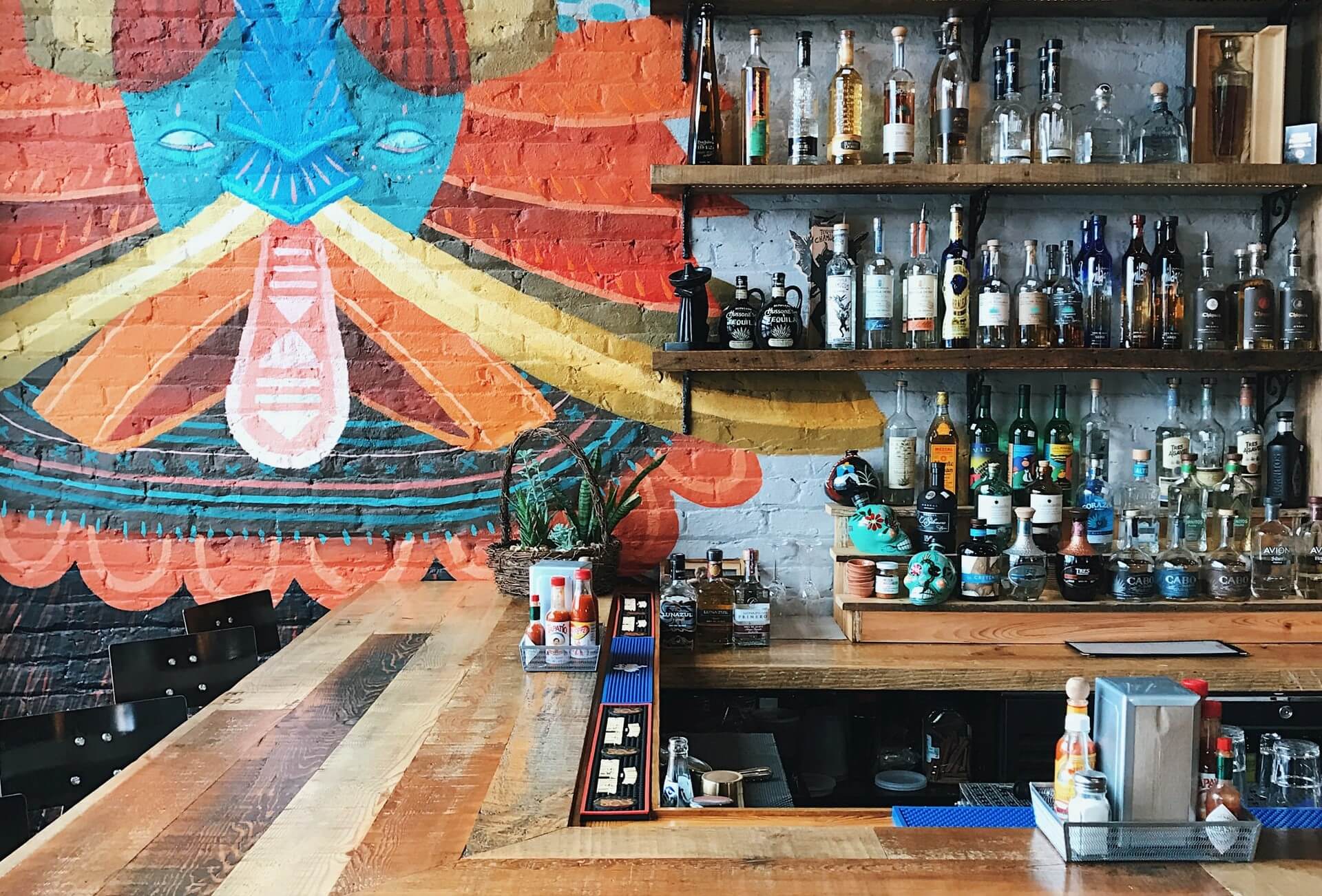
Upscale tequila bar with luxury bottles on back bar

The evidence that consumers are showing increasing interest in luxury spirits continues to mount, with tequila benefiting greatly.

According to DISCUS, the luxury category of tequila continues to grow. Sales volume is up 30.7 percent annually since 2015 for luxury tequila brands.

While it’s easy to point to brand recognition, cache and perception, there may be another reason for this growth.

In a word, “responsibility.”

Sustainability is Sexy

Episode 57 of Bar Hacks features Collin De Laval. He’s the company mixologist for Código 1530 Tequila, and he’s intimately familiar with the brand.

So, De Laval knows more than every nuance of each Código 1530 expression. He also understands the ethos that drives the brand and its processes.

One of Código’s values is responsibility, which it manifests through sustainability efforts. As De Laval explains, “we try and close a lot of the waste loop, as much as we can.”

Not only does Código utilize naturally filtered water, they cut the water back out of their heads and tails. That water is then reused. The brand uses broken pieces of barrel and spent agave to char new barrels.

Further, Código is a small craft distiller. They don’t level thousands upon thousands of agave each day. Instead, they’re selective and take only what’s necessary.

“We’re treating the land a lot better in that way,” says De Laval.

These efforts are increasingly appealing to consumers. It’s not just the liquid in the bottle that matters. How that liquid got into the bottle is important to them.

“Now it’s like, ‘I know this brand. I know they do good stuff,'” De Laval says.

That “good stuff” doesn’t reference only the quality of the spirits but a brand’s responsibility and sustainability.

Drinking Better

“People are drinking ‘up’ now,” says De Laval. “Gone are the eras of, ‘Let me get whatever’s well.'”

He’s not talking about how a guest orders their drink. By “up” De Laval means they’re choosing top-shelf spirits.

Six years of steady growth for luxury or ultra-premium spirits supports this claim.

De Laval isn’t the only Bar Hacks guest who notices this trend. During episode 56, Pernod-Ricard Prestige sales manager Maxime Lecocq mentions the trend as well.

If luxury spirits and wines had suffered during the pandemic, that would’ve made sense. It could’ve been explained as people being cautious with their money.

Indeed, consumers were cautious. However, not in the way that many would assume. The numbers support the belief that consumers were spending more to drink higher-quality bottles.

Interestingly, drinking better doesn’t appear to refer only to quality or price. Many small, luxury craft distillers enjoy the perception as more responsible than large, industrial producers.

Drinking better now seems to mean drinking what’s better for the environment. And if what’s more responsible and sustainable happens to be ultra-premium, consumers are willing to pay for it.

Image: Spencer Pugh on Unsplash

by krghospitality krghospitality No Comments

Why You Should Take Part on Giving Tuesday

Why You Should Take Part on Giving Tuesday

by Jennifer Radkey

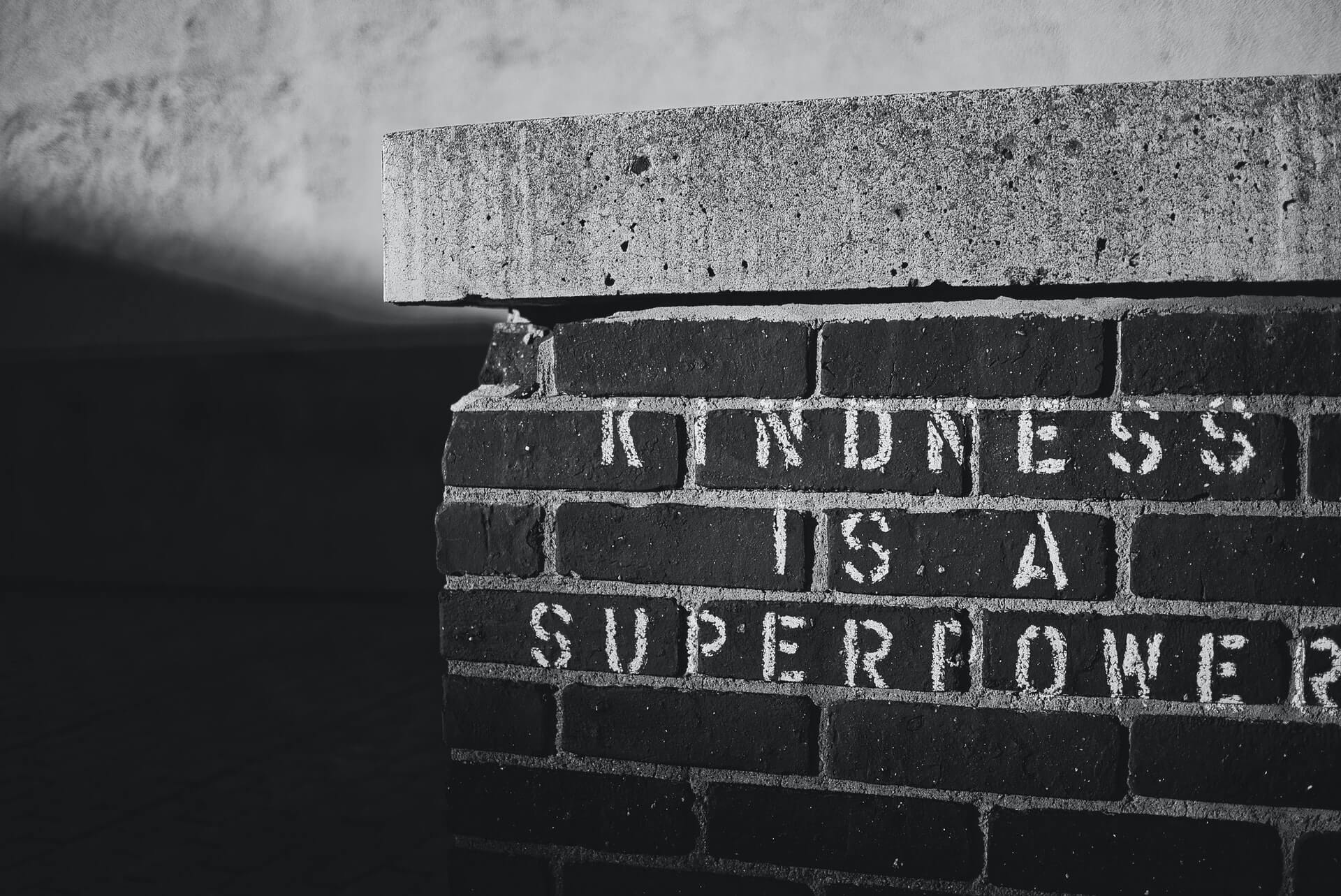
Kindness is a Superpower stencil graffiti on brick wall in black and white

You are most likely familiar with Black Friday and Cyber Monday, days that encourage consumerism and support the economy.

However, after these two days comes a global movement that you may not yet be familiar with but need to be: Giving Tuesday.

Created in 2012, Giving Tuesday will be celebrating its ninth year Tuesday, November 30th. It is a global movement in which organizations, businesses, charities, and individuals all come together to support their favourite causes.

From large monetary donations to simple acts of kindness, it is a day that encourages people to do good and to bring about positive change in their communities.

Why Generosity?

Generosity not only benefits the charity or person who is on the receiving end, it has huge benefits to those on the giving end.

From increased happiness to a sense of shared community, being generous with your time, resources, or money is often a simple act with big rewards.

A 2008 study by Harvard Business School professor Michael Norton and colleagues found that giving money to someone else lifts participants’ happiness more than spending money on themselves.

This is true even when the participants anticipate prior to the act of giving that spending the money on themselves would make them happier. Research also suggests that similar well-being benefits come from giving monetary gifts/donations or volunteering your time.

In other words, it doesn’t matter how you give, it is the act of giving in itself that gives us that “warm glow” feeling that we typically associate with the holiday season.

Hospitality and Generosity

The words hospitality and generosity go hand in hand.

To be a welcoming hospitality brand you need to be generous with your time and your kindness. You need to be willing to create an atmosphere in which people come to not just eat a meal, have a drink, or spend a night, but to create memories, to socialize, and to have an experience.

Over the past (nearly) two years, we have asked our communities to support hospitality businesses as we faced lockdowns and restrictions. In many ways, our communities did just that.

Guests ate on patios when the weather was not pleasant. They supported through ordering takeout. #SupportLocal movements popped up not just in the U.S. and Canada but globally. Through their extra efforts, many businesses were able to keep their doors open and their staff employed.

Now it is time to take that generosity shown to us and give it back to our community.

Giving Back

So, as a hospitality business, how can you contribute to Giving Tuesday?

Firstly, discuss it with your team! If you are able to contribute a monetary donation to your community in some way, which charity or organization speaks most to the values you all share?

If you aren’t able to contribute a monetary donation, how can you volunteer your time as a team? Maybe you can make your space available free of charge for a local organization or charity to host an event. Perhaps you can cook meals or bake goods as a team to provide to those in need, or who work tirelessly to make your community a better place.

The opportunities for giving back are endless and you can be as creative as you like. Host a breakfast with Santa for a local children’s group or do a hot chocolate and cookie drop off at a senior’s centre.

Brainstorm as many ideas as possible with your team. The process of thinking of charitable acts alone will brighten your team’s mood and get everyone in the giving spirit.

Share, Share, and Share Some More

Once you decide how you will participate in Giving Tuesday, tell the world about it!

Take photos, share the link to the charity or organization you are giving to, and encourage others to give alongside you. Tell a story.

However, do not engage with Giving Tuesday cynically with the goal of social media exposure. Be truly kind and generous.

Generosity is contagious. Your act of kindness will encourage others to do the same. It will also shine a bright spotlight on your hospitality brand, so make certain you’re engaging in kindness authentically and not just to score points with your community.

For more information on Giving Tuesday, please visit www.givingtuesday.org. Cheers to professional and personal well-being!

Image: Andrew Thornebrooke on Unsplash

by David Klemt David Klemt No Comments

Stir Up This Authentic Mexican Cocktail

Stir Up This Authentic Mexican Cocktail

by David Klemt

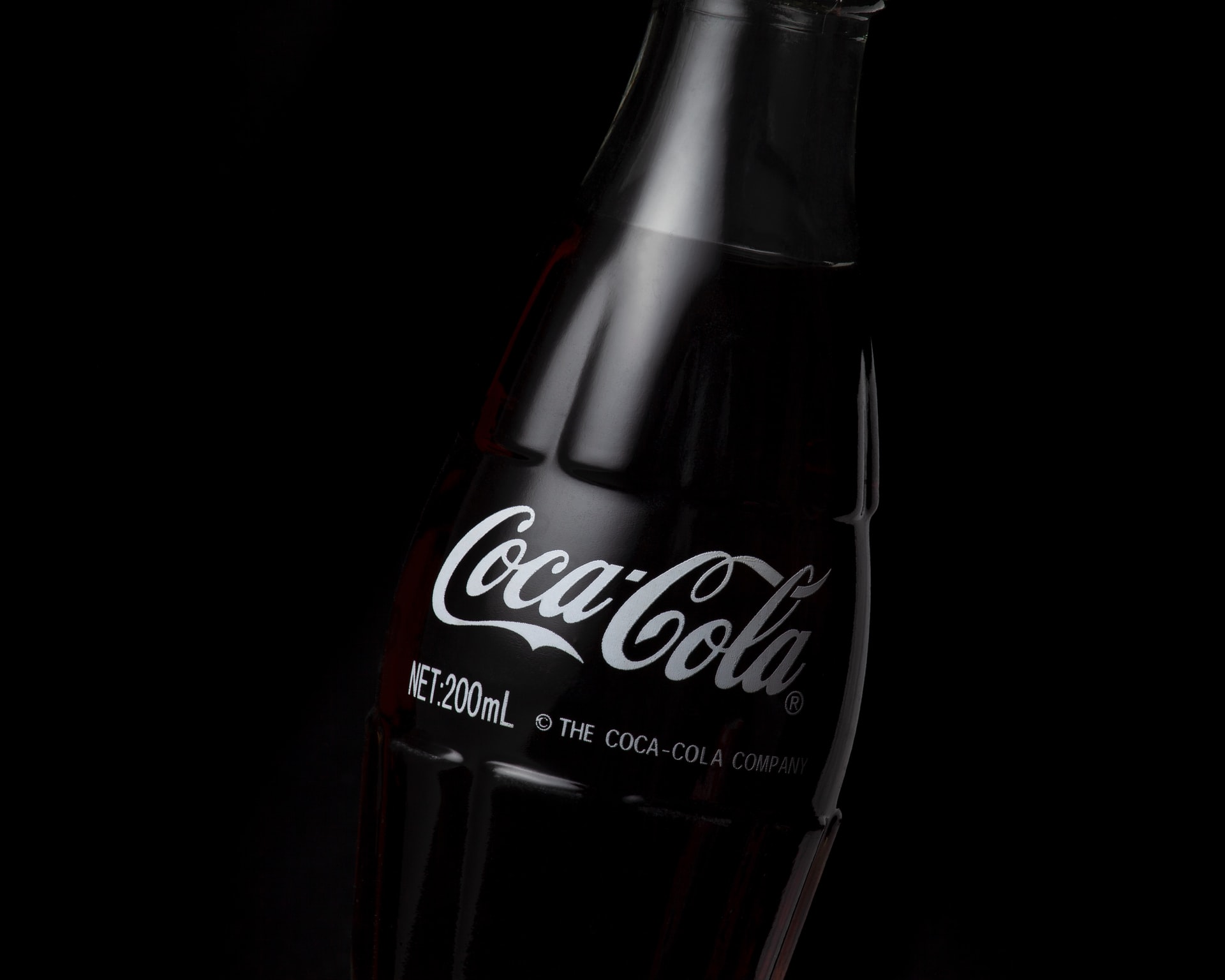
Black glass Coca-Cola bottle with black background

A simple, three-ingredient cocktail can make a big impact on guests when it’s authentic and the build is part of the presentation.

A perfect example of authenticity and a wow-factor cocktail build is the Batanga.

During episode 57 of Bar Hacks, Collin De Laval recommends this deceptively simple drink.

La Batanga

When De Laval is creating, it’s important to him that he remains faithful to a particular country, region or town.

As the company mixologist for Código 1530, that means honoring tequila in an authentic way.

Not only is De Laval a “blanco drinker, through and through,” he’s also unafraid of things getting “rowdy.”

So, while he isn’t the creator of the Batanga, he is a big fan.

One reason, as he mentions on Bar Hacks, is that the drink seems like it shouldn’t work. After all, the recipe combines tequila blanco, lime juice, and Coca-Cola.

Now, one could say that this is “just” a Cuba Libre with tequila stepping in for rum. However, that’s far too dismissive; the flavor profiles are vastly different.

In fact, I’m fairly certain that nobody has raised an eyebrow at a Cuba Libre and said the ingredients shouldn’t work together.

Impactful Build

You may find yourself wondering how this simple cocktail can possibly wow guests. Really, what’s impressive about combining tequila, juice and cola, and stirring?

Well, it’s the stirring that’s the secret.

Per several sources, the Batanga’s creator had a trick up his sleeve when he came up with the recipe. And that trick was a big knife with a wood handle.

Don Javier Delgado Corona created the Batanga in 1961 at La Capilla, his bar in Tequila, Mexico. When it came time to finish his build, he stirred the drink with the aforementioned wood-handled knife.

Even better, Don Javier is reported to have explained, if that knife has been used to cut limes, salsa ingredients, or ingredients for guacamole.

I’m going to go out on a limb here and assume that unless they’ve had a Batanga made in Mexico, not many guests have watched a bartender stir their drink with a big knife.

Of course, not just any knife will have real impact, so I recommend using the biggest knife your highball or specialty glassware will accommodate.

The Recipe and Technique

Obviously, you can decide which of your tequilas to use when adding the Batanga to your menu.

Of course, you can also build it with whatever tequila your guest requests.

However, we’re going to use Código 1530 tequila for this recipe. After all, the brand certainly speaks to authenticity.

Additionally, Código 1530 also speaks to consumer desire to drink better and seek out ultra-premium spirits. Tequila is one of the luxury spirits categories benefitting most from this consumer trend, with sales volume increasing 30.7 percent annually since 2015.

La Batanga

Recipe created by Don Javier Delgado Corona at La Capilla

  • 2 oz. Código 1530 Blanco
  • 0.5 oz. Fresh-squeezed lime juice
  • Coca-Cola to top (per De Laval, only Mexican Coke in the glass bottle will do)
  • Salt for rim

Salt rim of highball glass or other tall glassware with decent width. Add ice to glass. Combine Código 1530 Blanco and lime juice. Top with cola. Most importantly, stir with a big knife and serve to wowed guest.

Image: Jeanson Wong on Unsplash

by David Klemt David Klemt No Comments

Go Big and Bold on National Zinfandel Day

Go Big and Bold on National Zinfandel Day

by David Klemt

Black photo concept of red wine glass and bottle

Cabernet Sauvignon may be King of Grapes but Zinfandel certainly isn’t the court jester when it comes to wine.

No, it’s not one of the five Noble Grapes from Bordeaux. And yes, in Italy Zinfandel’s name is Primitivo, which translates to “primitive.”

But just because this red wine is often described as rustic doesn’t mean it’s basic.

National Zinfandel Day, which takes place Wednesday, November 17, is the perfect time to introduce Zin to your guests.

Zinfandel 101

While there are a few reasons Bordeaux doesn’t consider Zinfandel to be a Noble Grape, there’s one in particular that stands out: Zinfandel is an Italian grape. Well, sort of.

Basically, Zinfandel is grown in Italy and America. Intriguingly, however, the grape originates from Croatia. It’s original name is Tribidrag.

Another interesting note: Red Zinfandel only accounts for about 15 percent of overall Zin production. You’re probably already guessing which style accounts for the lion’s share: White Zinfandel.

Now, you can promote both styles of Zinfandel—that’s a decision you have to make. But for this article, I’m talking exclusively about Red Zinfandel.

This is for three reasons. First, White Zinfandel is best as a beginner wine. It’s light, it’s usually low in alcohol, and it’s not very complex.

Second, you can sell Red Zinfandel as a worthwhile alternative to Cabernet Sauvignon, the most popular wine in the world. Third, it’s delicious, full-bodied, and the ABV is often quite high.

A great Red Zin is jammy (like a big Cab), bold (like a big Cab), and velvety (like a big Cab). So, many of the Cab Sauv drinkers among your guests will be willing to try a medium- to full-bodied Red Zin.

This “rustic” wine also pairs well with pizza and barbecue. How can that ever be a bad thing?

Bottles of Note

Orin Swift 8 Years in the Desert (15.8% ABV), $50 SRP

It’s arguable that Red Zinfandel’s rise in popularity is due to it showing up in many red wine blends. Another factor? Winemaker Dave Phinney in particular utilizing this grape in his red blends. 8 Years in the Desert round in the mouth, providing drinkers with a decadent, lush wine drinking experience.

Bedrock Old Vine Zinfandel (14.4% ABV), $22 SRP

The 2019 vintage of Bedrock’s Old Vine Zin receives top marks from experts across the board. When it comes to American Zins, wine aficionados consider this Zin to be the gold standard.

Opolo Mountain Zinfandel (15.7% ABV), $30 SRP

For those guests who want to taste a straight-up, 100-percent Zinfandel. Opolo is one of the finest producers of American Zin. The 2019 vintage is velvety smooth even with it’s big alcohol content and bold, jammy flavors.

The Prisoner Wine Company Saldo (15.5% ABV), $32 SRP

You don’t have to be a wine aficionado to be familiar with The Prisoner Wine Company. In fact, The Prisoner, undoubtedly one of those most famous red wine blends in the world, helped shine a spotlight on Red Zinfandel. Saldo is a three-wine blend of Zinfandel, Petite Sirah, and Syrah.

Seghesio Old Vines Zinfandel (15.6% ABV), $36 SRP

Like Opolo, Seghesio produces big Zins that offer the drinker a balanced experience. Yes, the alcohol content is high but the mouthfeel is smooth and plush while delivering bold flavors. The mouthfeel may be soft but it’s certainly not shy on the palate.

Turley Old Vines Zinfandel (15.5% ABV), $40 SRP

So, there’s a debate over whether “Old Vine” or “Old Vines” has any official definition. In general, a grapevine matures some time between 12 and 25 years old. Some say that “Old Vine” is a designation that means more than 25 years old, at least 40 years old, or at least 50 or 60 years old. Well, it’s fair to say that Turley offers true “Old Vine” Zinfandel given that the producer’s grapevines range in age from 40-plus to nearly 130 years old.

Image: Mae Mu on Unsplash

by David Klemt David Klemt No Comments

As Guests Learn More, Luxury Grows

As Guests Learn More, Luxury Grows

by David Klemt

Luxury concept featuring Champagne coupes on silver tray

Consumers are drinking better and the luxury categories of several spirits, wine and Champagne are benefitting.

Interestingly, this growth no longer appears to be driven solely by a desire to stand out and be seen.

Instead, according to one Bar Hacks podcast guest, consumers seem to be more carefully allocating their dollars.

Luxury Continues to Rise

The word “luxury” tends to conjure thoughts of expensive, high-end items.

Indeed, that’s certainly still a part of luxury. However, the concept of luxury as unattainable to most people is seemingly falling to the wayside.

Maxime Lecocq, Prestige sales manager in Las Vegas for Pernod-Ricard, shares a similar thought on episode 56 of Bar Hacks.

“The consumption style started to change during the pandemic,” says Lecocq. “So, people are more careful on what they’re drinking, where they’re spending their money.”

Intriguingly, Lecocq doesn’t mean that people were looking to spend as little as possible. Rather, they wanted higher quality for their dollars.

“Instead of having just any Scotch, they’re gonna research more,” Lecocq says. “Instead of spending, like, $25, they’re gonna be like, ‘Oh, I’m gonna spend $40 but I’m gonna be more careful about what I’m gonna drink.'”

As far as Lecocq is concerned, consumers doing more research is benefiting the luxury segment.

Why does he think that? Because it appears that research is leading consumers to spend more on luxury spirits and wine.

Numbers Support Luxury Growth

Early last month, Distilled Spirits Council of the United States (DISCUS) shared their research into luxury spirits.

DISCUS data shows that during the period from 2015 to 2020, luxury spirits brands saw sales growth of 125 percent. Further, looking at the first half of 2021, luxury spirits volume is up 25 percent.

For the curious, DISCUS considers any brand that sells 750mL bottles at retail for $50 or more to fall within the luxury segment. So, $10 more than the example Lecocq provides during his Bar Hacks appearance.

There are six luxury categories tracked by DISCUS: American whiskey, Cognac, Irish whiskey, Japanese whisky, Single Malt Scotch, and Tequila.

On his podcast episode, Lecocq discussed three of those categories: Cognac, Single Malt Scotch, and Tequila.

Growth Categories

Per DISCUS, American whiskey has seen annual growth since 2015 of 41 percent. For Japanese whisky, that rate of growth is 42 percent.

Irish whiskey and Single Malt Scotch are also healthy annual growth. However, Irish whiskey’s annual growth is only a third of that of its Japanese counterpart at 14-plus percent.

Single Malt Scotch, in the first half of 2021, is up 5.6 percent.

According to DISCUS, Cognac’s annual growth is nearly 16 percent. Lecocq posits that this rise in interest in Cognac is down to shifting consumer perception.

Once thought of as “your grandparents’ drink,” younger consumers are now more eager to explore this type of brandy.

It’s perhaps tequila that sees the most interesting growth. Given its explosive and seemingly unwavering popularity, I thought the luxury tequila category would see growth in excess of 42 percent.

However, per DISCUS, luxury tequila brands are up 30.7 percent annually since 2015. Obviously, that’s impressive growth, and the category represents 28 million bottles sold.

That’s more than American, Irish, Japanese and Single Malt Scotch whiskeys combined.

Of course, this doesn’t mean that operators should abandon their less expensive spirits and wines. It does, however, show that consumers are willing to pay more for what they perceive to be higher quality brands.

Image: Billy Huynh on Unsplash

by David Klemt David Klemt No Comments

What Your Brand Can Learn from LEGO

What Your Brand Can Learn from LEGO

by David Klemt

Assortment of LEGO bricks in different colors, sizes and shapes

When it comes to brands that enjoy nearly universal reverence, LEGO is a company with enviable presence and visibility.

Around the world, it’s difficult to find someone who isn’t aware of LEGO. It’s even more difficult to find someone who outright dislikes the brand.

Of course, we can say the strength of the LEGO brand boils down to them being a toy company that taps into nostalgia.

However, LEGO’s strength was recently revealed by tech columnist Jason Aten for Inc. The company, it turns out, approaches customer interactions in a “freaky” manner.

Fun

“Freaky,” as Aten explains in the Inc. article, stands for Fun, Reliable, Knowledgeable and Engaging.

When you look at those four words in the context of LEGO’s “freaky” approach, you can see the obvious links that can be made to hospitality.

Let’s start with Fun. This should be an easy one—your restaurant, bar or hotel should provide a fun guest experience.

Really, this should go without saying. If spending time at your hospitality business isn’t fun, why would guests return to spend their money on you?

Also, if your business is fun, your guests will become loyal, walking billboards for you. They’ll tell family, friends, and tourists they need to check out your restaurant, bar or hotel.

However, the guest side is only half of the brand equation. A brand that’s fun to work for as well is even more powerful. Your workers will help you recruit rock stars to add to add to the team if it’s fun working for you.

Think about it: If it’s fun to work for your brand, every team member is now a brand advocate.

Finally, think about your mental and emotional health as an operator. Running a business in this industry will always be difficult to some degree. Wouldn’t you be happiest operating a brand that’s fun and loved by guests and staff alike?

Reliable

Replace the Reliable with “consistent” and you can see where I’ll be going with this one.

While lately they never seem to be shy of controversy, McDonald’s is an excellent example for consistency.

After all, there’s a reason the company is the most-powerful fast-food concept on the planet. Not to malign the brand, but do you think it’s because they craft the best-tasting, highest-quality cheeseburgers?

No, it’s because McDonald’s demands consistency from all their locations. For decades, the company has dialed in their processes.

Global perception of the brand is that regardless of where in the world you visit a McDonald’s, the experience will essentially be the same. There may be menu items exclusive to certain countries or regions, but the core menu will taste the same.

One of the most effective ways to convert a person into a loyal guest is to ensure your experience is consistent.

The food, the service, the atmosphere, the energy… If it’s consistent—also known as reliable—your guests will return (if it’s consistently great, of course).

Knowledgeable

When of the most effective ways to turn a small guest issue into a huge one is to utter the following: “I don’t know.”

Guests hate those three words. Whether it’s a question about a menu item or one that’s about a problem, being told “I don’t know” is frustrating.

According to many reports throughout the years, Disney prohibits guest-facing staff from saying those three words. Instead, if they don’t know the answer to a question, they’re supposed to say, “I can find out for you,” or, “That’s a good question.”

And that’s just one example of ensuring you and your staff are knowledgeable.

Another example is educating your guests.

It’s fair to say that due to the nature of their positions, your bartenders and servers spend the most time engaging with your guests.

Sharing their knowledge of your menu items is a great way to upsell and create loyalty. It’s one thing to be able to rattle off a menu description; it’s quite another to be able to go deeper and share information beyond a short menu blurb.

Bartenders in particular are integral to educating guests. In a few moments, a knowledgeable bartender can introduce your guests to new spirits, beers, wines and cocktails.

That sharing of information demonstrates being Knowledgeable and Fun. And if guests return because of that element of the guest experience, it also embodies being Reliable.

Engaging

Put Fun, Reliable and Knowledgeable together. What do you get? A hospitality brand that’s Engaging.

Of course, that’s not all there is to building an engaging brand.

Social media, it should go without saying, leverages engagement. Your guests—and potential guests—can interact with your brand when they’re not physically at your location via your social channels.

Wendy’s is a compelling example of being Engaging. The brand’s Twitter account is famous for engagement and interaction. It’s also Fun (for their audience, not always so much for their targets) and Reliable (in the sense that we know what’s going to happen if you step to the Wendy’s Twitter admin).

However, I caution against attempting to copy what Wendy’s does on Twitter, lest you draw their ire. Like battle rappers had a long-standing rule against challenging KRS-ONE, hospitality and foodservice accounts should heed the rule against trying to battle Wendy’s on Twitter.

Guest-facing staff with great personalities, informative and fun tastings, special promotions, F&B-focused membership clubs, loyalty programs, and live entertainment are also examples of how you can build an Engaging brand.

They’re also examples of being Fun, Reliable and Knowledgeable. That’s because all four elements feed into one another.

So, take some time to consider what your brand communicates to your guests and staff. If it’s “freaky,” you’re on your way to being as beloved as LEGO.

Image: Xavi Cabrera on Unsplash

by David Klemt David Klemt No Comments

Adding Veterans to Your Team

Adding Veterans to Your Restaurant, Bar or Hotel Team

by David Klemt

Military combat helmet in digital camouflage

Do more this Veterans Day by encouraging those who have served to apply and interview for available positions on your team.

There are several benefits to providing job opportunities to veterans, regardless of the country (or countries) in which you operate.

Of course, there are dos and don’ts that come along with recruiting, hiring and working with veterans.

Benefits to Hiring Veterans

Before we begin, a caveat: Remember that veterans are individuals. “Veteran” is a label, a designation, a descriptor. In no way is one person who is a veteran interchangeable with another.

That said, there are some elements of military service that are similar to those of successful hospitality operations.

Teamwork, a strong work ethic, leadership skills, precision in tasks, achieving goals, consistency in results… When a restaurant, bar or hotel team is operating at its best, it can be said they work with military precision.

Generally speaking, veteran job candidates bring experience to the table that can benefit an operator greatly.

Additionally, it’s commonly said that hospitality leadership should hire for personality because they can train requisite skills. Speaking generally again, many veterans are so used to receiving specialized training that they’ll likely appreciate and respond quickly to yours.

If you want your business to operate with military precision, why wouldn’t you hire military personnel who fit well within your team?

Questions to Ask During Interviews

Obviously, there are definite dos and don’ts when it comes to discussing a veteran’s military experience.

As curious as you may be about some aspects of a veteran’s experience, questions shouldn’t be invasive or offensive.

Some examples of questions you should ask are:

  • “What did you do (in the Air Force, Army, Coast Guard, Marines, Navy, National Guard or Reserves)?”
  • “Why did you choose that branch of the military?”
  • “How long did you serve?”
  • “Do you come from a military family?”
  • “Where were you stationed during your career in the military? Did you visit any other countries?”
  • “Where was your favorite place you visited or lived?”
  • “How do you think your experience in the military will benefit you here?”

As you can see, nothing in those questions should make a veteran applicant uncomfortable.

Questions and Behaviors to Avoid

Speaking of discomfort, there are many questions that you should never ask a veteran. Not just during the interview process, but ever.

Also, if a veteran informs you they’re uncomfortable answering a question about their service, that should be respected.

Examples of questions and topics you should avoid are:

  • “Do you have PTSD (Posttraumatic Stress Disorder)?”
  • “Do you find it hard to get back to ‘real/regular’ life after being in the military?”
  • “Did you ever get shot/stabbed/bombed?”
  • “Did you ever kill anyone?”
  • “What’s the worst thing that ever happened to you while you served?”
  • Current military conflicts, particularly if you haven’t served in the military.
  • Referring to elements of work through military analogies.
  • Insulting branches of the military if you never served.

In short, treat veterans with the respect their deserve, as you should any other member of your staff. Veterans aren’t novelties or curiosities—they’re people.

For too long, veterans have faced undue scrutiny and undeserved stigmatization. It shouldn’t be difficult to turn that around when the solution is simple: Give veterans respect; treat them like  people since that’s precisely what they are; and provide equal opportunity.

Image: israel palacio on Unsplash

by David Klemt David Klemt No Comments

You’re Competing Against Chains for Labor

You’re Competing Against Chains for Labor

by David Klemt

Help sign outside business

Independent operators and local chains aren’t just competing with one another for staff, they’re up against global brands.

Unfortunately, that means competing against massive corporations that can offer higher wages and all manner of benefits.

However, smaller operations can still take steps to lure workers and fill open positions.

The Threat

In response to the labor shortage, many national and global chains are increasing hourly wages.

For example, Chipotle boosted wages for hourly workers to $15 per hour a few months back. Along with this boost in wages came a hike in menu prices: four percent across the board.

Earlier this year, McDonald’s also announced they would boost hourly pay. Hourly workers saw a boost of about ten percent. Of course, this chain also found itself dealing with increased supply costs. To offset a rise in costs of at least four percent, McDonald’s also boosted menu prices.

The latest to enter the labor fray is Starbucks. And like other chains, the corporation addressed the issue of hourly wages publicly.

Indeed, Starbucks’ announcement shares several details. First, staff who have worked for the company for a minimum of five years could see a pay raise of ten percent. Those who have been with the company for at least two years (but less than ten) could get a raise of five percent.

However, it doesn’t end there. Starbucks workers in the United States can take advantage of $200 referral bonuses. On average, Starbucks says hourly wages will range from $15 to $23 per hour, with an average of $17 per hour. The company expects these wage changes to be in place by Summer 2022.

Solutions

Of course, one doesn’t have to need revenue in the tens of millions or billions of dollars to compete for staff.

We’ve addressed this topic several times on the KRG Hospitality site. In particular, we’ve brought up increasing menu prices to support wage hikes. Specifically, we recommend borrowing from Chipotle and McDonald’s: Be transparent and explain why menu prices are going up.

Additionally, Bar Hacks guests like Chef Brian Duffy and Lynnette Marrero have spoken about this topic.

As Chef Duffy says during his second appearance, treating staff better is a big step toward reducing turnover. Word spreads among hospitality workers, and improved employer-employee relations is an excellent recruitment tool.

Another effective benefit? Flexible and improved scheduling which, of course, can be implemented easily via scheduling apps.

Mentorship is a powerful recruiting and retention tool. Both Chef Duffy and Marrero believe in the power of this benefit. They have decades of experience to pass on to staff that can help their careers.

Marrero also suggests implementing labor structures that corporations don’t offer. For instance, she suggests new operators are well positioned to offer earned equity, profit sharing, and co-op ownership structures.

Existing operators can also leverage Marrero’s ideas. However, they’ll need agreement from their investors if they have any.

Now that you know where labor threats are coming from, you can strategize and fight back. You may not have billions of dollars in the bank, but you’re nimble and can implement changes much more quickly. Listen to your staff and be open to making meaningful but reasonable concessions.

Image: Fernando Venzano on Unsplash

by David Klemt David Klemt No Comments

Extend Your Reach with a Loyalty Program

Extend Your Reach with a Loyalty Program

by David Klemt

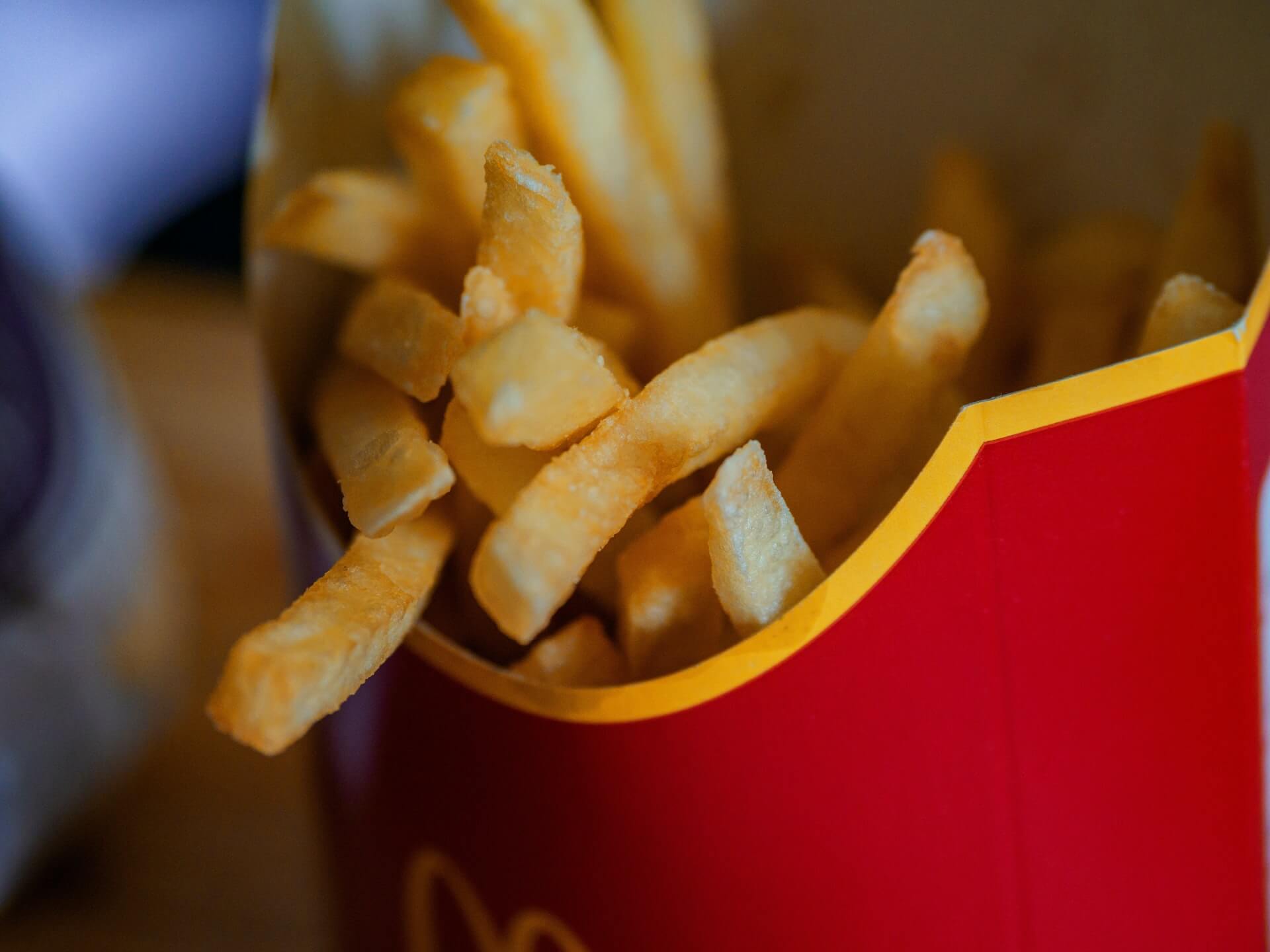
McDonald's French fries close up in package

It’s increasingly important to stay top of mind with your guests. Now more than ever, that means finding yourself on their screens.

For likely the one-billionth time, allow me to point out something we should all know by now: We’re all on our phones and tablets all the time.

From texts and emails to app notifications and social scrolling, there’s always a reason to check screens.

So, how can operators invade people’s devices? By collecting guest data via a loyalty program.

Fluctuating Support

Not so long ago, industry experts bristled against the mention of rewards and discounts.

Guests, the thought was, had zero interest in signing up for loyalty programs. People would soon frantically seek out “unsubscribe” links after receiving one too many marketing emails.

However, people are quickly thawing, warming to the idea of loyalty programs. Once thought of as too invasive, now marketing experts believe “too intrusive” doesn’t exist.

After all, businesses need to ensure they’re highly visible. Operators must meet guests where they are. Where are they? Their devices.

Rewarding Loyalty

Your staff aren’t the only people engaging with the incentive economy.

Today, it appears that a guest liking your brand isn’t good enough to ensure their loyalty. They want rewards beyond experience, consistency, and delicious food and beverage.

With so many brands competing for your guests’ dollars, you have to stand out to keep them coming back.

Now, there are still industry experts and operators who will tell you to avoid discounting at all costs. Offering a discount, they argue, starts you down the road of devaluing your brand.

Well, the great news is that when creating your own loyalty program, you can offer whatever you see fit. If you fall into the Never Discount camp, none of your rewards have to be discounts.

Free is Better than a Discount

So, let’s remain in the Never Discount realm. What else will encourage guests to sign up for your loyalty program—and actually engage with it?

We can use the loyalty program launched in July by a global fast-food juggernaut as a great example.

Over the summer, McDonald’s launched MyMcDonald’s Rewards. How successful was the launch? More than 12 million people opted into the program.

In exchange for signing up, agreeing to receive alerts, and handing over their data, guests received a free medium French fry.

McDonald’s selected 66 loyalty program members to receive one million MyMcDonald’s Rewards points. One lucky member also received free French fries for life.

Create Your Program

“But David,” I hear some of you arguing, “isn’t free even worse than a discount?”

The short answer is no. A discount can devalue a brand because guests get used to paying less for select items or entire visits. Over time, they perceive the lower price as the standard price. Soon, they’ll wonder when the next discount is coming. You’ll have to either further discount your food and beverage or work harder to re-engage your guests some other way.

If a rewards program is structured correctly, members will have paid for any free item they earn several times over. Most commonly, guests receive points in exchange for dollars spent. They can then exchange those points for a free menu item. This doesn’t devalue the brand, it incentivizes program members to become loyal, repeat guests.

Operators not quite ready to build their own apps can utilize text messages and emails. Of course, the former is the most intrusive (in a good way). Texts can inform members of promotions and encourage them to visit or place an order online. Emails can let members know their current balance and what incentive their close to earning.

Additionally, be generous. Don’t exclude your guests’ favorite items from the program. Why would a loyalty program member remain loyal if they can’t exchange their points for “the good stuff”?

Structure your program correctly and you’ll increase visits per guest and spends per visit. Couple your guest data collection with a platform like SevenRooms and you’ll truly supercharge your revenue.

Image: Brett Jordan on Unsplash

by David Klemt David Klemt No Comments

New Operators Can Reject the Old Models

New Operators Can Reject the Old Models

by David Klemt

Thinking differently planning concept with light bulb on chalkboard

There’s no reason new hospitality business owners and operators have to do what’s always been done.

In fact, new owners and operators are in a prime position to create entirely new business models.

If we’re going to change things and set the industry up for success in the future, we need to pursue different ways of doing business.

Industry Pioneer and Icon

Lynnette Marrero, widely known as a pioneer in this industry, is enjoying a career that should inspire all hospitality professionals.

After getting her start as a cocktail waitress at New York City’s storied Flatiron Lounge, she transitioned to bartender. In that role, Marrero was able to learn under Flatiron Lounge co-owner and bartending sage Julie Reiner.

She has created and consulted on world-class, award-winning cocktail programs. If you find yourself in New York City, plan to stop into Llama Inn and Llama San to experience Marrero’s menu programming.

Marrero is a James Beard Award and Spirited Award winner, a Dame Hall of Fame inductee, and the co-founder of high-speed all-female bartending competition Speed Rack.

Perhaps most importantly, she’s a mentor and an innovator helping to shape the career’s of new bartenders and hospitality pros.

And on episode 54 of the Bar Hacks podcast, Marrero encourages new operators to think differently about how they run their businesses.

New Models

Specifically, Marrero explains that new owners and operators are in a position to run things differently from the start.

“I think it’s a lot about changing your structures from the beginning. Don’t feel pressure to have to go into models that already exist,” says Marrero. “You can build new models and you can think about new ways.”

Making impactful change from the very beginning requires a change in how we think about running restaurants, bars, hotels, and other hospitality businesses.

“What does ownership look like?” asks Marrero, providing examples of new approaches to ownership. “Can you start a place that’s more profit sharing for staff? Can you build that in from the beginning?”

Offering further considerations, Marrero suggests that new owners and operators consider operational elements such as earned equity and co-op-style ownership.

In theory, such structures, which are certainly far from the norm, may lead to significant reductions in turnover, boosts to staff morale and engagement, and a more dynamic team. Putting different structures in place rather relying on the old models can lead to building teams invested in helping owners grow their businesses for the long term.

Change is Necessary

While established operators can certainly make changes to their existing operations, Marrero says that it’s easier for new businesses to do so.

In part, this is because investors know going in what the labor structure is, for example. They therefore also understand how the payback structure will work.

And that’s just on the investment side of the equation. On the labor side, new structures make it easier to recruit, hire, and retain staff.

Solving labor shortages leads to operating at full strength for full days rather than relying on shortened hours. Staff are less overwhelmed and costly turnover is reduced.

It’s easier to do things the way they’ve always been done. But rejecting the old ways can be far more fulfilling and profitable for everyone involved.

Image: Pixabay on Pexels

by David Klemt David Klemt No Comments

5 Books to Read this Month: November

5 Books to Read this Month: November

by David Klemt

Flipping through an open book

This month’s fun and informative book selections will help you develop next-level culinary, beverage and leadership skills this November.

To review October’s book recommendations, click here.

Let’s dive in!

Cook as You Are

The Great British Baking Show contestant Ruby Tandoh is a food writer with a half-dozen books to her name. Her latest will likely change how you look at food and its preparation. In particular, the “mini” version of Cook as You Are aims to be as inclusive as possible. The free download makes it easier for people who learn differently or require assistance in the kitchen to enjoy cooking. Cook as You Are features 100 original recipes created by Tandoh that don’t require hours of preparation or professional-grade kitchen equipment to execute.

The Bullhearted Brand

Expert Joseph Szala explains why operators should view branding as a strategic endeavor. Branding is more than a clever name, eye-catching logo, and slick tagline. Szala, as he explains, “lay(s) out the foundational elements and details about creating and scaling restaurant brands” in The Bullhearted Brand, drawing from years of real-world experiences.

Bourbon’s Backroads

Bourbon is one of the few spirits that America can truly claim as its own. Myths and legend abound, such as the claim that whiskey can only be called bourbon if it’s produced in Bourbon County. Karl Raitz conducted extensive research to uncover the full history of bourbon in the United States for Bourbon’s Backroads.

Gilded Age Cocktails

Author Cecilia Tichi takes readers on a cocktail journey spanning three decades. The Gilded Age, which took place between 1870 and the early 1900s, is known as the Golden Age for cocktails. Readers will be able to learn the stories of not only classic Golden Age cocktails to pass on to others, but also the stories of their creators. Gilded Age Cocktails transports us back to the pre-Prohibition Era, a time when bartenders first became famous and helped us all drink better.

Hacking the New Normal

Doug Radkey, president of KRG Hospitality, author of Bar Hacks and Hacking the New Normal, makes the case for making meaningful, impactful change in order for the hospitality industry to survive and thrive moving forward. As he explains during bonus episodes of the Bar Hacks podcast, as have multiple podcast guests like Chef Brian Duffy, the industry won’t truly recover unless we change our mindsets and the way restaurants, bars, hotels, resorts, entertainment venues, and arenas operate and treat staff.

Image: Mikołaj on Unsplash

by David Klemt David Klemt No Comments

Stand Out with Weird Holidays: November

Stand Out with Weird Holidays: November

by David Klemt

Stay Weird neon sign with purple background

Want to stand out from from other restaurants and bars in your area? Then commit to keeping it weird.

Several “holidays” are set against every date on the calendar, and November is no exception. These holidays range from mainstream—Thanksgiving Eve and Thanksgiving, anyone?—to food-centric to weird.

Pay attention to the latter to raise eyebrows, carve out a niche for your restaurant or bar, and attract more guests. Why do what everyone else is already doing?

Of course, you shouldn’t try to celebrate every holiday, weird or otherwise. And this month’s list in no way includes every odd holiday.

Focus on the days that are authentic to your brand; resonate with your guests; and help you grab attention on social media.

For October’s list, click here.

November 1: World Vegan Day

Obviously, this holiday isn’t weird for vegans or vegetarians. There are, however, those who still find this particular diet odd. Well, this is the perfect holiday to learn more about vegan cooking and eating. Pass on that knowledge by adding delicious vegan dishes to your menu.

November 4: National Candy Day

Do you have a surplus of candy now that Halloween is over? Trying to fight the temptation to eat it all yourself? Various candies perform well as garnishes for cocktails. There’s also another way to approach this holiday, like featuring starters such as candied bacon.

November 6: National Nacho Day

So, this holiday is more fun than weird, really. However, you can probably see the potential to deviate from the standard nacho builds. Instead, ask your kitchen staff to get creative and come up with intriguing takes on nachos that will grab the attention of your guests.

November 9: National Scrapple Day

One of the best ways to cut back on food waste in restaurants, bars, and hotels is to utilize as much of a given ingredient as possible. Scrapple, of which our Philadelphia audience will no doubt be very well aware, consists of pork scraps. Guests outside of Pennsylvania may have never tried scrapple before, so this holiday is the perfect time to tempt them with a new taste sensation.

November 12: National Pizza with the Works Except Anchovies Day

It’s not this pizza that’s weird, of course. It’s the very specific pizza this holiday is celebrating. I’m guessing that you know exactly what to do to celebrate this holiday with your guests.

November 14: Pickle Day

The (in)famous Pickleback. Bloody Mary made with pickle juice. A Dill Pickle Martini. Pickle appetizers and starters. If you’ve got pickles and some degree of creativity, it’s pretty clear what needs to be done on November 14.

National 15: National Spicy Hermit Cookie Day

This is another very specific holiday. This cookie, the Spicy Hermit, features flavors that couldn’t be any more perfect for fall: cinnamon, clove, allspice, and nutmeg. You can Google a recipe, of course, but we found this one and it seems delicious.

November 17: National Take a Hike Day

We’re big fans of encouraging guests and staff to get outside. There are thousands of trails throughout the United States and Canada, ranging from the easy-peasy to the truly treacherous, so the sky’s the limit. Encourage guests to take a hike and grab a bite and drink at your establishment to rest and recover. Have them tag your spot and their meal, of course.

November 28: Red Planet Day

It seems like billionaires and millionaires can’t get enough of Mars. Over the past few years, space travel has focused almost exclusively on the idea of reaching the Red Planet and figuring out how to live on it. So, if you’ve got dishes and drinks that are predominantly red in color, put them at the forefront on November 28.

Image: Dan Parlante on Unsplash

by David Klemt David Klemt No Comments

Creating a Strengths Profile

Creating a Strengths Profile

by Jennifer Radkey

Unsolved Rubik's Cube against black background

When looking to improve the performance of your hospitality business it is natural to seek out weaknesses and attempt to “fix” them.

What if you were to take an entirely different approach?

Instead of focusing on weaknesses to improve upon, we should seek to identify and build upon our strengths.

Why Strengths?

Using our strengths is like writing with a dominant hand. It comes naturally and easily.

Strengths can be cultivated and used to assist in overcoming challenges and in improving upon weaknesses. If we were to focus only on improving our weaknesses it would be tiring, and the probability of giving up could increase.

However, if we focus on building upon our strengths, it would be motivating and energizing, therefore making us stronger and then more likely to overcome our weaknesses.

Lost and Found

Do you ever visit a restaurant, bar, or hotel and get no clear sense of their identity?

Maybe their menu is confusing, their social media presence is either nonexistent or only shares their daily specials, there is no consistency in service. They just seem…lost.

Now seriously take a minute and walk through your establishment with fresh eyes as if it were your first time there. Is your brand’s identity clear or lost? As we get wrapped up in the day-to-day operations and stressors, becoming lost can easily happen.

Identifying your brand’s strength profile can help you find your distinct identity again. Even if you aren’t lost there is always room to strengthen your brand.

The Background

In the field of positive psychology, psychologists Chris Peterson and Marty Seligman headed a project to seek out what characteristics describe humans at their very best.

After scouring literature, media, music, etc., spanning countries and history, they compiled a list of 24 character strengths that appear to be valued over time and culture.

This list was referred to as the Values in Action Classification of Character Strengths and Virtues (VIA). The VIA is meant to classify individual strengths but can also be applied to organizations and businesses.

The 24 Character Strengths

The list of strengths is as follows:

  • Creativity
  • Curiosity
  • Open-mindedness
  • Love of Learning
  • Perspective and Wisdom
  • Bravery
  • Persistence
  • Integrity
  • Vitality
  • Capacity to Love and be Loved
  • Kindness
  • Social Intelligence
  • Citizenship
  • Fairness
  • Leadership
  • Forgiveness
  • Humility/Modesty
  • Self-Regulation
  • Appreciation of Beauty and Excellence
  • Gratitude
  • Hope/Optimism
  • Humour
  • Spirituality

If you want to dive deeper into the VIA character strengths or would like to take the free survey yourself to find out what your top character strengths are, please visit www.authentichappiness.org through Penn State University and take the VIA Survey.

Creating a Strengths Profile for Your Hospitality Business

Now that you have the list of 24 character strengths, think about the top three strengths that you believe capture your brand at its very best. Think both about your venue’s operations and its messaging when deciding upon the top three.

Then ask your team to do the same. Hold a team meeting in which everyone shares which three character strengths they chose and why.

I recently did this with our team here at KRG Hospitality and found the process enlightening. It was fascinating to see which character strengths were repeated, providing clarity into our brand’s strengths profile.

Establishing Your Top Three

As you review everyone’s answers as to the character strengths they feel best capture your brand at its very best, take note of strengths that repeat themselves.

For us at KRG Hospitality, creativity, perspective and wisdom, and love of learning were the most common replies. We then had our strengths profile.

Discuss what you feel the strengths profile for your brand is with your team and solidify a top three.

What Next?

Once you have a strengths profile built, it’s time to dissect it.

How are you already using these strengths in both your day-to-day operations and in how you are representing yourself to the outside world? How can you use them in new and unique ways?

For example: If one of your strengths is creativity, are you using it to your advantage in many aspects of your business? Maybe your menu is super creative, but your social media posts are dull. Maybe your interior design is creative and fresh, but your training lacks creativity.

Is one of your top strengths kindness? What are you doing to emphasize that strength and is your community aware and benefiting from it?

Think about your strengths in new and exciting ways to energize your team and build an overall stronger business.

Shout it Out!

Take pride in your brand’s strengths. Make it known to your team, potential new hires, guests and potential guests what your strengths are by living them and growing them each and every day.

The stronger your team and your brand is, the more confidence you will have. With strong confidence you can approach weaknesses and obstacles with a healthy mindset and higher chance of success.

Take the time to really know your brand and understand how you are representing yourself and you won’t be disappointed. Cheers to personal and professional well-being!

Image: Pixabay on Pexels

by David Klemt David Klemt No Comments

Sales Jump Shows Guests Will Pay More

Chipotle Sales Jump Shows Guests Will Pay More

by David Klemt

Close up of calculator buttons

Chipotle’s latest earnings report may show that guests are willing to pay more at their favorite restaurants.

In Q3, the fast-casual giant’s net sales grew by nearly 22 percent. Per reports, same-store sales rose by just over 15 percent.

Is it possible that Chipotle’s earnings—which exceeded Wall Street estimates—indicate that guests will tolerate price hikes?

Rising Costs

No, it’s not a “hot take” to state the obvious: Everything is more expensive.

All operators and managers are aware that costs are rising across the board. Beef, chicken wings, cooking oils… Prices are increasing and the trend is expected to continue.

Not that any of us need a real-world example, but Chef Brian Duffy shared on episode 53 of the Bar Hacks episode that he now has to price a pound of chicken wings at $13.

One reason that Chipotle made the choice to raise prices comes down to rising beef prices. Another is increased freight costs.

As every armchair economist knows, when a business’ costs rise that increase falls on its customers.

The reason is fairly simple: If prices remain the same while costs rise, the situation becomes untenable, the business doesn’t generate enough revenue, and doors close.

So, Chipotle’s decision was simple. The fast-casual chain announced in June that menu prices would increase by about four percent to defray rising costs.

Rising Wages

Chipotle’s June announcement followed one the company made in May.

Six months ago, Chipotle announced the hourly wage for their restaurant workers would increase to $15 by June.

How did the company afford to raise hourly wages, offset ingredient costs, and deal with rising freight rates? The aforementioned menu price hike.

Now, Wall Street didn’t seem to anticipate backlash toward Chipotle for increasing their prices. However, plenty of other people have said—and still say—that customers won’t support restaurants or bars that raise prices.

It appears that a significant percentage of brand-loyal customers will remain loyal and continue to support the businesses they like even through price hikes.

Is This the Way?

I’ll address a crucial detail: Chipotle is a fast-casual brand valued at close to $52 billion.

They’ve got incredible brand recognition and tremendous purchasing power. Reportedly, there are 2,857 Chipotle locations in the United States. In fact, the company announced in February of this year that it planned to open 200 more locations this year.

So, no, there’s not a direct comparison to be made between Chipotle and an independent restaurant or bar.

However, that doesn’t mean there’s no lesson to be learned here.

Chipotle was transparent about the reasons for their price hikes. The Great Resignation has shined a spotlight on wages, and Chipotle addressed that concern.

The pandemic has also unleashed havoc on supply chains. Again, Chipotle was forthcoming about the challenges the company was facing.

Moving forward, it may be wise for restaurant and bar owners to address menu price increases. There does seem to be some level of understanding among the more rational guests out there that if they support increased wages for hospitality workers; understand supply chain challenges; and know costs are up for everything, they’re going to see price hikes.

You very likely need to raise at least some of your prices. When you do so, consider telling your guests why. You may be surprised by the support you receive.

Image: fancycrave1 from Pixabay

by David Klemt David Klemt No Comments

Resources for Keeping Guests Safe

Resources for Keeping Guests and Staff Safe

by David Klemt

Everyone is Welcome sign painted on wall

One of the non-negotiable responsibilities of operators and their team members is ensuring the safety of every guest they serve.

Respecting others, instilling trust in guests and the community, and awareness are core tenets of hospitality.

Further, those three tenets are also crucial for the safety of guests, team members, and the community.

We in the hospitality industry like to think we deliver selfless service, putting guest needs above our own. The phrase “all are welcome” is supposedly a hospitality mantra.

But if operators aren’t providing the tools and empowerment staff need to ensure every guest is safe, is everyone really welcome?

Safety as a Core Value

Look, I know it can be uncomfortable to address the uglier elements of this industry. However, we can’t effect change to severely reduce the impact or outright eliminate those elements if we don’t face them.

On today’s Bar Hacks podcast, episode 54 with Ivy Mix and Lynnette Marrero, our guests address keeping women safe in bars and restaurants. That goes for guests and staff.

When we’re honest with ourselves, we know that our industry, operating at its best, is welcoming, accepting, supportive of the communities they serve, and a pillar of society. But we also know we have widespread issues concerning the harassment, violence, and inequality affecting women and other minorities.

Two things can be true at the same time. However, we can work toward wiping out that second truth.

During today’s podcast, Ivy Mix shares two key resources for building safer hospitality venues and work environments: Safe Bars and Green Dot.

Safe Bars

This organization seeks to improve the safety and culture of any venue that serves alcohol. Restaurant, bar, nightclub, brewery, hotel… If alcohol is a major component of service, Safe Bars wants to help.

Through three Safe Bars programs, operators can make their businesses safer:

  • Active Bystander Skills. Teachers operators, leadership team, and staff how to recognize unwanted sexual aggression and opting for the best intervention solution. (Learn more here.)
  • Self-defense and Empowerment. Strategies an owner, operator, member of the leadership team, or a staff member can implement should they be the one targeted for aggression or other unwanted attention. (Click here to learn more.)
  • De-escalation for Hospitality Professionals. The tactics necessary to keep one’s self and others safe should they encounter an aggressive, angry or threatening guest. (More information here.)

Unfortunately, most hospitality professionals have at least one story involving unwanted aggressive or threatening behavior from a guest. Programs like those on offer by Safe Bars can help bystanders intervene to protect others and themselves.

Green Dot

I’ve written about Green Dot Bystander Intervention education before.

Specifically, I shared Green Dot’s Five Ds of Bystander Intervention:

  • Distract
  • Delegate
  • Document
  • Delay
  • Direct

Programs like those from Green Dot and Safe Bars can help operators and leadership assess their bystander intervention capabilities.

The time is now to have an open and frank discussion to assess each team member’s comfort level regarding intervention. That can provide a baseline and guide operators towards which programs they should pursue. From there, operators and leadership can create policies and procedures for intervening, and keep guests and staff safe.

Addressing safety rather than hoping nothing will happen and these issues will somehow solve themselves pays immense dividends. Here are just a few examples:

  • Greater staff confidence.
  • A better relationship with the community, along with increased traffic.
  • A reduction in staff turnover.

Service is about more than food, beverage, and entertainment—it’s also about safety.

Image: Katie Moum on Unsplash

Top