Bar Operations

by krghospitality krghospitality No Comments

Bar Concepts w/ Sensory Experiences

Developing a Bar Concept w/ Sensory Experiences

By Doug Radkey – 09/23/2019

Once your idea has been researched and the market, location, technical, business, and financial viability of the idea has passed a series of reviews throughout a feasibility study, a concept development plan can then be started.

Remember, outside of being scalable, you want to build a concept that is sustainable, profitable, memorable, and consistent.

Bar concepts over the years have gone from being tame (or lame) or overplayed, like tiki bars or sports bars, to concepts that push the boundaries of what a bar can be. One of the best ways to build a customer base is to go off the beaten path to create a bold and fresh new bar concept.

A concept plan will focus on ‘chapters’ and visual storyboards that include an overall:

  • Concept Summary (a one page summarization similar to that of an Executive Summary)
  • Statement Overview (Value, Vision, Mission, Culture)
  • Architectural Design (characteristics, features, costs)
  • Bar/Kitchen Production (your equipment specs)
  • Entertainment & Guest Experience Summary
  • Menu Design Attributes (food & beverage)

Owning a bar is a dream for most that must be met with the right research, planning, and mind-set.

One’s market will, and must, define the concept. To be successful, you must be open to building a venue the market both wants and needs.

Concept development is giving your ‘idea’, both soul and character. A bar’s concept is the lifeline of its brand and longevity in the market. It makes your venue stand apart from the competition, and it’s ultimately your bar’s unique selling proposition.

Have you ever walked into a bar and been confused about its identity? The interior doesn’t match the beverage offerings, the social media experience doesn’t reflect the actual experience, and even the music doesn’t seem to match the vibe of the bar.

This is what happens when there isn’t a clear and detailed concept development plan in place, and it is a sure fire way to be just average at best.

It’s More Than Just a Drink

Most conceptual ideas start at the food & beverage level. A bar however, needs to remember that they don’t just sell food & beverage; they sell experiences through the enhancement of guest emotions.

When planning a concept, it’s imperative to have a focus on the style of menu and niche of entertainment – but a winning concept will elevate a guest’s variety of senses. Here’s how:

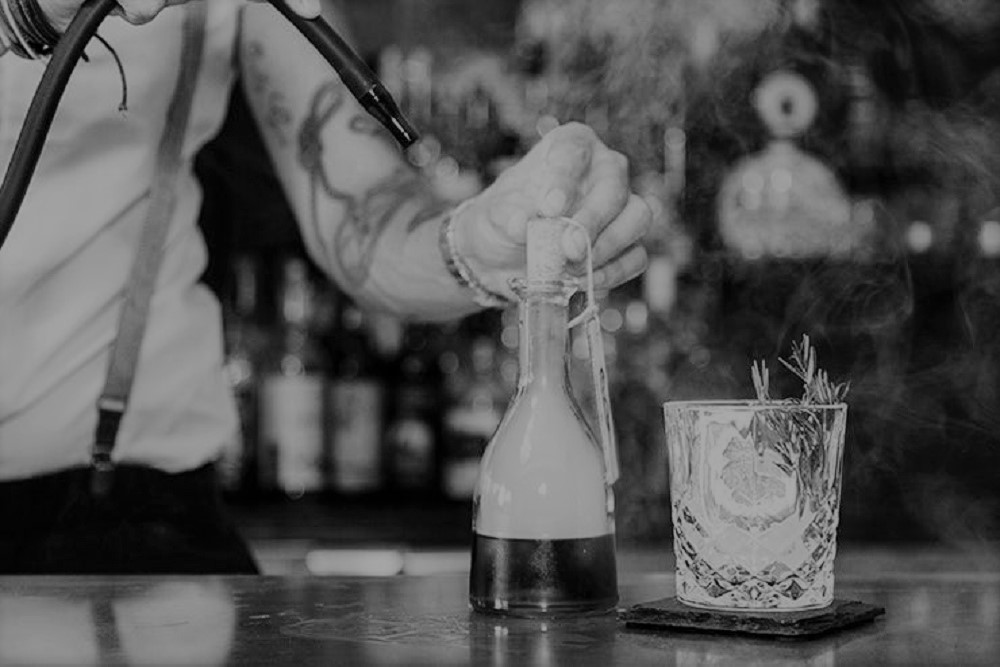
Visual: Use the mindset of a traditional bar meeting on-trend beverage effects. Consider the style of beverage vessels, the use of unique ice cubes or even dry ice, the garnishes used, and potentially a variety of ‘smoking’ techniques within a variety of your signature cocktails, providing a visual effect that grabs every guest’s attention.

Plus, it will be hard to find a guest who is not taking a photo and sharing it on social media – an easy promotional tool to make each of their individual networks feel as if they’re missing out (FOMO) on the best experience in town.

Auditory: Music, drinks, and food share an intimate connection. From the beginning, this should be a focus. Every day, every weeknight, and every weekend must be filled with strategic decisions around sound.

From your day-part strategies, to the sound of cocktail shakers, to live music calendars and even proper speaker placement – your venue must see why 76 percent of bar customers surveyed believe they stay longer due to the sound of the environment.

Olfactory (smell) System: Like sound, a pleasant and subtle fragrance can lead to an improved perceived quality of the environment and can enhance the mood of guests, causing them to stay longer. Our sense of smell is after all, directly linked to the part of the brain responsible for memory and emotion – two things bars need to strive for.

For example; consider a Smoked Cedar Plank Whiskey around the Christmas season. The scent of the smoked cedar will fill the bar area with a subtle Christmas tree aroma, prompting the guests attention and need to spend more money.

Gustatory (taste) System: Food & beverage pairings have never been more important, and it isn’t just for wine. Consider appetizers (snacks) within your food & beverage program that pair with miniature versions of your signature beverages (beers, wines, and even cocktails) that could be served on flight boards; elevating all flavor profiles.

Your remaining food & beverage menu should be small, balanced, and targeted around flavor profiles that your ideal guests desire.

Summary; When you combine these efforts, it’s easy to see how a successful brand can build a community around thousands of fans – within 30 days of opening.

This is something you can easily replicate if you focus your decisions on layout, design, food, beverage, training, and events around the above sensories.

by krghospitality krghospitality No Comments

Enhancing Your Bartenders Experience

Enhancing Your Bartenders Experience

By Doug Radkey – 09/17/2019

We Have a Problem – There’s No Team Spirit in Many Bars

Within the industry, we always talk about ‘experiences’ – and rightfully so. At the end of the day, experiences are what bars and restaurants sell to customers. All of the emphasis however, is on customer or guest experiences; but what about staff experiences?

Do your staff show up, do their job, and go home? Is there any sense of ‘family’ in your establishment? Is there laughter, or just silence, or even worse…complaining?

Time to Hit the Reset Button!

Desirable experiences shouldn’t stop with just your customers – your team craves experiences too! As owners, operators, and managers, it is up to you to make your concept more than just a ‘job’ or way for staff to ‘pay their bills’.

Implementing the right culture statement and team-based strategy, will assist in controlling your labor costs and reduce turnover – resulting in not only stronger consistency within your operations, but a positive environment that will flow to your customers and help amplify word-of-mouth marketing.

Here are some #BarHacks to help you get started:

Web Presence & Social Media

Bar enthusiasts are seeking to learn and understand the culture of a bar when deciding on their eating, drinking, patio, or party destination.

This is a great opportunity to showcase your team on your social media channels and on your website. Create a bio for your staff noting something unique about them, take a photo (or better yet, a video) of them and share this content to your ‘community’.

This will equally make your staff feel like they’re a part of a team and the business development process.

Create That Stay Interview

Many of you have likely heard the term ‘exit interview’, but what about a ‘stay interview’? Take video to the next level by interviewing your staff and developing a series of testimonials as to why they love working for your bar.

This tactic will create a sense of place and family among your team and also assist in your hiring process; positioning you to attain higher quality candidates who seek a positive working environment.

Continuous Education

A great team member is one who craves learning and one who brings the same set of values as you do to the table. Keep in mind …

“A bar is only as good as its worst bartender”

Every bartender must be of the same quality at your bar. If not, guests may become a fan of one bartender (and not the bar itself) – leading them to follow the bartender if he/she were to leave for another bar.

Take the time to invest in further training and education for your entire team.

Depending on your overall bar concept and financial model, consider developing an educational program for your team.

Think outside the box and create culinary/hospitality scholarships and/or consider sending your team to farms, breweries, wineries etc. to learn about specific products you offer and their development processes.

Continuous education will create a sense of appreciation, enticing your team to stay loyal to your establishment while benefiting not only their experience, but your customers’ experience as well.

Profit Sharing Programs

It’s safe to say, everyone enjoys working towards a common goal. Consider creating a realistic monthly revenue goal (slightly above your current average) for your bar. Now share this goal with your staff and create a SMART plan for the month on how to collectively obtain that goal.

If you surpassed that goal (congratulations), distribute a percentage (5% for example) of the monetary difference among your team.

Repeating this process each month will not only increase your revenue and profit, but will develop a team working environment, reduce turnover, and make your team feel important to the business and its success.

SMART Staff Reviews

Speaking of goals, there should be team oriented goals (profit sharing) and also personal goals developed within an overall action plan.

You should sit down with each individual teammate at least once every three months.

During this meeting and using SMART (Specific. Measureable. Attainable. Realistic. Timely) objectives, give each teammate something to work on over the next three months.

This could be increasing revenue per transaction averages, providing accurate inventory counts, reducing waste levels, or having accurate end-of-day cash out reports.

Of course, reaching objectives should be rewarded; therefore create a reward program that works for your concept and financial model.

Creative Mindset

Don’t let your staff get complacent behind the bar by having the same menu month-after-month and year-after-year.

This will lead to boredom, which will eventually lead to turnover. Allow your team to be creative by ‘creating’ food or beverage options that fit within the confines of your concept.

Consider holding an in-house contest each month to choose one featured food and one featured beverage option created by a staff member.

Highlight this on your social media and in-house marketing (effectively creating a story) while rewarding that individual with a commission on sales from that item for the remainder of the month.

If the product sells really well, consider adding that item to your everyday menu the next time you re-engineer your food & beverage menu.

In summary, execute a marketing plan approach to your staff recruitment and staff development program.

The time, resources, and effort spent on this will be well worth it in the long-run.

Just ask your staff!

by krghospitality krghospitality No Comments

Building a Sustainable Cocktail Program

Building a Sustainable Cocktail Program

By Doug Radkey – 04/05/2019

Let’s be honest, the traditional bar setting serving cocktails is an environmental nightmare.

Let’s think about it; there is high use of energy within ice machines, refrigeration, and glass cleaning appliances. There is enormous waste in garnishes, straws, bottles, and napkins (to name a few). And finally, there are corporate wineries, distilleries, and breweries producing a large carbon footprint delivering spirits to the bar.

When it comes to bars; (or any other food & beverage service provider) the producers, manufacturers, delivery drivers, owners, managers, and servers ultimately share the responsibility to create an enjoyable guest experience within ones concept. As we have seen with restaurant kitchens over the past 3-5 years, there is now also a ‘movement’ towards eco-friendly and sustainable bars, something many guests are seeking as part of their desired experience.

On the surface, it may sound like an easy change, but creating cocktails in particular that are ‘sustainable’ (zero waste), is in-fact difficult to produce while maintaining the required quality, speed, and profit margins both operators and guests, look for.

So how can independent bars make a simple impact within this craft-cocktail ‘movement’? Let’s begin to have a look at some strategies (#barhacks) that one can implement starting today:

Re-Purposed Ingredients – How can you use 100% of an ingredient? Start by looking at the beverage menu. How large is it? Does it have focus? What ingredients are used in each and every drink that’s made? Which ones are used for infused flavour versus visual appeal? Which ingredients are only partially used with the remaining components discarded into compost, for example fruit scraps? Review each drink and look for ways to re-purpose ingredients and their counter-parts, within both the bar and/or kitchen.

Edible Garnishes – Obviously, cocktail garnishes are decorative ‘ornaments’ that often add character or style to a cocktail. They are often used to complement and enhance the flavours in a drink by stimulating the special nerve cells in our nose and mouth. The days of plastic straws, festive umbrellas, plastic skewers, and other non-edibles however, need to stop. Instead, use fresh fruits, flavour infused salts, edible stir sticks, edible flowers, house-made flavor-infused lollipops on candy sticks (yes), and steel skewers for olives and other edible garnishes, if so desired.

Energy Conservation – Take a close look at your glassware and how it is washed. Are you using over-sized glasses (ie. martini glasses) that are taking up too much space on the wash-rack, leading to unnecessary additional washes (which costs money and uses more detergents)? How many glasses could you fit if you changed glassware sizes?

How much ice are you using in each drink? Does the beverage really need ice or could the glass be simply pre-chilled? Take a look at your menu, glassware, fridge space, freezer space, and use of ice machine. Is there a way to reduce used energy within the bar itself to help create sustainable cocktails?

Supply Chain Management – Transparency, traceability, and accountability must be a top concern when deciding on vendors to ensure all products (both food and beverage) entering your bar or other food service business, are not only safe & sustainable for your customers, but for your community. Work with beer, wine, and spirit makers who are equally trying to make a difference. With the growth of local distilleries, breweries, wineries, and produce suppliers; supporting local and reducing the carbon footprint within a bar, is so much easier! Collaborate and work together to make a difference.

In summary, don’t start a goal of 100% zero waste or sustainability – it’s likely not going to happen overnight. Instead, set SMART realistic goals to reduce waste by 15 or 30% over the next 6 to 12 months to begin building a sustainable cocktail and/or bar venue. Once that goal is obtained – double down on that goal for the next 6 to 12 months. You and your customers will notice a positive difference!

by krghospitality krghospitality No Comments

Should Restaurants Ditch 3rd Party Delivery?

Should Restaurants Ditch 3rd Party Delivery

By Doug Radkey – 11/12/18

Should restaurants ditch third party delivery apps and create their own in-house off-premise strategy? I recently took part in a few online conversations surrounding third party delivery apps – from both the consumer and the restaurant operator point-of-view.

If you follow along – I am not a fan of these services (at all). I’ve never used them nor suggested a brand to use them.

While I embrace technology in the restaurant space (and off-premise dining options) – I feel the business model surrounding these apps (in particular UberEats and Skip the Dishes during these most recent discussions) are lacking in both customer service and transparency while further killing overall restaurant profits (like operators today need anymore of that).

Let’s look at a recent transaction. I recently saw a screenshot from a consumer using a third party delivery application. After a delivery fee, a busy area fee, a peak delivery time fee, and the delivery fee taxes, a meal that was listed as $8.89 on the menu ended up costing them $30.36.

Of that, the restaurant earned a mediocre $6.67 of that order.

It’s not exactly a traditional breakdown of revenue that we see in restaurants, and operators today are struggling to adapt to this ever-changing restaurant landscape. I feel it came at them much too fast and many have jumped on board because they felt they had to.

But I have a question – why are we not doing a better job to get guests to spend that $30.36 they were willing to spend – in the restaurant or at least through our own off-premise dining program?

With a little effort – it can happen!

Here is what we know. Delivery and off-premise dining has disrupted the restaurant industry more in the last five years than anything else. Digital ordering paired with the outsourcing of delivery has impacted restaurant traffic, revenue, profit and overall restaurant operations like no other piece of industry-wide technology.

Based on the conversations this past weekend it seemed liked the only party benefiting from the use of these apps – was the third party. However, if you ask them, they’re apparently not making ‘huge profits’ either.

Here are a few notable quotes from the public chat that took place on Facebook – again from both consumer & operators:

I’ve deleted the app – every time I’ve ordered, something goes wrong and a lot of times it’s the drivers fault not paying attention” – Consumer

If you’re doing takeout, pick it up from your local business. Other than that you’re rolling the dice” – Operator

“Their chat-bot told me ‘we are deeply disappointed that we have failed to provide you with optimum service during your orders and for this reason we have decided that it is best to remove ourselves from this relationship’” – Consumer

Best thing to do is get out and support your local restaurants, leave these rip off merchants congeal back in the gutter where they belong” – Operator

I had no idea these apps take such a percentage from the restaurant on top of the delivery fee. I will no longer order through an app. I thought I was supporting my favorite restaurant, but apparently I wasn’t” – Consumer

Not much of anything positive.

Here’s the thing; recent stats are showing staggering numbers such as 60% of consumers ordering delivery in the past 30 days. Based on trend reports, this is ‘unfortunately’ only going to climb – even though I personally wish more people would visit restaurants, engage in the experience, get out of their home, and socialize with others away from their smart-phone.

But out of those that do order delivery through these third parties, 30% are experiencing poor customer experiences – with either the app or the restaurant – or both.

That is significantly higher than the number of complaints one would receive at the restaurant level without a third party being involved.

Here’s the next problem; according to a study by Steritech, consumers are placing over 80% of the problems on the restaurant through the use of these apps (even if most problems are not their fault).

Due to the third party app, a gap in communication immediately happens between the consumer and the restaurant. This leads to the restaurant not being able to often resolve the problem in a timely manner before that consumer blasts them for something on social media.

Not a pleasant situation.

This is because they’re sending their complaints directly to the third party app (the platform that ultimately placed the order for them) – which I suppose makes sense from a consumer point-of-view. This however leads to over 25% saying they would not order from the restaurant ever again – not entirely fair considering the restaurant may never have even known about this unhappy experience.

Furthermore:

  • 14% say food quality was not as expected (likely due to travel time or packaging)
  • 19% say the order took too long
  • 19% say the food wasn’t the correct temperature when it arrived (timing or packaging issue)
  • 29% say the order was incorrect or missing something

All of this could be avoided! When partnering with these mainstream third party apps – you’re also:

  • Losing a direct communication channel
  • Losing positive brand perception
  • Losing much needed profits to sustain yourself
  • Losing consumer data for future marketing
  • Losing foot traffic in your dine-in real estate

Most importantly – you’re losing control once that food leaves your four walls.

Why on earth are we doing this to ourselves for such limited margins?

If you are operating a restaurant and are currently using these apps – though you will never have full control of the situation, there are a number of options available to you to leverage more control.

That said I encourage you to consider your own in-house off-premise program. These options below should be considered whether you’re partnering with a third party or if you’re offering your own in-house platform:

  • Offering a limited delivery only menu option with higher margins (consumers are obviously willing to spend more)
  • Offering limited day-part delivery times (example; not at 6pm on a Saturday when the kitchen is slammed)
  • Using specialized take-out packaging for certain menu items to protect the quality of your unique food options
  • Using tamper-proof packaging so delivery drivers cannot alter the order (happens often)
  • Having a quality control program (or expeditor) reviewing meals before it leaves the restaurant
  • Sending printed customer care promises (how to reach the restaurant directly) delivered with the meal

There are much better options out there for digital take-out, delivery, catering, and off-premise dining that will allow you to keep control of all of the above while maximizing profits including the introduction of your own off-premise strategy – which will often keep costs to under 10% – no joke!

Then, use these ‘savings’ to increase your own marketing & advertising efforts. It surely won’t be 25-30% like what these third party delivery apps are currently taking from independent operators (which you were willing to give up anyway); keeping more money in your pocket.

This type of in-house strategy will also differentiate your brand from the competition that is also increasing each day on these main-stream app platforms.

How will you stand out and make your brand memorable? How will you position your brand for a sustainable future? How will you protect your brand, its profits, and utilize the available customer data?

Don’t partner with them just because it seems like the easy thing to do or ‘because everyone is using them.’

The notion that you must be on them to survive is 100% inaccurate. If you need to use them for ‘marketing’ – you need to learn more about marketing.

Take a stand and learn about your options first.

I am yet to hear a positive story on how these main-stream third party delivery apps have actually helped their business grow in the long-term. In my professional opinion, restaurants should ditch third party delivery apps.

by krghospitality krghospitality No Comments

Have Restaurants Forgotten The Fundamentals

Have Restaurants Forgotten The Fundamentals

Originally Posted on FoodableTV – By Doug Radkey 08/08/2018

With technology continuously advancing in the restaurant industry, it can be easy to get absorbed and caught up in the next big thing. Technology platforms can help you save time, financial resources, and improve ‘customer service’ levels, just to name a few.

But sometimes when you get so caught up in technology, you can forget some of the fundamentals that will never be replaced by technology, but still play a large role in the success of today’s restaurants.

The key is the right balance of technology that will assist you in meeting both short-term and long-term goals.

This article is not about how to not use technology (it’s a great asset,) but don’t let it fail you, your staff, or your customers. Let’s strip back the technology for a moment and remind ourselves as an owner, operator, manager, or front-line employee – some of the tactics that we must never forget or stop learning.

First Impressions

Curb appeal and first impressions must meet and exceed your guests’ expectations. When stripping back technology, restaurateurs must understand that first impressions are essentially a means of effective communication that positions a restaurant to develop positive customer emotions and “touch points.”

As always, one must thoroughly think about the consistent message and experience that’s intended to be delivered.

Key Performance Indicators

Technology provides an operator with a great amount of data, but restaurateurs still need to learn and understand this data and know how to use it to their advantage. Understanding key performance indicators such as staff turnover percentages, prime costs, percentage of repeat guests, and proper menu engineering statistics (to name a few) – are all essential to making the right business decisions that will eventually impact your bottom line.

Concept Characteristics

Outside of having the right location, the right concept, and the right chef or mixologist – a restaurant needs to inherit five key concept characteristics that technology cannot simply implement on its own.

Restaurateurs need to develop scalability, sustainability, profitability, and consistency – while providing a memorable experience. Finding a successful, individual approach for managing each of these characteristics is the key to success in any economic situation. All five of these characteristics are important and must work in unison to be successful.

The 3 Elements of Marketing

In terms of restaurant & bar marketing, it comes down to three things– driving awareness, increasing revenue per customer, and generating repeat business.

Technology can help execute marketing strategies, but operators still need to know their target market and their hyper-local competition to understand which strategies will drive the best return on investment.

An ‘old school’ approach to developing a marketing plan will still deliver success in today’s technology driven world.

Continuous Education

It doesn’t matter which role one plays in the restaurant, everyone must continue to learn. Owners, managers, and front-line staff should have the mindset and a personal development plan in place to continuously learn the industry.  It’s important to stay up to date with customer service strategies, product details (visiting suppliers), and how the supply chain works within the restaurant. In addition; reading books and listening to podcasts for example are a great learning tool everyone can take part in.

Customer Service

It’s no secret, we’re all witnessing a shift in how technology affects customer service and ordering sequences.

As the technology continues to evolve, restaurateurs must not forget that engaging guests on a personal level will always build on those positive customer emotions. These “touch points” are required to make not only a positive first impression, but a lasting memorable impression.

This is especially important if you’re considering adding third party delivery to your revenue & service mix. How will you protect your brand and enhance customer service after the food has left your venue and is in the hands of their delivery drivers?

Make sure there is a plan in place that engages customers on a personal level.

Focus on Systems

Having the correct systems in place will create consistency, develop operating capital, enhance team morale, and build business value– while also positioning a restaurant’s concept for future growth opportunities (being scalable & sustainable).

This includes proper communication between front-of-house and back-of-house, day-to-day checklists, quality control methods, and human resource management, among others.

Again, there is technology that can assist operators with their systems, but they can’t develop the process of implementing the right systems for specific concepts. That is up to you to know which ones are needed to maximize each moment of the day.

Collaboration

Lastly, a sense of community is a driving force in this industry. We can build online communities (social followings,) but the best way to develop a sense of community is through collaborating with local farms, breweries, chefs, charities, and even the competition. Understanding this fundamental strategy will amplify your messaging throughout the community, improve a restaurants perception, increase staff morale, and generate revenue opportunities– while developing a destination, not just a restaurant.

Sometimes it is nice to just step back and review the bigger picture and remind ourselves not only why we’re in the restaurant business, but to revisit the basic fundamentals for restaurant success.

Once that is truly understood and the proper ground work is in place, technology can be implemented to enhance and support operations to save time, financial resources, and improve those needed ‘customer service’ levels.

by krghospitality krghospitality No Comments

Bar Design 101

Bar Design 101

By Doug Radkey – 07/26/2018

There is truly a science to the design and layout of a winning bar. Outside of implementing a timeless interior, a bar needs to consider many factors including but not limited to; efficiency, hyper-local competition, and overall guest experiences – within its design elements.

Completing a bars ‘concept plan’ should be one of the first steps any aspiring bar owner should take. A concept plan will outline vision, value, mission, and culture statements plus its initial architectural, entertainment, and menu development characteristics (wishlist).

Once you’ve defined your concept, you can begin adding more heart and soul to the design and overall guest experience strategies; the back-bone to a memorable bar. Every component of the bars interior design, entertainment plan, and menu development process should enhance the guests’ overall senses (also known as emotions).

Here are items you can work on for your vision, prior to delivering a presentation to any designer, consultant, and/or architect.

Energizing the Space

Consider ways to not only maximize the space, but energize the space. What experiences can you deliver? Use this time to consider adding space for sound engineering, live music and/or DJ’s, interactive games, mix of televisions, and the right mix of socializing and networking opportunities.

Social Space

In today’s market-space, it is imperative that all newly designed bars (and restaurants) take into account social media, guest photos, and guest videos. Keeping the energized space in mind, how can you add space with the right lighting for taking group photos (with your branding in the background) in addition to taking videos and photos of cocktails and/or food.

Bar-Back

The next focus needs to be on bar efficiency. Consider the size of establishment, guest capacity, and your point-of-sale requirements. Then add multiple bartender stations while choosing the correct equipment, bottle display, overhead glass racks (less breakage), and under-bar space plus the number of speed rails, ice stations, garnish stations, cutting boards, and sinks within a one pivot movement for each bartender. This will then determine the size of ‘bar’ required, which will assist in developing your budget (and beverage menu).

Kitchen Space

A winning bar will also have a memorable food program. Offering premium food and focused, high-quality beer, wine, & spirits is a recipe for maximum revenue potential in today’s market space. Ensure there is space for grills, flat-tops, deep fryers, burners, and a convection oven (or combi-oven) plus space for prep areas, freezers, and refrigeration to provide a quick (and profitable) food program.

Seating and Lighting

This will entirely depend on the chosen concept. Your choice of lighting and seating will determine length of stay, the amount of money a guest will spend, and how they will interact with guests in their party plus other guests at your bar. Every seat and light fixture must have a purpose. This is just as important as laying out the actual back-bar itself and should be discussed with designers, architects, and consultants.

Branding

Consistency through all design elements (interior, exterior, menus, website, social media, and other marketing collateral) is the final consideration piece. Look for ways to incorporate subtle additions of logo colors and branding throughout the venue. Where ever the guests will take the most pictures and videos, make sure there is a way that people will know they’re at your bar!

There are numerous other variables and details required, but starting with this will make you look like a pro when you meet with a designer by having a concept plan completed and a true vision of how you want your bar to be laid out. A professional designer should be able to then take your vision, tweak it to professional standards, and implement it into drawings that will ensure it meets local codes and your overall budget!

by krghospitality krghospitality No Comments

Developing Staff Engagement for Positive Guest Experiences

Developing Staff Engagement for Positive Guest Experiences

Previously Posted on RestoBiz by Doug Radkey 04/11/2018

Engaged and motivated employees are at the heart of positive restaurant experiences. Working at a restaurant or any hospitality-related business needs to be more than just another paycheck. Restaurant operators need to remember that money is not a motivator – it is a satisfier.

When employees are satisfied and engaged, everyone wins.

When restaurant staff members are effectively on-boarded, trained, and are emotionally happy in their environment (a venue where they get a sense of achievement, respect and wages), they are more often than not willing to share these positive moments with others, effectively becoming a brand ambassador – both inside and outside of the restaurant.

If restaurants hire for a mix of values and experience, versus experience alone, and create a systematic approach to hiring through proper job advertisements, interview processes, on-boarding, manuals and training, they will see an immediate difference in their culture and turnover costs.

This is why it’s important to remember that ‘values beat experience, when experience doesn’t work hard’.

Investing in employee engagement can give any new or seasoned restaurant a competitive edge. Let’s look at the steps needed to create effective staff engagement today:

On-Boarding Strategies

On-boarding is often overlooked within the restaurant industry, though it should be a priority! It’s an opportunity to introduce new hires to your expectations and culture, the first step in developing engagement. The days of throwing new hires into the fire on their first day of work needs to come to an end; no matter their level of experience. All staff should be given a series of welcoming packages, manuals and proper training specific to the brand. Lastly, on-boarding provides a clear chance to define what it means to be productive, promote compliance, and create the footprint for a memorable working experience.

Proper Communication

It is important to ensure the restaurant has a pre-shift meeting with all staff members on-duty. This will set the tone for the upcoming shift, whether in the kitchen or the front-of-house area. This is the time to ensure all staff clear their minds of ‘outside noise’ and are working towards a series of goals for the upcoming shift. Other communication methods that will increase engagement opportunities include hosting staff meal programs to discuss menu items, manager log-books (print or mobile friendly), and having other communication boards strategically placed throughout the restaurant.

Continuous Education

Consider starting a program that offers to help pay for culinary or other hospitality related education. Once a candidate passes their three month probation, discuss an opportunity for them to take their learning to another level. This could include online courses, in-class courses, or visiting suppliers such as breweries, wineries, or local farms to learn specific product information. Imagine the long-term benefits and staff engagement a program like this will do to a restaurant’s bottom line and overall guest satisfaction.

Flow of Creativity

When employees are empowered with the opportunity to be creative, great things happen. It is ideal to keep staff engaged in the food and beverage menu development process. It may be wise to create a program that promotes a new food and/or beverage item each month. If each staff member creates a new dish or cocktail; hold a contest to see which item(s) should be featured over the next thirty days. Then for each sale of that item over the next month, ensure the creative staff member receives a small commission from the sales. This immediately creates a new story, a level of engagement (online and in-store), and could help with future menu engineering strategies!

Staff Reviews

One of the many methods used to create culture and accountability, is that of performance evaluations. This type of evaluation is extremely helpful to track an employee’s step-by-step development and is highly beneficial; for both the employee and operator. Staff evaluations highlight areas the employee may be excelling at and areas that are in need of improvement. It also provides an opportunity to develop performance based rewards, which is an excellent way to reduce employee turnover costs and keep employees engaged in their day-to-day tasks.

Team Experiences

Outside of commission-based sales and continuous education opportunities, restaurant teams still seek other experiences. When is the last time the entire team went to a staff party or took part in a staff building exercise? Depending on concept and median age of employees, a restaurant operator has the opportunity to take their team min-golfing, laser-tag, paint-balling or out for a meal/drink elsewhere, one night per quarter, to name a few examples.

In summary, providing a consistently positive restaurant experience through staff engagement is what creates customer loyalty and long-term brand ambassadors. Once you have formulated this mindset, and designed these programs, it’s time to promote it. Get your staff to talk about it, get them to help in your recruitment efforts, create a story on your website and menu, showcase your staff everywhere possible (social media), and finally invest in their future for the sake of yours. It really can be that simple.

by krghospitality krghospitality No Comments

Preparing for Wage Increases

Preparing Your Restaurant or Bar for Wage Increases

Originally Posted on FoodableTV – By Doug Radkey 03/09/2018

If you haven’t done so already, preparing your restaurant or bar for a regulated wage increase should be near the top of your to-do list, no matter your region. There has been plenty of government level discussions and a ‘movement’ if you will, defining a need to offer better living wages for citizens across North America (and abroad), with a focus on the hospitality industry.

The day is coming if it already hasn’t happened in your area.

Should your venue have already been offering what’s called a ‘living wage’? Arguably yes, but the market for years has demanded ‘good food for cheap’ (for the most part) which has dictated the need for restaurateurs in particular, to pay out the lowest wage possible to its hard-working staff.

However, the times are rapidly changing. And that’s not necessarily a bad thing.

Not surprisingly, however, many restaurateurs, potentially ones like yourself, have become concerned about the complications a dramatically large increase in their costs will have on their operations.

The biggest challenge most restaurant owners face when considering a large wage increase is how they’re going to adjust their concept and overall business models, sales, and marketing strategies to effectively respond to the increase.

Smaller independent restaurants are placed into a concerning financial position that could have dramatic implications. But, it doesn’t have to be so grim for small operators with a well-thought-out plan about what processes need to be in place.

1. Review of Concept

Restaurateurs are ultimately responsible for achieving long-term viability. The key elements to a successful concept are scalability, sustainability, profitability, consistency, and delivering memorable experiences.  To achieve this, one must weigh their overall value against their expenses.

The first step to preparing for a wage increase is to measure your value proposition. How can you add further value to your guests to ultimately increase your revenue? What are one to two ways you can increase value within each of the above five listed elements within your unique venue?

Create a SMART action plan to implement over the next 1-3 months.

2. Review of Systems

Successful restaurants are also built on systems. As an employer, these systems need to be reviewed on an ongoing basis. What FOH and BOH systems can be scaled, improved upon, or simply cut-out, to maximize efficiencies without diminishing guest experiences, profitability, sustainability, and consistency?

This is the time to review your restaurant’s service sequences, training programs, food & beverage preparation, line of equipment, food & beverage suppliers, menu development, communication systems, inventory management systems, use of technology, and many others.

A complete 360 degree assessment of your operations is the most ideal approach.

Doing so will position your venue to potentially reduce weekly hours while offering an improved competitive wage that will be more utilized to its maximum potential.

3. Utilize Available Data

Improving a restaurants staff scheduling process within itself is an easy way to control costs, positioning a restaurateur to maximize its sales per labor hour and other labor performance indicators. Restaurant labor costs are a prime expense that needs to be properly controlled to eventually turn a profit.

An increase in labor benchmarks means your other prime costs including food and rent costs, need to be reduced below what’s been known as ‘industry standards’. This means that your food costs should be between 25-30% (instead of 30-35%) while your rent should be 5-8% (instead of 10-12%).

Aligning these benchmarks to profitable levels will position your venue for a sustatainable future; even with a wage increase – there is nothing to stop a venue from obtaining what’s often referred to as an impossible 10-20% net-profit over a period of time.

Utilize data on labor, hourly sales, and the month-over-month operating results from your point-of-sale system, to forecast expenses (creating a revised budget) with an increase in your new minimum wage over the next twelve months.

Physically visualizing this data and its results will determine the route you will need to take to pivot and align the remainder of your cost categories.

4. Menu Engineering Strategies

Once your systems are deemed to be operating at their full potential, it may be time to review your menu engineering strategies. To assist in a wage increase, for example, it is ideal to consider adding ‘value added’ menu items, simplifying food preparation methods, and looking to eliminate any complex menu items.

Your last resort should be to increase menu prices. Look at all other aspects first, including size of menu, preparation time, prime food costs, the number of ingredients used, and the repurposing of those raw ingredients throughout the menu, where possible.

Looking for ways to reduce and control food & beverage costs (controlling – not cutting), while developing a menu your target audience wants & needs, may position your restaurant to have more available funds to use towards an increase in labor costs.

5. Review Promotional Plans

The math is simple, an increase in sales and margins will position a business to pay its staff higher wages. Often the problem doesn’t lie within traditional lunch and dinner hours. To fill seats during traditional non-peak hours, restaurateurs need to consider menus that target day-parts and added-value; while understanding their ideal customer profile.

The moment a restaurant stops marketing is the moment it starts failing. Once a restaurateur truly understands their locations slow periods and peak periods, in addition to the target market and guest spending habits, a strategic plan can be developed and executed to maximize each moment of each day; by ensuring your restaurant has a monthly and quarterly marketing and sales plan created.

In summary, once that moment is gone, you don’t get it back. Therefore, what could an extra $100 to $200 per day in sales during typical ‘slow periods,’ do for you and your new labor costs, in one full year?

6. Look After Your Employees

Employees are your number one asset. If we (most restaurants) weren’t already paying just a minimum wage to employees, this discussion wouldn’t be needed. It’s time restaurant owners look to take the initiative and implement a better living wage for their employees.

Build culture and value by developing sustainable hiring programs, consistent training systems, scalable pay grades, profitable working environments, and memorable customer experience strategies to develop a brand your entire community (customers and employees), will want to support over that of your competition.

It’s understandable that small independent restaurants are vulnerable to a minimum wage increase, but there are ways a restaurant can prepare itself for, and take the initiative on their own, to increase wages and pay their staff a more comfortable living wage.

Change starts now!

by krghospitality krghospitality No Comments

4 Ways to Prevent Restaurant Burnout

4 Ways to Prevent Restaurant Burnout

Originally Posted on FoodableTV by Doug Radkey 02/21/18

We know restaurant owners, chefs, and managers, more often than not, wear too many hats, leading to upwards of 60 to 80+ hours of work per week.

No matter how much improvement we’ve collectively made in recent times to keep operations manageable, flexible, and “fun,” there still seems to be the long hours, the working on holidays and weekends, and the minimal margins.

Let’s not forget about the labor restraints, the rising operating costs, and the demand of the overall market to deliver quality food, drink, and experiences; all at often the lowest price point possible.

It takes sacrifice and required systemized thinking, creativity, social skills, stress management, and a lot of passion to win in this industry — which leads to an enormous amount of personal pressure.  

This job-related pressure and the extra hours at work will, no doubt, create higher than normal amounts of stress; leading to personal exhaustion, poor decision making, mental health issues, and sometimes even family related conflict.

If this sounds like you, you need to find a way to simply work smarter, not harder. If you currently have the mindset that by working more hours will result in more work being done, you are wrong and need to make a restaurant lifestyle change, today!

This mindset is, in fact, the starting point of what we call: burnout.

Burnout within the restaurant (and hospitality) industry is real and happens more frequently than it should. Preventing burnout and building a work-life balance for everyone—including owners, chefs, managers, and support staff— is, in fact, possible, contrary to popular belief.

Here’s how:

1. Hiring the Right Team

The first step is to build a team based on values, vision, mission, and culture. Creating and executing on these statements will build the foundation within your concept to create consistency, accountability, and room for growth.

The right team, however, is only as good as the training program installed at the venue.

A profitable training program will provide common elements such as the use of checklists, incentives, and easy to understand procedures. This will then, in turn, create a system of standards— one that reflects your vision, value, mission and culture statement— immediately positioning you as a leader, to properly delegate tasks and empower your team to achieve the required daily objectives (therefore making life easier for everyone).

2. Creating Operational Systems

The more any restaurant depends on the owner’s day-in and day-out involvement in the operational details of the establishment, the greater the risk of failure and burnout.

Starting and operating a successful restaurant also relies heavily on having the right systems in place, allowing the venue and its hired team to work as one cohesive unit.

Having the correct systems in place will create consistency, develop operating capital by reducing costs, enhance your team morale, and build business value while positioning your concept for future growth opportunities.

These systems include HR management, inventory management, communication systems, financial control systems, positional and shift related checklists, quality control systems, and more.

The benefits that you will quickly achieve through the implementation of these systems are much greater than what you will need to invest in setting them up.

3. Utilizing Available Resources

It is also important to stay on top of your game by continuously learning. There are multiple ways to accomplish this, such as working with industry mentors, attending trade shows, reading leadership and industry-driven books, and/or listening to podcasts (just to name a few).

Owners, managers, and yes, even front-line staff should have the mindset and a personal development plan in place, to continuously learn the industry. Continuously learning will reduce your daily involvement, improve on team experiences, and drive the results your restaurant needs.

Without diminishing restaurant fundamentals, is there also a way to implement technology within your restaurant, allowing you to work more efficiently? What are some cost-effective resources available to you and your team to enhance operational systems? It’s time to look for these investment opportunities.

4. Finding YOU Time

It is critical that you find yourself some ‘you time’. With the right team, systems, and resources in place, it is not only beneficial for you but for your entire team, as well. Look for ways to have a 30-minute workout in the morning, afternoon, or evening after work.

You also want to ensure you’re taking time off each week for yourself, your friends, and your family. Lastly, schedule a vacation, and take it.

No excuses!

Stop trying to do everything yourself. Learn to trust your team, delegate tasks based on their varied skill sets, and simply avoid burnout.

If you recognize any of the symptoms of burnout, it’s time to make a change in your restaurant’s lifestyle.

Find your balance and build a culture that places a premium on life. It may look like more ‘work’ up front, and there are many more solutions to suggest, but investing in a people-first mentality, will provide the results you need to begin leading a successful operation.

by krghospitality krghospitality No Comments

Conducting Restaurant Staff Performance Reviews

Conducting Restaurant Staff Performance Reviews

Originally Posted on Typsy by Doug Radkey – 12/06/2017

It takes happy, engaged employees to create memorable guest experiences. To do this requires leadership, culture, and accountability. This in turn will develop a cycle of improved revenue, loyal customers, and a decrease in employee turnover.

One of the many methods used to create culture and accountability, is that of performance evaluations. This type of evaluation is extremely helpful to track an employee’s step-by-step development and is highly beneficial; for the employee,  restaurant owner, operator, or manager.

Staff evaluations highlight areas the employee may be excelling at and areas that are in need of improvement. It also provides an opportunity to develop performance based rewards, which is an excellent way to reduce employee turnover costs and keep employees engaged in their day-to-day tasks.

The key ingredient however to a winning employee evaluation program is consistency. Be consistent in the timing of evaluations, your required standards, and with all employees (meaning do not single any one employee out from the others).

Asides from consistency, it’s ideal to also keep the following six tips and steps in mind when conducting staff performance reviews:

1. Create the Foundations Early 

Make it known during the on-boarding process that all employees are subject to both regular and scheduled evaluations. 

Design a complete staff performance plan by formulating accurate job descriptions, job expectations, standard operating procedures, on-boarding processes, pay scale development, training programs, and team building exercises.

These systems will create the foundations to work from, for future performance based evaluations.


2. Schedule Evaluations in Advance

When it comes time to complete an evaluation, the employee shouldn’t be surprised. It’s either part of the scheduled evaluations that they’ve been made aware of from the start, or you’ve had regular discussions with them, leading to a required off-schedule evaluation.

When you schedule an evaluation in advance, you can explain to them the entire process and provide them with a copy of the evaluation forms, so they’re equally prepared.


3. Encourage Self-Evaluation 

This form of evaluation is often over-looked by many employers, though it is an extremely important aspect to the overall evaluation process. It is best practice to have employees fill out the exact same evaluation form to see how their personal observations may pair with your observation.

Finding out how they feel about their own performance will set the tone for the evaluation meeting. It will also open a brief discussion period about any obstacles they may be experiencing to achieve a stronger performance.


4. It’s Not All About Your Employees

Performance reviews should develop an opportunity to create ‘two-way’ communication. Don’t make it all about the employee. Use this time to ask if there is anything the restaurant can do to make their job or employment experience better for them and their team mates.

Make note of this discussion and see if there are any trends or consistencies among the answers from multiple employees so you as the owner, operator, or manager can take immediate action to improve.


5. Provide Balanced Feedback

The overall staff evaluation should look at the quality of their work, including their dependability, attendance record, customer service rating, team-based communication, openness to feedback, and how they’ve handled unique or stressful situations. It is ideal to score and rank each category out of 10, to provide a measurable goal for improvement.

You want to take this time to provide honest feedback with a solid direction to improve on the requirements of the hospitality driven business.

Discuss the previous period, but keep in mind that at least 50 percent of the performance evaluation should be spent on the future. When talking, use simple, direct language while comparing each issue to a note within your completed standard operating procedures. This is how effective leadership is then respected.

If there is a below average score, anticipate the possibility of a confrontation or negative reaction. However, as the leader, if you’re properly prepared for the evaluation, you can take a proactive measure by following every negative with a positive, to reduce this possibility and to keep the momentum of the meeting in check.

You want to spend more time on the positives to enhance the performance improvement plan.


6. Set-Up a Performance Improvement Plan

This is the opportunity to improve on performance, morale, motivation, personal development, and overall profitability. By using a series of ‘SMART’ goals (Specific, Measureable, Attainable, Realistic, Timely) an employer can create a system of reward and accountability.

Whether it was an excellent, average, or below average review, there should always be an improvement plan in place. It’s ideal to provide three SMART goals for each individual to work on between now and the next review or specified time for improvement. As the employer, is there any further support and/or resources they need from you to achieve these goals?

Write these goals on the performance review form, discuss any rewards/incentives, and ensure both parties sign it for optimum accountability. 

Completing these reviews on a consistent basis will provide employers with the opportunity to develop happy, engaged employees.

by krghospitality krghospitality No Comments

Creating Adult Playgrounds in Your Bar

Creating Adult Playgrounds in Your Bar

By Doug Radkey 11/09/2017

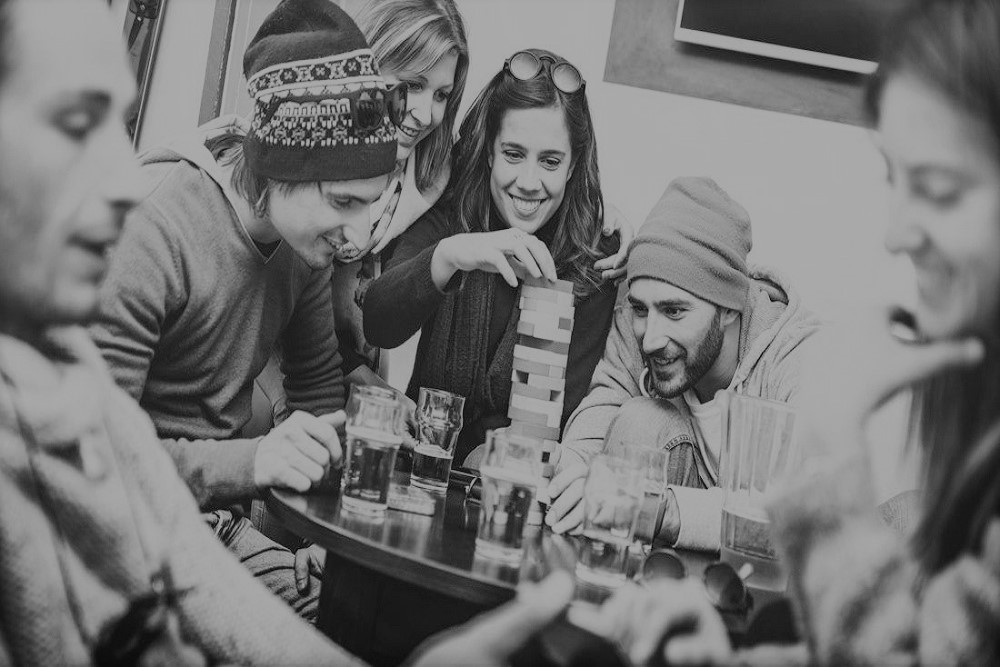
Traditional darts, billiards, and even dance floors are starting to take a back seat in today’s fast-paced bar segment. To be current, playful, and competitive, today’s bars are required to step up their ‘game’; where having a great time must be a guarantee!

It’s no secret, that keeping guests in a venue for as long as possible creates more revenue generating opportunities. By providing a variety of interactive games and maximizing the square footage (creating an adult playground), venues can provide the energy needed to attract guests, amplify their brand messaging, and generate revenue throughout the many parts of a day or evening.

To do this successfully, bars need to first create unique value, vision, mission, and culture statements while understanding their true target market. This will ensure that the right mix of interactive games, music, food, and beverages are provided – creating an atmosphere that will resonate with the guest.

Here are five #barhacks to keep in mind when developing your venues interactive strategy plan:

Create Energy

After reviewing your target market and the available square footage, what interactive games would generate positive energy and a memorable experience? Which day-parts are lacking revenue and what can you add to fill in the gaps and maximize on each operating moment?

Hot trends for new builds: If you’re just starting out, look at the feasibility of a business model that revolves around an adult driven bowling alley, shuffle board layout, axe throwing cages, and/or indoor golf simulation that pairs well with unique food, craft beer, cocktails, and music.

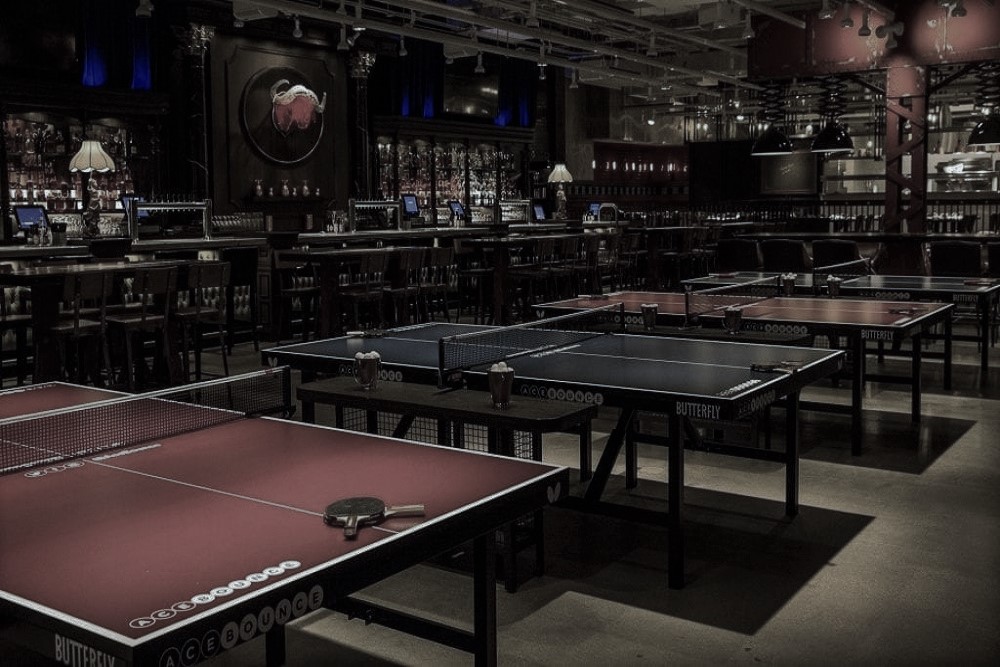
Hot trends for operating bars: If you’re already operating and don’t want to plan for a major renovation, analyze your current square footage and consider adding in the likes of bocce ball, adult arcades, ping pong, beer pong, foosball, life-size connect four or skee-ball for example; either indoors or outside on the patio. If you have multiple large screens, consider hosting sport tournaments using an x-box (as one example). Maximize each minute and feel free to rotate a variety of games in-and-out, to keep it fresh.

Collaborate

Providing this type of atmosphere and energy is what suppliers like to see. This opens up an opportunity to collaborate with your suppliers to step-up promotions and offer unique, highly valued prizes and theme nights that will be a win-win for everyone involved, including your customers.

Food & Drink

Once you know the interactive route you’re taking, it opens a large opportunity for unique menu items. Outside of traditional speciality menus, consider adding self serve food or drink stations. With fun, interactive adult games comes the notion to reflect on your youth. For example, a fill your own candy bowl station or build your own ice cream sundae station. Or perhaps consider adding in a ‘create your own’ Caesar (Bloody Mary) bar stocked with different flavour infused ingredients.

Revenue Packages

Adding in all of the above tactics will position your bar to create ‘stay & play’ type packages or revenue generating membership cards, which will also create long-term loyalty. With the right marketing plan, this ‘value-add’ approach will win with both the younger and older generations.

Amplification

When finalizing your strategy plan and mix of interactive games, music, food, and beverages, always think social media. Design everything so it is social media worthy meaning guests will want to take photos, take live video, or simply check-in at the hottest spot in town – creating an inevitable fear of missing out (FOMO) among their network.

Pairing all of this with a fun, secure atmosphere will undoubtedly create brand ambassadors and long-term success for your bar. It’s time to think outside the box and up your game to create memorable guest experiences!


by krghospitality krghospitality No Comments

Security Strategies for Your Bar

Security Strategies for Your Bar

By Doug Radkey – 10/25/2017

Slips and falls, over-serving, theft, and violence are the most common reasons a bar needs very strict safety and security strategies. Bars, pubs, lounges, and clubs in particular, must continuously look at opportunities to reduce risk and liability.

The bar industry is built upon reputation and that reputation can be altered in the blink of an eye. In reality, it only takes a short moment of ‘looking the other way’ to create an unwanted atmosphere that encourages theft and an opportunity for violence, in particular.

As a bar owner, operator, manager, bartender, cook, server, or security personnel, it is your cohesive duty to create and maintain a safe environment and positive experience, not only for your customers, but your other team members as well.

How can we reduce risk and liability while creating a positive, memorable guest experience?

Bar Characteristics

The first thing to consider, is the bar concept. What brand messages are being portrayed? What type of environment has been created? Characteristics that often relate to violence and liability issues include darkness, crowded areas, noise level, competitive games (example pool tables), aggressive bouncers, and temperature/ventilation issues. How would you define your characteristics and what can be changed to improve them?

Drink Safety Policies

Guest harassment and potential danger, often comes with either the quantity of drinks consumed and/or the consumption of ‘spiked drinks’. Ensure that all bar staff have been highly trained (and have ongoing training) on proper serving protocols, signs of intoxication, and potential elements that can lead to ‘spiked drinks’ by other guests. In addition, it’s important to have a ‘safety drink’ that female guests can ask for if they feel they’re in danger, which should be posted in the female washroom indicating what to do if they feel they’re in a dangerous situation.

Install Strategic Cameras

There is plenty of new (affordable) technology that can assist in bar security, theft, and the protection of overall liability. Consider installing night & day 360 degree cameras to capture every moment as it happens. Cover the bar, liquor shelves, dance floors, cash registers, storage areas, hallways, patios, and all doorways with proper indoor or outdoor monitors. With digital storage space, you can now keep hours and months worth of data, to protect your brand from potential litigation.

Lighting Strategies

Dark areas are perceived as an area to start fights, to steal, to spike drinks, or to handle drugs. Ensure that washrooms are bright and that each light bulb both inside and outside the venue, has a true purpose. Is it to create atmosphere, create a sense of security, or a blend of both? Think through each light placement for a better sense of security and to protect both staff and customers.

Staying Alert

Sounds simple, but as time goes on, people often put their guard down and become complacent in their day-to-day activities. Absent-minded owners, managers, and staff can lead to danger for everyone. Provide a known presence, remember there is safety in numbers, and have ongoing meetings regarding theft, security, and guest experiences to keep everyone on the top of their game.

Bouncers

Are they still needed? Yes, they are an important part of a bars security plan, especially in larger establishments or venues with competitive gaming, live music or DJ’s, and dance floors. However, aggressive bouncers can actually lead to violence and security issues. Hire properly trained bouncers, have a security plan in place, and enforce your rules of conduct (which you hopefully have). Also, ensure your bouncers have a positive and transparent relationship with local police in addition to an effective communication plan, if there are multiple bouncers.

Bars can even step up their game by also hiring ‘guest experience officers’ who are visible on the floor both enhancing the guest experience and communicating with security staff of potential issues before they escalate. This is a less aggressive approach and is known to work, in both security elements and an increase in sales through brand perception.

Bars that target younger, less agreeable and more impulsive drinkers are the most at risk. Know your concept, know your target market, and know the consequences of having a poor security strategy. Your reputation and long-term success ultimately depends on it!

by krghospitality krghospitality No Comments

Often Overlooked Benefits of Restaurant Lighting

Often Overlooked Benefits of Restaurant Lighting

Originally Posted on FoodableTV by Doug Radkey – 10/19/2017

There are so many critical elements that go into the design of a restaurant, so much so that it can easily become overwhelming. It’s a moment during the start-up or renovation period, where specifics that play a large impact on customer experience, can simply be overlooked. One of the key elements that are often overlooked — is the importance of restaurant lighting.

To create positive emotions and to deliver on your promise for memorable customer experiences, a concept must think through its initial design while utilizing processes, maximizing communication, and creating surprises through a multitude of ‘touch points.’ Arguably one of the most important touch points in the overall design — is again that of restaurant lighting.

Lighting within a restaurant (or bar), affects many elements within both operations and guest experience, including food and drink presentation, atmosphere, and length of stay. Lights come in many creative materials, shapes, sizes, and brightness; therefore the largest challenge is finding the right balance for each location and concept.

When planning a restaurant space, one has to consider the ‘job’ of each light source. Is it meant to highlight wall features, to enhance a back-bar, to highlight walkways, washrooms, and exits, or is it to create the right mood over a table? Or perhaps it is for security, liability, and theft prevention?

When considering the job of each light source, it’s imperative to remember to keep customers and operations top of mind first and not the architecture itself.

Here are other ways that restaurant lighting can have a large impact on revenue, profit, and customer satisfaction by again, considering the ‘job’ of each source.

Sense of Security

Ensure that the restaurant and bar space is well lit (this is both inside and outside the venue). Strategic placement and brightness of lights will undoubtedly reduce theft opportunities, reduce damage to property, reduce injury and liability, and keep both employees and customers safe (especially at night).

Differentiated Space

Different lighting sources within a venue can assist in creating multiple spaces. Similar to guest positioning, lights can assist in highlighting the multiple “levels of comfort” that guests will connect with and want to be seated near, allowing the restaurant to maximize each individual seating area, effectively managing customer satisfaction and revenue opportunities.

Seat Optimization  

Lighting has another effect on Restaurant Revenue Management, as well. If a restaurant wants customers in and out quickly (QSR model), they should consider brighter lights paired with fast paced music, as it often makes guests feel hurried. A balance between warm and bright lights is ideal for casual restaurants where dimmed (softer) lights is therefore more ideal for restaurants that are looking for longer guest duration.

Kitchen & Bar Performance

Don’t forget about a restaurants team and the productive areas within the restaurant space. Ensure the correct light placement and correct choice of bulbs is decided upon for inside the kitchen and bar production area. Consider where food and beverage preparation and final presentation will be completed for a final quality check before being delivered to the guest.

Food & Beverage Presentation

Increase restaurant and bar profits with the correct back-lighting, up-lighting, and track lighting along liquor, beer, and wine displays. Take it up a notch and differentiate positioning of premium product with a different set of lights. Furthermore, food and drink can look unappealing if placed under the wrong lighting element— therefore bars and full service restaurants should use dimmers to control brightness (softness of light) and to ensure there are no shadows along the plate or glass while at a table.

Energy Conservation

When deciding on lights, consider the upfront cost and the ongoing energy cost and look for long-term operational savings, adding profits to a restaurants bottom line. Restaurants use a lot of lights so dimmers (or control systems) for example, are great for a variety of concepts to reduce costs and create more efficient layouts.

Curb Appeal

A restaurant cannot forget about its exterior lighting. Outside of the obvious security reasons, a well designed exterior with strategic lighting can in fact, invite people inside versus them choosing a neighboring restaurant. Lighting along entranceways, signage, landscape, and the up-lighting of architectural highlights, is most ideal. Lastly, outdoor lighting for a restaurants patio needs to be creatively decided upon and equally not overlooked to create not only the right outdoor atmosphere, but curb appeal, as well.

Poor restaurant lighting can lead to a cold and clinical feeling or a dark and unsafe feeling among guests. Lighting can also have a psychological effect on guests, as their minds may play tricks on them when it comes to flavors and scents for both food and drink. 

by krghospitality krghospitality No Comments

Creating Restaurant Brand Ambassadors

Creating Restaurant Brand Ambassadors

Originally Posted on FoodableTV by Doug Radkey – 10/14/2017

Ask nearly every restaurant owner what their number one, long-term marketing ‘program’ or tactic is, and most will say effective word of mouth. This can be great until it starts to fizzle down or another new restaurant opens up down the street resulting in the competition becoming the new talk of the town.

Instead of shooting into the wind and hoping ‘word of mouth’ with deliver desirable long-term results, restaurateurs need to embrace a program that is an extension of word-of-mouth marketing, by developing what is called ‘brand ambassadors.’

A brand ambassador will positively represent and promote a restaurant’s venue. They will embrace the company values, vision, mission, and culture. They will strengthen a restaurant’s identity within the community by providing additional visibility and overall awareness.

Yes, word of mouth happens organically over time because of excellent food, drink, service, and experiences, don’t get me wrong. But what if there was a way to double-down and create multiple micro-communities and multiple levels of ambassadors to promote a restaurant’s brand?

That’s where an ambassador program comes in.

Here’s how:

Owners & Operators

A winning brand ambassador program begins with guests and staff. However, as with any program, there needs to be a leader. As a restaurant owner or operator, there are many ways to be included within a brand ambassador program and be looked up to as the leader of the program.

Business Networking

Restaurant owners and operators can further ‘humanize the brand’ by networking within the community and showing the face behind the brand at a variety of business events that every city or community holds. Building effective hyper-local relationships is the first step to a winning program.

Community Involvement

Restaurants can build and protect their reputation by being involved in as many community based events as possible and even collaborating with other restaurant or foodservice operators within their area. An open mind and community driven mindset is essential.

Community Influencers

Restaurant owners and operators should also look to build long lasting relationships with community leaders, city officials, F&B distributors, local media, and bloggers— who are all influential within their city. These individuals can further amplify a restaurant’s positive message.

Set Goals

Once an owner or operator is on board with a true brand ambassador program, setting clear goals for both guest and staff ambassadors, is required. What do you want to see come out of this program? When setting goals, remember this one key rule a friend once said – ‘numbers lie and relationships rule’. Don’t look at the financials first; the money will flow once relationships are built.

Restaurant Guests

Happy customers are everything. They are the foundation to effective word of mouth. Outside of hoping they share their experience with their social network, there is a multitude of ways to get them further involved in the process of building true brand ambassadors.

Focus Group

Develop a group of individuals who show great interest in the restaurant (regular guests) and meet with them either once per month or quarter. Discuss upcoming community events, new menu items, or possible events to hold at the restaurant. Get them involved and give them something to talk about. For example, provide food and beverage samples of new menu items they will surely take photos of and share with their network.

Social Amplification

Similar to focus groups, consider holding ‘Facebook Only’ parties for example, where the only guests are ones that are fans of the restaurants page. This will surely amplify your messaging, product, and experience as they will be sharing photos or even live video of the event with their network.

Loyalty Programs

Every restaurant should have some form of loyalty program. There isn’t a one size fits all approach, but the general rule is that it will only work if the restaurant makes it worth something of perceived value. This comes down to knowing customer profiles and thinking of creative ways outside of just the standard ‘get one free after ten purchases’ loyalty program that everyone sees.

Restaurant Staff

When restaurant staff members are effectively on-boarded, trained, and are emotionally happy in their environment (a venue where they get a sense of achievement, respect, and wages) they are more often than not, willing to share the positive moments, effectively becoming brand ambassadors.

Provide Empowerment 

When staff members are given empowerment to make minor decisions, a lot of positive can come from it. Customer service is the number one benefit, and happy customers as we know, continue returning. A training program that focuses on customer service sequence training (role playing) will allow staff the opportunity to create relationships with guests while providing both confidence and empowerment within their respective roles.

Double the Social 

Nearly all employees will be active on some social media platform. Restaurants should look to encourage the use and even supply employees with content to share with their network. A social media training and a social media policy however, needs to be clearly articulated and signed off on to protect the brand. Furthermore, make sure staff members are included as much as possible with community events and any focus groups to amplify the social reach.

Create Stay Interviews

When staff members are happy, make a record of it. Create a ‘stay interview’ which is asking them questions such as why they love working at the restaurant so much? Create a video, share it, and post it on the restaurant’s website. This will create a positive brand perception which will improve hiring processes, reduce turnover costs, and set the stage for future brand ambassadors.

In summary, doing the unexpected, getting involved, creating engagement, highlighting staff, and listening to guests, will instantly develop the foundations for not only word of mouth, but that of a brand ambassador— delivering the desired long-term results!

by krghospitality krghospitality No Comments

How to Set Employee Expectations in Your Restaurant or Bar

How to Set Employee Expectations in Your Restaurant or Bar

Originally Posted on Typsy by Doug Radkey – 09/28/2017

Effective communication can provide your restaurant with two things. First of all, it creates an atmosphere where both front of house and back of house employees are excited, motivated, and honest. Second of all, it helps you establish workplace expectations, which can lower staff turnover costs.

Proper communication starts from the top, and from the time someone is employed (or arguably during the interview stage). The key to setting expectations, communication, and a positive working environment starts with onboarding, operation manuals, and formal training.


Onboarding

The true meaning of onboarding is often overlooked within the restaurant industry, though it should be a priority! It’s an opportunity to introduce new hires to your expectations and culture.

It’s also your chance to define what it means to be productive, promote compliance, and create the footprint for a memorable working experience.

Use the first day to discuss:

  • Short-term and long-term goals
  • The history of the restaurant
  • The vision
  • The mission
  • The values that make you who you are
  • Why customers enjoy your establishment

Create an open dialogue and allow for questions. Discuss the importance of manuals and training and set realistic goals for training completion.

The days of throwing new hires into the fire on their first day of work needs to come to an end; no matter their level of experience.

If restaurants hire for a mix of values and experience, versus experience alone, and create a systematic approach to hiring through proper job advertisements, interview processes, onboarding, manuals, and training, they will see an immediate difference in their culture and turnover costs.

This is why it’s important to remember that ‘values beat experience, when experience doesn’t work hard’.

The onboarding process should also be fun and exciting. Consider taking the process to the next level by developing a creative welcome package that consists of inexpensive but valuable tools, resources, and restaurant branded products that will go along with the paperwork needed for new hires.

This will instantly make your new hires feel like they’re a part of a team and set your restaurant apart from others in the immediate area. The added bonus is they will probably take a photo of their welcome package and share it with their social network!


Operation Manuals

Operation manuals should further outline items like:

  • Key statements
  • Policies
  • Probation periods
  • Scheduling
  • Harassment
  • Pay scales
  • Pay schedules
  • Tipping procedures
  • Emergency procedures
  • Pre-shift meetings
  • Opening/closing checklists

There should also be a complete kitchen and bar recipe manual that is continuously updated based on the current menu.

It probably sounds like this is going to be a large and heavy book (that no one will read because it sounds boring). Keep the categories short but impactful, and consider breaking them up into separate mini-packages.

You also want to keep in mind the variety of ages within your team and how they may react to different training and manual related material.

Consider creating a mix of visuals, infographics, videos, and written material in your operations manual. Incorporating video into the mix is a great way to create consistency in your messaging, and it will save you valuable resources over time.

It is imperative, however, that all components within the operations manual have a form of accountability. Make sure your new employees are signing off on their responsibilities so you have something to keep on record. They must ‘own’ it!


Staff Training

Staff training plays the third and final role in developing employee expectations. New hires need to be taught the specifics of your restaurant’s concept and business model.

They need to learn how to interact with customers, service sequences, food and beverage production, and specific equipment safety.

An advanced training program will offer adhoc training and cross-training opportunities. It will also offer a mix of classroom-style training (offline or online with a tool like Typsy), off-site training (at a brewery or winery for example), and on-the-job training (shadowing) that should be followed by tests to ensure the messages are being received.

The value of a training program lies within its structure. A winning training program will not try to train an employee all in one day, and you shouldn’t expect new hires to remember everything they learn in one session for the rest of their employment. It is imperative that a training program also includes refreshers and reviews, something that can be done in pre-shift meetings or during a restaurant’s periodic downtime.

A high percentage of employee turnover occurs within the first few weeks of employment. Step into a new hire’s shoes and remember your first days on the job, whether in a restaurant or another industry. How was your experience? Was it positive, memorable, and engaging? Most will likely say not.

In summary, you want to develop systems, experiences, confidence, morale, and consistency, which will set the expectations needed to successfully operate a restaurant.

If you have the correct mindset, the correct programs, and the correct leadership, any previous onboarding, operation manual and training nightmares will simultaneously go away, benefiting operators, employees, and yes, even the guest.

It takes a complete team effort and it starts from day one.

by krghospitality krghospitality No Comments

Sound Engineering for Your Bar or Restaurant

Sound Engineering for Your Restaurant or Bar

By Doug Radkey – 09/26/2017

In the bar (and restaurant) industry, emotions and experiences are paramount. Without delivering positive emotions and memorable experiences, you will not have a long lasting business. Outside of food, drink, seating, video, and decor – properly engineered sound (music) can enhance those much needed feelings that guests’ ever so often, desire.

Music has the authority to deliver the right ambiance based on one’s brand and based on one’s target demographic while increasing overall profits. No matter the concept, guests are known to enjoy their food, drink, and inner-circle company more so when music is playing; which ultimately makes them stay longer and of course, spend more of their hard earned dollars at one’s venue.

We sat down with our friends at Playdio Inc., a new platform labelled ‘handcrafted radio for your business’ to ask them a few key questions regarding the importance of sound engineering in bars today. Here’s what they had to say!

Bar Start-Ups

If you’re in the start-up phase of your food & beverage business, don’t overlook the importance of music and sound. As Mat Lunnen of Playdio tells us “a new bar is like a luxury cruise liner – it’s not a speed boat. Erratic music creates erratic guest behaviour. Changes in your music should be subtle turns like a large ship, not swerving in and out of the water like a jet ski.”

To accomplish this is no easy task. It takes the correct sound system, the correct speakers, the correct speaker placement, and the correct level of sound paired with sound management (song choices and playlists) to make it work like the noted luxury cruise liner.

“You’ve taken the time to surround yourself with professionals in your business. From designers and architects, to bookkeepers and chef/bar consultants, you rely on experts to craft these parts of your business. Music is equally as important and cannot be overlooked.”

Working with a sound or music professional “allows you to dive deeper into understanding your day parts and demographics while creating memorable and meaningful experiences for all your customers.”

In summary, make the right choice and invest in proper sound engineering and sound management, right from the start.

Psychology of Day-Parts

Whether it’s pre-game drinks at a bar, or a fine dining experience at a restaurant, crafting the perfect playlist is an art form. “Using professionals can help increase customer engagement, and impact customer behaviour & spending patterns, while allowing you to focus on the more pressing day to day issues of your business.”

Mat’s advice “is to take a good look at your day parts, understand them and who is in your business at that time, and create appropriate playlists for each day part”.

For example, during lunch hour, consider upping the tempo and energy of the music being played to encourage guests to eat their food faster, opening up tables for additional customers.  Analyze each hour of the day and the type of guests you’re typically serving. Subtle tweaks to music selection can play a large part in duration of stay, money spent, and guest satisfaction.

Four-Walls Marketing

Marketing events through sound & music is also an excellent way to drive emotion and memorable experiences. Does your bar show the hockey game every Saturday night? It would be ideal then to “play stadium songs that we would normally hear at the hockey arena, as if we were really there, to get your customers in the mood”. Don’t want guests heading to the exits after the game? Consider “crafting a high energy, familiar playlist and then crank the volume to keep the party going” which is a great option to pair with late night food & drink menus.

———-

When you “take songs that are connected to our memories and times in our lives where music and sound had more of an impact on us – we increase social experiences, social activity, and often connect those feelings back to a specific venue where the song was played”.

Music builds brand perception, creates an atmosphere, influences guest behaviour, attracts & prolongs guest visits, increases staff productivity, and boosts staff morale. Who wouldn’t want all of that!?

by krghospitality krghospitality No Comments

Is Your Restaurant Ready for Digital Ordering

Is Your Restaurant Ready for Digital Ordering

Originally Posted on FoodableTV by Doug Radkey – 09/15/2017

Nearly every household orders food to-go from a local restaurant at least once or twice per month (some per week) and the days of traditional ‘phone orders’ or simply waiting in line, are clearly coming to an end thanks to new and continuously improving technology.

Many independent restaurants have been sitting back, watching the development of online/mobile ordering, also known as digital ordering, wondering if they need to get into this space and/or how to even get started.

The question shouldn’t be ‘should we introduce digital ordering?’— the question should be ‘when will we introduce digital ordering?’

The answer to that question should be: As soon as possible, BUT only when your operations are ready for it and you won’t be undermining any restaurant fundamentals throughout the process.

If you haven’t implemented digital ordering yet, don’t freak out!

It’s obvious you didn’t open a restaurant because you love technology. You opened one because you love food, drink, and serving a community through the development of customer experiences.

There are numerous benefits, however, to offering digital ordering methods to your guests. The good thing is that technology (or apps) currently on the market (for example, Gloria Foods) have made it extremely simple and cost effective to introduce this new feature while improving on customer experiences.

To sum it up, independent restaurateurs no longer need an IT department or professional to get started— the hard work is already done for you!

If you’re on the fence about the how, why, and when of digital ordering for your establishment, consider the following tips to see if it’s the right fit for you.

Improves Efficiencies – Digital ordering will not tie-up phone lines or require staff to stand around taking manual orders.  This will allow staff to be more productive in terms of food preparation and other customer service requirements, especially if the ordering method is tied right into the point-of-sale system. This will undoubtedly and effectively control labour costs while improving communication amongst your team and your customers.  Speaking of preparation, digital ordering methods often allow customers to ‘pre-order’ hours ahead of time, allowing the kitchen more time to prep, just like traditional table reservations would for a full-service restaurant.

Improves Quality Control – Digital ordering will also reduce human error often associated with phone or counter orders (due to background noise, customer accents, or simple misunderstanding), resulting in higher customer satisfaction rates and often quicker customer return rates.

Improves Mobile Presence – With digital ordering, you instantly have a mobile app while improving your mobile and online presence, which then improves your SEO, marketing, and overall customer satisfaction. Use this updated technology to ensure your website, social media, and online efforts work FOR you, not against you.

Improves Competitive Advantage – You’re not alone when it comes to not having online ordering methods implemented. It is likely true, many of your hyper-local competitors are ‘behind,’ as well. This means that introducing this technology will give you an immediate advantage while also positioning you to compete at a higher level with the larger mainstream brands in your area.

Improves Overall Revenue – When customers are given more time to order and can view all of the different menu options available to them, they tend to spend more money. Digital ordering increases impulse purchases through effective up-selling. Imagine what adding even just $2-$4 could mean to your bottom line!

Improves Marketing Efforts – Lastly, digital ordering collects data that is highly beneficial. Many of the applications offer ways to track previous orders, create customized profiles to predict sales, and understand which neighbourhoods are buying and which ones are not. It also provides an avenue to improve social media efforts by driving sales directly through these platforms.

Introducing digital ordering methods can, however, come with their challenges for operators and these challenges are not necessarily technology driven. Here are some to consider.

Menu Setup – It must be easy for customers to navigate your menu. If there are customizable dishes (for example, a hamburger), it must be very easy for customers to decide which toppings they want and don’t want. In addition, typical food sensitivities or allergy alerts need to be clearly visible to the customer on your digital application. The solution is to keep your menu simple.

Delivery Options – With digital ordering as an option, the expectation of delivery often presents itself to your customer. It’s not mandatory, but something to consider as an operator. Delivery can create more immediate questions than answers, though, as one needs to decide on using either a delivery app company or hiring their own set of drivers. This, then, poses insurance questions and another potential increase in costs. Delivery can be expensive and difficult to ensure food is delivered as advertised— meaning your style of to-go packaging will need to also be reviewed for quality assurance.

Venue Layouts – With an increase in digital orders or to-go orders, in general, a restaurant’s layout may need to be adjusted. This could mean less tables and larger pick-up areas. It could also mean aligning kitchen equipment differently and even creating specified digital ordering pickup parking spaces to ensure these customers are in and out, as quickly as possible.

The entire premise of digital ordering is to simplify the ordering sequence, for both the restaurant and the customer. If you cannot promise a high level of customer satisfaction, then you’re not ready.

Don’t start to offer digital ordering just because others are offering it.

It needs to be thought through and planned for long before it’s launched. In summary, customers must enjoy the digital ordering experience just as much as the food they’re ordering.

by krghospitality krghospitality No Comments

7 Ways You Can Increase Your Restaurant Brand’s Social Responsibility

7 Ways You Can Increase Your Restaurant Brand’s Social Responsibility

Originally Posted on FoodableTV by Doug Radkey – 08/30/17

Giving back to the communities we serve is not a mandated practice, but is rather something extra that restaurants, and businesses alike, can do to improve their local and national communities.

This is also known as— social responsibility.

This practice can not only increase employee engagement, but also:

  • Develop a positive perception of your brand
  • Increase revenue opportunities; and
  • Increase the possibility of local media coverage

What restaurant wouldn’t want that?

According to the National Restaurant Association, over 90% of restaurants in the U.S. make some form of charitable contribution each year.

What more can be done, you ask?

Let’s take a look!

It can be as simple as what the Taproom on 19th does in Philadelphia. The gastropub in partnership with its neighborhood association, gives out free beer to anyone who donates school supplies and winter coats.   

It can involve a more hands-on approach, like what Joey Restaurants is doing with their Cup of Care program, where their front of house, back of house, and head office leaders volunteer their time to wash, peel, and chop over vegetables for beef and barley soup “To date, JOEY has served 100,000 hot meals across Canada, Seattle and Los Angeles partnering with local shelters and organizations” chosen by their employees in each of their communities.

Or, it can involve improving and educating your own team, like Chick-fil-A has done since 1973 with their scholarship program. This brand has been helping restaurant team members achieve their dreams of higher education. Since then, nearly 36,000 team members have received scholarships from the company, “bringing the total amount to nearly $36 million applied at more than 3,000 schools nationwide” as stated in a 2016 blog post on Chick-fil-A’s The Chicken Wire.

Below are a few items to consider when either starting or revamping your own social responsibility program to deliver a more memorable impact!

1. Make it a Team Based Mission

Part of your vision, should be improving your community. How will you turn your vision into a promise? Your program should be highlighted in your mission statement, so it can be shared with your team and community. Take it a step further and set up SMART goals for your program to hold a level of accountability. How much time and/or financial resources do you want to work towards and give back each quarter or year?

2. Reflecting On Your Values

Hopefully you’ve taken the time to define your importance, worth and usefulness within your restaurants statements. If you’ve hired and built your team based on both values and experience, your team should have a common goal of wanting to give back. Get them involved in your social program and have them open up about causes they really care about, as well.

3. Environmental Impact

Is there a way your restaurant can build on sustainability? What energy efficient measures can you put in place at your venue(s) and how can you source more ethical food and beverage products to reduce your environmental footprint?  You can also help the environment out by donating used equipment to nonprofits when it’s time to upgrade (instead of disposing them at your local landfill). What kind of impact do you want your brand to leave behind?

4. Local Events

Restaurants pose an easy and enormous opportunity to sponsor local events or teams, or by donating a percentage of revenues to a local benefit event or organization. With a large seating area, a restaurant can also host a fundraising day or night at the restaurant itself. Restaurateurs can also look to support local military and first responders with dining discounts or donations to their equally important charity programs.

5. Team Building

Your restaurant could also take the approach to improve the long-term wellbeing of your team, through a scholarship or further-education program. This could be additional culinary, management, or mixology education scholarships for example, that will improve your operations, both now and in the future. Speaking of team building, giving back often leads to a more positive work environment and increase in staff retention, plus an increase in creativity and personal growth while promoting individual philanthropy.

6. Disaster Relief

When disaster strikes, restaurants are often in a position to lend a helping hand, either locally, nationally, or globally. Whether it is a tornado, earthquake, hurricane, or other life altering event, restaurants can become hubs for financial donations in addition to ‘match funding’ programs – or even the delivery of food or chefs right to the front-lines.

7. Poverty Assistance

This is an unfortunate aspect of nearly every community. Restaurants are given the opportunity to help the less fortunate through a variety of methods, including volunteer participation, hosting a neighborhood cookout, or by hosting food drives benefiting the local food bank, just to name a few.

As much as a restaurant brands should be taking part in social responsibility for the sole betterment of their community, you should want your program to also improve your image, increase media coverage, develop engagement, and attract investors.

Make sure your program is visible on your website, within the four walls of your establishment, and throughout your social media channels to maximize its reach and potential.

Make it a win-win for everyone!

by krghospitality krghospitality No Comments

Before You Expand Your Restaurant Read This

Before You Expand Your Restaurant Read This

Originally Posted on FoodableTV by Doug Radkey – 08/22/17

Whether you’re an aspiring restaurateur or an experienced operator, it has likely crossed your mind to open at least a “few locations,” or to begin “franchising” a winning concept.

It’s in our human nature to grow and always look for more, right?

When the timing is right, expanding with multiple locations can make a lot of sense for a brand, but only if it is truly, the right time.

A common first challenge is that many restaurants, even successful restaurants, are simply not ready or properly positioned for this type of expansion. To scale a restaurant from one location to two or three and/or to lay the groundwork for franchising, it takes a variety of planning methods, in-depth market research, and the proper execution of a variety of systems.

The second challenge is that many independent restaurateurs try to go through this growth stage all on their own or with their first location’s key staff members, often resulting in burnout for everyone involved and ultimately sacrificing the success of the first restaurant.

The silver lining is that every challenge has a solution if you approach it with the right mindset.

To prepare a restaurant for growth, the following strategies and due diligence need to be prepped prior to moving forward with the idea:

Prep a Business Plan

Just because the first location was successful, doesn’t mean the second or third location will automatically have the same success.

Whether you plan to fund the growth stage yourself or pitch the growth stage to investors, a business plan is vital to the success of not only one, but multiple locations. A market feasibility study (demographics and competition) for each location in addition to trend management, financial forecasting, start-up costs, staff structure, and realistic time-frames to meet critical objectives, all should be vetted out to achieve the long-term success of each location (including the original).

Determine Your Concept Characteristics  

If you’re looking to get into franchising in particular, it is wise to consider operating two or three locations first, prior to executing a ‘franchising plan’. Before others will invest in the concept, it must be tested in a variety of settings and demographics – not just one.

This is where ensuring the five concept characteristics of being scalable, profitable, memorable, consistent, and sustainable are evident in not only your designs, but your complete operations. It may be a wise investment to have a 360 degree assessment done on your venue.

Make Sure Your Systems Can Be Easily Duplicated

Arguably one of the most important aspects in terms of growth is ensuring that each restaurant has the right systems in place. Duplication is the key.

Your operations will undoubtedly run like a well-oiled machine if all restaurant outlets are using the same winning formula.

Each location must operate in unison. If even one system (training, communication, marketing, preparation, inventory, human resources) is broken or is non-existent in the first location, the second location will struggle even more. To do this, there must be operational manuals, HR policies, and training platforms in place that can be easily duplicated.

Keep the Kitchen & Bar Consistent

Playing off of the systems – if you’re developing identical concepts, consistency is essential. If a location is ready for growth, it’s because it’s built a brand with memorable food, drink, and guest experiences.

This must be duplicated among all additional outlets.

But now that a location is growing, so do the expectations of its guests. All recipe books, portions, supply chain, kitchen manuals, bar manuals, and staff training must be created equally and consistently across all channels.

Implement a Supporting Cast  

Remember that everything is multiplied when adding additional locations, including the headaches and sacrifices it takes to operate just one location.

Are you in a position to handle this extra workload? The answer is probably no. What often happens is the owner will spend more time at the new location, leaving the first location vulnerable.

That’s why it’s important to take the time to consider the right management team for multiple locations, including additional chefs, managers, and supervisors in addition to startup specialists like consultants, designers, engineers, and architects that will save time, money, and energy.

Re-evaluate Your Marketing Plan

Is your current marketing plan suitable for multiple locations? What has worked and not worked for the first location? What would need to be changed in terms of the website, search engine optimization, social media, and print collateral to name a few?

In addition, if not already complete, trademarking the name, logo, and any associated tag-lines is also critical to protect the brand in new or multiple markets.

In short, restaurant growth and/or franchising can create enormous opportunities if executed properly.

That said, the number of locations a restaurateur or restaurant group may have is simply that, just a number. It’s important to not forget the fundamentals, where the quality of food & beverage, customer service, and guest experience is paramount at each location.

by krghospitality krghospitality No Comments

Developing a Profitable Beer Program

Developing a Profitable Beer Program

By Doug Radkey – 07/28/2017

You could try and make everyone happy by offering hundreds of beers at your bar, but for many, that’s likely not going to happen due to space restraints.

A bar needs to carefully consider their beer program and offer one that is balanced, targeted, and one that fits their concept to maximize its potential.

A great beer program should have the same respect as a carefully drafted wine or cocktail program. Don’t build a beer program based solely on the recommendations of a brewery sales representative.

Outside of advanced bar design, adequate refrigeration, and proper draught lines etc., here are some helpful tips for you to consider, when designing a new or revised beer program.

Market Research

Assuming you know the targeted demographics of your bar and the hyper-local area surrounding your bar, you first need to develop a program that speaks to them and your concept.

  • Is the beer intended to compliment a meal or simply promote a refreshing, good time?
  • What are the age brackets, income levels, and number of men vs. women?
  • How long are your guests intended to stay?

There is a difference between a sports bar and a neighbourhood pub or a bar & grill. Knowing this data will help determine the next steps.

Craft vs. Big Brand

Once you know the above, you can then focus on styles and not necessarily brand names. We can all agree that the craft beer ‘movement’ isn’t going anywhere, but don’t just create a craft beer program because everyone else is. Know the market, know your customers, know your flavour profiles, and create a mix of known brand names and local craft beers, with the right balance of styles.

Beer Balance

As it’s noted, focus on styles and flavour profiles. If you have an excellent food program (let’s hope you do), you can effectively pair beer with your food menu just as you would with wine and cocktails to create a full sensory experience. You can also step up your beer program by offering seasonal beers that rotate while keeping your program fresh and exciting. If each beer program has at least one of the following, there should be enough options for proper pairings; Pilsner, Amber, IPA, Farmhouse, Wheat, Pale Ale, and Stout.

Product Consistency

When it’s time to choose your preferred breweries for the beer program, remember that quality must be kept top priority. Not only in taste, but the breweries customer service and delivery logistics. This is especially important with craft beers and how quickly they’re emerging. Visit the brewery and have a tour while you discuss their product, their recall program, delivery schedules, pricing, and emergency calls (example, you’ve ran out of beer before the next delivery).

Beer Education

Once that is all solidified, all of the service staff and bartenders need to be educated on each of the beers. They should know the beers history, ingredients, flavour profile, and correct pouring methods and its required glassware. This will go a long way in the overall guest experience and up-selling of the product.

by krghospitality krghospitality No Comments

4 Ways a Bar & Grill Can Win Back Guests

4 Ways a Bar & Grill Can Win Back Guests

By Doug Radkey – 07/24/2017

Over the past couple of years, we have collectively seen the ‘bar & grill’ segment on a continuous decline. Nearly every market across Canada and the US is over-saturated with the traditional bar & grill concept and most have become complacent in their own operations; offering similar menus and guest experiences while not adapting to industry changes.

Furthermore, this segment has been losing to other fast casuals and specialty eateries (plus food halls); ones that specifically target millennial demographics. The bar & grill however, has an opportunity to regain customer share in this cut-throat industry.

When targeting the millennial demographic, it’s imperative to plan around the fact that this group will pay more to go to a venue that offers premium food, high-quality beer & cocktails, and that cater to social engagements (ie unique experiences).

Here are 4 quick ways (#BarHacks) that the traditional ‘bar & grill’ can win back customers, starting today!

Innovation

Traditional burgers, wings, nachos, and beer can no longer be the norm to ‘attract’ guests to a bar & grill. Concepts that are driving innovation within both the kitchen and the bar, are the ones currently leading this segment. Fresh ingredients, hand-crafted drinks, cocktail pairings, unique plating, and innovative (or at least) new takes on traditional bar-fare, need to be considered during your next engineered menu.

Trend Management

Trends come and go, but bar owners must adapt to local market changes and demands. This is not only in food & beverage offerings, but overall guest experiences. What trends are driving guest energy, guest spending, and guest duration? Find the need in your hyper-local area and simply adapt it to your concept!

Back-Bar Strategies

When is the last time you took a careful look behind your bar? Realizing the necessary return on your alcohol investment is also partially a question of cost control. Create a niche in your bar & grill by re-focusing and minimizing the beverage menu offerings to develop signature, fun, social, and targeted drink menus your guests will want; ultimately reducing the dust on your bottles and wasted overhead.

Off-Premise

The bar & grill segment most definitely survives off of alcohol consumption, but many bar owners have been left behind and have not adapted to the off-premise dining option that many demographics are now seeking, leading to a loss in revenue opportunity. With the right menu mix, margins, promotions, and even online ordering methods, a bar & grill can attract and take part in this revenue generating platform without necessarily reducing overall on-premise revenue.

The adage ‘innovate or die trying’ is evident in today’s bar & grill. What will you do to stand out and remain relevent? Start here with these ‘bar hacks’.

by krghospitality krghospitality No Comments

9 Ways to Maximize Restaurant Downtime

9 Ways to Maximize Restaurant Downtime

Originally Posted on FoodableTV – By Doug Radkey 07/22/2017

Unless you’re a part of a very small percentage of restaurants that are always busy with customers, there is going to be some downtime throughout the day and in between services.

In many restaurants and bars, this time is often filled with staff gossiping and texting on their phones, or in summary, being unproductive.

Each position within the operations should have very clear job expectations from day one, including what to work on each day during quiet moments.

This is important to keep the restaurant running at a consistent high level. Owners, operators, and managers need to also lead by example during these times and maximize each moment of opportunity.

Outside of scheduling employee breaks, here are nine ways to make the most it:

1.Scheduling

The key is to keep energy levels high at all times. You don’t want to allow staff to become bored while at work. Reduce the amount of staff required during these times and have a daily, weekly, and monthly schedule of tasks required, to keep the ship sailing.

Prepare easy to follow checklists and don’t be afraid to delegate tasks. Use this opportunity to get everyone involved and working towards a set of common goals.

2.Service Preparation

Likely the most obvious task is preparing for the next rush of customers. Food preparation, stocking of beverages, preparing garnishes, filling salt & pepper shakers, rolling flat-wares, and checking other condiments should be a priority during these “downtimes.” A checklist listing each item will ensure nothing is overlooked and that service runs smoothly.

3.Cleaning Tasks

The next item to consider is cleaning. The old adage of “if you have time to lean, you have time to clean” should be ingrained into each staff member. Prepping thorough cleaning schedules that also promote accountability is essential as there is zero excuse for a dirty restaurant. Everyone must be on-board and understand the consequences.

4.Inventory/Ordering

Ordering and inventory control should not be two separate processes – they should work as one cohesive unit. There is now an array of apps, programs, and point-of-sale add-ons available to assist staff.

The secret to ordering and inventory control, still lies within you – the owner, operator, chef, or manager to ensure it is completed and accurate – so use this time wisely.

5. Review Marketing & Advertising

Assuming there is a monthly and quarterly marketing & advertising plan in place, use this time, at least once per week, to review the budget and the programs. Which areas are showing results, which need further investment, or which ones need to be discontinued?

Take this time to also review the hyper-local competition and do an in-depth analysis of social media accounts. Summarize the past weeks online and offline guest comments and/or secret diner results and then prepare a full summary report to discuss with your staff.

6. Review Cash-flow

Set aside a moment each day to review current point-of-sale reports, invoices, and other accounting statements which will assist the entire team to analyze guest counts, revenue, food & beverage costs, and labor costs which should be reviewed against week-over-week, month-over-month, and year-over-year reports.

This summarization will then assist in predicting future revenue, scheduling needs, food & beverage preparation, and other operational trends allowing you to more effectively ‘live in the moment’.

7. Ongoing Training Schedule

To run a smooth restaurant, it is imperative everyone continues to learn while working towards both team and personal goals. Use quiet moments to learn new food and drink options, refresh the team on ingredients, complete taste testings, and review service sequences.

This is also a great opportunity to role play different guest and service interactions based on recent scenarios that may have occured – practice makes perfect!

8. Preventative Maintenance

A thorough walk-through of the property, both inside and out, should be scheduled at least once per week before opening or during these noted quiet times. What needs to be fixed or replaced? What filters (water, grease, hood) need to be cleaned? What equipment could use a check-up or some fine-tuning?

Stay on top of it now to prevent surprises during peak periods. Also, it’s ideal and encouraged to turn off equipment not needed during these quiet moments to save on energy and costs.

9. Hold Meetings

Lastly, use this time to effectively communicate. Hold team meetings to discuss the upcoming service, marketing & advertising plan, recent guest comments, and current financials of the restaurant. One can also use this time to conduct one-on-one interviews with staff as a time to set and review personal goals within the operations.

An old friend used to say, “less chitter-chatter, more pitter-patter.”

If restaurateurs continuously look for ways to keep productivity at its highest peak and for ways to fill this quiet time with paying customers, restaurants will see immediate results, day in and day out.

It takes a team effort and it starts now!

by krghospitality krghospitality No Comments

Maximize Profits and Live in the Moment

Maximize Restaurant Profits & Live in the Moment

Originally Posted on FoodableTV – By Doug Radkey 07/05/2017

There are arguably four key ingredients to a successful restaurant – the right marketing plan, flawless operating systems, memorable customer experiences, and finally, what I like to call ‘living in the moment’.

In the blink of an eye, a moment of opportunity is simply gone. You’re not going to get the past day, past hour, or past minute – back again.

With that in mind, ask yourself this right now– have you taken full advantage of cost control and revenue generation during the past day, past hour, and past minute?

A successful restaurateur understands they must maximize every day, every hour, every seat, every phone call, and every online order. Empty seats and minimal productivity is simply not good for business in this cut-throat industry where costs must be controlled and where revenue must be generated on an evolving basis.

Customer duration, kitchen productivity, average check, and Revenue Per Minute (RPM) or Revenue Per Available Seat Hour (RevPASH,) must be closely monitored by today’s operators and managers.

So, how can a restaurateur maximize profits, improve customer turnover rates, control operating costs, and effectively live in the moment?

Here are some tips everyone can use, starting today!

Tip #1: Do an Operations Audit

Review all day-to-day processes and understand the overall work-flow of the restaurant.

Some good questions to answer:

  • What back-of-house systems and front-of-house systems are being utilized?
  • How are they affecting productivity, customer service, and customer turnover?

Review each checklist, each training program, each communication method, and each piece of equipment to determine how it is either hurting or improving the restaurant– in both the short term and long term.

Tip #2: Integrate Technology

Without completely replacing person-to-person interaction, how can new restaurant technology improve how a restaurant lives in the moment?

New technology can develop better and quicker communication amongst the entire team (for example, table-side POS systems.) It can also enhance and create more profitable take-out & delivery programs (for example, online ordering).

Technology can also improve inventory methods and cooking time methods, which will both reduce waste and help to control hourly operating costs. It may be time to complete a technology audit for your property.

Tip #3: Maximize Space

Table management, floor layouts, take-out counter design, and kitchen space optimization will in fact, play a large role in productivity, customer experiences, and customer turnover per day and per hour.

For example, a restaurant’s table configuration will greatly affect duration and average revenue per customer, based on the spacing between tables and whether it is a booth configuration or an anchored or non-anchored table setting.

Make sure you’re maximizing every square inch to its full capacity based on the concept and average party size without diminishing customer experiences.

Tip #4: Improve Menu Engineering

It’s no secret– the menu is where the money is made. The size of menu also plays a large role in productivity/ work-flow, potential waste levels, time of visit, and customer turnover rates.

For example, to fill seats during traditional non-peak hours, restaurateurs need to consider menus that target a variety of day-parts while understanding their ideal customer profile.

This takes a full team effort, from the owners, managers, chefs, and front-of-house staff with the assistance of point-of-sale reports, customer feedback, and other market research.

Tip #5: Update your Marketing Plan Regularly

The moment a restaurant stops marketing, is the moment it starts failing.

Once a restaurateur truly understands their locations slow periods and peak periods, in addition to target market and guest spending habits, a strategic plan can be developed and executed to maximize each moment of each day.

Ensure your restaurant has a monthly and quarterly marketing plan created with SMART goals.

Tip #6: Consistently Monitor Guest Experience

Outside of food, drink, and customer service – music (tempo & style), lighting (brightness), seating and/or counter configuration, and overall interior design also play a large role in contributing to a guest’s duration, their amount of spending, and if they will return again.

These consumer touch points must be monitored and measured on an ongoing basis, preferably with the help of secret diners.

Tip #7: Restaurant Revenue Management

Taking all of the above strategies and aligning it with an in-house Restaurant Revenue Management program (RRM), will accurately maximize revenue, time, and capacity while controlling your operating costs.

RRM can be defined as simply selling the right seat (or take-out meal), to the right customer, at the right price, at the right time, and for the right duration of time.

It is possible that a restaurant could run at 75% capacity or more, and still not be profitable. This is why combining what’s called Revenue per Available Seat Hour (RevPASH) or Revenue per Minute (RPM) reports with seat duration, average check, food costs, and operating costs including labor cost reports is extremely important to maximize each and every moment.

Some key takeaway questions to ask yourself now:

  • What is the dollar value of each seat and each take-out order; every hour, day, month, and year for your restaurant?
  • What is the cost of each operating hour?
  • Are you living each moment to its fullest?
  • What areas and what times of day can you improve on?

Only you know these answers and can leverage them to develop an action plan that will make your restaurant more profitable.

by krghospitality krghospitality No Comments

The Importance of Secret Diners

The Importance of Secret Diners

Originally Posted on FoodableTV by Doug Radkey – 06/20/2017

Traditional comment cards and now online reviews play a large role in this industry, but only a very small percentage of guests actually fill out the forms and/or leave a review. Plus, it doesn’t always provide a measurable result.

To get a truly unbiased, outside perspective, a secret shopper or ‘diner’ in this case, is often the best option.

For a minimal investment, a secret diner program can become a profitable training and development platform for owners, operators, and managers. A secret diner also provides a different perspective: one that speaks from the eyes of a customer and not from the eyes of an owner, manager, employee, friend, or family member. 

After a secret diner visit (which is suggested to be once every month or at least every three months), a secret diner should leave a comprehensive report of the visit with a list of positives, negatives, and a score for a variety of categories. This score (which should be shared with staff) can be used as a measurable tool while also implementing a high level of accountability – with a goal to improve the score after each future visit.

A secret diner, whether for a franchise or independent restaurant, bar, hotel, or entertainment venue should be looking to fill out the following in their reports for restaurant operators to evaluate:

Curb Appeal 

A secret diner will score the establishment on parking, visibility, the landscape, lighting, and overall cleanliness of the exterior elements.

As a first impression, this score is extremely important and should not be taken lightly. 

Greetings 

No matter the type of concept (whether it’s a host/hostess in a full service restaurant or a staff member behind a counter at a QSR), the restaurant will be evaluated how long it took to be acknowledged upon entering. 

Share the in-house policies for greetings with the secret diner beforehand so they know what to look for.

A secret diner will also report on how smooth the process was while timing each of the interactions, including greetings for table service and how long a guest is traditionally waiting to be seated or taken care of for drinks. 

Service Sequence

Service staff are often the make or break between a positive and negative guest experience.

Are they following proper procedures when owners and managers are not around?

Are they announcing specials, walking a new guest through the menu, up-selling, or simply making suggestions based on knowledge of the menu?

Are they gossiping with other staff, or are they on their mobile phones? 

Are they able to adjust to a potential conflict a secret diner may throw at them unexpectedly?

These are all measurable results that can be used for future training purposes and improving customer service sequences. 

Quality Control

Food and beverage is of course, a crucial element to the success of the restaurant. A secret diner will test an establishment on timing between ordering and receiving each portion of the meal (including drinks) in addition to the overall taste and the overall presentation.

They will take note if they feel something is missing (maybe a garnish), if something was under or over-cooked, or simply could be better in terms of presentation.

All of this information is prudent to the improvement of a successful bar and/or kitchen.

Cleanliness

A secret diner will also take note of the cleanliness throughout the restaurant. These individuals are trained to look for clean chairs, tables, menus, condiment holders, floors, washrooms, and walls etc.

From where they’re sitting, what is visible to them at server stations, behind the bar, or into the kitchen? Use this information to improve cleaning schedules, work stations, and checklists.

Special Audits

An owner, operator, or manager may also consider hiring a secret diner to look for a specific issue they feel they’re experiencing. For example, is a bartender being too generous and adding in an extra half ounce (or more) of alcohol when asked nicely by the customer? Are they checking identification of possible underage guests? These are just two examples, but a secret diner can often be better eyes and ears than that of a camera.

A secret diner program is often overlooked or considered an unnecessary expense. If an establishment looks at it as a way to control costs and achieve efficiency, and is completed on a consistent basis, if will undoubtedly improve customer satisfaction and customer experiences. In addition it will also improve methods for current and future employees, training platforms, inventory control, and overall operations. 

All of this is extremely important when looking to grow, gain respectability within a community, or simply improve operations. Without these reports, a restaurant would be losing out on the opportunity to better themselves with an unbiased view of the establishment.

Nobody is perfect, but everyone can work towards a common objective and a secret diner program is the perfect start.

Top