Restaurant Operations

by David Klemt David Klemt No Comments

Tales Reveals Top 4 Awards Finalists

Tales Reveals Top 4 2023 Spirited Awards Finalists

by David Klemt

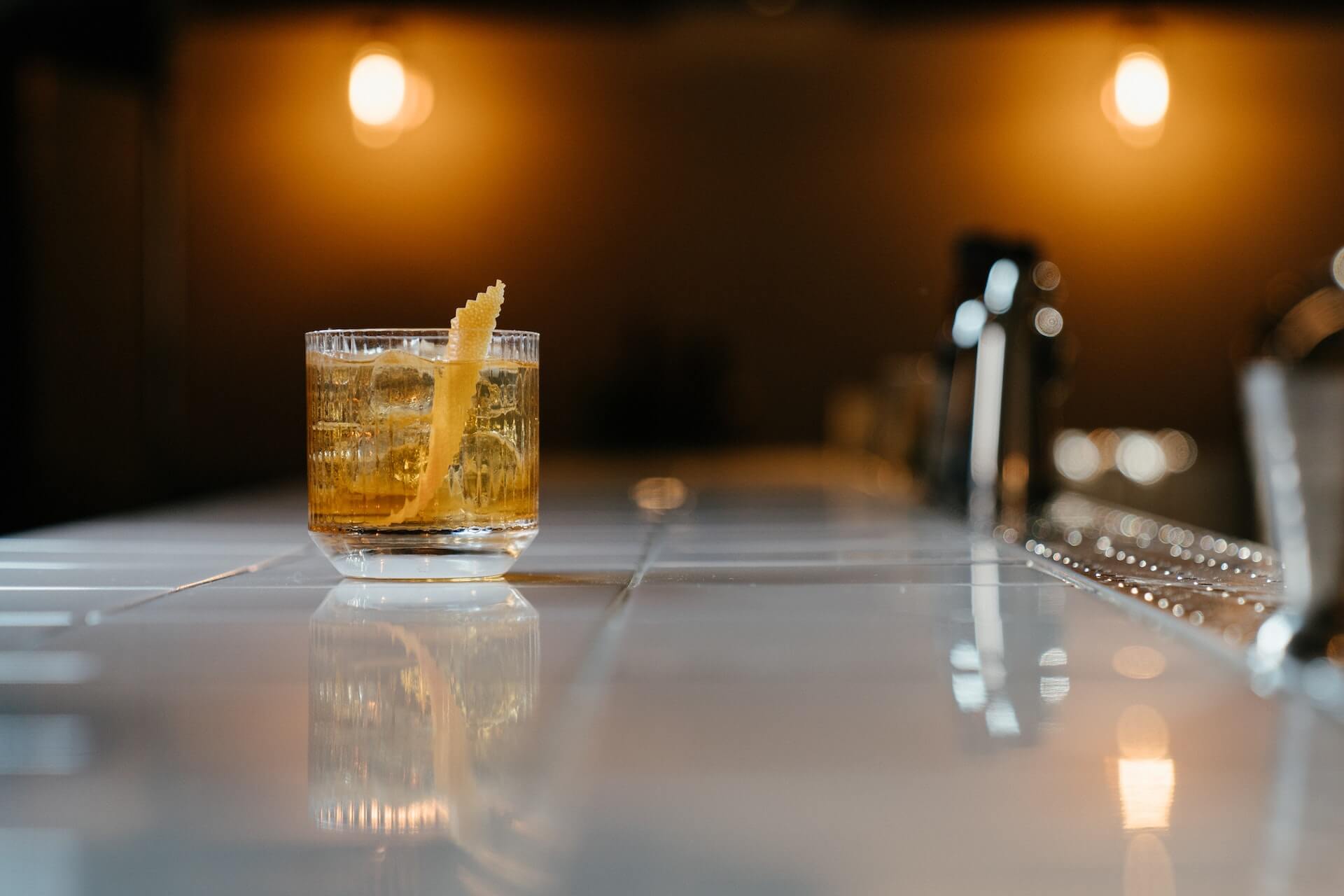
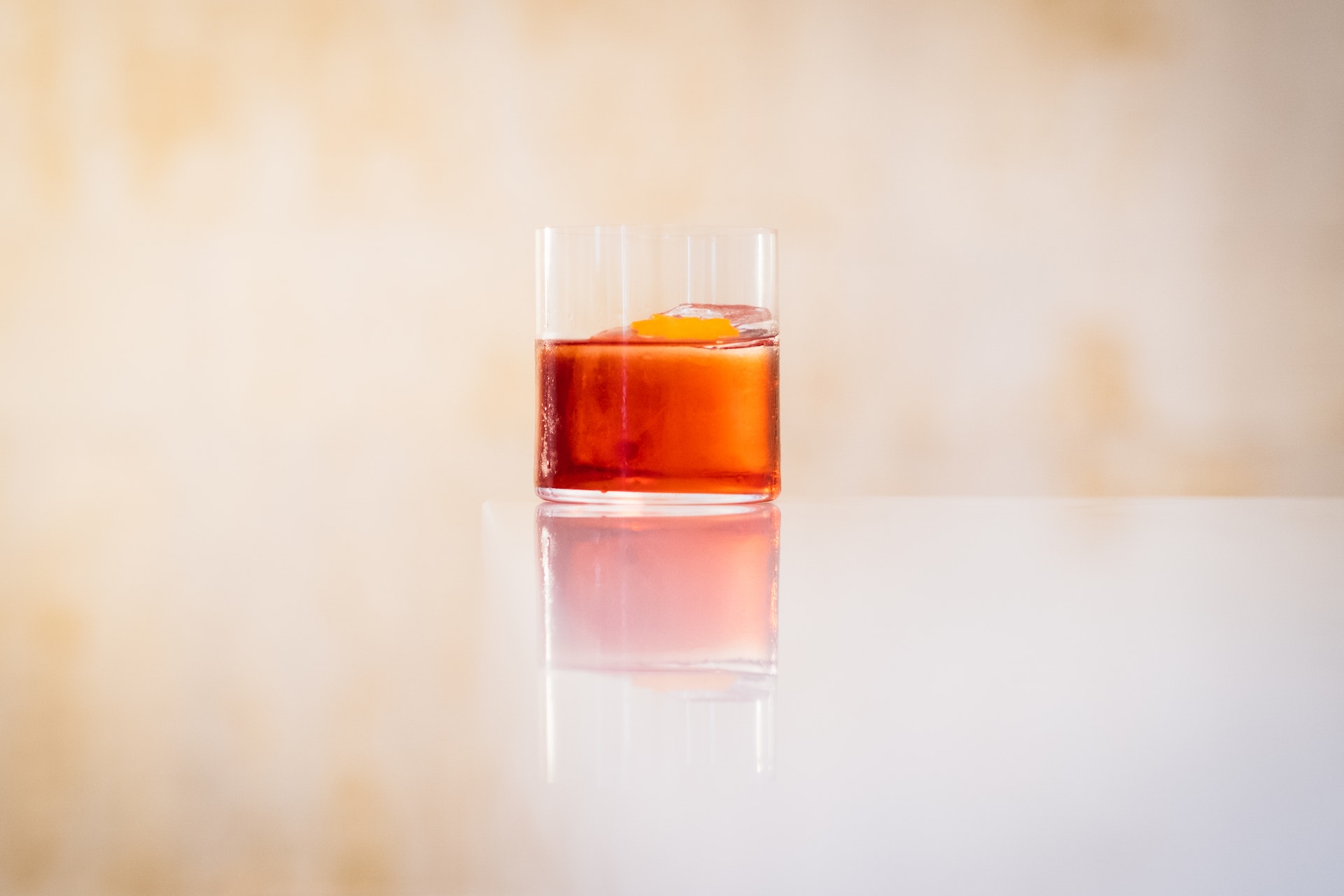
Cocktail with orange peel garnish resting on glossy white bar top

We’re one month away from the 17th annual Spirited Awards ceremony and the top four nominees in each category have been revealed.

Over the course of the past few months, the Tales of the Cocktail Foundation have been hard at work to narrow the field. They first announced this year’s honorees. Not long ago, they announced the top ten nominees.

Now, we know the top four nominees in the running for each of the Spirited Awards. You can check them out below, with each award organized into one of four main categories: US, International, Global, and Writing & Media.

Congrats to the finalists! We’ll know the winners in just a month.

Cheers!

US Categories

US Bartender of the Year presented by Pernod Ricard USA

  • Caer Maiko Ferguson, DrinkWell / Daijoubu (Austin, Texas)
  • Kapri Robinson, Allegory at the Eaton Hotel (Washington, DC)
  • Masahiro Urushido, Katana Kitten (New York, New York)
  • Christine Wiseman, Marygold’s Brasserie / Broken Shaker (Miami, Florida)

Best US Bar Mentor presented BarSmarts

  • Anu Apte
  • Colin Asare-Appiah
  • Nectaly Mendoza
  • Chris Patino

Best US Brand Ambassador presented Libbey

  • Kiowa Bryan (Spiribam)
  • Chris Cabrera (Bacardi USA)
  • Cameron George (Ardbeg Single Malts)
  • Vance Henderson (Hendrick’s Gin)

Best US Bar Team presented by William Grant & Sons

  • Happy Accidents (Albuquerque, New Mexico)
  • Nickel City (Austin, Texas)
  • Pacific Cocktail Haven (San Francisco, California)
  • Yacht Club (Denver, Colorado)

Best US Cocktail Bar presented by Absolut Vodka

  • Century Grand (Phoenix, Arizona)
  • Double Chicken Please (New York, New York)
  • Overstory (New York, New York)
  • Service Bar (Washington, DC)

Best US Hotel Bar presented by Grey Goose

  • Allegory at the Eaton Hotel (Washington, DC)
  • Dear Irving on Hudson at the Aliz Hotel (New York, New York)
  • Hey Love at The Jupiter (Portland, Oregon)
  • Little Rituals at the Residence Inn/Courtyard by Marriott (Phoenix, Arizona)

Best US Restaurant Bar presented by Amaro Montenegro and Select Aperitivo

  • Café La Trova (Miami, Florida)
  • Cleaver Butchered Meats & Seafood (Las Vegas, Nevada)
  • Kumiko (Chicago, Illinois)
  • Palomar (Portland, Oregon)

Best New US Cocktail Bar presented by Diageo Bar Academy

  • Chez Zou (New York, New York)
  • Martiny’s (New York, New York)
  • Milady’s (New York, New York)
  • Pacific Standard at the KEX Portland (Portland, Oregon)

International Categories

International Bartender of the Year presented by The Busker

  • Gina Barbachano, Hanky Panky (Mexico City, Mexico)
  • Giorgio Bargiani, Connaught Bar (London, England, United Kingdom)
  • Daniel Schofield, SCHOFIELD’S BAR (Manchester, England, United Kingdom)
  • Luke Whearty, BYRDI (Melbourne, Victoria, Australia)

Best International Bar Mentor presented by Tales of the Cocktail Foundation

  • Simone Caporale
  • Danil Nevsky
  • Agostino Perrone
  • Christina Veira

Best International Brand Ambassador presented by Tales of the Cocktail Foundation

  • Caitlin Hill (Rémy Cointreau)
  • Daniyel Jones (House of Angostura)
  • Dave Mitton (Lot 40 / J.P. Wiser’s)
  • Nicola Riske (The Macallan)

Best International Bar Team presented by Angostura Caribbean Rum

  • ALQUÍMICO (Cartagena, Colombia)
  • Atwater Cocktail Club (Montréal, Québec, Canada)
  • Jigger & Pony at the Amara Hotel (Singapore)
  • Paradiso (Barcelona, Spain)

Best International Cocktail Bar presented by Patr​​ón Tequila

  • 🔶🟥🔵 (London, UK)
  • ALQUÍMICO (Cartagena, Colombia)
  • Atwater Cocktail Club (Montréal, Québec, Canada)
  • SIPS (Barcelona, Spain)

Best International Hotel Bar presented by Perrier

  • ARGO at the Four Seasons (Hong Kong)
  • BKK Social Club at Four Seasons Bangkok (Bangkok, Thailand)
  • Botanist at the Fairmont Pacific Rim Hotel (Vancouver, British Columbia, Canada)
  • Jigger & Pony at the Amara Hotel (Singapore)

Best International Restaurant Bar presented by Tales of the Cocktail Foundation

  • Analogue Initiative (Singapore)
  • ARCA Restaurant & Bar (Tulum, Quintana Roo, Mexico)
  • Bar Kismet (Halifax, Nova Scotia, Canada)
  • Danico (Paris, France)

Best New International Cocktail Bar presented by Diageo Bar Academy

  • Last Word (Singapore)
  • Line Athens (Athens, Greece)
  • Mahaniyom Cocktail Bar (Bangkok, Thailand)
  • Night Hawk (Singapore)

Global Categories

Best New Spirit or Cocktail Ingredient presented by Lyre’s Non-Alcoholic

  • Martini & Rossi Floreale Non Alcoholic Aperitivo
  • PATRÓN El Alto Tequila
  • Saint Benevolence Aged Rum Clairin
  • The Fords Gin Co. Sloe Gin

World’s Best Cocktail Menu presented by Diageo Bar Academy

  • ALQUÍMICO (Cartagena, Colombia)
  • Double Chicken Please (New York, New York)
  • Handshake Speakeasy (Mexico City, Mexico)
  • Panda & Sons (Edinburgh, Scotland)

World’s Best Spirits Selection presented by Tales of the Cocktail Foundation

  • Baba Au Rum (Athens, Greece)
  • In Situ Mezcalería (Oaxaca, Mexico)
  • Raised by Wolves (San Diego, California)
  • Swift Soho (London, England, United Kingdom)

Writing & Media Categories

Best Cocktail & Spirits Publication presented by Tales of the Cocktail Foundation

  • CLASS Magazine
  • Difford’s Guide
  • Punch
  • The Cocktail Lovers Magazine

Best Broadcast, Podcast, or Online Video Series presented by Tales of the Cocktail Foundation

  • Black and Brown Podcast
  • Radio Imbibe
  • Shōshin Art Club
  • The Speakeasy Podcast

Best Cocktail & Spirits Writing presented by Tales of the Cocktail Foundation

  • “The Drinks Industry Has an Ageism Problem” by Betsy Andrews, for SevenFifty Daily
  • “The Great Mezcal Heist” by Emma Janzen, for Eater
  • “The Secrets to the Best Dry Martini You’ll Ever Have” by David Wondrich, for The Daily Beast
  • “This Is What Decolonizing a Spirit Looks Like” by Adaorah Oduah, for Punch

Best New Cocktail or Bartending Book presented by Tales of the Cocktail Foundation

  • Mindful Mixology: A Comprehensive Guide to No- and Low-Alcohol Cocktails with 60 Recipes by Derek Brown
  • Modern Classic Cocktails by Robert Simonson
  • The Bartender’s Manifesto by Toby Maloney with Emma Janzen
  • The New York Times Essential Book of Cocktails – Elevated and Expanded, edited by Steven Reddicliffe

Best New Book on Drinks Culture, History, or Spirits presented by Tales of the Cocktail Foundation

  • A SENSE OF PLACE: A Journey Around Scotland’s Whisky by Dave Broom
  • Doctors and Distillers: The Remarkable Medicinal History of Beer, Wine, Spirits, and Cocktails by Camper English
  • Modern Caribbean Rum: A Contemporary Reference to the Region’s Essential Spirit by Matt Pietrek and Carrie Smith
  • Unreasonable Hospitality by Will Guidara

Image: cottonbro studio on Pexels

KRG Hospitality. Bar Consultant. Nightclub. Lounge. Mixology. Cocktails.

by David Klemt David Klemt No Comments

2023 World’s 50 Best Restaurants Revealed

2023 World’s 50 Best Restaurants: 1 to 50

by David Klemt

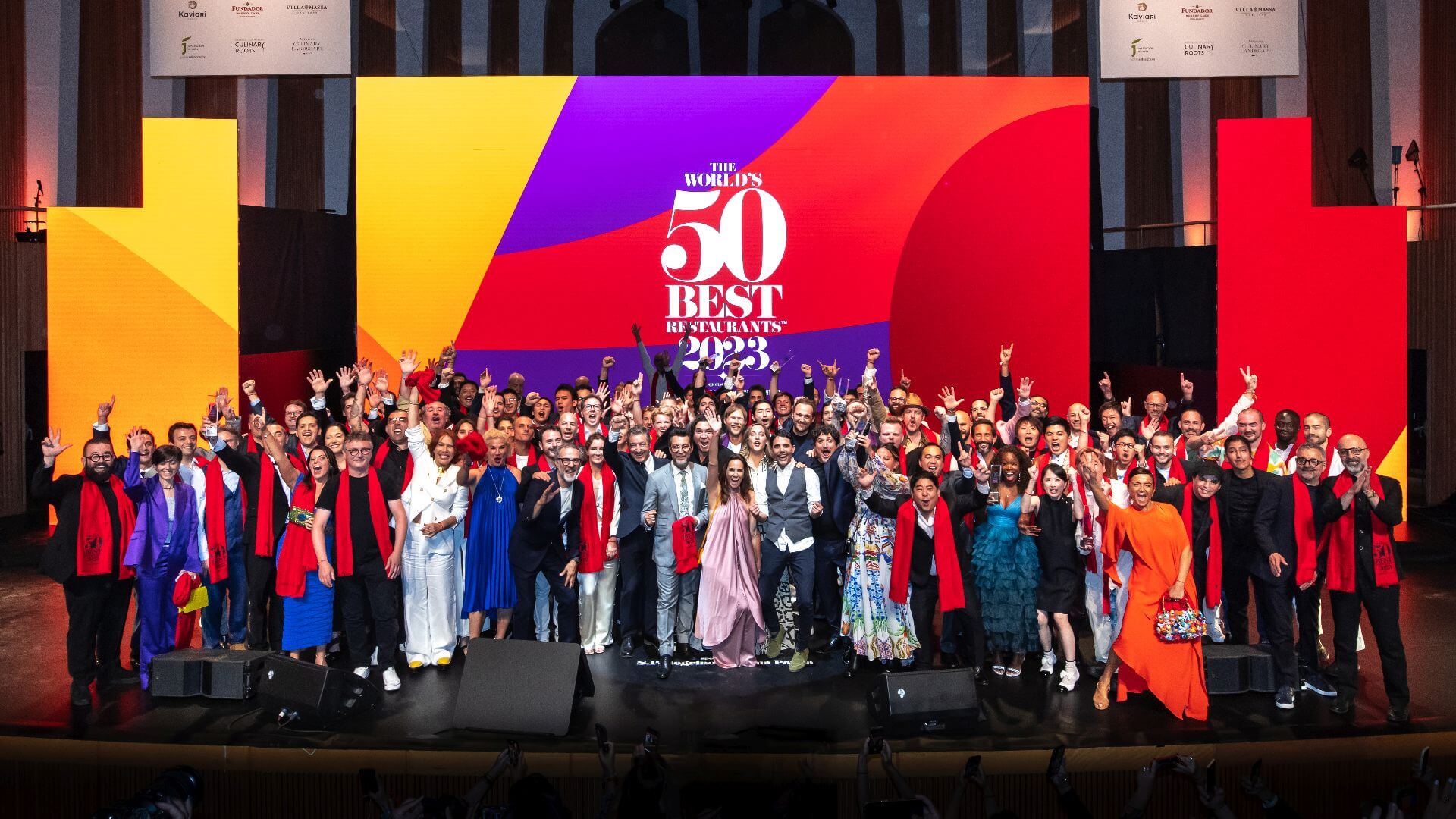
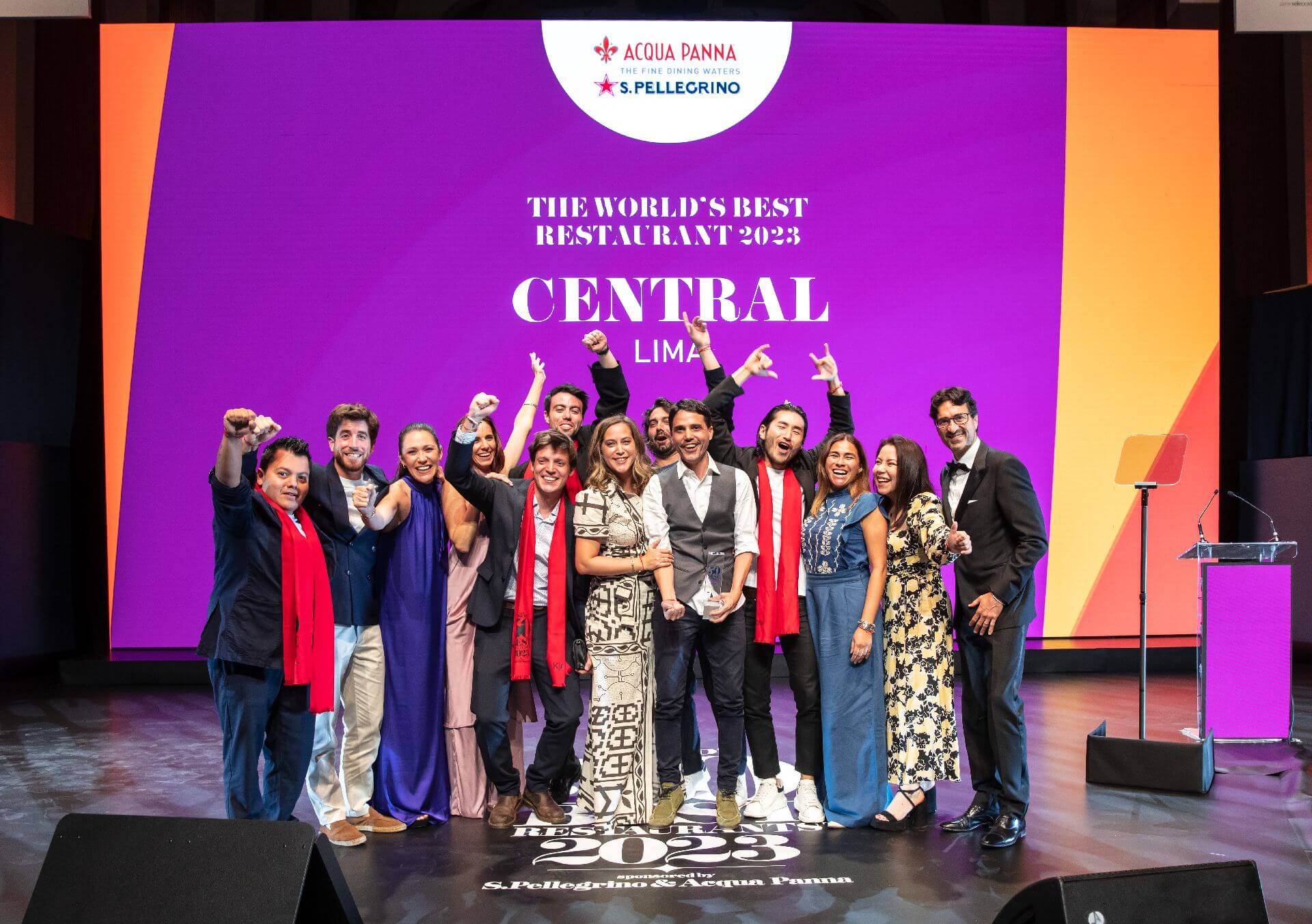
Central in Lima, Peru, the winner of the 2023 World's 50 Best Restaurants

The team behind Central in Lima, Peru, the number one restaurant in the world.

We finally know which venues from around the globe claim one of the top 50 spots on the 2023 World’s Best Restaurants list.

As you’ll see below, a few countries and cities perform very well on this year’s list.

For example, five of this year’s restaurants are in Italy, one of which is in the top ten. However, restaurants throughout Spain grab six spots on this year’s list. Three of these are among the top ten restaurants.

France claims four spots. Three of those are in Paris, and one is in the top ten.

London takes three spots, as do Mexico City, and Tokyo. One restaurant in the top ten is in Mexico City.

America has just two restaurants on the 2023 World’s 50 Best Restaurants list. Both are in New York City, one is in the top ten. Bangkok, Bogotá, Dubai, and German also each have two restaurants on the list.

Peru, like France, also boasts four spots on the list. Each of these four are located in Lima, and two restaurants are among the top ten. Most importantly, one of those restaurants is the number-one restaurant in the world.

For our Canadian and Australian readers, I’m sorry to report that there are no restaurants on the list below that are in your respective countries.

The World’s 50 Best Restaurants 2023: 50 to 1

  1. The Chairman (Hong Kong)
  2. Rosetta (Mexico City, Mexico)
  3. La Grenouillère (La Madelaine-sous-Montreuil, France)
  4. Mayta (Lima, Perú)
  5. Orfali Bros Bistro (Dubai, United Arab Emirates)
  6. Nobelhart & Schmutzig (Berlin, Germany)
  7. Le Bernardin (New York City, New York, United States of America)
  8. Leo (Bogotá, Colombia)
  9. Piazza Duomo (Alba, Italy)
  10. Le Calandre (Rubano, Italy)
  11. Restaurant Tim Raue (Berlin, Germany)
  12. The Jane (Antwerp, Belgium)
  13. The Clove Club (London, England, United Kingdom)
  14. Sezánne (Tokyo, Japan)
  15. Plénitude (Paris, France)
  16. Ikoyi (London, England, United Kingdom)
  17. Uliassi (Senigallia, Ancona, Italy)
  18. El Chato (Bogotá, Colombia)
  19. Hiša Franko (Kobarid, Slovenia)
  20. Mugaritz (San Sebastian, Guipúzcoa, Spain)
  21. Frantzén(Stockholm, Sweden)
  22. Boragó (Santiago, Chile)
  23. Kjolle (Lima, Perú)
  24. Florilège (Tokyo, Japan)
  25. Schloss Schauenstein (Fürstenau, Switzerland)
  26. Belcanto (Lisbon, Portugal)
  27. Septime (Paris, France)
  28. Kol (London, England, United Kingdom)
  29. Elkano (Getaria, Gipuzkoa, Spain)
  30. Den (Tokyo, Japan)
  31. Quique Dacosta (Dénia, Alicante, Spain)
  32. Don Julio (Buenos Aires, Argentina)
  33. Steirereck (Vienna, Austria)
  34. Gaggan Anand (Bangkok, Thailand)
  35. Reale (Castel di Sangro, L’Aquila, Italy)
  36. Le Du (Bangkok, Thailand)
  37. Odette (Singapore)
  38. Pujol (Mexico City, Mexico)
  39. A Casa do Porco (São Paulo, Brazil)
  40. Trèsind Studio (Dubai, United Arab Emirates)
  41. Table by Bruno Verjus (Paris, France)
  42. Quintonil (Mexico City, Mexico)
  43. Atomix (New York City, New York, United States of America)
  44. Lido 84 (Gardone Riviera, Brescia, Italy)
  45. Maido (Lima, Perú)
  46. Alchemist (Copenhagen, Denmark)
  47. Asador Etxebarri (Axtondo, Bizkaia, Spain)
  48. Diverxo (Madrid, Spain)
  49. Disfrutar (Barcelona, Spain)
  50. Central (Lima, Perú)

Last Year’s List

Some of the restaurants above also earned spots on the 2022 World’s 50 Best Restaurants list.

For example, Ikoyi in London, England, was number 49 last year. The restaurant climbs to number 35 this year.

Bogotá’s Leo was number 48 in 2022 but rises to 43 in 2023.

Central fought to climb one place. Last year, Central was number two. Now, they’re the best restaurant in the world.

For the full list of the top 50 restaurants last year, please click here.

Cheers to this year’s top 50!

Image: The World’s 50 Best Restaurants

KRG Hospitality. Restaurant Business Plan. Feasibility Study. Concept. Branding. Consultant. Start-Up.

by David Klemt David Klemt No Comments

Fire and Ice: Bring Your Teams Together

Fire and Ice: Bring Your Teams Together

by Jared Boller

Ice on fire inside of a Martini glass

If you want to elevate your concept you need to ensure the front- and back-of-house teams are working with each other, not against one another.

There’s nothing wrong with a healthy rivalry and competition, of course. But the key word there is “healthy.” Both teams are crucial to your success, even if they seem like polar opposites.

Analogies are one of the singular greatest educational selling points when you have a group of people in front of you. Not only do they help you get your point across, they also help you to make a topic relatable to the listening novice.

In hospitality there are numerous ways to use analogies as teaching tools. When it comes to mixology or bartending, I like to use fire and ice to represent the kitchen and the bar.

I take this approach because the bar (ice) is the friendly counterpart to the fast and furious kitchen (fire). If you follow my train of thought, you’ll see why I preferthis approach: ultimately, we’re speaking about temperature and its importance in both spaces.

Consider the art of crafting cocktails. You and your bar team should understand dilution and melting rates the same way you know how important temperatures are to steaks. Nine times out of ten, individuals at the table have a personal preference regarding the temperature of their steak.

Guests don’t hesitate to relay this information to the server. Next, the chef and their brigade uses fire and cooking times to ensure each state is cooked properly. Not only that, the mastery of their craft leads to each steak coming out at the same time, cooked to each guest’s preference.

This process is the same for the bar. Stirred, shaken, egg-white cocktails… Bartenders must master their craft to ensure they understand the different types and uses of ice (or no ice) when building drinks. Moreover, they need to use that knowledge to ensure each drink for a table or group comes out at the same time, with the appropriate level of coldness.

In the end, when drinks hit the pass or server’s station, we want drink orders to be delivered as quickly as possible because they’re on the clock. The ice in the drinks start to melt. Hot food begins to get cold. We’re fighting time.

Understanding temperatures and times relates directly to the guest experience. We can tell how well-oiled and skillful front- and back-of-house teams are by watching drinks and dishes hit tables.

Fire

According to Anthropologist Richard Wrangham, who wrote the book Catching fire: How Cooking Made Us Human, people started cooking over open fire more than two million years ago.

Wrangham states that cooking was first seen as “simply chunking a raw hunk of something into flames and watching it sizzle.” Modern chefs may not agree with this style but we are able to see that early human “cooks” came to a few realizations regarding their use of fire. Their food was healthier, tastier, and they may have had more revitalized immune systems.

Obviously, the evolution of modern cooking techniques have advanced through tools, techniques, and vessels over the years. However, regardless of how much innovation we introduce to our kitchens, we’re still using fire and heat to cook our food.

Unless they’re expecting a salad, sushi, or another amazing raw or cold food, guests anticipate their food will be hot or warm upon arriving in front of them. Great chefs take control of their kitchens, techniques, and tools. Their masters of temperature. They have a nearly supernatural understanding of timing.

It’s always a site to behold when someone is masterful in the kitchen. A seemingly endless number of pots and pans raging on burners. Infinite elements of dishes flowing in and out of ovens. Chaos to the novice’s eyes but in reality, flawlessly composed dishes arriving at perfect temperatures.

Ice

We can trace the use of ice in drinks as far back as ancient Egypt. Icy drinks are also well documented by first-century Roman society; emperors, it’s claimed, enjoyed “chilled” cocktails via glacier runoff extracted from the mountains.

Emperors, according to some historians, would store giant blocks of ice in cool cellars, garnishing their tipples with shards of ice. This was both a decadent display of their elite status, and evidence that humans have long appreciated a cold, refreshing drink.

It wasn’t until early 1800s Boston that humankind really began to master ice. A young entrepreneur, Frederic “The Ice King” Tudor, pursued an idea with his brother and launched the ice or frozen water trade. Over the course of just a few decades, the New England-based trade was able to ship ice worldwide.

The Wenham Lake Ice Company, established in the 1840s, harvested giant blocks from the eponymous lake and stored them in a network of ice houses, accessed by a small railroad system. Once a luxury, ice was on its way to going mainstream. Everyone was coming to the realization that drinks tasted better with a bit of dilution and colder temperatures.

Eventually, ice production led to ice harvesting innovations. For example, Clinebell machines that use cold plates to 300-pound, crystal-clear blocks. Along with being clear, the ice blocks are super dense to reduce dilution rates significantly. From glaciers to “harvesting” ice from lakes to full-on factory production, our obsession with ice has led to technological innovation.

Interestingly, however, early 19th century methods of ice extraction are once again in vogue. A cadre of passionate bartenders who view ice as a premium ingredient in and of itself are hand carving ice cubes, spheres, and spears for perfectly curated Negronis or Old-fashioneds.

Takeaway

The bottom line is, temperature is important to anyone working in hospitality. Kitchen and bar teams need to work together to create the best possible products.

Some people think of food or drinks when asked to consider the best restaurants and bars in the world. However, those are products. What sets the best concepts apart is the teams they’ve each built and nurtured.

It’s the passion of each team member and their consideration of the fine details that makes a restaurant or bar notable. So, when we think about fire and ice, we can consider this idea the ultimate geekery in regard to our profession.

Take it from me: When the front of the house and back of the house collaborate, then they’re in sync with one another and nail the small details, they transform first-time guests to repeat brand evangelists.

They may not understand why their experience was so incredible but they’ll become outspoken ambassadors.

Image: Alexander Startsev on Unsplash
KRG Hospitality Mixology Training with Jared Boller

by David Klemt David Klemt No Comments

People Aren’t Done ‘Improving’ the Negroni

People Aren’t Done ‘Improving’ the Negroni

by David Klemt

Negroni on edge of white countertop with reflection

It’s possible the infamous Sbagliato Negroni is just the opening salvo from bartenders hell-bent on taking on the traditional specs and build techniques.

Two “new” versions appear to be getting attention now. One is essentially a reverse cocktail. Additionally, it’s likely only really a “new” drink to North Americans.

The other, well, it’s something else entirely. Let’s take a look.

The Mariano, a.k.a the Marianito

This is the Negroni cocktail that’s probably new only in the sense that many North American drinkers are just now hearing about it. In Northern Spain, this is a go-to summer cocktail.

It’s also, like many reverse cocktails, low-ABV and therefore rather sessionable. Further, the Marianito is an excellent ambassador for aperitivo culture.

To be fair, we probably shouldn’t be so reductive and refer to this cocktail as a Negroni riff. So far, I’m unable to uncover the story of its genesis, so I don’t know if the Negroni even inspired the Marianito.

After doing some digging, though, the Marianito apparently first appears in print in 1989. However, some people believe the drink likely traces its origins back to the 1950s. There are also two prevailing origin stories that focus on the name because…of course. This is how so much of cocktail history goes, and I love it.

One story is that “Mariano” is a portmanteau that combines the names of the most popular vermouths in Spain: Martini and Cinzano.

The other story? A waiter who drank little glasses of vermouth (often with a splash of gin or Campari) fell in love with the daughter of someone named Mariano. She didn’t feel the same way, locals in the area found, and they referred to his little drinks as “Marianitos,” after his father-in-law who never was. Not very nice, but alright.

At any rate, the Marianito is a popular summer cocktail. It’s also a year-round drink for many in Northern Spain. Particularly, apparently, in the port city of Bilbao. It’s also a cocktail that is often riffed on, so it lends itself to experimentation.

A Marianito Recipe

Notice this says “a” recipe, not “the” recipe. I’ve come across a few different builds claiming to be the “right” specs.

Some people add 50ml of sweet vermouth, some add 75ml. There are builds that call for vermouth rosso, and those that call for sweet vermouth.

That tells me one thing: bars in Northern Spain like to try and make the Marianito their own. So, experimentation is encouraged.

However, try the specs below before playing around with your Marianito:

  • 75ml Sweet vermouth
  • 15ml Campari
  • 15ml Gin
  • 2-3 dashes Angostura bitters
  • (Optional) 15ml Pomelo juice
  • Orange twist and an olive to garnish

The Sushi Rice Negroni

This…is exactly what it sounds like. When building a classic Negroni, you add sushi rice when mixing it.

The theory is simple enough to understand: sushi rice “softens” the flavors of other ingredients. So, adding sushi rice to your build should soften or “round out” the flavors of your Negroni.

Before we get too far, no—the rice doesn’t end up in the glass.

For this technique the bartender adds anywhere from a few grains to two tablespoons of cooked sushi rice to a mixing glass. After that, the build is the same as the standard cocktail, including the final step: straining into a glass over large ice cube.

Interestingly, bartenders can play with using uncooked or cooked sushi rice. Theoretically, this would adjust how much “softer” the drink turns out. And, of course, proponents of this technique say it can be beneficial to cocktails beyond the Negroni.

However, at the moment, it appears that the Negroni once again finds itself as the subject of experimentation. I can only imagine what else bartenders will subject it to before the year’s end.

So, will you and your bar team try the sushi rice technique?

Image: Tim Durand on Pexels

KRG Hospitality Mixology Training with Jared Boller

by David Klemt David Klemt No Comments

Credit Card Competition Act, Take Three

Credit Card Competition Act, Take Three

by David Klemt

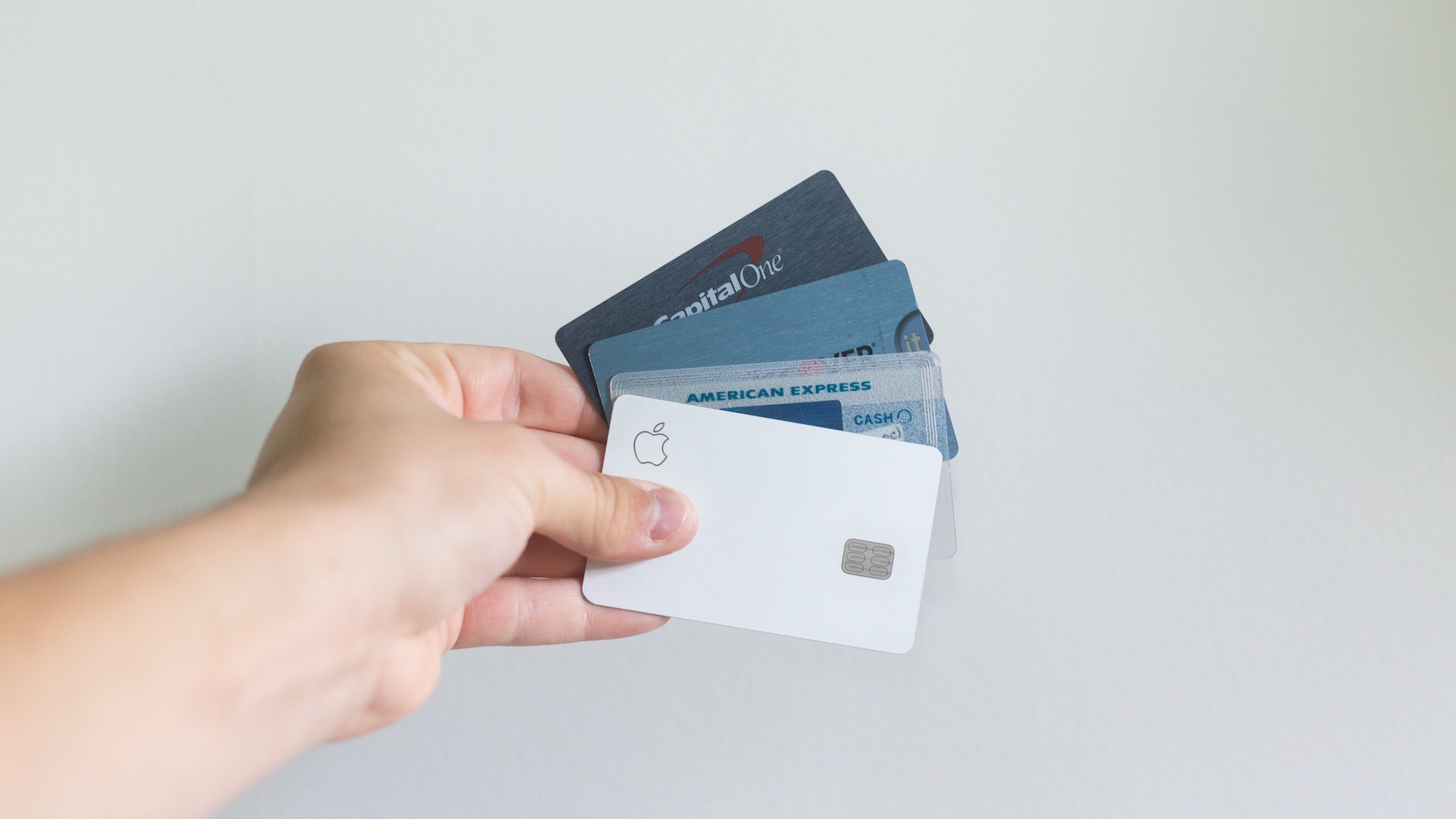
Hand holding several credit cards

Here we go again: Bipartisan lawmakers in the House and Senate are taking another shot at the Credit Card Competition Act.

After the incredibly underwhelming progress of the Credit Card Competition Act of 2022, lawmakers are making another move. Now, a bipartisan effort is coalescing around the Credit Card Competition Act of…2023.

The “new” bill was introduced on June 7. On the Senate side, Senators Dick Durbin (D-IL) and Roger Marshall (R-KS) are trying to push the bill forward. In the House, Representatives Lance Gooden (R-TX) and Zoe Lofgren (D-CA) are driving the effort.

Roughly eight months ago it was revealed that 1,802 merchants drafted, signed, and sent a letter to the House and Senate. To summarize quickly, the merchants were pushing for the bill to become law. Another supporter of the CCCA? The National Restaurant Association, claiming that the bill could save merchants $11 billion a year in fees.

Of course, a lot is going on since the introduction of the CCCA of 2022. For one, it’s being widely reported that House Republicans are “revolting,” blocking bills and effectively paralyzing the chamber. There’s also the matter of the second indictment of a former president.

However, reporters who know far more than I about the inner workings of Congress seem optimistic. While there’s drama in the lower chamber, there are articles circulating that seem to think the CCCA of 2023 has enough bipartisan support to pass.

What’s the CCCA Again?

The Credit Card Competition Act of 2023 addresses what the bipartisan lawmakers pushing the bill forward refer to as “the Visa-Mastercard duopoly.”

As I and other journalists have reported previously, Visa and MasterCard in the crosshairs of this bill because of their control over credit card markets. The Merchants Payments Coalition (MPC) said last year that Visa and MasterCard control about 576 million credit cards. That equates to nearly 90 percent of credit and debit cards.

Looking at just the US a couple of years back, people lit up their credit and debit cards for $3.49 trillion in transactions in 2021. In the US, in 2021, the $3.49 trillion in transactions meant Visa and MasterCard collected $77.48 billion in swipe fees.

To combat what some lawmakers are calling a duopoly, the CCCA of 2023:

  • requires credit cards issued by banks with more than $100 billion in assets to be routed through at least two unaffiliated networks;
  • requires that the above banks create competition and allow smaller companies to compete in credit-card processing by offering a non-dominant network choice, also known as “dual routing”;
  • and block networks that are “owned, operated, or sponsored by a foreign state entity” to strengthen national security.

A press release with a link to a one-pager can be found on Rep. Lofgren’s website here.

If you support the CCCA, you can let your lawmakers know by clicking this link.

Image: Avery Evans on Unsplash
KRG Hospitality Start-Up Restaurant Bar Hotel Consulting Consultant Solutions Plans Services

by David Klemt David Klemt No Comments

Are You Making MargaRights or MargaWrongs?

Cointreau Wants to Know: Are You Making MargaRights?

by David Klemt

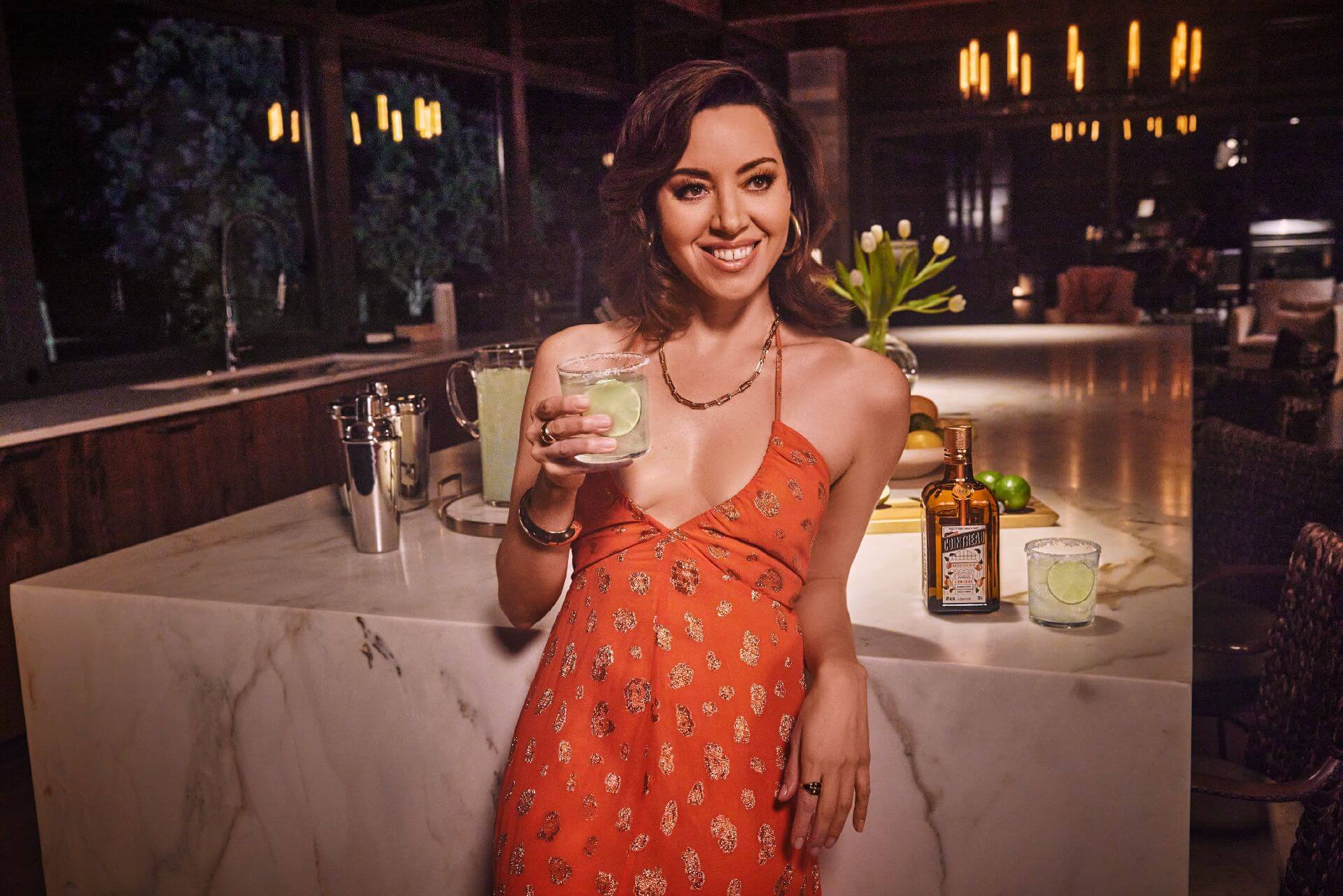
Aubrey Plaza holding a Margarita made with Cointreau

Temperatures are rising and people are socializing, so Cointreau wants to make sure you and your team make Margaritas right.

In fact, they’re so serious about Margarita specs that they’re partnering with Aubrey Plaza educate the public. To celebrate the 75th anniversary of the Margarita, the iconic brand is launching the MargaRight campaign.

Challengers come and go but so far, the Margarita is the top cocktail in the US. This has been the case for many, many years. Of course, it’s also a popular cocktail around the world and has been number one in other countries as well.

Now that we’re a week away from the “official” start of summer, it’s paramount to make sure your Margaritas are MargaRight. For one thing, it’s the perfect summer sipper. For another, people are eager to socialize in restaurants and bars, and the Margarita is sure to join groups of friends as they hang out together.

But there’s another reason to ensure your Margs are on point: The wrath of Aubrey Plaza. More accurately, avoiding incurring Plaza’s wrath for putting MargaWrongs across your bar.

Margarita mix? Anger. No Cointreau? Fury.

To borrow a refrain from fanatics of another classic cocktail, it’s safe to say that Plaza would agree with, “No Margarita without Cointreau.”

The Original Margarita

Some, including Cointreau, support the belief that the Margarita’s creation traces back to 1948. For this origin story, Dallas socialite Margarita Sames is either the inventor of the Margarita or asked for a signature cocktail for a party she was hosting at her Acapulco home. Going further, another claim is that Tommy Hilton was a party guest and brought the recipe to Hilton properties, helping to make it famous.

Another claim is that the Margarita is simply a logical evolution of the Daisy. The mid-1800s tipple has a cocktail family named after it, and the Margarita, Sidecar, Cosmopolitan, and Daiquiri sprang forth from it.

Regardless of what origin story you choose to believe, Cointreau champions the original recipe: Cointreau, blanco tequila, fresh lime juice, and a lime wheel to garnish. It’s this classic recipe that Cointreau and Plaza are adamant about for the MargaRight campaign.

To learn more about the MargaRight campaign and Cointreau’s celebration of the Margarita, please read the press release below. Cheers!

Cointreau and Aubrey Plaza Make Your Margarita MargaRight This Summer

Plaza celebrates summer and 75 Years of The Original Margarita

NEW YORK – June 14, 2023 – Cointreau, the iconic orange liqueur, is teaming up with Aubrey Plaza to launch a new creative campaign where the actor insists that the only way to enjoy a Margarita is the MargaRight way, and that is with Cointreau, of course.

Who better to show you MargaRight from MargaWrong than the famously irreverent Aubrey Plaza, who is known for her fearless honesty and unparalleled wit. “I love Margaritas – and the only way to make them MargaRight starts with three ingredients: Cointreau, tequila and fresh lime juice,” said Plaza. “Otherwise, it’s just MargaWrong.” Plaza continued, “This summer, you’ll only catch me ordering Margaritas MargaRight, and Cointreau will always be at any party of mine.”

Cointreau is an essential ingredient in The Original Margarita, and has been for 75 years, since Dallas socialite Margarita Sames created the recipe in 1948. In celebration of its 75th anniversary, Cointreau debuts today its largest creative campaign to-date across connected TV, digital, and social platforms. Captured in both home entertaining and bar and restaurant settings, Cointreau’s summer campaign creatively captures a comedic tone alongside its elevated style. The campaign has a range of video spots and photo stills showcasing how Margaritas should be enjoyed all summer long, always with Cointreau. To check out the NEW campaign, head to https://www.cointreau.com/us/en/whats-new/margaright.

“Cointreau has a history of cinematic storytelling with continued investment in marketing and partnering with top-tier celebrity talent, now including Aubrey Plaza,” said Nicolas Beckers, President and CEO at Rémy Cointreau America. “We want to continue to invite consumers to enjoy our brand wherever they are, and Aubrey is the perfect partner to showcase how three simple ingredients – Cointreau, tequila and fresh lime juice – are all you need to make your summer and Margarita MargaRight.”

As Margarita Sames once said, “a Margarita without Cointreau is not worth its salt.” Whether you’re ordering one at a bar or shaking it up at home, make your Margarita MargaRight and head to Cointreau.com to learn more.

The Original Margarita:

Ingredients:

  • 1 oz. Cointreau
  • 2 oz. Blanco tequila
  • 1 oz. Fresh lime juice

Directions:

  1. Rim your rocks glass with salt
  2. Combine all ingredients in a shaker with ice
  3. Shake vigorously until well chilled
  4. Strain into a rocks glass filled with fresh ice
  5. Garnish with a lime wheel

About Cointreau:

Iconic orange liqueur creator and cocktail pioneer, Maison Cointreau was founded in 1849 in Angers, France. The brand’s heritage as a liquorist-distiller lives on today at the heart of more than 500 cocktails, including the original Margarita and Cosmopolitan. Cointreau liqueur’s distinctive character is the result of the meticulous selection, harmony, and distillation of sweet and bitter orange peel essences, a task entrusted to Maison Cointreau’s Master Distiller. Unique and boasting exceptional organoleptic qualities, it’s a staple for bartenders and at-home cocktail enthusiasts around the world. Visit www.cointreau.com and follow us on Instagram for more.

To learn more about Cointreau, visit www.cointreau.com or follow Cointreau on Instagram via @Cointreau_US or Facebook via @cointreauUS.

About Rémy Cointreau:

All around the world, there are clients seeking exceptional experiences; clients for whom a wide range of terroirs means a variety of flavors. Their exacting standards are proportional to our expertise – the finely-honed skills that we pass down from generation to generation. The time these clients devote to drinking our products is a tribute to all those who have worked to develop them. It is for these men and women that Rémy Cointreau, a family-owned French Group, protects its terroirs, cultivates exceptional multi-centenary spirits and undertakes to preserve their eternal modernity. The Group’s portfolio includes high-end and singular brands, such as the Rémy Martin and Louis XIII cognacs, and Cointreau liqueur. Rémy Cointreau has a single ambition: becoming the world leader in exceptional spirits. To this end, it relies on the commitment and creativity of its 1,850 employees and on its distribution subsidiaries established in the Group’s strategic markets. Rémy Cointreau is listed on Euronext Paris.

Disclaimer: Neither the author nor KRG Hospitality received compensation, monetary or otherwise, from Rémy Cointreau, Cointreau, or any other entity in exchange for this post.

Image and videos courtesy of Cointreau

KRG Hospitality Beverage Programming

by David Klemt David Klemt No Comments

Why You Need to Use Direct Bookings

Why You Need to Use Direct Bookings

by David Klemt

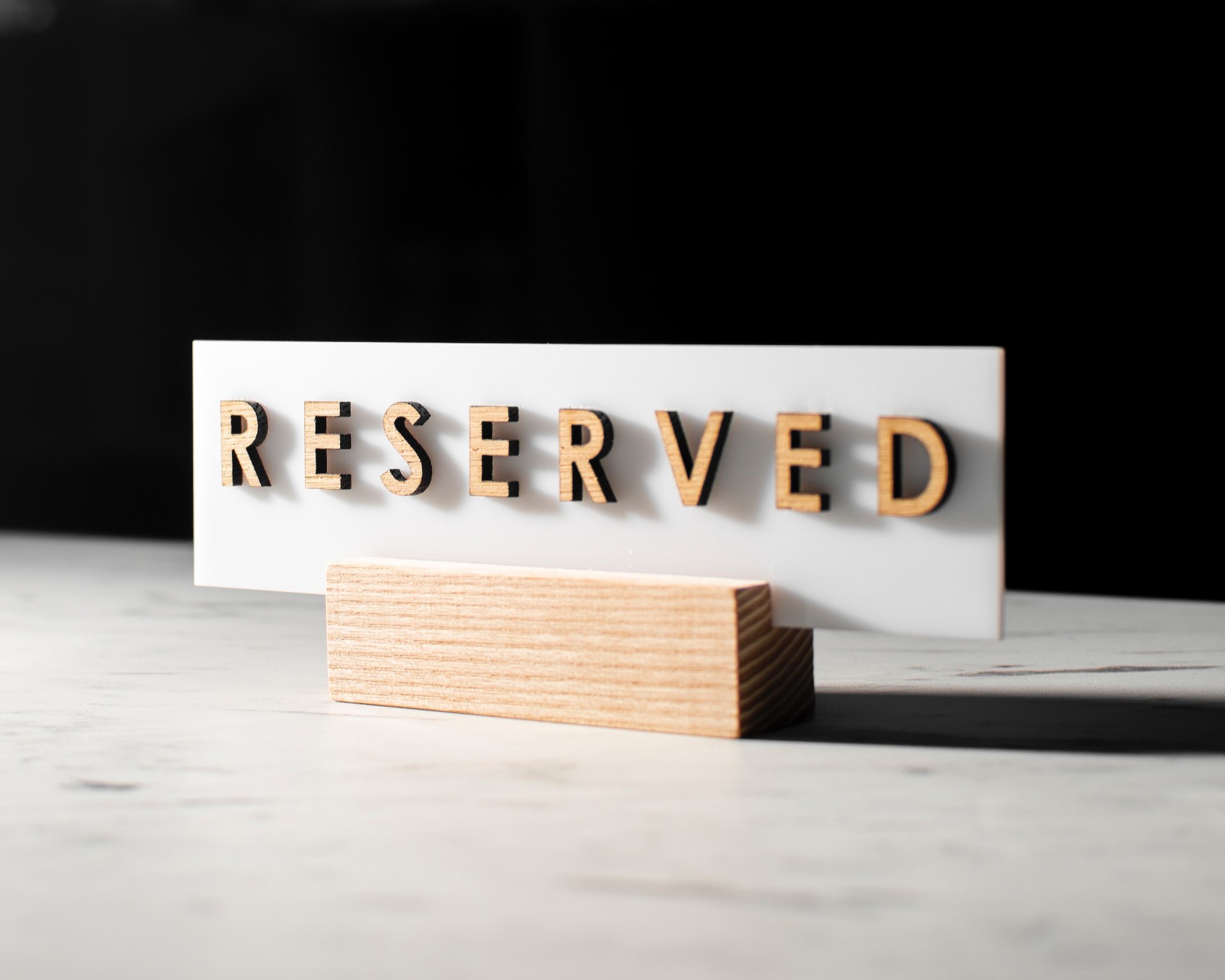
White "Reserved" sign in wooden block on table

A new report from guest retention platform SevenRooms shows that like delivery, guests prefer to support restaurants directly when it comes to reservations.

Similar to their awareness of third-party delivery platform fees, today’s guest appears to be aware that third-party marketplaces cost restaurants and bars too much.

Let’s consider the guest discovery journey. According to their 2023 Dining Discovery & Booking Report, SevenRooms says most guests discover new restaurants via word of mouth. In fact, 61 percent of people rely on family, friends, and co-workers to find new restaurants. A third of diners use Google (33 percent), and nearly as many use social media (29 percent).

So, what role do third-party marketplaces play in restaurant and bar discovery? Per SevenRooms, not even ten percent of people who discover new places to grab a bite or a drink use such platforms.

Their research shows that just nine percent of diners use OpenTable to find new restaurants. However, that’s three times the number of diners that Resy (three percent) is seeing use their platform for discovery.

Okay, so what does this mean to you, the operator? It means that you should be leveraging a direct-booking feature. Guests are telling us how they want to experience restaurants and bars. They’ve let us know they prefer direct delivery. Now, they’re letting us know they prefer direct booking.

In other words, give them what they want: user-friendly ways to support your business. Make it easy to find you on social. Ensure your website is functional and easy to navigate. And give delivery and booking buttons prime real estate on your website so guests can find them quickly.

I also recommend communicating that you offer direct bookings, and thanking those who use that functionality for supporting your business directly. This can, of course, be done via automated marketing emails.

For more information—including how many diners call restaurants directly to make reservations—please read the SevenRooms press release below. You can also download their latest report here.

SEVENROOMS CONSUMER DATA UNVEILS HOW GUESTS ARE DISCOVERING AND BOOKING RESTAURANTS

Leading guest experience and retention platform highlights consumer expectations for discovering new restaurants and making reservations

NEW YORK (June 7, 2023) – SevenRooms, a guest experience and retention platform for the hospitality industry, released its latest consumer report, “2023 Dining Discovery & Booking Report,” highlighting how guests discover new restaurants and book reservations. One thing is clear – diners are utilizing many channels for discovery – from word of mouth to a variety of online channels. Nearly two-thirds (61%) of diners hear about or discover new restaurants from friends, family and co-workers, followed by 33% using Google, 29% searching social media for restaurant profiles and 22% discovering through social media influencers or trusted sources. Only a small percentage use third-party platforms such as OpenTable (9%) and Resy (3%) to discover new restaurants.

“Coming out of the pandemic, operators are navigating an entirely new landscape which includes how diners are discovering and booking reservations,” said Joel Montaniel, CEO & Co-Founder of SevenRooms. “In this new world three things are clear: being everywhere diners are online is table stakes, diners prefer to book directly as opposed to using a third-party app, and while third-party apps are still important, Google is quickly becoming one of the preferred destinations for diners when they don’t go direct to the restaurant.”

Defining today’s restaurant guest

In the United States, today’s guests expect more than just a meal, and creating opportunities to build loyalty will set restaurants apart. Each experience can turn a one-time diner into a loyal guest – but it must include personalized touches from start to finish. It is critical for operators to own their data to create a relationship with each guest based on preferences, past visits and upcoming special occasions noted when booking direct. By building this relationship, operators are able to be more proactive with their guests, personalize dining experiences and use the data they collect to curate experiences that will ultimately drive more revenue.

The beauty of a direct booking platform is the ability to capture that data; for example, asking the guest when they are booking if they are celebrating anything special, or noting dietary preferences. Guests are also willing to make that extra step to make sure they have an excellent experience – nearly half (45%) of diners will call the restaurant directly to book a reservation, and 35% will book through the restaurant’s website. Twenty-nine percent of diners also say that they receive better experiences at the restaurant when they book direct, and more than 1 in 4 (27%) feel restaurants prioritize their reservation when doing so. 

Similar to how today’s diners are catching on to the experiential benefits of booking direct, they are also realizing that third-party platforms are not actually in the best interest of the restaurant. Sixty-one percent believe that making reservations directly with the restaurant, rather than with a third-party reservation platform, is better for the restaurant. Additionally:

  • 29% of respondents want to do all they can to directly support restaurants
  • 17% of respondents noted that third-party reservation platforms charge too much in fees to the restaurant, and guests would rather not have the restaurant incur that cost

“As the expectation for incredible experiences grows, third-party reservation platforms are losing market share as diners prefer to book directly with restaurants to ensure they get the best experience,” said Montaniel. “SevenRooms has always been dedicated and focused on empowering operators to deliver the most personalized guest experiences. Our omnichannel approach, enabling restaurants to meet guests wherever they are, whether through global discovery and booking channels or a restaurant’s own website, helps operators serve diners in this new world while helping them operate more sustainable and profitable businesses.

To learn more about SevenRooms, please visit www.sevenrooms.com.

About SevenRooms

SevenRooms is a guest experience and retention platform that helps hospitality operators create exceptional experiences that drive revenue and repeat business. Trusted by thousands of hospitality operators around the world, SevenRooms powers tens of millions of guest experiences each month across both on- and off-premises. From neighborhood restaurants and bars to international, multi-concept hospitality groups, SevenRooms is transforming the industry by empowering operators to take back control of their businesses to build direct guest relationships, deliver exceptional experiences and drive more visits and orders, more often. The full suite of products includes reservation, waitlist and table management, online ordering, mobile order & pay, review aggregation, email marketing and marketing automation. Founded in 2011 and venture-backed by Amazon, Comcast Ventures, PSG and Highgate Ventures, SevenRooms has dining, hotel F&B, nightlife and entertainment clients globally, including: MGM Resorts International, Mandarin Oriental Hotel Group, The Cosmopolitan of Las Vegas, Wynn Resorts, Jumeirah Group, Hard Rock Hotels & Resorts, Wolfgang Puck, Michael Mina, Bloomin’ Brands, Giordano’s, Australian Venue Company, Altamarea Group, AELTC, The Wolseley Hospitality Group, Dishoom, Live Nation and Topgolf.  www.sevenrooms.com

Image: Алексей Вечерин on Pexels

KRG Hospitality. Restaurant Business Plan. Feasibility Study. Concept. Branding. Consultant. Start-Up.

by David Klemt David Klemt No Comments

Drink Donnybrook: Let’s Talk Martini

Drink Donnybrook: Let’s Talk Martini

by David Klemt

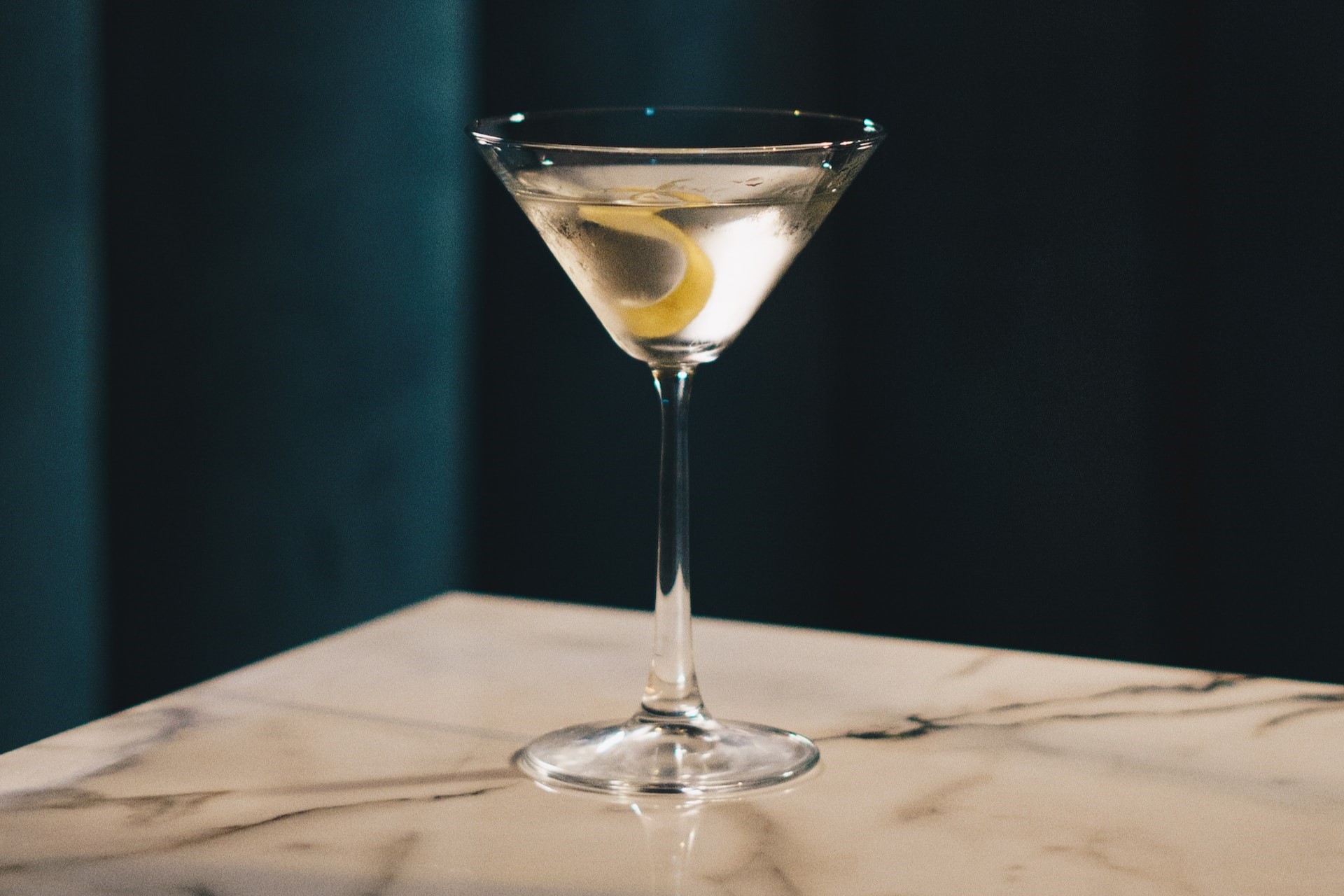
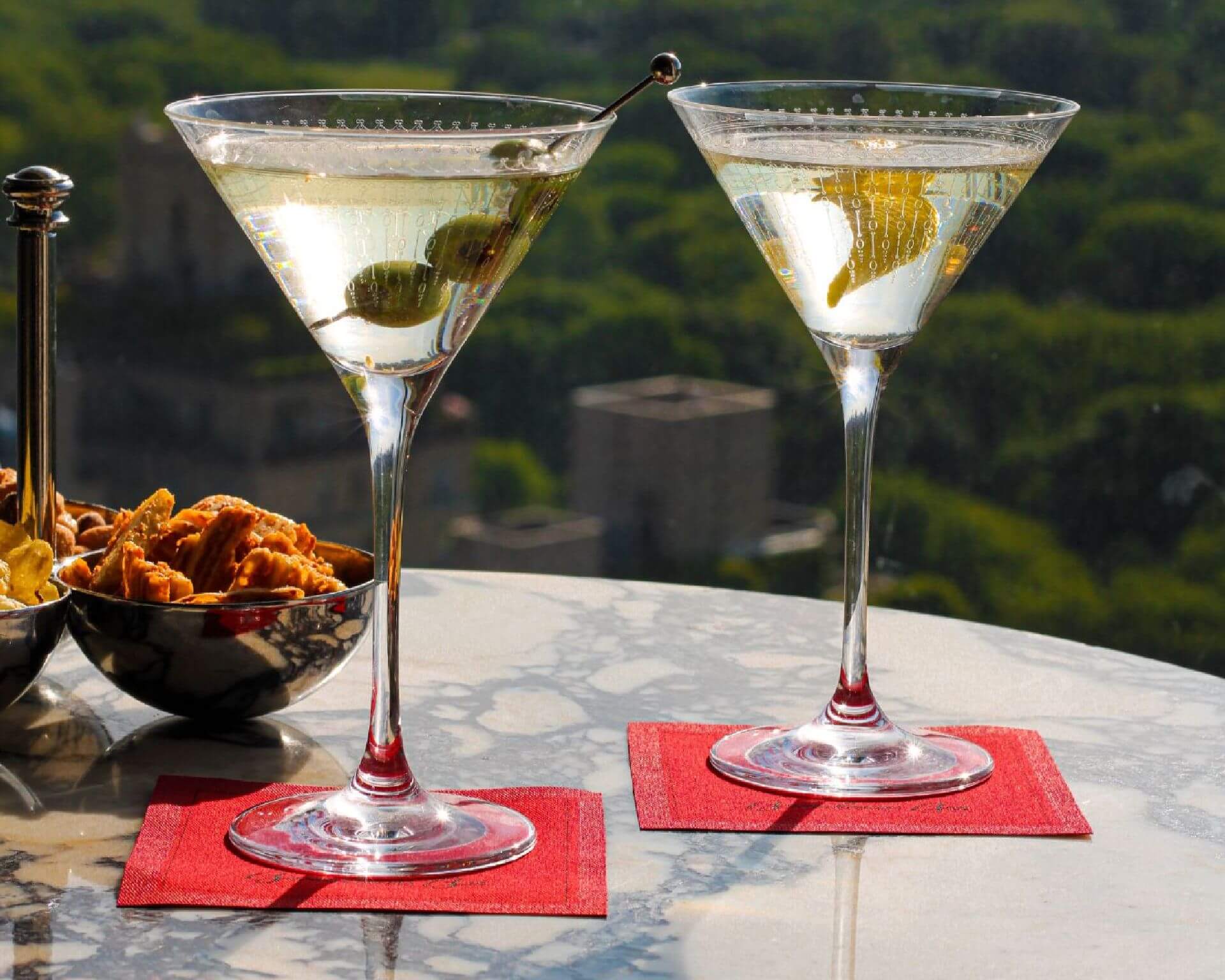
Martini with lemon twist on marble tabletop

We celebrate the Martini twice in June, once on 17th for World Martini Day, and one more opportunity on the 19th for National Martini Day.

That means you and your bar team have some time to dial in your builds and presentations.

In addition to its potential to boost revenue over the course of a few days, the Martini is also surging in popularity. As things stand in the US, the Martini is currently the top challenger to the Margarita’s crown.

There’s also the staggering number of Martinis going out each night at Bemelmans Bar in NYC: 1,000 per night. With younger legal-age drinkers driving this surge in popularity, it’s important for operators to make sure their Martinis are crowd pleasers.

Technically, this means making stirring London Dry gin and dry vermouth—perhaps a dash or two of orange bitters—for at least 20 seconds. Next, pour a crystal-clear Martini—without any shards of ice—into a Martini glass. Finally, add a lemon twist and serve gracefully.

There you have it: a perfect, classic Martini.

Now, if the instructions above make you bristle, good. Much like the Margarita, the Martini can cause fierce debate amongst bar professionals.

So, let’s have some fun now that one build is out of the way.

The Family

It’s true that really, we don’t know the exact origin of the Martini. We aren’t even certain who should get credit for its creation.

So, what if I tell you that the Manhattan and Martini are family?

A prevailing theory posits that the former is the latter’s great-grandfather. From the Manhattan we get the Martinez, from the Martinez we get the Marguerite, and from the Marguerite we get the Martini. However, some people believe the Martinez is perhaps only a distant relative and the family tree goes Manhattan – Marguerite – Martini.

At any rate, this may seem ridiculous at first. A whiskey cocktail is the great-grandfather or grandfather of a gin cocktail. Well, when we look at the common threads, yeah.

This family of cocktails shares the following traits:

  • a base spirit
  • vermouth
  • bitters

The Manhattan and Martinez also use maraschino or brandied cherries. The latter swaps out whiskey for Old Tom gin, and the Marguerite calls for Plymouth gin and eschews the maraschino.

As you know, the Martini swaps Plymouth gin for London Dry. Interestingly, “modern” versions of the Martini are often made without bitters, which has been happening for many decades.

Dry Vermouth?

According to some cocktail historians, the accuracy of the build above is debatable.

Technically technically, the original form of the Martini is sweet. The OG recipe calls for sweet vermouth, not dry.

That is, of course, if you choose to believe that sweet vermouth recipes you find in books from the 19th century represent the prototypical Martini.

If you’re not familiar with the Perfect Martini variant, it’s an interesting compromise, in a way. For this particular version we use equal parts sweet and dry vermouth. Someone kicking off a quarrel over original Martini specs? Put a Perfect Martini in front of them and see if their head explodes or they abandon their argument.

Vodka?

Again, technically, a Vodka Martini is a riff on the original recipe.

Whereas we can (reasonably) trace the original Martini back to the late 1800s, the vodka version shows up in the 1950s.

So, if that’s an accurate timeline, the Gin Martini’s vodka-based sibling doesn’t appear for 60 to 70 years after its genesis.

To build a classic Vodka Martini, we simply swap out the gin for vodka. The rest of the specs can remain the same, save for some guests preferring an olive or cocktail onion as a garnish.

Of course, now that we’re on the topic of swaps and specs, ratios play an important role when making a Martini. Bars and bartenders often play around with the ratio of gin or vodka to vermouth.

In fact, there’s can be a fairly large swing depending on the bar or bartender. Some bartenders may build their Martinis with a 4:1 ration, and others may go 8:1 or greater.

Still others leave the vermouth out altogether. That can really start a knock-down, drag-out Martini feud.

Check this Out

With the Martini crash course over, here are a few “fun facts” for you to savor.

Neither the Espresso Martini nor the (in)famous Cosmopolitan are true Martinis. While we serve them in the Martini glass and one has “Martini” in its name, that’s where their relation to the original ends.

Once again using the qualifier “technically,” the Espresso Martini is an alias. It’s real identity is Vodka Espresso.

If we really want to throw a debate haymaker, the Espresso Martini and Cosmopolitan aren’t even kin to the Gin or Vodka Martini. Neither uses vermouth, meaning they’re don’t claim the same family tree. In reality, the Cosmo belongs to the sour family.

Finally, one more fun tidbit to toss into this debate, should you find yourself arguing Martinis. The Reverse Martini is more of a sibling to the original than the Espresso Martini. After all, it’s still a combination of spirit and vermouth. It’s just that the vermouth is the star of the show, often utilizing a 2:1 ratio, vermouth to gin.

So, there you have it. Enough information to cause a friendly “fight” over Martini history, specs, and family members. Cheers!

Image: Rick Barrett on Unsplash
KRG Hospitality Beverage Programming

by David Klemt David Klemt No Comments

The 2023 HD Award Finalists and Winners

The 2023 HD Award Finalists and Winners

by David Klemt

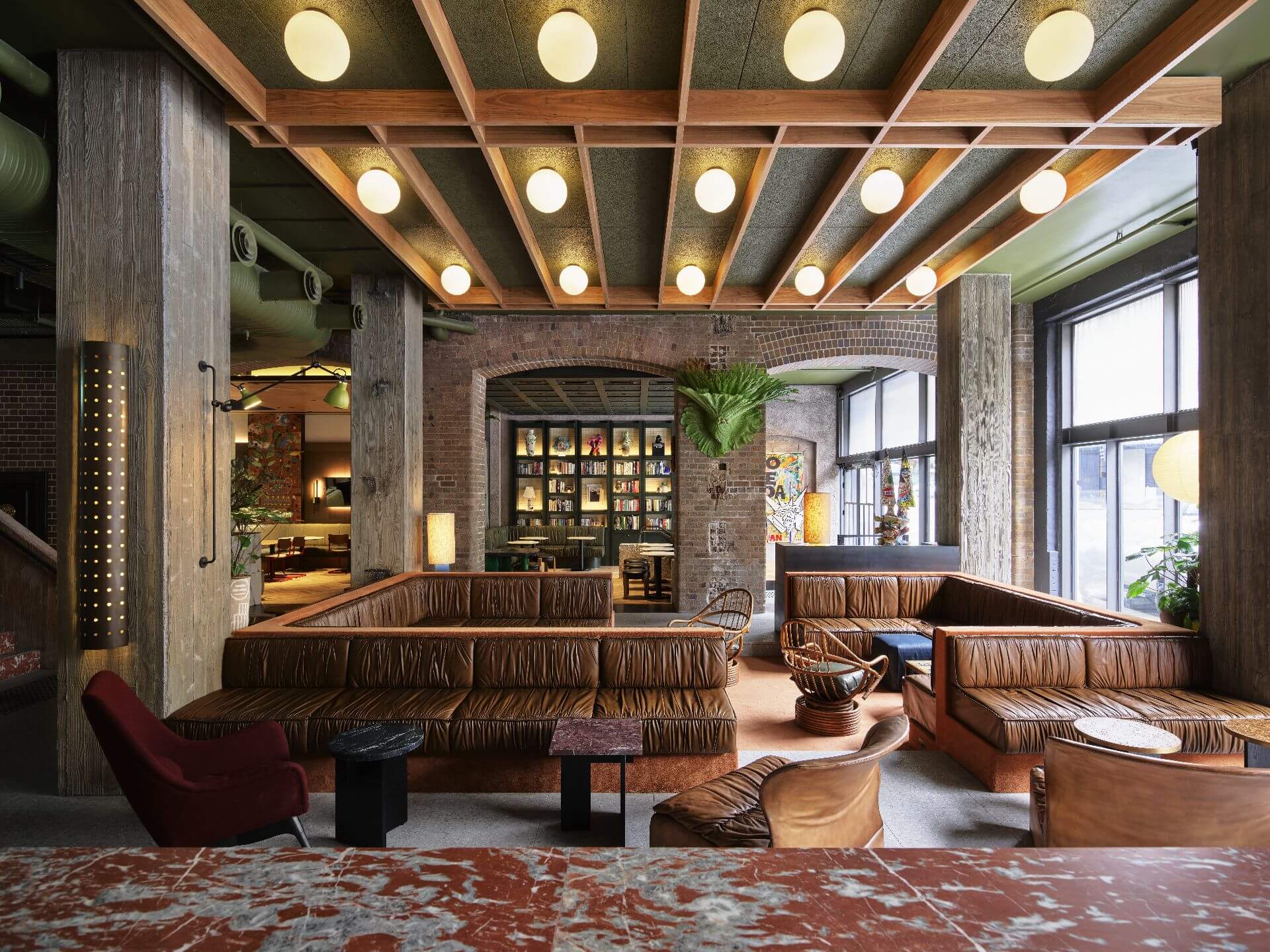
The lobby of ACE Hotel Sydney

As one would expect, the finalists and winners of the 2023 Hospitality Design Awards are a stunning collection of brands from which operators should pull inspiration.

Anyone looking for cutting-edge hospitality design would do well to look into each of the winners and finalists below.

The full list of award finalists and winners, and the architecture, interior design, and purchasing firms (along with owners and operators) can be found on the Hospitality Design website. Just click this link for the full details.

For our past coverage of the HD Expo, please click here.

View into The Lobby inside ACE Hotel Sydney

View into The Lobby inside ACE Hotel Sydney, which offers craft cocktails and small plates.

Lifestyle Hotel

Winner

Ace Hotel Sydney (Sydney, New South Wales, Australia)

  • Architecture Firm: Bates Smart, Melbourne
  • Interior Design Firm: Flack Studio (hotel), Melbourne
  • Owner: Golden Age Group
  • Operator: Ace Hotel Group
  • Purchasing Firm: Marques Interior Services

Finalists

Canoe Place Inn & Cottages (Hampton Bays, New York)

Our Habitas San Miguel (San Miguel de Allende, Guanajuato, Mexico)

Sisan·Shuanglang Hotel (DaLi, YunNan, China)

Fan Woods Hotel (Zhangjiakou City, Hebei Province, China)

Lifestyle Hotel Public Space

Winner

The Tampa EDITION

  • Architecture and Interior Design Firms: Morris Adjmi Architects, and ISC Design Studio, New York
  • Owner: Strategic Property Partners
  • Operator: Marriott International
  • Purchasing Firm: The Parker Company

Finalists

Ace Hotel Sydney (Sydney, New South Wales, Australia)

The Standard (Hua Hin, Thailand)

Luxury Hotel

Winner

The Londoner (London, England) United Kingdom)

  • Architecture Firm: Woods Bagot, London
  • Interior Design Firm: Yabu Pushelberg, New York and Toronto
  • Owner and Operator: Edwardian Hotels London

Finalists

Wildflower Farms, Auberge Resorts Collection (Gardiner, New York)

Kimpton Bamboo Grove Suzhou (Suzhou, Jiangsu, China)

Luxury Hotel Public Space

Winner

The Madrona (Healdsburg, California)

  • Architecture Firm: Strening Architects, Santa Rosa, California
  • Interior Design Firm: Jay Jeffers, San Francisco
  • Owners: Jay Jeffers, Kyle Jeffers, and investors
  • Operator: Mosaic Hotel Group
  • Purchasing Firm: Summa International

Finalists

The Madrid EDITION (Madrid, Spain)

Pillows Maurits at the Park (Amsterdam, Netherlands)

Wildflower Farms, Auberge Resorts Collection (Gardiner, New York)

Upscale Hotel

Winner

Six Senses Rome (Rome, Italy)

  • Architecture and Interior Design Firm: Patricia Urquiola Design, Milan
  • Owner: Six Senses

Finalists

HAY boutique hotel & SPA by Edem Family (Bukovel, Ukraine)

The Standard, Bangkok Mahanakhon (Bangkok, Thailand)

Belmonte Hotel Krynica Zdrój (Krynica-Zdrój, Poland)

Upscale Hotel Public Space

Winner

The Standard, Bangkok Mahanakhon (Bangkok, Thailand)

  • Architecture Firm: Buro Ole Scheeren, Bangkok
  • Interior Design Firms: The Standard in-house design team, New York; Hayon Studio, Valencia, Spain; and Studio Freehand, Bangkok
  • Owner and Purchasing Firm: King Power
  • Operator: Standard International

Finalists

Thompson Buckhead (Atlanta, Georgia, USA)

The Royal (Picton, Ontario, Canada)

Midscale Hotel

Winner

Ace Hotel Toronto (Toronto, Ontario, Canada)

  • Architecture Firm: Shim-Sutcliffe Architects, Toronto
  • Interior Design Firm: Atelier Ace, New York
  • Owners: Alterra, B-right, Finer Space Corporation, Prowinko, and Zinc Developments
  • Operator: Ace Hotel Group
  • Purchasing Firm: Benjamin West

Finalists

High Country Motor Lodge (Flagstaff, Arizona, USA)

Albor San Miguel de Allende, Tapestry Collection by Hilton (San Miguel de Allende, Guanajuato, Mexico)

Hotel Indigo Jiuzhai (Sichuan, China)

Midscale Hotel Public Space

Winner

Ace Hotel Toronto (Toronto, Ontario, Canada)

  • Architecture Firm: Shim-Sutcliffe Architects, Toronto
  • Interior Design Firm: Atelier Ace, New York
  • Owners: Alterra, B-right, Finer Space Corporation, Prowinko, and Zinc Developments
  • Operator: Ace Hotel Group
  • Purchasing Firm: Benjamin West

Finalists

Albor San Miguel de Allende, Tapestry Collection by Hilton (San Miguel de Allende, Guanajuato, Mexico)

Crystal Orange Hotel Shanghai Pudong Lujiazui (Shanghai, China)

High Country Motor Lodge (Flagstaff, Arizona, USA)

Select Service Hotel

Winner

The Beach Motel (Southampton, Ontario, Canada)

  • Architecture, Interior Design, and Purchasing Firm: Common Good Studio, Toronto
  • Owner: DASA Properties

Finalists

Hotel Tupelo (Tupelo, Mississippi, USA)

The Shàng | Artyzen Qiantan Shanghai (Shanghai, China)

Select Service Hotel Public Space

Winner

Hotel Tupelo (Tupelo, Mississippi, USA)

  • Architecture Firm: Sarah Newton Architect, Hattiesburg, Mississippi
  • Owner and Interior Design Firm: The Thrash Group, Dallas
  • Operator: Tandem Hospitality Management
  • Purchasing Firm: J Desterbecq & Associates

Finalist

The Beach Motel (Southampton, Ontario, Canada)

Resort

Winner

Naviva, A Four Seasons Resort (Punta Mita, Nayarit, Mexico)

  • Architecture and Interior Design Firm: Luxury Frontiers
  • Owner: Four Seasons Hotels and Resorts

Finalists

Etéreo, Auberge Resorts Collection (Riviera Maya, Quintana Roo, Mexico)

Centara Reserve Samui (Koh Samui, Thailand)

Lodges + Camps

Winner

AutoCamp Joshua Tree (Joshua Tree, California, USA)

  • Architecture Firm: HKS, San Francisco
  • Interior Design Firm: Narrative Design Studio, San Francisco
  • Owner and Operator: AutoCamp
  • Purchasing Firm: Benjamin West

Finalists

AutoCamp Catskills (Saugerties, New York)

Getaway Outdoor Suites (Ottawa, Illinois)

Restorations, Transformations + Conversions

Winner

Tin Building by Jean-Georges (New York, New York)

  • Architecture Firm: Cass Calder Smith, New York
  • Interior Design Firm: Roman and Williams Buildings and Interiors, New York
  • Owner: Howard Hughes Corporation
  • Purchasing Firm: Summa International

Finalists

Aman New York (New York, New York)

Virgin Hotels Edinburgh (Edinburgh, Scotland, United Kingdom)

Casa Cody (Palm Springs, California, USA)

Ace Hotel Sydney (Sydney, New South Wales, Australia)

New Brand Launch

Winner

Blue Iris by Life House (Nantucket, Massachusetts, USA)

  • Architecture Firm: Emeritus, Austin
  • Owner: Blue Flag Partners
  • Operator, Interior Design, and Purchasing Firm: Life House

Finalists

Revo Munich (München, Germany)

The Julius (Prague, Czech Republic)

Sweetbee Café + Bar (Brooklyn, New York, USA)

Event Space

Winner

Seattle Convention Center Summit Building (Seattle, Washington, USA)

  • Architecture and Interior Design Firm: LMN Architects, Seattle
  • Owner: Seattle Convention Center

Finalists

The Madrona (Healdsburg, California)

The Standard, Bangkok Mahanakhon (Bangkok, Thailand)

Hybrid Hospitality

Winner

Little Banchan Shop / Meju (Queens, New York, USA)

  • Architecture Firm: David K. UH, New York
  • Interior Design Firm: CRÈME, Brooklyn, New York
  • Owner: Chef Hooni Kim

Finalists

Capital One Hybrid Bank and Café (New York, New York, USA)

Changsha Fundolandπ (Changsha, Hunan, China)

Beyond Hospitality

Winner

The Water Drop Library (Shuangyue Bay, Huizhou City, Guangdong, China)

  • Architecture and Interior Design Firm: 3andwich Design / He Wei Studio, Beijing
  • Owner: Huizhou Shuangyue Bay Real Estate Investment and Development Co., Ltd.

Finalists

The Africa Centre (London, England, United Kingdom)

Aqua Foro Pool Club at Piazza Alta (Philadelphia, Pennsylvania, USA)

Wellness + Wellbeing

Winner

Paste Dental (Toronto, Ontario, Canada)

  • Interior Design Firm: Studio Author, Toronto
  • Owner: Dr Derek Chung

Finalists

Naviva, A Four Seasons Resort (Punta Mita, Nayarit, Mexico)

Dundas Square Barbers (Toronto, Ontario, Canada)

Sustainable

Winners

Chleo (Kingston, New York, USA)

  • Interior Design Firm: Islyn Studio, Brooklyn, New York
  • Owners: Hope and Charles Mathews
  • Purchasing Firm: Wagner Hamill

Six Senses Rome (Rome, Italy)

  • Architecture and Interior Design Firm: Patricia Urquiola Design, Milan
  • Owner: Six Senses

Finalists

Villa Le Blanc Gran Meliá (Sant Tomàs, Illes Balears, Spain)

1 Hotel Nashville (Nashville, Tennessee, USA)

Guestrooms

Winner

Centara Reserve Samui (Koh Samui, Thailand)

  • Architecture Firm: Begray, Bangkok
  • Interior Design Firm: AvroKO, Bangkok
  • Owner, Operator, and Purchasing Firm: Centara Hotels & Resorts

Finalists

Central Hotel Macau (Macau, China)

Albor San Miguel de Allende, Tapestry Collection by Hilton (San Miguel de Allende, Guanajuato, Mexico)

Wildflower Farms, Auberge Resorts Collection (Gardiner, New York)

Suites

Winner

Venice Simplon Orient Express (Vienna, Austria; Budapest, Hungary; and Prague, Czech Republic)

  • Interior Design Firm: Wimberly Interiors, London
  • Owner: Belmond

Finalists

The Standard, Bangkok Mahanakhon (Bangkok, Thailand)

Sands Premier Suite, Marina Bay Sands (Singapore)

Casual Restaurant

Winner

Great White – Melrose (West Hollywood, California, USA)

  • Architecture Firm: Natalie Kazanjian Architect, Los Angeles
  • Interior Design Firm: Great White Partners in partnership with Buca Studios, Los Angeles
  • Owner, Operator, and Purchasing Firm: Great White Partners

Finalists

Marcus at Baha Mar (Nassau, Bahamas)

MOVA (Dnipro, Ukraine)

Good Ground Tavern at Canoe Place Inn & Cottages (Hampton Bays, New York, USA)

Shikigiku Japanese Restaurant (IFC Mall) – Café & Bar Area (Hong Kong)

Upscale Restaurant

Winner

Oiji Mi (New York, New York, USA)

  • Architecture Firm: David Bucovy Architect, New York
  • Interior Design Firm: AvroKO, New York
  • Owner: Oiji Hospitality

Finalists

Amal (Miami, Florida, USA)

53 (New York, New York, USA)

Terra (Lviv, Ukraine)

Bar, Club + Lounge

Winner

Andra Hem (Philadelphia, Pennsylvania, USA)

  • Architecture Firm: Stokes Architecture + Design, Philadelphia
  • Interior Design Firm: Ghislaine Viñas, New York
  • Owner: Paige West

Finalists

Punch Room (Tampa, Florida, USA)

Ritz Bar (Paris, France)

Bar Cima (New York, New York, USA)

Gair (Brooklyn, New York, USA)

Equipment Room (Austin, Texas, USA)

Visual Identity

Winner

Saint June at the Ritz-Carlton, Grand Cayman (Grand Cayman, Cayman Islands, Greater Antilles)

  • Branding and Interior Design Firm: Goodrich, New York
  • Owner: Dart
  • Operator: The Ritz-Carlton Hotel Company
  • Purchasing Firm: The Parker Company

Finalists

Zou Zou’s and Chez Zou (New York, New York, USA)

Uniforms at the Standard, Bangkok Mahanakhon (Bangkok, Thailand)

Orto (Belfast, Ireland, United Kingdom)

Student

Winner

Sarah Choudhary, New York School of Interior Design: Hotel Cirque (Montréal, Québec, Canada)

Finalists

Bryann Brophy, Brittany Noble, Olivia Fletcher, and Hannah Randall, Iowa State University: Hotel Rina (Rome, Italy)

Hsiang-Ting Huang, School of Visual Arts, New York: A Transitional Place of Love (New York, New York, USA)

Images courtesy of ACE Hotel Sydney

KRG Hospitality. Boutique Hotels. Resorts. Properties. Consultant. Feasibility Study. Business Plan

by David Klemt David Klemt No Comments

Own Your Team’s Excellence

Own Your Team’s Excellence

by David Klemt


Martinis at Bemelmans Bar inside the Carlyle hotel in New York City

If you and your team are producing an incredible food or drink item, don’t just be proud—make it your signature and own it.

As Chef Brian Duffy says during his demos and speaking engagements, people can eat and drink anywhere. Further, with just a handful of major food suppliers operating throughout North America, operators are using much of the same ingredients.

With that in mind, then, it’s crucial that operators and their teams innovate. Doing so ensures that hospitality professionals are staying current on consumer demands and trends; constantly seeking be educated and share information; and making sure their business stands out from others.

A commitment to standing out can also motivate a team to elevate their techniques. In turn, they can truly “own” an item. Creating something incredible—and replicating it order after order consistently—can become a brand and team’s calling card.

Does your kitchen team turn out a fantastic signature burger? Has your business become known as the place for chicken wings because of your kitchen team?

Has your bar team perfected the Margarita? Are they so good at crafting Frozen Irish Coffees that your bar is on Glendalough Distillery‘s radar?

When you identify what your team is producing at an extraordinary level, you need to make certain you loudly own it.

A Real-world Example

For a high-level example of what I’m talking about, we can look at the Carlyle in New York City.

This landmark Rosewood Hotel is known for delivering peerless service. However, a venue inside this sophisticated resort is known for a specific item.

Bemelmans Bar, an escape from the hectic streets of New York, is known for the Martinis the bar team produces. (They’re also known for their red jackets, but those aren’t for sale.)

It may be a bold statement considering the level of bars and cocktails in the city, but Bemelmans Bar (and therefore the Carlyle) owns the Martini in NYC. In fact, the bar serves a staggering 1,000 Martinis a night. More often than not, the Martinis that cross the bar or leave the service well are dirty or extra dirty. This has been the case since at least 2021.

So famous are the Bemelmans’ Martinis that the Carlyle sells an at-home kit, yours for just $395. It’s their latest promotion, though, that makes it evident Bemelmans and the Carlyle are taking ownership of the Martini.

Guests of the Carlyle can now book their Martini Retreat, a two-day experience that centers around their signature cocktail. If, perhaps, you think that $400 is a bit steep for their Martini Box, prepare for true sticker shock. The Martini Retreat experience starts at $4,895 for two guests.

However, the package is rather impressive and encapsulates the Carlyle’s ownership of the Martini. The Carlyle Martini Retreat includes:

  • a two-night stay in a Madison Room or Premier Suite;
  • a Bemelmans Bar Martini Box;
  • enrollment in the Bemelmans Master Martini Class (valued at $495), a 45-minute experience during which guests learn how the bar team crafts multiple variations of vodka and gin Martinis, and their new Madeline’s Vesper cocktail;
  • a two-course Martini lunch at Dowling’s at The Carlyle; and
  • a curated list of where to go to try other great Martinis throughout NYC, put together by Dimitrios Michalopoulos, bar manager at Bemelmans.

Takeaway

So, am I suggesting that operators create an experience that costs thousands of dollars? Well…I mean, if your concept can succeed with such a promotion, absolutely. If doing so would resonate with enough guests to make it feasible and become a steady (and impressive) revenue stream, go for it.

However, what I’m really attempting to drive home here is the power of becoming known for even a single signature item. And, hey—your item, in your market, may be the Martini.

Owning an item means screaming from the rooftops and hills that it’s yours. That your team’s version is the one to have; the one people in the know have to have. Taking ownership of your team’s excellence translates to becoming a destination for it, to driving repeat visits once people have experienced it.

Of course, with that ownership comes the responsibility to elevate all other elements of your business. Every other item on the menu must be produced and served at the highest level. This ensures the entire guest experience wows the guests, and the signature item is essentially a driver and the cherry on top.

It’s time to review what your team produces so well that your brand owns it. Should this introspection yield no results, it’s then time to see what other operators are known for and discover what item or items you and your team can improve upon. What’s something that works with your brand that you feel confident you and your team can own?

There’s power, money, and long-term success in something on your menu. It’s time to uncover it and take ownership.

Image: The Carlyle

KRG Hospitality. Boutique Hotels. Resorts. Properties. Consultant. Feasibility Study. Business Plan

by David Klemt David Klemt No Comments

Time to Revisit Your Hours of Operation?

Time to Revisit Your Hours of Operation?

by David Klemt

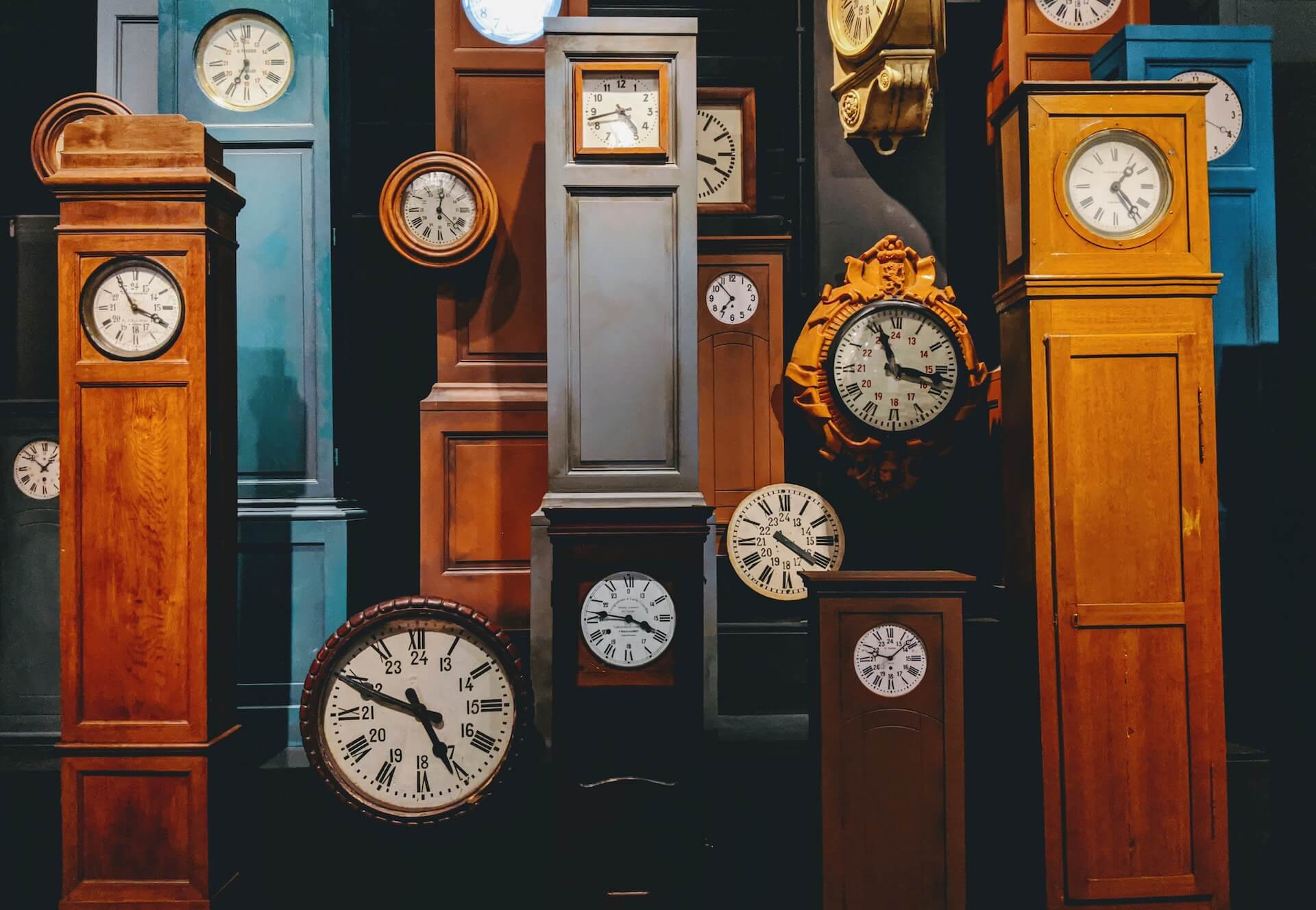
Collection of antique clocks

Many operators, in response to the past few years, find themselves slashing dayparts—even entire days—from their hours of operation.

Obviously, this makes sense. Reducing the hours a restaurant or bar is open can control and reduce many costs.

However, the industry is now seeing an increase in demand from restaurants and bars. Today’s consumer craves a return to normalcy. While delivery, carryout and pickup are here to stay, people want to return to in-person dining.

Generally speaking, people like to socialize (at least with their friends). And, of course, restaurants and bars are spaces that fill the human desire to get social.

At KRG Hospitality we certainly understand how reducing hours and days of operation can be effective. In fact, depending on experience level, concept, and market, we sometimes recommend that clients limit their hours and days when first starting out.

However, as guest demand for in-person dining and drinking increases, it may be time to revisit this operational strategy.

Increase Visit Time, Increase Check Average

There’s a battle that takes place in restaurants and bars during each daypart. Operators are engaging an opponent they can’t defeat: time. The best one can hope for is to keep up with or otherwise mitigate the damage done every time the second hand on a clock ticks.

Therefore, most operators fall into two camps: Turn and Burn, and Keep ’em Spending. Hospitality and foodservice professionals are (or should be) familiar with both strategies.

Turn and Burn is about getting butts in seats, getting orders out, and getting those butts out of those seats as quickly as possible to get new butts back into them.

Keep ’em Spending focuses on increasing check sizes through keeping guests in the venue. The thought is that the longer a guest or party is on site, the more money they’ll spend.

Rich Shank, vice president of Research & Insights at Technomic, addresses the latter strategy in a recent Restaurant Business article.

“What is interesting about that is that our dining party often impacts the time we spend in a unit and the amount of money we spend while dining in,” writes Shank. “Even dining in at limited-service restaurants is heavily correlated with how much time we spend inside the restaurant—making time and money a perfect pairing in most restaurants.”

It’s not Just About Hours

In Shank’s Restaurant Business article, the Technomic VP points out that families with children tend to spend the most at restaurants. This has long been the case, and it’s logical. After all, families with children are purchasing more F&B items per visit, and they tend to spend more time per each visit as well.

However, it’s not just about the hours and days of operation, as Shank also says. It’s important that a given concept be attractive to occasion-driven guests. In other words, people gather in pairs and groups for life events.

These events can be as simple yet important as date night, to huge gatherings such as large family reunions or corporate gatherings. So, when operators are reviewing their hours of operation and the days and dayparts they’re open for business, the guest experience and their life events are important elements to consider.

“If you take the time and money relationship seriously, then the idea of throttling down on our dine-in strategies to preserve on costs or to narrow our focus to off-premises occasions only is causing us to miss the occasions that drive check-average,” writes Shank.

It’s also crucial to have a close relationship with data. Operators need to be obsessive with location and guest data. Unless they know their market, location, and guests incredibly well, operators are just guessing before making important operational changes. Guest feedback can be an effective method of knowing if it’s time to increase hours and add days of operation.

Only the operator can know if it’s time to, well, increase time. Yes, costs will go up if a venue is open longer. However, revenue can also soar. Maybe it’s time to finally be available for in-person dining for longer.

Image: Lucian Alexe on Unsplash
KRG Hospitality. Restaurant Business Plan. Feasibility Study. Concept. Branding. Consultant. Start-Up.

by David Klemt David Klemt No Comments

2 Big Bourbons: High Proof, Heavy Flavor

2 Big Bourbons: High Proof, Heavy Flavor

by David Klemt

Bib & Tucker Double Char Bourbon bottle and cocktail

Be on the lookout for two innovative, big bourbons that are heavy on flavor and boldly offer striking drinking experiences.

One of these whiskeys, luckily, is available now. That means if you can get your hands on it, this particular bourbon has arrived in time for National Bourbon Day and National Old Fashioned Day.

And, of course, it’s also here in time to help celebrate Father’s Day.

Agonizing as it is, the other bourbon will make its appearance in August. However, it’s big, bold flavors will be an excellent way to end summer and start fall.

Let’s take a look at these two dramatic drams.

Woodford Reserve Master’s Collection Batch Proof 124.7

Let’s start with the bourbon available today.

The latest release in the Master’s Collection is Batch Proof 124.7. This limited-edition Woodford Reserve release is, as the name suggests, a high-proof heavy hitter.

Master Distiller Elizabeth McCall and Master Distiller Emeritus Chris Morris worked on this release to showcase their incredible proficiency in coaxing a complex array of flavors from blending whiskeys from different barrels.

However, they didn’t stop there. McCall and Morris bottled this year’s limited edition Master’s Collection expression at 124.7 proof. For comparison, standard Woodford Reserve expressions—Straight Bourbon, Double Oaked, and Rye—are bottled at 90.4 proof.


View this post on Instagram


A post shared by Woodford Reserve (@woodfordreserve)

According to tasting notes provided by Woodford Reserve, guests can expect Batch Proof 124.7 to pour a burnt orange color. On the nose, nutty toasted almond, cherry, and overripe banana, plus hints of oak, citrus zest, and, unsurprisingly, pepper.

“The trademark flavors of Woodford Reserve are even more pronounced—and more bold—in this celebrated annual release,” says McCall. “It’s a high-proof bourbon with complex flavors.”

Those lucky enough to locate a bottle will be treated to peppery baking spice, cardamom, and pine on the palate, finishing with leather, dry vanilla, and cedar.

No word on how hot this bourbon sips, but I expect Woodford’s trademark smoothness. Suffice to say, however, this isn’t a beginner’s bourbon.

Batch Proof 124.7 retails for $129.99 and is available now at the Woodford Reserve distillery, so it’s time to hit up your reps, call in favors, or take a trip to Versailles, Kentucky.

Bib & Tucker Double Char Bourbon

Above, the high-proof heavy hitter. Now, the innovative heavy flavor release.

They’re making us wait for it but this Bib & Tucker Small Batch Bourbon release certainly appears to worth our collective patience. Something savory, smoky, and smooth this way comes.

The inspiration for this unique bourbon comes from the rustic corners of the culinary world. Double Char is meant to evoke the sensory experience of enjoying food cooked on open fire.

“I can’t wait for consumers to try this delicious expression,” says Tom Steffanci, president of Deutsch Family Wine & Spirits. “Double Char spends just the right amount of time in the second heavily charred barrel, creating a savory, smoky character that adds a whole new dimension to the bourbon.”

This innovative Tennessee bourbon is rested for six years in new white American oak barrels. Double Char is then aged for at least five months in a new barrel that was heavily charred and smoked.

Notes provided by Bib & Tucker reveal, as expected, smoke and toasted oak on the nose. However, those notes are balanced by cinnamon, clove, and dulce de leche.

On the palate, Double Char delivers white smoke, vanilla, sugar maple, sweet corn, and toasted cinnamon. Oak, white smoke, and vanilla stand out on the medium to long finish.

Personally, I can’t wait to get my hands on a bottle.

Click here to listen to episodes 32 and 59 of the Bar Hacks podcast. The former features Woodford Reserve, while the latter features Bib & Tucker.

Images courtesy of Bib & Tucker and Woodford Reserve

KRG Hospitality Mixology Training with Jared Boller

by David Klemt David Klemt No Comments

Top 10 2023 Spirited Awards Nominees

Tales Unveils Top 10 2023 Spirited Awards Nominees

by David Klemt

Neon sign in red that reads "Cocktails"

The wait to discover the top nominees in each category of this year’s Tales of the Cocktail Spirited Awards is finally over.

The Tales of the Cocktail Foundation revealed every 2023 Spirited Awards honoree roughly two months ago. That the TOTCF managed to whittle the list down that quickly is impressive.

New York City, of course, is well represented in terms of top ten Spirited Awards nominees. Likewise, Austin, Miami, Nashville, New Orleans, Phoenix, and Washington, DC.

Atwater Cocktail Club in Montréal and Botanist at the Fairmont Pacific Rim Hotel are representing Canada. Dubai, London, Mexico City, and Sydney have strong showings as well.

The anticipation for this year’s winners continues to grow. Congratulations to this year’s top ten nominees!

US Categories

US Bartender of the Year presented by Pernod Ricard USA

  • Chris Elford, Navy Strength / Here Today Brewery & Kitchen (Seattle, WA)
  • Abigail Gullo, loa at the International House hotel (New Orleans, LA)
  • Caer Maiko Ferguson, DrinkWell / Daijoubu (Austin, TX)
  • Shauna O’Neil, Sweet Liberty (Miami, FL)
  • Jessi Pollak, Spoon and Stable (Minneapolis, MN)
  • Kapri Robinson, Allegory at the Eaton Hotel (Washington, DC)
  • Christian Suzuki-Orellana, Wildhawk (San Francisco, CA)
  • Masahiro Urushido, Katana Kitten (New York, NY)
  • Takuma Watanabe, Martiny’s (New York, NY)
  • Christine Wiseman, Marygold’s Brasserie / Broken Shaker (Miami, FL)

Best US Bar Mentor* presented BarSmarts

  • Bridget Albert
  • Anu Apte
  • Colin Asare-Appiah
  • Jason Asher
  • Julio Cabrera
  • Alex Day
  • Touré Folkes
  • Kate Gerwin
  • Anne Louise Marquis
  • Nectaly Mendoza
  • Jeffrey Morgenthaler
  • Chris Patino
*denotes 12 nominees due to a tie

Best US Brand Ambassador presented Libbey

  • Kiowa Bryan (Spiribam)
  • Chris Cabrera (Bacardí USA)
  • Tad Carducci (Gruppo Montenegro)
  • Cameron George (Ardbeg Single Malts)
  • A-K Hada (Bacardí Rum)
  • Vance Henderson (Hendrick’s Gin)
  • Benny Hurwitz (Wild Turkey)
  • Anna Mains (Monkey Shoulder)
  • Jenna Murray (The Glenlivet)
  • Mary Palac (Campari Mexican Spirits)

Best US Bar Team presented by William Grant & Sons

  • Allegory at the Eaton Hotel (Washington, DC)
  • Attaboy Nashville (Nashville, TN)
  • Century Grand (Phoenix, AZ)
  • Happy Accidents (Albuquerque, NM)
  • Nickel City (Austin, TX)
  • Overstory (New York, NY)
  • Pacific Cocktail Haven (San Francisco, CA)
  • Service Bar (Washington, DC)
  • The Roosevelt Room (Austin, TX)
  • Yacht Club (Denver, CO)

Best US Cocktail Bar presented by Absolut Vodka

  • Bar Goto (New York, NY)
  • Bitter & Twisted (Phoenix, AZ)
  • Century Grand (Phoenix, AZ)
  • Double Chicken Please (New York, NY)
  • Manolito (New Orleans, LA)
  • Nickel City (Austin, TX)
  • Overstory (New York, NY)
  • Service Bar (Washington, DC)
  • Thunderbolt (Los Angeles, CA)
  • Yacht Club (Denver, CO)

Best US Hotel Bar presented by Grey Goose

  • Allegory at the Eaton Hotel (Washington, DC)
  • Bar Marilou at the Maison de la Luz (New Orleans, LA)
  • Champagne Bar at The Surf Club Miami (Miami, FL)
  • Dear Irving on Hudson at the Aliz Hotel (New York, NY)
  • Hey Love at The Jupiter (Portland, OR)
  • Libertine Social at the Mandalay Bay (Las Vegas, NV)
  • Little Rituals at the Residence Inn / Courtyard by Marriott (Phoenix, AZ)
  • Midnight Rambler at The Joule (Dallas, TX)
  • Raines Law Room at the William (New York, NY)
  • White Limozeen at The Graduate (Nashville, TN)

Best US Restaurant Bar presented by Amaro Montenegro and Select Aperitivo

  • Arnaud’s French 75 Bar (New Orleans, LA)
  • Bicyclette Bistro (Los Angeles, CA)
  • Bresca (Washington, DC)
  • Café La Trova (Miami, FL)
  • Cleaver – Butchered Meats, Seafood & Classic Cocktails (Las Vegas, NV)
  • Crown Shy (New York, NY)
  • Jaguar Sun (Miami, FL)
  • Kumiko (Chicago, IL)
  • Manhatta (New York, NY)
  • Palomar (Portland, OR)

Best New US Cocktail Bar presented by Diageo Bar Academy

  • Amazonia (Washington, DC)
  • Chez Zou (New York, NY)
  • Khla (Phoenix, AZ)
  • Martiny’s (New York, NY)
  • Marygold’s Brasserie at the Arlo Wynwood (Miami, FL)
  • Milady’s (New York, NY)
  • Pacific Standard at the KEX Portland (Portland, OR)
  • Refuge (Houston, TX)
  • The Butterscotch Den (Sacramento, CA)
  • UnderTow (Gilbert, AZ)

International Categories

International Bartender of the Year presented by The Busker

  • Gina Barbachano, Hanky Panky (Mexico City, Mexico)
  • Giorgio Bargiani, The Connaught Bar (London, UK)
  • Aaron Diaz, Carnaval (Lima, Peru)
  • Kate Boushel, Atwater Cocktail Club / Milky Way Cocktail Bar (Montréal, Québec, Canada)
  • Giacomo Giannotti, Paradiso (Barcelona, Spain)
  • Martin Hudak, Maybe Sammy (Sydney, Australia)
  • Uno Jang, Jigger & Pony at the Amara Hotel (Singapore)
  • Alessandro Palazzi, DUKES at Dukes Hotel (London, UK)
  • Daniel Schofield, SCHOFIELD’S BAR (Manchester, UK)
  • Luke Whearty, BYRDI (Melbourne, Australia)

Best International Bar Mentor* presented by Tales of the Cocktail Foundation

  • Lorenzo Antinori
  • Simone Caporale
  • Evelyn Chick
  • Shingo Gokan
  • Trevor Kallies
  • Jose Luis Leon
  • Dre Masso
  • Iain McPherson
  • Danil Nevsky
  • Agostino Perrone
  • Christina Veira
*denotes 11 nominees due to a tie

Best International Brand Ambassador* presented by Tales of the Cocktail Foundation

  • Jenna Ba (Diageo)
  • Jordan Bushell (Hennessy Cognac)
  • Dickie Cullimore (Bacardí Rum)
  • Caitlin Hill (Rémy Cointreau)
  • Daniyel Jones (House of Angostura®)
  • Ally Martin (Hendrick’s Gin)
  • Dave Mitton (Lot 40 / J.P. Wiser’s)
  • Léa Messier (Dandurand Spirits)
  • Tim Philips-Johansson (Johnnie Walker)
  • Nicola Riske (The Macallan)
  • Claudia Cabrera Rodriguez (Fernet Branca)
  • Charmaine Thio (Hendrick’s Gin)
*denotes 12 nominees due to a tie

Best International Bar Team presented by Angostura Caribbean Rum

  • ALQUÍMICO (Cartagena, Colombia)
  • Atwater Cocktail Club (Montréal, Québec, Canada)
  • COA (Hong Kong, China)
  • Handshake Speakeasy (Mexico City, Mexico)
  • Hanky Panky (Mexico City, Mexico)
  • Jigger & Pony at the Amara Hotel (Singapore)
  • La Factoría (San Juan, Puerto Rico)
  • Paradiso (Barcelona, Spain)
  • Tayēr + Elementary (London, UK)
  • The Clumsies (Athens, Greece)

Best International Cocktail Bar presented by Patr​​ón Tequila

  • 🔶🟥🔵 (London, UK)
  • ALQUÍMICO (Cartagena, Colombia)
  • Atwater Cocktail Club (Montréal, Québec, Canada)
  • BYRDI (Melbourne, Australia)
  • COA (Hong Kong, China)
  • MAYBE SAMMY (Sydney, Australia)
  • Panda & Sons (Edinburgh, Scotland)
  • Paradiso (Barcelona, Spain)
  • Satan’s Whiskers (London, UK)
  • SIPS (Barcelona, Spain)

Best International Hotel Bar presented by Perrier

  • ARGO at the Four Seasons (Hong Kong, China)
  • BKK Social Club at Four Seasons Bangkok (Bangkok, Thailand)
  • Botanist at the Fairmont Pacific Rim Hotel (Vancouver, British Columbia, Canada)
  • Bulgari Bar at the The Bvlgari Resort (Dubai, UAE)
  • Charles H. at the Four Seasons Hotel (Seoul, South Korea)
  • Dean & Nancy on 22 at the A by Adina hotel (Sydney, Australia)
  • Fifty Mils at the Four Seasons Hotel (Mexico City, Mexico)
  • Jigger & Pony at the Amara Hotel (Singapore)
  • Side Hustle at The NoMad Hotel London (London, UK)
  • The Donovan Bar at the Brown’s Hotel (London, UK)

Best International Restaurant Bar presented by Tales of the Cocktail Foundation

  • Analogue Initiative (Singapore)
  • ARCA Restaurant & Bar (Tulum, Mexico)
  • Bar Kismet (Halifax, Nova Scotia, Canada)
  • COCHINCHINA (Buenos Aires, Argentina)
  • Continental Deli Bar Bistro (Sydney, Australia)
  • COYA Dubai (Dubai, UAE)
  • Danico (Paris, France)
  • Le Mary Celeste (Paris, France)
  • No Sleep Club (Singapore)
  • Zuma Dubai (Dubai, UAE)

Best New International Cocktail Bar presented by Diageo Bar Academy

  • Bar Planet (Sydney, Australia)
  • Caretaker’s Cottage (Melbourne, Australia)
  • CATA Agave Bar (Tamarindo, Costa Rica)
  • Ergo Cocktail Bar & Restaurant (Dubai, UAE)
  • Gucci Giardino 25 (Florence, Italy)
  • Last Word (Singapore)
  • Line Athens (Athens, Greece)
  • Mahaniyom Cocktail Bar (Bangkok, Thailand)
  • Night Hawk (Singapore)
  • Seed Library at One Hundred Shoreditch hotel (London, UK)

Global Categories

Best New Spirit or Cocktail Ingredient presented by Lyre’s Non-Alcoholic

  • Contraluz Cristalino Mezcal
  • Drumshanbo Gunpowder Irish Gin California Orange Citrus
  • Hendrick’s Neptunia
  • Martini & Rossi Floreale Non Alcoholic Aperitivo
  • Martini & Rossi Vibrante Non Alcoholic Aperitivo
  • Mijenta Añejo Gran Reserva
  • Nocheluna Sotol
  • PATRÓN El Alto Tequila
  • Saint Benevolence Aged Rum Clairin
  • The Fords Gin Co. Sloe Gin

World’s Best Cocktail Menu presented by Diageo Bar Academy

  • Allegory at the Eaton Hotel (Washington, DC)
  • ALQUÍMICO (Cartagena, Colombia)
  • Bitter and Twisted (Phoenix, AZ)
  • Botanist at the Fairmont Pacific Rim Hotel (Vancouver, British Columbia, Canada)
  • Double Chicken Please (New York, NY)
  • Handshake Speakeasy (Mexico City, Mexico)
  • Jigger & Pony at the Amara Hotel (Singapore)
  • Licorería Limantour (Mexico City, Mexico)
  • Panda & Sons (Edinburgh, Scotland)
  • Paradiso (Barcelona, Spain)

World’s Best Spirits Selection presented by Tales of the Cocktail Foundation

  • Baba Au Rum (Athens, Greece)
  • Barro Negro (Athens, Greece)
  • In Situ Mezcalería (Oaxaca, Mexico)
  • KOL Mezcaleria (London, UK)
  • Origin Bar at the Shangri-La Hotel (Singapore)
  • Raised by Wolves (San Diego, CA)
  • Salón de Agave at Casa Prunes (Mexico City, Mexico)
  • Sexy Fish London (London, UK)
  • Swift Soho (London, UK)
  • The Office (Chicago, IL)

Writing and Media Categories

Best Cocktail & Spirits Publication presented by Tales of the Cocktail Foundation

  • Boothby
  • CLASS Magazine
  • Difford’s Guide
  • Drinks International
  • Guest Check by SPILL
  • Liquor.com
  • Punch
  • The Cocktail Lovers Magazine
  • The Mix With Robert Simonson
  • The Spirits Business

Best Broadcast, Podcast, or Online Video Series presented by Tales of the Cocktail Foundation

  • Agave Road Trip
  • Black and Brown Podcast
  • Freepour
  • Japan Distilled Podcast
  • Perspectives by Campari Academy
  • Radio Imbibe
  • Shōshin Art Club
  • The Modern Bar Cart Podcast
  • The Sipping Point
  • The Speakeasy Podcast

Best Cocktail & Spirits Writing presented by Tales of the Cocktail Foundation

  • “A Rum Deal” by Dave Broom for Club Oenologique
  • “How Americans ruined tequila — and the true believers saving it” by Lilah Raptopoulos, for Financial Times
  • “How the Four Seasons Became an Incubator for Asia’s Best Bars” by Jake Emen, for VinePair
  • “The Drinks Industry Has an Ageism Problem” by Betsy Andrews, for SevenFifty Daily
  • “The Good, the Bad & the Artificial: How Big Data & Tech Are Infiltrating the Alcohol Industry” by Jake Emen, for VinePair
  • “The Great Mezcal Heist” by Emma Janzen, for Eater
  • “The Secrets to the Best Dry Martini You’ll Ever Have” by David Wondrich, for The Daily Beast
  • “This Is What Decolonizing a Spirit Looks Like” by Adaorah Oduah, for Punch
  • “Untold Story” by Yolanda Evans, for Imbibe
  • “What is a Bar Without a Backbar?” by Danny Chau, for Punch

Best New Cocktail or Bartending Book presented by Tales of the Cocktail Foundation

  • A Bartender’s Guide to the World by Lauren Mote & James O. Fraioli
  • Black Mixcellence: A Comprehensive Guide to Black Mixology by Tamika Hall with Colin Asare-Appiah
  • Drink Lightly by Natasha David
  • Mindful Mixology: A Comprehensive Guide to No- and Low-Alcohol Cocktails with 60 Recipes by Derek Brown
  • Modern Classic Cocktails by Robert Simonson
  • Mueble Bar by François Monti
  • The Bartender’s Manifesto by Toby Maloney with Emma Janzen
  • THE COCKTAIL CABINET: The Art, Science and Pleasure of Mixing the Perfect Drink by Zoe Burgess
  • The Cocktail Edit: Everything You Need to Know About How to Make All the Drinks that Matter by Alice Lascelles
  • The New York Times Essential Book of Cocktails – Elevated and Expanded, edited by Steven Reddicliffe

Best New Book on Drinks Culture, History, or Spirits presented by Tales of the Cocktail Foundation

  • A SENSE OF PLACE: A Journey Around Scotland’s Whisky by Dave Broom
  • Brand Mysticism: Cultivate Creativity & Intoxicate Your Audience by Aaron Goldfarb and Steven Grasse
  • Dicktales (or Thankyou and Sluggings) by Dick Bradsell
  • Doctors and Distillers: The Remarkable Medicinal History of Beer, Wine, Spirits, and Cocktails by Camper English
  • Drink Like a Local New York: A Field Guide to New York’s Best Bars by Amanda Schuster
  • Exploring the World of Japanese Craft Sake by Nancy Matsumoto and Michael Tremblay
  • Gurú. Manual (multisensorial) de Coctelería by Diego Cabrera
  • Modern Caribbean Rum: A Contemporary Reference to the Region’s Essential Spirit by Matt Pietrek and Carrie Smith
  • The Art of Whisky by Ernie Button
  • Unreasonable Hospitality by Will Guidara

Image: Luciann Photography on Pexels

by David Klemt David Klemt No Comments

5 Books to Read this Month: June 2023

5 Books to Read this Month: June 2023

by David Klemt

Flipping through an open book

Our engaging and informative June book selections will take your front and back of house to the next level, and help develop your leadership skills.

To review the book recommendations from May 2023, click here.

Let’s jump in!

Start with Why: How Great Leaders Inspire Everyone to Take Action

This book written by Simon Sinek is considered one of the best books ever written about leadership. “Start with Why” isn’t just a clever title, it’s an important beginning point for all entrepreneurs and leaders.

Further, this book introduces the reader to what Sinek calls the Golden Circle. True leaders don’t micromanage. They don’t just delegate. Effective leaders inspire their teams, providing more motivation than, “Do what I say.” Grab this best seller today: click here.

The Sioux Chef’s Indigenous Kitchen

We saw this book while we were walking the floor in Chicago at the 2023 National Restaurant Association Show. I snapped a photo, looked up the book, and not only has it been named the Best Cookbook of 2017 by several publications, it’s also the 2018 James Beard Award winner for Best American Cookbook.

From Amazon: “Here is real food—our indigenous American fruits and vegetables, the wild and foraged ingredients, game and fish. Locally sourced, seasonal, “clean” ingredients and nose-to-tail cooking are nothing new to Sean Sherman, the Oglala Lakota chef and founder of The Sioux Chef. In his breakout book, The Sioux Chef’s Indigenous Kitchen, Sherman shares his approach to creating boldly seasoned foods that are vibrant, healthful, at once elegant and easy.”

The Maison Premiere Almanac

If you’ve been the Maison Premiere in Brooklyn, you know it’s a unique experience. That’s saying a lot given the level of the bars, restaurants, and hotels in that iconic borough. One of the standout features is an “absinthe drip” that was inspired by the legendary New Orleans saloon Old Absinthe House.

From Amazon: “As captivating as the bar itself, The Maison Premiere Almanac is both a visual delight—drawing on photography, illustration, and graphic design—and a detailed guide to the rarefied subjects that make Maison Premiere unique, including deep explorations into the art of the cocktail and cutting-edge bartending techniques and equipment.

“There are also primers on absinthe (a Maison specialty) and recipes for highly refined cocktails, including martinis, toddys, punches, and mint juleps. Tutorials on oysters include how to confidently select and prepare them at home and how to eat them with style. And while packed with curious information and useful knowledge on cocktails and bartending for both enthusiastic beginner bartenders and seasoned cocktail lovers, the Almanac is also a visually arresting objet d’art that will make a perfect addition to any bookshelf.” For all of this and 90 recipes, click here.

Tropical Standard: Cocktail Techniques & Reinvented Recipes

This book is the result of a collaboration between bartender Garret Richard and writer Ben Schaffer. As every great bartender knows, producing great drinks comes down to technique and understanding ratios.

From Amazon: “Crucial techniques are clearly detailed, including how to balance syrups, flash blend, handle carbonation, tackle tinctures, cordialize citrus, and power up juice with acid adjusting. Over the course of 84 recipes, vintage cocktails like the Rum Barrel, Mai Tai, and Ray’s Mistake are reimagined just as future classics are revealed, including the Beachcomber Negroni, Winter in L.A., and Field of Mars. These drinks honor founding legends such as Donn Beach, Trader Vic, and Harry Yee as well as modern icons, including Dale DeGroff, Audrey Saunders, Julie Reiner, and Dave Arnold.”

Grab this book today!

The Seasonal Cocktail

All the data support the statement that today’s guests are choosing to drink better. Better spirits, better ingredients, better drinks.

The Seasonal Cocktail is the perfect cocktail book for addressing this change in consumer behavior. Author Jason Hedges is the mastermind behind several of the world’s best cocktail programs, such as L’Ecole and Gotham. F. Paul Pacult has been called “the J.D. Power of liquor,” which is an incredible endorsement.

Together, these two beverage powerhouses share what it takes to build sophisticated yet simple seasonal drinks. Timely, given that we’re now hitting the summer months. Click here to grab this book now.

Image: Mikołaj on Unsplash
KRG Hospitality business plan. Restaurant. Bar. Cafe. Lounge. Hotel. Resort.

by David Klemt David Klemt No Comments

Program for Unique Holidays: June 2023

Program for Unique Holidays: June 2023

by David Klemt

"Think about things differently" neon sign

Do you want to stand out from from other restaurants and bars in your area? Change how you think about your June holiday promotions.

Several holidays are set against every date on the calendar, and this month is no exception. These holidays range from mainstream to esoteric.

Pay attention to the “weird” or unique holidays to raise eyebrows, carve out a niche for your restaurant or bar, and attract more guests. Why do what everyone else is already doing? Why program only around the same holidays as everyone else?

Of course, you shouldn’t try to celebrate every holiday, strange or otherwise. Focus on the days that are authentic to your brand; resonate with your guests; and help you grab attention on social media.

You’ll find suggestions for promotions below. However, the idea behind our monthly holiday promotions roundup is to inspire you and your team to get creative and come up with unique programming ideas.

For our May 2023 holidays list, click here.

June 3: National Repeat Day

This holiday is the perfect time to encourage guests to buy the ever-important second drink. Likewise, it’s the right day for encouraging people to order a dish or two to take home.

June 8: World Oceans Day

Leaders around the world are committed to the 30×30 initiative: protecting 30 percent of our oceans, waterways, and land by 2030. World Oceans Day is about focusing on this initiative, which people can do, in part, by filling out this short survey.

You and your guests can also support the oceans and conservation efforts by supporting brands like Gray Whale Gin. This award-winning gin is produced with sustainable, ethically, and locally-procured ingredients. Additionally, Gray Whale supports Oceana and 1% for the Planet by donating a portion of their proceeds.

June 10: National Black Cow Day

For those who may not know, a Black Cow is a float. It’s incredibly simple to make: drop a scoop of vanilla ice cream into a mug, add root beer.

Of course, you can also get creative with the Black Cow. One way is to make an adult version, perhaps with a vodka like Vodkow, or a cream liqueur like Vodkow Cream. Another option is to feature craft root beer and local vanilla ice cream.

June 13: National Kitchen Klutzes of America Day

Look, some people just aren’t great cooks. Some aren’t good in the kitchen. In fact, some aren’t even mediocre when it comes to cooking—they’re complete disasters.

Luckily, you probably have a kitchen inside your venue. So, give the not-so-great cooks in your area a reprieve from cooking with excellent lunch and dinner LTOs.

June 14: National Bourbon Day

Hey, do you have bourbon? At the risk of being too assumptive, I bet you do. Guess what you should do on this holiday.

June 16: National Take Back the Lunch Break Day

What a perfect day to motivate people to have lunch in your venue. It’s also a great day to motivate people to order delivery, carryout or pickup from you.

June 21: National Daylight Appreciation Day

This holiday does exactly what it says on the tin, as they say: it celebrates daylight. Venues that take advantage of sunlight—great windows, garage-style roll-up doors, amazing patios—should do what they can to entice guests to visit in the morning and afternoon. So, small-bite and lunch LTOs and promotions; sessionable beer, wine, and cocktails; and healthy, refreshing zero-proof beverages are the order of the day.

June 26: National Coconut Day

Summer and coconut go hand in hand. An LTO menu that shines a light on summery drinks and bites is the perfect way to celebrate the coconut.

Feel free to rile up guests by asking them a “simple” question: Is a coconut a fruit, a nut, a seed, or a drupe?

June 27: National Onion Day

Onion rings. Onion dip. Bacon-onion bites. Onion pinwheels… And those are just appetizers. The humble onion is, as we all know, a powerhouse in the kitchen. For some, onions are also cocktail garnishes.

I think you know what to do on National Onion Day.

June 28: Tau Day

For the most part, we’re taught in school that Pi—a circle’s circumference divided by its diameter—is rounded to 3.14. Pi Day is March 14 each year and the holiday (and mathematical constant) tends to get the meme treatment.

Well, some believe Pi is incorrect. Instead, these people use the constant Tau, which is a circle’s circumference divided by its radius. Tau, with a value of 6.28, is celebrated on June 28. One of the simplest ways to celebrate this holiday is to enjoy twice the amount of pie as one would normally. So, a smart promotion that celebrates Tau Day could be one that encourages couples to come in to enjoy two slices of pie for dessert.

Image: Ivan Bertolazzi on Pexels

KRG Hospitality marketing plan. Restaurant. Bar. Cafe. Lounge. Hotel. Resort.

by David Klemt David Klemt No Comments

The New Wave of Plant-based Foods

The New Wave of Plant-based Foods

by David Klemt


Chef Brian Duffy holding a plate with a plant-based shrimp po' boy sandwich on it

A key takeaway from the 2023 National Restaurant Association Show is this: a new wave of plant-based foods has made landfall.

In fact, given how many booths had plant-based items on offer, more waves will be crashing ashore. Plant-based items had a presence inside every building at McCormick Place in Chicago. For those who haven’t attended to show, McCormick Place has well more than two-million square feet in exhibit space.

There were, of course, the plant-based standards to which we’ve all grown accustomed. Burger patties, breakfast sausages, “chicken” nuggets, “pepperoni” pizzas… However, we now know there’s more innovation on the way.

Years ago, F&B experts declared seafood alternatives as the “holy grail” of plant-based foods. The race has been on to “crack the code” and offer seafood alternatives that look, cook, and taste like their animal counterparts.

One brand that appears to have reached their goal? New Wave Foods. And their staunchest culinary supporter? The revered and iconic Chef Brian Duffy.

Seismic but Sensible Shift

Those who are familiar with Chef Duffy know he’s unafraid to share his views on all things culinary, service, operations, and hospitality. The same people also know that he’s demanding when it comes to ingredients, distributors, and partners.

I say that to say this: Some people are shocked Chef Duffy is championing a plant-based food. However, I don’t share that reaction. Chef Duffy has never been anti-plant-based—he has been waiting for plant-based items to rise to his high standards.

During his 2023 NRA Show demo, the acclaimed and in-demand chef made shrimp-fried rice. Of course, he replaced shrimp with a plant-based alternative produced using mung bean and seaweed. That product is New Wave Foods Shrimp.

The demo proved so engaging that Chef Duffy was asked to repeat it on the final day of the show. I, for one, am not surprised—Chef Duffy is an incredible speaker and chef.

This seismic shift—not just in Chef Duffy’s embrace of plant-based foods but also throughout the industry—is sensible when you consider something said during the demo.

Boiling it down to the basics, Chef Duffy asked why operators wouldn’t want to offer high-quality plant-based items to their guests. It’s simple: Increasingly, this is what guests want. So…give it to them.

Succeeding with Plant-based

According to a 2020 Datassential report, nearly two-thirds of operators have shrimp on their menus. Further, two-thirds of operators have at least expressed an interest in offering more plant-based alternatives.

And why wouldn’t they want to do so? It’s simple business: fulfill consumer demands and desires. If people want something and it’s feasible for a business owner to offer it, that’s good business.

However, it goes beyond just business for Chef Duffy. Taking things further, he believes that culinary professionals and operators have a responsibility to their guests.

There’s a responsibility to learn about what’s new and educate kitchen staff. A responsibility to help guests eat healthier. And absolutely a responsibility to innovate. As Chef Duffy said during his 2023 Bar & Restaurant Expo live menu read, operators can only justify charging premium prices if they’re truly innovating in the kitchen.

Diving deeper, meeting guest demands for plant-based foods fulfills a financial responsibility. If an operator has partners or investors, they need to meet their expectations. Equally as important, failing to innovate or keep up with guest demands puts the business at risk, therefore risking the livelihoods and career progression of staff.

Brands like New Wave Foods are sourcing their ingredients ethically and sustainably. Another brand, Meati, is using mushroom root sustainably. Additionally, New Wave Foods Shrimp is cholesterol-free, is free from shellfish allergens, and is kosher. Meati, a complete protein, is also cholesterol-free and is also free from nine major allergens

I also came across a whole-cut steak alternative called Chunk that tasted like beef. Interestingly, there was also a plant-based egg alternative that allows for the social-media-famous yolk poke, YoEgg.

Own the Operator Responsibility

An operator doesn’t have to be vegetarian or vegan to appreciate the plant-based movement. They don’t even have to be interested in a plant-based diet.

All an operator needs to understand this shift in consumer behavior—between 60 and 70 percent of US households are having at least one plant-based meal per week—is their responsibility to their guests and teams.

If offering plant-based options is viable for an operator (in most cases, it is), it’s good business to do so. Stubbornly refusing to offer guests what they want flies in the face of hospitality and service.

Offering plant-based options doesn’t suddenly make a concept a vegetarian or vegan brand. Chef Duffy puts one or two of his famous “dippy” eggs on his plant-based shrimp fried rice. He also cooks the dish with butter. It’s decidedly not a vegan dish.

To that point, Chef Duffy doesn’t dedicate menu sections to vegetarian or vegan diets. As he explains, doing so is a self-imposed limitation, and likely a mistake.

Targeting vegans means attempting to succeed with a very small (for now) pool of consumers. Attempting to appeal to vegetarians means targeting a larger base but still, it’s limiting.

Instead, operators can simply make it known a plant-based alternative is available for a given dish. Simple, to the point, and appeals to the greatest number of guests.

Succeeding with plant-based foods has never been easier. By the time the next plant-based wave surges, it will be even easier. Operators have very few excuses remaining for refusing to participate in the movement.

Image: New Wave Foods

New Cafe Restaurant Concept Strategy Layout Prototype Drawings Food Beverage Equipment

by David Klemt David Klemt No Comments

The Art of the Preparation

The Art of the Preparation

by David Klemt

Overhead view of chef slicing and chopping ingredients

Chef Brian Duffy‘s take on preparation and its overall impact on the guest experience extends to every aspect of operations.

In one sentence during his 2023 National Restaurant Association Show in Chicago cooking demo, Chef Duffy sums up the power of the proper mindset.

“The art of the preparation creates the experience,” says Chef Duffy.

Now, he was preparing plant-based shrimp from New Wave Foods at the time. After preparing a pan, the revered chef was readying a pound of FABI Award-winning New Wave Shrimp for Duffified Shrimp Fried Rice.


View this post on Instagram


A post shared by Chef Brian Duffy (@chefbriduff)

When making this dish, Chef Duffy chops roughly half the New Wave Shrimp in half. He does so to enhance the dish’s texture, and therefore the guest experience. Additionally, Chef Duffy likes to toast basmati rice before adding it to the pan with the shrimp and vegetables.

Again, Chef Duffy shared his view on the guest experience when cutting animal-alternative shrimp (the product is made with sustainable seaweed and mung bean).

Preparation

Okay, so what does slicing or chopping shrimp have to do with the guest experience? It’s the attention to what others may consider a tiny detail. In fact, some may deem important details “optional.”

Whether front-of-house, back-of-house, or back office, everyone’s mindset matters. How one views their role and how they approach their responsibilities impacts every element of a restaurant, bar, nightclub, or hotel’s success.

Choosing to halve half the shrimp because it will deliver a better experience speaks volumes. It’s a commitment to perfect the “small” details so every guest walks away wanting to return.

If an operator wants to know if they have a chef or an executive chef, this is one way to tell. Is the chef teaching their brigade? Guiding them? Implementing policies around preparation? Or are they just punching the clock, making sure the rest of the team shows up, and sending out food that’s “good enough”?

Operators can apply versions of those questions to every role in the house, including their own. Is their pride in preparing every element of service and operation? Or is the team just muddling through each shift?

There are no Small Details

Interestingly, most guests likely won’t ever be aware of every detail operators and their teams get right. However, they will feel every choice each team member makes. They may not know precisely what goes right, but they take home with them that their visit was exceptional.

Pulling the threads tighter separates operators and their brands from one another. Guests can get a bite and a drink anywhere. They reward outstanding service and experiences with their time and money.

It’s a simple equation to understand: Operators want to create an army of loyal guests, guests expect exceptional experiences. The operators who deliver on guest expectations are rewarded with loyalty.

Chef Duffy isn’t “just” slicing shrimp. He’s not “just” toasting rice. Chef’s not “just” making “the world’s most perfect dippy egg.” In reality, he’s ensuring every decision he, his teams, and his clients make enhance the guest experience exponentially.

There are no small details. There are no small decisions. The art of the preparation, as Chef Duffy says, creates the experience. Indeed, preparation also separates the mediocre from the exceptional.

Image: Jonathan Borba on Unsplash
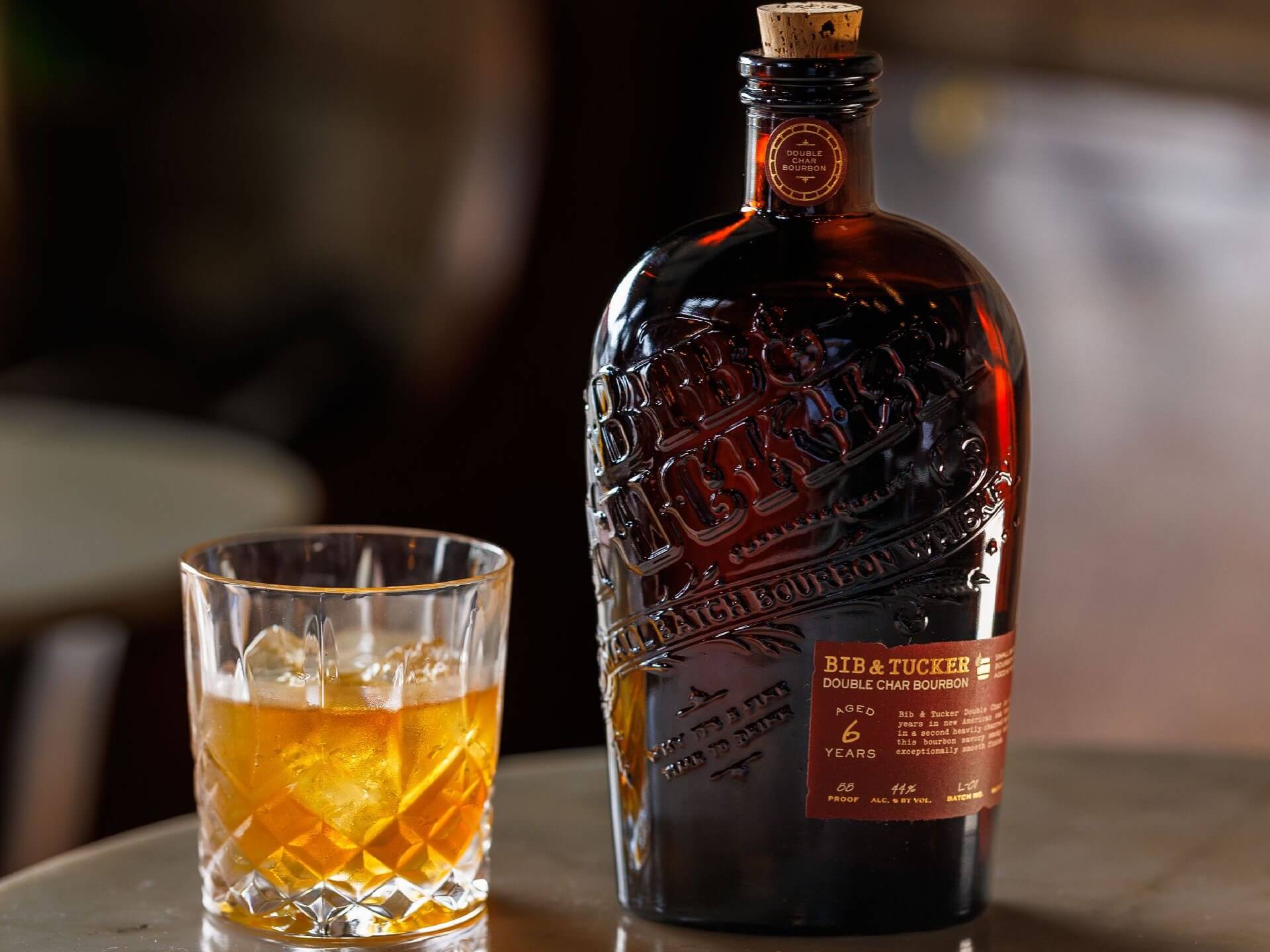
KRG Hospitality Mindset Coaching

by David Klemt David Klemt No Comments

Raise the Bar: The 3 Ps of Hospitality

Raise the Bar: The 3 Ps of Hospitality

by David Klemt

Three hands holding up three pineapples

No, one isn’t “pineapples.”

Nightlife, bar, and cocktail experts Mia Mastroianni, Phil Wills, and Art Sutley want operators to focus on what they call “the Three Ps.”

The engaging trio shared their trio of Ps recently in Las Vegas at the 2023 Bar & Restaurant Expo.

So, what are the Three Ps of hospitality? People, Place, and Product. Operators who pull the threads tighter on each of these crucial elements will be well on their way to improving operations and the guest experience.

People

Remember all the way back to a week ago when I shared Mastroianni, Wills, and Sutley’s thoughts on service versus hospitality? Consider the first P a deeper dive into that topic.

Operators need to focus on two categories of people who help their businesses succeed: their teams and their guests.

Addressing the former, the trio feels that operators are centering a disproportionate amount of their attention on guests in comparison to staff.

“We’re not lacking for people who want to work in the business and are outperforming other industries, but we’re not focusing on staff like we focus on guests,” says Wills. “Treat everyone with respect, including through the hiring process. If you don’t engage your staff, you won’t retain them. You need to show them they can grow in your business.”

According to Sutley, 89 percent of operators say that labor costs present a “significant challenge.” It follows, then, that committing to treating staff with respect and nurturing their careers isn’t just the right thing to do, it’s smart business.

Look for people with passion, those you can motivate to go above and beyond so you’re not stuck with a team full of space-fillers who are just after a paycheck, suggests Mastroianni.

Of course, operators and their teams must also focus on providing exceptional service and experiences to guests.

“Treat ever guest like a pearl in an oyster,” advises Wills. “They’re the pearl, we’re the oyster. We need to ‘protect’ them.” Anything less, cautions Sutley, and guests won’t return.

Place

Interestingly, the trio touched on design, aesthetic, and vibe. However, that isn’t the crux of the second P.

Rather, Place is really goes back to the guest experience. The design, aesthetic, and vibe need to meet guest expectations.

“Make sure your space is what it’s supposed to be,” says Wills.

For example, if a concept presents itself as a high-end cocktail bar, the four walls need to deliver on that expectation. With the exception of a handful of high-level examples, an upscale bar won’t survive if they deliver a dive bar—not neighborhood bar, dive bar—vibe and service. (For the record, I love a dive bar. But I don’t expect to encounter TV trope-style dive bar service if I walk through the doors of a high-end cocktail bar.)

One way operators can ensure their space is what it should be is standardization. Once a concept goes from idea to brick and mortar, when the owner’s vision is realized, the team needs to deliver a matching experience. Steps of service, systems, procedures…standardization is the name of the service game.

“Standardize your opening, shift, and closing procedures and systems to maintain your place,” says Mastroianni.

Every team member—front of house, back of house, leadership—needs to know and buy into an operator’s standards.

Product

Standardization breeds consistency. And consistency is a key element of the third P, Product.

Per Sutley, 76 percent of operators have noticed that guests are opting for more premium drinks. That’s great news, but it’s not the whole story.

It’s great that guests are opting for more expensive drink options. After all, that can certainly help the bottom line.

“However,” cautions Mastroianni, “they won’t come back without consistency in production.”

To drive this point home, consider this story from Mastroianni. A bartender made her a drink, and it was pretty good. She ordered another one from the same bartender and watched him make it differently the second time around. Not only was this second version different, it was better. While one could view this story through a positive lens—the drink was even better the next time!—that’s not the correct takeaway.

If the bartender was committed to building cocktails consistently, the second version of that cocktail would’ve been the first one served to Mastroianni. It would be the best version, and it would always be that impressive version.

When we’re fighting the possibility that up to 70 percent of first-time guests never return, the importance of product consistency can’t be overstated.

“Really focus on the small details to affect big change and get guests through the doors and keep coming back,” says Wills.

Image: Aleksandar Pasaric on Pexels

KRG Hospitality Start-Up Restaurant Bar Hotel Consulting Consultant Solutions Plans Services

by David Klemt David Klemt No Comments

Your Discovery Strategy Needs to Change

Your Discovery Strategy Needs to Change

by David Klemt

Black and white photo of person using laptop

A report by guest retention, reservation, and waitlist platform SevenRooms reveals that restaurant discovery is changing.

Per SevenRooms, many operators have looked toward third-party marketplaces to help people discover their restaurants, bars, or hotels. For context, online marketplaces include OpenTable, Resy, and GrubHub.

However, SevenRooms research is indicating a significant slowdown in this method of discovery. Per the platform, just a quarter of consumers still use marketplaces to find restaurants and bars.

So, how are people discovering the places where they want to spend their time and money on food and drinks? And how can you ensure your marketing and discovery strategy evolves alongside today’s consumer behavior? You’ll find out below.

For your own copy of Restaurant Discovery Has Changed: Adapt or Risk Becoming Obsolete by SevenRooms, click here.

Where are Your Guests?

It should come as no surprise that today’s consumer favors social media, influencers, Google, and even artificial intelligence for discovery.

Younger consumers in particular are more likely to discover a new restaurant, bar or hotel via social media.

Per SevenRooms, Gen Z:

  • is twice as likely as other generations to find a new restaurant via Instagram;
  • five times as likely to discover new restaurants on TikTok; and
  • is likely to visit a new restaurant due to an influencer recommending it.

In fact, 39 percent of consumers designated Gen Z have gone to a restaurant because an influencer has gone there.

When conducting this type of research, SevenRooms often works with YouGov. They did so again for their restaurant discovery report, commissioning YouGov to poll 1,185 consumers. Participants indicated they use the following methods or platforms to discover new places to dine and drink:

  • Google (27%)
  • Restaurant’s website (25%)
  • Referral (friends or family) (18%)
  • Facebook (12%)
  • Yelp (11%)
  • OpenTable (9%)
  • Instagram (8%)
  • TikTok (5%)
  • TripAdvisor (4%)
  • Resy (1%)

Three things jump out here: Organic search is crucial, websites still matter, and delivering top-notch service is paramount for word-of-mouth marketing.

Leverage Multiple Channels

If the data is accurate, operators who are relying exclusively or heavily on third-party marketplaces for discovery will be left behind. Instead, operators should seek to implement a multi- or omni-channel strategy.

What does omni-channel mean? In very simple terms, it’s not putting all of one’s eggs in one basket. Check out this article where I dive into omni-channel marketing and tactics for more information.

For their report, SevenRooms breaks omni-channel marketing and discovery thusly:

  • Owned reservation, waitlist, and ordering channels
  • Search and social engagment channels
  • Paid channels

It’s clear what SevenRooms is suggesting here: operators must adapt and meet guests where they are. Guests are relying on Google, a restaurant’s website, and social media for discovery.

The example that the platform gives in their report goes like this:

  • A consumer uses Google and finds a restaurant’s listing.
  • Next, they see a Facebook ad for that restaurant.
  • Finally, they decide to go to the restaurant’s website to learn more.

To that, I’ll add that some guests, those who prefer to order delivery, now seek an ordering widget. It’s wise, therefore, for operators to at least look into how they can implement direct delivery.

The Omni-channel Path

SevenRooms recommends a five-prong omni-channel strategy. Broken down into large chunks, the platform suggests:

  • Google integration;
  • social media engagement;
  • leveraging third-party marketplaces (with caveats);
  • owning direct channels; and
  • direct booking.

Again, this SevenRooms report can be downloaded here. However, I’ll share some details of this SevenRooms approach to discovery below.

Google Integration

SevenRooms isn’t the only one to say this: operators need to own and optimize their Google listing. In fact, they need to own all their listings, which I’ve said for years.

Owning listings boosts discoverability in several ways: SEO optimization, leveraging “near me” search functions, and ensuring guests are receiving accurate information before visiting.

Going further, operators who have marketing budgets can leverage Google ads. According to SevenRooms, Google search ads are also beneficial for becoming discoverable via third-party marketplaces.

Social Media

We’re fast approaching the day when at least half of consumers try a new restaurant or bar because they discovered it on social media. Right now, we’re at 45 percent of consumers finding new restaurants via these channels.

SevenRooms recommends having a presence on at least these channels: TikTok, Facebook, and Instagram. What’s more, they suggest using a direct reservation page and linking it to a “Reserve Now” button on a venue’s social profiles.

If an operator has the budget, they can pay for influencers to visit and talk about their restaurant, bar or hotel. However, this type of marketing can be very expensive.

Third-party Marketplace

This “prong” in SevenRooms’ recommended omni-channel strategy isn’t for every operator. As stated above, it’s use is nuanced.

Who should use marketplaces? New venues or venues that find themselves struggling to drive traffic.

Who shouldn’t use marketplaces? Venues seeing consistently strong traffic, and those that perform well via organic search because they’ve done the work to establish their brand.

Direct Channels

To explain this element, I’ll share the following “journey map” from the SevenRooms report:

Own and optimize the Google My Business listing > Ensure the website is user-friendly > Make sure there’s a reservation widget > Send a confirmation email when a guest has booked a reservation > Send a reminder SMS message > Nail the guest experience during their visit > Send a thank you email after the visit > Follow up with a personalized (keyword here) offer to encourage a repeat visit.

Remember, per Ovation CEO Zack Oates, 70 percent of first-time guests don’t come back. It’s more important than ever to invest in earning repeat visits.

Direct Booking

It’s arguable that this step is part of the overall discovery strategy, that it’s a four-prong plan, not five.

However, this step involves implementing its own strategy so that guests become aware of it. Put another way, some guests need to be taught that a restaurant or bar offers direct reservation booking.

For example, SevenRooms suggests printing menu inserts that let guests know they can book directly with the restaurant. Follow-up emails should also include a direct reservation link. Additionally, loyalty programs should encourage guests to book reservations directly.

Finally, here’s an excellent tip regarding direct booking: Operators can turn off listings or at least reduce reservation inventory on third-party marketplaces. This should be done during the busiest days and dayparts.

Operators need to make sure they keep up with shifting consumer behavior. The implementation of a modern discovery strategy is a crucial step toward long-term success.

Image: Sergey Zolkin on Unsplash
KRG Hospitality marketing support. Restaurant. Bar. Cafe. Lounge. Hotel. Resort.

by David Klemt David Klemt No Comments

Sugar. Water. Whiskey. Mint.

Sugar. Water. Whiskey. Mint.

by David Klemt

Mint Julep in copper Woodford Reserve cup

…and sometimes Angostura bitters.

Get ready to break out the stainless steel and copper cups, whiskey, and crushed ice: National Mint Julep Day is right around the corner.

This classic cocktail’s traditional time to shine—Derby Day—has come and gone. However, we celebrate this ice-cold drink on May 30. This year, FYI, this bar and restaurant holiday falls on a Tuesday.

While many people associate the Mint Julep with the Kentucky Derby and the South, the drink traces its origin to Persia. According to some historians—the fun experts who love researching culinary and drinking history—”julep” is a derivation of “julepe,” which derives from “golâb.” “Julepe” is a Spanish Arabic word that comes from “golâb,” a Persian word that translates to “rosewater.” As one might expect from the translation, golâb was a drink made by combining water with rose petals.

Over time, it’s believed, the rose petals were replaced by people making Juleps in the Mediterranean. The replacement? Mint leaves native to the area.

Eventually, like so many centuries-old drinks, medicinal elements were introduced. The English Julep, for example, added alcohol and camphor. To think, there are decades of human history where doctors prescribed cocktails to patients.

The Kentucky Connection

Of course, like so many centuries-old drinks, it’s difficult to separate the fictitious from the factual. Some say mentions of the Mint Julep can be traced to 1770s, others say the early 1800s.

As far as the Kentucky connection, there are historians that say Henry Clay, who served as a Kentucky senator and congressman, brought the Mint Julep to Washington, DC in 1850. Clay is said to have shared the recipe with the Round Robin Bar at the Willard’s Hotel (now the Willard InterContinental). The hotel’s website makes reference to this part of the Mint Julep’s history (or legend, as it were).

Chris Morris, Master Distiller for Woodford Reserve for 20 years and now the distillery’s Master Distillery Emeritus, supports the idea, historically, that the Mint Julep was a medicinal cocktail.

“The Mint Julep has a long history, and in the 1800s it was considered a morning drink,” Morris has said. “People working on horse farms or in the horse-racing industry during this time period may wake up with aches and pains.”

It’s safe to say Morris and Woodford know their way around a Mint Julep.

Further, if you dig deep enough, you’ll come across mentions of horse jockeys taking home Julep cups as trophies. Literal trophy cups, if you will.

Consequently, given its ties to horse racing, it makes sense that the Mint Julep would one day become the Kentucky Derby‘s official drink. Of course, as this brief and (hopefully mostly) factual history shows, the Mint Julep undoubtedly had a presence at the famous race long before 1939.

Craft Your Own

Below you’ll find two recipes for your National Mint Julep Day LTO menu. However, this is one classic that people don’t seem to gatekeep much.

In fact, industry experts like Chris Morris encourage experimentation and creation of signature Mint Juleps. So, engage your bar and culinary teams, highlight flavors authentic to your menu and brand, and come up with your own variation.

To help you get started, bear in mind that while spearmint is a common ingredient, there are other species of mint available. The base spirit can also be substituted. Per some cocktail historians, genever-powered Mint Juleps were a common variation in the 1800s.

There’s nothing wrong with sticking to tradition. However, the Mint Julep practically begs for experimentation. Flavored syrups, all manner of spirits and liqueurs, garnishes… National Mint Julep Day is perfect for the LTO treatment.

Cheers!

Mint Julep

  • 2 oz. Bourbon
  • 0.25 oz. Simple syrup
  • 6 to 8 Mint leaves
  • Mint sprig to garnish
  • Angostura bitters to garnish (optional)
  • Crushed or shaved ice

Add simple syrup and mint leaves to Julep cup, and muddle. Next, add bourbon and crushed or shaved ice. Tightly pack ice in cup, then stir until frost builds on exterior of Julep cup. Top with more crushed or shaved ice, and form a dome on top of cup. Add mint sprig to garnish. If desired, also garnish with two or three drops of Angostura bitters.

Woodford Reserve Secretariat’s Mint Julep

This recipe is for the special Mint Julep served at this year’s Kentucky Derby.

Pack a Julep cup with crushed ice, making sure to make a dome over the lip of the cup. Add the whiskey and liqueur to a mixing glass and stir. Pour over the prepared cup. Garnish with one sprig of mint and one stalk of Virginia bluebells.

Should you prefer a more traditional build, express the oils of a mint leaf inside the cup. Add the bourbon, chestnut liqueur, and crushed ice. Garnish with more crushed ice, mint, and Virginia bluebells, then serve.

Image: Adam Jaime on Unsplash
KRG Hospitality. Bar Consultant. Nightclub. Lounge. Mixology. Cocktails.

by David Klemt David Klemt No Comments

Use this Powerful Communication Style

The Powerful Communication Style You Should Be Using

by Jennifer Radkey

Graffiti that reads, "It doesn't have to be so complicated"

There’s a powerful method of communication operators can learn to use that promotes workplace collaboration and solves problems.

How to communicate with team members is a topic that comes up regularly in my coaching sessions with restaurant, bar, and hotel owners. Most of the concerns center around how to speak to employees when they are not following company policy; their level of service is not meeting company standards; or the quality of their work has decreased.

These are legitimate concerns when you are attempting to not only run a successful business but foster a positive work culture in your establishment.

After coaching my clients through understanding what their current style of communication looks like and how it is or is not working for them, I introduce them to a style of communication that I feel leads to the most effective overall results: the use of declarative language.

The declarative language approach was first introduced to me through a positive parenting online conference I attended. Author Linda Murphy wrote the Declarative Language Handbook, which teaches parents, caregivers, educators, and others how to communicate with children (particularly those with social learning challenges) to feel competent, connected, and understood.

As I dove into learning about this style of communication, I realized just how powerful it would be in the workplace. It is a method that can promote respect, collaboration, and empowerment. It can also, in turn, remove judgment, assumptions, hostility, and blame.

What is Declarative Language?

To answer this question, I’ll need to take you back for a quick grammar lesson.

Sentences can be categorized under four main types: declarative, interrogative, imperative, and exclamatory.

Declarative sentences are statements. These can be a statement of a fact, an observation, or a feeling. For example: “It is raining out.” “I’m going to open a new bar next month.” “Pineapple should never be on pizza.”

Interrogative sentences ask a question: “Why are you late for your shift?” “How can I make a million dollars this quarter?” “Who ever thought it was a good idea to put pineapple on pizza?”

Imperative sentences give a command. “Go clean those tables.” “Follow me.” “Pick off the pineapple from that pizza.”

Exclamatory sentences show something that we would shout or emphasize with an exclamation mark: “I made a million dollars this quarter!” “Yikes!” “Pineapple on pizza is the best ever!”

Powerful Communication

So, now that you’ve had a grammar refresher, let’s take a look at how declarative language can be a powerful method for communicating, and why the other styles may not be creating the results you want to see.

As an owner or manager, you may often find yourself falling into the use of interrogative and imperative statements. The problem with this is that both styles can stir up negative emotions in the person on the receiving end.

Interrogative statements (questions) tend to incite the fight, flight, or freeze mode. People feel put on the spot and may become defensive or anxious.

Imperative statements (commands) tend to be authoritarian in nature and have the potential to create fear and/or resentment. Employees are looking for team leaders who they can respect and turn to for guidance, not someone who is constantly telling them what to do.

Declarative language, when used to state observations, can be a way to open up discussions without defensiveness or fear. It also leaves room for facts instead of assumptions. The declarative language approach that I suggest my clients use looks something like this:

  • Make an observation statement.
  • Be silent.
  • Actively listen.
  • Collaborate.
  • Actively listen.
  • Proactively decide on solutions.
  • Gratitude/Positivity.

The easiest way to demonstrate this practice is through an example or two. First, we’ll look at an example with “Sam.”

Example #1

Sam just showed up for his shift at the quick-service restaurant he works at out of uniform. His manager notices and approaches him. The declarative language approach would look something like the example below.

Manager: Hey Sam, I notice that you aren’t wearing your uniform. (Declarative observation that quietly gives time for Sam to respond.)

Sam: Yeah, sorry, I spilled coffee all down the front of my shirt on the way here and didn’t have time to go home to change.

Manager: Okay, I understand, life happens. Any ideas on how we can resolve this? (Puts power to solve the problem in Sam’s hands.)

Sam: Do you have an extra shirt I can borrow for today’s shift?

Manager: Yeah, I actually do. Great plan. Let me go grab it for you and you can use the staff washroom to get changed.

Sam: Thanks.

Manager: No problem. Have a great shift! See you out there.

As you can see from this exchange, the manager did not make any assumptions as to why Sam wasn’t in uniform. Instead, they demonstrated empathy and respect. By asking if Sam had any ideas for resolving the issue, the manager provided room for collaboration as a team. Further, this approach empowered Sam to take responsibility and come up with the solution.

Example #2

Now, let’s look at “Lisa.”

Lisa is typically very punctual for her shift working concierge at a hotel. However, the past two weeks she has been regularly showing up 10 to 15 minutes late. Below, how the owner of the hotel would use the declarative language approach to discuss this issue with Lisa.

Owner: Hi Lisa, I’ve noticed that you have been starting your shift 10 to 15 mins late the past couple of weeks. You aren’t typically late for work. I’m curious about what’s changed. (Declarative observation; the owner then waits quietly for Lisa to respond.)

Lisa: I’m so sorry, I had to switch my child’s daycare and it’s on the other side of town. I’m struggling making it here on time with traffic.

Owner: That sounds stressful. What do you think we can do to work with this change to ensure that you can still arrive on time for your shifts?

Lisa: Would it be possible to switch my shift to a later time?

Owner: Let me look into that option for you. You are an asset to our team and I’m sure we will find a solution to this. I’ll get back to you later with some options, and you can let me know what would work best.

Lisa: Thank you so much for understanding.

In this exchange, the owner does not make assumptions as to why Lisa has been late. Rather, they show genuine curiosity as to what’s going on. Again, the owner empathizes with Lisa’s situation and then places power back into Lisa’s hands to think of a solution. The conversation ends on a positive note with gained clarity, respect, and appreciation.

Lead by Example

If you are looking to build a team of empowered individuals who can solve problems and collaborate, you need to lead by example. The use of declarative language can help you accomplish exactly that.

However, it is crucial to note that if you decide to try this method of communication, your intention needs to be positive. Declarative statements will not be as successful if your tone is sarcastic or accusing. Your approach must be casual, caring, respectful, and matter of fact.

Additionally, not every conversation will go smoothly using this method. You may receive “I don’t know” or “I’m not sure” as an answer. But for the most part, this method of communication allows for respectful discussion that acknowledges facts, promotes responsibility for one’s own actions, and decreases assumptions.

If you would like more information on how to use the declarative language approach, or would like to set up a coaching session to be coached on how to use this communication style with your team, please reach out to me!

Cheers to professional and personal well-being!

Image: Jon Tyson on Unsplash
KRG Hospitality Mindset Coaching, 2023 Icon

by David Klemt David Klemt No Comments

SevenRooms and Marriott Partnership

SevenRooms and Marriott Reveal Global Partnership

by David Klemt

Restaurant staff member using SevenRooms on a tablet

Fresh from launching the innovative Pre-Shift pre-service tool, SevenRooms today announces the platform’s latest partnership.

The announcement, which you can read in its entirety below, shows the confidence that some of the most recognizable hospitality brands in the world have in SevenRooms capabilities.

Specifically, the platform is now a preferred restaurant technology provider throughout Marriott International‘s portfolio. In fact, Marriott is leveraging the SevenRooms suite of tech solutions at several of their brands in more than a dozen countries. This translates to over 8,500 properties using the platform’s powerful booking, relationship management, and marketing tools.

Among the brands utilizing SevenRooms tools are The Ritz-Carlton, JW Marriott, EDITION Hotels, The Luxury Collection, and W Hotels.

The latest news to come from SevenRooms again underscores the platform’s commitment to growth and longevity. After more than a decade in operation and service to hospitality operators, it’s safe to say the company has reached ubiquity.

You may not operate a hotel or operate within a hotel. You may not oversee a multi-unit or multi-concept business. This news should be no less important to you.

When developing your tech stack (a service KRG Hospitality provides) it’s important to choose platforms that are here to stay. Otherwise, your investments of time and money go up in smoke. Likewise, the disruption to operations and service as you seek a new platform are harmful to you, your team, and guests.

So, it can be wise to not just dig into the platforms you’re considering, it can be smart to see what companies trust them as partners.

SevenRooms is a platform that we’re comfortable recommending to many of our clients. And no, we’re not paid or otherwise compensated to do so.

To learn more about SevenRooms partnering with Marriott International, see below.

SEVENROOMS SELECTED AS A MARRIOTT INTERNATIONAL PREFERRED RESTAURANT TECHNOLOGY PROVIDER

The global technology platform will power personalized guest experiences to increase revenue while providing deeper guest insights for the global hospitality company 

NEW YORK (May 18, 2023) – SevenRooms, a guest experience and retention platform for the hospitality industry, today announced its agreement with Marriott International to become a preferred restaurant technology provider. SevenRooms is currently live across 25 countries at Marriott brands including W Hotels, The Ritz-Carlton, St. Regis, Sheraton, JW Marriott, Le Méridien, Westin, Marriott Hotels, Renaissance Hotels, EDITION Hotels, The Luxury Collection and Gaylord Hotels. This will unlock additional opportunities at the more than 8,500 Marriott International properties worldwide.

SevenRooms is a data-driven guest experience and retention platform focused 100% on building operator-focused tools. The platform offers solutions to global brands that not only increase revenue generation, but help them build long-term relationships with guests. 

For restaurants, bars, and other F&B outlets in Marriott-branded hotels, the SevenRooms platform offers a suite of tools to help drive incremental revenue, increase operational efficiencies, and offer exceptional guest experiences. Through SevenRooms’ Customer Relationship Management (CRM) and Marketing Automation capabilities, Marriott’s hotels are not only able to cultivate meaningful, direct relationships with guests, but access a 360-degree view into the guest journey to foster deeper guest loyalty.

“We’re thrilled to collaborate with Marriott International as a preferred restaurant technology provider, helping them deliver more personalized experiences for their guests around the world,” said Joel Montaniel, CEO & Co-Founder of SevenRooms. “Today, consumers expect more out of their F&B experiences whether they’re staying local or traveling abroad. They want to engage with hotels, restaurants and bars on their own terms, and are increasingly discovering and booking where to eat and drink across an array of channels. With SevenRooms, operators have access to tools that help them reach these guests while driving operational efficiencies by connecting F&B into their overall hotel strategy to generate revenue and increase profitability. Our suite of products not only helps operators of Marriott-branded hotels provide guests with exceptional experiences that enhance positive sentiment and drive increased loyalty, but enables them to do so at scale, automatically. We look forward to working with Marriott as we enable them with technology to build longer-lasting, more profitable relationships with their guests.”

Marriott International properties can now incorporate much of SevenRooms’ suite of tools and solutions, including Customer Relationship Management (CRM), on-premise table management, waitlist management, marketing automation, email marketing, order management and review aggregation. 

“Marriott’s hospitality roots began in restaurants, and we want to provide exceptional, unforgettable restaurant experiences for our guests,” said Matthew Von Ertfelda, Senior Vice President, Food & Beverage at Marriott International. “With SevenRooms, we’re not only able to provide guests with the experiences they crave, but we can leverage a robust suite of tools to help turn one-time guests into lifelong guests.”

To learn more about SevenRooms, please visit www.sevenrooms.com.

About SevenRooms

SevenRooms is a guest experience and retention platform that helps hospitality operators create exceptional experiences that drive revenue and repeat business. Trusted by thousands of hospitality operators around the world, SevenRooms powers tens of millions of guest experiences each month across both on- and off-premises. From neighborhood restaurants and bars to international, multi-concept hospitality groups, SevenRooms is transforming the industry by empowering operators to take back control of their businesses to build direct guest relationships, deliver exceptional experiences and drive more visits and orders, more often. The full suite of products includes reservation, waitlist and table management, online ordering, mobile order & pay, review aggregation, email marketing and marketing automation. Founded in 2011 and venture-backed by Amazon, Comcast Ventures, PSG and Highgate Ventures, SevenRooms has dining, hotel F&B, nightlife and entertainment clients globally, including: Marriott International, MGM Resorts International, Mandarin Oriental Hotel Group, The Cosmopolitan of Las Vegas, Wynn Resorts, Jumeirah Group, Hard Rock Hotels & Resorts, Wolfgang Puck, Michael Mina, Bloomin’ Brands, Giordano’s, Australian Venue Company, Altamarea Group, AELTC, The Wolseley Hospitality Group, Dishoom, Live Nation and Topgolf.  www.sevenrooms.com 

Image: SevenRooms

KRG Hospitality tech stack consulting. Tech. Technology. CRM. POS. Restaurant. Bar. Cafe. Lounge. Hotel. Resort.

by David Klemt David Klemt No Comments

Leverage These 3 Sports for Growth

Leverage These 3 Sports for Growth

by David Klemt

Daniel Ricciardo in McLaren F1 race car

Sports receive more than three million mentions daily on social media and in online communities, and three sports are driving conversations.

Media-monitoring and SaaS platform Meltwater‘s recent report shows growth in media mentions and community engagement. The report, “2023 Industry Snapshot: Sports,” also identifies three sports that are growing globally.

Most restaurant and bar concepts, at least throughout North America, can benefit from sports. They have televisions, at least decent audio, and the proper licenses to air sports and other programs.

At the risk of oversimplifying, that means that any bar or restaurant can be a sports bar. Before anyone begins furiously hammering out an email to send me, I’m not saying any bar or restaurant can automatically become a great sports bar because they have TVs. I’m simply saying that operators who want to leverage sports and specific sporting events are at a good starting point to do so.

With that caveat out of the way, let’s check out what Meltwater has uncovered regarding sports.

Sports Conversations

According to Meltwater, sports is a hot topic every day of the year. On average, there are 3.16 millions mentions of sports each day.

And that’s just on a “normal” day. Last year, that number jumped to well over 12 million mentions during the FIFA World Cup.

Meltwater identifies 2022 as a particularly strong year in terms of growth for sports conversations. That boost is expected to carry into 2023, providing savvy operators with opportunities to leverage sports.

Per Meltwater, sports social media handles, hashtags, and keywords have grown by more than 20 percent. That’s significant growth.

Now, let’s look at the sports driving much of that growth.

Football

When I say “football” in this context, I mean the sport some people call “soccer.” So, not American football, which Dave Grohl and Crown Royal pointed out is a Canadian invention during Super Bowl LVII.

For the past few decades (at least), much has been made of Americans maligning football (soccer). Well, all the tropes of that mockery may be wearing very thin.

Last year, mentions of football keywords were up 56 percent—in the US. The second-place country was Nigeria with an increase of 33 percent.

Globally, the sport’s online conversations went up by 32 percent. The day of the FIFA World Cup final? That number exploded to 630 percent. Could be smart for operators to begin planning their World Cup promotions soon.

Baseball

There are some interesting stats surrounding baseball and online conversations.

Last year, conversations of this sport grew by just three percent. And for a country that claims the sport as their national pastime, American baseball convos saw a notable dropoff: a decrease of 11 percent.

However, baseball grew by nine percent in Canada in 2022. Japan saw an increase of 36 percent, and Venezuela was up 22 percent.

Unsurprisingly, the sport’s two largest organizations dominate baseball conversations.

Leading the charge, Major League Baseball mentions grew by 16 percent in 2022 globally, and by 54 percent in Japan. Right on MLB’s heels, Nippon Professional Baseball 23 percent globally and 28 percent in the US.

For those who are curious, three teams stood out in the baseball conversation: the Los Angeles Dodgers (+59 percent), New York Yankees (+55 percent), and NY Mets (+46 percent). However, LA Angels pitcher Shohei Ohtani saw truly incredible growth with an increase of 74 percent.

An important takeaway: Baseball fans in America appear quite interested in watching (or listening to) NPB. That gives operators another organization—and all their scheduled games—to leverage.

Formula 1

Ah, my favorite sport. I’m happy (for the most part) to see this motorsport growing around the world. In fact, Formula 1 keyword mentions grew 13 percent globally, and #F1 was among the hashtags used most in 2022.

On July 3, 2022, Ferrari driver Carlos Sainz, Jr. (driver #55) won the British Grand Prix at Silverstone. Red Bull’s Sergio Perez (#11) took second and Mercedes’ Lewis Hamilton (#44) took third. And on this day the F1 conversation skyrocketed, growing by 338 percent.

The country leading the way for F1-related keyword mentions in 2022 was Japan, growing by a staggering 91 percent.

Much of the increase in interest in F1 can be traced back to Netflix and its Drive to Survive docu-series (some call it a reality-TV drama).

Looking at American interest in the sport, it helps that there are now three races on the calendar that take place in the US: the Miami Grand Prix, the US Grand Prix at Circuit of the Americas in Austin, TX, and the Las Vegas Grand Prix. That’s three opportunities (Miami has already happened) for American operators to take advantage of this sport’s growing popularity.

Last year, former Aston Martin driver Sebastian Vettel (#5), Red Bull driver Max Verstappen (current champion and #1), and Ferrari driver Charles Leclerc (#16) saw the most growth in terms of individual drivers.

I can only hope that my other favorite motorsport, MotoGP, starts to become more popular throughout North America.

Takeaways

Some operators may find that sports don’t work for their concept, such as a high-end cocktail bar or fine-dining restaurant. Those are two venue types that tend to eschew televisions as they don’t work with their vibe and aesthetic.

That said, each operator must choose how to best implement sports and related promotions. This includes understanding which sports, teams, and players their guests like. Then, of course, it’s also a matter of gauging interest.

With that determined, operators must also decide how to make sports work with their concept. Some things to consider are themed F&B menus, sports-related LTOs, FoH uniforms, and how far to go with promotions. That latter consideration will depend on how rabid a fan base each operator is targeting. A truly dedicated fan base encourages some bars to “officially” support a certain team.

Another important consideration? Will leveraging a particular sport or team alienate other guests due to rivalries or a lack of interest or comfort? Sometimes the cost of implementing promotions includes pushing away a percentage of guests on particular days.

Because I live in Las Vegas, I have an array of venues available to me around the clock. It’s conceivable that I could find a home bar or restaurant to watch F1 and MotoGP. Personally, the capability of comfortably watching my two favorite sports would boost my loyalty and visits. However, there may not be a large pool of people like me in this market. Would a bartender want to turn on an F1 race just for me?

There’s a lot to consider when choosing how to best leverage sports. The upsides include converting customers to loyal, repeat guests; a realistic idea of what to consider in terms of labor and inventory for specific days, weeks, months, and seasons; and boosts in traffic, revenue, and online engagement (which in turn can translate to more traffic and revenue).

Image: Photo by PRAT clement via Pexels

KRG Hospitality Sports & Entertainment, 2023 icon

by David Klemt David Klemt No Comments

Raise the Bar: Service vs. Hospitality

Raise the Bar: Service vs. Hospitality

by David Klemt

Several spray paint cans next to one another

During the 2023 Bar & Restaurant Expo in Las Vegas, Mia Mastroianni, Art Sutley, and Phil Wills addressed what separates service from hospitality.

For the sake of those who are unfamiliar, a brief summary of each member of this informative panel. Art Sutley is a nightlife and hospitality expert recognized by Forbes, the Wall Street Journal, and Thrillist (among other publications).

Phil Wills and Mia Mastroianni should be recognizable to anyone who has watched Bar Rescue. Wills co-founded Spirits in Motion, a beverage consulting agency. He’s also a bartender’s bartender who’s passionate about hospitality. Mastroianni, equally as passionate about the art of hospitality, is a seriously talented bar professional and hospitality expert who doesn’t take herself too seriously.

It’s difficult to imagine a more qualified trio when it comes to discussing the differences between service and hospitality.

What is Service?

Before they all dove in, Sutley shared a simple but impactful take on the guest experience.

“It’s checking boxes,” said Sutley. “We want each guest to check every box, and a few extra.”

That description helps draw a line between service and hospitality. Per Sutley, Mastroianni, and Wills, service is a transaction and meeting expectations. Reinforcing this idea, Wills said, “Service is black and white; it’s simple.”

Operators and their leadership teams, after developing their steps of service, can literally or figuratively track the service transaction. Training staff—from onboarding to pre-shifts—on the steps of service and an operator’s non-negotiable standards ensures the guest experience transaction is delivered as expected.

Worryingly, Mastroianni expressed her concern that the quality of service appears to be dropping. If that’s true, however, that provides an opportunity.

Per Sutley, the industry is getting more difficult. There are more competitors out there, and guest expectations are becoming increasingly stringent. So, if Mastroianni is correct and more concepts are failing to deliver on the expected service transaction, operators who commit to building and training teams that deliver high-level service will stand out.

What is Hospitality?

If service is black and white, guess what hospitality is?

“Hospitality is color,” said Wills. “And we go above and beyond to relate to guests.”

Going further, Wills said that how an operator and their team chooses to “paint the picture” defines the level of hospitality they deliver.

For Mastroianni, if service is transactional, hospitality is emotional. Hospitality is how a restaurant, bar, nightclub or hotel team makes a guest feel. Drilling deeper, hospitality is how we in this industry connect with guests on a deeper level than simply transactional service.

To throw in my two cents, I like to think that even brand-new operators understand the transactional part of hospitality. It’s the people part, the guest experience element, that catches many operators and their teams out. Service without hospitality is mediocrity in motion.

Regardless of where one stands on the topic of service vs. hospitality, it’s crucial that operators become acutely aware of the experiencing they’re giving their guests. What do they see when they look at the picture they and their team paint each shift?

Image: Emiliano Vittoriosi on Unsplash

KRG Hospitality Success Session, 2023 icon

Top