Teamwork

by David Klemt David Klemt No Comments

TOTCF Unveils National Policy Initiative

TOTCF Unveils National Policy Initiative

by David Klemt

Tales of the Cocktail 2023 Singapore x Tales Residency

Yesterday, the Tales of the Cocktail Foundation announced the launch of their Policy Initiative, intended to update outdated labor standards and pay.

Along with advocating for both bartenders and servers, the initiative seeks to raise the subminimum wage to $2.13.

This news comes on the heels of the completion of an in-depth survey. The TOTCF surveyed more than 510 bartenders and other hospitality industry professionals about pay and other compensation.

In particular, more than half of bar workers want employers to provide health insurance. On the restaurant side, servers want to say increases in pay.

There’s much more, of course. Please visit this link to discover the finer details of the TOTCF Policy Initiative. Additionally, you’ll find TOTCF’s press release in its entirety below.

INTRODUCING THE TALES OF THE COCKTAIL FOUNDATION® POLICY INITIATIVE

TOTCF introduces a national initiative aimed at policy change in support of the hospitality community with first priority centered on improving labor standards for bar professionals

NEW ORLEANS, LA (February 13, 2024) — Tales of the Cocktail Foundation® (TOTCF) is pleased to announce the launch of the Tales of the Cocktail Foundation Policy Initiative, a multi-faceted effort designed to amplify and advocate for improved benefits and resources for hospitality professionals in the United States. The TOTCF Policy Initiative – which includes a robust nationwide survey and research project, coupled with support from the initiative’s advocacy committee members and partners – will catalyze an extensive campaign to create policy reform and positive change within the food and beverage community.

“Supporting an industry that has been historically underserved – from lack of industry research, common resources to educate and inform, and funding for coalitions – is crucial in breaking the cycles that have made it difficult to build a lifelong career in hospitality,” said Tales of the Cocktail Foundation CEO Eileen Wayner.

Intended to shift antiquated and subpar labor standards through industry support of positive policy action, the TOTCF Policy Initiative’s objectives include providing resources for employees and employers on labor standards and protections, conducting research and supporting efforts toward effective policy changes, information on healthcare access and benefits, sexual harassment training, and youth worker engagement – all with an emphasis on diversity and inclusion. The TOTCF Policy Initiative, along with its Bar Professional Policy Network Hub, will assist with the organization of grassroots development and advocacy efforts in industry professionals’ local communities, providing opportunities for advocates to be directly involved in policy and reform in their own communities.

“Given our unique position within the industry, we want to offer platforms and resources for productive conversations between policymakers, industry executives, bar owners and operators, and bar professionals, to ensure existing and future policy changes are reflective and inclusive,” said Tammera Catchings, Government Affairs Manager for Tales of the Cocktail Foundation. “For TOTCF, the process begins with supportive research data and intricate data analysis of bar industry professionals and their work.”

The Policy Initiative is centered around improving labor standards for hospitality professionals around the country and supporting increased protections that will help ensure bartending and serving are viable, long-term careers. One of the first priorities of the TOTCF Policy Initiative is to support efforts to increase the subminimum wage of $2.13 for bartenders and servers. Since 1990, employment in the hospitality industry has grown over 85%, while overall private-sector employment grew by only 24%. With more than one in ten U.S. workers employed in the hospitality industry, increasing the wage floor and improving labor standards would significantly improve the well-being of millions of Americans and their families and help reduce long-standing race and gender-based wage inequities.

Launched in spring 2022, Phase One of the Policy Initiative consisted of a robust research project, which culminated with an industry-specific data collection completed by more than 500 bartenders and servers nationwide, targeting topics such as job quality, compensation, tip culture, health benefits, and more. This research, which was analyzed by Dynata, the nation’s largest first-party data company, resulted in a compilation of data that highlights key trends in the hospitality community. By effectively utilizing the survey data to start a progressive dialog amongst hospitality executives, politicians, and advocates, the TOTCF Policy Initiative will encourage significant changes in the economic and labor standards for all bartenders and servers in the country. Research results will be published as analyzed on the Tales of the Cocktail Foundation Policy website in April 2024. In Phase Two of the initiative to support positive policy reform, TOTCF is partnering with Florida International University Chaplin School of Hospitality and Tourism Management to conduct further research and analysis into industry labor standards, culminating in research publication at the end of 2024.

TOTCF Policy Initiative Committee Members

TOTCF is pleased to share the collective of industry professionals who are dedicated to advancing and overseeing the Policy Initiative: 
  • Zen Castro: New Orleans, LA – Espiritu Mezcaleria Restaurant, Bartender; BeachBum Berry’s Latitude 29, Bar Back
  • Jayanthi Daniel: Los Angeles, CA – Restaurant Workers Community Foundation, Executive Director 
  • Lauren Darnell: New Orleans, LA – Made IN New Orleans, Executive Director
  • Amanda Gunderson: Los Angeles, CA – Another Round Another Rally, Co-Founder
  • Kaiden Hope: New York, NY – Beam Suntory, Multicultural Portfolio Associate
  • Alex Jump: Denver, CO – Focus on Health, Co-Founder and Director of Operations
  • Jesse Maguire: New York, NY – Beam Suntory, U.S. Trade Engagement Manager 
  • Lynnette Marrero: New York, NY – American Bartender, Mixologist, and Philanthropist 
  • Robin Nance: Albany, IN – Strategic Branding Expert
  • John Reyna: Dallas, TX – Texas Hospitality and Non-profit Law Center, Managing Attorney

Government Affairs Manager

  • Tammera Catchings, J.D., M.S.: Ridgeland, MS – Tales of the Cocktail Foundation
To learn more about the Tales of the Cocktail Foundation Policy Initiative and get involved, join the Bar Professional Policy Network. You can learn more about The Foundation via the Tales of the Cocktail Foundation website, Instagram, Twitter, and Facebook.

About Tales of the Cocktail Foundation

Tales of the Cocktail Foundation is a non-profit organization that educates, advances, and supports the global hospitality industry and creates lasting impact in our host communities. Tales of the Cocktail Foundation is the global leader in spirits education and a platform to tackle issues facing the industry. The pillars of the Foundation are to Educate, Advance, and Support the hospitality industry through programs that benefit individuals and organizations in the community and to make a lasting impact in communities that host our events. This year, TOTCF hosts its 22nd Tales of the Cocktail® (TOTC) conference in New Orleans from July 21-26, 2024, and celebrates the theme Inspire.

Image: Cory Fontenot

Bar Pub Brewery Nightclub Club Nightlife Business Plan

by David Klemt David Klemt No Comments

Welcome Back to the Culinary Arena

Welcome Back to the Culinary Arena: A Comprehensive Guide for 2024

by Nathen Dubé

"2024" dessert concept

The start of a new year is an exciting time in the restaurant world, offering a unique opportunity to reassess and rejuvenate your foodservice business.

From utilizing downtime effectively to setting strategic priorities, this guide is designed to help you navigate the year ahead with confidence and creativity.

Whether you’re a seasoned chef or a budding restaurateur, these insights will equip you with the tools to make 2024 a year of remarkable culinary experiences and business growth.

Part 1: Strategic Use of Downtime

Menu Innovation and Optimization

The start of the year is ideal for re-evaluating your menu.

Begin by analyzing customer feedback and sales data from the previous year. Identify which dishes were most popular and which underperformed. Consider removing items that aren’t selling well and focus on the dishes that your customers love.

This is also an excellent time to experiment with new flavors and culinary trends. For instance, with the growing demand for plant-based options, think about introducing a few vegan or vegetarian dishes.

Keep an eye on food trends. Are there new ingredients or cooking techniques that you can incorporate into your menu? This not only keeps your offerings fresh and exciting but also shows your commitment to culinary innovation.

Remember, a well-crafted menu is a balance between popular staples and innovative dishes. It should reflect your restaurant’s identity while also appealing to your target customer base.

Consider a seasonal menu that takes advantage of fresh, local produce, which can provide inspiration for new dishes and help reduce costs.

Staff Training and Empowerment

The quieter months are a perfect opportunity for staff training and development.

Conduct a skills audit to identify areas where your team could improve or learn new competencies. This could range from culinary skills, like mastering a new cooking technique, to soft skills, such as guest service or conflict resolution.

Training doesn’t have to be formal or expensive. You can leverage online courses, in-house mentoring, or even cross-training within your team.

For instance, front-of-house staff could benefit from basic kitchen training to better understand the dishes they are serving, while kitchen staff could learn about customer service to appreciate the end-to-end dining experience.

Team building is another key aspect. Organize activities that foster communication and collaboration. This could be something as simple as a team meal or a group outing.

A cohesive team that communicates well will provide better service, leading to happier guests and a more pleasant working environment.

Finally, empower your staff by involving them in decision-making processes. This could be in menu development, process improvements, or even marketing ideas.

When staff feel valued and part of the business, they are more likely to be motivated and committed.

Facility Revitalization

Use this quieter period to assess and upgrade your facilities.

Start with a thorough cleaning and maintenance check. This includes checking kitchen equipment, dining area furniture, and the overall infrastructure of your establishment.

Evaluate your kitchen equipment and consider if anything needs to be repaired or replaced. Upgrading to more efficient equipment can improve productivity and reduce long-term costs. For instance, investing in energy-efficient appliances not only cuts down on utility bills but is also better for the environment.

Look at your dining area from a customer’s perspective. Is the seating comfortable? Is the lighting appropriate? Small changes in décor can significantly enhance the dining experience. Consider refreshing the paint, adding new artwork, or even rearranging the layout to improve flow and ambiance.

Also, think about your back-of-house operations. Is your storage area organized? Can you improve the workflow in the kitchen? An efficient back-of-house leads to smoother service and a better customer experience.

Part 2: Setting Priorities for the Year

Elevating Customer Experience

The guest experience is paramount in the food service industry. This year, make it a priority to enhance every aspect of your guest’s journey.

From the moment they walk in, to the service they receive, to the food they enjoy, each element should contribute to a memorable experience.

Focus on training your staff to provide exceptional service. This includes being knowledgeable about the menu, attentive to guest needs, and quick to resolve any issues.

Personalized service can make a big difference. Remembering regulars’ preferences or celebrating special occasions with them can turn a one-time visit into repeat patronage.

Ambiance plays a crucial role in the dining experience. The right music, lighting, and décor can create an inviting atmosphere that complements your culinary offerings. If your budget allows, consider investing in upgrades that enhance the ambiance, such as new lighting fixtures or comfortable seating.

Implementing a feedback system is also important. Encourage customers to share their experiences, whether through comment cards, online reviews, or direct conversations. This feedback is invaluable for continuous improvement and can help you address any issues promptly.

Sustainability as a Cornerstone

Sustainability is becoming increasingly important to consumers, and incorporating sustainable practices into your business can have a significant impact. Start by assessing your current practices and identifying areas for improvement.

One key area is waste reduction. Conduct a waste audit to understand where most of your waste is coming from and develop strategies to reduce it. This could involve better inventory management to prevent overordering and spoilage, composting food waste, or finding creative ways to use leftovers.

Local sourcing is another aspect of sustainability. Building relationships with local suppliers not only supports the local economy but also reduces your carbon footprint. Local ingredients are often fresher and can inspire seasonal menus.

Also, consider the sustainability of your operations. This could involve using eco-friendly packaging, reducing energy consumption, or even installing water-saving devices.

Communicating your sustainability efforts to your customers can also enhance your brand’s image and attract environmentally conscious patrons.

Innovative and Integrated Marketing Strategies

In today’s digital age, effective marketing is crucial for any business.

Utilize social media platforms to engage with your audience. Share behind-the-scenes glimpses of your kitchen, showcase your signature dishes, and highlight your team. This not only promotes your offerings but also builds a connection with your guests.

Email marketing is another powerful tool. Regular newsletters can keep your guests informed about new menu items, special events, or promotions. Personalized emails on birthdays or anniversaries can make your guests feel special and encourage repeat visits.

Don’t overlook the power of community involvement. Participate in local events, collaborate with other businesses, or sponsor local sports teams. This can increase your visibility in the community and build goodwill.

Financial Health and Diversification

Keeping a close eye on your financials is crucial.

Regularly review your costs and revenues and look for ways to optimize them. This might involve renegotiating supplier contracts, adjusting menu prices, or reducing unnecessary expenses.

Consider diversifying your revenue streams. This could include offering catering services, hosting private events, or selling branded merchandise.

These additional streams can provide a buffer during slower periods and increase your overall profitability.

Conclusion

As we look forward to 2024, let’s embrace the opportunities and challenges that come our way.

By using downtime strategically, setting clear priorities, and striving for excellence continuously, we can ensure that this year is not just successful but also fulfilling.

Remember, in the dynamic world of foodservice, adaptation and innovation are key. Let’s make this year a celebration of our culinary passion, business acumen, and commitment to our guests.

Here’s to a year of delicious discoveries and unparalleled success in the culinary world!

Image: 愚木混株 cdd20 on Unsplash

KRG Hospitality operational assessments

by David Klemt David Klemt No Comments

The Sixth: Art of ITALICUS Returns

The Sixth: Art of ITALICUS Returns for 2024

by David Klemt

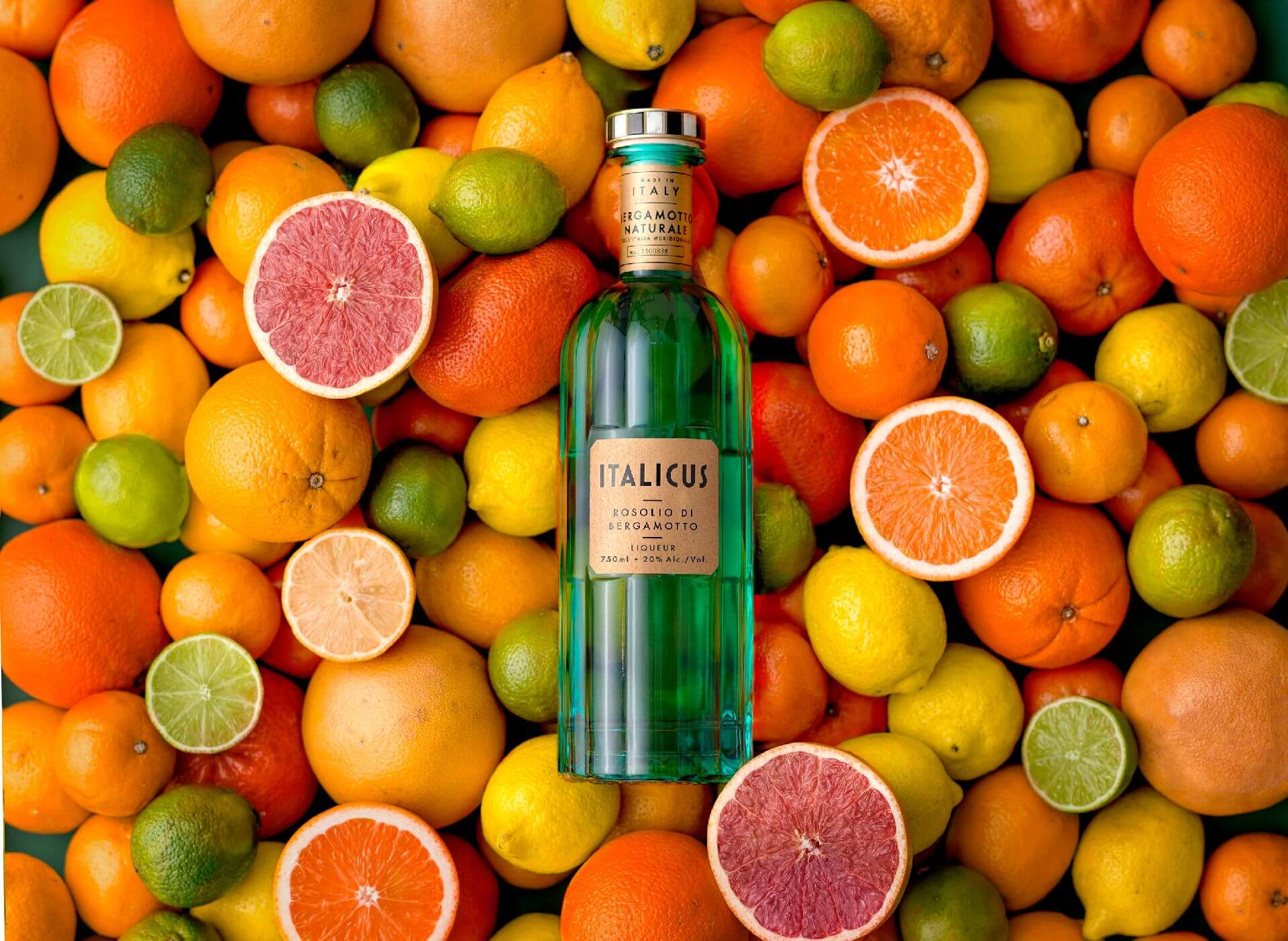
ITALICUS bottle surrounded by citrus fruits

Your bar team members have the opportunity to participate in the sixth-annual Art of ITALICUS Aperitivo Challenge and win an invaluable prize.

There are multiple prizes, really. For example, national finals winners take the title of ITALICUS Bar Artist for their country, for 2024. They also walk away with a ticket to the global finals, which take place in Rome.

After the global finals, one winner will earn the title ITALICUS Bar Artist of the Year 2024. However, taking nothing away from this title, there’s another prize that I feel should drive every competitor to truly outshine their competition.

The ITALICUS Bar Artist of the Year will head to the incredible Cafe La Trova in Miami to participate in a mentorship program. Given that Julio Cabrera is such an influential member of the hospitality world, this prize represents a once-in-a-lifetime opportunity.

Now, as an operator or leadership team member, you may wonder what this news has to do with you. It’s simple: Encouraging your bartenders to participate in this competition and others like it shows you care about their career progression.

Bar team members who want to take part in competitions get to show off their creativity to a wider audience, become known to brands, and network with peers outside of their local communities. They can also discover and bring back tips, techniques, and lessons to your bar, restaurant, nightclub, or hotel.

In this case, one bartender will return to their bar or restaurant with lessons from the Cafe La Trova team. That’s priceless insight that will benefit their entire team.

For crucial competition details, please read the Art of the ITALICUS Aperitivo Challenge press release below.

Good luck to all of the participants!

ART OF ITALICUS APERITIVO CHALLENGE RETURNS FOR 2024 IN PURSUIT OF THE BEST ART-INSPIRED APERITIVO COCKTAIL

New York, NY (January 9, 2024) – Today, The Art of ITALICUS Aperitivo Challenge returns for its sixth edition, inviting bartenders from around the world to create an original and unique aperitivo cocktail inspired by any form of art and crafted using ITALICUS Rosolio di Bergamotto.

The Winner of the renowned industry challenge will be crowned ITALICUS Bar Artist of the Year 2024 and win a trip to Miami for a once in a lifetime mentorship program with Cafe La Trova by Julio Cabrera. Nominated in 2023 as one of the World’s 50 Best Bars, Cafe La Trova is the true embodiment of hospitality, welcoming guests with impeccable warmth, attention to detail and service, crafting a truly memorable experience for anyone who visits. The “cantinero culture,” which is synonymous with the venue, embraces the most important values of the cocktail industry, making it the perfect inspiration for the new Art of Italicus participants. As part of the prize, the 2024 ITALICUS Bar Artist will have the opportunity to experience what makes this bar truly special and discover one of the most vibrant art cultures in Miami’s iconic surroundings.

Reflecting the brand’s passion for Italian art and design, The Art of ITALICUS Aperitivo Challenge is built on the belief that bartenders are artists and offers them the opportunity to expand their creativity whilst experimenting with new ingredients, techniques and glassware to showcase the versatility of ITALICUS. Each recipe must be in an aperitivo style and can be inspired by any form of art such as sculpture, painting, fashion, music, architecture and much more.

The competition will welcome entrants from 13 countries including Croatia/Slovenia, France, Greece, Hong Kong, Hungary, Italy, Norway, Portugal, Spain, Sweden, Swiss, United Kingdom and the United States. Bartenders from other countries will be able to apply through a Wild Card entry, offering them the opportunity to win a spot at the global final in May in Rome.

Giuseppe Gallo, founder and CEO of ITALICUS, comments:

“Now in its sixth year, The Art of ITALICUS Aperitivo Challenge celebrates aperitivo culture while encouraging bartenders to express their creativity, looking to art in its various forms as way of inspiration. Meeting with the industry’s emerging talent through this program gives me a great deal of pride and is something I hope continues for many years as a way of keeping our community connected, working together and empowering one another.”

The 2024 Competition

Competitors are tasked with creating an original aperitivo cocktail using a minimum of 40ml (1.5oz in US) of ITALICUS Rosolio di Bergamotto and a maximum of five ingredients. Participating bartenders must upload their unique recipe alongside an image of their creation including measurements, garnishes and glassware recommendations to the competition website before February 20, 2024 in order to be in with a chance of winning. Competitors are also required to share their inspiration and the story behind their aperitivo cocktail and encouraged to suggest food pairings for their recipe.

Applications for The Art of ITALICUS Aperitivo Challenge 2024 will be open from January 9 through February 20. Recipes can be submitted via the website: https://imbibemagazine.com/art-of-italicus/.

Entrants are also encouraged to share their creations on social media ahead of the competition, using the following hashtags: #ITALICUS #ROSOLIODIBERGAMOTTO #ARTOFITALICUS #AOI24

National Finals

The national finals will take place throughout March and April (March 4 – April 12) where the eight shortlisted bartenders will present their cocktail creation to the judging panel across eight minutes and including at least three serves. The winner of the national final will receive the title of ITALICUS Bar Artist of their country 2024 along with a ticket to participate in the global final which will be held in Rome.

Global Finals

On May 12, the national finalists will compete against one another in Rome in a bid to earn the coveted title of ITALICUS Bar Artist of the Year 2024 as well as a once in a lifetime opportunity and mentorship with one of the world’s most influential bars, Cafe La Trova by Julio Cabrera. During the trip to Miami, the winning bartender will be accompanied by a film crew who will document their experience and create a documentary video which will later be released on social media.

For further information on The Art of ITALICUS Aperitivo Challenge, please visit www.artofitalicus.com.

Image: ITALICUS

Bar Nightclub Pub Brewery Menu Development Drinks Food

by David Klemt David Klemt No Comments

5 Books to Read this Month: January 2024

5 Books to Read this Month: January 2024

by David Klemt

Flipping through an open book

Our inspiring and informative January book selections will help you and your team transform your operations and F&B programming.

This month, we look at books covering an array of topics: becoming a great boss; gaining perspective when analyzing your business; and more.

To review the book recommendations from December 2023, click here.

Let’s jump in!

Single AF Cocktails: Drinks for Bad B*tches

You may roll your eyes at the title of this cocktail book but there’s no denying it has your attention. In that way, it’s much like a well-curated, themed cocktail menu split into cleverly named sections. In fact, this book is separated into sections that match its overall theme. For example, Honeymoon Phase, Betrayal, Devastation, and Resilience. If you have reality show fans among your guests, they’ll likely know author Ariana Madix from Vanderpump Rules and Dancing with the Stars. So, they’ll probably dig these drinks.

From Amazon: “The newly solo Ariana serves up her own recipes and perspective in a unique exploration of the stages of a doomed relationship. In her own words, Ariana takes back the narrative of her very public breakup while inspiring others to find inner strength in their own troubles. Each drink tells part of the story from her point of view, from when she first met her ex, through the insidious affair and its painful aftermath, and to her present state, coming out the other side, stronger than before.”

Grab it today!

How to Be a Great Boss

Entrepreneurs, when working with a team, need to be leaders. That means being a great boss. However, that doesn’t mean being a tyrant. If you want to earn buy-in from your team, if you want to get the most out of each person, you need to get them excited and engaged.

From Amazon: “Studies have repeatedly shown that the majority of employees are disengaged at work. But it doesn’t have to be this way. Often, the difference between a group of indifferent employees and a fully engaged team comes down to one simple thing: —a great boss.

“In How to Be a Great Boss, Gino Wickman and René Boer present a straightforward, practical approach to help bosses at all levels of an organization get the most from their people. They share time-tested tools that have worked for more than 30,000 bosses in every industry. You can learn to be a great boss—and dramatically improve both your organization’s performance and your team’s excitement about their work.”

Pick up the hardcover today.

Same as Ever: A Guide to What Never Changes

As a business owner, it’s smart to see what’s changing. However, it’s also crucial to identify what’s not changing to gain perspective and understand the whole picture.

From Amazon: “With his usual elan, Morgan Housel presents a master class on optimizing risk, seizing opportunity, and living your best life. Through a sequence of engaging stories and pithy examples, he shows how we can use our newfound grasp of the unchanging to see around corners, not by squinting harder through the uncertain landscape of the future, but by looking backwards, being more broad-sighted, and focusing instead on what is permanently true.

“By doing so, we may better anticipate the big stuff, and achieve the greatest success, not merely financial comforts, but most importantly, a life well lived.”

Click here for the hardcover, or here for the paperback.

Bar Hacks: Developing The Fundamentals for an Epic Bar

This informative and conversational book written by KRG Hospitality president Doug Radkey is the perfect read for aspiring or seasoned bar, pub, lounge, or even restaurant owners, operators, and managers looking for that competitive edge in operations! If you’re looking for both fundamental and in-depth planning methods, strategies, and industry focused insight to either start or grow a scalable, sustainable, memorable, profitable, and consistent venue in today’s cut-throat industry, Bar Hacks is written just for you.

Pick up the paperback from Amazon today!

Hacking the New Normal: Hitting the Reset Button on the Hospitality Industry

Doug’s followup book to Bar Hacks! The world around us has changed. The food and beverage industry has changed. The hospitality industry has changed. But will some ways of life change for the better? Will perhaps the restaurant, bar, and hospitality industry come out even stronger? With the right changes to the previous status quo, it is possible. There’s no question, resets are major undertakings, but a major reset will provide us with a clean start and that’s what this industry needs.

Pick up KRG Hospitality president Doug Radkey’s second book today! Click here.

Image: Mikołaj on Unsplash

Business Plan for Boutique Hotel Motel Resort Property

by David Klemt David Klemt No Comments

2023 KRG Recap: Top 10 Articles

2023 KRG Recap: Top 10 Articles

by David Klemt

The roman numeral for the number 10 on a clock

Here it is! The final roundup of 2023, a collection of the top ten articles spanning all categories, including news, operations, and F&B.

Unlike our previous three year-end roundups, some of these articles aren’t from 2023. As an example, one of our most-read articles is from 2022, and it’s about the happiest provinces in Canada.

We’re humbled and grateful that you continue to view us as a trustworthy source of hospitality industry analysis, advice, and news. We look forward to serving you further in 2024.

Cheers!

Three hands holding up three pineapples

Raise the Bar: The 3 Ps of Hospitality

Nightlife, bar, and cocktail experts Mia Mastroianni, Phil Wills, and Art Sutley want operators to focus on what they call “the Three Ps.”

The engaging trio shared their trio of Ps recently in Las Vegas at the 2023 Bar & Restaurant Expo.

So, what are the Three Ps of hospitality? People, Place, and Product. Operators who pull the threads tighter on each of these crucial elements will be well on their way to improving operations and the guest experience.

People

Remember all the way back to a week ago when I shared Mastroianni, Wills, and Sutley’s thoughts on service versus hospitality? Consider the first P a deeper dive into that topic.

Operators need to focus on two categories of people who help their businesses succeed: their teams and their guests.

Addressing the former, the trio feels that operators are centering a disproportionate amount of their attention on guests in comparison to staff.

“We’re not lacking for people who want to work in the business and are outperforming other industries, but we’re not focusing on staff like we focus on guests,” says Wills. “Treat everyone with respect, including through the hiring process. If you don’t engage your staff, you won’t retain them. You need to show them they can grow in your business.”

According to Sutley, 89 percent of operators say that labor costs present a “significant challenge.” It follows, then, that committing to treating staff with respect and nurturing their careers isn’t just the right thing to do, it’s smart business.

Look for people with passion, those you can motivate to go above and beyond so you’re not stuck with a team full of space-fillers who are just after a paycheck, suggests Mastroianni.

Of course, operators and their teams must also focus on providing exceptional service and experiences to guests.

“Treat ever guest like a pearl in an oyster,” advises Wills. “They’re the pearl, we’re the oyster. We need to ‘protect’ them.” Anything less, cautions Sutley, and guests won’t return.

For the rest of the Three Ps, click here.

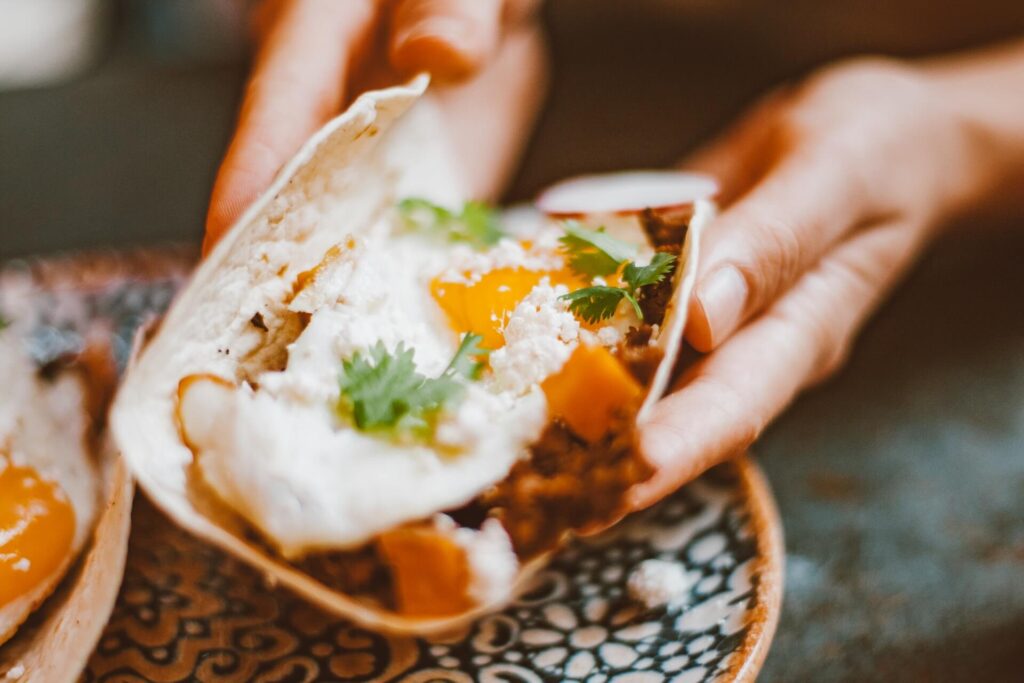
Tortilla with beans, cotija cheese and egg

Canadian Trends 2023: Technomic

Restaurant, bar, and hotel operators will find this year’s data-driven trend predictions from Technomic for 2023 insightful.

Interestingly but perhaps not surprisingly, some operators may be looking beyond North America for inspiration.

Per Technomic, Central and South American cuisines could influence menus in Canada this year. Other food trends that might take hold are “retro” health items, and all manner of pickled foods.

Of course, not every Canadian trend prediction involves F&B. According to Technomic, tech and the guest experience will play important roles.

To review last year’s Technomic predictions, click here. Now, let’s jump into Technomic’s 2023 predictions.

Guest Experience

Certainly, the guest experience should always be top of mind for operators, their leadership teams, and their staff.

In this instance, Technomic isn’t suggesting that the guest experience in general will be a trend. Obviously, with as important as it is to the success of any business, it’s a cornerstone.

Rather, Technomic predicts that guests will continue to feel the need to rein in their spending due to ricing costs and prices. However, the foodservice research firm also believes there’s still heavy desire for social interaction.

So, both those financial and social influences translate to the following: overdelivery.

Operators and their teams must ensure they position their brands well; make guests feel special every visit; and really dial in the guest experience. Specifically, Technomic suggests focusing on younger generations and menus with at least a couple specialty items that aren’t easy for a guest to replicate at home.

In other words, do whatever it takes to entice guests with memorable experience and quality menu items, and keep them coming back for more.

Follow this link to continue reading.

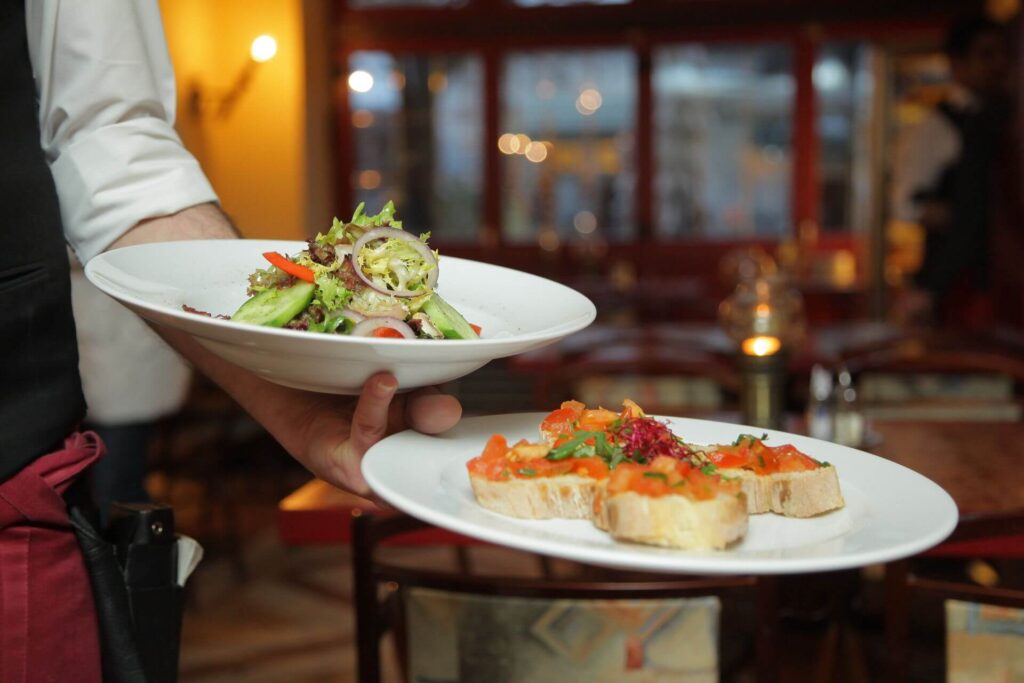
Server carrying two plates with one hand

Just.Safe.Food. and More Alternatives to ServSafe

ServSafe, the National Restaurant Association‘s food safety training program, isn’t the only food handler training game in town.

Certainly, the program is the most well known in our industry. However, it’s fair to say that ServSafe is closer to infamous than just ubiquitous due to a New York Times article from January.

While it’s the most recognizable of the food safety programs, it’s not the only one. Although, ServSafe’s omnipresence likely gives many the impression that it’s ServSafe or nothing.

There are, however, alternatives to ServSafe. In fact, one challenger was announced a day after the explosive New York Times article that thrust ServSafe into a spotlight the NRA probably isn’t enjoying. (After all, one result of that article was a letter from six US senators demanding answers from the NRA about ServSafe by March 3.)

At any rate, the newest alternative to ServSafe comes from One Fair Wage. The program is Just.Safe.Food. and costs just $10. (As a reminder, ServSafe costs $15.)

For that $10, Just.Safe.Food. gives an individual three attempts to pass their exam and unlimited access to training materials. Additionally, One Fair Wage (OFW) says profits they raise from the program will go toward advocating for restaurant workers.

OFW, as many in the industry know, is owned and operated by restaurant workers. Two cornerstones of the organization’s mission are increasing the minimum wage, and ending the tip credit. OFW is also attempting to convince lawmakers to stop accepting donations from the NRA.

Basically, OFW and the NRA are—and it appears always have been—at odds with with one another.

To learn more, click here.

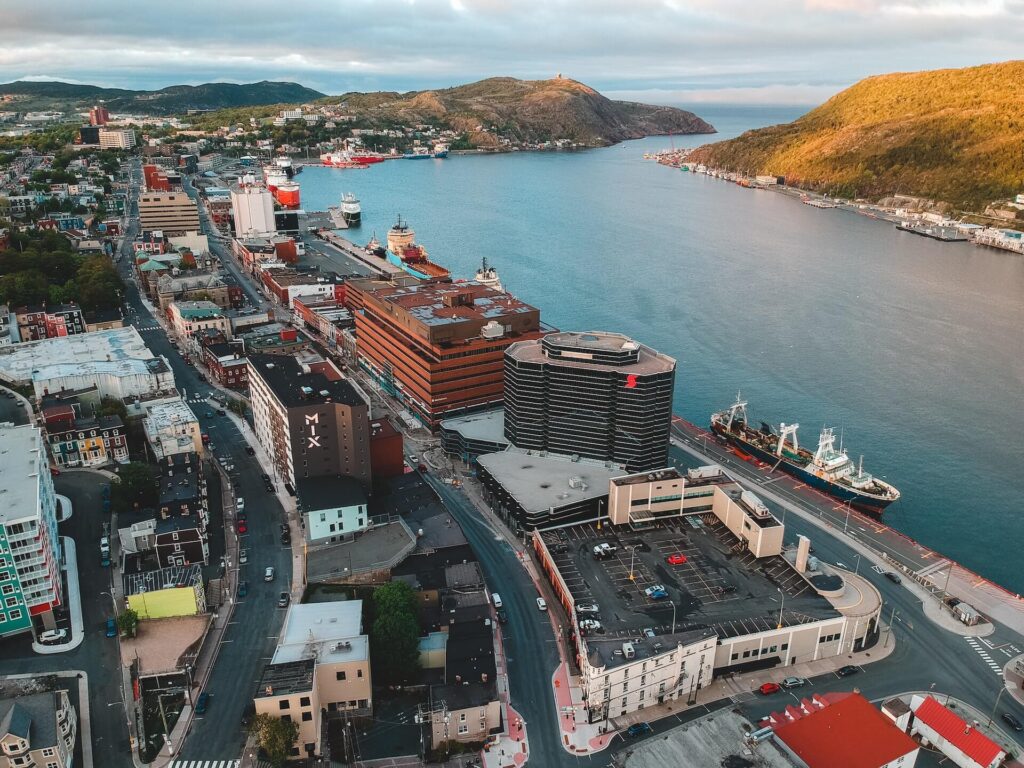
Newfoundland and Labrador during daytime

These are the Happiest Provinces in Canada

If you’re wondering which province in Canada is the happiest, Statistics Canada has the answer—and the happiest may surprise you.

Of course, those who live and work in the happiest province won’t find it shocking. After all, they’re largely happy to be there.

However, if you expect the happiest province to be the home of Toronto, Vancouver, Montreal or Canada… Well, you’re in for a surprise.

Earlier this week we took a look at the happiest cities and states in America. Congratulations Fremont, California, and Hawaii, respectively. To learn where 181 other cities and 49 states rank, please click here.

The Happiness Survey

Or more accurately, the “life satisfaction” survey. For this survey, that’s what Statistics Canada reveals: life satisfaction.

Interestingly, the survey is very simple. Apparently, Statistics Canada simply asked participants to rate the satisfaction of living in their province, zero through ten. For this survey, zero is least satisfied, ten is most.

Ages 15 through 75 (and older) were able to participate. The survey was also broken down to gauge the satisfaction of men and women.

Before we jump into the breakdown of province satisfaction or happiness, some good news. Reviewing the Statistics Canada data, most participants across all age groups are happy. In fact, age groups 65 to 74 and 75-plus appear to be happiest.

On the other side, ages 15 to 54 had the most people who rated their life satisfaction between zero and five. Even so, just over 20 percent of survey respondents rated their satisfaction a five or less.

So, on the whole, Canadians seem satisfied or happy with their lives, regardless of the province in which they live. Personally, I find that to be great news.

Click here to keep reading.

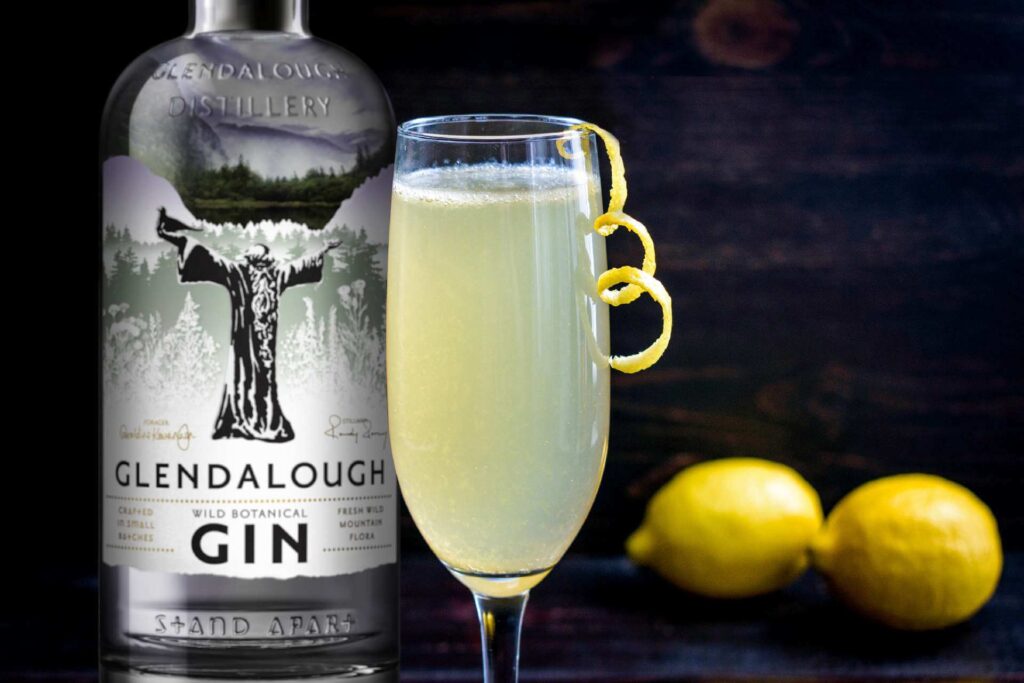
Glendalough Distillery Wild Gin Irish gin

8 Glendalough Distillery Cocktail Recipes

Offer your guests something different for your St. Patrick’s Day promotion with Glendalough Distillery cocktail recipes.

Without a doubt, you should have plenty of the expected Irish whiskeys on hand. However, Glendalough Distillery Double Barrel, Pot Still, Wild Gin, and Rose Gin are extraordinary Irish whiskeys and gins.

Each spirit the distillery crafts honors the art of Irish distillation, a craft that stretches back centuries. What’s more, each whiskey Glendalough crafts is single malt—there are no light-bodied blends in their lineup.

To learn more, check out episode 71 of the Bar Hacks podcast with Glendalough Distillery co-founder and national brand ambassador Donal O’Gallachoir.

Sláinte!

Glendalough Distillery Double Barrel Single Malt Irish Whiskey

The Lough Inn

This highball is made with Glendalough Double Barrel, a single-grain Irish whiskey aged in ex-bourbon barrels before being finished in Oloroso sherry casks.

  • 2 oz. Glendalough Double Barrel Single Grain Irish Whiskey
  • 1 oz. Spiced honey syrup (see note)
  • 1 oz. Fresh lemon juice
  • Soda to top
  • Lemon wheel or slice to garnish
  • Mint leaf to garnish
  • 1 cup Honey for spiced honey syrup
  • 0.5 cup Water for spiced honey syrup
  • 4 Cinnamon sticks for spiced honey syrup
  • 1 pod Star anise for spiced honey syrup

Add ice to a highball glass, then add first three ingredients. Top with soda water. Garnish with lemon wheel or slice and freshly torn mint leaf.

For spiced honey syrup: Add honey, water, cinnamon sticks, and star anise to pot. Bring to a boil, then stir. Strain into container.

For more Glendalough Distillery recipes, click here.

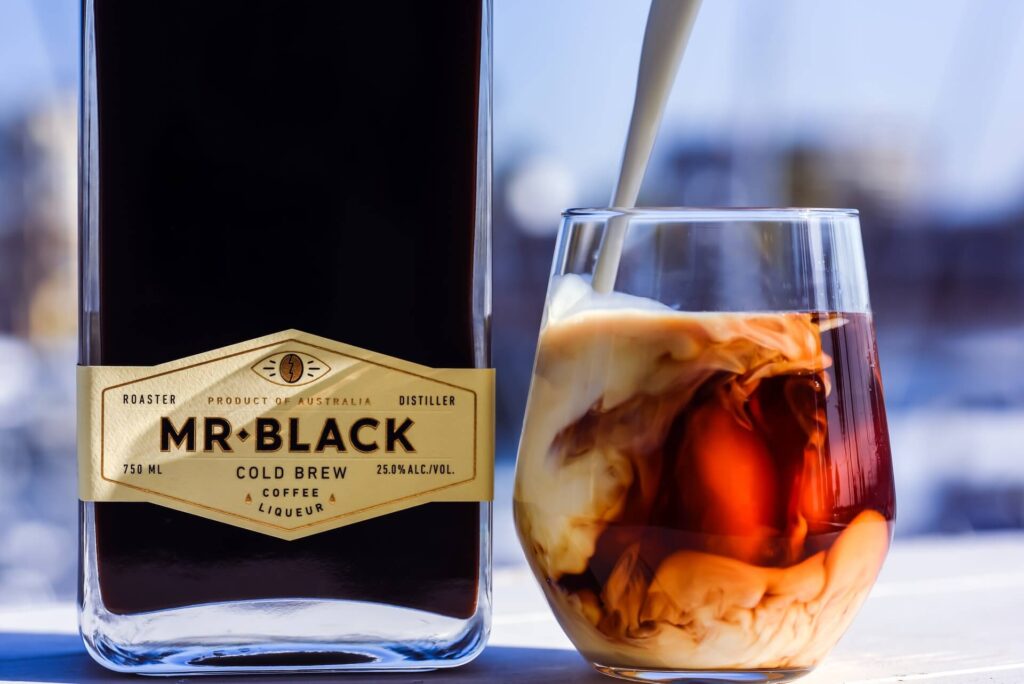
White Russian cocktail made with Mr. Black Coffee Liqueur

7 Coffee Liqueurs You Need to Know

Whether you and your bar team are making Espresso Martinis, riffing on classics or creating something new, consider these coffee liqueurs.

National Espresso Martini Day takes place on Tuesday, March 15. Leading up to this bar holiday, the cocktail is experiencing yet another resurgence.

In fact, this cocktail more than any other seems to maintain an enviable rate of “surging back” in popularity. Maybe it’s time to just admit that it’s a modern classic people love to hate…but still order and enjoy.

Below are seven coffee liqueurs that shine in an Espresso Martini, Old Fashioned, Negroni, Irish Coffee, or any number of rich, flavorful cocktails. Cheers!

Mr. Black

Most of the reviews out there place Mr. Black at the top when it comes to coffee liqueurs. Once you’ve sipped it neat, you understand why. The coffee flavor is outstanding, and that should come as no surprise. After all, Mr. Black is crafted in Australia, a country with a rich coffee culture.

Additionally, Mr. Black occasionally releases special batches. In the past, the brand has produced Single Origin Ethiopia, Single Origin Colombia, and collaborations with WhistlePig and St. Ali Coffee Roasters. They also have a coffee amaro available.

Grind Espresso Shot

You really can’t go wrong making an Espresso Martini with an espresso liqueur. Grind Espresso Shot gives Mr. Black a run for their money in the coffee liqueur showdown.

This blend of Caribbean rum, espresso, coffee, and coffee extract that shines in just about any cocktail.

Click here for more coffee liqueurs to consider adding to your inventory.

Group of Big Game cocktails at Ocean Casino Resort

Ocean Casino Resort Offers Big Game Cocktails

Ocean Casino Resort, Atlantic City’s award-winning oceanfront casino and resort, is ready for the Big Game with four cocktails that team with the theme.

Now, by “Big Game,” we all know what I’m talking about. We know the sport, we the know the league, and we know precisely which game is under discussion.

However, due to very “enthusiastic” attorneys, we also have to talk like we’re spies or actors in a mob movie. We wouldn’t want to tempt anyone to file a lawsuit now, would we?

And I’m going to encourage you to continue following this childish way of speaking about the Big Game. When you’re promoting your Sunday, February 12 event, don’t use any trademarked terms, logos, images, etc.

Alright, the Big Game legalese is out of the way. Let’s talk themed cocktails!

Big Game Cocktail Inspiration

Midway through last year, Ocean Casino Resort showed us all their marketing prowess. When news of the Choco Taco’s demise made headlines, Ocean created a cocktail homage: the Chocotini.

To ensure the LTO could be enjoyed by most guests, the cocktail was available at four venues on the property.

Now, Ocean Casino Resort is tackling the Big Game. (Note: I’m legally required to include sports puns when writing about any major game.)

Guests have four specialty LTO cocktails from which to choose. Two representing the team from Philadelphia, two for the team in Kansas City. Each drink is available at venues throughout the casino resort, including their Topgolf Swing Suite (largest in America), Nola’s Bar & Lounge, and the Gallery Bar Book & Games.

In news that should appeal to you and your bar team, these drinks are quick to make. That’s a relief when you plan to be slammed on a particular day.

Of course, you don’t have to attempt to replicate these cocktails. They serve as excellent inspiration to motivate you and your team to come up with your own liquid homages and LTOs.

In case you’re wondering what to charge, Ocean is charging $14 each for the Brotherly Love, Hurts So Good, and Big Red cocktails. The Arrowhead carries a price tag of $15.

Click here to continue reading.

Closeup of keyboard

Can ChatGPT Write Food and Drink Menus?

After my “conversation” last month with ChatGPT about AI, I had another conversation during which I asked it to write me four menus.

Of course, I did this to prove a point. And upon reviewing the ChatGPT menus, you’ll likely reach the same conclusion.

Curious about how creative the AI-powered chatbot could be, I asked for four specific menus. As you’ll see, two are cocktail specific, one focuses on food, and one is a 20-item F&B menu for a specific event.

So, yes, ChatGPT can write food and drink menus. But there’s a caveat. I could leave you in suspense but that’s not very nice. Let’s jump in.

Write me a cocktail menu using the most popular cocktails from 2022.

Cocktail Menu

  1. Aperol Spritz – Aperol, Prosecco, and soda water, garnished with an orange slice
  2. Old Fashioned – Bourbon, sugar, bitters, and a citrus peel
  3. Margarita – Tequila, triple sec, lime juice, and salt rim
  4. Daiquiri – Rum, lime juice, and simple syrup
  5. Moscow Mule – Vodka, ginger beer, and lime juice
  6. Paloma – Tequila, grapefruit juice, lime juice, and soda water
  7. Pina Colada – Rum, pineapple juice, coconut cream, and a cherry garnish
  8. Whiskey Sour – Bourbon, lemon juice, and simple syrup
  9. French 75 – Gin, Champagne, lemon juice, and simple syrup
  10. Mai Tai – Rum, orange liqueur, lime juice, and orgeat syrup

*All cocktails are served over ice, unless otherwise requested.

Write me a cocktail menu using the most popular spirits and alcohol types of 2022.

Cocktail Menu

  1. Gin and Tonic – Gin, tonic water, and a lime wedge
  2. Vodka Martini – Vodka, dry vermouth, and an olive garnish
  3. Bourbon Manhattan – Bourbon, sweet vermouth, and bitters
  4. Tequila Sunrise – Tequila, orange juice, and grenadine syrup
  5. Rum Runner – Rum, blackberry liqueur, orange juice, pineapple juice, and grenadine
  6. Whiskey Sour – Bourbon, lemon juice, and simple syrup
  7. Margarita – Tequila, triple sec, lime juice, and salt rim
  8. Daiquiri – Rum, lime juice, and simple syrup
  9. Long Island Iced Tea – Vodka, gin, rum, tequila, triple sec, lemon juice, and cola
  10. Pina Colada – Rum, pineapple juice, coconut cream, and a cherry garnish

*All cocktails are served over ice, unless otherwise requested.

Click here to keep reading.

Developing a Bar Concept w/ Sensory Experiences

Once your idea has been researched and the market, location, technical, business, and financial viability of the idea has passed a series of reviews throughout a feasibility study, a concept development plan can then be started.

Remember, outside of being scalable, you want to build a concept that is sustainable, profitable, memorable, and consistent.

Bar concepts over the years have gone from being tame (or lame) or overplayed, like tiki bars or sports bars, to concepts that push the boundaries of what a bar can be. One of the best ways to build a customer base is to go off the beaten path to create a bold and fresh new bar concept.

A concept plan will focus on ‘chapters’ and visual storyboards that include an overall:

  • Concept Summary (a one page summarization similar to that of an Executive Summary)
  • Statement Overview (Value, Vision, Mission, Culture)
  • Architectural Design (characteristics, features, costs)
  • Bar/Kitchen Production (your equipment specs)
  • Entertainment & Guest Experience Summary
  • Menu Design Attributes (food & beverage)

Owning a bar is a dream for most that must be met with the right research, planning, and mind-set.

One’s market will, and must, define the concept. To be successful, you must be open to building a venue the market both wants and needs.

Concept development is giving your ‘idea’, both soul and character. A bar’s concept is the lifeline of its brand and longevity in the market. It makes your venue stand apart from the competition, and it’s ultimately your bar’s unique selling proposition.

Have you ever walked into a bar and been confused about its identity? The interior doesn’t match the beverage offerings, the social media experience doesn’t reflect the actual experience, and even the music doesn’t seem to match the vibe of the bar.

This is what happens when there isn’t a clear and detailed concept development plan in place, and it is a sure fire way to be just average at best.

Continue reading here.

How to Address Temporary Restaurant and Bar Closures: 5 Social Media Examples

Repeated restaurant and bar closures have, tragically, become a hallmark of 2020.

Operators have had to learn how to communicate closures to potential indoor guests, as well as delivery and takeout guests.

For most operators, the possibility of closing their doors—temporarily or otherwise—has moved well past “if” territory. At this point, it’s not even a question of when a restaurant or bar will have to close, it’s a matter of when it will happen again.

There are a few reasons a F&B business will have to close due to the Covid-19 outbreak: official mandate, reduced indoor and outdoor dining capacities, and voluntary temporary closures.

Mandated closures are, on the surface, straightforward. Government officials decree that certain types of businesses must close their doors by a specific date and time, and owners are expected to comply.

Closures induced by capacity restrictions are less straightforward. It has become woefully apparent that most lawmakers don’t understand (or don’t care) that at a certain threshold, reducing indoor and outdoor dining capacities is as good as forcing a restaurant or bar to close; the value proposition of remaining open simply isn’t there.

A voluntary temporary closure can come about because of capacity limitations, but they can also be the result of other factors. A significant workforce reduction, lack of traffic, rising costs of goods, or an internal Covid infection.

The stark reality is that the likelihood today’s operators are going to have to craft social media posts and emails announcing temporary (and possibly extended) closures is anything but slim.

Click here to keep reading.

Image: Anne Nygård on Unsplash

KRG Hospitality Start-Up Restaurant Bar Hotel Consulting Consultant Solutions Plans Services

by David Klemt David Klemt No Comments

2023 KRG Recap: Top 8 Ops Articles

2023 KRG Recap: Top 8 Operations Articles

by David Klemt

Close-up shot of a white neon "8" sign

The third installment in our annual article roundup is a collection of our readers’ favorite operations and service articles of 2023.

Below, articles about a multitude of topics: food safety, pricing, menu programming, leadership, setting your non-negotiable standards, and much more.

If you’re looking to really dial in your operations and service for 2024, these articles are an excellent place to start for tips and inspiration.

Cheers!

Server carrying two plates with one hand

Just.Safe.Food. and More Alternatives to ServSafe

ServSafe, the National Restaurant Association‘s food safety training program, isn’t the only food handler training game in town.

Certainly, the program is the most well known in our industry. However, it’s fair to say that ServSafe is closer to infamous than just ubiquitous due to a New York Times article from January.

While it’s the most recognizable of the food safety programs, it’s not the only one. Although, ServSafe’s omnipresence likely gives many the impression that it’s ServSafe or nothing.

There are, however, alternatives to ServSafe. In fact, one challenger was announced a day after the explosive New York Times article that thrust ServSafe into a spotlight the NRA probably isn’t enjoying. (After all, one result of that article was a letter from six US senators demanding answers from the NRA about ServSafe by March 3.)

At any rate, the newest alternative to ServSafe comes from One Fair Wage. The program is Just.Safe.Food. and costs just $10. (As a reminder, ServSafe costs $15.)

For that $10, Just.Safe.Food. gives an individual three attempts to pass their exam and unlimited access to training materials. Additionally, One Fair Wage (OFW) says profits they raise from the program will go toward advocating for restaurant workers.

OFW, as many in the industry know, is owned and operated by restaurant workers. Two cornerstones of the organization’s mission are increasing the minimum wage, and ending the tip credit. OFW is also attempting to convince lawmakers to stop accepting donations from the NRA.

Basically, OFW and the NRA are—and it appears always have been—at odds with with one another.

To learn more, click here.

Three hands holding up three pineapples

Raise the Bar: The 3 Ps of Hospitality

Nightlife, bar, and cocktail experts Mia Mastroianni, Phil Wills, and Art Sutley want operators to focus on what they call “the Three Ps.”

The engaging trio shared their trio of Ps recently in Las Vegas at the 2023 Bar & Restaurant Expo.

So, what are the Three Ps of hospitality? People, Place, and Product. Operators who pull the threads tighter on each of these crucial elements will be well on their way to improving operations and the guest experience.

People

Remember all the way back to a week ago when I shared Mastroianni, Wills, and Sutley’s thoughts on service versus hospitality? Consider the first P a deeper dive into that topic.

Operators need to focus on two categories of people who help their businesses succeed: their teams and their guests.

Addressing the former, the trio feels that operators are centering a disproportionate amount of their attention on guests in comparison to staff.

“We’re not lacking for people who want to work in the business and are outperforming other industries, but we’re not focusing on staff like we focus on guests,” says Wills. “Treat everyone with respect, including through the hiring process. If you don’t engage your staff, you won’t retain them. You need to show them they can grow in your business.”

According to Sutley, 89 percent of operators say that labor costs present a “significant challenge.” It follows, then, that committing to treating staff with respect and nurturing their careers isn’t just the right thing to do, it’s smart business.

Look for people with passion, those you can motivate to go above and beyond so you’re not stuck with a team full of space-fillers who are just after a paycheck, suggests Mastroianni.

Of course, operators and their teams must also focus on providing exceptional service and experiences to guests.

“Treat ever guest like a pearl in an oyster,” advises Wills. “They’re the pearl, we’re the oyster. We need to ‘protect’ them.” Anything less, cautions Sutley, and guests won’t return.

For the rest of the Three Ps, click here.

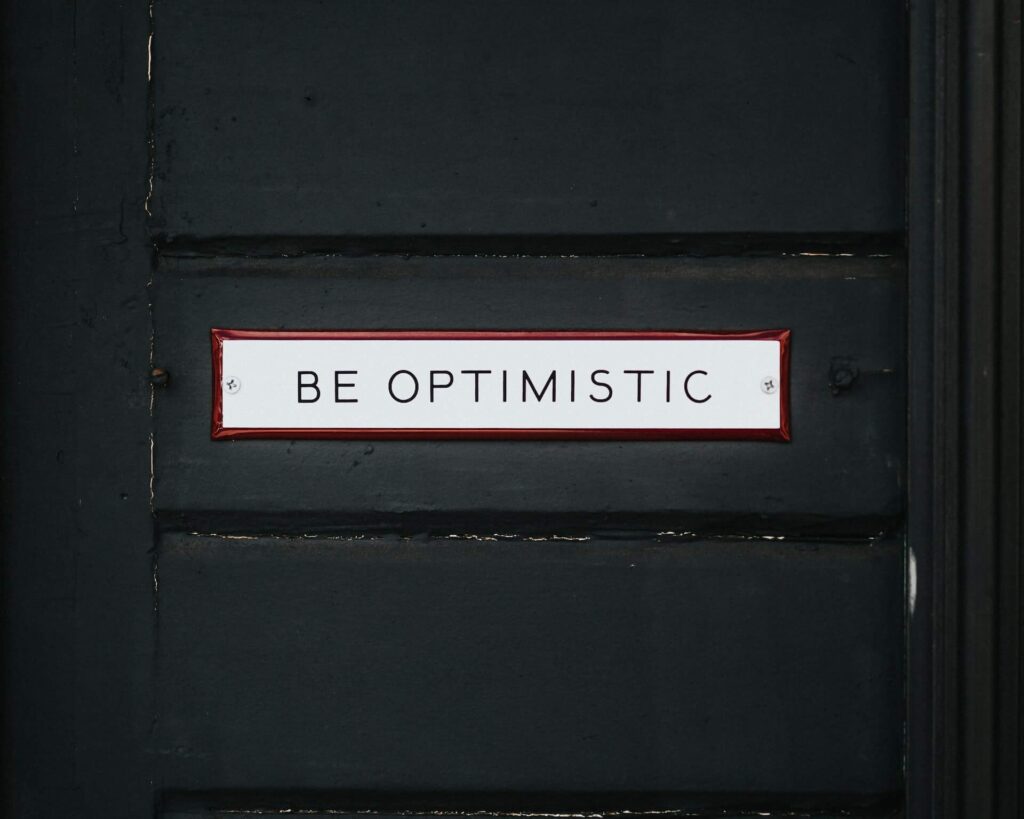
"Be optimistic" sign on black door

5 Toxic Mindsets that Hinder the Success of Your Business

Your frame of mind matters, and if you want a team and business that’s thriving and growing, it’s time to examine your own mindset.

How you show up day to day in your business and in your life will either hinder or promote your success. Like the popular phrase goes, “It starts from the top.”

You can set the tone for the day with the energy you bring. As Anese Cavanaugh, author of the book Contagious You, states, “Whatever we put out there and whatever we take on affects our ability to influence, lead, and create the impact we want.”

A positive mindset is contagious: it can inspire, motivate, and make others feel good. A toxic mindset is equally as contagious: it can halt growth, increase unhappiness, and lower productivity.

Here’s a list of five toxic thoughts that lead to a negative mindset and can hinder success.

Blame Game

Always looking for someone else to lay the blame on when things go wrong is a surefire way to a toxic team environment. If you’re quick to blame others when things go wrong, perhaps it’s time to take a step back and examine why something went wrong in the first place.

Was there inadequate training provided? Are there no clear systems to follow? Do you have an environment that’s hostile to asking for help? Fault rarely lies in one person only; there are typically several factors in play.

A positive mindset will examine facts, look at all potential causes, and then come up with solutions. Blame never enters the picture.

Second Guessing

Not being confident in the choices you make hinders growth. Uncertainty in your decision making leads others to question or doubt your role as leader.

If you don’t have the utmost confidence in making decisions, and it’s your business, how can you expect your team to have confidence in you or the work that they do?

This doesn’t mean that you have to make snap decisions without thinking them over. Planning and deliberating over the right move to make is critical to success. But once the decision is made…it’s made. If it doesn’t work out you can then problem solve to get back on the right path.

Second guessing your decisions along the entire way is only going to slow you and your business down.

Click here to continue reading.

Several spray paint cans next to one another

Raise the Bar: Service vs. Hospitality

During the 2023 Bar & Restaurant Expo in Las Vegas, Mia Mastroianni, Art Sutley, and Phil Wills addressed what separates service from hospitality.

For the sake of those who are unfamiliar, a brief summary of each member of this informative panel. Art Sutley is a nightlife and hospitality expert recognized by Forbes, the Wall Street Journal, and Thrillist (among other publications).

Phil Wills and Mia Mastroianni should be recognizable to anyone who has watched Bar Rescue. Wills co-founded Spirits in Motion, a beverage consulting agency. He’s also a bartender’s bartender who’s passionate about hospitality. Mastroianni, equally as passionate about the art of hospitality, is a seriously talented bar professional and hospitality expert who doesn’t take herself too seriously.

It’s difficult to imagine a more qualified trio when it comes to discussing the differences between service and hospitality.

What is Service?

Before they all dove in, Sutley shared a simple but impactful take on the guest experience.

“It’s checking boxes,” said Sutley. “We want each guest to check every box, and a few extra.”

That description helps draw a line between service and hospitality. Per Sutley, Mastroianni, and Wills, service is a transaction and meeting expectations. Reinforcing this idea, Wills said, “Service is black and white; it’s simple.”

Operators and their leadership teams, after developing their steps of service, can literally or figuratively track the service transaction. Training staff—from onboarding to pre-shifts—on the steps of service and an operator’s non-negotiable standards ensures the guest experience transaction is delivered as expected.

Worryingly, Mastroianni expressed her concern that the quality of service appears to be dropping. If that’s true, however, that provides an opportunity.

Per Sutley, the industry is getting more difficult. There are more competitors out there, and guest expectations are becoming increasingly stringent. So, if Mastroianni is correct and more concepts are failing to deliver on the expected service transaction, operators who commit to building and training teams that deliver high-level service will stand out.

Keep reading here.

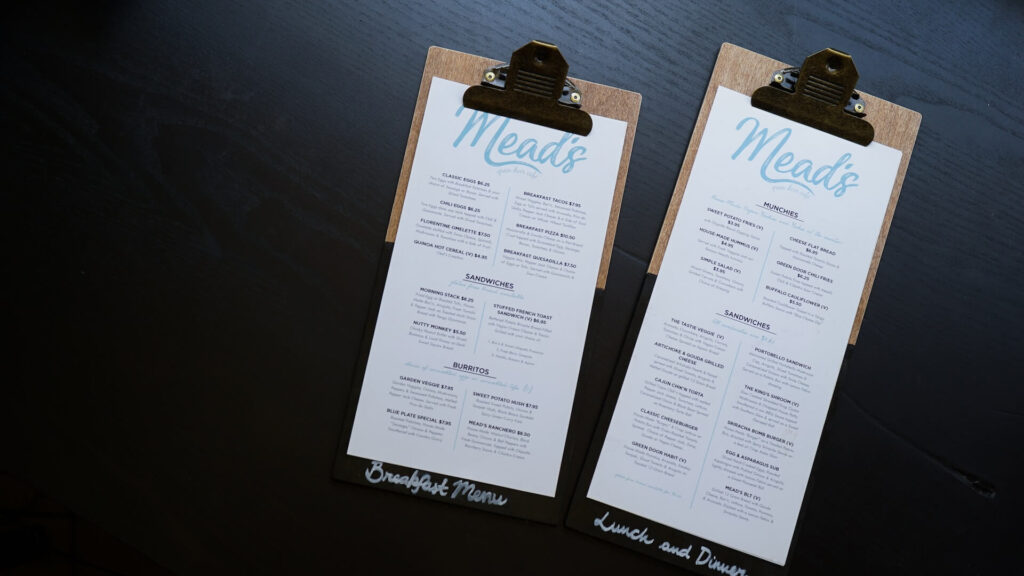
Two restaurant food menus

Real-world Menu Tips from Chef Brian Duffy

Call it an education session, call it a workshop, one of the best features of the Bar & Restaurant Expo is live menu feedback from Chef Brian Duffy.

This is certainly true of the 2023 Bar & Restaurant Expo. During this year’s BRE (formerly Nightclub & Bar Show, or NCB), Chef Duffy delivered well over two hours of real-world menu feedback.

To be sure, BRE educational programming is always beneficial. Attendees who take the time to plan their schedules to include education sessions will take invaluable tips back to their businesses.

However, watching in real time as Chef Duffy critiques real menus submitted by BRE attendees provides insight that will impact the guest experience and success of a restaurant or bar immediately.

When delivering his feedback, Chef Duffy is unacquainted with the menus. He’s also unfiltered. So, attendees of these sessions are provided a window to Chef Duffy’s professional opinions, on the fly, in real time.

Take, for example, this blunt statement: “If you serve tilapia in your restaurant, you suck.” Before anyone has a conniption, Chef Duffy is referring to unethically farm-raised tilapia that’s often exposed to waste.

Technical Difficulties

Due to unforeseen AV issues, Chef Duffy was unable to use the large screens in the room to review menus for 30 to 40 minutes.

Now, some speakers may be shaken when encountering such a technical difficulty. This isn’t the case for Chef Duffy. In fact, all in attendance from the start of his session were lucky enough to gain insights beyond menu design because of the AV issues.

First, we all gained some insight into Chef Duffy’s consulting process. When engaged for restaurant consultation, he watches an evening service. Next day, he’s in your kitchen at 10:00 AM. What he sees in your kitchen tells him what’s happening throughout your restaurant. By the way, if he encounters just two spelling errors on your menu, he’s done reviewing it—you need a fresh start.

Second, inventory. Chef Duffy assumes you keep eleven percent of your overall revenue on your shelves. So, if you’re generating $100,000 each month, your shelves hold $11,000 of product. When reviewing your financial situation, take a look at that number for your own restaurant or bar.

Third, executive chefs versus head chefs. Chef Duffy has been on the ground for more than 100 restaurant openings. He has interviewed countless chefs. Have you ever wondered about the difference between an executive chef and a head chef? Knowledge of the financial aspects of running a kitchen. Without it, someone’s not an executive chef—they’re a head chef. Executive chefs know (and in theory can be trusted with) finances; head chefs make sure the brigade comes to work on time.

Finally, a cost-reduction tip. When you speak with your food reps, ask about DWO items: “Discontinued When Out.” You may be able to get your hands on some great items for a fraction of the cost.

Follow this link for more tips from Chef Brian Duffy.

Person writing down notes

The Importance of Sticking to Your Standards

One crucial task for all restaurant, bar, nightclub, and hotel operators is to set the acceptable standards and commit to maintaining them.

Hospitality operations are subject to an interesting paradox. We’re all told to prepare for things to go sideways during any given shift. We’re also told that adhering to our standards of service will help us weather a storm of challenges. Oftentimes, however, the first thing to slip at the first sign of trouble is: our standards.

When a client signs on with KRG Hospitality, they are given the task of identifying their core values. There’s an exercise for this key development step; it’s part of our standards.

Your core values inform your standards (and so much more): leadership team standards; front- and back-of-house team member standards; and standards of service. Additionally, you should spell out these standards during the onboarding process, utilizing an employee manual—which new hires must sign and date—and practical training.

It’s absolutely crucial that you and your team commit to your standards fully. They’re inviolable, what both KRG president Doug Radkey and Chef Brian Duffy call your “non-negotiables” during speaking engagements and when working with clients.

Are people going to make mistakes, including you? Yes. On occasion, a standard is going to slip. The key is understanding that maintaining standards helps reduce these occasions; panicking and allowing them to slip just drops us deeper into quicksand.

Someone on the team is going to miss a service step. Something will occur during a shift that’s not up to standards. What’s important in those moments is the ability for the team to recognize the slip quickly and correct course immediately.

Setting Standards

There are different ways for operators to select their standards. The example I provide at the top of this article is one approach KRG implements.

Michael Tipps, co-founder of Invictus Hospitality and friend of KRG Hospitality, has an intriguing approach of his own. He shared this during the 2023 Bar & Restaurant Expo in Las Vegas.

“Standards separate operators and their teams,” says Tipps. While he doesn’t encourage operators to look at every other operator in their market as competition, he does advocate for differentiation.

Tipps shared a three-step approach to standards. (Step two, by the way, is the one I find intriguing.)

  1. Create your standards. Again, there are different approaches.
  2. Pick your committee. I’m going to explain this further.
  3. Set standards against the grandest vision of your venue.

So, what does it mean to “pick your committee”? Well, it means surrounding yourself with people you respect…real or imagined. As Tipps explained during BRE, he has people in his life that he considers his committee. The real-life members of this committee are a sounding board for any number of ideas, questions, challenges, and even mistakes.

And yes, his committee also includes “imaginary” members, such as Michael Jordan and Phil Jackson. These are people that he doesn’t know personally but are known to have incredibly high standards. They’re high achievers and, of course, many have biographies and we can know their standards. Tipps has “asked” these committee members, “How should I handle X?”

This creative approach isn’t for everyone but every operator should at least give it a shot. When we step that far out of our comfort zones the results can be incredible.

Gain more insights via this link.

Chess pieces on chess board in grayscale

Do You Empower Your Team to Make Decisions?

Empowerment is about so much more than trusting someone to follow clearly defined rules; you must learn to trust your team’s judgement.

Yes, even when things don’t go according to plan. If you’re only training your team on the “rules,” you’re doing a disservice to them and yourself. So, let’s have a little chat about empowerment. What does it mean to you? What are your expectations of your team when you tell them they are empowered?

Looking back throughout your own work history, have you ever had a job where your boss told you that you were empowered to make decisions, but you didn’t actually know what to do or how to make decisions? Did anyone ever explain “the how” of decision making to you?

Now, look at yourself as a leader. Have you ever had employees that you’ve told are empowered to make decisions, yet they get a manager every time someone needs something out of the ordinary? Are you explaining to your staff “the how” of decision making, along with your expectations?

It’s frustrating to feel like the house might fall down when you’re not in it. That’s no way to operate a business. We all want our staff to be able to make educated decisions when we’re not around. We shouldn’t have to hold their hands and be part of every single decision.

Still, there are times when, left to their own devices, a team member doesn’t make the decision you’d want them to make. This makes owners and leadership team members feel as though they must be at work every second.

So, how do you move away from micromanagement and learn to trust your team’s decision making?

Leverage Teachable Moments

You’ll never be able to give an example of every possible situation that may arise. Therefore, you’ll never be able to train your team on everything that they’ll encounter on any shift.

How do you tell someone how to handle situations when you’re not around? You don’t, and I don’t suggest you even try. Instead, you need to instill a sense of empowerment in your team.

However, “empowerment” is just a word if you’re not educating your team. You need to teach staff how to make good decisions. And how do you even start to do that? Cash in on all the teachable moments that happen throughout the day!

Once upon a time we were all new to this industry. I’m sure you have a few stories of some mistakes you’ve made along the way. I know I certainly do.

Think back to those situations. Did someone explain to you why you made a mistake? More importantly, did they then help you understand what to do next time? Or did they just get mad and make you feel like a failure?

I’ve had the privilege of working with some amazing people over the years. There are several people that really put effort into teaching me. The different things they taught me helped me to understand the ins and outs of decision making, even in situations I know very little about.

Keep reading here.

White "Reserved" sign in wooden block on table

Why You Need to Use Direct Bookings

A new report from guest retention platform SevenRooms shows that like delivery, guests prefer to support restaurants directly when it comes to reservations.

Similar to their awareness of third-party delivery platform fees, today’s guest appears to be aware that third-party marketplaces cost restaurants and bars too much.

Let’s consider the guest discovery journey. According to their 2023 Dining Discovery & Booking Report, SevenRooms says most guests discover new restaurants via word of mouth. In fact, 61 percent of people rely on family, friends, and co-workers to find new restaurants. A third of diners use Google (33 percent), and nearly as many use social media (29 percent).

So, what role do third-party marketplaces play in restaurant and bar discovery? Per SevenRooms, not even ten percent of people who discover new places to grab a bite or a drink use such platforms.

Their research shows that just nine percent of diners use OpenTable to find new restaurants. However, that’s three times the number of diners that Resy (three percent) is seeing use their platform for discovery.

Okay, so what does this mean to you, the operator? It means that you should be leveraging a direct-booking feature. Guests are telling us how they want to experience restaurants and bars. They’ve let us know they prefer direct delivery. Now, they’re letting us know they prefer direct booking.

In other words, give them what they want: user-friendly ways to support your business. Make it easy to find you on social. Ensure your website is functional and easy to navigate. And give delivery and booking buttons prime real estate on your website so guests can find them quickly.

I also recommend communicating that you offer direct bookings, and thanking those who use that functionality for supporting your business directly. This can, of course, be done via automated marketing emails.

Click here to continue reading.

Image: Maximalfocus on Unsplash

KRG Hospitality Start-Up Restaurant Bar Hotel Consulting Consultant Solutions Plans Services

by David Klemt David Klemt No Comments

2023 KRG Recap: Top Bar Hacks Episodes

2023 KRG Recap: Top Bar Hacks Episodes

by David Klemt

Gold number 10 on a teal or aqua background

For your listening pleasure and convenience we’ve rounded up the top ten Bar Hacks episodes of 2023, also known as season four of the podcast.

Every year we reflect on the caliber of the guests who take time out of their busy lives to come onto the podcast. And every year we’re grateful for the honor of helping to share their stories and insights.

Below are the top ten Bar Hacks episodes of 2023. We’re presenting them in numeric order—no playing favorites here! To make it easy to enjoy these conversations, we’ve embedded the Spotify version of each episode.

And if you’re curious, these ten only just edge out the rest of this year’s episodes. We thank our loyal listeners for giving all of our guests and episodes a listen.

Cheers!

Episode 89 with Doug Radkey

Doug Radkey, co-founder and president of KRG Hospitality, stops by the Bar Hacks podcast. Not only is Doug the co-founder and president of KRG, he’s also the author of the book Bar Hacks and its followup Hacking the New Normal, and the creator of the Bar Hacks podcast.

During his visit, Doug and David talk about their expectations for 2023, what KRG is working on in the new year so far, the importance of technology in hospitality, and dynamic pricing versus dynamic menus. Doug also shares his thoughts on what operators can work on starting today to position themselves for success in 2023 and beyond.

Episode 90 with Mark Sansom

Mark Sansom, content director for the World’s 50 Best Bars, drops by the Bar Hacks podcast to share some big news. After years of dialing in the process and waiting out the pandemic, the World’s 50 Best Hotels will be revealed at a ceremony in September 2023! If you haven’t watched or attended a World’s 50 Best Bars ceremony, they truly take great pains to ensure they’re the Oscars of bar awards. So, we expect the World’s 50 Best Hotel awards ceremony to blow us out of the water.

This list and its accompanying specialty awards completes the hospitality and travel puzzle. Restaurants and bars, after all, are inextricably intertwined with hotels and resorts. Mark shares the details of the World’s 50 Best Hotels Academy Chairs, voting panel, and voting process in this episode. As a bonus, you’ll also get to hear host David Klemt try and fail to say “inaugural awards” without any issue!

Episode 93 with Adrián Michalčík

In September 2022, Adrián Michalčík earned the title of Diageo World Class Global Bartender of the Year. Colloquially, this achievement is known as the Best Bartender in the World. That’s a bold and weighty mantle but as you’ll learn during this conversation, Adrián is humble and focused on his team and guests.

Adrián is the director of mixology at the award-winning Pier 42 inside the Amerikalinjen hotel in Oslo, Norway. The bar has been recognized by the World’s 50 Best and has won Best Bar of Norway twice. In addition to taking home the title of 2022 Diageo World Class Global Bartender of the Year, Adrián has won several bartending competitions throughout the years.

He popped by the Bar Hacks podcast to chat with host David Klemt about his bartender journey. Adrián has worked in several types of bars and each helped him develop the skills that allowed him to elevate his skills behind the bar. Mentors, his endless quest for knowledge, his passion for hosting others, and his focus on empathy have informed his approach to team building, delivering top-level hospitality, and tapping into his creativity to develop Pier 42’s cocktail menus.

Adrián shares the three pillars he believes great bars are built upon, what he looks for in bar team members, transforming people from guests to friends, the importance of storytelling, and much more.

Episode 95 with Bob Peters

We know it’s been a few weeks. Between client projects and trade shows we had to take a little break. But we’re back!

And to make our absence up to you, our loyal listeners, we’re bringing you a great chat with an awesome guest. Bob Peters returns to the Bar Hacks podcast for episode 95!

Bob has big news to share, and you can hear in his voice how excited he is to share it with everyone. He’s taking on the perfect role. In fact, he calls it his dream job during this episode. Cocktails and cuisine are about to get even better in North Carolina and South Carolina…

But it doesn’t stop there! Bob also shares his approach to bar training to make sure everyone is engaged; his assessment of the Charlotte dining and drinking scene; a simple step all restaurants and bars can take today to improve operations, team engagement, and the guest experience; a very cool project he’s taking on; and more.

Episode 97 with Dragos Axinte

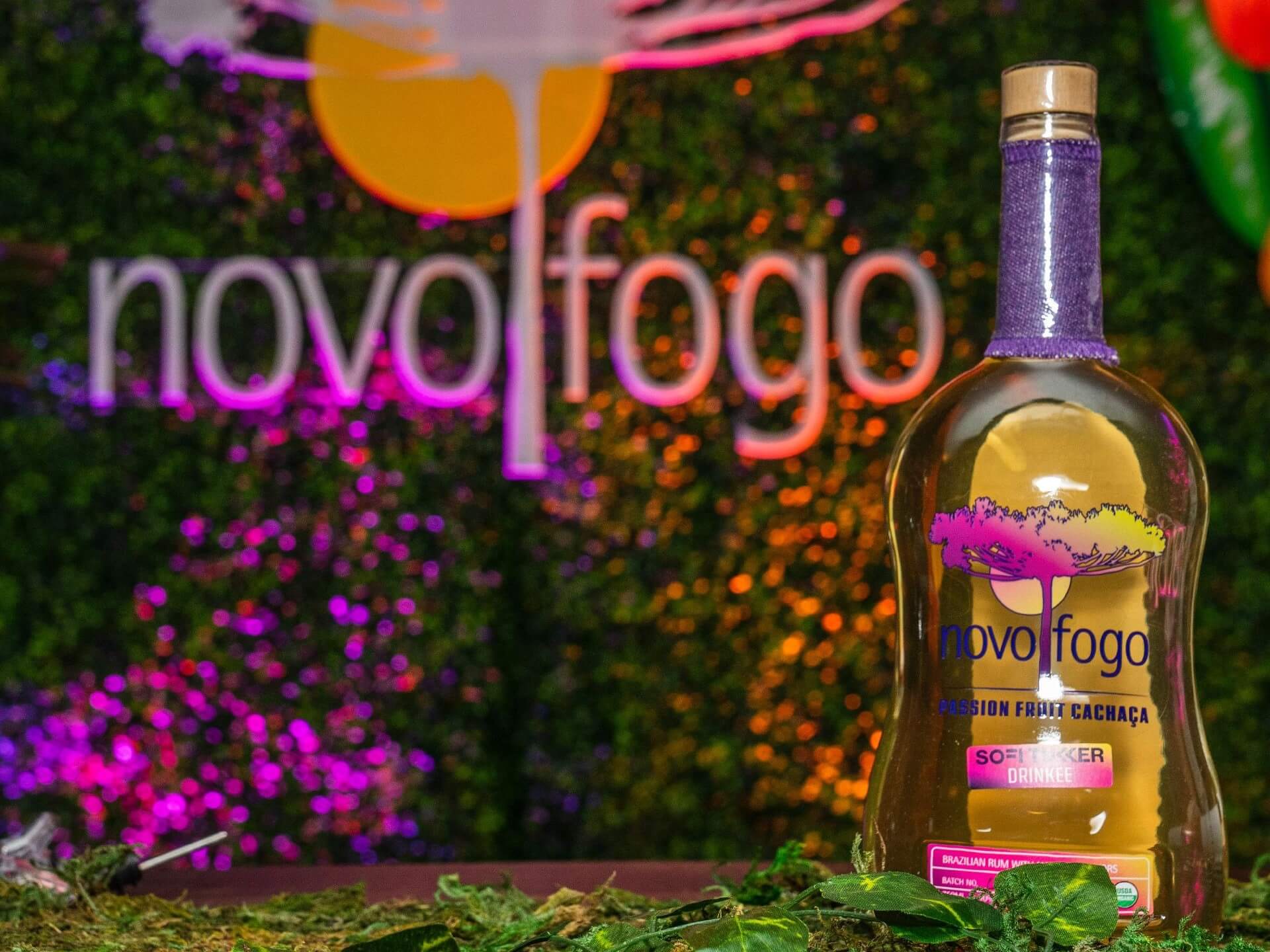
Dragos Axinte, the founder of Novo Fogo Organic Cachaça, returns to the Bar Hacks podcast. Axinte and Novo Fogo have been very busy since, his first appearance on the pod.

On this episode, Axinte shares the details and stories behind three important Novo Fogo initiatives and partnerships: Tree-keeper, with Seattle Sounders goalkeeper Stefan Frei, the Un-endangered Forest, and the brand’s new Chief Alegrias Officers (ChAOs), Sophie Hawley-Weld and Tucker Halpern, also known as SOFI TUKKER.

The two also discuss Axinte’s approach to partnerships—a philosophy that will serve operators and entrepreneurs very well—as well as distillers “discovering” amburana wood finishing. And, of course, Axinte shares product news and insights. If you’re headed to Tales of the Cocktail this year, you’re in for some incredible news. This conversation spans several topics and Axinte always imparts wisdom when he speaks in approachable and helpful ways.

Episode 99 with Michele Mariotti

Bartender Michele Mariotti leads an illustrious career. He has worked behind the bars at some of the best hotels around the world, including the Savoy in London and Mandarin Oriental in Singapore.

As of 2020, Michele has held the title head of bars at the Gleneagles Hotel in Perthshire, Scotland. In this role, he heads the programs at 11 F&B venues on the property, overseeing dozens of bar professionals.

On this episode, Michele and Bar Hacks podcast host David Klemt talk about mentorship, interviewing potential bartenders, menu development, using a flavor map when assigning new cocktail builds to bar team members, finding inspiration, interesting hotel guests, bespoke glassware, investing in platforms and programs that boost staff retention, and more.

Episode 101 with Ryan Chetiyawardana a.k.a. Mr. Lyan

Ryan Chetiyawardana, also known as Mr. Lyan, is one of the bar world’s true visionaries. He opened his first bar, White Lyan, in 2013 and the venue immediately achieved its intended purpose. Beyond being an award-winning bar and one of London’s best places to grab a drink, White Lyan started a much-needed conversation about sustainability in the industry.

Dandelyan, Lyaness, Super Lyan, Cub, and Silver Lyan would follow shortly after, making an even bigger splash not only in London but also Amsterdam and Washington, DC. All Mr. Lyan venues, while showcasing incredible innovation, accomplish something just as important: each bar is a place people to want to spend their time and money, and where professionals want to work.

During this fantastic conversation, Ryan shares insights into the menu programming processes at each venue; discusses seasonality; provides a look into hiring and engaging each team; the reissue of his book and his foray into the RTD cocktail space; and much more. Cheers!

Episode 102 with Jordan Bushell

Thank you for being patient during our summer hiatus. We’re back with a great conversation with an awesome guest.

Global Hennessy brand ambassador Jordan Bushell returns to the Bar Hacks podcast. While Jordan may know people with more Cognac knowledge, we don’t know anyone who knows more about this spirit category. More importantly, he’s as generous with his time as he is knowledgeable about Cognac. If you have a question about the spirit of Hennessy you can reach out to him and he’ll answer you.

On this episode of Bar Hacks, Jordan talks about special Hennessy releases, initiatives, collaborations, and what sets the maison apart from others in the Cognac region of France. He also talks about how operators can introduce guests to Cognac and Hennessy, including paying attention how they price their menus. Cheers!

Episode 104 with Simone Caporale

Simone Caporale, an internationally renowned bartender and operator, swings by the Bar Hacks podcast to talk spirits, branding, the guest experience, and operations.

Noticing a gap in the industry and seeing a way to lend his expertise to help grow spirits brands, Simone and Luca Missagli founded Cocktail Concierge, a brand-building agency focusing on craft spirits brands. One of the most recent brands Cocktail Concierge has helped introduce to the world is Amaro Santoni.

Of course, Simone is also one of forces behind SIPS Drinkery House, number three on the World’s 50 Best Bars list, and the World’s Best Bar according to Tales of the Cocktail. Simone shares his thoughts on what he thinks makes SIPS so successful, why he views service as a privilege, three tips operators can implement today to plant the seeds for long-term success, and more!

Episode 107 with Anne Becerra

When it comes to curating a beer program, creating a complementary cocktail program, and delivering an incredible beer program, we can’t think of anyone better than Anne Becerra. And lucky for us, she stopped by the Bar Hacks podcast!

Anne is the first female Certified Cicerone in New York City and has been working in beer for more than a decade. More importantly, however, she’s as passionate as she is educated about beer. Anne’s also passionate about hospitality, which comes across in this conversation. Truly, she loves hospitality, the beverage world, and how the two pair to make people feel amazing.

On this episode Anne talks introducing guests to beer; serving beer aficionados, beer neophytes, and the beer wary; how to make guests feel comfortable in a beer-centric concept; what she’s excited about in the beer world; tips for operators who want to succeed with a beer-forward venue; and much, much more. Cheers!

Image: Miguel Á. Padriñán on Pexels

KRG Hospitality. Bar Consultant. Nightclub. Lounge. Mixology. Cocktails.

by David Klemt David Klemt No Comments

The Liquor Awards Return!

The Liquor Awards Return!

by David Klemt

"Number one" hand emoji neon sign

The second-annual Liquor Awards from Liquor.com highlights the best of hospitality of 2023, shining a light on bars, individuals, and organizations.

Liquor.com launched the Liquor Awards back in 2022. For the 2022 winners and runners-up, click here. Follow this link to review the 2022 Liquor Awards honorable mentions.

Differentiating themselves from other industry awards, the Liquor Awards recognize bars, individuals, and organizations via some unique categories.

For example, Platypus in St. Louis, Missouri, receives recognition among the 2023 winners and finalists via the Under the Radar category.

Other categories include Best Classic Bar, Best Neighborhood Bar, Global Spotlight, and Community Builders of the Year.

For those who are curious, I’ve run the numbers in terms of markets and the number of finalists and winners.

New York City (including Brooklyn) leads the way with eight total finalist nods and wins. New Orleans claims six finalists and winners, and Chicago is home to five. Coming in third are San Francisco and Washington, DC, with four finalists and winners, total. Denver and Portland have three each, while Los Angeles, Phoenix, and Cartagena, Colombia, have two.

Las Vegas, KRG Hospitality‘s US headquarters, is home to just one finalist, Herbs & Rye. And Toronto, KRG’s global headquarters, is home to the Health & Wellness Liquor Award winner.

For the full list of finalists and winners, see below.

Bar Award Winners and Finalists

Best New Bar

Winner

Pacific Standard (Portland, Oregon)

Finalists

  • The Butterscotch Den (San Francisco, California)
  • Martiny’s (New York City, New York)
  • Milady’s (New York City, New York)
  • Mírate (Los Angeles, California)

Best Classic Bar

Winner

Attaboy (New York City, New York)

Finalists

  • Anvil (Houston, Texas)
  • Cure (New Orleans, Louisiana)
  • The Violet Hour (Chicago, Illinois)
  • Williams & Graham (Denver, Colorado)

Best Craft Cocktail Bar

Winner

Overstory (New York City, New York)

Finalists

  • Century Grand (Phoenix, Arizona)
  • Double Chicken, Please (New York City, New York)
  • Dovetail (New Orleans, Louisiana)
  • True Laurel (San Francisco, California)

Best Neighborhood Bar

Winner

ABV (San Francisco, California)

Finalists

  • 16th Street Bar & Lounge (Chicago, Illinois)
  • Best Intentions (Chicago, Illinois)
  • The Long Island Bar (Brooklyn, New York)
  • Occidental (Denver, Colorado)

Best Restaurant Bar

Winner

Jewel of the South (New Orleans, Louisiana)

Finalists

  • Bicyclette (Los Angeles, California)
  • Kimball House (Decatur, Georgia)
  • Kumiko (Chicago, Illinois)
  • Palomar (Portland, Oregon)

Best Hotel Bar

Winner

Allegory (Washington, DC)

Finalists

  • Chandelier Bar (New Orleans, Louisiana)
  • Death & Co. (Denver, Colorado)
  • Little Rituals (Phoenix, Arizona)
  • Silver Lyan (Washington, DC)

Expertise in Hospitality

Winner

La Factoría (San Juan, Puerto Rico)

Finalists

  • Allegory (Washington, DC)
  • Bar Leather Apron (Honolulu, Hawaii)
  • Herbs & Rye (Las Vegas, Nevada)
  • Jewel of the South (New Orleans, Louisiana)

Global Spotlight

Winner

Alquímico (Cartagena, Colombia)

Finalists

  • Bar Orchard Ginza (Tokyo, Japan)
  • El Gallo Altanero (Guadalajara, Jalisco, Mexico)
  • Little Red Door (Paris, France)
  • Tjoget (Stockholm, Sweden)

Sustainable Bar Program of the Year

Winner

Owamni by the Sioux Chef (Minneapolis, Minnesota)

Finalists

  • Alquímico (Cartagena, Colombia)
  • Lighthouse (Brooklyn, New York)
  • Rhodora Wine Bar (Brooklyn, New York)
  • Silo (London, England, United Kingdom)

Best Spirits Selection

Winner

Delilah’s (Chicago, Illinois)

Finalists

  • The Gin Room (St. Louis, Missouri)
  • Jack Rose Dining Saloon (Washington, DC)
  • Multnomah Whiskey Library (Portland, Oregon)
  • Tommy’s Mexican Restaurant (San Francisco, California)

Individual Award Winners and Finalists

Creating an Inclusive Space

Winner

Tiffanie Barriere

Finalists

  • Ashtin Berry
  • Kate Gerwin
  • Kapri Robinson
  • Chockie Tom

Bartender of the Year

Winner

Kapri Robinson

Liquor Legend

Winner

Julie Reiner

Organization Award Winners and Finalists

Community Builders of the Year

Winner

Turning Tables (New Orleans, Louisiana)

Finalists

Health & Wellness

Winner

Not 9 to 5 (Toronto, Ontario, Canada)

Finalists

Sustainable Producer of the Year

Winner

Mijenta Tequila

Finalists

  • Barr Hill Gin
  • Empirical
  • Maker’s Mark
  • WhistlePig Whiskey

Cheers to the finalists and award winners!

Please click here to review the list on Liquor.com and learn more about the winners.

Image: Ellie Burgin on Pexels

KRG Hospitality Start-Up Restaurant Bar Hotel Consulting Consultant Solutions Plans Services

by David Klemt David Klemt No Comments

Banfi and One Warm Coat Launch Partnership

Banfi and One Warm Coat Launch Partnership

by David Klemt

A rack of winter coats

Wine producer and importer Banfi Vintners is partnering with non-profit One Warm Coat to help people in need and encourage others to host coat drives.

For anyone unfamiliar, One Warm Coat is a national 501 (c)(3) nonprofit operating throughout the US. Established in 1992, the nonprofit has helped organize nearly 50,000 coat drives. More than 5,500 of these drives took place during the 2022 to 2023 season, providing in excess of 550,000 coats.

So far, with their partners, they’ve collected and distributed close to eight million coats. These partners include Land’s End, J.Crew, Todd Snyder, Duluth Trading Co., and now Banfi.

To launch their partnership, Banfi seeded the program with a donation that will provide 50,000 coats. In announcing this partnership, Banfi and One Warm Coat hope to encourage others to give back, host coat drives, and help those in need within their communities.

Canadian operators and their teams can find One Warm Coat partners by clicking here and searching their city. I found partners in and around Toronto, Vancouver, Calgary, and Edmonton.

In addition to helping provide people in need with coats, sustainability is key to One Warm Coat’s mission. To date, the organization has helped keep 19.4 million pounds of clothing out of landfills.

Charity Navigator, which rates the trustworthiness of charities, gives One Warm Coat a score of 98 percent.

To learn more, please review the press release below.

BANFI VINTNERS PARTNERS WITH ONE WARM COAT TO SUPPORT LOCAL COMMUNITY

Italian wine producer and importer offers support to individuals in need through seasonal coat drive

NEW YORK, NY—Banfi, producer and importer of fine wines, proudly announces its partnership with national non-profit organization, One Warm Coat. Banfi kicked off the program with a donation that will warm 50,000 people in need. 

 “One Warm Coat is thrilled to team up with Banfi this holiday season to share warmth with those in need across the country while promoting volunteerism and environmental sustainability,” shares Beth Amodio, President and CEO, One Warm Coat. 

In addition, the partnership with One Warm Coat allows Banfi to spread the word and encourage coat drives at various retail and restaurant accounts across the country, extending the program’s reach and multiplying the number of donations collected. One example can be found not too far from Banfi’s NY headquarters; based in upstate New York, Banfi’s distributor partner, Empire Merchants North has made it a key focus to promote the brand’s initiative on their website and social channels to bolster the partnership and encourage dozens of retailers to support the cause. 

“Empire Merchants North proudly joined Banfi’s One Warm Coat program to extend our commitment beyond beverages. Embracing social responsibility, we believe in making a positive impact by contributing to the well-being of our community, aligning seamlessly with Banfi’s philanthropic mission. Our enthusiastic employees joyfully embraced this initiative, embodying our shared commitment to making a meaningful difference in the lives of those in need,” shares President and CEO of Empire Merchants North Eric Pfeil. 

“One of our favorite aspects of working with One Warm Coat is its ability to support the local community. The donations stay in the community where they’re collected, so it’s truly heartening to see the widespread response in the market,” shares Banfi President and CEO Cristina Mariani-May.

About Banfi Wines

Banfi, producer and importer of fine wines, was founded in 1919 and is today woman-owned and operated by third-generation family proprietor Cristina Mariani-May. Banfi is the sole U.S. importer of the Mariani family’s internationally renowned wine estates in Italy: Castello Banfi of Montalcino, Tuscany, and Banfi Piemonte of Strevi, Piedmont. Castello Banfi is credited with pioneering a new era in Brunello and bringing the wine world’s attention to Montalcino, while Banfi Piemonte produces the family’s sparkling wines. Banfi’s wide range of wines offers affordable luxury and includes the flagship Brunello di Montalcino, Super Tuscans, Tuscan Pinot Grigio, Chianti, Sparkling and more varieties.

About One Warm Coat

One Warm Coat is a national cloud-based 501 (c)(3) nonprofit organization that provides free coats to individuals in need. Since 1992, One Warm Coat has facilitated 49,000 coat drives across the country, collecting 8 million coats that have been distributed through more than 1,500 nonprofit partners.  Individuals and organizations can get involved by donating coats, holding coat drives, and making financial donations. One Warm Coat believes in each person’s right to shelter from the elements and is committed to sharing warmth, without discrimination, one coat at a time.

Image: Markus Spiske on Unsplash

KRG Hospitality Start-Up Restaurant Bar Hotel Consulting Consultant Solutions Plans Services

by David Klemt David Klemt No Comments

5 Books to Read this Month: December 2023

5 Books to Read this Month: December 2023

by David Klemt

Flipping through an open book

Our inspiring and informative December book selections will help you and your team transform your operations and F&B programming.

This month, we look at books covering an array of topics. There’s an alcohol-free cocktail recipe book, an exploration of some of America’s most unique hotels, and more.

To review the book recommendations from November 2023, click here.

Let’s jump in!

The Mocktail Club: Classic Recipes (and New Favorites) Without the Booze

Some people find the word “mocktail” is one of the best to label their alcohol-free drinks. Others find the word condescending. Regardless of which camp you find yourself in, The Mocktail Club should help you expand your zero-proof menu.

From Amazon:The Art of Mixology meets mocktails in this beautiful collection of 75 alcohol-free recipes for classic drinks, new flavor concoctions, and twists on old favorites, so you can experience the joy of cocktail creation without the booze!

Pre-order it today. This book is available on January 2, 2024.

Hotel Kitsch: A Pretty Cool Tour of America’s Fantasy Getaways

We love a creative independent hotel brand, unique resort, or one-of-a-kind motel. Any place with endless details to discover and appreciate that places value on offering unforgettable experiences during a guest’s stay. This book captures such hotels and motels in a series of photographs that should inspire operators to follow through with their incredible visions.

From Amazon: “From the photographers and inveterate travelers behind the social media sensation A Pretty Cool Hotel Tour, Hotel Kitsch celebrates dozens of creative, nostalgic, one-of-a-kind hotels that span the heart of the Poconos and across the United States to Mexico, Spain, and the UK. Discover, in the middle of Iowa, a jungle room with fake trees and foliage surrounding the bed as if it had taken its cue from Where the Wild Things Are. Or Jules’ Undersea Lodge in Key Largo where the rooms are reached by scuba diving. An Arctic Cave room at a hotel in Kentucky with its carved blue walls and not a window to be found. And on the California coast, the iconic Madonna Inn featuring 110 rooms, each themed and no two alike.”

Grab it today.

The Hospitality Mentality: Create Raving Fans Through Your Guest Experience

This book is so new it isn’t available until tomorrow, December 5. New book, fresh ideas to lead you into the new year.

The Hospitality Mentality is all about empowering your team to deliver impeccable service and unforgettable memories, keeping guests coming back to your venue for more.

From Amazon: “Business leaders will gain inspiration to take their service standard to the next level, knowing that this is an area that cannot plateau. Readers will be motivated to go above and beyond guests’ expectations through creating hyper-personalized experiences, amplifying enthusiasm, anticipating needs, and crafting superior ‘wow’ moments that solidify memories that take satisfaction to the next level. By maximizing the benefit of guest feedback and directly addressing complaints, service providers can strengthen their relationship with their guests, ultimately leading to business/brand loyalty.”

Get the paperback today!

Reinvent: Navigating Business Transformation in a Hyperdigital Era

This business book has earned a number of accolades since its publication earlier this year:

  • Wall Street Journal bestseller
  • Silver for Best Business Book in the 2023 Globee® Awards for Business, The 21st Annual American Business Awards®
  • 2023 Best Business Book of The Year, Silver Stevie Winner

The hospitality industry, as operators are all too aware, has been making massive strides when it comes to technology the past few years. However, as Reinvent also says, you can’t just plug in a tech solution, expect it to work, and say your brand and business are transformed.

From Amazon: “From top to bottom, organizations will be compelled to change entire mindsets, attitudes, and assumptions about how they operate, how they can grow, and even the very reason for their existence. This book introduces readers to ideas, concepts, and a comprehensive framework (LIFTS) that they can use to better position themselves and their organizations to reap the greatest number of benefits that business and digital transformation can afford. It’s a journey rich with promise that explains complex concepts in an understandable common language.”

Order the hardcover today.

Bar Hacks: Developing The Fundamentals for an Epic Bar

This informative and conversational book is the perfect read for aspiring or seasoned bar, pub, lounge, or even restaurant owners, operators, and managers looking for that competitive edge in operations! If you’re looking for both fundamental and in-depth planning methods, strategies, and industry focused insight to either start or grow a scalable, sustainable, memorable, profitable, and consistent venue in today’s cut-throat industry, Bar Hacks is written just for you.

Pick up the paperback from Amazon today!

Image: Mikołaj on Unsplash

by David Klemt David Klemt No Comments

Gen Z Shifting the Restaurant Landscape

Gen Z Shifting the Restaurant Landscape

by Nathen Dubé

People holding phones over a pizza

I think we can admit every demographic snaps pics of their food now.

The next wave of restaurant guests is ready to be won over. Our industry is on the cusp of a monumental shift, and Generation Z is at the helm.

As they come into their own, both socially and economically, this vibrant generation is poised to redefine dining as we know it. With their digital-first mindset, staggering spending power, and penchant for loyalty, Gen Z is a demographic that no restaurant can afford to overlook.

Comprising nearly a quarter of the American economy, Gen Z is a force to be reckoned with. Born in 1993 or later, they command an awe-inspiring $250 billion in spending power.

But what’s truly remarkable is their approach to dining. Generally speaking, eating out is not an occasional indulgence for this generation; it’s a regular part of life.

In fact, the majority of Gen Zers frequent restaurants at least once a week, a statistic that’s all the more astonishing when you consider that many are not even old enough to drive.

As this generation matures and their financial standing improves, they are set to become the next wave of loyal restaurant patrons. To capture their attention and build lasting relationships, restaurants must focus on three pivotal areas: cutting-edge technology, customizable menus/personalization, and one-of-a-kind experiences.

By proactively adapting to meet the unique needs and desires of Gen Z, restaurants can not only win their business but also secure a prosperous future in an ever-evolving industry.

So, the question isn’t whether to adapt to Gen Z. Rather, the question is, how quickly can you do it?

The next generation of restaurant-goers is not just knocking at the door, they’re already here. And they’re ready to dine.

Technology

Generation Z is a digitally native cohort, seamlessly integrating smart technology into every facet of their lives—from smart cars to smartphones.

To engage with this generation of guests effectively, it’s imperative for restaurants to have a mobile-optimized online menu. Given Gen Z’s penchant for quick, easily digestible information, a streamlined, fast-loading menu is key.

Highlighting elements like flavors and health-conscious options can serve as compelling selling points.

The Digital Investment Dilemma

While the allure of digital innovation is undeniable, it comes with its own set of challenges, primarily financial.

However, there is good news.

Investing in robust digital systems is essential for ensuring a smooth guest experience. This investment often yields dividends in the form of operational efficiency and heightened customer loyalty—two factors crucial to long-term success.

Gen Z, in particular, is quick to embrace modern conveniences like alcohol delivery and digital ordering, signaling a clear trajectory for the restaurant industry’s future.

Additionally, many innovative tech solutions integrate with platforms operators use currently. Where this is the case, the new tools can enhance operations, automation, marketing campaigns, back of house, etc., which justifies the initial outlay.

Augmented Reality: A New Frontier in Dining

Augmented reality (AR) in the dining space is an emerging trend with boundless potential. Although the initial costs of integrating AR can be steep, the payoff in terms of guest engagement is substantial.

Imagine a dining scenario during which guests can use AR glasses or goggles to access nutritional information about their meal instantly. The possibilities are as limitless as they are exciting.

Staying ahead of the curve with tech ensures restaurants not only attract Gen Z but also offer an enhanced dining experience that sets them apart in a competitive market and attracts guests of all ages.

The future of dining is here, and it’s digital, customizable, and incredibly interactive. Are you ready to be a part of it?

Social Media

When it comes to capturing the attention of Gen Z, social media is a goldmine.

While Facebook may not be their platform of choice, YouTube, Instagram, and TikTok are where they’re most active.

These platforms are ideal for sharing quick, engaging six- to 15-second videos that resonate with Gen Z’s fast-paced and humorous nature. Bear in mind, video not only killed the radio star, it has surpassed static photography as the engagement format of choice.

And don’t underestimate the influence of even the youngest among them; they often have a significant say in family dining decisions.

Social Media: The Modern-Day Word-of-Mouth

In today’s digital landscape, social media isn’t just a platformit’s a potent marketing arsenal.

Gen Z is particularly vocal about their dining experiences, often sharing them online for their followers to see. This user-generated content serves as invaluable, organic marketing that can drive both foot traffic and revenue.

In essence, social media has become the new word-of-mouth, and restaurants should actively encourage this form of authentic promotion.

The WiFi Factor

Offering free WiFi isn’t just a courtesy, it’s strategic.

By becoming a wireless hotspot, you’re also positioning yourself as a dining hotspot.

Free WiFi enables Gen Z patrons to stay connected, even while enjoying a meal with family or friends. They can easily share texts, photos, and perhaps even a glowing review, providing your restaurant with the kind of word-of-mouth advertising that money can’t buy.

By embracing these digital and social strategies, restaurants can not only attract the Gen Z audience but also create a dynamic, interactive dining environment that appeals to all.

The future of the restaurant industry is undeniably digital, and those who adapt will not just survive but thrive. Are you prepared for this exciting new chapter in dining?

Authenticity

The culinary landscape is evolving, and Gen Z is at the forefront of this transformation.

Authentic and Global Flavors: The Culinary Passport

In an era marked by globalization, Gen Z’s palate is as diverse as their worldview.

Their affinity for authentic, global flavors is more than a trend, it’s a reflection of a world where borders are increasingly blurred. As international cuisines become more accessible, they’re also becoming a staple on restaurant menus.

For restaurateurs, this provides an opportunity to diversify and enrich their culinary offerings.

Fusion: The Art of Culinary Innovation

Fusion foods are not merely a passing fad. Truly, fusion is a celebration of culinary creativity.

This trend allows chefs to push the boundaries of traditional cooking, often creating unique, high-value dishes that enhance a restaurant’s revenue potential.

In many ways, fusion embodies the inclusive and diverse spirit of Gen Z, making this culinary approach a hit among this demographic.

Experiential Dining: The Rise of the Experience Economy

The move towards experiential dining is part of a larger shift in consumer behavior, where experiences are valued over material goods.

Restaurants offering interactive experiences like cooking classes, wine tastings, or farm-to-table events are tapping into this lucrative trend.

Gen Z, in particular, is drawn to such experiential dining options, as well as to culinary fusions and fresh, natural ingredients.

A New Wave of Flavors and Dining Options

Unique flavors like yuzu, tamarind, and lemongrass are more than just exotic additions. These flavors and ingredients are becoming mainstream, particularly among Gen Z.

Educational food services, from grade schools participating in the National Restaurant Association’s Kids LiveWell program to college campuses offering “campus cuisine,” are also playing a role.

These institutions are introducing Gen Z to a wide array of international flavors and dietary options, including vegan, vegetarian, and gluten-free choices.

By understanding and embracing these trends, restaurants can position themselves as forward-thinking establishments ready to meet the diverse needs and preferences of Gen Z.

The future of dining is here, and it’s as varied, interactive, and global as the generation it serves. Are you ready to be a part of this culinary revolution?

Crafting the Ultimate Customizable Dining Experience

When it comes to dining, Gen Z values customization above all else. They want their meals tailored to their preferences, and they want them now.

While staples like burgers and pizza remain popular, it would be a mistake to pigeonhole their tastes.

According to Technomic’s The Generational Consumer Trend Report, Gen Z has a broader palate, embracing a range of global cuisines like Chinese, Mexican, and pasta at rates higher than any other generation.

A Melting Pot of Influences

This global appetite is more than just a random preference. Rather, it’s a reflection of Gen Z’s diverse background and the adventurous spirit of their Gen X parents.

But the driving force behind it all is the allure of customization.

Imagine a dining table where each person has their own uniquely crafted taco, creating a communal dining experience rich in personalization. This aligns perfectly with insights from Flavor & The Menu’s Generational Flavors report, which highlights the importance of affordability, value, and convenience to Gen Z diners.

The Customization Kings: Why Subway and Chipotle Reign Supreme

It’s no coincidence that eateries like Subway and Chipotle are among Gen Z’s favorites. These establishments have mastered the art of customization while also offering affordability and convenience—three key factors that resonate with this generation.

By recognizing and capitalizing on these trends, restaurants can craft the ultimate dining experience that not only appeals to Gen Z but also sets them apart in a highly competitive market.

The future of dining is customizable, diverse, and incredibly exciting. Are you prepared to meet the demands of this new generation of discerning diners?

Social Responsibility

A Win-Win for Brands and Consumers

For Gen Z, social responsibility isn’t just a buzzword, it’s a way of life. And this focus translates into tangible economic gains for restaurants.

Brands that actively engage in social responsibility have seen a four-percent uptick in sales. This demonstrates that doing good is also good for business.

This generation is more likely to patronize establishments that resonate with their values, making corporate social responsibility not just an ethical imperative but a savvy business strategy.

Health and Wellness: The New Currency

Gen Z’s emphasis on better-for-you options extends to their dining choices.

According to Technomic, features like recycling, sustainable food practices, and health-conscious menu items can significantly boost restaurant traffic.

But it doesn’t stop there.

This generation is willing to pay a premium for quality and health benefits, opening up lucrative revenue streams for restaurants that offer premium, health-focused menus. This is not a fleeting trend but a market shift, propelled by Gen Z’s prioritization of quality over quantity.

Sustainability: The Green Dividend

The push for sustainability is evolving from an ethical stance to an economic imperative. With government incentives encouraging eco-friendly practices and a consumer base willing to pay extra for sustainable options, going green is increasingly profitable.

This creates a virtuous cycle where businesses can contribute to environmental conservation while also boosting their bottom line.

By aligning with these core values—social responsibility, health and wellness, and sustainability—restaurants can attract the discerning Gen Z but also position themselves for long-term success in a rapidly evolving market.

The future of dining is socially responsible, health-conscious, and eco-friendly. Are you ready to embrace it?

The Social Hub

Coffee Shops as Gen Z’s Gathering Grounds

Starbucks and similar coffee shops have become social hubs for Gen Z.

Offering specialty coffee experiences in an adult-like setting, these establishments have become the go-to spots for socializing among those too young for adult beverages.

A Diverse Palette of Beverages

When it comes to drinks, Gen Z’s preferences are as diverse as their food choices.

While soda remains a popular option, this generation is also more inclined than others to opt for healthier alternatives like lemonade, bottled water, fruit juice, and smoothies.

Highlighting these better-for-you options can be a smart move for restaurants looking to cater to this health-conscious demographic.

Nutritional Transparency: A Win for All

In a world where regulatory scrutiny around food labeling is intensifying, transparency is key.

Restaurants that provide nutritional information voluntarily not only cater to the health-focused mindset of Gen Z but also position themselves as responsible businesses in the eyes of both regulators and the broader community.

In Conclusion: The Future of Dining is Here, and It’s Gen Z

As we’ve explored, Gen Z is redefining the dining landscape in numerous ways—from their penchant for customization and global flavors to their focus on social responsibility, health, and sustainability.

By understanding and adapting to these multifaceted preferences, restaurants can not only attract this influential demographic but also set themselves up for long-term success in an ever-changing industry.

The future of dining is not just about food; it’s about creating an experience that resonates with the values and lifestyles of the next generation of consumers.

Are you ready to be a part of this exciting culinary evolution?

Image: Yoav Aziz on Unsplash

KRG Hospitality. Bar Restaurant Hotel. Project Support. Project Management. Start Up.

by David Klemt David Klemt No Comments

5 Books to Read this Month: November 2023

5 Books to Read this Month: November 2023

by David Klemt

Flipping through an open book

Our inspiring and informative November book selections will help you and your team transform your operations and F&B programming.

This month, we look at a new branding and marketing book. We also dive into agave spirits and cuisine from the Canadian Prairies.

There’s an eye-opening exploration into the topic of technology, culture, and the “alignment problem,” as well.

To review the book recommendations from October 2023, click here.

Let’s jump in!

The Restaurant Marketing Mindset: A Comprehensive Guide to Establishing Your Restaurant’s Brand, from Concept to Launch and Beyond

If you haven’t had the opportunity to hear Chip Klose speak, look into his books. His latest The Restaurant Marketing Mindset, came out in early October. As the title suggests, this book is for anyone who’s struggling with branding and marketing, or who simply wants a fresh perspective on this crucial element of operations.

From Amazon: “Restaurants boast some of the highest failure rates of any industry, yet even worse is the sheer number of concepts that struggle just to break even. In The Restaurant Marketing Mindset, Chip Klose introduces a series of mindset shifts and actionable frameworks to help owners and operators finally take control of their marketing.

With more than twenty years of operational experience—plus an MBA in food marketing—Klose has the authority, experience, and track record needed to speak confidently on the subject. Each lesson stacks one on top of the other, giving the reader a step-by-step plan to attract more diners, retain those diners, and spark word of mouth with the ones who matter most.

This book is for any chef, owner, or operator who’s ever felt overwhelmed when it comes to marketing their restaurant. Each chapter is filled with powerful insights to help you build a more profitable (and sustainable) business.”

Pick it up today!

Prairie: Seasonal, Farm-Fresh Recipes Celebrating the Canadian Prairies

This engaging cookbook features 1oo traditional and creative recipes highlighting Canadian Prairie cuisine. These seasonal, farm-to-table recipes are sure to impress your guests.

From Amazon: “No matter the season, the Prairies are all about preserving every ounce of food, so of course there’s also tons of helpful tips and tricks on reducing food waste. There’s even a Staples chapter with recipes for stocking your pantry to keep you cooking all year long. Both a love letter to Canada’s grandest provinces and an indispensable collection of recipes, Prairie is as inviting and bountiful as the region it celebrates.”

Agave Spirits: The Past, Present, and Future of Mezcals

The authors of this informative book visited eight Mexican states to learn all they could about mezcal. By extension, they learned not only about traditional production but also where this hugely popular spirits category is headed for the future.

From Amazon: “The result of the authors’ fieldwork and on-the-ground interviews with mezcaleros in eight Mexican states, Agave Spirits shows how traditional methods of mezcal production are inspiring a new generation of individuals, including women, both in and beyond the industry. And as they reach back into a rich, centuries-long history, Nabhan and Suro Pinera make clear that understanding the story behind a bottle of mezcal, more than any other drink, will not only reveal what lies ahead for the tradition―including its ability to adapt in the face of the climate crisis―but will also enrich the drinking experience for readers.”

The Alignment Problem: Machine Learning and Human Values

When we build automated systems, we’re placing a lot of trust in our expertise. And because humans are fallible, the systems we build are far from perfect.

From Amazon: “Today’s ‘machine-learning’ systems, trained by data, are so effective that we’ve invited them to see and hear for us—and to make decisions on our behalf. But alarm bells are ringing. Recent years have seen an eruption of concern as the field of machine learning advances. When the systems we attempt to teach will not, in the end, do what we want or what we expect, ethical and potentially existential risks emerge. Researchers call this the alignment problem.”

Hacking the New Normal: Hitting the Reset Button on the Hospitality Industry

The world around us has changed. The food and beverage industry has changed. The hospitality industry has changed. But will some ways of life change for the better? Will perhaps the restaurant, bar, and hospitality industry come out even stronger? With the right changes to the previous status quo, it is possible. There’s no question, resets are major undertakings, but a major reset will provide us with a clean start and that’s what this industry needs.

Pick up KRG Hospitality president Doug Radkey’s second book today! Click here.

Image: Mikołaj on Unsplash

KRG Hospitality. Business Coach. Restaurant Coach. Hotel Coach. Hospitality Coach. Mindset Coach.

by David Klemt David Klemt No Comments

Leisure and Hospitality Adds 96,000 Jobs

Leisure and Hospitality Adds 96,000 Jobs

by David Klemt

"Optimist" graffiti

Update: The figure of 61,000 restaurant and bar jobs was adjusted to 48,300 after revisions.

The latest report from the US Bureau of Labor Statistics reveals that the outlook looks promising for hospitality.

Put together, leisure and hospitality added 96,000 jobs in September. However, hospitality certainly leads the way according to the most recent report.

In particular, the news is wonderful for the restaurant and bar sector. Adding 61,000 jobs in September, “food services and drinking places” are back to February 2020 levels.

Put more simply, restaurants and bars are back to pre-pandemic employment numbers. It has taken more than three years, but we can finally breathe a collective (but cautious) sign of relief.

In fact, one in five jobs created in September was in a restaurant or bar. That’s incredible growth and welcome news.

But reaching this point hasn’t been easy. Operators, along with restaurant and bar workers, have clawed their way through the past several years.

The industry has changed, and operators need to avoid the temptation of regressing. Yes, employment levels are back to where they were before the pandemic. Worker and guest expectations will not return to where they were before February 2020. The changes are here to stay.

Lodging/Accommodation

Unfortunately, not every sector of hospitality is back to pre-pandemic employment levels.

First, the positive news. Lodging (or accommodation, if you prefer) did add jobs in September. Whereas restaurants and bars rose 61,000 jobs, lodging is up 16,000.

That’s good growth and reason to be optimistic regarding that sector. That’s where the good news ends when it comes to hard employment numbers.

On the negative side, lodging hasn’t yet returned to pre-pandemic employment levels. In fact, the sector is remains down by 217,000 jobs when compared to February 2020.

Should lodging/accommodation continue to add jobs at this pace, we could see a full recovery in Q4 2024.

However, the past few years have been an eyeopener for many lodging and accommodation operators. Many hotels, for example, have reduced the sizes of their teams.

It’s possible that as long as guest feedback remains positive, hotels and resorts will continue to operate with smaller teams. Indeed, technological innovations have made it simpler for mid- and large-scale properties to pare back labor.

Takeaway

While returning to pre-pandemic employment levels in restaurants and bars is great news, we must still be cautious.

This is a delicate situation, and one month of growth isn’t enough to shout, “We’re back!” There’s reason to be optimistic, to be sure, but adding jobs is just one part of an equation that features many variables.

For example, the unemployment level in the US remains unchanged at 3.8 percent.

So, be optimistic. Allow yourself to feel some hope. But be cautious. Continue to work toward empowering your teams, increasing traffic and revenue, mastering the guest experience, and achieving short- and long-term goals.

Image: George Pagan III on Unsplash

KRG Hospitality Start-Up Restaurant Bar Hotel Consulting Consultant Solutions Plans Services

by David Klemt David Klemt No Comments

5 Books to Read this Month: October 2023

5 Books to Read this Month: October 2023

by David Klemt

Flipping through an open book

Our inspiring and informative October book selections will help you and your team transform your vision for your business into a successful story.

This month, we’re taking a good look at independent hotel operations, including checking out the wonderful guest experience a rustic lodge can deliver. We also dive into operations and brand strategy.

Oh, and we get inspiration from a company founder who turned $50 into a $30 billion-per-year, globally recognized brand.

To review the book recommendations from September 2023, click here.

Let’s jump in!

INDIE HOTEL: Why Hoteliers Are Breaking Free from Chains and Choosing Independence

I picked up INDIE HOTEL just a day or two after it was released. Written by Jeremy Wells, one of the brilliant minds behind the recently opened Ozarker Lodge, this book examines the shifting hospitality landscape.

From Amazon: “The hospitality industry is exciting and always evolving. One of the most exciting shifts in recent years is the growing popularity of independent, boutique hotels. While chains are here to stay, I believe the days of franchise domination are numbered. Traveler preferences are changing, and technology, once available only to chains, is becoming more accessible. As a result, more and more hoteliers will continue to make the leap into independence—breaking free from chains and enjoying a newfound freedom.”

Order your copy today!

Lodge: An Indoorsy Tour of America’s National Parks

We’re firm believers of looking everywhere for inspiration. Lodge may not be a how-to book for hoteliers but it speaks to the importance of the guest experience. Moreover, it shows that while midscale and luxury hotels and resorts seem to popping up all over, a rustic lodge that encourages disconnecting and recharging definitely still has its place in hospitality.

From Amazon: “Max Humphrey shines a light on 10 rustic National Park lodges in all their airy, timeworn splendor. No historic photos here; the images of the architecture and interiors are as they look today, highlighting these storied places in a fresh, alluring way. Sure, the lobbies are the main stage, but Humphrey touches on grand dining rooms, guest rooms, and rustic canteens alike. He writes about the buildings themselves in terms of the historical goings-on at the time, why they were built, and the players involved, highlighting notable architectural moments and period-specific furnishings. A smattering of pop culture history adds extra bursts of levity throughout.”

Grab it today.

Future Hospitality: Impactful Brand Experiences that Drive Sustainable Growth, Happier Guests, and Inspired Staff

Since the latest Jeremy Wells book kicks off this list, let’s take a look at his first book.

Future Hospitality drives home a simple but powerful principle that KRG shares. Put simply, hospitality is a mindset. This book also explains how an operator’s brand strategy plays a significant role in embodying that important principle.

From Amazon: “The purpose of this book is to help you understand the significance of making people feel good, and how the principles of strategic brand development can dramatically influence how you go about doing it.

“Without the core foundational component of a brand strategy in place at your business, I believe that you’ll be fighting an uphill battle that you don’t need to fight. If your business means anything to you, then you need to make it mean something to others.”

Order your copy here.

Shoe Dog: A Memoir by the Creator of NIKE

Again, we don’t always have to look at the hospitality industry for inspiration or lessons. We can learn from businesses that appear to have nothing to do with our own.

There are several lessons we can learn from Phil Knight and his leadership of Nike. For example, the following quotes are attributed to Knight:

  • “Don’t tell people how to do things, tell them what to do and let them surprise you with their results.”
  • “Let everyone else call your idea crazy; just keep going. Don’t stop. Don’t even think about stopping until you get there, and don’t give much thought to where ‘there’ is. Whatever comes, just don’t stop.”

From Amazon: “In 1962, fresh out of business school, Phil Knight borrowed $50 from his father and created a company with a simple mission: import high-quality, low-cost athletic shoes from Japan. Selling the shoes from the boot of his Plymouth, Knight grossed $8000 in his first year. Today, Nike’s annual sales top $30 billion. In an age of start-ups, Nike is the ne plus ultra of all start-ups, and the swoosh has become a revolutionary, globe-spanning icon, one of the most ubiquitous and recognisable symbols in the world today.”

Pick up your copy.

Bar Hacks: Developing The Fundamentals for an Epic Bar

If you have yet to read Bar Hacks, written by KRG Hospitality president and Bar Hacks podcast creator Doug Radkey, you need to pick your copy up today.

Without an understanding and appreciation of the fundamentals, long-term success is essentially an impossibility.

Image: Mikołaj on Unsplash

KRG Hospitality. Boutique Hotels. Resorts. Properties. Consultant. Feasibility Study. Business Plan

by David Klemt David Klemt No Comments

Program for Unique Holidays: October 2023

Program for Unique Holidays: October 2023

by David Klemt

"Think about things differently" neon sign

Do you want to stand out from from other restaurants and bars in your area? Change how you think about your October holiday promotions.

Several holidays are set against every date on the calendar, and this month is no exception. These holidays range from mainstream to esoteric.

Pay attention to the “weird” or unique holidays to raise eyebrows, carve out a niche for your restaurant or bar, and attract more guests. Why do what everyone else is already doing? Why program only around the same holidays as everyone else?

Of course, you shouldn’t try to celebrate every holiday, strange or otherwise. Focus on the days that are authentic to your brand; resonate with your guests; and help you grab attention on social media.

You’ll find suggestions for promotions below. However, the idea behind our monthly holiday promotions roundup is to inspire you and your team to get creative and come up with unique programming ideas.

For our September 2023 holidays list, click here.

October 4: National Golf Lover’s Day

There’s a lot of focus on the growth of pickleball in the US and Canada. However, there’s another sport that has been experiencing sizable growth: golf.

Owing in part to the explosive popularity of concepts like TopGolf and Drive Shack, more people have been getting into golf. The past few years has seen “0ff-course” golfers convert to off-and-on-course golfers. If you have golf simulators, Golden Tee, or operate a sports bar or golf-focused concept, this is your holiday!

October 5: National Get Funky Day

Funky rums, funky agate spirits… If there was ever a day to introduce your guests to the funky spirits in your inventory, it’s National Get Funky Day.

October 6: Inbox Zero Day

We can all use a reason to unplug and take a personal day. Hey, the start of October is a great reason to encourage your guests to make their emails as read and spend that personal day at your restaurant or bar.

October 11: Southern Food Heritage Day

Chicken-fried steak. Biscuits and gravy. Southern barbecue. BBQ pulled pork. Fried catfish. There are a nearly endless number of incredible Southern food menu items you can showcase and put your stamp on during this holiday.

October 14: National Motorcycle Ride Day

Yes, I’m including this holiday because I’ve gotten into motorcycles over the past couple of years. However, my motives aren’t entirely selfish. Becoming a go-to spot for groups of guests on bikes can be lucrative.

Just make your menu has plenty of low- and no-alcohol options.

October 16: National Liqueur Day

Not only are there a multitude of liqueurs that pair well with fall flavors, they’re perfect for creating low-ABV sips. Reverse cocktails are a great way to appeal to guests looking for easy-drinking, sessionable sips. And they just happen to be excellent for creating LTO cocktail menus.

October 20: International Chefs Day

If there was ever a day to let your chef and his brigade show off, here it is. Let them create a seasonal prix fixe or LTO menu that shows your guests why your team is the best in the area.

October 21: Apple Day

When temperatures drop and we finally find ourselves in the fall, the pumpkin spice descends upon us. The past couple of years, those menu items haven’t even had the courtesy of waiting for summer to end before making their first appearances.

Well, pumpkin spice isn’t the only fall flavor people want when the weather gets cooler. Sure, PSLs are popular, but you should also be highlighting apple on your food and drink menus.

October 22: National Make a Dog’s Day

There are a couple of ways to make a dog’s day. You and your team can help organize an adoption event and help dogs find their forever homes. (Don’t worry, I’m not going to be “funny” and say furever homes instead.)

If your bar or restaurant has a clean outdoor area, you can also encourage guests to bring them dogs. Have plenty of water and dog-friendly treats available to make their day.

October 30: Mischief Night

Also known as Devil’s Night, particularly in Detroit, Mischief Night is all about cutting loose. Well, most bars are the perfect place for people to cut loose and unwind.

Of course, we don’t want people to vandalize the bar or set fire to anything, so make sure you’re encouraging guests to party and not be malicious toward one another or the community.

Image: Ivan Bertolazzi on Pexels
KRG Hospitality. Consultant. Consulting. Culinary. Bar. Hotel. Mixology. Technology.

by David Klemt David Klemt No Comments

SevenRooms Reveals Revenue Management Tool

SevenRooms Reveals Revenue Management Tool

by David Klemt

Closeup view of buttons on vintage, antique cash register

Just when you think SevenRooms is done launching new solutions for the year they announce a new tool that will excite operators.

That new tool is Revenue Management. Much more than “just another” plugin, SevenRooms Revenue Management is an engine.

This new engine is feature-rich and automates a number important tasks. In fact, one feature in particular has our attention: the “do-it-for-me” function.

What does that feature give operators the power to accomplish while saving time and labor costs? Below are just a handful of benefits:

  • party size recommendations
  • dining duration configurations
  • decrease last-minute cancellations via cancellation policy implementation
  • floor plan configuration recommendations

Should this automation feature prove easy to understand and use, we can see that this latest tool may become the most popular among SevenRooms users.

To learn more about Revenue Management, scroll down to the latest SevenRooms press release.

Growth Recap

Let’s take a look at just some of the growth SevenRooms has achieved over the course of just the past few years.

  • March 2021: SevenRooms appoints Pamela Martinez as the company’s chief financial officer.
  • September 2021: SevenRooms announces a multi-year partnership with TheFork. The partnership is big news for operators throughout Europe and Australia. Further, the partnership illustrates how the company is pursuing global growth.
  • October of 2021: The company forms a partnership with Olo. This ensures clients who also use Olo are able to capture data from a key group: off-premise customers. That data creates profiles for such customers automatically. That means operators can learn more about—and effectively market to—customers who engage with them via online orders.
  • December 2021: SevenRooms and ThinkFoodGroup—the hospitality company behind Chef José Andrés’ portfolio of restaurants—make their partnership public. Interestingly, this partnership also includes ThinkFoodGroup joining SevenRooms in an advisory role.
  • January 2022: The platform announces the hiring of a chief revenue officer, Brent-Stig Kraus.
  • December 2022: SevenRooms enters into a partnership with Competitive Social Ventures.
  • January 2023: The company announces the appointment of their first-ever chief marketing officer.
  • March 2023: SevenRooms announces that Danny Meyer and EHI are investors in the platform. Following that announcement, SevenRooms launches Email Marketing Integration less than two weeks later.
  • May 2023: The company drops their Pre-Shift tool. Two weeks after that launch, SevenRooms announces a new global partnership with Marriott.

Most platforms launch a new solution or announce new partnerships once or twice per year. Not SevenRooms. And it’s this constant growth that encourages us to recommend the platform to our clients.

SEVENROOMS LAUNCHES REVENUE MANAGEMENT TO HELP OPERATORS INCREASE SALES & PROFITABILITY

Automated revenue management solution will provide restaurants with the tools they need to optimize their operations and fill more seats, more often

NEW YORK (September 28, 2023) – SevenRooms, a guest experience and retention platform for the hospitality industry, today announced the launch of a new solution for restaurants: Revenue Management. The product serves as an engine for operators to generate more sales and profitability from the same seats, using data science to recommend how to optimize availability and increase table utilization.

To survive current economic conditions, restaurants need solutions that can save them time, reduce their labor costs and increase their sales and profits. Inspired by effective revenue management strategies long-used by the travel industry, Revenue Management extends this practice to the restaurant industry. The product automates these processes without the need for analysts, additional staff or high-priced consultants to manage changes, helping to:

  • Fill more seats, more often to increase sales by reducing the time seats sit empty
  • Save time and reduce burdensome labor costs by automating in-depth analysis, quickly making changes with a ‘do-it-for-me’ option
  • Provide operators with easy-to-digest insights along with ready-to-use actions that demystify proven steps taken by revenue leaders

Other systems on the market today may offer reporting on a handful of insights, but none help operators immediately action revenue-focused suggestions with a ‘do-it-for-me’ option that has an instant impact on their operations. Sample actions include recommendations on party size or dining duration configurations, when to institute cancellation policies to decrease last-minute cancellations, floor plan configuration recommendations and more. Diners also benefit, with more available reservations, a better dining experience (e.g. being sat on time and not being rushed out the door) and more unique experiences and offerings to choose from when dining out as operators have more time to focus on the guest experience.

Notably, Revenue Management also gives operators insights into how much demand was missed across booking channels by summarizing data on recent reservation attempts. This helps operators better manage these channels and optimize their books to offer more reservations across their most profitable channels.

“With Revenue Management, we are delivering on our promise to help operators make more money, providing a product that automatically executes on strategies used by the most successful hospitality brands throughout the world – without having to add team members or search out implementation experts,” said Angela DeFranco, VP of Product at SevenRooms. “This tool is both proactive and reactive, helping operators uncover untapped opportunities while simultaneously working to identify potentially harmful configuration issues that may restrict venues from maximizing sales and profitability. Today’s operators are busier than ever, and we are excited to bring Revenue Management to hospitality operators, helping them automatically fill more seats, more often while continuing to elevate their guest experiences.”

For more details on SevenRooms’ newest innovations, please visit sevenrooms.com/new.

About SevenRooms

SevenRooms is a guest experience and retention platform that helps hospitality operators create exceptional experiences that drive revenue and repeat business. Trusted by thousands of hospitality operators around the world, SevenRooms powers tens of millions of guest experiences each month across both on- and off-premises. From neighborhood restaurants and bars to international, multi-concept hospitality groups, SevenRooms is transforming the industry by empowering operators to take back control of their businesses to build direct guest relationships, deliver exceptional experiences and drive more visits and orders, more often. The full suite of products includes reservation, waitlist and table management, online ordering, mobile order & pay, review aggregation, email marketing and marketing automation. Founded in 2011 and venture-backed by Amazon, Comcast Ventures, PSG and Highgate Ventures, SevenRooms has dining, hotel F&B, nightlife and entertainment clients globally, including: Marriott International, MGM Resorts International, Mandarin Oriental Hotel Group, Wynn Resorts, Jumeirah Group, Hard Rock Hotels & Resorts, Wolfgang Puck, Michael Mina, Bloomin’ Brands, José Andrés Group, Union Square Hospitality Group, Australian Venue Company, Altamarea Group, AELTC, The Wolseley Hospitality Group, Dishoom, Live Nation and Topgolf. www.sevenrooms.com

Image: Erik Mclean via Pexels
Bar Pub Brewery Nightclub Club Nightlife Technology Plan Tech Stack

by David Klemt David Klemt No Comments

The Best Hotel in the World is in Italy

The Best Hotel in the World is in Italy

by David Klemt

The Passalacqua hotel on Lake Como in Italy

An intimate, 24-key property with extraordinary views of Lake Como holds the number-one spot on the first-ever World’s 50 Best Hotels list.

Unquestionably, every hotel on the list is incredible. Clearly, the World’s 50 Best is making their standards clear. Truly, I don’t envy the task the voters and academy chairs will face in organizing the 2024 list. (I do envy their travels and hotel stays, of course.)

Passalacqua, once a villa owned by a count, has earned the World’s 50 Best Hotels crown.


View this post on Instagram


A post shared by Passalacqua (@passalacqualakecomo)

Interestingly, a number of the hotels on the inaugural World’s 50 Best Hotels list are similar in size to Passalacqua, as far as number of keys goes. Like the number-one hotel, Aman Venice (no. 14) also has 24 keys. The Singita Lodges (no. 15) at Kruger National Park have 23 keys. Finally, Nihi Sumba (no. 18) has 27 keys, though they’re all separate villas.

Of course, Passalacqua also features separate buildings.

At the top of the property sits the Palazz, a decadent but elegant country home. Heading toward Lake Como from the Palazz, guests encounter the luxe Villa. Following are the bar, pool, fitness center, bocce court, tennis court, and acres of immaculate gardens. Overlooking the alluring waters of Lake Como is the Casa al Lago, literally “the House by the Lake.”

Through the Palazz, Villa, Casa al Lago, and seven acres of gardens, Passalacqua delivers a unique interpretation of luxury.

La Villeggiatura

I’m certain that when some people hear “best hotel” they immediately picture opulent temples built to deliver the highest level of hospitality to the elite among elite guests.

However, luxury, opulence, elegance, decadence… In the hospitality world, particularly in the five-star segment, there are multiple interpretations of those words.

On one end of the spectrum a concept can be ostentatious, pretentious. And on the other, an operator and their team can take great pains to ensure they deliver an experience that simply whispers luxury.

Passalacqua approaches luxury and indulgence with intention. There’s no question that the villa, built in the late 1780s for Count Andrea Lucini Passalacqua, is opulent. Villa Pasalacqua was put up for auction by its previous owner, an American banker, and purchased by the De Santis family in 2018. The family, who also operate the stunning, 84-key Grand Hotel Tremezzo, partnered with interior design studio BAMO for a three-year restoration. The results, of course, are breathtaking.

Breathtaking but restrained. Passalacqua’s guiding principle is to allow its guests to experience la villeggiatura. While some English speakers translate this concept to a vacation or getaway, it’s much more than that to Italians.

La villeggiatura, traditionally and to the Passalacqua team, means to leave one’s city home and travel for a stay in a country home, often for an entire season. The De Santis family delivers on this concept, adhering to their mission to ensure that Passalacqua guests feel as though their relaxing and recharging at their home in the country.

Considering what the collective at BAMO has to say about the property, the villa itself dictated that they honor la villeggiatura during the restoration of the property.

Quiet Luxury

Luxury and indulgence go beyond interior and exterior design, of course. Those elements are also about more than simply anticipating and catering to a certain level of guest’s every whim.

One of my favorite components of Passalacqua is the approach to food and beverage.

We’re talking about a property in Italy that has been ranked the best in the world; F&B must be part of the discussion.

The approach, according to Passalacqua, is to immerse guests in a feeling. That feeling is that they’re staying at their own country home or the elegant home of an Italian friend.

So, a guest may find their way to the kitchen. And that guest may find themselves chatting with the brigade, and then learning how to make pasta or tasting through wines that were just delivered.

Forget the chef’s table—this is an invitation to the chef’s home.

From what I can find, the F&B program at Passalacqua is incredible but unpretentious. It’s a carefree breakfast, an airy lunch with new friends, and an intimate yet convivial dinner with one’s favorite people.

This is quiet luxury and indulgence, and, to me, is what sets Passalacqua apart.

What World’s 50 Best Hotels Says

For further insight into why Passalacqua boasts the title of Best Hotel in the World, consider the following:

“Set within spectacular terraced gardens and unfolding over just 24 rooms in an 18th-century villa, Passalacqua is a showcase of the finest Italian craftsmanship in a sumptuous riot of ornate Baroque elegance. Ceiling carvings, original frescoes, Murano chandeliers and perfectly manicured gardens: it all comes together in a sublime retreat.

“The hotel is the creation of the De Santis family, whose history in hospitality is manifest throughout the Passalacqua operation. Each element of the hotel, from its lauded design to its formidable staff and breathtaking location, works in total symbiosis to earn the establishment the inaugural title of The World’s Best Hotel 2023.”

The World’s 50 Best Hotels continues:

“From its perch amid private grounds in Moltrasio, the hotel’s 24 rooms are spread out over three buildings: the main villa, the eight-room Palazz (housed in the former stables with giant original exposed beams) and the four-suite Casa al Lago down by the lake. Inside, Italian craftsmanship abounds with original frescoes and ceiling carvings that are further embellished with gilded mirrors, 19th-century portraits, lacquered antique tables, Murano chandeliers and Il Bronzetto light fittings. Outside, seven acres of perfectly manicured terraced gardens with olive groves, mimosa, roses and magnolia lead to the sexy pool terrace which is dotted with vibrant JJ Martin-designed parasols that add a cheeky, fashionable flair to the otherwise classic opulence.”

Congratulations to the owners and team behind Passalacqua! And congratulations to the 49 other spectacular hotels and resorts on the list.

Cheers!

Image: Stefano Anzini / Passalacqua

KRG Hospitality. Boutique Hotels. Resorts. Properties. Consultant. Feasibility Study. Business Plan

by David Klemt David Klemt No Comments

Rémy Martin Pays Homage to Sobremesa

Rémy Martin Pays Homage to Sobremesa

by David Klemt

Josué Gonzaléz for the Rémy Martin "Que Viva Rémy Sobremesa" campaign

Mixologist Josué Gonzaléz for the Rémy Martin “Que Viva Rémy Sobremesa” campaign

Rémy Martin is teaming up with the Hispanic Restaurant Association to celebrate Hispanic Heritage Month by honoring a post-dinner tradition.

That tradition, an important element of a number of Hispanic cultures, is called “sobremesa.” Translating to “at the table” or “upon the table,” sobremesa is the period of time after a meal during which people relax, chat, and digest.

This is, of course, one of the most important elements of a great meal and gathering of friends and family. While sobremesa may fly in the face of the “turn-and-burn” approach to operation, a hallmark of a wonderful time out at a restaurant is the post-meal vibe.

Are guests lingering with smiles on their faces, ordering post-dinner drinks and chatting, giving off a good energy? That would indicate an operator and their team have delivered excellent service and a memorable guest experience.

To celebrate Hispanic Heritage Month and sobremesa, Rémy Martin is launching a new campaign: “Que Viva Rémy Sobremesa.”


View this post on Instagram


A post shared by Rémy Martin US (@remymartinus)

Que Viva Rémy Sobremesa

A core element of this collaboration between Rémy Martin and the Hispanic Restaurant Association is bringing food and beverage together.

To achieve this, Que Viva Rémy Sobremesa is bringing together three influential F&B professionals.

Chef Paola Velez for the Rémy Martin "Que Viva Rémy Sobremesa" campaign

Hailing from the Bronx with a career that has brought her to Washington, DC, Chef Paola Velez is an entrepreneur, activist, and the founder of Bakers Against Racism.

Chef Carlos Gaytán for the Rémy Martin "Que Viva Rémy Sobremesa" campaign

A restaurateur with restaurants in Mexico and Chicago—and his sights on California’s dining scene—Chef Carlos Gaytán is the first Mexican-born chef to earn a Michelin star.

Miami native and revered bartender Josué Gonzaléz brings an understanding of the culinary to his craft, beginning his journey in hospitality as a Johnson & Wales culinary student. His résumé includes some of the best bars and restaurants in America.

This powerhouse trio has been tasked with creating cocktails and culinary pairings that feature Rémy Martin and shine a spotlight on sobremesa. Their hard work will be showcased through immersive experiences throughout the US. Click here for Chef Velez’s recipes, here for Chef Gaytán’s creations, and here for Gonzaléz’s recipes.

However, Que Viva Rémy Sobremesa doesn’t stop with the conclusion of a meal. Rémy Martin, the Hispanic Restaurant Association, and their featured chefs and bartender also seek to add a new element to sobremesa.

Rather than sobremesa representing the end of a night out, Que Viva Rémy Sobremesa aims to transform the tradition into the start. In other words, “last call” now signals “the first call of the rest of the night.” Instead of asking, “When can we do this again,” the campaign encourages friends and family to ask, “What’s next tonight?”

The Mambo Mango Royale

To provide an idea of the creations coming from the Que Viva Rémy Sobremesa collaborations, here’s a cocktail recipe from Josué Gonzaléz.

  • 1.5 oz Rémy Martin Tercet
  • 0.75 oz Mango Syrup
  • 0.5 oz Lemon Juice
  • Bar spoon Galliano
  • Champagne to top
  • Decorative mango and edible flower to garnish

Add the first four ingredients and ice to a shaker. Shake vigorously for about ten seconds, then add a splash of Champagne. Pour into a flute or cocktail coupe, then garnish.

For more information, please read the press release below in its entirety. Cheers!

RÉMY MARTIN LAUNCHES ‘QUE VIVA RÉMY SOBREMESA’ CAMPAIGN TO CELEBRATE HISPANIC HERITAGE MONTH AND HONOR THE CHERISHED SOBREMESA TRADITION

Notable culinary and cocktail personalities come together to share custom recipes featuring Rémy Martin 1738 Accord Royal and Tercet and create lively experiences while embracing cultures of excellence and the tradition of Sobremesa

NEW YORK—To celebrate Hispanic Heritage Month, Rémy Martin is launching Que Viva Rémy Sobremesa, an homage to Sobremesa, the post-dining tradition found throughout many Hispanic cultures. The campaign brings influential culinary and mixology tastemakers together, including award-winning chefs Carlos Gaytán and Paola Velez, and renowned Mixologist Josué Gonzaléz, to create a variety of curated cocktails featuring Rémy Martin 1738 Accord Royal and Tercet along with culinary pairings showcasing how Sobremesa comes to life across different Hispanic cultures. The tastemakers and their pairings will be presented at a series of immersive events across the country.

With nearly 300 years of excellence producing Cognac Fine Champagne and symbolizing the diversity of craft and tradition, Rémy Martin continues to be at the forefront of moments that bring people together. As the kickoff to Hispanic Heritage Month, Rémy Martin is immersing cocktail connoisseurs in Sobremesa, a tradition where one finds themself lost in deep conversation – talking, sipping cocktails and spending time with those who matter most – often for hours after dining.

Getting lost in conversation and savoring the post-dinner experience is the essence of Sobremesa and with Que Viva Rémy Sobremesa, Rémy Martin will challenge the notion of “last call” by signaling Sobremesa as the start of the night ahead. After all, the most dispiriting words heard when you’re out are “last call” and “kitchen’s closed” – but with Rémy Martin the last call can now be the first call of the rest of the night.

“Rémy Martin’s passion for excellence, family values and traditions offer a moment for us all to partake in Sobremesa and we are thrilled to be teaming up with a variety of notable personalities to kick off the celebration this Hispanic Heritage Month,” said Tina Reejsinghani, Vice President of Luxury Brands at Rémy Cointreau Americas. “Enjoying classic recipes and sparking conversations around the table is at the heart of Hispanic heritage and Rémy Martin is excited to lead in the festivities of the time-honored tradition.”

As part of the campaign and the brand’s ongoing commitment to advancing the world of gastronomy, Rémy Martin is teaming up with the Hispanic Restaurant Association (HRA) and their Global Ambassador, Chef Fernando Stovell to support and further the careers of aspiring chefs, culinary entrepreneurs, restaurant managers, and industry professionals within the Hispanic community, uplifting the next generation of gastronomic excellence.

“At the Hispanic Restaurant Association, our vision is focused on fostering education and uplifting the Hispanic community across generations,” said John Jaramillo, Co-Founder and CEO of the Hispanic Restaurant Association. “As we work to elevate the culinary artistry within the Hispanic community, our partnership with Rémy Martin will play an integral part in extending our mission and vision across the country, allowing us to continue fostering a richer culinary perspective and build lasting bridges within the community.”

Throughout Hispanic Heritage Month, Rémy Martin will invite cocktail and culinary aficionados in New York and Miami to join the brand at the Rémy Martin Sobremesa Social Club. The events will feature lively entertainment alongside the unique dishes and cocktails curated by Carlos Gaytán, Paola Velez and Josué Gonzaléz, each inspired by their backgrounds. Chef Carlos, Chef Paola and Josué Gonzaléz will make appearances at the events, to showcase their creations and celebrate Sobremesa with guests. For more information and to purchase tickets for a VIP table experience, please visit Rémy Martin Sobremesa Social Club. Proceeds will benefit the Hispanic Restaurant Association.

Rémy Martin will also be capturing the essence of the Sobremesa tradition with a series of curated craft cocktails that highlight the opulent and complex flavor profiles of Rémy Martin 1738 Accord Royal and Rémy Martin Tercet. To keep the flavors going strong and accentuate each Rémy Martin expression, world-renowned chefs Carlos Gaytán and Paola Velez and Mixologist Josué Gonzaléz have created a variety of culinary and cocktail recipes representing their own cultures. From the Flamingo 1738 cocktail inspired by Josué’s childhood in Cuba and Chef Carlos’s nod to the sweet and savory elements of Mexican cooking with the Foie and Chocolate dish, to Chef Paola’s Nutmeg Pavlova recipe which combines her Dominican roots with the flavors of autumn, this campaign will take patrons on a culinary journey around the world.

The Que Viva Rémy Sobremesa campaign was developed in collaboration with creative agency FRED & FARID New York and will be featured across billboards and kiosks in Houston, TX; Los Angeles, CA; Miami, FL and New York, NY in addition to digital media and social content throughout Hispanic Heritage Month. For more information on the campaign, recipes and events, visit RemyMartin.com and follow along on social media on Instagram @RemyMartinUS | Twitter @RemyMartinUS | Facebook RemyMartinUSA

#QueVivaRemySobremesa #TeamUpForExcellence

ABOUT RÉMY MARTIN

Since 1724, the House of Rémy Martin has produced premium spirits that consistently appeal to the world’s most discerning connoisseurs. A profound love of the land, a continuity of family ownership and a passionate commitment to excellence has sustained Rémy Martin for nearly three centuries. As a result of its masterful production and generations of tradition in Cognac, the House of Rémy Martin produces award winning Cognacs Fine Champagne including Rémy Martin® XO, which was named Cognac of the Year 2022 by USA Spirits Ratings, and The Cognac Masters gold medal winning Rémy Martin® Tercet®, Rémy Martin® 1738 Accord Royal and Rémy Martin® V.S.O.P.

ABOUT HISPANIC RESTAURANT ASSOCIATION

Looking ahead, our vision is focused on fostering education and uplifting the Hispanic community across generations. We aspire to create a comprehensive impact by fostering economic growth and entrepreneurial endeavours through a range of interconnected networks, educational platforms, events, and supportive infrastructure.

ABOUT CHEF CARLOS GAYTÁN

A native of Mexico, chef and restaurateur Carlos Gaytán has made his mark in the culinary industry. From a young age, he was enamored with cooking, exploring a full spectrum of flavor while perfecting heirloom recipes alongside his mother. With a seamless unification of his Mexican heritage and his love of French culinary style, Carlos became the first Mexican-born chef to earn a coveted Michelin star in 2013. Gaytán appeared on Bravo’s Top Chef in 2013 and has since been widely featured as a host and judge on numerous culinary programs. He has opened two award-winning restaurants — one in Mexico in 2017, and another in Chicago in 2019. In 2024, he will open three new restaurants in California.

ABOUT CHEF PAOLA VELEZ

Award-winning chef, entrepreneur and community activist Paola Velez is the multihyphenate for a new generation of lifestyle personalities. Growing up between the Bronx and the Dominican Republic, Velez is fluent in cultures of city and island life, bringing infectious positivity and a keen eye on the micro-trends of the moment to the table. Her unique perspective has catapulted her to the pages of Food & Wine, and garnered her a nomination for Rising Star Chef by the James Beard Foundation, “Pastry Chef of the Year” from Esquire and “Best New Chef” from Food & Wine. Most recently, Paola founded the organization Bakers Against Racism as a social community, connecting bakers and creatives all across the globe to fight against racism in all of its forms. Looking ahead, under her lifestyle brand Dōekï Dōekï, a reflection of her Afro-Latina heritage, Velez is launching a series of collaborations and pop-up dinners across the country in addition to her first cookbook in 2024.

ABOUT MIXOLOGIST JOSUÉ GONZALÉZ

Josué Gonzaléz is a Miami native with a true passion for hospitality. As a culinary student at Johnson & Wales University, he accepted a barback position at Zuma Miami to gain industry experience, setting a decorated front-of-house career into motion. Josué found a friend and mentor in renowned Miami bartender Rob Ferrara, helping both achieve great success with openings at Swine Southern Table & Bar, Lure Fishbar and The Rum Line. As an individual, Josué was named one of Zagat Miami’s 30 under 30 in 2014, and went on to win and place in the top of various cocktail competitions. As part of the opening team at Sweet Liberty Bar & Supply, Josué was integral in the venue as it was awarded Best New Cocktail Bar in America at the Tales of the Cocktail Spirited Awards.  In 2018 Josué moved to Washington DC to open and manage the bar at Seven Reasons, a Latin concept, with Enrique Limardo. The restaurant was named Best New Restaurant in America 2019 by Esquire Magazine. Josué brings his talents and experience back to Miami in his work with Unfiltered Hospitality where he makes experiences better for people in every facet of the service industry.

Image: Rémy Martin

KRG Hospitality Start-Up Restaurant Bar Hotel Consulting Consultant Solutions Plans Services

by David Klemt David Klemt No Comments

5 Books to Read this Month: September ’23

5 Books to Read this Month: September 2023

by David Klemt

Flipping through an open book

Our inspiring and informative September book selections will help you and your bar team take your front of house and bar program to the next level.

For this month’s list we’re showcasing the 17th annual Spirited Awards finalists in the Best New Book on Drinks Culture, History, or Spirits category. So, below you’ll find the top-four nominees in that particular category, plus an additional self-improvement book.

To review the book recommendations from August 2023, click here.

Let’s jump in!

Modern Caribbean Rum: A Contemporary Reference to the Region’s Essential Spirit

Join me in congratulating authors Matt Pietrek and Carrie Smith for earning the 2023 Spirited Award for Best New Book on Drinks Culture, History, or Spirits!

This 825-page tome is a deep dive into modern Caribbean rum—as the title clearly states—split into four distinct sections:

  • An overview of this spirits category, including common misconceptions;
  • The process of producing rum, including flavor science;
  • A look at the business of rum, including brands and trade organizations; and
  • The stories of 20 modern Caribbean rum-producing regions, including profiles of more than 70 producers.

Whether you’re a rum aficionado, rum-curious, or someone looking to learn as much as possible about the rum category, this book is a must-read. Purchase here.

A SENSE OF PLACE: A Journey Around Scotland’s Whisky

Author Dave Broom was born in Glasgow. As he says, “I am a Glaswegian who gets paid to drink spirits and then write about them. I’ve been getting away with this for over 20 years and have somehow won various awards along the way, but being Scottish I don’t go on about it.”

This book, A SENSE OF PLACE, is more than an analysis of Scotch whisky. Rather, this is a personal story, delivering on its title—this book gives the reader a sense of place.

From Amazon: “In this beautifully crafted narrative, award-winning writer Dave Broom examines Scotch whisky from the point of view of its terroir—the land, weather, history, craft and culture that feed and enhance the whisky itself. Travelling around his native Scotland and visiting distilleries from Islay and Harris to Orkney and Speyside, Dave explores the whiskies made there and the elements in their distilling, and locality, which make them what they are. Along the way he tells the story of whisky’s history and considers what whisky is now, and where it is going.”

Pick up the hardcover today.

Doctors and Distillers: The Remarkable Medicinal History of Beer, Wine, Spirits, and Cocktails

As the historians in our industry have known for a while, cocktails were once considered medicinal. Of course, in some ways that’s still the case.

Industry author, speaker, and educator Camper English shows us how medicine and alcohol have long been connected throughout human history in Doctors and Distillers. Have you head of using wine as a dewormer? How about treating wounds with beer? Would you ever consider using spirits to heal a snakebite? Well, humans have done those things and more with booze.

Order the paperback today!

Unreasonable Hospitality

Absolutely no disrespect or offense to the authors of Modern Caribbean Rum, this is the title that I thought would take home the Spirited Award. When Will Guidara took over the famous Eleven Madison Park, the restaurant had just two stars and he was only in his mid-twenties. Before his 40th birthday, the changes and strategies he implemented helped the restaurant earn the title of the Best Restaurant in the World.

One of cornerstone’s of Guidara’s was “bespoke hospitality.” He and his team truly went above and beyond. Examples of the Eleven Madison Park team’s approach to hospitality illustrate just how over the top they went to deliver memorable guest experiences. If you’re looking for inspiration to step up your hospitality, pick up or download Unreasonable Hospitality today.

The Power of Habit

This New York Times Bestseller is another book that the KRG Hospitality team has discussed during our company meetings. Developing and understanding of operations and building a world-class team that you lead with empathy and empowerment are important. However, so is developing positive habits in business and in life.

From Amazon: “In The Power of Habit, award-winning business reporter Charles Duhigg takes us to the thrilling edge of scientific discoveries that explain why habits exist and how they can be changed. Distilling vast amounts of information into engrossing narratives that take us from the boardrooms of Procter & Gamble to the sidelines of the NFL to the front lines of the civil rights movement, Duhigg presents a whole new understanding of human nature and its potential. At its core, The Power of Habit contains an exhilarating argument: The key to exercising regularly, losing weight, being more productive, and achieving success is understanding how habits work. As Duhigg shows, by harnessing this new science, we can transform our businesses, our communities, and our lives.”

Order the paperback today!

Image: Mikołaj on Unsplash

KRG Hospitality. Bar Consultant. Nightclub. Lounge. Mixology. Cocktails.

by David Klemt David Klemt No Comments

Prepare Now for Old Fashioned Week

Prepare Now for Old Fashioned Week

by David Klemt

Lynn House making Old Fashioned cocktails for Elijah Craig

Lynn House making Old Fashioneds for Elijah Craig Old Fashioned Week.

It may be nearly two months away but it’s not too early to register your bar and team for Elijah Craig Old Fashioned Week.

This year’s event, the fourth annual Old Fashioned Week, will take place from Friday, October 13 to Sunday, October 22.

As was the case in 2022, the Southern Smoke Foundation will be this year’s beneficiary. In 2020 and 2021, Elijah Craig Old Fashioned Week raised a combined $200,000 for the Restaurant Workers’ Community Foundation.

Just last year, to add context, Old Fashioned Week helped make it possible for Southern Smoke to provide nearly $110,000 in relief grants to food and beverage workers.

Those interested in participating this year can register their venue for free via this link. Create an Old Fashioned LTO menu—or simply make standard Old Fashioneds with Elijah Craig bourbon—and Elijah Craig will donate $1 for every Old Fashioned sold (up to $100,000).

There really couldn’t be a simpler way to deliver a fantastic, classic cocktail experience to guests while supporting a great cause.

Elijah Craig Old Fashioned Cocktail Contest

There’s more to Elijah Craig Old Fashioned Week. You and your bartenders have the opportunity to participate in a cocktail contest, too.

From now until October 31, anyone who wants to throw their hat in the ring can submit their recipe for their own signature Old Fashioned.

The winner of the Elijah Craig Old Fashioned Cocktail Contest will win $5,000. They’ll also have their winning recipe included in Elijah Craig’s 2024 cocktail recipe book.

Recipes can be submitted through this link. For contest rules and judging criteria, please click here.

To learn more about Elijah Craig and the Old Fashioned, check out episode 52 of the Bar Hacks podcast with special guest Lynn House.

Four unique takes on the Old Fashioned can be found below.

4 Day Weekend

Recipe by Stephanie Andrews

  • 2 oz. Elijah Craig Bourbon
  • 1/2 oz. Grilled Peach Gomme Syrup (see note)
  • 4 dashes Lapsang Souchong Tea–Honey Mustard Bitters (see note)
  • BBQ Spritz (see note)
  • Grilled peach slice to garnish
  • Lemon zest to garnish

Prepare an Old Fashioned glass with a large ice sphere or cube. Add ice and first three ingredients to mixing glass. Stir, then strain into prepared glass. Mist BBQ spritz over drink, then garnish.

Note for syrup: Prepare five ripe peaches, removing pits and slicing into pieces. Grill over high heat until peach pieces have grill marks. Dissolve two tablespoons gum arabic in one quart of water in saucepan, whisking constantly. When gum arabic has dissolved fully, add four cups sugar. Again, whisk until dissolved fully. Add peach pieces and steep overnight. Strain, discard peaches, and store in airtight container in refrigerator for up to two months.

Note for bitters: Add 750ml of neutral grain spirit, two tablespoons Lapsang souchong tea leaves, and two tablespoons black tea leaves to a mason jar and shake vigorously. Next, add the peel of one lemon, one cinnamon stick, one teaspoon grains of paradise, and one tablespoon honey mustard to mason jar. Allow mixture to rest for one to two weeks, then strain into a bottle. Bitters may be stored for up to two months at room temperature.

Note for spritz: This recipe is a bit…different. Char eight high-quality beef hotdogs on a grill. Once charred, chop hotdogs into small pieces, place into a sous-vide bag with 750ml of Elijah Craig bourbon, and cook for two hours at 165 degrees Fahrenheit. Strain and pout into an atomizer or mister. The spritz can be stored for up to two months at room temperature.

Borrowed Time

Recipe by Alec Bales

  • 1.25 oz. Elijah Craig Small Batch Bourbon
  • 0.75 oz. St. Lucian Bounty dark rum
  • 0.25 oz. Sorghum syrup
  • 2 dashes Angostura bitters
  • 2 dashes Regans’ orange bitters
  • Round of lemon peel to garnish

Stir all ingredients except for garnish in a rocks glass. Stir, add ice, then stir again. Express oils from lemon peel, then drop into glass to garnish.

A Swallow’s Leave

Recipe by Caer Maiko

  • 2 oz. Butter chestnut–infused Elijah Craig bourbon (see note)
  • 0.25 oz. Soy-caramel syrup (see note)
  • 3 dashes Adzuki bean–Angostura bitters (see note)
  • Coin-shaped orange peel to garnish

As with the recipe above, add all ingredients minus garnish to an Old Fashioned glass, add ice, and stir. Flame the orange peel, then drop into glass to garnish

Note for infusion: Melt a teaspoon of unsalted butter in a saucepan over medium heat. Add eight shelled chestnuts to pan. Cook chestnuts until lightly charred and butter is lightly browned. Add a 750ml bottle of Elijah Craig bourbon and, while still warm, the contents of the saucepan to a mason jar. Leave jar in a freezer for eight hours, then fine strain back into original bottle.

Note for syrup: Simmer three ounces brown sugar, three ounces turbinado sugar, and a half-ounce soy sauce in six ounces of water in a saucepan over medium heat for ten minutes. Ensure all solids dissolve fully, then let cool and pour into appropriate container.

Note for bitters: Wash the syrup from a half-cup of canned adzuki beans. Place into a glass container with four ounces of Angostura bitters. Muddle, then cover container and leave for 12 to 24 hours before passing mixture through a strainer into another appropriate container.

Santiago’s Luck

Recipe by Jake Powell; makes 10 servings

  • 15 oz. Elijah Craig bourbon
  • 5 oz. Cold-brew concentrate
  • 1.5 oz. Yellow Chartreuse
  • 1.5 oz. Amaro Nonino
  • 1.5 oz. Cinnamon-infused banana liqueur (preferably Tempus Fugit; see note)
  • 0.25 oz. Orange bitters
  • Optional: Pinch of salt
  • Orange twist to garnish

Add all ingredients, minus garnish but including pinch of salt if you so choose, to a 750ml bottle. One serving is two ounces over a large ice sphere or cube in a rocks glass.

Note for infusion: Prepare a 750ml bottle of banana liqueur by adding three or four cinnamon sticks to it. Let sit for 24 hours at room temperature, then strain into either a separate 750ml bottle or into another container, then back into original bottle.

Image: Elijah Craig

KRG Hospitality Beverage Programming

by David Klemt David Klemt No Comments

Drinkee: Novo Fogo x SOFI TUKKER

Introducing Drinkee, Novo Fogo x SOFI TUKKER

by David Klemt

Novo Fogo Organic Cachaça Drinkee passion fruit cachaça

A month after announcing the reformulation of their award-winning cachaça-forward RTDs, Novo Fogo is proud to announce the launch of Drinkee.

Drinkee, the first Brazilian passion fruit cachaça made for the American market, is a direct result of a new partnership.

Listeners of our Bar Hacks podcast will recall that Novo Fogo founder and CEO Dragos Axinte was our guest for episode 97. It’s on this episode that Axinte discusses Novo Fogo’s partnership with Sophie Hawley-Weld and Tucker Halpern, known globally as SOFI TUKKER.

Axinte shares his thoughts on partnerships and collaboration when talking about teaming up with Hawley-Weld and Halpern. While the partnership “felt right to both sides,” the parties still went through a “complex, long negotiation” before finalizing their deal. The Novo Fogo and SOFI TUKKER teams may have known deep down that the partnership was right but they took the time to prove that feeling was good for business and a long-term relationship.

In addition to SOFI TUKKER serving as global ambassadors for Novo Fogo, Hawley-Weld and Halpern are also co-owners of the Brazilian brand. The dance music duo was heavily involved in the development and launch of Drinkee.


View this post on Instagram


A post shared by SOFI TUKKER (@sofitukker)

The newest addition to the Novo Fogo lineup is essentially Brazil in a bottle. Start with Novo Fogo Silver, infuse it with authentic Brazilian flavors, and you get Drinkee. This new expression is named for SOFI TUKKER’s debut song of the same name, and delivers notes of Brazilian passion fruit, orange peel, vanilla, pure cane sugar, and oak.

To learn more about Novo Fogo Drinkee, please read the press release below. While we’re eager to spend time with this new bottle, we’re excited for more collaborative Novo Fogo x SOFI TUKKER products to enter the market.

Cheers!

NOVO FOGO ANNOUNCES A PASSION FRUIT CACHAÇA NAMED DRINKEE

Developed with SOFI TUKKER, Drinkee is the first Brazilian Passion Fruit Cachaça made for the American market

SEATTLE, WA (Aug. 21, 2023) Novo Fogo announces a new product to their lineup of USDA-certified organic Brazilian cachaças: Novo Fogo Passion Fruit Cachaça, fancifully named after SOFI TUKKER’s hit song, “Drinkee.” A first for the American market, this all-natural sugarcane spirit culminates months of product development among the Novo Fogo distillery team in Morretes, Brazil, and the multi-Grammy-nominated dance music superstars SOFI TUKKER, who are co-owners and global brand ambassadors of Novo Fogo.

The partners’ ambition was to share the beloved flavors of Brazil in a bottled, full-proof spirit that drops a beat of fresh tropical flavor into any cocktail. To achieve this, they experimented with various infusions of tropical ingredients to harmoniously complement the rainforest flavors of Novo Fogo Silver Cachaça. The resulting spirit amplifies the beloved notes of Brazilian passion fruit and fresh cane distillate, supported by background rhythms of orange peel, vanilla, pure cane sugar, and oak. Drinkee stands proudly when sipped neat or on the rocks, but it really starts to dance in cocktails of all kinds. Few things match the perfection of a Caipirinha made with the pulp of a fresh passion fruit, sipped under a backdrop of tropical birdsong and Brazilian rainforest, but a Caipirinha simply shaken with Passion Fruit Cachaça, lime, and sugar is a close second, wherever you enjoy it.

Tucker Halpern, half of the eponymous duo SOFI TUKKER, says of this cachaça: “I am beyond proud of where this product ended up. It feels surreal to have been in the Atlantic Rainforest in Brazil testing the different ingredient combinations to make the perfect Passion Fruit Cachaça. It truly tastes the way our song ‘Drinkee’ sounds, and the way Brazil makes us feel. We’re so excited for everyone to try it!” 

Novo Fogo Passion Fruit Cachaça was created to be as inclusive as SOFI TUKKER’s music: it is an approachable introduction to cachaça newcomers, and simultaneously an elegant base spirit for bartenders and enthusiasts to supercharge their cocktails with bold tropical flavors. Drinkee will pair perfectly with another upcoming Novo Fogo x SOFI TUKKER collaboration named after their song “Energia.” That future product is inspired by Sophie Hawley-Weld, who enjoys alcohol-free drinks and is passionate about Brazil’s rainforest environment and the plant-based beverages that grow therein. 

Like all Novo Fogo’s handcrafted Brazilian spirits, Passion Fruit Cachaça is an emissary of Brazilian culture and rainforest conservation, and a symbol for the shared values that connected Novo Fogo and SOFI TUKKER in the first place. The duo says of the partnership: “We have a lot in common with Novo Fogo – we share a core love of Brazil, fun, and environmentalism. Cachaça is Tuck’s favorite drink and Soph doesn’t drink alcohol, but she’s still at the same party… both having the best time. This partnership works because Novo Fogo is so much more than cachaça and spirits; they are a powerful rainforest preservation steward, and we’re enthusiastic participants in the reforestation project The Un-Endangered Forest™. So if you do decide to drink, we hope you’ll drink Novo Fogo because you’ll be planting trees in the Brazilian rainforest at the same time! We’re excited to help introduce this classic Brazilian drink to more people around the world.”

Novo Fogo Passion Fruit Cachaça is sold to distributors nationwide by 375 Park Avenue Spirits. It is now available for pre-order on www.novofogo.com.

About Novo Fogo

A passionate advocate for sustainable practices in the spirits industry, Novo Fogo is a carbon-negative company that produces USDA-certified 100% organic cachaças at its zero-waste distillery in the heart of Brazil’s Atlantic Rainforest. Its production methods prioritize human and environmental sustainability; the company is proud of its all-female distiller team and its legacy reforestation project, The Un-Endangered Forest, which seeks to restore 44 species of threatened native trees. Extending this ethos to its cocktail audience, Novo Fogo has been a trailblazer for sponsoring health and wellness initiatives for spirit industry members. The company’s product line intersects traditional Brazilian culture with modern cocktail trends of healthier drinking, such as low carbs, low ABV, and low calories. Seeking to build a business that can last 100 years, Novo Fogo has partnered with multi-Grammy-nominated global dance music duo SOFI TUKKER to foster increased awareness towards its brand of conscientious capitalism. Find Your Own Brazilian Zen™ by visiting https://www.novofogo.com.

About SOFI TUKKER

SOFI TUKKER – best friends Sophie Hawley-Weld & Tucker Halpern – have a global reputation as the most vibrant, positive and community-driven dance music group out there. The duo met senior year at Brown University, where Tucker was a basketball jock and Sophie studied conflict resolution and Brazilian Portuguese. In 2015 they put out their debut single “Drinkee,” which was nominated for a GRAMMY, followed by a 2nd nomination for their debut album Treehouse. They have since earned Platinum & Gold record sales, several #1 records, over a billion streams, and campaigns for Apple (“Best Friend”), Peloton (“Purple Hat”) and Smartwater (“Wet Tennis”). 2023 saw Tucker & Sophie as the faces of colorful G-Star Raw & Baboon to the Moon collections, and the continuation of their own fashion label, WET TENNIS. Their new single “Jacaré” is a celebration of Brazil and the LGBTQ+ community, with lyrics by the Brazilian poet Chacal. SOFI TUKKER have collaborated with artists around the world, such as Amadou & Mariam, Mahmut Orhan, Bomba Estéreo & Pabllo Vittar. In the first half of 2023, the duo released “Sacrifice” with Kx5 (Kaskade & Deadmau5) and contributed two songs to the debut album from LP Giobbi. Meanwhile their versatility as a live act has them packing festival fields, selling out headline tours and returning to Vegas for their DJ residency. They debuted their immersive new live show at Coachella, followed by Governors Ball, Bonnaroo, Electric Forest, Lollapalooza, Osheaga & more. 

Image: Novo Fogo Organic Cachaça

KRG Hospitality. Bar Consultant. Nightclub. Lounge. Mixology. Cocktails.

by David Klemt David Klemt No Comments

Hospitality Mindset: Restaurant Edition

Hospitality Mindset: Restaurant Edition

by Jennifer Radkey

Chef in commercial kitchen handling a pan on fire

Have you ever wondered why you just can’t seem to get ahead regardless of what you do, or why you appear to be developing a negative team culture?

Maybe you wake up with a sense of dread or anxiety about what lies ahead of you each day, or maybe no matter how hard you try and how much money you pour into your restaurant it never seems to be enough to get you where you want to be.

The cause of these problems may stem from your—and your team’s—mindset.

But what is mindset exactly?

Simply stated, mindset is an individual’s usual attitude or mental state. It reflects someone’s way of thinking and motivates their actions. So, why is it important to be aware of your mindset?

Well, if your mindset dictates how you show up in your life each and every day, then it will influence all parts of your life. Your thoughts about yourself, others, your business, your opportunities, and your challenges are all influenced by your mindset.

Your mindset can either hinder or promote your overall well-being and success in life.

The good news about mindset is that you can change it – if you want to. It can also be contagious—in a positive way.

These facts led me to question if the different sectors of the hospitality industry face unique mindset challenges and what can be done to overcome them.

To find answers and gain further insight I decided to turn to our team at KRG Hospitality for their thoughts. In turn, I’ve written a series of hospitality mindset articles, including one for bar operators and one for hotel operators.

In this article I’ll explore the restaurant industry, with thoughts from chef consultant Nathen Dubé.

Let’s dive in!

The Restaurant Industry

The restaurant industry is massive, employing 12.5 million in the US and 1.2 million in Canada.

Ranging from quick service to fine dining and offering every type of cuisine imaginable, the industry is a staple in any community. And while many enjoy being guests at these establishments, the same can’t always be said for working in them.

The restaurant industry faces constant challenges, ranging from mental health issues to labor shortages and rising costs.

So, what makes a restaurant succeed despite these challenges? While there are many ingredients involved in running a successful restaurant, arguably one of the most important is a strong operator.

Successful Operators

Operating a successful restaurant takes a certain mindset. You need to be organized, open-minded to growth strategies, resilient, and responsive to the needs of your team.

Interested in what makes a restaurant operator stand out, I asked Nathen what contributes to operator success:

“The key strength for a restaurant owner, first and foremost, is resiliency. You need to stay even keeled during the good and bad times. Things will fluctuate between busy and slow. You will experience great staff, not-so-great staff, shortages, bad reviews, good reviews, equipment breaking, orders delivered late, plumbing issues, electrical issues… The list goes on and on.

“But at the end of the day, when you say you’re open at noon or 5:00 PM or whichever, you better be ready on time, every time. That can give the strongest characters stress and anxiety over the long term. I think being resilient and able to do what is in your control and let go of the rest will help an owner maintain one’s sanity.

“The second strength needed is empathy. Without empathy for your staff, your customers, the many other people in the food and alcohol chain, the risk of becoming a tyrant no one wants to work for or associate with is real, and I’ve seen it happen. Your staff are people too, who have doctor’s appointments, family gatherings, and trouble at home. Some may suffer from addiction and mental illness, and some live in borderline poverty, which is a truly sad reality for many hospitality workers.

“The third characteristic is good business sense. As much as restaurants and bars are about hospitality, engaging customers, and providing great service, if you can’t run a business properly, that is all for naught. Money management, accounting, marketing, the whole lot is important to your success and longevity.”

Operator Challenges

Operators need a positive, strategic, growth mindset to be successful in the restaurant industry. Maintaining this kind of mindset takes self-awareness and consistent cultivating. There will be challenges every day that will test you and if you aren’t checking in with your thought patterns, it can be easy to fall into a negative mindset.

When asked what specific challenges hotel operators face that may affect their mindset, Nathen shared some insights.

Financial Risk

Opening and operating a restaurant comes with inherent financial risks. Sometimes it may feel as if more money is going out than coming in.

“When dealing with perishable food items in a time-sensitive environment, there will be plenty of challenges,” says Nathen. “Some are temporary, some are constant, and some are one-offs, but they all need careful attention. There is obvious financial risk and stress that comes with that. Labor costs, food, and alcohol are the main culprits of financial strain for the back of house. The kitchen setup costs (equipment, construction, etc.) are also in this category. Money can be a great source of stress for anyone, and more so for those who are risk averse.”

The Human Element: Guests

As a restaurant operator you rely on guests. Your efforts are almost always focused on how you can get more guests through the door and how you can get them to return.

Besides the stress of keeping them happy, sharing, and returning, guests can create another level of stress.

“Dealing with customer feedback can affect well-being,” Nathen says. “Not everyone who comes into your establishment will love everything. There will be complaints, there will be disagreements, poor online reviews, and there will be outright rude guests. This causes stress to staff, as well as the owner’s state of mind. Keeping staff motivated, calm, and on the same page when dealing with these guests and reviews is a lot of emotional work. It takes a strong-willed individual to let it roll off their back while still learning from it.”

The Human Element: Staff

Without your team there would be no restaurant. Your team is key to your success and can also be a cause of stress to your overall well-being.

“Issues can and will arise in dealing with the human element of labor,” explains Nathen. “Concern and care for staff is a full-time job in itself, and that’s in a best-case scenario. In a worst-case scenario you can experience shortages, theft, drama, and the like that will need to be dealt with or it can drag down a good establishment and create an exodus of good staff. Not to create a bleak picture, but management can take a toll.”

Employee Challenges

Your team experiences their own unique set of challenges that can affect their well-being and mindset as well. Being aware of these challenges is important if you are hoping to create a culture of respect, collaboration, and trust.

When asked what specific challenges restaurant staff face, Nathen had some insights:

“It’s well documented that working in a professional kitchen is difficult work when things go perfectly well. Long hours standing, hot kitchens, short time constraints, and difficult customers can be draining on a person. Mix in stress, poor health habits, and skipped meals, you get the perfect recipe for very hard work. Managing stress and employee wellness within the kitchen team is important to an overall successful business. Not paying attention or implementing ways to help will lead to a difficulty hiring and retaining staff.”

A Living Wage and Safe Environment

The restaurant industry has faced criticism for low pay, unsafe working environments, and an unsupportive culture.

While this is not the case in all establishments, it occurs enough in the industry to make potential employees wary.

“Pay in the industry is notoriously low for entry level positions,” Nathen says. “There is typically limited room to grow on the pay grade, and a lack of insurance, health, and dental care can compound the issues.

“Workplace standards including safety and culture are another common pain point for restaurants. Dirty, unsafe conditions create a dangerous work environment. It will also make it difficult to pass health inspections. Allowing a toxic culture to develop creates an environment that no good staff wants to work at. All of these issues can drain the pride from a good, well run, happy environment that employees want to stay and thrive at.”

Harmful Beliefs in the Restaurant Industry

Your belief system directly impacts your mindset. If you have negative beliefs regarding your team, your guests, or your community, it’s time to sit down and recognize where those beliefs are coming from and how to change them.

The restaurant industry has a few specific common, harmful beliefs that are prevalent in many establishments. Being aware and knowing how to acknowledge and combat these beliefs is crucial to creating a more positive work environment.

Stigma

When I asked Nathen what one of the most prevalent harmful beliefs operators have about their team, he discussed the stigma restaurant employees often face:

“Unfortunately, there is still a stigma around restaurant staff being uneducated, working in this industry only because they can’t do anything else in society. Often, they are seen as doing this job until something better comes along. Why should they invest in their staff’s well-being if they will vanish in a moment’s notice?

“The next stigma is that all workers are just lazy drunks, addicts, and thieves out for a paycheque to drink away at the bar. While there is a prevalent issue of substance abuse in the industry, it can be a tough challenge to address, and unfair if everyone is painted with the same brush.”

Selfish/Uncaring

Operators are not the only people in the industry who harbor negative or false beliefs.

Staff can do so as well. One primary negative belief is that management and/or ownership doesn’t care about them.

“In terms of ownership, kitchen staff can feel ripped off, or that they are doing all the work while the owner gets rich,” explains Nathen. “Staff will make accusations behind closed doors that they do all the work while the owner does nothing.”

To overcome negative beliefs, says Nathen, “[a]n engaged owner can eliminate the walls between staff, customers, community, and themselves. Talking to those in your business circle and including everyone squashes resentment, misunderstandings, and most complaints will be solved immediately, eliminating potentially bad situations.”

Toxic Culture

The last thing that any hospitality business needs is a toxic culture. A toxic workplace culture encourages and breeds negative mindsets on all levels.

I asked Nathen what creates toxic culture in a restaurant and he shared his thoughts and experiences:

“It starts with ownership. Defining a clear set of core values and standards in the workplace—and adhering to them from the hiring process all the way to daily operations—will dictate the type of people you hire and attract. Toxic environments can be created by just one employee. My experience with toxic kitchens was based on there being no consequences; there wasn’t even a lack of standards enforcement because there were no standards to begin with.

“Things like bullying, harassment, poor attitudes, low morale, lack of leadership, and poor working conditions—whether physical, emotional or both—are the typical causes of toxic culture. To blame is also the negative actions of others, and equally the lack of action from management. Bad eggs are left to rot and quickly poison the whole omelet, so to speak.

“Define a concept clearly, every step of the way, and then find the people to fit that vision. But also deal with problem employees immediately; there is nothing worse than losing good employees to bad ones.”

Moving Forward

Understanding the challenges that operators and staff are currently facing, and acknowledging the importance of growth mindset and the need for change, I asked Nathen what positive changes have been occurring in the industry as a whole?

“Restaurant work environments have improved over the last few decades but still have a long way to go. When I started in the mid ‘90s, belittling, yelling, and screaming—general abusive treatment of anyone and everyone—was commonplace. There was no compassion for the environment that staff worked in. The culture, the workload, pay… Literally everything was just ‘take it or leave it.’ ‘If you don’t like it, leave,’ was repeated everywhere to any staff who raised concerns.

“Over time, a stand has been made in response to a mass exodus, tales of burnout, and at the worst end of the spectrum, severe addiction, and even suicide. It was time to look from within at where the actual problems were, and what could be changed. The veil of toughness finally came down, and an honest conversation has led to slow changes.

“One of the more prevalent changes is an overall less-abusive environment. No longer is it tolerated to show anything less than human decency to staff and guests. Genuine care for staff well-being is starting to be seen almost everywhere. It’s leading to a new excitement among hospitality professionals and can hopefully attract new individuals to the field.”

Room for Improvement

Although awareness of the well-being of those working in this industry is increasing, there are still changes that need to happen.

Nathen believes that improvement lies in focusing on balance and respect:

“There is no way around the fact that cooking and serving is hard, long work, regardless of concept. This is unfortunately the entry point for all those who claim to want to change the industry or make it better. In my opinion, this is the wrong approach. Enhancing the whole experience of the employee, leadership team, and guest will make everyone happier and, hopefully, healthier.

“Balancing the workload for everyone, finding creative ways to increase pay, and offering benefits leads to a strong sense of job safety. Rotating schedules, for example: four nine-hour days; or two on, three off; or something away from the traditional 10-, 12-, or 14-hour days and five- to six-day work weeks, reduces burnout, gives employees a chance at a social and family life, and still allows everyone to earn enough income to live. Throw in benefits and some sort of bonus pay, and you will have a brand everyone wants to work for.

“Another big contributor to improving the industry—and we have made big strides already—is the respect for people and creating an environment or culture void of bullying, harassment, intimidation, and general mistreatment of the people who make this the best industry to work in.”

Final Thoughts

In a highly competitive industry facing consistent challenges and harmful beliefs, it will come down to developing and maintaining the right mindset to truly succeed both professionally and personally. It starts from the top with a positive, resilient, growth mindset.

I’ll leave you with a few last words of wisdom from Nathen:

“Hopefully, there is a sense of urgency in the fight to change the industry for the better. It’s important to recognize and praise positive contributions and not just positive people because everyone needs encouragement. It’s equally important to handle negative contributions quickly and correctly.

“A positive attitude can go a long way toward creating a strong team player who can make the best of stressful times and have a coachable attitude. A positive person can help change the culture of a workplace and pick up other teammates who may need a boost. They share their optimism and passion for the job and can make management’s life easier.

“A negative person will contribute to a toxic environment. Resentment begins to build on both sides as a negative person sees things not being done their way, contributes less to the success of the kitchen, and spreads their toxic beliefs to other employees who may start to feel similarly.

“I recently heard a saying, and I don’t recall by who so I can’t quote it, but it goes, ‘It’s important to get the right people on the bus, but it’s just as important to get them in the right seats.’”

Cheers to personal and professional well-being!

Image: Helmy Zairy on Pexels
KRG Hospitality. Restaurant Business Plan. Feasibility Study. Concept. Branding. Consultant. Start-Up.

by David Klemt David Klemt No Comments

Celebrate the Negroni, Support Slow Food

Celebrate the Negroni and Support Slow Food

by David Klemt

Bartender pouring Negroni into glass

This month, operators will have the opportunity to sign their bars up to take part in the tenth-anniversary celebration of Negroni Week.

For 2023, Negroni Week hosts Imbibe Magazine and Campari are raising funds for Slow Food. Sponsors also include Cinzano, Bulldog Gin, Bols Genever, and Coopers’ Craft Bourbon.

 

View this post on Instagram

 

A post shared by Campari USA (@campariusa)

Negroni Week will take place from September 18 through September 24. Registration is now live and operators can sign up their bars via this link.

So, we’re helping spread the word early and giving operators and their teams plenty of time to prepare to participate this year.

Negroni Week 2023

After first launching in 2013, Negroni Week is celebrating their decennial year.

Over the course of ten years, Imbibe and Campari have seen tremendous growth and results. In its inaugural year (or perhaps inaugural week is more accurate), a little over 100 venues participated. In its second year, 1,300 venues registered for Negroni Week.

Now, thousands of venues sign up every year, helping to raise money for worthy causes. To date, Negroni Week boasts more than $4 million in funds for charitable organizations.

Participation really couldn’t be any simpler: register, make a donation of at least $25, serve Negronis and/or variations of Negronis, and donate proceeds from your Negroni Week LTO menu.

After completing registration and making at least the minimum donation, an operator’s venue will gain placement on the Negroni Week website. The listings are searchable by state and city. Venues that donate $250 or more will carry a Premium Donor designation.

Those looking for inspiration for their charity LTO menus can click here to sift through Negroni Week’s recipe database.

Slow Food

Simply put, Slow Food’s mission is to help everyone access food that’s good for them, good the people who grow it, and good the planet as a whole.

An even more succinct description comes from the Slow Food website: access to food that’s “good, clean, and fair for all.”

Further, Slow Food seeks to prevent the loss local food cultures, along with food traditions. The organization was founded in 1989 and is now active in more than 160 countries.

In the US, Slow Food operates as a 501(c)(3) organization and has been active in Canada for several years. The charitable organization has had a strong presence in the provinces of British Columbia, Calgary, Montréal, and Ontario.

Get Ready

With just three ingredients in a 1:1:1 ratio, any bar team should be able to handle putting delicious Negronis across the bar.

So, operators should ensure their team can craft a traditional Negroni while encouraging them to work on some creative variations.

We’ll see in a little over a month to celebrate Negroni Week!

Image: Jonathan Borba on Unsplash

KRG Hospitality Complete Bar Menu Audit

by David Klemt David Klemt No Comments

5 Books to Read this Month: August 2023

5 Books to Read this Month: August 2023

by David Klemt

Flipping through an open book

Our inspiring and informative August book selections will help you and your bar team take your front of house and bar program to the next level.

For this month’s list we’re showcasing the 17th annual Spirited Awards finalists in the Best New Cocktail or Bartending Book category. So, below you’ll find the top-four nominees in that particular category, plus an additional self-improvement book.

To review the book recommendations from July 2023, click here.

Let’s jump in!

The Bartender’s Manifesto: How to Think, Drink, and Create Cocktails Like a Pro

First up, this book from June 2022 by Toby Maloney with Emma Janzen. Not only has this book won a James Beard Award, it took home this year’s Spirited Award for Best New Cocktail or Bartending Book.

From Amazon: “Take a raucous romp through the essential stages of fashioning cocktails and learn the hows and whys of bartending with acclaimed mixologist Toby Maloney and the team from The Violet Hour. When the pioneering cocktail bar opened in Chicago in 2007, it set a high standard with an innovative training program that teaches not just how to replicate classic cocktail recipes flawlessly, but how to embrace ingenuity, make smart decisions, and create original, inspired recipes from rote.”

Pick up the hardcover here.

Mindful Mixology: A Comprehensive Guide to No- and Low-Alcohol Cocktails with 60 Recipes

Next, Mindful Mixology by Derek Brown, with a foreword by Julia Bainbridge. As all operators should know by now, low- and no-ABV cocktails are here to stay. From aperitivo hour and zero-alcohol to simply drinking less but better, consumers are changing their relationships with cocktails. This book will help operators and their teams navigate the moderation movement.

From Amazon: “Creating these drinks isn’t as simple as removing the alcohol. No- and low-proof cocktails still have to be balanced and still have to be delicious, but they don’t operate exactly like cocktails with alcohol. The drinks Brown presents in this book are meticulously choreographed around taste, texture, body, and piquancy to result in surprisingly complex ‘adult beverages’ minus the booze.”

Grab the hardcover today.

Modern Classic Cocktails: 60+ Stories and Recipes from the New Golden Age in Drinks

Robert Simonson is also a James Beard Award-winning author up for a 2023 Spirited Award. Not only are there more than 60 cocktail recipes in Simonson’s book, he explores what it means for someone to create a modern classic cocktail. No, your bar team can’t simply “invent” a new drink and declare it a modern classicthere are actual considerations, like public opinion, that make it so.

From Amazon: “What elevates a modern cocktail into the echelon of a modern classic? A host of reasons, all delineated by Simonson in these pages. But, above all, a modern classic cocktail must be popular. People have to order it, not just during its initial heyday, but for years afterward. Tommy’s Margarita, invented in the 1990s, is still beloved, and the Porn Star Martini is the most popular cocktail in the United Kingdom, twenty years after its creation.”

Make sure to get your hardcover copy today.

The New York Times Essential Book of Cocktails (Second Edition): Over 400 Classic Drink Recipes With Great Writing from The New York Times

If you want hundreds of cocktail recipes and amazing writing, this is the book for you. There are more than 400 recipes in this book, from classics to modern craft drinks. Oh, and there are essays from an array of fantastic writers, including Rebekah Peppler, David Wondrich, Robert Simonson, and Jim Meehan. There are also interviews with icons like Ivy Mix and Sother Teague.

Truly, this is one of the most comprehensive cocktail books every printed.

Pick up this book in hardcover format now.

Atomic Habits: An Easy & Proven Way to Build Good Habits & Break Bad Ones

A couple of weeks back, we had a KRG Hospitality team meeting about habits. Habits we’re proud to have developed, habits we’d like to focus on developing, and habits we’d like to work on losing. This book, from James Clear, is one of the resources we talked about.

From Amazon: “Clear is known for his ability to distill complex topics into simple behaviors that can be easily applied to daily life and work. Here, he draws on the most proven ideas from biology, psychology, and neuroscience to create an easy-to-understand guide for making good habits inevitable and bad habits impossible. Along the way, listeners will be inspired and entertained with true stories from Olympic gold medalists, award-winning artists, business leaders, life-saving physicians, and star comedians who have used the science of small habits to master their craft and vault to the top of their field.”

Order the paperback today.

Image: Mikołaj on Unsplash

KRG Hospitality Mindset Coaching

Top