Alcohol free

by David Klemt David Klemt No Comments

Ditch Draconian Drink Development

Ditch Draconian Drink Development

by David Klemt

Hand throwing two red dice on a dark gaming table

This is not a viable business strategy.

As we enter the holiday season we need to reiterate that a single person can influence the bar and restaurant decision for an entire group.

Let me be even more blunt, now that I’ve got you here. As we head into 2026, I find it a bit shocking that we still need to address alcohol-free programming.

A recent trip to Colorado is putting this topic back in the spotlight for me. Pair it with menu programming for clients and I simply can’t let it go.

KRG Hospitality was in Denver for The Hospitality Show and Bar & Restaurant Expo 2025. President and principal consultant Doug Radkey spoke on a panel with chef and restaurateur Adrianne Calvo and chief marketing officer Lauren Barash.

While we were in town for the show, we attended other education sessions. One of these was “Trend on Tap,” which focused on beverage trends.

The entire panel was insightful, but something said by Miranda Breedlove, the national director of bars for the Lifestyle Division of Hyatt Hotels, really stood out to me.

To summarize, a single person—the non-drinker—has the power to decide which bar or restaurant a group chooses to visit.

Who, not Why

Let’s be clear about a crucial point: It doesn’t matter why someone has chosen to not consume alcohol.

A person may never drink alcohol. They may choose to forego alcohol for a month, week, or day. Someone may decide to stop consuming alcohol during a visit to a bar or restaurant.

None of that matters. What’s important is being respectful of that decision, being hospitable regardless.

One effective way of showing respect for that choice is giving more than a few seconds consideration to your zero-proof options.

In this situation, the who is more important than the why.

Who is the guest your zero-proof program is trying to reach? The guest who decides they want a zero-proof drink.

Why don’t they want to drink alcohol? It doesn’t matter. Why doesn’t it matter? It’s nobody’s business.

The only “why” relevant to this situation is, why are you taking the time to consider a well-crafted, zero-proof program? To be hospitable and serve all of your guests to the best of your ability. That’s good business in the hospitality business.

Which Sounds Better?

I’m going to present you with two options to consider.

Which sounds like a more enjoyable experience to you:

Option 1: Guests who want a non-alcohol drink are limited to water, soda, or juice in a bottle or can, or off the gun.

Option 2: Guests find a curated, zero-proof section on your menu, and experience the same service and presentation as guests who order low- or full-proof cocktails.

Of those two options, which seems like it delivers a memorable guest experience? Which option ensures a guest who doesn’t want to consume alcohol feels comfortable and valued?

I know I wouldn’t bother returning to a bar or restaurant that made me feel alienated rather than welcomed. And if I’m in a group of people, as Breedlove said, I can influence them to avoid that venue while we’re discussing where to go.

Rolling the Dice

Failing to develop an intentional, well-curated non-alc program is rolling the dice.

You’re rolling the dice on the guest experience. Rolling the dice on transforming first-time visitors into repeat guests.

And, in 2025, nearing 2026, you’re rolling the dice on your brand’s perception.

Sure, ten years ago or so the viability of zero-proof was debatable. Some operators and bartenders saw the value in appealing to guests, whether sober or sober in the moment, and treating them to the same experience as every other guest.

In the other camp, operators and bartenders who saw non-alc cocktails as a waste of time. I remember hearing bartenders say that making zero-proof drinks was pointless because they didn’t make the bar money, and didn’t make them tips.

However, it’s no longer debatable; refusing to be intentional about a zero-proof program for your bar or restaurant is bad business.

The proof is in the decision-making process. If the non-alcohol drinker can make the final choice for bar or restaurant selection for an entire party, it proves the importance of non-alc.

Not Done Yet

Breedlove made another excellent point that also relates to outdated thinking about beverage programs.

To paraphrase Breedlove, “batching” is not a bad word.

This is particularly true for high-volume bars. Likewise, it’s true of high-demand signature drinks that drive sales for a particular bar or restaurant.

As Breedlove said, if the drink won’t suffer, put your high-volume orders on draft. The reasoning is simple: your team likely can’t put out as many of a high-performing, high-volume drink to order as they can if it’s batched.

More of that popular, revenue-driving order going across the bar means more revenue, more tips, and reduced ticket times. Overall, it’s a win-win: better for the bottom line, and better for the guest experience.

And, as I’m sure you’ve put together, this can apply to your zero-proof menu. Have a killer non-alc Margarita? Put it on draft, save time in service.

The key to success, whether batching alcohol or non-alcohol drinks, is in the presentation. Give careful consideration to your ice program, glassware, garnish, and presentation so guests don’t feel shafted regarding the experience.

We’re having to adapt in hospitality once again. We need to make sure we’re moving past outmoded ways of thinking so we can move forward quickly and with strategic clarity.

Image: Leon-Pascal Jc on Unsplash

Client Intake Form - KRG Hospitality

by David Klemt David Klemt No Comments

Are “Substituters” Leading NA Growth?

Are “Substituters” Leading NA Growth?

by David Klemt

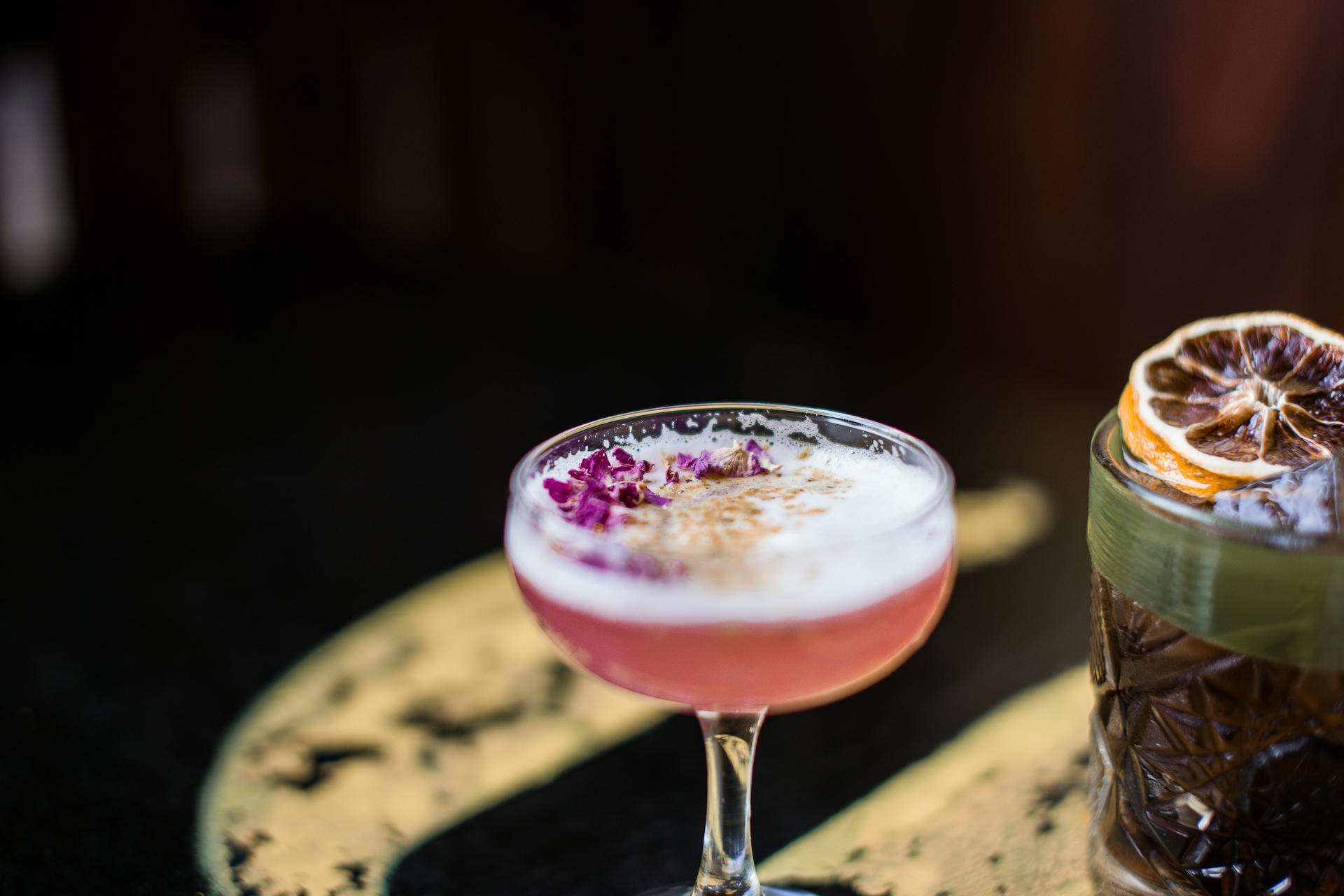
Cocktails with edible flowers and dehydrated fruit for garnishes

No-ABV, low-ABV, or full strength?

Revelations shared by the IWSR recently suggest that the very generation driving non-alcohol growth may also be driving traditional beverage alcohol growth.

At least, according to the IWSR, a particular generation is over-indexing in the non-alc category and “full-strength” categories such as rum, whisky, Champagne, brandy and Cognac, and RTDs.

This is because Millennialsthere it is, the big reveal—appear to be “substituters.” That is, as explained by the IWSR, much of this cohort consumes alcohol on some occasions, and non-alc beverages on others.

Now, before we proceed, let me get this out of the way: No generation is a monolith. While there’s value in understanding a given generation’s behavior, it’s important to understand that we can really only do so in broad terms.

That said, broadly speaking, members of the Millennial generation appear to be driving the growth of non-alc overall. In comparison to other generations, Millennials are consuming more non-alc spirits, more non-alc beer, and more non-alc wine.

Of course, there’s another caveat I must address: Less than half of Gen Z is of legal drinking age. So, when compared to that generation, the numbers are a bit skewed.

Generally speaking, non-alc is growing across the board in the US. What was once relegated to two or three low-alc beers and barely considered “mocktails” for many, many years is now a viable category. The category has gone from an afterthought to inspiring entire alcohol-free bar concepts, and it hasn’t taken long to achieve this growth.

Numbers

When I say Millennials are consuming more non-alc than other generations, what does that mean? Is the difference subtle, or is it eyebrow raising?

Per IWSR data, it’s the latter.

Last year, 45 percent of all non-alc beer drinkers in the US were Millennials. That number has jumped to 61 percent in 2024. Change focus to non-alc spirits and Millennials make up 66 percent of overall US consumers. That number is 59 percent when we look at who’s drinking non-alc wine.

For some context, just 22 percent of non-alc beer drinkers in the US are Gen X. Take a look at legal-drinking-age Gen Z and that number shrinks to seven percent. Again, though, most of Gen Z isn’t yet LDA.

So, back to substituters. Just under half of all Millennials, according to IWSR findings, vacillate between non-alc and full-ABV. It would appear, then, that Millennials are the most interested in exploring and experimenting with non-alc beverages.

For obvious reasons, this makes it clear that operators need to do more than just toss a couple of alcohol-free beers and sugary zero-proof cocktail concoctions on their menus.

Further, and I know I’m repeating myself, operators need to ensure they deliver the same level of service and guest experience for those abstaining from alcohol as those ordering traditional adult beverages. Failing to do so can alienate guests who choose to not consume alcohol but want to visit and socialize at a bar or restaurant. Why would they return if they receive what they perceive to be a lower level of service?

IWSR’s deep dive and data make it clear that operators need to give the non-alc element of their menu due consideration. The category is growing, interesting is increasing, and it’s smart business.

To review this data yourself, follow this link.

Image: Rachel Claire via Pexels

KRG Hospitality Contact 60-Minute Impact Session

Looking to Start, Stabilize, or Scale? Book Below to Setup a 60-Minute Result-Driven Impact Session.


by David Klemt David Klemt No Comments

WSWA Access LIVE 2024: Product Roundup

A Few of Our Favorite WSWA Access LIVE Things

by David Klemt

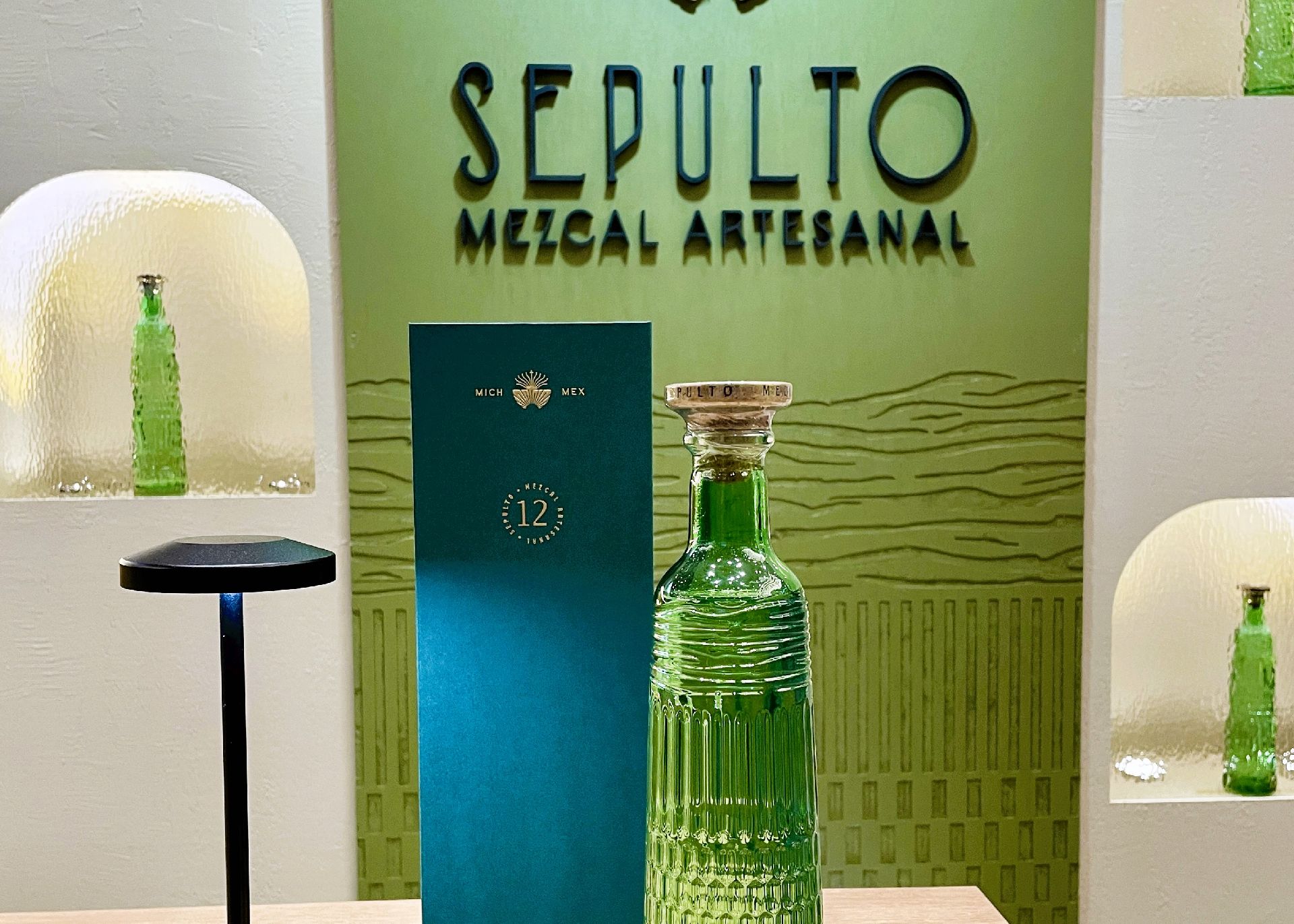
Sepulto Mezcal bottle

We attended WSWA’s Access LIVE 2024 event in Las Vegas, Nevada, and found quite a few products we think will pique the interest of restaurant and bar operators.

Agave spirits, perhaps unsurprisingly, seemed to dominate the floor. In particular, tequila was very well represented.

However, we also found notable vodkas, gins, whiskeys, sake, liqueurs, zero-proof beverages, and more. Below, several portfolios and items that really stood out to us.

Cheers!

Portfolio

Deluxe Distillery

This distillery, operating out of Belgium, has some of the most striking packaging I’ve seen in a while. I’m confident in saying that guests scanning a back bar would find Deluxe Distillery‘s bottles intriguing.

More importantly, of course, the liquid is just as outstanding. Deluxe produces three gins under the Blind Tiger label: Piper Cubeba, Imperial Secrets, and barrel-aged Liquid Gold. Their vodka, Mary White, pays homage to a famous bootlegger. And then there’s Yusibi, a honey-based aperitif in a unique bottle.

However, it’s Deluxe’s Sūpāsawā that really grabbed my attention at Access LIVE. This product, available in 30 states in the US already, makes batching not just a breeze but a more budget-friendly proposition. Cost per bottle should run around $9. The prebatched cocktail Deluxe Distillery was serving at their booth took less than five minutes to make.

As far as entire portfolios, Deluxe stood out the most to me.

Agave

Inspiro Tequila

This is clean tequila brand needs to be on your radar. There are currently two Inspiro Tequila expressions, Luna Blanco and Rosa Reposado. Both premium tequilas can be enjoyed neat, and Rosa is rested in rosé wine barrels sourced from France.

Inspiro is woman-owned, confirmed additive-free, certified Kosher, gluten-free, sugar-free, and zero carb. Oh, and the bottles are eye-catching.

Sepulto Mezcal Artesanal

This artisanal mezcal launched at this year’s Access Live event. And yes, this is another case of the bottle catching my eye and drawing me in.

Sepulto is aged for one year in glass, underground. As a result of the distiller’s cooking process, the complex notes of espadín, sahuayo, and papalote agaves come through with each sip. This is definitely a mezcal you’ll want to add to your super-premium agave spirits. In fact, it will be right at home on your back bar and menu next to your Don Julio 1942.

Vodka

Tenjaku Japanese Vodka

Don’t let the clean label fool you: Tenjaku is as fun a brand as it is a premium vodka. Click here to check out their packaging, which drives home my point.

Speaking of premium quality, Tenjaku Vodka is made from Yamada Nishiki rice, which is also used to make some of the best sake in the world. Further, the liquid is filtered not just through birch charcoal but also bamboo charcoal. The result is a vodka that tastes fresh and is delicate on the palate.

Herbesco Pepper Vodka

Looking for a great vodka that can serve as a spicy base for Bloody Marys and other hot cocktails straight from the bottle?

Herbesco Pepper Vodka is made with jalapeño, japones, chile de árbol, and bell pepper. Along with heat, expect herbal, fruity, and even chocolatey notes.

Gin

The Illusionist Dry Gin

Those familiar with Empress are familiar with what gives the gin its hue and color-shifting capability: butterfly pea flower. That botanical is also present in The Illusionist, which comes in a stylish, black Art Nouveau bottle.

Certified organic, The Illusionist delivers more than just visual impact. On the nose, licorice and citrus. Those notes are also present on the palate, along with fruity and floral flavors.

Whiskey

Yame Whisky

This Japanese whisky was introduced to me by Wine of Japan, an incredible portfolio of ultra-premium sake, beer, and spirits. Anyone who wants to add the highest quality sake from Japan need look no further. (In fact, I’ve been looking for a specific sake for over a decade. The VP or Wine of Japan knew exactly what I was talking about and had a sample at the booth. Amazing.)

Two expressions were available to try at Access LIVE, the 10 Year and 15 Year. The 10 Year features a 100-percent barley mashbill and is very easy to drink, delivering notes of vanilla and citrus. Think an easy-sipping bourbon. I found the 15 Year to a bit more complex, delivering dried fruit and grain on the palate. However, I had also sampled quite a few sake before trying this whisky.

In other words, you’re going to have to reach out to Wine of Japan and get tasted on both Yame expressions.

Tenjaku Whisky

There are two Tenjaku Whisky expressions currently: Blended and Pure Malt.

The former is sweet on the nose, with a touch of smoke. On the palate, Tenjaku Blended delivers grain, dried fruit, and a bit of spice.

The latter, Pure Malt, has nutty aroma with herbal notes. Expect wood and vanilla on the palate.

Niche

Wheyward Spirit

I could include woman-owned, operated, and distilled Wheyward in the whiskey category, but it’s too unique for that. The two available expressions are produced by upcycling whey.

Wheyward Spirit, the original expression, can stand in for vodka, gin, rum, sake, and even blanco tequila. The brand itself explains this innovative spirit quite succinctly: “Wheyward Spirit is one of a kind and was designed to take the best elements of vodka, sake, gin, and rum to be both a versatile and sippable clear spirit.”

There’s also Wheyward Spirit Wheyskey. Now that you’re familiar with the original, you can probably guess that this is a whey-based alternative to whiskey. This expression is barrel-aged Wheyward Spirit, and, like the original, is additive-, grain-, gluten-, and lactose-free. When I tasted Wheyskey, it most closely resembled a rye whiskey to me.

Alcohol-free

De Soi

“Savor the flavor, lose the booze, put the ‘fun’ in ‘functionality,’ and embrace the pleasure of restraint,” says non-alcohol brand De Soi.

This range of zero-proof apéritifs is loaded with interesting flavors, such as sparkling Très Rosé, citrusy and herbaceous Golden Hour, and jammy and bitter Champignon Dreams.

Operators looking to add sophisticated and unique non-alcohol beverage options should definitely look into De Soi.

Sparkling Wine

Rozoy Picot

If the production of this French sparkling wine didn’t involve a unique twist, I’m told Rozoy Picot would legally be Champagne.

However, these sparkling wines are blended with terpenes, the aromatic elements of cannabis. (Remember, terpenes don’t contain psychoactive elements, so this product doesn’t get you high.)

There’s a white varietal, Rozoy Picot OG Kush, and a red, Punch Rosé. I can only say that these must be smelled and tasted to be understood fully. Additionally, I can see these performing well at nightclubs as a unique bottle service option.

Image provided by author.

Bar Nightclub Pub Brewery Menu Development Drinks Food

by David Klemt David Klemt No Comments

WhistlePig Launches Dank January

WhistlePig Launches Dank January

by David Klemt

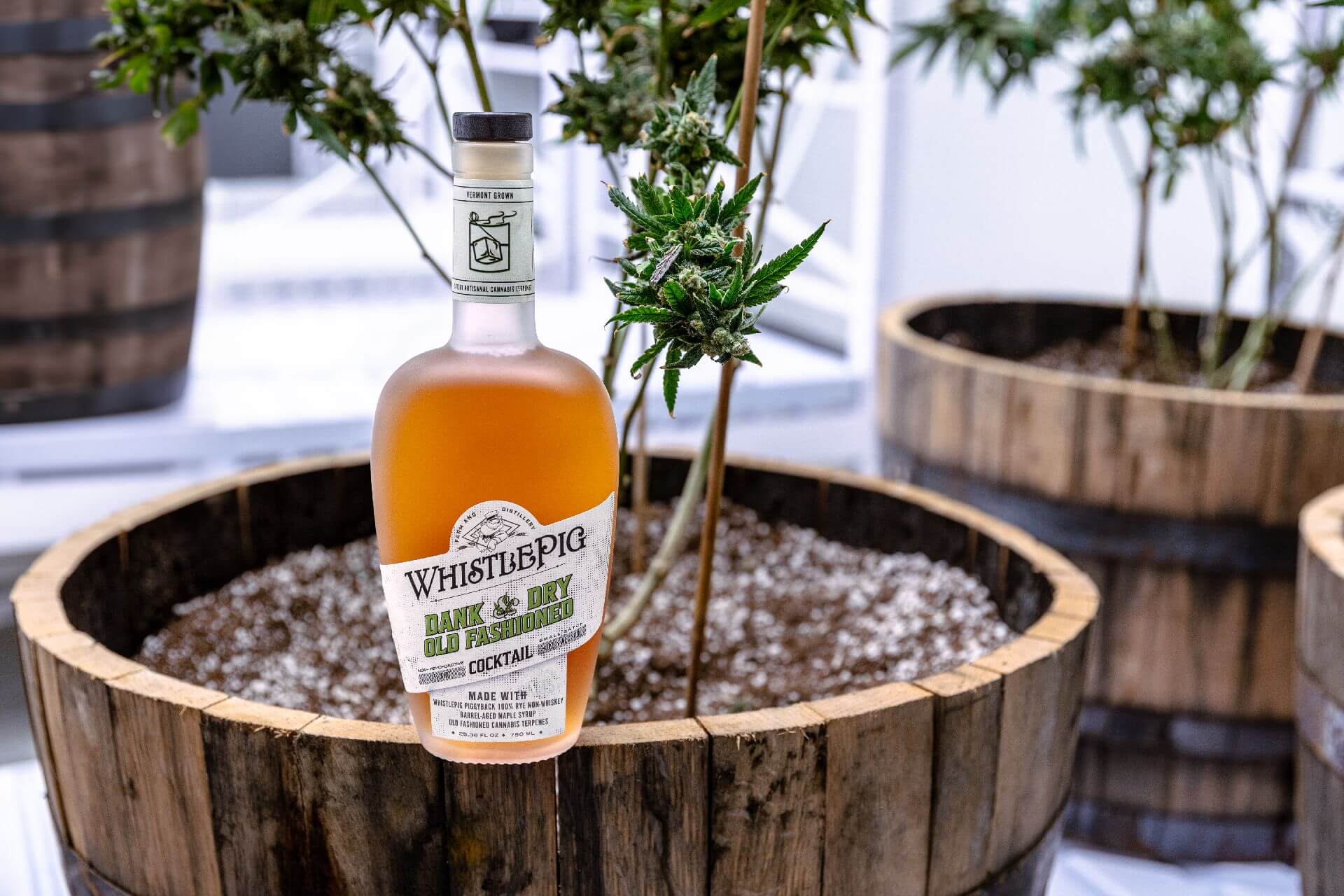
WhistlePig Dank Dank & Dry Old Fashioned Cocktail

You’ve heard of Dry January but WhistlePig Whiskey wants to usher in Dank January, and they’re giving back to bartenders to make it happen.

The craft whiskey producer, a finalist in the second annual Liquor Awards for Sustainable Producer of the Year, has released a head-turning new alcohol-free expression.

Already sold out at the time of publication, the limited edition Dank & Dry Old Fashioned promises a unique drinking experience. Luckily, we secured our Hot Box Bundle (information below) prior to this terpene-supercharged bottle selling out.

This eccentric bottle features reverse-distilled WhistlePig Piggyback Rye, which becomes Rye Non-Whiskey. WhistlePig blended the alcohol-free non-whiskey with barrel-aged maple syrup. Of course, that in and of itself would make for a fantastic bottled craft cocktail. However, its another ingredient that really stands out.

WhistlePig added what they’re calling Old Fashioned Terpenes to the non-whiskey and syrup. These terpenes were cultivated from cannabis that had been grown in whiskey barrels. To create the Old Fashioned Terpenes, the terpenes from the barrel-grown cannabis were isolated by Satori Premium Cannabis, a producer located in Vermont.

Before anyone rushes to any conclusions, no, Dank & Dry won’t get you high. Terpenes are aromatic compounds, not psychoactive. So, this limited edition bottled cocktail won’t get you drunk, high, or otherwise buzzed.

What it will do, I suspect, is deliver a truly unique flavor experience. I’ll report back with my thoughts after it arrives and I get to sit with it for a bit.

This bottle is also helping bartenders as 100-percent of Dank & Dry proceeds are set to go to Turning Tables. With any luck, WhistlePig will be inspired to bring this bottle back for every Dry (or Dank) January going forward.

Dank January is the New Dry January with WhistlePig’s Non-Alc, Terpene Maple Old Fashioned

World’s First Dank & Dry Cocktail Puff-Puff-Passes 100% of Proceeds to Bartenders

SHOREHAM, Vt.–WhistlePig Whiskey, the leader in independent craft whiskey, is highjacking Dry January with a Limited Edition Dank & Dry Old Fashioned Cocktail. Known for pushing the boundaries of whiskey making to craft the world’s best and most interesting whiskeys, WhistlePig is elevating the non-alcoholic cocktail experience with the addition of non-psychoactive cannabis terpenes to its signature Barrel Aged Maple Old Fashioned recipe. 100% of the proceeds of this Dank January Limited Edition will benefit the bartending community.

Crafted with 100% Rye Non-Whiskey, Barrel-Aged Maple Syrup and Vermont Cannabis Terpenes, the new terps non-alc is a salad bowl of superior ingredients never-before-seen in a non-alcoholic Old Fashioned. WhistlePig’s reverse distilled PiggyBack Rye ‘Non-Whiskey’ is balanced with Barrel-Aged Maple and locally sourced Old Fashioned Terpenes for a chronic non-alc cocktail experience. The non-psychoactive terpenes were cultivated from cannabis grown in whiskey barrels, and isolated by Satori Premium Cannabis in the Green Mountain State.

“At the intersection of non-alc and cannabis trends, terpenes offer a new frontier for flavor that we couldn’t resist experimenting with,” said Meghan Ireland, WhistlePig Head Blender. “The results are fire, with terpenes adding aromas and mouthfeel that are often missing from non-alc innovation. Whether you’re still walking the hog, enjoying the electric lettuce, or abstaining altogether, WhistlePig fans do not have to miss out on a great tasting Old Fashioned this January.”

WhistlePig’s Dank & Dry Old Fashioned Cocktail is available as both a ‘One Hitter’ (single 750ml bottle) for $49.99 MSRP or in the ‘Hot Box Bundle’ with the addition of a pig-shaped cocktail smoker and ‘dime baggie’ of cocktail smoking chips for $64.20 MSRP. Each bottle is presented in a Reefer Madness inspired gift box emblazoned with WhistlePig’s original logo (since retired) with the pig wielding a left-hoof-cigarette.

As a toke-n of thanks for bartenders who work their tails off during the holiday season only to be left high and dry in January, WhistlePig is puff-puff-passing 100% of Dank & Dry Old Fashioned proceeds to bartenders through Turning Tables, a New Orleans based non-profit whose vision is to cultivate leadership, create real opportunity and change the face of hospitality by establishing a model and standard for equitable access for the Black & Brown hospitality community of New Orleans.

WhistlePig Dank & Dry Old Fashioned is available online while supplies last.

To learn more about WhistlePig Whiskey, visit whistlepigwhiskey.com. You can also check out WhistlePig Whiskey on Facebook, X and Instagram.

About WhistlePig Whiskey

Located off the grid on a 500-acre Vermont farm, WhistlePig Whiskey is crafted by a new generation of whiskey distillers and blenders driven to reinvent and unlock the flavor of Rye whiskey. Through their rebellious pursuit of experimenting and pushing boundaries in the industry, WhistlePig has become the leading independent craft whiskey brand for innovation. WhistlePig is committed to becoming the best whiskey on and for the planet, starting with its locally sourced ingredients and sustainable supply chain and distilling process. For more information, head to whistlepigwhiskey.com.

About Turning Tables

Turning Tables was launched in 2019 by industry leaders and mentors who found a thirst for community and opportunity among Black and Brown hospitality professionals looking to take their careers to the next level. The Turning Tables 12-week intensive program connects each cohort of individuals with a foundation in spirits, cocktail and wine knowledge with access to career pathways within the three tier system, restaurant and bar management, trade advocacy, marketing, and hospitality leadership. Their process is both experiential and classroom-oriented. They partner with employers, brands and like-minded individuals who recognize pervasive racism and inequity in the industry and want to join them in challenging it.

Image: WhistlePig Whiskey

KRG Hospitality Start-Up Restaurant Bar Hotel Consulting Consultant Solutions Plans Services

by David Klemt David Klemt No Comments

Can It? NA Canned Cocktail Performance

Can It? Zero-proof Canned Cocktail Performance

by David Klemt

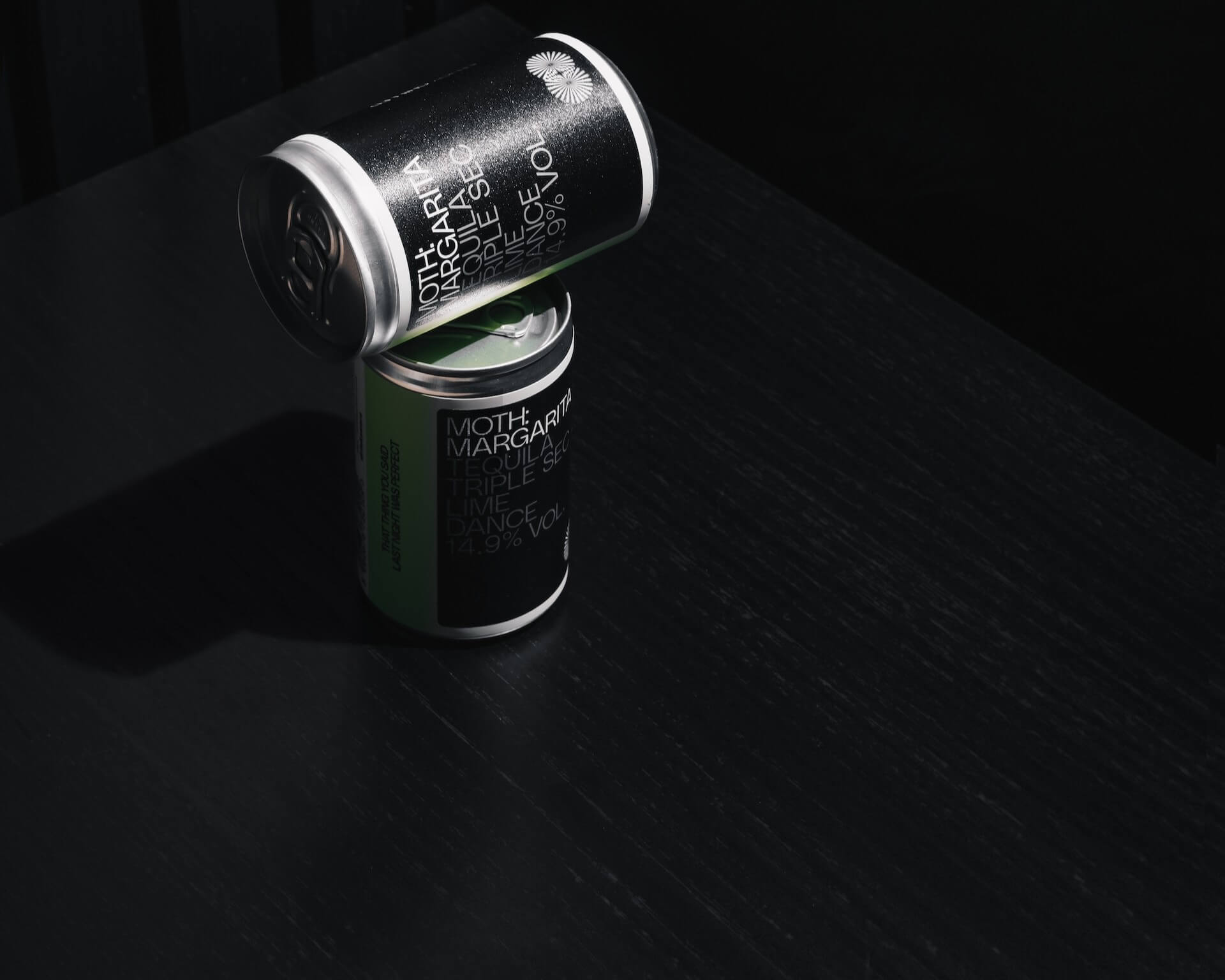
Moth Margarita canned cocktails stacked on a black, wood table

Veylinx, a behavioral research platform trusted by some of the world’s biggest brands, has turned their attention alcohol-free canned cocktails for a recent study.

They’ve researched demand for non-alcohol before. In fact, you can find our analysis of their 2022 study here. We’ve also covered their look into the effectiveness of Super Bowl ads.

For their latest study, consumer demand for non-alcoholic canned cocktails, Veylinx showed how seriously they take research and methodology.

Conducted between November and December of 2023, the platform created a fictional canned cocktail brand, Elixir. This was done to account for brand bias.

Further, the “brand” produced two benchmark products—alcohol and alcohol-free—and four variations. These non-alcoholic variants offered four different benefits: CBD, mood boost, zero-calorie, and natural detox.

All participants were 21 or older:

  • 21 to 25
  • 26 to 35
  • 36 to 45
  • 46 to 55
  • 56 to 65
  • Older than 65

Half of the study identified as male, and the other half as female. Most, 73 percent, were alcohol drinkers, while 27 percent were not.

For the study, Veylinx had each participant, 410 in total, bid on the six Elixir products with their own money. The bidding took place in randomized, sequential auction.

After the auction, the participants completed a questionnaire. The following is a sample question:

“What would be the main reasons for you NOT to buy non-alcoholic beverages? Please select all that apply.”

Possible answers to that question were: Limited availability, Limited variety, Flavor, and/or Other.

With methodology explained, let’s check out the results.

Canned Cocktails by the Numbers

While demand for non-alcohol canned cocktails appears to be growing, their counterparts remain most popular.

Per Veylinx, demand for Elixir’s alcoholic canned cocktails surged by 20 percent in their study. In comparison, average demand for the fictional brand’s non-alcoholic benchmark and variants canned cocktails increased by four percent.

Further, the full-proof and zero-proof CBD products garnered the most interest. The alcoholic version saw an uplift of seven percent, and CBD saw a three-percent uplift. Consumers showed the least interest in non-alcohol, zero-calorie variants.

Comparing 2022 to 2023, demand for “standard” alcohol-free canned cocktails is up 14 percent. This is followed by the CBD variant with four-percent growth in consumer demand. Next, non-alcoholic canned cocktails with a “mood-boosting” benefit, which grew by two percent. Natural detox saw an increase in demand of just one percent. And consumer demand for zero-calorie, zero-alcohol canned cocktails fell by one percent.

So, today’s consumer, at least according to research conducted by Veylinx, is most interested in alcoholic canned cocktails. Still, there’s growing interest in alcohol-free canned cocktails, something for operators to keep in mind.

Changes in Behavior

Speaking of interest in zero-proof, Veylinx uncovered some other interesting information.

In 2022, around 56 percent of consumers expressed interest reducing their alcohol consumption. That number fell by 18 percent to 38 percent in 2023. That’s still a significant percentage of consumers looking to make a big change in their lives.

Forty-one percent of consumers aged 21 to 35 are trying to reduce their alcohol intake. That number drops slightly to 36 percent for those aged 36 and older.

Veylinx also found that half of consumers would drink less alcohol if one simple change took place. All it would take is better-quality, non-alcohol versions at better prices to hit the market.

In fact, per Veylinx, consumers cited flavor and price as the two top influences on their decision to consume zero-proof canned cocktails. So far, energy drinks are the go-to for most consumers trying to drink less alcohol.

If they’re smart, brands with an interest in producing successful non-alcohol canned cocktails will work to improve costs, flavors, and health benefits, if this Veylinx study is taken to heart.

To review this study in its entirety yourself, click here. The press release for the study is below.

The Year of Canned Cocktails: Consumer Demand Increases for Non-Alcholic and Alcoholic Variations

NEW YORK, December 20, 2023 —  According to a new, year-over-year study from behavioral research platform Veylinx, consumer demand is increasing for both non-alcoholic and alcoholic canned cocktails. Using Veylinx’s proprietary methodology—which measures actual demand rather than intent— the study found that demand for non-alcoholic canned cocktails grew by 4%, while demand for alcoholic canned cocktails surged by 20% over last year.   

While interest remains strong for non-alcoholic alternatives, the percentage of people trying to reduce their alcohol consumption fell by 18%, to 38%. This decline from 2022 could lead to lower participation in abstinence events like Dry January. 

Half of respondents claimed they would drink less alcohol if better non-alcoholic alternatives were available, showing opportunity for yet more innovation in the beverage sector. Those looking to reduce their alcohol consumption are 50% more interested in non-alcoholic cocktails.

In 2022, “Never tried before,” was the top reason consumers gave for not buying canned non-alcoholic beverages. That is no longer the case in 2023, suggesting that non-alcoholic canned cocktails increased their market penetration over the last year. Flavor and price are now the primary reasons people don’t buy non-alcoholic cocktails.

“Even with fewer people trying to reduce their alcohol consumption, demand for non-alcoholic canned cocktails continues to grow,” said Veylinx founder and CEO Anouar El Haji. “Drinkers and non-drinkers alike are receptive to ready-to-drink alternatives that are better for their health and wallets.”

The study also measured demand for non-alcoholic cocktails enhanced with functional benefits like mood boosters, detoxifiers and CBD. Demand for the standard non-alcoholic version increased 14% from last year, while the enhanced variations increased only slightly and the zero-calorie version fell by 1%. This suggests consumers might be losing interest in what they perceive as marketing gimmicks. The CBD version saw a 4% increase in demand, remaining the most popular non-alcoholic variation. 

Additional key findings: 

  • The optimal price for non-alcoholic canned cocktails that maximizes revenue for brands is $12 for a four-pack

  • The brands consumers have tried the most are: 1) Mocktail Club, 2) Wild Tonic, 3) Spiritless, 4) DRY,  and 5) Hella Cocktail Co

  • 44% of people expressed support for an additional 10% tax on alcohol as a public health measure for reducing consumption 

  • For those aiming to drink less alcohol by replacing it with other beverages, energy drinks experienced the greatest increase in popularity

  • Physical Health and Cost are the two most popular reasons for reducing alcohol consumption

  • Grocery stores are the most popular place to buy non-alcoholic canned cocktails

  • Flavor options have the most influence on which brand consumers choose

  • A lower price would convince 20% of consumers to buy more non-alcoholic cocktails

To download more detailed results from the 2023 Non-Alcoholic Canned Cocktail study or for more information about Veylinx, visit https://veylinx.com/canned-cocktails

About the research 

Unlike typical surveys where consumers are simply asked about their preferences, Veylinx uses behavioral research to reveal how much consumers will pay for a product through a real bidding process. Consumers reveal their true willingness to pay by placing sealed bids on products and then answering follow-up questions about their reasons to buy or not to buy. The research was conducted in November and December 2023 among U.S. consumers ages 21 and over. It is a follow-up to a similar study Veylinx conducted in October 2022. The 2022 study can be found at https://info.veylinx.com/non-alcoholic-cocktails

Image: Ambitious Studio* – Rick Barrett on Unsplash

Bar Nightclub Pub Brewery Menu Development Drinks Food

by David Klemt David Klemt No Comments

New Alcohol-free Program Has Our Attention

New Alcohol-free Program Has Our Attention

by David Klemt

Café de España drink at the Palma at the Santa Monica Proper Hotel

The alcohol-free Café de España cocktail at Palma Lounge inside Santa Monica Proper Hotel.

Offering guests an alternative to imbibing during the holiday season and into Dry January, the Palma’s “Conscious Consumption” menu has our attention.

Palma Lounge inside Santa Monica Proper Hotel is offering a fully realized zero-proof cocktail menu. Showing their savviness, the shrewd Proper Hospitality team launched this alcohol-free menu at the start of November.

Given the number of holiday gatherings people are expected to attend from mid-November through December 31, this is a smart move.

There are several reasons a guest may choose to abstain from drinking alcohol while at a bar, restaurant, or special event. A person may be sober; sober-curious; in need of a break from alcohol after attending a number of personal and professional events; the designated driver; or not be in the mood to drink.

At the end of the day, it doesn’t matter why a guest doesn’t want to consume alcohol, even while out at a bar. What is important is making that guest feel included and comfortable, not alienated or as though they don’t fit in.

Full Consideration

Truly, operators and their front-of-house teams should treat alcohol-free cocktails the same as their low- or full-proof counterparts. Zero-ABV beverages deserve as much as consideration as traditional cocktails. Taste, balance, mouthfeel, garnish, presentation… These drinks shouldn’t be afterthoughts.

Indeed, a great non-alcohol drink menu should be as intriguing as the standard cocktail menu. A guest abstaining from alcohol should receive the same service and experience as other guests.

If done right, with premium ingredients, these beverages can be priced in line with their boozy menu peers. As importantly, they’ll also encourage guests who order them to return to a bar or restaurant.

What really got our attention is how deep the Palma Conscious Consumption menu runs. There aren’t just one or two zero-proof drinks. There aren’t a half-dozen. No, there are at least ten.

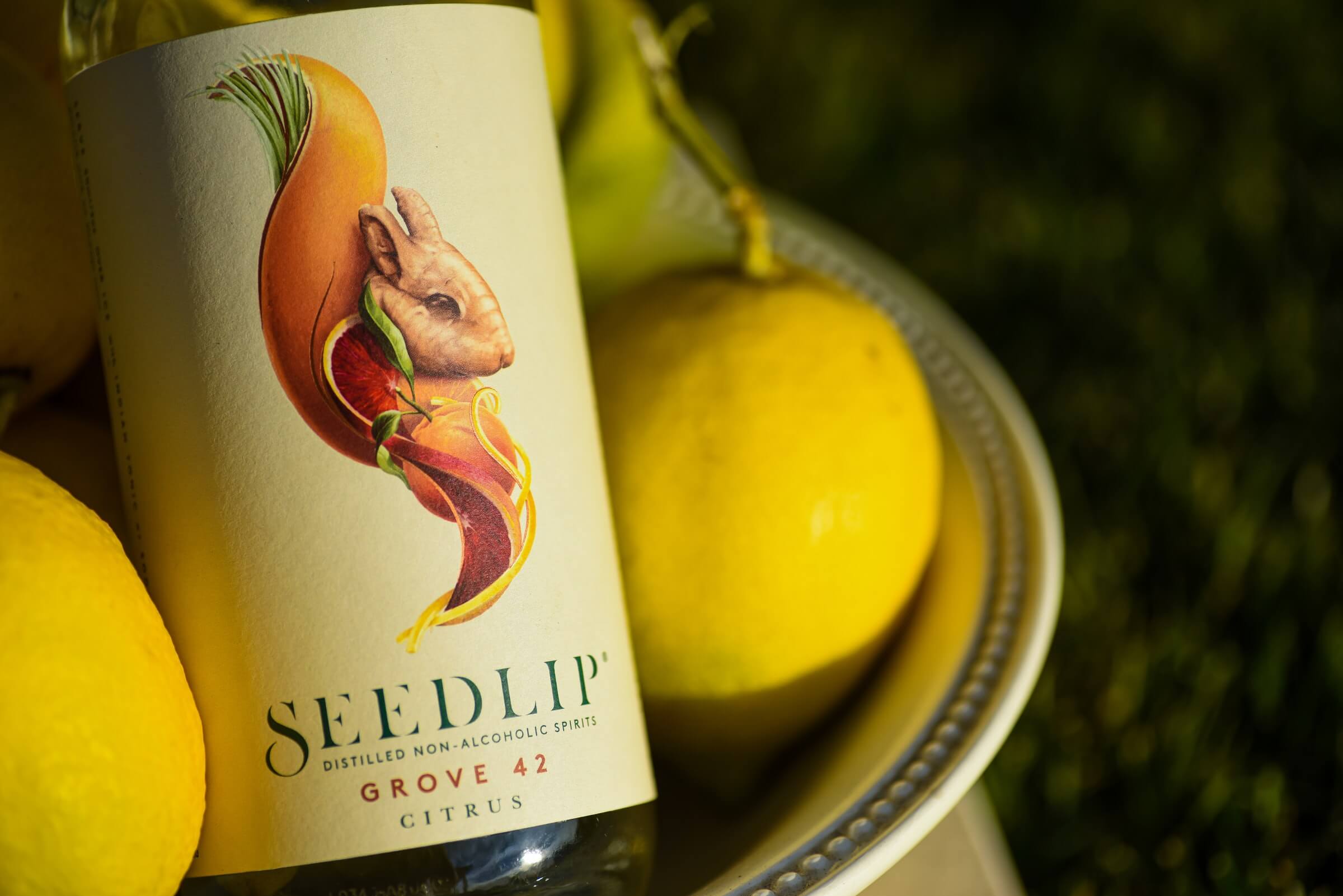
And in terms of careful consideration, the menu includes Lyre’s, Optimist, and Seedlip products. With this menu, Palma is positioned to weather Dry January without problem as guests will be well aware of this menu.

Any operator looking for an example of a conscientious approach to no-alcohol, wellness, and a favorable guest experience should look to the team at Palma.

For the full Conscious Consumption program press release, see below.

PALMA AT SANTA MONICA PROPER HOTEL INTRODUCES ‘CONSCIOUS CONSUMPTION’ BEVERAGE PROGRAM

New Menu Features Robust Selection of No-ABV Options for Every Occasion 

November 2023—Beginning November, 2023, Palma at the Santa Monica Proper Hotel introduces its new Conscious Consumption program, a selection of non-alcoholic cocktails and beverages for its wellness-focused surrounds in the heart of Los Angeles’ west side.  

WHAT: Whether curbing consumption between a schedule of holiday parties, hitting reset in the new year, or monitoring day-to-day indulgence, Palma’s new Conscious Consumption menu includes nonalcoholic versions of both traditional cocktails and original creations, featuring a range of N/A spirits that are exciting as they are satisfying. Highlights include: 

  • The Cosmo: Optimist Fresh, Lyre’s Orange Sec, cranberry, lime 
  • Fresh 75: French Bloom Le Blanc, Optimist Fresh, lemon, agave 
  • Café de España: Lyre’s Coffee Originale, espresso, orange blossom 
  • TropiCali: Seedlip Spice, Lyre’s Orange Sec, Tropical Red Bull, ginger 
  • Spritzu: French Bloom Le Blanc, Lyre’s Italian Orange, Fever Tree Club Soda, yuzu 
  • Basil Drop: Seedlip Spice, Lyre’s Orange Sec, lemon, basil 
  • No-Jito: Lyre’s Dark Cane, mint, orange, lime, Fever Tree Club Soda 
  • Hug on the Beach: Optimist Fresh, lemon, cucumber, ginger 
  • Prickly Bear: Seedlip Spice, Lyre’s Orange Sec, prickly pear, grapefruit, jalapeno-ginger syrup 
  • Gin and Juice: Lyre’s Dry London, Fever Tree Sparkling Grapefruit, lime 

WHERE: Palma at the Santa Monica Proper Hotel (700 Wilshire Blvd, Santa Monica, CA 90401) 

WHEN: The new menu is available beginning November 1, 2023 

HOW: Palma accepts walk-ins for both dining and the bar, to make a reservation, visit here

About Santa Monica Proper Hotel

Santa Monica Proper is an architectural wonder set amid two contrasting buildings — a Spanish Colonial Revival landmark and a sleek contemporary new build, connected by an artfully crafted bridge — where the creative vision of Kelly Wearstler’s design seamlessly blends past and present. The property is anchored by Palma, an all-day enclave for craft cocktails and eclectic bites, along with a rooftop destination, Calabra. The latter features vibrant Mediterranean and California coastal cuisine and a robust wine program, with hubs for both indoor and outdoor gathering, complete with sweeping ocean and cityscape views. Lastly, the Siete event space (formerly Onda) offers a unique setting for high profile collaborations, residencies and events, complete with furnishings by Kelly Wearstler.  

About Proper Hospitality

Proper Hospitality designs, brands, and operates high-end lifestyle hospitality experiences under the Proper, Hotel June and The Collective brands. Each property is a distinct reflection of the vibrant community surrounding it, while sharing a common belief in uncommon luxury, convenience of location, and world-class amenities provided by locally vetted innovators in art, food & beverage, fashion, music, technology and wellness. Led by the visionaries behind The Kor Group, the company currently manages Proper branded hotels in Santa Monica, Downtown Los Angeles, San Francisco and Austin, Hotel June in West Los Angeles and Malibu, and The Collective, a curation of design-driven independent hotels including Avalon Hotels in Beverly Hills and Palm Springs, Ingleside Inn in Palm Springs, Venice V Hotel in Venice Beach, The Culver Hotel in Culver City and Paia Inn in Maui. For more information and to discover the latest on anticipated openings, please visit www.properhotel.com 

Image: Dylan+Jeni (image was cropped to landscape orientation for this article)

Bar Pub Brewery Nightclub Club Nightlife Concept Development

by David Klemt David Klemt No Comments

5 Books to Read this Month: December 2023

5 Books to Read this Month: December 2023

by David Klemt

Flipping through an open book

Our inspiring and informative December book selections will help you and your team transform your operations and F&B programming.

This month, we look at books covering an array of topics. There’s an alcohol-free cocktail recipe book, an exploration of some of America’s most unique hotels, and more.

To review the book recommendations from November 2023, click here.

Let’s jump in!

The Mocktail Club: Classic Recipes (and New Favorites) Without the Booze

Some people find the word “mocktail” is one of the best to label their alcohol-free drinks. Others find the word condescending. Regardless of which camp you find yourself in, The Mocktail Club should help you expand your zero-proof menu.

From Amazon:The Art of Mixology meets mocktails in this beautiful collection of 75 alcohol-free recipes for classic drinks, new flavor concoctions, and twists on old favorites, so you can experience the joy of cocktail creation without the booze!

Pre-order it today. This book is available on January 2, 2024.

Hotel Kitsch: A Pretty Cool Tour of America’s Fantasy Getaways

We love a creative independent hotel brand, unique resort, or one-of-a-kind motel. Any place with endless details to discover and appreciate that places value on offering unforgettable experiences during a guest’s stay. This book captures such hotels and motels in a series of photographs that should inspire operators to follow through with their incredible visions.

From Amazon: “From the photographers and inveterate travelers behind the social media sensation A Pretty Cool Hotel Tour, Hotel Kitsch celebrates dozens of creative, nostalgic, one-of-a-kind hotels that span the heart of the Poconos and across the United States to Mexico, Spain, and the UK. Discover, in the middle of Iowa, a jungle room with fake trees and foliage surrounding the bed as if it had taken its cue from Where the Wild Things Are. Or Jules’ Undersea Lodge in Key Largo where the rooms are reached by scuba diving. An Arctic Cave room at a hotel in Kentucky with its carved blue walls and not a window to be found. And on the California coast, the iconic Madonna Inn featuring 110 rooms, each themed and no two alike.”

Grab it today.

The Hospitality Mentality: Create Raving Fans Through Your Guest Experience

This book is so new it isn’t available until tomorrow, December 5. New book, fresh ideas to lead you into the new year.

The Hospitality Mentality is all about empowering your team to deliver impeccable service and unforgettable memories, keeping guests coming back to your venue for more.

From Amazon: “Business leaders will gain inspiration to take their service standard to the next level, knowing that this is an area that cannot plateau. Readers will be motivated to go above and beyond guests’ expectations through creating hyper-personalized experiences, amplifying enthusiasm, anticipating needs, and crafting superior ‘wow’ moments that solidify memories that take satisfaction to the next level. By maximizing the benefit of guest feedback and directly addressing complaints, service providers can strengthen their relationship with their guests, ultimately leading to business/brand loyalty.”

Get the paperback today!

Reinvent: Navigating Business Transformation in a Hyperdigital Era

This business book has earned a number of accolades since its publication earlier this year:

  • Wall Street Journal bestseller
  • Silver for Best Business Book in the 2023 Globee® Awards for Business, The 21st Annual American Business Awards®
  • 2023 Best Business Book of The Year, Silver Stevie Winner

The hospitality industry, as operators are all too aware, has been making massive strides when it comes to technology the past few years. However, as Reinvent also says, you can’t just plug in a tech solution, expect it to work, and say your brand and business are transformed.

From Amazon: “From top to bottom, organizations will be compelled to change entire mindsets, attitudes, and assumptions about how they operate, how they can grow, and even the very reason for their existence. This book introduces readers to ideas, concepts, and a comprehensive framework (LIFTS) that they can use to better position themselves and their organizations to reap the greatest number of benefits that business and digital transformation can afford. It’s a journey rich with promise that explains complex concepts in an understandable common language.”

Order the hardcover today.

Bar Hacks: Developing The Fundamentals for an Epic Bar

This informative and conversational book is the perfect read for aspiring or seasoned bar, pub, lounge, or even restaurant owners, operators, and managers looking for that competitive edge in operations! If you’re looking for both fundamental and in-depth planning methods, strategies, and industry focused insight to either start or grow a scalable, sustainable, memorable, profitable, and consistent venue in today’s cut-throat industry, Bar Hacks is written just for you.

Pick up the paperback from Amazon today!

Image: Mikołaj on Unsplash

by David Klemt David Klemt No Comments

Do Super Bowl Ads Work on Consumers?

Do Super Bowl Ads Work on Consumers?

by David Klemt

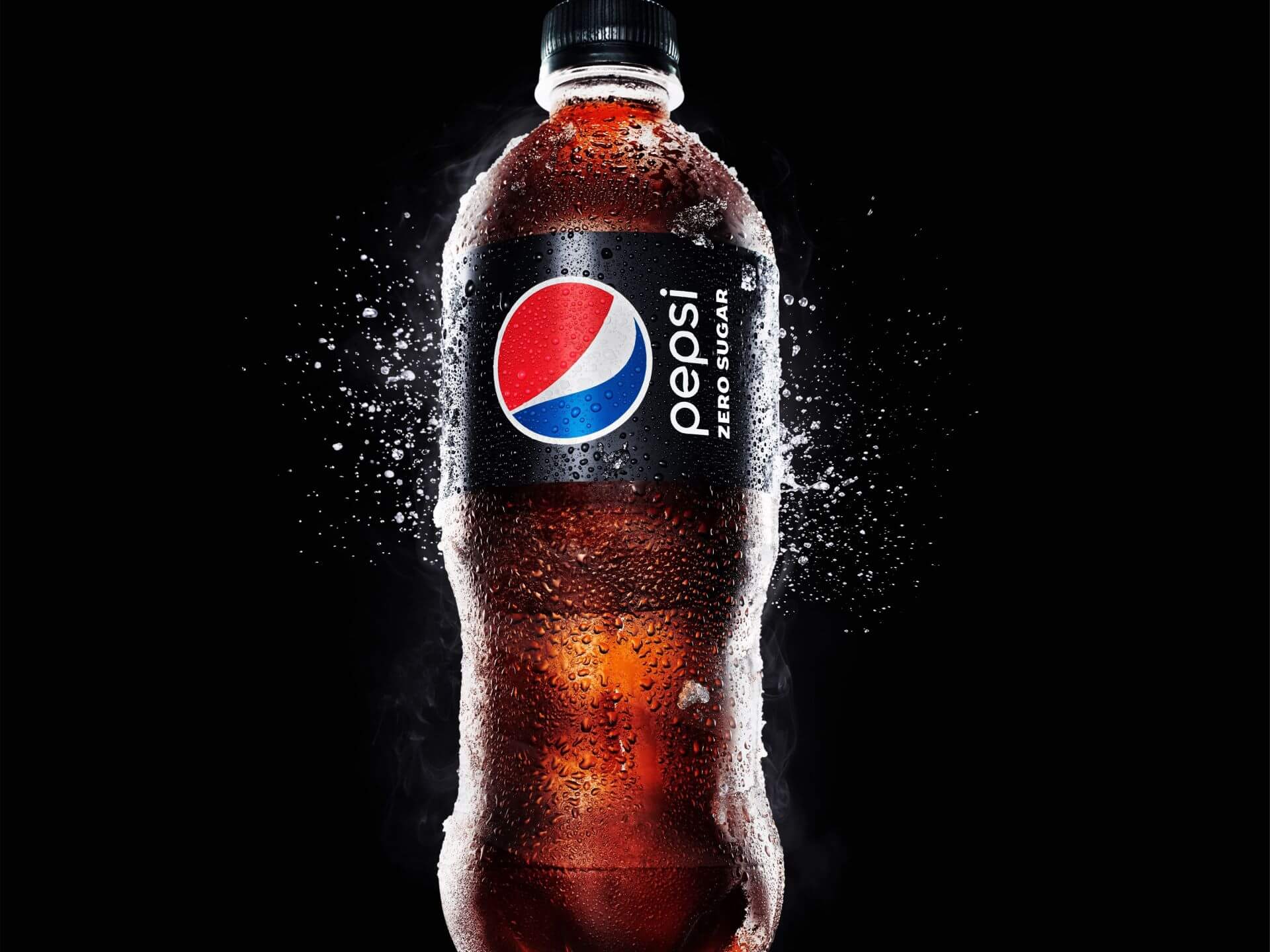
Pepsi Zero Sugar bottle

One of the biggest Super Bowl ad winners is Pepsi Zero Sugar.

Brands spent hundreds of millions of dollars to advertise during Super Bowl LVII, but do their ads actually translate to demand for their products?

A week ago we shared our ten favorite beverage-focused Big Game ads. Along with those ads we shared some numbers.

One of those numbers was $7 million, the cost of a 30-second Super Bowl ad on Fox. Other numbers? $500 million and $700 million, the range of revenue it’s estimated that Fox generated this year from Super Bowl ads.

At this point, these ads and the Halftime Show have essentially become their own entities. Some people watch the Big Game for the ads, some for the show halfway through. It stands to reason that brands are well aware of this development. So, they try to create the most impactful ad possible in the hopes of generating consumer demand.

In other words, these brands aren’t spending all this money just so they’re commercial can be deemed cool. Sure, brands want that buzz. But they also want an ROI on the millions they spend.

The big question is, then, are they seeing a return? Well, it just so happens that behavioral insight platform Veylinx has a data-driven answer to that question.

In short, the answer is yes. Of course, it’s a nuanced yes. For example, it appears Gen Z doesn’t care much about Super Bowl ads, as you’ll see below. Also, non-advertisers in the same categories as Super Bowl advertisers appear to see a benefit from the ads.

You’ll learn more from the Veylinx press release below. It’s an interesting read with valuable data for restaurant, bar, and hotel operators.

NEW YORK, Feb. 22, 2023 — A new study from behavioral research company Veylinx determined whether or not Super Bowl commercials boost consumer demand for the products advertised. The results show that 2023 Super Bowl advertising fueled a 6.4% increase in demand among viewers.

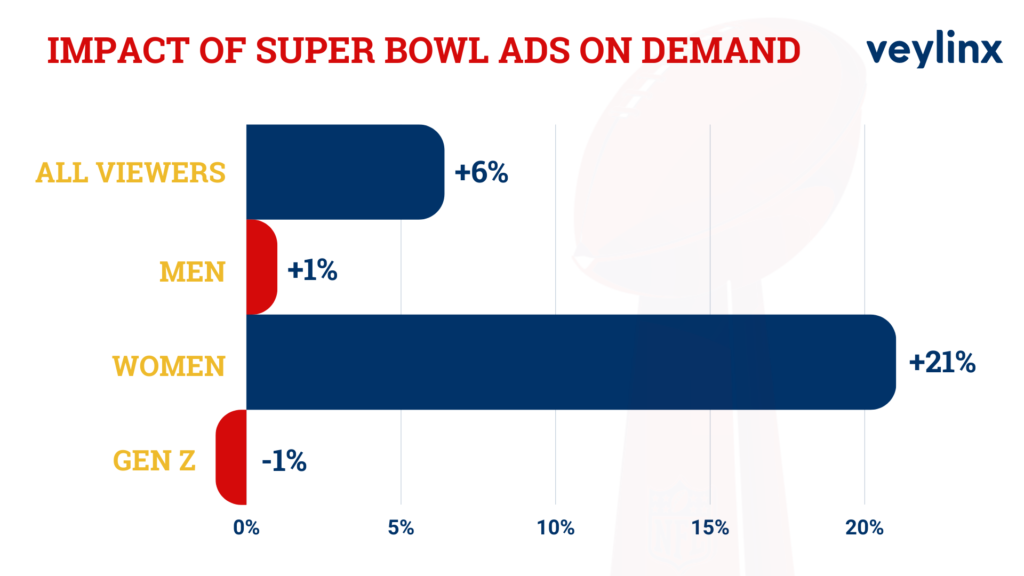
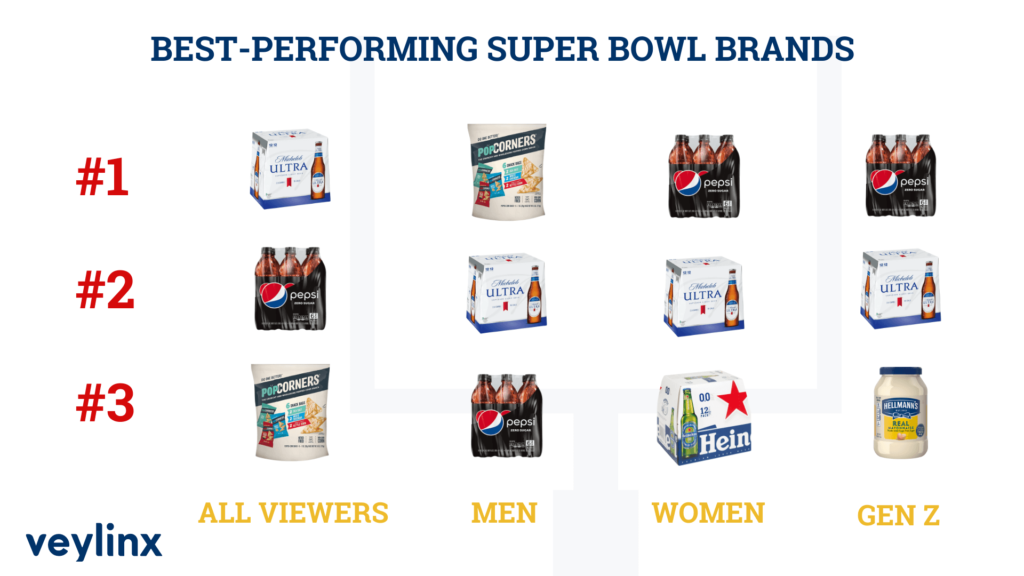
The overall increase in consumer demand was driven by women, who accounted for a 21% increase in demand growth. The commercials had minimal impact on men, yielding just 1% demand growth for the brands tested. Gen Z viewers were largely unimpressed by the Super Bowl ads, with demand among 18 to 25 year olds actually shrinking by 1%.

2023 Veylinx impact of Super Bowl ads on consumers chart

“It’s not really a surprise to see that Super Bowl ads improve sales, but the short term bump alone may not be enough to justify the $7 million price tag,” said Veylinx founder and CEO Anouar El Haji. 

Using Veylinx’s proprietary methodology—which measures actual demand rather than intent—the study tested purchase behavior during the week before the Super Bowl and again the week after. The research focused on measuring the change in consumer demand for eight brands with Super Bowl ads: Michelob Ultra, Heineken 0.0%, Hellmann’s Mayo, Downy Unstopables, Crown Royal Whisky, Frito-Lay PopCorners, Pringles and Pepsi Zero Sugar. 

Super Bowl Advertising Winners Overall

Michelob Ultra – 19% increase in demand

Pepsi Zero Sugar – 18% increase in demand

Frito-Lay PopCorners – 12% increase in demand

Heineken 0.0% – 11% increase in demand

Super Bowl Advertising Winners Among Women

Pepsi Zero Sugar – 45% increase in demand

Michelob Ultra – 40% increase in demand

Heineken 0.0% – 40% increase in demand

Crown Royal Whisky – 26% increase in demand

Veylinx, top performing brands during 2023 Super Bowl

Halo Effect for Non-Advertisers

The biggest winners were arguably brands in the same product categories as Super Bowl advertisers. Non-advertisers in those categories appeared to benefit nearly as much as the advertisers: demand grew by 4.2% percent for the study’s control group of non-advertising competitors. Corona Extra, Kraft Mayo and Lay’s STAX were the greatest beneficiaries in a control group that also included Budweiser Zero, Arm & Hammer Clean Scentsations, Canadian Club Whisky, Popchips, and Coke Zero Sugar. Notably, every non-advertiser saw at least a slight increase in post-Super Bowl demand.

“The goal of our study was to look specifically at how consumer demand is affected by running a commercial during the Super Bowl,” El Haji said. “It’s possible that the non-advertisers deployed other marketing efforts to offset or take advantage of the Super Bowl advertising—or they simply benefited from increased exposure for their categories.” 

Additional Findings

Study participants also answered a series of follow-up questions about their preferences, perceptions and how they watched the Super Bowl. More than three-quarters watched at home through various platforms, the most popular being the live cable/satellite broadcast (38%), followed by YouTube TV (15%) and Hulu (10%). When asked why they watched, it’s no surprise that participants were all about the game (64%)—but the commercials were the next most popular reason for watching (39%), followed by halftime (35%), the social aspect (26%) and fear of missing out (13%). 

About the Research

Veylinx studied the behavior of 1,610 U.S. consumers pre- and post- Super Bowl LVII. Unlike typical surveys where consumers are simply asked about their purchase intent, Veylinx measures whether consumers will pay for a product through a real bidding process. Consumers reveal their true willingness to pay by placing sealed bids on products and then answering follow-up questions.

For more information about the study and the Veylinx methodology, visit info.veylinx.com/super-bowl

About Veylinx

Veylinx is the most realistic behavioral insights platform for confidently answering critical business questions during all stages of product innovation. To reliably predict demand, Veylinx captures insights through a Nobel Prize-winning approach in which consumers have real skin in the game. This is a major advance from traditional market research practices that rely on what consumers say they would hypothetically buy. Veylinx’s unique research methodology is trusted by the world’s largest and most innovative consumer goods companies.

Main article image: PepsiCo / Article body images: Veylinx

KRG Hospitality Bars & Lounges, 2023 icon

by David Klemt David Klemt No Comments

Top X Super Bowl LVII Beverage Ads

Top X Super Bowl LVII Beverage Ads

by David Klemt

Vintage red television set

As everyone knows by now, the commercials that air during the Super Bowl are nearly as big a draw as the game itself and its famous Halftime Show.

But before we get into the ads, congratulations to the 2023 Super Bowl champions, the Kansas City Chiefs!

Of course, we can’t help but feel a bit of a sting. With an office in the great city of Philadelphia, we were cheering on the Eagles.

However, I think Super Bowl LVII featured one of the best matchups in the championships recent history. Also, I feel confident in saying that I expect Jalen Hurts and the Philadelphia Eagles to fight there way to another Super Bowl in the near future.

Super Bowl Ads

Big Game ads are famous—perhaps infamous—in part because of the cost for a 30-second commercial.

Per reporting, the price of a Super Bowl LVII ad was set at $7 million. That’s double the cost in comparison to 2012. A 30-second commercial cost $3.5 million during Super Bowl 46.

In other words, brands spend huge dollars on Big Game commercials, with the price increasing each year. After doing some digging, I found that anywhere from 70 to 100 ads will run during the Super Bowl. Assuming $7 million per ad, that’s just shy of $500 million to $700 million in ad revenue.

Companies wouldn’t spend that kind of money if they didn’t expect a healthy ROI. In fact, if you sell any of the items below you may see a sales bump.

And if you don’t sell some of the products below, you may want to consider doing so. That’s why knowing your guests, collecting data, and listening to what guests would like to see on your menu are so important.

Sure, some guests are brand loyal and don’t want to try new products. But there are plenty who are easily influenced by ads and seek out the products they see on their screens.

Bud Light: “Hold: Easy to Drink, Easy to Enjoy”

This would be my favorite Super Bowl ad if Crown Royal’s “Thank You, Canada” commercial didn’t exist.

The ad below is a worthy runner up.

Busch Light: “Cold + Smooth Survival Skills”

Crown Royal: “Thank You, Canada”

Personally, this is my favorite of the Super Bowl LVII beverage ads. Given that KRG Hospitality’s global headquarters is located in Toronto, Ontario, this shouldn’t come as a surprise.

I have to wonder how many people’s heads exploded when Dave Grohl thanked Canada for basketball and football as North Americans know it.

Heineken 0.0: “Ant-Man and the Wasp: Quantumania”

Michelob Ultra: “New Members Day”

Michelob Ultra: “Full Swing Gossip”

Miller Lite vs. Coors Lite vs. Blue Moon: “The High Stakes Beer Ad (Extended Version)”

If John Wick weren’t a loyal bourbon drinker, he’d probably appreciate this commercial the most. Of course, that would require John Wick to be a real person…

Still, excellent fight choreography, and you have to love Blue Moon’s strategy.

Pepsi Zero Sugar: “Great Acting or Great Taste feat. Ben Stiller”

Pepsi Zero Sugar: “Great Acting or Great Taste feat. Steve Martin”

There you have ’em! Which ad is your favorite?

Image: Dave Weatherall on Unsplash

KRG Hospitality Beverage Programming

by David Klemt David Klemt No Comments

Is There Demand for Non-alcohol?

As the Holidays Approach, is There Demand for Non-alcohol?

by David Klemt

Friends toasting with pink drinks

There’s no denying that non-alcohol is a growing beverage category, but does the data support the hype and operator consideration?

A report by behavioral research firm Veylinx offers compelling insight into non-alcohol and consumers.

By now, there’s really no excuse for failing to give non-alc serious consideration. When planning menus, operators should treat non-alc as much more than an afterthought.

Admitting fully that I’m repeating myself, giving alcohol-free beverages the same attention as their full-proof counterparts is crucial. Doing so is smart business; non-alc is capable of driving traffic and revenue.

And then there’s the guest experience element of the non-alc equation. Hospitality is about service, about ensuring every guest is comfortable. Giving guests who are abstaining from alcohol consumption a different experience than others isn’t hospitality—it’s alienation. Not only is that the antithesis of hospitality, it’s bad business.

Reviewing Veylinx data shows that non-alc is worthy of operators’ time and consideration. In my opinion, it’s even more important that non-alc menus and offerings be dialed in now. After all, the end-of-year holidays on our doorsteps.

The infamous Busiest Bar Night of the Year is nearly here. From November 23 through New Year’s Eve, people will be meeting up with family and friends. Many will also be seeking an escape from the stress of those gathering and the holidays.

Non-alcohol by the Numbers

One of the most important points made by Veylinx is this: Abstinence from alcohol isn’t limited to “social media” events like Dry January and Sober October.

Rather, consumers are choosing to abstain from alcohol throughout the year for myriad reasons. Specifically, Veylinx data reveals that more than 75 percent of Americans have abstained from alcohol consumption at some point for at least one moment.

Further, 46 percent of Americans plan to reduce their consumption of alcohol “right now.” As in, the holidays may be upon us but they’re actively working on a plan to drink less, not more.

Two major factors motivating this behavioral change are mental well-being and physical health. In service of those factors, more than half of LDA drinkers in America plan to replace beverage alcohol with non-alc beverages.

Interestingly, Veylinx finds that these consumers will pay more for non-alc alternatives in comparison to the general population.

Drilling down further, this shift in consumer behavior appears to be driven by a handful of consumer types:

  • 21- to 35-year-old consumers;
  • “light” drinkers; and
  • consumers who have set aside alcohol consumption for one month or more.

Speaking of the first group, demand for RTDs is 48 percent greater in comparison to those aged 35 or older. Add CBD to RTD and the demand among the 21 to 35 cohort grows by 18 percent.

However, not all non-alc growth comes from the 21-to-35 group. Non-alc beverages with mood boosters see an increase in demand from the 35-plus group of 29 percent.

In short, if an operator is ignoring the non-alc consumer, they’re harming their own business and reputation. Alcohol-free RTDs, cocktails, beer, and wine are growing.

Savvy operators will leverage that growth.

Image: Helena Yankovska via Unsplash

by David Klemt David Klemt No Comments

Go Clean this International G&T Day

Go Clean this International G&T Day

by David Klemt

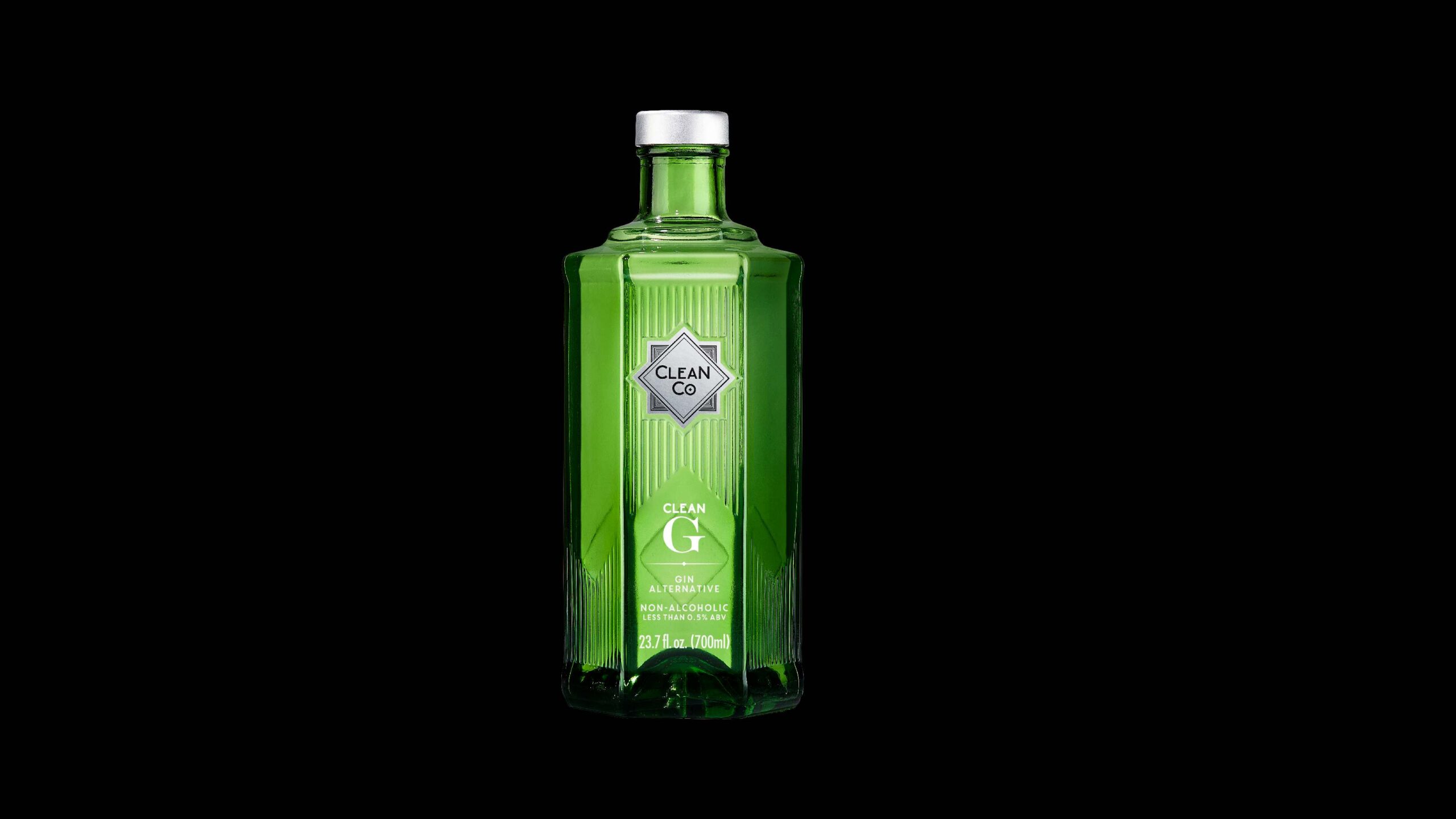
CleanCo Clean G bottle

Today we raise a glass to a centuries-old spirit and a classic cocktail that historians can trace back to at least the mid-1800s.

In other words, happy International Gin & Tonic Day!

Now, I’m willing to go out on a limb and say that you and your bar team probably have your G&T builds down. It’s one of—if not the—most well-known highballs in existence.

So, no, I’m not going to write an article about how to make a G&T. It’s elegant, it’s simple, and bar professionals shouldn’t be behind the stick if they can’t make at least a decent one.

Instead, I want to introduce you to a non-alcohol spirits brand you should know: CleanCo. As an alcohol-free brand, CleanCo is ideal for Sober October and beyond.

If you already know CleanCo, cheers! But if this is you’re first time getting to know the brand, here’s what you need to know.

About CleanCo

Spencer Matthews founded CleanCo in 2018. At just a few years old, this isn’t a brand-new company.

However, anyone who knows the beverage industry knows it takes time for young brands to fight through the noise and be heard. Suffice to say, CleanCo is making themselves known in 2022.

Before starting the alcohol alternative brand, Matthews “lived in a cycle of drinking excessively for most” of his twenties. In fact, under the About section on the CleanCo website, Matthews states he sought out jobs that encouraged his hard-drinking lifestyle. That changed before the arrival of his first child. Matthews decided to “go clean” and says it changed his life.

However, Matthews doesn’t expect others to abstain from alcohol consumption completely. That is, of course, a personal choice. Rather, Matthews seeks to provide an alternative that people will actually want to drink.

Whether a guest is choosing to not consume alcohol for a round, an evening, a week, a month, or for the foreseeable future, CleanCo’s mission is to help deliver a seamless drinking experience without the alcohol.

Along with Clean G, CleanCo’s gin alternative, the brand offers rum, vodka, and tequila expressions that are 0.5-percent ABV or lower.

Clean G&T

Just like the original classic this non-alcohol-cocktail mimics, the Clean G&T is simple to make.

In fact, the ratio of Clean G gin alternative to tonic is same as its full-alcohol counterpart.

  • 2 oz. Clean G
  • 4 oz. Tonic
  • Two lime slices or wheels to garnish

To build, add Clean G and tonic to a tall glass. Next, add ice along with one lime slice or wheel to layer the garnish throughout the length of the drink. Finally, place the other lime slice or wheel on top, and serve.

Image: CleanCo

by David Klemt David Klemt No Comments

3 Bar Hacks Episodes for Sober October

3 Bar Hacks Episodes for Sober October

by David Klemt

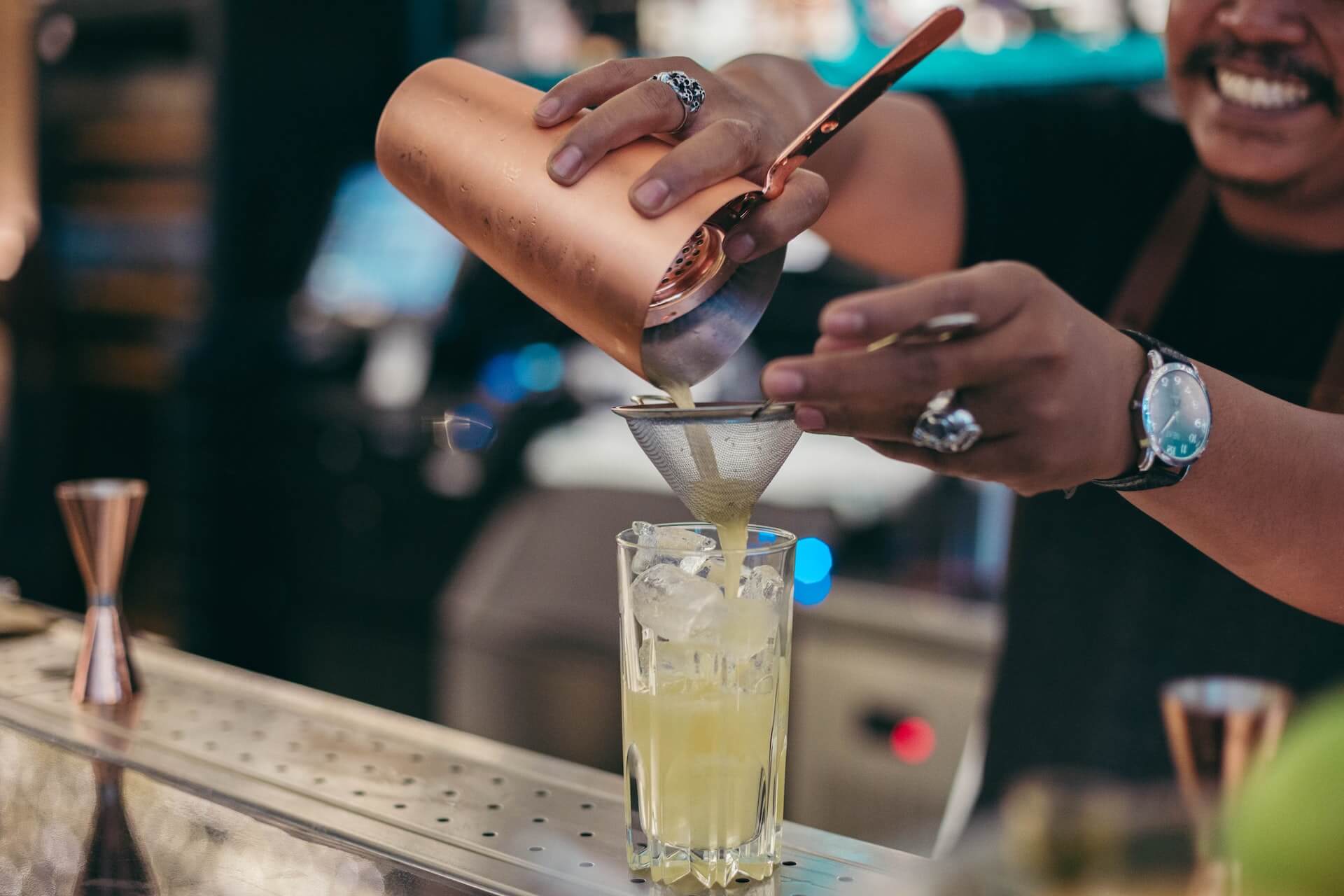
Bartender straining cocktail

We’re just two weeks away from Sober October so here are three Bar Hacks podcast episodes to get you ready for this important month.

Over the course of 100-plus episodes we’ve spoken with a handful of non-alcohol brands. These, along with other alcohol-free brands, should be on your radar.

In fact, they deserve spots on your backbar and placement on your menus. The latest estimate is that around 40 percent of Americans don’t consume alcohol. In Canada that number is roughly 33 percent.

However, those numbers don’t paint a complete picture. Over the past few years there has been increasing interest in “sober curiosity.” In this movement, people abstain from drinking alcohol from time to time rather than abstaining permanently.

Now, we tend to associate the month of January with sobriety, either permanent or temporary. Clearly, however, October is also a month where people choose to not imbibe.

The Sober Guest Experience

The following should go without saying but let’s cover it anyway. Some sober people do, in fact, spend time in bars and nightclubs.

Just as that should go without saying, so should this: Your sober guests deserve every bit as great an experience as guests who are drinking alcohol.

Moreover, sober guests deserve a guest experience free of discomfort or isolation. In short, you should seamlessly provide the same level of service at the bar to sober guests as those who enjoy alcohol.

No, it’s not enough to menu water, sugary sodas, lemonade, and tea. Sober guests should be comfortable coming to your bar. Like guests who consume alcohol, sober guests should be able to order a drink that doesn’t make them feel different or singled out.

So, put quality non-alcohol beers on your menu. Create a number of signature zero-proof cocktails. Serve both with the same attention to detail as presentation as their full-alcohol counterparts.

“I’m a professional, I want to create,” says Paul Mathew, founder of alcohol-free aperitif brand Everleaf and Bar Hacks guest. “I want to do something I’m proud of.”

Approach your alcohol-free program the same way as Mathew, a bartender and operator himself. Be professional, be creative, and be mindful of your sober guests’ experience.

Episode 28 with Tim Rita

Lyre’s Spirits crafts alcohol-free spirits that masterfully mimic their full-proof counterparts. Host David Klemt sits down with Lyre’s brand ambassador, bartender, and buddy Tim Rita to chat about the brand. In this episode you’ll learn about one of the fastest-growing brands in one of the fastest-growing beverage categories. For the alcohol-free Mai Tai mentioned on the podcast, click here.

Listen now.

Episode 31 with Ted Fleming

Ted Fleming, entrepreneur and CEO and founder of Partake Brewing, stops by the Bar Hacks podcast to talk with host David Klemt. The two discuss the founding of Partake Brewing and the importance and growth of the non-alcohol beer category. Also, how operators can succeed with non-alc, advice for entrepreneurs, and more. Visit the Partake Brewing website to learn more. Connect with Partake on InstagramTwitter and Facebook.

Click here to listen.

Episode 81 with Paul Mathew

Paul Mathew, bartender, bar owner, and founder of Everleaf, sits down with Bar Hacks podcast co-host David Klemt. In this fun and informative episode, Paul shares his journey through bartending and bar ownership, and his entry into the drinks business. Non-alcoholic aperitif brand Everleaf is the culmination of Paul’s many years as a conservationist botanist, knowledge of plants, and nearly 30 years in the bar business.

The Everleaf portfolio consists of three unique expressions and a new RTD line. Shortly, Everleaf will begin distribution throughout the United States, and there are plans for Canada and Australia in the future. To learn more, vist the Everleaf website and follow Everleaf on Instagram and Facebook.

Listen to this episode here.

Image: Jia Jia Shum on Unsplash

by David Klemt David Klemt No Comments

Tales Reveals 2022 Spirited Awards Winners

Tales of the Cocktail Reveals 2022 Spirited Awards Winners

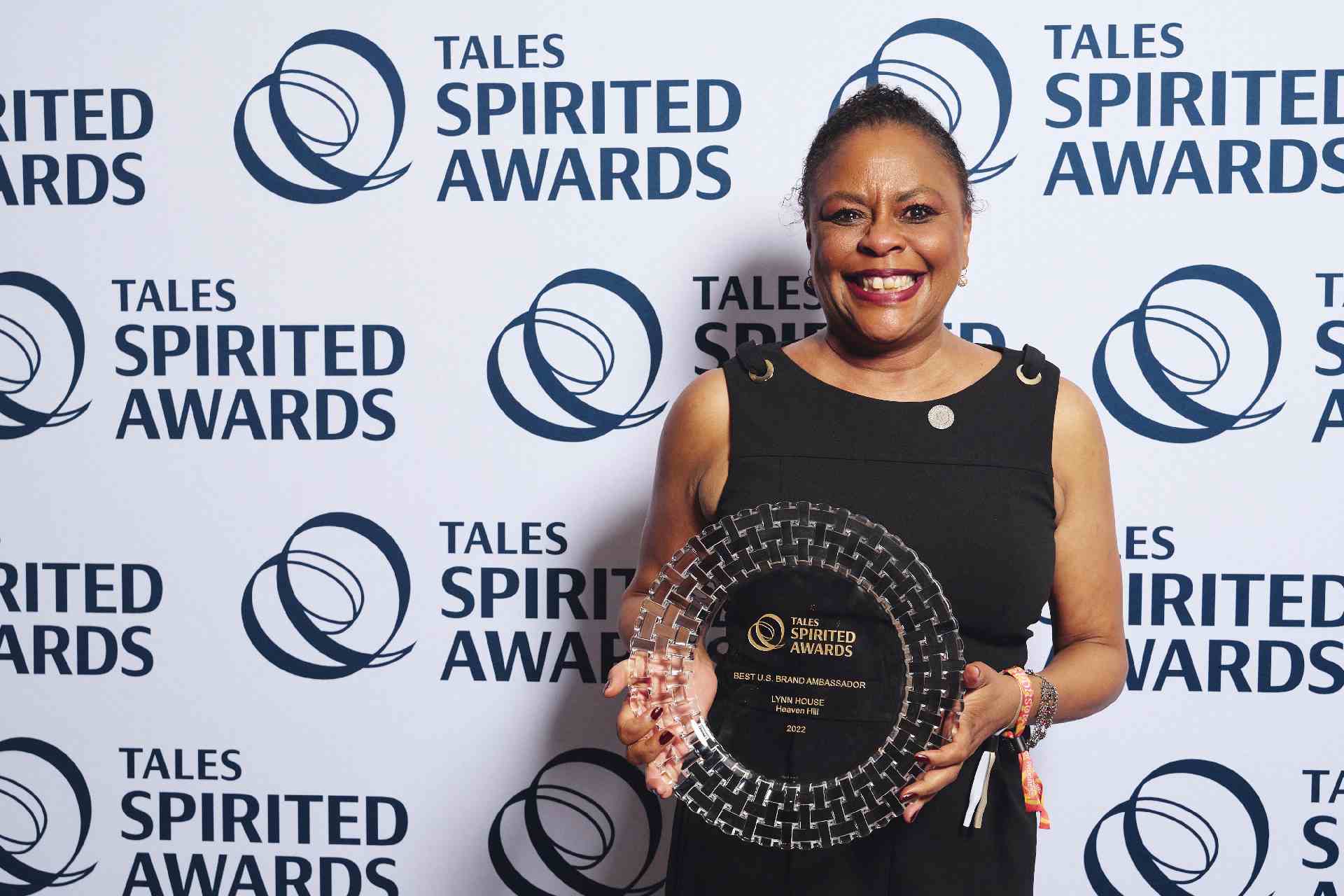
2022 Spirited Award winner Lynn House

2022 Spirited Award winner Lynn House

Congratulations to the 2022 Spirited Awards winners, revealed last week during the 20th anniversary of Tales of the Cocktail.

First opening their doors in 2018, NYC’s Katana Kitten took home two awards. The dream team trio of Masahiro Urushido, Greg Boehm, and James Tune won Best US Cocktail Bar and best US Bar team.

Another American venue that won two Spirited Awards is Jewel of the South in New Orleans. Opened in 2019, Jewel of the South was crowned Best US Restaurant Bar. Additionally, the US Bartender of the Year is Chris Hannah, co-owner of the NOLA dining and drinking destination.

We also want to extend a special congratulations to Bar Hacks guest Lynn House. To learn more about House, this year’s Best US Brand Ambassador, check out episode 52 of Bar Hacks.

Internationally, two bars also took home multiple awards. 🔶🟥🔵 A Bar with Shapes for a Name and Lyaness at Sea Containers London, both in London, won two Spirited Awards. The former is this year’s Best New International Cocktail Bar. Plus, it’s the home of Remy Savage, the 2022 International Bartender of the Year.

Lyaness at Sea Containers London clinched Best International Hotel Bar andWorld’s Best Bar. So, London, New Orleans, and New York showed out at the 2022 Spirited Awards.

To view the finalists in each category, please click here.

US Award Categories

U.S. Bartender of the Year presented by Del Maguey: Chris Hannah (Jewel of the South, New Orleans, LA)

Best U.S. Bar Mentor presented by BarSmarts: Sean Kenyon

Best U.S. Brand Ambassador presented by Libbey: Lynn House (Heaven Hill)

Best U.S. Bar Team presented by William Grant & Sons: Katana Kitten (New York, NY)

Best U.S. Cocktail Bar presented by Absolut Vodka: Katana Kitten (New York, NY)

Best U.S. Hotel Bar presented by Grey Goose: Silver Lyan at the Riggs (Washington, DC)

Best U.S. Restaurant Bar presented by Maison Ferrand: Jewel of the South (New Orleans, LA)

Best New U.S. Cocktail Bar presented by Aviation Gin: Happy Accidents (Albuquerque, NM)

International Award Categories

International Bartender of the Year presented by Patrón Tequila: Remy Savage (🔶🟥🔵 A Bar with Shapes for a Name, London, UK)

Best International Bar Mentor presented by Lyre’s Non-Alcoholic: Lauren Mote

Best International Brand Ambassador presented by Lyre’s Non-Alcoholic: Martin Hudak (Mr. Black Spirits)

Best International Bar Team presented by House of Angostura: MAYBE SAMMY (Sydney, Australia)

Best International Cocktail Bar presented by Tequila Fortaleza: Tayēr + Elementary (London, UK)

Best International Hotel Bar presented by Perrier: Lyaness at Sea Containers London (London, UK)

Best International Restaurant Bar presented by Amaro Montenegro and Select Aperitivo: Sexy Fish (London, UK)

Best New International Cocktail Bar presented by Stranger & Sons: 🔶🟥🔵 A Bar with Shapes for a Name (London, UK)

Global Award Categories

Best New Spirit or Cocktail Ingredient presented by Tales of the Cocktail Foundation: Lyre’s Non-Alcoholic Italian Orange

World’s Best Cocktail Menu presented by Diageo Bar Academy: Little Red Door (Paris, France)

World’s Best Spirits Selection presented by Beam Suntory: Jack Rose Dining Saloon (Washington, DC)

Pioneer Award Presented by The Blend: Amanda Gunderson (CEO and co-founder, Another Round Another Rally)

Timeless International Award presented by Jägermeister: Harry’s New York Bar (Paris, France)

Timeless U.S. Award presented by Johnnie Walker: Bemelmans Bar at The Carlyle, A Rosewood Hotel (New York, NY)

Helen David Lifetime Achievement Award presented by William Grant & Sons: Julie Reiner (Co-founder Clover Club, Leyenda, Social Hour Cocktails, Mixtress Consulting)

World’s Best Bar presented by Tales of the Cocktail Foundation: Lyaness at Sea Containers London (London, UK)

Writing and Media Award Categories

Best Cocktail & Spirits Publication presented by Diageo Bar Academy: VinePair

Best Broadcast, Podcast, or Online Video Series presented by Diageo Bar Academy: The Cocktail Lovers

Best Cocktail & Spirits Writing presented by Diageo Bar Academy: “Get Real: The bar world looks beyond feel-good measures on sustainability and climate change” by Max Falkowitz for Imbibe Magazine

Best New Cocktail or Bartending Book presented by Lyre’s Non-Alcoholic: The Japanese Art of the Cocktail by Masahiro Urushido and Michael Anstendig

Best New Book on Drinks Culture, History, or Spirits presented by Diageo Bar Academy: The Oxford Companion to Spirits & Cocktails edited by David Wondrich with Noah Rothbaum

Image: Cory Fontenot

by David Klemt David Klemt No Comments

This Year’s Big Trend: Moderation

This Year’s Big Trend: Moderation

by David Klemt

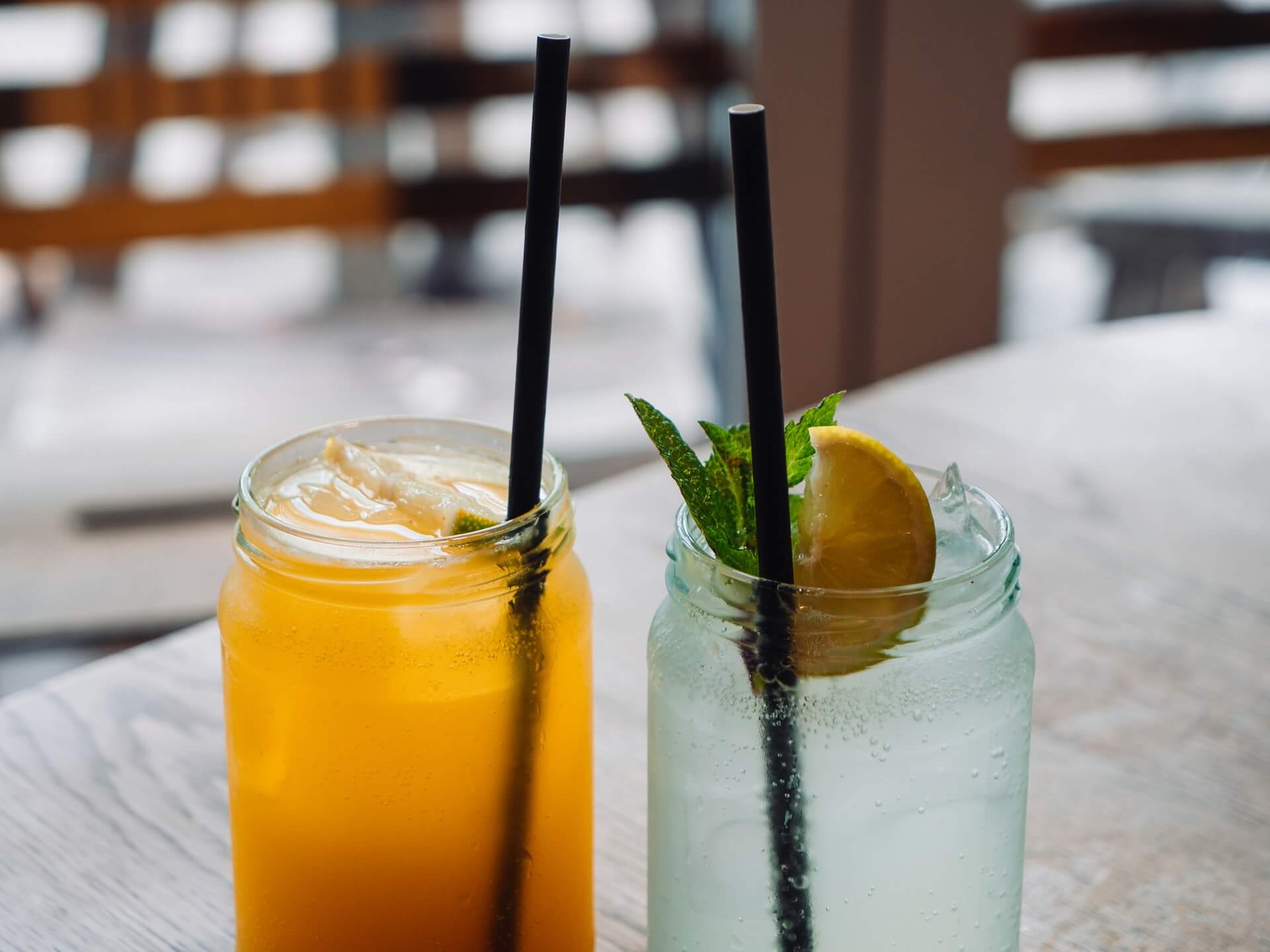
Two drinks in mason jars

Beverage-top media platform Ripples is reporting 2022’s big drink trend, focusing heavily on Gen Z imbibing habits.

The unique company produces devices that make it possible to print images atop drinks. With beverages of all types as their focus, the company is a great position to study drink trends.

Interestingly, Ripples focuses primarily on Gen Z drinking habits. However, the company’s data identifies an intriguing trend that transcends a single generation.

Let’s jump in.

Zero-proof Beverage Growth

At KRG Hospitality, we appreciate numbers; we’re a data-driven agency. Well, amongst all the stats Ripples latest findings reveal, two are massive.

First, in comparison to 2019, zero-alcohol products are up 166 percent. Second, the non-alcohol category is growing four times faster than its low-ABV counterpart.

Another impressive number? Non-alcohol spirits have grown by over 113 percent since 2020.

Per Ripples, Gen Z is driving the growth in the no-alcohol space. According to the beverage-tech company, this is likely due to social media presence.

I’m sure you read articles at least from time to time about Gen Z social media habits. Those written by their older counterparts make it seem like Gen Z doesn’t understand the risks of recording their every action.

Well, it’s highly likely that much of Gen Z would rather not have their drunken shenanigans on display on every social platform.

Values Drive Purchase Decisions

Beyond risk aversion, Ripples identifies values as key to Gen Z purchase and consumption decisions.

Generally speaking, members of Gen Z value transparency and authenticity. Brands that share those values are more likely to succeed with Gen Z.

And, again, speaking broadly, smaller, independent brands are often perceived as more transparent, authentic, and responsible. Large, mainstream brands are often seen as anything but green and responsible, never mind transparent or authentic.

Ripples posits that small indies aren’t encountering daunting barriers to entry. So, small-batch, craft non-alcohol brands are apt to find Gen Z support.

Craft sodas, RTDs offering health benefits, and zero-proof cocktails in cans or bottles are flooding the market. And they’re finding success. In fact, according to Ripples, RTD sales are up 400 percent on Drizly since 2019.

The Big Trend

If you’re a listener of our Bar Hacks podcast you’ve likely heard our episodes with David Allison. If you haven’t heard them, they’re episode 46 and episode 67.

As the founder of the Valuegraphics Project, Allison isn’t a fan of focusing on demographic stereotypes. Instead, he recommends a focus on values in conjunction with demographic and psychographic data.

In part, the Valuegraphics Project approach encourages business owners and operators to identify and target their customers’ values. This is, according to Allison, far more powerful than focusing on age and sex. As important is the fact that demographics tend to divide us, and stereotypes are dangerous.

So, he and the Valuegraphics Project team probably wouldn’t like all the focus on a single generation in this article and Ripples’ findings. Well, there’s some good news and it pertains to what’s likely this year’s biggest drinking trend.

Across all generations, one drinking trend is common: Moderation. An interest in no- and low-alcohol beverages is shared among all generations.

In fact, according to Ripples, 78 percent of consumers purchasing zero-proof drinks aren’t doing so exclusively. These consumers are still buying they’re favorite full-alcohol beverages.

Takeaway

Leveraging the moderation trend is fairly simple. The growth of all zero-proof categories means operators can succeed with alcohol-free spirits, beer, and wine.

RTD cocktails—full-, low- and zero-proof—are selling very well and work in restaurants and bars.

In short, ensure you have low-ABV and zero-alcohol versions of your full-ABV drinks on your menu. Include these in a dedicated non-alcohol section.

Operators don’t need to be afraid of guests drinking more moderately. The stereotype that guests who choose zero- or low-proof drinks are bad for the bottom line simply isn’t true.

Image: Chris Curry on Unsplash

by David Klemt David Klemt No Comments

5 Books to Read this Month: May 2022

5 Books to Read this Month: May 2022

by David Klemt

Flipping through an open book

These engaging and informative book selections will help you develop next-level beverage skills and motivate you throughout May, 2022.

To review April’s book recommendations, click here.

Let’s jump in!

Rum Rebels: A Celebration of Women Revolutionizing the Spirits Industry

Written by authors Martyna Halas and René van Hoven, Rum Rebels raises a glass to women in the rum world. Readers will learn the inspiring stories of Lorena Vasquez from Zacapa, Joy Spence of Appleton, and more women driving rum forward and shaping this iconic spirit’s flavors, aromas, and textures.

In addition, this book serves as a masterclass in rum production, from tasting to aging. And since that’s enough for these incredible and ambitious authors, Rum Rebels also contains rum cocktail recipes.

Drink Lightly: A Lighter Take on Serious Cocktails

Operators, bar managers, and bartenders should see value in the driving ethos behind this cocktail book. Drink Lightly, authored by Nitecap bartender Natasha David, pairs precision drink-building techniques with a relaxed drinking experience.

Drinking lightly doesn’t mean sipping drinks bereft of complexity and depth. Along with 100 recipes, readers will enjoy a foreword by Alex Day of Proprietors LLC, whose concepts include Death & Co. and Nitecap.

Call Me Chef, Dammit!: A Veteran’s Journey from the Rural South to the White House

Hospitality is rooted in sacrifice and a commitment to serving others. Chef Andre Rush and his story embody service. Call Me Chef, Dammit! is the inspiring story of Chef Rush.

The storied chef has led an incredible life which includes a career in the US Army that spanned 24 years, advocating for military personnel and veterans, and winning multiple awards as a chef. Oh, and Chef Rush and his 24-inch biceps have also worked in the White House for four US presidents.

While there are no recipes in this book, there is one hell of an inspiring story in these pages.

The New Kindred Spirits: Over 2,000 All-New Reviews of Whiskeys, Brandies, Liqueurs, Gins, Vodkas, Tequilas, Mezcal & Rums from F. Paul Pacult’s Spirit Journal

Anyone looking for a spirits bible need search no further. F. Paul Pacult’s The New Kindred Spirits includes over 2,400 in-depth reviews spanning a wide range of spirits. This tome evaluates a massive number of brandies, gins, liqueurs, rums, tequilas, vodkas, and whiskeys.

This all-encompassing compilation of spirit evaluations doesn’t just cover the usual suspects. The New Kindred Spirits also takes a deep dive into the craft side of the beverage industry.

Drinking & Knowing Things

Author and certified sommelier Michael Amon would like to know a couple things from those considering picking up Drinking & Knowing Things. “Do you want to uncork a bottle of whoop-ass on every winedouche and uppity sommelier?” And, “are you too lazy to spend any time whatsoever learning things?”

Anyone who answered “yes” to either or both questions needs this book. Amon says that readers who commit to spending five minutes reading the weekly wine recommendations found in Drinking & Knowing Things will give sommeliers a run for their wine-knowledge money. Wine intimidation? Not after reading this book.

Image: Mikołaj on Unsplash

by David Klemt David Klemt No Comments

Moderation Movement: Damp January

Moderation Movement: Damp January

by David Klemt

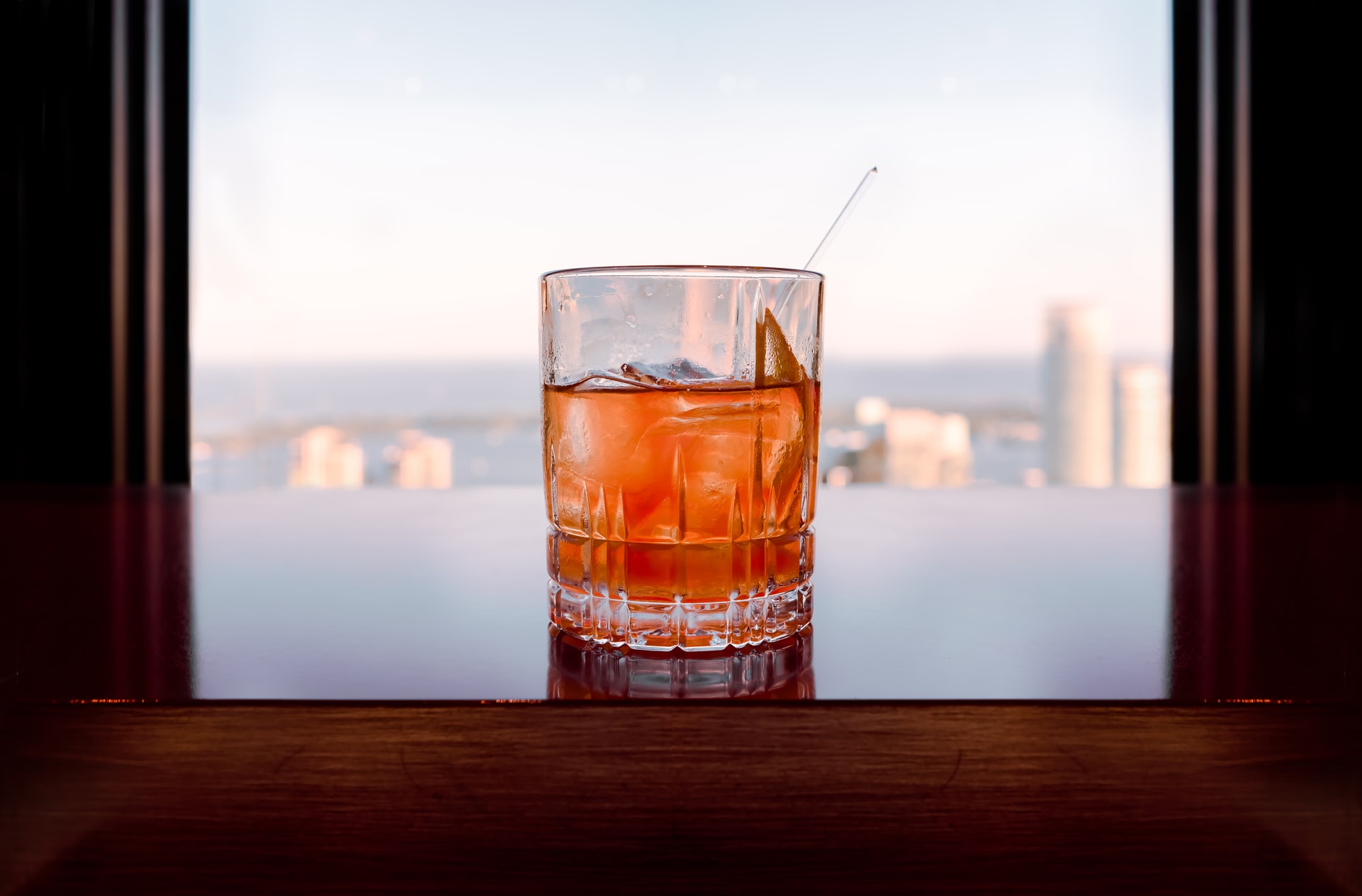
Cocktail resting on a ledge in front of a window

Move over, Dry January, there’s yet another alternative to “traditional” alcohol consumption at the start of a new year.

As we know, Dry January consists of abstaining from drinking any alcohol for 31 days. Also known by the awkward name Dryuary, this annual practice continues to gain popularity.

However, not everyone is comfortable with this all-or-nothing approach. Instead, there are those who want to try Damp January.

What is It?

You’re likely already guessing how Damp January works. Rather than abstinence, participants practice moderation.

Generally speaking, that’s it—it isn’t a complex concept. However, there are many approaches to Damp January.

Some people set hard limits for themselves. For example, a wine drinker may resolve to only consume three glasses of wine per week. A beer drinker may choose to only have two beers from Monday through Friday.

Another approach is to determine how many full alcohol drinks one consumes on a weekend. Then, they decide to reduce that consumption by 50 or 75 percent.

However one chooses to participate in Damp January, the goal is reduction and moderation.

Is this a Fad?

In a word, no. Whatever label is put on it—moderation, sober curious, reduction—many consumers are looking to drink less alcohol.

Dry January was once seen as a fad. Instead, it’s safe to say it’s much closer to being mainstream.

Of course, time will tell if Damp January will earn as much buy-in as its abstinence-focused counterpart.

However, it’s easy to see how Damp January may become long-term behavior for some consumers.

What Does this Mean for Operators?

There are those who simply want to be more mindful of their alcohol consumption. Their goal isn’t to stop drinking alcohol, it’s to make lifestyle changes and reduce their drinking.

Sift through social media, forum and blog posts, and articles on the subject, and you’ll come across interesting motivations for moderation. In many cases, people point to alcohol playing a role in their social lives.

Of course, that means drinking with friends, coworkers, and family members at restaurants, bars, and nightclubs. They simply want to consume less alcohol per visit.

This doesn’t have to present as a threat to operators. The increasing popularity of alcohol-free beers, zero-proof spirits, and low-ABV options can prove profitable for a restaurant or bar’s bottom line.

Guests who making the decision to not consume alcohol or seek out low-proof options still want to socialize. They still want to visit bars and restaurants. More importantly, they want to feel comfortable in their choice.

So, it’s up to operators to ensure Damp and Dry January guests don’t feel alienated or mocked for reducing or abstaining from drinking. Providing low- and zero-proof drinks—and highlighting them on menus—shows these guests they’re welcome and supported.

Additionally, it’s crucial that these guests receive the same level of service and presentation as other people at your bar or restaurant. A little thought to make sure they’re treated the same will go a long way.

Image: Mathew MacQuarrie on Unsplash

by David Klemt David Klemt No Comments

5 Books to Read this Month: January ’22

5 Books to Read this Month: January ’22

by David Klemt

Flipping through an open book

This month’s fun and informative book selections will help you develop next-level culinary, beverage and leadership skills as we kick off 2022.

To review December 2021’s book recommendations, click here.

Let’s jump in!

Try Dry: The Official Guide to a Month Off Booze

For those who want to learn more about Dry January, Try Dry is an insightful resource. Of course, this book is also informative beyond the first month of the year. As living alcohol-free movement becomes more mainstream, it’s important for operators to understand the movement. Whether permanent or temporary, there are myriad reasons some guests decide against drinking alcohol.

Of Peats and Putts: A Whisky and Golf Tour of Scotland

During the pandemic, interest in golf skyrocketed. In part, this has led to increased interest in golf simulators, driving ranges, and nine-hole rounds of golf rather than full, 18-hole outings. Of Peats and Putts tells the story of golf and whisky in Scotland. A compelling read for operators looking to bring golf into their businesses.

The Way of the Cocktail: Japanese Traditions, Techniques, and Recipes

Not even two months on the market and already causing quite the buzz! The Way of the Cocktail comes from Julia Momosé, one of the minds behind Chicago cocktail destination Kumiko. From classics to new riffs, the recipes in this book are based on 24 micro-seasons.

Bourbon [Boxed Book & Ephemera Set]: The Story of Kentucky Whiskey

Clay Risen is considered an authority on spirits. In particular, he’s lauded as an expert on whiskey. Bourbon lovers will appreciate the Bourbon: The Story of Kentucky Whiskey box set for what it is: a definitive history of America’s native spirit. Along with profiles of Kentucky distillers, Risen has included interviews and photographs to tell the story of bourbon.

Amaro: The Spirited World of Bittersweet, Herbal Liqueurs, with Cocktails, Recipes, and Formulas

There are many reasons to love amaro. Bitter and bittersweet notes, complex flavor profiles, and their utility when it comes to crafting low-ABV cocktails are among those reasons. Amaro by Brad Thomas Parsons explores the rich history of amaro and includes over 100 recipes.

Image: Mikołaj on Unsplash

by David Klemt David Klemt No Comments

ABV: Does it Have to Be All or Nothing?

ABV: Does it Have to Be All or Nothing?

by David Klemt

Quarter Proof Light Gin bottle and cocktail

In the discussion of alcohol, it seems to be an all-or-nothing topic: spirits and drinks are either full-proof or zero-proof.

Innovations in the space take two paths. There are brands like Seedlip that create alcohol-free spirits using botanicals, herbs and other ingredients. Resulting products are original creations with unique flavor profiles.

Another path is taken by brands such as Lyre’s. Rather than creating entirely new spirits, these producers craft alcohol-free that mimic their full-proof counterparts. For example, Lyre’s vast range includes a zero-proof bourbon and rum.

When it comes to drink builds, things get a little deeper. Yes, the all-or-nothing approach still applies to a point. Obviously, there are standard and high-proof cocktails. And yes, there are alcohol-free, zero-proof cocktails, also known as “mocktails.”

However, there’s also a third approach: low-ABV cocktails. Two popular build techniques are:

  • making low-proof liqueurs and wines the stars in Spritzers and other drinks; and
  • reverse cocktails.

When the conversation around lower-proof cocktails first gained steam, Spritzers, Fizzes and other options were brought to the forefront.

Then came the reverse cocktails, which I’ll explain briefly using a Reverse Martini build:

Let’s say your traditional recipe calls for two ounces of gin, a half-ounce of sweet vermouth (we can fight about this some other time), and a dash of orange bitters. To build the Reverse Martini, half the gin, quadruple the sweet vermouth, and keep the bitters the same.

Crafting reverse cocktails isn’t an overly complex process. But what if there was a third entry in the full-proof versus zero-proof battle?

Quarter Proof

It turns out, there is another path those seeking to consume lower-proof cocktails can take.

As the brand Quarter Proof says (or asks), “Who said it had to be all or nothing?” As the name implies, this brand intends to craft spirits that ring in at a quarter of the proof of their traditional counterparts.


View this post on Instagram


A post shared by Quarter G/N (@quarterproof)

The brand’s first product, G/N, is produced in the same manner as full-proof gin: copper pot distillation. Like traditional gin, G/N is made with juniper berries.

However, because the resulting liquid is just 12-percent ABV and not 37.5 percent, European law says it can’t be designated “gin.” So, Quarter Proof got creative with the name.

Quarter Proof G/N is like a full-proof London Dry Gin in every way—aroma, flavor profile, mouthfeel, finish—save alcohol content. Along with juniper berry, expect coriander, sweet orange, and grapefruit on the nose and palate.

This is an intriguing development in the world of spirits and I’m eager to see what Quarter Proof crafts next. “Light spirits” produced to deliver the full drinking experience with moderation from the ground up are a compelling option.

Image: Quarter Proof

by David Klemt David Klemt No Comments

Dry January Will Be Different in 2021

Dry January Will Be Different in 2021

by David Klemt

Tomorrow marks the start of the first Dry January we’ve ever experienced under stay-at-home shutdowns and bar, restaurant and nightclub restrictions.

Like Veganuary—remember way back to yesterday when we wrote about it?—the movement as we’ve come to know can be traced back to the UK. People have chosen t abstain from alcohol in January for decades but Dry January really took off after the trademark was registered by a non-profit called Alcohol Change.

Understandably, many operators have taken issue with Dry January. Taking a hit to the bottom line for a month (or more) because of a reduction in alcohol sales isn’t an exciting proposition.

However, Dry January may be different this year. The convergence of a number of consumer behaviors driven by restricted access to restaurants and bars may present an opportunity.

Throughout most of 2020 we’ve been inundated with reports about unprecedented boosts in online alcohol sales. Premium and ultra-premium spirits grew at a faster rate than they had pre-pandemic. Operators have been forced to pivot, relying heavily on delivery, (somewhat) traditional takeout, and curbside pickup.

Put those all together but substitute premium spirits for premium alcohol-free options and there’s the potential for operators to generate revenue directly linked to zero-proof sales.

One of the keys to succeeding with zero-ABV drinks is presentation. Many alcohol-free brands are dedicated to elevating the category, meaning they can be treated the same as their low- and full-proof counterparts. Curated zero-proof drink kits that include quality modifiers, mixers, garnishes and drinkware can help generate sales. Post quick how-to videos to social media showing a member of the bar team building zero-proof cocktails to create interest.

Those are just two ideas. It shouldn’t be difficult for operators to pivot and offer alcohol-free options that are authentic to their brand and therefore resonate with their guests.

Operators that nail their Dry January menu programming lay the groundwork for succeeding with the alcohol-free category throughout the rest of the year. We finally live in an age where sober, sober-curious and intermittently abstinent consumers don’t feel uncomfortable visiting a bar. Make them feel welcome. Operators who alienate these guests will drive them straight to their competitors to ring their registers instead.

Seedlip is probably the best-known within the alcohol-free category but more premium brands are emerging. Operators should familiarize themselves with the following: Lyre’s (which crafts zero-proof spirits that taste like their traditional counterparts), Wilderton (which uses a distillation method that never introduces alcohol), and Shoki (which showcases African and Caribbean heritage and flavors). There are also brewers embracing the alcohol-free movement, such as Calgary’s Partake Brewing (which is beginning to cross into the US) and Lagunitas and their IPNA, an alcohol-free IPA.

Image: YesMore Content on Unsplash

Top