Cocktail

by David Klemt David Klemt No Comments

Rabbit Hole Resources: Bourbon 101

Rabbit Hole Resources: Bourbon 101

by David Klemt


Bunny painting or graffiti

Those who want to learn about bourbon can access free resources from a credible and knowledgeable source: Rabbit Hole Distillery.

When it comes to learning about a particular spirit, those producing them tend to know the most. So, seeking education straight from the source is a smart move.

Now, hospitality professionals have a reliable, informative resource to add to their toolbox. Learn About Bourbon is Rabbit Hole’s ever-growing bourbon resource.

Bourbon Basics

If your restaurant or bar has bourbon on the menu, you’re likely at least familiar with the basics:

  • To carry the “bourbon” designation, one must produce the liquid in America.
  • The mashbill must consist of at least 51 percent corn.
  • It’s not permissible to use any additive except water.

Similarly, you are likely aware of some bourbon myths:

  • Only distilleries in the state of Kentucky can produce bourbon.
  • The name “bourbon” comes from Bourbon County.
  • The whiskey must be at least two years old to be bourbon.

As you can see from the first bullet point at the start of this segment, bourbon can come from any state in America. As far as the second myth, the origin of the name “bourbon” is a bit murky.

Interestingly, the third myth is somewhat true. To include “straight bourbon” on the label, the bourbon must be a minimum of two years old. Otherwise, once new-make whiskey comes into contact with the oak barrel in which it’s going age, it’s bourbon.

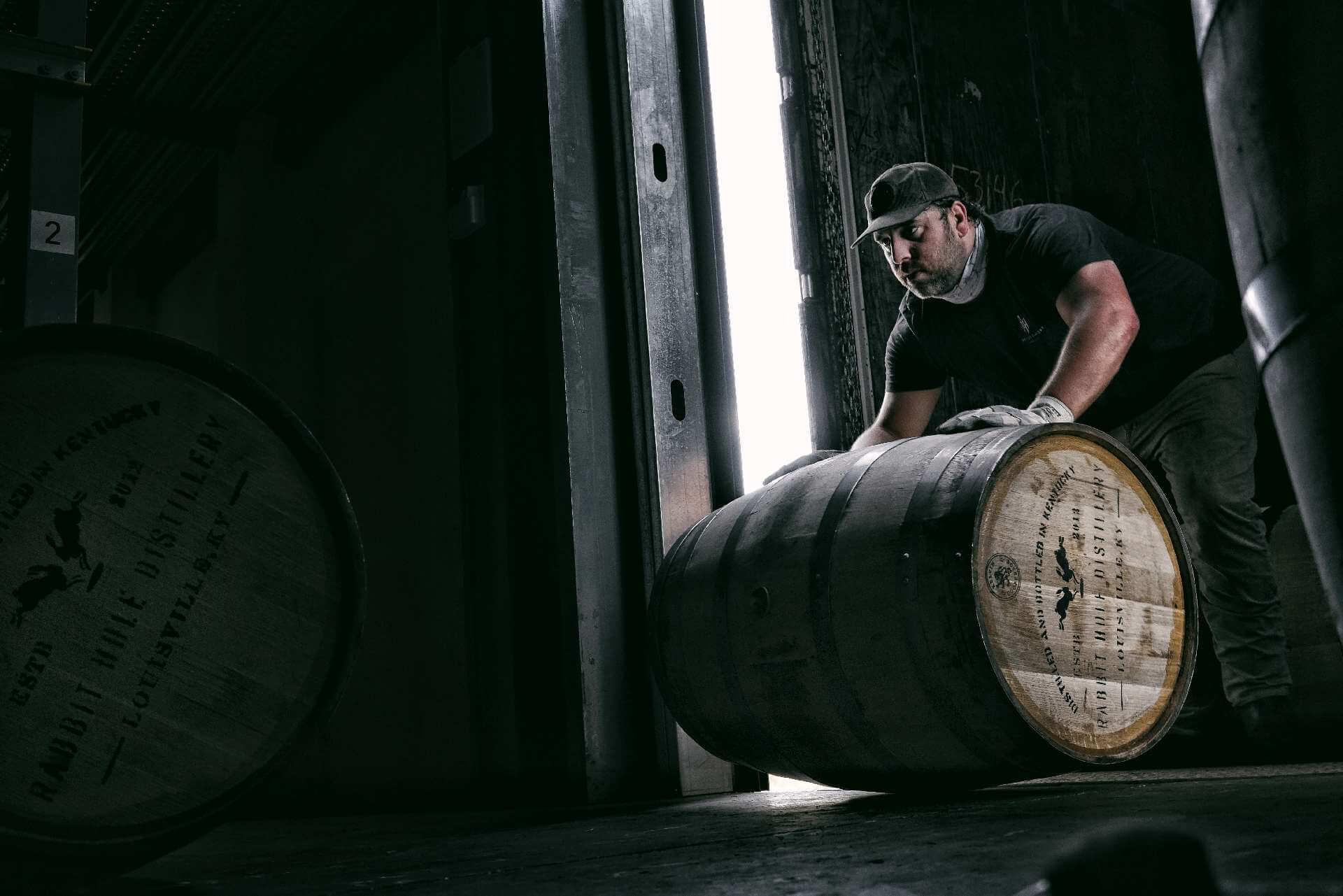
Rabbit Hole bourbon barrel rolling into rickhouse

Learn About Bourbon

Rabbit Hole goes far beyond simple definitions on their Learn About Bourbon page.

Instead, the distillery dives deep into every element of bourbon production. As important, this page receives regular updates. In other words, much like bourbon itself, this resource gets better with age.

To give you an idea of how in-depth Rabbit Hole gets, let’s look at the Bourbon Barrel Char / Charring section. It’s essentially an article in and of itself at nearly 400 words. Additionally, there’s a link within this section that leads to an even deeper dive into toasting and charring barrels.

Elsewhere on the Learn About Bourbon page you can learn about esters. In fact, there’s a list of over a dozen esters for you to—yep, I’m gonna make the pun—go down the rabbit hole.

Rabbit Hole Blog

Now, it turns out that the distillery isn’t content with offering one bourbon education resource. There’s also the Rabbit Hole Blog.

Looking for bourbon cocktail recipes? Check out the brand’s blog. Currently, the top recipe posts feature the Golden Ponzu and Strawberry Bourbon Lemonade.

Curious about cooking with bourbon? How about a recipe for nasi goreng with a Rabbit Hole bourbon ginger sauce? As a bonus, this recipe should perform well with guests looking for plant-forward dishes with small amounts of animal protein.

Of course, there are also Bourbon 101 articles. For example, this link will take you to an article about wheated bourbons.

If you want to boost your bourbon knowledge and update your food and cocktail menus, check out Rabbit Hole’s blog and Learn About Bourbon page today.

Image: Vincent Pelletier

by David Klemt David Klemt No Comments

Summer 2022 is the Summer of Mezcal

Summer 2022 is the Summer of Mezcal

by David Klemt

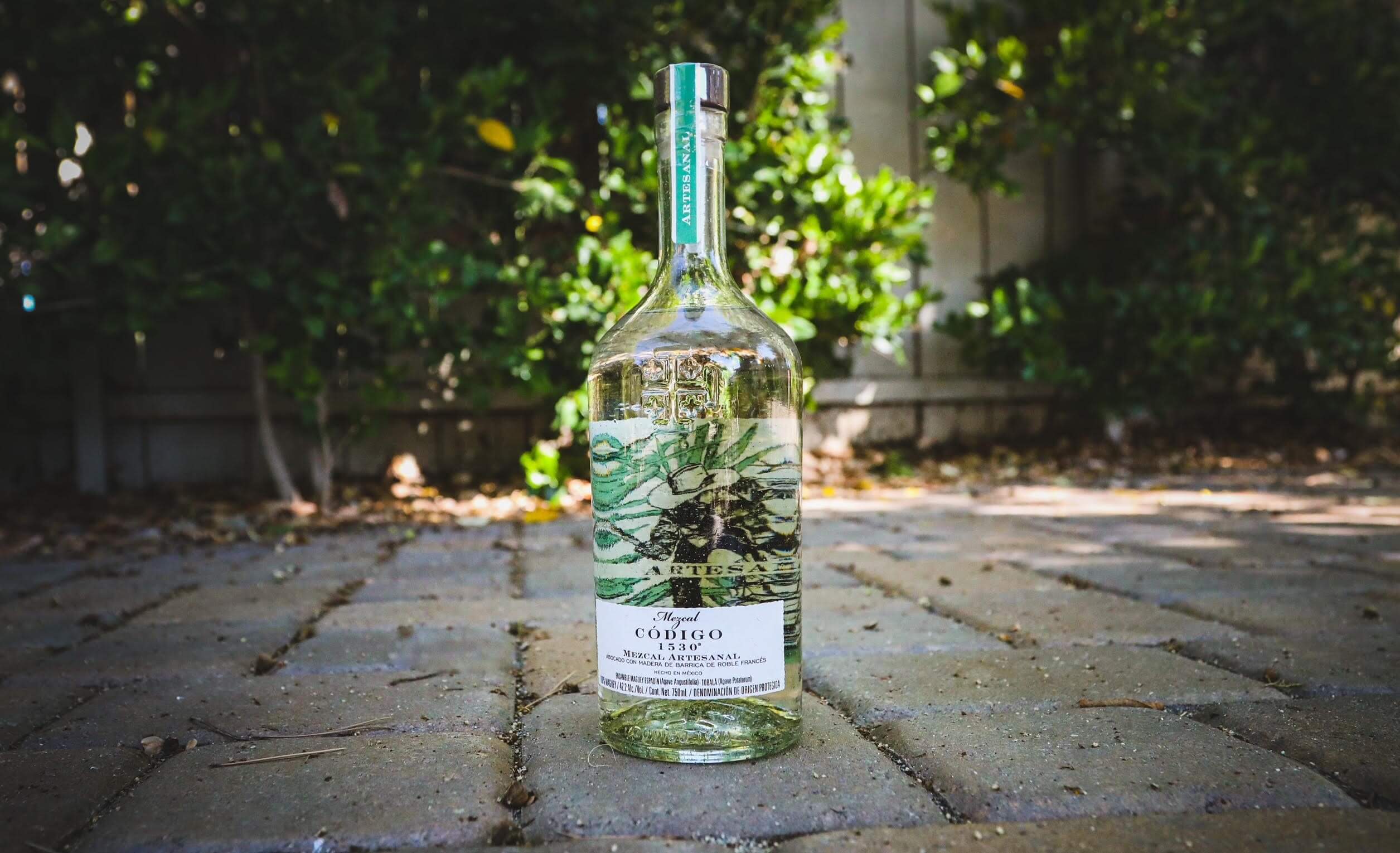
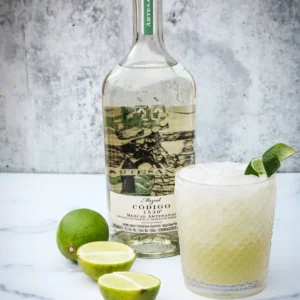
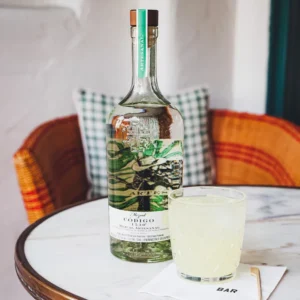
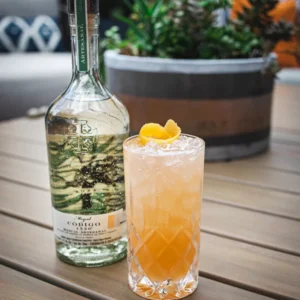
Código 1530 Mezcal bottle

Move over tequila, rum and gin, because this year the drink of the summer is something different.

Summer 2022 is the Summer of Mezcal.

Traditionally, sure, we’re led to believe that lighter spirits (white rum, gin) are best for the hotter months. Of course, dark rum is another route people often take during the summer.

However, mezcal is on fire at the moment. In fact, it has been for the past few years now. So, why not feature it on your summer drink menu?

Mezcal adds depth and complexity to classic cocktails, engaging guests by offering new flavors. And, of course, mezcal is also a fantastic starting point for modern drinks.

Below you’ll find six summer mezcal recipes from Collin De Laval, company mixologist for Código 1530. He turned his attention to Código 1530 Mezcal Artesanal for the Summer of Mezcal.

To learn more about Código 1530 and De Laval, check out Bar Hacks episode 57. Cheers!

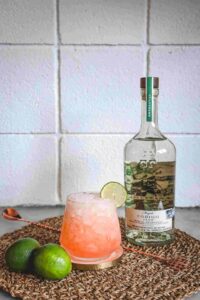
Código 1530 La Palomita

La Palomita

  • 1.5 oz Código 1530 Mezcal Artesanal
  • 0.75 oz Lime juice (fresh, of course)
  • 0.25 oz Aperol
  • 4 oz Yuzu-lime soda
  • 0.25 oz Simple syrup
  • Lime wheel or wedge to garnish

Prepare a cocktail glass with fresh ice. In a shaker, combine Código 1530 Mezcal, lime, Aperol and simple syrup. Shake well, pour into cocktail glass, top with yuzu-lime soda, and garnish with lime wheel or wedge.

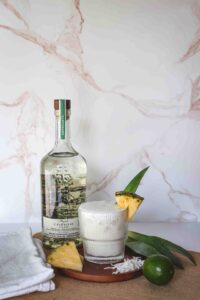
Código 1530 Tropicana

Tropicana

Combine all ingredients in a shaker and prepare a cocktail glass with fresh ice. Shake vigorously, pour, and garnish with a pineapple wedge.

Código 1530 Mezcal Margarita

Mezcal Margarita

Prepare a cocktail or Margarita glass with fresh ice, then combine all ingredients in a shaker (also with ice). Shake, pour, and garnish with a lime.

Código 1530 Mezcal Ranch Water

Mezcal Ranch Water

Combine Código 1530 Mezcal, lime juice, and agave nectar in a cocktail or highball glass with ice, top with soda water, and stir.

Código 1530 Mango Mezcal Paloma

Mango Mezcal Paloma

In a shaker with ice, combine Código 1530 Mezcal and all three juices. Shake vigorously, strain into a highball glass with fresh ice, top with soda water, and garnish with grapefruit peel.

Código 1530 Mezcal Espresso Martini

Mezcal Espresso Martini

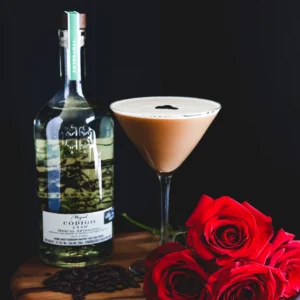
If you own, operate or are on the leadership team at a bar—or if you’re a bartender or server—you know the Espresso Martini has once again found itself having a moment. So, while you’re building out your summer mezcal menu, don’t forget this trendy drink.

Add all the liquid ingredients to a shaker with ice. Shake vigorously until well chilled. Pour into a Martini glass (consider preparing by chilling if you don’t already) and garnish with coffee beans.

Images courtesy of Código 1530

by David Klemt David Klemt No Comments

Raise a 7&7 to National Dive Bar Day

Raise a 7&7 to National Dive Bar Day

by David Klemt

Dive bar or neighborhood bar

We celebrate one of the most hallowed of drinking establishments on July 7, also known as National Dive Bar Day.

Look, we love a visit to a high-end, luxurious cocktail bar. But there’s nothing quite like discovering a casual, comfortable, unpretentious bar that feels like home.

Often times, the local watering hole is a cornerstone of a given community. So, we’re looking forward to the fifth annual National Dive Bar Day in just over two weeks.

You should have plenty of time if you’re a dive or neighborhood bar owner to create your National Dive Bar Day promotion.

A Little History

It’s hard to believe that National Dive Bar Day is a mere five years old. In fact, Seagram’s 7 Crown launched the first annual celebration in 2018.

Not only does this holiday honor a true institution, Seagram’s donated $25,000 to the National Trust for Historic Preservation on its inception. (This year, Seagram’s 7 Crown is supporting Main Street Alliance.)

This makes a lot sense when you think about it. After all, dive bars are often located in a historic building or are landmarks themselves.

Some people may not like it, but drinking culture is an integral part of many a community across not just America, not just North America, but the world.

Not so long ago a bartender could set beers and shots in front of two people with opposing views and they’d find common ground to bond over. The optimist in me hopes we can return to those days, visiting our local neighborhood bars and focusing on what we all have in common rather than letting ourselves grow further divided.

Where some people see a “just” a dive bar, those of us in the know see social and cultural centers that support neighborhoods and communities.

Given their commitment to unpretentious and welcoming service, we need to support and protect our local dives.

What Makes a Dive Bar?

There are some key elements that set dive bars apart from other drinking establishments.

Characters on both sides of the bar, inexpensive drinks, familiar bar food, and an approachable feel are, I would say, the hallmarks.

Now, there are those who think a dive bar also includes an “earthy” smell, to be generous. They may also feel that they call dirty buildings with questionable structural integrity home.

However, “dive” doesn’t have to mean filthy. First and foremost, a dive bar needs to be comfortable and welcoming. Filth tends to give off an unwelcoming, dangerous vibe. That’s not exactly the spirit of hospitality.

Just as a great dive bar should be clean, it should also have a solid F&B program. Inexpensive doesn’t have to mean cheap. Oh, and no, the staff doesn’t have to be surly and untrained.

Dives are Neighborhood Bars

When I first learned about Nickel City, as an example, I saw what a dive bar should be. Both locations, Austin and Fort Worth, are described by co-owner Travis Tober as “anytime bars.”

Nickel City commits to serving the community, and they’re open when people need them. In fact, as you’ll learn during episode 50 of the Bar Hacks podcast, Tober made sure they were open to serve people during the infamous winter storm of 2021 that shut down much of Texas.

In speaking with Tober and reading other interviews with him, I learned that he prefers the term “neighborhood” to “dive.” Due in part to the negative perception some have of dive bars, I can understand his preference.

In my opinion, the difference lies in subtle but important nuances. However, I’ll probably still refer to neighborhood bars as dive bars.

Either way, Nickel City is a dive bar done right and a concept that other operators should certainly study. Nickel City is exemplary, a standard that dive/neighborhood bars should aspire to reach.

The 7&7

As far as Seagram’s is concerned, the 7&7 is “the quintessential Dive Bar drink.” It’s difficult to argue: it’s a highball, it’s fast and simple to make, it’s refreshing, and it shouldn’t be pricey.

But, hey, if you’ve never made or ordered one, here’s the recipe:

Simply prepare a highball glass with ice, add Seagram’s 7 Crown and 7UP, and stir. Then just stir, garnish, and serve.

Cheers!

Image: Florencia Viadana on Unsplash

by David Klemt David Klemt No Comments

8 Bottles for National Bourbon Day

8 Bottles for Bourbon Day

by David Klemt

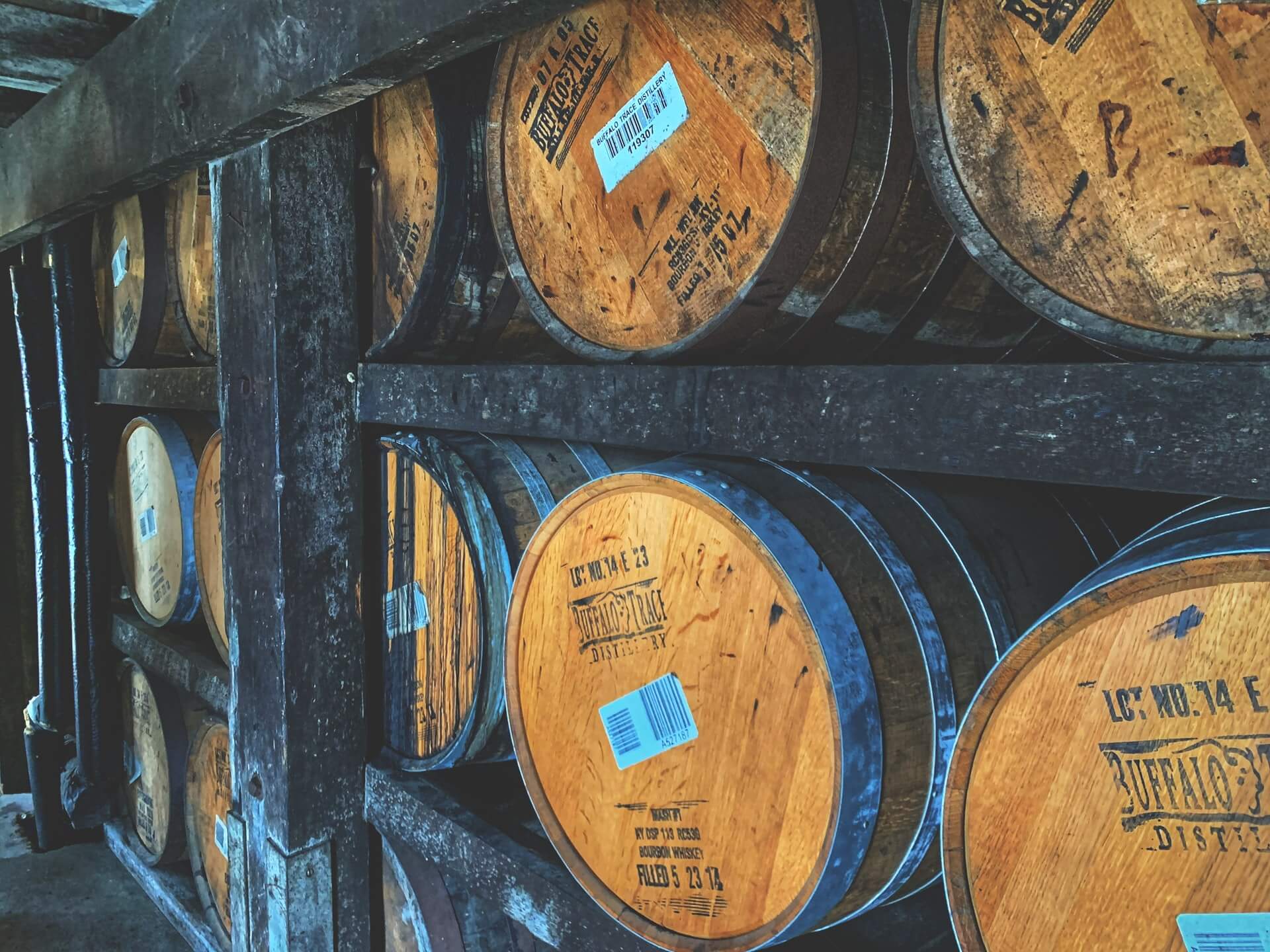
Buffalo Trace Distillery bourbon barrels

Next week, June 14, is National Bourbon Day, the day America celebrates the country’s “native” spirit.

Clearly, that means one thing: Make sure your promotion catches the eye of the whiskey aficionados, bourbon lovers, and bourbon curious among your guests.

One of the most effective ways to boost traffic on National Bourbon Day is deceptively simple. Simply put, add new bourbon releases to your inventory.

Of course, you should also ensure you have enough of what your regulars normally drink on hand. And let’s not neglect your bourbon cocktails.

First Things First

When deciding what to feature on your promotional or LTO menus, there’s a smart and simple first step to take.

You probably already know what I’m going to suggest: Run reports.

What are your top-selling bourbons? Which are more burden than bourbon, collecting dust in your inventory?

Introduce new bourbons recently? How are they selling?

Then there’s the cocktail menu. Do you know which cocktails are your guest favorites and which they’re not ordering? Are any of these bourbon cocktails?

So, don’t just jump into National Bourbon Day by guessing or assuming what bottles and cocktails to promote. Instead, leverage the power of your POS and run reports. Put hard data behind your promotions, always.

Of course, that’s not your only resource. Curious about what your guests would like to see on the menu and back bar? Ask your bar team.

New Releases

Now, this may come as a shocker: People want to try what’s new. Yeah, I know—hot take.

So, if people want the new thing, give ’em what they want. Below you’ll find some bottles worth asking your reps about for National Bourbon Day.

Obviously, you should ensure you have plenty of the standards on hand. And be cautious about just how much new bourbon you bring in. After all, you don’t have data on how they’ll perform yet.

That said, here are some bottles worth considering.

Basil Hayden Subtle Smoke

Far too often, “smoky” on a label means “tastes like you’re drinking a campfire.” Of course, some of us are into that, depending on our mood or personal tastes.

However, some guests aren’t into smoke bombs. Basil Hayden Subtle Smoke delivers what’s on the label: their high-rye Kentucky bourbon with smoke notes that aren’t overwhelming.

Ben Holladay

Don’t freak out after you read the following sentence. Not all bourbon comes from Kentucky.

Of course, you and your team probably know that. And I’m sure we all think that by now, people know a whiskey doesn’t need to come from Kentucky to be bourbon. However, there are still people who think otherwise.

Educate them with bottled-in-bond Ben Holladay, crafted in Missouri. It’s an interesting bottle labeled Real Missouri Bourbon. According to laws enacted in 2019 and 2020, for a whiskey to earn that designation the producer must:

  • mash, ferment, distill, age, and bottle in Missouri;
  • age in oak barrels made in Missouri; and
  • be made with corn grown in Missouri.

Bottled-in-bond and Real Missouri Bourbon. This bottle should get your guests’ attention.

Blood Oath Pact No. 8

When it comes to bourbon releases, Blood Oath Pacts are always big news. Blood Oath Pact No. 8 should be a welcome addition by the bourbon lovers among your guests.

For this release, Lux Row Distillers combined a a 14-year ryed bourbon, an 11-year ryed bourbon, and an 8-year ryed bourbon finished in Calvados casks.

OKI Reserve

The OKI story goes that two entrepreneurs in Ohio, Chad Brizendine and Jake Warm, bought the brand from New Riff Distilling two years ago.

For those wondering, OKI stands for “Ohio, Kentucky, Indiana,” the tri-state area responsible for most of the world’s bourbon. According to OKI, 99 percent of OKI Reserve is more than eight years old.

Thomas S. Moore

Alright, I’ll admit it—I count this section as four bourbons. But I have a good reason for doing so.

Thomas S. Moore is crafted by Barton 1792 and consists of four expressions: Cognac, Madeira, sherry and Merlot. Any one of these alone is worth the time and effort for a bourbon or whiskey lover to track down. However, think of the potential having two or more expressions available to taste against one another offers you and your guests.

Each Thomas S. Moore expression starts with five- or six-year-old Barton 1792 high-rye bourbon. Depending on the cask used for finishing, the bourbon is aged for another one to four years.

Image: Josh Collesano on Unsplash

by David Klemt David Klemt No Comments

Forward Progress: Trends by Venue Type

Forward Progress: Trends by Venue Type

by David Klemt

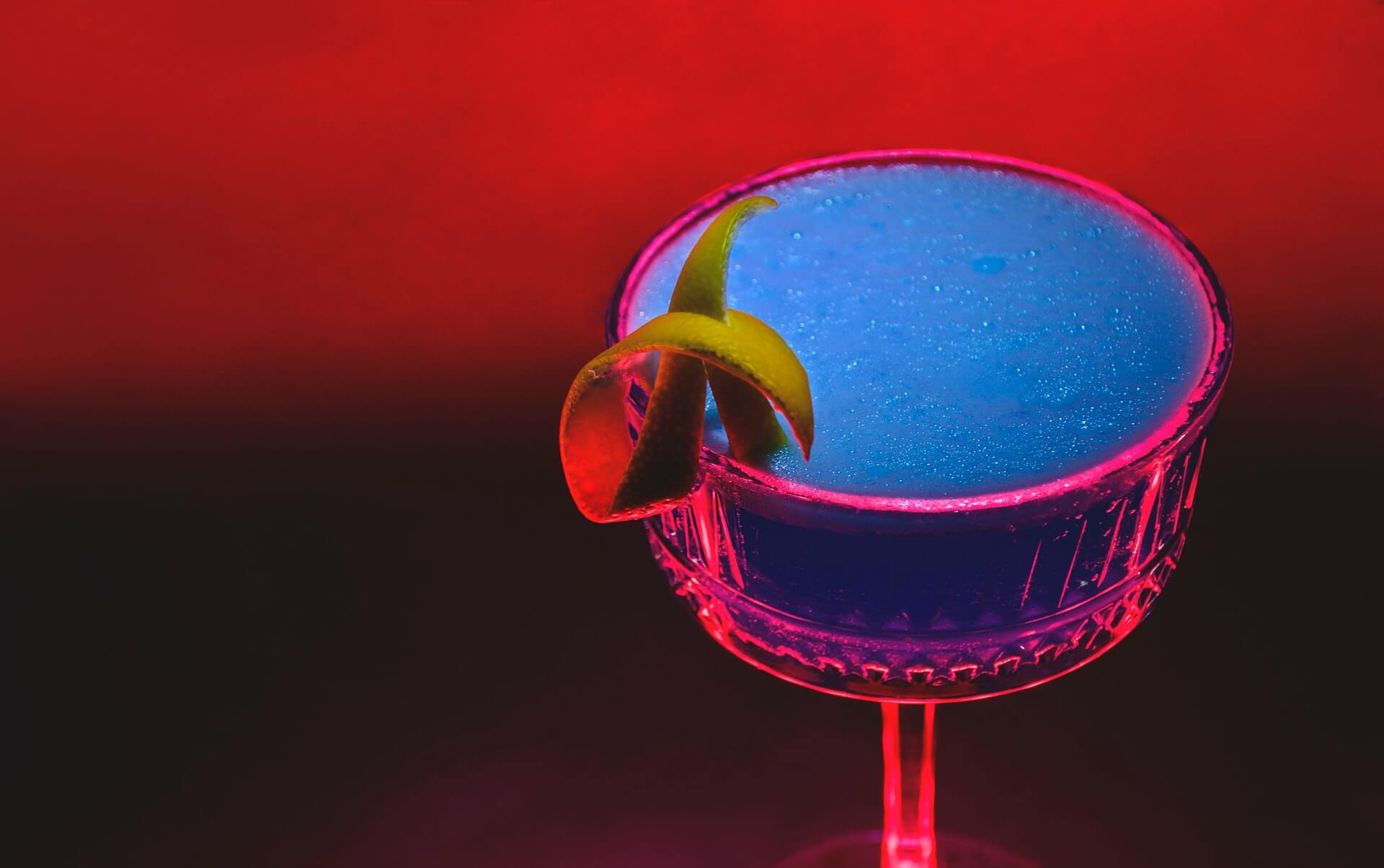
High contrast image of blue cocktail with lemon zest

One notable difficulty with considering new trends is that they’re not all necessarily a universal fit for all venue types.

For example, what may work well in an upscale restaurant perhaps won’t perform as well in a sports bar. Pursuing a trend that isn’t a good fit, obviously.

As any operator with experience knows, chasing fads and trends just to chase them can be costly. Doing so costs money (inventory, training, labor hours) and time deserving of better allocation.

However, failing to embrace any trends can also be costly. Watching a lucrative trend pass by can cost an operator guest engagement, perception, and traffic.

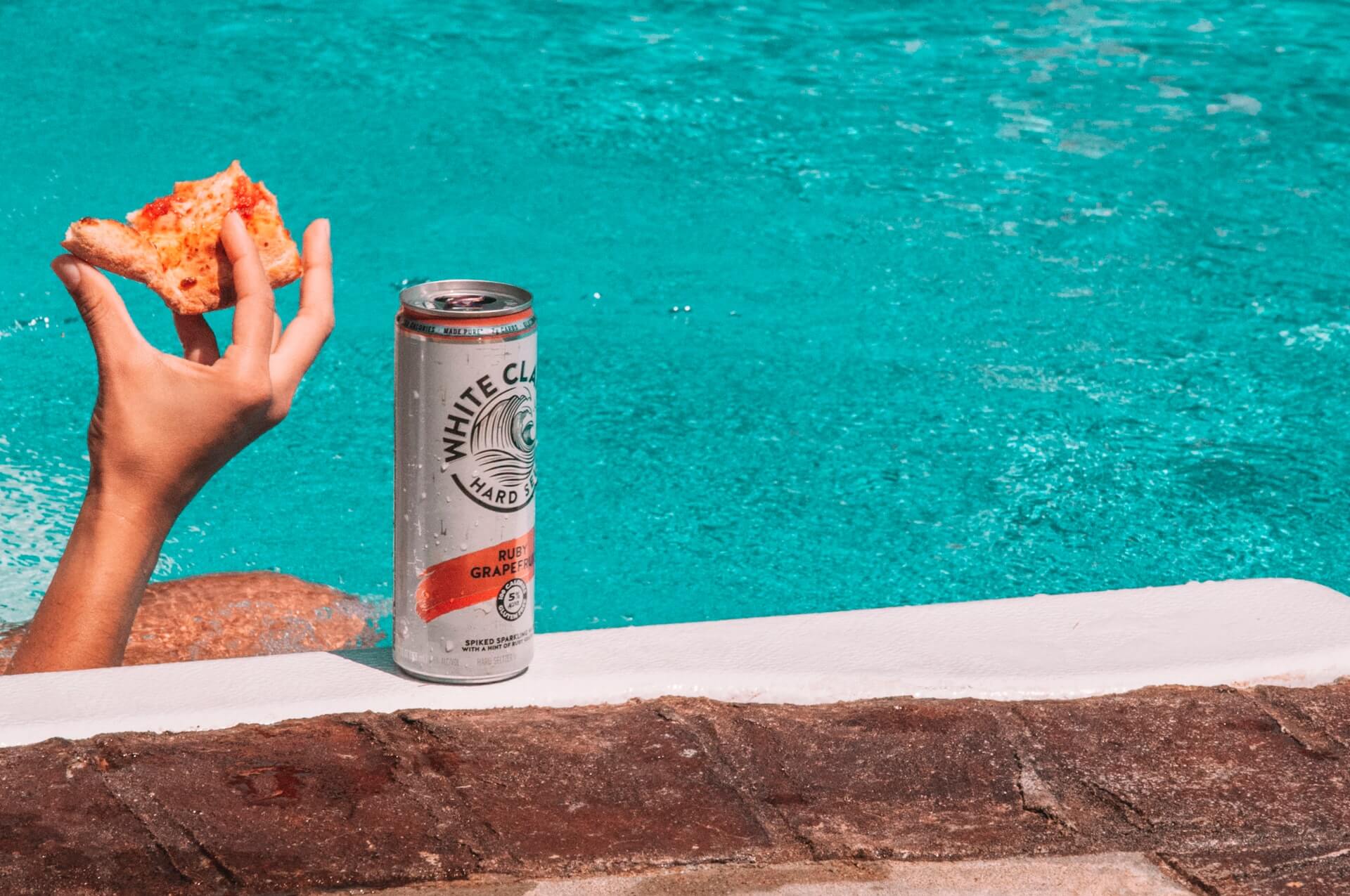
Take, for instance, the success of White Claw. Plenty of operators and consumers scoffed at the hard seltzer category as a whole at first.

Then, some people decided it was a drink category “for women.” As it exploded in popularity, hard seltzers proved immensely popular with men.

Basically, it’s an incredibly strong beverage alcohol category that resonates with a wide range of consumers. On some menus, hard seltzers are listed alongside beers.

So, hard seltzer, led largely by White Claw, showed itself to be a worthwhile trend to adopt.

Clearly, however, hard seltzer doesn’t resonate with all guests on all occasions in all types of hospitality venue types. For instance, generally speaking, a bucket of White Claws likely to be a top seller in a high-end restaurant specializing in seven- to nine-course meals.

Drink Trends by Venue

During Bar & Restaurant Expo in March of this year, Amanda Torgerson of Datassential presented 2022 drink trends operators should know.

One trend has essentially proliferated the industry. Really, it’s likely wise for us to all view this trend—hard seltzer—as mainstream now.

In the context of Torgerson’s presentation, Datassential is saying that hard seltzers are here to stay.

Among other trends, Torgerson shared Datassential’s data-backed view of drink trends segmented by venue category.

While every venue is unique and not every trend will work for every bar or restaurant in a given category, the results are no less intriguing.

Pubs: Dry-hopped beers, pastry stouts, and hard or spiked coffee.

Sports Bars: Mini-beers, hard seltzer, and reusable growlers.

Casual Bars: Seltzers with unique flavors, hard tea, hard lemonade, and drinks featuring local ingredients.

Upscale Bars: Negroni, wine-barrel-aged spirits, and flaming cocktails.

Nightclubs: Hard seltzers served with spirits, cocktails and punch bowls served with dry ice, and flaming cocktails.

Casual Restaurants: Wine cocktails, elevated brunch cocktails, and tea-based alcohol beverages.

Upscale Restaurants: Flaming cocktails (smoked may be better), all-natural wines, and made-to-order cocktail cart presentations.

Hotels, Resorts and Casinos: Made-to-order cocktail carts, alcohol vending machines, and drinks made with cold-pressed juices.

Interestingly, a few of the above trends identified by Datassential appear in multiple venue types.

The main things for an operator to keep in mind is what will resonate with their guests and what’s authentic to their brand. When it comes to trends, one size doesn’t fit all and an individual venue’s mileage will vary.

However, the above list should at least show operators what Datassential sees resonating with guests in an array of venues.

Image: Ozge Karabal on Pexels

by David Klemt David Klemt No Comments

National Cocktails: Canada & America

National Cocktails: Canada & America

by David Klemt

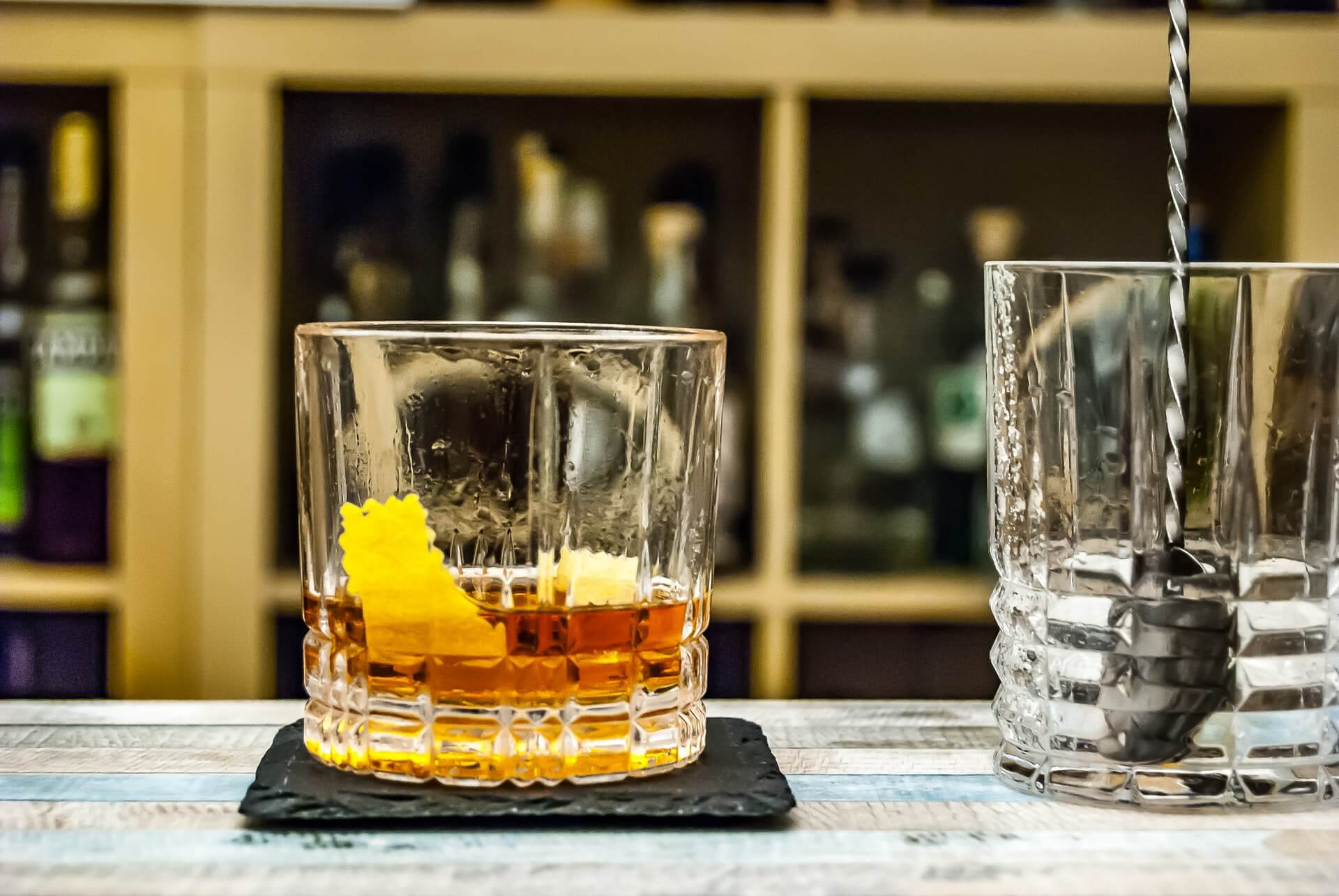
Sazerac cocktail and mixing glass on bar

We’re taking a look at two cocktails that can trace their roots to America and Canada for this year’s National Cocktail Day.

Further, KRG Hospitality has a headquarters in each country. So, we’ll be focusing on the cocktails for which Canada and America are known.

Celebrate National Cocktail Day, March 24, with the recipes below. Cheers!

Canada’s Official Cocktail

Let’s kick things off with Canada. There’s no cocktail with as close an association to the Great White North as the Caesar.

In fact, it’s Canada’s national cocktail. So ubiquitous, it’s woven into the fabric of Canadian pop culture.

Consider this Letterkenny exchange as exhibit A:

Darryl: “I’d have a Bloody Caesar.”

Wayne: “Do you wanna know what? I’d have a Caesar, too.”

Squirrely Dan: “I could have a Caesar if you guys are havin’ Caesars.”

Darryl: “Hard to see a Caesar and not want a Caesar.”

Wayne: “That’s actually how they market Caesars.”

According to cocktail lore, the city of Calgary and province of Alberta get to call themselves the home of the Caesar.

Disputed Origins

As the story goes, Walter Chell invented the cocktail in 1969. Chell was a restaurant manager at the Calgary Inn, now a Westin property.

Oh, wait. There’s also Walter Winchell and the Smirnoff Smiler cocktail. Tracing mentions back to 1953, this drink is made with vodka, tomato juice, clam juice, and Worcestershire sauce.

Hang on… In 1959, Charles Addams—y’know, the creator of the Addams Family—said he created the Gravel Gertie in Manhattan, New York. This cocktail calls for vodka to be mixed with tomato juice, clam juice, and Tabasco sauce.

Well, Chell was onto something when he combined every ingredient in the Smiler and Gertie. To me, this an original that stands far above any perceived predecessors.

Chell also crafted the recipe using a “rule of four”:

  • one shot of vodka;
  • two dashes of hot sauce;
  • three dashes of salt and pepper; and
  • four dashes of Worcestershire sauce

Prepare a glass with a celery salt or salt and pepper rim. Add ice, then add the above ingredients. Top with Caesar mix (Clamato juice, these days), and garnish with a celery stock and lime.

America’s Unofficial Cocktail

Now, onward to America. So, we don’t have an official national cocktail here. Clearly, our neighbors to the north know how to have more fun.

We have a native spirit—bourbon—but that’s where it ends.

However, we do have New Orleans. And in New Orleans we have the birthplace of American hospitality.

We have something else in New Orleans. In 2008, the Louisiana state senate passed a bill that named an official cocktail for the city.

That cocktail? The Sazerac.

Two Bases, One Drink

Cocktail historians will tell you that there are essentially two recipes for the Sazerac. They’ll also tell you that the origins of this cocktail are under dispute.

Are you beginning to see a pattern with cocktail history? It’s never clear, is it?

First, let’s address the original, assuming it’s America’s first (or at least oldest known) cocktail. From the 1850s to 1870s, it was made with Cognac. And not just any Cognac, Sazerac de Forge et Fils.

Depending on who you ask, either bar owner Aaron Bird or Antoine Amedie Peychaud invented the Sazerac. The cocktail recipe includes two dashes of Peychaud’s Bitters, so it’s easy to understand why some credit Peychaud with creating this drink.

Then, there’s the version that took off in the 1870s. Again, depending on the source, either American tastes changed or a phylloxera outbreak affected Cognac production. Perhaps both are true, converging to alter the Sazerac recipe.

Either way, rye whiskey replaced absinthe, and Herbsaint replaced the absinthe. Some bartenders also substitute bourbon for the rye.

The Recipe

It’s not difficult to make a Sazerac, just like it isn’t difficult to find one in New Orleans.

You’ll need two Old Fashioned (aka rocks) glasses, or one Old Fashioned and a mixing glass.

Rinse a chilled glass with absinthe or Herbsaint, and add ice. In the mixing glass or second glass, add ice, two ounces of Cognac, rye whiskey or bourbon, a half-ounce of simply syrup, and three dashes of Peychaud’s Bitters. Stir until well chilled.

Before straining, discard the ice and any excess absinthe or Hersaint from the prepared glass. Now, strain into prepared glass, express a lemon peel, and use that peel as garnish.

Alternatively, you can split the base and do Cognac and rye or bourbon, paying homage to each version of the Sazerac.

Image: Johann Trasch on Unsplash

by David Klemt David Klemt No Comments

Share These Vermouth Facts with Guests

Share These Vermouth Facts with Guests

by David Klemt

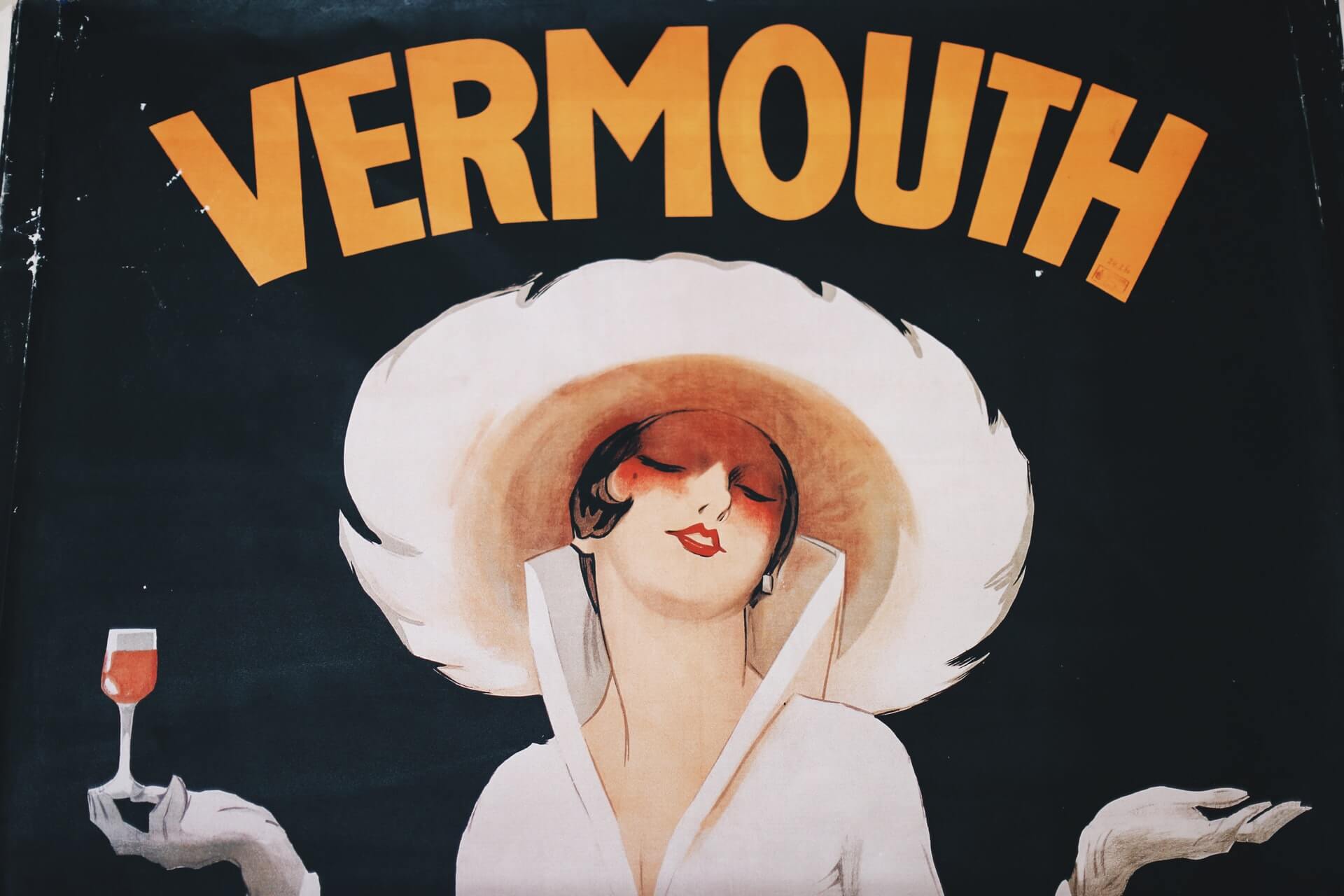
Vintage vermouth print

Today is World Vermouth Day, so here are some interesting facts you and your bar team can share to engage with guests.

Before we dive in, a few vermouth basics.

First, contrary to what some believe, vermouth isn’t a spirit. Rather, vermouth is a fortified wine.

In most cases, vermouth producers boost—or fortify—alcohol content with a neutral grape spirit.

Centuries of History

Vermouth can trace its history back to at least the 16th century. However, it’s possible it goes as far back as 12th century China.

Like so many products behind the bar, the exact origins are in dispute. Some say vermouth is a Chinese creation, some say its home is Greece, crediting Hippocrates with its creation. Still others attribute its invention to Germany.

Regardless, many believe that vermouth is one of the oldest types of beverage alcohol.

Doctor’s Orders

As is the case with plenty of intoxicants, this fortified wine has roots in medicine.

From the 16th century until about midway through the 18th century, Italian vermouth was recommended by doctors to settle upset stomachs.

This makes sense given its makeup: Vermouth is a wine combined with a spirit, infused by roots, herbs, and spices. The array of botanicals found in vermouth can certainly aid in digestion.

In fact, offering vermouth on your menu as an aperitif or digestif is a smart move.

Booze Relatives

You, your bar team, and guests may find this connection interesting. Vermouth and absinthe are family members.

According to some alcohol historians, “vermouth” is a French pronunciation of the German word “wermut.” Wermut translates from German to English as “wormwood.”

Centuries ago, German and Hungarian fortified wines contained wormwood.

An argument can be made that amaro is also a relative of vermouth. While not a requirement, amaro can contain wine. If an amaro has that component, it can technically be a vermouth.

Modern Vermouth

Toward the end of the 18th century, Antonio Benedetto Carpano created what’s now considered modern vermouth.

As the story goes, Carpano was studying to be an herbalist. In 1786, in Turin, Italy, he blended a white muscatel with herbs and spices. Modern vermouth was born.

Owing to modernization and commercialization, some paint vermouth with two broad brushes.

There are those who refer to all red vermouths as Italian vermouths. They then categorize all white vermouths as French. This is, in part, due to the French overwhelmingly producing dry, white vermouths.

Even More Modern

Well, maybe not exactly more modern. Perhaps it would be more accurate to refer to a particular style as “more recently recognized.”

During Prohibition, American producers made vermouth. According to my research, these were not looked upon favorably. In fact, they were considered cheap and poorly made.

That’s not the style I’m talking about here. Starting in the 1990s, and initially attributed to Californian producers, American vermouth production came out swinging with Western Dry.

In general, this style of vermouth leans heavier on the wine and uses different botanicals.

Not Just a Clever Shirt

You have probably seen bartenders or other hospitality professionals wearing this Mover & Shaker shirt:


View this post on Instagram


A post shared by Mover & Shaker (@moverandshakerco)

In case it doesn’t load for you, it says, “If you’re reading this put vermouth in the fridge.” That’s not a joke—keep it in the refrigerator.

Perhaps due the misconception that vermouth is a spirit, some people treat it as such. In other words, they just leave their vermouths out.

Being a fortified wine, vermouth can go bad in just a few months once open. So, this World Vermouth Day, if you haven’t already, put vermouth in the fridge.

Image: Giorgio Trovato on Unsplash

by David Klemt David Klemt No Comments

Dame Hall of Fame Nominations Open!

Dame Hall of Fame Nominations Now Open!

by David Klemt

Tales of the Cocktail Foundation Dame Hall of Fame luncheon

Now in its tenth year, nominations are open for the Dame Hall of Fame, honoring individuals who have a positive impact on hospitality.

In particular, the Dame Hall of Fame recognizes people who move accessibility and intersectionality forward.

The Tales of the Cocktail Foundation (TOTCF) and Ladies United for the Preservation of Endangered Cocktails (LUPEC) are accepting nominations until March 30. Currently, there are 42 DHOF members.

On July 29, three inspirational and influential Dames will join their peers. These three individuals will be inducted into the DHOF at the Ritz-Carlton New Orleans.

To nominate a potential inductee, please complete this form.

“We are so proud to be entering our tenth year of Dame Hall of Fame, which has become one of the most revered recognitions of Tales of the Cocktail Foundation,” says TOTCF CEO Eileen Wayner. “The collective magnitude of the Dames is unparalleled, and it is truly our honor to gather such a talented group of individuals, while inducting newcomers who are making a lasting impact on the hospitality community.”

Co-chairs Overseeing Process

The Dame Hall of Fame was first established in 2012. Since then, nearly four dozen of the most influential individuals have been inducted.

More than just an honor, the DHOF encourages continued mentorship. DHOF members seek to further diversity, inclusivity, and equity within the cocktail and hospitality communities.

In 2022, for the first time, two members will co-chair the DHOF. They will each take on this role for a two-term, effective immediately.

Additionally, the co-chairs will oversee this year’s DHOF nomination process. Learn more about each co-chair below.

Kirsten “Kitty” Amann

Kitty has more than fifteen years of experience in the beverage industry as a brand ambassador, cocktail book author, podcaster, publicist, bartender, and spirits writer. She is the New England Market Manager for Uncle Nearest Premium Whiskey and author of Drinking Like Ladies: 75 Modern Cocktails from the World’s Leading Female Bartenders.
In her roles, she is honored to share untold stories of greatness and help the truth find the light. Kitty is a founding member of the Boston chapters of Ladies United for the Preservation of Endangered Cocktails (LUPEC Boston) and the U.S. Bartenders Guild. As a frequent speaker on the history of women behind the bar and in the spirits industry, and has presented at Tales of the Cocktail, The Manhattan Cocktail Classic, Portland Cocktail Week, San Antonio Cocktail Conference, San Francisco Cocktail Week, Speed Rack Academy, and at the Smithsonian. 
Kitty has taught yoga in Boston and around the world since 2010. She was among the first in the industry to introduce movement and breathwork to fellow bartenders, servers, and brand ambassadors to support their careers, and has presented at Tales of the Cocktail, The Manhattan Cocktail Classic, Portland Cocktail Week, and for local restaurants and USBG chapters.

Tiffanie Barriere

The bartender’s bartender, Barriere is an influencer and educator who has been awarded some of the beverage industry’s highest honors. The Bar Smart graduate, she is a Tastemakers of the South award-winner who spent seven years as the beverage director of One Flew South, the “Best Airport Bar in the World.”
As an independent bartender, she is known for creative and innovative cocktail menus for pop-dinners and bar consultancy clients, hosting mixology classes around the nation, and connecting culinary and farm culture with spirits. As a leader, she is a member of the Tales of the Cocktail Grants Committee, the James Beard Beverage Advisory Board, and a member of the Atlanta chapter of Les Dames d’Escoffier.
Barriere and her cocktails have been featured in such publications as Imbibe Magazine (print and online), Forbes, Essence, The Bitter Southerner, Cherry Bomb Magazine, Washington Post, Eater, VinePair, Food Republic, and Garden & Gun.
In 2020, Tiffanie was featured on Food Network’s The Kitchen, honored as the Tales of the Cocktail Foundation’s Dame Hall of Fame U.S. Inductee, along with the cover photo of Imbibe Magazine for the “Top 75” issue. The Louisiana-Texas native is the trustworthy mentor of some of the best bartenders and mixologists in the world. Tiffanie’s main goal is education, service and fun with every pour.

Nomination Criteria

In 2022, the three inductees will receive individual awards. There will be a United States inductee, an international inductee, and a Pioneer Award inductee.

Woodford Reserve will present the first two inductees, while The Blend will present the Pioneer Award.

The criteria for nominations is below, provided by the TOTCF:

DHOF US and International Inductees Presented by Woodford Reserve:

In addition to being a woman, non-binary or trans individual, to be considered to be inducted into the US DHOF, nominees must:

  • be a person whose professional and personal accomplishments have shaped the beverage landscape and provide visible models of achievement for tomorrow’s leaders;
  • serve as a leader and mentor; and
  • reside in the United States of America.

In addition to being a woman, non-binary or trans individual, to be considered to be inducted into the International DHOF, nominees must:

  • be a person whose professional and personal accomplishments have shaped the beverage landscape and provide visible models of achievement for tomorrow’s leaders;
  • serve as a leader and mentor; and
  • reside outside of the United States of America.

The Pioneer Award by The Blend:

This award recognizes an individual who has encouraged mentorship and contributed to making the hospitality industry equitable and inclusive by working to remove barriers as it pertains to gender identity, race, religion, and socioeconomic status.

The Pioneer Award, which was named for hospitality trailblazer and New Orleanian Ruth Fertel, will be announced on June 21 in conjunction with the TOTCF Spirited Awards. The recipient of the Pioneer Award will also be inducted into the DHOF during the July 29 Induction Ceremony.

Click here to nominate an individual today!

Image: Corey James Photo

by David Klemt David Klemt No Comments

8 Glendalough Cocktail Recipes for St. Patrick’s Day and Beyond

Offer your guests something different for your St. Patrick’s Day promotion with Glendalough Distillery cocktail recipes.

Without a doubt, you should have plenty of the expected Irish whiskeys on hand. However, Glendalough Distillery Double Barrel, Pot Still, Wild Gin, and Rose Gin are extraordinary Irish whiskeys and gins.

Each spirit the distillery crafts honors the art of Irish distillation, a craft that stretches back centuries. What’s more, each whiskey Glendalough crafts is single malt—there are no light-bodied blends in their lineup.

To learn more, check out episode 71 of the Bar Hacks podcast with Glendalough Distillery co-founder and national brand ambassador Donal O’Gallachoir.

by David Klemt

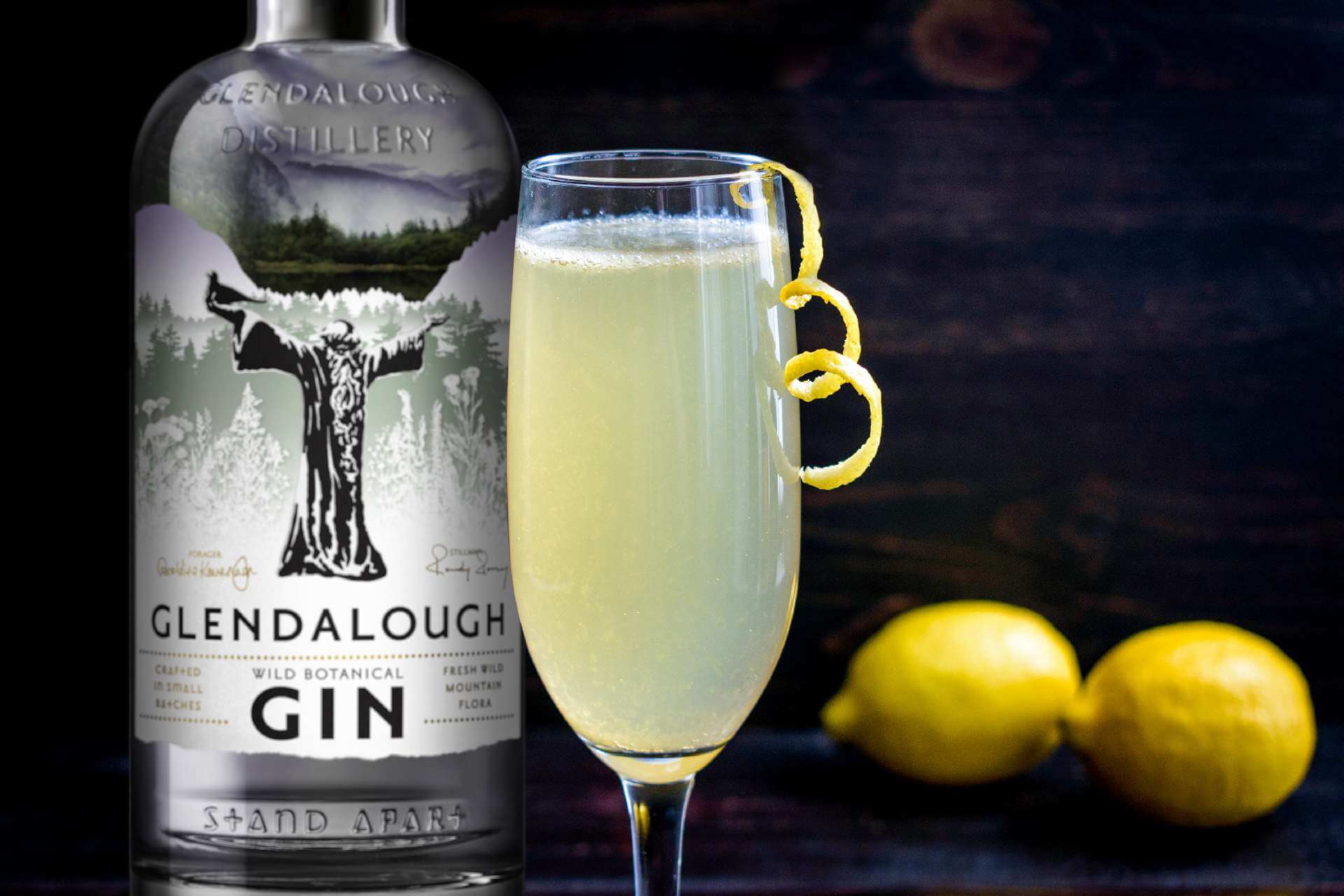
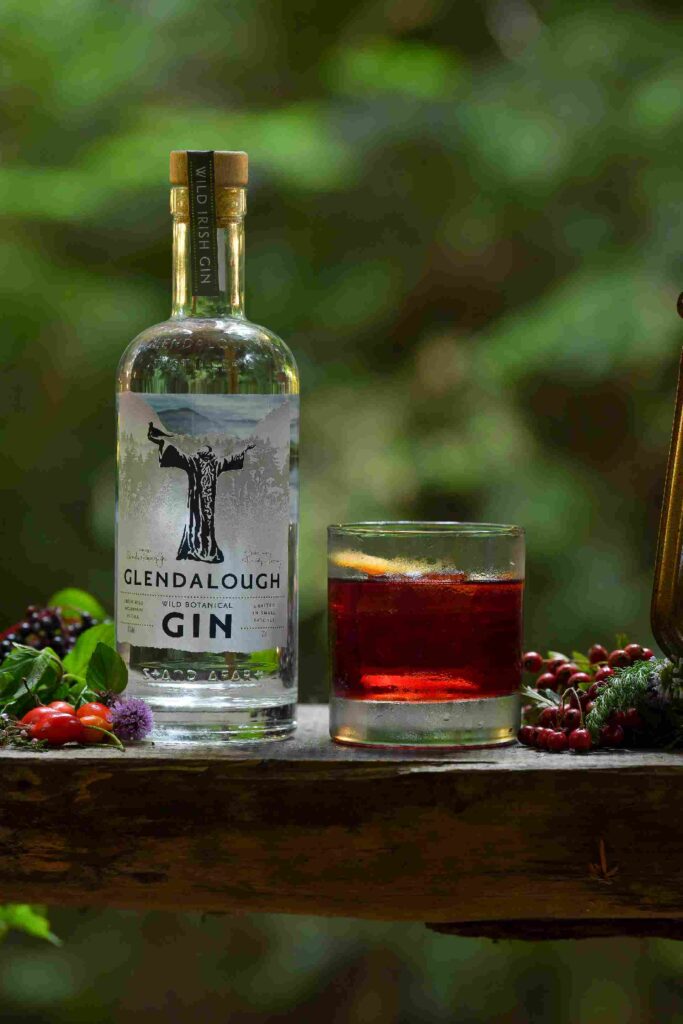
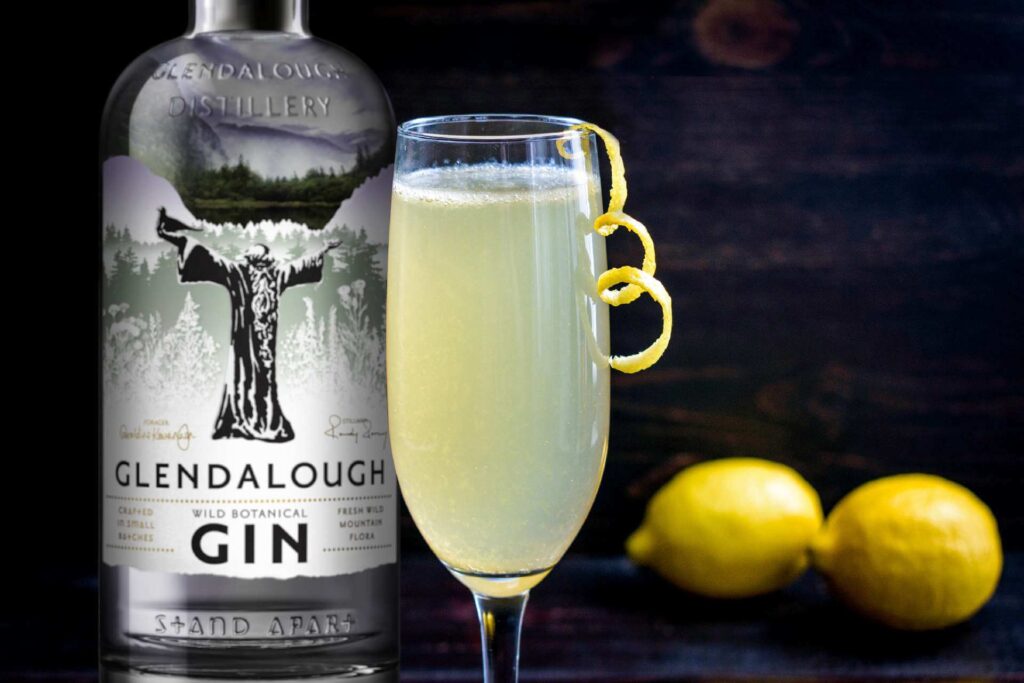
Glendalough Distillery Wild Gin Irish gin

8 Amazing Irish Whiskey and Gin Cocktails

Below, eight refreshing and sophisticated drink recipes made with Glendalough whiskeys and gins. Sláinte!

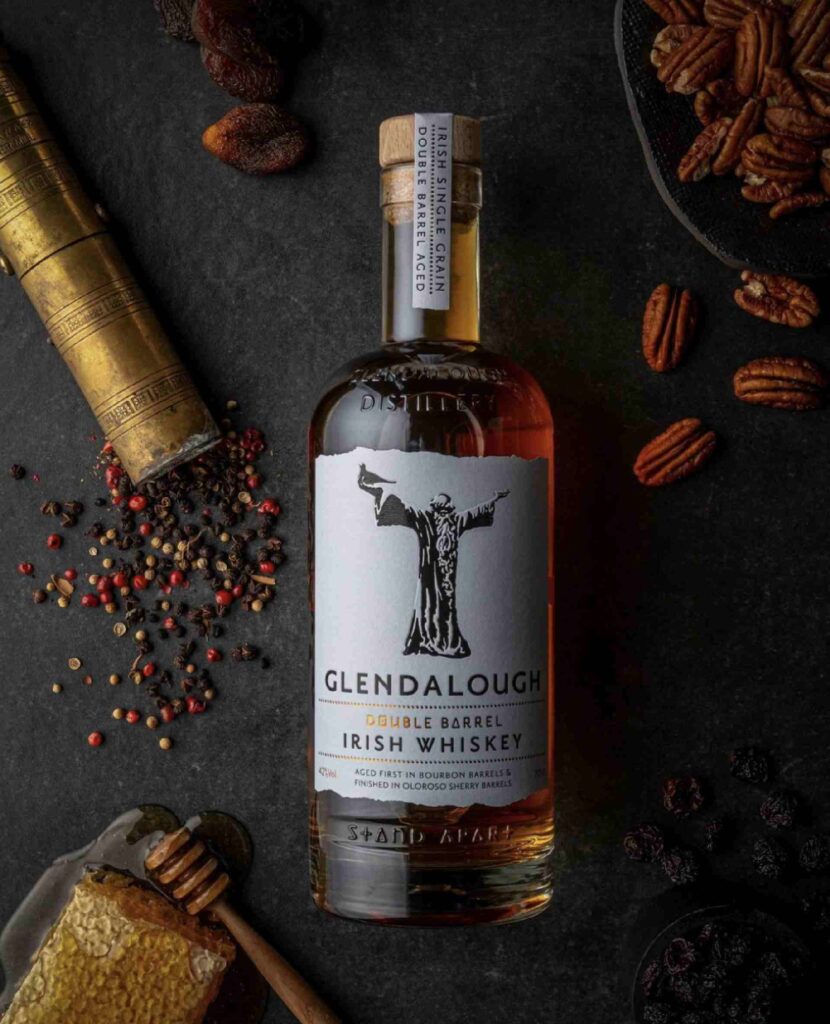
Glendalough Distillery Double Barrel Single Malt Irish Whiskey

The Lough Inn

This highball is made with Glendalough Double Barrel, a single-grain Irish whiskey aged in ex-bourbon barrels before being finished in Oloroso sherry casks.

  • 2 oz. Glendalough Double Barrel Single Grain Irish Whiskey
  • 1 oz. Spiced honey syrup (see note)
  • 1 oz. Fresh lemon juice
  • Soda to top
  • Lemon wheel or slice to garnish
  • Mint leaf to garnish
  • 1 cup Honey for spiced honey syrup
  • 0.5 cup Water for spiced honey syrup
  • 4 Cinnamon sticks for spiced honey syrup
  • 1 pod Star anise for spiced honey syrup

Add ice to a highball glass, then add first three ingredients. Top with soda water. Garnish with lemon wheel or slice and freshly torn mint leaf.

For spiced honey syrup: Add honey, water, cinnamon sticks, and star anise to pot. Bring to a boil, then stir. Strain into container.

Glendalough Distillery Pot Still single malt Irish whiskey

Pot Still Highball

Deceptively simple to build, this cocktail highlights the terroir of the land surrounding Glendalough Distillery.

  • 1.5 oz. Glendalough Pot Still
  • Soda to top
  • Grapefruit peel to garnish
  • Mint leaf to garnish (freshly torn and slapped, of course)

Prepare a highball glass with an ice shard, spear or cylinder. Pour in Glendalough Pot Still whiskey, then top with soda. Glendalough Distillery recommends a 1:2 ratio, Pot Still to soda. Garnish with mint leaf.

Glendalough Distillery Wild Gin Negroni cocktail

Glendalough Negroni

The foraged botanicals in Glendalough Wild Gin add even more complexity and depth to the classic Negroni. In fact, the flavors work so well this recipe maintains the Negroni’s crucial 1:1:1 ratio.

Prepare an Old Fashioned with ice. Add first three ingredients to glass in the above order. Add more ice if necessary. Stir, express orange peel, and place as garnish.

Glendalough Distillery Wild Gin Irish gin

Glendalough Wicklow 75

Bubbles make everything better and everyone happier.

Add all ingredients to shaker. Add ice and shake until well chilled. Strain into Champagne flute, top with Prosecco, and garnish with lemon twist.

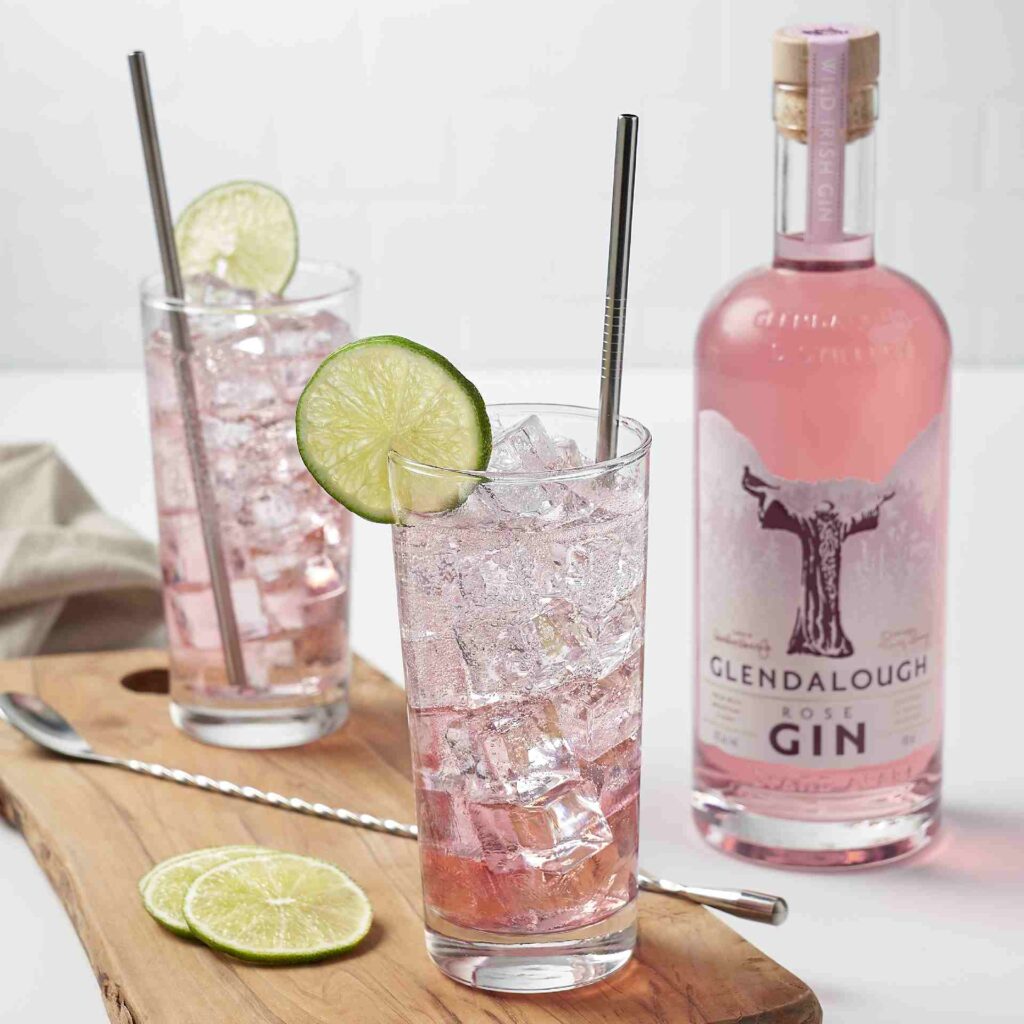
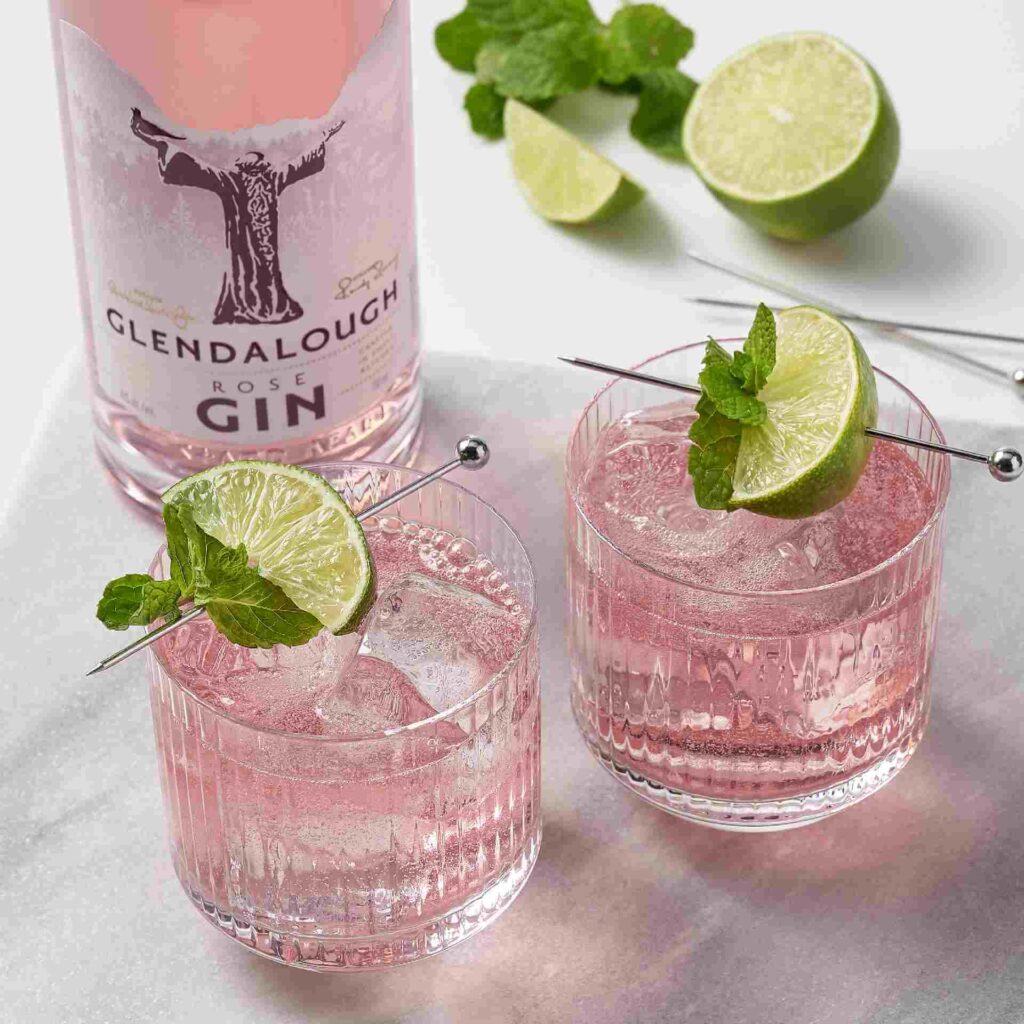
Glendalough Distillery Rose Gin Irish gin and cocktails

Glendalough Rose G&T

This simple classic receives a huge visual and aromatic boost from Glendalough Rose Gin.

  • 2 oz. Glendalough Rose Gin
  • Tonic to top (the higher the quality, the better)
  • Lime slice
  • Mint leaves

Add ice to glass, then add Rose Gin. Top with tonic, and garnish with lime slice and mint leaves.

Glendalough Distillery Rose Gin Fizz

Glendalough Rose Gin Fizz

One way to elevate the highball is to use a striking pink-hued Irish gin.

  • 1.5 oz. Glendalough Rose Gin
  • 0.5 oz. Elderflower liqueur
  • Raspberry & Lime sparkling water to top
  • Lime wheel to garnish

Add ice (spear, shard or cylinder for impact), Rose Gin, and liqueur to highball glass. Stir, then add sparkling water to top. Garnish with lime wheel.


View this post on Instagram


A post shared by Glendalough US (@glendaloughus)

Glendalough Rose Collins

Boost the classic Collins with Glendalough’s striking rose-petal gin.

  • 1.5 oz. of Glendalough Rose Gin
  • 1 oz. of Lemon juice (freshly squeezed)
  • 0.5 oz. of Sugar syrup (1:1 ratio, hot water to sugar)
  • Soda to top
  • Lemon peel to garnish
  • Cherry to garnish

Combine first three ingredients in a shaker with a cup of ice. Place an ice shard, spear or cylinder to a highball glass. Shake until well chilled, then strain into glass. Top with soda, and garnish with lemon peel and cherry.

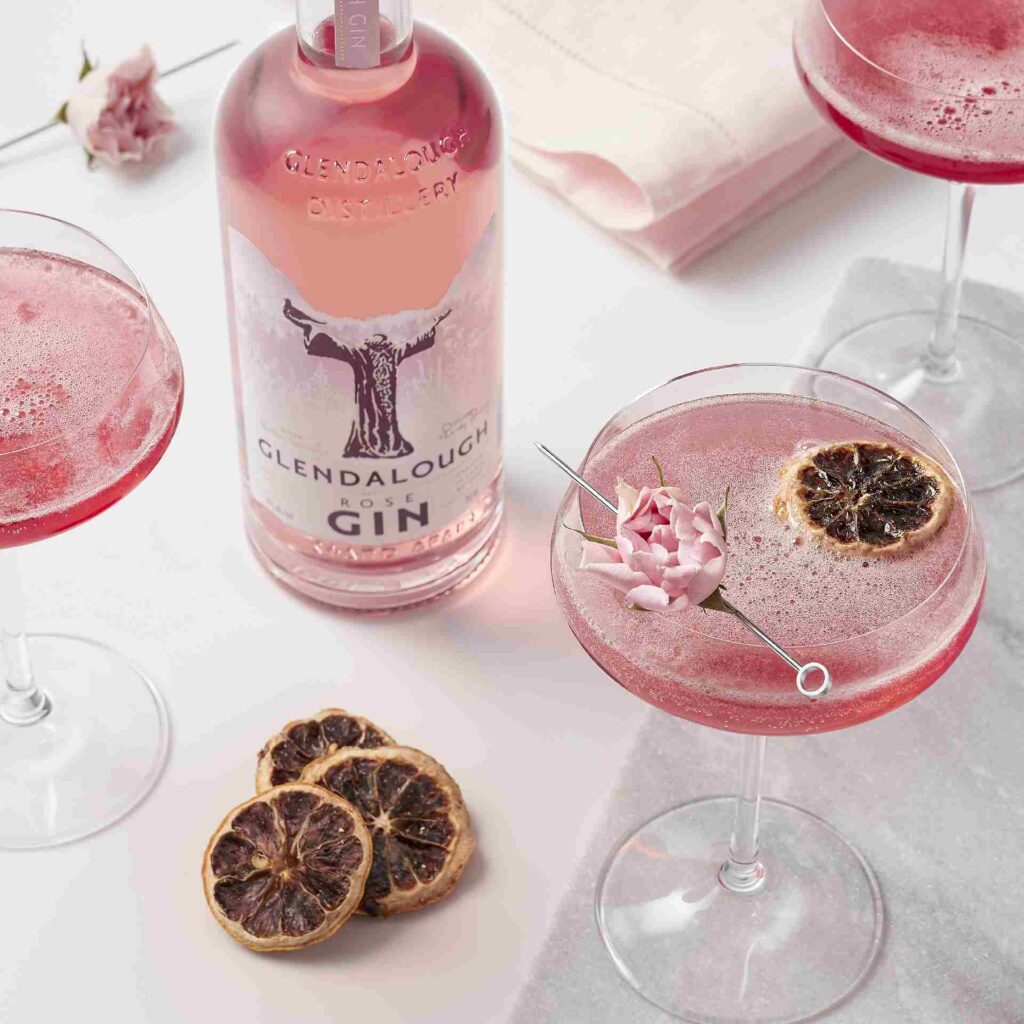
Glendalough Distillery Rose Gin Hibiscus Rose

Glendalough Hibiscus Rose

Refreshing and flavorful, the hibiscus tea syrup plays incredibly well with Glendalough Rose Gin.

  • 1.5 oz. Glendalough Rose Gin
  • 0.5 oz. Hibiscus tea syrup (see note)
  • 0.5 oz. Lemon juice (fresh squeezed)
  • Prosecco to top
  • Dehydrated lemon wheel to garnish
  • Rose petals to garnish
  • 33 oz. Water for hibiscus tea syrup
  • 16 oz. Sugar for hibiscus tea syrup

Add first three ingredients and ice to a shaker. Shake until well chilled and double strain into a coupe.  Top with Prosecco, and garnish with dehydrated lemon wheel and rose petals.

For the hibiscus tea syrup: Steep seven hibiscus tea bags in 33 ounces of water for 15 minutes. Add 16 ounces of sugar.

Images & Recipes: Glendalough Distillery

Related Reading

Work with Us

Click the image below to partner with us on your project.

Client Intake Form - KRG Hospitality

by David Klemt David Klemt No Comments

Heritage & Innovation: Glendalough

Heritage & Innovation: Glendalough Distillery

by David Klemt
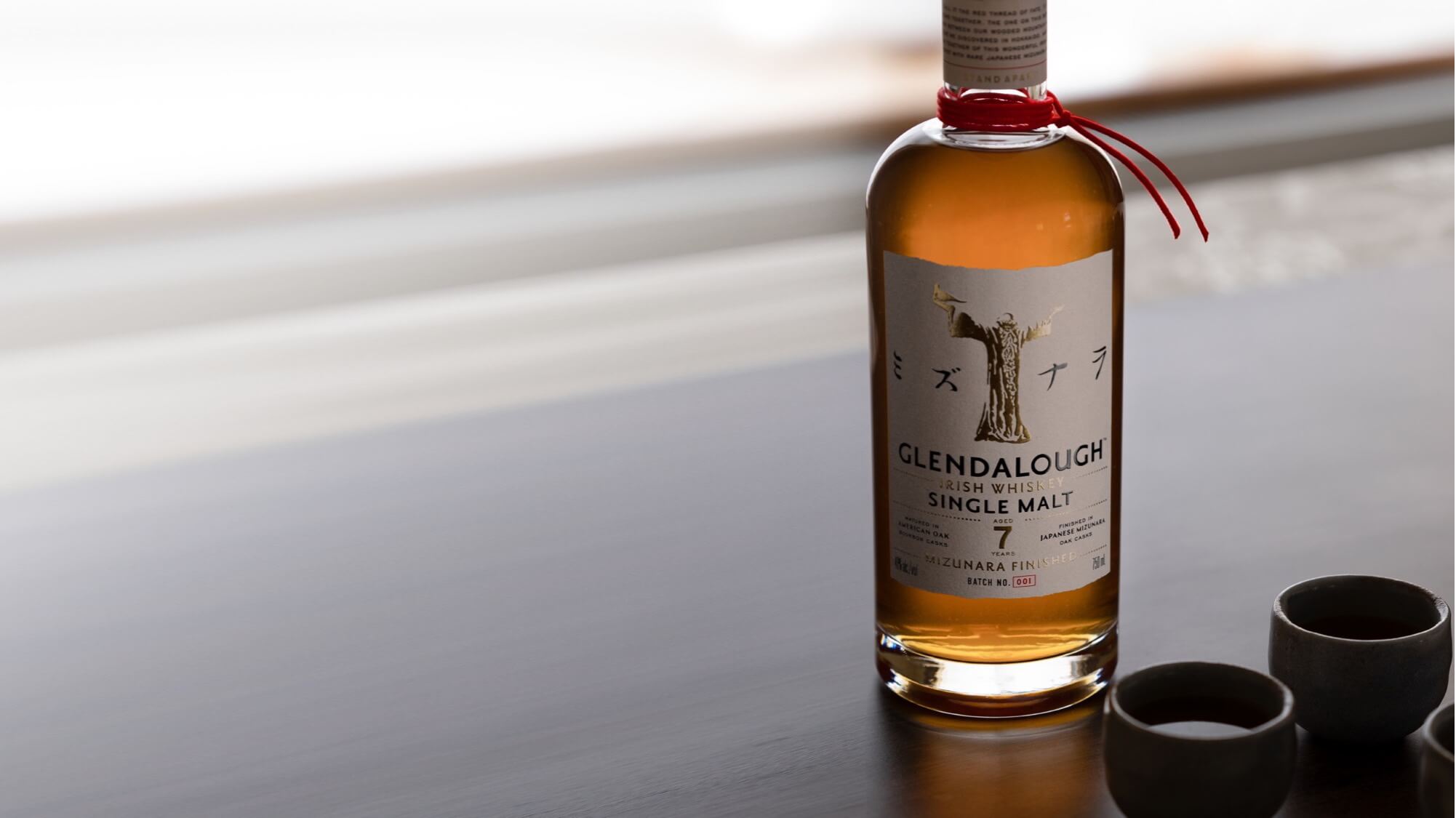
Glendalough Distillery 7 Years Mizunara single malt Irish whiskey and glasses

Glendalough Distillery’s five founders are on a mission to honor Ireland’s rich distilling history and heritage.

As Bar Hacks guest Donal O’Gallachoir describes them, the whiskeys Glendalough crafts are remarkably different. O’Gallachoir, co-founder, national brand ambassador, and cheeky bottlewasher, aims to elevate Irish spirits.

More accurately, Glendalough’s founders want to return Irish whiskey to its rightful, historic place. That place? Among the top whiskeys in the world.

As you’ll learn, Glendalough will elevate your St. Patrick’s Day menu. In fact, these whiskeys and gins will elevate your entire menu, period.

Centuries of History

On episode 71 of Bar Hacks, O’Gallachoir briefly but compellingly shares Irish whiskey’s story. As he tells it, it was once estimated Irish whiskey accounted for up to 90 percent of world whiskey consumption.

That’s easy to believe when you factor in how Irish whiskey production can be traced back to at least the sixth century. There’s also the fact that Irish distillers were crafting, as O’Gallachoir puts it, “a wealth of styles.”

Unfortunately, a terrible string of wars—literal and economic—all but eradicated Ireland’s distilleries. When I say eradicated, I mean that when Glendalough Distillery opened in 2011, it became the fourth or fifth distillery in the country.

There used to be 200 licensed distilleries in the country, along with around 1,800 unlicensed distilleries. For decades of the 20th century, there were only two to three licensed distilleries in operation.

So, it makes sense that consumers outside of Ireland think the country produces only one style of whiskey: Irish. Meaning, light-bodied, sweet, and meant to be thrown back as a shot.

O’Gallachoir is well aware of the compelling paradox of modern Irish distillation. If the blended style of Irish whiskey most people know today hadn’t kept the industry alive, Glendalough and its expressions may not exist today.

Distillation Innovation

All Glendalough whiskeys are single malt and chill filtered. This stands in stark contrast to blended Irish whiskeys, the current dominant (modern) style.

Glendalough is, to oversimplify it, honoring centuries of Irish whiskey production. Single-malt Irish whiskey was what we would now label super- or ultra-premium. The difference between Irish and Scotch whiskey was the latter’s smoked, peated profile. The former was once preferred worldwide.

Glendalough is dedicated to crafting super-premium Irish whiskey. Doing so means they don’t make things easy on themselves.
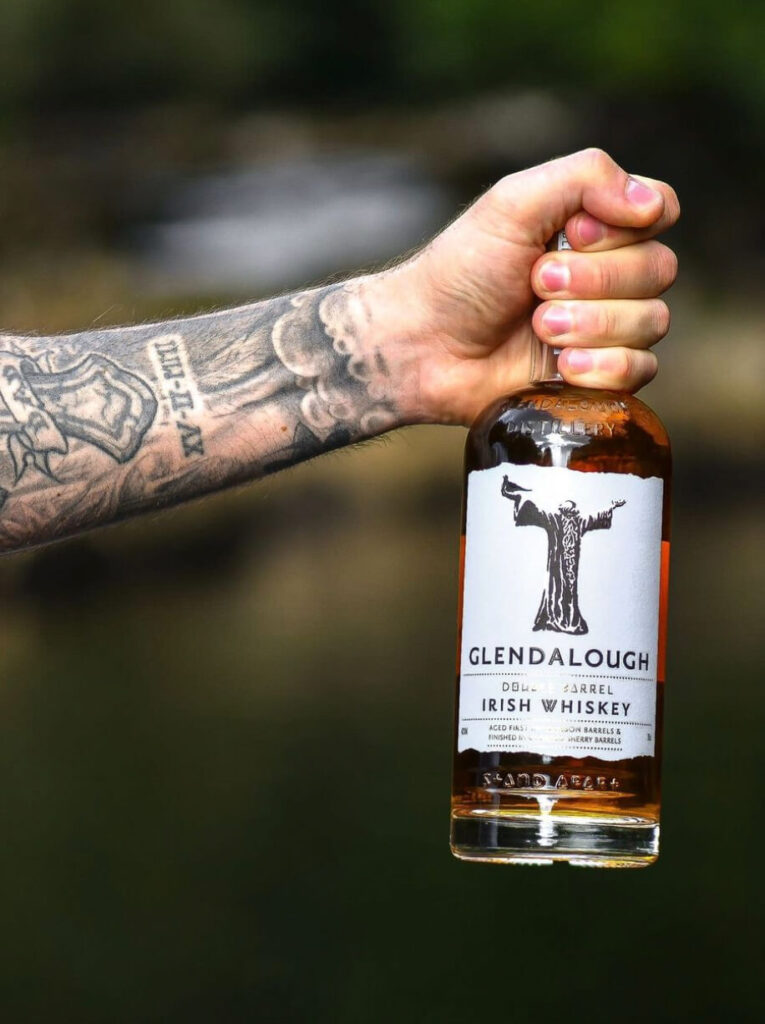
Glendalough Distillery Double Barrel single grain Irish whiskey

Let’s start with Glendalough’s Double Barrel expression.

As the name suggests, this whiskey is finished twice. First, it’s aged in ex-bourbon barrels. Second, it’s matured in Oloroso sherry casks. Eschewing blends, Glendalough studies the science of different types of barrels to craft its styles.
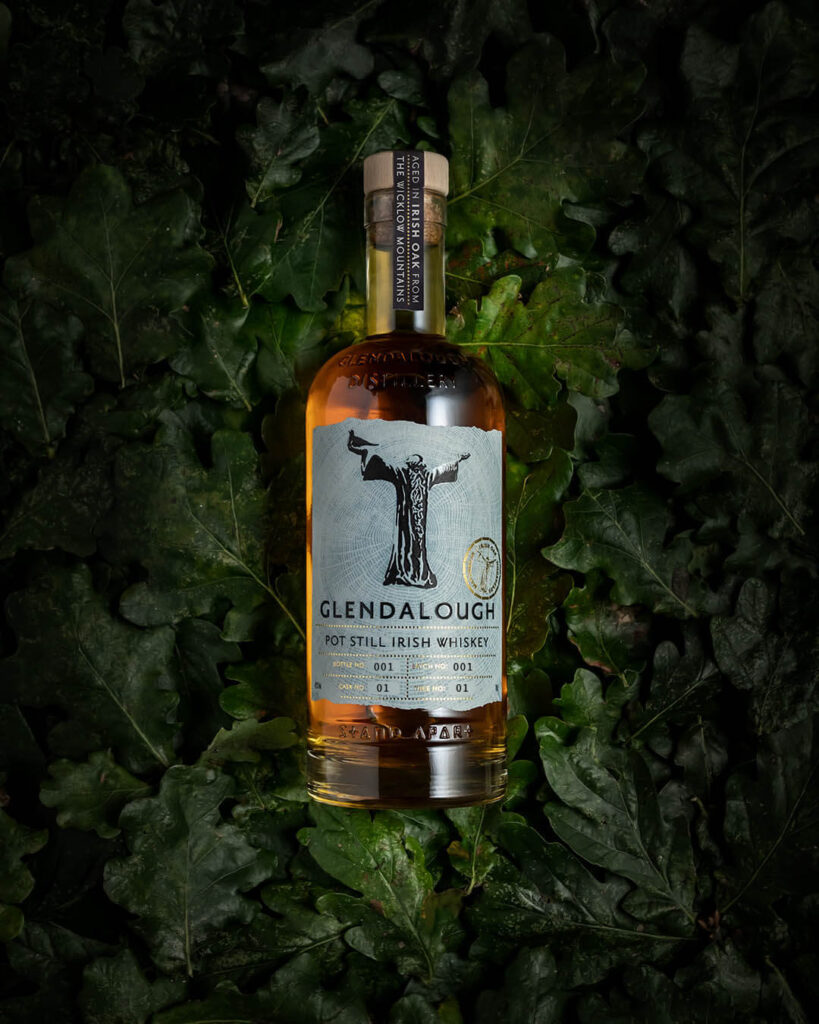
Glendalough Distillery Pot Still single malt Irish whiskey

Of course, they also honor Irish distilling heritage through another expression: Glendalough Pot Still. To say no other style of whiskey embodies Irish production like pot still doesn’t do this distillation method justice.

In fact, Irish pot still whiskey is geographically protected; it can only be crafted in Ireland. However, when it comes to honoring Ireland, Pot Still doesn’t end there.

Glendalough initially ages Pot Still in ex-bourbon barrels. However, it’s finished in Irish oak. Truly, this expression captures the terroir of the mountainous region Glendalough calls home.

In other words, Pot Still is a super-premium taste of Ireland in a bottle.

And then there’s the distillery’s newest expression.

The Red String of Fate

About two weeks ago, Glendalough released their latest innovation: 7-Year-Old Single Malt Mizunara Finish.
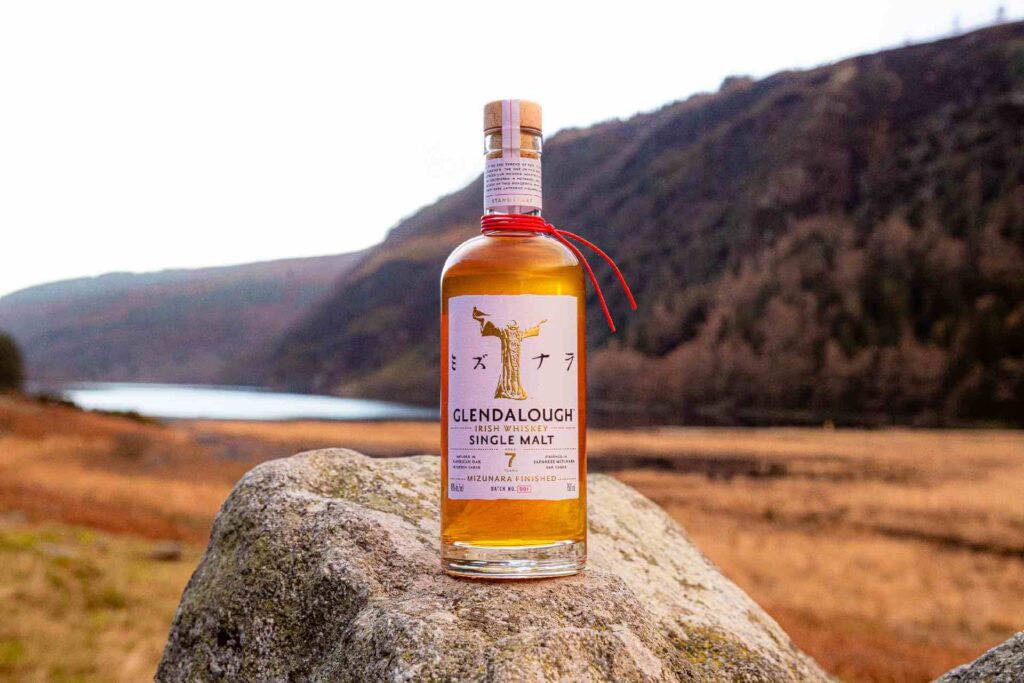
7-Year-Old Single Malt Mizunara Finish in Wicklow, Ireland

Whiskey aficionados will recognize mizunara instantly and begin scheming to add this bottle to their collections.

Mizunara, Japanese oak, is renowned for several reasons. The wood imparts incredible flavors unlike those from other barrels. But, like all things rare and magical, mizunara is also incredibly challenging.

The challenges begin with the trees themselves, which can take hundreds of years to grow fully. This oak doesn’t grow straight, so crafting even one stave can be difficult.

Then there’s the water content. Mizunara translates to “water oak,” and it’s not an ironic nickname. The water content of mizunara is sky high, and it’s also highly porous.

It takes fantastic skill and experience for coopers to craft mizunara barrels that don’t crack or leak. To learn more, please click here to hear O’Gallachoir tell the story of Glendalough traveling to Hokkaido in Japan to form a relationship with an independent cooperage to craft Mizunara Finish casks.

Incredibly, the latest Glendalough expression isn’t a limited-edition release. Rather, this joins the core lineup and will be released twice per year. Be on the lookout for batch 001.

It seems that Glendalough whiskey and mizunara barrel coopers were fated to find one another. In fact, the red thread on each bottle of Mizunara Finish pays homage to the Japanese legend of the red thread of fate.

An invisible red thread connects those who are destined to find one another. It grows shorter and shorter as their paths collide.

Going Wild

You may recall that I said Glendalough doesn’t make things easy on themselves. This is evidenced by their gin.

Unlike other distilleries, Glendalough started with whiskey distillation and later pursued gin production.
Glendalough Distillery Wild Gin Irish gin

They also forage for the ingredients used to craft their Wild Gin. If it’s not within ten miles of the distillery and growing wild, it’s not in the bottle.

According to O’Gallachoir, it takes a year to produce one bottle of this gin. Rejecting easier methods of production like automation, each batch of Wild Gin is crafted by taste and aroma.
Glendalough Distillery Rose Gin Irish gin and cocktails

Then there’s the visually and aromatically impactful Rose Gin. Crafted to honor Glendalough’s head distiller’s mother Rose, this is a rose-petal gin.

Now, you may assume it’s like drinking a bottle of decades-old, overpowering, rose-scented perfume. However, O’Gallachoir assures me this is absolutely not the case.

Instead, this striking bottle is intensely floral but balanced, and undeniably unique. O’Gallachoir suggests trying it in a Bee’s Knees.

In just over a decade, Glendalough has elevated Irish craft spirits. There are more innovations to come and I can’t wait to try them.

To learn more about O’Gallachoir and Glendalough Distillery, please listen to episode 71 of the Bar Hacks podcast.

Image: Glendalough Distillery

by David Klemt David Klemt No Comments

Hang On: That Drink Probably Isn’t Russian

Hang On: That Drink Probably Isn’t Russian

by David Klemt

Three clear vodka or gin cocktails

In response to the invasion of Ukraine, some restaurants and bars are pouring out spirits or renaming cocktails they believe are Russian.

Doing so is one way some operators are showing support for Ukraine.

However, people may want to do some research before they pour out a bottle or rewrite their menus. The reason is simple: That bottle or drink may not be Russian.

White or Black Russian

This classic cocktail has zero Russian roots. It was created by a Belgian bartender. Further, the bartender, Gustave Tops, created the drink at a hotel in Brussels.

Unfortunately, that hotel operated for 125 years before closing in 2020.

According to cocktail historians, the drink only has “Russian” in the name because it’s made with vodka.

In fact, people have created riffs on the White/Black Russian just by replacing a single ingredient. Variants include the White Belgian, White Cuban, and White Canadian.

Moscow Mule

The Moscow Mule is 81 years old. And it was born in…Santa Monica. One of the most notable things about Santa Monica is that it’s located in California, which is in America.

As the story goes, a salesman representing Smirnoff strolled into the Cock ‘n Bull Pub. The owner of the pub had purchased a bunch of ginger beer he was having trouble moving.

In the 1940s, supposedly, it was difficult to sell vodka or ginger beer. But what about vodka and ginger beer? According to legend, the two men created the Moscow Mule in a mutually beneficial sales move. The rest is cocktail history.

Obviously, the name has Russian roots. Smirnoff vodka was at one time a Russian vodka (more on that below). But no, the cocktail isn’t a Russian cocktail in so far as it was invented in America.

There are companies that have made copyright claims but they’ve largely gone nowhere.

Smirnoff Vodka

Pouring out bottles of Smirnoff isn’t going to stick it to any Russians. The brand is now owned by Diageo, a British company.

The vodka itself is produced in several countries, including Canada, Ireland, and the US. Not a drop is made in Russia.

Originally, the vodka was produced in Moscow. Pyotr Arsenyevitch Smirnov founded the distillery in 1864. However, Smirnov had to sell the brand in 1904 after Tsar Nicholas II nationalized the Russian vodka industry.
Smirnov and his family fled Russia in 1917 in response to the October Revolution.

In reality, with the exception of very specialized bars and off-premise shops, it’s not common to come across authentic Russian vodka. Beluga, Jewel of Russia, Mamont, Russian Standard, and Zyr are some of the few people may come across at a restaurant, bar, or liquor store.

The Problem

It may seem like a middle finger to Russian president Vladimir Putin to erase the country from menus. Renaming cocktails or removing Russian brands feels like a show of solidarity, on the surface.

In reality, doing so is dangerous. It’s a vilification of all Russian people, even if it doesn’t feel like it. Pulling certain brands may put a dent in someone’s bottom line. However, “sanitizing” a menu by removing everything Russian may send an irresponsible, unintended message: Russian people are bad.

We don’t have to look far back into history at all to see what can happen when we vilify an entire group of people. Violence, harassment, discrimination… In these tense, divisive times, it’s all too easy for people to become desensitized and even engage in truly horrible behavior.

I’m appalled by what’s happening in Ukraine. Everyone at KRG Hospitality is horrified by Putin’s invasion. A single drop of blood spilled is too much; Putin’s hands are covered in innocent blood.

But I’m not going to show my support by declaring or otherwise acting like all Russians are bad people. One person—and his complicit inner circle—is responsible for the ongoing attack on Ukraine.

Let’s not forget that, and let’s not forget that words and actions have consequences. It’s all too easy for people to take things too far and for innocent people to get hurt.

Image: Vinicius “amnx” Amano on Unsplash

by David Klemt David Klemt No Comments

7 Coffee Liqueurs You Need to Know

7 Coffee Liqueurs You Need to Know

by David Klemt

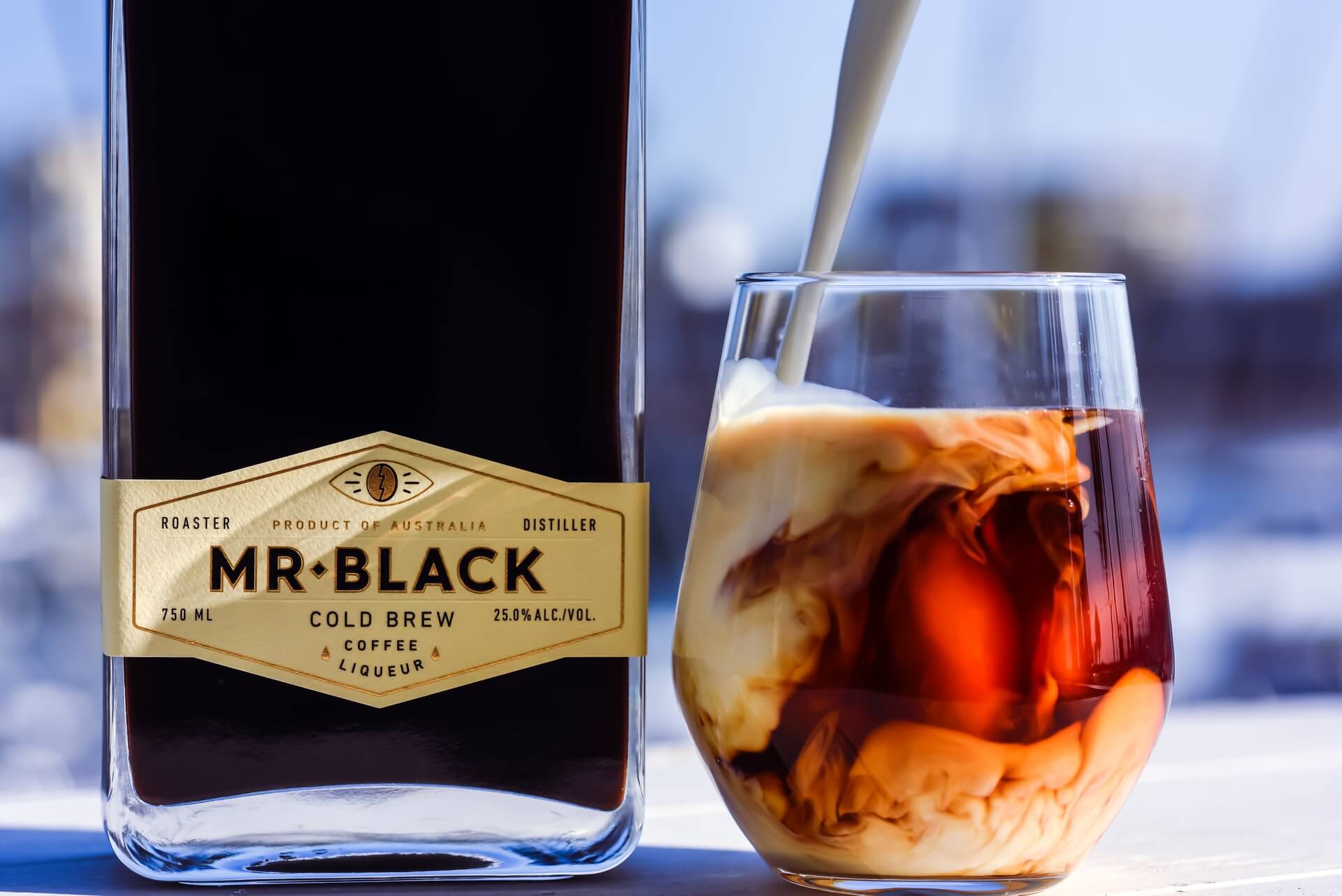
White Russian cocktail made with Mr. Black Coffee Liqueur

Whether you and your bar team are making Espresso Martinis, riffing on classics or creating something new, consider these coffee liqueurs.

National Espresso Martini Day takes place on Tuesday, March 15. Leading up to this bar holiday, the cocktail is experiencing yet another resurgence.

In fact, this cocktail more than any other seems to maintain an enviable rate of “surging back” in popularity. Maybe it’s time to just admit that it’s a modern classic people love to hate…but still order and enjoy.

Below are seven coffee liqueurs that shine in an Espresso Martini, Old Fashioned, Negroni, Irish Coffee, or any number of rich, flavorful cocktails. Cheers!

Mr. Black

Most of the reviews out there place Mr. Black at the top when it comes to coffee liqueurs. Once you’ve sipped it neat, you understand why. The coffee flavor is outstanding, and that should come as no surprise. After all, Mr. Black is crafted in Australia, a country with a rich coffee culture.

Additionally, Mr. Black occasionally releases special batches. In the past, the brand has produced Single Origin Ethiopia, Single Origin Colombia, and collaborations with WhistlePig and St. Ali Coffee Roasters. They also have a coffee amaro available.

Grind Espresso Shot

You really can’t go wrong making an Espresso Martini with an espresso liqueur. Grind Espresso Shot gives Mr. Black a run for their money in the coffee liqueur showdown.

This blend of Caribbean rum, espresso, coffee, and coffee extract that shines in just about any cocktail.

Kahlúa

As the saying goes, respect your elders. Kahlúa is a coffee liqueur that dates back to 1936 and there’s a reason the brand is still so visible.

Not only does the brand claim it takes seven years to produce a bottle of Kahlúa, their range is deep is flavorful. The current lineup consists of more than just the original Kahlúa expression. There’s also Blonde Roast Style, Vanilla, Mint Mocha, Chili Chocolate, Salted Caramel, and Especial currently.

Jägermeister Cold Brew

We can argue back and forth about whether Jägermeister is a schnapps or an amaro. Either way, it serves as a fantastic base for a rich coffee liqueur.

Jägermeister Cold Brew blends the original herbal liqueur with arabica coffee and a touch of cacao. There’s a Dark Matter coffee available produced by washing Guatemalan coffee beans in Jägermeister’s coffee liqueur.

Caffè Borghetti

Who among us is unfamiliar with Fratelli Branca’s products? From Fernet-Branca and Brancamenta, to Antica Formula, Punt e Mes, and Carpano, it’s difficult to imagine a bar that doesn’t have at least one Branca product in their inventory.

So, when it comes to coffee liqueur, you can’t really go wrong with another of Fratelli Branca’s bottles: Caffè Borghetti. Sweet and imbued with the rich taste of Italian espresso, this is a liqueur that deserves a place behind your bar.

Flor de Caña Spresso

Produced in Nicaragua, is not just a highly sought-after and awarded rum, Flor de Caña is also the world’s first spirit to be fair trade and carbon neutral certified.

Their coffee liqueur, Flor de Caña Spresso, is made with the producer’s 7 Year Gran Reserva rum expression. You guests will know their enjoying a premium rum-based liqueur that’s sustainably and responsibly crafted.

Jameson Cold Brew

Combine world-famous Jameson Irish whiskey with arabica coffee beans from Brazil and Colombia and you get Jameson Cold Brew.

Not only do you get intense coffee aroma and flavor, you’ll also discover notes of toasted oak. So, your guests won’t have to worry that the coffee overpowers the whiskey or vice versa.

And c’mon—if you’re going to make an Irish Coffee, why not do it with a liqueur crafted with Irish whiskey? Interestingly, Jameson Cold Brew also pairs well with cream soda or cola.

Image: YesMore Content on Unsplash

by David Klemt David Klemt No Comments

5 Books to Read this Month: March 2022

5 Books to Read this Month: March 2022

by David Klemt

Flipping through an open book

This month’s engaging and informative book selections will help you develop next-level culinary, beverage and marketing skills throughout 2022.

To review February’s book recommendations, click here.

Let’s jump in!

We Are All the Same Age Now: Valuegraphics, The End of Demographic Stereotypes

David Allison, founder of the Valuegraphics Project and author of this book, has been a guest on the Bar Hacks podcast twice. First, on episode 46, and again on episode 67. During both appearances, David explained the power of understanding people based on their values. What people have in common is far more powerful and effective than focusing on what divides us. Rather than continuing to point to harmful demographic stereotypes, the Valuegraphics Project focuses on values, psychographics, and standard demographics.

Pick up We Are All the Same Age Now to learn more and change your mindset.

Rodney Scott’s World of BBQ

When I visited South Carolina last year, I had a short list of restaurants I wanted to visit. Bar Hacks guest Brooks Quinn recommended pitmaster Rodney Scott’s Whole Hog BBQ in Charleston so I could try South Carolina barbecue. I’m glad I asked Brooks because the food was incredible. So incredible, in fact, that I overate and had to to do my best to walk off my resulting food coma.

Those who want to learn the art of South Carolina barbecue—or just great barbecue in general—need Rodney Scott’s World of BBQ book in their lives.

Smoked Cocktails

Beyond imparting wonderful flavor, we all know one of the greatest benefits of smoking a cocktail: Everyone who sees and smells the process is going to want to order one. While Smoked Cocktails is aimed at the home bartender, there’s plenty of useful information for operators, managers, and bar staff. Author Frank Marino shares the steps for smoking cocktails; identifies “cocktail families”; details more than 100 recipes; and more.

Everyone’s Table: Global Recipes for Modern Health

Chef Gregory Gourdet is the chef/owner behind Kann, a restaurant in Portland, OR, set to open its doors this year. The live-fire concept marries Haitian cuisine, ingredients sourced in Oregon, seasonality, and sustainability. When the Top Chef finalist went sober, he sought a healthier lifestyle. As a chef, he pursued that lifestyle in part through cooking. Everyone’s Table focuses on global cuisine that feature superfoods and high nutrient density while delivering delicious, decadent flavors. The 200 recipes in this book may not contain gluten, dairy, soy, legumes or grains but they’re still mouthwatering.

Rum Curious: The Indispensable Tasting Guide to the World’s Spirit

For the past several years now, several spirits experts and rum aficionados have made the same hopeful claim: This will be rum’s year. Finally, they say, rum will get the respect its due and topple vodka, tequila, and whiskey to grab the top spot. However, that has yet to happen. Well, yet to happen in North America, anyway.

Rum was once the world’s spirit, and maybe this year will be its year. In Rum Curious, revered spirits author Fred Minnick shares not only the story of rum but also his tips for conducting an effective rum tasting. With guests more curious than ever, engaging rum tastings may help springboard rum to the top of the spirits list.

Image: Mikołaj on Unsplash

by David Klemt David Klemt No Comments

Stand Out with Weird Holidays: March 2022

Stand Out with Weird Holidays: March 2022

by David Klemt

Stay Weird neon sign with purple background

Want to stand out from from other restaurants and bars in your area? Then commit to keeping it weird.

Several “holidays” are set against every date on the calendar, and March is no exception. These holidays range from mainstream—it’s almost St. Patrick’s Day!—to “weird.”

Pay attention to the latter to raise eyebrows, carve out a niche for your restaurant or bar, and attract more guests. Why do what everyone else is already doing?

Of course, you shouldn’t try to celebrate every holiday, weird or otherwise. And this month’s list in no way includes every odd holiday.

Focus on the days that are authentic to your brand; resonate with your guests; and help you grab attention on social media.

For last month’s list, click here.

March 2: National Old Stuff Day

There are a couple of ways to celebrate this holiday. Both require a bit of tact. On the one hand, you could showcase your big age-statement spirits. But on the other, you could lean into this holiday and try to move dead-stock spirits.

March 3: National Cold Cuts Day

People like to joke that packaged cold cuts and cheese singles make for a more “basic” form of charcuterie. This could be a great day to steer into that joke and build a simple, fun, and affordable charcuterie plate.

March 5: Cinco de Marcho

Now, we don’t support overserving. It’s not safe, it’s not responsible, and it can result in severe legal ramifications for operators and their teams. That said, Cinco de Marcho occurs just shy of two weeks before St. Patrick’s Day. The point behind the holiday is to get ready for St. Patrick’s Day. So, it could be a good idea to highlight your Irish whiskeys, gins, and beers in the lead-up to St. Patrick’s Day to leverage the interest in them for longer.

March 14: National Potato Chip Day

I really shouldn’t have to tell you what to do on this day. If you have the ability, show off your house-made potato chips. Other than that, if you sell chips by the bag, build a drink-and-chip LTO around them.

March 15: National Everything You Think is Wrong Day

Whew! That’s a bold statement, one that’s sure to get some blood boiling and arguments started. This probably isn’t the time to talk politics with guests. If you’re bold enough to tackle this holiday, maybe create a trivia night around the facts that most people tend to get wrong about different spirits, beers, and wines.

March 18: National Awkward Moments Day

Life is full of awkward moments. You probably witness quite a few each week within your four walls. For this holiday, encourage people in your area to treat themselves to a good meal and/or drink to try and forget their latest awkward moments.

March 22: (Inter)National Goof Off Day

It’s unfortunate that simply trying to have a good time is considered “goofing off.” But, that’s where we are, apparently. This is the perfect holiday to encourage your guests to enjoy an afternoon, evening or night at your place to escape their stressful lives, if only for an hour or two.

March 25: Waffle Day

You may be surprised to learn the sheer number of foods you can waffle. Well, this is the holiday for you and your kitchen team to build a specialty waffle menu to blow your guests minds. Interestingly, this is the day Sweden celebrates Waffle Day. So, if you can’t do it this year or simply want to repeat it, National Waffle Day is celebrated August 24.

March 28: National Something on a Stick Day

You can waffle a lot of foods but I’m willing to bet you can put way more foods on a stick. I smell an LTO menu…

March 31: National Tater Day

Roasted, fried, air fried, mashed, smashed, baked, twice baked, riced, totted (I dunno, I’m hungry writing this and want tater tots)… Celebrate everything a potato can do on this holiday dedicated to the humble spud.

Image: Dan Parlante on Unsplash

by David Klemt David Klemt No Comments

5 Premium Recipes for Margarita Day

5 Premium Recipes for National Margarita Day

by David Klemt

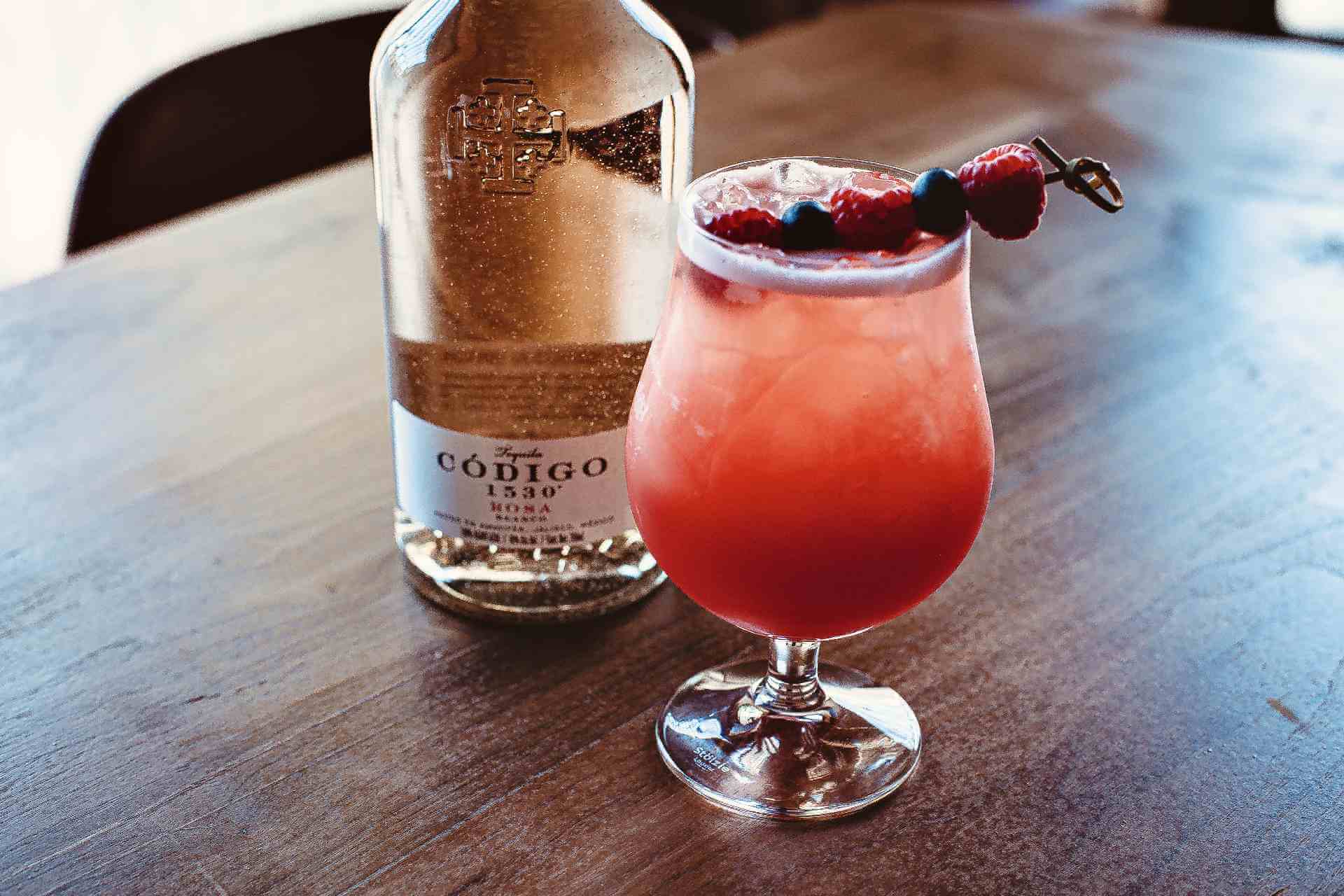
Código 1530 Tequila Rosa Blasberry Margarita

National Margarita Day is just around the corner and our friends at Código 1530 Tequila sent us five recipes for your cocktail menu.

For years, the Margarita has reigned supreme, steadily claiming the number-one spot on most-popular cocktail lists around the world. While this cocktail is now seeing its grip on the crown loosened by the Negroni and Old Fashioned, it’s hard to ignore the lure of a well-made Marg.

That’s even more true when its made with incredible tequila.

Each delicious, refreshing recipe below is made with super-premium Código 1530 Blanco or Rosa. However, you and your bar team should certainly experiment with other expressions in the range.

Considering the quality of Código 1530, operators can boost revenue by charging a premium for these magnificent Margs.

To learn more about Código 1530 Tequila and the creator of these recipes, company mixologist Collin De Laval, check out Bar Hacks episode 57.

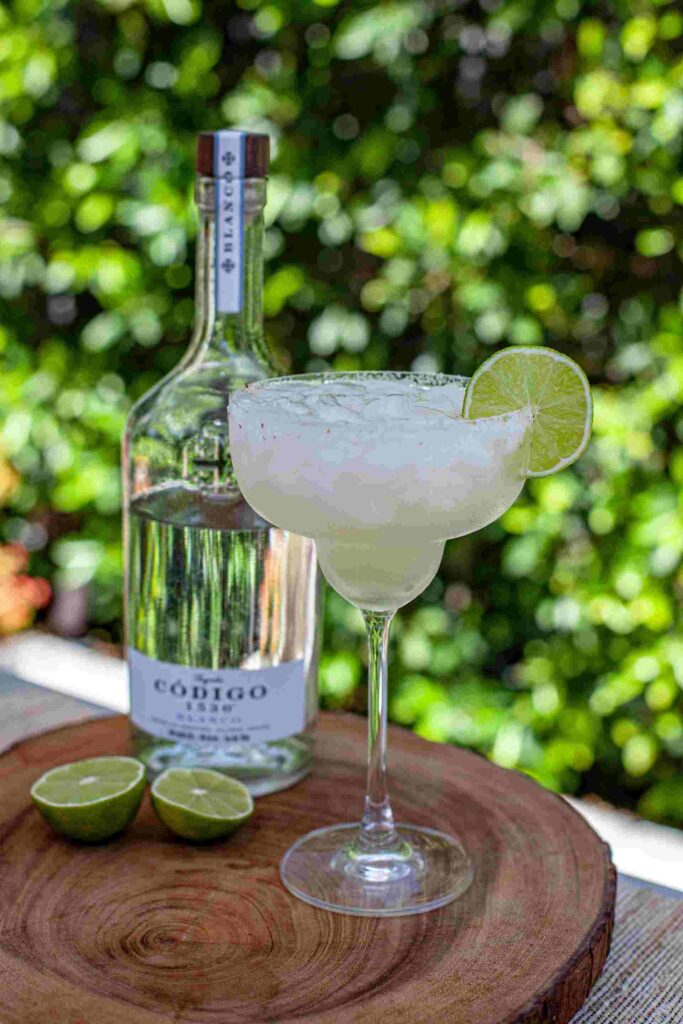
Código 1530 Tequila Blanco Margarita

Blanco Margarita

  • 2 oz. Código 1530 Blanco Tequila
  • 1 oz. Triple sec
  • 1.5 oz. Lemon juice (freshly squeezed, preferably)
  • 0.5 oz. Agave nectar
  • Lime wedge or wheel for garnish

Prepare a rocks glass by rimming it with salt. Combine all ingredients in a shaker with ice. Shake, pour into the prepared rocks glass with ice, and garnish with a lime.

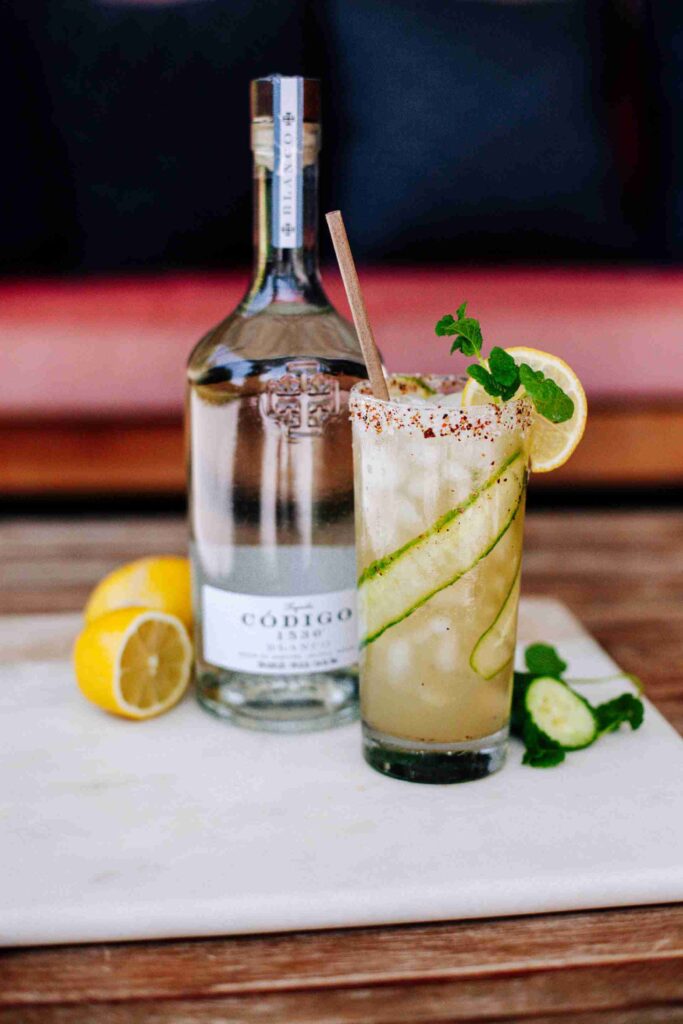
Código 1530 Tequila Cucumber Mint Margarita

Cucumber Mint Margarita

  • 1.5 oz. Código 1530 Blanco Tequila
  • 1 oz. Cucumber juice (freshly pressed, preferably)
  • 1 oz. Lemon juice (freshly squeezed, preferably)
  • 0.25 oz. Agave nectar
  • Mint leaves, some to garnish
  • Salt and Tajín (50/50 mixture for rim)
  • Cucumber ribbons to garnish
  • Lemon wheel to garnish

To build, prepare a glass by rimming with lemon and rolling in salt and Tajín mixture and adding crushed ice. Add Código 1530 Blanco, cucumber and lemon juices, agave nectar, and mint leaves to a shaker with ice. Shake, strain into prepared glass, and garnish with cucumber ribbons, lemon wheel, and mint leaves.

Código 1530 Tequila Rosa Blasberry Margarita

Rosa Blasberry Margarita

  • 2 oz. Código 1530 Rosa Tequila
  • 1.5 oz. Lime juice (freshly squeezed, preferably)
  • 0.5 oz. Agave nectar
  • Handful of raspberries, some to garnish
  • Handful of blueberries, some to garnish
  • Soda water to top

Add berries and lime juice to shaker, and muddle. Next, fill shaker with ice and add Código 1530 Rosa and agave nectar. Shake, strain, and garnish with berries.

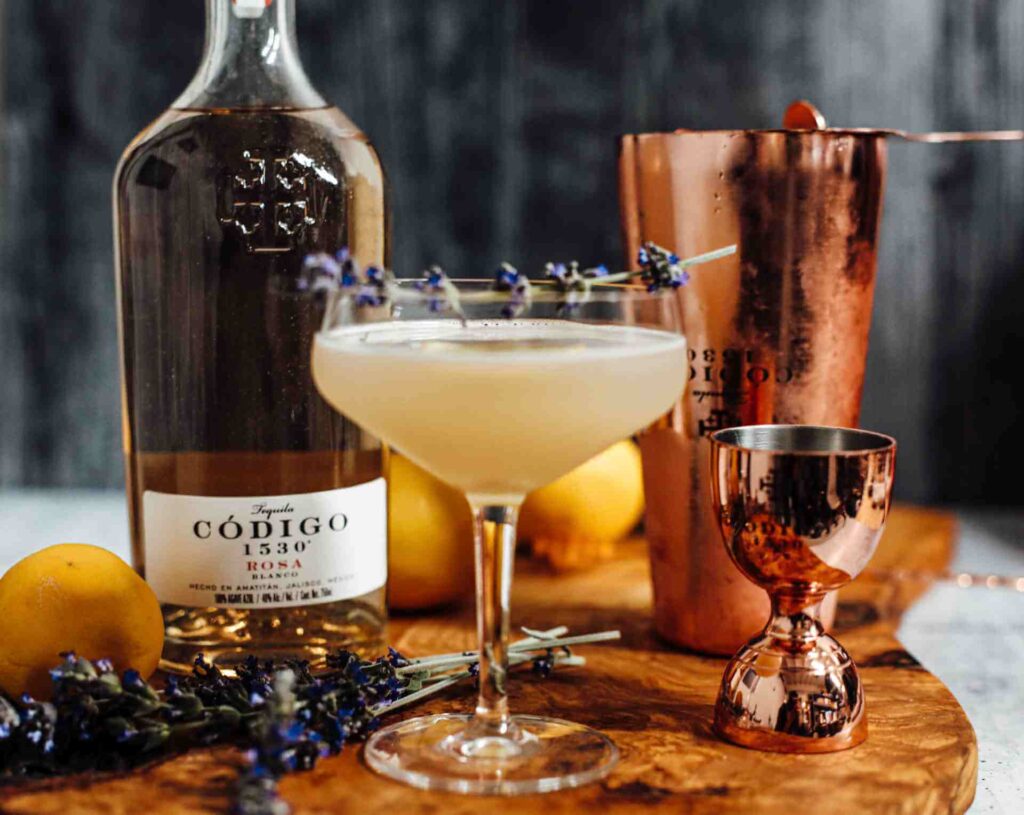
Código 1530 Tequila Rosa Skinny Margarita with lavender garnish

Rosa Skinny Margarita with Lavender

  • 2 oz. Código 1530 Rosa Tequila
  • 1 oz. Lime juice (freshly pressed, preferably)
  • 1 oz. Agave nectar
  • Lime wedge or wheel to garnish
  • Lavender to garnish (optional)

For this simple but refreshing Margarita, add the first three ingredients to a shaker with ice. Shake, strain, and garnish with lime wedge or wheel and lavender.

Código 1530 Tequila Watermelon Mint Margarita

Watermelon Mint Margarita

  • 2 oz. Código 1530 Rosa Tequila
  • 3 oz. Pressed watermelon juice (freshly pressed, preferably)
  • 0.75 oz. Lime juice (freshly squeezed, preferably)
  • 0.25 oz. Agave nectar
  • Watermelon slices to garnish

Fill a shaker with ice and add Código 1530 Rosa, juices, and nectar. Shake for 30 seconds, pour into glass, and garnish with watermelon slices.

Images: Código 1530 Tequila

by David Klemt David Klemt No Comments

Yes, Some Tequilas Have Additives

Yes, Some Tequilas Have Additives

by David Klemt

A shot of tequila served with salt shaker and lime wedge

The subject of additives in tequila—and lack of transparency on labels—isn’t new but recent social media posts are shining a light on the topic.

In particular, there are posts circulating about tequila producers using vanilla flavoring. Doing so, it turns out, is well within the Norma Oficial Mexicana (NOM) rules.

However, revealing it on labels? With some caveats, it’s also well within the rules not to mention additives.

Understandably, people want to know what they’re putting in their bodies. Increasingly, this has grown to include alcohol.

So, there are bar owners, bar managers, bartenders, and bar guests who want to avoid serving and consuming additives whenever possible. Of course, there are also guests out there who don’t care about additives in the spirits they drink.

Interestingly, though, there’s a collective of tequila distilleries committed to producing clean spirits. They have no interest in using additives.

Chris Wirth alludes to these producers on episode 66 of the Bar Hacks podcast. He and wife Camila Soriano produce world-first clean tequila seltzer Volley.

Are There Additives in Tequila?

First, let’s be clear: Several categories of spirit permit the use of additives. Labeling transparency falls under the jurisdiction of different governing bodies.

So, it’s not like the use of additives is a scandal or exclusive to tequila. And, again, some consumers and hospitality professionals care, some don’t.

Additives become a problem when producers who use additives choose language on their labels and in marketing that suggest otherwise.

You see, tequila producers aren’t required to include additives on their labels if they don’t exceed one percent of total volume. NOM permits the use of glycerin, caramel coloring, “sugar-based” syrups, and oak extract in all tequilas except blanco.

However, there appears to be a loophole in NOM rules showing the use of additives in blancos is indeed permitted.

For those who don’t want to consume tequilas that use additives, brands that claim to be additive-free in their labeling and marketing present a problem. That’s because at best they’re just following the rules, but at worst they’re using the rules to be deceptive.

Why Does this Matter?

According to some in the industry, tequila may just kick vodka off its throne this year. In America, anyway.

Undeniably, that indicates increased consumer focus on tequila. It follows that a number of restaurant, bar, and nightclub guests will come across the topic of additives.

Some will want to know which brands are additive-free. This is where this topic should matter to operators and their bar teams: Guests don’t want to hear, “I don’t know.”

Luckily, there’s a resource out there that will help: Tequila Matchmaker. Hit that link, click the “Types” tab, and select “– Additive Free” from the dropdown.

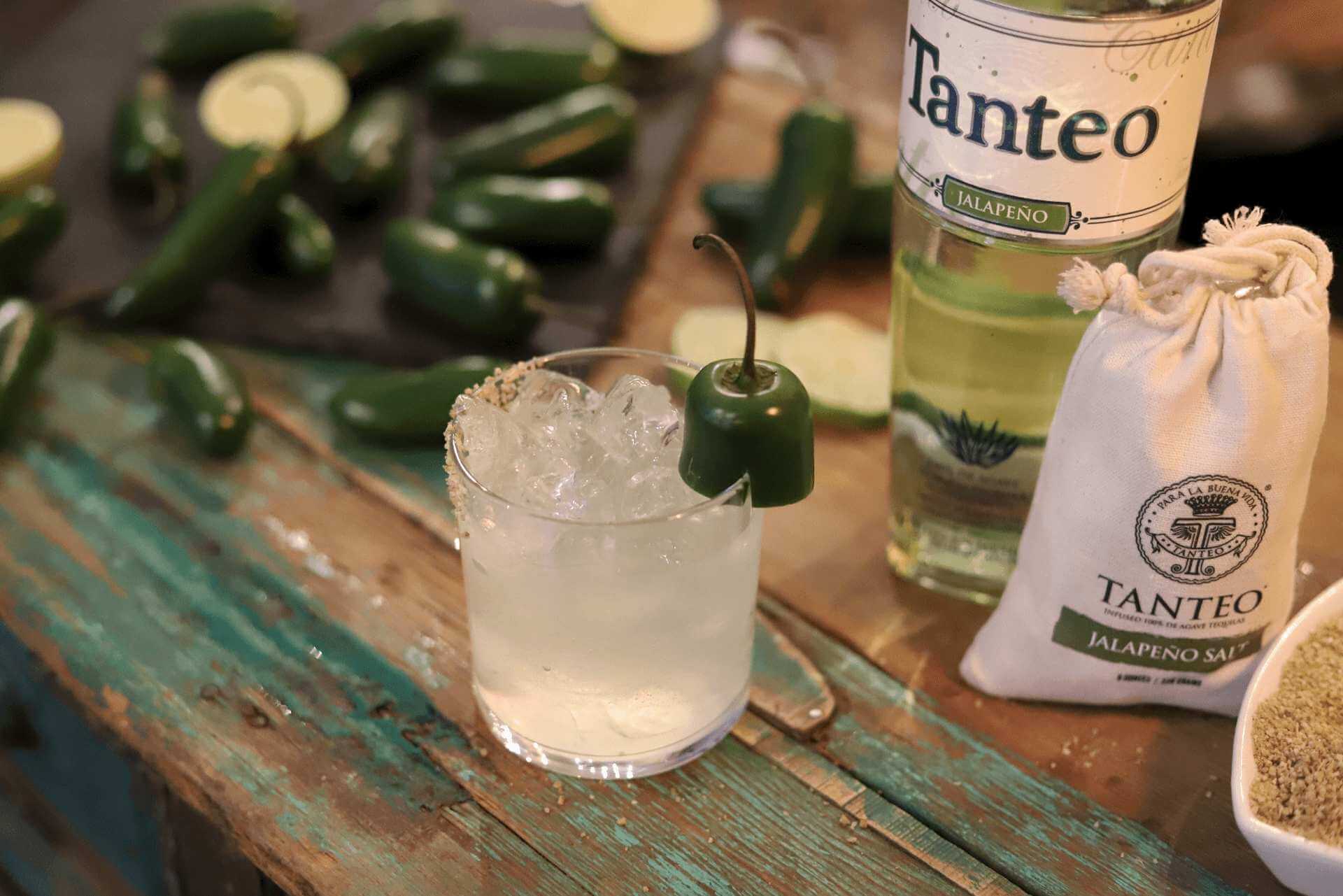
As of this writing, you’ll find 266 bottles of additive-free tequila. Some of the brands you’ll find on this page are Código 1530, Tanteo, Fortaleza, El Tesoro, ArteNOM, Tears of Llorona, and Patrón.

Once more, this isn’t a scandal. Rather, this is an opportunity for operators to ensure they have some tequilas on their menu that are additive-free.

It’s likely the topic will come up and being prepared with a few recommendations will improve the guest experience.

Image: Francisco Galarza on Unsplash

by David Klemt David Klemt No Comments

The Cocktail that Won’t Die

The Cocktail that Won’t Die (Hint: It’s not the Zombie)

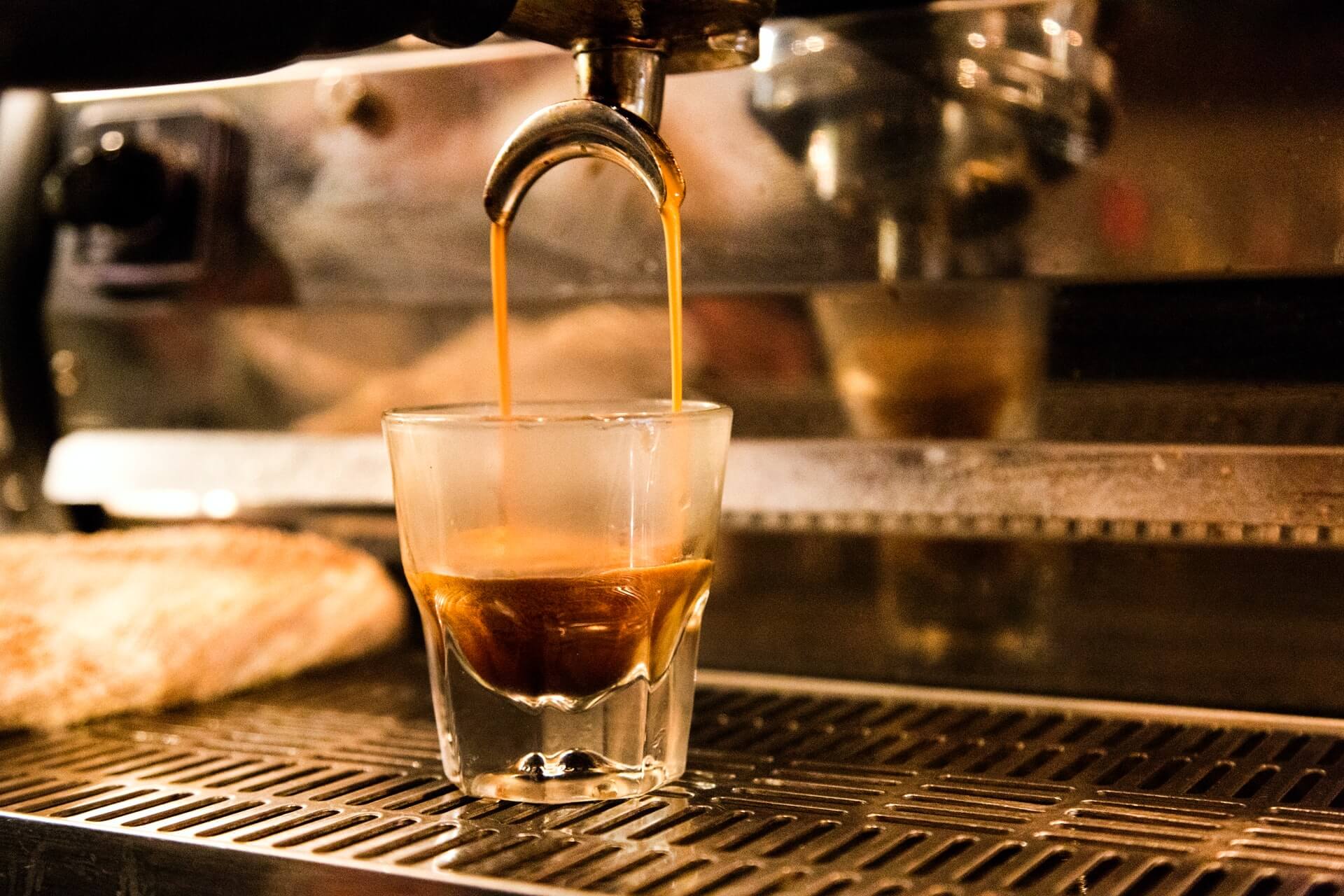
Brewing a shot of espresso

With Cafe Au Lait Day coming up toward the end of this week, let’s revisit a coffee cocktail that seems to see a resurgence every year.

When it comes to this drink, it seems to experience massive popularity for several weeks. Then, people seem to get sick of hearing about (and making) it.

From there, its popularity seems to fade, waiting for guests and bartenders to revive it once more.

And no, I’m not talking about the Zombie or a Corpse Reviver. I’m talking about the Espresso Martini.

Resilient, Revered, Reviled

Of course the Espresso Martini isn’t the only cocktail that can cause a bartender’s eyes to roll toward the back of their skull completely.

The Mojito, layered shots and cocktails, the infamous AMF, the Vodka Martini regularly find themselves on most-hated cocktail lists.

However, with its resurgence in 2021, the Espresso Martini is once again getting attention. Obviously, not all of it is positive.

While the origins of this drink are debatable, it sprang from the mind of a bartender in the ’80s. The caffeinated cocktail saw a spike in popularity in the ’90s. And at various points throughout the 2000s, people have “brought it back.”

Looking back at just the last few years, the Espresso Martini was woken from its slumber in 2018. Then, it rose like a phoenix in 2019. And last year it saw yet another surge.

So, is it a trendy cocktail? A mainstream drink? Are bartenders “bringing it back” every year or two now to rickroll the industry?

Or is this just a tasty cocktail that appeals to a wide range of guests, a modern classic that deserves its place on menus? Perhaps it doesn’t deserve all the hate it receives.

Why the Hate?

Of course, it’s possible that some of the hate aimed toward the Espresso Martini is clickbait fodder that won’t die. Maybe people just expect to find it on most-reviled lists, and it’s no more complex than that.

However, it’s possible that the Espresso Martini has earned a bit of the negativity thrown at it. When it makes any list, the ingredients themselves and build time are cited as reasons why bartenders dislike it.

According to these lists, bartenders also dislike having to shake hot espresso. Still others, supposedly, are offended that coffee flavor dominates and covers up the vodka, Kahlúa, Tia Maria, or other coffee liqueur.

Moreover, the Espresso Martini isn’t really a Martini: there’s no vermouth, no gin. So, it’s possible the negativity emanates from that technicality.

At any rate, you may want to dial in your Espresso Martini for Cafe Au Lait Day (Thursday, February 17).

No, there’s no milk in a traditional Espresso Martini build. But, as I stated just a moment ago, there’s no vermouth or gin in this cocktail either. Why not play fast and loose with yet another technicality on this bar holiday?

Image: Drew Beamer on Unsplash

by David Klemt David Klemt No Comments

Volley RTD: Clean, Lean & Green

Volley Tequila Seltzer: Clean, Lean & Green

by David Klemt

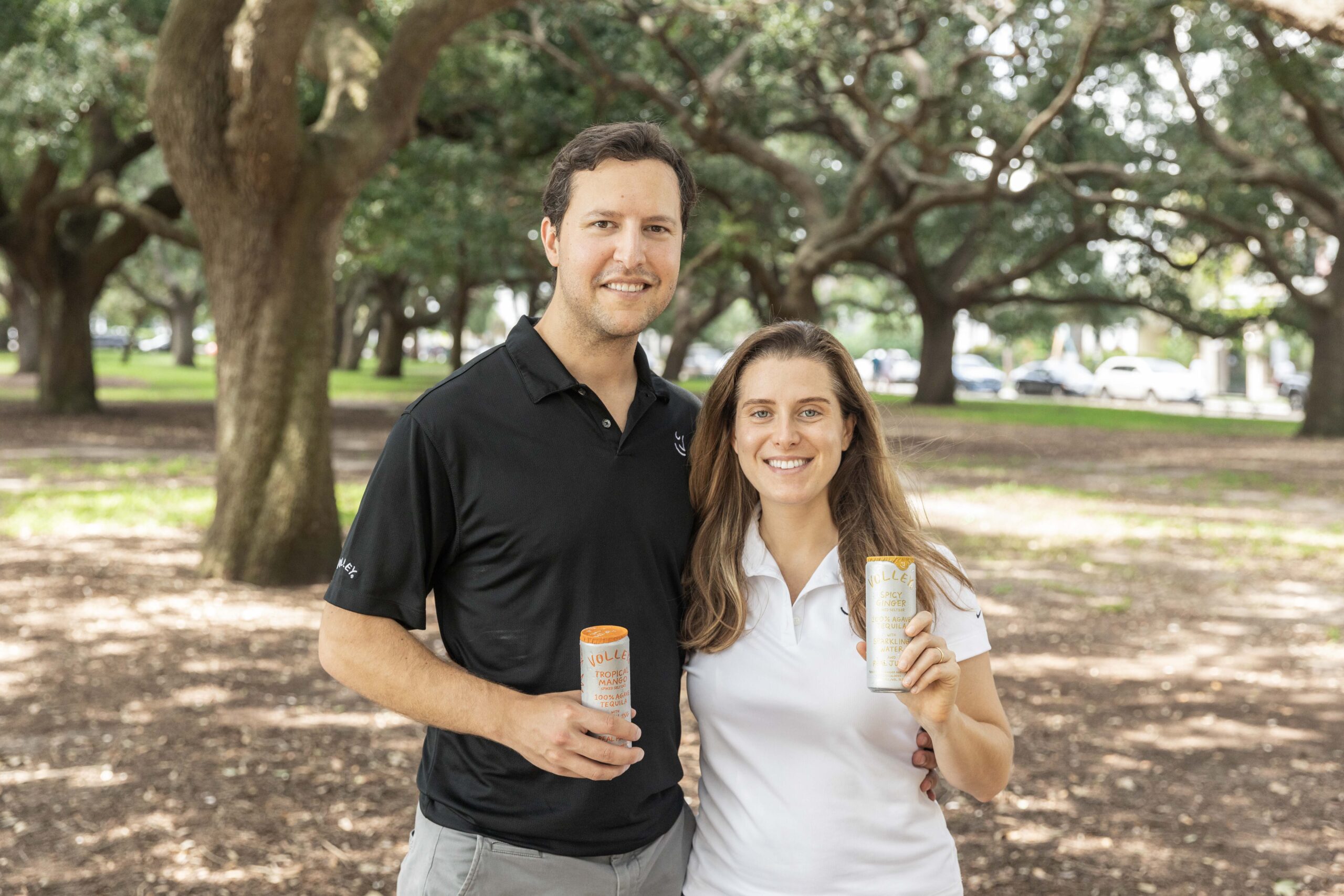
Chris Wirth and Camila Soriano, founders of Volley Tequila Seltzer holding cans of Volley

The founders of the world’s first clean tequila RTD, Volley Tequila Seltzer, are on a mission that values transparency and giving back to the planet.

Dynamic entrepreneurial duo Chris Wirth and Camila Soriano are the guests on episode 66 of the Bar Hacks podcast.

The two share the Volley story, including what drove them to create the brand and their mission.

Transparency is Challenging

It turns out that being transparent on your labeling isn’t as easy as it sounds. When it comes to beverage alcohol in the US, there are limits on what a brand can include.

You see, alcohol labeling isn’t the FDA’s purview. Rather, it falls under the authority of the Alcohol and Tobacco Tax and Trade Bureau, or TTB.

A little bit of digging reveals that when the Alcohol Administration Act was passed in 1935—two years after prohibition was repealed—the Federal Alcohol Administration was created.

This federal body replaced the Federal Alcohol Control Administration. The Federal Alcohol Administration had statutory powers and, as the name implies, had authority over the alcohol industry.

Seventy years later, the TTB was created and is the federal agency tasked with alcohol industry regulation. That means they control alcohol labeling.

So, when the FDA implemented nutrition labels, alcohol was unaffected. As far as the TTB is concerned currently, there’s no requirement for the labeling of alcohol similar to what’s required for packaged food.

But David, I bet you’re not asking, just because it’s not required doesn’t mean I couldn’t choose to include transparent nutrition labeling for my bottle of spirits or ready-to-drink canned cocktail, right?

Apparently, no—that’s incorrect. As you’ll hear in episode 66 with Soriano and Wirth, it’s not that simple. In fact, the TTB may reject your information-laden packaging for being too transparent.

Without policy changes, there’s no incentive for alcohol producers to be more transparent—and they may be prohibited from doing so.

Simple Changes are Impactful

All that said, Soriano and Wirth were able to introduce new packaging after just launching in 2020.

You may have seen people wipe off the tops of cans before opening and drinking from them. In fact, you may be one of these people. If so, great—you know why Volley now has foil covering the tops of their cans.

As Soriano explains on the Bar Hacks podcast, the tops of canned drinks are horrifyingly unsanitary. And as far she and Wirth are aware, Volley is the only canned beverage other than San Pellegrino with foil caps (in the US, anyway).

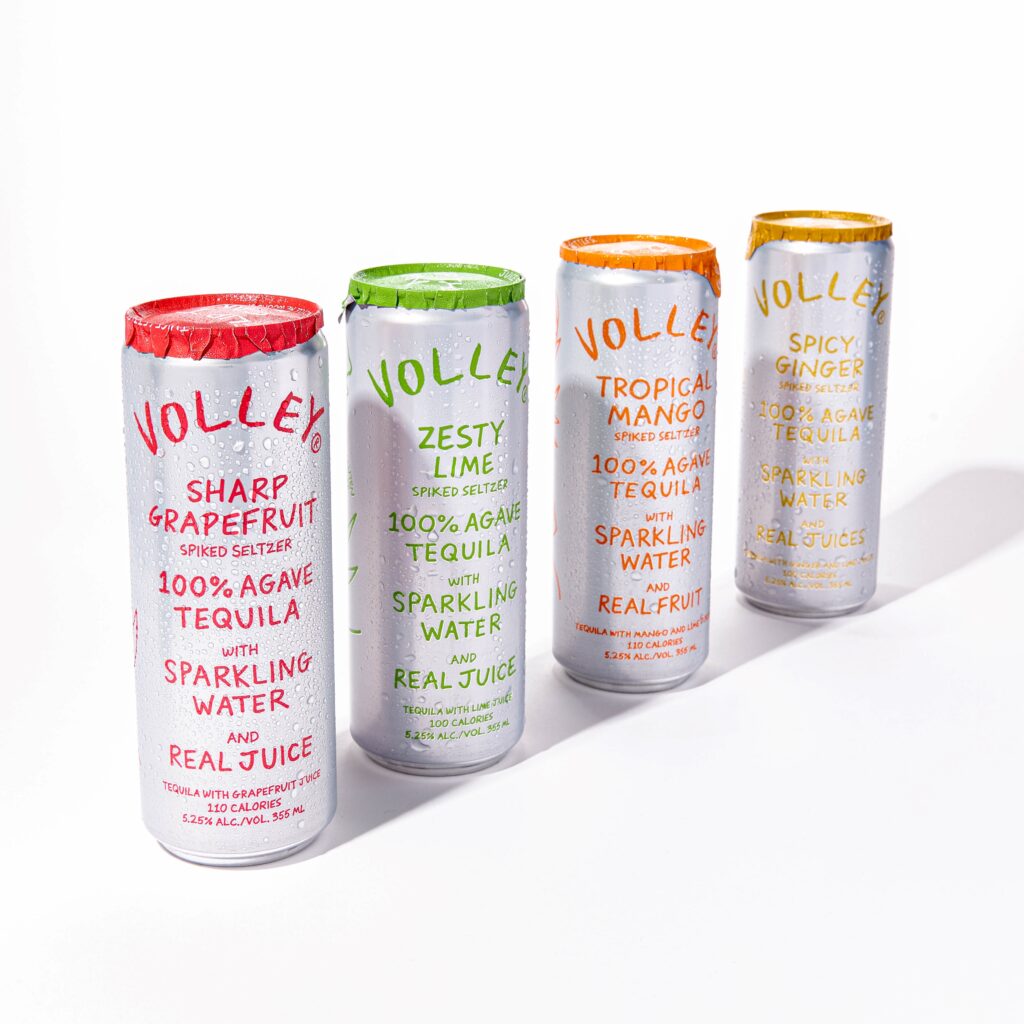
Volley Tequila Seltzer RTD can lineup with new foil packaging

This simple packaging change carries a big impact. Likewise, it fits with the brand’s identity and mission. The brand is driven to be healthier, more thoughtful, and more transparent.

A single 12-ounce can comes in at just 100 or 110 calories, depending on expression (there are four). All Volley RTDs are gluten-free and free of added sugars. You won’t find fermented cane sugar, corn syrup, fake sugars, essences, or “natural” flavors.

In fact, there are just three ingredients in a can of Volley: 100-percent blue agave tequila, 100-percent organic fruit juices (never from concentrate), and sparkling water. And yes, Soriano and Wirth can tell you exactly who their sources are for each ingredient.

Win-Win-Win Mission

That brings us to their drive to give back and be responsible stewards of the planet. Volley is in a partnership with Leave No Trace, a non-profit committed to caring for the outdoors.

If some industry experts are proven correct, 2022 will be the year that tequila dethrones vodka as the top-selling spirit throughout North America. Not only does Volley resonate with tequila lovers, the brand is also at the forefront of other trends popular with today’s consumer: sustainability, ethical business practices, active lifestyles, transparency, and healthier options.

Add the facts that RTDs make for excellent delivery order add-ons and can be served as quickly as a beer and you’ve got a no-brainer for your restaurant, bar, hotel or resort.

We love a brand that offers upside in droves. Volley is a win for consumers, a win for operators, a winning brand, and a win for the planet.

Disclaimer: Neither the author nor KRG Hospitality received compensation, monetary or otherwise, from Volley or any other entity in exchange for this post.

Image: Volley Tequila Seltzer

by David Klemt David Klemt No Comments

Be Different this Valentine’s Day

Be Different this Valentine’s Day

by David Klemt

Red graffiti heart with black outline on weathered, worn wall

When people are considering spending time and money on a holiday two years into a pandemic, they’re seeking unique experiences.

This is particularly true of holidays that traditionally involve an evening out at a restaurant or bar.

Sure, the tried and true will still probably work. After all, the pandemic has driven comfort and comfort foods to perform well.

However, a significant percentage of guests want to experience something new when they leave their homes. Below you’ll find two Valentine’s Day drink recipes and an example of entertaining programming.

When it comes to beverage programming, most people expect bubbles or rosé wines. And of course pink wines, Champagne, Prosecco, Cava, and other sparkling wines should be on hand.

But offering a Valentine’s Day cocktail that isn’t a French 75 can help your holiday menu stand out. One recipe leverages a spirit that may knock vodka off its throne this year. The other showcases a spirt that various industry experts have been hoping claim the number one spot for years.

Kiss from a Rosa

Tequila, particularly premium and ultra-premium expressions, is crushing it as a category. This Valentine’s Day cocktail is made with Código 1530 Rosa, an ultra-premium blanco tequila.

Rested for one month in uncharred French white oak barrels formerly filled with Napa Valley Cab, this unique tequila is characterized by a rosé hue.

Kiss from a Rosa tequila cocktail from Codigo 1530 for Valentine's Day

  • 1.5 oz. Código 1530 Rosa tequila
  • 0.5 oz. Cointreau
  • 0.5 oz. Raspberry syrup
  • 0.5 oz. Lemon juice
  • 1 Egg white
  • Pink sugar or raspberries to garnish
Build it: Combine all ingredients in a cocktail shaker without ice. Shake hard for roughly 30 seconds, until the ingredients form a foam. Add ice to the shaker and shake until chilled. Strain into a rocks glass. Garnish with pink sugar or raspberries on a cocktail pick.

Bacardí Old Cuban

I’ve lost track of the number of people who have predicted (hoped is probably more accurate) that rum will “finally have its year.” With tequila projected to potentially crush vodka and Irish whiskey performing so well, it’s unlikely rum will dominate 2022.

However, the category may still experience even more growth this year. Reserva Ocho is based on the Bacardí family’s reserve rum.

The eight-year-old premium rum’s dried fruit, spice, and vanilla notes play well with Prosecco. This cocktail also features a pairing that many guests wouldn’t expect to work: rum and Prosecco.

Bacardí Old Cuban rum cocktail made with Bacardí Reserva Ocho Rum

  • 2 oz. Bacardí Reserva Ocho Rum
  • 2.5 oz. Martini & Rossi Prosecco
  • 4 Mint leaves
  • 1 oz. Simple syrup
  • 1 oz. Lime juice
  • 2 dashes of Bitters

Build it: Combine all the ingredients except Prosecco in a cocktail shaker with ice. Shake vigorously, then double-strain into a coupe. Top with Prosecco and garnish with a mint leaf float.

Both cocktails above can easily justify premium pricing.

Dueling Axes Las Vegas Valentine’s Day

Featured on episode 41 of Bar Hacks, Dueling Axes offers an upscale axe-throwing experience. Of course, being upscale doesn’t mean the venue is stuffy.

Rather, Dueling Axes emphasizes fun and unique experiences. Their Valentine’s Day programming is an example of balancing the familiar with the unexpected.

From February 13 through February 15, couples will be treated to two free glasses of Champagne. Groups of four or more will receive a bottle of Champagne for free.

On February 13, however, Dueling Axes is offering an attention-grabbing promotion.

Targeting Galentine’s Day guests, the venue is encouraging people to bring in photos of their exes. The staff will hang the picture on the bullseye to motivate throwers to ace their tosses.

A bit aggressive? Sure. A tad dark? Yep. Memorable? Absolutely.

The recipes and programming above illustrate that simple deviations from the expected can help your venue stand out. This Valentine’s Day, strike a balance between the expected and unique.

Image: Tengyart on Unsplash

by David Klemt David Klemt No Comments

Bring the Heat: It’s Spicy Margarita Day!

Bring the Heat: It’s Spicy Margarita Day!

by David Klemt

Tanteo Tequila Jalapeño Margarita made with Tanteo Jalapeño Tequila

Today is the day to dial up the heat and deliver some fiery flavors to your guests with spicy Margaritas.

Why? Because it’s the second annual National Spicy Margarita Day!

Originally known as Founder’s Day, this bar holiday comes to us from Tanteo Tequila.

Participation is easy enough, and even easier if you have Tanteo Jalapeño, Habanero, and Chipotle bottles.

Tanteo CEO and Master Blender Neil Grosscup explains the signature cocktail holiday on the Bar Hacks podcast. During episode 64, Grosscup shares that the inaugural celebration honored late Tanteo founder Jonathan Rojewski. The holiday also highlights the brand’s mission: Crafting a tequila that makes the world’s best spicy Margarita.

However, it’s not just about promoting the brand and their favorite cocktail. Rather, Tanteo leverages this holiday to encourage people to give back.

Sustainability Initiatives

As Grosscup explains on Bar Hacks, he and the Tanteo team value three forms of sustainability:

  • Economic
  • Social
  • Environmental

The Tanteo distillery’s ownership spans 84 agave-farming families. Tanteo Tequila is the 85th owner. This business model—the only distillery owned by a co-op of agave farmers—is an example of economic sustainability.
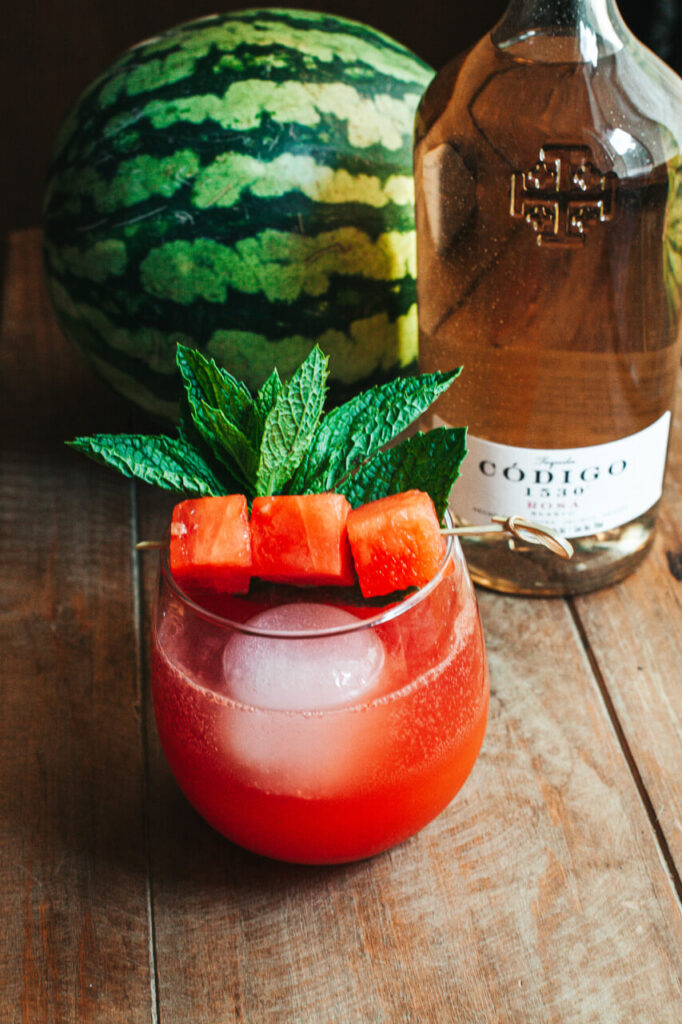
There are a few reasons for this approach. One of those is that it helps the farmers weather market swings. Indeed, agave is acutely susceptible to shifts in market value. When there’s too much agave, the value of a kilo of agave can plummet quickly. Another reason for the Tanteo co-op is transparency.

About 150 bars are participating in this year’s National Spicy Margarita Day. For every spicy Margarita made with Tanteo Tequila sold at these venues through January 30, $1 will go to a variety of waterway cleanup charities:

  • Chattahoochee Riverkeeper
  • Friends of the Chicago River
  • Friends of the LA River
  • Keep the TN River Beautiful
  • Ohio River Foundation
  • Orange County Coastkeeper
  • San Diego River Park Foundation
  • Trinity River Audubon Center
  • Un Salto Con Destino. This organization is cleaning up the Rio Santiago. The Tanteo distillery is in Juanacatlán, Jalisco, Mexico, and the Rio Santiago is crucial the surrounding community.
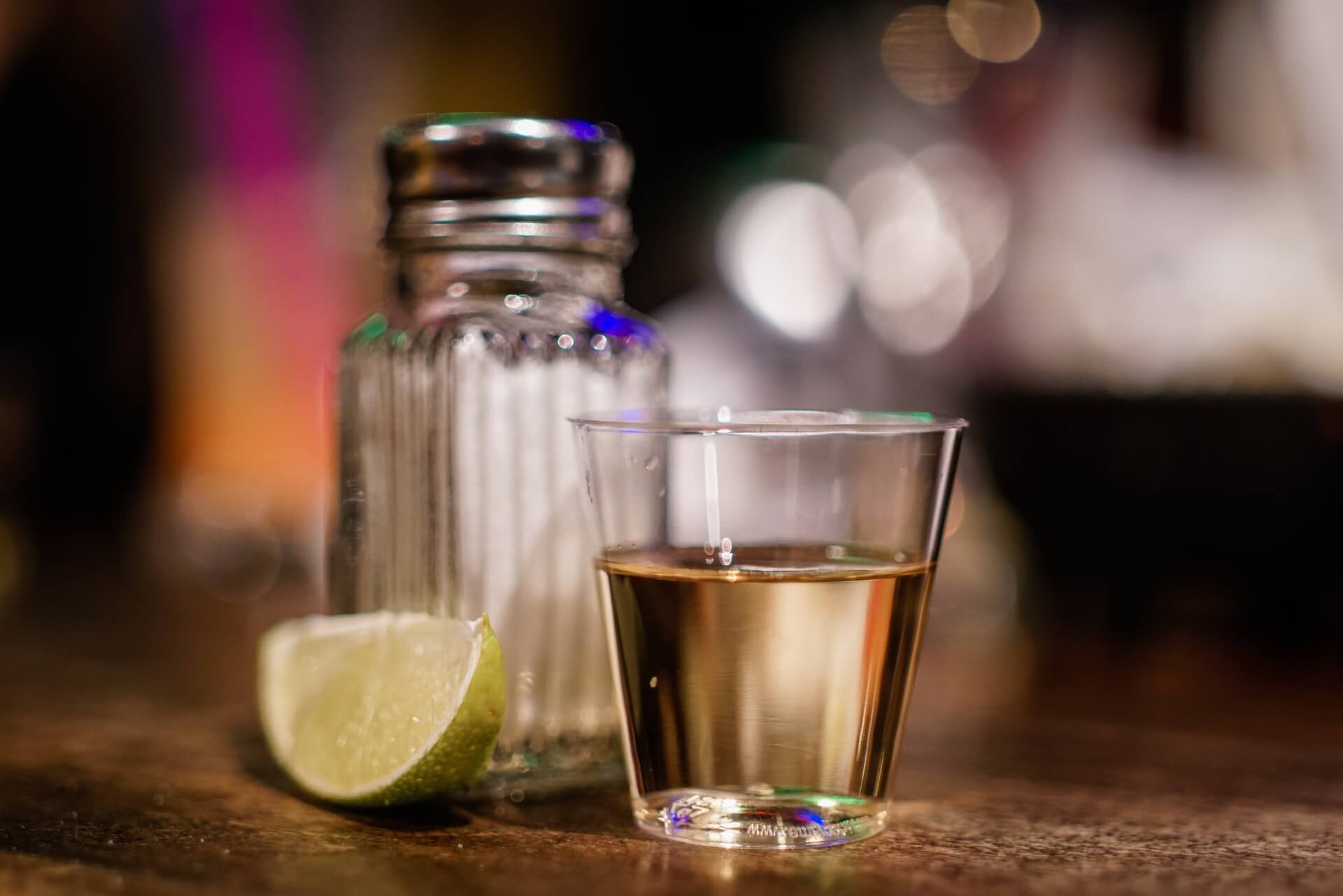
How to Participate

It’s a little late to join officially as a bar partner with Tanteo. However, that doesn’t mean you shouldn’t celebrate the holiday.

Serving up spicy Margaritas is always a great idea. One simple way to leverage National Spicy Margarita Day is to create a small specialty menu. With at least three Margaritas, you can boost the heat level of each version to appeal to different guest’s spice preferences. You can alter heat levels using different Tanteo expressions, infusions, bitters, syrups, etc.

Or, you can simply perfect your restaurant or bar’s signature spicy Margarita. Either way, promote your participation on across your social platforms.

Speaking of social, snap a pic of your Margarita(s) and use the tag #NationalSpicyMargDay. Notice the spelling: the hashtag uses “Marg,” not “Margarita.” For every social media post tagged #NationalSpicyMargDay, Tanteo will donate $1.

See below for three Tanteo spicy Margarita recipes. ¡Salud!

Tanteo Jalapeño Margarita

Tanteo Jalapeño Margarita cocktail and bottle of tequila

  • 2 oz. Tanteo Jalapeño Tequila

  • 1 oz. Fresh lime juice

  • ¾ oz. Agave nectar

Prepare a rocks glass by adding ice. Optionally, rim glass with Tanteo Jalapeño Salt or your signature blend. Add all ingredients to a shaker with ice. Shake well and strain into prepared rocks glass. Garnish with a lime wedge or jalapeño slice (or both).

Tanteo Habanero Margarita

Tanteo Habanero Margarita on a board with habanero peppers with tequila bottle in background


  • 2 oz. Tanteo Habanero Tequila

  • 1 oz. Fresh Lime Juice

  • ¾ oz. Agave Nectar

Prepare a rocks glass by adding ice. Optionally, rim glass with Tanteo Jalapeño Salt or your signature blend. Add all ingredients to a shaker with ice. Shake well and strain into prepared rocks glass. Garnish with a habanero pepper.

Tanteo Chipotle Margarita

Tanteo Chipotle Margarita in garnished rocks glass next to tequila bottle

  • 2 oz. Tanteo Chipotle Tequila

  • 1 oz. Fresh Lime Juice

  • 1/2 oz. Agave Nectar

Prepare a rocks glass by adding ice. Add all ingredients to a shaker with ice. Shake well and strain into prepared rocks glass. Garnish with a chipotle pepper, orange slice, or lime wedge.

Image: Tanteo Tequila

by David Klemt David Klemt No Comments

The Winter Cocktail Your Menu Craves

The Winter Cocktail Your Menu Craves

David Klemt

Coquito cocktail garnished with cinnamon stick

Sure, you can throw eggnog onto your menu and call it a cold day but what about a tastier winter rum cocktail that will wow your guests?

It’s the Coquito and we celebrate it on Tuesday, December 21 this year.

This creamy and rich rum drink makes an ideal LTO during the winter holiday season. And what better day to launch it than National Coquito Day?

So, let’s dive into the Coquito.

Origins

This delicious rum cocktail comes to us from Puerto Rico. There, it’s a traditional Christmas drink.

The name translates to “little coconut” in Spanish. Given that it’s made with coconut milk or cream of coconut, the name makes a lot sense.

Simple, straightforward, rich and creamy, the Coquito is easy to make and easier to drink.

Spiced with cinnamon, nutmeg and vanilla, this amazing drink embodies the flavors of the season.

Recipe

Bacardí lays claim to the original Coquito recipe. Like the phrase “No Negroni without Campari,” the rum brand says, “It’s not an original Coquito without Bacardí.”

The Bacardí Coquito recipe is as follows:

  • 1L bottle of Bacardí Superior Rum
  • 15 oz. Cream of coconut
  • 14 oz. Condensed milk
  • 12 oz. Evaporated milk
  • 2 Tbsp. Vanilla extract
  • Cinnamon to taste

Add all ingredients to a punch bowl and refrigerate until well chilled. Pour into mugs or cordial glasses and garnish with a cinnamon stick and/or a sprinkle of cinnamon.

Traditionally, the Coquito is served in a shot glass.

However, there are several alternative ways to make the Coquito. For example, the Liquor.com Coquito recipe:

  • 750 mL White, añejo or spiced Puerto Rican rum
  • 56 oz. Sweetened condensed milk
  • 48 oz. Evaporated milk
  • 24 oz. Cream of coconut
  • 4 tsps. Vanilla extract
  • 4 tsps. Ground cinnamon
  • 1 tsp. Ground nutmeg
  • Cinnamon sticks (one stick per bottle of prebatched Coquito, two per individual serving)

Add all ingredients except for rum and cinnamon sticks to a saucepan over medium heat. Stir constantly, bring to a simmer, and then let cool. Add the rum and stir. Pour into bottles that can be sealed, and add one cinnamon stick. Seal bottles and store in refrigerator (some sources say the Coquito can be stored for up to two weeks). Serve in rocks glasses and garnish with two cinnamon sticks.

Riffs

Some people add eggs to the saucepan version of the Coquito. The thickness of the drink can also be altered by reducing or increasing heating times.

Alternatively, swapping the cream of coconut out in exchange for coconut milk means a lower fat content. Obviously, that will affect mouthfeel and thickness.

Further, using different brands and expressions of rum will affect flavor. In fact, some recipes call for chocolate-flavored rum or adding chocolate liqueur.

Finally, using a zero-proof alternative to rum will allow guests who aren’t drinking to participate and engage with your winter menu. Lyre’s White Cane Spirit, Dark Cane Spirit, and Spiced Cane Spirit are clever alternatives. Ritual Rum Alternative is also a great zero-ABV option.

So, there are several ways to make the Coquito your bar team’s own. Spices, liqueurs, milk versus cream, garnishes, and glassware can put your stamp on your Coquito.

Mark your calendars and ready your marketing channels: Tuesday, December 21 is National Coquito Day.

Image: Maria Moledo on Unsplash

by David Klemt David Klemt No Comments

Get Ready for Old Fashioned Week

Get Ready for Old Fashioned Week

by David Klemt

Old Fashioned Cocktail on bar

Old Fashioned Week is returning for its second year to raise money for the Restaurant Workers’ Community Foundation.

The RWCF is a non-profit restaurant and bar worker advocacy and action organization.

In its inaugural year, Old Fashioned Week set and met a goal of raising $100,000. This year, the goal and mission are the same: Raise $100,000 to help hospitality workers financially.

How to Participate

Lynn House, national spirits specialist and portfolio mixologist for Heaven Hill, shares the details of Old Fashioned Week on episode 52 of the Bar Hacks podcast.

Over the course of nine days, October 15 through 24, Elijah Craig is celebrating the bourbon cocktail they feel best showcases America’s native spirit.

Old Fashioned Week is another win-win-win restaurant and bar promotion. Operators can drive in-person and to-go (where legal) traffic, consumers enjoy an iconic cocktail while supporting the industry, and struggling hospitality workers can receive financial assistance.

Luckily, participating in this philanthropic campaign is simple. First, operators can use their social media channels and guest database to let people know they’re celebrating Old Fashioned Week. Publish posts, send emails, and send out marketing texts.

Second, operators can use the “contact us” form on the Old Fashioned week website. From there, they can ask to have their venue included in the ZIP code search function.

Third, anyone can post pictures of their Old Fashioned to social media. Simply include #OldFashionedWeek and tag Elijah Craig. The brand will donate $5 to the RWCF for every properly hashtagged and tagged photo.
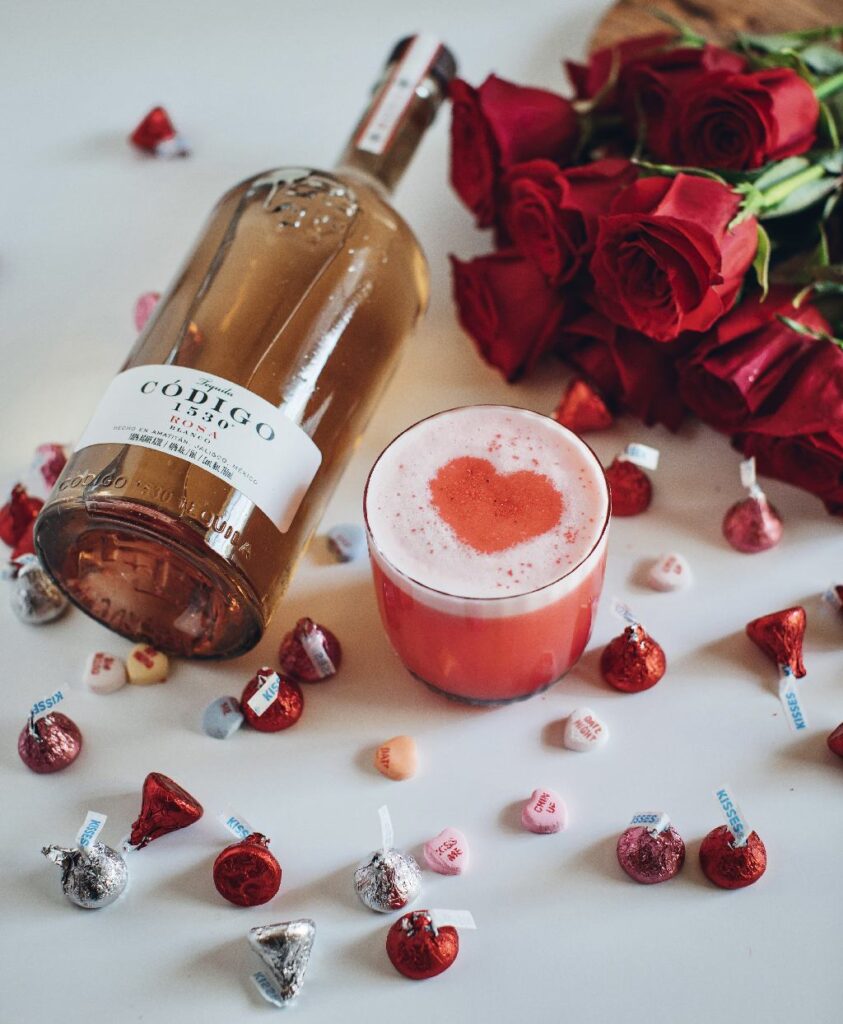
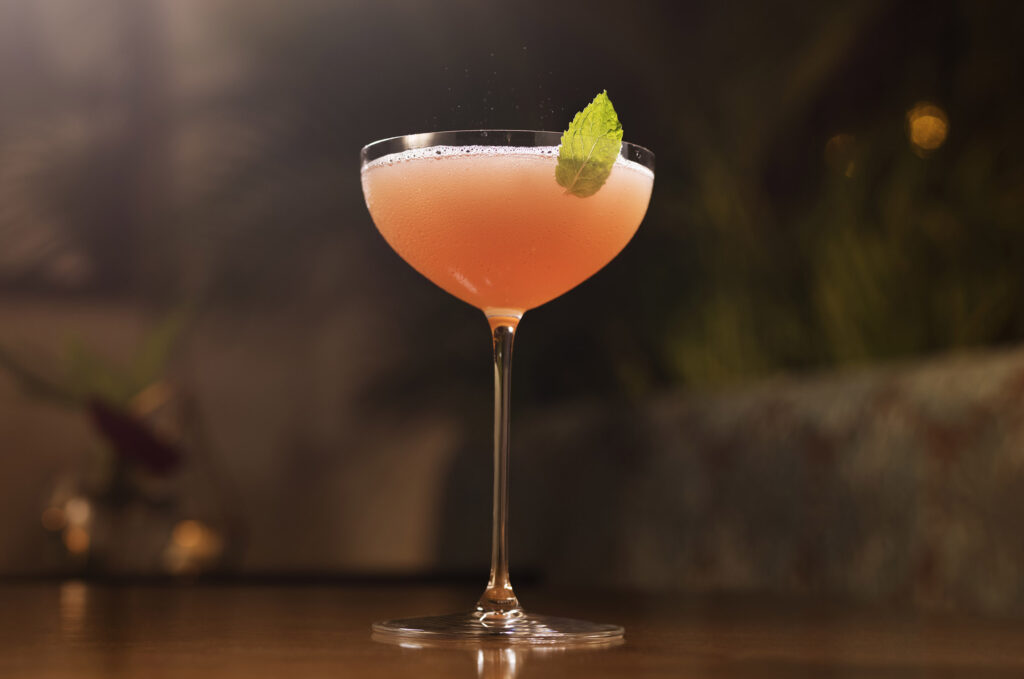
Like I said, it’s simple to participate and raise money for those in need.

Elijah Craig Old Fashioned

Hey, you can make your Old Fashioned however you want. However, if you want to make the signature Elijah Craig Old Fashioned, see below:

Elijah Craig signature Old Fashioned cocktail

Add bitters, simple syrup, Elijah Craig Small Batch, and ice to a mixing glass. Stir—do not shake!—until well chilled. Strain cocktail over a large ice cube in a double old-fashioned glass. Garnish with a swath of orange and a brandied cherry.

If you’d like to make this classic how Lynn House does, add four dashes of bitters instead of three. Two dashes of Angostura bitters, two dashes of Regan’s orange bitters.

Image: Paige Ledford on Unsplash

by David Klemt David Klemt No Comments

Bee’s Knees Week: Save the Bees!

Bee’s Knees Week: Save the Bees!

by David Klemt

Honey bee on a yellow flower

What if you could help the planet with a simple but refreshing three-ingredient cocktail, a photo, and a hashtag?

Would you do it? We think you and your guests would.

Today marks the start of Bee’s Knees Week, which runs through October 3.

Learn more about how you, your business, and your guests can participate below!

Bee’s Knees Week

We all know Negroni Week. In fact, the ninth annual Negroni Week concluded this past Sunday.

Lesser known but making a name for itself is Bee’s Knees Week. First launched in 2017, this is the campaign’s fifth year.

Nearly 1,000 bars participated in Bee’s Knees Week last year. Since 2017, participants have raised more than $70,000.

We’d love to see more than 1,000 bars take part this year, so click here to register your business to participate.

Save the Bees

So, why save the bees? They’re an integral part of our planet’s ecosystem.

As we know, bees pollinate flora and crops. That means these keystone insects help develop and maintain habitats, and also ensure sufficient food supplies.

Unfortunately, bee populations are on the decline. Simply put, if the bees die, most of life on Earth dies next.

So, when you participate in Bee’s Knees Week and encourage your guests to do so as well, what’s the result?

For every photo posted to social media of a Bee’s Knees cocktail that includes #beeskneesweek and @barrhillgin, Barr Hill Gin will plant ten square feet of bee habitat.

Simply put, it can’t be any easier to participate in this eco-friendly campaign. Once you register your restaurant, bar, entertainment venue, or hotel, build a Bee’s Knees, snap a photo, tag and post it, and use it to promote your participation to guests and followers.

Build the Cocktail

The Bee’s Knees cocktail is a straightforward, three-ingredient drink with a simple garnish:

  • 2 oz. Gin
  • 0.75 oz. Honey syrup (make your own: 2 parts honey, 1 part hot water, let cool)
  • 0.75 oz. Fresh lemon juice
  • Lemon twist to garnish


View this post on Instagram


A post shared by BARR HILL (@barrhillgin)

First, chill a cocktail glass. In a mixing tin, combine the three ingredients with ice. Second, shake and double strain into the prepared glass. Third, garnish with a lemon twist.

Next, serve and ask your guests to post a photo of their refreshing cocktail that includes the tags #beeskneesweek and @barrhillgin.

And that’s it—you’re helping save the bees and the planet.

Image: Dmitry Grigoriev on Unsplash

by David Klemt David Klemt No Comments

How to Use RTDs for LTOs

How to Use RTDs for LTOs

by David Klemt

White Claw Ruby Grapefruit and pizza poolside

The RTD, aka ready-to-drink, category continues to grow and gain greater market share, particularly in the US.

However, the common association with RTDs is that consumers mostly drink them at home.

That begs a simple question: How can operators generate revenue with this popular, in-demand beverage category?

Massive Growth

Unsurprisingly, the RTD cocktail category is still one the rise.

These drinks are convenient. New brands come to market regularly. They tend to fall in line with rising consumer desire for lower-ABV options. And many brands speak to consumer desires—sustainability and outdoor interests, for example—via their visions and missions.

Per the IWSR, the US leads the charge when it comes to demand for RTDs. North America as a whole is driving growth.

However, the category grew 43 percent globally in 2020 alone. According to multiple sources, RTDs are worth USD $782.8 million. Projections have the category more than doubling by 2028: $1.7 billion.

Tequila and gin RTDs appear to be the most popular within the category, but rum, whiskey, and vodka are also growing.

So, what’s the point of all these numbers? Operators need to know what consumers are drinking and leverage that demand for the benefit of their businesses.

Simple LTOs

One of the most obvious ways to deliver on RTDs is to treat it like beer. Add a “Canned Cocktails” section and list your options. Or, hey, do what some venues do and add White Claw and other RTDs to the beer list.

After all, millions of people order canned beers every day in restaurants, bars, hotels, and entertainment and sports venues.

However, there are guests who perceive ordering an RTD instead of a traditional cocktail at a bar as a sub-par experience.

The bartender, after all, is just popping a top and handing over a can.

One way to elevate the experience is via limited-time offers. A great example comes from Nickel City, which has two locations in Texas: Austin and Fort Worth.

The award-winning neighborhood bar offers a monthly Boilermaker, and this month’s was the Rise & Shine:


View this post on Instagram


A post shared by Nickel City (@nickelcityatx)

As you can see, a High Noon Grapefruit Vodka Soda comes with a 50/50 pour of Aperol and Altos Tequila for just $8.

Other restaurants and bars—with vessels large enough—are offering riffs on the Corona-rita with RTDs. The bar team builds the cocktail as usual, then inverts and inserts the RTD.

Such a drink can certainly be leveraged via monthly LTOs.

There are a few keys to succeeding with RTDs: understanding your guests, knowing your market, and getting creative. Guests willing to spend on the RTDs they enjoy at home while at your restaurant or bar? Great. Guests unwilling unless there’s added value? Convene your bar team and tap their creativity.

Image: Maria Oswalt on Unsplash

Top