Employees

by David Klemt David Klemt No Comments

Leadership: The Other 10-second Rule

Leadership: The Other 10-second Rule

by David Klemt

Watch face showing seconds and minutes

Those who remember last week’s Friday post will recall that there’s more than one 10-second rule.

Interestingly, this “other” rule also relates to communication.

As we all know, communication is paramount to leading teams and building relationships with others.

Last Week’s Rule

Deceptively simple, last week’s 10-second rule focuses on easing tensions.

If a situation is about to boil over or is already out of control, going silent for 10 seconds can cool things off.

First, shutting up for ten seconds stops the argument cold. Second, it provides time for the person leveraging this tactic to respond rationally.

Third, it humanizes the other person. Rather than seeing an opponent, the person going quiet for ten seconds remembers that this is a team member they’re engaging.

Finally, people who use this rule say going silent tends to snap the other party out of their hostility.

Treating others with respect and dignity, along with encouraging open communication and a free flow of ideas, are hallmarks of a healthy workplace culture.

This Week’s Rule

There are, of course, similarities between this week’s rule and last week’s. Obviously, they both call for a ten-second “timeout” to talking.

Also, they both focus on humanizing the other person in the conversation.

I came across the other 10-second rule on the Accounting Today website. Accountant and author Kyle Walters writes that his rule is also simple: If Walters talks for ten consecutive seconds during a client meeting, he stops to ask an open-ended question. Crucial to the process is that Walters then gives the person answering time to talk.

Now, while Walters applies this to client meetings, it’s useful for conversation in general. As he points out, it breaks the bad habits of dominating conversations; giving off the impression that you’re selfish and don’t care about the others in conversations; and not listening to others.

Anyone who leads a team; needs to develop relationships with suppliers, distributors, contractors, investors, banks, inspectors, etc.; and wants to build relationships with guests knows that listening is crucial.

Sure, ten seconds doesn’t seem like a lot of time. However, take the time to actually see how many thoughts you can fire off in ten seconds. You’ll see how much talking for that “small” amount of time can quickly seem domineering if you don’t stop to include others in the conversation.

There’s also the “small” detail that you’re not having a conversation if you’re not listening—you’re just delivering a speech…and it’s probably not a good one.

It takes work to break bad habits. However, the benefit to your personal growth, leadership abilities, and business are worth the effort.

Image: Agê Barros on Unsplash

by David Klemt David Klemt No Comments

Leadership: What is the 10 Second Rule?

Leadership: What is the 10 Second Rule?

by David Klemt

Message icon and emoji in form of white neon sign

Anyone who spends any time reading publications that focus on business will come across the “10 Second Rule.”

So, what is this rule? And why should you care?

After all, many entrepreneurs who enter hospitality do so partially to reject “corporate life.”

Adapt Rather than Reject

First, let me say that we understand the allure of eschewing the traditional business world. KRG Hospitality is itself a rebellion against corporate life.

However, we believe that some proven business strategies absolutely have a place in independent restaurant and bar operations.

Indeed, there are lessons independent and boutique operators can learn from their chain and corporate counterparts.

Conversely, independent and boutique entrepreneurs can teach chains quite a few things.

In fact, there are chain operations out there that go to great lengths to appear independent. They strive to leverage the perception that they’re local and small.

So, rather than outright reject corporate strategies and tactics, operators should adapt them to streamline operations, reduce costs, maximize profits, and thrive long-term.

Ten Seconds

Hospitality and foodservice are fast-paced—that’s not news. When front and back of house find themselves in the weeds, passions rise quickly. Often, a blow-up is on the menu.

The same can be true during shift and staff meetings. Perhaps one or two employees aren’t engaging, or maybe there’s a long-simmering issue that’s close to boiling over.

Or, perhaps a change to operations and expectations—the reason for the meeting—immediately ruffles feathers. This rule also applies to one-on-one discussions between ownership, management, and staff.

Engaging in a dust-up can be tempting. Not many people appreciate having their authority questioned or perceived slight left unaddressed.

The 10 Second Rule I’m addressing pertains to communication. Of course, we all know communication is often two things: crucial and difficult.

Simply put, the 10 Second Rule tells us to be quiet for ten seconds. If tensions are rising (often accompanied by volume), put an end to the situation by shutting up and counting to ten.

According to people who champion this rule, a few things happen: the person who implements stops feeding the tension; that same person can now respond without emotion; it provides time to remember that the other party isn’t just an opponent; and the other party tends to also cool off.

It’s a simple rule that can have a huge impact on workplace culture. A healthier, more positive culture leads to happier staff, which improves recruiting and retention. That’s a huge payoff for just ten seconds.

Image: Jason Leung on Unsplash

by David Klemt David Klemt No Comments

EEOC Clarifies Vaccine Stance

EEOC Clarifies Vaccine Stance

by David Klemt

Covid-19 vaccine vial on blue background

American employers have the right to require Covid-19 vaccination as a condition of employment.

This is according to recent clarifications from the Equal Employment Opportunity Commission (EEOC).

Perhaps learning from yet more missteps from the Centers for Disease Control and Prevention, the EEOC is making their position clearer.

Requirements

Per the EEOC, requiring workers to get a Covid-19 vaccine doesn’t violate federal law.

However, an employer failing to provide “reasonable accommodation” in accordance with the Americans with Disabilities Act would be illegal.

According to the EEOC’s guidance update:

“Federal EEO laws do not prevent an employer from requiring all employees physically entering the workplace to be vaccinated for COVID-19, so long as employers comply with the reasonable accommodation provisions of the ADA and Title VII of the Civil Rights Act of 1964 and other EEO considerations. Other laws, not in EEOC’s jurisdiction, may place additional restrictions on employers.”

Additionally, employers who offer on-site vaccinations take on an additional responsibility. They must keep confidential any personal medical information gleaned during employee pre-vaccination screenings.

Of course, the agency’s guidance isn’t only for employers. Employees can access a fact sheet explaining pandemic-specific protections that are in place.

Incentives

The EEOC’s update also addresses the right for employers to offer employees vaccine incentives.

In short, the agency says incentives are legal as long as they’re not coercive. Of course, legal experts will argue that one person’s perception of coercion will differ from another’s.

Really, the only example the EEOC provides for what may constitute a coercive incentive is “a very large incentive” that may make an employee “feel pressured to disclose protected medical information.”

Per a survey by Arizona State University and the Rockefeller Foundation, two-thirds of employers plan to offer vaccination incentives rather than mandates. However, nearly half say they’ll implement mandates if incentives don’t work. Only one-third of survey respondents don’t plan to impose vaccination requirements on employees.

Challenges

Look, we all know America is a litigious society. Given that, it shouldn’t come as a surprise that some states have already banned vaccine requirements and passports.

Nor should it be a shock that lawsuits have been filed by employees challenging the legality of vaccine requirements. At least half of US states have introduced bills seeking to seek to limit COVID-19 vaccine mandates.

Operators have a lot to consider when it comes to vaccine requirements and incentives. For example, offering the incentive that fully vaccinated employees can go maskless at work while non-vaccinated workers must wear masks can be a form of discrimination.

Beyond legal challenges, operators must also contend with public perception and backlash. With the divisions plaguing America currently, operators have a lot to think about before requiring Covid-19 vaccines for employees. While some guests will view such requirements as a responsible move that protects employees, guests and the public, others will see it as a massive violation of personal freedoms and a form of tyranny.

Truly, this is a time when operators must seriously draw on their leadership abilities, empathy, and emotional intelligence.

Clearly, the topics of vaccine requirements and vaccine incentives necessitate careful consideration. This is an important leadership moment that hinges on an operator’s understanding of their team, their guests, and the market in which they operate.

Do not make vaccine decisions lightly.

Disclaimer

This content is for informational purposes only, and should not be used as legal or other advice. This article does not constitute legal advice, nor does any information constitute a comprehensive or complete statement of the matters discussed or the law. This information is of a general nature and does not address the circumstances of a specific individual or entity. The reader of this information alone assumes the sole responsibility of evaluating the merits and risks associated with the use of any information before making any decisions based on such information.

Image: Daniel Schludi on Unsplash

by David Klemt David Klemt No Comments

The Reality of Hiring Right Now

The Reality of Hiring Right Now

by David Klemt

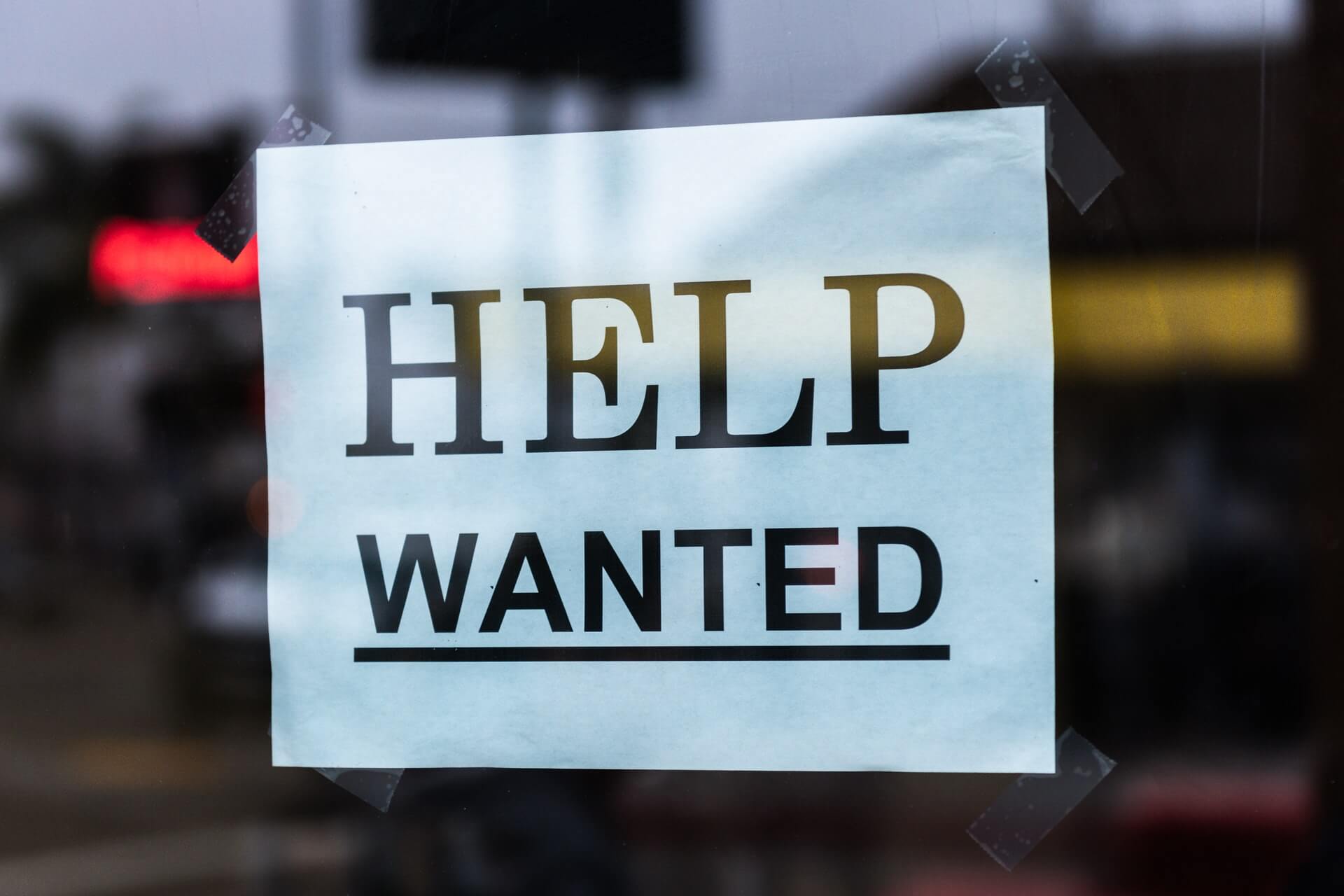
Help Wanted sign taped in window

Operators can add recruitment, hiring and retention among to the growing list of challenges they’re facing due to the pandemic.

Labor struggles aren’t exactly a shock to the hospitality industry.

However, the speed with which the many stark predictions of labor shortages and challenges across North America has caught some by surprise.

Outlook: Brutal

Fast-casual to fine dining. Independent to chain. Regional hospitality group to multi-national powerhouse.

No operator, no concept, no market appears immune to today’s recruitment, hiring or retention challenges.

It’s not the only reason but the federal boost to unemployment is exacerbating the situation. Restaurant operators across America have been reporting that their workers are making more on unemployment than they would make returning to their jobs.

It’s likely the hiring situation won’t improve until the end of August or start of September; the federal boost to unemployment is set to expire on September 6.

Of course, that points to another glaring industry issue: livable wages and benefits.

The pandemic didn’t cause the labor shortage and hiring problem on its own, but it certainly hasn’t helped anything. Some operators throughout North America say they’ve been hunting for workers for all positions for months.

Incentives & Bonuses

Operators are fighting for workers. To many reading this, that’s not a surprise. However, many operators report fighting to even get candidates to show up for interviews.

Famously, one McDonald’s franchisee in Tampa, Florida, is using a $50 incentive for interviews. If a candidate manages to follow through and show up for their interview, they walk away with $50.

During a recent conversation with Chef Brian Duffy (which we’ll be releasing as episode 33 of the Bar Hacks podcast), interview incentives came up. While it’s no $50 bonus just for showing, Chef Duffy has offered candidates free lunch for appearing for their interviews. And yes, he still struggles.

Interestingly, appearance incentives don’t appear to be working. What does appear to be working? Increasing starting wages, referral programs, apply-via-text functionality, and all manner of signing and performance-based bonuses.

The bonuses run the gamut. Show up for all your shifts for three or four months and earn a $500 bonus. Paying down student loans. Fronting the bill for culinary school. One restaurant in Alabama is offering an SUV to their top-performing worker later this year.

In addition to bonuses, wages are seeing a boost. Jobs that would normally start at $12 to $15 per hour are now offering starting wages of $16 to $18 dollars per hour.

No matter how one slices it, the situation leads to cost hikes across the board for operators. When costs increase for operators, prices increase for consumers. Margins shrink, the old cycle continues, the industry struggles.

Reality Check

Now, it’s simple to blame the pandemic for the current situation. To say it’s not a major factor would be incredibly disingenuous.

That said, the struggle to find and keep workers is also a culmination of decades-long, industry-wide problems.

Lack of diversity, inclusion, equality, living wages, opportunities, and transparency; failure to address social issues; inexcusable, threatening, and outright illegal behavior… All of this and much more contributes to the industry’s hiring and retention challenges.

That’s a criminally shallow summary of the situation—I’m well aware. Doug Radkey, president of KRG Hospitality, addresses the need to review and reset the industry in his book Hacking the New Normal. He takes a deep dive into rejecting the status quo in this industry.

My point is that operators can’t blame their woes solely on the pandemic, absolving themselves of responsibility.

Operators must take a hard look at themselves and their operations, and ask difficult questions. Doing so can be uncomfortable. But neither positive change nor growth come from resting in the comfort zone.

Image: Tim Mossholder on Unsplash 

by David Klemt David Klemt No Comments

Is Gen Z the Workforce Solution?

Is Gen Z the Workforce Solution?

by David Klemt

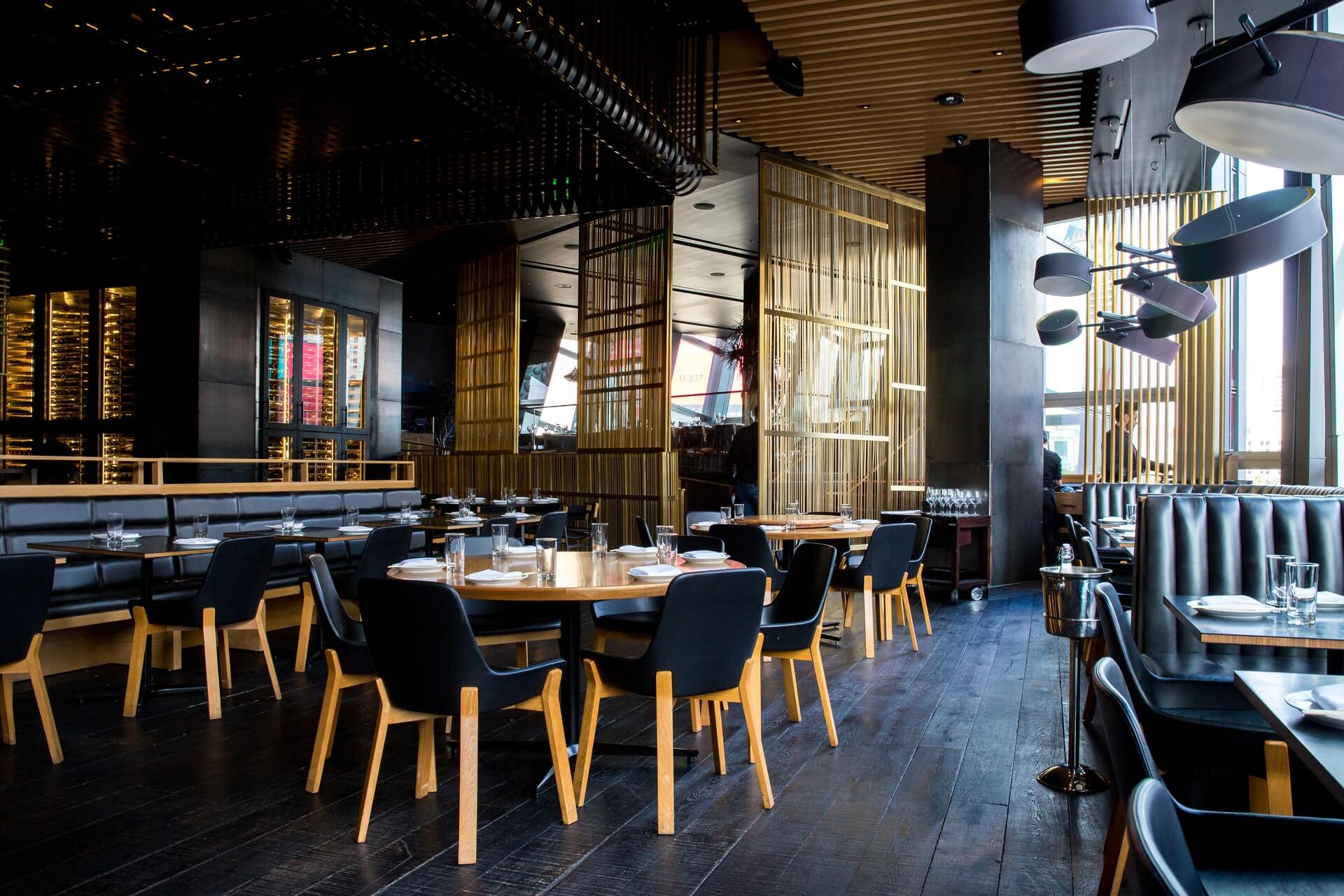
Momofuku Las Vegas interior

Is Gen Z the solution to the industry’s workforce problem?

That’s one big question posed during the 2021 Restaurants Canada Show.

A panel consisting of Philip Mondor, president and CEO of Tourism HR Canada; Adam Morrison, president and CEO of Ontario Tourism Education Corporation; Jody Palubiski, CEO of the Charcoal Group; and Lori Wilson, manager of people and change at BDO Consulting have answers.

The Problem

Canada’s hospitality industry is facing a labour shortage. In fact, that has been the case since before the pandemic.

According to several sources, the hospitality industry is Canada’s fourth-largest private-sector employer. And yet, there’s a labour crisis.

This is partially due to Baby Boomers retiring. As they leave the workforce, there’s a disparity in the number of people in Canada working or seeking work.

According to a January 2020 report from The Globe and Mail, there were at least 60,000 empty positions in foodservice before Covid-19 lockdowns.

Mondor concurs with that article’s sentiment. He expects “a very large shortfall” over the next year that could force the industry into a four-year recovery.

The Solution?

Neither Wilson, Mondor, Morrison or Palubiski see Gen Z as the solution to Canada’s labour shortage problem.

Now, that isn’t to suggest that operators and managers should dismiss Gen Z. Rather, Mondor suggests including this generation as they enter the workforce without viewing them as the only solution.

“Relying on youth alone is not going to meet the demand,” says Mondor.

Instead, Mondor posits that new Canadians—immigrants—will play a significant role in the hospitality industry moving forward. In fact, Mondor expects immigrants to make up 50 percent of Canada’s workforce.

Recruitment and Training

Palubiski says that what separates Gen Z from other generations is how connected and informed they are. Screen time provides Gen Zers plenty of information about social, regional and global issues.

To recruit Gen Z, Palubiski suggests brands and businesses be transparent about their stances on issues such as sustainability and the climate.

However, that approach to recruiting isn’t just effective when it comes to Gen Z—employees and guests alike want to know where a brand stands.

Morrison says that it’s important to be cognizant of the employment market. Knowing what people are being paid, even if an operator can’t match or beat that rate, is helpful. It’s also part of an effective strategy, says Morrison, to understand the ambitions of candidates to see if available roles will match their motivations.

Retention

Once an operator has built a team, the next step—training—is key to staff retention. And not just training for the specifics of one particular role in a restaurant or bar.

Rather, the panel agrees that this industry does a poor job of documenting transferrable skills. For example, operators can help develop employees’ leadership and conflict resolution skills (among many others) that they can take into other careers. Operators must explain that benefit to employees and help nurture it.

Additionally, the panel suggests looking at training and retention in the following ways to adapt and make businesses in this industry stronger:

  • Invest in people, don’t just hire them. That means training and developing their skills and careers.
  • View hiring and training as investments, not costs.
  • Everyone makes mistakes. True leaders admit their mistakes, fix them, and move forward.
  • Ask this question: Do your employees feel a greater affinity for this industry and your business after they’ve started working with you?

In parting, operators and managers should consider this: Palubiski had to furlough 950 employees due to the pandemic. A staggering 95 percent returned when they were called back. That is effective hiring, training, development and retention to emulate.

Image: Jason Leung on Unsplash

Top