Hospitality news

by David Klemt David Klemt No Comments

Good: Trust & Comfort Build Loyalty

Good: Trust & Comfort Build Loyalty

by David Klemt

The word "good" in a vintage script, superimposed over the image of a pint on a bar top.

Cool grabs attention because it’s magnetic and buzzworthy. But if you want people to come back and bring others with them, cool isn’t enough.

You need to be good.

However, when I say “good” I’m not talking about being nice, or offering competent service. This is hospitality; those are (or damn well should be) a given.

In hospitality, in this context, good is about emotional safety, reliability, and the kind of consistency that turns a first-time guest into a regular.

The best hospitality brands do more than just impress, they reassure.

The Eight Traits of Good

According to cross-cultural psychology research, eight traits consistently define what people perceive as “good” in others. We can apply these traits to brands as well.

I shared them earlier this year:

  • Agreeable
  • Calm
  • Conforming
  • Conscientious
  • Secure
  • Traditional
  • Universalistic
  • Warm

If cool is what gets guests in the door, good is what makes them feel welcome, seen, and safe enough to stick around.

Agreeable: Cooperative and Empathetic

Just as you can pick up on tension within moments of stepping inside a given venue, you can feel it when a venue is easygoing.

The team’s on the same page. The energy is collaborative. There’s a sense of mutual respect between staff and guests, and between team members and leadership.

Notably, however, being agreeable in hospitality isn’t about people-pleasing. In reality, it’s about creating a culture of empathy and professionalism.

When you step into such a venue you notice that hospitality isn’t forced, it’s practiced.

Calm: Clear-Headed Under Pressure

Calm hospitality environments feel better. They’re emotionally steady.

The pace may be fast, but the energy is measured, controlled, and confident. Guests pick up on this instantly, and so do team members.

When your culture is calm, you and your team don’t just survive a busy night, you all come together, thrive, and make it look easy.

Conforming: Reliable and Predictable (In the Best Way)

Let’s redefine “conforming.” When I use it in this context, I’m not talking about suppressing creativity. Instead, conformity is an alignment with expectations.

Guests return when they know what to expect. They come back when they trust that the experience will meet the impeccable standard you and your team have set every time.

It’s the culmination of onboarding, continuous training, non-negotiable SOPs, structure, and consistency.

Conformity, in this way, isn’t boring, it’s dependable.

Conscientious: Detailed and Purpose-Driven

Conscientious brands care about the little things. They’re organized, thoughtful, and consistent, and that shows up every shift in a multitude of ways.

It’s how the bar team garnishes each drink. How clean the bathrooms are kept. How team members communicate with each other, leadership, and guests throughout their shifts.

It comes through in your consideration of each and every touch point that guides the guest journey.

Conscientiousness builds trust. You’re delivering on the promise to your guests and your team that you don’t cut corners.

Secure: Safe, Seen, and Stable

Safety in hospitality isn’t just physical, it’s emotional.

Guests want to know that you’re going to take care of them because you respect them. You respect their decision to visit your venue, spend their time with you and your team, and spend their money inside your business.

Likewise, your team members want to feel protected, heard, supported, and empowered. To provide an example, I’ve made it clear more than once in articles and on the Bar Hacks podcast that I expect leadership to support team members. No, the guest isn’t always right. “The customer is always right” isn’t just an abused misquote, it’s an outdated sentiment any way you slice it.

I expect leaders to step in and handle all guest complaints; that’s a crucial part of the job. Do you want your team to believe in your concept? They had better be given proof that they should believe in leadership.

Security is built through:

  • clear boundaries;
  • steady leadership;
  • well-trained staff;
  • staff that feels cared for and respected; and
  • real accountability, regardless of role.

If your guests feel nervous or confusedand they will if that’s how your team feelsyou’ve lost them.

Traditional: Grounded, Not Outdated

Tradition gets a bad rap in modern branding. Traditional valuescommunity, respect, attention to ritualare deeply comforting.

When used well, tradition creates familiarity and nostalgia, particularly at neighborhood spots, legacy venues, or family-forward brands.

And even modern, forward-thinking spots can lean on traditional service values without feeling dated.

Universalistic: Fair, Equal, and Consistent

This is where your hospitality values shine.

Universalistic brands don’t treat some guests better than others. They don’t ignore or dismiss certain demographics.

A universalistic hospitality brand operates from a belief that everyone deserves a great experience.

That belief, that value, creates equity. Equity creates trust.

Once you’ve earned that trust, you need to commit to keeping it. As the saying goes, “Trust takes years to build, seconds to break, and forever to repair.”

Warm: Friendly, Kind, and Human

Warmth is the final, and arguably most important, “good” trait.

Warmth shows up in tone, body language, follow-through, and how guests are made to feel the moment they walk in.

Anyone can serve someone. Warmth is what makes someone feel welcome.

Why “Good” Hospitality Brands Last

Good is often invisible. It doesn’t always get the hype but it builds return visits.

Goodness is what builds reputation, earns word-of-mouth referrals, and retains guests and team members.

Good brands become a reliable part of someone’s routine. They’re the go-to when friends visit from out of town. The default when someone asks, “Where should we go tonight?” They’re the first venue that pops into someone’s head when they think “date night.”

Reflection Questions for Operators

  1. Where does your team already show strength in “good” traits?
  2. Which of these eight traits does your guest journey express naturally?
  3. Which ones feel like gaps, and how could they be reinforced operationally?
  4. Are your brand values visible in your culture and your service, or are they just words on a website and inside an employee manual?

Up Next: Quantifying Excellence

In the final part of this series, we’ll unpack what it means to be seen as excellent, and how that perception drives brand equity, team pride, and long-term influence.

Because once you’ve nailed cool and good, excellence is what turns your brand into a benchmark.

Image: Canva

Client Intake Form - KRG Hospitality

by David Klemt David Klemt No Comments

Cool: Magnetism Matters in Hospitality

Cool: Magnetism Matters in Hospitality

by David Klemt

The word "cool" in a vintage script, superimposed over the image of a pint on a bar top.

We all know what it feels like to walk into a cool space. The room hums, the lighting hits just right. The music, the people, the energy…it’s magnetic.

But when we talk about cool in hospitality, too often we’re referring to aesthetic alone: the vibe, the lighting, and the playlist, among other details.

The truth? Cool isn’t just visual. And it’s not trend-chasing.

Cool is a collection of behavioral traits. When those traits are intentional, the perception of cool becomes strategic. In turn, that magnetism becomes a strategic element.

The Six Traits of Cool

Cool can feel elusive, but it’s not mystical.

Cross-cultural research has identified six traits that people consistently associate with coolness.

They are:

  • Extraverted
  • Hedonistic
  • Powerful
  • Adventurous
  • Open
  • Autonomous

Let’s break them down, and apply them to hospitality.

Extraverted: Show Up and Stand Out

Cool brands don’t hide in the background.

They communicate clearly, loudly, and often. They show up on social and in the community. Cool brands own their tone.

However, they’re not loud for the sake of making noise. It means that they own the room without apology.

Think confident service teams, guest-forward experiences, and spaces designed for connection rather than just consumption.

Hedonistic: Make People Feel Good

Let’s kill the negative spin on the word “hedonistic” right from Jump Street.

In this context, it simply means “pleasure-oriented.”

Cool brands create experiences that feel good. Not just pleasant, memorable.

Drinks that hit flavor and presentation. Lighting that makes everyone look and feel attractive. Flow that feels frictionless.

This is about sensory impact. It’s why people will choose your place even if another spot has better prices or faster service.

Guests aren’t really buying food or drink; they can make either at home. They’re buying the feeling you, your team, and your venue gives them. In reality, they’re buying your cool, expecting it to reflect onto them.

Powerful: Influence, Not Ego

Power in a hospitality setting doesn’t mean dominating the scene.

For a hospitality brand, power means having influence. That influence makes guests feel like they’re somewhere that matters.

Power shows up when:

  • your venue sets trends instead of following them;
  • your team leads with confidence and autonomy; and
  • people talk about your space and brand when you’re not in the room.

A powerful brand doesn’t have to scream, it simply can’t be ignored.

Take the phrase, “real wealth doesn’t scream, it whispers.” Now, replace “wealth” with “coolness.” Do you believe someone when they loudly tell you that they’re cool? Or do you sense when they communicate it without having to say a word?

Adventurous: Show Some Edge

Cool brands take risks.

Try new menu items, new event formats, new collaborations. Don’t wait for permission, just do it.

However, keep in mind that risk and adventure don’t necessarily require recklessness. They simply require you to indicate, with confidence, that you’re willing to experiment publicly.

This could look like a pop-up collab with a neighboring venue. Hosting an event, a person, or a brand that’s never been seen or experienced in your market. Reinventing a tired night of the week with a totally new promotion.

Predictability is comforting, but adventure creates buzz. Be the buzz.

Open: Let the Culture In

Being open means staying curious to new ideas, influences, voices, and formats.

Guests notice when a brand is receptive, diverse, and dynamic. They reward that with their loyalty.

Openness in hospitality looks like:

  • Welcoming feedback, and acting on it.
  • Hiring for perspective rather than just experience.
  • Rotating menus or programming to reflect seasonality and community.

Cool doesn’t look the same in every city or concept. Openness helps you localize your identity without diluting your brand.

Autonomous: Lead with Vision, Not Imitation

The coolest brands feel like they were born fully formed,  even if we know the reality is messier and took years to perfect.

Why? Because they make decisions as themselves, not in response to what others are doing.

Autonomy shows up when your voice and values are clear across every touch point. When you stay consistent, even when competitors pivot. Your autonomy comes through when finally figure out what you’re not trying to be.

Hospitality is full of sameness. Cool stands out when it’s driven by clarity.

Why Cool Still Matters

Cool isn’t shallow, and it isn’t fleeting. Not when it’s rooted in these six traits.

Cool matters because it creates curiosity, conversation, and connection.

It’s what gets people to check you out, to take a risk and try you. That decision to try you is the first step to becoming a loyal guest, team member, or partner.

But remember that while cool can grab people’s attention and create energy, it’s not capable of creating sustainability on its own. You need systems in place to stabilize and scale.

A Few Reflection Questions

  1. What part of your guest experience feels truly cool right now?
  2. What parts feel tired, safe, or imitative?
  3. Which one of the six traits comes to your concept most naturally?
  4. Which one could you amplify intentionally this month?

Next Up: Quantifying “Good”

In the next installment, we’ll talk about the eight traits that make a brand feel good, the kind of hospitality that builds trust, reputation, and retention.

Until then, stay cool.

Image: Canva

Client Intake Form - KRG Hospitality

by David Klemt David Klemt No Comments

Cool, Good, Excellent: 19 Defining Traits

Cool, Good, Excellent: 19 Defining Traits

by David Klemt

"Good. Cool. Excellent." Retro baseball jersey-style font superimposed over the image of a brick wall, bar top, and pint of beer

Cool gets people through your doors. Good impresses guests and keeps them coming back. Excellence inspires people to talk about you.

We throw around words like “cool,” “good,” and “excellent” all the time in this industry.

“Cool new spot.” “Good service.” “Excellent experience.”

But what do these terms actually mean when it comes to hospitality brands and strategy? More importantly, what do they mean to your guests, your team, and your community?

The truth is that perception is everything.

Cool. Good. Excellent. These aren’t just vibes, they’re measurable. If you’re not intentional about which of these traits your brand is projecting, the market will decide for you.

Let’s dig into the 19 traits that shape how your concept is perceived, trusted, and remembered.

Cool: The Magnetism Factor

Cool is what gets people talking. It draws guests in through a mix of confidence, curiosity, and charisma.

Researchers have identified six traits that consistently define cool across a multitude of cultures:

  • Extraverted: Social, talkative, and expressive.
  • Hedonistic: Oriented toward pleasure, excitement, and sensory experience.
  • Powerful: Assertive, influential, and bold.
  • Adventurous: Willing to take risks, and try new things.
  • Open: Curious, flexible, and adaptive.
  • Autonomous: Independent, self-driven, and unconcerned with conformity.

Sound familiar? These are the brands that pop off on social. The ones that get the influencer love, and that make guests feel seen.

You probably thought of a cool brand or two when you started reading this article. Hopefully, one was your own.

That said, there’s a catch: cool alone doesn’t carry a brand. It grabs attention, but without something deeper underneath, people move on. And they move on fast.

Good: The Retention Engine

If cool gets people through the door, good is what keeps them there.

The “good” brand traits are quieter, and that’s the point. They’re what make a concept feel dependable, thoughtful, and rooted.

There are eight of them:

  • Agreeable: Cooperative, empathetic, easy to work with, and accommodating.
  • Calm: Emotionally stable, composed, and clear-headed.
  • Conforming: Consistent, reliable, and willing to follow a structure.
  • Conscientious: Responsible, organized, and focused on detail.
  • Secure: Trustworthy, steady, and emotionally and physically safe.
  • Traditional: Grounded in shared values and norms.
  • Universalistic: Treats all people equally and fairly.
  • Warm: Friendly, kind, and welcoming.

Good brands don’t always make headlines, but they build habits. They’re the spots people go back to week after week. The places that make guests feel like regulars before they even are regulars.

Excellence: The Aspiration Layer

Cool is attention. Good is trust. Excellence? That’s respect.

When a brand is seen as excellent, it carries influence. It becomes a reference point, not just for guests but for peers, media, talent, and even future collaborators.

Five traits define excellence (or admirability):

  • Attractive: Physically appealing, well-designed, and aesthetically impactful/appealing.
  • Competent: Skilled, knowledgeable, and consistently excellent.
  • Desirable: Sought after, relevant, and aspirational.
  • Friendly: Approachable, kind, and human.
  • Trendy: Aligned with current culture without being performative.

Excellent brands don’t just do things well, they inspire.

19 Traits. One Brand. What’s Your Mix?

Let’s be clear: you don’t need to embody all 19 traits at once. You shouldn’t even try to do so. That would be overwhelming for you, your team, and your guests.

But you do need to know which of these traits your brand currently embodies, and which it should emphasize more intentionally based on where you are in your journey.

Here’s a way to think about it:

  • Goal 1: Focus your brand’s defining traits.
  • Goal 2: Boost foot traffic or hype (leverage coolness)
  • Goal 3: Improve retention, reviews, and culture (leverage goodness)
  • Goal 4: Increase brand equity, word of mouth, and influence (leverage excellence)

This applies internally, too. Are you hiring for culture fit? Think about the traits your current team exudes.

Launching a new concept? Choose the traits that will define it from Day One.

At KRG Hospitality, our clients undergo an exercise that helps them identify their values. In turn, this exercise helps them identify the traits that will define their brand long before they ever open their doors for the first time.

Final Thought: Brand Perception is a Strategy, Not an Accident

You’ve built a concept. A vibe. A brand. But your guests don’t just see what you say you are, they feel what you are.

They feel cool, or calm, or cared for. They notice when things flow or when they don’t.

Cool gets them in. Good keeps them in. Excellence makes them talk.

Get the balance right, and you’re no longer reacting to perception, you’re shaping it. And in today’s market, that’s one of the most valuable competitive advantages you can have.

To help you strike that balance, I’ve got three deep-dive articles coming over the course of the next three weeks. One about coolness, one about goodness, and, you guessed it, one focused on excellence. Cheers!

Image: Canva

Client Intake Form - KRG Hospitality

by David Klemt David Klemt No Comments

America’s Best New Restaurants Insights

What America’s Best New Restaurants Say About Us

by David Klemt

AI-generated image of a globe on a plate inside a restaurant

Garnish that includes a clock? That’s an interesting choice, AI.

Bon Appétit‘s recent release of The 20 Best New Restaurants of 2025 provides deep insight into the state of restaurants, cuisine, and guest expectations.

Each restaurant on the list was opened between March 2024 and March 2025. That means that these restaurants have now been open for six to 18 months, at most.

The list organizes the 20 restaurants into four regions: the Midwest, the Northeast and Mid-Atlantic, the South, and the West.

As someone who reviews a lot of “best of…” lists, I appreciate that New York, Los Angeles, Miami, and Chicago don’t dominate this one. A restaurant from each city receives recognition (in the case of Los Angeles, two eateries), of course. But Cincinnati, Minneapolis, Pittsburgh, Baltimore, and more are also represented.

Below, the 20 restaurants chosen by Bon Appétit for this year’s list.

The Midwest

Feld (Chicago, IL)

Cuisine: Contemporary American, Global

Vinai (Minneapolis, MN)

Cuisine: Hmong

Wildweed (Cincinnati, OH)

Cuisine: Contemporary American, Italian, Japanese

The Northeast & Mid-Atlantic

Baan Mae (Washington, DC)

Cuisine: Laotian, Cambodian, Malaysian, Burmese

Dōgon (Washington, DC)

Cuisine: Afro-Caribbean

Fet-Fisk (Pittsburgh, PA)

Cuisine: Nordic, Appalachian

Ha’s Snack Bar (New York City, NY)

Cuisine: French, Vietnamese

Provenance (Philadelphia, PA)

Cuisine: French, Korean

The Wren (Baltimore, MD)

Cuisine: Irish, European, American

The South

Acamaya (New Orleans, LA)

Cuisine: Mexican, Seafood

Avize (Atlanta, GA)

Cuisine: Alpine

Perseid (Houston, TX)

Cuisine: French, Vietnamese, Creole

Recoveco (Miami, FL)

Cuisine: Contemporary American, Global, Seasonal

The West

Camélia (Los Angeles, CA)

Cuisine: French, Japanese

Giovedi (Honolulu, HI)

Cuisine: Italian, Pan-Asian

Komal (Los Angeles, CA)

Cuisine: Mexican, Latin American

Lenox (Seattle, WA)

Cuisine: Puerto Rican, Cuban, Latin American, Caribbean

Mezcaleria Alma (Denver, CO)

Cuisine: Mexican

Minnie Bell’s Soul Movement (San Francisco, CA)

Cuisine: Soul Food, American Comfort Food

Sun Moon Studio (Oakland, CA)

Cuisine: Contemporary American, Global

The State of Culinary in America

These days, categorizing a restaurant by cuisine isn’t as easy (or as relevant) as it once was.

Sure, some venues still wear their culinary identities on their sleeve, proudly representing a specific region or culture. Others showcase influence from one or more cuisines, presenting them in ways that are both deliberate and nuanced.

But increasingly, restaurants are embracing a global, borderless approach to food. However, it’s not fusion for the sake of novelty. Instead, it’s inventive, thoughtful, and driven by a desire to engage guests through flavor and curiosity.

While reviewing Bon Appétit’s 2025 Best New Restaurants list, I found it somewhat challenging to pinpoint the exact culinary focus of some of these concepts. I view that struggle as a good “problem” to have.

This ambiguity signals a broader movement: today’s guest is more willing than ever to explore global cuisines. They’re curious. They want discovery to be a key element of their dining experience.

This extends into comfort foods. A great strategy for easing someone into the unfamiliar is to bridge it with the familiar.

Take Sun Moon Studio’s Taiwanese sausage on steamed brioche. Visually reminiscent of a hot dog, it invites guests to try something new without overwhelming them. It’s an accessible entry point to a new experience.

Boston is a shining example of this culinary evolution. It’s one of the most competitive, restaurant-dense cities in the country, and also one of the most dynamic. From old-school neighborhood institutions to cutting-edge, globally influenced newcomers, the city proves there’s room for everything and everyone when the food is compelling.

The Rise of Experiential Dining

A number of the concepts on this year’s best new restaurants list embrace tasting menus. Provenance, for instance, offers a four-course tasting that actually includes 20 or more dishes. Their summer menu clocks in at 21.

Tasting menus tend to split the critics. Some hail them as a canvas for culinary storytelling, while others still see them as relics of highbrow, try-hard fine dining. But based on this list, the format is very much alive, and clearly still resonates with guests.

At the end of the day, it’s about delivering an experience. Guests aren’t necessarily chasing formality or prestige when they choose a multi-course tasting menu. The way I see it, guests who enjoy such experiences just want to feel something. They want to be wowed, and they want to remember the who, how, and why that made the experience memorable.

There are plenty of ways to create that moment. One strategy? Be the only one doing what you’re doing in your market. That might mean introducing a cuisine that’s underrepresented. It could be refining a hyper-focused vision so well that you’re in a category of your own.

Avize in Atlanta exemplifies the former: it’s the only fine-dining Alpine restaurant in the city. Acamaya in New Orleans does the latter, bringing Mexican coastal cuisine to a city known more for gumbo, po’ boys, and beignets than ceviche and mariscos.

Whatever the approach, the operators behind these concepts know how to satisfy their guests’ expectations. They’re aware that the experience falls flat if the food isn’t memorable, and if hospitality is treated as an afterthought.

The Guest Influence

Designing the look and feel of a restaurant is often one of the most fun parts for operators. Some people find enjoyment in selecting everything from furniture to flatware.

However, in our experience, one vital element is often overlooked: how guests will actually move through, experience, and interpret the space.

Does the vision translate to real-world usability? If a guest walks in and isn’t sure where to go, how to order, or what to expect, you’ve already missed the mark.

It’s important to keep in mind that people can make food at home or order delivery or takeout; they don’t need to visit your restaurant for sustenance. However, we are social creatures, and the need to gather, see and be seen, and feel relevant and cool is very real.

It follows, then, that starting the guest experience by making them feel uncertain is a huge misstep.

There’s also the matter of how the guest wants to engage with your vision. Sometimes, what you intended isn’t how the concept is actually received. And when that happens, operators have choices: stick to the vision, concede entirely to guest demands, or compromise to strike a balance.

There’s no universal “right” answer here. But there is a need to make a decision, commit to it, and communicate it clearly.

Examples

Providing a real-world example, one KRG Hospitality client had a specific vision for their bar. Without giving away too many details, the bar was intended to be open for the evening and late-night dayparts.

However, not too long after opening, guests were clamoring for the bar to open a bit earlier, and for the bar to be open on a few more weekdays. Our client crunched the numbers, liked what they saw, and delivered on their guests’ wishes.

Another example comes from two friends of mine who opened a few concepts. One of these was a high-end cocktail bar for sophisticated clientele. The venue was intended to be open for dinner and closed before late night.

Well, the movers and shakers in the market wanted the space to be their after-hours spot. They appreciated the sophistication of the space but wanted to use it as an energetic party spot late at night…and they were willing to pay to support that use case. My friends adapted, and soon bottle service was available during the late-night daypart, and the place was packed.

As far as an example from Bon Appétit‘s list, look at The Wren in Baltimore. According to the Bon Appétit staff, the owners envisioned a traditional Irish pub. No reservations, not even table service. There’s nothing wrong with that, but people have discovered that co-owner Will Mester is an incredible chef. So, as far as they’re concerned, The Wren is a restaurant, not “just” a pub.

Mester and his business partner have adapted. There are still no reservations. There’s still no table service. But The Wren’s guests have said “no problem, we’re still coming to eat,” and Mester and co-owner Rosemary Liss have responded with an “alright, let’s do this” attitude.

The Final Bite

What Bon Appétit’s 2025 Best New Restaurants list tells us isn’t just which restaurants are “the best.” Rather, it tells us what’s resonating with guests right now, and what might resonate through the new year.

We’re watching the traditional playbook get rewritten in real time. The demand for global cuisines continues to rise. Fine dining is becoming more accessible and playful. Guests are more empowered and curious than ever, and operators are meeting them in that space, sometimes by design, sometimes by adaptation.

The best restaurants today aren’t just delivering food, they’re telling stories and building communities. They’re creating moments of connection, whether that’s achieved over 20 courses or a dish that looks like a street-food staple but tastes like something entirely new.

The common threads? Relevance, purpose, and identity. And perhaps most importantly, a guest experience that makes people want to return.

AI-Generated Image: Microsoft Designer

Client Intake Form - KRG Hospitality

by David Klemt David Klemt No Comments

5 Books to Read this Month: October 2024

5 Books to Read this Month: October 2024

by David Klemt

Flipping through an open book

Our October book selections focus on restaurant and bar interior design, developing leadership skills, an infamous liqueur, and themed cocktails.

To review the book recommendations from September 2024, click here.

Let’s jump in!

Dining Out: The New Restaurant Interior Design

Impactful bar, restaurant, and hotel design is paramount. Your space is how your guests interact with your brand in person and online. It’s much more than just four walls; your venue is the physical manifestation and representation of your concept. Therefore, it’s important that you nail your design details. I think you’ll find Dining Out inspiring.

From Amazon: “The book takes the reader on a journey to some of the most cutting-edge examples in restaurant design and architecture from around the world. With a descriptive text for each project, it focuses on the craftmanship, color schemes, decorative details, lighting and furnishings that form the identity of the space, serving as a source of inspiration and reference for professional designers, foodies and other people involved in the restaurant business. Interior and exterior photographs, as well as blueprints of each design, present the reader with a rich range of styles, from modern minimalist spaces to ones defined by bold contemporary colors, a sleek industrial look or designs that look to the past for inspiration.”

Order your hardcover copy here.

Reset: How to Change What’s Not Working

Part of being an entrepreneur or member of a leadership team is implementing new initiatives. And sometimes, after monitoring these new initiatives for a set amount of time, we find out that they’re just not working. So, what do you do? This book will help you take decisive, timely action.

From Amazon: “Changing how we work can feel overwhelming. Like trying to budge an enormous boulder. We’re stifled by the gravity of the way we’ve always done things. And we spend so much time fighting fires—and fighting colleagues—that we lack the energy to shift direction.

“But with the right strategy, we can move the boulder. In Reset, Heath explores a framework for getting unstuck and making the changes that matter. The secret is to find ‘leverage points’: places where a little bit of effort can yield a disproportionate return. Then, we can thoughtfully rearrange our resources to push on those points.”

Place your pre-order for this book today.

Cocktails and Consoles: 75 Video Game-Inspired Drinks to Level Up Your Game Night

At the end of August, I shared some interesting information from a Datassential report. According to the intel agency, close to 200 million Americans are gamers, and that interest in gaming spans all ages. Further, gamers spent well over $50 billion on this particular hobby in 2023. Datassential also found that 45 percent of gamers have made F&B decisions after consuming video game-related ads or content, so this info is relevant to restaurant and bar operators.

From Amazon: “Created especially for video game fans, this cocktail book features controller-friendly recipes that all offer playful homage to favorite games and characters including The Oregon Trail Buck (The Oregon Trail), Pom of Power (Hades), The Miles Edgeworth MarTeani (Ace Attorney), The Cake Is a Lie (Portal), Stardrop Swizzle (Stardew Valley), Miriel, Pastor of Vows (Elden Ring), Ether (Final Fantasy XIV), Liquid Snake (Metal Gear Solid), Lady Dimitrescu Fizz (Resident Evil Village), Sardegna Simulator Spritz (Gran Turismo), Falcon Punch (Super Smash Bros.), and more. Cocktails and Consoles has the perfect drink for every player and every video game!

Click here to order your copy.

Malört: The Redemption of a Revered and Reviled Spirit

So, perhaps I’m a bit odd, but I like the taste of Malört. Strangely, even though I grew up outside of Chicago and began my journey in bars and nightclubs in the city, I didn’t try Malört until I moved to Las Vegas. If you haven’t tried it, and you have a distributor who can get it for your bar reliably, you, your staff, and your guests are in for an experience.

From Amazon: “Author and beer expert Josh Noel unpacks a uniquely American tale, equal parts culture, business, and personal relationships—involving secret love, federal prison, a David vs. Goliath court battle, and, ultimately, the 2018 sale of Jeppson’s Malört, which made Pat Gabelick, a 75-year-old Chicago woman who spent much of her life as a legal secretary, into an unlikely millionaire.”

Grab yours here!

Bar Hacks: Developing The Fundamentals for an Epic Bar

Yep, I’m taking the opportunity to recommend Doug Radkey’s first book. Radkey is, as you may know, the president of KRG Hospitality. In his this book he explains the importance of nailing the fundamentals in order to:

  • start your operator journey in the best possible position;
  • stabilize your business; and
  • scale when the time comes, if that’s what you want.

From Amazon: “This informative and conversational book is the perfect read for aspiring or seasoned bar, pub, lounge, or even restaurant owners, operators, and managers looking for that competitive edge in operations! If you’re looking for both fundamental and in-depth planning methods, strategies, and industry focused insight to either start or grow a scalable, sustainable, memorable, profitable, and consistent venue in today’s cut-throat industry–Bar Hacks is written just for you!”

Click here to get your copy today!

Image: Mikołaj on Unsplash

KRG Hospitality Contact Request for Proposal 30 Minute Discovery Session

Book Below to Setup a 30-Minute Complimentary Discovery Call and Request for Proposal.

by David Klemt David Klemt No Comments

National Taco Day Makes its Move

National Taco Day Makes its Move

by David Klemt

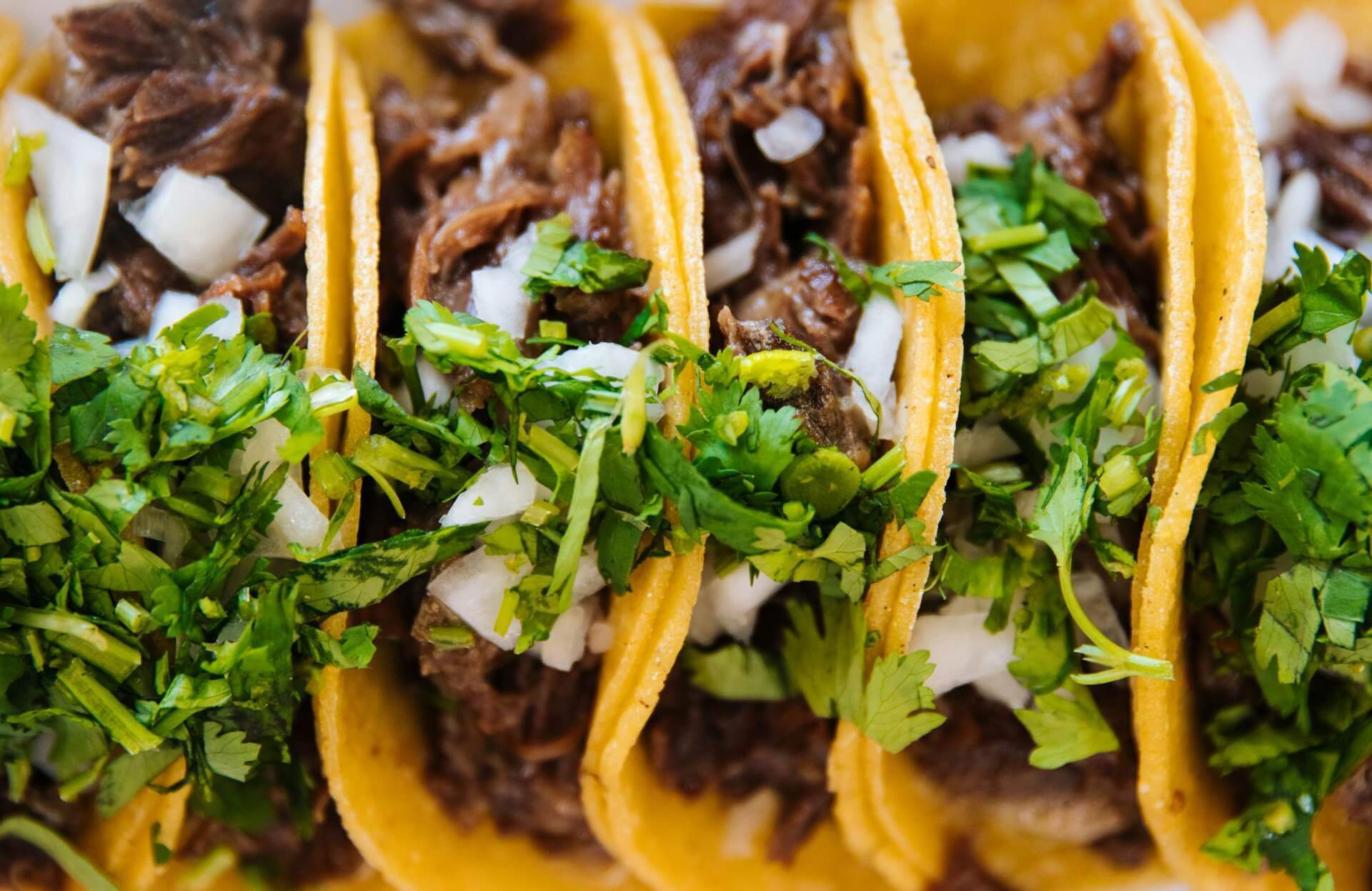
A closeup photograph of four street tacos with meat, onions, and cilantro in soft corn tortillas

I call this a good start.

I don’t know how to break this to you, so I’m just going to say it: National Taco Day, one of the world’s most important holidays, has made a big move.

For the past 15 years, National Taco Day has been celebrated on October 4. That means that since its inception, the annual holiday that celebrates the taco has only fallen on a Taco Tuesday three times.

In fact, it didn’t even fall on Taco Tuesday until its third year, in 2011. National Taco Day didn’t repeat the feat again until 2016, and then 2022. Had the date remained the same in perpetuity, we wouldn’t get another National Taco Day on a Taco Tuesday until 2028 at the earliest.

Starting this year—in a week and a half, in fact—National Taco Day will fall on the first Tuesday in October.

I’m going to share my thought process after I first found out about this news.

How did I learn about this massive change? Via a post by Smirnoff. You see, National Taco Day and National Vodka Day have been linked since they each first launched in 2009.


View this post on Instagram


A post shared by Smirnoff (@smirnoff)

It seems that Smirnoff is none too pleased with this news, though they’ll reunite with National Taco Day in 2028.

My first reaction was “I can’t believe this is news,” for a few seconds. That evolved into “I can’t believe this took so long to resolve” rather quickly.

And then I told the KRG Hospitality team about this news.

Finally!

I’ve always thought “Why isn’t National Taco Day always on a Taco Tuesday?” when the holiday has come around.

Finally, someone has acted to rectify this oversight; Taco Bell appealed to National Day Calendar to change the date. It may seem to trivial for a fast-food giant (or anyone else, for that matter) to petition to have a holiday’s date changed when it isn’t a legal holiday.

However, according to a Taco Bell press release addressing this National Taco Day news, it’s rare that National Day Calendar makes such a change. The release goes on to quote Marlo Anderson, the founder of National Day Calendar, which launched in 2013.

“For years, we’ve celebrated National Taco Day on October 4th, but it’s always felt like there was a bigger opportunity to align it with something even more special—Taco Tuesday,” said Anderson.

Interestingly, another fast food chain is credited with creating National Taco Day: Del Taco. Keeping the trivia going, “National” reportedly doesn’t actually pertain to any one country; it’s just what the holiday is called.

While this news is certainly another win for Taco Bell and their, well, obsession with Taco Tuesday (understandable, of course), it’s a win for everyone who loves tacos.

Operators need to pull out all the stops for October 1, the first of the newly revised National Taco Day celebrations. Task your kitchen team with creating LTO tacos, crafting a super-premium version of your signature taco if you have one, and ensuring there are vegetarian- and vegan-friendly options to appeal to every single taco-loving guest.

Let’s go all out!

Image: Jeswin Thomas on Unsplash

KRG Hospitality Contact Request for Proposal 30 Minute Discovery Session

Book Below to Setup a 30-Minute Complimentary Discovery Call and Request for Proposal.


by David Klemt David Klemt No Comments

The World’s 50 Best Hotels: 2024

World’s 50 Best Unveils the top Hotels of 2024

by David Klemt

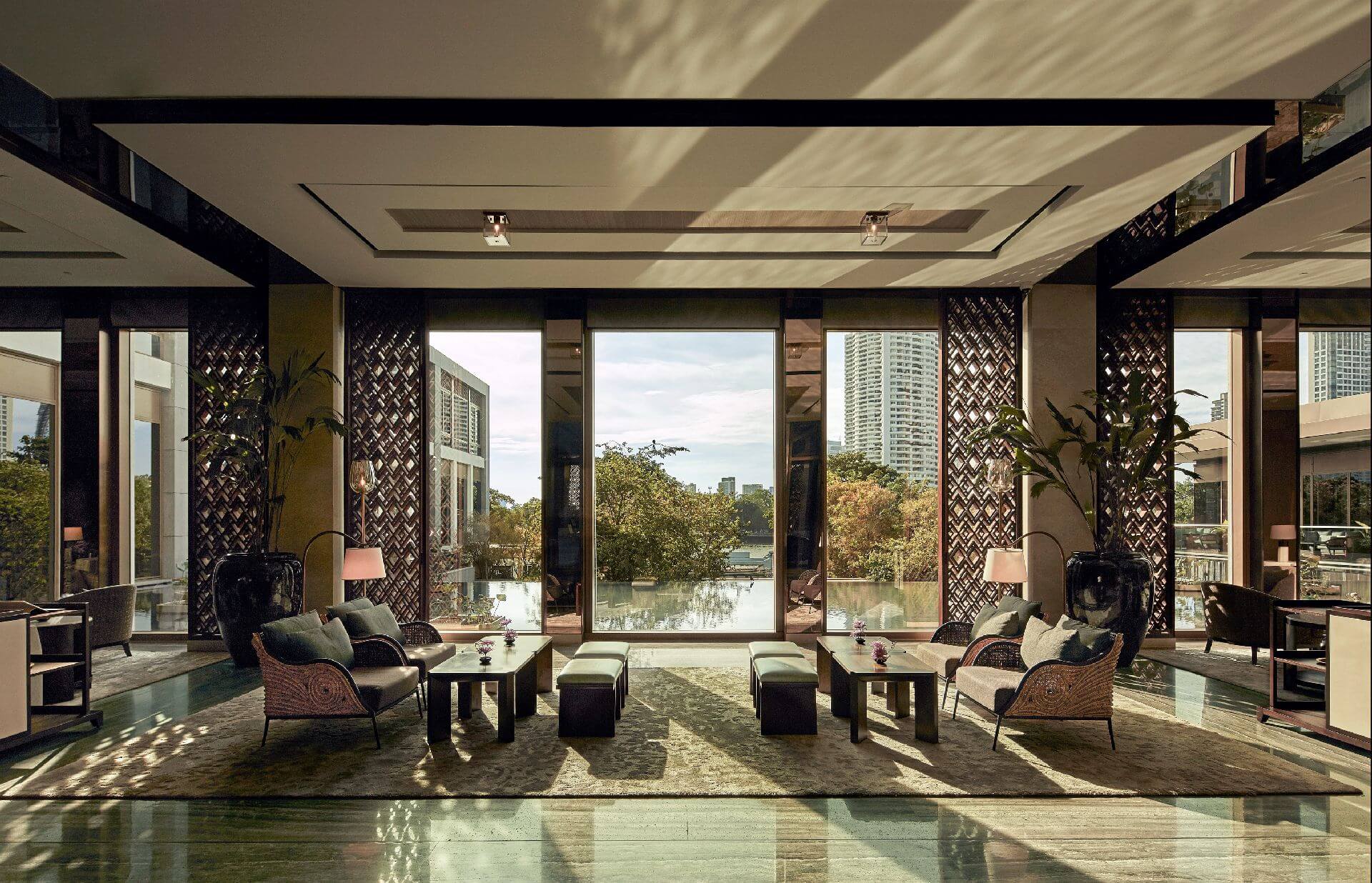
The Tea Lounge inside the lobby of Capella Bangkok, number one on the 2024 World's 50 Best Hotels ranking

The Tea Lounge inside the lobby of Capella Bangkok.

Announced yesterday at The World’s 50 Best Hotels ceremony in London, England, the best hotel in the world features 101 rooms, suites and villas.

In direct contrast to the manic, fast-paced city in which it’s located, Capella Bangkok is a serene oasis. Floor-to-ceiling windows provide panoramic, mesmerizing views of the Chao Phraya River, and allow sunlight to flood into their generous rooms.

Speaking of rooms, their smallest is more than 650 square feet; suites range from over 1,000 square feet to well over 2,000 square feet. Accommodations are more like luxury apartments than mere hotel rooms.

And for those discerning guests who demand only the absolute best? There are two stunning villas to choose from, one of which is the Presidential Villa.

I think we’ve all been curious what hotel, if any, would climb past Lake Como’s Passalacqua to claim the number-one spot. Would the property belong to a massive portfolio? Be a heritage property or a new build? How many keys would the hotel that claims the crown boast?

Will Passalacqua repeat their 2023 feat and hold the top spot for a second year?

We now have the answer to those questions. And we know that while Capella Bangkok will now sit upon the World’s 50 Best Hotels throne for at least the next 12 months, Passalacqua still claimed the number-two spot.

Of course, along with the Best Hotel in the World Award, the 2024 World’s 50 Best Hotels also revealed the best hotels in Africa, Asia, Europe, North America, Oceania, and South America. This year’s ceremony also featured three brand-new awards, which you’ll find below.

American Express Travel One to Watch Award

The Peninsula Istanbul (opened February 2023)

Ferrari Trento Most Admired Hotel Group Award

Aman

SevenRooms Icon Award

Sonia Cheng, CEO of Rosewood Hotels & Resorts

The World’s 50 Best Hotels 2024: 50 to 11

  1. Kokomo Private Island (Yaukuve Levu Island, Fiji)
  2. The Tasman (Hobart, Tasmania, Australia)
  3. Hotel Esencia (Tulum, Quintana Roo, Mexico)
  4. The Brando (French Polynesia)
  5. The Connaught (London, England, UK)
  6. Six Senses Zighy Bay (Dibba, Oman)
  7. Singita Lodges – Kruger National Park (Kruger National Park, South Africa)
  8. Suján Jawai (Rajasthan, India)
  9. Hotel Castello di Reschio (Umbria, Italy)
  10. Gleneagles Hotel (Auchterarder, Scotland)
  11. Le Bristol (Paris, France)
  12. Amangalla (Fort Galle, Sri Lanka)
  13. Royal Mansour, Marrakech (Marrakech, Morocco)(No. 3 Gin Art of Hospitality Award)
  14. Aman New York (New York, New York, USA)
  15. Eden Rock – St. Barths (Saint Barthélemy)
  16. Hotel Bel-Air (Los Angeles, California, USA)
  17. Four Seasons at The Surf Club (Miami, Florida, USA)
  18. Capella Singapore (Singapore)
  19. Four Seasons Madrid (Madrid, Spain)
  20. La Mamounia (Marrakech, Morocco)
  21. The Carlyle (New York, New York, USA)
  22. One&Only Mandarina (Puerto Vallarta, Jalisco, Mexico)
  23. Mount Nelson (Cape Town, Western Cape, South Africa)(The Best Hotel in Africa)
  24. Park Hyatt Kyoto (Kyoto, Japan)
  25. The Siam (Bangkok, Thailand)
  26. The Calile (Brisbane, Queensland, Australia)(The Best Hotel in Oceania)
  27. Rosewood São Paulo (São Paulo, Brazil)(The Best Hotel in South America)
  28. The Lana (Dubai, UAE)
  29. Bulgari Tokyo (Tokyo, Japan)(Nikka Whiskey Best New Hotel Award)
  30. Desa Potato Head (Bali, Indonesia)
  31. Borgo Santandrea (Amalfi, Italy)
  32. Four Seasons Firenze (Florence, Tuscany, Italy)
  33. Maroma (Quintana Roo, Mexico)(Flor de Caña Eco Hotel Award)
  34. Hotel du Cap-Eden-Roc (Antibes, France)
  35. Chablé Yucatán (Chocholá, Yucatán, Mexico)(The Best Hotel in North America)
  36. Hotêl de Crillon (Paris, France)
  37. Four Seasons Bangkok at Chao Praya River (Bangkok, Thailand)
  38. Raffles London at the OWO (London, England, UK)(Lavazza Highest New Entry Award)
  39. Mandarin Oriental Bangkok (Bangkok, Thailand)
  40. Claridge’s (London, England, UK)

The World’s 50 Best Hotels 2024: 10 to One

  1. Nihi Sumba (Sumba Island, Indonesia)
  2. Atlantis The Royal (Dubai, UAE)(The Highest Climber Award: Number 44 in 2023)
  3. Soneva Fushi (Eydhafushi, Maldives)(The Lost Explorer Mezcal Best Beach Hotel Award)
  4. Aman Tokyo (Tokyo, Japan)
  5. Raffles Singapore (Singapore)
  6. The Upper House (Hong Kong, People’s Republic of China)
  7. Cheval Blanc (Paris, France)
  8. Rosewood Hong Kong (Hong Kong, People’s Republic of China)
  9. Passalacqua (Moltrasio, Como, Italy)(Carlo Alberto Best Boutique Hotel Award)(The Best Hotel in Europe)(Number 1 in 2023)
  10. Capella Bangkok (Bangkok, Thailand)(The Best Hotel in the World)(The Best Hotel in Asia)

Congratulations to the team behind Capella Bangkok for earning the number-one spot on the second-annual World’s 50 Best Hotels list!

Main Image courtesy of The World’s 50 Best Hotels. Capella Bangkok image: PanoramicStudio

KRG Hospitality Contact 60-Minute Impact Session

Looking to Start, Stabilize, or Scale? Book Below to Setup a 60-Minute Result-Driven Impact Session.


by David Klemt David Klemt No Comments

2024 Datassential 500: Guest Perception

2024 Datassential 500: Guest Perception

by David Klemt

An optical illusion consisting of black and white stripes that may be curving upward and outward

Last week we took a look at the data-driven findings that identify, organize, and rank chain restaurants in the US, forming the Datassential 500.

This annual report sorts the 500 top-performing chains by segment. Further, Datassential identifies the top chains by both number of units, and sales.

In doing so, the F&B intelligence agency uses hard numbers to determine numbers one through 500.

But what about guest perception? Unit and sales growth may appeal to board members, investors, executives, and other hospitality professionals, but what matters to the people their restaurants serve?

It’s doubtful that even the staunchest fans of a particular restaurant chain are aware of or, frankly, care about how many locations they operate. Nor are they likely all that concerned about their annual revenue, unless they’re an investor as well.

To get to the bottom of how the public perceives chain restaurants in the US, and what brands they rank at the top, Datassential looked at six key metrics.

Those metrics? Food quality, service, experience, affordability, value for dollar, and net promoter score.

While the results aren’t exactly shocking, they’re quite telling. A handful of US chains dominate the consumer-facing metrics. And for the most part, they’re not among the top ten of the 2024 Datassential 500.

Anyone interested in reading this year’s report can do so via this link. Alright, let’s check out how the public ranks US chain restaurants.

Perception Matters

To make the comparisons easier, the top 10 US restaurant chains by unit and by sales are below.

Top 10: Total Units

  1. Subway
  2. Starbucks
  3. McDonald’s
  4. Dunkin’
  5. Taco Bell
  6. Domino’s Pizza
  7. Burger King
  8. Pizza Hut
  9. Wendy’s
  10. Dairy Queen

Top 10: Total Sales

  1. McDonald’s
  2. Starbucks
  3. Chick-fil-A
  4. Taco Bell
  5. Wendy’s
  6. Dunkin’
  7. Burger King
  8. Chipotle
  9. Subway
  10. Domino’s Pizza

Guest Perception

Okay, so those are the top performers in the US, by the numbers. Units were counted, sales were analyzed.

Now, these are the brands that guests feel are at the very top, organized into six categories.

Food Quality

  1. Texas Roadhouse
  2. Chick-fil-A
  3. Longhorn Steakhouse
  4. Cheesecake Factory
  5. Ruth’s Chris Steak House

Service

  1. Chick-fil-A
  2. Texas Roadhouse
  3. Longhorn Steakhouse
  4. Cheesecake Factory
  5. In-N-Out Burger

Experience

  1. Chick-fil-A
  2. Ruth’s Chris Steak House
  3. Texas Roadhouse
  4. Maggiano’s Little Italy
  5. In-N-Out Burger

Affordability

  1. Little Caesars
  2. Freshii
  3. Papa Murphy’s
  4. Cici’s Pizza
  5. Pollo Tropical

Value for Dollar

  1. Papa Murphy’s
  2. Little Caesars
  3. Cici’s Pizza
  4. In-N-Out Burger
  5. Del Taco

Net Promoter Score

To determine this ranking, survey participants were asked “How likely would you be to recommend this chain to friends and family?”

  1. Chick-fil-A
  2. Texas Roadhouse
  3. In-N-Out Burger
  4. Longhorn Steakhouse
  5. Portillo’s Hot Dogs
  6. Cheesecake Factory
  7. The Capital Grille
  8. Ruth’s Chris Steak House
  9. Maggiano’s Little Italy
  10. Topgolf

Subway and McDonald’s may dominate the list in terms of number of units and annual sales, but Chick-fil-A dominates in one key area. Word-of-mouth marketing still matters, undeniably, and, according to Datassential, most consumers perceive Chick-fil-A as the restaurant chain to recommend.

Followed by Texas Roadhouse and In-N-Out Burger, smaller brands are delivering on important operational elements. Consumers at large appear to favor these brands when it comes to stretching their dollars, along with how they perceive the quality of food, the level of service, and the overall dining experience.

Operators interested in scaling their business need to set aside ego and desire, and look at their business objectively. They need to ensure they’re nailing the fundamentals and have the right systems in place first.

Image: BP Miller on Unsplash

KRG Hospitality Contact Request for Proposal 30 Minute Discovery Session

Book Below to Setup a 30-Minute Complimentary Discovery Call and Request for Proposal.


by David Klemt David Klemt No Comments

The 2024 Datassential 500

How Does the 2024 Datassential 500 Shake Out?

by David Klemt

Stainless steel address numbers spelling out the number 500

The annual Datassential 500 ranking is a valuable report that identifies industry leaders, the fastest growers, and segment performance.

Further, this yearly report shows the scale of restaurant business in the US. In a word, it’s gargantuan.

Looking at 2023 data, the top 500 chains in the US operated 238,152 units. And those 238,000-plus restaurants generated $417.13 billion in 2023.

For the former, that’s growth of 2.1 percent in comparison to 2022. And for the latter, the top 500 grew by 7.5 percent compared to last year.

Those numbers are from just 500 chains; the report doesn’t take into account other chains or independent operators. When we add all dining and drinking establishments in the US, the industry generated $1.09 trillion in 2023.

Again, the US restaurant business is a colossus.

Perhaps unsurprisingly, limited-service and quick-service restaurants are the top-performing segments by unit within the Datassential 500. In 2023, the LSR segment consisted of 212,469, and unit growth was up by 2.3 percent. The QSR segment reached 170,241, representing unit growth of 1.9 percent.

In fact, every segment but one saw unit growth in 2023. One may assume the segment that slipped was fine dining. That’s usually a safe bet, but the segment actually saw the most growth. It was midscale restaurants that suffered a bit of a blow, shrinking by 0.1 percent.

That means that LSRs, QSRs, full-service restaurants (FSRs), fast casual, casual dining, and fine dining all grew. Further, that growth ranged from 0.3 percent (FSR) to 4.6 percent (fine dining).

There are many more insights, so I encourage anyone interested to download the report for themselves.

Segment Shakedown

Before we jump into the top US chains, let’s take a look at how the categories break down.

Type of Cuisine

  • American: 88
  • Pizza: 70
  • Desserts & Snacks: 69
  • Sandwich: 47
  • Coffee: 47
  • Burger: 37
  • Mexican: 36
  • Salad & Healthy: 31
  • Southern: 24
  • Asian: 22
  • BBQ: 12
  • Steakhouse: 11
  • Italian: 9
  • Seafood: 9
  • Greek & Mediterranean: 9

Growth by Segment: Unit (LSR)

  • Salad/Healthy: +11.2%
  • Coffee: +5.9%
  • Other: +4.6%
  • Dessert/Snack: +4.3%
  • Mexican: +3.0%
  • Chicken: +2.9%
  • Pizza: +1.6%
  • Bakery-Cafe: +0.8%
  • Sandwich: -0.4%
  • Burger: -0.4%

As we can see, Salad/Healthy LSRs saw almost double the growth by unit than the next-largest segment, Coffee.

Further, Sandwich and Burger shrunk slightly.

Growth by Segment: Unit (FSR)

  • Regional/Ethnic: +7.6%
  • Sports Bar: +3.8%
  • Midscale: +0.3%
  • Seafood/Steak: +0.1%
  • Italian/Pizza: -0.9%
  • American: -2.0%

Regional and ethnic full-size restaurants saw the most growth. In fact, they grew by twice the amount of sports bars, and several times more than midscale FSRs.

Growth by Segment: Sales

  • Limited-Service Restaurant: $338.18 billion (+8.1%)
  • Quick-Service Restaurant: $263.48 billion (+8.0%)
  • Full-Service Restaurant: $78.95 billion (+5.0%)
  • Fast-Casual Restaurant: $74.70 billion (+8.6%)
  • Casual-Dining Restaurant: $55.57 billion (+4.8%)
  • Midscale Restaurant: $20.05 billion (+4.5%)
  • Fine-Dining Restaurant: $3.33 billion (+10.7%)

The good news is that every segment saw sales growth in 2022, with Fine Dining and Fast Casual experiencing the biggest increases.

Of course, that’s relative. Fine Dining generated just $3.33 billion in comparison to LSRs, which generated more than $338 billion.

Still, positive growth is always great to see.

Growth by Segment: Sales (LSR)

  • Salad/Healthy: +17.0%
  • Chicken: +11.9%
  • Dessert/Snack: +10.1%
  • Coffee: +9.8%
  • Other: +9.3%
  • Mexican: +9.1%
  • Burger: +7.5%
  • Sandwich: +7.2%
  • Bakery-Cafe: +1.8%
  • Pizza: +1.6%

Not only did Salad/Healthy lead the way in LSR unit growth in 2023, it’s the top performer in terms of sales.

Again, the good news is that the Datassential 500 saw LSR sales growth across the board.

Growth by Segment: Sales (FSR)

  • Regional/Ethnic: +10.2%
  • Seafood/Steak: +6.7%
  • Midscale: +5.2%
  • Italian/Pizza: +4.2%
  • American: +3.8%
  • Sports Bar: +3.2%

As far as FSR performance, every segment experienced growth, with Regional/Ethnic leading the charge.

The Top 5(00)

So, which US chains are at the top? Well, an accurate answer depends on segment, number of units, and sales.

Oh, and it also depends on whether we’re talking about which chains Datassential have identified as industry leaders, and which are the fastest growers.

Industry Leaders

According to Datassential, the top five US chains by number of stores are Subway (20,133), Starbucks (16,346), McDonald’s (13,449), Dunkin’ (9,580), and Taco Bell (7,405).

However, that ranking changes a bit when we look at through the lens of sales. In that case, the top five are McDonald’s ($52.91 billion), Starbucks ($29.98 billion), Chick-fil-A ($21.58 billion), Taco Bell ($13.95 billion), and Wendy’s ($12.29 billion).

Those are the industry stalwarts. How do the fastest-growing US chains stack up?

Fastest Growers

Looking at unit growth over the span of one year, the top performers in the US are 7 Brew (+373.7 percent), The Peach Cobbler Factory (+358.3 percent), Hangry Joe’s Hot Chicken (+281.8 percent), KPOT Korean BBQ & Hot Pot (+275.0 percent), and Foxtail Coffee Co (+176.2 percent).

Switching gears to sales growth over a single year, Hangry Joe’s Hot Chicken led the way, growing by more than 500 percent. Hangry Joe’s is followed by The Peach Cobbler Factory (+332.5% percent), Nick The Greek (+304.7 percent), 7 Brew (+267.3 percent), and Pizza King Inc (+264.7 percent).

However, Datassential gets more granular in their 2024 report, breaking down the top five across multiple segments.

Top Ranked By Unit (Overall)

Top 5: Quick Service

  1. Subway
  2. McDonald’s
  3. Dunkin’
  4. Taco Bell
  5. Domino’s Pizza

Top 5: Fast Casual

  1. Starbucks
  2. Chipotle
  3. Panera Bread
  4. Wingstop
  5. Tropical Smoothie Cafe

Top 5: Midscale

  1. Waffle House
  2. IHOP
  3. Denny’s
  4. Cracker Barrel
  5. First Watch

Top 5: Casual & Fine Dining

  1. Applebee’s
  2. Buffalo Wild Wings
  3. Chili’s
  4. Olive Garden
  5. Outback

Top Ranked By Unit (Growth)

Top 5: Quick Service

  1. 7 Brew
  2. The Peach Cobbler Factory
  3. Foxtail Coffee Co
  4. Cupbop
  5. Swig

Top 5: Fast Casual

  1. Hangry Joes Hot Chicken
  2. Just Love Coffee Cafe
  3. The Great Greek Mediterranean Grill
  4. Nautical Bowls
  5. Ellianos Coffee Co

Top 5: Midscale

  1. Snooze Restaurant
  2. Eggs Up Grill
  3. Kura Sushi Bar
  4. Another Broken Egg Cafe
  5. Maple Street Biscuit Co.

Top 5: Casual & Fine Dining

  1. KPOT Korean BBQ & Hot Pot
  2. Topgolf
  3. The Juicy Crab
  4. Jinya Ramen Bar
  5. Hopdoddy Burger Bar

There are many more insights to be had, so please consider downloading your own copy of the 2024 Datassential 500 report here.

Image: Thiago Giardini via Pexels

KRG Hospitality Contact 60-Minute Impact Session

Looking to Start, Stabilize, or Scale? Book Below to Setup a 60-Minute Result-Driven Impact Session.


by David Klemt David Klemt No Comments

Is Demand for Delivery Down?

Is Demand for Delivery Down?

by David Klemt

AI-generated image of a person carrying takeout bags from restaurant to their motorcycle

I have done this. Cargo straps required.

Not too long ago, it seemed as delivery was going to overtake people’s desire to enjoy a restaurant in person, but that trend may be on a downward swing.

At first, this trend made perfect sense, for obvious reasons. For a while, the best way for consumers to enjoy their favorite restaurants and show support was to order delivery.

Rideshare companies jumped on delivery, as did several platforms. When guests were able to visit restaurants in person freely, delivery had become a habit for many of them. In fact, ordering delivery had become the de facto method of engaging with restaurants for a not-insignificant percentage of people.

However, operators and their teams weren’t shy about exposing their delivery “partners.” I think it’s fair to describe the fees operators were being charged by some of these partners as outrageous.

When the public found out about these fees, they didn’t sit well. Takeout, carryout, takeaway, order for pickup… Whatever your preferred nomenclature, people began seeing it as superior to delivery. This shift in consumer behavior was driven by a desire to support their favorite restaurants.

Of course, there are other factors that affected people’s move away from delivery. I’m confident in saying that most of us who have ordered delivery at some point in the last couple of years has experienced at least one of several downsides.

However, has delivery really fallen out of favor? Have takeout or drive-up pickup actually been passing up delivery?

Datassential’s 2024 Midyear Trends Report has some insights that can answer those questions. You can (and should) check it out for yourself here.

The State of Takeout and Delivery

To obtain a snapshot of the state of the performance of delivery and takeout, Datassential conducted a survey in May of this year. The F&B intelligence platform surveyed 400 US operators and more than 1,500 US consumers.

According to Datassential, nearly half of restaurant operators reported increases in guests dining in person at their restaurants.

Perhaps more telling, however, is that Datassential’s survey reveals that half of restaurants aren’t even offering delivery. I don’t know the breakdown of operators who once offered delivery and stopped doing so versus operators who never offered delivery.

What I do know is that there are, as I alluded to up top, many reasons for people to eschew delivery. Chief among these are cost, and the condition of the order when it arrives to the guest.

On the operator side, cost is once again a consideration, as are negative reviews and complaints. More than one study has shown that operators often get the blame when a third party botches an element of the delivery. These complaints can include food being delivered lukewarm or cold, parts of the delivery missing, or the wrong items being delivered to someone.

But, again, is demand for delivery slipping?

Per Datassential’s report, takeout and catering are outpacing the growth of delivery for US operators. Almost 40 percent of operators who participated in Datassential’s survey reported an increase in frequency for takeout and catering orders. In comparison, just 20 percent of respondents ordered an increase in delivery order.

Just eight percent of operators indicated a decrease in takeout and delivery. In fact, the greatest decrease impacts catering (14 percent), according to Datassential’s report.

Takeaway

Delivery, simply put, doesn’t work for every operator or every concept. Moreover, it looks like consumer desire for takeout is on a greater upswing in contrast to delivery.

For concepts that succeed with delivery, it’s imperative that operators control the process rather than cede to third parties, in my opinion.

The best way forward will vary from business to business. Operators and their teams need to be ruthless the quality, consistency, accuracy, and value of all orders, whether placed in person, for takeout, or for delivery. Further, when it comes to takeout and delivery, the ordering process must be convenient.

What’s clear is that every operator needs to dive into their data, determine how guests prefer to order from their restaurant, and pursue those preferences to enhance the guest experience.

Image: Microsoft Designer

KRG Hospitality Contact Request for Proposal 30 Minute Discovery Session

Book Below to Setup a 30-Minute Complimentary Discovery Call and Request for Proposal.


Top