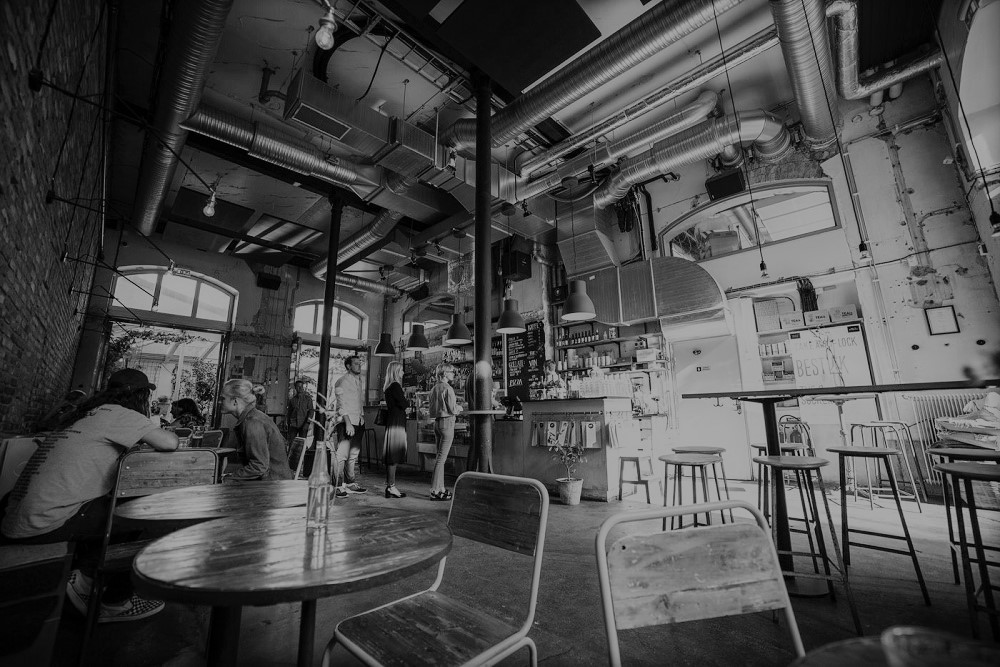
In 2022, our focus needs to be on recovery, which means starting strong, gaining steam, and keeping momentum going throughout the year.
The past two years have been a nonstop flurry of starts, stops, and false starts for American and Canadian operators.
Every challenge operators face during a “normal” day has been compounded. Recruiting, hiring, training, marketing, increasing traffic and revenue, managing inventory…it’s all more challenging.
However, “challenging” doesn’t mean “impossible.” Under the best of conditions, restaurant, bar, and hotel operations are a challenge. Overcoming adversity, in other words, is a consistent element of daily operations.
Now, whether we should view constantly overcoming challenges as a badge of honor… Well, that’s a different conversation, one about industry-wide changes that are long overdue.
For this post, my focus is on starting 2022 off right, building momentum, and keeping it.
KRG Momentum
Last year, we launched a coaching program called KRG Mindset.
KRG is known for our Roadmaps to Success, which include of our in-depth feasibility studies and detailed business plans, both of which help operators secure funding. However, some of our clients aren’t ready for our full suite of startup and expansion solutions.
For these clients, we have the KRG Mindset program. This valuable program’s keystone is a dedicated, certified life coach: Jennifer Radkey.
Both starting and operating a hospitality business can be stressful, exhausting, and time consuming, and it’s easy for your vision, clarity, self-care, and relationships to become lost along the way.
That’s where Jennifer comes in. With a dedicated, certified life coach by your side to ask powerful questions and hold you accountable, the pathway towards achieving your goals will become smoother.
A clear and focused mind and a regular routine of self-care will help you survive both the start-up and day-to-day operating phases, not to mention leading you towards personal and professional success.
Let’s Go!
All hospitality professionals—from business owners to staff—are members of a tight-knit family. Unless you’ve lived hospitality, you just don’t know the challenges, risks and rewards.
That means that startup operators and established operators don’t have to try to navigate the industry alone. Whether you aren’t sure where to even begin your ownership journey or aren’t sure how to overcome the hurdles you’re facing, the team at KRG Hospitality is here for you.
If you’re ready for us to help, click here to learn more about KRG Momentum. And click here to schedule an introductory call.
Take Steps to Become a More Sustainable Operation this Green Monday
by David Klemt
You’re probably being inundated with emails about Green Monday today.
Given how the meaning of the word “green” has evolved over the past couple of years, many people may think Green Monday is similar to Earth Day. In reality, it’s about the color of money.
Green Monday, a term coined by eBay, is sometimes called Cyber Monday 2. It’s the busiest online shopping day of December and second only to Cyber Monday in terms of online sales.
eBay and other retailers often promote the idea that shopping online is greener than shopping in person since people aren’t driving to and from stores. The reality is likely closer to the meaning of Black Friday—businesses are trying to boost revenue.
We’ve decided to take a different approach to Green Monday. Sustainability and responsible business practices are important to today’s consumer, including restaurant and bar guests. Significant swaths of people want to know they’re supporting businesses that share their values.
This Green Monday, take a look at the sustainability of your business. Evaluate what can be changed to make operations greener and implement those initiatives for 2021.
Go local. Source produce and other ingredients from local farmers and suppliers to reduce carbon emissions.
Go hyper-local. Grow produce using a restaurant garden or containers. Garnishes, items for salads, veggies for entrees… Get creative.
Reduce and reuse. Inventory software can help reduce food waste by sending alerts when items are nearing their expiration dates. Reconsidering portion sizes can also help avoid food waste, as can cross-utilization: use as much of an item in as many ways as possible, such as tying food and beverage together with the same ingredients. If you can do so safely and legally in your area, donate excess food items before they expire.
Recycle and compost. Getting in the habit of recycling can be as easy as placing dedicated bins in strategic locations throughout the back of house and bar. Composting can be more complicated, particularly for venues with limited space, but there are local organizations and farms that will pick up compostable items.
Be efficient. The more energy-efficient pieces of equipment you can use, the better. Flow restrictors and low-flow toilets can save millions of gallons of water. Eco-friendly cleaners and sanitizers are safer for people and the environment.
Audit your packaging. Are you using recyclable or compostable packaging?
Audit your suppliers’ packaging. Many brands have committed to reducing packaging or opting for more sustainable materials. Speak with your suppliers and request reduced packaging.
Significant, Permanent Restaurant Closures Expected to Rock Canada Unless Situation Improves
by David Klemt
Industry surveys continue to reveal how dire the situation is for operators.
On December 8, Restaurants Canada, a non-profit that represents and advocates for the Great White North’s restaurant industry, shared the results of a survey they had conducted between November 26 and December 4. A total of 511 surveys representing 3,000 restaurants were completed.
According to Restaurants Canada, the nation’s foodservice industry consists of 97,500 establishments ranging from QSRs to bars and full-service venues.
More than eight out of ten survey respondents answered that they are either barely staying afloat or are operating at a loss. Drilling deeper, significantly more restaurants are operating at a loss—65 percent of survey respondents fall into this category. Just 19 percent of restaurants represented by survey respondents are able to break even.
That’s 2,400 restaurants of 3,000 struggling to survive, and 78,000 restaurants out of 97,500, assuming the survey sample size accurately represents the overall industry in Canada.
To understand the long-term effects of government-mandated restrictions and shutdowns, one has only to digest another startling statistic: Restaurants operating in the red aren’t expecting to return to profitability for a minimum of 12 months.
Under optimal conditions, the average Canadian restaurant operates on razor-thin margins. Per Restaurants Canada, restaurants keep just five percent of every $10 in sales on average, or 50 cents. The industry is Canada’s fourth-largest employer (it’s number five in the United States, for comparison), accounting for 1.2 million jobs, 58 percent of which are held by women. Over thirty percent of owners, operators and staff belong to a visible minority, further illustrating how important restaurants are to diversity and the economy; half of all restaurants in Canada are operated by immigrants. Just like in the America, restaurants are the first employer for most Canadians.
The industry is crucial to Canada, but this vital resource is under serious threat. One of those threats comes from lawmakers whose restrictions are making it much more difficult for operators to wring any profits out already miniscule margins. Much like the situation afflicting the industry in the United States, the situation is going to get worse in short order without government relief.
Restrictions are simply nails in coffins unless they’re accompanied by relief.
“Our members are seeking a new year’s resolution from government, not only to support their survival but our industry’s vital role building back a stronger, more resilient Canada,” said Todd Barclay, president and CEO of Restaurants Canada. “Restaurants Canada is calling for a national working group to pave the way for the foodservice sector’s revival, building on the commitment in the federal government’s 2020 Fall Economic Statement to provide targeted, sector-specific support to restaurants and other hardest hit businesses.”
That national working group, according to Restaurants Canada, should focus on providing businesses being affected by government-mandated restrictions with “sufficient, efficient and effective aid”; developing campaigns that make it clear to Canadians that restaurants are capable of safely and reliably providing safe meals; promoting delivery and takeout as a viable way for the public to support restaurants; connecting with operators to understand the industry’s needs and pain points to ensure they’re in as strong a position as possible when entering the post-pandemic economy.
The next six months are crucial to the survival of Canadian restaurants. If things don’t improve, should the government not address the industry’s situation and provide relief, 48 percent of single-unit operators surveyed by Restaurants Canada indicated they expect to close within six months. That number jumps to 56 percent for multi-unit operators, who expect to close at least one of their locations (also within six months).
Restaurants Canada is asking for anyone who supports the formation of a dedicated national working group to contact their Member of Parliament via this link.
Once your idea has been researched and the market, location, technical, business, and financial viability of the idea has passed a series of reviews throughout a feasibility study, a concept development plan can then be started.
Remember, outside of being scalable, you want to build a concept that is sustainable, profitable, memorable, and consistent.
Bar concepts over the years have gone from being tame (or lame) or overplayed, like tiki bars or sports bars, to concepts that push the boundaries of what a bar can be. One of the best ways to build a customer base is to go off the beaten path to create a bold and fresh new bar concept.
A concept plan will focus on ‘chapters’ and visual storyboards that include an overall:
Concept Summary (a one page summarization similar to that of an Executive Summary)
Owning a bar is a dream for most that must be met with the right research, planning, and mind-set.
One’s market will, and must, define the concept. To be successful, you must be open to building a venue the market both wants and needs.
Concept development is giving your ‘idea’, both soul and character. A bar’s concept is the lifeline of its brand and longevity in the market. It makes your venue stand apart from the competition, and it’s ultimately your bar’s unique selling proposition.
Have you ever walked into a bar and been confused about its identity? The interior doesn’t match the beverage offerings, the social media experience doesn’t reflect the actual experience, and even the music doesn’t seem to match the vibe of the bar.
This is what happens when there isn’t a clear and detailed concept development plan in place, and it is a sure fire way to be just average at best.
It’s More Than Just a Drink
Most conceptual ideas start at the food & beverage level. A bar however, needs to remember that they don’t just sell food & beverage; they sell experiences through the enhancement of guest emotions.
When planning a concept, it’s imperative to have a focus on the style of menu and niche of entertainment – but a winning concept will elevate a guest’s variety of senses. Here’s how:
Visual: Use the mindset of a traditional bar meeting on-trend beverage effects. Consider the style of beverage vessels, the use of unique ice cubes or even dry ice, the garnishes used, and potentially a variety of ‘smoking’ techniques within a variety of your signature cocktails, providing a visual effect that grabs every guest’s attention.
Plus, it will be hard to find a guest who is not taking a photo and sharing it on social media – an easy promotional tool to make each of their individual networks feel as if they’re missing out (FOMO) on the best experience in town.
Auditory: Music, drinks, and food share an intimate connection. From the beginning, this should be a focus. Every day, every weeknight, and every weekend must be filled with strategic decisions around sound.
From your day-part strategies, to the sound of cocktail shakers, to live music calendars and even proper speaker placement – your venue must see why 76 percent of bar customers surveyed believe they stay longer due to the sound of the environment.
Olfactory (smell) System: Like sound, a pleasant and subtle fragrance can lead to an improved perceived quality of the environment and can enhance the mood of guests, causing them to stay longer. Our sense of smell is after all, directly linked to the part of the brain responsible for memory and emotion – two things bars need to strive for.
For example; consider a Smoked Cedar Plank Whiskey around the Christmas season. The scent of the smoked cedar will fill the bar area with a subtle Christmas tree aroma, prompting the guests attention and need to spend more money.
Gustatory (taste) System: Food & beverage pairings have never been more important, and it isn’t just for wine. Consider appetizers (snacks) within your food & beverage program that pair with miniature versions of your signature beverages (beers, wines, and even cocktails) that could be served on flight boards; elevating all flavor profiles.
Your remaining food & beverage menu should be small, balanced, and targeted around flavor profiles that your ideal guests desire.
Summary; When you combine these efforts, it’s easy to see how a successful brand can build a community around thousands of fans – within 30 days of opening.
This is something you can easily replicate if you focus your decisions on layout, design, food, beverage, training, and events around the above sensories.
We Have a Problem – There’s No Team Spirit in Many Bars
Within the industry, we always talk about ‘experiences’ – and rightfully so. At the end of the day, experiences are what bars and restaurants sell to customers. All of the emphasis however, is on customer or guest experiences; but what about staff experiences?
Do your staff show up, do their job, and go home? Is there any sense of ‘family’ in your establishment? Is there laughter, or just silence, or even worse…complaining?
Time to Hit the Reset Button!
Desirable experiences shouldn’t stop with just your customers – your team craves experiences too! As owners, operators, and managers, it is up to you to make your concept more than just a ‘job’ or way for staff to ‘pay their bills’.
Implementing the right culture statement and team-based strategy, will assist in controlling your labor costs and reduce turnover – resulting in not only stronger consistency within your operations, but a positive environment that will flow to your customers and help amplify word-of-mouth marketing.
Here are some #BarHacks to help you get started:
Web Presence & Social Media
Bar enthusiasts are seeking to learn and understand the culture of a bar when deciding on their eating, drinking, patio, or party destination.
This is a great opportunity to showcase your team on your social media channels and on your website. Create a bio for your staff noting something unique about them, take a photo (or better yet, a video) of them and share this content to your ‘community’.
This will equally make your staff feel like they’re a part of a team and the business development process.
Create That Stay Interview
Many of you have likely heard the term ‘exit interview’, but what about a ‘stay interview’? Take video to the next level by interviewing your staff and developing a series of testimonials as to why they love working for your bar.
This tactic will create a sense of place and family among your team and also assist in your hiring process; positioning you to attain higher quality candidates who seek a positive working environment.
Continuous Education
A great team member is one who craves learning and one who brings the same set of values as you do to the table. Keep in mind …
“A bar is only as good as its worst bartender”
Every bartender must be of the same quality at your bar. If not, guests may become a fan of one bartender (and not the bar itself) – leading them to follow the bartender if he/she were to leave for another bar.
Take the time to invest in further training and education for your entire team.
Depending on your overall bar concept and financial model, consider developing an educational program for your team.
Think outside the box and create culinary/hospitality scholarships and/or consider sending your team to farms, breweries, wineries etc. to learn about specific products you offer and their development processes.
Continuous education will create a sense of appreciation, enticing your team to stay loyal to your establishment while benefiting not only their experience, but your customers’ experience as well.
Profit Sharing Programs
It’s safe to say, everyone enjoys working towards a common goal. Consider creating a realistic monthly revenue goal (slightly above your current average) for your bar. Now share this goal with your staff and create a SMART plan for the month on how to collectively obtain that goal.
If you surpassed that goal (congratulations), distribute a percentage (5% for example) of the monetary difference among your team.
Repeating this process each month will not only increase your revenue and profit, but will develop a team working environment, reduce turnover, and make your team feel important to the business and its success.
SMART Staff Reviews
Speaking of goals, there should be team oriented goals (profit sharing) and also personal goals developed within an overall action plan.
You should sit down with each individual teammate at least once every three months.
During this meeting and using SMART (Specific. Measureable. Attainable. Realistic. Timely) objectives, give each teammate something to work on over the next three months.
This could be increasing revenue per transaction averages, providing accurate inventory counts, reducing waste levels, or having accurate end-of-day cash out reports.
Of course, reaching objectives should be rewarded; therefore create a reward program that works for your concept and financial model.
Creative Mindset
Don’t let your staff get complacent behind the bar by having the same menu month-after-month and year-after-year.
This will lead to boredom, which will eventually lead to turnover. Allow your team to be creative by ‘creating’ food or beverage options that fit within the confines of your concept.
Consider holding an in-house contest each month to choose one featured food and one featured beverage option created by a staff member.
Highlight this on your social media and in-house marketing (effectively creating a story) while rewarding that individual with a commission on sales from that item for the remainder of the month.
If the product sells really well, consider adding that item to your everyday menu the next time you re-engineer your food & beverage menu.
In summary, execute a marketing plan approach to your staff recruitment and staff development program.
The time, resources, and effort spent on this will be well worth it in the long-run.
Let’s be honest, the traditional bar setting serving cocktails is an environmental nightmare.
Let’s think about it; there is high use of energy within ice machines, refrigeration, and glass cleaning appliances. There is enormous waste in garnishes, straws, bottles, and napkins (to name a few). And finally, there are corporate wineries, distilleries, and breweries producing a large carbon footprint delivering spirits to the bar.
When it comes to bars; (or any other food & beverage service provider) the producers, manufacturers, delivery drivers, owners, managers, and servers ultimately share the responsibility to create an enjoyable guest experience within ones concept. As we have seen with restaurant kitchens over the past 3-5 years, there is now also a ‘movement’ towards eco-friendly and sustainable bars, something many guests are seeking as part of their desired experience.
On the surface, it may sound like an easy change, but creating cocktails in particular that are ‘sustainable’ (zero waste), is in-fact difficult to produce while maintaining the required quality, speed, and profit margins both operators and guests, look for.
So how can independent bars make a simple impact within this craft-cocktail ‘movement’? Let’s begin to have a look at some strategies (#barhacks) that one can implement starting today:
Re-Purposed Ingredients – How can you use 100% of an ingredient? Start by looking at the beverage menu. How large is it? Does it have focus? What ingredients are used in each and every drink that’s made? Which ones are used for infused flavour versus visual appeal? Which ingredients are only partially used with the remaining components discarded into compost, for example fruit scraps? Review each drink and look for ways to re-purpose ingredients and their counter-parts, within both the bar and/or kitchen.
Edible Garnishes – Obviously, cocktail garnishes are decorative ‘ornaments’ that often add character or style to a cocktail. They are often used to complement and enhance the flavours in a drink by stimulating the special nerve cells in our nose and mouth. The days of plastic straws, festive umbrellas, plastic skewers, and other non-edibles however, need to stop. Instead, use fresh fruits, flavour infused salts, edible stir sticks, edible flowers, house-made flavor-infused lollipops on candy sticks (yes), and steel skewers for olives and other edible garnishes, if so desired.
Energy Conservation – Take a close look at your glassware and how it is washed. Are you using over-sized glasses (ie. martini glasses) that are taking up too much space on the wash-rack, leading to unnecessary additional washes (which costs money and uses more detergents)? How many glasses could you fit if you changed glassware sizes?
How much ice are you using in each drink? Does the beverage really need ice or could the glass be simply pre-chilled? Take a look at your menu, glassware, fridge space, freezer space, and use of ice machine. Is there a way to reduce used energy within the bar itself to help create sustainable cocktails?
Supply Chain Management – Transparency, traceability, and accountability must be a top concern when deciding on vendors to ensure all products (both food and beverage) entering your bar or other food service business, are not only safe & sustainable for your customers, but for your community. Work with beer, wine, and spirit makers who are equally trying to make a difference. With the growth of local distilleries, breweries, wineries, and produce suppliers; supporting local and reducing the carbon footprint within a bar, is so much easier! Collaborate and work together to make a difference.
In summary, don’t start a goal of 100% zero waste or sustainability – it’s likely not going to happen overnight. Instead, set SMART realistic goals to reduce waste by 15 or 30% over the next 6 to 12 months to begin building a sustainable cocktail and/or bar venue. Once that goal is obtained – double down on that goal for the next 6 to 12 months. You and your customers will notice a positive difference!
Festive Season. These two words signal colder weather (in most areas), delicious comfort food, creative drinks, memorable parties, laughter with friends & family, and of course – gift giving.
These are also two words that nearly everyone seems to look forward to throughout the year, including that of restaurant owners. The reason is quite simple; consumers are often in a generous mood which equals longer stays and more spending dollars.
Restaurants, bars, and cafes have the opportunity to generate an abundance of awareness, an increase in revenue per guest, and even repeatable business in what can be defined as the often slower months following the Festive Season (yes it is possible).
Let’s jump right into some Festive strategies your concept or venue should consider this holiday season:
1. Cross-Promotions
Make sure that special events and other winter-related promotions are planned for well in advance, ideally 1-2 months prior. This season is such a large opportunity, that a true marketing plan should be developed just for the season. The festive cheer that starts the season, for example, can act as a forerunner to both Christmas and New Years Eve parties, packages, and other revenue generating opportunities such as gift card sales.
Speaking of gift cards – create a marketing program specifically around these money-makers. Restaurants are the most popular choice for consumers to purchase gift cards, with 41% of total gift card spend going to restaurants. But don’t just sell the one card. Create a promotion that includes spending an ‘x’ amount of dollars on a card before Christmas, and receive a second card with an amount of ‘x’ that can only be used in January or February. Add value, be aggressive, and get people through your doors over the next two months when sales are traditionally lagging.
2. Labor Management
Similar to that of the retail sector and depending on the size of the restaurant, additional staff may need to be hired to handle the extra covers that are waiting to come in. This is where planning ahead really comes into play. To be fair to yourself, your team, your new hires, and your guests, you need to ensure you leave yourself enough time for interviewing, talent selection, onboarding, and training before the peak of Christmas season truly hits.
Both front-of-house and back-of-house systems and their teams need to be reviewed to ensure your operations are prepared. Customer service and speed in the kitchen or bar should not be hindered by the fact it’s getting busier. You can ‘scale’ your business by being prepared; create mock schedules and see where there may be gaps to ensure a high standard of service is available when your restaurant needs to shine.
Speaking of staff, let’s not forget about their valuable time! Ensure they’re given time to spend with their friends and family too. Be flexible with your scheduling – and don’t forget to thank them for their loyalty and commitment!
3. Off-Premise Dining
With the increase in delivery and off-premise dining, the Festive Season may not show any signs of slowing that segment down this year. Is your restaurant prepared to market the catering and delivery of food and beverage to office parties and house parties?
This presents an opportunity to offer the catering of a traditional or concept-infused, Christmas focused meal or buffet style dinner — right to their door!
Create a variation of value-added packages for different sized parties and request 72 hours (or more) notice (with deposit) to have it prepped and delivered, right on time. Just don’t forget the high-quality take-out containers and plates for an easy clean-up afterward!
Pre-ordered packages such as this will generate cash-flow, control potential waste, and control staff costs.
4. Food Menu
Is your restaurant in a position to offer a traditionally plated meal or other harvest/winter flavors? How about a unique variation or infusion based on your restaurant’s concept and kitchen structure?
Don’t be afraid to think outside-the-box and get creative. For example, if you’re a Quick Service Restaurant (QSR) near a parade route, create an easy-to-eat holiday inspired option for ‘on-the-go’.
Develop a holiday-themed menu with your entire team (kitchen and bar team) with your target market and concept kept close in mind. Make it a fun exercise for everyone. As always, keep the specialized menu small and inviting to reduce inventory, prep-time, additional staff requirements, and potential waste.
You also want to keep in mind that a lot of the guests visiting may have never stepped foot in your establishment before because they’re just tagging along with a large party. Think of allergens and include dishes that vegans, vegetarians, and guests with other primary food sensitivities would still enjoy.
5. Beverage Menu
Having the right drinks on your menu is just as important as the food. The Christmas season is the best time of year to sell both pre-and-after-dinner drinks if you’re a dine-in restaurant.
You have to have the mindset that every drop counts!
While pre-and-after dinner drinks are big sellers, you can make a larger impact by offering ‘session drinks’ – drinks with a lower level of alcohol – or just zero-proof drinks all-together.
The drinking ‘culture’ associated with alcohol, in particular, has definitely changed over the past decade thanks to strict driving laws, the cost of ‘going out’, and the sophistication of consumers.
Show off your bar teams talent by creating ‘theatre’ in your beverages in addition to a balance in alcohol levels which should be promoted with the right mix of marketing.
When crafting your beverage menu, keep sustainability, speed, price, and perception of value in mind – for both non-alcohol and alcohol driven drinks.
6. Christmas & New Year’s Parties
You have the square footage, you have the approved capacity, and you have the kitchen/bar. These are the needed ingredients required to host an exclusive or intimate type event at any venue. Whether you have the capacity for 20 or 200 plus guests, there is an opportunity to generate awareness, revenue, and repeat customers by becoming known within your community for being the ‘best host in town’.
To make event management work for your restaurant, it must create a unique and memorable guest experience, which is no different than traditional dining strategies. Whether you’re hosting your own New Year’s Eve party or renting out your space before Christmas for a variety of private events – ensure there are defined (but value driven) food & beverage packages and a financial deposit made to protect your bottom line.
You also want to ensure there is a communication strategy in place to let other guests know if your venue is closed for a private event. Maximize each event by being organized, well staffed, and engaged. Take it a step further by providing guests at the event – an opportunity to revisit in January or February with a measurable gift (a coupon for a free appetizer or $10 gift card, for example).
By truly knowing and understanding your target market, your concept, and the neighboring business environment, the Festive Season is an excellent time to showcase your brand and your creativity – ultimately generating awareness, revenue, and repeat business opportunities, ultimately setting the tone for the following year!
Should restaurants ditch third party delivery apps and create their own in-house off-premise strategy? I recently took part in a few online conversations surrounding third party delivery apps – from both the consumer and the restaurant operator point-of-view.
If you follow along – I am not a fan of these services (at all). I’ve never used them nor suggested a brand to use them.
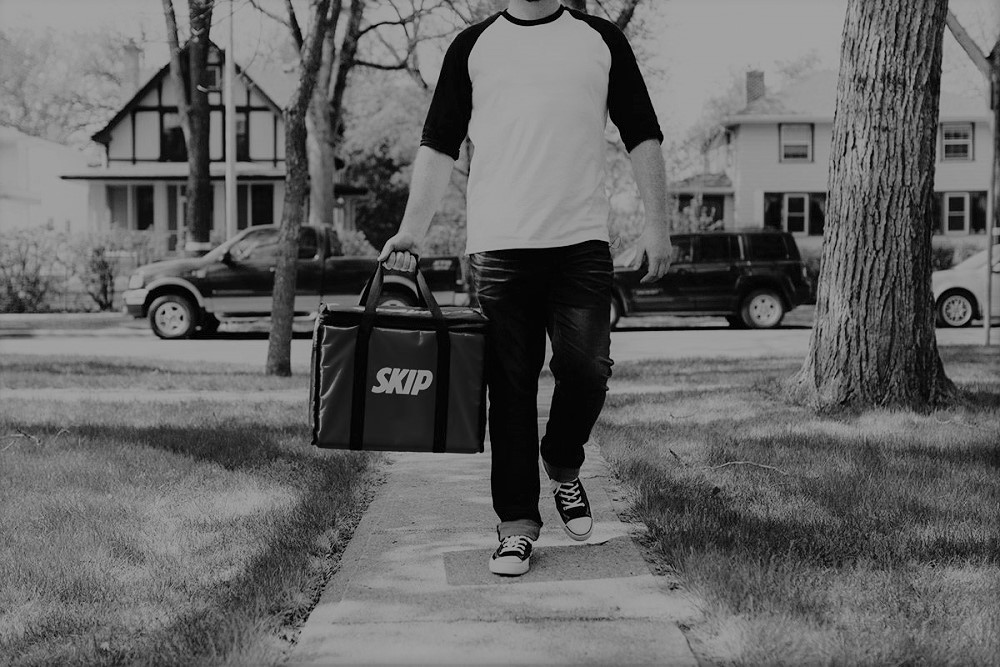
While I embrace technology in the restaurant space (and off-premise dining options) – I feel the business model surrounding these apps (in particular UberEats and Skip the Dishes during these most recent discussions) are lacking in both customer service and transparency while further killing overall restaurant profits (like operators today need anymore of that).
Let’s look at a recent transaction. I recently saw a screenshot from a consumer using a third party delivery application. After a delivery fee, a busy area fee, a peak delivery time fee, and the delivery fee taxes, a meal that was listed as $8.89 on the menu ended up costing them $30.36.
Of that, the restaurant earned a mediocre $6.67 of that order.
It’s not exactly a traditional breakdown of revenue that we see in restaurants, and operators today are struggling to adapt to this ever-changing restaurant landscape. I feel it came at them much too fast and many have jumped on board because they felt they had to.
But I have a question – why are we not doing a better job to get guests to spend that $30.36 they were willing to spend – in the restaurant or at least through our own off-premise dining program?
With a little effort – it can happen!
Here is what we know. Delivery and off-premise dining has disrupted the restaurant industry more in the last five years than anything else. Digital ordering paired with the outsourcing of delivery has impacted restaurant traffic, revenue, profit and overall restaurant operations like no other piece of industry-wide technology.
Based on the conversations this past weekend it seemed liked the only party benefiting from the use of these apps – was the third party. However, if you ask them, they’re apparently not making ‘huge profits’ either.
Here are a few notable quotes from the public chat that took place on Facebook – again from both consumer & operators:
“I’ve deleted the app – every time I’ve ordered, something goes wrong and a lot of times it’s the drivers fault not paying attention” – Consumer
—
“If you’re doing takeout, pick it up from your local business. Other than that you’re rolling the dice” – Operator
—
“Their chat-bot told me ‘we are deeply disappointed that we have failed to provide you with optimum service during your orders and for this reason we have decided that it is best to remove ourselves from this relationship’” – Consumer
—
“Best thing to do is get out and support your local restaurants, leave these rip off merchants congeal back in the gutter where they belong” – Operator
—
“I had no idea these apps take such a percentage from the restaurant on top of the delivery fee. I will no longer order through an app. I thought I was supporting my favorite restaurant, but apparently I wasn’t” – Consumer
—
Not much of anything positive.
Here’s the thing; recent stats are showing staggering numbers such as 60% of consumers ordering delivery in the past 30 days. Based on trend reports, this is ‘unfortunately’ only going to climb – even though I personally wish more people would visit restaurants, engage in the experience, get out of their home, and socialize with others away from their smart-phone.
But out of those that do order delivery through these third parties, 30% are experiencing poor customer experiences – with either the app or the restaurant – or both.
That is significantly higher than the number of complaints one would receive at the restaurant level without a third party being involved.
Here’s the next problem; according to a study by Steritech, consumers are placing over 80% of the problems on the restaurant through the use of these apps (even if most problems are not their fault).
Due to the third party app, a gap in communication immediately happens between the consumer and the restaurant. This leads to the restaurant not being able to often resolve the problem in a timely manner before that consumer blasts them for something on social media.
Not a pleasant situation.
This is because they’re sending their complaints directly to the third party app (the platform that ultimately placed the order for them) – which I suppose makes sense from a consumer point-of-view. This however leads to over 25% saying they would not order from the restaurant ever again – not entirely fair considering the restaurant may never have even known about this unhappy experience.
Furthermore:
14% say food quality was not as expected (likely due to travel time or packaging)
19% say the order took too long
19% say the food wasn’t the correct temperature when it arrived (timing or packaging issue)
29% say the order was incorrect or missing something
All of this could be avoided! When partnering with these mainstream third party apps – you’re also:
Losing a direct communication channel
Losing positive brand perception
Losing much needed profits to sustain yourself
Losing consumer data for future marketing
Losing foot traffic in your dine-in real estate
Most importantly – you’re losing control once that food leaves your four walls.
Why on earth are we doing this to ourselves for such limited margins?
If you are operating a restaurant and are currently using these apps – though you will never have full control of the situation, there are a number of options available to you to leverage more control.
That said I encourage you to consider your own in-house off-premise program. These options below should be considered whether you’re partnering with a third party or if you’re offering your own in-house platform:
Offering a limited delivery only menu option with higher margins (consumers are obviously willing to spend more)
Offering limited day-part delivery times (example; not at 6pm on a Saturday when the kitchen is slammed)
Using specialized take-out packaging for certain menu items to protect the quality of your unique food options
Using tamper-proof packaging so delivery drivers cannot alter the order (happens often)
Having a quality control program (or expeditor) reviewing meals before it leaves the restaurant
Sending printed customer care promises (how to reach the restaurant directly) delivered with the meal
There are much better options out there for digital take-out, delivery, catering, and off-premise dining that will allow you to keep control of all of the above while maximizing profits including the introduction of your own off-premise strategy – which will often keep costs to under 10% – no joke!
Then, use these ‘savings’ to increase your own marketing & advertising efforts. It surely won’t be 25-30% like what these third party delivery apps are currently taking from independent operators (which you were willing to give up anyway); keeping more money in your pocket.
This type of in-house strategy will also differentiate your brand from the competition that is also increasing each day on these main-stream app platforms.
How will you stand out and make your brand memorable? How will you position your brand for a sustainable future? How will you protect your brand, its profits, and utilize the available customer data?
Don’t partner with them just because it seems like the easy thing to do or ‘because everyone is using them.’
The notion that you must be on them to survive is 100% inaccurate. If you need to use them for ‘marketing’ – you need to learn more about marketing.
Take a stand and learn about your options first.
I am yet to hear a positive story on how these main-stream third party delivery apps have actually helped their business grow in the long-term. In my professional opinion, restaurants should ditch third party delivery apps.
Originally Posted on Typsy – By Doug Radkey 10/02/2018
The development of a restaurant can be extremely daunting with its many moving parts and it’s easy to miss crucial start-up strategies within the mix of it all.
One you don’t want to overlook is your intended media launch strategy. Today, the word ‘media’ means so much more than your local newspaper outlet.
The worst thing you can do is start your marketing and promotional campaigns one week before opening or simply expect a Field of Dreams “if you build it, they will come” type of scenario to work.
Hint: it doesn’t!
A successful restaurant launch includes building plenty of buzz for the three-four months leading up to the opening. It also means developing what we call a communications strategy to deal with the variety of media outlets both before and after opening.
A strong communications strategy will prepare you for the most effective social, digital, and community-related marketing tools in relation with targeted media partnerships which will then target your specified audience across a multitude of touch-points.
Aside from the established chain restaurants, many aspiring and independent restaurateurs do not have the budget for their own in-house marketing team (or outsourcing an award-winning agency). And that’s okay. In order to be fully present within your community both before and after opening, restaurateurs just need to ensure they have the necessary marketing plans in place.
This means projecting the right voice to attract the right audience. This also means determining the tone of your content, the nature of your interaction, and the overall approach to your brands messaging.
It also means knowing how to handle any third party media attention before and after opening.
To develop an effective communications strategy – you want to focus on three key areas: your social media, your public relations, and your direct-to-consumer channels. Let’s have a look at each.
Social Media
Within both your marketing and communications plan, you firstwant to develop a social media strategy. There is no getting around this today. Use plenty of simple, cost-effective strategies in the weeks prior to opening to create the buzz you want (and need). These methods will also maximize exposure (to both the public and other media outlets) in addition to early revenue opportunities during what’s known as your ‘honeymoon period’ – the first three months of operating.
This includes developing and/or executing on:
Social media channels, like Facebook, Instagram and Twitter, that your target audience actually uses each and every day
The development of strategic monthly content calendars for each social channel
The creation of social media contests and sales-driven promotions
Social media paid-advertising campaigns to further build your targeted community
Digital marketing partnerships where you can leverage both social media and email marketing
Food and beverage photography and videography strategies to enhance your visuals
It’s not easy building an online community from scratch. Your social media presence must have a strategy behind it – not a ‘spray and pray’ method of posting a food photo and hoping your target market will engage with it. It is imperative that you’re consistent, unique, and strategic. You also want to build digital partnerships that will help you successfully piggy-back on another’s already built social media community.
Public Relations
Leading up to the opening and for the first one-to-two months after – you want to build strong relations with your local media partners. Pairing this with a strong social media strategy is crucial in developing the awareness you need to get a head start in generating revenue.
You want to consider the following methods:
The development of your key brand messages to create consistency and reduce confusion
The creation, management, and distribution of press materials including a press kit, fact sheets, press releases, and owner/chef biographies
The development of a targeted media list – online, print, and broadcast. Know beforehand who you want and don’t want to associate throughout your local media. Don’t waste time meeting with media outlets that don’t have the same target audience as you do
Partnering with key influencers (bloggers) and tastemakers (farmers, breweries, wineries, and other key suppliers to your restaurant)
The identification and training of your start-up brand ambassadors; this includes ownership, management, and other priority personnel
At a minimum, you want to send out press releases and contact your local restaurant bloggers, podcasters, food critics, and social media influencers. Engage with your local industry dignitaries on social media and then inform them of your newly developed restaurant. Create an invite only event either before or during your soft opening to maximize on their value and to amplify your story.
Direct-to-Customer
To tie all of your social media and public relations together to create a winning communications strategy, you want to include a variety of direct-to-consumer campaigns throughout the first 30-90 days of opening.
You want to ensure your target market is seeing your brand across a variety of channels. Pending your choice of concept – you want to entice them to visit your venue approximately three times before the end of your honeymoon period.
You can achieve this by creating the emotion that your target audience is going to miss out on the hottest new restaurant in town (FOMO – Fear Of Missing Out). You can do this by creating the following:
A variety of menu tasting and beverage pairing events
Direct mail marketing campaigns to targeted hyper-local neighborhoods
Community marketing outreach and partnership opportunities (events, donations, and sponsorships)
Site sampling and street activations by personally taking food samples and marketing material to local businesses (using your developed brand ambassador strategy)
In-house return visit campaigns that measure the return-frequency of customers
How will you reach the maximum number of targeted customers with the least amount of spending to maximize your return-on-investment? How will you plan to be memorable and stand out from the competition as time goes on? Start early and be creative, imaginative, and bold in all of your efforts while being prepared to handle social media, public relations, and direct-to-consumer strategies.
Originally Posted on FoodableTV – By Doug Radkey 08/08/2018
With technology continuously advancing in the restaurant industry, it can be easy to get absorbed and caught up in the next big thing. Technology platforms can help you save time, financial resources, and improve ‘customer service’ levels, just to name a few.
But sometimes when you get so caught up in technology, you can forget some of the fundamentals that will never be replaced by technology, but still play a large role in the success of today’s restaurants.
The key is the right balance of technology that will assist you in meeting both short-term and long-term goals.
This article is not about how to not use technology (it’s a great asset,) but don’t let it fail you, your staff, or your customers. Let’s strip back the technology for a moment and remind ourselves as an owner, operator, manager, or front-line employee – some of the tactics that we must never forget or stop learning.
First Impressions
Curb appeal and first impressions must meet and exceed your guests’ expectations. When stripping back technology, restaurateurs must understand that first impressions are essentially a means of effective communication that positions a restaurant to develop positive customer emotions and “touch points.”
As always, one must thoroughly think about the consistent message and experience that’s intended to be delivered.
Key Performance Indicators
Technology provides an operator with a great amount of data, but restaurateurs still need to learn and understand this data and know how to use it to their advantage. Understanding key performance indicators such as staff turnover percentages, prime costs, percentage of repeat guests, and proper menu engineering statistics (to name a few) – are all essential to making the right business decisions that will eventually impact your bottom line.
Concept Characteristics
Outside of having the right location, the right concept, and the right chef or mixologist – a restaurant needs to inherit five key concept characteristics that technology cannot simply implement on its own.
Restaurateurs need to develop scalability, sustainability, profitability, and consistency – while providing a memorable experience. Finding a successful, individual approach for managing each of these characteristics is the key to success in any economic situation. All five of these characteristics are important and must work in unison to be successful.
The 3 Elements of Marketing
In terms of restaurant & bar marketing, it comes down to three things– driving awareness, increasing revenue per customer, and generating repeat business.
Technology can help execute marketing strategies, but operators still need to know their target market and their hyper-local competition to understand which strategies will drive the best return on investment.
An ‘old school’ approach to developing a marketing plan will still deliver success in today’s technology driven world.
Continuous Education
It doesn’t matter which role one plays in the restaurant, everyone must continue to learn. Owners, managers, and front-line staff should have the mindset and a personal development plan in place to continuously learn the industry. It’s important to stay up to date with customer service strategies, product details (visiting suppliers), and how the supply chain works within the restaurant. In addition; reading books and listening to podcasts for example are a great learning tool everyone can take part in.
Customer Service
It’s no secret, we’re all witnessing a shift in how technology affects customer service and ordering sequences.
As the technology continues to evolve, restaurateurs must not forget that engaging guests on a personal level will always build on those positive customer emotions. These “touch points” are required to make not only a positive first impression, but a lasting memorable impression.
This is especially important if you’re considering adding third party delivery to your revenue & service mix. How will you protect your brand and enhance customer service after the food has left your venue and is in the hands of their delivery drivers?
Make sure there is a plan in place that engages customers on a personal level.
Focus on Systems
Having the correct systems in place will create consistency, develop operating capital, enhance team morale, and build business value– while also positioning a restaurant’s concept for future growth opportunities (being scalable & sustainable).
This includes proper communication between front-of-house and back-of-house, day-to-day checklists, quality control methods, and human resource management, among others.
Again, there is technology that can assist operators with their systems, but they can’t develop the process of implementing the right systems for specific concepts. That is up to you to know which ones are needed to maximize each moment of the day.
Collaboration
Lastly, a sense of community is a driving force in this industry. We can build online communities (social followings,) but the best way to develop a sense of community is through collaborating with local farms, breweries, chefs, charities, and even the competition. Understanding this fundamental strategy will amplify your messaging throughout the community, improve a restaurants perception, increase staff morale, and generate revenue opportunities– while developing a destination, not just a restaurant.
Sometimes it is nice to just step back and review the bigger picture and remind ourselves not only why we’re in the restaurant business, but to revisit the basic fundamentals for restaurant success.
Once that is truly understood and the proper ground work is in place, technology can be implemented to enhance and support operations to save time, financial resources, and improve those needed ‘customer service’ levels.
The Ultimate Opening Day Checklist for Restaurants
Originally Posted on Typsy – By Doug Radkey 08/06/2018
Before opening your doors to the public, there is an enormous and often overwhelming list of both tasks and strategic milestones to first complete.
This list traditionally starts 3-6 months (sometimes even more) prior to opening day.
In this industry, there is never a ‘one-size fits all’ approach, but there are some general guidelines to follow, that any seasoned restaurateur will likely agree with, no matter if it’s a 3 month or 6 month project.
Your opening day checklist shouldn’t just be a piece of paper either, it is ideal to hold weekly meetings throughout the start-up phase and consider using an online project management dashboard to promote effective communication within your entire start-up team.
Let’s have a look at a generic restaurant opening-day checklist with the appropriate time-frames that should be shared with all members of your opening day team.
Design and Build
Even prior to signing your lease, you should have a grasp of who your design and construction or renovation team will be. Don’t waste your time afterwards sourcing and negotiating – the clock is now ticking.
For many independent operators, this is often 120-180 days away from your projected opening day. This is also where having your feasibility study, concept development plan, and business plan will help speed up the process, positioning you to make strategic – business driven decisions.
During this period you should expect the following:
Completed schematic designs (engineer and architect related drawings)
Submission of drawings to local municipality for approvals
The hiring of your project/construction manager or foreman
Receive quotes for exhaust hood systems and any other customized concept specifics that may need additional lead time outside of 2.5-3 months.
The project manager should then put in place what is known as a ‘gantt chart’ indicating construction or renovation milestones. From there, the construction of your restaurant dictates the remainder of the schedule for concept and operational specifics. You should work backwards from that projected completion date, often 90 days, and by ideally adding 2-3 weeks for potential delays.
3 – 4 Months Out:
Apply for liquor license – if required
Finalize graphic designs and other branding initiatives
Secure both web and social domains
Order bar and kitchen equipment – order earlier for customized equipment
Order furniture for restaurant (tables, chairs, umbrellas etc.)
Order any additional millwork related pieces for your concept – earlier for customized ones
Develop vision, mission, value, and culture statements for your concept
Develop staff positions, specified roles, job descriptions, and wage structures
Prepare your operational strategies (marketing plans, training programs, onboard packages, staff policies, operational templates/checklists etc.)
Decide and finalize choice of operational vendors; cleaners, pest control, grease trap cleaners, exhaust hood cleaners, security, telecommunications etc.
60 Days Out:
Install exterior signage and execute first portion of marketing plan including social media launch
Create start-up menu and prepare your food and beverage supply chain management
Setup payroll structure with bookkeeper and all staff paperwork filing processes
Interview and onboard any key management (chef and/or general manager)
Decide and order small-wares for both the kitchen and bar area
Decide and order staff uniforms with any logo artwork or embroidery
Decide and order point-of-sale systems in addition to any sound, video, and digital menu boards
Cost out menu and prepare both menu covers, design, and engineering strategies
Review current construction status and milestones – adjust remainder of schedule as needed
Install (and test) all kitchen & bar equipment and organize all ordered small-wares
Interview and onboard remainder of your team leading up to 30 days to opening
30 Days Out:
Install point-of-sale system and merchant services for both testing and training
Finalize recipe booklet & menu cards with photos for both kitchen and bar area
Setup line and employee stations; walk-through menu, steps required, and adjust
Begin 1-2 weeks of training for all new hires focusing on operations, equipment, and service sequence
Order and organize all food and beverage for training, soft openings, and opening day
Execute 30 day marketing and media launch strategies to begin second phase of building buzz
Create staff schedules for the next two weeks of soft openings plus first week of opening
Construction should be nearing completion minus final touch-ups and inspections
Setup a preventative maintenance program for all equipment and create emergency contact list
14 Days Out:
Host a photo/video shoot for food, beverage, and interior for marketing purposes.
Host first week of soft openings – using a strategic list of invite only guests
Make tweaks to operations and service sequence by observing timing, traffic flow, and guest emotions
7 Days Out:
Execute final portion of start-up marketing, media, and promotions plan.
Host second (and often final) week of soft openings – using a strategic list of invite only guests
Finalize tweaks to operations and service sequence by observing timing, traffic flow, and guest emotions
Opening Day:
D-day has arrived. Are you ready? By now all the previous groundwork you’ve done should mean that you’re prepared to open your doors to the public. Just a few more things before you celebrate:
Ensure venue, both interior and exterior, is impeccably clean with no signs of construction
By completing both training and a two week soft opening – your team should be confident and well prepared for the first round of guests
Be calm, you got this!
As you can see, there is so much that goes into an opening and one should not attempt to go about it alone. Starting a restaurant, whether ‘from scratch’ or by over-taking an already built establishment (and re-branding), is incredibly challenging.
But by being prepared with the appropriate plans and checklists, you’ll be opening your restaurant with success!
There is truly a science to the design and layout of a winning bar. Outside of implementing a timeless interior, a bar needs to consider many factors including but not limited to; efficiency, hyper-local competition, and overall guest experiences – within its design elements.
Completing a bars ‘concept plan’ should be one of the first steps any aspiring bar owner should take. A concept plan will outline vision, value, mission, and culture statements plus its initial architectural, entertainment, and menu development characteristics (wishlist).
Once you’ve defined your concept, you can begin adding more heart and soul to the design and overall guest experience strategies; the back-bone to a memorable bar. Every component of the bars interior design, entertainment plan, and menu development process should enhance the guests’ overall senses (also known as emotions).
Here are items you can work on for your vision, prior to delivering a presentation to any designer, consultant, and/or architect.
Energizing the Space
Consider ways to not only maximize the space, but energize the space. What experiences can you deliver? Use this time to consider adding space for sound engineering, live music and/or DJ’s, interactive games, mix of televisions, and the right mix of socializing and networking opportunities.
Social Space
In today’s market-space, it is imperative that all newly designed bars (and restaurants) take into account social media, guest photos, and guest videos. Keeping the energized space in mind, how can you add space with the right lighting for taking group photos (with your branding in the background) in addition to taking videos and photos of cocktails and/or food.
Bar-Back
The next focus needs to be on bar efficiency. Consider the size of establishment, guest capacity, and your point-of-sale requirements. Then add multiple bartender stations while choosing the correct equipment, bottle display, overhead glass racks (less breakage), and under-bar space plus the number of speed rails, ice stations, garnish stations, cutting boards, and sinks within a one pivot movement for each bartender. This will then determine the size of ‘bar’ required, which will assist in developing your budget (and beverage menu).
Kitchen Space
A winning bar will also have a memorable food program. Offering premium food and focused, high-quality beer, wine, & spirits is a recipe for maximum revenue potential in today’s market space. Ensure there is space for grills, flat-tops, deep fryers, burners, and a convection oven (or combi-oven) plus space for prep areas, freezers, and refrigeration to provide a quick (and profitable) food program.
Seating and Lighting
This will entirely depend on the chosen concept. Your choice of lighting and seating will determine length of stay, the amount of money a guest will spend, and how they will interact with guests in their party plus other guests at your bar. Every seat and light fixture must have a purpose. This is just as important as laying out the actual back-bar itself and should be discussed with designers, architects, and consultants.
Branding
Consistency through all design elements (interior, exterior, menus, website, social media, and other marketing collateral) is the final consideration piece. Look for ways to incorporate subtle additions of logo colors and branding throughout the venue. Where ever the guests will take the most pictures and videos, make sure there is a way that people will know they’re at your bar!
There are numerous other variables and details required, but starting with this will make you look like a pro when you meet with a designer by having a concept plan completed and a true vision of how you want your bar to be laid out. A professional designer should be able to then take your vision, tweak it to professional standards, and implement it into drawings that will ensure it meets local codes and your overall budget!
Originally Posted on Typsy – By Doug Radkey 07/13/2018
Sometimes, in order to reach our dreams, we need a little help. Starting (or growing) a scalable and sustainable restaurant or hospitality business is not cheap. Many aspiring restaurateurs need a business partner or investment group to help reach their financial targets.
Here’s what we know: The average start-up restaurant, (in US dollars) can range from $295,000 to $660,000+ depending on a variety of factors, including of course the size of establishment, whether it’s a ‘from-scratch’ project, and the choice of overall concept.
No matter how you look at it, that’s a lot of money.
So how can you get financial help? You can’t just walk up to someone and ask for $100,000 for example. You need to get out in both the financial and hospitality community and network to build up both solid and referable business relationships. You then need to prepare yourself and your concept for investors.
But how do you do that successfully for your hospitality business? Here’s how:
Be Prepared
Let’s hope you’ve completed a feasibility study, concept development plan, and business plan (hint: if you haven’t – get started, you won’t get far without these plans). Once those plans are finalized and tweaked, you want to begin preparing yourself for investors by ‘working backwards’ from your completed business plan.
Investors receive numerous proposals per month or year. They may not have the time to read through all of your plans, initially. You want to narrow it down to 10-12 impactful slides followed by 1-2 pages of your ‘executive summary’, and then a 60 second elevator-type pitch.
When crafting a proposal to investors, the return on their investment will always be their first and most critical concern, so keep that in mind.
Perfect Your Pitch Decks
Combining your three plans (feasibility + concept + business), what are the most important and impactful pieces of information that an investor would look for?
This is a great opportunity, within 10-12 slides, to include:
Your overall market size
Gaps in the market
Competitive advantages
Start-up costs
Architectural notes
Menu development
Key performance indicators
Other financial highlights
Refine Your Executive Summary
Now, take your pitch decks and narrow that key information down to 1-2 pages of the most important and impactful information. If you can’t capture their interest in your executive summary, you need to keep re-drafting it until it screams ‘WOW’.
Often times, this is the first document they will want to read, before getting into pitch decks or even your business plan.
Know Your Elevator Pitch
Sixty seconds. How can you grab the attention of an investor in one minute or less? Show your passion through the pitch while answering the three most critical questions the investor will want to hear, even before they ask you.
This is where you want to hit them with:
How they will make their money back
What problem or market gap you are filling
What your overall business concept is
Be Strategic
Investors want to know where their money is going, how it is going to be used, and how they’re going to get it back. Being strategic also means to expect the unexpected, and be prepared for it. You also want to identify your strengths, opportunities, and challenges.
If you’ve completed your plans correctly, you should know your numbers. Be prepared to answer key financial questions (for example KPI’s) – which should all be backed up with both facts and strategic (SMART) objectives.
Show them your benchmarks for:
Revenue per customer throughout different times of the day
Break-even strategies
Detailed labor reports, inc. revenue per labor hour
Detailed food and beverage costs
Marketing and advertising budgets
Revenue per square foot
Revenue per available seat
Know Your Limits
Don’t be surprised that investors will have an interest in your business, (after all it is their money and reputation that’s on the line) so be prepared to answer some challenging questions:
Are you willing to negotiate any control of the restaurant to investors?
When will the restaurant begin to turn a profit? What are the monthly cash-flow projections?
What are the projected profits of the restaurant over the next 1-3 years; and is it realistic?
What is your role in the project and who will be surrounding you for support?
What are the chances the restaurant concept will fail? What is the exit strategy
Before you pitch your heart out, have a long, hard, think about these and know where you stand. It’s better that you know your boundaries rather than step into a deal that you’re not happy with.
Leave an Impression
Lastly, be confident and memorable – show your passion, your level of experience, as well as your true understanding of your business concept. Utilize additional resources such as photos, drawings, videos, market research, testimonials, and even food or beverage samples to help enhance your presentation.
If you’re turned away by an investor (or bank), don’t let it get you down. Learn from the experience, make any adjustments from their feedback, and try again.
Asking for money isn’t easy – but being prepared, strategic, and memorable – will help you get closer to winning that next investor pitch.
How Restaurants Can Avoid the Dead Ends of Delivery
Originally Posted on RestoBiz – By Doug Radkey 07/09/2018
I recently saw a screenshot from a consumer using a third party delivery application. After a delivery fee, a busy area fee (what?) and delivery fee taxes, a meal that was listed as $8.89 on the menu ended up costing them $30.36. Of that, the restaurant earned a mediocre $6.67 of that order. It’s not exactly a traditional breakdown of revenue, and restaurant operators are struggling to adapt to the ever-changing restaurant landscape.
Delivery has disrupted the restaurant industry more in the last five years than anything else. Digital ordering paired with the outsourcing of delivery has impacted restaurant traffic, revenue, profit and overall restaurant operations like no other piece of industry-wide technology.
The Here and Now
No longer just for the pizza or Chinese food segments, consumers can now dine at home or work with the same quality food found at their local fine dining restaurants. With consumers so accustomed to shopping online, it was no surprise to see non-traditional restaurants take advantage of the opportunity when it presented itself. But while the numerous positives seemed self-evident — a new revenue stream, more access to customers, more seats available for visiting customers — the negatives quickly became apparent as deliveries got underway across the world.
Third-party applications like UberEats, DoorDash and Foodora, represented on the backs of the small army of cars or bicycle couriers that sport the companies’ large, cubic bags, have largely made the delivery revolution possible. That revolution is far from free; restaurant operators can typically expect to give away 25 to 30 percent of the revenue generated by delivery to the third-party services that enable it, a cost that often ends up eroding the restaurateur’s bottom line.
By the Numbers
Restaurants typically spend an average of 30 to 35 percent in food costs, 25 to 30 percent in labour costs, 10 to 12 percent for leasing, plus minimal space for numerous other ancillary costs. At the end of the day, it leaves an average profit margin of approximately four percent. It’s already cut-throat, but with the added 25 to 30 percent for delivery, it’s simply brutal.
Consumers are driving the shift to third-party delivery, demanding convenience and high-quality, atypically-delivered food. Restaurant operators are in a bind: sign up for a third-party delivery service and relinquish a quarter to a third of their delivery-derived revenue, or miss the boat entirely. It’s not an easy decision.
Best Practices
It seems like most opt to take the plunge, which opens the door for a host of new issues. At one step of remove, restaurants’ relationships with their customers change. Operational headaches that are otherwise immediately addressed in the dining room are left in wonder. Even if a dish is perfectly cooked, it might be delivered cold, or outside the estimated timeframe, or jostled around until it falls apart. If it persists, it’s only a matter of time before it affects the restaurant’s reputation.
Dine-in traffic is reduced, as well. Restaurants risk demolishing their more profitable dine-in revenue by encouraging customers to stay at home and order. This is where the high-levels of profit from beverages, upselling and overall menu engineering strategies are lost. Restaurants must focus on the guest experience more so now than ever before, to draw in guests and encourage the guest to spend that noted $30.36 in-house.
In-House Delivery Solutions
Many immediately throw this idea out the window. The first thing you should do is consider an in-house delivery platform, with the use of a cost-effective digital ordering platform that is tied into your point-of-sale system.
Consider completing a cost comparison analysis based on your projected delivery orders while also considering insurance, staffing, and other startup delivery platform costs.
You may be surprised by the outcome. Numerous studies have suggested that in-house delivery platforms will operate at over 50 percent less than that of employing the services of a third party. If you’re willing to put in the effort to develop and execute a winning strategy, you will undoubtedly keep your brand messaging consistent while producing higher profit margins, controlling the delivery costs, keeping consumer data in-house, and maintaining your quality control efforts.
Going Third Party
While 25 to 30 percent is the norm, negotiation is still on the table, and it may be easier than you think. What could a reduction of 3 to 5 percent of commissions for example, mean to your bottom line over the course of a year? If, let’s say, UberEats isn’t willing to negotiate with you, then consider speaking to Foodora, or vice versa. Take control of the conversation.
Your delivery window is your control, as well. Limit it to off-peak hours of operations only, and encourage dine-in or pick-up only traffic through the use of effective experiences plus marketing and advertising during your peak-times to control kitchen operations, overall quality and, most importantly, your profit margins.
Similarly, it’s vital you limit what you deliver. Some items command a solid price point and still look good upon delivery, despite the bumps in the road. That elaborately prepared entree that your kitchen puts together with tweezers? Probably not so much. If a dish can barely survive the trip from the pass to a table intact, best not ask someone on a bike to rush it across town.
The Road Ahead
Delivery is only going to keep growing, and operators have the opportunity to take advantage of the new trend. But done haphazardly, they risk losing their hard-earned dollars, delivery by delivery.
Restaurateurs need to understand the risks and options available to them, and integrate the radically different profit margins into their day-to-day business.
Do your research and understand your brand, know your target market, and put the effort into analyzing the variety of options that are available to you.
The long-term viability of your restaurant may just depend on it.
7 Strategies for Building a More Effective Beverage Program
Originally Posted on FoodableTV – By Doug Radkey 06/14/2018
Every drop counts! Beverages arguably play a larger role in the industry today than they ever did before!
You could try and make everyone happy by offering dozens of options at your restaurant, cafe, or bar, but we all know that’s likely not going to happen. An establishment needs to carefully consider their beverage menu, whether alcohol-focused or not, and offer one that is balanced, targeted, and one that fits their concept.
Many operators continue to face a challenge, however, when it comes to developing an effective beverage strategy. As with its food counter-part, consumers are more educated today about beer, cocktails, wine, coffees, sodas, and even a variety of waters. They understand retail prices and flavor profiles because they’ve become (or think they’ve become) a barista, mixologist, and/or wine & beer connoisseur at home. When they’re dining out or visiting a bar now, they crave something that’s ‘differentiated.’
How can restaurants, cafes, and bars take advantage of this segment and develop a memorable, consistent, and profitable beverage strategy that creates differentiation? Here are some tips to review when creating or re-engineering your next beverage menu.
1. Day-Part Strategy. First, let’s look at your hours of operation and overall concept. Taking advantage of different day-parts is critical to maximizing each delicate moment of the day. Look at your mornings, lunch periods, afternoons, dinner hours, and late night day-parts. One segment that is taking off, for example, is the hybrid of ‘coffee by day – cocktails by night’. Both of these beverage categories now require a high level of skill, if executed properly (we’re not talking basic drip coffee here). Can your restaurant, bar, or even cafe, introduce a beverage strategy that targets specific time-frames of the entire day?
2. Session Drinks. The drinking ‘culture’ associated with alcohol, in particular, has definitely changed over the past decade thanks to strict driving laws, the cost of ‘going out’, and the sophistication of consumers. Society today wants to maintain some measure of sobriety when they’re out in public. Therefore the days of ‘strong’ cocktails or binge drinking at the bar are diminishing. For your next menu, consider low-levels of alcohol in highly creative cocktail platforms in addition to flavourful beers that have less than 3% abv. In summary, a “session drink” is a beverage low in alcohol which can be consumed in ‘larger’ quantities without making someone excessively intoxicated.
3. Beverage Science. What are the age brackets, income levels, and the number of men vs. women you’re targeting at your establishment? How long are your guests intending to stay? This all plays a part in their choice of beverage offerings. Still focusing on alcohol, let’s have a quick lesson.
Alcohol is a depressant or a “sedative-hypnotic drug” because it depresses our central nervous system. Every organ in the human body can be affected by alcohol. In an average person, the liver breaks down roughly one standard drink of alcohol per hour. Excess alcohol then moves throughout the body making the body ‘impaired’. At low doses, however, alcohol can act as a simple stimulant, where people may feel happy, or become talkative.
This mindset and thought processes have to be considered in the development of a beverage strategy, especially one involving alcohol. Consider the volume of alcohol, the sugar levels in the mixers (juices and soda), the potential pairings with food (yes, even if you’re a sports bar concept) and how it will affect your target customers during their stay.
4. Perception of Value. Many restaurants & bars are still trying to ‘up-sell’ that extra ounce or two of spirits or upgrade to a glass of beer that’s larger than a traditional pint. Using the discussion points noted above, it may be wise to consider ‘down-selling’ to deliver that new perception of value. This is a reason why beer flights, for example, are effective (less beer, stronger profits, and visually impressive). All beverages must elevate the guests’ sense of smell, taste, and vision to create a positive emotion and perception of value. Consider this mindset first before trying to add that extra ounce of alcohol instead!
5. Reward Creativity. An effective beverage strategy, similar to that of food – also includes the development of limited time offers (LTO’s). Get your baristas and bartenders to create unique cocktails, iced teas, iced coffees, or craft sodas that are ‘Instagram Worthy’ – and then reward them for that creativity. This is also a great way to generate staff engagement, social media engagement, and to generate a new channel of potential revenue.
6. Sustainability. When developing your next beverage menu, consider sustainability. Let’s think about it; there is a high use of energy within ice machines, refrigeration, and glass cleaning appliances. There is an enormous amount of waste in garnishes, straws, bottles, and napkins (to name a few). How can your establishment re-purpose ingredients, use more edible garnishes, conserve energy, and work with beverage suppliers to make a difference by reducing waste by 25-50% over the next six months within your venue? Make it a team challenge!
7. Price and Speed. Lastly, you want to keep your beverage menu compact and balanced with the right mix of high-quality choices and price points your target market will resonate with. You also want to ensure beverages are produced at a cost-effective speed. High-quality coffee, sodas, and cocktails, in particular, still need to be quick. How many of one specific drink can your team produce per hour? Anything over 60-90 seconds becomes a problem for venues and consumers. This comes down to production strategies and service training techniques. Make sure this is reviewed before going to print!
By now, you should see that the beverage category is a brand differentiator. When you ‘humanize’ that beverage experience, it takes it out of the realm of being a ‘commodity’. No matter your concept, there are strategic ways to maximize your beverage potential.
Originally Posted on Typsy by Doug Radkey – 04/24/2018
Opening a second restaurant location is not as easy as many people may think. Just because “you’ve been there – done that” once doesn’t mean it’s going to be any easier the second time around. In fact, many restaurateurs find it more difficult than the first one.
A common first challenge is that many restaurants, even the most successful restaurants, are simply not ready or properly positioned for this type of expansion. There are numerous circumstances that need to be executed on first, many of which are often overlooked.
To take a restaurant from one location to two or three takes a variety of planning methods, in-depth market research, and the proper execution of a variety of systems. Sound familiar?
Let’s have a look at the indicators so you can ready yourself for growth and expansion!
1. You’re Mentally & Physically Prepared
By now you should know if you have the willingness to sacrifice in addition to the required systemized thinking, social skills, creativity, stress management, and passion to lead a restaurant to success. But that’s just one restaurant, now you’re considering multiplying all of that by two (or more).
Are you ready?
We know restaurant owners more often than not, wear too many hats, leading to upwards of 60 to 80+ hours of work per week. You have to truly ask yourself if you’re in the right mindset and have structured your personal life to endure this type of growth. This is where surrounding yourself with the right professionals (supporting cast) and/or considering a business partnership might be ideal for some – to reduce both risk and potential burnout with the opening of a second unit.
2. Your Previous Restaurant Isn’t Dependent on You
How critical is your presence to the operations and day-to-day success of the restaurant? If it is highly dependent on you; what would happen if your time was shared at a secondary location? What often happens is an independent owner will spend more time at the new location, leaving the first location vulnerable.
That’s why it’s important to take the time to consider the right management team for multiple locations to ensure there is no collapse of the first location and a strong start for the second location.
This includes additional chefs, managers, and supervisors in addition to start-up specialists like consultants, designers, engineers, and architects that will save you time, money, and energy during this growth stage.
3. You Have Strong Systems and Processes in Place
Arguably one of the most important aspects in terms of growth is ensuring that each restaurant (current and the potential new one) has consistent systems in place. Duplication of the same winning formula is the key to early success.
Developing daily routines, service sequences, training programs, communication methods, hiring practices, and customer experience strategies to name a few – is absolutely critical.
It takes effort, honesty, training, reviews, and accountability by the entire team to ensure these basic systems work and are implemented on a daily basis. If you feel there is a gap in any of these systems, it needs to be addressed immediately before any second location is considered.
4. You’re Financially Ready
Is the current restaurant highly profitable and maintaining the most important key performance indicators? Could there be any further financial improvement at the current location? Could it help financially carry the second location if needed for a period of time? If so – for how long and by how much?
Again, just because one restaurant is profitable, doesn’t mean the second unit will have immediate profitability. It takes a deep dive into the books to make a verifiable business decision to expand. Work with trusted and experienced accountants to fully understand the financial health of the current location and the viability of a second.
5. Your Restaurant is a Good Market Fit
Conducting a feasibility study for the second location is just as important as completing one for the first location.
Consider these factors: Where are you planning on developing this second location? How close will it be to the first location? Is the market large and strong enough to support a second location of the same brand? What has made the first location so successful? Will you need to scale or adjust the concept?
There are numerous market related questions that need to be addressed.
Outside of the company structure, choice of concept, financial viability, and overall market – growing restaurants need to consider supplier consistency and overall marketing plans for numerous outlets.
There are many positives to growing into multiple locations, but it should only be done when the time is truly right and when it is done for the right reasons. It’s important to not forget the fundamentals of restaurant operations; where consistency, the quality of food and beverage, customer service, and overall guest experience is paramount at each location.
Developing Staff Engagement for Positive Guest Experiences
Previously Posted on RestoBiz by Doug Radkey 04/11/2018
Engaged and motivated employees are at the heart of positive restaurant experiences. Working at a restaurant or any hospitality-related business needs to be more than just another paycheck. Restaurant operators need to remember that money is not a motivator – it is a satisfier.
When employees are satisfied and engaged, everyone wins.
When restaurant staff members are effectively on-boarded, trained, and are emotionally happy in their environment (a venue where they get a sense of achievement, respect and wages), they are more often than not willing to share these positive moments with others, effectively becoming a brand ambassador – both inside and outside of the restaurant.
If restaurants hire for a mix of values and experience, versus experience alone, and create a systematic approach to hiring through proper job advertisements, interview processes, on-boarding, manuals and training, they will see an immediate difference in their culture and turnover costs.
This is why it’s important to remember that ‘values beat experience, when experience doesn’t work hard’.
Investing in employee engagement can give any new or seasoned restaurant a competitive edge. Let’s look at the steps needed to create effective staff engagement today:
On-Boarding Strategies
On-boarding is often overlooked within the restaurant industry, though it should be a priority! It’s an opportunity to introduce new hires to your expectations and culture, the first step in developing engagement. The days of throwing new hires into the fire on their first day of work needs to come to an end; no matter their level of experience. All staff should be given a series of welcoming packages, manuals and proper training specific to the brand. Lastly, on-boarding provides a clear chance to define what it means to be productive, promote compliance, and create the footprint for a memorable working experience.
Proper Communication
It is important to ensure the restaurant has a pre-shift meeting with all staff members on-duty. This will set the tone for the upcoming shift, whether in the kitchen or the front-of-house area. This is the time to ensure all staff clear their minds of ‘outside noise’ and are working towards a series of goals for the upcoming shift. Other communication methods that will increase engagement opportunities include hosting staff meal programs to discuss menu items, manager log-books (print or mobile friendly), and having other communication boards strategically placed throughout the restaurant.
Continuous Education
Consider starting a program that offers to help pay for culinary or other hospitality related education. Once a candidate passes their three month probation, discuss an opportunity for them to take their learning to another level. This could include online courses, in-class courses, or visiting suppliers such as breweries, wineries, or local farms to learn specific product information. Imagine the long-term benefits and staff engagement a program like this will do to a restaurant’s bottom line and overall guest satisfaction.
Flow of Creativity
When employees are empowered with the opportunity to be creative, great things happen. It is ideal to keep staff engaged in the food and beverage menu development process. It may be wise to create a program that promotes a new food and/or beverage item each month. If each staff member creates a new dish or cocktail; hold a contest to see which item(s) should be featured over the next thirty days. Then for each sale of that item over the next month, ensure the creative staff member receives a small commission from the sales. This immediately creates a new story, a level of engagement (online and in-store), and could help with future menu engineering strategies!
Staff Reviews
One of the many methods used to create culture and accountability, is that of performance evaluations. This type of evaluation is extremely helpful to track an employee’s step-by-step development and is highly beneficial; for both the employee and operator. Staff evaluations highlight areas the employee may be excelling at and areas that are in need of improvement. It also provides an opportunity to develop performance based rewards, which is an excellent way to reduce employee turnover costs and keep employees engaged in their day-to-day tasks.
Team Experiences
Outside of commission-based sales and continuous education opportunities, restaurant teams still seek other experiences. When is the last time the entire team went to a staff party or took part in a staff building exercise? Depending on concept and median age of employees, a restaurant operator has the opportunity to take their team min-golfing, laser-tag, paint-balling or out for a meal/drink elsewhere, one night per quarter, to name a few examples.
In summary, providing a consistently positive restaurant experience through staff engagement is what creates customer loyalty and long-term brand ambassadors. Once you have formulated this mindset, and designed these programs, it’s time to promote it. Get your staff to talk about it, get them to help in your recruitment efforts, create a story on your website and menu, showcase your staff everywhere possible (social media), and finally invest in their future for the sake of yours. It really can be that simple.
Preparing Your Restaurant or Bar for Wage Increases
Originally Posted on FoodableTV – By Doug Radkey 03/09/2018
If you haven’t done so already, preparing your restaurant or bar for a regulated wage increase should be near the top of your to-do list, no matter your region. There has been plenty of government level discussions and a ‘movement’ if you will, defining a need to offer better living wages for citizens across North America (and abroad), with a focus on the hospitality industry.
The day is coming if it already hasn’t happened in your area.
Should your venue have already been offering what’s called a ‘living wage’? Arguably yes, but the market for years has demanded ‘good food for cheap’ (for the most part) which has dictated the need for restaurateurs in particular, to pay out the lowest wage possible to its hard-working staff.
However, the times are rapidly changing. And that’s not necessarily a bad thing.
Not surprisingly, however, many restaurateurs, potentially ones like yourself, have become concerned about the complications a dramatically large increase in their costs will have on their operations.
The biggest challenge most restaurant owners face when considering a large wage increase is how they’re going to adjust their concept and overall business models, sales, and marketing strategies to effectively respond to the increase.
Smaller independent restaurants are placed into a concerning financial position that could have dramatic implications. But, it doesn’t have to be so grim for small operators with a well-thought-out plan about what processes need to be in place.
1. Review of Concept
Restaurateurs are ultimately responsible for achieving long-term viability. The key elements to a successful concept are scalability, sustainability, profitability, consistency, and delivering memorable experiences. To achieve this, one must weigh their overall value against their expenses.
The first step to preparing for a wage increase is to measure your value proposition. How can you add further value to your guests to ultimately increase your revenue? What are one to two ways you can increase value within each of the above five listed elements within your unique venue?
Create a SMART action plan to implement over the next 1-3 months.
2. Review of Systems
Successful restaurants are also built on systems. As an employer, these systems need to be reviewed on an ongoing basis. What FOH and BOH systems can be scaled, improved upon, or simply cut-out, to maximize efficiencies without diminishing guest experiences, profitability, sustainability, and consistency?
This is the time to review your restaurant’s service sequences, training programs, food & beverage preparation, line of equipment, food & beverage suppliers, menu development, communication systems, inventory management systems, use of technology, and many others.
A complete 360 degree assessment of your operations is the most ideal approach.
Doing so will position your venue to potentially reduce weekly hours while offering an improved competitive wage that will be more utilized to its maximum potential.
3. Utilize Available Data
Improving a restaurants staff scheduling process within itself is an easy way to control costs, positioning a restaurateur to maximize its sales per labor hour and other labor performance indicators. Restaurant labor costs are a prime expense that needs to be properly controlled to eventually turn a profit.
An increase in labor benchmarks means your other prime costs including food and rent costs, need to be reduced below what’s been known as ‘industry standards’. This means that your food costs should be between 25-30% (instead of 30-35%) while your rent should be 5-8% (instead of 10-12%).
Aligning these benchmarks to profitable levels will position your venue for a sustatainable future; even with a wage increase – there is nothing to stop a venue from obtaining what’s often referred to as an impossible 10-20% net-profit over a period of time.
Utilize data on labor, hourly sales, and the month-over-month operating results from your point-of-sale system, to forecast expenses (creating a revised budget) with an increase in your new minimum wage over the next twelve months.
Physically visualizing this data and its results will determine the route you will need to take to pivot and align the remainder of your cost categories.
4. Menu Engineering Strategies
Once your systems are deemed to be operating at their full potential, it may be time to review your menu engineering strategies. To assist in a wage increase, for example, it is ideal to consider adding ‘value added’ menu items, simplifying food preparation methods, and looking to eliminate any complex menu items.
Your last resort should be to increase menu prices. Look at all other aspects first, including size of menu, preparation time, prime food costs, the number of ingredients used, and the repurposing of those raw ingredients throughout the menu, where possible.
Looking for ways to reduce and control food & beverage costs (controlling – not cutting), while developing a menu your target audience wants & needs, may position your restaurant to have more available funds to use towards an increase in labor costs.
5. Review Promotional Plans
The math is simple, an increase in sales and margins will position a business to pay its staff higher wages. Often the problem doesn’t lie within traditional lunch and dinner hours. To fill seats during traditional non-peak hours, restaurateurs need to consider menus that target day-parts and added-value; while understanding their ideal customer profile.
The moment a restaurant stops marketing is the moment it starts failing. Once a restaurateur truly understands their locations slow periods and peak periods, in addition to the target market and guest spending habits, a strategic plan can be developed and executed to maximize each moment of each day; by ensuring your restaurant has a monthly and quarterly marketing and sales plan created.
In summary, once that moment is gone, you don’t get it back. Therefore, what could an extra $100 to $200 per day in sales during typical ‘slow periods,’ do for you and your new labor costs, in one full year?
6. Look After Your Employees
Employees are your number one asset. If we (most restaurants) weren’t already paying just a minimum wage to employees, this discussion wouldn’t be needed. It’s time restaurant owners look to take the initiative and implement a better living wage for their employees.
Build culture and value by developing sustainable hiring programs, consistent training systems, scalable pay grades, profitable working environments, and memorable customer experience strategies to develop a brand your entire community (customers and employees), will want to support over that of your competition.
It’s understandable that small independent restaurants are vulnerable to a minimum wage increase, but there are ways a restaurant can prepare itself for, and take the initiative on their own, to increase wages and pay their staff a more comfortable living wage.
Originally Posted on FoodableTV by Doug Radkey 02/21/18
We know restaurant owners, chefs, and managers, more often than not, wear too many hats, leading to upwards of 60 to 80+ hours of work per week.
No matter how much improvement we’ve collectively made in recent times to keep operations manageable, flexible, and “fun,” there still seems to be the long hours, the working on holidays and weekends, and the minimal margins.
Let’s not forget about the labor restraints, the rising operating costs, and the demand of the overall market to deliver quality food, drink, and experiences; all at often the lowest price point possible.
It takes sacrifice and required systemized thinking, creativity, social skills, stress management, and a lot of passion to win in this industry — which leads to an enormous amount of personal pressure.
This job-related pressure and the extra hours at work will, no doubt, create higher than normal amounts of stress; leading to personal exhaustion, poor decision making, mental health issues, and sometimes even family related conflict.
If this sounds like you, you need to find a way to simply work smarter, not harder. If you currently have the mindset that by working more hours will result in more work being done, you are wrong and need to make a restaurant lifestyle change, today!
This mindset is, in fact, the starting point of what we call: burnout.
Burnout within the restaurant (and hospitality) industry is real and happens more frequently than it should. Preventing burnout and building a work-life balance for everyone—including owners, chefs, managers, and support staff— is, in fact, possible, contrary to popular belief.
Here’s how:
1. Hiring the Right Team
The first step is to build a team based on values, vision, mission, and culture. Creating and executing on these statements will build the foundation within your concept to create consistency, accountability, and room for growth.
The right team, however, is only as good as the training program installed at the venue.
A profitable training program will provide common elements such as the use of checklists, incentives, and easy to understand procedures. This will then, in turn, create a system of standards— one that reflects your vision, value, mission and culture statement— immediately positioning you as a leader, to properly delegate tasks and empower your team to achieve the required daily objectives (therefore making life easier for everyone).
2. Creating Operational Systems
The more any restaurant depends on the owner’s day-in and day-out involvement in the operational details of the establishment, the greater the risk of failure and burnout.
Starting and operating a successful restaurant also relies heavily on having the right systems in place, allowing the venue and its hired team to work as one cohesive unit.
Having the correct systems in place will create consistency, develop operating capital by reducing costs, enhance your team morale, and build business value while positioning your concept for future growth opportunities.
These systems include HR management, inventory management, communication systems, financial control systems, positional and shift related checklists, quality control systems, and more.
The benefits that you will quickly achieve through the implementation of these systems are much greater than what you will need to invest in setting them up.
3. Utilizing Available Resources
It is also important to stay on top of your game by continuously learning. There are multiple ways to accomplish this, such as working with industry mentors, attending trade shows, reading leadership and industry-driven books, and/or listening to podcasts (just to name a few).
Owners, managers, and yes, even front-line staff should have the mindset and a personal development plan in place, to continuously learn the industry. Continuously learning will reduce your daily involvement, improve on team experiences, and drive the results your restaurant needs.
Without diminishing restaurant fundamentals, is there also a way to implement technology within your restaurant, allowing you to work more efficiently? What are some cost-effective resources available to you and your team to enhance operational systems? It’s time to look for these investment opportunities.
4. Finding YOU Time
It is critical that you find yourself some ‘you time’. With the right team, systems, and resources in place, it is not only beneficial for you but for your entire team, as well. Look for ways to have a 30-minute workout in the morning, afternoon, or evening after work.
You also want to ensure you’re taking time off each week for yourself, your friends, and your family. Lastly, schedule a vacation, and take it.
No excuses!
Stop trying to do everything yourself. Learn to trust your team, delegate tasks based on their varied skill sets, and simply avoid burnout.
If you recognize any of the symptoms of burnout, it’s time to make a change in your restaurant’s lifestyle.
Find your balance and build a culture that places a premium on life. It may look like more ‘work’ up front, and there are many more solutions to suggest, but investing in a people-first mentality, will provide the results you need to begin leading a successful operation.
Originally Posted on RestoBiz by Doug Radkey – 01/17/18
Throughout the restaurant industry, the phrase ‘it’s not my job’ can simply not exist. It is every employees job to provide memorable customer service; from management to the back-of-house employees, and of course through to the front-of-house team.
All employees must work as one cohesive unit to ensure an unforgettable guest experience. To execute this, a restaurant needs adequate service training programs. A winning program will reduce turnover (by over 10 per cent) and provide attentive service without ever being “noticed”.
As with much of a restaurants general operation, everything should coincide with an overall strategy plan. A training program also needs to follow the SMART acronym to be successful where every training element is Specific, Measurable, Attainable, Realistic and Timely.
This will create two key ingredients; consistency and confidence.
A profitable service training program should also provide common elements such as the use of checklists, incentives, and easy to understand procedures. This will then in-turn, create a system of standards; one that reflects your vision, value, mission and culture statements. Here’s how:
On-boarding
This first step provides an opportunity to first introduce new hires to the expectations and culture through the use of a well-designed welcoming package. This is the best time to engage these new employees on their roles to create a smooth transition that will define productivity, promote compliance, and create the footprint for a memorable working experience.
Sequence of Service
For each position, outline each and every step (in detail) using the SMART acronym. For example; “all guests must be properly welcomed within 30 seconds of entering the restaurant” or “drink orders at a table must be delivered within three minutes”. Walk each position through a step-by-step sequence of events that will lead the guest from entering the establishment to paying and exiting the establishment.
Instructing
This step is where all of the ‘How-To’ manuals will come in handy. Outside of the basics which include service etiquette, appearance, knowledge of menu, and knowledge of layout; staff should be instructed on opening and closing procedures, preventative maintenance, fire safety, food safety, cleaning schedules, and overall equipment training. This should be completed using a mix of videos and reading material.
Demonstrating
It’s important that the entire team is then properly coached. The next component of instructing, is demonstrating through hands-on instruction (coaching). Restaurant owners, managers, and shift supervisors should look to be trained themselves first and foremost, on how to properly coach a team to become stronger leaders. New hires will buy into the service training system if they’re also shown first hand, in confidence, each element of the ‘sequence of service’ and ‘instructional’ stage.
Role-playing
Now that the team has been shown all of the steps, it’s their turn to demonstrate that they themselves understood the instructions. Before sending new hires to actual guests, they should walk-through the sequence of service for their position, multiple times, with managers and other staff, acting as guests. This will provide a variety of scenarios and prepare them mentally for real guest situations, creating confidence in their position and a more positive guest experience.
Shadowing
This step should be completed in two elements. There should be an approach where the new hire shadows an experienced individual for one-to-two shifts followed by the experienced individual shadowing the new hire, for another one-to-two shifts. This process will ensure all standard operating procedures are being followed while allowing the opportunity to address any final questions or concerns.
Reviews
Now that the new hire has shown that they’re comfortable in their position and understand the standards, they should be confident enough to cook food, make drinks, welcome guests, and/or serve guests. They should then be reviewed after one month, three months, and then quarterly from there on out. As you can see, staff training is a process. The restaurant should also plan daily shift meetings, weekly team meetings, and quarterly all-staff meetings (at a minimum) to review standards, menu changes, and overall business objectives.
Secret Diners
For a minimal investment, a true secret diner program can become a profitable training and development platform for owners, operators, and managers. A secret diner also provides a different perspective: one that speaks from the eyes of a customer and not from the eyes of an owner, manager, employee, friend, or family member. After a secret diner visit (which is suggested to be once every month or at least every three months), a secret diner should leave a comprehensive report of the visit with a list of positives, negatives (what needs to improve), and a score for a variety of categories. This score (which should be shared with staff) can be used as a measurable tool while also implementing a high level of accountability; with an incentive goal to improve the score after each future visit.
Restaurateurs need to invest in educating their team while creating a systematic approach to service, which will create the consistency needed to win in this industry.
A winning program will bring an entire team together, creating a positive working environment where staff members would not even think of saying ‘it’s not my job’.
Lowering Your Risk Before Opening a New Restaurant
Originally Posted on Typsy by Doug Radkey – 01/16/2018
Early recognition of risk is crucial for the success of any business, and arguably more so for restaurants. To ensure proper positioning and ongoing success, it’s vital for a restaurateur to understand the variety of operational, financial, legal, systematic, and people-related risks to not only opening a restaurant, but operating one too.
Identifying risks from the very early stages will position a restaurant to be disciplined and prepared for when things may ‘go wrong’ down the road. Identifying risks will also help streamline a restaurants’ processes while improving communication and implementing a variety of systematic control methods, something every restaurant needs for long-term success.
The opposite of risk, is opportunity, and that’s why focusing on with these seven tips will help you avoid pitfalls before opening your restaurant.
1. Assess Yourself First
First and foremost, the hospitality industry is not for everyone. It’s not what it’s made out to be on television and across some social media feeds. This industry is cut-throat; plain and simple. Take the time to look in the mirror and ask yourself about the required character traits.
You then want to ask yourself, and also write down detailed responses to:
Why you want to open a restaurant or bar
Why you think many restaurants fail within 18 months
What the difference is between success and survival
Explaining expectations of profit versus the lifestyle you want to live
Explaining how important growth is to you, both personally and in business.
Do you feel you have what it takes? This industry requires sacrifice, systemized thinking, social skills, creativity, stress management, and a lot of passion. The first opportunity in risk management – starts with you.
2. Plan Thoroughly
One word that cannot be stressed enough during the start-up phase is of course, planning. Sometimes, however, even with a high level of planning in place, things can unfortunately go sideways — and they can happen fast.
This is where having a strategic combination of feasibility studies, concept development plans, and business plans will be beneficial and provide you with an opportunity to set the tone early, for the upcoming project.
These plans will analyze and reduce the risk for many potential, common, and ‘unforeseen’ events during both start-up and operational stages.
3. Form a Strategic Team
You’re determined, positive, confident, adaptable, and crave learning experiences. Being an a restaurateur combines an enormous amount of passion and vision for creating food, drink, and experiences – and a drive to be undeterred by a high level of unprecedented risks.
But you shouldn’t go about it alone. Work with a team of supporters; including mentors, consultants, accountants, lawyers, designers, engineers, and chef/bar focused experts.
They will help minimize start-up and operational risks by creating efficient systems that will undoubtedly streamline your restaurant and both its start-up and ongoing processes. You will also be given the opportunity to learn a lot from these professionals in their respective fields which will assist you both short-term and long-term.
4. Do a Financial Check-Up
One of the many headaches aspiring restaurateurs face is the simple fact of running out of money before the restaurant even opens – a common, but detrimental risk.
A thorough set of plans reviewed by consultants, accountants, and designers – will prepare a restaurant for potentially hidden costs by measuring realistic financial scenarios. Ideally, there should be at least three months worth of operating capital set aside for opening day.
Aspiring restaurateurs should also analyze the potential for leasing equipment and other assets while comparing interest rates and exit strategies for each potential financial program they may apply to.
Restaurant owners should also ensure they have a credit check report and a statement of personal net worth, and to clear any outstanding debt with past creditors prior to starting a restaurant. Most importantly, set aside savings (ideally 6-12 months worth) for yourself and your family in case the restaurant is off to a slower start than originally predicted.
5. Complete All Business Paperwork
Make sure you receive the full list of permits that your local municipality requires for starting a restaurant or bar. Visit your city clerk office to receive the entire list, in writing, plus their associated fees and timeline for approval. Overlooking one or more of the required permits or licenses can result in a delayed opening and course, further additional costs.
These may include business registration forms, business licensing, building permits, zoning adjustments, occupancy certificates, ventilation, electrical and plumbing permits, outdoor signage permits, health and safety inspection certificates, liquor licenses, and others. Each municipality, province/state, and federal government will be different, so ensure you receive the correct information for your specific location.
A restaurant also needs to measure a variety of liability factors. Disaster can strike at any moment, therefore an aspiring restaurateur should ‘hire’ an insurance broker, to source the best general liability insurance, property insurance, off-premise insurance, liquor liability insurance, and workers compensation insurance to reduce risk, costs, and any personal liability.
6. Assess Your Restaurant’s Location
Choosing a location is an exciting component of starting a restaurant, but it comes with its own variety of risks. New restaurateurs often find out after a lease is signed that their property may not be fully compatible for a restaurant and will need further upgrades to meet standards for energy and ventilation, plus any revised building and/or health codes (to name a few).
This is where working with a commercial realtor, property inspector, engineer, and commercial lawyer will reduce any potential shortcomings while looking for specific leasehold concessions and exit clauses that will reduce your own risk, down the road, if the restaurant is unsuccessful.
7. Prepare Your Restaurant’s Operational Setup
When it comes to restaurants, bars, and cafes etc; the producers, manufacturers, delivery drivers, owners, managers, and servers ultimately share the responsibility to create a safe and enjoyable dining experience.
Transparency, traceability, and accountability in terms of food and beverage, must be a top concern when deciding on vendors to ensure all product entering your restaurant are not only safe for your customers, but for your community.
Knowing and understanding your concept will also assist in kitchen, bar, and storage requirements – reducing the risk for spoilage, theft, and accidents.
There is so much that goes into operational setup, but focusing on the above plus proper HR programs, staff training programs, allergen disclosures, secured networks, and overall venue related security, will create a safer environment for both your employees and customers; reducing a long list of risks and potential lawsuits.
Life happens, things go wrong, but being prepared is what will make you stand out from the others. It takes planning, effort, and an experienced support team to overcome the impact of an unfortunate event when opening your restaurant.
Originally Posted on Typsy by Doug Radkey – 12/06/2017
It takes happy, engaged employees to create memorable guest experiences. To do this requires leadership, culture, and accountability. This in turn will develop a cycle of improved revenue, loyal customers, and a decrease in employee turnover.
One of the many methods used to create culture and accountability, is that of performance evaluations. This type of evaluation is extremely helpful to track an employee’s step-by-step development and is highly beneficial; for the employee, restaurant owner, operator, or manager.
Staff evaluations highlight areas the employee may be excelling at and areas that are in need of improvement. It also provides an opportunity to develop performance based rewards, which is an excellent way to reduce employee turnover costs and keep employees engaged in their day-to-day tasks.
The key ingredient however to a winning employee evaluation program is consistency. Be consistent in the timing of evaluations, your required standards, and with all employees (meaning do not single any one employee out from the others).
Asides from consistency, it’s ideal to also keep the following six tips and steps in mind when conducting staff performance reviews:
1. Create the Foundations Early
Make it known during the on-boarding process that all employees are subject to both regular and scheduled evaluations.
Design a complete staff performance plan by formulating accurate job descriptions, job expectations, standard operating procedures, on-boarding processes, pay scale development, training programs, and team building exercises.
These systems will create the foundations to work from, for future performance based evaluations.
2. Schedule Evaluations in Advance
When it comes time to complete an evaluation, the employee shouldn’t be surprised. It’s either part of the scheduled evaluations that they’ve been made aware of from the start, or you’ve had regular discussions with them, leading to a required off-schedule evaluation.
When you schedule an evaluation in advance, you can explain to them the entire process and provide them with a copy of the evaluation forms, so they’re equally prepared.
3. Encourage Self-Evaluation
This form of evaluation is often over-looked by many employers, though it is an extremely important aspect to the overall evaluation process. It is best practice to have employees fill out the exact same evaluation form to see how their personal observations may pair with your observation.
Finding out how they feel about their own performance will set the tone for the evaluation meeting. It will also open a brief discussion period about any obstacles they may be experiencing to achieve a stronger performance.
4. It’s Not All About Your Employees
Performance reviews should develop an opportunity to create ‘two-way’ communication. Don’t make it all about the employee. Use this time to ask if there is anything the restaurant can do to make their job or employment experience better for them and their team mates.
Make note of this discussion and see if there are any trends or consistencies among the answers from multiple employees so you as the owner, operator, or manager can take immediate action to improve.
5. Provide Balanced Feedback
The overall staff evaluation should look at the quality of their work, including their dependability, attendance record, customer service rating, team-based communication, openness to feedback, and how they’ve handled unique or stressful situations. It is ideal to score and rank each category out of 10, to provide a measurable goal for improvement.
You want to take this time to provide honest feedback with a solid direction to improve on the requirements of the hospitality driven business.
Discuss the previous period, but keep in mind that at least 50 percent of the performance evaluation should be spent on the future. When talking, use simple, direct language while comparing each issue to a note within your completed standard operating procedures. This is how effective leadership is then respected.
If there is a below average score, anticipate the possibility of a confrontation or negative reaction. However, as the leader, if you’re properly prepared for the evaluation, you can take a proactive measure by following every negative with a positive, to reduce this possibility and to keep the momentum of the meeting in check.
You want to spend more time on the positives to enhance the performance improvement plan.
6. Set-Up a Performance Improvement Plan
This is the opportunity to improve on performance, morale, motivation, personal development, and overall profitability. By using a series of ‘SMART’ goals (Specific, Measureable, Attainable, Realistic, Timely) an employer can create a system of reward and accountability.
Whether it was an excellent, average, or below average review, there should always be an improvement plan in place. It’s ideal to provide three SMART goals for each individual to work on between now and the next review or specified time for improvement. As the employer, is there any further support and/or resources they need from you to achieve these goals?
Write these goals on the performance review form, discuss any rewards/incentives, and ensure both parties sign it for optimum accountability.
Completing these reviews on a consistent basis will provide employers with the opportunity to develop happy, engaged employees.
Originally Posted on FoodableTV by Doug Radkey – 11/30/17
The dining scene has surely changed over the years. One of the many noticeable differences is the acceptance of the “solo diner.” Single (or solo) diners are no longer strictly targeting the quick-service restaurant or getting take-out to fulfill their desire and need to eat.
Many of these individuals, which are no longer just business travelers, are now looking for unique dining experiences at casual or even fine dining style restaurants.
For years, many solo diners preferred ordering in because they felt awkward to eat alone at restaurants, while restaurateurs preferred to fill their tables with two or more guests. Eating out alone, however, can now be a memorable social experience and many restaurateurs are starting to take notice and adjust their operations accordingly.
From single demographics and business travelers to even married individuals who are simply looking for some ‘alone time,’ restaurants are provided with an opportunity to generate a niche driven revenue stream from this segment, if they’re properly prepared.
If the latest forecasts from Euromonitor are indeed true, “there will be more than 330 million people in the ‘developed world’ who will be living alone by the year 2020. That’s a 20 percent increase in less than a decade.”
Equally, data from Open Table shows “the majority of solo dining reservations are booked for dinner (43 percent) followed by lunch (30 percent). Solo diners also book the majority of their tables Monday to Friday (78 percent), saving the weekends for dining with others.”
Catering to solo diners takes some adjustment, an open mind, and specific training. Let’s have a look at a variety of ways restaurants can begin to take advantage of this growing opportunity.
1. Welcoming the Guest
One of the easiest ways in which a restaurant can make a solo diner feel unwelcome is at the time of entering the restaurant. When someone walks in solo, staff should never ask ‘are you dining alone?’ or ‘table for one?’ especially at a volume that other guests may overhear.
You want to seat them where they can see what is going on. The guest may be lonely and want someone to talk to. Be friendly, but don’t neglect other guests. With nobody to talk to, time seems long (though smart phones help), so it’s ideal to serve them as efficiently as possible, without rushing their service. Invest in Wi-Fi and provide solo diners with a password as soon as they sit down. This could be the servers’ most critical guest of their shift.
2. Seating Strategies
When planning a new restaurant layout or adjusting your current one, keep in mind solo diners. Consider table optimization or the use of communal tables and high-tops for these guests. At the same time, you want to consider their view as a high percentage of guests would rather choose to sit near points of interest, such as a window, featured wall (near fireplaces or wine racks, for example) and not just near the exit, kitchen door, or washroom for example, as many restaurants have done in the past.
Some solo diners may prefer quiet and privacy, but many are now open to enjoying a meal at a communal table with other solo diners or even learning a few things from the bartender or chef, while sitting at the bar. Either way, know your concept, know your demographics, know your square footage, and adjust accordingly to maximize on your Restaurant Revenue Management (RRM).
3. Elevating the Bar
If the restaurant has a bar, consider this as a potential seating arrangement for solo diners. Pending the concept, bars are becoming less and less just for beer, cocktails, or shots. With the correct setting and chair style; the solo diner, who should be able to order everything off of the restaurant menu right at the bar, will be able to enjoy a meal, converse with the bartender, people watch, and enjoy a memorable experience without looking across at an empty chair. A nice place setting at the bar can in fact, be more enjoyable for solo diners and be more profitable for the restaurant, than that of a traditional table, with a correctly engineered menu.
4. Create a Tasting Menu
How often do we see fantastic pairings and unique menus, for couples or larger groups? There are rarely any meal deals for solo diners at casual or fine dining restaurants. These individuals should not be treated any differently than a table for two, and in fact, solo diners may spend nearly as much as a table for two. Ensure there are appetizers, entrees, and desserts that are geared toward solo diners and/or create tasting menus with the solo diner in mind while pairing the food accordingly with offered beverages.
5. Serving Single Guests
Customer service training is extremely important, for any guest, but arguably more so, for the solo diner. Though solo diners are rarely ‘alone’ anymore thanks to smart-phones, service staff must still make it a point to serve them efficiently. Service staff must not assume that solo diners will not appreciate an up-sell, another drink, or that the guest is a simple ‘one and done’ visit. Service staff must still make it a point to give the diner time and not rush them to flip the table for a larger party. Make it a point as an owner, operator, or manager, that each staff member understands the importance of a solo diner.
Restaurants can no longer assume that solo diners mean less revenue. The numbers don’t lie; the frequency of these visits is only going to increase. With the right method of planning and adjustments to seating, bar design, menu engineering, marketing, and customer service training, solo diners may indeed, improve your restaurants bottom line!
How Hosting Events at Your Restaurant Can Generate an Additional Revenue Stream
Originally Posted on FoodableTV by Doug Radkey – 11/19/17
You have the square footage, you have the approved capacity, and you have the kitchen. These are the three key ingredients required to host an exclusive or intimate type event at any venue. Whether you have the capacity for 20 or 200 guests, there is an opportunity to generate awareness, revenue, and repeat customers by becoming known within your community for being the ‘best host in town’.
Hosting events are a great way to fill a restaurant on any chosen day or night. From hosting business networking events and office meetings to fundraising events, menu tastings, media launch parties, and ‘paint’ or ‘trivia’ type nights – restaurants have the ability to plan out the most “perfect event.”
Restaurateurs must start to realize that hosting events are a great secondary source of revenue. By strategically planning your own events well ahead of time will position your restaurant to obtain pre-event cash-flow and allow you the opportunity to maximize on labour management, inventory management, and revenue per available seat on what may be a typically slower day.
Here are some strategies to craft a memorable and profitable restaurant event while becoming the talk-of-the-town through the use of social media!
Create a Strategy Plan
As always when developing any strategy or marketing related plan, know your target market in terms of socio-demographics. This will help in determining the type of event that your guests will resonate with. A strategy plan will also create objectives, milestones, and layout personnel related responsibilities in addition to outlining costs and potential return on investment. Planning ahead, approximately two to three months, will further allow you and your team the time to create professional marketing material and properly prepare for each event, creating the perception that you are well organized.
Type of Event
To make event management work for your restaurant, it must create a unique and memorable guest experience, which is no different than traditional dining strategies. Restaurants that provide food and beverage tasting events, DIY paint nights, community fundraisers, dinner and comedy shows, and of course live music are currently leading the way in generating brand awareness and revenue opportunities. Meet with your front-of-house and back-of-house teams, think outside the box, and come up with creative events.
That said— the most ideal self-hosted event for a restaurant is a food and beverage tasting event. Holding one or two per month is an excellent way to showcase your kitchen and bar while offering a limited time only experience. Consider hosting a four-course wine-maker’s dinner or a beer and cheese pairing night or a ‘one night only’ seasonally plated dinner event where you collaborate with local farmers and artisans. The ideas are truly endless.
Pre-Event Management
Within your strategy plan, you want to outline pre-event, day-of event, and post-event management strategies. With pre-event management, you want to give your event the appropriate lead time required to generate buzz and awareness.
This is your opportunity to:
Create an engaging social media strategy. According to KissMetrics, 77 percent of event managers rely on social media as a primary engagement strategy before events.
Create ways to collaborate with local partners, vendors, and community influencers to amplify the events awareness and to generate value-based add-ons for the event itself.
Create a cash-flow opportunity by requiring a reservation through pre-payment. By knowing your target market, completing an event cost analysis, and pending the style of event, ticket prices can often vary from $50 to $150 per person.
Day-Of Management
When the day of the event arrives you must be prepared. A completed strategy plan will outline responsibilities, food and beverage preparation, staff requirements, and sequence of service.
To maximize on the opportunity, it is also critical to:
Have a social media strategy in place for the day-of by promoting opportunities within the four walls of the restaurant for guests to check-in, use hash-tags, and encourage photo and video usage.
Have a repeat customer strategy in place by offering a measurable incentive to return for all of the events guests. There is a chance that it’s the first visit to the restaurant by some of the guests, therefore it’s critical to maximize on the moment and ensure they return for another meal within the next 30 to 60 days.
Have an appointed ‘guest experience’ manager walk the floor, take photos to create additional content, and interact with guests to ensure they’re having a good time.
Post-Event Management
This is where many restaurant events fail. When the event is over, the effort must not end. There must be a plan in place to continue the momentum that’s been created. Restaurants should further look to:
Review the guest generated content online (photos, videos, hash-tags, reviews, etc…) and look for ways to share and engage with that content over the next couple of weeks.
With the measurable incentive program in place, how many of those event guests returned for a traditional (non-event) meal within the next 30 to 60 days?
Review the overall success of the event. Did it meet the objectives in terms of revenue, costs, and return on investment? Were there any pre-event or day-of event processes that could have been better? Could this event become a monthly, quarterly, or annual type event?
By becoming known within the community for hosting events, you provide guests with new experiences each time they visit and they then look forward to the next event while sharing their experiences with their friends, family, and co-workers. Outside of that, they may look to host their own event (birthday party, retirement dinner, etc…) at your venue providing you, as an owner or operator, with the opportunity to piggyback on their own marketing efforts.
As you can see, hosting events should not be overlooked; they are a great way to also amplify your brand messaging and create long-term brand ambassadors.