#KRGHotels

by David Klemt David Klemt No Comments

Superhuman Hospitality: A New Era

Superhuman Hospitality: Where People and AI Build the Future Together

by Doug Radkey

AI-generated image of an AI-themed superhero on a laptop

AI is here. We can adapt and learn to leverage it, or we can be left behind.

Let’s get one thing straight: artificial intelligence is not here to replace humans in hospitality, it’s here to make us better.

And let’s be honest, that’s not a bad thing.

We’re entering an era I like to call Superhuman Hospitality. This is where the fusion of artificial intelligence and human empathy creates something far more powerful than either could do alone.

The question can no longer be, “Does AI belong in this industry?” The question is, “How do we integrate AI with intention, without losing the heart and soul of hospitality?”

As we tell our clients, the brands that figure out the answer to the latter question? They’re going to be the ones leading the pack.

The Misconception: Humans vs. AI

There’s this myth floating around that AI will take away hospitality jobs (and jobs in many other industries as well). That it’s all about automation, chatbots, and robots replacing real people.

Let’s be clear. Hospitality is, and always will be, a people-first industry. I think we learned that lesson once again during the pandemic when a majority of people (not, however, the team here at KRG Hospitality) were screaming from the hills that ghost kitchens were the future of restaurants.

That didn’t quite pan out, now did it?

You can’t automate warmth, social community, and engagement.

But what you can do is leverage AI to eliminate friction points, streamline your operations, and free your people to focus on what they do best: creating memorable experiences.

This isn’t about choosing sides; this is about building a hybrid model of intelligence, where AI supports the brain, and humans lead with the heart.

What is Superhuman Hospitality?

Superhuman Hospitality is about building systems that are tech-enhanced, not tech-dependent.

There is a major difference between the two. It’s about amplifying human potential through technology.

Think about it like this:

  • AI can analyze thousands of data points to recommend menu pricing adjustments.
  • But your bartender still needs to remember a regular’s name and favorite drink.
  • AI can forecast booking trends based on seasonal data.
  • But your front desk still needs to offer a warm smile and solve problems in real time.
  • AI can power your CRM and tailor marketing messages.
  • But your server still needs to read a table’s mood, and deliver genuine hospitality.

It’s not about doing less human work; it’s about freeing humans up to do the most human work possible.

Where AI Can Shine (and Should Be Used)

We’ve come to learn that there are areas where AI absolutely dominates. Ignoring those opportunities means you’re leaving money and efficiency on the table.

  1. Predictive Analytics & Forecasting: AI can analyze past data to predict sales, foot traffic, and labor needs. This enables smarter scheduling, inventory ordering, and dynamic pricing.
  2. Smart Inventory Management: AI-driven systems can track usage patterns, expiry dates, and cost fluctuations in real time, reducing waste and theft.
  3. CRM & Guest Personalization: AI helps build personalized guest profiles, automating follow-ups, birthday messages, loyalty rewards, and upselling strategies.
  4. Marketing Automation: From email flows to social ad targeting, AI ensures you reach the right audience with the right message at the right time.
  5. Dynamic Menu & Room Pricing: Based on demand, time of day, weather, or major events, AI can help you optimize pricing for profitability.
  6. AI Assistants & Chatbots: Useful for basic inquiries, reservation confirmations, and upsells, particularly during off-hours.

And that’s just scraping the surface of the potential.

Where Humans Must Lead

AI however, can’t replace empathy, intuition, adaptability, or real-time judgment.

Hospitality thrives on emotional intelligence. You still need:

  • People who know how to defuse a tense moment.
  • Leaders who can motivate a struggling team.
  • Servers who sense when a table wants privacy or a little extra attention.
  • Front desk agents who turn a mistake into a positive, memorable moment.

No algorithm will ever replace that. That’s the core of Superhuman Hospitality: AI provides the information, and humans provide the impact.

Use Case: The Superhuman Hotel

Imagine checking into a hotel where:

  • Your room temperature, lighting, and playlist are set to your preferences automatically, and there is a bottle of your favorite red wine sitting on the table with a hand-written note addressed to you personally.
  • You’re greeted by name because AI flagged your repeat visit.
  • You then get a text offering a curated spa or dinner recommendation based on your past behavior.
  • A staff member (not a bot) walks you to your room, answers questions, and builds rapport.

AI enabled that experience but humans delivered it. That’s what we should be building.

What This Means for Leadership

As operators, your role is to create systems that empower people with the tools to exceed expectations. You need to:

  • Train your team on how to use AI tools confidently, not fearfully.
  • Design SOPs that integrate tech without replacing the human touch.
  • Foster a culture that values both efficiency and empathy.

Superhuman Hospitality doesn’t happen accidentally. It requires strategy, clarity, and intentional integration.

My Final Thoughts: The Best of Both Worlds

The future of hospitality isn’t robotic. It’s not emotionless or transactional (at least, it better not be).

The future is powered by data, and then delivered with heart.

Superhuman Hospitality is about recognizing that tech is here to support us, not replace us. The brands that win will be those that embrace AI to work smarter, not colder.

So ask yourself:

  • Are you embracing AI with purpose?
  • Are your people equipped and empowered to use it?
  • Are your systems designed to enhance, not eliminate, the human element?

Because the goal is not to remove people from hospitality; the goal is to make them superhuman.

Image: Canva

Client Intake Form - KRG Hospitality

by David Klemt David Klemt No Comments

The 7 Core Principles of Hospitality (And How They Shape Guest Experience)

Let’s start with a simple but important question: When you hear the term “hospitality industry,” what first comes to mind?

For many, the first thing that comes to mind is….hotels. And while hotels are a significant part of hospitality, they’re definitely not the complete picture. In fact, the true essence of hospitality often transcends what we experience in a standard hotel environment.

Bars, restaurants, resorts, and entertainment venues are all spaces where the principles of hospitality should be experienced equally. Hospitality is about how we treat people—our guests, visitors, our vendors, and even our team members—with generosity, warmth, and genuine care.

Yet, in recent years, a shift has occurred. Many people I speak with in the industry feel that we’ve lost touch with the foundational principles of hospitality in a variety of settings. Whether it’s the focus on tech integration, rush to hire due to labor shortages, lack of proper onboarding and training, or clarity in what we do—and why we do it—something has gotten lost along the way.

As we move forward, it’s time for the industry to refocus on what hospitality truly means, and realign with the core principles that make this industry remarkable.

No matter the style of concept you operate or plan to operate, the seven principles of hospitality are the foundation of exceptional service and memorable experiences. These principles aren’t just for fine dining or five-star resorts, and they aren’t just fancy buzzwords. They’re actionable insights that can elevate any hospitality business.

The seven principles below give operators a practical framework to rebuild hospitality from the inside out.

By Doug Radkey

Image of a resort pool in the evening, with palm trees and the hotel in the background

The 7 Principles

1. Self-Awareness

Hospitality starts with you. The first step to great hospitality is understanding how our own behavior impacts those around us—our guests and our teams.

Practicing self-awareness isn’t always easy, particularly in high-pressure situations. So, ask yourself: How aware are you of the emotions you’re instilling in others during conversations, especially under stress?

Self-awareness is more than a personality trait; it’s a skill that helps create a warm, caring environment for guests. It’s about managing how we come across to others actively, and ensuring our actions align with the culture we want to build in our business.

To create a genuine sense of hospitality, we must start with a clear sense of self.

2. Guest Awareness

Read your guest’s energy, not just their appearance. The ability to read guests and anticipate their needs is crucial, but it goes beyond surface-level assumptions.

Hospitality isn’t about stereotyping based on appearance, accents, or perceived financial status. Instead, it’s about sensing the energy and mood they bring into your space.

When we understand the energy guests bring, we can adapt our approach, tailor our communication, and build genuine connections. This is hospitality in its most fundamental form: creating a personalized experience by being attentive and observant.

3. Connection

Hospitality is about meaningful connections. When you’re both self-aware and guest-aware, you can begin to tailor your interactions to each specific guest (and your staff, too).

Authentic, unique, and genuine hospitality is what leaves a lasting impression. Building a connection with guests isn’t just about providing a service. The key is to cultivate an experience that feels personal.

In his work, author Daniel Pink talks about intrinsic and extrinsic motivation, noting that connection is one of our core intrinsic motivators. We’re drawn to hospitality because of our natural desire to connect with others. It’s this connection that creates the most memorable guest experiences and fosters loyalty.

A business grounded in genuine connections will always stand out.

4. Authenticity

Be yourself. Guests can tell when you’re not—so stop the act.

Authenticity is essential in hospitality. Yet, so many teams I work with feel they need to become someone else on the floor, changing their voice or putting on a façade. Often, this stems from misguided career advice imparted early on that tells us we aren’t interesting enough as we are.

But here’s the truth: The most engaging and captivating version of yourself is the real one.

People connect with genuine personalities, not manufactured ones. Drop the façade, and bring your authentic self to every interaction. Guests sense authenticity, and it’s what will draw them back again and again.

So, next time you interact with a guest, do a reel for social media, or interview a potential team member, bring your authentic self. That’s the version of you with which people connect.

5. Anticipation & Attention to Detail

Tell guests what you’re going to do, do it, then tell them you’ve done it.

One of the secrets to providing an excellent guest experience is being prompt, responsive, and thorough in communication. A big part of managing guest expectations is being clear about what to expect. Tell guests what you’re going to do, keep them informed while you’re doing it, and follow up afterward.

Increasingly, guests want their visits to feel personalized. Whether you add small, thoughtful touches to a meal, or offering a personalized greeting in a hotel, attention to detail shows guests that they’re valued.

Anticipation of guest needs is what sets hospitality apart from other service-based industries.

6. Alignment

Help your team see how their role fits into the bigger picture. Alignment means connecting each team member’s work with their broader life goals and values. Many people in our industry might not see hospitality as their forever career, but that doesn’t mean their time with us can’t be meaningful.

Find out what matters to each team member, whether it’s professional growth, financial stability, or simply enjoying their work. Then, align their role with these values.

A team that feels connected to their work is more motivated, more focused, and more likely to deliver a higher level of service.

Alignment isn’t just about job roles, it’s about helping people find purpose and satisfaction in what they do. It’s crucial that we build team experiences just like we create guest experiences.

7. Presence

Be engaged in the moment fully with your guests. Presence means engaging completely with what you’re doing.

When you’re talking to a guest, be invested in that moment completely. Avoid distractions, scripted conversations, or rehearsed interactions. Genuine presence is about being open, honest, and interested in their experience.

For leaders, fostering a culture of presence is crucial. Every interaction you have with your team either reinforces or diminishes this value. Be mindful of how your behavior impacts others, and encourage your team to approach each guest with this mindset.

Celebrate moments of genuine connection, and provide feedback when things don’t go as planned. Presence isn’t just a skill; presence is a cultural value that transforms service.

Real-Life Example: The Solmar Resort

To illustrate these principles, I’d like to share a personal experience from the Solmar Resort in Cabo San Lucas, Mexico.

After a hurricane passed near the Baja Peninsula, David and I arrived for a business retreat, only to find the resort quieter than usual. Despite the calm, the staff maintained a vibrant and uplifting culture. They were fully engaged—no one was on their phones, no one was leaning or looking board, no one was gossiping, and the team members greeted each other with genuine joy and fist pumps.

Even with more staff than guests on the property, their sense of purpose and commitment to hospitality was evident. From dancing and singing while performing side duties, to the warm, friendly interactions with us as guests, the experience was unforgettable. The Solmar team embodied the “one-house” approach: everyone worked together seamlessly to deliver an exceptional experience.

During our visit, we experienced true hospitality in action, where every interaction was meaningful an, most importantly, intentional.

Reclaiming the Foundation of Hospitality

The seven principles of hospitality—self-awareness, guest awareness, connection, authenticity, anticipation, alignment, and presence—are not just theoretical ideas. These are actionable values that can transform guest experiences, and set your brand apart in a crowded market.

At its heart, hospitality is about people. It’s about creating an environment where our team and our guests feel welcomed, seen, and valued. If we want to elevate our industry, we need to return to these foundational principles, and train our teams to embody them in every interaction.

So, let’s commit to reclaiming the true essence of hospitality. Whether you’re running a bar, restaurant, or hotel, these principles provide a roadmap to building a culture of excellence that guests won’t soon forget. By focusing on experience and connection, we can redefine hospitality for a modern audience, and make it as impactful as it’s ever been.

Remember, hospitality isn’t just about serving food and beverage, or providing a bed. Hospitality is about creating memories that guests carry with them long after they’ve experienced your brand.

Image: Canva

Related Reading

Work with Us

Want help stabilizing your own operations with these seven principles? Click the image below!

Client Intake Form - KRG Hospitality

by David Klemt David Klemt No Comments

Hotel Total + Guest Revenue Management

Hotel Total + Guest Revenue Management: A Comprehensive Approach

by Doug Radkey

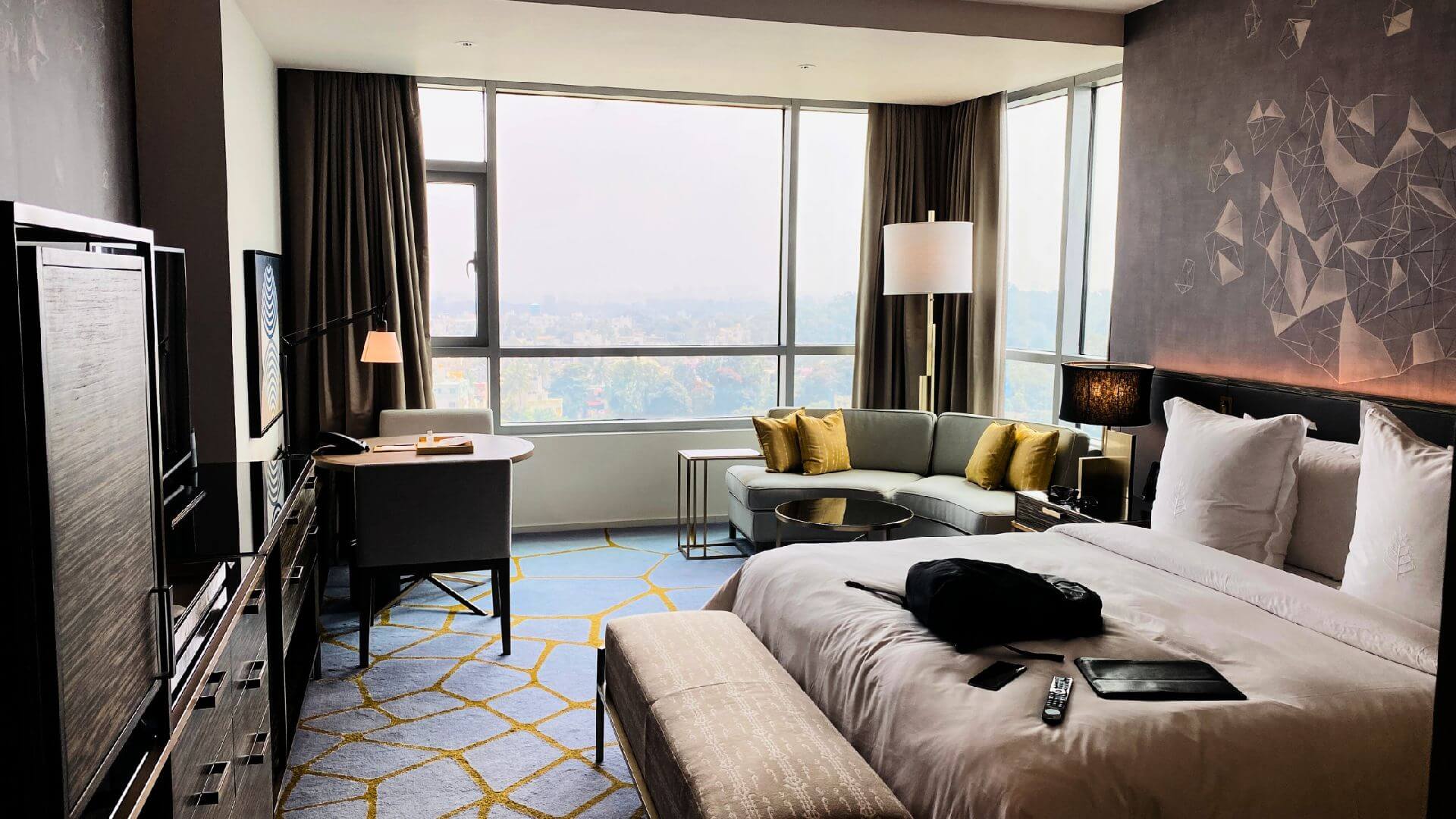
Upscale to luxury hotel room image from Canva

In the evolving landscape of hotel revenue management, the focus on traditional metrics like RevPAR (Revenue Per Available Room) and ADR (Average Daily Rate) is shifting.

While these metrics have been the gold standard for assessing a hotel’s performance, they no longer provide a complete picture.

Why, you ask? Because guest expectations and spending patterns have evolved. Hotels are not just places to stay; they are multi-faceted destinations offering a variety of services, such as dining, spa treatments, recreational activities, events, and more.

RevPAR and ADR measure performance based solely on room occupancy and rates, which overlooks the revenue generated from these additional services. They do not account for on-premise spending by guests on activities, food and beverage, wellness services, or other ancillary revenue streams that can impact a hotel’s overall profitability significantly.

Further, these traditional metrics fail to capture the qualitative aspects of the guest experience, such as personalized services, guest satisfaction, and long-term loyalty, all of which play a crucial role in a hotel’s success.

In essence, relying exclusively on RevPAR and ADR can lead to a narrow, and potentially misleading, view of a hotel’s financial health, missing out on opportunities to build a true legacy within this industry.

Where do we go from here, then? Enter Total Revenue Management (TRM) and Revenue Per Available Guest (RevPAG). These “new” metrics offer a more holistic view of a hotel’s financial health, moving beyond just room revenue to encompass the total guest experience, and the entire property’s revenue potential.

Understanding Total Revenue Management (TRM)

Total Revenue Management is a modernized approach that measures and maximizes revenue across all revenue streams within a hotel.

This includes rooms, food and beverage, spa services, recreational activities, and any other revenue-generating departments. TRM is about synchronizing and optimizing these various revenue streams to elevate the hotel’s total profit margin.

Let’s put this into perspective. Picture yourself as a hotel operator in Las Vegas. Maybe there is an instance where you have a group of high-rolling guests staying at your casino hotel/resort. Instead of charging them for their rooms, you decide to comp their stay entirely.

To some, giving away a free room in a city where occupancy rates are crucial might seem like a risky move. But you know that the cost of the room will be a drop in the bucket compared to the potential revenue they could generate on the casino floor, and on-site bar and restaurant. These guests end up spending hours at the tables and slot machines, contributing far more to the bottom line than a single night’s room rate ever could.

But it’s not just about the high rollers. What about off-peak times, where you have to get creative to keep the revenue flowing?

Perhaps you offer discounted spa treatments to your guests on weekdays when the hotel isn’t as busy. To your surprise, these guests who wouldn’t typically splurge on spa services took advantage of the discounted rates. This not only increases your spa revenue during slow periods but also enhances the overall guest experience, turning casual visitors into loyal guests.

These experiences are just two quick samples showcasing how maximizing revenue isn’t about charging for every service; it’s about understanding the broader picture, and making strategic decisions that drive total revenue for your property, every single day.

The framework of TRM is all about understanding the affiliation of each revenue stream available within your property. By taking a comprehensive view of the property’s revenue potential, you can create packages and services that encourage spending across all departments, not just the rooms.

The 5 Advantages of Total Revenue Management

It’s safe to say that implementing TRM can lead to a more robust and modern operation that benefits your hotel in several key areas:

  • Revenue Growth: TRM goes beyond just room revenue. By focusing on every revenue stream—be it dining, spa services, or recreational activities—TRM maximizes your hotel’s overall revenue potential. This comprehensive approach ensures that every aspect of the guest experience contributes to the bottom line, leading to a more diversified and stable revenue base.
  • Enhanced Asset Utilization: TRM encourages the optimal use of all hotel facilities, from restaurants to event spaces and wellness centers. By identifying underutilized assets and creating strategies to boost their usage, such as offering special packages or promotions, your hotel can increase its profitability significantly. This not only drives revenue but also elevates the guest experience by offering more value-added services.
  • Streamlined Operational Costs: A key benefit of TRM is the ability to streamline operations across various departments. Leveraging data and cross-departmental insights improves your hotel’s resource allocation, waste reduction, and implementation of more cost-effective practices. This leads to lower operational costs and increased profit margins, allowing your hotel to reinvest in areas that perhaps enhance the guest experience.
  • Unified Team Effort: TRM fosters a cohesive workforce by aligning all departments with a common goal of maximizing total revenue. When the front desk, housekeeping, food and beverage, and other teams are all working towards the same objectives, it leads to several improvements. These include enhanced productivity, improved guest satisfaction, and a seamless experience for guests. This unified approach creates a culture where everyone understands how their role impacts your hotel’s success.
  • Boosted Efficiency and Productivity: Implementing TRM encourages different departments to collaborate more effectively, streamlining processes and reducing redundancies. By focusing on total revenue rather than isolated departmental metrics, your hotel can create a more dynamic and responsive operation. This increased efficiency not only enhances the guest experience, it also drives higher employee satisfaction by creating a more organized and purpose-driven work environment.

Implementing Total Revenue Management

The first step to implementing TRM is to invest in integrated Property Management Systems (PMS) such as Mews, and Revenue Management Systems (RMS) such as Atomize. These systems are essential for tracking, reporting, and forecasting revenue across the entire property.

Further, such platforms provide real-time data that helps inform strategic decisions.

One of the biggest challenges in implementing TRM, however, is bridging the gap between technology, staff, and different departments.

Hotels must ensure that data flows across all departments seamlessly, allowing for cohesive decision making. This requires both employees and the property’s infrastructure to adapt to new behaviors and processes. Staff training and a culture that embraces data-driven decision making are crucial for the successful implementation of TRM.

The Transition from RevPAR to Revenue Per Available Guest (RevPAG)

While TRM offers a broad view of the hotel’s revenue potential, RevPAG provides a more guest-centric metric for assessing performance.

  • RevPAR (Revenue Per Available Room): You’re likely familiar with this one. This is the traditional metric that provides a quick snapshot of a hotel’s performance by considering both occupancy (OCC) and the average daily rate (ADR). While useful, it focuses solely on room revenue, ignoring other revenue streams, and the overall guest experience.
  • RevPAG (Revenue Per Available Guest): Unlike RevPAR, RevPAG looks at total revenue generated by each guest during their stay, regardless of how many rooms are sold, or how many guests occupy a room. It captures all spending, including dining, spa services, recreational activities, and more. This metric offers a more advanced understanding of guest behavior, and their total contribution to the hotel’s revenue.

The 4 Advantages of Revenue Per Available Guest

Focusing on RevPAG can drive on-premise spending, and enhance the guest experience. Some advantages for your hotel may include the benefits below.

  • Engaging Loyalty Programs: Loyalty programs are a powerful tool for encouraging repeat visits and on-property spending. Offering rewards, exclusive perks, and personalized incentives helps your operation foster long-term relationships with guests. Such programs prompt guests to return, and continue spending within the hotel. A well-designed loyalty program not only increases revenue per guest but also strengthens brand loyalty, turning one-time visitors into lifelong advocates.
  • Personalized On-Site Experiences: Understanding guest preferences will further allow your hotel to craft tailored packages and experiences that encourage guests to spend more on-property. Whether it’s guided tours, hands-on cooking or mixology classes, or themed live entertainment, these curated activities enhance the guest experience, and drive additional revenue. Personalized offerings create memorable moments that guests are willing to pay a premium for, increasing overall spend per guest.
  • Wellness and Lifestyle Services: Investing in wellness services such as spas, fitness centers, and recreational facilities opens up new revenue streams, and enhances the overall guest experience. By offering wellness packages, relaxation treatments, or fitness classes, your hotel can cater to the growing demand for health and wellness experiences. These services encourage guests to spend more on-premise, turning your hotel into a desired destination that meets various guest needs.
  • Elevated Dining and Beverage Offerings: Exceptional culinary and mixology experiences can enhance on-premise spending significantly. By offering unique dining options like chef’s table events, wine tastings, or mixology masterclasses, your hotel can attract food and beverage enthusiasts, and encourage them to spend more during their stay. These high-quality experiences boost revenue, and elevate your hotel’s reputation as a destination for food and drink.

Implementing Revenue Per Available Guest

To maximize RevPAG, your hotel needs to focus on creating personalized guest experiences, and integrating technology seamlessly across all touchpoints. This involves taking the steps below.

  • Personalized Guest Experiences: Tailoring services and offerings to your targeted, individual guest preferences to not only enhance their stay but also encourage additional spending. This can include personalized room amenities, bespoke on-premise experiences, and exclusive access to hotel facilities.
  • Seamless Technology Integration (Tech-Stack): Integrating Revenue Management Systems (RMS) with other hotel technologies, such as PMS and POS systems, allows your hotel to track guest behavior, spending patterns, and preferences in real-time. This data is invaluable for identifying up-selling opportunities, and creating targeted marketing strategies.
  • Total Revenue Management Mindset: Adopting a TRM mindset involves viewing each guest as an opportunity to generate multiple streams of revenue. Your hotel operations team should train staff to recognize and act on up-sell opportunities, while maintaining a high standard of service.

Benefits of Using Both RevPAG and Total Revenue Management

When used together, RevPAG and TRM provide a powerful framework for maximizing your hotel’s revenue and profitability.

  • Revenue Optimization: TRM ensures that every revenue stream is optimized, while RevPAG provides insight into the guest’s overall value. Together, they allow your hotel to create targeted strategies that maximize revenue from both rooms and ancillary services.
  • Enhanced Guest Experiences: By focusing on RevPAG, your hotel can deliver personalized experiences that encourage guests to spend more on-property, leading to higher satisfaction, and repeat business.
  • Informed Decision Making: With a TRM approach, your hotel can gain access to comprehensive data across all departments. This data-driven approach enables more informed decisions about pricing, packaging, and service offerings.
  • Competitive Edge: Hotels that adopt TRM and RevPAG are better positioned to differentiate themselves from competitors, offering a more value-driven guest experience while maximizing profitability.
  • Sustainable Growth: Implementing TRM and RevPAG strategies leads to sustainable growth by optimizing revenue streams, and reducing reliance on room occupancy alone.

This diversified revenue approach enhances your hotel’s resilience in fluctuating market conditions.

My Final Thoughts

There’s no question, the hotel industry is evolving, and so must its approach to revenue management.

Total Revenue Management and Revenue Per Available Guest offer more comprehensive metrics that go beyond the limitations of traditional measurements like RevPAR and ADR. By adopting a modernized approach that integrates these metrics, your hotel can optimize revenue, enhance guest experiences, and build a more robust, modern operation.

To realize the benefits of TRM and RevPAG fully, your hotel needs to invest in technology, embrace a guest-centric mindset, and foster a culture of data-driven decision-making. In doing so, you’ll unlock new opportunities for your brand that drive profitability, and secure a more competitive edge.

Image: Canva

KRG Hospitality Contact 60-Minute Impact Session

Looking to Start, Stabilize, or Scale? Book Below to Setup a 60-Minute Result-Driven Impact Session.


Top