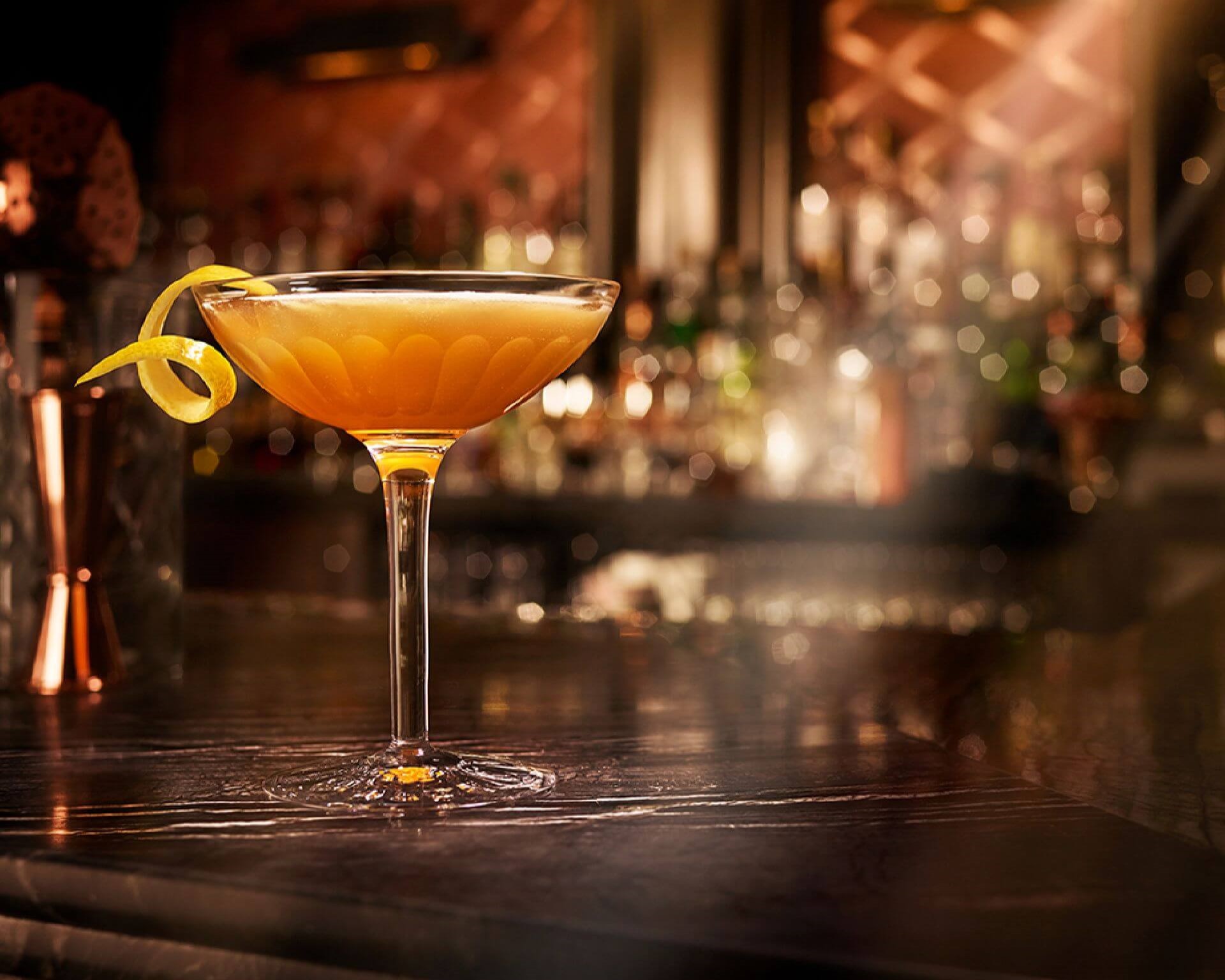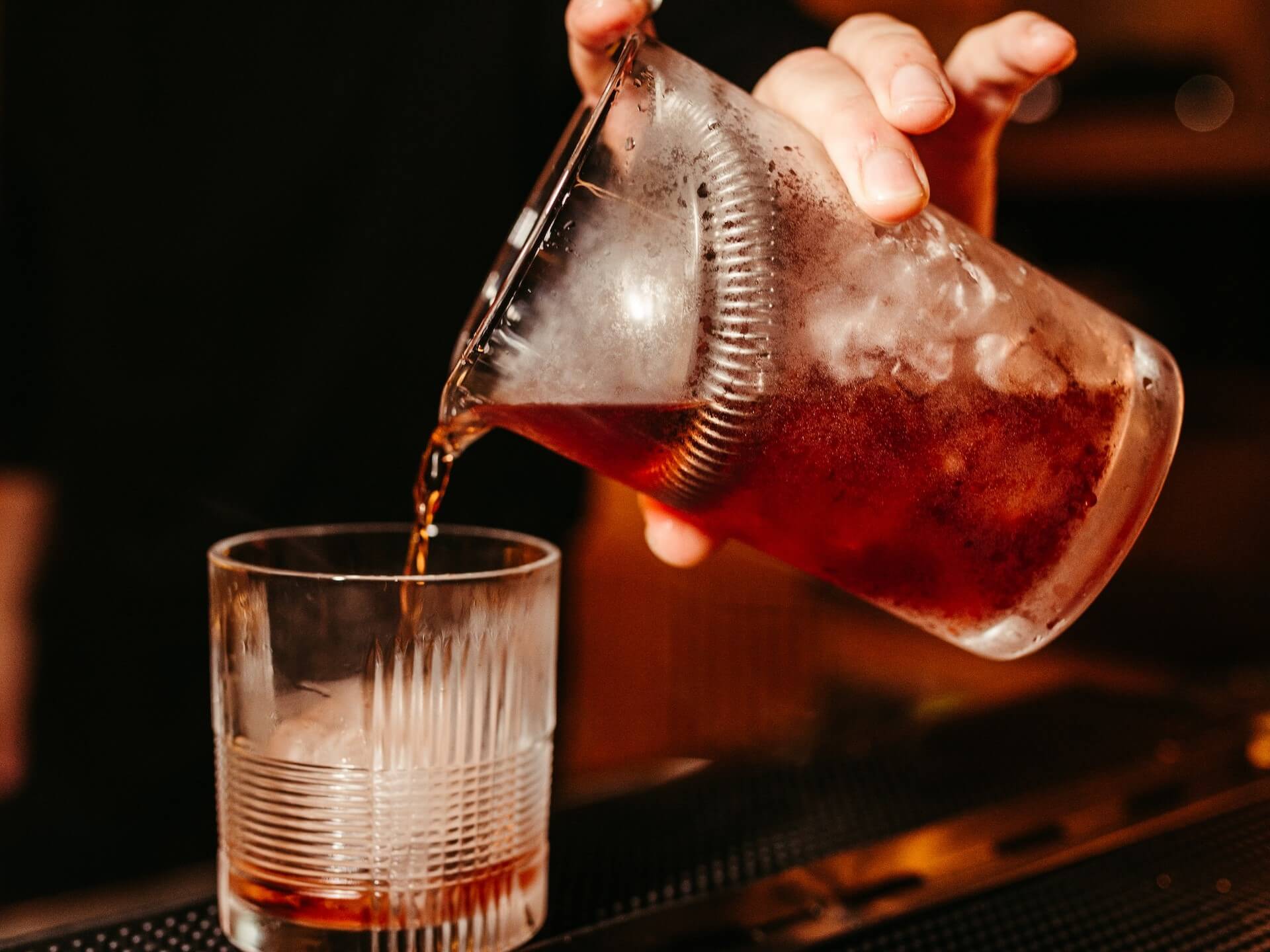
LTO beverage

by David Klemt David Klemt No Comments

Program for Unique Holidays: March 2025

Program for Unique Holidays: March 2025

by David Klemt

Restaurant or bar owner sitting at the bar, working on a schedule or calendar

AI-generated image.

Do you want to stand out from from other restaurants and bars in your area? Change how you think about your March 2025 holiday programming.

Several holidays are set against every date on the calendar, and this month is no exception. These holidays range from mainstream to esoteric.

Pay attention to the “weird” or unique holidays to raise eyebrows, carve out a niche for your restaurant or bar, and attract more guests. Why do what everyone else is already doing? Why program only around the same holidays as everyone else?

To provide a handful of examples, March boasts National Cold Cuts Day, Mario Day, and Make Up Your Own Holiday Day. Those are all things you can get creative and program around, and celebrate with your guests.

Of course, you shouldn’t try to celebrate every holiday, strange or otherwise. Focus on the days that are authentic to your brand; resonate with your guests; and help you grab attention on social media.

You’ll find suggestions for promotions below. However, the idea behind our monthly holiday promotions roundup is to inspire you and your team to get creative and come up with unique programming ideas.

For our February 2025 holidays list, click here.

March 3: National Cold Cuts Day

If you’re a deli, are partners with a deli, or otherwise serve menu items featuring cold cuts, this holiday should certainly be on your radar.

Whether you choose to feature all the cold cuts available, focus on one specifically, or offer LTO sandwiches or other items, this is a holiday worth building a promotion around.

March 5: National Absinthe Day

Some people choose to celebrate “Cinco de Marcho” on this day, “training” their kidneys for St. Patrick’s Day. Well, allow me to propose an alternative: National Absinthe Day.

While there are also clear versions, absinthe is usually green. It’s interesting, and loaded with lore. And this holiday doesn’t necessarily encourage dangerous levels of alcohol consumption.

March 7: National Cereal Day

From breakfast shots to breakfast cereal-flavored shots and cocktails, this is a simple holiday for programming beverage promotions.

And on the food side, think about how much fun your culinary team can have reimagining famous cereals as new menu items.

March 10: Mario Day

People tend to associate Mario with a few powerups: Super Mushrooms, Fire Flowers, Super Leaves, and Starman stars. So, if we extrapolate and apply these powerups to F&B, operators and their teams can craft food and drinks that feature mushrooms, edible flowers, leaves, and star shapes.

And that’s to say nothing of the suits Mario can don, enemies he bests, and other associations with Mario.

March 13: World Kidney Day

I mention kidneys toward the top of this holiday roundup. Well, operators can celebrate World Kidney Day by offering healthy, zero-alcohol beverages. Going further, they can highlight food items that are free of ultra-processed ingredients, and low in sodium, potassium, and phosphorous. Instead, promote dishes that feature lean proteins and healthy fats.

March 15: National Corn Dog Day

On its own, a standard corn dog, one can argue, isn’t that unique. So…let’s change that. If you have corn dogs on your menu, or you have the capability of adding them as an LTO, think about how far you and your culinary team can go with it.

Elote treatment to the exterior? Awesome. Panko or cornflake crust? Yes, please. Going sweet and savory with a dusting of sugar, and accompanied with ketchup and mustard? I’ll try it.

March 21: National Countdown Day

For several reasons, a lot of people seem to like a countdown. Operators can leverage this by creating a countdown that ends later on National Countdown Day.

A special food item, unique drink, or LTO menu revealed when the countdown reaches zero are just a few ideas.

March 22: National Goof Off Day

I’m always a fan of giving guests an “excuse” to blow off work, errands, and other responsibilities. Not every day, of course, but once in a while.

This year, National Goof Off Day falls on a Saturday, so it shouldn’t be too difficult to encourage guests to goof off at your restaurant or bar.

March 26: Make Up Your Own Holiday Day

Hey, have you ever thought about a holiday celebrating your business? National [insert your bar, restaurant, cafe, nightclub, hotel] Day? Well, this is the perfect time to launch just such a holiday, or anything else you can dream up.

March 30: National Virtual Vacation Day

If National Goof Off Day doesn’t work with you, your brand, and your guests, perhaps this holiday does. While one way to celebrate this day is to use VR for a “vacation,” another is to simply embrace a holiday mindset. With nearly a month to plan, I’m sure you can come up with a promotion that helps transport guests to a vacation destination via your business.

Image: Microsoft Designer

Client Intake Form - KRG Hospitality

by David Klemt David Klemt No Comments

A Brand-New Day: Celebrating ITALICUS

A Brand-New Day: Celebrating ITALICUS

by David Klemt

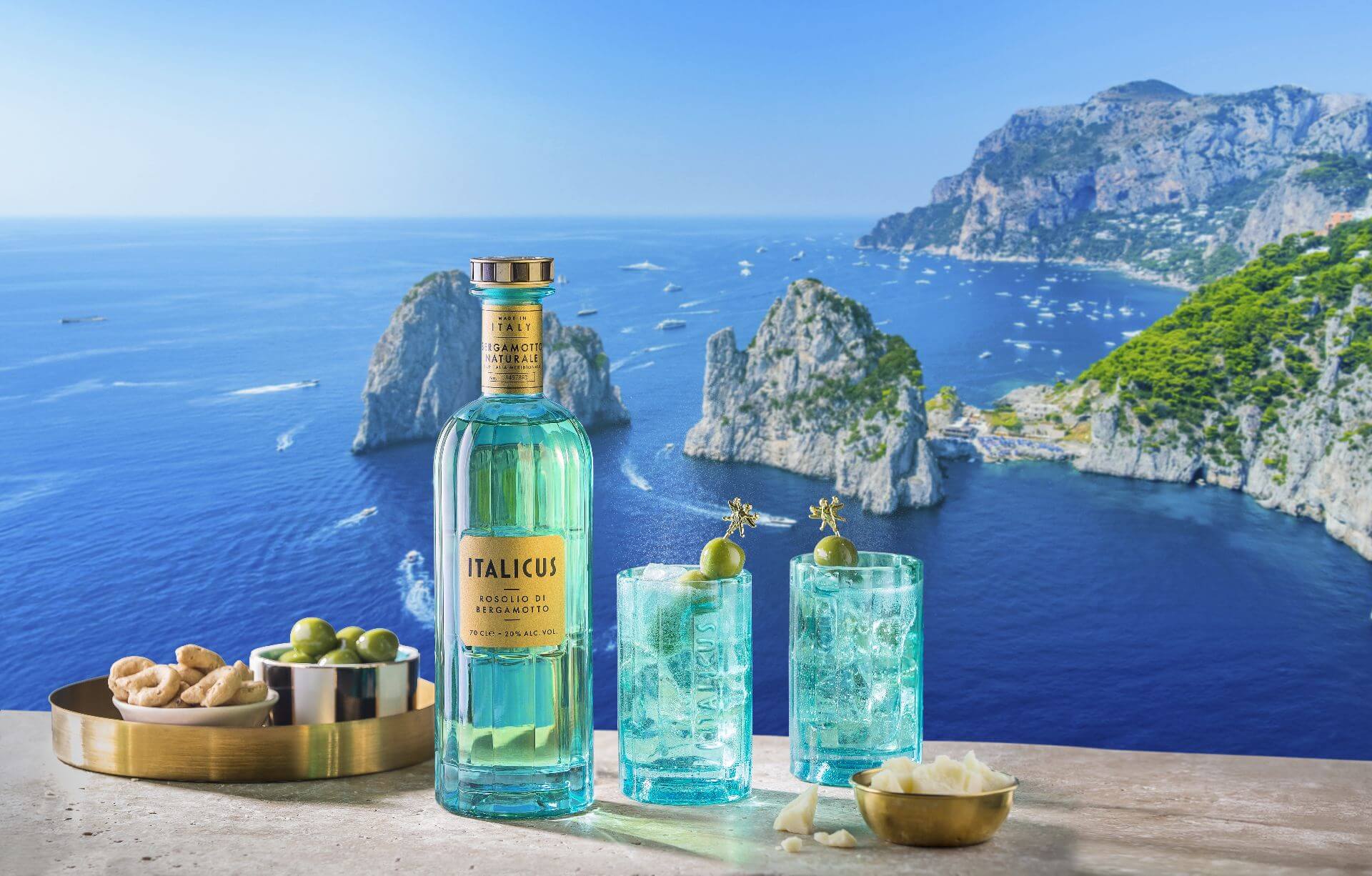
A bottle of ITALICUS Rosolio di Bergamotto and two cocktails, resting on a ledge overlooking the ocean.

I want to go to there, and drink that.

Operators, bar teams, and guests have the opportunity to partake in the first-ever National Rosolio Day, launched by ITALICUS Rosolio di Bergamotto.

The brand, known in part for its elegant and instantly recognizable bottle, is celebrating its eighth anniversary. To acknowledge their growth and mark this milestone, ITALICUS is launching the inaugural National Rosolio Day this coming Sunday, September 1.

I have to give the brand an approving nod here. They could be launching National ITALICUS Day. Instead, they’re celebrating the liqueur category that Giuseppe Gallo and the ITALICUS team have (re)introduced to modern cocktail lovers: rosolio.

I’ll get into the category in a moment. For now, there’s an interesting detail about the brand, the bottle, and the bar holiday launching on September 1.

Traditionally, eighth anniversaries are marked with gifts of bronze and pottery. Looking at the alluring, turquoise bottle, the label and stopper, one can argue, look bronze. Focusing on the stopper, there’s a relief of Bacchus, which looks like it could be porcelain, a form of pottery.

It’s almost like the team and bottle designer were prescient, and set the stage for this new bar holiday before the first case was ever shipped.

Global Celebration

Bars in France, Hong Kong, Hungary, Italy, New Zealand, the UK, the US, and Switzerland are participating via an exclusive cocktail menu.

One bartender recognizable the world over is LP O’Brien. Fans of the Netflix show Drink Masters know that O’Brien won the first season.

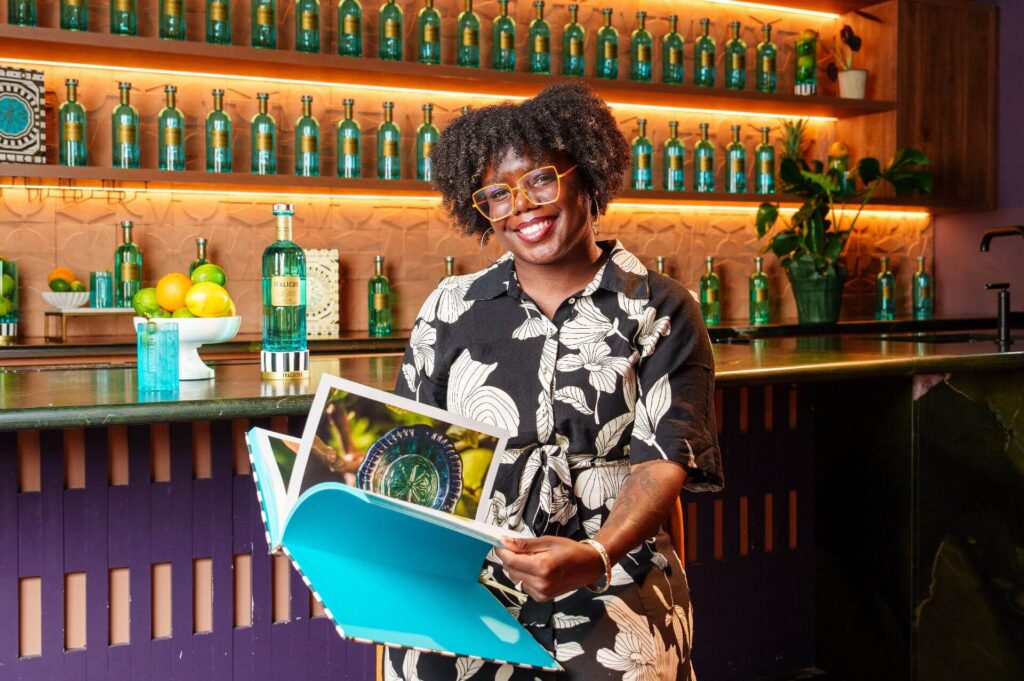
LP O'Brien, the winner of the Netflix show Drink Masters, holding an ITALICUS book, surrounded by ITALICUS bottles.

I need that book, and that back bar.

Her part in the National Rosolio Day celebration includes a series that will educate people on ITALICUS and aperitivo culture. I’m certainly looking forward to learning more about the brand, rosoli, and apertivos from one of the best bartenders and mixologists in the business.

Of course, there’s no reason operators reading this can’t show their support for National Rosolio Day by introducing their guests to ITALICUS and aperitivo culture.

As this will become an annual celebration, bars can plan to participate officially in 2025 and beyond.

Cheers!

Roso-what-now?

So, you likely know what a liqueur is. And I’m willing to go out on a limb and assume you’re familiar with aperitivos.

But what, you may be wondering, is a rosolio?

This drinks category is a low-ABV Italian liqueur that, according to multiple sources, predates amaro, bitters, and vermouth. This ancient liqueur was, of course, homemade, so the botanicals varied wildly depending on region and who was creating a particular batch.

ITALICUS, for example, is crafted using Bergamot oranges from Calabria (considered by many to be the finest citrus in the world), citrons from Sicily, chamomile sourced from Lazio, and several Northern Italian herbs, including gentian, lavender, lemon balm, and yellow roses.

Clearly, these flavors are perfect for summer sipping. Of course, with a bit of creativity, creating cocktails that appeal to guests every season is quite an easy feat to accomplish.

Given its name, you may be curious about the use of rose petals in the production of rosolio. Well, while there are rosoli made with rose petals as an ingredient, rosolio translates to “morning dew,” or “dew of the sun.”

Operators and bar teams interested in implementing an Aperitivo Hour rather than (or in addition to) a standard happy hour have the perfect opportunity this coming Sunday. National Rosolio Day is ideal for leveraging the growing popularity of low-ABV drinks. This new holiday is also one of the best times to introduce guests to relaxing, socializing, and starting their evening with an aperitivo.

So, this weekend (and throughout the month of September), raise a glass to ITALICUS and the brand’s eighth anniversary.

For more details, check out the press release below.

ITALICUS CELEBRATES 8 YEARS WITH THE INAUGURAL NATIONAL ROSOLIO DAY ON SEPTEMBER 1st AND A MONTH DEDICATED TO THE APERITIVO

ITALICUS and mixologist LP O’Brien partner to celebrate the Italian Aperitivo culture across the world in honor of the brand’s 8th anniversary

NEW YORK, NEW YORK (August 28, 2024)ITALICUS Rosolio di Bergamotto announces the first ever National Rosolio Day on September 1st in honor of the brand’s 8th anniversary. During the month of September, the brand will celebrate the aperitivo around the world with 8 countries taking part to host week-long events featuring special cocktails created with ITALICUS to allow consumers to discover the Rosolio di Bergamotto through its drinks, story and innovation.

Founded in 2016 by Giuseppe Gallo, ITALICUS Rosolio di Bergamotto was created to bring back the forgotten Rosolio category. Made using the finest Italian ingredients, ITALICUS’ bottle design embodies the history and heritage of Italy’s distinctive regions, while telling the story of Rosolio’s traditional drinking occasion of aperitivo and its culture.

September 1st is officially recognized as National Rosolio Day thanks to ITALICUS. For this recurring holiday, ITALICUS has partnered with LP, Lauren O’Brien – renowned mixologist and winner of the Netflix series Drink Masters in 2023 – who will present a mini-series campaign to educate consumers about the brand, aperitivo category and culture. To further explore the best ways to enjoy ITALICUS, LP will be promoting ITALICUS through the art of mixology to demonstrate how you can drink ITALICUS and which easy-ingredient aperitivo cocktails can be replicated at home.

The 8 countries that are a part of the anniversary campaign include: Italy, France, Hong Kong, Hungary, New Zealand, The United Kingdom, The United States and Switzerland. Additionally, the bars that are a part of the initiative will be launching week-long activations whereby consumers can try delicious ITALICUS cocktails from an exclusive menu. The list of bars can be found through the website: https://rosolioitalicus.com/the-art-of-italicus/rosolio-day.

Along with these bars, ITALICUS can also be tasted and explored in some of the world’s 50 best bars including: Connaught Bar in London, Sips in Barcelona, Freni e Frizioni in Rome, Double Chicken Please in New York, Bar Leone in Hong Kong, Maybe Sammy in Sydney, Cafe La Trova in Miami and BKK Social Club in Bangkok.

“The aperitivo is a global trend started in Italy,” comments Giuseppe Gallo, founder of ITALICUS. “Now having a trendy moment around the world, the aperitivo blends tradition and innovation in its story and is served in many cocktails at the best global bars. For this campaign, we are extremely excited to partner with LP O’Brien – one of the most creative minds in the international mixology scene – to inaugurate Rosolio Day on September 1st.”

“Being part of the anniversary and ITALICUS’s launch of Rosolio Day is a tremendous honor,” explains LP. “I’m incredibly grateful to be associated with a brand that demonstrates such thoughtfulness in every aspect – from crafting the liquid to designing the bottle and creating a captivating story. Giuseppe, with his extensive experience in the beverage industry, has created something truly special with ITALICUS.” 

National Rosolio Day is dedicated to celebrating the history of the liqueur. Dating back to the Renaissance period, Rosolio is an Italian liqueur that was originally crafted in convents and monasteries as a medicinal tonic. Rosolio, meaning “dew of the sun,” is traditionally made from a base of alcohol, unrefined sugar, water and infused with botanicals, herbs, and fruits – with the most common flavors using spices or citrus fruits. Its preparation was a family traditional craft which was passed on from generation to generation. This liqueur was often used as a welcome drink (or “Cordiale” in Italian) at home.

Despite a decline in the 19th century, Rosolio has experienced a modern revival, driven by the craft cocktail movement and a renewed appreciation for conventional spirits. Today, Rosolio is enjoyed as an aperitif or digestif and brands like ITALICUS have revitalized the category by combining historic methods with contemporary flavors like the bergamot citrus orange – bringing the liqueur to a new generation of enthusiasts.

ITALICUS Rosolio di Bergamotto is sold in 700ml bottles at 20% ABV and is available at select retailers including Curiada and Total Wine for $39.99.

About ITALICUS® Rosolio Di Bergamotto

ITALICUS was created by the authority in Italian spirits, Giuseppe Gallo, to bring back the forgotten Rosolio category. With key notes of Calabrian bergamot, ITALICUS is made using the finest Italian ingredients to create a sip of Italy. The striking bottle design embodies the history and heritage of Italy’s distinctive regions, whilst telling the story of Rosolio’s time-honored traditional drinking occasion of Aperitivo.

ITALICUS is one of the top awarded aperitivo brands globally. ITALICUS Rosolio di Bergamotto was awarded Best New Spirit 2017 at the prestigious Tales of the Cocktail Spirited Awards, and Top Trending Liqueur Brand by Drinks International in the years from 2019 to 2024.

Additional awards include: DOUBLE GOLD – World Wine Spirits Trophy 2021; Italian Aperitif of the year GOLD MEDAL – NYISC 2021 and 2016; Tasting GOLD medal 2018, 2019 – Women & Wine and spirits awards; Best New European Spirit at the Mixology Awards 2017 in Berlin; Best Product at FIBAR 2017; Packaging awards GOLD MEDAL 2017 and Contemporary Awards TROPHY – International Wine & Spirits Competition 2017; Packaging Trophy – Harpers Design 2017; Gold Medal – San Francisco World Spirits Competition 2017; Platinum Best of Luxury – Pentawards 2017; Best New Product – Bar Awards 2016; EXCEPTIONAL quality certificate – Difford’s Guide 2016.

About Giuseppe Gallo

Giuseppe Gallo is one of the world’s most respected bartenders and drinks-industry innovators, with an unrivaled passion for the drinks business and an inimitable source of knowledge and insight into the world of aperitivo. Hailing from the Amalfi Coast, his passion for mixology stems from his strong Italian heritage. Giuseppe is widely considered a vermouth expert and he has spent over 15 years traveling the world and educating consumers and professionals on the category. This work has culminated in winning ‘International Ambassador of the Year’ at the prestigious awards in the drinks industry, Tales Of The Cocktail’s Spirited Awards in 2014. In September 2016 he created Italicus Rosolio di Bergamotto which reinvigorated a forgotten aperitivo category, which has won countless industry awards since its launch. In 2019, Giuseppe launched the Roma Bar Show, the first-ever international cocktail festival in the country.

About LP

LP O’Brien is an Afro-Boricua trailblazer in the world of mixology, research and development, renowned for her innovative approach and expertise in crafting exceptional beverages. She gained widespread recognition as the inaugural winner of the Netflix competition series Drink Master, where her creativity and skill set her apart from a field of talented competitors. Despite being sober for a little over a year, LP has continued to excel in her craft, demonstrating that a passion for mixology doesn’t require consuming alcohol. Her unique perspective and commitment to understanding the art of drink-making have made her a leading figure in the industry.

LP’s impressive portfolio includes collaborations with major corporations and celebrities. She has worked with Disney, Food & Wine, American Express, and has created bespoke beverage experiences for high-profile clients such as Christy Carlson Romano and Vanessa Hudgens, along with crafting the signature non-alcoholic beverage for the 2023 Primetime Emmy Awards. Her ability to blend flavors and create memorable drink experiences has earned her a reputation as a top-tier celebrity mixologist.

Images: ITALICUS

KRG Hospitality Start-Up Restaurant Bar Hotel Consulting Consultant Solutions Plans Services

by David Klemt David Klemt No Comments

Drink Donnybrook: Grasshopper & Stinger

Drink Donnybrook: Grasshopper & Stinger

by David Klemt

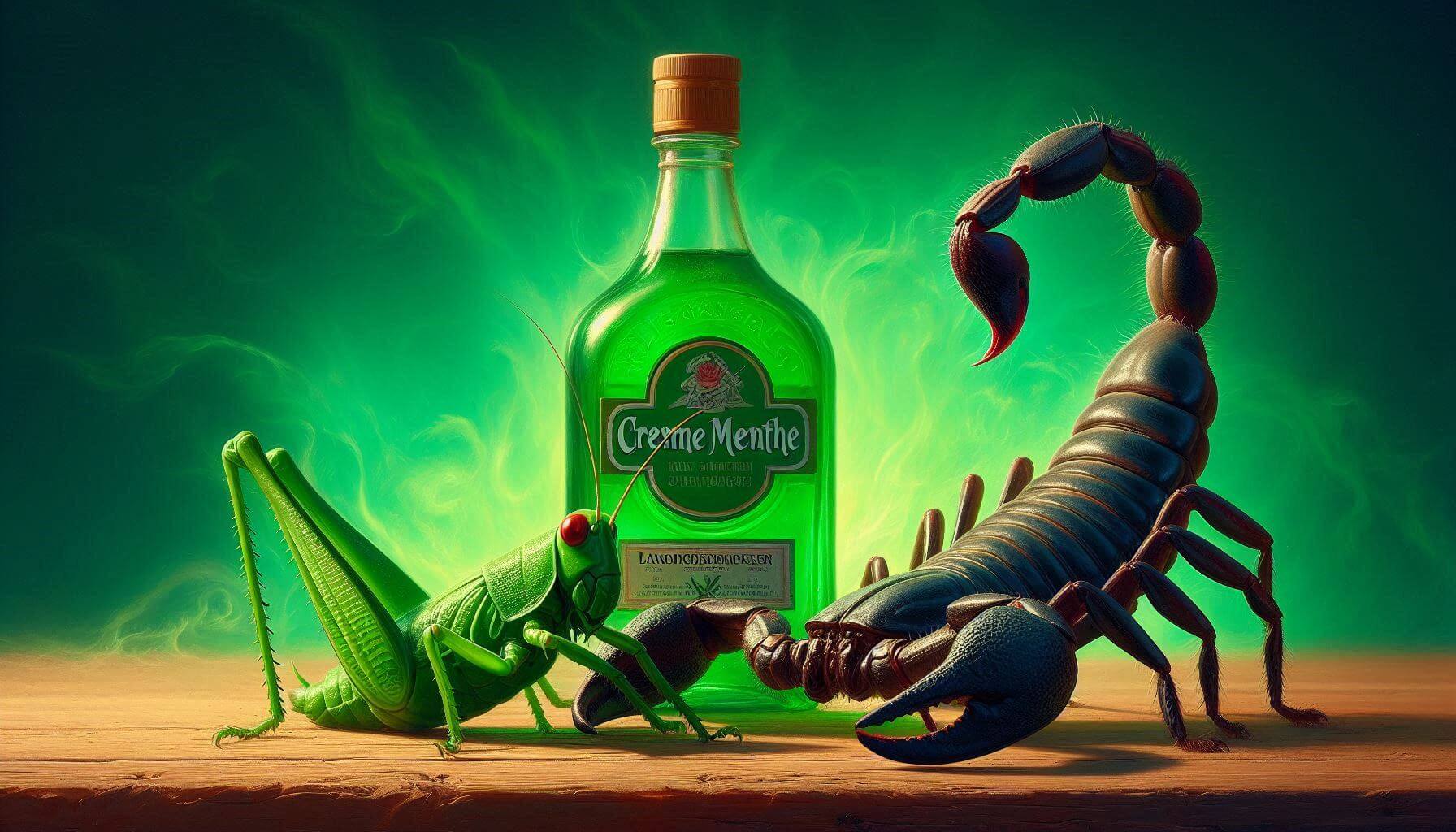
An AI-generated image of a green grasshopper and dark scorpion facing off over a bottle of creme de menthe

You won’t believe this…but this isn’t a photo, it’s an AI image *gasp*

The Grasshopper and Stinger are two classic cocktails that seem worlds apart from one another, but they share a common ingredient.

That ingredient is crème de menthe. Like many of the cocktails I break down in Drink Donnybrook features, this legendary liqueur’s origins are up for debate.

So, this Donnybrook goes beyond the well-known twofer; it’s a threefer. Crème de menthe and it’s two best-known cocktail appearancesthe Grasshopper and Stingereach have nebulous geneses.

Really, though, this Donnybrook is about crème de menthe. And why am I focusing on this liqueur? To give operators and their bar teams time to prepare LTO menus for Sunday, September 15, which is National Crème de Menthe Day.

Cheers!

Mint Cream

Despite the crème in its name, this liqueur doesn’t contain any dairy. In fact, “mint cream” is said to be vegan by some sources: it contains no animal products unless otherwise specified.

The term “crème” on French labels indicates that there’s a lot of sugar in a product.

All you need to make crème de menthe is grain alcohol, mint or peppermint, and sugar. One simply steeps the mint in the alcohol for several days, adds sugar, and can opt to age the liquid (usually about a month).

This sweet, minty liqueur tends to weigh in at 15- to 20-percent ABV. However, there are 30-percent ABV versions on the market. So, this seemingly harmless drink can pack quite a wallop.

Producing crème de menthe may be simple, but nailing down its origin story? Not quite as easy.

It’s possible that one of this liqueur’s ancestors dates as far back as the early 1500s. A book from 1512 about distillation, written by a German botanist and surgeon, touches on a water infused with “red mint.” If one could time travel to Boston in 1712, they’d be able to visit a tavern that sold a drink made of rum and water infused with mint.

That time traveler could then jump ahead 63 years, heading to France in 1775. It’s at this time that a pharmacist created what could possibly be the first known recipe for crème de menthe. However, another recipe, one that we could consider a “commercial” version, became available in France in 1796.

Nearly a century later, Emile Giffard would bring his crème de menthe to market. If that name sounds familiar, there’s good reason: he’s the namesake of La Maison Giffard. The brand has been making liqueurs and syrups for generations.

The Stinger

Alright, now that we’ve basically settled nothing regarding the origins of crème de menthe (other than Emile Giffard getting most of the credit for its creation as we know it today), let’s dive into cocktails.

Two classics are perhaps best-known for the inclusion of crème de menthe in their recipes. One of these is the Stinger.

I’m starting with the Stinger because it predates the other famous crème de menthe cocktail by five years. Or maybe 16 years. Or maybe even longer. We think.

We can choose to believe Stinger was first crafted in 1914. That would require us to accept as evidence that the recipe was first published that year in the book Drinks. Possible, but the recipe could’ve been floating around before that book came out.

Another option is to give Reginald Vanderbiltfather of Gloria Vanderbilt, and grandfather to Anderson Coopercredit as the creator. David Wondrich, cocktail historian extraordinaire, has mentioned that Reginald helped make the Stinger famous. It’s said that he would serve what was apparently his favorite tipple to guests.

Going further, an Ohio newspaper supposedly named Reginald as the drink’s inventor in the 1920s.

What I can say is this: the Stinger may date back to the 1890s, and nobody can tell us definitively who deserves the credit for creating the recipe.

The Grasshopper

It’s possible that the Grasshopper was invented in New Orleans in 1918.

Tujague’s Restaurant, located in the French Quarter, first opened its doors in 1856. Around 1914, the restaurant was sold to Philip Guichet, Sr. To this day, Tujague’s gives credit to Guichet for inventing the Grasshopper.

Anyone who has read previous Drink Donnybrooks probably isn’t surprised to learn that we aren’t sure who actually invented the Grasshopper. By the way, Tujague’s also appears to take credit for creating the Whiskey Punch.

What drink historians do appear to agree on is that it took around four decades for the Grasshopper to become popular. And when it did, the American South appeared to lead the charge.

The original recipepossibly from Philip Guichet, Sr.calls for three ingredients in equal parts: green crème de menthe, white crème de cacao, and heavy cream. (Oh, did I mention that crème de menthe comes in either colorless or green versions? Well, now I have done.)

However, bartenders have been playing around with Grasshopper build specs for many years.

One simple variant comes from Dale DeGroff. Shake one part green crème de menthe, one part white crème de cacao, and two parts heavy cream with ice. Strain into a chilled glass, then dust with grated nutmeg.

Original (maybe?) Stinger

  • 3 parts Brandy
  • 1 part White/Colorless crème de menthe

Add ingredients and ice to a mixing glass, and stir. Strain into a rocks glass, as the original was served neat before Prohibition. After Prohibition, serving Stingers over cracked ice became common practice. Further, modern bartenders tend to use Fine Cognac, premium crème de menthe (like Giffard’s), and serve Stingers over large ice cubes.

Original (could be?) Grasshopper

Add equal parts of green crème de menthe, crème de cacao, and heavy cream to a shaker with ice. Shake well, then strain into a glass.

Image: Microsoft Designer
Bar Nightclub Pub Brewery Menu Development Drinks Food

by David Klemt David Klemt No Comments

French Cocktail Culture: More than Champs

French Cocktail Culture: More than Champagne

by David Klemt

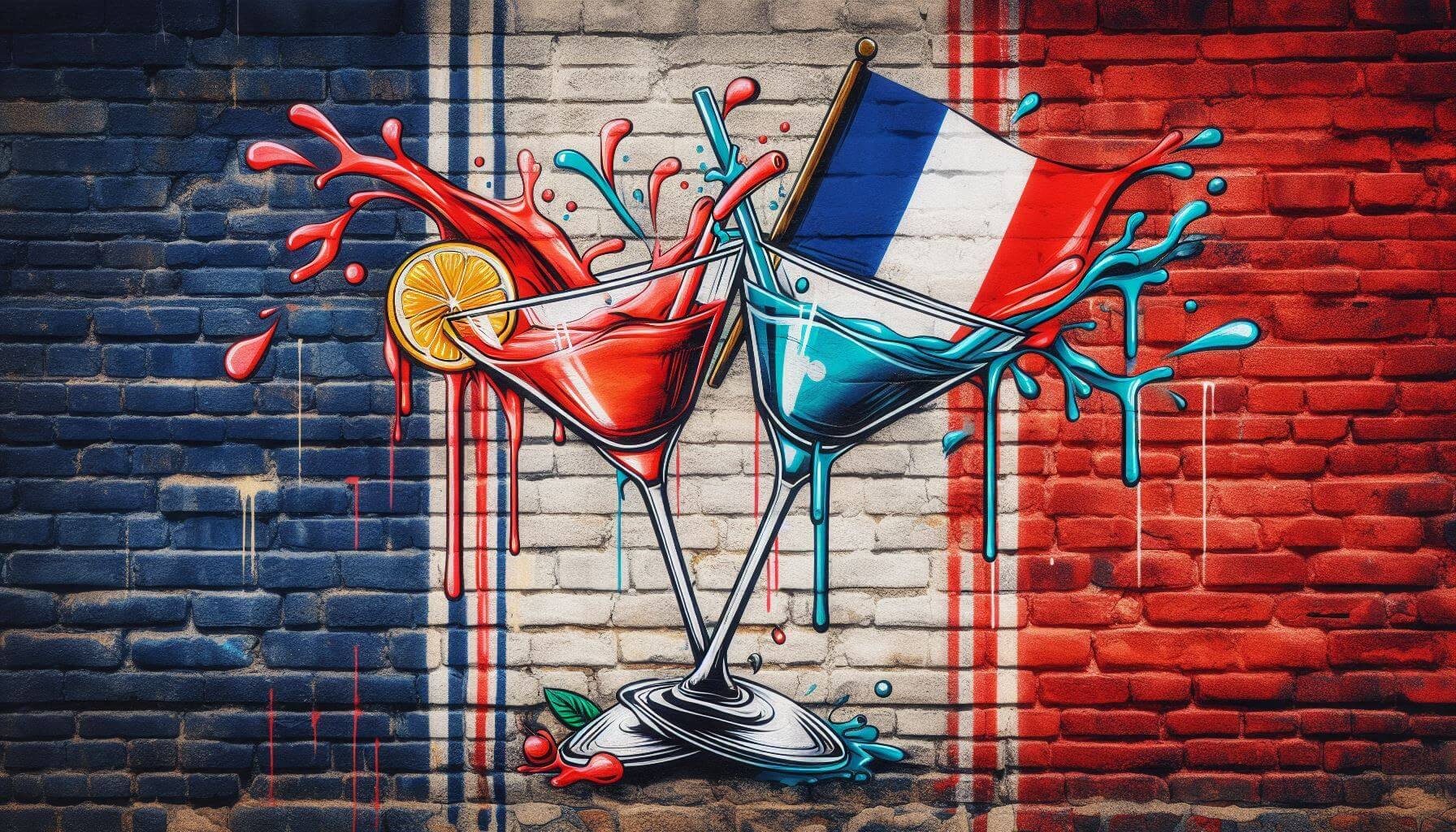
An AI-generated, street-style image of a red and a blue cocktail crossed at the glass stems, against a blue, white, and red graffiti background

That’s some interesting stemware…and the cocktail on the right is an interesting color.

The French have contributed more than Champagne, Cognac, Armagnac, Grand Marnier, and Cointreau to global cocktail culture.

There at least a dozen cocktails that originate from France. And, of course, there are even more from one of the most French-influenced cities in the US, New Orleans.

Since Bastille Day is almost upon us I want to share ten cocktail recipes with origin stories we can trace back to France. Now, if celebrating Bastille Day isn’t your thing, you can celebrate National Grand Marnier Day instead.

Basically, if a cocktail below calls for orange liqueur, you and your bar team can use Grand Marnier. But…allow me to nerd out for a moment about orange liqueur and France.

Orange Liqueur vs. Triple Sec vs. Orange Curaçao

As we’re taught early on, all squares are rectangles (and rhombuses). However, not all rectangles (or rhombuses) are squares. Why am I bringing up geometric shapes in an article about cocktails?

Think of orange liqueur as a rectangle or rhombus. All orange curaçaos and triple secs can be considered orange liqueurs, but not all orange liqueurs are triple secs or orange curaçaos, if we want to be pedantic.

Generally speaking, triple sec is French orange liqueur. Cointreau, as an example, is a triple sec. It’s also an orange liqueur, and one can argue it’s an orange curaçao, although it isn’t made with Lahara orange. Grand Marnier is French but is not a triple sec. Why not? Because Grand Marnier is triple sec blended with Cognac. Pedantry strikes again!

Why does this matter? When choosing your orange liqueur, keep in mind that they don’t all taste the same. Their unique flavors will have an impact on a given cocktail. So, if you were to build a Sidecar with Grand Marnier rather than Cointreau, they’d taste noticeably different. This is, in part, due to the fact that the Sidecar is a Cognac recipe, and Grand Marnier is made with Cognac.

Thank you for indulging me there. Feel free to share that knowledge with your guests, but stop if their eyes start glazing over.

Consider featuring any of the cocktail recipes below this weekend. Sunday, July 14, is Bastille Day, or National Grand Marnier Day, if you prefer. Cheers!

French 75

This classic’s original form can be tracked to the 1910s and the famous New York Bar, located in Paris. Eventually, the venue would become Harry’s New York Bar, named for proprietor, bartender, and writer Harry MacElhone.

By the 1920s, the “final form” of the French 75 we all know and love would come into existence. However, people are still tweaking this classic’s build.

For the traditionalists out there, the French 75 is easy to make: one part gin, and a half-part each of lemon juice and simple syrup, topped with three parts sparkling wine. Don’t forget the lemon twist to garnish!

Boulevardier

As was the case with so many others during the modern Cocktail Revivaland the subsequent Negroni crazethe Boulevardier was my go-to cocktail for quite some time. Interestingly, this cocktail supposedly never “took” until the 2000s.

Like the French 75, the Boulevardier can be traced to Harry’s New York Bar and 1920s Paris. However, the credit for this one goes to a magazine publisher, according to Harry himself.

For this recipe, pretend you’re making a Negroni…but swap out the gin for bourbon or rye. Oh, and forget the 1:1:1 Negroni ratio; this isn’t an equal parts situation. Instead, combine one part Campari with one part sweet vermouth, but bump up the whiskey to one-and-one-quarter parts.

Old Pal

The Old Pal is thought to be a spin on the Boulevardier by that cocktail’s creator, Harry MacElhone, at his bar in Paris.

Whereas the Boulevardier is considered by someone a whiskey-based riff on the Negroni, that’s not an equal-parts build. This, however, is.

Stir equal parts rye whiskey, Campari, and dry vermouth in a mixing glass with ice. Then, strain it into a chilled coupe. Some modern recipes call for doubling the rye, so experimentation is in order.

Sidecar

Okay, let’s start a fight: the Sidecar was created at the Ritz Paris, in Paris, in the 1920s. Why should that cause a kerfuffle? Well, the drink could also be a Pat MacGarry creation, invented in London.

Making this even more contentious is that Harry (yes, of Harry’s New York Bar) went from crediting MacGarry to claiming credit himself. Oh, and sources in both Paris and London claim the same story to be true: a guest arrived at their bar on a motorcycle, and the bartender at the time came up with this drink for said guest.

But wait, il y a plus! Living legend Dale DeGroff has stated that he believes the name references a bonus shot. This is the amount of cocktail left over after shaking and straining the drink, and served on the side in a shot glass.

Regardless of the true story, add three-quarters of an ounce each orange liqueur and lemon juice, then double that amount of Cognac. Prep a coupe with a sugar rim, shake the mixture, strain it into the glass, and garnish with an orange twist.

Between the Sheets

Are you getting the impression that we should just credit with Harry MacElhone with the creation of every drink originating from Paris? I won’t blame you if you are, since he’s credited with Between the Sheets as well. Is he actually the creator? Maybe I’ll address that in a future Drink Donnybrook.

To build this cocktail, pretend you’re making a Sidecar. Then, pick up a bottle of rum. This is an equal parts cocktail, calling for three-quarters of a part of Cognac, rum, and orange liqueur, and a quarter-part of lemon juice.

White Lady

This MacElhone creation has an interesting history. As the story goes, he created the original version in London in the late 1910s. He served it in its precursor form, then overhauled the recipe in Paris. At his bar. In the 1920s. Déjà vu, anyone?

And what an overhaul the recipe underwent. The original White Lady was a blend of crème de menthe, triple sec, and lemon juice. However, MacElhone eschewed crème de menthe in Paris, replacing it with gin. Additionally, he added an egg white and a dry shake.

Mimosa

Surely, the simple two-ingredient Mimosa must have a clear origin, right? Well…maybe.

Some say the Mimosa was created at the Ritz Hotel in Paris in the mid-1920s. Others believe it was invented in the 1930s. Honestly, I wouldn’t be surprised if the drink was first crafted in the 1910s or earlier by someone who simply wanted to toss some sparkling wine into their orange juice.

Ritz bartender Frank Meier may be the drink’s creator. However, people who dispute this point to his 1936 book The Artistry of Mixing Drinks. Recipes with Meier’s initials inside of a diamond next to recipes marked this as his creations. No such symbol appears next to the Mimosa.

If you need this complex recipe, it’s two ounces of chilled orange juice, topped with sparkling wine. I prefer Crémant to Champagne, but do whatever works best. In fact, operators can upsell the bubbles for their signature Mimosas.

Death in the Afternoon

I’m hesitant to include this cocktail, for a couple of reasons. One, I’m not sure it was created in France. There’s reason to believe it was invented as an homage to France, but outside of the country.

Second, Ernest Hemingway is given the credit as its creator. However, Hemingway historians have been dubious of claims involving the author and his relationship to certain drinks and bars.

That said, Hemingway purportedly came up with this drink while spending time in France in the 1920s. Add one-and-a-half parts absinthe to a coupe, then add three times that amount of chilled Champagne until the mixture is “milky” in appearance. Next, I assume, comes a nap.

Yellow

How about a modern classic? Yellow is a signature cocktail at Cravan, owned by restaurateur, bartender, and historian Franck Audoux.

If you’re visiting Paris, the original Cravan location is in the 16th arrondissement of the capital city. However, a second location, the result of a partnership between Audoux and Moët Hennessy, is in the 6th arrondissement. If you’re curious, there are 20 arrondissements in Paris.

Audoux, again, a historian, created the Yellow as an homage to a cocktail said to have been popular in the Côte d’Azur, or French Riviera: gin, Suze and Yellow Chartreuse. To make Audoux’s Yellow, add ice to a shaker, along with equal parts London Dry gin, Suze, Yellow Chartreuse, and lemon juice. Shake, then double strain into a chilled cocktail glass or coupe.

L’Expérience 1

Hey, speaking of modern classics… Back in 2007, Experimental Group opened its first venue in Paris, Experimental Cocktail Club. Seventeen years later, the group has built an empire spanning eleven cities all over the world.

Moreover, Experimental Group operates not just bars but restaurants, clubs, and hotels. That said, while the group has grown, they haven’t forgotten their roots. L’Experience 1 appeared on the menu at their first-ever venue, and it remains their signature cocktail.

To make this modern drink, chill a Martini glass. Add three-quarters of a part each of fresh-squeezed lemon juice and elderflower liqueur, plus one-and-three-quarter parts of premium or super-premium vodka to a cocktail shaker. Before adding ice, add a basil leaf and one hand-crushed blade of lemongrass to the shaker as well. Shake, strain into the prepared glass, and garnish with a lemongrass leaf.

Santé!

AI image generator: Microsoft Designer
Bar, Pub, Nightclub, Nightlife, Feasibility Study

by David Klemt David Klemt No Comments

3 Spins on Classics for July 4th

3 Refreshing Spins on Classics for July 4th

by David Klemt

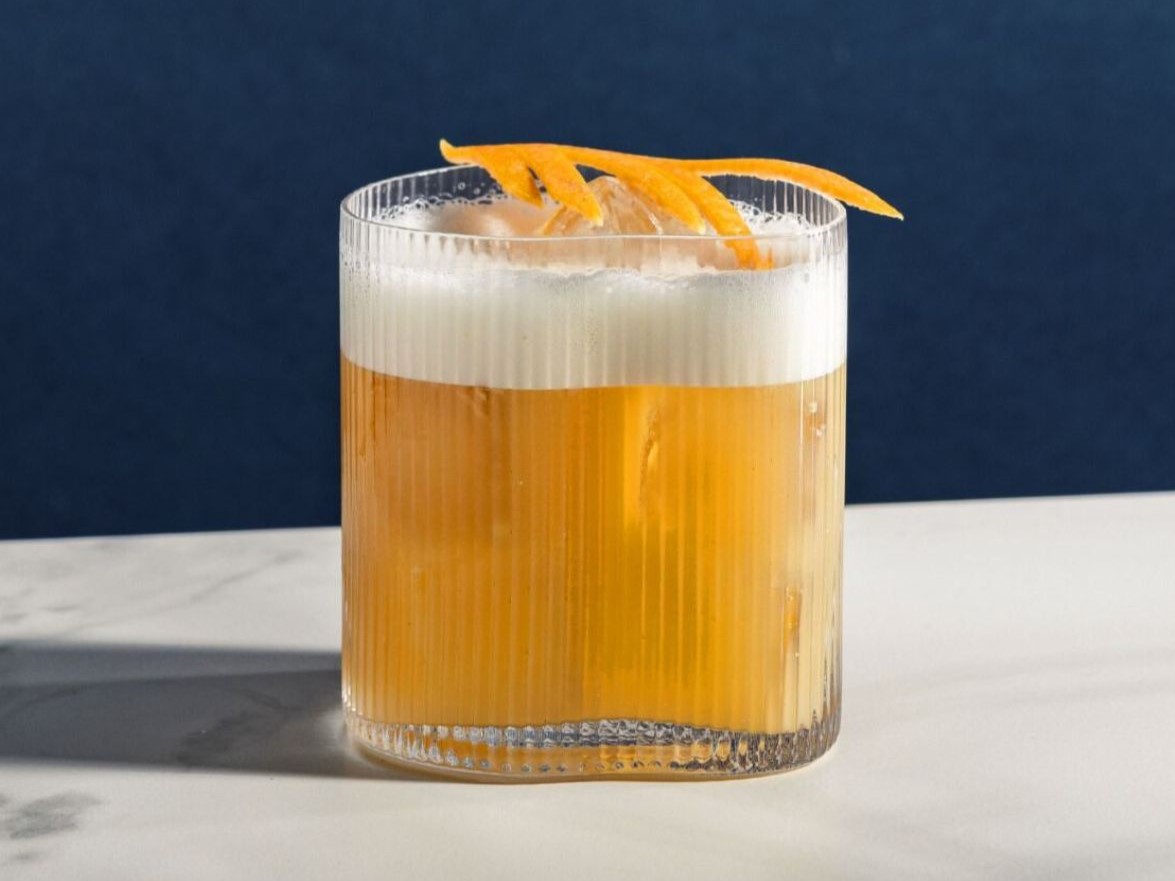
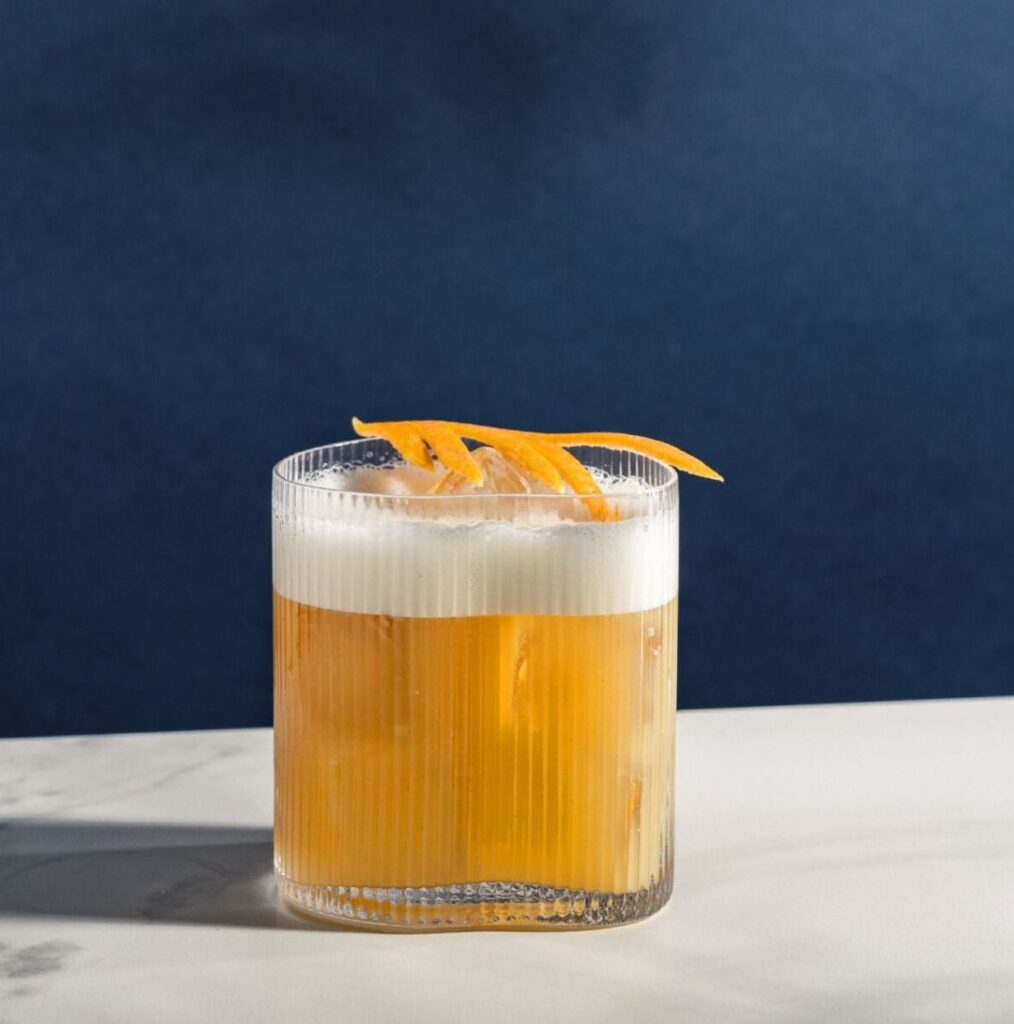
The METAXA Sour cocktail made with METAXA 12 Stars, in landscape orientation

Our friends over at Rémy Cointreau want to help you celebrate the 4th of July with your guests, so they sent over these three enticing cocktail recipes.

Back in January of this year they sent us cocktails dedicated to the 2024 Pantone Color of the Year, Peach Fuzz. And about four months ago, Rémy Cointreau shared National Cocktail Day recipes with us. In turn, we shared them with you.

More importantly, two of these builds are reinterpretations and refreshes of well-known classics. Below, you’ll find a reinvention of a Whiskey Sour and a Mojito.

There’s also a frozen Margarita, a perfect refresher for hot summer days and nights. Although, one can argue that this is a spin on the original, figuratively and literally since it’s going into a blender.

Of these three drinks, the METAXA Sour is the one I’m most eager to try. Most people are likely familiar with Cointreau and Rémy Martin Cognac.

However, they’re probably less acquainted with METAXA. Guests who appreciate a fine Cognac or complex whiskey or rum will likely enjoy METAXA 12 Stars. This brandy is the marriage of sweet Muscat wine from the Greek island Samos, fine wine distillates aged for up to 12 years, and Mediterranean botanicals.

Before being bottled, METAXA 12 Stars is aged in heavily toasted oak barrels for at least 12 months. Along with spice, expect dried citrus fruit, toffee, coffee, and chocolate on the nose and palate.

Personally, I recommend experimenting with METAXA 12 Stars (and its peer 7 Stars) in your brandy, bourbon, rye, and rum cocktails.

Cheers!

METAXA Sour cocktail, made with METAXA 12 Stars spirit from Greece

METAXA Sour

  • 1.7 oz. METAXA 12 Stars
  • 0.7 oz. Fresh lemon juice
  • 0.3 oz. Sugar syrup
  • 0.7 oz. Egg white, or 1 Tbsp. Meringue
  • Orange zest to garnish

The METAXA Sour is a spicy, citrusy, and bright take on the traditional sour. First, prepare a rocks by adding a large sphere or cube of ice. Next, simply add all of the ingredients (minus the garnish, of course) to a shaker filled with ice. Shake well, then strain, and dry shake to emulsify. Note: Some bartenders prefer dry shaking first, then adding ice, and then shaking again. Finally, pour into the prepared rocks glass, garnish, and serve.

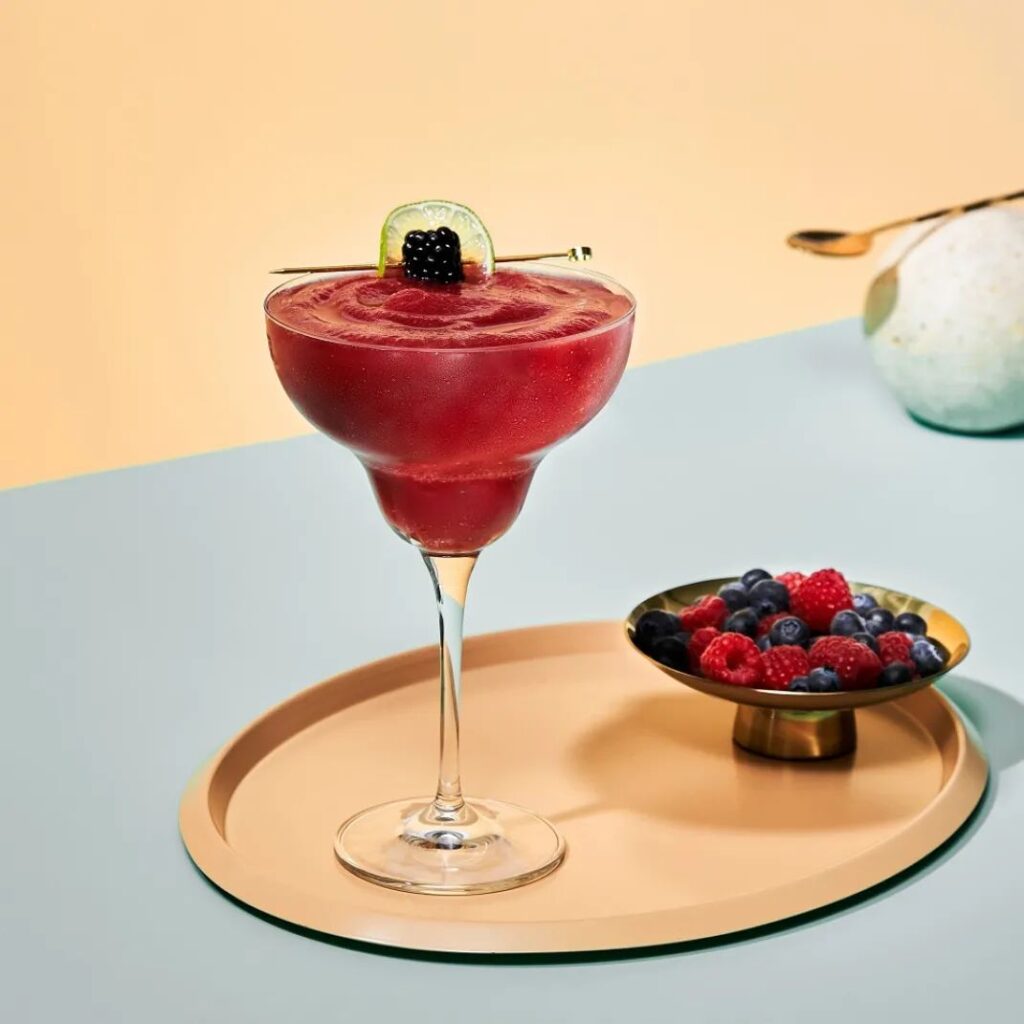
Frozen Berry Margarita cocktail made with Cointreau

Frozen Berry Margarita

  • 1 oz. Cointreau
  • 2 oz. Blanco tequila
  • 0.75 oz. Fresh lime juice
  • 0.5 cup Frozen berries
  • 0.25 oz. Simple syrup
  • 5 Ice cubes
  • Speared lime wheel and berries to garnish

Break out the blender. Oh, and try to sell more than one at a time to be more efficient.

This recipe is easy: add all of the ingredients except the garnish to a blender. I bet you know what’s nextblend everything together. Pour into a Margarita glass, garnish, and serve.

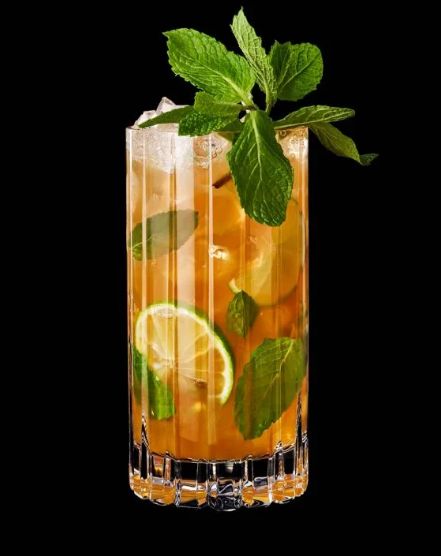
The Rémy Mojito cocktail, made with Rémy Martin 1738 Accord Royal

The Rémy Mojito

  • 1.5 oz. Rémy Martin 1738 Accord Royal
  • 1 oz. Fresh lime juice
  • 0.5 oz. Simple syrup
  • 1 0z. Sparkling water
  • Handful of mint leaves to muddle
  • Mint sprig to garnish

This recipe is a bit of a departure from the traditional Mojito your guests know and love. Therefore, it’s a new way to re-engage with a classic and have a new experience.

Start by adding pebble ice, Rémy Martin 1738 Accord Royal, lime juice, simple syrup, and a handful of mint leaves to a shaker. Per the recipe, using pebble ice should prevent the mint leaves from being broken and torn apart. Shake well, pour into a Collins glass, and top with the sparkling water. Garnish with mint sprig, and serve.

Disclaimer: Neither the author nor KRG Hospitality received compensation, monetary or otherwise, in exchange for this post.

Images courtesy of LaFORCE on behalf of Rémy Cointreau

Bar Nightclub Pub Brewery Menu Development Drinks Food

by David Klemt David Klemt No Comments

Drink Donnybrook: The Sazerac

Drink Donnybrook: The Sazerac

by David Klemt

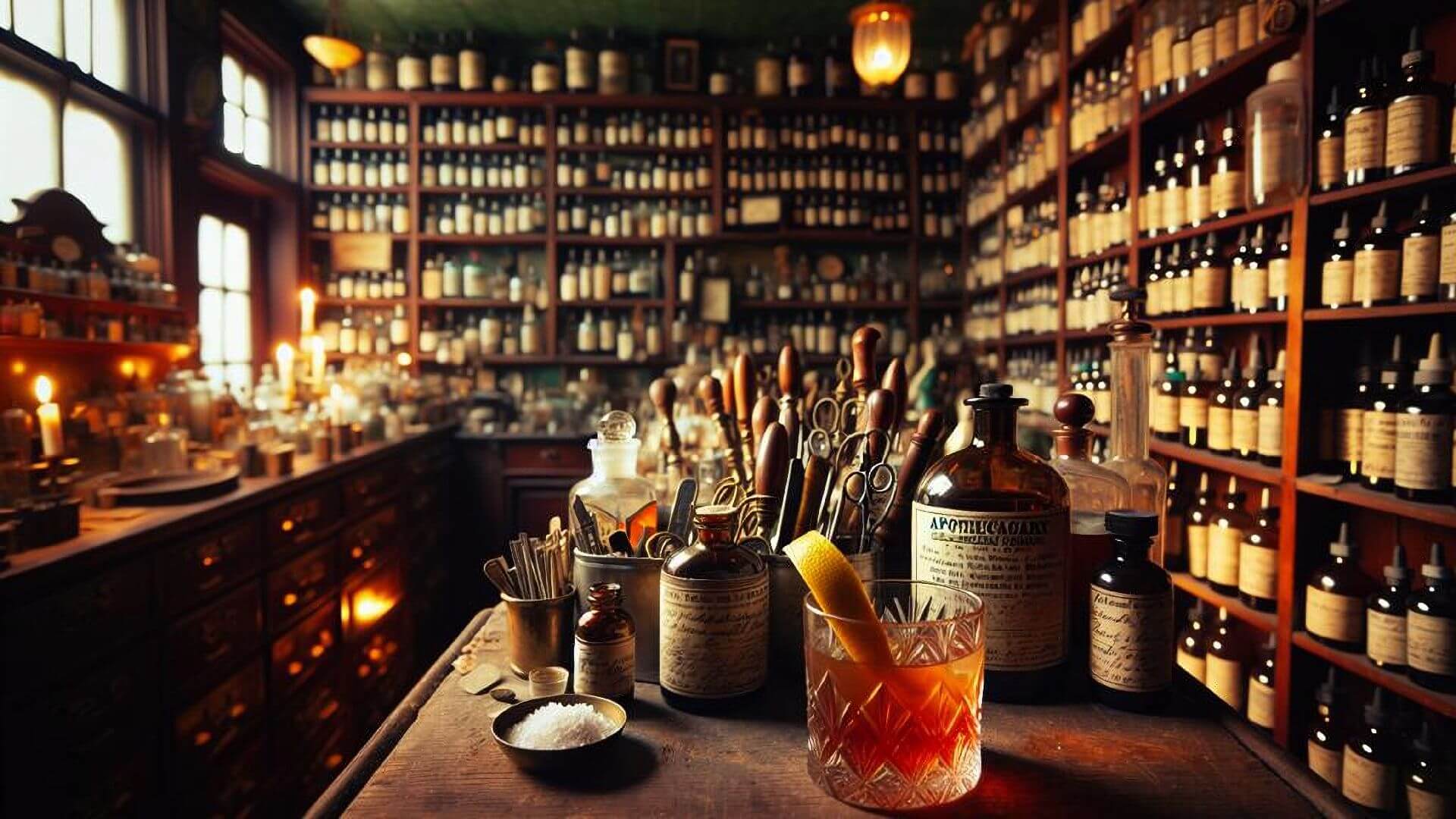
A Sazerac cocktail on a counter inside a rustic apothecary shop

That’s quite a full Sazerac, but I’m more interested in what this particular AI platform thinks that powder next to the cocktail is…

We celebrate the Sazerac, nearly 200 years old and known to many as America’s first cocktail, on Sazerac Cocktail Day, which falls on a Sunday this year.

Refreshingly, we know who should credit for its creation. Further, we can trace it back to a year, and even a location.

In that regard, this won’t be like other Drink Donnybrook articles. The only bold, debate-inducing claims I can really make relate to the base spirit, year of creation, and that my first-ever Sazerac was awful. Oddly, this less-than-stellar Sazerac was made for me at an incredibly popular bar in New Orleans.

Well, sometimes bartenders have off days. I’ve been back to that bar, and had a great time with a great Sazerac. It’s absinthe under the bridge.

Speaking of absinthe, that anise-flavored spirit is a core element of this classic cocktail. Much like some people say “No Negroni without Campari,” there’s no Sazerac without an absinthe rinse.

Now, onto the base of this legendary drink. While bartenders have been making it with rye whiskey for decades, the original recipe calls for Cognac. More specifically, it was made with Sazerac de Forge & Fils. Voilathe drink bears the name of the brandy used at its creation. (Hey, speaking of brandy, check out my Donnybrook article about the Brandy Alexander.)

Cold water, an ice cube, and Peychaud’s bitters round out the ingredients list for a Sazerac. And it’s that last item that reveals the drink’s creator.

The Official Cocktail of New Orleans

Roughly a decade into the 1800s, Antoine Peychaud arrived in New Orleans, Louisiana. Reliable records are a bit difficult to come by, so we don’t know his precise arrival date.

However, historians seem confident that Peychaud did open an apothecary in New Orleans in 1832. (According to one source I came across, Pharmacie Peychaud was opened in 1841.) The next time you’re in NOLA, you can visit the location of said apothecary: 437 Royal Street. Originally, the address was 123 Royal Street. Today, it’s the home of James H. Cohen Antique Weapons & Rare Coins. It’s a fun spot to pop into, by the way.

As you’re likely well aware, apothecaries were precursors to pharmacists and chemists. They served their communities from ye olde apothecary shoppes, and their medicine often consisted of alcohol.

Peychaud crafted his namesake bitters and used them to create an elixir that treated his customers’ illnesses. That medicinal elixir would become the Sazerac. Again, this potion was made with Sazerac de Forge & Fils Cognac, absinthe, and Peychaud’s bitters.

Intriguingly (to me), the Sazerac Housea must-see attraction in NOLAclaims the Sazerac became famous in the 1850s at the Sazerac Coffee House. So, it could’ve taken the Sazerac 20 years to evolve from medicine to cocktail.

On the topic of cocktails, some people attribute Peychaud with inventing the word “cocktail.” Many historians have labeled this claim as false.

Over time, it became difficult to source the cocktail’s eponymous brandy, so the recipe changed to rye whiskey. Some bartenders craft their Sazeracs with other spirits, and will even split their bases. For example, you should try a Sazerac made with a split base of Cognac and rye.

Original Sazerac

Behold, the original Sazerac cocktail recipe.

  • 2 oz. Sazerac de Forge & Fils Cognac
  • 3 to 4 dashes Peychaud’s Bitters
  • 0.5 teaspoon Cold water
  • 1 Sugar cube
  • Absinthe, to rinse
  • Lemon peel, to garnish

You’ll want to have chilled rocks glasses on hand for this cocktail. To start, rinse the glass with absinthe. In a mixing glass, muddle the bitters, water, and sugar cube. Add ice and the Cognac to the mixing glass, and stir until well chilled. Strain, garnish, and serve.

As stated earlier, most modern-day recipes call for rye whiskey rather than Cognac. Experiment with basesincluding splitsto craft your signature Sazerac.

In 2008, lawmakers in Louisiana passed legislation that made the Sazerac the Official Cocktail of New Orleans. Sazerac Cocktail Day is on June 23, which falls on a Sunday in 2024. Cheers!

Image: Shutterstock. Disclaimer: This image was generated by an Artificial Intelligence (AI) system.

Beverage Cocktail Program Coaching Consulting Bars Restaurants Hotels

by David Klemt David Klemt No Comments

6 Sips for National Cocktail Day

6 Sophisticated Sips for National Cocktail Day

by David Klemt

The Rémy Sidecar cocktail in landscape orientation

Our friends at Cointreau, Mount Gay, Rémy Martin, St-Rémy Signature, Belle de Brillet, and METAXA want us to share some recipes with you.

And why do these purveyors of fine spirits want you to have these drink recipes? To inspire you and your team to craft a sophisticated National Cocktail Day menu, of course.

Now, you and your team are likely very familiar with Cointreau, Mount Gay, and Rémy Martin. After all, each are among the most well-known liqueurs, rums, and Cognacs on the planet.

However, you may be less familiar with some of the other spirits below. So, I’m going to provide a brief overview. Naturally, I’ll also encourage you to contact your reps so they can taste you and your team on each.

Let’s kick things of with METAXA. If your guests like brandy, they’re probably going to love METAXA. In particular, METAXA 7 Star is a Greek spirit that consists of Muscat wine, wine distillates, and Mediterranean aromatics and botanicals, aged in oak barrels. This is a truly unique spirit; your guests have likely never tasted anything quite like it.

Now, let’s look at Belle de Brillet. This is a French liqueur made with fine Brillet Cognac eau-de-vie and Poire Williams (Williams pears). Really, this is an elegant way to enjoy terroir via two fruits: pears and grapes. From what I can find, it takes 20 Williams pears to produce each bottle of Belle de Brillet.

That brings us to St-Rémy Signature. Also from France, St-Rémy Signature is the marriage of tradition and modern production techniques. For example, Signature undergoes a double-maturation process, unlike many fine brandies. When it comes to terroir, Signature takes people on a tour, as it’s made with dozens of grapes from all over France.

Whether you decide to create an LTO menu with the recipes below or put your spins on these drinks, your guests will thank you for helping them celebrate National Cocktail Day.

Cheers!

The Rémy Sidecar cocktail

The Rémy Sidecar

Fill a shaker with ice, then add first three ingredients. Shake well. Strain into a coupette, and garnish with a lemon peel.

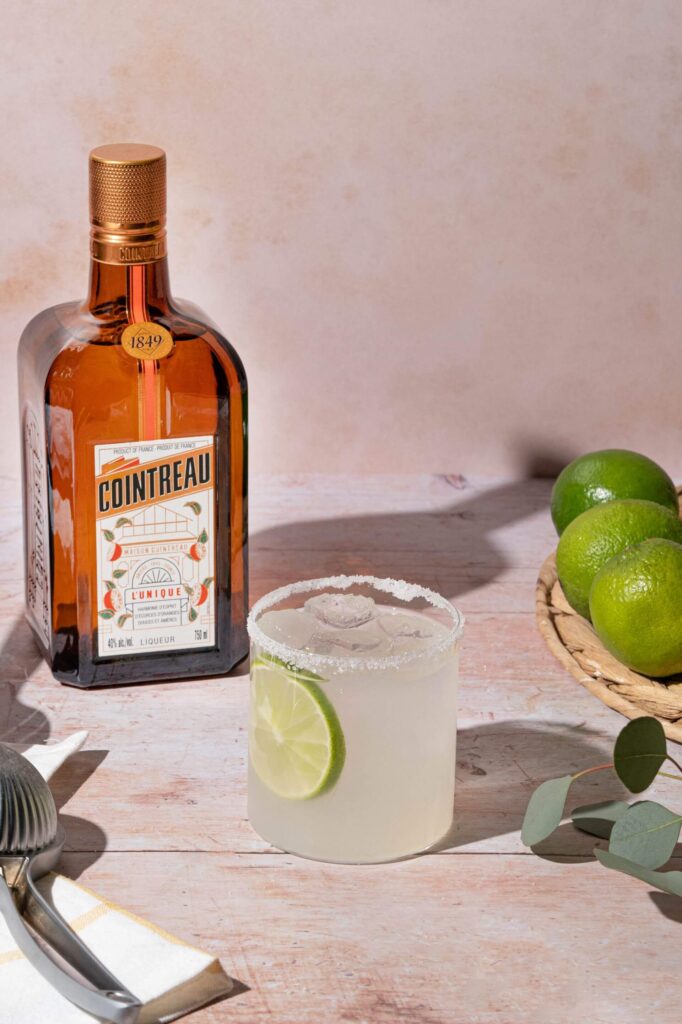
The Original Margarita by Cointreau

The Original Margarita by Cointreau

  • 1 oz. Cointreau
  • 2 oz. Blanco tequila
  • 1 oz. Fresh lime juice
  • Lime wheel to garnish

Prepare a glass by rimming it with salt. Add all ingredients except for garnish to a shaker filled with ice. Shake well, then strain into the prepared glass. Garnish with lime wheel.

Mount Gay Orange Eclipse cocktail

Mount Gay Orange Eclipse

  • 2 oz. Mount Gay Eclipse
  • 1 oz. Fresh blood orange juice
  • 0.6 oz. Sweet vermouth
  • 4 dashes of Angostura Bitters
  • Orange peel to garnish

Prepare a coupe by filling it with ice and setting it aside. Alternatively, keep some coupes in a fridge to have chilled glassware on hand. Fill a shaker with ice, then add first four ingredients. Shake until well chilled, then strain into prepared coupe. Garnish with orange peel.

METAXA Greek Spritz cocktail

METAXA Greek Spritz

  • 1.4 oz METAXA 7 Stars
  • 1.4 oz Prosecco (or other sparkling wine)
  • 0.7 oz Splash of tonic
  • 3 Dashes of peach bitters or fresh peach juice
  • Peach wedge to garnish

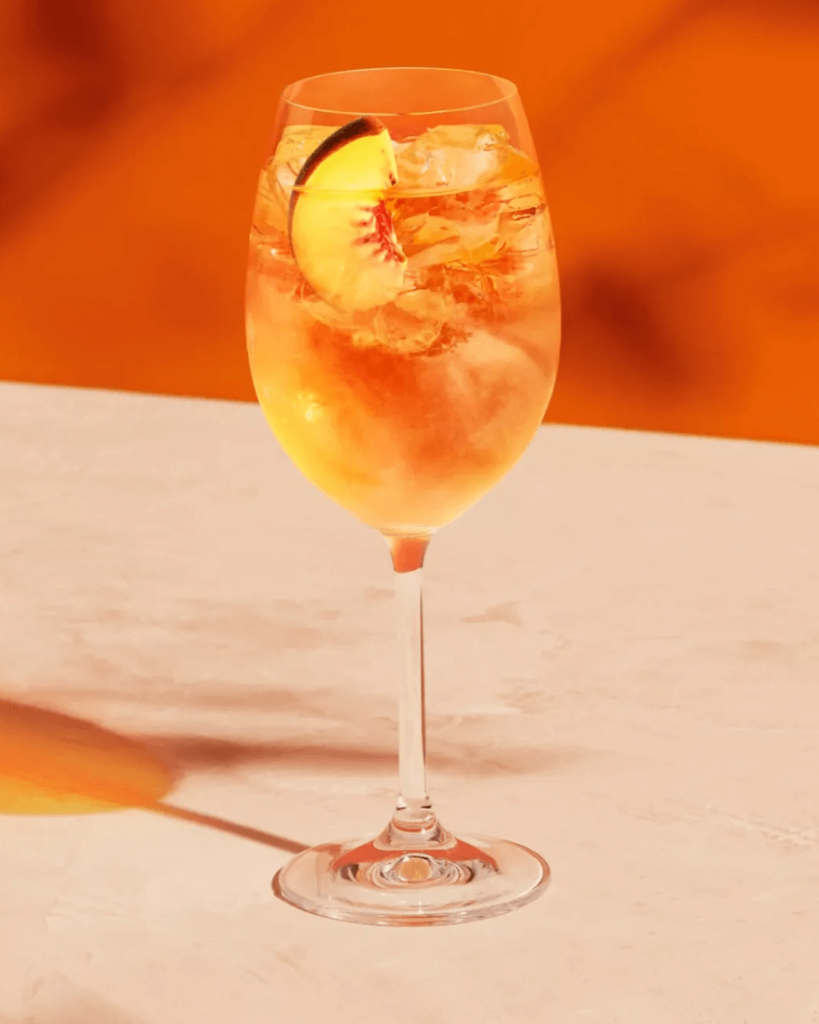
Pour METAXA 7 Stars into a wine glass. Add ice, tonic, and bitters or juice to glass, then stir. Top with Prosecco or other sparkling wine. Garnish with peach wedge.

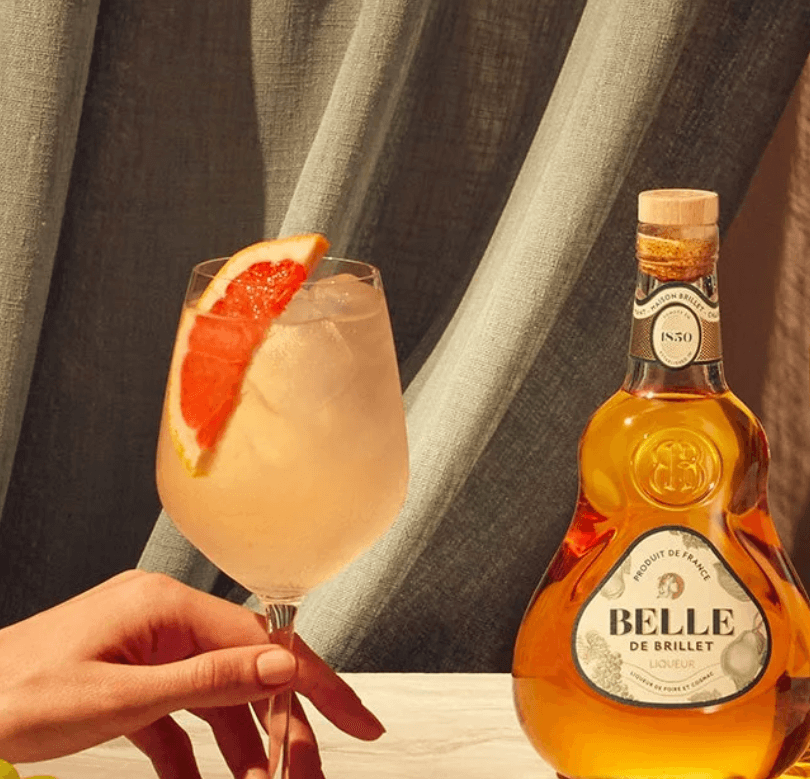
Belle de Brillet Belle Pamplemousse cocktail

Belle de Brillet Belle Pamplemousse

  • 1.75 oz. Belle de Brillet
  • 0.5 oz. Fresh lemon juice (optional)
  • 3.5 oz. Grapefruit soda
  • 1 oz. Prosecco
  • Slice of grapefruit to garnish

Add ice to a glass, then add all liquid ingredients. Stir, then garnish with grapefruit slice.

St-Rémy Signature Rose cocktail

St-Rémy Signature Rose

  • 1 oz. St-Rémy Signature
  • 0.7 oz. Fresh lemon juice
  • 0.3 oz. Grenadine syrup
  • 0.3 oz. Hibiscus syrup
  • 1 Egg white
  • Edible flower to garnish

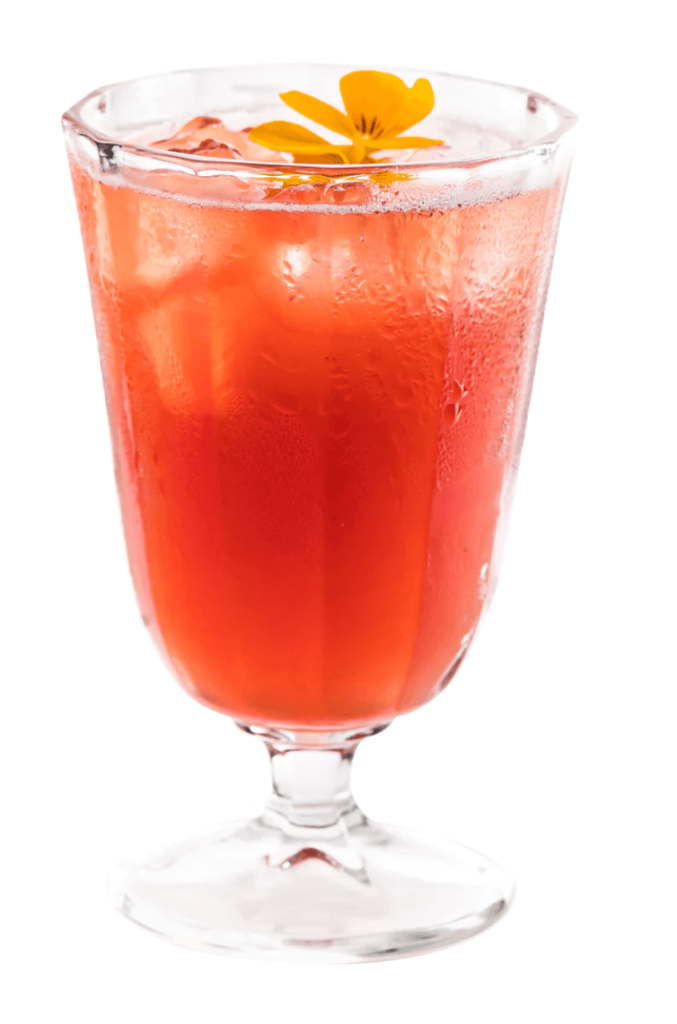
Add ice and first five ingredients to a shaker. Shake well, then strain into a stemmed or footed glass. Garnish with an edible flower.

Disclaimer: Neither the author nor KRG Hospitality received compensation, monetary or otherwise, in exchange for this post.

Images provided by LaFORCE

Bar Nightclub Pub Brewery Menu Development Drinks Food

by David Klemt David Klemt No Comments

Clash of the Coffee Cocktails

Clash of the Coffee Cocktail Titans: Espresso Martini vs. Carajillo

by David Klemt

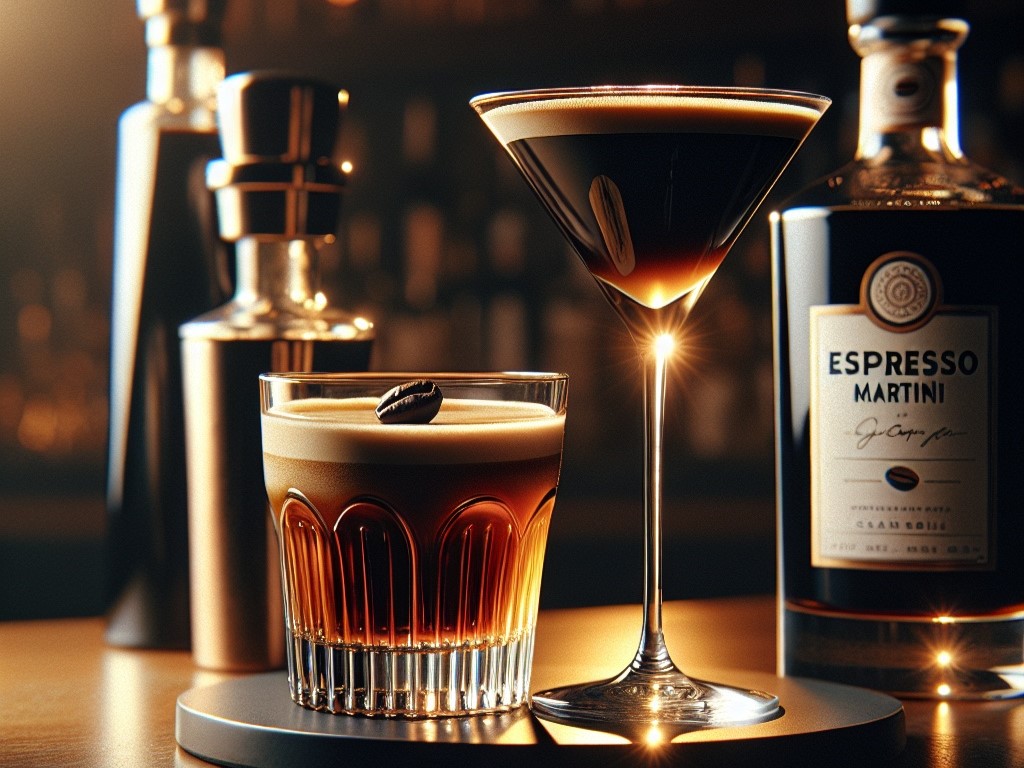
AI-generated image of a Carajillo cocktail next to an Espresso Martini

It took quite a few attempts for AI to generate a Carajillo without a lemon wedge or wheel garnish, with oddly placed ice on top of the foam.

It’s National Espresso Martini Day on Friday, March 15, the day we celebrate a cocktail that has been having “a moment” for decades.

I doubt the man behind the Bramble thought the Espresso Martini (originally the Vodka Espresso) would take on the life it has. The late, legendary Dick Bradsell created this modern classic in London in the 1980s. Oh, and he was also leading the charge for London’s cocktail scene revival at the time.

For whatever reason, the Espresso Martini (also known as the Pharmaceutical Stimulant when served on the rocks) enjoys immense popularity but also suffers widespread mockery. Hey, I’m also guilty of cracking jokes at this stalwart’s expense. Although, my issue is the annual articles saying, “Espresso Martini, so hot right now. Espresso Martini.”

The drink itself? I’ve enjoyed my fair share. And, damn it, I’ll do it again.

Now, I’m mainly writing about National Espresso Martini Day to put it on your radar. This Bradsell creation is wildly popular, and this year’s holiday falls on a Friday. So, there’s ample opportunity to engage with guests, increase traffic, boost revenue, and get creative.

However, I did use the words “clash” and “versus” in the title of this article for a reason…

Clash of the Coffee Cocktail Titans

I submit that National Espresso Day is the perfect time to make guests not in the know aware of the Carajillo.

Look, I know it’s not cool to steal someone’s thunder on their big day. We know we shouldn’t propose to our significant other at someone’s wedding reception. And it’s poor form to pull focus on someone’s birthday with big life event news.

Still, I’m going to propose that operators use National Espresso Martini Day to introduce guests to its rival.

A great rivalry tends to be beneficial for both participants, so why not stoke a friendly feud between these two coffee cocktail heavyweights? To get people’s promotional wheels turning, allow me to suggest an approach.

One way to get guests acquainted with both cocktails is to have them order them back to back. Encourage the ordering of a traditional (or signature) Espresso Martini. Then, have the guest order a Carajillo, traditional specs or otherwise. Right there, operators have gotten a guest to order the important second drink.

If an operator really wants to lean into this approach, they can even create a prix fixe cocktail menu featuring the Espresso Martini and Carajillo. A third drink could be a signature or personalized riff on whichever cocktail the guest enjoyed most.

Espresso Martini

  • 2 oz. Vodka
  • 1 oz. Fresh-brewed espresso
  • 0.5 oz. Coffee liqueur
  • 0.25 oz. Simple syrup
  • 3 Coffee beans to garnish

Add ice to a cocktail glass to chill it. Alternatively, keep some chilled cocktail glasses on hand. Add all liquid ingredients to a cocktail shaker with ice. Shake well, then strain into prepared cocktail glass. Garnish with three coffee beans.

Carajillo

  • One part Licor 43
  • One part coffee
  • 3 Coffee beans to garnish (optional)

Add equal parts Licor 43 and coffee to a cocktail shaker with ice. Shake very well to create a foamy texture, then pour into a cocktail glass.

It’s important to note that a Carajillo can be poured over ice or served up. Also, one can use any type of coffee they prefer, including cold brew. Further, some people make a Carajillo with horchata, while others serve it with a small bowl of sugar. There are also people who use cinnamon sticks and chocolate shavings for garnish.

Going even deeper, some bars serve the Carajillo as a layered, stacked, or pousse-café drink, also known as puesto style.

Image: Shutterstock. Disclaimer: This image was generated by an Artificial Intelligence (AI) system.

KRG Hospitality Start-Up Restaurant Bar Hotel Consulting Consultant Solutions Plans Services

by David Klemt David Klemt No Comments

Program for Unique Holidays: February 2024

Program for Unique Holidays: February 2024

by David Klemt

"Think about things differently" neon sign

Do you want to stand out from from other restaurants and bars in your area? Change how you think about your February holiday promotions.

Several holidays are set against every date on the calendar, and this month is no exception. These holidays range from mainstream to esoteric.

Pay attention to the “weird” or unique holidays to raise eyebrows, carve out a niche for your restaurant or bar, and attract more guests. Why do what everyone else is already doing? Why program only around the same holidays as everyone else?

Of course, you shouldn’t try to celebrate every holiday, strange or otherwise. Focus on the days that are authentic to your brand; resonate with your guests; and help you grab attention on social media.

You’ll find suggestions for promotions below. However, the idea behind our monthly holiday promotions roundup is to inspire you and your team to get creative and come up with unique programming ideas.

For our January 2024 holidays list, click here.

February 3: Ice Cream for Breakfast Day

I think we can all agree that life is too short to not indulge ourselves and have a treat occasionally. French toast, pancakes, crepes… All of these breakfast foods and more pair quite well with ice cream.

This holiday is even better if your back-of-house team can make ice cream from scratch.

February 4: National Homemade Soup Day

One of the most comforting foods on the planet, particularly during the winter, is a warm cup or bowl of homemade soup.

Of course, as an operator, you’ll want to consider rephrasing this holiday as “Housemade” or “Scratch-made” soup.

February 5: Start of Pride in Food Service Week

Pride in Food Service Week runs from February 5 to 9. The purpose is to celebrate foodservice professionals. For some, this means leaving a larger tip than normal. Some operators use this five-day holiday to host special events that highlight their team’s skills. I also recommend using this time to come up with ways you can honor your team, and improve their lives and careers.

February 11: National Peppermint Patty Day

Back in November of last year I wrote about how peppermint was overtaking pumpkin spice as the preferred flavor. Well, this is the perfect day to feature peppermint via a variety of F&B items on your menu, from cocktails and high-quality non-alcohol LTO beverages to tempting desserts.

February 13: National Cheddar Day

Cheddar is the most-popular cheese in the UK and one of the most-popular in the US. If you can slather it in Cheddar, create an LTO menu, feature it, and promote it.

February 16: National Almond Day

This is definitely the holiday to feature dishes with almonds, from appetizers and entrees to desserts. And, of course, there are drinks made with Disaronno, Baileys Almande, Cîroc Amaretto, and other liqueurs and spirits that can help your bar team serve up almond-flavored cocktails.

February 22: National Margarita Day

Nope, this is not an “out there” holiday. However, it is a fantastic time to showcase your signature Margaritas, alongside a classic build, of course.

February 23: National Skip the Straw Day

If you have been trying to be a more sustainable business, reducing and eliminating waste is key. I’m not saying you have to focus solely on replacing plastic straws. Instead, think about serving drinks without straws.

However, make sure you do have straws on hand for those guests who need them.

February 24: National Tortilla Chip Day

Nachos, nachos, nachos. Nachos piled high, nachos prepared in the traditional method, your bar or restaurant’s signature nachos… Time to create a promotion around the humble tortilla chip!

February 26: National Pistachio Day

Have you ever had a Pistachio Martini? How about a Pistachio Espresso Martini, Pistachio Sour, or Pistachio Fizz?

If you haven’t, odds are many of your guests haven’t, either. Could be a great idea for an LTO menu featuring pistachio, huh?

Image: Ivan Bertolazzi on Pexels

Bar Nightclub Pub Brewery Marketing Agency Team

by David Klemt David Klemt No Comments

Life is Peachy with These Cocktails

Life is Peachy with These Pantone-inspired Cocktails

by David Klemt

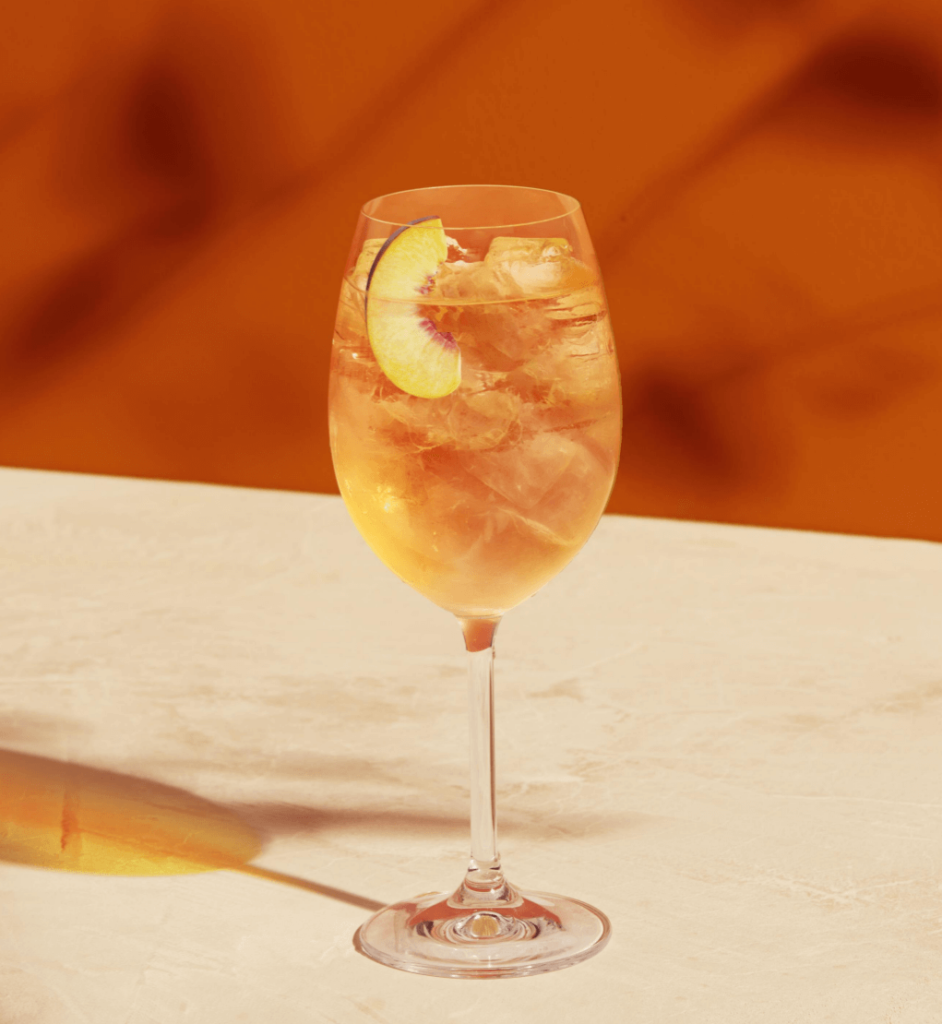
Greek Spritzer drink

According to Pantone, the 2024 Color of the Year is Peach Fuzz, which communicates warmth, community, collaboration, and a sense of welcoming.

There’s a lot that operators can do with Pantone’s annual announcement.

For those who are curious, the 2023 Color of the Year was Viva Magenta, a bold, purplish shade of red. And in 2022, the color was Very Peri, a dynamic shade of blue.

If an operator is looking for a complete venue refresh, Peach Fuzz may be an effective choice. For example, people can leverage the 2024 Color of the Year with feature walls, seating, tablecloths, and physical menus.

Of course, not every operator is looking to undergo a redesign. In this case, there’s still plenty of opportunity to splash Peach Fuzz throughout a bar or restaurant. One simple and effective way is through the drink menu.

Below are three peach-forward cocktail recipes. They’re visually appealing, which is helpful since we tend to “drink” with our eyes first. And with peach brandy, puree, or bitters, they impart more than just color: peach fans will appreciate the flavor.

You’ll also find a recipe for the Cosmopolitan, the famous cocktail created by Toby Cecchini. It turns out Aubrey Plaza, the modern face of the Margarita, is also the spokesperson for the Cosmo. Just like they say there’s no Negroni without Campari, there’s no Cosmo without Cointreau.

Cheers!

Frankly, My Dear cocktail

Frankly, My Dear

  • 0.75 oz. Cointreau
  • 0.75 oz. Tequila
  • 0.75 oz. Fresh lemon juice
  • 0.5 oz. Peach puree
  • 3 oz. Prosecco to top
  • Peach wedge to garnish

Prepare a Collins glass by filling it with ice. Add all ingredients except for the Prosecco and garnish to a shaker with ice. Shake well, then strain into Collins glass. Top with Prosecco, garnish with a peach wedge, and serve.

Fish House Punch cocktail

Fish House Punch

Add ice to a rocks, Collins, or other glass. Fill a cocktail shaker with ice, then add all ingredients except for garnish. Shake well, strain, garnish with lemon zest, and serve.

Peach Spritzer cocktail, also known as Greek Spritzer

METAXA Peach Spritzer

  • 1.5 oz. METAXA 7 Stars
  • 1.5 oz. Prosecco or other sparkling wine
  • 0.75 oz. Tonic
  • 3 dashes Peach bitters
  • Peach wedge to garnish
  • For winter: Star anise and tree leaf to garnish
  • For spring: Jasmine flower to garnish

For this cocktail, start by selecting a red wine glass. Add METAXA 7 Stars, then add bitters and ice. Stir, add tonic, then top with Prosecco or other sparkling wine. Garnish with a peach wedge.

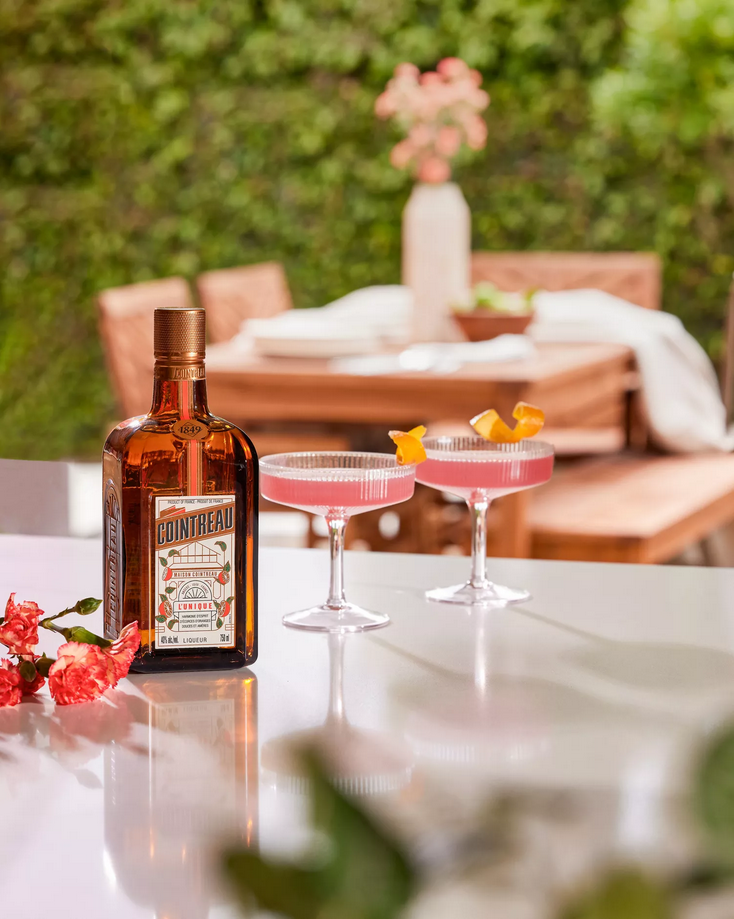
Cointreau Cosmopolitan cocktails

Cointreau Cosmo

  • 1 oz. Cointreau
  • 2 oz. Vodka
  • 1 oz. Fresh lime juice
  • 1 oz. Cranberry juice
  • Orange twist to garnish

Your bartenders probably know how to make a Cosmo. But just in case, start by preparing a coupe or cocktail glass by chilling it. Add all the liquid ingredients and ice to a cocktail shaker. Shake well, then strain into the prepared glass. Garnish and serve.

Images belong to their respective brands.

KRG Hospitality. Bar Consultant. Nightclub. Lounge. Mixology. Cocktails.

by David Klemt David Klemt No Comments

Program for Unique Holidays: January 2024

Program for Unique Holidays: January 2024

by David Klemt

"Think about things differently" neon sign

Do you want to stand out from from other restaurants and bars in your area? Change how you kick off the new year with your January holiday promotions.

Several holidays are set against every date on the calendar, and this month is no exception. These holidays range from mainstream to esoteric.

Pay attention to the “weird” or unique holidays to raise eyebrows, carve out a niche for your restaurant or bar, and attract more guests. Why do what everyone else is already doing? Why program only around the same holidays as everyone else?

Of course, you shouldn’t try to celebrate every holiday, strange or otherwise. Focus on the days that are authentic to your brand; resonate with your guests; and help you grab attention on social media.

You’ll find suggestions for promotions below. However, the idea behind our monthly holiday promotions roundup is to inspire you and your team to get creative and come up with unique programming ideas.

For our December 2023 holidays list, click here.

January 2: Thank God It’s Monday Day

We all know the Monday trope: It’s the day of the week to fear, inspiring the Sunday Scaries.

Well, this month encourages people to change how they look at the start of the workweek. Your venue can play a role, offering F&B promotions and entertainment programming that puts people in good spirits on a Monday.

January 3: National Fruitcake Toss Day

Another trope? Fruitcake somehow becoming a rock star during the end-of-year holiday season. I suppose this divisive dessert gets the “rock” part right…

If you have the space, you can hold a fruitcake tossing competition. Nobody’s going to eat the fruitcakes they were given, so they may as extract some joy from them.

January 9: National Cassoulet Day

This French dish is warm and comforting. And according to Tastewise, social conversations were up 20 percent in 2023.

However, less than one percent of restaurants have cassoulet on their menus in the US. Could be an excellent opportunity for savvy operator and kitchen team.

January 13: National Peach Melba Day

Each December, Pantone announces the next year’s Color of the Year. At this point, it’s a tradition.

For 2024, that color is Peach Fuzz. So, it makes sense to put peach dishes and drinks on your menu. The Peach Melba is a dessert consisting of peach wedges resting in raspberry sauce, accompanied by vanilla ice cream. However, there’s no reason your kitchen team can’t make this their own by getting creative with ice cream flavors and other accompaniments.

January 14: Start of National Mocktail Week

This is an excellent way to help guests celebrate Dry January. However, it’s important to note that some sober guests find the term “mocktail” disrespectful. I can see their point: the word has “mock” in it. So, perhaps call your celebration Alcohol-free Week, Non-alcohol Week, or Zero-ABV Week.

Either way, this is the time to dial in your zero-proof menu.

January 15: National Strawberry Ice Cream Day

Celebrating this holiday with the Peach Melba is a great way to get the most out of promoting your guests’ favorite new dessert. All you have to do is serve your Peach Melba with, you guessed it, strawberry ice cream instead of the standard vanilla.

January 20: National Cheese Lover’s Day

Getting creative to celebrate this holiday will take some effort. However, if you nail it, this promotion can be recurring and become a sought-after experience.

Wine, beer, and spirits pair with a vast array of cheeses. You can create an entire tasting experience, pairing specific cheeses with a curated selection of wines, beers, whiskeys, or other spirits. Check out this guide for pairing ideas.

January 20: National Use Your Gift Card Day

I don’t usually double up on holidays for this monthly KRG Hospitality feature, but here we are.

If your business offers gift cards, this is the day to encourage people to come in and redeem them. Send a targeted email campaign, include a link to your reservation system, and you’ll have an excellent way to track how many gift cards you can expect to show up for redemption.

January 25: Clashing Clothes Day

Why should October and December get all the dress-up fun? There’s no reason your guests have to pull out all the stops for Ugly Christmas Sweater gatherings and then wait another year to do it again.

If you pull this off well and make it a “thing,” you and your team can own Clashing Clothes Day and make it an annual promotion.

January 30: National Croissant Day

The humble but delicious, flaky croissant is a tasty canvas. Sure, you can just offer croissants, but what about going harder and offering an array of croissant sandwiches or desserts?

Image: Ivan Bertolazzi on Pexels

KRG Hospitality Start-Up Restaurant Bar Hotel Consulting Consultant Solutions Plans Services

by krghospitality krghospitality No Comments

Drink Donnybrook: Let’s Talk Screwdriver

Drink Donnybrook: Let’s Talk Screwdriver

by David Klemt

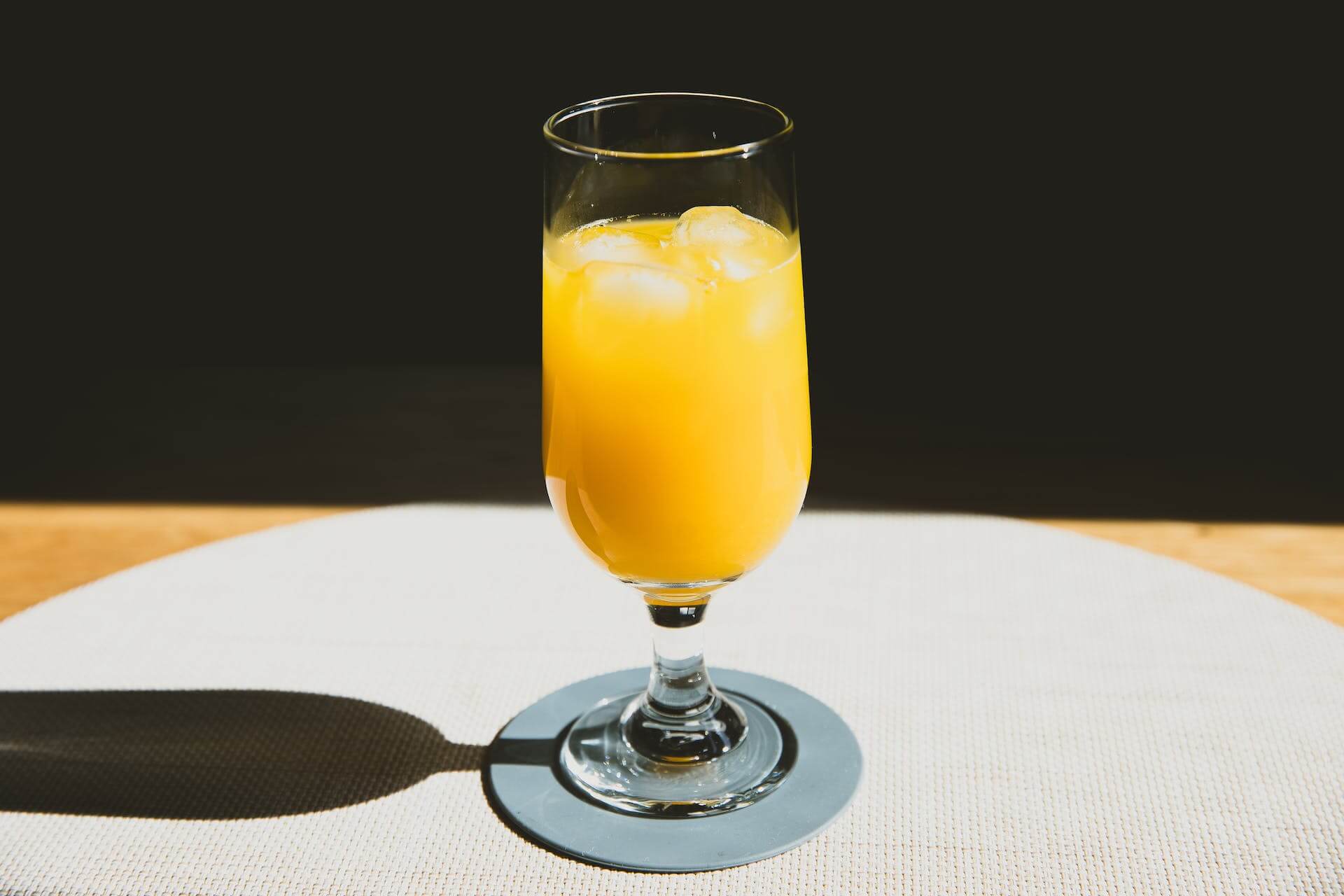
Orange cocktail, like a Screwdriver

Is there vodka in there? Maybe.

As it turns out, the origins of one of the simplest cocktails on the planet—there are just two ingredients in a traditional Screwdriver—are a mystery.

Another interesting note about the Screwdriver: It’s likely a relatively new drink.

If the Screwdriver is an American invention, the earliest most believe it could have been created is the 1920s. That’s when Smirnoff sold the rights to North American distribution to a distiller in the US.

However, it’s possible the cocktail wasn’t invented until some time in the 1940s. Vodka didn’t really become popular among Americans until the ’40s. So, it’s conceivable that the Screwdriver is less than 100 years old.

Still, it’s difficult to believe that someone, somewhere didn’t think to add a splash of vodka to their orange juice in the 1800s. Or that someone didn’t think to “adjust” the taste of the vodka in their glass with a bit of OJ.

Either way, it’s pretty entertaining to know that we don’t have a definitive answer for who created the Screwdriver, where it was first made, and when. When we consider the fact that the recipe calls for just two simple ingredients, maybe it does make sense that we don’t know the who, where, and why. It’s so easy to make that it’s believable multiple people had the same idea around the same time, across the globe.

Of course, it wouldn’t be a Drink Donnybrook without checking into some origin theories. So, let’s dive in!

World War II

One theory involves WWII and the US Marine Corps.

It’s quite simple, really. During WWII, stationed overseas, perhaps a few Marines jazzed up their orange juice with a touch of vodka.

Oh, but wait. The Screwdriver may not be attributable to the USMC. It’s possible, according to another theory, that the former US Army Air Forces came up with drink and name when stationed in Ankara, Turkey.

As the predecessor to the Air Force, the USAF may hold claim to the Screwdriver.

If it’s one thing we need, it’s more fuel for the inter-service rivalry between the USMC and USAF.

Journalists

Two publications mentioned the Screwdriver in the 1930s and 1940s.

According to some historians, Journalism Quarterly at least made reference to a drink called the “Smirnoff Screwdriver” in 1938.

If that’s true, the classic cocktail predates WWII by a year. And if that’s true, it’s possible that American marines, airmen, or soldiers spread it around the world.

In 1949, Time magazine mentioned the Screwdriver. According to the writer, the cocktail was the newest drink grabbing attention at the Park Hotel in New York. Apparently, American engineers, Balkan refugees, and Turkish spies loved the drink.

Interestingly, if Time‘s reporting is accurate, it’s possible the supposed Turkish spies frequenting the Park Hotel bar got the name of the drink from American airmen.

Since apparently no bartenders who worked at the Park Hotel appear to have taken credit for it back in the ’40s, it’s unlikely it was created there.

Roughnecks

Okay, so you’re an oil worker. It’s the 1950s and you’re working in the Persian Gulf.

You’re performing back-breaking, dangerous tasks in oil fields. Maybe you need a pick-me-up, and maybe that pick-me-up involves mixing orange juice and vodka together.

But…you don’t have a barspoon. You certainly don’t have a swizzle stick. And you don’t have a coffee stirrer handy.

What you do have is a screwdriver. That screwdriver will definitely stir a drink. It doesn’t take time for this vodka-orange juice concoction to get the name “Screwdriver” because of the stirring utensil.

Well, that’s one theory, anyway.

Two days from now, December 14, you can share all those stories with your guests. Why? Because that’s National Screwdriver Day, a time to celebrate one of the simplest cocktails ever made.

Of course, you and your team can make the Screwdriver your own. Top-shelf vodka, the finest and freshest hand-squeezed orange juice (maybe even blood orange juice), any number of garnishes or rims, a touch of sparkling wine or water… The simpler the drink, the easier it can be to riff on it.

Cheers!

Image: Ryutaro Tsukata on Pexels

Bar Nightclub Pub Brewery Menu Development Drinks Food

by David Klemt David Klemt No Comments

Peppermint is the Latest Flavor Superstar

Peppermint is the Latest Flavor Superstar

by David Klemt

A candy cane surrounded by red smoke in a studio

Just when you think you have a handle on seasonal flavors, along comes the latest and greatest demand from consumers: peppermint.

Perhaps it’s because pumpkin spice shows up earlier each year. Maybe it’s because that hit of frosty peppermint hits the nostalgia button.

It could be as simple as consumers thinking:

  • pumpkin is for fall; and
  • peppermint is for winter.

Regardless, it appears that people are turning their attention to peppermint.

Of course, that doesn’t mean that pumpkin and pumpkin spice are out of favor completely. A recent trip to a grocer with shelves devoid of pumpkin butter and other pumpkin spice flavors show me people are still snapping it up.

And no, it wasn’t a product shift; staff says those products are flying out the door after each restock.

Instead, I think people are just ready for the next thing. In this case, the next flavor thing. And that flavor, it seems, is peppermint.

Considering that pumpkin spice LTOs appeared in early August this year, it makes sense for many consumers to want something new. After all, they’ve had four months to indulge their pumpkin and pumpkin spice cravings. That’s a third of the year.

Peppermint on the Rise

When delving into F&B and hospitality trends I tend to look at Datassential and Technomic. Both are credible, reliable sources of information.

However, I’m turning to another source, Tastewise, to dive into pumpkin spice and peppermint. For the unfamiliar, Tastewise is an F&B insight platform that uses artificial intelligence to collect real-time consumer behavior data.

First up, pumpkin spice. According to Tastewise, the flavor is up nearly 75 percent in terms of social conversations in 2023. Additionally, four percent of restaurants in the US have pumpkin spice items on their menus. That may not sound like a lot, but that’s more than 33,000 restaurants.

Now, let’s look at peppermint. Per Tastewise, social conversations about this frosty flavor are up almost 22 percent this year. However, peppermint liqueur conversations are up just over 77 percent.

Interestingly, according to Tastewise, peppermint items are on almost eight percent of menus in the US. That’s more than 67,000 restaurants, over double the amount of pumpkin spice.

One note: peppermint is not the same as mint. While peppermint is trending (most likely due to seasonal shift), mint is down nearly 109 percent. So, not all mint flavors and items are equal. This seems particularly true at the moment.

Takeaway

Is everyone on social media, talking about food? No, of course not.

It’s important to note, though, Tastewise’s current market overview. At the time of publication, Tastewise is scanning:

  • 8,151,698 people on social media;
  • 57,220,294 social media posts;
  • 937,070 restaurants;
  • 136,278,759 dishes; and
  • 5,878,416 recipes.

Operators can and should take industry insights with a grain of salt. Not every fad, trend or item works for every operator and concept.

However, it’s important to know what consumers are talking about and posting to social media. Being a part of some conversations can be a boon for an operator and their bottom line.

So, if introducing a peppermint LTO (or LTOs) will appeal to an operator’s guestsbecause they take the time to understand them and track their menu item salesand works with their concept authentically, they should consider becoming a part of this conversation.

Image: Shutterstock. Disclaimer: This content was generated by an Artificial Intelligence (AI) system.

KRG Hospitality Start-Up Restaurant Bar Hotel Consulting Consultant Solutions Plans Services

by David Klemt David Klemt No Comments

Last-minute Halloween Cocktails!

Last-minute Halloween Cocktails!

by David Klemt

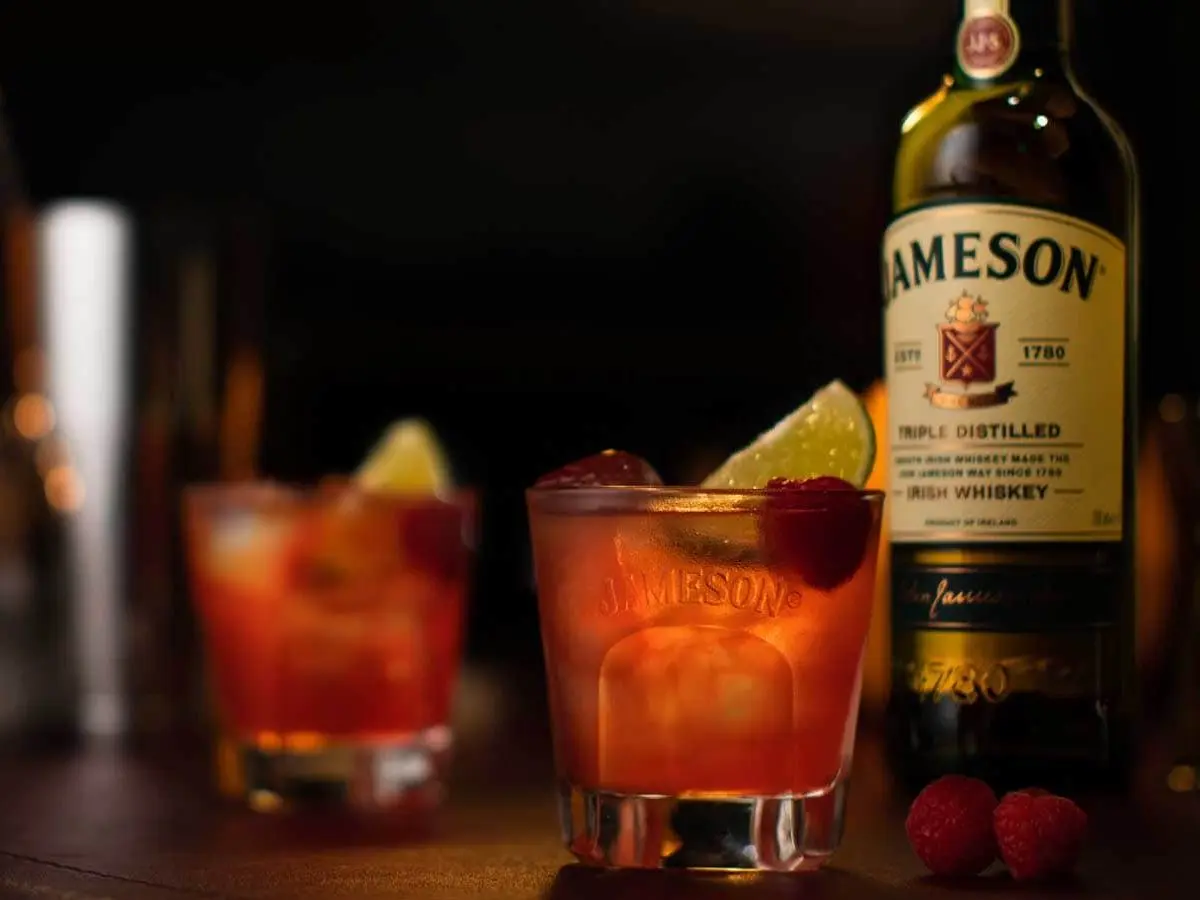
Jameson Irish Whiskey Witches' Brew cocktail

If you perhaps let Halloween preparations get by you, have no fear: here are three Jameson Irish Whiskey cocktails that pair well with different candies.

These aren’t just any three cocktails, however. Instead, Jameson is recommending these drinks because they happen to pair well with three distinct flavors:

  • Tart and sour;
  • sweet; and
  • chocolate.

Makes sense, right? As guests arrive, hopefully in costumes, they may bring candy with them. Or, you may be serving up some mini-candies along with the drinks crossing your bar.

Either way, the drinks below will enhance the guest experience by pairing with an array of candies.

Cheers! Or, boo! Whatever you think is clever, I dunno.

Tart & Sour

Let’s say a guest is munching on some SweeTARTS, Sour Patch Kids, or Warheads. Basically, they’re enjoying tart and/or sour candies this Halloween.

The drink below, according to Jameson, will pair well with those candy flavors.

Jameson Irish Whiskey Witches' Brew cocktail

Witches’ Brew

Out of these three cocktails, this one requires the most prep. You’re going to steep teabags in boiling water and let it cool.

And if you choose to make your own raspberry syrup, your bar team will have to simmer water with sugar and raspberries for a couple of minutes. This will also have to cool before use.

However, this is a large-format drink, so the following recipe allows you to prebatch before guests descend on your bar.

  • 1 bottle Jameson Irish Whiskey
  • 1 carton Cranberry juice
  • 17 oz. Mint tea
  • 3.5 oz. Raspberry syrup
  • 6 Whole limes
  • 1 Orange
  • 12 Raspberries

Start by filling a large vessel with 17 ounces of boiling water. Add six mint teabags and let steep. Once cool, remove teabags. Juice the limes, slice the orange, and add to the vessel with the raspberries. Add the Jameson, cranberry juice, and syrup. Serve in a rocks glass over ice and garnish with raspberries and lime zest.

To make the syrup: In case you haven’t made syrup before, simply add 250mg of water, 250mg of sugar, and 100 grams of raspberries to a pot or saucepan and boil. After reducing to a simmer for two minutes, remove the pot or pan from heat. Let the syrup steep until cool, strain, bottle, and toss in a fridge.

Sweet

Does your guest have a sweet tooth? Are they chowing down on sweet, overly sugary candy? Maybe they’re throwing handfuls of candy corn down their gullet.

This is the drink for them!

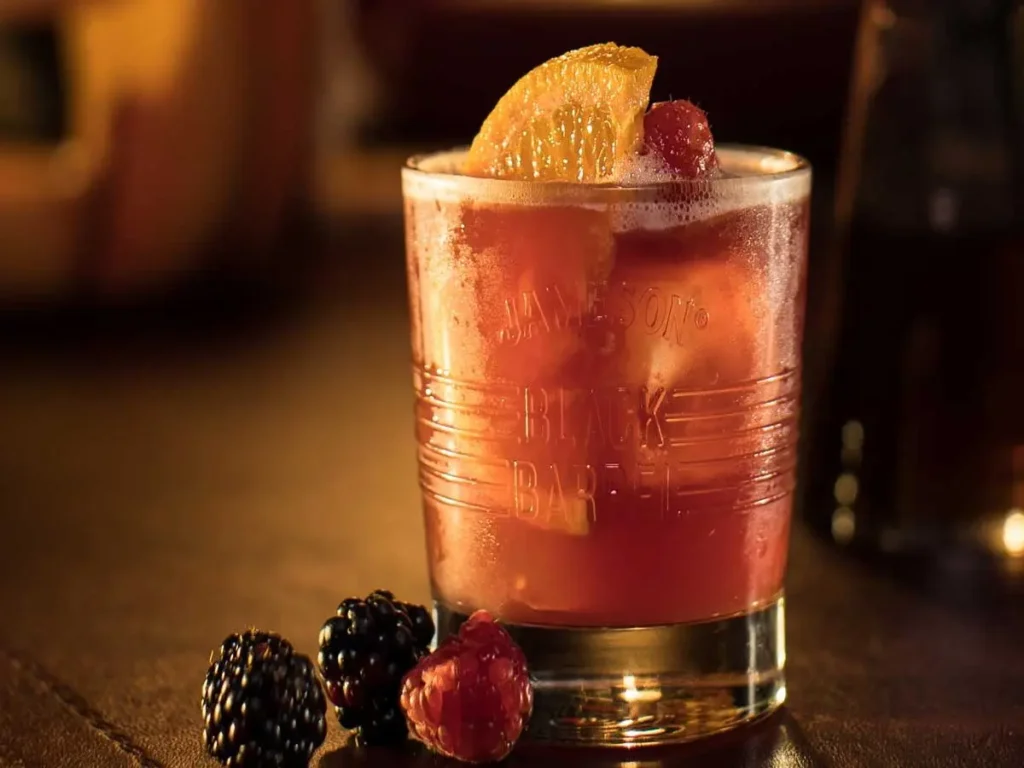
Jameson Irish Whiskey Blood Rising cocktail

Blood Rising

From the most complex cocktail on this list to a simpler recipe.

Per Jameson, this cocktail is also known as the Blood Boiler.

  • 1 2/3 parts Jameson Black Barrel
  • 1 2/3 parts Lillet Rouge
  • 1 2/3 parts Orange juice
  • 1 1/6 parts Berry Syrup
  • Orange wedge to garnish
  • Berries to garnish

Prepare a rocks glass by placing a large ice cube inside. Combine all the liquid ingredients in the glass over the cube. Stir, then garnish with the orange and berries

To make the berry syrup: See the instructions above for the raspberry syrup.

Chocolate

I mean…chocolate. C’mon, it’s a loaded Halloween candy category. Snickers, Kit Kat bars, Milky Way bars, M&Ms, it doesn’t matter.

If a guest can’t resist the siren song of chocolate, the cocktail below will pair well with chocolatey notes.

Jameson Irish Whiskey Cold Brew Bittersweet Goodbye cocktail

Jameson Cold Brew Bittersweet Goodbye

If you’ve left your Halloween drink menu to the last minute, this is probably the quickest recipe on this list.

  • 1 1/3 parts Jameson Cold Brew
  • 1 1/3 parts Campari
  • 1 part Blood orange juice
  • 3 parts Tonic water
  • 1 Slice of a blood orange or red grapefruit to garnish

Fill a highball with ice, then add the first three ingredients. Add the tonic water and garnish.

Note: Orange also goes well with chocolate, so consider playing with Jameson Orange Whiskey if you have the time.

Images via Jameson Irish Whiskey

Bar Nightclub Pub Brewery Menu Development Drinks Food

by David Klemt David Klemt No Comments

Celebrating the Espresso Martini

Celebrate the Espresso Martini with Mr. Black

by David Klemt

Two Espresso Martinis on a bar

For the second time in its brief but exciting history, Mr. Black Espresso Martini Fest is coming to bars throughout America.

Last year, 70 bars in eight cities across the US took part to celebrate the Espresso Martini. This year, participation more than doubles.

Fourteen cities in ten states will play host to more than 200 bars during the fest. For 2023, Austin, Boston, Dallas, Denver, Nashville, Phoenix, and Seattle are joining in on the fun.


View this post on Instagram


A post shared by Mr Black Spirits (@mrblackspirits)

I, for one, expect Espresso Martini Fest to have the same staying power as other cocktail celebrations. The inaugural event took place in 2016 in Australia. In 2018, the Fest spread to the UK. After launching in the US, the week-long event growth has doubled over the course of just one year.

Logically, Mr. Black Espresso Martini Fest should join the ranks of Negroni Week, Old Fashioned Week, and Bee’s Knees Week.

Now, I know I’ve called the Espresso Martini “the cocktail that won’t die.” And yes, I’ve pointed out that it’s not technically a Martini, and that many bartenders hate it for the time it can take to make. That doesn’t mean participating in Espresso Martini Fest is a bad idea.

This is a cocktail that guests enjoy. It’s a drink that generates headlines each year. And clearly it’s a beverage that can drive traffic and generate revenue. At the end of the day, participation is a smart move.

2023 Espresso Martini Fest Cities

Given that the Fest runs from October 9 to 15, it’s unlikely the organizers are still vetting venues for participation. However, at the time of this article’s publication, the portal appeared to be open. It’s a worth a shot if you want your bar to join Espresso Martini Fest!

At least you’re aware of the event now so you can prepare to sign up next year.

Bars in the following cities are taking part in this year’s Fest:

  • Austin, Texas
  • Boston, Massachusetts
  • Chicago, Illinois
  • Dallas, Texas
  • Denver, Colorado
  • Houston, Texas
  • Los Angeles, California
  • Miami, Florida
  • Nashville, Tennessee
  • New York, New York
  • Phoenix, Arizona
  • San Diego, California
  • San Francisco, California
  • Seattle, Washington

I certainly anticipate this list growing by at least 50 percent for 2024. Cheers!

Image: Krists Luhaers on Unsplash

KRG Hospitality. Bar Consultant. Nightclub. Lounge. Mixology. Cocktails.

by David Klemt David Klemt No Comments

Rémy Martin Pays Homage to Sobremesa

Rémy Martin Pays Homage to Sobremesa

by David Klemt

Josué Gonzaléz for the Rémy Martin "Que Viva Rémy Sobremesa" campaign

Mixologist Josué Gonzaléz for the Rémy Martin “Que Viva Rémy Sobremesa” campaign

Rémy Martin is teaming up with the Hispanic Restaurant Association to celebrate Hispanic Heritage Month by honoring a post-dinner tradition.
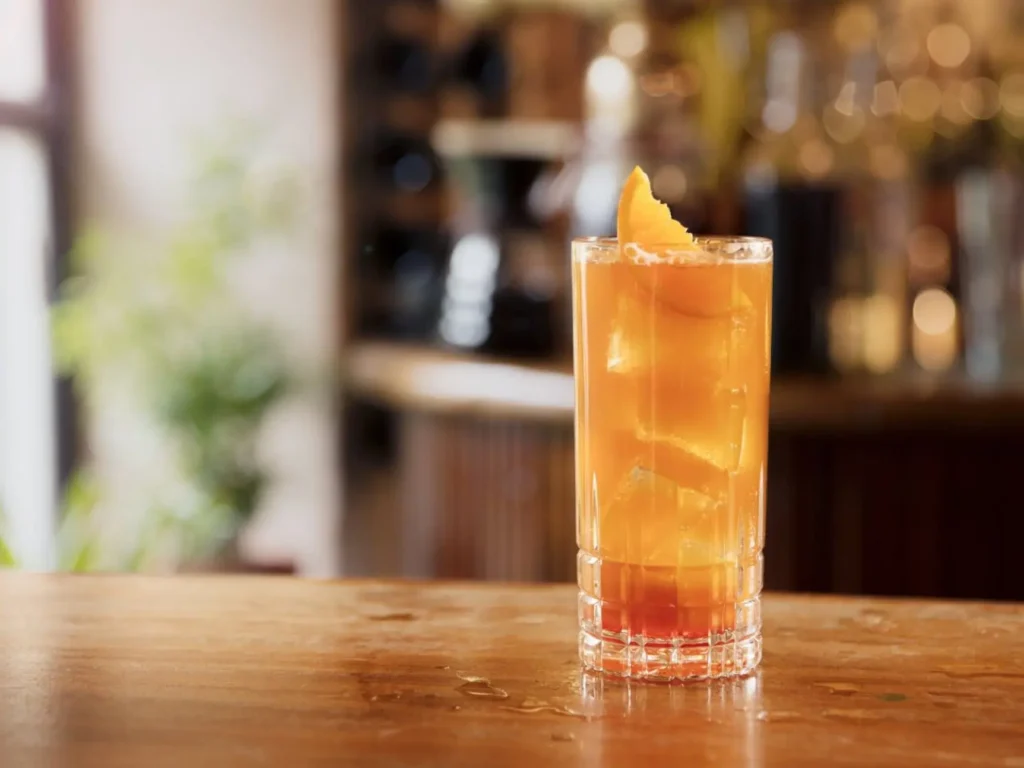
That tradition, an important element of a number of Hispanic cultures, is called “sobremesa.” Translating to “at the table” or “upon the table,” sobremesa is the period of time after a meal during which people relax, chat, and digest.
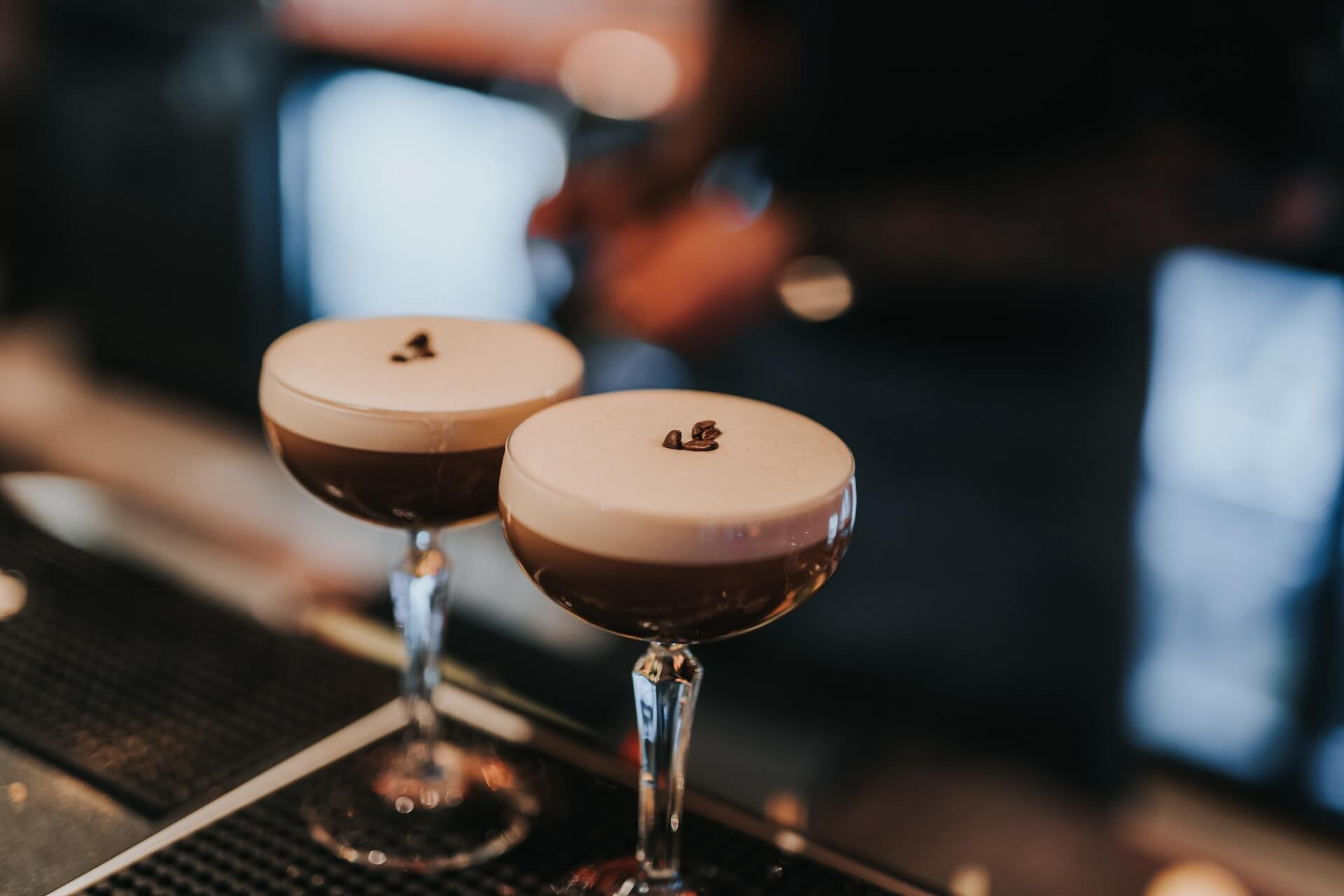
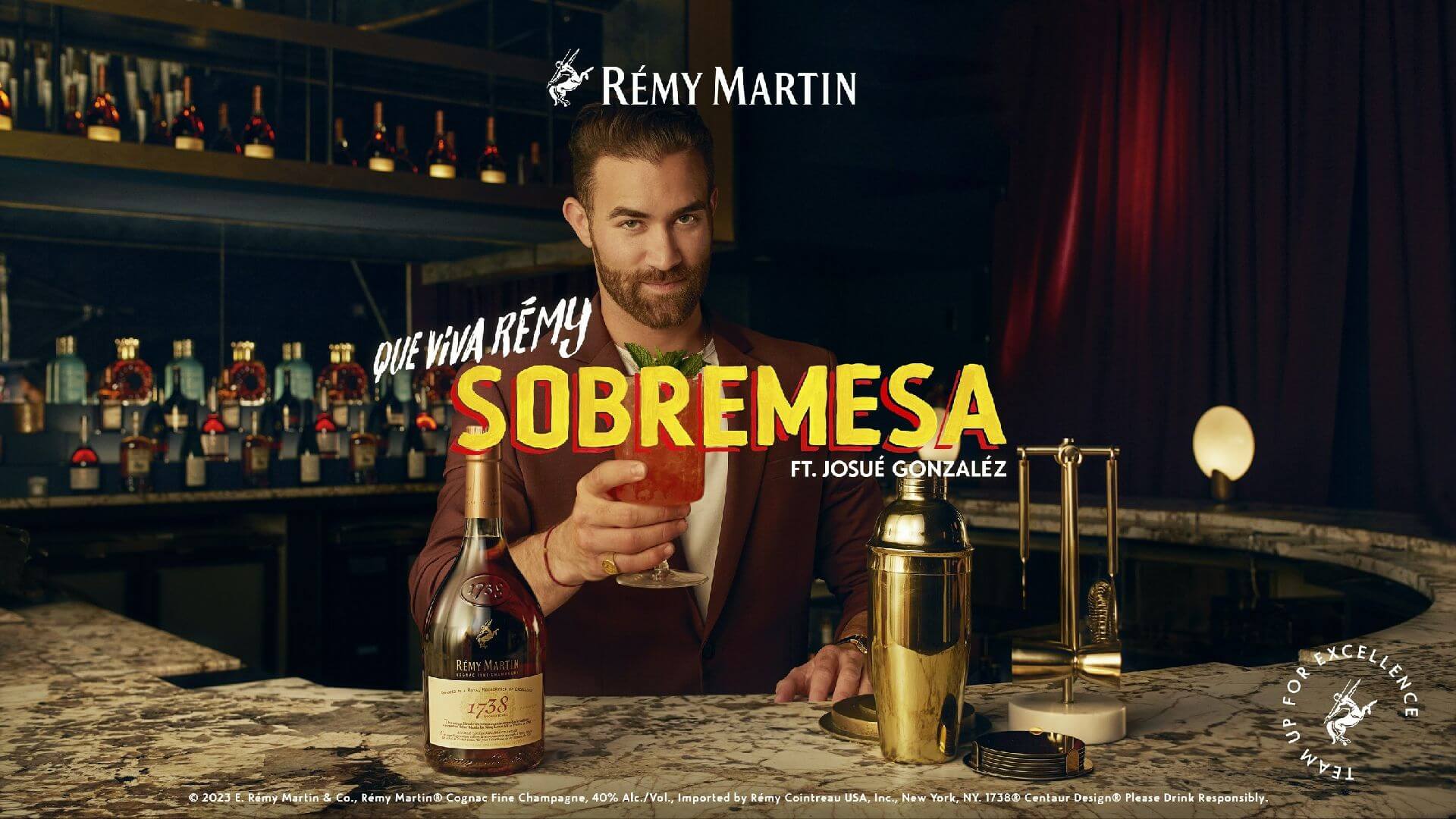
This is, of course, one of the most important elements of a great meal and gathering of friends and family. While sobremesa may fly in the face of the “turn-and-burn” approach to operation, a hallmark of a wonderful time out at a restaurant is the post-meal vibe.

Are guests lingering with smiles on their faces, ordering post-dinner drinks and chatting, giving off a good energy? That would indicate an operator and their team have delivered excellent service and a memorable guest experience.

To celebrate Hispanic Heritage Month and sobremesa, Rémy Martin is launching a new campaign: “Que Viva Rémy Sobremesa.”


View this post on Instagram


A post shared by Rémy Martin US (@remymartinus)

Que Viva Rémy Sobremesa

A core element of this collaboration between Rémy Martin and the Hispanic Restaurant Association is bringing food and beverage together.

To achieve this, Que Viva Rémy Sobremesa is bringing together three influential F&B professionals.

Chef Paola Velez for the Rémy Martin "Que Viva Rémy Sobremesa" campaign

Hailing from the Bronx with a career that has brought her to Washington, DC, Chef Paola Velez is an entrepreneur, activist, and the founder of Bakers Against Racism.

Chef Carlos Gaytán for the Rémy Martin "Que Viva Rémy Sobremesa" campaign

A restaurateur with restaurants in Mexico and Chicago—and his sights on California’s dining scene—Chef Carlos Gaytán is the first Mexican-born chef to earn a Michelin star.

Miami native and revered bartender Josué Gonzaléz brings an understanding of the culinary to his craft, beginning his journey in hospitality as a Johnson & Wales culinary student. His résumé includes some of the best bars and restaurants in America.

This powerhouse trio has been tasked with creating cocktails and culinary pairings that feature Rémy Martin and shine a spotlight on sobremesa. Their hard work will be showcased through immersive experiences throughout the US. Click here for Chef Velez’s recipes, here for Chef Gaytán’s creations, and here for Gonzaléz’s recipes.

However, Que Viva Rémy Sobremesa doesn’t stop with the conclusion of a meal. Rémy Martin, the Hispanic Restaurant Association, and their featured chefs and bartender also seek to add a new element to sobremesa.

Rather than sobremesa representing the end of a night out, Que Viva Rémy Sobremesa aims to transform the tradition into the start. In other words, “last call” now signals “the first call of the rest of the night.” Instead of asking, “When can we do this again,” the campaign encourages friends and family to ask, “What’s next tonight?”

The Mambo Mango Royale

To provide an idea of the creations coming from the Que Viva Rémy Sobremesa collaborations, here’s a cocktail recipe from Josué Gonzaléz.

  • 1.5 oz Rémy Martin Tercet
  • 0.75 oz Mango Syrup
  • 0.5 oz Lemon Juice
  • Bar spoon Galliano
  • Champagne to top
  • Decorative mango and edible flower to garnish

Add the first four ingredients and ice to a shaker. Shake vigorously for about ten seconds, then add a splash of Champagne. Pour into a flute or cocktail coupe, then garnish.

For more information, please read the press release below in its entirety. Cheers!

RÉMY MARTIN LAUNCHES ‘QUE VIVA RÉMY SOBREMESA’ CAMPAIGN TO CELEBRATE HISPANIC HERITAGE MONTH AND HONOR THE CHERISHED SOBREMESA TRADITION

Notable culinary and cocktail personalities come together to share custom recipes featuring Rémy Martin 1738 Accord Royal and Tercet and create lively experiences while embracing cultures of excellence and the tradition of Sobremesa

NEW YORK—To celebrate Hispanic Heritage Month, Rémy Martin is launching Que Viva Rémy Sobremesa, an homage to Sobremesa, the post-dining tradition found throughout many Hispanic cultures. The campaign brings influential culinary and mixology tastemakers together, including award-winning chefs Carlos Gaytán and Paola Velez, and renowned Mixologist Josué Gonzaléz, to create a variety of curated cocktails featuring Rémy Martin 1738 Accord Royal and Tercet along with culinary pairings showcasing how Sobremesa comes to life across different Hispanic cultures. The tastemakers and their pairings will be presented at a series of immersive events across the country.

With nearly 300 years of excellence producing Cognac Fine Champagne and symbolizing the diversity of craft and tradition, Rémy Martin continues to be at the forefront of moments that bring people together. As the kickoff to Hispanic Heritage Month, Rémy Martin is immersing cocktail connoisseurs in Sobremesa, a tradition where one finds themself lost in deep conversation – talking, sipping cocktails and spending time with those who matter most – often for hours after dining.

Getting lost in conversation and savoring the post-dinner experience is the essence of Sobremesa and with Que Viva Rémy Sobremesa, Rémy Martin will challenge the notion of “last call” by signaling Sobremesa as the start of the night ahead. After all, the most dispiriting words heard when you’re out are “last call” and “kitchen’s closed” – but with Rémy Martin the last call can now be the first call of the rest of the night.

“Rémy Martin’s passion for excellence, family values and traditions offer a moment for us all to partake in Sobremesa and we are thrilled to be teaming up with a variety of notable personalities to kick off the celebration this Hispanic Heritage Month,” said Tina Reejsinghani, Vice President of Luxury Brands at Rémy Cointreau Americas. “Enjoying classic recipes and sparking conversations around the table is at the heart of Hispanic heritage and Rémy Martin is excited to lead in the festivities of the time-honored tradition.”

As part of the campaign and the brand’s ongoing commitment to advancing the world of gastronomy, Rémy Martin is teaming up with the Hispanic Restaurant Association (HRA) and their Global Ambassador, Chef Fernando Stovell to support and further the careers of aspiring chefs, culinary entrepreneurs, restaurant managers, and industry professionals within the Hispanic community, uplifting the next generation of gastronomic excellence.

“At the Hispanic Restaurant Association, our vision is focused on fostering education and uplifting the Hispanic community across generations,” said John Jaramillo, Co-Founder and CEO of the Hispanic Restaurant Association. “As we work to elevate the culinary artistry within the Hispanic community, our partnership with Rémy Martin will play an integral part in extending our mission and vision across the country, allowing us to continue fostering a richer culinary perspective and build lasting bridges within the community.”

Throughout Hispanic Heritage Month, Rémy Martin will invite cocktail and culinary aficionados in New York and Miami to join the brand at the Rémy Martin Sobremesa Social Club. The events will feature lively entertainment alongside the unique dishes and cocktails curated by Carlos Gaytán, Paola Velez and Josué Gonzaléz, each inspired by their backgrounds. Chef Carlos, Chef Paola and Josué Gonzaléz will make appearances at the events, to showcase their creations and celebrate Sobremesa with guests. For more information and to purchase tickets for a VIP table experience, please visit Rémy Martin Sobremesa Social Club. Proceeds will benefit the Hispanic Restaurant Association.

Rémy Martin will also be capturing the essence of the Sobremesa tradition with a series of curated craft cocktails that highlight the opulent and complex flavor profiles of Rémy Martin 1738 Accord Royal and Rémy Martin Tercet. To keep the flavors going strong and accentuate each Rémy Martin expression, world-renowned chefs Carlos Gaytán and Paola Velez and Mixologist Josué Gonzaléz have created a variety of culinary and cocktail recipes representing their own cultures. From the Flamingo 1738 cocktail inspired by Josué’s childhood in Cuba and Chef Carlos’s nod to the sweet and savory elements of Mexican cooking with the Foie and Chocolate dish, to Chef Paola’s Nutmeg Pavlova recipe which combines her Dominican roots with the flavors of autumn, this campaign will take patrons on a culinary journey around the world.

The Que Viva Rémy Sobremesa campaign was developed in collaboration with creative agency FRED & FARID New York and will be featured across billboards and kiosks in Houston, TX; Los Angeles, CA; Miami, FL and New York, NY in addition to digital media and social content throughout Hispanic Heritage Month. For more information on the campaign, recipes and events, visit RemyMartin.com and follow along on social media on Instagram @RemyMartinUS | Twitter @RemyMartinUS | Facebook RemyMartinUSA

#QueVivaRemySobremesa #TeamUpForExcellence

ABOUT RÉMY MARTIN

Since 1724, the House of Rémy Martin has produced premium spirits that consistently appeal to the world’s most discerning connoisseurs. A profound love of the land, a continuity of family ownership and a passionate commitment to excellence has sustained Rémy Martin for nearly three centuries. As a result of its masterful production and generations of tradition in Cognac, the House of Rémy Martin produces award winning Cognacs Fine Champagne including Rémy Martin® XO, which was named Cognac of the Year 2022 by USA Spirits Ratings, and The Cognac Masters gold medal winning Rémy Martin® Tercet®, Rémy Martin® 1738 Accord Royal and Rémy Martin® V.S.O.P.

ABOUT HISPANIC RESTAURANT ASSOCIATION

Looking ahead, our vision is focused on fostering education and uplifting the Hispanic community across generations. We aspire to create a comprehensive impact by fostering economic growth and entrepreneurial endeavours through a range of interconnected networks, educational platforms, events, and supportive infrastructure.

ABOUT CHEF CARLOS GAYTÁN

A native of Mexico, chef and restaurateur Carlos Gaytán has made his mark in the culinary industry. From a young age, he was enamored with cooking, exploring a full spectrum of flavor while perfecting heirloom recipes alongside his mother. With a seamless unification of his Mexican heritage and his love of French culinary style, Carlos became the first Mexican-born chef to earn a coveted Michelin star in 2013. Gaytán appeared on Bravo’s Top Chef in 2013 and has since been widely featured as a host and judge on numerous culinary programs. He has opened two award-winning restaurants — one in Mexico in 2017, and another in Chicago in 2019. In 2024, he will open three new restaurants in California.

ABOUT CHEF PAOLA VELEZ

Award-winning chef, entrepreneur and community activist Paola Velez is the multihyphenate for a new generation of lifestyle personalities. Growing up between the Bronx and the Dominican Republic, Velez is fluent in cultures of city and island life, bringing infectious positivity and a keen eye on the micro-trends of the moment to the table. Her unique perspective has catapulted her to the pages of Food & Wine, and garnered her a nomination for Rising Star Chef by the James Beard Foundation, “Pastry Chef of the Year” from Esquire and “Best New Chef” from Food & Wine. Most recently, Paola founded the organization Bakers Against Racism as a social community, connecting bakers and creatives all across the globe to fight against racism in all of its forms. Looking ahead, under her lifestyle brand Dōekï Dōekï, a reflection of her Afro-Latina heritage, Velez is launching a series of collaborations and pop-up dinners across the country in addition to her first cookbook in 2024.

ABOUT MIXOLOGIST JOSUÉ GONZALÉZ

Josué Gonzaléz is a Miami native with a true passion for hospitality. As a culinary student at Johnson & Wales University, he accepted a barback position at Zuma Miami to gain industry experience, setting a decorated front-of-house career into motion. Josué found a friend and mentor in renowned Miami bartender Rob Ferrara, helping both achieve great success with openings at Swine Southern Table & Bar, Lure Fishbar and The Rum Line. As an individual, Josué was named one of Zagat Miami’s 30 under 30 in 2014, and went on to win and place in the top of various cocktail competitions. As part of the opening team at Sweet Liberty Bar & Supply, Josué was integral in the venue as it was awarded Best New Cocktail Bar in America at the Tales of the Cocktail Spirited Awards.  In 2018 Josué moved to Washington DC to open and manage the bar at Seven Reasons, a Latin concept, with Enrique Limardo. The restaurant was named Best New Restaurant in America 2019 by Esquire Magazine. Josué brings his talents and experience back to Miami in his work with Unfiltered Hospitality where he makes experiences better for people in every facet of the service industry.

Image: Rémy Martin

KRG Hospitality Start-Up Restaurant Bar Hotel Consulting Consultant Solutions Plans Services

by David Klemt David Klemt No Comments

Drink Donnybrook: Let’s Talk Daiquiri

Drink Donnybrook: Let’s Talk Daiquiri

by David Klemt

Red Daiquiri with lime wheel garnish on bar

Like some other simple cocktails, the Daiquiri makes the case for building drinks with but a few elements and with the proper technique.

The keys are the quality of the ingredients, technique, and hospitality. Made with just three items—rum, lime juice, and sugar syrup—the Daiquiri has etched itself onto Cocktail Mount Rushmore. That imaginary cocktail landmark also includes the Margarita, of course.

So simple is the Daiquiri that it’s used to gauge bartender proficiency, much like its peer the Margarita.

Many a well-known bartender—revered, infamous or otherwise—will throw down the Daiquiri gauntlet after encountering an upstart boasting about their latest 10-ingredient, split-base cocktail tomfoolery.

Sure, they can make you a drink that takes ten minutes to build, and you’ll likely remember the experience, for better or worse. But can they knock your socks off with a simple Daiquiri?

But where does the Daiquiri come from? Just like I’ve done with the Martini, Piña Colada, and Whiskey Sour, let’s dive into this classic’s history.

History Lesson

I’m sure you’ll be absolutely aghast to learn that the exact origins of the Daiquiri aren’t crystal clear. However, it’s widely accepted that the cocktail was invented in Cuba two years before the Spanish-American War kicked off in 1898.

The creator was Jennings Cox, a claim backed up by the discovery of a recipe card signed by Cox and dated 1896. It’s believed that the drink was named for the port town of Daiquiri.

Just over a decade later, the Daiquiri was introduced to the United States in 1909 by Rear Admiral Lucius W. Johnson. After trying one in Cuba and liking what he tasted, he brought the recipe back to the Army and Navy Club in Washington, DC. Members introduced others to the Daiquiri, and it eventually became one of the most popular cocktails in the world.

That is, unless you choose to believe the rumor that the drink found itself in New York in 1902.

Going down this path of Daiquiri lore, US Congressman William A. Chanler (D-NY) bought iron mines in Cuba. While he was in Cuba he was introduced to the Daiquiri. In turn, Chanler brought the Daiquiri to New York City, sharing it with several clubs of which he was a member, such as the New York Yacht Club and Knickerbocker Club.

Recipe Refinement

The Daiquiri’s story doesn’t end there, however. There are two important bartenders who deserve credit for refining the original recipe.

First up is Emilio “El Maragato” Gonzalez, who tended bar at the Hotel Plaza in Havana, Cuba. Whereas the Cox build was served in a tall glass over cracked ice, El Maragato is credited as the first to shake and strain the Daiquiri, serving it up it in a coupe. And while Cox used brown sugar in the original, Gonzalez used white sugar.

Then, we have Constantino “Constante” Ribalaigua Vert. Constante owned and worked behind the stick at a bar you may have heard of, El Floridita, also in Havana. If you can’t quite put your finger on why you know that bar’s name, it’s because Earnest Hemingway plays a role in its fame.

Ribalaigua invented the frozen Daiquiri, and subsequently the Papa Doble or Hemingway Daiquiri, which was Constante’s original build with less (or zero) sugar and double the rum.

Jeff “Beachbum” Berry says in his book Potions of the Caribbean that Hemingway once put down 15 Papa Dobles. In another book, To Have and Have Another: A Hemingway Cocktail Companion, author Phillip Greene says Hemingway managed seventeen.

Those who have visited Herbs & Rye, one of the best cocktail bars in America, know that the first cocktail under the Prohibition Era section of the menu is a Hemingway Daiquiri.

Below you’ll find a traditional Daiquiri recipe and the Hemingway Daiquiri build. Cheers!

Recipe

  • 2 ounces Light rum
  • 1 ounce Freshly squeezed lime juice
  • ¾ ounce Demerara sugar syrup
  • Lime twist to garnish

Either fill a coupe with ice or pull a chilled coupe from your refrigerator. Set aside. Add all ingredients minus the garnish to a cocktail shaker filled with ice. Strain into the prepared coupe, garnish, and serve.

Papa Doble aka Hemingway Daiquiri recipe

  • 2 ounces White rum
  • ¾ ounce Freshly squeezed lime juice
  • ½ ounce Freshly squeezed grapefruit juice
  • ½ ounce Maraschino liqueur
  • Lime wheel to garnish

Follow the build instructions above; it’s that simple!

Image: Tai’s Captures on Unsplash

KRG Hospitality spirit education

by David Klemt David Klemt No Comments

Program for Unique Holidays: September ’23

Program for Unique Holidays: September 2023

by David Klemt

"Think about things differently" neon sign

Do you want to stand out from from other restaurants and bars in your area? Change how you think about your September holiday promotions.

Several holidays are set against every date on the calendar, and this month is no exception. These holidays range from mainstream to esoteric.

Pay attention to the “weird” or unique holidays to raise eyebrows, carve out a niche for your restaurant or bar, and attract more guests. Why do what everyone else is already doing? Why program only around the same holidays as everyone else?

Of course, you shouldn’t try to celebrate every holiday, strange or otherwise. Focus on the days that are authentic to your brand; resonate with your guests; and help you grab attention on social media.

You’ll find suggestions for promotions below. However, the idea behind our monthly holiday promotions roundup is to inspire you and your team to get creative and come up with unique programming ideas.

For our August 2023 holidays list, click here.

September 4: Eat an Extra Dessert Day

Do you know what’s better than one dessert? Okay, yes, I know that you know I’m going to say two desserts.

On this holiday, highlight your desserts and encourage your guests to indulge, treating themselves to at least two.

September 5: Be Late for Something Day

Look, none of us are perfect. We’ve all been late for something, and each of us will be late for something in the future.

There’s no reason your guests can’t be late for something on September 5, taking the time to enjoy another bite or another drink (responsibly, of course).

September 8: National Ampersand Day

Pairings. Combos. Flights. LTOs. Restaurants and bars practically run on the word “and,” or the humble ampersand. Celebrate the ampersand by creating an LTO menu of enticing pairings and combos.

September 14: National Eat a Hoagie Day

If I have to tell you what to feature on this day…just wow. One word of caution, however: Make sure you’re making authentic hoagies, not just any sandwich.

September 15: National Cheese Toast Day

Whether you and your guests call it rarebit, cheese on toast, a toasted cheese sandwich, or a grilled cheese, this is the day to put your cheese toast in the spotlight. Bonus: This is also National Grenache Day, so come up with a toasted cheese sandwich that pairs well with this wine varietal.

September 16: National Guacamole Day

Sure, you can serve a guacamole you order from your food supplier. Or you can create your own signature guacamole (or guacamoles) and prepare it table- or bar-side.

As an example, when I make guacamole I like to add a bit of orange or grapefruit juice, along with lime juice. Nothing groundbreaking, but it adds a nice bit of zip.

September 22: Car Free Day

Encourage your staff and guests—if feasible, of course—to forego their cars, trucks, and SUVs and use alternative methods of travel to your venue. Bicycles, skateboards, EVs, scooters, motorcycles (lower emissions than cars), walking…anything but a traditional automobile.

September 25: Better Breakfast Day

Do you know where the people in your community can get a better breakfast? I really hope you said, “My restaurant/bar!”

September 27: National Crush a Can Day

I’m sure you have more than just a few “crushable” or sessionable beverages on your menu. Whether beer, canned cocktail, canned wine, or other canned RTD, this is the day to make your guests aware of your crushable menu items.

September 30: National Hot Mulled Cider Day

With summer over, cold-weather drinks will be the order of the day. So, get your hot mulled cider dialed in and feature it on your menu.

Image: Ivan Bertolazzi on Pexels

KRG Hospitality Start-Up Restaurant Bar Hotel Consulting Consultant Solutions Plans Services

by David Klemt David Klemt No Comments

Drink Donnybrook: Let’s Talk Rum Punch

Drink Donnybrook: Let’s Talk Rum Punch

by David Klemt

Spider Island Rum bottle and rum cocktail

Like this, but at least four times bigger. And made with more than just one spirit.

With National Rum Punch Day coming up on September 20, I think it’s time we shine the Drink Donnybrook light on another classic, large-format drink.

I argue, and I’m likely not the only one, that the legendary Scorpion Bowl is a Rum Punch. That is, of course, if the recipe calls for rum.

Like Rum Punch, a Scorpion Bowl is a large-format cocktail. Both are meant for sharing, and both aren’t exactly known for being “weak” drinks.

Speaking of weak, both can also follow the classic Barbadian rhyme we all know: “One of sour, two of sweet, three of strong, four of weak.”

So, why focus on the Scorpion Bowl specifically on National Rum Punch Day? In part, because it may help you stand out from the crowd. I also argue the name is a bit more attention-grabbing. Additionally, a Scorpion Bowl tells potential guests to gather their friends for a great time.

A Bit of History: Rum Punch

Punch is one of the oldest types of cocktails that we know about. As with myriad classics, it origin proudly wears a shroud of mystery.

However, we can trace written references to punch back to the 17th century. So, we know that punch, as far as a mixed alcohol drink, is at least a few centuries old.

For the most part, British sailors are credited with creating Rum Punch. That means we have to address an unfortunate reality: Rum Punch is, as far as we know, a result of British colonization. As spirits and cocktail historian David Wondrich puts it when talking about punch, “It’s inseparable from the colonial experience.”

Wondrich also addresses the (likely) mythologized belief that “punch” comes from the Indostan word “paunch,” which means “five.” History suggests that East India Company sailors typically made punch with five ingredients: a spirit, sugar, spice, citrus, and water. The sugar trade, pursued by the East India Company, eventually led to rum being the spirit of choice for punch.

In his 2010 book Punch: The Delights (and Dangers) of the Flowing Bowl, Wondrich points out that there are recipes with less than five ingredients. And, of course, there are recipes that call for the use of more than five ingredients to make punch. Therefore, we can call the origin of this centuries-old cocktail’s naming convention into question.

A Bit of History: Scorpion Bowl

Similar to Rum Punch, there’s a bit of uncomfortable history when it comes to the Scorpion Bowl.

This large-format drink is a classic tiki cocktail. Over the past few years, there has been pushback for bar owners using tiki iconography, and even the word itself. “Nautical” or “tropical” are the preferences for people who feel that tiki is an offensive appropriation of Pacific Island culture in general, and Maori culture specifically.

Do with that information as you will; it’s just a note on how some people view tiki bars, tiki drinks, and tiki culture. It’s important for bar owners and operators to be aware of terminology and themes that may keep some people away.

That said, the Scorpion—the precursor to the Scorpion Bowl—has an origin as muddled as the leaves, simple, and bourbon in a Mint Julep.

To this day, from what I can find, we don’t know the bartender or bar owner who should get credit for the Scorpion. The belief is that they worked behind the stick at a bar in Hawaii called the Hut. As the story goes, the 1930s recipe includes rum, brandy, orgeat, and citrus, and is a large-format drink.

The legendary Victor J. “Trader Vic” Bergeron stopped by the bar in the 1940s and afterward created his own version, the Scorpion Bowl. Oh, and the best part is that even Trader Vic couldn’t decide on a definitive recipe for this shareable cocktail; he changed his recipe constantly.

Rum Punch vs. Scorpion Bowl

Okay, let’s look at these two literal titans of the cocktail world.

Bothare members of the tiki family of drinks, or, if one prefers, the nautical or tropical family. The usual serve for both is a large-format vessel, though individual servings are possible. Rum plays an important role in both, as do citrus and sugar.

In terms of differences, Rum Punch “traditionally” calls for the use of two rums (a light and a dark). When it comes to a Scorpion Bowl, the recipe calls for a rum and a brandy, and sometimes bartenders throw in gin and wine. In fact, I’d say that in the modern cocktail era, a Scorpion Bowl is less about a traditional recipe and more about a tropical-style drink served in a bowl.

What that tells me is this: the Scorpion Bowl is a Rum Punch, if it has rum in it.

So, be different this upcoming National Rum Punch Day and mark the holiday with Scorpion Bowls.

Image: Odeani Baker on Pexels

KRG Hospitality. Bar Consultant. Nightclub. Lounge. Mixology. Cocktails.

by David Klemt David Klemt No Comments

Prepare Now for Old Fashioned Week

Prepare Now for Old Fashioned Week

by David Klemt

Lynn House making Old Fashioned cocktails for Elijah Craig

Lynn House making Old Fashioneds for Elijah Craig Old Fashioned Week.

It may be nearly two months away but it’s not too early to register your bar and team for Elijah Craig Old Fashioned Week.

This year’s event, the fourth annual Old Fashioned Week, will take place from Friday, October 13 to Sunday, October 22.

As was the case in 2022, the Southern Smoke Foundation will be this year’s beneficiary. In 2020 and 2021, Elijah Craig Old Fashioned Week raised a combined $200,000 for the Restaurant Workers’ Community Foundation.

Just last year, to add context, Old Fashioned Week helped make it possible for Southern Smoke to provide nearly $110,000 in relief grants to food and beverage workers.

Those interested in participating this year can register their venue for free via this link. Create an Old Fashioned LTO menu—or simply make standard Old Fashioneds with Elijah Craig bourbon—and Elijah Craig will donate $1 for every Old Fashioned sold (up to $100,000).

There really couldn’t be a simpler way to deliver a fantastic, classic cocktail experience to guests while supporting a great cause.

Elijah Craig Old Fashioned Cocktail Contest

There’s more to Elijah Craig Old Fashioned Week. You and your bartenders have the opportunity to participate in a cocktail contest, too.

From now until October 31, anyone who wants to throw their hat in the ring can submit their recipe for their own signature Old Fashioned.

The winner of the Elijah Craig Old Fashioned Cocktail Contest will win $5,000. They’ll also have their winning recipe included in Elijah Craig’s 2024 cocktail recipe book.

Recipes can be submitted through this link. For contest rules and judging criteria, please click here.

To learn more about Elijah Craig and the Old Fashioned, check out episode 52 of the Bar Hacks podcast with special guest Lynn House.

Four unique takes on the Old Fashioned can be found below.

4 Day Weekend

Recipe by Stephanie Andrews

  • 2 oz. Elijah Craig Bourbon
  • 1/2 oz. Grilled Peach Gomme Syrup (see note)
  • 4 dashes Lapsang Souchong Tea–Honey Mustard Bitters (see note)
  • BBQ Spritz (see note)
  • Grilled peach slice to garnish
  • Lemon zest to garnish

Prepare an Old Fashioned glass with a large ice sphere or cube. Add ice and first three ingredients to mixing glass. Stir, then strain into prepared glass. Mist BBQ spritz over drink, then garnish.

Note for syrup: Prepare five ripe peaches, removing pits and slicing into pieces. Grill over high heat until peach pieces have grill marks. Dissolve two tablespoons gum arabic in one quart of water in saucepan, whisking constantly. When gum arabic has dissolved fully, add four cups sugar. Again, whisk until dissolved fully. Add peach pieces and steep overnight. Strain, discard peaches, and store in airtight container in refrigerator for up to two months.

Note for bitters: Add 750ml of neutral grain spirit, two tablespoons Lapsang souchong tea leaves, and two tablespoons black tea leaves to a mason jar and shake vigorously. Next, add the peel of one lemon, one cinnamon stick, one teaspoon grains of paradise, and one tablespoon honey mustard to mason jar. Allow mixture to rest for one to two weeks, then strain into a bottle. Bitters may be stored for up to two months at room temperature.

Note for spritz: This recipe is a bit…different. Char eight high-quality beef hotdogs on a grill. Once charred, chop hotdogs into small pieces, place into a sous-vide bag with 750ml of Elijah Craig bourbon, and cook for two hours at 165 degrees Fahrenheit. Strain and pout into an atomizer or mister. The spritz can be stored for up to two months at room temperature.

Borrowed Time

Recipe by Alec Bales

  • 1.25 oz. Elijah Craig Small Batch Bourbon
  • 0.75 oz. St. Lucian Bounty dark rum
  • 0.25 oz. Sorghum syrup
  • 2 dashes Angostura bitters
  • 2 dashes Regans’ orange bitters
  • Round of lemon peel to garnish

Stir all ingredients except for garnish in a rocks glass. Stir, add ice, then stir again. Express oils from lemon peel, then drop into glass to garnish.

A Swallow’s Leave

Recipe by Caer Maiko

  • 2 oz. Butter chestnut–infused Elijah Craig bourbon (see note)
  • 0.25 oz. Soy-caramel syrup (see note)
  • 3 dashes Adzuki bean–Angostura bitters (see note)
  • Coin-shaped orange peel to garnish

As with the recipe above, add all ingredients minus garnish to an Old Fashioned glass, add ice, and stir. Flame the orange peel, then drop into glass to garnish

Note for infusion: Melt a teaspoon of unsalted butter in a saucepan over medium heat. Add eight shelled chestnuts to pan. Cook chestnuts until lightly charred and butter is lightly browned. Add a 750ml bottle of Elijah Craig bourbon and, while still warm, the contents of the saucepan to a mason jar. Leave jar in a freezer for eight hours, then fine strain back into original bottle.

Note for syrup: Simmer three ounces brown sugar, three ounces turbinado sugar, and a half-ounce soy sauce in six ounces of water in a saucepan over medium heat for ten minutes. Ensure all solids dissolve fully, then let cool and pour into appropriate container.

Note for bitters: Wash the syrup from a half-cup of canned adzuki beans. Place into a glass container with four ounces of Angostura bitters. Muddle, then cover container and leave for 12 to 24 hours before passing mixture through a strainer into another appropriate container.

Santiago’s Luck

Recipe by Jake Powell; makes 10 servings

  • 15 oz. Elijah Craig bourbon
  • 5 oz. Cold-brew concentrate
  • 1.5 oz. Yellow Chartreuse
  • 1.5 oz. Amaro Nonino
  • 1.5 oz. Cinnamon-infused banana liqueur (preferably Tempus Fugit; see note)
  • 0.25 oz. Orange bitters
  • Optional: Pinch of salt
  • Orange twist to garnish

Add all ingredients, minus garnish but including pinch of salt if you so choose, to a 750ml bottle. One serving is two ounces over a large ice sphere or cube in a rocks glass.

Note for infusion: Prepare a 750ml bottle of banana liqueur by adding three or four cinnamon sticks to it. Let sit for 24 hours at room temperature, then strain into either a separate 750ml bottle or into another container, then back into original bottle.

Image: Elijah Craig

KRG Hospitality Beverage Programming

by David Klemt David Klemt No Comments

Drink Donnybrook: Let’s Talk Mai Tai

Drink Donnybrook: Let’s Talk Mai Tai

by David Klemt

Bartender serving a tiki cocktail

Is there a Mai Tai in there? Maybe…?

There are two big drink holidays coming up in August for your programming pleasure, and the best part is that they both play incredibly well with one another.

One of these holidays you can create a promotion around is National Rum Day, August 16. This year, this spirit-forward holiday falls on a Wednesday. Hey, who couldn’t use a rum drink on Hump Day?

The other is more specific, celebrating a particular drink: August 30, also known as Mai Tai Day. Hey, what do you know—this cocktail holiday also falls on a Wednesday in 2023! It’s almost like these two festive days are exactly two weeks apart or something…

As you’re likely already deducing, these days are related: rum is the base for a Mai Tai. So, creating an LTO around this classic tiki drink gives operators the opportunity to celebrate for two weeks straight, or at least for two weekends. That means it’s also an excellent way to bid August farewell and prepare for the fall.

Controversy!

Scandal! Strife! Squabble! Other words that are synonymous with controversy!

Not only has there been a bit of a debate regarding the creator of the Mai Tai, there has been debate about the day we celebrate this classic cocktail.

Oh, and there’s been plenty of debate over specs. And there will likely be bickering over the correct build forever.

But back to the day we celebrate the Mai Tai. If you Google “National Mai Tai Day” or “Mai Tai Day,” you’ll likely see there’s debate over the correct date.

For a while at least, there were people claiming that National Mai Tai Day is June 30. Well, two crucial sources say that’s flat-out wrong: Trader Vic’s and the City of Oakland, California.

Some people may shrug at that first source, given that there’s still some debate over the drink’s inventor. However, in 2009, Rebecca Kaplan, an at-large councilmember of the city of Oakland, declared August 30 to be Mai Tai Day officially.

Fighting Words

Want to make some cocktail history and bartender nerds heads explode? Just say that Donn Beach, also known as “Don the Beachcomber,” is the father of the Mai Tai.

That should all but guarantee a donnybrook with whomever you target with that statement.

However, unlike the Martini, Piña Colada, and Whiskey Sour, we have a (mostly) definitive answer to the question of who created the Mai Tai.

While there are some who say that Don the Beachcomber created the Mai Tai in 1933, it would be more accurate to say that he created the predecessor of the Mai Tai. Cocktail historians who back Trader Vic as the inventor of this classic would agree.

You see, Don the Beachcomber created a drink called the QB Cooler, and historians say, perhaps generously, that Trader Vic was riffing on Don’s drink when he invented the Mai Tai in 1944. Now, if you really want to kick the donnybrook up a notch, perhaps turn it into a slugfest, see who thinks the Mai Tai tastes like the QB Cooler and which think they taste completely different. Fun times.

Then there’s this: It’s possible we don’t know the exact original recipe for the Mai Tai. Famously—or infamously, if we want to be dramatic—it’s said that Trader Vic never shared his actual specs with anyone. One could argue, then, that nobody has ever had the “real” version if they didn’t drink one made for them by Trader Vic himself. He’ll have passed 30 years ago in October of 2024, so I’m not sure how many people in the industry currently can say Trader Vic made them a Mai Tai personally.

Authentic or Abomination?

Did you read the caption underneath the image at the top of this article? If not, wow—thanks.

If so, you’ll recall that I ask if the drink in the tiki mug in the image contains a Mai Tai. And I answer my own question indicating that, at best, I can only say “maybe.”

Sure, it’s being served in a tiki drinkware, so one could argue that there’s a tiki drink in there. The Mai Tai, as we know, is a tiki classic. The drink is also garnished with mint, which is correct.

But then we look at the rest of the garnish: a raspberry and what appears to be desiccated orange. Oh, and a Mai Tai should be served in a double rocks glass.

Of course, bartenders around the world serve cocktails in drinkware that deviates from the “right” vessel. However, the proper garnish is mint and a lime wheel…to the best of our knowledge.

Ultimately, guests decide with their dollars whether they believe a bar makes them the “right” Mai Tai. You and your bar team will need to dial in a signature version if you want your bar to be known for its Mai Tai, and perhaps come up with a great riff or two.

The Original…Maybe

The original recipe, cocktail historians and drink nerds believe, is:

  • 1 oz. Light rum
  • 1 oz. Dark rum
  • Fresh lime juice (keep half of the squeezed lime’s shell)
  • 0.5 oz. Orange curaçao
  • 0.25 oz. Orgeat
  • 0.25 oz. Simple syrup
  • 1 cup Crushed ice
  • Fresh mint sprig to garnish
  • Lime wheel to garnish

Fill a shaker with crushed ice and add the light rum, lime juice, curaçao, simple, and orgeat. In other words, hold back the dark rum! Shake for a few seconds and pour the contents into a double rocks glass. If you want to be fancy, add fresh crushed ice to the double rocks glass and strain the shaker into it. Float the dark rum, then garnish and serve.

Technically, a bartender should use J. Wray & Nephew rum…but a bottle, if one can be found, goes for at least $50,000 last I checked. Bartenders should also refrain from adding pineapple juice, orange juice, or grapefruit juice. And they shouldn’t garnish with cherries or pineapple wedges. But, here we are; all of those things and more happen.

Oh, there are also tequila, mezcal, amaro, and whiskey versions, plus riffs made with avocado and variants that call for an array of bitters. What you do with this information is up to you and your bar team.

Image: Andrea Piacquadio on Pexels

KRG Hospitality. Bar Consultant. Nightclub. Lounge. Mixology. Cocktails.

by David Klemt David Klemt No Comments

Double Char Bourbon Launches Nationwide

Bib & Tucker Double Char Bourbon Launches Nationwide

by David Klemt

Bib & Tucker Double Char bourbon bottle and cocktail

A smoky bourbon that draws inspiration from the savory side of the culinary world is finally, mercifully available throughout the US.

We’ve been waiting patiently, having shared the news of this new release back in June. We’re excited to be able to update that story: Everyone can finally get their hands on this unique small-batch bourbon.

Double Char is an innovative Tennessee bourbon rested for six years in new white American oak barrels that weighs in at 88 proof. And whether people to choose to snap bottles up online or off-premise, this smoky sipper from Bib & Tucker Small Batch Bourbon is ready for action.

What this means for operators and bar teams, of course, is that the bourbon lovers and bourbon-curious among guests will expect to find Double Char on bar menus across the country.

This is great news for bar and restaurant operators who encourage collaboration between front- and back-of-house teams. Double Char has been described as “a smoky sweet BBQ in a bottle.” This culinary inspiration will allow bartenders and chefs to work together to wow guests with specialty cocktails that pair incredible well with all manner of rich, savory, smoky dishes.

I, for one, foresee mouthwatering LTO cocktails and specialty prix fixe experiences centered on Double Char on the horizon.

To learn more about Bib & Tucker Double Char, click here or review the press release below. And to learn more about Bib & Tucker, click here to listen to episode 59 of the Bar Hacks podcast.

Cheers!

Bib & Tucker Small Batch Bourbon Announces Double Char Innovation

New Savory, Smoky Bourbon Inspired by the Flavor of Food Smoked on the Open Flame

STAMFORD, Conn., May 31, 2023 /PRNewswire/—Bib & Tucker Small Batch Bourbon is proudly announcing the release of Bib & Tucker Double Char Bourbon.

Inspired by the turn of the century, when food was cooked on the open flame, this new bourbon is aged twice to create savory smoky notes and an exceptionally smooth finish. Bib & Tucker Double Char is first aged for six years in the rolling hills of Tennessee in new white American oak, followed by a minimum of five months in a second heavily charred and smoked new barrel. This unique fire-forged double char aging method creates the rich and deep flavor of Bib & Tucker Double Char.

“I can’t wait for consumers to try this delicious expression,” said Tom Steffanci, President of Deutsch Family Wine & Spirits. “Double Char spends just the right amount of time in the second heavily charred barrel, creating a savory, smoky character that adds a whole new dimension to the bourbon.”

As a Tennessee bourbon, Bib & Tucker follows the Lincoln County process unique to the state, meaning the bourbon is filtered through sugar maple charcoal before going into the barrel for aging.

For Double Char, to pay homage to the Lincoln County process, the second barrel is smoked with sugar maple before being filled with the brand’s 6-year aged bourbon. The perfect amount of time in the barrels, the char, and the sugar maple barrel smoking process delivers a bourbon with an inviting savory white smoke flavor not found in any other whiskey on the market.

Bib & Tucker Double Char Tasting Notes:

  • Nose: A touch of smoke with immediate notes of toasted oak and dulce de leche, background notes of cinnamon and clove
  • Palate: Vanilla and sugar maple surrounded with white smoke, hints of sweet corn and toasted cinnamon
  • Finish: Medium to long finish with oak, white smoke and vanilla
  • Color: Deep rich mahogany with copper undertones

The lineup of Bib & Tucker Small Batch Bourbon includes:

  • The Classic Six: 6-Year-Old Small Batch Bourbon Whiskey – SRP: $54.99; 92 proof/46% ABV
  • Double Char: 6-Year-Old Small Batch Bourbon Whiskey – SRP: $54.99; 88 proof/44% ABV
  • 10-Year-Old Small Batch Bourbon Whiskey – SRP: $89.99; 92 proof/46% ABV

Bib & Tucker Double Char will be available nationally, in-store and online, beginning August 2023.

Image: Bib & Tucker

by David Klemt David Klemt No Comments

Celebrate the Negroni, Support Slow Food

Celebrate the Negroni and Support Slow Food

by David Klemt

Bartender pouring Negroni into glass

This month, operators will have the opportunity to sign their bars up to take part in the tenth-anniversary celebration of Negroni Week.

For 2023, Negroni Week hosts Imbibe Magazine and Campari are raising funds for Slow Food. Sponsors also include Cinzano, Bulldog Gin, Bols Genever, and Coopers’ Craft Bourbon.


View this post on Instagram


A post shared by Campari USA (@campariusa)

Negroni Week will take place from September 18 through September 24. Registration is now live and operators can sign up their bars via this link.

So, we’re helping spread the word early and giving operators and their teams plenty of time to prepare to participate this year.

Negroni Week 2023

After first launching in 2013, Negroni Week is celebrating their decennial year.

Over the course of ten years, Imbibe and Campari have seen tremendous growth and results. In its inaugural year (or perhaps inaugural week is more accurate), a little over 100 venues participated. In its second year, 1,300 venues registered for Negroni Week.

Now, thousands of venues sign up every year, helping to raise money for worthy causes. To date, Negroni Week boasts more than $4 million in funds for charitable organizations.

Participation really couldn’t be any simpler: register, make a donation of at least $25, serve Negronis and/or variations of Negronis, and donate proceeds from your Negroni Week LTO menu.

After completing registration and making at least the minimum donation, an operator’s venue will gain placement on the Negroni Week website. The listings are searchable by state and city. Venues that donate $250 or more will carry a Premium Donor designation.

Those looking for inspiration for their charity LTO menus can click here to sift through Negroni Week’s recipe database.

Slow Food

Simply put, Slow Food’s mission is to help everyone access food that’s good for them, good the people who grow it, and good the planet as a whole.

An even more succinct description comes from the Slow Food website: access to food that’s “good, clean, and fair for all.”

Further, Slow Food seeks to prevent the loss local food cultures, along with food traditions. The organization was founded in 1989 and is now active in more than 160 countries.

In the US, Slow Food operates as a 501(c)(3) organization and has been active in Canada for several years. The charitable organization has had a strong presence in the provinces of British Columbia, Calgary, Montréal, and Ontario.

Get Ready

With just three ingredients in a 1:1:1 ratio, any bar team should be able to handle putting delicious Negronis across the bar.

So, operators should ensure their team can craft a traditional Negroni while encouraging them to work on some creative variations.

We’ll see in a little over a month to celebrate Negroni Week!

Image: Jonathan Borba on Unsplash

KRG Hospitality Complete Bar Menu Audit

by David Klemt David Klemt No Comments

Program for Unique Holidays: July 2023

Program for Unique Holidays: July 2023

by David Klemt

"Think about things differently" neon sign

Do you want to stand out from from other restaurants and bars in your area? Change how you think about your July holiday promotions.

Several holidays are set against every date on the calendar, and this month is no exception. These holidays range from mainstream to esoteric.

Pay attention to the “weird” or unique holidays to raise eyebrows, carve out a niche for your restaurant or bar, and attract more guests. Why do what everyone else is already doing? Why program only around the same holidays as everyone else?

Of course, you shouldn’t try to celebrate every holiday, strange or otherwise. Focus on the days that are authentic to your brand; resonate with your guests; and help you grab attention on social media.

You’ll find suggestions for promotions below. However, the idea behind our monthly holiday promotions roundup is to inspire you and your team to get creative and come up with unique programming ideas.

For our June 2023 holidays list, click here.

July 5: Workaholics Day

Great bars and restaurants offer escapes from the drudgery and negativity of the rest of the world. On this day, encourage those who can step away from work to actually do so.

Barring getting workaholics to play hooky, come up with an LTO menu that’ll inspire them to at least pop by to unwind after a hard day’s work.

July 6: World Kissing Day

There are quite a few cocktails with “kiss” in the title, and these are the drinks you should use to program for this holiday.

The Kiss cocktail, for example, is a gin cocktail with Dubonnet, sweet vermouth, and Luxardo maraschino liqueur. The Widow’s Kiss consists of apple brandy, Yellow Chartreuse, Bénédictine, and Angostura bitters. In other words, it’s not difficult to celebrate this holiday through your drink menu.

July 7: Dive Bar Day

It’s difficult to beat a dive or neighborhood bar when you’re looking for a great time with friends. If you’re a dive or neighborhood bar operator, this is your day.

July 11: National Cheer Up the Lonely Day

Look, the past few years have isolated far too many of us. People are lonely, and this isolation isn’t doing anyone’s mental health any favors.

Bars and restaurants are cornerstones of their communities, so this is an excellent day to encourage people to come in, grab a bite and a drink, and try to make some new friends.

July 13: National French Fry Day

When a French fry is done right, when it’s hot with a crunchy exterior and creamy interior, it’s a perfect food. If you think your team makes amazing French fries, brag about it on social and prove it to your guests.

Better yet, this is a great day to show off your French fry skills with signature loaded versions.

July 14: National Nude Day

Unless you’re running an incredibly niche concept with excellent community and guest support, please don’t celebrate National Nude Day with nudity.

Instead, draw guests in through an enticing LTO menu. You can, for example, highlight your bar team’s prowess for creating the Naked & Famous cocktail, a mezcal cocktail made with Aperol and Yellow Chartreuse. Of course, there’s also the Porn Star Martini, along with other cocktails with names that imply nudity.

July 20: National Moon Day

It may seem like this holiday is related to the previous one, but please behave. You and your guests can celebrate Earth’s sole natural satellite via cocktails.

Not only are there drinks like the Moon cocktail (made with gin and sherry), you can also offer blue, purple, and black cocktails served with large ice cubes.

July 25: Culinarians Day

Are you proud of your kitchen team? Proud of the culinarians that are working hard to make your restaurant a success? This is the day to highlight the mastery of their craft and your signature menu items.

Alternatively, if you can afford to do so, you can also go dark on this day to give your culinary team a break.

July 28: National Get Gnarly Day

If you have some “out there” menu items, this is the day to highlight them. Do you have a food challenge? Promote it! Have some “interesting” bottles in your inventory? Promote them!

Image: Ivan Bertolazzi on Pexels

KRG Hospitality menu development. Restaurant. Bar. Cafe. Lounge. Hotel. Resort. Food. Drinks.

Top