Restaurant news

by David Klemt David Klemt No Comments

After RRF Failure, What’s Next for Us?

After RRF Failure, What’s Next for Us?

by David Klemt

Super Mario Bros. game booth

After the US Senate failed to even debate the Restaurant Revitalization Fund, instead opting to let it die, what’s next?

Obviously, trusting our elected officials to do the right thing isn’t a viable option. After all, the Senate slow-walked the RRF’s death march. It took six weeks after the House voted “yes” on RRF for senators to filibuster the bill to death.

Last Thursday, the National Restaurant Association addressed moving forward. Sean Kennedy, executive vice president of public affairs, released a 90-second video in which he spoke about the RRF and where we are now.

Reconciliation?

One of the first options Kennedy proposes in his video is a reconciliation bill. That, however, is highly unlikely to come to fruition.

So, what’s a reconciliation bill? Simply put, it has to do with the Senate’s supermajority requirement.

In order for a bill to advance to a vote, 60 percent of the Senate must support ending a filibuster. On that topic, a filibuster is a procedural tool that prolongs a debate. The filibuster is used to delay or prevent a vote on a bill, resolution, etc.

Now, a budget reconciliation bill circumvents the supermajority requirement. A simple majority—51 senators for the US Senate—is all it takes to override a filibuster in this instance.

Technically, from what I’ve come to understand, the Senate can pass a maximum of three budget reconciliation bills in a year. Most often, it passes a single such bill per year.

Obviously, Kennedy feels that this would be a longshot to cross our fingers and hope the RRF is funded via these means.

Staying Ready

As they say—yes, “they”—if you stay ready, you don’t have to get ready. According to Kennedy, the NRA is prepared to act in any way they can should replenishing the RRF or similar aide once again become an option.

“We’re gonna continue to closely monitor the situation and we certainly can activate if there any signs of movement,” he says. “We’re not seeing them yet.”

The “yet” there is perhaps a bit hopeful. And as we like to say, hope isn’t a strategy. However, optimism is far healthier than pessimism and hopelessness.

Additionally, Kennedy and the NRA are grateful to the bipartisan group of representatives and senators who have shown their support for our industry and replenishing the RRF.

“We’re incredibly appreciative of the works of our champions in Congress,” says Kennedy.

In particular, he acknowledges Senate Majority Leader Chuck Schumer (D-NY), and senators Ben Carden (D-MD), Roger Wicker (R-MS), Kyrsten Sinema (D-AZ). In the House, Kennedy thanks Speaker of the House Nancy Pelosi (D-CA), and representatives Earl Blumenauer (D-OR), Dean Phillips (D-MN), Brian Fitzpatrick (R-PA).

What’s Next?

As Kennedy says, much of what he discussed with people at the 2022 NRA Show centered around this very topic. Just what are we supposed to do moving forward?

Unfortunately, there’s no clear answer, no simple solution we can point to and implement.

Instead, we have several issues we must navigate to keep restaurant and bar doors open:

  • What can we do to more effectively recruit and retain staff?
  • How can we best address increases in food costs and problems with availability?
  • Is there a way to address rising credit card transaction fees?

Of course, that’s but a handful of what we must address and solve. And at least when it comes to the first question, we know some of the elements for the solution:

  • Treat staff with respect.
  • Value diversity, equity, and inclusion.
  • Improve pay and offer benefits.
  • Develop a healthy company culture and workplace.

On the topic of state and local policymakers, expecting help is a dicey proposition.

Unless they engage with the owners, operators, and industry professionals in their states, counties, cites, and towns, they’ll hurt these businesses. The only effective and helpful way forward is for them to engage with us and not simply introduce and pass legislation that hurts. Possible, of course, but a big ask as we’ve seen proven time and time again.

Image: Minator Yang on Unsplash
by David Klemt David Klemt No Comments

2022 50 Best Bars: North America

2022 50 Best Bars: North America

by David Klemt

Door with number 50 address

Probably a speakeasy.

The World’s 50 Best Bars ranking for North America is official and the bars are, of course, extraordinary.

Unsurprisingly, much of the list consists of “household” names in our industry. Now, where some people may see a list of the “cool kids,” I see something different.

In a word, consistency. Sure, the more cynical among us roll their eyes at rankings and awards.

However, I see approaches to operations, service, menu and design innovation, and guest experiences to learn from and emulate.

Would I like to see bars in markets outside of the usual suspects on these lists? Absolutely. As so-called secondary and tertiary markets develop their scenes that may start to happen more often.

So, congratulations to this year’s 50 Best Bars in North America! Cheers!

Canada

This year, the second-largest country in the world claims eight of North America’s 50 best bars. One bar is in the top ten.

As Ontario’s capital and Canada’s most-populous city, it should come as no surprise that Toronto takes four spots. Bar Mordecai is number 47, Bar Raval is 41, number 38 is Mother, and Civil Liberties is tenth.

It’s a bit surprising to see just one bar from Vancouver—number 25, The Keefer Bar—but Montréal has two venues on the list. The Cloakroom Bar is number 45 and 29 is El Pequeño Bar.

Bar Kismet, in Halifax, Nova Scotia, is sitting in the 49th spot on the 2022 North American list.

America

Impressively, the US boasts 30 of North America’s 50 Best Bars, six of which are in the top ten. Intriguingly, ten of the bars on this list were ranked on the World’s 50 Best Bars last year.

As one would assume, New York City dominates the 2022 rankings. Eleven bars are on the list, with the number one spot going to Attaboy. Congratulations to Michael McIlroy and Sam Ross, their teams, and their partners. Katana Kitten is number four, and Dante earns the eighth spot on the list.

Moving to the south, two bars on the list are in Miami: Broken Shaker (32) and Sweet Liberty (14). Heading northwest, Kumiko in Chicago is in the top ten at number five.

On the other side of the country, Los Angeles claims three spots, one in the top ten. Genever holds number 50, Death & Co. is 34, and Thunderbolt is ninth. The Bay Area has two bars on the list. ABV in San Francisco is number 39 and Oakland’s Friends and Family is in the 33 spot.

Somewhat surprisingly, Las Vegas and New Orleans each have just one bar in the rankings. One of my personal favorites, Herbs & Rye, is number 28 on the list. Jewel of the South in NOLA is in the top half of the list, holding number 24.

In San Juan, Puerto Rico, the beloved La Factoría is twelfth on the list.

Mexico

Achieving 11 spots—three in the top ten—Mexico is crushing it this year. Remarkably but not surprisingly, the three bars in the top ten are all in Mexico City.

Baltra Bar earns number nine, and Handshake Speakeasy and Licorería Limantour are second and third, respectively. Overall, Mexico City boasts six bars on this list.

Two spots are in Oaxaca: Selva, which is number 22, and Sabina Sabe, number twenty.

Arca, number 37, is in Tulum. Number 21, El Gallo Altanero, is in Guadalajara. And Zapote Bar in Playa del Carmen almost breaks the top 10, coming in eleventh.

Cuba

The legendary El Floridita grabs Cuba’s only entry on the 2022 list.

Impressively, El Floridita can trace its opening to the early 1800s. Originally, the space was La Piña de Plata. About a century later, a bartender, Constantino “Constante” Ribalaigua Vert, became the owner and changed the name.

Oh, and he just so happens to be the inventor of the frozen Daiquiri. Along with its impressive history, El Floridita also has an awesome statue with its own seat at the bar. Ernest Hemingway is immortalized in bronze.

50 Best Bars: North America

Below, the full list in ascending order.

  1. Genever (Los Angeles, CA)
  2. Bar Kismet (Halifax, Nova Scotia)
  3. Teardrop Lounge (Portland, OR)
  4. Bar Mordecai (Toronto, Ontario)
  5. Julep (Houston, TX)
  6. Cloakroom Bar (Montréal, Québec)
  7. Bitter & Twisted (Phoenix, AZ)
  8. Clover Club in (New York, NY)
  9. Bar Leather Apron (Honolulu, HI)
  10. Bar Raval (Toronto, Ontario)
  11. El Floridita (Havana)
  12. ABV (San Francisco, CA)
  13. Mother (Toronto, Ontario)
  14. Arca (Tulum, Quintana Roo)
  15. Death & Co (Denver, CO)
  16. Mace (New York, NY)
  17. Death & Co (Los Angeles, CA)
  18. Friends and Family (Oakland, CA)
  19. Broken Shaker (Miami, FL)
  20. The Dead Rabbit (New York, NY)
  21. Employees Only (New York, NY)
  22. El Pequeño Bar (Montréal, Québec)
  23. Herbs & Rye (Las Vegas, NV)
  24. Overstory (New York, NY)
  25. Dear Irving (New York, NY)
  26. The Keefer Bar (Vancouver, British Columbia)
  27. Jewel of the South (New Orleans, LA)
  28. Amor y Amargo (New York, NY)
  29. Selva (Oaxaca de Juárez, Oaxaca)
  30. El Gallo Altanero (Guadalajara, Jalisco)
  31. Sabina Sabe (Oaxaca de Juárez, Oaxaca)
  32. Raised by Wolves (San Diego, CA)
  33. Service Bar (Washington, DC)
  34. Double Chicken Please (New York, NY)
  35. Hanky Panky (Ciudad de México)
  36. Café de Nadie (Ciudad de México)
  37. Sweet Liberty (Miami, FL)
  38. Kaito del Valle (Ciudad de México)
  39. La Factoría (San Juan)
  40. Zapote Bar (Playa del Carmen, Quintana Roo)
  41. Civil Liberties (Toronto, Ontario)
  42. Thunderbolt (Los Angeles, CA)
  43. Dante (New York, NY)
  44. Baltra Bar (Ciudad de México)
  45. Café La Trova (Miami, FL)
  46. Kumiko (Chicago, IL)
  47. Katana Kitten (New York, NY)
  48. Licorería Limantour (Ciudad de México)
  49. Handshake Speakeasy (Ciudad de México)
  50. Attaboy (New York, NY)

Image: Hello I’m Nik on Unsplash

by David Klemt David Klemt No Comments

Here Come the NFT Restaurants…

Here Come the NFT Restaurants…

by David Klemt

Blue and white NFT concept

It was inevitable, really, that after seeing cryptocurrency nightclubs we’d eventually see non-fungible-token-focused venues.

Not too long, in fact, a crypto nightclub set up shot in an ultra-lounge inside a Las Vegas casino. Members had access to a VIP section inside the venue provided they had minimum amounts of certain coins.

Bottles were popped, Instagram models made appearances, and the crypto contingent were given the VIP treatment.

Other such venues are in operation. However, the “new thing” leveraging the proliferation of the blockchain is the NFT restaurant.

Interestingly, two such restaurants are set to open in the US in two major markets. One is New York City, the other Los Angeles.

What’s an NFT?

Okay, bear with me here. I’m not an NFT expert, nor do I own an NFT. So, I’ll do my best to make this as simple as possible.

First off, the acronym NFT stands for “non-fungible token.”

Second, an NFT is a digital asset—quite often artwork—bought and sold online. Quite commonly, these assets are purchased with cryptocurrency. In fact, many sellers won’t accept any other form of payment for an NFT.

Their ownership is recorded, just like cryptocurrency, on the blockchain. It’s important to know that the purchase of an NFT doesn’t necessarily come with licensing rights, but that’s another issue entirely. So, yes, there are people who “own” an NFT but don’t actually own the rights to do much with it.

For now, what’s important to know is that NFTs are exclusive, unique digital assets. Oh, and the market (industry?), as of 2021, was worth a reported $41 billion. Not entirely surprising when one considers that a single NFT once sold for almost $92 million.

What’s an NFT Restaurant?

It is, perhaps, more accurate to refer to these hospitality venues as NFT clubs. Yes, there’s a restaurant component, but the main draw is a membership.

In New York City, for one example, the NFT is the membership. The planned venue is Flyfish Club by VCR Group, and it’s billed as “the world’s first member’s only private dining club.”

What does a Flyfish NFT membership get you? Well, the space isn’t open yet. However, the following benefits are expected:

  • Unlimited access to a 10,000-square-foot dining room.
  • Exclusive culinary, social, and cultural experiences.
  • An “iconic, New York City location” for the dining room, cocktail lounge, omakase room, and outdoor area.

It’s rumored that—dependent on crypto exchange rates, of course—the Flyfish membership will cost around $13,000.

On the other side of the country is another NFT membership. This concept comes from SHŌ Group and is slated to debut in 2023 on top of the Salesforce Transit Center.

Unfortunately, there isn’t any pricing information available (publicly) just yet for SHŌ Club. However, three tiers of membership have been revealed:

  • Earth: The lowest tier.
  • Water: The “core” membership.
  • Fire: Offers “ownership-like benefits.”

Per SHŌ, these memberships are not only verifiable via the blockchain, members will be able to sell or transfer their ownership of a membership.

If you’re curious about costs and a full breakdown of SHŌ Club benefits, you can sign up for notifications here.

Niche Concepts

Honestly, what else can we categorize these venues as besides “niche”? While both venues’ operations would likely be familiar to any hospitality professional, the NFT element certainly designates them as highly specialized.

Now, that’s not necessarily a bad thing. “Niche” isn’t inherently negative. In fact, identifying and servicing an underserved niche can be incredibly lucrative for any entrepreneur.

Indeed, the locations of Flyfish and SHŌ Club are telling. NYC is often labeled the finance capital of the world. And, of course, San Francisco is home to Silicon Valley, the tech capital of the world.

Obviously, many who work in finance and tech live in NYC and San Francisco. So, it makes sense that they’d be interested in these memberships and, as importantly, can afford them.

Clearly, VCR and SHŌ are targeting a group with a shared niche interest, and they’re doing so with upscale venues and experiences. Should these concepts come to life and their experiences live up to member expectations, they’ll have hit a homerun.

As an operator, you may not be interested in targeting the cryptocurrency or NFT crowd. However, the ubiquity of subscriptions in our lives may motivate you to consider a membership program.

If so, remember to offer value, avoid alienating non-members, and offer benefits authentic to the business.

Image: Riki32 from Pixabay

by David Klemt David Klemt No Comments

Back of House Report: The Labor Challenge

Back of House Report: The Labor Challenge

by David Klemt

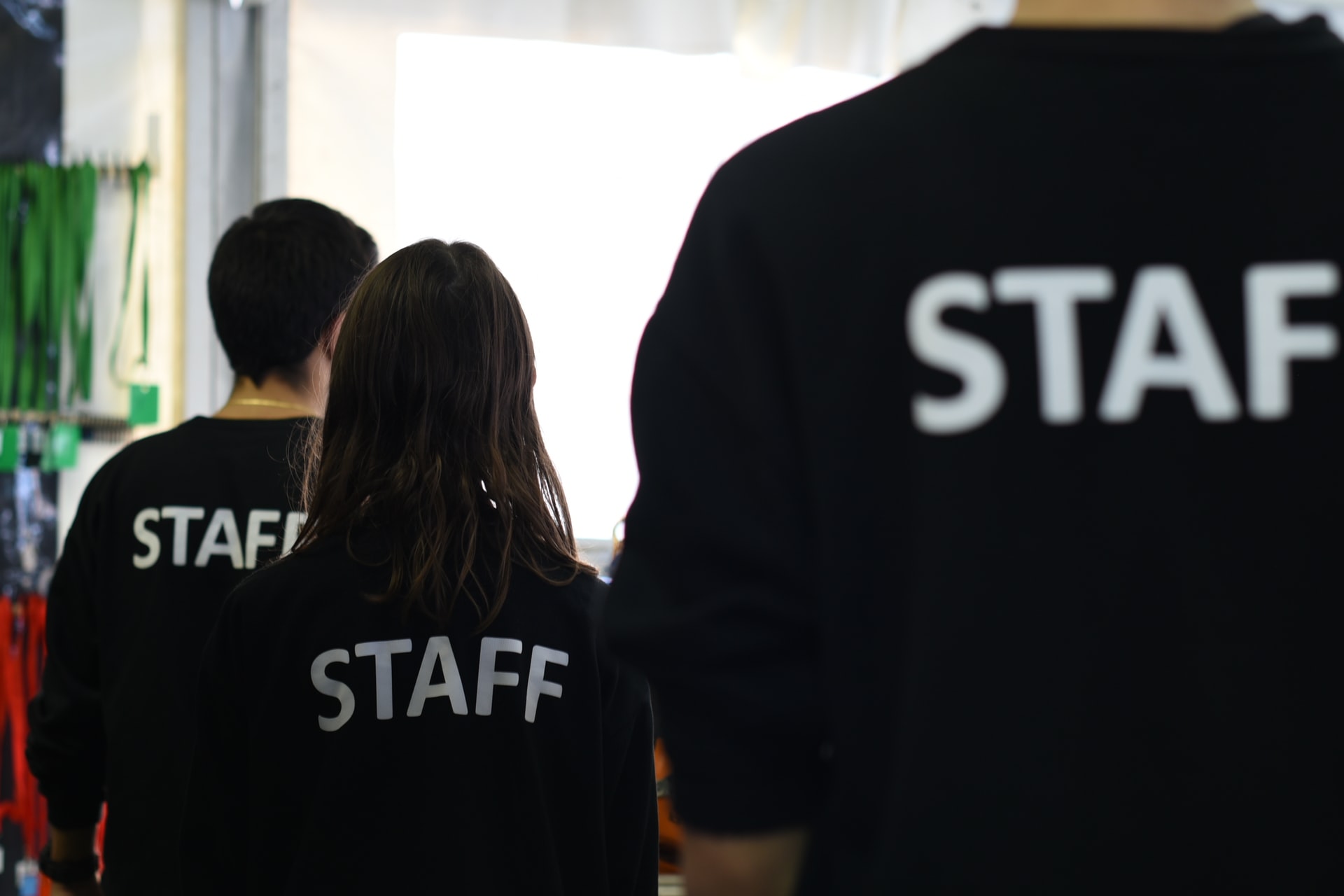
Employees wearing black staff T-shirts

A recent report from Back of House reveals opportunities for operators amidst the current staffing challenge.

In their report, the restaurant technology platform suggests effective hiring and retention solutions. For example, helping staff find meaning in their work.

To download and access the report in its entirety, please visit BackOfHouse.io.

For some of the platform’s insights into staffing, keep reading.

Why People Leave the Industry

Obviously, people take jobs for a variety of reasons. Often, a person’s first job has one or two motivations: money and/or experience.

Some estimates put a gig in the restaurant industry as the first job for a third of Americans. In Canada, restaurants are the top employers for those under 25 years of age.

However, Back of House sees value in looking at a different metric: Why people leave the industry.

As Back of House states, knowing why someone would leave their job helps an operator determine what benefits to offer to retain talent.

Now, it may be tempting to assume pay is the top reason people leave jobs. Per Back of House, however that’s not the case. Broken down by age group, below you’ll find the reasons people are leaving hospitality:

  • Pay: 26 to 35
  • Schedule: 46 to 55
  • Lack of opportunities: 26 to 35
  • Lack of benefits: 26 to 35
  • Work environment: 18 to 25

Look at these issues through the lens of someone moving through life. When first entering the workforce, more people want to find the right employer and workplace. From their twenties to thirties, more concern is placed on moving up, making more money, and receiving benefits. And, per Back of House’s findings, time becomes more of a consideration as people age.

Meaning and Value

Per Back of House, there are two important elements of employment that keep people engaged.

One, meaning in the work they do. In other words, feeling that their work has value. Two, staff want to feel that they’re employers value them.

Of course, both make sense, no? If a person doesn’t see their role in the industry as valuable, they’ll always be looking for the escape hatch. And if they feel that they’re employer doesn’t value them, why would they continue working for them? People, as they say, quit bosses, not jobs.

So, Back of House recommends that operators demonstrate they value their team members by:

  • investing in their staff;
  • supporting their staff; and
  • respecting their staff.

Now, good leaders should already do all of the above. It should go without saying but if someone feels a lack of respect, support, and interest from their employer, they’re not going to remain in their role for long.

And who could blame them? That seems like a terrible workplace and a waste of a hospitality professional’s valuable time. Time, of course, that can be better spent finding a good leader to work for who will help them progress in their career.

There are further insights one can glean from Back of House’s report. To download “Understanding the Staffing Challenge,” please click here.

Disclaimer: Neither KRG Hospitality nor its representatives received compensation to promote this report. The team at KRG simply feels all operators will find value in downloading and reading it, and considering the information contained therein.

Image: Joao Viegas on Unsplash

by David Klemt David Klemt No Comments

Alright, Seriously—WTF, Grubhub?

Alright, Seriously—WTF, Grubhub?

by David Klemt

Or, more to the point, stop working with “partners” who exploit our industry rather than support it.

In spectacular and entirely predictable fashion, Grubhub’s “free lunch” further reveals that third-party delivery platforms don’t care about restaurants.

Of course, they all say they support restaurant owners and operators. And, of course, they’re quick to pat themselves on their backs for being a pandemic lifeline.

But…no. Time and time again, mainly through their exorbitant and exploitative fees, they prove the opposite is true.

Restaurants and bars aren’t third-party delivery partners. Rather, these relationships are adversarial and detrimental. So much so, in fact, that some states passed laws to limit third-party delivery fees.

In Nevada, for example, Clark County Commissioners passed an emergency ordinance in August 2020 capping those fees at 15 percent. Clearly, we need to stop enriching companies that prove they don’t support the hospitality industry but cause it significant harm.

Free Lunch?

They say there’s no such thing as a free lunch. Apparently, Grubhub really wants to prove that maxim true.

That’s one of the takeaways from their disastrous promotion. Last Tuesday, in what’s being reported as an attempt to claim the delivery throne in New York City, Grubhub offered “free” lunch to anyone who placed an order for delivery.

The requirements for this promotion? Place an order for delivery through Grubhub on May 17 between 11:00 AM and 2:00 PM and use the code “freelunch.”

Of course, customer orders weren’t entirely free. Rather, the code was good for a $15 discount. Still, a wildly attractive offer as the ensuing debacle reveals.

Unsurprisingly, the promotion made for some eye-grabbing and eye-rolling headlines. Buzzfeed News published the most attention-grabbing one: “GrubHub Was Getting 6000 Orders A Minute During Its Promo Today That Left Restaurant Workers Stressed And Customers Hangry.”

Six thousand orders per minute during a promotion with a three-hour window in a single market.

In addition, the outlet reported that one unsatisfied customer was number 3,630 in the Grubhub customer service queue. Apparently—and who can blame him—he hung up before he could speak with a Grubhub rep about his missing order.

Duh

Who could’ve seen this coming? Any of the restaurant owners, operators, or team members Grubhub “serves,” that’s who.

In fact, anyone who works in this industry with on-premise experience knew this was going to happen. So, too, any journalist who specializes in hospitality.

The fact that whoever came up with this promotion didn’t see this coming is revealing. Unless the creators of these apps and services have real-world restaurant experience, they don’t understand the business.

How can one effectively and properly serve an industry without an understanding of how it operates? Hospitality is about service. Shouldn’t the companies attempting to work within our industry work hard to serve alongside us?

Let’s be clear—this promotion was in no way designed to help struggling restaurants. It wasn’t intended to boost their traffic and revenue. Rather, it was solely created to serve Grubhub’s desire to be number one.

As we all know, we’re experiencing major staff shortages. There are also supply shortages making it difficult for operators to obtain product reliably. Grubhub made those problems exponentially worse.

Some restaurants stopped taking delivery orders. Others canceled orders. There were operators who closed in an effort to catch up with orders and prevent the situation from worsening.

According to news stories, some social media users posted that they planned to stop ordering through third-party platforms.

Negative Impact

If you’re new to KRG Hospitality, welcome. You’re likely realizing that we’re not fans of third-party delivery.

Those of you who are familiar with us have known for quite some time that we support direct delivery. That is, delivery controlled and executed by the restaurant itself.

It’s not that we’re against innovation. Rather, our dislike of these platforms, generally speaking, comes from our perception of their behavior.

In our opinion, they take control away from operators and cost them money. Again, speaking generally, they collect customer data that operators should control. Their fees are ridiculous in most cases. And when it comes to the customer experience, their inconsistencies and shortcomings reflect poorly on the operators far too often.

Studies show that customers who have issues with third-party deliveries often place the blame on the restaurant. Food the wrong temperature? Order arrive late? Packages in less-than-ideal condition? While those issues and others can be the fault of the driver, the restaurant often takes the brunt of a customer’s dissatisfaction.

Of course, there’s also the financial impact of third-party delivery on restaurants. A SevenRooms report from last year reveals how these platforms harm operators and their bottom lines.

The Solution

Look, we know operators have a ton on their plates. But protecting and boosting the bottom line is a non-negotiable element of this business.

Yes, it’ll take some time, effort, and money to set up direct delivery. However, it’s the best solution.

Direct delivery means the operator collects and control valuable data. Likewise, the operator can ensure consistency. Through direct delivery, the operator shapes and controls the experience.

Control. Inherently, third-party delivery takes some control away from operators. That’s not a good thing, and neither is their financial impact.

Look into setting up direct delivery, take control, and protect your revenue ASAP. Friend of KRG “Rev” Ciancio and SevenRooms CEO Joel Montaniel each address delivery on the Bar Hacks podcast. Listen to episode 13 with Rev and episode 24 with Joel to learn more about delivery.

We need to stop rewarding companies that exploit our industry and take advantage of our owners, operators, and hard-working staff members.

Direct delivery is the answer. Take steps to implement it today.

Image: Rosie Kerr on Unsplash

by David Klemt David Klemt No Comments

Top 2021 KRG Hospitality Articles

Top 2021 KRG Hospitality Articles

by David Klemt

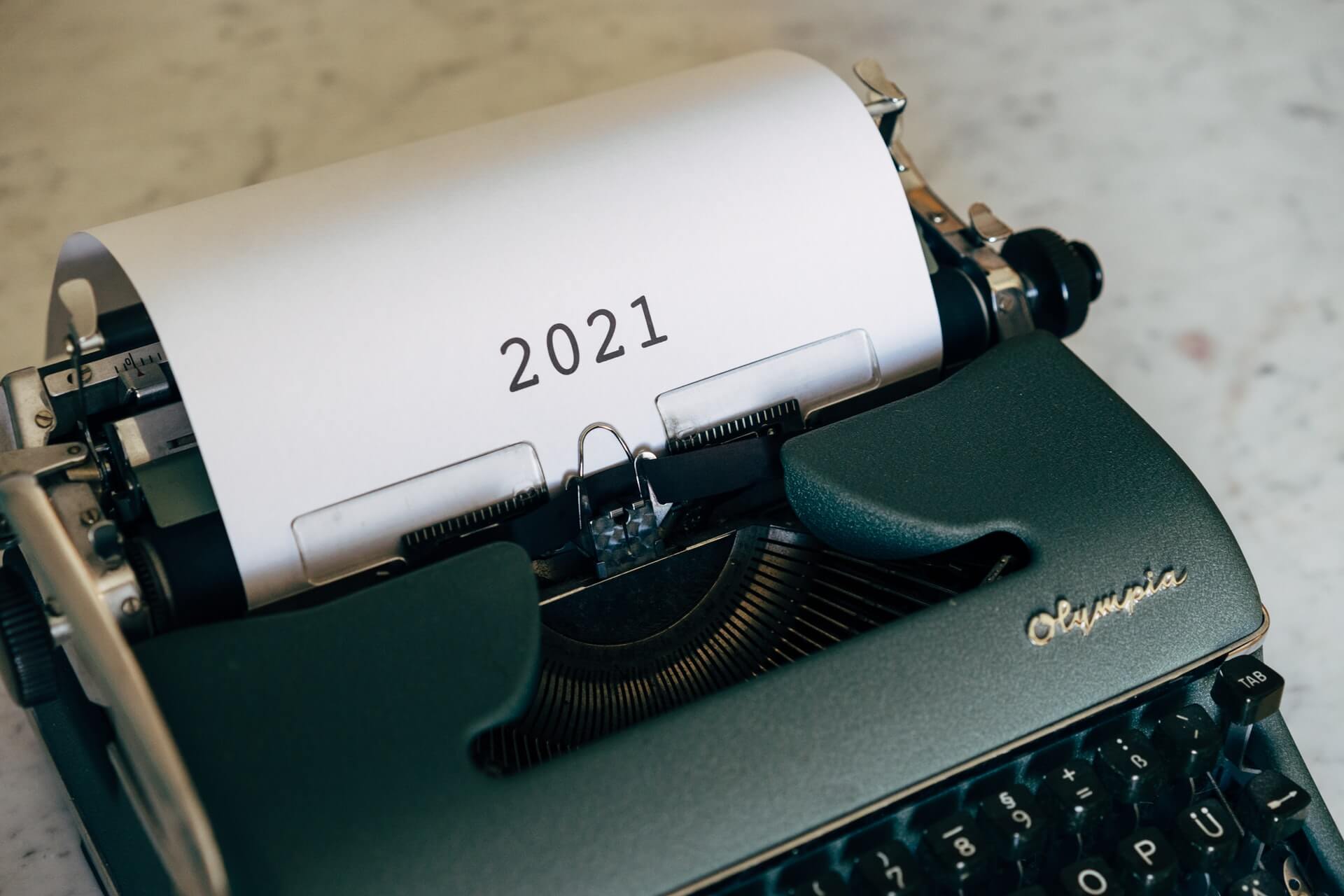
Page in Olympia typewriter with "2021" typed onto it

We’ve gathered the top KRG Hospitality articles from 2021 and separated them into five distinct categories: Food, Beverage, Operations, Marketing & Promotions, and Industry News

Food

Delivery and Takeout Food Trends for 2021: Canada

It should come as no surprise that interest in what food items Canadian consumers wanted to order for delivery and takeout skyrocketed last year. (link)

Delivery and Takeout Food Trends for 2021: United States

Obviously, owners, operators and management wanted to stay current on consumer food trends in the USA as well. (link)

Have a Slice of Nostalgia: The Return of Viennetta

Never underestimate the marketing, promotions, and profitability power of nostalgia. This is particularly true when people are seeking comfort. (link)

Beverage

Uncorked: 2021 Wine Trends to Watch

Understanding what wines are trending is an effective way to boost profits and overcome wine intimidation. (link)

Fever-Tree Cola: Set Aside Your Soda Gun

Outright eliminating soda guns may be a long shot. However, cocktails crafted using bottled craft ingredients can justify premium prices. (link)

These are the Drinking Trends to Watch in 2021

We may not have a crystal ball but we have the next best thing: Data. (link)

Operations

Container Kitchens: The New Footprint

Several industry experts and intelligence agencies predict smaller restaurant footprints moving forward. Container kitchens are certainly a viable method to shrink venue sizes. (link)

The Reality of Hiring Right Now

It really doesn’t need to be said but I’ll do it anyway: The labor shortage and “Great Resignation” are real. (link)

The 5 Ds of Bystander Intervention

Sure, great food and beverage are crucial to luring people in, wowing them, and converting them to repeat guests. However, so is the experience. A key element of a positive memorable experience is ensuring guests feel safe. (link)

SevenRooms Reveals Third Party Delivery Impact

The high-tech reservation platform shows what many suspected to be true: Direct delivery is better for operators than third-party delivery. (link)

Marketing & Promotions

How SevenRooms Improves Operations

Not only does SevenRooms make handling reservations easier, it also makes setting up marketing campaigns simple and effective. (link)

This Generation is Most Likely to Dine In

If you want to know who to market in-person dining to, here’s your answer. (link)

0.0 to 0.5 Beers to Know for Dry January and Beyond

Dry January (along with Damp January) is here to stay. This is a sampling of alcohol-free and low-ABV craft beers to offer Dry and Damp January guests. (link)

Industry News

I Tried the Mask Made for & by Hospitality

None of us enjoy wearing face masks. This mask is comfortable to wear and amplifies the wearer’s voice. (link)

What’s the RRF Replenishment Act?

Well, here’s one take on an answer to this question: It’s the bill to replenish the RRF that has made zero progress since June of 2021. (link)

Build Back Better…Without Restaurants or Bars?

The BBB Act was passed in November. Of course, it didn’t include the Replenish RRF or ENTREE acts. It’s much easier for politicians and lawmakers to say they care about and support our industry than actually prove it. (link)

Image: Markus Winkler on Unsplash

by David Klemt David Klemt No Comments

SevenRooms Continues Momentum with CFO

SevenRooms Continues Momentum with CFO

by David Klemt

Dollar signs finance concept

In hiring Pamela Martinez as the company’s chief financial officer, SevenRooms continues their drive toward global expansion.

This crucial hire continues years of constant movement forward for SevenRooms.

It’s no secret that we’re fans of this powerful, tech-driven platform, in part due to their support of direct delivery.

A History of Growth

What do you do when your erratic schedule keeps you from scoring restaurant reservations? You create a tech-based, flexible reservation platform.

Okay, maybe that’s not what we’d all do. But that is the solution the co-founders of SevenRooms chose in 2011.

It would take just six years for investors to take notice of the company’s potential for growth.

SevenRooms counts Comcast Ventures, Alexa Fund (Amazon), and Providence Strategic Growth as investors. So confident in the platform’s growth is Providence Strategic Growth that their investment of millions of dollars took place in 2020.

High-profile clients include TAO Group, Bloomin’ Brands, Topgolf, Virgin Hotels, The Cosmopolitan of Las Vegas, Zuma, and LDV Hospitality. SevenRooms has been the system of record for all F&B venues across the Mandarin Oriental Hotel Group’s portfolio.

Of course, SevenRooms serves independents of all sizes as well.

SevenRooms Hires CFO

Pamela Martinez is the first chief financial officer at SevenRooms. Her role is to accelerate the platform’s already impressive momentum and growth.

Martinez certainly has the experience to help further solidify SevenRooms’ status as one of the best guest experience platforms.

When she was at HubSpot, a marketing an CRM platform, the company grew from $75 million in annual recurring revenue to $1 billion in ARR.

“As SevenRooms continues to grow, I am thrilled to welcome Pamela to our team to help take us to the next level. Her proven track record helping to scale businesses and build out new financial structures made her the right choice for our company as we enter our next growth stage,” says Joel Montaniel, CEO and co-founder of SevenRooms.

Further growth will lead to more solutions and resources for SevenRooms clients. We’re eager to see how Martinez will help expand the platform and its capabilities.

“Despite the incredible challenges hospitality operators have faced over the past year, the industry has remained strong and I’ve been inspired by all SevenRooms has done to help its partners stay resilient,” says Martinez.

Read the announcement in its entirety on the SevenRooms website.

Image: Chronis Yan on Unsplash

Top