Restaurant news

by David Klemt David Klemt No Comments

Addressing Substance Abuse in the Industry

Restaurant Business Articles Address Substance Abuse

by David Klemt
Two full shot glasses on a bar

Two revealing Restaurant Business articles paint a startling picture of the industry’s struggles with drug and alcohol abuse.

Unfortunately, the subject of substance abuse in restaurants and bars isn’t new. This has long been a pervasive, prevalent issue in the hospitality industry.

There are, as Restaurant Business authors point out, several reasons our industry continues to grapple with substance abuse.

Since we’re nearing Sober October, this topic’s importance seems particularly poignant. Of course, the health of hospitality industry professionals should always be a paramount operator concern every day. It shouldn’t take a specific month for us to address this issue, just to forget about it after 31 days of consideration.

Hospitality workers should feel supported by the business owners and operators for whom they work. Additionally, they should feel safe among the leadership team and their fellow team members. In part, this feeling of security and safety should manifest in being comfortable speaking about substance abuse in the workplace.

A significant element of creating a supportive, safe, and healthy culture is removing the stigma of struggling with substance abuse that persists today. How can operators, leadership, and team members help one another if they make peers feel shame for struggling with drugs or alcohol?

A crucial step toward addressing the issue of substance abuse is fostering a culture of respect, support, and safety. If anyone in any role—from ownership and leadership to front of house and back of house—feels as though they can’t speak with someone safely about their struggles, we can’t address this topic effectively. And if we can’t address it in a meaningful way, we can never effect real change that can improve and save lives.

Pervasive Struggles

A Restaurant Business article from last week addresses substance abuse and culture. “How Restaurants Feed a Culture of Substance Abuse” reveals disturbing statistics.

At the start of their article, editors Peter Romeo, Heather Lalley and Joe Guszkowski share a horrific story. In February of this year, Colorado law enforcement found six adults and a toddler in an apartment. The six adults had all overdosed on fentanyl-laced cocaine; five had died. All six adults worked in chain or independent restaurants.

Four years ago, Delaware officials investigated the state’s opioid crisis. They found 10 percent of Delaware residents who died due to opioid overdoses were foodservice workers. According to Restaurant Business, state officials concluded that foodservice experienced a higher rate of opioid deaths than any other industry.

Among the most-shocking revelations in the Restaurant Business article pertains to the US workforce as a whole. Frustratingly, the US government hasn’t researched illicit drug use in the workforce since 2015. So, for all we know, the numbers I’m about to share have either increased or decreased.

In a typical month in 2015, 8.6 percent of the US workforce was using illicit drugs. However, that number pales in comparison to the rate of illicit drug use among restaurant and hotel workers: 19.1 percent.

Examining Substance Use Disease (SUD), a term encompassing drug and alcohol abuse, the numbers expose the weight of our industry’s struggle. In 2015, 9.5 percent of the US workforce suffered from SUD. For restaurants and hotels? That number was nearly double: 16.9 percent, higher than any other industry.

Fentanyl Deaths

Restaurant Business Editor-in-Chief Jonathan Maze reveals how “restaurants are ground zero” for fentanyl overdoses.

Fentanyl is cheap to produce and transport. It doesn’t take much to be deadly. And most people who have the misfortune of consuming it do so unwittingly. As it turns out, drug dealers lace all manner of other drugs with it because it’s so powerful. So, cutting drugs with fentanyl is more “cost effective” for drug dealers.

This particular excerpt from Maze’s “As Fentanyl Deaths Soar, Restaurants Are Ground Zero” is startling: “Throughout the country, restaurants and bars are such common places for overdose deaths among customers that advocates are training bartenders and servers to administer Narcan, a medication used to treat opioid overdoses. They are also becoming sources for fentanyl test strips so customers can see if the drugs they’re taking are laced with the powerful drug.”

Further, this troubling excerpt: “The fentanyl epidemic is particularly troublesome in the restaurant industry given the generally high rate of drug use among workers. Restaurant work is notoriously intense. The hours are long and late, and employees are on their feet all day. They often get hurt on the job and can turn to painkillers, legal or otherwise.”

When I say that we need to address substance abuse in our industry to save lives, I’m not employing hyperbole. I mean it quite literally.

Please take the time to read these two Restaurant Business articles in their entirety. We need to take action today.

Image: cottonbro via Pexels

by David Klemt David Klemt No Comments

Swipe Fees Cost Over $77 Billion in 2021

Swipe Fees Cost Merchants Over $77 Billion in 2021

by David Klemt

Close up of stack of credit cards

A bill that intends to lower the credit card fees merchants pay by creating more competition within the industry is before Congress.

This bill, the Credit Card Competition Act of 2022, has bipartisan support. The two sponsors behind it are Sens. Richard Durbin (D-IL) and Richard Marshall (R-KS).

Of particular note, the bill seeks to amend the Electronic Fund Transfer Act. Specifically, the amendment targets the networks that merchants use to process electronic credit card transactions.

In short, banks that issue credit cards would have to merchants at least two processing networks. According to experts in this space, the bill prohibits banks from making those networks Visa and MasterCard.

Billions in Fees

So, why are Visa and MasterCard in the crosshairs of this bill?

According to the Merchants Payments Coalition (MPC), Visa and MasterCard control 87 percent of credit (and debit) card markets. Per the MPC, Visa and MasterCard account for about 576 million credit cards.

In the U.S. alone, transactions amounted to $3.49 trillion in 2021. Eye-wateringly, those transactions were accompanied by $77.48 billion in merchant fees for the two processing behemoths in the same year.

For additional context, Visa and MasterCard swipe fees totaled $61.6 billion in 2020. That represents an increase of 137 percent over the decade prior. Adding the merchant fees for all cards, the 2020 total was $110.3 billion, which is an increase of 70 percent from the previous ten years.

As veteran operators are well aware, swipe fees are among the highest costs for restaurants and bars.

Merchants Payments Coalition Sends Letter to Congress

Compellingly, the MPC is urging Congress to investigate the Visa-MasterCard duopoly. In their view, the two processors’ dominance is stifling competition; harming business owners and consumers; and contributing to inflation.

“The two giant card networks and their partner mega-banks routinely use their market power to stifle competition and charge merchants the highest swipe fees in the industrialized world,” reads the MPC’s letter to Congress.

Further, the letter states, “It is difficult to imagine any other market in the U.S. economy in which two entities set prices for thousands of businesses that should be competitors. That lack of competition or downward pricing pressure has resulted in out-of-control swipe fees and increases inflation throughout the economy.”

The MPC is urging Congress to act quickly and effectively: “It is crucial for Congress to act swiftly and implement real reforms to bring true competition, transparency and equity to the U.S. payments market.”

National Restaurant Association Supports the Bill

Interestingly, the National Restaurant Association says they’re working with the MPC.

The NRA is also working with other organizations to drum up support for the the Credit Card Competition Act of 2022.

You can read about their support for the bill on their website. Additionally, you can tell Congress to pass the bill here. As it stands currently, no action beyond the bill’s introduction to the Senate on July 28 has taken place.

Image: Pixabay

by David Klemt David Klemt No Comments

3 Bar Hacks Episodes for Sober October

3 Bar Hacks Episodes for Sober October

by David Klemt

Bartender straining cocktail

We’re just two weeks away from Sober October so here are three Bar Hacks podcast episodes to get you ready for this important month.

Over the course of 100-plus episodes we’ve spoken with a handful of non-alcohol brands. These, along with other alcohol-free brands, should be on your radar.

In fact, they deserve spots on your backbar and placement on your menus. The latest estimate is that around 40 percent of Americans don’t consume alcohol. In Canada that number is roughly 33 percent.

However, those numbers don’t paint a complete picture. Over the past few years there has been increasing interest in “sober curiosity.” In this movement, people abstain from drinking alcohol from time to time rather than abstaining permanently.

Now, we tend to associate the month of January with sobriety, either permanent or temporary. Clearly, however, October is also a month where people choose to not imbibe.

The Sober Guest Experience

The following should go without saying but let’s cover it anyway. Some sober people do, in fact, spend time in bars and nightclubs.

Just as that should go without saying, so should this: Your sober guests deserve every bit as great an experience as guests who are drinking alcohol.

Moreover, sober guests deserve a guest experience free of discomfort or isolation. In short, you should seamlessly provide the same level of service at the bar to sober guests as those who enjoy alcohol.

No, it’s not enough to menu water, sugary sodas, lemonade, and tea. Sober guests should be comfortable coming to your bar. Like guests who consume alcohol, sober guests should be able to order a drink that doesn’t make them feel different or singled out.

So, put quality non-alcohol beers on your menu. Create a number of signature zero-proof cocktails. Serve both with the same attention to detail as presentation as their full-alcohol counterparts.

“I’m a professional, I want to create,” says Paul Mathew, founder of alcohol-free aperitif brand Everleaf and Bar Hacks guest. “I want to do something I’m proud of.”

Approach your alcohol-free program the same way as Mathew, a bartender and operator himself. Be professional, be creative, and be mindful of your sober guests’ experience.

Episode 28 with Tim Rita

Lyre’s Spirits crafts alcohol-free spirits that masterfully mimic their full-proof counterparts. Host David Klemt sits down with Lyre’s brand ambassador, bartender, and buddy Tim Rita to chat about the brand. In this episode you’ll learn about one of the fastest-growing brands in one of the fastest-growing beverage categories. For the alcohol-free Mai Tai mentioned on the podcast, click here.

Listen now.

Episode 31 with Ted Fleming

Ted Fleming, entrepreneur and CEO and founder of Partake Brewing, stops by the Bar Hacks podcast to talk with host David Klemt. The two discuss the founding of Partake Brewing and the importance and growth of the non-alcohol beer category. Also, how operators can succeed with non-alc, advice for entrepreneurs, and more. Visit the Partake Brewing website to learn more. Connect with Partake on InstagramTwitter and Facebook.

Click here to listen.

Episode 81 with Paul Mathew

Paul Mathew, bartender, bar owner, and founder of Everleaf, sits down with Bar Hacks podcast co-host David Klemt. In this fun and informative episode, Paul shares his journey through bartending and bar ownership, and his entry into the drinks business. Non-alcoholic aperitif brand Everleaf is the culmination of Paul’s many years as a conservationist botanist, knowledge of plants, and nearly 30 years in the bar business.

The Everleaf portfolio consists of three unique expressions and a new RTD line. Shortly, Everleaf will begin distribution throughout the United States, and there are plans for Canada and Australia in the future. To learn more, vist the Everleaf website and follow Everleaf on Instagram and Facebook.

Listen to this episode here.

Image: Jia Jia Shum on Unsplash

by David Klemt David Klemt No Comments

Pumpkin Spice Season Descends Upon Us

Pumpkin Spice Season Descends Upon Us

by David Klemt

Jack o' lantern and smoke

Once again, the unstoppable march of the spooky season is upon us, bringing with it a frightening assortment of pumpkin spice items and expectations.

In the blink of an eye, hordes will descend on your restaurant or bar. “Pumpkin spiiiiiice,” they’ll croak.

Okay, so that’s overly dramatic. For the most part, pumpkin spice season is anything but scary. And really, very few people will transform into singularly focused pumpkin spice zombies.

However, fall is nearly here. So, you do need to finalize your fall/autumn menu. Beginning in September, that really does mean considering offering at least one pumpkin spice LTO item.

Interestingly, though, pumpkin spice may not deserve its perception as the flavor of fall. According to Datassential, there are ten flavors that index high enough to give pumpkin spice a challenge for the fall throne.

What are they? Well, it just so happens that Datassential has those answers, along with a bit of useful advice.

Lord of the LTO

Recently, Datassential released “Food Industry Trend Report: 2022 Pumpkin Spice Season.” As the research firm points out, pumpkin spice seems to be encroaching on summer more each year.

How far away are we, I wonder, from pumpkin spice claiming summer for itself? Will we be subjected to pumpkin spice dry rubs at summer barbecues? Is some intrepid operator going to create a pumpkin spice lemonade?

Those terrifying questons aside, pumpkin spice season coming earlier means more opportunities to benefit from LTOs. Just as it seems that pumpkin spice is descending upon us earlier and earlier, it also seems to dominate the LTO space.

In fact, per Datassential research, major chains executed 174 pumpkin spice LTOs. Now, that’s still with a five-percent drop in menuing for pumpkin space over the past 12 months. Further, that number doesn’t include small, regional chains and independents who also launched pumpkin spice LTOs.

Of course, there are also other fall flavors that deserve a place on operators’ menus. And they’re perfectly cromulent as LTO drivers.

Fall Flavor Favorites

To inspire operators to create LTOs that entice consumers this fall, Datassential has identitied ten flavors on which to focus. Helpfully, they separate them into two main categories.

Top five sweet fall flavors:

  • Vietnamese cinnamon
  • Spicy ginger
  • Allspice
  • Eggnog
  • Pumpkin pie

Top five savory flavors:

  • Coconut milk
  • “Oktoberfest”
  • Mustard cream
  • Turkey gravy
  • Cranberry sauce

Personally, I can see operators and their teams needing to get creative to leverage mustard cream and turkey gravy. Interestingly, Datassential suggests a few flavors not on either list above.

According to their report, Datassential expects apple and blood orange to be popular for LTOs this year. According to the firm, apple was popular last year. When it comes to blood orange, Datassential says 38 percent of consumers like or love the flavor.

Whichever flavors you choose, Datassential has the following advice, which we co-sign: Ensure your LTOs are fresh; make sure they’re easy and quick to make; and don’t discount them. In fact, you should create premium LTOs that come with a premium price.

Image: Colton Sturgeon on Unsplash

by David Klemt David Klemt No Comments

Discover the World’s 50 Best

Discover the World’s 50 Best with this Helpful Tool

by David Klemt

Red neon hand sign over a cocktail

You may be familiar with the World’s 50 Best Bars and the World’s 50 Best Restaurants rankings, but do you know about their Discovery tool?

On episode 82 of the Bar Hacks podcast, Mark Sansom mentions this powerful and helpful tool. Sansom, for those who have yet to listen to the episode, is the content director for the World’s 50 Best Bars.

Put plainly, the World’s 50 Best rankings are powerful and influential. As Sansom says, when the organization shouts, people listen. Making the 100 to 51 or 50 to one list can change a restaurant or bar’s business. Exposure, traffic, revenue, status, longevity… The restaurant and bar lists are game changers for those who work hard enough to earn a spot.

However, the World’s 50 Best, as the name suggests, ranks just a few hundred restaurants and bars:

So, the organization put their heads together. What if they could increase the chances that thousands of venues could find themselves on the radar of millions of people across the world? What could that do for a much larger swathe of deserving restaurants and bars?

50 Best Discovery

Enter, the 50 Best Discovery database.

“That’s the more egalitarian face of 50 Best, and that’s where we’re really excited about moving in the future,” says Sansom.

According to Sansom, there are more than 2,500 restaurants and bars just waiting for, well, discovery. It is, as he says, “the world’s most authoritative database on restaurants and bars anywhere.”

Compellingly, this is more than just a lonely input field chilling out on a webpage. Rather, there’s also a slideshow of 50 Best editor’s picks to scroll through. In using the tool for this article I discovered the following venues without even scrolling:

  • Franklin Barbecue in Austin, Texas
  • Cal Pep in Barcelona, Spain
  • Amass in Copenhagen, Denmark
  • Fyn Restaurant in Cape Town, South Africa

In other words, this tool is aptly named: The mission is discovery, and I’d say that mission is well on its way to achievement.

North America Results

Given the potential of the 50 Best Discovery database, I of course took it for a spin. You can do the same by clicking here.

Below, my results. In the interest of full transparency, it appears some cities in North America could use some work.

However, I feel confident that the 50 Best Discovery database will improve over time. After all, this is a new tool. Remember, the North America 50 Best Bars list is also brand new. As the organization recognizes more regions and venues, they’ll develop their database further.

Calgary, Alberta, Canada

  • Proof

Toronto, Ontario, Canada

  • Bar Raval
  • BarChef
  • The Shameful Tiki Room

Vancouver, British Columbia, Canada

  • Botanist
  • Boulevard Kitchen & Oyster Bar
  • The Keefer Bar

Las Vegas, Nevada, USA

  • Greene St. Kitchen
  • Herbs & Rye
  • Wing Lei

Nashville, Tennessee, USA

  • Bastion
  • The Catbird Seat
  • Pearl Diver

Philadelphia, Pennsylvania, USA

  • Vedge
  • Zahav

Image: Marcus Loke on Unsplash

by David Klemt David Klemt No Comments

Date Night Desires and Dealbreakers

Date Night Desires and Dealbreakers

by David Klemt

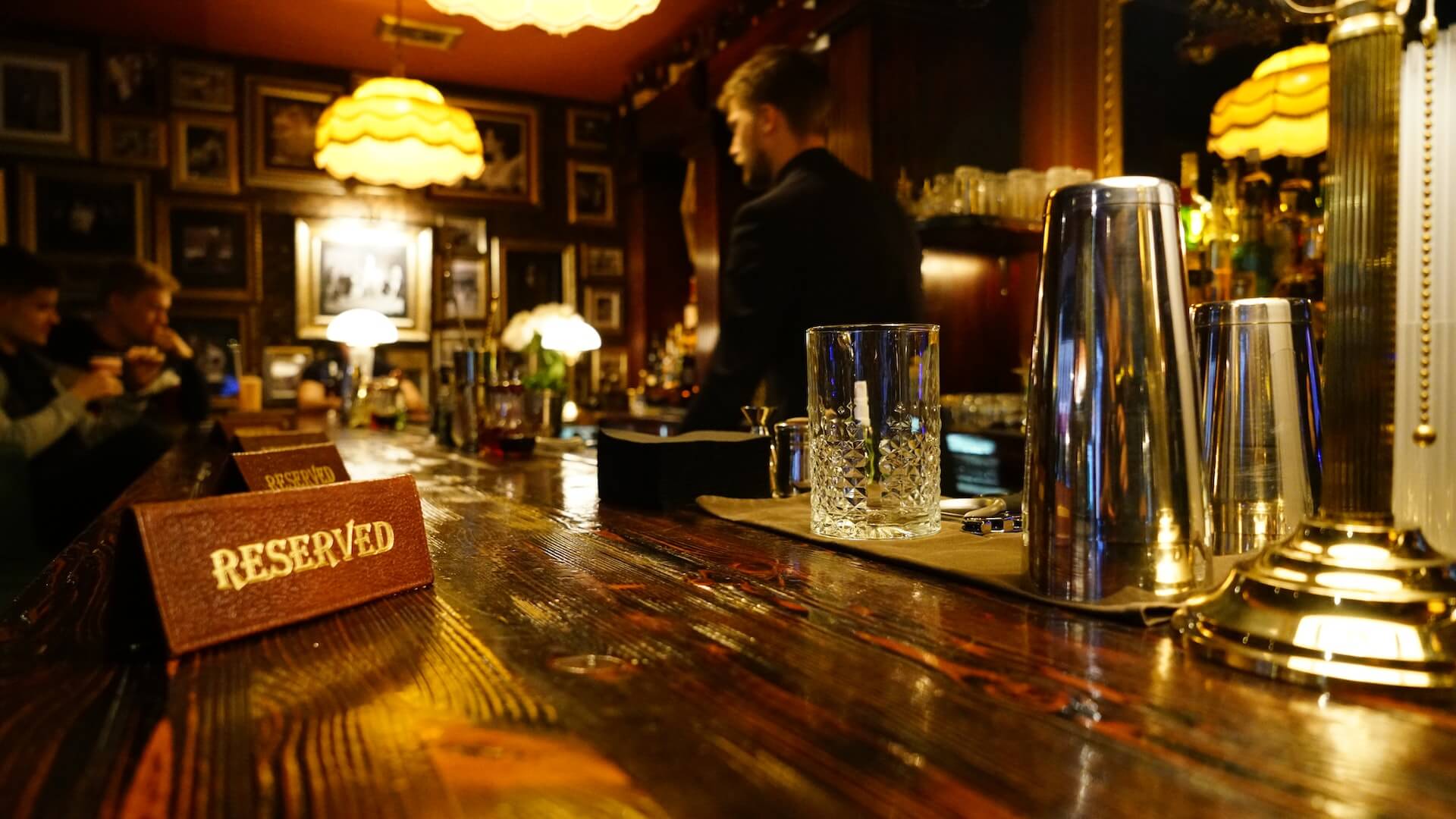
Reserved seats at a bar

Focusing on date night, guest experience and retention tech platform SevenRooms is sharing their latest data-driven report.

Their “Date Night Diner Report” is another successful collaboration with YouGov. Previous reports from this partnership include:

One of the reasons we at KRG Hospitality appreciate and recommend SevenRooms is their dedication to data. The platform’s commitment to sharing the data they collect to the benefit of operators is impressive.

“A resurgence of the American date night is here, and these date night diners are flipping the script on what that experience should look and feel like,” says Allison Page, co-founder and chief product officer at SevenRooms.

So, operators who want to succeed with date night should review this new report. In fact, all operators would be wise to read this report. After all, it addresses reservations, waitlists, walk-ins, and much more.

Released today, this brand-new report can be downloaded here. Read the press release here.

Date Night Details

A lot has changed over the past two-plus years. What hasn’t changed are the two most popular date nights in the US: Friday and Saturday.

Both Friday and Saturday night are preferred by 26 percent of the 763 survey respondents who go on dates. In total, SevenRooms and YouGov surveyed 1,153 individuals.

Generally speaking, these dates are return visits. People who go on dates tend to make reservations at restaurants they’ve dined at previously.

However, 46 percent of such guests are open to reserving a table at a restaurant they haven’t visited before. And speaking of those tables reservations, 53 percent are for two people.

Looking at two major populations, tables for two are the most popular reservations. In New York, they account for 50 percent of reservations. That number increases to 56 percent in Los Angeles.

Interestingly, however, is this bit of date: 53 percent of Americans don’t make reservations for date night. Rather, they’re walk-in guests, meaning they’ll likely become waitlist guests.

Date Night Desires

So, now operators know that the majority of today’s date-night reservations are for two. That doesn’t mean setting aside two-tops and side-by-side seats at the bar is enough for success.

No, there are also guest expectations to consider. SevenRooms identifies the following as the top date-night desires:

  1. A complimentary cocktail or dessert. (33 percent)
  2. Ability to earn extra rewards (24 percent), highlighting the value of loyalty programs.
  3. Incentives that encourage repeat date-night visits. (23 percent)

Furthermore, personalization continues to be a key factor in the dining decision. One-third of guests consider the ability to personalize their dining experience more important than factors such as menu variety or receiving their order quickly.

Date Night Dealbreakers

Of course, if there are desires there are also dealbreakers.

According to SevenRooms, the following are the dealbreakers operators must avoid:

  1. People on a date receiving their meals at different times. In this case, more than ten to 15 minutes apart. (45 percent)
  2. The restaurant being so loud the guests on their date can’t hold a conversation. (43 percent)
  3. A restaurant not having the menu items the guests were looking forward to ordering. (31 percent)
  4. Being sat too close to another table. (31 percent)
  5. Sitting next to a table speaking “too loudly.” (26 percent)
  6. The restaurant being so crowded that a guest can’t find their date. (24 percent)

How important is it to avoid these dealbreakers? Well, the survey respondents say they won’t return to a restaurant if they experience any of them.

To read the full report, click here. And to learn more about SevenRooms, listen to Bar Hacks episode 24, featuring SevenRooms CEO Joel Montaniel.

Image: Dmitri Nesteruk on Unsplash

by David Klemt David Klemt No Comments

Datassential’s State of the Operator 2022

Datassential’s State of the Operator 2022

by David Klemt

Guests sitting at the bar inside a restaurant

The latest addition to the Datassential FoodBytes research series shares insights into the top three challenges most—if not all—operators are facing.

Now, some of what the report reveals paints a bleak picture. Inflation, the labor shortage, and supply chain issues persist even past the midway point of 2022.

However, operators are a tenacious and innovative group of business owners. Of course, that tenacity seems to manifest in people thinking this industry can weather any storm. That perception can come at operators’ detriment. Exhibit A: The Inflation Reduction Act of 2022 not including replenishing of the RRF. But, I digress.

“The State of the Operator & the Road Ahead,” which you can download here, is helpful and informative. As you may be aware, we’re fans of Datassential and their FoodBytes reports. In fact, you can find our synopses of FoodBytes reports here and here.

Below are some key points that operators should be aware for consideration. I strongly urge you to download this free report today.

Operator Outlook

First, let’s take a look at traffic. As Datassential points out, some hospitality business segments are performing better than others currently.

In large part, this is due to two factors: People working from home, and people returning to travel. So, operators who rely heavily on commuters and in-person workers are struggling. On the other hand, operators inside or around hotels are, per Datassential, performing the strongest at the moment.

Interestingly, though, nearly half of operators (47 percent) are seeing an increase in traffic in comparison to pre-Covid levels. Fourteen percent of operators are reporting no change in traffic. Unfortunately, traffic is lower for 39 percent of operators.

Next, sales. In comparison to pre-Covid times, more than half (51 percent) of operators report an increase. Again, 14 percent of operators are experiencing no change. But 35 percent of operators are experiencing a decrease in sales.

Finally, profit margins. Half of operators may be seeing increases in traffic in sales, but profit margins are taking a hit. On average, the industry’s profit margin is now hovering at 13 percent. That’s an eight-percent drop in comparison to pre-Covid levels.

Segment Performance

The findings regarding profit margins are likely to be the most alarming to operators. Historically, our industry has operated on razor-thin margins for decades. Dropping from an average of 21 percent to 13 is concerning.

However, context is important. The segments seeing the lowest profit margins in 2022 are: Business & Industry (B&I), Healthcare, and Colleges & Universities (C&U). Again, remote work (and learning) are largely responsible for those particular segments watching their profit margins tumble.

The strongest performers are: Quick-Service Restaurants (QSR) at 17 percent; Fast Casual at 15 percent); and Midscale, Casual Dining, and Fine Dining, each at 13 percent. Lodging is just below the current average at 12 percent.

Operator Adaptation

Inflation, rising food costs, supply chain issues, labor shortages… Operators are finding ways to cope, and in some situation, thrive.

Unsurprisingly, the vast majority of operators are increasing menu prices. In the past 12 months, 77 percent of operators have raised menu prices at least once.

These increases range from one percent a staggering 30 percent. However, the majority have kept these increases to one to ten percent. Most (31 percent) have implemented increases of no more than five percent. Just one percent of operators boosted prices between 25 to 30 percent.

Of course, raising prices isn’t the only strategy operators have at their disposal. Forty percent of operators are streamlining their menu, reducing the sizes of their menus. However, it’s wise for operators to review their menus at least every three months to eliminate poor performers.

Other strategies include focusing on value for guests (27 percent); utilizing LTOs and launching new menu items (26 percent); eliminating a specific daypart or portion of the menu (25 percent); and making portion sizes small, or “shrinkflation” (18 percent).

There’s much more revealed in Datassential’s latest FoodBytes report. Download your copy today.

Image: Luca Bravo on Unsplash

by David Klemt David Klemt No Comments

Members of Congress Send Letter to SBA

Members of Congress Send Letter to SBA Regarding $180 Million

by David Klemt

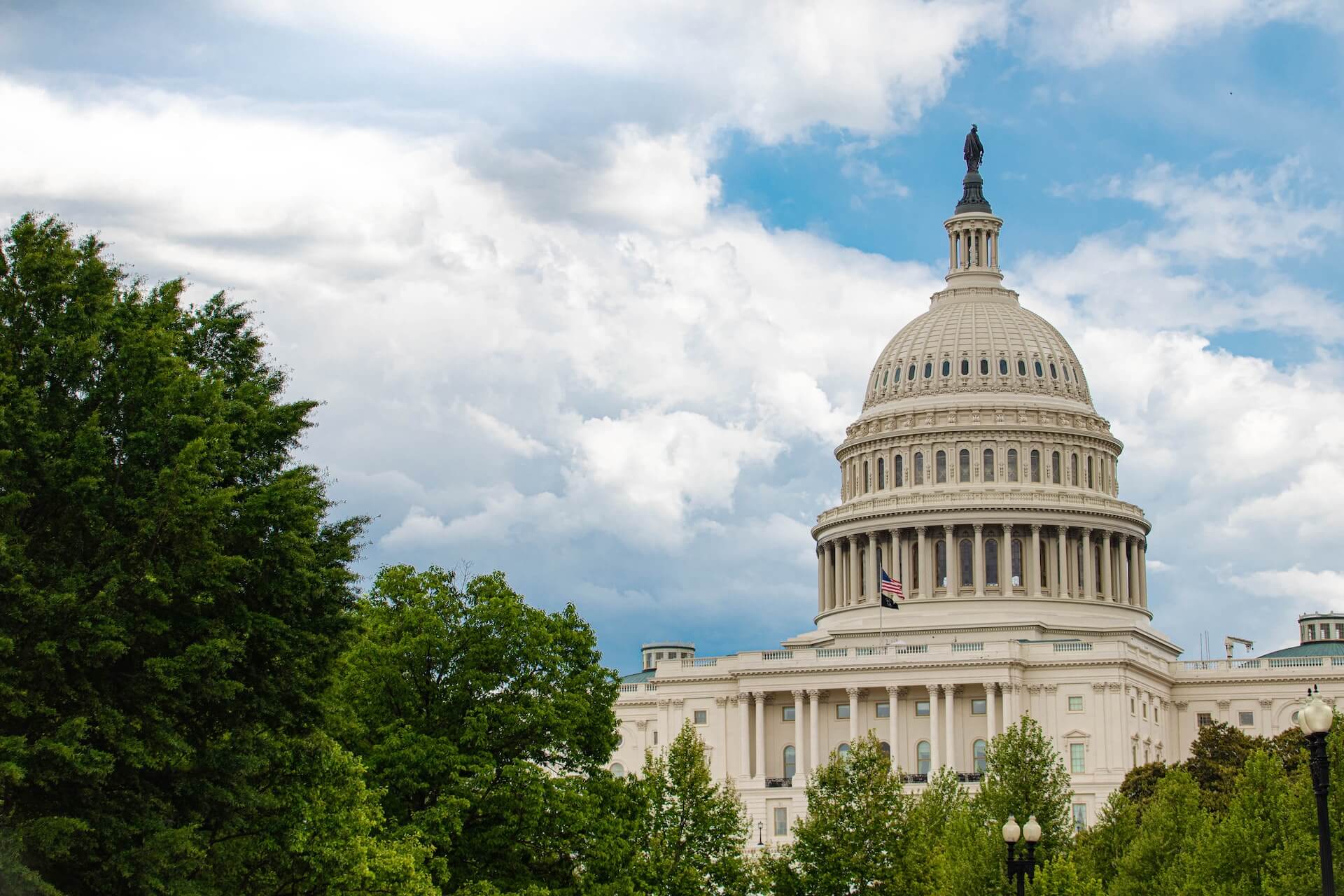
United States Capitol Building and Capitol Grounds

More than 70 members of Congress are urging the Small Business Administration to act quickly to fund eligible RRF applicants.

This news comes on the heels of the findings of the Government Accountability Office’s investigation into the RRF. As you may recall, the GAO discovered $180 million in unobligated funds.

In response, 73 representatives and senators sent the SBA a letter. Sen. Catherine Cortez Masto (D-NV) and Rep. Earl Blumenauer (D-OR) are leading the effort to quickly and fairly distribute the $180 million.

At the start, members of Congress ask that the SBA take immediately action. Also, that the SBA give priority consideration to RRF applicants who didn’t receive funds even though they were awarded grants.

By the way, that’s about 7,000 applicants.

Unfortunately, the recently passed Inflation Reduction Act of 2022 doesn’t include funds to replenish the RRF. And while $180 million is nowhere near the $42-43 billion our industry needs and deserves, it’s something. In fact, it’s a reason to keep pushing Congress to do the right and responsible thing.

Interestingly, the letter sent to the SBA also urges the clawing back of funds for various reasons. One social media user, in response to the letter, suggested auditing the recipients. Presumably, this would also lead to a clawback and, in turn, the further awarding of grants.

Key Segments of the Letter

“Last month, the Government Accountability Office (GAO) released a report titled Restaurant Revitalization Fund: Opportunities Exist to Improve Oversight that stated that as of as of June 2022, $180 million of RRF funding was unobligated. As you know, about 177,000 restaurants that applied to the program did not receive awards. While we understand the remainder of the funding will not reach every business that applied, it is imperative that the SBA distribute every dollar to help as many struggling restaurants as is feasible.

“In addition to these actions, we are also urging that SBA take action to recover funds that have been awarded to ineligible applicants, were found to be accepted fraudulently, or could otherwise be returned. For example, the aforementioned GAO report states that SBA does not require recipients to report their operating status, despite the statute requiring that businesses that permanently close to return the unused funds to SBA. SBA has itself identified potentially ineligible recipients, such as clubs and hotels that failed to meet statutory eligibility criteria. Money recovered from fraudulent and ineligible businesses can subsequently be used to help
fund the many businesses who were unable to receive grants. We urge you to take action on this matter and provide us with detailed information on the amount of funding that may be recovered as well as SBA’s progress in doing so.”

Image: Francine Sreca from Pixabay

by David Klemt David Klemt No Comments

5 Self-serve Beverage Brands to Know

5 Self-serve Beverage Brands to Know

by David Klemt

Neon beer mug sign

If you’re an operator who wants to leverage the popularity of self-serve beverages, these are the brands you should consider.

There are several reasons to invest in self-serve beverage solutions:

  • Reducing costs
  • Reduction in waste
  • Guest convenience
  • Guest experience
  • System customization
  • Real-time system management and reports
  • Security

Truthfully, had I been told ten years ago that guests would want to serve themselves beer, wine, and other drinks, I would have raised an eyebrow. It’s possible, sure, but I would’ve been skeptical.

Well, it turns out that I would’ve been wrong. Indeed, today’s guest seems to enjoy pouring their own drinks from self-serve systems.

From convenience to control over their experience, these platforms are proving popular with consumers. An appealing factor appears to be the ability to sample a range of beverages to discover new favorites. And, of course, they can do so without having to purchase full drinks or asking a bartender or server for a sample.

So, below are some of the brands in the self-serve beverage world that operators need to know and consider.

Operator Benefits

In terms of P&L, your bottom line will thank you for embracing self-serve solutions.

First, the popularity of these systems increases sales. Guests can sample an array of drinks easily, choose a favorite or two, and serve themselves at their convenience. Additionally, guests tend to view self-serve systems in a positive light due to perceived value.

Second, an impressive self-serve beverage wall can be a sight to behold. There are venues with 100 self-serve taps and screens, which is an impressive sight. There are also all manner of designs not dependent on a wall. One great example is the rotating self-serve beer system at the Famous Foods Center Bar inside Resort World Las Vegas.

In other words, self-serve beverage systems help concepts stand out among competitors.

Third, self-serve systems allow operators to streamline operations and reduce costs. For example, labor costs can be reduced, as can waste.

And fourth, these solutions can lead to improvements in the guest experience. Not having to wait in line and being able to engage more with front-of-house staff aids in guest perception.

iPourIt

According to the brand itself, iPourIt installed the world’s very first beer wall. Since then, the platform has worked tirelessly to improve their solutions.

One way they’ve improved involves the security and usability of their system. As you’ll see with most self-serve brands that pour alcohol, guests are locked out of these systems without RFID access.

IPourIt offers several types of RFID solutions, from bracelets to fobs. Of course, other systems use similar tech. However, iPourIt prides themselves in offering touch-free RFID access and eschewing the need to leave cards in slots when pouring.

Another benefit is that as long as the beverage isn’t meant to be poured hot or doesn’t have pulp/sediment, iPourIt can handle it.

PourMyBeer

This company is iPourIt’s main rival. When you review how they can improve an operators’s bottom line, it’s not hard to see why.

PourMyBeer claims some impressive stats:

  • 45 percent sales increase
  • 50 percent increase in profits
  • 20 percent reduction to labor costs
  • Less than three percent waste

Like other systems, PourMyBeer can help operators leverage wall space. In addition, a single PourMyBeer screen can control four taps, so a wall doesn’t haven’t to be overloaded with screens.

Impressively, this platform also boasts the most POS integrations among the self-serve systems. Obviously, this is beneficial to the vast array of operators.

Table Tap

For operators looking for both a pioneer in the self-serve space, Table Tap may be the perfect partner. In particular, the use of “underage cards” by underage guests to access non-alcohol drinks is a nice feature. So, children up to early college-age students can get in on the fun.

Standing out from other platforms, Table Tap offers wall systems and table-mounted systems. Truly, offering a self-serve wall and a number of tables with the same tech is impressive.

In fact, if I were to install both solutions I would consider the tables a self-service take on VIP seating. And, I’d charge accordingly. Just something operators may want to consider.

Another cool feature relates to Table Tap’s software. While not the most mind-blowing functionality, guests can control an operator’s sound system via the TableTab ordering platform. Better yet, if an operator charges fees to select songs on their jukebox, TabelTab adds them to guest tabs.

To learn more about Table Tap, give episode 22 of Bar Hacks a listen.

Drink Command

“We do everything self pour, and more,” proclaims the Drink Command website.

Is an operator looking for a killer self-pour wall? Done. Table-mounted taps? Check. What about a self-serve tower, self-serve mobile kegerator, or a heavy-duty, mobile, self-serve counter? Drink Command has all three.

In other words, Drink Command makes it easy for operators to get creative and implement a range of self-pour solutions. Additionally, with mobile solutions, operators who want to expand into catering, pop-ups, and special events can do so easily.

For a list of other benefits—including foam-free beer pours, advertising interstitials, and consumption limits—click here.

Napa Technology

Makers of the TapStation, Napa Technology promises a boost to the guest experience. In part, this is because guests don’t have to wait in long lines at the bar.

Additionally, as stated prior, today’s guest enjoys using self-serve beverage systems.

Unlike other platforms, the Napa Technology TapStation doesn’t rely on wall installations. Instead, TapStation dispensers are available in two- and four-keg systems. These stations can be placed anywhere on the floor rather than a wall.

The TapStation can serve beer, wine, kombucha, and cold-brew coffee, ensuring it’s as versatile as the systems above.

Image: Brad on Unsplash

by David Klemt David Klemt No Comments

Top 10 States Attracting High Earners

Top 10 States Attracting High Earners

by David Klemt

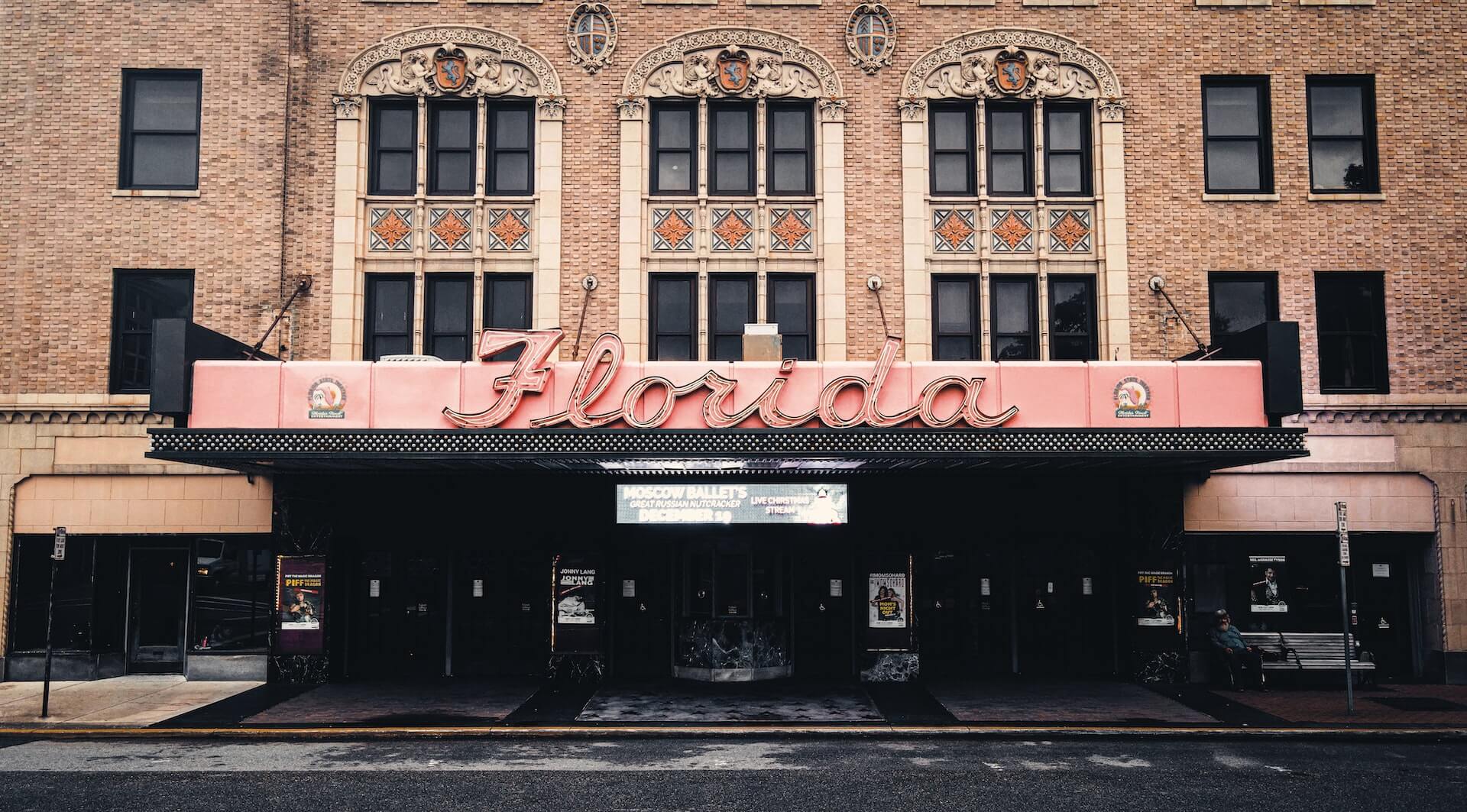
The Florida Theater in Jacksonville, Florida

Using the inflow and outflow data of tax filers earning $200,000 or more, SmartAsset identifies the top ten states attracting high earners.

When it comes to the number-one state, “it’s not even close,” says SmartAsset Advisors. Not surprisingly, several top inflow cities (according to Redfin data) line up with SmartAsset’s top inflow state list.

So, why should this information matter to operators? Plainly, it’s important market information. Population, household income, and age information are crucial considerations when opening any business.

In fact, KRG Hospitality includes such data (and much, much more) when conducting research for our proprietary feasibility, business, and concept plans. Among many elements of opening a restaurant, bar, hotel, or entertainment venue, the income of one’s target audience is crucial.

Knowing where high-income households are leaving and moving to can inform many operator decisions. Where should one open their first concept? Which markets should one consider for expansion? What type of concept will work in a market? What are the threshold price points for menu items? How will this information help inform design choices?

Operators need to recoup their outlay. The income of a concept’s ideal guest should be as important to an operator as knowing their costs.

Top Ten Inflow States

Interestingly, the top state on this list did experience significant outflow in 2020. In fact, the state lost 11,756 high-earning households in 2020.

However, the state also added 32,019 such households, netting 20,263 high earners.

  1. Utah
  2. Idaho
  3. Nevada
  4. Colorado
  5. Tennessee
  6. South Carolina
  7. North Carolina
  8. Arizona
  9. Texas
  10. Florida

Another compelling detail of the states on this list pertains to income tax. In short, three of the states don’t levy personal income tax.

Above, they’re the states in bold: Florida, Nevada, and Texas.

Top 10 Outflow States

So, above are the ten states are seeing the greatest an inflow of high-earning households. Which means, of course, there’s an inverse.

Below, the ten states experiencing the greatest outflow of high earners. Unsurprisingly, SmartAsset deems several entries on the list high-tax states. Also, Washington, DC, is a high-tax area.

Moreover, the list below includes five of the top ten high personal income tax jurisdictions (in bold).

  1. Ohio
  2. Minnesota
  3. Washington, DC
  4. Maryland
  5. New Jersey
  6. Virigina
  7. Massachusetts
  8. Illinois
  9. California
  10. New York

However, it’s not as though these states are seeing a massive exodus of high-earning households. In fact, per SmartAsset, these states have more high-income households than the national average.

Nationally, high-earning households account for less than seven percent of all tax filers. According to SmartAsset, nearly nine percent of tax filers are high-income households in the top ten outflow states.

Image: Trevor Neely on Unsplash

by David Klemt David Klemt No Comments

So, What’s Up with that $180 Million?

So, What’s Up with that $180 Million?

by David Klemt

Fanned out hundred dollar bills

It’s not much in comparison to the $40 billion we need to replenish the Restaurant Revitalization Fund but $180 million is still significant.

According to a June 14 report, the Small Business Administration is sitting on $180 million in RRF funds. This information came to light due to a Government Accountability Office (GAO) investigation.

Unfortunately but unsurprisingly, the funds likely won’t reach operators for a while. Why is that? Well, the SBA is working with the Justice Department to “formulate a plan on how to distribute” the money.

As we know, bureaucracy tends to move at a glacial pace. Additionally, $180 million is nowhere close to the roughly $42 billion it would take to fund RRF applicants who have not received grants.

Where did this Money come From?

We know that $24 million is from funds set aside by the SBA for litigation. However, according to the National Restaurant Association, the American Rescue Plan Act of 2021 didn’t expressly include such a set aside.

Interestingly, the NRA is calling for the SBA to disperse the litigation set aside to RRF applicants. This is due to their interpretation of “the spirit of the law” and unobligated funds.

Now, on to the biggest chunk of the tens of millions of dollars in unawarded, unobligated RRF money. Where, exactly, are these funds from?

Well, it’s a little murky at the moment. Per the GAO, awards returned by either recipients or their financial instutions amount to $56 million. The rest, according to the GAO, comes from “realized or anticipated recoveries,” per their report.

However, some sources report that $156 million was clawed back by the SBA and that the $24 million set aside make up the $180 million.

So, Who gets the Money?

In short, we don’t know yet. In fact, we don’t even know if RRF applicants will have to apply again for a piece of the $180 million.

Additionally, we don’t know if applicants who received an approval for an RRF grant but didn’t receive the award will be processed first.

What we do know is that if every dollar of this “leftover” $180 million is distributed to RRF applicants, a mere 0.44 percent would receive a grant.

As Nation’s Restaurant News reports, 150,166 RRF applicants were in fact approved for a grant but never received one. It would take over $41 billion to fund all 150,000-plus applicants.

When the Justice Department and SBA finalize a plan, we’ll let you know.

Image: John Guccione on Pexels

by David Klemt David Klemt No Comments

Congress Fails Us Once More

Congress Fails Us Once More

by David Klemt

United States Capitol Building through trees

A “compromise” and “far from perfect,” the Inflation Reduction Act of 2022 is yet another bill that could include the RRF but fails to do so.

Not content to deliver just the gut punches our industry has already endured, Congress is leaving us out. Again.

A bill that targets inflation in the US should, logically, include replenishment of the Restaurant Revitalization Fund. However, RRF replenishing isn’t among Inflation Reduction Act compromises.

By the way, that isn’t my assessment. It’s President Joe Biden’s summary of the bill’s passage in the Senate: “This bill is far from perfect. It’s a compromise.”

To clarify, this compromise is a $430 billion spending bill that doesn’t include $40 billion to replenish the RRF. That’s interesting, considering Democrats claim the bill will not only generate enough revenue to pay for itself, they say it will generate another $300 billion throughout the next decade.

Restaurants in the US are projected to generate nearly $900 billion in sales this year. Apparently, however, that’s not enough for our politicians and lawmakers to consider us important to the economy.

Instead, those who enjoy near-inscrutable power and are in the position to stop another bout of restaurant and bar closures have chosen not to help. Our industry, which employs millions upon millions of hard-working Americans is once again on the outside looking in.

The Road to Nowhere

In a word, the road to RRF replenishment is exhausting. One Instagram user commented as such on the Independent Restaurant Coalition‘s post about us being left out of a massive spending bill yet again.

Three months ago, the US Senate killed RRF replenishment when they voted against even debating the Small Business COVID Relief Act of 2022.

Midway through June I reported that Sean Kennedy, executive vice president of public affairs for the National Restaurant Association, posited that the RRF could be replenished via a reconciliation bill.

Addressing the possibility, Kennedy made clear it was a longshot. He was correct.

Indeed, the Inflation Reduction Act was passed by the US Senate via reconciliation bill. A simple majority consisting of all 50 Democrat senators and Vice President Kamala Harris sends the bill to the House.

Compellingly, the nonpartisan Congressional Budget Office’s analysis of the Inflation Reduction Act indicates the bill’s name is a misnomer. According to the CBO, the bill will either have zero or nearly-zero impact on inflation this year or in 2023. A group of 230 economists warn the bill may increase inflation.

The bill is expected to pass the House in its current form and be signed by President Biden by the end of this week.

Response from the IRC

Immediately after news broke that the Inflation Reduction Act of 2022 passed the Senate but failed to include RRF replenishment, the IRC’s Erika Palomar responded.

The executive director of the IRC said:

“For nearly three years, independently owned restaurants and bars have weathered multiple COVID-19 surges, government-mandated closures, consumer hesitancy, rising prices and ongoing restrictions, while fighting to keep their doors open and staff employed. Restaurants and bars are the heartbeat of every community, and we are incredibly disappointed to not be included in the reconciliation vote this weekend. 177,300 small businesses have been patiently waiting for relief and their needs are being ignored, again.

“Thousands of restaurants and bars are at risk of closing permanently as a result of continued Congressional inaction on the replenishment of the Restaurant Revitalization Fund (RRF). The failure of Congress and the White House to act swiftly is impacting neighborhoods in every state across the country. Congress has failed these businesses, but the Independent Restaurant Coalition is not giving up the fight in any way possible to support independent restaurants.”

Further Disappointment

Over the past 15 months (longer if we really look back), our politicians and lawmakers have been consistent about one thing. They have continually failed to recognize restaurants and bars for what they are: cornerstones of their communities.

Of course, they’ll happily use our businesses for political theater and their fundraisers. But giving us more than lipservice? Not on the agenda.

Image: Paula Nardini on Pexels

by David Klemt David Klemt No Comments

Datassential Identifies Top Design Trends

Datassential Identifies Top Design Trends

by David Klemt

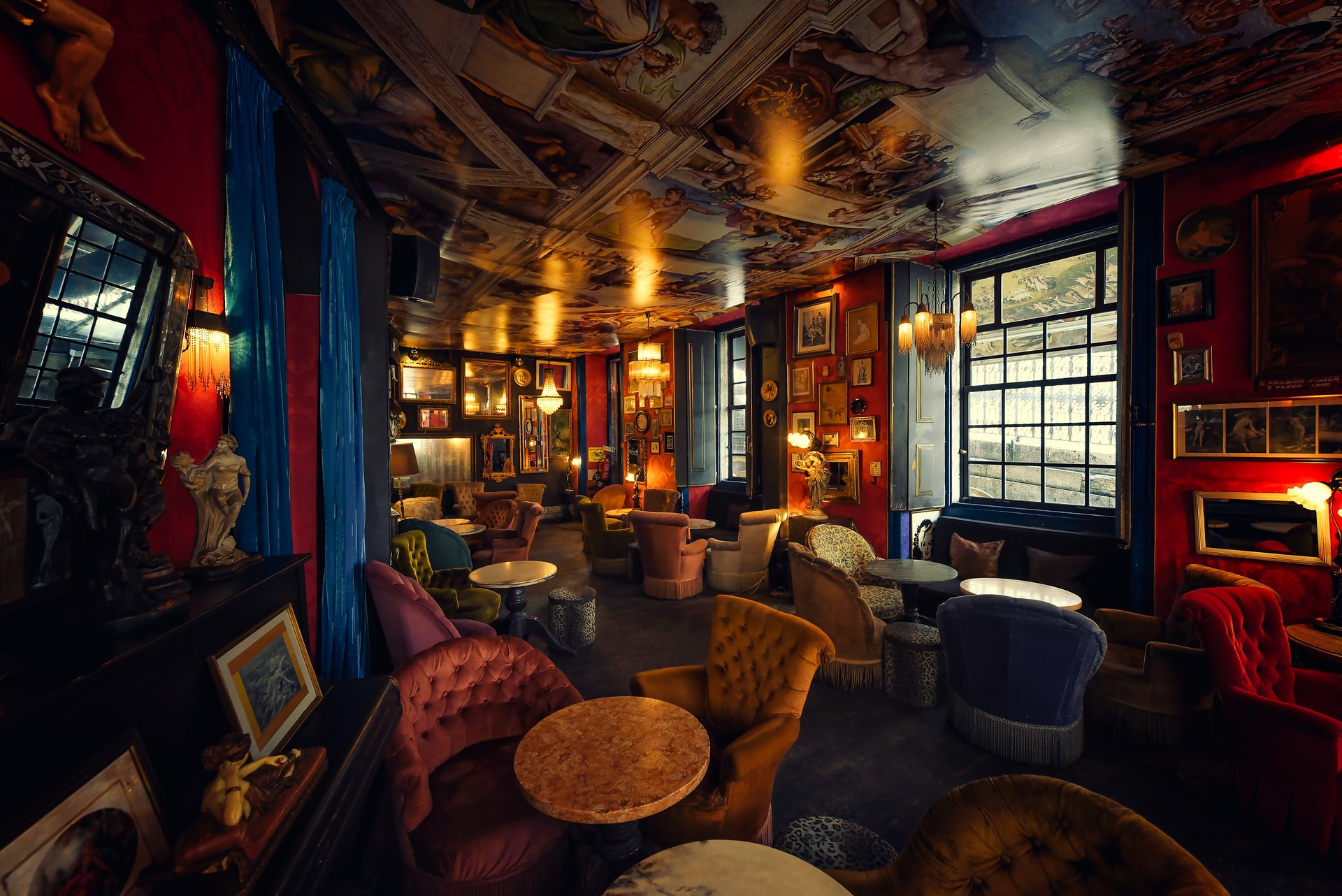
Maximalist interior bar or restaurant design

For their latest FoodBytes research topic, Datassential tackles some of the top restaurant design trends.

Click here to download Datassential’s “Foodbytes: Restaurant Design Trends” report. If you haven’t already, you’ll need to sign up for FoodBytes reports.

As the title states, this Datassential resource addresses the state of restaurant design. Now, we recommend reading the report for yourself but below you’ll find the points that really stand out to us.

If you’re among the 22 percent of operators that Datassential says are either considering a dining room redesign or have completed one, this report is particularly relevant to you.

Back-0f-house Design

Unsurprisingly, most people envision the interior dining area when considering restaurant design. However, as Lauren Charbonneau of Reitano Design Group says in Datassential’s latest FoodBytes, “Restaurants are living spaces that need to be agile.”

That means considering the entire space, not just the front of house. There’s also this stat from Datassential: 64 percent of operators think shrinking their footprint would be detrimental. If that’s the case, making the BoH smaller rather than the front may be the way forward.

So, let’s take a look at what Charbonneau identifies as BoH design trends to consider.

Clearly, it’s crucial operators consider their back-of-house teams. Providing a better workplace experience and improving efficiency can be done through design. Per Charbonneau, operators can use clever design and equipment choices to reduce steps, movement, labor, footprint, and costs.

Additionally, sustainability is not only crucial to responsible operation, being sustainable can reduce costs. Selecting Energy Star, Water Sense, and multi-functional equipment can make tasks easier for BoH teams, make a business more sustainable, and, again, drive down costs.

Maximalist Design

Finally, it seems, the minimalist design trend is losing its stranglehold on restaurant design. Of course, if that approach and design language works for a particular concept, it works.

However, maximalism is growing in popularity. For this type of design, think lots of color and bold patterns. Then, think about using multiple patterns and textures, including on the floors.

So, wallpaper, artwork, plush seating, loud tiles… Per Datassential, maximalism appeals to younger guests. In part, this is because these spaces can offer so many Instagrammable moments.

Monochrome Design

Okay, before we begin, “monochrome” doesn’t only mean a black-and-white palette. While that can work very well depending on the concept, monochrome also means using different tones of a single color.

Of course, there are multiple ways to approach this design trend. For example, if one does want to select a black-and-white scheme, Matte Black Coffee in Los Angeles is compelling.

Not only is the design monochrome, guests feel as though they’re inside a two-dimensional image. Per Datassential, this type of design is growing in popularity across the US specifically.

In terms of colorful monochrome, a great example is NYC’s Pietro Nolita. Not only have they chosen pink for their palette, it’s a core element of their branding: Pink AF.

Yet another way to approach this trend is for operators to use varying tones of particular colors to delineate different spaces. So, the dining room may be tones of pink while the bar is green and a private dining room is blue.

Nostalgic Design

As we’re all well aware, the pandemic derailed people’s plans. In particular, people hit the pause or cancel button on travel and vacations. Now, people appear to restarting their travel plans and getting back out there.

However, we’re also dealing with inflation. So, many people are holding off on spending money on travel. This is where restaurant design comes into play.

According to Datassential, “nostalgic escape” is a trend to watch moving forward. While very specific, this trend combines a dive into the past and capturing vacation vibes.

Per their FoodBytes report, Datassential identifies the following elements as key to this design approach:

  • Soft shades of colors. In particular, pink.
  • Tropical designs.
  • Fifties, Eighties, and Nineties design elements.

One concept that leverages this trend and did so before the pandemic is the Hampton Social. Currently, there are eight locations and two more are on the way.

Of course, it’s imperative that operators commit only to design language that’s authentic to their concepts. Pursuing a trend simply to pursue it is a clear path to disaster. That said, these design trends have massive appeal and can work for many operators and their brands.

Image: Davide Castaldo on Unsplash

by David Klemt David Klemt No Comments

Tales Reveals 2022 Spirited Awards Winners

Tales of the Cocktail Reveals 2022 Spirited Awards Winners

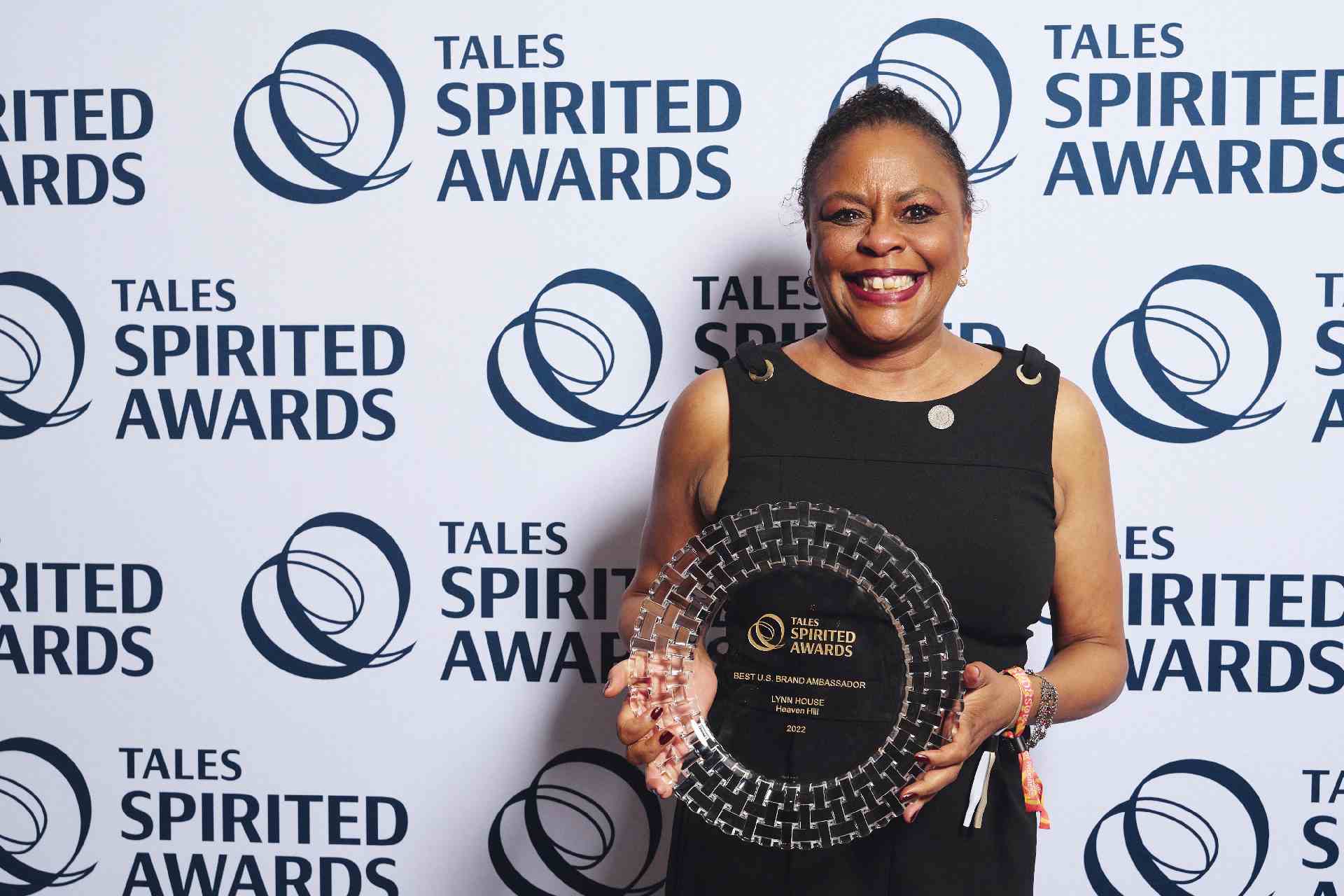
2022 Spirited Award winner Lynn House

2022 Spirited Award winner Lynn House

Congratulations to the 2022 Spirited Awards winners, revealed last week during the 20th anniversary of Tales of the Cocktail.

First opening their doors in 2018, NYC’s Katana Kitten took home two awards. The dream team trio of Masahiro Urushido, Greg Boehm, and James Tune won Best US Cocktail Bar and best US Bar team.

Another American venue that won two Spirited Awards is Jewel of the South in New Orleans. Opened in 2019, Jewel of the South was crowned Best US Restaurant Bar. Additionally, the US Bartender of the Year is Chris Hannah, co-owner of the NOLA dining and drinking destination.

We also want to extend a special congratulations to Bar Hacks guest Lynn House. To learn more about House, this year’s Best US Brand Ambassador, check out episode 52 of Bar Hacks.

Internationally, two bars also took home multiple awards. 🔶🟥🔵 A Bar with Shapes for a Name and Lyaness at Sea Containers London, both in London, won two Spirited Awards. The former is this year’s Best New International Cocktail Bar. Plus, it’s the home of Remy Savage, the 2022 International Bartender of the Year.

Lyaness at Sea Containers London clinched Best International Hotel Bar andWorld’s Best Bar. So, London, New Orleans, and New York showed out at the 2022 Spirited Awards.

To view the finalists in each category, please click here.

US Award Categories

U.S. Bartender of the Year presented by Del Maguey: Chris Hannah (Jewel of the South, New Orleans, LA)

Best U.S. Bar Mentor presented by BarSmarts: Sean Kenyon

Best U.S. Brand Ambassador presented by Libbey: Lynn House (Heaven Hill)

Best U.S. Bar Team presented by William Grant & Sons: Katana Kitten (New York, NY)

Best U.S. Cocktail Bar presented by Absolut Vodka: Katana Kitten (New York, NY)

Best U.S. Hotel Bar presented by Grey Goose: Silver Lyan at the Riggs (Washington, DC)

Best U.S. Restaurant Bar presented by Maison Ferrand: Jewel of the South (New Orleans, LA)

Best New U.S. Cocktail Bar presented by Aviation Gin: Happy Accidents (Albuquerque, NM)

International Award Categories

International Bartender of the Year presented by Patrón Tequila: Remy Savage (🔶🟥🔵 A Bar with Shapes for a Name, London, UK)

Best International Bar Mentor presented by Lyre’s Non-Alcoholic: Lauren Mote

Best International Brand Ambassador presented by Lyre’s Non-Alcoholic: Martin Hudak (Mr. Black Spirits)

Best International Bar Team presented by House of Angostura: MAYBE SAMMY (Sydney, Australia)

Best International Cocktail Bar presented by Tequila Fortaleza: Tayēr + Elementary (London, UK)

Best International Hotel Bar presented by Perrier: Lyaness at Sea Containers London (London, UK)

Best International Restaurant Bar presented by Amaro Montenegro and Select Aperitivo: Sexy Fish (London, UK)

Best New International Cocktail Bar presented by Stranger & Sons: 🔶🟥🔵 A Bar with Shapes for a Name (London, UK)

Global Award Categories

Best New Spirit or Cocktail Ingredient presented by Tales of the Cocktail Foundation: Lyre’s Non-Alcoholic Italian Orange

World’s Best Cocktail Menu presented by Diageo Bar Academy: Little Red Door (Paris, France)

World’s Best Spirits Selection presented by Beam Suntory: Jack Rose Dining Saloon (Washington, DC)

Pioneer Award Presented by The Blend: Amanda Gunderson (CEO and co-founder, Another Round Another Rally)

Timeless International Award presented by Jägermeister: Harry’s New York Bar (Paris, France)

Timeless U.S. Award presented by Johnnie Walker: Bemelmans Bar at The Carlyle, A Rosewood Hotel (New York, NY)

Helen David Lifetime Achievement Award presented by William Grant & Sons: Julie Reiner (Co-founder Clover Club, Leyenda, Social Hour Cocktails, Mixtress Consulting)

World’s Best Bar presented by Tales of the Cocktail Foundation: Lyaness at Sea Containers London (London, UK)

Writing and Media Award Categories

Best Cocktail & Spirits Publication presented by Diageo Bar Academy: VinePair

Best Broadcast, Podcast, or Online Video Series presented by Diageo Bar Academy: The Cocktail Lovers

Best Cocktail & Spirits Writing presented by Diageo Bar Academy: “Get Real: The bar world looks beyond feel-good measures on sustainability and climate change” by Max Falkowitz for Imbibe Magazine

Best New Cocktail or Bartending Book presented by Lyre’s Non-Alcoholic: The Japanese Art of the Cocktail by Masahiro Urushido and Michael Anstendig

Best New Book on Drinks Culture, History, or Spirits presented by Diageo Bar Academy: The Oxford Companion to Spirits & Cocktails edited by David Wondrich with Noah Rothbaum

Image: Cory Fontenot

by David Klemt David Klemt No Comments

2022 World’s 50 Best Restaurants: 1-50

2022 World’s 50 Best Restaurants: 1-50

by David Klemt

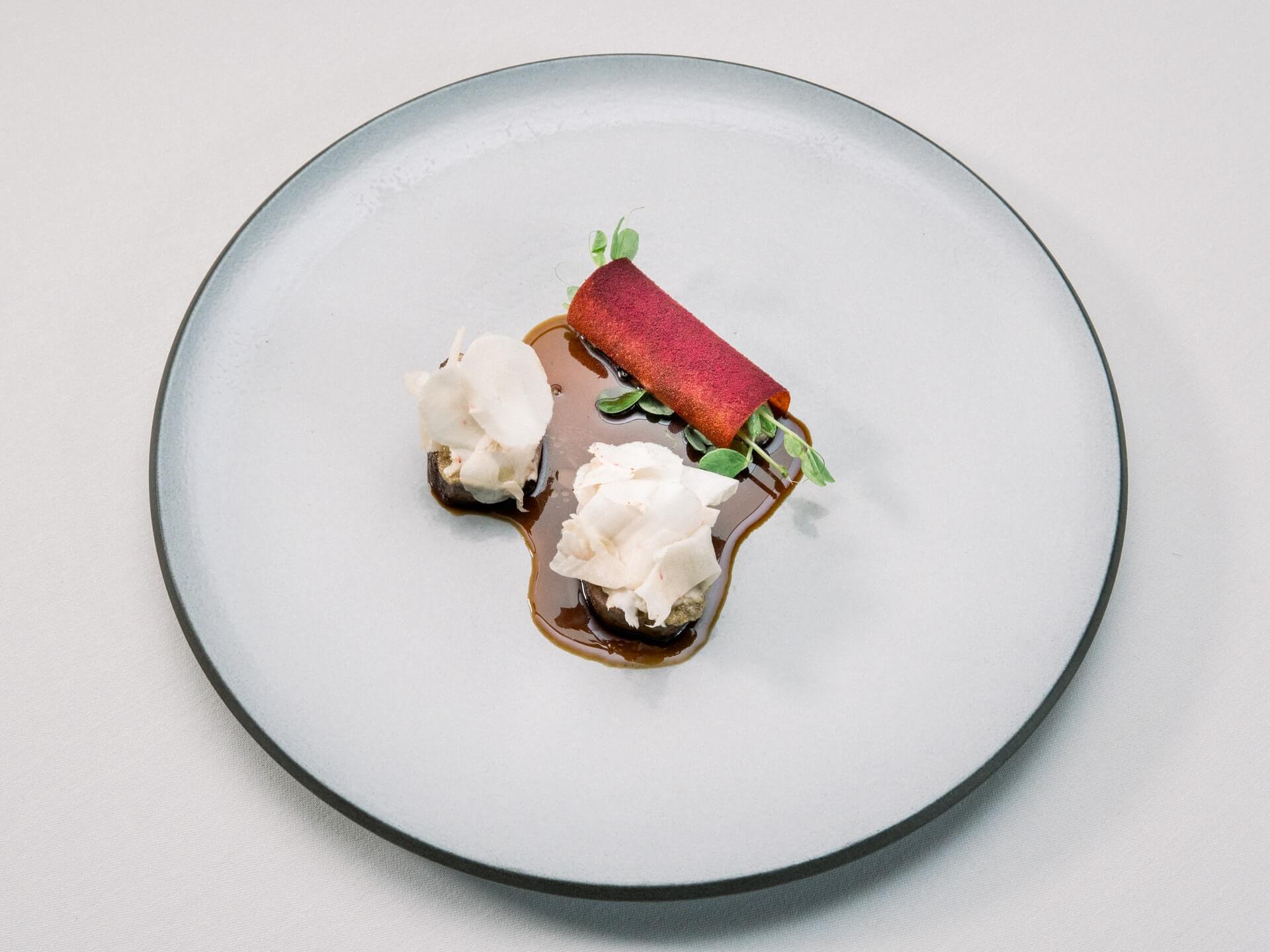
Gourmet dish on white background

Finally, the World’s 50 Best announces the World’s 50 Best Restaurants, an impressive list of the finest places to dine across the globe.

Of course, this highly anticipated news comes on the heels of the World’s 50 Best Restaurants, 51 to 100. Last night, host Stanley Tucci and special guest co-hosts announced the winners in London.

Perhaps not too surprisingly, only three American restaurants are among this year’s top fifty. Of those three, one is in Healdsburg, California, which is the wine-producing region of Sonoma County. The other two American restaurants are in New York City, which isn’t exactly a surprise. And of those two restaurants, one, number 33 on this year’s list, is the winner of the Gin Mre Art of Hospitality Award.

Unfortunately, there are no Canadian restaurants on the World’s 50 Best Restaurants 2022 list. That applies to the back half of the list, numbers 51 to 100, as well.

Interestingly, the restaurant taking home the title of World’s Best Restaurant 2022 took the number two spot in 2021. Another hint: This year’s number one, by clinching the top slot, is also the Best Restaurant in Europe 2022.

So, do you think you know what restaurant is the best in the world? Scroll down to see if you’re right.

The World’s 50 Best Restaurants 2022: 50 to 1

  1. Single Thread (Healdsburg, California, USA)
  2. Ikoyi (London, England)
  3. Leo (Bogotá, Colombia)
  4. Oteque (Rio de Janeiro, Brazil)
  5. Belcanto (Lisbon, Portugal)
  6. Narisawa (Tokyo, Japan)
  7. Le Bernardin (New York, New York, USA)
  8. Boragó (Santiago, Chile)
  9. Quique Dacosta (Dénia, Spain)
  10. La Cime (Osaka, Japan)
  11. Schloss Schauenstein (Fürstenau, Switzerland)
  12. Sorn (Bangkok, Thailand)
  13. Jordnær (Copenhagen, Denmark)
  14. Fyn (Cape Town, South Africa)
  15. Odette (Singapore)
  16. The Clove Club (London, England)
  17. Hiša Franko (Kobarid, Slovenia)
  18. Atomix (New York, New York, USA)(Gin Mare Art of Hospitality Award 2022)
  19. Mayta (Lima, Peru)
  20. Arpège (Paris, France)
  21. Florilège (Tokyo, Japan)
  22. St. Hubertus (San Cassiano, Italy)
  23. Le Clarence (Paris, France)
  24. Hof Van Cleve (Kruishoutem, Belgium)
  25. Restaurant Tim Raue (Berlin, Germany)
  26. Frantzén (Stockholm, Sweden)
  27. The Chairman (Hong Kong)
  28. The Jane (Antwerp, Belgium)
  29. Septime (Paris, France)
  30. Mugaritz (San Sebastian, Spain)
  31. Den (Tokyo, Japan)
  32. Piazza Duomo (Alba, Italy)
  33. The Alchemist (Copenhagen, Denmark)
  34. Nobelhart & Schmutzig (Berlin, Germany)(Villa Massa Highest Climber Award 2022)
  35. Elkano (Getaria, Spain)
  36. Reale (Castel di Sangro, Italy)
  37. Don Julio (Buenos Aires, Argentina)
  38. Steirereck (Vienna, Austria)
  39. Uliassi (Senigallia, Italy)(Highest New Entry Award 2022)
  40. Maido (Lima, Peru)
  41. Le Calandre (Rubano, Italy)
  42. Quintonil (Ciudad de México, México)(Estrella Damm Chef’s Choice Award: Chef Jorge Vallejo)
  43. Lido 84 (Gardone Riviera, Italy)
  44.  A Casa do Porco (São Paulo, Brazil)
  45. Asador Etxebarri (Atxondo, Spain)
  46. Pujol (Ciudad de México, México)
  47. Diverxo (Madrid, Spain)
  48. Disfrutar (Barcelona, Spain)
  49. Central (Lima, Peru)
  50. Geranium (Copenhagen, Denmark)

Image: Delightin Dee on Unsplash

by David Klemt David Klemt No Comments

Is Your Business in a Top Time Out City?

Is Your Business in a Top Time Out City?

by David Klemt

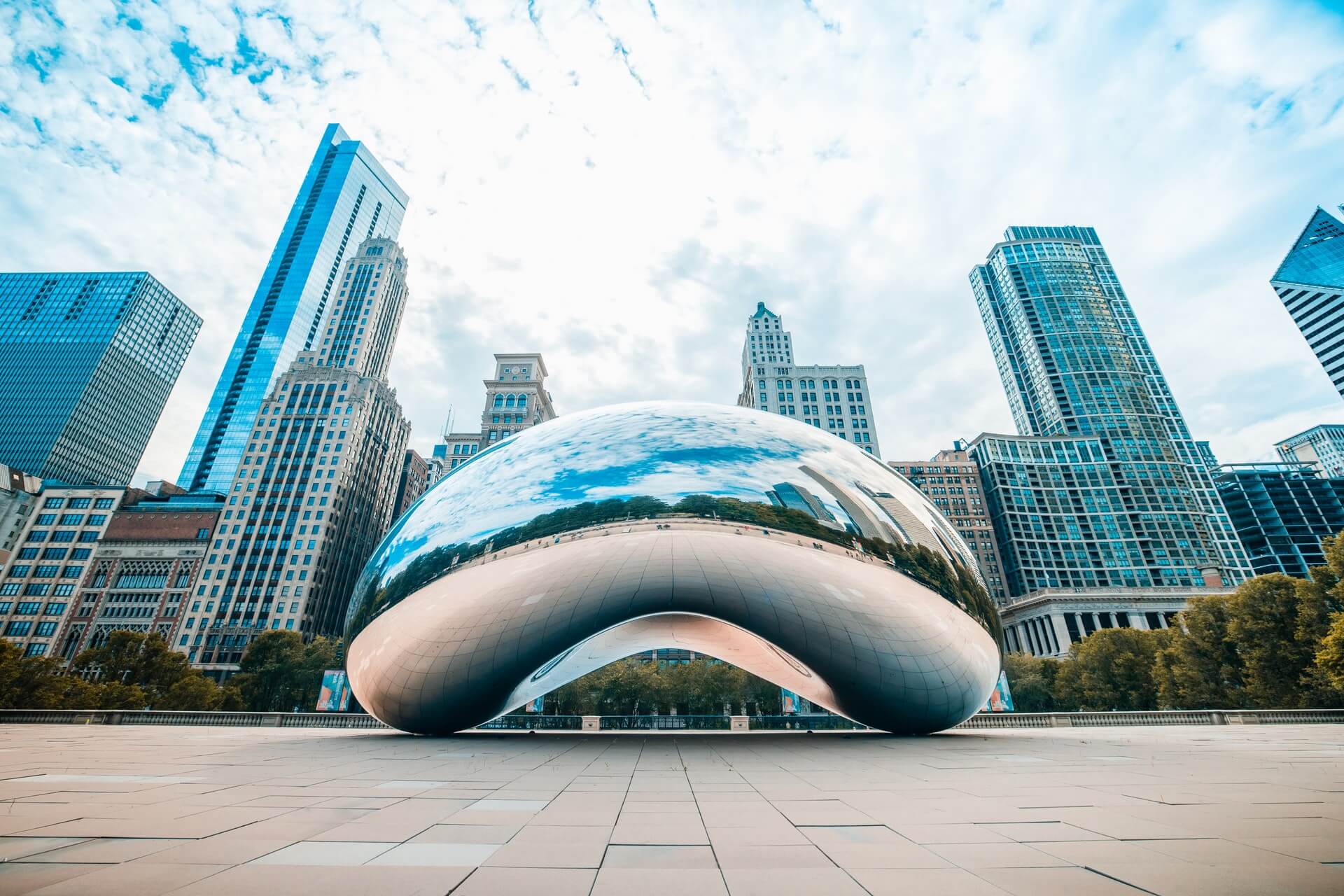
The Bean aka Cloud Gate in Chicago

Hot off the presses, Time Out is now revealing the results of their Time Out Index 2022, an annual list identifying the world’s top cities.

The global publication, founded in the late 1960s, surveyed 20,000 “city dwellers.” Time Out focuses on cities’ restaurant, bar, nightlife, entertainment, and art scenes.

For 2020 and 2021, Time Out put emphasis on the pandemic and how cities maintained resiliency and kept communities together. In 2022, priority is given to flourishing nightlife, dining, and drinking, along with culture.

Additionally, Time Out gives weight to a city’s sustainability, safety, walkability, and affordability. To learn more about how Time Out analyzes data, click here.

Compelling Rankings

Below, you’ll find Time Out’s ranking of the best 53 cities in the world for 2022. I’ve broken the list into sections: 53 to 11, and ten to number one.

Interestingly, the 20,000 survey respondents note the dining, drinking, and nightlife of the top five cities. In fact, the nightlife scene of number three is “the world’s best.”

And city number two? Survey takers think it’s the most fun—”funnest,” according to Time Out—in the world.

Now, I know our audience is largely American and Canadian, so I’ll get to how both rank. Six cities—the usual suspects, basically—in the US are on the list. Only one American city is in the top ten, and it’s likely not the one you think. As for Canada, one city claims the 27 spot, another is number nine.

You’ll find the Canadian and American cities in bold below. Champing at the bit to see the results? Scroll down!

Time Out Cities 53 to 11

  1. Doha, Qatar
  2. Hong Kong
  3. Bangkok, Thailand
  4. Istanbul, Turkey
  5. Johannesburg, South Africa
  6. Rio de Janeiro, Brazil
  7. Auckland, New Zealand
  8. Sydney, Australia
  9. Abu Dhabi, United Arab Emirates
  10. Singapore
  11. Accra, Ghana
  12. Los Angeles, California, USA
  13. Rome, Italy
  14. Dubai, United Arab Emirates
  15. Barcelona, Spain
  16. Miami, Florida, USA
  17. São Paulo, Brazil
  18. Dublin, Ireland
  19. Athens, Greece
  20. Manila, Philippines
  21. Kuala Lumpur, Malaysia
  22. Paris, France
  23. Tel Aviv, Israel
  24. Mexico City, Mexico
  25. Boston, Massachusetts, USA
  26. Lisbon, Portugal
  27. Toronto, Ontario, Canada
  28. Delhi, India
  29. San Francisco, California, USA
  30. Tokyo, Japan
  31. Stockholm, Sweden
  32. Birmingham, England
  33. Buenos Aires, Argentina
  34. New York, New York, USA
  35. Lyon, France
  36. Porto, Portugal
  37. London, England
  38. Taipei, Taiwan
  39. Melbourne, Victoria, Australia
  40. Mumbai, India
  41. Manchester, England
  42. Madrid, Spain
  43. Cape Town, South Africa

The Top Ten Time Out Cities

  1. Copenhagen, Denmark
  2. Montréal, Québec, Canada
  3. Berlin, Germany
  4. Marrakech, Morocco
  5. Prague, Czech Republic
  6. Amsterdam, Netherlands
  7. Glasgow, Scotland
  8. Medellín, Colombia
  9. Chicago, Illinois, USA
  10. Edinburgh, Scotland

Congratulations to the top 53 cities in the world! We expect big things from their dining, drinking, and nightlife moving forward.

Image: Christopher Alvarenga on Unsplash

by David Klemt David Klemt No Comments

What’s Up with Meat, Poultry and Seafood?

What’s Up with Meat, Poultry and Seafood?

by David Klemt

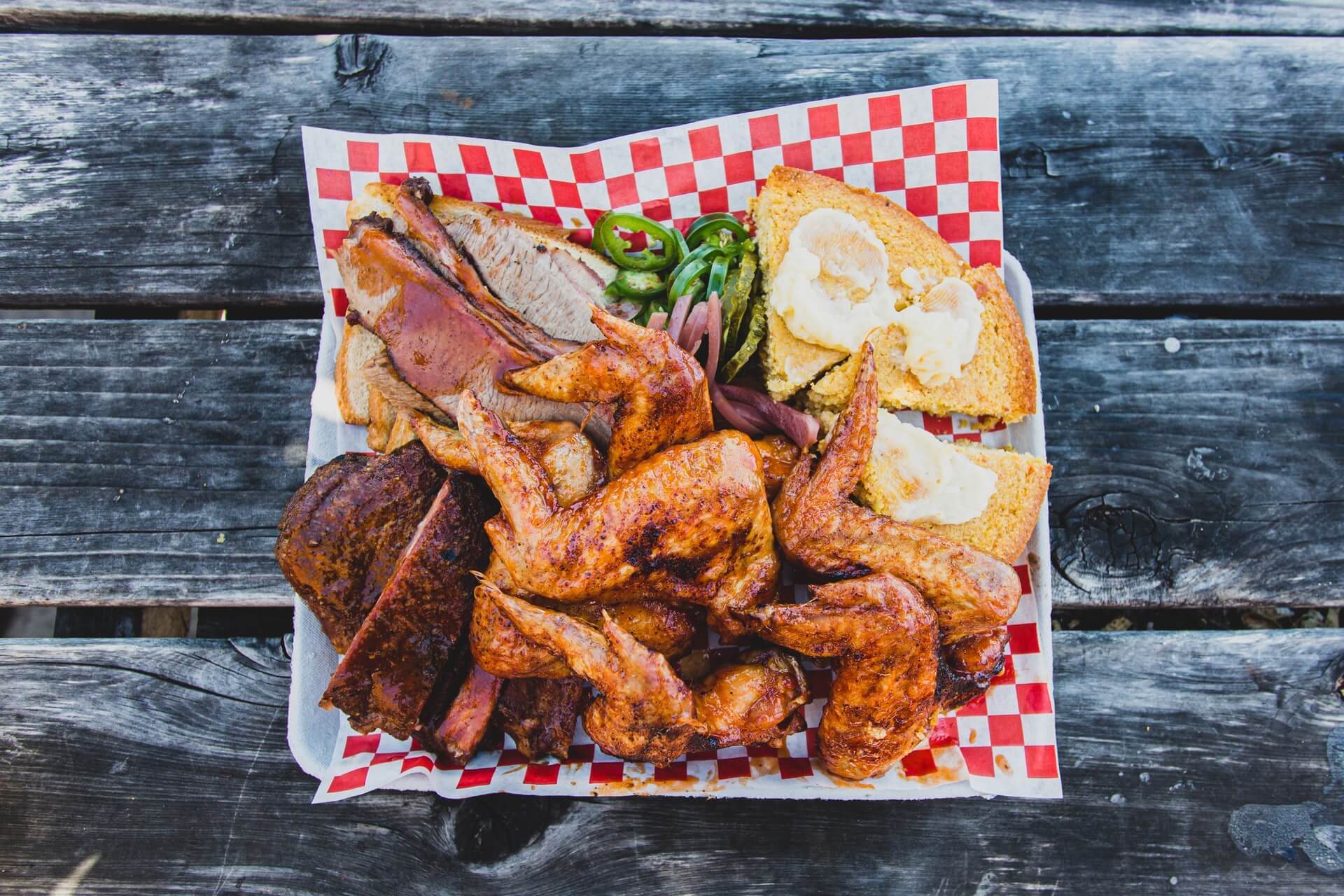
Barbecue food plate on wooden table

We know how plant proteins are performing with consumers but what do we know about how meat, poultry, and seafood are doing?

Well, because of a recent report from Datassential, we know many consumers are “meat-limiters.” And research from the World Resources Institute shows that plant-based performance is nuanced.

Interestingly, the performance of animal proteins on-premise appears to be following a beverage trend: Moderation. According to Datassential, more consumers are reducing their consumption of meat and poultry than increasing it in comparison with 2021.

So, meat-limiters may be indicative of the future of meat consumption.

Consumer Shifts

As the name implies, meat-limiters are limiting or otherwise reducing their consumption of animal proteins. Importantly, it doesn’t appear that a significant percentage of consumers are eliminating animal proteins from their diets.

Rather, many people are simply increasing the amount of plant-based items they’re eating. However, that increase is more aspirational than real in some cases.

Per Datassential’s survey of 1,500 consumers in the US, just over 70 percent of people are meat eaters. In contrast, nearly 25 percent are “flexitarian.” Just two percent are vegan or pescatarian, and only three percent are vegetarian.

So, the vast majority of Americans are still consuming meat, poultry, and seafood. We just now have reason to believe that more consumers may be leaning toward a flexitarian diet.

A bit over a quarter of consumers consume meat every day. Still, many people aspire to eat more vegetables, fruits, and whole grains, per Datassential.

However, there are more pescatarians, vegans, and vegetarians among Gen Z than the overall population. According to Datassential, this could indicate a shift away from animal proteins in the future.

Meat Performance is Nuanced

Just like plant-based performance, meat performance is nuanced. There are many factors at play.

Shifts in what consumers value are driving changes to the performance of proteins. Health, sustainability, the climate, taste, and affordability have an effect on all proteins, animal and plant.

Undeniably, inflation and shaken consumer confidence are impacting protein performance. Everything, it seems, is more expensive at the moment. Generally speaking, animal proteins are pricier than plant-based items.

It makes sense, then, that some consumers are reducing their intake of animal proteins and filling that void with fruits, veggies, and legumes.

Of particular note are shifts in daily and weekly consumption of animal proteins in 2022. Meat consumption once or more per week—beef, lamb, pork, veal—is up three percent. However, there’s a ten-percent increase in consumers eating poultry once or more per week.

Interestingly, daily poultry consumption is down seven percent in comparison with 2021. Likewise, daily consumption of seafood is also down seven percent, and fewer people are consuming it less than once per week.

Plant-based is Down

Despite what some would think, meat-limiters don’t appear to be driving up plant proteins significantly.

In fact, according to Datassential, the daily consumption of plant-based proteins is down. Per the research firm, seitan, tempeh, and tofu are the experiencing the greatest drop in daily consumption.

The fact is that across generations, more consumers eat animal proteins on a daily basis than their plant-based counterparts. Gen Z, per Datassential, consumes more animal proteins on a daily basis than other generations.

So, how does it make sense that people are reducing their meat intake but plant-based isn’t seeing a sizable jump in consumption?

In part, the answer is the growing popularity of plant-forward dishes. These are items, like bowls, that offer a small amount of meat, poultry, seafood or dairy. The majority of these menu items consists of plants but are not free of animal proteins completely.

The path forward may indeed be a plant-forward menu. Of course, this is heavily reliant on a specific concept or brand. Still, it’s likely many restaurants can do well offering mixed dishes, those heavier on plant proteins than animal proteins.

Image: Peter Pham on Unsplash

Note: This article is based on information from Datassential’s “2022 Plant-Forward Opportunity” report. To access a number of free reports, sign up with Datassential today.

by David Klemt David Klemt No Comments

2022 World’s 50 Best Restaurants: 51-100

’22 World’s 50 Best Restaurants: 51-100

by David Klemt

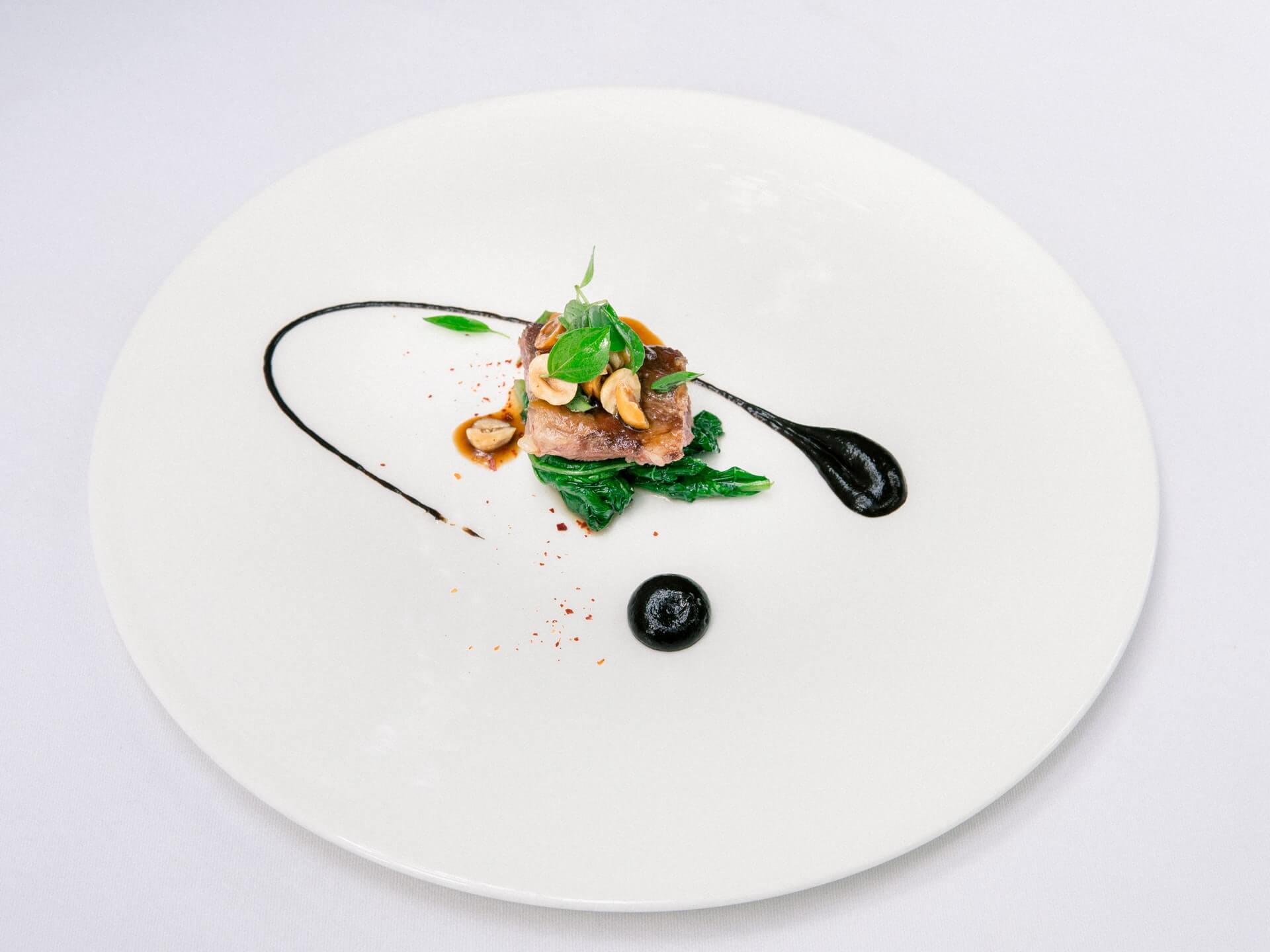
High-end plate of food

Just a week away from their big 2022 reveal, numbers 51 through 100 of the World’s 50 Best Restaurants is now available.

As one expects, these restaurants represent the pinnacle of dining. The 2022 list also represents a number of changes in comparison to 2021.

For example, a number of restaurants in the Middle East are among this year’s 51 to 100 rankings. Notably, these restaurants were not included on last year’s list. In fact, nearly half of the restaurants are new entries on the 51 to 100 list.

Additionally, the 2022 list represents six continents. This year, four “new” countries and a sovereign island city-state make the 51 to 100 rankings:

  • Argentina
  • China
  • Germany
  • Singapore
  • UAE

The regional breakdown is as follows:

  • Asia: 14 restaurants
  • Europe: 13 venues
  • North America: 11 concepts
  • Middle East: 2 restaurants
  • Africa: 2 concepts
  • Oceania: 1 venue
  • South America: 7 restaurants

Just six American restaurants are on the list. Three are in New York, two in San Francisco, and one is in Chicago. Disappointingly, zero Canadian restaurants are among the 51 to 100 rankings.

Restaurants one through 50 will be revealed on Monday, July 18. Numbers 51 to 100 of the World’s 50 Best Bars will be revealed Tuesday, September 27.

The World’s 50 Best Restaurants 2022: 51 to 100

  1. Alcalde (Guadalajara, Jalisco, México)
  2. Sud 777 (Ciudad de México, México)
  3. D.O.M. (São Paulo, SP, Brazil)
  4. Lyle’s (London, England)
  5. Azurmendi (Larrabetzu, Biscay, Spain)
  6. La Colombe (Cape Town, Western Cape, South Africa)
  7. Trèsind Studio (Dubai, UAE)
  8. Alléno Paris au Pavillon Ledoyen (Paris, France)
  9. Sazenka (Tokyo, Japan)
  10. Rosetta (Ciudad de México, México)
  11. La Grenouillère (La Madelaine-sous-Montreuil, France)
  12. Ernst (Berlin, Germany)
  13. Chef’s Table at Brooklyn Fare (New York, NY, USA)
  14. Fu He Hui (Shanghai, People’s Republic of China)
  15. Le Du (Bangkok, Thailand)
  16. Sühring (Bangkok, Thailand)
  17. Evvai (São Paulo, SP, Brazil)
  18. Kjolle (Barranco, Lima, Perú)
  19. Cosme (New York, NY, USA)
  20. Zén (Singapore)
  21. Mingles (Seoul, South Korea)
  22. Atelier Crenn (San Francisco, CA, USA)
  23. Kol (London, England)
  24. Blue Hill at Stone Barns (Pocantico Hills, Mount Pleasant, NY, USA)
  25. Samrub Samrub (Bangkok, Thailand)
  26. Neighborhood (Hong Kong)
  27. Table by Bruno Verjus (Paris, France)
  28. Lasai (Rio de Janeiro, RJ, Brazil)
  29. Estela (New York, NY, USA)
  30. AM par Alexandre Mazzia (Marseille, France)
  31. Brat (London, England)
  32. Sézanne (Tokyo, Japan)
  33. El Chato (Bogotá, DC, Colombia)
  34. Gimlet at Cavendish House (Melbourne, Victoria, Australia)
  35. Raan Jay Fai (Bangkok, Thailand)
  36. Mikla (Beyoğlu/İstanbul, Turkey)
  37. Orfali Bros Bistro (Dubai, UAE)
  38. Mishiguene (Buenos Aires, Argentina)
  39. Máximo Bistrot (Ciudad de México, México)
  40. Wolfgat (Paternoster, Western Cape, South Africa)
  41. Oriole (Chicago, IL, USA)
  42. Indian Accent (New Delhi, Delhi, India)
  43. Hertog Jan at Botanic Sanctuary (Antwerp, Belgium)
  44. Burnt Ends (Singapore)
  45. Meta (Singapore)
  46. Maní (São Paulo, SP, Brazil)
  47. Benu, San Francisco, CA, USA)
  48. Tantris (München, Germany)
  49. Flocons de Sel (Megève, France)
  50. Wing (Hong Kong)

*Bold denotes new entry

Image: Delightin Dee on Unsplash

by David Klemt David Klemt No Comments

Meat-limiters Driving Change

Meat-limiters Driving Change

by David Klemt

Plant-based food bowl

You’re likely familiar with dietary terms like vegetarian, vegan, pescatarian, and even flexitarian, but what about meat-limiter?

As the name implies, a meat-limiter is a person actively choosing to reduce their meat intake. It’s also an umbrella term that includes vegan, vegetarian, pescatarian, or flexitarian diets.

Earlier this year, Datassential took a look at plant-based opportunities. Over the course of a week, 1,500 Americans ages 18 to 88 were surveyed online.

Datassential conducted their research with three partners:

  • The Culinary Institute of America
  • Food for Climate League
  • Menus of Change University Research Collaborative

The results are revealed within Datassential’s “2022 Plant-Forward Opportunity” report. To access a number of free reports, sign up with Datassential today.

Meat-limiter Guests

Just over a quarter of Americans—29 percent—are meat-limiters in some way. That number climbs to 36 percent for Gen Z, per this Datassential survey.

Of four major diets (vegetarian, vegan, pescatarian, flexitarian), vegetarian and vegan are the least common. The overall US population consists overwhelmingly of meat eaters (71 percent). Nearly a quarter, 22 percent, are flexitarian.

For Gen Z, those same numbers are 65 percent and 19 percent, respectively. Interestingly, Gen Z has more vegetarians and vegans than other generations.

But then there’s this: When it comes to the daily consumption of animal proteins, Gen Z is at the top. It’s Millennials who consume the most plant-based proteins on a daily basis.

Animal proteins are still at the top across generations. However, people are consciously reducing their meat intake and seeking plant-based alternatives.

What’s Driving Meat-limiters?

In comparison to 2021, Datassential hit on a compelling finding. A mere six percent of the US population was actively reducing meat intake last year.

That number has skyrocketed in 2022. This year, per Datassential, 21 percent of consumers can be considered meat-limiters.

Given the pandemic, it makes sense to assume this dietary change is due to personal health. However, climate change is a major driver.

Overall, 55 percent of consumers feel climate change is important. That number climbs to 71 percent for meat-limiters, 69 percent of students.

Half of consumers also feel that plant-based foods, in general, are better for the planet. Nearly half (47 percent) feel these foods are also more sustainable. Again, the number increases for meat-limiters and students (and Millennials, as well).

Interestingly, two-thirds of consumers feel traditional plant-based food items are healthier than new plant-based meat alternatives. However, a little over 60 percent of consumers find both plant-based food categories healthy.

Takeaway

Before proceeding, it’s important to recognize that a survey of just 1,500 people comes with a margin of error.

Still, the results are compelling and provide insight into today’s consumer. Among the top insights:

  • Consumers are trying more plant-based menu items.
  • Climate change and sustainability are driving consumer decisions.
  • More consumers are concerned with their health.

Per Datassential, one way to appeal to a wide range of guests is offering “mixed dishes.” These are menu items that combine animal and plant proteins. Another way forward is menuing plant-forward dishes that include a small amount of meat, poultry, fish, or dairy.

If we accept that only a tiny fraction of the US population is vegetarian or vegan, targeting flexitarians and daily meat eaters in this way makes sense.

Image: Yoav Aziz on Unsplash

by David Klemt David Klemt No Comments

Datassential IDs LTO Keys

Datassential Identifies Limited-time-offer Keys

by David Klemt

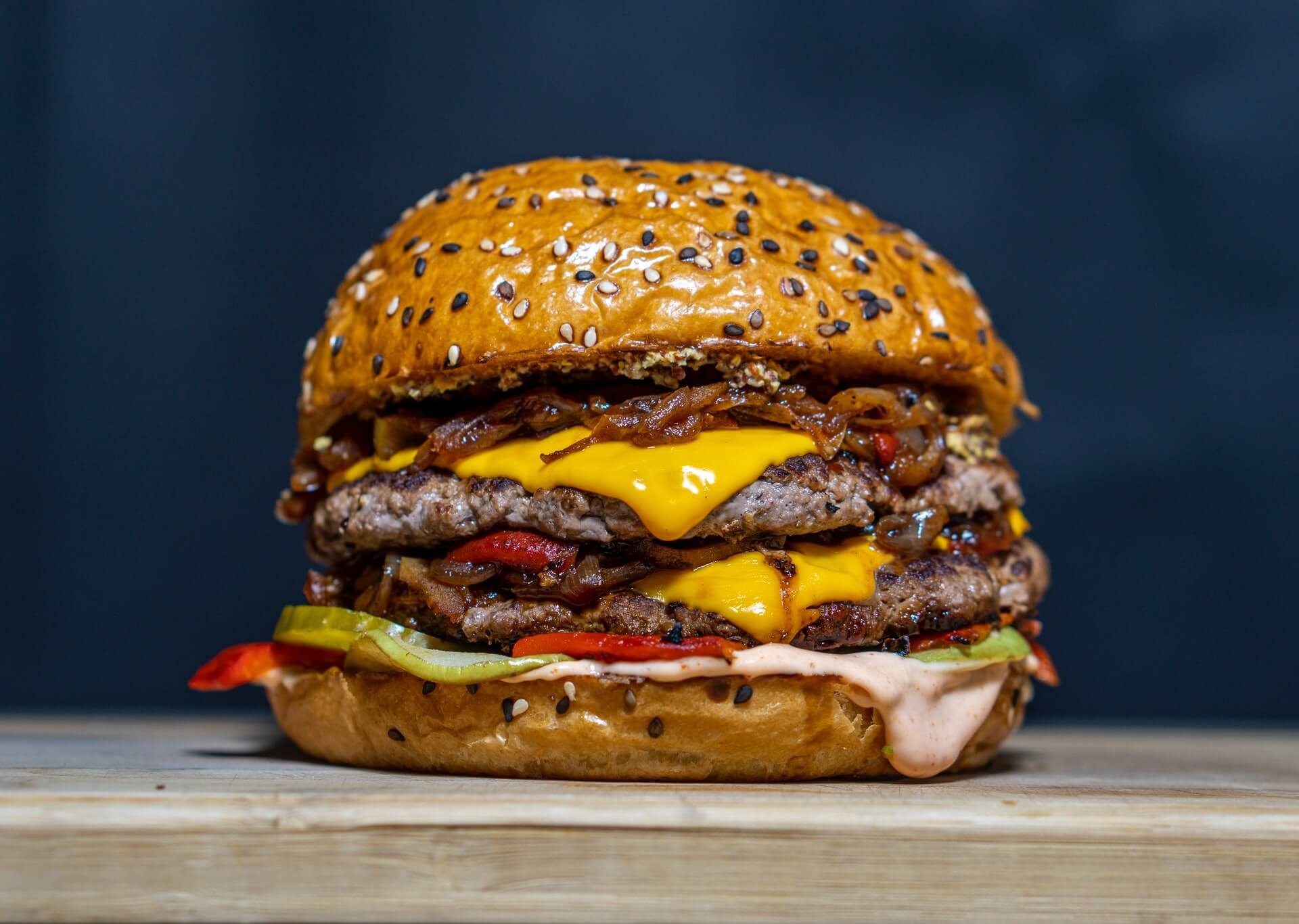
Double cheeseburger on sesame bun

Food and beverage market research firm Datassential turns their attention to limited-time offers in one of their latest reports.

Part of the FoodBytes series of resources, “A Look at Limited-time Offers” is a free Datassential trend report. If you have yet to do so, sign up for Datassential FoodBytes reports.

There are several ways for savvy operators to drive traffic. Loyalty programs and subscriptions are two popular modern-day solutions.

However, the LTO is tried, true, and can boost traffic, engagement, loyalty, sales, and revenue.

Of course, there are different ways to execute LTOs. There’s the recurring, anticipation-driving item: McDonald’s McRib. Then there’s the seasonal offering: Starbucks Peppermint Mocha. And the return of a popular item eliminated years prior: Taco Bell Mexican Pizza and Wendy’s Spicy Chicken Nuggets.

Some LTOs have been going strong for years, others are leveraging a sense of nostalgia. In fact, some appear to be a direct response to Internet chatter.

Which LTO?

Per Datassential, 63 percent of LTOs most recently purchased by consumers were impulse decisions. And when the firm dives into LTOs in general, they find that one product stands above the others.

The top-performing LTO food item in terms of order frequency is the burger.

Now, does that mean you have to menu an LTO burger to succeed with this type of promotion? Of course not.

A successful LTO is one that’s authentic to your brand. And, clearly, it needs to be one that interests your guests. If you’ve been reading KRG Hospitality articles for a while, you know what I’m going to say next.

But for those who are new around here, I’m going to tell you to review your consumer data. What items are performing best? What flavors are resonating with your guests?

Now, look at the industry. What flavors and items are trending? How can you leverage them—in an authentic way—into an LTO?

If a burger may not work, will a different type of sandwich do the job? How about nuggets, breakfast items, a dessert, or a beverage?

Know your brand, know your guest, know what’s bringing the heat.

How Long?

Once you know what you’re offering, the next question should be obvious. How long are you going to make it available?

Every concept is different. What works for one may not work for another. However, analyzing what others do in terms of LTO duration and frequency can help inform you.

And as it turns out, Datassential’s latest FoodBytes report addresses “LTO cadence.”

The majority of operators—43 percent—run an LTO once every one to three months. Considering the popularity of seasonal LTOs, this frequency makes sense.

Interestingly, a quarter of operators offer an LTO more than once per month. Just about as many execute one every three to six months.

Far, far less common is running an LTO once every six to 12 months. In fact, this is the approach of just seven percent of operators. A mere two percent of operators run an LTO less than once every 12 months.

Again, there’s no “right” answer here. Some operations can succeed with multiple LTOs each month, some find success rarely offering one at all.

Takeaway

Operators know their brands best. They should know their guests equally as well, or at least strive to do so. As such, an operator should have an idea of what to offer in terms of LTO food or beverage items.

And, of course, operators should data-obsessive. That’s the only real way to have an idea of what LTOs will work, how often they should run, and how frequently one should be available.

But there’s more to know. Datassential also reveals challenges that deserve serious consideration before executing any LTO:

  • Do you have time to train staff on the new item?
  • Is your staff strong when it comes to upselling?
  • Will your guests complain when the new product is no longer available?
  • Do you have to source one or more ingredients for this item?
  • Is/Are the ingredient(s) necessary readily available?

The LTO is a proven marketing and promotion tool when done well. Challenging, yes, but worth the effort.

Image: amirali mirhashemian on Unsplash

by David Klemt David Klemt No Comments

What Politicians Get Wrong about Us

What Politicians Get Wrong about Our Industry

by David Klemt

Restaurant and bar with exterior windows open

It still stings that the 43 senators chose to vote against replenishing the Restaurant Revitalization Fund.

The fact that four senators didn’t vote at all on S.4008 is nearly as insulting and painful.

Now, while all the “nay” votes came from Republican senators, I’m not here to bash one party in particular. Four Republicans voted “yea,” as did two Independents.

Unfortunately, given how hostile Democrats and Republicans in Congress seem to be, it’s difficult to be objective. Right now, it appears that the RRF was left to die a slow death because many—not all, of course—Republicans in power don’t want their Democrat peers to “win” at anything.

To be used as political pawns and be left out in the cold… It’s a bitter pill to swallow.

Cornerstones

Too many politicians, it seems, view restaurants and bars as they would other types of businesses. Perhaps the perceived success of national and global brands paint the picture that independent venues and small chains don’t need any help.

More disappointingly, maybe politicians, from local lawmakers to state representatives, take our business’ role for granted.

Look at the history of restaurants and bars, of hospitality. Think about the rich history of hospitality in America alone, let alone globally.

Yes, independent restaurants and bars are small businesses. But like so many small businesses in so many towns across the country, they’re so much more.

Restaurants and bars are pillars, cornerstones of the communities they serve. These are businesses that welcome people in, treat them like family. They’re there for them as they move through their lives.

People who were seemingly at odds with another routinely found common ground over a bite and a sip. More often than not, that’s still the case.

Operators and their teams give back to their communities through food drives, quietly feeding those in need, and finding other ways to give back.

And they look out for their communities.

Lifesavers

Last week, the team at a cafe in the Bronx called the Chipper Truck helped rescue a woman from an alleged hostage situation.

Permitted by her assailant to place a food order via Grubub, the victim thought quickly and sent a life-saving note with her order:

“Please call the police… don’t make it obvious.”

A staff member read the note in the “additional instructions” section of the order and called one of the owners. Nobody at the Chipper Truck knew if the situation was real but they chose to err on the side of caution.

When the alleged assailant—who was arrested and charged with a list of serious offenses—opened the door for the Grubhub order, he was met with police officers.

A Facebook post from the cafe addressing the situation read, in part, “I’ve often heard of this happening but never thought it would happen to us. Thankfully we were open and able to help her.”

It’s terrifying that this happens enough that the cafe owners hear about it “often.” But it’s telling of the role restaurants and bars play in their communities that they’ve saved multiple lives.

This is to say nothing of the restaurants and bars that have put coded safety systems in place to help patrons who find themselves in danger.

No Such Thing as “Just” a Restaurant or Bar

There isn’t a restaurant or bar out there that’s “only” a restaurant or “only” a bar.

Every one is a source for food, for socializing, for an escape from the stresses of life. Restaurants and bars are committed to service and sacrifice.

They’re pillars of their communities, the cornerstones that play important roles in our everyday lives and the special moments as well.

Perhaps our politicians, local and otherwise, need to a reminder. Restaurants and bars play crucial roles in the lives of the people politicians are supposed to represent.

Too many politicians claim to support small businesses while their actions and votes prove otherwise. Talk, as we all know, is cheap.

Restaurants are not “just” restaurants. Bars are not “just” bars. We deserve better.

Image: Scott Webb on Unsplash

by David Klemt David Klemt No Comments

Tales Announces Top Four Awards Finalists

Tales Announces Top Four Spirited Awards Finalists

by David Klemt

The number four inside a circle

It’s official: The Tales of the Cocktail Foundation announces the top four finalists in each of the 2022 Spirited Awards categories.

I don’t envy the judges who have to narrow down the top ten nominees to the top four finalists. Equally as daunting: deciding on the winner of each award in each category.

We’ll know who’s taking home each Spirited Award in just over a month. The ceremony will take place on Thursday, July 28 at the Ritz-Carlton, New Orleans. For those attending the 20th anniversary Tales of the Cocktail, the Ritz-Carlton is this year’s headquarters hotel.

Purchase Spirited Awards tickets here, and check out the digital playbill here.

See you at Tales, y’all! Cheers.

US Categories

US Bartender of the Year presented by Del Maguey

  • Josh Davis (16th Street Bar, Chicago, IL)
  • Chris Hannah (Jewel of the South, New Orleans, LA)
  • Masahiro “Masa” Urushido (Katana Kitten, New York, NY)
  • Christine Wiseman (BarLab Hospitality Group, Miami, FL)

Best US Bar Mentor presented by BarSmarts

  • Meaghan Dorman
  • Sean Kenyon
  • Nectaly Mendoza
  • Jeffrey Morgenthaler

Best US Brand Ambassador presented by Libbey Glass

  • Chris Cabrera (Bacardí USA)
  • Tad Carducci (Gruppo Montenegro)
  • Vance Henderson (Hendrick’s Gin)
  • Lynn House (Heaven Hill)

Best US Bar Team presented by William Grant & Sons

  • Half Step (Austin, TX)
  • Jewel of the South (New Orleans, LA)
  • Katana Kitten (New York, NY)
  • The Roosevelt Room (Austin, TX)

Best US Cocktail Bar presented by Absolut Vodka

  • Bar Goto (New York, NY)
  • Katana Kitten (New York, NY)
  • The Roosevelt Room (Austin, TX)
  • Thunderbolt (Los Angeles, CA)

Best US Hotel Bar presented by Grey Goose

  • Dear Irving on Hudson at the Aliz Hotel (New York, NY)
  • Hey Love at The Jupiter (Portland, OR)
  • Little Rituals at the Residence Inn/Courtyard by Marriott (Phoenix, AZ)
  • Silver Lyan at the Riggs Washington DC (Washington, DC)

Best US Restaurant Bar presented by Maison Ferrand

  • Café La Trova (Miami, FL)
  • Cleaver: Butchered Meats, Seafood & Classic Cocktails (Las Vegas, NV)
  • Jewel of the South (New Orleans, LA)
  • Kumiko (Chicago, IL)

Best New US Cocktail Bar presented by Aviation Gin

  • Double Chicken Please (New York, NY)
  • Happy Accidents (Albuquerque, NM)
  • Temple Bar (New York, NY)
  • Yacht Club (Denver, CO)

International Categories

International Bartender of the Year presented by Patrón

  • Lorenzo Antinori (ARGO / Four Seasons Hotel & Resorts, Hong Kong, China)
  • Keith Motsi (Charles H. Seoul at the Four Seasons Hotel, Seoul, South Korea)
  • Rémy Savage (🔶🟥🔵 A Bar with Shapes for a Name, London, UK)
  • Matt Whiley (RE, Sydney, Australia)

Best International Bar Mentor presented by Lyre’s Non-Alcoholic

  • Monica Berg
  • Renato “Tato” Giovannoni
  • Lauren Mote
  • Agostino Perrone

Best International Brand Ambassador presented by Lyre’s Non-Alcoholic

  • Martin Hudák (Mr. Black Spirits)
  • Daniyel Jones (House of Angostura)
  • Ricardo Nava (Bacardí Latin America)
  • Nicola Riske (The Macallan)

Best International Bar Team presented by House of Angostura

  • ALQUÍMICO (Cartagena, Colombia)
  • MAYBE SAMMY (Sydney, Australia)
  • The Clumsies (Athens, Greece)
  • Two Schmucks (Barcelona, Spain)

Best International Cocktail Bar presented by Tequila Fortaleza

  • MAYBE SAMMY (Sydney, Australia)
  • Satan’s Whiskers (London, UK)
  • Tayēr + Elementary (London, UK)
  • Two Schmucks (Barcelona, Spain)

Best International Hotel Bar presented by Perrier

  • Charles H. Seoul at the Four Seasons Hotel (Seoul, South Korea)
  • Fifty Mils at the Four Seasons Hotel (Mexico City, Mexico)
  • Lyaness at Sea Containers London (London, UK)
  • The American Bar at The Stafford London (London, UK)

Best International Restaurant Bar presented by Tales of the Cocktail Foundation

  • Danico (Paris, France)
  • Le Mary Celeste (Paris, France)
  • Pujol (Mexico City, Mexico)
  • Sexy Fish (London, UK)

Best New International Cocktail Bar presented by Stranger & Sons

  • 🔶🟥🔵 A Bar with Shapes for a Name (London, UK)
  • ARGO (Hong Kong, China)
  • Schofield’s Bar (Manchester, UK)
  • SIPS (Barcelona, Spain)

Global Categories

Best New Spirit or Cocktail Ingredient presented by Tales of the Cocktail Foundation

  • Abasolo Ancestral Corn Whisky
  • Citadelle Gin Jardin d’été
  • Lyre’s Non-Alcoholic – Italian Orange
  • Nixta Licor de Elote

World’s Best Cocktail Menu presented by Diageo Bar Academy

  • Little Red Door (Paris, France)
  • Lyaness at Sea Containers London (London, UK)
  • Swift Soho (London, UK)
  • Tayēr + Elementary (London, UK)

World’s Best Spirits Selection presented by Beam Suntory

  • In-Situ Mezcaleria (Oaxaca City, Mexico)
  • Jack Rose Dining Saloon (Washington, DC)
  • Sexy Fish (London, UK)
  • Swift Soho (London, UK)

Writing and Media Categories

Best Cocktail & Spirits Publication presented by Diageo Bar Academy

  • CLASS magazine
  • Discard the Zine
  • VinePair
  • Whisky Magazine

Best Broadcast, Podcast, or Online Video Series presented by Diageo Bar Academy

  • Radio Imbibe
  • Shōshin Art Club
  • The Cocktail Lovers Podcast
  • The Speakeasy Podcast

Best Cocktail & Spirits Writing presented by Diageo Bar Academy

  • “Get Real: The bar world looks beyond feel-good measures on sustainability and climate change” by Max Falkowitz, for Imbibe Magazine
  • “Has the Coronavirus Pandemic Destroyed American Bar Culture?” by Jeffrey Morgenthaler, for Daily Beast
  • “Meet the Eco-Packaging Innovations Transforming the Drinks Industry” by Betsy Andrews, for SevenFifty Daily
  • “The Greatest Drinking Contest in History” by David Wondrich, for Daily Beast

Best New Cocktail or Bartending Book presented by Lyre’s Non-Alcoholic

  • Death & Co: Welcome Home by Alex Day, Nick Fauchald, and David Kaplan
  • The Cocktail Seminars by Brian D. Hoefling
  • The Japanese Art of the Cocktail by Masahiro Urushido and Michael Anstendig
  • The Way of the Cocktail: Japanese Traditions, Techniques, and Recipes by Julia Momosé with Emma Janzen

Best New Book on Drinks Culture, History, or Spirits presented by Diageo Bar Academy

  • Bourbon: The Story of Kentucky Whiskey by Clay Risen
  • Drunk: How We Sipped, Danced, and Stumbled Our Way to Civilization by Edward Slingerland
  • Girly Drinks: A World History of Women and Alcohol by Mallory O’Meara
  • The Oxford Companion to Spirits and Cocktails edited by David Wondrich with Noah Rothbaum

Image: Tim Hüfner on Unsplash

by David Klemt David Klemt No Comments

Raise a 7&7 to National Dive Bar Day

Raise a 7&7 to National Dive Bar Day

by David Klemt

Dive bar or neighborhood bar

We celebrate one of the most hallowed of drinking establishments on July 7, also known as National Dive Bar Day.

Look, we love a visit to a high-end, luxurious cocktail bar. But there’s nothing quite like discovering a casual, comfortable, unpretentious bar that feels like home.

Often times, the local watering hole is a cornerstone of a given community. So, we’re looking forward to the fifth annual National Dive Bar Day in just over two weeks.

You should have plenty of time if you’re a dive or neighborhood bar owner to create your National Dive Bar Day promotion.

A Little History

It’s hard to believe that National Dive Bar Day is a mere five years old. In fact, Seagram’s 7 Crown launched the first annual celebration in 2018.

Not only does this holiday honor a true institution, Seagram’s donated $25,000 to the National Trust for Historic Preservation on its inception. (This year, Seagram’s 7 Crown is supporting Main Street Alliance.)

This makes a lot sense when you think about it. After all, dive bars are often located in a historic building or are landmarks themselves.

Some people may not like it, but drinking culture is an integral part of many a community across not just America, not just North America, but the world.

Not so long ago a bartender could set beers and shots in front of two people with opposing views and they’d find common ground to bond over. The optimist in me hopes we can return to those days, visiting our local neighborhood bars and focusing on what we all have in common rather than letting ourselves grow further divided.

Where some people see a “just” a dive bar, those of us in the know see social and cultural centers that support neighborhoods and communities.

Given their commitment to unpretentious and welcoming service, we need to support and protect our local dives.

What Makes a Dive Bar?

There are some key elements that set dive bars apart from other drinking establishments.

Characters on both sides of the bar, inexpensive drinks, familiar bar food, and an approachable feel are, I would say, the hallmarks.

Now, there are those who think a dive bar also includes an “earthy” smell, to be generous. They may also feel that they call dirty buildings with questionable structural integrity home.

However, “dive” doesn’t have to mean filthy. First and foremost, a dive bar needs to be comfortable and welcoming. Filth tends to give off an unwelcoming, dangerous vibe. That’s not exactly the spirit of hospitality.

Just as a great dive bar should be clean, it should also have a solid F&B program. Inexpensive doesn’t have to mean cheap. Oh, and no, the staff doesn’t have to be surly and untrained.

Dives are Neighborhood Bars

When I first learned about Nickel City, as an example, I saw what a dive bar should be. Both locations, Austin and Fort Worth, are described by co-owner Travis Tober as “anytime bars.”

Nickel City commits to serving the community, and they’re open when people need them. In fact, as you’ll learn during episode 50 of the Bar Hacks podcast, Tober made sure they were open to serve people during the infamous winter storm of 2021 that shut down much of Texas.

In speaking with Tober and reading other interviews with him, I learned that he prefers the term “neighborhood” to “dive.” Due in part to the negative perception some have of dive bars, I can understand his preference.

In my opinion, the difference lies in subtle but important nuances. However, I’ll probably still refer to neighborhood bars as dive bars.

Either way, Nickel City is a dive bar done right and a concept that other operators should certainly study. Nickel City is exemplary, a standard that dive/neighborhood bars should aspire to reach.

The 7&7

As far as Seagram’s is concerned, the 7&7 is “the quintessential Dive Bar drink.” It’s difficult to argue: it’s a highball, it’s fast and simple to make, it’s refreshing, and it shouldn’t be pricey.

But, hey, if you’ve never made or ordered one, here’s the recipe:

Simply prepare a highball glass with ice, add Seagram’s 7 Crown and 7UP, and stir. Then just stir, garnish, and serve.

Cheers!

Image: Florencia Viadana on Unsplash

by David Klemt David Klemt No Comments

Viral Post Highlights Real Leadership

What a Viral Reddit Post Reveals About Leadership in Hospitality

by David Klemt

Reddit app icon on smartphone

A text exchange between a restaurant manager and delivery driver posted to Reddit went viral last month.

Refreshingly, it didn’t make the rounds on news sites for the wrong reasons. Rather, the text conversation is a succinct example of emotional intelligence, empathy, and leadership.

Those interested in reading the text exchange in its entirety can follow this link. However, I’ll sum it up here.

Posted to the subreddit Kitchen Confidential, the conversation begins with the manager checking in on the driver, asking, “You doing OK?”

The driver says they’re “doing better but” is still dealing with a lot. After the manager asks if they should cover their shift that night, the driver reveals they may need to quit the job.

Instead of blowing up at the driver, trying to talk them out of their decision, or cutting the exchange short, they say, “It’s alright [sic].”

Going further, the manager says, “You’re [sic] happiness is more important.” They add that the business hopes the driver will return to the job when they’re ready.

Shall I Cover You Tonight?

Now, I tend to believe that most members of restaurant, bar, and hotel leadership teams are empathetic. I also lean toward believing that most are competent problem solvers.

However, we’ve all come across people who don’t belong in a leadership role. In some cases, a person’s lack of leadership qualifications doesn’t manifest until they’ve been in the role for some time.

My business partner Doug Radkey and I have had conversations about leaders who don’t seem to lead. At best, they’re examples of what not to do. At worst, they’re chasing away a business owner’s staff and guests.

Most recently, these conversations have centered around managers insisting that staff solve scheduling problems themselves.

Before I proceed, I acknowledge fully that we’re facing an unprecedented labor shortage. That’s no excuse for poor leadership.

What, exactly, is the leadership team doing that they can’t manage the schedule? Further, with today’s modern scheduling platforms, why is filling available roles difficult for leaders? Several scheduling apps make it a painless, automated process.

The manager in this Reddit text exchange doesn’t demand the driver find someone to cover their shift. Instead, they behave like a manager and handle it themselves.

Don’t Ever Discount Yourself

If you’re active on LinkedIn and have a sizeable hospitality-centric network, you’ve likely seen posts about how the industry needs to be more people-focused. Not in terms of guests—that’s obvious.

Rather, the consensus is that we’re not going to solve the labor problem if we don’t treat staff as well as we treat guests. Some of these posts may be a bit saccharine, but they’re not incorrect.

Let’s review the texts from this manager:

  • “You doing OK?”
  • Your “happiness is more important.”
  • “We love having you here.”
  • “You’re an awesome person.”
  • “Don’t ever discount yourself.”

When’s the last time you and other members of the leadership team asked a staff member if they’re okay? And if you’ve asked recently, did you get an honest answer? Did you want an honest answer?

A restaurant or bar team that doesn’t trust leadership isn’t going to bother providing an honest answer to that question—they feel like the leaders don’t care about them.

Looking at the rest of the texts above, do you and your leaders take the time to recognize and thank staff? Even the shyest team member wants recognition for a job well done.

Those in leadership roles need to develop their skills constantly. Contrary to some in those positions, leaders aren’t there simply to lord their authority over others and dish out punishments.

So, before your next team meeting, gather the leaders. Find out if every member of the team is checking on staff, valuing their health and wellness, and tackling the mundane tasks that are inherent to their roles.

The maxim is true: People don’t quit jobs, they quit people. If your leadership team isn’t leading with empathy, you can expect your labor issues to compound. No amount of excuses will turn that around.

This article by KRG Hospitality director of business development David Klemt was first published by Bar Business and can be read in its entirety by following this link.

Image: Brett Jordan on Unsplash

Top