Food & Beverage

by David Klemt David Klemt No Comments

Alright, Seriously—WTF, Grubhub?

Alright, Seriously—WTF, Grubhub?

by David Klemt

Or, more to the point, stop working with “partners” who exploit our industry rather than support it.

In spectacular and entirely predictable fashion, Grubhub’s “free lunch” further reveals that third-party delivery platforms don’t care about restaurants.

Of course, they all say they support restaurant owners and operators. And, of course, they’re quick to pat themselves on their backs for being a pandemic lifeline.

But…no. Time and time again, mainly through their exorbitant and exploitative fees, they prove the opposite is true.

Restaurants and bars aren’t third-party delivery partners. Rather, these relationships are adversarial and detrimental. So much so, in fact, that some states passed laws to limit third-party delivery fees.

In Nevada, for example, Clark County Commissioners passed an emergency ordinance in August 2020 capping those fees at 15 percent. Clearly, we need to stop enriching companies that prove they don’t support the hospitality industry but cause it significant harm.

Free Lunch?

They say there’s no such thing as a free lunch. Apparently, Grubhub really wants to prove that maxim true.

That’s one of the takeaways from their disastrous promotion. Last Tuesday, in what’s being reported as an attempt to claim the delivery throne in New York City, Grubhub offered “free” lunch to anyone who placed an order for delivery.

The requirements for this promotion? Place an order for delivery through Grubhub on May 17 between 11:00 AM and 2:00 PM and use the code “freelunch.”

Of course, customer orders weren’t entirely free. Rather, the code was good for a $15 discount. Still, a wildly attractive offer as the ensuing debacle reveals.

Unsurprisingly, the promotion made for some eye-grabbing and eye-rolling headlines. Buzzfeed News published the most attention-grabbing one: “GrubHub Was Getting 6000 Orders A Minute During Its Promo Today That Left Restaurant Workers Stressed And Customers Hangry.”

Six thousand orders per minute during a promotion with a three-hour window in a single market.

In addition, the outlet reported that one unsatisfied customer was number 3,630 in the Grubhub customer service queue. Apparently—and who can blame him—he hung up before he could speak with a Grubhub rep about his missing order.

Duh

Who could’ve seen this coming? Any of the restaurant owners, operators, or team members Grubhub “serves,” that’s who.

In fact, anyone who works in this industry with on-premise experience knew this was going to happen. So, too, any journalist who specializes in hospitality.

The fact that whoever came up with this promotion didn’t see this coming is revealing. Unless the creators of these apps and services have real-world restaurant experience, they don’t understand the business.

How can one effectively and properly serve an industry without an understanding of how it operates? Hospitality is about service. Shouldn’t the companies attempting to work within our industry work hard to serve alongside us?

Let’s be clear—this promotion was in no way designed to help struggling restaurants. It wasn’t intended to boost their traffic and revenue. Rather, it was solely created to serve Grubhub’s desire to be number one.

As we all know, we’re experiencing major staff shortages. There are also supply shortages making it difficult for operators to obtain product reliably. Grubhub made those problems exponentially worse.

Some restaurants stopped taking delivery orders. Others canceled orders. There were operators who closed in an effort to catch up with orders and prevent the situation from worsening.

According to news stories, some social media users posted that they planned to stop ordering through third-party platforms.

Negative Impact

If you’re new to KRG Hospitality, welcome. You’re likely realizing that we’re not fans of third-party delivery.

Those of you who are familiar with us have known for quite some time that we support direct delivery. That is, delivery controlled and executed by the restaurant itself.

It’s not that we’re against innovation. Rather, our dislike of these platforms, generally speaking, comes from our perception of their behavior.

In our opinion, they take control away from operators and cost them money. Again, speaking generally, they collect customer data that operators should control. Their fees are ridiculous in most cases. And when it comes to the customer experience, their inconsistencies and shortcomings reflect poorly on the operators far too often.

Studies show that customers who have issues with third-party deliveries often place the blame on the restaurant. Food the wrong temperature? Order arrive late? Packages in less-than-ideal condition? While those issues and others can be the fault of the driver, the restaurant often takes the brunt of a customer’s dissatisfaction.

Of course, there’s also the financial impact of third-party delivery on restaurants. A SevenRooms report from last year reveals how these platforms harm operators and their bottom lines.

The Solution

Look, we know operators have a ton on their plates. But protecting and boosting the bottom line is a non-negotiable element of this business.

Yes, it’ll take some time, effort, and money to set up direct delivery. However, it’s the best solution.

Direct delivery means the operator collects and control valuable data. Likewise, the operator can ensure consistency. Through direct delivery, the operator shapes and controls the experience.

Control. Inherently, third-party delivery takes some control away from operators. That’s not a good thing, and neither is their financial impact.

Look into setting up direct delivery, take control, and protect your revenue ASAP. Friend of KRG “Rev” Ciancio and SevenRooms CEO Joel Montaniel each address delivery on the Bar Hacks podcast. Listen to episode 13 with Rev and episode 24 with Joel to learn more about delivery.

We need to stop rewarding companies that exploit our industry and take advantage of our owners, operators, and hard-working staff members.

Direct delivery is the answer. Take steps to implement it today.

Image: Rosie Kerr on Unsplash
by David Klemt David Klemt No Comments

Drinks for Your World Whisky Day Menu

Drinks for Your World Whisky Day Menu

by David Klemt

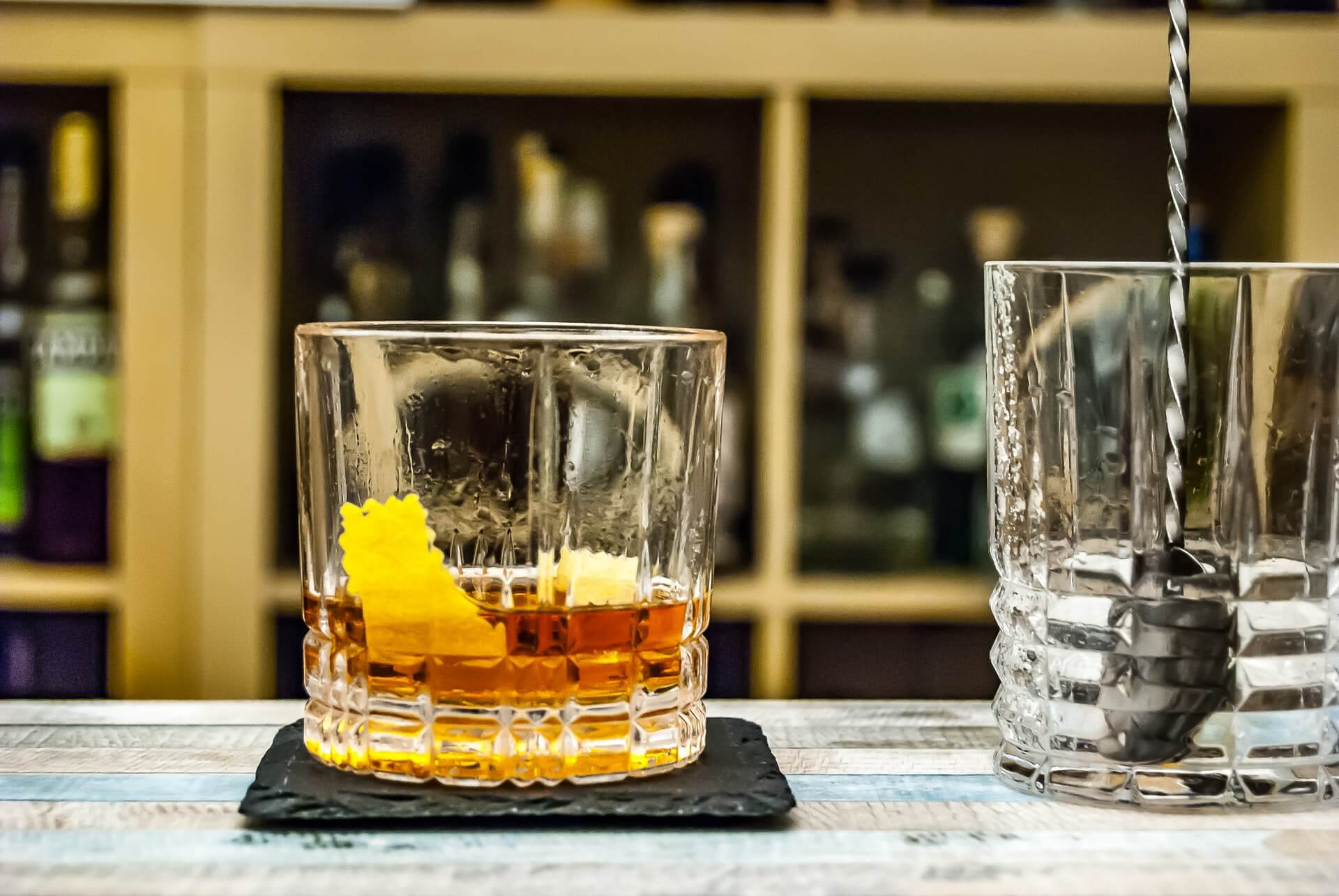
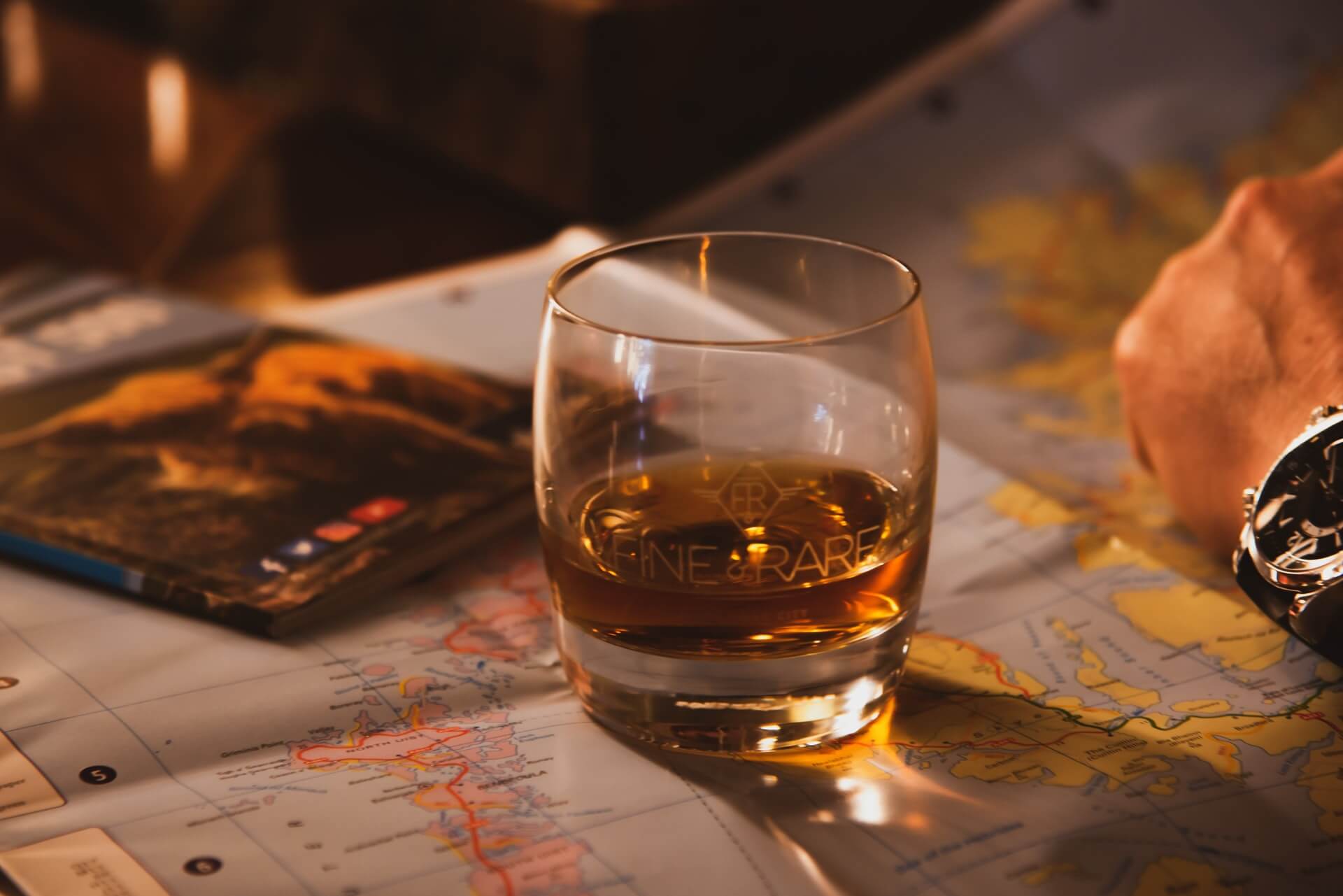
Whiskey in Fine & Rare NYC glass

This Saturday is the eleventh annual celebration of World Whisky Day, the perfect day to highlight your whisky and cocktail menus.

One revenue-generating method of drawing in guests is a promotion showcasing popular, lesser-known, or rare whiskies. Operators can also create a whisky and beer combo promotion.

Of course, there’s also the specialty cocktail menu. There are a few different approaches to this promotion.

An operator and their bar team can focus on one specific cocktail, offering three or four “takes” on it. Another way to make this work is to take the same cocktail and feature a different whisky in each one.

A different approach is to create a World Whisky Day menu consisting of three or more of the most popular whisky cocktails. To help you identify which drinks to feature we looked into the top whisky drinks. Check them out below.

Old Fashioned

C’mon—you knew this was going to be on the list before you read past the title of this article. Drinks Digest ranked the Old Fashioned the number-one cocktail of 2021.

VinePair‘s list didn’t rank their most-popular cocktails overtly but this classic got its expected mention.

Manhattan

Just like the Old Fashioned, you expected this drink to make this list. While it can certainly be made with bourbon or an array of single malt American whiskies, the Manhattan shines when made with rye.

Whisky Sour

As Drinks International points out, the Whisky Sour may not be the top drink in most bars. In fact, it may not make it into their top three.

However, the simple but refreshing Whisky Sour is at least in the top ten of several bars, making it a solid choice for your specialty menu.

Boulevardier

Want to get some of the cocktail aficionados among your guests to flip out? Tell them loudly and confidently that the Boulevardier is better than the Negroni. That’ll certainly get them talking.

Or, hey, don’t do that. Just perfect this bourbon cocktail, a cousin of the Negroni, and highlight your build for World Whisky Day.

Mint Julep

The Kentucky Derby may be over but summer is just around the corner. People are still craving this centuries-old cocktail and VinePair called it “essential” last year.

Sazerac

Like many classics, the Sazerac was “medicinal” when it was first created in the 1830s. In 2008, this drink was made the official cocktail of New Orleans by the Louisiana state legislature.

The Sazerac is another cocktail recipe that VinePair said was an essential one for bars in 2021.

Vieux Carré

It’s difficult to overstate the important role New Orleans has played and continues to play in American cocktail culture.

The recipe, created about 100 years after the Sazerac, combines American whisky (rye, traditionally), Cognac, Bénédictine, sweet vermouth, and Peychaud’s bitters.

Penicillin

Created by Sam Ross when he was behind the stick at Milk & Honey, this is my favorite whisky cocktail. The recipe was one of Punch’s most popular last year, and it was on Drinks International’s top 50 list for 2021.

On a personal note, this is one of my all-time favorite whisky cocktails. In fact, the Penicillin is one of my favorite cocktails in general.

Honorable Mentions

These may not be top sellers for most bars (if any) but they’re worth consideration for World Whisky Day.

The Chauncey is a 1:1:1:1 combination of rye whisky, Cognac, gin, and sweet vermouth plus two dashes of orange bitters, served up.

Of course, there’s also the Mule, which lends itself to an incredible number of riffs. Select a whisky or two to come up with specialty Mules of your own.

Irish whisky stands out in an Irish coffee, which can be served iced/frozen when it’s hot outside.

And then we have the Rob Roy. If you want to be glib about it, this is a Manhattan made with Scotch rather than rye whisky.

Your Own Data

There’s an excellent resource for determining what drinks to feature at your restaurant or bar. It’s quite literally at your fingertips: your POS.

If you want to know what your guests are drinking and what they want, run a report.

How deep you get into the data is up to you, of course. Monthly, quarterly, seasonally, annually… There are myriad methods to determine your World Whisky Day’s best options.

Sure, you can probably safely assume that your top whisky cocktails are the same as those above. But why not be absolutely certain with your own data? You invest money and time into your POS—wring everything you can out of it.

Also, your bar team and servers. Ask them what whiskies guests have been asking for that you don’t have.

Use your POS to identify the whiskies gathering dust in your stockroom, then find a way to move them quickly (a well-priced LTO should work) and replace them with what guests want.

Image: YesMore Content on Unsplash
by David Klemt David Klemt No Comments

Top Whisky-centric Bar Hacks Episodes

Top Whisky-centric Bar Hacks Episodes

by David Klemt

Golden podcast microphone

We’ve had the privilege of speaking with dozens of industry experts on the Bar Hacks podcast, including whisky distillers, brand reps, and bartenders.

So, to inspire you to pull out all the stops for your World Whisky Day promotion, we’ve rounded up twelve whisky-centric Bar Hacks episodes for your listening delight.

Cheers!

Episode 12

Co-host David Klemt (that’s me) of the Bar Hacks podcast chats with Jared Boller, Canadian National Whiskey Ambassador at Proximo Spirits. Tending bar gave him the opportunity to live, work and travel around the world.

At the time of this podcast, Boller represented brands like Bushmills and Proper No. Twelve at Proximo Spirits in Canada. On episode 12, Jared discusses his journey through the world of hospitality and how operators can benefit more from working with brand ambassadors.

Episode 25

One of our favorite people in the industry—and in life in general—popped by to speak with Bar Hacks. Megan Breier is one of the most engaging, entertaining and knowledgeable educators in the hospitality and spirits industries.

In this episode, Megan explains what sets Maker’s Mark apart from other bourbons, some of the amazing activations she’s executed, Private Selection, Maker’s 101, Margie Samuels’ contributions to the brand and industry, and more. Listen now!

Episode 28

Lyre’s Spirits crafts alcohol-free spirits that masterfully mimic their full-proof counterparts. Bar Hacks co-host David Klemt sits down with Lyre’s brand ambassador, bartender and buddy Tim Rita to chat about the brand.

On episode 28 you’ll learn about one of the fastest-growing brands in one of the fastest-growing beverage categories. How is an alcohol-free brand relevant on World Whisky Day? Lyre’s makes American Malt, a zero-proof take on bourbon.

Episode 31

Ted Fleming, entrepreneur and CEO and founder of Partake Brewing, stops by to discuss the founding of the alcohol-free beer brand, the importance and growth of the non-alcohol beer category, how operators can succeed with non-alc, advice for entrepreneurs, and more.

Given the importance of low- and no-proof drink options to bar operations, Partake Brewing pairs well with brands like Lyre’s to make sober-friendly Boilermakers. Listen to this episode here.

Episode 32

Woodford Reserve brand ambassador Michael Toscano stops by to talk about the Kentucky Derby, crafting the perfect Mint Julep, maximizing the operator-brand-rep relationship, and more. Check it out now!

Episode 39

Anthony “Terry” Bohlinger, national brand ambassador for new William Grant & Sons whiskey brand Fistful of Bourbon, drops by Bar Hacks. Terry talks about launching a brand during a pandemic, representing an irreverent brand that doesn’t take itself too seriously, the hilarious videos Fistful of Bourbon created to introduce the brand, lessons learned during his journey in hospitality, and more. Listen here!

Episode 50

In our 50th episode, Travis explains the difference between a dive bar and a neighborhood bar, and notes that both Nickel City locations are “anytime bars” that welcome everyone. He also shares his hospitality journey, which saw him go from Buffalo, NY, to Florida, Las Vegas, and ultimately Texas; tips for staying on brand; hiring and retaining team members; how the hospitality industry is the entertainment industry; supporting the community during a crazy winter storm; location scouting; how there’s no better time to open a bar or restaurant than right now; and much more.

Nickel City is known for an incredible range of whiskeys, monthly whiskey specials, and specialty Boilermaker combinations. Listen to episode 50 now.

Episode 52

Lynn House, national spirits specialist and portfolio mixologist for Heaven Hill, drops by Bar Hacks to speak with host David Klemt about the second annual Old Fashioned Week.

Lynn and David also discuss bourbon, rye, hospitality, building balanced cocktails, and how trust plays a role in educating guests so you and your team can introduce them to new drinks and experiences. Listen now!

Episode 59

Whiskey expert, spirits judge, and sommelier Theo Rutherford stops by the Bar Hacks podcast to talk about Bib & Tucker Small Batch Bourbon, a prominent addition to the Deutsch Family of wine and spirits. Rutherford shares the Bib & Tucker brand story, what sets the brand apart from other bourbons, and why the 6 Year expression appeals to all categories of whiskey drinkers. He also shares tips for tasting bourbon, including how easily Bib & Tucker wins over non-whiskey drinkers.

Listen now to learn why Theo wants you to smell everything and stop swirling your whiskey at tastings.

Episode 63

David Vitale, founder of Starward Whisky, shares his journey into whisky distillation and how craft beer brewing plays a significant role. The two also discuss Australian whisky, making inroads throughout North America, and why Starward expressions work so well with food and food programs.

In this episode you’ll also find out which Starward whisky David Vitale calls the “Swiss Army knife of whiskies,” which makes the perfect Manhattan, Starward Solera, and more.

Episode 71

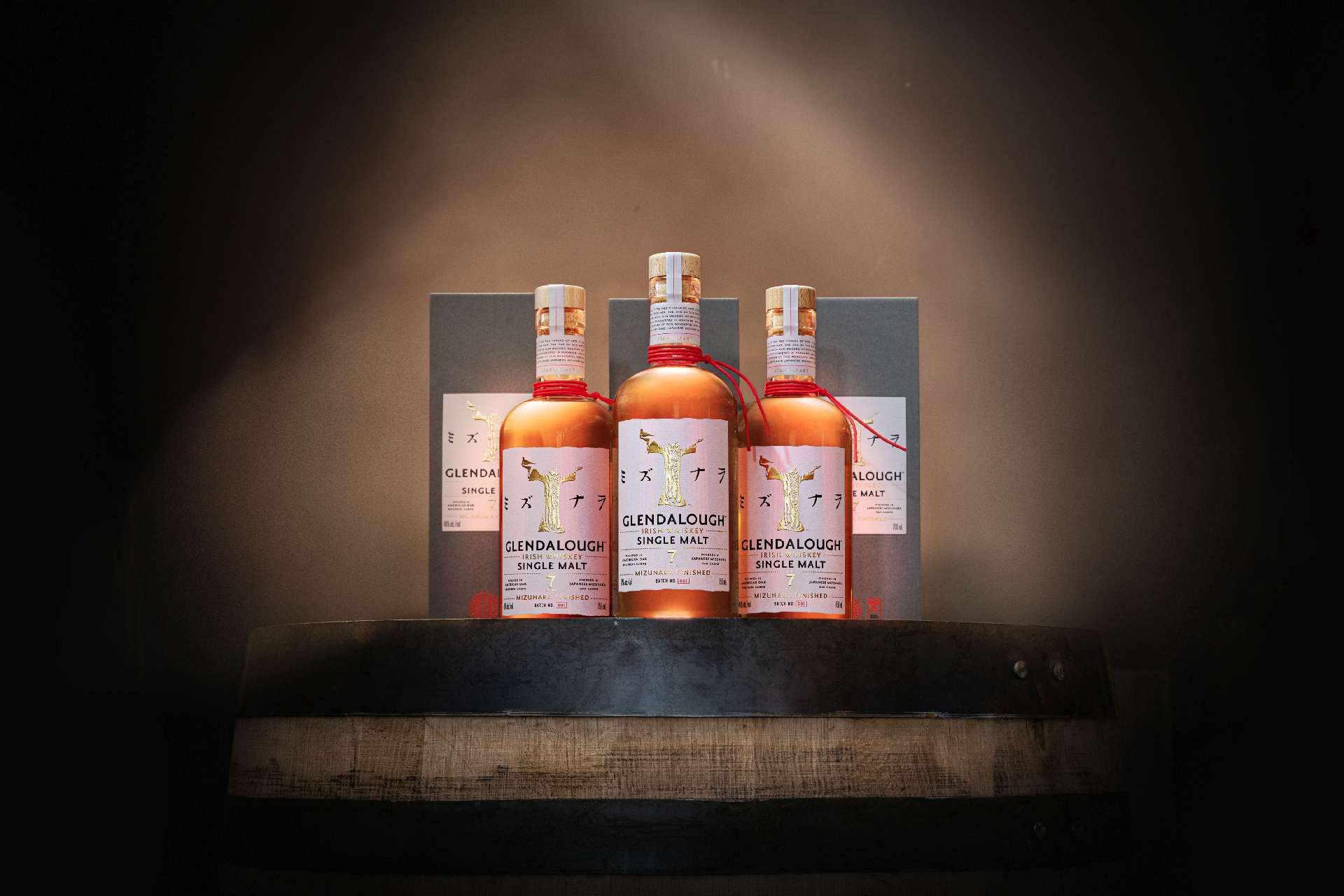
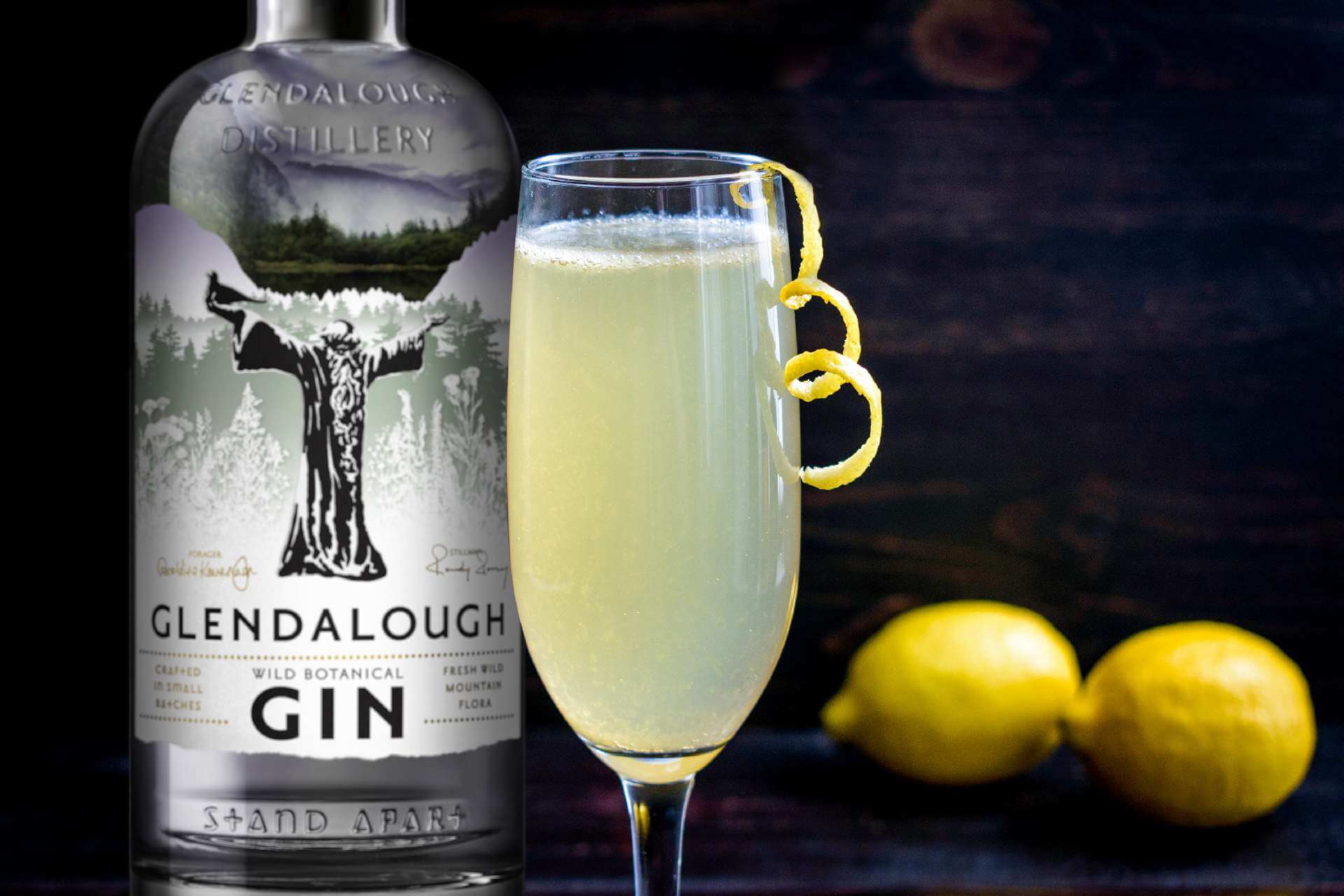
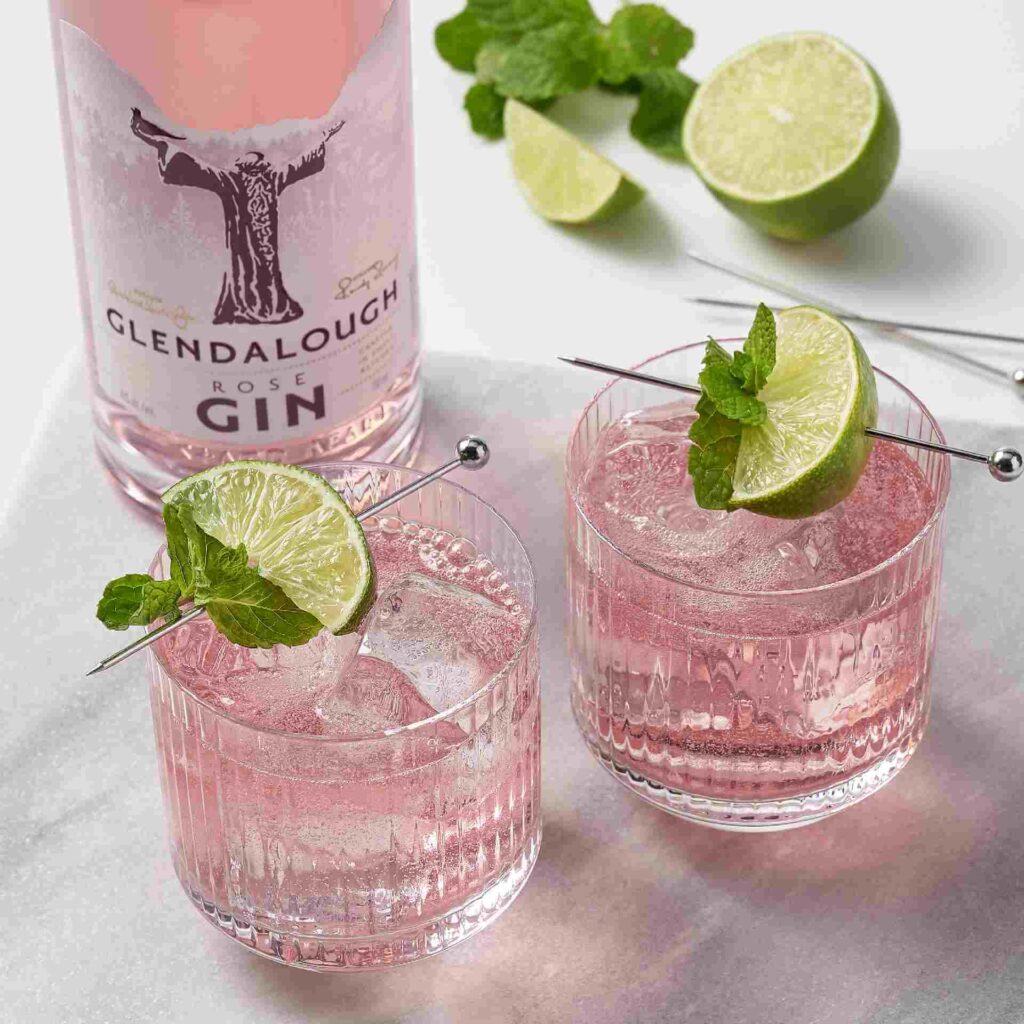
Glendalough Distillery co-founder, national brand ambassador, and bottlewasher Donal O’Gallachoir comes on the podcast to explain what makes the distillery’s whiskey and gin “remarkably different.” Ever since they opened their doors, Glendalough has been on a mission to honor Irish distilling heritage and returning Irish whiskey and gin to the top of their respective spirits categories.

Donal also shares the details of Glendalough’s newest release: batch number one of 7 Years Mizunara Finish. Listen now!

Episode 74

David Vitale, founder of Starward Whisky, returns from Australia and returns to the Bar Hacks podcast! The Australian whisky producer took home an incredible amount of medals from the 2022 San Francisco World Spirits Competition. David tells host David Klemt what it was like to see the final award tally, how the Starward team reacted, and dove into the mission and vision of Starward Whisky.

The two also discuss the award-winning expressions that are either already available in the US or on their way to American shores. David shares the details of the Fortis, Octave Barrels, Unexpeated, and Dolce expressions. And for the single-barrel lovers out there, David also dives into the magic behind single barrel bottlings Nos. 684, 3278, and 4539. It’s exciting to learn about the expressions joining Two-Fold, Nova, Solera, and Ginger Beer Cask #6. Listen to episode 74 here!

Image: Amr Taha™ on Unsplash
by David Klemt David Klemt No Comments

What’s Next in the F&B Design Space?

What’s Next in the F&B Design Space?

by David Klemt

Interior of world's first crypto bar

Design driven by a story and narrative, technological innovation, and people’s desire to socialize are what’s next in hospitality design.

The influences above are factoring into the current approach to design in the F&B space. Be it a hotel or restaurant, the F&B landscape is going to look different for several reasons.

Five leading industry experts addressed this topic during HD Expo 2022‘s “F&B Trends: What’s Next?” panel.

Technology

Well, let’s start with arguably the biggest “trend” in F&B. Our industry is finally making major advancements in the area of technology.

It may not seem like it to some, but speaking generally, hospitality hasn’t always found itself on tech’s bleeding edge. That’s changing.

In fact, some industry experts feel we may be moving too quickly. For example, an interesting prediction from Restaurant Leadership Conference 2022 is a more deliberate approach to developing and implementing hospitality-specific tech.

Now, that doesn’t mean we’ll see a significant slowdown in tech innovation. Rather, innovators may take a more calculated approach to truly relieve hospitality pain points.

For example, Adam Crocini, senior vice president and global head of food and beverage brands for Hilton, points to a few innovations now common throughout the industry. Digital order, digital pay, and the ability to deliver food essentially anywhere within a hotel, resort or casino property are tech solutions driving efficiency.

However, Crocini sees one segment in need of a specific solution. In the luxury segment, guests prefer in-person engagement with staff and tactile engagement with physical menus.

Ari Kastrati, chief hospitality officer for MGM Resorts International, seems to agree. Tech, says Kastrati, shouldn’t replace human connections. Rather, technology needs to enable and enhance.

The Experience

When it comes to design, much of the focus is on the impact it will have on the guest or consumer. However, the end user is hardly the starting point.

For Kastrati, a successful project begins with the development of a relationship. That relationship is between the designer, the operator, and the concept. If care isn’t taken to nurture that relationship, it will likely show in the final product.

In Crocini’s eyes, that relationship informs the development of the operator’s concept. How? Through the development of a story and narrative.

If the designer and operator can develop a story, the design can be grounded in said story. Further, every element of a design can be held up against that story to see if it “fits.” If it does, the design will deliver a holistic experience and engage the guest or consumer.

In terms of F&B, Kastrati and Crocini make similar points. Both feel knowing the guest and anticipating their needs is crucial.

Addressing design elements that impact the experience, Crocini believes design should start with lighting. A design without proper lighting, Crocini says, is like a Scorsese film without the score.

Alexis Readinger, founder of Preen, is focusing in part on unique floorplan design. In particular, Readinger likes features that encourage interaction between guests, such as communal loveseats. However, “protecting the introverts” is also important for some guests’ comfort levels.

It’s safe to say that Caroline Landry Farouki, partner at Farouki Farouki, agrees with Readinger and Crocini. Seating, says Landry Farouki, can create different levels of intimacy to engage extroverts and introverts, and lighting designers are crucial and can really tell the story.

F&B Trends

In terms of consumer trends, Kastrati points to something specific he’s seeing in Las Vegas. People are seeking out specialty restaurants and luxury retail. At least anecdotally, this confirms what many reports and experts have been saying for the past few years: Consumers are showing increased interest in luxury.

However, Kastrati’s focus in the F&B space isn’t solely on guests and consumers. Rather, he suggests that the next step is bringing people back to the workforce. As Kastrati says, there’s no hospitality without people. Kastrati believes all of us in the industry need to encourage people to pursue hospitality careers.

Switching gears, Jessica Gidari, director of design and concept development for Union Square Hospitality Group, points to an effective pivot as a possible industry trend.

At least one concept in the Union Square portfolio has pivoted from a restaurant to a cocktail bar. A menu with shareable plates leverages guest desire to socialize and share. Gidari also says doing away with some traditional two- and four-top tables and replacing them with communal seating can “rebrand” a space as a “convivial” lounge.

Landry Farouki thinks operators can count on two compelling trends in the F&B space. One is the return of the restaurant as “the bar.” As someone who lives and works in Las Vegas, I can attest to treating restaurants more as bars myself.

Another possible trend Landry Farouki predicts is “mature dining” replacing fine dining. Explaining mature dining, Landry Farouki says such a concept is chef-driven but doesn’t focus solely on the chef.

Trend predictions must be taken with a grain of salt. However, I only see upside for design that helps operators engage guests more from the start.

Image: LYCS Architecture on Unsplash
by David Klemt David Klemt No Comments

TOTC 2022 Agenda and Tickets Now Live

Tales of the Cocktail 2022 Conference Agenda and Tickets Now Available

by David Klemt

Greetings from NOLA artwork

The time is now to grab your Tales of the Cocktail tickets and plan your trip to New Orleans for the last week of July.

Not only are tickets available for purchase via this link right now, you can also check out the schedule here.

Of particular note is the amount of complimentary programming available to 20th anniversary TOTC attendees.

Free to Attend

Attendees will have access to several activations and workshops that are free to attend.

Beginning Sunday, complimentary programming is available throughout the week. For example, the Day of Service on Sunday, July 24 is free attend and a way to give back.

Also on Sunday, the 11th annual Pig & Punch Volunteer Day of Service. This is another opportunity for those in the industry to do some good in the NOLA community.

The return of Pig & Punch was mentioned by an excited Lola Thomas on episode 72 of the Bar Hacks podcast.

On Monday, all attendees can attend the keynote address; Diversity Distilled Career Fair; the Welcome to Wellness! therapeutic stretch and self-massage session; and “#FromTheBarToTheFarm” sustainability workshop.

There are several more workshops—such as “Safe Bars: Crafting a New Culture of Safety and Respect” and the immersive “Mind Full” experience—that are free to attend on Tuesday and Wednesday.

Incredible Activations

More reasons to plan your trip around an action-packed Sunday? Speed Rack Redemption, the National Tequila Day Pool Party at the Royal Sonesta, and Ode to the Bowl.

The rest of the week is absolutely packed. From workshops to seminars, cocktail tours to tasting rooms, and all manner of activations, parties, and events in between, the 20th anniversary celebration of Tales of the Cocktail will be an experience to remember.

On the subject of cocktail tours, there are eight such experiences available during this year’s Tales. For example, attendees can register and secure tickets for Hunting Down the Sazerac, Downriver: Bars Beyond the French Quarter, the Big Gay Bar Tour, and Bourbon Street and How it Got that Way.

Learn More

To be honest, there’s simply too much going on at this year’s TOTC to list here. The sheer number of workshops, seminars, and activations must be checked out online.

And that’s to say nothing of the industry icons that will be presenting seminars and workshops, and hosting activations and special events.

Simply put, there’s programming for everyone. Health and wellness? Yes. Furthering your career? Absolutely. Perfecting technique and tasting new products? Of course. Business, culture, advocacy, diversity, inclusion, equity… Check, check, check, check, check, check!

We hope to see you at Tales of the Cocktail 2022! Be sure to check out the agenda and grab your tickets today.

Image: mana5280 on Unsplash

by David Klemt David Klemt No Comments

SevenRooms Reveals Hotel Guest Study

SevenRooms Reveals Hotel Guest Study Results

by David Klemt

Male passenger with suitcase at airport

Americans eager to get back to normal and make up for lost time are traveling in droves, and hotels will have to adapt in order to earn their business.

To give hotel and resort operators an edge, SevenRooms today reveals the results of their latest study.

“Booking Behaviors: Exploring Hotel Guest Loyalty,” contains datapoints all hotel operators should know.

The report, a collaboration with YouGov, focuses on two types of travelers.

Competitive Incentives

Before I address the who, let’s take a look at data that highlights the what.

According to the SevenRooms and YouGov report, nearly half of consumers say that loyalty programs are important. Per SevenRooms, loyalty programs influence hotel choice for 44 percent of guests.

Regarding American hotel guests specifically, 34 percent of guests will consider rebooking if their loyalty status receives recognition upon check-in.

However, loyalty status recognition isn’t enough for guests to book a hotel again. To understand what will influence that decision we need to take a look at SevenRooms’ traveler types.

Leisure

SevenRooms and YouGov look at two travelers for their report. There’s the Personal Patron and the Business Traveler.

Let’s focus on the former first. Per SevenRooms, to say the Personal Patron is eager to return to travel is an understatement.

The Personal Patron is a leisure traveler who has been climbing their walls for more than two years. They’re planning to travel “with a vengeance” this summer.

Diving deeper, the Personal Patron is most probably a female over the age of 35.

While recognizing this traveler for their loyalty program membership is smart, it’s not enough to influence a rebook. Rather, the Personal Patron places greater value on:

  • receiving more loyalty program points in exchange for dining and drinking at property-operated restaurants and bars;
  • enhanced credit card rewards; and
  • earning dining credits upon reaching a new loyalty program tier.

However, there’s a problem inherent to the Personal Patron and loyalty programs. Just 45 percent—so nearly half—of this traveler type are loyalty program members.

The reason for that low program buy-in? Almost 60 percent don’t think they travel enough to benefit from hotel loyalty programs.

Per SevenRooms, there’s a rather simple solution: local benefits. Tempt Personal Patrons with staycations and access to amenities at hotels in their home markets. Another idea is to offer points exclusively for dining that this traveler can use where they live.

Business

Obviously, the business traveler is now different. In fact, SevenRooms considers two versions of the Business Traveler.

On the one hand, there’s the extended-stay version traveling all over the country. And on the second hand, there’s the long-distance Business Traveler who’s seeking a midweek “home base” hotel.

Either way, the Business Traveler is most likely a male aged 18 to 34.

Per SevenRooms—and as most hotel operators likely know—this traveler probably doesn’t have time (or interest) in exploring off property. Therefore, the Business Traveler can be influenced to rebook through incentives that make their stays better.

These include:

  • receiving more loyalty program points in exchange for dining and drinking at property-operated restaurants and bars (like the Personal Patron);
  • receiving recognition for being a loyalty program member; and
  • getting a complimentary drink on check-in; or
  • being given a choice of an F&B amenity on arrival.

Unsurprisingly, the Business Traveler is more likely than the Personal Patron to join a hotel loyalty program. Per SevenRooms, 55 percent of Business Travelers say that the ability to participate in such a program influences their hotel choice.

Focusing on perks that “reward” the Business Traveler for their hard work can convert a Business Traveler to become a loyal guest for a particular hotel or hotel group.

SevenRooms suggests priority reservations for the lunch daypart at restaurants on property. Also, providing their favorite drink (wine, cocktail, beer, etc.) with their room service orders can be influential.

Takeaway

Travel is gaining steam, restaurants and bars are seeing an influx of reservations, and hotel operators need to prepare for summer travelers.

As a reservation, guest experience, and guest retention platform, SevenRooms can ensure operators can easily collect guest data. Guest data, for example, like F&B and room preferences.

More importantly, the platform makes it simple to use that data responsibly, effectively, and simply.

To learn more about SevenRooms, click here.

Image: JESHOOTS.COM on Unsplash

by David Klemt David Klemt No Comments

5 Books to Read this Month: May 2022

5 Books to Read this Month: May 2022

by David Klemt

Flipping through an open book

These engaging and informative book selections will help you develop next-level beverage skills and motivate you throughout May, 2022.

To review April’s book recommendations, click here.

Let’s jump in!

Rum Rebels: A Celebration of Women Revolutionizing the Spirits Industry

Written by authors Martyna Halas and René van Hoven, Rum Rebels raises a glass to women in the rum world. Readers will learn the inspiring stories of Lorena Vasquez from Zacapa, Joy Spence of Appleton, and more women driving rum forward and shaping this iconic spirit’s flavors, aromas, and textures.

In addition, this book serves as a masterclass in rum production, from tasting to aging. And since that’s enough for these incredible and ambitious authors, Rum Rebels also contains rum cocktail recipes.

Drink Lightly: A Lighter Take on Serious Cocktails

Operators, bar managers, and bartenders should see value in the driving ethos behind this cocktail book. Drink Lightly, authored by Nitecap bartender Natasha David, pairs precision drink-building techniques with a relaxed drinking experience.

Drinking lightly doesn’t mean sipping drinks bereft of complexity and depth. Along with 100 recipes, readers will enjoy a foreword by Alex Day of Proprietors LLC, whose concepts include Death & Co. and Nitecap.

Call Me Chef, Dammit!: A Veteran’s Journey from the Rural South to the White House

Hospitality is rooted in sacrifice and a commitment to serving others. Chef Andre Rush and his story embody service. Call Me Chef, Dammit! is the inspiring story of Chef Rush.

The storied chef has led an incredible life which includes a career in the US Army that spanned 24 years, advocating for military personnel and veterans, and winning multiple awards as a chef. Oh, and Chef Rush and his 24-inch biceps have also worked in the White House for four US presidents.

While there are no recipes in this book, there is one hell of an inspiring story in these pages.

The New Kindred Spirits: Over 2,000 All-New Reviews of Whiskeys, Brandies, Liqueurs, Gins, Vodkas, Tequilas, Mezcal & Rums from F. Paul Pacult’s Spirit Journal

Anyone looking for a spirits bible need search no further. F. Paul Pacult’s The New Kindred Spirits includes over 2,400 in-depth reviews spanning a wide range of spirits. This tome evaluates a massive number of brandies, gins, liqueurs, rums, tequilas, vodkas, and whiskeys.

This all-encompassing compilation of spirit evaluations doesn’t just cover the usual suspects. The New Kindred Spirits also takes a deep dive into the craft side of the beverage industry.

Drinking & Knowing Things

Author and certified sommelier Michael Amon would like to know a couple things from those considering picking up Drinking & Knowing Things. “Do you want to uncork a bottle of whoop-ass on every winedouche and uppity sommelier?” And, “are you too lazy to spend any time whatsoever learning things?”

Anyone who answered “yes” to either or both questions needs this book. Amon says that readers who commit to spending five minutes reading the weekly wine recommendations found in Drinking & Knowing Things will give sommeliers a run for their wine-knowledge money. Wine intimidation? Not after reading this book.

Image: Mikołaj on Unsplash

by David Klemt David Klemt No Comments

Stand Out with Weird Holidays: May 2022

Stand Out with Weird Holidays: May 2022

by David Klemt

Stay Weird neon sign with purple background

Want to stand out from from other restaurants and bars in your area? Then commit to keeping it weird.

Several “holidays” are set against every date on the calendar, and May is no exception. These holidays range from mainstream to “weird.”

Pay attention to the latter to raise eyebrows, carve out a niche for your restaurant or bar, and attract more guests. Why do what everyone else is already doing?

Of course, you shouldn’t try to celebrate every holiday, weird or otherwise. And this month’s list in no way includes every odd holiday.

Focus on the days that are authentic to your brand; resonate with your guests; and help you grab attention on social media.

For last month’s list, click here.

May 3: National Two Different-colored Shoes Day

Promotions don’t need to be complicated to generate traffic, revenue, and social media engagement. Encourage guests and staff to wear mismatched shoes and program around that call to action.

May 6: International No Diet Day

The fact that this holiday comes at the start of the weekend is awesome. It’s Friday, this holiday is all about indulging food and drink cravings, and people want to get back out there after being unable to gather for more than two years. Put your most decadent F&B items front and center!

May 8: National Have a Coke Day

Are you a Coca-Cola account? If so, great—create specialty menu items using Coke and promote them.

Not a Coke account? Well…you can always take a play out of some of the cheeky QSR brands’ playbooks and counter-program on this holiday.

May 13: National Crouton Day

Ah, the mighty-but-mini crunchy treat that is the crouton. Not only are they great in soups and salads, they can be an appetizer or shareable on their own. Better yet, they’re easy to make in-house, such as the revered grilled cheese crouton.

May 16: National Sea-Monkey Day

As we pointed out last week, Datassential has identified drinks that evoke nostalgia are a trend to watch this year. The infamous Sea-Monkeys have been around since the 1960s and also resonate with ’70s, ’80s, and even ’90s kids.

May 17: National Graduation Tassel Day

Most colleges hold their graduations in May. So, if you operate a restaurant or bar in a college town, this is your time to shine. A simple food and/or drink promotion aimed at new graduates is an excellent way to drive traffic and generate much-needed dollars.

May 22: National Craft Distillery Day

You most likely have at least a few products from craft distilleries on your menu. This is the day to highlight them, particularly if they’re local to your business.

May 24: National Scavenger Hunt Day

There are a few ways to program for this holiday. One way, of course, is to focus on your own operation(s) and come up with a scavenger hunt that keeps guests on property.

However, you can also team up with surrounding businesses to create a multi-venue scavenger hunt that engages the entire community and drives business to small operators.

May 25: National Sing Out Day

Do you host karaoke? Are you operating a piano bar? What about a raucous supper club? If your restaurant or bar is set up for singalongs, this is the holiday for you.

May 30: National Creativity Day

Hey, guess what you should do on this holiday? Tap into you and your team members’ creativity and come up with a promotion that’s truly unique.

Image: Dan Parlante on Unsplash

by David Klemt David Klemt No Comments

Forward Progress: Trends by Venue Type

Forward Progress: Trends by Venue Type

by David Klemt

High contrast image of blue cocktail with lemon zest

One notable difficulty with considering new trends is that they’re not all necessarily a universal fit for all venue types.

For example, what may work well in an upscale restaurant perhaps won’t perform as well in a sports bar. Pursuing a trend that isn’t a good fit, obviously.

As any operator with experience knows, chasing fads and trends just to chase them can be costly. Doing so costs money (inventory, training, labor hours) and time deserving of better allocation.

However, failing to embrace any trends can also be costly. Watching a lucrative trend pass by can cost an operator guest engagement, perception, and traffic.

Take, for instance, the success of White Claw. Plenty of operators and consumers scoffed at the hard seltzer category as a whole at first.

Then, some people decided it was a drink category “for women.” As it exploded in popularity, hard seltzers proved immensely popular with men.

Basically, it’s an incredibly strong beverage alcohol category that resonates with a wide range of consumers. On some menus, hard seltzers are listed alongside beers.

So, hard seltzer, led largely by White Claw, showed itself to be a worthwhile trend to adopt.

Clearly, however, hard seltzer doesn’t resonate with all guests on all occasions in all types of hospitality venue types. For instance, generally speaking, a bucket of White Claws likely to be a top seller in a high-end restaurant specializing in seven- to nine-course meals.

Drink Trends by Venue

During Bar & Restaurant Expo in March of this year, Amanda Torgerson of Datassential presented 2022 drink trends operators should know.

One trend has essentially proliferated the industry. Really, it’s likely wise for us to all view this trend—hard seltzer—as mainstream now.

In the context of Torgerson’s presentation, Datassential is saying that hard seltzers are here to stay.

Among other trends, Torgerson shared Datassential’s data-backed view of drink trends segmented by venue category.

While every venue is unique and not every trend will work for every bar or restaurant in a given category, the results are no less intriguing.

Pubs: Dry-hopped beers, pastry stouts, and hard or spiked coffee.

Sports Bars: Mini-beers, hard seltzer, and reusable growlers.

Casual Bars: Seltzers with unique flavors, hard tea, hard lemonade, and drinks featuring local ingredients.

Upscale Bars: Negroni, wine-barrel-aged spirits, and flaming cocktails.

Nightclubs: Hard seltzers served with spirits, cocktails and punch bowls served with dry ice, and flaming cocktails.

Casual Restaurants: Wine cocktails, elevated brunch cocktails, and tea-based alcohol beverages.

Upscale Restaurants: Flaming cocktails (smoked may be better), all-natural wines, and made-to-order cocktail cart presentations.

Hotels, Resorts and Casinos: Made-to-order cocktail carts, alcohol vending machines, and drinks made with cold-pressed juices.

Interestingly, a few of the above trends identified by Datassential appear in multiple venue types.

The main things for an operator to keep in mind is what will resonate with their guests and what’s authentic to their brand. When it comes to trends, one size doesn’t fit all and an individual venue’s mileage will vary.

However, the above list should at least show operators what Datassential sees resonating with guests in an array of venues.

Image: Ozge Karabal on Pexels

by David Klemt David Klemt No Comments

Forward Progress: 2022 Drink Trends

Forward Progress: 2022 Drink Trends

by David Klemt

Cocktail on bar mat behind bar

Curious about what drink trends to leverage throughout 2022 to fulfill guest desires and expectations? Datassential has answers.

Of course, nobody has a crystal ball. However, as their name suggests, Datassential has something similar: data.

A trove of their valuable data was shared during Bar & Restaurant Expo 2022. Amanda Torgerson, senior account manager at Datassential, revealed the trends operators should be aware of this year.

Datassential MegaTrends

During this informative session, Torgerson shared what Datassential has identified as three “megatrends.” In other words, two trends that are particularly noteworthy.

First up, self-service. Whether beer, wine, or cocktails, Datassential thinks today’s guest wants more control.

Self-service beverage alcohol taps offer control in multiple ways, pour size and customization among them.

In addition, guests don’t have to wait for servers or bartenders when serving themselves. And, of course, self-service cuts down on front-of-house labor costs.

Second, experiential imbibing. In this context, this doesn’t simply relate to occasion, service, location, and ambiance.

Rather, the drink itself is an experience. Experiential cocktails engage multiple senses and include:

  • color-changing cocktails (those using butterfly pea powder, for example);
  • cocktail carts (similar to tableside guacamole preparations, tableside cocktail prep and service);
  • fire and smoke: smoked, charred, and burnt cocktails;
  • drinks that invoke nostalgia and guests’ childhoods;
  • frozen drinks; and
  • beer, wine, spirit, and cocktail flights.

Finally, botanicals. As we know, scent is a crucial component of taste. Botanicals, obviously, activate one’s olfactory sense.

Additionally, botanicals can affect a drink’s appearance and taste. So, break out the Chartreuse, Lillet, and elderflower liqueurs.

And while your team is at it, consider how else scent can be used to entice guests and enhance the drinking experience.

Best of the Rest

Treating this as more of a speed round, let’s review Datassential’s trend predictions in four major categories.

Seltzer/Beer

When it comes to hard seltzer, Datassential has (re)confirmed what we all know: This category has staying power. And as many operators found out during the pandemic, seltzers can boost to-go and delivery sales.

Beer cocktails are also trending up, per Datassential. Mini-bottles of beer also having a moment, and can easily tie into the beer cocktail trend.

Finally, heirloom beers—those made with heirloom grains—are proving popular with consumers.

Wine

According to Torgerson, wine seltzer is poised for a moment. Relating it to the hard seltzer trend, consider this Wine Cooler 2.0, as Torgerson said.

Other key wine trends are frizzante and red sparkling wines, orange wines, and canned sake.

Then there’s fruit wines, which means any wine not made from grapes. During her session, Torgerson suggested using these in cocktails.

Cocktail

In addition to cocktails on tap, Datassential sees the following as cocktail trends to watch:

  • Drinks made with genever.
  • Hybrid rums, blends of light and dark rums.
  • Ranch Water (typically a highball made with tequila and lime juice, topped with Topo Chico).
  • Single-serve, premade cocktails such as RTDs. These are great for off-premise sales.
  • Boozy frozen desserts.

Global

Focusing first on increasingly popular spirits, Datassential’s data shows that pisco, mezcal, and Japanese whisky are trending up.

In terms of wine, operators should look into regions that are perhaps “lesser known” in North America. Some examples from Torgerson’s presentation are Georgian and Hungarian wines.

And finally, what Datassential identifies as “drinking for a cause.” Such causes and beverage activations can be local or global as the world is so much more connected.

Image: ABHISHEK HAJARE on Unsplash


by David Klemt David Klemt No Comments

Código 1530 Pursuing Low-waste Initiatives

Código 1530 Pursuing Low-waste Initiatives

by David Klemt

Blue Weber agave plant in Tequila, Mexico

Tequila Código 1530 is making the upcycling of the agave they use a cornerstone of the brand’s sustainability efforts.

Some agave growers and tequila producers the plant as mulch, fertilizer, and biofuel. Bagasse, the fibrous material distillers separate from agave piñas, along with the leaves, is composted and used to fertilize agave fields.

While not common, some distillers will even take other producers’ agave bagasse and leaves to compost it.

However, Código 1530 is now doing even more with their agave.

Agave Sustainability

According to some in the spirits and hospitality industries, tequila may end vodka’s dominance in the US this year. Obviously, this would be the result of an increase in consumer demand.

Well, that necessitates an increase in production. So, it follows that agave growers have motivation to grow and harvest as much mature agave as possible.

However, it takes about eight years for some agave plants to mature. Others take more than ten years. For some rarer species, maturation takes twelve years or more.

Of course, production leads to waste. In simple terms, that’s the problem producers must solve.

One definition of “sustainability” is striking an ecological balance that preserves natural resources. For tequila production in particular, this means finding ways to meet consumer demand while harvesting agave reponsibly.

While composting and mulching is a great idea, Código 1530 sees the need to take things further.

More than Mulch

We’ve probably all been given at least one drink served with a paper straw. Unfortunately, that means most of us know how quickly that experience can become less than enjoyable.

Even some of the best-made paper straws can turn soggy long before a drink is finished. On the operator side, that’s not great for the guest experience, to say nothing of the costs associated with stocking paper straws.

However, some operators and their guests are willing to stick with paper straws to be sustainable. That’s admirable but there may be a better way, and it involves agave.

“We quickly realized that after harvesting agave to distill Código 1530 Tequila, the remaining agave was only being used as mulch to top our soil for future plants or burned as a fuel source,” explains George Strait. “We are still using some of the excess agave fiber as mulch, and now have begun producing straws and cups in a sustainable and eco-friendly manner.”

Strait, as some may know, is an investor in Código 1530. A lesser-known fact is that Strait graduated Texas State University (formerly known as Southwest Texas State University) with a degree in agriculture.

“This is a lifesaving program for sea life affected by plastic pollution,” says Strait of Código 1530’s new agave sustainability efforts.

Unlike paper straws, agave straws don’t get soggy or deform. Additionally, they can be thrown out in normal trash after use as they’re biodegradable.

However, this agave initiative doesn’t end with straws. Código 1530 is also making agave fiber cups, coffee cups, cocktail shakers, and shot glasses.

Tea-quila

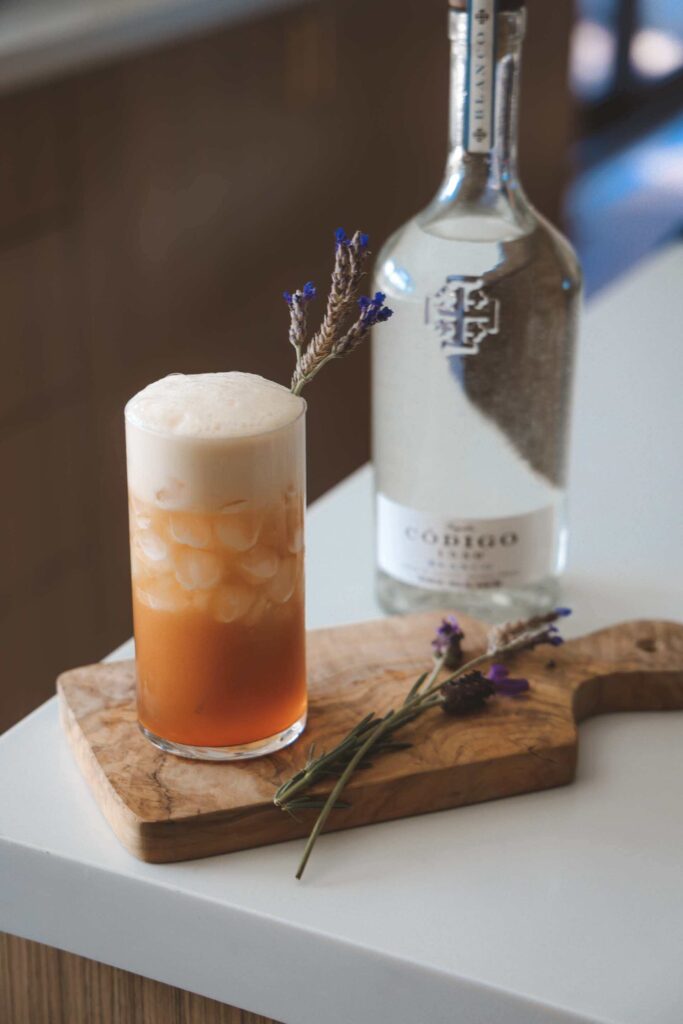
To celebrate Earth Day and their sustainability efforts, Código 1530 has created the drink below.

Codigo 1530 low waste tequila cocktail

Image: Amir Shafii, Código 1530

  • 1.5 oz. Código 1530 Blanco
  • 3 oz. Bergamot tea
  • 0.75 oz. Lemon juice
  • 0.5 oz. Lavender simple syrup
  • Lavender sprig to garnish

Housemade simple cuts down on the waste associated with producing and shipping bottles of syrup. To make the lavender simple syrup, bring one cup of water and one cup of sugar to a boil. Add ten sprigs of lavender while water and sugar are boiling, let cool, then strain. For this low-waste cocktail build, add all ingredients and ice to a shaker. Shake, then strain into a Collins glass with ice. Garnish with a sprig of lavender.

Image: BRUNO EMMANUELLE on Unsplash

by David Klemt David Klemt No Comments

Chain Restaurants: Present & Future

Chain Restaurants: Present & Future

Woman dining with friends in restaurant

Technomic presented the state of chain restaurants, now and next, during Restaurant Leadership Conference 2022 in Scottsdale, Arizona.

Obviously, the entire hospitality industry is facing significant struggles. Rising costs, supply chain chaos, labor shortages and challenges, inflation… The past two-years-plus haven’t been easy.

However, there’s reason for operators and their leadership teams and staff to be optimistic. Additionally, independent and small-chain operators can learn from Technomic’s findings.

Challenges & Threats

Well, let’s take our medicine first, starting with the supply chain. In short, it’s bedlam.

Joe Pawlak (standing in for David Henkes) and Richard Shank of Technomic said as much during RLC 2022. Per their data, 35 percent of operators dropped at least one manufacturer between 2020 and 2021.

Whether because of rising costs, an inability to consistently deliver product, or other factors, operators had to adapt. Clearly, there’s a nasty trickle-down effect when an operator drops a supplier.

And then there’s inflation. Interestingly, Shank calls what we’re seeing currently as “existential inflation.” Relating to consumers, this means their confidence is shaken in terms of spending.

Of course, this type of consumer perception manifests in several ways. For example, some guests cut down on visits. Others will cut down on ordering, skipping appetizers and desserts. Perhaps they have one less beer, glass of wine, or cocktail.

Also, some guests “trade down.” Meaning, there are consumers who opt for casual restaurants rather than fine dining. Or, they’ll move from fast-casual to QSR.

Looking at the numbers, however, nearly 40 percent respondents to a Technomic survey say they’re visiting restaurants less. This makes sense, as 81 percent are concerned about how inflation will impact them personally.

On the operator side of inflation comes pricing. During Pawlak and Shank’s presentation, they used QSR dinner pricing as a real-world example.

According to Technomic, the tipping point for guest perception of good value is just $7. At only $10, consumers feel things are getting expensive.

As Pawlak and Shank pointed out, this is a problem. After all, the average price for dinner at a QSR is $10.08. That number may already be higher today.

Opportunities

Medicine taken, we can move to the good news.

First, Technomic predicts a strong Q3 this year. Additionally, they don’t expect double-digit year-over-year inflation.

In terms of labor, Technomic doesn’t expect costs to go down. However, they do anticipate that they’ll level off rather than rise.

Then there are the numbers. For the top 500 chains in the US in particular, 2021 was a “banner year,” according to Pawlak. On an aggregate basis, sales for the top 500 (McDonald’s is number one, for those wondering) are up 17.9 percent.

Also, every category of restaurant is performing better. The top 500 chains, for instance, are up 18 percent year-over-year. Midscale restaurants are up 38.5 percent. Casual is up 30.2 percent while fast is up 22.2 percent, QSRs are up 13.2 percent. As far as the biggest bump, fine dining is up 56.9 percent.

Looking at 2019 for obvious reasons, the industry was down 49.1 percent in sales in April 2020. However, the industry was down just about a single percentage point in February of this year compared to the same time in 2019.

So, how do we keep sales trending upward when facing inflation and other threats? Pawlak, Shank, and Technomic have some advice.

Operators, for instance, can implement the “balanced barbell” pricing strategy. In this model, high-value items drive business alongside premium offerings. In other words, don’t discount the entire menu just to entice guests to keep visiting.

Once guests get a taste for falling prices, they’ll consider the lower prices the standard. After that, any increase can be perceived as “too expensive.” Of course, discounting the whole menu also impacts guest perception of the brand negatively.

In addition, Technomic suggests offering higher net profit discount bundles, and implementing off-premise, large-party strategies.

Should Technomic’s predictions prove true, the industry may see an even stronger Q4 and start to 2023.

Image: Alex Haney on Unsplash

by David Klemt David Klemt No Comments

Dining Room Tech on the Rise

Dining Room Tech on the Rise

by David Klemt

Printed circuit board with gold details

After years of restaurant technology adoption moving at a glacial pace, the industry now appears to be embracing innovations at light speed.

In fact, in just two short years some in the industry think it may be time to slow down. New tech can be exciting but jumping on every “innovation” is expensive, time consuming, and inefficient.

However, slowing down doesn’t equate to hitting the pause button.

Dining room tech was a topic of discussion at the 2022 Restaurant Leadership Conference in Scottsdale, Arizona. The two speakers agree that our industry needs to ease off the tech throttle a bit.

However, they also feel that tech innovations in the restaurant space will continue at a faster rate than they did pre-pandemic.

Session host Raymond Howard, a co-founder of Ziosk, interviewed Chris DeFrain and Hernan Mujica about dining room tech. DeFrain is a CPA at Lehigh Valley Restaurant Group, which operators 21 Red Robin franchises throughout Pennsylvania. Mujica is CIO for Texas Roadhouse.

Red Robin

Industry professionals and consumers alike should be familiar with Ziosk. After all, Red Robin has been a client with tech company since August, 2012.

Anyone who has visited a Red Robin has certainly interacted with a Ziosk terminal.

According to DeFrain, there are some interesting consumer behaviors taking place in Red Robin dining rooms. When it comes to tech, guests appear satisfied to place orders for appetizers and desserts via Ziosk terminals.

As DeFrain sees it, the guest would rather not wait for a server for ordering those types of food items. However, guests do seem to prefer ordering entrees from a server.

That’s a positive in DeFrain’s opinion, as he believes that ordering must remain the domain of servers. While he contends that the tech-based ordering process needs streamlining, DeFrain doesn’t appear interested in taking it out of servers’ hands completely.

This makes sense; the server as an integral element of the guest experience. How can a casual dining restaurant build guest loyalty and deliver a memorable guest experience without an engaging front-of-house team?

Of course, dining room tech should do more than accept orders, summon a server, and offer tableside payments. Today, data is king. Powerful platforms collect as much useful data as possible.

To that end, DeFrain appreciates that Ziosk provides data Red Robin leadership teams can share with staff. For example, a server can be shown how much they’re making in tips during their shift.

Finally, DeFrain says that guest usage of Ziosk terminals is improving feedback and comments.

Texas Roadhouse

In comparison to Red Robin, Texas Roadhouse took longer to sign on with Ziosk. In part, interestingly, this was due to the redesign of the terminal itself.

Turns out, Texas Roadhouse waited for a Ziosk terminal that took up less space and looked better on the chain’s tables.

Per Mujica (and any Texas Roadhouse guest), the in-person experience is core to the brand. Therefore, dining room tech must be an enhancement, not a detriment.

Like Red Robin, the chain has no interest in adopting tech that replaces FoH staff.

Another consideration regarding dining room tech should be important to all operators: The tech must be user friendly. According to Mujica, restaurant guests are happy to embrace tech innovations—if it’s easy to use.

So, operators must be careful and deliberate when choosing their tech stack. Generally speaking, native tech users (Gen Z) will likely be much quicker to learn how to use a particular technology than a Baby Boomer or even Gen X counterpart.

As such, operators must know their guests in order to adopt tech that enhances rather than alienates.

Another reason Texas Roadhouse chose Ziosk, per Mujica, comes down to mobile pay. In short, the chain didn’t like the mobile pay guest experience.

In terms of the future, Mujica predicts that handheld, tableside ordering is the future of dining room tech.

Takeaway

Like Mujica says, operators have now seen what tech innovations can do for them. In short, there’s no turning back.

And I agree with Mujica and DeFrain: it’s likely (and necessary) that tech development will slow a bit moving forward. Honestly, we all need room to breathe, consider the innovations available currently, and decide what works best for a particular business.

Likewise, I agree that tech can’t be allowed to alter the service model. Technology shouldn’t be seen as a replacement for staff.

Interestingly, restaurateur David Chang addressed this very subject during a 2022 RLC conversation. In his opinion, tech won’t replace restaurant roles, it will streamline them. At most, said Chang, tech will replace small, repetitive tasks, such as the physical flipping of a burger.

In closing, when deciding on the tech stack, operators should consider the following: ease of use for guests, ease of use for staff, streamlining of operations, and cost.

In this space, tech should never be embraced simply because it’s shiny and new. Not only is that costly in terms of investment, it can cost guest loyalty and visit frequency.

Image: Vishnu Mohanan on Unsplash

by David Klemt David Klemt No Comments

XDar Vodka Resumes Ukraine Production

XDar Vodka Resumes Production in Ukraine

by David Klemt

XDar Vodka distillery in Ukraine

Over the past several weeks, the people of Ukraine have shown the world their resilience, tenacity, and refusal to submit to Russia.

The sovereign European nation has endured attacks and atrocities that began on February 24 of this year. Nearly six weeks since the invasion, Ukraine has resisted and repelled the vaunted Russian military.

There’s no end in sight. The world is learning daily about the atrocities and possible war crimes being perpetrated in Ukraine.

Because of this, any good news coming from Ukraine is welcome.

“Gift of Grain”

Incredibly, Ukrainian distiller XDar Vodka is resuming production. The brand, whose name translates to “gift of grain,” is reopening their distillery.

Now, this is all no small feat: XDar Vodka’s distillery is in the Cherkassy region of Ukraine. So, when I say XDar Vodka is a Ukrainian product, I mean they distill their spirits in Ukraine.

This wheat vodka is made using the region’s artesian water. Impressively, the result is a clean vodka that scored 92 points in the 2016 Ultimate Spirits Challenge.

Further, XDar Vodka flies in the face of the “definition” of vodka. Supposedly, vodka is meant to be odorless, colorless, and flavorless. Not XDar.

Instead, tasting notes include wet sand, floral notes, vanilla, cotton candy, burnt sugar, and a touch of sweetness.

And yes, XDar does have distribution in North America via Liquorum Imports, Inc. In addition, XDar can be purchased through Royal Wine Merchants.

Those who want to try XDar Vodka as well as support this tenacious Ukrainian brand can also place orders through Drizly.

Bittersweet Anniversary

2022 marks XDar’s 20th anniversary. Obviously, this is bittersweet for the brand and its 4,400 employees.

To that point, XDar stopped production when Russia attacked Ukraine. However, the distillery continued to pay its workers.

“The people at XDar are committed to their employees,” says Natalya Kolosok of Liquorum Imports, Inc. “They are some of the strongest people in the world.”

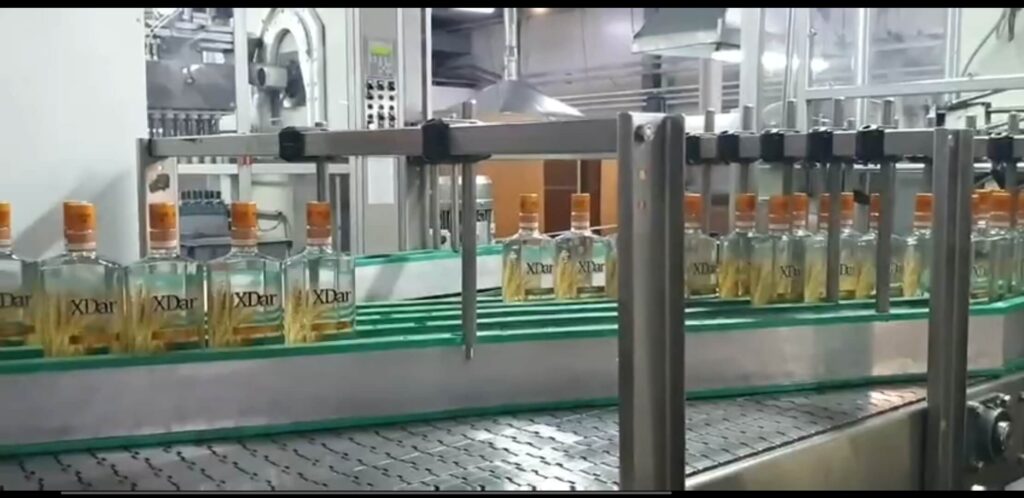
XDar Vodka production line

Now, the brand is resuming production. According to the distillery, XDar is doing so safely. According to a statement from Kolosok, this is in part due to the desires of the distillery’s team.

“The employees, while grateful for the assistance, don’t just want a check, they want purpose,” says Kolosok. “They want to work, which is why, as safely as possible, XDar opened up their facility to resume production.”

That’s resilience. That’s tenacity. And those characteristics exemplify the people of Ukraine.

Images provided by KLG Public Relations

by David Klemt David Klemt No Comments

TOTC Launches New Philanthropic Committee

TOTC Launches New Philanthropic Committee

by David Klemt

New Orleans, Louisiana, architecture in the French Quarter

Continuing their growth and commitment to supporting the spirits and hospitality industries, Tales of the Cocktail announces a new committee.

Formerly known as the Grants Committee, this committee will act as an advisory board to TOTC Foundation. In this capacity, the new Philanthropy & Development Committee will guide decisions regarding the TOTCF’s portfolio of philanthropic endeavors.

In launching the Philanthropy & Development Committee, the TOTCF is responding directly to the needs of the spirits community.

Commitment to Philanthropy

Supporting the industry is a TOTCF cornerstone. This commitment was supercharged when the Solomon Group and Neal Bodenheimer, Jr. took over in 2018.

Upon purchasing the rights, the Solomon family and Bodenheimer, Jr. transformed TOTC into a non-profit. Since then, the organization has developed ways to benefit New Orleans and the spirits and hospitality industries.

One major avenue of support came by way of the TOTCF Grants Committee. Their mission was straightforward and lofty: “to support nascent or existing programs, non-profit organizations, and individuals developing a specific project that will impact the global hospitality community present day and beyond.”

In selecting recipients, the Grants Committee reviewed submissions. Recipients needed to support the TOTCF’s core pillars with a focus on diversity, representation, and inclusivity: Advancement, education, and support.

One such recipient that exemplifies the Grant Committee’s work is Turning Tables. From their website:

“Turning Tables advocates for equity in the hospitality industry by providing mentorship, educational tools, and platforms for exposure in a system of support for the black and brown communities of New Orleans.”

New Name, Bigger Mission

To be clear, the Philanthropy & Development Committee is still offering grants. However, the past two years saw the expansion of the Grants Committee’s mission.

In addition to grants, the committee:

  • provided direct relief to industry professionals;
  • entered into more non-profit partnerships;
  • boosted the number of Beyond the Bar activations;
  • engaged in advocacy and policy efforts;
  • and expanded mental health and wellness capabilities.

Given the evolution of the committee’s work, transforming to the Philanthropy & Development Committee better communicates the mission.

“I’m really excited about this new era of the committee,” says Philanthropy & Development Committee co-chair Kellie Thorn. “While grant-giving will still be a focus, we will now have the opportunity to diversify the way that we serve the drinks community as well as continue to provide thoughtful insight to the Foundation about our industry.”

Continental Drift and Drift Kitchen owner Eric Bennett co-chairs the committee alongside consultant and educator Thorn. The eleven current committee members are:

  • Tiffanie Barriere
  • Chris Cabrera
  • Claudia Cabrera
  • Samuel Jimenez
  • Nandini Khaund
  • Yisell Muxo
  • Lisa Nguyen
  • Chris Patino
  • Vivian Pei
  • Kelsey Ramage
  • Morgan Schick

To learn more about the Philanthropy & Development Committee, click here.

Image: Aya Salman on Unsplash

by David Klemt David Klemt No Comments

5 Books to Read this Month: April 2022

5 Books to Read this Month: April 2022

by David Klemt

Flipping through an open book

This month’s engaging and informative book selections will help you develop next-level culinary, beverage and marketing skills throughout 2022.

To review February’s book recommendations, click here.

Let’s jump in!

My America: Recipes from a Young Black Chef

This book is scheduled to be released on May 17 of this year. I anticipate this cookbook by Chef Kwame Onwuachi, which includes 125 recipes, to come flying off the shelves. In addition to more than 100 recipes, Chef Onwuachi connects his personal journey to food, culture, and places. Pre-order My America now!

Paddy Drinks: The World of Modern Irish Whiskey Cocktails

Jack McGarry, Sean Muldoon, and Jillian Vose are back with their latest Dead Rabbit book. The trio’s latest release, Paddy Drinks, shares Irish whiskey drink recipes you’ll find on the actual Dead Rabbit menu. However, that’s just one portion of this informative book. Inside are whiskey flavor wheels, tasting notes, illustrations depicting whiskey production, and more. And if that’s not enough for you, David Wondrich provides the foreword.

Founder Brand: Turn Your Story Into Your Competitive Advantage

In Founder Brand, Dave Gerhardt explains why your brand’s story is one of the most valuable assets you own as an entrepreneur.

From the Amazon listing: “This is a tactical guidebook that first shows you how to tell your story, then how to put your story to use as a marketing strategy. You’ll learn how social media provides a bridge between you and your customers, the platforms that are appropriate for your business, and how to measure results to truly determine value.”

Finding Mezcal: A Journey into the Liquid Soul of Mexico

You don’t have to be a veteran bartender or spirits expert to know that mezcal continues to rise in popularity. Written by Ron Cooper, founder of artisanal mezcal brand Del Maguey, Finding Mezcal includes 40 cocktail recipes from bartenders and chefs; photographs; Cooper’s own artwork; and much more.

Bar Hacks: Developing The Fundamentals for an Epic Bar

Industry expert and KRG Hospitality president Doug Radkey wrote this informative and conversational book. This is the perfect read for aspiring or seasoned bar, pub, lounge, or even restaurant owners, operators, and managers looking for that competitive edge in operations. If you’re looking for both fundamental and in-depth planning methods, strategies, and industry focused insight to either start or grow a scalable, sustainable, memorable, profitable, and consistent venue in today’s cut-throat industry, Bar Hacks is written just for you

Image: Mikołaj on Unsplash

by David Klemt David Klemt No Comments

Stand Out with Weird Holidays: April 2022

Stand Out with Weird Holidays: April 2022

by David Klemt

Stay Weird neon sign with purple background

Want to stand out from from other restaurants and bars in your area? Then commit to keeping it weird.

Several “holidays” are set against every date on the calendar, and April is no exception. These holidays range from mainstream to “weird.”

Pay attention to the latter to raise eyebrows, carve out a niche for your restaurant or bar, and attract more guests. Why do what everyone else is already doing?

Of course, you shouldn’t try to celebrate every holiday, weird or otherwise. And this month’s list in no way includes every odd holiday.

Focus on the days that are authentic to your brand; resonate with your guests; and help you grab attention on social media.

For last month’s list, click here.

April 1: National One Cent Day

Please, please, please tell me you’re not going to indulge in an April Fool’s Day “prank” today. Instead, consider—if your jurisdiction will allow it—getting rid of dead stock for a penny with a purchase of a food and/or beverage item. You won’t get rich doing it but you also won’t be sitting on stock that’s just taking up space.

April 2: National Handmade Day

An easy riff on “handmade” is “housemade.” So, on this crafty holiday you can easily promote the housemade items on your menu. Make your own bitters? Promote it. Craft your own sauces? Let the world know.

April 6: National Tartan Day

No, it’s not “weird” to wear tartan. And no, it isn’t weird to celebrate anything and everything Scottish. However, this isn’t exactly the best-known holiday, so we’re including it on this list.

This is an easy one: Encourage your guests to wear tartan, take photos, and post it on social media (tagging your business, of course). Create a promo highlighting a Scottish whisky and/or gin and you’ve got a winner.

April 13: National Make Lunch Count Day

It’s fairly easy to celebrate and program on this holiday. The entire point of this day is to make lunch the best meal. Operators, you should know exactly what to do to execute a promo for this holiday.

April 15: National Take A Wild Guess Day

Who among us hasn’t taken a wild guess for a prize? We all know how this works: A jar or a convertible (why not, right?) is filled with jelly beans, gumballs, etc. People guess how many of said item are in said container. The person who guesses the closest wins a prize.

April 19: National Hanging Out Day

Talk about the perfect day to encourage your guests to spend a morning, afternoon, evening or night at your business with their friends. This holiday can be as simple as coming up with a few F&B promotions that will keep butts in seats for a while.

April 23: National German Beer

Hey, can you guess how you should celebrate this day? Hint: The clue is in the name.

April 24: National Pet Parents Day

If you allow dogs and other pets inside your venue or on the patio, this is the time to celebrate pet parents. Just remember when creating your promo that you need to include pet-safe F&B items.

April 27: National Tell a Story Day

As an operator, you know the importance of telling a story. Whether that story is that of your brand’s, a brand you feature, or a food or beverage item, it’s a powerful engagement technique. So, you can use this holiday to tell your brand’s story or encourage your guests to engage by telling their own stories. In fact, this is a great day to help facilitate connections between guests.

April 30: National Sense of Smell Day

Experts estimate that anywhere from 70 to 90 percent of taste is smell. Creating a promotion focusing on our sense of smell can be complicated but the payoff can be huge. So, activate your reps and see how they can help you show your guests the power of their sense of smell.

Image: Dan Parlante on Unsplash

by David Klemt David Klemt No Comments

Prepare for the New Rules of Hospitality

Prepare for the New Rules of Hospitality

by David Klemt

People toasting with a variety of cocktails

Guests are returning to bars, restaurants, and hotels, so you need to prepare now for the new rules of hospitality.

If you’re wondering what those rules are, wonder no more. We have a number of articles addressing them, some of which are here, here, and here.

Phil Wills, owner and partner of the Spirits in Motion and Bar Rescue alum, also has some thoughts. In fact, Wills shared his approach to what he identifies as the new rules of hospitality last week.


View this post on Instagram


A post shared by Phil Wills (@phil_i_am11)

During Bar & Restaurant Expo 2022, Wills presented “The New Rules of Hospitality: What a Post-pandemic Consumer Wants.”

Below, you’ll find what Wills has to say about hospitality in 2022 and beyond in three categories.

Hospitality

Wills kicked off his session with a simple question: How do you define “hospitality”? And yes, he put attendees on the spot, asking them for their answers.

It’s always at least a bit amusing that even the most outgoing operator gets shy in a conference setting. I’ve never seen so many people suddenly need to check their phones, shoes, or the ceiling tiles as when they’re asked to participate in a class or education session.

For Wills, the definition is “making a guest feel welcome, as though they’re in your home.”

Obviously, the answer is different for everyone. As Wills says, the key is considering how you and your brand define hospitality. If that seems easier said than done, Wills has some tips, presented in the context of a guest visit.

First, guests take in the sights, sounds, and smells of your space. They also consume your menu items, and converse with your staff, their party, and other guests.

Look at your business through the eyes of your guests. Now, this can be a difficult exercise, particularly if you spend a lot of time in your restaurant, bar or hotel.

So, ask team members to do the same and provide feedback. We take for granted what our spaces, food, and drinks look like.

To improve the guest experience, pay attention to ticket times and F&B consistency. This will reduce recovery incidents and phrases.

Finally, Wills recommends engaging with guests (if that’s what they want). However, he also suggests facilitating connections between guests.

Interestingly, Wills also says, “Regulars are old money. You want to get that new money.” Then, you want to convert that new money into old money. Rinse, repeat.

Training

As relates to training, Wills categorizes new hires in two ways: toll takers and moneymakers.

Toll takers take a toll on your business. They cost you money, and if they don’t receive the proper training they can chase guests away.

So, you’ll need to spend time and money to convert toll takers into moneymakers.

Speaking strictly in a technical sense, training needs to provide team members with the knowledge and tools to become moneymakers. To accomplish this, Wills has three keys to making training stick:

  1. Don’t make training too easy. If training is easy, team members won’t retain what they’re taught. Challenge your staff.
  2. Vary your training. There are a number of training methods at your disposal. Use multiple methods to engage your staff. Wills suggests combining shift work, book work, and tests, at a minimum.
  3. Turn training into a competition. At this point, we’re gamifying just about anything. So, Wills recommends the platform 1Huddle to gamify your training.

Labor

Simply put, Wills says we need to find new ways to make this industry exciting to new hires.

According to the National Restaurant Association, we’re still seeing significant job losses in hospitality, foodservice, and lodging and accommodation.

In fact, we’re down 14 percent when it comes to full-service restaurant jobs. For bars and taverns, the number is 25 percent.

For Wills, offering incentives, mental health breaks, and even cash bonuses for staying in role for a number of months can draw the attention of new workers.

However, he also has another interesting idea: making people smile. On average, according to Will’s research, people smile 20 times each day. He wants to find ways to make people smile 20 times during a single visit to a restaurant or bar.

Now, Wills admits he’s still working on how to accomplish this lofty goal. I believe a key component is creating a working environment that inspires team members to smile 20 times per shift.

Image: Kelly Sikkema on Unsplash

by David Klemt David Klemt No Comments

Who Was the Legendary King Gambrinus?

Who Was the Legendary King Gambrinus?

by David Klemt

Beer mug overflowing with foam and beer

Just who is Gambrinus, the cultural icon beer lovers honor and celebrate on April 11, King Gambrinus Day?

Most simply, he’s an excellent excuse to enjoy a pint. More importantly, he’s a fantastic reason for operators to execute a beer promotion to drive traffic and revenue.

But who was Gambrinus? And was he actually a king?

Let’s dive in!

A King?

Gambrinus may want a word with Budweiser. After all, they’ve claimed the title “King of Beers” since around the 1950s.

If one runs a search for Gambrinus and scans the results quickly, he was a king. Although, other sources identify him as a duke. Or maybe he was a count.

Intriguingly, he’s often referred to as the inventor of beer. Sometimes, he’s lauded as the patron saint of beer.

Gambrinus is also known as the embodiment of joviality, conviviality, and incredible feats of drinking. Legend has it, he could put away 144 beers in a single sitting.

And how did he become credited with this most magnificent of creations? In a completely natural way, of course.

As the totally reasonable story goes, Gambrinus was taught the secret to brewing beer over 500 years ago by the Egyptian gods Osiris and Isis.

However, a German historian has said this character was based on another mythical character: Gambrivius. This German king, who may also have been named Gampar, also learned beer brewing by Isis and Osiris.

In other words…Gambrinus very likely never existed.

Gambrinus, Cultural Icon

Real or (most likely) not, Gambrinus is deeply embedded in beer and brewing culture.

There are breweries, restaurants, and bars that feature Gambrinus—as a king, of course—around the world.

In fact, if one takes a look at a can of Victoria beer, they may find the fabled king in the logo. He’s wearing regal finery and holding a beer aloft, admiring it.

And should anyone find themselves in Porte Alegre, Brazil, they’ll find Restaurante Gambrinus. Guess who the restaurant’s name pays homage to.

Of course, the king has made it America. Reportedly, Pabst Brewing has commissioned at least three Gambrinus statues. The first iteration was crafted in 1967 and is named King Gambrinus, Legendary Patron of Brewing.

So, fine—King Gambrinus Day doesn’t honor a “real” king. Is that such a bad thing? What we’re really celebrating on April 11 is beer itself.

We’re paying homage to brewers, breweries, and beer lovers across the globe. There’s nothing wrong with celebrating what some call the nectar of the gods, and others call the drink of kings.

Before April 11, take a look at your beer menu and program. Review how your bar team pulls and serves a pint. Make certain you know what beer-loving guests want to drink, and have plenty on hand.

Let’s all raise a pint to Gambrinus, king, duke, count, or mythical figure. Cheers!

Image: engin akyurt on Unsplash

by David Klemt David Klemt No Comments

Single Malts for International Whiskey Day

5 Single Malts for International Whiskey Day

by David Klemt

Bottles of Glendalough Distillery 7 Year Old Mizunara Finish on top of a barrel

In case it isn’t yet obvious, March is full of an array of wonderful cocktail and spirits holidays perfect for restaurants and bar promotions.

So, it’s pretty impressive that we can end this month with International Whiskey Day. Or, if you prefer, International Whisky Day.

Wondering which you should use, “whiskey” or “whisky”? Well, there’s a (mostly) accepted method for distinguishing the two.

As some spirits aficionados and historians explain it, if a country has the letter “E” in its name, so should the word “whiskey.” No “E”? Then it’s “whisky.”

Or, and this may be controversial, you can just use whichever you prefer. Or perhaps use the spelling that’s on your favorite label. Alternately, if executing a promotion with a sponsor, ask their preference and use it.

At any rate, we all get to celebrate uisce beatha (Irish) or uisge beatha (Scottish) on Sunday, March 27.

Below you’ll find some suggestions for bottles to showcase on International Whisk(e)y Day. Cheers!

American Whiskey

Obviously, there’s a glaring issue with trying to choose a single bottle of whiskey to represent the US. In short, there are dozens (at a minimum) of bottles from which to choose.

So, to make things easier (on me, I suppose), I’m limiting this list to single malts. Look, I had to draw a line somewhere.

Honestly, this doesn’t make things incredibly simple. You may find it surprising to learn that the US has the American Single Malt Whiskey Commission (ASMWC). Not only that, but the commission has nearly 100 members.

To promote and protect American single malt, the ASMWC defines this whiskey as:

  • made from 100-percent malted barley;
  • produced at one distillery;
  • mashed, distilled and matured in the US;
  • matured in 700-liter or smaller oak casks;
  • distilled to no more than 160 proof (80-percent ABV); and
  • bottled at 80 proof or more (40-percent ABV).

There are, thankfully, several dozen bottles to choose from to represent American single malt whiskey. For my list, I’m selecting Westward American Single Malt Whiskey Cask Strength.

Produced in Portland, OR, this double-gold winner is the 125-proof version of Westward’s original single malt whiskey. Bold, assertive, rich, and complex, this bottle embodies this American whiskey category.

Canadian Whisky

When it comes to whisky, Canada is known for its blends. Canada’s whiskey world is also known for bold but smooth rye.

However, there are distillers paying homage to their Scottish roots and traditions. These masters of their craft are working hard to put single-malt Canadian whiskies on the map.

In particular, craft distillers in Vancouver are producing single malts that deserve the world’s time and attention.

Now, when it comes to Canadian single malt, I’m a neophyte. However, I believe you and your guests will appreciate my selection.

Commodore Canadian Single Malt Whisky is crafted by Odd Society Spirits. The distillery is located in Vancouver, British Columbia.

Compellingly, Commodore is produced with malted barley grown in BC. Weighing in at 92 proof, expect pepper and tobacco on the palate, balanced with dark fruit and sweetness.

Irish Whiskey

Another country known for its blends is Ireland. Jameson, Bushmills, Red Breast, Powers… Each distillery produces world-famous, revered blends.

However, Ireland crafted several styles of whiskey over the course of many centuries. Single malts were certainly among them.

Of course, that style fell to wayside as the thousands of distilleries in Ireland shut down decades ago. Luckily, some modern-era distilleries are tapping into centuries of Irish distillation history.

Among these is Glendalough Distillery, our guest for episode 71 of the Bar Hacks podcast. Co-founder Donal O’Gallachoir reveals their latest expression, an Irish single malt finished in exceedingly rare Japanese mizunara casks.

So, for my Irish single malt selection, I choose Glendalough 7-Year-Old Mizunara Finished. You can learn more about this bottle and Glendalough listening to the podcast linked above or reading this article.

Scottish Whisky

If it’s difficult to choose just one American single malt whiskey, it’s nearly impossible to land on only a single single malt Scotch.

Do I choose the highest age statement (and an immense price tag)? Is the smart move the “most accessible” bottle? A peat monster?

What about the most traditional bottle? The most experimental? In the end, I opted for a single malt whisky that falls into the latter category.

At this point, we expect to see Oloroso sherry, port, and bourbon cask finishes. What’s a bit more unusual is a rum cask finish.

So, I’m going with the Balvenie Caribbean Cask. This 14-year-old single malt spends 14 years maturing in American oak casks. Then, it’s finished in ex-rum barrels.

The result is a unique and compelling whisky with notes of banana, cocoa, brown sugar, fresh fruit, and toffee.

Australian Whisky

When he started Starward, founder David Vitale had one mission: Craft the whisky that would come to define the entire category. No pressure.

To accomplish this mission, Vitale and company aim to capture Australia’s terroir in every bottle of every expression.

Their barley is sourced in Australian. Local malt masters (malters? maltsters?) malt said barley. The yeast comes from local Australian brewers.

And it doesn’t stop there. Any ingredient used to craft Starward Whisky must be within one day’s drive of the distillery. That distillery is located in Melbourne.

Why Melbourne? Because it’s the Foodie Capital of Australia. Why does that matter? Because Starward is also meant to be enjoyed with food.

You can learn more about Starward and David Vitale on episode 63 of Bar Hacks.

So, which bottle did I choose? Starward’s very first whisky, the single malt Starward Solera. If you and your guests want to experience Australian single malt, this is where to start.

You really can’t go wrong with any of these bottles. If you’re celebrating International Whiskey Day, life is great. Enjoy!

Image: Glendalough Distillery

by David Klemt David Klemt No Comments

National Cocktails: Canada & America

National Cocktails: Canada & America

by David Klemt

Sazerac cocktail and mixing glass on bar

We’re taking a look at two cocktails that can trace their roots to America and Canada for this year’s National Cocktail Day.

Further, KRG Hospitality has a headquarters in each country. So, we’ll be focusing on the cocktails for which Canada and America are known.

Celebrate National Cocktail Day, March 24, with the recipes below. Cheers!

Canada’s Official Cocktail

Let’s kick things off with Canada. There’s no cocktail with as close an association to the Great White North as the Caesar.

In fact, it’s Canada’s national cocktail. So ubiquitous, it’s woven into the fabric of Canadian pop culture.

Consider this Letterkenny exchange as exhibit A:

Darryl: “I’d have a Bloody Caesar.”

Wayne: “Do you wanna know what? I’d have a Caesar, too.”

Squirrely Dan: “I could have a Caesar if you guys are havin’ Caesars.”

Darryl: “Hard to see a Caesar and not want a Caesar.”

Wayne: “That’s actually how they market Caesars.”

According to cocktail lore, the city of Calgary and province of Alberta get to call themselves the home of the Caesar.

Disputed Origins

As the story goes, Walter Chell invented the cocktail in 1969. Chell was a restaurant manager at the Calgary Inn, now a Westin property.

Oh, wait. There’s also Walter Winchell and the Smirnoff Smiler cocktail. Tracing mentions back to 1953, this drink is made with vodka, tomato juice, clam juice, and Worcestershire sauce.

Hang on… In 1959, Charles Addams—y’know, the creator of the Addams Family—said he created the Gravel Gertie in Manhattan, New York. This cocktail calls for vodka to be mixed with tomato juice, clam juice, and Tabasco sauce.

Well, Chell was onto something when he combined every ingredient in the Smiler and Gertie. To me, this an original that stands far above any perceived predecessors.

Chell also crafted the recipe using a “rule of four”:

  • one shot of vodka;
  • two dashes of hot sauce;
  • three dashes of salt and pepper; and
  • four dashes of Worcestershire sauce

Prepare a glass with a celery salt or salt and pepper rim. Add ice, then add the above ingredients. Top with Caesar mix (Clamato juice, these days), and garnish with a celery stock and lime.

America’s Unofficial Cocktail

Now, onward to America. So, we don’t have an official national cocktail here. Clearly, our neighbors to the north know how to have more fun.

We have a native spirit—bourbon—but that’s where it ends.

However, we do have New Orleans. And in New Orleans we have the birthplace of American hospitality.

We have something else in New Orleans. In 2008, the Louisiana state senate passed a bill that named an official cocktail for the city.

That cocktail? The Sazerac.

Two Bases, One Drink

Cocktail historians will tell you that there are essentially two recipes for the Sazerac. They’ll also tell you that the origins of this cocktail are under dispute.

Are you beginning to see a pattern with cocktail history? It’s never clear, is it?

First, let’s address the original, assuming it’s America’s first (or at least oldest known) cocktail. From the 1850s to 1870s, it was made with Cognac. And not just any Cognac, Sazerac de Forge et Fils.

Depending on who you ask, either bar owner Aaron Bird or Antoine Amedie Peychaud invented the Sazerac. The cocktail recipe includes two dashes of Peychaud’s Bitters, so it’s easy to understand why some credit Peychaud with creating this drink.

Then, there’s the version that took off in the 1870s. Again, depending on the source, either American tastes changed or a phylloxera outbreak affected Cognac production. Perhaps both are true, converging to alter the Sazerac recipe.

Either way, rye whiskey replaced absinthe, and Herbsaint replaced the absinthe. Some bartenders also substitute bourbon for the rye.

The Recipe

It’s not difficult to make a Sazerac, just like it isn’t difficult to find one in New Orleans.

You’ll need two Old Fashioned (aka rocks) glasses, or one Old Fashioned and a mixing glass.

Rinse a chilled glass with absinthe or Herbsaint, and add ice. In the mixing glass or second glass, add ice, two ounces of Cognac, rye whiskey or bourbon, a half-ounce of simply syrup, and three dashes of Peychaud’s Bitters. Stir until well chilled.

Before straining, discard the ice and any excess absinthe or Hersaint from the prepared glass. Now, strain into prepared glass, express a lemon peel, and use that peel as garnish.

Alternatively, you can split the base and do Cognac and rye or bourbon, paying homage to each version of the Sazerac.

Image: Johann Trasch on Unsplash

by David Klemt David Klemt No Comments

Share These Vermouth Facts with Guests

Share These Vermouth Facts with Guests

by David Klemt

Vintage vermouth print

Today is World Vermouth Day, so here are some interesting facts you and your bar team can share to engage with guests.

Before we dive in, a few vermouth basics.

First, contrary to what some believe, vermouth isn’t a spirit. Rather, vermouth is a fortified wine.

In most cases, vermouth producers boost—or fortify—alcohol content with a neutral grape spirit.

Centuries of History

Vermouth can trace its history back to at least the 16th century. However, it’s possible it goes as far back as 12th century China.

Like so many products behind the bar, the exact origins are in dispute. Some say vermouth is a Chinese creation, some say its home is Greece, crediting Hippocrates with its creation. Still others attribute its invention to Germany.

Regardless, many believe that vermouth is one of the oldest types of beverage alcohol.

Doctor’s Orders

As is the case with plenty of intoxicants, this fortified wine has roots in medicine.

From the 16th century until about midway through the 18th century, Italian vermouth was recommended by doctors to settle upset stomachs.

This makes sense given its makeup: Vermouth is a wine combined with a spirit, infused by roots, herbs, and spices. The array of botanicals found in vermouth can certainly aid in digestion.

In fact, offering vermouth on your menu as an aperitif or digestif is a smart move.

Booze Relatives

You, your bar team, and guests may find this connection interesting. Vermouth and absinthe are family members.

According to some alcohol historians, “vermouth” is a French pronunciation of the German word “wermut.” Wermut translates from German to English as “wormwood.”

Centuries ago, German and Hungarian fortified wines contained wormwood.

An argument can be made that amaro is also a relative of vermouth. While not a requirement, amaro can contain wine. If an amaro has that component, it can technically be a vermouth.

Modern Vermouth

Toward the end of the 18th century, Antonio Benedetto Carpano created what’s now considered modern vermouth.

As the story goes, Carpano was studying to be an herbalist. In 1786, in Turin, Italy, he blended a white muscatel with herbs and spices. Modern vermouth was born.

Owing to modernization and commercialization, some paint vermouth with two broad brushes.

There are those who refer to all red vermouths as Italian vermouths. They then categorize all white vermouths as French. This is, in part, due to the French overwhelmingly producing dry, white vermouths.

Even More Modern

Well, maybe not exactly more modern. Perhaps it would be more accurate to refer to a particular style as “more recently recognized.”

During Prohibition, American producers made vermouth. According to my research, these were not looked upon favorably. In fact, they were considered cheap and poorly made.

That’s not the style I’m talking about here. Starting in the 1990s, and initially attributed to Californian producers, American vermouth production came out swinging with Western Dry.

In general, this style of vermouth leans heavier on the wine and uses different botanicals.

Not Just a Clever Shirt

You have probably seen bartenders or other hospitality professionals wearing this Mover & Shaker shirt:


View this post on Instagram


A post shared by Mover & Shaker (@moverandshakerco)

In case it doesn’t load for you, it says, “If you’re reading this put vermouth in the fridge.” That’s not a joke—keep it in the refrigerator.

Perhaps due the misconception that vermouth is a spirit, some people treat it as such. In other words, they just leave their vermouths out.

Being a fortified wine, vermouth can go bad in just a few months once open. So, this World Vermouth Day, if you haven’t already, put vermouth in the fridge.

Image: Giorgio Trovato on Unsplash

by David Klemt David Klemt No Comments

Dame Hall of Fame Nominations Open!

Dame Hall of Fame Nominations Now Open!

by David Klemt

Tales of the Cocktail Foundation Dame Hall of Fame luncheon

Now in its tenth year, nominations are open for the Dame Hall of Fame, honoring individuals who have a positive impact on hospitality.

In particular, the Dame Hall of Fame recognizes people who move accessibility and intersectionality forward.

The Tales of the Cocktail Foundation (TOTCF) and Ladies United for the Preservation of Endangered Cocktails (LUPEC) are accepting nominations until March 30. Currently, there are 42 DHOF members.

On July 29, three inspirational and influential Dames will join their peers. These three individuals will be inducted into the DHOF at the Ritz-Carlton New Orleans.

To nominate a potential inductee, please complete this form.

“We are so proud to be entering our tenth year of Dame Hall of Fame, which has become one of the most revered recognitions of Tales of the Cocktail Foundation,” says TOTCF CEO Eileen Wayner. “The collective magnitude of the Dames is unparalleled, and it is truly our honor to gather such a talented group of individuals, while inducting newcomers who are making a lasting impact on the hospitality community.”

Co-chairs Overseeing Process

The Dame Hall of Fame was first established in 2012. Since then, nearly four dozen of the most influential individuals have been inducted.

More than just an honor, the DHOF encourages continued mentorship. DHOF members seek to further diversity, inclusivity, and equity within the cocktail and hospitality communities.

In 2022, for the first time, two members will co-chair the DHOF. They will each take on this role for a two-term, effective immediately.

Additionally, the co-chairs will oversee this year’s DHOF nomination process. Learn more about each co-chair below.

Kirsten “Kitty” Amann

Kitty has more than fifteen years of experience in the beverage industry as a brand ambassador, cocktail book author, podcaster, publicist, bartender, and spirits writer. She is the New England Market Manager for Uncle Nearest Premium Whiskey and author of Drinking Like Ladies: 75 Modern Cocktails from the World’s Leading Female Bartenders.
In her roles, she is honored to share untold stories of greatness and help the truth find the light. Kitty is a founding member of the Boston chapters of Ladies United for the Preservation of Endangered Cocktails (LUPEC Boston) and the U.S. Bartenders Guild. As a frequent speaker on the history of women behind the bar and in the spirits industry, and has presented at Tales of the Cocktail, The Manhattan Cocktail Classic, Portland Cocktail Week, San Antonio Cocktail Conference, San Francisco Cocktail Week, Speed Rack Academy, and at the Smithsonian. 
Kitty has taught yoga in Boston and around the world since 2010. She was among the first in the industry to introduce movement and breathwork to fellow bartenders, servers, and brand ambassadors to support their careers, and has presented at Tales of the Cocktail, The Manhattan Cocktail Classic, Portland Cocktail Week, and for local restaurants and USBG chapters.

Tiffanie Barriere

The bartender’s bartender, Barriere is an influencer and educator who has been awarded some of the beverage industry’s highest honors. The Bar Smart graduate, she is a Tastemakers of the South award-winner who spent seven years as the beverage director of One Flew South, the “Best Airport Bar in the World.”
As an independent bartender, she is known for creative and innovative cocktail menus for pop-dinners and bar consultancy clients, hosting mixology classes around the nation, and connecting culinary and farm culture with spirits. As a leader, she is a member of the Tales of the Cocktail Grants Committee, the James Beard Beverage Advisory Board, and a member of the Atlanta chapter of Les Dames d’Escoffier.
Barriere and her cocktails have been featured in such publications as Imbibe Magazine (print and online), Forbes, Essence, The Bitter Southerner, Cherry Bomb Magazine, Washington Post, Eater, VinePair, Food Republic, and Garden & Gun.
In 2020, Tiffanie was featured on Food Network’s The Kitchen, honored as the Tales of the Cocktail Foundation’s Dame Hall of Fame U.S. Inductee, along with the cover photo of Imbibe Magazine for the “Top 75” issue. The Louisiana-Texas native is the trustworthy mentor of some of the best bartenders and mixologists in the world. Tiffanie’s main goal is education, service and fun with every pour.

Nomination Criteria

In 2022, the three inductees will receive individual awards. There will be a United States inductee, an international inductee, and a Pioneer Award inductee.

Woodford Reserve will present the first two inductees, while The Blend will present the Pioneer Award.

The criteria for nominations is below, provided by the TOTCF:

DHOF US and International Inductees Presented by Woodford Reserve:

In addition to being a woman, non-binary or trans individual, to be considered to be inducted into the US DHOF, nominees must:

  • be a person whose professional and personal accomplishments have shaped the beverage landscape and provide visible models of achievement for tomorrow’s leaders;
  • serve as a leader and mentor; and
  • reside in the United States of America.

In addition to being a woman, non-binary or trans individual, to be considered to be inducted into the International DHOF, nominees must:

  • be a person whose professional and personal accomplishments have shaped the beverage landscape and provide visible models of achievement for tomorrow’s leaders;
  • serve as a leader and mentor; and
  • reside outside of the United States of America.

The Pioneer Award by The Blend:

This award recognizes an individual who has encouraged mentorship and contributed to making the hospitality industry equitable and inclusive by working to remove barriers as it pertains to gender identity, race, religion, and socioeconomic status.

The Pioneer Award, which was named for hospitality trailblazer and New Orleanian Ruth Fertel, will be announced on June 21 in conjunction with the TOTCF Spirited Awards. The recipient of the Pioneer Award will also be inducted into the DHOF during the July 29 Induction Ceremony.

Click here to nominate an individual today!

Image: Corey James Photo

by David Klemt David Klemt No Comments

8 Glendalough Cocktail Recipes for St. Patrick’s Day and Beyond

Offer your guests something different for your St. Patrick’s Day promotion with Glendalough Distillery cocktail recipes.

Without a doubt, you should have plenty of the expected Irish whiskeys on hand. However, Glendalough Distillery Double Barrel, Pot Still, Wild Gin, and Rose Gin are extraordinary Irish whiskeys and gins.

Each spirit the distillery crafts honors the art of Irish distillation, a craft that stretches back centuries. What’s more, each whiskey Glendalough crafts is single malt—there are no light-bodied blends in their lineup.

To learn more, check out episode 71 of the Bar Hacks podcast with Glendalough Distillery co-founder and national brand ambassador Donal O’Gallachoir.

by David Klemt

Glendalough Distillery Wild Gin Irish gin

8 Amazing Irish Whiskey and Gin Cocktails

Below, eight refreshing and sophisticated drink recipes made with Glendalough whiskeys and gins. Sláinte!

Glendalough Distillery Double Barrel Single Malt Irish Whiskey

The Lough Inn

This highball is made with Glendalough Double Barrel, a single-grain Irish whiskey aged in ex-bourbon barrels before being finished in Oloroso sherry casks.

  • 2 oz. Glendalough Double Barrel Single Grain Irish Whiskey
  • 1 oz. Spiced honey syrup (see note)
  • 1 oz. Fresh lemon juice
  • Soda to top
  • Lemon wheel or slice to garnish
  • Mint leaf to garnish
  • 1 cup Honey for spiced honey syrup
  • 0.5 cup Water for spiced honey syrup
  • 4 Cinnamon sticks for spiced honey syrup
  • 1 pod Star anise for spiced honey syrup

Add ice to a highball glass, then add first three ingredients. Top with soda water. Garnish with lemon wheel or slice and freshly torn mint leaf.

For spiced honey syrup: Add honey, water, cinnamon sticks, and star anise to pot. Bring to a boil, then stir. Strain into container.

Glendalough Distillery Pot Still single malt Irish whiskey

Pot Still Highball

Deceptively simple to build, this cocktail highlights the terroir of the land surrounding Glendalough Distillery.

  • 1.5 oz. Glendalough Pot Still
  • Soda to top
  • Grapefruit peel to garnish
  • Mint leaf to garnish (freshly torn and slapped, of course)

Prepare a highball glass with an ice shard, spear or cylinder. Pour in Glendalough Pot Still whiskey, then top with soda. Glendalough Distillery recommends a 1:2 ratio, Pot Still to soda. Garnish with mint leaf.

Glendalough Distillery Wild Gin Negroni cocktail

Glendalough Negroni

The foraged botanicals in Glendalough Wild Gin add even more complexity and depth to the classic Negroni. In fact, the flavors work so well this recipe maintains the Negroni’s crucial 1:1:1 ratio.

Prepare an Old Fashioned with ice. Add first three ingredients to glass in the above order. Add more ice if necessary. Stir, express orange peel, and place as garnish.

Glendalough Distillery Wild Gin Irish gin

Glendalough Wicklow 75

Bubbles make everything better and everyone happier.

Add all ingredients to shaker. Add ice and shake until well chilled. Strain into Champagne flute, top with Prosecco, and garnish with lemon twist.

Glendalough Distillery Rose Gin Irish gin and cocktails

Glendalough Rose G&T

This simple classic receives a huge visual and aromatic boost from Glendalough Rose Gin.

  • 2 oz. Glendalough Rose Gin
  • Tonic to top (the higher the quality, the better)
  • Lime slice
  • Mint leaves

Add ice to glass, then add Rose Gin. Top with tonic, and garnish with lime slice and mint leaves.

Glendalough Distillery Rose Gin Fizz

Glendalough Rose Gin Fizz

One way to elevate the highball is to use a striking pink-hued Irish gin.

  • 1.5 oz. Glendalough Rose Gin
  • 0.5 oz. Elderflower liqueur
  • Raspberry & Lime sparkling water to top
  • Lime wheel to garnish

Add ice (spear, shard or cylinder for impact), Rose Gin, and liqueur to highball glass. Stir, then add sparkling water to top. Garnish with lime wheel.


View this post on Instagram


A post shared by Glendalough US (@glendaloughus)

Glendalough Rose Collins

Boost the classic Collins with Glendalough’s striking rose-petal gin.

  • 1.5 oz. of Glendalough Rose Gin
  • 1 oz. of Lemon juice (freshly squeezed)
  • 0.5 oz. of Sugar syrup (1:1 ratio, hot water to sugar)
  • Soda to top
  • Lemon peel to garnish
  • Cherry to garnish

Combine first three ingredients in a shaker with a cup of ice. Place an ice shard, spear or cylinder to a highball glass. Shake until well chilled, then strain into glass. Top with soda, and garnish with lemon peel and cherry.

Glendalough Distillery Rose Gin Hibiscus Rose

Glendalough Hibiscus Rose

Refreshing and flavorful, the hibiscus tea syrup plays incredibly well with Glendalough Rose Gin.

  • 1.5 oz. Glendalough Rose Gin
  • 0.5 oz. Hibiscus tea syrup (see note)
  • 0.5 oz. Lemon juice (fresh squeezed)
  • Prosecco to top
  • Dehydrated lemon wheel to garnish
  • Rose petals to garnish
  • 33 oz. Water for hibiscus tea syrup
  • 16 oz. Sugar for hibiscus tea syrup

Add first three ingredients and ice to a shaker. Shake until well chilled and double strain into a coupe.  Top with Prosecco, and garnish with dehydrated lemon wheel and rose petals.

For the hibiscus tea syrup: Steep seven hibiscus tea bags in 33 ounces of water for 15 minutes. Add 16 ounces of sugar.

Images & Recipes: Glendalough Distillery

Related Reading

Work with Us

Click the image below to partner with us on your project.

Client Intake Form - KRG Hospitality

Top