Cafe

by krghospitality krghospitality No Comments

Stand Out with Weird Holidays: Oct. 2022

Stand Out with Weird Holidays: October 2022

by David Klemt

Stay Weird neon sign with purple background

Want to stand out from from other restaurants and bars in your area? Then commit to keeping it weird.

Several “holidays” are set against every date on the calendar, and October is no exception. These holidays range from mainstream (Halloween, anyone?) to “weird.”

Pay attention to the latter to raise eyebrows, carve out a niche for your restaurant or bar, and attract more guests. Why do what everyone else is already doing?

Of course, you shouldn’t try to celebrate every holiday, weird or otherwise. And this month’s list in no way includes every odd holiday.

Focus on the days that are authentic to your brand; resonate with your guests; and help you grab attention on social media.

For September’s list, click here.

October 5: Chic Spy Day

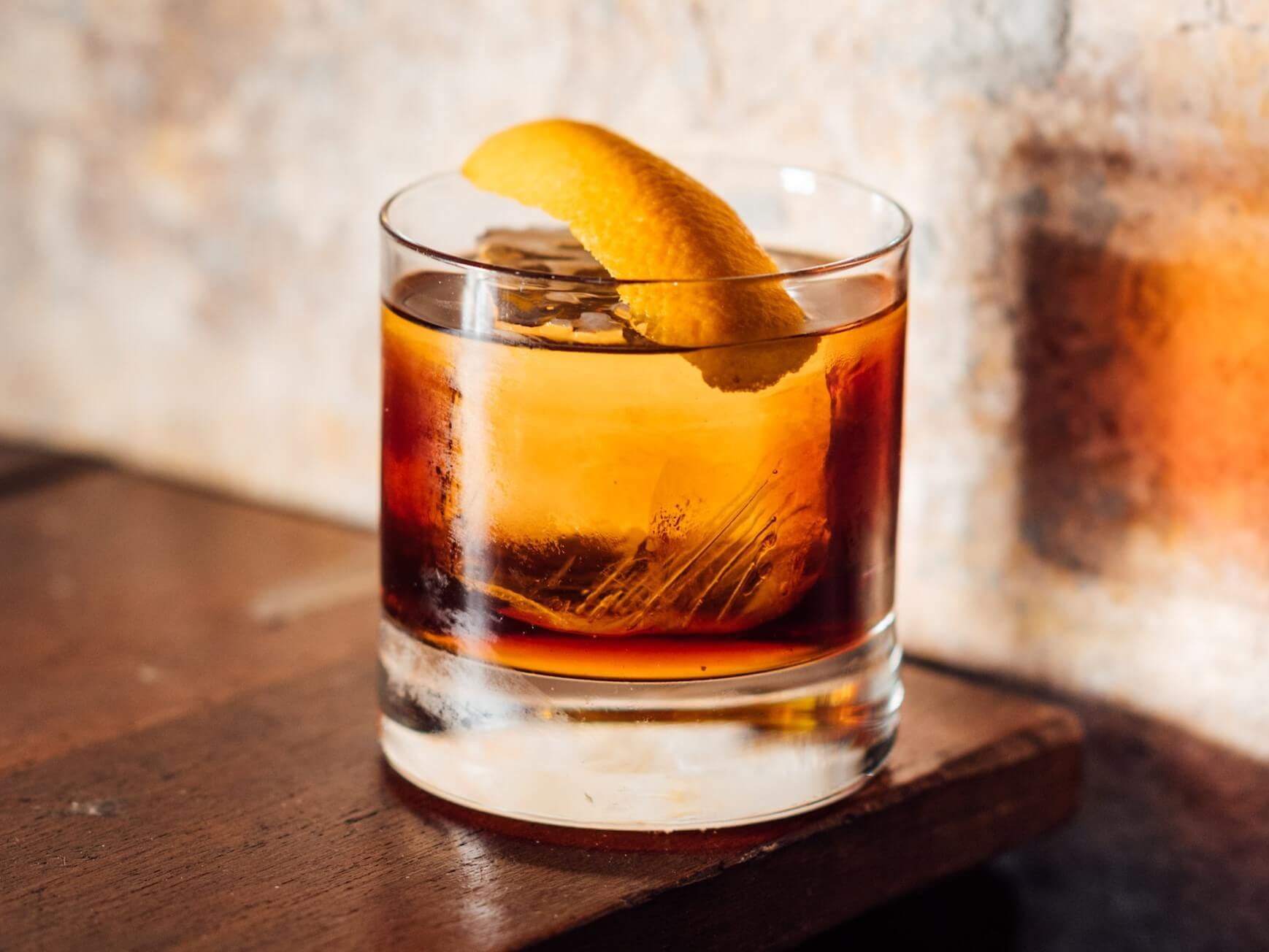
Of course, there’s one holiday this month that simply will not allow anyone to ignore it: Halloween. So, why not lean into it early? Encourage guests to show up looking like a chic spy, perfect your Vesper Martini, and show spy movies. In other words, task your guests with really getting into the spy theme, and create a menu that shows off your creativity as well.

October 6: National Orange Wine Day

No, there aren’t any oranges used in the production of orange wine. Rather, it’s white wine with which the grape skins and seeds remain in contact. The result is an orange hue. And as we all know, orange is one of the key colors of October and Halloween. To celebrate National Orange Wine Day, put some orange wines on your menu.

October 7: National LED Light Day

They say there’s a holiday for just about everything. The existence of this holiday points to that sentiment being accurate.

To wow your guests and get them in the mood for your ultimate October promotion, a Halloween bash, drop food-safe, waterproof LEDs into cocktails for a “spooky,” otherworldly effect.

October 13: National Train Your Brain Day

You know what’s an excellent way to train your brain and stay sharp? Trivia! And do you know what a lot of guests like to do at bars? Trivia! Guest what you should plan for National Train Your Brain Day…

October 17: Wear Something Gaudy Day

I mean, it’s Halloween month and people want to dress up. Guide their costume ambitions by encouraging them to get gaudy and tacky on Wear Something Gaudy Day.

October 18: National Chocolate Cupcake Day

Okay, so this isn’t a weird holiday. There’s nothing strange about chocolate cupcakes. What they are is delicious, and your kitchen staff can always decorate chocolate cupcakes with fall and Halloween themes.

October 20: International Sloth Day

Ah, the sloth. It really has the right idea most days: slow down. On this day, encourage your guests to slow down and relax at your restaurant or bar. Comfort food, delicious beer, and classic brunch cocktails are the order of the day.

October 21: National Count Your Buttons Day

There are several ways to celebrate this day. However, I think a good, old-fashioned “Guess How Many Buttons are in This Jar” contest is the way to go. Give away a bottle, a meal, a bar tab, etc. The sky’s the limit.

October 22: National Make a Dog’s Day

Is your business dog-friendly? Can your kitchen come up with dog-safe menu items? Then encourage your guests to come in and pamper their pooches.

October 25: National Greasy Food Day

There’s no point in competing or programming against Halloween. Not for most operators, anyway. So, celebrate this debaucherous, indulgent day with greasy bar and comfort food ahead of your Halloween promotion.

Image: Dan Parlante on Unsplash

by David Klemt David Klemt No Comments

Operators & Guests Respond to Rising Costs

Operators & Guests Respond to Rising Costs

by David Klemt

Canadian dollar bills

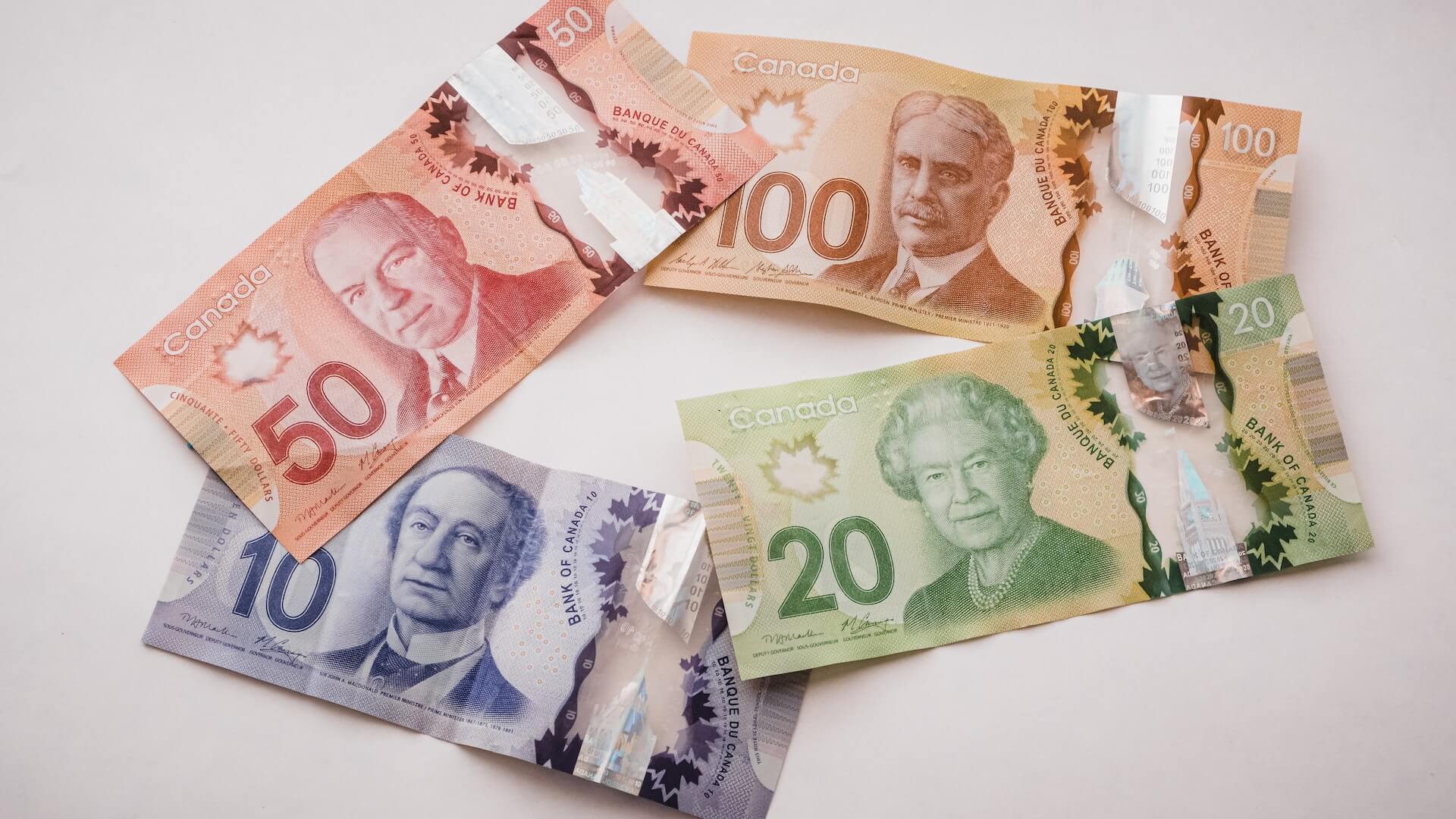
Everything is more expensive these days and both operators and consumers have their own ideas for addressing rising costs.

To gather and share insight into people’s mindsets, Restaurants Canada conducted and commissioned two surveys.

For one, the industry research and advocacy organization surveyed operators. The focus was on how much operators anticipated increasing their prices.

On the other side, Restaurants Canada commissioned Angus Reid for a survey focusing on consumers. This survey revealed potential traffic slowdowns and perceived value for money.

For your own copy of Restaurant Canada’s 2022 Foodservice Facts report, click here.

QSR vs. FSR: Consumers

As an operator, converting first-time visitors into repeat guests is paramount. Equally as important: increasing visit frequency per guest.

Of course, an immediate byproduct of rising costs is consumers pulling back and reevaluating their spending. Oftentimes, dining out is one of the first costs consumers slash in order to save money.

Therefore, operators always face the risk of reduced traffic and even losing some guests permanently when they raise prices. However, this is often a necessary risk to take to combat rising costs.

So, how dire is the situation among Canadian consumers currently? Or at least, how did they feel in Q2 of this year? Angus Reid conducted a survey of consumers to find out, and the results can be found within the 2022 Foodservice Facts report.

First, let’s look at visit frequency for QSRs and FSRs. Before we begin, 12 percent of survey respondents answer that they “don’t know for sure” if rising prices will affect their visit frequency for either QSRs or FSRs. Not helpful.

For QSRs, 19 percent of respondents say an increase in prices won’t impact their visit frequency. Thirty-six percent anticipate visiting “a little less often,” while 32 percent will visit much frequently.

As for FSRs, 16 percent of survey respondents won’t change their visit frequency. However, 37 percent anticipate visiting FSRs much less often. Nearly as many, 36 percent, will visit a bit less frequently.

Interestingly, however, is perceived value. More FSR guests believe they receive excellent or good value for their money than they do from QSRs. More QSR guests believe they receive fair, poor, or very poor value for their money.

Overall, though, 90 percent of Canadian consumers feel positive toward the value they receive from QSRs and FSRs.

QSR vs. FSR: Operators

Clearly, it’s good news that the vast majority of Canadians believe they receive good value for their money when dining out.

Nobody enjoys paying more but it appears that both QSRs and FSRs in Canada can increase their prices. At least, they can do so for now while consumers are mostly understanding about inflation.

Restaurants Canada asked QSR and FSR operators a simple but revealing question for their 2022 Foodservice Facts report. The question? How much higher do operators expect to increase their prices by the end of Q4 of this year in comparison to last year?

The majority of operators in both categories anticipate they’ll increase menu prices by more than seven percent. Twenty-seven percent of QSR operators have that expectation. That number rises to 35 percent for FSR operators.

Twenty-two percent of QSR operators anticipate raising prices five to seven percent before the end of 2022. In comparison, 32 percent of FSR operators expect to raise prices in the same range.

At the moment, Canadian consumers appear to be willing to endure these increases. However, it’s likely they expect prices to drop back to “normal” (pre-pandemic prices) or close to it sometime in 2023. That is, unless Canada slides into recession.

Image: PiggyBank on Unsplash

by David Klemt David Klemt No Comments

Restaurants in Canada: Daypart Performance

Restaurants in Canada: Daypart Performance

by David Klemt

White clock on red background

For both in-person dining and off-premise consumption, more Canadian consumers are ordering from restaurants across all dayparts.

As Restaurants Canada points out in their latest report, traffic and sales remain lower than pre-pandemic levels. However, there are reasons to be positive.

For one example, Restaurants Canada predicts 2022 sales to return to pre-pandemic levels by the end of the year. The foodservice research and advocacy organization’s 2022 Foodservice Facts report provides another positive outlook.

Just looking at Q1 of this year versus Q3, all dayparts are seeing increases in traffic.

To read more about the report and grab your own copy, follow this link.

Numbers Tell the Tale

Per Restaurants Canada, the breakfast daypart slid significantly in 2020. During that time, it fell 20 percent that year.

For the first half of this year, however, Restaurants Canada reports that breakfast traffic is just four percent lower in comparison to 2019.

On a positive note, the breakfast daypart has risen steadily from March of this year to July, or Q1 versus Q3. In fact, all dayparts have grown.

According to Restaurants Canada, 43 percent of Canadians ordered breakfast from restaurants in March 2022. That number grew to 50 percent by July of this year.

In terms of snack purchases, 55 percent of Canadian consumers made purchases from restaurants. By July, that percentage rose to 62 percent.

Continuing along, 64 percent of Canadians placed lunch orders in March. Four months later, that number had increased to 73 percent.

Per the 2022 Foodservice Facts report, a significant percentage of Canadians are placing lunch and snack orders. In fact, Restaurants Canada says that Canadians are making purchases from restaurants during those dayparts two to three times per month.

Of course, there’s one more daypart we need to discuss…

Dinner is King

By the numbers, the dinner daypart is outperforming all others in Canada.

In March of 2022, 85 percent of Canadians had placed dinner orders at restaurants. That number rose to 87 percent in April but dipped to 86 percent in May.

However, dinner saw growth again in June and July, rising to 88 and then 89 percent, respectively.

As the numbers show, dinner orders are outpacing lunch orders 14 percent. Snacks are being outpaced by dinner by nearly 30 percent. Of all dayparts, breakfast is the weakest.

In fact, dinner outperforms breakfast by nearly 40 points. This makes sense when we consider the work-from-home effect.

More people working from home means, in theory, many less people commuting to work. Restaurants that once saw great breakfast daypart traffic are seeing a significant dropoff. Less people commuting means less people popping into a restaurant for breakfast.

It appears that instead, people are clocking in, working until break time, and then going to get a snack. And when lunch rolls around, why not place an order for lunch?

Naturally, after working all day, people are tired or eager to meet up with friends and family to socialize and decompress. So, dinner ruling the daypart roost makes complete sense.

In other words, operators looking to streamline should consider this Restaurants Canada data. The dayparts that require the most labor currently are lunch and dinner, so operators should plan accordingly if that’s viable for their business.

Image: CHUTTERSNAP on Unsplash

by David Klemt David Klemt No Comments

2022 World’s 50 Best Bars: 51-100

2022 World’s 50 Best Bars: 51-100

by David Klemt

Closeup of bartender's hand pouring shot

As we approach the ceremony to announce the 2022 World’s 50 Best Bars we now know which bars across the globe are on the 51 to 100 list.

It’s crucial to keep in mind that these are 50 of the most impressive bars not just in the US, not just in Canada, and not just in North America. Rather, these are among the absolute best bars in the world.

Of particular note, Singapore continues to prove itself as a dominant cocktail destination. There are eight bars on the 2022 51 to 100 list, and I predict that at least three more from Singapore will appear on the 1 to 50 list.

Also, the UK and Cape Town each claim four spots among the best 51 to 100 bars, and Paris boasts three. Operators, bar professionals, and tourists should keep their eyes on Cape Town as it continues to transform into a cocktail hot spot.

Among the 51 to 100 list, four are from the US and, sadly, none are in Canada. Overall, 15 bars on this list are new entries, as are five of the cities represented.

1 to 50: One Week Away

Of course, this leaves us all with a few important questions.

When will we find out about bars 1 through 50? Which bars are on that list? And which bar will be number one this year?

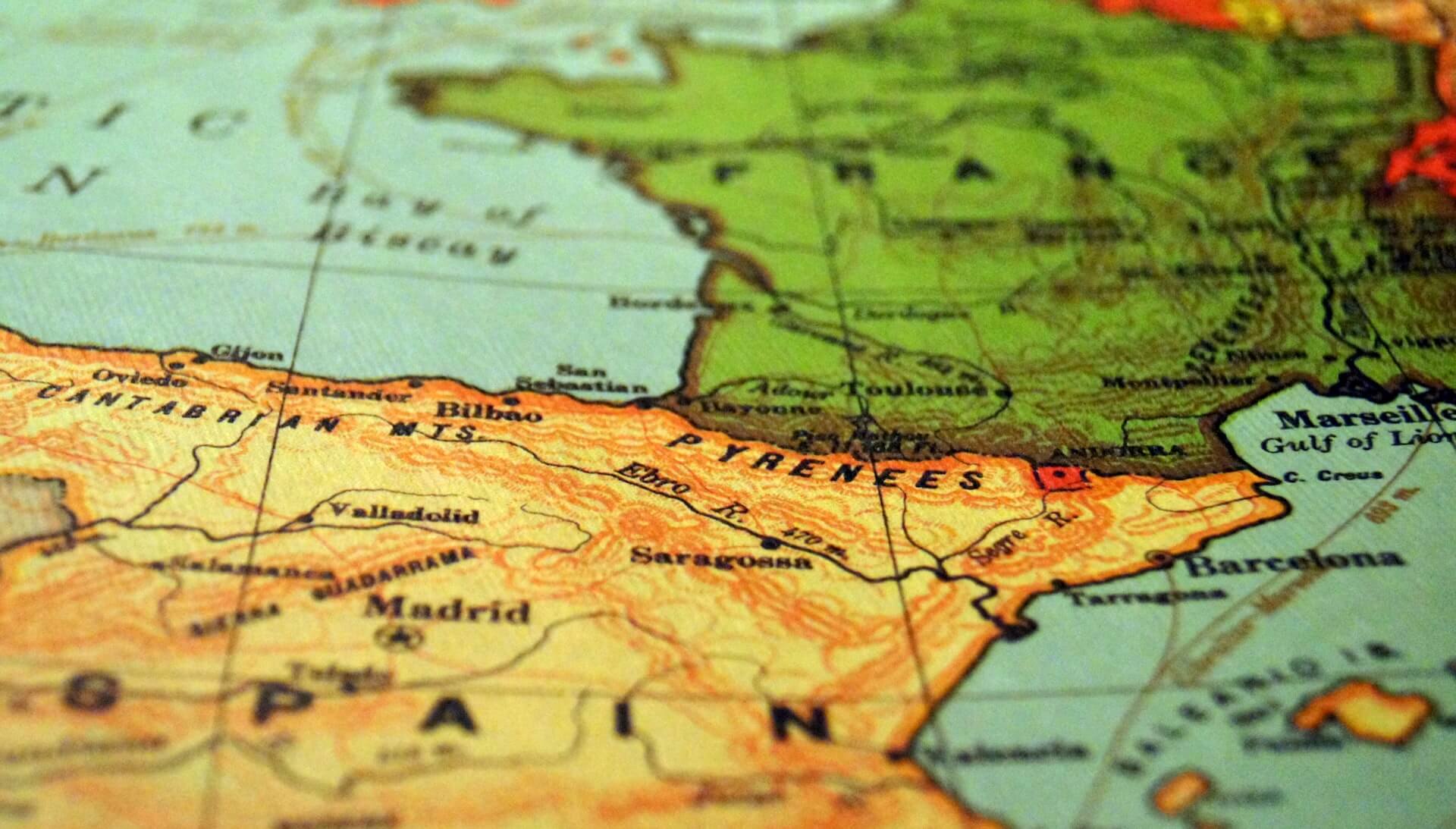
Well, I can answer one of those questions for you. A week from now, October 4, the World’s 50 Best Bars will announce the top 50 bars in the world during a ceremony in Barcelona, Spain.

To learn more about the World’s 50 Best Bars and this year’s ceremony, listen to Bar Hacks episode 82 with Mark Sansom. Also, make sure you’re following the World’s 50 Best Bars on Twitter and Instagram.

For now, scroll down to check out bars 51 to 100. Congratulations to the bars below!

The World’s 50 Best Bars 2022: 100 to 51

  1. Sin + Tax (Johannesburg)
  2. Tesouro (Goa)
  3. Zapote Bar (Playa del Carmen)
  4. Tag (Kraków)
  5. The Dead Rabbit (New York)
  6. The Bamboo Bar (Bangkok)
  7. Sweet Liberty (Miami)
  8. Mace (New York)
  9. The House of Machines (Cape Town)
  10. Antique American Bar (Bratislava)
  11. Republic (Singapore)
  12. Donovan Bar (London)
  13. Art of Duplicity (Cape Town)
  14. Re (Sydney)
  15. Freni e Frizioni (Rome)
  16. Danico (Paris)
  17. Le Syndicat (Paris)
  18. Bar Goto (New York)
  19. Indulge Experimental Bistro (Taipei)
  20. Lost & Found (Nicosia)
  21. Dead End Paradise (Beirut)
  22. Vesper (Bangkok)
  23. Röda Huset (Stockholm)
  24. The Court (Rome)
  25. Candelaria (Paris)
  26. Side Hustle (London)
  27. Nutmeg & Clove (Singapore)
  28. Camparino in Galleria (Milan)
  29. Three Sheets (London)
  30. Tjoget (Stockholm)
  31. La Sala de Laura (Bogotá)
  32. No Sleep Club (Singapore)
  33. Hero Bar (Nairobi)
  34. Atlas (Singapore)
  35. El Barón (Cartagena)
  36. Analogue (Singapore)
  37. Brujas (Mexico City)
  38. The SG Club (Tokyo)
  39. Tan Tan (São Paulo)
  40. Presidente (Buenos Aires)
  41. Caretaker’s Cottage (Melbourne)
  42. Schofield’s (Manchester)
  43. Mimi Kakushi (Dubai)
  44.  MO Bar (Singapore)
  45. Quinary (Hong Kong)
  46. 28 HongKong Street (Singapore)
  47. La Factoría (Old San Juan)
  48. Cause Effect Cocktail Kitchen (Cape Town)
  49. Barro Negro (Athens)
  50. Sago House (Singapore)

Image: Louis Hansel on Unsplash

by David Klemt David Klemt No Comments

Canada’s Restaurant Labor by the Numbers

Canada’s Restaurant Labor by the Numbers

by David Klemt

Chef inside commercial kitchen

While there are positive signs for Canada’s foodservice industry, recruiting and retaining labor continues to be a challenge.

Unfortunately, this isn’t a challenge unique to Canada. Operators throughout North America and indeed across the globe are facing labor shortages.

Restaurants Canada addresses this topic in their 2022 Foodservice Facts report. The non-profit research and advocacy group predicts sales will reach pre-pandemic levels by Q4 of this year.

However, restaurants, bars, and nightclubs may have to achieve traffic and revenue growth despite a significant labor deficit.

Please click here to access the 2022 Foodservice Facts report yourself.

Labor Shortage by Category

In their latest report, Restaurants Canada crunches the numbers for three distinct venue categories. These are quick-serve restaurants, full-service restaurants, and bars and nightclubs.

The organization finds that QSRs and FSRs are facing the greatest shortages. In fact, in response to a survey from May of this year, at least half of QSRs and FSRs aren’t operating with fulls staffs.

For QSRs, 52 percent of respondents say they perceive restaurants and bars they’ve visited to be understaffed. A bit over a third (36 percent) think staffing is “about right.” Unhelpfully, 12 percent “don’t know” if restaurants and bars have enough staff.

So, let’s switch gears to FSRs. Precisely half of survey respondends say restaurants and bars don’t have enough staff. Just like their QSR counterparts, 36 percent say that staffing seems to be at the ideal level. Fourteen percent respond that they “don’t know,” which doesn’t tell us much.

Per Canadians who responded to Restaurants Canada’s survey, bars and nightclubs are fairing better…at first. Frustratingly, a staggering 37 percent of respondents “don’t know” if bars or nightclubs have appropriate levels of staffing. Thirty-two percent think they’re understaffed, 31 percent think staffing levels are “about right.”

Industry professionals are probably already putting two and two together here. As long as guests receive the level of service they expect, from greeting to speed of service, to closing out their check, they think things are fine. If they’re made to wait longer than they want, they’ll likely say a restaurant, bar or nightclub doesn’t have enough people on shift.

Labor Shortage by Role

Okay, so the May 2022 Restaurants Canada wasn’t entirely helpful. It still provides interesting insight. That is, we know how guests perceive staffing in at least most instances.

So, let’s get down to hard numbers: shortages in specific roles throughout the industry.

Here, Restaurants Canada provides compelling information, even if it’s not what we want to see. In comparison to 2019, every role is down by thousands of people. In some cases, tens of thousands.

Below you’ll find the deficits by role:

  • Foodservice supervisors: -3,100
  • Chefs: -10,900
  • Bartenders: -17,600
  • Maîtres d’hôtel and hosts/hostesses: -21,100
  • Restaurant and foodservice managers: -22,400
  • Food counter attendants, kitchen helpers, and related support occupations: -43,200
  • Cooks: -44,400
  • F&B servers: -89,500
  • Other: -18,800

Add that up and that’s a shortage of 271,000 people throughout Canada’s foodservice industry. For further context, the industry boasted 1,265,700 workers. In 2021, the industry was down to 994,700.

Unfortunately, from 2020 to 2021, just 4,100 jobs were recovered, according to Restaurants Canada. This situation clearly shows that operators need to change their approach to staffing.

Now, more than ever, operators must focus on effective recruitment, onboarding, and retention. For tips on making improvements, click here. To learn how to implement employee surveys to boost retention and avoid costly turnover, click here.

Image: Brian Tromp on Unsplash

by David Klemt David Klemt No Comments

Restaurants Canada Reveals Pandemic Impact

Two Years On, Restaurants Canada Reveals Pandemic Impact

by David Klemt

Canon accounting calculator

Restaurants Canada looks at the impact of the pandemic on the foodservice industry in their latest Foodservice Facts report.

Canada’s foodservice industry research and advocacy non-profit sees a return to pre-pandemic operations. However, the path forward toward pre-pandemic traffic and sales levels won’t be without its challenges.

“While nominal sales are expected to return to pre-pandemic levels before the end of the year, traffic still remains below what it was before,” says Restaurants Canada president and CEO Christian Buhagiar.

To access your own copy of 2022 Foodservice Facts, click here.

Industry Still Struggling

As an owner, operator, or foodservice professional, you probably have the answer to a specific question in mind.

When will we be “back to normal?” And, of course, the natural followup to that question. Will the industry surpass 2019 traffic and sales?

Restaurants and bars throughout Canada have survived six waves of Covid-19 over the course of two-plus years. There have been an inordinate amount of lockdowns that inarguably forced the permanent closure of far too many businesses.

As Restaurants Canada states (and the rest of us know all too well), there’s no telling if another Covid-19 variant will rear its ugly head. It’s conceivable (but with any luck unlikely) that Canada could face future lockdowns.

At the moment, according to Restaurants Canada, foodservice sales are currently 11 percent below 2019 levels. And yes, that’s after adjustment for inflation. Speaking of which, one reason traffic and sales remain below those of 2019 is consumer confidence. Many Canadians are concerned about a possible recession.

In addition, operators in Canada continue to face a labor shortage.

News Not All Bad

Now, anyone who read the previous section would be justified in lacking confidence in the industry. However, there is good news.

First, let’s compare Q1 of 2022 to Q2. Per Restaurants Canada, just 15 percent of restaurants were able to seat guests with zero restrictions. By April, though, approximately 90 percent of restaurants in Canada could serve in-person guests restriction-free.

Second, Q2 had more positivity in store for operators. According to Restaurants Canada, the FSR segment endured an 18-month decline in traffic when Covid-19 took hold. When restrictions were lifted, the floodgates of consumer demand burst. By Q2, traffic was a mere one percent lower in comparison to 2019.

Going a bit granular, QSR performance also improved in Q2. Per Restaurants Canada, QSR traffic lagged eight percent behind pre-pandemic levels. However, that number improved to just two percent under pre-pandemic levels by Q2.

Compellingly, Q2 still wasn’t done with foodservice industry positivity. While QSRs outpaced FSRs three-fold in terms of traffic, their numbers combined bring the industry back to 2019 Q2 levels.

Restaurant Canada’s positive outlook predicts that the industry will return to pre-pandemic levels by Q4.

Image: StellrWeb on Unsplash

by David Klemt David Klemt No Comments

Will Virtual Kitchens Persist?

Will Virtual Kitchens Persist or Go Brick-and-Mortar?

by David Klemt

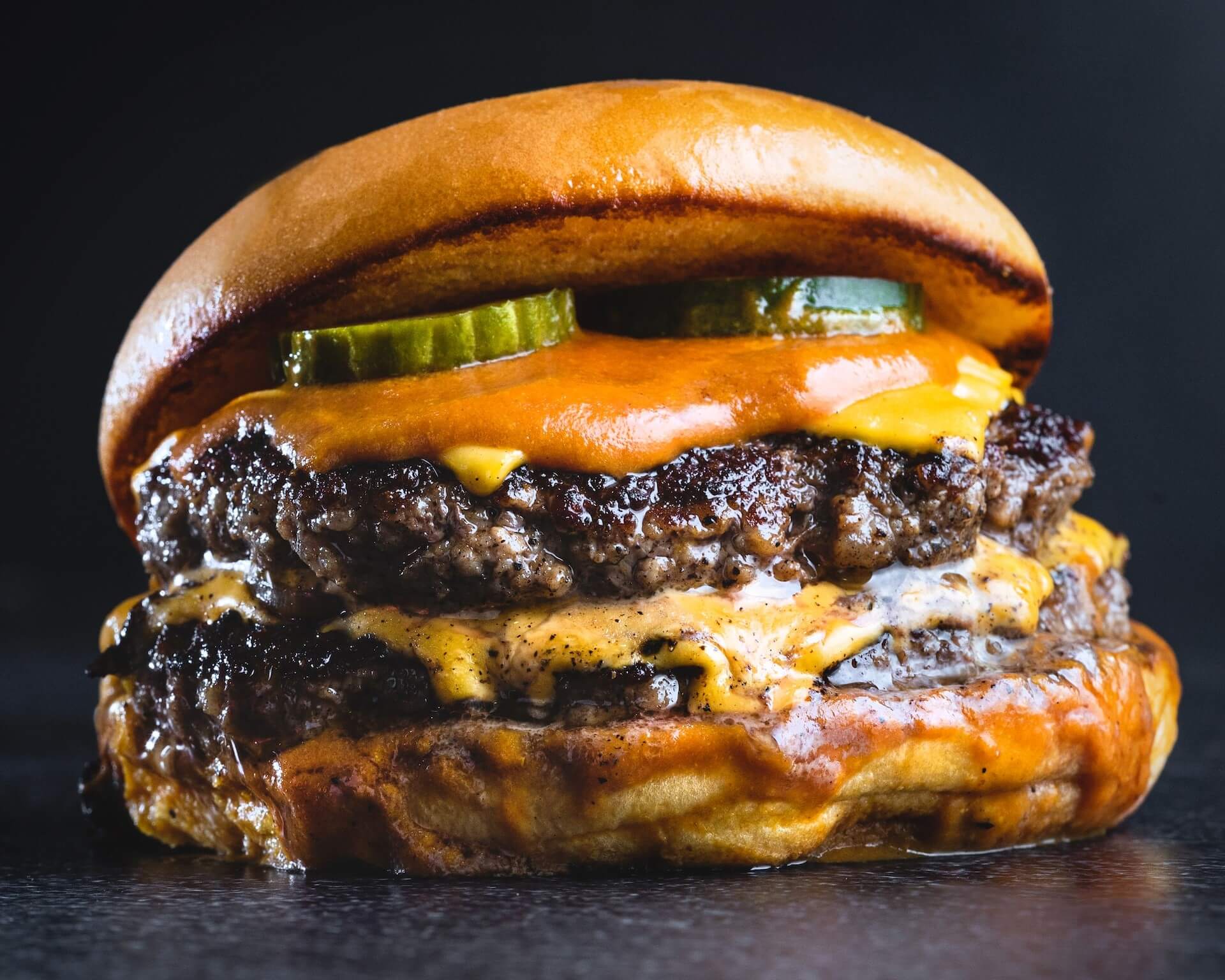
Closeup shot of double cheeseburger

Virtual kitchens and virtual brands are back in the headlines after a record-setting grand opening in Rutherford, New Jersey.

Well, I should clarify: A restaurant may now hold a specific record.

The restaurant in question is the first brick-and-mortar MrBeast Burger location. And the record it may hold claim to is most burgers sold in a single day by a single restaurant.


View this post on Instagram


A post shared by MrBeast Burger (@mrbeastburger)

Now, if you don’t spend much time on YouTube, you may not know MrBeast. So, here’s a quick rundown: He’s Jimmy Donaldson, a YouTube personality known for “expensive stunts.” In fact, he may be the pioneer of that type of content.

Right about now you may be wondering what this all has to do with virtual kitchens and brands. It’s quite simple, really. MrBeast was among the highest-profile virtual brands to launch during the pandemic.

Incredibly, MrBeast Burger boasts more than 1,700 virtual kitchen locations. And now, one brick-and-mortar MrBeast restaurant.

Leveraging Demand and Popularity

So, you’re an influential YouTube content creator with tens of millions of subscribers. Obviously, your channel is monetized. What else can you do to leverage your popularity?

Well, if there’s a pandemic crippling the globe and people are stuck at home, maybe you notice the demand for takeout and delivery. And perhaps you learn about something known as a “virtual kitchen.”

If you’re a foodie or maybe just a savvy businessperson, maybe you’d jump into the virtual space. It is, it goes without saying, much less expensive than opening your own restaurant. And if you perform well, that’s an excellent way to collect data and guest feedback.

Also, an efficient way to hone your brand without a lease, buildout or the overhead of a physical restaurant. In a way, a virtual brand is akin to a pop-up restaurant, only you can test hundreds of markets simultaneously.

Okay, so now let’s say you reach a rare milestone in the creator space: 100 million subscribers. MrBeast did just that in July of this year. Do you think you’d want to leverage the support of millions of fans willing to support you and your brand?

The first physical MrBeast Burger opened last week at the American Dream mall in New Jersey. Reports claim that over 10,000 people waited in line for the grand opening.

Oh, and that’s when the location may have claimed the aforementioned record: 5,500 burgers sold in one day. After just one day of operation, MrBeast wondered if the brand should franchise:

Virtual to Physical

This (potential) record-setting event brings virtual kitchens and brands back into the spotlight.

Of course, most virtual brands don’t have the same origin story as MrBeast. One hundred million supporters? That’s rarified air.

At any rate, virtual kitchens do offer potential physical restaurant operators a less expensive method of testing their concepts. Couple data collection and feedback with an accurate feasibility study and taking the next step may make sense. And it may make a tidy profit.

It’s possible we’ll see MrBeast franchise off the success of two years of operating virtually and opening a physical location. And it’s possible we’ll see other virtual brands expand beyond the virtual kitchen.

However, it’s important that virtual brand owners keep a few things in mind. One, online success doesn’t always translate to brick-and-mortar success. Two, the restaurant space doesn’t care about your subscriber count—the KPIs are entirely different here. Three, potential operators need to perform the proper studies—or retain an agency with experience performing them—rather than rushing into the restaurant space.

It’s highly likely we’ll see more virtual brands enter the physical restaurant world. How many will do so successfully remains to be seen.

Image: Eiliv-Sonas Aceron on Unsplash

by David Klemt David Klemt No Comments

Addressing Substance Abuse in the Industry

Restaurant Business Articles Address Substance Abuse

by David Klemt

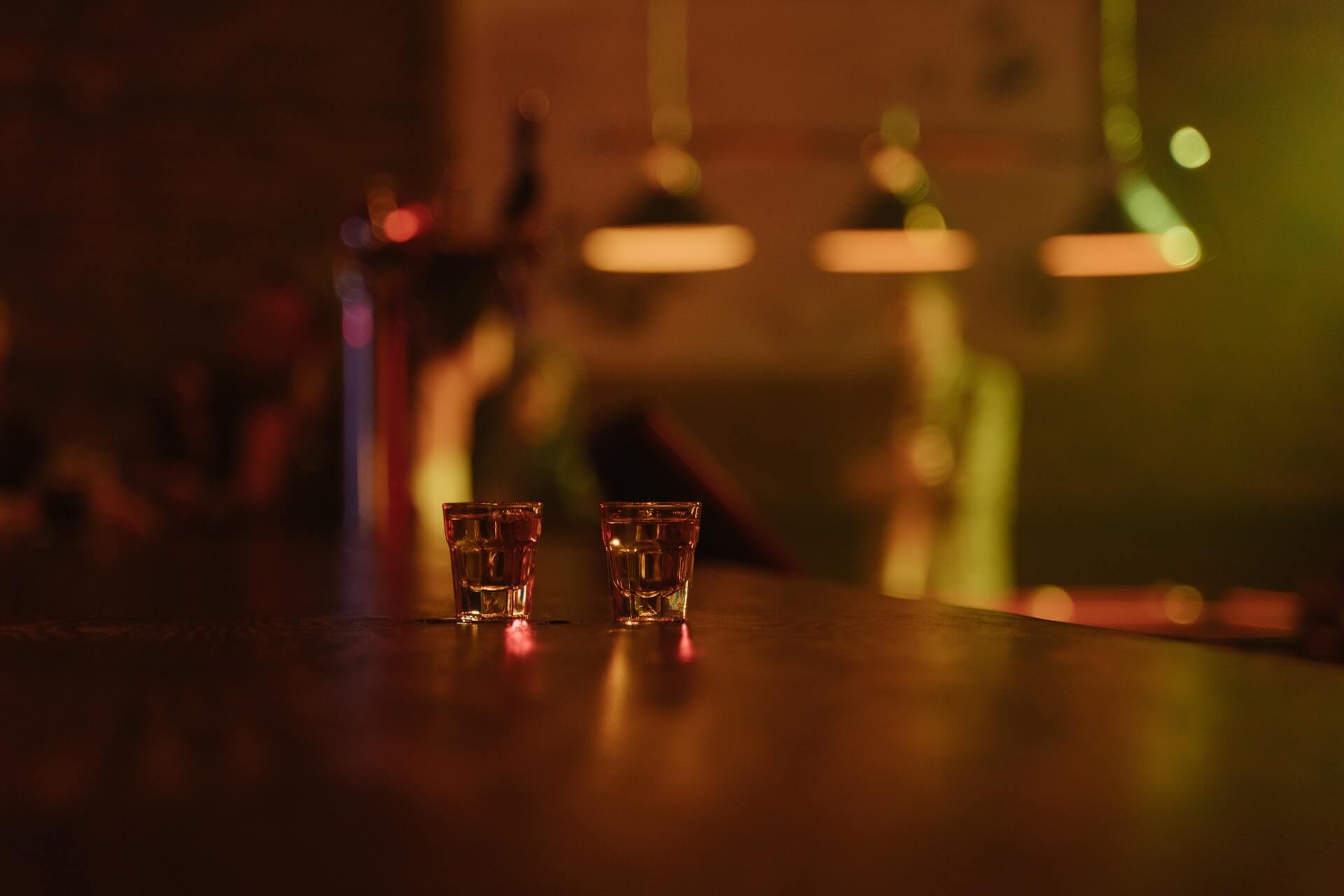
Two full shot glasses on a bar

Two revealing Restaurant Business articles paint a startling picture of the industry’s struggles with drug and alcohol abuse.

Unfortunately, the subject of substance abuse in restaurants and bars isn’t new. This has long been a pervasive, prevalent issue in the hospitality industry.

There are, as Restaurant Business authors point out, several reasons our industry continues to grapple with substance abuse.

Since we’re nearing Sober October, this topic’s importance seems particularly poignant. Of course, the health of hospitality industry professionals should always be a paramount operator concern every day. It shouldn’t take a specific month for us to address this issue, just to forget about it after 31 days of consideration.

Hospitality workers should feel supported by the business owners and operators for whom they work. Additionally, they should feel safe among the leadership team and their fellow team members. In part, this feeling of security and safety should manifest in being comfortable speaking about substance abuse in the workplace.

A significant element of creating a supportive, safe, and healthy culture is removing the stigma of struggling with substance abuse that persists today. How can operators, leadership, and team members help one another if they make peers feel shame for struggling with drugs or alcohol?

A crucial step toward addressing the issue of substance abuse is fostering a culture of respect, support, and safety. If anyone in any role—from ownership and leadership to front of house and back of house—feels as though they can’t speak with someone safely about their struggles, we can’t address this topic effectively. And if we can’t address it in a meaningful way, we can never effect real change that can improve and save lives.

Pervasive Struggles

A Restaurant Business article from last week addresses substance abuse and culture. “How Restaurants Feed a Culture of Substance Abuse” reveals disturbing statistics.

At the start of their article, editors Peter Romeo, Heather Lalley and Joe Guszkowski share a horrific story. In February of this year, Colorado law enforcement found six adults and a toddler in an apartment. The six adults had all overdosed on fentanyl-laced cocaine; five had died. All six adults worked in chain or independent restaurants.

Four years ago, Delaware officials investigated the state’s opioid crisis. They found 10 percent of Delaware residents who died due to opioid overdoses were foodservice workers. According to Restaurant Business, state officials concluded that foodservice experienced a higher rate of opioid deaths than any other industry.

Among the most-shocking revelations in the Restaurant Business article pertains to the US workforce as a whole. Frustratingly, the US government hasn’t researched illicit drug use in the workforce since 2015. So, for all we know, the numbers I’m about to share have either increased or decreased.

In a typical month in 2015, 8.6 percent of the US workforce was using illicit drugs. However, that number pales in comparison to the rate of illicit drug use among restaurant and hotel workers: 19.1 percent.

Examining Substance Use Disease (SUD), a term encompassing drug and alcohol abuse, the numbers expose the weight of our industry’s struggle. In 2015, 9.5 percent of the US workforce suffered from SUD. For restaurants and hotels? That number was nearly double: 16.9 percent, higher than any other industry.

Fentanyl Deaths

Restaurant Business Editor-in-Chief Jonathan Maze reveals how “restaurants are ground zero” for fentanyl overdoses.

Fentanyl is cheap to produce and transport. It doesn’t take much to be deadly. And most people who have the misfortune of consuming it do so unwittingly. As it turns out, drug dealers lace all manner of other drugs with it because it’s so powerful. So, cutting drugs with fentanyl is more “cost effective” for drug dealers.

This particular excerpt from Maze’s “As Fentanyl Deaths Soar, Restaurants Are Ground Zero” is startling: “Throughout the country, restaurants and bars are such common places for overdose deaths among customers that advocates are training bartenders and servers to administer Narcan, a medication used to treat opioid overdoses. They are also becoming sources for fentanyl test strips so customers can see if the drugs they’re taking are laced with the powerful drug.”

Further, this troubling excerpt: “The fentanyl epidemic is particularly troublesome in the restaurant industry given the generally high rate of drug use among workers. Restaurant work is notoriously intense. The hours are long and late, and employees are on their feet all day. They often get hurt on the job and can turn to painkillers, legal or otherwise.”

When I say that we need to address substance abuse in our industry to save lives, I’m not employing hyperbole. I mean it quite literally.

Please take the time to read these two Restaurant Business articles in their entirety. We need to take action today.

Image: cottonbro via Pexels

by David Klemt David Klemt No Comments

Swipe Fees Cost Over $77 Billion in 2021

Swipe Fees Cost Merchants Over $77 Billion in 2021

by David Klemt

Close up of stack of credit cards

A bill that intends to lower the credit card fees merchants pay by creating more competition within the industry is before Congress.

This bill, the Credit Card Competition Act of 2022, has bipartisan support. The two sponsors behind it are Sens. Richard Durbin (D-IL) and Richard Marshall (R-KS).

Of particular note, the bill seeks to amend the Electronic Fund Transfer Act. Specifically, the amendment targets the networks that merchants use to process electronic credit card transactions.

In short, banks that issue credit cards would have to merchants at least two processing networks. According to experts in this space, the bill prohibits banks from making those networks Visa and MasterCard.

Billions in Fees

So, why are Visa and MasterCard in the crosshairs of this bill?

According to the Merchants Payments Coalition (MPC), Visa and MasterCard control 87 percent of credit (and debit) card markets. Per the MPC, Visa and MasterCard account for about 576 million credit cards.

In the U.S. alone, transactions amounted to $3.49 trillion in 2021. Eye-wateringly, those transactions were accompanied by $77.48 billion in merchant fees for the two processing behemoths in the same year.

For additional context, Visa and MasterCard swipe fees totaled $61.6 billion in 2020. That represents an increase of 137 percent over the decade prior. Adding the merchant fees for all cards, the 2020 total was $110.3 billion, which is an increase of 70 percent from the previous ten years.

As veteran operators are well aware, swipe fees are among the highest costs for restaurants and bars.

Merchants Payments Coalition Sends Letter to Congress

Compellingly, the MPC is urging Congress to investigate the Visa-MasterCard duopoly. In their view, the two processors’ dominance is stifling competition; harming business owners and consumers; and contributing to inflation.

“The two giant card networks and their partner mega-banks routinely use their market power to stifle competition and charge merchants the highest swipe fees in the industrialized world,” reads the MPC’s letter to Congress.

Further, the letter states, “It is difficult to imagine any other market in the U.S. economy in which two entities set prices for thousands of businesses that should be competitors. That lack of competition or downward pricing pressure has resulted in out-of-control swipe fees and increases inflation throughout the economy.”

The MPC is urging Congress to act quickly and effectively: “It is crucial for Congress to act swiftly and implement real reforms to bring true competition, transparency and equity to the U.S. payments market.”

National Restaurant Association Supports the Bill

Interestingly, the National Restaurant Association says they’re working with the MPC.

The NRA is also working with other organizations to drum up support for the the Credit Card Competition Act of 2022.

You can read about their support for the bill on their website. Additionally, you can tell Congress to pass the bill here. As it stands currently, no action beyond the bill’s introduction to the Senate on July 28 has taken place.

Image: Pixabay

by David Klemt David Klemt No Comments

7 Awesome Whiskey Podcasts

7 Awesome Whiskey Podcasts

by David Klemt

Gold microphone and headphones

Our National Bourbon Heritage Month celebration and inspiration continues with a roundup of seven of the best whiskey podcasts.

Of course we want you to listen to Bar Hacks for education, inspiration, and entertainment. However, we know it isn’t the only podcast you listen to.

Below you’ll find several whiskey-centric podcasts. These are absolutely some of the best podcasts out there if you’re seeking bourbon and whiskey knowledge.

So, after you catch up to your Bar Hacks listening, work the shows below into your rotation.

Cheers!

Whiskey Lore

As regular KRG Hospitality readers and newsletter subscribers know, we love diving into history and myths. When we’re researching a spirit, cocktail, or other beverage, we tend to find more fiction than fact. Of course, the facts are also just as interesting to us, so it’s a win-win for us and you.

So, it makes sense then that we’re kicking things off with Whiskey Lore. We love the rich and compelling stories that weave the intricate story of our industry. As it turns out, so does the Whiskey Lore podcast. Currently, the podcast is digging into the history and lore of Irish whiskey.

Latest episode: Irish Whiskey Pt. 5: The Lore of the River Boyne; Marrowbone Lane; Finding Old Irish Pure Pot Still

Bourbon & Banter

Honestly, I don’t know that I can describe the Bourbon & Banter podcast any better than the minds behind the show:

“Are you seeking a bourbon podcast that will educate and entertain you without the extra bloat associated with kissing a brand’s ass in search of advertising revenue or free samples? If so, welcome home my friend… In all seriousness though, give us a listen and you’ll find that we’re honest to a fault. You won’t find us pulling any punches when it comes to new bourbon reviews or when we explore the latest industry news and consumer trends.”

Latest episode: The Doctor is In – Bourbon & Banter Podcast Special Episode

The Fred Minnick Show

If you’re a whiskey lover and don’t know the name Fred Minnick, I would find that shocking. While not always a straight-up whiskey-only podcast, the Fred Minnick Show format is compelling. Rather than focus solely on reviewing whiskey, whiskey news, and interviews with industry experts, Fred also chats with guests about a wide range of topics.

Latest episode: What’s Up With Tom Brady? NFL Network’s Mike Garafolo Returns to Talk Quarterbacks | Russell’s Reserve 6 Year

WhiskyCast

The WhiskyCast podcast has been going strong since 2005. That makes this the world’s longest-running whiskey podcast. With 17 years’ worth of podcast goodness to listen to, you’ll never be without something whisky-focused to listen to and learn from. Their most current episoide is number 966, which is just staggeringly impressive.

Latest episode: Brother’s Bond: A Bourbon “Bromance”

Bourbon Lens

With nearly 200 episodes available, Bourbon Lens is delving deep into everything bourbon. However, they also discuss other types of whiskey through conversations with founders, blenders, and other industry experts. This is a must-listen podcast for whiskey lovers.

Latest episode: Off Hours with Bourbon Lens Episode 10: Sam Montgomery from Bardstown Bourbon Co.

Bourbon Pursuit

According to the show itself, Bourbon Pursuit is “the official podcast of bourbon.” With episodes going live every few days you’ll never be without something to listen to with this podcast. Bourbon news, bourbon reviews, bourbon interviews… Bourbon Pursuit may truly be the official pod of bourbon.

Latest episode: TWiB: Kentucky Bourbon Benefit Raises $1.4M, Little Book Series Launches “To The Finish”, Four Roses 2022 Limited Edition Small Batch

Dads Drinking Bourbon

The hosts of Dads Drinking Bourbon want you to #rethinkhowyoudrink. With this podcast you’ll get to hear blind tastings, side-by-side reviews, and interviews with people in the industry. While the hosts don’t claim to be experts, they do an excellent job providing listeners with useful information. As they say themselves, “At the end of the day, we know you just want to know if the whiskey is worth spending any money on.” Also, congratulations to the Dads Drinking Bourbon team on their 400th episode!

Latest episode: Review: IT’S OUR 400TH EPISODE! And we drink Barrell Batch 33

Image: Andrzej Nowak from Pixabay

by David Klemt David Klemt No Comments

3 Bar Hacks Episodes for Sober October

3 Bar Hacks Episodes for Sober October

by David Klemt

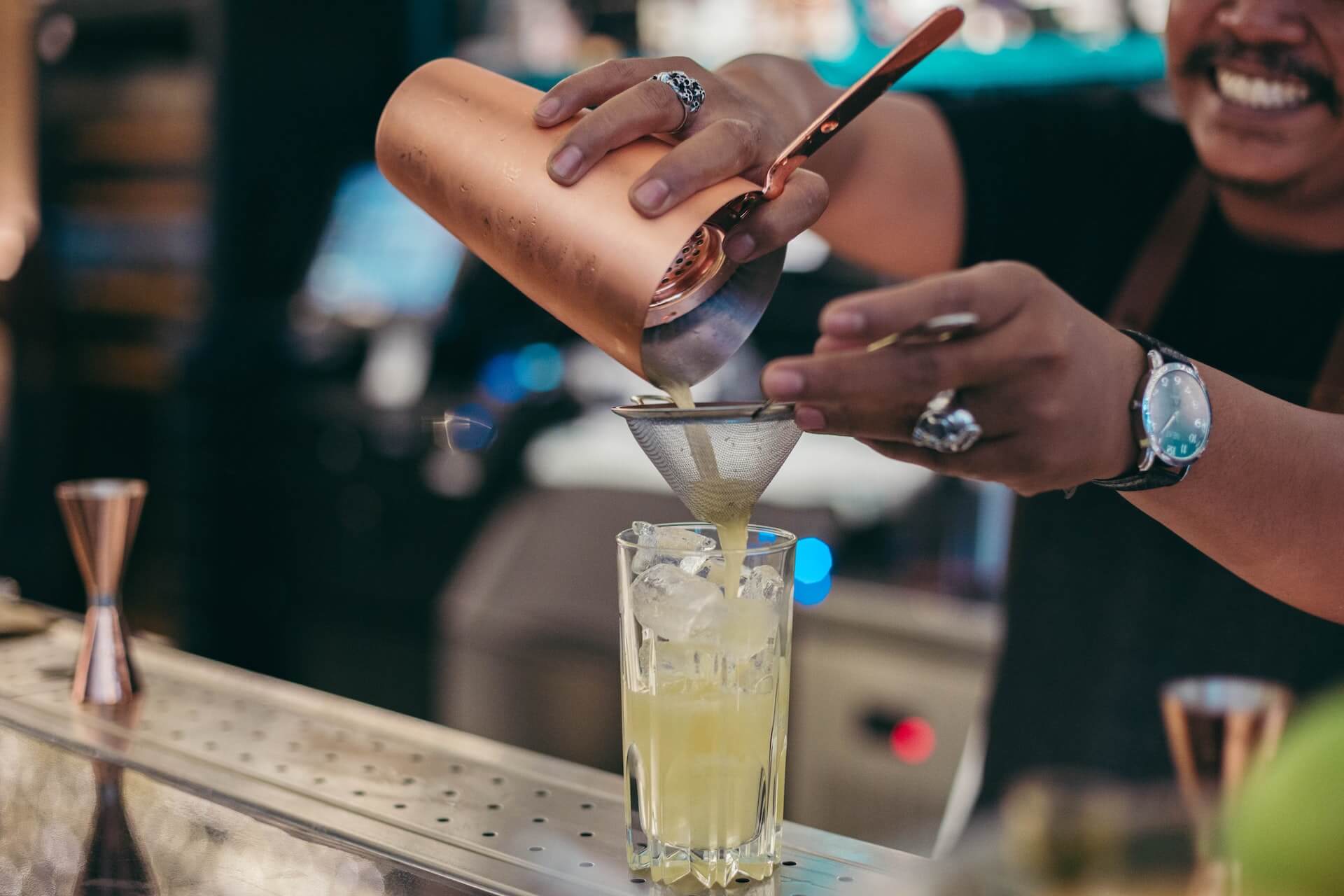
Bartender straining cocktail

We’re just two weeks away from Sober October so here are three Bar Hacks podcast episodes to get you ready for this important month.

Over the course of 100-plus episodes we’ve spoken with a handful of non-alcohol brands. These, along with other alcohol-free brands, should be on your radar.

In fact, they deserve spots on your backbar and placement on your menus. The latest estimate is that around 40 percent of Americans don’t consume alcohol. In Canada that number is roughly 33 percent.

However, those numbers don’t paint a complete picture. Over the past few years there has been increasing interest in “sober curiosity.” In this movement, people abstain from drinking alcohol from time to time rather than abstaining permanently.

Now, we tend to associate the month of January with sobriety, either permanent or temporary. Clearly, however, October is also a month where people choose to not imbibe.

The Sober Guest Experience

The following should go without saying but let’s cover it anyway. Some sober people do, in fact, spend time in bars and nightclubs.

Just as that should go without saying, so should this: Your sober guests deserve every bit as great an experience as guests who are drinking alcohol.

Moreover, sober guests deserve a guest experience free of discomfort or isolation. In short, you should seamlessly provide the same level of service at the bar to sober guests as those who enjoy alcohol.

No, it’s not enough to menu water, sugary sodas, lemonade, and tea. Sober guests should be comfortable coming to your bar. Like guests who consume alcohol, sober guests should be able to order a drink that doesn’t make them feel different or singled out.

So, put quality non-alcohol beers on your menu. Create a number of signature zero-proof cocktails. Serve both with the same attention to detail as presentation as their full-alcohol counterparts.

“I’m a professional, I want to create,” says Paul Mathew, founder of alcohol-free aperitif brand Everleaf and Bar Hacks guest. “I want to do something I’m proud of.”

Approach your alcohol-free program the same way as Mathew, a bartender and operator himself. Be professional, be creative, and be mindful of your sober guests’ experience.

Episode 28 with Tim Rita

Lyre’s Spirits crafts alcohol-free spirits that masterfully mimic their full-proof counterparts. Host David Klemt sits down with Lyre’s brand ambassador, bartender, and buddy Tim Rita to chat about the brand. In this episode you’ll learn about one of the fastest-growing brands in one of the fastest-growing beverage categories. For the alcohol-free Mai Tai mentioned on the podcast, click here.

Listen now.

Episode 31 with Ted Fleming

Ted Fleming, entrepreneur and CEO and founder of Partake Brewing, stops by the Bar Hacks podcast to talk with host David Klemt. The two discuss the founding of Partake Brewing and the importance and growth of the non-alcohol beer category. Also, how operators can succeed with non-alc, advice for entrepreneurs, and more. Visit the Partake Brewing website to learn more. Connect with Partake on InstagramTwitter and Facebook.

Click here to listen.

Episode 81 with Paul Mathew

Paul Mathew, bartender, bar owner, and founder of Everleaf, sits down with Bar Hacks podcast co-host David Klemt. In this fun and informative episode, Paul shares his journey through bartending and bar ownership, and his entry into the drinks business. Non-alcoholic aperitif brand Everleaf is the culmination of Paul’s many years as a conservationist botanist, knowledge of plants, and nearly 30 years in the bar business.

The Everleaf portfolio consists of three unique expressions and a new RTD line. Shortly, Everleaf will begin distribution throughout the United States, and there are plans for Canada and Australia in the future. To learn more, vist the Everleaf website and follow Everleaf on Instagram and Facebook.

Listen to this episode here.

Image: Jia Jia Shum on Unsplash

by David Klemt David Klemt No Comments

Pumpkin Spice Season Descends Upon Us

Pumpkin Spice Season Descends Upon Us

by David Klemt

Jack o' lantern and smoke

Once again, the unstoppable march of the spooky season is upon us, bringing with it a frightening assortment of pumpkin spice items and expectations.

In the blink of an eye, hordes will descend on your restaurant or bar. “Pumpkin spiiiiiice,” they’ll croak.

Okay, so that’s overly dramatic. For the most part, pumpkin spice season is anything but scary. And really, very few people will transform into singularly focused pumpkin spice zombies.

However, fall is nearly here. So, you do need to finalize your fall/autumn menu. Beginning in September, that really does mean considering offering at least one pumpkin spice LTO item.

Interestingly, though, pumpkin spice may not deserve its perception as the flavor of fall. According to Datassential, there are ten flavors that index high enough to give pumpkin spice a challenge for the fall throne.

What are they? Well, it just so happens that Datassential has those answers, along with a bit of useful advice.

Lord of the LTO

Recently, Datassential released “Food Industry Trend Report: 2022 Pumpkin Spice Season.” As the research firm points out, pumpkin spice seems to be encroaching on summer more each year.

How far away are we, I wonder, from pumpkin spice claiming summer for itself? Will we be subjected to pumpkin spice dry rubs at summer barbecues? Is some intrepid operator going to create a pumpkin spice lemonade?

Those terrifying questons aside, pumpkin spice season coming earlier means more opportunities to benefit from LTOs. Just as it seems that pumpkin spice is descending upon us earlier and earlier, it also seems to dominate the LTO space.

In fact, per Datassential research, major chains executed 174 pumpkin spice LTOs. Now, that’s still with a five-percent drop in menuing for pumpkin space over the past 12 months. Further, that number doesn’t include small, regional chains and independents who also launched pumpkin spice LTOs.

Of course, there are also other fall flavors that deserve a place on operators’ menus. And they’re perfectly cromulent as LTO drivers.

Fall Flavor Favorites

To inspire operators to create LTOs that entice consumers this fall, Datassential has identitied ten flavors on which to focus. Helpfully, they separate them into two main categories.

Top five sweet fall flavors:

  • Vietnamese cinnamon
  • Spicy ginger
  • Allspice
  • Eggnog
  • Pumpkin pie

Top five savory flavors:

  • Coconut milk
  • “Oktoberfest”
  • Mustard cream
  • Turkey gravy
  • Cranberry sauce

Personally, I can see operators and their teams needing to get creative to leverage mustard cream and turkey gravy. Interestingly, Datassential suggests a few flavors not on either list above.

According to their report, Datassential expects apple and blood orange to be popular for LTOs this year. According to the firm, apple was popular last year. When it comes to blood orange, Datassential says 38 percent of consumers like or love the flavor.

Whichever flavors you choose, Datassential has the following advice, which we co-sign: Ensure your LTOs are fresh; make sure they’re easy and quick to make; and don’t discount them. In fact, you should create premium LTOs that come with a premium price.

Image: Colton Sturgeon on Unsplash

by David Klemt David Klemt No Comments

Are You Ready for Oktoberfest 2022?

Are You Ready for Oktoberfest 2022?

by David Klemt

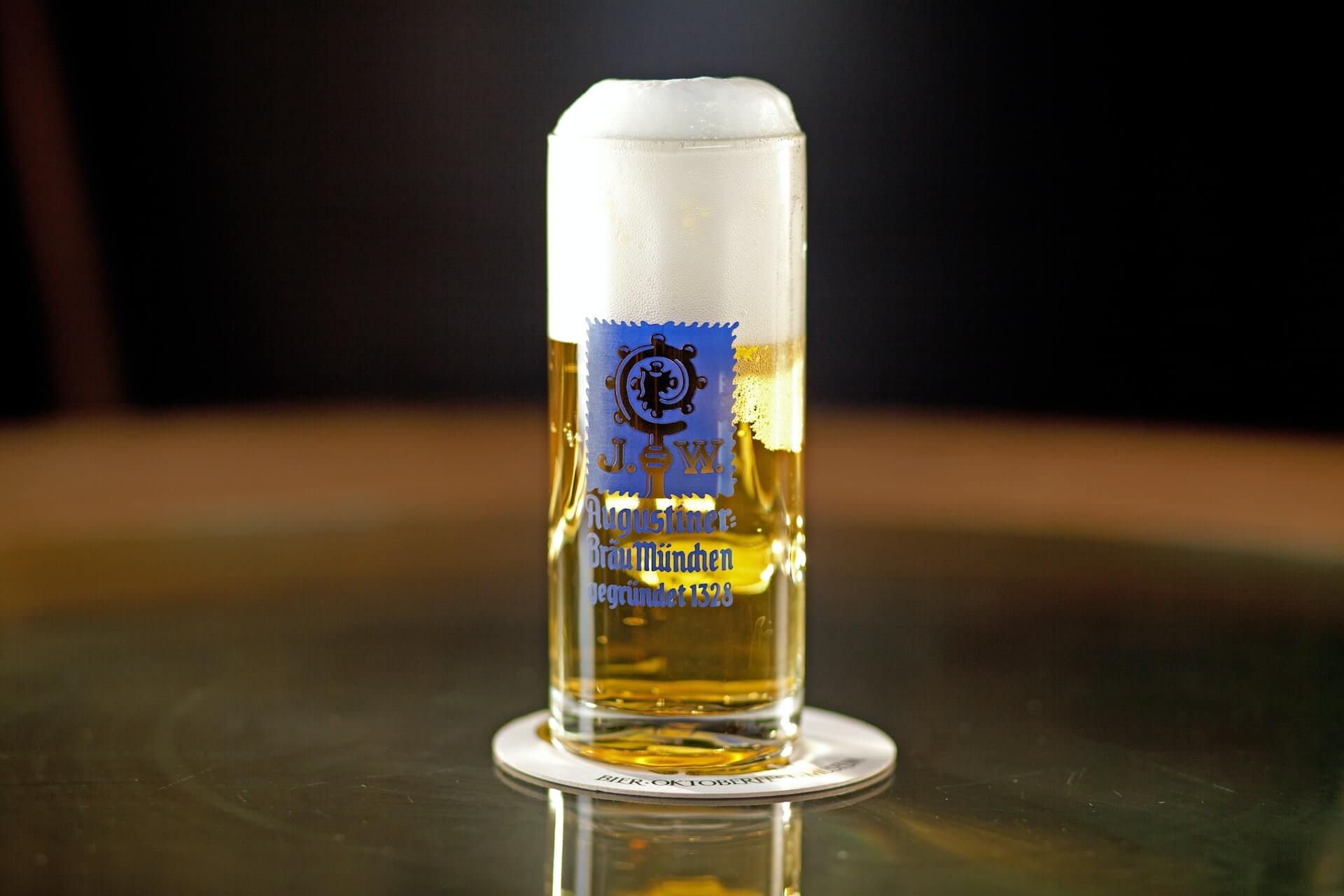
Glass of Augustiner beer

Oktoberfest, one of the single best beer events and promotions operators can program for, kicks off on September 17 and goes through October 3.

Impressively, this year represents the 187th Oktoberfest. Of course, this would be the 189th Oktoberfest if Covid-19 hadn’t forced Munich to hit pause on the celebration.

At noon Central European Summer Time, Orktoberfest will tap the first keg. Then, Munich’s Lord Mayor Dieter Reiter will declare, “O’Zapft is!” The Bavarian phrase translates to, “It is tapped!” (For you linguistics nerds out there, the phrase is, “Es ist angezapft!” in German.)

In America, that means Oktoberfest will kick off at 1 AM HAST, 2 AM AKDT, 3 AM PT, 4 AM MT, 5 AM CT, 6 AM ET or 7 AM AST.

For Canada, those times are 3 AM PT, 4 AM MT, 5 AM CT, 6 AM ET, 7:30 AM NT.

Clearly, that’s pretty early for most people to start drinking beer. But hey, if you’re in a market like Las Vegas there may be people who want to kick off Oktoberfest at your bar at 3:00 in the morning.

The Official Oktoberfest Breweries

You may have heard that there are rules about which breweries can actually be at Oktoberfest. Well, that’s not a rumor.

To clarify, just six breweries in Munich can serve beer at this world-famous event. Those six breweries are:

  • Augustiner
  • Hacker-Pschorr
  • Hofbräu
  • Löwenbräu
  • Paulaner
  • Spaten

So, why does Oktoberfest limit the event to just these breweries? Essentially, this move is to ensure that this Munich-based event remains a Munich-based event.

Luckily, it’s not too difficult for operators to get their hands on Hacker-Pschorr, Hofbräu, Löwenbräu, and Spaten. Really, it just depends on the relationship an operator has with distributors the region in which they operate.

Oktoberfest Outside of Munich

Of course, an operator need not serve only the official Munich beers to celebrate Oktoberfest wherever they’re located.

Plenty of brewers outside of Munich brew seasonal Oktoberfest (or Octoberfest, as it were) beers. For example:

  • Bell’s
  • Brooklyn Brewery
  • Founders
  • Great Lakes
  • Jack’s Abby
  • Sam Adams
  • Sierra Nevada
  • Summit Brewing
  • Warsteiner

And when it comes to food programming, the Munich event serves some delicious bites. It should go without saying that yes, the following pair well with beer:

  • Roast chicken
  • Roast pork
  • Pounded, breaded thin cuts of meat (schnitzel)
  • Sausages
  • Brats
  • Pretzels
  • Tarte flambée (flammkuchen)
  • Potato pancakes (kartoffelpuffer)
  • German potato salad
  • German “cottage fries” or fried potatoes (bratkartoffeln)
  • Sauerkraut
  • German beer cheese spread (obatzda)
  • German red cabbage (rotkohl/blaukraut)

Truly, this is an amazing time of year. Just over two weeks of great beer and delicious comfort food.

To learn more about this annual celebration of beer, visit the official Oktoberfest website.

Image: Kurt Liebhaeuser on Unsplash

by David Klemt David Klemt No Comments

Get to Know Grenache and Garnacha

Get to Know Grenache and Garnacha

by David Klemt

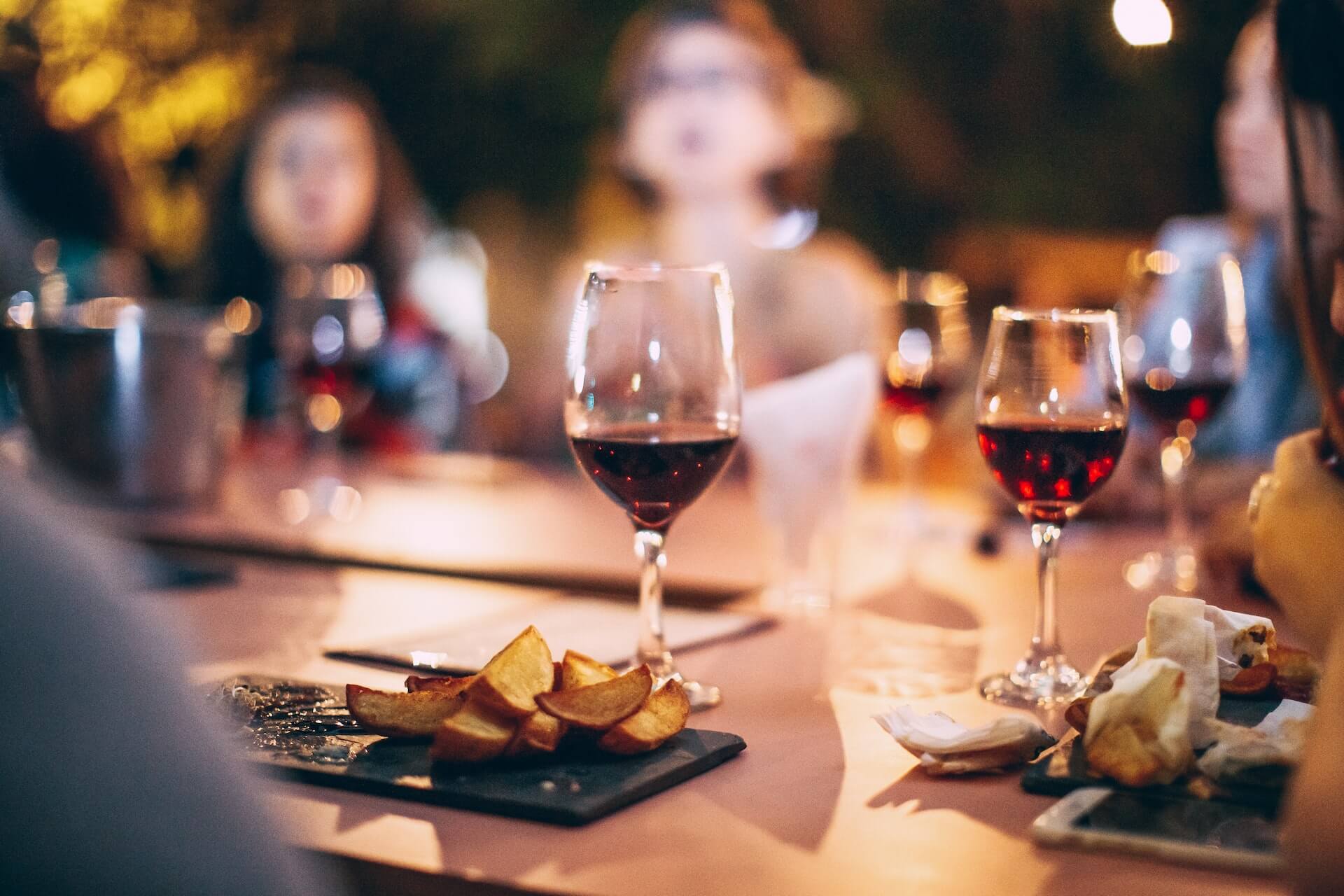
Red wine on table at a restaurant

There aren’t as many wine holidays in September as there are in August but this month we celebrate International Grenache Day.

This year, International Grenacha Day falls on September 16, a Friday. That’s excellent for operators: You can lure guests in with a wine promotion to kick off their weekend.

Of course, it will help you and your front-of-house team to know about Grenache ahead of this holiday. After all, the best way to remove wine-timidation and upsell guests is by sharing interesting information.

To that end you’ll find pertinent information about Grenache that will help you and your team succeed with this red wine.

Grenache 101

Reiterating a crucial detail from above, Grenache is a red wine varietal. Additionally, it’s one of the most widely grown grapes in the world.

You’ll find vineyards growing Grenache in:

  • Spain
  • France
  • Italy
  • Australia
  • USA
  • Rumors indicate a presence in China as well.

Now, you may be more familiar with another name for this varietal: Garnacha. Interestingly, it’s also known as Garnatxa in Spain. As an aside, many experts believe that’s Grenache’s country of origin.

For the most part, Grenache is a still red. However, you can find rosé and sparkling bottles as well. Grenache (or Garnacha) also has a tendency to find its way into red wine blends. Most often this is to add body and sweeten a blend’s flavor profile. There’s also Grenache Blanc, and there are fortified wines that use Grenache for sweetness.

In short, Grenache’s defining characteristics are:

  • Medium body and acidity.
  • Medium to high ABV.
  • Lighter in color than some other reds.
  • Smoke, tobacco and herbal notes in Old World versions.
  • Candied fruit, strawberry, raspberry, and black cherry in New World versions.
  • Some people detect a note of blood orange.

Succeeding with Grenache

Now, you and I both know that it won’t be enough to just throw some Grenache or Garnacha on your menu. You’ll have to make more of an effort than than.

However, it is wise to add or otherwise bottles to your menu. Equally as smart is creating a specialty LTO menu with three to four Grenache wines by the glass. Of course, bottle purchase prices should be listed as well.

With your by-the-glass and bottle LTO done, you can move to food. As you know, guests love a pairing, particularly with wine.

Below are some of the best Grenache and Garnacha food pairings:

  • Grilled meats
  • Roasted potatoes
  • Roasted vegetables
  • Garlic and herb French fries
  • Spicy dishes
  • Goat, Emmental, Camembert, Gruyère, and Colby Jack cheeses
  • Pastas in a red sauce with cheese

So, this is an excellent holiday to wow with barbecue foods or hearty Italian dishes. Oh, and never forget the cheese on a wine holiday.

Happy International Grenache Day!

Image: Helena Lopes on Unsplash

by David Klemt David Klemt No Comments

6 Bar Hacks Bourbon Episodes

6 Bar Hacks Bourbon Episodes

by David Klemt

Gold microphone and laptop

We have the honor of speaking with some of the best and most engaging people in the hospitality, foodservice, and drinks industries on the Bar Hacks podcast.

Several of our amazing guests have come on to talk about one of our favorite spirits: bourbon. To celebrate National Bourbon Heritage Month we’ve rounded up most bourbon-focused Bar Hacks episodes.

Cheers!

Episode 25

One of our favorite people in the industry—and in life in general—popped by to speak with Bar Hacks. Megan Breier is one of the most engaging, entertaining and knowledgeable educators in the hospitality and spirits industries.

In this episode, Megan explains what sets Maker’s Mark apart from other bourbons, some of the amazing activations she’s executed, Private Selection, Maker’s 101, Margie Samuels’ contributions to the brand and industry, and more. Listen now!

Episode 28

Lyre’s Spirits crafts alcohol-free spirits that masterfully mimic their full-proof counterparts. Bar Hacks co-host David Klemt sits down with Lyre’s brand ambassador, bartender and buddy Tim Rita to chat about the brand.

On episode 28 you’ll learn about one of the fastest-growing brands in one of the fastest-growing beverage categories. How is an alcohol-free brand relevant on World Whisky Day? Lyre’s makes American Malt, a zero-proof take on bourbon.

Episode 32

One of the most iconic bourbon producers is undoubtedly Woodford Reserve. So, when we were given the opportunity to speak with Woodford Reserve brand ambassador Michael Toscano we leapt at the chance.

Michael stops by to talk about the Kentucky Derby, crafting the perfect Mint Julep, maximizing the operator-brand-rep relationship, and more. Check it out now!

Episode 39

Anthony “Terry” Bohlinger, national brand ambassador for new William Grant & Sons whiskey brand Fistful of Bourbon, drops by Bar Hacks. Terry talks about launching a brand during a pandemic, representing an irreverent brand that doesn’t take itself too seriously, the hilarious videos Fistful of Bourbon created to introduce the brand, lessons learned during his journey in hospitality, and more. Listen here!

Episode 52

Lynn House, national spirits specialist and portfolio mixologist for Heaven Hill, drops by Bar Hacks to speak with host David Klemt about the second annual Old Fashioned Week.

Lynn and David also discuss bourbon, rye, hospitality, building balanced cocktails, and how trust plays a role in educating guests so you and your team can introduce them to new drinks and experiences. Listen now!

Episode 59

Whiskey expert, spirits judge, and sommelier Theo Rutherford stops by the Bar Hacks podcast to talk about Bib & Tucker Small Batch Bourbon, a prominent addition to the Deutsch Family of wine and spirits. Rutherford shares the Bib & Tucker brand story, what sets the brand apart from other bourbons, and why the 6 Year expression appeals to all categories of whiskey drinkers. He also shares tips for tasting bourbon, including how easily Bib & Tucker wins over non-whiskey drinkers.

Listen now to learn why Theo wants you to smell everything and stop swirling your whiskey at tastings.

Image: Seej Nguyen on Pexels

by David Klemt David Klemt No Comments

KRG Hospitality’s Top Bourbon Articles

KRG Hospitality’s Top Bourbon Articles

by David Klemt

Glass of bourbon whiskey next to fire

To inspire and help you program for National Bourbon Heritage Month, enjoy this roundup of our top bourbon articles.

For bourbon lovers specifically and those who appreciate whiskey in general, this is an exciting month. You can leverage that excitement throughout the month of September.

From limited time offers to pour specials and offering guests to try new bottles, National Bourbon Heritage Month is perfect for becoming a person’s go-to bourbon bar. Our resources below will help you achieve that status.

Cheers!

9 Bottles for Bourbon Heritage Month

Nine awesome bottles in three separate pricing categories. Here you’ll find bottles that retail for less than $25, several under $100, and a few that cost up to $150. Click here to read.

The 30 Days of Bourbon Challenge

In 2011, bourbon devotee and advocate Patrick Garrett founded Bourbon & Banter “to spread the Bourbon Gospel.” One way they accomplish this mission is through 30 Days of Bourbon. This challenge is simple but intriguing: Try a different bourbon every day in September. Click here to learn more.

National Bourbon Day: 2022 Trends

The history and heritage of bourbon is important. As America’s native spirit, bourbon’s history is particularly important to the nation. However, innovation and trends are crucial to the future of bourbon. In this article we examine four important 2022 bourbon trends. Click here to read.

7 Whiskeys for National Bourbon Day

Before we celebrate National Bourbon Heritage Month each year we celebrate National Bourbon Day. It’s always fun to see what new and exciting bottles are available, like these seven bottles from 2021. Click here.

8 Bottles for Bourbon Day

Of course, we’re celebrating National Bourbon Heritage Month 2022 this year. So, here are eight bottles worth checking out and adding to your inventory. Click here to review these bottles.

8 Bourbon Cocktails You Need to Know

Contrary to what some purists will tell you (whether you ask them or not), bourbon is great in a cocktail. From the ubiqutious Old Fashioned to the modern classic Billionaire, this article dives into eight bourbon cocktails you and your bar team need to know. And, of course, they’re perfect for National Bourbon Heritage Month limited time only menu. Click here to learn more.

7 Great Books About Bourbon

Sure, it’s awesome to enjoy a bourbon with friends. But what about pouring a dram of your favorite bourbon while reading about bourbon? Grab one or more of these books, pair them with a beautiful bourbon, and start expanding your whiskey knowledge today. Click here for our book recommendations.

Rabbit Hole Resources: Bourbon 101

When it comes to learning about a particular spirit, those producing them tend to know the most. So, seeking education straight from the source is a smart move. Rabbit Hole is creating, curating, and growing free bourbon resources. Have a question? They’ve got the answers, and then some. Click here.

Image: Thomas Park on Unsplash

by David Klemt David Klemt No Comments

5 Books to Read this Month: September 2022

5 Books to Read this Month: September 2022

by David Klemt

Flipping through an open book

This month’s engaging and informative book selections will help you develop next-level leadership skills and dial in your drink menu.

To review August’s book recommendations, click here.

Let’s jump in!

Your Restaurant Culture Sucks!: Stop surviving. Start thriving. Escape mediocrity

Donald Burns, the Restaurant Coach and friend of KRG Hospitality, completes his Your Restaurant Sucks! trilogy. For the third book in the self-improvement and hospitality industry leadership series, Burns tackles culture.

In Your Restaurant Culture Sucks!, Burns helps owners, operators, and leadership team members understand the importance of workplace and company culture. Instead of complaining that “nobody wants to work anymore,” look inside and find out why perhaps nobody wants to work for you. That kind of honesty helps implement real change, change that sets you apart and improves recruitment, hiring, and retention.

“All restaurants can buy from the same vendors and hire from the same labor pool. What separates the good, from the great to the outstanding is culture!”

Subtract

Sometimes changing our outlook and improving our leadership skills is about streamlining.

“We pile on ‘to-dos’ but don’t consider ‘stop-doings.’ We create incentives for good behavior, but don’t get rid of obstacles to it. We collect new-and-improved ideas, but don’t prune the outdated ones. Every day, across challenges big and small, we neglect a basic way to make things better: we don’t subtract.”

With Subtract, Leidy Klotz explains how changing how we approach solutions can be life changing. Maybe we need to stop adding and start subtracting to improve our strategies.

Cure: New Orleans Drinks and How to Mix ’Em from the Award-Winning Bar

If you travel to New Orleans and you’re in this industry, you probably make sure to include Cure on your itinerary. For more than a decade this 2018 James Beard Award winner (Outstanding Bar Program) has been integral to the city’s craft cocktail scene.

Whether you’re after a deceptively simple beer and shot or a cocktail made with a rare, allocated bourbon, Cure is there to elevate your French Quarter visit. And soon you’ll be able to bring Cure home with you, and to your restaurant or bar as well. Available now for preorder, Cure includes 100 cocktail recipes that tell the tale of NOLA from past, present, and future.

Craft Beer Design: The Design, Illustration and Branding of Contemporary Breweries

Anyone who pauses to consider beer can design knows that it’s becoming nearly as important as the liquid. With thousands of breweries all over the US alone, how does a brewer stand out? How does a small, independent craft brewer grab a potential new customer’s attention in a sea of options? In part, through their can designs. Of course the beer itself is crucial and the most important element. However, a consumer has to be motivated to try a beer before they learn how good it tastes.

Craft Beer Design dives deep into craft beer design, featuring real-world examples and interviews with the designers themselves.

Think Again: The Power of Knowing What You Don’t Know

Curiosity keeps us learning. The pursuit of knowledge keeps us sharp. Learning helps us improve ourselves, our leadership, and our operations. The belief that we’ve learned all there is to know, however, prevents us from learning to our own detriment.

Much like Subtract teaches us how to remove rather than add, Think Again proposes a new approach: unlearning and rethinking. Why do we get defensive when we’re wrong? Why are we so afraid of challenges to long-held beliefs? Admitting when we’re wrong and seeking facts is a strength, not a weakness.

Image: Mikołaj on Unsplash

by David Klemt David Klemt No Comments

Stand Out with Weird Holidays: Sept. 2022

Stand Out with Weird Holidays: September 2022

by David Klemt

Stay Weird neon sign with purple background

Want to stand out from from other restaurants and bars in your area? Then commit to keeping it weird.

Several “holidays” are set against every date on the calendar, and September is no exception. These holidays range from mainstream to “weird.”

Pay attention to the latter to raise eyebrows, carve out a niche for your restaurant or bar, and attract more guests. Why do what everyone else is already doing?

Of course, you shouldn’t try to celebrate every holiday, weird or otherwise. And this month’s list in no way includes every odd holiday.

Focus on the days that are authentic to your brand; resonate with your guests; and help you grab attention on social media.

For August’s list, click here.

September 5: Be Late for Something Day

You know what’s a great reason to be late from something? Enjoying an awesome meal or some great drinks with friends. Your bar or restaurant can provide that awesome meal and great drinks.

September 6: National Read a Book Day

As you know if you’ve been visiting KRG Hospitality throughout the week or subscribe to our newsletter, we love recommending good books. Cookbooks, cocktail books, hospitality industry history books, leadership books… We’re all about learning.

This is an excellent day to promote swapping books, recommending books, sharing books, etc.

September 8: National Ampersand Day

If there was ever a day that demands food/and or drink combos, it’s National Ampersand Day. For example, this is the perfect bar holiday to create a beer and shot limited-time offer menu.

September 13: National Positive Thinking Day

Restaurants and bars are the cornerstsones of their communities. One way operators and their teams can support their community is by ensuring they provide a positive experience.

On this day, encourage your community to stop in for a bite, a drink, a chat, and an overall happy, healthy time.

September 14: National Eat a Hoagie Day

No, hoagies aren’t weird…in Philadelphia. Everywhere else, it can sometimes be a “weird” thing to call a submarine sandwich. At any rate, guess what food you should create an LTO around on this holiday.

September 17: National Monte Cristo Day

You don’t have to agree with me, but this weird sandwich is my favorite. Sure, burgers are cool. But have you ever dipped a ham’n’cheese or turkey’n’cheese in egg, fried it, then dusted it with powdered sugar? Even weirder, have you used corn flakes as breading and then fried it? Put a few Monte Cristos on your menu to celebrate this glorious sandwich holiday.

September 22: Car Free Day

This one’s pretty simple: Encourage and incentivize your guests to use any mode of travel that isn’t a car/truck/SUV to come to your restaurant or bar. I, for one, will be opting for my motorcycle, which I don’t need to mention here but I’m going to anyway because I love it.

September 24: Innergize Day

First, a disclaimer: This isn’t a day celebrating a “performance” drink brand. Rather, Innergize Day is about relaxing and recouping. I’m sure you can see where your restaurant, bar or hotel fits in with this holiday.

September 25: National One-hit Wonder Day

This one’s simple: Commit to playing only one-hit wonders. People love nostalgia, particularly when it comes to music. Either create a playlist or hire a DJ, and if you’re feeling creative, put some themed drinks on your menu.

September 27: National Crush a Can Day

You don’t have to encourage your guests to literally crush cans to celebrate this day. Really, this is a great way to make people aware of your craft beers, RTDs, canned wines, and other canned beverages on your menu.

Image: Dan Parlante on Unsplash

by David Klemt David Klemt No Comments

Clever Ranks the Top US Retirement Cities

Clever Ranks the Top US Retirement Cities

by David Klemt

Bridge in City Park in New Orleans

Real estate brokerage Clever, known for transparency and affordability, has identified the top cities for people to retire to in the United States of America.

Over the past few weeks we’ve examined an array of city rankings. For example, last month we took a look at Time Out’s top 53 cities in the world for 2022. Out of those 53 cities, six are in the US and two are in Canada. Both countries have one city in the top ten.

Also in July of this year, we learned from Redfin which US cities are experiencing the greatest outflow and inflow. Spoiler: The top outflow city is San Francisco. Also, the number one inflow city is Miami.

Then this month we checked in on a very specific demographic: “high earners.” For this report, SmartAsset Advisors labeled high-earner households as those earning $200,000 or more per year. If you want to know which states are attracting the most high earners, click here. Conversely, you’ll see which states are seeing the greatest outflow of high earners.

Now, we know the top cities in which Baby Boomers should retire, according to Clever.

Retirement

It’s wise for operators to know everything they can about the markets in which the operate. Is it attracting or losing high earners? Are people clamoring to live in a particular city, driving up home, rental, and other costs?

On the flip side, is a city an operating is running a business in seeing an exodus? Obviously, if a significant number of people are leaving, traffic and revenue can see a negative impact.

Another important factor impacting a given market? The number of retirees who want to move there.

Generally speaking, many retirees have disposable income and time on their hands. Both of which, of course, they can spend at restaurants, bars, and hotels.

For their report, Clever considered healthcare, cost of living, and quality of life. On the topic of healthcare, Clever points out that retirees need to consider affordable care costs and quality of care.

Overall, Clever examined 18 metrics to come up with their lists, including how states tax Social Security and a 401(k).

American Cities 50 to 11

Unsurprisingly, there’s crossover between the top inflow and outflow cities and the top retirement cities.

  1. Minneapolis, Minnesota
  2. Riverside, California
  3. Sacramento, California
  4. Detroit, Michigan
  5. Seattle, Washington
  6. San Diego, California
  7. Phoenix, Arizona
  8. Buffalo, New York
  9. Boston, Massachusetts
  10. Salt Lake City, Utah
  11. Columbus, Ohio
  12. New York, New York
  13. Los Angeles, Calfornia
  14. Dallas, Texas
  15. Charlotte, North Carolina
  16. Las Vegas, Nevada
  17. Raleigh, North Carolina
  18. San Jose, California
  19. Washington, DC
  20. Atlanta, Georgia
  21. Portland, Oregon
  22. Houston, Texas
  23. San Antonio, Texas
  24. Austin, Texas
  25. San Francisco, California
  26. Baltimore, Maryland
  27. Orlando, Florida
  28. Philadelphia, Pennsylvania
  29. Cincinnati, Ohio
  30. Cleveland, Ohio
  31. Chicago, Illinois
  32. Virginia Beach, Virginia
  33. Jacksonville, Florida
  34. Hartford, Connecticut
  35. Memphis, Tennessee
  36. Pittsburgh, Pennsylvania
  37. Providence, Rhode Island
  38. Kansas City, Missouri
  39. Milwaukee, Wisconsin
  40. Indianapolis, Indiana

American Cities 10 to 1

Below, the top ten retirement cities according to Clever.

  1. Nashville, Tennessee
  2. Miami, Florida
  3. Oklahoma City, Oklahoma
  4. Tampa, Florida
  5. Richmond, Virginia
  6. Denver, Colorado
  7. St. Louis, Missouri
  8. Louisville, Kentucky
  9. Birmingham, Alabama
  10. New Orleans, LA

Per Clever, New Orleans clinches the top spot for the following reasons:

  • Affordability.
  • The state of Louisiana doesn’t tax Social Security benefits.
  • Income-level limits on 401(k), IRA, and pension distribution tax rates.

Image: Susan Q Yin on Unsplash

by David Klemt David Klemt No Comments

Discover the World’s 50 Best

Discover the World’s 50 Best with this Helpful Tool

by David Klemt

Red neon hand sign over a cocktail

You may be familiar with the World’s 50 Best Bars and the World’s 50 Best Restaurants rankings, but do you know about their Discovery tool?

On episode 82 of the Bar Hacks podcast, Mark Sansom mentions this powerful and helpful tool. Sansom, for those who have yet to listen to the episode, is the content director for the World’s 50 Best Bars.

Put plainly, the World’s 50 Best rankings are powerful and influential. As Sansom says, when the organization shouts, people listen. Making the 100 to 51 or 50 to one list can change a restaurant or bar’s business. Exposure, traffic, revenue, status, longevity… The restaurant and bar lists are game changers for those who work hard enough to earn a spot.

However, the World’s 50 Best, as the name suggests, ranks just a few hundred restaurants and bars:

So, the organization put their heads together. What if they could increase the chances that thousands of venues could find themselves on the radar of millions of people across the world? What could that do for a much larger swathe of deserving restaurants and bars?

50 Best Discovery

Enter, the 50 Best Discovery database.

“That’s the more egalitarian face of 50 Best, and that’s where we’re really excited about moving in the future,” says Sansom.

According to Sansom, there are more than 2,500 restaurants and bars just waiting for, well, discovery. It is, as he says, “the world’s most authoritative database on restaurants and bars anywhere.”

Compellingly, this is more than just a lonely input field chilling out on a webpage. Rather, there’s also a slideshow of 50 Best editor’s picks to scroll through. In using the tool for this article I discovered the following venues without even scrolling:

  • Franklin Barbecue in Austin, Texas
  • Cal Pep in Barcelona, Spain
  • Amass in Copenhagen, Denmark
  • Fyn Restaurant in Cape Town, South Africa

In other words, this tool is aptly named: The mission is discovery, and I’d say that mission is well on its way to achievement.

North America Results

Given the potential of the 50 Best Discovery database, I of course took it for a spin. You can do the same by clicking here.

Below, my results. In the interest of full transparency, it appears some cities in North America could use some work.

However, I feel confident that the 50 Best Discovery database will improve over time. After all, this is a new tool. Remember, the North America 50 Best Bars list is also brand new. As the organization recognizes more regions and venues, they’ll develop their database further.

Calgary, Alberta, Canada

  • Proof

Toronto, Ontario, Canada

  • Bar Raval
  • BarChef
  • The Shameful Tiki Room

Vancouver, British Columbia, Canada

  • Botanist
  • Boulevard Kitchen & Oyster Bar
  • The Keefer Bar

Las Vegas, Nevada, USA

  • Greene St. Kitchen
  • Herbs & Rye
  • Wing Lei

Nashville, Tennessee, USA

  • Bastion
  • The Catbird Seat
  • Pearl Diver

Philadelphia, Pennsylvania, USA

  • Vedge
  • Zahav

Image: Marcus Loke on Unsplash

by David Klemt David Klemt No Comments

2022 World Beer Cup Winners

2022 World Beer Cup Winners

by David Klemt

Person pouring draught beer

The Brewers Association‘s 2022 World Beer Cup identifies the top three beers across a staggering 103 separate categories.

If you enjoy multiplication, that’s 309 medals in a single competition. And that’s just the winners; there can be more than 200 entries in a single category.

So, yes—I envy the World Beer Cup judges. I mean, what beer fan wouldn’t want to taste all the entries into the Olympics of Beer?

This competition, developed by the Brewers Association, has been going strong since 1996. Next year’s competition, if you happen to brew beer and want to enter it, will take place in Nashville in May.

Okay, you may be wondering why I’m talking about this beer competition. The reason is simple: To get your ready for September.

There are three beer holidays to program for and celebrate next month:

  • National Beer Lover’s Day (September 7)
  • National Crush a Can Day (September 27)
  • Drink Beer Day (September 28)

Oh, and there’s this little event—Oktoberfest—that takes place from September 17 to October 3.

Below you’ll find 48 medal winners from 16 categories to give you a taste of the 2022 World Beer Cup results. For the full list, click here, then click the “2022 Winners” button.

Cheers!

Category 1: American Wheat Beer (68 entries)

  • Gold: For-scythe, Cherry Street Brewpub at Halcyon (Alpharetta, GA)
  • Silver: Hefe, Widmer Brothers Brewing (Portland, OR)
  • Bronze: American Wheat, Cerveceria Principia (Monterrey, Nuevo León, Mexico)

Category 2: Fruit Beer (134 entries)

  • Gold: Yuzu KSA, Fort Point Beer Co. (San Francisco, CA)
  • Silver: Berry, Berry, Quite Contrary, Territorial Brewing Co. (Springfield, MI)
  • Bronze: Grape Fruit Session IPA, Mahanine Brewing (Hohhot, People’s Republic of China)

Category 5: Pumpkin Beer (40 entries)

  • Gold: 5 Phantoms, Philipsburg Brewing Co. (Philipsburg, MT)
  • Silver: Ryes of the Pumpkin King, Sound2Summit Brewery (Snohomish, WA)
  • Bronze: Pumpkin Paddy, Launch Pad Brewery (Aurora, CO)

Category 9: Coffee Beer (79 entries)

  • Gold: Gusto Crema Coffee Ale, Georgetown Brewing Co. (Seattle, WA)
  • Silver: Daybreak, Wolf’s Ridge Brewing – Production Operations (Columbus, OH)
  • Bronze: Double Cream Coffee Dream, Dangerous Man Brewing Co. (Minneapolis, MN)

Category 10: Coffee Stout or Porter (112 entries)

  • Gold: Dusk til Dawn, Pizza Port San Clemente (San Clemente, CA)
  • Silver: Mocha Porter, Bend Brewing Co. (Bend, OR)
  • Bronze: Mocha Machine, Beachwood Brewing (Huntington Beach, CA)

Category 11: Specialty Beer (56 entries)

  • Gold: KURI KURO – Dark Chestnuts Ale, Miyazaki Hideji-Beer Co. (Nobeoka, Japan)
  • Silver: Agavemente, SouthNorte Beer Co. (Chula Vista, CA)
  • Bronze: Graham Cracker Porter, Denver Beer Co. (Denver, CO)

Category 14: Non-Alcohol Beer (123 entries)

  • Gold: Golden Lager, Grüvi (Denver, CO)
  • Silver: Non-Alcoholic Black Butte, Deschutes Brewery (Bend, OR)
  • Bronze: Parallel, Southern Grist Brewing Co. (Nashville, TN)

Category 15: Session Beer (43 entries)

  • Gold: Swift Half, Station 26 Brewing Co. (Denver, CO)
  • Silver: Peacekeeper, Launch Pad Brewery (Aurora, CO)
  • Bronze: Bucketty’s Pale Ale No. 2, Bucketty’s Brewing Co. (Brookvale, New South Wales, Australia)

Category 16: Session India Pale Ale (107 entries)

  • Gold: Trump Hands, Cannonball Creek Brewing Co. (Golden, CO)
  • Silver: Moon Rocks, Mickey Finn’s Brewery (Libertyville, IL)
  • Bronze: Tiny Juicy IPA, Five Boroughs Brewing Co. (Brooklyn, NY)

Category 22: Gluten-Free Beer (66 entries)

  • Gold: La Gosa Rita, Lakefront Brewery (Milwaukee, WI)
  • Silver: Little Brown Job, Lucky Pigeon Brewing Co. (Biddeford, ME)
  • Bronze: Glutenberg Session IPA, Glutenberg (Montréal, Québec, Canada)

Category 91: American-Style Pale Ale (160 entries)

  • Gold: Figueroa Mountain Mosaic, Figueroa Mountain Brewing Co. (Santa Barbara, Santa Barbara, CA)
  • Silver: Cruisin’, Pizza Port Bressi Ranch (Carlsbad, CA)
  • Bronze: Somewhere Golden, Institution Ale Co. (Camarillo, CA)

Category 92: Juicy or Hazy Pale Ale (141 entries)

  • Gold: Hazealicious, Reuben’s Brews – The Taproom (Seattle, WA)
  • Silver: Baby Azacca, 33 Brewing Experiment (Vancouver, British Columbia, Canada)
  • Bronze: Haze in the Park, Kings & Convicts Brewing Co. (San Diego, CA)

Category 95: Imperial India Pale Ale (174 entries)

  • Gold: Space Lettuce, Monday Night Brewing (Atlanta, GA)
  • Silver: Cali Boy, No Label Brewing Co. (Katy, TX)
  • Bronze: Devil’s Pool, Wissahickon Brewing Co. (Philadelphia, PA)

Category 96: Juicy or Hazy Imperial India Pale Ale (171 entries)

  • Gold: Pantless Thunder Goose, Mast Landing Brewing Co. (Westbrook, ME)
  • Silver: Houblon Deluxe, Pure Project (Vista, CA)
  • Bronze: Citra Powered Jetpack, Barebottle Brewing Co. (San Francisco, CA)

Category 102: American-Style India Pale Ale (384 entries)

  • Gold: Hop-Fu!, North Park Beer Co. (San Diego, CA)
  • Silver: Super Slap, Brewery X (Anaheim, CA)
  • Bronze: Aurora Hoppyalis IPA, Karl Strauss Brewing Co. (San Diego, CA)

Category 103: Juicy or Hazy India Pale Ale (343 entries)

  • Gold: Rhymes Like Dimes, Xül Beer Co. (Knoxville, TN)
  • Silver: Blue Comet, Widowmaker Brewing (Braintree, MA)
  • Bronze: Tasty Jams, Brix City Brewing (Little Ferry, NJ)

Image: Josh Olalde on Unsplash

by David Klemt David Klemt No Comments

Date Night Desires and Dealbreakers

Date Night Desires and Dealbreakers

by David Klemt

Reserved seats at a bar

Focusing on date night, guest experience and retention tech platform SevenRooms is sharing their latest data-driven report.

Their “Date Night Diner Report” is another successful collaboration with YouGov. Previous reports from this partnership include:

One of the reasons we at KRG Hospitality appreciate and recommend SevenRooms is their dedication to data. The platform’s commitment to sharing the data they collect to the benefit of operators is impressive.

“A resurgence of the American date night is here, and these date night diners are flipping the script on what that experience should look and feel like,” says Allison Page, co-founder and chief product officer at SevenRooms.

So, operators who want to succeed with date night should review this new report. In fact, all operators would be wise to read this report. After all, it addresses reservations, waitlists, walk-ins, and much more.

Released today, this brand-new report can be downloaded here. Read the press release here.

Date Night Details

A lot has changed over the past two-plus years. What hasn’t changed are the two most popular date nights in the US: Friday and Saturday.

Both Friday and Saturday night are preferred by 26 percent of the 763 survey respondents who go on dates. In total, SevenRooms and YouGov surveyed 1,153 individuals.

Generally speaking, these dates are return visits. People who go on dates tend to make reservations at restaurants they’ve dined at previously.

However, 46 percent of such guests are open to reserving a table at a restaurant they haven’t visited before. And speaking of those tables reservations, 53 percent are for two people.

Looking at two major populations, tables for two are the most popular reservations. In New York, they account for 50 percent of reservations. That number increases to 56 percent in Los Angeles.

Interestingly, however, is this bit of date: 53 percent of Americans don’t make reservations for date night. Rather, they’re walk-in guests, meaning they’ll likely become waitlist guests.

Date Night Desires

So, now operators know that the majority of today’s date-night reservations are for two. That doesn’t mean setting aside two-tops and side-by-side seats at the bar is enough for success.

No, there are also guest expectations to consider. SevenRooms identifies the following as the top date-night desires:

  1. A complimentary cocktail or dessert. (33 percent)
  2. Ability to earn extra rewards (24 percent), highlighting the value of loyalty programs.
  3. Incentives that encourage repeat date-night visits. (23 percent)

Furthermore, personalization continues to be a key factor in the dining decision. One-third of guests consider the ability to personalize their dining experience more important than factors such as menu variety or receiving their order quickly.

Date Night Dealbreakers

Of course, if there are desires there are also dealbreakers.

According to SevenRooms, the following are the dealbreakers operators must avoid:

  1. People on a date receiving their meals at different times. In this case, more than ten to 15 minutes apart. (45 percent)
  2. The restaurant being so loud the guests on their date can’t hold a conversation. (43 percent)
  3. A restaurant not having the menu items the guests were looking forward to ordering. (31 percent)
  4. Being sat too close to another table. (31 percent)
  5. Sitting next to a table speaking “too loudly.” (26 percent)
  6. The restaurant being so crowded that a guest can’t find their date. (24 percent)

How important is it to avoid these dealbreakers? Well, the survey respondents say they won’t return to a restaurant if they experience any of them.

To read the full report, click here. And to learn more about SevenRooms, listen to Bar Hacks episode 24, featuring SevenRooms CEO Joel Montaniel.

Image: Dmitri Nesteruk on Unsplash

by David Klemt David Klemt No Comments

Are You Surveying Your Team?

Are You Surveying Your Team?

by David Klemt

Interesting "Information" typography

Successful recruitment is only one element of overcoming the current labor shortage—retention is another crucial element.

In fact, employee turnover can be incredibly costly. According to the Center for Hospitality Research at Cornell, employee turnover costs nearly $6,000 per hourly team member.

Now, consider what it costs to hire a single employee. On average, it costs $3,500 to hire that worker in the first place. So, the math is simple: Losing an employee costs an operator more than hiring one.

Unsurprisingly, turnover cost more than doubles—nearly $14,000—for a restaurant manager. In short, employee retention is arguably more important than recruitment and hiring.

Labor Shortage

Per Datassential, 33 percent of 801 survey respondents say the labor shortage is their greatest challenge in 2022. More than 70 percent of those respondents are independent operators.

However, independent, chain, and franchise operators appear to agree on one particular element of the challenge. Across segments, hiring hourly back-of-house employees is the most difficult.

In fact, Datassential’s latest FoodBytes report states that restaurants are coming up short in the kitchen. Two-thirds of restaurants are struggling to fill open hourly cook positions.

So, what’s the solution? Higher starting wages? Bonuses for remaining in role for 90 days? Benefits like health insurance and a 401K?

Each of those does work—for recruitment and hiring. What keeps a new hire from leaving after 90 days with their bonus cash, heading down the road to the next restaurant or bar?

It’s commonly agreed that the first 90 days of a new hire’s employment are the most crucial. Wages and benefits keep them in role for roughly three months. During that time, they’re deciding if their role and the employer’s culture are for them.

Employee Engagement

If you’re an owner, operator, or member of the leadership team, you know the importance of data. In fact, you should be obsessed with data collection and analysis.

Truly, the best way to make decisions that will impact the business is with information. Guesswork just doesn’t cut it. Yes, you should pay close attention to your “gut.” However, you should avoid acting on gut instincts before analysing the relevant data.

Wisely, many operators encourage their guests to complete satisfaction surveys. After all, their feedback is crucial to the success of any business. But what about employee surveys? Your team is equally as important as your guests.

Unhappy team members, unhappy guests. Unhappy guests, reduction in traffic. Team members fleeing your business? Your guests pick up on turnover. Eventually, you won’t have a business.

Now, you can assume your team is happy. You can feel like your leadership team is ensuring employee satisfaction and engagement. Or, you can know.

How do you know? You ask.

Satisfaction Surveys

Call it a satisfaction survey, call it a happiness survey… Either way, you’re asking your team members how happy they are with you and their role.

Operators will likely want to keep these surveys anonymous. Several sources that address employee surveys claim most employees prefer anonymity. Unfortunately, this is due to a fear of retribution from ownership or the leadership team.

Even with a healthy workplace culture, anonymity is probably the best for these surveys. Of course, if you’re implementing a 90-day happiness survey for new hires, anonymity doesn’t make much sense.

As far as company-wide survey frequency, there are several options. Once per year is obviously the bare minimum. Therefore, it’s not very effective. Every six months is better but is checking in on your team’s happiness twice per year enough?

The sweet spot appears to be quarterly surveys. More than that—monthly or bi-monthly—will likely get annoying.

Survey Questions

Below are a few questions to consider for your surveys. You’ll have to decide if you want to use multiple-choice, yes or no, matrix, or open-ended questions, or a mix of each type.

Another consideration is how your team will access the survey. The process needs to be as painless as possible. So, consider pushing a link via your scheduling platform, text, or QR code.

  • How happy are you working here?
  • How happy are you in your current role?
  • Would you recommend us to friends and family as a good place to work?
  • Does the leadership team make you feel valuable?
  • Do you see yourself working here a year from now?
  • Are we helping you succeed in your role?
  • Are we giving you what you need to progress in your career?

Image: Roman Kraft on Unsplash

by David Klemt David Klemt No Comments

Datassential’s State of the Operator 2022

Datassential’s State of the Operator 2022

by David Klemt

Guests sitting at the bar inside a restaurant

The latest addition to the Datassential FoodBytes research series shares insights into the top three challenges most—if not all—operators are facing.

Now, some of what the report reveals paints a bleak picture. Inflation, the labor shortage, and supply chain issues persist even past the midway point of 2022.

However, operators are a tenacious and innovative group of business owners. Of course, that tenacity seems to manifest in people thinking this industry can weather any storm. That perception can come at operators’ detriment. Exhibit A: The Inflation Reduction Act of 2022 not including replenishing of the RRF. But, I digress.

“The State of the Operator & the Road Ahead,” which you can download here, is helpful and informative. As you may be aware, we’re fans of Datassential and their FoodBytes reports. In fact, you can find our synopses of FoodBytes reports here and here.

Below are some key points that operators should be aware for consideration. I strongly urge you to download this free report today.

Operator Outlook

First, let’s take a look at traffic. As Datassential points out, some hospitality business segments are performing better than others currently.

In large part, this is due to two factors: People working from home, and people returning to travel. So, operators who rely heavily on commuters and in-person workers are struggling. On the other hand, operators inside or around hotels are, per Datassential, performing the strongest at the moment.

Interestingly, though, nearly half of operators (47 percent) are seeing an increase in traffic in comparison to pre-Covid levels. Fourteen percent of operators are reporting no change in traffic. Unfortunately, traffic is lower for 39 percent of operators.

Next, sales. In comparison to pre-Covid times, more than half (51 percent) of operators report an increase. Again, 14 percent of operators are experiencing no change. But 35 percent of operators are experiencing a decrease in sales.

Finally, profit margins. Half of operators may be seeing increases in traffic in sales, but profit margins are taking a hit. On average, the industry’s profit margin is now hovering at 13 percent. That’s an eight-percent drop in comparison to pre-Covid levels.

Segment Performance

The findings regarding profit margins are likely to be the most alarming to operators. Historically, our industry has operated on razor-thin margins for decades. Dropping from an average of 21 percent to 13 is concerning.

However, context is important. The segments seeing the lowest profit margins in 2022 are: Business & Industry (B&I), Healthcare, and Colleges & Universities (C&U). Again, remote work (and learning) are largely responsible for those particular segments watching their profit margins tumble.

The strongest performers are: Quick-Service Restaurants (QSR) at 17 percent; Fast Casual at 15 percent); and Midscale, Casual Dining, and Fine Dining, each at 13 percent. Lodging is just below the current average at 12 percent.

Operator Adaptation

Inflation, rising food costs, supply chain issues, labor shortages… Operators are finding ways to cope, and in some situation, thrive.

Unsurprisingly, the vast majority of operators are increasing menu prices. In the past 12 months, 77 percent of operators have raised menu prices at least once.

These increases range from one percent a staggering 30 percent. However, the majority have kept these increases to one to ten percent. Most (31 percent) have implemented increases of no more than five percent. Just one percent of operators boosted prices between 25 to 30 percent.

Of course, raising prices isn’t the only strategy operators have at their disposal. Forty percent of operators are streamlining their menu, reducing the sizes of their menus. However, it’s wise for operators to review their menus at least every three months to eliminate poor performers.

Other strategies include focusing on value for guests (27 percent); utilizing LTOs and launching new menu items (26 percent); eliminating a specific daypart or portion of the menu (25 percent); and making portion sizes small, or “shrinkflation” (18 percent).

There’s much more revealed in Datassential’s latest FoodBytes report. Download your copy today.

Image: Luca Bravo on Unsplash

Top