Data

by David Klemt David Klemt No Comments

Canadian On-premise Sales Stabilizing

Canadian On-premise Sales Stabilizing

by David Klemt

Canadian flag in downtown Toronto, Ontario, Canada

A report from Restaurants Canada and Nielsen CGA shows that on-premise sales are steadying and, in some provinces, growing.

In fact, with the exception of Alberta being slightly down, Canada’s nationwide sales velocity looks promising in comparison to 2019.

Overall, Canada’s on-premise velocity is on the rise. Let’s take a look at how the three main provinces KRG Hospitality services are performing.

Alberta

To say that Alberta is down is a tad misleading. The province’s performance is nearly on par with 2019.

In comparison to 2019, Alberta is just -1 percent below in velocity levels.

Now, in comparison to 2020, the province is +46 percent. However, 2019 is a far more accurate gauge of performance.

While being down one percent is on the surface negative, growth in Calgary and Edmonton is highly encouraging.

In the week to August 21, Calgary’s velocity rose +4 percent, while Edmonton grew +10 percent. Those two cities are responsible for overall growth in velocity in Alberta of +4 percent.

Should the upward trend continue, Alberta will match and surpass 2019 quickly.

British Columbia

Of the three key provinces in which KRG Hospitality operates, BC is the second-best performing in comparison to 2019. Against 2020, BC is the third top performer.

Per Restaurants Canada and CGA, BC velocity is up +12 percent in comparison with 2019’s sales. The province is up +33 percent when compared to 2020.

In Vancouver, velocity is flat rather than experiencing negative growth. Any negative trends, according to the Restaurants Canada and CGA report, is coming from Victoria. That city is down -6 percent.

Ontario

Of our key Canadian markets, Ontario is performing the best overall.

Compare velocity to 2020 and the province is up +48 percent. In comparison to 2019, Ontario’s velocity is up +13 percent.

One can attribute current growth to Toronto. The Ontario city’s performance in the week to August 21 is +4 percent.

Canada

According to the report, sales velocity in Canada is up +2 percent overall.

Compare the country’s overall performance against 2020 and 2019, and Canada is trending upward. The nation’s on-premise velocity is up +41 percent in comparison to 2020 and +11 percent against 2019.

Clearly, the expectation is for the country’s on-premise performance to experience further growth as consumers return to in-person dining and restrictions loosen.

However, it’s important for operators to not simply return to pre-pandemic operations. Consumer behaviors have changed and many pandemic-driven habits—delivery, for example—are now permanent.

Further, now’s the time for those considering proceeding with plans to open restaurants, bars and hotels to move forward. In fact, Travis Tober, the guest from our milestone 50th episode of Bar Hacks, believes there’s no better time than now to open a hospitality venue.

Image: Lewis Parsons on Unsplash

by David Klemt David Klemt No Comments

How SevenRooms Improves Operations

How SevenRooms Improves Operations

by David Klemt

Reviewing and analyzing customer data on a laptop computer

It’s true that SevenRooms is a reservation management platform. However, it’s so much more powerful than that.

Simply put, if the platform wasn’t simple to use and integrate with other systems, they wouldn’t be celebrating their tenth year.

A recent interview via Clubhouse highlights why now, more than ever, operators need to seriously consider SevenRooms.

Background

Guy Clarke, founder of Sizzle Dining, spoke with two key SevenRooms team members in a casual but informative Clubhouse chat.

Allison Page, SevenRooms co-founder and Chief Product Officer, and Marybeth Sheppard, senior vice president of marketing, fielded Clarke’s questions.

Interestingly, Page admits SevenRooms took five to seven years to really fine-tune operations. In fact, she says that the team didn’t quite know exactly what they were offering for the first year or two.

Now, the “reservation” platform has truly hit their stride. The company doesn’t just manage reservations, it provides powerful solutions: a full suite of operational tools; table management; and guest experience and retention capabilities.

Of course, many tech platforms claim to help operators. However, SevenRooms is now enjoying a decade in business.

Their longevity is, in part, due to their approach to hospitality. As Page tells it, the founders didn’t just enter the industry believing they could “fix it” with tech.

Plenty of tech folks have identified problems in hospitality, boasted about their “common sense” solution, and exited after finding out how challenging the business is.

Instead, the SevenRooms team spent time in the trenches. According to Page, they took reservations, checked coats, and more. They spent time with hospitality workers after hours and got to know them.

What’s with that Name?

I’ve written several articles about SevenRooms. However, I’ve never addressed why the founders chose that name.

When asked by Clarke during the Clubhouse chat, Page provided the answer.

Turns out, the name is a loose nod to Graydon Carter’s “Seven Rooms Theory.” The theory speaks to navigating social status in New York City. In short, it posits that the NYC social scene consists of seven consecutive “rooms,” each with a secret door. Find the secret door, move to the next room.

Of course, SevenRooms isn’t about exclusivity. Instead, SevenRooms is helping operators reach the seventh “room,” which is a lasting relationship with a guest. The six previous rooms are a journey toward understanding that guest and making them loyal by delivering incredible guest experiences.

Why SevenRooms Works

If this seems like a shameless plug for SevenRooms, well, it sort of is. They didn’t pay me, Doug or KRG Hospitality to promote the platform; we just like what SevenRooms can do for operators.

In an industry that has until recently been slow to innovate when it comes to tech, the platform has been improving restaurant and hotel operations for years.

According to Page, SevenRooms has a simple operating philosophy that drives the company: “Make small big, make big small.” SevenRooms is driven to help small, independent operations punch well above their weight class. The platform gives independent operators the same capabilities as their large chain counterparts.

Conversely, SevenRooms gives enterprise operators an effective way to deliver the engaging experiences that independents offer their guests.

However, there are other reasons SevenRooms is so worthy of consideration: simplicity.

SevenRooms is all about collecting data. Of course, data does no good if an operator doesn’t know what to do with it. If they had to analyze and leverage it on their own, they’d need to employ data scientists and an entire marketing team.

Well, SevenRooms employs those people instead so operators don’t need to. An operator doesn’t need to be a data scientist to use the information they collect through the platform. Marketing campaigns are automated and engaging, and require little effort from the end user.

Reduce Costs, Increase Revenue

As Sheppard explains, SevenRooms manages and, more importantly, helps maximize a restaurant’s floor.

Looking to increase turns? Done. Want every seat to generate revenue? Smart seating makes that possible. According to Sheppard, SevenRooms’ auto-assign seating functionality is worthy of operators’ trust. Additionally, the platform’s CRM, table management and marketing tools help staff upsell guests.

Speaking of automated functions, Sheppard provides insight into SevenRooms auto-tagging. The platform assigns automated tags that make it simple for staff to understand the guests they’re serving. Some examples are:

  • Burger lover
  • Red wine lover
  • Big tipper
  • Loves expensive wine
  • No-showed twice

Just those five examples show how SevenRooms helps operators and their teams maximize the guest experience to generate revenue. So, how does the platform reduce costs?

First, investing in SevenRooms reduces an operator’s overall tech stack investment. It integrates with around 50 POS systems and offers several tools (modules), meaning an operator doesn’t need to purchase several platforms that may not integrate with one another.

Second, the reservation and table management tools streamline an operator’s business. When team members are focusing on revenue-generating tasks, the floor is being sat more efficiently, and guests are being wowed, costs are driven down and revenue is driven up.

Then, there’s the “hidden” benefit. As Sheppard says, hospitality is a passion-driven industry. Unfortunately, there are many “non-passion” tasks that must be accomplished for operators to make money and keep their doors open.

Those tasks can take a toll, leading to an operator to fall out of love with the industry and their own concept. Well, SevenRooms takes several of those tasks (sifting through data, creating marketing campaigns, figuring out how to maximize the floor, etc.) and automates them.

Therefore, operators have more time to program menus, mentor team members, forge relationships with guests by touching tables, and more.

To request a SevenRooms demo, click here.

Image: John Schnobrich on Unsplash

by David Klemt David Klemt No Comments

Consumers May Keep Eating at Home

Consumers May Keep Eating at Home

by David Klemt

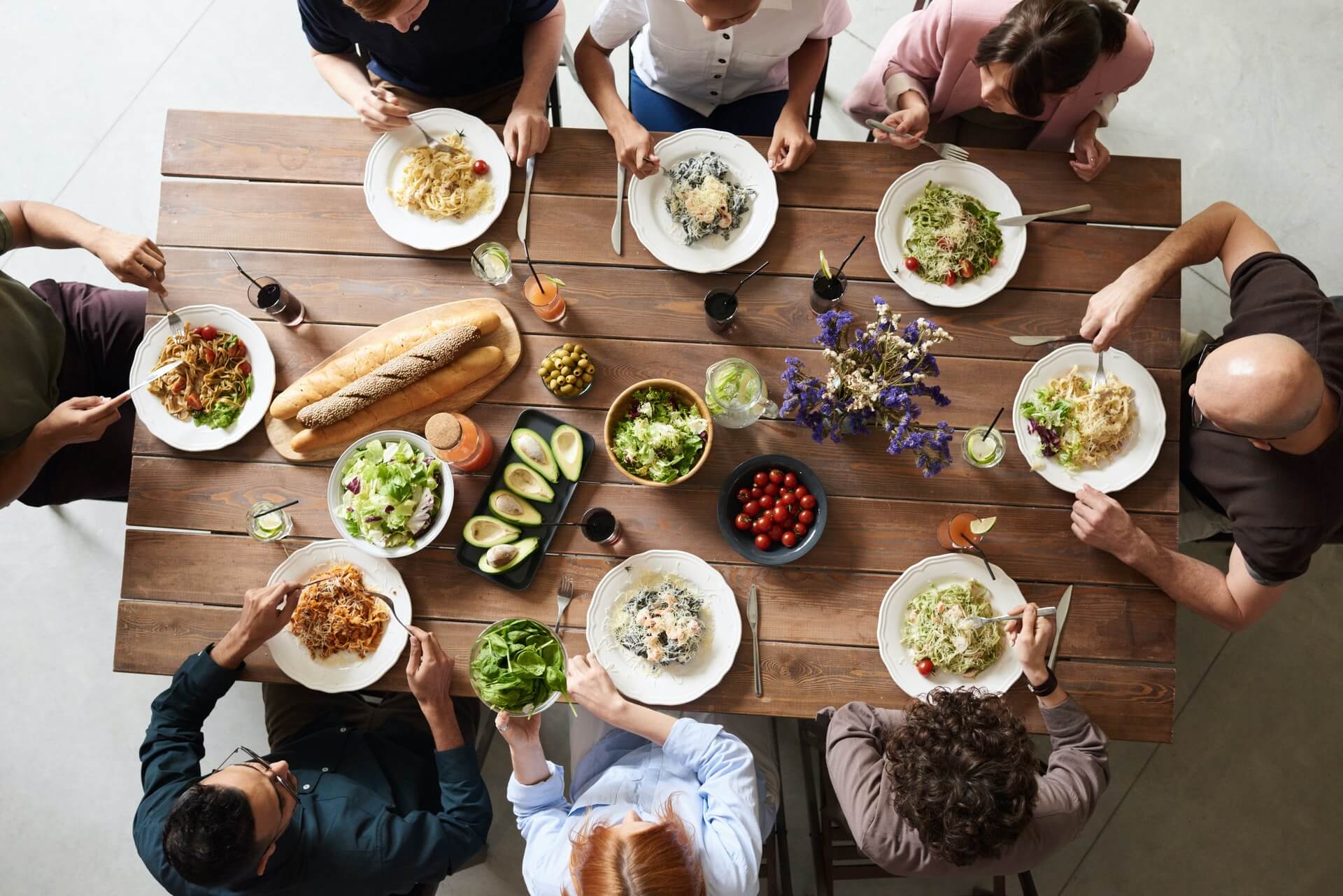
Friends and family around a dinner table at home

A recent report suggests that consumer interest in eating at home more will continue even after we return to “normal.”

This is the finding from a survey conducted by the Food Industry Association (FMI)l, formerly known as the Food Marketing Institute.

The FMI surveyed grocery shoppers to determine habits influenced by the pandemic.

Emphasis on Nutrition

I look to a wide variety of sources to analyze consumer behavior. Even their grocery habits can be valuable for operators to know.

In this case, knowing about the dining habits of today’s consumer provides important insights. For instance, knowing what types of food items shoppers are purchasing can be very telling.

Per the FMI, nearly half of survey respondents (49 percent) indicate they’re choosing healthier foods when grocery shopping. Clearly, living through a public health crisis is influencing this decision.

Today’s consumer, with more information at their fingertips and the purchasing power to demand more transparency from company’s, has become increasingly focused on their health. That interest grew stronger during the pandemic as a healthier lifestyle can lead to a reduced risk for illness.

This particular finding should tell operators a few things. First, they may want to consider updating their menus with healthier items. Second, that’s not limited to food—many guests are interested in no- and low-ABV drinks. Third, operators who use healthier ingredients should make that clear via their menu item descriptions.

At-home Dining

The FMI also found that 41 percent of survey respondents plan to prepare and enjoy more meals at home moving forward than they did before the pandemic.

That ties directly to 44 percent saying they “like” or ‘love” cooking at home more now.

While this survey was intended to provide consumer behavior insights for grocers, there’s clearly value for operators.

As many learned during the pandemic, guests are interested in supporting restaurants and bars buy ordering meal and cocktail kits.

Since it’s important to meet guests where they are, operators may want to keep such kits on offer. People have shown they’re eager to engage with restaurants and bars via virtual tastings and cooking classes. Clearly, many are also happy to order meal kits from restaurants to make in the comfort of their own homes.

Yes, there’s pent-up demand set to be unleashed. And yes, people are eager to get back out there and socialize. But there are also financial, health, and safety concerns that will keep some people from dining out as often as they did pre-pandemic.

That doesn’t mean they’re out of reach of restaurants and bars entirely. However, it does mean operators will need to adapt and get creative to earn their business.

Image: fauxels from Pexels

by David Klemt David Klemt No Comments

SevenRooms Reveals Third Party Impact

SevenRooms Reveals Third Party Delivery Impact

by David Klemt

Person using Uber Eats on their iPhone

New findings from SevenRooms, the powerful reservation and guest relationship platform, show the impact third-party delivery has on restaurants.

In partnership with YouGov, a respected internet-based market research and data analytics firm, SevenRooms finds that direct delivery saves operators thousands of dollars per month.

The overall finding of the “Data & Dollars: Revealing the Impact of Third-Party Marketplaces” report is startling. Operators are relying on a technology that in reality is harming them and their bottom line.

Cost of Convenience

Foodservice operators and workers, along with being hospitable in their mission to serve others, are adaptable.

The industry proves this time and time again. This is particularly true of the past 12 months.

Nimble operators pivot quickly, so it makes sense that so many restaurants, bars and other foodservice businesses embrace delivery, takeout and curbside pickup. Doing so is a direct and seemingly logical response to a major shift in consumer behavior to lockdowns, restrictions, and health concerns.

Most operators are well aware that state third-party delivery platforms take a 30-percent commission on average. However, the cost goes beyond devastatingly high fees: operators also lose control of the guest journey.

Real-world Example

SevenRooms illustrates the negative financial impact third-party delivery platforms with three examples: a high-end Italian restaurant in New York; a high-end steakhouse in Los Angeles; and a high-volume casual restaurant in California.

Let’s take a look at the last example.

Over a six-month period, the restaurant fulfills 19,000 combined orders. Delivery makes up 75 percent of these orders, takeout/pickup account for 25 percent. The average order is $33, and over the six-month period the total order volume is $617,500. Had the restaurant implemented direct delivery rather than third-party, they would have saved about $154,000.

Break those savings down and the restaurant would save approximately $25,600 per month that could go to:

  • PPE: 853 boxes of face masks or 196 boxes of gloves.
  • Takeout: 101,000 food containers.
  • Guest experience: 522 tanks of propane to keep guests warm on patios.

Using an average rent amount of $6,000-15,000 per month in Los Angeles, that’s also two to four months’ rent.

Guests Support Direct Delivery

The impact of third-party delivery on restaurants isn’t lost on consumers. Many view ordering food as more than just convenient, they see it as a way to support their favorite businesses.

Luckily, consumers are supportive of ordering delivery, takeout and pickup directly from restaurants.

Per SevenRooms:

  • Firstly, 37 percent of Americans are eager to do anything they can to help restaurants.
  • Nearly half, 48 percent, think it’s more economical to order directly from a restaurant.
  • 28 percent who say they prefer ordering directly to third-party delivery feel that way after seeing their favorite restaurants suffer.
  • 23 percent are informed and think third-party delivery platforms charge restaurants too much in fees.
  • 16 percent feel that the harm done to restaurants by third-party delivery outweighs any benefits.

Leverage Direct Delivery Support

SevenRooms identifies several ways in their report that operators can succeed in getting consumers to order directly.

One way is the platforms’ own Direct Delivery solution. We speak to SevenRooms CEO Joel Montaniel about this solution on our Bar Hacks podcast.

Then, of course, there are an array of incentives consumers are willing to accept in exchange for direct delivery and ordering:

  • 41 percent of Americans would order directly over ordering via third-party if a restaurant has its own app with features such as tracking and communication.
  • 37 percent consider a complimentary item such as an appetizer, drink or dessert in addition to their order an appealing incentive.
  • 32 percent like the idea of a personalized promotion applied to a future order or in-person visit.
  • 28 percent indicate interest in a personalized promotion for their meal such as a discount code or comp item.
  • 17 percent are fans of restaurants using ordering history to customize their menu and experience.

Read the entire report here. To learn more about SevenRooms, please click here. Connect with SevenRooms on Twitter, Facebook, LinkedIn and Instagram.

Image: cottonbro from Pexels

by krghospitality krghospitality No Comments

Bacardi Predicts How We’ll Drink in 2021

Bacardi Predicts How We’ll Drink in 2021

by David Klemt

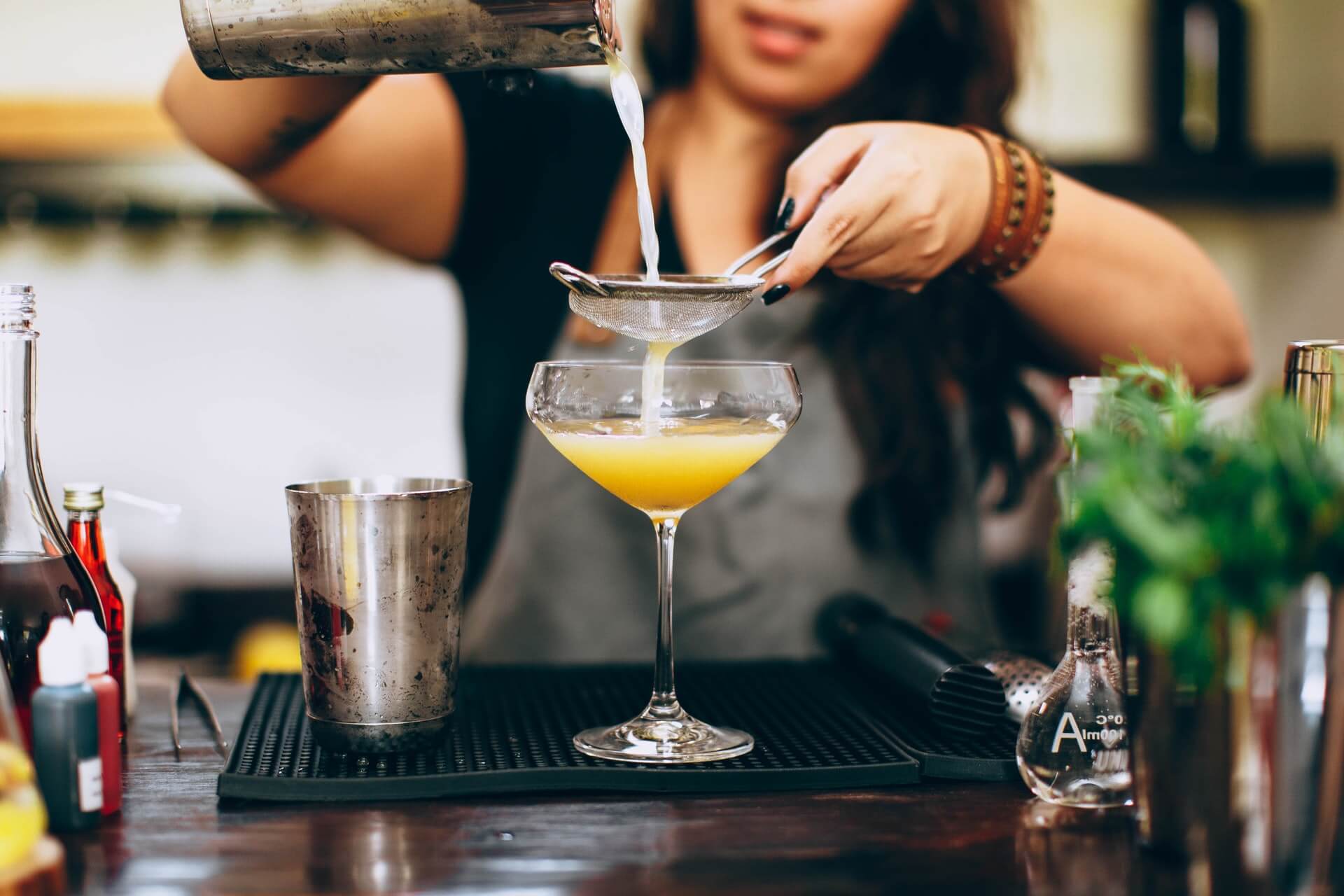
Bartender making a cocktail

What will alcohol consumption look like this year? Bacardi has answers.

In association with the Future Laboratory, Bacardi’s second-annual cocktail trends report—a well-sourced 25-page document—is available.

As is the case when we begin a new year, we’re being deluged with trend predictions and reports. I’d say the Bacardi 2021 Cocktail Trends Report goes deeper than most.

The report is organized into five macro trends identified by Bacardi Limited. Let’s get to it!

Reinventing the Bar

I’m not presenting Bacardi’s macro trends in order. Instead, I’m starting with the trend arguably most relevant to operators: bar reinvention.

Industry experts have been pointing to the ease of access to knowledge along with consumer interest in learning more about spirits and cocktails as an important trends for years now. It’s no longer a trend—it’s standard that guests are better informed.

Like other sources, Bacardi predicts guests will seek out more personalized experiences. They also predict guests will want to connect more with bartenders. However, the brand goes deeper in their report.

Bacardi thinks to-go cocktails, cocktail and meal kits, and e-commerce will become standard. Going a step further, the report posits that some venues will create cocktail menus that will change according to weekly inventory; sommeliers will add spirits knowledge to their skillset; and that guests will be eager to try drinks they’ve never had before.

Perhaps most importantly, Bacardi predicts bar culture will become more positive and inclusive, resulting in gender stereotypes—including those inherent to bottle design—will fall to the wayside.

Purpose and Transparency

According to a study conducted by IBM and the National Retail Federation and cited in Bacardi’s report, a massive 70 percent of American and Canadian consumers think it’s important that brands are eco-friend or sustainable.

Bacardi predicts sustainability, transparency, and the authentic embrace of social causes will be crucial this year and beyond.

In response to climate change, sustainability, eco-friendliness, and the zero-waste movement, Bacardi plans to wipe out 80 million plastic bottles with their new biodegradable bottle design, rolling out in 2023.

Pointing to a statistic from ZypMedia—that 36 percent of consumers plan to keep buying from local businesses post-pandemic—Bacardi predicts hyperlocality will grow stronger in 2021. Operators who source more local items, including beverage alcohol, will likely find more support from consumers.

Mindful Drinking

Per a Bacardi survey, 22 percent of consumers across the globe are drinking alcohol less. More than half (55 percent) of “mindful drinkers” are drinking low-ABV options.

Bacardi predicts low- and no-ABV drinks to perform well this year. Spritzes, for example, is on the rise as a bar culture in its own right.

Per Bacardi, zero-proof spirits are getting the most attention of any other category, worldwide.

Mindful drinking is also affecting how spirits are made. Consumers, more conscious of their health because of the pandemic, are showing a preference for beverages free of artificial ingredients. Furthermore, Bacardi expects consumers to seek out drinks that have health-boosting benefits.

The report, as an example, cites a Global Wellness Institute finding that in 2019 alone, “U.S. sales of ginger rose by 94%, while turmeric and garlic sales were up by 68% and 62%.” Today’s consumer is seeking out functional cocktail ingredients.

Drinking by the Numbers

Bacardi’s report puts all the brand’s cards on the table. Operators looking to program or reprogram their menus will find this information helpful.

Consider the info below for delivery and to-go drinks since Nielsen finds that 40 percent of US consumers are interested in make-at-home cocktail kits, 37 percent are interested in pre-made bottled cocktails, and 37 percent are interested in grab-and-go cocktails.

Flavor and Experience: Extreme heat (chilies), Super-sweet, Sour, Bitter, Smoked

Experiences: Pleasure, Nostalgia, Escapism, Quality over quantity, Light-hearted drinks, Flavor-filled indulgences

Most Popular Cocktails, Globally (Descending Order): Low-ABV, Other spritzes, Negroni, Classic cocktails with a twist, G&T (including riffs), Non-alcohol, Whiskey Highball, Espresso Martini, Old Fashioned, Vermouth cocktails

Premiumization Opportunities: Gin, Rum, Tequila

Top 5 Spirits (by Interest): Gin, Mezcal, Tequila, Vermouth, Bitter/Amaro Liqueurs

Top 5 RTDs in North America: Vodka Soda and flavors, Margarita, Moscow Mule, Low-ABV, G&T

Click here to read the report in its entirety.

Image: Helena Lopes on Unsplash

by David Klemt David Klemt No Comments

Datassential Finds Operators Optimistic

Datassential Finds Operators Optimistic

by David Klemt

Restaurant open sign hanging in window

The latest report from Datassential finds that the vast majority of operators are optimistic or at least confident their businesses will survive the pandemic.

Per Datassential, operator outlook appears to be more positive than it was in December.

That’s largely due to the distribution of the Covid-19 vaccine.

Datassential Covid-19 Resources & Reports

Datassential has been releasing informative Covid-19 reports throughout the pandemic to provide helpful industry, consumer and operator data.

Trending Upward” is Datassential’s 46th installment, and the research firm provides their Covid-19 resources at no charge.

For this report, Datassential surveyed 400 “decision makers for restaurants and on-site foodservice locations.”

Operator Outlook

Most of the operators surveyed, 220 or 55 percent, are still concerned about the challenges facing them and the industry. However, they’re “fairly confident” that their businesses will make it through.

That 55 percent represents no change from December of last year, when Datassential last gauged operator outlook.

The next two survey respondent segments tell the tale of optimism.

Of the 400 operators surveyed, 148 or 37 percent are “cautiously optimistic.” In fact, they expect to be even stronger post-pandemic.

Compared to December, that’s a seven-percent increase in operators who feel optimistic. That seven percent shifted from the “very nervous” segment,

Just 32 of survey respondents (eight percent) reported that they don’t think they’ll survive the pandemic. Losing any businesses to the pandemic and its terrible impact on the industry is beyond horrific, and the results of this Datassential report in no way minimize that awful truth. However, the percentage of operators who feel “very nervous” or otherwise pessimistic reducing by nearly half provides at least a semblance of hope for the future of the industry.

Staff Cuts

According to Datassential, more than 80 percent of operators who were forced to cut staff at some point during the pandemic have been able to bring back some of their workers.

Of the 400 respondents surveyed by Datassential, 21 percent of operators reported they hadn’t laid off any of their employees

Another 20 percent had to cut staff but were able to rehire all of them.

Nearly half (48 percent) have only been able to hire some of the staff they laid off back. Twelve percent have been unable to rehire any of the staff they had to let go.

Takeaway

Optimism is great for emotional and mental health. So is targeted relief. Operators and employees will likely feel far more confident and relieved if the industry receives actual targeted relief. This Datassential report’s findings are positive but we need Congress to act.

Click here to tell your representatives to pass the RESTAURANTS Act now.

Image: Artem Beliaikin from Pexels

by David Klemt David Klemt No Comments

This Generation is Most Likely to Dine In

This Generation is Most Likely to Dine In

by David Klemt

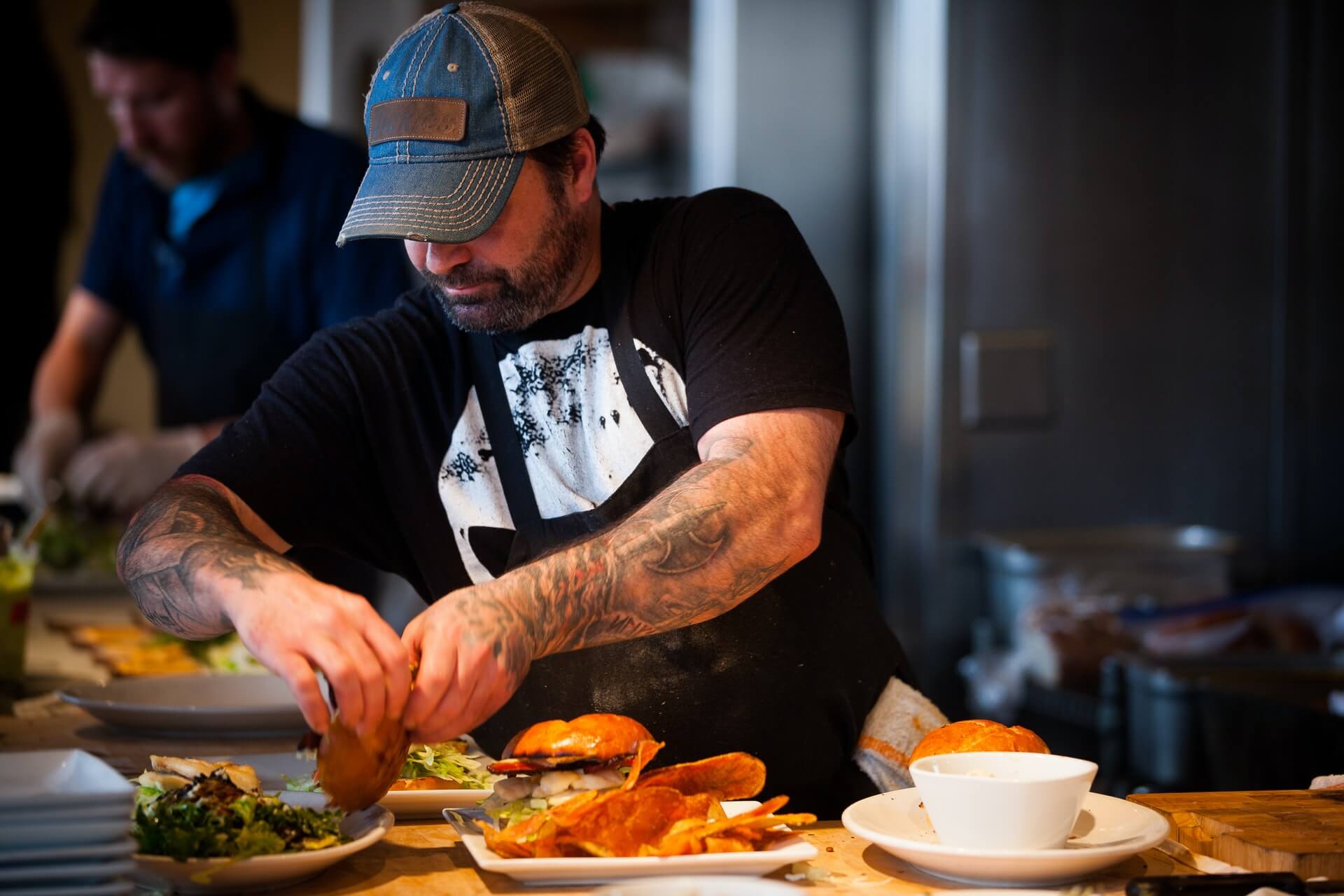
Chef preparing burgers inside restaurant

The National Restaurant Association’s 2021 State of the Restaurant Industry report revealed the generation most likely to dine in-person at a restaurant.

That is, of course, if such restaurant service—from quick-service to fine dining—is permitted where they’re located.

So, do you have a guess? Because we have the answer.

Most Likely to Dine In

Per an NRA survey, Gen Z is most eager to return to in-person restaurant dining.

However, it’s more of a simple majority that’s after a restaurant experience beyond delivery, takeout and curbside pickup than an overwhelming one.

Just 53 percent of adult members of Gen Z surveyed by the NRA are willing to dine inside restaurants over the course of the next few months.

Overall, 67 percent of Gen Z, Millennial, Gen X and Baby Boomer adults would like to engage with restaurants like they did before the pandemic. That’s not a huge stretch, of course; we all want to return to normal and put Covid-19 behind us.

Still, the survey results make it clear there’s demand for in-person dining. The convenience of interacting with and ordering from restaurants is here to stay. However, that convenience hasn’t replaced the desire to dine (and socialize) out.

So, Who’s Most Likely to Order In?

You’d be forgiven for assuming the answer to this question is also Gen Z. After all, just about every development regarding technology and how people engage with the world has been laid at their feet.

When Gen Z isn’t being accused of “killing” a tradition, sense of normalcy or an entire industry, the finger is pointed at Millennials.

Well, it turns out the usual finger-pointing suspects are the consumers most likely to order from restaurants.

According to the NRA’s report, 81 percent of Boomers and 80 percent of Gen X will continue to order from restaurants, at least for the next few months.

Put it All Together

At least for the next several months, the industry’s recovery will hinge on the full-strength return of in-person service and the convenience of delivery and takeout.

In other words, some consumers are champing at the bit to once again make restaurant visits a regular part of their lives while others plan to proceed with caution. Successful restaurant operations will maintain a mixture of traditional and digitally-driven services.

Nearly 90 percent of adults surveyed by the NRA say they enjoy going out to restaurants and that doing so with family and friends is a better way to spend leisure time than cooking at home.

“Restaurants are the cornerstone of our communities, and our research shows a clear consumer desire to enjoy restaurants on-premises more than they have been able to during the pandemic. We’ve also found that even as the vaccine becomes more available and more social occasions return to restaurants, consumers will continue to desire expanded off-premises options going forward. Both will continue to be key for industry growth,” said Hudson Riehle, senior vice president, Research and Knowledge Group, NRA, in a press release announcing the Association’s 2021 State of the Restaurant Industry. “With more than half of adults saying that restaurants are an essential part of their lifestyle, we are confident that, with time, the industry is positioned for successful recovery.”

The NRA predicts foodservice sales to reach $731 billion in 2021, an 11 percent increase over 2020. Unfortunately, that estimate is about 15 percent lower than sales generated in 2019.

Still, that’s a reason to be optimistic. Consumers are pent-up and eager to make restaurants a significant part of their lives once again.

Nobody is more eager, evidently, than Gen Z.

Image: Jesson Mata on Unsplash

by David Klemt David Klemt No Comments

2021 Technomic Outlook: United States

2021 Technomic Outlook: United States

by David Klemt

Technomic has been providing the foodservice industry with valuable insights on a global level for 50 years.

The research and consulting firm has been one of my go-to information sources for at least a decade.

A few weeks ago, I reviewed American food delivery trends from multiple sources. This week, I’m taking a look at Technomic’s foodservice predictions for the US.

Unprecedented and Unpredictable

Before we proceed, keep this in mind: predictions are best guesses. Technomic’s approach is scientific and data-driven but it’s important to approach any prediction with caution.

As the firm itself points out in their 2021 foodservice report, the global pandemic has plunged the industry deep into unprecedented territory.

It seems the only thing predictable about Covid-19 in relation to restaurants, bars and other hospitality businesses is that this industry will continue to bear the brunt of closures and restrictions.

That said, I trust Technomic to lead the industry through unprecedented and unpredictable moments in time.

7 Key Trends

Technomic has made seven predictions for foodservice in the US.

  1. Streamlined menus. Technomic expects the trend toward reducing SKUs to continue. However, that may lead to innovative and healthy items replaced removed items. Leafy greens, environmentally-friendly, and health-conscience items such as immune boosters are expected to be menued.
  2. Tech is the future. This prediction can be summed up quickly: If it’s a tech-based, can improve operations and help a brand differentiate itself from others, the industry is going to implement it.
  3. Top three cuisines. Chinese, Italian and Mexican food and drink are expected by Technomic to perform the best in 2021, particularly if operators move beyond the classics and incorporate lesser-known ingredients. However, Technomic expects more interest in West African and Caribbean cuisine.
  4. Social justice. Operators will have to be transparent about their stances on social justice issues and make meaningful statements—hashtags won’t cut it with younger consumers.
  5. Umami will reign supreme. Technomic uses the phrase “new-mami” to describe “intense, mouthwatering fare.” Think fruit vinegars beyond apple, candy cap mushrooms, seafood meatballs, and so much more.
  6. Communal concepts must adapt. Food halls, eatertainment concepts, and venues with communal seating will have to reimagine their spaces and how guests use them during an era characterized by social distancing, constant sanitizing, and off-premise business models. Traditional guest experiences may return but there’s no telling when that will happen.
  7. Revenue recovery. Technomic expects the industry to start recovering in 2021. However, sales levels are unlikely to reach those of 2019.

Bring it all Together

Chasing trends can be a fool’s errand. Not every prediction made by Technomic will work for every restaurant or bar in Canada.

Just like Technomic collects and analyzes industry data, operators must review their guest, sales and operations data to make informed decisions. This is another reason it’s crucial to own the guest journey in its entirety.

Click here to view Technomic’s “2021 U.S. Trend Outlook” webinar.

Image: Justin Cron on Unsplash

by David Klemt David Klemt No Comments

2021 Technomic Outlook: Canada

2021 Technomic Outlook: Canada

by David Klemt

Technomic has been providing the foodservice industry with valuable insights on a global level for five decades.

The research and consulting firm has been one of my go-to information sources for at least ten years.

A few weeks ago, I reviewed Canadian food delivery trends from multiple sources. This week, I’m taking a look at Technomic’s foodservice predictions for Canada.

Unprecedented and Unpredictable

First things first: predictions are best guesses. Technomic’s approach is scientific and data-driven but it’s important to approach any prediction with caution.

As the firm itself points out in their 2021 foodservice report, the global pandemic has thrown the industry into unprecedented territory.

It seems the only predictable element related to Covid-19 is that restaurants, bars and other hospitality businesses will bear the brunt of closures and restrictions.

That said, I trust Technomic to lead the industry through unpredictable, unprecedented moments in time.

5 Key Trends

Technomic has made five predictions for foodservice in Canada.

  1. 2021 will represent the start of financial recovery for foodservice. Technomic predicts moderate sales growth this year, below levels of 2019. However, limited-service restaurants are expected to perform better than their counterparts and return to 2019 revenue levels. Not surprisingly, Technomic expects full-service restaurants to be the most challenged.
  2. Operators will make their stances on social issues known. Multiple sources say today’s consumers want transparency from the brands they support. They want to know what company’s believe about climate change, food insecurity, social inequalities, diversity and hiring practices, fair pay for employees, and other issues. Technomic expects more operators to “double down” on transparency.
  3. On-premise operations will invest in off-premise business models. Again, multiple sources have reported that significant percentages of consumers are uncertain or uncomfortable about returning to restaurants and bars for in-person dining and drinking. Technomic expects operators to invest in smaller dining rooms so they can offer more limited-contact and contactless options to guests: walk-up ordering windows, multiple drive-thru lanes, designated curbside pickup locations, and in-store pickup and grab-and-go stations. The firm also expects more operators to embrace first-party/direct delivery, along with technologies like mobile ordering and geofencing.
  4. Comfort, quirkiness and indulgence. Technomic expects comfort foods to continue to perform well and encourages operators to get creative—even quirky—with this category. They caution that health will still be a focus of many guests and suggest that some operators will “disguise better-for-you meals as indulgent.”
  5. Our home and native land. Hyperlocality will play a crucial role in driving traffic given the travel restrictions imposed throughout Canada. Operators will likely forge relationships with local farms to attract local visitors to their venues. Technomic expects to see grassroots movements promoting support for small regional chains and local independent operations to gain traction.

Bring it all Together

Chasing trends can be a fool’s errand. Not every prediction made by Technomic will work for every restaurant or bar in Canada.

Just like Technomic collects and analyzes industry data, operators must review their guest, sales and operations data to make informed decisions. This is another reason it’s crucial to own the guest journey in its entirety.

Click here to view Technomic’s “2021 Canadian Trends Outlook” webinar.

Image: Hermes Rivera on Unsplash

Top