Drink menu

by David Klemt David Klemt No Comments

Ditch Draconian Drink Development

Ditch Draconian Drink Development

by David Klemt

Hand throwing two red dice on a dark gaming table

This is not a viable business strategy.

As we enter the holiday season we need to reiterate that a single person can influence the bar and restaurant decision for an entire group.

Let me be even more blunt, now that I’ve got you here. As we head into 2026, I find it a bit shocking that we still need to address alcohol-free programming.

A recent trip to Colorado is putting this topic back in the spotlight for me. Pair it with menu programming for clients and I simply can’t let it go.

KRG Hospitality was in Denver for The Hospitality Show and Bar & Restaurant Expo 2025. President and principal consultant Doug Radkey spoke on a panel with chef and restaurateur Adrianne Calvo and chief marketing officer Lauren Barash.

While we were in town for the show, we attended other education sessions. One of these was “Trend on Tap,” which focused on beverage trends.

The entire panel was insightful, but something said by Miranda Breedlove, the national director of bars for the Lifestyle Division of Hyatt Hotels, really stood out to me.

To summarize, a single person—the non-drinker—has the power to decide which bar or restaurant a group chooses to visit.

Who, not Why

Let’s be clear about a crucial point: It doesn’t matter why someone has chosen to not consume alcohol.

A person may never drink alcohol. They may choose to forego alcohol for a month, week, or day. Someone may decide to stop consuming alcohol during a visit to a bar or restaurant.

None of that matters. What’s important is being respectful of that decision, being hospitable regardless.

One effective way of showing respect for that choice is giving more than a few seconds consideration to your zero-proof options.

In this situation, the who is more important than the why.

Who is the guest your zero-proof program is trying to reach? The guest who decides they want a zero-proof drink.

Why don’t they want to drink alcohol? It doesn’t matter. Why doesn’t it matter? It’s nobody’s business.

The only “why” relevant to this situation is, why are you taking the time to consider a well-crafted, zero-proof program? To be hospitable and serve all of your guests to the best of your ability. That’s good business in the hospitality business.

Which Sounds Better?

I’m going to present you with two options to consider.

Which sounds like a more enjoyable experience to you:

Option 1: Guests who want a non-alcohol drink are limited to water, soda, or juice in a bottle or can, or off the gun.

Option 2: Guests find a curated, zero-proof section on your menu, and experience the same service and presentation as guests who order low- or full-proof cocktails.

Of those two options, which seems like it delivers a memorable guest experience? Which option ensures a guest who doesn’t want to consume alcohol feels comfortable and valued?

I know I wouldn’t bother returning to a bar or restaurant that made me feel alienated rather than welcomed. And if I’m in a group of people, as Breedlove said, I can influence them to avoid that venue while we’re discussing where to go.

Rolling the Dice

Failing to develop an intentional, well-curated non-alc program is rolling the dice.

You’re rolling the dice on the guest experience. Rolling the dice on transforming first-time visitors into repeat guests.

And, in 2025, nearing 2026, you’re rolling the dice on your brand’s perception.

Sure, ten years ago or so the viability of zero-proof was debatable. Some operators and bartenders saw the value in appealing to guests, whether sober or sober in the moment, and treating them to the same experience as every other guest.

In the other camp, operators and bartenders who saw non-alc cocktails as a waste of time. I remember hearing bartenders say that making zero-proof drinks was pointless because they didn’t make the bar money, and didn’t make them tips.

However, it’s no longer debatable; refusing to be intentional about a zero-proof program for your bar or restaurant is bad business.

The proof is in the decision-making process. If the non-alcohol drinker can make the final choice for bar or restaurant selection for an entire party, it proves the importance of non-alc.

Not Done Yet

Breedlove made another excellent point that also relates to outdated thinking about beverage programs.

To paraphrase Breedlove, “batching” is not a bad word.

This is particularly true for high-volume bars. Likewise, it’s true of high-demand signature drinks that drive sales for a particular bar or restaurant.

As Breedlove said, if the drink won’t suffer, put your high-volume orders on draft. The reasoning is simple: your team likely can’t put out as many of a high-performing, high-volume drink to order as they can if it’s batched.

More of that popular, revenue-driving order going across the bar means more revenue, more tips, and reduced ticket times. Overall, it’s a win-win: better for the bottom line, and better for the guest experience.

And, as I’m sure you’ve put together, this can apply to your zero-proof menu. Have a killer non-alc Margarita? Put it on draft, save time in service.

The key to success, whether batching alcohol or non-alcohol drinks, is in the presentation. Give careful consideration to your ice program, glassware, garnish, and presentation so guests don’t feel shafted regarding the experience.

We’re having to adapt in hospitality once again. We need to make sure we’re moving past outmoded ways of thinking so we can move forward quickly and with strategic clarity.

Image: Leon-Pascal Jc on Unsplash

Client Intake Form - KRG Hospitality

by David Klemt David Klemt No Comments

Talkhouse Encore Aims for Iconic

Talkhouse Encore Aims for Iconic

by David Klemt

Person holding a can of Talkhouse Encore against their blue sweater with a bear on it

That’s a rad sweater.

In a move that highlights the brand’s forward-thinking commitment to growth, Talkhouse Encore is appointing a Vice President of Marketing.

If you’re a regular reader you’re aware that I don’t share every bit of industry news. Hospitality moves quickly, and developments flow steadily. Appointments, case sales, market expansions… There’s a lot to monitor.

However, I do love to watch Bar Hacks podcast guests grow. It’s a privilege to check in with them and share where they are in their journeys with listeners and readers. On episode 141,  I speak with Talkhouse Encore’s president and co-founder Robert Minucci.

We dive into the story behind the premium RTD brand’s inception: its connection to an iconic music venue, putting in the work to grow in a highly competitive category during the pandemic, and facing skeptical (sometimes cynical) distributors.

Minucci shares how his business partner, Ruby Honerkamp, sought to bring the spirit of Stephen Talkhouse to the masses through “dive bar classic” vodka and tequila seltzers.

At the brand’s core: authenticity and flavor. In particular, there’s a focus on earning brand loyalty from legal-age Gen Z consumers. Speaking broadly, Gen Z wants a story and a connection to a brand. Really, it’s what most people want these days.

Connection Through Authenticity

During our conversation, Minucci explains how the small-but-nimble team focuses on building a strong local presence before considering expansion, ensuring that they meet consumer demands with quality ingredients and an engaging brand narrative.

If, as the saying goes, you can’t do epic things with basic people, it stands to reason that you can’t build an iconic brand with a basic team. And when your brand has a direct connection to an icon—in this case, a revered live music venue—the pressure to reach similar status is very real.

This is where the newly-appointed Vice President of Marketing takes the stage to help tell the Talkhouse Encore story.

Boasting nearly a decade of experience building and growing brands, Courtney Roth is a clear signal to the market: Talkhouse Encore is here.

“At Talkhouse Encore, our mission is to be more than just another canned cocktail. We want to be the drink that brings people together for unforgettable moments,” says Roth. “I’m excited to lead marketing efforts that connect with consumers through authentic experiences, social storytelling, and grassroots programs that make Talkhouse Encore the go-to choice for today’s drinkers.”

Aiming for Iconic

Aiming for epic and iconic certainly seems to be a key driver of Roth’s brand storytelling. She developed her mastery of lifestyle brand marketing at Diageo. Pepsi benefited from her positioning prowess when she led their Super Bowl LVII activations.

Proving she knows how to build connections at the consumer level, Roth led the sampling of 1.5 million cans of Alani Nu. Earlier this year, Alani Nu was acquired for $1.8 billion by Celsius, which itself saw PepsiCo increase its stake in the energy drink brand juggernaut to 11 percent.

Those are just a few of Roth’s marketing and expansion accolades.

“I’m thrilled to step into the VP of Marketing role at Talkhouse Encore,” says Roth. “My focus is on building out an omni-channel marketing strategy that introduces more consumers to our premium vodka and tequila sodas. We’re setting the stage for significant growth in 2026 and beyond!”

This appointment is a signal that Talkhouse Encore intends to expand to an increasing number of markets over the course of the next 12 months. Keep your eyes peeled for activations and your opportunity to sample and engage with the brand.

To learn more about Talkhouse Encore, visit their website. Give them a follow an Instagram for news, activations, and more.

Disclaimer: Neither the author nor KRG Hospitality received compensation, monetary or otherwise, in exchange for this post.

Image provided by Talkhouse Encore

Client Intake Form - KRG Hospitality

by David Klemt David Klemt No Comments

5 Books to Read this Month: March 2025

5 Books to Read this Month: March 2025

by David Klemt

Flipping through an open book

Our March book selections focus on outdoor cooking, miniaturized cocktails, restaurant design, hotel design, and prioritizing the right things.

To review the book recommendations from February 2025, click here.

Let’s jump in!

Tiny Cocktails: The Art of Miniature Mixology

Several years ago, Tales of the Cocktail featured an event highlighting Mar-tiny’s, miniature serves of an array of Martinis. Over the years, I’ve come across mini drinks at bars and pop-up events, and people have always seemed to find the concept compelling. Couple this interesting way of serving with today’s apparent preference for imbibing less alcohol and we have a recipe for successful drinks.

From Amazon:Tiny Cocktails offers a unique and creative approach to mixology for those who want to savor delicious cocktails without overindulging. The recipes showcase smaller drinks with big flavors—an ideal way to explore new flavors and refine your mixology skills without making a full-drink commitment. Each drink comes in around 3-6 ounces, with about half the alcoholic punch of a full-sized cocktail.”

Order your copy here!

Symon’s Dinners Cooking Out: 100 Recipes That Redefine Outdoor Cooking

Funnily enough, this also reminds me of an awesome, engaging Tales of the Cocktail event. Not too many TOTCs ago, Kimpton Hotels hosted an event during which every food item (save for a couple of cheese boards) was prepared outside, over fire. The result was a fantastic dinner that showcased how the simplest form of cooking, when coupled with creativity, can produce something spectacular.

From Amazon: “In Symon’s Dinners Cooking Out, Michael Symon offers 100 recipes for outdoor cooking including desserts and drinks too. Featuring fan-favorite recipes from his popular Food Network show, Symon’s Dinners Cooking Out, and brand new recipes, this cookbook is sure to excite budding and expert grillers alike. From live-fire classics like Bacon-Cheddar Smash Burgers to unexpected dishes like Fettuccine with Smoked Tomato Sauce, cooks who take it outside will find all kinds of creative ways to use their grills year-round.”

Pick yours up today!

Tasteful: New Interiors for Restaurants and Cafés

I’ve had the opportunity to speak to multiple hospitality-focused interior designers on the KRG Hospitality-produced Bar Hacks podcast. In each case, I’ve asked about their process for helping clients share their vision for a restaurant, bar, or other concept and transform it into a tangible design.

To that end, I present Tasteful, which I hope will help spark creativity in anyone considering the interior design of their own concept, and explain what they’re visualizing to others.

From Amazon: “The ever-evolving landscape of the gastronomic industry never fails to surprise with new ideas and trends—and Tasteful is a testament to that. A follow-up on the earlier gestalten title Appetizer, this book is a curated selection of the most eye-catching interiors of new restaurants, cafes, bars and all kinds of food places. Featuring a variety styles from a host of diverse locations around the planet, Tasteful serves as both a travel guide for intrepid foodies and an inspiration for those passionate about design.”

Grab a copy now!

Design: The Leading Hotels of the World

On the most-recent episode of the Bar Hacks episode I speak with Michael Suomi, an award-winning architect and interior designer who specializes in unique and complex hotel projects (along with restaurant and bar designs). That episode, and this book, should inspire those opening a hotel to knock their design out of the ballpark, and create a narrative for their property.

From Amazon: “Embark on a stunning visual journey through The Leading Hotels of the World, a collection of the world’s most exclusive independent luxury hotels, which consistently dominates prestigious awards, securing top honors in Travel + Leisure’s World’s Best Awards and Condé Nast Traveler’s Readers’ Choice Awards.”

Click here to order your copy!

Undoing Urgency: Reclaim Your Time for the Things that Matter Most

One of our goals for KRG Hospitality clients sounds simple on the surface: spend less time on their business. Imagine having the ability to step away for multiple weeks throughout the year, to actually unplug and not even think about your bar, restaurant, cafe, nightclub, or hotel. We want that for all of our guests, because while we can help make brands, brick-and-mortar businesses, and menus, and make operations run more smoothly, none of us can make more time.

Undoing Urgency, likewise, is about time, and what we do with it.

From Amazon:Undoing Urgency…details the GAME Plan (Goals, Actions, Metrics, and Execution), which turns core values into high-priority goals and minimum effective dose actions for maximum impact. The GAME Plan works for all goals, having been used at the highest levels in business, health, life, and the most personal ambitions. It takes readers on a journey of personal discovery to identify what brings them value and joy. Ultimately, Reynolds wants to help people break free of urgency and start living a value-driven life dedicated to what is most important to them.”

Buy it now!

Image: Mikołaj on Unsplash

Client Intake Form - KRG Hospitality

by David Klemt David Klemt No Comments

Are Snacks Right for Your Menu?

Are Snacks Right for Your Menu?

by David Klemt

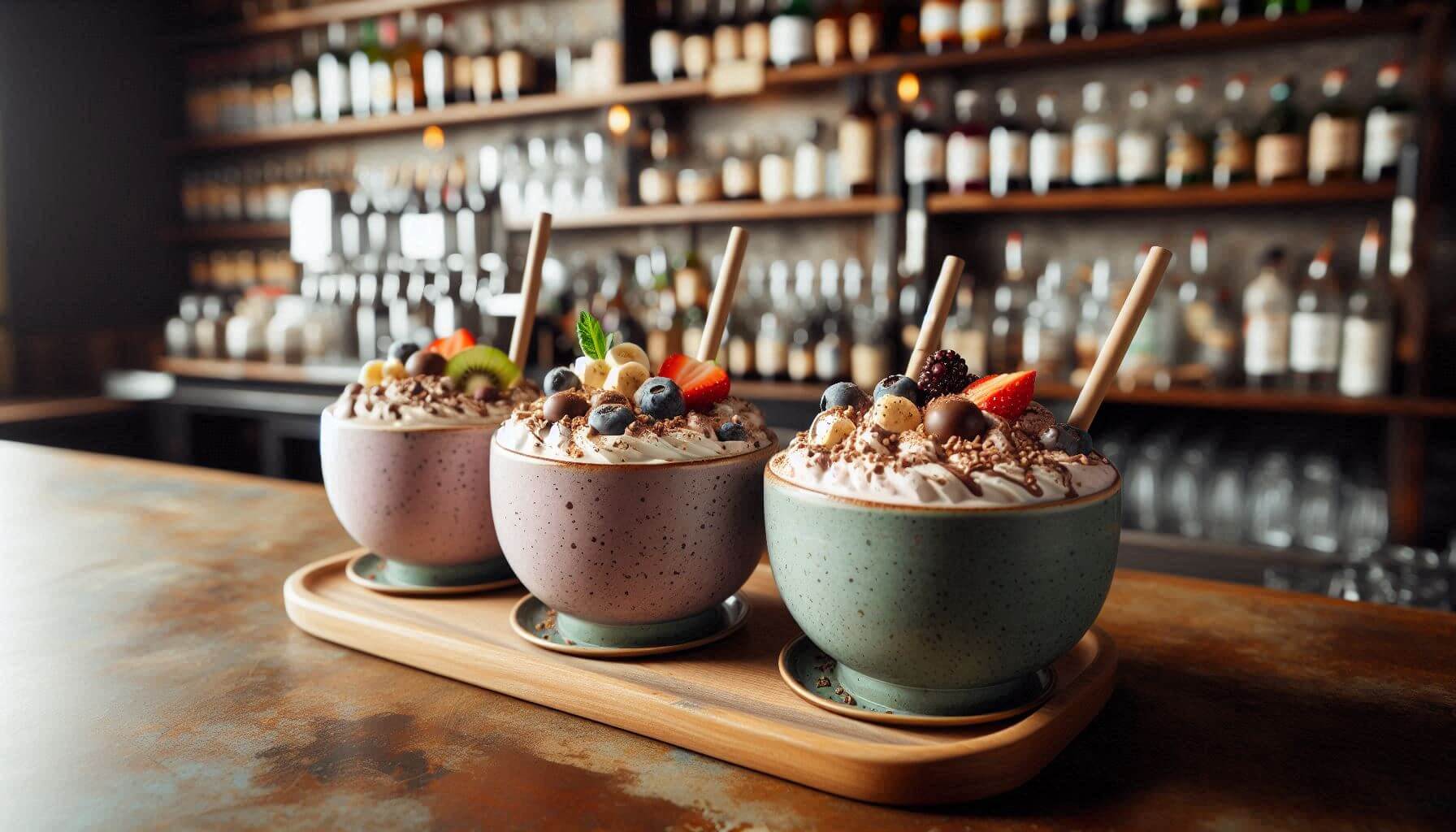
A trio of protein shake bowls on a wooden plank, resting on a bar top

Wow, AI-generated food that actually looks like food!

The latest “-ification” to take root in food and beverage centers around people favoring consuming several meals throughout the day.

The “snackification” of F&B menus across the industry is joining “gamification” in moving from trend to standard.

So, what is snackification, and is it right for your concept, brand, and menus?

Let’s start by tackling the first part of that question.

What is Snackification?

Looking at this word from the consumer side, snackification is the replacement of full-size meals with multiple snacks.

There are several factors to which one can point to explain how this behavior went from trend to mainstay. One prevailing theory posits that people snacked more often throughout the day during the pandemic. That particular behavior simply hasn’t fallen to the wayside.

Another driver may be cost. A percentage of consumers perceive “traditional” daypart dining as more expensive than opting for smaller items whenever they feel hungry. Whether true, false, or somewhere in between, this perception exists, and it’s strengthening snacks as a viable menu category.

Of course, there’s also the treat factor. Some people simply like to treat themselves, and a snack several times a week helps them fulfill this desire.

On the operator side, snackification is the embracing of snacks as a revenue generator.

Several restaurants have created snack sections on their F&B menus. Indeed, more than a mere handful of quick-service and fast-casual concepts are leaning into snacks.

However, the creation of QSR brands that focus on snacks truly illustrates the strength of snackification.

Should You Snackify Your Menu?

Making changes to your concept and menu requires careful consideration.

Jumping on any trend should also be done with caution; the same goes for changing an element of operations to embrace a new standard.

There are several questions that need answers before deciding to snackify your menu.

  • What items will you offer as snacks? With the rise in usage of GLP-1 drugs, protein-rich snacks are growing in popularity. A focus on wellness is also motivating consumers to seek out snacks that are lower in sugar and calories. However, sweet treats are still sought after. Again, careful consideration is key.
  • How well do you know your guests? Using data, can you say with confidence that you can leverage snacks successfully? Do you know what types of snacks will resonate with guests? Are the snacks you’re considering in alignment with your brand and concept, or will the change confuse guests?
  • Will offering snacks increase your costs? You need to know know with certainty how snack items will affect labor and food costs.
  • Will the change to snacking impact other dayparts? It’s possible the shift can cannibalize dayparts, which will affect your costs, traffic, and revenue.
  • Can you transform items already on your menu into snacks? Doing so could keep your costs under control, and help you make the shift quickly. What on your menu is high in protein, craveable, and able to be produced in smaller portions easily?

It’s quite likely that snacks will resonate with your guests. However, you need to know, not guess. What does your data tell you about traffic, item sales, and guest preferences?

As I’ve said before, success in this business comes down to math, not magic.

Image: Microsoft Designer

Client Intake Form - KRG Hospitality

by David Klemt David Klemt No Comments

Go Orange this Valentine’s Day

Go Orange this Valentine’s Day (and Beyond)

by David Klemt

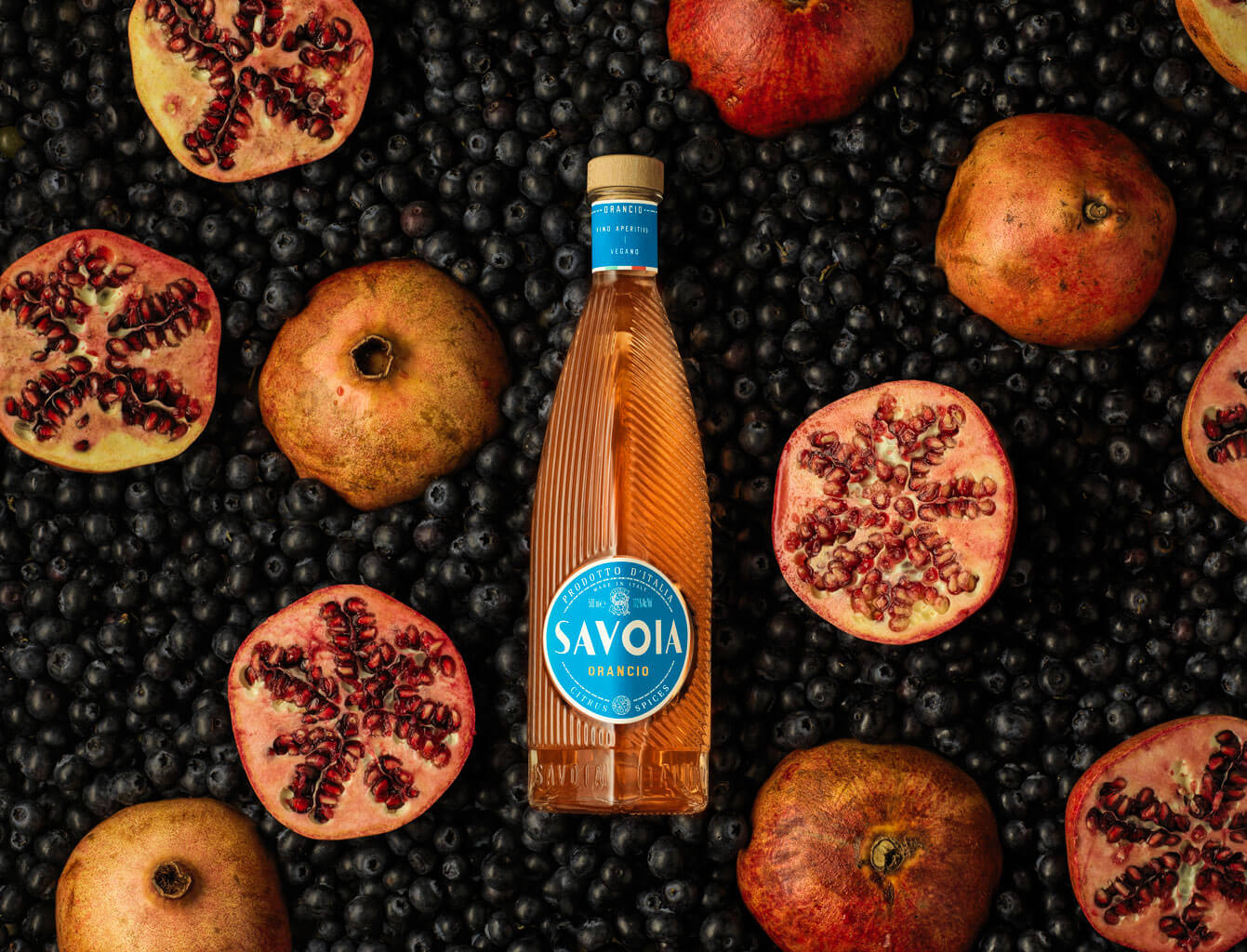
A bottle of SAVOIA Orancio resting on a bed of grapes and pomegranates

There’s a new, exciting aperitivo from the House of SAVOIA, and it’s flavor profile and color are perfect for celebrating Valentine’s Day.

In fact, SAVOIA Orancio is ideal for celebrating life on any day. Slowing down to appreciate and enjoy is the purpose, after all, of aperitivos and aperitivo culture.

I had the opportunity to chat with Giuseppe Gallo, founder of CASA-SAVOIA (and ITALICUS), about the new Orancio expression, and more on the Bar Hacks podcast.

The orange hue comes from this aperitivo’s base: natural orange wine. This wine is combined with Italian white wine, and spices that pay tribute to the famed Silk Road. These include cinnamon, ginger, and saffron.

Regular readers of KRG Hospitality articles, and listeners of our Bar Hacks podcast, are aware that I’m a strong proponent of bar programs executing an aperitivo hour in place of a traditional happy hour (if it meshes with the concept, of course).

Aperitivos aren’t simply a drink; they’re an integral element of socializing, and Italian drinking culture. Whereas a happy hour is often perceived by some guests as a window in which to visit a bar for discounted drinks and dishes, an aperitivo hour centers largely around bringing people together.

Whether friends or strangers, the key difference is that rather than focusing on downing many “cheaper” drinks before time runs out, the focus is on slowing down, letting go of the stress of the workday, gathering, and preparing for dinner.

To learn more about SAVOIA Orancio and aperitivo culture, listen to Bar Hacks episode 130 on Spotify, Apple Podcasts, or wherever you listen to podcasts. Cheers!

Orancio Spritz

We can trace the origins of the Spritz to 1800s Veneto, one of the 20 regions that comprises Italy. The Spritz evolved in the 1920s, adding bitters, soda, and ice. In the 1970s, as the story goes, the cocktail evolved again, calling for Prosecco rather than still wine.

  • 2 parts SAVOIA Orancio
  • 2 parts Prosecco
  • 3 Green and red grapes to garnish

Add ice to a wine or balloon glass, then add equal parts SAVOIA Orancio and Prosecco. Garnish with the grapes, and serve.

Orancio & Soda a.k.a. L’Americano

Proof that some of the best, most-refreshing cocktails are the simplest. The Americano is described as the link between Italian aperitivo drinking culture and American cocktail culture.

Fun fact: We’ve all come to understand that James Bond has an affinity for Vodka Martinis (as well as other Martinis). However, the first drink 007 ever orders in the first-ever James Bond novel is an Americano.

  • 2 parts SAVOIA Orancio
  • 2 parts Soda water
  • 3 Green and red grapes to garnish

Fill a highball glass with ice, and then add SAVOIA Orancio and soda water. Garnish with grapes, then serve.

Orancio Negroni

Yes, I’m aware that a traditional Negroni is an equal parts combination of Campari, London dry gin, and sweet vermouth. Trust meand more importantly, trust Giuseppe Gallothat this Negroni version is worthy of the name.

  • 2 parts SAVOIA Orancio
  • 1 part London dry gin
  • 3 Green and red grapes to garnish
  • Garnish alternative: Orange wedge or peel

Add ice cubes (or one large cube or sphere) to an Old Fashioned glass. Then, add SAVOIA Orancio and gin, and stir. Alternatively, add the two liquid ingredients and ice to a mixing glass for a more traditional preparation. Stir, and strain into a prepped Old Fashioned glass. Garnish with grapes, or with an orange peel to more closely resemble a Negroni. Alternatively, set an orange wedge on top for more of a Sbagliato presentation.

Orancio Margarita

Looking to offer your guests something a bit different? The Orancio Margarita is an Italian twist on one of the most-iconic cocktails ever created.

  • 1 part SAVOIA Orancio
  • 1 part Tequila blanco
  • Half-part fresh-squeezed lime juice
  • 1 barspoon Agave nectar
  • Lime wheel to garnish

Prepare a rocks glass by adding ice. (I also suggest experimenting with a salt rim.) Add ice and all liquid ingredients to a shaker, and shake well. Strain into the prepped rocks glass, and garnish with a lime wheel.

Image provided by SAVOIA

Note: Neither the author nor any representative of KRG Hospitality received compensation, monetary or otherwise, in exchange for this article.

Client Intake Form - KRG Hospitality

by David Klemt David Klemt No Comments

Program for Unique Holidays: February 2025

Program for Unique Holidays: February 2025

by David Klemt

Restaurant or bar owner sitting at the bar, working on a schedule or calendar

AI-generated image.

Do you want to stand out from from other restaurants and bars in your area? Change how you think about your February 2025 holiday programming.

Several holidays are set against every date on the calendar, and this month is no exception. These holidays range from mainstream to esoteric.

Pay attention to the “weird” or unique holidays to raise eyebrows, carve out a niche for your restaurant or bar, and attract more guests. Why do what everyone else is already doing? Why program only around the same holidays as everyone else?

To provide a handful of examples, February boasts National Pizza Day, National Cheddar Day, and National Retro Day. Those are all things you can get creative and program around, and celebrate with your guests.

Of course, you shouldn’t try to celebrate every holiday, strange or otherwise. Focus on the days that are authentic to your brand; resonate with your guests; and help you grab attention on social media.

You’ll find suggestions for promotions below. However, the idea behind our monthly holiday promotions roundup is to inspire you and your team to get creative and come up with unique programming ideas.

For our January 2025 holidays list, click here.

February 7: Rose Day

Rose presents interesting flavor and scent profiles. It can also be difficult to perfect; too little and it likely won’t register, too much and it will overpower. Notably, it doesn’t take much for rose to go in either direction. However, if your kitchen and bar teams are up to the task, rose dishes and drinks can be quite intriguing for your guests.

Of course, you can also go a different direction and celebrate Rose Day as Rosé Day with all manner of wine, spirits, and beers.

February 8: National Kite Flying Day

As one would expect, there are several drinks with “kite” in the name. Cocktails (including zero-proof versions), beers, and wines. Further, there’s the similar paper airplane, so you can feature the Paper Plane, as well.

February 9: National Pizza Day

Is programming around pizza unusual, unexpected, or unique? On its face, no, of course not.

However, restaurant and bar operators can make National Pizza Day an unusual food holiday by featuring unique ingredients, and interesting pizza styles.

February 10: National Cream Cheese Brownie Day

Much like pizza, most brownies aren’t considered unique. That said, your culinary team’s interpretation can become a signature dessert (or appetizer

February 13: National Cheddar Day

Is everything better (or “beddar”) with cheddar? No, not everything. But there sure are a lot of menu items that are great with this hard cheese.

I’m confident that you and your kitchen team can find plenty of ways to feature cheddar on an LTO menu.

February 14: Start of Alzheimer’s and Dementia Care Education Week

This week is dedicated to Alzheimer’s and dementia awareness and education, along with raising funds for charitable organizations looking for a cure. If you think you can organize a charity drive, be it for one day or the entire week, go for it.

One way to execute is to donate proceeds from an LTO item or menu. If you have signature drink or dish, that item can lead the charge for raising charitable donations. This important week has a hashtag, so be sure to include it to spread the word: #AlzheimersDementiaCareEducationWeek.

February 20: National Comfy Day

Sure, operators can go for comfy dress to celebrate this holiday. It can be “cute” to have staff show up in comfy gear, or encourage guests to do so.

Or, operators can go a different direction: focusing on the comfort foods on their menus. Whether they’re traditional or creative takes on comfort classics, a comfort food LTO menu is perfect for February 20.

February 24: National Tortilla Chip Day

Who doesn’t love a tortilla chip, particularly when it’s carrying an array of delicious toppings? You know what to do: highlight your nachos (if you have them on your menu), and get creative with the presentation (we like to go sky high), proteins, and other ingredients.

February 27: National Retro Day

It seems like the phrase, “Everything old is new again,” is always relevant. National Retro Day is one of the best times to dive into vintage F&B recipe books and select classics that work with your theme and resonate with guests. Grasshoppers, anyone?

February 28: National Floral Design Day

Edible flowers are visually appealing, and can also enhance the dining and drinking experience. You know what to do!

Image: Microsoft Designer

Client Intake Form - KRG Hospitality

by David Klemt David Klemt No Comments

Black Limes, Chili Crunch, and More

Black Limes, Chili Crunch, and More

by David Klemt

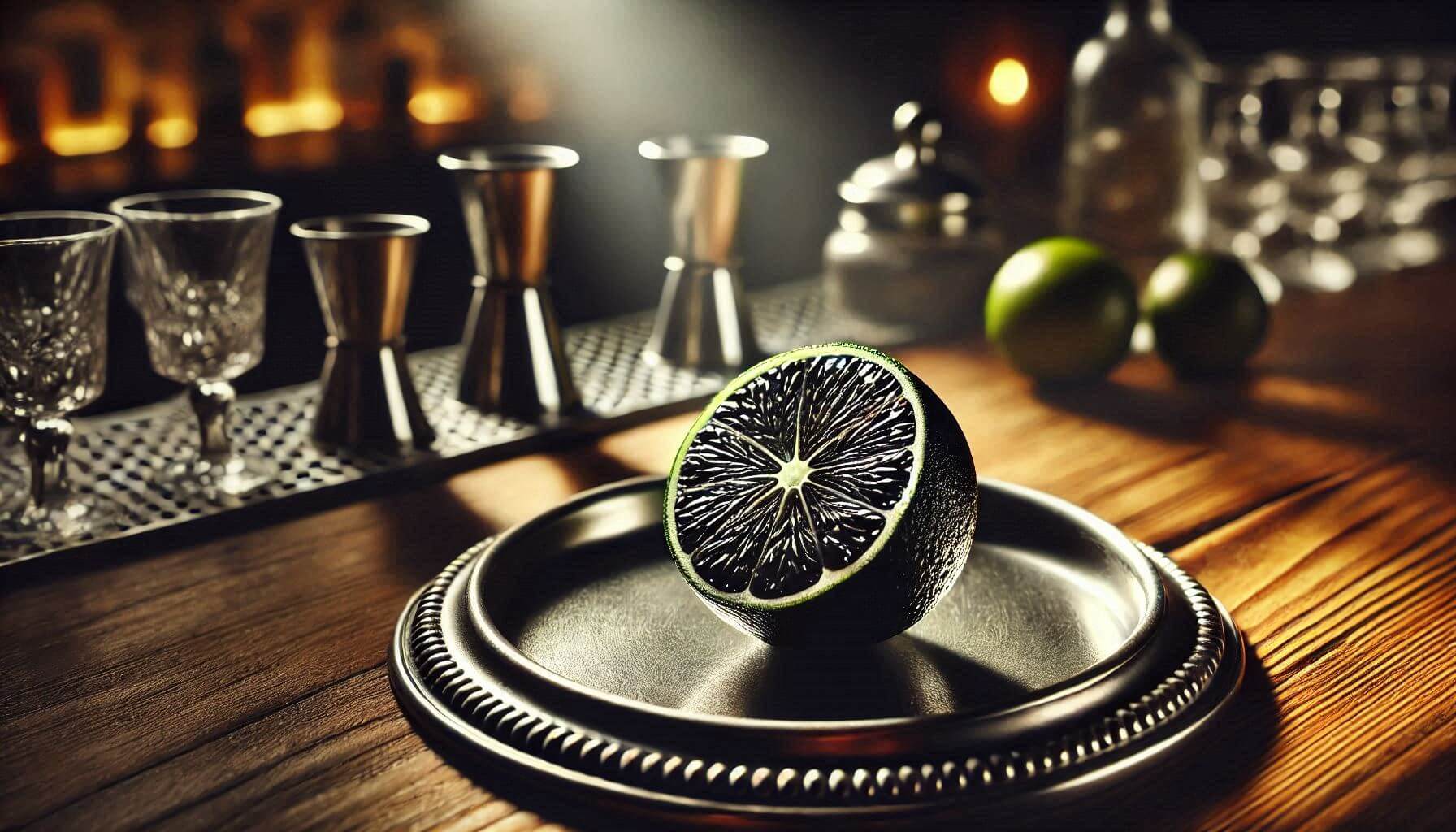
A single, halved black lime on a silver platter, resting on top of a bar in a shaft of light

I like to think the two standard limes in the background are envious of the fancy, blanched lime on the silver platter.

Kimpton Hotels & Restaurants, with their boutique concepts and global presence, are well positioned to study developing F&B trends.

Just about two months ago, Kimpton made their 2025 Culinary + Cocktail Trend Forecast available for free download. They’ve been releasing this forecast annually since 2015.

While I encourage you to download the report for yourself, I want to share the trends that stand out the most to me. For your own copy of the 2025 Culinary + Cocktail Trend Forecast, click here.

To learn which 2025 beverage trend predictions from Datassential have my attention, follow this link.

Here’s to a successful 2025. Cheers!

Black Limes

The What

A black lime is a standard lime that has been blanched in salt water. The peel and flesh hardens, and turns dark brown or black.

The Why

Blanching and cooling limes intensifies the aroma and flavors, boosting sourness, saltiness, and citrus notes.

The How

First, prepare a bowl of ice water. Next, add whole limes to a pot, and add water and a teaspoon of salt (experiment with amounts). Bring water to a boil for one to two minutes, then remove them with a slotted spoon and put them in the ice bath immediately. Let them cool completely, and store in a sealed container.

To use them, add whole black limes to soup stock. Or, use their powder for rubs, as seasoning, or as garnishes. Be cautious at first, as a little can go a long way.

As you may imagine, this food-focused trend can also work well for a bar’s beverage program.

Salted Egg Yolks

The What

A cured egg yolk that has been delivering umami flavor to Chinese cuisine for centuries.

The Why

Culinary teams can add salted egg yolks to all manner of dishes to imbue them with umami and salt flavors. Obviously, these work perfectly in Chinese dishes. However, with their buttery and often crumbly texture, they’re also great for enhancing pastas, salads, and other foods.

The How

It’s important to keep in mind that there’s a risk of bacteria associated with curing foods, like salmonella. So, proceed with caution, and adhere to strict food safety and handling rules.

Use the best-quality eggs you can, and use fine salt rather than coarse to avoid piercing yolks.

There are also two ways to prepare salted egg yolks. One method uses a jar and whole eggs, and one uses an air-tight container with a bed of salt and just the egg yolks. Ask your culinary team which method they prefer, and bear in mind that the process takes days. Also, it’s a good idea to bake the egg yolks in an oven at 160 degrees Fahrenheit (71 degrees Celsius) to ensure food safety.

Vegan Clarified Milk

The What

For a while there, it seemed as though it was a requirement for all cocktail bars to have Clarified Milk Punch on the menu. This led, of course, to more cocktails receiving the clarity treatment.

This trend is exactly what it sounds like on paper: A drink made with clarified vegan milk.

The Why

Some guests don’t consume dairy, so clarifying vegan milk will allow them to partake in this drink trend.

The How

Using coconut milk as an example, add lime juice and other liquid ingredients to an air-tight container. Stir the mixture, then leave in a refrigerator over night. Check the container, looking for separation; when you see it, strain the mixture through a coffee filter or cheesecloth into a bottle. Do this until you’re happy with the result. Serve as you would with any batched cocktail.

There are other methods for separating the solids from a milk, such as heating the milk to a specific temperature to speed up the process, then adding it and lime juice to the other liquid ingredients.

Spiced Fruit Leather Garnishes

The What

Again, this is exactly what it seems to be: fruit leather mixed with a spicy ingredient, like chili or habanero powder.

The Why

Garnishing drinks with spiced fruit leather adds a new dimension to the drinking experience, and allows your bar team to enhance the flavor experience. Plus, spiced fruit leathers are fun to nibble on in between sips.

The How

To have your culinary or bar team craft spiced fruit leather in-house, puree a fruit or fruits with high water content in a device such as a Vitamix. If you don’t have a dehydrator and specific fruit leather trays or dehydrator trays, you can line a baking sheet with parchment paper or silicone mats.

The person preparing the fruit leather can use a fine mesh strainer before they spread the puree onto a tray. Sprinkle the puree with the appropriate spice mixture, then pop the tray or baking sheet into an oven set to 140-150 degrees Fahrenheit (60-66 degrees Celsius) for four to twelve hours. Peel off the fruit leathers, cut into strips, and use as garnish.

Chili Crunch the World

The What

Kimpton expressly mentions chili crunch in their 2025 forecast, not chili crisp. In simple terms, crunch has a crunchier texture than crisp, as its made with larger pieces of ingredients.

In terms of both products, at their core they’re mixtures of peppers, onion, garlic, seasonings, and oil.

However, Kimpton foresees culinary teams crafting their own chili crunches (and likely chili crisps) that are specific to particular cuisines. Imagine, for example, a barbecue-centric chili crunch, or one featuring Italian seasonings.

The Why

Texture, heat (unless specifically made to not be hot), seasoning, an explosion of flavors… Chili crunch is an enhancer of both flavor and the guest experience.

The How

To make this condiment, start with dried chilies, and remove their seeds. Pulse or otherwise chop them. Remember, you want pieces that will create a crunch, so don’t pulverize the chilies. Set the chilies aside in a heat-safe container. Now, add your spices and seasonings to the chilies. Some people like to add peanuts to create more crunch.

In a pan, fry onions or shallots, straining them when they start to get pale, and reserving the oil. Put the oil back in the pan, and fry the garlic, being careful to avoid cooking for too long so they don’t become bitter. Strain the oil, separating it from the fried garlic. Heat the now-infused pour over the chilies, spices, and seasonings, and let the mixture cool. Once cool, add the onions or shallots and garlic to the mixture.

Your culinary team will likely have their own approach to producing chili crunch.

There are many more predictions in Kimpton’s 2025 Culinary + Cocktail Trend Forecast, so make sure to download your copy and check them out today.

Image: Microsoft Designer

KRG Hospitality Contact Request for Proposal 30 Minute Discovery Session

Book Below to Setup a 30-Minute Complimentary Discovery Call and Request for Proposal.


by David Klemt David Klemt No Comments

5 Books to Read this Month: January 2025

5 Books to Read this Month: January 2025

by David Klemt

Flipping through an open book

Our January book selections focus on changing the way we approach hospitality, mastering the fundamentals, America cuisine, bourbon, and more.

To review the book recommendations from December 2024, click here.

Let’s jump in!

Hacking the New Normal

Doug Radkey‘s followup book to Bar Hacks! The world around us has changed. The food and beverage industry has changed. The hospitality industry has changed. But will some ways of life change for the better? Will perhaps the restaurant, bar, and hospitality industry come out even stronger? With the right changes to the previous status quo, it is possible. There’s no question, resets are major undertakings, but a major reset will provide us with a clean start and that’s what this industry needs.

From Amazon: “Whether or not you’re a hotelier, restaurateur, bar owner or a front-line staff memberthis book will position you for success in the new normal. With a spotlight on hybrid business models, real estate, profit margins, technology, guest experiences, culture, diversity, and mindset, Hacking the New Normal is the guidance you need.

Grab your copy here.

Bar Hacks: Developing The Fundamentals for an Epic Bar

It’s the last book roundup of the year and yes, I’m taking the opportunity to recommend KRG president and principal consultant Doug Radkey’s first book. In his this book he explains the importance of nailing the fundamentals in order to:

  • start your operator journey in the best possible position;
  • stabilize your business; and
  • scale when the time comes, if that’s what you want.

From Amazon: “This informative and conversational book is the perfect read for aspiring or seasoned bar, pub, lounge, or even restaurant owners, operators, and managers looking for that competitive edge in operations! If you’re looking for both fundamental and in-depth planning methods, strategies, and industry focused insight to either start or grow a scalable, sustainable, memorable, profitable, and consistent venue in today’s cut-throat industry–Bar Hacks is written just for you!”

Click here to get your copy today!

Let There Be Havens: An Invitation to Gentle Hospitality

We find inspiration everywhere at KRG Hospitality. As important to us is sharing that inspiration to help our clients, partners, and readers hone their vision for hospitality concepts. This book, Let There Be Havens, is a look at “gentle hospitality,” an approach to providing impactful hospitality to those who visit your home. Operators and front- and back-of-house teams welcome guests to their “other” home every shift, and this book can improve every professional’s approach to service and hospitality.

From Amazon: “When one person reaches for another, makes an offering, and believes we all hold such worth. No matter what we have in our pockets or where we’ve been up until now, we take care of each other―whether we’re strangers on a sidewalk or families around a table. Each day, we create trails of beauty and connection. One open door opens the next. And then it happens: our streets fill with lamplight, our lives lift with spirit, and our homes become circles of gold.”

Click here to order the hardcover.

Bourbon Land: A Spirited Love Letter to My Old Kentucky Whiskey

Chef Edward Lee’s favorite spirit is bourbon. While this book, Best New Cookbook of Spring 2024 by Eater, Epicurious, and Food & Wine, dives into bourbon’s history, how to taste it, and famous distilleries, there’s another key element that should motivate you to buy it. Namely, how to cook with bourbon, and 50 accompanying recipes.

From Amazon: “Knowledgeable, entertaining, and more than a little infatuated with his subject, award-winning food writer and chef Edward Lee gives us his insight into bourbon, telling us everything we should know about the mellow honey-brown treasure that’s put Kentucky on the global map: How bourbon is made. Its history. How to read a label. A look inside the famous distilleries. The influence of oak. Tours of Kentucky’s bourbon regions. How to taste bourbon like a professional.”

Get it here.

Buttermilk Graffiti

Oh, Chef Lee is also an award-winning writer. In 2019, his book Buttermilk Graffiti won the James Beard Award for Best Book of the Year in Writing. It was also nominated for other awards. Chef Lee traveled the US, learned the personal and food stories of the people he encountered, and shared more than a dozen of those stories in this book, which also includes 40 recipes.

From Amazon: “American food is the story of mash-ups. Immigrants arrive, cultures collide, and out of the push-pull come exciting new dishes and flavors. But for Edward Lee, who, like Anthony Bourdain or Gabrielle Hamilton, is as much a writer as he is a chef, that first surprising bite is just the beginning. What about the people behind the food? What about the traditions, the innovations, the memories?”

Follow this link to buy your copy.

Image: Mikołaj on Unsplash

KRG Hospitality Contact 60-Minute Impact Session

Looking to Start, Stabilize, or Scale? Book Below to Setup a 60-Minute Result-Driven Impact Session.


by David Klemt David Klemt No Comments

Watch These Drink Trends in 2025

Watch These Drink Trends in 2025

by David Klemt

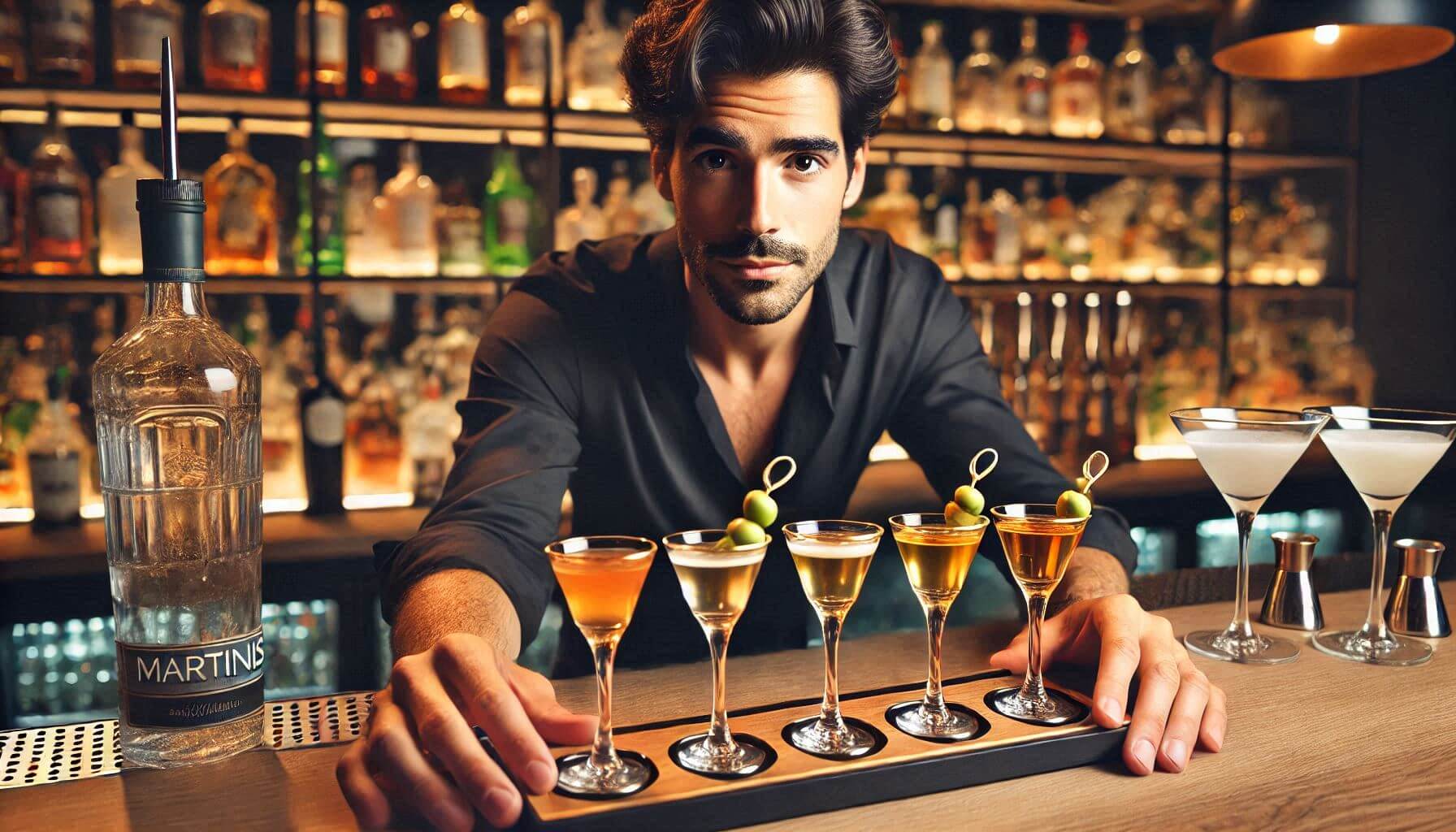
AI-generated image of a bartender serving miniature Martinis

Bottle of Martinis, anyone? In case you were uncertain, this image is AI-generated.

We’re nearing the end of 2024, and that means F&B intelligence platforms are releasing their year-end reports and predictions.

Among these platforms is Datassential. Recently, they released their Future of Drink preview report. You can sign up for your own copy here.

I’ve sifted through Datassential’s latest reports and trend-focused articles, and I’ve pulled a handful I think are among those that may perform the strongest in 2025.

Cheers!

Posh Jello Shots

Or as Datassential calls them in their report summary, “highbrow” jello shots.

This is the 2025 trend prediction that stands out the most to me. Your bar team will know how to produce jello shots (or learn how to make them reliably and consistently), but it’s not a difficult skill to develop.

Jello shots, or gelatin shots if you want to be pedantic, are most often associated with house parties and dive bars. However, gelatin is an interesting cocktail canvas, offering at the very least a different way to experience drinks texturally.

The simplest way to embrace this trend would be to use upmarket alcohol to craft these shots. Premium or super premium vodkas, for example. Another way would be to convert your signature cocktail(s) into jello form. And yet another approach would be layered jello shots, with each layer crafted using premium or super-premium ingredients.

An Alternative

Of course, operators don’t need to produce specialty, higher-end shots in gelatin form. With a bit of thought and experimentation, bar teams can produce shots that are essentially miniature versions of cocktails. Further, these can be offered as flights.

So, do you have a few specialty cocktails on your menu? Offer them as a flight of shots. Want to craft themed flights, such as a Negroni and two variants (Boulevardier and Sbagliato, for example)? That idea may just take off with your guests in 2025.

Creating shootable versions of more sophisticated cocktails elevates your program. Further, doing so can help introduce guests to a range of cocktails during a single visit in what can be a more responsible manner.

Think so-called “Mar-tinies” for inspiration: miniature Martinis served in miniature Martini glasses.

Heirloom Grains

It’s likely that you’re going to see “heirloom” or “heritage” a lot more in 2025 in relation to beer.

As both terms imply, brewers who produce these types of beer use grains they can trace back decades. Often times, heirloom grains are significant historically.

For example, Hanabi Lager Co. produces Haná Pilsner. Per the brewer, Haná is an heirloom grain that was used to produce the first-ever pilsner. In case you’re a beverage history buff or like sharing stories with guests who are interested, the first pilsner was brewed in 1842 by Josef Groll in the city of Pilsen.

Hanabi Lager Co. credits British farmers with “rescuing” Haná, pulling it back from the brink of extinction in 2015. Click here to check out other Hanabi beers made with heirloom barley and other heritage grains.

Operators who are interested in leveraging beers with notable ingredients should look for the words “heirloom,” “heritage,” and “ancient grain.” Further, they should ensure they know these beers would be of interest to their guests, and serve their concept in an authentic manner.

More Beer Trends

Other beer-centric trend predictions include global beers, hazy IPA, beer cocktails, and beer with a hint of lime.

I’m confident you don’t need an explanation of each of these 2025 trend predictions. However, it’s smart to approach each with careful consideration before adding them to your menu.

To provide an example, consider flights that focus on each trend: three to four hazy IPAs, half-sized beer cocktails, or specialty global beers.

Focusing on beer cocktails, or beertails or hoptails as I’ve seen over the years, I’m somewhat skeptical how they’ll rise in popularity. In my experience, they’ve never quite “hit” throughout the years. But, maybe 2025 is the year.

As far as beers with a hint of lime, consider creating snack pairings that pair well with such beers. Snacking as a trend is expected to rise in 2025, so it’s wise to engage your kitchen team to come up with a snack menu for your bar.

Cocktails on Tap

While I don’t recommend cocktails on tap of keg cocktails for every concept, I have certainly crafted beverage programs that leverage this trend.

And, in fact, I don’t consider these drinks to be a trend at all. In my opinion, cocktails on tap may not be ubiquitous, but they’re certainly no fad.

Why do I like cocktails on tap? For several reasons.

One of those is the speed of service, which benefits the team and the guest. While labor is necessary prior to service to prepare these drinks, kegged cocktails make up for all that effort. When the right cocktails are selected for the taps, they make it easy on the bar team to serve, and make it into the hands of guests in mere moments.

Another reason is the “novelty” of cocktails on tap. These drinks aren’t new yet many guests find the idea interesting, which piques their curiosity. Engaging guests is always good for business.

Now, think about bars and restaurants that include self-pour walls as a core feature of the concept. Guests have shown they’re interested in pouring their own beers and wines from pour walls. There are myriad reasons, including trying before they commit to something new to them. This applies to cocktails as well, and kegged cocktails are perfect for self-pour concepts.

Finally, they work for just about every category of bar, from casual neighborhood watering hole to upscale cocktail bar. When an operator focuses on glassware, garnish, and presentation, a cocktail on tap can appeal to even the most discerning cocktailian.

Image: Microsoft Designer

KRG Hospitality Contact Request for Proposal 30 Minute Discovery Session

Book Below to Setup a 30-Minute Complimentary Discovery Call and Request for Proposal.


by David Klemt David Klemt No Comments

Will this Drink Trend Lead Us into 2025?

Will this Drink Trend Lead Us Into 2025?

by David Klemt

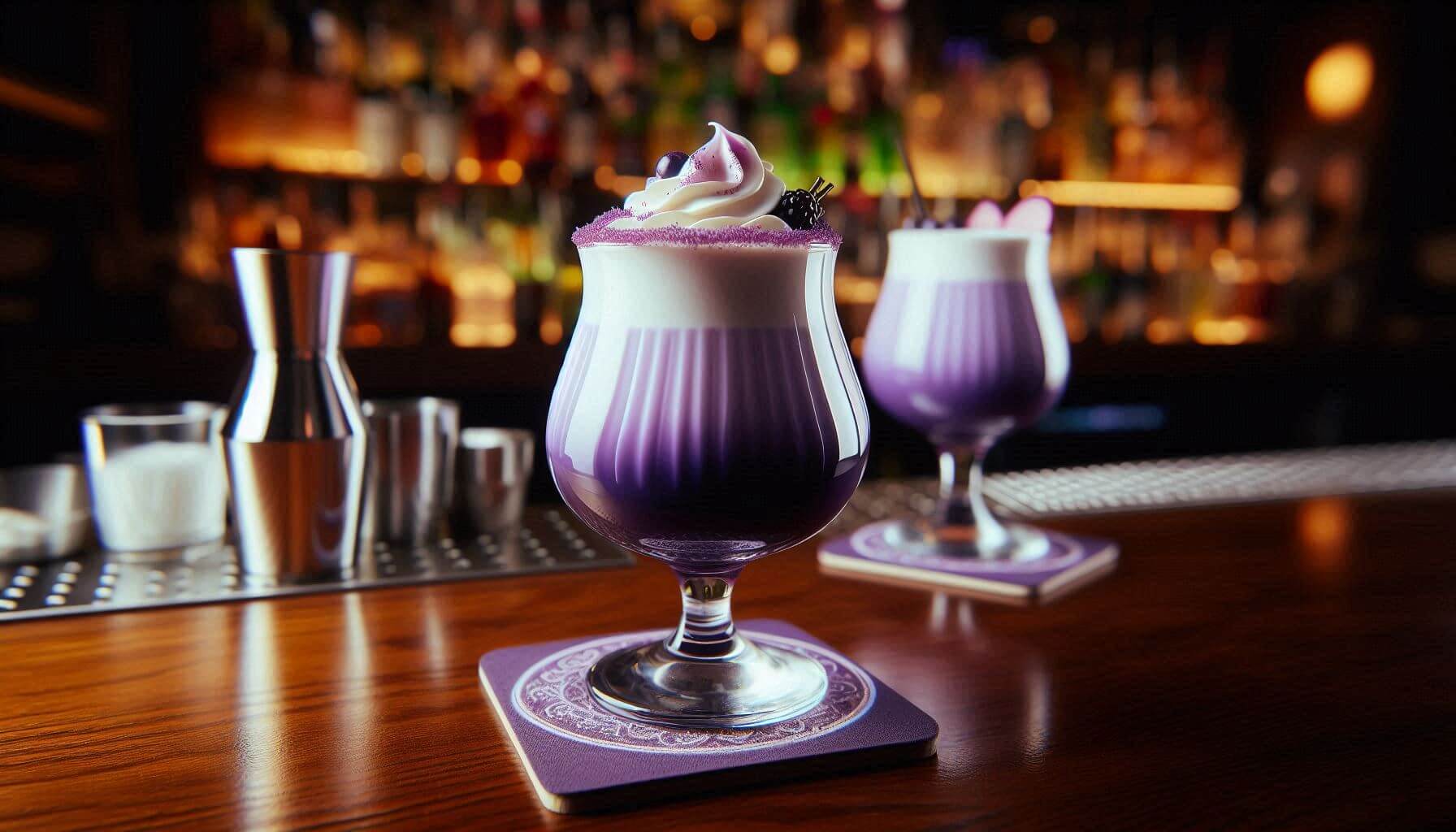
AI-generated image of two purple Ube Cream Liqueur cocktails on a bar

AI-generated image.

One of the latest drink trends, a unique cream liqueur made from purple yam, may have the staying power to heat up through New Year’s Eve.

Now, when I describe it as unique, I’m not indulging in PR-speak, I mean it; there’s only one Ube Cream Liqueur. That includes, up to this point, additional expressions. Again, there’s only one Uber Cream Liqueur.

Making this liqueur even more exclusive is the fact that just one distillery produces it: Destileria Barako. They’ve done so since 2016. The distillery makes some other intriguing products as well. For example, there’s a lychee and lemongrass liqueur called Gayuma that also includes vacuum-distilled smoke distillate. Compelling…

So, what is Ube? Put very simply, it’s a lavender-colored cream liqueur made from ube. That’s a purple yam, and the liqueur itself calls the Philippines home. Interestingly, while the liqueur is lavender in color, ube can be violet, purple, lavender, and even white.

Before I go any further, a purple yam is not the same as a purple sweet potato. A purple yam will be, generally speaking, sweeter than its sweet potato counterpart, while being slightly more subtle in terms of flavor profile. Expect vanilla up front, with a subtle nutty undertone and finish.

And if you’re curious as to the meaning of “ube,” it translates from Tagalog to English as “tuber.” Quite a literal name for this special vegetable.

Okay, great. But what about the liqueur that appears to be popping up on craft-cocktail-focused menus in the US?

What is Ube?

On the surface, it’s an imported cream liqueur in an attractive, fashionable bottle.

Seriously, look at the Instagram post below; that’s going to grab guests’ attention.


View this post on Instagram


A post shared by Ube Cream Liqueur (@ubecreamliqueur)

Going deeper, Ube is made from the eponymous tuber, coconut husks, and sugarcane vodka. The ingredients are sourced from local farms and their communities throughout the islands that make up the Philippines (of which there are more than 7,600).

The liquid itself is rich and creamy, as one would expect. Like its namesake, Ube’s flavor profile includes vanila, and a subtle nuttiness. However, the sugarcane vodka is detectable, and coconut also shines through.

Along with being unique, it’s also versatile. Bar guests can’t really go wrong with ordering it in just about any configuration: neat, chilled, on the rocks, frozen, in a cocktail… Ube is highly adaptable.

And that, if I had to point to a characteristic beyond flavor and mouthfeel, is likely why this cream liqueur is rising in popularity.

Bar teams can get creative with it. Guests can enjoy it in myriad forms. Even the culinary team can get involved, as it’s an intriguing ingredient for dishes (particularly dessert).

Introducing guests to Ube isn’t a hard sell, either. The bottle and liquid itself are appealing to the eye. And while bar and culinary teams can really tap into their imaginations and talents to create quirky sips and dishes, it works in instantly recognizable drinks as well.

For instance, there’s the Ube Mudslide, Purple Russian (a variant of the White Russian, of course), Ube Colada, Ube Coco Old Fashioned, and even the Ubegroni.

Proceed with Caution

Here’s a a viewpoint with which you may be familiar: Once a trend emerges and people jump on it, it’s no longer a trend. Instead, it either experiences widespread adoption, reaches ubiquity, or dies.

Another viewpoint is that due to social media, trends come and go so quickly that even those that stick around for more than a few days tend to fall off quickly.

Search online for Ube and you’ll likely come across posts about finding it in the US that are a year or more old. It seems that the interest in this particular cream liqueur picked up in earnest around August of this year.

All that is to say this: For the most part, unless a person or group of people originates a trend, everyone else will be a step or two behind if they choose to jump on it. Most trends don’t even actually reach that status; they die in their nascent stage: a fad.

So, operators and their teams should be selective when a product, flavor, menu item, preparation, etc. is getting a lot of attention “suddenly.”

Chasing every trend isn’t efficient, and doing so flies in the face of consistency.

Important Considerations

There are several questions an operator should consider and answer before embracing any trend (or fad). Below, the assumption is that the trend involves a specific product.

  • Will this resonate with enough guests to make this profitable?
  • Does this trend work with our brand or are we forcing it to fit artificially?
  • Can it be obtained easily and consistently? If not, can we make our own housemade version? What will that cost, including labor?
  • How much will it cost to add this product to our inventory?
  • What will it cost to train the team to use this product?
  • Who will train the team on this product? What’s the estimated learning curve? What will training cost, in terms of product and labor?
  • In terms of pricing, what’s our projected profit margin per item made with this product? How many do we expect to sell on a daily, weekly, and monthly basis, keeping in mind that this is a consumer trend.
  • How quickly, with the above considerations (and more), can we actually leverage the popularity of this trend? Will it still be popular after we’ve completed our due diligence?

Don’t Abandon Your Standards

This caution isn’t aimed at embracing Ube specifically. Rather, this is advice for considering any trend, product, or menu item.

The standard is for operators to be obsessed with their numbers. Look at the top operators in the businessnot necessarily those earning the most awards, but those leading their bars and restaurants to long-term success, and focused on building generational wealthand you’ll see how much they focus on numbers; they know them inside and out.

All too often it can be tempting to drop standards when something goes sideways. Service goes awry, for example, and we try to take a shortcut to recover.

The same can be said for chasing trends. It can be tempting to just throw a new, trending item on the menu without crunching the numbers, taking a shortcut to leverage the trend as quickly as possible.

A savvy operator will consider the numbers before adding anything to their inventory and menu. It shouldn’t take long, and running the numbers will prove whether the trend is worth pursuing.

Image: Microsoft Designer

KRG Hospitality Contact Request for Proposal 30 Minute Discovery Session

Book Below to Setup a 30-Minute Complimentary Discovery Call and Request for Proposal.


Top