Grant

by David Klemt David Klemt No Comments

Restaurant Tax Credit Support Grows

Bipartisan Effort for Restaurant Revitalization Tax Credit Grows

by David Klemt
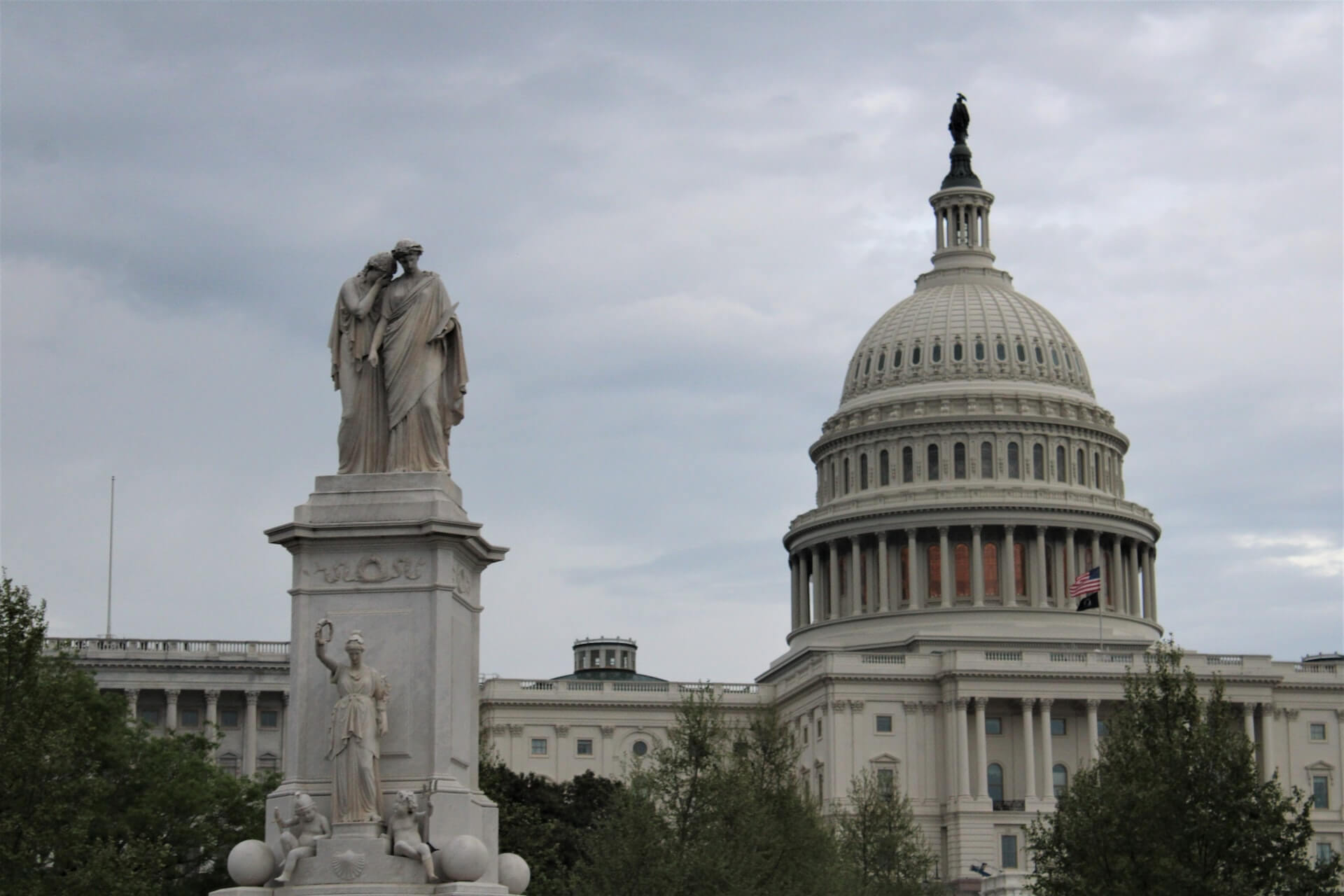
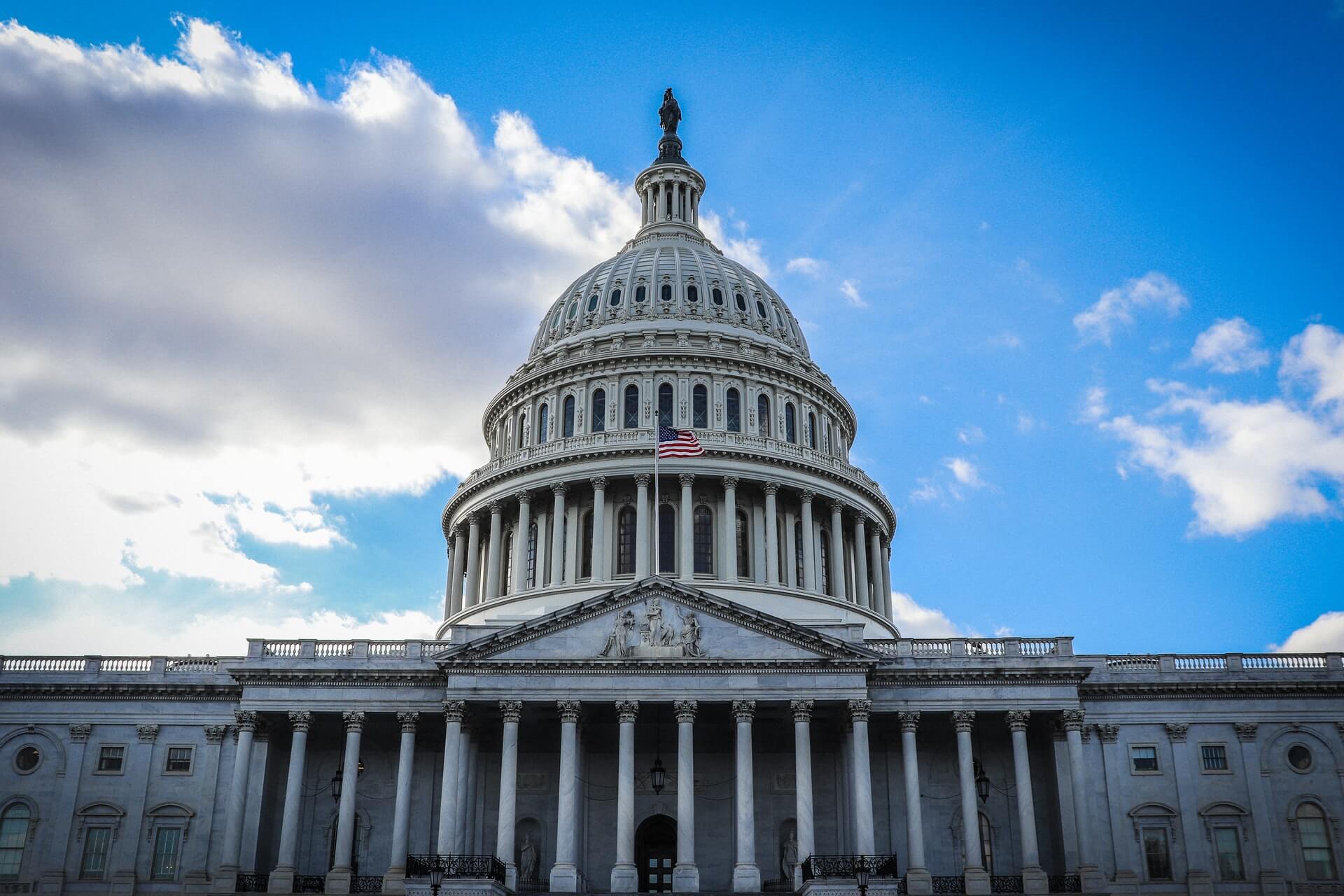
United States Capitol Building exterior and Peace Memorial

One week after the Restaurant Revitalization Tax Credit Act introduction in the Senate, a companion bill is in play.

This time, the bill is a bipartisan effort. Representative Earl Blumenauer (D-OR) is the sponsor of HR 9574. Joining him are Reps. Brian Fitzpatrick (R-PA) and Dean Phillips (D-MN).

HR 9574 is nearly identical to the Senate version, S.5219. In fact, the only real difference relates to number of employees.

Restaurant Revitalization Tax Credit Act Summary

Just like the bill in Senate currently, the House of Representative bill proposes a $25,000 payroll offset for restaurants.

In terms of eligibility, HR 9574 is identical to S.5219: Restaurant Revitalization Fund applicants. More precisely, eligible applicants that applied for but didn’t receive an RRF grant.

Further eligibility requirements are as follows:

  • Restaurants with operating losses of at least 30 percent in 2020 and 2021 in comparison to 2019; or
  • restaurants with losses of at least 50 percent in either 2020 or 2021 in comparison to 2019.

If you’re familiar with the Senate’s version, which predates the House version by a week, you may be wondering about the difference between the two bills.

Well, it comes down to number of employees. For the Senate bill, restaurants with ten employees or fewer could be eligible for the maximum payroll tax credit. That credit, again, is up to $25,000 for 2023. For every employee over ten, the refund cap drops by $2,500.

However, the House bill approaches number of employees a bit differently. Restaurants with ten or fewer employees would receive the full $25,000 payroll tax offset. For restaurants with between 11 and 20 employees, the offset would be “partially refundable.”

A Lifeline

It’s likely that neither HR 9574 nor S.5219 will receive a vote until January 2023, at the earliest.

Of course, time is of the essence for our industry. This isn’t lost on Rep. Blumenauer—an author of the RESTAURANTS ACT of 2021—or his co-sponsors.

“Restaurants and their employees were hit harder than any other industry during the COVID-19 pandemic,” says Rep. Blumenauer. “The federal government has provided some help to these institutions through the Restaurant Revitalization Fund, legislation based on my RESTAURANTS Act. But the program has fallen short, with only one-third of all applicants receiving funding.”

To add to Rep. Blumenauer’s mention successful applicants, it’s estimated that more than 175,000 applicants haven’t received a grant.

Hope, as the saying goes, isn’t a strategy. But hopefully at least one of these bills is floored, voted on, and passed in January. Too many deserving restaurants have had to endure an agonizing series of RRF roller coasters.

To continue introducing bills—hope—just to watch them fail to go anywhere is becoming cruel at this point.

Image: Emily Studer on Unsplash

by David Klemt David Klemt No Comments

169 Grants May be the End of the RRF

169 Grants May be the End of the RRF

by David Klemt

Empty, broken plate on floor

UPDATE: According to some sources, the report of $180 million in “leftover” RRF money are inaccurate. The disbursement of $83 million represents the final release of RRF funds.

The $83 million in grants going out this week to 169 recipients may be the end of the Restaurant Revitalization Fund in its entirety.

Unfortunately, it’s possible last week’s awards represent the final grants. This, despite the Government Accountability Office (GAO) finding $180 million in funds in July.

As far as the sources of these funds, that topic remains a bit vague.

However, the story is that more than $150 million are the result of clawbacks. More than a third, if reporting is accurate, is the result of recipients or financial institutions returning grants. Reports indicate another $24 million come from the SBA setting aside $24 million for litigation.

Per the National Restaurant Association months ago, the American Rescue Plan Act of 2021 does not include a provision for a litigation fund. Therefore, the NRA called for the SBA to disburse that money to RRF applicants.

What we do know is that last week’s RRF grant recipients should be receiving their funds this week. According to the SBA, 169 recipients were awarded a portion of $83 million in RRF money.

Again, that’s money the GAO found back in July. It’s also less than half of the reported $180 million the government agency found this summer.

Given the fact that the SBA announced a disbursement of just 46 percent of the “leftover” funds, many believed another round was in the works. Sadly, that may not be the case. It’s possible—and increasingly likely, regrettably—that the rest of the $180 million in funds won’t go to grant applicants.

Now, I want to be clear on one important point: I’m relieved for the 169 grant recipients. I truly hope the funds arrive in time to help them and their teams.

While I’ll feel disappointment if a second round of the $180 million never materializes, I’m happy for those who received a portion of the $83 million awarded last week.

Frustration

So, where does the industry go from here? The failure of Congress to replenish the RRF left a reported 150,166 applicants with zero assistance. According to Nation’s Restaurant News, it would have taken $41 billion to award each applicant a grant. Obviously, $180 million was never going to serve to help that many applicants.

Frustratingly, the answer to the question above appears to be: Move forward on our own. And that unsatisfactory answer has flooded with me opinions.

One opinion? Our industry, it seems, is always left to fend for itself. Despite the millions of people hospitality employs, lawmakers and politicians don’t seem willing to assist us—and therefore their constituents—in meaningful ways.

Another opinion? Perhaps we need to build a more powerful lobby to have our voices heard. Such an effort began in earnest to support the RRF. However, too many elected officials were comfortable refusing to replenish the fund.

A third opinion was shaped by Eileen Wayner, CEO of Tales of the Cocktail. As a guest on the Bar Hacks podcast she addressed the perception of operators and hospitality workers as being adaptable and resilient.

While those characteristics can be admirable, Wayner expressed something I think we all feel: Sometimes, we’re tired of being resilient. Sometimes, we’re tired of being expected to adapt. There are times our industry needs help.

When you’re constantly seen as resilient, people believe you don’t need assistance. What we’ve seen with the RRF and its failed replenishment is that too many people with the power to help can write us off. “They’re resilient,” they say. “They’ll figure it out. They’ll be fine.”

Well, we’re not all “fine.” We needed help, and we deserved it.

Image: CHUTTERSNAP on Unsplash

by David Klemt David Klemt No Comments

After RRF Failure, What’s Next for Us?

After RRF Failure, What’s Next for Us?

by David Klemt

Super Mario Bros. game booth

After the US Senate failed to even debate the Restaurant Revitalization Fund, instead opting to let it die, what’s next?

Obviously, trusting our elected officials to do the right thing isn’t a viable option. After all, the Senate slow-walked the RRF’s death march. It took six weeks after the House voted “yes” on RRF for senators to filibuster the bill to death.

Last Thursday, the National Restaurant Association addressed moving forward. Sean Kennedy, executive vice president of public affairs, released a 90-second video in which he spoke about the RRF and where we are now.

Reconciliation?

One of the first options Kennedy proposes in his video is a reconciliation bill. That, however, is highly unlikely to come to fruition.

So, what’s a reconciliation bill? Simply put, it has to do with the Senate’s supermajority requirement.

In order for a bill to advance to a vote, 60 percent of the Senate must support ending a filibuster. On that topic, a filibuster is a procedural tool that prolongs a debate. The filibuster is used to delay or prevent a vote on a bill, resolution, etc.

Now, a budget reconciliation bill circumvents the supermajority requirement. A simple majority—51 senators for the US Senate—is all it takes to override a filibuster in this instance.

Technically, from what I’ve come to understand, the Senate can pass a maximum of three budget reconciliation bills in a year. Most often, it passes a single such bill per year.

Obviously, Kennedy feels that this would be a longshot to cross our fingers and hope the RRF is funded via these means.

Staying Ready

As they say—yes, “they”—if you stay ready, you don’t have to get ready. According to Kennedy, the NRA is prepared to act in any way they can should replenishing the RRF or similar aide once again become an option.

“We’re gonna continue to closely monitor the situation and we certainly can activate if there any signs of movement,” he says. “We’re not seeing them yet.”

The “yet” there is perhaps a bit hopeful. And as we like to say, hope isn’t a strategy. However, optimism is far healthier than pessimism and hopelessness.

Additionally, Kennedy and the NRA are grateful to the bipartisan group of representatives and senators who have shown their support for our industry and replenishing the RRF.

“We’re incredibly appreciative of the works of our champions in Congress,” says Kennedy.

In particular, he acknowledges Senate Majority Leader Chuck Schumer (D-NY), and senators Ben Carden (D-MD), Roger Wicker (R-MS), Kyrsten Sinema (D-AZ). In the House, Kennedy thanks Speaker of the House Nancy Pelosi (D-CA), and representatives Earl Blumenauer (D-OR), Dean Phillips (D-MN), Brian Fitzpatrick (R-PA).

What’s Next?

As Kennedy says, much of what he discussed with people at the 2022 NRA Show centered around this very topic. Just what are we supposed to do moving forward?

Unfortunately, there’s no clear answer, no simple solution we can point to and implement.

Instead, we have several issues we must navigate to keep restaurant and bar doors open:

  • What can we do to more effectively recruit and retain staff?
  • How can we best address increases in food costs and problems with availability?
  • Is there a way to address rising credit card transaction fees?

Of course, that’s but a handful of what we must address and solve. And at least when it comes to the first question, we know some of the elements for the solution:

  • Treat staff with respect.
  • Value diversity, equity, and inclusion.
  • Improve pay and offer benefits.
  • Develop a healthy company culture and workplace.

On the topic of state and local policymakers, expecting help is a dicey proposition.

Unless they engage with the owners, operators, and industry professionals in their states, counties, cites, and towns, they’ll hurt these businesses. The only effective and helpful way forward is for them to engage with us and not simply introduce and pass legislation that hurts. Possible, of course, but a big ask as we’ve seen proven time and time again.

Image: Minator Yang on Unsplash

by David Klemt David Klemt No Comments

Breakdown: How Senators Voted on RRF

Breakdown: How Senators Voted on RRF

by David Klemt

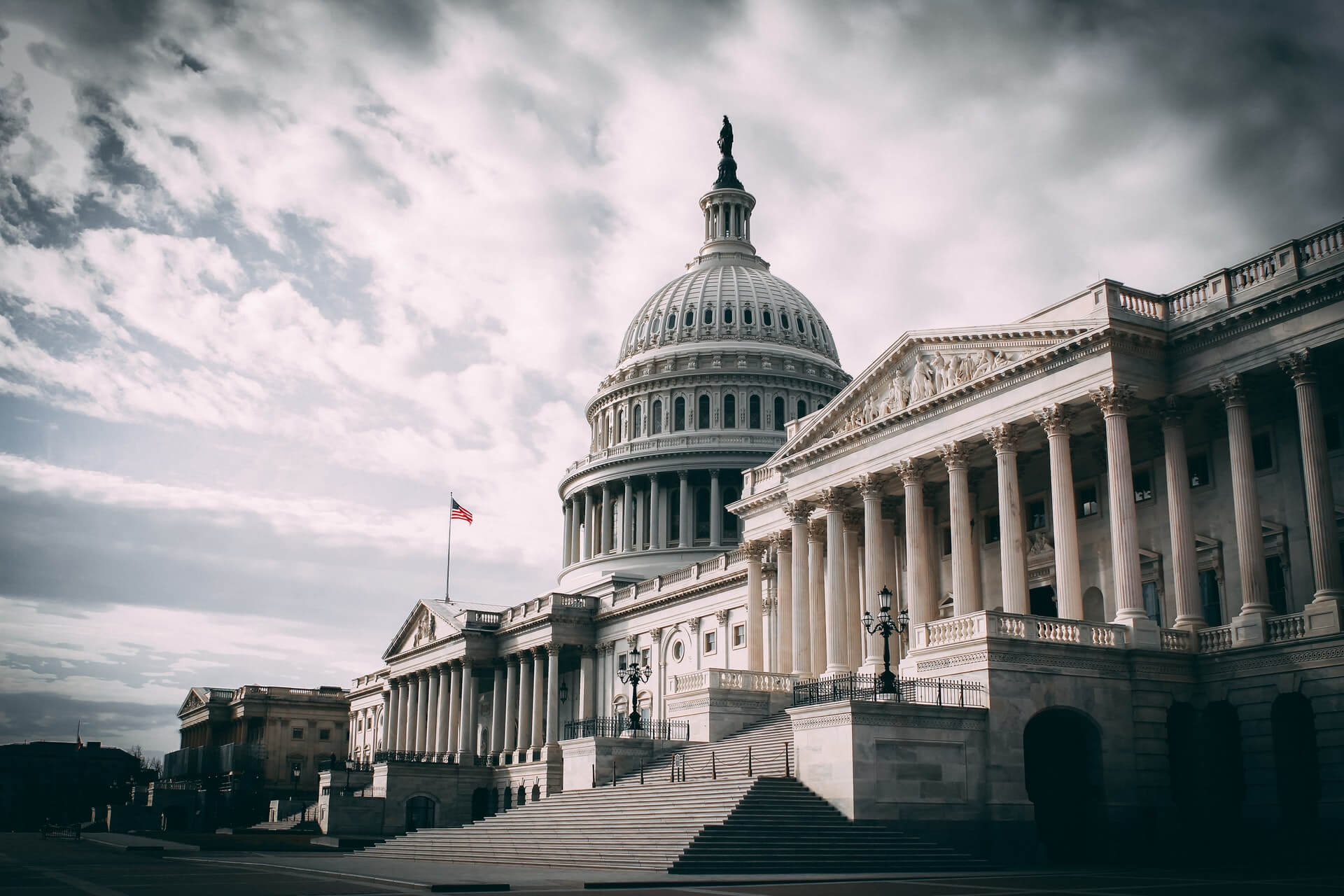
U.S. Capitol Building exterior, cloudy blue skies

After a year of waiting, we now know the fate of the Restaurant Revitalization Fund: a 52 to 43 vote that saw RRF replenishment fail on the Senate floor.

Last Thursday, the US Senate voted to debate the Small Business COVID Relief Act of 2022 (S.4008). A filibuster put an end to this effort to replenish the RRF.

To be blunt, this is a disgrace. Eligible RRF applicants have been awaiting needed and deserved grants for a year. We were left out of Build Back Better, we were left out of the $1.5 trillion omnibus spending bill passed in March.

A contributing factor to why this is so disappointing is the passing of S.3811. Of particular note, 32 of the senators who voted against $40 billion for American restaurants and bars voted in favor of $40 billion for supplemental aid for Ukraine.

Now, I’m not saying that Ukraine doesn’t deserve our support. Likewise, I’m not saying that we shouldn’t have voted to provide the war-torn country $40 billion in aid.

However, I am saying that I find it indefensible that dozens of our senators would send that kind of money overseas, then turn around and deny relief for American businesses.

In one moment we have senators saying America needs to come first. They then proceed to turn their backs on hard-working Americans.

Nay Votes

Unfortunately, 43 senators—all Republican—voted against the Small Business COVID Relief Act of 2022. Therefore, they voted against replenishing the RRF.

However, that doesn’t mean all Republican senators voted against the bill. Indeed, four Republicans voted with their Democrat and Independent peers.

  • Barrasso (R-WY)
  • Blackburn (R-TN)
  • Boozman (R-AR)
  • Braun (R-IN)
  • Burr (R-NC)
  • Capito (R-WV)
  • Cornyn (R-TX)
  • Cotton (R-AR)
  • Cramer (R-ND)
  • Crapo (R-ID)
  • Cruz (R-TX)
  • Daines (R-MT)
  • Fischer (R-NE)
  • Graham (R-SC)
  • Grassley (R-IA)
  • Hagerty (R-TN)
  • Hawley (R-MO)
  • Hoeven (R-ND)
  • Hyde-Smith (R-MS)
  • Inhofe (R-OK)
  • Johnson (R-WI)
  • Kennedy (R-LA)
  • Lankford (R-OK)
  • Lee (R-UT)
  • Lummis (R-WY)
  • McConnell (R-KY)
  • Moran (R-KS)
  • Paul (R-KY)
  • Portman (R-OH)
  • Risch (R-ID)
  • Romney (R-UT)
  • Rounds (R-SD)
  • Rubio (R-FL)
  • Sasse (R-NE)
  • Scott (R-FL)
  • Scott (R-SC)
  • Shelby (R-AL)
  • Sullivan (R-AK)
  • Thune (R-SD)
  • Tillis (R-NC)
  • Toomey (R-PA)
  • Tuberville (R-AL)
  • Young (R-IN)

Yea Votes

It’s important to remember that the Small Business COVID Relief Act of 2022 was a bipartisan effort. Sens. Ben Cardin (D-MD) and Roger Wicker (R-MS) introduced the bill, which included $40 billion for the RRF and $8 billion for other businesses.

Four Republican senators and two Independents voted in the affirmative with all Democrats.

  • Baldwin (D-WI)
  • Bennet (D-CO)
  • Blumenthal (D-CT)
  • Blunt (R-MO)
  • Booker (D-NJ)
  • Cantwell (D-WA)
  • Cardin (D-MD)
  • Carper (D-DE)
  • Casey (D-PA)
  • Cassidy (R-LA)
  • Collins (R-ME)
  • Coons (D-DE)
  • Cortez Masto (D-NV)
  • Duckworth (D-IL)
  • Durbin (D-IL)
  • Feinstein (D-CA)
  • Gillibrand (D-NY)
  • Hassan (D-NH)
  • Heinrich (D-NM)
  • Hickenlooper (D-CO)
  • Hirono (D-HI)
  • Kaine (D-VA)
  • Kelly (D-AZ)
  • King (I-ME)
  • Klobuchar (D-MN)
  • Leahy (D-VT)
  • Lujan (D-NM)
  • Manchin (D-WV)
  • Markey (D-MA)
  • Menendez (D-NJ)
  • Merkley (D-OR)
  • Murkowski (R-AK)
  • Murphy (D-CT)
  • Murray (D-WA)
  • Ossoff (D-GA)
  • Padilla (D-CA)
  • Peters (D-MI)
  • Reed (D-RI)
  • Sanders (I-VT)
  • Schatz (D-HI)
  • Schumer (D-NY)
  • Shaheen (D-NH)
  • Sinema (D-AZ)
  • Smith (D-MN)
  • Stabenow (D-MI)
  • Tester (D-MT)
  • Warner (D-VA)
  • Warnock (D-GA)
  • Warren (D-MA)
  • Whitehouse (D-RI)
  • Wicker (R-MS)
  • Wyden (D-OR)

Not Voting

Three Democrat and two Republican senators didn’t vote on S.4008.

  • Brown (D-OH)
  • Ernst (R-IA)
  • Marshall (R-KS)
  • Rosen (D-NV)
  • Van Hollen (D-MD)

Yay Votes for Ukraine, Nay Votes for RRF

The following senators, all Republican, voted to send $40 billion in aid to Ukraine.

The same day, they voted against $40 billion to replenish the RRF, voting against American restaurants and bars.

  • Barrasso (R-WY)
  • Burr (R-NC)
  • Capito (R-WV)
  • Cornyn (R-TX)
  • Cotton (R-AR)
  • Cramer (R-ND)
  • Cruz (R-TX)
  • Daines (R-MT)
  • Fischer (R-NE)
  • Graham (R-SC)
  • Grassley (R-IA)
  • Hoeven (R-ND)
  • Hyde-Smith (R-MS)
  • Inhofe (R-OK)
  • Johnson (R-WI)
  • Kennedy (R-LA)
  • Lankford (R-OK)
  • McConnell (R-KY)
  • Moran (R-KS)
  • Portman (R-OH)
  • Risch (R-ID)
  • Romney (R-UT)
  • Rounds (R-SD)
  • Rubio (R-FL)
  • Sasse (R-NE)
  • Scott (R-FL)
  • Scott (R-SC)
  • Shelby (R-AL)
  • Sullivan (R-AK)
  • Thune (R-SD)
  • Tillis (R-NC)
  • Toomey (R-PA)
  • Young (R-IN)

Image: PartTime Portraits on Unsplash

by David Klemt David Klemt No Comments

US Senate Fails to Replenish the RRF

US Senate Fails to Replenish the RRF

by David Klemt

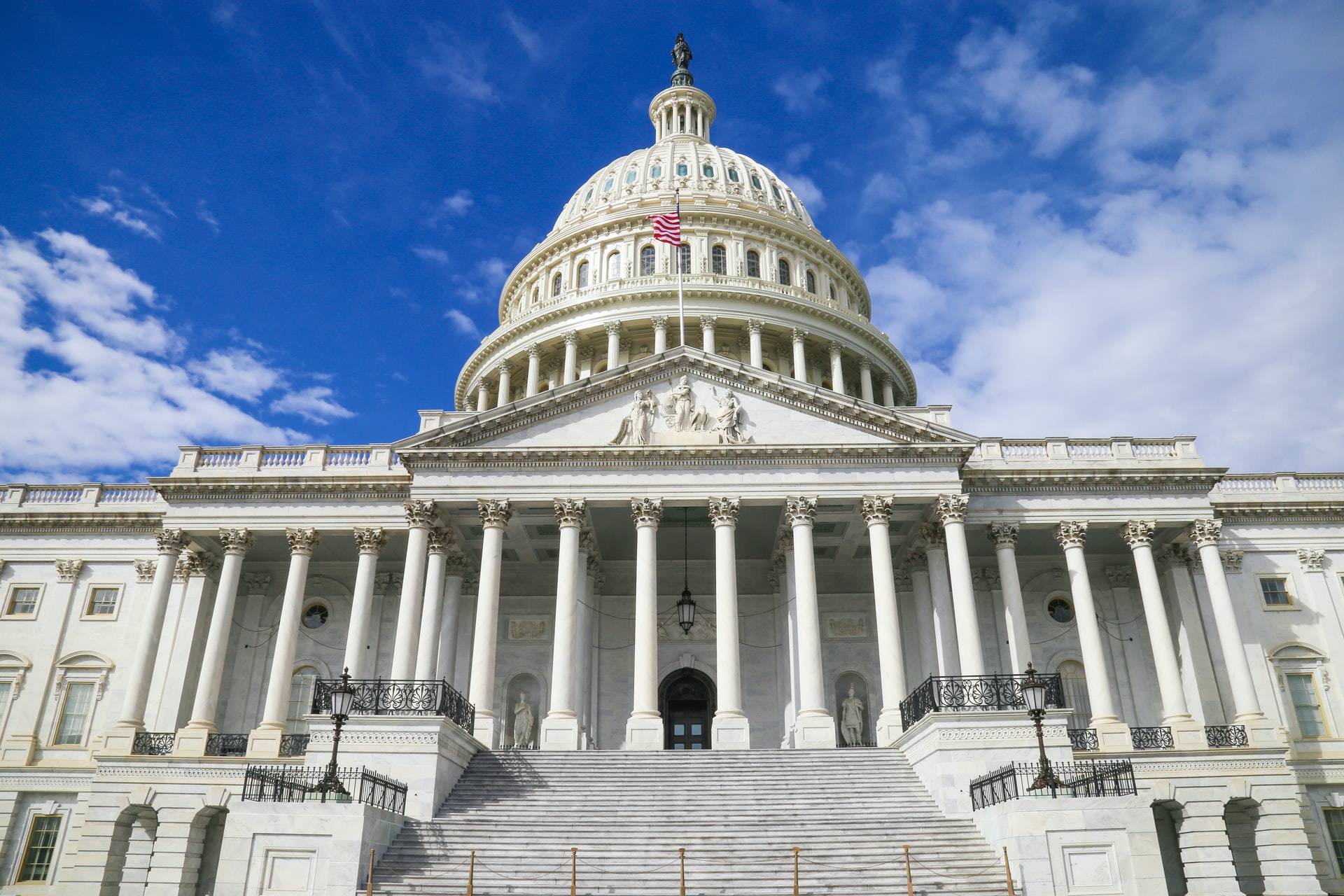
United States Capitol Building exterior and blue sky

After conflicting reports and speculation, the US Senate has finally voted this week on replenishing the Restaurant Revitalization Fund.

Last week, multiple sources reported that the Senate would hold their RRF vote this week. Just days ago, several outlets sounded the alarm, reporting that the vote would be pushed to next week. The reason, these sources provided, was the Senate’s scramble to repackage and hold another vote on aid for Ukraine.

Senator Rand Paul (R-KY) blocked the bill that would provide $40 billion in defense and humanitarian aid. Unsurprisingly, it was also Sen. Paul who objected to $43 billion in emergency funding last August, killing that RRF replenishment effort.

Today, on the Senate floor, Sen. Paul repeatedly derided the replenishment of the RRF as a “bailout.” Additionally, he asked, “Where’s the emergency?”

So, one can infer that the impending closure of an estimated 50 percent of RRF applicants—88,500—isn’t an emergency to the Kentucky senator. Simple math shows that if each of those applicants has just ten employees, that’s a loss of 885,000 jobs.

Rightfully so, people throughout the industry have been more than a little concerned that the bill would receive at least 60 “yea” votes today.

At issue is where the funds would come from. While Democrats view replenishing the RRF as emergency funding, Republicans prefer to reallocate existing funds.

Senate Fails to Replenish RRF

Today’s vote was a long time coming. In fact, it’s just days shy of one year since the RRF application portal closed.

Now, after a 223 to 203 vote in the House to replenish RRF, our senators have failed us. The resulting vote was 52 to 43, falling short of the 60 “yeas” necessary

I’m not despondent over this news. Honestly, I think I’ve made it rather clear that our politicians failing us wouldn’t at all surprise me. Yet I still find myself incredibly disappointed.

Disappointed in how the RRF was handled, disappointed in the grant approval process, disappointed in how emergency funding was blocked, and disappointed in how we were left out of the Biden administration’s Build Back Better and March omnibus bills.

And gravely disillusioned now that I’ve finally learned how little many of our senators care about us. Hospitality is an industry that employed nearly 17 million people in 2019. In terms of revenue, we’re projected by the National Restaurant Association to generate almost $900 billion in sales.

Not enough, it’s clear, for a majority of senators to vote to replenish the RRF.

However, I’m mostly dismayed for the owners and operators who have waited a year just to have this lifeline yanked from their fingertips. Today’s failure in the Senate puts millions of jobs at risk.

Underfunded from the Start

For those who found themselves in RRF limbo, the wait for this vote has been agonizing.

The RRF application portal opened May 3, 2021. Initially, the process looked promising. For the first 21 days, the Small Business Administration announced, priority would be granted to small businesses with a minimum of 51 percent ownership by women, veterans or socially disadvantaged people.

However, the SBA closed the portal immediately after processing only about 101,000 priority applications, or one-third of applicants. So, ever since May 24 of last year, “non-priority” applicants have been left wondering if they’d ever receive an RRF grant.

In addition to the premature closure of the application process, the RRF was woefully underfunded. Clearly, that point was driven home when $75 billion in applications were submitted to a fund with just $28.6 billion.

So, the quick closure and unrealistic funding meant that out of the over 362,000 initial applicants, around 177,000 have been watching and waiting.

A Year-long Wait

Shortly after the RRF portal was closed, a number of Republican members of Congress sent a letter to the SBA. Per the contents of the letter, non-priority applicants wouldn’t receive grants or have the opportunity to apply for grants.

Indeed, those applicants stuck in RRF limbo have been waiting for relief for just days shy of a year. And that’s only counting the days since the portal closed. Operators across the industry, not just those who applied for RRF grants, have been scratching and clawing to stave off insolvency and closures.

Advocates such as the Independent Restaurant Coalition have been sounding the alarm. RRF applicants could be just days away from bankruptcy and needed the government to act. To be brutally honest, relief may still come too late for many applicants.

Congress has certainly had the time to vote on and replenish the RRF. In June 2021, Sens. Kyrsten Sinema (D-AZ) and Roger Wicker (R-MS), and Reps. Earl Blumenauer (D-PA) and Brian Fitzpatrick (R-PA) introduced the RRF Replenishment Act bill. In July, Rep. Blaine Luetkemeyer (R-MO) introduced an alternative bill, the ENTREE Act.

Of course, as we well know, an attempt in August to replenish the RRF with $43 billion in emergency funding was blocked by Sen. Paul. In November, Build Back Better was passed. Obviously, the RRF and our industry were left out the $1.7 trillion dollar bill. Likewise, we weren’t included in March’s $1.5 trillion omnibus spending bill.

Left Out In the Cold

So, of $3.2 trillion dollars in massive bills passed, zero were earmarked for us.

Today, our senators voted 86 to 11 for $40 billion in aid for Ukraine. However, they voted 52 to 43 to provide $40 billion in aid to American restaurants and bars.

Last month, eleven months after the portal closed, the House voted to replenish the RRF. That left the final push to the Senate.

And today, at least 43 senators made their low opinion of us known.

Image: Alejandro Barba on Unsplash

by David Klemt David Klemt No Comments

How Big Brands Can Help Small Brands

How Big Hotel Brands Can Help Small Hospitality Brands

by David Klemt

Upward perspective shot of skyscrapers

The intriguing topic of big hotel brands helping smaller hospitality businesses grow came up during HD Expo 2022.

Several speakers spoke about serving and improving local communities. However, established brands can also help local business communities.

Job creation can take place outside of a big brand’s four walls, for example. But going even further, smaller independent brands can also receive a lift from big brands.

As we all grapple with what business can be moving forward, some in hospitality are proposing operating with a purpose.

Conversations Help

Everyone with several years of experience in this industry has seen some things. That’s putting it lightly, most likely.

That is to say, hospitality professionals gain metric tons of useful experience working in this industry. As we know, experience and knowledge are incredibly valuable in business.

Great mentors help others by sharing their knowledge with others. They gain that knowledge—at least in part—through experience. That means that time is truly invaluable.

So, when’s the last time you shared your knowledge with someone outside your business’ four walls?

Damon Lawrence is the co-founder of Homage Hospitality, the first Black-owned hotel brand. As he said during HD Expo 2022, honoring and engaging a given community requires time and effort. This includes engaging with the community’s business owners.

According to Lawrence, just mentoring people and providing what you’ve learned in this industry for free can help small businesses.

Now, it may sound too simple to say that sharing information is enough to help a small operator. However, what seems like a small nudge in the right direction can be powerful.

It may seem inconsequential to an established, large brand operator or executive. But you may be holding the piece of the puzzle that will show a smaller operator their next step.

Giving someone a few moments of valuable time can lead to a flourishing local business community, which in turn helps the community at large thrive.

Active Development

The managing director of Horwath HTL, Todd Wynne-Parry, pointed out the old hotel and resort model during HD Expo 2022. For decades, the approach was to keep each guest on property for as much of their stay as possible.

Now, as Wynne-Parry says, the aim is to encourage guests to explore the areas surrounding hotels and resorts.

With that in mind, hotel groups and designers are seeking to create destination properties. Almost by default, that requires the community to become a destination as well.

As far as Crystal Vinisse Thomas, a VP at Hyatt Hotels, is concerned, that means global hospitality brands need learn to work with small businesses.

If a hotel brand really wants to engage the community, featuring local brands is a powerful strategy. Doing so not only resonates with locals, it provides a more authentic experience for travelers.

However, meeting the demands of a hotel can prove daunting for a small business. So, while it may seem like a great idea to design a space for a local coffee shop to operate out of, they may not be able to afford the initial outlay.

Vinisse Thomas recommends big hotel brands lower the cost of entry for small businesses to work with them.

Larger brands can also actively help accelerate the growth of small businesses. If a big hotel brand isn’t interested or capable of acting as an incubator, they can still help entrepreneurs.

Again, removing barriers to entry or lowering the costs of entry is a great start. Hotel brands can also create grant programs to develop smaller hospitality businesses.

There was a lot of talk about community during HD Expo 2022. Global brands need to take the next steps to ensure it wasn’t all talk.

Image: Samson on Unsplash

by David Klemt David Klemt No Comments

House Votes to Replenish RRF

House Votes to Replenish RRF

by David Klemt

United States Capitol Building dome in greyscale

Eleven months after the closure of the Restaurant Revitalization Fund application portal, Congress has voted on RRF replenishment.

Earlier today, the House voted “yes” on $42 billion for the RRF via the Relief for Restaurants and Other Hard Hit Small Businesses Act of 2022 (HR 3807).

To clarify, the intent is that funds go to original applicants who were left out when the portal closed.

Neither the $1.7 trillion Build Back Better Act nor the $1.5 trillion omnibus spending bill passed in March included the RRF Replenishment Act.

So, this news is obviously fantastic. However, it’s also long overdue.

We’ve waited nearly 11 months for movement on relief for our ravaged industry. In comparison to the hospitality industry, the legislative process often moves at a glacial pace.

For obvious reasons, the long delay in replenishing the RRF has been devastating.

Nearly a month ago, I wrote and published “Congress is Abandoning Us.” Some considered the article harsh, others agreed with what I wrote.

To be clear, I stand by what I said after ten months of inaction. However, I’m relieved—cautiously—that the House proved their support for our industry today.

$55 Billion Lifeline

In its current form, the House bill would provide $42 billion. This is the amount believed to be enough to award grants to the original applicants from May of 2021.

Additionally, there’s another $13 billion for businesses in other hard-hit industries. So, the House bill provides a total of $55 billion in relief.

Per bill co-author Rep. Earl Blumenauer (D-OR), those who applied last year for the first (and only) round of RRF relief won’t have to re-apply.

Rep. Blumenauer reportedly told Nation’s Restaurant News that “[t]he independent restaurant is the foundation of a livable community.”

Continuing, Rep. Blumenauer told NRN, “We need to have these institutions to provide a foundation for our neighborhoods.”

As far as the source of the $55 billion, the money is supposed to come from funds recovered from 2020 and 2021 pandemic relief programs. This includes billions of dollars stolen through fraudulent relief program claims.

In an effort to combat further fraud and show the public that the funds are indeed going to the correct recipients, the SBA will be required to be transparent about its process.

As it stands, grant recipients will need to spend the funds on eligible uses by March 11, 2023.

Bittersweet

While this is huge news for our industry, it’s somewhat difficult to let go of my frustration fully. The RRF portal opened May 3, 2021. It closed just 21 days later, shutting out an estimated 177,000 grant applicants.

In June of last year, Sens. Kyrsten Sinema (D-AZ) and Roger Wicker (R-MS), and Reps. Earl Blumenauer (D-PA) and Brian Fitzpatrick (R-PA) introduced a bill to replenish the RRF.

That was followed in July by the ENTREE Act, introduced by Rep. Blaine Luetkemeyer (R-MO).

Then, in August, Sen. Rand Paul (R-KY) objected to a unanimous consent motion to fund the RRF. Essentially, after that occurred, it was crickets.

As stated above, when the Build Back Better Act was passed in November, relief for our industry was nowhere to be found.

Given all of this, and the fact that the bill must now go before senators for debate and a vote, I find myself still uneasy about the fate of the RRF.

We often say hope isn’t a strategy. However, I hope our senators do the right thing and pass the relief our industry so desperately needs and deserves.

Image: Joshua Sukoff on Unsplash

by David Klemt David Klemt No Comments

Independent Operators are Making Changes

Despite Challenges, Independent Operators are Making Changes for the Better

by David Klemt

White and red neon restaurant sign that reads "Kitchen Open"

Independent Restaurant Coalition survey results show our industry is still struggling but some operators are making positive changes.

The hospitality industry absolutely needs and deserves help. The Restaurant Revitalization Fund absolutely needs replenishing.

However, hospitality continues to prove its resiliency, adaptability, and innovation.

It must be said, though, that it’s exhausting for owners, operators, and workers to have to constantly be resilient. Sometimes, the industry needs help. It’s past time for help to come.

But, I digress. Back to the IRC and their recently released survey results.

Still Overwhelmed

The IRC surveyed close to 1,200 respondents who are part of the restaurant and bar community. Survey participants represented all 50 states in the US.

Some respondents received RRF grants, some did not. Of course, receiving a grant wasn’t a silver bullet for surviving the pandemic.

However, the grants certainly helped:

  • Nineteen percent of grant recipients took out personal loans since February 2020. In comparison, that number more than doubles to 41 percent for those who didn’t receive grants.
  • Since the beginning of the pandemic, five percent of grant recipients took on additional investors. Again, that number more than doubles for operators who received no RRF grants. Eleven percent took on more investors to survive.
  • Due to the omicron variant of Covid-19, grant recipients had to reduce staff by 21 percent on average. Their counterparts had to decrease staff, on average, by 30 percent.
  • When it comes to selling off a personal asset to help their business survive the pandemic, ten percent of grant recipients did so. For those who didn’t receive an RRF grant, that number increases more than two-and-a-half times to 26 percent.

The challenges—an inadequate word, truly—have led to industry-wide changes. Per the IRC’s survey:

  • Hiring challenges have impacted 91 percent of independent restaurants and bars.
  • Menu prices were hiked up by 89 percent of independent businesses.
  • Nearly half—42 percent—reported to the IRC that they had pivoted to alternate business models after ceasing indoor and outdoor service.
  • Six percent of independent restaurants and bars pivoted to offering outdoor dining only.

Progress Being Made

Operators have been facing hiring challenges for several months now. In response, some operators offer various incentives.

As examples: meals for honoring scheduled interviews; cash for showing up to interviews; large cash bonuses for remaining in position for 90 or more days.

However, none of the above really address longstanding, widespread issues hospitality workers have given as reasons for quitting jobs (and the industry entirely).

To name just two, livable wages and benefits. Despite the challenges operators are facing, they have made positive changes. We’re not talking a small percentage, either.

Per the IRC, independent businesses reported the following changes:

  • 84 percent of restaurants increased wages.
  • 37 percent of restaurants, bars and other independent hospitality businesses added paid sick leave to the benefits they provide.
  • 21 percent of employers have added paid vacation to their benefits.

These changes (and others) are a promising start, showing that operators are listening to workers. Bringing traffic and revenue back to pre-pandemic levels—and beyond—is a great goal. But how will the industry get there?

One answer is for operators to listen to the hospitality professionals they rely on for their businesses to thrive. Listening, and then acting in meaningful ways.

Image: Patrick Tomasso on Unsplash

by David Klemt David Klemt No Comments

NRA Sends Survey Results to Congress

NRA Sends Economic Survey Results to Congress

by David Klemt

United States Capitol Building beneath cloudy skies

On the heels of the IRC’s National Day of Action to Save Restaurants, the National Restaurant Association has sent a letter to Congress.

Sent by Sean Kennedy, executive vice president of the NRA, the letter urges Congress to finally replenish the RRF.

“After two years of closures, COVID-19 variants, worker shortages, and inflationary pressure,” reads the letter, in part, “a dangerous number of restaurants are at the end of the line.”

A Critical Moment

As I’ve written several times (exhaustively, some would say), the bill meant to replenish the Restaurant Revitalization Fund was first introduced in June 2021. We’re now a week away from February 2022.

In August of last year, a unanimous consent vote to provide $43 billion in emergency funding to the industry was shot down by Senator Rand Paul (R-KY). Build Back Better passed the House in November 2021. However, it didn’t include the Restaurant Revitalization Fund Replenishment Act.

As expressed by Sean Kennedy in an email sent yesterday, we’re at a critical juncture. Kennedy points to two dates when making his point: February 18 and March 1.

All government spending expires on the former date, and President Joe Biden delivers his State of the Union Address on the latter date. Kennedy suggests that the only large-scale spending bill of 2022 will be passed between those dates.

So, it’s probable that we have mere weeks to pressure Congress into replenishing the RRF.

The Numbers

Kennedy’s letter to Congress is addressed to Nancy Pelosi (D-CA), Chuck Schumer (D-NY), Kevin McCarthy (R-CA), and Mitch McConnell (R-KY).

Citing the results of the NRA’s largest-ever economic survey, Kennedy urges action on the RRF from Congress. The NRA’s executive vice president estimates that replenishing the RRF will save over 1.6 million restaurant jobs.

Below are the survey results included in Kennedy’s letter to Congress:

  • 88 percent of restaurants saw decline in customer demand for indoor on-premises dining due to the omicron variant.
  • 76 percent of operators report that business conditions are worse now than they were just three months prior.
  • 74 percent of operators say their restaurant is less profitable now than it was prior to the pandemic.
  • Almost 50 percent of restaurant operators who didn’t receive RRF grants feel it’s unlikely that they’ll stay in business beyond the pandemic without a grant.
  • 94 percent of restaurant operators who applied for an RRF grant but did not receive funding said a future grant would enable them to retain or hire back employees.
  • 96 percent of recipients said the RRF grant made it more likely that they would be able to remain in business.
  • 92 percent of recipients said the RRF grant they received helped them pay expenses or debt that had accumulated since the beginning of the pandemic.
  • The initial round of grants, per the NRA, likely saved more than 900,000 restaurant jobs.

Now is not the time to relent—we need to keep up the pressure. If Kennedy and the NRA are correct, we have only weeks to receive the help our industry needs and deserves.

Image: Harold Mendoza on Unsplash

by David Klemt David Klemt No Comments

US Operators, Take Action Today

US Operators, Take Action Today

by David Klemt

Chef doing prep alone in kitchen

Today is the day to let Congress know the clock has run out on our patience for them act on replenishing the RRF.

In all honesty, the industry’s tolerance for governmental inaction on the RRF ran out last year. Right around the time, I’d say, the RRF application portal closed, leaving almost 200,000 applicants without crucial grants. As a reminder, the portal closed after just 21 days of launching.

Today is the National Day of Action to Save Restaurants. The Independent Restaurant Coalition is leading the charge for this campaign.

To participate, follow the IRC on Instagram, Facebook, and Twitter. Additionally, click here to sign up for their emails. Spread the word and encourage staff, guests, your family members, and friends to take part as well.

Below you’ll find more details for taking action to #SaveRestaurants and #SaveBars today and moving forward.

Industry Advocacy

The IRC has been fighting and advocating for the industry since the start of the pandemic. Today, they’re asking owners, operators, workers in all segments of the industry, communities, and guests to throw their support behind this crucial fight.

So, today is the day to inundate your representatives with phone calls. Dial this number to reach the Capitol switchboard: 202-224-3121. The IRC provides state-specific fact sheets, which can be found here.

For an example of what you’ll find on a state’s fact sheet, here are some details for Nevada:

  • The leisure and hospitality industry accounts for 87.6 percent of all jobs lost in the state.
  • In Nevada, the industry is worth $9.9 billion, with 5,980 restaurants and bars throughout the state.

Those are just two pertinent facts about the industry in Nevada.

Along with phone calls, people should contact their representatives via email. Follow this link to email Congress and tell them to replenish the RRF.

Send a Message

Of course, social media will also play an important part in today’s campaign. Flooding Instagram, Facebook, Twitter, and other channels with #SaveRestaurants, #SaveBars, and #ReplenishRRF should get Congress’ attention in a very public, very newsworthy way.

Click here to access the IRC’s social media and website toolkit.

It’s time to let Congress know we’re doing waiting for action. We’re done with the lip service, platitudes, and empty words of support. And we’re done with the broken promises, disarray, and inaction.

Personally, I plan on once again letting my state representatives know that I’m watching. Those who don’t do their jobs and help replenish the RRF won’t be receiving my vote. I can’t support those who won’t support us. Whether you want to send that message is up to you.

Today, however, make your voice heard and send at least this message: We demand Congress acts now.

Image: Rohan G on Unsplash

by David Klemt David Klemt No Comments

What is the ENTREE Act?

What is the ENTREE Act?

by David Klemt

United States Capitol Building on fifty dollar bill

Foodservice and hospitality operators are waiting for Congress to act and replenish the Restaurant Revitalization Fund.

Well, that replenishment may come in the form of a bill from Rep. Blaine Luetkemeyer (R-MO).

Congressman Luetkemeyer is a ranking member of the House Committee on Small Business.

Restaurant Revitalization Fund Empty

As operators know, it didn’t take long for the RRF to be depleted entirely.

The Small Business Administration opened the RRF application portal on May 3. Just 21 days later, the portal was closed to new applicants.

More than 60 percent of eligible applicants in need were not awarded grants from the $28.6 billion fund.

Clearly, that amount was nowhere near enough to meet the needs of our industry.

People have been calling for Congress to #replenishRRF ever since the RRF portal was closed on May 24.

Entrepreneurs Need Timely Replenishment for Eating Establishments Act

To be fair, Congress acted quickly to at least address the SBA’s shortcomings in handling the RRF.

Early in June, a bipartisan group introduced Restaurant Revitalization Fund Replenishment Act of 2021. Sens. Kyrsten Sinema (D-AZ) and Roger Wicker (R-MS), and Reps. Earl Blumenauer (D-PA) and Brian Fitzpatrick (R-PA) introduced the bill on June 3.

The bill seeks $60 billion to replenish the RRF and the funds would essentially come from “printing more money.”

However, Rep. Luetkemeyer introduced the Entrepreneurs Need Timely Replenishment for Eating Establishments Act on July 20.

The aptly (if unwieldy) named bill is also proposing $60 billion. However, the funds would come from a combination of sources.

ENTREE Act Funding

Both sources would pour unspent, previously allocated funds into the ENTREE Act.

Rep. Luetkemeyer’s bill proposes using state and local funds from the $1.9 trillion American Rescue Plan.

The ENTREE Act would also secure funds from Economic Injury Disaster Loans that have yet to be spent.

Currently, there’s no indication if Congress intends for these bills to somehow work together. Also, no date has been put forth regarding voting on either the Restaurant Revitalization Fund Replenishment Act or ENTREE Act.

However, we can put pressure on Congress by asking them to act quickly on these bills. So, let’s come together and contact our representatives—it can take just 30 seconds.

Image: Karolina Grabowska from Pexels

by David Klemt David Klemt No Comments

We Need to Join Forces on the RRF

We Need to Join Forces on the RRF

by David Klemt

The United States Capitol Building with blue sky and white clouds in the background

It’s time for all hospitality professionals to come together and tell Congress to replenish the Restaurant Revitalization Fund.

Honestly, it’s well beyond time for us to all join forces and send our message to Congress.

Owners, operators, managers, and team members need to contact their representatives. Additionally, they need to encourage their friends and family members to do the same.

If we’re going to stop the damage to our industry, this needs to be done.

State of the RRF

Per this download from the National Restaurant Association, 455,304 eligible restaurants applied for RRF grants.

In total, 278,304 restaurants were awarded grants.

To be fair, that’s excellent news. And the Small Business Administration should be applauded for providing lifelines to nearly 280,000 restaurants.

However, the $28.6 billion the fund was seeded with was never going to be enough. Also, the SBA’s RRF portal was open nowhere near long enough.

Toward the end of May, Republican members of Congress sent a letter to the SBA. In it, they criticize the SBA for closing the portal so quickly.

To provide context, the RRF application portal was open a mere 21 days. Further context: the SBA made it clear before the RRF portal was opened that only priority applications would be processed for the first 21 days.

Replenish the RRF

According to the NRA, 177,000 eligible RRF applicants were not awarded grants.

That number represents a total of $43.6 billion in grants that haven’t been awarded.

So, not only does the SBA need to reopen the RRF, they need to replenish it with at least $43.6 billion. The NRA is asking that Congress refill the RRF with $50 billion.

We all know that the situation is dire. Per the NRA, 1.3 million jobs have been lost. Since the first 14 months of the Covid-19 pandemic, restaurants have lost $290 billion in sales. Obviously, that number has grown. At least 90,000 restaurants have either closed their doors long-term or forever.

However, this isn’t only about our industry. As the NRA shows, every dollar spent on this industry generates $2 for farming, baking, fishing, and other industries.

Looking at the numbers makes it clear: We all need to carve out the few minutes it will take to tell our representatives what we want.

What do we want? For the RRF to be replenished. Click here to tell Congress to replenish the RRF with at least $50 billion, and make sure to spread this message on social by using #ReplishRRF.

There are millions and millions of us in this industry. Now more than ever, we need to join forces and pull in the same direction.

Image: Louis Velazquez on Unsplash

by David Klemt David Klemt No Comments

State of the RRF: By the Numbers

State of the RRF: By the Numbers

by David Klemt

Wad of dollar bills with red rubber band

The “tale of the tape” of the Restaurant Revitalization Fund tells a clear story: the RRF needs an injection of tens of billions of dollars.

Clearly, $28.6 was nowhere near enough to award every eligible restaurant and bar with a grant.

In fact, the RRF would need at least another $50 billion to serve all eligible applicants.

The Numbers

First, the Small Business Administration is to be commended for setting up the RRF portal, making the application process clear, and handling applications well.

However, there’s one glaring issue with the RRF and the review and awards process. I’ll get to that in the next section.

Per the National Restaurant Association, more than 362,000 applications were submitted via the RRF portal.

In total, the applications add up to $75 billion in grant requests. Again, the RRF was funded by the government with $28.6 billion. It doesn’t take a mathematician to see that the fund was severely underfunded.

Controversy

Last week, a number of Republican members of Congress sent a letter to the SBA. The gist of their message was that the RRF’s closure was premature. Therefore, the group concluded, non-priority applicants wouldn’t receive grants or even have the opportunity to apply for grants.

In the letter, which can be reviewed here, the authors also took shots at Democrats, the Biden Administration, and undocumented immigrants.

Setting politics aside, the announcement of the RRF’s portal closure was inarguably premature. The application process was first opened on Monday, May 3. For the first 21 days, the SBA announced that while all eligible entities could apply, only priority applicants would be processed and awarded grants.

However, the RRF portal closed to applications on Monday, May 24…21 days after it first opened. The members of Congress who penned the letter to the SBA have a point: the SBA closed the RRF portal after only operating within the priority window.

Now What?

There’s no other way to put this: The RRF needs more funding.

Essentially, it needs twice the funding it had when it was first seeded. There’s zero guarantee that Congress will address this matter, but at least a handful of lawmakers are aware of the dire situation.

Two weeks ago, the NRA launched a petition urging the government to replenish the RRF. Of course, the RRF also needs to be reopened for applications, and the application process needs to be open to all eligible applicants.

There’s no promise the petition will achieve the desired result but we must do something. Click here to sign the petition and tell Congress the RRF needs to be replenished and reopened.

Image: Karolina Grabowska from Pexels

by David Klemt David Klemt No Comments

Tell the Government to Refill the RRF

Tell the Government to Refill the RRF

by David Klemt

Piggy bank wearing a face mask

The National Restaurant Association is urging restaurant, bar and other hospitality operators to sign a Restaurant Revitalization Fund petition.

Put concisely, the NRA’s petition asks the federal government to replenish the RRF.

Grants are going out and there’s no guarantee the $28.6 billion fund is enough for every eligible business. Therefore, the NRA is calling for more funds.

The Petition

Now, there is good news regarding the RRF. Per the Small Business Administration, 21,000 applicants have received $2.7 billion in grants.

However, when one considers that well over 180,000 grant applications were submitted within the first 48 hours, the $28.6 billion will more than likely run out before every eligible business receives a grant. The first 16,000 grants alone total $2 billion.

According to one source, priority applications carry a value of approximately $29 billion. Obviously, that’s more money than is in the fund.

And that’s only the value of applications receiving priority for the first 21 days. Clearly, more funding is necessary.

As the NRA’s petition states, “We are urging policymakers in Washington—from the White House to Capitol Hill—to replenish the RRF to maximize relief for small independent and franchise restaurant operators. Americans can’t wait to get back into their favorite restaurant with their family and friends, and the federal government can play a key role in making that a reality.”

Click here to sign the NRA’s petition. Our industry is the hardest hit by the pandemic and every eligible business deserves funding.

It’s not that this industry isn’t grateful—it’s that hundreds of thousands of businesses are fighting to stay alive. They’ve been doing so for more than a year.

The RRF

The SBA’s RRF portal link is https://restaurants.sba.gov. Alternatively, operations can use a POS that’s an SBA partner to apply. Partner systems include Clover, NCR, Square, and Toast.

According to the SBA website, certain eligible entities will be given priority.

For the first 21 days the application process is open, priority will go to small businesses with a minimum of 51 percent ownership by women, veterans or socially disadvantaged people.

The application process should open to every applicant on Monday, May 24. For more in-depth information, operators can follow the appropriate links to review the Small Business Administration’s RRF program guide and sample application.

Applicants do not need to register with SAM.gov (System for Award Management) or provide DUNS or CAGE identifiers.

To calculate a grant amount, an applicant subtracts 2020 gross receipts from 2019 gross receipts. Applicants must deduct first-draw PPP and second-draw PPP loans. Any economic disaster loans—Economic Injury Disaster Loans, for example—are not RRF deductions.

Again, please click here to sign the NRA’s petition today.

Image: Konstantin Evdokimov on Unsplash

by David Klemt David Klemt No Comments

RRF Applications Open Monday

RRF Applications Open Monday

by David Klemt

Modern neon sign hanging in window

In long overdue but very welcome news, the Small Business Administration’s RRF portal opens to accept applications on Monday.

Operators and business owners will be able to register this Friday, April 30.

We definitely recommend doing so to make the application process simpler and (hopefully) less frustrating on Monday, May 3.

What You Need to Know

Mainly, the following: The SBA’s RRF portal link is https://restaurants.sba.gov. It would probably be a good idea to go ahead and bookmark that site now.

Alternately, operators using an SBA POS partner to apply. Partner systems include Clover, NCR, Square, and Toast.

Per the SBA, operators will be able to register via the website beginning at 9:00 AM EST on Friday. Again, it would be wise to plan on doing exactly that.

Anything that can be done to speed up the application process opening Monday should be done.

According to the SBA website, certain eligible entities will be given priority. For the first 21 days the application process is open, priority will be granted to small businesses with a minimum of 51 percent ownership by women, veterans or socially disadvantaged people.

However, all eligible owners and operators should register on Friday and apply on Monday. Doing should, in theory, help applicants secure their grants in a more timely manner.

RRF Preparation

The SBA’s Restaurant Revitalization Fund portal opens at noon ET on Monday. It’s best to prepare as much as possible as it’s likely applicants may find themselves in a queue depending upon traffic.

Operators can calculate their grant amounts with the following equations for applicants:

  • in operation prior to or on January 1, 2019: 2019 gross receipts minus 2020 gross receipts minus PPP loan amounts.
  • that began operations partially through 2019: (Average 2019 monthly gross receipts x 12) minus 2020 gross receipts minus PPP loan amounts.
  • who began operations on or between January 1, 2020 and March 10, 2021: Amount spent on eligible expenses between February 15, 2020 and March 11, 2021 minus 2020 gross receipts minus 2021 gross receipts (through March 11, 2021) minus PPP loan amounts
  • not yet opened but have incurred eligible expenses: Amount spent on eligible expenses between February 15, 2020 and March 11, 2021 minus 2020 gross receipts minus 2021 gross receipts (through March 11, 2021) minus PPP loan amounts

Note: Entities who began operations partially through 2019 may elect, at their own discretion, to use either calculation two, three or four above.

For further guidance and to prepare as much as possible, please click here for the SBA’s RRF guide, and click here to review the sample application.

The Independent Restaurant Coalition also has a handy checklist posted to Instagram:

Good luck!

Image: Prateek Katyal on Unsplash

by David Klemt David Klemt No Comments

Live Event Venues Can Apply for Relief

Live Event Venues Can Apply for Relief

by David Klemt

Bokeh photograph of condenser microphone

Live event venue and movie theater operators can once again apply for relief grants via a Small Business Administration portal today.

This is big and welcome news for businesses that are among the hardest-hit due to the pandemic. However, the portal has yet to open at the time of publication.

It remains to be seen if the issues plaguing the SBA’s portal are no more. It also casts some doubt on a glitch-free process for Restaurant Revitalization Fund applicants.

SVO Grant Portal Problems

Today’s reopening of the Shuttered Venue Operators Grant portal is nearly three weeks in the making. A message on the homepage states that the portal has undergone “rigorous testing” to prevent further issues.

On April 8, the day the website opened for applications, it was shut down due to a “technical glitch.” Applicants are now 18 days behind in terms of applying for and receiving relief.

Unfortunately, the delay is more bad news for live event and movie theater operators. The Economic Aid to Hard-Hit Small Businesses, Nonprofits, and Venues Act became law on December 27, 2020. That means more than 120 days will have passed just to open the application process today.

SVO Grant Details

The Shuttered Venue Operators Grant program contains more than $16 billion. There is a $10-million-dollar cap on single grants.

Importantly, eligible entities in operation on January 1, 2019, will receive grants equal to 45 percent of their 2019 gross earned revenue or $10 million. For eligible entities that began operation after January 1, 2019, grant amounts will be for the average monthly gross earned revenue for each full month of operation during 2019 multiplied by six or $10 million.

Eligible applicants include:

  • Live venue operators or promoters
  • Theatrical producers
  • Live performing arts organization operators
  • Museum operators
  • Motion picture theater operators, including owners
  • Talent representatives

Notable requirements include the following:

  • An eligible entity must have been in operation as of February 29, 2020; and
  • entities that received PPP loans on or after December 27, 2020, will have the SVO grant reduced by the PPP loan amount.

Be Ready

If you’re an operator applying for an SVO grant, be sure you’re ready to apply today.

There is a checklist for applicants on the SBA website. Click here to access and review it. There are several forms operators will need to fill out and include in their application, such as SBA Form 1623 and SBA Form 1711.

Necessary financial documents include 2019 tax returns for businesses in operation in 2019, 2020 tax returns for businesses that have filed 2020 taxes, and 2018 tax returns for non-profit applicants that have yet to end their 2020 fiscal year. Businesses that declared Chapter 11 or Chapter 13 bankruptcy must include pertinent documents.

Additionally, there are also business-specific documents required for live venue operators or promoters; theatrical producers; live performing arts organization operators; movie theater operators; and museum operators.

Image: israel palacio on Unsplash 

by krghospitality krghospitality No Comments

SBA Releases RRF Guide and Forms

SBA Releases RRF Guide and Forms

by David Klemt

"This is the sign you've been looking for" white neon sign on brick wall

Operators in the United States are nearing the opening of the Restaurant Revitalization Fund application process.

The Small Business Administration’s RRF program guide and sample application are now available.

Let’s jump in!

RRF at a Glance

In simple terms, the RRF is the most targeted relief the industry in America has received since the pandemic took hold.

Eligible entities apply for a tax-free grant equal to the amount of a their pandemic-related revenue losses.

To calculate a grant amount, an applicant subtracts 2020 gross receipts from 2019 gross receipts. Applicants must deduct first-draw PPP and second-draw PPP loans, even if they’re paid back or forgiven. Any economic disaster loans—Economic Injury Disaster Loans, for example—are not RRF deductions.

Per the SBA, operators do not need to register for a System for Award Management (SAM.gov) account, meaning they no longer need to acquire a DUNS number.

RRF Eligibility

As the SBA’s RRF program guide states, eligible businesses A) must not be closed permanently, and B) are places where customers gather primarily to consume food or drink. Such entities include:

  • restaurants;
  • bars;
  • saloons;
  • lounges;
  • taverns;
  • food trucks, carts and stands;
  • snack and non-alcoholic beverage bars;
  • licensed facilities or premises of a beverage alcohol producer where the public may taste, sample, or purchase product; and
  • other similar places of business in which the public or patrons assemble for the primary purpose of being served food or drink.

However, that’s in no way the entire list of eligible businesses. Bakeries, breweries, microbreweries, brewpubs, taprooms, distilleries, wineries, and tasting rooms are eligible if they can provide documentation (which must accompany their application) that:

  • on-site sales to the public comprised at least 33% of gross receipts in 2019; or
  • original business model should have contemplated at least 33% of gross receipts in on-site sales to the public if they’ve yet to open or opened in 2020.

Interestingly, it’s possible for an inn to be eligible for the RRF. Such a business is subject to the same eligibility requirements as bakeries, breweries, etc.

Eligible Expenses

Businesses that receive an RRF grant may use the funds for eligible expenses during their covered period. That timeframe is the “period beginning on February 15, 2020 and ending on March 11, 2023.” Should the business close permanently, that period will end when the business permanently closes or on March 11, 2023, whichever occurs sooner.”

A grant recipient must return any funds to the Treasury if they’re unable to use for eligible expenses by the end of the covered period.

So, which expenses are eligible per the SBA for the RRF program? Below is a short list of eligible expenses:

  • Payroll costs (sick leave, costs for group health care, life, disability, vision, or dental benefits during periods of paid sick, medical, or family leave, and group health care, life, disability, vision, or dental insurance premiums).
  • Payments on any business mortgage obligation, both principal and interest (Note: Excludes any prepayment of principal on a mortgage obligation).
  • Business rent payments, including rent under a lease agreement (Note: Excludes any prepayment of rent).
  • Construction of outdoor seating.
  • Business supplies (including protective equipment and cleaning materials).

For the full list of eligible expenses and many more RRF details, please click here to download and view the entire SBA RRF program guide. To view the sample application and prepare for the process to begin, click here.

Disclaimer

This content is for informational purposes only, and should not be used as legal, tax, investment, financial, or other advice. This article does not constitute professional and/or financial advice, nor does any information constitute a comprehensive or complete statement of the matters discussed or the law. This information is of a general nature and does not address the circumstances of a specific individual or entity. The reader of this information alone assumes the sole responsibility of evaluating the merits and risks associated with the use of any information before making any decisions based on such information.

Image: Austin Chan on Unsplash 

Top