Holiday

by David Klemt David Klemt No Comments

National Cocktails: Canada & America

National Cocktails: Canada & America

by David Klemt
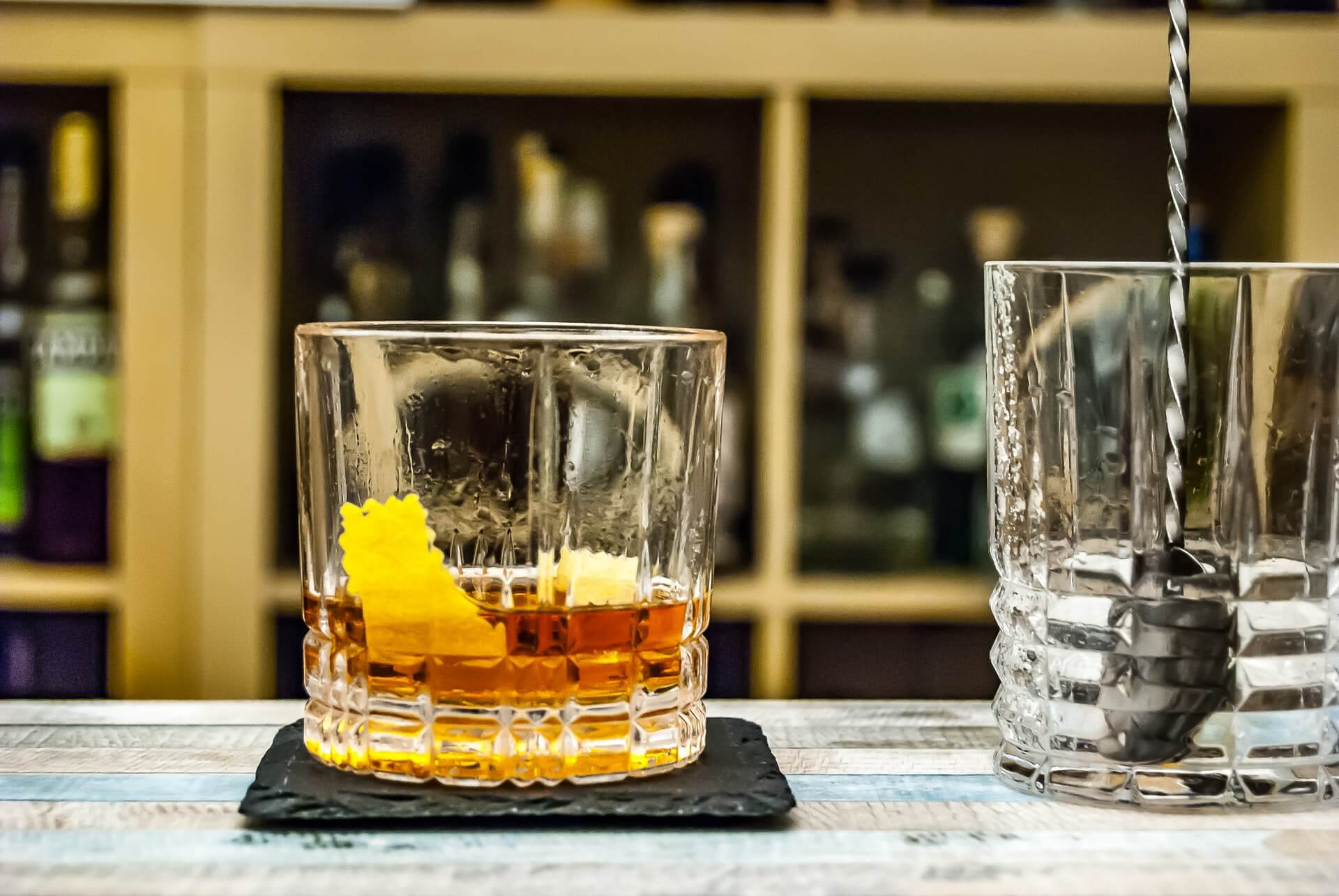
Sazerac cocktail and mixing glass on bar

We’re taking a look at two cocktails that can trace their roots to America and Canada for this year’s National Cocktail Day.

Further, KRG Hospitality has a headquarters in each country. So, we’ll be focusing on the cocktails for which Canada and America are known.

Celebrate National Cocktail Day, March 24, with the recipes below. Cheers!

Canada’s Official Cocktail

Let’s kick things off with Canada. There’s no cocktail with as close an association to the Great White North as the Caesar.

In fact, it’s Canada’s national cocktail. So ubiquitous, it’s woven into the fabric of Canadian pop culture.

Consider this Letterkenny exchange as exhibit A:

Darryl: “I’d have a Bloody Caesar.”

Wayne: “Do you wanna know what? I’d have a Caesar, too.”

Squirrely Dan: “I could have a Caesar if you guys are havin’ Caesars.”

Darryl: “Hard to see a Caesar and not want a Caesar.”

Wayne: “That’s actually how they market Caesars.”

According to cocktail lore, the city of Calgary and province of Alberta get to call themselves the home of the Caesar.

Disputed Origins

As the story goes, Walter Chell invented the cocktail in 1969. Chell was a restaurant manager at the Calgary Inn, now a Westin property.

Oh, wait. There’s also Walter Winchell and the Smirnoff Smiler cocktail. Tracing mentions back to 1953, this drink is made with vodka, tomato juice, clam juice, and Worcestershire sauce.

Hang on… In 1959, Charles Addams—y’know, the creator of the Addams Family—said he created the Gravel Gertie in Manhattan, New York. This cocktail calls for vodka to be mixed with tomato juice, clam juice, and Tabasco sauce.

Well, Chell was onto something when he combined every ingredient in the Smiler and Gertie. To me, this an original that stands far above any perceived predecessors.

Chell also crafted the recipe using a “rule of four”:

  • one shot of vodka;
  • two dashes of hot sauce;
  • three dashes of salt and pepper; and
  • four dashes of Worcestershire sauce

Prepare a glass with a celery salt or salt and pepper rim. Add ice, then add the above ingredients. Top with Caesar mix (Clamato juice, these days), and garnish with a celery stock and lime.

America’s Unofficial Cocktail

Now, onward to America. So, we don’t have an official national cocktail here. Clearly, our neighbors to the north know how to have more fun.

We have a native spirit—bourbon—but that’s where it ends.

However, we do have New Orleans. And in New Orleans we have the birthplace of American hospitality.

We have something else in New Orleans. In 2008, the Louisiana state senate passed a bill that named an official cocktail for the city.

That cocktail? The Sazerac.

Two Bases, One Drink

Cocktail historians will tell you that there are essentially two recipes for the Sazerac. They’ll also tell you that the origins of this cocktail are under dispute.

Are you beginning to see a pattern with cocktail history? It’s never clear, is it?

First, let’s address the original, assuming it’s America’s first (or at least oldest known) cocktail. From the 1850s to 1870s, it was made with Cognac. And not just any Cognac, Sazerac de Forge et Fils.

Depending on who you ask, either bar owner Aaron Bird or Antoine Amedie Peychaud invented the Sazerac. The cocktail recipe includes two dashes of Peychaud’s Bitters, so it’s easy to understand why some credit Peychaud with creating this drink.

Then, there’s the version that took off in the 1870s. Again, depending on the source, either American tastes changed or a phylloxera outbreak affected Cognac production. Perhaps both are true, converging to alter the Sazerac recipe.

Either way, rye whiskey replaced absinthe, and Herbsaint replaced the absinthe. Some bartenders also substitute bourbon for the rye.

The Recipe

It’s not difficult to make a Sazerac, just like it isn’t difficult to find one in New Orleans.

You’ll need two Old Fashioned (aka rocks) glasses, or one Old Fashioned and a mixing glass.

Rinse a chilled glass with absinthe or Herbsaint, and add ice. In the mixing glass or second glass, add ice, two ounces of Cognac, rye whiskey or bourbon, a half-ounce of simply syrup, and three dashes of Peychaud’s Bitters. Stir until well chilled.

Before straining, discard the ice and any excess absinthe or Hersaint from the prepared glass. Now, strain into prepared glass, express a lemon peel, and use that peel as garnish.

Alternatively, you can split the base and do Cognac and rye or bourbon, paying homage to each version of the Sazerac.

Image: Johann Trasch on Unsplash
by David Klemt David Klemt No Comments

8 Glendalough Cocktail Recipes for St. Patrick’s Day and Beyond

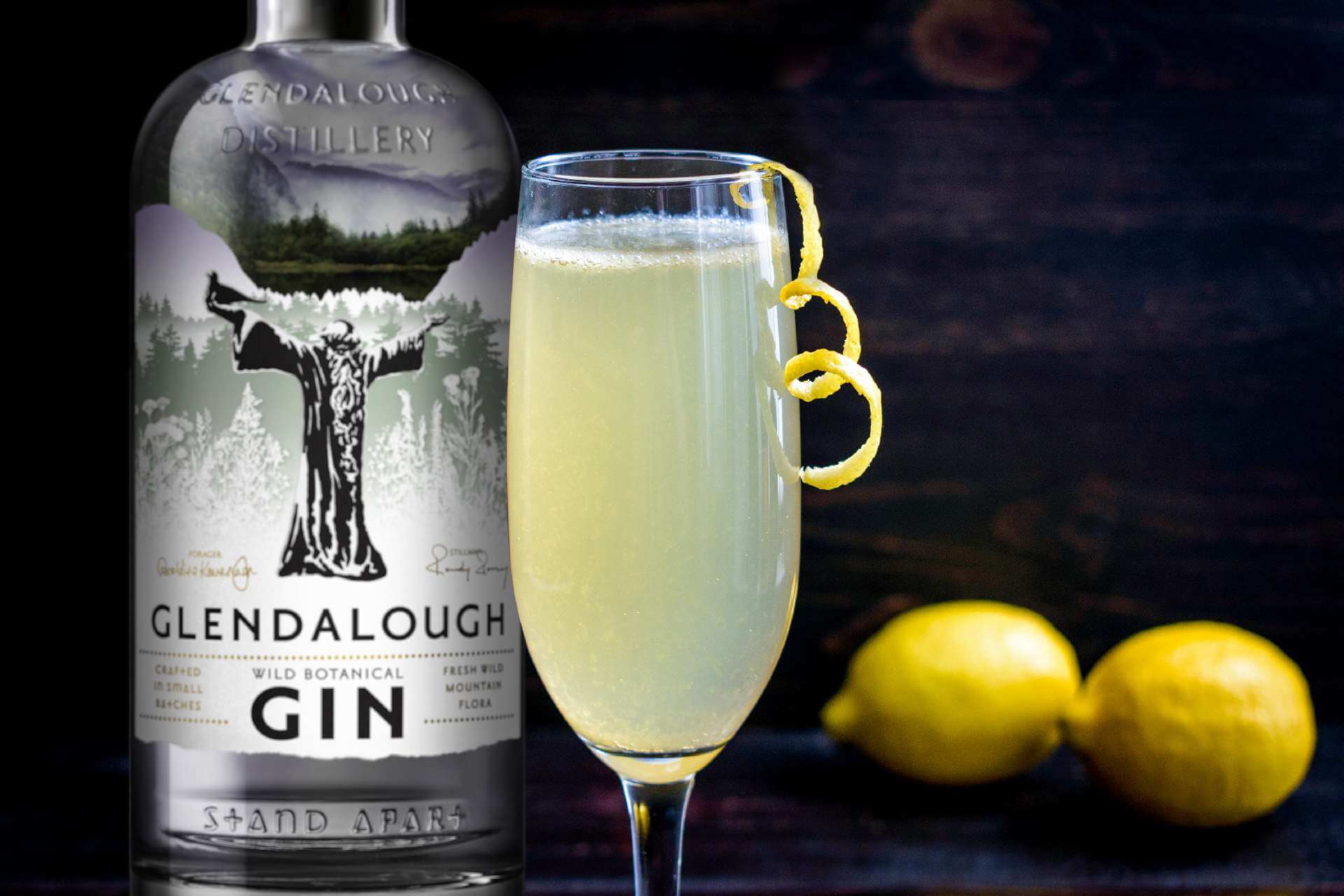
Offer your guests something different for your St. Patrick’s Day promotion with Glendalough Distillery cocktail recipes.

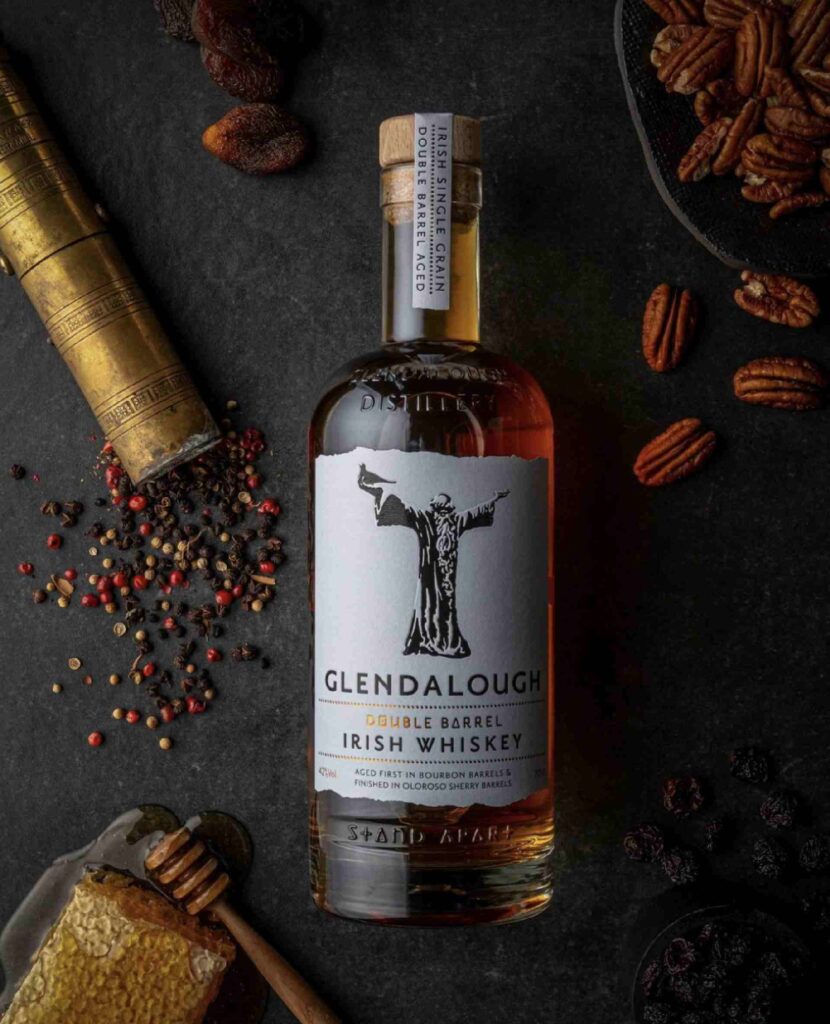
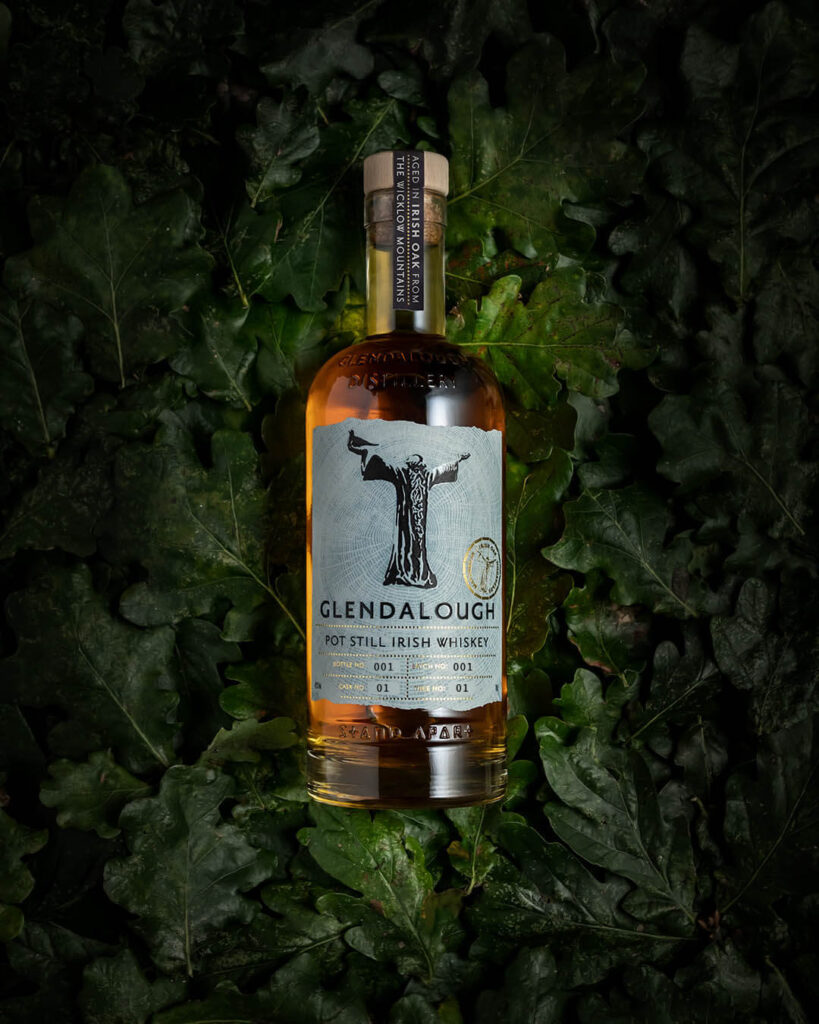
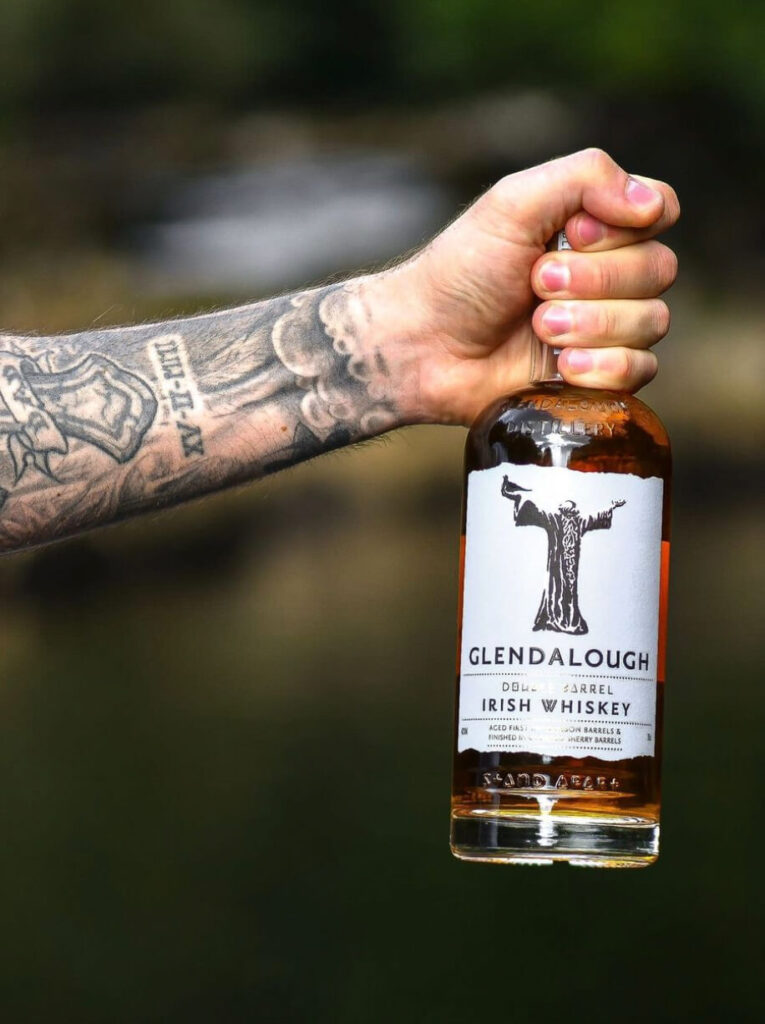
Without a doubt, you should have plenty of the expected Irish whiskeys on hand. However, Glendalough Distillery Double Barrel, Pot Still, Wild Gin, and Rose Gin are extraordinary Irish whiskeys and gins.

Each spirit the distillery crafts honors the art of Irish distillation, a craft that stretches back centuries. What’s more, each whiskey Glendalough crafts is single malt—there are no light-bodied blends in their lineup.

To learn more, check out episode 71 of the Bar Hacks podcast with Glendalough Distillery co-founder and national brand ambassador Donal O’Gallachoir.

by David Klemt

Glendalough Distillery Wild Gin Irish gin

8 Amazing Irish Whiskey and Gin Cocktails

Below, eight refreshing and sophisticated drink recipes made with Glendalough whiskeys and gins. Sláinte!

Glendalough Distillery Double Barrel Single Malt Irish Whiskey

The Lough Inn

This highball is made with Glendalough Double Barrel, a single-grain Irish whiskey aged in ex-bourbon barrels before being finished in Oloroso sherry casks.

  • 2 oz. Glendalough Double Barrel Single Grain Irish Whiskey
  • 1 oz. Spiced honey syrup (see note)
  • 1 oz. Fresh lemon juice
  • Soda to top
  • Lemon wheel or slice to garnish
  • Mint leaf to garnish
  • 1 cup Honey for spiced honey syrup
  • 0.5 cup Water for spiced honey syrup
  • 4 Cinnamon sticks for spiced honey syrup
  • 1 pod Star anise for spiced honey syrup

Add ice to a highball glass, then add first three ingredients. Top with soda water. Garnish with lemon wheel or slice and freshly torn mint leaf.

For spiced honey syrup: Add honey, water, cinnamon sticks, and star anise to pot. Bring to a boil, then stir. Strain into container.

Glendalough Distillery Pot Still single malt Irish whiskey

Pot Still Highball

Deceptively simple to build, this cocktail highlights the terroir of the land surrounding Glendalough Distillery.

  • 1.5 oz. Glendalough Pot Still
  • Soda to top
  • Grapefruit peel to garnish
  • Mint leaf to garnish (freshly torn and slapped, of course)

Prepare a highball glass with an ice shard, spear or cylinder. Pour in Glendalough Pot Still whiskey, then top with soda. Glendalough Distillery recommends a 1:2 ratio, Pot Still to soda. Garnish with mint leaf.

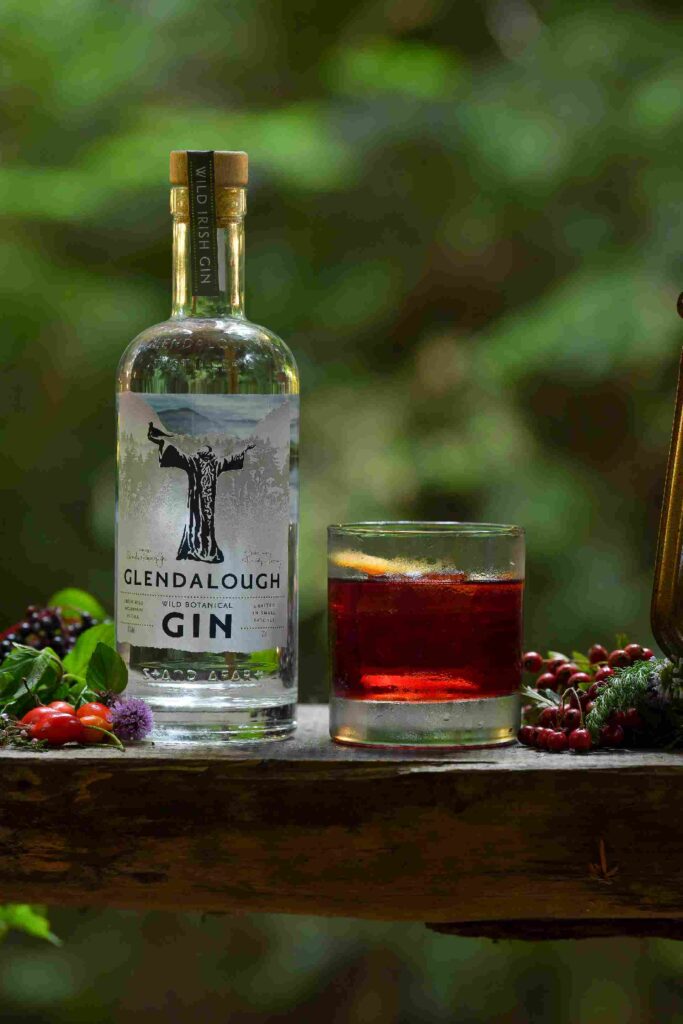
Glendalough Distillery Wild Gin Negroni cocktail

Glendalough Negroni

The foraged botanicals in Glendalough Wild Gin add even more complexity and depth to the classic Negroni. In fact, the flavors work so well this recipe maintains the Negroni’s crucial 1:1:1 ratio.

Prepare an Old Fashioned with ice. Add first three ingredients to glass in the above order. Add more ice if necessary. Stir, express orange peel, and place as garnish.

Glendalough Distillery Wild Gin Irish gin

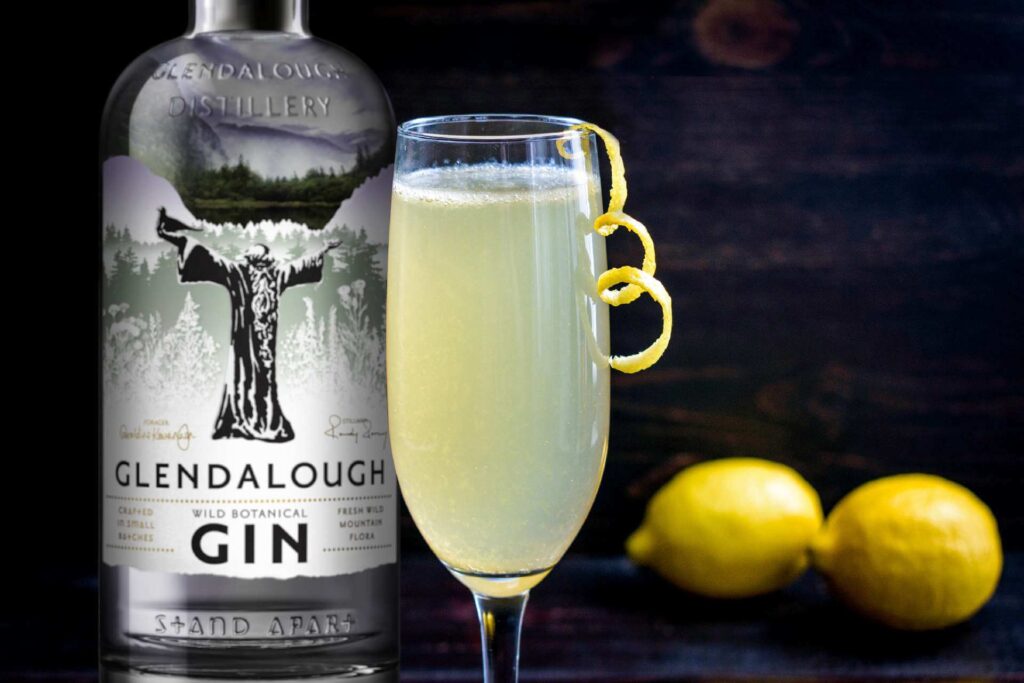
Glendalough Wicklow 75

Bubbles make everything better and everyone happier.

Add all ingredients to shaker. Add ice and shake until well chilled. Strain into Champagne flute, top with Prosecco, and garnish with lemon twist.

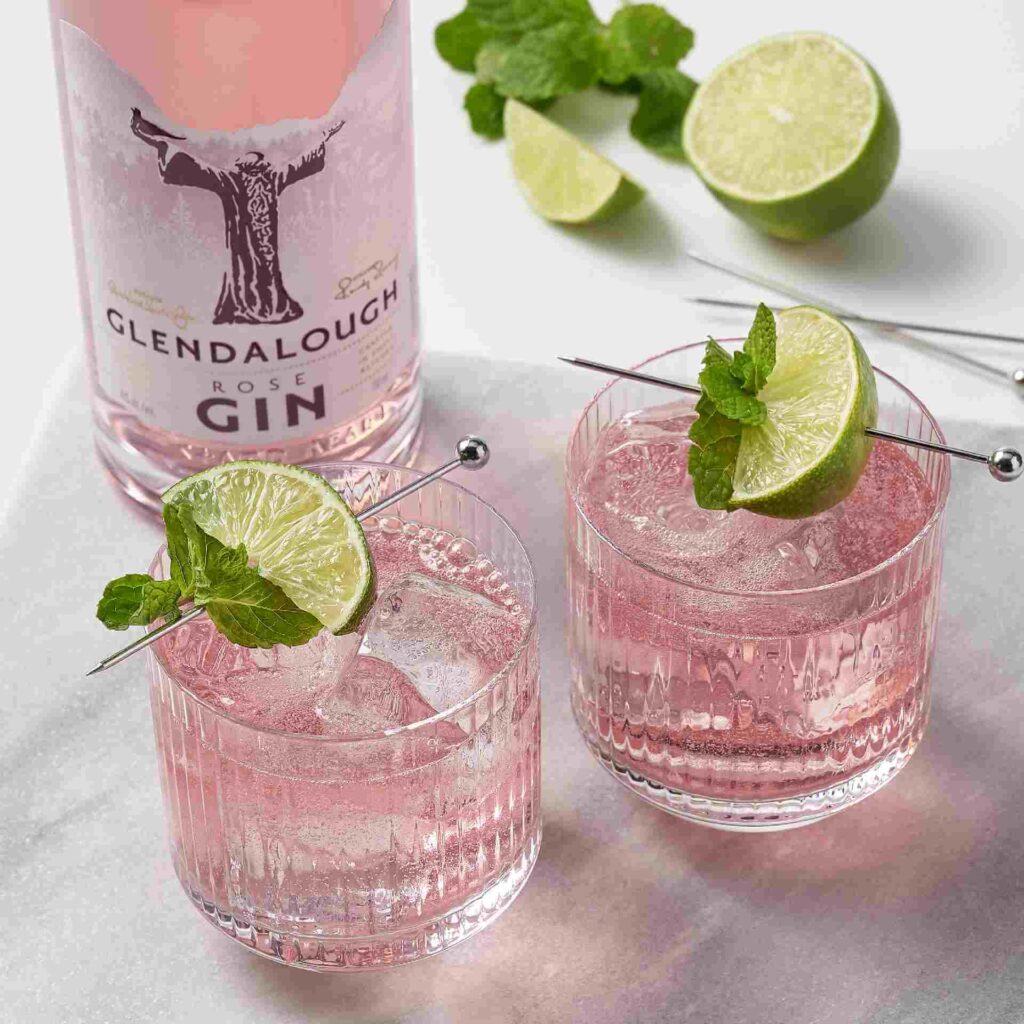
Glendalough Distillery Rose Gin Irish gin and cocktails

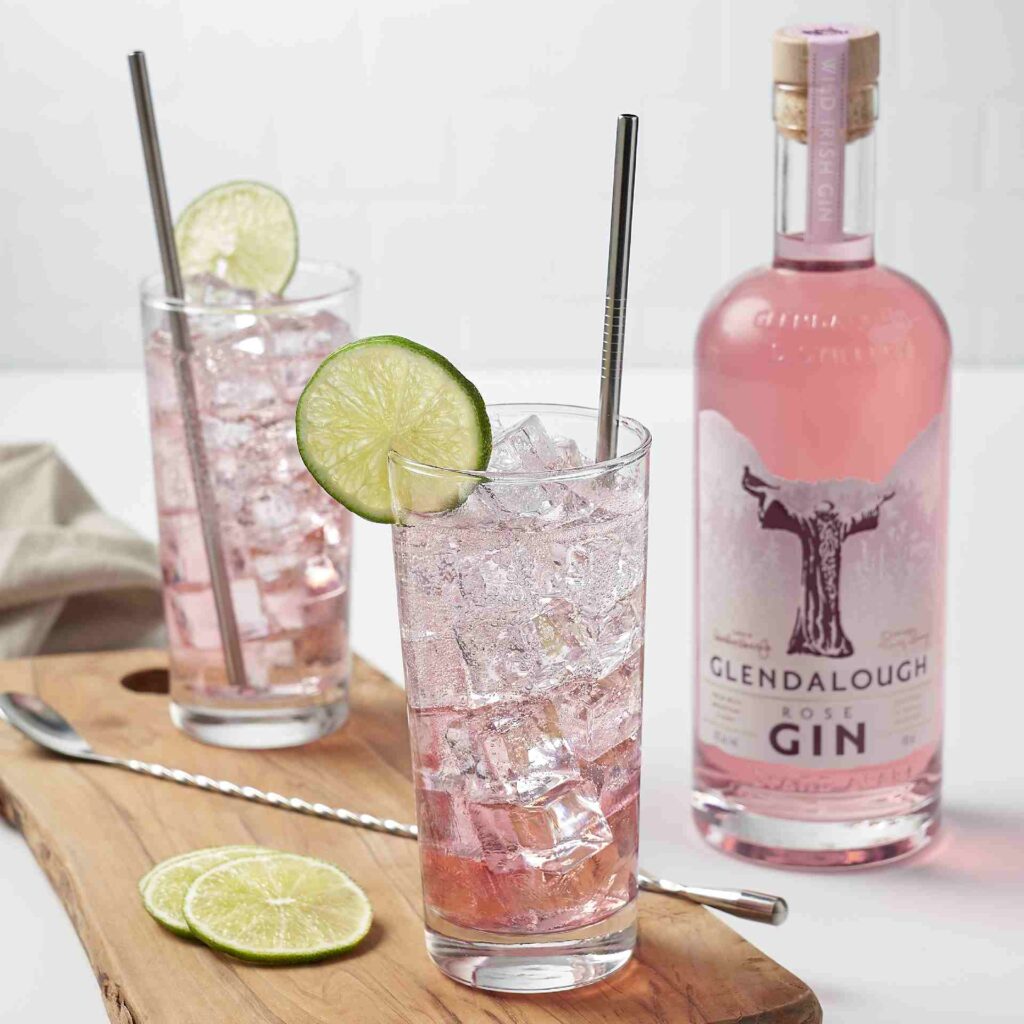
Glendalough Rose G&T

This simple classic receives a huge visual and aromatic boost from Glendalough Rose Gin.

  • 2 oz. Glendalough Rose Gin
  • Tonic to top (the higher the quality, the better)
  • Lime slice
  • Mint leaves

Add ice to glass, then add Rose Gin. Top with tonic, and garnish with lime slice and mint leaves.

Glendalough Distillery Rose Gin Fizz

Glendalough Rose Gin Fizz

One way to elevate the highball is to use a striking pink-hued Irish gin.

  • 1.5 oz. Glendalough Rose Gin
  • 0.5 oz. Elderflower liqueur
  • Raspberry & Lime sparkling water to top
  • Lime wheel to garnish

Add ice (spear, shard or cylinder for impact), Rose Gin, and liqueur to highball glass. Stir, then add sparkling water to top. Garnish with lime wheel.


View this post on Instagram


A post shared by Glendalough US (@glendaloughus)

Glendalough Rose Collins

Boost the classic Collins with Glendalough’s striking rose-petal gin.

  • 1.5 oz. of Glendalough Rose Gin
  • 1 oz. of Lemon juice (freshly squeezed)
  • 0.5 oz. of Sugar syrup (1:1 ratio, hot water to sugar)
  • Soda to top
  • Lemon peel to garnish
  • Cherry to garnish

Combine first three ingredients in a shaker with a cup of ice. Place an ice shard, spear or cylinder to a highball glass. Shake until well chilled, then strain into glass. Top with soda, and garnish with lemon peel and cherry.

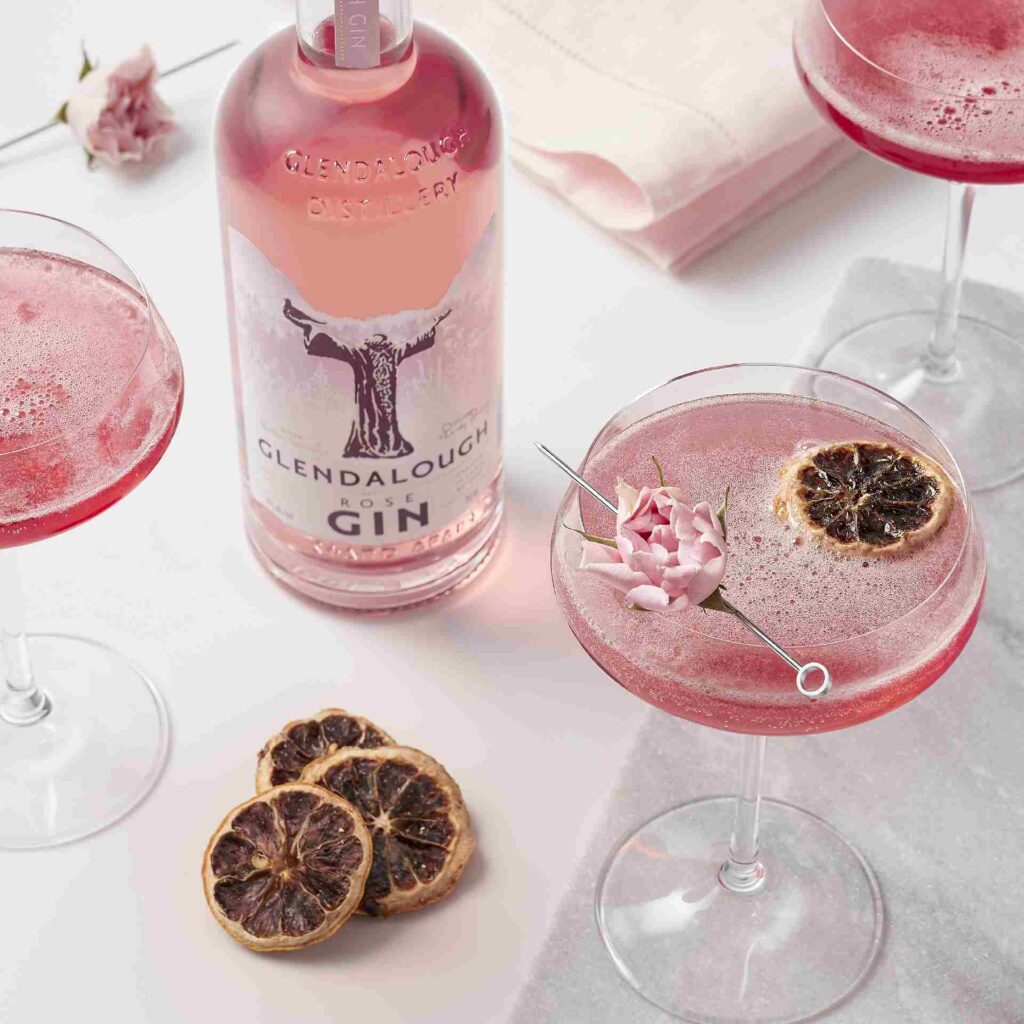
Glendalough Distillery Rose Gin Hibiscus Rose

Glendalough Hibiscus Rose

Refreshing and flavorful, the hibiscus tea syrup plays incredibly well with Glendalough Rose Gin.

  • 1.5 oz. Glendalough Rose Gin
  • 0.5 oz. Hibiscus tea syrup (see note)
  • 0.5 oz. Lemon juice (fresh squeezed)
  • Prosecco to top
  • Dehydrated lemon wheel to garnish
  • Rose petals to garnish
  • 33 oz. Water for hibiscus tea syrup
  • 16 oz. Sugar for hibiscus tea syrup

Add first three ingredients and ice to a shaker. Shake until well chilled and double strain into a coupe.  Top with Prosecco, and garnish with dehydrated lemon wheel and rose petals.

For the hibiscus tea syrup: Steep seven hibiscus tea bags in 33 ounces of water for 15 minutes. Add 16 ounces of sugar.

Images & Recipes: Glendalough Distillery

Related Reading

Work with Us

Click the image below to partner with us on your project.

Client Intake Form - KRG Hospitality

by David Klemt David Klemt No Comments

Heritage & Innovation: Glendalough

Heritage & Innovation: Glendalough Distillery

by David Klemt

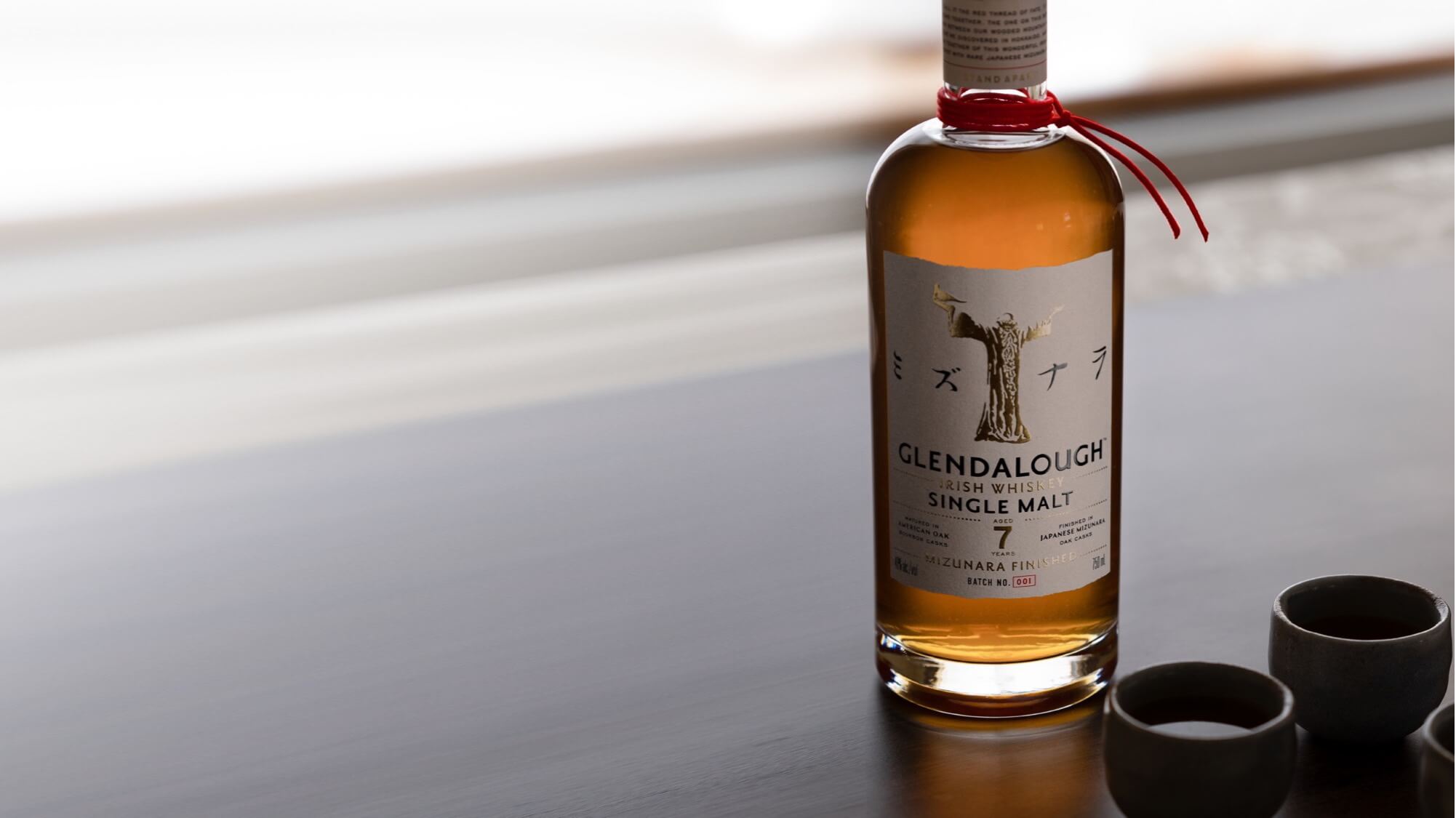
Glendalough Distillery 7 Years Mizunara single malt Irish whiskey and glasses

Glendalough Distillery’s five founders are on a mission to honor Ireland’s rich distilling history and heritage.

As Bar Hacks guest Donal O’Gallachoir describes them, the whiskeys Glendalough crafts are remarkably different. O’Gallachoir, co-founder, national brand ambassador, and cheeky bottlewasher, aims to elevate Irish spirits.

More accurately, Glendalough’s founders want to return Irish whiskey to its rightful, historic place. That place? Among the top whiskeys in the world.

As you’ll learn, Glendalough will elevate your St. Patrick’s Day menu. In fact, these whiskeys and gins will elevate your entire menu, period.

Centuries of History

On episode 71 of Bar Hacks, O’Gallachoir briefly but compellingly shares Irish whiskey’s story. As he tells it, it was once estimated Irish whiskey accounted for up to 90 percent of world whiskey consumption.

That’s easy to believe when you factor in how Irish whiskey production can be traced back to at least the sixth century. There’s also the fact that Irish distillers were crafting, as O’Gallachoir puts it, “a wealth of styles.”

Unfortunately, a terrible string of wars—literal and economic—all but eradicated Ireland’s distilleries. When I say eradicated, I mean that when Glendalough Distillery opened in 2011, it became the fourth or fifth distillery in the country.

There used to be 200 licensed distilleries in the country, along with around 1,800 unlicensed distilleries. For decades of the 20th century, there were only two to three licensed distilleries in operation.

So, it makes sense that consumers outside of Ireland think the country produces only one style of whiskey: Irish. Meaning, light-bodied, sweet, and meant to be thrown back as a shot.

O’Gallachoir is well aware of the compelling paradox of modern Irish distillation. If the blended style of Irish whiskey most people know today hadn’t kept the industry alive, Glendalough and its expressions may not exist today.

Distillation Innovation

All Glendalough whiskeys are single malt and chill filtered. This stands in stark contrast to blended Irish whiskeys, the current dominant (modern) style.

Glendalough is, to oversimplify it, honoring centuries of Irish whiskey production. Single-malt Irish whiskey was what we would now label super- or ultra-premium. The difference between Irish and Scotch whiskey was the latter’s smoked, peated profile. The former was once preferred worldwide.

Glendalough is dedicated to crafting super-premium Irish whiskey. Doing so means they don’t make things easy on themselves.

Glendalough Distillery Double Barrel single grain Irish whiskey

Let’s start with Glendalough’s Double Barrel expression.

As the name suggests, this whiskey is finished twice. First, it’s aged in ex-bourbon barrels. Second, it’s matured in Oloroso sherry casks. Eschewing blends, Glendalough studies the science of different types of barrels to craft its styles.

Glendalough Distillery Pot Still single malt Irish whiskey

Of course, they also honor Irish distilling heritage through another expression: Glendalough Pot Still. To say no other style of whiskey embodies Irish production like pot still doesn’t do this distillation method justice.

In fact, Irish pot still whiskey is geographically protected; it can only be crafted in Ireland. However, when it comes to honoring Ireland, Pot Still doesn’t end there.

Glendalough initially ages Pot Still in ex-bourbon barrels. However, it’s finished in Irish oak. Truly, this expression captures the terroir of the mountainous region Glendalough calls home.

In other words, Pot Still is a super-premium taste of Ireland in a bottle.

And then there’s the distillery’s newest expression.

The Red String of Fate

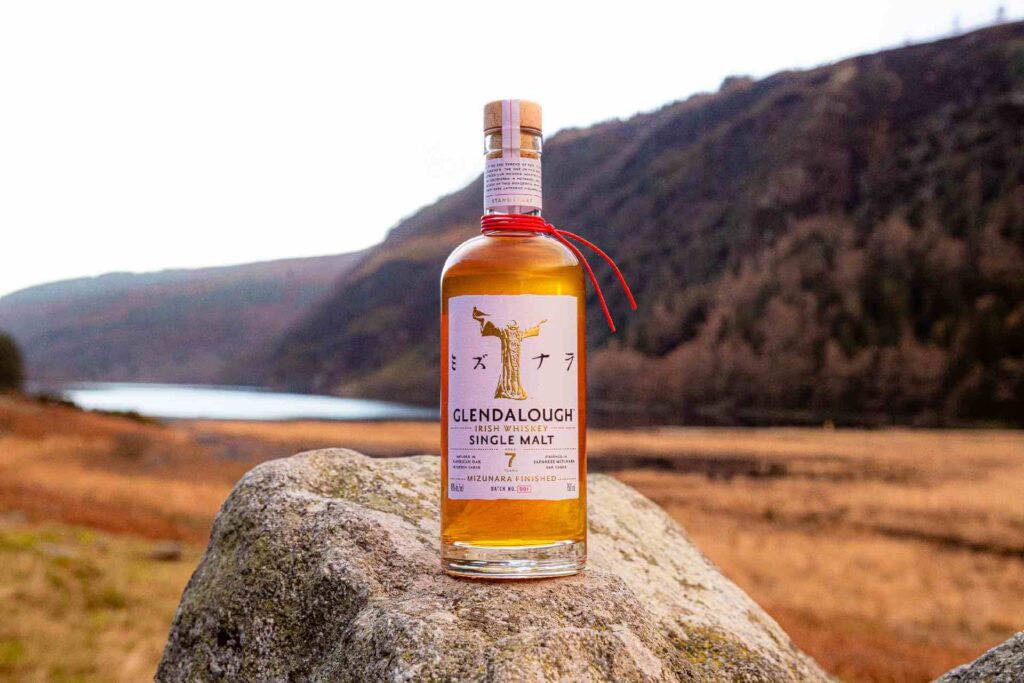
About two weeks ago, Glendalough released their latest innovation: 7-Year-Old Single Malt Mizunara Finish.

7-Year-Old Single Malt Mizunara Finish in Wicklow, Ireland

Whiskey aficionados will recognize mizunara instantly and begin scheming to add this bottle to their collections.

Mizunara, Japanese oak, is renowned for several reasons. The wood imparts incredible flavors unlike those from other barrels. But, like all things rare and magical, mizunara is also incredibly challenging.

The challenges begin with the trees themselves, which can take hundreds of years to grow fully. This oak doesn’t grow straight, so crafting even one stave can be difficult.

Then there’s the water content. Mizunara translates to “water oak,” and it’s not an ironic nickname. The water content of mizunara is sky high, and it’s also highly porous.

It takes fantastic skill and experience for coopers to craft mizunara barrels that don’t crack or leak. To learn more, please click here to hear O’Gallachoir tell the story of Glendalough traveling to Hokkaido in Japan to form a relationship with an independent cooperage to craft Mizunara Finish casks.

Incredibly, the latest Glendalough expression isn’t a limited-edition release. Rather, this joins the core lineup and will be released twice per year. Be on the lookout for batch 001.

It seems that Glendalough whiskey and mizunara barrel coopers were fated to find one another. In fact, the red thread on each bottle of Mizunara Finish pays homage to the Japanese legend of the red thread of fate.

An invisible red thread connects those who are destined to find one another. It grows shorter and shorter as their paths collide.

Going Wild

You may recall that I said Glendalough doesn’t make things easy on themselves. This is evidenced by their gin.

Unlike other distilleries, Glendalough started with whiskey distillation and later pursued gin production.

Glendalough Distillery Wild Gin Irish gin

They also forage for the ingredients used to craft their Wild Gin. If it’s not within ten miles of the distillery and growing wild, it’s not in the bottle.

According to O’Gallachoir, it takes a year to produce one bottle of this gin. Rejecting easier methods of production like automation, each batch of Wild Gin is crafted by taste and aroma.

Glendalough Distillery Rose Gin Irish gin and cocktails

Then there’s the visually and aromatically impactful Rose Gin. Crafted to honor Glendalough’s head distiller’s mother Rose, this is a rose-petal gin.

Now, you may assume it’s like drinking a bottle of decades-old, overpowering, rose-scented perfume. However, O’Gallachoir assures me this is absolutely not the case.

Instead, this striking bottle is intensely floral but balanced, and undeniably unique. O’Gallachoir suggests trying it in a Bee’s Knees.

In just over a decade, Glendalough has elevated Irish craft spirits. There are more innovations to come and I can’t wait to try them.

To learn more about O’Gallachoir and Glendalough Distillery, please listen to episode 71 of the Bar Hacks podcast.

Image: Glendalough Distillery

by David Klemt David Klemt No Comments

Stand Out with Weird Holidays: March 2022

Stand Out with Weird Holidays: March 2022

by David Klemt

Stay Weird neon sign with purple background

Want to stand out from from other restaurants and bars in your area? Then commit to keeping it weird.

Several “holidays” are set against every date on the calendar, and March is no exception. These holidays range from mainstream—it’s almost St. Patrick’s Day!—to “weird.”

Pay attention to the latter to raise eyebrows, carve out a niche for your restaurant or bar, and attract more guests. Why do what everyone else is already doing?

Of course, you shouldn’t try to celebrate every holiday, weird or otherwise. And this month’s list in no way includes every odd holiday.

Focus on the days that are authentic to your brand; resonate with your guests; and help you grab attention on social media.

For last month’s list, click here.

March 2: National Old Stuff Day

There are a couple of ways to celebrate this holiday. Both require a bit of tact. On the one hand, you could showcase your big age-statement spirits. But on the other, you could lean into this holiday and try to move dead-stock spirits.

March 3: National Cold Cuts Day

People like to joke that packaged cold cuts and cheese singles make for a more “basic” form of charcuterie. This could be a great day to steer into that joke and build a simple, fun, and affordable charcuterie plate.

March 5: Cinco de Marcho

Now, we don’t support overserving. It’s not safe, it’s not responsible, and it can result in severe legal ramifications for operators and their teams. That said, Cinco de Marcho occurs just shy of two weeks before St. Patrick’s Day. The point behind the holiday is to get ready for St. Patrick’s Day. So, it could be a good idea to highlight your Irish whiskeys, gins, and beers in the lead-up to St. Patrick’s Day to leverage the interest in them for longer.

March 14: National Potato Chip Day

I really shouldn’t have to tell you what to do on this day. If you have the ability, show off your house-made potato chips. Other than that, if you sell chips by the bag, build a drink-and-chip LTO around them.

March 15: National Everything You Think is Wrong Day

Whew! That’s a bold statement, one that’s sure to get some blood boiling and arguments started. This probably isn’t the time to talk politics with guests. If you’re bold enough to tackle this holiday, maybe create a trivia night around the facts that most people tend to get wrong about different spirits, beers, and wines.

March 18: National Awkward Moments Day

Life is full of awkward moments. You probably witness quite a few each week within your four walls. For this holiday, encourage people in your area to treat themselves to a good meal and/or drink to try and forget their latest awkward moments.

March 22: (Inter)National Goof Off Day

It’s unfortunate that simply trying to have a good time is considered “goofing off.” But, that’s where we are, apparently. This is the perfect holiday to encourage your guests to enjoy an afternoon, evening or night at your place to escape their stressful lives, if only for an hour or two.

March 25: Waffle Day

You may be surprised to learn the sheer number of foods you can waffle. Well, this is the holiday for you and your kitchen team to build a specialty waffle menu to blow your guests minds. Interestingly, this is the day Sweden celebrates Waffle Day. So, if you can’t do it this year or simply want to repeat it, National Waffle Day is celebrated August 24.

March 28: National Something on a Stick Day

You can waffle a lot of foods but I’m willing to bet you can put way more foods on a stick. I smell an LTO menu…

March 31: National Tater Day

Roasted, fried, air fried, mashed, smashed, baked, twice baked, riced, totted (I dunno, I’m hungry writing this and want tater tots)… Celebrate everything a potato can do on this holiday dedicated to the humble spud.

Image: Dan Parlante on Unsplash
by David Klemt David Klemt No Comments

5 Premium Recipes for Margarita Day

5 Premium Recipes for National Margarita Day

by David Klemt

Código 1530 Tequila Rosa Blasberry Margarita

National Margarita Day is just around the corner and our friends at Código 1530 Tequila sent us five recipes for your cocktail menu.

For years, the Margarita has reigned supreme, steadily claiming the number-one spot on most-popular cocktail lists around the world. While this cocktail is now seeing its grip on the crown loosened by the Negroni and Old Fashioned, it’s hard to ignore the lure of a well-made Marg.

That’s even more true when its made with incredible tequila.

Each delicious, refreshing recipe below is made with super-premium Código 1530 Blanco or Rosa. However, you and your bar team should certainly experiment with other expressions in the range.

Considering the quality of Código 1530, operators can boost revenue by charging a premium for these magnificent Margs.

To learn more about Código 1530 Tequila and the creator of these recipes, company mixologist Collin De Laval, check out Bar Hacks episode 57.

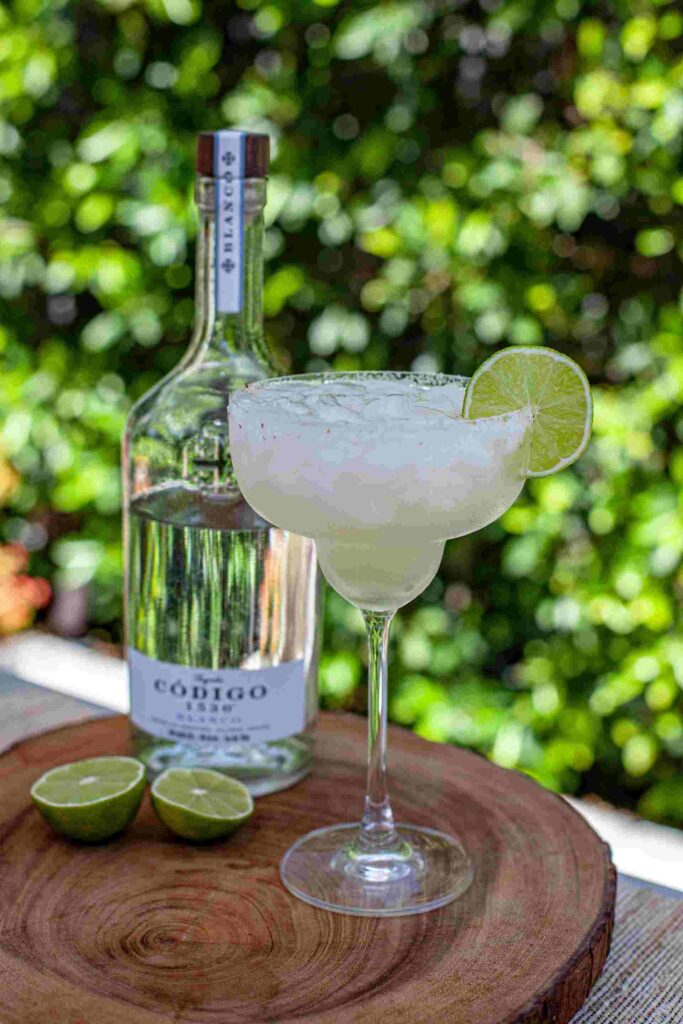
Código 1530 Tequila Blanco Margarita

Blanco Margarita

  • 2 oz. Código 1530 Blanco Tequila
  • 1 oz. Triple sec
  • 1.5 oz. Lemon juice (freshly squeezed, preferably)
  • 0.5 oz. Agave nectar
  • Lime wedge or wheel for garnish

Prepare a rocks glass by rimming it with salt. Combine all ingredients in a shaker with ice. Shake, pour into the prepared rocks glass with ice, and garnish with a lime.

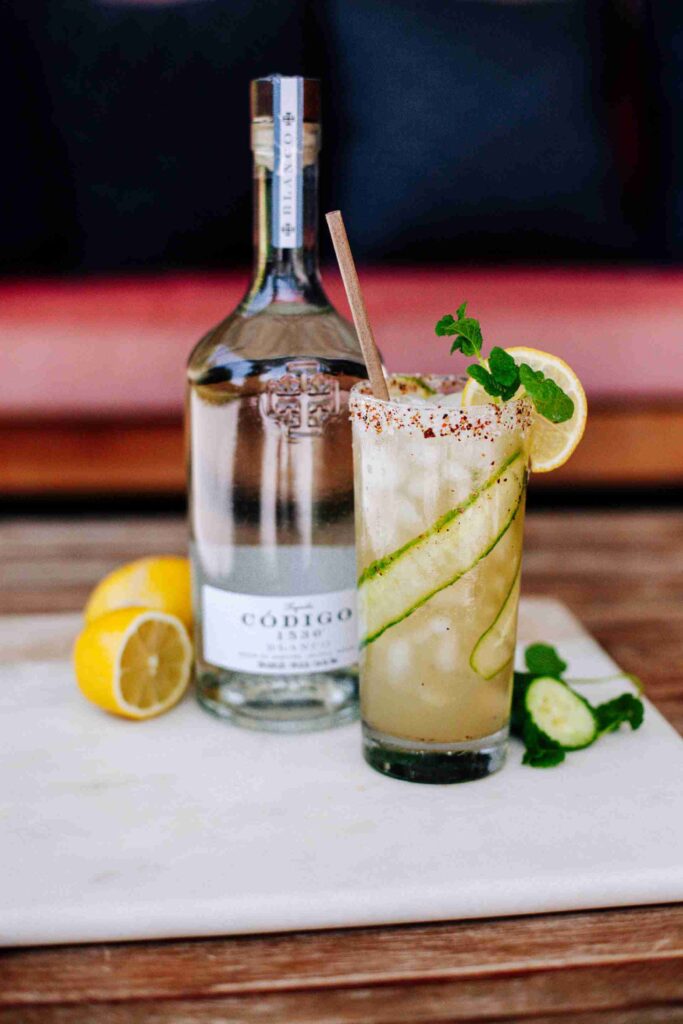
Código 1530 Tequila Cucumber Mint Margarita

Cucumber Mint Margarita

  • 1.5 oz. Código 1530 Blanco Tequila
  • 1 oz. Cucumber juice (freshly pressed, preferably)
  • 1 oz. Lemon juice (freshly squeezed, preferably)
  • 0.25 oz. Agave nectar
  • Mint leaves, some to garnish
  • Salt and Tajín (50/50 mixture for rim)
  • Cucumber ribbons to garnish
  • Lemon wheel to garnish

To build, prepare a glass by rimming with lemon and rolling in salt and Tajín mixture and adding crushed ice. Add Código 1530 Blanco, cucumber and lemon juices, agave nectar, and mint leaves to a shaker with ice. Shake, strain into prepared glass, and garnish with cucumber ribbons, lemon wheel, and mint leaves.

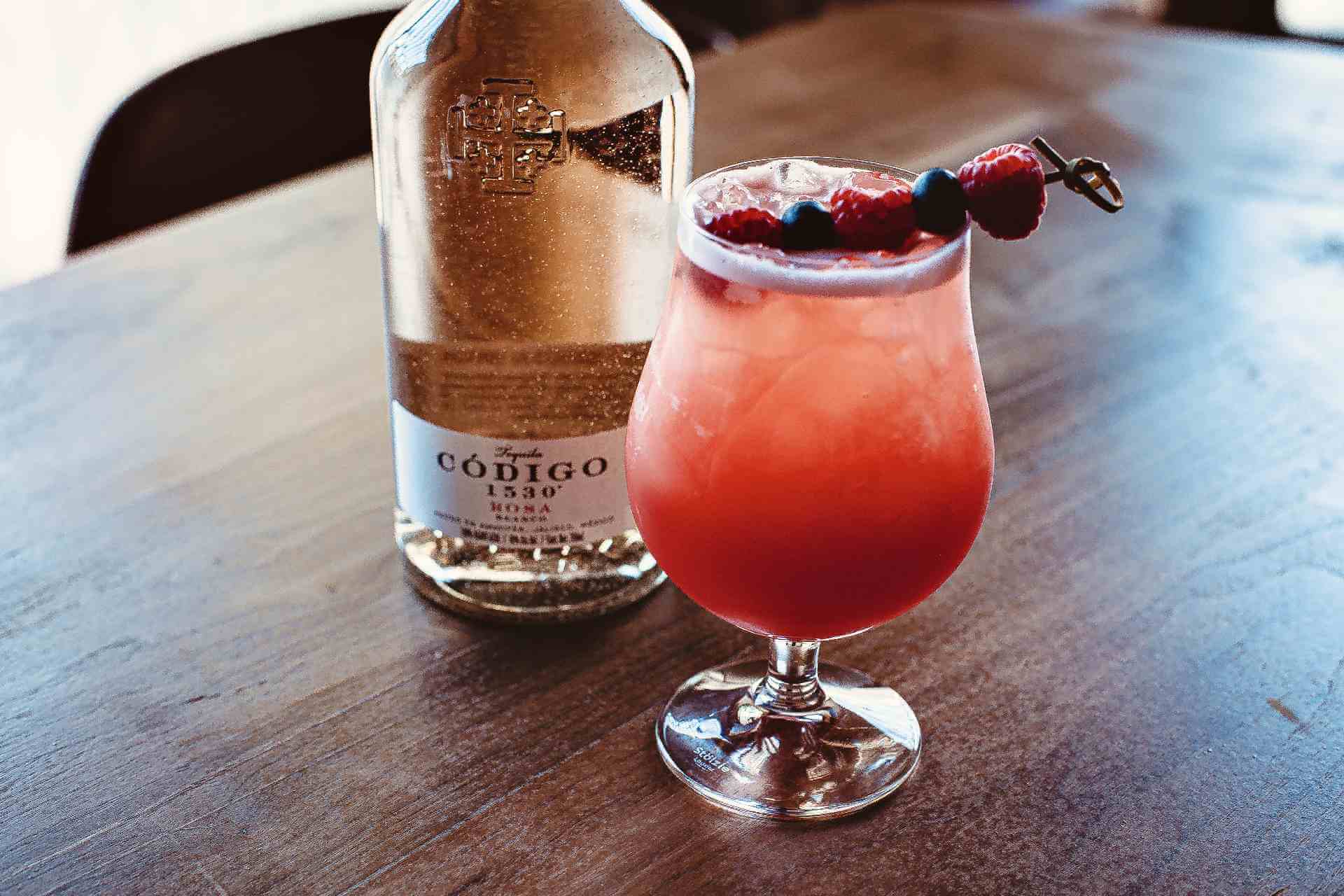
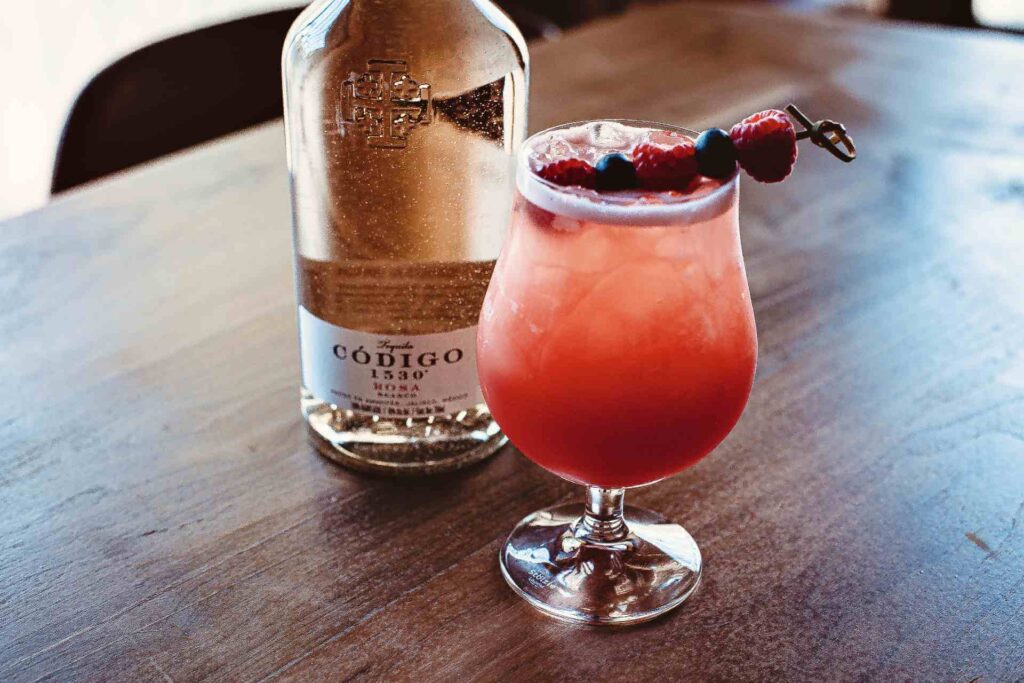
Código 1530 Tequila Rosa Blasberry Margarita

Rosa Blasberry Margarita

  • 2 oz. Código 1530 Rosa Tequila
  • 1.5 oz. Lime juice (freshly squeezed, preferably)
  • 0.5 oz. Agave nectar
  • Handful of raspberries, some to garnish
  • Handful of blueberries, some to garnish
  • Soda water to top

Add berries and lime juice to shaker, and muddle. Next, fill shaker with ice and add Código 1530 Rosa and agave nectar. Shake, strain, and garnish with berries.

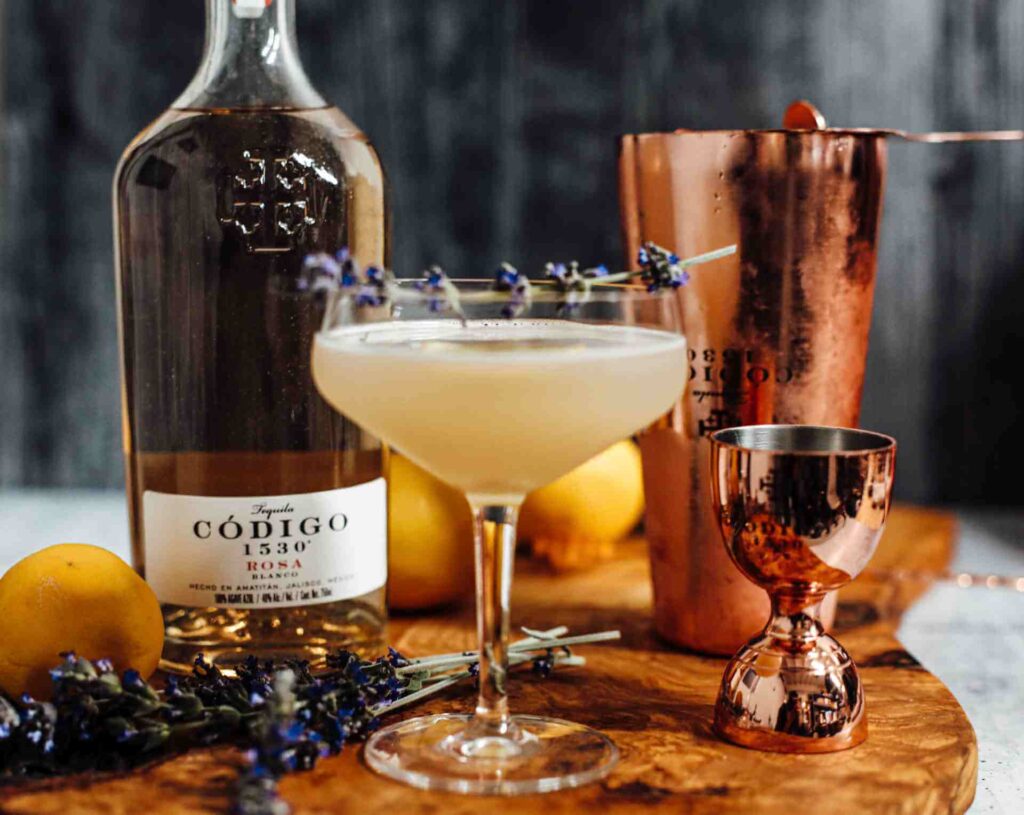
Código 1530 Tequila Rosa Skinny Margarita with lavender garnish

Rosa Skinny Margarita with Lavender

  • 2 oz. Código 1530 Rosa Tequila
  • 1 oz. Lime juice (freshly pressed, preferably)
  • 1 oz. Agave nectar
  • Lime wedge or wheel to garnish
  • Lavender to garnish (optional)

For this simple but refreshing Margarita, add the first three ingredients to a shaker with ice. Shake, strain, and garnish with lime wedge or wheel and lavender.

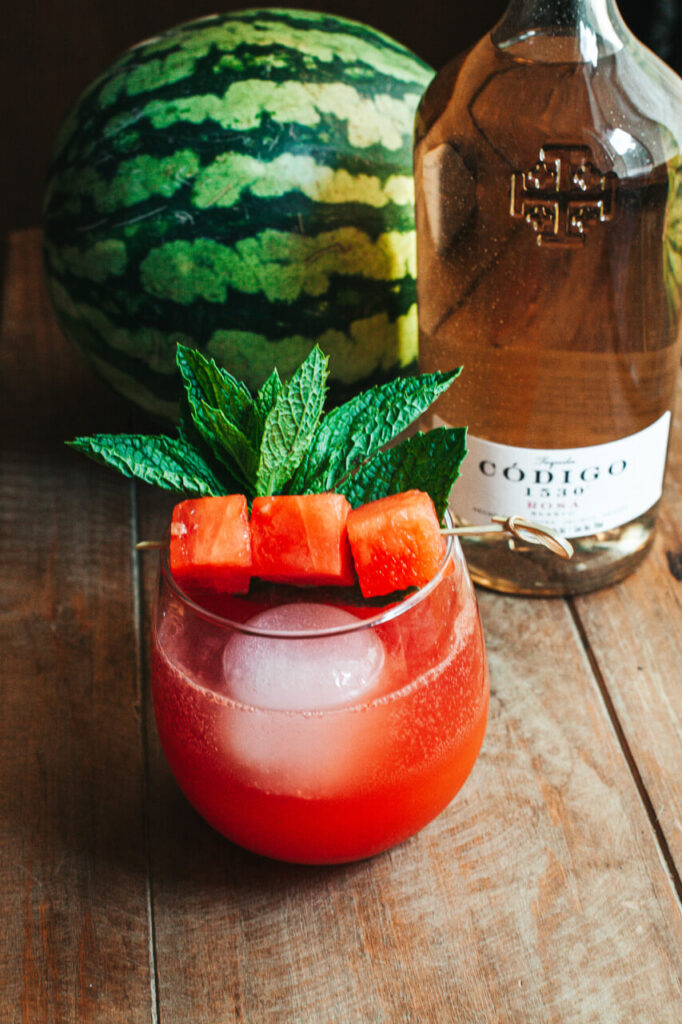
Código 1530 Tequila Watermelon Mint Margarita

Watermelon Mint Margarita

  • 2 oz. Código 1530 Rosa Tequila
  • 3 oz. Pressed watermelon juice (freshly pressed, preferably)
  • 0.75 oz. Lime juice (freshly squeezed, preferably)
  • 0.25 oz. Agave nectar
  • Watermelon slices to garnish

Fill a shaker with ice and add Código 1530 Rosa, juices, and nectar. Shake for 30 seconds, pour into glass, and garnish with watermelon slices.

Images: Código 1530 Tequila

by David Klemt David Klemt No Comments

The Cocktail that Won’t Die

The Cocktail that Won’t Die (Hint: It’s not the Zombie)

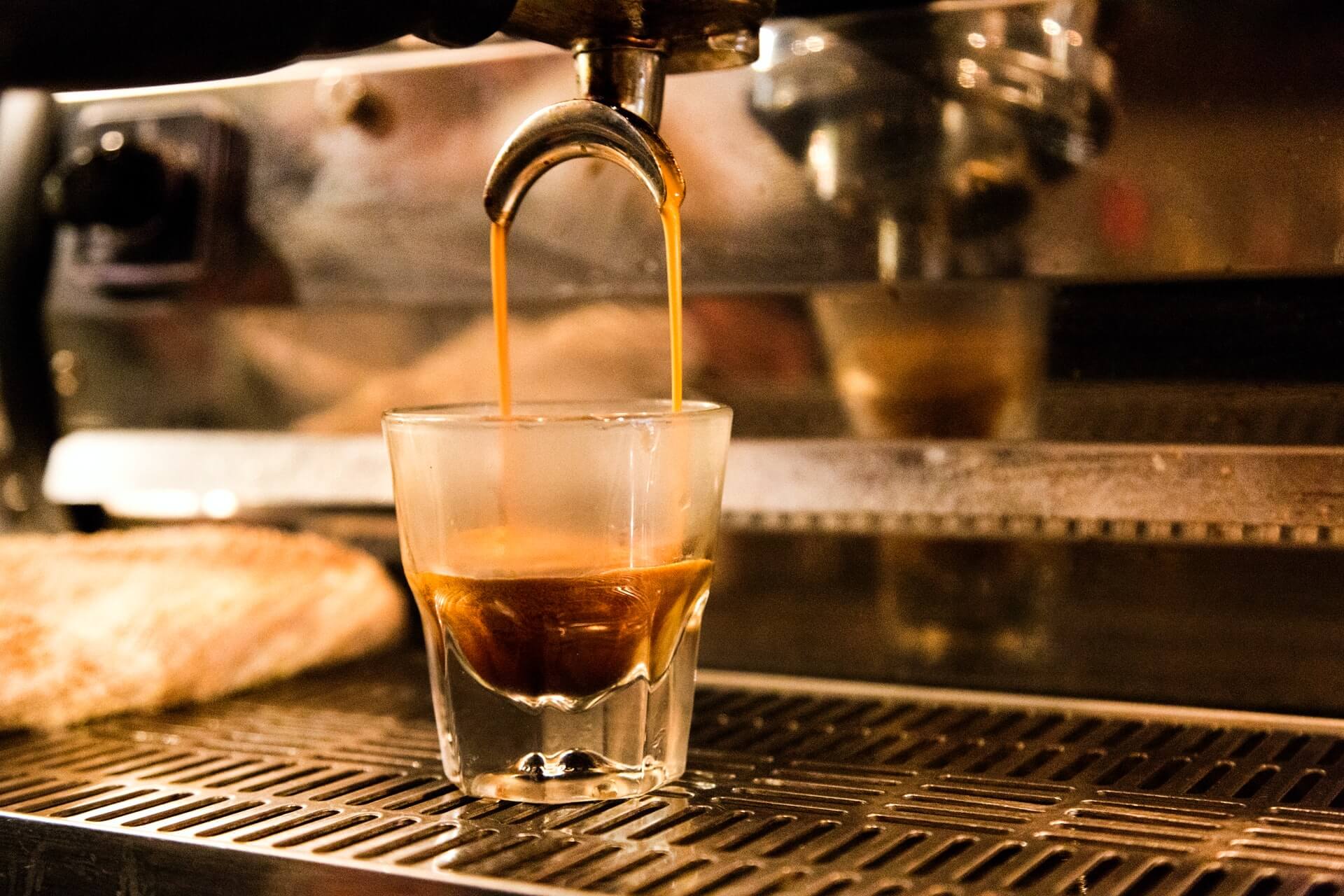
Brewing a shot of espresso

With Cafe Au Lait Day coming up toward the end of this week, let’s revisit a coffee cocktail that seems to see a resurgence every year.

When it comes to this drink, it seems to experience massive popularity for several weeks. Then, people seem to get sick of hearing about (and making) it.

From there, its popularity seems to fade, waiting for guests and bartenders to revive it once more.

And no, I’m not talking about the Zombie or a Corpse Reviver. I’m talking about the Espresso Martini.

Resilient, Revered, Reviled

Of course the Espresso Martini isn’t the only cocktail that can cause a bartender’s eyes to roll toward the back of their skull completely.

The Mojito, layered shots and cocktails, the infamous AMF, the Vodka Martini regularly find themselves on most-hated cocktail lists.

However, with its resurgence in 2021, the Espresso Martini is once again getting attention. Obviously, not all of it is positive.

While the origins of this drink are debatable, it sprang from the mind of a bartender in the ’80s. The caffeinated cocktail saw a spike in popularity in the ’90s. And at various points throughout the 2000s, people have “brought it back.”

Looking back at just the last few years, the Espresso Martini was woken from its slumber in 2018. Then, it rose like a phoenix in 2019. And last year it saw yet another surge.

So, is it a trendy cocktail? A mainstream drink? Are bartenders “bringing it back” every year or two now to rickroll the industry?

Or is this just a tasty cocktail that appeals to a wide range of guests, a modern classic that deserves its place on menus? Perhaps it doesn’t deserve all the hate it receives.

Why the Hate?

Of course, it’s possible that some of the hate aimed toward the Espresso Martini is clickbait fodder that won’t die. Maybe people just expect to find it on most-reviled lists, and it’s no more complex than that.

However, it’s possible that the Espresso Martini has earned a bit of the negativity thrown at it. When it makes any list, the ingredients themselves and build time are cited as reasons why bartenders dislike it.

According to these lists, bartenders also dislike having to shake hot espresso. Still others, supposedly, are offended that coffee flavor dominates and covers up the vodka, Kahlúa, Tia Maria, or other coffee liqueur.

Moreover, the Espresso Martini isn’t really a Martini: there’s no vermouth, no gin. So, it’s possible the negativity emanates from that technicality.

At any rate, you may want to dial in your Espresso Martini for Cafe Au Lait Day (Thursday, February 17).

No, there’s no milk in a traditional Espresso Martini build. But, as I stated just a moment ago, there’s no vermouth or gin in this cocktail either. Why not play fast and loose with yet another technicality on this bar holiday?

Image: Drew Beamer on Unsplash
by David Klemt David Klemt No Comments

Offbeat Bubbles for Valentine’s & Beyond

Offbeat Bubbles for Valentine’s Day & Beyond

by David Klemt

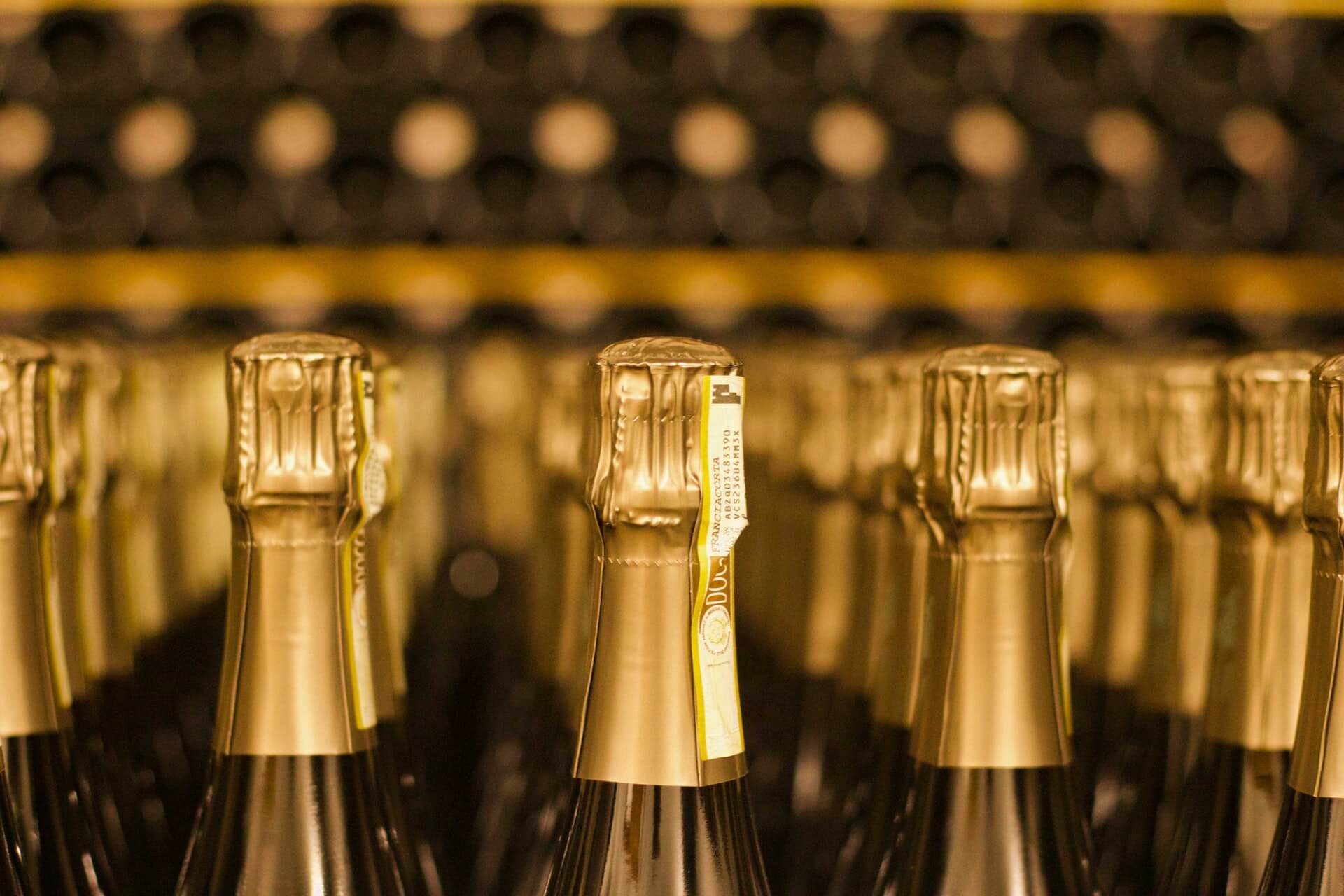
Bottles of Franciacorta sparkling wine in cellar

Why not add some eclectic bottles of bubbly that will grab your guests’ attention as they’re reading through your menu and electrify their senses?

Sure, Champagne still reigns supreme among sparkling wines. And operators should absolutely have bottles of champers on their menus.

However, offering the unusual can pay off big, boosting guest engagement and loyalty, in turn increasing visits and revenue.

So, let’s take a look into the unexpectedly wide world of sparkling wines.

Crémant

Want to make a Champagne producer or lover apoplectic? Tell them that the world’s most-famous monk, Dom Pérignon, stole the process of making sparkling wine.

That’s what some French sparkling wine producers outside of Champagne will tell you, anyway.

To be honest, there’s no way to know if Dom Pérignon learned the process in Limoux, a wine region in the Languedoc region of France, and “borrowed” it. However, we do know there’s evidence showing winemakers in Limoux were producing sparkling wine a century before winemakers in Champagne.

At any rate, Crémant and Champagne are made using the same method. Interestingly, though, Crémant tends to be creamier, brighter, and more refreshing. These wines are also usually less expensive than their Champagne counterparts. Sometimes, significantly so.

Also, Crémant is produced in eight regions throughout France and uses a wider variety of grapes. Think of it this way: Champagne must be produced in a specific region, Champagne. Crémant is methode traditionelle (a.k.a. méthode champenoise) sparkling wine made outside of Champagne.

Aussie Sparklers

To be sure, Australian winemakers produce a vast array of incredible wines. Their approach to sparkling wines is no exception.

Even more incredible is the wide range of prices these bottles command. You can find fantastic bubbly for as little as $5 (seriously), and of course there are bottles priced well over $100.

Some of the mostly highly sought-after and highest-rated bubbly comes from Tasmania. House of Arras is one example, and Jansz is another. The latter claims to be the first Tasmanian producer to use the méthode champenoise.

Another interesting detail about Australian sparkling wine? The number of bottles with “Prosecco” on the label. Many producers who make Australian Prosecco use the Charmat production method, just like the vast majority of Italian Prosecco producers.

When looking into these bottles you find some unique flavor notes like coconut and nougat. These should appeal to mora adventurous guests looking to try something different. On the other hand, these wines aren’t so different as to be unfamiliar and polarizing.

Franciacorta

This Italian sparkler is by no means a “new” type of bubbly. However, it is lesser known to many in North America.

If you have a guest seeking an alternative to Champagne that tastes similar, you would do well to steer them toward Franciacorta.

Made in the Lombardy region of Italy, these wines are produced utilizing the methode traditionelle, which is also known as methode classico in Italy. Three grape varietals are used to make Franciacorta: Chardonnay, Pinot Noir, and Pinot Blanc.

Looking at the grapes above, you can see why Franciacorta tastes similar to Champagne.

Brachetto d’Acqui

Another great methode traditionelle sparkler from Italy is Brachetto d’Acqui, produced in the Piedmont wine region of Italy.

One of its most prominent characteristics is its deep red color. Brachetto d’Acqui, you see, is made from one grape: Brachetto.

While made using the methode traditionelle, this wine is a frizzante rather than a spumante. The former is a semi-sparkling wine while the latter is a full sparkler.

These bottles will appeal to guests seeking a sweeter, less bubbly sparkling wine. And, as mentioned prior, the color can be quite striking.

Be Different

Adding lesser-known sparkling wines can help your restaurant or bar’s wine program stand out from the competition.

And since they tend to taste similar to Champagne, Prosecco, Cava, and Lambrusco to most North American palates, they’re not so unusual that guests will be afraid to try them.

So, this Valentine’s Day and the rest of the year, seek out eclectic bottles of bubbly. Doing so now will set you up nicely for the summer, patio weather, and brunch season.

Stocking up on different sparkling wines will also provide opportunities to improve your food experience. Remember, bubbles go great with chicken wings, burgers, pizza, and other bar foods.

Image: paola capelletto on Unsplash
by David Klemt David Klemt No Comments

Stand Out with Weird Holidays: Feb. ’22

Stand Out with Weird Holidays: February ’22

by David Klemt

Stay Weird neon sign with purple background

Want to stand out from from other restaurants and bars in your area? Then commit to keeping it weird.

Several “holidays” are set against every date on the calendar, and February is no exception. These holidays range from mainstream to food-centric to weird.

Pay attention to the latter to raise eyebrows, carve out a niche for your restaurant or bar, and attract more guests. Why do what everyone else is already doing?

Of course, you shouldn’t try to celebrate every holiday, weird or otherwise. And this month’s list in no way includes every odd holiday.

Focus on the days that are authentic to your brand; resonate with your guests; and help you grab attention on social media.

For last month’s list, click here.

February 1: Work Naked Day

Actually, ignore this holiday. But wow, February is coming out swinging.

February 2: Play Your Ukulele Day

Does anyone on your staff play the ukulele? What about your guests? If you think you can handle it, encourage them to bring their ukuleles and throw down at your restaurant or bar. Live entertainment has never sounded so tropical.

February 7: E-Day

This holiday, contrary to what you may be thinking, isn’t about celebrating electronics, email, or vaping. Rather, E-Day is dedicated to honoring the mathematical constant e. Your Pi Day fans will likely appreciate you celebrating E-Day, which you can do by offering F&B items that begin with the letter “E.”

February 8: Laughy and Get Rich Day

If only it were that easy, eh? This holiday is all about having fun, having some laughs, and appreciating simple pleasures. If any holiday is about the pursuit of happiness and enriching our lives with fun and laughter, this is it.

February 15: National Gumdrop Day

With all the candies out there, do people still know about gumdrops? They can be traced back to the 17th century and were first written about in the 1850s. Talk about a throwback! If you can get your hands on some, they make great garnishes for the right cocktails.

February 18:  National Crab Stuffed Flounder Day

Do you have flounder? Do you have crab? And do you have a kitchen staff that can stuff the latter into the former? Then you have everything you need to celebrate but this simple, seafood-focused holiday.

February 22: National Cook a Sweet Potato Day

Of course, if you’re operating a restaurant—or a bar with a kitchen—you can cook more than one sweet potato. Rich in nutrition and flavor, sweet potatoes can be the star or an incredible co-star in a wide range of dishes. Come up with a sweet potato-focused holiday menu and promote it on social media.

February 24: National Toast Day

This holiday is great for featuring breakfast all day, breakfast for dinner, toasted sandwiches… You can also plan and execute an event during which you host a group toast with a specific drink. Cheers!

February 26: National No Brainer Day

Knowing your guests and community will really help you celebrate this holiday. If there’s a food or beverage item or a local custom or event you know your guests love, this is the day to create a promotion around it.

February 28: National Floral Design Day

It’s interesting that this holiday takes place two weeks after Valentine’s Day, a holiday that has traditionally involved giving or receiving flowers. Intended to celebrate the art of floral design, you can celebrate this holiday with edible flower garnishes. Such garnishes just happen to photograph very well for social media, so your guests can help promote your venue.

Image: Dan Parlante on Unsplash
by David Klemt David Klemt No Comments

Be Different this Valentine’s Day

Be Different this Valentine’s Day

by David Klemt

Red graffiti heart with black outline on weathered, worn wall

When people are considering spending time and money on a holiday two years into a pandemic, they’re seeking unique experiences.

This is particularly true of holidays that traditionally involve an evening out at a restaurant or bar.

Sure, the tried and true will still probably work. After all, the pandemic has driven comfort and comfort foods to perform well.

However, a significant percentage of guests want to experience something new when they leave their homes. Below you’ll find two Valentine’s Day drink recipes and an example of entertaining programming.

When it comes to beverage programming, most people expect bubbles or rosé wines. And of course pink wines, Champagne, Prosecco, Cava, and other sparkling wines should be on hand.

But offering a Valentine’s Day cocktail that isn’t a French 75 can help your holiday menu stand out. One recipe leverages a spirit that may knock vodka off its throne this year. The other showcases a spirt that various industry experts have been hoping claim the number one spot for years.

Kiss from a Rosa

Tequila, particularly premium and ultra-premium expressions, is crushing it as a category. This Valentine’s Day cocktail is made with Código 1530 Rosa, an ultra-premium blanco tequila.

Rested for one month in uncharred French white oak barrels formerly filled with Napa Valley Cab, this unique tequila is characterized by a rosé hue.

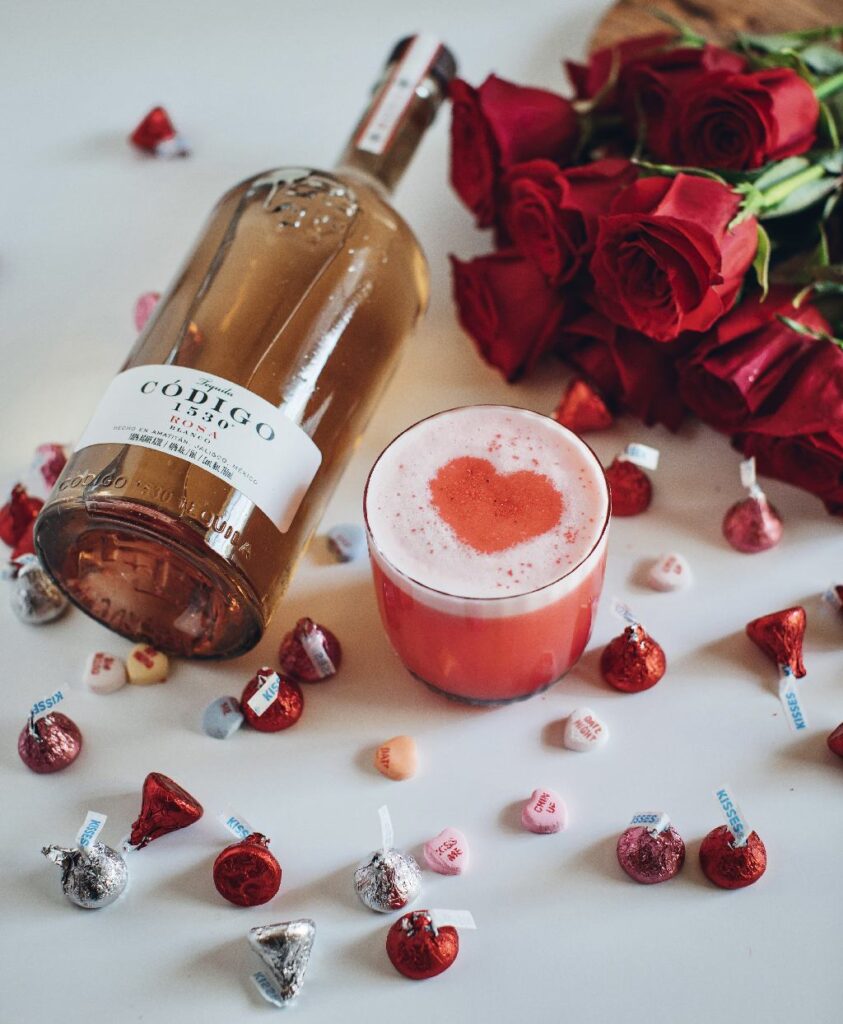
Kiss from a Rosa tequila cocktail from Codigo 1530 for Valentine's Day

  • 1.5 oz. Código 1530 Rosa tequila
  • 0.5 oz. Cointreau
  • 0.5 oz. Raspberry syrup
  • 0.5 oz. Lemon juice
  • 1 Egg white
  • Pink sugar or raspberries to garnish
Build it: Combine all ingredients in a cocktail shaker without ice. Shake hard for roughly 30 seconds, until the ingredients form a foam. Add ice to the shaker and shake until chilled. Strain into a rocks glass. Garnish with pink sugar or raspberries on a cocktail pick.

Bacardí Old Cuban

I’ve lost track of the number of people who have predicted (hoped is probably more accurate) that rum will “finally have its year.” With tequila projected to potentially crush vodka and Irish whiskey performing so well, it’s unlikely rum will dominate 2022.

However, the category may still experience even more growth this year. Reserva Ocho is based on the Bacardí family’s reserve rum.

The eight-year-old premium rum’s dried fruit, spice, and vanilla notes play well with Prosecco. This cocktail also features a pairing that many guests wouldn’t expect to work: rum and Prosecco.

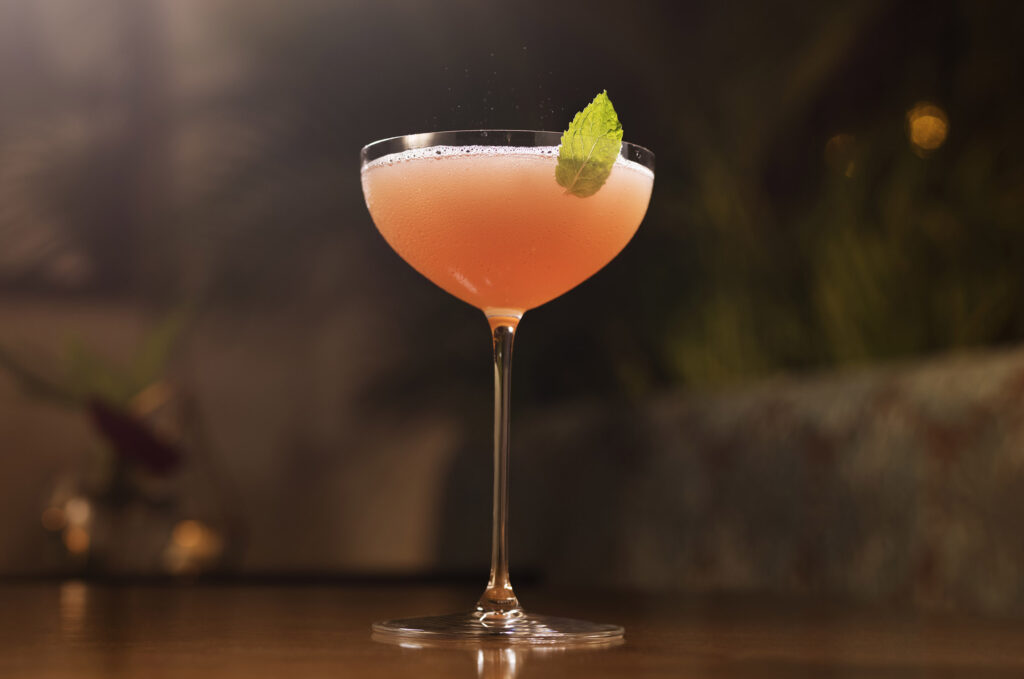
Bacardí Old Cuban rum cocktail made with Bacardí Reserva Ocho Rum

  • 2 oz. Bacardí Reserva Ocho Rum
  • 2.5 oz. Martini & Rossi Prosecco
  • 4 Mint leaves
  • 1 oz. Simple syrup
  • 1 oz. Lime juice
  • 2 dashes of Bitters

Build it: Combine all the ingredients except Prosecco in a cocktail shaker with ice. Shake vigorously, then double-strain into a coupe. Top with Prosecco and garnish with a mint leaf float.

Both cocktails above can easily justify premium pricing.

Dueling Axes Las Vegas Valentine’s Day

Featured on episode 41 of Bar Hacks, Dueling Axes offers an upscale axe-throwing experience. Of course, being upscale doesn’t mean the venue is stuffy.

Rather, Dueling Axes emphasizes fun and unique experiences. Their Valentine’s Day programming is an example of balancing the familiar with the unexpected.

From February 13 through February 15, couples will be treated to two free glasses of Champagne. Groups of four or more will receive a bottle of Champagne for free.

On February 13, however, Dueling Axes is offering an attention-grabbing promotion.

Targeting Galentine’s Day guests, the venue is encouraging people to bring in photos of their exes. The staff will hang the picture on the bullseye to motivate throwers to ace their tosses.

A bit aggressive? Sure. A tad dark? Yep. Memorable? Absolutely.

The recipes and programming above illustrate that simple deviations from the expected can help your venue stand out. This Valentine’s Day, strike a balance between the expected and unique.

Image: Tengyart on Unsplash
by David Klemt David Klemt No Comments

Bring the Heat: It’s Spicy Margarita Day!

Bring the Heat: It’s Spicy Margarita Day!

by David Klemt

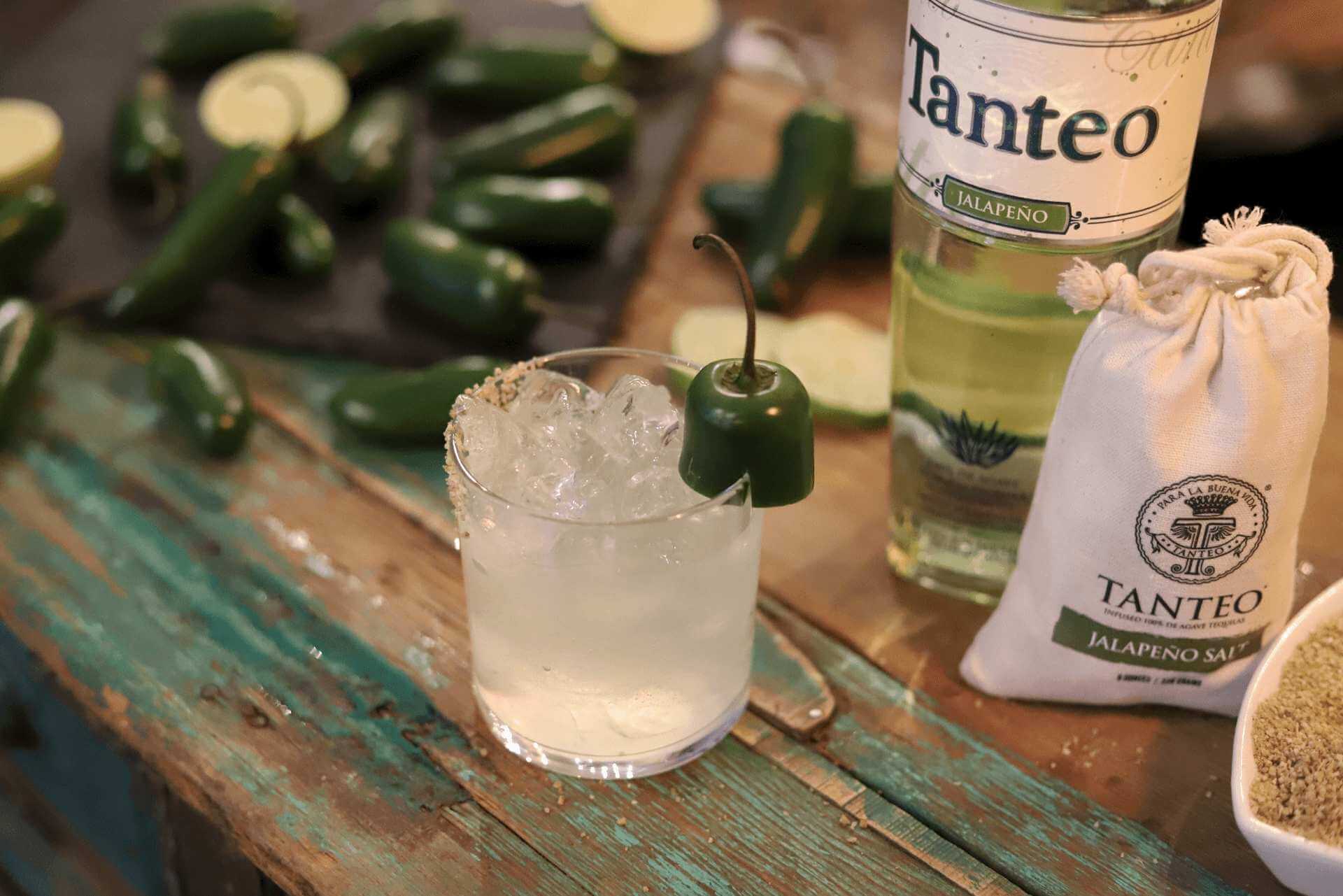
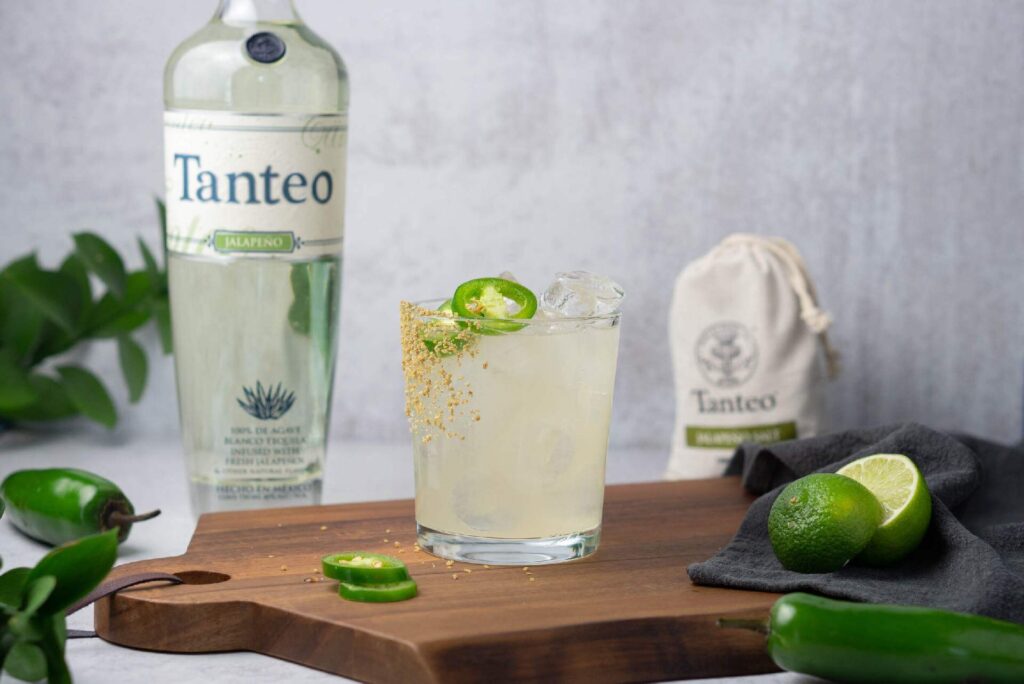
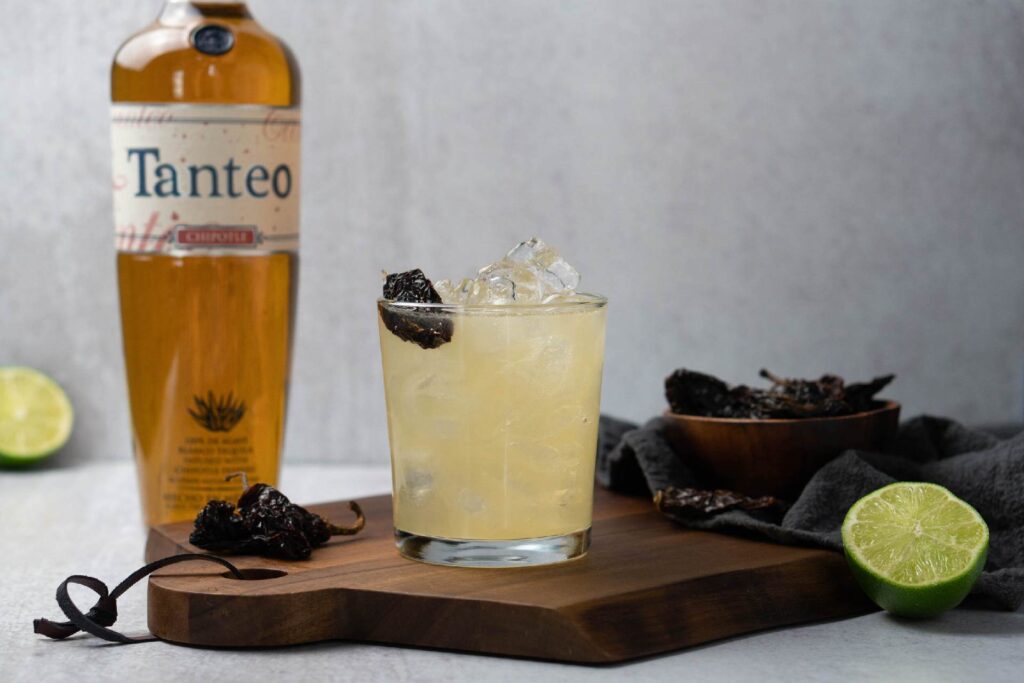
Tanteo Tequila Jalapeño Margarita made with Tanteo Jalapeño Tequila

Today is the day to dial up the heat and deliver some fiery flavors to your guests with spicy Margaritas.

Why? Because it’s the second annual National Spicy Margarita Day!

Originally known as Founder’s Day, this bar holiday comes to us from Tanteo Tequila.

Participation is easy enough, and even easier if you have Tanteo Jalapeño, Habanero, and Chipotle bottles.

Tanteo CEO and Master Blender Neil Grosscup explains the signature cocktail holiday on the Bar Hacks podcast. During episode 64, Grosscup shares that the inaugural celebration honored late Tanteo founder Jonathan Rojewski. The holiday also highlights the brand’s mission: Crafting a tequila that makes the world’s best spicy Margarita.

However, it’s not just about promoting the brand and their favorite cocktail. Rather, Tanteo leverages this holiday to encourage people to give back.

Sustainability Initiatives

As Grosscup explains on Bar Hacks, he and the Tanteo team value three forms of sustainability:

  • Economic
  • Social
  • Environmental

The Tanteo distillery’s ownership spans 84 agave-farming families. Tanteo Tequila is the 85th owner. This business model—the only distillery owned by a co-op of agave farmers—is an example of economic sustainability.

There are a few reasons for this approach. One of those is that it helps the farmers weather market swings. Indeed, agave is acutely susceptible to shifts in market value. When there’s too much agave, the value of a kilo of agave can plummet quickly. Another reason for the Tanteo co-op is transparency.

About 150 bars are participating in this year’s National Spicy Margarita Day. For every spicy Margarita made with Tanteo Tequila sold at these venues through January 30, $1 will go to a variety of waterway cleanup charities:

  • Chattahoochee Riverkeeper
  • Friends of the Chicago River
  • Friends of the LA River
  • Keep the TN River Beautiful
  • Ohio River Foundation
  • Orange County Coastkeeper
  • San Diego River Park Foundation
  • Trinity River Audubon Center
  • Un Salto Con Destino. This organization is cleaning up the Rio Santiago. The Tanteo distillery is in Juanacatlán, Jalisco, Mexico, and the Rio Santiago is crucial the surrounding community.

How to Participate

It’s a little late to join officially as a bar partner with Tanteo. However, that doesn’t mean you shouldn’t celebrate the holiday.

Serving up spicy Margaritas is always a great idea. One simple way to leverage National Spicy Margarita Day is to create a small specialty menu. With at least three Margaritas, you can boost the heat level of each version to appeal to different guest’s spice preferences. You can alter heat levels using different Tanteo expressions, infusions, bitters, syrups, etc.

Or, you can simply perfect your restaurant or bar’s signature spicy Margarita. Either way, promote your participation on across your social platforms.

Speaking of social, snap a pic of your Margarita(s) and use the tag #NationalSpicyMargDay. Notice the spelling: the hashtag uses “Marg,” not “Margarita.” For every social media post tagged #NationalSpicyMargDay, Tanteo will donate $1.

See below for three Tanteo spicy Margarita recipes. ¡Salud!

Tanteo Jalapeño Margarita

Tanteo Jalapeño Margarita cocktail and bottle of tequila

  • 2 oz. Tanteo Jalapeño Tequila

  • 1 oz. Fresh lime juice

  • ¾ oz. Agave nectar

Prepare a rocks glass by adding ice. Optionally, rim glass with Tanteo Jalapeño Salt or your signature blend. Add all ingredients to a shaker with ice. Shake well and strain into prepared rocks glass. Garnish with a lime wedge or jalapeño slice (or both).

Tanteo Habanero Margarita

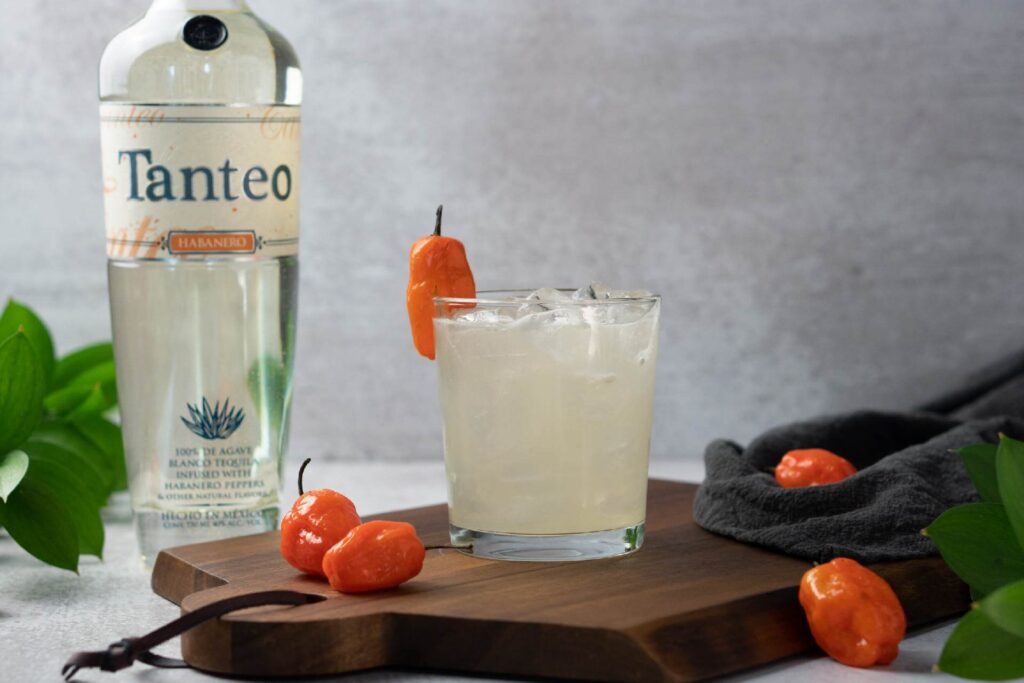
Tanteo Habanero Margarita on a board with habanero peppers with tequila bottle in background


  • 2 oz. Tanteo Habanero Tequila

  • 1 oz. Fresh Lime Juice

  • ¾ oz. Agave Nectar

Prepare a rocks glass by adding ice. Optionally, rim glass with Tanteo Jalapeño Salt or your signature blend. Add all ingredients to a shaker with ice. Shake well and strain into prepared rocks glass. Garnish with a habanero pepper.

Tanteo Chipotle Margarita

Tanteo Chipotle Margarita in garnished rocks glass next to tequila bottle

  • 2 oz. Tanteo Chipotle Tequila

  • 1 oz. Fresh Lime Juice

  • 1/2 oz. Agave Nectar

Prepare a rocks glass by adding ice. Add all ingredients to a shaker with ice. Shake well and strain into prepared rocks glass. Garnish with a chipotle pepper, orange slice, or lime wedge.

Image: Tanteo Tequila

by David Klemt David Klemt No Comments

The Winter Cocktail Your Menu Craves

The Winter Cocktail Your Menu Craves

David Klemt

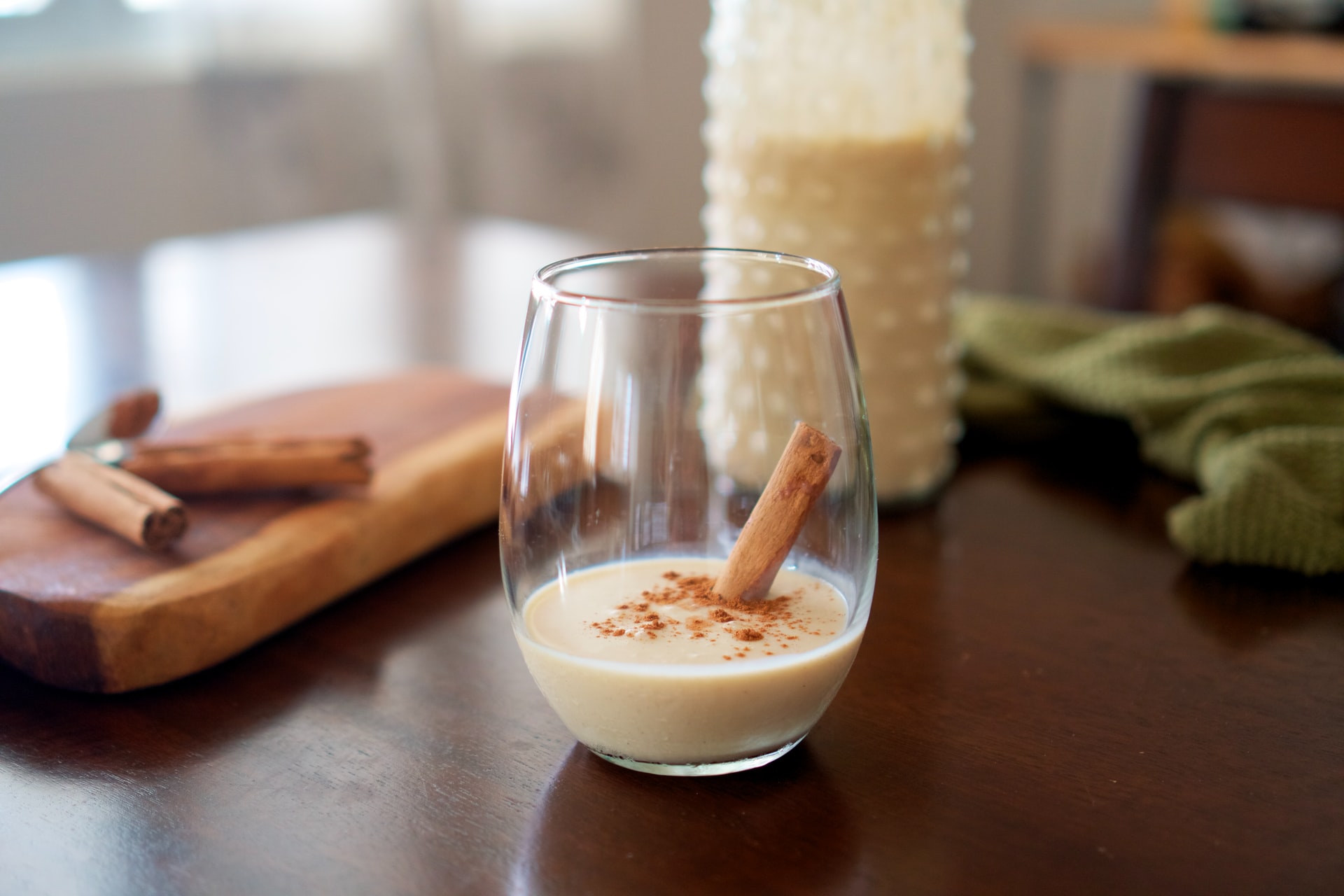
Coquito cocktail garnished with cinnamon stick

Sure, you can throw eggnog onto your menu and call it a cold day but what about a tastier winter rum cocktail that will wow your guests?

It’s the Coquito and we celebrate it on Tuesday, December 21 this year.

This creamy and rich rum drink makes an ideal LTO during the winter holiday season. And what better day to launch it than National Coquito Day?

So, let’s dive into the Coquito.

Origins

This delicious rum cocktail comes to us from Puerto Rico. There, it’s a traditional Christmas drink.

The name translates to “little coconut” in Spanish. Given that it’s made with coconut milk or cream of coconut, the name makes a lot sense.

Simple, straightforward, rich and creamy, the Coquito is easy to make and easier to drink.

Spiced with cinnamon, nutmeg and vanilla, this amazing drink embodies the flavors of the season.

Recipe

Bacardí lays claim to the original Coquito recipe. Like the phrase “No Negroni without Campari,” the rum brand says, “It’s not an original Coquito without Bacardí.”

The Bacardí Coquito recipe is as follows:

  • 1L bottle of Bacardí Superior Rum
  • 15 oz. Cream of coconut
  • 14 oz. Condensed milk
  • 12 oz. Evaporated milk
  • 2 Tbsp. Vanilla extract
  • Cinnamon to taste

Add all ingredients to a punch bowl and refrigerate until well chilled. Pour into mugs or cordial glasses and garnish with a cinnamon stick and/or a sprinkle of cinnamon.

Traditionally, the Coquito is served in a shot glass.

However, there are several alternative ways to make the Coquito. For example, the Liquor.com Coquito recipe:

  • 750 mL White, añejo or spiced Puerto Rican rum
  • 56 oz. Sweetened condensed milk
  • 48 oz. Evaporated milk
  • 24 oz. Cream of coconut
  • 4 tsps. Vanilla extract
  • 4 tsps. Ground cinnamon
  • 1 tsp. Ground nutmeg
  • Cinnamon sticks (one stick per bottle of prebatched Coquito, two per individual serving)

Add all ingredients except for rum and cinnamon sticks to a saucepan over medium heat. Stir constantly, bring to a simmer, and then let cool. Add the rum and stir. Pour into bottles that can be sealed, and add one cinnamon stick. Seal bottles and store in refrigerator (some sources say the Coquito can be stored for up to two weeks). Serve in rocks glasses and garnish with two cinnamon sticks.

Riffs

Some people add eggs to the saucepan version of the Coquito. The thickness of the drink can also be altered by reducing or increasing heating times.

Alternatively, swapping the cream of coconut out in exchange for coconut milk means a lower fat content. Obviously, that will affect mouthfeel and thickness.

Further, using different brands and expressions of rum will affect flavor. In fact, some recipes call for chocolate-flavored rum or adding chocolate liqueur.

Finally, using a zero-proof alternative to rum will allow guests who aren’t drinking to participate and engage with your winter menu. Lyre’s White Cane Spirit, Dark Cane Spirit, and Spiced Cane Spirit are clever alternatives. Ritual Rum Alternative is also a great zero-ABV option.

So, there are several ways to make the Coquito your bar team’s own. Spices, liqueurs, milk versus cream, garnishes, and glassware can put your stamp on your Coquito.

Mark your calendars and ready your marketing channels: Tuesday, December 21 is National Coquito Day.

Image: Maria Moledo on Unsplash
by David Klemt David Klemt No Comments

Winter Sangria for the Holidays

Winter Sangria for the Holidays

by David Klemt

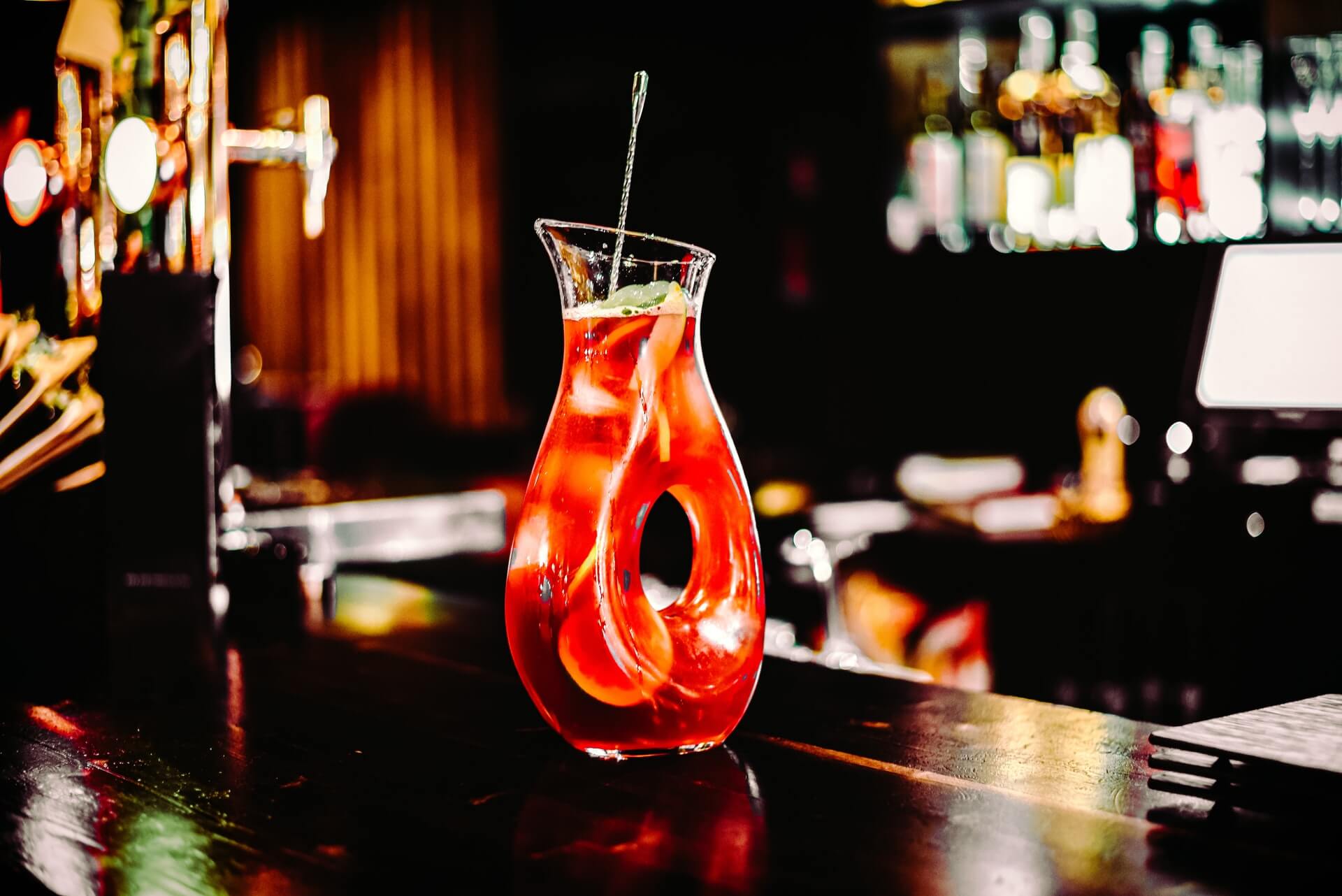
Sangria in a pitcher on a bar

Most people may associate Sangria with summer months and tropical locales.

However, Sangria can certainly shine during the winter months and holiday parties.

All you really need is a rich and perhaps somewhat sweet red wine and seasonal spices.

What is Sangria?

We celebrate National Sangria Day on December 20. That may seem strange to people who view it as a summer drink.

However, with the right wines and spices, Sangria easily transforms into a season-specific libation.

At its core, Sangria is a punch. It’s commonly accepted that this wine-based drink was created during the 18th century. Supposedly, the predecessor to Sangria (“bloodletting” in Spanish) was served cold or hot.

However, the cold version found its way onto American shores in the 1940s. There are stories that claim Sangria took off in the mid-1960s because of the 1964 World’s Fair.

So, what are the basics? Traditionally, Sangria consists of:

  • Red wine (Rioja is most traditional)
  • Chopped fruit (local fruits are most traditional)
  • Fruit juices (in place of some or all chopped fruits)
  • Sweeteners (orange juice and/or sugar)
  • An alcohol boost (brandy or liqueur)
  • Sparkling water or soda (for texture)

There are also Sangria recipes that use white wine, sparkling wine, and even combinations of red and white wine.

Winter Red Wines

Since you’ll be using seasonal fruits and spices to flavor your Sangria, the case can be made that the red wine base doesn’t matter.

However, your housemade recipe will benefit from careful consideration. Also, your guests will appreciate you putting some thought into your recipe.

The following red wines are excellent during the winter:

  • Red Zinfandel
  • Malbec
  • Petite Sirah
  • Petit Verdot
  • Merlot
  • Cabernet Sauvignon
  • Shiraz
  • Sirah/Syrah
  • Sangiovese
  • Grenache/Garnacha
  • Tempranillo

These varietals tend to have warming flavors and aromas, along with medium to full bodies.

Of particular note are Grenache, Garnacha and Tempranillo. Those varietals, along with red Riojas, are commonly used to make Sangria in Spain. By the way, Grenache and Garnacha are the same grape; it’s called Garnacha in Spain, Grenache anywhere else.

Winter Fruits and Spices

This is where you really make your winter Sangria stand out.

First, select your wine. Obviously, you don’t need to use one of your pricier wines. Get to know it, tasting it with your bar team. Consider what fruit notes and body characterize the wine. Note its level of sweetness.

Next, consider the spices that define the holiday and winter season. Cinnamon, nutmeg, star anise, clove, ginger, and allspice all come to my mind.

Now, the fruits. Pears, pomegranates, cranberries, kiwis, oranges, grapefruits, Meyer lemons, kumquats, persimmons, and tangerines are all in season in the winter.

After that, decide if you want to add a modifier like Gran Marnier, brandy, ginger ale, or just sugar.

Then, experiment with your wine choice, spices, and fruits until your housemade Sangria is to your liking and authentic to your brand.

The final step? Costing and pricing. This will be a seasonal item or LTO, so you can probably get away with charging a bit more for it than you would for a standard cocktail.

Make sure to jot down your recipe. That’s not only so it remains consistent. Doing so will also help you create new Sangria recipes for each season.

And there you have it. Not only will you be able to wow your guests on National Sangria Day, you now have a Sangria recipe you can modify on a seasonal basis.

Image: Ralph (Ravi) Kayden on Unsplash
by David Klemt David Klemt No Comments

Thanksgiving Eve by the Numbers

Thanksgiving Eve by the Numbers

by David Klemt

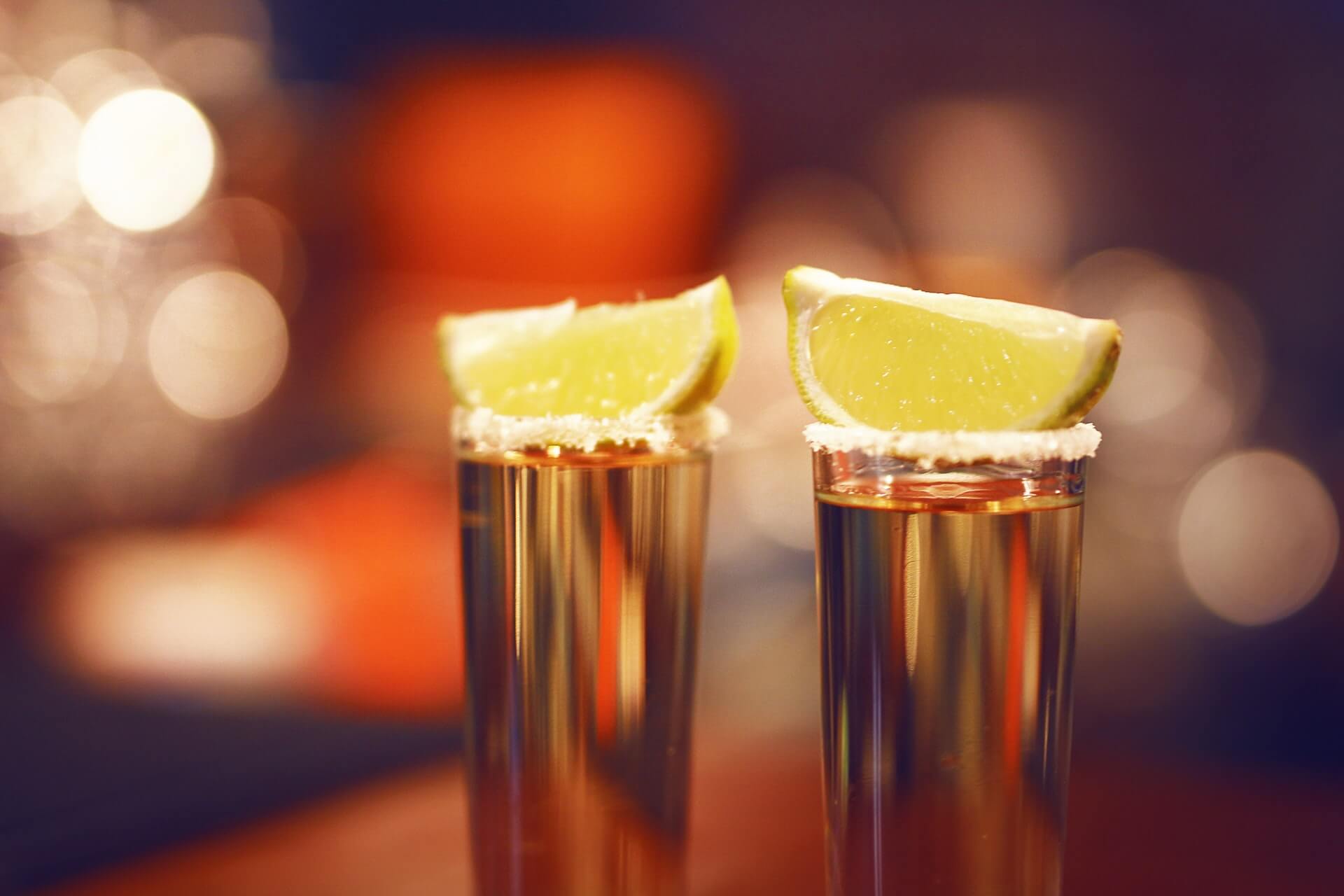
Two shot glasses garnished with salt rim and lemon wedges

Tonight, guests will be looking to celebrate a bar holiday that’s traditionally lucrative for operators: Thanksgiving Eve, a.k.a. Drinksgiving.

It’s difficult to imagine that any operator or hospitality worker is unaware of Thanksgiving Eve’s status.

Sure, some mark the start of end-of-year celebrations with Halloween or Thanksgiving. However, I feel Thanksgiving Eve truly ushers in the holiday season.

I’d also argue that while retailers have Black Friday and Cyber Monday, operators have the night before Thanksgiving. Yes, New Year’s Eve is also huge, but Thanksgiving Eve is considered the busiest night of the year for bars.

Interestingly, this is a holiday that benefits bars across the nation. In fact, it’s not exclusive to destination cities.

After all, the reason it’s so big, traditionally, is that people are traveling back to their hometowns. And while Thanksgiving is for their families, Thanksgiving Eve is for catching up with childhood and high school friends.

Obviously, there are fantastic bars located in cities outside of their destination counterparts. Hot take, I know.

So, does Thanksgiving Eve deserve its hype ?

The Evidence

Unfortunately, data from 2020 isn’t readily available, for obvious reasons.

However, we do have some data, largely thanks to restaurant management and POS platform Upserve.

One of the simplest ways to analyze Thanksgiving Eve’s impact is to compare it to the previous Wednesday.

Per Upserve, guest counts rose 23 percent in 2018 when compared to the Wednesday prior to Thanksgiving Eve.

Looking at data from more than 10,000 restaurants and bars, Upserve found that guest count totaled 496,883 on November 14, 2018. One week later, that number rose to 643,637.

As Upserve content marketing coordinator Stephanie Resendes says in her Thanksgiving Eve article, “More people = more money.”

Of the 10,000-plus Upserve clients whose data was analyzed, net sales were $17.250 million on the Wednesday preceding Thanksgiving Eve 2018. That number jumped to $22.296 million.

So, looking just at a relatively small sample size from 2018, Thanksgiving Eve’s impact doesn’t seem overblown.

The Drinks

According to Upserve, beer was the year-over-year winner through 2018. It saw the most growth by far on Thanksgiving Eve 2018 when compared to the Wednesday prior and the same period in 2017.

Spirits and wine, at least for Thanksgiving Eve 2018, were nearly tied for second place.

Now, looking at the data for Thanksgiving Eve 2019, spirits saw the most growth overall. Resendes shared that shot sales increased 173 percent on Thanksgiving Eve 2019 when compared to the Wednesday prior.

Tequila led the charge for spirits, rising 156 percent. Vodka saw a 144-percent boost, rum increased 120 percent, whiskey went up 65 percent, and gin saw a lift of 47 percent. For its part, beer sales rose 65 percent.

Not content to simply look at traffic and sales numbers, Upserve also split their clients into four regions. In this way, they identified who parties hardest on Thanksgiving Eve and who needs to ramp things up.

The four regions and their net sales growth from Thanksgiving Eve 2019 compared to the Wednesday prior are below:

  • Midwest: 34 percent
  • Northeast: 34 percent
  • South: 33 percent
  • West: 22 percent

Clearly, there was still growth in the Western region. However, the Midwest and Northeast led the way, with the South just behind them.

We’ll have to wait to see how Thanksgiving Eve 2021 plays out. We’re still waiting on the numbers from 2020. However, Upserve’s data shows that Thanksgiving Eve remains crucial to restaurants and bars throughout America.

Image: Alena Plotnikova on Unsplash
by krghospitality krghospitality No Comments

Why You Should Take Part on Giving Tuesday

Why You Should Take Part on Giving Tuesday

by Jennifer Radkey

Kindness is a Superpower stencil graffiti on brick wall in black and white

You are most likely familiar with Black Friday and Cyber Monday, days that encourage consumerism and support the economy.

However, after these two days comes a global movement that you may not yet be familiar with but need to be: Giving Tuesday.

Created in 2012, Giving Tuesday will be celebrating its ninth year Tuesday, November 30th. It is a global movement in which organizations, businesses, charities, and individuals all come together to support their favourite causes.

From large monetary donations to simple acts of kindness, it is a day that encourages people to do good and to bring about positive change in their communities.

Why Generosity?

Generosity not only benefits the charity or person who is on the receiving end, it has huge benefits to those on the giving end.

From increased happiness to a sense of shared community, being generous with your time, resources, or money is often a simple act with big rewards.

A 2008 study by Harvard Business School professor Michael Norton and colleagues found that giving money to someone else lifts participants’ happiness more than spending money on themselves.

This is true even when the participants anticipate prior to the act of giving that spending the money on themselves would make them happier. Research also suggests that similar well-being benefits come from giving monetary gifts/donations or volunteering your time.

In other words, it doesn’t matter how you give, it is the act of giving in itself that gives us that “warm glow” feeling that we typically associate with the holiday season.

Hospitality and Generosity

The words hospitality and generosity go hand in hand.

To be a welcoming hospitality brand you need to be generous with your time and your kindness. You need to be willing to create an atmosphere in which people come to not just eat a meal, have a drink, or spend a night, but to create memories, to socialize, and to have an experience.

Over the past (nearly) two years, we have asked our communities to support hospitality businesses as we faced lockdowns and restrictions. In many ways, our communities did just that.

Guests ate on patios when the weather was not pleasant. They supported through ordering takeout. #SupportLocal movements popped up not just in the U.S. and Canada but globally. Through their extra efforts, many businesses were able to keep their doors open and their staff employed.

Now it is time to take that generosity shown to us and give it back to our community.

Giving Back

So, as a hospitality business, how can you contribute to Giving Tuesday?

Firstly, discuss it with your team! If you are able to contribute a monetary donation to your community in some way, which charity or organization speaks most to the values you all share?

If you aren’t able to contribute a monetary donation, how can you volunteer your time as a team? Maybe you can make your space available free of charge for a local organization or charity to host an event. Perhaps you can cook meals or bake goods as a team to provide to those in need, or who work tirelessly to make your community a better place.

The opportunities for giving back are endless and you can be as creative as you like. Host a breakfast with Santa for a local children’s group or do a hot chocolate and cookie drop off at a senior’s centre.

Brainstorm as many ideas as possible with your team. The process of thinking of charitable acts alone will brighten your team’s mood and get everyone in the giving spirit.

Share, Share, and Share Some More

Once you decide how you will participate in Giving Tuesday, tell the world about it!

Take photos, share the link to the charity or organization you are giving to, and encourage others to give alongside you. Tell a story.

However, do not engage with Giving Tuesday cynically with the goal of social media exposure. Be truly kind and generous.

Generosity is contagious. Your act of kindness will encourage others to do the same. It will also shine a bright spotlight on your hospitality brand, so make certain you’re engaging in kindness authentically and not just to score points with your community.

For more information on Giving Tuesday, please visit www.givingtuesday.org. Cheers to professional and personal well-being!

Image: Andrew Thornebrooke on Unsplash
by David Klemt David Klemt No Comments

Go Big and Bold on National Zinfandel Day

Go Big and Bold on National Zinfandel Day

by David Klemt

Black photo concept of red wine glass and bottle

Cabernet Sauvignon may be King of Grapes but Zinfandel certainly isn’t the court jester when it comes to wine.

No, it’s not one of the five Noble Grapes from Bordeaux. And yes, in Italy Zinfandel’s name is Primitivo, which translates to “primitive.”

But just because this red wine is often described as rustic doesn’t mean it’s basic.

National Zinfandel Day, which takes place Wednesday, November 17, is the perfect time to introduce Zin to your guests.

Zinfandel 101

While there are a few reasons Bordeaux doesn’t consider Zinfandel to be a Noble Grape, there’s one in particular that stands out: Zinfandel is an Italian grape. Well, sort of.

Basically, Zinfandel is grown in Italy and America. Intriguingly, however, the grape originates from Croatia. It’s original name is Tribidrag.

Another interesting note: Red Zinfandel only accounts for about 15 percent of overall Zin production. You’re probably already guessing which style accounts for the lion’s share: White Zinfandel.

Now, you can promote both styles of Zinfandel—that’s a decision you have to make. But for this article, I’m talking exclusively about Red Zinfandel.

This is for three reasons. First, White Zinfandel is best as a beginner wine. It’s light, it’s usually low in alcohol, and it’s not very complex.

Second, you can sell Red Zinfandel as a worthwhile alternative to Cabernet Sauvignon, the most popular wine in the world. Third, it’s delicious, full-bodied, and the ABV is often quite high.

A great Red Zin is jammy (like a big Cab), bold (like a big Cab), and velvety (like a big Cab). So, many of the Cab Sauv drinkers among your guests will be willing to try a medium- to full-bodied Red Zin.

This “rustic” wine also pairs well with pizza and barbecue. How can that ever be a bad thing?

Bottles of Note

Orin Swift 8 Years in the Desert (15.8% ABV), $50 SRP

It’s arguable that Red Zinfandel’s rise in popularity is due to it showing up in many red wine blends. Another factor? Winemaker Dave Phinney in particular utilizing this grape in his red blends. 8 Years in the Desert round in the mouth, providing drinkers with a decadent, lush wine drinking experience.

Bedrock Old Vine Zinfandel (14.4% ABV), $22 SRP

The 2019 vintage of Bedrock’s Old Vine Zin receives top marks from experts across the board. When it comes to American Zins, wine aficionados consider this Zin to be the gold standard.

Opolo Mountain Zinfandel (15.7% ABV), $30 SRP

For those guests who want to taste a straight-up, 100-percent Zinfandel. Opolo is one of the finest producers of American Zin. The 2019 vintage is velvety smooth even with it’s big alcohol content and bold, jammy flavors.

The Prisoner Wine Company Saldo (15.5% ABV), $32 SRP

You don’t have to be a wine aficionado to be familiar with The Prisoner Wine Company. In fact, The Prisoner, undoubtedly one of those most famous red wine blends in the world, helped shine a spotlight on Red Zinfandel. Saldo is a three-wine blend of Zinfandel, Petite Sirah, and Syrah.

Seghesio Old Vines Zinfandel (15.6% ABV), $36 SRP

Like Opolo, Seghesio produces big Zins that offer the drinker a balanced experience. Yes, the alcohol content is high but the mouthfeel is smooth and plush while delivering bold flavors. The mouthfeel may be soft but it’s certainly not shy on the palate.

Turley Old Vines Zinfandel (15.5% ABV), $40 SRP

So, there’s a debate over whether “Old Vine” or “Old Vines” has any official definition. In general, a grapevine matures some time between 12 and 25 years old. Some say that “Old Vine” is a designation that means more than 25 years old, at least 40 years old, or at least 50 or 60 years old. Well, it’s fair to say that Turley offers true “Old Vine” Zinfandel given that the producer’s grapevines range in age from 40-plus to nearly 130 years old.

Image: Mae Mu on Unsplash
by David Klemt David Klemt No Comments

Here Comes National American Beer Day!

Raise a Glass to National American Beer Day!

by David Klemt

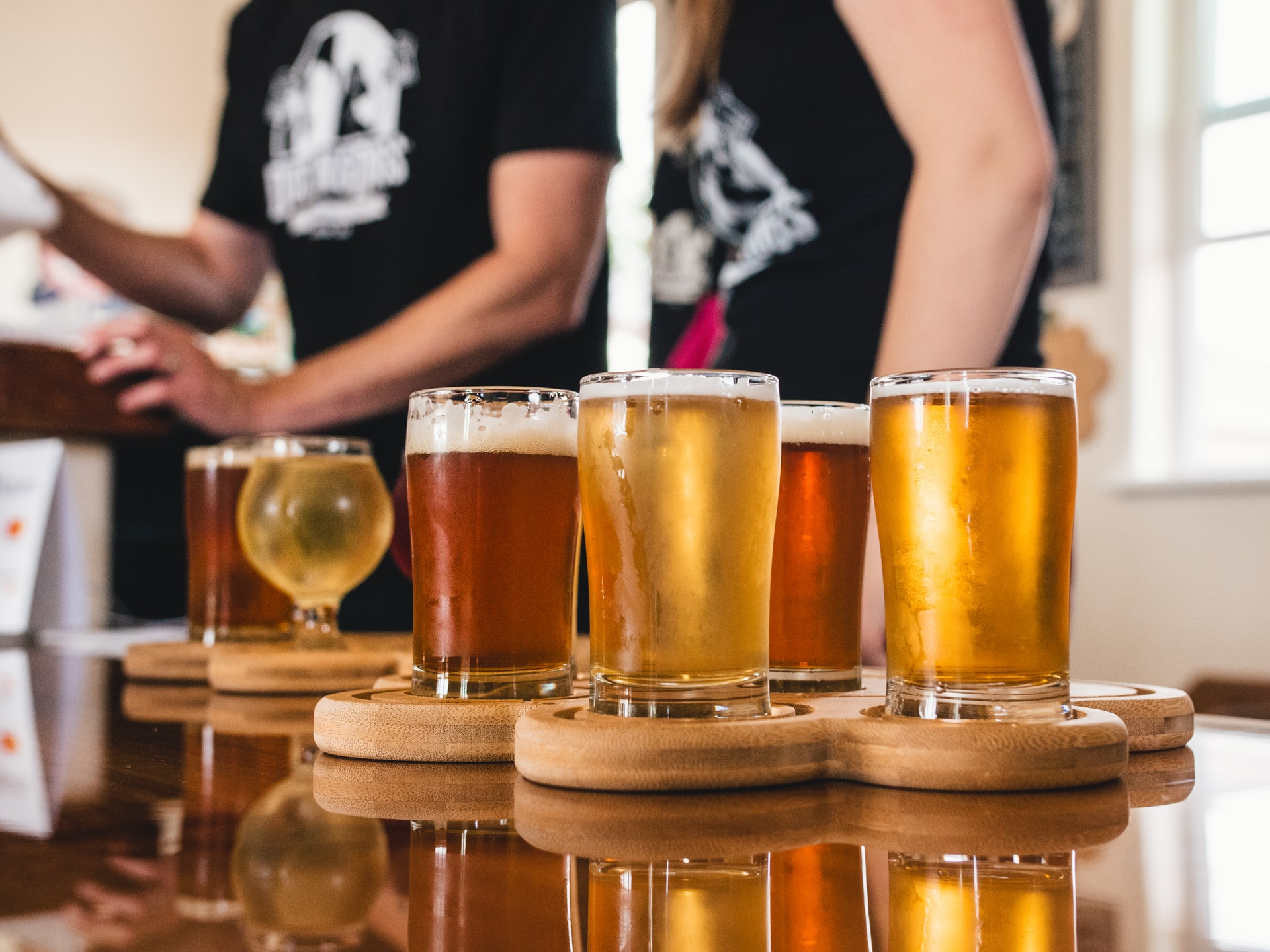
Array of craft beers arranged on a wooden board for sampling

American beer drinkers, rejoice! National American Beer Day arrives on Thursday, October 27.

Celebrating America beer on this holiday, as you’re likely guessing, is fairly simple.

After all, the most important element of National America Beer Day is enjoying—*gasp!*—American beer. This is the holiday your beer program has been waiting for!

However, that begs an important question: Does America brew its own styles of beer?

German Beer Styles

People tend to most closely associate beer styles with Germany. And why shouldn’t they?

Just look at the beers Germany pioneered or otherwise made famous, not to mention Oktoberfest and German beer purity law:

  • Altbiers
  • Berliner Weisses
  • Bocks
  • Dunkels
  • Dunkelweizens
  • German Pilsners (It’s widely accepted that the Czech Republic invented Pilsner, also known as Bohemian Pilsner. German Pilsner is normally more bitter than Czech/Bohemian Pilsner, and a bit lighter-bodied. Also, remember that all Pilsners are Lagers.)
  • Goses
  • Hefeweizens
  • Kölsches
  • Lager (This is the most popular style of beer in the world. Depending on who you talk to, Britain, Bavaria, Germany or Austria invented the first lager.)
  • Märzens
  • Schwarzbiers
  • Weizenbocks

That’s a whole lotta beer styles, and that’s not even every style of beer credited to Germany. Therefore, it wouldn’t have been right to simply jump into American beer styles.

American Beer Styles

So, did German brewers leave anything for Americans to invent or make their own?

Of course they did! Americans have taken to beer brewing like macaroni takes to cheese (what? just go with it):

  • American Adjunct Lagers
  • American Amber Ales
  • American Blonde Ales, aka Golden Ales
  • American Brown Ales
  • American Hefeweizens, aka American Pale Wheat Ales
  • American Pale Ales, aka APAs
  • American Red Ales
  • American Stout
  • Cream Ales
  • Imperial Pilsners
  • Imperial Porter
  • India Pale Ales (Before you aim your pitchfork at me, I know the first IPAs were brewed in Britain. However, there’s no denying that the American craft beer scene has put their fingerprints all over this style with a vast array of substyles.)
  • Session IPAs
  • Steam Beers, aka California Commons (Of all styles, this is considered a wholly American creation.)

Now, before the beer snobs say that brewers in the US can’t just put “American” in front of an established beer style and claim it as their own, that’s really not what’s happening.

American brewers find inspiration in the “original” beer styles. That’s undeniable. That doesn’t mean they don’t innovate; American brewers have made some styles even more famous.

As stated above, a perfect example is the IPA. American IPA is a distinct style, differentiating itself from the original style. Additionally, it has been joined by Black IPA, Double IPA, White IPA, and other creative variations.

Celebrate National American Beer Day

Unlike debating who first brewed what beers, which countries should get to claim which beer styles, and what constitutes a unique beer style (should triple and quadruple IPAs be seen as actual styles?), celebrating National American Beer Day is simple.

At this restaurant and bar holiday’s core, all you have to do is showcase the American beers you have on offer.

If you want to go deeper, highlight the village, town, city or state each beer calls home.

And if you’d like to really go hard, pair them with uniquely American fare. Truly go HAM by pairing select beers with their hometown delicacies.

Make sure your draft lines and glasses are beer-clean and beer-ready, tap your guest database to send out marketing emails and texts, promote your celebration on social media, and let the beer flow.

Image: Meritt Thomas on Unsplash
by David Klemt David Klemt No Comments

Get Ready for Old Fashioned Week

Get Ready for Old Fashioned Week

by David Klemt

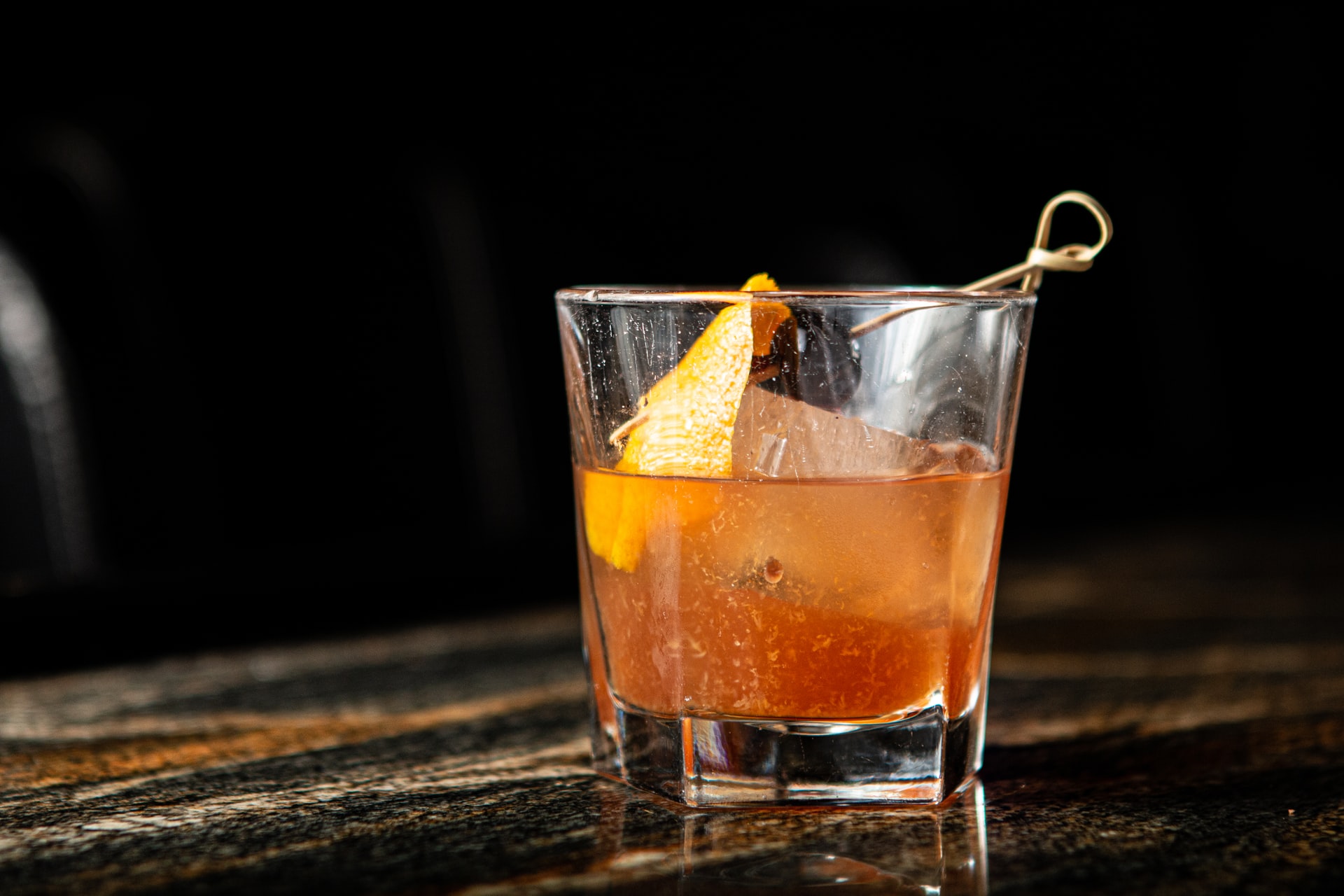
Old Fashioned Cocktail on bar

Old Fashioned Week is returning for its second year to raise money for the Restaurant Workers’ Community Foundation.

The RWCF is a non-profit restaurant and bar worker advocacy and action organization.

In its inaugural year, Old Fashioned Week set and met a goal of raising $100,000. This year, the goal and mission are the same: Raise $100,000 to help hospitality workers financially.

How to Participate

Lynn House, national spirits specialist and portfolio mixologist for Heaven Hill, shares the details of Old Fashioned Week on episode 52 of the Bar Hacks podcast.

Over the course of nine days, October 15 through 24, Elijah Craig is celebrating the bourbon cocktail they feel best showcases America’s native spirit.
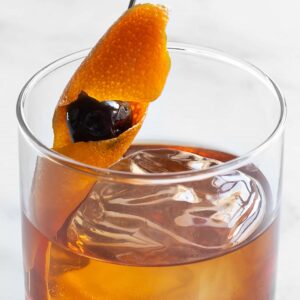
Old Fashioned Week is another win-win-win restaurant and bar promotion. Operators can drive in-person and to-go (where legal) traffic, consumers enjoy an iconic cocktail while supporting the industry, and struggling hospitality workers can receive financial assistance.

Luckily, participating in this philanthropic campaign is simple. First, operators can use their social media channels and guest database to let people know they’re celebrating Old Fashioned Week. Publish posts, send emails, and send out marketing texts.

Second, operators can use the “contact us” form on the Old Fashioned week website. From there, they can ask to have their venue included in the ZIP code search function.

Third, anyone can post pictures of their Old Fashioned to social media. Simply include #OldFashionedWeek and tag Elijah Craig. The brand will donate $5 to the RWCF for every properly hashtagged and tagged photo.

Like I said, it’s simple to participate and raise money for those in need.

Elijah Craig Old Fashioned

Hey, you can make your Old Fashioned however you want. However, if you want to make the signature Elijah Craig Old Fashioned, see below:

Elijah Craig signature Old Fashioned cocktail

Add bitters, simple syrup, Elijah Craig Small Batch, and ice to a mixing glass. Stir—do not shake!—until well chilled. Strain cocktail over a large ice cube in a double old-fashioned glass. Garnish with a swath of orange and a brandied cherry.

If you’d like to make this classic how Lynn House does, add four dashes of bitters instead of three. Two dashes of Angostura bitters, two dashes of Regan’s orange bitters.

Image: Paige Ledford on Unsplash

by David Klemt David Klemt No Comments

6 Bottles for National Mezcal Day

6 Bottles for National Mezcal Day

by David Klemt

Blue agave plant, overhead view

October 21 is National Mezcal Day, the perfect time to introduce guests to the wide range of agaves producers use to make this rustic spirit.

This bar holiday is also a great time to dispel the myth that all mezcals are simply smoke bombs that overwhelm the palate. Indeed, there are expressions that are incredibly light on smoke and heavy on mineral, vegetal, floral, citrus, and savory notes.

If you’d also like to work tequila into your mezcal celebration, check out recommendations from this year’s National Tequila Day.

Below are six bottles of mezcal to recommend to your guests, representing six types of agave. ¡Salud!

Arroqueño

Also known as Agave Americana, this variety of agave can grow to massive proportions and take anywhere from 20 to 30 years to mature. As such, some producers are implementing sustainability projects to protect Arroqueño.

El Jolgorio Arroqueño

El Jolgorio crafts a wide range of mezcals focusing on the rare, wild and semi-wild, Arroqueño among them. Owing to sustainability efforts, this is a small-batch expression and can be difficult to find. Expect tropical notes balanced by minerality, agave, and grass.

Espadín

This is the most common type of mezcal. In fact, some estimates regarding how much mezcal carries the Espadín designation reach as high as 90 percent.

Mezcal Vago Elote

As the bottle’s name suggests, corn plays a significant role in this mezcal’s production: elote is Spanish for “corn.” Made from Espadín agave, Mezcal Vago Elote undergoes a toasted corn infusion. The result is smoke with toasty notes of corn.


View this post on Instagram


A post shared by Mezcal Vago (@mezcalvago)

Salmiana

Known as “the green giant,” this wild agave tends to imbue mezcal with less smoky notes. Instead, these mezcals impart vibrant earthy and vegetal notes.

Derrumbes San Luis Potosí

Guests seeking to try something other than the typical Espadín mezcals will appreciate this bottle. First and foremost, this expression of mezcal imparts agave flavor rather than overwhelming them with smoke.

Tepeztate

Another agave that takes a long time to mature—25 years or more—its use in mezcal also has producers concerned about sustainability. Perhaps owing to this agave’s penchant for growing on dangerous cliffsides, the flavors it produces are intense and rich.

Bozal Tepeztate

Similar in their mission to El Jolgorio, Bozal specializes in producing mezcals from a wide variety of agaves. Your guests really can’t go wrong with any Bozal expression, and Tepeztate is no exception. Guests can expect an intriguing mix of floral, citrus, spice and mineral notes, along with smoke.


View this post on Instagram


A post shared by Bozal Mezcal (@bozalmezcal)

Tobalá

If your guests are seeking rare and complex mezcal, you want to offer them a Tobalá. This type of mezcal, referred to by some as “the king of mezcal,” is made from an agave that’s hard to find and hard to grow.

Montelobos Tobalá

This is a joven expression, meaning the liquid is either bottled right after distillation or is aged for less than two months. To give guests a general idea of what to expect from Montelobos Tobalá, you or your bartenders can explain that it has characteristics of both Espadín and Salmiana mezcals: there’s smoke but there are also vegetal notes.

Tobaziche

If savory, herbaceous notes appeal to a guest, recommend a quality Tobaziche mezcal.

Del Maguey Tobaziche

The Scotch drinkers among your guests will find that this bottle resonates with them. If they enjoy Ardbeg, Lagavulin and Talisker, they’ll appreciate the peat, smoke and earth from Del Maguey Tobaziche.

Image: Meritt Thomas on Unsplash

by David Klemt David Klemt No Comments

8 Bourbon Cocktails You Need to Know

8 Bourbon Cocktails You Need to Know

David Klemt

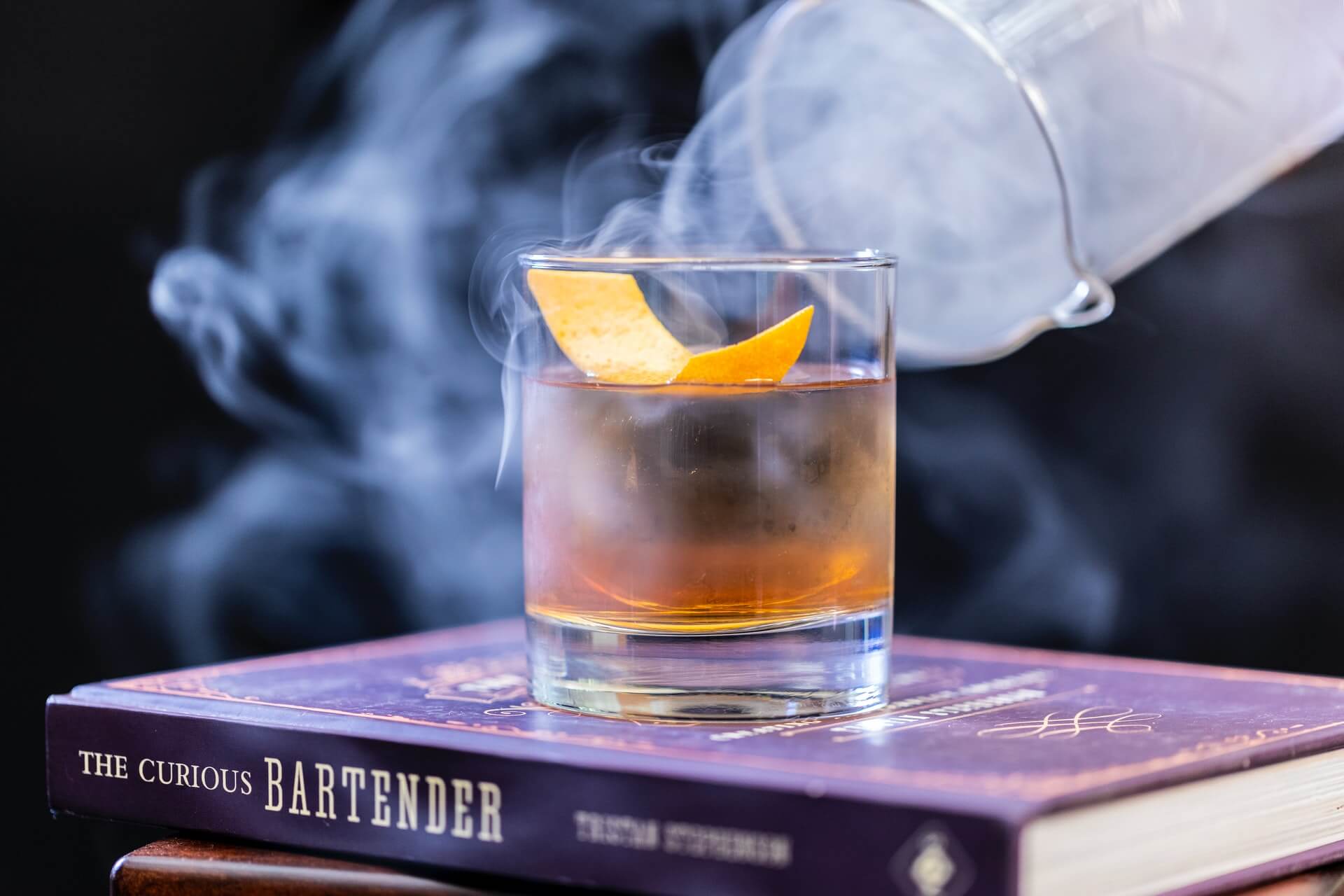
Cocktail and smoke on top stack of books

This is the culmination of all our Bourbon Heritage Month coverage, our final word on the subject: the bourbon cocktails you must know.

Yes, there are those out there who bristle at the thought of enjoying their favorite spirit being adulterated.

Combining bourbon with mixers, modifiers, even ice?! “Blasphemy,” they hiss.

Personally, we believe in enjoying spirits however you want. That’s doubly true for paying guests.

So, this is for those who appreciate their bourbon with ingredients beyond a drop of the world’s most pure water or an impossibly clear ice cube.

Here are the bourbon cocktails you and your bar team need to know.

Old Fashioned

At this point, the Old Fashioned is ubiquitous to the point that it’s doubtful there’s even a neophyte bartender who can’t make at least a mediocre one. However, this drink doesn’t carry its “classic” designation for no reason. In fact, the simpler the drink, the more legendarily classic, the more crucial it is that your bar team can absolutely nail it.

Add a half-teaspoon of sugar, three dashes of Angostura Bitters, and one teaspoon of water to a rocks glass. Stir until the sugar is dissolved. Add a large ice cube or ice sphere, or a fill the glass with big ice cubes, and add two ounces of bourbon. Stir, express an orange peel around the rim of the glass, and drop it into the drink.

Bourbon Smash

Here’s an interesting bit of trivia: All Smash cocktails are Juleps but not all Juleps are Smashes, according to Imbibe Magazine. While difficult to define, Imbibe says crucial characteristics of a Smash are ice, fruit that’s in season, and a spirit base.

Prepare a rocks glass by chilling it with ice. Grab a cocktail shaker and toss in three lemon wedges. Muddle those, then add two ounces of bourbon, three-quarters of an ounce of simple syrup, three or four fresh mint leaves, and ice. Dump the ice from the rocks glass and add a large ice cube or sphere, or big ice cubes. Shake the shaker hard until chilled, double strain into the prepped rocks glass, and garnish with a mint sprig, a popular ingredient and garnish for Smashes.

Hey, speaking of that Mint Julep trivia we mentioned…

Mint Julep

The Mint Julep is the traditional drink of the Kentucky Derby, of course. In fact, it’s said that more than 10,000 bottles of Old Forester Mint Julep are poured during Kentucky Derby weekend. While those ready-to-serve bottles are convenient, we’re going to focus on a traditional cocktail build.

Now, you can build this drink in a rocks glass. But who wants to drink this in anything but a frosty, ice-cold Julep cup? So, you’re going to start by muddling three fresh mint leaves inside the Julep cup. Then, pack the cup with crushed ice. Add two ounces of bourbon, a half-ounce of simple syrup, and stir gently. Add more crushed ice and round it off above the rim. Dust with powdered sugar and garnish with a fresh mint leaf or two.

Kentucky Mule

While we’re building cocktails that call for specialty drinkware… After the Moscow Mule exploded in popularity across North America, variants began popping up all over the place. Agave-focused bars made tequila- and mezcal-based Mules. And, of course, whiskey-centric programs latched onto their own versions of the Mule.

Enter: The Kentucky Mule. The star of this cocktail is, obviously, bourbon. Pour two ounces of bourbon into a Moscow Mule mug or highball glass—honestly, this is a toss-up given the recent surge in popularity of highballs—along with a half-ounce of fresh-squeezed lime juice. Fill the mug or glass with ice, top with ginger beer, and garnish with a mint sprig.

Bourbon Sour

In the interest of transparency, this can also be called the Whiskey Sour. I just want to make it clear that this particular recipe calls for bourbon.

With that out of the way, add two ounces of bourbon, three-quarters of an ounce of fresh-squeezed lemon juice, and a half-ounce of simple syrup to a shaker. If egg white will be used to build your Bourbon Sour, add a half-ounce to the shaker. For the egg-white version, dry shake for 30 seconds, add ice, and shake again until chilled. Skip the dry shake if no egg whites are used—just add ice and shake until well chilled. Strain into a coupe and garnish with three to four drops of Angostura bitters.

Boulevardier

Some people malign the Boulevardier is just a Negroni that swaps out the gin for bourbon (or other types of whiskey). I personally disagree with that derisive assessment as bourbon imparts entirely different characteristics.

Regardless of where you stand, part of the magic of the Negroni is that it calls for equal parts—it’s a 1:1:1 cocktail. So, I encourage you to try making your Boulevardier the same way. (Note: Some people add a quarter-ounce more of bourbon to stand up to the Campari.) Prepare a rocks glass with ice and set aside. To a mixing glass, add ice and equal parts bourbon, Campari, and sweet vermouth. Again, toss the ice inside that’s inside the prepared rocks glass and add fresh ice. Stir the liquid in the mixing glass until well chilled, strain into the prepared rocks glass, and garnish with an orange peel or twist.

Billionaire

If you’ve been to Employees Only, you’ve likely tried the Billionaire or at least know about it. Per Liquor.com, the Billionaire is a “sophisticated” riff on the Millionaire cocktail. The EO variant eschews the Millionaire’s Grand Marnier, absinthe, egg white, and freshly grated nutmeg garnish.

Instead, the Billionaire is a simpler build that calls for a specific bourbon and absinthe bitters. First, prepare a stemmed cocktail glass with ice to chill it (or task bar team members with placing them in in the freezer or refrigerator as part of their duties) and set aside. Add two ounces of Baker’s Single Barrel bourbon (107 proof), an ounce of fresh-squeezed lemon juice, a half-ounce of grenadine, a half-ounce of simple syrup, a quarter-ounce of absinthe bitters, and ice to a cocktail shaker. Shake hard until well chilled and strain into the chilled cocktail glass. Float a lemon on wheel on top to garnish.

(Updated) Amaretto Sour

This recipe is Jeffrey Morgenthaler’s modern take on the classic Amaretto Sour. To make it, you’ll need to have at least one cask-strength bourbon in your inventory. Unlike the other cocktails on this list, bourbon isn’t the star of the show. That honor goes to amaretto liqueur, but the bourbon is one hell of a supporting actor.

Prepare a rocks glass by chilling it with ice. Start by adding one-and-a-half ounces of amaretto, three-quarters of an ounce of cask-strength bourbon (remember, cask strength!), an ounce of fresh-squeezed lemon juice, one teaspoon of rich simple syrup, and a half-ounce of egg white to a shaker. Dry shake for 15 seconds, then add ice to the shaker and shake again. Dump the ice from the prepared rocks glass, add fresh ice (large cube or sphere, big ice cubes, etc.), strain the liquid, and garnish with a lemon twist and two brandied cherries on a skewer.

Image: Bon Vivant on Unsplash

by David Klemt David Klemt No Comments

10 Bottles for National Tequila Day

10 Bottles for National Tequila Day

by David Klemt

Shots of tequila surrounded by lime wedges and salt

This Saturday we celebrate the world’s most famous agave spirit: the one and only tequila.

National Tequila Day takes place this weekend on July 24.

Of course, there are still those out there who view tequila as a low-quality, high-proof spirit that leads to bad decisions.

Luckily, years of education are turning that around. People across the world are now aware of high-quality sipping tequilas.

Those in the know are drinking better, although that doesn’t preclude them from making bad choices afterward. Indeed, we can no longer blame the tequila, only ignorance of higher quality expressions.

Just like we did for bourbon and Lambrusco, we’ve rounded up bottles operators should consider for National Tequila Day and beyond.

Cheers!

Blanco

Arguably the tequila most people associate with cheap shots and cocktails. Distillers don’t age blanco and they bottle the liquid soon after distillation. However, the explosion in the growth of tequila brings with it new brands and higher standards. Many blancos taste excellent and make great cocktails.

Mijenta Blanco

This blanco represents the antithesis of the mainstream stereotype of blanco tequilas. Tequilera Maestro (Tequila Master) Ana Maria Romero approaches the process of making Mijenta Blanco with the same care and attention to detail as she does reposado.

Teremana Blanco

Yes, this is a “celebrity tequila.” Yes, Dwayne “The Rock” Johnson owns Teremana. Being a celebrity spirit doesn’t discredit the quality of this brand. Teremana Blanco is a silver tequila that aims to drink like a luxury expression.

Joven

An interesting and rare (currently) category, joven is unaged tequila blended with one or more aged expressions.

Viva XXXII Joven

Described as a “modern sipping” expression by the distillery, Viva XXXII Joven is made with estate-grown blanco and the brand’s extra añejo. Expect crisp flavors of lemon peel, yerba buena (an aromatic mint), and white pepper.

Casa Dragones Joven

When Casa Dragones first entered the market in 2009, this was their debut expression. Five years later, they released their first blanco. In the case of Casa Dragones Joven, blanco was blended with extra añejo. Not only is it proper to include one of the first joven tequilas on the market on this list, this expression has earned its place.

Reposado

Combine the bold flavors of younger blanco tequila with the smooth, refined characteristics of aged añejo. That will give you an idea of what to expect with a reposado, which is aged between two and twelve months. Equal capable in shots and cocktails or for sitting and sipping.

Volcán De Mi Tierra Reposado

Made from agaves that take well over 3,000 days to ripen, Volcán Reposado captures the terroir of the state of Jalisco. The liquid is aged in American and European oak barrels, which helps to make this a smooth expression.

Clase Azul Reposado

Arguably the most recognized bottle on the back of any bar. Clase Azul Reposado draws the eyes of guests with its unique appearance and keeps them coming back with its unique flavor profile and incredible smoothness.

Añejo

This category must be aged for one to three years in oak. Of course, añejo can be enjoyed as a shot or in a cocktail, just like any spirit can be. However, these tequilas are often best when sipped slowly to appreciate every flavor, aroma, and mouthfeel characteristic.

El Tesoro Añejo

This añejo is aged between two and three years in ex-bourbon barrels. The result is intriguing, to the say the least: Master Distiller Carlos Camarena says El Tesoro Añejo, due to vanilla and maple notes, would pair well with pancakes.

Casa Dragones Barrel Blend

Known as a small-batch producer of luxury blanco and joven tequilas, Casa Dragones is finally producing an añejo. Casa Dragones Barrel Blend is aged in Quercus Sessile French oak and new American oak barrels, both of which undergo custom toasting. The result is a smooth, luxurious sipper with spice, oak, berry, and agave notes.

Extra Añejo

Once a distiller passes the three-year mark aging tequila, they have free reign to experiment. The extra añejo category is where people find truly unique and rare (and expensive, of course) expressions.

Herradura Selección Suprema

It may interest people to know that Herradura gets the credit for creating both the reposado and extra añejo categories. So, it’s only fitting that they be on this list in one of those categories. Herradura Selección Suprema rests for 49 months—four years and one month—in American white oak barrels.

Tears of Llorona No. 3 Extra Añejo

Master Distiller Germán González initially created Tears of Llorona to for his friends and family. However, the five-year-old extra añejo Maestro Gonzalez produces are sometimes made available to the public. The current private stock offering, Tears of Llorona No. 3, is aged in Scotch, brandy, and sherry oak barrels.

Image: Xavier Espinosa from Pixabay

by David Klemt David Klemt No Comments

Father’s Day Food & Beer Pairings

Father’s Day Food & Beer Pairings

by David Klemt

Burger with onion rings and beer

Father’s Day is right around the corner and while it isn’t usually quite as busy as Mother’s Day, this year could be different.

After all, states and provinces are reopening, and the weather is getting warmer. In fact, Governor Andrew Cuomo announced yesterday that restaurants and bars are no longer subject to social distancing restrictions.

And hey, who isn’t looking for an excuse to get out and return to restaurants and bars?

Now, I’m going to assume that most operators who plan to celebrate Father’s Day this weekend have their promotions in place. However, to help give those promos a boost, I want to share beer pairings for classic Father’s Day menu items.

Of course, these pairings work well on any day of the week, and they’re in no way limited to dads. Anyone who enjoys beer will appreciate operators putting an emphasis on food and beer pairings.

Burgers

One of the most popular foods, particularly for those seeking out comfort, burgers and an array of beers go together. For a classic hamburger, suggest an IPA, APA or Lager. Known for your mushroom and Swiss cheese burger? Brown ales, amber ales and porters work well. Pale ales go well with bacon burgers, and wheat ales and Witbier pair with veggie burgers.

Chicken

Fried chicken is certainly right up there with burgers in terms of comfort foods. And it’s certainly great for Father’s Day. Suggest pairing fried chicken with a Kölsch, Märzen, Helles, and Hefeweizen. For barbecue chicken, recommend a light lager, Pilsner, Saison, Hefeweizen and Witbier. Honey glazed chicken (baked or as wings) work very well with a Kölsch.

Pork

If you have ribs on the menu, there are a few ways to go with beer pairings. Porters, stouts and German lagers are medium- to full-bodied and can stand up to bold, rich flavors and compliment smoke. On the other hand, pale ales and IPAs (lighter versions tend to work better) are lighter but can compliment barbecue flavors as well. Porters and American pale ales sip well with pulled pork sandwiches. A Märzen, Hefeweizen or Porter pairs nicely with pork chops.

Steak

Just like there are several cuts of beef for steaks, there are several beer types that pair well with steak. Brown ales, stouts, porters, IPAs, lagers and IPAs work well for different reasons. Cuts that are more flavorful (ribeye, top sirloin, porterhouse, T-bone) pair well with darker beers (generally speaking). But cuts like filet mignon, known to be lighter in flavor, work well with lighter beers (some lagers and IPAs).

Seafood

Much like steak, seafood presents plenty of variety for beer drinkers. You’ll find that Pilsners compliment many different types of seafood. Generally speaking, lobster dishes pair well with a Pilsner or an IPA (that isn’t too assertive). Pilsners work great with an array of fish, so suggest one with your fish and chips or tilapia. When it comes to many crab dishes, lagers and—yep—Pilsners are excellent recommendations. Wheat beers pair well with mussels, and sours and Goses drink well with oysters.

Grilled Vegetables

When it comes to grilled and charred vegetables, dark beers with roast coffee, malty and chocolate flavors pair very well. Imperial stouts can certainly hold their own with grilled, roasted and charred veggies. However, black lagers and porters are lighter than imperial stouts with similar flavor characteristics, meaning they won’t overpower the vegetables.

Of course, the best way to make winning pairing suggestions is to try them yourself. Even better, include kitchen staff, servers and bartenders and get their feedback. There’s no substitute for being able to make pairing recommendations based on personal experience.

Image: Edward Franklin on Unsplash

by David Klemt David Klemt No Comments

7 Whiskeys for National Bourbon Day

7 Whiskeys for National Bourbon Day

by David Klemt

Lux Row Distillers Blood Oath Pact No. 7 bourbon whiskey

We celebrate America’s native spirit on June 14, National Bourbon Day.

Certainly, this is a mainstream holiday more than worthy of celebrating. We definitely don’t need an excuse to enjoy a dram and a cocktail, but it’s great to have one at the ready anyway.

Of course, there are far too many labels out there for us to list and honor them all. So, we’ve chosen seven bottlings that span a decent range of prices.

Cheers!

$50 and Under

Evan Williams 1783 Small Batch (Kentucky), $20 SRP

Perhaps owing to their affordable prices, a lot of people tend to sleep on Evan Williams. However, their bottles routinely end up on bartender go-to lists. Their 1783 Small Batch pays homage to the year Williams founded Kentucky’s first distillery,

Wyoming Whiskey National Parks Limited Edition American Whiskey (Wyoming), $50 SRP

Are you and your guests big fans of our beautiful national parks? If so, Wyoming Whiskey National Parks Limited Edition is the perfect whiskey! This straight bourbon, which features Wyoming’s Grand Teton National Park on its label, is a five-year-old, 92-proof homage to our natural resources. For every bottle sold, Wyoming Whiskey is donating $50 to the National Park Foundation.

$51 to $99

Woodford Reserve Double Oaked (Kentucky), $57 SRP

If you and your guests are looking for one of the smoothest expressions of Woodford, Double Oaked is the one. This whiskey starts its life as Distiller’s Select but receives a second barreling in virgin, charred-oak barrels. And Double isn’t smooth enough for you, there’s always Double Double

Russell’s Reserve 13 Year Bourbon (Kentucky), $69.99 SRP

The Russell’s Reserve label is part of the Wild Turkey portfolio and honors Master Distiller Jimmy Russell’s legacy. Master Distiller Eddie Russell is Jimmy’s son, has been producing whiskey for Wild Turkey for 40 years, and, like his father, is Kentucky Bourbon Hall of Fame inductee. The Russell’s Reserve 13 Year bottling is, of course, 13 years old, and it rings in at 114.8 proof.

Blood Oath Pact No. 7 (Kentucky), $99 SRP

The Blood Oath series is part of the Lux Row Distillers portfolio. Like Orphan Barrel releases, each Blood Oath release, known as a Pact, is highly sought after. In fact, if you don’t get your hands on one right away, the prices can double or more on the secondary market. Blood Oath Pact No. 7 is a blend of three Kentucky bourbons: one 14 year and two eight years.

$100 and Over

Heaven’s Door & Redbreast 10-Year Master Blenders’ Edition (Tennessee), $99.99 SRP

Alright, so this one is only a penny under $100—we’re rounding up for this one. As the name of this straight bourbon suggests, this is a collaboration between Bob Dylan’s Heaven’s Door and Redbreast Irish Whiskey. Master Blender’s Edition features 10-year-old Heaven’s Door bourbon given a 15-month finishing treatment in 12-year-old Redbreast casks.

Copper Tongue Orphan Barrel (Tennessee), $100 SRP

As with Lux Row Distillers releases, Orphan Barrel is highly sought after and highly collectible. Aficionados and fans in the know will go out of their way to score a dram if they can find it. Coppper Tongue will be no different, a 16-year-old, cask-strength straight bourbon weighing in at 89.8 proof. The distillery recommends enjoying it neat or, interestingly, with a slice of pear.

Image: Lux Row Distillers

by David Klemt David Klemt No Comments

Are You Ready for St. Patrick’s Day?

Are You Ready for St. Patrick’s Day?

by David Klemt

Green neon "DRINKS" sign on brick wall

St. Patrick’s Day is just around the corner. Operators need to make sure they’re ready for in-person, delivery and takeout guests eager to celebrate.

An interesting element for this year’s holiday is that many people will be celebrating at home. That makes themed delivery, takeout and pickup packages important.

Over the past 12 months, consumers have grown to correlate drinking occasions with drinking at home. That shift in behavior can make it more challenging to succeed with holidays.

Of course, challenges also present opportunities. Working from and drinking at home has made weekday day-drinking more common. Operators can leverage new behaviors to offer in-person, delivery and takeout packages starting earlier for St. Patrick’s Day.

Such packages can include Irish Coffees for the morning or early lunch, Irish beers for lunch or dinner, Irish whiskey and beer packages for dinner and late-night…you get the idea. Classic and modern riffs on St. Patrick’s Day food mainstays are also a crucial element. The key is to get creative with inventory and offers, attracting a combination of in-person and off-premise consumers.

To give you a helping hand, we’ve rounded up some of our favorite Irish, Canadian and America whiskeys. We’re including the standards but also focusing on innovative and single malt expressions that boost guest spends and overall revenue.

Irish Whiskeys

One thing all operators know when it comes to St. Patrick’s Day: Irish whiskey and high-visibility brands must be represented.

After all, according to the Spirits Business, Irish whiskey generated well over $1 billion for distillers last year in the United States alone.

Jameson, Bushmills, Tullamore DEW, Kilbeggan and Redbreast shine on St. Patrick’s Day. Proper No. 12 is just a few years old but is on its way to becoming a St. Patrick’s standard.

In markets that can bear it, premiumization can help generate more revenue during this year’s holiday.

There’s nothing wrong with OG Jameson but consider premiumization with Jameson Black Barrel or 18 Years, which is finished in first-fill barrels.

When it comes to Bushmills, the original expression is great. Rare Cask 01, however, is the distillery’s Cognac cask premium dram.

For the adventurous guest, Cider Cask Finish, XO Caribbean Rum Cask Finish, and Old Bonded Warehouse Release from Tullamore DEW will get their attention.

Operators who feature Kilbeggan would do well to consider premiumization in the forms of Single Pot Still and Small Batch Rye.

Redbreast 12 Cask Strength and Redbreast Lustau are undeniable elevations of traditional Irish whiskey.

Canadian Single Malts

When people hear or think about St. Patrick’s Day, they tend to immediately leap to Irish whiskey. However, this holiday can be a time to highlight whiskeys from other countries.

Central City crafts Lohin McKinnon Single Malt with “pure British Columbia” water, per their website. The distiller recommends adding a splash cold, filtered water, a tip you can share with your guests.

Another Central City single malt takes Canadian in an interesting direction. Lohin McKinnon Tequila Barrel Finished instills single malt with unique flavors.

Eau De Claire boasts the distinction of being Alberta’s first craft distillery and first single malt whisky producers. The distillery uses only Alberta barley and rye to craft their liquid.

American Single Malts

There are a number of superlative American single malt whiskeys to consider promoting on St. Patrick’s Day.

Westland produces American single malt in Seattle, Washington. The distillery’s Outpost Range—Garryana, Colere, and Solum—celebrates American tradition, innovation and Pacific Northwest provenance.

Westward aims to craft and bottle the spirit of the American Northwest. Westward Pinot Noir Cask and Stout Cask elevate the distillery’s American single malts.

Those searching for a Rocky Mountain single malt need look no further than Stranahan’s. Each of their expressions is thoughtfully crafted, so it can be hard to choose just one. However, Blue Peak is interesting because it undergoes high-altitude distillation and is also finished using the Solera Method.

Also hailing from Colorado is Deerhammer. The distillery’s American Single Malt mash bill can experience temperature swings of well over 40 degrees in a single day.

Image: Stéphan Valentin on Unsplash

Top