Nightclub

by David Klemt David Klemt No Comments

Adding Veterans to Your Team

Adding Veterans to Your Restaurant, Bar or Hotel Team

by David Klemt

Military combat helmet in digital camouflage

Do more this Veterans Day by encouraging those who have served to apply and interview for available positions on your team.

There are several benefits to providing job opportunities to veterans, regardless of the country (or countries) in which you operate.

Of course, there are dos and don’ts that come along with recruiting, hiring and working with veterans.

Benefits to Hiring Veterans

Before we begin, a caveat: Remember that veterans are individuals. “Veteran” is a label, a designation, a descriptor. In no way is one person who is a veteran interchangeable with another.

That said, there are some elements of military service that are similar to those of successful hospitality operations.

Teamwork, a strong work ethic, leadership skills, precision in tasks, achieving goals, consistency in results… When a restaurant, bar or hotel team is operating at its best, it can be said they work with military precision.

Generally speaking, veteran job candidates bring experience to the table that can benefit an operator greatly.

Additionally, it’s commonly said that hospitality leadership should hire for personality because they can train requisite skills. Speaking generally again, many veterans are so used to receiving specialized training that they’ll likely appreciate and respond quickly to yours.

If you want your business to operate with military precision, why wouldn’t you hire military personnel who fit well within your team?

Questions to Ask During Interviews

Obviously, there are definite dos and don’ts when it comes to discussing a veteran’s military experience.

As curious as you may be about some aspects of a veteran’s experience, questions shouldn’t be invasive or offensive.

Some examples of questions you should ask are:

  • “What did you do (in the Air Force, Army, Coast Guard, Marines, Navy, National Guard or Reserves)?”
  • “Why did you choose that branch of the military?”
  • “How long did you serve?”
  • “Do you come from a military family?”
  • “Where were you stationed during your career in the military? Did you visit any other countries?”
  • “Where was your favorite place you visited or lived?”
  • “How do you think your experience in the military will benefit you here?”

As you can see, nothing in those questions should make a veteran applicant uncomfortable.

Questions and Behaviors to Avoid

Speaking of discomfort, there are many questions that you should never ask a veteran. Not just during the interview process, but ever.

Also, if a veteran informs you they’re uncomfortable answering a question about their service, that should be respected.

Examples of questions and topics you should avoid are:

  • “Do you have PTSD (Posttraumatic Stress Disorder)?”
  • “Do you find it hard to get back to ‘real/regular’ life after being in the military?”
  • “Did you ever get shot/stabbed/bombed?”
  • “Did you ever kill anyone?”
  • “What’s the worst thing that ever happened to you while you served?”
  • Current military conflicts, particularly if you haven’t served in the military.
  • Referring to elements of work through military analogies.
  • Insulting branches of the military if you never served.

In short, treat veterans with the respect their deserve, as you should any other member of your staff. Veterans aren’t novelties or curiosities—they’re people.

For too long, veterans have faced undue scrutiny and undeserved stigmatization. It shouldn’t be difficult to turn that around when the solution is simple: Give veterans respect; treat them like  people since that’s precisely what they are; and provide equal opportunity.

Image: israel palacio on Unsplash

by David Klemt David Klemt No Comments

You’re Competing Against Chains for Labor

You’re Competing Against Chains for Labor

by David Klemt

Help sign outside business

Independent operators and local chains aren’t just competing with one another for staff, they’re up against global brands.

Unfortunately, that means competing against massive corporations that can offer higher wages and all manner of benefits.

However, smaller operations can still take steps to lure workers and fill open positions.

The Threat

In response to the labor shortage, many national and global chains are increasing hourly wages.

For example, Chipotle boosted wages for hourly workers to $15 per hour a few months back. Along with this boost in wages came a hike in menu prices: four percent across the board.

Earlier this year, McDonald’s also announced they would boost hourly pay. Hourly workers saw a boost of about ten percent. Of course, this chain also found itself dealing with increased supply costs. To offset a rise in costs of at least four percent, McDonald’s also boosted menu prices.

The latest to enter the labor fray is Starbucks. And like other chains, the corporation addressed the issue of hourly wages publicly.

Indeed, Starbucks’ announcement shares several details. First, staff who have worked for the company for a minimum of five years could see a pay raise of ten percent. Those who have been with the company for at least two years (but less than ten) could get a raise of five percent.

However, it doesn’t end there. Starbucks workers in the United States can take advantage of $200 referral bonuses. On average, Starbucks says hourly wages will range from $15 to $23 per hour, with an average of $17 per hour. The company expects these wage changes to be in place by Summer 2022.

Solutions

Of course, one doesn’t have to need revenue in the tens of millions or billions of dollars to compete for staff.

We’ve addressed this topic several times on the KRG Hospitality site. In particular, we’ve brought up increasing menu prices to support wage hikes. Specifically, we recommend borrowing from Chipotle and McDonald’s: Be transparent and explain why menu prices are going up.

Additionally, Bar Hacks guests like Chef Brian Duffy and Lynnette Marrero have spoken about this topic.

As Chef Duffy says during his second appearance, treating staff better is a big step toward reducing turnover. Word spreads among hospitality workers, and improved employer-employee relations is an excellent recruitment tool.

Another effective benefit? Flexible and improved scheduling which, of course, can be implemented easily via scheduling apps.

Mentorship is a powerful recruiting and retention tool. Both Chef Duffy and Marrero believe in the power of this benefit. They have decades of experience to pass on to staff that can help their careers.

Marrero also suggests implementing labor structures that corporations don’t offer. For instance, she suggests new operators are well positioned to offer earned equity, profit sharing, and co-op ownership structures.

Existing operators can also leverage Marrero’s ideas. However, they’ll need agreement from their investors if they have any.

Now that you know where labor threats are coming from, you can strategize and fight back. You may not have billions of dollars in the bank, but you’re nimble and can implement changes much more quickly. Listen to your staff and be open to making meaningful but reasonable concessions.

Image: Fernando Venzano on Unsplash

by David Klemt David Klemt No Comments

Extend Your Reach with a Loyalty Program

Extend Your Reach with a Loyalty Program

by David Klemt

McDonald's French fries close up in package

It’s increasingly important to stay top of mind with your guests. Now more than ever, that means finding yourself on their screens.

For likely the one-billionth time, allow me to point out something we should all know by now: We’re all on our phones and tablets all the time.

From texts and emails to app notifications and social scrolling, there’s always a reason to check screens.

So, how can operators invade people’s devices? By collecting guest data via a loyalty program.

Fluctuating Support

Not so long ago, industry experts bristled against the mention of rewards and discounts.

Guests, the thought was, had zero interest in signing up for loyalty programs. People would soon frantically seek out “unsubscribe” links after receiving one too many marketing emails.

However, people are quickly thawing, warming to the idea of loyalty programs. Once thought of as too invasive, now marketing experts believe “too intrusive” doesn’t exist.

After all, businesses need to ensure they’re highly visible. Operators must meet guests where they are. Where are they? Their devices.

Rewarding Loyalty

Your staff aren’t the only people engaging with the incentive economy.

Today, it appears that a guest liking your brand isn’t good enough to ensure their loyalty. They want rewards beyond experience, consistency, and delicious food and beverage.

With so many brands competing for your guests’ dollars, you have to stand out to keep them coming back.

Now, there are still industry experts and operators who will tell you to avoid discounting at all costs. Offering a discount, they argue, starts you down the road of devaluing your brand.

Well, the great news is that when creating your own loyalty program, you can offer whatever you see fit. If you fall into the Never Discount camp, none of your rewards have to be discounts.

Free is Better than a Discount

So, let’s remain in the Never Discount realm. What else will encourage guests to sign up for your loyalty program—and actually engage with it?

We can use the loyalty program launched in July by a global fast-food juggernaut as a great example.

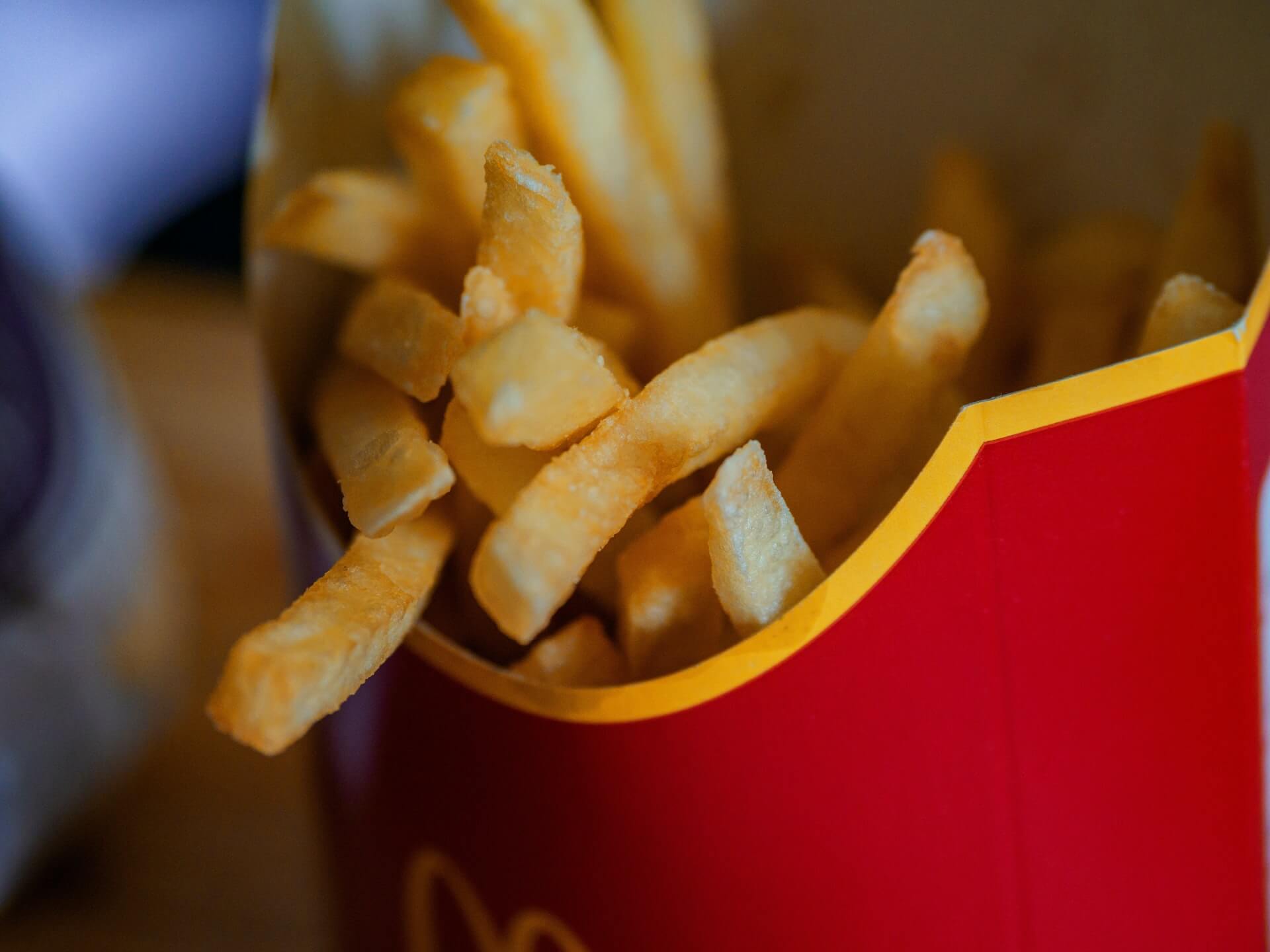
Over the summer, McDonald’s launched MyMcDonald’s Rewards. How successful was the launch? More than 12 million people opted into the program.

In exchange for signing up, agreeing to receive alerts, and handing over their data, guests received a free medium French fry.

McDonald’s selected 66 loyalty program members to receive one million MyMcDonald’s Rewards points. One lucky member also received free French fries for life.

Create Your Program

“But David,” I hear some of you arguing, “isn’t free even worse than a discount?”

The short answer is no. A discount can devalue a brand because guests get used to paying less for select items or entire visits. Over time, they perceive the lower price as the standard price. Soon, they’ll wonder when the next discount is coming. You’ll have to either further discount your food and beverage or work harder to re-engage your guests some other way.

If a rewards program is structured correctly, members will have paid for any free item they earn several times over. Most commonly, guests receive points in exchange for dollars spent. They can then exchange those points for a free menu item. This doesn’t devalue the brand, it incentivizes program members to become loyal, repeat guests.

Operators not quite ready to build their own apps can utilize text messages and emails. Of course, the former is the most intrusive (in a good way). Texts can inform members of promotions and encourage them to visit or place an order online. Emails can let members know their current balance and what incentive their close to earning.

Additionally, be generous. Don’t exclude your guests’ favorite items from the program. Why would a loyalty program member remain loyal if they can’t exchange their points for “the good stuff”?

Structure your program correctly and you’ll increase visits per guest and spends per visit. Couple your guest data collection with a platform like SevenRooms and you’ll truly supercharge your revenue.

Image: Brett Jordan on Unsplash

by David Klemt David Klemt No Comments

New Operators Can Reject the Old Models

New Operators Can Reject the Old Models

by David Klemt

Thinking differently planning concept with light bulb on chalkboard

There’s no reason new hospitality business owners and operators have to do what’s always been done.

In fact, new owners and operators are in a prime position to create entirely new business models.

If we’re going to change things and set the industry up for success in the future, we need to pursue different ways of doing business.

Industry Pioneer and Icon

Lynnette Marrero, widely known as a pioneer in this industry, is enjoying a career that should inspire all hospitality professionals.

After getting her start as a cocktail waitress at New York City’s storied Flatiron Lounge, she transitioned to bartender. In that role, Marrero was able to learn under Flatiron Lounge co-owner and bartending sage Julie Reiner.

She has created and consulted on world-class, award-winning cocktail programs. If you find yourself in New York City, plan to stop into Llama Inn and Llama San to experience Marrero’s menu programming.

Marrero is a James Beard Award and Spirited Award winner, a Dame Hall of Fame inductee, and the co-founder of high-speed all-female bartending competition Speed Rack.

Perhaps most importantly, she’s a mentor and an innovator helping to shape the career’s of new bartenders and hospitality pros.

And on episode 54 of the Bar Hacks podcast, Marrero encourages new operators to think differently about how they run their businesses.

New Models

Specifically, Marrero explains that new owners and operators are in a position to run things differently from the start.

“I think it’s a lot about changing your structures from the beginning. Don’t feel pressure to have to go into models that already exist,” says Marrero. “You can build new models and you can think about new ways.”

Making impactful change from the very beginning requires a change in how we think about running restaurants, bars, hotels, and other hospitality businesses.

“What does ownership look like?” asks Marrero, providing examples of new approaches to ownership. “Can you start a place that’s more profit sharing for staff? Can you build that in from the beginning?”

Offering further considerations, Marrero suggests that new owners and operators consider operational elements such as earned equity and co-op-style ownership.

In theory, such structures, which are certainly far from the norm, may lead to significant reductions in turnover, boosts to staff morale and engagement, and a more dynamic team. Putting different structures in place rather relying on the old models can lead to building teams invested in helping owners grow their businesses for the long term.

Change is Necessary

While established operators can certainly make changes to their existing operations, Marrero says that it’s easier for new businesses to do so.

In part, this is because investors know going in what the labor structure is, for example. They therefore also understand how the payback structure will work.

And that’s just on the investment side of the equation. On the labor side, new structures make it easier to recruit, hire, and retain staff.

Solving labor shortages leads to operating at full strength for full days rather than relying on shortened hours. Staff are less overwhelmed and costly turnover is reduced.

It’s easier to do things the way they’ve always been done. But rejecting the old ways can be far more fulfilling and profitable for everyone involved.

Image: Pixabay on Pexels

by David Klemt David Klemt No Comments

Stand Out with Weird Holidays: November

Stand Out with Weird Holidays: November

by David Klemt

Stay Weird neon sign with purple background

Want to stand out from from other restaurants and bars in your area? Then commit to keeping it weird.

Several “holidays” are set against every date on the calendar, and November is no exception. These holidays range from mainstream—Thanksgiving Eve and Thanksgiving, anyone?—to food-centric to weird.

Pay attention to the latter to raise eyebrows, carve out a niche for your restaurant or bar, and attract more guests. Why do what everyone else is already doing?

Of course, you shouldn’t try to celebrate every holiday, weird or otherwise. And this month’s list in no way includes every odd holiday.

Focus on the days that are authentic to your brand; resonate with your guests; and help you grab attention on social media.

For October’s list, click here.

November 1: World Vegan Day

Obviously, this holiday isn’t weird for vegans or vegetarians. There are, however, those who still find this particular diet odd. Well, this is the perfect holiday to learn more about vegan cooking and eating. Pass on that knowledge by adding delicious vegan dishes to your menu.

November 4: National Candy Day

Do you have a surplus of candy now that Halloween is over? Trying to fight the temptation to eat it all yourself? Various candies perform well as garnishes for cocktails. There’s also another way to approach this holiday, like featuring starters such as candied bacon.

November 6: National Nacho Day

So, this holiday is more fun than weird, really. However, you can probably see the potential to deviate from the standard nacho builds. Instead, ask your kitchen staff to get creative and come up with intriguing takes on nachos that will grab the attention of your guests.

November 9: National Scrapple Day

One of the best ways to cut back on food waste in restaurants, bars, and hotels is to utilize as much of a given ingredient as possible. Scrapple, of which our Philadelphia audience will no doubt be very well aware, consists of pork scraps. Guests outside of Pennsylvania may have never tried scrapple before, so this holiday is the perfect time to tempt them with a new taste sensation.

November 12: National Pizza with the Works Except Anchovies Day

It’s not this pizza that’s weird, of course. It’s the very specific pizza this holiday is celebrating. I’m guessing that you know exactly what to do to celebrate this holiday with your guests.

November 14: Pickle Day

The (in)famous Pickleback. Bloody Mary made with pickle juice. A Dill Pickle Martini. Pickle appetizers and starters. If you’ve got pickles and some degree of creativity, it’s pretty clear what needs to be done on November 14.

National 15: National Spicy Hermit Cookie Day

This is another very specific holiday. This cookie, the Spicy Hermit, features flavors that couldn’t be any more perfect for fall: cinnamon, clove, allspice, and nutmeg. You can Google a recipe, of course, but we found this one and it seems delicious.

November 17: National Take a Hike Day

We’re big fans of encouraging guests and staff to get outside. There are thousands of trails throughout the United States and Canada, ranging from the easy-peasy to the truly treacherous, so the sky’s the limit. Encourage guests to take a hike and grab a bite and drink at your establishment to rest and recover. Have them tag your spot and their meal, of course.

November 28: Red Planet Day

It seems like billionaires and millionaires can’t get enough of Mars. Over the past few years, space travel has focused almost exclusively on the idea of reaching the Red Planet and figuring out how to live on it. So, if you’ve got dishes and drinks that are predominantly red in color, put them at the forefront on November 28.

Image: Dan Parlante on Unsplash

by David Klemt David Klemt No Comments

Creating a Strengths Profile

Creating a Strengths Profile

by Jennifer Radkey

Unsolved Rubik's Cube against black background

When looking to improve the performance of your hospitality business it is natural to seek out weaknesses and attempt to “fix” them.

What if you were to take an entirely different approach?

Instead of focusing on weaknesses to improve upon, we should seek to identify and build upon our strengths.

Why Strengths?

Using our strengths is like writing with a dominant hand. It comes naturally and easily.

Strengths can be cultivated and used to assist in overcoming challenges and in improving upon weaknesses. If we were to focus only on improving our weaknesses it would be tiring, and the probability of giving up could increase.

However, if we focus on building upon our strengths, it would be motivating and energizing, therefore making us stronger and then more likely to overcome our weaknesses.

Lost and Found

Do you ever visit a restaurant, bar, or hotel and get no clear sense of their identity?

Maybe their menu is confusing, their social media presence is either nonexistent or only shares their daily specials, there is no consistency in service. They just seem…lost.

Now seriously take a minute and walk through your establishment with fresh eyes as if it were your first time there. Is your brand’s identity clear or lost? As we get wrapped up in the day-to-day operations and stressors, becoming lost can easily happen.

Identifying your brand’s strength profile can help you find your distinct identity again. Even if you aren’t lost there is always room to strengthen your brand.

The Background

In the field of positive psychology, psychologists Chris Peterson and Marty Seligman headed a project to seek out what characteristics describe humans at their very best.

After scouring literature, media, music, etc., spanning countries and history, they compiled a list of 24 character strengths that appear to be valued over time and culture.

This list was referred to as the Values in Action Classification of Character Strengths and Virtues (VIA). The VIA is meant to classify individual strengths but can also be applied to organizations and businesses.

The 24 Character Strengths

The list of strengths is as follows:

  • Creativity
  • Curiosity
  • Open-mindedness
  • Love of Learning
  • Perspective and Wisdom
  • Bravery
  • Persistence
  • Integrity
  • Vitality
  • Capacity to Love and be Loved
  • Kindness
  • Social Intelligence
  • Citizenship
  • Fairness
  • Leadership
  • Forgiveness
  • Humility/Modesty
  • Self-Regulation
  • Appreciation of Beauty and Excellence
  • Gratitude
  • Hope/Optimism
  • Humour
  • Spirituality

If you want to dive deeper into the VIA character strengths or would like to take the free survey yourself to find out what your top character strengths are, please visit www.authentichappiness.org through Penn State University and take the VIA Survey.

Creating a Strengths Profile for Your Hospitality Business

Now that you have the list of 24 character strengths, think about the top three strengths that you believe capture your brand at its very best. Think both about your venue’s operations and its messaging when deciding upon the top three.

Then ask your team to do the same. Hold a team meeting in which everyone shares which three character strengths they chose and why.

I recently did this with our team here at KRG Hospitality and found the process enlightening. It was fascinating to see which character strengths were repeated, providing clarity into our brand’s strengths profile.

Establishing Your Top Three

As you review everyone’s answers as to the character strengths they feel best capture your brand at its very best, take note of strengths that repeat themselves.

For us at KRG Hospitality, creativity, perspective and wisdom, and love of learning were the most common replies. We then had our strengths profile.

Discuss what you feel the strengths profile for your brand is with your team and solidify a top three.

What Next?

Once you have a strengths profile built, it’s time to dissect it.

How are you already using these strengths in both your day-to-day operations and in how you are representing yourself to the outside world? How can you use them in new and unique ways?

For example: If one of your strengths is creativity, are you using it to your advantage in many aspects of your business? Maybe your menu is super creative, but your social media posts are dull. Maybe your interior design is creative and fresh, but your training lacks creativity.

Is one of your top strengths kindness? What are you doing to emphasize that strength and is your community aware and benefiting from it?

Think about your strengths in new and exciting ways to energize your team and build an overall stronger business.

Shout it Out!

Take pride in your brand’s strengths. Make it known to your team, potential new hires, guests and potential guests what your strengths are by living them and growing them each and every day.

The stronger your team and your brand is, the more confidence you will have. With strong confidence you can approach weaknesses and obstacles with a healthy mindset and higher chance of success.

Take the time to really know your brand and understand how you are representing yourself and you won’t be disappointed. Cheers to personal and professional well-being!

Image: Pixabay on Pexels

by David Klemt David Klemt No Comments

Resources for Keeping Guests Safe

Resources for Keeping Guests and Staff Safe

by David Klemt

Everyone is Welcome sign painted on wall

One of the non-negotiable responsibilities of operators and their team members is ensuring the safety of every guest they serve.

Respecting others, instilling trust in guests and the community, and awareness are core tenets of hospitality.

Further, those three tenets are also crucial for the safety of guests, team members, and the community.

We in the hospitality industry like to think we deliver selfless service, putting guest needs above our own. The phrase “all are welcome” is supposedly a hospitality mantra.

But if operators aren’t providing the tools and empowerment staff need to ensure every guest is safe, is everyone really welcome?

Safety as a Core Value

Look, I know it can be uncomfortable to address the uglier elements of this industry. However, we can’t effect change to severely reduce the impact or outright eliminate those elements if we don’t face them.

On today’s Bar Hacks podcast, episode 54 with Ivy Mix and Lynnette Marrero, our guests address keeping women safe in bars and restaurants. That goes for guests and staff.

When we’re honest with ourselves, we know that our industry, operating at its best, is welcoming, accepting, supportive of the communities they serve, and a pillar of society. But we also know we have widespread issues concerning the harassment, violence, and inequality affecting women and other minorities.

Two things can be true at the same time. However, we can work toward wiping out that second truth.

During today’s podcast, Ivy Mix shares two key resources for building safer hospitality venues and work environments: Safe Bars and Green Dot.

Safe Bars

This organization seeks to improve the safety and culture of any venue that serves alcohol. Restaurant, bar, nightclub, brewery, hotel… If alcohol is a major component of service, Safe Bars wants to help.

Through three Safe Bars programs, operators can make their businesses safer:

  • Active Bystander Skills. Teachers operators, leadership team, and staff how to recognize unwanted sexual aggression and opting for the best intervention solution. (Learn more here.)
  • Self-defense and Empowerment. Strategies an owner, operator, member of the leadership team, or a staff member can implement should they be the one targeted for aggression or other unwanted attention. (Click here to learn more.)
  • De-escalation for Hospitality Professionals. The tactics necessary to keep one’s self and others safe should they encounter an aggressive, angry or threatening guest. (More information here.)

Unfortunately, most hospitality professionals have at least one story involving unwanted aggressive or threatening behavior from a guest. Programs like those on offer by Safe Bars can help bystanders intervene to protect others and themselves.

Green Dot

I’ve written about Green Dot Bystander Intervention education before.

Specifically, I shared Green Dot’s Five Ds of Bystander Intervention:

  • Distract
  • Delegate
  • Document
  • Delay
  • Direct

Programs like those from Green Dot and Safe Bars can help operators and leadership assess their bystander intervention capabilities.

The time is now to have an open and frank discussion to assess each team member’s comfort level regarding intervention. That can provide a baseline and guide operators towards which programs they should pursue. From there, operators and leadership can create policies and procedures for intervening, and keep guests and staff safe.

Addressing safety rather than hoping nothing will happen and these issues will somehow solve themselves pays immense dividends. Here are just a few examples:

  • Greater staff confidence.
  • A better relationship with the community, along with increased traffic.
  • A reduction in staff turnover.

Service is about more than food, beverage, and entertainment—it’s also about safety.

Image: Katie Moum on Unsplash

by David Klemt David Klemt No Comments

US Opening Border to Vaccinated Travelers

US Opening Border to Vaccinated Travelers

by David Klemt

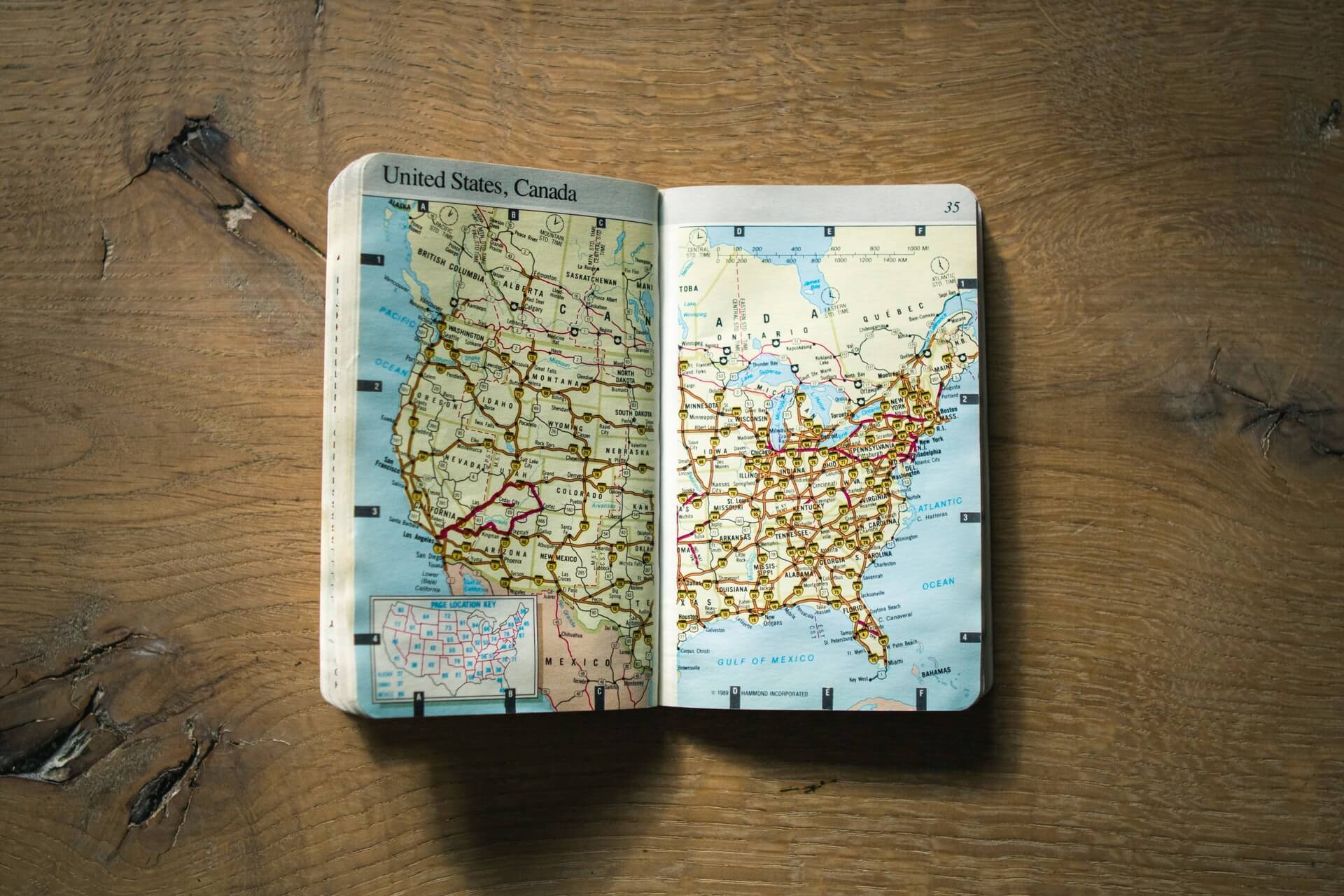
Roadmap showing United States of America, Canada, and Mexico borders

There will be more good news for the hospitality, travel, lodging, and tourism industries on Monday, November 8.

That’s the day that the US will open its borders to international travelers.

Guidance to enter the country applies to travelers arriving by land and air.

Neighbors to the North and South

This welcome news comes nearly three months after Canada opened its border to the US.

And like that border reopening, international travelers will have to prove their vaccination status. In fact, while not all the details are yet known, only fully vaccinated travelers will be permitted to cross American borders. The borders will remain closed to unvaccinated travelers.

The details for non-US travelers seeking to enter the country are as follows:

  • Non-essential travel is permitted.
  • Those entering via air travel will have to show proof of full vaccination before boarding their flight. They will also need to show proof of a “recent” negative Covid-19 test.
  • Travelers entering via Canadian or Mexican land borders will need to show proof of full vaccination. The negative test requirement is not, as of yet, required.
  • For now, Americans and non-US travelers will not have to quarantine after crossing a border.

Initial reporting stated that travel restrictions would be implemented via a phased approach. Land borders would be opened on November. However, air travel would remain restricted until the start of January 2022.

That doesn’t, at this moment, appear to be accurate.

Dozens of Countries Gain Access to US

Foreign travelers from the following countries who meet US requirements for entry will be able to enter:

  • Austria
  • Belgium
  • Brazil
  • Canada
  • China
  • Czech Republic
  • Denmark
  • England
  • Estonia
  • Finland
  • France
  • Germany
  • Greece
  • Hungary
  • Iceland
  • India
  • Iran
  • Italy
  • Latvia
  • Liechtenstein
  • Lithuania
  • Luxembourg
  • Malta
  • Mexico
  • Netherlands
  • Northern Ireland
  • Norway
  • Poland
  • Portugal
  • Scotland
  • Slovakia
  • Slovenia
  • South Africa
  • Spain
  • Sweden
  • Switzerland
  • Wales

Of course, this list is subject to updating, additions, and other changes.

Great News

Obviously, the US opening its borders to dozens of countries is great news for operators in several industries. Additionally, opening borders to economic partner countries should have a positive impact.

If it’s great for tourism, it’s great for hospitality, travel, and lodging and accommodation businesses. In turn, it should be a boon for the US economy.

Airlines should see a spike in travel, much of which will be tourism-based. That means hotels, restaurants, bars, lounges, nightclubs, breweries, distilleries, wineries, entertainment venues, stadiums, and more will benefit.

Operators will need to plan and execute to attract international travelers to leverage demand and increase revenue. Moving forward, forming partnerships with supportive partners (local restaurant with boutique hotel, for example) and working with domestic marketing organizations (DMOs) could pay dividends for savvy operators.

Image: REVOLT on Unsplash

by David Klemt David Klemt No Comments

Stand Out with Weird Holidays: October

Stand Out with Weird Holidays: October

by David Klemt

Stay Weird neon sign with purple background

Want to stand out from from other restaurants and bars in your area? Then commit to keeping it weird.

Several “holidays” are set against every date on the calendar, and October is no exception. These holidays range from mainstream—Halloween, anyone?—to food-centric to weird.

Pay attention to the latter to raise eyebrows, carve out a niche for your restaurant or bar, and attract more guests. Why do what everyone else is already doing?

Of course, you shouldn’t try to celebrate every holiday, weird or otherwise. And this month’s list in no way includes every odd holiday.

Focus on the days that are authentic to your brand; resonate with your guests; and help you grab attention on social media.

For September’s list, click here.

October 3: National Boyfriend Day

I’m pretty sure you understand exactly what this holiday honors and how to encourage guests to celebrate it. Invite people into your restaurant or bar to treat their boyfriend to a bite, drink, and good time.

October 6: National Noodle Day

Do you have noodles? Like to sell them to guests? Enjoy creating LTOs and specialty noodle dishes? This is the holiday to celebrate all of your favorite things with your guests.

October 8: National Fluffernutter Day

Ah, Fluffernutter. Marshmallow fluff resonates with a lot of people, particularly ’80s and ’90s kids. National Fluffernutter Day is the perfect holiday to leverage nostalgia, creative cocktails and desserts, cooling temperatures, and candy.

October 9: National Motorcycle Ride Day

One of the best parts about cruising in a group on motorcycles is stopping to refuel at a restaurant or bar. Encourage your bike-riding guests to begin, take a break during, or end their group ride at your venue.

October 11: National Kick Butt Day

No, this isn’t a day about literally kicking any butts. Instead, this holiday is about motivating people to take the necessary steps to realize their dreams and achieve their goals. Encourage your guests to take steps to reach their goals and celebrate doing so at your business.

October 13: National Emergency Nurse’s Day

Nurses always deserve our thanks. However, I think we can all agree that the past 18 months have been particularly difficult and overwhelming for nurses. Offer the emergency room nurses (all nurses, really) an amazing food or drink promotion to thank them for all they do.

October 15: National Grouch Day

While this holiday focuses on letting people let their grouch flag fly, operators can take a different direction. Why not offer people a place and promotion to get out of their funk through great food, amazing drinks, and a fantastic time?

October 17: Wear Something Gaudy Day

I mean, this holiday is two weeks out from Halloween—people are willing to make any excuse to dress up.

October 21: Get to Know Your Customers Day

Do you really want to boost your bottom line? Get to know your customers. Really, this holiday is for you. Use this day to implement guest data-collecting practices and train your team to obtain this valuable information. Learn more about why and how to build a guest database on episode 51 of Bar Hacks with Matt Plapp.

October 25: Sourest Day

There are multiple ways to approach Sourest Day. Some say it’s about eliminating the “sour” people in our lives. Others use it to enjoy sour candies which, admittedly, is perfect for Halloween month. For operators, promoting sour beers and cocktails is likely a winning strategy.

October 29: National Breadstick Day

Unless someone is counting their carbs strictly, everyone enjoys a breadstick. In reality, not many people have the discipline to enjoy just one. If you’ve got breadsticks on your menu, you know what to do on this holiday.

Image: Dan Parlante on Unsplash

by David Klemt David Klemt No Comments

2021 Spirited Awards Winners

Congratulations to the 2021 Spirited Awards Winners

by David Klemt

15th annual Tales of the Cocktail Spirited Awards winners 2021

The Tales of the Cocktail Foundation and Forbes, this year’s Spirited Awards official media partner, have announced the 2021 winners.

Due to the incredible difficulty of the past 18 months, Tales felt it was necessary to acknowledge the hospitality industry’s innovation, determination, and drive to survive.

To that end, this year’s Spirited Awards are different than years’ prior, honoring select categories the foundation felt could be judged fairly.

“We always knew we were a truly determined, tenacious community, but the way in which we’ve seen our peers navigate this year with such grace and grit has been nothing short of incredible,” says Eileen Wayner, CEO of the  Tales of the Cocktail Foundation. “Tales of the Cocktail Foundation is proud to recognize the winners of the 15th Annual Spirited Awards, and we thank them for their outstanding contributions that are advancing the beverage industry.”

2021 Spirited Awards®  Winners

Helen David Lifetime Achievement Award presented by William Grant & Sons

Pioneer Award presented by The Blend

Timeless International Award presented by Perrier

Timeless U.S. Award presented by Q Mixers

2021 Writing and Media Spirited Awards® Winners

Best Cocktail & Spirits Publication presented by Diageo Bar Academy

Best Broadcast, Podcast, or Online Video Series presented by Diageo Bar Academy

Best Cocktail & Spirits Writing presented by Tales of the Cocktail Foundation

Best New Cocktail or Bartending Book presented by Diageo Bar Academy

Best New Book on Drinks Culture, History, or Spirits presented by Diageo Bar Academy

Image: Tales of the Cocktail Foundation

by krghospitality krghospitality No Comments

Hiring and Training Staff for Consistency

Hiring and Training Staff for Consistency

by Nathen Dube
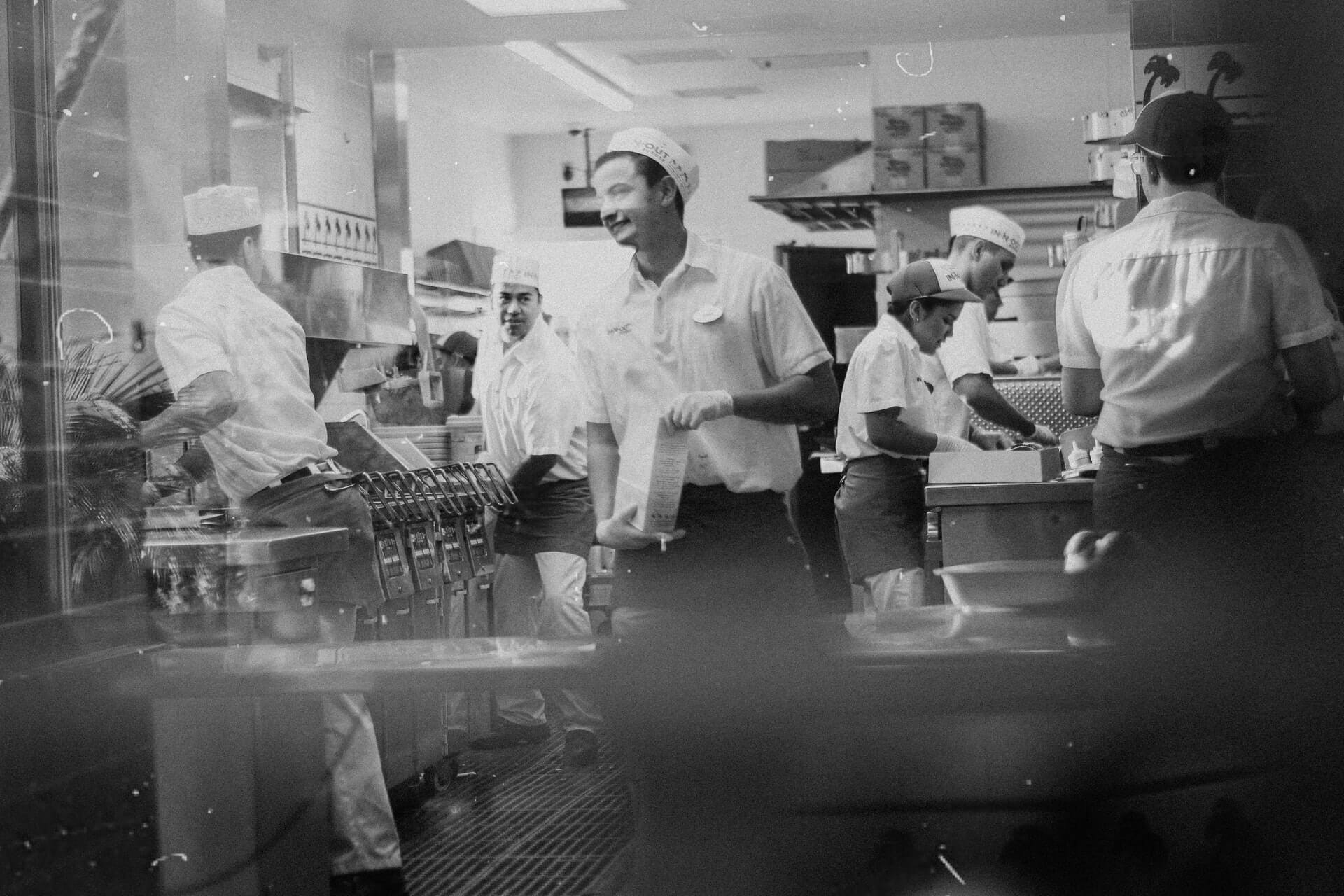
Happy and well-trained In N Out kitchen staff

Every restaurant needs to hire staff. This is probably the second most important pre-opening task after deciding on a concept.

Hiring can be an arduous process and hiring the wrong person is often detrimental to success. It costs time, money, and effort to replace and repair the damages.

Putting a fully developed onboarding plan in place—compelling job ads, effective interview and selection processes, in-depth training manuals, and training schedules—can help streamline hiring and retention, and make new hires feel welcome and confident in their roles.

Hiring and Onboarding

Creating a strategy to onboard all staff, adjusting for differing positions (cooks, servers, managers, etc.), will help to identify potential employees that fit your needs skill- and attitude-wise.

A strategic plan will streamline the entire process, start to finish. Think of it as your recruiting and hiring “recipe.”

Answering phone calls, scribbling notes, writing emails, losing phone numbers… Operating without a plan can be very frustrating and time consuming for everyone. After all, running your restaurant is far more important than being your own HR department.

The problem is that many organizations see training as an expense and not as an investment. Untrained employees will, inevitably, lack the motivation and knowledge to use company resources properly.

A lack of training in the hospitality industry leads to:

  • costly waste;
  • employees who feel unappreciated in their job;
  • employees with a general sense that their job doesn’t matter; and
  • unsatisfactory guest interactions that impact guest retention negatively.

At this point, employees either leave or get fired for poor performance.

While it may seem simple just to replace one worker with another, consider this: Hiring someone can cost up to 30 percent of the job’s salary. For an employee that makes $40,000 a year, that could equal around $12,000 to hire someone new.

However, training an existing employee correctly might only cost a few hundred dollars, reducing invested time. Even if replacing one employee doesn’t sound that bad, consider that for every three employees who need to be replaced, that will equal an entire salary with no real gains.

Clearly Define Roles and Responsibilities

From the outset, outlining job roles and daily responsibilities properly is extremely important to ensure that all staff are on the same page.

Building and maintaining a well-oiled machine takes time and planning. However, identifying and distributing responsibilities as equitably as possible will help things flow smoothly.

Differing service times can lead to staff friction when tasks are not being completed effectively for the next shift. The lack of a clear plan regarding responsibilities such as prep, stocking fridges, putting away orders, cleaning, and maintenance will inevitably cause confusion.

Yes, writing out a daily walkthrough and task list from shift start shift end time for each role in your organization will take some time and effort. No, it isn’t the most fun job you’ll do.

But doing so will make onboarding and training a seamless and less time-consuming transition overall.

How to Train New Restaurant Employees

When you’ve completed the interviews, made your hire, and are now bringing in your new staff, where do you start? Who is responsible for training? (Yes, this should be delegated in your plan!) What station do they start on and what is the timeline for moving them along?

Having a plan for onboarding that is mapped out in an employee manual will help to clearly explain your company’s policies and expectations; training modules; and all other helpful information to a new hire.

Expecting a line cook, who may even be green themselves, to convey this to a new employee is like playing the telephone game in grade one: it doesn’t work and is irresponsible.

Setting up detailed, specific workstation plans is the first step. The second step is to plan training shifts and specify who is going to be training new hires.

Batch training can make this process easier. Have your head chef or front-of-house manager spend time to train all the new hires, not just the one or two who happen to be working that day. Be sure to include other positions like sous chefs and floor staff.

This last step, along with a solid training manual, helps eliminate starting the whole process over again every time a position turns over. It also completely mitigates the disaster of staff members being trained differently. Consistency will be solid across the board.

Different Strategies for Part-time Staff

A great part-time employee program can elevate your full-time staff.

With the peaks and valleys of busy restaurant periods fluctuating around lunch and dinner, for example, full-time staff can be overworked and then swiftly underutilized. Part-time employees on the other hand, when scheduled correctly don’t experience the swing in workload.

Although part-time staff offer flexibility in scheduling, it can be difficult to find time to train them. However, part-time workers should not be excluded from training just because their hours are limited.

Organizing training specifically for your part-time employees is crucial to the success of your team. Scheduling a part-timer to come in on a busy Saturday lunch shift and flounder around strains and stresses out the rest of the staff. That’s the last thing you want or need.

Part-time staff benefit from shorter periods of training engagement than your full-time staff. You do want to include them in your large training sessions but will certainly have some who can’t make it.

Since their schedules are limited, you can train part-time staff via 15-minute lessons during pre-shift meetings. These talks can cover can anything from kitchen hygiene reminders, menu walkthroughs, customer service, and proper table setting.

Using your best staff for on-the-job training can also be beneficial to your part-timers. Shadowing during shifts provides a visual, real-world representation of everything written out in your employee manual. Following in the footsteps of someone in the role a part-timer has been hired for is an excellent way for them to understand their responsibilities and tasks in real-time.

Not only is it an opportunity to understand how the whole team functions, it’s a chance to meet colleagues and bond with the team.

Streamline Your Menu

As mentioned in a previous post, the streamlining of your menu benefits everyone from the top down.

Trying to train a new employee on how to cook (or serve) every single item on a large menu can be daunting. Keeping your menu narrow and focused will make an employee’s transition into their new position.

This is where your employee manual will come into play again. Recipes and pictures, along with training and tastings, will give new staff the confidence to cook and serve the dishes skillfully. Shadow shifts will complete the picture for them with hands-on training.

Conversely, having a large menu creates unnecessary confusion and takes a longer time for staff to feel comfortable.

Everything on your menu needs to be something that your kitchen and serving staff can handle efficiently without putting undue burden on your staff. Choose recipes that include ingredients that you know fit within your budget and concentrate on making them the best they can be. Good food is more about taste than presentation.

Seasonal menu changes should be addressed via staff meetings, updated recipe cards, tastings, and even testing for all staff. Consider using these events to train and onboard your new staff to start them on the right foot and avoid them having to play catch-up.

Don’t Discount Human Communication

Everyone wants to implement the latest technology to save money, resources, labour costs, and to deliver superior product.

One thing that needs to be remembered when training staff is this: even with all these new processes, human interaction is still necessary for a functioning business.

That is, human skill is still required to cook and plate delicious, Instagram-worthy food, and to deliver that food to the guests at the table. For the time being, human interaction is what creates memorable dining experiences and keeps guests coming back!

The opposite end of that spectrum happens when technology fails or crashes. Troubleshooting and problem-solving skills are required by your staff every day.

Train staff how to utilize your technology stack but also understand the “old-fashioned” ways.

Effective Troubleshooting Ability: Importance of Teamwork, Repetition, Consistency

 A solid training strategy produces a staff that values teamwork, a team with effective troubleshooting skills, and consistent results.

When you identify the roles you are looking and the responsibilities that come along with them, plus delegate and train properly, you are essentially giving your staff the ability to individually and collectively trouble shoot any issues that arise.

These problems can relate to customer service, broken equipment, inventory problems, and other issues that might come up when you or your leadership team aren’t there to fix things.

Everything talked about here is the foundation you should be building on to create an environment that thrives on teamwork. From the minute you onboard new staff they are comfortable in what is being asked of them and are given plenty of opportunity to work alongside colleagues.

Excellent teamwork leads to consistency and repetition of food, drinks, and service regardless of who is working the front or back of house. There is nothing more disappointing than returning to a restaurant only to have a substandard experience.

Implementing these programs even before opening day will help to keep you and, more importantly, your staff happy, thriving, and creating an amazing experience for your guests time and again!

Image: nick jenkins on Unsplash
by David Klemt David Klemt No Comments

8 Bourbon Cocktails You Need to Know

8 Bourbon Cocktails You Need to Know

David Klemt

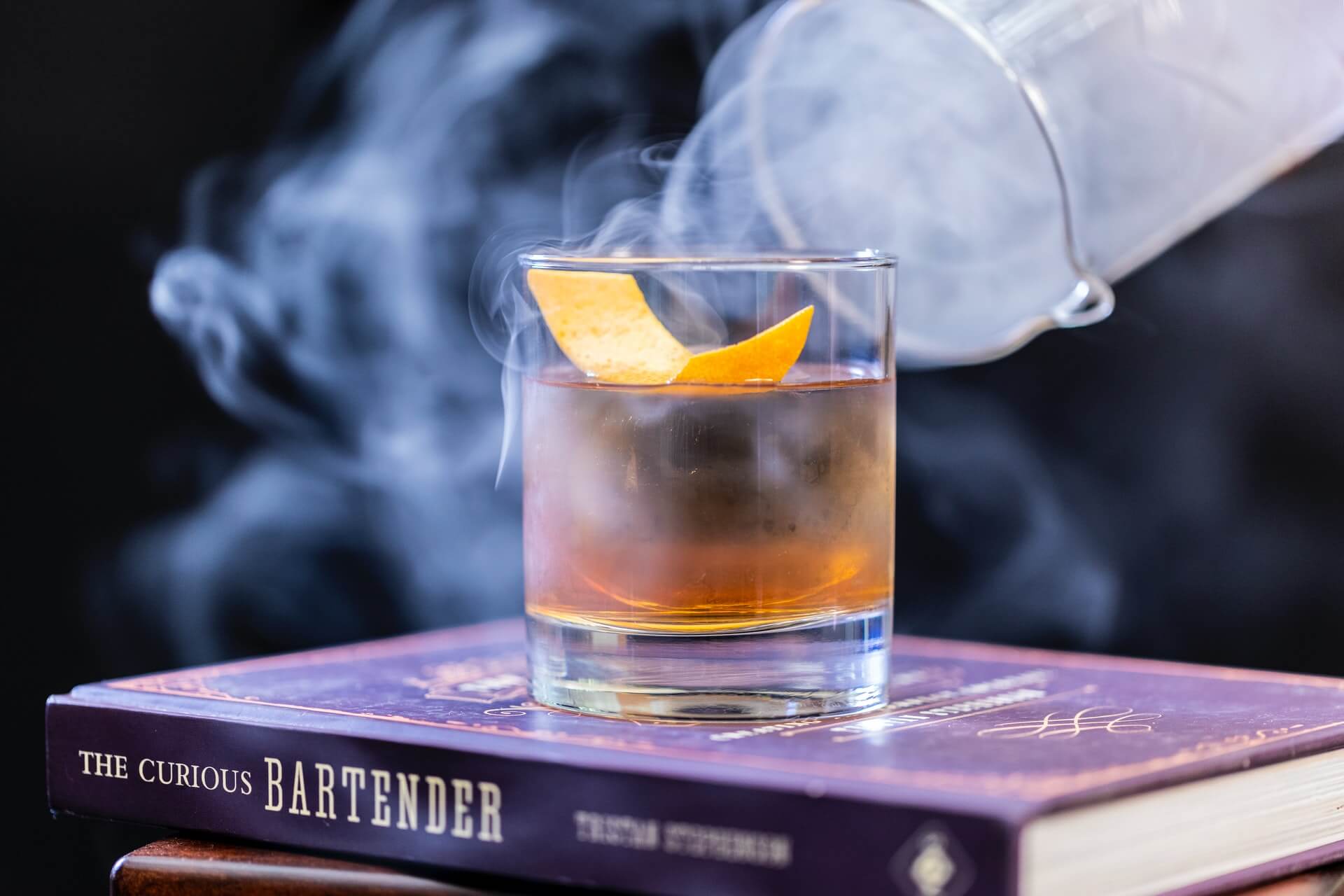
Cocktail and smoke on top stack of books

This is the culmination of all our Bourbon Heritage Month coverage, our final word on the subject: the bourbon cocktails you must know.

Yes, there are those out there who bristle at the thought of enjoying their favorite spirit being adulterated.

Combining bourbon with mixers, modifiers, even ice?! “Blasphemy,” they hiss.

Personally, we believe in enjoying spirits however you want. That’s doubly true for paying guests.

So, this is for those who appreciate their bourbon with ingredients beyond a drop of the world’s most pure water or an impossibly clear ice cube.

Here are the bourbon cocktails you and your bar team need to know.

Old Fashioned

At this point, the Old Fashioned is ubiquitous to the point that it’s doubtful there’s even a neophyte bartender who can’t make at least a mediocre one. However, this drink doesn’t carry its “classic” designation for no reason. In fact, the simpler the drink, the more legendarily classic, the more crucial it is that your bar team can absolutely nail it.

Add a half-teaspoon of sugar, three dashes of Angostura Bitters, and one teaspoon of water to a rocks glass. Stir until the sugar is dissolved. Add a large ice cube or ice sphere, or a fill the glass with big ice cubes, and add two ounces of bourbon. Stir, express an orange peel around the rim of the glass, and drop it into the drink.

Bourbon Smash

Here’s an interesting bit of trivia: All Smash cocktails are Juleps but not all Juleps are Smashes, according to Imbibe Magazine. While difficult to define, Imbibe says crucial characteristics of a Smash are ice, fruit that’s in season, and a spirit base.

Prepare a rocks glass by chilling it with ice. Grab a cocktail shaker and toss in three lemon wedges. Muddle those, then add two ounces of bourbon, three-quarters of an ounce of simple syrup, three or four fresh mint leaves, and ice. Dump the ice from the rocks glass and add a large ice cube or sphere, or big ice cubes. Shake the shaker hard until chilled, double strain into the prepped rocks glass, and garnish with a mint sprig, a popular ingredient and garnish for Smashes.

Hey, speaking of that Mint Julep trivia we mentioned…

Mint Julep

The Mint Julep is the traditional drink of the Kentucky Derby, of course. In fact, it’s said that more than 10,000 bottles of Old Forester Mint Julep are poured during Kentucky Derby weekend. While those ready-to-serve bottles are convenient, we’re going to focus on a traditional cocktail build.

Now, you can build this drink in a rocks glass. But who wants to drink this in anything but a frosty, ice-cold Julep cup? So, you’re going to start by muddling three fresh mint leaves inside the Julep cup. Then, pack the cup with crushed ice. Add two ounces of bourbon, a half-ounce of simple syrup, and stir gently. Add more crushed ice and round it off above the rim. Dust with powdered sugar and garnish with a fresh mint leaf or two.

Kentucky Mule

While we’re building cocktails that call for specialty drinkware… After the Moscow Mule exploded in popularity across North America, variants began popping up all over the place. Agave-focused bars made tequila- and mezcal-based Mules. And, of course, whiskey-centric programs latched onto their own versions of the Mule.

Enter: The Kentucky Mule. The star of this cocktail is, obviously, bourbon. Pour two ounces of bourbon into a Moscow Mule mug or highball glass—honestly, this is a toss-up given the recent surge in popularity of highballs—along with a half-ounce of fresh-squeezed lime juice. Fill the mug or glass with ice, top with ginger beer, and garnish with a mint sprig.

Bourbon Sour

In the interest of transparency, this can also be called the Whiskey Sour. I just want to make it clear that this particular recipe calls for bourbon.

With that out of the way, add two ounces of bourbon, three-quarters of an ounce of fresh-squeezed lemon juice, and a half-ounce of simple syrup to a shaker. If egg white will be used to build your Bourbon Sour, add a half-ounce to the shaker. For the egg-white version, dry shake for 30 seconds, add ice, and shake again until chilled. Skip the dry shake if no egg whites are used—just add ice and shake until well chilled. Strain into a coupe and garnish with three to four drops of Angostura bitters.

Boulevardier

Some people malign the Boulevardier is just a Negroni that swaps out the gin for bourbon (or other types of whiskey). I personally disagree with that derisive assessment as bourbon imparts entirely different characteristics.

Regardless of where you stand, part of the magic of the Negroni is that it calls for equal parts—it’s a 1:1:1 cocktail. So, I encourage you to try making your Boulevardier the same way. (Note: Some people add a quarter-ounce more of bourbon to stand up to the Campari.) Prepare a rocks glass with ice and set aside. To a mixing glass, add ice and equal parts bourbon, Campari, and sweet vermouth. Again, toss the ice inside that’s inside the prepared rocks glass and add fresh ice. Stir the liquid in the mixing glass until well chilled, strain into the prepared rocks glass, and garnish with an orange peel or twist.

Billionaire

If you’ve been to Employees Only, you’ve likely tried the Billionaire or at least know about it. Per Liquor.com, the Billionaire is a “sophisticated” riff on the Millionaire cocktail. The EO variant eschews the Millionaire’s Grand Marnier, absinthe, egg white, and freshly grated nutmeg garnish.

Instead, the Billionaire is a simpler build that calls for a specific bourbon and absinthe bitters. First, prepare a stemmed cocktail glass with ice to chill it (or task bar team members with placing them in in the freezer or refrigerator as part of their duties) and set aside. Add two ounces of Baker’s Single Barrel bourbon (107 proof), an ounce of fresh-squeezed lemon juice, a half-ounce of grenadine, a half-ounce of simple syrup, a quarter-ounce of absinthe bitters, and ice to a cocktail shaker. Shake hard until well chilled and strain into the chilled cocktail glass. Float a lemon on wheel on top to garnish.

(Updated) Amaretto Sour

This recipe is Jeffrey Morgenthaler’s modern take on the classic Amaretto Sour. To make it, you’ll need to have at least one cask-strength bourbon in your inventory. Unlike the other cocktails on this list, bourbon isn’t the star of the show. That honor goes to amaretto liqueur, but the bourbon is one hell of a supporting actor.

Prepare a rocks glass by chilling it with ice. Start by adding one-and-a-half ounces of amaretto, three-quarters of an ounce of cask-strength bourbon (remember, cask strength!), an ounce of fresh-squeezed lemon juice, one teaspoon of rich simple syrup, and a half-ounce of egg white to a shaker. Dry shake for 15 seconds, then add ice to the shaker and shake again. Dump the ice from the prepared rocks glass, add fresh ice (large cube or sphere, big ice cubes, etc.), strain the liquid, and garnish with a lemon twist and two brandied cherries on a skewer.

Image: Bon Vivant on Unsplash

by David Klemt David Klemt No Comments

9 Bottles for Bourbon Heritage Month

9 Bottles for Bourbon Heritage Month

by David Klemt

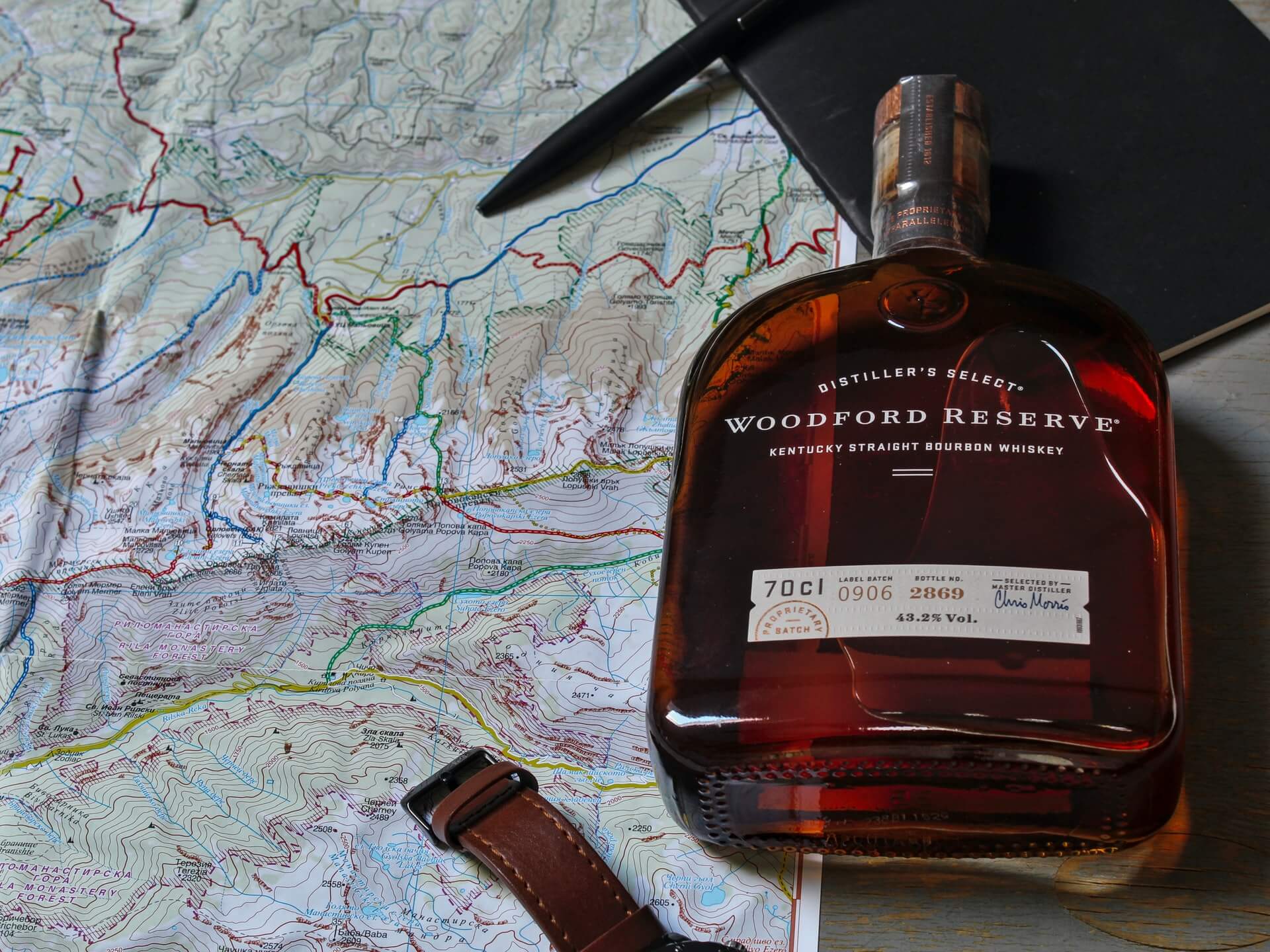
Bottle of Woodford Reserve Distiller's Select Kentucky Straight Bourbon on top of a map

One of the best elements of Bourbon Heritage Month is, undoubtedly, the opportunity to find and taste new expressions.

Given our love for finding new bottles, we’re sharing nine bottles to try this month.

Like our June 14 National Bourbon Day roundup, our suggestions for September run the pricing gamut. You’ll find a bottle under $20 and one with a $150 price tag.

The bottles below will also help your complete nine days of the 30 Days of Bourbon challenge. Who doesn’t love win-win situations?

$50 and Under

Evan Williams Bottled-in-Bond, $15

You don’t have to empty your wallet to enjoy a bonded bourbon. Also, doing so connects you with decades upon decades of bourbon distilling history and heritage. Evan Williams Bottled-in-Bond won’t break the bank and doesn’t skimp on quality, flavor or body.

Jim Beam Old Tub, $23

Speaking of bonded bourbons that won’t drain bank accounts, Jim Beam Old Tub is a limited edition, 100-proof expression that barely cracks $20 per 740ml bottle. This direct competitor to the bourbon above is neither carbon- nor chill-filtered. In fact, the distillery says the only filtering this liquid receives is of bits of wood from the barrels.

$51 to $99

Basil Hayden Toast, $50

Not only does Basil Hayden Toast receive its toasty profile from a second barreling, this bourbon features a new mash bill that includes brown rice. This is a smooth, subtle, 80-proof bourbon that practically begs you to relax and reflect to fully appreciate its nuances.

Henry McKenna Bottled in Bond, $65

There’s some controversy surrounding this 100-proof expression. That makes the bottle all the more compelling.

First, pricing can be as low as $35 per bottle SRP…if people hunting these bottles down get lucky. Some people report finding Henry McKenna Bottled in Bond for around $40, but most will say it’s between $65 and $80. Then there’s the fact that this small run bourbon isn’t exactly consistent between batches. That makes finding a bottling that really speaks to the consumer special.

Regardless of “controversy,” this bonded bourbon is aged for ten years, much longer than many other bottled-in-bond expressions out there.

Jack Daniel’s 10-Years-Old Tennessee Whiskey, $70

Here we go… On a technical level, Tennessee whiskey is bourbon. The process, up to a certain point, is identical: both must be at least 51 percent corn, and both must be aged in new, charred oak barrels. The big difference is the step that takes place just before the liquid is aged: it’s treated to a charcoal filtering.

So, please don’t come at us for including Jack Daniel’s 10-Years-Old Tennessee Whiskey on this list. Instead, seek out and try this new 97-proof offering from Jack Daniel’s.

Wild Turkey Kentucky Spirit, $65

This bourbon is for those looking for a single-barrel expression from one of the most recognizable names in bourbon production. Wild Turkey Kentucky Spirit rings in at 101 proof and is aged for eight years. Enjoyed neat, Kentucky Spirit delivers notes of almond, honey, leather, oak, pepper and vanilla, a full body, and a long finish.

$100 and Over

Old Forester Birthday Bourbon (2021 Edition), $130

September is a special month for bourbon lovers. Bourbon Heritage Month is the perfect time to splash out for high-dollar bottles. One of those is the industry’s first-ever vintage-dated bourbons.

For the unfamiliar, Birthday Bourbon has marked George Garvin Brown’s birthday, September 2, since 2002. As you may have suspected, George was the co-founder of Brown-Forman. This year’s Old Forester Birthday Bourbon is the product of 119 barrels that were filled on April 16, 2009, and aged for 12 years.

Woodford Reserve Master’s Collection Series No. 16 (Very Fine Rare Bourbon), $130

Whereas several bottles on this list pay homage to the rich history of bourbon production, Woodford Reserve Master’s Collection showcases the future. Now, Very Find Rare Bourbon is a nod to the past. However, the mission driving Master’s Collection is innovation. Special releases like Series No. 16 is produced with liquid from barrels that date back to 2003, which is the year that Chris Morris became Master Distiller.

Four Roses 2021 Limited Edition Small Batch, $150

Looking for a barrel-strength bourbon? Four Roses 2021 Limited Edition Small Batch is bottled at 114.2 proof. This bottling consists of four bourbons produced following four separate Four Roses recipes: a 12-year-old OESK, a 14-year-old OBSQ, a 16-year-old OESV, and a 16-year-old OBSV. To learn more about the Four Roses recipes, click here.

Image: Zhivko Minkov on Unsplash

by David Klemt David Klemt No Comments

5 Books to Read this Month: September

5 Books to Read this Month: September

by David Klemt

Flipping through an open book

This month’s fun and informative book selections will help you develop next-level culinary, beverage and leadership skills.

To review last month’s book recommendations, click here.

Let’s dive in!

Holy Smoke! It’s Mezcal! (revised second edition)

The world is steadily becoming more and more enthralled with all agave spirits. Mezcal, of course, helped spearhead this interest and the category’s growth. If you want a deeper understanding of mezcal, John P. McEvoy’s Holy Smoke! It’s Mezcal! is the book you’re looking for. Click here for the black-and-white version, and here for the full-color version.

Cocktails of the Movies: An Illustrated Guide to Cinematic Mixology New Expanded Edition

There’s no doubt that pop culture has an impact on food and beverage trends. In Cocktails of the Movies, authors Will Francis and Stacey Marsh take a look at cocktails featured in film. Not only are there recipes, you’ll find a history of each cocktail, the scene it was in, and artwork.

The Infused Cocktail Handbook: The Essential Guide to Homemade Blends and Infusions

One excellent way to set your bar program apart from the competition’s is with house infusions. Kurt Maitland’s The Infused Cocktail Handbook dives into what spirits pair best with specific ingredients, including bacon and gummy bears.

The Cocktail Seminars

As the story goes, author Brian D. Hoefling taught his fellow Yale students about cocktails and build techniques during his senior year. The Cocktail Seminars is a collection of five of Hoefling’s education seminars and spans 30 cocktail recipes. Along with technique, readers will learn about the history of cocktails, which they and their bar teams can leverage to engage with guests.

5 Levels of Leadership: Proven Steps to Maximize Your Potential

John C. Maxwell’s book 5 Levels of Leadership helps people become true leaders. Remember, becoming a leader is a journey in and of itself, not just a position you find yourself in.

Image: Mikołaj on Unsplash

by David Klemt David Klemt No Comments

How to Help NOLA’s Hospitality Workers

How to Help NOLA’s Hospitality Workers

by David Klemt

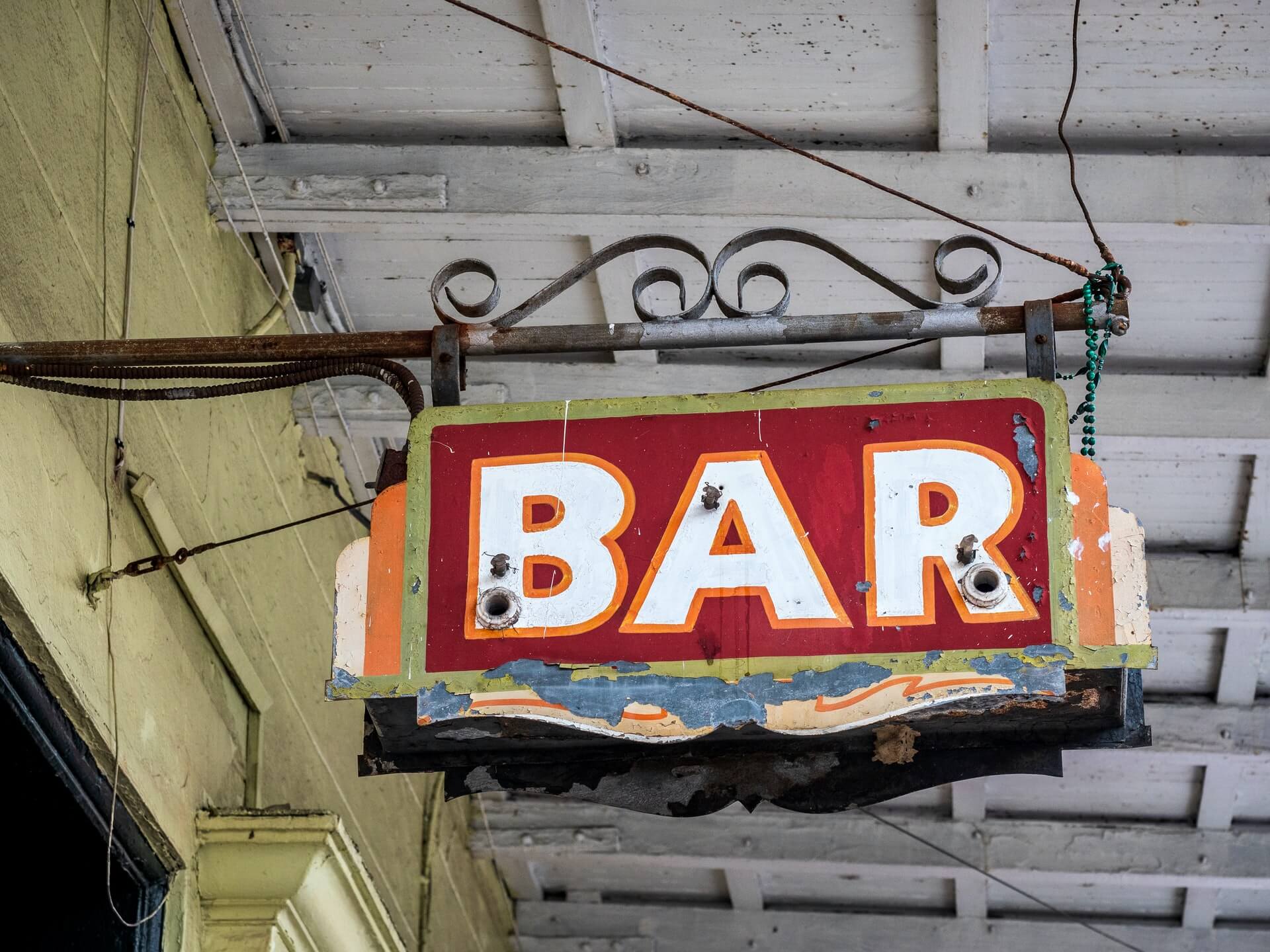
Old bar sign hanging in the French Quarter of New Orleans, Louisiana

Hurricane Ida has left hospitality workers in New Orleans displaced and without work, stability or a sense of normalcy.

When Ida first made landfall, the storm was designated Category 4, meaning winds were between 130 and 156 miles per hour. The storm “weakened” to Category 2 with windspeeds up to 105 MPH.

When Ida hit Louisiana Sunday, August 29, it did so 16 years to the day that Hurricane Katrina struck New Orleans.

Multiple sources have reported New Orleans residents as saying Ida’s battering of the city felt as though it lasted longer and was stronger than Katrina.

Sadly, the damage and horrific memories of Katrina continue to reverberate throughout New Orleans to this day. Social media posts and news stories reveal residents of the city are already afraid they’ll be abandoned by the rest of the country.

We can’t allow that to happen.

Devastation

We won’t know the true toll Hurricane Ida has taken on New Orleans for some time. In fact, we won’t know just how severely ravaged the country is—from the South to the Northeast—for weeks, if not months.

Currently, the loss of life seems to be much, much lower in comparison to the casualties from Katrina.

However, the entirety of New Orleans lost power after Ida struck. The private company that provides power to New Orleans, Entergy, reported one million power outages.

Some outages have been fixed. But tens of thousands of residents remain without power—and therefore without air conditioning.

Per the Entergy website, it may take until September 8 for power to be restored in most neighborhoods. And that’s just in New Orleans. Cities and towns in parishes throughout the state of Louisiana may be without power for weeks.

Of course, power outages are just one issue. As Tales of the Cocktail CEO Eileen Wayner explained on an emergency episode of the Bar Hacks podcast, we won’t know about the breadth of Ida’s destruction for weeks, at the earliest.

We have no way yet of knowing about the true extent of: evacuees being relocated safely; access to clean water and food; property damage and loss; infrastructure damage; hospitalizations; and the toll on the city’s economy.

Disaster Relief

Tens of thousands of New Orleans residents have been displaced. The same goes for cities throughout Louisiana.

That means tens of thousands of hospitality industry workers are unable to return to their jobs. These workers, part of our hospitality family, must now navigate evacuation and survival without their steady sources of income.

In fact, they don’t even know if they’ll have a place of business to return to when they’re able to get back into their homes.

Responding immediately, Tales of the Cocktail has partnered with several organizations to provide relief to New Orleans hospitality workers.

These partners include:

For now, Wayner says the best way to support New Orleans hospitality workers is to donate to the above organizations.

Additionally, Wayner and Tales of the Cocktail board member Neal Bodenheimer plan to provide more information via Instagram Live on Wednesday, September 8 at 9:00 AM CST. Click here to make sure you’re following Tales on IG.

One of the keys to helping New Orleans and the city’s hospitality workers recover is to, as Wayner says, “keep the volume up.” So, please share their posts and the posts of their relief partners.

Image: Mary Hammel on Unsplash

by David Klemt David Klemt No Comments

Stand Out with Weird Holidays: September

Stand Out with Weird Holidays: September

by David Klemt

Stay Weird neon sign with purple background

Want to stand out from from other restaurants and bars in your area? Then commit to keeping it weird.

Several “holidays” are set against every date on the calendar, and September is no exception. These holidays range from mainstream to food-centric to weird.

Focus on the latter to raise eyebrows, carve out a niche for your restaurant or bar, and attract more guests. Why do what everyone else is already doing?

Of course, you shouldn’t try to celebrate every holiday, weird or otherwise. And this month’s list in no way includes every odd holiday.

Focus on the days that are authentic to your brand; resonate with your guests; and help you grab attention on social media.

For last month’s list, click here.

September 3: National College Colors Day

There are a few ways you can go about celebrating this holiday. If your bar or restaurant supports a particular college team, create a promotion that encourages guests to wear that team’s colors. You can also ask guests to wear their favorite college team’s colors…if there’s no risk of rivalries getting out of hand, of course.

September 4: World Beard Day

An entire day dedicated to celebrating facial hair? Sign us up! There’s a lot you can do with this holiday, even if that means going the other way and rewarding the clean shaven among us.

September 6: National Read a Book Day

It’s not exactly a secret that we love a good book, whether it’s about leadership, business, history, cocktails, food or fiction. Create a new promotion focused on inspiring people to read books or bring back last month’s Book Lover’s Day promo.

September 10: National TV Dinner Day

Delivery and takeout aren’t going anywhere. Even before the pandemic, these two lifelines helped many operators generate revenue. Several restaurants have come up with signature TV dinners and you can do the same.

September 12: National Hug Your Hound Day

People love dogs. People love other people’s dogs. If your business is dog-friendly, this is the day to encourage guests to bring their pooches to your restaurant, bar or hotel.

September 19: National Talk Like a Pirate Day

I doubt I have to tell you what to do this day. Brush up on your pirate and nautical lingo, feature themed cocktails like the Dark & Stormy, and if you have the capability, show a pirate movie or two.

September 22: Car Free Day

If it’s authentic to your brand and will resonate with your guests, create a promotion that encourages people to walk, ride their bikes, or otherwise get to your place by means other than traditional petrol-powered vehicles.

September 25: National Comic Book Day

Break out the comic book character-inspired cocktails and your favorite comic book movies on this day.

September 27: World Tourism Day

This is a great day to seek out partnerships with hotels and local tourism boards to drive out-of-town guests through your doors.

September 28: National Good Neighbor Day

We’ll always suggest that operators show their communities that they support them and are members in good standing. This is the perfect day to pay back the support you receive from the community.

Image: Dan Parlante on Unsplash

by David Klemt David Klemt No Comments

The 30 Days of Bourbon Challenge

The 30 Days of Bourbon Challenge

by David Klemt

Bourbon barrels resting in Buffalo Trace rack house

Today marks the start of Bourbon Heritage Month, the celebration of America’s native spirit.

Unlike National Bourbon Day, which takes place in the US on June 14, September provides us with a monthlong bourbon celebration.

I, for one, couldn’t be more excited to revisit some of the bottles in my home bar.

But there’s another way to celebrate Bourbon Heritage Month. And operators can participate.

Bourbon & Banter

In 2011, bourbon devotee and advocate Patrick Garrett founded Bourbon & Banter.

A team of devoted contributors soon followed and developed.

Bourbon & Banter’s initial mission was simple but powerful: “to spread the Bourbon Gospel.”

However, over the course of ten years, that mission has evolved. A robust community has formed around Bourbon & Banter. Today’s mission is to continue building that community while helping others “drink curious.”

Bourbon & Banter reviews bottles, keeps readers and followers current with relevant news and events, sells merchandise, and more.

But there’s something else this dedicated bourbon bunch does. Something that celebrates Bourbon Heritage Month.

30 Days of Bourbon

Normally, the first of the month is reserved by KRG Hospitality for a roundup of weird holidays. However, we’re disrupting our regular programming in the name of bourbon.

Bourbon & Banter is challenging bourbon aficionados, casual bourbon drinkers, and the bourbon-curious to participate in a monthlong challenge.

The premise of 30 Days of Bourbon is simple: drink a new bourbon every day for the entirety of September.

Equally as simple are the rules:

  • Only bourbons count. Sure, drink whatever you want. But only bourbon counts toward the challenge.
  • Tennessee whisky counts, as technically it’s bourbon. We don’t make the rules for whiskey or this challenge, so don’t @ us.

Speaking of technicalities, Bourbon & Banter provides the following in terms of what differentiates one bourbon from another:

  • Mash bills within a single brand: Each of Four Roses ten mash bills are unique and therefore count as individual bourbons. The same holds true for their limited editions and Small Batch blend.
  • Single barrel bourbons: Using Blanton’s as the example, the stoppers don’t indicate separate bourbons—the barrels do. So, look for different barrels or they don’t count as different bourbons.
  • Proof: Bourbon & Banter says Evan Williams Black and Green Labels are the same but that White Label is different due to the rules for bonded bourbons.
  • Non-distiller producer (NDP) bourbons such as those from MGP count as the final products differ from one another so greatly.

Accept the Challenge

Bourbon & Banter have created a convenient 30 Days of Bourbon calendar. beyond that, they’ve also made logo overlays for participants to use as they post about their progress.

Operators can participate by offering a special or otherwise highlighting a different bourbon each day in September. Encourage guests to return and track their progress using Bourbon & Banter’s calendar.

Use social media to announce the day’s bourbon or mark personal progress. Operators and participants should use the hashtags #30DaysOfBourbon and #BourbonHeritageMonth.

Obviously, operators should give credit to Bourbon & Banter for this challenge and their calendar, so make sure to tag their accounts: Instagram, Twitter and, Facebook. Also, visit them on YouTube and check out their Patreon.

Additionally, Bourbon & Banter has been asking participants to donate $30 to the charity of their choice during the 30 Days of Bourbon challenge for the last five years. Founder Garrett has also been rewarding participants with bourbon-related prizes randomly.

Of course, operators can also come up with their own rewards for completing the challenge at their venue.

Cheers!

Image: Josh Collesano on Unsplash

by David Klemt David Klemt No Comments

Why Operators Need to Set Goals

Why Operators Need to Set Goals

by David Klemt

Darts in a dartboard and in bullseye

Something restauranteur Mike Bausch said during the 2021 International Pizza Expo caught my attention.

It stuck with me for a few days. Eventually, I had no choice but to write it down and share it with others.

“If you don’t have a goal,” Bausch said, “you just have a dream. And dreams are just fluff.”

Goals are Measurable

An operator’s goals don’t stop with realizing the vision of opening their business. Rather, that’s when setting goals starts.

Starting up a restaurant, bar, brewery, entertainment venue, hotel… Just getting to the point of opening the doors for the first time requires accomplishing multiple goals.

In fact, our Roadmap to Success identifies several steps—or goals—to achieve to open a startup.

But, hey, let’s say a person’s goal is to open a business. What’s next? Just running that business? That’s not much of a goal. It isn’t defined, it isn’t really measurable, and it won’t accomplish much.

There’s a reason KRG Hospitality offers coaching for operators after they’ve opened for business. Our work doesn’t end with the grand opening.

Similarly, “I want to make a bunch of money” also isn’t really a goal. That’s a result; goals are what help you achieve desired outcomes.

So, instead of writing down making money as a goal, come up with goals that will:

Of course, those represent just a tiny handful of possible goals.

Goals Drive Forward Progress

Because goals are measurable, they help an operator and their business continue growing. So, when operators make goals, they’re working to ensure long-term viability.

Yes, building a bank account and setting one’s self up for retirement can be goals. But how does an operator achieve either of those goals?

They set and achieve the goals that will drive them toward those two personal accomplishments.

Also, in achieving a number of other, equally important goals, the business moves forward constantly. In essence, a restaurant or bar without goals is a listless ship floating in the doldrums.

An effective captain keeps wind in the sails.

Goals Strengthen Teams

Sticking with the ship metaphor because it’s incredibly original and has never before been done, it needs a crew.

So, too, does a restaurant, bar, entertainment venue, or hotel.

Sure, the basic goal of an employee is making money. Generally speaking, that’s not enough of a goal to keep a team member engaged and loyal.

However, an operator being transparent about financial goals (for a particular shift, the week, the month, etc.) engages the team.

Likewise, an operator can (and should) inquire about employees’ individual goals. Then, they should come up with mutually beneficial ways to help accomplish those goals.

Clearly, those are just two examples of how operators can include their teams in the goal-setting process.

The keys to setting goals are:

  • make sure they’re clear;
  • ensure they’re achievable;
  • be certain they’re measurable;
  • when relevant, be transparent about the results with the team;
  • learn from failures or sub-optimum results; and
  • celebrate wins.

And then, of course, set new goals.

So, are you a dreamer or are you a visionary: a dreamer and a doer?

Image: Afif Kusuma on Unsplash

by David Klemt David Klemt No Comments

Vax Passports? Here Come Vax Kiosks

Vaccine Passports? Here Come Vaccine Kiosks

by David Klemt

Vaccine passport on phone sitting on map and passport

Some airports and hotels are already leveraging kiosk technology to confirm a person’s vaccine status.

It’s only a matter of time before we see this technology expand to hospitality venues like restaurants, bars and nightclubs.

The question is, what will the confirmation process look like?

CLEAR Example

One of the simplest ways to imagine how these kiosks will work is via CLEAR.

The company uses a person’s unique biometrics to “transform your eyes and face into a touchless ID.” CLEAR can also use fingerprints.

Currently, you can find the service in more than 50 airports, stadiums and other locations. A person walks up to a CLEAR kiosk, it scans their eyes, face and/or fingerprints, and their identity is confirmed.

The company’s website shows a message explaining that CLEAR users can link their vaccine status to their account. At the moment, this appears to be one of the most seamless integrations in terms of tech and an individual’s identity.

One real-world example of how CLEAR works to prove vaccination status comes from the Las Vegas Raiders. To attend home games without wearing masks, people will have to download the free CLEAR mobile app. Using the Health Pass feature, they’ll be able to prove their vaccination status to go maskless at Allegiant Stadium.

Privacy Concerns

So, how else could these kiosks work? First, it’s incredibly unlikely that every major market will install such kiosks. The exception may be airports, of course.

However, some hotel and large restaurant groups may decide to use them, likely in cities like New York that already have vaccine passport apps.

In theory, using a platform like Google API, businesses could install kiosks that scan an app via QR code or other method to confirm a person’s vaccination status.

One glaring issue comes down to privacy.

Loyal CLEAR users trust the company or they wouldn’t use it. However, who would program apps that confirm vaccination status for kiosks? And who would own the data? How secure can that very personal data be?

Millions of people already believe being asked to wear a mask is an infringement on their freedoms. Millions also believe being asked to confirm their vaccination status is a violation of their privacy.

So, how will they respond to vaccine passports at hotels, restaurants, entertainment venues, stadiums, etc.? Whatever side of the debate you’re on, it’s clear that the divide between the vaccinated and unvaccinated is widening by the day.

As has been the case since 2020, lawmakers are punting on taking responsibility for how mandates and “recommendations” are enforced by businesses. As has been the case for well over a year, it’s the guest-facing workers who will bear the brunt of hostile encounters over mask and vaccine rules.

Image: Olya Kobruseva from Pexels

by David Klemt David Klemt No Comments

Connect with Us at Pizza Expo 2021

Connect with Us at Pizza Expo 2021

by David Klemt

Freshly baked pepperoni pizza on board

We’re currently attending the International Pizza Expo in Las Vegas this week.

If you’d like to meet up, don’t hesitate to reach out to me via email or LinkedIn.

There are a lot of attendees to meet, education sessions to check out, and exhibitors to explore. However, we’ll be around so don’t be shy.

Where to Find Us

First, it’s awesome that trade shows and conferences are back in Las Vegas.

Linking online is convenient but nothing can really replace connecting in person.

That said, we’ll be at the International Pizza Expo all three days. Please, if you want to learn more about KRG Hospitality or the Bar Hacks podcast, feel free to connect.

Today, you’ll be able to find us at industry leader, pizza pro, restaurateur, and Bar Hacks guest Mike Bausch‘s “Community Marketing” seminar. Of course, we’ll also be attending his keynote on Wednesday.

But, back to today. You’ll certainly be able to find us at Scott Anthony’s “Old-school Marketing that Still Works,” and Nicole Russell and Anthony Falco’s “Today’s Top Pizza Trends” seminars.

If you’re looking for us on Tuesday, we know we’ll be attending Bausch’s “Menu Development Amidst COVID”; Nicole Bean’s “Logistics of Offering Multiple Pizza Styles”; and Sammy Mandell’s “Using Video to Grow” sessions.

Wednesday, the final day of this year’s International Pizza Expo, offers an array of can’t-miss education sessions.

We’re interested in the “Women in Pizza” panel featuring Nicole Bean, Rachel Cope, Denise Greer and Nicole Russell; Bausch’s “Third-party Delivery”; and the “Not Letting Covid Win” panel with Domenico Di Diana, Pasquale Di Diana, and Eric Rickman.

Of course, we’ll be walking the expo floor as well.

Las Vegas is Home

One of the major KRG Hospitality markets is Las Vegas. It’s where I’ve lived for nearly two decades.

So, if you want to grab a bite and a drink or even just want some tips for places to check out, reach out to me.

As home to one of Tony Gemignani’s Pizza Rock locations, it’s more than a little likely that you’ll spot us at this off-Strip pizza standout.

Image: amirali mirhashemian on Unsplash

by David Klemt David Klemt No Comments

Today’s the Day: Canada Opens Border

Today’s the Day: Canada Opens Border

by David Klemt

Canadian Border Services Agency sign on chainlink fence

The big day is here and Canada is opening their border to the USA.

Today, Americans and permanent residents can enter the country for “discretionary,” a.k.a. non-essential, travel.

Of course, the border is only open to travelers who can prove their vaccination status (full series).

Quarantine Lifted

As many Canadians are well aware, quarantining was mandatory for people traveling into Canada up until today.

Asymptomatic travelers, with very specific exemptions, were required to quarantine for 14 days upon arrival. The mandatory quarantine included a three-night stay at a hotel authorized by the Canadian government.

Oh, and the traveler had to cover the cost of the mandatory hotel stay.

However, that wasn’t all that was required. Travelers had to create and submit a quarantine plan. Foreign national who failed to submit a plan deemed suitable faced the risk of border agents turning them away.

Of course, the mandatory quarantine dissuaded Canadians from traveling across the border for essential travel. After all, Canadians weren’t exempt from hotel quarantine.

Requirements

Now, Americans or permanent residents residing in America aren’t receiving unfettered access to the border. Indeed, there are requirements that must be met for anyone hoping to cross into Canada from the US.

Per the Government of Canada website, in its entirety for clarity:

“Beginning on August 9th, 2021 at 12:01 a.m. EDTfully vaccinated United States (U.S.) citizens and permanent residents will be eligible to enter Canada for discretionary (non-essential) reasons, such as tourism, however these individuals must:

  1. be fully vaccinated: to be considered fully vaccinated, a traveller must have received the full series of a vaccine—or combination of vaccines—accepted by the Government of Canada at least 14 days prior to entering Canada. Currently, those vaccines are manufactured by Pfizer-BioNTech, Moderna, AstraZeneca/COVISHIELD, and Janssen (Johnson & Johnson).
  2. be residing in and travelling from the U.S.;
  3. have a valid pre-arrival COVID-19 molecular test result taken in the U.S. (antigen tests are not accepted);
  4. be asymptomatic;
  5. submit their mandatory information via ArriveCAN, including proof of vaccination in English or French;
  6. be admissible under the Immigration and Refugee Protection Act; and,
  7. take a test on arrival, if required.”

So, if you or someone you know is planning to travel to Canada from America, make sure you follow the requirements precisely.

Operators, Be Ready

So far, news of increasing infection and hospitalization rates aren’t impacting Canada’s decision; the border is open as of today. Neither New York City’s vaccine mandate nor an increasing amount of counties and corporations implementing mask and vaccine mandates are deterring Canada.

Additionally, it doesn’t appear as though the Canadian government plans to implement other travel requirements (so far).

Canadian restaurant, bar, hotel, and entertainment venue operators need to be ready for an influx of guests. This is particularly true for operators in large metropolitan areas and well-known tourist destinations.

Pent-up demand for travel, experiences, reunions, weddings, and just escape should skyrocket with the Canada-US border reopening.

Also, should things go well, operators need to prepare for even more travels next month. While not written in stone, Canada plans to open the country’s borders to other countries on September 7.

Interestingly, this is also excellent news for those waiting to open a restaurant or bar. Plans to reopen borders should prove to be a boon for the Canadian economy. So, now’s the time to move forward.

Canadian operators must be vigilant about monitoring the border situation. Fresh opportunities arrive on your doorstep starting today.

Image: Hermes Rivera on Unsplash

by David Klemt David Klemt No Comments

New York City Mandates Escalate

New York City Mandates Escalate

by David Klemt

Times Square empty in New York City during Covid-19 pandemic

Mandates requiring people to wear masks and maintain social distance indoors aren’t new.

However, a mandate requiring proof of vaccination status to dine and drink inside a restaurant or bar is a new development.

This week, Mayor Bill de Blasio is escalating Covid-19 mandates in New York City.

Restaurants and Gyms

To date, New York City is nearing a 70-percent full vaccination rate.

The latest pandemic mandate is likely intended to boost the city’s vaccination rate. Per reporting, the Delta variant of Covid-19 accounts for more than 70 percent of new cases in New York City.

Interestingly, the new mandate requires workers, not just customers, to prove their vaccination status. It also makes New York the first major city to implement such a requirement.

So far, the requirement pertains to indoor restaurants, bars, nightclubs, performances, and gyms.

Per Mayor de Blasio’s announcement, the vaccine mandate, referred to as “the Key to NYC Pass,” will begin with a transition period that starts August 16. Beginning September 13, full enforcement of the mandate via New York State’s Excelsior Pass app; the NYC COVID SAFE app; or paper vaccination card is expected.

Union Square

Predictably, the response to this mandate comes in three flavors: supportive, hostility, and apathetic.

So, those who support the requirement are applauding it, saying they’ll feel safer when dining out. Conversely, those who oppose the new mandate believe this is glaring government overreach and an infringement on their freedoms.

In a way, however, this mandate isn’t completely new. Some operators throughout the United States already require proof of vaccination to enter their venues.

Currently, several media outlets are focusing on Danny Meyer and his Union Square Hospitality Group.

Several days before Mayor de Blasio’s announcement, Meyer said guests who want to dine and drink in his NYC restaurants will need to prove vaccination status starting September 7.

Additionally, Meyer announced current and new employees would have to prove they’ve been vaccinated.

At the moment, it doesn’t appear Shake Shack, of which Meyer is founder and chairman, will follow suit.

Not the First

However, Meyer is not the first operator to implement and enforce strict Covid-19 protocols to protect their teams, guests and communities.

Perhaps some of the focus on Meyer is intended to draw eyes and ears, and ultimately encourage more people to get vaccinated fully. After all, celebrity chefs and operators have nationwide and global influence.

Cynically, however, it’s to not dismiss the focus on Meyer as a ploy for ratings, clicks, and engagement.

At any rate, many operators across the country require proof of vaccination to work and dine at their restaurants, bars, nightclubs, and hotels. And many were doing so before Meyer made his announcement.

One such chef-operator is Eric Rivera, who operates ADDO in Seattle. He has required proof of vaccination for employees and guests since May of this year.

In fact, Chef Rivera has been strict in his handling of Covid-19 health and safety measures since last year.

A visit to Chef Rivera’s website finds the following disclaimer, attributed to him:

“All of our experiences are for vaccinated guests only. That will remain permanent. If that’s a problem for you then there are plenty of restaurants that will reward you for doing nothing, this isn’t one of them.”

During an NPR interview, Chef Rivera explained his stance succinctly: “I don’t want to be somebody’s last meal. Whatever I’m doing food-wise and restaurant-wise isn’t worth that.”

He’s active on Twitter, where he makes his position and policies clear.

Takeaway

If you think I’m going to point out that New York City’s new mandate increases the likelihood of hostile confrontations with guests, you’re correct. I’ve said it before and I’ll say it again.

Also, if you’re guessing that I’m going to point out that guest-facing team members must receive support from leadership when policing guest behavior, you’re two for two.

However, policies like those put in place by Chef Rivera and others throughout the industry highlight something else: They’re showing the fallacy of the maxim “the customer is always right.”

Why should operators tolerate aggression toward their employees from disrespectful, angry customers—for any reason—if the employee is remaining professional and respectful?

It certainly seems that a growing number of operators are tired of capitulating to everyone who walks through their doors. The days of bowing to customers and failing to support and defend employees look to be ending.

Personally, I’m in favor of putting that outdated adage to rest. Continuing to reward guest behaviors we find objectionable—which has been the industry’s stance for decades—ultimately motivates good employees to quit. Again, this isn’t a pandemic-driven phenomenon—it has been going on for generations.

Of course, each operator must do what they think is best for their business. Just about every decision made in this industry is risky, but risk is something all operators understand inherently. Watching dollars walk out the doors never to return can be a frightening proposition. So is the prospect of losing good workers and incurring the associated costs.

The need to balance the comfort and safety of their team members and guests is paramount—an absence of either will shut a business down. Today, however, choosing guest dollars over employee dignity, safety and mental health is inexcusable and evidence of a problematic company culture.

If we’re truly in the midst of a Great Resignation, I can’t fault operators for deciding to keep their employees safe. Even if we weren’t facing a labor shortage, I’d support operators who support their workers.

Image: Paulo Silva on Unsplash

by David Klemt David Klemt No Comments

5 Books to Read this Month: August

5 Books to Read this Month: August

by David Klemt

Flipping through an open book

This month’s fun and informative book selections will help you develop next-level culinary, beverage and leadership skills.

To review last month’s book recommendations, click here.

Let’s dive in!

Something & Tonic: A History of the World’s Most Iconic Mixer

Author and bartender Nick Kokonas takes readers on a historical, global journey that focuses on the history of tonic. This informative book also contains tips, tricks, and 60 original cocktail recipes. Click here to purchase Something & Tonic now.

America Walks into a Bar

Do you have a passion for this business? Do you actually love bars and the rich history of our industry? Then you need to read Christine Sismondo’s America Walks into a Bar, equal parts adventure, entertainment and history.

Burn the Ice: The American Culinary Revolution and Its End

I could try to sum up Burn the Ice for you, but Danny Meyer seems to have captured the essence of this Kevin Alexander’s book in one word: “Inspiring.”

The Power of Strangers: The Benefits of Connecting in a Suspicious World

When we come across a great bar, restaurant or hotel, we never encounter strangers. Instead, we meet friends we never knew we had. In The Power of Strangers, author Joe Keohane addresses the importance of getting over the fear of engaging with strangers and why, particularly in these divisive times, we need “strangers” more than ever in our lives.

Hacking the New Normal: Hitting the Reset Button on the Hospitality Industry

The world around us has changed, as has the food & beverage industry and the hospitality industry as a whole. But will some ways of life change for the better? Will restaurants, bars, and hotels come out of the pandemic even stronger? In Hacking the New Normal, author and president of KRG Hospitality Doug Radkey addresses the need to hit the reset button on the hospitality industry for its long-term survival.

Image: Mikołaj on Unsplash

by David Klemt David Klemt No Comments

Stand Out with Weird Holidays: August

Stand Out with Weird Holidays: August

by David Klemt

Stay Weird neon sign with purple background

Want to stand out from from other restaurants and bars in your area? Then commit to keeping it weird.

Several “holidays” are set against every date on the calendar, and July is no exception. These holidays range from mainstream to food-centric to weird.

Focus on the latter to raise eyebrows, carve out a niche for your restaurant or bar, and attract more guests. Why do what everyone else is already doing?

Of course, you shouldn’t try to celebrate every holiday, weird or otherwise. And this month’s list in no way includes every odd holiday.

Focus on the days that are authentic to your brand; resonate with your guests; and help you grab attention on social media.

For last month’s list, click here.

August 3: National Night Out Day

It may sound like this holiday is just an excuse for restaurant and bar crawls. However, this day is actually about bringing communities together and making them safer. This is an excellent time to strengthen your ties to the community and support local organizations.

August 5: National Underwear Day

We’re not entirely sure what to suggest you do for this holiday but there’s definitely something here. Get creative but be tasteful, is all we recommend.

August 6: National Fresh Breath Day

Certain herbs help freshen breath: Mint, basil, rosemary, cardamom, and tarragon, for example. These same herbs also make great cocktails, so tie them into a drink promotion.

August 7: National Disc Golf Day

With mask mandates being re-issued, some people will likely be looking at outdoor sports as an escape. Encourage and reward people for getting out and playing disc golf on this day.

August 8: National Dollar Day

Have a menu item or two you can offer for $1? Perhaps a “buy one, get another for one dollar”? You know what to do on National Dollar Day.

August 9: National Book Lover’s Day

There are several ways you can celebrate this holiday with your guests. For example, you can host a book drive, encourage guests to trade books, or even create a free community library space inside your business. Tap into your creative side.

August 10: Lazy Day

I mean, come on… This day was practically invented to encourage people to spend all day eating and drinking in your bar or restaurant. People can be responsible another day.

August 14: National Bowling Day

Remember National Disc Golf Day from way up higher on this page? Of course you do. Well, it shouldn’t be difficult to come up with promotions focused on bowling, like offering promotions for bowling teams who pop into your bar or restaurant.

August 21: National Honey Bee Day

If we lose our bees, we lose our agriculture. And if we lose that, we lose our food supply. Highlight the importance of honey bees with menu items that feature honey (local sources are ideal), and promote the need to protect these valuable insects.

August 27: National Just Because Day

A promotion focused on doing whatever you want just because you feel like doing it? The sky’s truly the limit with this one.

Image: Dan Parlante on Unsplash

Top