Pandemic

by David Klemt David Klemt No Comments

Restaurants in Canada: Daypart Performance

Restaurants in Canada: Daypart Performance

by David Klemt

White clock on red background

For both in-person dining and off-premise consumption, more Canadian consumers are ordering from restaurants across all dayparts.

As Restaurants Canada points out in their latest report, traffic and sales remain lower than pre-pandemic levels. However, there are reasons to be positive.

For one example, Restaurants Canada predicts 2022 sales to return to pre-pandemic levels by the end of the year. The foodservice research and advocacy organization’s 2022 Foodservice Facts report provides another positive outlook.

Just looking at Q1 of this year versus Q3, all dayparts are seeing increases in traffic.

To read more about the report and grab your own copy, follow this link.

Numbers Tell the Tale

Per Restaurants Canada, the breakfast daypart slid significantly in 2020. During that time, it fell 20 percent that year.

For the first half of this year, however, Restaurants Canada reports that breakfast traffic is just four percent lower in comparison to 2019.

On a positive note, the breakfast daypart has risen steadily from March of this year to July, or Q1 versus Q3. In fact, all dayparts have grown.

According to Restaurants Canada, 43 percent of Canadians ordered breakfast from restaurants in March 2022. That number grew to 50 percent by July of this year.

In terms of snack purchases, 55 percent of Canadian consumers made purchases from restaurants. By July, that percentage rose to 62 percent.

Continuing along, 64 percent of Canadians placed lunch orders in March. Four months later, that number had increased to 73 percent.

Per the 2022 Foodservice Facts report, a significant percentage of Canadians are placing lunch and snack orders. In fact, Restaurants Canada says that Canadians are making purchases from restaurants during those dayparts two to three times per month.

Of course, there’s one more daypart we need to discuss…

Dinner is King

By the numbers, the dinner daypart is outperforming all others in Canada.

In March of 2022, 85 percent of Canadians had placed dinner orders at restaurants. That number rose to 87 percent in April but dipped to 86 percent in May.

However, dinner saw growth again in June and July, rising to 88 and then 89 percent, respectively.

As the numbers show, dinner orders are outpacing lunch orders 14 percent. Snacks are being outpaced by dinner by nearly 30 percent. Of all dayparts, breakfast is the weakest.

In fact, dinner outperforms breakfast by nearly 40 points. This makes sense when we consider the work-from-home effect.

More people working from home means, in theory, many less people commuting to work. Restaurants that once saw great breakfast daypart traffic are seeing a significant dropoff. Less people commuting means less people popping into a restaurant for breakfast.

It appears that instead, people are clocking in, working until break time, and then going to get a snack. And when lunch rolls around, why not place an order for lunch?

Naturally, after working all day, people are tired or eager to meet up with friends and family to socialize and decompress. So, dinner ruling the daypart roost makes complete sense.

In other words, operators looking to streamline should consider this Restaurants Canada data. The dayparts that require the most labor currently are lunch and dinner, so operators should plan accordingly if that’s viable for their business.

Image: CHUTTERSNAP on Unsplash

by David Klemt David Klemt No Comments

Restaurants Canada Reveals Pandemic Impact

Two Years On, Restaurants Canada Reveals Pandemic Impact

by David Klemt

Canon accounting calculator

Restaurants Canada looks at the impact of the pandemic on the foodservice industry in their latest Foodservice Facts report.

Canada’s foodservice industry research and advocacy non-profit sees a return to pre-pandemic operations. However, the path forward toward pre-pandemic traffic and sales levels won’t be without its challenges.

“While nominal sales are expected to return to pre-pandemic levels before the end of the year, traffic still remains below what it was before,” says Restaurants Canada president and CEO Christian Buhagiar.

To access your own copy of 2022 Foodservice Facts, click here.

Industry Still Struggling

As an owner, operator, or foodservice professional, you probably have the answer to a specific question in mind.

When will we be “back to normal?” And, of course, the natural followup to that question. Will the industry surpass 2019 traffic and sales?

Restaurants and bars throughout Canada have survived six waves of Covid-19 over the course of two-plus years. There have been an inordinate amount of lockdowns that inarguably forced the permanent closure of far too many businesses.

As Restaurants Canada states (and the rest of us know all too well), there’s no telling if another Covid-19 variant will rear its ugly head. It’s conceivable (but with any luck unlikely) that Canada could face future lockdowns.

At the moment, according to Restaurants Canada, foodservice sales are currently 11 percent below 2019 levels. And yes, that’s after adjustment for inflation. Speaking of which, one reason traffic and sales remain below those of 2019 is consumer confidence. Many Canadians are concerned about a possible recession.

In addition, operators in Canada continue to face a labor shortage.

News Not All Bad

Now, anyone who read the previous section would be justified in lacking confidence in the industry. However, there is good news.

First, let’s compare Q1 of 2022 to Q2. Per Restaurants Canada, just 15 percent of restaurants were able to seat guests with zero restrictions. By April, though, approximately 90 percent of restaurants in Canada could serve in-person guests restriction-free.

Second, Q2 had more positivity in store for operators. According to Restaurants Canada, the FSR segment endured an 18-month decline in traffic when Covid-19 took hold. When restrictions were lifted, the floodgates of consumer demand burst. By Q2, traffic was a mere one percent lower in comparison to 2019.

Going a bit granular, QSR performance also improved in Q2. Per Restaurants Canada, QSR traffic lagged eight percent behind pre-pandemic levels. However, that number improved to just two percent under pre-pandemic levels by Q2.

Compellingly, Q2 still wasn’t done with foodservice industry positivity. While QSRs outpaced FSRs three-fold in terms of traffic, their numbers combined bring the industry back to 2019 Q2 levels.

Restaurant Canada’s positive outlook predicts that the industry will return to pre-pandemic levels by Q4.

Image: StellrWeb on Unsplash

by David Klemt David Klemt No Comments

Breakdown: How Senators Voted on RRF

Breakdown: How Senators Voted on RRF

by David Klemt

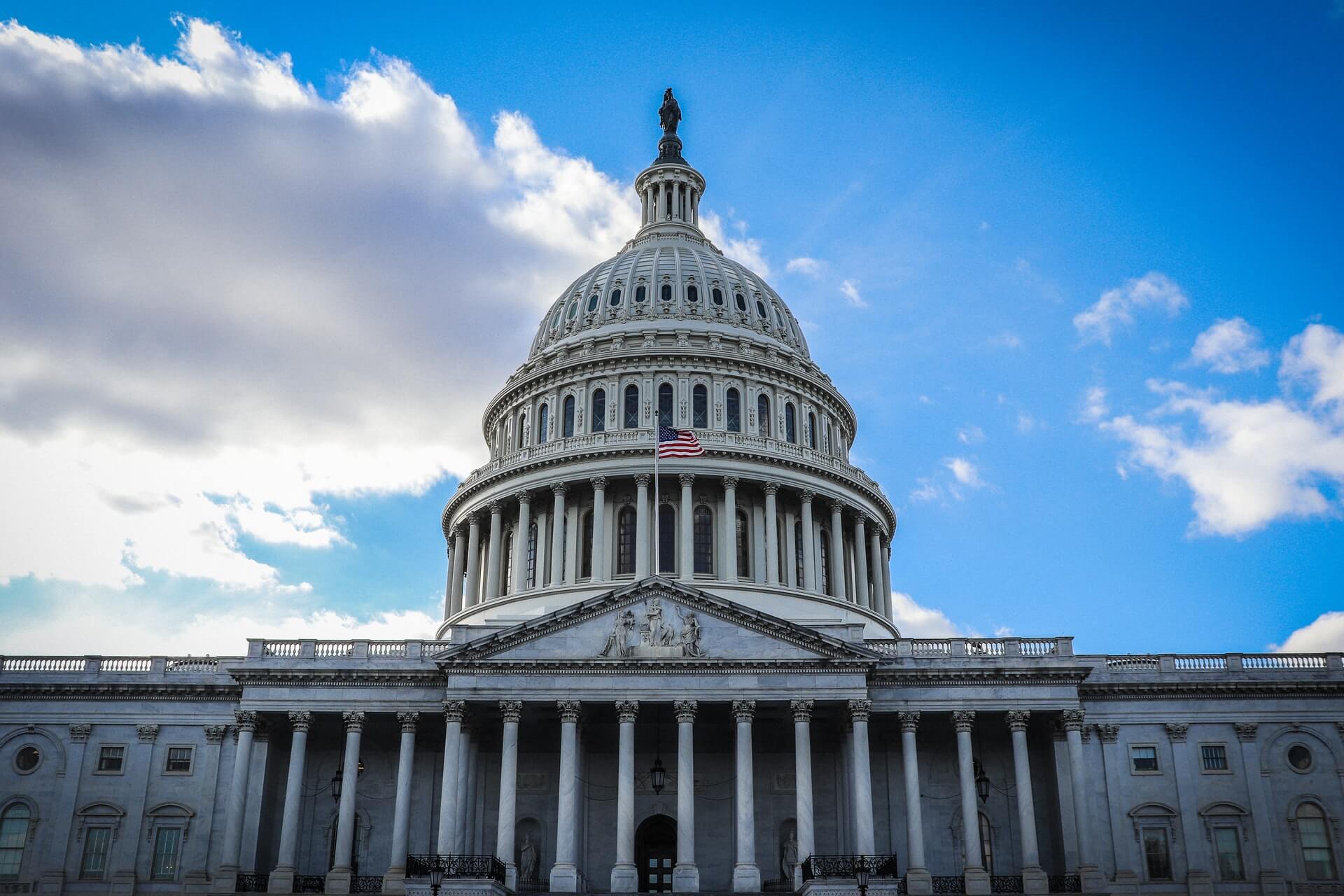
U.S. Capitol Building exterior, cloudy blue skies

After a year of waiting, we now know the fate of the Restaurant Revitalization Fund: a 52 to 43 vote that saw RRF replenishment fail on the Senate floor.

Last Thursday, the US Senate voted to debate the Small Business COVID Relief Act of 2022 (S.4008). A filibuster put an end to this effort to replenish the RRF.

To be blunt, this is a disgrace. Eligible RRF applicants have been awaiting needed and deserved grants for a year. We were left out of Build Back Better, we were left out of the $1.5 trillion omnibus spending bill passed in March.

A contributing factor to why this is so disappointing is the passing of S.3811. Of particular note, 32 of the senators who voted against $40 billion for American restaurants and bars voted in favor of $40 billion for supplemental aid for Ukraine.

Now, I’m not saying that Ukraine doesn’t deserve our support. Likewise, I’m not saying that we shouldn’t have voted to provide the war-torn country $40 billion in aid.

However, I am saying that I find it indefensible that dozens of our senators would send that kind of money overseas, then turn around and deny relief for American businesses.

In one moment we have senators saying America needs to come first. They then proceed to turn their backs on hard-working Americans.

Nay Votes

Unfortunately, 43 senators—all Republican—voted against the Small Business COVID Relief Act of 2022. Therefore, they voted against replenishing the RRF.

However, that doesn’t mean all Republican senators voted against the bill. Indeed, four Republicans voted with their Democrat and Independent peers.

  • Barrasso (R-WY)
  • Blackburn (R-TN)
  • Boozman (R-AR)
  • Braun (R-IN)
  • Burr (R-NC)
  • Capito (R-WV)
  • Cornyn (R-TX)
  • Cotton (R-AR)
  • Cramer (R-ND)
  • Crapo (R-ID)
  • Cruz (R-TX)
  • Daines (R-MT)
  • Fischer (R-NE)
  • Graham (R-SC)
  • Grassley (R-IA)
  • Hagerty (R-TN)
  • Hawley (R-MO)
  • Hoeven (R-ND)
  • Hyde-Smith (R-MS)
  • Inhofe (R-OK)
  • Johnson (R-WI)
  • Kennedy (R-LA)
  • Lankford (R-OK)
  • Lee (R-UT)
  • Lummis (R-WY)
  • McConnell (R-KY)
  • Moran (R-KS)
  • Paul (R-KY)
  • Portman (R-OH)
  • Risch (R-ID)
  • Romney (R-UT)
  • Rounds (R-SD)
  • Rubio (R-FL)
  • Sasse (R-NE)
  • Scott (R-FL)
  • Scott (R-SC)
  • Shelby (R-AL)
  • Sullivan (R-AK)
  • Thune (R-SD)
  • Tillis (R-NC)
  • Toomey (R-PA)
  • Tuberville (R-AL)
  • Young (R-IN)

Yea Votes

It’s important to remember that the Small Business COVID Relief Act of 2022 was a bipartisan effort. Sens. Ben Cardin (D-MD) and Roger Wicker (R-MS) introduced the bill, which included $40 billion for the RRF and $8 billion for other businesses.

Four Republican senators and two Independents voted in the affirmative with all Democrats.

  • Baldwin (D-WI)
  • Bennet (D-CO)
  • Blumenthal (D-CT)
  • Blunt (R-MO)
  • Booker (D-NJ)
  • Cantwell (D-WA)
  • Cardin (D-MD)
  • Carper (D-DE)
  • Casey (D-PA)
  • Cassidy (R-LA)
  • Collins (R-ME)
  • Coons (D-DE)
  • Cortez Masto (D-NV)
  • Duckworth (D-IL)
  • Durbin (D-IL)
  • Feinstein (D-CA)
  • Gillibrand (D-NY)
  • Hassan (D-NH)
  • Heinrich (D-NM)
  • Hickenlooper (D-CO)
  • Hirono (D-HI)
  • Kaine (D-VA)
  • Kelly (D-AZ)
  • King (I-ME)
  • Klobuchar (D-MN)
  • Leahy (D-VT)
  • Lujan (D-NM)
  • Manchin (D-WV)
  • Markey (D-MA)
  • Menendez (D-NJ)
  • Merkley (D-OR)
  • Murkowski (R-AK)
  • Murphy (D-CT)
  • Murray (D-WA)
  • Ossoff (D-GA)
  • Padilla (D-CA)
  • Peters (D-MI)
  • Reed (D-RI)
  • Sanders (I-VT)
  • Schatz (D-HI)
  • Schumer (D-NY)
  • Shaheen (D-NH)
  • Sinema (D-AZ)
  • Smith (D-MN)
  • Stabenow (D-MI)
  • Tester (D-MT)
  • Warner (D-VA)
  • Warnock (D-GA)
  • Warren (D-MA)
  • Whitehouse (D-RI)
  • Wicker (R-MS)
  • Wyden (D-OR)

Not Voting

Three Democrat and two Republican senators didn’t vote on S.4008.

  • Brown (D-OH)
  • Ernst (R-IA)
  • Marshall (R-KS)
  • Rosen (D-NV)
  • Van Hollen (D-MD)

Yay Votes for Ukraine, Nay Votes for RRF

The following senators, all Republican, voted to send $40 billion in aid to Ukraine.

The same day, they voted against $40 billion to replenish the RRF, voting against American restaurants and bars.

  • Barrasso (R-WY)
  • Burr (R-NC)
  • Capito (R-WV)
  • Cornyn (R-TX)
  • Cotton (R-AR)
  • Cramer (R-ND)
  • Cruz (R-TX)
  • Daines (R-MT)
  • Fischer (R-NE)
  • Graham (R-SC)
  • Grassley (R-IA)
  • Hoeven (R-ND)
  • Hyde-Smith (R-MS)
  • Inhofe (R-OK)
  • Johnson (R-WI)
  • Kennedy (R-LA)
  • Lankford (R-OK)
  • McConnell (R-KY)
  • Moran (R-KS)
  • Portman (R-OH)
  • Risch (R-ID)
  • Romney (R-UT)
  • Rounds (R-SD)
  • Rubio (R-FL)
  • Sasse (R-NE)
  • Scott (R-FL)
  • Scott (R-SC)
  • Shelby (R-AL)
  • Sullivan (R-AK)
  • Thune (R-SD)
  • Tillis (R-NC)
  • Toomey (R-PA)
  • Young (R-IN)

Image: PartTime Portraits on Unsplash

by David Klemt David Klemt No Comments

US Senate Fails to Replenish the RRF

US Senate Fails to Replenish the RRF

by David Klemt

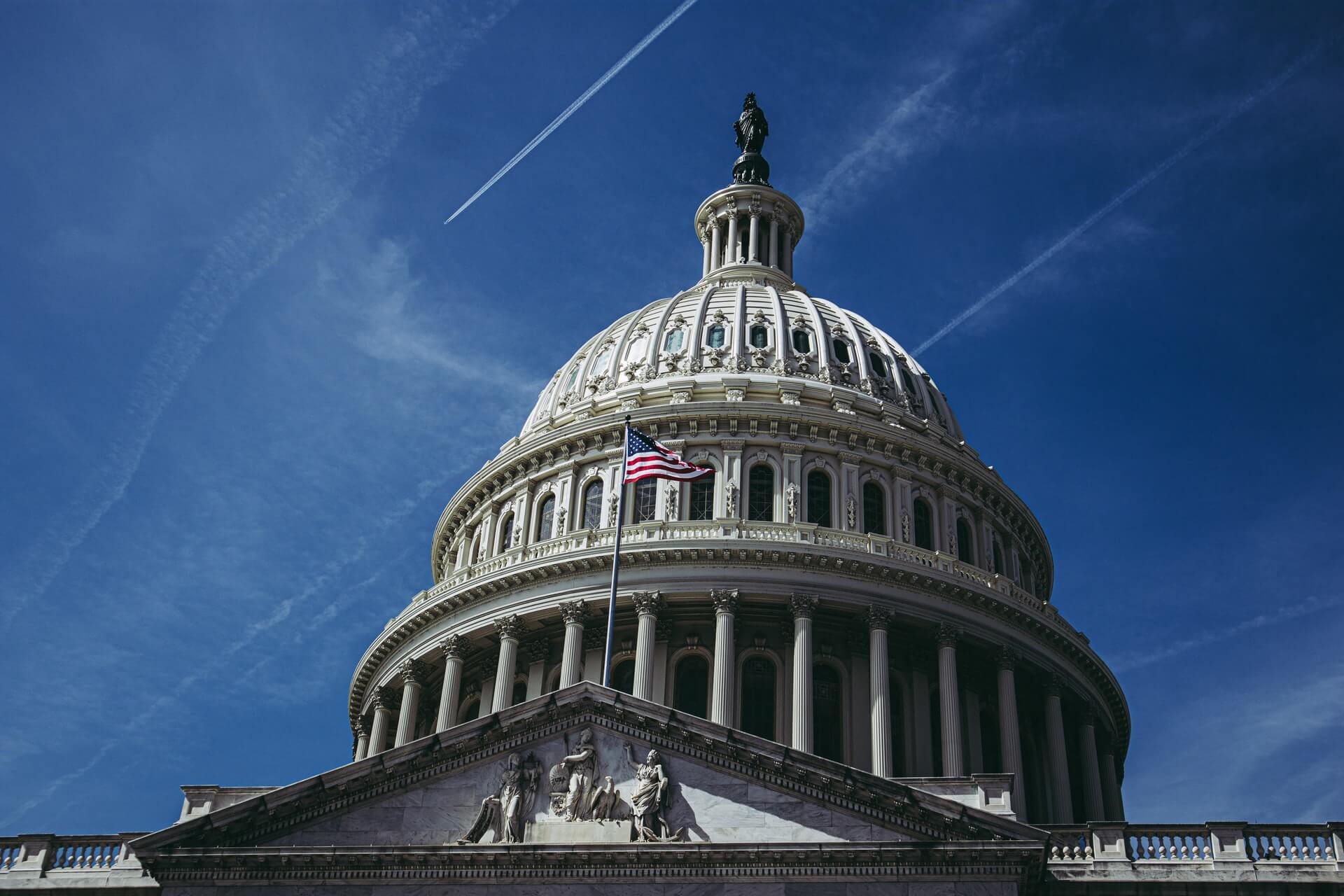
United States Capitol Building exterior and blue sky

After conflicting reports and speculation, the US Senate has finally voted this week on replenishing the Restaurant Revitalization Fund.

Last week, multiple sources reported that the Senate would hold their RRF vote this week. Just days ago, several outlets sounded the alarm, reporting that the vote would be pushed to next week. The reason, these sources provided, was the Senate’s scramble to repackage and hold another vote on aid for Ukraine.

Senator Rand Paul (R-KY) blocked the bill that would provide $40 billion in defense and humanitarian aid. Unsurprisingly, it was also Sen. Paul who objected to $43 billion in emergency funding last August, killing that RRF replenishment effort.

Today, on the Senate floor, Sen. Paul repeatedly derided the replenishment of the RRF as a “bailout.” Additionally, he asked, “Where’s the emergency?”

So, one can infer that the impending closure of an estimated 50 percent of RRF applicants—88,500—isn’t an emergency to the Kentucky senator. Simple math shows that if each of those applicants has just ten employees, that’s a loss of 885,000 jobs.

Rightfully so, people throughout the industry have been more than a little concerned that the bill would receive at least 60 “yea” votes today.

At issue is where the funds would come from. While Democrats view replenishing the RRF as emergency funding, Republicans prefer to reallocate existing funds.

Senate Fails to Replenish RRF

Today’s vote was a long time coming. In fact, it’s just days shy of one year since the RRF application portal closed.

Now, after a 223 to 203 vote in the House to replenish RRF, our senators have failed us. The resulting vote was 52 to 43, falling short of the 60 “yeas” necessary

I’m not despondent over this news. Honestly, I think I’ve made it rather clear that our politicians failing us wouldn’t at all surprise me. Yet I still find myself incredibly disappointed.

Disappointed in how the RRF was handled, disappointed in the grant approval process, disappointed in how emergency funding was blocked, and disappointed in how we were left out of the Biden administration’s Build Back Better and March omnibus bills.

And gravely disillusioned now that I’ve finally learned how little many of our senators care about us. Hospitality is an industry that employed nearly 17 million people in 2019. In terms of revenue, we’re projected by the National Restaurant Association to generate almost $900 billion in sales.

Not enough, it’s clear, for a majority of senators to vote to replenish the RRF.

However, I’m mostly dismayed for the owners and operators who have waited a year just to have this lifeline yanked from their fingertips. Today’s failure in the Senate puts millions of jobs at risk.

Underfunded from the Start

For those who found themselves in RRF limbo, the wait for this vote has been agonizing.

The RRF application portal opened May 3, 2021. Initially, the process looked promising. For the first 21 days, the Small Business Administration announced, priority would be granted to small businesses with a minimum of 51 percent ownership by women, veterans or socially disadvantaged people.

However, the SBA closed the portal immediately after processing only about 101,000 priority applications, or one-third of applicants. So, ever since May 24 of last year, “non-priority” applicants have been left wondering if they’d ever receive an RRF grant.

In addition to the premature closure of the application process, the RRF was woefully underfunded. Clearly, that point was driven home when $75 billion in applications were submitted to a fund with just $28.6 billion.

So, the quick closure and unrealistic funding meant that out of the over 362,000 initial applicants, around 177,000 have been watching and waiting.

A Year-long Wait

Shortly after the RRF portal was closed, a number of Republican members of Congress sent a letter to the SBA. Per the contents of the letter, non-priority applicants wouldn’t receive grants or have the opportunity to apply for grants.

Indeed, those applicants stuck in RRF limbo have been waiting for relief for just days shy of a year. And that’s only counting the days since the portal closed. Operators across the industry, not just those who applied for RRF grants, have been scratching and clawing to stave off insolvency and closures.

Advocates such as the Independent Restaurant Coalition have been sounding the alarm. RRF applicants could be just days away from bankruptcy and needed the government to act. To be brutally honest, relief may still come too late for many applicants.

Congress has certainly had the time to vote on and replenish the RRF. In June 2021, Sens. Kyrsten Sinema (D-AZ) and Roger Wicker (R-MS), and Reps. Earl Blumenauer (D-PA) and Brian Fitzpatrick (R-PA) introduced the RRF Replenishment Act bill. In July, Rep. Blaine Luetkemeyer (R-MO) introduced an alternative bill, the ENTREE Act.

Of course, as we well know, an attempt in August to replenish the RRF with $43 billion in emergency funding was blocked by Sen. Paul. In November, Build Back Better was passed. Obviously, the RRF and our industry were left out the $1.7 trillion dollar bill. Likewise, we weren’t included in March’s $1.5 trillion omnibus spending bill.

Left Out In the Cold

So, of $3.2 trillion dollars in massive bills passed, zero were earmarked for us.

Today, our senators voted 86 to 11 for $40 billion in aid for Ukraine. However, they voted 52 to 43 to provide $40 billion in aid to American restaurants and bars.

Last month, eleven months after the portal closed, the House voted to replenish the RRF. That left the final push to the Senate.

And today, at least 43 senators made their low opinion of us known.

Image: Alejandro Barba on Unsplash

by David Klemt David Klemt No Comments

Prepare for the New Rules of Hospitality

Prepare for the New Rules of Hospitality

by David Klemt

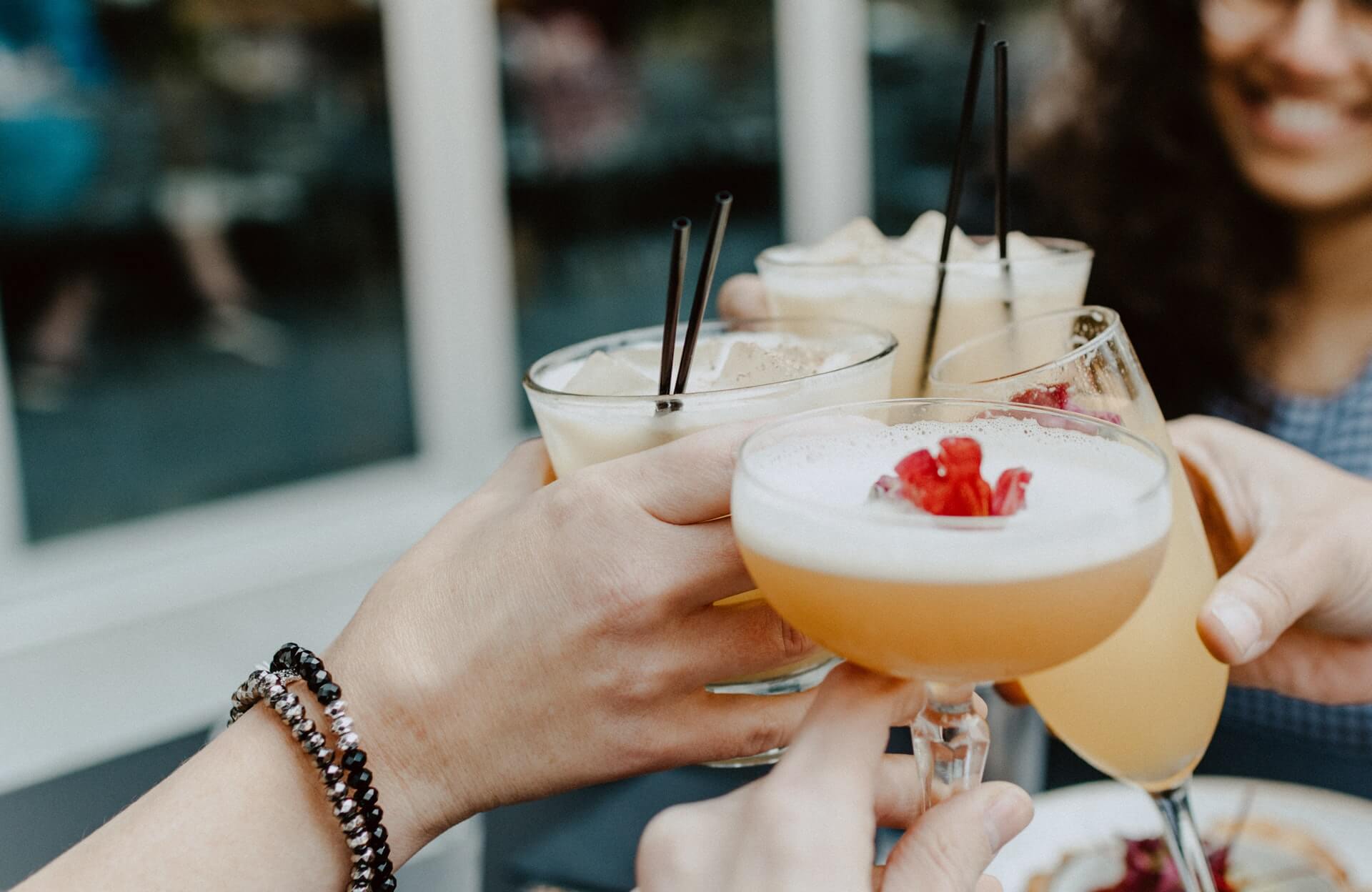
People toasting with a variety of cocktails

Guests are returning to bars, restaurants, and hotels, so you need to prepare now for the new rules of hospitality.

If you’re wondering what those rules are, wonder no more. We have a number of articles addressing them, some of which are here, here, and here.

Phil Wills, owner and partner of the Spirits in Motion and Bar Rescue alum, also has some thoughts. In fact, Wills shared his approach to what he identifies as the new rules of hospitality last week.


View this post on Instagram


A post shared by Phil Wills (@phil_i_am11)

During Bar & Restaurant Expo 2022, Wills presented “The New Rules of Hospitality: What a Post-pandemic Consumer Wants.”

Below, you’ll find what Wills has to say about hospitality in 2022 and beyond in three categories.

Hospitality

Wills kicked off his session with a simple question: How do you define “hospitality”? And yes, he put attendees on the spot, asking them for their answers.

It’s always at least a bit amusing that even the most outgoing operator gets shy in a conference setting. I’ve never seen so many people suddenly need to check their phones, shoes, or the ceiling tiles as when they’re asked to participate in a class or education session.

For Wills, the definition is “making a guest feel welcome, as though they’re in your home.”

Obviously, the answer is different for everyone. As Wills says, the key is considering how you and your brand define hospitality. If that seems easier said than done, Wills has some tips, presented in the context of a guest visit.

First, guests take in the sights, sounds, and smells of your space. They also consume your menu items, and converse with your staff, their party, and other guests.

Look at your business through the eyes of your guests. Now, this can be a difficult exercise, particularly if you spend a lot of time in your restaurant, bar or hotel.

So, ask team members to do the same and provide feedback. We take for granted what our spaces, food, and drinks look like.

To improve the guest experience, pay attention to ticket times and F&B consistency. This will reduce recovery incidents and phrases.

Finally, Wills recommends engaging with guests (if that’s what they want). However, he also suggests facilitating connections between guests.

Interestingly, Wills also says, “Regulars are old money. You want to get that new money.” Then, you want to convert that new money into old money. Rinse, repeat.

Training

As relates to training, Wills categorizes new hires in two ways: toll takers and moneymakers.

Toll takers take a toll on your business. They cost you money, and if they don’t receive the proper training they can chase guests away.

So, you’ll need to spend time and money to convert toll takers into moneymakers.

Speaking strictly in a technical sense, training needs to provide team members with the knowledge and tools to become moneymakers. To accomplish this, Wills has three keys to making training stick:

  1. Don’t make training too easy. If training is easy, team members won’t retain what they’re taught. Challenge your staff.
  2. Vary your training. There are a number of training methods at your disposal. Use multiple methods to engage your staff. Wills suggests combining shift work, book work, and tests, at a minimum.
  3. Turn training into a competition. At this point, we’re gamifying just about anything. So, Wills recommends the platform 1Huddle to gamify your training.

Labor

Simply put, Wills says we need to find new ways to make this industry exciting to new hires.

According to the National Restaurant Association, we’re still seeing significant job losses in hospitality, foodservice, and lodging and accommodation.

In fact, we’re down 14 percent when it comes to full-service restaurant jobs. For bars and taverns, the number is 25 percent.

For Wills, offering incentives, mental health breaks, and even cash bonuses for staying in role for a number of months can draw the attention of new workers.

However, he also has another interesting idea: making people smile. On average, according to Will’s research, people smile 20 times each day. He wants to find ways to make people smile 20 times during a single visit to a restaurant or bar.

Now, Wills admits he’s still working on how to accomplish this lofty goal. I believe a key component is creating a working environment that inspires team members to smile 20 times per shift.

Image: Kelly Sikkema on Unsplash

by David Klemt David Klemt No Comments

Durham Distillery’s Pandemic Pivot

Durham Distillery’s Pandemic Pivot

by David Klemt

Durham Distillery Navy Strength Gin in a snowbank

Distillers throughout the world are experiencing supply chain issues affecting their ability to produce and bottle their spirits.

One particular issue impacting distillers—and therefore the businesses that sell their products—is a glass bottle shortage.

Obviously, bottles are every bit as important to a brand as the liquid inside. We would all likely ace a quiz calling for us to match bottle silhouettes and brands.

Of course, other issues are also confounding producers, and the restaurants and bars that rely on them.

Labor challenges throughout the world reduced spirit, beer, and wine production. Using a particular spirit as an example, an agave shortage is impacting tequila.

However, consumption hasn’t slowed. Therefore, many distillers, brewers, and winemakers find themselves unable to meet demand.

The situation is dire enough for some retailers and even entire municipalities to ration certain products.

Pandemic Pivot

A distillery in North Carolina is turning a necessary pivot (everyone’s favorite pandemic word) into a limited-edition run for two of their products.

Durham Distillery, located in Durham, NC, produces CONNIPTION Gin. There are two core expressions, both crafted using traditional methods but with a modern approach.

CONNIPTION Gin American Dry is, of course, crafted with juniper berries. However, there’s also Angelica root, cardamom, cucumber, honeysuckle, Indian coriander, and orange peel.

Durham’s Navy Strength expression of CONNIPTION is crafted with bay leaf, caraway, cardamom, fig, Indian coriander, juniper berries, lemon, and rosemary.

Fans of these gins, along with craft spirit aficionados, are familiar with CONNIPTION’s signature bottle shape: American Dry and Navy Strength use rectangular bottles (see image above).

Faced with either slowing production due to an inability to obtain signature bottles or using a more readily available bottle, Durham Distillery chose the latter.

Durham Distillery CONNIPTION Gin Pandemic Pivot American Dry cylindrical bottle

“Given the global supply chain issues so many of our friends and colleagues here in North Carolina and beyond are currently facing, we knew we had two options: give in or lean in and make the best of the situation while keeping our focus on continuing to deliver our award-winning gin to our amazing, loyal customers throughout the state,” says Durham Distillery co-founder and CEO Melissa Katrincic. “The supply chain had an actual conniption and we’re pleased we could be nimble to pivot to solve for our needs.”

Like Durham’s Cold Distilled Cucumber Vodka, both CONNIPTION expressions are available in a cylindrical bottle. Of course, this is only for a limited time.

In fact, the labels on the round bottles read, “same delicious gin but round,” “NC Exclusive Pandemic Pivot,” and, “Temporary Due to Glass Shortage.”

Durham Distillery CONNIPTION Gin Pandemic Pivot Navy Strength cylindrical bottle

This particular pandemic pivot is deceptively simple. Altering packaging may seem like no big deal but it’s a gamble for established brands.

In the case of Durham’s CONNIPTION, this pivot seems like a fun and engaging win.

Image: Hayes Potter on Unsplash

by David Klemt David Klemt No Comments

States Rescinding Mask Mandates

States Rescinding Mask Mandates

by David Klemt

Two blue medical face masks on a white background

In welcome news, it seems that this is the week that mask mandates in several states throughout America are falling, with a few caveats.

The governors of several states are announcing they’re rescinding the mandates. However, masks must still be worn in some locations.

In some cases, these mandates will expire next week or later. But in others, Nevada, for example, the governor’s announcement was effective immediately.

Regardless, below you’ll find the states that are doing away with mask mandates.

One important note, schools and care facilities tend to be governed by separate indoor mask mandates than private businesses, cultural centers, and other venues.

California

The Golden State is ending the indoor mask requirement for the vaccinated, effective Tuesday, February 15. Also, unvaccinated people will be required to wear masks indoors in public areas.

However, it’s rumored that Los Angeles and other counties may choose to keep current mandates in place past next week.

Connecticut

“I think now we’re at a different place, I think the numbers say we’re at a different place, and I think the people of Connecticut have earned it,” said Governor Ned Lamont yesterday.

Of particular note, the Constitution State’s mask mandate is set to expire on February 28.

Delaware

On Monday, Governor John Carney signed an order that lifts Delaware’s “universal indoor mask mandate” today. Masks are no longer required in restaurants, bars, and other public spaces.

Illinois

Should Governor JB Pritzker’s plan move ahead smoothly, the Prairie State’s indoor mask mandate will be lifted at the end of this month. However, businesses and local authorities can still require masks indoors.

Schools in Illinois, as they are in other states, fall under a separate indoor mask mandate. Therefore, until otherwise addressed, masks will still be required to be worn inside schools.

Nevada

Regardless of vaccination status, the Silver State’s indoor mask mandate is lifted. Governor Steve Sisolak made the announcement yesterday, effective immediately.

As with other states, businesses may still ask patrons to wear masks when indoors in their venues.

New York

In New York City, restaurant operators must still ask for proof of vaccination. However, if a hotel property allows masks to come off in lobbies, that is permitted. Unvaccinated people can follow the same mask guidance as vaccinated people—if a business allows it.

Now, in New York State, masks are no longer required to dine indoors unless the business or local authorities say otherwise.

New Jersey

To be clear, the Garden State’s mask news pertains mostly to schools. This is because New Jersey didn’t impose mask requirements for restaurants and other indoor venues during the outbreak of Omicron.

Oregon

Now, when it comes to the Beaver State, things are moving a bit more slowly regarding indoor mask mandates. As it stands now, Oregon’s indoor mask mandate will expire “by March 31.” When the mandate is lifted, businesses will be free to set their own mask policies.

However, the mandate may be rescinded earlier than March 31 if Covid-19 hospitalizations drop to 400 or less occupied beds.

Rhode Island

Like Delaware, Rhode Island’s indoor mask mandate ends today. Until today, the Ocean State had a requirement to either show proof of vaccination or wear a mask when indoors.

Image: Jeremy Bezanger on Unsplash

by David Klemt David Klemt No Comments

Independent Operators are Making Changes

Despite Challenges, Independent Operators are Making Changes for the Better

by David Klemt

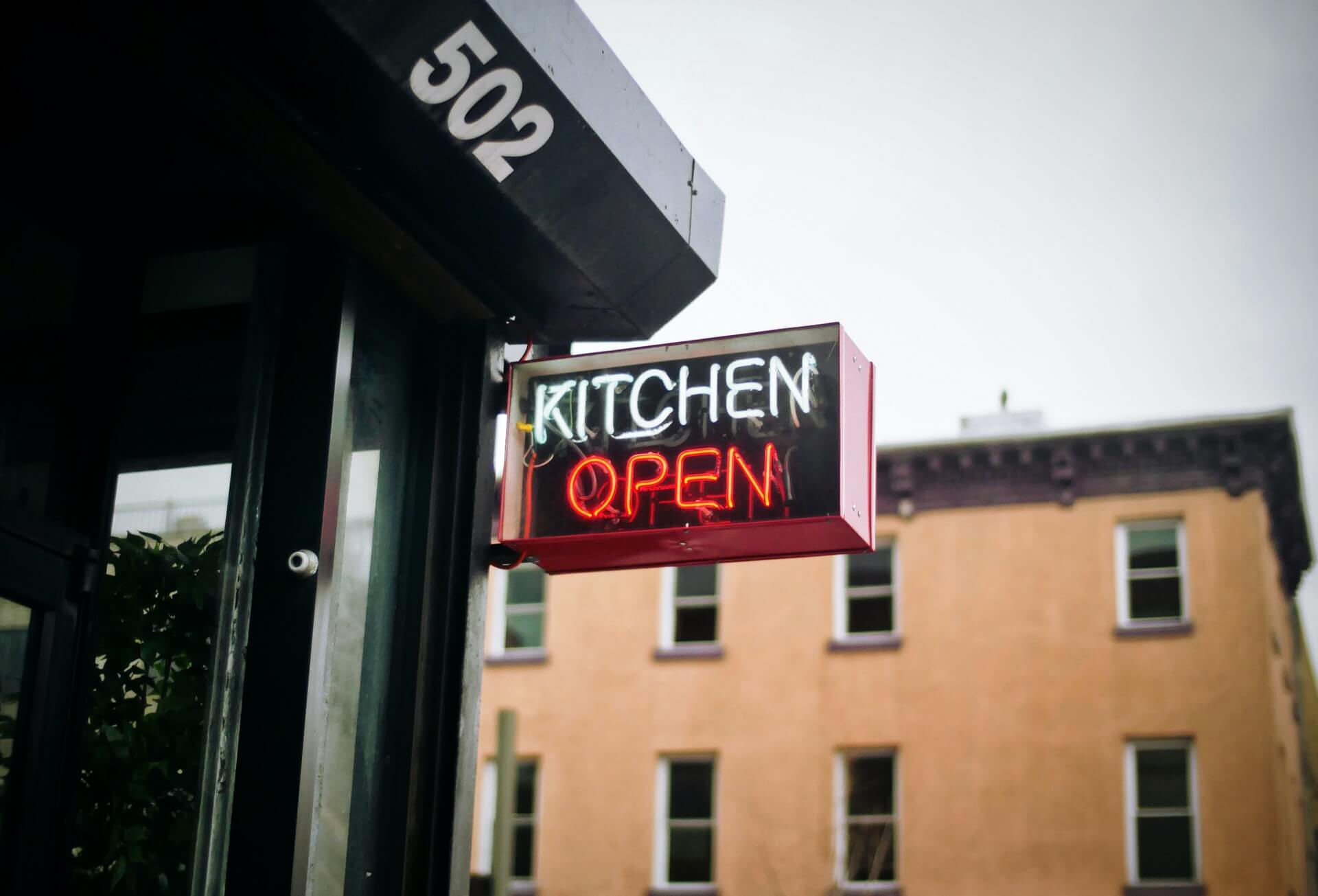
White and red neon restaurant sign that reads "Kitchen Open"

Independent Restaurant Coalition survey results show our industry is still struggling but some operators are making positive changes.

The hospitality industry absolutely needs and deserves help. The Restaurant Revitalization Fund absolutely needs replenishing.

However, hospitality continues to prove its resiliency, adaptability, and innovation.

It must be said, though, that it’s exhausting for owners, operators, and workers to have to constantly be resilient. Sometimes, the industry needs help. It’s past time for help to come.

But, I digress. Back to the IRC and their recently released survey results.

Still Overwhelmed

The IRC surveyed close to 1,200 respondents who are part of the restaurant and bar community. Survey participants represented all 50 states in the US.

Some respondents received RRF grants, some did not. Of course, receiving a grant wasn’t a silver bullet for surviving the pandemic.

However, the grants certainly helped:

  • Nineteen percent of grant recipients took out personal loans since February 2020. In comparison, that number more than doubles to 41 percent for those who didn’t receive grants.
  • Since the beginning of the pandemic, five percent of grant recipients took on additional investors. Again, that number more than doubles for operators who received no RRF grants. Eleven percent took on more investors to survive.
  • Due to the omicron variant of Covid-19, grant recipients had to reduce staff by 21 percent on average. Their counterparts had to decrease staff, on average, by 30 percent.
  • When it comes to selling off a personal asset to help their business survive the pandemic, ten percent of grant recipients did so. For those who didn’t receive an RRF grant, that number increases more than two-and-a-half times to 26 percent.

The challenges—an inadequate word, truly—have led to industry-wide changes. Per the IRC’s survey:

  • Hiring challenges have impacted 91 percent of independent restaurants and bars.
  • Menu prices were hiked up by 89 percent of independent businesses.
  • Nearly half—42 percent—reported to the IRC that they had pivoted to alternate business models after ceasing indoor and outdoor service.
  • Six percent of independent restaurants and bars pivoted to offering outdoor dining only.

Progress Being Made

Operators have been facing hiring challenges for several months now. In response, some operators offer various incentives.

As examples: meals for honoring scheduled interviews; cash for showing up to interviews; large cash bonuses for remaining in position for 90 or more days.

However, none of the above really address longstanding, widespread issues hospitality workers have given as reasons for quitting jobs (and the industry entirely).

To name just two, livable wages and benefits. Despite the challenges operators are facing, they have made positive changes. We’re not talking a small percentage, either.

Per the IRC, independent businesses reported the following changes:

  • 84 percent of restaurants increased wages.
  • 37 percent of restaurants, bars and other independent hospitality businesses added paid sick leave to the benefits they provide.
  • 21 percent of employers have added paid vacation to their benefits.

These changes (and others) are a promising start, showing that operators are listening to workers. Bringing traffic and revenue back to pre-pandemic levels—and beyond—is a great goal. But how will the industry get there?

One answer is for operators to listen to the hospitality professionals they rely on for their businesses to thrive. Listening, and then acting in meaningful ways.

Image: Patrick Tomasso on Unsplash

by David Klemt David Klemt No Comments

NRA Sends Survey Results to Congress

NRA Sends Economic Survey Results to Congress

by David Klemt

United States Capitol Building beneath cloudy skies

On the heels of the IRC’s National Day of Action to Save Restaurants, the National Restaurant Association has sent a letter to Congress.

Sent by Sean Kennedy, executive vice president of the NRA, the letter urges Congress to finally replenish the RRF.

“After two years of closures, COVID-19 variants, worker shortages, and inflationary pressure,” reads the letter, in part, “a dangerous number of restaurants are at the end of the line.”

A Critical Moment

As I’ve written several times (exhaustively, some would say), the bill meant to replenish the Restaurant Revitalization Fund was first introduced in June 2021. We’re now a week away from February 2022.

In August of last year, a unanimous consent vote to provide $43 billion in emergency funding to the industry was shot down by Senator Rand Paul (R-KY). Build Back Better passed the House in November 2021. However, it didn’t include the Restaurant Revitalization Fund Replenishment Act.

As expressed by Sean Kennedy in an email sent yesterday, we’re at a critical juncture. Kennedy points to two dates when making his point: February 18 and March 1.

All government spending expires on the former date, and President Joe Biden delivers his State of the Union Address on the latter date. Kennedy suggests that the only large-scale spending bill of 2022 will be passed between those dates.

So, it’s probable that we have mere weeks to pressure Congress into replenishing the RRF.

The Numbers

Kennedy’s letter to Congress is addressed to Nancy Pelosi (D-CA), Chuck Schumer (D-NY), Kevin McCarthy (R-CA), and Mitch McConnell (R-KY).

Citing the results of the NRA’s largest-ever economic survey, Kennedy urges action on the RRF from Congress. The NRA’s executive vice president estimates that replenishing the RRF will save over 1.6 million restaurant jobs.

Below are the survey results included in Kennedy’s letter to Congress:

  • 88 percent of restaurants saw decline in customer demand for indoor on-premises dining due to the omicron variant.
  • 76 percent of operators report that business conditions are worse now than they were just three months prior.
  • 74 percent of operators say their restaurant is less profitable now than it was prior to the pandemic.
  • Almost 50 percent of restaurant operators who didn’t receive RRF grants feel it’s unlikely that they’ll stay in business beyond the pandemic without a grant.
  • 94 percent of restaurant operators who applied for an RRF grant but did not receive funding said a future grant would enable them to retain or hire back employees.
  • 96 percent of recipients said the RRF grant made it more likely that they would be able to remain in business.
  • 92 percent of recipients said the RRF grant they received helped them pay expenses or debt that had accumulated since the beginning of the pandemic.
  • The initial round of grants, per the NRA, likely saved more than 900,000 restaurant jobs.

Now is not the time to relent—we need to keep up the pressure. If Kennedy and the NRA are correct, we have only weeks to receive the help our industry needs and deserves.

Image: Harold Mendoza on Unsplash

by David Klemt David Klemt No Comments

US Operators, Take Action Today

US Operators, Take Action Today

by David Klemt

Chef doing prep alone in kitchen

Today is the day to let Congress know the clock has run out on our patience for them act on replenishing the RRF.

In all honesty, the industry’s tolerance for governmental inaction on the RRF ran out last year. Right around the time, I’d say, the RRF application portal closed, leaving almost 200,000 applicants without crucial grants. As a reminder, the portal closed after just 21 days of launching.

Today is the National Day of Action to Save Restaurants. The Independent Restaurant Coalition is leading the charge for this campaign.

To participate, follow the IRC on Instagram, Facebook, and Twitter. Additionally, click here to sign up for their emails. Spread the word and encourage staff, guests, your family members, and friends to take part as well.

Below you’ll find more details for taking action to #SaveRestaurants and #SaveBars today and moving forward.

Industry Advocacy

The IRC has been fighting and advocating for the industry since the start of the pandemic. Today, they’re asking owners, operators, workers in all segments of the industry, communities, and guests to throw their support behind this crucial fight.

So, today is the day to inundate your representatives with phone calls. Dial this number to reach the Capitol switchboard: 202-224-3121. The IRC provides state-specific fact sheets, which can be found here.

For an example of what you’ll find on a state’s fact sheet, here are some details for Nevada:

  • The leisure and hospitality industry accounts for 87.6 percent of all jobs lost in the state.
  • In Nevada, the industry is worth $9.9 billion, with 5,980 restaurants and bars throughout the state.

Those are just two pertinent facts about the industry in Nevada.

Along with phone calls, people should contact their representatives via email. Follow this link to email Congress and tell them to replenish the RRF.

Send a Message

Of course, social media will also play an important part in today’s campaign. Flooding Instagram, Facebook, Twitter, and other channels with #SaveRestaurants, #SaveBars, and #ReplenishRRF should get Congress’ attention in a very public, very newsworthy way.

Click here to access the IRC’s social media and website toolkit.

It’s time to let Congress know we’re doing waiting for action. We’re done with the lip service, platitudes, and empty words of support. And we’re done with the broken promises, disarray, and inaction.

Personally, I plan on once again letting my state representatives know that I’m watching. Those who don’t do their jobs and help replenish the RRF won’t be receiving my vote. I can’t support those who won’t support us. Whether you want to send that message is up to you.

Today, however, make your voice heard and send at least this message: We demand Congress acts now.

Image: Rohan G on Unsplash

by David Klemt David Klemt No Comments

American Trends 2022: Technomic

American Trends 2022: Technomic

by David Klemt

Wooden spoon loaded with salt

Two weeks ago, I reviewed and shared Technomic’s “Canadian Trends: Looking Ahead to 2022” report, and now it’s America’s turn.

Not too surprisingly, the US and Canada are similar in terms of a few 2022 trend predictions.

And while the Omicron variant of Covid-19 is causing some restaurants and bars to close, there is some good news from Technomic.

Salt

First, a difference between America and Canada. As you may recall from my review of Canadian predictions, Technomic predicts butter will be even more important next year.

Interestingly, salt is the big prediction for the United States. The reasoning is similar: people are seeking out comfort in these difficult times.

Technomic’s “2022: The Year of the Climb” report states flat out that, “Salt is the new fat.”

The industry intelligence firm predicts that salt will be increasingly important in kitchens—and on tables—in 2022.

For example, Technomic expects operators to focus salt-cured fish and meats. Of course, that doesn’t just meet a predicted consumer demand. Cured foods can be preserved for longer, which is appealing to operators.

Seaweeds, salt blends, and salty sauces will be used in the kitchen. According to Technomic, some of those will replace (or accompany) traditional salt on tables.

Going further, Technomic predicts that salt will find its way into cocktails. This can be in the form of salty ingredients or salt water, a trend from a few years ago.

Creative Prep

Let’s stick with the kitchen a bit longer.

This is one of the strongest similarities shared by the US and Canada. Technomic predicts that operators will need to focus on cross-utilization and creativity.

As you’ve likely already figured out, this is because of supply chain issues. The more ways items can be used without introducing new SKUs, the easier things may be for operators.

Some examples of cross-utilization suggested by Technomic:

  • Roasting, grilling, and blistering items normally served raw.
  • Pickling ingredients.
  • Fermenting items.
  • Turning some items into jams.
  • Aging some ingredients.

Labor Challenges

Obviously, the labor shortage is felt throughout North America. Unfortunately, this is another similarity when comparing Technomic’s American and Canadian 2022 trend predictions.

KRG Hospitality has addressed the need for the industry to make significant changes several times this year. In particular, founder and president Doug Radkey published a book, Hacking the New Normal, calling for change to improve working conditions and the industry’s long-term survival.

Technomic is suggesting the same. The firm predicts the following for 2022:

  • Wage increases across the board.
  • Benefits (healthcare, emergency child care, 401(k), and more).
  • Virtual hiring events.
  • Referral and signing bonuses.

However, more needs to be done. The industry doesn’t simply need to revamp its image, it needs to:

  • address—and not dismiss—issues raised by current hospitality professionals;
  • solve the problems that led to so many hospitality workers quitting jobs and giving up on the industry;
  • implement real solutions for the problems the industry has faced and, frankly, nurtured for decades.

And that’s just the start. If we don’t face our industry’s challenges head-on, there won’t be much of an industry in the future.

The Battle for Comfort

Yes, comfort food will be important next year. Hence the entire section on salt above.

However, when I mention comfort in this section I’m referring to personal comfort levels.

You’ve likely been hearing from industry peers and seeing on social media that a number of bars are closing until December 29 or December 30. These temporary closures are due to spikes in positive Covid-19 cases, mostly driven by Omicron.

Many Americans, eager to return to a semblance of their pre-Covid lives, want to spend time in restaurants and bars. However, people need to balance their comfort levels with their desire for social experiences.

In response, Technomic predicts that operators will need to balance the on-premise and off-premise. In other words, omni-channel operators must dial in their offerings.

Per Technomic, operators have to figure out their mix: interactive in-person experiences, takeout, and delivery.

Good News

Technomic is making two 2022 predictions that should come as a relief to operators.

First, Q1 of 2022, per Technomic, “will reveal a particularly strong year-over-year performance” in comparison to 2021.

Overall, the firm projects a 10.4-percent sales increase for 2022 when compared to 2019 sales.

There is, however, a caveat. We’ll have to take rising menu prices into account when analyzing this year’s and next year’s sales levels.

For those wondering which category is predicted to perform the best, Technomic identifies limited-service restaurants will recover quickest.

In contrast, full-service will see slower recovery. Business, leisure, and indeed “bleisure” travel will have an impact on full-service traffic.

So, 2022 isn’t going to magically return to pre-pandemic “normal.” However, should Technomic’s conservative sales prediction prove accurate, recovery is on the menu.

Image: Jason Tuinstra on Unsplash

by David Klemt David Klemt No Comments

Things Looking Up For December

Things Looking Up For December

by David Klemt

Friends toasting with Champagne outside during the winter

Food and beverage research and analytics firm Datassential’s end-of-year insights point to a positive outlook for restaurants in December.

While many consumers still have reservations about spending time in public, others are eager to return to “normal.”

Restaurants and bars are expected to play an important role in reaching normalcy this holiday season.

Let’s take a look at Datassential’s 2021 Holiday Issue statistics.

Hesitancy Waning?

Let’s get the less-promising data out of the way first. Some consumers still find the idea of in-person restaurant visits uncomfortable.

Nearly half of Boomers surveyed by Datassential (46 percent) said they’re “significantly less likely” to visit a fast-casual or fast-food restaurant in December.

And, interestingly, 42 percent of men gave the same answer for visiting traditional sit-down restaurants.

However, of all the in-person options presented to participants by Datassential, restaurants performed the best.

More than half of all respondents—men, women, Gen Z, Millennials, Gen X, Boomers—plan to visit fast-casual, fast-food, and sit-down restaurants more in December than they have in recent months.

It’s most likely that anticipation for restaurant visits is driven by the desire to gather and celebrate the holidays.

Overall, 57 percent of respondents plan to visit fast-casual and fast-food restaurants more. And 47 percent expect to visit sit-down restaurants more.

That makes those two options the top answers.

Only 16 percent of respondents indicated they don’t plan on visiting any on-site foodservice venues.

Regarding bars, sports bars, lounges, and nightclubs, men are “significantly more likely” (23 percent) to visit those types of venues in December.

Holiday Opportunity

According to Datassential’s report, the opportunity for holiday bookings is out there.

More than likely, gatherings will simply be smaller than they were prior to the pandemic.

Asked about plans to gather at restaurants in December, get-togethers are expected to be “moderately sized.”

Almost half of survey respondents (44 percent) plan on gathering at restaurants in parties of seven to twelve.

Just over a quarter (29 percent) plan on get-togethers of six or fewer of people. Only 18 percent of respondents are planning large (13 to 18 people) gatherings at restaurants in December.

As far as parties of 19 or more, just nine percent of respondents plan “very large” gatherings.

Of course, individual operations’ results will vary. However, this information gives us an idea of what traffic may look like for many operators.

2021 Spending

This is where the news looks even better for restaurants, bars and nightclubs in December.

When asked about spending money on going out to eat and for drinks, just 18 percent of respondents said they planned to spend less this year than in 2020.

Very nearly half (49 percent) plan to spend the same as they did last year. However, 32 percent said they think they’ll increase their spending.

When it comes to New Year’s Eve, the numbers shift a bit. However, 50 percent of respondents plan to spend the same on NYE in 2021 as they did in 2020.

Twenty-six percent plan to spend more on NYE in 2021. Just 24 percent plan to spend less this year on NYE.

Per Datassential, Millennials are most likely to splash out for NYE this year.

So, things won’t be returning to pre-pandemic normalcy by 2021’s end. However, if Datassentials findings prove accurate, things are looking healthier for December.

Image: Christine Jou on Unsplash

by David Klemt David Klemt No Comments

US Opening Border to Vaccinated Travelers

US Opening Border to Vaccinated Travelers

by David Klemt

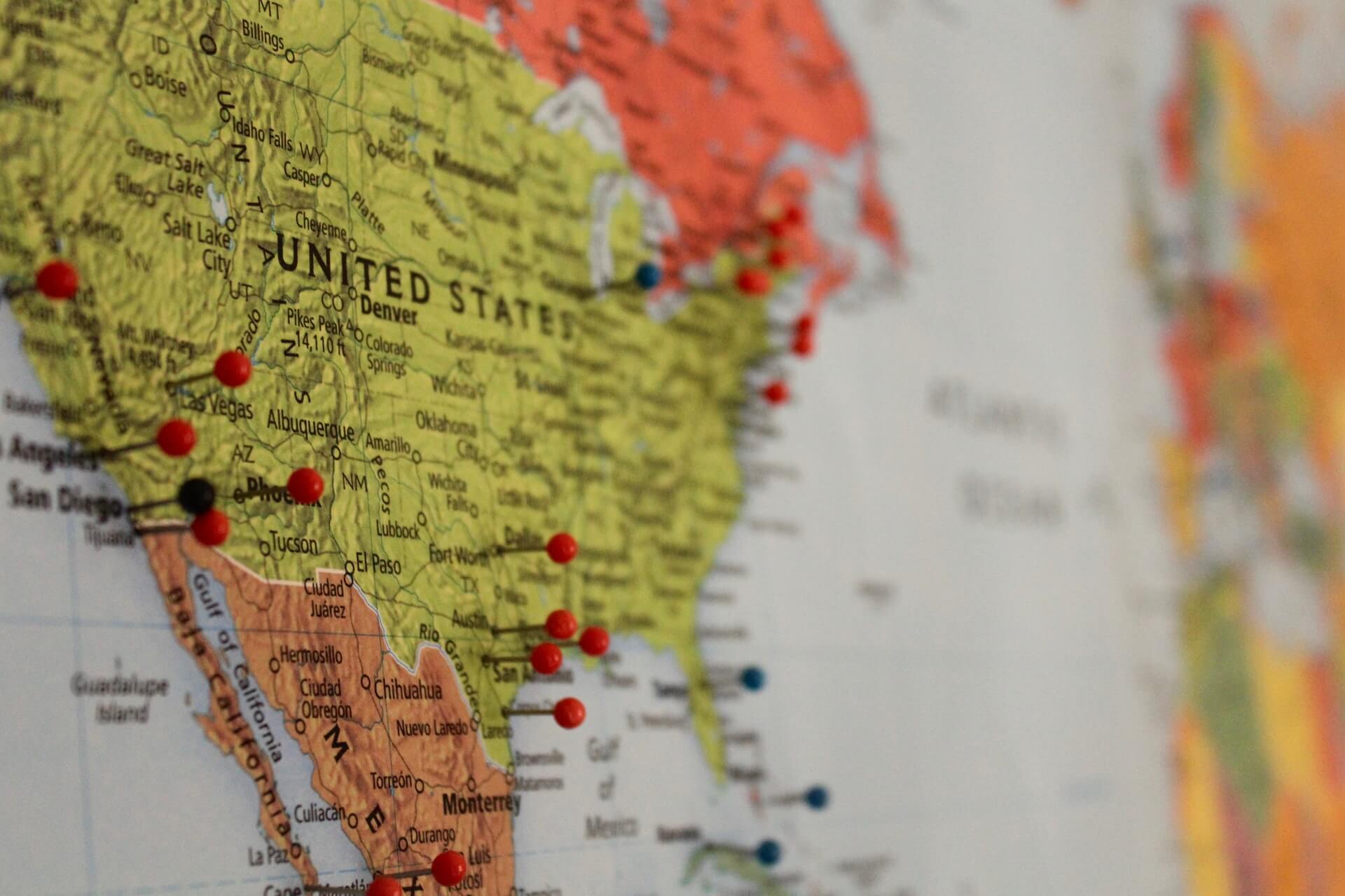
Roadmap showing United States of America, Canada, and Mexico borders

There will be more good news for the hospitality, travel, lodging, and tourism industries on Monday, November 8.

That’s the day that the US will open its borders to international travelers.

Guidance to enter the country applies to travelers arriving by land and air.

Neighbors to the North and South

This welcome news comes nearly three months after Canada opened its border to the US.

And like that border reopening, international travelers will have to prove their vaccination status. In fact, while not all the details are yet known, only fully vaccinated travelers will be permitted to cross American borders. The borders will remain closed to unvaccinated travelers.

The details for non-US travelers seeking to enter the country are as follows:

  • Non-essential travel is permitted.
  • Those entering via air travel will have to show proof of full vaccination before boarding their flight. They will also need to show proof of a “recent” negative Covid-19 test.
  • Travelers entering via Canadian or Mexican land borders will need to show proof of full vaccination. The negative test requirement is not, as of yet, required.
  • For now, Americans and non-US travelers will not have to quarantine after crossing a border.

Initial reporting stated that travel restrictions would be implemented via a phased approach. Land borders would be opened on November. However, air travel would remain restricted until the start of January 2022.

That doesn’t, at this moment, appear to be accurate.

Dozens of Countries Gain Access to US

Foreign travelers from the following countries who meet US requirements for entry will be able to enter:

  • Austria
  • Belgium
  • Brazil
  • Canada
  • China
  • Czech Republic
  • Denmark
  • England
  • Estonia
  • Finland
  • France
  • Germany
  • Greece
  • Hungary
  • Iceland
  • India
  • Iran
  • Italy
  • Latvia
  • Liechtenstein
  • Lithuania
  • Luxembourg
  • Malta
  • Mexico
  • Netherlands
  • Northern Ireland
  • Norway
  • Poland
  • Portugal
  • Scotland
  • Slovakia
  • Slovenia
  • South Africa
  • Spain
  • Sweden
  • Switzerland
  • Wales

Of course, this list is subject to updating, additions, and other changes.

Great News

Obviously, the US opening its borders to dozens of countries is great news for operators in several industries. Additionally, opening borders to economic partner countries should have a positive impact.

If it’s great for tourism, it’s great for hospitality, travel, and lodging and accommodation businesses. In turn, it should be a boon for the US economy.

Airlines should see a spike in travel, much of which will be tourism-based. That means hotels, restaurants, bars, lounges, nightclubs, breweries, distilleries, wineries, entertainment venues, stadiums, and more will benefit.

Operators will need to plan and execute to attract international travelers to leverage demand and increase revenue. Moving forward, forming partnerships with supportive partners (local restaurant with boutique hotel, for example) and working with domestic marketing organizations (DMOs) could pay dividends for savvy operators.

Image: REVOLT on Unsplash

by David Klemt David Klemt No Comments

The Outdoor Experiential Movement

The Outdoor Experiential Movement

by David Klemt

Airstream Sport trailer in the woods

When we think of a hotel or resort, we tend to picture a traditional property with hundreds of rooms and suites.

However, the consumer craving for unique experiences is changing our collective perception of resorts as we know them.

While not an entirely new take on resorts, concepts that embrace the great outdoors and nature are gaining in popularity.

The Great Outdoors

Of course, we can attribute the development of new outdoor resort concepts to the pandemic. After all, the demand for outdoor experiences has exploded since Covid-19 brought the hospitality industry to its knees.

But the desire by humans to be one with nature isn’t new. Perhaps , though, health and wellness, #vanlife, festivals, and Instagram pages devoted to stunning outdoor photography have simply amplified many people’s drive to worry less about their chosen resort’s rooms and more about the surrounding landscape.

This interest in and demand for new takes on resorts and hotels speaks to several trends investigated during Hospitality Design Expo 2021. As we touched on last week, these key trends influencing hospitality design are sustainability, an interest in maximizing outdoor areas and experiences, and immersion in local culture.

Working with the Landscape

There are several ways to approach this type of concept.

For example, Ryan Miller, chief brand officer for AutoCamp, offered two big tips for designing for what he dubs the “outdoor experiential hospitality movement.” During HD Expo 2021 in Las Vegas, Miller said views should always receive priority. That tips ties directly into another big takeaway: designers can create memorable moments by working with grades.

Founded in 2013, AutoCamp boasts an exclusive contract with Airstream to design “suite trailers.” The brand’s approach focuses on immersion coupled with convenience and comfort. A clubhouse features luxury amenities, there’s an F&B program, meeting rooms are available, and guests have access to a general store.

The approach, says Miller, ensures the brand is able to capture guests who normally would eschew camping and outdoor experiences.

Kona Gray, principal at EDSA and a landscape architect with nearly three decades’ experience, says that “designing with nature matters.” Designers need to understand the value in the land on which a resort or hotel will sit. And no, Gray doesn’t mean the monetary real estate value.

That understanding will help designers to work with the land, not around it, and become stewards of the land. There’s an ROI, says Gray, from the outdoors that shouldn’t be taken for granted.

Different Approaches

Hannah Collins, founder and principal designer at ROY Hospitality Design Studio, and Carlos Becil, chief experience officer at Getaway, represent two concepts with very different takes on the outdoor resort concept.

Collins and ROY designed Yonder Escalante, and other Yonder escapes are planned for the future. Like AutoCamp, Yonder utilizes Airstream trailers. However, the property also features modern cabins that stand out against their Airstream counterparts while complementing the landscape.

Additionally, Yonder also features a modern clubhouse. Guests are encouraged to socialize rather than isolate to enjoy the outdoors. There’s also a decidedly sexy vibe to Yonder, which features private bathhouses, outdoor (private) showers, and a massive hot tub in the pool area.

Getaway also features cabins. And, of course, the focus is on an immersive outdoor experience. However, that’s where the similarities between Getaway and Yonder end.

As the name implies—well, outright expresses, really—Getaway provides its guests with an escape. In fact, when exploring the website to reserve a cabin, there’s no “locations” tab. Instead, locations are found under the heading “Escape From.”

Properties are located about two hours from the nearest major city. There are no check-in desks at Getaway properties. Guests won’t interact with Getaway staff in person. Cabins are 50 to 150 feet away from one another. There really isn’t WiFi or high-speed cellular service at a Getaway location.

In other words, Getaway doesn’t encourage socializing. Instead, the brand values unplugging, immersing one’s self in nature, and recharging.

Give ‘Em What They Want

If guests want to experience more of the outdoors, meet that desire. Truly, it’s soon going to be an expectation.

That doesn’t hold true only for hotels and resorts—restaurants, bars, entertainment venues should take heed as well.

As sustainability, health and wellness, and a desire to convene with nature grow stronger among consumers, operators who provide unique outdoor experiences will thrive.

Don’t get stuck inside and left behind.

Image: Airstream Inc. on Unsplash

by David Klemt David Klemt No Comments

Meeting Expectations Through Hotel Design

Meeting Expectations Through Hotel Design

by David Klemt

Lit neon hotel sign with blue and purple background

During Hospitality Design Expo 2021, the show’s version of a live “Ask Me Anything” addressed meeting and exceeding new guest expectations.

On the design side, firms must meet the needs and visions of clients and brands. In turn, design clients are attempting to best meet their guests’ expectations in the short and long term.

Additionally, agencies are designing for the pandemic-driven new normal. The way guests use hotels and resorts has changed. Hotel and resort operators must adapt, and so must the designers with whom they work.

Gonzalo Bustamante, Executive Vice President, Design and Development, MGM Resorts International

Quick to point out that he comes from the design world rather than the hotel world, Bustamante is proud of how fast MGM embraced the pivot.

The company adapted to meet the needs of guests while also doing what’s necessary for the bottom line.

Bustamante feels we’re all living and working “in the new version of reality.” Therefore, moving forward, MGM properties will feature design based on the new normal.

When collaborating with designers, Bustamante looks for storytellers who can listen and stay on budget.

Kristen Conry, Senior Vice President, Global Design, US & Canada, Marriott International

What was once a guest desire, says Conry, is now an expectation.

For instance, guests expect hotels and resorts to build and operate sustainably; offer health and wellness features; and provide access to outdoor spaces.

Conry is curious about two specific elements of hotel and resort design.

One, she has an interest in how all-inclusive stays and properties will perform and progress.

Two, Conry wonders if hotel groups shrinking their carbon footprints will encourage guests to make more repeat visits. If a guest is motivated to support a particular brand because of their commitment to “green” operations, the hope is that they won’t cut back on hotel stays to shrink their own footprint.

Conry is encouraged by the increase in conversations designers and their clients are having about utilizing indoor-outdoor and outdoor spaces.

Gary Dollens, Global Head, Design / Product and Brand Development, Hyatt

Leisure travelers are returning to hotels, meaning they’re more important now to the bottom line, per Dollens.

However, there are two other developments that seem to have really caught Dollens’ attention.

One is hotel and resort properties operating with smaller teams. The second is that margins are “better than they’ve ever been.”

If groups can operate with smaller teams without impacting the guest experience negatively, why would they return to working with larger teams? Operators, encouraged by improved margins, are now used to new changes and are unlikely to go back to pre-pandemic operations.

For example, Dollens stated that Hyatt’s current RevPAR (revenue per available room) is up 19 percent compared to 2019. The company also acquired all-inclusive luxury brand Apple Leisure Group for $2.7 billion this year.

Helen Jorgensen, Vice President, Design and Procurement, Host Hotels & Resorts

Jorgensen and Host, like so many companies, adapted to working remotely.

Of course, teams used to gather to discuss design projects. Now, they gather digitally to review virtual room models.

However, it seems she’s eager to return to working in person. After all, while we’ve definitely made leaps and bounds in terms of technology, nothing beats experiencing a hotel room physically. There’s no better way—at the moment—to gauge the guest experience than actually touching and seeing everything in person.

Host and Jorgensen, like MGM and Bustamante, have been moving quickly. She expects Host to complete 16 major property renovations by 2023.

Part of those renovations has to do with room size and amenities. For instance, Jorgensen says suites will account for 19 percent of property rooms. That’s more than double current Host inventory, which is eight percent.

In terms of other design trends, Jorgensen expects sustainability to become more important to more guests. Certainly, that’s related to another trend Jorgensen identifies as crucial moving forward: wellness.

Larry Traxler, Senior Vice President, Global Design, Hilton

All-inclusive experiences are the future for hotels and resorts, per Traxler. Given the increased stress guests are experiencing on a daily basis due in large part to the pandemic, this makes sense.

Guests want to show up and know that everything is handled—eliminating friction is a luxury.

Speaking of which, luxury and lifestyle categories are performing very well for Hilton. However, extended stay is the current category leader for the brand.

When it comes to design challenges, Traxler and Hilton are focusing on a few crucial elements: F&B, outdoor experiences, and air quality.

During this session, Traxler said that F&B must evolve. Destination restaurants on property are performing well for Hilton.

That speaks to another crucial element Traxler mentioned: avoiding cookie-cutter design and experiences. Guests want unique experiences, and that extends to all markets. In fact, many guests want access to more outdoor areas, from balconies and pool areas to lawns and restaurants.

And while it may seem counterintuitive, Traxler says that hotels and resorts can improve property air quality without a “massive outlay” of money. In fact, Traxler says there’s no better time than now to build hotels, with Hilton projecting five-percent growth but achieving seven percent.

Summary

When it comes to hotels, resorts, and design, there are a few key factors operators should focus on now and for the future:

  • Luxury, extended stay, and all-inclusive categories are performing well.
  • The leisure traveler is returning.
  • Food & Beverage offerings must evolve.
  • The use of outdoor spaces is now integral to design.
  • Sustainability, health, and wellness are important to a growing percentage of guests. This includes air quality.
  • Smaller teams may shift from trend to standard operating procedure.
  • The time to build is now.

Image: Ph B on Unsplash

by David Klemt David Klemt No Comments

Vax Passports? Here Come Vax Kiosks

Vaccine Passports? Here Come Vaccine Kiosks

by David Klemt

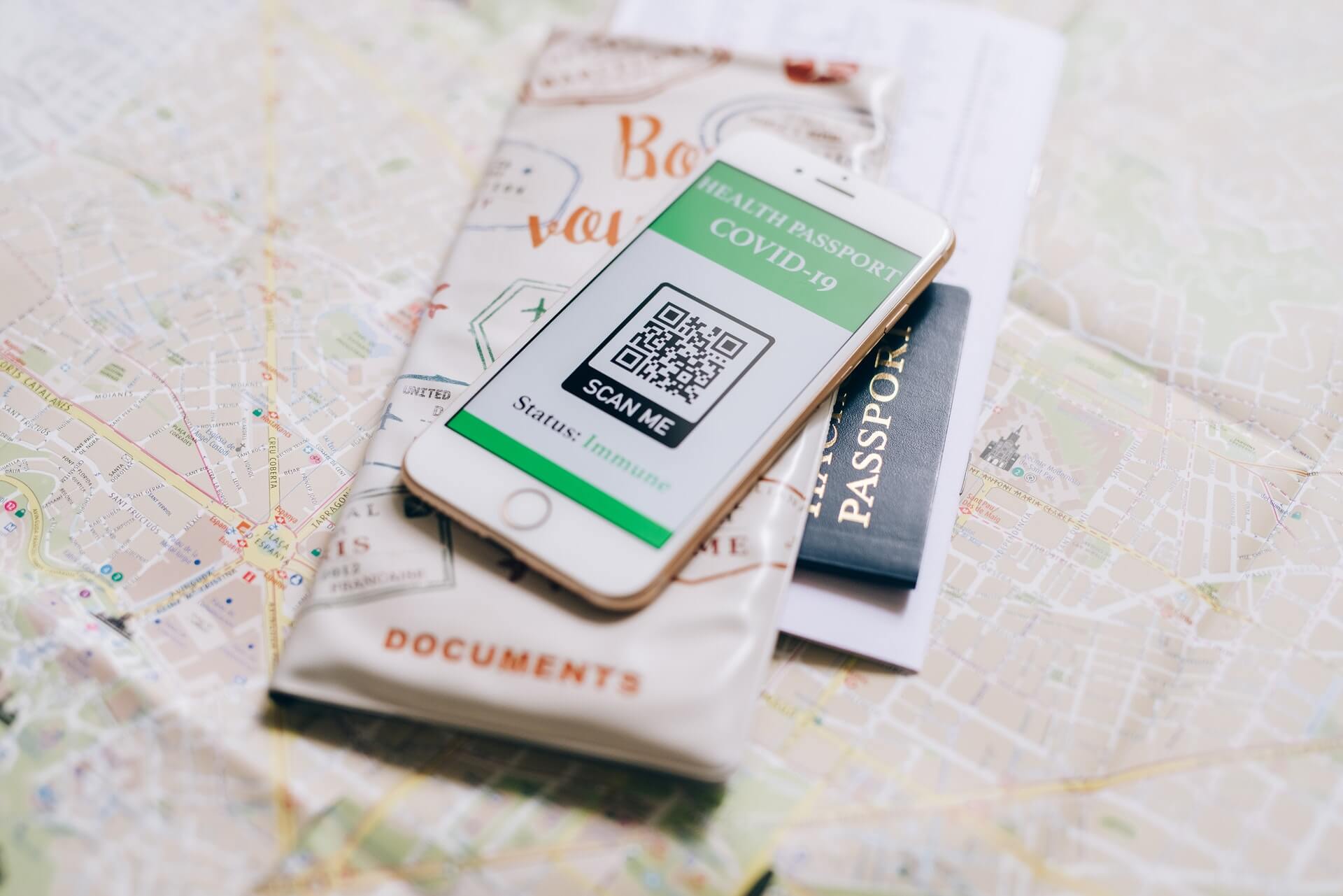
Vaccine passport on phone sitting on map and passport

Some airports and hotels are already leveraging kiosk technology to confirm a person’s vaccine status.

It’s only a matter of time before we see this technology expand to hospitality venues like restaurants, bars and nightclubs.

The question is, what will the confirmation process look like?

CLEAR Example

One of the simplest ways to imagine how these kiosks will work is via CLEAR.

The company uses a person’s unique biometrics to “transform your eyes and face into a touchless ID.” CLEAR can also use fingerprints.

Currently, you can find the service in more than 50 airports, stadiums and other locations. A person walks up to a CLEAR kiosk, it scans their eyes, face and/or fingerprints, and their identity is confirmed.

The company’s website shows a message explaining that CLEAR users can link their vaccine status to their account. At the moment, this appears to be one of the most seamless integrations in terms of tech and an individual’s identity.

One real-world example of how CLEAR works to prove vaccination status comes from the Las Vegas Raiders. To attend home games without wearing masks, people will have to download the free CLEAR mobile app. Using the Health Pass feature, they’ll be able to prove their vaccination status to go maskless at Allegiant Stadium.

Privacy Concerns

So, how else could these kiosks work? First, it’s incredibly unlikely that every major market will install such kiosks. The exception may be airports, of course.

However, some hotel and large restaurant groups may decide to use them, likely in cities like New York that already have vaccine passport apps.

In theory, using a platform like Google API, businesses could install kiosks that scan an app via QR code or other method to confirm a person’s vaccination status.

One glaring issue comes down to privacy.

Loyal CLEAR users trust the company or they wouldn’t use it. However, who would program apps that confirm vaccination status for kiosks? And who would own the data? How secure can that very personal data be?

Millions of people already believe being asked to wear a mask is an infringement on their freedoms. Millions also believe being asked to confirm their vaccination status is a violation of their privacy.

So, how will they respond to vaccine passports at hotels, restaurants, entertainment venues, stadiums, etc.? Whatever side of the debate you’re on, it’s clear that the divide between the vaccinated and unvaccinated is widening by the day.

As has been the case since 2020, lawmakers are punting on taking responsibility for how mandates and “recommendations” are enforced by businesses. As has been the case for well over a year, it’s the guest-facing workers who will bear the brunt of hostile encounters over mask and vaccine rules.

Image: Olya Kobruseva from Pexels

by David Klemt David Klemt No Comments

What is the ENTREE Act?

What is the ENTREE Act?

by David Klemt

United States Capitol Building on fifty dollar bill

Foodservice and hospitality operators are waiting for Congress to act and replenish the Restaurant Revitalization Fund.

Well, that replenishment may come in the form of a bill from Rep. Blaine Luetkemeyer (R-MO).

Congressman Luetkemeyer is a ranking member of the House Committee on Small Business.

Restaurant Revitalization Fund Empty

As operators know, it didn’t take long for the RRF to be depleted entirely.

The Small Business Administration opened the RRF application portal on May 3. Just 21 days later, the portal was closed to new applicants.

More than 60 percent of eligible applicants in need were not awarded grants from the $28.6 billion fund.

Clearly, that amount was nowhere near enough to meet the needs of our industry.

People have been calling for Congress to #replenishRRF ever since the RRF portal was closed on May 24.

Entrepreneurs Need Timely Replenishment for Eating Establishments Act

To be fair, Congress acted quickly to at least address the SBA’s shortcomings in handling the RRF.

Early in June, a bipartisan group introduced Restaurant Revitalization Fund Replenishment Act of 2021. Sens. Kyrsten Sinema (D-AZ) and Roger Wicker (R-MS), and Reps. Earl Blumenauer (D-PA) and Brian Fitzpatrick (R-PA) introduced the bill on June 3.

The bill seeks $60 billion to replenish the RRF and the funds would essentially come from “printing more money.”

However, Rep. Luetkemeyer introduced the Entrepreneurs Need Timely Replenishment for Eating Establishments Act on July 20.

The aptly (if unwieldy) named bill is also proposing $60 billion. However, the funds would come from a combination of sources.

ENTREE Act Funding

Both sources would pour unspent, previously allocated funds into the ENTREE Act.

Rep. Luetkemeyer’s bill proposes using state and local funds from the $1.9 trillion American Rescue Plan.

The ENTREE Act would also secure funds from Economic Injury Disaster Loans that have yet to be spent.

Currently, there’s no indication if Congress intends for these bills to somehow work together. Also, no date has been put forth regarding voting on either the Restaurant Revitalization Fund Replenishment Act or ENTREE Act.

However, we can put pressure on Congress by asking them to act quickly on these bills. So, let’s come together and contact our representatives—it can take just 30 seconds.

Image: Karolina Grabowska from Pexels

by David Klemt David Klemt No Comments

We Need to Join Forces on the RRF

We Need to Join Forces on the RRF

by David Klemt

The United States Capitol Building with blue sky and white clouds in the background

It’s time for all hospitality professionals to come together and tell Congress to replenish the Restaurant Revitalization Fund.

Honestly, it’s well beyond time for us to all join forces and send our message to Congress.

Owners, operators, managers, and team members need to contact their representatives. Additionally, they need to encourage their friends and family members to do the same.

If we’re going to stop the damage to our industry, this needs to be done.

State of the RRF

Per this download from the National Restaurant Association, 455,304 eligible restaurants applied for RRF grants.

In total, 278,304 restaurants were awarded grants.

To be fair, that’s excellent news. And the Small Business Administration should be applauded for providing lifelines to nearly 280,000 restaurants.

However, the $28.6 billion the fund was seeded with was never going to be enough. Also, the SBA’s RRF portal was open nowhere near long enough.

Toward the end of May, Republican members of Congress sent a letter to the SBA. In it, they criticize the SBA for closing the portal so quickly.

To provide context, the RRF application portal was open a mere 21 days. Further context: the SBA made it clear before the RRF portal was opened that only priority applications would be processed for the first 21 days.

Replenish the RRF

According to the NRA, 177,000 eligible RRF applicants were not awarded grants.

That number represents a total of $43.6 billion in grants that haven’t been awarded.

So, not only does the SBA need to reopen the RRF, they need to replenish it with at least $43.6 billion. The NRA is asking that Congress refill the RRF with $50 billion.

We all know that the situation is dire. Per the NRA, 1.3 million jobs have been lost. Since the first 14 months of the Covid-19 pandemic, restaurants have lost $290 billion in sales. Obviously, that number has grown. At least 90,000 restaurants have either closed their doors long-term or forever.

However, this isn’t only about our industry. As the NRA shows, every dollar spent on this industry generates $2 for farming, baking, fishing, and other industries.

Looking at the numbers makes it clear: We all need to carve out the few minutes it will take to tell our representatives what we want.

What do we want? For the RRF to be replenished. Click here to tell Congress to replenish the RRF with at least $50 billion, and make sure to spread this message on social by using #ReplishRRF.

There are millions and millions of us in this industry. Now more than ever, we need to join forces and pull in the same direction.

Image: Louis Velazquez on Unsplash

by David Klemt David Klemt No Comments

More States Issue Mask Mandates

More States Issue Mask Mandates

by David Klemt

United States of America atlas roadmap with push pins

Unsurprisingly, more states, counties and cities across the US and the country’s territories are issuing mask mandates.

In some cases, the mandates and guidance are coming down regardless of vaccination status.

Unfortunately, these actions are a response to reports of Covid-19 infection and hospitalization increases. The rise in cases and hospitalizations is due in large part to the highly transmissible Delta variant.

In fact, the Centers for Disease Control and Prevention (CDC) is once again changing course. Now, the CDC recommends that people in areas where Covid-19 infection rates are “substantial” or “high” wear masks inside indoor public places.

A map of these areas can be found on the CDC’s COVID Data Tracker page.

Local Defiance

Illustrating the divisive times in which Americans find themselves, some mandates are pitting local officials against their state counterparts.

For example, Florida. Per several outlets, Palm Beach County officials are ordering masks to be worn indoors by everyone irrespective of vaccination status. Of course, the mandate stands in direct defiance of Governor Ron DeSantis’ statewide ban of such an order.

No word yet on Gov. DeSantis suing the county over the order.

However, Missouri Attorney General Eric Schmitt is suing St. Louis County and city officials to stop their mask mandate. Currently, St. Louis requires masks be worn indoors and on public transportation.

Also, no word on whether these mandates will impact Canada’s plan to reopen the border for non-essential travel to vaccinated Americans.

Mandates: Vaccinated, Unvaccinated

Below, a list of the states and territories with mask mandates in some form (public transit, public places, state buildings, for example) in place.

The following orders pertain to everyone, vaccination or no vaccination.

  • California
  • New Hampshire
  • Hawaii
  • Illinois
  • Indiana
  • New Jersey
  • Kansas
  • Maryland
  • Massachusetts
  • New Mexico
  • Mississippi
  • Montana
  • Nevada
  • New York
  • North Carolina
  • North Dakota
  • Ohio
  • Oregon
  • Puerto Rico
  • Virginia
  • New York

As always, check with your local, county and state authorities for full details.

Mandates: Unvaccinated

Here, a list of the states and territories with requirements in place only for those who are unvaccinated.

  • Colorado
  • Connecticut
  • Delaware
  • Kentucky
  • Michigan
  • Pennsylvania
  • Rhode Island
  • Vermont
  • Washington
  • Washington, DC

Again, residents should check with state, county and local authorities for requirements and guidance.

Operator Concerns

Once more, owners and operators find themselves having to police guest behavior and compliance regarding Covid-19 mandates and recommendations.

And once again, it’s the guest-facing team members who will be thrust into any confrontations with hostile customers.

While not a silver bullet by any means, operators should communicate their intent to comply with mandates. Social media posts, emails and phone conversations should make requirements and expectations clear.

Additionally, operators and managers need to stay on top of employee concerns and comfort levels. Leadership must also make it clear, with actions and not just words, that their teams will be supported when engaging with guests.

The industry is in a very tenuous place and has been for many months. Workers are leaving and not coming back. Perhaps it’s time—respectfully and professionally—to set aside the maxim that “the customer is always right” and err on the side of employees.

Image: Morgan Lane on Unsplash

by David Klemt David Klemt No Comments

Canada to Reopen Border

Canada to Reopen Border

by David Klemt

Canadian airplane with maple leaf on tail

In a move months in the making, Canadian Prime Minister Justin Trudeau is opening the border to Americans.

Remarkably, this loosening of Canada-America border restrictions doesn’t pertain solely to essential travel.

Rather, the border will open on August 9 for non-essential travel to American travelers (and permanent residents) who can prove their vaccine status.

Great News

Obviously, this is fantastic news for Canadian hospitality operators (and other business owners, of course).

Really, it’s great news for all Canadians and Americans: people can finally visit family and friends, and the economy should see a boost.

This news comes on the heels of other positive developments for Canada, such as the country’s vaccination rate now surpassing that of America’s. There’s also the province of Ontario bringing back indoor dining.

According to media reports, Canadian officials are in communication with American President Joe Biden’s administration about opening the border the other way.

However, there is no information yet about when that will happen. When asked about Canada’s announcement regarding the border, White House press secretary Jen Paski said the following:

“Any decisions about reopening travel will be guided by our public health and medical experts. We take this incredibly seriously. We look and are guided by our own medical experts. I wouldn’t look at it through a reciprocal intention.”

Should all to plan, Canada will open the border to travelers from other countries on September 7.

The Details

Of course, Americans can’t just flash their passport and cross the border. People eager to enter to Canada need to plan ahead a few days.

This is due to the requirement that Americans—with few exceptions—need to submit travel information 72 hours before arriving at the border. For example, if an American would like to cross the border the day it reopens to them, August 9, they’ll need to begin the process no later than August 6.

So, those travelers will need to use the ArriveCAN website, iOS app, or Android app.

ArriveCAN users using the website will show Canadian border agents a printout. App users will show them their screen.

Also, travelers will need to complete a Covid-19 test within the same 72 hours and be asymptomatic upon arriving at the border.

To review eligibility requirements—including lists of eligible and ineligible vaccines—click here. Full details are here.

The Opportunity

Clearly, the plan to open the border to American travelers and Canadians who found themselves stuck in America due to the pandemic presents a terrific opportunity for business owners.

In particular, in terms of our industry, bar, restaurant and hotel operators must see this development as excellent news.

Family members and friends will be eager for long-overdue reunions. That means hotel stays and restaurant and bar visits. There are also opportunities that relate to weddings, such as rehearsal dinners.

Obviously, operators must prepare for an influx of guests. So, they need to schedule accordingly, prepare staff for possibly overwhelming amounts of traffic, and ensure precautions are in place that reassure team members their health and safety are being considered.

In terms of those who waiting for the “right time” to open their restaurant or bar, this news could be a signal that the hospitality industry is on its way toward recovery in Canada.

It’s crucial that operators and management balance guest and employee comfort levels. Doing so will aid in boosting traffic, increasing revenue, and recruiting, hiring, and employee retention efforts.

Image: John McArthur on Unsplash

by David Klemt David Klemt No Comments

Mask Mandates, Recommendations Return

Mask Mandates, Recommendations Return

by David Klemt

Downtown Los Angeles, California

Pointing to vaccination hesitation, vaccination refusal, and rises in Covid-19 cases, some cities are mandating masks indoors.

Importantly, mandates and recommendations are coming down irrespective of vaccination status.

Of course, many people are unhappy about this news. Much of the backlash includes the claim that a return to masks proves vaccines don’t work.

However, others point to variants—in particular, Delta—spreading via the unvaccinated and unmasked.

Unfortunately, continuing divisiveness means hospitality and other frontline workers are again at risk for hostile confrontations.

Los Angeles County, California

If you’re an operator in Los Angeles County, masks indoors aren’t just a recommendation. An indoor mask mandate went into effect on Saturday, July 17.

Just a month prior, embattled Governor Gavin Newsom proudly announced California’s unrestricted reopening.

Now, the more cynical among us see Gov. Newsom’s June reopening as a bid to stave off recall efforts. However, recall ballots will go out to Californians next month.

Per reporting, California’s Covid-19 infection rate is close to tripling. Los Angeles County health officials say the indoor mask mandate comes out of an overabundance of caution.

On a different note, health officials expect the state’s vaccination rate to effectively combat a spike in infection rates. The current rate isn’t expected to match or surpass those of prior peaks in the state.

As far as mandate details, it’s quite simple: Masks are required for everyone indoors, regardless of their vaccination status.

According to reports, an additional ten California counties are recommending masks indoors. No word yet on if other counties—or the state as a whole—will announce mask mandates. Nor is there an end date for LA County’s current mandate.

Southern Nevada

While not a mandate, the Southern Nevada Health District is recommending people, regardless of vaccination status, wear masks indoors.

Unsurprisingly, Las Vegas is experiencing an influx of visitors. With vaccination rates on the decline and infection rates on the rise, health officials are concerned.

More than 2.9 million visitors flocked to Las Vegas in May. Clark County, Nevada, which includes Las Vegas, has a population of over two million.

Of course, it’s important to remember that, for now, wearing masks indoors is a recommendation. However, some resorts and casinos—Westgate and the Venetian among them—now require their employees to wear face masks.

So far, neither Las Vegas, Clark County or Nevada have implemented a mandate. Of course, that could change and a mandate may be in the wings.

Orange County, Florida

Much of the news of returning mask mandates and recommendations focuses on Los Angeles and Las Vegas.

In fact, some critics are attacking Nevada Governor Steve Sisolak, accusing him of blindly following Gov. Newsom.

Interestingly, though, is that a mayor in Florida is also recommending face masks.

Mayor Jerry Demings of Orange County recommends wearing masks indoors, vaccination status notwithstanding. The phrasing of the mayor’s announcement refers to the suggestion as an “official recommendation.” However, no mandate is in place currently.

Frontline Risks

Clearly, mask mandates and even recommendations are going to anger some of the population.

Unfortunately, hospitality workers (and those in other public-facing industries) are once again at risk of confrontations. Even without mandates, some businesses that choose to require masks experience hostility.

The last thing America needs is more divisiveness, anger, and potential for confrontations.

Millions of hospitality professionals have left the industry for good. One factor leading to those losses has been concern for safety due to people angry over mask and vaccine requirements.

Obviously, operators must do whatever’s in their power to ensure the safety of their team members and guests. Leadership must not only convey their support for their employees, they must stand behind that messaging with their actions.

In cities where masks mandates and recommendations return, operators need to focus on safety as much as employee retention. Indeed, the former aids the latter, which aids recruiting and hiring.

Image: Daniel Lee on Unsplash

by David Klemt David Klemt No Comments

Indoor Dining Returning to Ontario

Indoor Dining Returning to Ontario

by David Klemt

3D Toronto Sign at night

Operators and their employees and guests in Ontario, Canada, have a real reason to celebrate this week.

On Friday, July 16, at 12:01 AM, the province will launch into Step 3 of the Reopening Ontario plan.

Why is this fantastic news for Ontario operators? Stage 3 includes the return of indoor dining.

Ahead of Schedule, Again

As with Step 1 and Step 2, the province is entering Step 3 of the Reopening Ontario plan earlier than expected.

Ontario launched Step 1 three days ahead of schedule. Step 2 also came a few days early.

The province is entering Step 3 a whole five days early. These early launches are a testament to Ontario’s vaccination efforts.

Premier Doug Ford said during a press release that the targets triggering Step 3 were not just met but surpassed.

However, he did mention that the campaign to vaccinate Ontarians was in no way complete.

“While this is welcome news for everyone who wants a return to normal, we will not slow down our efforts to fully vaccinate everyone who wants to be and put this pandemic behind us once and for all,” Premier Ford said.

Step 3 Details

This phase of the plan is the least-restrictive of Reopening Ontario.

In Step 3, restaurants and bars can welcome indoor guests. The only capacity restriction is that people must be able to maintain distance of two metres between one another.

Restaurants and bars with dance floors are restricted to 25-percent capacity and a maximum occupancy of 250.

Outdoor dining capacity will focus on social distancing: there must be two metres between tables.

Face masks are a requirement for indoor gatherings and in situations where it’s not possible to socially distance properly.

Should the vaccine rate and other indicators continue to improve, it’s possible that Ontario will reopen fully as soon as 21 days after Step 3 begins. So far, Reopening Ontario steps have launched ahead of schedule, a great sign for reopening fully.

However, operators must take care to remain in compliance with federal, provincial and local regulations. Click here to review the Reopening Ontario details.

Of course, we’ll monitor the situation and see what Ontario officials say next.

Image: Maarten van den Heuvel on Unsplash

by David Klemt David Klemt No Comments

Two States Rescinding To-Go Cocktails

Two States Rescinding To-Go Cocktails

by David Klemt

Philadelphia, Pennsylvania, time-lapse at night

Two states are putting an end to a lifeline that many restaurants and bars still rely upon as the industry attempts recovery.

Unfortunately, New York and Pennsylvania are rescinding to-go cocktail laws. Sadly, we can only hope this doesn’t lead to a state legislature domino effect.

The decision stands in stark contrast to states that chose to legalize to-go cocktails this year.

Pandemic Lifeline

Call it cynicism if you like, but it seems that our industry is constantly left to fend for itself.

For example, look at how long it took for the the American Rescue Plan to be voted into law. The bill, which included the Restaurant Revitalization Fund, didn’t pass the House until March of 2021.

Also, the awarding of Paycheck Protection Program stimulus loans was a farce and disaster.

Then, remember that the RRF application portal didn’t launch until the end of April. Of course, the fund has been depleted already and the portal closes July 14.

Obviously, restaurants and bars adapted and leaned into delivery, takeout, and pickup in an attempt to survive. In addition, several states made to-go cocktails legal temporarily.

Ultimately, some states made those “loose” laws permanent. Iowa was the first state to do so.

Now, operators in New York and Pennsylvania are having that lifeline yanked out of their hands.

Disappointing Development

Less than a month ago I reported on how several states (and Canadian provinces) are choosing to handle to-go cocktails.

So far, eleven states made them legal permanently: Arkansas, Florida, Georgia, Iowa, Kentucky, Montana, Ohio, Oklahoma, Texas, West Virginia, and Wisconsin.

Other states chose to keep their to-go cocktail rules loosened until 2022 or 2023: Delaware, Illinois, Maine, Virginia, and Washington.

Still others—New York and Pennsylvania among them—introduced bills this year that sought to make to-go cocktails legal permanently: Arizona, California, Kansas, Minnesota, Missouri, Nebraska, New Hampshire, New Jersey, and Oregon.

So, rather than keep their rules loose and continue to help their operators generate much-needed revenue as they try to recover from the economic devastation of the pandemic, New York and Pennsylvania voted to take to-go cocktails away from them.

Rather than help the industry, too many politicians and officials have used them during the pandemic as scapegoats, punching bags, and public relations stunts.

It’s clear that operators in New York and Pennsylvania (and many other states, to be fair) need to send a unified message when elected officials need venues for campaigning and fundraising.

Image: Heidi Kaden on Unsplash

by David Klemt David Klemt No Comments

Reopening Ontario: Patios Return Friday

Reopening Ontario: Patios Return Friday

by David Klemt

Outdoor seating on restaurant patio

There’s great news for Ontario and the province’s new reopening plan: outdoor dining is returning three days ahead of schedule.

From June 11 on—barring any governmental changes—the province of Ontario will enter Step 1, which focuses on outdoor activities.

Due to favorable indicators such as the province’s vaccination rate, Reopening Ontario will kick off early.

A Welcome Surprise

Ontario has been in under heavy restrictions for nearly two months. So, this news represents a refreshing glimpse of light at the end of a ridiculously long tunnel.

Initially, Reopening Ontario was slated to begin Step 1 on June 14.

The earlier date and announcement should help restaurant and bar operators take advantage of the coming weekend. After weeks upon weeks of living under a stay-at-home order, the decent-at-best forecast should be clear enough for Ontarians to get outside.

Step 1

Reopening Ontario is focusing on the following to progress through the three steps:

  • the provincewide vaccination rate; and
  • improvements to key public health and health care indicators.

Per the plan, the province will remain in each phase of the plan for a minimum of 21 days.

The first step allows for outdoor gatherings of ten or more people. And, for restaurants and bars, outdoor dining with a limit of four people per table.

RestoBiz is reporting that there will be an exception allowing for households with more than four people. The publication also reports that nightclubs may offer delivery, drive-through and takeout as long as they only operate as food or drink establishments.

To move to Step 2, 70 percent of adults must receive at least a single dose of Covid-19 vaccine. Additionally, 20 percent of adults need to receive a second dose (of a two-dose regiment).

Two weeks after Ontario reaches that target, the province will move forward.

Step 2

In this phase of Reopening Ontario, restaurants and bars can seat six people per table outdoors.

Per Ontario’s official government website, restaurants and bars will also be able to offer karaoke. Of course, in this phase it must take place outside.

The single-dose target vaccination rate to move on from Stage 2 is 70 to 80 percent of adults. Also, 25 percent of adults must receive two doses (of a two-dose regimen).

If those targets are hit and key public health and health care indicators are favorable, the province will progress further.

Step 3

Obviously, this the least-restrictive phase of Reopening Ontario.

In Step 3, restaurants and bars can once again return to indoor dining. There will be capacity and other restrictions in place.

Also, buffets can return.

Outdoor dining capacity will focus on social distancing: there must be two metres between tables.

Should the vaccine rate and other indicators continue to improve, it’s possible that Ontario will reopen fully as soon as 21 days after Step 3 begins. Of course, we’ll monitor the situation and see what Ontario officials say about a return to “normal.”

For now, things are looking up. To review the Reopening Ontario plan, click here.

Image: Taylor Vick on Unsplash

Top