RRF

by David Klemt David Klemt No Comments

What’s Up with the Restaurant Tax Credit?

What’s up with the Restaurant Revitalization Tax Credit?

by David Klemt

Abraham Lincoln's face on $5 bill

If you’re wondering what’s going on with the Restaurant Revitalization Tax Credit bills in the House and Senate, you’re probably not alone.

And if you find yourself wondering about them, that’s likely because there isn’t much news about the bills. Unfortunately, it appears that no meaningful progress has been made on HR 9574 or S.5219.

A quick check shows that both bills share the same status: Introduced. As for the House bill, HR 9574, that was introduced on December 15, 2022 by Representative Earl Blumenauer (D-OR). The Senate bill, S.5219, was introduced by Senator Benjamin Cardin (D-MD) on December 8, 2022.

It’s important to note that Sens. Cardin, Patty Murray (D-A), and Sherrod Brown (D-OH) reintroduced S.5219 in January of this year. However, that apparently didn’t mean much as the Congress.gov trackers show no progress.

Last year, some opined that neither bill would receive a vote until January 2023 at the earliest. That “prediction” has proven true, of course—it’s now the end of March.

Restaurant Revitalization Tax Credit Act Summary

Let’s take a quick look at HR 9574 and S.5219.

Both bills propose a $25,000 payroll offset for restaurants. Eligibility requirements are also identical: applicants must have applied for but not awarded a Restaurant Revitalization Fund grant.

Additional, eligible applicants are:

  • restaurants with operating losses of at least 30 percent in 2020 and 2021 in comparison to 2019; or
  • restaurants with losses of at least 50 percent in either 2020 or 2021 in comparison to 2019.

So, those are elements that both the Senate and House bills share. What about the differences between the two bills?

Mainly, differences come down to the number of employees. For S.5219, restaurants with ten employees or fewer could be eligible for the maximum payroll tax credit. That credit, as a reminder, is up to $25,000 for 2023. For every employee over ten, the refund cap drops by $2,500.

Now, HR 9574. Restaurants with ten or fewer employees would receive the full $25,000 payroll tax offset. For restaurants with between 11 and 20 employees, the offset would be “partially refundable.”

Now What?

If you believe that you’re eligible for this tax credit, it’s time to let your representatives know you want them to act.

To make things simple for everyone, I’m including the links you need to find and contact senators and representatives.

For senators, click here. And for representatives, click here.

Let them know that it’s time for action on S.5219 and HR 9574. And let them know exactly what action you expect them to take.

Image: Karolina Grabowska on Pexels

KRG Hospitality Start-Up Restaurant Bar Hotel Consulting Consultant Solutions Plans Services

by David Klemt David Klemt No Comments

Restaurant Tax Credit Support Grows

Bipartisan Effort for Restaurant Revitalization Tax Credit Grows

by David Klemt

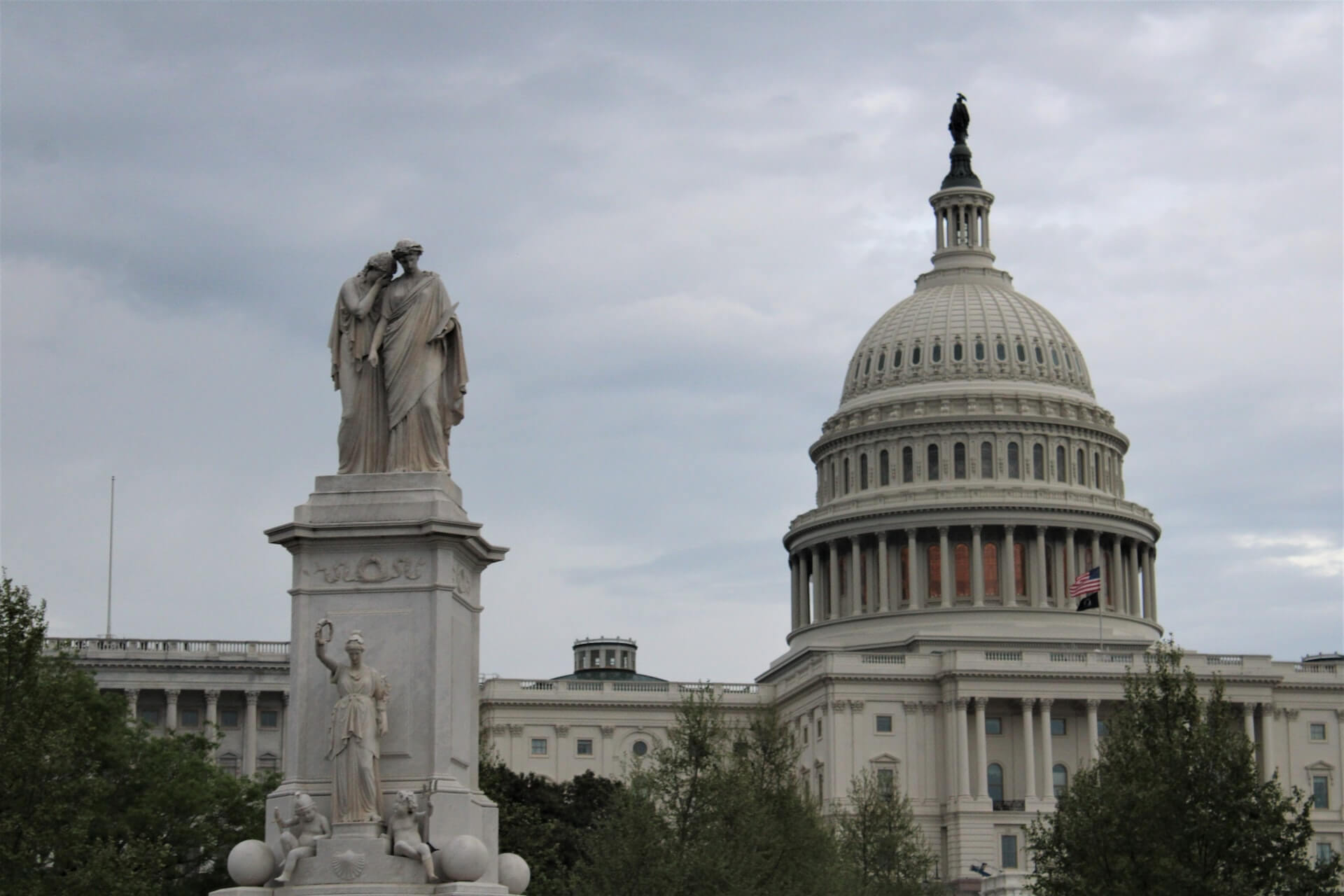
United States Capitol Building exterior and Peace Memorial

One week after the Restaurant Revitalization Tax Credit Act introduction in the Senate, a companion bill is in play.

This time, the bill is a bipartisan effort. Representative Earl Blumenauer (D-OR) is the sponsor of HR 9574. Joining him are Reps. Brian Fitzpatrick (R-PA) and Dean Phillips (D-MN).

HR 9574 is nearly identical to the Senate version, S.5219. In fact, the only real difference relates to number of employees.

Restaurant Revitalization Tax Credit Act Summary

Just like the bill in Senate currently, the House of Representative bill proposes a $25,000 payroll offset for restaurants.

In terms of eligibility, HR 9574 is identical to S.5219: Restaurant Revitalization Fund applicants. More precisely, eligible applicants that applied for but didn’t receive an RRF grant.

Further eligibility requirements are as follows:

  • Restaurants with operating losses of at least 30 percent in 2020 and 2021 in comparison to 2019; or
  • restaurants with losses of at least 50 percent in either 2020 or 2021 in comparison to 2019.

If you’re familiar with the Senate’s version, which predates the House version by a week, you may be wondering about the difference between the two bills.

Well, it comes down to number of employees. For the Senate bill, restaurants with ten employees or fewer could be eligible for the maximum payroll tax credit. That credit, again, is up to $25,000 for 2023. For every employee over ten, the refund cap drops by $2,500.

However, the House bill approaches number of employees a bit differently. Restaurants with ten or fewer employees would receive the full $25,000 payroll tax offset. For restaurants with between 11 and 20 employees, the offset would be “partially refundable.”

A Lifeline

It’s likely that neither HR 9574 nor S.5219 will receive a vote until January 2023, at the earliest.

Of course, time is of the essence for our industry. This isn’t lost on Rep. Blumenauer—an author of the RESTAURANTS ACT of 2021—or his co-sponsors.

“Restaurants and their employees were hit harder than any other industry during the COVID-19 pandemic,” says Rep. Blumenauer. “The federal government has provided some help to these institutions through the Restaurant Revitalization Fund, legislation based on my RESTAURANTS Act. But the program has fallen short, with only one-third of all applicants receiving funding.”

To add to Rep. Blumenauer’s mention successful applicants, it’s estimated that more than 175,000 applicants haven’t received a grant.

Hope, as the saying goes, isn’t a strategy. But hopefully at least one of these bills is floored, voted on, and passed in January. Too many deserving restaurants have had to endure an agonizing series of RRF roller coasters.

To continue introducing bills—hope—just to watch them fail to go anywhere is becoming cruel at this point.

Image: Emily Studer on Unsplash

by David Klemt David Klemt No Comments

Is Restaurant Revitalization Back?

Restaurant Revitalization Back on the Table?

by David Klemt

US Capitol Building and cloudy sky

After watching the Restaurant Revitalization Fund die a slow, painful death earlier this year, three senators are trying to help the industry again.

Three Democratic senators seem to think that the RRF battle isn’t over. Senators Ben Cardin (D-MD), Sherrod Brown (D-OH), and Patty Murray (D-WA) are trying once again to help RRF applicants. As a refresher, Sen. Cardin is among the original RRF legislation authors.

Last Thursday, the senators introduced the Restaurant Revitalization Tax Credit Act. Now, before we get into the details, it appears this bill is a stop-gap of sorts. A statement from Sen. Murray suggests as much.

Per a statement from Sen. Muray, the “Restaurant Revitalization Fund left too many behind. I believe we need to replenish the Fund and will keep pressing to do so. Until that happens, bills like the Restaurant Revitalization Tax Credit Act will help keep restaurants afloat.”

It’s safe to say a significant number of operators prefer replenishment of the RRF to a tax credit. However, this could represent a step in the right direction.

The Restaurant Revitalization Tax Credit Act

For those with an interest in dissecting the bill, the text in its entirety is here.

In summary, here’s what Sens. Cardin, Brown, and Murray want to see become law: a payroll offset of $25,000. Of course, it’s not that simple—there are requirements and nuances.

First, the only eligible restaurants are RRF applicants who didn’t receive a grant. Second, the restaurant must prove:

  • operating losses of at least 30 percent in 2020 and 2021 in comparison to 2019; or
  • losses of at least 50 percent in either 2020 or 2021 in comparison to 2019.

Additionally, applicants must have been operating at least as far back as March 14, 2020. There’s also a payroll tax requirement: the applicant restaurant must have paid the taxes in at least two quarters in 2021. But wait—it doesn’t end there.

Restaurants with ten or fewer employees could offset a maximum of $25,000 in payroll taxes for the entirety of 2023. However, for every employee over ten, the refund cap drops by $2,500.

So, this bill appears to target very small operations for assistance. Assistance, we can only hope, that’s meant to help until the Senate and House replenish the RRF.

After all, Sen. Murray did say this bill—”bills like,” to be precise—is meant to “help keep restaurants afloat.”

It’s difficult to view this effort through anything but a skeptical lens given what happened earlier this year. And hope, as the saying goes, isn’t a strategy. But I suppose this bill represents a glimmer of hope that the estimated 175,000-plus RRF applicants who never received a grant may still get the help they deserve.

Image: J. Amill Santiago on Unsplash

by David Klemt David Klemt No Comments

169 Grants May be the End of the RRF

169 Grants May be the End of the RRF

by David Klemt

Empty, broken plate on floor

UPDATE: According to some sources, the report of $180 million in “leftover” RRF money are inaccurate. The disbursement of $83 million represents the final release of RRF funds.

The $83 million in grants going out this week to 169 recipients may be the end of the Restaurant Revitalization Fund in its entirety.

Unfortunately, it’s possible last week’s awards represent the final grants. This, despite the Government Accountability Office (GAO) finding $180 million in funds in July.

As far as the sources of these funds, that topic remains a bit vague.

However, the story is that more than $150 million are the result of clawbacks. More than a third, if reporting is accurate, is the result of recipients or financial institutions returning grants. Reports indicate another $24 million come from the SBA setting aside $24 million for litigation.

Per the National Restaurant Association months ago, the American Rescue Plan Act of 2021 does not include a provision for a litigation fund. Therefore, the NRA called for the SBA to disburse that money to RRF applicants.

What we do know is that last week’s RRF grant recipients should be receiving their funds this week. According to the SBA, 169 recipients were awarded a portion of $83 million in RRF money.

Again, that’s money the GAO found back in July. It’s also less than half of the reported $180 million the government agency found this summer.

Given the fact that the SBA announced a disbursement of just 46 percent of the “leftover” funds, many believed another round was in the works. Sadly, that may not be the case. It’s possible—and increasingly likely, regrettably—that the rest of the $180 million in funds won’t go to grant applicants.

Now, I want to be clear on one important point: I’m relieved for the 169 grant recipients. I truly hope the funds arrive in time to help them and their teams.

While I’ll feel disappointment if a second round of the $180 million never materializes, I’m happy for those who received a portion of the $83 million awarded last week.

Frustration

So, where does the industry go from here? The failure of Congress to replenish the RRF left a reported 150,166 applicants with zero assistance. According to Nation’s Restaurant News, it would have taken $41 billion to award each applicant a grant. Obviously, $180 million was never going to serve to help that many applicants.

Frustratingly, the answer to the question above appears to be: Move forward on our own. And that unsatisfactory answer has flooded with me opinions.

One opinion? Our industry, it seems, is always left to fend for itself. Despite the millions of people hospitality employs, lawmakers and politicians don’t seem willing to assist us—and therefore their constituents—in meaningful ways.

Another opinion? Perhaps we need to build a more powerful lobby to have our voices heard. Such an effort began in earnest to support the RRF. However, too many elected officials were comfortable refusing to replenish the fund.

A third opinion was shaped by Eileen Wayner, CEO of Tales of the Cocktail. As a guest on the Bar Hacks podcast she addressed the perception of operators and hospitality workers as being adaptable and resilient.

While those characteristics can be admirable, Wayner expressed something I think we all feel: Sometimes, we’re tired of being resilient. Sometimes, we’re tired of being expected to adapt. There are times our industry needs help.

When you’re constantly seen as resilient, people believe you don’t need assistance. What we’ve seen with the RRF and its failed replenishment is that too many people with the power to help can write us off. “They’re resilient,” they say. “They’ll figure it out. They’ll be fine.”

Well, we’re not all “fine.” We needed help, and we deserved it.

Image: CHUTTERSNAP on Unsplash

by David Klemt David Klemt No Comments

SBA Releases 46% of Held RRF Funds

SBA Releases 46% of Held RRF Funds

by David Klemt

Single one-hundred-dollar bill

After receiving pressure from members of Congress and scrutiny from the industry and media, the SBA has released some RRF funds.

This comes after several months of inaction from the Small Business Administration.

The amount released on Wednesday, November 23 isn’t insignificant. However, the SBA disbursed less than half of the RRF money they’re sitting on.

Still, the news is welcome, particularly to the RRF applicants who finally received a grant.

$180 Million in RRF Funds

Several months ago, the Government Accountability Office (GAO) investigated the handling of the Restaurant Revitalization Fund. Back in July, the fruits of that investigation came to light: $180 million of the $28.6 billion in RRF funding had not been disbursed.

Further, it was reported in back August that the SBA was partnering with the Department of Justice to “formulate a plan on how to distribute” the money.

Now, nearing the end of November, it appears the SBA and DoJ have finalized a plan. Two days ago, on the eve of Thanksgiving, the SBA released $83 million of the $180 million that was discovered in July of this year. If every applicant received the same amount, that works out to $491,124 per grant.

With any hope, this means the remaining $97 million will go to deserving grant applicants very soon.

Where did the Money Go?

We don’t yet know which RRF grant recipients received a portion of the $83 million released this week.

What we do know is:

  • 169 applicants received this week’s grants;
  • applicants were selected by the order in which they applied for grants in 2021;
  • each recipient was alerted about their grant award this week;
  • the recipients are expected to actually receive the money some time next week;
  • grant recipients have until March 2023 to spend the funds; and
  • the recipients won’t have to repay the money if they spend it on “approved purchases.”

It’s logical that the disbursement of the $97 million in remaining RRF grants will follow the same procedure.

Statements on this Week’s Developments

This week, both the Small Business Administration and National Restaurant Association made statements about the release of $83 million in RRF funds.

“This week, the U.S. Small Business Administration (SBA) began distribution of returned funding in the Restaurant Revitalization Fund (RRF) program, following the program’s closure in June 2021. In doing so, the SBA worked with the advice of the Department of Justice on a plan to distribute the remaining funds, approximately $83 million,” reads a press release from the SBA.

“In addition to other SBA assistance programs, the RRF has helped more than 100,000 restaurants and other food and beverage business owners survive the pandemic,” continues the administration’s statement.

Sean Kennedy, executive vice president of public affairs for the NRA, said the following about this week’s disbursement:

“The SBA’s action represents the final chapter of our nearly three-year effort to secure dedicated federal pandemic relief dollars for local restaurants. Today’s announcement is great news for those 169 operators fortunate enough to receive an RRF grant, but hundreds of thousands more are struggling with uncertainty.

“We must continue to look forward because the enormous challenges of the industry will continue beyond today. From the recruitment of employees to the constantly rising costs for food, running a restaurant right now is a daily struggle. There are steps the government can take to support restaurants in every community, and we will continue to press for solutions at the federal, state, and local level.”

Image: AR on Unsplash

by David Klemt David Klemt No Comments

Why is the SBA Sitting on RRF Funds?

Why is the SBA Sitting on Tens of Millions in RRF Funds?

by David Klemt

Pile of $100 bills

Three months after the revelation that the SBA is sitting on $180 million in RRF funds, we’re wondering why they still aren’t disbursing the money.

Oh, and a handful of American lawmakers have the same question. In fact, two members of the House and two senators are requesting a plan from the SBA.

The patience of Representatives Earl Blumenauer (D-OR) and Brian Fitzpatrick (R-PA) appears to be at its end. So, too, the willingness for Senators Kyrsten Sinema and Roger Wicker (R-MS) to simply wait and see.

So, the bipartisan lawmakers are playing hardball, sending a strongly-worded letter to the Small Business Administration.

$180 Million in Available Funds

As it turns out, there are are tens of millions of dollars in unallocated Restaurant Revitalization Funds. Months ago, the Government Accountability Office (GAO) investigated the RRF situation.

Back in July, the fruits of the investigation came to light: of the $28.6 billion in the RRF, $180 million have not been disbursed. Further, it was reported in August that the SBA was working the Department of Justice to “formulate a plan on how to distribute” the money.

It’s now November and…there’s no news. Well, there’s news, but it’s that four bipartisan lawmakers are demanding answers and action from the SBA.

Look, $180 million is a far cry from the $40 billion our industry needed and deserved to have approved to replenish the RRF. Indeed, if every dollar of this “found” money is distributed to RRF applicants, just 0.44 percent would receive a grant.

However, nearly $200 million in funds can still help some operators. There’s simply no excuse for the SBA failing to disburse the funds six months after the GAO made their discovery.

Clearly, several lawmakers agree with this assessment.

Lawmakers Seek Action from the SBA

Earlier this week, Reps. Blumenauer and Fitzpatrick, and Sens. Sinema and Wicker, sent a letter to the SBA. Not only are they seeking action from the SBA, they’re seeking a plan by next week.

“We request the SBA provide Congress with a detailed plan and timeline to distribute unobligated RRF funding as well as detailed information regarding the agency’s progress in retrieving misallocated funds and distributing those funds to eligible applicants no later than Monday, November 14, 2022,” reads the letter.

Further, the lawmakers make their position clear: “It is inexcusable for the Small Business Administration to not dispense every single available dollar to help as many of our nation’s still struggling main street businesses.”

According to reports, the lawmakers who penned the letter are working with the Independent Restaurant Coalition and National Restaurant Association. Reporting states that the IRC and NRA endorse the letter sent by the lawmakers this week.

As of the publication of this article, the SBA has issued no response. Unfortunately, that’s not exactly surprising. After all, they’ve been silent on this topic for months.

Image: Giorgio Trovato on Unsplash

by David Klemt David Klemt No Comments

Members of Congress Send Letter to SBA

Members of Congress Send Letter to SBA Regarding $180 Million

by David Klemt

United States Capitol Building and Capitol Grounds

More than 70 members of Congress are urging the Small Business Administration to act quickly to fund eligible RRF applicants.

This news comes on the heels of the findings of the Government Accountability Office’s investigation into the RRF. As you may recall, the GAO discovered $180 million in unobligated funds.

In response, 73 representatives and senators sent the SBA a letter. Sen. Catherine Cortez Masto (D-NV) and Rep. Earl Blumenauer (D-OR) are leading the effort to quickly and fairly distribute the $180 million.

At the start, members of Congress ask that the SBA take immediately action. Also, that the SBA give priority consideration to RRF applicants who didn’t receive funds even though they were awarded grants.

By the way, that’s about 7,000 applicants.

Unfortunately, the recently passed Inflation Reduction Act of 2022 doesn’t include funds to replenish the RRF. And while $180 million is nowhere near the $42-43 billion our industry needs and deserves, it’s something. In fact, it’s a reason to keep pushing Congress to do the right and responsible thing.

Interestingly, the letter sent to the SBA also urges the clawing back of funds for various reasons. One social media user, in response to the letter, suggested auditing the recipients. Presumably, this would also lead to a clawback and, in turn, the further awarding of grants.

Key Segments of the Letter

“Last month, the Government Accountability Office (GAO) released a report titled Restaurant Revitalization Fund: Opportunities Exist to Improve Oversight that stated that as of as of June 2022, $180 million of RRF funding was unobligated. As you know, about 177,000 restaurants that applied to the program did not receive awards. While we understand the remainder of the funding will not reach every business that applied, it is imperative that the SBA distribute every dollar to help as many struggling restaurants as is feasible.

“In addition to these actions, we are also urging that SBA take action to recover funds that have been awarded to ineligible applicants, were found to be accepted fraudulently, or could otherwise be returned. For example, the aforementioned GAO report states that SBA does not require recipients to report their operating status, despite the statute requiring that businesses that permanently close to return the unused funds to SBA. SBA has itself identified potentially ineligible recipients, such as clubs and hotels that failed to meet statutory eligibility criteria. Money recovered from fraudulent and ineligible businesses can subsequently be used to help
fund the many businesses who were unable to receive grants. We urge you to take action on this matter and provide us with detailed information on the amount of funding that may be recovered as well as SBA’s progress in doing so.”

Image: Francine Sreca from Pixabay

by David Klemt David Klemt No Comments

So, What’s Up with that $180 Million?

So, What’s Up with that $180 Million?

by David Klemt

Fanned out hundred dollar bills

It’s not much in comparison to the $40 billion we need to replenish the Restaurant Revitalization Fund but $180 million is still significant.

According to a June 14 report, the Small Business Administration is sitting on $180 million in RRF funds. This information came to light due to a Government Accountability Office (GAO) investigation.

Unfortunately but unsurprisingly, the funds likely won’t reach operators for a while. Why is that? Well, the SBA is working with the Justice Department to “formulate a plan on how to distribute” the money.

As we know, bureaucracy tends to move at a glacial pace. Additionally, $180 million is nowhere close to the roughly $42 billion it would take to fund RRF applicants who have not received grants.

Where did this Money come From?

We know that $24 million is from funds set aside by the SBA for litigation. However, according to the National Restaurant Association, the American Rescue Plan Act of 2021 didn’t expressly include such a set aside.

Interestingly, the NRA is calling for the SBA to disperse the litigation set aside to RRF applicants. This is due to their interpretation of “the spirit of the law” and unobligated funds.

Now, on to the biggest chunk of the tens of millions of dollars in unawarded, unobligated RRF money. Where, exactly, are these funds from?

Well, it’s a little murky at the moment. Per the GAO, awards returned by either recipients or their financial instutions amount to $56 million. The rest, according to the GAO, comes from “realized or anticipated recoveries,” per their report.

However, some sources report that $156 million was clawed back by the SBA and that the $24 million set aside make up the $180 million.

So, Who gets the Money?

In short, we don’t know yet. In fact, we don’t even know if RRF applicants will have to apply again for a piece of the $180 million.

Additionally, we don’t know if applicants who received an approval for an RRF grant but didn’t receive the award will be processed first.

What we do know is that if every dollar of this “leftover” $180 million is distributed to RRF applicants, a mere 0.44 percent would receive a grant.

As Nation’s Restaurant News reports, 150,166 RRF applicants were in fact approved for a grant but never received one. It would take over $41 billion to fund all 150,000-plus applicants.

When the Justice Department and SBA finalize a plan, we’ll let you know.

Image: John Guccione on Pexels

by David Klemt David Klemt No Comments

Congress Fails Us Once More

Congress Fails Us Once More

by David Klemt

United States Capitol Building through trees

A “compromise” and “far from perfect,” the Inflation Reduction Act of 2022 is yet another bill that could include the RRF but fails to do so.

Not content to deliver just the gut punches our industry has already endured, Congress is leaving us out. Again.

A bill that targets inflation in the US should, logically, include replenishment of the Restaurant Revitalization Fund. However, RRF replenishing isn’t among Inflation Reduction Act compromises.

By the way, that isn’t my assessment. It’s President Joe Biden’s summary of the bill’s passage in the Senate: “This bill is far from perfect. It’s a compromise.”

To clarify, this compromise is a $430 billion spending bill that doesn’t include $40 billion to replenish the RRF. That’s interesting, considering Democrats claim the bill will not only generate enough revenue to pay for itself, they say it will generate another $300 billion throughout the next decade.

Restaurants in the US are projected to generate nearly $900 billion in sales this year. Apparently, however, that’s not enough for our politicians and lawmakers to consider us important to the economy.

Instead, those who enjoy near-inscrutable power and are in the position to stop another bout of restaurant and bar closures have chosen not to help. Our industry, which employs millions upon millions of hard-working Americans is once again on the outside looking in.

The Road to Nowhere

In a word, the road to RRF replenishment is exhausting. One Instagram user commented as such on the Independent Restaurant Coalition‘s post about us being left out of a massive spending bill yet again.

Three months ago, the US Senate killed RRF replenishment when they voted against even debating the Small Business COVID Relief Act of 2022.

Midway through June I reported that Sean Kennedy, executive vice president of public affairs for the National Restaurant Association, posited that the RRF could be replenished via a reconciliation bill.

Addressing the possibility, Kennedy made clear it was a longshot. He was correct.

Indeed, the Inflation Reduction Act was passed by the US Senate via reconciliation bill. A simple majority consisting of all 50 Democrat senators and Vice President Kamala Harris sends the bill to the House.

Compellingly, the nonpartisan Congressional Budget Office’s analysis of the Inflation Reduction Act indicates the bill’s name is a misnomer. According to the CBO, the bill will either have zero or nearly-zero impact on inflation this year or in 2023. A group of 230 economists warn the bill may increase inflation.

The bill is expected to pass the House in its current form and be signed by President Biden by the end of this week.

Response from the IRC

Immediately after news broke that the Inflation Reduction Act of 2022 passed the Senate but failed to include RRF replenishment, the IRC’s Erika Palomar responded.

The executive director of the IRC said:

“For nearly three years, independently owned restaurants and bars have weathered multiple COVID-19 surges, government-mandated closures, consumer hesitancy, rising prices and ongoing restrictions, while fighting to keep their doors open and staff employed. Restaurants and bars are the heartbeat of every community, and we are incredibly disappointed to not be included in the reconciliation vote this weekend. 177,300 small businesses have been patiently waiting for relief and their needs are being ignored, again.

“Thousands of restaurants and bars are at risk of closing permanently as a result of continued Congressional inaction on the replenishment of the Restaurant Revitalization Fund (RRF). The failure of Congress and the White House to act swiftly is impacting neighborhoods in every state across the country. Congress has failed these businesses, but the Independent Restaurant Coalition is not giving up the fight in any way possible to support independent restaurants.”

Further Disappointment

Over the past 15 months (longer if we really look back), our politicians and lawmakers have been consistent about one thing. They have continually failed to recognize restaurants and bars for what they are: cornerstones of their communities.

Of course, they’ll happily use our businesses for political theater and their fundraisers. But giving us more than lipservice? Not on the agenda.

Image: Paula Nardini on Pexels

by David Klemt David Klemt No Comments

What Politicians Get Wrong about Us

What Politicians Get Wrong about Our Industry

by David Klemt

Restaurant and bar with exterior windows open

It still stings that the 43 senators chose to vote against replenishing the Restaurant Revitalization Fund.

The fact that four senators didn’t vote at all on S.4008 is nearly as insulting and painful.

Now, while all the “nay” votes came from Republican senators, I’m not here to bash one party in particular. Four Republicans voted “yea,” as did two Independents.

Unfortunately, given how hostile Democrats and Republicans in Congress seem to be, it’s difficult to be objective. Right now, it appears that the RRF was left to die a slow death because many—not all, of course—Republicans in power don’t want their Democrat peers to “win” at anything.

To be used as political pawns and be left out in the cold… It’s a bitter pill to swallow.

Cornerstones

Too many politicians, it seems, view restaurants and bars as they would other types of businesses. Perhaps the perceived success of national and global brands paint the picture that independent venues and small chains don’t need any help.

More disappointingly, maybe politicians, from local lawmakers to state representatives, take our business’ role for granted.

Look at the history of restaurants and bars, of hospitality. Think about the rich history of hospitality in America alone, let alone globally.

Yes, independent restaurants and bars are small businesses. But like so many small businesses in so many towns across the country, they’re so much more.

Restaurants and bars are pillars, cornerstones of the communities they serve. These are businesses that welcome people in, treat them like family. They’re there for them as they move through their lives.

People who were seemingly at odds with another routinely found common ground over a bite and a sip. More often than not, that’s still the case.

Operators and their teams give back to their communities through food drives, quietly feeding those in need, and finding other ways to give back.

And they look out for their communities.

Lifesavers

Last week, the team at a cafe in the Bronx called the Chipper Truck helped rescue a woman from an alleged hostage situation.

Permitted by her assailant to place a food order via Grubub, the victim thought quickly and sent a life-saving note with her order:

“Please call the police… don’t make it obvious.”

A staff member read the note in the “additional instructions” section of the order and called one of the owners. Nobody at the Chipper Truck knew if the situation was real but they chose to err on the side of caution.

When the alleged assailant—who was arrested and charged with a list of serious offenses—opened the door for the Grubhub order, he was met with police officers.

A Facebook post from the cafe addressing the situation read, in part, “I’ve often heard of this happening but never thought it would happen to us. Thankfully we were open and able to help her.”

It’s terrifying that this happens enough that the cafe owners hear about it “often.” But it’s telling of the role restaurants and bars play in their communities that they’ve saved multiple lives.

This is to say nothing of the restaurants and bars that have put coded safety systems in place to help patrons who find themselves in danger.

No Such Thing as “Just” a Restaurant or Bar

There isn’t a restaurant or bar out there that’s “only” a restaurant or “only” a bar.

Every one is a source for food, for socializing, for an escape from the stresses of life. Restaurants and bars are committed to service and sacrifice.

They’re pillars of their communities, the cornerstones that play important roles in our everyday lives and the special moments as well.

Perhaps our politicians, local and otherwise, need to a reminder. Restaurants and bars play crucial roles in the lives of the people politicians are supposed to represent.

Too many politicians claim to support small businesses while their actions and votes prove otherwise. Talk, as we all know, is cheap.

Restaurants are not “just” restaurants. Bars are not “just” bars. We deserve better.

Image: Scott Webb on Unsplash

by David Klemt David Klemt No Comments

After RRF Failure, What’s Next for Us?

After RRF Failure, What’s Next for Us?

by David Klemt

Super Mario Bros. game booth

After the US Senate failed to even debate the Restaurant Revitalization Fund, instead opting to let it die, what’s next?

Obviously, trusting our elected officials to do the right thing isn’t a viable option. After all, the Senate slow-walked the RRF’s death march. It took six weeks after the House voted “yes” on RRF for senators to filibuster the bill to death.

Last Thursday, the National Restaurant Association addressed moving forward. Sean Kennedy, executive vice president of public affairs, released a 90-second video in which he spoke about the RRF and where we are now.

Reconciliation?

One of the first options Kennedy proposes in his video is a reconciliation bill. That, however, is highly unlikely to come to fruition.

So, what’s a reconciliation bill? Simply put, it has to do with the Senate’s supermajority requirement.

In order for a bill to advance to a vote, 60 percent of the Senate must support ending a filibuster. On that topic, a filibuster is a procedural tool that prolongs a debate. The filibuster is used to delay or prevent a vote on a bill, resolution, etc.

Now, a budget reconciliation bill circumvents the supermajority requirement. A simple majority—51 senators for the US Senate—is all it takes to override a filibuster in this instance.

Technically, from what I’ve come to understand, the Senate can pass a maximum of three budget reconciliation bills in a year. Most often, it passes a single such bill per year.

Obviously, Kennedy feels that this would be a longshot to cross our fingers and hope the RRF is funded via these means.

Staying Ready

As they say—yes, “they”—if you stay ready, you don’t have to get ready. According to Kennedy, the NRA is prepared to act in any way they can should replenishing the RRF or similar aide once again become an option.

“We’re gonna continue to closely monitor the situation and we certainly can activate if there any signs of movement,” he says. “We’re not seeing them yet.”

The “yet” there is perhaps a bit hopeful. And as we like to say, hope isn’t a strategy. However, optimism is far healthier than pessimism and hopelessness.

Additionally, Kennedy and the NRA are grateful to the bipartisan group of representatives and senators who have shown their support for our industry and replenishing the RRF.

“We’re incredibly appreciative of the works of our champions in Congress,” says Kennedy.

In particular, he acknowledges Senate Majority Leader Chuck Schumer (D-NY), and senators Ben Carden (D-MD), Roger Wicker (R-MS), Kyrsten Sinema (D-AZ). In the House, Kennedy thanks Speaker of the House Nancy Pelosi (D-CA), and representatives Earl Blumenauer (D-OR), Dean Phillips (D-MN), Brian Fitzpatrick (R-PA).

What’s Next?

As Kennedy says, much of what he discussed with people at the 2022 NRA Show centered around this very topic. Just what are we supposed to do moving forward?

Unfortunately, there’s no clear answer, no simple solution we can point to and implement.

Instead, we have several issues we must navigate to keep restaurant and bar doors open:

  • What can we do to more effectively recruit and retain staff?
  • How can we best address increases in food costs and problems with availability?
  • Is there a way to address rising credit card transaction fees?

Of course, that’s but a handful of what we must address and solve. And at least when it comes to the first question, we know some of the elements for the solution:

  • Treat staff with respect.
  • Value diversity, equity, and inclusion.
  • Improve pay and offer benefits.
  • Develop a healthy company culture and workplace.

On the topic of state and local policymakers, expecting help is a dicey proposition.

Unless they engage with the owners, operators, and industry professionals in their states, counties, cites, and towns, they’ll hurt these businesses. The only effective and helpful way forward is for them to engage with us and not simply introduce and pass legislation that hurts. Possible, of course, but a big ask as we’ve seen proven time and time again.

Image: Minator Yang on Unsplash

by David Klemt David Klemt No Comments

Breakdown: How Senators Voted on RRF

Breakdown: How Senators Voted on RRF

by David Klemt

U.S. Capitol Building exterior, cloudy blue skies

After a year of waiting, we now know the fate of the Restaurant Revitalization Fund: a 52 to 43 vote that saw RRF replenishment fail on the Senate floor.

Last Thursday, the US Senate voted to debate the Small Business COVID Relief Act of 2022 (S.4008). A filibuster put an end to this effort to replenish the RRF.

To be blunt, this is a disgrace. Eligible RRF applicants have been awaiting needed and deserved grants for a year. We were left out of Build Back Better, we were left out of the $1.5 trillion omnibus spending bill passed in March.

A contributing factor to why this is so disappointing is the passing of S.3811. Of particular note, 32 of the senators who voted against $40 billion for American restaurants and bars voted in favor of $40 billion for supplemental aid for Ukraine.

Now, I’m not saying that Ukraine doesn’t deserve our support. Likewise, I’m not saying that we shouldn’t have voted to provide the war-torn country $40 billion in aid.

However, I am saying that I find it indefensible that dozens of our senators would send that kind of money overseas, then turn around and deny relief for American businesses.

In one moment we have senators saying America needs to come first. They then proceed to turn their backs on hard-working Americans.

Nay Votes

Unfortunately, 43 senators—all Republican—voted against the Small Business COVID Relief Act of 2022. Therefore, they voted against replenishing the RRF.

However, that doesn’t mean all Republican senators voted against the bill. Indeed, four Republicans voted with their Democrat and Independent peers.

  • Barrasso (R-WY)
  • Blackburn (R-TN)
  • Boozman (R-AR)
  • Braun (R-IN)
  • Burr (R-NC)
  • Capito (R-WV)
  • Cornyn (R-TX)
  • Cotton (R-AR)
  • Cramer (R-ND)
  • Crapo (R-ID)
  • Cruz (R-TX)
  • Daines (R-MT)
  • Fischer (R-NE)
  • Graham (R-SC)
  • Grassley (R-IA)
  • Hagerty (R-TN)
  • Hawley (R-MO)
  • Hoeven (R-ND)
  • Hyde-Smith (R-MS)
  • Inhofe (R-OK)
  • Johnson (R-WI)
  • Kennedy (R-LA)
  • Lankford (R-OK)
  • Lee (R-UT)
  • Lummis (R-WY)
  • McConnell (R-KY)
  • Moran (R-KS)
  • Paul (R-KY)
  • Portman (R-OH)
  • Risch (R-ID)
  • Romney (R-UT)
  • Rounds (R-SD)
  • Rubio (R-FL)
  • Sasse (R-NE)
  • Scott (R-FL)
  • Scott (R-SC)
  • Shelby (R-AL)
  • Sullivan (R-AK)
  • Thune (R-SD)
  • Tillis (R-NC)
  • Toomey (R-PA)
  • Tuberville (R-AL)
  • Young (R-IN)

Yea Votes

It’s important to remember that the Small Business COVID Relief Act of 2022 was a bipartisan effort. Sens. Ben Cardin (D-MD) and Roger Wicker (R-MS) introduced the bill, which included $40 billion for the RRF and $8 billion for other businesses.

Four Republican senators and two Independents voted in the affirmative with all Democrats.

  • Baldwin (D-WI)
  • Bennet (D-CO)
  • Blumenthal (D-CT)
  • Blunt (R-MO)
  • Booker (D-NJ)
  • Cantwell (D-WA)
  • Cardin (D-MD)
  • Carper (D-DE)
  • Casey (D-PA)
  • Cassidy (R-LA)
  • Collins (R-ME)
  • Coons (D-DE)
  • Cortez Masto (D-NV)
  • Duckworth (D-IL)
  • Durbin (D-IL)
  • Feinstein (D-CA)
  • Gillibrand (D-NY)
  • Hassan (D-NH)
  • Heinrich (D-NM)
  • Hickenlooper (D-CO)
  • Hirono (D-HI)
  • Kaine (D-VA)
  • Kelly (D-AZ)
  • King (I-ME)
  • Klobuchar (D-MN)
  • Leahy (D-VT)
  • Lujan (D-NM)
  • Manchin (D-WV)
  • Markey (D-MA)
  • Menendez (D-NJ)
  • Merkley (D-OR)
  • Murkowski (R-AK)
  • Murphy (D-CT)
  • Murray (D-WA)
  • Ossoff (D-GA)
  • Padilla (D-CA)
  • Peters (D-MI)
  • Reed (D-RI)
  • Sanders (I-VT)
  • Schatz (D-HI)
  • Schumer (D-NY)
  • Shaheen (D-NH)
  • Sinema (D-AZ)
  • Smith (D-MN)
  • Stabenow (D-MI)
  • Tester (D-MT)
  • Warner (D-VA)
  • Warnock (D-GA)
  • Warren (D-MA)
  • Whitehouse (D-RI)
  • Wicker (R-MS)
  • Wyden (D-OR)

Not Voting

Three Democrat and two Republican senators didn’t vote on S.4008.

  • Brown (D-OH)
  • Ernst (R-IA)
  • Marshall (R-KS)
  • Rosen (D-NV)
  • Van Hollen (D-MD)

Yay Votes for Ukraine, Nay Votes for RRF

The following senators, all Republican, voted to send $40 billion in aid to Ukraine.

The same day, they voted against $40 billion to replenish the RRF, voting against American restaurants and bars.

  • Barrasso (R-WY)
  • Burr (R-NC)
  • Capito (R-WV)
  • Cornyn (R-TX)
  • Cotton (R-AR)
  • Cramer (R-ND)
  • Cruz (R-TX)
  • Daines (R-MT)
  • Fischer (R-NE)
  • Graham (R-SC)
  • Grassley (R-IA)
  • Hoeven (R-ND)
  • Hyde-Smith (R-MS)
  • Inhofe (R-OK)
  • Johnson (R-WI)
  • Kennedy (R-LA)
  • Lankford (R-OK)
  • McConnell (R-KY)
  • Moran (R-KS)
  • Portman (R-OH)
  • Risch (R-ID)
  • Romney (R-UT)
  • Rounds (R-SD)
  • Rubio (R-FL)
  • Sasse (R-NE)
  • Scott (R-FL)
  • Scott (R-SC)
  • Shelby (R-AL)
  • Sullivan (R-AK)
  • Thune (R-SD)
  • Tillis (R-NC)
  • Toomey (R-PA)
  • Young (R-IN)

Image: PartTime Portraits on Unsplash

by David Klemt David Klemt No Comments

US Senate Fails to Replenish the RRF

US Senate Fails to Replenish the RRF

by David Klemt
United States Capitol Building exterior and blue sky

After conflicting reports and speculation, the US Senate has finally voted this week on replenishing the Restaurant Revitalization Fund.

Last week, multiple sources reported that the Senate would hold their RRF vote this week. Just days ago, several outlets sounded the alarm, reporting that the vote would be pushed to next week. The reason, these sources provided, was the Senate’s scramble to repackage and hold another vote on aid for Ukraine.

Senator Rand Paul (R-KY) blocked the bill that would provide $40 billion in defense and humanitarian aid. Unsurprisingly, it was also Sen. Paul who objected to $43 billion in emergency funding last August, killing that RRF replenishment effort.

Today, on the Senate floor, Sen. Paul repeatedly derided the replenishment of the RRF as a “bailout.” Additionally, he asked, “Where’s the emergency?”

So, one can infer that the impending closure of an estimated 50 percent of RRF applicants—88,500—isn’t an emergency to the Kentucky senator. Simple math shows that if each of those applicants has just ten employees, that’s a loss of 885,000 jobs.

Rightfully so, people throughout the industry have been more than a little concerned that the bill would receive at least 60 “yea” votes today.

At issue is where the funds would come from. While Democrats view replenishing the RRF as emergency funding, Republicans prefer to reallocate existing funds.

Senate Fails to Replenish RRF

Today’s vote was a long time coming. In fact, it’s just days shy of one year since the RRF application portal closed.

Now, after a 223 to 203 vote in the House to replenish RRF, our senators have failed us. The resulting vote was 52 to 43, falling short of the 60 “yeas” necessary

I’m not despondent over this news. Honestly, I think I’ve made it rather clear that our politicians failing us wouldn’t at all surprise me. Yet I still find myself incredibly disappointed.

Disappointed in how the RRF was handled, disappointed in the grant approval process, disappointed in how emergency funding was blocked, and disappointed in how we were left out of the Biden administration’s Build Back Better and March omnibus bills.

And gravely disillusioned now that I’ve finally learned how little many of our senators care about us. Hospitality is an industry that employed nearly 17 million people in 2019. In terms of revenue, we’re projected by the National Restaurant Association to generate almost $900 billion in sales.

Not enough, it’s clear, for a majority of senators to vote to replenish the RRF.

However, I’m mostly dismayed for the owners and operators who have waited a year just to have this lifeline yanked from their fingertips. Today’s failure in the Senate puts millions of jobs at risk.

Underfunded from the Start

For those who found themselves in RRF limbo, the wait for this vote has been agonizing.

The RRF application portal opened May 3, 2021. Initially, the process looked promising. For the first 21 days, the Small Business Administration announced, priority would be granted to small businesses with a minimum of 51 percent ownership by women, veterans or socially disadvantaged people.

However, the SBA closed the portal immediately after processing only about 101,000 priority applications, or one-third of applicants. So, ever since May 24 of last year, “non-priority” applicants have been left wondering if they’d ever receive an RRF grant.

In addition to the premature closure of the application process, the RRF was woefully underfunded. Clearly, that point was driven home when $75 billion in applications were submitted to a fund with just $28.6 billion.

So, the quick closure and unrealistic funding meant that out of the over 362,000 initial applicants, around 177,000 have been watching and waiting.

A Year-long Wait

Shortly after the RRF portal was closed, a number of Republican members of Congress sent a letter to the SBA. Per the contents of the letter, non-priority applicants wouldn’t receive grants or have the opportunity to apply for grants.

Indeed, those applicants stuck in RRF limbo have been waiting for relief for just days shy of a year. And that’s only counting the days since the portal closed. Operators across the industry, not just those who applied for RRF grants, have been scratching and clawing to stave off insolvency and closures.

Advocates such as the Independent Restaurant Coalition have been sounding the alarm. RRF applicants could be just days away from bankruptcy and needed the government to act. To be brutally honest, relief may still come too late for many applicants.

Congress has certainly had the time to vote on and replenish the RRF. In June 2021, Sens. Kyrsten Sinema (D-AZ) and Roger Wicker (R-MS), and Reps. Earl Blumenauer (D-PA) and Brian Fitzpatrick (R-PA) introduced the RRF Replenishment Act bill. In July, Rep. Blaine Luetkemeyer (R-MO) introduced an alternative bill, the ENTREE Act.

Of course, as we well know, an attempt in August to replenish the RRF with $43 billion in emergency funding was blocked by Sen. Paul. In November, Build Back Better was passed. Obviously, the RRF and our industry were left out the $1.7 trillion dollar bill. Likewise, we weren’t included in March’s $1.5 trillion omnibus spending bill.

Left Out In the Cold

So, of $3.2 trillion dollars in massive bills passed, zero were earmarked for us.

Today, our senators voted 86 to 11 for $40 billion in aid for Ukraine. However, they voted 52 to 43 to provide $40 billion in aid to American restaurants and bars.

Last month, eleven months after the portal closed, the House voted to replenish the RRF. That left the final push to the Senate.

And today, at least 43 senators made their low opinion of us known.

Image: Alejandro Barba on Unsplash

by David Klemt David Klemt No Comments

House Votes to Replenish RRF

House Votes to Replenish RRF

by David Klemt

United States Capitol Building dome in greyscale

Eleven months after the closure of the Restaurant Revitalization Fund application portal, Congress has voted on RRF replenishment.

Earlier today, the House voted “yes” on $42 billion for the RRF via the Relief for Restaurants and Other Hard Hit Small Businesses Act of 2022 (HR 3807).

To clarify, the intent is that funds go to original applicants who were left out when the portal closed.

Neither the $1.7 trillion Build Back Better Act nor the $1.5 trillion omnibus spending bill passed in March included the RRF Replenishment Act.

So, this news is obviously fantastic. However, it’s also long overdue.

We’ve waited nearly 11 months for movement on relief for our ravaged industry. In comparison to the hospitality industry, the legislative process often moves at a glacial pace.

For obvious reasons, the long delay in replenishing the RRF has been devastating.

Nearly a month ago, I wrote and published “Congress is Abandoning Us.” Some considered the article harsh, others agreed with what I wrote.

To be clear, I stand by what I said after ten months of inaction. However, I’m relieved—cautiously—that the House proved their support for our industry today.

$55 Billion Lifeline

In its current form, the House bill would provide $42 billion. This is the amount believed to be enough to award grants to the original applicants from May of 2021.

Additionally, there’s another $13 billion for businesses in other hard-hit industries. So, the House bill provides a total of $55 billion in relief.

Per bill co-author Rep. Earl Blumenauer (D-OR), those who applied last year for the first (and only) round of RRF relief won’t have to re-apply.

Rep. Blumenauer reportedly told Nation’s Restaurant News that “[t]he independent restaurant is the foundation of a livable community.”

Continuing, Rep. Blumenauer told NRN, “We need to have these institutions to provide a foundation for our neighborhoods.”

As far as the source of the $55 billion, the money is supposed to come from funds recovered from 2020 and 2021 pandemic relief programs. This includes billions of dollars stolen through fraudulent relief program claims.

In an effort to combat further fraud and show the public that the funds are indeed going to the correct recipients, the SBA will be required to be transparent about its process.

As it stands, grant recipients will need to spend the funds on eligible uses by March 11, 2023.

Bittersweet

While this is huge news for our industry, it’s somewhat difficult to let go of my frustration fully. The RRF portal opened May 3, 2021. It closed just 21 days later, shutting out an estimated 177,000 grant applicants.

In June of last year, Sens. Kyrsten Sinema (D-AZ) and Roger Wicker (R-MS), and Reps. Earl Blumenauer (D-PA) and Brian Fitzpatrick (R-PA) introduced a bill to replenish the RRF.

That was followed in July by the ENTREE Act, introduced by Rep. Blaine Luetkemeyer (R-MO).

Then, in August, Sen. Rand Paul (R-KY) objected to a unanimous consent motion to fund the RRF. Essentially, after that occurred, it was crickets.

As stated above, when the Build Back Better Act was passed in November, relief for our industry was nowhere to be found.

Given all of this, and the fact that the bill must now go before senators for debate and a vote, I find myself still uneasy about the fate of the RRF.

We often say hope isn’t a strategy. However, I hope our senators do the right thing and pass the relief our industry so desperately needs and deserves.

Image: Joshua Sukoff on Unsplash

by David Klemt David Klemt No Comments

Congress is Abandoning Us

Congress is Abandoning Us

by David Klemt

United States Capitol Building at night, black and white

The Biden Administration and Congress have elected to turn their backs on tens of thousands of restaurants and bars.

No funds will be included in the proposed spending bill to replenish the Restaurant Revitalization Fund.

Congress is expected to vote on the massive spending bill this Friday. As has been reported, the RRF Replenishment Act will not be part of this bill.

“Today’s news that Congress is walking away from the RRF is a gut punch to the 177,000 restaurants who now have some incredibly difficult decisions ahead of them,” said Sean Kennedy, executive vice president of the National Restaurant Association.

This abandoning of the industry by Congress doesn’t just affect 177,000 venues.

Generally speaking, the average restaurant in America has less than 50 employees. Cut that number in half to be conservative and 177,000 restaurants employ nearly 4.5 million people.

Essentially, Congress and the current administration have said that well over four million lives simply do. not. matter.

This is to say nothing of the other jobs in other industries lost when restaurants, bars, and other hospitality industry businesses struggle or close.

Currently, Democrats are laying this failure at the feet of GOP leadership. It’s convenient, I suppose, to claim one party objected to the inclusion of the RRF in this omnibus bill.

However, I view this as a failure of every member of Congress. We were promised a vote on the RRF Replenishment Act. That “promise” has proven to be as empty as the supposed support our politicians have been expressing for the industry.

To say I’m unhappy is painfully inadequate.

Should We Be Surprised?

The $1.7 trillion Build Back Better Act was passed by the House last November. Of course, the bill didn’t include the RRF Replenishment Act, either.

It’s clear now that that failure was a harbinger of this latest one. Therefore, it’s clear we’re on our own and must respond at the polls.

Congress has had ten months to replenish the RRF. The closest they came was a unanimous consent motion shot down last August by Sen. Rand Paul (R-KY).

Politicians are already backpedaling, attempting to mitigate fallout, and once again offering meaningless words. Sen. Benjamin Cardin (D-MD) reportedly said the following in response to this news:

“I’ve talked to Senator Schumer already. If we can bring it to the floor as a separate bill, we might do that. We’re not giving up.”

Please. They gave up on us and our industry months ago. As one Twitter user put it succinctly, “Will not happen if it doesn’t go into the omnibus.”

Personally, I don’t see how I can possibly vote for any of Nevada’s current members of Congress. They’ll likely never read this, and if they do they likely won’t care, but these are the people who lost my votes yesterday:

  • Rep. Mark Amodei (R)
  • Rep. Steven Horsford (D)
  • Rep. Susie Lee (D)
  • Rep. Dina Titus (D)
  • Sen. Catherine Cortez Masto (D)
  • Sen. Jacky Rosen (D)

We Go it Alone

As usual, we’re left to look out for ourselves and each other. The problem with constant praise for being resilient, resourceful, and scrappy is that people assume this industry never needs help. Worse, many believe we don’t deserve the help other industries receive.

Well, I think I speak for a lot of the industry when I say we’re tired of being resilient. In fact, I believe Eileen Wayner, CEO of Tales of the Cocktail, said that to me last year before we recorded an episode of Bar Hacks.

Yes, we’re resilient. We’re tough, scrappy, resourceful, adaptable… All of that is true. It’s also true that this industry has endured—and continues to endure and feel the ramifications of—an unprecedented two years. We’re tired and we need help.

It’s clear that help, at best, “might” come. After ten months of waiting, I see that “might” translates from political speak to plain English as, “You’re all on your own.”

Image: MIKE STOLL on Unsplash

by David Klemt David Klemt No Comments

Independent Operators are Making Changes

Despite Challenges, Independent Operators are Making Changes for the Better

by David Klemt

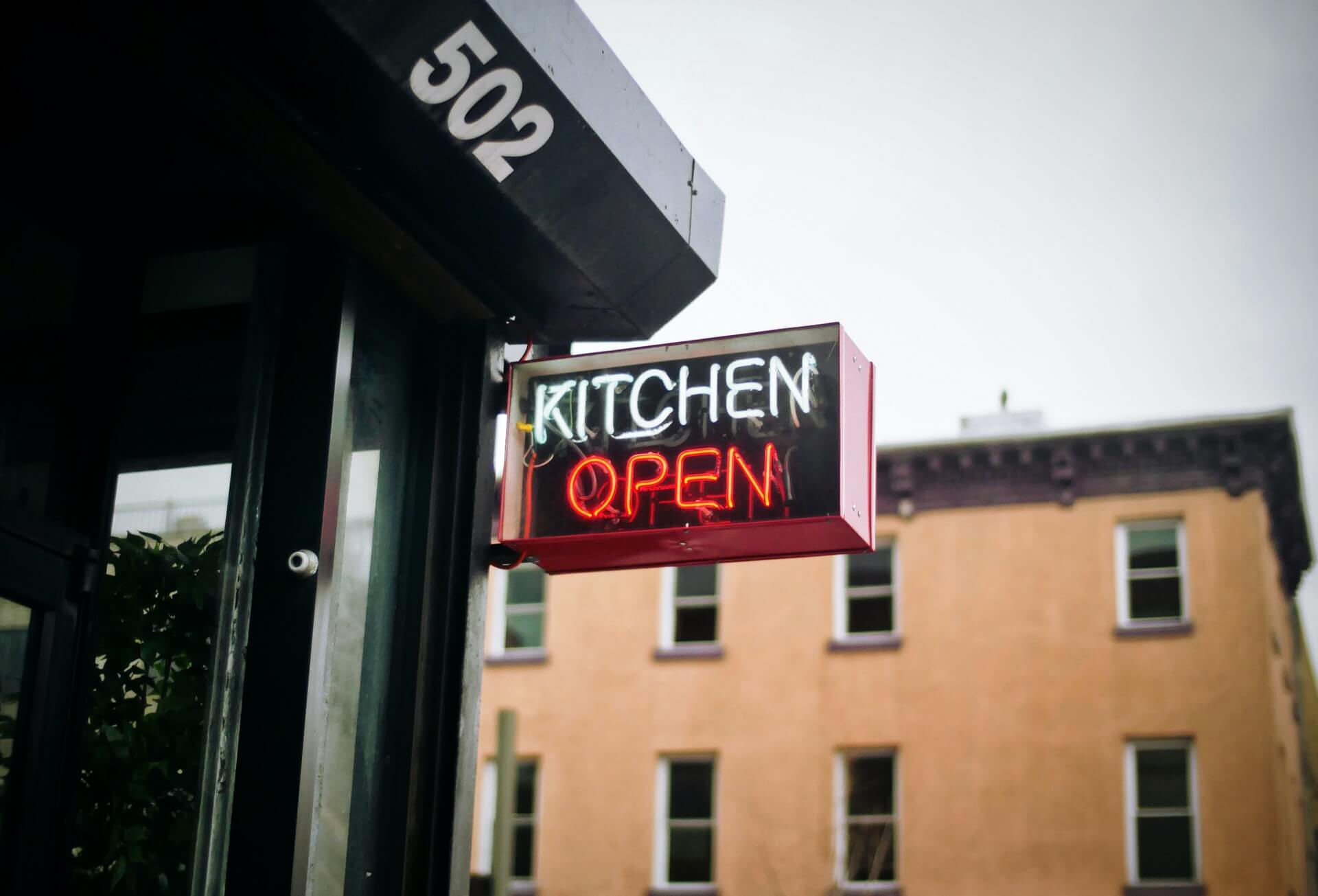
White and red neon restaurant sign that reads "Kitchen Open"

Independent Restaurant Coalition survey results show our industry is still struggling but some operators are making positive changes.

The hospitality industry absolutely needs and deserves help. The Restaurant Revitalization Fund absolutely needs replenishing.

However, hospitality continues to prove its resiliency, adaptability, and innovation.

It must be said, though, that it’s exhausting for owners, operators, and workers to have to constantly be resilient. Sometimes, the industry needs help. It’s past time for help to come.

But, I digress. Back to the IRC and their recently released survey results.

Still Overwhelmed

The IRC surveyed close to 1,200 respondents who are part of the restaurant and bar community. Survey participants represented all 50 states in the US.

Some respondents received RRF grants, some did not. Of course, receiving a grant wasn’t a silver bullet for surviving the pandemic.

However, the grants certainly helped:

  • Nineteen percent of grant recipients took out personal loans since February 2020. In comparison, that number more than doubles to 41 percent for those who didn’t receive grants.
  • Since the beginning of the pandemic, five percent of grant recipients took on additional investors. Again, that number more than doubles for operators who received no RRF grants. Eleven percent took on more investors to survive.
  • Due to the omicron variant of Covid-19, grant recipients had to reduce staff by 21 percent on average. Their counterparts had to decrease staff, on average, by 30 percent.
  • When it comes to selling off a personal asset to help their business survive the pandemic, ten percent of grant recipients did so. For those who didn’t receive an RRF grant, that number increases more than two-and-a-half times to 26 percent.

The challenges—an inadequate word, truly—have led to industry-wide changes. Per the IRC’s survey:

  • Hiring challenges have impacted 91 percent of independent restaurants and bars.
  • Menu prices were hiked up by 89 percent of independent businesses.
  • Nearly half—42 percent—reported to the IRC that they had pivoted to alternate business models after ceasing indoor and outdoor service.
  • Six percent of independent restaurants and bars pivoted to offering outdoor dining only.

Progress Being Made

Operators have been facing hiring challenges for several months now. In response, some operators offer various incentives.

As examples: meals for honoring scheduled interviews; cash for showing up to interviews; large cash bonuses for remaining in position for 90 or more days.

However, none of the above really address longstanding, widespread issues hospitality workers have given as reasons for quitting jobs (and the industry entirely).

To name just two, livable wages and benefits. Despite the challenges operators are facing, they have made positive changes. We’re not talking a small percentage, either.

Per the IRC, independent businesses reported the following changes:

  • 84 percent of restaurants increased wages.
  • 37 percent of restaurants, bars and other independent hospitality businesses added paid sick leave to the benefits they provide.
  • 21 percent of employers have added paid vacation to their benefits.

These changes (and others) are a promising start, showing that operators are listening to workers. Bringing traffic and revenue back to pre-pandemic levels—and beyond—is a great goal. But how will the industry get there?

One answer is for operators to listen to the hospitality professionals they rely on for their businesses to thrive. Listening, and then acting in meaningful ways.

Image: Patrick Tomasso on Unsplash

by David Klemt David Klemt No Comments

NRA Sends Survey Results to Congress

NRA Sends Economic Survey Results to Congress

by David Klemt

United States Capitol Building beneath cloudy skies

On the heels of the IRC’s National Day of Action to Save Restaurants, the National Restaurant Association has sent a letter to Congress.

Sent by Sean Kennedy, executive vice president of the NRA, the letter urges Congress to finally replenish the RRF.

“After two years of closures, COVID-19 variants, worker shortages, and inflationary pressure,” reads the letter, in part, “a dangerous number of restaurants are at the end of the line.”

A Critical Moment

As I’ve written several times (exhaustively, some would say), the bill meant to replenish the Restaurant Revitalization Fund was first introduced in June 2021. We’re now a week away from February 2022.

In August of last year, a unanimous consent vote to provide $43 billion in emergency funding to the industry was shot down by Senator Rand Paul (R-KY). Build Back Better passed the House in November 2021. However, it didn’t include the Restaurant Revitalization Fund Replenishment Act.

As expressed by Sean Kennedy in an email sent yesterday, we’re at a critical juncture. Kennedy points to two dates when making his point: February 18 and March 1.

All government spending expires on the former date, and President Joe Biden delivers his State of the Union Address on the latter date. Kennedy suggests that the only large-scale spending bill of 2022 will be passed between those dates.

So, it’s probable that we have mere weeks to pressure Congress into replenishing the RRF.

The Numbers

Kennedy’s letter to Congress is addressed to Nancy Pelosi (D-CA), Chuck Schumer (D-NY), Kevin McCarthy (R-CA), and Mitch McConnell (R-KY).

Citing the results of the NRA’s largest-ever economic survey, Kennedy urges action on the RRF from Congress. The NRA’s executive vice president estimates that replenishing the RRF will save over 1.6 million restaurant jobs.

Below are the survey results included in Kennedy’s letter to Congress:

  • 88 percent of restaurants saw decline in customer demand for indoor on-premises dining due to the omicron variant.
  • 76 percent of operators report that business conditions are worse now than they were just three months prior.
  • 74 percent of operators say their restaurant is less profitable now than it was prior to the pandemic.
  • Almost 50 percent of restaurant operators who didn’t receive RRF grants feel it’s unlikely that they’ll stay in business beyond the pandemic without a grant.
  • 94 percent of restaurant operators who applied for an RRF grant but did not receive funding said a future grant would enable them to retain or hire back employees.
  • 96 percent of recipients said the RRF grant made it more likely that they would be able to remain in business.
  • 92 percent of recipients said the RRF grant they received helped them pay expenses or debt that had accumulated since the beginning of the pandemic.
  • The initial round of grants, per the NRA, likely saved more than 900,000 restaurant jobs.

Now is not the time to relent—we need to keep up the pressure. If Kennedy and the NRA are correct, we have only weeks to receive the help our industry needs and deserves.

Image: Harold Mendoza on Unsplash

by David Klemt David Klemt No Comments

US Operators, Take Action Today

US Operators, Take Action Today

by David Klemt

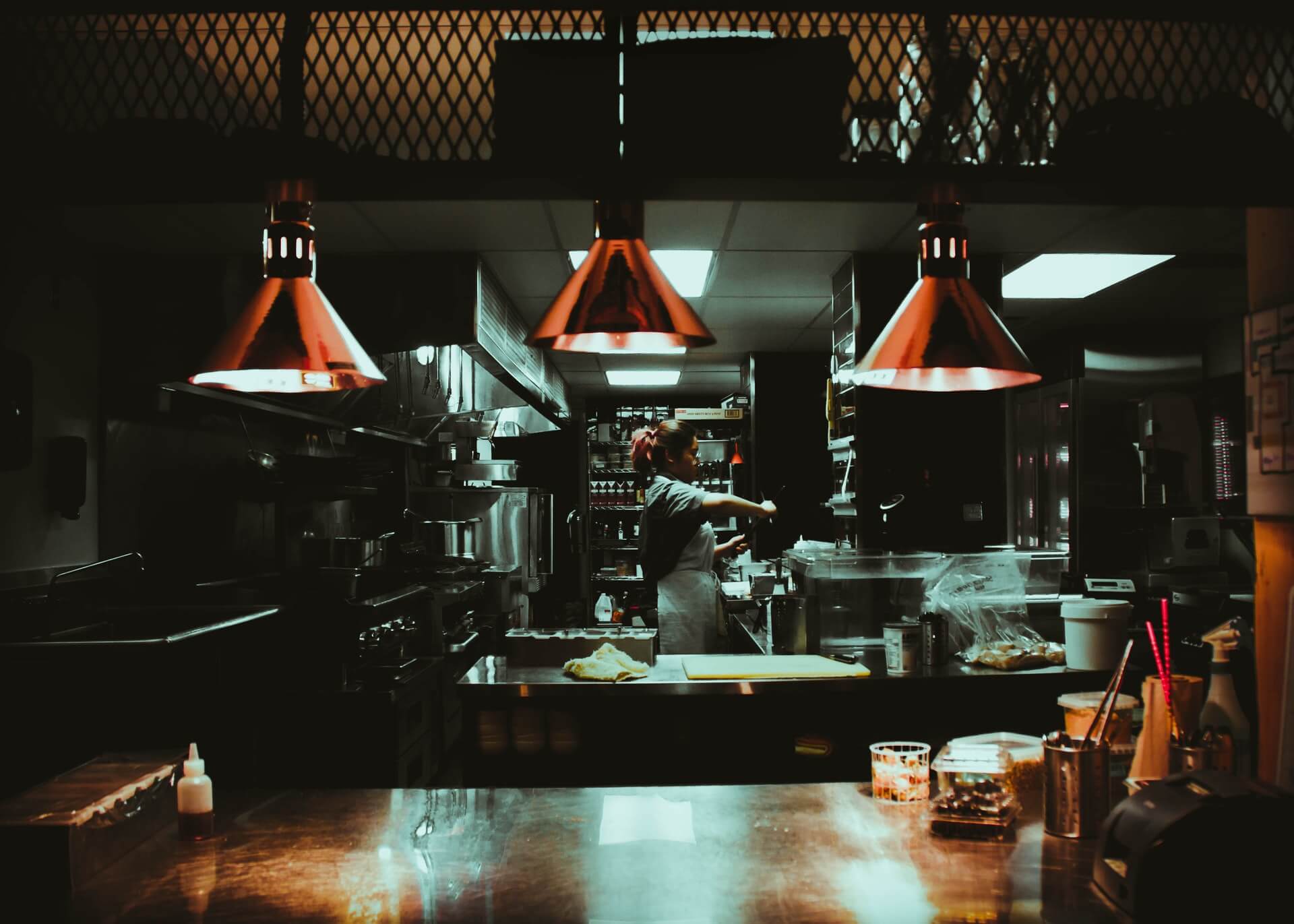
Chef doing prep alone in kitchen

Today is the day to let Congress know the clock has run out on our patience for them act on replenishing the RRF.

In all honesty, the industry’s tolerance for governmental inaction on the RRF ran out last year. Right around the time, I’d say, the RRF application portal closed, leaving almost 200,000 applicants without crucial grants. As a reminder, the portal closed after just 21 days of launching.

Today is the National Day of Action to Save Restaurants. The Independent Restaurant Coalition is leading the charge for this campaign.

To participate, follow the IRC on Instagram, Facebook, and Twitter. Additionally, click here to sign up for their emails. Spread the word and encourage staff, guests, your family members, and friends to take part as well.

Below you’ll find more details for taking action to #SaveRestaurants and #SaveBars today and moving forward.

Industry Advocacy

The IRC has been fighting and advocating for the industry since the start of the pandemic. Today, they’re asking owners, operators, workers in all segments of the industry, communities, and guests to throw their support behind this crucial fight.

So, today is the day to inundate your representatives with phone calls. Dial this number to reach the Capitol switchboard: 202-224-3121. The IRC provides state-specific fact sheets, which can be found here.

For an example of what you’ll find on a state’s fact sheet, here are some details for Nevada:

  • The leisure and hospitality industry accounts for 87.6 percent of all jobs lost in the state.
  • In Nevada, the industry is worth $9.9 billion, with 5,980 restaurants and bars throughout the state.

Those are just two pertinent facts about the industry in Nevada.

Along with phone calls, people should contact their representatives via email. Follow this link to email Congress and tell them to replenish the RRF.

Send a Message

Of course, social media will also play an important part in today’s campaign. Flooding Instagram, Facebook, Twitter, and other channels with #SaveRestaurants, #SaveBars, and #ReplenishRRF should get Congress’ attention in a very public, very newsworthy way.

Click here to access the IRC’s social media and website toolkit.

It’s time to let Congress know we’re doing waiting for action. We’re done with the lip service, platitudes, and empty words of support. And we’re done with the broken promises, disarray, and inaction.

Personally, I plan on once again letting my state representatives know that I’m watching. Those who don’t do their jobs and help replenish the RRF won’t be receiving my vote. I can’t support those who won’t support us. Whether you want to send that message is up to you.

Today, however, make your voice heard and send at least this message: We demand Congress acts now.

Image: Rohan G on Unsplash

by David Klemt David Klemt No Comments

January 18 is National Day of Action

January 18 is National Day of Action to Save Restaurants

by David Klemt

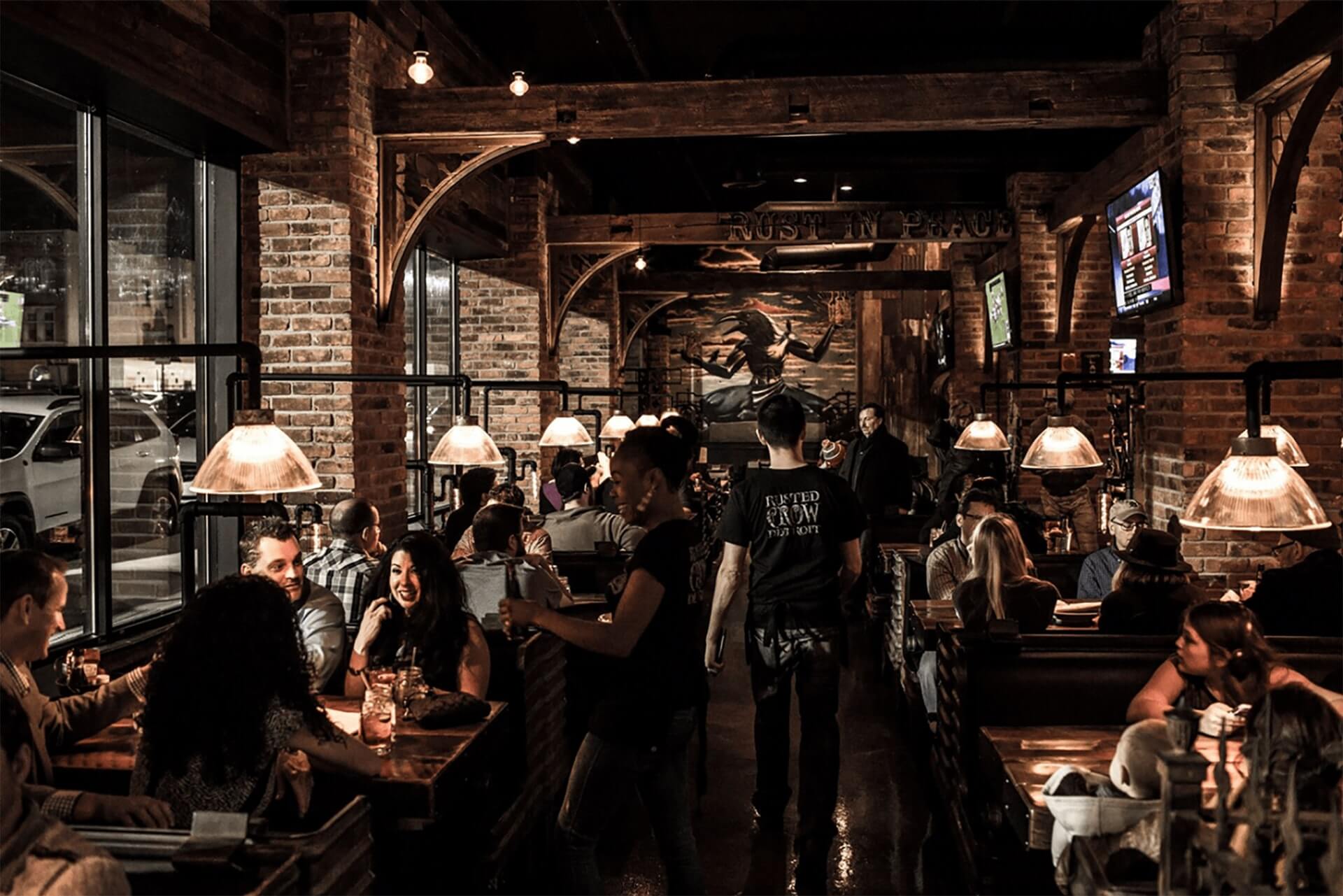
Full restaurant dining room at gastrolounge Rusted Crow in Detroit, Michigan

Tomorrow, January 18, the Independent Restaurant Coalition is spearheading the National Day of Action to Save Restaurants.

The IRC is asking all hospitality professionals, vendors, guests and communities to participate.

In short, the time for asking nicely is over. On Tuesday, we must all demand that Congress actually put action to their professed support of the hospitality industry.

On Tuesday, the IRC will send out an email detailing how everyone can push for action on replenishing the RRF. So, click here to sign up for email updates from the coalition.

People can also follow them on Instagram for National Day of Action to Save Restaurants details.

A Dire Situation

According to an email sent out by the IRC (again, you should sign up), a significant number of restaurants and bars find themselves in dire situations.

Per IRC survey results:

  • more than one in four restaurants (28 percent) that didn’t receive RRF grants are facing eviction;
  • almost 50 percent are facing bankruptcy; and
  • close to 60 percent of restaurants are reporting sales drops of more than 50 percent during the surge in Omicron infections.

For context, let’s review how RRF grants helped some recipients survive:

  • Ten percent are facing eviction.
  • Twenty percent are facing bankruptcy.

Is an RRF grant a silver bullet? No, but it’s certainly valuable ammunition in the fight for the survival of independent restaurants and operators, and therefore the industry itself.

Time is Up

Actually, time ran out months ago. Congress has allowed months to go by without taking any meaningful action.

In fact, one US Senator, Rand Paul (R-KY), blocked a vote to provide the industry with $43 billion in emergency funding. The senator killed the unanimous consent motion back in August of 2021.

As a refresher, the RRF grant application portal was closed last year on May 24. A bipartisan group introduced the Restaurant Revitalization Fund Replenishment Act of 2021 in June.

And like I mentioned, emergency funding was smacked off the table just two months later.

In November, Build Back Better was passed. Of course, it didn’t include the RRF Replenishment Act. So, apparently building America back better doesn’t include restaurants, bars, lounges, etc.

It’s clear that America’s politicians and lawmakers are content to not accomplish much. “Owning” one’s opponents via social media and sound bites is apparently much more important.

Sniping at one another, not doing the jobs they were elected to do, is the order of the day. Meanwhile, independent owners and operators are being left out in the cold and crushed under the weight of a web of inconsistent Covid-19-related mandates and guidelines. Their staff members are expected to act as the Covid police, risking their health and safety.

I could go on but we all know what’s happening: The people elected to represent the people are abusing the privilege by ignoring us.

The time for asking nicely for Congress to take action is over. It’s time to demand action.

Image: Stanford Smith on Unsplash

by David Klemt David Klemt No Comments

Soft Versus Stealth Closures

Soft Versus Stealth Closures

by David Klemt

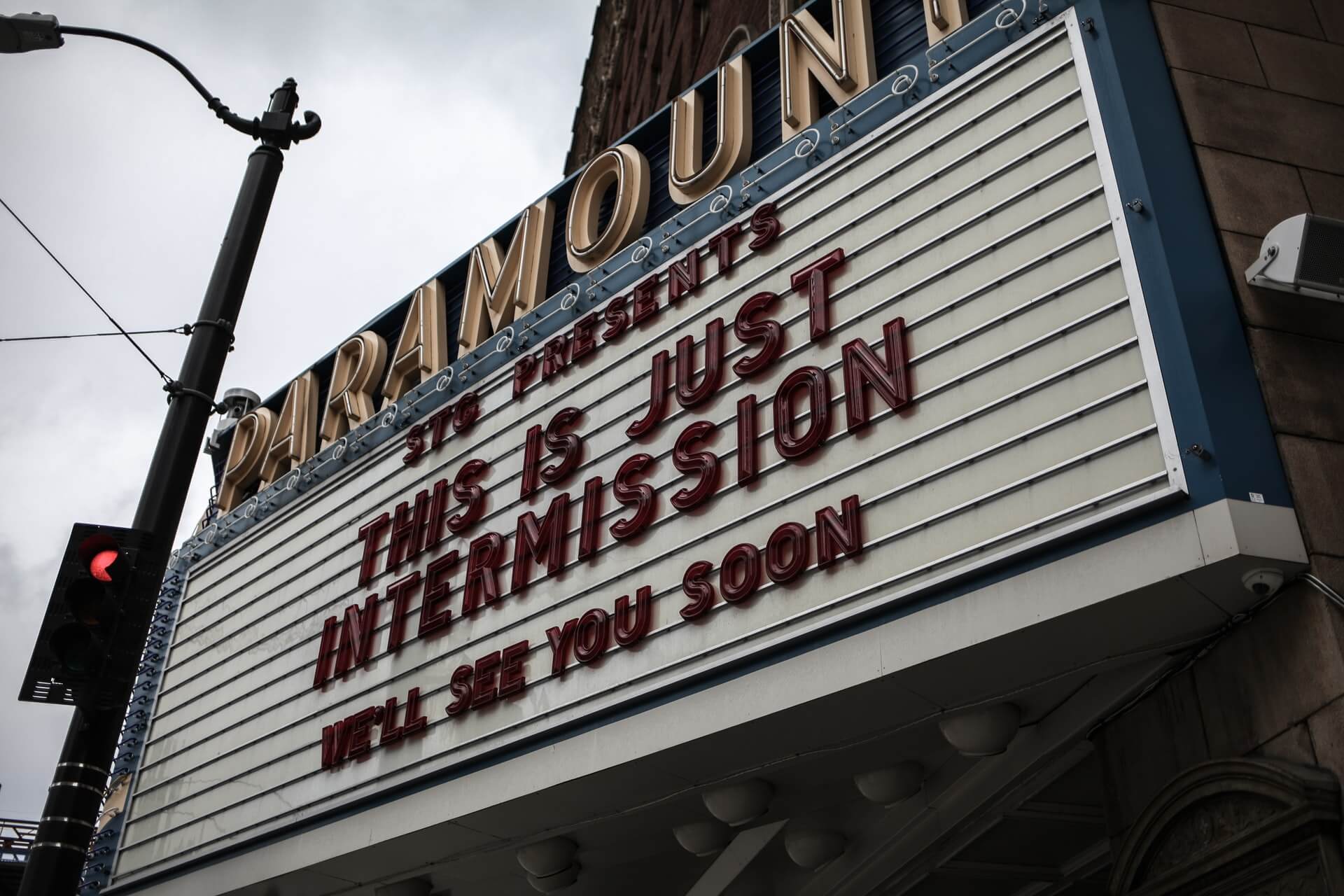
Movie theater sign that reads "This is just intermission" temporary closure message

Restaurants, bars, and entertainment venues throughout North America are closing temporarily due to spikes in Covid-19 infections.

These closures are voluntary and out of an abundance of caution for staff, guest and community health and safety. While not in any way ideal, these voluntary closures are admirable.

Restaurants, bars, and other hospitality-focused businesses are cornerstones of their communities. Putting safety ahead of profits highlights dedication to service.

There are two types of temporary closures an operator can choose, soft and stealth or silent.

Soft Closure

Simply put, a soft closure is the counterpart to a mandated closure. No local, state or federal authority has forced the closure.

Instead, an operator decides it’s best for their staff and community for them to close their doors for a period of time. Currently, the timeframe I’m most often coming across spans Christmas to December 29 or 30.

So, what are the reasons operators are giving for soft closures? The following are the most common I’m encountering:

  • Rises in infections and hospitalizations in a given location.
  • Teams too small to provide service due to infections, mostly driven by Omicron currently.
  • A desire to protect teams from increased risk of infection.
  • Giving staff off from Christmas or Christmas Eve through December 29 or 30 to recharge for New Year’s Eve.

In Canada, some provinces are prohibiting normally lucrative NYE events. So, some operators are closing because it’s not worth attempting to operate as normal until restrictions expire.

Stealth Closure

The difference between a soft and stealth closure are subtle. However, it’s important to understand a stealth closure, and why many operators find them upsetting.

A stealth closure is essentially a type of soft closure. The main difference—which is causing a bit of an uproar—is that the operator doesn’t use their voice to tell the public why they’re closing.

Closing stealthily or silently doesn’t express to the public and lawmakers how dire the situation is for the industry, both locally and overall. Many operators find this unacceptable because the industry isn’t receiving the relief necessary to recover throughout 2022.

To some, a stealth closure lets state and federal legislators shrug off the fact that Covid-19 is once again decimating the industry. I can’t say that I disagree with this assessment.

Of course, operators are free to do as they wish. They must make the best decisions for their businesses, staff, and community.

However, an explanation of the factors that drove the decision sends a clear message that the industry needs relief. Coming together and pressuring lawmakers is the only way we’re going to get the help we need.

Image: Nick Bolton on Unsplash

by David Klemt David Klemt No Comments

Build Back Better…Without Restaurants?

Build Back Better…Without Restaurants or Bars?

by David Klemt

Abandoned bar or restaurant

The Build Back Better Act was passed by the House last Friday without the inclusion of the Restaurant Revitalization Fund Replenishment Act.

For those keeping count—me, for instance—the RRF Replenishment Act has seen zero movement since June.

We’re now six months without RRF Replenishment progress. The RRF application portal closed on May, 24.

To put it bluntly, the House once again failed our industry.

Of the $1.7 trillion dollars in the Build Back Better Act, zero are earmarked to replenish the RRF.

Applicants in Limbo

According to the National Restaurant Association, there are at least 177,000 RRF applicants awaiting grants.

Unless the RRF is replenished, those applicants will receive nothing.

For six months now, two bills seeking $60 billion to replenish the RRF have languished. Those bills are the aforementioned RRF Replenishment Act and the ENTREE Act.

The former was introduced by a bipartisan group of representatives and senators. Rep. Blaine Luetkemeyer (R-MO) introduced the latter.

Unfortunately, the chance to replenish the RRF via a unanimous consent motion was shot down in August. Sen. Rand Paul (R-KY) objected to $43 billion in emergency funding, killing the RRF.

At this point, it’s difficult to take any statement of support for our industry from members of Congress seriously.

NRA Speaks Out

The same day that the Build Back Better Act passed, NRA vice president Sean Kennedy released a statement.

“We are disappointed that the House passed the Build Back Better Act without including the Restaurant Revitalization Fund Replenishment Act… Passing this bill without including RRF replenishment leaves thousands of small business restaurants teetering on the brink of closure,” reads Kennedy’s statement.

Kennedy also points to specific elements of the Build Back Better Act that can cause further harm to operators and our industry.

In particular, Kennedy states that the NRA “specifically asked Congress to not pass any legislation that would harm restaurants as they rebuild.” Instead, the Build Back Better Act imposes new taxes on small businesses, including restaurants and bars.

Per Kennedy, “this bill newly applies the net investment income tax (NIIT) to active business income for pass-through businesses.”

Read Kennedy’s statement in full here.

It’s possible that the Senate will make changes to the bill. And it’s possible that replenishing the RRF will be among those changes. If that happens, the bill will be sent back to the House, further delaying the crucial assistance our industry needs.

Oh, and the deadline to avoid a government shutdown is December 3.

To tell your lawmakers to replenish the RRF, click here. I know I’ve asked you to do this several times. As frustrating as it’s getting, we need to stick together and keep up the pressure.

Image: Wokandapix from Pixabay

by David Klemt David Klemt No Comments

Months Pass, RRF Still not Replenished

Months Pass, RRF Replenishment Remains Uncertain

by David Klemt

Time has run out hourglass, black and white

If you’re wondering if the RRF Replenishment Act of 2021 or ENTREE Acts are making progress, you’re not alone.

Unfortunately, it appears far too many politicians on all sides are focusing on anything but our industry.

Indeed, it’s apparently more important that they score political “points” for sniping at each other on social media; engage in hyperbole and histrionics; and overall engage in brinksmanship instead of doing anything meaningful for their constituents.

Meanwhile, the industry has lost more than $300 billion in revenue over 19 months. Additionally, we’re short at least one million jobs.

So, it’s not hyperbolic to state this: It’s no longer time for Congress to act, time has very much run out.

It’s up for owners and operators, their teams, and their teams’ families.

Replenish RRF Act

As people familiar with the Restaurant Revitalization Fund will recall, the fund launched with $28.6 billion. Obviously, that was nowhere near enough funding to meet the demand for grants.

The National Restaurant Association estimates that 177,000 grant applicants are still waiting for assistance. Those applications total more than $43 billion.

Essentially, $60 billion would be printed to replenish the RRF. That’s according to the language in the RRF Replenishment Act bill.

In June, Sens. Kyrsten Sinema (D-AZ) and Roger Wicker (R-MS), and Reps. Earl Blumenauer (D-PA) and Brian Fitzpatrick (R-PA) introduced the bill.

It’s now the middle of October.

ENTREE Act

Toward the end of July, Rep. Blaine Luetkemeyer (R-MO) introduced an alternative bill.

A ranking member of the House Committee on Small Business, Rep. Luetkemeyer proposed the Entrepreneurs Need Timely Replenishment for Eating Establishments Act on July 20.

Again, that was in July and it’s now October 25.

Known as the ENTREE Act (acronyms are fun, eh?), this bill wouldn’t just create $60 billion out of thin air.

Instead, per the text of the bill, the ENTREE Act would use unspent funds from the American Rescue Plan and Economic Injury Disaster Loans.

Now What?

In early August, there was an attempt made to replenish the RRF with $48 billion of emergency funding.

Sen. Ben Cardin (D-MD), along with a bipartisan group of senators, sought unanimous consent to authorize the funds.

Unfortunately, Sen. Rand Paul (R-KY) objected to the unanimous consent motion. The measure was blocked due to Sen. Paul’s objection and the RRF didn’t receive any emergency funds.

So, now what? In August, political insiders expressed their opinion that the ENTREE Act wasn’t likely to be passed.

Meanwhile, the RRF Replenishment Act hasn’t made significant progress since it was first introduced in June.

Most recently, members of the Independent Restaurant Coalition held a press conference with Rep. Blumenauer and Rep. Dean Phillips (D-MN). During the press conference, it was pointed out that Congress was voting on infrastructure bills that didn’t contain the RRF Replenishment or ENTREE Acts.

The most that can be said currently about any “progress” is that House Speaker Nancy Pelosi has made a promise that relief for the industry is coming, somehow, during some unknown timeframe.

Great. In the meantime, you, your family members, your friends, and your guests can contact their reps to put more pressure on them to replenish the RRF. You can also click here for more ideas from the IRC on how to get the message across that our representatives need to act now.

Perhaps reminders that every House seat and 34 Senate seats are up for re-election next year will help spur some action.

Image: Eduin Escobar from Pixabay

by David Klemt David Klemt No Comments

What’s the RRF Replenishment Act?

What’s the RRF Replenishment Act?

by David Klemt

The United States Capitol Building with cloudy sky in background

The ENTREE Act isn’t the only bill seeking to replenish the Restaurant Revitalization Fund. In fact, a bipartisan bill predates the ENTREE Act by a month.

So, what’s the difference between that bill and the Restaurant Revitalization Fund Replenishment Act of 2021?

Let’s take a look.

Additional Funding

Clearly, the biggest similarity between the two bills is the amount of money both are after.

Both the RRF Replenishment Act and ENTREE Act seek $60 billion.

As people familiar with the RRF will recall, the fund launched with $28.6 billion. Obviously, that was nowhere near enough funding to meet the demand for grants.

The RRF Replenishment Act was introduced in June by the same bipartisan group that first introduced the RRF. Sens. Kyrsten Sinema (D-AZ) and Roger Wicker (R-MS), and Reps. Earl Blumenauer (D-PA) and Brian Fitzpatrick (R-PA) introduced the bill on June 3.

Per a press release, nearly $50 billion in grant applications were left outstanding. The RRF application portal was closed just 21 days after launching.

$60 Billion

The biggest difference between the RRF Replenishment and ENTREE acts? Sourcing the $60 billion to replenish the RRF.

Per the text of the bill, the ENTREE Act would use unspent funds from the American Rescue Plan and Economic Injury Disaster Loans.

As for the RRF Replenishment Act, the funding would essentially come from “printing” an additional $60 billion.

Clearly, Americans will have differing opinions when it comes how the RRF is funded. However, using unspent, previously allocated funds does seem like a more logical approach.

So far, there’s no word on how these two bills may impact one another. There’s no news about the bills working in conjunction, just as there’s no news yet about a preference for one over the other.

With all eyes on the Senate and the progress of the infrastructure bill, we’re still awaiting answers on the RRF Replenishment and ENTREE acts.

Image: oljamu from Pixabay

by David Klemt David Klemt No Comments

What is the ENTREE Act?

What is the ENTREE Act?

by David Klemt

United States Capitol Building on fifty dollar bill

Foodservice and hospitality operators are waiting for Congress to act and replenish the Restaurant Revitalization Fund.

Well, that replenishment may come in the form of a bill from Rep. Blaine Luetkemeyer (R-MO).

Congressman Luetkemeyer is a ranking member of the House Committee on Small Business.

Restaurant Revitalization Fund Empty

As operators know, it didn’t take long for the RRF to be depleted entirely.

The Small Business Administration opened the RRF application portal on May 3. Just 21 days later, the portal was closed to new applicants.

More than 60 percent of eligible applicants in need were not awarded grants from the $28.6 billion fund.

Clearly, that amount was nowhere near enough to meet the needs of our industry.

People have been calling for Congress to #replenishRRF ever since the RRF portal was closed on May 24.

Entrepreneurs Need Timely Replenishment for Eating Establishments Act

To be fair, Congress acted quickly to at least address the SBA’s shortcomings in handling the RRF.

Early in June, a bipartisan group introduced Restaurant Revitalization Fund Replenishment Act of 2021. Sens. Kyrsten Sinema (D-AZ) and Roger Wicker (R-MS), and Reps. Earl Blumenauer (D-PA) and Brian Fitzpatrick (R-PA) introduced the bill on June 3.

The bill seeks $60 billion to replenish the RRF and the funds would essentially come from “printing more money.”

However, Rep. Luetkemeyer introduced the Entrepreneurs Need Timely Replenishment for Eating Establishments Act on July 20.

The aptly (if unwieldy) named bill is also proposing $60 billion. However, the funds would come from a combination of sources.

ENTREE Act Funding

Both sources would pour unspent, previously allocated funds into the ENTREE Act.

Rep. Luetkemeyer’s bill proposes using state and local funds from the $1.9 trillion American Rescue Plan.

The ENTREE Act would also secure funds from Economic Injury Disaster Loans that have yet to be spent.

Currently, there’s no indication if Congress intends for these bills to somehow work together. Also, no date has been put forth regarding voting on either the Restaurant Revitalization Fund Replenishment Act or ENTREE Act.

However, we can put pressure on Congress by asking them to act quickly on these bills. So, let’s come together and contact our representatives—it can take just 30 seconds.

Image: Karolina Grabowska from Pexels

Top