Bar Hacks

by David Klemt David Klemt No Comments

Summer 2022 is the Summer of Mezcal

Summer 2022 is the Summer of Mezcal

by David Klemt

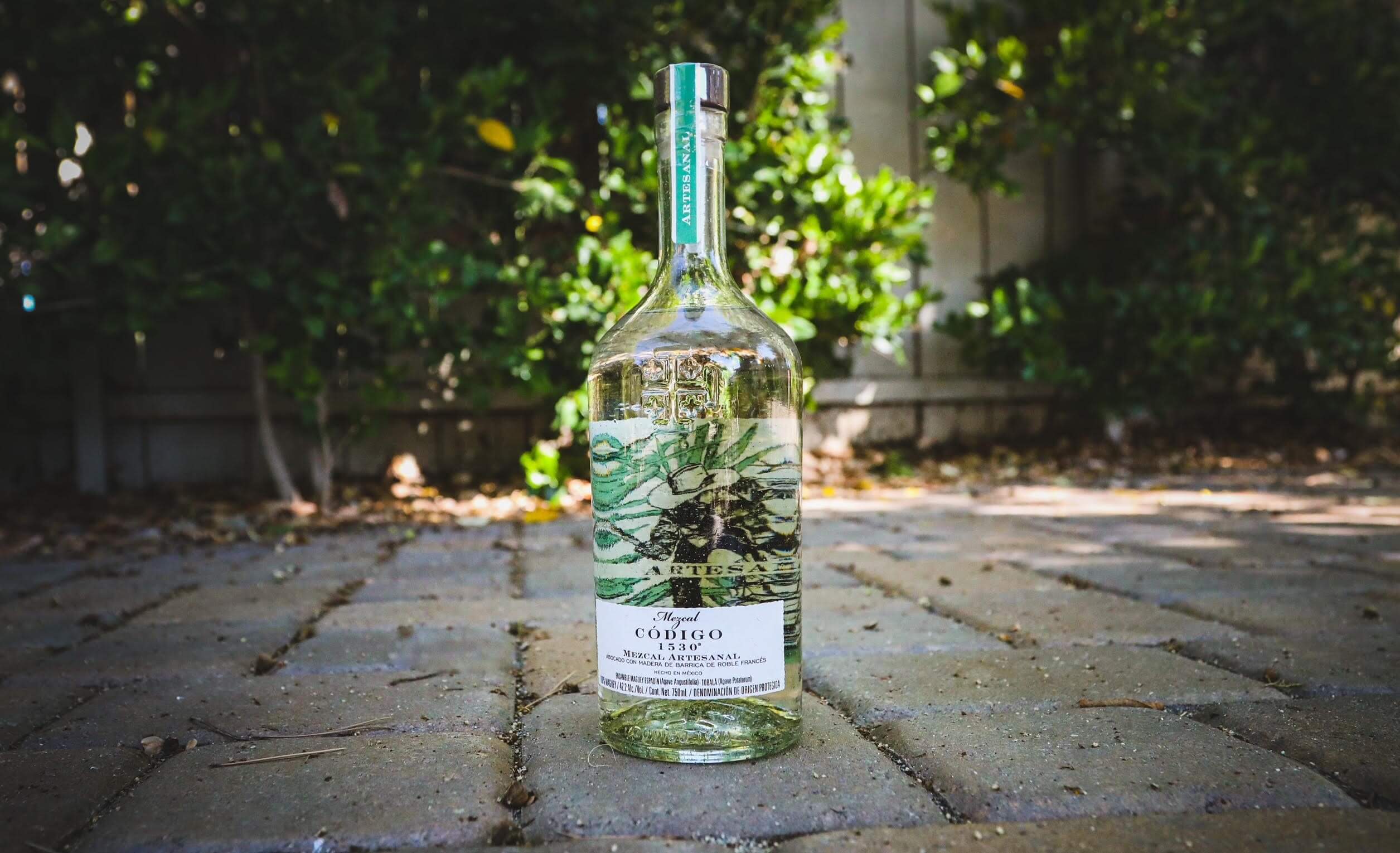
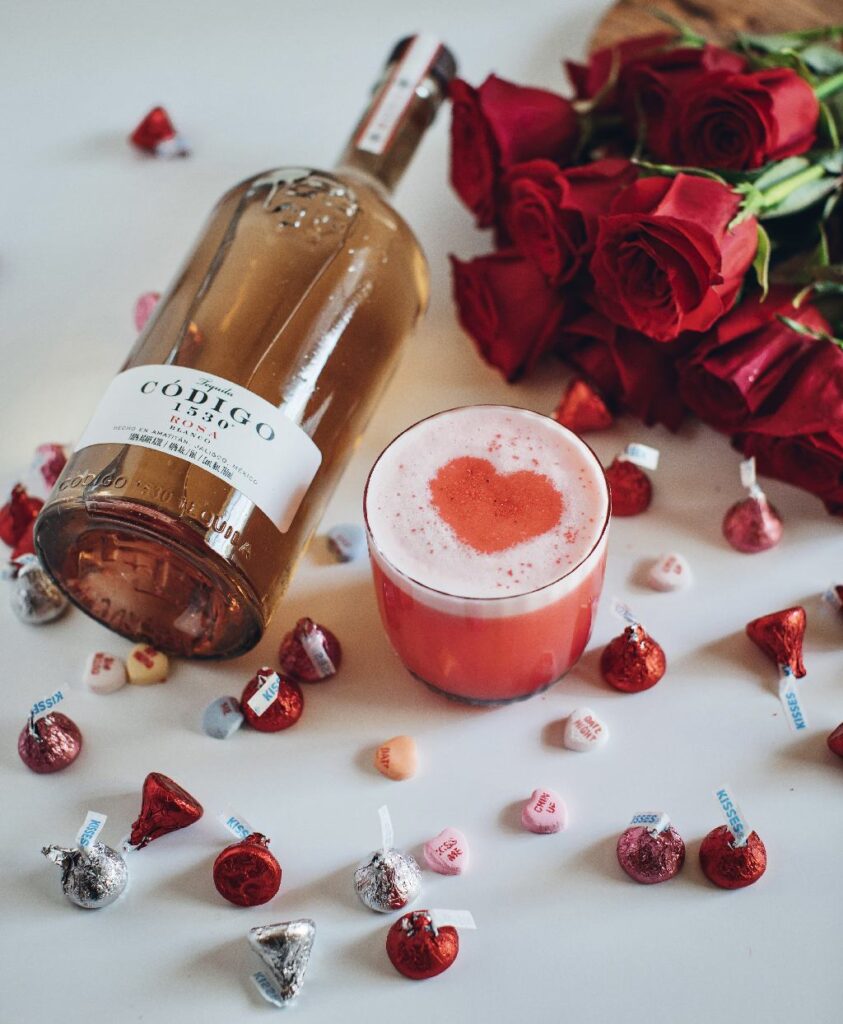
Código 1530 Mezcal bottle

Move over tequila, rum and gin, because this year the drink of the summer is something different.

Summer 2022 is the Summer of Mezcal.

Traditionally, sure, we’re led to believe that lighter spirits (white rum, gin) are best for the hotter months. Of course, dark rum is another route people often take during the summer.

However, mezcal is on fire at the moment. In fact, it has been for the past few years now. So, why not feature it on your summer drink menu?
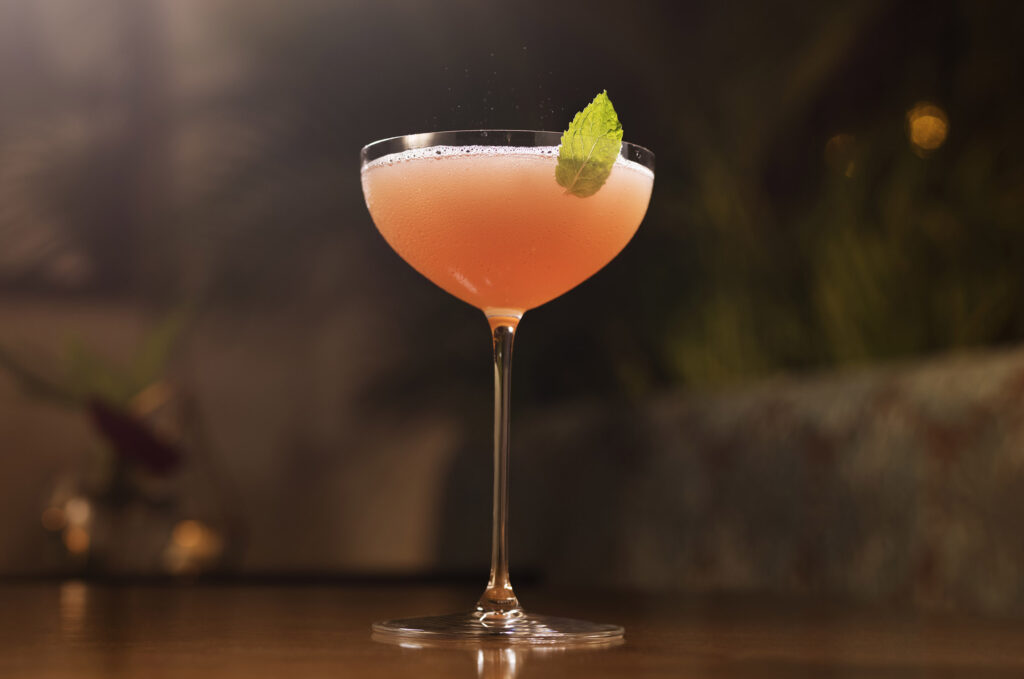
Mezcal adds depth and complexity to classic cocktails, engaging guests by offering new flavors. And, of course, mezcal is also a fantastic starting point for modern drinks.

Below you’ll find six summer mezcal recipes from Collin De Laval, company mixologist for Código 1530. He turned his attention to Código 1530 Mezcal Artesanal for the Summer of Mezcal.

To learn more about Código 1530 and De Laval, check out Bar Hacks episode 57. Cheers!

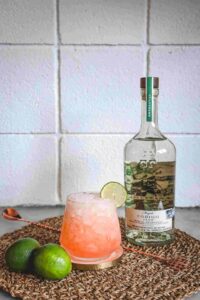
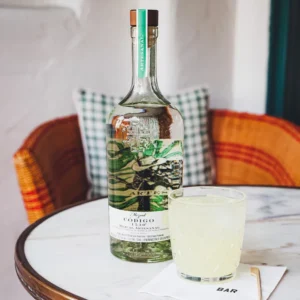
Código 1530 La Palomita

La Palomita

  • 1.5 oz Código 1530 Mezcal Artesanal
  • 0.75 oz Lime juice (fresh, of course)
  • 0.25 oz Aperol
  • 4 oz Yuzu-lime soda
  • 0.25 oz Simple syrup
  • Lime wheel or wedge to garnish

Prepare a cocktail glass with fresh ice. In a shaker, combine Código 1530 Mezcal, lime, Aperol and simple syrup. Shake well, pour into cocktail glass, top with yuzu-lime soda, and garnish with lime wheel or wedge.

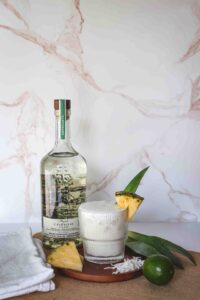
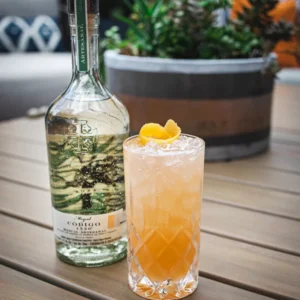
Código 1530 Tropicana

Tropicana

Combine all ingredients in a shaker and prepare a cocktail glass with fresh ice. Shake vigorously, pour, and garnish with a pineapple wedge.

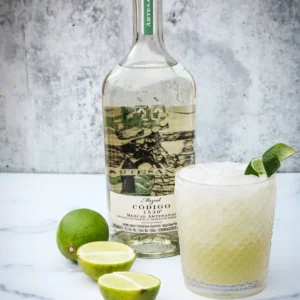
Código 1530 Mezcal Margarita

Mezcal Margarita

Prepare a cocktail or Margarita glass with fresh ice, then combine all ingredients in a shaker (also with ice). Shake, pour, and garnish with a lime.

Código 1530 Mezcal Ranch Water

Mezcal Ranch Water

Combine Código 1530 Mezcal, lime juice, and agave nectar in a cocktail or highball glass with ice, top with soda water, and stir.

Código 1530 Mango Mezcal Paloma

Mango Mezcal Paloma

In a shaker with ice, combine Código 1530 Mezcal and all three juices. Shake vigorously, strain into a highball glass with fresh ice, top with soda water, and garnish with grapefruit peel.

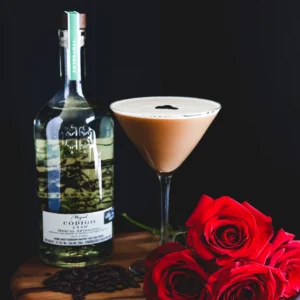
Código 1530 Mezcal Espresso Martini

Mezcal Espresso Martini

If you own, operate or are on the leadership team at a bar—or if you’re a bartender or server—you know the Espresso Martini has once again found itself having a moment. So, while you’re building out your summer mezcal menu, don’t forget this trendy drink.

Add all the liquid ingredients to a shaker with ice. Shake vigorously until well chilled. Pour into a Martini glass (consider preparing by chilling if you don’t already) and garnish with coffee beans.

Images courtesy of Código 1530

by David Klemt David Klemt No Comments

Raise a 7&7 to National Dive Bar Day

Raise a 7&7 to National Dive Bar Day

by David Klemt

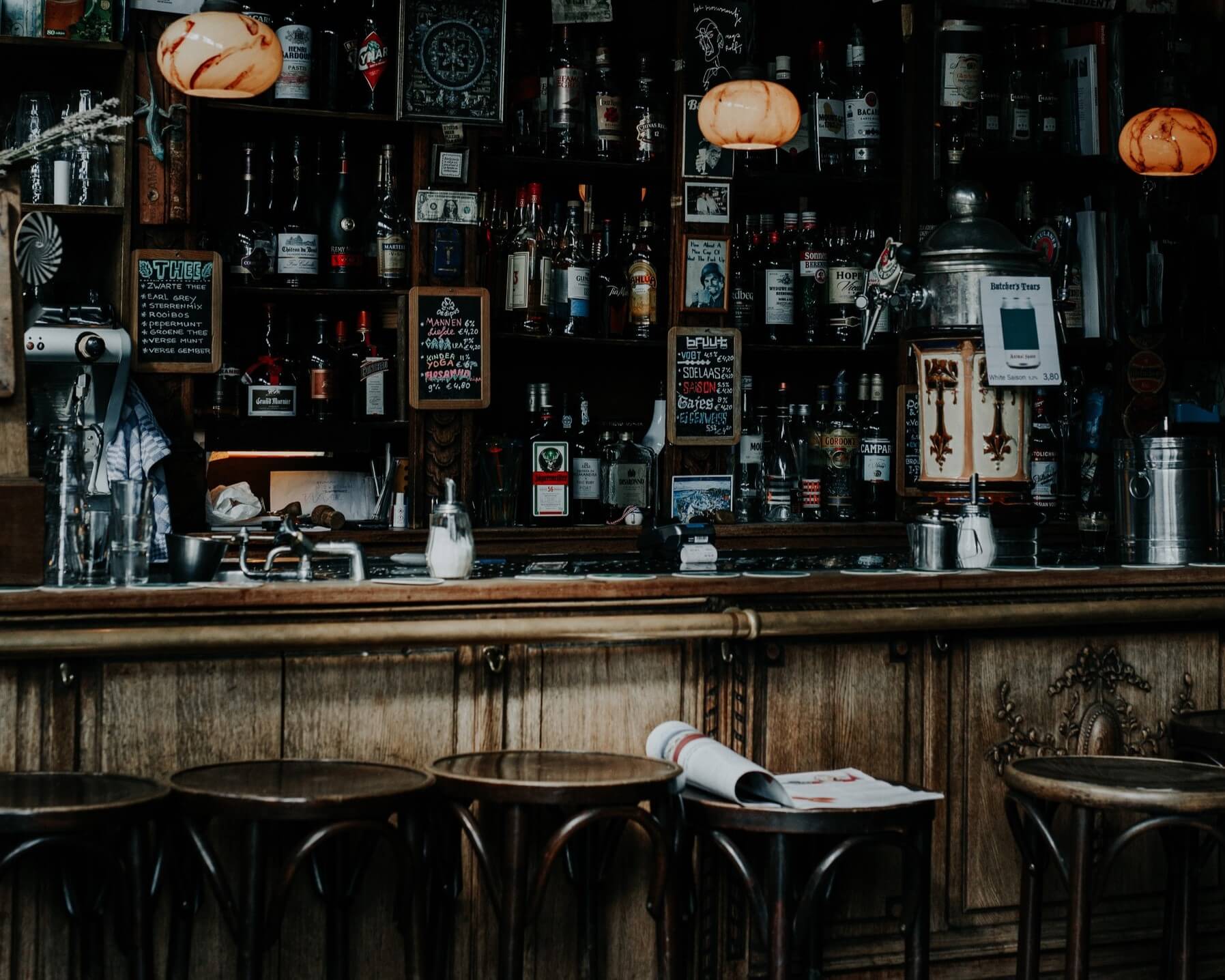
Dive bar or neighborhood bar

We celebrate one of the most hallowed of drinking establishments on July 7, also known as National Dive Bar Day.

Look, we love a visit to a high-end, luxurious cocktail bar. But there’s nothing quite like discovering a casual, comfortable, unpretentious bar that feels like home.

Often times, the local watering hole is a cornerstone of a given community. So, we’re looking forward to the fifth annual National Dive Bar Day in just over two weeks.

You should have plenty of time if you’re a dive or neighborhood bar owner to create your National Dive Bar Day promotion.

A Little History

It’s hard to believe that National Dive Bar Day is a mere five years old. In fact, Seagram’s 7 Crown launched the first annual celebration in 2018.

Not only does this holiday honor a true institution, Seagram’s donated $25,000 to the National Trust for Historic Preservation on its inception. (This year, Seagram’s 7 Crown is supporting Main Street Alliance.)
This makes a lot sense when you think about it. After all, dive bars are often located in a historic building or are landmarks themselves.

Some people may not like it, but drinking culture is an integral part of many a community across not just America, not just North America, but the world.

Not so long ago a bartender could set beers and shots in front of two people with opposing views and they’d find common ground to bond over. The optimist in me hopes we can return to those days, visiting our local neighborhood bars and focusing on what we all have in common rather than letting ourselves grow further divided.

Where some people see a “just” a dive bar, those of us in the know see social and cultural centers that support neighborhoods and communities.

Given their commitment to unpretentious and welcoming service, we need to support and protect our local dives.

What Makes a Dive Bar?

There are some key elements that set dive bars apart from other drinking establishments.

Characters on both sides of the bar, inexpensive drinks, familiar bar food, and an approachable feel are, I would say, the hallmarks.

Now, there are those who think a dive bar also includes an “earthy” smell, to be generous. They may also feel that they call dirty buildings with questionable structural integrity home.

However, “dive” doesn’t have to mean filthy. First and foremost, a dive bar needs to be comfortable and welcoming. Filth tends to give off an unwelcoming, dangerous vibe. That’s not exactly the spirit of hospitality.

Just as a great dive bar should be clean, it should also have a solid F&B program. Inexpensive doesn’t have to mean cheap. Oh, and no, the staff doesn’t have to be surly and untrained.

Dives are Neighborhood Bars

When I first learned about Nickel City, as an example, I saw what a dive bar should be. Both locations, Austin and Fort Worth, are described by co-owner Travis Tober as “anytime bars.”

Nickel City commits to serving the community, and they’re open when people need them. In fact, as you’ll learn during episode 50 of the Bar Hacks podcast, Tober made sure they were open to serve people during the infamous winter storm of 2021 that shut down much of Texas.

In speaking with Tober and reading other interviews with him, I learned that he prefers the term “neighborhood” to “dive.” Due in part to the negative perception some have of dive bars, I can understand his preference.

In my opinion, the difference lies in subtle but important nuances. However, I’ll probably still refer to neighborhood bars as dive bars.

Either way, Nickel City is a dive bar done right and a concept that other operators should certainly study. Nickel City is exemplary, a standard that dive/neighborhood bars should aspire to reach.

The 7&7

As far as Seagram’s is concerned, the 7&7 is “the quintessential Dive Bar drink.” It’s difficult to argue: it’s a highball, it’s fast and simple to make, it’s refreshing, and it shouldn’t be pricey.

But, hey, if you’ve never made or ordered one, here’s the recipe:

Simply prepare a highball glass with ice, add Seagram’s 7 Crown and 7UP, and stir. Then just stir, garnish, and serve.

Cheers!

Image: Florencia Viadana on Unsplash

by David Klemt David Klemt No Comments

National Bourbon Day: 2022 Bourbon Trends

National Bourbon Day: 2022 Trends

by David Klemt

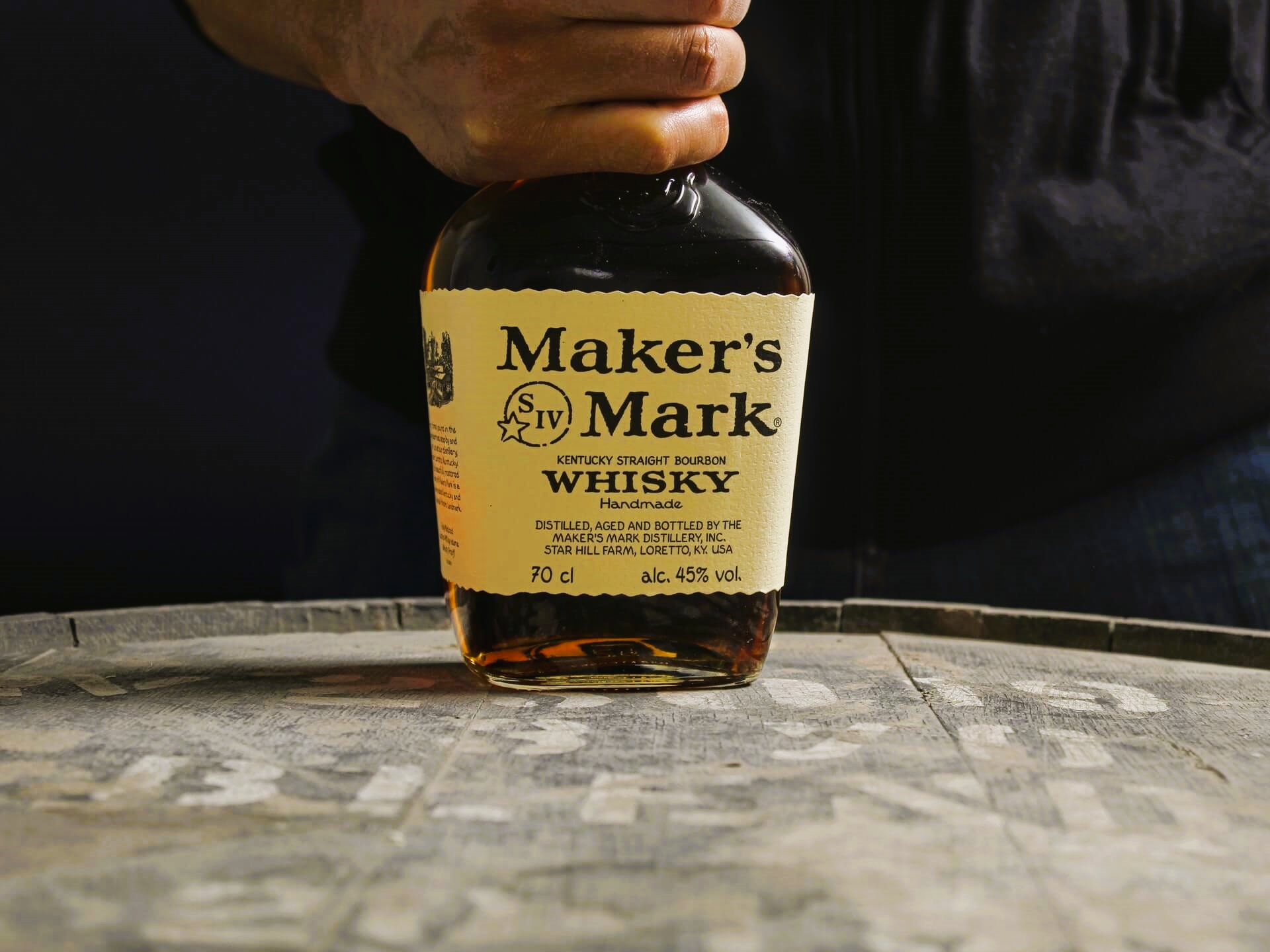
Maker's Mark bourbon bottle on top of barrel

Happy National Bourbon Day, a holiday celebrating one of America’s greatest creations and contributions to the whiskey world.

Hyperbole? I really don’t think so. Bourbon is a wholly American spirit that enjoys global demand.

We may not know the name of the first person to produce a bourbon. Like so many spirits and cocktails, the origins are mostly the stuff of myth and legend.

However, historians do believe America’s whiskey is named for the House of Bourbon, a French dynasty. So, some claim that the spirit is named for Bourbon Street in New Orleans. Still others say Kentucky’s Bourbon County is the inspiration for this whiskey’s name.

At any rate, it’s assumed bourbon was first produced in the 18th century. About a century later, the spirit became what we know it as today.

Additionally, bourbon is officially “distinctive product of the United States,” according to official recognition by Congress as of 1964.

That’s a lot of history and lore. But what about what’s going on now? Well, let’s take a look.

Barrel Finishing

Obviously, rules can sometimes stifle creativity and innovation. In fact, Andres Faustinelli of BEARFACE Whisky says as much on episode 75 of Bar Hacks.

Clarifying, Faustinelli took the Master Blender role at BEARFACE because there are fewer rules for Canadian whisky production than other spirits.

However, there’s a flip-side to that coin. Sometimes, the more rules in place, the more creative people get in navigating them.

One way this manifests is through barrel finishing. We’re seeing a lot labels boasting about unique or otherwise attention-grabbing barrel finishes.

Rum casks, Cognac casks, Armagnac, sherry, a slew of wine-barrel finishes… Obviously, throughout the world of whiskey this has become a popular element of production.

One caveat, though, is that distillers and blenders must avoid stunt finishing. If the finish doesn’t enhance their signature bourbon it’s inauthentic and consumers will turn their backs.

Bottled in Bond

Hey, look—more history! Bourbon, as we all know, has quite the past.

Adulteration—putting crap in the bottle that doesn’t belong there—was such a problem centuries ago that governments chose to step in. (I mean, it’s still a problem but we don’t have the time right now.)

The US government got involved in 1897 to protect consumers with the Bottled-in-Bond Act. Boiled down, a bottled-in-bond whiskey:

  • must be produced during a single distilling season; and
  • made by a single distiller; and
  • has to be crafted at a single distillery; and
  • the whiskey needs to be aged in either a federally bonded warehouse; or
  • otherwise aged under federal supervision for a minimum of four years; and
  • then be bottled at 100 proof.

Oh, and I learned that a distillation season is either January through June or July through December. ABC: (A)lways (B)e (C)learning. Don’t you judge me…

Obviously, the bottled-in-bond requires a large investment of both money and time. And obviously that investment is a barrier that distillers must consider carefully. No doubt, however, that investment can pay off with consumers.

Single Barrel

Let’s call this bourbon trend what it is: The trend.

For the past few years single-barrel bourbons (and other spirits) have been sought-after by restauranteurs, bar owners, private clubs, retailers, consumers, and collectors.

Again, this is a trend that requires a significant outlay from distilleries. But it’s clear that the time and money is, at least for now, worth it.

In most cases, single-barrel pours command higher menu prices. And with the luxury category continuing to grow, single-barrel bourbons should enjoy a boom for quite some time.

Anyone who has visited Woodford Reserve, as an example, can see how popular their single-barrel program has become. There are some incredible names on that list…

MGP

The following three letters once drew the ire of any whiskey drinker: MGP.

Back in the day, which was maybe two or three years ago, a brand “sourcing” their whiskey rather than distilling it themselves was sacrilege.

MGP was attacked for pumping out low-quality liquid regularly. Blogs, social posts, conversations in bars… For years, MGP was on its way to pariah status.

Now, the turns have tabled. As long as a brand is transparent—which may be the real trend here—about the liquid in their bottles, sourcing whiskey is no longer a negative.

In fact, according to some spirits sites and publications, there are consumers seeking out MGP-sourced brands.

So, these are some trends to consider when building out your bourbon program. Happy National Bourbon Day, and cheers!

Image: Zhivko Minkov on Unsplash

by David Klemt David Klemt No Comments

Alright, Seriously—WTF, Grubhub?

Alright, Seriously—WTF, Grubhub?

by David Klemt

Or, more to the point, stop working with “partners” who exploit our industry rather than support it.

In spectacular and entirely predictable fashion, Grubhub’s “free lunch” further reveals that third-party delivery platforms don’t care about restaurants.

Of course, they all say they support restaurant owners and operators. And, of course, they’re quick to pat themselves on their backs for being a pandemic lifeline.

But…no. Time and time again, mainly through their exorbitant and exploitative fees, they prove the opposite is true.

Restaurants and bars aren’t third-party delivery partners. Rather, these relationships are adversarial and detrimental. So much so, in fact, that some states passed laws to limit third-party delivery fees.

In Nevada, for example, Clark County Commissioners passed an emergency ordinance in August 2020 capping those fees at 15 percent. Clearly, we need to stop enriching companies that prove they don’t support the hospitality industry but cause it significant harm.

Free Lunch?

They say there’s no such thing as a free lunch. Apparently, Grubhub really wants to prove that maxim true.

That’s one of the takeaways from their disastrous promotion. Last Tuesday, in what’s being reported as an attempt to claim the delivery throne in New York City, Grubhub offered “free” lunch to anyone who placed an order for delivery.

The requirements for this promotion? Place an order for delivery through Grubhub on May 17 between 11:00 AM and 2:00 PM and use the code “freelunch.”

Of course, customer orders weren’t entirely free. Rather, the code was good for a $15 discount. Still, a wildly attractive offer as the ensuing debacle reveals.

Unsurprisingly, the promotion made for some eye-grabbing and eye-rolling headlines. Buzzfeed News published the most attention-grabbing one: “GrubHub Was Getting 6000 Orders A Minute During Its Promo Today That Left Restaurant Workers Stressed And Customers Hangry.”

Six thousand orders per minute during a promotion with a three-hour window in a single market.

In addition, the outlet reported that one unsatisfied customer was number 3,630 in the Grubhub customer service queue. Apparently—and who can blame him—he hung up before he could speak with a Grubhub rep about his missing order.

Duh

Who could’ve seen this coming? Any of the restaurant owners, operators, or team members Grubhub “serves,” that’s who.

In fact, anyone who works in this industry with on-premise experience knew this was going to happen. So, too, any journalist who specializes in hospitality.

The fact that whoever came up with this promotion didn’t see this coming is revealing. Unless the creators of these apps and services have real-world restaurant experience, they don’t understand the business.

How can one effectively and properly serve an industry without an understanding of how it operates? Hospitality is about service. Shouldn’t the companies attempting to work within our industry work hard to serve alongside us?

Let’s be clear—this promotion was in no way designed to help struggling restaurants. It wasn’t intended to boost their traffic and revenue. Rather, it was solely created to serve Grubhub’s desire to be number one.

As we all know, we’re experiencing major staff shortages. There are also supply shortages making it difficult for operators to obtain product reliably. Grubhub made those problems exponentially worse.

Some restaurants stopped taking delivery orders. Others canceled orders. There were operators who closed in an effort to catch up with orders and prevent the situation from worsening.

According to news stories, some social media users posted that they planned to stop ordering through third-party platforms.

Negative Impact

If you’re new to KRG Hospitality, welcome. You’re likely realizing that we’re not fans of third-party delivery.

Those of you who are familiar with us have known for quite some time that we support direct delivery. That is, delivery controlled and executed by the restaurant itself.

It’s not that we’re against innovation. Rather, our dislike of these platforms, generally speaking, comes from our perception of their behavior.

In our opinion, they take control away from operators and cost them money. Again, speaking generally, they collect customer data that operators should control. Their fees are ridiculous in most cases. And when it comes to the customer experience, their inconsistencies and shortcomings reflect poorly on the operators far too often.

Studies show that customers who have issues with third-party deliveries often place the blame on the restaurant. Food the wrong temperature? Order arrive late? Packages in less-than-ideal condition? While those issues and others can be the fault of the driver, the restaurant often takes the brunt of a customer’s dissatisfaction.

Of course, there’s also the financial impact of third-party delivery on restaurants. A SevenRooms report from last year reveals how these platforms harm operators and their bottom lines.

The Solution

Look, we know operators have a ton on their plates. But protecting and boosting the bottom line is a non-negotiable element of this business.

Yes, it’ll take some time, effort, and money to set up direct delivery. However, it’s the best solution.

Direct delivery means the operator collects and control valuable data. Likewise, the operator can ensure consistency. Through direct delivery, the operator shapes and controls the experience.

Control. Inherently, third-party delivery takes some control away from operators. That’s not a good thing, and neither is their financial impact.

Look into setting up direct delivery, take control, and protect your revenue ASAP. Friend of KRG “Rev” Ciancio and SevenRooms CEO Joel Montaniel each address delivery on the Bar Hacks podcast. Listen to episode 13 with Rev and episode 24 with Joel to learn more about delivery.

We need to stop rewarding companies that exploit our industry and take advantage of our owners, operators, and hard-working staff members.

Direct delivery is the answer. Take steps to implement it today.

Image: Rosie Kerr on Unsplash

by David Klemt David Klemt No Comments

Top Whisky-centric Bar Hacks Episodes

Top Whisky-centric Bar Hacks Episodes

by David Klemt

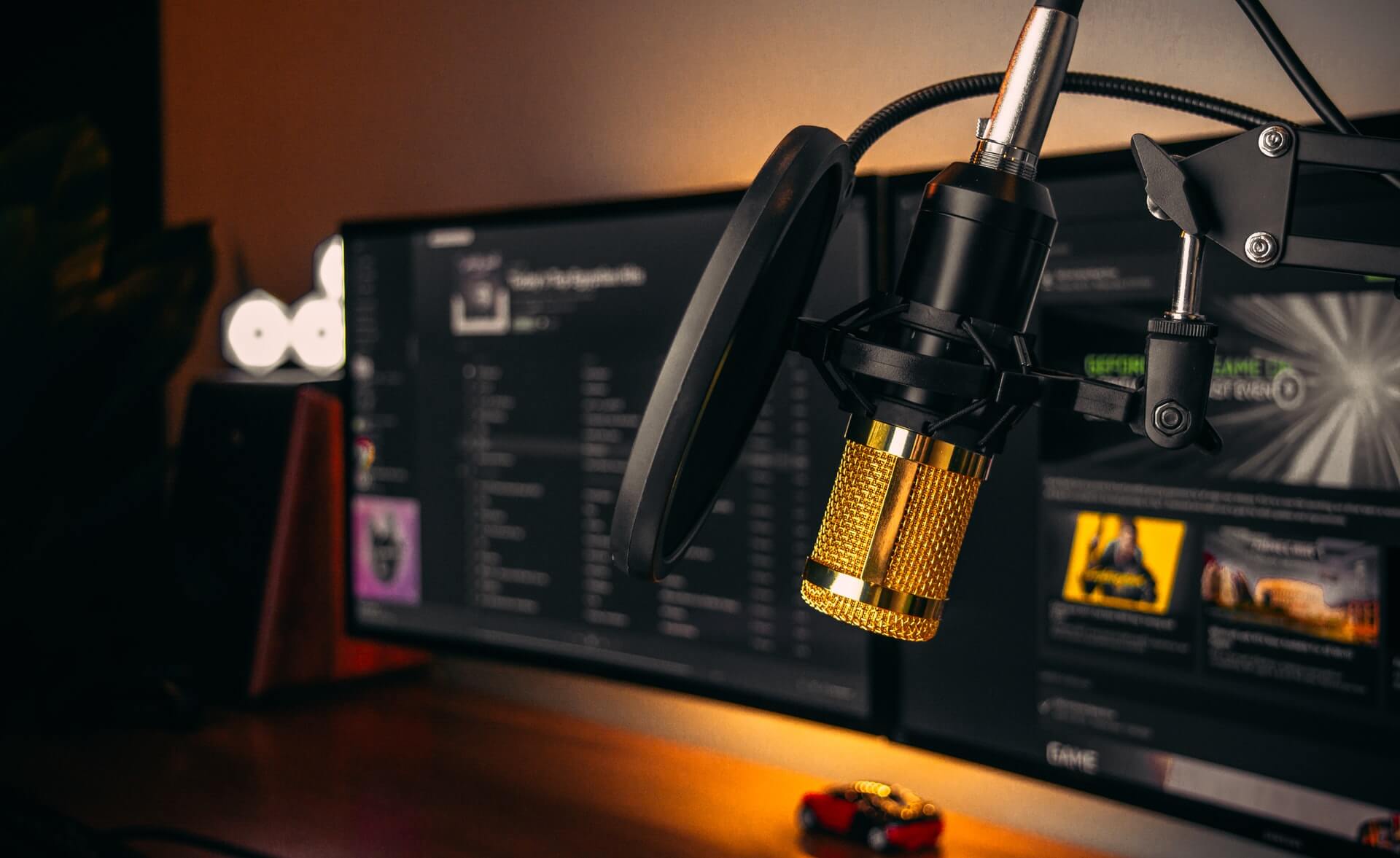
Golden podcast microphone

We’ve had the privilege of speaking with dozens of industry experts on the Bar Hacks podcast, including whisky distillers, brand reps, and bartenders.

So, to inspire you to pull out all the stops for your World Whisky Day promotion, we’ve rounded up twelve whisky-centric Bar Hacks episodes for your listening delight.

Cheers!

Episode 12

Co-host David Klemt (that’s me) of the Bar Hacks podcast chats with Jared Boller, Canadian National Whiskey Ambassador at Proximo Spirits. Tending bar gave him the opportunity to live, work and travel around the world.

At the time of this podcast, Boller represented brands like Bushmills and Proper No. Twelve at Proximo Spirits in Canada. On episode 12, Jared discusses his journey through the world of hospitality and how operators can benefit more from working with brand ambassadors.

Episode 25

One of our favorite people in the industry—and in life in general—popped by to speak with Bar Hacks. Megan Breier is one of the most engaging, entertaining and knowledgeable educators in the hospitality and spirits industries.

In this episode, Megan explains what sets Maker’s Mark apart from other bourbons, some of the amazing activations she’s executed, Private Selection, Maker’s 101, Margie Samuels’ contributions to the brand and industry, and more. Listen now!

Episode 28

Lyre’s Spirits crafts alcohol-free spirits that masterfully mimic their full-proof counterparts. Bar Hacks co-host David Klemt sits down with Lyre’s brand ambassador, bartender and buddy Tim Rita to chat about the brand.

On episode 28 you’ll learn about one of the fastest-growing brands in one of the fastest-growing beverage categories. How is an alcohol-free brand relevant on World Whisky Day? Lyre’s makes American Malt, a zero-proof take on bourbon.

Episode 31

Ted Fleming, entrepreneur and CEO and founder of Partake Brewing, stops by to discuss the founding of the alcohol-free beer brand, the importance and growth of the non-alcohol beer category, how operators can succeed with non-alc, advice for entrepreneurs, and more.

Given the importance of low- and no-proof drink options to bar operations, Partake Brewing pairs well with brands like Lyre’s to make sober-friendly Boilermakers. Listen to this episode here.

Episode 32

Woodford Reserve brand ambassador Michael Toscano stops by to talk about the Kentucky Derby, crafting the perfect Mint Julep, maximizing the operator-brand-rep relationship, and more. Check it out now!

Episode 39

Anthony “Terry” Bohlinger, national brand ambassador for new William Grant & Sons whiskey brand Fistful of Bourbon, drops by Bar Hacks. Terry talks about launching a brand during a pandemic, representing an irreverent brand that doesn’t take itself too seriously, the hilarious videos Fistful of Bourbon created to introduce the brand, lessons learned during his journey in hospitality, and more. Listen here!

Episode 50

In our 50th episode, Travis explains the difference between a dive bar and a neighborhood bar, and notes that both Nickel City locations are “anytime bars” that welcome everyone. He also shares his hospitality journey, which saw him go from Buffalo, NY, to Florida, Las Vegas, and ultimately Texas; tips for staying on brand; hiring and retaining team members; how the hospitality industry is the entertainment industry; supporting the community during a crazy winter storm; location scouting; how there’s no better time to open a bar or restaurant than right now; and much more.

Nickel City is known for an incredible range of whiskeys, monthly whiskey specials, and specialty Boilermaker combinations. Listen to episode 50 now.

Episode 52

Lynn House, national spirits specialist and portfolio mixologist for Heaven Hill, drops by Bar Hacks to speak with host David Klemt about the second annual Old Fashioned Week.

Lynn and David also discuss bourbon, rye, hospitality, building balanced cocktails, and how trust plays a role in educating guests so you and your team can introduce them to new drinks and experiences. Listen now!

Episode 59

Whiskey expert, spirits judge, and sommelier Theo Rutherford stops by the Bar Hacks podcast to talk about Bib & Tucker Small Batch Bourbon, a prominent addition to the Deutsch Family of wine and spirits. Rutherford shares the Bib & Tucker brand story, what sets the brand apart from other bourbons, and why the 6 Year expression appeals to all categories of whiskey drinkers. He also shares tips for tasting bourbon, including how easily Bib & Tucker wins over non-whiskey drinkers.

Listen now to learn why Theo wants you to smell everything and stop swirling your whiskey at tastings.

Episode 63

David Vitale, founder of Starward Whisky, shares his journey into whisky distillation and how craft beer brewing plays a significant role. The two also discuss Australian whisky, making inroads throughout North America, and why Starward expressions work so well with food and food programs.

In this episode you’ll also find out which Starward whisky David Vitale calls the “Swiss Army knife of whiskies,” which makes the perfect Manhattan, Starward Solera, and more.

Episode 71

Glendalough Distillery co-founder, national brand ambassador, and bottlewasher Donal O’Gallachoir comes on the podcast to explain what makes the distillery’s whiskey and gin “remarkably different.” Ever since they opened their doors, Glendalough has been on a mission to honor Irish distilling heritage and returning Irish whiskey and gin to the top of their respective spirits categories.

Donal also shares the details of Glendalough’s newest release: batch number one of 7 Years Mizunara Finish. Listen now!

Episode 74

David Vitale, founder of Starward Whisky, returns from Australia and returns to the Bar Hacks podcast! The Australian whisky producer took home an incredible amount of medals from the 2022 San Francisco World Spirits Competition. David tells host David Klemt what it was like to see the final award tally, how the Starward team reacted, and dove into the mission and vision of Starward Whisky.

The two also discuss the award-winning expressions that are either already available in the US or on their way to American shores. David shares the details of the Fortis, Octave Barrels, Unexpeated, and Dolce expressions. And for the single-barrel lovers out there, David also dives into the magic behind single barrel bottlings Nos. 684, 3278, and 4539. It’s exciting to learn about the expressions joining Two-Fold, Nova, Solera, and Ginger Beer Cask #6. Listen to episode 74 here!

Image: Amr Taha™ on Unsplash

by David Klemt David Klemt No Comments

TOTC 2022 Agenda and Tickets Now Live

Tales of the Cocktail 2022 Conference Agenda and Tickets Now Available

by David Klemt

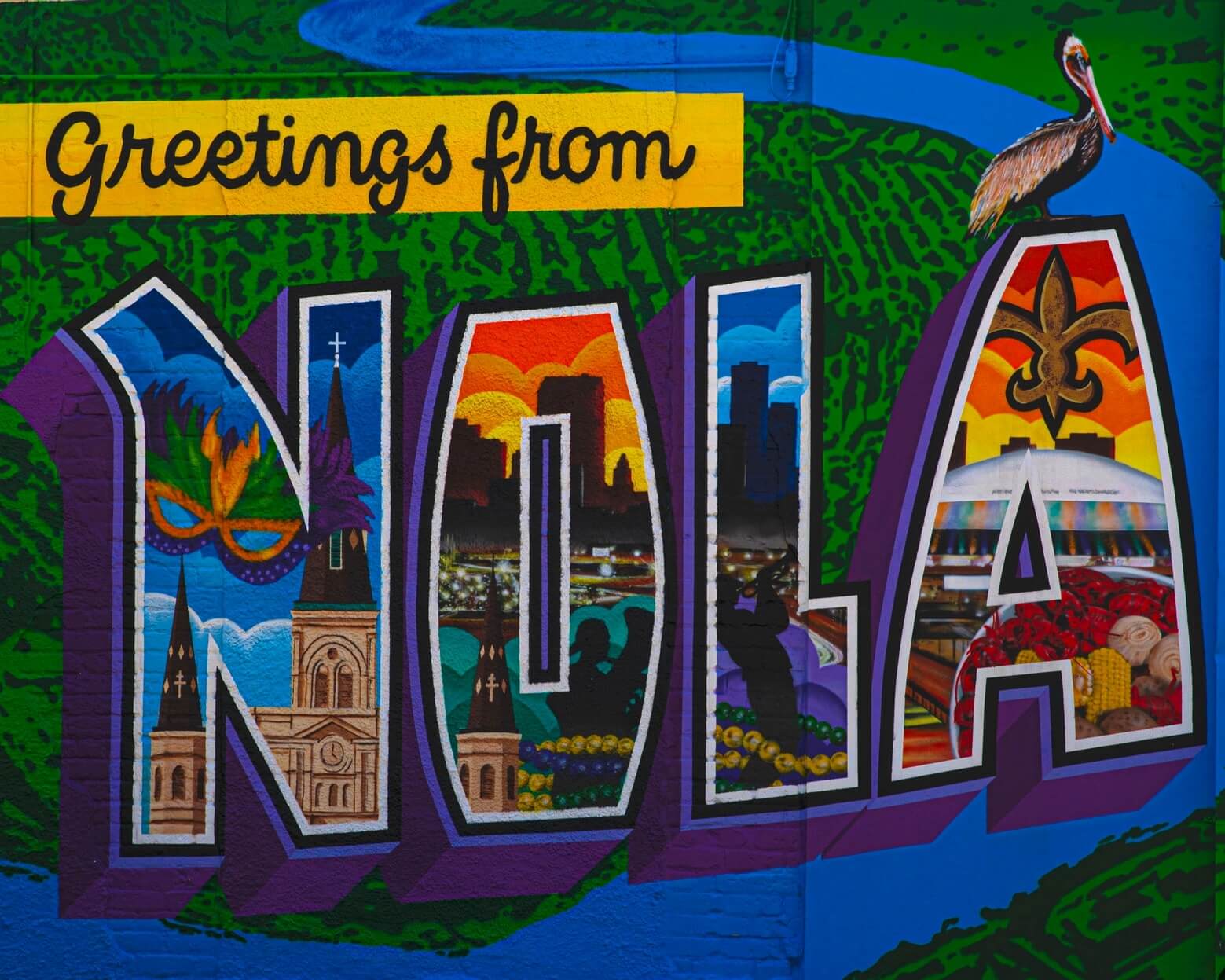
Greetings from NOLA artwork

The time is now to grab your Tales of the Cocktail tickets and plan your trip to New Orleans for the last week of July.

Not only are tickets available for purchase via this link right now, you can also check out the schedule here.

Of particular note is the amount of complimentary programming available to 20th anniversary TOTC attendees.

Free to Attend

Attendees will have access to several activations and workshops that are free to attend.

Beginning Sunday, complimentary programming is available throughout the week. For example, the Day of Service on Sunday, July 24 is free attend and a way to give back.

Also on Sunday, the 11th annual Pig & Punch Volunteer Day of Service. This is another opportunity for those in the industry to do some good in the NOLA community.

The return of Pig & Punch was mentioned by an excited Lola Thomas on episode 72 of the Bar Hacks podcast.

On Monday, all attendees can attend the keynote address; Diversity Distilled Career Fair; the Welcome to Wellness! therapeutic stretch and self-massage session; and “#FromTheBarToTheFarm” sustainability workshop.

There are several more workshops—such as “Safe Bars: Crafting a New Culture of Safety and Respect” and the immersive “Mind Full” experience—that are free to attend on Tuesday and Wednesday.

Incredible Activations

More reasons to plan your trip around an action-packed Sunday? Speed Rack Redemption, the National Tequila Day Pool Party at the Royal Sonesta, and Ode to the Bowl.

The rest of the week is absolutely packed. From workshops to seminars, cocktail tours to tasting rooms, and all manner of activations, parties, and events in between, the 20th anniversary celebration of Tales of the Cocktail will be an experience to remember.

On the subject of cocktail tours, there are eight such experiences available during this year’s Tales. For example, attendees can register and secure tickets for Hunting Down the Sazerac, Downriver: Bars Beyond the French Quarter, the Big Gay Bar Tour, and Bourbon Street and How it Got that Way.

Learn More

To be honest, there’s simply too much going on at this year’s TOTC to list here. The sheer number of workshops, seminars, and activations must be checked out online.

And that’s to say nothing of the industry icons that will be presenting seminars and workshops, and hosting activations and special events.

Simply put, there’s programming for everyone. Health and wellness? Yes. Furthering your career? Absolutely. Perfecting technique and tasting new products? Of course. Business, culture, advocacy, diversity, inclusion, equity… Check, check, check, check, check, check!

We hope to see you at Tales of the Cocktail 2022! Be sure to check out the agenda and grab your tickets today.

Image: mana5280 on Unsplash

by David Klemt David Klemt No Comments

Hiring Struggles? Engage These Age Groups

Hiring Struggles? Engage These Age Groups

by David Klemt

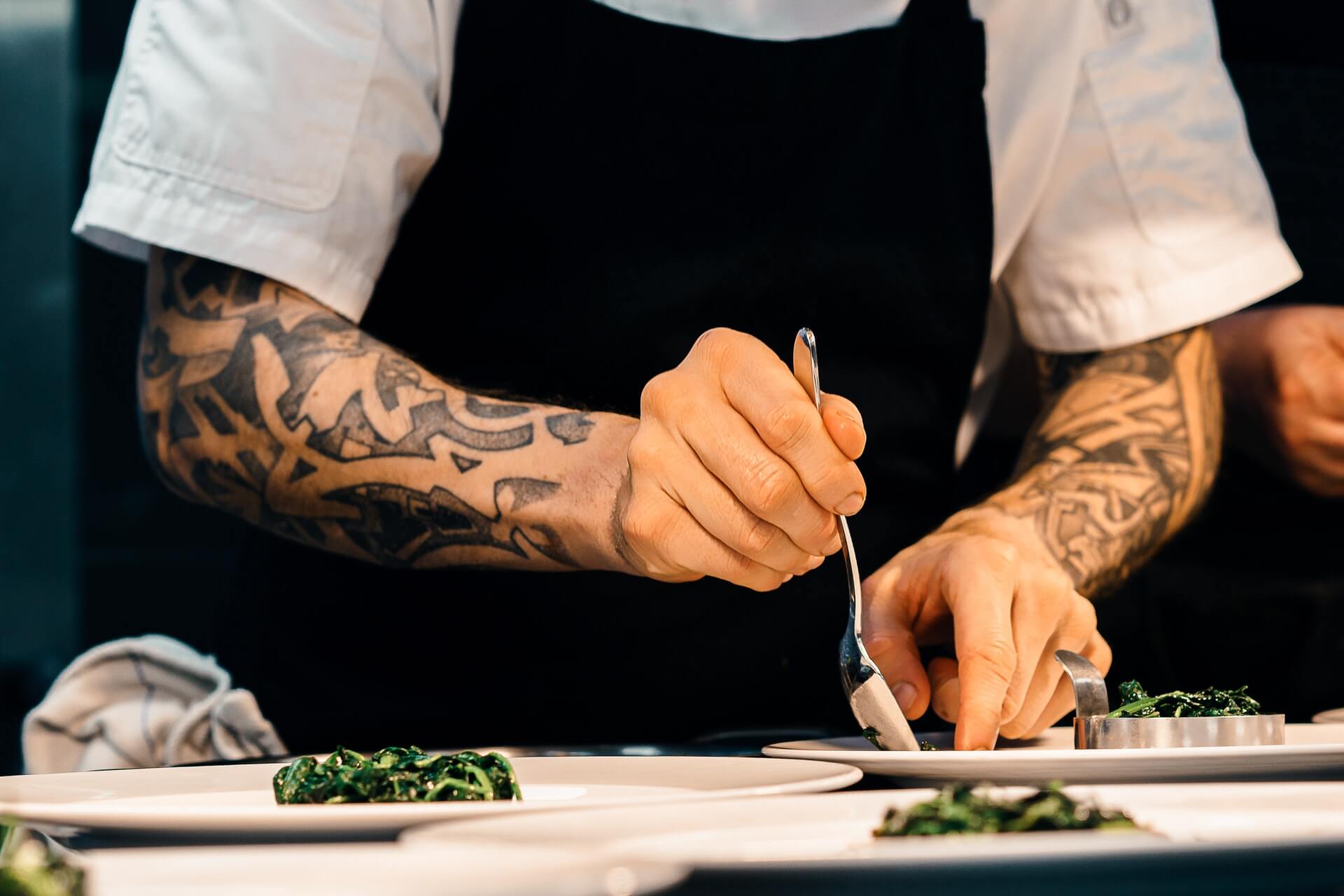
Chef plating greens on plates

Staff turnover rates are still above pre-pandemic levels and there’s no silver bullet solution. However, two companies have some helpful advice.

Both Service Management Group and Technomic shared their tips during Restaurant Leadership Conference. Interestingly, each company has a different approach to the current hospitality industry labor problem.

In short, both SMG and Technomic advise operators to engage with vastly different age groups. However, they each have information that supports their recommendations.

Service Management Group

Jennifer Grimes, senior vice president of client services for Service Management Group, co-presented a session with Jim Thompson, COO of Chicken Salad Chick.

SMG is a software-with-a-service platform that seeks to the employee, customer, and brand experience. One crucial element of the company’s mission is the reduction of staff turnover.

During the RLC session, Grimes shared several years of hospitality turnover rates:

  • 2017: 72%
  • 2018: 75%
  • 2019: 79%
  • 2020: 130%
  • 2021: 86%

First, some context. The general consensus is that the industry’s average turnover rate has been between 70 and 80 percent for close to a decade. However, in comparison to other industries—10 to 15 percent—that’s stratospherically high.

Secondly, the turnover rate has been on rise since before the pandemic. Per some sources, the rate jumped from 66 percent in 2014 to 72 percent in 2015, a trend that continues to this day.

For SMG, the age group operators should seek to engage—generally speaking, of course—is 25 to 34 years old. Per the SWaS platform, this group was the most engaged pre-pandemic.

One reason for SMG’s suggestion is that Boomers appear to opting out of the workforce.

During the presentation by Grimes and Thompson, the latter shared that Chicken Salad Chick predicts the 2022 turnover rate to be just slightly above the 2019 rate.

Technomic

Unsurprisingly, Technomic had some numbers to share during RLC 2022 in Scottsdale, Arizona.

Per data provided by Joe Pawlak and Richard Shank, 70 percent of operators are still struggling with labor. Recruiting, hiring, and retaining staff doesn’t appear to be getting any easier four months into 2022.

Technomic also pointed out that the US saw the lowest population growth in its history last year: 0.1 percent.

Additionally, almost 17 percent of the country’s population is now at least 65 years old. In 2019, 48 percent of people 55 or older retired. That number is now just over 50 percent for the same age group.

Nearly seven million American consumers turn 60 each year, while four million turn 70 or older.

Logically, one may assume that Technomic is saying a significant portion of the US population is leaving the workforce. So, it’s best to focus on the same age group as SMG recommends.

However, Technomic is recommending a different strategy. Per Pawlak and Shank, retirees (mostly ages 55 and up) tend to have valuable managerial skills and experience.

Obviously, those skills and all that experience can be of great benefit to operators and our industry.

Certainly, all groups should be engaged by operators seeking to recruit, hire, and develop their teams. So, as KRG Hospitality sees recruitment, operators should craft targeted, authentic messaging that appeals to each age group.

Image: Sebastian Coman Photography from Pexels

by David Klemt David Klemt No Comments

Código 1530 Pursuing Low-waste Initiatives

Código 1530 Pursuing Low-waste Initiatives

by David Klemt

Blue Weber agave plant in Tequila, Mexico

Tequila Código 1530 is making the upcycling of the agave they use a cornerstone of the brand’s sustainability efforts.

Some agave growers and tequila producers the plant as mulch, fertilizer, and biofuel. Bagasse, the fibrous material distillers separate from agave piñas, along with the leaves, is composted and used to fertilize agave fields.

While not common, some distillers will even take other producers’ agave bagasse and leaves to compost it.

However, Código 1530 is now doing even more with their agave.

Agave Sustainability

According to some in the spirits and hospitality industries, tequila may end vodka’s dominance in the US this year. Obviously, this would be the result of an increase in consumer demand.

Well, that necessitates an increase in production. So, it follows that agave growers have motivation to grow and harvest as much mature agave as possible.

However, it takes about eight years for some agave plants to mature. Others take more than ten years. For some rarer species, maturation takes twelve years or more.

Of course, production leads to waste. In simple terms, that’s the problem producers must solve.

One definition of “sustainability” is striking an ecological balance that preserves natural resources. For tequila production in particular, this means finding ways to meet consumer demand while harvesting agave reponsibly.

While composting and mulching is a great idea, Código 1530 sees the need to take things further.

More than Mulch

We’ve probably all been given at least one drink served with a paper straw. Unfortunately, that means most of us know how quickly that experience can become less than enjoyable.

Even some of the best-made paper straws can turn soggy long before a drink is finished. On the operator side, that’s not great for the guest experience, to say nothing of the costs associated with stocking paper straws.

However, some operators and their guests are willing to stick with paper straws to be sustainable. That’s admirable but there may be a better way, and it involves agave.

“We quickly realized that after harvesting agave to distill Código 1530 Tequila, the remaining agave was only being used as mulch to top our soil for future plants or burned as a fuel source,” explains George Strait. “We are still using some of the excess agave fiber as mulch, and now have begun producing straws and cups in a sustainable and eco-friendly manner.”

Strait, as some may know, is an investor in Código 1530. A lesser-known fact is that Strait graduated Texas State University (formerly known as Southwest Texas State University) with a degree in agriculture.

“This is a lifesaving program for sea life affected by plastic pollution,” says Strait of Código 1530’s new agave sustainability efforts.

Unlike paper straws, agave straws don’t get soggy or deform. Additionally, they can be thrown out in normal trash after use as they’re biodegradable.

However, this agave initiative doesn’t end with straws. Código 1530 is also making agave fiber cups, coffee cups, cocktail shakers, and shot glasses.

Tea-quila

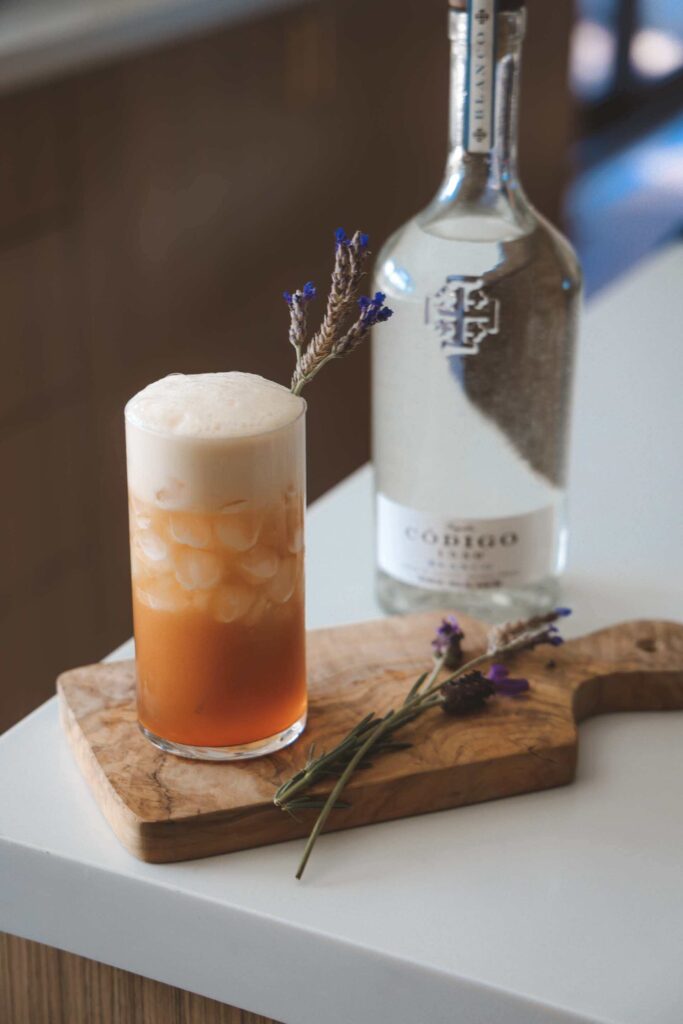
To celebrate Earth Day and their sustainability efforts, Código 1530 has created the drink below.

Codigo 1530 low waste tequila cocktail

Image: Amir Shafii, Código 1530

  • 1.5 oz. Código 1530 Blanco
  • 3 oz. Bergamot tea
  • 0.75 oz. Lemon juice
  • 0.5 oz. Lavender simple syrup
  • Lavender sprig to garnish

Housemade simple cuts down on the waste associated with producing and shipping bottles of syrup. To make the lavender simple syrup, bring one cup of water and one cup of sugar to a boil. Add ten sprigs of lavender while water and sugar are boiling, let cool, then strain. For this low-waste cocktail build, add all ingredients and ice to a shaker. Shake, then strain into a Collins glass with ice. Garnish with a sprig of lavender.

Image: BRUNO EMMANUELLE on Unsplash

by David Klemt David Klemt No Comments

TOTC Launches New Philanthropic Committee

TOTC Launches New Philanthropic Committee

by David Klemt

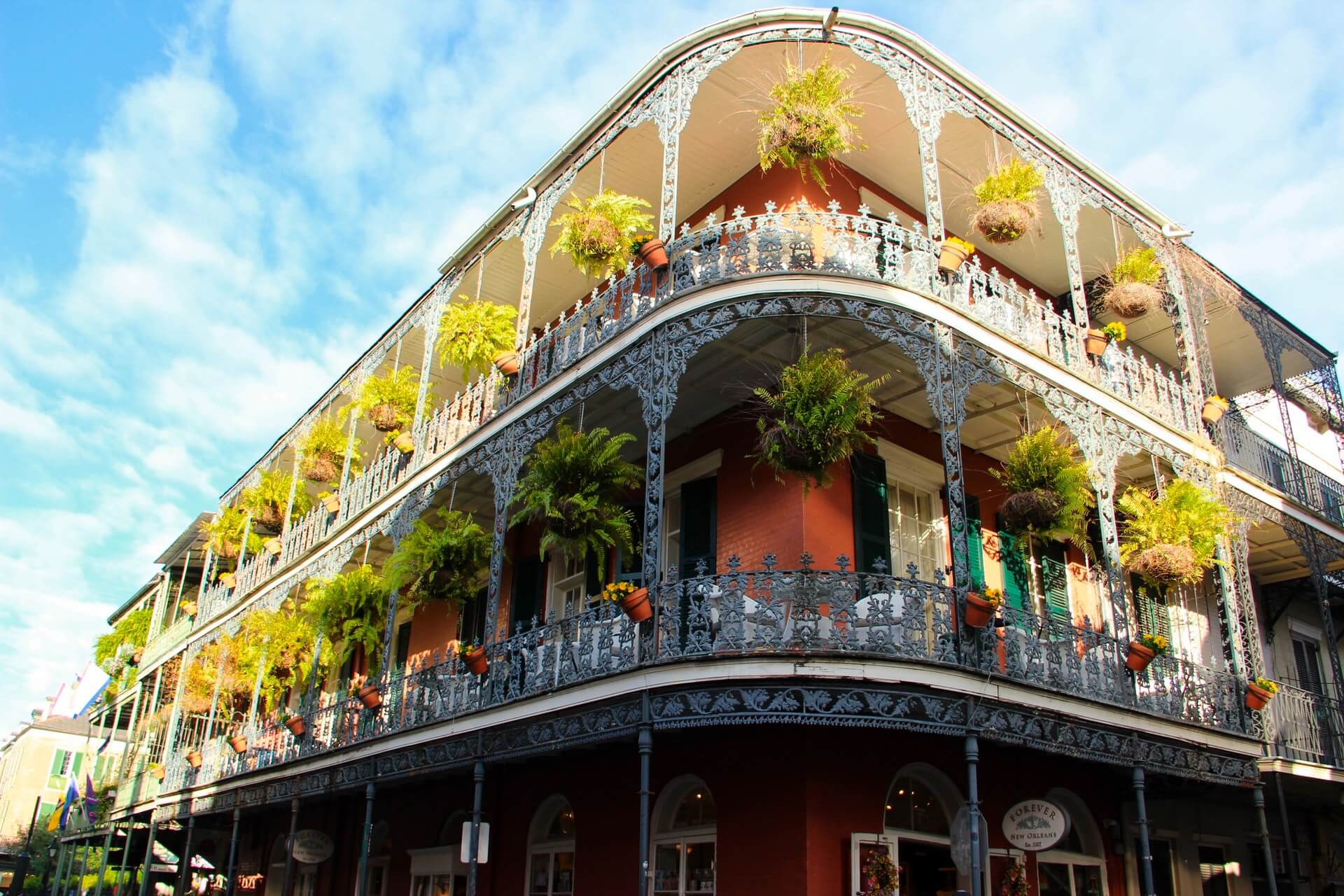
New Orleans, Louisiana, architecture in the French Quarter

Continuing their growth and commitment to supporting the spirits and hospitality industries, Tales of the Cocktail announces a new committee.

Formerly known as the Grants Committee, this committee will act as an advisory board to TOTC Foundation. In this capacity, the new Philanthropy & Development Committee will guide decisions regarding the TOTCF’s portfolio of philanthropic endeavors.

In launching the Philanthropy & Development Committee, the TOTCF is responding directly to the needs of the spirits community.

Commitment to Philanthropy

Supporting the industry is a TOTCF cornerstone. This commitment was supercharged when the Solomon Group and Neal Bodenheimer, Jr. took over in 2018.

Upon purchasing the rights, the Solomon family and Bodenheimer, Jr. transformed TOTC into a non-profit. Since then, the organization has developed ways to benefit New Orleans and the spirits and hospitality industries.

One major avenue of support came by way of the TOTCF Grants Committee. Their mission was straightforward and lofty: “to support nascent or existing programs, non-profit organizations, and individuals developing a specific project that will impact the global hospitality community present day and beyond.”

In selecting recipients, the Grants Committee reviewed submissions. Recipients needed to support the TOTCF’s core pillars with a focus on diversity, representation, and inclusivity: Advancement, education, and support.

One such recipient that exemplifies the Grant Committee’s work is Turning Tables. From their website:

“Turning Tables advocates for equity in the hospitality industry by providing mentorship, educational tools, and platforms for exposure in a system of support for the black and brown communities of New Orleans.”

New Name, Bigger Mission

To be clear, the Philanthropy & Development Committee is still offering grants. However, the past two years saw the expansion of the Grants Committee’s mission.

In addition to grants, the committee:

  • provided direct relief to industry professionals;
  • entered into more non-profit partnerships;
  • boosted the number of Beyond the Bar activations;
  • engaged in advocacy and policy efforts;
  • and expanded mental health and wellness capabilities.

Given the evolution of the committee’s work, transforming to the Philanthropy & Development Committee better communicates the mission.

“I’m really excited about this new era of the committee,” says Philanthropy & Development Committee co-chair Kellie Thorn. “While grant-giving will still be a focus, we will now have the opportunity to diversify the way that we serve the drinks community as well as continue to provide thoughtful insight to the Foundation about our industry.”

Continental Drift and Drift Kitchen owner Eric Bennett co-chairs the committee alongside consultant and educator Thorn. The eleven current committee members are:

  • Tiffanie Barriere
  • Chris Cabrera
  • Claudia Cabrera
  • Samuel Jimenez
  • Nandini Khaund
  • Yisell Muxo
  • Lisa Nguyen
  • Chris Patino
  • Vivian Pei
  • Kelsey Ramage
  • Morgan Schick

To learn more about the Philanthropy & Development Committee, click here.

Image: Aya Salman on Unsplash

by David Klemt David Klemt No Comments

Single Malts for International Whiskey Day

5 Single Malts for International Whiskey Day

by David Klemt

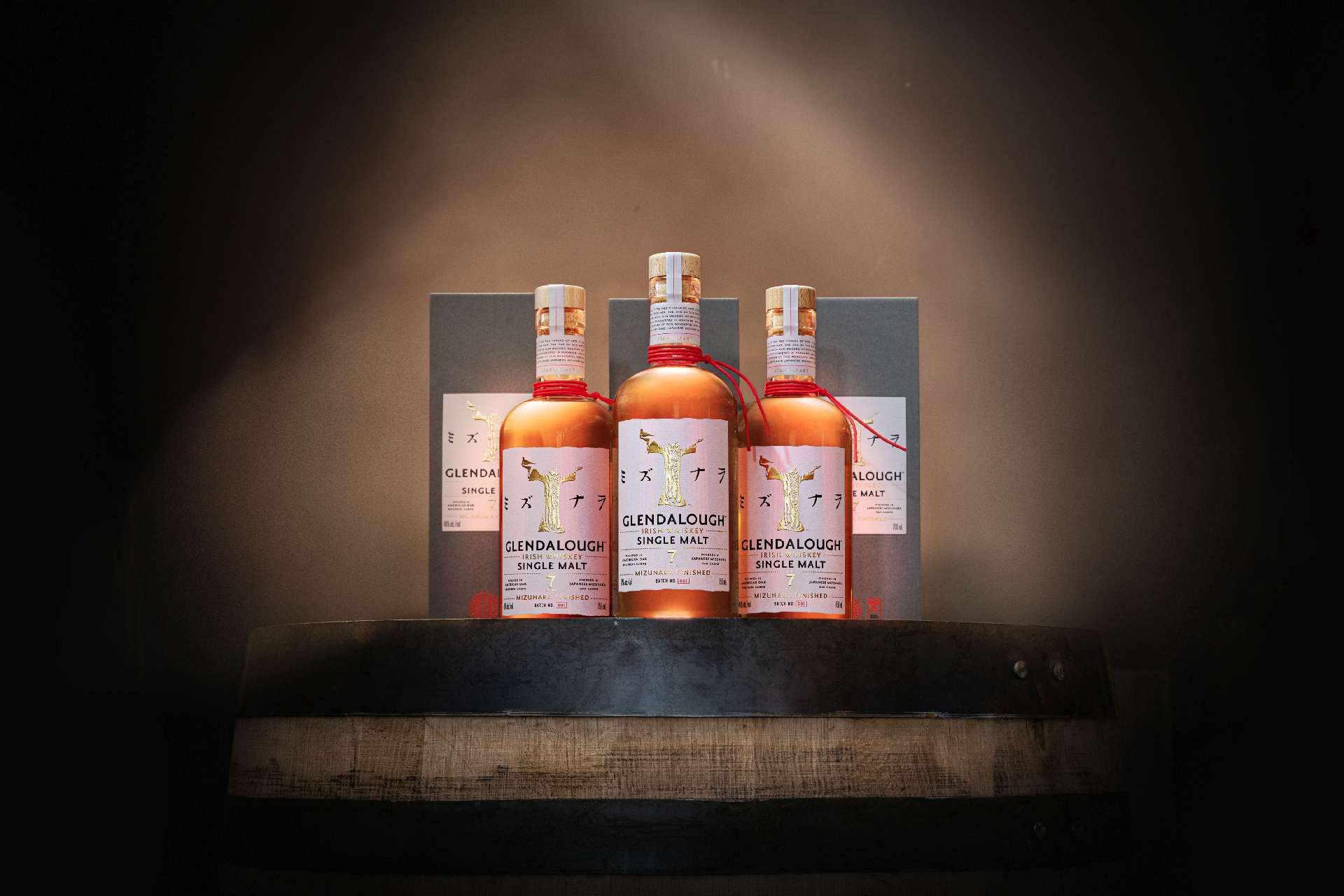
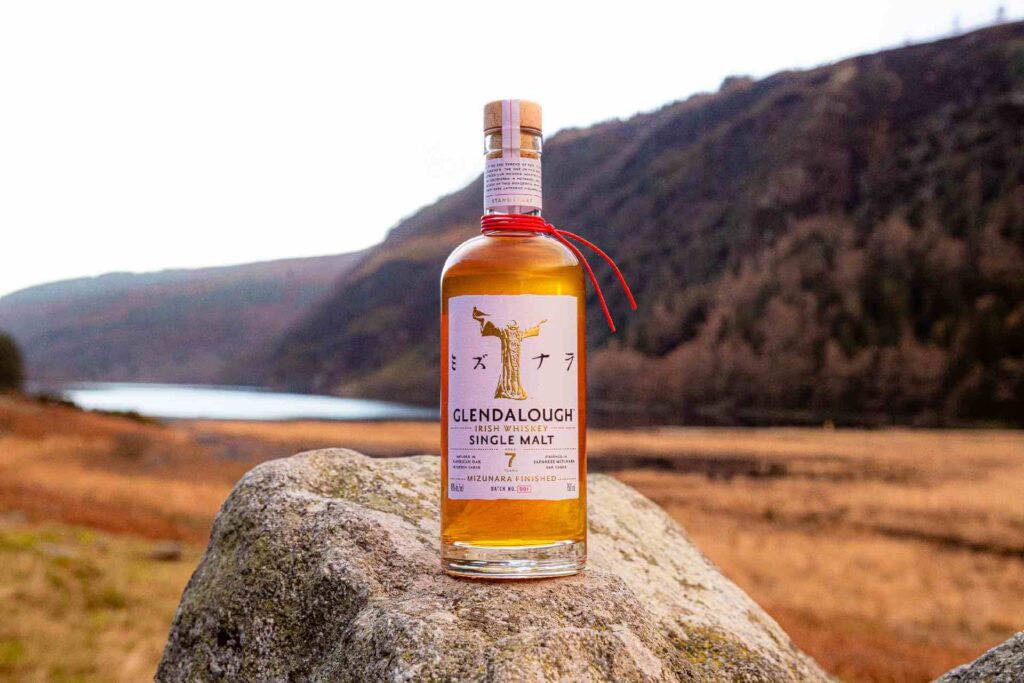
Bottles of Glendalough Distillery 7 Year Old Mizunara Finish on top of a barrel

In case it isn’t yet obvious, March is full of an array of wonderful cocktail and spirits holidays perfect for restaurants and bar promotions.

So, it’s pretty impressive that we can end this month with International Whiskey Day. Or, if you prefer, International Whisky Day.

Wondering which you should use, “whiskey” or “whisky”? Well, there’s a (mostly) accepted method for distinguishing the two.

As some spirits aficionados and historians explain it, if a country has the letter “E” in its name, so should the word “whiskey.” No “E”? Then it’s “whisky.”

Or, and this may be controversial, you can just use whichever you prefer. Or perhaps use the spelling that’s on your favorite label. Alternately, if executing a promotion with a sponsor, ask their preference and use it.

At any rate, we all get to celebrate uisce beatha (Irish) or uisge beatha (Scottish) on Sunday, March 27.

Below you’ll find some suggestions for bottles to showcase on International Whisk(e)y Day. Cheers!

American Whiskey

Obviously, there’s a glaring issue with trying to choose a single bottle of whiskey to represent the US. In short, there are dozens (at a minimum) of bottles from which to choose.

So, to make things easier (on me, I suppose), I’m limiting this list to single malts. Look, I had to draw a line somewhere.

Honestly, this doesn’t make things incredibly simple. You may find it surprising to learn that the US has the American Single Malt Whiskey Commission (ASMWC). Not only that, but the commission has nearly 100 members.

To promote and protect American single malt, the ASMWC defines this whiskey as:

  • made from 100-percent malted barley;
  • produced at one distillery;
  • mashed, distilled and matured in the US;
  • matured in 700-liter or smaller oak casks;
  • distilled to no more than 160 proof (80-percent ABV); and
  • bottled at 80 proof or more (40-percent ABV).

There are, thankfully, several dozen bottles to choose from to represent American single malt whiskey. For my list, I’m selecting Westward American Single Malt Whiskey Cask Strength.

Produced in Portland, OR, this double-gold winner is the 125-proof version of Westward’s original single malt whiskey. Bold, assertive, rich, and complex, this bottle embodies this American whiskey category.

Canadian Whisky

When it comes to whisky, Canada is known for its blends. Canada’s whiskey world is also known for bold but smooth rye.

However, there are distillers paying homage to their Scottish roots and traditions. These masters of their craft are working hard to put single-malt Canadian whiskies on the map.

In particular, craft distillers in Vancouver are producing single malts that deserve the world’s time and attention.

Now, when it comes to Canadian single malt, I’m a neophyte. However, I believe you and your guests will appreciate my selection.

Commodore Canadian Single Malt Whisky is crafted by Odd Society Spirits. The distillery is located in Vancouver, British Columbia.

Compellingly, Commodore is produced with malted barley grown in BC. Weighing in at 92 proof, expect pepper and tobacco on the palate, balanced with dark fruit and sweetness.

Irish Whiskey

Another country known for its blends is Ireland. Jameson, Bushmills, Red Breast, Powers… Each distillery produces world-famous, revered blends.

However, Ireland crafted several styles of whiskey over the course of many centuries. Single malts were certainly among them.

Of course, that style fell to wayside as the thousands of distilleries in Ireland shut down decades ago. Luckily, some modern-era distilleries are tapping into centuries of Irish distillation history.

Among these is Glendalough Distillery, our guest for episode 71 of the Bar Hacks podcast. Co-founder Donal O’Gallachoir reveals their latest expression, an Irish single malt finished in exceedingly rare Japanese mizunara casks.

So, for my Irish single malt selection, I choose Glendalough 7-Year-Old Mizunara Finished. You can learn more about this bottle and Glendalough listening to the podcast linked above or reading this article.

Scottish Whisky

If it’s difficult to choose just one American single malt whiskey, it’s nearly impossible to land on only a single single malt Scotch.

Do I choose the highest age statement (and an immense price tag)? Is the smart move the “most accessible” bottle? A peat monster?

What about the most traditional bottle? The most experimental? In the end, I opted for a single malt whisky that falls into the latter category.

At this point, we expect to see Oloroso sherry, port, and bourbon cask finishes. What’s a bit more unusual is a rum cask finish.

So, I’m going with the Balvenie Caribbean Cask. This 14-year-old single malt spends 14 years maturing in American oak casks. Then, it’s finished in ex-rum barrels.

The result is a unique and compelling whisky with notes of banana, cocoa, brown sugar, fresh fruit, and toffee.

Australian Whisky

When he started Starward, founder David Vitale had one mission: Craft the whisky that would come to define the entire category. No pressure.

To accomplish this mission, Vitale and company aim to capture Australia’s terroir in every bottle of every expression.

Their barley is sourced in Australian. Local malt masters (malters? maltsters?) malt said barley. The yeast comes from local Australian brewers.

And it doesn’t stop there. Any ingredient used to craft Starward Whisky must be within one day’s drive of the distillery. That distillery is located in Melbourne.

Why Melbourne? Because it’s the Foodie Capital of Australia. Why does that matter? Because Starward is also meant to be enjoyed with food.

You can learn more about Starward and David Vitale on episode 63 of Bar Hacks.

So, which bottle did I choose? Starward’s very first whisky, the single malt Starward Solera. If you and your guests want to experience Australian single malt, this is where to start.

You really can’t go wrong with any of these bottles. If you’re celebrating International Whiskey Day, life is great. Enjoy!

Image: Glendalough Distillery

by David Klemt David Klemt No Comments

Dame Hall of Fame Nominations Open!

Dame Hall of Fame Nominations Now Open!

by David Klemt

Tales of the Cocktail Foundation Dame Hall of Fame luncheon

Now in its tenth year, nominations are open for the Dame Hall of Fame, honoring individuals who have a positive impact on hospitality.

In particular, the Dame Hall of Fame recognizes people who move accessibility and intersectionality forward.

The Tales of the Cocktail Foundation (TOTCF) and Ladies United for the Preservation of Endangered Cocktails (LUPEC) are accepting nominations until March 30. Currently, there are 42 DHOF members.

On July 29, three inspirational and influential Dames will join their peers. These three individuals will be inducted into the DHOF at the Ritz-Carlton New Orleans.

To nominate a potential inductee, please complete this form.

“We are so proud to be entering our tenth year of Dame Hall of Fame, which has become one of the most revered recognitions of Tales of the Cocktail Foundation,” says TOTCF CEO Eileen Wayner. “The collective magnitude of the Dames is unparalleled, and it is truly our honor to gather such a talented group of individuals, while inducting newcomers who are making a lasting impact on the hospitality community.”

Co-chairs Overseeing Process

The Dame Hall of Fame was first established in 2012. Since then, nearly four dozen of the most influential individuals have been inducted.

More than just an honor, the DHOF encourages continued mentorship. DHOF members seek to further diversity, inclusivity, and equity within the cocktail and hospitality communities.

In 2022, for the first time, two members will co-chair the DHOF. They will each take on this role for a two-term, effective immediately.

Additionally, the co-chairs will oversee this year’s DHOF nomination process. Learn more about each co-chair below.

Kirsten “Kitty” Amann

Kitty has more than fifteen years of experience in the beverage industry as a brand ambassador, cocktail book author, podcaster, publicist, bartender, and spirits writer. She is the New England Market Manager for Uncle Nearest Premium Whiskey and author of Drinking Like Ladies: 75 Modern Cocktails from the World’s Leading Female Bartenders.
In her roles, she is honored to share untold stories of greatness and help the truth find the light. Kitty is a founding member of the Boston chapters of Ladies United for the Preservation of Endangered Cocktails (LUPEC Boston) and the U.S. Bartenders Guild. As a frequent speaker on the history of women behind the bar and in the spirits industry, and has presented at Tales of the Cocktail, The Manhattan Cocktail Classic, Portland Cocktail Week, San Antonio Cocktail Conference, San Francisco Cocktail Week, Speed Rack Academy, and at the Smithsonian. 
Kitty has taught yoga in Boston and around the world since 2010. She was among the first in the industry to introduce movement and breathwork to fellow bartenders, servers, and brand ambassadors to support their careers, and has presented at Tales of the Cocktail, The Manhattan Cocktail Classic, Portland Cocktail Week, and for local restaurants and USBG chapters.

Tiffanie Barriere

The bartender’s bartender, Barriere is an influencer and educator who has been awarded some of the beverage industry’s highest honors. The Bar Smart graduate, she is a Tastemakers of the South award-winner who spent seven years as the beverage director of One Flew South, the “Best Airport Bar in the World.”
As an independent bartender, she is known for creative and innovative cocktail menus for pop-dinners and bar consultancy clients, hosting mixology classes around the nation, and connecting culinary and farm culture with spirits. As a leader, she is a member of the Tales of the Cocktail Grants Committee, the James Beard Beverage Advisory Board, and a member of the Atlanta chapter of Les Dames d’Escoffier.
Barriere and her cocktails have been featured in such publications as Imbibe Magazine (print and online), Forbes, Essence, The Bitter Southerner, Cherry Bomb Magazine, Washington Post, Eater, VinePair, Food Republic, and Garden & Gun.
In 2020, Tiffanie was featured on Food Network’s The Kitchen, honored as the Tales of the Cocktail Foundation’s Dame Hall of Fame U.S. Inductee, along with the cover photo of Imbibe Magazine for the “Top 75” issue. The Louisiana-Texas native is the trustworthy mentor of some of the best bartenders and mixologists in the world. Tiffanie’s main goal is education, service and fun with every pour.

Nomination Criteria

In 2022, the three inductees will receive individual awards. There will be a United States inductee, an international inductee, and a Pioneer Award inductee.

Woodford Reserve will present the first two inductees, while The Blend will present the Pioneer Award.

The criteria for nominations is below, provided by the TOTCF:

DHOF US and International Inductees Presented by Woodford Reserve:

In addition to being a woman, non-binary or trans individual, to be considered to be inducted into the US DHOF, nominees must:

  • be a person whose professional and personal accomplishments have shaped the beverage landscape and provide visible models of achievement for tomorrow’s leaders;
  • serve as a leader and mentor; and
  • reside in the United States of America.

In addition to being a woman, non-binary or trans individual, to be considered to be inducted into the International DHOF, nominees must:

  • be a person whose professional and personal accomplishments have shaped the beverage landscape and provide visible models of achievement for tomorrow’s leaders;
  • serve as a leader and mentor; and
  • reside outside of the United States of America.

The Pioneer Award by The Blend:

This award recognizes an individual who has encouraged mentorship and contributed to making the hospitality industry equitable and inclusive by working to remove barriers as it pertains to gender identity, race, religion, and socioeconomic status.

The Pioneer Award, which was named for hospitality trailblazer and New Orleanian Ruth Fertel, will be announced on June 21 in conjunction with the TOTCF Spirited Awards. The recipient of the Pioneer Award will also be inducted into the DHOF during the July 29 Induction Ceremony.

Click here to nominate an individual today!

Image: Corey James Photo

by David Klemt David Klemt No Comments

8 Glendalough Cocktail Recipes for St. Patrick’s Day and Beyond

Offer your guests something different for your St. Patrick’s Day promotion with Glendalough Distillery cocktail recipes.

Without a doubt, you should have plenty of the expected Irish whiskeys on hand. However, Glendalough Distillery Double Barrel, Pot Still, Wild Gin, and Rose Gin are extraordinary Irish whiskeys and gins.

Each spirit the distillery crafts honors the art of Irish distillation, a craft that stretches back centuries. What’s more, each whiskey Glendalough crafts is single malt—there are no light-bodied blends in their lineup.

To learn more, check out episode 71 of the Bar Hacks podcast with Glendalough Distillery co-founder and national brand ambassador Donal O’Gallachoir.

by David Klemt

Glendalough Distillery Wild Gin Irish gin

8 Amazing Irish Whiskey and Gin Cocktails

Below, eight refreshing and sophisticated drink recipes made with Glendalough whiskeys and gins. Sláinte!

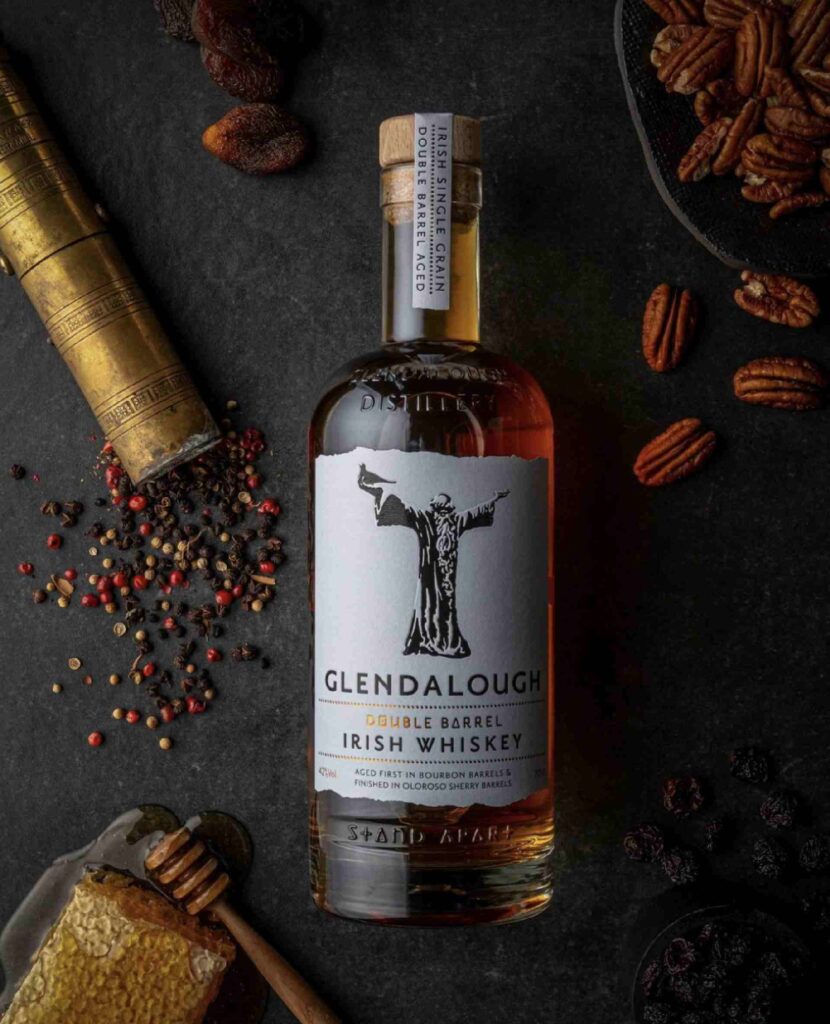
Glendalough Distillery Double Barrel Single Malt Irish Whiskey

The Lough Inn

This highball is made with Glendalough Double Barrel, a single-grain Irish whiskey aged in ex-bourbon barrels before being finished in Oloroso sherry casks.

  • 2 oz. Glendalough Double Barrel Single Grain Irish Whiskey
  • 1 oz. Spiced honey syrup (see note)
  • 1 oz. Fresh lemon juice
  • Soda to top
  • Lemon wheel or slice to garnish
  • Mint leaf to garnish
  • 1 cup Honey for spiced honey syrup
  • 0.5 cup Water for spiced honey syrup
  • 4 Cinnamon sticks for spiced honey syrup
  • 1 pod Star anise for spiced honey syrup

Add ice to a highball glass, then add first three ingredients. Top with soda water. Garnish with lemon wheel or slice and freshly torn mint leaf.

For spiced honey syrup: Add honey, water, cinnamon sticks, and star anise to pot. Bring to a boil, then stir. Strain into container.

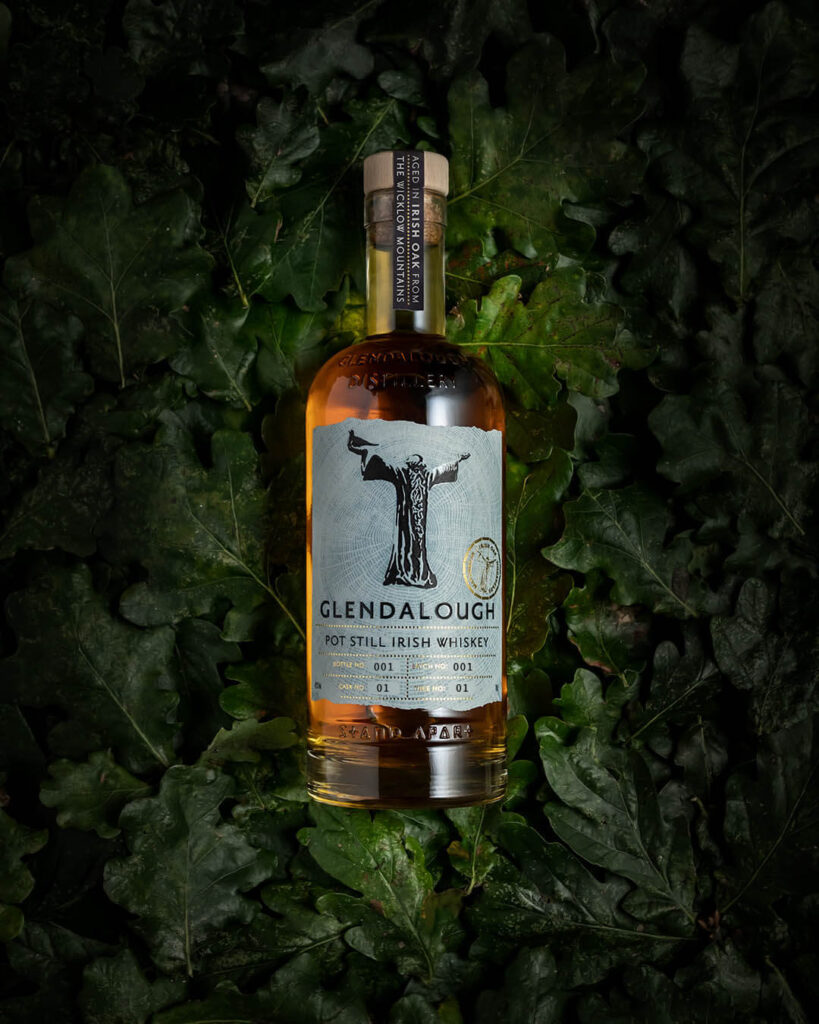
Glendalough Distillery Pot Still single malt Irish whiskey

Pot Still Highball

Deceptively simple to build, this cocktail highlights the terroir of the land surrounding Glendalough Distillery.

  • 1.5 oz. Glendalough Pot Still
  • Soda to top
  • Grapefruit peel to garnish
  • Mint leaf to garnish (freshly torn and slapped, of course)

Prepare a highball glass with an ice shard, spear or cylinder. Pour in Glendalough Pot Still whiskey, then top with soda. Glendalough Distillery recommends a 1:2 ratio, Pot Still to soda. Garnish with mint leaf.

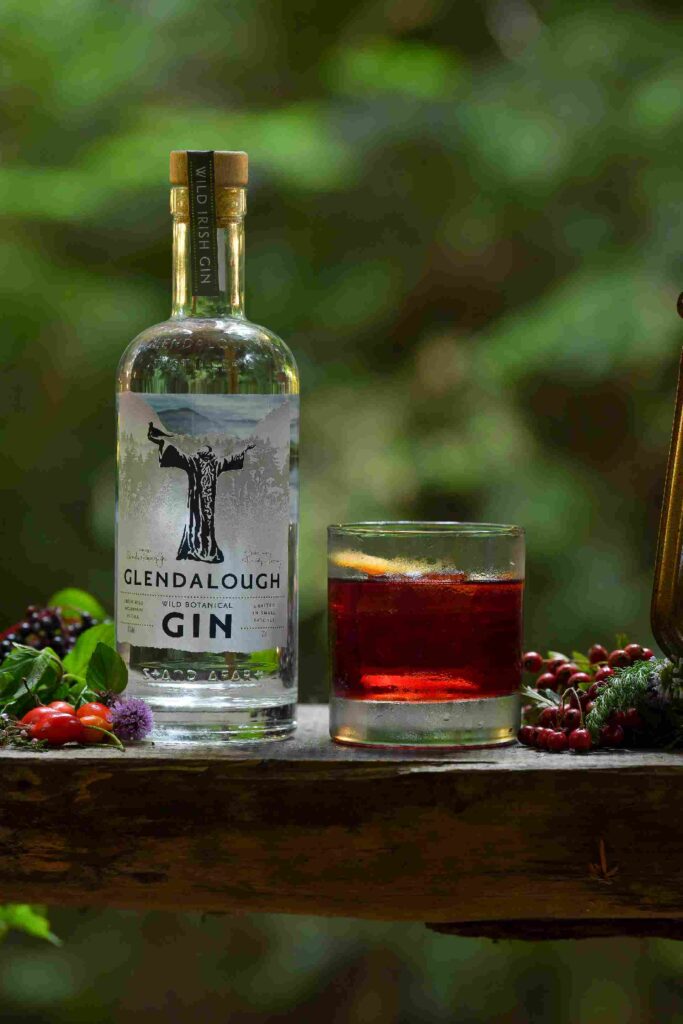
Glendalough Distillery Wild Gin Negroni cocktail

Glendalough Negroni

The foraged botanicals in Glendalough Wild Gin add even more complexity and depth to the classic Negroni. In fact, the flavors work so well this recipe maintains the Negroni’s crucial 1:1:1 ratio.

Prepare an Old Fashioned with ice. Add first three ingredients to glass in the above order. Add more ice if necessary. Stir, express orange peel, and place as garnish.

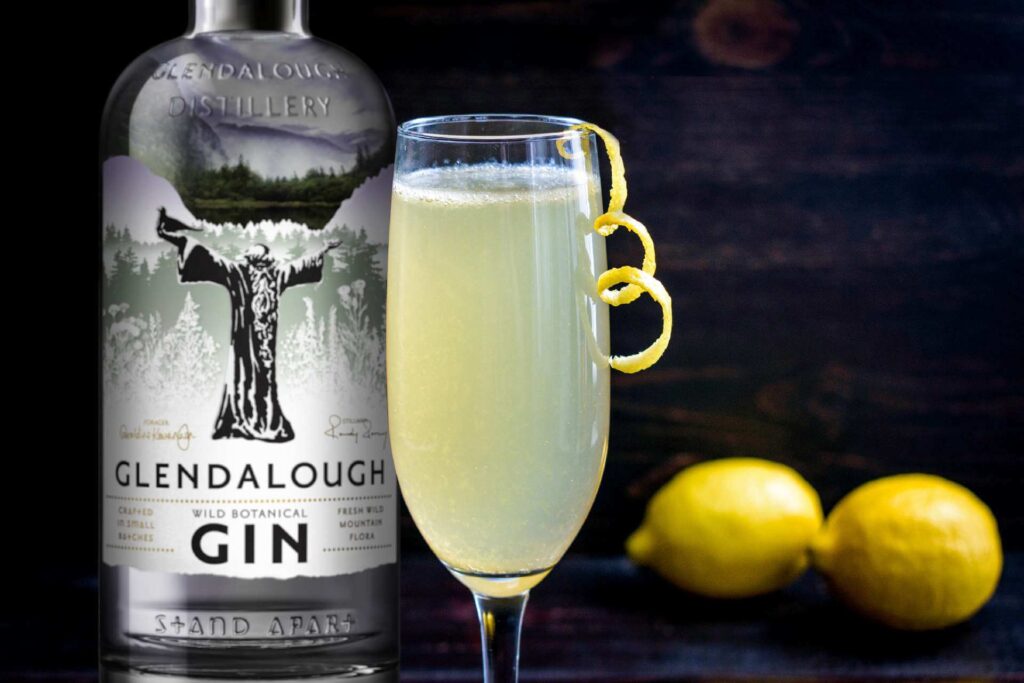
Glendalough Distillery Wild Gin Irish gin

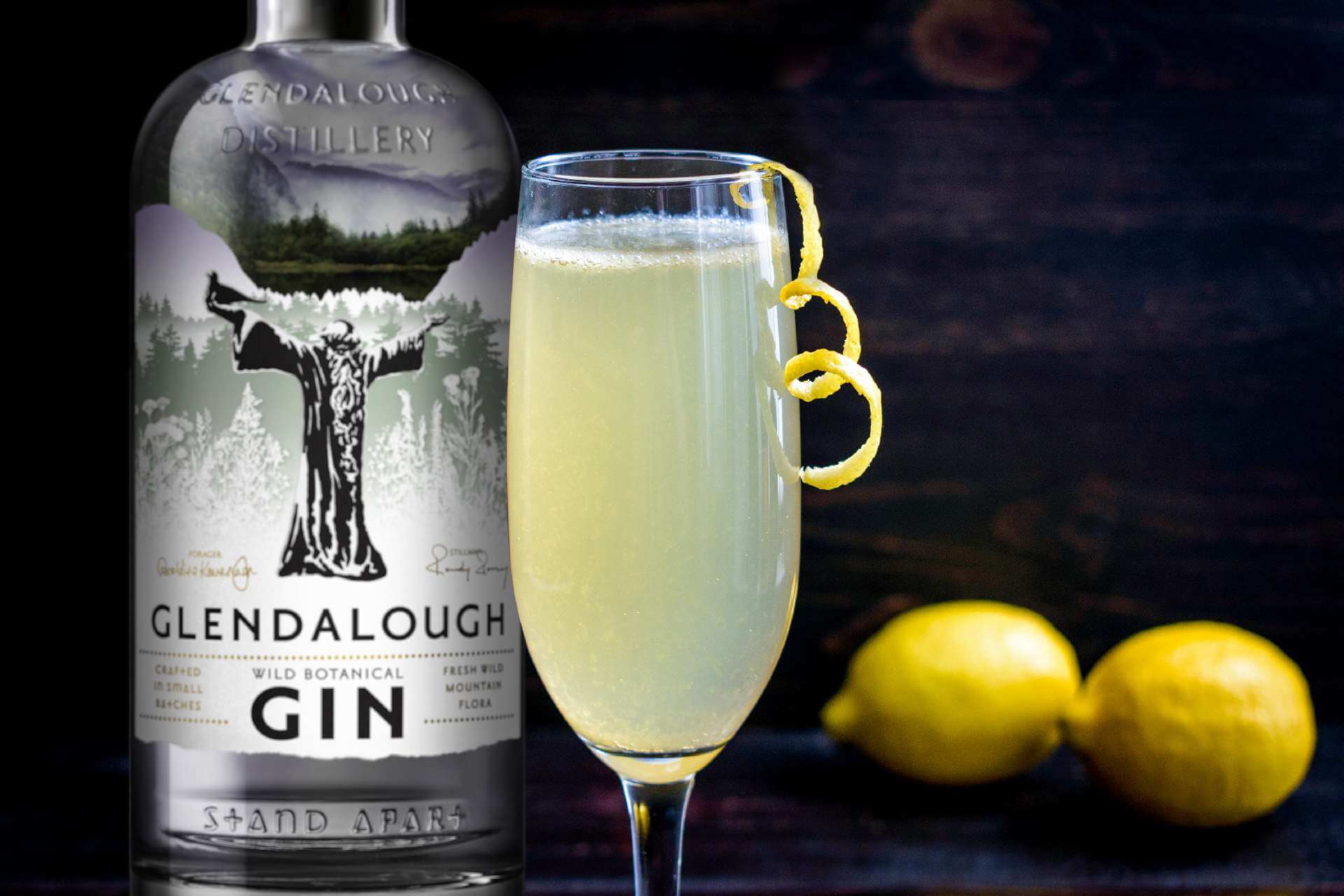
Glendalough Wicklow 75

Bubbles make everything better and everyone happier.

Add all ingredients to shaker. Add ice and shake until well chilled. Strain into Champagne flute, top with Prosecco, and garnish with lemon twist.

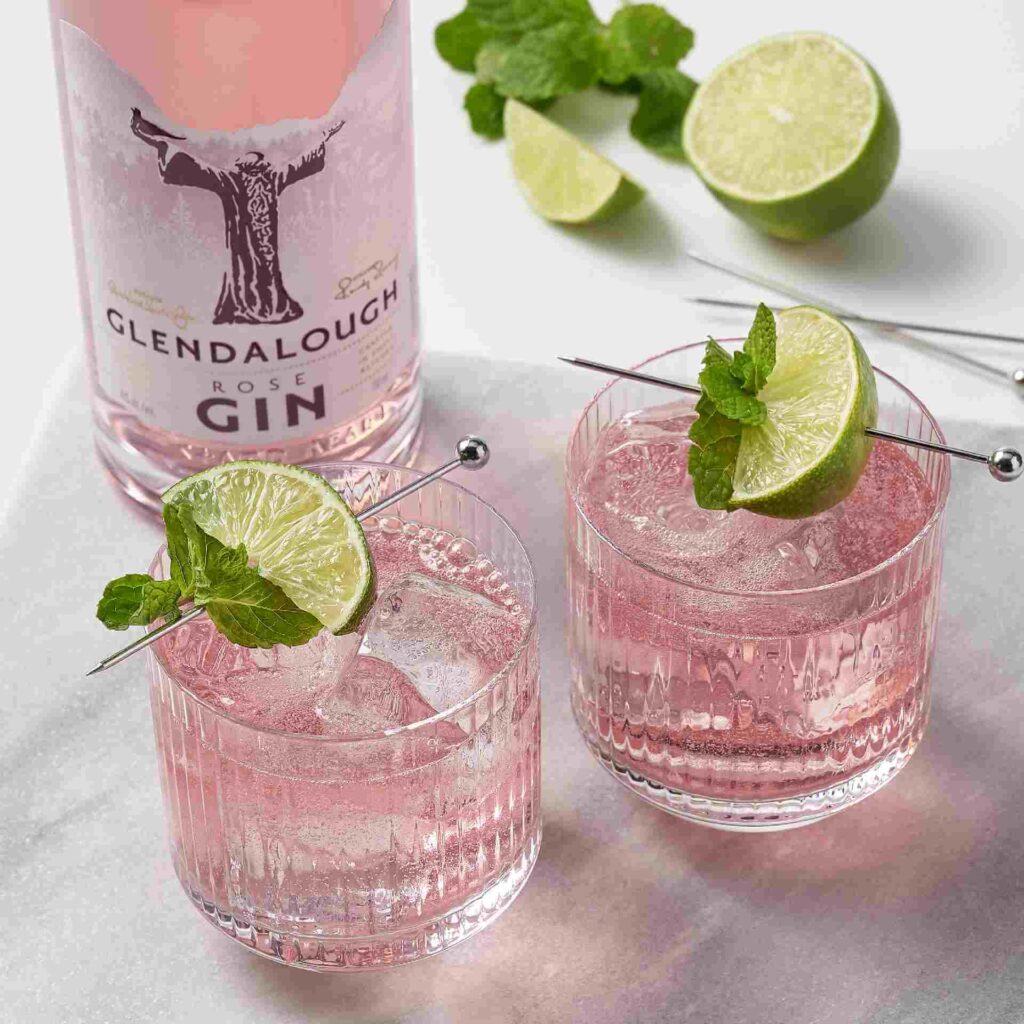
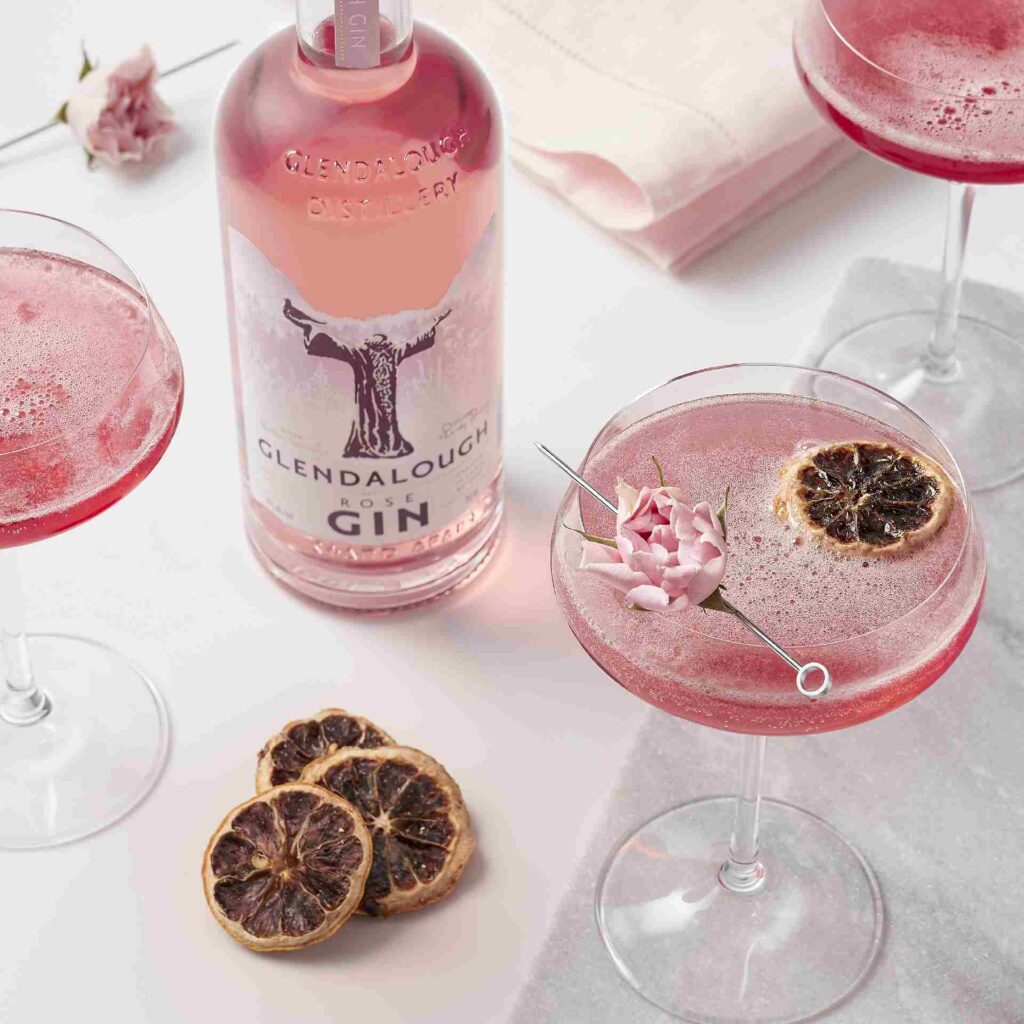
Glendalough Distillery Rose Gin Irish gin and cocktails

Glendalough Rose G&T

This simple classic receives a huge visual and aromatic boost from Glendalough Rose Gin.

  • 2 oz. Glendalough Rose Gin
  • Tonic to top (the higher the quality, the better)
  • Lime slice
  • Mint leaves

Add ice to glass, then add Rose Gin. Top with tonic, and garnish with lime slice and mint leaves.

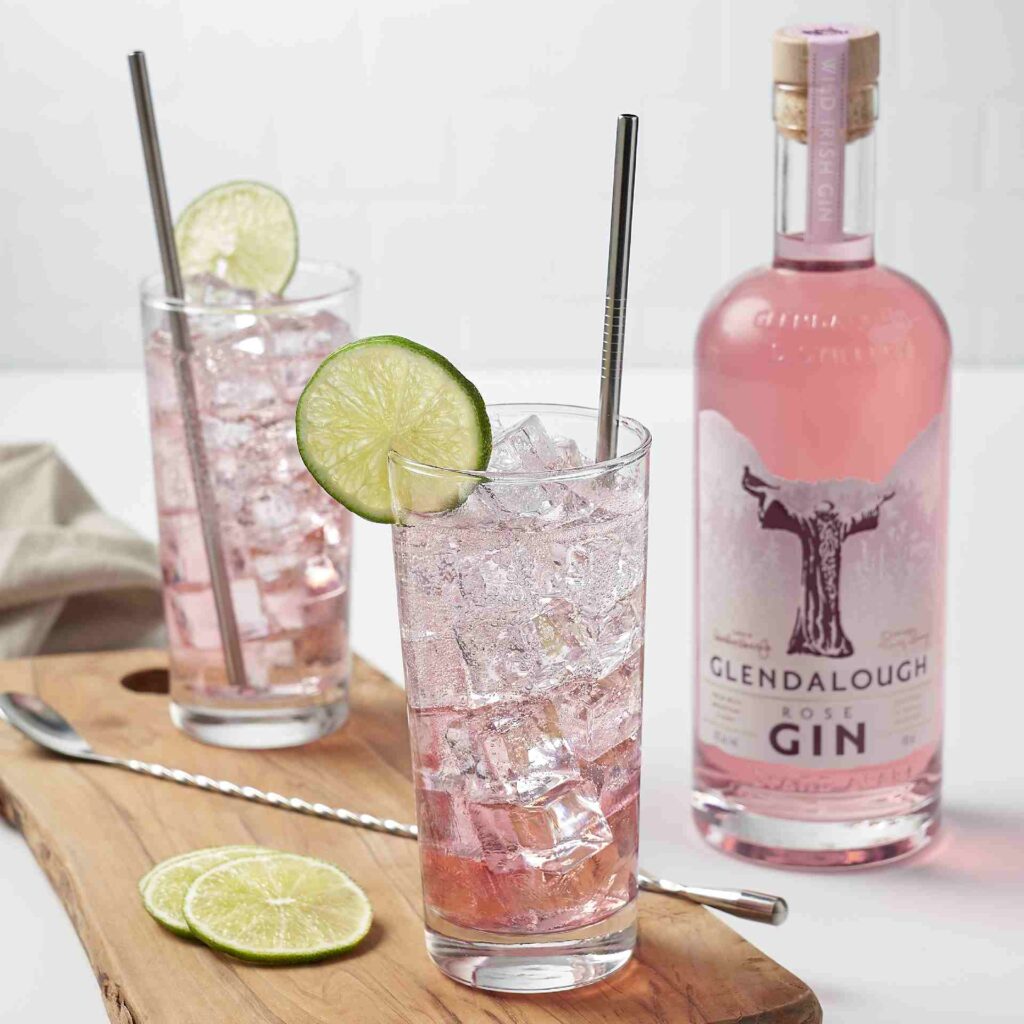
Glendalough Distillery Rose Gin Fizz

Glendalough Rose Gin Fizz

One way to elevate the highball is to use a striking pink-hued Irish gin.

  • 1.5 oz. Glendalough Rose Gin
  • 0.5 oz. Elderflower liqueur
  • Raspberry & Lime sparkling water to top
  • Lime wheel to garnish

Add ice (spear, shard or cylinder for impact), Rose Gin, and liqueur to highball glass. Stir, then add sparkling water to top. Garnish with lime wheel.


View this post on Instagram


A post shared by Glendalough US (@glendaloughus)

Glendalough Rose Collins

Boost the classic Collins with Glendalough’s striking rose-petal gin.

  • 1.5 oz. of Glendalough Rose Gin
  • 1 oz. of Lemon juice (freshly squeezed)
  • 0.5 oz. of Sugar syrup (1:1 ratio, hot water to sugar)
  • Soda to top
  • Lemon peel to garnish
  • Cherry to garnish

Combine first three ingredients in a shaker with a cup of ice. Place an ice shard, spear or cylinder to a highball glass. Shake until well chilled, then strain into glass. Top with soda, and garnish with lemon peel and cherry.

Glendalough Distillery Rose Gin Hibiscus Rose

Glendalough Hibiscus Rose

Refreshing and flavorful, the hibiscus tea syrup plays incredibly well with Glendalough Rose Gin.

  • 1.5 oz. Glendalough Rose Gin
  • 0.5 oz. Hibiscus tea syrup (see note)
  • 0.5 oz. Lemon juice (fresh squeezed)
  • Prosecco to top
  • Dehydrated lemon wheel to garnish
  • Rose petals to garnish
  • 33 oz. Water for hibiscus tea syrup
  • 16 oz. Sugar for hibiscus tea syrup

Add first three ingredients and ice to a shaker. Shake until well chilled and double strain into a coupe.  Top with Prosecco, and garnish with dehydrated lemon wheel and rose petals.

For the hibiscus tea syrup: Steep seven hibiscus tea bags in 33 ounces of water for 15 minutes. Add 16 ounces of sugar.

Images & Recipes: Glendalough Distillery

Related Reading

Work with Us

Click the image below to partner with us on your project.

Client Intake Form - KRG Hospitality

by David Klemt David Klemt No Comments

Heritage & Innovation: Glendalough

Heritage & Innovation: Glendalough Distillery

by David Klemt

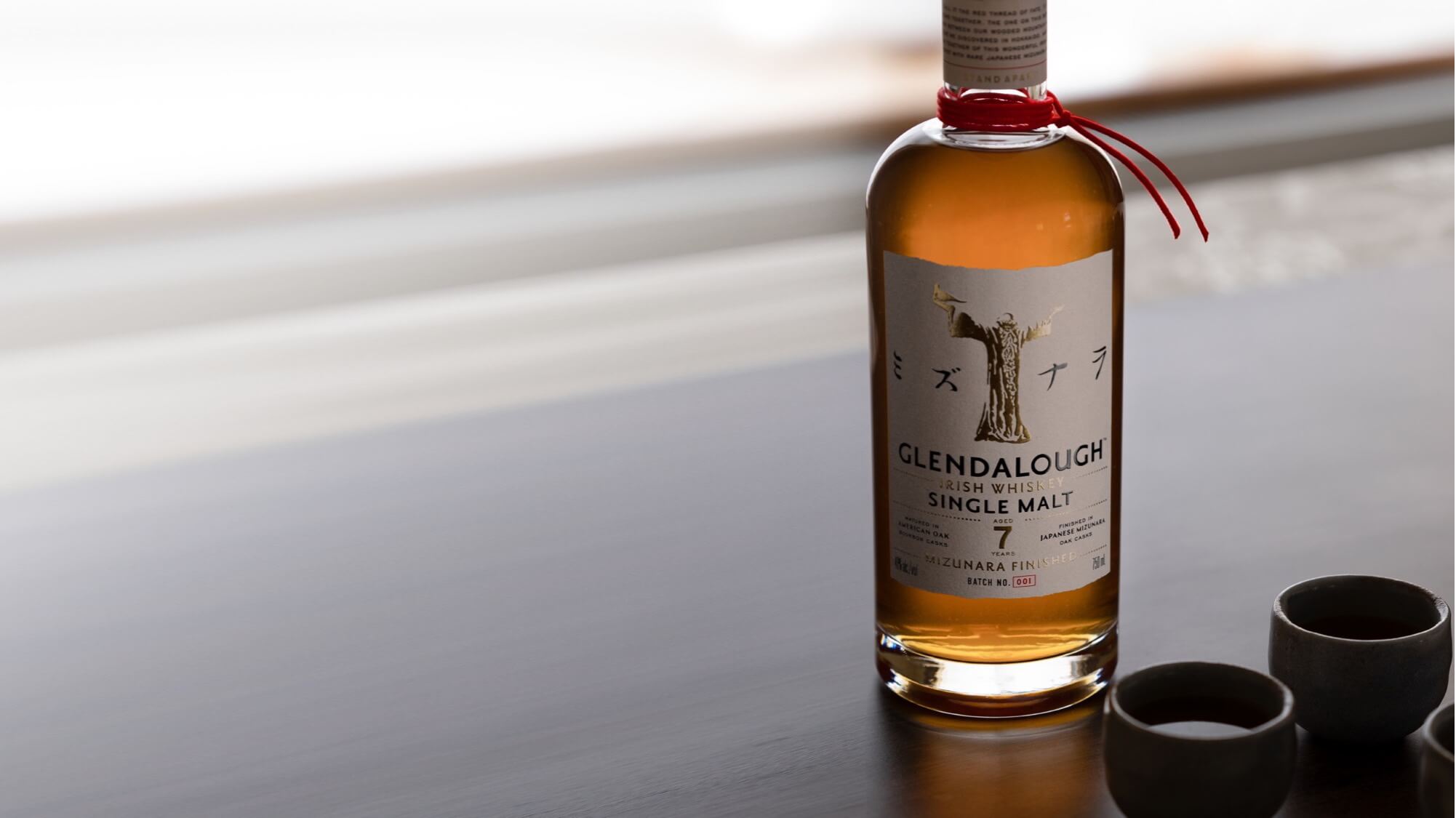
Glendalough Distillery 7 Years Mizunara single malt Irish whiskey and glasses

Glendalough Distillery’s five founders are on a mission to honor Ireland’s rich distilling history and heritage.

As Bar Hacks guest Donal O’Gallachoir describes them, the whiskeys Glendalough crafts are remarkably different. O’Gallachoir, co-founder, national brand ambassador, and cheeky bottlewasher, aims to elevate Irish spirits.

More accurately, Glendalough’s founders want to return Irish whiskey to its rightful, historic place. That place? Among the top whiskeys in the world.

As you’ll learn, Glendalough will elevate your St. Patrick’s Day menu. In fact, these whiskeys and gins will elevate your entire menu, period.

Centuries of History

On episode 71 of Bar Hacks, O’Gallachoir briefly but compellingly shares Irish whiskey’s story. As he tells it, it was once estimated Irish whiskey accounted for up to 90 percent of world whiskey consumption.

That’s easy to believe when you factor in how Irish whiskey production can be traced back to at least the sixth century. There’s also the fact that Irish distillers were crafting, as O’Gallachoir puts it, “a wealth of styles.”

Unfortunately, a terrible string of wars—literal and economic—all but eradicated Ireland’s distilleries. When I say eradicated, I mean that when Glendalough Distillery opened in 2011, it became the fourth or fifth distillery in the country.

There used to be 200 licensed distilleries in the country, along with around 1,800 unlicensed distilleries. For decades of the 20th century, there were only two to three licensed distilleries in operation.

So, it makes sense that consumers outside of Ireland think the country produces only one style of whiskey: Irish. Meaning, light-bodied, sweet, and meant to be thrown back as a shot.

O’Gallachoir is well aware of the compelling paradox of modern Irish distillation. If the blended style of Irish whiskey most people know today hadn’t kept the industry alive, Glendalough and its expressions may not exist today.

Distillation Innovation

All Glendalough whiskeys are single malt and chill filtered. This stands in stark contrast to blended Irish whiskeys, the current dominant (modern) style.

Glendalough is, to oversimplify it, honoring centuries of Irish whiskey production. Single-malt Irish whiskey was what we would now label super- or ultra-premium. The difference between Irish and Scotch whiskey was the latter’s smoked, peated profile. The former was once preferred worldwide.

Glendalough is dedicated to crafting super-premium Irish whiskey. Doing so means they don’t make things easy on themselves.

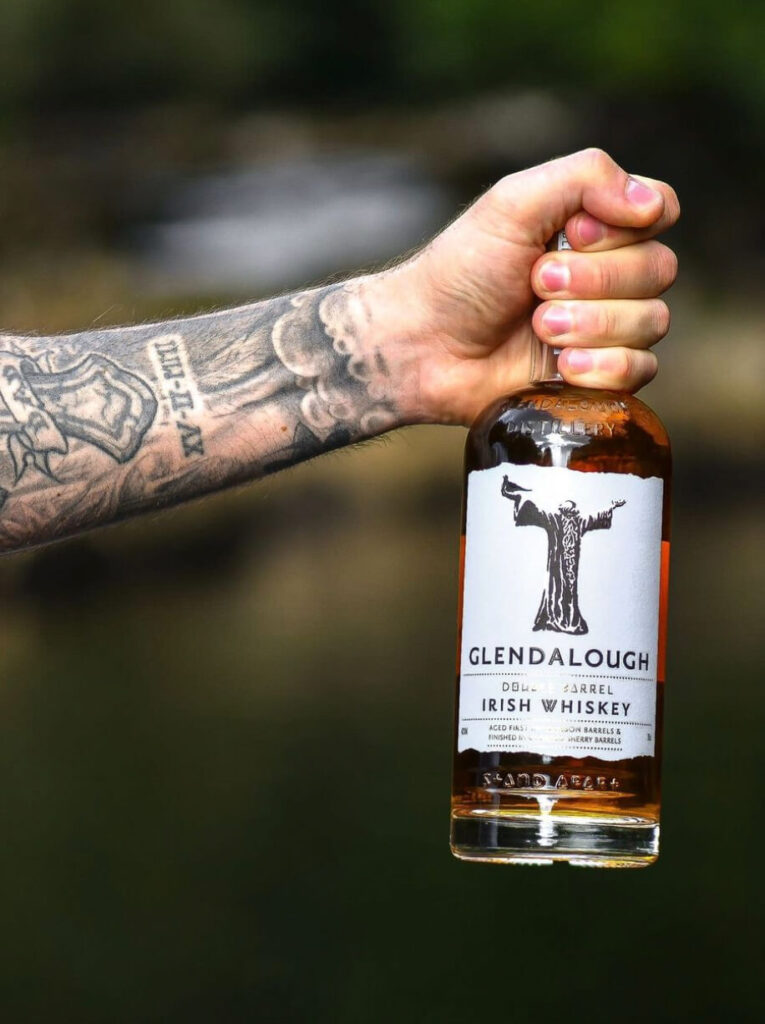
Glendalough Distillery Double Barrel single grain Irish whiskey

Let’s start with Glendalough’s Double Barrel expression.

As the name suggests, this whiskey is finished twice. First, it’s aged in ex-bourbon barrels. Second, it’s matured in Oloroso sherry casks. Eschewing blends, Glendalough studies the science of different types of barrels to craft its styles.

Glendalough Distillery Pot Still single malt Irish whiskey

Of course, they also honor Irish distilling heritage through another expression: Glendalough Pot Still. To say no other style of whiskey embodies Irish production like pot still doesn’t do this distillation method justice.

In fact, Irish pot still whiskey is geographically protected; it can only be crafted in Ireland. However, when it comes to honoring Ireland, Pot Still doesn’t end there.

Glendalough initially ages Pot Still in ex-bourbon barrels. However, it’s finished in Irish oak. Truly, this expression captures the terroir of the mountainous region Glendalough calls home.

In other words, Pot Still is a super-premium taste of Ireland in a bottle.

And then there’s the distillery’s newest expression.

The Red String of Fate

About two weeks ago, Glendalough released their latest innovation: 7-Year-Old Single Malt Mizunara Finish.

7-Year-Old Single Malt Mizunara Finish in Wicklow, Ireland

Whiskey aficionados will recognize mizunara instantly and begin scheming to add this bottle to their collections.

Mizunara, Japanese oak, is renowned for several reasons. The wood imparts incredible flavors unlike those from other barrels. But, like all things rare and magical, mizunara is also incredibly challenging.

The challenges begin with the trees themselves, which can take hundreds of years to grow fully. This oak doesn’t grow straight, so crafting even one stave can be difficult.

Then there’s the water content. Mizunara translates to “water oak,” and it’s not an ironic nickname. The water content of mizunara is sky high, and it’s also highly porous.

It takes fantastic skill and experience for coopers to craft mizunara barrels that don’t crack or leak. To learn more, please click here to hear O’Gallachoir tell the story of Glendalough traveling to Hokkaido in Japan to form a relationship with an independent cooperage to craft Mizunara Finish casks.

Incredibly, the latest Glendalough expression isn’t a limited-edition release. Rather, this joins the core lineup and will be released twice per year. Be on the lookout for batch 001.

It seems that Glendalough whiskey and mizunara barrel coopers were fated to find one another. In fact, the red thread on each bottle of Mizunara Finish pays homage to the Japanese legend of the red thread of fate.

An invisible red thread connects those who are destined to find one another. It grows shorter and shorter as their paths collide.

Going Wild

You may recall that I said Glendalough doesn’t make things easy on themselves. This is evidenced by their gin.

Unlike other distilleries, Glendalough started with whiskey distillation and later pursued gin production.

Glendalough Distillery Wild Gin Irish gin

They also forage for the ingredients used to craft their Wild Gin. If it’s not within ten miles of the distillery and growing wild, it’s not in the bottle.

According to O’Gallachoir, it takes a year to produce one bottle of this gin. Rejecting easier methods of production like automation, each batch of Wild Gin is crafted by taste and aroma.

Glendalough Distillery Rose Gin Irish gin and cocktails

Then there’s the visually and aromatically impactful Rose Gin. Crafted to honor Glendalough’s head distiller’s mother Rose, this is a rose-petal gin.

Now, you may assume it’s like drinking a bottle of decades-old, overpowering, rose-scented perfume. However, O’Gallachoir assures me this is absolutely not the case.

Instead, this striking bottle is intensely floral but balanced, and undeniably unique. O’Gallachoir suggests trying it in a Bee’s Knees.

In just over a decade, Glendalough has elevated Irish craft spirits. There are more innovations to come and I can’t wait to try them.

To learn more about O’Gallachoir and Glendalough Distillery, please listen to episode 71 of the Bar Hacks podcast.

Image: Glendalough Distillery

by David Klemt David Klemt No Comments

5 Books to Read this Month: March 2022

5 Books to Read this Month: March 2022

by David Klemt

Flipping through an open book

This month’s engaging and informative book selections will help you develop next-level culinary, beverage and marketing skills throughout 2022.

To review February’s book recommendations, click here.

Let’s jump in!

We Are All the Same Age Now: Valuegraphics, The End of Demographic Stereotypes

David Allison, founder of the Valuegraphics Project and author of this book, has been a guest on the Bar Hacks podcast twice. First, on episode 46, and again on episode 67. During both appearances, David explained the power of understanding people based on their values. What people have in common is far more powerful and effective than focusing on what divides us. Rather than continuing to point to harmful demographic stereotypes, the Valuegraphics Project focuses on values, psychographics, and standard demographics.

Pick up We Are All the Same Age Now to learn more and change your mindset.

Rodney Scott’s World of BBQ

When I visited South Carolina last year, I had a short list of restaurants I wanted to visit. Bar Hacks guest Brooks Quinn recommended pitmaster Rodney Scott’s Whole Hog BBQ in Charleston so I could try South Carolina barbecue. I’m glad I asked Brooks because the food was incredible. So incredible, in fact, that I overate and had to to do my best to walk off my resulting food coma.

Those who want to learn the art of South Carolina barbecue—or just great barbecue in general—need Rodney Scott’s World of BBQ book in their lives.

Smoked Cocktails

Beyond imparting wonderful flavor, we all know one of the greatest benefits of smoking a cocktail: Everyone who sees and smells the process is going to want to order one. While Smoked Cocktails is aimed at the home bartender, there’s plenty of useful information for operators, managers, and bar staff. Author Frank Marino shares the steps for smoking cocktails; identifies “cocktail families”; details more than 100 recipes; and more.

Everyone’s Table: Global Recipes for Modern Health

Chef Gregory Gourdet is the chef/owner behind Kann, a restaurant in Portland, OR, set to open its doors this year. The live-fire concept marries Haitian cuisine, ingredients sourced in Oregon, seasonality, and sustainability. When the Top Chef finalist went sober, he sought a healthier lifestyle. As a chef, he pursued that lifestyle in part through cooking. Everyone’s Table focuses on global cuisine that feature superfoods and high nutrient density while delivering delicious, decadent flavors. The 200 recipes in this book may not contain gluten, dairy, soy, legumes or grains but they’re still mouthwatering.

Rum Curious: The Indispensable Tasting Guide to the World’s Spirit

For the past several years now, several spirits experts and rum aficionados have made the same hopeful claim: This will be rum’s year. Finally, they say, rum will get the respect its due and topple vodka, tequila, and whiskey to grab the top spot. However, that has yet to happen. Well, yet to happen in North America, anyway.

Rum was once the world’s spirit, and maybe this year will be its year. In Rum Curious, revered spirits author Fred Minnick shares not only the story of rum but also his tips for conducting an effective rum tasting. With guests more curious than ever, engaging rum tastings may help springboard rum to the top of the spirits list.

Image: Mikołaj on Unsplash

by David Klemt David Klemt No Comments

Yes, Some Tequilas Have Additives

Yes, Some Tequilas Have Additives

by David Klemt

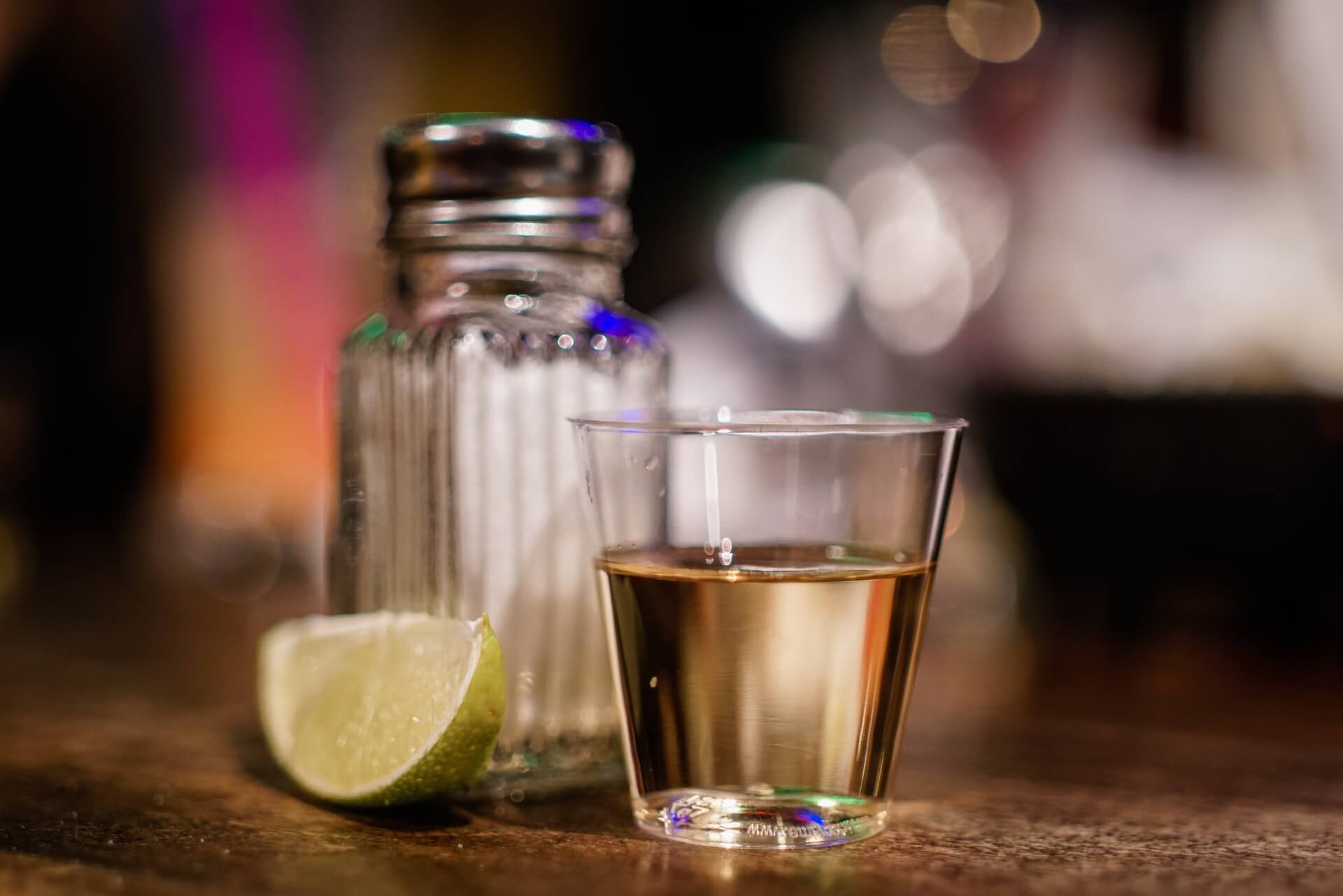
A shot of tequila served with salt shaker and lime wedge

The subject of additives in tequila—and lack of transparency on labels—isn’t new but recent social media posts are shining a light on the topic.

In particular, there are posts circulating about tequila producers using vanilla flavoring. Doing so, it turns out, is well within the Norma Oficial Mexicana (NOM) rules.

However, revealing it on labels? With some caveats, it’s also well within the rules not to mention additives.

Understandably, people want to know what they’re putting in their bodies. Increasingly, this has grown to include alcohol.

So, there are bar owners, bar managers, bartenders, and bar guests who want to avoid serving and consuming additives whenever possible. Of course, there are also guests out there who don’t care about additives in the spirits they drink.

Interestingly, though, there’s a collective of tequila distilleries committed to producing clean spirits. They have no interest in using additives.

Chris Wirth alludes to these producers on episode 66 of the Bar Hacks podcast. He and wife Camila Soriano produce world-first clean tequila seltzer Volley.

Are There Additives in Tequila?

First, let’s be clear: Several categories of spirit permit the use of additives. Labeling transparency falls under the jurisdiction of different governing bodies.

So, it’s not like the use of additives is a scandal or exclusive to tequila. And, again, some consumers and hospitality professionals care, some don’t.

Additives become a problem when producers who use additives choose language on their labels and in marketing that suggest otherwise.

You see, tequila producers aren’t required to include additives on their labels if they don’t exceed one percent of total volume. NOM permits the use of glycerin, caramel coloring, “sugar-based” syrups, and oak extract in all tequilas except blanco.

However, there appears to be a loophole in NOM rules showing the use of additives in blancos is indeed permitted.

For those who don’t want to consume tequilas that use additives, brands that claim to be additive-free in their labeling and marketing present a problem. That’s because at best they’re just following the rules, but at worst they’re using the rules to be deceptive.

Why Does this Matter?

According to some in the industry, tequila may just kick vodka off its throne this year. In America, anyway.

Undeniably, that indicates increased consumer focus on tequila. It follows that a number of restaurant, bar, and nightclub guests will come across the topic of additives.

Some will want to know which brands are additive-free. This is where this topic should matter to operators and their bar teams: Guests don’t want to hear, “I don’t know.”

Luckily, there’s a resource out there that will help: Tequila Matchmaker. Hit that link, click the “Types” tab, and select “– Additive Free” from the dropdown.

As of this writing, you’ll find 266 bottles of additive-free tequila. Some of the brands you’ll find on this page are Código 1530, Tanteo, Fortaleza, El Tesoro, ArteNOM, Tears of Llorona, and Patrón.

Once more, this isn’t a scandal. Rather, this is an opportunity for operators to ensure they have some tequilas on their menu that are additive-free.

It’s likely the topic will come up and being prepared with a few recommendations will improve the guest experience.

Image: Francisco Galarza on Unsplash

by David Klemt David Klemt No Comments

Volley RTD: Clean, Lean & Green

Volley Tequila Seltzer: Clean, Lean & Green

by David Klemt

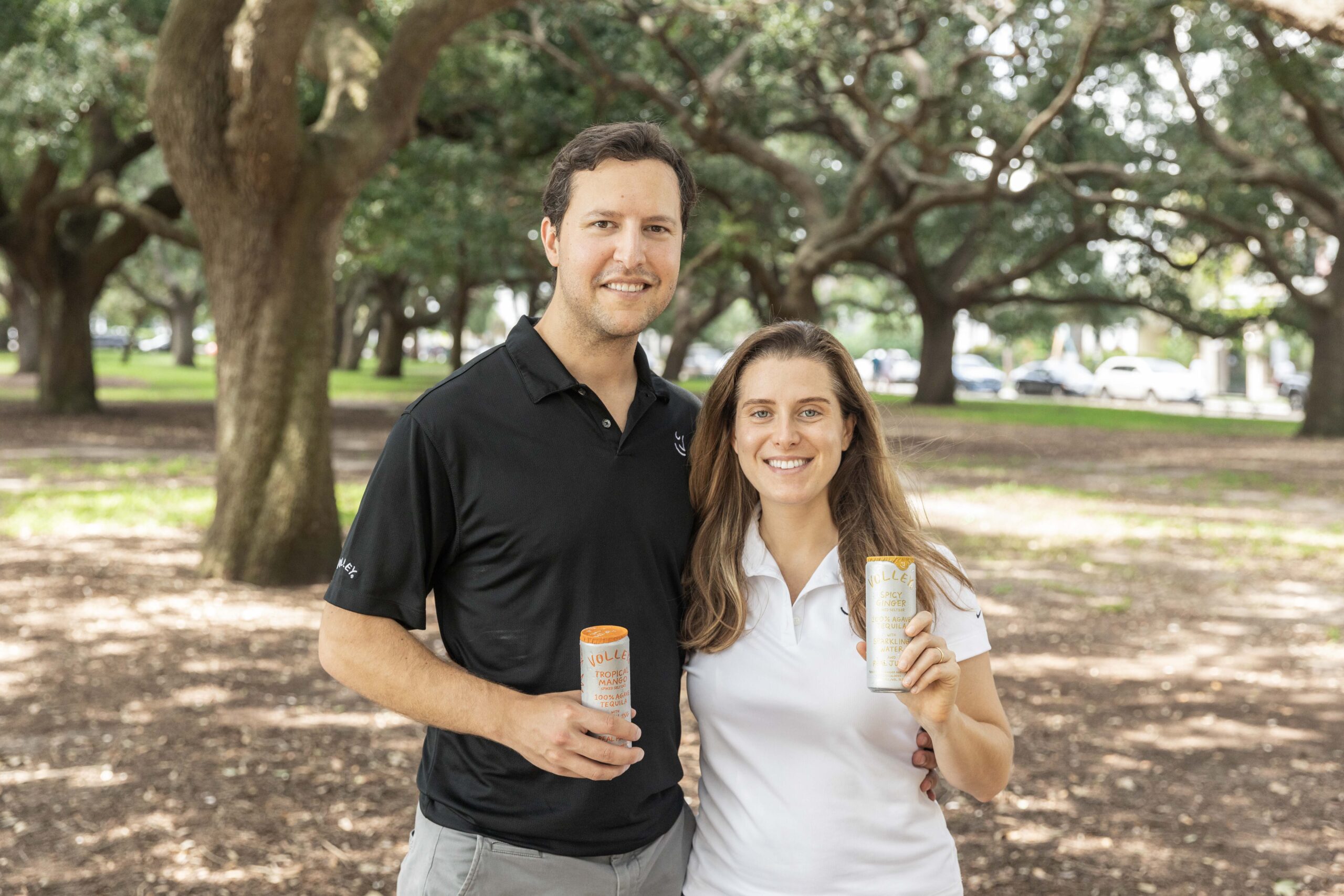
Chris Wirth and Camila Soriano, founders of Volley Tequila Seltzer holding cans of Volley

The founders of the world’s first clean tequila RTD, Volley Tequila Seltzer, are on a mission that values transparency and giving back to the planet.

Dynamic entrepreneurial duo Chris Wirth and Camila Soriano are the guests on episode 66 of the Bar Hacks podcast.

The two share the Volley story, including what drove them to create the brand and their mission.

Transparency is Challenging

It turns out that being transparent on your labeling isn’t as easy as it sounds. When it comes to beverage alcohol in the US, there are limits on what a brand can include.

You see, alcohol labeling isn’t the FDA’s purview. Rather, it falls under the authority of the Alcohol and Tobacco Tax and Trade Bureau, or TTB.

A little bit of digging reveals that when the Alcohol Administration Act was passed in 1935—two years after prohibition was repealed—the Federal Alcohol Administration was created.

This federal body replaced the Federal Alcohol Control Administration. The Federal Alcohol Administration had statutory powers and, as the name implies, had authority over the alcohol industry.

Seventy years later, the TTB was created and is the federal agency tasked with alcohol industry regulation. That means they control alcohol labeling.

So, when the FDA implemented nutrition labels, alcohol was unaffected. As far as the TTB is concerned currently, there’s no requirement for the labeling of alcohol similar to what’s required for packaged food.

But David, I bet you’re not asking, just because it’s not required doesn’t mean I couldn’t choose to include transparent nutrition labeling for my bottle of spirits or ready-to-drink canned cocktail, right?

Apparently, no—that’s incorrect. As you’ll hear in episode 66 with Soriano and Wirth, it’s not that simple. In fact, the TTB may reject your information-laden packaging for being too transparent.

Without policy changes, there’s no incentive for alcohol producers to be more transparent—and they may be prohibited from doing so.

Simple Changes are Impactful

All that said, Soriano and Wirth were able to introduce new packaging after just launching in 2020.

You may have seen people wipe off the tops of cans before opening and drinking from them. In fact, you may be one of these people. If so, great—you know why Volley now has foil covering the tops of their cans.

As Soriano explains on the Bar Hacks podcast, the tops of canned drinks are horrifyingly unsanitary. And as far she and Wirth are aware, Volley is the only canned beverage other than San Pellegrino with foil caps (in the US, anyway).

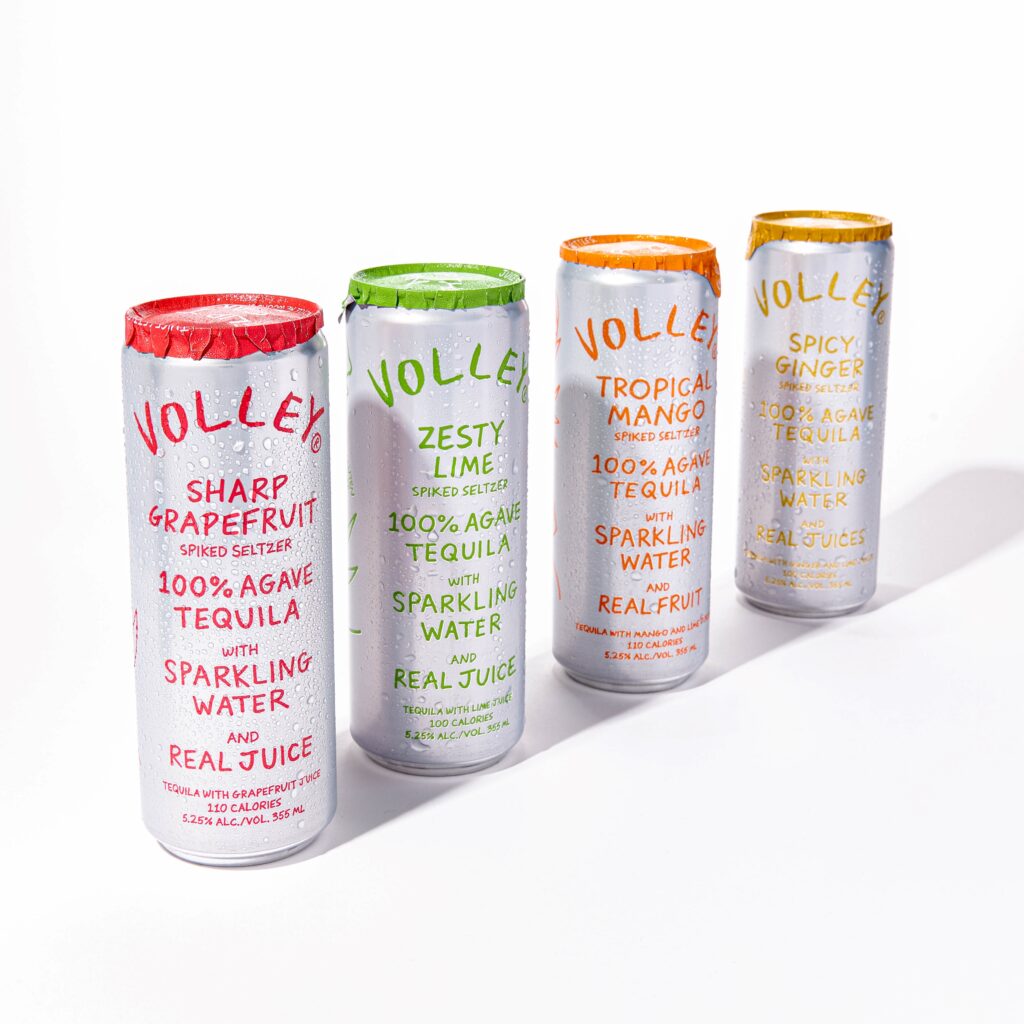
Volley Tequila Seltzer RTD can lineup with new foil packaging

This simple packaging change carries a big impact. Likewise, it fits with the brand’s identity and mission. The brand is driven to be healthier, more thoughtful, and more transparent.

A single 12-ounce can comes in at just 100 or 110 calories, depending on expression (there are four). All Volley RTDs are gluten-free and free of added sugars. You won’t find fermented cane sugar, corn syrup, fake sugars, essences, or “natural” flavors.

In fact, there are just three ingredients in a can of Volley: 100-percent blue agave tequila, 100-percent organic fruit juices (never from concentrate), and sparkling water. And yes, Soriano and Wirth can tell you exactly who their sources are for each ingredient.

Win-Win-Win Mission

That brings us to their drive to give back and be responsible stewards of the planet. Volley is in a partnership with Leave No Trace, a non-profit committed to caring for the outdoors.

If some industry experts are proven correct, 2022 will be the year that tequila dethrones vodka as the top-selling spirit throughout North America. Not only does Volley resonate with tequila lovers, the brand is also at the forefront of other trends popular with today’s consumer: sustainability, ethical business practices, active lifestyles, transparency, and healthier options.

Add the facts that RTDs make for excellent delivery order add-ons and can be served as quickly as a beer and you’ve got a no-brainer for your restaurant, bar, hotel or resort.

We love a brand that offers upside in droves. Volley is a win for consumers, a win for operators, a winning brand, and a win for the planet.

Disclaimer: Neither the author nor KRG Hospitality received compensation, monetary or otherwise, from Volley or any other entity in exchange for this post.

Image: Volley Tequila Seltzer

by David Klemt David Klemt No Comments

5 Books to Read this Month: February ’22

5 Books to Read this Month: February ’22

by David Klemt

Flipping through an open book

This month’s fun and informative book selections will help you develop next-level culinary, beverage and leadership skills throughout 2022.

To review January’s book recommendations, click here.

Let’s jump in!

Greenlights

Published originally in 2020, Matthew McConaughey’s Greenlights is already experiencing a resurgence. McConaughey has been writing in diaries for decades and sat down with them to write this memoir that shares lessons he’s learned, stories about what he has experienced over the course of more than 40 years, and more. In his own words, Greenlights addresses how to be fair, have less stress, have fun, hurt people less, get hurt less, be a good person, have meaning in life, and how to be more yourself.

“It’s also a guide to catching more greenlights—and to realizing that the yellows and reds eventually turn green too.”

Setting the Table

Danny Meyer’s modern classic Setting the Table was published nearly 15 years ago. It’s an award-winning masterpiece and considered by some to be the best restaurant business book ever written. On episode 64 of the Bar Hacks podcast, CEO and Master Blender Neil grosscup of Tanteo Tequila mentions this book. So, I decided it was time to revisit Setting the Table and encourage those who haven’t yet to read it.

The New Craft of the Cocktail: Everything You Need to Know to Think Like a Master Mixologist

Dale DeGroff, for those who don’t know, is credited with kicking off the modern cocktail craze. He’s a legend, an icon, and an ambassador for bartenders and the hospitality industry. Released toward the end of last year, The New Craft of the Cocktail is an update of DeGroff’s 2002 book The Craft of the Cocktail. Inside are new photographs, updates to the history of the cocktail, and 100 new drink recipes.

The Unofficial Disney Parks Drink Recipe Book

Look, it has been an overwhelming two years. And we’re still in that overwhelming situation. That is to say, we can all use a smile wherever we can get it. That goes for drink menus, too. Enter, The Unofficial Disney Parks Drink Recipe Book. It may be unofficial but the recipes are fantastic, offering whimsy, nostalgia, and wow factor. There are over 100 recipes in this best-selling book, including cocktails and zero-proof drinks.

The Velocity Mindset

If you want to become a better leader, you need to change your mindset. That may sound drastic but developing simple habits like visualizing a specific outcome can improve your leadership skills. The Velocity Mindset shares Ron Karr’s “innovative and practical strategies to differentiate yourself from the competition, increase your profits, and get to the next level of success, faster.”

Image: Mikołaj on Unsplash

by David Klemt David Klemt No Comments

Be Different this Valentine’s Day

Be Different this Valentine’s Day

by David Klemt

Red graffiti heart with black outline on weathered, worn wall

When people are considering spending time and money on a holiday two years into a pandemic, they’re seeking unique experiences.

This is particularly true of holidays that traditionally involve an evening out at a restaurant or bar.

Sure, the tried and true will still probably work. After all, the pandemic has driven comfort and comfort foods to perform well.

However, a significant percentage of guests want to experience something new when they leave their homes. Below you’ll find two Valentine’s Day drink recipes and an example of entertaining programming.

When it comes to beverage programming, most people expect bubbles or rosé wines. And of course pink wines, Champagne, Prosecco, Cava, and other sparkling wines should be on hand.

But offering a Valentine’s Day cocktail that isn’t a French 75 can help your holiday menu stand out. One recipe leverages a spirit that may knock vodka off its throne this year. The other showcases a spirt that various industry experts have been hoping claim the number one spot for years.

Kiss from a Rosa

Tequila, particularly premium and ultra-premium expressions, is crushing it as a category. This Valentine’s Day cocktail is made with Código 1530 Rosa, an ultra-premium blanco tequila.

Rested for one month in uncharred French white oak barrels formerly filled with Napa Valley Cab, this unique tequila is characterized by a rosé hue.

Kiss from a Rosa tequila cocktail from Codigo 1530 for Valentine's Day

  • 1.5 oz. Código 1530 Rosa tequila
  • 0.5 oz. Cointreau
  • 0.5 oz. Raspberry syrup
  • 0.5 oz. Lemon juice
  • 1 Egg white
  • Pink sugar or raspberries to garnish
Build it: Combine all ingredients in a cocktail shaker without ice. Shake hard for roughly 30 seconds, until the ingredients form a foam. Add ice to the shaker and shake until chilled. Strain into a rocks glass. Garnish with pink sugar or raspberries on a cocktail pick.

Bacardí Old Cuban

I’ve lost track of the number of people who have predicted (hoped is probably more accurate) that rum will “finally have its year.” With tequila projected to potentially crush vodka and Irish whiskey performing so well, it’s unlikely rum will dominate 2022.

However, the category may still experience even more growth this year. Reserva Ocho is based on the Bacardí family’s reserve rum.

The eight-year-old premium rum’s dried fruit, spice, and vanilla notes play well with Prosecco. This cocktail also features a pairing that many guests wouldn’t expect to work: rum and Prosecco.

Bacardí Old Cuban rum cocktail made with Bacardí Reserva Ocho Rum

  • 2 oz. Bacardí Reserva Ocho Rum
  • 2.5 oz. Martini & Rossi Prosecco
  • 4 Mint leaves
  • 1 oz. Simple syrup
  • 1 oz. Lime juice
  • 2 dashes of Bitters

Build it: Combine all the ingredients except Prosecco in a cocktail shaker with ice. Shake vigorously, then double-strain into a coupe. Top with Prosecco and garnish with a mint leaf float.

Both cocktails above can easily justify premium pricing.

Dueling Axes Las Vegas Valentine’s Day

Featured on episode 41 of Bar Hacks, Dueling Axes offers an upscale axe-throwing experience. Of course, being upscale doesn’t mean the venue is stuffy.

Rather, Dueling Axes emphasizes fun and unique experiences. Their Valentine’s Day programming is an example of balancing the familiar with the unexpected.

From February 13 through February 15, couples will be treated to two free glasses of Champagne. Groups of four or more will receive a bottle of Champagne for free.

On February 13, however, Dueling Axes is offering an attention-grabbing promotion.

Targeting Galentine’s Day guests, the venue is encouraging people to bring in photos of their exes. The staff will hang the picture on the bullseye to motivate throwers to ace their tosses.

A bit aggressive? Sure. A tad dark? Yep. Memorable? Absolutely.

The recipes and programming above illustrate that simple deviations from the expected can help your venue stand out. This Valentine’s Day, strike a balance between the expected and unique.

Image: Tengyart on Unsplash

by David Klemt David Klemt No Comments

Bring the Heat: It’s Spicy Margarita Day!

Bring the Heat: It’s Spicy Margarita Day!

by David Klemt

Tanteo Tequila Jalapeño Margarita made with Tanteo Jalapeño Tequila

Today is the day to dial up the heat and deliver some fiery flavors to your guests with spicy Margaritas.

Why? Because it’s the second annual National Spicy Margarita Day!

Originally known as Founder’s Day, this bar holiday comes to us from Tanteo Tequila.

Participation is easy enough, and even easier if you have Tanteo Jalapeño, Habanero, and Chipotle bottles.

Tanteo CEO and Master Blender Neil Grosscup explains the signature cocktail holiday on the Bar Hacks podcast. During episode 64, Grosscup shares that the inaugural celebration honored late Tanteo founder Jonathan Rojewski. The holiday also highlights the brand’s mission: Crafting a tequila that makes the world’s best spicy Margarita.

However, it’s not just about promoting the brand and their favorite cocktail. Rather, Tanteo leverages this holiday to encourage people to give back.

Sustainability Initiatives

As Grosscup explains on Bar Hacks, he and the Tanteo team value three forms of sustainability:

  • Economic
  • Social
  • Environmental

The Tanteo distillery’s ownership spans 84 agave-farming families. Tanteo Tequila is the 85th owner. This business model—the only distillery owned by a co-op of agave farmers—is an example of economic sustainability.

There are a few reasons for this approach. One of those is that it helps the farmers weather market swings. Indeed, agave is acutely susceptible to shifts in market value. When there’s too much agave, the value of a kilo of agave can plummet quickly. Another reason for the Tanteo co-op is transparency.

About 150 bars are participating in this year’s National Spicy Margarita Day. For every spicy Margarita made with Tanteo Tequila sold at these venues through January 30, $1 will go to a variety of waterway cleanup charities:

  • Chattahoochee Riverkeeper
  • Friends of the Chicago River
  • Friends of the LA River
  • Keep the TN River Beautiful
  • Ohio River Foundation
  • Orange County Coastkeeper
  • San Diego River Park Foundation
  • Trinity River Audubon Center
  • Un Salto Con Destino. This organization is cleaning up the Rio Santiago. The Tanteo distillery is in Juanacatlán, Jalisco, Mexico, and the Rio Santiago is crucial the surrounding community.

How to Participate

It’s a little late to join officially as a bar partner with Tanteo. However, that doesn’t mean you shouldn’t celebrate the holiday.

Serving up spicy Margaritas is always a great idea. One simple way to leverage National Spicy Margarita Day is to create a small specialty menu. With at least three Margaritas, you can boost the heat level of each version to appeal to different guest’s spice preferences. You can alter heat levels using different Tanteo expressions, infusions, bitters, syrups, etc.

Or, you can simply perfect your restaurant or bar’s signature spicy Margarita. Either way, promote your participation on across your social platforms.

Speaking of social, snap a pic of your Margarita(s) and use the tag #NationalSpicyMargDay. Notice the spelling: the hashtag uses “Marg,” not “Margarita.” For every social media post tagged #NationalSpicyMargDay, Tanteo will donate $1.

See below for three Tanteo spicy Margarita recipes. ¡Salud!

Tanteo Jalapeño Margarita

Tanteo Jalapeño Margarita cocktail and bottle of tequila

  • 2 oz. Tanteo Jalapeño Tequila

  • 1 oz. Fresh lime juice

  • ¾ oz. Agave nectar

Prepare a rocks glass by adding ice. Optionally, rim glass with Tanteo Jalapeño Salt or your signature blend. Add all ingredients to a shaker with ice. Shake well and strain into prepared rocks glass. Garnish with a lime wedge or jalapeño slice (or both).

Tanteo Habanero Margarita

Tanteo Habanero Margarita on a board with habanero peppers with tequila bottle in background


  • 2 oz. Tanteo Habanero Tequila

  • 1 oz. Fresh Lime Juice

  • ¾ oz. Agave Nectar

Prepare a rocks glass by adding ice. Optionally, rim glass with Tanteo Jalapeño Salt or your signature blend. Add all ingredients to a shaker with ice. Shake well and strain into prepared rocks glass. Garnish with a habanero pepper.

Tanteo Chipotle Margarita

Tanteo Chipotle Margarita in garnished rocks glass next to tequila bottle

  • 2 oz. Tanteo Chipotle Tequila

  • 1 oz. Fresh Lime Juice

  • 1/2 oz. Agave Nectar

Prepare a rocks glass by adding ice. Add all ingredients to a shaker with ice. Shake well and strain into prepared rocks glass. Garnish with a chipotle pepper, orange slice, or lime wedge.

Image: Tanteo Tequila

by David Klemt David Klemt No Comments

Stories Sell: Whiskey Maturing and Aging

Stories Sell: Whiskey Maturing and Aging

Glass of whiskey neat against black background

The whiskey emoji in real life.

When it comes to tempting a guest out of their comfort zone or introducing someone to a new spirit, telling a compelling story is key.

Now, when we’re talking about whiskey, there are several directions the relevant stories can take.

We can focus on a distillery’s heritage and legacy. There are the histories of master distillers and master blenders. And there are innovations that pertain to maturing and aging.

Look, it’s been a heavy week. The National Day of Action to Save Restaurants took place on Tuesday. Half of this week’s KRG Hospitality were focused on that crucial campaign.

So, I think we need to end this week with something fun. Remember, when your guests are having fun at your venue, they’re more apt to order that second or third drink. Of course, a fun experience also encourages first-time guests to convert to loyal, repeat guests.

You know what’s fun? Checking out how distillers are innovating and crafting special releases. Many limited-run expressions leverage attention-grabbing maturing and aging techniques to stand out.

Below are a few unique expressions. Sometimes, short and snappy is the best sales approach. Quickly sharing how a particular bottle was matured or aged can sell a dram quickly and effectively.

Jefferson’s Ocean

This bottle, a “very small batch” blend of straight bourbon whiskeys, goes on journey before arriving in your guest’s glass.

How great a journey? According to Jefferson’s Bourbon, Jefferson’s Ocean barrels travel on the deck of a ship 25 ports across five continents. During this aging process, the barrels also cross the equator twice.

The result is a unique bourbon with hints of salted caramel popcorn, tropical fruit, and brine. In short, the salt air of the sea is captured in each barrel that takes this impressive trip.

Starward Two-Fold, Nova, and Solera

David Vitale, the founder of Starward Whisky, is the guest on episode 63 of the Bar Hacks podcast.

During his episode, Vitale explains that Starward matures in Australian wine barrels. And to make sure the Australian distillery gets the most out of these barrels, Starward sources them from wineries that are within a day’s drive.

Vitale calls Two-Fold the “Swiss Army knife of whiskies.” Working well neat, on the rocks, in cocktails (like a Two-Fold & Tonic, says Vitale), and with food. Nova, also matures in barrels once filled with Australian red wine. The result is a whisky that Vitale says makes the world’s best Manhattan.

For Solera, Starward takes a slightly different approach. The distillery utilizes the Spanish Solera method for this expression, as the name implies. However, to really deliver a dram that embodies its home, Solera is matured in former Apera barrels. Apera, an Australian fortified wine, is similar to sherry.

Starward Ginger Beer Cask

If ocean aging and wine barrel maturation doesn’t grab your attention, this bottle may at least get an eyebrow raise out of your and your guests.

Now, before I proceed, this is a highly allocated Starward expression. During his podcast interview, Vitale told me even he, the founder, only gets one of these bottles when they come up for release.

The 2022 Starward Ginger Beer Cask is the seventh bottling of this experimental expression. To craft this rare spirit, Starward brews alcoholic ginger beer (Vitale comes from the craft beer brewing world in Australia) and finishes their single malt whisky in those ex-ginger beer casks.

Expect strong, spicy, warm notes of ginger, along with candied citrus, dark chocolate, vanilla, and pineapple.

American Highway Bourbon

When country music superstar Brad Paisley went on tour in 2019, he brought along something unique. That special something? A world first: 90 barrels of whiskey inside a 53-foot trailer.

That “rolling rickhouse” traveled coast to coast across 25 states. The 90 barrels toured and aged with Brad Paisley for more than 7,300 miles.

When the tour concluded, the trailered whiskey was blended with three Kentucky bourbons to create Batch One: one three year, one 13 year, and one 15 year. American Highway Reserve, in collaboration with Bardstown Bourbon Company, was born.

Batch Two is coming in 2022. For this expression, the rolling rickhouse followed Paisley’s 2021 tour.

Each of the bottles above tell a unique, tempting story. Better yet, these stories can be told to guests quickly. Upselling is an art, and these bottles make it easier.

Image: Mathew Schwartz on Unsplash

by David Klemt David Klemt No Comments

Top 10 Bar Hacks Bonus Episodes: Goals

Top 10 Bar Hacks Bonus Episodes for Setting and Achieving Goals

by David Klemt

We’ve rounded up the ten best bonus episodes of Bar Hacks that feature KRG Hospitality president Doug Radkey offering goal-setting guidance.

Obviously, we all want to succeed. However, it’s not always obvious where we should start. This has been proven all the more true the past two years.

Doug has a way of cutting a path through the overwhelming noise and distractions operators face each day. The Bar Hacks bonus episodes below can help listeners take a deep breath, reset, and take the necessary steps to identify, measure, and achieve their 2022 goals.

Bonus #1: Strategic Clarity

Doug explains strategic clarity as the understanding of who we are, what we’re working toward, and how we’re going to get where we want to go. Click here to listen.

Bonus #3: Simplification

In this episode, Doug asks listeners a simple question: “Is your vision for your restaurant or bar’s systems complex or simplified?”

Bonus #4: Acceptance

We can’t really make achievable goals if we don’t understand the current situation we’re facing. In this bonus episode, Doug explains why it’s important to be able to accept change and differences.

Bonus #6: Decision Making

We make thousands of decisions every day, from the simple to the complex and everything in between. Doug shares his insights into clearly and confidently making decisions for your business. Click here to learn more.

Bonus #7: Innovative Leadership

What is innovative leadership? It’s confidence in your abilities and your team, knowing when to get out of the way, and the culmination of a few other key concepts. To listen, click here.

Bonus #9: Flexibility

For this bonus episode, Doug explains why success in this era of hospitality requires owning the entire guest journey, frictionless omni-channel experiences, and other elements of a flexible approach to business.

Bonus #12: Self Care

Doug shares his thoughts on one of the most crucial elements of operating a business in the hospitality industry. Hint: He’s not talking about menus, marketing or making money in this episode.

Bonus #13: Confidence

Do you think you have a growth-based mindset or a fixed mindset? Doug discusses confidence and the impact it has on your ability to lead effectively in Bar Hacks Bonus #13.

Bonus #14: Self Learning

Knowing that you don’t know it all opens up your world and makes you a better leader. Doug explains how seeking out knowledge, experiences and opportunities to learn makes you a better operator, keeps you sharp, helps you better relate to and mentor others, and improves your business in every way. Listen now!

Bonus #17: The Seven Cs

Doug explains each of the Seven Cs and how they’ll help you build a winning team. Without the right people on staff, you don’t have much of a chance to achieve your goals. Click here to listen to this important episode.

To listen to the first five bonus episodes in this list in one convenient episode, please click here for today’s Bar Hacks podcast episode. Cheers!

Image: Mikołaj on Unsplash

by David Klemt David Klemt No Comments

Keep Up Your Momentum in 2022

Keep Up Your Momentum in 2022

by David Klemt

Start of 2022 track or path concept

In 2022, our focus needs to be on recovery, which means starting strong, gaining steam, and keeping momentum going throughout the year.

The past two years have been a nonstop flurry of starts, stops, and false starts for American and Canadian operators.

Every challenge operators face during a “normal” day has been compounded. Recruiting, hiring, training, marketing, increasing traffic and revenue, managing inventory…it’s all more challenging.

However, “challenging” doesn’t mean “impossible.” Under the best of conditions, restaurant, bar, and hotel operations are a challenge. Overcoming adversity, in other words, is a consistent element of daily operations.

Now, whether we should view constantly overcoming challenges as a badge of honor… Well, that’s a different conversation, one about industry-wide changes that are long overdue.

For this post, my focus is on starting 2022 off right, building momentum, and keeping it.

KRG Momentum

Last year, we launched a coaching program called KRG Mindset.

KRG is known for our Roadmaps to Success, which include of our in-depth feasibility studies and detailed business plans, both of which help operators secure funding. However, some of our clients aren’t ready for our full suite of startup and expansion solutions.

For these clients, we have the KRG Mindset program. This valuable program’s keystone is a dedicated, certified life coach: Jennifer Radkey.

Both starting and operating a hospitality business can be stressful, exhausting, and time consuming, and it’s easy for your vision, clarity, self-care, and relationships to become lost along the way.

That’s where Jennifer comes in. With a dedicated, certified life coach by your side to ask powerful questions and hold you accountable, the pathway towards achieving your goals will become smoother.

A clear and focused mind and a regular routine of self-care will help you survive both the start-up and day-to-day operating phases, not to mention leading you towards personal and professional success.

Let’s Go!

All hospitality professionals—from business owners to staff—are members of a tight-knit family. Unless you’ve lived hospitality, you just don’t know the challenges, risks and rewards.

That means that startup operators and established operators don’t have to try to navigate the industry alone. Whether you aren’t sure where to even begin your ownership journey or aren’t sure how to overcome the hurdles you’re facing, the team at KRG Hospitality is here for you.

If you’re ready for us to help, click here to learn more about KRG Momentum. And click here to schedule an introductory call.

Image: Tumisu from Pixabay

by David Klemt David Klemt No Comments

Código 1530 Tequila Closes the Loop

Código 1530 Tequila Closes the Loop

by David Klemt

Upscale tequila bar with luxury bottles on back bar

The evidence that consumers are showing increasing interest in luxury spirits continues to mount, with tequila benefiting greatly.

According to DISCUS, the luxury category of tequila continues to grow. Sales volume is up 30.7 percent annually since 2015 for luxury tequila brands.

While it’s easy to point to brand recognition, cache and perception, there may be another reason for this growth.

In a word, “responsibility.”

Sustainability is Sexy

Episode 57 of Bar Hacks features Collin De Laval. He’s the company mixologist for Código 1530 Tequila, and he’s intimately familiar with the brand.

So, De Laval knows more than every nuance of each Código 1530 expression. He also understands the ethos that drives the brand and its processes.

One of Código’s values is responsibility, which it manifests through sustainability efforts. As De Laval explains, “we try and close a lot of the waste loop, as much as we can.”

Not only does Código utilize naturally filtered water, they cut the water back out of their heads and tails. That water is then reused. The brand uses broken pieces of barrel and spent agave to char new barrels.

Further, Código is a small craft distiller. They don’t level thousands upon thousands of agave each day. Instead, they’re selective and take only what’s necessary.

“We’re treating the land a lot better in that way,” says De Laval.

These efforts are increasingly appealing to consumers. It’s not just the liquid in the bottle that matters. How that liquid got into the bottle is important to them.

“Now it’s like, ‘I know this brand. I know they do good stuff,'” De Laval says.

That “good stuff” doesn’t reference only the quality of the spirits but a brand’s responsibility and sustainability.

Drinking Better

“People are drinking ‘up’ now,” says De Laval. “Gone are the eras of, ‘Let me get whatever’s well.'”

He’s not talking about how a guest orders their drink. By “up” De Laval means they’re choosing top-shelf spirits.

Six years of steady growth for luxury or ultra-premium spirits supports this claim.

De Laval isn’t the only Bar Hacks guest who notices this trend. During episode 56, Pernod-Ricard Prestige sales manager Maxime Lecocq mentions the trend as well.

If luxury spirits and wines had suffered during the pandemic, that would’ve made sense. It could’ve been explained as people being cautious with their money.

Indeed, consumers were cautious. However, not in the way that many would assume. The numbers support the belief that consumers were spending more to drink higher-quality bottles.

Interestingly, drinking better doesn’t appear to refer only to quality or price. Many small, luxury craft distillers enjoy the perception as more responsible than large, industrial producers.

Drinking better now seems to mean drinking what’s better for the environment. And if what’s more responsible and sustainable happens to be ultra-premium, consumers are willing to pay for it.

Image: Spencer Pugh on Unsplash

by David Klemt David Klemt No Comments

Stir Up This Authentic Mexican Cocktail

Stir Up This Authentic Mexican Cocktail

by David Klemt

Black glass Coca-Cola bottle with black background

A simple, three-ingredient cocktail can make a big impact on guests when it’s authentic and the build is part of the presentation.

A perfect example of authenticity and a wow-factor cocktail build is the Batanga.

During episode 57 of Bar Hacks, Collin De Laval recommends this deceptively simple drink.

La Batanga

When De Laval is creating, it’s important to him that he remains faithful to a particular country, region or town.

As the company mixologist for Código 1530, that means honoring tequila in an authentic way.

Not only is De Laval a “blanco drinker, through and through,” he’s also unafraid of things getting “rowdy.”

So, while he isn’t the creator of the Batanga, he is a big fan.

One reason, as he mentions on Bar Hacks, is that the drink seems like it shouldn’t work. After all, the recipe combines tequila blanco, lime juice, and Coca-Cola.

Now, one could say that this is “just” a Cuba Libre with tequila stepping in for rum. However, that’s far too dismissive; the flavor profiles are vastly different.

In fact, I’m fairly certain that nobody has raised an eyebrow at a Cuba Libre and said the ingredients shouldn’t work together.

Impactful Build

You may find yourself wondering how this simple cocktail can possibly wow guests. Really, what’s impressive about combining tequila, juice and cola, and stirring?

Well, it’s the stirring that’s the secret.

Per several sources, the Batanga’s creator had a trick up his sleeve when he came up with the recipe. And that trick was a big knife with a wood handle.

Don Javier Delgado Corona created the Batanga in 1961 at La Capilla, his bar in Tequila, Mexico. When it came time to finish his build, he stirred the drink with the aforementioned wood-handled knife.

Even better, Don Javier is reported to have explained, if that knife has been used to cut limes, salsa ingredients, or ingredients for guacamole.

I’m going to go out on a limb here and assume that unless they’ve had a Batanga made in Mexico, not many guests have watched a bartender stir their drink with a big knife.

Of course, not just any knife will have real impact, so I recommend using the biggest knife your highball or specialty glassware will accommodate.

The Recipe and Technique

Obviously, you can decide which of your tequilas to use when adding the Batanga to your menu.

Of course, you can also build it with whatever tequila your guest requests.

However, we’re going to use Código 1530 tequila for this recipe. After all, the brand certainly speaks to authenticity.

Additionally, Código 1530 also speaks to consumer desire to drink better and seek out ultra-premium spirits. Tequila is one of the luxury spirits categories benefitting most from this consumer trend, with sales volume increasing 30.7 percent annually since 2015.

La Batanga

Recipe created by Don Javier Delgado Corona at La Capilla

  • 2 oz. Código 1530 Blanco
  • 0.5 oz. Fresh-squeezed lime juice
  • Coca-Cola to top (per De Laval, only Mexican Coke in the glass bottle will do)
  • Salt for rim

Salt rim of highball glass or other tall glassware with decent width. Add ice to glass. Combine Código 1530 Blanco and lime juice. Top with cola. Most importantly, stir with a big knife and serve to wowed guest.

Image: Jeanson Wong on Unsplash

Top