Food & Beverage

by David Klemt David Klemt No Comments

Stand Out with Weird Holidays: April

Stand Out with Weird Holidays: April

by David Klemt

Stay Weird neon sign with purple background

Want to stand out from from other restaurants and bars in your area? Then commit to keeping it weird.

Several “holidays” are set against every date on the calendar. They range from mainstream to food focused to weird.

Focus on the latter to raise eyebrows, carve out a niche for your restaurant or bar, and attract more guests.

Of course, you shouldn’t try to celebrate every holiday, weird or otherwise. Focus on the days that are authentic to your brand; resonate with your guests; and help you grab attention on social media.

April 14: National Reach as High as You Can Day

This is a holiday that will likely work best on social media. Just like there’s always a holiday and people like to say “there’s always a tweet,” there’s always a hashtag.

Use this day (and its accompanying hashtag) to highlight staff who want to participate, along with your venue.

Of course, if you want to involve your guests in person, go for it. Put your head together with your staff and get creative.

April 15: National Take a Wild Guess Day

You can take promotions centered around this day in several directions. The simplest way is to use the holiday to engage with followers on your social channels.

Consider borrowing from the “wrong answers only” posts on Instagram. Post a blurred, pixelated or “censored” item, like a bottle. In the caption, ask followers to “guess” what it is—wild guesses only.

This holiday also works well with blind tasting events.

April 16: Wear Pajamas to Work Day

I’d say this holiday is fairly self-explanatory. Let your front-of-house staff participate by wearing pajamas, with full team buy-in. Or, encourage your guests to wear their pajamas to your restaurant or bar.

If this holiday fell on a Saturday or Sunday, this would be a great day for a brunch promo. Of course, there’s nothing to say you can’t execute a Friday brunch.

April 16: National Bean Counter Day

In the United States, this holiday is taking place a month before the Tax Day deadline. If you’re so inclined, you could offer a deal to all the tax preparers and accountants in your area.

Although, you can also go a completely different direction. You can fill a large jar with beans—coffee would be great—and have guests guess how many there are. You can even post the jar full of beans to social, encouraging follower engagement. Closest guess wins a prize.

April 22: National Jelly Bean Day

Oh, hey… Remember that bean-counting holiday from way up there? I wonder if that bean-guessing idea would work for this holiday…

April 23: National Talk Like Shakespeare Day

If you think you or your social media manager can handle it, encourage your followers to describe your restaurant or bar as though they’re the Bard himself.

Or, as a Shakespearean translator would explain it, “Encourageth thy followeth’rs to describeth thy restaurant ‘r bar as though those gents’re the Bard himself.”

April 25: National DNA Day

Yesterday, I shared how our DNA plays a significant role in how we perceive bitter flavors. National DNA Day would be a great time to plan and execute a PTC strip and cocktail event.

April 27: National Tell a Story Day

How well do your loyal guests know you and your brand? How well do they know your staff?

National Tell a Story Day is an excellent time to leverage the story features on your social channels. Show off the venue and tell your brand’s story. If you have team members who want to participate and tell share a story, that’s a great way to engage with followers and guests.

April 28: National Superhero Day

If there was a ever a day to encourage your staff and/or guests to dress up for a fun time… National Superhero Day also leverages Shudder’s “Halfway to Halloween” event.

To take this holiday in another direction, you can also celebrate members of your community who give back to others by giving back to them.

“Weird” holidays aren’t just a dynamic way to engage with guests. Asking your team for ideas for holiday promotions is an excellent way to keep them engaged, which is a smart way to retain staff.

Image: Dan Parlante on Unsplash 
by David Klemt David Klemt No Comments

The Science of Bitter Flavors

The Science of Bitter Flavors

by David Klemt

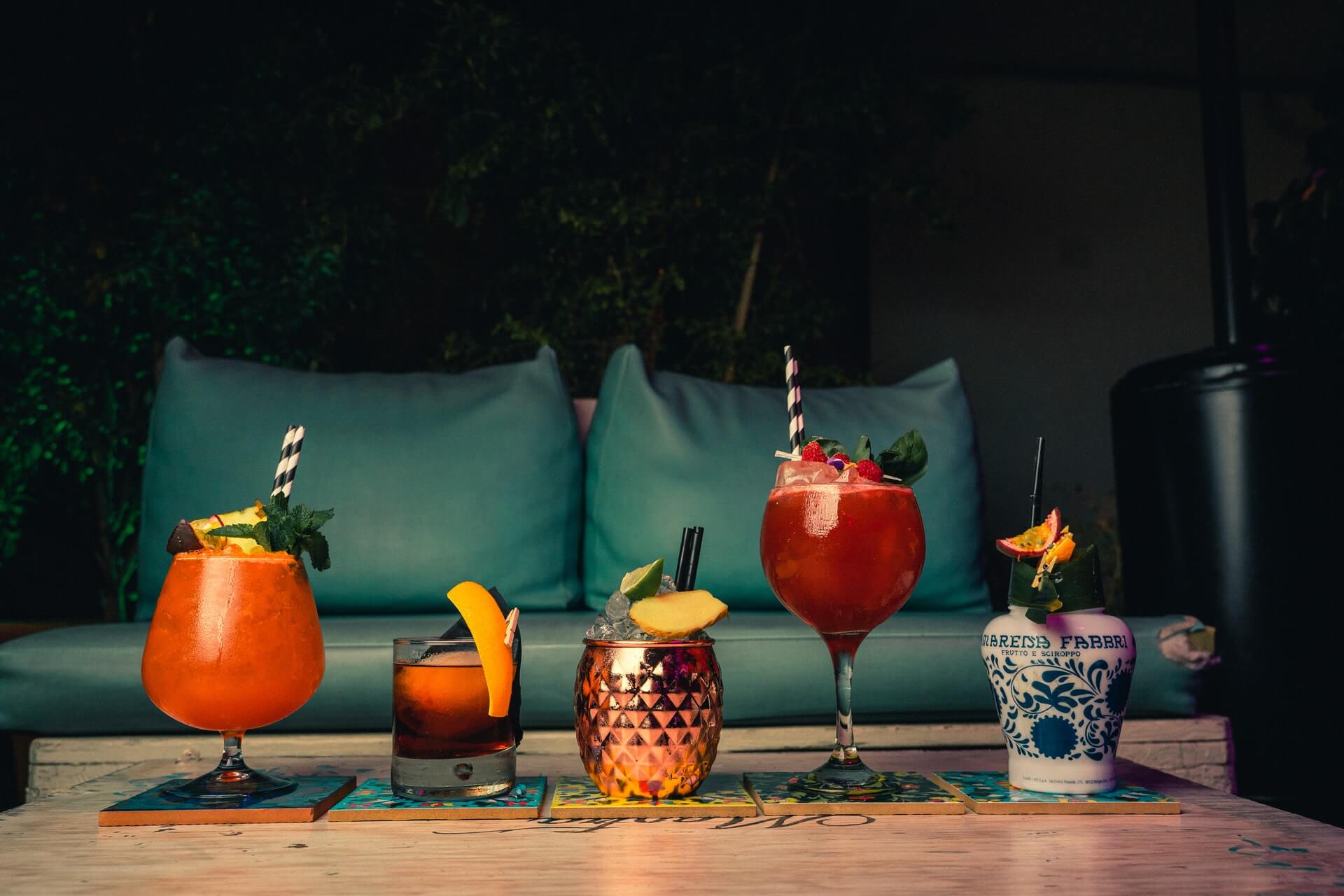
Selection of cocktails on table on patio of bar

Not only do bitter cocktail ingredients add depth and complexity to drinks, individual DNA plays a role in how we perceive them.

Campari, one of the best-known bitter aperitifs, adds herbal bitterness to cocktails.

However, not everyone perceives bitterness the same way. This is why some of your guests love bitter drinks, some can’t stand them, and others don’t have much of a response at all.

The Bitter Response

Dr. Danielle Reed is associate director of the Monell Chemical Senses Center. As her research summary states, why different people taste and smell differently, and how genotypes play a role in that perception.

A recent Campari digital event, “In a Sense: Decoding the Science of Bitter,” dives into the bitter response of humans. During this webinar, host Alison Mouratis, a Campari portfolio representative in Chicago, hosts Dr. Reed and Micah Melton, beverage director at the Alinea Group.

In the webinar, Dr. Reed asks, “Where does bitter come from?” The answer is: plants.

Obviously, plants can’t defend themselves like animals. If a predator chooses a plant as its prey, it doesn’t really have to worry about teeth and talons.

Instead, plants employ secondary defense chemicals, and they do so in an instant. Some of these defense chemicals are poisonous and humans perceive them as bitter. Often, bitter flavors activate our salivary glands to dilute the poison and protect us.

Phenylthiocarbamide

Yes, that. Phenylthiocarbamide (PTC) is a chemical compound that tastes bitter…to some of us.

As Dr. Reed explains, not everyone can detect PTC. Our parents determine whether the receptor that picks up PTC is broken or not.

In some of us (about 30 percent of people), the receptor is broken. Turns out, it’s broken in yours truly. In others, one parent passes on the receptor. And for some people, both parents pass it on and the reaction to PTC is strong.

Test Your Receptor

I discovered my receptor is broken during the Campari event on screen with more than a dozen other participants.

How does one test their reaction to PTC? Via PTC strips. One takes a strip, places it in their mouth, and they’ll know quite quickly if their receptor is active.

Not only is this interesting to do just out of personal curiosity, operators can host an event similar to Campari’s. Guests are looking for new ways to engage with the brands, restaurants, bars, and bar teams they support.

PTC strips are available for on Amazon, and they’re not expensive. Vials of 100 PTC strips can cost as little as five dollars.

Not only is this type of event educational, it’s entertaining and can help drive drink sales.

Image: Chino Rocha on Unsplash 

by David Klemt David Klemt No Comments

2020 Craft Brewing Production Infographic

2020 Craft Brewing Production Infographic

by David Klemt

Stack of beer kegs in black and white

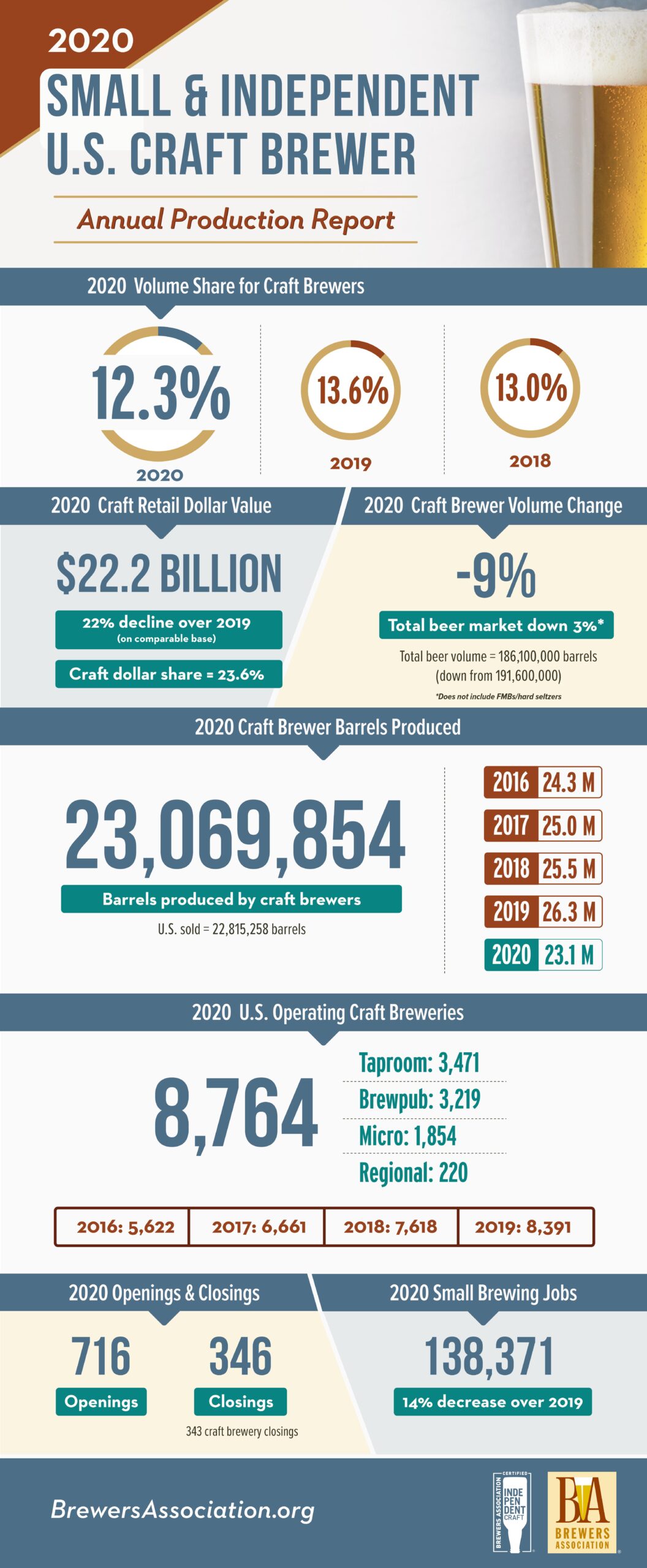
The Brewers Association‘s latest report and infographic reveal 2020 small and independent craft brewery production numbers.

Like their restaurant, bar and brewpub cohorts, brewers are facing enduring struggles due to the Covid-19 pandemic.

However, the Brewers Association did find some good news.

First, the challenges.

Overall Market Drop

The BA’s report reveals that small and independent craft brewer production is down nine percent from 2019. Overall, draught beer sales dropped 40 percent last year.

That equates to an overall market share of 12.3 percent in 2020. Comparing 2020 to 2019, that’s a decline of 1.3 percent.

Unfortunately, 2020 craft brewer numbers also reveal significant job loss for the industry. In comparison to 2019, direct craft beer jobs are down 14 percent.

In terms of small and independent brewery closures, 2020 saw 346 brewers close their doors permanently.

Some Silver Linings

There is some good news for craft beer. Not every closure is attributable to Covid-19.

Reviewing the 2020 numbers, the BA says there are 8,764 craft breweries operating in the United States. That’s an all-time high.

The breakdown is as follows:

  • 220 Regional craft breweries
  • 1,854 Microbreweries
  • 3,219 Brewpubs
  • 3,471 Taproom breweries

Impressively, the number of new craft brewery openings more than double the number of closures at 716.

Per Bart Watson, chief economist at the BA, the total number of craft breweries and openings in 2020 proves the “resilient and entrepreneurial nature” of small and independent brewers.

BA Infographic

You’ll find more information below. The BA’s infographic neatly tells the story of the association’s latest report.

Perhaps the biggest positive takeaway is the steady growth in operational craft breweries. Since 2016, the number of breweries in this category has increased by nearly 3,100.

That’s an average of 785 new brewery openings each year. Given the number of openings in 2020, it’s possible craft brewers will gain ground on the jobs lost over the course of last year.

It’s also likely production and sales numbers will see a boost in 2021 through a culmination of easing restrictions, reopening markets, pent-up demand, vaccination rates, and guest comfort levels.

2020 Small and Independent US Craft Brewer Annual Production Report

Infographic: Brewers Association

Image: Hennie Stander on Unsplash

by David Klemt David Klemt No Comments

Dial In Your Brunch Before Mother’s Day

Dial In Your Brunch Before Mother’s Day

by David Klemt

Warming weather, pent-up demand, and less-restrictive Covid rules—at least in the United States—make brunch viable in many markets.

Plus, we’re just a month away from Mother’s Day. If everything goes right, dining restrictions won’t keep operators from capitalizing on this big brunch holiday.

Considering your brunch menu now—including your Champagne and sparkling drinks—will help you dial it in before Mother’s Day.

To help you perfect your brunch operations, let’s look at a casual chain, a taco shack, a fine-dining restaurant, and a casual independent restaurant that focuses on comfort foods.

Las Vegas

Things are looking up for Las Vegas. Nevada’s current Covid-19 status is Mitigation.

Restaurants, bars, pubs, breweries, distilleries and wineries may operate at 50-percent indoor capacity. There’s no occupancy limit for outdoor dining, but operators must follow social distancing guidelines.

The city is known for its buffets, of course. Some are open again, thanks to the easing of restrictions. However, Las Vegas buffets are known globally—let’s focus on a more traditional restaurant for this list. I also want to venture off the Strip—but not too far.

Lazy Dog is a casual dining chain with a focus on craft beer and dog-friendly operations. Canine buddies are welcome on their patios.

You may be wondering why, given all the incredible restaurants in Las Vegas, I’m looking at a casual chain. The answer, quite simply, is that I want to offer an array of suggestions to get you thinking about your own brunch offerings.

First, there’s the $20 DIY Mimosa. For $20, guests get a 750mL of Freixenet Cava with either orange juice of Kern’s Peach Nectar.

Then there are the brunch menu food items. There’s a generous portion of avocado toast that comes with cheesy scrambled eggs; a Breakfast Burger; a Breakfast Club Sandwich; a couple of breakfast quiches; and Bacon Candy, which is bacon with brown sugar, crushed red pepper chili flakes and black pepper.

Lazy Dog’s brunch is a good example of how to make bottle service fun and accessible, and elevating brunch menus in a way that’s familiar and appealing to guests.

Nashville

It’s still standard operating procedure for guests in restaurants and bars to wear face coverings unless eating or drinking. Capacity is 175 people maximum per floor. There’s a limit of 10 guests per table inside, 25 outside.

However, restaurants and bars are open in Nashville for indoor dining. Venues that serve alcohol must cease service at 1:00 AM and close at 2:00 AM. If there is no alcohol service, a restaurant may remain open for 24 hours.

Redheaded Stranger takes brunch in a deceptively simple direction: breakfast tacos. Brunch doesn’t have to be standard breakfast foods, after all.

Flour tortillas are made in house and pair well with mouthwatering brunch fillings. There are tacos with bacon, tater tots, egg and cheddar cheese; chorizo, egg, sour cream and cheddar; and tater tots, jalapeño crema, red hatch chiles, and American cheese. Oh, and don’t forget their inventive sauces, like Dr. Pepper Hot Sauce.

Of course, no brunch is complete without cool, refreshing drinks. The taco hot spot offers Bloody Marys, Mimosas, Margaritas, and frozen cocktails.

Orlando

Florida is in Phase 3 of their reopening plan. That means restaurants, bars and nightlife venues are open for business.

There’s an executive order in place in Orange County, Florida, mandating face masks in public settings. Orlando is in Orange County.

Otherwise, it’s business as usual.

Chef’s Table at the Edgewater is an award-winning fine dining restaurant. People travel from all over the world for the food and experience.

The Chef’s Table brunch menu features upscale but accessible fare. There are Duck Fat Fries to share (or keep to yourself); Lobster Mac & Cheese; a trio of Mini Beef Wellingtons; Chicken and Waffles made with sweet-tea-brined chicken and bourbon maple syrup; Vegan Chilaquiles Verdes to which one can add a sunny-side-up egg.

Philadelphia

As of April 4, restaurants and bars are able to enjoy relaxed Covid restrictions. One of the biggest reasons for restaurants and bars to rejoice is the return of bar services. Barriers are required promote social distancing.

As far as indoor capacity restrictions, restaurants and bars that self-certify may operate at 75 percent. Venues that don’t self-certify may open at 50 percent indoor capacity.

Establishments can serve alcohol without the purchase of food, and there’s no longer a curfew for removing alcohol from tables.

One Philly restaurant that got our attention with their brunch menu is the Twisted Tail. The Headhouse Square eatery offered a $39/person prix fixe menu for Easter, taking full advantage of Pennsylvania’s new Covid regulations.

Their “standard” brunch menu features creative items such as Crawfish Mac & Cheese, Beer-Battered Cheese Curds, and Buttermilk Chicken Sandwich.

Image: Natasha Kapur on Unsplash 

by David Klemt David Klemt No Comments

Grilled Cheese Day: Mastering the Melt

Grilled Cheese Day: Mastering the Melt

by David Klemt

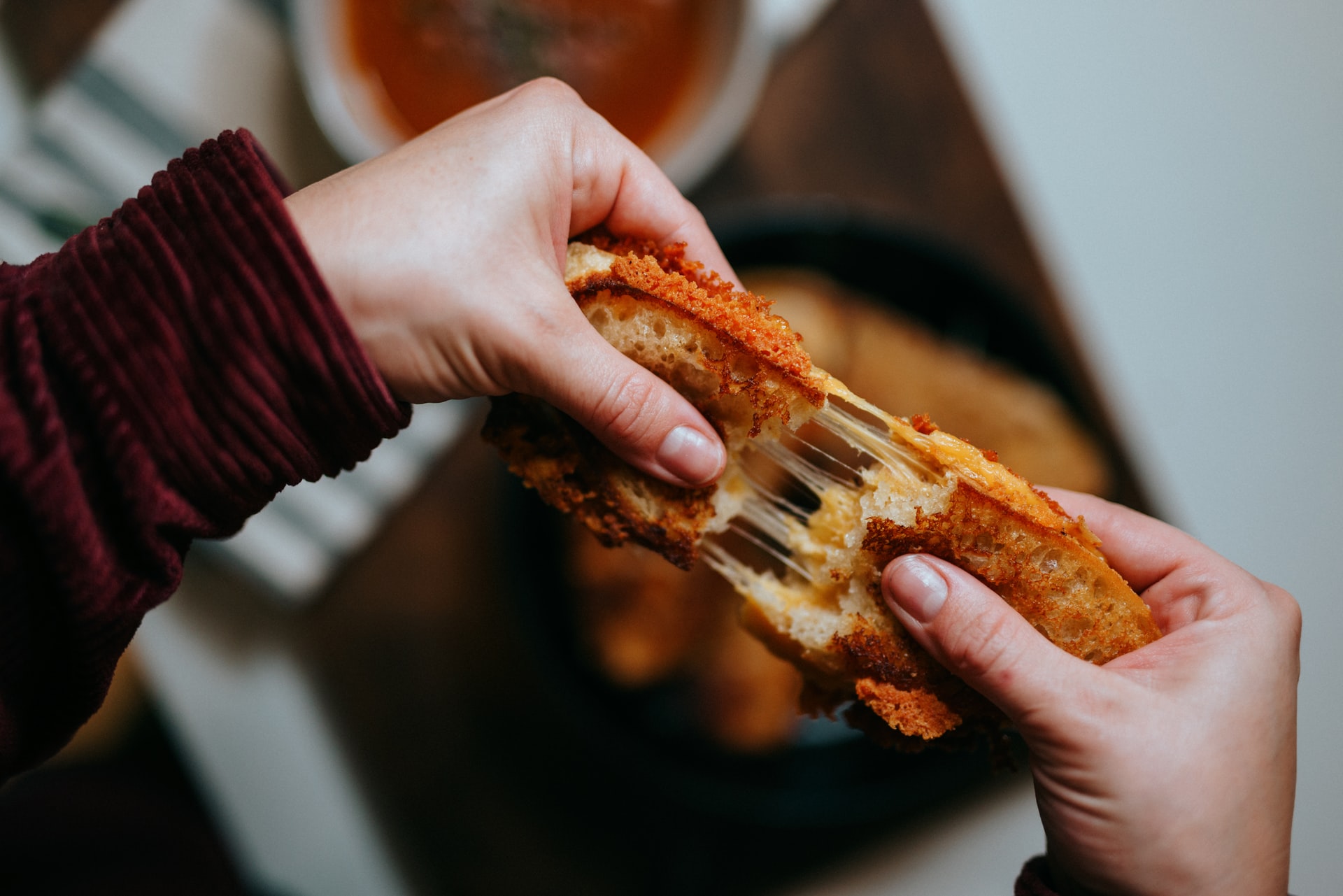
Person pulling apart melty grilled cheese sandwich

There are few comfort foods more popular than a well-made, melty grilled cheese sandwich.

It’s such a perfect comfort food that it has its own national holiday in the United States.

National Grilled Cheese Sandwich Day is April 12 in the US. From what I’ve read, Canada also gets in on the fun.

Melt Mastery

If you want to make the best grilled cheese sandwiches, not just any cheese will do.

The saying goes that you can’t squeeze blood from a stone. Well, you also can’t squeeze a melt out of a hard cheese cheese.

So, you want to make one of the comfiest of comfort foods. Cheese selection matters. Here’s what to consider:

  • Moisture content. Hard cheeses have very little water content and therefore don’t fully liquify.
  • Fat content. Cheeses with a high fat content melt very well.
  • Acidity. Cheeses that are highly acidic get stringy when melted. Acid-curded cheeses (vegan, many goat cheeses) don’t melt much, if at all.
  • Age. If you want melty cheese that results in that visually appealing cheese pull, look for fresh and unaged cheeses.

Melt Mates

It’s tempting to throw the cheese drawer at a sandwich. If one cheese is great, more cheeses are even better, right?

Wrong. Certain cheeses melt together better than others. Consider this:

There are restaurants that have grilled cheese eating challenges. Complete such a challenge, bask in glory forever. The reason this particular challenge must be completed quickly is melting points. As the sandwich cools, the cheeses congeal. The harder, lower-fat cheeses make it much more difficult to finish the admittedly ridiculous challenge sandwich.

So, which challenges melt the best and tend to play well together? Check out the list below:

  • American
  • Blue Cheese
  • Brie (works particularly well with fruit slices, jam and aged Cheddar)
  • Cheddar (look for younger versions for the best melt)
  • Colby
  • Comté
  • Fontina
  • Gruyère (again, younger versions tend to be better for grilled cheese sandwiches)
  • Monterey Jack
  • Mozzarella
  • Muenster
  • Pepper Jack
  • Provolone
  • Raclette
  • Taleggio

Become Legend

Comfort foods have become big-time revenue generators during the pandemic in America and Canada. There’s no reason to believe that’s going to change any time soon.

Master your melt and your sandwiches will become legend. Master the sides, dips and other accoutrements that enhance your legendary sandwich(es) and you’ll become a grilled cheese god.

Image: Nathan Dumlao on Unsplash

by David Klemt David Klemt No Comments

This Would Be a Good Time for a Beer

This Would Be a Good Time for a Beer

by David Klemt

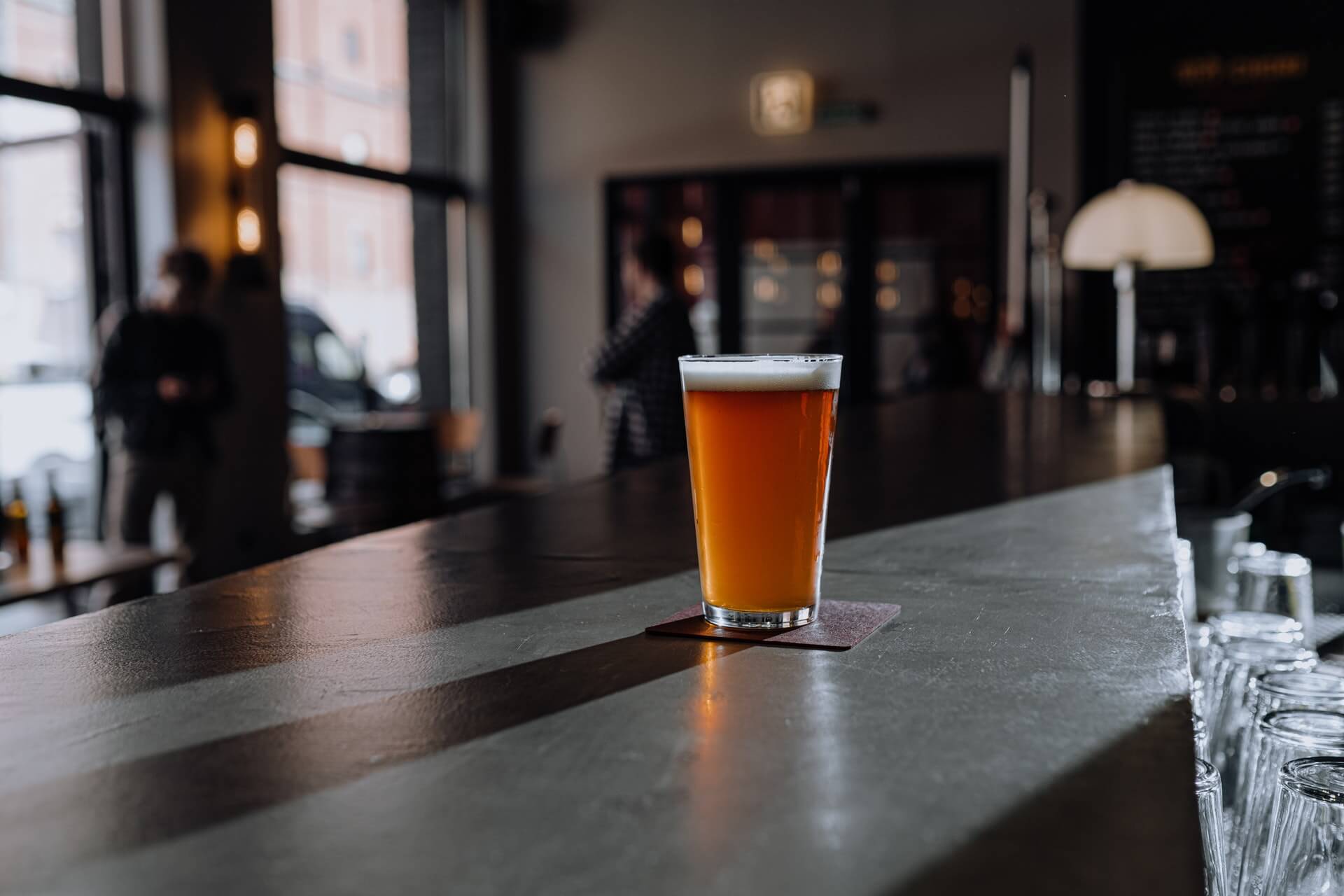
Draft beer on bar

New Beer’s Eve and National Beer Day are relatively new American holidays closely related to prohibition and Repeal Day.

I’m sure you’re thinking, “Wait a second—Repeal Day takes place in December. What’s wrong with you?”

First, you’re right. Second, we don’t have time to get into all of that.

However, beer became legal again well before the Eighteenth Amendment was repealed.

The Cullen–Harrison Act

It’s 1933 and a United States Senator and a Congressman sponsor a bill changing the definition of “intoxicating beverage.”

The bill is aptly known as the Cullen-Harrison Act. It doesn’t legalize all beer but it makes it legal to sell beer with alcohol content no greater than 3.2 percent.

Such alcohol content, it’s thought, is so low as to not be intoxicating.

Congress enacts the so-called Beer Permit Act on March 21, 1933. President Franklin D. Roosevelt signs the act into law the next day, and it goes into effect April 7, 1933.

President Roosevelt, signing the Cullen-Harrison Act, famously says, “I think this would be a good time for a beer.”

National Impact

Beer drinkers—and very likely people just looking for a legal drink—rejoice, obviously.

Across the United States, people gather in droves outside breweries. According to reports, people will consume 1.5 million barrels of beer the day the Cullen-Harrison Act becomes the law of the land.

Fast forward to 2009. Justin Smith, who lives in Richmond, Virginia, at the time celebrates the first National Beer Day. Smith sets off a chain of events involving social media and Untappd. In 2017, Virginia officially recognizes National Beer Day.

Let’s Celebrate!

National Beer Day is accompanied by New Beer’s Eve.

The latter celebrates those brave and thirsty souls that lined up outside our nation’s breweries the day before the Cullen-Harrison Act went into effect.

We get to celebrate two beer holidays this week: New Beer’s Eve on Tuesday and National Beer Day on Wednesday.

New Beer’s Eve is an excellent day for operators to showcase their newest beers.

Both days are ideal for highlighting 0.0 and 0.5 beers, along with what we now refer to as “session” beers (5.0 percent and lower).

Oh, and don’t forget to use President Roosevelt’s famous quote when promoting these two holidays: “I think this would be a good time for a beer.”

Image: cottonbro from Pexels

by David Klemt David Klemt No Comments

Meet Customers Where They Are, Part 2

Meet Customers Where They Are, Part 2

by David Klemt

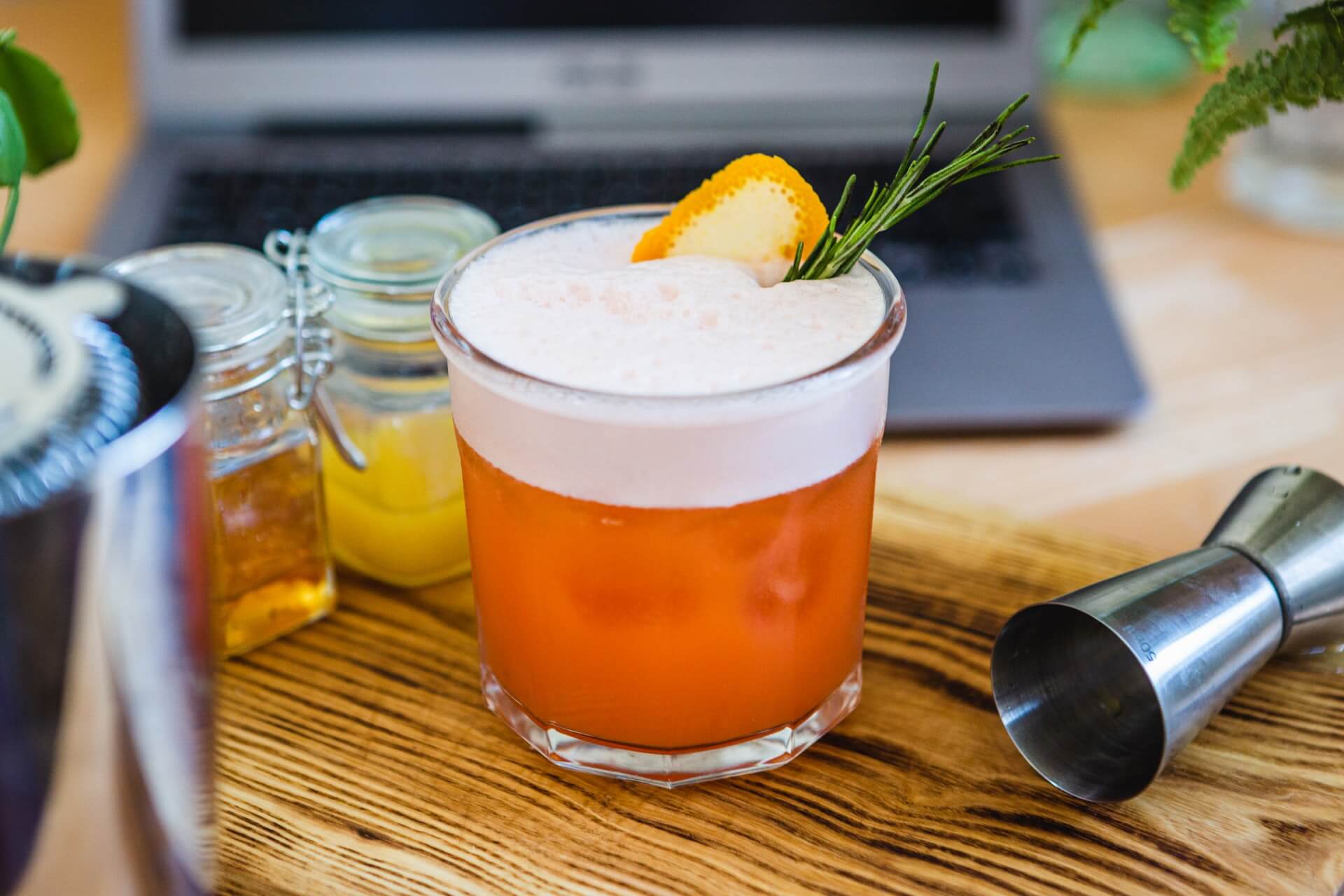
Preparing a cocktail at home for living room tasting event

We seem to approaching a semblance of normalcy but some consumer behaviors—drinking at home among them—are likely here to stay.

Per Distill Ventures, the living room is the new tasting room.

Consumers are drinking at home, drinking during the day, and prioritizing convenience.

So, will you get creative and meet your customers where they are—their living rooms?

The New Tasting Room

Fresh off their third whisky summit, Distill Ventures believes consumers will seek out more at-home experiences.

This is partly due to some regions around the world locking down. Additionally, consumers know they can partake in experiential guests at home.

Consider what some brands are putting together to engage with people at their homes:

  • Cynar: CynArts & Crafts, Paint by Numbers Virtual Party, complete with brushes and paints sent to participants.
  • Campari: Decoding the Science of Bitter, including a PTC strip sent to participants to gauge their bitter response.
  • Espolòn Tequila: Virtual Espolotería, an online bingo-style game.

Distill Ventures and the panelists of their third summit see people’s living rooms as a viable place to engage consumers.

While the latest summit focuses specifically on whisky distillers, brand marketers and retailers, the findings are transferrable.

Don’t Be Left Out

If consumers are going to engage more with brands at home, operators must meet them in their living rooms. That means going beyond offering standard delivery.

Obviously, operators need to attract guests to their brick-and-mortar locations. And pent-up demand for in-person experiences is set to explode.

However, that initial explosion in traffic will eventually taper off, and more quickly than we think. That gradual slow-down will make digital engagement crucial.

This industry requires adaptability and agility to survive and thrive. Operators and their teams will need to focus on social, YouTube and webinar-style engagement to engage with current and new customers.

Bar team members who want to participate can share recipes and techniques via live videos. Of course, kitchen team members can do the same.

Scheduling digital events—guided tastings and cooking classes—can also draw customers. Operators should just make sure they don’t give too much away to their audience so they’ll feel compelled to visit in person as often as they can.

Succeeding with these events opens the door to potentially lucrative collaborations. Operators should reach out to brand partners for branded, themed events.

With enough lead time, packages can be put together and delivered with partner help. Of course, in “help” in this context means “dollars and/or product.”

You’ll never know what support your partners are willing to provide if you don’t ask.

Image: Boozy Events on Unsplash 

by David Klemt David Klemt No Comments

Container Kitchens: The New Footprint

Container Kitchens: The New Footprint

by David Klemt

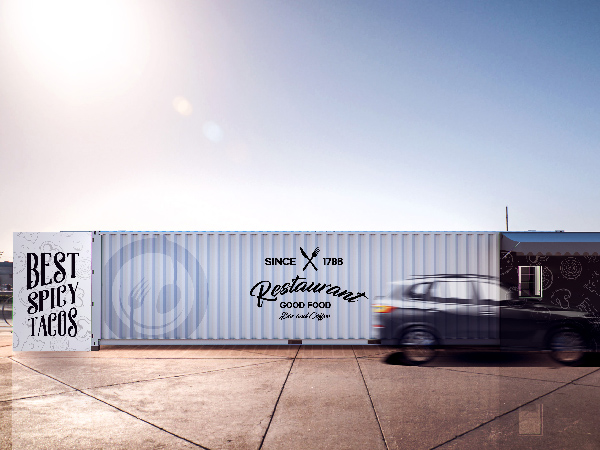
Make My Ghost Kitchen container exterior

Would it be a surprise to anyone after the past twelve months that shipping containers may be the new commercial kitchens?

According to two 2021 Restaurants Canada Show panelists, custom containers are the future.

A partnership between a builder and designer is providing restaurateurs with an intriguing solution.

Meet the Problem Solvers

Jonathan Auger is the president of Juiceworks Exhibits. The company operates out of Mississauga, Ontario, Canada.

Juiceworks designs, engineers, and fabricates memorable exhibits and installations. Click here to view projects for clients such as Genesis, Infiniti and Volvo.

Nicholas Goddard is the founder of Portage Design Group, located in Toronto.

Portage specializes in interior design and offers a full suite of services, including research, sophisticated design, and construction management. The company’s restaurant design work can be seen here.

Together with a small but skilled team, Auger and Goddard have formed Make My Ghost Kitchen.

Custom Container Flexibility

In some cases, a smaller restaurant footprint is attractive to operators. This is due in part to guest behavior we’ve seen since 2020. That is, guests haven’t been able to or felt comfortable with dining indoors at restaurants.

Then, of course, there’s the cost factor. A smaller footprint, generally speaking, equals lower initial investment and rent. An operator with a new concept can use a container before investing in a brick-and-mortar location.

Other benefits relate to market testing; expansion; virtual and ghost kitchen operations; and delivery and pickup.

Operators looking to expand or add retail, along with QSRs, are showing interest in Make My Ghost Kitchen’s containers. One explanation for the interest is simple: containers are highly mobile.

An operator sends their kitted out container to a potential market. They open up shop and test the viability of their concept. If the reaction is less than desirable, they move the container to another market.

For example, one client set up a container complete with a delivery window. In just six hours they sold 3,600 burgers.

Custom Container Costs

Make My Ghost Kitchen’s custom containers come with the necessary equipment. They also feature a delivery window and fabricated with a small pickup vestibule.

Obviously, prices go up with the quality of equipment. Other customizations, it stands to reason, can also push container costs up.

On average, however, Auger says an eight-foot by 20-foot container can be had for as low as $20 per square foot. Prices can climb north of $50 to $75 per square foot, however.

Whether functioning as a ghost kitchen or marketing showpiece, operators can choose from ventilation solutions. The containers can vent to interior (which heats them up quickly) or exterior. Another cost to consider is water. If a municipality doesn’t grant access to their water it will need to be trucked in.

Finally, a custom-kitted kitchen can be an asset. If an operator decides it’s time to move on, they have the potential to sell their container.

Image: Make My Ghost Kitchen

by David Klemt David Klemt No Comments

AAPI-Owned Restaurants in Canada

AAPI-Owned Restaurants in Canada

by David Klemt

Stop Asian hate signs

KRG Hospitality stands in solidarity with the Asian American and Pacific Islanders (AAPI) community in Canada.

The hate and violence directed toward AAPI communities is unacceptable and reprehensible—it has no place in this country.

Below, we’ve listed AAPI-owned restaurants people can support in the three main Canadian markets in which we operate. Of course, we encourage people to find additional AAPI-owned businesses they can support.

We must come together and support one another. The hospitality industry is about diversity and inclusion.

We’re a family that looks out for each other and the communities we serve. The divisiveness and hate must stop.

Calgary

Silver Dragon (Cantonese and Szechuan cuisine). Located in Chinatown.

Foreign Concept (Modern Pan-Asian cuisine). Located in Beltline.

U & Me (Chinese cuisine). Located in Chinatown.

Pho Dau Bo (Vietnamese cuisine). Located in Forest Lawn.

Pad Thai Restaurant (Thai cuisine). Located in North Mount Pleasant.

Lola’s Filipino Kitchen (Filipino cuisine). Located in Meridian.

Ke Charcoal Kitchen (Yakitori and sushi). Located in Beltline.

Toronto

R&D (Modern Asian cuisine). Located in Chinatown.

Nami (Japanese cuisine). Located in Moss Park.

Tinuno (Filipino cuisine). Located in St. Jamestown.

Phở Hưng (Vietnamese cuisine). Located in Chinatown.

Dumpling House (Chinese cuisine). Located in Chinatown.

Hong Kong Bistro Cafe (Hong Kong-style comfort and fast food). Located in Chinatown.

House of Gourmet (Chinese cuisine). Located in Chinatown.

Vancouver

Chinatown BBQ (Modern Cantonese-style cuisine). Located in Chinatown.

Bao Bei (Chinese cuisine). Located in Chinatown.

Kulinarya Filipino Eatery (Filipino cuisine). Located in Grandview-Woodland.

Viet House (Vietnamese cuisine). Located in the Lower Mainland.

Yuwa (Japanese cuisine). Located on the West Side.

Maenam (Thai cuisine). Located in Kitsilano.

Torafuku (Pan-Asian cuisine). Located in Strathcona.

Image: Jason Leung on Unsplash 

by David Klemt David Klemt No Comments

AAPI-Owned Restaurants to Support

AAPI-Owned Restaurants to Support

by David Klemt

Stop Asian Hate protest sign in San Francisco, CA

We at KRG Hospitality stand in solidarity with the Asian American and Pacific Islanders (AAPI) community across the United States.

The hate and violence directed toward AAPI communities has no place in this country—enough is enough.

We want to bring attention to Stop AAPI Hate, a nonprofit organization with multiple resources, including incident reporting.

Below, we’ve listed AAPI-owned restaurants people can support in the four main American markets in which we operate. Of course, we encourage people to do their own research and find additional AAPI-owned businesses they can support.

The hospitality industry is multi-cultural and all about diversity and inclusion. We’re a family that looks out for each other and the communities we serve.

We need to come together and support one another. The divisiveness and hate needs to stop.

Las Vegas

Oming’s Kitchen (Filipino cuisine). Located southwest of Silverton Casino Hotel.

Lotus of Siam (Northern Thai cuisine). Located in University District or Southridge.

Soho Japanese Restaurant (Japanese cuisine). Located in Concorde Plaza.

Soho SushiBurrito (Sushi burritos, rice bowls, salads and nachos). Located in Rancho Sereno, northwest of Silverton Casino Hotel, and at the UNLV campus.

Momfuku (Contemporary Japanese, Korean and Asian-American cuisine). Located inside the Cosmopolitan.

Nashville

Steamboys (Chinese comfort food). Located in Germantown, Hermitage and Nolensville.

Soy Bistro (Korean-inspired cuisine). Located in Brentwood, TN.

Miss Saigon (Vietnamese cuisine). Located in Charlotte Park.

The Smiling Elephant (Thai cuisine). Located in Historic Waverly.

Tànsuo (Chinese cuisine). Located in North Gulch.

Orlando

Sticky Rice Lao Street Food (Laotian cuisine). Located in Colonialtown South.

Kadence (Sushi and sake bar). Located in Audubon Park.

BBB Tofu House (Korean cuisine). Located in Westside Crossings.

Taglish (Filipino cuisine). Located in Lotte Market.

Kai Asian Street Fare (Asian cuisine). Located in Winter Park, FL.

Philadelphia

Chubby Cattle (Chinese cuisine). Located in Chinatown.

Mi ‘n Tea (Vietnamese bánh mì and Taiwanese bubble tea). Located in Manayunk.

Perla (Filipino cuisine). Located in East Passyunk.

Philly Poké (Hawaiian poke bowls, sushi, Japanese and Chinese cuisines). Located in Chinatown Square.

Seorabol Center City (Korean cuisine, Korean barbecue and sushi). Located in

Image: Jason Leung on Unsplash 

by David Klemt David Klemt No Comments

Just Add Champagne: Spring Cocktails

Just Add Champagne: Spring Cocktails

by David Klemt

We love it when our friends do cool stuff.

Two of our friends teamed up recently for what is certainly something very cool.

Both of these awesome women have been on our Bar Hacks podcast and we’re eager to share their collaboration with you.

Even better, this collaboration can help you elevate your beverage program.

Susie O.

You can hear from our friend Susie on episode 19 of the Bar Hacks podcast.

Susie is a dynamic and engaging social media influencer, photographer, and marketer. She also happens to be one of the most prolific travelers we know.

In fact, she’s traveling right now and enjoying the cocktail life. Follow her on Instagram at SusieDrinks to connect, get photography and social media tips, and follow along with her on adventures.

And while you’re on Instagram, make to follow us as well: KRG Hospitality and Bar Hacks.

Elise Cordell

Looking to learn about all things Champagne and luxury? Give episode 23 of Bar Hacks a listen to hear from Elise Cordell.

Elise is the National Manager of Trade Engagement and Events for Champagne at Pernod-Ricard. That means that outside of the Perrier-Jouët and G.H. Mumm houses, nobody knows more about Champagne than Elise.

Click this link to subscribe to the Just Add Champagne YouTube channel and scroll through the videos. You’ll find guests like sommeliers, winemakers, cocktailians, influencers, and more. Make sure to follow Elise on Instagram to stay up to date on upcoming Just Add Champagne events.

Just Add Champagne

Elise invites special guests to join her on the Just Add Champagne webcast. Together, she and her guest dive into an element of Champagne and hospitality.

In the above video, Elise and Susie team up to discuss Champagne cocktails perfect for springtime.

Like we said, we love it when our friends do cool things. All the better if there cool stuff can help you do great things too.

Cheers!

Image: Pexels from Pixabay

by krghospitality krghospitality No Comments

NRN Shares Inclusion Insights Report

NRN Shares Inclusion Insights Report

by David Klemt

Light bulb idea concept on wood background

Featuring insights from their 2021 Power List, an inclusion report from American trade publication Nation’s Restaurant News is now available.

Overall, NRN’s 2021 Power List consists of C-suite and executive heavy hitters from some of the most influential restaurant groups.

For example, Domino’s, Yum Brands, &pizza, and Momofuku Restaurant Group, are on this year’s list.

To compile their 2021 Power List: Leadership & Inclusion Insights report, NRN asked their power players to identify a team member who embody inclusivity.

Lessons Learned from 2020

NRN’s report is broken down into five sections; this is the first.

Reading through the insights in this section, you’ll find that agility and adaptability are crucial to navigating crises. That will come as no surprise to many.

However, what really strikes me are the words of Donnie Upshaw, SVP for people at Wingstop. Upshaw cites the importance of culture and core values:

“Our core values, known as ‘The Wingstop Way’—service-minded, authentic, entrepreneurial and fun—have been and will continue to be our guiding light through all seasons of our business.”

Those core values, along with Wingstop culture and a focus on retaining top talent, are keys to their successful navigating of the pandemic.

Accomplishments During a Pandemic

The pandemic has torn apart the hospitality industry and continues to do so. In America, we’re just now seeing specific relief targeting foodservice businesses.

Given the situation, just surviving the pandemic is an accomplishment.

Still, chain and independent operators are forging paths forward and inspiring others inside and outside of the industry.

Erika Palomar, COO of the Independent Restaurant Coalition, says the group “faced the darkest hours, together.”

Palomar continues: “They held fast to their commitment to change the most lives possible. This group has the remarkable ability to look beyond their door and inspire others to take action and make bold changes that will serve this industry and our society for the better.”

Importance of Leadership & Impact

The job of owners, operators, managers, and mentors is to lead. Doing so is one of the most effective tools for growing a business and retaining talent.

Adversity, of course, is one of the—if not the—greatest challenges to leadership.

Beth Scott, president of Fleming’s, says building trust is the first step in realizing the core of what it means to be a leader: inspiring and influencing, not commanding.

Jason Crain, CRO of Slutty Vegan, says, “Leading is dynamic and solution oriented.” Crain points to knowing when to implement different forms of leadership as a crucial element.

Further Insights

NRN’s report has two more categories, “Fostering Diversity & Inclusion” and “The Future of Foodservice.” There are insights from several more power players who drive the missions of inclusivity, diversity and equity.

We encourage you to follow this link and review the report for invaluable motivation and inspiration for your own business.

Image: Free-Photos from Pixabay

by David Klemt David Klemt No Comments

Rediscovering Your Guests in 2021

Rediscovering Your Guests in 2021

by David Klemt

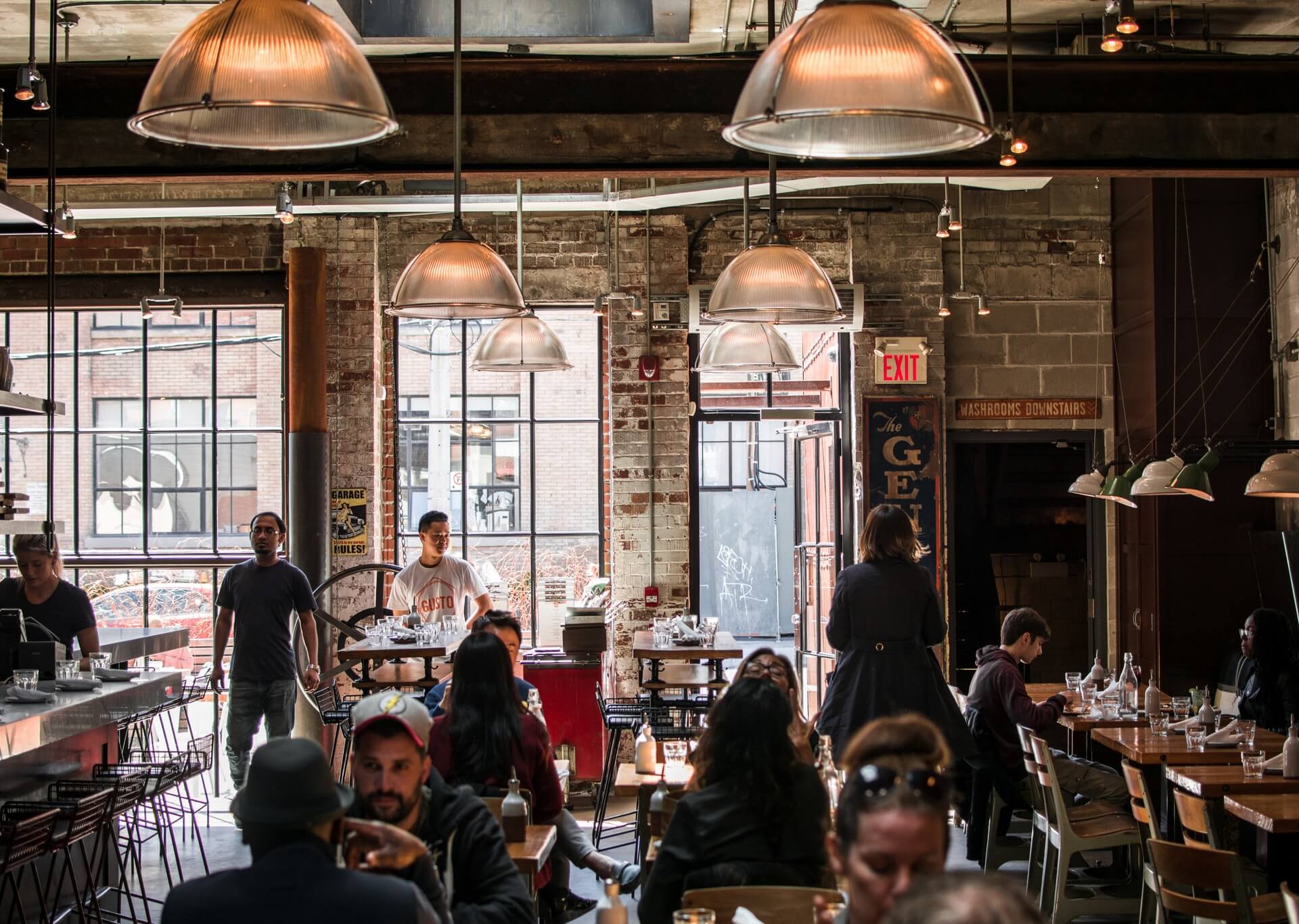
Guests in a restaurant and bar

Labatt Breweries of Canada wants operators to get to know their guests all over again in 2021.

Luckily, this isn’t a massive undertaking. However, it requires commitment and an understanding of altered consumer behavior.

During the 2021 Restaurants Canada Show, Labatt presented “Rediscover Your Guest: The 2021 Consumer.”

Christina Veira, bar and beverage curator for the RC Show, hosted the digital session. Labatt panelists included Michelle Tham, head of education and certified Cicerone, and Megan Harris, director of insights and strategy. Casey Ferrell, vice president of US and Canada Monitors for Kantar Consulting rounded out the panel.

Who’s Your 2021 Guest?

The good news is that Canadians are still consuming beverage alcohol. The less-good news is that they’ve gotten used to drinking mainly at home.

In fact, per Megan Harris, 95 percent of beverage alcohol occasions now happen at home. Harris also says there’s excitement about a return to in-person restaurant and bar service. However, several pandemic-driven behaviors will persist, including:

  • Takeout
  • Delivery
  • Daytime drinking
  • Working from home

Guests are set to unleash a torrent of pent-up demand when they can safely return to restaurants and bars. They want to indulge themselves, have fun and new experiences, but also feel safe.

Generally speaking, younger guests are more tolerant of risk. Conversely, guests over 50 years old are more cautious.

Vaccine Influence

Per Ferrell, there are four distinct vaccine groups in Canada and the United States:

  • People have gotten a Covid-19 vaccine.
  • People who can’t wait to get a Covid-19 vaccine.
  • People who are unsure about Covid-19 vaccines.
  • People who refuse to get a Covid-19 vaccine.

Ferrell says to remove the final group on that list. Doing so shows that about two-thirds of Canadians (and Americans) are in the process of getting the vaccine. Therefore, operators need consider how to address vaccination safety along with vaccination requirements for guests and employees. For Ferrell, the best lever to pull is the one that addresses Covid-19 and vaccine risks.

Additionally, just because the calendar ticked over to 2021 doesn’t mean everything is different. Accordingly, Ferrell feels that Q1 is the “More of 2021” stage of this year. He expects people to open up their bubbles during possibly Q2 or Q3, the “Less Covid-19” stage. Parties that include multiple households will return in force in Q4.

How to Meet 2021 Guest Expectations

First, we must be cautious when people return to restaurants, bars and other venues en masse. That initial boost in traffic driven by pent-up demand will ebb quicker than one would expect.

To get people through the doors, operators will need to focus on:

  1. health and safety;
  2. staff expectations and training;
  3. social interactions and the joy deficit; and
  4. guest experience and journey.

Harris sums up the first point succinctly: Anything that can be touchless, should be touchless. Operators should expect contactless features to remain moving forward. The expectation for hygiene will also remain. Guests will want to see employees cleaning and sanitizing, for instance.

Speaking of employees, operators must address the role they’ll plan in crowd management. Unfortunately, management and employees will have to be ready to enforce health and safety protocols strongly.

As Ferrell notes, long-term lockdown means large swaths of the population need to re-learn how to interact with others. One way to drive guests through restaurant or bar doors is promoting the role they play in socializing. Hospitality businesses facilitate social interaction—it’s one of the industry’s greatest strengths. Equally, restaurants and bars fill people’s joy deficits.

Operators, says Harris, need to consider:

  • every way they can offer an experience guests can’t have at home;
  • how they can capitalize on the daytime drinking experience;
  • how to extend the guest experience—pre-visit and post-visit;
  • how to attract older guests to their venues;
  • leveraging patio spaces; and
  • focusing on messaging that promotes escapism and excitement.

Another interesting consideration concerns table distances. Every operator needs to weigh square feet per guest and distancing tables. Social distance will likely remain important to guests for at least a little while post-pandemic.

Bonus

Ferrell answered a question I asked about Las Vegas specifically. Dayclubs, which largely focus on elevating pool parties, are an integral part of Vegas hospitality.

So, how can they signal their commitment to health and safety as relates to infections?

Ferrell’s answer is that evidence appears to indicate that pools are Covid-19 infection spreaders. Therefore, dayclub operators should focus more on the crowd control aspect of health and safety. Additionally, messaging should focus on indulgence.

After all, says Ferrell, not much is more indulgent than saying, “I’m going to take the day for myself and go to a daylife venue.”

Image: Nick Hillier on Unsplash

by David Klemt David Klemt No Comments

SevenRooms Reveals Third Party Impact

SevenRooms Reveals Third Party Delivery Impact

by David Klemt

Person using Uber Eats on their iPhone

New findings from SevenRooms, the powerful reservation and guest relationship platform, show the impact third-party delivery has on restaurants.

In partnership with YouGov, a respected internet-based market research and data analytics firm, SevenRooms finds that direct delivery saves operators thousands of dollars per month.

The overall finding of the “Data & Dollars: Revealing the Impact of Third-Party Marketplaces” report is startling. Operators are relying on a technology that in reality is harming them and their bottom line.

Cost of Convenience

Foodservice operators and workers, along with being hospitable in their mission to serve others, are adaptable.

The industry proves this time and time again. This is particularly true of the past 12 months.

Nimble operators pivot quickly, so it makes sense that so many restaurants, bars and other foodservice businesses embrace delivery, takeout and curbside pickup. Doing so is a direct and seemingly logical response to a major shift in consumer behavior to lockdowns, restrictions, and health concerns.

Most operators are well aware that state third-party delivery platforms take a 30-percent commission on average. However, the cost goes beyond devastatingly high fees: operators also lose control of the guest journey.

Real-world Example

SevenRooms illustrates the negative financial impact third-party delivery platforms with three examples: a high-end Italian restaurant in New York; a high-end steakhouse in Los Angeles; and a high-volume casual restaurant in California.

Let’s take a look at the last example.

Over a six-month period, the restaurant fulfills 19,000 combined orders. Delivery makes up 75 percent of these orders, takeout/pickup account for 25 percent. The average order is $33, and over the six-month period the total order volume is $617,500. Had the restaurant implemented direct delivery rather than third-party, they would have saved about $154,000.

Break those savings down and the restaurant would save approximately $25,600 per month that could go to:

  • PPE: 853 boxes of face masks or 196 boxes of gloves.
  • Takeout: 101,000 food containers.
  • Guest experience: 522 tanks of propane to keep guests warm on patios.

Using an average rent amount of $6,000-15,000 per month in Los Angeles, that’s also two to four months’ rent.

Guests Support Direct Delivery

The impact of third-party delivery on restaurants isn’t lost on consumers. Many view ordering food as more than just convenient, they see it as a way to support their favorite businesses.

Luckily, consumers are supportive of ordering delivery, takeout and pickup directly from restaurants.

Per SevenRooms:

  • Firstly, 37 percent of Americans are eager to do anything they can to help restaurants.
  • Nearly half, 48 percent, think it’s more economical to order directly from a restaurant.
  • 28 percent who say they prefer ordering directly to third-party delivery feel that way after seeing their favorite restaurants suffer.
  • 23 percent are informed and think third-party delivery platforms charge restaurants too much in fees.
  • 16 percent feel that the harm done to restaurants by third-party delivery outweighs any benefits.

Leverage Direct Delivery Support

SevenRooms identifies several ways in their report that operators can succeed in getting consumers to order directly.

One way is the platforms’ own Direct Delivery solution. We speak to SevenRooms CEO Joel Montaniel about this solution on our Bar Hacks podcast.

Then, of course, there are an array of incentives consumers are willing to accept in exchange for direct delivery and ordering:

  • 41 percent of Americans would order directly over ordering via third-party if a restaurant has its own app with features such as tracking and communication.
  • 37 percent consider a complimentary item such as an appetizer, drink or dessert in addition to their order an appealing incentive.
  • 32 percent like the idea of a personalized promotion applied to a future order or in-person visit.
  • 28 percent indicate interest in a personalized promotion for their meal such as a discount code or comp item.
  • 17 percent are fans of restaurants using ordering history to customize their menu and experience.

Read the entire report here. To learn more about SevenRooms, please click here. Connect with SevenRooms on Twitter, Facebook, LinkedIn and Instagram.

Image: cottonbro from Pexels

by David Klemt David Klemt No Comments

Ontario F&B Workers Petition for Phase 2

Ontario F&B Workers Petition for Phase 2

by David Klemt

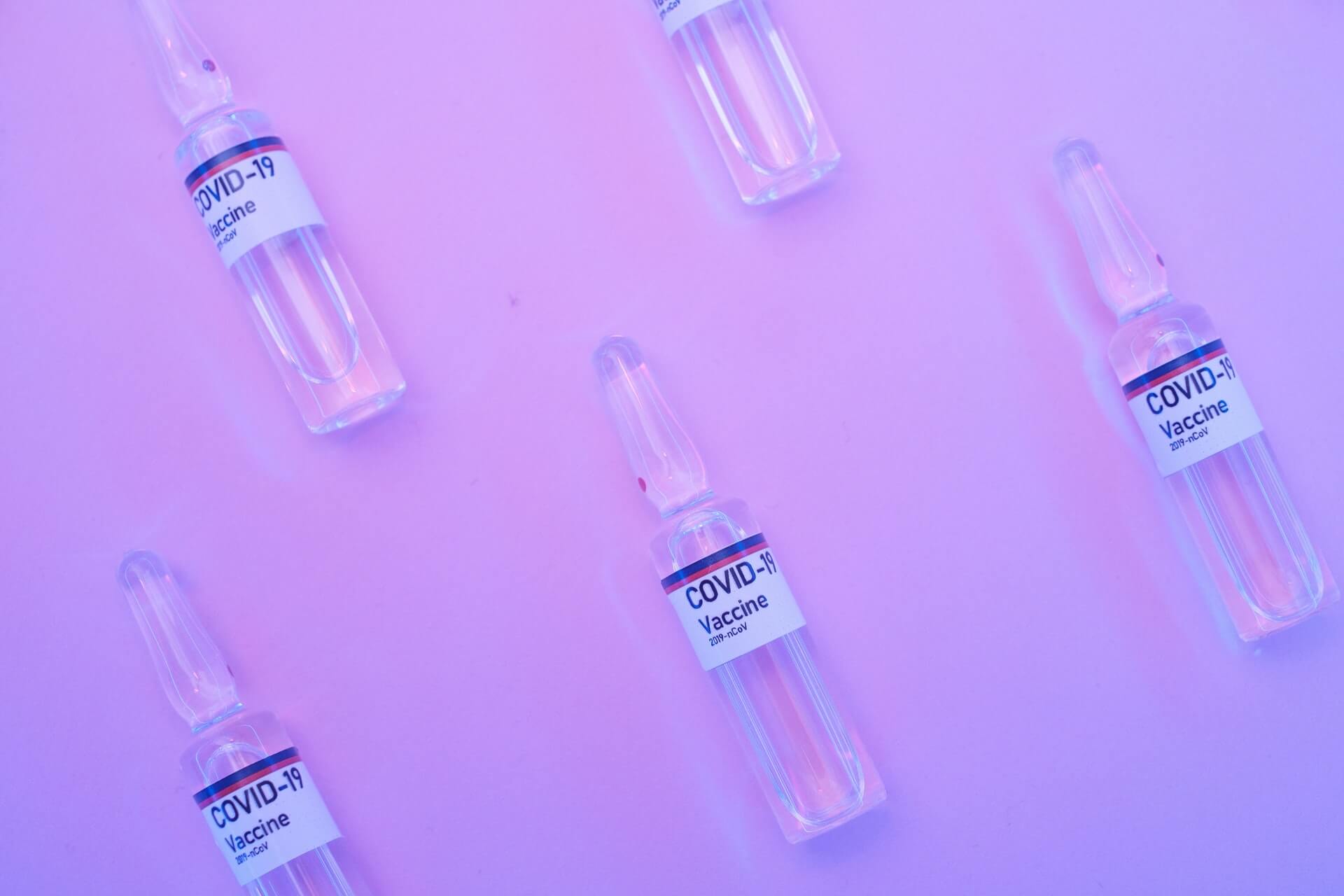
Covid-19 vaccine ampoules

A petition on Change.org seeks to include F&B workers in Phase 2 of the Covid-19 vaccine rollout in Ontario, Canada.

The petition, which can be found here, is directed toward Ontario, Canada, Premier Doug Ford.

Currently, Ontario is in the midst of Phase 1 of Covid-19 vaccination.

Phase 1

Per the official Ontario Government website, Phase 1 aims to vaccinate around 1.8 million people.

The phase breakdown is as follows:

  • One: High-risk populations (December through March)
  • Two: Mass deliveries of vaccinations (April through July)
  • Three: Steady state (July onward)

Those eligible for Phase 1 inoculations are:

  • Health care workers
  • Adults in First Nations, Métis and Inuit populations
  • Adult chronic home care recipients
  • Congregate living for seniors
  • Adults over 80 years old

According to the Covid-19 Tracker Canada website, 1,116,496 vaccine doses have been administered throughout Ontario. In total, slightly more than six percent of the Canadian population has received at least one dose.

Phase 2

The second phase seeks to vaccinate approximately nine million people.

Eligible people are:

  • at-risk populations;
  • individuals with high-risk chronic conditions, and their caregivers;
  • high-risk congregate settings (such as shelters, community living, etc.);
  • adults aged 60 to 79, in 5-year increments; and
  • essential frontline workers who cannot work from home.

The requirement in bold should get the attention of all restaurant, bar and foodservice workers. Ontario identifies several “essential frontline workers” eligible for Phase 2. Among them are elementary and secondary school staff, police, firefighters, special constables, and social counselors.

However, high- and low-risk retail workers are on the list while restaurant and foodservice workers are not.

The Petition

Cassie MacKell is the person behind the petition to “Include Restaurant & Food Service Workers on Ontario’s Phase 2 Vaccination List.”

MacKell’s opening statement says, “I write this letter as a cry for help from the entire Food & Beverage industry of Ontario in regard to Ontario’s phase vaccine distribution plan.”

The petition’s creator goes on to say:

“As one of the hardest hit industries from Covid-19 why am I not seeing restaurants workers on this list? From the outset of the Covid-19 pandemic restaurants across Ontario have been heavily regulated and shut down by Premier Ford. Even after adhering to stringent restrictions and safety guidelines set forth by our government the framework continues to keep us closed, or only allows for limited seating capacity making it impossible for many businesses to survive.”

In closing, MacKell lays bare the situation for Ontario (and indeed all of Canada) foodservice professionals. Workers in this industry are exposed to people not wearing masks while they eat or drink; are unable to remain six feet from guests; and certainly can’t work from home.

Put bluntly, all those who work in foodservice are high-risk frontline professionals. If you agree and live in Ontario, Canada, please sign this petition.

Image: Alena Shekhovtcova from Pexels

by David Klemt David Klemt No Comments

Are You Ready for St. Patrick’s Day?

Are You Ready for St. Patrick’s Day?

by David Klemt

Green neon "DRINKS" sign on brick wall

St. Patrick’s Day is just around the corner. Operators need to make sure they’re ready for in-person, delivery and takeout guests eager to celebrate.

An interesting element for this year’s holiday is that many people will be celebrating at home. That makes themed delivery, takeout and pickup packages important.

Over the past 12 months, consumers have grown to correlate drinking occasions with drinking at home. That shift in behavior can make it more challenging to succeed with holidays.

Of course, challenges also present opportunities. Working from and drinking at home has made weekday day-drinking more common. Operators can leverage new behaviors to offer in-person, delivery and takeout packages starting earlier for St. Patrick’s Day.

Such packages can include Irish Coffees for the morning or early lunch, Irish beers for lunch or dinner, Irish whiskey and beer packages for dinner and late-night…you get the idea. Classic and modern riffs on St. Patrick’s Day food mainstays are also a crucial element. The key is to get creative with inventory and offers, attracting a combination of in-person and off-premise consumers.

To give you a helping hand, we’ve rounded up some of our favorite Irish, Canadian and America whiskeys. We’re including the standards but also focusing on innovative and single malt expressions that boost guest spends and overall revenue.

Irish Whiskeys

One thing all operators know when it comes to St. Patrick’s Day: Irish whiskey and high-visibility brands must be represented.

After all, according to the Spirits Business, Irish whiskey generated well over $1 billion for distillers last year in the United States alone.

Jameson, Bushmills, Tullamore DEW, Kilbeggan and Redbreast shine on St. Patrick’s Day. Proper No. 12 is just a few years old but is on its way to becoming a St. Patrick’s standard.

In markets that can bear it, premiumization can help generate more revenue during this year’s holiday.

There’s nothing wrong with OG Jameson but consider premiumization with Jameson Black Barrel or 18 Years, which is finished in first-fill barrels.

When it comes to Bushmills, the original expression is great. Rare Cask 01, however, is the distillery’s Cognac cask premium dram.

For the adventurous guest, Cider Cask Finish, XO Caribbean Rum Cask Finish, and Old Bonded Warehouse Release from Tullamore DEW will get their attention.

Operators who feature Kilbeggan would do well to consider premiumization in the forms of Single Pot Still and Small Batch Rye.

Redbreast 12 Cask Strength and Redbreast Lustau are undeniable elevations of traditional Irish whiskey.

Canadian Single Malts

When people hear or think about St. Patrick’s Day, they tend to immediately leap to Irish whiskey. However, this holiday can be a time to highlight whiskeys from other countries.

Central City crafts Lohin McKinnon Single Malt with “pure British Columbia” water, per their website. The distiller recommends adding a splash cold, filtered water, a tip you can share with your guests.

Another Central City single malt takes Canadian in an interesting direction. Lohin McKinnon Tequila Barrel Finished instills single malt with unique flavors.

Eau De Claire boasts the distinction of being Alberta’s first craft distillery and first single malt whisky producers. The distillery uses only Alberta barley and rye to craft their liquid.

American Single Malts

There are a number of superlative American single malt whiskeys to consider promoting on St. Patrick’s Day.

Westland produces American single malt in Seattle, Washington. The distillery’s Outpost Range—Garryana, Colere, and Solum—celebrates American tradition, innovation and Pacific Northwest provenance.

Westward aims to craft and bottle the spirit of the American Northwest. Westward Pinot Noir Cask and Stout Cask elevate the distillery’s American single malts.

Those searching for a Rocky Mountain single malt need look no further than Stranahan’s. Each of their expressions is thoughtfully crafted, so it can be hard to choose just one. However, Blue Peak is interesting because it undergoes high-altitude distillation and is also finished using the Solera Method.

Also hailing from Colorado is Deerhammer. The distillery’s American Single Malt mash bill can experience temperature swings of well over 40 degrees in a single day.

Image: Stéphan Valentin on Unsplash

by David Klemt David Klemt No Comments

Your Drink Menu Deserves an Ice Program

Your Drink Menu Deserves an Ice Program

by David Klemt

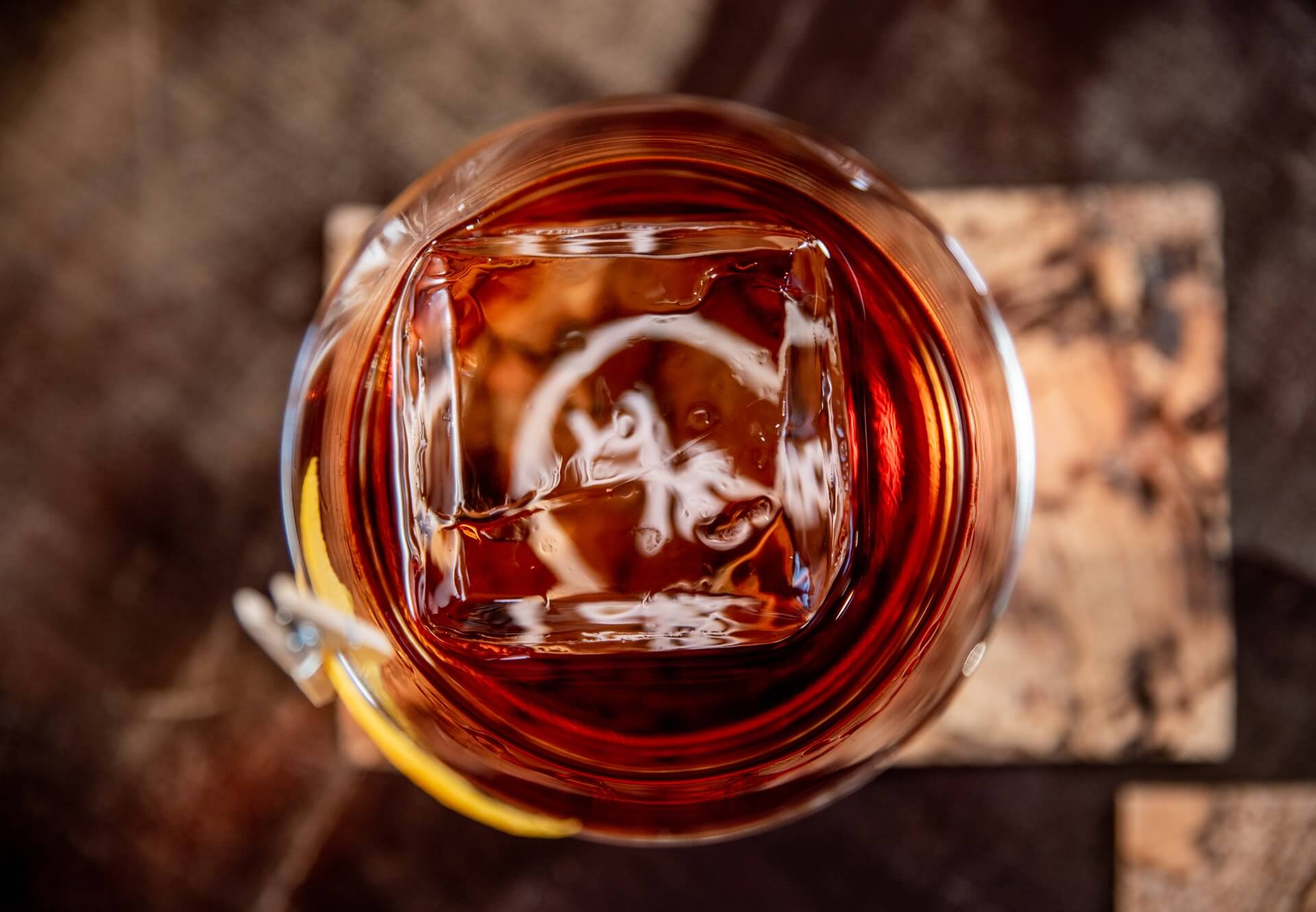
Cocktail with large king ice cube, overhead view

All ice is not created equal—there’s a reason behind their shapes and sizes.

Taking the time to consider your ice and build a dedicated program that includes it is crucial for your beverage program and the guest experience.

Remember that just like there are rules for building cocktails, there are rules for using ice:

  • Dilution is your friend. Water is a crucial component for cocktails.
  • Is your ice floating? Your build balance is off.
  • Store ice in plastic bags if it’s not being used right away.
  • Don’t use ice that’s two weeks old or older.

Types of Ice

Standard Cube (1 inch x 1 inch): These absolutely have a place in the cocktail glass. Just adhere to this standard when using standard ice cubes: Never use a water source you wouldn’t drink.

King Cubes (2 inches x 2 inches): Use these for spirit-forward drinks for consistent temperature and dilution. Examples: Manhattan, Negroni, Old Fashioned, Vieux Carré.

Collins Spear/Shard/Cylinder: For highballs. These make a Tom Collins or G&T look elegant and cool.

Ice Block: Use blocks in punches to keep large-format cocktails cold and control dilution over time.

Ice Slab: These are impressive blocks of ice bars and restaurants use to cut and shape their own cubes and spheres, often providing guests with entertainment (see below). Operators either form slabs in-house or retain the services of producers who drop them off. (In fact, there are services out there that will provide perfect and bespoke cubes, spheres and spheres.)

Sphere: Ice spheres are ideal for stirred cocktails and enjoying spirits straight. They melt very slowly in comparison to other shapes and deliver an impressive visual impact, so they often wind up in cocktails that call for king cubes.

Pebble/Crushed: Use in drinks that are heavy on syrup and/or juice, tiki drinks, and drinks served in hot climates. Examples: Frozen Daiquiri, Margarita, Mint Julep, Moscow Mule, Swizzle.

Hands-on Approach

According to many well-known bartenders, mixologists and operators, the best method for perfectly clear ice is “directional freezing.” Camper English outlined the process on the Alcademics site in 2009. But what do you do to turn a single slab into several cubes?

You’ll need an ice saw to get through the slab, a traditional single-prong ice pick to break off smaller cubes, a three-prong ice pick to break off smaller cubes and shape them into spheres if you prefer (be careful!), and an ice mallet to help the ice picks do their jobs.

Treat this process as a show for the guests. For a real-world example, the bars inside Zuma restaurants have ice stations dedicated to turning an ice slab into ice cubes. These stations are an experiential feature of the cocktail program.

Semi-hands-on Approach

An aluminum ice sphere mold is a type of “set it and forget it” device.

It may seem like these would be time-consuming to use and low-yield, but most take just a minute to form a ready-to-use sphere. Most manufacturers claim their molds can produce 30 to 40 spheres per hour.

While the mold is creating a perfect sphere of ice, the bartender grabs a glass and builds the cocktail. The guest, meanwhile, enjoys the “drama” of drink production versus ice sphere production: Will the drink and ice be ready at the same time?

Ice sphere molds range in price from under $200 to $800 (and beyond). The molds themselves are appealing to the eye, simple to use, and justify higher cocktail prices. Yes, there are bars that successfully charge more for large ice spheres, often offering different types of ice for at additional charge.

Molds make spheres in a range of diameters, normally from 1.2 inches to 2.8 inches. Higher-end models also offer shapes, such as perfect spheres, diamonds or snowflakes. Several bars that use these molds utilize custom versions that “brand” the ice with their logo.

Ice Machines

There are multiple manufacturers of commercial-grade icemakers. However, there are two that are considered top of the food chain.

Hoshizaki America’s headquarters is in Georgia and the company makes dozens of icemakers. People can choose from ice shape and the pounds of ice a machine produces in a day. We’re fans of Hoshizaki for their quality and the pandemic information they added to their FAQs last year.

Manitowoc operates out of Wisconsin and manufactures several models. There are cubers, flakers, nugget producers, and there are several solutions that work for an array of venue types, layouts and service volumes.

To learn even more about creating an epic beverage program, click here for our latest download.

Image: Moritz Mentges on Unsplash

by krghospitality krghospitality No Comments

Bacardi Predicts How We’ll Drink in 2021

Bacardi Predicts How We’ll Drink in 2021

by David Klemt

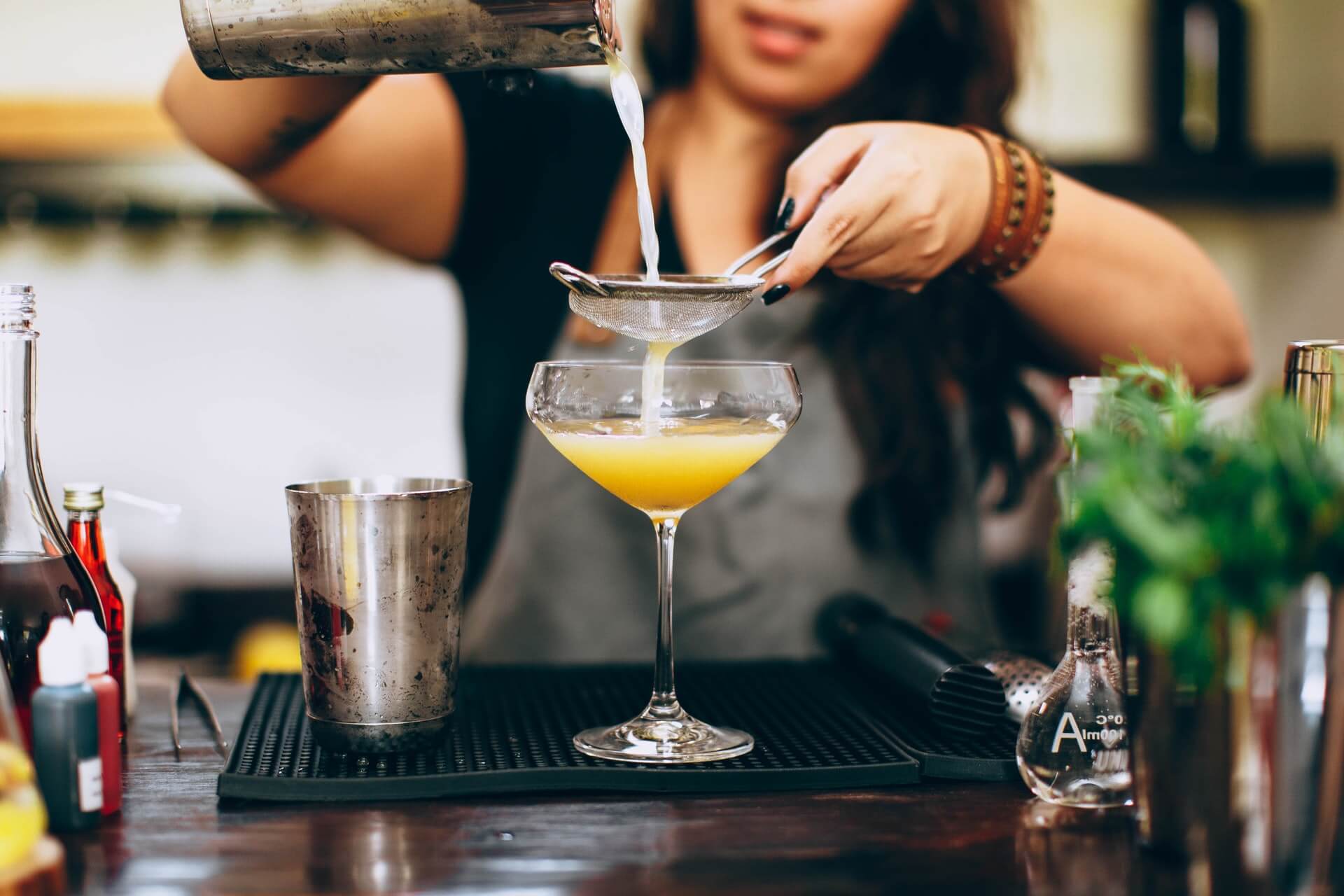
Bartender making a cocktail

What will alcohol consumption look like this year? Bacardi has answers.

In association with the Future Laboratory, Bacardi’s second-annual cocktail trends report—a well-sourced 25-page document—is available.

As is the case when we begin a new year, we’re being deluged with trend predictions and reports. I’d say the Bacardi 2021 Cocktail Trends Report goes deeper than most.

The report is organized into five macro trends identified by Bacardi Limited. Let’s get to it!

Reinventing the Bar

I’m not presenting Bacardi’s macro trends in order. Instead, I’m starting with the trend arguably most relevant to operators: bar reinvention.

Industry experts have been pointing to the ease of access to knowledge along with consumer interest in learning more about spirits and cocktails as an important trends for years now. It’s no longer a trend—it’s standard that guests are better informed.

Like other sources, Bacardi predicts guests will seek out more personalized experiences. They also predict guests will want to connect more with bartenders. However, the brand goes deeper in their report.

Bacardi thinks to-go cocktails, cocktail and meal kits, and e-commerce will become standard. Going a step further, the report posits that some venues will create cocktail menus that will change according to weekly inventory; sommeliers will add spirits knowledge to their skillset; and that guests will be eager to try drinks they’ve never had before.

Perhaps most importantly, Bacardi predicts bar culture will become more positive and inclusive, resulting in gender stereotypes—including those inherent to bottle design—will fall to the wayside.

Purpose and Transparency

According to a study conducted by IBM and the National Retail Federation and cited in Bacardi’s report, a massive 70 percent of American and Canadian consumers think it’s important that brands are eco-friend or sustainable.

Bacardi predicts sustainability, transparency, and the authentic embrace of social causes will be crucial this year and beyond.

In response to climate change, sustainability, eco-friendliness, and the zero-waste movement, Bacardi plans to wipe out 80 million plastic bottles with their new biodegradable bottle design, rolling out in 2023.

Pointing to a statistic from ZypMedia—that 36 percent of consumers plan to keep buying from local businesses post-pandemic—Bacardi predicts hyperlocality will grow stronger in 2021. Operators who source more local items, including beverage alcohol, will likely find more support from consumers.

Mindful Drinking

Per a Bacardi survey, 22 percent of consumers across the globe are drinking alcohol less. More than half (55 percent) of “mindful drinkers” are drinking low-ABV options.

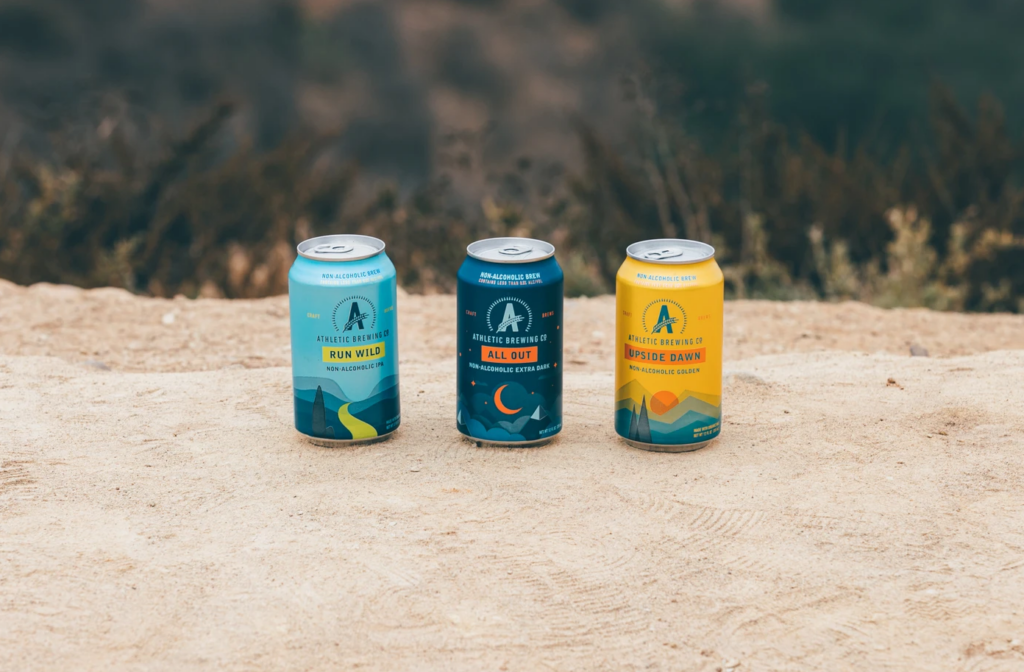
Bacardi predicts low- and no-ABV drinks to perform well this year. Spritzes, for example, is on the rise as a bar culture in its own right.

Per Bacardi, zero-proof spirits are getting the most attention of any other category, worldwide.

Mindful drinking is also affecting how spirits are made. Consumers, more conscious of their health because of the pandemic, are showing a preference for beverages free of artificial ingredients. Furthermore, Bacardi expects consumers to seek out drinks that have health-boosting benefits.

The report, as an example, cites a Global Wellness Institute finding that in 2019 alone, “U.S. sales of ginger rose by 94%, while turmeric and garlic sales were up by 68% and 62%.” Today’s consumer is seeking out functional cocktail ingredients.

Drinking by the Numbers

Bacardi’s report puts all the brand’s cards on the table. Operators looking to program or reprogram their menus will find this information helpful.

Consider the info below for delivery and to-go drinks since Nielsen finds that 40 percent of US consumers are interested in make-at-home cocktail kits, 37 percent are interested in pre-made bottled cocktails, and 37 percent are interested in grab-and-go cocktails.

Flavor and Experience: Extreme heat (chilies), Super-sweet, Sour, Bitter, Smoked

Experiences: Pleasure, Nostalgia, Escapism, Quality over quantity, Light-hearted drinks, Flavor-filled indulgences

Most Popular Cocktails, Globally (Descending Order): Low-ABV, Other spritzes, Negroni, Classic cocktails with a twist, G&T (including riffs), Non-alcohol, Whiskey Highball, Espresso Martini, Old Fashioned, Vermouth cocktails

Premiumization Opportunities: Gin, Rum, Tequila

Top 5 Spirits (by Interest): Gin, Mezcal, Tequila, Vermouth, Bitter/Amaro Liqueurs

Top 5 RTDs in North America: Vodka Soda and flavors, Margarita, Moscow Mule, Low-ABV, G&T

Click here to read the report in its entirety.

Image: Helena Lopes on Unsplash

by David Klemt David Klemt No Comments

Does the Margarita Still Reign Supreme?

Does the Margarita Still Reign Supreme?

by David Klemt

Whatever’s happening here, I’m in…

The Margarita has maintained the title of Most Popular Cocktail in the United States year after year.

But is the classic cocktail still wearing the crown and clutching the scepter?

Most Popular 2020 Cocktails

Midway through last year, Google revealed the top cocktail searches in each state:

  • Alabama: Hurricane
  • Alaska: Whiskey Sour
  • Arizona: Paloma
  • Arkansas: Frozen Daiquiri
  • California: Paloma
  • Colorado: Hurricane
  • Connecticut: Margarita
  • Delaware: Screwdriver
  • Washington, DC: Old Fashioned
  • Florida: Cuba Libre
  • Georgia: Sazerac
  • Hawaii: Lemon Drop Martini
  • Idaho: Kamikaze
  • Illinois: Manhattan
  • Indiana: French 75
  • Iowa: Kamikaze
  • Kansas: Screwdriver
  • Kentucky: Lily
  • Louisiana: Bushwacker
  • Maine: Margarita
  • Maryland: Kamikaze
  • Massachusetts: Old Fashioned
  • Michigan: Cosmo
  • Minnesota: Oliveto
  • Mississippi: Painkiller
  • Missouri: Gin and Tonic
  • Montana: Blue Hawaiian
  • Nebraska: Old Fashioned
  • Nevada: Grasshopper
  • New Hampshire: Old Fashioned
  • New Jersey: Manhattan
  • New Mexico: Old Fashioned
  • New York: Manhattan
  • North Carolina: Bushwacker
  • North Dakota: Kamikaze
  • Ohio: Boulevardier
  • Oklahoma: Black Russian
  • Oregon: Old Fashioned
  • Pennsylvania: Whiskey Sour
  • Rhode Island: Cosmo
  • South Carolina: Tequila Sunrise
  • South Dakota: Screwdriver
  • Tennessee: Buschwacker
  • Texas: Paloma
  • Utah: Cape Cod
  • Vermont: Cosmopolitan
  • Virginia: Old Fashioned
  • Washington: Old Fashioned
  • West Virginia: Kamikaze
  • Wisconsin: Grasshopper
  • Wyoming: White Russian

Margarita Slipping?

As you can see, the Margarita was only the top search in two states, Connecticut and Maine. Perhaps their access to the Atlantic Ocean coastline motivated residents of those states to enjoy the refreshing classic that invokes summer and escapism.

Regardless, the Margarita didn’t even make it into the top three. Third place went to the Cosmo, Manhattan and Screwdriver in a three-way tie, with each the most popular in three states.

Second place went to Kamikaze, the top cocktail search in Idaho, Iowa, Maryland, North Dakota and West Virginia.

Before I get to the first-place cocktail—according to a snapshot of time by Google—I have to address the clear winner of the Most Unique Search title. Minnesota’s top search was for the Oliveto cocktail, shaken and strained into a rocks glass:

  • 2 oz. Dry gin
  • 1 oz. fresh Lemon juice
  • 1/4 oz. Simple syrup
  • 1/4 oz. Licor 43
  • 1/2 oz. full-bodied Extra virgin olive oil
  • 1 fresh Egg white
  • Ice cubes

New Number One?

The Old Fashioned, clinching seven states, was the number-one cocktail…for about 30 days in 2020.

Much has also been made about a supposed surge in interest for the Gin & Tonic.

However, scouring the Internet for data and articles, the Margarita is still sitting comfortably on the throne. According to multiple sources, the Margarita is a to-go cocktail mainstay, it’s succeeding in the RTD space (meaning it’s performing well on- and 0ff-premise), and home bartenders are driving up sales of tequila and cordials.

Trends are fun but classics are classics for a reason. So, make sure your Margs, G&Ts, Old Fashioneds, Manhattans and other staples are dialed in this year.

Image: Menú Acapulco on Unsplash

by David Klemt David Klemt No Comments

Uncorked: 2021 Wine Trends to Watch

Uncorked: 2021 Wine Trends to Watch

by David Klemt

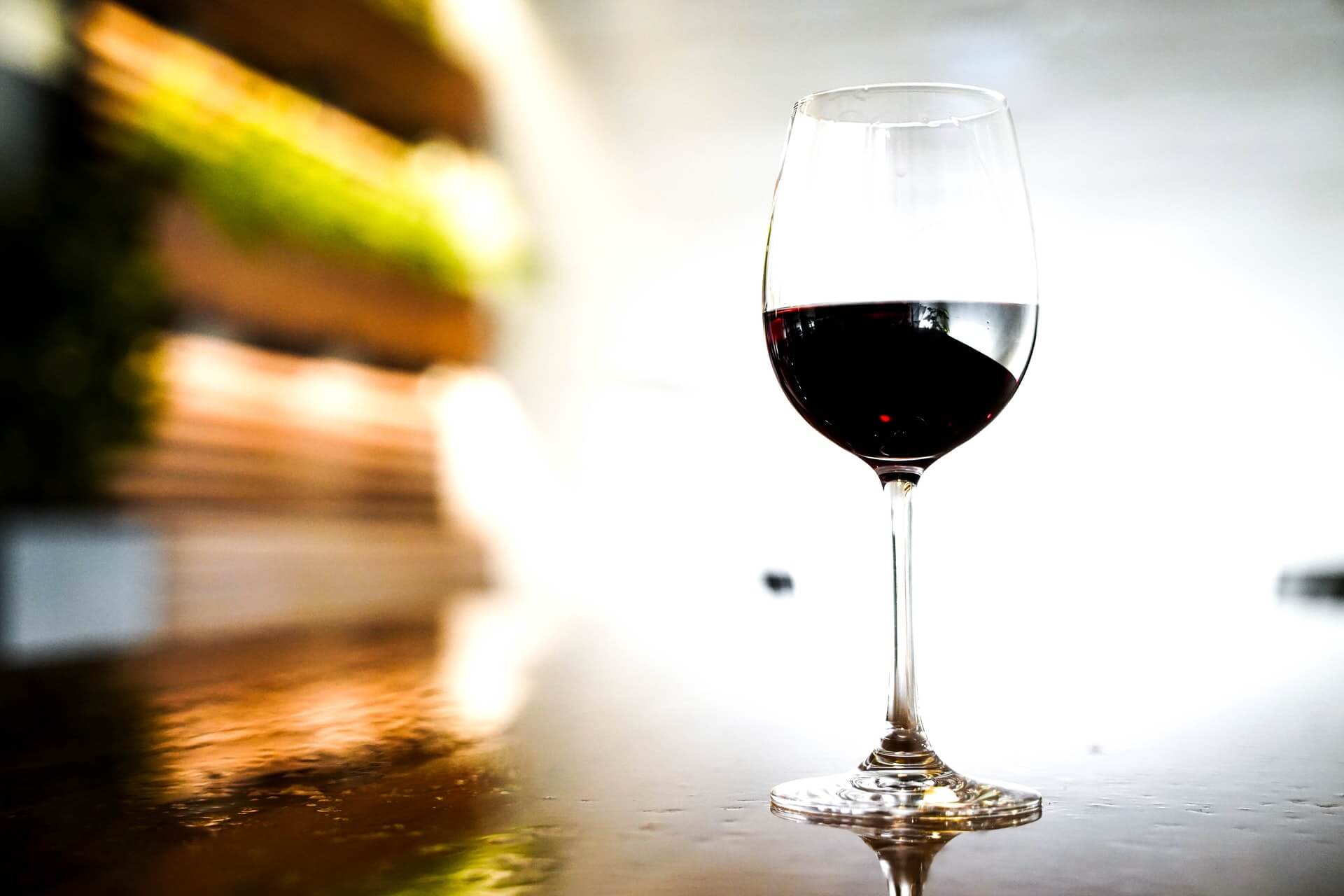
Glass of red wine

What’s up with wine in 2021? We reviewed multiple sources to find out.

One great thing about hunting for wine trends is that it’s easy—there’s no shortage of sources willing to make predictions.

Common Wine Trends

The IWSR, without a doubt a reputable source for information about all things beverage, expects wine consumption to “bounce back” this year.

Along with Forbes, Wine Intelligence, just-drinks, and bar inventory platform Backbar, the IWSR expects e-commerce to be crucial for wine sales. Continuing with tech influence, the IWSR and Wine Intelligence expect wine producers and sellers to engage more with consumers online. Forbes pointed to orange wine benefiting from Instagram posts as a specific example of digital engagement.

Forbes, the IWSR, and Wine Intelligence predict alternative packaging to really take off in 2021. Canned wines are well positioned but other options—wine-in-box and “letterbox” bottles, for example—will perform well this year.

Forbes, the IWSR, and WineMemoir expect sustainability to be even more important in 2021. The IWSR mentioned organic and low-intervention wine, and they pointed to biodynamic wine, as did WineMemoir. Zero-waste winemaking was mentioned by Forbes.

The IWSR and Forbes expect sparkling wine—Prosecco specifically—to have a moment this year. Drinking occasions, per the IWSR, have come to include Prosecco more often; sparkling is no longer just for celebrating.

Breakout Wine Trends

Speaking of moments, rosé Champagne will have on in 2021, according to Forbes. The publication also expects the wealthy to continue “drinking richly,” so operators with rare, exclusive and high-dollar bottles should consider promoting them.

With the explosive growth of hard seltzer that has taken place over the past few years, Wine Intelligence predicts 2021 to be the year the wine seltzer market is established.

People will choose “safe” wine options, meaning they’ll be less likely to experiment and move out of their comfort zones, according to just-drinks. The magazine is also more cautious about the category’s growth this year, pointing to slowed economies and rises in alcohol duty rates.

Backbar, explaining that wine dollar value slipped but sales volume rose in 2020, predicts restaurants will offer more affordable wines. Along with that trend, they predict restaurants will hold less inventory to reduce costs, meaning wine lists will shrink.

Specific varietals Backbar predicts will perform well due to a turn toward affordable wines: South American Cabernet Sauvignon, Chardonnay and Malbec; South African Chenin Blanc; Portuguese reds; red blends; and American wines in general.

2021 will be the Year of Cabernet Franc, according to WineMemoir. Bordeaux will see a resurgence in popularity, and wines from Abruzzo and Jura will see a lift.

Image: Carson Masterson on Unsplash

by David Klemt David Klemt No Comments

Mardi Gras Transforms Into Yardi Gras

Mardi Gras Transforms Into Yardi Gras

by David Klemt

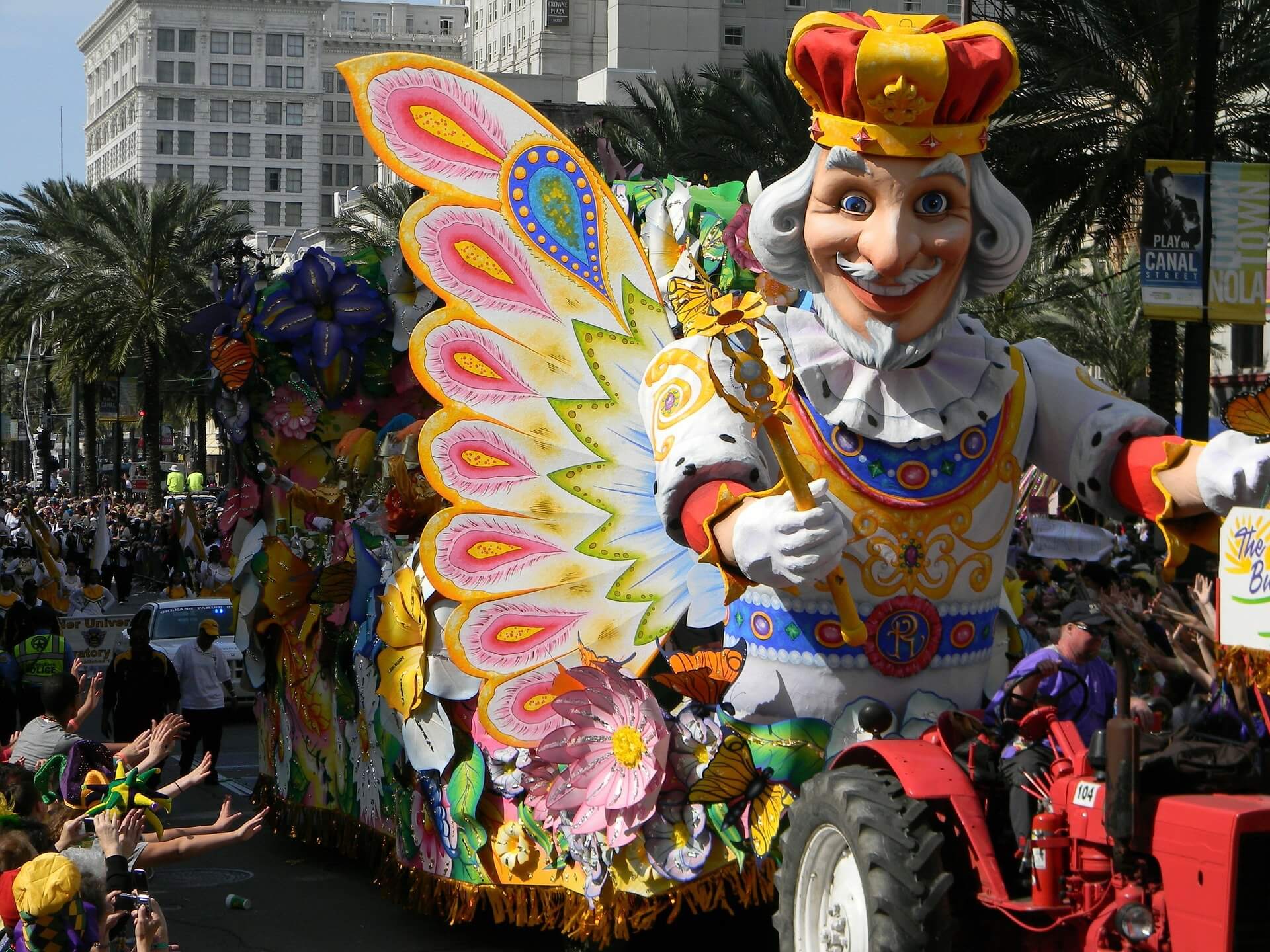
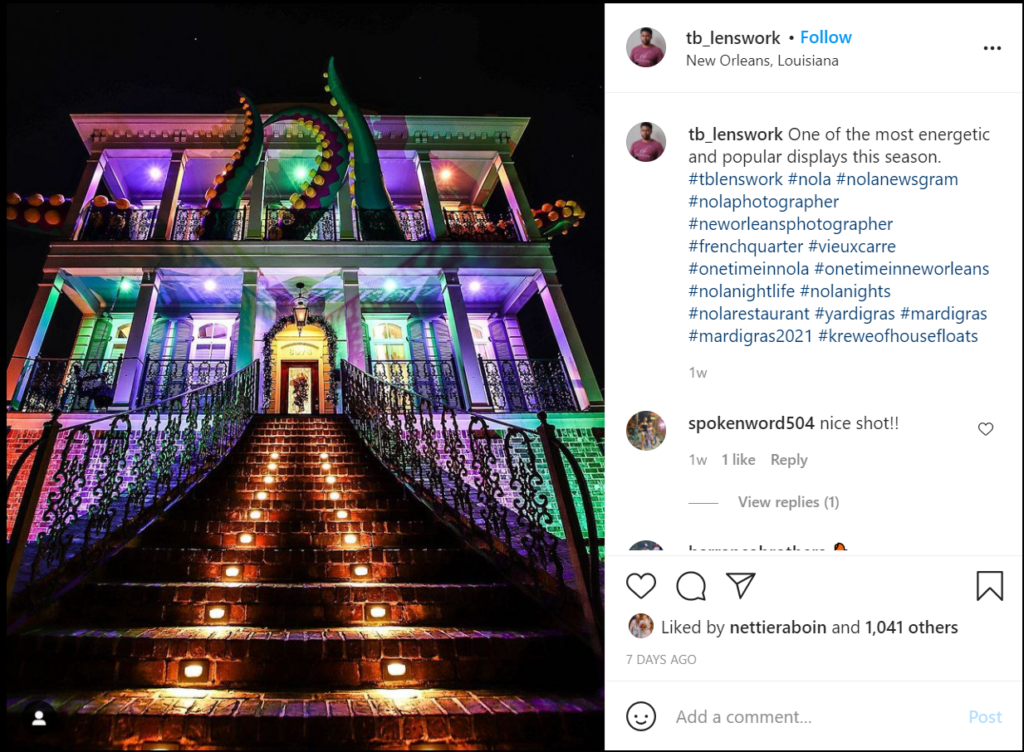
In a glaring, neon sign of the times, Mardi Gras is built for socially distanced enjoyment this year.

This year, the parade “floats” will be stationary and the revelers will come to them.

Initially created as a grassroots campaign to raise money for artists who craft Mardi Gras parade floats, “Yardi” Gras just may become an annual tradition. In fact, it has been reported that artists have already been commissioned for Yardi Gras in 2022.

What is Yardi Gras??

It’s simple. Well, it’s simple to understand—designing and constructing a Mardi Gras float is a complex undertaking that takes about a year.

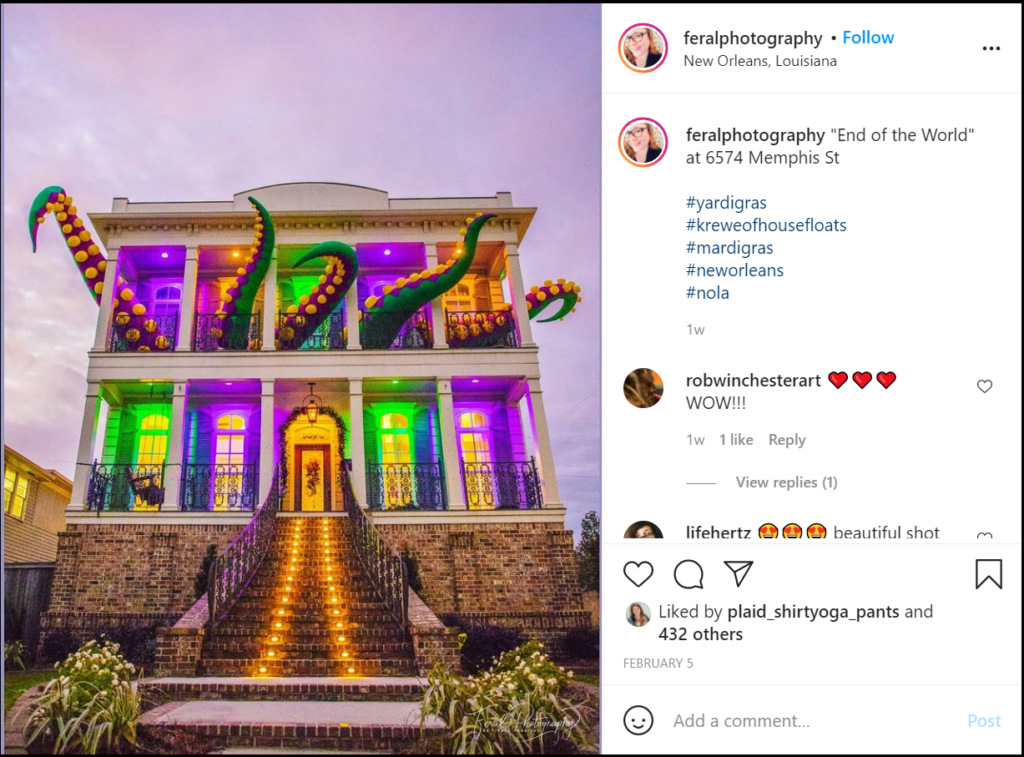
Anyway, Yardi Gras celebrates Mardi Gras by transforming buildings into stand-ins for their float counterparts. As you read this, there are hundreds of homes and businesses decorated to celebrate Carnival.

Given that the most common way to enjoy Yardi Gras is via driving tours, I can see this taking off in cities across the world…in conjunction with traditional Mardi Gras parades, of course.

Via @nolashirtclub on Instagram

Alright, Who Did This?

The Krewe of Red Beans has been credited with kicking off what I hope becomes a tradition in NOLA (along with the return of floats, of course) and other cities. To raise funds for Mardi Gras artists and float builders who found themselves out of work when the city canceled parades.

A krewe, by the way, is a social group that organizes Carnival parades or balls.

Announced via press release another krewe, the Krewe of House Floats, also supported artists and the community: The Krewe of House Floats (KoHF) today announced a giving campaign to raise $100,000 for those affected by COVID-19 restrictions and Mardi Gras event cancellations, with Culture Aid NOLA and Grace at the Greenlight as the first partners for the initiative. The magic of Carnival, while often billed as the ‘Greatest Free Show on Earth,’ isn’t possible without float artisans, service industry workers, musicians, Mardi Gras Indians and other culture bearers.”

Click here to donate via the Krewe of Red Beans, and click here to give to the Krewe of House Floats. The latter has created a map of Yardi Gras participants.

Via @tb_lenswork on Instagram

Why Am I So into this Idea?

In its 164-year history, Mardi Gras has only been canceled 14 times. Mardi Gras is most closely associated with New Orleans, a city that should hold a place a reverence in the hearts of all hospitality workers.

Las Vegas, New York City, Chicago, San Francisco, and Orlando come to most people’s minds when they think of US cities known for hospitality. However, New Orleans deserves a top ranking on any hospitality list.

New Orleans has nurtured the careers of several notable chefs, bartenders and operators:

  • Chef Leah Chase, who passed in 2019, was anointed the Queen of Creole Cuisine. Dooky Chase, her NOLA restaurant, has been recognized as one of the most important restaurants and was an important gathering spot for the Civil Rights Movement.
  • Emeril “So Famous You Don’t Need to Hear His Last Name to Know Who I’m Talking About” Lagasse helmed the storied Commander’s Palace in NOLA.
  • The Brennan family took ownership of Commander’s Palace in 1969 and has succeeded in building a family-owned restaurant empire.
  • Chef Nina Compton is a James Beard Award winner who worked in NYC and Miami. Before opening the award-winning Compère Lapin in 2015 and Bywater American Bistro in 2018 in NOLA, Chef Compton competed on season 11 of Top Chef.
  • Chris Hannah worked at the world-famous Arnaud’s 75 for close to 15 years before opening Manolito and Jewel of the South with Nick Dietrich.
  • Jeff “Beachbum” Berry cemented his legacy as one of the most influential people in the bar world long before he opened Latitude 29 in the French Quarter. He has written seven books focused on cocktail and culinary history, “lost” recipes, and culture.

That’s just a tiny handful of culinary and cocktail influencers with ties to New Orleans.

Cocktails Created in New Orleans

NOLA is the home of several classic cocktails, including:

  • Sazerac. Antoine Peychaud, the inventor of Peychaud’s Bitters, is credited as the creator of the Sazerac.
  • Vieux Carré. It means “Old Quarter” in French and references what we now know as the French Quarter.
  • Brandy Crusta. Created by Joseph Santini in the 1850s at the “original” Jewel of the South bar.
  • Ramos Gin Fizz. Originally called the New Orleans Gin Fizz but eventually changed to honor its creator, Henry Ramos.
  • Hurricane. Invented at Pat O’Brien’s Bar, which is still in operation and has been serving Hurricanes since the 1940s.

Next time you serve or enjoy one of these classics, toast New Orleans.

We hope you have a great Mardi Gras or Yardi Gras!

Image: beebutter from Pixabay

by David Klemt David Klemt No Comments

2021 Technomic Outlook: United States

2021 Technomic Outlook: United States

by David Klemt

Technomic has been providing the foodservice industry with valuable insights on a global level for 50 years.

The research and consulting firm has been one of my go-to information sources for at least a decade.

A few weeks ago, I reviewed American food delivery trends from multiple sources. This week, I’m taking a look at Technomic’s foodservice predictions for the US.

Unprecedented and Unpredictable

Before we proceed, keep this in mind: predictions are best guesses. Technomic’s approach is scientific and data-driven but it’s important to approach any prediction with caution.

As the firm itself points out in their 2021 foodservice report, the global pandemic has plunged the industry deep into unprecedented territory.

It seems the only thing predictable about Covid-19 in relation to restaurants, bars and other hospitality businesses is that this industry will continue to bear the brunt of closures and restrictions.

That said, I trust Technomic to lead the industry through unprecedented and unpredictable moments in time.

7 Key Trends

Technomic has made seven predictions for foodservice in the US.

  1. Streamlined menus. Technomic expects the trend toward reducing SKUs to continue. However, that may lead to innovative and healthy items replaced removed items. Leafy greens, environmentally-friendly, and health-conscience items such as immune boosters are expected to be menued.
  2. Tech is the future. This prediction can be summed up quickly: If it’s a tech-based, can improve operations and help a brand differentiate itself from others, the industry is going to implement it.
  3. Top three cuisines. Chinese, Italian and Mexican food and drink are expected by Technomic to perform the best in 2021, particularly if operators move beyond the classics and incorporate lesser-known ingredients. However, Technomic expects more interest in West African and Caribbean cuisine.
  4. Social justice. Operators will have to be transparent about their stances on social justice issues and make meaningful statements—hashtags won’t cut it with younger consumers.
  5. Umami will reign supreme. Technomic uses the phrase “new-mami” to describe “intense, mouthwatering fare.” Think fruit vinegars beyond apple, candy cap mushrooms, seafood meatballs, and so much more.
  6. Communal concepts must adapt. Food halls, eatertainment concepts, and venues with communal seating will have to reimagine their spaces and how guests use them during an era characterized by social distancing, constant sanitizing, and off-premise business models. Traditional guest experiences may return but there’s no telling when that will happen.
  7. Revenue recovery. Technomic expects the industry to start recovering in 2021. However, sales levels are unlikely to reach those of 2019.

Bring it all Together

Chasing trends can be a fool’s errand. Not every prediction made by Technomic will work for every restaurant or bar in Canada.

Just like Technomic collects and analyzes industry data, operators must review their guest, sales and operations data to make informed decisions. This is another reason it’s crucial to own the guest journey in its entirety.

Click here to view Technomic’s “2021 U.S. Trend Outlook” webinar.

Image: Justin Cron on Unsplash

by David Klemt David Klemt No Comments

2021 Technomic Outlook: Canada

2021 Technomic Outlook: Canada

by David Klemt

Technomic has been providing the foodservice industry with valuable insights on a global level for five decades.

The research and consulting firm has been one of my go-to information sources for at least ten years.

A few weeks ago, I reviewed Canadian food delivery trends from multiple sources. This week, I’m taking a look at Technomic’s foodservice predictions for Canada.

Unprecedented and Unpredictable

First things first: predictions are best guesses. Technomic’s approach is scientific and data-driven but it’s important to approach any prediction with caution.

As the firm itself points out in their 2021 foodservice report, the global pandemic has thrown the industry into unprecedented territory.

It seems the only predictable element related to Covid-19 is that restaurants, bars and other hospitality businesses will bear the brunt of closures and restrictions.

That said, I trust Technomic to lead the industry through unpredictable, unprecedented moments in time.

5 Key Trends

Technomic has made five predictions for foodservice in Canada.

  1. 2021 will represent the start of financial recovery for foodservice. Technomic predicts moderate sales growth this year, below levels of 2019. However, limited-service restaurants are expected to perform better than their counterparts and return to 2019 revenue levels. Not surprisingly, Technomic expects full-service restaurants to be the most challenged.
  2. Operators will make their stances on social issues known. Multiple sources say today’s consumers want transparency from the brands they support. They want to know what company’s believe about climate change, food insecurity, social inequalities, diversity and hiring practices, fair pay for employees, and other issues. Technomic expects more operators to “double down” on transparency.
  3. On-premise operations will invest in off-premise business models. Again, multiple sources have reported that significant percentages of consumers are uncertain or uncomfortable about returning to restaurants and bars for in-person dining and drinking. Technomic expects operators to invest in smaller dining rooms so they can offer more limited-contact and contactless options to guests: walk-up ordering windows, multiple drive-thru lanes, designated curbside pickup locations, and in-store pickup and grab-and-go stations. The firm also expects more operators to embrace first-party/direct delivery, along with technologies like mobile ordering and geofencing.
  4. Comfort, quirkiness and indulgence. Technomic expects comfort foods to continue to perform well and encourages operators to get creative—even quirky—with this category. They caution that health will still be a focus of many guests and suggest that some operators will “disguise better-for-you meals as indulgent.”
  5. Our home and native land. Hyperlocality will play a crucial role in driving traffic given the travel restrictions imposed throughout Canada. Operators will likely forge relationships with local farms to attract local visitors to their venues. Technomic expects to see grassroots movements promoting support for small regional chains and local independent operations to gain traction.

Bring it all Together

Chasing trends can be a fool’s errand. Not every prediction made by Technomic will work for every restaurant or bar in Canada.

Just like Technomic collects and analyzes industry data, operators must review their guest, sales and operations data to make informed decisions. This is another reason it’s crucial to own the guest journey in its entirety.

Click here to view Technomic’s “2021 Canadian Trends Outlook” webinar.

Image: Hermes Rivera on Unsplash

by David Klemt David Klemt No Comments

E-Commerce Alters Drinking Occasion

E-Commerce Alters Drinking Occasion

by David Klemt

According to estimates, beverage alcohol e-commerce grew by 40 percent in 2020.

Per data from the IWSR, ten “core countries” are driving that growth: Australia, Brazil, China, France, Germany, Italy, Japan, Spain, United Kingdom, and the United States. China, the reigning campion of beverage alcohol e-commerce, is expected to be toppled by the US by the end of this year.

Of particular note: growth in the above markets more than doubled from 2019, when online alcohol retail grew by 11 percent.

What this Means for Brick-and-Mortar Operations

We all know what drove the growth in online alcohol sales.

In their quest to find comfort in the midst of the global 2020 pandemic, they became comfortable with purchasing alcohol online as a long-term behavior. Alcohol brands were forced to pivot to online sales channels due to restaurants, bars, lounges, nightclubs and other brick-and-mortar F&B operations facing constantly shifting restrictions and closures. (See also: Los Angeles County restaurant restrictions.)

To compete, operators must continue to do what they’ve had to even before a pandemic absolutely ravaged the hospitality industry and millions of people’s livelihoods: adapt.

For at least several more months, drinking at home will be its own occasion, for obvious reasons. The IWSR expects brands to invest more into online alcohol retail. If that proves to be the case, operators can expect–as a worst-case scenario–fewer dollars spent on their brick-and-mortar operations.

Getting creative with alcohol delivery, takeout and pickup is crucial to give operators the best chance to be included in the at-home drinking occasion.

The Trends to Watch

In terms of delivery trends, you can click here for food trends so you can consider complimentary beverages. Click here for 2021 drink trends, which certainly include alcohol-free beer.

Athletic Brewing Co. alcohol-free craft beers.

Athletic Brewing Co. alcohol-free craft beers. Image: Athletic Brewing Co.

Speaking of delivery, the growth in alcohol e-commerce makes owning the guest journey by offering direct delivery even more important.

The IWSR has identified their own set of trends tied to the growth of alcohol e-commerce:

  1. As touched on above, at-home drinking becoming its own occasion outright.
  2. Premiumization will change. Some consumers will experiment less and focus on their favorite brands, and others will turn to brick-and-mortar channels for premium experiences.
  3. Politics will play a noticeable role on beverage alcohol, not just in the US but across the globe. Tariffs could change and strict e-commerce regulations could loosen.
  4. RTDs will remain strong or get stronger. Per the IWSR, “innovation in alcohol bases, exploration of new and increasingly local flavors, and premium product offerings” will ensure RTDs remain a crucial beverage category in 2021.
  5. Low- and zero-alcohol drink options will continue their evolution. Once stigmatized, these drinks exploded in popularity in 2020. For 2021, the IWSR expects them to become aspirational.

Last year changed the industry. Comfort, convenience, and a heightened awareness of health and wellness are altering how people consume and engage with brands, restaurants and bars. Operators, already facing challenges from all sides, must take the time to develop strategies to compete for e-commerce dollars.

Image: mentatdgt from Pexels

Top