Teamwork

by David Klemt David Klemt No Comments

Independent Operators are Making Changes

Despite Challenges, Independent Operators are Making Changes for the Better

by David Klemt

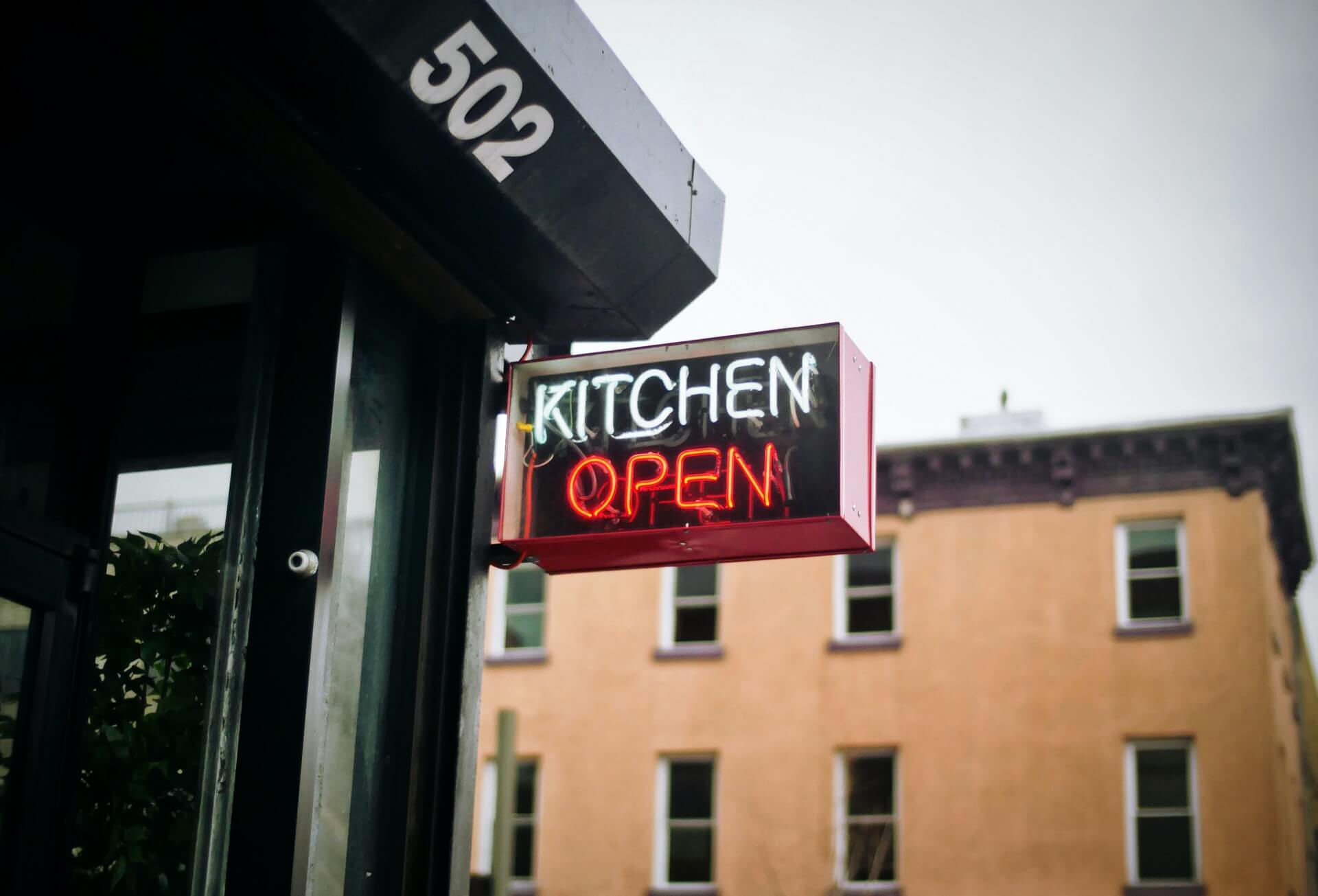
White and red neon restaurant sign that reads "Kitchen Open"

Independent Restaurant Coalition survey results show our industry is still struggling but some operators are making positive changes.

The hospitality industry absolutely needs and deserves help. The Restaurant Revitalization Fund absolutely needs replenishing.

However, hospitality continues to prove its resiliency, adaptability, and innovation.

It must be said, though, that it’s exhausting for owners, operators, and workers to have to constantly be resilient. Sometimes, the industry needs help. It’s past time for help to come.

But, I digress. Back to the IRC and their recently released survey results.

Still Overwhelmed

The IRC surveyed close to 1,200 respondents who are part of the restaurant and bar community. Survey participants represented all 50 states in the US.

Some respondents received RRF grants, some did not. Of course, receiving a grant wasn’t a silver bullet for surviving the pandemic.

However, the grants certainly helped:

  • Nineteen percent of grant recipients took out personal loans since February 2020. In comparison, that number more than doubles to 41 percent for those who didn’t receive grants.
  • Since the beginning of the pandemic, five percent of grant recipients took on additional investors. Again, that number more than doubles for operators who received no RRF grants. Eleven percent took on more investors to survive.
  • Due to the omicron variant of Covid-19, grant recipients had to reduce staff by 21 percent on average. Their counterparts had to decrease staff, on average, by 30 percent.
  • When it comes to selling off a personal asset to help their business survive the pandemic, ten percent of grant recipients did so. For those who didn’t receive an RRF grant, that number increases more than two-and-a-half times to 26 percent.

The challenges—an inadequate word, truly—have led to industry-wide changes. Per the IRC’s survey:

  • Hiring challenges have impacted 91 percent of independent restaurants and bars.
  • Menu prices were hiked up by 89 percent of independent businesses.
  • Nearly half—42 percent—reported to the IRC that they had pivoted to alternate business models after ceasing indoor and outdoor service.
  • Six percent of independent restaurants and bars pivoted to offering outdoor dining only.

Progress Being Made

Operators have been facing hiring challenges for several months now. In response, some operators offer various incentives.

As examples: meals for honoring scheduled interviews; cash for showing up to interviews; large cash bonuses for remaining in position for 90 or more days.

However, none of the above really address longstanding, widespread issues hospitality workers have given as reasons for quitting jobs (and the industry entirely).

To name just two, livable wages and benefits. Despite the challenges operators are facing, they have made positive changes. We’re not talking a small percentage, either.

Per the IRC, independent businesses reported the following changes:

  • 84 percent of restaurants increased wages.
  • 37 percent of restaurants, bars and other independent hospitality businesses added paid sick leave to the benefits they provide.
  • 21 percent of employers have added paid vacation to their benefits.

These changes (and others) are a promising start, showing that operators are listening to workers. Bringing traffic and revenue back to pre-pandemic levels—and beyond—is a great goal. But how will the industry get there?

One answer is for operators to listen to the hospitality professionals they rely on for their businesses to thrive. Listening, and then acting in meaningful ways.

Image: Patrick Tomasso on Unsplash

by David Klemt David Klemt No Comments

5 Books to Read this Month: February ’22

5 Books to Read this Month: February ’22

by David Klemt

Flipping through an open book

This month’s fun and informative book selections will help you develop next-level culinary, beverage and leadership skills throughout 2022.

To review January’s book recommendations, click here.

Let’s jump in!

Greenlights

Published originally in 2020, Matthew McConaughey’s Greenlights is already experiencing a resurgence. McConaughey has been writing in diaries for decades and sat down with them to write this memoir that shares lessons he’s learned, stories about what he has experienced over the course of more than 40 years, and more. In his own words, Greenlights addresses how to be fair, have less stress, have fun, hurt people less, get hurt less, be a good person, have meaning in life, and how to be more yourself.

“It’s also a guide to catching more greenlights—and to realizing that the yellows and reds eventually turn green too.”

Setting the Table

Danny Meyer’s modern classic Setting the Table was published nearly 15 years ago. It’s an award-winning masterpiece and considered by some to be the best restaurant business book ever written. On episode 64 of the Bar Hacks podcast, CEO and Master Blender Neil grosscup of Tanteo Tequila mentions this book. So, I decided it was time to revisit Setting the Table and encourage those who haven’t yet to read it.

The New Craft of the Cocktail: Everything You Need to Know to Think Like a Master Mixologist

Dale DeGroff, for those who don’t know, is credited with kicking off the modern cocktail craze. He’s a legend, an icon, and an ambassador for bartenders and the hospitality industry. Released toward the end of last year, The New Craft of the Cocktail is an update of DeGroff’s 2002 book The Craft of the Cocktail. Inside are new photographs, updates to the history of the cocktail, and 100 new drink recipes.

The Unofficial Disney Parks Drink Recipe Book

Look, it has been an overwhelming two years. And we’re still in that overwhelming situation. That is to say, we can all use a smile wherever we can get it. That goes for drink menus, too. Enter, The Unofficial Disney Parks Drink Recipe Book. It may be unofficial but the recipes are fantastic, offering whimsy, nostalgia, and wow factor. There are over 100 recipes in this best-selling book, including cocktails and zero-proof drinks.

The Velocity Mindset

If you want to become a better leader, you need to change your mindset. That may sound drastic but developing simple habits like visualizing a specific outcome can improve your leadership skills. The Velocity Mindset shares Ron Karr’s “innovative and practical strategies to differentiate yourself from the competition, increase your profits, and get to the next level of success, faster.”

Image: Mikołaj on Unsplash

by David Klemt David Klemt No Comments

Top 10 Bar Hacks Bonus Episodes: Goals

Top 10 Bar Hacks Bonus Episodes for Setting and Achieving Goals

by David Klemt

We’ve rounded up the ten best bonus episodes of Bar Hacks that feature KRG Hospitality president Doug Radkey offering goal-setting guidance.

Obviously, we all want to succeed. However, it’s not always obvious where we should start. This has been proven all the more true the past two years.

Doug has a way of cutting a path through the overwhelming noise and distractions operators face each day. The Bar Hacks bonus episodes below can help listeners take a deep breath, reset, and take the necessary steps to identify, measure, and achieve their 2022 goals.

Bonus #1: Strategic Clarity

Doug explains strategic clarity as the understanding of who we are, what we’re working toward, and how we’re going to get where we want to go. Click here to listen.

Bonus #3: Simplification

In this episode, Doug asks listeners a simple question: “Is your vision for your restaurant or bar’s systems complex or simplified?”

Bonus #4: Acceptance

We can’t really make achievable goals if we don’t understand the current situation we’re facing. In this bonus episode, Doug explains why it’s important to be able to accept change and differences.

Bonus #6: Decision Making

We make thousands of decisions every day, from the simple to the complex and everything in between. Doug shares his insights into clearly and confidently making decisions for your business. Click here to learn more.

Bonus #7: Innovative Leadership

What is innovative leadership? It’s confidence in your abilities and your team, knowing when to get out of the way, and the culmination of a few other key concepts. To listen, click here.

Bonus #9: Flexibility

For this bonus episode, Doug explains why success in this era of hospitality requires owning the entire guest journey, frictionless omni-channel experiences, and other elements of a flexible approach to business.

Bonus #12: Self Care

Doug shares his thoughts on one of the most crucial elements of operating a business in the hospitality industry. Hint: He’s not talking about menus, marketing or making money in this episode.

Bonus #13: Confidence

Do you think you have a growth-based mindset or a fixed mindset? Doug discusses confidence and the impact it has on your ability to lead effectively in Bar Hacks Bonus #13.

Bonus #14: Self Learning

Knowing that you don’t know it all opens up your world and makes you a better leader. Doug explains how seeking out knowledge, experiences and opportunities to learn makes you a better operator, keeps you sharp, helps you better relate to and mentor others, and improves your business in every way. Listen now!

Bonus #17: The Seven Cs

Doug explains each of the Seven Cs and how they’ll help you build a winning team. Without the right people on staff, you don’t have much of a chance to achieve your goals. Click here to listen to this important episode.

To listen to the first five bonus episodes in this list in one convenient episode, please click here for today’s Bar Hacks podcast episode. Cheers!

Image: Mikołaj on Unsplash

by David Klemt David Klemt No Comments

How to Achieve Your Goals in 2022

How to Achieve Your Goals in 2022

by Jennifer Radkey

"Wake up, kick ass, repeat" neon sign on wall

The start of a new year for many is symbolic: Fresh year, fresh start.

With the best of intentions, millions of people worldwide create resolutions and set goals for both personal and professional growth and achievement. These goals are created with full enthusiasm and determination and then….the majority of them never come to fruition.

Studies have shown that approximately 80 percent of New Year’s resolutions fail. So what happens? And how can we push forward to achieve our goals instead of letting them slip away?

The majority of us know how to set clearly defined goals. It is something we learned in school, or have read countless articles about. It seems as if it is human nature to want to improve, to do better and be better.

In the hospitality industry, we ask our team members to set goals weekly, if not daily. Goals typically include improving guest retention, increasing sales, improving guest experience, etc.

But once these goals are set, what systems are in place to help your team achieve them? And are you leading by example?

Goal Setting

There are many techniques to goal setting. George Doran, Arthur Miller, and James Cunningham developed the very popular SMART goal tool to assist in developing clearly defined, task-oriented goals. They state that goals should be Specific, Measurable, Assignable, Realistic, and Time-specific (SMART).

Rhonda Byrne’s book, The Secret, discusses envisioning your goals and life desires to attract them to you. But goal achievement is more than just setting a clear goal, or dreaming about what it would be like to achieve that goal. Those are the starting points.

Goal achievement is a process. It can be nitty and gritty and tough. There is typically no easy way. However, there are strategies we can use to help us achieve them, and the result will almost always be worth the extra effort.

Why We Fail

There are countless reasons why goals or resolutions fail, but the reasons mostly fall under two categories: You either lose your willpower or your waypower.

The concepts of willpower and waypower in relation to goal achievement is introduced in Rick Snyder’s Hope Theory, explained is his book The Psychology of Hope: You Can Get There From Here.

Willpower is the desire to achieve your goal; it’s the fire that pushes us to keep going after what we want. Waypower is the map for how we will get to our end goal; it’s the careful plan we have in place to ensure we overcome any obstacles that get in our way.

When we lack willpower our goal seems unachievable, and therefore we give up. When we lack waypower, as badly as we may want to achieve our goal, we are lost with no clear idea of how to get there.

How to Succeed

Finding Your Willpower

If you have lost your willpower, there are several ways to reignite your desire to achieve your goal.

The first is to have constant reminders of your goal. Have it written somewhere where you will have access to it several times a day. Set reminders on your phone, put sticky notes around your office or house, create a vision board representing your goal as your screensaver or on a wall in your home or office.

Remind yourself of why you set the goal in the first place and how it will make your life better.

Many of us lose our willpower when faced with obstacles. Instead of being deflated by obstacles, look at them as challenges to be defeated. Use obstacles as fuel for your fire rather than water to dampen it.

When faced with obstacles it is also helpful to remind yourself of goals that you have achieved in the past and the obstacles you had to overcome to get there. Remembering this time will allow you to acknowledge that you ARE capable and therefore will keep your willpower intact.

Finding your Waypower

Life is busy, and when you are being pulled in many directions at the same time it can be easy to lose your way towards achieving your goals. To ensure that you stay on the path towards goal completion, there are several actions you can take.

Try breaking long-range goals into smaller steps. Start with the first step, and move on to the next, checking off and celebrating each step as you go.

Before you even begin your journey towards goal completion, map out different routes you may need to get there. Knowing these routes beforehand will make it easier to stay focused along the way.

Lastly, know when to ask for helpand be willing to accept it. If you get lost on your way to your goal, perhaps you need some advice from someone who has already achieved that goal.

WOOP

One of my favorite goal achievement strategies is WOOP, created by Gabriele Oettingen. This acronym stands for Wish, Outcome, Obstacle, Plan.

WOOP is a straightforward and effective tool to use when setting goals, and has been practiced by everyone from elementary school students to CEOs of major corporations. Once practiced, WOOP can take less than five minutes of your time while providing great clarity.

The first step is to state your wish or goal clearly. Next, envision the outcome of achieving your goal. Take a couple minutes to really picture what it will look and feel like to achieve your goal.

You are then going to contrast that by thinking of what obstacles might block you from achieving your goal. It is important to note that these obstacles are internal not external.

We rarely have control over external obstacles but do have control over internal ones. What is it about you that will stop you from reaching your goal? Is it low self-esteem, laziness, doubt? Are you distracted easily?

Lastly, you are going to plan what to do when met with an obstacle by using “if/then” phrasing. For example, “If I am feeling lazy and want to have a Netflix marathon instead of working on my goal, then I will get off the couch, do ten jumping jacks, grab a drink of water, and start working on my goal.”

If you are interested in trying out the WOOP tool for goal setting/achievement you can visit www.woopmylife.org.

Own It

Goal setting and resolutions should not be a forced activity you do every new year, or birthday, or every Monday morning to start your week. Goal setting and achievement should be a constant, flowing activity that reaches into all parts of your life.

Through the use of strategies and consistent review, reassessment, and awareness, goals don’t need to be lost or given up on, unless that particular goal no longer serves a purpose to you.

Own your goals and take pride in your achievements. In the end, you will always be your number one advocate for your own growth.

So go get it! Cheers to professional and personal well-being!

Image: Justin Veenema on Unsplash

by David Klemt David Klemt No Comments

Keep Up Your Momentum in 2022

Keep Up Your Momentum in 2022

by David Klemt

Start of 2022 track or path concept

In 2022, our focus needs to be on recovery, which means starting strong, gaining steam, and keeping momentum going throughout the year.

The past two years have been a nonstop flurry of starts, stops, and false starts for American and Canadian operators.

Every challenge operators face during a “normal” day has been compounded. Recruiting, hiring, training, marketing, increasing traffic and revenue, managing inventory…it’s all more challenging.

However, “challenging” doesn’t mean “impossible.” Under the best of conditions, restaurant, bar, and hotel operations are a challenge. Overcoming adversity, in other words, is a consistent element of daily operations.

Now, whether we should view constantly overcoming challenges as a badge of honor… Well, that’s a different conversation, one about industry-wide changes that are long overdue.

For this post, my focus is on starting 2022 off right, building momentum, and keeping it.

KRG Momentum

Last year, we launched a coaching program called KRG Mindset.

KRG is known for our Roadmaps to Success, which include of our in-depth feasibility studies and detailed business plans, both of which help operators secure funding. However, some of our clients aren’t ready for our full suite of startup and expansion solutions.

For these clients, we have the KRG Mindset program. This valuable program’s keystone is a dedicated, certified life coach: Jennifer Radkey.

Both starting and operating a hospitality business can be stressful, exhausting, and time consuming, and it’s easy for your vision, clarity, self-care, and relationships to become lost along the way.

That’s where Jennifer comes in. With a dedicated, certified life coach by your side to ask powerful questions and hold you accountable, the pathway towards achieving your goals will become smoother.

A clear and focused mind and a regular routine of self-care will help you survive both the start-up and day-to-day operating phases, not to mention leading you towards personal and professional success.

Let’s Go!

All hospitality professionals—from business owners to staff—are members of a tight-knit family. Unless you’ve lived hospitality, you just don’t know the challenges, risks and rewards.

That means that startup operators and established operators don’t have to try to navigate the industry alone. Whether you aren’t sure where to even begin your ownership journey or aren’t sure how to overcome the hurdles you’re facing, the team at KRG Hospitality is here for you.

If you’re ready for us to help, click here to learn more about KRG Momentum. And click here to schedule an introductory call.

Image: Tumisu from Pixabay

by David Klemt David Klemt No Comments

2021 KRG Holiday Bottle & Can Guide

2021 KRG Holiday Bottle & Can Guide

by David Klemt

Red and black gift boxes and bows on black background

We’re bringing you new products and gift ideas for the 2021 holiday season for your specialty menus, raffles, and employee incentives.

Whether because they’re unique or leverages eye-catching bottling, labeling and packaging, you can’t go wrong with the bottles below.

In fact, you should probably consider adding some of these to your inventory and seasonal menu. A number of these bottles will attract attention from guests when they spot them on your back bar.

And, hey, we won’t tell anyone if you decide to treat yourself to one of these gifts. You’ve earned it.

Brandy

Few spirits shine more during the holiday season and winter months than brandy.

Château de Breuil Réserve Du Château 8 Year

This is the first entry in Château de Breuil’s “Hors d’Age” range, which means this Calvados is older than six years. The youngest Calvados in this release is eight years old, and there’s plenty of warming, comforting apple on the nose, palate and finish.

Hennessy V.S.O.P Privilège x Julien Colombier Cognac

Hennessy V.S.O.P Privilège x Julien Colombier 

This striking bottle, adorned with an original design by Julien Colombier, definitely stands out from the standard V.S.O.P Privilège.

Hine Cigar Reserve XO

This blend of 20 eau-de-vie is intended specifically to be enjoyed with a fine cigar. In particular, a fine Cuban cigar. A Cognac meant to help unplug, slow down, and enjoy the moment.

Gin

There is an incredible array of gins available that can sway even the staunchest “I don’t drink gin” drinkers out there.

Glendalough Rose Gin

The Glendalough distillery operates via three mantras: Wild foraged. Fresh distilled. Stand apart. Glendalough Rose Gin hits all those marks, particularly standing apart from other gins.

Hardshore Original Gin

There are a few ways to approach crafting a gin. Hardshore Distilling Company’s approach is to be simple in order to be complex. Just five botanicals are used in the production of Hardshore Original Gin: Tuscan juniper, coriander, rosemary, mint, and orris root.

New Junipero Gin bottle

Junipero Gin

With it’s striking new appearance, Junipero Gin’s bottle is now as bold as the liquid inside.

Mezcal & Tequila

The growth of the agave spirit category doesn’t seem like it will stop anytime soon. In particular, luxury mezcals and tequilas seem to be benefitting from consumers interested in spending more to drink higher-quality spirits.

Código 1530 Artesanal & Ancestral

As discussed on episode 57 of Bar Hacks with Collin De Laval, Código 1530 recently released two mezcals, super-premium Artesanal and ultra-premium Ancestral.

Sombra Reposé mezcal reposado bottle and cocktails

Sombra Reposé

This unique mezcal represents a world first: A mezcal aged in Bordeaux wine casks. It doesn’t hurt that the bottle is also attractive.

Tanteo Navidad

There are just 5,000 bottles of Tanteo Navidad, an ultra-premium añejo tequila infused with the flavors of the holiday season: cinnamon, clove, nutmeg, cocoa beans, ginger, and pequin chilis.

RTD

With so many hard seltzer and canned cocktail brands hitting the market, it’s difficult picking just a few standout RTDs.

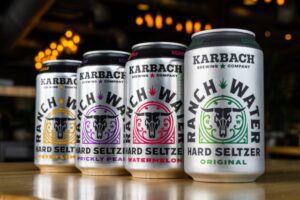
Karbach Brewing Ranch Water hard seltzers in cans

Karbach Brewing

When it comes to RTDs, Ranch Water was basically destined to end up in cans. As a blend of Topo Chico, tequila and lime, Ranch Water has a legitimate claim to the hard seltzer throne. Karbach Ranch Water is available in Original, Grapefruit, Meyer Lemon, Prickly Pear, and Watermelon. It’s also produced by a brewery in a state that knows a little somethin’ about Ranch Water: Texas.

Speaking of Texas…

Shiner Tall ‘Tails

Texas’ famous brewer has entered the hard seltzer space with four expressions based on classic cocktails: Texas Mule, Mexican Martini, Watermelon Margarita, and Ruby Red Paloma.

WESAKE

Given how easily drinkable sake is, I’m surprised there aren’t more RTD sakes on the market. Four cans of Junmai Ginjo WESAKE equal one bottle.

Rum

It’s always exciting to come across something new in any spirit category. The two selections below are from countries people don’t often think of when the topic of rum arises.

Kasama

How about small-batch rum from the Philippines, aged seven years and produced by Alexandra Dorda. If that last name sounds familiar it’s likely because Alexandra is the daughter of Tad Dorda, co-founder of Belvedere and Chopin vodkas.

Phraya Deep Matured Gold Rum

When’s the last time you sipped a rum from Thailand? The answer is most likely never. A beautiful bottle of Phraya Deep Matured Gold Rum—aged seven to 12 years—can certainly fix that.

Zanj Rum Ak Zanj "with angels" Haitian rum

Zanj Rum Ak Zanj

The name of this expression of Haitian rum translates to “with angels” in Haitian Creole. Made using only pure sugarcane juice (no sugar added) and aged exclusively in Limousin oak barrels, Ak Zanj is characterized by caramel, fruit, vanilla and honey notes. The bottle also looks great on a back bar or home bar.

Vodka

All eyes may seem to be on tequila, mezcal and whiskey, but the vodka category isn’t resting on its laurels. There have been a lot of innovations in this space, such as revisiting traditional processes, playing with flavoring, and even sourcing very specific grapes for production.

Belvedere Heritage 176 vodka

Belvedere Heritage 176

As the name suggests, Heritage 176 is an homage to the old ways of producing vodka. To that end, this expression makes use of malting or kiln-drying rye for deeper, more complex flavors.

Hangar 1 Smoke Point

Produced in partnership with Crimson Wine Group, Hangar 1 used smoke-tinged grapes affected by Norther California’s disastrous Glass Fire to create Smoke Point vodka.

Wild Roots Vodka

This corn-based vodka is made in the Pacific Northwest and infused with more than a pound of real fruit. There are several flavors available in addition to the neutral expression, such as winter-friendly Apple & Cinnamon and Cranberry.

Whiskey

This category isn’t just immensely popular, it’s immense in and of itself. It was difficult to narrow it down to just three selections, particularly when it came to bourbon.

Glenmorangie A Tale of Winter Scotch bottle

Glenmorangie A Tale of Winter

Your guests, staff, family and friends aren’t the only people who wear Christmas sweaters. A Tale of Winter grabs the eye during the holiday season with a label that looks like it’s ready for your restaurant, bar, nightclub or hotel’s holiday party. This Scotch encapsulates the season with notes of cocoa powder, orange toffee, clover, ginger, and cinnamon.

High West High Country Single Malt

It may be an oversimplification to call High Country Single Malt an homage to single malt Scotch but it’s still an accurate summation. When producing the distillery’s latest release, High West uses “on-the-grain” distillation, along with fresh-charred and second-use barrels during maturation.

Redemption Cognac Cask Finish

Bottled at 99 proof, this high-rye bourbon is aged in Pierre Ferrand Cognac barrels. Expect bold but elegant flavors with baking spices, rye and sweetness on the palate.

Woodford Reserve 2021 Holiday Bottle

Woodford Reserve 2021 Holiday Bottle

Every holiday and Kentucky special edition bottle of Woodford Reserve has been a winner. However, I find the artwork on this year’s holiday bottle by Nick Hirst to the best yet.

Wine

Well, in particular, sparkling wine. When it comes to celebrating, it’s hard to beat the craving for bubbles.

Dom Maria

You can’t go wrong with Dom Maria Brazilian Sparkling Brut or Rosé. The packaging is sleek, modern and makes a statement. Both DM expressions are 60 percent Chardonnay, 40 percent Pinot Noir.


View this post on Instagram


A post shared by Perrier-Jouët (@perrierjouet)

Perrier-Jouët Blanc de Blancs

It’s fair to say that most people are most familiar with Perrier-Jouët’s Belle Époque bottles, adorned as they are with Japanese anemone flowers outlined in gold. However, on episode 56 of Bar Hacks, Maxime Lecocq says that when he sees someone order a bottle of Perrier-Jouët Blanc de Blancs, “they know what they’re doing.”

Yarden Blanc de Blancs

Looking for a Kosher blanc de blancs option for the holiday season? Look no further than Yarden Blanc de Blancs produced by the Golan Heights Winery, currently releasing their 2012 vintage.

Low- and Zero-proof

There are a number of high-quality alcohol-free spirts, beers and other beverages out there. With that number growing, the biggest challenge is deciding which brands and expressions to pick as gifts and add to your menu.

The County Soda Co.

Much attention is paid to the spirits in cocktails, and for obvious reasons. However, crafting the best possible cocktail requires using the best possible ingredients. The County Soda Co. crafts “soda pop for adults” by using real cane sugar and juice concentrates, and by eschewing artificial sweeteners. Proudly produced in small batches in Prince Edward County, Ontario, Canada, County Soda includes flavors such as Root Beer, Cola, Ginger Ale, Blackcurrant Lime, and Orange Cream Soda.

Lyre’s

This innovative brand is named for a bird famous for it’s accurate mimicry of its avian peers, and for good reason. Lyre’s crafts zero-proof expressions that taste like their full-proof counterparts, including sparkling wine and RTDs. You can even purchase cocktail kits that provide everything necessary to make alcohol-free Negronis, Espresso Martinis, and more.

To learn more, fire up episode 28 of Bar Hacks with Tim Rita.

Partake Radler

Ted Fleming started Partake Brewing partially out of frustration. He made the choice to live sober but had no intention of giving up socializing in bars with friends. Unfortunately, the options for alcohol-free beer were incredibly slim. So, he founded Partake Brewing to produce 0.3-percent craft beer. The highly sought-after Partake Radler is back just in time for the holidays!

Learn more from Ted Fleming on Bar Hacks episode 31.

Q Tropical Ginger Beer

How does a tropical take on ginger beer sound? To me, it sounds refreshingly different. I’m a big ginger beer fan, so Q Tropical Ginger Beer, with its agave, mango, passion fruit, and pineapple notes, is intriguing.

Image: Tamanna Rumee on Unsplash

by krghospitality krghospitality No Comments

Why You Should Take Part on Giving Tuesday

Why You Should Take Part on Giving Tuesday

by Jennifer Radkey

Kindness is a Superpower stencil graffiti on brick wall in black and white

You are most likely familiar with Black Friday and Cyber Monday, days that encourage consumerism and support the economy.

However, after these two days comes a global movement that you may not yet be familiar with but need to be: Giving Tuesday.

Created in 2012, Giving Tuesday will be celebrating its ninth year Tuesday, November 30th. It is a global movement in which organizations, businesses, charities, and individuals all come together to support their favourite causes.

From large monetary donations to simple acts of kindness, it is a day that encourages people to do good and to bring about positive change in their communities.

Why Generosity?

Generosity not only benefits the charity or person who is on the receiving end, it has huge benefits to those on the giving end.

From increased happiness to a sense of shared community, being generous with your time, resources, or money is often a simple act with big rewards.

A 2008 study by Harvard Business School professor Michael Norton and colleagues found that giving money to someone else lifts participants’ happiness more than spending money on themselves.

This is true even when the participants anticipate prior to the act of giving that spending the money on themselves would make them happier. Research also suggests that similar well-being benefits come from giving monetary gifts/donations or volunteering your time.

In other words, it doesn’t matter how you give, it is the act of giving in itself that gives us that “warm glow” feeling that we typically associate with the holiday season.

Hospitality and Generosity

The words hospitality and generosity go hand in hand.

To be a welcoming hospitality brand you need to be generous with your time and your kindness. You need to be willing to create an atmosphere in which people come to not just eat a meal, have a drink, or spend a night, but to create memories, to socialize, and to have an experience.

Over the past (nearly) two years, we have asked our communities to support hospitality businesses as we faced lockdowns and restrictions. In many ways, our communities did just that.

Guests ate on patios when the weather was not pleasant. They supported through ordering takeout. #SupportLocal movements popped up not just in the U.S. and Canada but globally. Through their extra efforts, many businesses were able to keep their doors open and their staff employed.

Now it is time to take that generosity shown to us and give it back to our community.

Giving Back

So, as a hospitality business, how can you contribute to Giving Tuesday?

Firstly, discuss it with your team! If you are able to contribute a monetary donation to your community in some way, which charity or organization speaks most to the values you all share?

If you aren’t able to contribute a monetary donation, how can you volunteer your time as a team? Maybe you can make your space available free of charge for a local organization or charity to host an event. Perhaps you can cook meals or bake goods as a team to provide to those in need, or who work tirelessly to make your community a better place.

The opportunities for giving back are endless and you can be as creative as you like. Host a breakfast with Santa for a local children’s group or do a hot chocolate and cookie drop off at a senior’s centre.

Brainstorm as many ideas as possible with your team. The process of thinking of charitable acts alone will brighten your team’s mood and get everyone in the giving spirit.

Share, Share, and Share Some More

Once you decide how you will participate in Giving Tuesday, tell the world about it!

Take photos, share the link to the charity or organization you are giving to, and encourage others to give alongside you. Tell a story.

However, do not engage with Giving Tuesday cynically with the goal of social media exposure. Be truly kind and generous.

Generosity is contagious. Your act of kindness will encourage others to do the same. It will also shine a bright spotlight on your hospitality brand, so make certain you’re engaging in kindness authentically and not just to score points with your community.

For more information on Giving Tuesday, please visit www.givingtuesday.org. Cheers to professional and personal well-being!

Image: Andrew Thornebrooke on Unsplash

by David Klemt David Klemt No Comments

As Guests Learn More, Luxury Grows

As Guests Learn More, Luxury Grows

by David Klemt

Luxury concept featuring Champagne coupes on silver tray

Consumers are drinking better and the luxury categories of several spirits, wine and Champagne are benefitting.

Interestingly, this growth no longer appears to be driven solely by a desire to stand out and be seen.

Instead, according to one Bar Hacks podcast guest, consumers seem to be more carefully allocating their dollars.

Luxury Continues to Rise

The word “luxury” tends to conjure thoughts of expensive, high-end items.

Indeed, that’s certainly still a part of luxury. However, the concept of luxury as unattainable to most people is seemingly falling to the wayside.

Maxime Lecocq, Prestige sales manager in Las Vegas for Pernod-Ricard, shares a similar thought on episode 56 of Bar Hacks.

“The consumption style started to change during the pandemic,” says Lecocq. “So, people are more careful on what they’re drinking, where they’re spending their money.”

Intriguingly, Lecocq doesn’t mean that people were looking to spend as little as possible. Rather, they wanted higher quality for their dollars.

“Instead of having just any Scotch, they’re gonna research more,” Lecocq says. “Instead of spending, like, $25, they’re gonna be like, ‘Oh, I’m gonna spend $40 but I’m gonna be more careful about what I’m gonna drink.'”

As far as Lecocq is concerned, consumers doing more research is benefiting the luxury segment.

Why does he think that? Because it appears that research is leading consumers to spend more on luxury spirits and wine.

Numbers Support Luxury Growth

Early last month, Distilled Spirits Council of the United States (DISCUS) shared their research into luxury spirits.

DISCUS data shows that during the period from 2015 to 2020, luxury spirits brands saw sales growth of 125 percent. Further, looking at the first half of 2021, luxury spirits volume is up 25 percent.

For the curious, DISCUS considers any brand that sells 750mL bottles at retail for $50 or more to fall within the luxury segment. So, $10 more than the example Lecocq provides during his Bar Hacks appearance.

There are six luxury categories tracked by DISCUS: American whiskey, Cognac, Irish whiskey, Japanese whisky, Single Malt Scotch, and Tequila.

On his podcast episode, Lecocq discussed three of those categories: Cognac, Single Malt Scotch, and Tequila.

Growth Categories

Per DISCUS, American whiskey has seen annual growth since 2015 of 41 percent. For Japanese whisky, that rate of growth is 42 percent.

Irish whiskey and Single Malt Scotch are also healthy annual growth. However, Irish whiskey’s annual growth is only a third of that of its Japanese counterpart at 14-plus percent.

Single Malt Scotch, in the first half of 2021, is up 5.6 percent.

According to DISCUS, Cognac’s annual growth is nearly 16 percent. Lecocq posits that this rise in interest in Cognac is down to shifting consumer perception.

Once thought of as “your grandparents’ drink,” younger consumers are now more eager to explore this type of brandy.

It’s perhaps tequila that sees the most interesting growth. Given its explosive and seemingly unwavering popularity, I thought the luxury tequila category would see growth in excess of 42 percent.

However, per DISCUS, luxury tequila brands are up 30.7 percent annually since 2015. Obviously, that’s impressive growth, and the category represents 28 million bottles sold.

That’s more than American, Irish, Japanese and Single Malt Scotch whiskeys combined.

Of course, this doesn’t mean that operators should abandon their less expensive spirits and wines. It does, however, show that consumers are willing to pay more for what they perceive to be higher quality brands.

Image: Billy Huynh on Unsplash

by David Klemt David Klemt No Comments

Adding Veterans to Your Team

Adding Veterans to Your Restaurant, Bar or Hotel Team

by David Klemt

Military combat helmet in digital camouflage

Do more this Veterans Day by encouraging those who have served to apply and interview for available positions on your team.

There are several benefits to providing job opportunities to veterans, regardless of the country (or countries) in which you operate.

Of course, there are dos and don’ts that come along with recruiting, hiring and working with veterans.

Benefits to Hiring Veterans

Before we begin, a caveat: Remember that veterans are individuals. “Veteran” is a label, a designation, a descriptor. In no way is one person who is a veteran interchangeable with another.

That said, there are some elements of military service that are similar to those of successful hospitality operations.

Teamwork, a strong work ethic, leadership skills, precision in tasks, achieving goals, consistency in results… When a restaurant, bar or hotel team is operating at its best, it can be said they work with military precision.

Generally speaking, veteran job candidates bring experience to the table that can benefit an operator greatly.

Additionally, it’s commonly said that hospitality leadership should hire for personality because they can train requisite skills. Speaking generally again, many veterans are so used to receiving specialized training that they’ll likely appreciate and respond quickly to yours.

If you want your business to operate with military precision, why wouldn’t you hire military personnel who fit well within your team?

Questions to Ask During Interviews

Obviously, there are definite dos and don’ts when it comes to discussing a veteran’s military experience.

As curious as you may be about some aspects of a veteran’s experience, questions shouldn’t be invasive or offensive.

Some examples of questions you should ask are:

  • “What did you do (in the Air Force, Army, Coast Guard, Marines, Navy, National Guard or Reserves)?”
  • “Why did you choose that branch of the military?”
  • “How long did you serve?”
  • “Do you come from a military family?”
  • “Where were you stationed during your career in the military? Did you visit any other countries?”
  • “Where was your favorite place you visited or lived?”
  • “How do you think your experience in the military will benefit you here?”

As you can see, nothing in those questions should make a veteran applicant uncomfortable.

Questions and Behaviors to Avoid

Speaking of discomfort, there are many questions that you should never ask a veteran. Not just during the interview process, but ever.

Also, if a veteran informs you they’re uncomfortable answering a question about their service, that should be respected.

Examples of questions and topics you should avoid are:

  • “Do you have PTSD (Posttraumatic Stress Disorder)?”
  • “Do you find it hard to get back to ‘real/regular’ life after being in the military?”
  • “Did you ever get shot/stabbed/bombed?”
  • “Did you ever kill anyone?”
  • “What’s the worst thing that ever happened to you while you served?”
  • Current military conflicts, particularly if you haven’t served in the military.
  • Referring to elements of work through military analogies.
  • Insulting branches of the military if you never served.

In short, treat veterans with the respect their deserve, as you should any other member of your staff. Veterans aren’t novelties or curiosities—they’re people.

For too long, veterans have faced undue scrutiny and undeserved stigmatization. It shouldn’t be difficult to turn that around when the solution is simple: Give veterans respect; treat them like  people since that’s precisely what they are; and provide equal opportunity.

Image: israel palacio on Unsplash

by David Klemt David Klemt No Comments

You’re Competing Against Chains for Labor

You’re Competing Against Chains for Labor

by David Klemt

Help sign outside business

Independent operators and local chains aren’t just competing with one another for staff, they’re up against global brands.

Unfortunately, that means competing against massive corporations that can offer higher wages and all manner of benefits.

However, smaller operations can still take steps to lure workers and fill open positions.

The Threat

In response to the labor shortage, many national and global chains are increasing hourly wages.

For example, Chipotle boosted wages for hourly workers to $15 per hour a few months back. Along with this boost in wages came a hike in menu prices: four percent across the board.

Earlier this year, McDonald’s also announced they would boost hourly pay. Hourly workers saw a boost of about ten percent. Of course, this chain also found itself dealing with increased supply costs. To offset a rise in costs of at least four percent, McDonald’s also boosted menu prices.

The latest to enter the labor fray is Starbucks. And like other chains, the corporation addressed the issue of hourly wages publicly.

Indeed, Starbucks’ announcement shares several details. First, staff who have worked for the company for a minimum of five years could see a pay raise of ten percent. Those who have been with the company for at least two years (but less than ten) could get a raise of five percent.

However, it doesn’t end there. Starbucks workers in the United States can take advantage of $200 referral bonuses. On average, Starbucks says hourly wages will range from $15 to $23 per hour, with an average of $17 per hour. The company expects these wage changes to be in place by Summer 2022.

Solutions

Of course, one doesn’t have to need revenue in the tens of millions or billions of dollars to compete for staff.

We’ve addressed this topic several times on the KRG Hospitality site. In particular, we’ve brought up increasing menu prices to support wage hikes. Specifically, we recommend borrowing from Chipotle and McDonald’s: Be transparent and explain why menu prices are going up.

Additionally, Bar Hacks guests like Chef Brian Duffy and Lynnette Marrero have spoken about this topic.

As Chef Duffy says during his second appearance, treating staff better is a big step toward reducing turnover. Word spreads among hospitality workers, and improved employer-employee relations is an excellent recruitment tool.

Another effective benefit? Flexible and improved scheduling which, of course, can be implemented easily via scheduling apps.

Mentorship is a powerful recruiting and retention tool. Both Chef Duffy and Marrero believe in the power of this benefit. They have decades of experience to pass on to staff that can help their careers.

Marrero also suggests implementing labor structures that corporations don’t offer. For instance, she suggests new operators are well positioned to offer earned equity, profit sharing, and co-op ownership structures.

Existing operators can also leverage Marrero’s ideas. However, they’ll need agreement from their investors if they have any.

Now that you know where labor threats are coming from, you can strategize and fight back. You may not have billions of dollars in the bank, but you’re nimble and can implement changes much more quickly. Listen to your staff and be open to making meaningful but reasonable concessions.

Image: Fernando Venzano on Unsplash

by David Klemt David Klemt No Comments

Creating a Strengths Profile

Creating a Strengths Profile

by Jennifer Radkey

Unsolved Rubik's Cube against black background

When looking to improve the performance of your hospitality business it is natural to seek out weaknesses and attempt to “fix” them.

What if you were to take an entirely different approach?

Instead of focusing on weaknesses to improve upon, we should seek to identify and build upon our strengths.

Why Strengths?

Using our strengths is like writing with a dominant hand. It comes naturally and easily.

Strengths can be cultivated and used to assist in overcoming challenges and in improving upon weaknesses. If we were to focus only on improving our weaknesses it would be tiring, and the probability of giving up could increase.

However, if we focus on building upon our strengths, it would be motivating and energizing, therefore making us stronger and then more likely to overcome our weaknesses.

Lost and Found

Do you ever visit a restaurant, bar, or hotel and get no clear sense of their identity?

Maybe their menu is confusing, their social media presence is either nonexistent or only shares their daily specials, there is no consistency in service. They just seem…lost.

Now seriously take a minute and walk through your establishment with fresh eyes as if it were your first time there. Is your brand’s identity clear or lost? As we get wrapped up in the day-to-day operations and stressors, becoming lost can easily happen.

Identifying your brand’s strength profile can help you find your distinct identity again. Even if you aren’t lost there is always room to strengthen your brand.

The Background

In the field of positive psychology, psychologists Chris Peterson and Marty Seligman headed a project to seek out what characteristics describe humans at their very best.

After scouring literature, media, music, etc., spanning countries and history, they compiled a list of 24 character strengths that appear to be valued over time and culture.

This list was referred to as the Values in Action Classification of Character Strengths and Virtues (VIA). The VIA is meant to classify individual strengths but can also be applied to organizations and businesses.

The 24 Character Strengths

The list of strengths is as follows:

  • Creativity
  • Curiosity
  • Open-mindedness
  • Love of Learning
  • Perspective and Wisdom
  • Bravery
  • Persistence
  • Integrity
  • Vitality
  • Capacity to Love and be Loved
  • Kindness
  • Social Intelligence
  • Citizenship
  • Fairness
  • Leadership
  • Forgiveness
  • Humility/Modesty
  • Self-Regulation
  • Appreciation of Beauty and Excellence
  • Gratitude
  • Hope/Optimism
  • Humour
  • Spirituality

If you want to dive deeper into the VIA character strengths or would like to take the free survey yourself to find out what your top character strengths are, please visit www.authentichappiness.org through Penn State University and take the VIA Survey.

Creating a Strengths Profile for Your Hospitality Business

Now that you have the list of 24 character strengths, think about the top three strengths that you believe capture your brand at its very best. Think both about your venue’s operations and its messaging when deciding upon the top three.

Then ask your team to do the same. Hold a team meeting in which everyone shares which three character strengths they chose and why.

I recently did this with our team here at KRG Hospitality and found the process enlightening. It was fascinating to see which character strengths were repeated, providing clarity into our brand’s strengths profile.

Establishing Your Top Three

As you review everyone’s answers as to the character strengths they feel best capture your brand at its very best, take note of strengths that repeat themselves.

For us at KRG Hospitality, creativity, perspective and wisdom, and love of learning were the most common replies. We then had our strengths profile.

Discuss what you feel the strengths profile for your brand is with your team and solidify a top three.

What Next?

Once you have a strengths profile built, it’s time to dissect it.

How are you already using these strengths in both your day-to-day operations and in how you are representing yourself to the outside world? How can you use them in new and unique ways?

For example: If one of your strengths is creativity, are you using it to your advantage in many aspects of your business? Maybe your menu is super creative, but your social media posts are dull. Maybe your interior design is creative and fresh, but your training lacks creativity.

Is one of your top strengths kindness? What are you doing to emphasize that strength and is your community aware and benefiting from it?

Think about your strengths in new and exciting ways to energize your team and build an overall stronger business.

Shout it Out!

Take pride in your brand’s strengths. Make it known to your team, potential new hires, guests and potential guests what your strengths are by living them and growing them each and every day.

The stronger your team and your brand is, the more confidence you will have. With strong confidence you can approach weaknesses and obstacles with a healthy mindset and higher chance of success.

Take the time to really know your brand and understand how you are representing yourself and you won’t be disappointed. Cheers to personal and professional well-being!

Image: Pixabay on Pexels

by David Klemt David Klemt No Comments

Resources for Keeping Guests Safe

Resources for Keeping Guests and Staff Safe

by David Klemt

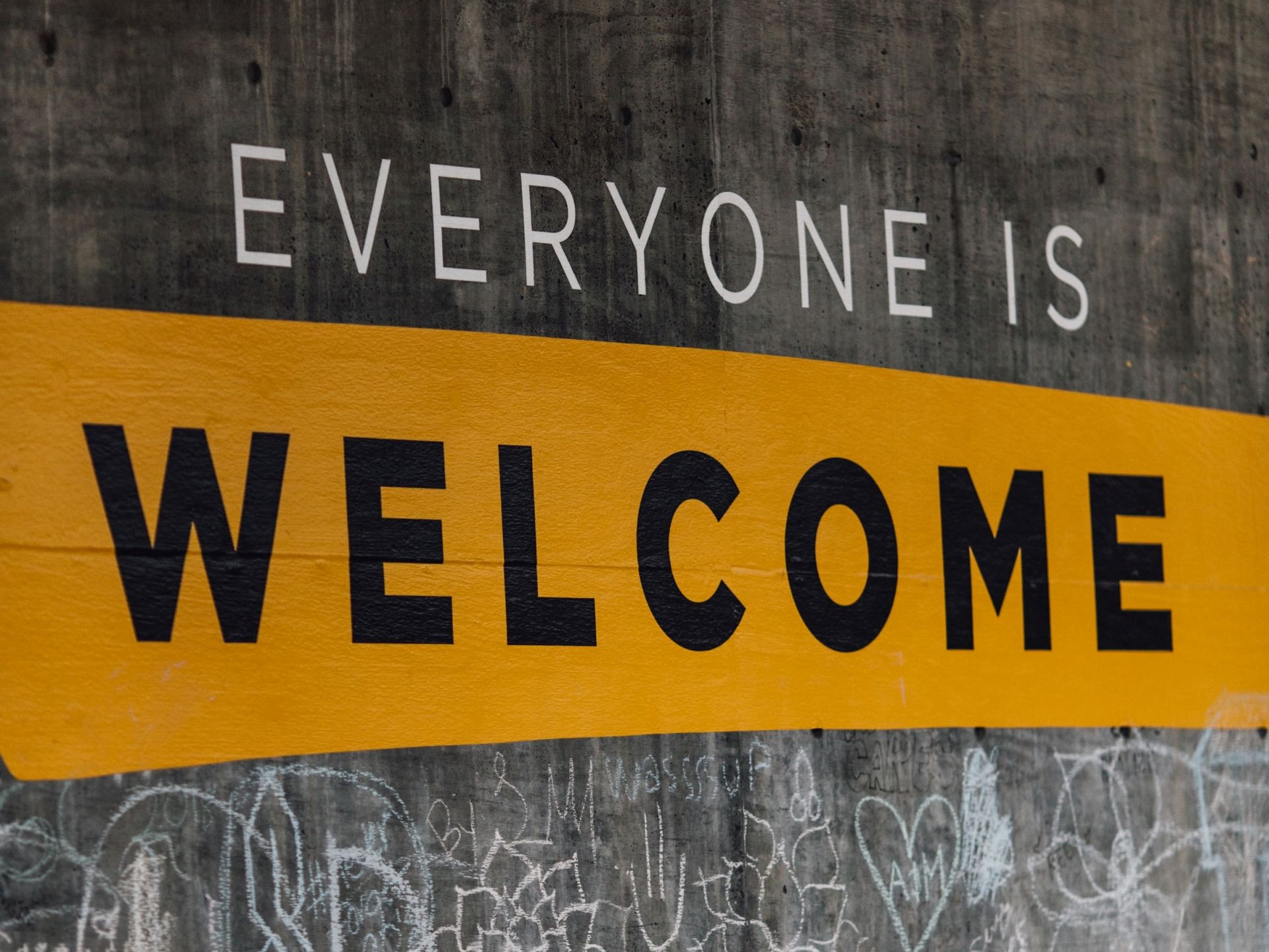
Everyone is Welcome sign painted on wall

One of the non-negotiable responsibilities of operators and their team members is ensuring the safety of every guest they serve.

Respecting others, instilling trust in guests and the community, and awareness are core tenets of hospitality.

Further, those three tenets are also crucial for the safety of guests, team members, and the community.

We in the hospitality industry like to think we deliver selfless service, putting guest needs above our own. The phrase “all are welcome” is supposedly a hospitality mantra.

But if operators aren’t providing the tools and empowerment staff need to ensure every guest is safe, is everyone really welcome?

Safety as a Core Value

Look, I know it can be uncomfortable to address the uglier elements of this industry. However, we can’t effect change to severely reduce the impact or outright eliminate those elements if we don’t face them.

On today’s Bar Hacks podcast, episode 54 with Ivy Mix and Lynnette Marrero, our guests address keeping women safe in bars and restaurants. That goes for guests and staff.

When we’re honest with ourselves, we know that our industry, operating at its best, is welcoming, accepting, supportive of the communities they serve, and a pillar of society. But we also know we have widespread issues concerning the harassment, violence, and inequality affecting women and other minorities.

Two things can be true at the same time. However, we can work toward wiping out that second truth.

During today’s podcast, Ivy Mix shares two key resources for building safer hospitality venues and work environments: Safe Bars and Green Dot.

Safe Bars

This organization seeks to improve the safety and culture of any venue that serves alcohol. Restaurant, bar, nightclub, brewery, hotel… If alcohol is a major component of service, Safe Bars wants to help.

Through three Safe Bars programs, operators can make their businesses safer:

  • Active Bystander Skills. Teachers operators, leadership team, and staff how to recognize unwanted sexual aggression and opting for the best intervention solution. (Learn more here.)
  • Self-defense and Empowerment. Strategies an owner, operator, member of the leadership team, or a staff member can implement should they be the one targeted for aggression or other unwanted attention. (Click here to learn more.)
  • De-escalation for Hospitality Professionals. The tactics necessary to keep one’s self and others safe should they encounter an aggressive, angry or threatening guest. (More information here.)

Unfortunately, most hospitality professionals have at least one story involving unwanted aggressive or threatening behavior from a guest. Programs like those on offer by Safe Bars can help bystanders intervene to protect others and themselves.

Green Dot

I’ve written about Green Dot Bystander Intervention education before.

Specifically, I shared Green Dot’s Five Ds of Bystander Intervention:

  • Distract
  • Delegate
  • Document
  • Delay
  • Direct

Programs like those from Green Dot and Safe Bars can help operators and leadership assess their bystander intervention capabilities.

The time is now to have an open and frank discussion to assess each team member’s comfort level regarding intervention. That can provide a baseline and guide operators towards which programs they should pursue. From there, operators and leadership can create policies and procedures for intervening, and keep guests and staff safe.

Addressing safety rather than hoping nothing will happen and these issues will somehow solve themselves pays immense dividends. Here are just a few examples:

  • Greater staff confidence.
  • A better relationship with the community, along with increased traffic.
  • A reduction in staff turnover.

Service is about more than food, beverage, and entertainment—it’s also about safety.

Image: Katie Moum on Unsplash

by David Klemt David Klemt No Comments

Incentive Economy: What are You Offering?

The Incentive Economy: What are You Offering?

by David Klemt

Chef's knife and honing rod crossed on cutting board

You know about the gig economy but are you familiar with the incentive economy?

It’s quite simple, and there are myriad ways for operators to engage with it. In fact, you likely already participate in the incentive economy in some way.

To put it succinctly, the incentive economy is all about the perks of a job beyond a paycheck.

The Old Ways are Out

On episode 53 of our Bar Hacks podcast, Chef Brian Duffy addresses the need for changes in our industry directly.

First, he tackles the lack of transparency in leadership by some operators. As Chef Duffy says, “That’s an old school way of doing it. That was an old school way, that was the Eighties.”

According to the chef, and we wholeheartedly agree, we now find ourselves in a “different phase” in the industry.

Then, Chef Duffy takes on how leadership in the industry treats staff.

One effective recruiting and hiring incentive Chef Duffy offers on the podcast deals with scheduling. None of his cooks close both nights of a weekend. He also posts schedules two weeks in advance so there are, A) no surprises, and B) if staff need to swap or drop, they have time to do so without impacting the business.

This simple scheduling incentive is attractive to new hires and existing staff. Why? Because working unpredictable, erratic hours is stressful.

“That ruins your life,” explains Chef Duffy.

If operators want to attract new hires, keep their team together, and reduce turnover, listening to staff about scheduling is crucial.

Things Need to Change

Chef Duffy shares a story on the podcast about his daughter and her experience working at a restaurant operated by a hospitality group.

No, he doesn’t name the group or the concept. The who isn’t the point here, it’s the what.

That what is how leadership bungled not only a scheduling issue but also how they botched Chef Duffy’s daughter’s two-week notice, her final shifts, and her final pay.

For more context, his daughter wasn’t a new hire who bailed after perceiving she had been treated poorly. She had worked at that restaurant for a year, there were ongoing issues, and she finally left.

As we all know, we’re down about a million jobs in this industry. That loss isn’t simply because of the pandemic. Our industry is undergoing a seismic cultural shift and we’re losing people who won’t return to hospitality.

Things need to change if we’re going to reverse this trend and strengthen the industry. KRG Hospitality president Doug Radkey addresses the change we need in his latest book, Hacking the New Normal. Chef Duffy addresses some of the necessary changes on our podcast as well.

“We can complain as much as we want, but we created it,” Chef Duffy says. “We as owners and operators and managers, we created what’s happening right now.”

Get Creative

The only limits to incentivizing your staff are your imagination, staying consistent with policies and procedures, being respectful of your staff and guests, and the law. Remain in those confines and get creative.

An incentive doesn’t need to be a grand gesture or prize. In many instances, something that makes a shift more fun and breaks up the monotony is enough to energize the staff.

“I want my staff, I want my front-of-house staff, to know what my sales goal is for the day,” says Chef Duffy. “And then I want to run a contest with that.”

One of the chef’s favorite contests is simple and highly motivating: Follow the Twenty.

Chef Duffy puts a twenty-dollar bill into play against a particular item or menu category. For example, either a specific dessert or any dessert.

Whenever a team member sells a dessert, they get the $20 that’s in play. If a different person sells another dessert, they get the twenty. Follow the Twenty incentivizes the first person to sell more of an item to hang onto the money, and the game motivates the rest of the staff to outperform their coworker to get the prize.

The last member of staff to sell a dessert that shift or day keeps the money.

Offering another creative incentive he’s seen, Chef Duffy shares that there’s a restaurant out there offering a free tattoo to kitchen staff that stays for at least 30 days. Will some staff leave after they get their tattoo? Possibly. Hiring wisely, implementing training policies and procedures, treating staff with respect, making scheduling easier and more flexible, ensuring clear communication is embedded in the fabric of your brand’s culture, and offering further incentives can prevent that turnover.

Offer Ongoing Education

“We live in an incentive world now,” says Chef Duffy. Explaining that he doesn’t operate large kitchens, large bars, or employ large teams, he admits he can only do so much in terms of incentives.

However, his approach to incentivizing staff to stay starts with this example of true leadership: “The one thing I can do is treat my employees well.”

With decades of experience in the industry, Chef Duffy’s knowledge is something he can offer his staff. A big believer in education, passing down information that can enrich team members’ careers and lives is an incredibly valuable incentive.

During a recent training session with a very young kitchen staff, the chef started with the very basics of education.

“Hey, guys, here’s a knife. This is a knife,” he said to the kitchen staff. “There’s seven different parts to a knife. Here’s the most powerful part, here’s the most precise part. This is how you hold it, this is what we do…”

Just reading that, it may seem like Chef Duffy was being condescending. That’s not the case. He wants to share as much of what he’s learned over the years to pass on his collected knowledge.

“I want people to feel as if they’re gaining something from me and the knowledge that I have rather than, ‘Go cut those onions and I’m gonna yell at you if you do it the wrong way,'” says Chef Duff.

Make Meaningful Change Today

Making impactful change can feel overwhelming. Let’s face it, it’s easier to just stay the course. But these days, staying the course can cost you your staff, then your guests, and then your business.

One way to start making change is to look inward at yourself, and at your leadership team.

Are your staff gaining anything from you beyond a job and paycheck? Is your leadership team mentoring and incentivizing staff? Are you, your leaders, and your team happy at work?

If the answer to those questions is “no,” do what’s reasonable to improve your brand’s work culture.

As Chef Duffy says, “The whole dynamic of it has to change and we have to take better care of our employees.”

Image: Steve Raubenstine from Pixabay

by David Klemt David Klemt No Comments

Modernize Your Scheduling Today

Modernize Your Scheduling Today

by David Klemt

2021 calendar on cell phone

Scheduling platforms and apps modernize restaurant, bar and hotel team management, streamlining and simplifying several processes.

When it comes to improving communications, the benefits of updating and upgrading how you manage scheduling can’t be overstated.

Of course, in our tech-heavy world, several scheduling platforms do more than just inform your employees about their shifts.

Today’s options handle payroll; assign specific tasks to particular team members; help leadership provide feedback; give staff a platform to provide feedback to leadership; and much more.

Staff Retention

Now, we’ve addressed how our industry has been much quicker to embrace new tech innovations over the past couple years.

We’re bringing up the topic of scheduling platforms for a specific reason. We all make mistakes, and we can learn from those mistakes. And we can also learn from others’ mistakes so we can do our best to avoid making them as well.

On today’s episode of the Bar Hacks podcast, Chef Brian Duffy shares a story about a scheduling issue.

During his return appearance, Chef Duffy explains that his 20-year-old daughter provided two months’ notice about days off she needed to her former employer. “Former” is key here.

It’s clear that the hospitality group property at which she once worked either didn’t utilize a scheduling app, didn’t communicate well, or both.

At any rate, Chef Duffy’s daughter received constant phone calls from management during her vacation. Obviously, that would be infuriating.

Even worse, after she quit that job—she had provided two weeks’ notice—this former employer called to ask if she was coming in for “her shifts.” Well, no—she had quit, with notice.

Clearly, there are other issues with that leadership team beyond a lack of clarity in scheduling. However, a powerful, easy-to-use staff management tool could possibly have kept Chef Duffy’s daughter from quitting this job. A powerful platform, for example, like the four below that are mentioned on episode 53 of Bar Hacks.

7shifts

When choosing a scheduling platform, one crucial element is integration. 7shifts integrates with several major POS systems, such Toast, Harbortouch, Heartland, TouchBistro, Micros, Upserve, and Clover.

In addition to scheduling, which is a given feature for all these platforms, 7shifts offers robust features. Leadership can send one-on-one messages to staff or create group chats. The app itself is a timeclock and handles payroll. And more inclusive packages provide operators with labor budgeting, sales forecasting, labor alerts, and even state-based compliance tools.

7Shifts is free for single locations with up to 10 workers. At the Appetizer level, 7shifts costs $17.99 per month, per location, for up to 20 team members. For $39.99 per month, per location, operators with up to 30 staff can take advantage of the Entrée level. The Works is $69.99 per month, per location, and manages an unlimited number of staff.

HotSchedules

One of the key features of HotSchedules is labor forecasting. Per the platform’s website, HotSchedules “labor forecasts are based on activity, historical data, and specific business rules” to reduce costs and increase revenue.

On the leadership side, scheduling is streamlined and simple to use. Managers can approve—or deny—shift requests with a single click. They can also message individual team members or send messages to a single location.

On the team side, staff can give away, swap and pick up shifts via the convenient app. Staff can request time off, and HotSchedules integrates with their Google Calendars. Upon arrival, staff can clock in through the HotSchedules app and track their attendance and pay.

OpenSimSim

At the surface level, it may seem like OpenSimSim isn’t as robust as the company’s competitors. However, it’s powerful and efficient.

One of the best OpenSimSim features is the open shift invite. Using this feature, team members can be invited to apply for an open shift once one becomes available. In addition, staff can set their profiles up to be auto-approved for open shifts.

Of course, OpenSimSim offers features similar to other scheduling platforms. For example, leadership receives real-time open shift, overtime, and late clock-in notifications. Users can also direct message and group chat via the platform.

Schedulefly

Last on this list solely because I organized these platforms alphabetically is Schedulefly. When you look into this platform, you’ll notice immediately that it’s powerful enough to manage concepts with multiple units.

Managers can quickly and easy navigate each unit in their chain to handle scheduling, broadcast messages for individual locations, message specific team members, and more. Is there a shift that needs to be filled at a specific unit? Schedulefly makes it easy to target the appropriate location and get it filled.

Similar to 7shifts, Schedulefly offers pricing based on staff size. There are no contracts, no fees, and each “level” offers all the same features and services:

  • 19 staff or fewer: $30/month
  • 20 to 39 staff: $40/month
  • 40 t0 59 staff: $50/month
  • 60 to 79 staff: $60/month
  • 80 staff or more: Contact Schedulefly for pricing.

It should go without saying that scheduling is crucial. Understaffing, overstaffing, staffing frustrations, failing to listen to staff about scheduling, and not simplifying the process can increase staff turnover.

Outdated approaches to scheduling also leads to significant decreases in revenue.

At its core, scheduling is a form of communication, a vital one. Commit to improving your communication today by upgrading your scheduling. Your leadership team and staff will thank you.

Image: Gerd Altmann from Pixabay

by David Klemt David Klemt No Comments

10 Words that Exemplify Leadership

10 Words that Exemplify Leadership

by David Klemt

Level Up neon sign in white and yellow

During episode 50 of the Bar Hacks podcast, Travis Tober sums up restaurant and bar leadership in just ten words.

In fact, this seemingly “small” sentence explains leadership and buy-in for essentially every type of business.

Let’s take a look at what Tober, co-owner of Nickel City and owner Old Pal, says that resonates with me.

10 Important Words

So, what does Tober say during his first appearance on Bar Hacks that embodies leadership?

The following, about his general manager:

“He knows the brand just as good as I do.”

How do those words exemplify leadership and buy-in? For several reasons:

  • They illustrate transparency from the owners.
  • Those words show trust.
  • The ten words put buy-in and mentorship on display.
  • They show that the GM possesses a sense of ownership of the brand.
  • The brand is obviously defined clearly.

Buy-in is Crucial

As an entrepreneur, consider what you’re asking of the people who work for you. You’re expecting others to help you achieve your dream.

So, why would they take their role in your business seriously rather than only seeing it as a paycheck? The answer is simple: buy-in.

Staff want to feel as though they’re a part of something—they don’t want to work just to pay bills.

As difficult as it may be, an operator needs to trust the people they hire.

Why would you want them on your team—and you need to build a team, not just have employees—if you don’t trust them? Filling roles just to have bodies in the building is a losing strategy, labor shortage or not.

In addition to trust, there needs to be brand indoctrination. Every employee should be a brand evangelist for you and your business.

One of the most powerful recruiting and marketing resources at your disposal is your team. People they encounter should want to spend time and money at your business because of your team. They should want to work for you after observing your team at work and out and about.

If that’s not happening, something is wrong. Your team doesn’t trust you; doesn’t feel as though you trust them; doesn’t feel empowered; or doesn’t believe they’re really a part of your brand and business.

So, ask yourself a simple question: Can my GM, management team, and staff say they know my brand as well as I do?

Listen to episode 50 of Bar Hacks with Travis Tober on Spotify, Apple Podcasts, or wherever you listen to podcasts.

Image: Damir Kopezhanov on Unsplash

by David Klemt David Klemt No Comments

Why Communication and Empowerment Matter

Why Communication and Empowerment Matter

by David Klemt

Employees at front desk in hotel lobby

To truly embody the spirit of hospitality, internal communication and empowering staff must be part of your operation’s culture.

A situation KRG Hospitality president Doug Radkey found himself in recently could have been resolved quickly and smoothly.

However, it’s clear the staff lacked communication from the top. Nor did they have the ability to solve problems as they arose.

Let’s dive in.

Guest Experience

First, I’m not going to reveal where this incident took place. In fact, I’m not even going to provide the location.

Second, the problem arose at the front desk of a hotel. A well-staffed front desk—there were four team members working.

The issue was fairly minor but impacted the guest experience.

So, Doug and Jennifer Radkey booked a hotel over the weekend. They made their decision in part because of an available package. Among the perks of the package was a $50 gift card for a nearby restaurant.

Stopping by the desk on the way up to their room, Doug asked for the gift card. The desk clerk he asked had no idea what he was talking about.

In fact, none of the four front desk clerks knew about the promotion. Doug pulled up the hotel’s website and promotion on his phone, and showed the clerks.

Doing so jogged one clerk’s memory. However, details were still mostly unknown. There was no manager on duty and the staff searched through drawers looking for the restaurant gift cards.

After about ten minutes of searching, Doug said he and Jennifer were headed up to their room to get ready for dinner. They’d be down in an hour for the card (hopefully).

A Resolution, Kind Of

True to their word, Doug and Jennifer returned to the front desk for the gift card.

Miraculously, the front desk clerks had found one. (However, Doug thinks one of the team members ran over to the restaurant, bought a card, and brought it back to the hotel.)

One more note: A housekeeping team member had overheard the incident at the front desk as it was unraveling. She chimed in to suggest the front desk just knock $50 off the hotel stay or give Doug and Jennifer $50 cash to take to dinner.

Instead, as I just explained, the front desk clerks got their hands on a gift card.

But let’s look at what wrong here:

  • The guest encountered a service issue and waited more than ten minutes for any sort of resolution.
  • That resolution didn’t come for more than an hour.
  • It’s clear the staff received insufficient notice and details about the promotion.
  • The staff was also most likely not empowered to provide quick resolutions to guest problems.

Doug’s incident could have been resolved quickly and smoothly through communication and staff empowerment.

Communication

Clearly, communication is key for any business to operate smoothly. That’s not limited in any way to hotels or hospitality—all businesses in all industries need to value communication.

In fact, clear communication is a foundational value. Communicating clearly needs to be part of every operator’s core values and ingrained in their brand’s culture.

If there’s a promotion, if there’s a special, if there’s anything “unique” happening at a hotel, restaurant, bar, entertainment venue, etc., the staff needs to know.

Operators should email the details to staff members. Managers should share the details of a promotion or special during shift meetings. Staff should know how to enter promotions into the POS.

It’s doubtful that Doug would’ve encountered this gift card issue if clear communication was an important element of the hotel’s culture.

The front desk clerks would’ve known about it, and likely would’ve handed over the gift card upon check-in. Barring that, they would’ve known where to find the cards quickly and easily so they could’ve handed one out upon request for those guests who booked a room via the promotion.

Empowerment

There’s a second element of this particular guest experience equation: empowerment.

Had the front desk staff been empowered to correct mistakes as quickly as they may arise, it’s possible Doug would never have noticed there was an issue.

As difficult as it may be, operators and managers need to trust their staff. If that’s not happening, there are deeper issues at play that must be addressed and corrected.

If this hotel staff—remember, four clerks deep—were accustomed to adapting and resolving problems on the fly, that would’ve been evident.

This article wouldn’t exist because Doug wouldn’t have had a memorable negative guest experience to share with me.

Up to a reasonable point, guest-facing staff need to be empowered to solve problems quickly. It’s up to individual operators to decide what’s reasonable.

Upset guests don’t like encountering issues, obviously. Do you know what they really don’t like? Having to repeat themselves or watch staff flounder to reach a satisfactory resolution.

An empowered staff can assess a situation, target the problem, and resolve it without involving anyone else. And they can do so quickly and smoothly.

A Better Resolution

How could this issue have been resolved faster, accounting for the poor communication regarding the promotion? A daily or weekly “marketing fund.”

Some operators set aside an amount of cash for bartenders or other front-of-house staff to use at their discretion to solve problems. When that marketing fund is accessed, it’s reported and management can review the who, how much, and why at the end of the night.

In this case, $50 could have been handed over and accounted for with a, “I’m so sorry, we seem to be out of gift cards at the moment, this offer has been so popular,” and Doug would’ve only had a slight inkling of an issue.

Again, there were four front desk clerks present when this happened. Three didn’t know about the promotion. One clerk had a foggy idea about the promotion.

This wasn’t a staffing issue, nor was it a pandemic issue. And 19 months in, as harsh as this may seem, the pandemic can’t be the fallback excuse for every issue that comes up.

The following day, a manager learned of the incident upon Doug and Jennifer checking out the next day. He apologized and knocked $50 off their stay.

That wouldn’t have been necessary had leadership communicated about the promotion clearly. It certainly wouldn’t have been a painful incident had the staff felt empowered to make impactful guest experience decisions.

Today, commit to reviewing your operation’s communication. In all honesty, is it clear? Can it be improved? Have there been issues lately that could’ve been avoided if clear communication was part of your brand’s culture?

Once you’ve reviewed communication, as yourself if your staff feels empowered to solve guest issues quickly and reasonably. If not, that must change as soon as possible.

Image: Rodrigo Salomón Cañas from Pixabay

by krghospitality krghospitality No Comments

Hiring and Training Staff for Consistency

Hiring and Training Staff for Consistency

by Nathen Dube
Happy and well-trained In N Out kitchen staff

Every restaurant needs to hire staff. This is probably the second most important pre-opening task after deciding on a concept.

Hiring can be an arduous process and hiring the wrong person is often detrimental to success. It costs time, money, and effort to replace and repair the damages.

Putting a fully developed onboarding plan in place—compelling job ads, effective interview and selection processes, in-depth training manuals, and training schedules—can help streamline hiring and retention, and make new hires feel welcome and confident in their roles.

Hiring and Onboarding

Creating a strategy to onboard all staff, adjusting for differing positions (cooks, servers, managers, etc.), will help to identify potential employees that fit your needs skill- and attitude-wise.

A strategic plan will streamline the entire process, start to finish. Think of it as your recruiting and hiring “recipe.”

Answering phone calls, scribbling notes, writing emails, losing phone numbers… Operating without a plan can be very frustrating and time consuming for everyone. After all, running your restaurant is far more important than being your own HR department.

The problem is that many organizations see training as an expense and not as an investment. Untrained employees will, inevitably, lack the motivation and knowledge to use company resources properly.

A lack of training in the hospitality industry leads to:

  • costly waste;
  • employees who feel unappreciated in their job;
  • employees with a general sense that their job doesn’t matter; and
  • unsatisfactory guest interactions that impact guest retention negatively.

At this point, employees either leave or get fired for poor performance.

While it may seem simple just to replace one worker with another, consider this: Hiring someone can cost up to 30 percent of the job’s salary. For an employee that makes $40,000 a year, that could equal around $12,000 to hire someone new.

However, training an existing employee correctly might only cost a few hundred dollars, reducing invested time. Even if replacing one employee doesn’t sound that bad, consider that for every three employees who need to be replaced, that will equal an entire salary with no real gains.

Clearly Define Roles and Responsibilities

From the outset, outlining job roles and daily responsibilities properly is extremely important to ensure that all staff are on the same page.

Building and maintaining a well-oiled machine takes time and planning. However, identifying and distributing responsibilities as equitably as possible will help things flow smoothly.

Differing service times can lead to staff friction when tasks are not being completed effectively for the next shift. The lack of a clear plan regarding responsibilities such as prep, stocking fridges, putting away orders, cleaning, and maintenance will inevitably cause confusion.

Yes, writing out a daily walkthrough and task list from shift start shift end time for each role in your organization will take some time and effort. No, it isn’t the most fun job you’ll do.

But doing so will make onboarding and training a seamless and less time-consuming transition overall.

How to Train New Restaurant Employees

When you’ve completed the interviews, made your hire, and are now bringing in your new staff, where do you start? Who is responsible for training? (Yes, this should be delegated in your plan!) What station do they start on and what is the timeline for moving them along?

Having a plan for onboarding that is mapped out in an employee manual will help to clearly explain your company’s policies and expectations; training modules; and all other helpful information to a new hire.

Expecting a line cook, who may even be green themselves, to convey this to a new employee is like playing the telephone game in grade one: it doesn’t work and is irresponsible.

Setting up detailed, specific workstation plans is the first step. The second step is to plan training shifts and specify who is going to be training new hires.

Batch training can make this process easier. Have your head chef or front-of-house manager spend time to train all the new hires, not just the one or two who happen to be working that day. Be sure to include other positions like sous chefs and floor staff.

This last step, along with a solid training manual, helps eliminate starting the whole process over again every time a position turns over. It also completely mitigates the disaster of staff members being trained differently. Consistency will be solid across the board.

Different Strategies for Part-time Staff

A great part-time employee program can elevate your full-time staff.

With the peaks and valleys of busy restaurant periods fluctuating around lunch and dinner, for example, full-time staff can be overworked and then swiftly underutilized. Part-time employees on the other hand, when scheduled correctly don’t experience the swing in workload.

Although part-time staff offer flexibility in scheduling, it can be difficult to find time to train them. However, part-time workers should not be excluded from training just because their hours are limited.

Organizing training specifically for your part-time employees is crucial to the success of your team. Scheduling a part-timer to come in on a busy Saturday lunch shift and flounder around strains and stresses out the rest of the staff. That’s the last thing you want or need.

Part-time staff benefit from shorter periods of training engagement than your full-time staff. You do want to include them in your large training sessions but will certainly have some who can’t make it.

Since their schedules are limited, you can train part-time staff via 15-minute lessons during pre-shift meetings. These talks can cover can anything from kitchen hygiene reminders, menu walkthroughs, customer service, and proper table setting.

Using your best staff for on-the-job training can also be beneficial to your part-timers. Shadowing during shifts provides a visual, real-world representation of everything written out in your employee manual. Following in the footsteps of someone in the role a part-timer has been hired for is an excellent way for them to understand their responsibilities and tasks in real-time.

Not only is it an opportunity to understand how the whole team functions, it’s a chance to meet colleagues and bond with the team.

Streamline Your Menu

As mentioned in a previous post, the streamlining of your menu benefits everyone from the top down.

Trying to train a new employee on how to cook (or serve) every single item on a large menu can be daunting. Keeping your menu narrow and focused will make an employee’s transition into their new position.

This is where your employee manual will come into play again. Recipes and pictures, along with training and tastings, will give new staff the confidence to cook and serve the dishes skillfully. Shadow shifts will complete the picture for them with hands-on training.

Conversely, having a large menu creates unnecessary confusion and takes a longer time for staff to feel comfortable.

Everything on your menu needs to be something that your kitchen and serving staff can handle efficiently without putting undue burden on your staff. Choose recipes that include ingredients that you know fit within your budget and concentrate on making them the best they can be. Good food is more about taste than presentation.

Seasonal menu changes should be addressed via staff meetings, updated recipe cards, tastings, and even testing for all staff. Consider using these events to train and onboard your new staff to start them on the right foot and avoid them having to play catch-up.

Don’t Discount Human Communication

Everyone wants to implement the latest technology to save money, resources, labour costs, and to deliver superior product.

One thing that needs to be remembered when training staff is this: even with all these new processes, human interaction is still necessary for a functioning business.

That is, human skill is still required to cook and plate delicious, Instagram-worthy food, and to deliver that food to the guests at the table. For the time being, human interaction is what creates memorable dining experiences and keeps guests coming back!

The opposite end of that spectrum happens when technology fails or crashes. Troubleshooting and problem-solving skills are required by your staff every day.

Train staff how to utilize your technology stack but also understand the “old-fashioned” ways.

Effective Troubleshooting Ability: Importance of Teamwork, Repetition, Consistency

 A solid training strategy produces a staff that values teamwork, a team with effective troubleshooting skills, and consistent results.

When you identify the roles you are looking and the responsibilities that come along with them, plus delegate and train properly, you are essentially giving your staff the ability to individually and collectively trouble shoot any issues that arise.

These problems can relate to customer service, broken equipment, inventory problems, and other issues that might come up when you or your leadership team aren’t there to fix things.

Everything talked about here is the foundation you should be building on to create an environment that thrives on teamwork. From the minute you onboard new staff they are comfortable in what is being asked of them and are given plenty of opportunity to work alongside colleagues.

Excellent teamwork leads to consistency and repetition of food, drinks, and service regardless of who is working the front or back of house. There is nothing more disappointing than returning to a restaurant only to have a substandard experience.

Implementing these programs even before opening day will help to keep you and, more importantly, your staff happy, thriving, and creating an amazing experience for your guests time and again!

Image: nick jenkins on Unsplash
by krghospitality krghospitality No Comments

Why You Should Hire for Grit

Why You Should Hire for Grit

by Jennifer Radkey

Punch today in the face motivation print

It’s no secret that the hospitality industry is currently struggling to fill empty positions.

In an industry that suffered immensely throughout the pandemic with closures and restrictions, the desire for workers to return is low. Add in underlying issues such as low wages, unappealing hours, and sometimes undesirable work culture, and it makes the hunt for great employees seem even more daunting.

But what do you do when the resumes do come in? How do you select team members who will make your business stronger and help you strive towards success?

I’m going to suggest that you start by looking for one key characteristic: Grit.

What is Grit?

Psychologist and grit specialist Angela Duckworth states that, “Grit is sustained passion and perseverance for long term goals.” Grit is showing stamina in order to achieve success. It is often a better predictor of success than talent or skill alone.

If you want to do a deep dive into the benefits of grit to learn how and why grit is a better predictor of success than talent or intelligence, I highly suggest reading Duckworth’s book Grit: The Power of Passion and Perseverance. You can also check out her Ted Talks.

Why Grit?

Gritty individuals are more likely to deal with adversity better. These are the people you want on your team, especially in leadership roles. They are individuals who see success as a marathon and do not quit.

In an industry known for high turnover, the number one quality you should be scouting for is perseverance. Who is going to stick with you when times are stressful? Who is going to push for personal and professional growth? These are the individuals you need to look for.

Hiring for Skill

Many restaurant and bar owners will look at skill first when hiring new staff. I get it. If someone has previous experience and has demonstrated job specific skills, then it means less training on your part. If they “know what they’re doing,” that individual should be a good hire, right?

While finding someone with skill may prove that they can do the day-to-day tasks, it says nothing about how dedicated they will be to your business, what their growth potential is, or what their values may be. Skill can be easily taught; values, grit, and a growth mindset, however, can not.

Hiring for Grit

It starts with your job ad. An individual with grit is on the search for growth opportunities and for challenges.

What are you offering your team members? Are you offering learning opportunities, tuition assistance, training experiences? Are you making this clear from the very start that these opportunities are available?

If you want dedicated employees who are of a growth mindset you need to attract them to you with what they are searching for.

The Resume

Resumes may not be plentiful, and you may need to fill a position ASAP, but you still need to take the time to carefully analyze a resume if you want to hire for long-term success.

When reading a resume there are clues to indicate if the candidate has grit. Firstly, check to see how long they have stuck with previous jobs, teams, hobbies, volunteer positions, etc. Do they have a lot of experience but have switched jobs every one to two years? Have they done a lot of volunteer work but only for very brief stints?

Secondly, what level of achievement did they receive in these? For example, an individual who was on a varsity basketball team for four years, was made captain, and won a championship shows more grit than someone who played recreational basketball for a year and didn’t win any major awards.

One more example: An individual who started off as host, stayed with the restaurant for several years, and during that time made his way to the management team shows more grit than an individual who has more years of experience but it is spread over various establishments and each stint is less than a year in length.

The Hiring Process

A person with grit will not make you hunt them down. If anything, they will hunt you down!

The individuals who go out of their way to research your establishment before an interview, who follow up in a timely way for setting up interviews, and who follow up after their resume is sent and after they have an interview are the type of people you want on your team.

Do not overlook these individuals (even if they don’t have a ton of experience) because they are demonstrating respect, a keen interest in working for you, and dedication. Remember, skill can easily be taught but key qualities such as grit and growth mindset can not.

The Interview

There are some key questions you can ask during the interview process to determine if a candidate has grit:

  • “Tell me about a big goal you had and how you went about achieving that goal.” Look for specific details about how they reached their goal.
  • “Tell me about a time when you gave up on a goal, and why.” People give up on goals all the time. Perhaps it turned out to just not be feasible. Maybe a major life-changing event happened. A person with grit will typically only give up on a goal for a significant reason.
  • “Tell me about a major obstacle or challenge that you recently had to overcome, and how you did so.” The hospitality industry is full of obstacles and daily challenges both big and small. You need an idea of if and how your team members can overcome these obstacles.
  • “Who is a successful person that you admire, and why?” Does the candidate admire someone successful because of work ethic, grit, perseverance, bravery, etc.? Or do they admire the person for talent, success, material wealth, and popularity? What we admire in others is often what we try to achieve for ourselves.

These are all questions that will give you an idea of someone’s level of grit.

The Bottom Line

Turnover hurts everyone, and it hurts our bottom line. In our industry it is inevitable, but it doesn’t need to be a continuous revolving door of employees.

Start by attracting the right people, look for signs of grit during the hiring process, and then do your part by creating a rewarding and positive work environment to create longevity.

Is hiring stressful? You bet. But if you do it right, hopefully you won’t have to do it often! Here’s to personal and professional well-being. Cheers!

Image: Johnson Wang on Unsplash

by David Klemt David Klemt No Comments

Establishing a Gratitude Culture

Establishing a Gratitude Culture

by Jennifer Radkey

Thank you neon sign

In a busy world, and what sometimes seems to be an even busier industry, when do we stop to allow time for gratitude? And why should we?

The hospitality industry is built on the premise of providing a welcoming, friendly environment to guests. There have been countless articles written upon how to provide our guests with a positive and memorable experience.

Most of us are very aware of the need to thank our guests for their loyalty through customer appreciation programs, etc. We train our staff on the importance of thanking guests, ensuring that they will choose to visit our establishment again in the future.

To have a successful hospitality establishment our gratitude needs to go deeper than that. We don’t need to just thank our guests, we need to establish a culture of gratitude within our team; and it starts at the top.

Why Gratitude

Gratitude has been found to build stronger relationships, increase helping behaviours, improve quality of sleep, and just improve our overall well-being.

Martin P. Seligman, a psychologist at Penn State University, is one of the leading and founding psychologists in the field of Positive Psychology. His PERMA model dictates what well-being consists of: Positive Emotion, Engagement, Good Relationships, Meaning and Purpose, and Achievement/Accomplishment.

There are obviously many ways in which to achieve the five different components of PERMA, but one of the key character strengths that contributes to all of them is gratitude.

Why should we take on the responsibility of establishing gratitude within our team culture? Well, when you feel good about yourself you are more likely to share skills with others. You can be motivated to work harder and in turn inspire those around you to do so as well.

A team that feels appreciated and learns to be grateful for each other and for the opportunities and experiences the job affords them, is a team that will more likely stick together; support each other; work through problems more effectively; show compassion; embrace differences and creativity; and generally be stronger.

It Starts with You

So, how do we go about establishing a gratitude practice in our workplace? To do that you need to start with yourself.

People are smart—they can sense “fake” gratitude. It needs to be genuine. For some people, gratitude comes naturally; it is one of their character strengths. For others, expressing thanks may feel awkward, so gratitude needs to be practiced daily to build this skill.

Start by taking five minutes at the end of the day before you fall asleep and write down three good things that happened to you that day, and why they happened. Seligman calls this the Three Blessings activity.

Try this for a few weeks. Once you start taking just a few minutes each day to think about what went well, you will naturally find yourself seeking out and recognizing the good things in the moment.

The How

Once you feel comfortable expressing gratitude, it’s time to share with your team and watch the magic happen!

There are countless ways of establishing a gratitude practice in your team culture. One simple way to start is to call team members out on the great stuff they do and genuinely thank them for it.

Example: There is a particularly challenging guest who is upset and taking out their frustrations on one of your servers. Your server remains poised and offers various solutions to ease the guest’s frustration, in turn diminishing what could have been an ugly scene. You then approach your server afterwards and express thanks for the way the situation was handled.

Be specific in your praise and be genuine in your gratitude. Your server will go from feeling potentially upset or stressed about the situation to feeling good about themselves for how they handled it. And you will feel grateful for having such a responsible and stellar employee. Win-win situation.

A Grateful Team

Besides taking the time to notice and be outwardly grateful for the small things your team members do daily to contribute to the success of your vision and business, there are team-building gratitude activities you can initiate.

Try setting up a “Thanks for Being Awesome” board, either a physical one in a back room/staff room or an online one where team members can write quick thank-you notes to each other and post them.

“Thanks for taking my shift so I could take care of my sick mom.”

“Thank you for making me laugh with that ridiculous joke the other night!”

“Thanks for teaching me that new bartending flair trick!”

A team who is thankful for each other is a team who will build each other up, and in turn build up your business and revenue.

Silver Linings

Team meetings are an easy place to insert a gratitude practice. During the team meeting insert a “silver linings” activity.

Have team members discuss things that did not go well that week and then brainstorm together the “silver lining” from the situation. Maybe a new menu item was introduced and did not receive positive feedback. Perhaps there was a blow out between two team members when they didn’t agree on something, Maybe the new hire came for the first few scheduled shifts and then quit.

Whatever the bad situation was, what good thing came from it and what was learned from it that could make the team and business stronger? By looking for the good things in bad situations it enables us to be grateful for growth opportunities.

Building a culture of gratitude within your team can be as creative as you like, and there is no “one size fits all.” If one practice doesn’t work, try another. From team events and outings, to weekly gratitude emails, to shout-outs on your social media page, the possibilities are endless.

It is a small and simple change with little to no cost, and when it comes down to it…it just feels good. Here’s to personal and professional well-being! Cheers!

Image: Gratisography on Pexels

by David Klemt David Klemt No Comments

Leadership: The Other 10-second Rule

Leadership: The Other 10-second Rule

by David Klemt

Watch face showing seconds and minutes

Those who remember last week’s Friday post will recall that there’s more than one 10-second rule.

Interestingly, this “other” rule also relates to communication.

As we all know, communication is paramount to leading teams and building relationships with others.

Last Week’s Rule

Deceptively simple, last week’s 10-second rule focuses on easing tensions.

If a situation is about to boil over or is already out of control, going silent for 10 seconds can cool things off.

First, shutting up for ten seconds stops the argument cold. Second, it provides time for the person leveraging this tactic to respond rationally.

Third, it humanizes the other person. Rather than seeing an opponent, the person going quiet for ten seconds remembers that this is a team member they’re engaging.

Finally, people who use this rule say going silent tends to snap the other party out of their hostility.

Treating others with respect and dignity, along with encouraging open communication and a free flow of ideas, are hallmarks of a healthy workplace culture.

This Week’s Rule

There are, of course, similarities between this week’s rule and last week’s. Obviously, they both call for a ten-second “timeout” to talking.

Also, they both focus on humanizing the other person in the conversation.

I came across the other 10-second rule on the Accounting Today website. Accountant and author Kyle Walters writes that his rule is also simple: If Walters talks for ten consecutive seconds during a client meeting, he stops to ask an open-ended question. Crucial to the process is that Walters then gives the person answering time to talk.

Now, while Walters applies this to client meetings, it’s useful for conversation in general. As he points out, it breaks the bad habits of dominating conversations; giving off the impression that you’re selfish and don’t care about the others in conversations; and not listening to others.

Anyone who leads a team; needs to develop relationships with suppliers, distributors, contractors, investors, banks, inspectors, etc.; and wants to build relationships with guests knows that listening is crucial.

Sure, ten seconds doesn’t seem like a lot of time. However, take the time to actually see how many thoughts you can fire off in ten seconds. You’ll see how much talking for that “small” amount of time can quickly seem domineering if you don’t stop to include others in the conversation.

There’s also the “small” detail that you’re not having a conversation if you’re not listening—you’re just delivering a speech…and it’s probably not a good one.

It takes work to break bad habits. However, the benefit to your personal growth, leadership abilities, and business are worth the effort.

Image: Agê Barros on Unsplash
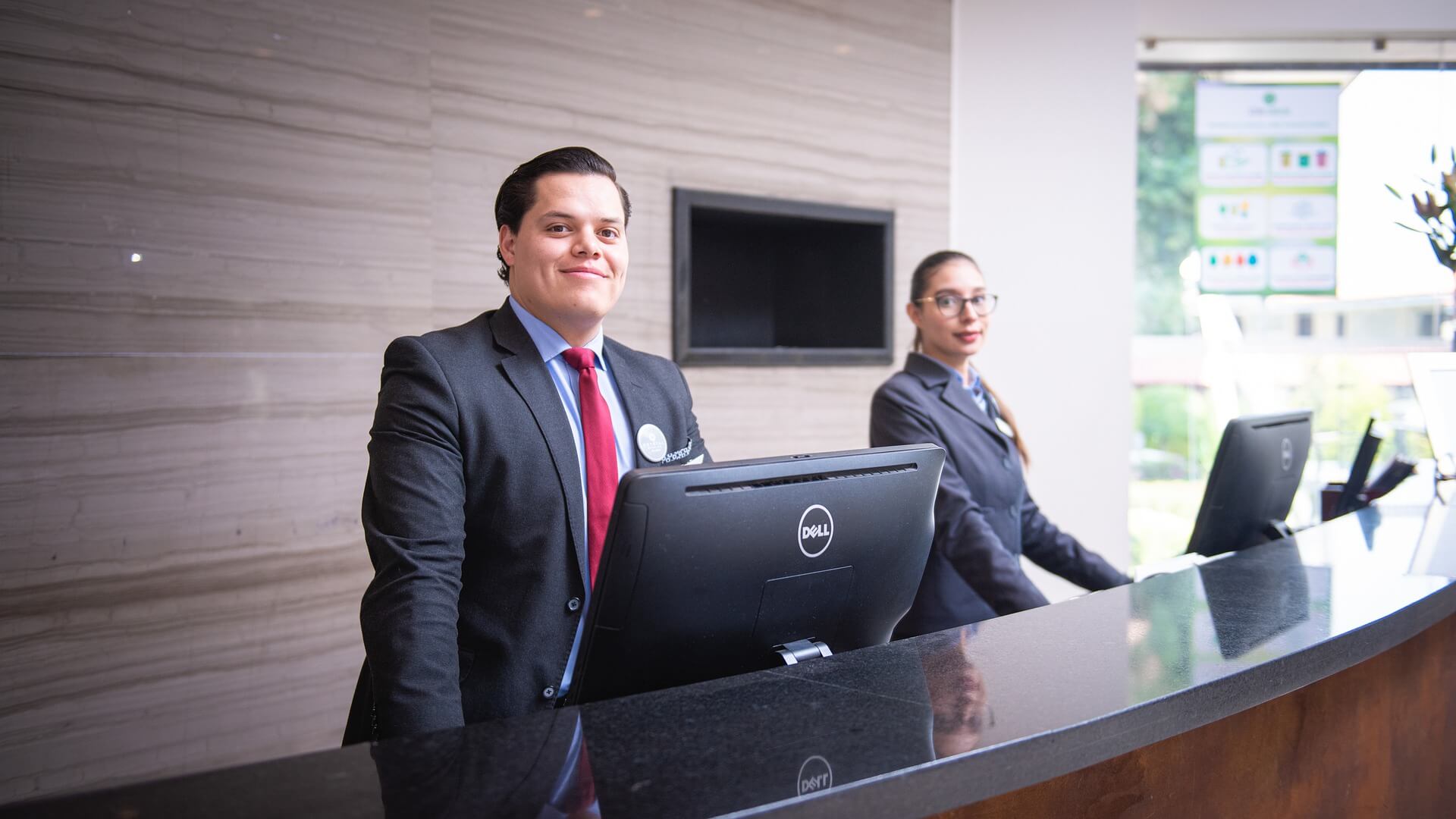
by David Klemt David Klemt No Comments

Leadership: What is the 10 Second Rule?

Leadership: What is the 10 Second Rule?

by David Klemt

Message icon and emoji in form of white neon sign

Anyone who spends any time reading publications that focus on business will come across the “10 Second Rule.”

So, what is this rule? And why should you care?

After all, many entrepreneurs who enter hospitality do so partially to reject “corporate life.”

Adapt Rather than Reject

First, let me say that we understand the allure of eschewing the traditional business world. KRG Hospitality is itself a rebellion against corporate life.

However, we believe that some proven business strategies absolutely have a place in independent restaurant and bar operations.

Indeed, there are lessons independent and boutique operators can learn from their chain and corporate counterparts.

Conversely, independent and boutique entrepreneurs can teach chains quite a few things.

In fact, there are chain operations out there that go to great lengths to appear independent. They strive to leverage the perception that they’re local and small.

So, rather than outright reject corporate strategies and tactics, operators should adapt them to streamline operations, reduce costs, maximize profits, and thrive long-term.

Ten Seconds

Hospitality and foodservice are fast-paced—that’s not news. When front and back of house find themselves in the weeds, passions rise quickly. Often, a blow-up is on the menu.

The same can be true during shift and staff meetings. Perhaps one or two employees aren’t engaging, or maybe there’s a long-simmering issue that’s close to boiling over.

Or, perhaps a change to operations and expectations—the reason for the meeting—immediately ruffles feathers. This rule also applies to one-on-one discussions between ownership, management, and staff.

Engaging in a dust-up can be tempting. Not many people appreciate having their authority questioned or perceived slight left unaddressed.

The 10 Second Rule I’m addressing pertains to communication. Of course, we all know communication is often two things: crucial and difficult.

Simply put, the 10 Second Rule tells us to be quiet for ten seconds. If tensions are rising (often accompanied by volume), put an end to the situation by shutting up and counting to ten.

According to people who champion this rule, a few things happen: the person who implements stops feeding the tension; that same person can now respond without emotion; it provides time to remember that the other party isn’t just an opponent; and the other party tends to also cool off.

It’s a simple rule that can have a huge impact on workplace culture. A healthier, more positive culture leads to happier staff, which improves recruiting and retention. That’s a huge payoff for just ten seconds.

Image: Jason Leung on Unsplash
by David Klemt David Klemt No Comments

We Need to Join Forces on the RRF

We Need to Join Forces on the RRF

by David Klemt

The United States Capitol Building with blue sky and white clouds in the background

It’s time for all hospitality professionals to come together and tell Congress to replenish the Restaurant Revitalization Fund.

Honestly, it’s well beyond time for us to all join forces and send our message to Congress.

Owners, operators, managers, and team members need to contact their representatives. Additionally, they need to encourage their friends and family members to do the same.

If we’re going to stop the damage to our industry, this needs to be done.

State of the RRF

Per this download from the National Restaurant Association, 455,304 eligible restaurants applied for RRF grants.

In total, 278,304 restaurants were awarded grants.

To be fair, that’s excellent news. And the Small Business Administration should be applauded for providing lifelines to nearly 280,000 restaurants.

However, the $28.6 billion the fund was seeded with was never going to be enough. Also, the SBA’s RRF portal was open nowhere near long enough.

Toward the end of May, Republican members of Congress sent a letter to the SBA. In it, they criticize the SBA for closing the portal so quickly.

To provide context, the RRF application portal was open a mere 21 days. Further context: the SBA made it clear before the RRF portal was opened that only priority applications would be processed for the first 21 days.

Replenish the RRF

According to the NRA, 177,000 eligible RRF applicants were not awarded grants.

That number represents a total of $43.6 billion in grants that haven’t been awarded.

So, not only does the SBA need to reopen the RRF, they need to replenish it with at least $43.6 billion. The NRA is asking that Congress refill the RRF with $50 billion.

We all know that the situation is dire. Per the NRA, 1.3 million jobs have been lost. Since the first 14 months of the Covid-19 pandemic, restaurants have lost $290 billion in sales. Obviously, that number has grown. At least 90,000 restaurants have either closed their doors long-term or forever.

However, this isn’t only about our industry. As the NRA shows, every dollar spent on this industry generates $2 for farming, baking, fishing, and other industries.

Looking at the numbers makes it clear: We all need to carve out the few minutes it will take to tell our representatives what we want.

What do we want? For the RRF to be replenished. Click here to tell Congress to replenish the RRF with at least $50 billion, and make sure to spread this message on social by using #ReplishRRF.

There are millions and millions of us in this industry. Now more than ever, we need to join forces and pull in the same direction.

Image: Louis Velazquez on Unsplash

by David Klemt David Klemt No Comments

How SevenRooms Improves Operations

How SevenRooms Improves Operations

by David Klemt

Reviewing and analyzing customer data on a laptop computer

It’s true that SevenRooms is a reservation management platform. However, it’s so much more powerful than that.

Simply put, if the platform wasn’t simple to use and integrate with other systems, they wouldn’t be celebrating their tenth year.

A recent interview via Clubhouse highlights why now, more than ever, operators need to seriously consider SevenRooms.

Background

Guy Clarke, founder of Sizzle Dining, spoke with two key SevenRooms team members in a casual but informative Clubhouse chat.

Allison Page, SevenRooms co-founder and Chief Product Officer, and Marybeth Sheppard, senior vice president of marketing, fielded Clarke’s questions.

Interestingly, Page admits SevenRooms took five to seven years to really fine-tune operations. In fact, she says that the team didn’t quite know exactly what they were offering for the first year or two.

Now, the “reservation” platform has truly hit their stride. The company doesn’t just manage reservations, it provides powerful solutions: a full suite of operational tools; table management; and guest experience and retention capabilities.

Of course, many tech platforms claim to help operators. However, SevenRooms is now enjoying a decade in business.

Their longevity is, in part, due to their approach to hospitality. As Page tells it, the founders didn’t just enter the industry believing they could “fix it” with tech.

Plenty of tech folks have identified problems in hospitality, boasted about their “common sense” solution, and exited after finding out how challenging the business is.

Instead, the SevenRooms team spent time in the trenches. According to Page, they took reservations, checked coats, and more. They spent time with hospitality workers after hours and got to know them.

What’s with that Name?

I’ve written several articles about SevenRooms. However, I’ve never addressed why the founders chose that name.

When asked by Clarke during the Clubhouse chat, Page provided the answer.

Turns out, the name is a loose nod to Graydon Carter’s “Seven Rooms Theory.” The theory speaks to navigating social status in New York City. In short, it posits that the NYC social scene consists of seven consecutive “rooms,” each with a secret door. Find the secret door, move to the next room.

Of course, SevenRooms isn’t about exclusivity. Instead, SevenRooms is helping operators reach the seventh “room,” which is a lasting relationship with a guest. The six previous rooms are a journey toward understanding that guest and making them loyal by delivering incredible guest experiences.

Why SevenRooms Works

If this seems like a shameless plug for SevenRooms, well, it sort of is. They didn’t pay me, Doug or KRG Hospitality to promote the platform; we just like what SevenRooms can do for operators.

In an industry that has until recently been slow to innovate when it comes to tech, the platform has been improving restaurant and hotel operations for years.

According to Page, SevenRooms has a simple operating philosophy that drives the company: “Make small big, make big small.” SevenRooms is driven to help small, independent operations punch well above their weight class. The platform gives independent operators the same capabilities as their large chain counterparts.

Conversely, SevenRooms gives enterprise operators an effective way to deliver the engaging experiences that independents offer their guests.

However, there are other reasons SevenRooms is so worthy of consideration: simplicity.

SevenRooms is all about collecting data. Of course, data does no good if an operator doesn’t know what to do with it. If they had to analyze and leverage it on their own, they’d need to employ data scientists and an entire marketing team.

Well, SevenRooms employs those people instead so operators don’t need to. An operator doesn’t need to be a data scientist to use the information they collect through the platform. Marketing campaigns are automated and engaging, and require little effort from the end user.

Reduce Costs, Increase Revenue

As Sheppard explains, SevenRooms manages and, more importantly, helps maximize a restaurant’s floor.

Looking to increase turns? Done. Want every seat to generate revenue? Smart seating makes that possible. According to Sheppard, SevenRooms’ auto-assign seating functionality is worthy of operators’ trust. Additionally, the platform’s CRM, table management and marketing tools help staff upsell guests.

Speaking of automated functions, Sheppard provides insight into SevenRooms auto-tagging. The platform assigns automated tags that make it simple for staff to understand the guests they’re serving. Some examples are:

  • Burger lover
  • Red wine lover
  • Big tipper
  • Loves expensive wine
  • No-showed twice

Just those five examples show how SevenRooms helps operators and their teams maximize the guest experience to generate revenue. So, how does the platform reduce costs?

First, investing in SevenRooms reduces an operator’s overall tech stack investment. It integrates with around 50 POS systems and offers several tools (modules), meaning an operator doesn’t need to purchase several platforms that may not integrate with one another.

Second, the reservation and table management tools streamline an operator’s business. When team members are focusing on revenue-generating tasks, the floor is being sat more efficiently, and guests are being wowed, costs are driven down and revenue is driven up.

Then, there’s the “hidden” benefit. As Sheppard says, hospitality is a passion-driven industry. Unfortunately, there are many “non-passion” tasks that must be accomplished for operators to make money and keep their doors open.

Those tasks can take a toll, leading to an operator to fall out of love with the industry and their own concept. Well, SevenRooms takes several of those tasks (sifting through data, creating marketing campaigns, figuring out how to maximize the floor, etc.) and automates them.

Therefore, operators have more time to program menus, mentor team members, forge relationships with guests by touching tables, and more.

To request a SevenRooms demo, click here.

Image: John Schnobrich on Unsplash

Top