Arena

by David Klemt David Klemt No Comments

Drink Donnybrook: Let’s Talk Piña Colada

Drink Donnybrook: Let’s Talk Piña Colada

by David Klemt

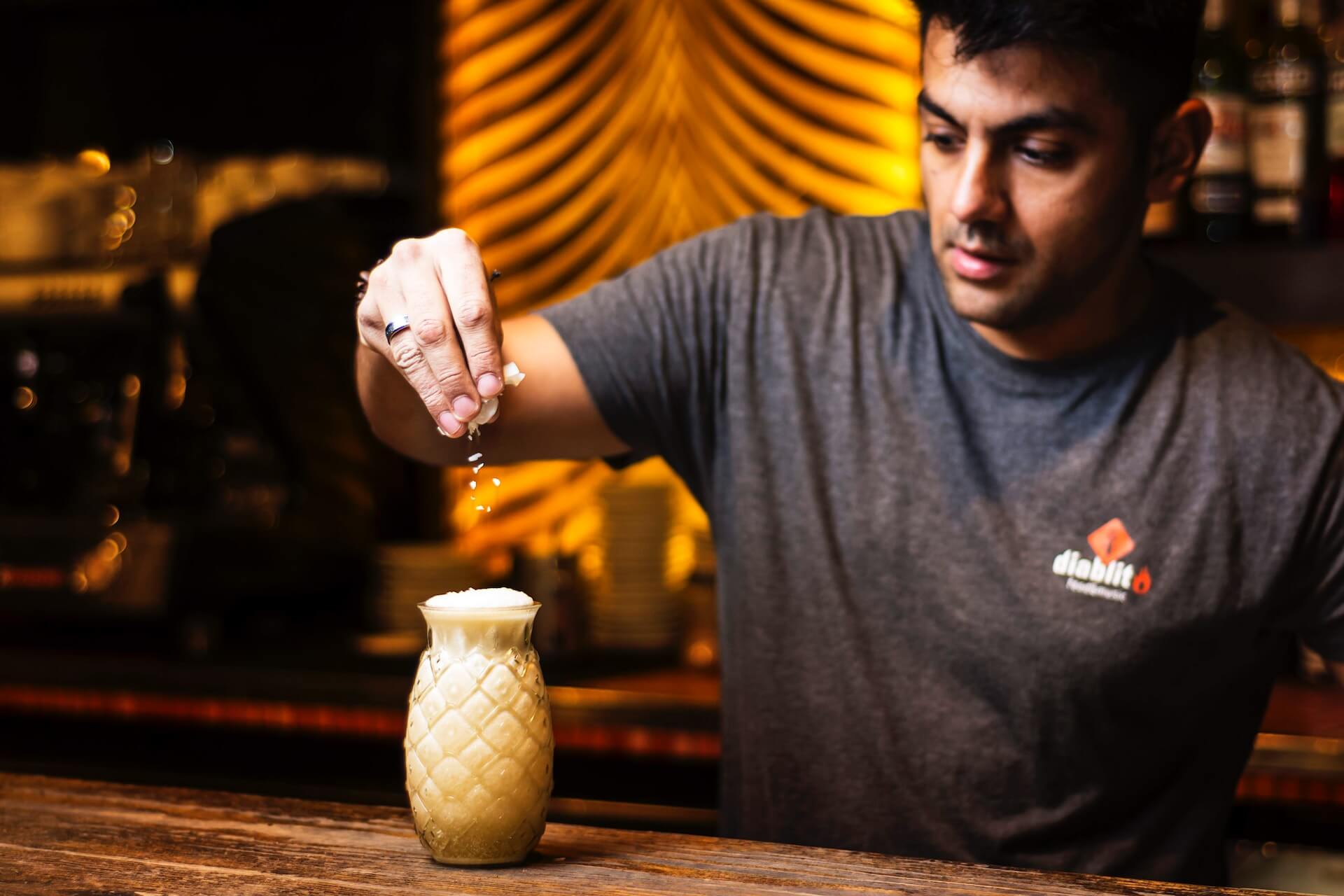
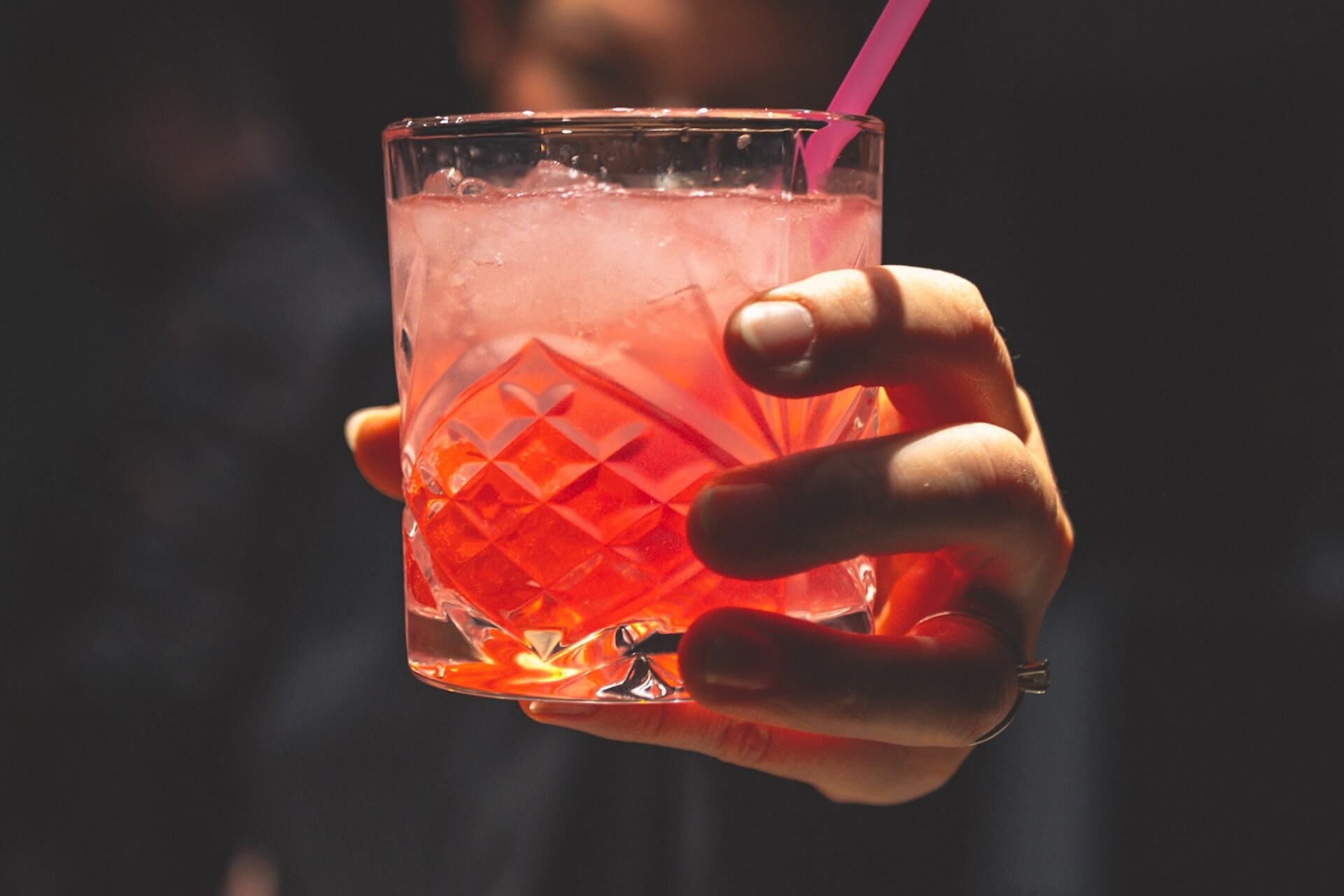
A bartender serving a cocktail in a pineapple-shaped glass

Temperatures are rising and there are still about six weeks of summer left, so let’s take a look at a refreshing warm-weather hero: the Piña Colada.

So far we’ve looked at the Martini and Whiskey Sour. Now, it’s another classic’s turn in the Drink Donnybrook spotlight.

One could claim that the Piña Colada is one of the original “lost cocktails.” Of course, that depends on which origin story turns out to be true.

If the Piña Colada dates back to the first quarter of the 19th century, then it’s a pirate cocktail once lost to the winds of time. Puerto Rican pirate Roberto Cofresí, also known as El Pirata Cofresí, supposedly served his crews a drink consisting of rum, coconut, and pineapple. Sounds like a Piña Colada to me.

The reason I said it could be considered an original lost cocktail is that Cofresí died in 1825. Disputed history says his drink recipe disappeared with his death.

However, the Piña Colada may have far less metal roots than being invented by a famous pirate. Puerto Rico’s official drink may have simply been created by a bartender.

One Drink, Three Bartenders

Ramón “Monchito” Marrero may have created the Piña Colada while at the helm of the Beachcomber Bar at the Caribe Hilton in Old San Juan, Puerto Rico, in 1952. Or maybe it was 1954.

It’s almost like bartenders should be able to more easily protect their intellectual properties so we can identify their cocktails’ true origins.

Forgive the digression. You’ll be shocked—shocked, I say—to learn that another bartender may have created the Piña Colada. During the same year. At the same hotel.

That bartender is Ricardo García, and the claim is that he invented the drink during a coconut shortage.

Would it surprise you to learn that a third bartender working in Old San Juan also claimed credit for the Piña Colada? Ramón Portas Mignot said he came up with this tropical classic in 1963 at Barrachina. The restaurant and bar’s ownership apparently agreed, because they installed a plaque at the front door backing Mignot’s claim.

Hey, if it has a plaque, it must be true; they don’t just give those to anyone. Oh, and you can check out that plaque for yourself: Barrachina still exists and enjoys a 4.5 rating from over 4,100 Google reviews.

A Rough Patch

Unfortunately, once anointed “the world’s most famous drink,” the Piña Colada had a rough, well, several decades.

In the 1970s, the drink’s quality plunged and fell out of favor with cocktailians. Any technique for building the nautical libation went down the bar sink. It was easier and cheaper to just make Piña Coladas with premade mixes and cheap rum.

Add to that the trend toward serving bastardized versions in oversized glassware at mediocre hotel pools, tourist trap hotel bars, weird supper clubs nowhere near a beach, and on cruise ships and you can see why cocktail connoisseurs snubbed this classic.

The Cocktail Revolution of the 2000s helped restore the Piña Colada’s dignity and popularity. It may not find itself in as much demand as the Margarita or Daiquiri, but it’s no longer missing from serious cocktail programs.

So raise a Hurricane—or a cocktail glass or coupe—to the Piña Colada today. ¡Salud!

Recipe

  • 2 ounces Light rum
  • 1 ½ ounces Cream of coconut
  • 1 ½ ounces Pineapple juice
  • ½ ounce Freshly squeezed lime juice
  • Pineapple leaf and pineapple wedge for garnish

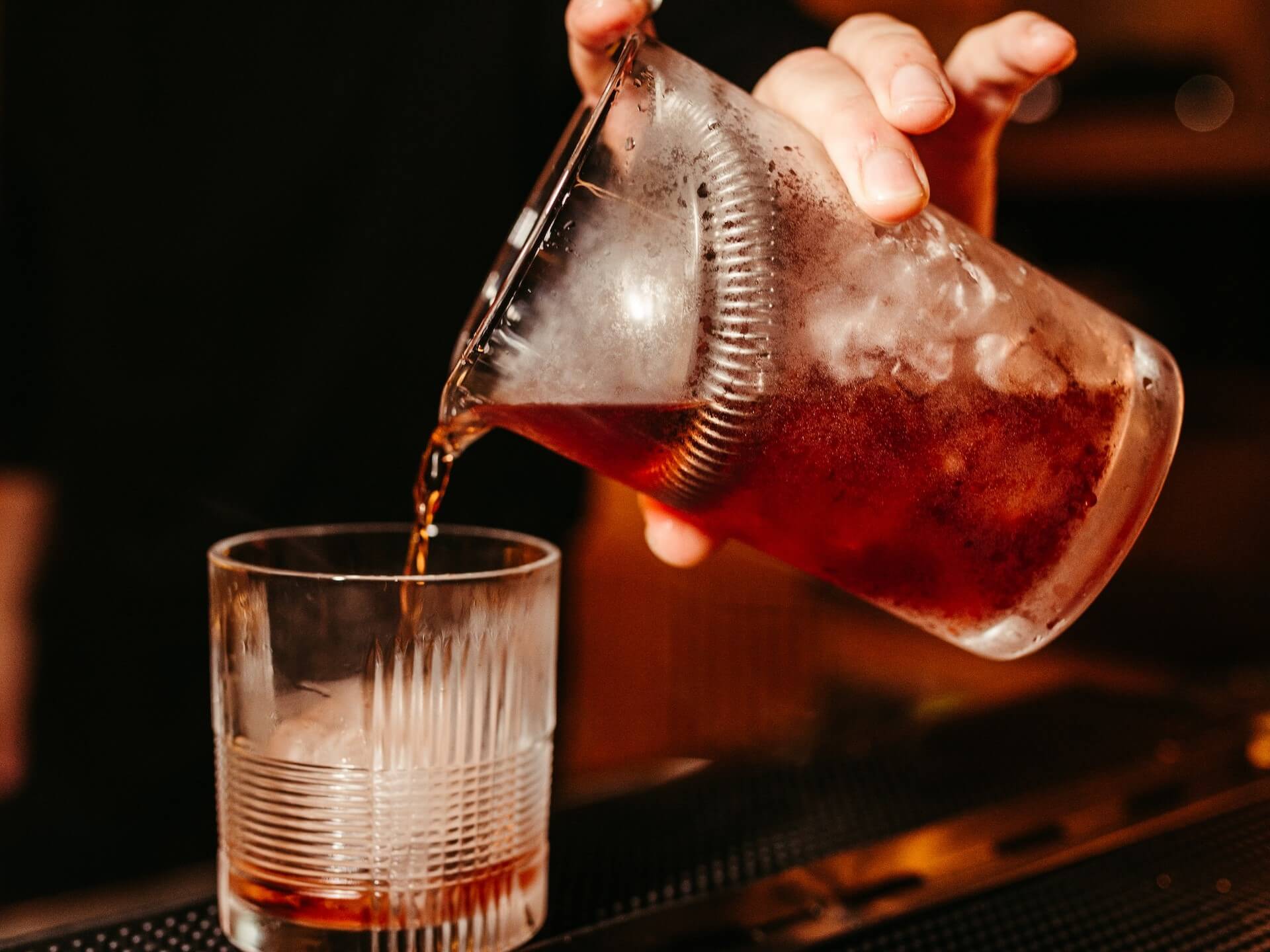
For a more traditional preparation, fill a Hurricane glass with ice and set to the side. Add the liquid ingredients to a shaker with ice. Shake for at least 30 seconds. Toss the ice from the Hurricane glass and replace with pebble ice. Strain cocktail into glass and garnish.

Now, you don’t need to serve a Piña Colada in a Hurricane. Plenty of bars and restaurants send them across the bar in coupes or other cocktails glasses, sans garnish. Speaking of garnishing this classic, some people expect whipped cream, a lime wedge or wheel, a cherry, or even all three. You’ll see bartenders serve them with sugar rims and umbrellas. Like me, you’ve probably also seen them served with an orange wheel.

Then there are the frozen Piña Coladas and fruit Piña Coladas, versions made with various styles of rum… People just can’t seem to resist putting their stamp on this classic.

Dealer’s choice, I suppose, or you can ask guests what preparation and garnish they prefer. Or, and this is the approach I recommend, nail down your bar’s signature Piña Colada, including garnish (or none).

Image: Kike Salazar N on Unsplash

KRG Hospitality Start-Up Restaurant Bar Hotel Consulting Consultant Solutions Plans Services

by David Klemt David Klemt No Comments

5 Books to Read this Month: August 2023

5 Books to Read this Month: August 2023

by David Klemt

Flipping through an open book

Our inspiring and informative August book selections will help you and your bar team take your front of house and bar program to the next level.

For this month’s list we’re showcasing the 17th annual Spirited Awards finalists in the Best New Cocktail or Bartending Book category. So, below you’ll find the top-four nominees in that particular category, plus an additional self-improvement book.

To review the book recommendations from July 2023, click here.

Let’s jump in!

The Bartender’s Manifesto: How to Think, Drink, and Create Cocktails Like a Pro

First up, this book from June 2022 by Toby Maloney with Emma Janzen. Not only has this book won a James Beard Award, it took home this year’s Spirited Award for Best New Cocktail or Bartending Book.

From Amazon: “Take a raucous romp through the essential stages of fashioning cocktails and learn the hows and whys of bartending with acclaimed mixologist Toby Maloney and the team from The Violet Hour. When the pioneering cocktail bar opened in Chicago in 2007, it set a high standard with an innovative training program that teaches not just how to replicate classic cocktail recipes flawlessly, but how to embrace ingenuity, make smart decisions, and create original, inspired recipes from rote.”

Pick up the hardcover here.

Mindful Mixology: A Comprehensive Guide to No- and Low-Alcohol Cocktails with 60 Recipes

Next, Mindful Mixology by Derek Brown, with a foreword by Julia Bainbridge. As all operators should know by now, low- and no-ABV cocktails are here to stay. From aperitivo hour and zero-alcohol to simply drinking less but better, consumers are changing their relationships with cocktails. This book will help operators and their teams navigate the moderation movement.

From Amazon: “Creating these drinks isn’t as simple as removing the alcohol. No- and low-proof cocktails still have to be balanced and still have to be delicious, but they don’t operate exactly like cocktails with alcohol. The drinks Brown presents in this book are meticulously choreographed around taste, texture, body, and piquancy to result in surprisingly complex ‘adult beverages’ minus the booze.”

Grab the hardcover today.

Modern Classic Cocktails: 60+ Stories and Recipes from the New Golden Age in Drinks

Robert Simonson is also a James Beard Award-winning author up for a 2023 Spirited Award. Not only are there more than 60 cocktail recipes in Simonson’s book, he explores what it means for someone to create a modern classic cocktail. No, your bar team can’t simply “invent” a new drink and declare it a modern classicthere are actual considerations, like public opinion, that make it so.

From Amazon: “What elevates a modern cocktail into the echelon of a modern classic? A host of reasons, all delineated by Simonson in these pages. But, above all, a modern classic cocktail must be popular. People have to order it, not just during its initial heyday, but for years afterward. Tommy’s Margarita, invented in the 1990s, is still beloved, and the Porn Star Martini is the most popular cocktail in the United Kingdom, twenty years after its creation.”

Make sure to get your hardcover copy today.

The New York Times Essential Book of Cocktails (Second Edition): Over 400 Classic Drink Recipes With Great Writing from The New York Times

If you want hundreds of cocktail recipes and amazing writing, this is the book for you. There are more than 400 recipes in this book, from classics to modern craft drinks. Oh, and there are essays from an array of fantastic writers, including Rebekah Peppler, David Wondrich, Robert Simonson, and Jim Meehan. There are also interviews with icons like Ivy Mix and Sother Teague.

Truly, this is one of the most comprehensive cocktail books every printed.

Pick up this book in hardcover format now.

Atomic Habits: An Easy & Proven Way to Build Good Habits & Break Bad Ones

A couple of weeks back, we had a KRG Hospitality team meeting about habits. Habits we’re proud to have developed, habits we’d like to focus on developing, and habits we’d like to work on losing. This book, from James Clear, is one of the resources we talked about.

From Amazon: “Clear is known for his ability to distill complex topics into simple behaviors that can be easily applied to daily life and work. Here, he draws on the most proven ideas from biology, psychology, and neuroscience to create an easy-to-understand guide for making good habits inevitable and bad habits impossible. Along the way, listeners will be inspired and entertained with true stories from Olympic gold medalists, award-winning artists, business leaders, life-saving physicians, and star comedians who have used the science of small habits to master their craft and vault to the top of their field.”

Order the paperback today.

Image: Mikołaj on Unsplash

KRG Hospitality Mindset Coaching

by David Klemt David Klemt No Comments

Program for Unique Holidays: August 2023

Program for Unique Holidays: August 2023

by David Klemt

"Think about things differently" neon sign

Do you want to stand out from from other restaurants and bars in your area? Change how you think about your August holiday promotions.

Several holidays are set against every date on the calendar, and this month is no exception. These holidays range from mainstream to esoteric.

Pay attention to the “weird” or unique holidays to raise eyebrows, carve out a niche for your restaurant or bar, and attract more guests. Why do what everyone else is already doing? Why program only around the same holidays as everyone else?

Of course, you shouldn’t try to celebrate every holiday, strange or otherwise. Focus on the days that are authentic to your brand; resonate with your guests; and help you grab attention on social media.

You’ll find suggestions for promotions below. However, the idea behind our monthly holiday promotions roundup is to inspire you and your team to get creative and come up with unique programming ideas.

For our July 2023 holidays list, click here.

August 4: International Beer Day

In and of itself, International Beer Day isn’t a unique or obscure holiday. However, with the vast array of brewers, beer styles, and beers on offer around the world, it can be a day to highlight unique and obscure beers.

This is one of the best holidays for you to make your guests aware of your more exclusive or lesser-known beer selections.

August 5: National Jamaican Patty Day

If your kitchen has the capability to make delicious pastries, this is a fantastic holiday. A Jamaican patty consists of layered, flaky crust wrapped around jerk chicken, beef, pork, or vegetables mixed with spices. These are delicious, great with a refreshing drink, and perfect for sharing. Oh, and you and your kitchen can decide how hot or mild to make the spices. Just make sure the flavors are authentic and that you honor the culture.

August 7: British Columbia Day, Heritage Day, Natal Day, New Brunswick Day, Ontario Civic Holiday, Saskatchewan Day, and Terry Fox Day

In order, these are holidays celebrated in the provinces of British Columbia, Alberta, Nova Scotia, New Brunswick, Ontario, Saskatchewan, and Manitoba. Depending on the province, this is either a  guaranteed three-day holiday or a Monday that businesses can choose to give their employees off. That means for the most part, there’s plenty of opportunity to leverage a long weekend in seven provinces throughout Canada, perfect for highlighting food and drink promotions.

This also means that operators across America can feature F&B specials that celebrate their neighbors to the north. Get creative!

August 11: Play in the Sand Day

Should you be a beach- or lakefront property or otherwise located on sand, this is your time to shine. Set up games like cornhole, giant Jenga, and giant Connect Four, create an LTO menu that encourages groups to come socialize at your bar or restaurant, and celebrate in the sand.

August 16: National Rum Day

Again, this isn’t an unknown holiday. However, you can ensure you stand out on National Rum Day by getting your hands on unique bottles, such as funky rum styles and high-age-stagement expressions.

August 17: National Nonprofit Day

Do you, your guests, and your team support any nonprofits? If so, this is an excellent way to bring people together and raise some money for worthy causes. Further, National Nonprofit Day provides you with an opportunity to show your community that you care and give back.

August 22: National Bao Day

Much like National Jamaican Patty Day, National Bao Day gives you and your kitchen the opportunity to create fun foods that will excite and delight your guests. Just ensure your kitchen staff is up to the task of creating these delicious, steamed buns.

August 27: National Just Because Day

Have an idea for a promotion that doesn’t quite fit with anything on the calendar? This is the perfect day to let it rip!

August 29: National Lemon Juice Day

Lemon juice is a key ingredient for an incredible number of cocktails. So, shine a light on all the heavy lifting this citrus does in drinks! One way to accomplish this is by creating an LTO of your guests’ favorite drinks that feature lemon juice.

August 31: Eat Outside Day

Have outside seating? Have the capability of bringing food trucks into your parking lot or just outside your business? I think you know where I’m going with this, and what to do.

Image: Ivan Bertolazzi on Pexels

KRG Hospitality Start-Up Restaurant Bar Hotel Consulting Consultant Solutions Plans Services

by David Klemt David Klemt No Comments

Drink Donnybrook: Let’s Talk Whiskey Sour

Drink Donnybrook: Let’s Talk Whiskey Sour

by David Klemt

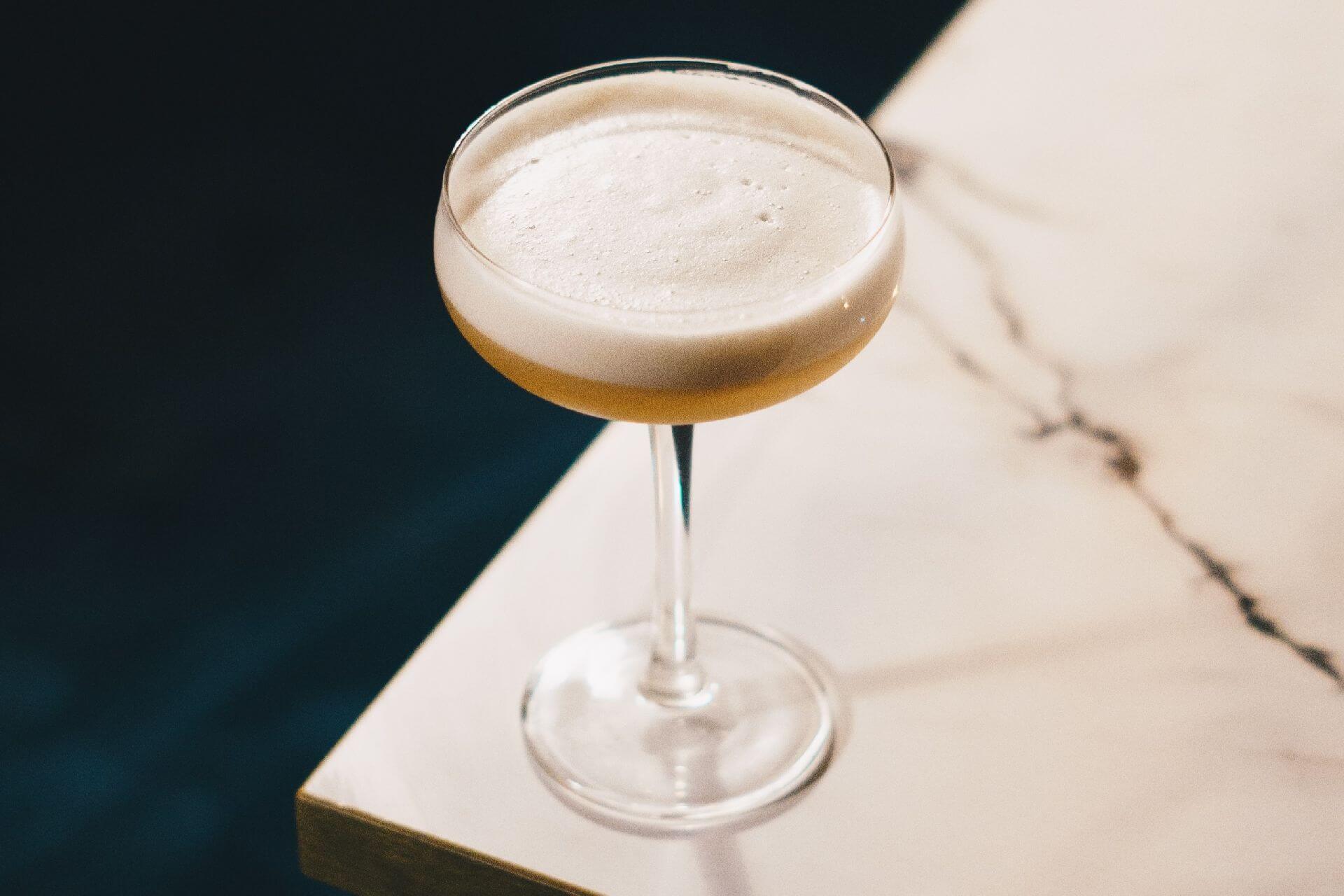
Whiskey Sour cocktail on table

If I were to say that the Whiskey Sour is a cocktail with an uncertain and disputable origin, would you find that statement surprising?

Regular readers of KRG Hospitality articles probably won’t think that’s shocking. After all, it’s well known at this point that I enjoy diving into cocktails with “hazy” histories.

For example, there’s the Martini, the Mint Julep, and the Margarita. I guess if you want to ensure it causes endless debate, you should make certain your cocktail’s name begins with the letter “M.”

Dial “M” for “moot,” as it were.

One thing we can state with certainty is that the Whiskey Sour is a true classic cocktail. We can also state with conviction that it will always boast decades of popularity amongst drinkers, particularly in America.

This particular sour cocktail may not be among the top ten or 20 most-popular drinks, but it was at one point. One can make the argument that the Whiskey Sour was among the most popular for a century.

So popular, in fact, that we dedicate an entire day to it. We celebrate the Whiskey Sour on National Whiskey Sour Day, August 25. This year, we honor this classic on a Friday.

“M” is for “Mystery”

A ubiquitous tipple for a century? Looking into what we know of the Whiskey Sour’s history, yes.

That may seem like a bold claim. However, it’s possible its time in the spotlight boasts more than 100 years.

This comes down to the Whiskey Sour’s creation and when it became so popular. Interestingly, it appears historians can’t agree on when it was first mentioned.

For example, some say the recipe for the Whiskey Sour first showed up in print in Jerry Thomas’ The Bar-Tenders Guide. This legendary tome was first published in 1862. Then there are those who say the cocktail first appeared in 1870 in the Waukesha Plaindealer, a Wisconsin newspaper.

Of course, there’s a technicality. In The Bar-Tenders Guide, the 1862 print specifically mentions the Brandy Sour, the Gin Sour, and a rum sour called the Santa Cruz.

Either way, we can assume with confidence that the cocktail was known to at least a handful of bartenders and bar guests before the recipe was published in 1862. Then we can add this quote from David Wondrich about just how important the Whiskey Sour has been to American bargoers:

From roughly the 1860s to the 1960s, the Sour, and particularly its whiskey incarnation, was one of the cardinal points of American drinking, and one of the few drinks that could come near to slugging it out with the vast tribe of cocktails in terms of day-in, day-out popularity.”

If we trust Wondrich’s understanding of cocktail, spirits, and bar historyand I think it’s safe to say we absolutely canthere’s at least a century’s worth of human history where at least Americans couldn’t seem to enjoy enough Whiskey Sours.

Prepare Your LTOs

As a member of the Sour Family of cocktails, the Whiskey Sour makes it easy to build an LTO menu for National Whiskey Sour Day.

First, of course, there’s the standard Whiskey Sour recipe: two ounces whiskey, 3/4-ounce fresh lemon juice, 3/4-ounce simple syrup, and a small egg white (optional).

Then there’s one of my favorite cocktails, the Penicillin: two ounces blended Scotch, 3/4-ounce fresh lemon juice, 3/4-ounce honey-ginger syrup, and 1/4-ounce Laphroaig 10 or other Islay Scotch (fl0at).

Finally, to add a third LTO because people like things in threes, there’s the New York or Continental or Southern Whiskey Sour: two ounces rye or bourbon, one ounce fresh lemon juice, 3/4-ounce simple syrup, one small egg white (optional), and 1/2-ounce red wine (float).

Of course, there are other riffs on the Whiskey Sour (the Gold Rush, for example) you can include on your LTO menu.

There you have it: another cocktail whose creator will likely never get full credit for their influential invention. Cheers to this mystery person!

Image: Ambitious Studio* – Rick Barrett on Unsplash

KRG Hospitality Beverage Programming

by David Klemt David Klemt No Comments

Cheers to the Spirited Awards Winners!

Cheers to the 2023 Spirited Awards Winners!

by David Klemt

Bartender presenting cocktail

A toast to the nominees and winners!

Cheers to each of the winning bars, teams, and individuals taking home awards from the 17th annual Spirited Awards at Tales of the Cocktail 2023 in New Orleans!

Spirits educator, advocate, and bartender’s bartender Tiffanie Barriere earned the well-deserved Tales Visionary Award. Master Distiller Desmond Payne, MBE, took home the Helen David Lifetime Achievement Award.

Compellingly, a number of so-called secondary and tertiary markets are taking awards back to their home cities. These include Albuquerque, Phoenix, and Portland. Nothing against primary markets like New York City and Los Angeles, but it’s wonderful to see other cities grab the spotlight and shine, make their marks, and let everyone know, “We’ve arrived—don’t sleep on us!”

Unfortunately, Canada didn’t take home any international awards from Tales this year, nor did Las Vegas. Next year, hopefully.

Barcelona, however, can boast that it’s the home of the Spirited Award winner for the World’s Best Bar.

As far as our little experiment with artificial intelligence attempting to predict Spirited Awards winners, the chatbot we selected didn’t do very well. That said, it did accurately guess six out of the 24 awards we presented to the bot for a 25-percent success rate: Best US Brand Ambassador; International Bartender of the Year; Best International Bar Mentor; Best International Restaurant Bar; Best Broadcast, Podcast, or Online Video Series; and Best Cocktail & Spirits Writing.

Raise a glass and toast this year’s Spirited Awards winners. Cheers!

US Categories

US Bartender of the Year presented by Pernod Ricard USA

Christine Wiseman, Marygold’s Brasserie / Broken Shaker (Miami, Florida)

Best US Bar Mentor presented BarSmarts

Chris Patino

Best US Brand Ambassador presented Libbey

Vance Henderson (Hendrick’s Gin)*

Best US Bar Team presented by William Grant & Sons

Happy Accidents (Albuquerque, New Mexico)

Best US Cocktail Bar presented by Absolut Vodka

Century Grand (Phoenix, Arizona)

Best US Hotel Bar presented by Grey Goose

Hey Love at The Jupiter (Portland, Oregon)

Best US Restaurant Bar presented by Amaro Montenegro and Select Aperitivo

Café La Trova (Miami, Florida)

Best New US Cocktail Bar presented by Diageo Bar Academy

Martiny’s (New York, New York)

Timeless US Award

Tiki-Ti (Los Angeles, California)

International Categories

International Bartender of the Year presented by The Busker

Giorgio Bargiani, Connaught Bar (London, England, United Kingdom)*

Best International Bar Mentor presented by Tales of the Cocktail Foundation

Agostino Perrone*

Best International Brand Ambassador presented by Tales of the Cocktail Foundation

Nicola Riske (The Macallan)

Best International Bar Team presented by Angostura Caribbean Rum

ALQUÍMICO (Cartagena, Colombia)

Best International Cocktail Bar presented by Patr​​ón Tequila

SIPS (Barcelona, Spain)

Best International Hotel Bar presented by Perrier

Jigger & Pony at the Amara Hotel (Singapore)

Best International Restaurant Bar presented by Tales of the Cocktail Foundation

Analogue Initiative (Singapore)*

Best New International Cocktail Bar presented by Diageo Bar Academy

Line Athens (Athens, Greece)

Timeless International Award

Long Bar at the Raffles Hotel (Singapore)

Global Categories

Tales Visionary Award

Tiffanie Barriere

Helen David Lifetime Achievement Award

Desmond Payne, MBE

World’s Best Bar

SIPS (Barcelona, Spain)

Best New Spirit or Cocktail Ingredient presented by Lyre’s Non-Alcoholic

Martini & Rossi Floreale Non Alcoholic Aperitivo

World’s Best Cocktail Menu presented by Diageo Bar Academy

Double Chicken Please (New York, New York)

World’s Best Spirits Selection presented by Tales of the Cocktail Foundation

Raised by Wolves (San Diego, California)

Writing & Media Categories

Best Cocktail & Spirits Publication presented by Tales of the Cocktail Foundation

Punch

Best Broadcast, Podcast, or Online Video Series presented by Tales of the Cocktail Foundation

The Speakeasy Podcast*

Best Cocktail & Spirits Writing presented by Tales of the Cocktail Foundation

The Great Mezcal Heist” by Emma Janzen, for Eater*

Best New Cocktail or Bartending Book presented by Tales of the Cocktail Foundation

The Bartender’s Manifesto by Toby Maloney with Emma Janzen

Best New Book on Drinks Culture, History, or Spirits presented by Tales of the Cocktail Foundation

Modern Caribbean Rum: A Contemporary Reference to the Region’s Essential Spirit by Matt Pietrek and Carrie Smith

Congratulations to each of the venues, teams, and individual winners! Cheers!

Bar Hacks Guests

The following Spirited Awards presenters, winners, and TOTC team have appeared on the Bar Hacks podcast. Give these episodes a listen to learn more about these amazing people!

Vance Henderson (episode 20)

Episode 48, Episode 65, and the Hurricane Ida Emergency Episode with Eileen Wayner

Lynn House (episode 52)

Kellie Thorn and Lola Thomas (episode 72)

Roberta Mariani (episode 84)

* Denotes an accurate prediction by DeepAI‘s AI Chat chatbot.

Image: Christian Fridell on Pexels

KRG Hospitality. Bar Consultant. Nightclub. Lounge. Mixology. Cocktails.

by David Klemt David Klemt No Comments

The Year of Pineau des Charentes?

The Year of Pineau des Charentes?

by David Klemt

A dock and door in the Charente-Maritime department of France

A pier and door in the Charente-Maritime department of France, home of Pineau des Charentes.

Take Cognac’s eponymous and legendary brandy, add grape juice or grape must, mature the blend, and you get Pineau des Charentes.

Pineau, a less unwieldy name for this vin de liqueur, comes in white, red, and rosé styles. Unfortunately, owing to Pineau not being as famous as Cognac, these fortified wines aren’t very well known to the general public.

However, bartenders and bar owners are trying to turn that around. In fact, the iconic Ivy Mix theorized last week that 2023 could become the Year of Pineau.


View this post on Instagram


A post shared by Ivy Mix (@ivymix)

Toward the bottom of her post, Mix says it’s “[t]time to [p]lay with Pineau!” She also includes a recipe for a Pineau-led version of the Saturn cocktail.

Pineau is excellent for hot summer days, and it plays well in tiki or nautical drinks and other cocktails.

Of course, Mix’s post got me thinking: Do enough people know about Pineau to help guide their guests in discovering it and adding it to their beverage rotation?

So, below you’ll get a crash course in Pineau des Charentes, your and your guests’ new favorite fortified wine.

Mix has been a guest of the Bar Hacks podcast, featuring on episode 54 and episode 58 if you’d like to learn more about her approach to hospitality.

A Happy Accident?

If you know anything about me, you know I love a good drink origin story. This is mainly due to the fact that there are either disputes or we’re simply perpetuating a guess or theory.

Well, Pineau des Charentes has a bit of a “foggy” origin itself.

From what I can find, this vin de liqueur traces its roots back to a winemaker in the late 1500s—supposedly. Rumor has it that he put grape must—freshly crushed grape juice—into what he mistook for an empty barrel. In reality, the barrel, which was put to rest for a few years, contained Cognac.

Bippity, boppity, booze, Pineau was born. In 1921, a winemaker in Burie, a commune in Charente-Maritime, commercialized Pineau.

How it’s Made

Production, while controlled, is straightforward.

In most cases, a single house handles production on their own. They grow the grapes that become brandy, they make the juice by pressing more grapes, and they add the juice to the eau de vie.

For the curious, the grapes most often used in the production of Pineau are:

  • Cabernet Franc
  • Cabernet Sauvignon
  • Colombard
  • Folle Blanche
  • Jurancon
  • Merlot
  • Merlot Blanc
  • Meslier St Francois
  • Montils
  • Sauvignon Blanc
  • Semillon
  • Ugni Blanc

Many people are probably familiar with the term for blending eau de vie with juice: assemblage. However, they may be less familiar with the result of assemblage: mutage. This step simply stops the fermentation process.

With assemblage completed—the ratios are highly controlled—the blend is matured. A white Pineau must spend 18 months maturing, 12 of those months in an oak barrel. For a red Pineau, those numbers are 12 months and eight months.

Then, the Pineau is bottled. As mentioned at the start of this section, Pineau is controlled; it’s subject to the rules of the vin de liqueur Appellation d’Origine Contrôlée, or AOC. So, Pineau must be bottled within its AOC region.

Types of Pineau des Charentes

At the top of this article I mention that there are white, red, and rosé Pineaus. In other words, there will be a familiarity with Pineau from the wine drinkers amongst guests. This can, of course, make it easier to introduce it to them.

White Pineau, the most widely known style, is broken down into:

  • blanc, minimum aging (18 months, 12 in oak barrels);
  • vieux blanc, spending at least five years in oak casks; and
  • très vieux blanc, resting for at least 10 years in oak.

That brings us to red Pineau and its age breakdown:

  • rouge, minimum aging (12 months, eight in oak casks);
  • vieux rouge, resting for a minimum of five years in oak; and
  • très vieux rouge, spending at least 10 years in oak barrels.

Red is the most popular style of Pineau in its home region.

Now, when it comes to rosé Pineau, the aging is very similar to red or rouge. However, the line of separation, based upon maceration time, is quite thin.

Speaking of familiarity, by the way, many well-known Cognac houses also produce Pineau. This means guests should recognize names like Rémy Martin, Pierre Ferrand, and Hardy.

How it Tastes

All of this leads us to the big question that will be on your bar team and guests’ minds: What does Pineau taste like?

Generally speaking, Pineau is sweet. However, it’s not sweet in an overwhelming way. Rather, your guest-facing team members can explain that Pineau is described as having a natural sweetness. Older styles also tend to deliver more complex profiles, including flavors such as honey and nuts.

Of course, the best way to know how to describe a given Pineau in your inventory is to taste your team on each expression.

Pineau is most often enjoyed chilled and served in a tulip-shaped glass. However, as Mix and other bartenders will tell you, Pineau performs very well as a base or modifier in cocktails.

And at 16- to 22-percent ABV (most often 17 percent), Pineau is similar in proof to Sherry and Port. In fact, I recommend creating a fortified wine flight (premium price for premium products and a premium experience) that allows guests to compare Sherry, Port, and Pineau.

To get things started, Mix’s Pineau-based Saturn recipe is below. Cheers!

Venus’s Point

  • 1.5 oz. Pineau de Charentes White ​(Mix uses Pierre Ferrand in the Instagram post above)
  • 0.5 oz Agricole Rhum (Mix uses JM in the Instagram post above)​
  • 0.75 oz. Fresh lemon juice​
  • 0.25 oz. Passionfruit syrup​
  • 0.25 oz. Orgeat​
  • Lemon wheel​ to garnish

Simply shake, strain, serve up, and garnish.

Image: Les Argonautes on Unsplash

KRG Hospitality. Bar Consultant. Nightclub. Lounge. Mixology. Cocktails.

by David Klemt David Klemt No Comments

Novo Fogo Reformulates Brazilian RTDs

Novo Fogo Reformulates and Redesigns Brazilian RTDs

by David Klemt

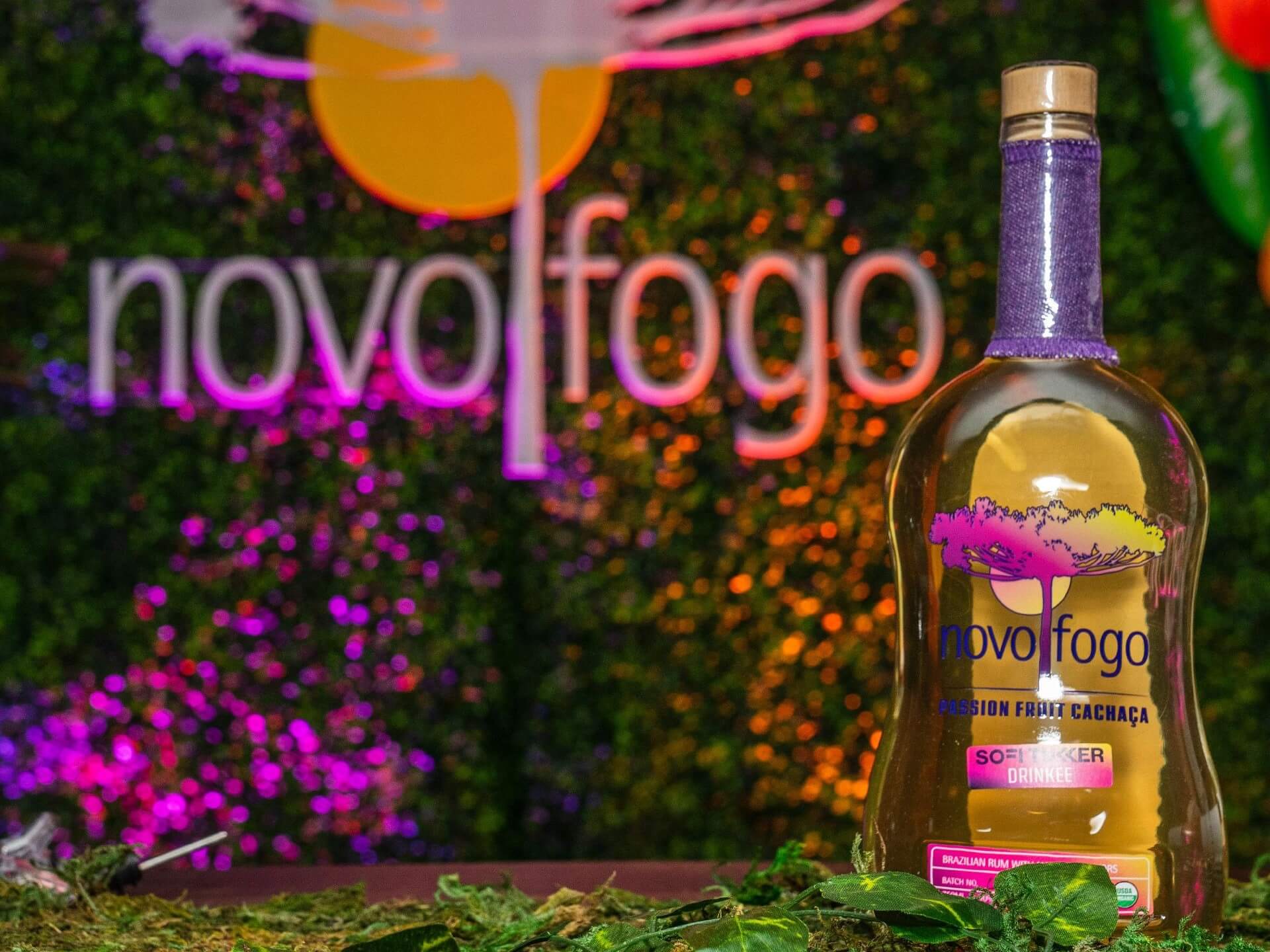
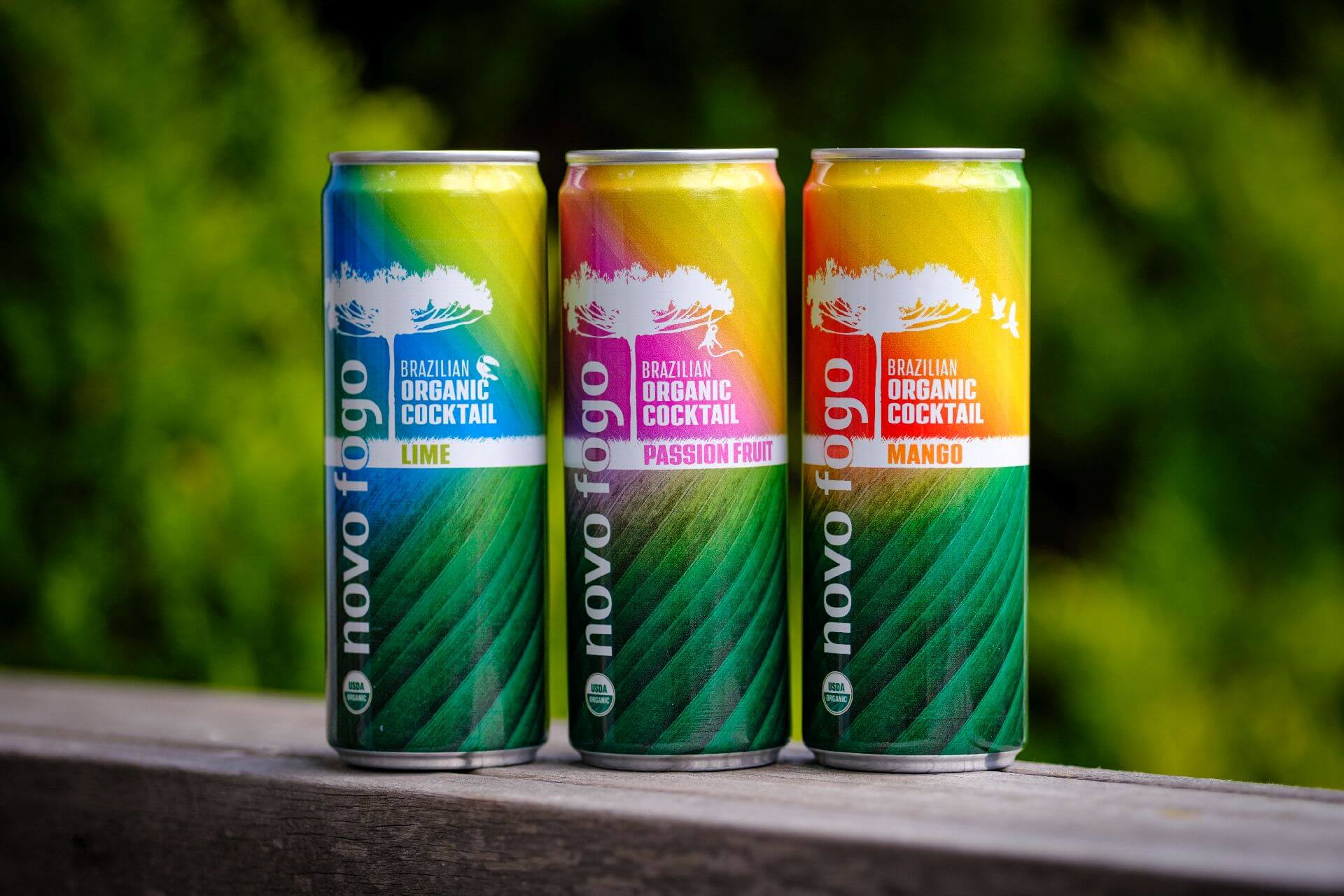
Redesigned and reformulated Novo Fogo ready-to-drink canned cocktails

Just before Tales of the Cocktail kicks off, Novo Fogo Organic Cachaça announces the reformulation of their award-winning ready-to-drink cocktail line.

As founder and CEO Dragos Axinte reveals on episode 97 of the Bar Hacks podcast, the RTD series now features key changes.

For example, the RTDs now come in 12-ounce slim cans rather than their original eight-ounce cans. As you can see, the design is also much more colorful and eye-catching.

Of course, the changes aren’t simply cosmetic. Inside the can, each expression represents a new recipe. The last iteration of Novo Fogo RTDs was delicious and showcased their Silver Cachaça brilliantly. However, the new formulation offers even more robust flavor and drops the sweetness a bit.


View this post on Instagram


A post shared by Dragoș Axinte (@treerestrial)

Most importantly, the new RTDs are truly a pioneering beverage. Novo Fogo’s new canned cocktails are the first RTDs made with Brazilian cachaça ever to achieve USDA Organic certification.

This means that Novo Fogo’s entire lineup, from core expressions to special releases, is USDA-certified 100-percent organic. That’s a huge win for the company, for operators who feature their products, and for operators’ guests.

Operators will be able to introduce these new 12-ounce, nine-percent ABV RTDs to their guests shortly. They’re perfect as a refreshing summer cocktail, served on ice in buckets with limes for garnish.

NOVO FOGO ANNOUNCES NEW BRAZILIAN ORGANIC COCKTAIL

RTD Line Sets Industry Standard as the First-Ever USDA-Certified Organic Canned Cocktail Made with Brazilian Cachaça

SEATTLE, WANovo Fogo Organic Cachaça today announces that they have completely redesigned and reformulated their popular line of award-winning Brazilian canned cocktails, offering consumers a fresh way to experience their carbonated twist on Brazil’s national cocktail, the Caipirinha. Novo Fogo Brazilian Organic Cocktails come in three tropical flavors and are USDA-certified organic.

The award-winning, sustainability-oriented cachaça producer makes handcrafted cachaça from estate-grown sugarcane in Brazil’s Atlantic Rainforest and is a pioneer in spirit-based ready-to-drink (RTD) beverages. For over six years, Novo Fogo’s canned cocktails have introduced North American drinkers to Brazilian cachaça in an approachable, convenient, and delicious format. The current product evolution represents a giant leap forward in organic ingredient certification, packaging design, and flavor.

Novo Fogo’s Brazilian Organic Cocktails highlight three traditional Brazilian flavors—Lime, Passion Fruit, and Mango—that complement the base spirit of Novo Fogo Silver Cachaça, beloved by bartenders across the globe. The 100% natural ingredients have been reformulated to create a cocktail that is now certified organic by the USDA, a first for any cachaça-based RTD and a big win for Mother Earth. This breakthrough now makes Novo Fogo’s entire product line USDA-certified organic.

The colorful design of the 12 oz sleek cans evokes Novo Fogo’s origins in the Brazilian rainforest and emerged in collaboration with multi-Grammy-nominated dance music duo, SOFI TUKKER, who became co-owners and global ambassadors of Novo Fogo in October 2022. SOFI TUKKER’s vibrant, inclusive, and global perspective on electronic music has attracted legions of adoring fans worldwide, and Novo Fogo’s Brazilian Organic Cocktails are poised to accompany SOFI TUKKER’s music as the perfect concert cocktail.

Novo Fogo Brazilian Organic Cocktails feature new recipes that are full-flavored and not too sweet, each at 9% ABV with 150 calories and 12 grams of carbohydrates per serving. The aluminum cans have grown to 12 oz in volume, with 1.8 proper cocktail servings per can. Although they are new in every way, these updated cocktails continue to combine freshness, deliciousness, and shelf stability by virtue of their organic-certified ingredients that harmonize as balanced, carbonated drinks. Drink ‘em how you like ‘em, as long as they’re cold: straight from the chilled can, over ice in a glass, and with or without an extra squeeze of lime.

Novo Fogo is an award-winning Brazilian cachaça producer that handcrafts their spirits at their zero-waste distillery at the edge of the Atlantic Forest in Brazil’s southern state of Paraná. The purest representation of USDA-certified 100% organic sugarcane, Novo Fogo’s Silver Cachaça is the result of single pot distillation in small batches to maximize the flavors of local terroir in the finished spirit. Silver Cachaça is the base spirit for all three Brazilian Organic Cocktails.

“We have always been committed to genuinely reflect Brazilian culture in our brand persona, while also observing and respecting North American consumer trends. These new organic cocktails are a natural evolution of our understanding of the world and incorporate the positive, colorful, and vivid inspiration that SOFI TUKKER brought to the brand. As with everything we do these days, our new Brazilian Organic Cocktails represent the intersection of integrity and joy,” says Novo Fogo’s founder and CEO, Dragos Axinte.

Novo Fogo Brazilian canned cocktails are sold to distributors nationwide by 375 Park Avenue Spirits and online with a suggested retail price of $3.75 per can and $14.99 for a four-pack. To learn more about Novo Fogo products, please visit www.novofogo.com.

About Novo Fogo

A passionate advocate for sustainable practices in the spirits industry, Novo Fogo is a carbon-negative company that produces USDA-certified 100% organic cachaças at its zero-waste distillery in the heart of Brazil’s Atlantic Rainforest. Its production methods prioritize human and environmental sustainability; the company is proud of its all-female distiller team and its legacy reforestation project, The Un-Endangered Forest, which seeks to restore 44 species of threatened native trees. Extending this ethos to its cocktail audience, Novo Fogo has been a trailblazer for sponsoring health and wellness initiatives for spirit industry members. The company’s product line intersects traditional Brazilian culture with modern cocktail trends of healthier drinking, such as low carbs, low ABV, and low calories. Seeking to build a business that can last 100 years, Novo Fogo has partnered with multi-Grammy-nominated global dance music duo SOFI TUKKER to foster increased awareness towards its brand of conscientious capitalism. Find Your Own Brazilian Zen™ by visiting https://www.novofogo.com.

About 375 Park Avenue Spirits

375 Park Avenue Spirits specializes in the premium- to luxury-spirit categories and their portfolio includes numerous expressions from leading international producers.  Founded as Luctor International, LLC in 1981, 375 Park Avenue Spirits joined the Sazerac Company in early 2015 to act as an independent, yet fully integrated sales and marketing affiliate. The company is known today for creating an environment of growth for supplier partners in the domestic market for renown brands like Van Gogh Vodka from Holland, Sobieski Vodka from Poland, Cutty Sark Blended Scotch, J.P. Wiser’s Canadian Whisky, Paul John Single Malt Whisky from India, Scapegrace Gin from New Zealand, Novo Fogo Cachaça and many others. For more information on 375 Park Avenue Spirits, please visit www.375park.com.

Images courtesy of Novo Fogo Organic Cachaça

KRG Hospitality Start-Up Restaurant Bar Hotel Consulting Consultant Solutions Plans Services

by David Klemt David Klemt No Comments

Lab-grown Chicken Makes its Move

Lab-grown Chicken Makes its Move

by David Klemt

GOOD Meat lab-grown chicken, close up

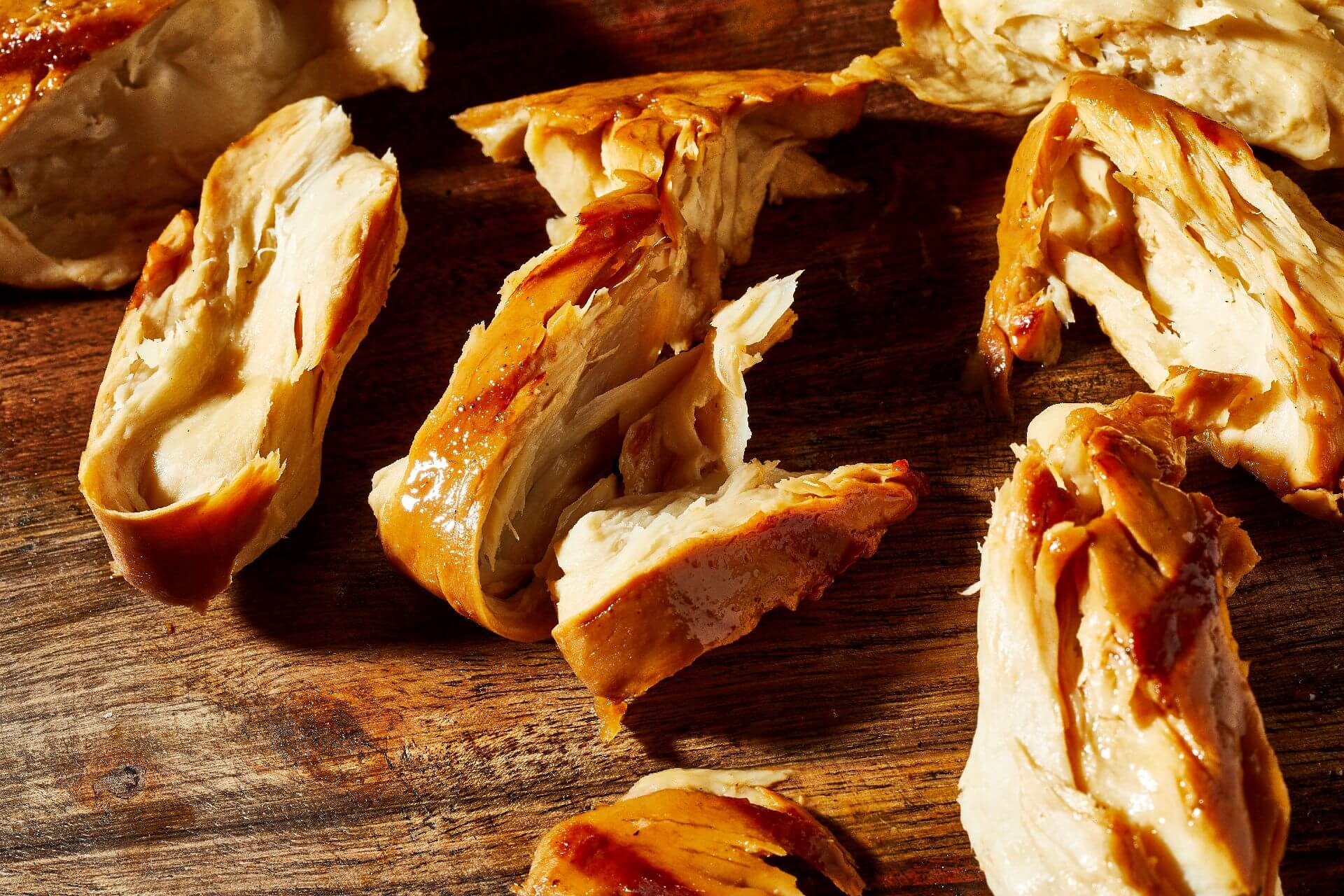
Lab-grown or cell-cultivated chicken from GOOD Meat.

A month after receiving USDA approval to serve lab-grown meat to restaurant guests, GOOD Meat and Upside Foods can boast support from two well-known chefs.

Lab-grown meat, also known as “cultivated” or “cell-cultivated” meat, has been approved by the USDA to be served to guests at two restaurants.

One, China Chilcano, is owned and operated by Chef José Andrés. The other restaurant debuting lab-grown meat is Bar Crenn by Chef Dominique Crenn. The former is in Washington, DC, while the latter is in San Francisco. Both GOOD Meat and Upside Foods operate out of California.


View this post on Instagram


A post shared by GOOD Meat (@goodmeatinc)

Bar Crenn boasts one Michelin Star, and China Chilcano has enjoyed Bib Gourmand awards from the Michelin Guide for several years.

In other words, the two companies producing cell-cultivated meats and awarded USDA approval have chosen their debut restaurants well. These are high-profile, award-winning, exciting, and approachable restaurants run by revered chefs.


View this post on Instagram


A post shared by UPSIDE Foods (@upsidefoods)

Additionally, both Chef Andrés and Chef Crenn make their commitment to sustainability known. Further, Chef Crenn’s Atelier Crenn earned one of the first Green Star designations back in 2020. The restaurant also enjoys three Michelin Stars.

And we’re all well aware of Chef Andrés’ commitment to humanitarian efforts through World Central Kitchen, a non-profit organization KRG Hospitality supports.

It’s early days but we’ll be following the diner response to cultivated meats at China Chilcano and Bar Crenn.

Lab-grown Meats

Before I dive further into cell-cultivated meats, I’ll address a few big questions:

  • Is lab-grown meat plant-based?
  • Are these products vegetarian?
  • Are these products vegan?

The answer to all three questions is no.

To be very clear, lab-grown meats are produce using using animal cells. Therefore, these are animal proteins and animal products.

The GOOD Meat chicken nutrition label reads as follows: “Cell-Cultivated Chicken (cultivated chicken cells, salt), Wheat Gluten, Soy Protein Concentrate, Sunflower and Coconut Oils, Contains less than 2% of Modified Food Starch, Natural Flavors, Salt, Soy Lecithin. Contains Wheat, Soy.”

Upside Foods’ label reads: “Cell-cultivated chicken, Maltodextrin, Transglutaminase (Binding Agent).”

In short, this is chicken.

What’s the Point?

So, you may be wondering why anyone is producing cell-cultivated chicken. GOOD Meat and Upside Foods answer this question on their websites.

In an effort to be succinct, these companies want us to do away with the harm to animals, ourselves, and the planet that results from traditional meat production.

Using cell cultivation to produce meat, a single cell can, per GOOD Meat, produce an “infinite amount of meat.” Zero animal slaughter. Millions to billions of acres of land can be used for something besides raising and slaughtering animals.

As Upside Foods explains it, “At scale, it’s simply a more efficient, more humane, and more future-friendly way to grow high-quality meat for food lovers everywhere.”

Further, it’s theorized that lab-grown meat production cuts water use for beef production (as an example) in half, keeps pollution out of our oceans, and removes millions of tons of CO2 emissions.

I’m not an environmental scientist or specialist, nor am I involved in food production. However, if these claims are accurate, that’s a lot of positivity for the future of our planet.

Considerations

First, we can’t expect everyone to believe lab-grown meats are safe. Some meat consumers are simply not going to find these products appealing.

Second, an array of consumers will look at cell-cultivated meats through various ethical and moral lenses.

Third, just the words “lab grown” and even “cell cultivated” will turn some guests off trying these meat products.

And then there’s the fact that GOOD Meat and Upside Foods chicken products are just now finding their ways into restaurants in the US. And by restaurants, I mean two. Two restaurants in the whole of the US. It’s simply too soon to know how they’ll be received.

Finally, cost. Operators are already running on razor-thin margins. They must consider the cost of these items, and the cost of how they’re perceived by guests.

I’ll admit that, right now, I like the idea of cell-cultivated meat. If accurate, I like what these products may be able to do for our planet. I eat meat and I love the idea of animals not suffering harm, abuse, fear, and slaughter.

I would try GOOD Meat chicken. And I’d try Upside Foods chicken, along with their other cell-cultivated products (beef meatballs, duck, pork, etc.). But I’m just one person, and I don’t know how well-received these items will be throughout North America.

To operators, I say keep these foods on your radar. You should know your guests better than anyone else, so you only you know if they’re ready for lab-grown meats on your menu.

Image: GOOD Meat

KRG Hospitality menu development. Restaurant. Bar. Cafe. Lounge. Hotel. Resort. Food. Drinks.

by krghospitality krghospitality No Comments

5 Ways to Elevate the Hotel Experience

5 Inexpensive Ways to Elevate Your Hotel Guest Experience

by Kim Richardson

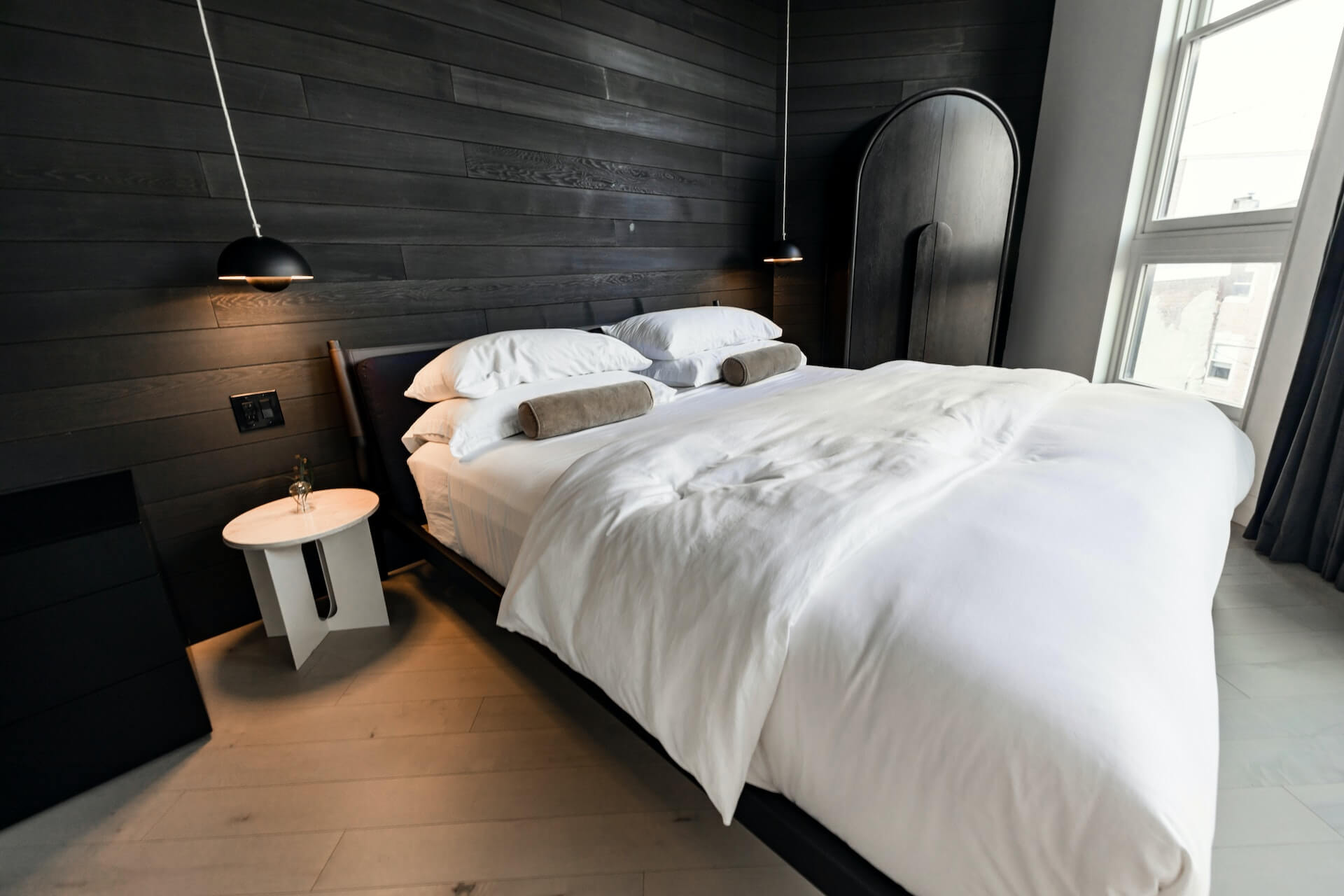
Boutique hotel room with black and white walls and linens

With all the different amenities today’s travelers are looking for, you’re not going to be able to accommodate all of them.

It’s no secret: Happy hotel guests make for happy employees and happy owners. They’re the true advertisement for our hotel and resort locations.

But as the maxim goes, you can’t make all the people happy all the time. With very exceptionsbrands that can afford to embody the money-no-object version of unreasonable hospitality—it’s not realistic to think you can satisfy every guest’s every whim.

With all the different amenities today’s travelers are looking for, you’re not going to be able to accommodate every single preference. Some of them may not be in your budget, and others may not make sense for your business.

With that in mind, here are some basic items that every hotel location can provide with little to no cost.

Get back to the basics of your business and make sure the machine is running smoothly before you worry about adding things that cost you additional money. A little goes a long way!

1 Create a seamless and friendly arrival experience.

Whether your guests spend days traveling to you or maybe just take a 10-minute car ride, it’s important that their stay starts off with a warm and welcoming experience. This sets the tone for their entire stay.

How does your staff greet them at the door and front desk? Are the details of the reservation correct? Is the room ready on time? Is the room the correct type? Do you and your team acknowledge special details and requests? More importantly, do you follow through to deliver on those requests?

People put a lot of time into planning a trip. A rocky arrival or a mishandled request can really put a damper on someone’s getaway whether it’s for business or pleasure. When they start off with a bad experience, they’re more likely to nitpick the rest of their stay.

The guest experience starts well before arrival. Don’t forget to keep in mind all the interactions they have prior to arrival: ease of reservation process, user-friendly websites, and pleasant interactions with any staff they might have.

2 Personalize the experience. Send a welcome note and acknowledge special occasions.

Sending a welcome note to a guest is a great way to personalize the experience, and I do mean personalize! Try to stay away from generic welcome letters.

Use their name in the letter. If they’re a repeat guest, use phrases such as “Welcome back.” If you see something in the reservation notes about them celebrating a special occasion, be sure to acknowledge it in the welcome note and wish them well.

Welcome notes can be sent as an email, something that is handed to them at the front desk, or a card in their room. Consider sending a small gift when you know someone is celebrating a special occasion. The gift doesn’t have to be expensive; its purpose is to make them feel noticed.

A small treat can be enough.

3 Partner with companies for amenities you are not able to provide (ex: gym, restaurants, transportation, spa/salon).

Partnering with nearby companies is a great way to add extra amenities to your hotel. This doesn’t have to be something that costs you money.

You can discuss the terms case by case with each business. They may be willing to offer a discount coupon (complimentary to you) for allowing them to put collateral in your lobby or on your website. You can also discuss trades of service.

If you’re not a full-service hotel, a discount at a nearby restaurant or cafe can go a long way. Similar to this, if you don’t have a fitness center maybe there is one nearby that is willing to offer your guests complimentary access (or for a discount). Spa/salons are also a great amenity you can feature.

If you’re not located in a walkable area (or maybe there’s a big attraction nearby that’s not walkable), consider teaming up with a transportation company that can be available to your guests.

When partnering with these nearby businesses, it’s important that they actually are nearby and accessible to your guests. We’ve all been in situations, be it a hotel or a membership, that comes with discounts, but then when you go to look at them, they’re not convenient to use. Don’t be that business.

4 Master the basics. Keep a clean property and deliver on all amenities promised.

This sounds like an obvious one, but this is often where we drop the ball as an industry.

It’s not always about being a five-star hotel and having tons of luxurious extras. Meeting guest expectations by following through on what you promised should be a given, but it’s truly not.

Regardless of the level of hotel, a clean property is important. Guests shouldn’t find dirty items from the last guest. All public spaces should be clean and stocked with any amenities you offer.

If you offer complimentary coffee in the lobby until 10:00 AM, make sure it’s really there and available until that time. Don’t put the last container out at 9:00 or 9:30 AM and stop checking on it.

I’m the guest who goes down for coffee at the last minute it’s available. I can’t tell you how many times I’ve started filling my cup and heard the trickle of the container running out. Then I’m left with going to find coffee elsewhere or hunting down a staff member to get more.

These types of experiences might not warrant a guest complaint but they do create a feeling of not getting what they pay for.

Keep your guests notified of any unexpected changes to the promised amenities. If your lobby is under renovation, your famous restaurant is closed for a private party, or the pool isn’t available, send proper notification to your guests prior to arrival. Consider offering some type of compensation as a show of good faith prior to the complaints rolling in.

Things don’t always go according to plan, and we can’t always be perfect, but you have the power to dictate whether this is a good or bad experience for your guest.

5 Provide readily available directions and info on the local area (restaurants, local attractions, tours, shopping).

No matter how hard your guests work on researching the area ahead of time, there is nothing better than hearing from the locals about the real places to check out.

Be sure to have a varied list of places to recommend to the guests based on their specific interests. As our travelers often are without a car, make sure you’re able to tell them the best way to get there.

Any additional information you can provide on these places is great. Consider having brochures on hand, websites, apps, and QR codes. Consider compiling a list of your staff’s favorite places to go. This can be posted in a public space, done as a handout that can be given to guests upon request, or distributed electronically.

As you can see, you don’t have to throw tons of money at your hotel to make a big, positive impact on your guests. Thinking ahead, partnering with local businesses, and ensuring your staff adheres to your steps of service, policies, and procedures can deliver big dividends.

For more tips, be sure to sign up for the KRG Hospitality newsletters (email and LinkedIn) and follow me on Instagram!


View this post on Instagram


A post shared by Kim Richardson (@hospitalityby.kim)

Image: Andrea Davis on Pexels

KRG Hospitality. Boutique Hotels. Resorts. Properties. Consultant. Feasibility Study. Business Plan

by David Klemt David Klemt No Comments

SEO Tips from AI: Hotels & Camps

SEO Tips from AI: Hotels, Camps & Lodges

by David Klemt

OpenAI logo on smartphone screen, resting on laptop keyboard

After asking ChatGPT to suggest SEO improvements for restaurants, bars, and nightclubs, we’ve done the same for the hotel space.

This is part two of our AI-generated SEO tips series. In part one, we focus on restaurants, bars, nightclubs, and eatertainment venues.

For this part, we ask ChatGPT about improving SEO for boutique hotels, independently owned hotels, boutique and luxury campgrounds, and boutique and luxury lodges.

The boutique and luxury outdoor experiential market is heating up. So, I was curious about what keywords and advice ChatGPT would recommend to help operators in this space stand out and improve their odds for discover.

Personally, I found some of the keyword suggestions helpful. However, these are terms we at KRG Hospitality already know to include in our brand identity and marketing plans.

Simply put, I don’t think AI rivals what humans can create when it comes to brand identity and marketing. But, you should read the following and decide for yourself.

What specific terms are the best for boutique or independently owned hotels to use for SEO ranking?

For boutique or independently owned hotels, it’s important to focus on specific terms that highlight the unique aspects of your property and appeal to your target audience. Here are some specific terms that can be beneficial for SEO ranking:

  1. Hotel Name: Ensure that your hotel’s name is prominently featured in your website’s content, meta tags, and URLs to associate your website with your hotel’s name.
  2. Location-Based Keywords: Include location-specific keywords throughout your website to target customers searching for hotels in your area. For example, use terms like “boutique hotels in [location],” “[location] luxury accommodations,” or “independent hotels near [landmark].”
  3. Unique Selling Points: Highlight the unique features and qualities of your boutique hotel. Optimize your website with keywords that reflect these selling points, such as “boutique hotel with rooftop pool,” “intimate luxury accommodations,” or “designer boutique hotel in [location].”
  4. Style and Theme: If your boutique hotel has a specific style or theme, incorporate relevant keywords. For example, use terms like “vintage-inspired boutique hotel,” “modern boutique accommodations,” or “bohemian chic hotel in [location].”
  5. Amenities and Services: Emphasize the distinctive amenities and services your boutique hotel offers. Optimize your website with keywords related to these offerings, such as “boutique hotel with spa,” “gourmet dining experiences,” or “personalized concierge services.”
  6. Local Attractions and Experiences: If your boutique hotel is close to popular local attractions or offers unique experiences, mention them on your website. Optimize with keywords related to these attractions and experiences to attract visitors searching for accommodations near specific landmarks or seeking specific activities.
  7. Sustainable or Eco-Friendly: If your boutique hotel has a focus on sustainability or eco-friendliness, incorporate related keywords. Use terms like “eco-friendly accommodations,” “green boutique hotel,” or “sustainable practices in [location].”
  8. Reviews and Testimonials: Encourage guests to leave reviews on platforms like Google My Business, Yelp, or TripAdvisor. Positive reviews can boost your hotel’s visibility in search results and attract more bookings.
  9. Local SEO: Implement local SEO strategies by optimizing your website for local search results. This includes creating and optimizing your Google My Business profile, ensuring consistent NAP (Name, Address, Phone) information across directories, and getting listed in local online directories.
  10. Social Media Integration: Integrate social media into your SEO strategy by linking your website to your hotel’s social media profiles. Engage with your audience, share updates about your hotel, and encourage user-generated content through social media channels.

Remember to conduct keyword research specific to your boutique hotel’s offerings, style, and target audience. Regularly monitor your website’s performance, track keyword rankings, and adapt your SEO strategy as needed to improve your hotel’s online visibility and attract more guests.

What specific terms are the best for boutique and luxury campgrounds and lodges to use for SEO ranking?

For boutique and luxury campgrounds and lodges, it’s important to use specific terms that highlight the unique features, amenities, and experiences your property offers. Here are some specific terms that can be beneficial for SEO ranking:

  1. Campground or Lodge Name: Ensure that your property’s name is prominently featured in your website’s content, meta tags, and URLs to associate your website with your campground or lodge’s name.
  2. Location-Based Keywords: Include location-specific keywords throughout your website to target customers searching for campgrounds or lodges in your area. For example, use terms like “luxury campground in [location],” “[location] glamping site,” or “boutique lodge near [landmark].”
  3. Nature and Outdoor Keywords: Emphasize the natural beauty and outdoor experiences available at your campground or lodge. Optimize your website with keywords related to activities like hiking, fishing, wildlife watching, or stargazing. Use terms like “nature retreat,” “wilderness campground,” or “outdoor adventure in [location].”
  4. Unique Accommodations: If your campground or lodge offers unique accommodations like glamping tents, treehouses, or luxury cabins, highlight them on your website. Optimize with keywords like “glamping experience,” “luxury safari tents,” or “secluded treehouse retreat.”
  5. Amenities and Services: Showcase the luxurious amenities and services your campground or lodge provides. Optimize your website with keywords related to these offerings, such as “heated swimming pool,” “private chef services,” “spa and wellness facilities,” or “concierge services.”
  6. Sustainable or Eco-Friendly: If your campground or lodge follows sustainable practices or has an eco-friendly focus, incorporate related keywords. Use terms like “eco-conscious accommodations,” “sustainable camping,” or “green lodge in [location].”
  7. Nearby Attractions and Activities: Highlight popular nearby attractions, landmarks, or outdoor activities that guests can enjoy during their stay. Optimize with keywords related to these attractions and activities to attract visitors searching for accommodations near specific points of interest.
  8. Reviews and Testimonials: Encourage guests to leave reviews on platforms like Google My Business, Yelp, or TripAdvisor. Positive reviews can boost your campground or lodge’s visibility in search results and attract more bookings.
  9. Local SEO: Implement local SEO strategies by optimizing your website for local search results. This includes creating and optimizing your Google My Business profile, ensuring consistent NAP (Name, Address, Phone) information across directories, and getting listed in local online directories.
  10. Social Media Integration: Integrate social media into your SEO strategy by linking your website to your campground or lodge’s social media profiles. Engage with your audience, share updates about your property, and encourage user-generated content through social media channels.

Remember to conduct keyword research specific to your campground or lodge’s offerings, location, and target audience. Regularly monitor your website’s performance, track keyword rankings, and adapt your SEO strategy as needed to improve your property’s online visibility and attract more guests.

Takeaway

Just like AI-generated tips for SEO and discovery for restaurants and bars, there needs to be a human element for hotels, campgrounds, and lodges.

Relying on AI to improve search engine ranking isn’t, at this point, the best strategy. Perhaps one day that will change, but today isn’t that day.

The answers to my questions do provide some good tips regarding specific keywords and SEO practices. However, I wouldn’t suggest that operators trust AI to write their listings or the pages on their websites.

As it stands, in my opinion, AI just can’t match what people can do when it comes to marketing, branding, and discovery.

Image: Levart_Photographer on Unsplash

KRG Hospitality marketing support. Restaurant. Bar. Cafe. Lounge. Hotel. Resort.

by David Klemt David Klemt No Comments

SEO Tips from AI: Restaurants & Bars

SEO Tips from AI: Restaurants, Bars & Nightclubs

by David Klemt

OpenAI ChatGPT logo against matching background

We aren’t fans of artificial intelligence “creating” marketing plans but can chatbots help improve SEO by offering keywords and making other suggestions?

Since AI tools such as ChatGPT can instantly crawl the depths of the Internet, we want to know if they can provide “insider” tips. Perhaps they have a leg up when it comes to parsing what helps and what hurts SEO ranking.

Restaurant, bar, and nightclub websites still matter. Consider the latest SevenRooms data in regards to how people discover new places to dine, drink, and socialize. Two-thirds of consumers rely on word-of-mouth recommendations from family and friends. A third use Google.

So, that should show how important it is to ensure your restaurant, bar, or nightclub is showing up right away when people are using search engines.

For the first part of our AI SEO series, I ask ChatGPT for suggestions for restaurants, bars, nightclubs, and eatertainment venues. In the follow-up article, I ask for assistance for hotels, campgrounds, and lodges.

Note: ChatGPT’s answers are provided below unedited. There’s some repetition, which is to be expected.

What specific terms are the best for restaurants to use for SEO ranking?

When it comes to specific terms for SEO ranking for restaurants, it’s important to consider keywords that are relevant to your restaurant’s niche, location, and target audience. Here are some specific terms that can be beneficial:

  1. Cuisine Keywords: Incorporate specific cuisine-related keywords that reflect the type of food your restaurant serves. For example, if you have an Italian restaurant, use terms like “Italian cuisine,” “authentic Italian dishes,” or “Italian restaurant [location].”
  2. Location-Based Keywords: Include location-specific keywords throughout your website to target customers searching for restaurants in your area. For instance, use terms like “best restaurants in [location],” “[location] dining,” or “[location] food scene.”
  3. Menu Items: Optimize your website for specific menu items that are popular or unique to your restaurant. Include descriptive keywords for these dishes, such as “signature seafood pasta,” “gourmet burger with truffle aioli,” or “vegan-friendly options.”
  4. Dining Experience Keywords: Highlight specific aspects of your restaurant’s dining experience. For example, if you have a rooftop terrace, mention it with keywords like “rooftop dining [location]” or “alfresco dining with city views.”
  5. Special Occasions: If your restaurant caters to special occasions like birthdays, anniversaries, or private events, optimize with related keywords. Use terms like “private event venue,” “birthday dinner reservations,” or “romantic anniversary restaurant.”
  6. Farm-to-Table or Sustainable Keywords: If your restaurant emphasizes locally sourced or sustainable ingredients, incorporate related keywords. Use terms like “farm-to-table dining,” “organic ingredients,” or “sustainable seafood.”
  7. Brunch or Breakfast Keywords: If your restaurant serves brunch or breakfast, optimize your website for keywords related to these meals. Use terms like “weekend brunch spot,” “best breakfast in [location],” or “bottomless mimosa brunch.”
  8. Online Ordering and Delivery: If your restaurant offers online ordering or food delivery services, optimize your website with related keywords. Use terms like “online food ordering,” “food delivery [location],” or “order food online.”
  9. Reviews and Testimonials: Encourage customers to leave reviews on platforms like Google My Business, Yelp, or TripAdvisor. Positive reviews can boost your restaurant’s visibility in search results and attract more customers.
  10. Local SEO: Implement local SEO strategies by optimizing your website for local search results. This includes creating and optimizing your Google My Business profile, ensuring consistent NAP (Name, Address, Phone) information across directories, and getting listed in local online directories.

Remember, it’s crucial to conduct keyword research specific to your restaurant’s offerings and target audience. Regularly monitor your website’s performance, track keyword rankings, and adapt your SEO strategy as needed to improve your restaurant’s online visibility and attract more diners.

What specific terms are the best for bars to use for SEO ranking?

When it comes to specific terms for SEO ranking for bars, it’s important to consider keywords that are relevant to your bar’s theme, location, and target audience. Here are some specific terms that can be beneficial:

  1. Bar Name: Ensure that your bar’s name is prominently featured in your website’s content, meta tags, and URLs to associate your website with your bar’s name.
  2. Location-Based Keywords: Include location-specific keywords throughout your website to target customers searching for bars in your area. For example, use terms like “best bars in [location],” “[location] nightlife,” or “bars near [landmark].”
  3. Bar Type or Theme: Incorporate specific keywords related to your bar’s type or theme. For instance, if you have a sports bar, use terms like “sports bar,” “sports pub,” or “sports viewing in [location].” If your bar has a specific theme like a speakeasy, mention keywords like “speakeasy bar,” “1920s-inspired bar,” or “craft cocktails in a hidden bar.”
  4. Drink Specialties: Highlight popular drinks or signature cocktails on your website and optimize the descriptions with relevant keywords. For example, use terms like “craft cocktails,” “mixology bar,” or “unique drink creations.”
  5. Happy Hour and Specials: If your bar offers happy hour specials or unique promotions, optimize your website with keywords related to these offerings. Use terms like “happy hour deals,” “drink specials,” or “late-night promotions.”
  6. Entertainment and Events: If your bar hosts live music, DJs, trivia nights, or other events, optimize your website with keywords related to these offerings. For instance, use terms like “live music bar,” “DJ nights,” or “weekly trivia at [bar name].”
  7. Reviews and Testimonials: Encourage customers to leave reviews on platforms like Google My Business, Yelp, or TripAdvisor. Positive reviews can boost your bar’s visibility in search results and attract more customers.
  8. Local SEO: Implement local SEO strategies by optimizing your website for local search results. This includes creating and optimizing your Google My Business profile, ensuring consistent NAP (Name, Address, Phone) information across directories, and getting listed in local online directories.
  9. Social Media Integration: Integrate social media into your SEO strategy by linking your website to your bar’s social media profiles. Engage with your audience, share updates about your bar, and encourage user-generated content through social media channels.
  10. Events Calendar: If your bar has a calendar of upcoming events, optimize it with keywords related to the types of events you host. For example, use terms like “live music schedule,” “karaoke nights,” or “themed parties at [bar name].”

Remember, it’s important to conduct keyword research specific to your bar’s offerings and target audience. Regularly monitor your website’s performance, track keyword rankings, and adapt your SEO strategy as needed to improve your bar’s online visibility and attract more customers.

What specific terms are the best for eatertainment venues similar to Topgolf or Punch Bowl Social to use for SEO ranking?

For eatertainment venues similar to Topgolf or Punch Bowl Social, it’s important to use specific terms that highlight the unique features, activities, and experiences your venue offers. Here are some specific terms that can be beneficial for SEO ranking:

  1. Venue Name: Ensure that your venue’s name is prominently featured in your website’s content, meta tags, and URLs to associate your website with your venue’s name.
  2. Location-Based Keywords: Include location-specific keywords throughout your website to target customers searching for similar venues in your area. For example, use terms like “Topgolf-style venue in [location],” “entertainment center in [location],” or “[location] eatertainment complex.”
  3. Interactive Games and Activities: Highlight the various interactive games and activities available at your venue. Optimize your website with keywords related to these offerings, such as “interactive golf games,” “arcade entertainment,” “bowling alley,” “virtual reality experiences,” or “multiplayer experiences.”
  4. Social Atmosphere: Emphasize the social and vibrant atmosphere of your venue. Use keywords that convey a fun and engaging experience, such as “socializing with friends,” “lively entertainment environment,” or “party and event destination.”
  5. Food and Drink: Highlight the dining and beverage options available at your eatertainment venue. Optimize your website with keywords related to your menu, such as “gourmet food and craft cocktails,” “full-service restaurant with a bar,” or “delicious bites and refreshing drinks.”
  6. Entertainment Variety: Showcase the variety of entertainment options available at your venue. Use keywords related to live performances, music, comedy shows, or special events. For example, “live music venue,” “comedy club,” or “special event space.”
  7. Private Events and Group Activities: If your venue caters to private events or offers group activities, optimize your website with keywords related to these offerings. Use terms like “private event venue,” “corporate team-building activities,” or “party room reservations.”
  8. Reviews and Testimonials: Encourage guests to leave reviews on platforms like Google My Business, Yelp, or TripAdvisor. Positive reviews can improve your venue’s visibility in search results and attract more visitors.
  9. Local SEO: Implement local SEO strategies by optimizing your website for local search results. This includes creating and optimizing your Google My Business profile, ensuring consistent NAP (Name, Address, Phone) information across directories, and getting listed in local online directories.
  10. Social Media Integration: Integrate social media into your SEO strategy by linking your website to your venue’s social media profiles. Engage with your audience, share updates about upcoming events or promotions, and encourage user-generated content through social media channels.

Remember to conduct keyword research specific to your eatertainment venue’s offerings, target audience, and location. Regularly monitor your website’s performance, track keyword rankings, and adapt your SEO strategy as needed to improve your venue’s online visibility and attract more visitors.

What specific terms are the best for nightclubs to use for SEO ranking?

When it comes to specific terms for SEO ranking for nightclubs, it’s crucial to consider keywords that are relevant to your nightclub’s niche, location, and target audience. Here are some specific terms that can be beneficial:

  1. Nightclub Name: Ensure that your nightclub’s name is prominently featured in your website’s content, meta tags, and URLs to associate your website with your nightclub’s name.
  2. Location-Based Keywords: Include location-specific keywords throughout your website to target customers searching for nightclubs in your area. For example, use terms like “nightclubs in [location],” “[location] nightlife,” or “dance clubs near [location].”
  3. Music Genre: Incorporate specific music genre-related keywords that reflect the type of music your nightclub specializes in. For instance, if you focus on electronic dance music, use terms like “EDM nightclub,” “electronic dance club,” or “techno parties in [location].” If you cater to hip-hop enthusiasts, include keywords like “hip-hop club,” “urban nightlife,” or “R&B parties in [location].”
  4. DJ Names: If your nightclub regularly hosts renowned DJs or has resident DJs, mention their names on your website. People often search for specific DJs, so including their names can increase your nightclub’s visibility.
  5. Event Themes: Highlight specific event themes or special nights that your nightclub offers. Optimize your website with keywords related to these offerings. For example, use terms like “themed parties,” “ladies’ night,” “Latin night,” or “80s retro dance party.”
  6. VIP Experience: If your nightclub offers VIP experiences, bottle service, or VIP table reservations, optimize your website with keywords related to these offerings. Use terms like “VIP nightclub experience,” “bottle service in [location],” or “VIP table bookings.”
  7. Dress Code: If your nightclub has a specific dress code policy, mention it on your website and optimize with relevant keywords like “nightclub dress code,” “dress to impress,” or “formal attire.”
  8. Reviews and Testimonials: Encourage customers to leave reviews on platforms like Google My Business, Yelp, or TripAdvisor. Positive reviews can improve your nightclub’s visibility in search results and attract more customers.
  9. Local SEO: Implement local SEO strategies by optimizing your website for local search results. This includes creating and optimizing your Google My Business profile, ensuring consistent NAP (Name, Address, Phone) information across directories, and getting listed in local online directories.
  10. Social Media Integration: Integrate social media into your SEO strategy by linking your website to your nightclub’s social media profiles. Engage with your audience, share updates about upcoming events, and encourage user-generated content through social media channels.

Remember to conduct keyword research specific to your nightclub’s offerings and target audience. Regularly monitor your website’s performance, track keyword rankings, and adapt your SEO strategy as needed to improve your nightclub’s online visibility and attract more attendees.

Takeaway

Operators need to pay attention to SEO ranking and discovery. They need to own their listings and make sure the information is accurate.

While AI can help with keywords and search terms, it doesn’t appear to be at the point where it can manage your SEO or marketing strategy. There are platforms like Toast, Restaurant365 and SevenRooms that can make marketing simpler. However, people still do the best job.

At KRG Hospitality, for instance, we create brand strategy plans. We also partner with restaurant marketing experts like Matt Plapp and America’s Best Restaurants.

Can AI streamline tasks? Yes, it can simplify and, in some cases, take over some tasks. Can it create effective, engaging marketing strategies that perform better than those created and executed by humans? In our experience and opinion, no.

I think the answers to my SEO questions above are helpful in terms of making suggestions that operators can use today to improve their odds of being discovered by guests. And I still don’t think operators can offload marketing responsibilities to AI.

Image: Mariia Shalabaieva on Unsplash

KRG Hospitality tech stack plan. Restaurant. Bar. Cafe. Lounge. Nightclub. Hotel. Resort.

by David Klemt David Klemt No Comments

Hospitality Mindset: Hotel Edition

Hospitality Mindset: Hotel Edition

by Jennifer Radkey

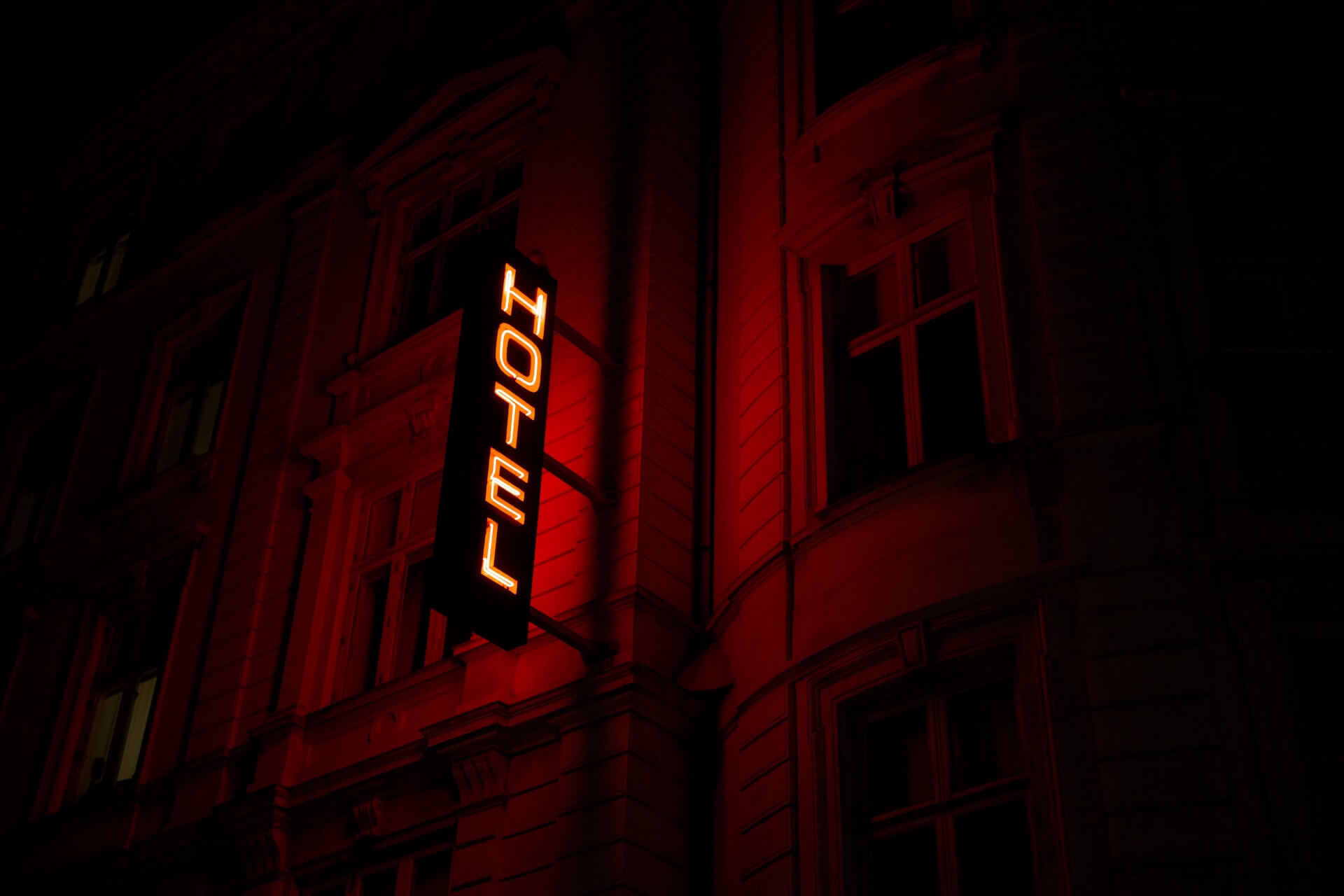
Red neon "hotel" sign in Copenhagen

Mindset can dictate one’s level of happiness but what some people don’t realize is that it also impacts their business and everyone in it.

Moods like happiness or hostility. Growth or fixed worldviews. Positivity versus negativity. For operators and leadership team members, mindset doesn’t exist in a vacuum. Rather, one’s attitude affects and influences staff, guests, and others.

So what is mindset exactly?

Simply stated, mindset is an individual’s usual attitude or mental state. It reflects someone’s way of thinking and motivates their actions. So, why is it important to be aware of your mindset?

Well, if your mindset dictates how you show up in your life each and every day, it will influence all parts of your life.

Your thoughts about yourself, others, your business, your opportunities and your challenges… All influenced by your mindset. Your mindset can either hinder or promote your overall well-being and success in life.

The interesting thing about mindset is that it has the ability to changeif you want. It can also be influenced by your environment and those around you. These facts led me to question if the different sectors of the hospitality industry face unique mindset challenges.

To find answers and gain further insight I decided to turn to our team at KRG Hospitality for their thoughts. In turn, I’ve written a series of hospitality mindset articles. To read the first entry in this series, the Bar Edition, please click here.

In this article I’ll explore the hotel industry, with thoughts from hospitality consultant Kim Richardson. Follow the series as I explore mindset in restaurants, hotels, bars, and start-up operations.

Let’s dive in!

The Hotel Industry

The hotel industry is vast and can be segmented into different sectors. These sectors include: lodging and accommodation, food and beverage, travel and tourism, entertainment and recreation, and timeshare and meetings.

Not only is the industry vast in its sectors, there are an array of categories. There are motels, inns and resorts, and independent, boutique and global brands. Budget, midscale, and luxury properties, and everything in between.

Different types of hotels will vary slightly in their management styles and success challenges, but most will share common mindset themes.

Successful Operators

Operating a successful hotel takes a certain mindset. You need to be organized, open-minded to growth strategies, mindful of your sectors and how they interact with each other, and responsive to the needs of your teams.

Curious about what makes one hotel stand above another, I asked Kim what contributes to a successful operator. She responded with the perspective of a general manager of a large hotel, and then from the perspective of an owner of a small boutique hotel.

“One thing that really sets the hotel world aside from the rest of the hospitality industry is the multiple facets of the different departments,” says Kim. “You’re essentially running several businesses inside of one business. All of these different departments’ successes and failures impact the other departments. I think it’s important for operators and general managers to truly have a pulse on what’s going on throughout the building and, more importantly, when a department has a success or failure, how the other departments contributed to that.”

When it comes to smaller boutique hotels or inns, Kim believes that “the ability to wear many hats and jump in as needed” is a crucial success skill for owners as they often work with a much smaller team and may need to be more hands on. Hand in hand with the ability to multi-task and wear many hats is having excellent time management skills.

Whether you are the GM of a large hotel or an owner of a small boutique hotel, it is essential to constantly “have a pulse on the business coming in the door.”

Operator Challenges

Operators need a positive, strategic, growth mindset to be successful in the hotel industry. This is a mindset that needs to be consistently cultivated, as there are challenges that will affect your daily thoughts, beliefs, and attitudes.

When asked what specific challenges hotel operators face that may affect their mindset, Kim shared her thoughts, again from the perspectives of a large hotel GM and that of a smaller boutique hotel owner.

Accountability

Being responsible for and held accountable to all levels of positions in your establishment can be exhausting, stressful, and frustrating.

“A general manager of a hotel has a lot of people to answer to. They have people above them in corporate making demands of them on a daily basis (budgets, goals, etc.). They have staff that they employ and need to keep happy. They have guests they need to keep happy,” Kim says. “With this many responsibilities, time management alone can be stressful. Finding a happy medium is close to impossible. Not every decision you make is going to please all three parties. This position can suffer from burnout just as much as the rest of their team.”

Overwhelm

Operators of boutique hotels and inns fall into danger of taking on too much themselves while feeling the success of their venue lies entirely on their shoulders.

Burnout, fear, and exhaustion are all possibilities in this situation.

“In a small boutique hotel, the owner and operator wears many hats,” says Kim. “They are often having to jump in and run many departments. If you’re short staffed in one area, you’re going to have to jump in. This can create a situation where you’re spending so much time working in the business that you struggle to work on growing the business. The overall stress of the success of the business is much more when you own your own hotel. Competing against big hotels with larger marketing budgets and known names can be a challenge.” 

Employee Challenges

Your team also experiences their own unique set of challenges that can affect their well-being and mindset.

Being aware of these challenges is important if you hope to create a culture of respect, collaboration, and trust.

When asked what specific challenges hotel staff face, Kim had some insights.

On Demand

It’s no secret that the hotels operate in a 24-hour industry. No matter what time of day or night, a hotel never truly “sleeps.” This on-demand atmosphere can be stressful for your team.

“Since the building is open 24 hours, guests tend to think you are also available 24 hours,” Kim says. “There is always the possibility that you could get a call at any time when you’re not working. Not only does the guest perceive you as always available, some managers expect the same from you, too.”

Broken Telephone

Working in a 24-hour environment means that you may not always be working with the same people every shift. In establishments with several departments, you may never have direct interaction with a lot of your team.

This can all lead toward miscommunication, frustration, and blame.

“Communication can fall short,” explains Kim. “There can be people who work in other departments that you are never in the building with at the same time. There are typically many procedures in place to communicate between departments, but things still get missed.”

Harmful Beliefs in the Hotel Industry

How you feel about the people you work with and/or work for can have major impacts on your overall mindset.

If your daily thoughts regarding your team are negative, it suddenly becomes very challenging to create a successful hotel. Why would they be excited to come to work and proud of your hotel if their efforts are only ever met with negativity?

The hotel industry has a few specific, common harmful beliefs that are prevalent in many establishments. Being aware and knowing how to acknowledge and combat these beliefs is crucial to creating a more positive work environment.

Assumptions

When I asked Kim what one of the most prevalent harmful beliefs operators harbor about their teams, she discussed the assumptions that are often made.

“I think proprietors sometimes think that what they’re asking is easy and doable,” posits Kim. “When a business is not doing well they tend to look at the quality of their staff versus quality of the processes.”

Assumptions without clarity or reason can be extremely harmful to your workplace culture. Not only are operators holding assumptions about their team, but their team holds assumptions about leadership.

Staff often feel that operators and members of the leadership team are out of touch with the reality of their market, and that they place unrealistic expectations on them. There are assumptions made that leadership does not want them to succeed personally.

“Revenue goals are increased just because they want more money but haven’t put thought into whether or not it’s attainable to make the money,” says Kim. “Operators don’t want to see people get bonuses, so in turn they raise goals. Doing well one year will only hurt you in the next year because all goals will be raised. Staff feel overworked and underpaid, leading them to believe that ownership is cheap and always giving a two-person job to one person.”

Toxic Culture

The last thing that any hospitality business needs is a toxic culture. A toxic workplace culture encourages and breeds negative mindsets on all levels.

How can you be successful if your team dreads coming in for their daily shift?

I asked Kim what can create toxic culture in a hotel, and she shared her thoughts and experiences.

“One of the biggest challenges that I always felt in hotels is the divide amongst departments. It’s very similar to the front-of-house, back-of-house animosity that often exists in restaurants,” shares Kim. “One department always feels that another department was not mindful of how their decisions impact their department. What I came to realize is sometimes that’s true and sometimes it’s not.  There’s always going to be that person who decided to make the decision that was best for their day or made them look good in accomplishing their own job.”

“However, I don’t think that is the intention of most people,” continues Kim. “With so many different types of roles in a hotel, you will never understand all of the inner workings of another department. Each department has to make the decision that best accomplishes their goal for the guest and their department. When the communication breaks down between departments and there is no understanding of how they impact each other, animosity is created.”

Moving Forward

Understanding the challenges that operators and staff are currently facing and acknowledging the importance of a growth mindset and the need for change, what positive changes have been occurring in the industry as a whole?

“Some hotels have increased wages. Some have been more open to hybrid positions of remote and on-property work since the pandemic,” Kim says. “However, there are some that are now trying to do away with those. Also, there are only a few departments in the hotel that can benefit from this as many of them need to be on property to do their jobs.”

“Overall, I haven’t seen a ton of change. There are still so many people struggling with work-life balance in the hospitality industry,” Kim continues. “I just talked to a friend the other day who has told me for years that she’s a lifer in hotels and she’s never going anywhere. She is the last person I thought I’d hear this from, but she’s feeling burnout and is not sure how much longer she can last. This is someone who is excellent at their job. Really understands the business, is a hard worker, team player, willing to go the extra mile. How many people do we find like that, that we are throwing away by putting unachievable standards on?”

Room for Improvement

Although some operators are becoming more aware of the well-being of those working in this industry, there are still many changes that need to happen. Kim believes that there are three simple changes that need to happen.

“We need to stop losing people that want to be lifers over things like burnout and lack of work-life balance. Genuine gratitude and respect from superiors goes a long way. Better communication and accountability are a must,” says Kim.

Final Thoughts

Hotels are a complex entity with many moving parts. It takes a strategic and positive mindset to ensure success and a happy work environment.

The reality is that there will always be challenges that will affect your thoughts and behaviors. You will have bad days but that is all they are: bad days.

It is the leader who can recognize these setbacks as temporary and use them to fuel their mindset towards making positive change who will come out on top.

I’ll leave you with a few last words of wisdom from KRG Hospitality hotel and restaurant consultant Kim Richardson.

“When guests come to stay at a hotel, it is their home for the duration they are there. They are there much longer than grabbing a cup of coffee or a night out to dinner. They can feel the demeanor of the staff,” says Kim. “Positive work environments exude happiness for the guests. When the employees are unhappy, the guests leave unhappy. Mindset can be contagious, and while the internal feelings trickle down to the guests, it starts way before that. If a positive energy is being given off from the leaders in the building, it can have a great impact on the staff, which then impacts the guests.

Cheers to personal and professional well-being!

Image: Marten Bjork on Unsplash

KRG Hospitality Mindset Coaching, 2023 Icon

by David Klemt David Klemt No Comments

Asia’s 50 Best Bars 2023 Revealed: 51-100

Asia’s 50 Best Bars 2023 Revealed: 51 to 100

by David Klemt

The Pontiac bar in Hong Kong

The Pontiac bar in Hong Kong, an inclusive, welcoming venue with an all-woman team.

One week from the ceremony revealing bars one through 50 of Asia’s 50 Best Bars, the World’s 50 Best Bars announces venues 51 to 100.

Sponsored by Perrier, the World’s 50 Best Bars will announce the top 50 bars in Asia on Tuesday, July 18. This year’s ceremony will take place in Hong Kong at 20:25 local time.

However, we now know which bars have earned placement on the back half of this year’s list. As Mark Sansom, director of content for the World’s 50 Best points out on episode 82 of Bar Hacks, an expansion for their lists is necessary. There are simply too many outstanding operators and teams to not honor an additional 50 venues.

To that end, the list below represents the third edition of Asia’s 50 Best Bars, 51 to 100. In my opinion, and I think the World’s 50 Best and bar professionals across the world agree, this list is every bit as prestigious as one through 50. Let’s not downplay the fact that these are 50 of the best bars in all of Asia. It’s no small feat to earn a spot on this list.

If you’re interested in finding more amazing venues throughout Asia (and around the world), click here to learn about the World’s 50 Best Discovery tool.

By the Numbers

As you’ll see below, Singapore dominates this year’s 51 to 100 list with eight bars. I expect Singapore pick up even more spots next week.

Japan boasts seven bars on the list, with Osaka, Okinawa, and Kumamoto making debuts. Hong Kong, Taiwan, and India each have claim five slots. Bangkok and Kuala Lumpur are also well represented with four bars each.

Vietnam and China each have three bars among this year’s 51 to 100. Two bars in Seoul, South Korea, earned placement as well.

However, it’s Kathmandu, Nepal, with two bars that stands out the most to me. Numbers 100 and 70 belong to Kathmandu, and are both new to the list.

To review the list on the World’s 50 Best website, please click here.

Asia’s 50 Best Bars: 100 to 51

  1. Barc (Kathmandu, Nepal)
  2. Loft (Bangkok, Thailand)
  3. Honky Tonks Tavern (Hong Kong)
  4. Tell Camellia (Hong Kong)
  5. Enigma (Ho Chi Minh City, Vietnam)
  6. Origin Grill & Bar (Singapore)
  7. PCO (New Delhi, India)
  8. Bar Mood (Taipei, Taiwan)
  9. Bar Trench (Tokyo, Japan)
  10. Aha Saloon (Taipei, Taiwan)
  11. Union Trading Company (Shanghai, China)
  12. The Wise King (Hong Kong)
  13. The Sailing Bar (Nara, Japan)
  14. The Odd Couple (Shanghai, China)
  15. Mizunara: The Library (Hong Kong)
  16. The Haflington (Hanoi, Vietnam)
  17. Yakoboku (Kumamoto, Japan)
  18. D.Bespoke (Singapore)
  19. Bar Rocking Chair (Kyoto, Japan)
  20. El Lequio (Okinawa, Japan)
  21. Offtrack (Singapore)
  22. #FindTheLockerRoom (Bangkok, Thailand)
  23. Three X Co (Kuala Lumpur, Malaysia)
  24. Wishbone Bar (Semarang, Indonesia)
  25. The Back Room (Manila, Philippines)
  26. No Sleep Club (Singapore)
  27. Nighthawk (Singapore)
  28. Pine & Co (Seoul, South Korea)
  29. Moonrock (Tainan, Taiwan)
  30. Epic (Shanghai, China)
  31. Bitters & Co. (Kathmandu, Nepal)
  32. Asia Today (Bangkok, Thailand)
  33. Coley (Kuala Lumpur, Malaysia)
  34. Hideaway (Goa, India)
  35. Reka (Kuala Lumpur, Malaysia)
  36. The Elephant Room (Singapore)
  37. Tippling Club (Singapore)
  38. Craftroom (Osaka, Japan)
  39. Last Word (Singapore)
  40. Hoots’ (New Delhi, India)
  41. Opium (Bangkok, Thailand)
  42. Home (New Delhi, India)
  43. Americano (Mumbai, India)
  44. Gold Bar (Tokyo, Japan)
  45. Junglebird (Kuala Lumpur, Malaysia)
  46. Room by Le Kief (Taipei, Taiwan)
  47. The Pontiac (Hong Kong)
  48. To Infinity and Beyond (Taipei, Taiwan)
  49. Charles H (Seoul, South Korea)

Be sure to log into the live stream to watch the one through 50 announcement live.

Congratulations to each of the operators and bar teams above! Cheers!

Image courtesy of the World’s 50 Best Bars

KRG Hospitality. Bar Consultant. Nightclub. Lounge. Mixology. Cocktails.

by David Klemt David Klemt No Comments

Tech this Out: Rise of the Cobots

Tech this Out: Rise of the Cobots

by David Klemt

Red arm of a humanoid robot

As technological innovations continue to flood the hospitality industry, restaurant and hotel robots appear to be on the rise.

Or, perhaps more accurately, robotics companies appear to be targeting hospitality more.

There were, for example, far more robots on the National Restaurant Association Show floor this year. Beverage-making robots, server bots, room service delivery robots, lobby “host” and information bots, automated robot arms… There were robots in each hall.

Interestingly, however, a different word is beginning to take hold: “cobot.”

While the concept isn’t newcobots have been working in other industriesthe word is likely new to hospitality professionals.

Simply put, “cobot” is a portmanteau of “collaborative robot.” These are, therefore, robots that work alongside and with humans. In other words, the term implies that these robots aren’t here to replace people.

Rather, we’re to believe that cobots are just here to take over hazardous and tedious tasks.

Dropping fries? Let the cobot do it. Flipping patties? Why should a human do that when we have cobots? Food is up? Send out the serverbot. Table needs turning? The cobot can drop the dishes, flatware, and glassware to the dishwasher station.

It’s difficult for me to not be skeptical. “Cobot” may aim to imply collaboration, but how long until most of the back of house is automated? How long until members of the kitchen team go from “freed up” to replaced fully?

On the flip side, however, I do see the appeal. Some tasks are tedious. There are hazardous tasks. Labor costs are too high. It is difficult to find and retain talent.

Cobots and other forms of automation offer viable solutions.

Cobots, Roll Out!

So, are these pie-in-the-sky vanity prototypes getting media attention? Or are there really cobots available?

If you have the money and the inclination, these robots aren’t vaporware. There are robots designed to take on several restaurant and hotel tasks that can work at your venue today.

Of course, you have to keep your back-of-house and front-of-house footprint and layout in mind. Perhaps more importantly, you also need to understand how your guests feel about technology, automation, and robots.

I don’t mean making assumptions, either. No, not every Millennial or member of Gen Z is tech-hungry. In fact, some are tech-averse and don’t want robots making or delivering their food. It’s not, as some would say, a vibe.

This is to say, the decision to bring cobots into your business isn’t just about cost. This robots will affect your bottom line in various ways, affect your team, and affect the guest experience. In turn, that means they affect your brand.

Of course, cobots and automation do work with some concepts and brands. If automation and tech-savviness are part of the brand, cobots should work.

However, it’s wise to proceed cautiously and intentionally.

Guidance, Information and Entertainment

SoftBank Robotics manufactures Pepper, a robot my friends and I have interacted with in Las Vegas.

Formerly the Mandarin Oriental Las Vegas, we’ve played around with Pepper at the Waldorf Astoria over the years. Pepper has offered to help us check in, provide information about the hotel, told us jokes, and played music and danced with us. (It’s possible we’ve danced with Pepper after visiting the hotel’s Moët & Chandon vending machine.)

Another interactive robot is Guiderbot G2, also known as Peanut, by Keenon Robotics. I’ve interacted with Peanut at the 2023 NRA Show in Chicago and this year’s Hospitality Show in Las Vegas. Peanut is, for lack of a better word, cute and people seem to want to engage with it.

As one may guess from the formal name of Guiderbot, Peanut is tasked with a mission similar to Pepper’s.

Delivery and Bussing

I also “met” Keenon’s Butlerbot W3, Peanut’s room service delivering peer. Interestingly, the four doors can be configured to best deliver to a guest or guests.

Then there are the Dinerbots, a series of Keenon robots that can “work” at restaurants and drop orders off at tables.

Spend any amount of time on most hospitality trade show floors and you’ll encounter front-of-house delivery cobots. And, of course, these robots can be used to clear tables and pop by the dishwashing station.

Production

Most operators, when thinking about automation, are likely familiar with Flippy, Flippy 2, and Flippy Lite.

From Miso Robotics, this family of robots features robot arms that tend to fryers. That a Flippy can handle just about any fried food and fit in most kitchens without much modification (if any) makes these cobots attractive.

From what I’m seeing, robotic arms are the cobots du jour. Along with Flippy there are the Intelligent French Fry Robotic Solution from Atosa; FryBot from Lab2Fab; and the Wingman from Nala Robotics. And that’s just a few of the cobot arms out there.

Of similar design are a variety of automated beverage-producing robots. At the moment, these tend to be robotic arms contained within a trailer or kiosk that are capable of quickly serving personalized coffees. One impressive example is Robojo by Zink.

There are also automated make lines, such as the Robochef SmartLine and TechMagic P-Robo.

We don’t know how long it will be until robots are commonplace in restaurants. For now, they seem to be at home mostly in a select few chain restaurants, niche operations in destination markets, and hotels.

However, as we all know, as tech goes from early adoption to ubiquity, cost becomes less of a barrier of entry. My concerns, for now, are the risks to people’s jobs and the impact on the guest experience.

Image: Mathew Schwartz on Unsplash

KRG Hospitality tech stack consulting. Tech. Technology. CRM. POS. Restaurant. Bar. Cafe. Lounge. Hotel. Resort.

by David Klemt David Klemt No Comments

Seemingly Simple: The French Fry

Seemingly Simple: The French Fry

by David Klemt

French fries and sandwiches in baskets

We celebrate the humble French fryat once a living legend and deceptively simple sideon Thursday, July 13, National French Fry Day.

Now, I know I tend to dive into the history, disputed or not, of a given item when a holiday comes around. However, that’s not the point of this article.

Of course, I could easily point out that this iconic item’s origins aren’t settled history. That Belgium claims ownership as of 1680. Or that Chile may have beaten Belgium by 61 years. And that France gets credit because the recipe for “modern” French fries appear in the cookbook La Cuisinière Républicaine from 1775. I’m not even going to get into the debacle that was 2003’s Freedom Fries…

Again, that’s not the point. Whether you call them French fried potatoes, French fries, fries, pomme frites, or chips, they’ve been around for anywhere from 400-plus to almost 250 years in some form.

And still they manage to confound many a cook.

We’ve all gotten an order of flaccid, cold, mushy or otherwise cheerless chips. And we’ve all managed to muscle down at least a handful of those dismal, forlorn fries, each soggy bite driving us deeper into despair.

Okay, that may be the tiniest bit dramatic. My point is, French fries are deceptively simple to get just right. And a subpar fry canlet’s face it, will—ruin a guest’s perception of a restaurant. They may return, but they’ll be apprehensive.

Fry Infatuation

If you thought maybe I’d try to create a portmanteau like “infrytuation,” I did think about it. But that would be far too silly, even for me. I wouldn’t even type such a thing out loud.

Anyway, we may not know the origin of fries or chips for a fact. But we do know that for the most part, people love a fry. Those who don’t, well, they’re not to be trusted. Should you come across such a person, grab a handful of friesor the entire basketand run away. You don’t need that kind of negativity in your life.

But why? Why do we love a fry?

Perhaps it’s the versatility. They complete many a limited-service restaurant or QSR meal. At this point, the “bag fry” is almost its own varietal.

They’re at home at a dive or neighborhood bar. But they’ll also step up and accompany a steak at a French bistro or steakhouse. Fish house, shack or upscale seafood restaurant? Pleasefish and chips are a power couple comfortable in any environment.

Speaking of versatility, chips are also happy to indulge a chef or cook’s most debaucherous thoughts. A vessel to carry short rib, cheeses, and an array of seasonings? They’re down.

Of course, it’s likely that fry popularity comes down to comfort. A hit of salt, fat, heat, crispness, and creaminess? That’s at the bare minimum. Toss on some parmesan or pecorino romano and that hit of dopamine doubles, at least.

Chip Tips

One professional, personality, and purveyor who knows his way around a French fry is Chef Brian Duffy.

Indeed, he takes fries seriously. So seriously, in fact, that he has promoted Lamb Weston for several years. For the unfamiliar, America-based Lamb Weston is on of the biggest producers of French fries in the world.

One of their products, the Extra Crispy series of fries, retains crispness for 30 minutes.

Chef Duffy also understands the importance of fries. They can, as stated above, make or break a guest’s visit.

Additionally, as you can see in the Instagram post below, Chef Duffy certainly sees the humble fry as a blank canvas for experimentation.


View this post on Instagram


A post shared by Chef Brian Duffy (@chefbriduff)
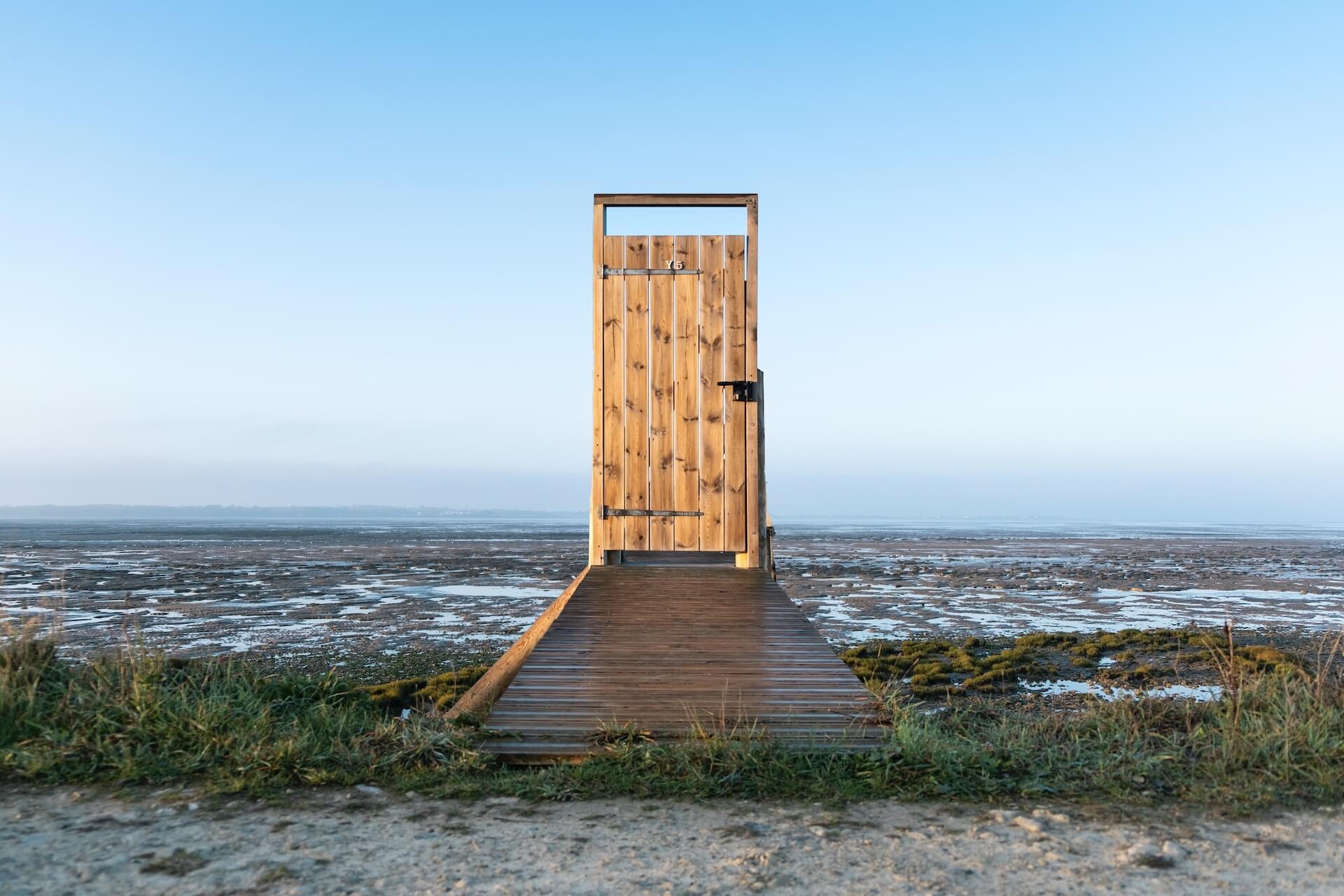
Given his strongly held views on fries, I reached out for his thoughts. And, of course, Chef Duffy didn’t disappoint. If you want to master your fries, take the Duffified approach.

Make sure you’re following Chef on Instagram, Facebook, Twitter, and Pinterest. From knife skills to thoughts on seasonings and techniques, you’ll gain helpful culinary insights. Oh, and he’s funny, too.

Duffified Fries

Elevate your French fries. Realize that they’re not “just” a side dish and therefore an afterthought.

For many brands, their fry is a calling card. That “card” can either tempt people through your doors or warn them to stay away.

Are they seasoned well?

Fries are seasoned perfectly when seasoned within 3-5 seconds of being removed from the fryer. Create a fry seasoning that has a good salt-to-seasoning ratio. My Fry base is 1 cup sea salt, 1/8 cup fresh ground black pepper, 1/2 cup onion powder, 1/4 cup garlic powder, 1/8 cup dark chili powder.

Are they crispy?

A good quality fry holds its crispiness for 10 to 15 minutes, unless it’s designed with a coating like a Crispy on Deliveryfry from Lamb Weston that can stay crispy for up to 30 minutes. There’s nothing worse that taking that first bite and having a cold, soggy fry.

Are they hot?

A hot fry has a creaminess in the center that enhances the ultimate experience of the fry. Having that crispy exterior and creamy interior ensures a perfect fry!

Hand-cut fries.

Let’s be real: They’re amazing within the first few minutes. But anything longer than that is a soggy fry, rarely cooked perfectly due to the labor involved and the variations between the type of potato, the time of the year, and the starch to sugar content. It’s just a super inconsistent product unless it’s a huge focus for your concept. I’d stay away.

What are your sauces?

Just ketchup? Just ranch? Make up a few new dipping sauces that will assist you in creating a fry program that isn’t just as a side. Three different fry cuts and three different sauces are now a $14 appetizer that will make people happy.

Choose a fry or a fry program that matches your concept!

Is it a wedge, a concertina, a waffle, a dipper or a steak…? Choose wisely because the wrong fry can take your menu from great to, “Well, that sucked.”

Takeaway

Speaking of featuring fries as a premium appetizer that justifies a premium price, Chef Duffy has a couple of ideas.
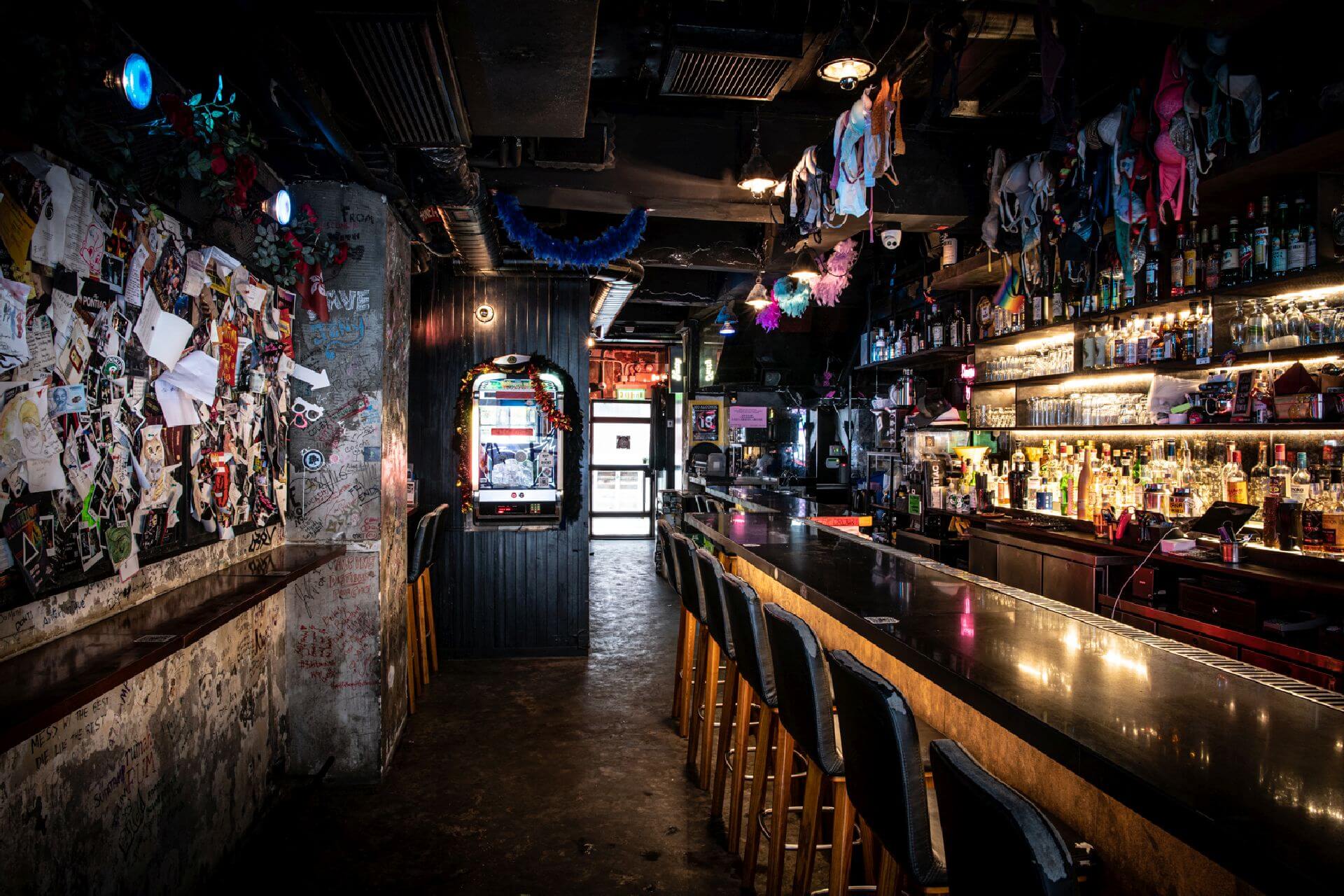
One, a fry board. We’ve seen cheese boards, meat boards, pretzel boards… Why not fries?

Sift through Instagram and you’ll also find a Chef Duffy take on build-your-own nacho fries.
Get creative. Don’t just have fries, engage your kitchen and have them build a fry program. Innovation draws people in and converts them to loyal, repeat guests while justifying premium pricing.

Image: Vincent Rivaud on Pexels

Disclaimer: Neither the author nor KRG Hospitality received compensation, monetary or otherwise, from Lamb Weston or any other entity in exchange for this post.

KRG Hospitality menu development. Restaurant. Bar. Cafe. Lounge. Hotel. Resort. Food. Drinks.

by David Klemt David Klemt No Comments

Hospitality Mindset: Bar Edition

Hospitality Mindset: Bar Edition

by Jennifer Radkey

Stylish bar and bar stools

Messages about the importance of mindset flood our social media feeds but what exactly does the word mean, and why is it so important?

You’re told you need to have a growth mindset to be successful. You must have a positive mindset for a happy and fulfilling life. Both are true statements, but what do they mean?

Simply stated, mindset is an individual’s usual attitude or mental state. It reflects someone’s way of thinking and motivates their actions. So, why is it important to be aware of your mindset?

Well, if your mindset is your usual attitude or how you show up in your life each and every day, it will influence all parts of your life. Your thoughts about yourself, others, your business, your opportunities, and your challenges are all influenced by your mindset. Your mindset can either hinder or promote your overall well-being and success in life.

The interesting thing about mindset is that it can change—if you want it to. Your mindset can also be influenced by your environment and those around you. These facts led me to question if the different sectors of the hospitality industry face unique mindset challenges.

To find answers and gain further insight, I decided to turn to our team at KRG Hospitality for their thoughts. In turn, I’ve begun a series of hospitality mindset articles.

In this first article I’ll explore the bar industry, with thoughts from master mixologist Jared Boller. Follow the series as I explore mindset in restaurants, hotels, and start-up operations.

Let’s dive in!

The Bar Industry

In the US, the bar and nightclub market is valued at an estimated $36 billion for 2023. The industry as a whole employs close to 600,000 people.

With businesses built off drinking culture, what unique challenges do operators and those working inside these establishments face?

Successful Operators

Operating a successful bar takes a certain mindset. You need to be flexible, open-minded to growth strategies, mindful of your market and competition, and compassionate to the needs of your team.

Interested in what makes a bar operator stand above their competition, I asked Jared what makes a bar operator successful.

“First and foremost, I think that every bar owner needs to understand their product and how they are going to differentiate themselves from the competition. Ultimately, it is up to the owner to realize what their goal is in owning a bar. It requires digging deep into themselves to ask what they want out of their business.

“Are you looking for a way to make extra cash? Are you looking to provide a local hangout for you and your friends? Do you want to win awards and have a buzzworthy place everyone wants to visit? This is a tough business that requires a lot of time and energy, and thick skin.

“Be organized, clean, a good leader, efficient, and provide a home that your employees want to come to. Try to know all aspects of the business: financials, technology, culinary, bar, service, management, etc.”

Operator Challenges

Operators need a resilient, positive, growth mindset to be successful. It’s the only path forward to running a bar they are both proud to work in and enjoy working at every day.

This is a mindset that will need tending to as there are challenges that will affect your daily thoughts, beliefs, and attitudes.

When asked what specific challenges bar operators face that may affect their mindset, Jared shared his thoughts.

Labor Shortage

Dealing with labor shortages as an operator can create feelings of frustration, stress, and resentment.

“It’s getting increasingly difficult to gain a competitive edge because of numerous factors, one of the biggest being labor shortage. It’s not a labor shortage where there’s not enough jobs, it’s an unwillingness to work and/or want to work in the hospitality industry because, quite frankly, ‘It’s tough.’

“I think that with inflation happening in the world, as well as the majority of establishments working off the Tips Blueprint, it doesn’t allow people to know what they’re making day in and day out. People are turning to different jobs or jobs outside of hospitality because they don’t want to be on their feet everyday working long hours and not knowing their future.”

Competition

If a bar operator isn’t careful they can very easily become lost in the game of comparison.

Yes, it is important to know what your competition is up to, but if the constant comparison leads to negative feelings about you, your team, and your establishment without any action for improvement, this is a surefire way to hurt your mindset and chances of success.

If you truly want to be competitive without getting lost in the comparison game, focus on your team.

“The time of pumping out commercial food and drink is gone, and legitimate professionals who are educated and professionally trained are few and far between. Additionally, there’s even a creative youth movement with ambition, but they have not been classically trained in their respective outlets.

“It’s difficult to be competitive without education, training, and bringing together a group that can keep an establishment afloat with similar perspectives. It takes an army to be competitive with everyone speaking the same language, understanding the establishment inside and out, and able to execute night in and night out with the same integrity.”

Social Media/Online Reviews

As a bar operator, you rely on your reputation within your community for the success of your business. This also holds true for your online community.

How you react and your thoughts about online reviews can affect your mindset. A negative online review can very easily incite feelings of anger, disappointment, and blame.

“We live in a world driven by star ratings, thumbs up, and everyday critics writing novels about how there was ‘too much ice in my drink,'” says Jared. “If you read too many negative comments, that could affect one’s mental health and hurt confidence.”

Coming up with a strategy for dealing with negative social media posts/reviews is critical for keeping a clear perspective and maintaining a positive mindset.

Employee Challenges

Your team experiences their own unique set of challenges that can effect their well-being and mindset as well.

Being aware of these challenges is important if you are hoping to create a culture of respect, collaboration, and trust.

When asked what specific challenges bar staff face, Jared had some insights.

Long Hours/Physicality

Bars are often open late into the night, with bartenders in particular being front and center at all times. This can lead to both physical and mental exhaustion if appropriate breaks aren’t provided.

“The physicality alone will eventually take a toll on the employee who is shaking drinks for eight to ten hours a day, working doubles, having minimal break times, and standing on their feet for the same amount of hours. On top of that, you are constantly on stage and typically in a vantage point of someone either sitting across from you at the bar or observing from a table. You are constantly having to engage, take care of, and put on a happy face even if you might be dealing with something in your personal life. Not being able to take a step away or breathe can make you feel claustrophobic or trapped at times.”

Job Security/Growth

If you are working in an unsupportive environment that does not feel safe and makes you feel as though your future with the business is unsure, it can create feelings of discomfort, resentment, anger, worry, and even fear.

Bar employees need to feel respected, heard, and valued.

“Every employee—pending they do the job well—should feel safe in their workspace. I also believe that employees should be able to grow in their workspace if they have the desire to learn and/or be promoted in the future.

“I think that if an employee does the work, and has mastered the role, they should be considered for advancement. Employees in this industry need to identify what speaks to their personal interests and try to master that. I personally wanted to master the craft of bartending so that’s the path I took. Employees should never be scared if they’re interested in growing with the brand.”
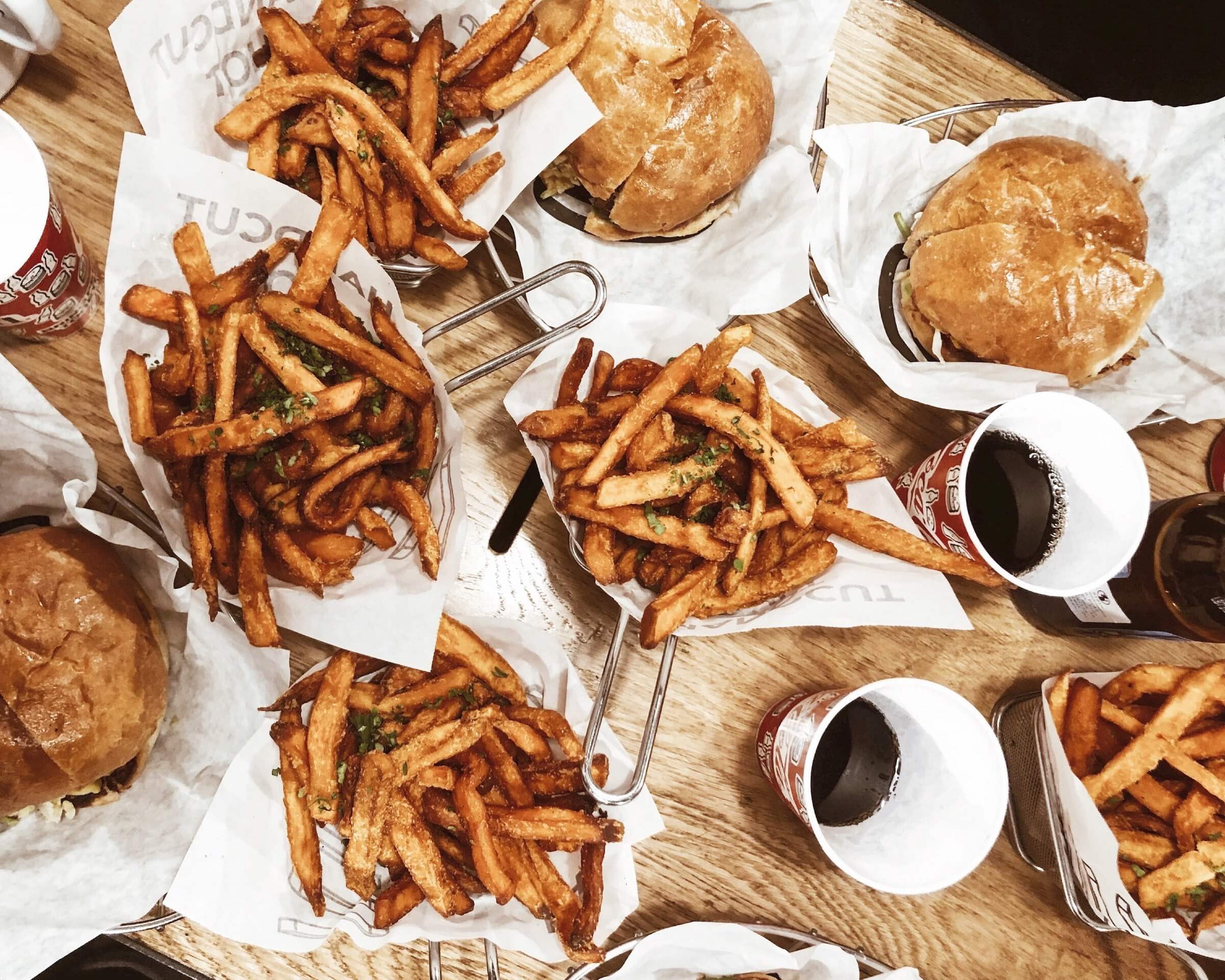
Harmful Beliefs in the Bar Industry

How you feel about the people you work with and/or work for can have major impacts on your overall mindset.

If your daily thoughts regarding your team are negative, it suddenly becomes very challenging to create a successful bar with a team who shows up wanting to do their best each and every day.

The bar industry has a few specific common harmful beliefs that are prevalent in many establishments. Being aware of these and knowing what to do with these beliefs to change them is critical to creating a more positive work environment.

Paranoia

When I asked Jared what one of the most prevalent harmful beliefs operators have about their team, he discussed the belief that everyone is taking advantage of you. Many owners believe that everyone is stealing from them.

“In all of my years working in bars and restaurants there was always this sense that employees would be taking money from them or pouring ‘free products’ off to their friends/family. Truth be told, it happens, but I think that employees wouldn’t do that if they were offered a simple ‘comp tab.’

“I’m not saying that offering a free drink here and there to a friend is right, but I think for an owner to say, ‘Buy your friends a drink every now and then to show you appreciate them coming here,’ is a nice gesture.

“I’ve worked in places where owners are transparent, honest, and trustworthy with their employees, and the employees are happy so they don’t go behind the owner’s back. I think ownership needs to be realistic and give back to their employees and visitors every now and then, because that will boost morale.”

Feeling Unappreciated

When it came to harmful beliefs that staff have about ownership, Jared shared that employees feel that ownership does not care about them. While in some cases these beliefs may unfortunately be valid, in many cases owners may just be legitimately unaware that there are issues or concerns that need to be addressed.

“A lot of hospitality employees don’t feel appreciated by their bosses. Employees often feel like they can’t have a voice. Sometimes owners are so tied up in everything else to maintain the business and they won’t recognize you unless you speak up and engage in conversation over frustrations. Staff members need to not overstep their boundaries, but if there is something that could potentially move the business forward, express your concern.

“I’ve always had a good relationship with owners because I try to throw out ideas they don’t see, and come up with a potential solution to an issue. Owners don’t know everything and a lot of time are caught up in the day-to-day business. You were hired there for a reason: because they trust you to do a good job.”

Moving Forward

Understanding the importance of cultivating and maintaining positive, growth mindsets will allow you to move forward with your team towards shared goals and dreams.

Nobody wants to hate where they work, and with commitment to tackling challenges and harmful beliefs, this won’t be likely to happen.

So, what positive changes have been incurring in the industry as a whole?

“Simple things. Team-building events, like a picnic, an annual dinner to celebrate the staff, a field trip to a farm, quick getaways, etc. When the ownership/management team gives back to their team they end up enjoying coming to their second home everyday.

“Ensuring there are appropriate breaks during the long days, and potentially offering a ‘family meal’ to boost energy and give them food they might not be able to afford at home. Promoting ‘in-house’ competitions, such as the person who has the best wine sales at the end of the week gets a free bottle of wine. Leveraging different companies—spirits, wine, food purveyors—to do in-house demos and educationals. Allowing the staff to be hands on and learn something that will provide value to their personal growth.

“With less and less people choosing to take the hospitality path, it creates a lack of talent or people willing to roll up their sleeves and do the work. That’s why it’s important that the venue gives back every once and awhile.”

Room for Improvement

Although we’re starting to see more awareness of the well-being of those working in this industry, there are still many changes that need to happen.

“There needs to be sustainable and livable wages established universally amongst staff. With a world of inflation and prices on everything sky-rocketing, people are not going to be able to work in this industry and survive.

“There needs to be more meetings amongst staff to ensure that everyone has a voice and that everyone is on the same page when it comes to their jobs. There are a lot of mental health issues to this day because the hospitality industry is a crazy, tangled-up web when there is no guidance and good leadership. Our industry still has substance abuse issues, with people self-medicating with drugs and alcohol to help numb their pain, in addition to consuming too much caffeine to stay afloat.

“There needs to be more support and coaching programs available to new operators—similar to what we offer through KRG—to ensure they understand what they are signing up for. Education, leadership, guidance, inspiration, and providing a great work/life balance need to be a primary focus. Out with the 70-hour work week—back to a sustainable work timetable.”

Final Thoughts

Winning mindsets create winning concepts and winning teams. Having a positive mindset doesn’t mean that you don’t experience challenges or that you don’t experience any negative feelings. We are all human; of course we are going to have negative thoughts now and again.

It’s what you choose to do with those thoughts. If you allow them to become your predominant attitude, that will determine your overall mindset. The bar industry may have it’s challenges but it is also a place of excitement, entertainment, and creativity, a hub for social interaction with a never-ending hum of humanity.

I’ll leave you with a few last words of wisdom from KRG’s master mixologist Jared Boller.

“Understand that every day is going to be different than the previous, and you have to constantly adapt to what’s being thrown at you. If you’re not adaptable and can’t bend to spontaneous requests you might find yourself going into a dark space. Know that everyone is different, with unique upbringings and alternative perspectives on life. You are not always right, nor are they.

“Establish your rules in this bar environment. Educate yourself so you know more than everyone else in the room about your business and your craft, and open your mind to learning new things. Don’t be a know-it-all because that’s just downright annoying.

“And, finally, my rules that I live by behind a bar: ‘If someone wants to speak religion, decline. If someone wants to get your beliefs on politics, decline. And when a woman asks you their age, don’t answer, or politely decline.’ Everything else is an open conversation.”

Cheers to personal and professional well-being!

Image: Rachel Claire on Pexels

KRG Hospitality Mindset Coaching

by David Klemt David Klemt No Comments

We Ask ChatGPT to Write Marketing Plans

We Ask ChatGPT to Write Marketing Plans

by David Klemt

3D render of ChatGPT logo

The hype surrounding artificial intelligence and chatbots in general, and ChatGPT in particular, is still going strong and likely won’t slow any time soon.

Of course, the hype focuses on the capabilities of various AI platforms. So far, the promise is that chatbots and other forms of AI will make our lives easier. They’ll perform “mundane” tasks that bog down humans so that we can center our attention on higher-level functions.

Unfortunately, many companies enamored already with the current capabilities aren’t giving all their employees more complex or creative tasks. Instead, they’re automating what they can—putting their faith in nascent technology—and firing humans.

We’ve played around with ChatGPT before. We’ve also spoken with Bing and Bard. And so far the results have always been…less than impressive, shall I say.

What they’ve produced for us as far as food and drink menus is mediocre, at best. Other interactions have resulted in our request being denied.

So, that got me thinking. Maybe these chatbots can’t secure potential guests reservations or waitlist spots (at least not without significant manipulation). And perhaps the menus it writes are far too basic. Are they able to replace the human element and give us not just advice but an entire marketing plan?

Well, you’ll find out below.

Can you create a marketing plan for an upscale restaurant in Toronto, Ontario, Canada?

Marketing Plan for an Upscale Restaurant in Toronto, Ontario, Canada

  1. Define Your Target Market: Identify your target audience for the upscale restaurant. Consider factors such as demographics (age, income level, occupation), psychographics (lifestyle, interests), and dining preferences. For example, your target market could be affluent professionals, food enthusiasts, or tourists seeking a high-end dining experience.
  2. Develop a Unique Selling Proposition (USP): Determine what sets your upscale restaurant apart from the competition. It could be a unique menu concept, exceptional service, a specific cuisine, or a breathtaking ambiance. Your USP should be compelling and communicate the value customers will receive by choosing your restaurant.
  3. Branding and Positioning: Create a strong brand identity that resonates with your target market. Develop a logo, color palette, and visual elements that convey the upscale and sophisticated nature of your restaurant. Craft a positioning statement that highlights your USP and appeals to the desires and aspirations of your target audience.
  4. Online Presence: Build a professional website that showcases your restaurant’s ambiance, menu offerings, and reservation options. Optimize the website for search engines to increase online visibility. Leverage social media platforms such as Instagram and Facebook to share captivating visuals, engage with customers, and promote special offers or events.
  5. Local Search Optimization: Ensure your restaurant appears in local search results by optimizing your Google My Business profile and other online directories. Encourage customers to leave positive reviews to enhance your restaurant’s reputation and credibility.
  6. Content Marketing: Create valuable content related to the restaurant industry, culinary trends, and fine dining experiences. Develop a blog or share articles on your website to establish your restaurant as a thought leader. Utilize email marketing campaigns to stay connected with customers, share updates, and offer exclusive promotions.
  7. Influencer Partnerships: Collaborate with local influencers, food bloggers, and social media personalities who align with your restaurant’s brand. Invite them for exclusive tastings or events to generate buzz and increase exposure. Encourage them to share their experiences and recommendations with their followers.
  8. Strategic Partnerships: Forge partnerships with complementary businesses in the area, such as luxury hotels, theaters, or art galleries. Explore cross-promotion opportunities, joint events, or special packages to attract their clientele and expand your reach.
  9. Event Marketing: Host unique events, such as wine tastings, chef collaborations, or themed evenings, to attract new customers and provide memorable experiences. Promote these events through your website, social media channels, and local event listings to generate excitement and drive reservations.
  10. Customer Loyalty Program: Implement a customer loyalty program to incentivize repeat visits and referrals. Offer exclusive perks, personalized offers, or a points-based system to reward loyal patrons and encourage them to bring friends and family.
  11. Community Involvement: Engage with the local community by participating in charity events, sponsoring local initiatives, or collaborating with neighboring businesses. This involvement fosters goodwill, enhances brand reputation, and builds a loyal customer base.
  12. Monitor and Measure: Continuously monitor the performance of your marketing efforts using key metrics such as website traffic, reservation rates, customer feedback, and social media engagement. Use this data to refine your strategies and optimize your marketing campaigns.

Remember, an effective marketing plan is adaptable and should evolve based on market trends, customer feedback, and business goals. Regularly assess and adjust your strategies to ensure your upscale restaurant maintains a competitive edge and remains top-of-mind among discerning diners in Toronto.

Can you write a social media marketing plan for a neighborhood bar in Vancouver, British Columbia, Canada?

Social Media Marketing Plan for a Neighborhood Bar in Vancouver, British Columbia, Canada

  1. Define Your Social Media Goals: Identify the specific goals you want to achieve through social media, such as increasing brand awareness, driving foot traffic, promoting events or specials, and fostering customer engagement and loyalty.
  2. Identify Target Audience: Determine the demographics and interests of your target audience. For a neighborhood bar, this may include locals, young professionals, college students, and individuals interested in nightlife and community gatherings.
  3. Choose Social Media Platforms: Select social media platforms that align with your target audience and business objectives. Consider platforms like Instagram, Facebook, Twitter, and LinkedIn, based on their popularity and relevance to your target market.
  4. Content Strategy: Develop a content strategy that showcases the unique aspects of your neighborhood bar. Mix promotional content, such as happy hour deals or event announcements, with engaging and shareable content, such as behind-the-scenes glimpses, customer spotlights, or cocktail recipes. Encourage user-generated content by running contests or featuring customer photos and experiences.
  5. Visual Branding: Create a consistent visual identity across your social media profiles. Use high-quality, eye-catching images and videos that reflect the ambiance, drinks, and overall vibe of your bar. Incorporate your logo and brand colors to enhance recognition and reinforce brand identity.
  6. Engage with Followers: Regularly monitor and respond to comments, messages, and reviews on your social media platforms. Engage with followers by asking questions, running polls, and sparking conversations. Show appreciation for positive feedback and address any concerns promptly and professionally.
  7. Local Influencers and Collaborations: Partner with local influencers, bloggers, or popular accounts to promote your bar. Invite them for tastings or to host events at your venue. Their endorsement can help increase visibility, attract new patrons, and create buzz among the local community.
  8. Promote Special Events and Offers: Leverage social media to promote special events, live music performances, themed nights, and limited-time offers. Create event pages, share event details, and encourage followers to RSVP and share with their friends. Consider partnering with local artists, musicians, or charities to enhance community engagement.
  9. User-Generated Content and Reviews: Encourage customers to share their experiences at your bar by creating branded hashtags, running photo contests, or offering incentives for leaving reviews. Repost and share user-generated content to showcase the lively and welcoming atmosphere of your neighborhood bar.
  10. Social Media Advertising: Consider allocating a portion of your marketing budget to targeted social media advertising. Utilize the platforms’ advertising tools to reach a wider audience, promote specific events or offerings, and drive traffic to your bar. Experiment with different ad formats, such as carousel ads or video ads, to maximize engagement.
  11. Social Media Management Tools: Utilize social media management tools, such as Hootsuite or Buffer, to schedule posts, monitor analytics, and streamline your social media efforts. These tools can help you maintain a consistent posting schedule and track the effectiveness of your social media campaigns.
  12. Measure and Adjust: Regularly monitor key performance indicators (KPIs) such as follower growth, engagement rate, reach, and conversions. Analyze the data to assess the effectiveness of your social media efforts and make informed decisions on adjustments to your strategy. Experiment with different content types, posting times, and promotional strategies based on the insights gained.

By implementing this social media marketing plan, you can effectively engage with your local audience, increase brand awareness, and foster a sense of community around your neighborhood bar in Vancouver.

Takeaway

Perhaps programmers and engineers can squeeze more in-depth results out of AI-powered chatbots. That tells me that these platforms aren’t quite ready for the average person.

Speaking plainly, the ChatGPT results above are underwhelming. In part, this is because any operator who attends an industry trade show and sits in on a marketing session will walk away with similar information. More importantly, they’ll take home at least a nugget or two of higher-level advice they can implement immediately.

The same can be said for anyone following a marketing account on Instagram: they’re sharing high-level tips at this point.

When we look at what ChatGPT suggests, it’s surface-level at best. Crucially, it’s too general to really be effective. The what may be there, but not the how to achieve consistent results. Moreover, would you, as a client, want to pay a consulting or marketing agency for an AI-generated marketing plan? Wouldn’t you expect an effective, impactful plan created specifically for your concept?

Artificial intelligence can be impressive. The technology has the capability to wow. But creating at a level equal to or above the human element? It’s just not there, in my opinion.

Automating the scheduling of human-generated social media and email marketing posts? Effective. Asking chatbots to generate those assets? Proceed with caution.

Image: ilgmyzin on Unsplash

KRG Hospitality tech stack consulting. Tech. Technology. CRM. POS. Restaurant. Bar. Cafe. Lounge. Hotel. Resort.

by David Klemt David Klemt No Comments

5 Books to Read this Month: July 2023

5 Books to Read this Month: July 2023

by David Klemt

Flipping through an open book

Our inspiring and informative June book selections will take your front and back of house to the next level, and help develop your leadership skills.

To review the book recommendations from June 2023, click here.

Let’s jump in!

Sugar Shack Au Pied de Cochon (Cabane à Sucre Au Pied de Cochon)

This is the English-language edition of the 2012 World Gourmand Book of the Year. You can pick it up at Amazon via this link, but it will cost you over $150 to do so. So, here’s the link to the book from the Au Pied de Cochon online store.

Those who have read this book describe it as one part recipe book, one part art piece. It’s difficult to categorize this book at all, really. It’s a journal, a recipe book, a culinary masterpiece, and a collection of scientific knowledge. In less than 400 pages, Martin Picard chronicles a year in the life of his restaurant, and shares 100 recipes and 2000 photographs, along a depth of culinary information, the value of which can’t be overstated. Pick it up today or find it at a library if you can.

Catching Fire: How Cooking Made Us Human

If you look at your role in foodservice as more than just a paycheck, you already view cooking as important. It has real value and inspires you, stoking your passion for this business. But what if the importance of cooking is beyond just “important”? What if it’s directly responsible for human evolution? This book by anthropologist and primatologist Richard Wrangham puts forth and defends this evolutionary theory.

From Amazon: “In a groundbreaking theory of our origins, Wrangham shows that the shift from raw to cooked foods was the key factor in human evolution. When our ancestors adapted to using fire, humanity began. Once our hominid ancestors began cooking their food, the human digestive tract shrank and the brain grew. Time once spent chewing tough raw food could be used instead to hunt and to tend camp. Cooking became the basis for pair bonding and marriage, created the household, and even led to a sexual division of labor.

“Tracing the contemporary implications of our ancestors diets, Catching Fire sheds new light on how we came to be the social, intelligent, and sexual species we are today. A pathbreaking new theory of human evolution, Catching Fire will provoke controversy and fascinate anyone interested in our ancient origins – or in our modern eating habits.”

The Subtle Art of Not Giving a F*ck: A Counterintuitive Approach to Living a Good Life

If you prefer your self-improvement and leadership books coated in gobs of sugar and wrapped in sheets of positivity, prepare for a shock. Author Mark Manson isn’t a sunshine, daisies, unicorns, and lemons-to-lemonade type of person. Instead, Manson thinks people need to toughen up and learn how to simply deal with being handed lemons. However, this isn’t a nonstop punch to the gut or blast to the chops. Rather, Manson wants people to change their mindset and focus on what should matter.

From Amazon: “Manson makes the argument, backed by both academic research and well-timed poop jokes, that improving our lives hinges not on our ability to turn lemons into lemonade but on learning to stomach lemons better. Human beings are flawed and limited – “not everybody can be extraordinary; there are winners and losers in society, and some of it is not fair or your fault”. Manson advises us to get to know our limitations and accept them. Once we embrace our fears, faults, and uncertainties, once we stop running and avoiding and start confronting painful truths, we can begin to find the courage, perseverance, honesty, responsibility, curiosity, and forgiveness we seek.

“There are only so many things we can give a f*ck about, so we need to figure out which ones really matter, Manson makes clear. While money is nice, caring about what you do with your life is better, because true wealth is about experience. A much-needed grab-you-by-the-shoulders-and-look-you-in-the-eye moment of real talk, filled with entertaining stories and profane, ruthless humor, The Subtle Art of Not Giving a F*ck is a refreshing slap for a generation to help them lead contented, grounded lives.”

Pick this book up here!

Samsung Rising: The Inside Story of the South Korean Giant That Set Out to Beat Apple and Conquer Tech

During a recent team meeting, KRG Hospitality executive chef and culinary expert Nathen Dubé recommended this book. And while it’s the story of a massive corporation, it doesn’t read like a collection of boring essays. Rather, Samsung Rising is the true story of a family-run business that has grown from 40 employees to more than 300,000. After taking big risks and committing to building a technology empire, Samsung has nearly doubled in size in comparison to rivals Apple and Google. However, the road to creating a dynasty has been anything but smooth.

From Amazon: “Forty years ago, Samsung was a rickety Korean agricultural conglomerate that produced sugar, paper, and fertilizer, located in a backward country with a third-world economy. With the rise of the PC revolution, though, Chairman Lee Byung-chul began a bold experiment: to make Samsung a major supplier of computer chips. The multimillion- dollar plan was incredibly risky. But Lee, wowed by a young Steve Jobs, who sat down with the chairman to offer his advice, became obsessed with creating a tech empire. And in Samsung Rising, we follow Samsung behind the scenes as the company fights its way to the top of tech. It is one of Apple’s chief suppliers of technology critical to the iPhone, and its own Galaxy phone outsells the iPhone.”

Grab Samsung Rising today.

Salt & Straw Ice Cream Cookbook

Recently, we had the opportunity to attend a pre-opening event for the first Las Vegas location of Salt & Straw. Those who have visited a Salt & Straw ice cream shop know how creative the brand is when it comes to flavors. We also found their team’s service to be impeccable.

The Salt & Straw Ice Cream Cookbook, as you may imagine, shares the brand’s recipes. Impressively, these all spring from a “base” recipe that takes just five minutes to make. This recipe book should help to inspire your own desserts.

From Amazon: “Based out of Portland, Oregon, Salt & Straw is the brainchild of two cousins, Tyler and Kim Malek, who had a vision but no recipes. They turned to their friends for advice—chefs, chocolatiers, brewers, and food experts of all kinds—and what came out is a super-simple base that takes five minutes to make, and an ice cream company that sees new flavors and inspiration everywhere they look.

“Using that base recipe, you can make dozens of Salt & Straw’s most beloved, unique (and a little controversial) flavors, including Sea Salt with Caramel Ribbons, Roasted Strawberry and Toasted White Chocolate, and Buttered Mashed Potatoes and Gravy.

“But more importantly, this book reveals what they’ve learned, how to tap your own creativity, and how to invent flavors of your own, based on whatever you see around you. Because ice cream isn’t just a thing you eat, it’s a way to live.”

Image: Mikołaj on Unsplash

KRG Hospitality. Business Coach. Restaurant Coach. Hotel Coach. Hospitality Coach. Mindset Coach.

by David Klemt David Klemt No Comments

Program for Unique Holidays: July 2023

Program for Unique Holidays: July 2023

by David Klemt

"Think about things differently" neon sign

Do you want to stand out from from other restaurants and bars in your area? Change how you think about your July holiday promotions.

Several holidays are set against every date on the calendar, and this month is no exception. These holidays range from mainstream to esoteric.

Pay attention to the “weird” or unique holidays to raise eyebrows, carve out a niche for your restaurant or bar, and attract more guests. Why do what everyone else is already doing? Why program only around the same holidays as everyone else?

Of course, you shouldn’t try to celebrate every holiday, strange or otherwise. Focus on the days that are authentic to your brand; resonate with your guests; and help you grab attention on social media.

You’ll find suggestions for promotions below. However, the idea behind our monthly holiday promotions roundup is to inspire you and your team to get creative and come up with unique programming ideas.

For our June 2023 holidays list, click here.

July 5: Workaholics Day

Great bars and restaurants offer escapes from the drudgery and negativity of the rest of the world. On this day, encourage those who can step away from work to actually do so.

Barring getting workaholics to play hooky, come up with an LTO menu that’ll inspire them to at least pop by to unwind after a hard day’s work.

July 6: World Kissing Day

There are quite a few cocktails with “kiss” in the title, and these are the drinks you should use to program for this holiday.

The Kiss cocktail, for example, is a gin cocktail with Dubonnet, sweet vermouth, and Luxardo maraschino liqueur. The Widow’s Kiss consists of apple brandy, Yellow Chartreuse, Bénédictine, and Angostura bitters. In other words, it’s not difficult to celebrate this holiday through your drink menu.

July 7: Dive Bar Day

It’s difficult to beat a dive or neighborhood bar when you’re looking for a great time with friends. If you’re a dive or neighborhood bar operator, this is your day.

July 11: National Cheer Up the Lonely Day

Look, the past few years have isolated far too many of us. People are lonely, and this isolation isn’t doing anyone’s mental health any favors.

Bars and restaurants are cornerstones of their communities, so this is an excellent day to encourage people to come in, grab a bite and a drink, and try to make some new friends.

July 13: National French Fry Day

When a French fry is done right, when it’s hot with a crunchy exterior and creamy interior, it’s a perfect food. If you think your team makes amazing French fries, brag about it on social and prove it to your guests.

Better yet, this is a great day to show off your French fry skills with signature loaded versions.

July 14: National Nude Day

Unless you’re running an incredibly niche concept with excellent community and guest support, please don’t celebrate National Nude Day with nudity.

Instead, draw guests in through an enticing LTO menu. You can, for example, highlight your bar team’s prowess for creating the Naked & Famous cocktail, a mezcal cocktail made with Aperol and Yellow Chartreuse. Of course, there’s also the Porn Star Martini, along with other cocktails with names that imply nudity.

July 20: National Moon Day

It may seem like this holiday is related to the previous one, but please behave. You and your guests can celebrate Earth’s sole natural satellite via cocktails.

Not only are there drinks like the Moon cocktail (made with gin and sherry), you can also offer blue, purple, and black cocktails served with large ice cubes.

July 25: Culinarians Day

Are you proud of your kitchen team? Proud of the culinarians that are working hard to make your restaurant a success? This is the day to highlight the mastery of their craft and your signature menu items.

Alternatively, if you can afford to do so, you can also go dark on this day to give your culinary team a break.

July 28: National Get Gnarly Day

If you have some “out there” menu items, this is the day to highlight them. Do you have a food challenge? Promote it! Have some “interesting” bottles in your inventory? Promote them!

Image: Ivan Bertolazzi on Pexels

KRG Hospitality menu development. Restaurant. Bar. Cafe. Lounge. Hotel. Resort. Food. Drinks.

by David Klemt David Klemt No Comments

Kitchen Parlance, Part One

Kitchen Parlance, Part One

by Nathen Dubé

Chef handling flaming pan in commercial kitchen

Entering a professional kitchen might seem like a whole different realm with its own governing rules, and certainly its very own language.

“Clopen?” “All day?” “Behind?” “Covers?” “Deuce,” “dying on the pass”… If these terms sound foreign and made up to you, you’re not alone!

A busy kitchen can be a hot, intense, and stressful environment. Having a full-on conversation takes up valuable time when minutes and even seconds are the difference between a perfectly cooked plate of food and trash.

When actions need to be conveyed quickly and efficiently between two parties or a full team in a loud and fast-paced environment, slang develops out of necessity. Kitchens are no different, with their use of a creative and interesting lexicon.

New owners and operators opening their own concept may find many words and phrases they hear from the kitchen and servers strange at first. This is particularly true of owners and operators who may have little to no back-of-house or serving experience.

To lend a hand to hopeful operators or those opening their doors for the first time, let’s take a look at some of the more popular kitchen terms.

Operational & Equipment Terms

First, let’s take a look at the structural element of a restaurant and how they’re referred to.

Floor

The dining room (or whatever is deemed as guest seating in your establishment) is referred to as “the floor.” When someone asks, “who is on the floor tonight?”, they’re referring to the staff—usually servers—working the floor. Managers will walk the floor to check on guests and aid in service.

Note: The bar area, although it may have counter seating and its own tables, is referred to separately from the floor.

Low Boy

An under-counter refrigerator is called a “low boy” for its below-the-waist positioning, requiring cooks to bend down low to gather ingredients. This can include freezers as well. There are a variety of door configurations, including swinging, and drawer-style. Some even have salad tops where ingredients are kept in the top, under a lid.

Walk-In

A (very) large fridge or freezer, often constructed on site. It has a big swinging door that can be opened from both sides for safety reasons. The majority of raw ingredients—plus some prep and leftovers—are stored here. If you’re wondering where the word comes from, the clue is in the name: it’s so large, you can walk into it.

The walk-in is also notorious for being where restaurant staff go to scream some stress away, as the excellent insulation creates a nice sound barrier from guests.

Mise

The word “mise,” pronounced “meez,” is a slang term for “mise en place.” Mise en place is the French term for “having everything in its place” prior to service. Cooks use “mise” to refer to their own specific set of prepared ingredients, whether in terms of having it ready or not, or even worse, missing.

On the Line

The line, and the term “on the line,” refers to the area in the kitchen where the cooking equipment is located. Of course, this where chefs do most of the cooking during service. A typical line includes a walkway where the cooks work, and a flat table space—usually at the “window” or “pass” (see below)—where they plate, on the opposite side. Not surprisingly, that opposite side is referred to as the “plating area.”

If a concept requires it, there are separate “hot” lines where the hot cooking is done, and “cold” lines, where dishes that don’t require cooking are prepared. Deep fryers, ovens, and ranges are located in the former, and salad stations are located in the latter area. In classic French terms, the garde manger cook usually prepares most dishes on a cold line.

Pass / Window

The pass or window is the area opposite the cooking line where completed orders are placed for server pick-up. Think of passing dishes from the kitchen and you’ll understand this term immediately. Sometimes it will be referred to as a “window” in restaurants that have actual windows into the kitchen line from which food is passed to servers. The pass area is typically where the heat lamps are located, meant to keep dishes warm during a busy service.

The Rail / Board

The term “rail” or “board” refers to a strip of metal mounted to the food window that holds the food tickets (orders) from the kitchen printer in place. This keeps the flow organized and is normally overseen by the chef or line supervisor.

“Calling the board” means the person in charge reads out tickets as they come in, and directs cooking traffic to the other line cooks. Doing so helps to avoid disagreements and chaos in the kitchen. This position is reserved for the highest-ranking or most-talented cook, as it requires excellent cooking and communication skills. “Clear the board or rail” means completing all orders that have come in for the time being.

Chit / Ticket

When a server enters an order into the POS system, a chit or ticket, or even “dupe” (meaning “duplicate,” from the fact that some systems use three-color paper that prints a kitchen copy, a server copy, and an expo, bar, cold line, or pasty section copy), is printed to the kitchen. That ticket is then read aloud to the cooks before being placed in queue on the rail or board. When the food on the order is complete, the copy is marked in some fashion (stamp, marker, pen) and placed under the plate in the window. The server then picks up the food and the chit is “stabbed” on to a spike.

Don’t let spiked tickets fall out of the rail or all hell can break loose and derail a service!

Two-Top / Three-Top

Dining room tables are referred to as “tops” and are identified by how many guests they can accommodate (seats). A table with two chairs is a “two-top” or “deuce.” Tables with four or six chairs are “four-tops” and “six-tops,” respectively.

Covers

Each person who enters the restaurant is a cover: they “cover” one seat. The more covers, the busier a service will be, and vice versa. These numbers are used to project future numbers, staffing requirements, and inventory required. Covers are also a point of pride for kitchen staff. The more covers, the busier the service, and if you can navigate it with few mistakes, the adrenaline rush can directly convince yourself of your own talents.

Dead Plate

A dead plate is a dish of food that’s no longer worthy of the dining room. Sitting in the window too long, incorrect preparation, or even worse, being sent back by a guest results in a dead plate. Untouched dead plates are usually given to dish washing staff or porters; those sent back by guests are tossed in the bin.

Section

A section is how the floor is divided amongst serving staff. Typically, the more talented or senior staff get a bigger section. Designating sections, with all their tables in one close area, helps servers move efficiently during busy periods and keep close tabs on guests. Managers and floor captains will oversee a few or all sections and offer help to the individual servers during busy times or for large parties.

Server Alley

The front-of-house equivalent of the kitchen hot line. This is where everything servers need to do their jobs is located. Extra napkins, spare side plates, cutlery rolls, and cleaning supplies for clearing tables can all be found here. There are usually a few POS terminals here for entering orders.

Team & Guest Terms

These next few slang words are used to talk about certain people.

Expo

“Expo” is the shortened term for “expediter,” or the position of organizing, plating, and (in some cases) garnishing food at the pass. The main responsibility is to makes sure each dish is correct before the food runner or server brings it to the table. This role can be the liaison between front of house and back of house, allowing both teams to do their jobs without having to stop and coordinate.

Busser

Part of the porter team, the busser is the person who clears dishes from a table when guests leave, and drops them in the dish-washing area. The term refers to the bus bin or large plastic tub into which the bussers put all the dishes, flatware, glasses, and debris. They might also be tasked with wiping down tables and resetting them for new guests. Sometimes, the busser will pull double duty and also wash the dishes they bring back to the kitchen.

Trail / Stage

Note: In the foodservice world, “stage” is pronounced “staahj.”

A trail is essentially a training shift during which new team member will “trail” behind a cook or server. This provides the new hire the ability to learn, get comfortable with SOPs, and mitigates any potential mistakes. However, not all establishments have the staffing to offer this scenario and will train a new hire during live action.

A stage is a longer-term trail for a designated period of time. This can be a couple of weeks, a month or two, or an entire season at destination-style dining places, like Michelin-starred restaurants and hotels. The expectation is that this is a learning experience for the cook, who is exposed to new ingredients, recipes, and techniques. An agreed upon time frame is set and the cook trades labor for education.

A Personal Note on Stage

The short-term stage commitment includes the understanding that the restaurant won’t reward you monetarily. We all know the costs of training staff. Imagine investing all that effort and having that person leave after just a month or two.

Now, I despise the term “free labor” for the kitchen or benefiting restaurant. There’s a new argument that has been surfacing over the last few years that stages should be paid internships. I have two problems with this thought process.

One, these are often highly touted restaurants that operate at an elite level, and they’re extremely busy. Having a new body takes up valuable focus and resources from somebody in that kitchen. They are willing to work with you and share all their knowledge and experience.

Often times, there isn’t a chance in hell in getting a job there, and this can be the only way to get a chance at learning from these masters of the craft. Having gained valuable career experience from stages myself, they can be a great alternative if you can’t gain employment with the venues.

Two, those who raise these arguments have no experience in doing them; think they have learned nothing from the stages they may have done; had a bad experience overall; or really have no other alternatives to the points I just mentioned.

Hot tip: If you don’t like working for free, don’t! If you the value in stage, go for it!

Campers

This is a term for people who linger at their table well after they’ve finished and paid. While all guests are welcome to make themselves at home, the problem with campers is that they can take up valuable real estate during busy periods. This is the reason for table time caps at operations that run on the reservation system. They also prevent servers from “turning” tables to serve more guests and increase their tips.

Action Terms

These are some random terms that indicate actions and requests.

Fire

The process of finishing a dish. When an order is printed out, it may have courses such as appetizer, main, and dessert. All courses might be started and cooked to 80 percent completion and then held. The main wouldn’t be fired until after the appetizer. When the person in charge of the line says, “Fire table six mains,” that means finish cooking, plate the dishes, and send them to the pass.

All Day

A very quick way for a cook to request a tally of all the dishes ordered from their section. The line lead will provide totals of each dish, instead of reading out each table’s order. For example, a cook will ask for an all-day on fryers, and the lead will call back, “Six large fry, three medium fry, two poutine, and one chicken nugget.” The cook can quickly add up what they have cooking or need to prepare to fire.

Behind

As you can imagine, in a busy, happening kitchen, there are people racing in all directions in tight spaces. One quick way to avoid collisions around hot equipment and sharp objects is to yell “behind” when passing someone or a station of people. It gives them time to either move out of the way or stay in place to avoid catastrophe.

Other variations include “hot” to indicate hot pots or pans, or the potential of getting burnt. “Sharp” means a knife, and “corner” means coming around the corner. “Behind hot” and “hot, corner” are combinations which mean exactly what you think they mean.

Flash

To reheat a dish, or an item on a plate that sat under the heat lamp too long, or if a guest has requested something cooked further. Usually under a salamander, a convection oven, or a deep fryer for fried food. I’m sure for some establishments (I started out in places where this was the norm), “flashing” means “cooking” an item to well done via microwave.

Heard / Heard That

The acknowledgement that an order has been read by the person running the pass or the line and understood by all in the kitchen. Also works for a direct order to an individual.

In the Weeds

When one station is receiving the majority of the orders at any given time, or the dining room has filled up all at once and all the orders are coming in together, this can create a downward spiral between starting to cook and plating or finishing existing dishes. This is known as being “in the weeds.” The only way to survive is to put your head down and cook your way out. I’ve experienced surviving the weeds and having it ruin an entire service. It all depends on the resilience and talent of the cooks, servers, and leaders involved.

On the Fly

The request for something that is needed quickly. Perhaps the item was missed, dropped, or incorrect, and the rest of the dishes are at the table. Whatever is needed “on the fly” takes precedence over everything else or, worst-case scenario, gets shoehorned into orders coming up.

Stretch It

Kitchen lingo for getting as many portions out of something nearing its end as possible. For example, a saucepan only has enough for four steaks but five are needed. The sauce has completed cooking and the plates are waiting. So, the kitchen needs to “stretch it” and make it work or be down five plates of food.

Waxing a Table

This means giving a table special treatment. This person or these people could be VIPs, return guests, the owner’s family and friends, or an influential food writer. Whoever the are, they’ve been identified and are given a little extra attention by staff.

86

When a menu item has completely run out, the kitchen manager will say the item has been “86ed.” It’s important for the kitchen staff to communicate this to servers as soon as possible so that no more orders are placed for the item.

Family Meal

The pre-service meal enjoyed by all staff on premises. Usually made by the staff from leftovers as a way to showcase creativity and skill.

Comp

Referring to items removed from the bill for an error or because the guest didn’t like it. A comp also comes from waxing a table, of course. It’s important to track comped items for accounting purposes. Comps can be a great way to make guests happy in a pinch. However, owners, operators, executive chefs, and lead bartenders need to be aware of how often comps are being handed out; they can be indicative of quality-control problems or employee theft.

Clopen

This is a portmanteau of “close” and “open.” The dreaded weekend brunch shift comes to mind. Working a busy late Friday or Saturday service and having to come back in the following morning to sling eggs to hungover patrons is a difficult and thankless task. In short, a team member who works back-to-back closing and opening shifts is working a clopen.

FIFO

This stands for “first in, first out,” and references inventory organization, crucial for perishable items. The new items go behind the older ones so that the items that were there first get used first, ensuring freshness and quality. I once had a chef who decided that “FIFO” stood for “fit in, or f*ck off.”

These are just some of the slang terms in the culinary lexicon used to convey quick understanding when under fire. You might also hear differences in dialect between cultures and regions. I’ve worked in both Toronto and Montréal, and there are similarities and differences between terms used in Ontario and Québec, French and English, and English and South American Spanish.

So, next time you’re out dining and you hear one of these words or phrases, you might be able to figure out what’s going on behind the scenes. Tip well, be polite, and try something new!

Image: lasse bergqvist on Unsplash

KRG Hospitality menu development. Restaurant. Bar. Cafe. Lounge. Hotel. Resort. Food. Drinks.

by David Klemt David Klemt No Comments

’23 World’s 50 Best Restaurants: 51 to 100

2023 World’s 50 Best Restaurants: 51 to 100

by David Klemt

The World's 50 Best Restaurants 2023 Awards group shot

Last week we checked out the top 50 restaurants around the world, and today we’re taking a look at those ranked 51 to 100.

Narrowing down the 50 best restaurants in the world is a harrowing task. So it makes sense that the World’s 50 Best Restaurants expanded the list to the best 100. Even that, however, must be daunting.

France performed particularly well on the 100 to 51 list this year, clinching six spots. Four of those, unsurprisingly, are located in Paris.

The US, Bangkok, and Spain each have four restaurants on the list. For the US, two restaurants make the rankings in both California and New York.

Operators in Japan earn three spots, with two restaurants in Tokyo and one in Osaka. London also achieves three places on this list.

A number of countries, regions, and cities have two restaurants on the 2023 100 to 51 list: Cape Town, Denmark, Hong Kong, Istanbul, and Mexico.

Again, like to 50 to 1, Canada and Australia don’t have restaurants ranked anywhere on the 51 through 100 list.

The World’s 50 Best Restaurants 2023: 100 to 51

  1. Maito (Panama City, Panama)
  2. Fu He Hui (Shanghai, China)
  3. Saison (San Francisco, California, United States of America)
  4. Labyrinth (Singapore)
  5. Ricard Camarena Restaurant (Valencia, Spain)
  6. Ceto (Roquebrune-Cap-Martin, France)
  7. La Colombe (Cape Town, South Africa)
  8. Kei (Paris, France)
  9. Neighborhood (Hong Kong)
  10. Kadeau (Copenhagen, Denmark)
  11. Wing (Hong Kong)
  12. Mingles (Seoul, South Korea)
  13. Potong (Bangkok, Thailand)
  14. Ossiano (Dubai, United Arab Emirates)
  15. Lyle’s (London, England, United Kingdom)
  16. Enrico Bartolini (Milan, Italy)
  17. Meta (Singapore)
  18. Sazenka (Tokyo, Japan)
  19. Enigma (Barcelona, Spain)
  20. Azurmendi (Larrabetzu, Bizkaia, Spain)
  21. Flocons de Sel (Megève, France)
  22. Nuema (Quito, Ecuador)
  23. Alléno Paris au Pavillon Ledoyen (Paris, France)
  24. Tantris (Munich, Germany)
  25. Oteque (Rio de Janeiro, Brazil)
  26. Fyn (Cape Town, South Africa)
  27. Nusara (Bangkok, Thailand)
  28. Cosme (New York City, New York, United States of America)
  29. Sühring (Bangkok, Thailand)
  30. Core by Clare Smyth (London, England, United Kingdom)
  31. Sud 777 (Mexico City, Mexico)
  32. Zén (Singapore)
  33. SingleThread (Healdsburg, California, United States of America)
  34. Le Clarence (Paris, France)
  35. Turk Fatih Tutak (Istanbul, Türkiye)
  36. Burnt Ends (Singapore)
  37. Aponiente (El Puerto de Santa María, Cádiz, Spain)
  38. Neolokal (Istanbul, Türkiye)
  39. Arpège (Paris, France)
  40. Chef’s Table at Brooklyn Fare (New York City, New York, United States of America)
  41. La Cime (Osaka, Japan)
  42. Mérito (Lima, Perú)
  43. Lasai (Rio de Janeiro, Brazil)
  44. Jordnær (Copenhagen, Denmark)
  45. Sorn (Bangkok, Thailand)
  46. Ernst (Berlin, Germany)
  47. Alcalde (Guadalajara, Jalisco, Mexico)
  48. Brat (London, England, United Kingdom)
  49. Hof van Cleve (Kruishoutem, Belgium)
  50. Narisawa (Tokyo, Japan)

Last Year’s 100 to 51 List

A number of restaurants from the 2022 World’s Best Restaurants, 100 to 51 are also on this year’s list.

Flocons de Sel, located in Megève, France, likely made the greatest gains. In 2022, the restaurant was ranked number 99. This year, Flocons de Sel earned the number 80 spot.

A few restaurants made humble but notable steps in the right direction. As an example, New York’s Chef’s Table at Brooklyn Fare climbed from 63 to 61. And Ernst, located in Berlin, went from number 62 in 2022 to 55 this year.

Unfortunately, Sud 777 in Mexico City tumbled in 2023. Last year, the venue reached the number 52 spot. This year, however, it’s number 70. That said, it’s the number 70 restaurant in the world. Nothing to be ashamed of, and I won’t be surprised to see the Sud 777 team drive the restaurant back toward the 50s or better in 2024.

To review the 100 to 51 list from 2022, please click here.

Cheers to these 50 top-performing restaurants!

Image: The World’s 50 Best Restaurants

KRG Hospitality. Restaurant Business Plan. Feasibility Study. Concept. Branding. Consultant. Start-Up.

by David Klemt David Klemt No Comments

AI Guesses 2023 Spirited Award Winners

AI Guesses 2023 Spirited Award Winners

by David Klemt

The Matrix-style green, vertical characters on computer screen

Ahead of the 17th annual Spirited Awards ceremony I asked a chatbot called Chat AI to guess the winner in each award category.

Before we get into the chatbot’s guesses, this is solely for entertainment. I’m not a programmer or engineer. I don’t pretend to know how to work with and get the most out of artificial intelligence. I thought this would be a bit of good fun.

In fact, I asked a very simple question, followed by the awards and nominees of each main category: “Can you guess the winner of each category below?”

That’s it—very simple. But, hey, if any of the guesses turn out to be accurate, that’s pretty cool. It will mean that Canada, New York, San Francisco, and Singapore are going to do well this year.

Another note: I couldn’t use ChatGPT, Bing AI, or Google Bard for this little project. It took some doing to find a chatbot that would tackle making award predictions.

Ultimately, it was AI Chat from DeepAI that made the guesses. It did so quickly and without hesitation.

Now, I can’t say that I know what criteria DeepAI AI Chat used to make its guesses. I have no idea if it crawled reviews and articles in a split second. Nor can I say that Chat AI did anything but apply random selection generation (that sounded techy, didn’t it?).

Again, this is really just for fun, so I’m not overly bothered by AI Chat’s methodology. The platform is not, to the best of my knowledge, affiliated in any way with Tales of the Cocktail or their judges. In fact, I didn’t even mention Tales of the Cocktail Foundation or the Spirited Awards when “conversing” with Chat AI.

US Categories

US Bartender of the Year presented by Pernod Ricard USA

Masahiro Urushido, Katana Kitten (New York, New York)

Best US Bar Mentor presented BarSmarts

Nectaly Mendoza

Best US Brand Ambassador presented Libbey

Vance Henderson (Hendrick’s Gin)

Best US Bar Team presented by William Grant & Sons

Pacific Cocktail Haven (San Francisco, California)

Best US Cocktail Bar presented by Absolut Vodka

Service Bar (Washington, DC)

Best US Hotel Bar presented by Grey Goose

Dear Irving on Hudson at the Aliz Hotel (New York, New York)

Best US Restaurant Bar presented by Amaro Montenegro and Select Aperitivo

Kumiko (Chicago, IL)

Best New US Cocktail Bar presented by Diageo Bar Academy

Pacific Standard at the KEX Portland (Portland, Oregon)

International Categories

International Bartender of the Year presented by The Busker

Giorgio Bargiani, Connaught Bar (London, England, United Kingdom)

Best International Bar Mentor presented by Tales of the Cocktail Foundation

Agostino Perrone

Best International Brand Ambassador presented by Tales of the Cocktail Foundation

Daniyel Jones (House of Angostura)

Best International Bar Team presented by Angostura Caribbean Rum

Paradiso (Barcelona, Spain)

Best International Cocktail Bar presented by Patr​​ón Tequila

Atwater Cocktail Club (Montréal, Québec, Canada)

Best International Hotel Bar presented by Perrier

Botanist at the Fairmont Pacific Rim Hotel (Vancouver, British Columbia, Canada)

Best International Restaurant Bar presented by Tales of the Cocktail Foundation

Analogue Initiative (Singapore)

Best New International Cocktail Bar presented by Diageo Bar Academy

Night Hawk (Singapore)

Global Categories

Best New Spirit or Cocktail Ingredient presented by Lyre’s Non-Alcoholic

PATRÓN El Alto Tequila

World’s Best Cocktail Menu presented by Diageo Bar Academy

Panda & Sons (Edinburgh, Scotland)

World’s Best Spirits Selection presented by Tales of the Cocktail Foundation

Baba Au Rum (Athens, Greece)

Writing & Media Categories

Best Cocktail & Spirits Publication presented by Tales of the Cocktail Foundation

Difford’s Guide

Best Broadcast, Podcast, or Online Video Series presented by Tales of the Cocktail Foundation

The Speakeasy Podcast

Best Cocktail & Spirits Writing presented by Tales of the Cocktail Foundation

“The Great Mezcal Heist” by Emma Janzen, for Eater

Best New Cocktail or Bartending Book presented by Tales of the Cocktail Foundation

Modern Classic Cocktails by Robert Simonson

Best New Book on Drinks Culture, History, or Spirits presented by Tales of the Cocktail Foundation

A SENSE OF PLACE: A Journey Around Scotland’s Whisky by Dave Broom

Image: Markus Spiske on Unsplash

KRG Hospitality tech stack consulting. Tech. Technology. CRM. POS. Restaurant. Bar. Cafe. Lounge. Hotel. Resort.

by David Klemt David Klemt No Comments

Tales Reveals Top 4 Awards Finalists

Tales Reveals Top 4 2023 Spirited Awards Finalists

by David Klemt

Cocktail with orange peel garnish resting on glossy white bar top

We’re one month away from the 17th annual Spirited Awards ceremony and the top four nominees in each category have been revealed.

Over the course of the past few months, the Tales of the Cocktail Foundation have been hard at work to narrow the field. They first announced this year’s honorees. Not long ago, they announced the top ten nominees.

Now, we know the top four nominees in the running for each of the Spirited Awards. You can check them out below, with each award organized into one of four main categories: US, International, Global, and Writing & Media.

Congrats to the finalists! We’ll know the winners in just a month.

Cheers!

US Categories

US Bartender of the Year presented by Pernod Ricard USA

  • Caer Maiko Ferguson, DrinkWell / Daijoubu (Austin, Texas)
  • Kapri Robinson, Allegory at the Eaton Hotel (Washington, DC)
  • Masahiro Urushido, Katana Kitten (New York, New York)
  • Christine Wiseman, Marygold’s Brasserie / Broken Shaker (Miami, Florida)

Best US Bar Mentor presented BarSmarts

  • Anu Apte
  • Colin Asare-Appiah
  • Nectaly Mendoza
  • Chris Patino

Best US Brand Ambassador presented Libbey

  • Kiowa Bryan (Spiribam)
  • Chris Cabrera (Bacardi USA)
  • Cameron George (Ardbeg Single Malts)
  • Vance Henderson (Hendrick’s Gin)

Best US Bar Team presented by William Grant & Sons

  • Happy Accidents (Albuquerque, New Mexico)
  • Nickel City (Austin, Texas)
  • Pacific Cocktail Haven (San Francisco, California)
  • Yacht Club (Denver, Colorado)

Best US Cocktail Bar presented by Absolut Vodka

  • Century Grand (Phoenix, Arizona)
  • Double Chicken Please (New York, New York)
  • Overstory (New York, New York)
  • Service Bar (Washington, DC)

Best US Hotel Bar presented by Grey Goose

  • Allegory at the Eaton Hotel (Washington, DC)
  • Dear Irving on Hudson at the Aliz Hotel (New York, New York)
  • Hey Love at The Jupiter (Portland, Oregon)
  • Little Rituals at the Residence Inn/Courtyard by Marriott (Phoenix, Arizona)

Best US Restaurant Bar presented by Amaro Montenegro and Select Aperitivo

  • Café La Trova (Miami, Florida)
  • Cleaver Butchered Meats & Seafood (Las Vegas, Nevada)
  • Kumiko (Chicago, Illinois)
  • Palomar (Portland, Oregon)

Best New US Cocktail Bar presented by Diageo Bar Academy

  • Chez Zou (New York, New York)
  • Martiny’s (New York, New York)
  • Milady’s (New York, New York)
  • Pacific Standard at the KEX Portland (Portland, Oregon)

International Categories

International Bartender of the Year presented by The Busker

  • Gina Barbachano, Hanky Panky (Mexico City, Mexico)
  • Giorgio Bargiani, Connaught Bar (London, England, United Kingdom)
  • Daniel Schofield, SCHOFIELD’S BAR (Manchester, England, United Kingdom)
  • Luke Whearty, BYRDI (Melbourne, Victoria, Australia)

Best International Bar Mentor presented by Tales of the Cocktail Foundation

  • Simone Caporale
  • Danil Nevsky
  • Agostino Perrone
  • Christina Veira

Best International Brand Ambassador presented by Tales of the Cocktail Foundation

  • Caitlin Hill (Rémy Cointreau)
  • Daniyel Jones (House of Angostura)
  • Dave Mitton (Lot 40 / J.P. Wiser’s)
  • Nicola Riske (The Macallan)

Best International Bar Team presented by Angostura Caribbean Rum

  • ALQUÍMICO (Cartagena, Colombia)
  • Atwater Cocktail Club (Montréal, Québec, Canada)
  • Jigger & Pony at the Amara Hotel (Singapore)
  • Paradiso (Barcelona, Spain)

Best International Cocktail Bar presented by Patr​​ón Tequila

  • 🔶🟥🔵 (London, UK)
  • ALQUÍMICO (Cartagena, Colombia)
  • Atwater Cocktail Club (Montréal, Québec, Canada)
  • SIPS (Barcelona, Spain)

Best International Hotel Bar presented by Perrier

  • ARGO at the Four Seasons (Hong Kong)
  • BKK Social Club at Four Seasons Bangkok (Bangkok, Thailand)
  • Botanist at the Fairmont Pacific Rim Hotel (Vancouver, British Columbia, Canada)
  • Jigger & Pony at the Amara Hotel (Singapore)

Best International Restaurant Bar presented by Tales of the Cocktail Foundation

  • Analogue Initiative (Singapore)
  • ARCA Restaurant & Bar (Tulum, Quintana Roo, Mexico)
  • Bar Kismet (Halifax, Nova Scotia, Canada)
  • Danico (Paris, France)

Best New International Cocktail Bar presented by Diageo Bar Academy

  • Last Word (Singapore)
  • Line Athens (Athens, Greece)
  • Mahaniyom Cocktail Bar (Bangkok, Thailand)
  • Night Hawk (Singapore)

Global Categories

Best New Spirit or Cocktail Ingredient presented by Lyre’s Non-Alcoholic

  • Martini & Rossi Floreale Non Alcoholic Aperitivo
  • PATRÓN El Alto Tequila
  • Saint Benevolence Aged Rum Clairin
  • The Fords Gin Co. Sloe Gin

World’s Best Cocktail Menu presented by Diageo Bar Academy

  • ALQUÍMICO (Cartagena, Colombia)
  • Double Chicken Please (New York, New York)
  • Handshake Speakeasy (Mexico City, Mexico)
  • Panda & Sons (Edinburgh, Scotland)

World’s Best Spirits Selection presented by Tales of the Cocktail Foundation

  • Baba Au Rum (Athens, Greece)
  • In Situ Mezcalería (Oaxaca, Mexico)
  • Raised by Wolves (San Diego, California)
  • Swift Soho (London, England, United Kingdom)

Writing & Media Categories

Best Cocktail & Spirits Publication presented by Tales of the Cocktail Foundation

  • CLASS Magazine
  • Difford’s Guide
  • Punch
  • The Cocktail Lovers Magazine

Best Broadcast, Podcast, or Online Video Series presented by Tales of the Cocktail Foundation

  • Black and Brown Podcast
  • Radio Imbibe
  • Shōshin Art Club
  • The Speakeasy Podcast

Best Cocktail & Spirits Writing presented by Tales of the Cocktail Foundation

  • “The Drinks Industry Has an Ageism Problem” by Betsy Andrews, for SevenFifty Daily
  • “The Great Mezcal Heist” by Emma Janzen, for Eater
  • “The Secrets to the Best Dry Martini You’ll Ever Have” by David Wondrich, for The Daily Beast
  • “This Is What Decolonizing a Spirit Looks Like” by Adaorah Oduah, for Punch

Best New Cocktail or Bartending Book presented by Tales of the Cocktail Foundation

  • Mindful Mixology: A Comprehensive Guide to No- and Low-Alcohol Cocktails with 60 Recipes by Derek Brown
  • Modern Classic Cocktails by Robert Simonson
  • The Bartender’s Manifesto by Toby Maloney with Emma Janzen
  • The New York Times Essential Book of Cocktails – Elevated and Expanded, edited by Steven Reddicliffe

Best New Book on Drinks Culture, History, or Spirits presented by Tales of the Cocktail Foundation

  • A SENSE OF PLACE: A Journey Around Scotland’s Whisky by Dave Broom
  • Doctors and Distillers: The Remarkable Medicinal History of Beer, Wine, Spirits, and Cocktails by Camper English
  • Modern Caribbean Rum: A Contemporary Reference to the Region’s Essential Spirit by Matt Pietrek and Carrie Smith
  • Unreasonable Hospitality by Will Guidara

Image: cottonbro studio on Pexels

KRG Hospitality. Bar Consultant. Nightclub. Lounge. Mixology. Cocktails.

by David Klemt David Klemt No Comments

2023 World’s 50 Best Restaurants Revealed

2023 World’s 50 Best Restaurants: 1 to 50

by David Klemt

Central in Lima, Peru, the winner of the 2023 World's 50 Best Restaurants

The team behind Central in Lima, Peru, the number one restaurant in the world.

We finally know which venues from around the globe claim one of the top 50 spots on the 2023 World’s Best Restaurants list.

As you’ll see below, a few countries and cities perform very well on this year’s list.

For example, five of this year’s restaurants are in Italy, one of which is in the top ten. However, restaurants throughout Spain grab six spots on this year’s list. Three of these are among the top ten restaurants.

France claims four spots. Three of those are in Paris, and one is in the top ten.

London takes three spots, as do Mexico City, and Tokyo. One restaurant in the top ten is in Mexico City.

America has just two restaurants on the 2023 World’s 50 Best Restaurants list. Both are in New York City, one is in the top ten. Bangkok, Bogotá, Dubai, and German also each have two restaurants on the list.

Peru, like France, also boasts four spots on the list. Each of these four are located in Lima, and two restaurants are among the top ten. Most importantly, one of those restaurants is the number-one restaurant in the world.

For our Canadian and Australian readers, I’m sorry to report that there are no restaurants on the list below that are in your respective countries.

The World’s 50 Best Restaurants 2023: 50 to 1

  1. The Chairman (Hong Kong)
  2. Rosetta (Mexico City, Mexico)
  3. La Grenouillère (La Madelaine-sous-Montreuil, France)
  4. Mayta (Lima, Perú)
  5. Orfali Bros Bistro (Dubai, United Arab Emirates)
  6. Nobelhart & Schmutzig (Berlin, Germany)
  7. Le Bernardin (New York City, New York, United States of America)
  8. Leo (Bogotá, Colombia)
  9. Piazza Duomo (Alba, Italy)
  10. Le Calandre (Rubano, Italy)
  11. Restaurant Tim Raue (Berlin, Germany)
  12. The Jane (Antwerp, Belgium)
  13. The Clove Club (London, England, United Kingdom)
  14. Sezánne (Tokyo, Japan)
  15. Plénitude (Paris, France)
  16. Ikoyi (London, England, United Kingdom)
  17. Uliassi (Senigallia, Ancona, Italy)
  18. El Chato (Bogotá, Colombia)
  19. Hiša Franko (Kobarid, Slovenia)
  20. Mugaritz (San Sebastian, Guipúzcoa, Spain)
  21. Frantzén(Stockholm, Sweden)
  22. Boragó (Santiago, Chile)
  23. Kjolle (Lima, Perú)
  24. Florilège (Tokyo, Japan)
  25. Schloss Schauenstein (Fürstenau, Switzerland)
  26. Belcanto (Lisbon, Portugal)
  27. Septime (Paris, France)
  28. Kol (London, England, United Kingdom)
  29. Elkano (Getaria, Gipuzkoa, Spain)
  30. Den (Tokyo, Japan)
  31. Quique Dacosta (Dénia, Alicante, Spain)
  32. Don Julio (Buenos Aires, Argentina)
  33. Steirereck (Vienna, Austria)
  34. Gaggan Anand (Bangkok, Thailand)
  35. Reale (Castel di Sangro, L’Aquila, Italy)
  36. Le Du (Bangkok, Thailand)
  37. Odette (Singapore)
  38. Pujol (Mexico City, Mexico)
  39. A Casa do Porco (São Paulo, Brazil)
  40. Trèsind Studio (Dubai, United Arab Emirates)
  41. Table by Bruno Verjus (Paris, France)
  42. Quintonil (Mexico City, Mexico)
  43. Atomix (New York City, New York, United States of America)
  44. Lido 84 (Gardone Riviera, Brescia, Italy)
  45. Maido (Lima, Perú)
  46. Alchemist (Copenhagen, Denmark)
  47. Asador Etxebarri (Axtondo, Bizkaia, Spain)
  48. Diverxo (Madrid, Spain)
  49. Disfrutar (Barcelona, Spain)
  50. Central (Lima, Perú)

Last Year’s List

Some of the restaurants above also earned spots on the 2022 World’s 50 Best Restaurants list.

For example, Ikoyi in London, England, was number 49 last year. The restaurant climbs to number 35 this year.

Bogotá’s Leo was number 48 in 2022 but rises to 43 in 2023.

Central fought to climb one place. Last year, Central was number two. Now, they’re the best restaurant in the world.

For the full list of the top 50 restaurants last year, please click here.

Cheers to this year’s top 50!

Image: The World’s 50 Best Restaurants

KRG Hospitality. Restaurant Business Plan. Feasibility Study. Concept. Branding. Consultant. Start-Up.

Top